

Knox Crypto
3.4k 投稿

Knox Crypto
報告
ユーザーをブロック
Spot Trader& Community Builder
160 フォロー
8.6K+ フォロワー
2.0K+ いいね
投稿
すべて
引用
ライブ
·
--
翻訳参照
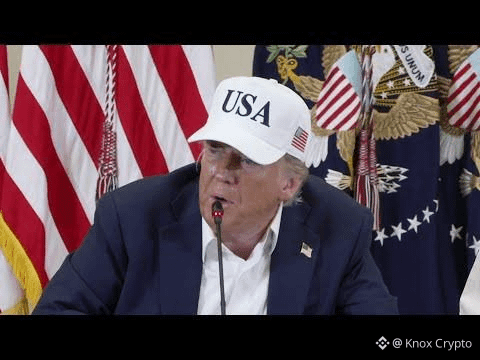
TRUMP SIGNALS LOWER OIL 🚨
Trump said oil prices could fall sharply toward pre war levels if the Iran conflict ends soon.
That outlook puts crude prices in focus, with $BZ currently around 98.9. A sustained de-escalation could reduce the geopolitical risk premium in oil, while any renewed tensions could keep prices elevated.
For $TRUMP , the statement also adds another macro narrative to watch as markets react to developments around Iran and energy prices.
TRUMP SIGNALS LOWER OIL 🚨
Trump said oil prices could fall sharply toward pre war levels if the Iran conflict ends soon.
That outlook puts crude prices in focus, with $BZ currently around 98.9. A sustained de-escalation could reduce the geopolitical risk premium in oil, while any renewed tensions could keep prices elevated.
For $TRUMP , the statement also adds another macro narrative to watch as markets react to developments around Iran and energy prices.
Trump said oil prices could fall sharply toward pre war levels if the Iran conflict ends soon.
That outlook puts crude prices in focus, with $BZ currently around 98.9. A sustained de-escalation could reduce the geopolitical risk premium in oil, while any renewed tensions could keep prices elevated.
For $TRUMP , the statement also adds another macro narrative to watch as markets react to developments around Iran and energy prices.
355
·
--
翻訳参照
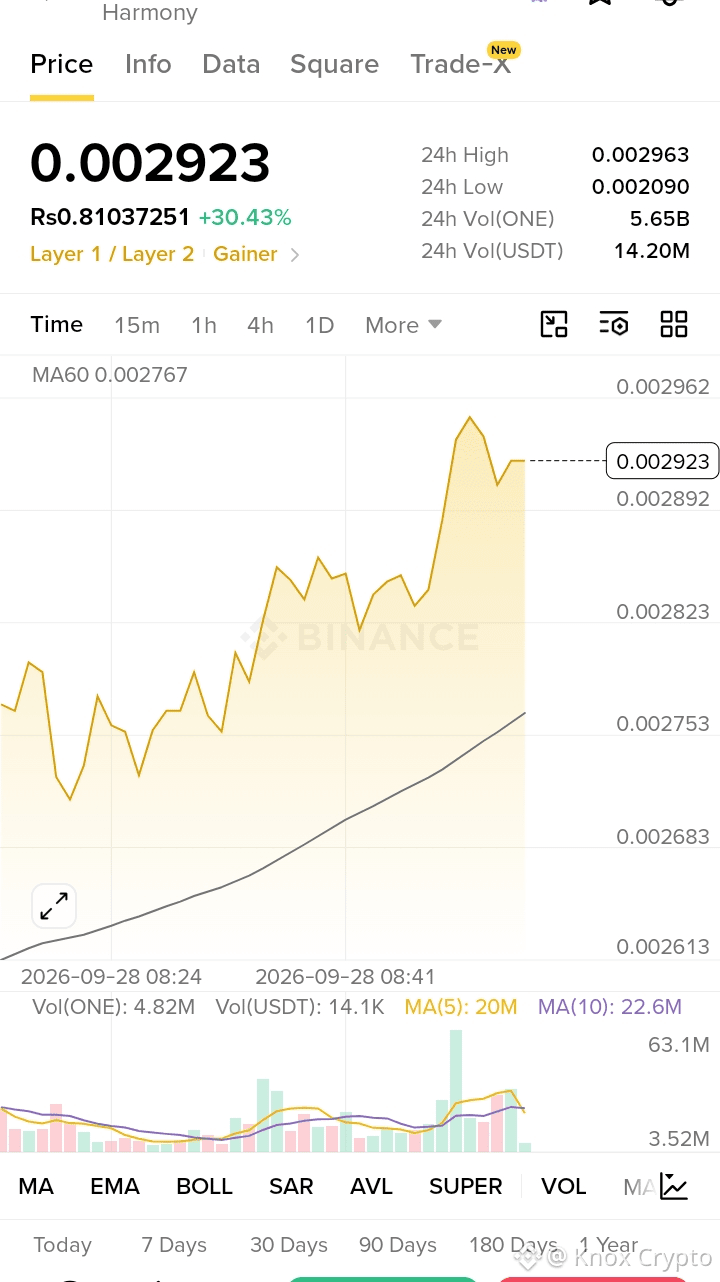
ONE EYES BREAKOUT
$ONE is recovering strongly from the 0.00206 area and has now pushed toward the key 0.00282 resistance.
The structure is turning bullish as buyers continue to defend higher levels. A decisive breakout and sustained hold above 0.00282 could strengthen the continuation setup, while rejection there may lead to another pullback toward the recent support zone.
Key levels to watch: 0.00282 resistance and 0.00252 support.
Momentum remains constructive as long as buyers maintain control above the recovery structure.
ONE EYES BREAKOUT
$ONE is recovering strongly from the 0.00206 area and has now pushed toward the key 0.00282 resistance.
The structure is turning bullish as buyers continue to defend higher levels. A decisive breakout and sustained hold above 0.00282 could strengthen the continuation setup, while rejection there may lead to another pullback toward the recent support zone.
Key levels to watch: 0.00282 resistance and 0.00252 support.
Momentum remains constructive as long as buyers maintain control above the recovery structure.
$ONE is recovering strongly from the 0.00206 area and has now pushed toward the key 0.00282 resistance.
The structure is turning bullish as buyers continue to defend higher levels. A decisive breakout and sustained hold above 0.00282 could strengthen the continuation setup, while rejection there may lead to another pullback toward the recent support zone.
Key levels to watch: 0.00282 resistance and 0.00252 support.
Momentum remains constructive as long as buyers maintain control above the recovery structure.
313
·
--
QNT RECLAIMS THE DROP — SECOND PUSH UNDER PRESSURE
$QNT は、先の下落の大半を取り戻したものの、反発は現在、セッション高値である194.95近辺の抵抗に直面している。
162.40まで下落した後、価格は2時間連続で高値引けを形成し、188.95まで到達しており、力強い回復を示している。だが、出来高は最初の動きの間よりも弱く、買い手がまだ勢いを十分に裏付けられていない可能性がある。
価格は一時194.07まで押し上げられた後、184.40付近へ後退し、194.95の水準を重要な注目ポイントとして維持している。出来れば、より強い出来高に支えられた状態で、それを明確に上回る1時間のクローズができれば、回復の構造がより強固になるだろう。
現時点では、QNTが再び別のリジェクト(拒否)なしで194.95を奪還できるかどうかが焦点だ。
QNT RECLAIMS THE DROP — SECOND PUSH UNDER PRESSURE
$QNT は、先の下落の大半を取り戻したものの、反発は現在、セッション高値である194.95近辺の抵抗に直面している。
162.40まで下落した後、価格は2時間連続で高値引けを形成し、188.95まで到達しており、力強い回復を示している。だが、出来高は最初の動きの間よりも弱く、買い手がまだ勢いを十分に裏付けられていない可能性がある。
価格は一時194.07まで押し上げられた後、184.40付近へ後退し、194.95の水準を重要な注目ポイントとして維持している。出来れば、より強い出来高に支えられた状態で、それを明確に上回る1時間のクローズができれば、回復の構造がより強固になるだろう。
現時点では、QNTが再び別のリジェクト(拒否)なしで194.95を奪還できるかどうかが焦点だ。
$QNT は、先の下落の大半を取り戻したものの、反発は現在、セッション高値である194.95近辺の抵抗に直面している。
162.40まで下落した後、価格は2時間連続で高値引けを形成し、188.95まで到達しており、力強い回復を示している。だが、出来高は最初の動きの間よりも弱く、買い手がまだ勢いを十分に裏付けられていない可能性がある。
価格は一時194.07まで押し上げられた後、184.40付近へ後退し、194.95の水準を重要な注目ポイントとして維持している。出来れば、より強い出来高に支えられた状態で、それを明確に上回る1時間のクローズができれば、回復の構造がより強固になるだろう。
現時点では、QNTが再び別のリジェクト(拒否)なしで194.95を奪還できるかどうかが焦点だ。
150
·
--
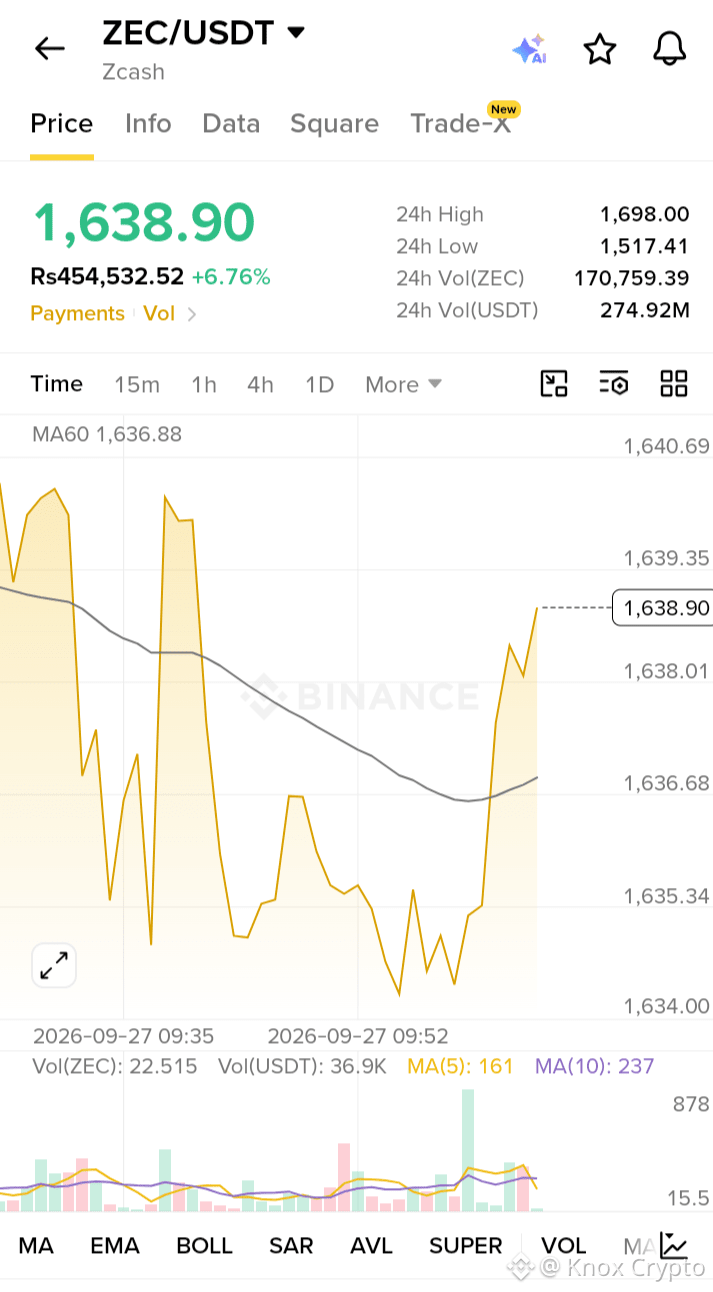
$lZEC モメンタムは高まっています
$ZEC は $1,581.72 から 1 時間で $1,699 へ急伸し、その一方で 4H のショートポジションは 66.83% から 70.90% へ増加しました。
ショート側が混み合っているにもかかわらず、価格は依然として過去の $1,625.91 の高値を上回って推移しており、強気の構造は維持されています。
この水準がサポートとして機能し続ける限り、直近のブレイクアウトは建設的な状態を保てます。$1,699 を上回る持続的な動きはモメンタムを強める一方で、$1,625 エリアをより深く下回ると構造が弱まる可能性があります。
混雑したショートはボラティリティを高めるかもしれませんが、注目すべき鍵は価格構造です。
$lZEC モメンタムは高まっています
$ZEC は $1,581.72 から 1 時間で $1,699 へ急伸し、その一方で 4H のショートポジションは 66.83% から 70.90% へ増加しました。
ショート側が混み合っているにもかかわらず、価格は依然として過去の $1,625.91 の高値を上回って推移しており、強気の構造は維持されています。
この水準がサポートとして機能し続ける限り、直近のブレイクアウトは建設的な状態を保てます。$1,699 を上回る持続的な動きはモメンタムを強める一方で、$1,625 エリアをより深く下回ると構造が弱まる可能性があります。
混雑したショートはボラティリティを高めるかもしれませんが、注目すべき鍵は価格構造です。
$ZEC は $1,581.72 から 1 時間で $1,699 へ急伸し、その一方で 4H のショートポジションは 66.83% から 70.90% へ増加しました。
ショート側が混み合っているにもかかわらず、価格は依然として過去の $1,625.91 の高値を上回って推移しており、強気の構造は維持されています。
この水準がサポートとして機能し続ける限り、直近のブレイクアウトは建設的な状態を保てます。$1,699 を上回る持続的な動きはモメンタムを強める一方で、$1,625 エリアをより深く下回ると構造が弱まる可能性があります。
混雑したショートはボラティリティを高めるかもしれませんが、注目すべき鍵は価格構造です。
135
·
--
🚨 Bitget、3.51億ドルのセキュリティ侵害を確認
Bitgetは、報じられた3億5100万ドル規模のハックを確認しており、2026年の主要な中央集権型取引所のセキュリティインシデントの1つに当たります。
取引所が調査を行う間、出金は停止されています。Bitgetはユーザー資金は安全だとしており、影響を受けた資産を補償するための自己防衛基金(4億6400万ドル)が利用可能だと述べています。
この事件は、取引所のホットウォレットが関与していると報じられている一方で、Bitget Walletアプリは影響を受けていないとのことです。
より大きな教訓は明確です。中央集権型取引所では、ユーザーがセキュリティ基盤を信頼する必要があります。
取引所のカストディ(預託保管)か自己カストディか—あなたは仮想通貨をどこに保管していますか?
$RED $QNT $PROM
🚨 Bitget、3.51億ドルのセキュリティ侵害を確認
Bitgetは、報じられた3億5100万ドル規模のハックを確認しており、2026年の主要な中央集権型取引所のセキュリティインシデントの1つに当たります。
取引所が調査を行う間、出金は停止されています。Bitgetはユーザー資金は安全だとしており、影響を受けた資産を補償するための自己防衛基金(4億6400万ドル)が利用可能だと述べています。
この事件は、取引所のホットウォレットが関与していると報じられている一方で、Bitget Walletアプリは影響を受けていないとのことです。
より大きな教訓は明確です。中央集権型取引所では、ユーザーがセキュリティ基盤を信頼する必要があります。
取引所のカストディ(預託保管)か自己カストディか—あなたは仮想通貨をどこに保管していますか?
$RED $QNT $PROM
Bitgetは、報じられた3億5100万ドル規模のハックを確認しており、2026年の主要な中央集権型取引所のセキュリティインシデントの1つに当たります。
取引所が調査を行う間、出金は停止されています。Bitgetはユーザー資金は安全だとしており、影響を受けた資産を補償するための自己防衛基金(4億6400万ドル)が利用可能だと述べています。
この事件は、取引所のホットウォレットが関与していると報じられている一方で、Bitget Walletアプリは影響を受けていないとのことです。
より大きな教訓は明確です。中央集権型取引所では、ユーザーがセキュリティ基盤を信頼する必要があります。
取引所のカストディ(預託保管)か自己カストディか—あなたは仮想通貨をどこに保管していますか?
$RED $QNT $PROM
107
·
--
WLD ブレイクアウトのリテストが鍵となる
$WLD はすでに0.5128のレジスタンスを突破し、強い出来高で0.5419まで到達しています。
この動きは現在も伸びており、RSIは約74、ロングポジションの比率が高い状態です。そのため、現在値を追いかけるのは魅力が薄くなります。
注目すべき重要なゾーンは0.5035〜0.5128です。以前のブレイクアウト・ゾーンがリテストされて維持されれば、強気の構造がより強固になりますが、これを失うとより深い押し目を示唆する可能性があります。
現時点では、ブレイクアウト水準が最優先で監視すべきポイントです。
WLD ブレイクアウトのリテストが鍵となる
$WLD はすでに0.5128のレジスタンスを突破し、強い出来高で0.5419まで到達しています。
この動きは現在も伸びており、RSIは約74、ロングポジションの比率が高い状態です。そのため、現在値を追いかけるのは魅力が薄くなります。
注目すべき重要なゾーンは0.5035〜0.5128です。以前のブレイクアウト・ゾーンがリテストされて維持されれば、強気の構造がより強固になりますが、これを失うとより深い押し目を示唆する可能性があります。
現時点では、ブレイクアウト水準が最優先で監視すべきポイントです。
$WLD はすでに0.5128のレジスタンスを突破し、強い出来高で0.5419まで到達しています。
この動きは現在も伸びており、RSIは約74、ロングポジションの比率が高い状態です。そのため、現在値を追いかけるのは魅力が薄くなります。
注目すべき重要なゾーンは0.5035〜0.5128です。以前のブレイクアウト・ゾーンがリテストされて維持されれば、強気の構造がより強固になりますが、これを失うとより深い押し目を示唆する可能性があります。
現時点では、ブレイクアウト水準が最優先で監視すべきポイントです。
81
·
--
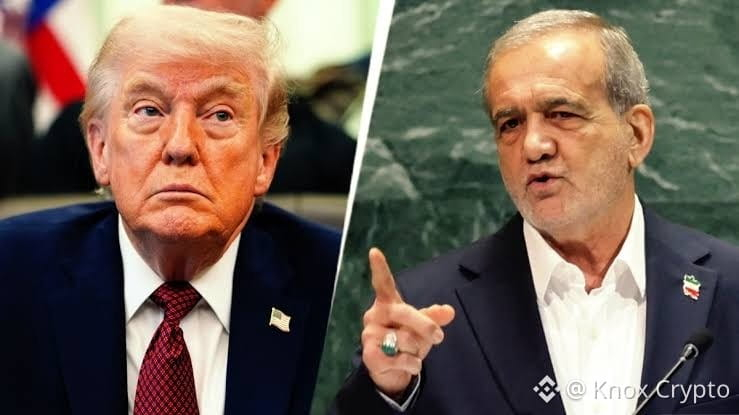
イラン・米国協議が「信頼の壁」に突き当たる
イランのマスード・ペゼシュキアン大統領は、テヘランはもはやワシントンとの交渉を信頼していないと述べた。一方で、これまでの約束が履行されるなら、外交の扉は開いたままだとしている。
米イラン関係をめぐる緊張の再燃は、地政学的リスクを高い水準にとどめる可能性があり、原油、リスク資産、暗号資産(クリプト)市場への影響が懸念される。
イラン・米国協議が「信頼の壁」に突き当たる
イランのマスード・ペゼシュキアン大統領は、テヘランはもはやワシントンとの交渉を信頼していないと述べた。一方で、これまでの約束が履行されるなら、外交の扉は開いたままだとしている。
米イラン関係をめぐる緊張の再燃は、地政学的リスクを高い水準にとどめる可能性があり、原油、リスク資産、暗号資産(クリプト)市場への影響が懸念される。
イランのマスード・ペゼシュキアン大統領は、テヘランはもはやワシントンとの交渉を信頼していないと述べた。一方で、これまでの約束が履行されるなら、外交の扉は開いたままだとしている。
米イラン関係をめぐる緊張の再燃は、地政学的リスクを高い水準にとどめる可能性があり、原油、リスク資産、暗号資産(クリプト)市場への影響が懸念される。
59
·
--
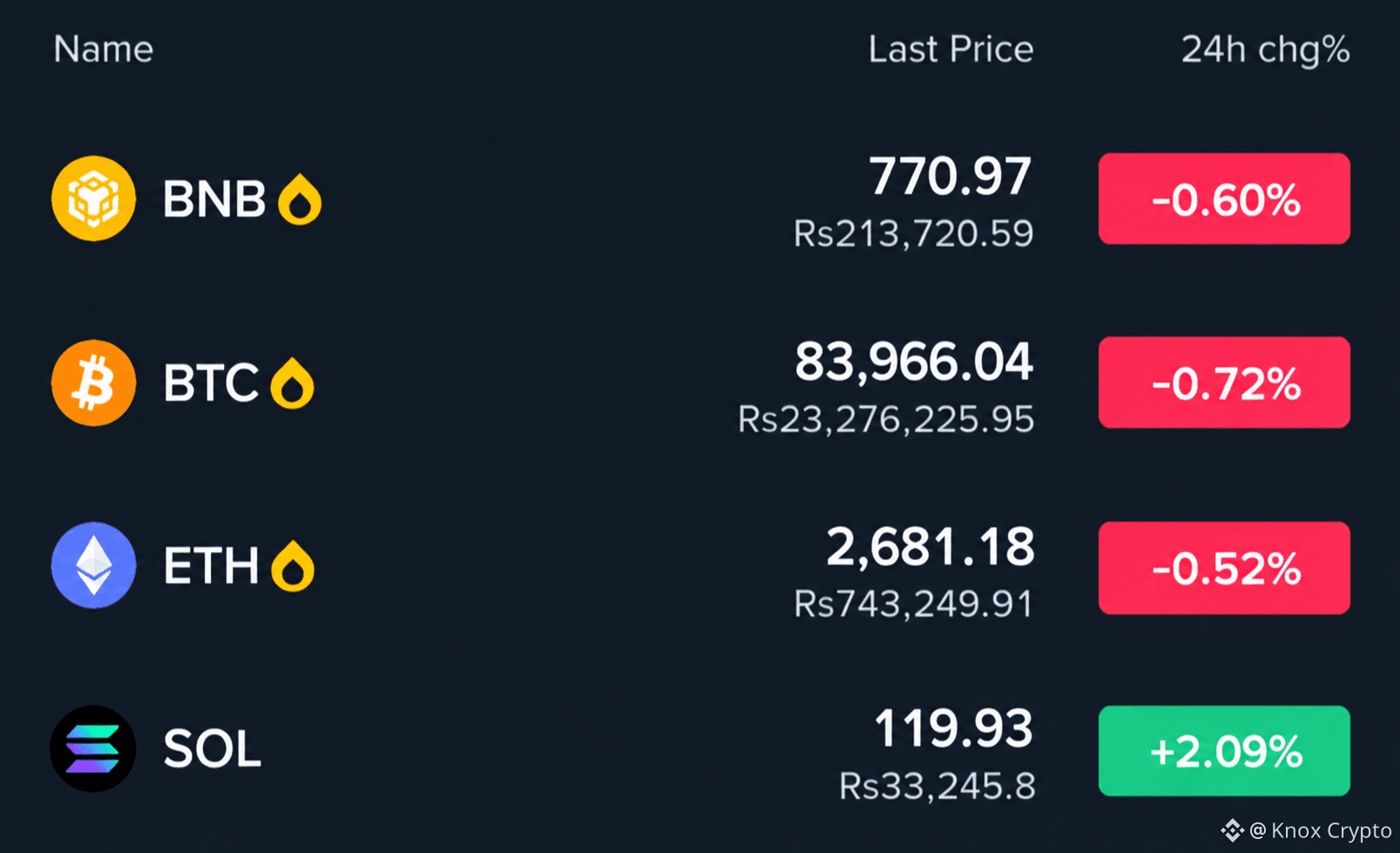
MAJOR COINS TESTING SUPPORT AS MOMENTUM COOLS
より広い市場では、最近の回復後にいくぶん弱さが見られます。
$BTC は約84Kドル近辺で取引されており、$ETH は約2,681ドル近辺を維持しています。$SOL は相対的に強く、約120ドル近辺で推移しており、短期的な耐性がより良好です。
重要なのは、これらのサポート領域が引き続き維持されるかどうかです。しっかりとした防衛が続けば、次の回復の余地が生まれる可能性がありますが、崩れる場合は、市場全体で売り圧力の再燃が起きるリスクが高まります。
MAJOR COINS TESTING SUPPORT AS MOMENTUM COOLS
より広い市場では、最近の回復後にいくぶん弱さが見られます。
$BTC は約84Kドル近辺で取引されており、$ETH は約2,681ドル近辺を維持しています。$SOL は相対的に強く、約120ドル近辺で推移しており、短期的な耐性がより良好です。
重要なのは、これらのサポート領域が引き続き維持されるかどうかです。しっかりとした防衛が続けば、次の回復の余地が生まれる可能性がありますが、崩れる場合は、市場全体で売り圧力の再燃が起きるリスクが高まります。
より広い市場では、最近の回復後にいくぶん弱さが見られます。
$BTC は約84Kドル近辺で取引されており、$ETH は約2,681ドル近辺を維持しています。$SOL は相対的に強く、約120ドル近辺で推移しており、短期的な耐性がより良好です。
重要なのは、これらのサポート領域が引き続き維持されるかどうかです。しっかりとした防衛が続けば、次の回復の余地が生まれる可能性がありますが、崩れる場合は、市場全体で売り圧力の再燃が起きるリスクが高まります。
115
·
--
記事
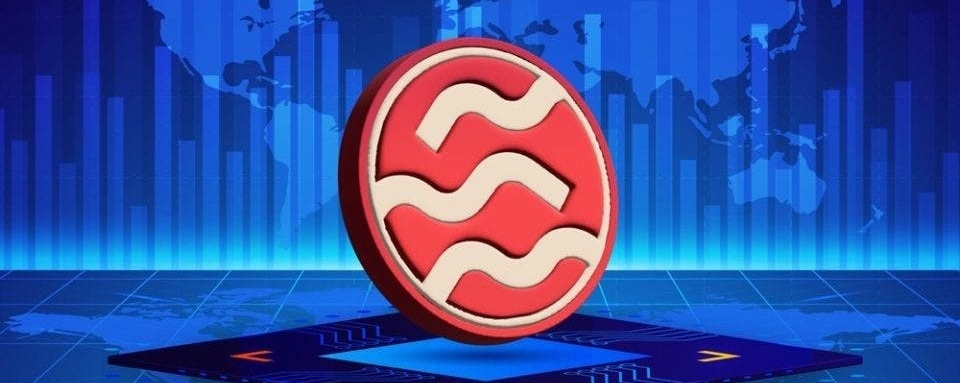
レイヤー1の物語が再び焦点に:SEIが市場の注目を取り戻す$SEI は、市場価格の顕著な上昇を受けて再び注目の的となり、資本が代替のレイヤー1ネットワークへ回転する可能性についての議論が再燃しています。
9月18日に約$0.0455だったトークンが、9月25日には約$0.0634にまで上昇し、1週間で約39%の上昇を記録しました。今回の値動きは取引業者のSEIへの注目を再び呼び戻しましたが、より重要なのは、この関心の再燃が持続的なエコシステム成長につながるかどうかです。
Seiは高性能アプリケーション向けに設計されたレイヤー1ブロックチェーンで、そのエコシステムは分散型金融(DeFi)、ゲーム、インフラ、ステーブルコイン、実世界資産(RWA)にまで広がっています。このように幅広い用途があることで、ネットワークは単なるトークンスペキュレーション以外にも活動が生まれる可能性が複数あります。
レイヤー1の物語が再び焦点に:SEIが市場の注目を取り戻す
$SEI は、市場価格の顕著な上昇を受けて再び注目の的となり、資本が代替のレイヤー1ネットワークへ回転する可能性についての議論が再燃しています。
9月18日に約$0.0455だったトークンが、9月25日には約$0.0634にまで上昇し、1週間で約39%の上昇を記録しました。今回の値動きは取引業者のSEIへの注目を再び呼び戻しましたが、より重要なのは、この関心の再燃が持続的なエコシステム成長につながるかどうかです。
Seiは高性能アプリケーション向けに設計されたレイヤー1ブロックチェーンで、そのエコシステムは分散型金融(DeFi)、ゲーム、インフラ、ステーブルコイン、実世界資産(RWA)にまで広がっています。このように幅広い用途があることで、ネットワークは単なるトークンスペキュレーション以外にも活動が生まれる可能性が複数あります。
9月18日に約$0.0455だったトークンが、9月25日には約$0.0634にまで上昇し、1週間で約39%の上昇を記録しました。今回の値動きは取引業者のSEIへの注目を再び呼び戻しましたが、より重要なのは、この関心の再燃が持続的なエコシステム成長につながるかどうかです。
Seiは高性能アプリケーション向けに設計されたレイヤー1ブロックチェーンで、そのエコシステムは分散型金融(DeFi)、ゲーム、インフラ、ステーブルコイン、実世界資産(RWA)にまで広がっています。このように幅広い用途があることで、ネットワークは単なるトークンスペキュレーション以外にも活動が生まれる可能性が複数あります。
92
·
--
強い急騰の後、ペンギンが抵抗に直面
$PENGU は、最近のポンプの後、$0.0103〜$0.0105の抵抗ゾーン付近で苦戦しています。
このあたりで価格が様子見の兆しを見せています。拒否(リジェクト)が起これば、短期的に下方向へ下値のサポート水準に向けて押し戻される可能性があります。一方で、ゾーンを上回る動きが持続すれば、弱気のセットアップが弱まるでしょう。
現時点では、$0.0103〜$0.0105周辺の反応が注目すべき重要なポイントです。
強い急騰の後、ペンギンが抵抗に直面
$PENGU は、最近のポンプの後、$0.0103〜$0.0105の抵抗ゾーン付近で苦戦しています。
このあたりで価格が様子見の兆しを見せています。拒否(リジェクト)が起これば、短期的に下方向へ下値のサポート水準に向けて押し戻される可能性があります。一方で、ゾーンを上回る動きが持続すれば、弱気のセットアップが弱まるでしょう。
現時点では、$0.0103〜$0.0105周辺の反応が注目すべき重要なポイントです。
$PENGU は、最近のポンプの後、$0.0103〜$0.0105の抵抗ゾーン付近で苦戦しています。
このあたりで価格が様子見の兆しを見せています。拒否(リジェクト)が起これば、短期的に下方向へ下値のサポート水準に向けて押し戻される可能性があります。一方で、ゾーンを上回る動きが持続すれば、弱気のセットアップが弱まるでしょう。
現時点では、$0.0103〜$0.0105周辺の反応が注目すべき重要なポイントです。
94
·
--
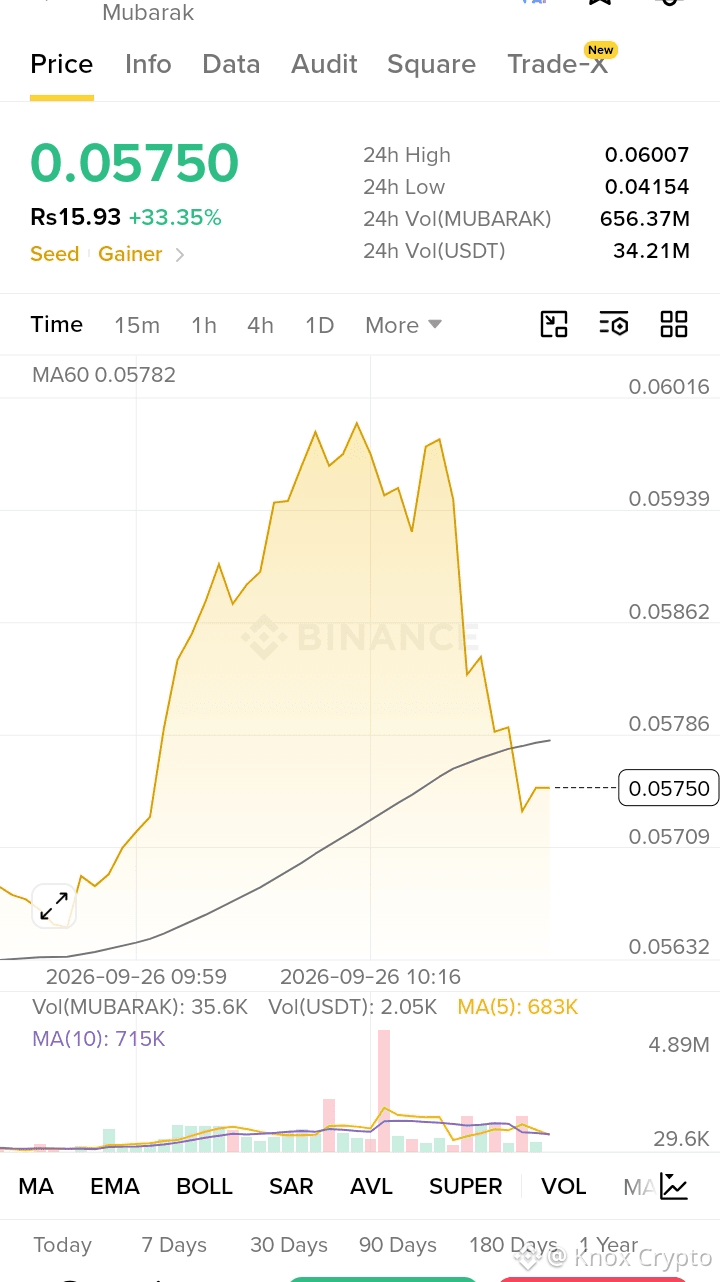
MUBARAKの買い手が支配権を取り戻す
$MUBARAK は$0.04128の安値から力強く回復し、現在$0.060の水準をテストしています。
構造は依然として建設的で、底打ち後に価格がより高い水準を築いています。$0.060を持続的に上抜ければ、強気の構造がさらに強まり、さらなる上昇モメンタムを示す可能性があります。
現時点では、回復は維持されており、買いの勢いが再び高まっています。
MUBARAKの買い手が支配権を取り戻す
$MUBARAK は$0.04128の安値から力強く回復し、現在$0.060の水準をテストしています。
構造は依然として建設的で、底打ち後に価格がより高い水準を築いています。$0.060を持続的に上抜ければ、強気の構造がさらに強まり、さらなる上昇モメンタムを示す可能性があります。
現時点では、回復は維持されており、買いの勢いが再び高まっています。
$MUBARAK は$0.04128の安値から力強く回復し、現在$0.060の水準をテストしています。
構造は依然として建設的で、底打ち後に価格がより高い水準を築いています。$0.060を持続的に上抜ければ、強気の構造がさらに強まり、さらなる上昇モメンタムを示す可能性があります。
現時点では、回復は維持されており、買いの勢いが再び高まっています。
136
·
--
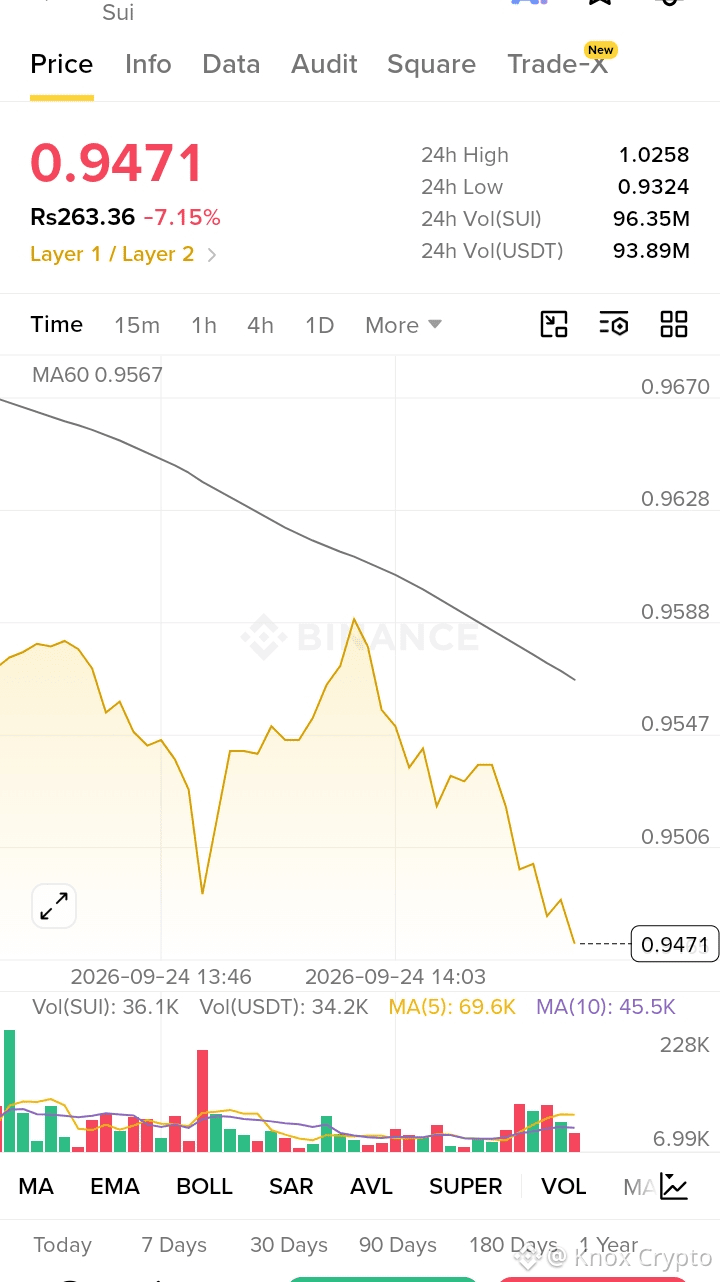
SUI 売り手が再び価格を圧迫しています
$SUI は、直近の回復を維持できなかったことで、改めて売り圧力にさらされています。構造は依然として弱く、売り手は価格を下側のサポート領域へ押し戻そうとしています。
現在のゾーンを下回る状態が継続すれば下落の勢いが維持される可能性があり、一方で直近のリジェクション(反発拒否)領域を上抜けての回復が、短期の構造に変化が生じるかどうかの重要なポイントになります。
現時点では、価格が近くのサポート/レジスタンス水準でどのように反応するかに注目が集まっています。
SUI 売り手が再び価格を圧迫しています
$SUI は、直近の回復を維持できなかったことで、改めて売り圧力にさらされています。構造は依然として弱く、売り手は価格を下側のサポート領域へ押し戻そうとしています。
現在のゾーンを下回る状態が継続すれば下落の勢いが維持される可能性があり、一方で直近のリジェクション(反発拒否)領域を上抜けての回復が、短期の構造に変化が生じるかどうかの重要なポイントになります。
現時点では、価格が近くのサポート/レジスタンス水準でどのように反応するかに注目が集まっています。
$SUI は、直近の回復を維持できなかったことで、改めて売り圧力にさらされています。構造は依然として弱く、売り手は価格を下側のサポート領域へ押し戻そうとしています。
現在のゾーンを下回る状態が継続すれば下落の勢いが維持される可能性があり、一方で直近のリジェクション(反発拒否)領域を上抜けての回復が、短期の構造に変化が生じるかどうかの重要なポイントになります。
現時点では、価格が近くのサポート/レジスタンス水準でどのように反応するかに注目が集まっています。
125
·
--
カニ(ザリガニ)セラーが依然として優勢
$龙虾 は強い拒否の後もなお売り圧にさらされており、最近の値動きからは買い手がまだ主導権を取り戻せていないことが示唆されています。
構造が改善し、買いの勢いが戻らない限り、市場はさらなる下落に対して脆弱な状態が続く可能性があります。今の焦点は、売り手が圧力を維持できるのか、それとも買い手がこの現在の価格帯を守るのかです。
当面は、弱さが続いているため、バイアスは慎重なままです。
カニ(ザリガニ)セラーが依然として優勢
$龙虾 は強い拒否の後もなお売り圧にさらされており、最近の値動きからは買い手がまだ主導権を取り戻せていないことが示唆されています。
構造が改善し、買いの勢いが戻らない限り、市場はさらなる下落に対して脆弱な状態が続く可能性があります。今の焦点は、売り手が圧力を維持できるのか、それとも買い手がこの現在の価格帯を守るのかです。
当面は、弱さが続いているため、バイアスは慎重なままです。
$龙虾 は強い拒否の後もなお売り圧にさらされており、最近の値動きからは買い手がまだ主導権を取り戻せていないことが示唆されています。
構造が改善し、買いの勢いが戻らない限り、市場はさらなる下落に対して脆弱な状態が続く可能性があります。今の焦点は、売り手が圧力を維持できるのか、それとも買い手がこの現在の価格帯を守るのかです。
当面は、弱さが続いているため、バイアスは慎重なままです。
590
·
--
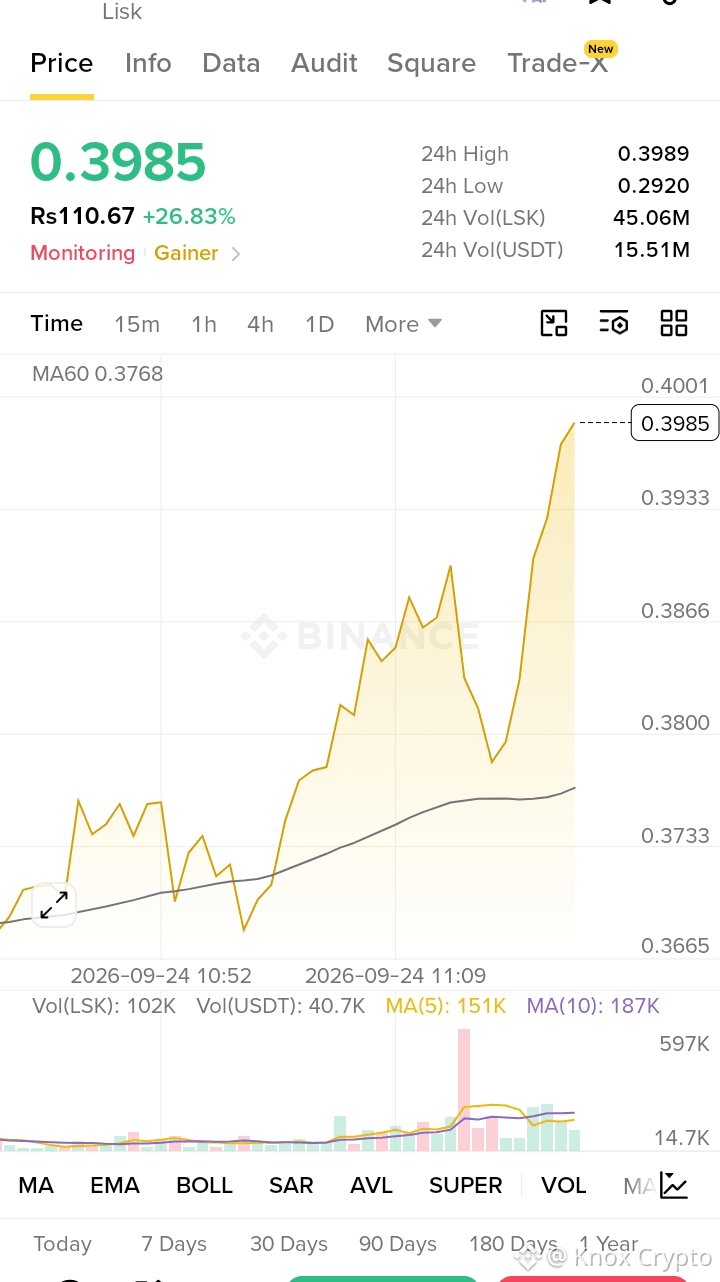
LSK 買い手が主導権を取り戻す、抵抗は目前
$LSK は$0.2865の安値から力強く回復し、現在は重要な$0.41〜$0.42の抵抗域へ押し戻されています。
リバウンドにより短期的な構造は改善していますが、$0.33〜$0.34は依然として重要なサポートゾーンです。$0.42を上回る持続的な動きがあれば、強気の構造が強まり、さらなる上昇の余地が生まれる可能性があります。
現時点では勢いは買い手側にありますが、$0.41〜$0.42のゾーンが注目すべき主要な領域のままです。
LSK 買い手が主導権を取り戻す、抵抗は目前
$LSK は$0.2865の安値から力強く回復し、現在は重要な$0.41〜$0.42の抵抗域へ押し戻されています。
リバウンドにより短期的な構造は改善していますが、$0.33〜$0.34は依然として重要なサポートゾーンです。$0.42を上回る持続的な動きがあれば、強気の構造が強まり、さらなる上昇の余地が生まれる可能性があります。
現時点では勢いは買い手側にありますが、$0.41〜$0.42のゾーンが注目すべき主要な領域のままです。
$LSK は$0.2865の安値から力強く回復し、現在は重要な$0.41〜$0.42の抵抗域へ押し戻されています。
リバウンドにより短期的な構造は改善していますが、$0.33〜$0.34は依然として重要なサポートゾーンです。$0.42を上回る持続的な動きがあれば、強気の構造が強まり、さらなる上昇の余地が生まれる可能性があります。
現時点では勢いは買い手側にありますが、$0.41〜$0.42のゾーンが注目すべき主要な領域のままです。
174
·
--
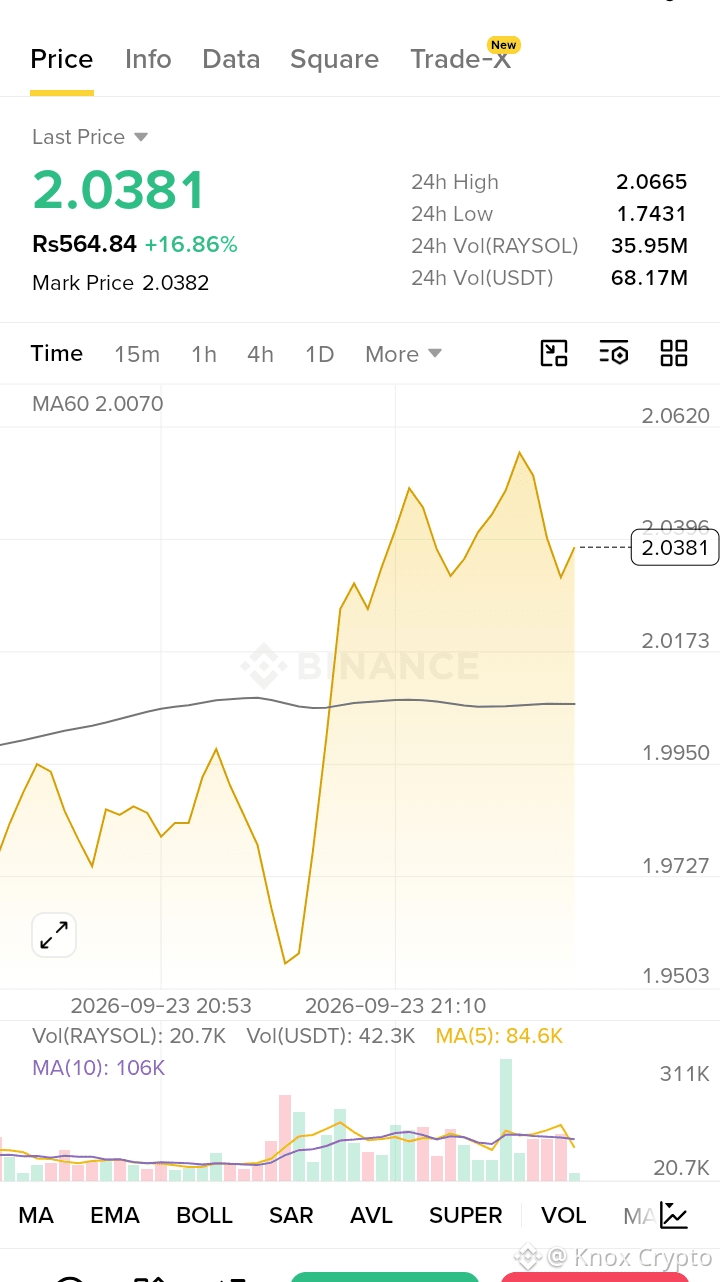
RAYSOL ブレイクアウト後のモメンタム構築
$RAYSOL は$2.00の水準を取り戻したことで強さを増しており、短期の構造で買い手が主導権を握りつつあることを示唆しています。
価格がこの重要な心理的水準を上回って維持する限り、モメンタムは建設的な状態を保てます。買い圧力が続けば、さらなる上昇余地が開く可能性がありますが、$2.00の領域を失うと、現在の強気構造は弱まるでしょう。
現時点では、重要なのは「$RAYSOL が単にその上を一時的に突き抜けるのではなく、このブレイクアウトを維持できるかどうか」です。
RAYSOL ブレイクアウト後のモメンタム構築
$RAYSOL は$2.00の水準を取り戻したことで強さを増しており、短期の構造で買い手が主導権を握りつつあることを示唆しています。
価格がこの重要な心理的水準を上回って維持する限り、モメンタムは建設的な状態を保てます。買い圧力が続けば、さらなる上昇余地が開く可能性がありますが、$2.00の領域を失うと、現在の強気構造は弱まるでしょう。
現時点では、重要なのは「$RAYSOL が単にその上を一時的に突き抜けるのではなく、このブレイクアウトを維持できるかどうか」です。
$RAYSOL は$2.00の水準を取り戻したことで強さを増しており、短期の構造で買い手が主導権を握りつつあることを示唆しています。
価格がこの重要な心理的水準を上回って維持する限り、モメンタムは建設的な状態を保てます。買い圧力が続けば、さらなる上昇余地が開く可能性がありますが、$2.00の領域を失うと、現在の強気構造は弱まるでしょう。
現時点では、重要なのは「$RAYSOL が単にその上を一時的に突き抜けるのではなく、このブレイクアウトを維持できるかどうか」です。
136
·
--
売り圧力は維持
$TAKE は、直近の高値圏からの拒否を受けた後も、依然として強い売り圧力に直面しています。構造は弱いままで、売り手が短期のモメンタムを支配しています。
現在の水準を下回る持続的な動きがあれば、$0.096、$0.093、そして$0.090へ向けた道が開かれる可能性があります。
一方で、上方向では$0.106が取り戻すべき重要な水準です。これを上抜ければ、現在の弱気のセットアップが弱まる可能性があります。
ボラティリティが高い状態が続く間は、リスク管理が重要です。過度なエクスポージャーを避け、価格が次の動きを確認するのを待ちましょう。
売り圧力は維持
$TAKE は、直近の高値圏からの拒否を受けた後も、依然として強い売り圧力に直面しています。構造は弱いままで、売り手が短期のモメンタムを支配しています。
現在の水準を下回る持続的な動きがあれば、$0.096、$0.093、そして$0.090へ向けた道が開かれる可能性があります。
一方で、上方向では$0.106が取り戻すべき重要な水準です。これを上抜ければ、現在の弱気のセットアップが弱まる可能性があります。
ボラティリティが高い状態が続く間は、リスク管理が重要です。過度なエクスポージャーを避け、価格が次の動きを確認するのを待ちましょう。
$TAKE は、直近の高値圏からの拒否を受けた後も、依然として強い売り圧力に直面しています。構造は弱いままで、売り手が短期のモメンタムを支配しています。
現在の水準を下回る持続的な動きがあれば、$0.096、$0.093、そして$0.090へ向けた道が開かれる可能性があります。
一方で、上方向では$0.106が取り戻すべき重要な水準です。これを上抜ければ、現在の弱気のセットアップが弱まる可能性があります。
ボラティリティが高い状態が続く間は、リスク管理が重要です。過度なエクスポージャーを避け、価格が次の動きを確認するのを待ちましょう。
311
·
--
TRADFI スポット市場 ミックス・モメンタム
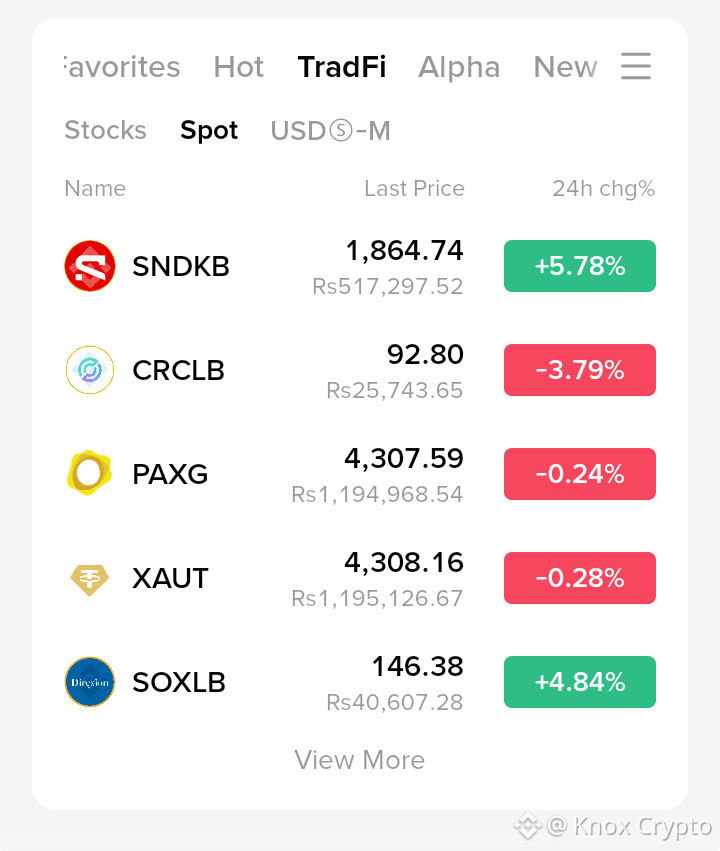
TradFi スポットボードは複雑な様子を示しています。$SNDKB は +5.78%、$CRCLB は -3.79%、$PAXG は -0.24%、XAUT は -0.28%、そして SOXLB は +4.84% です。
注目すべきは「方向の分かれ」です。SNDKB と SOXLB ははっきりしたプラスのモメンタムを維持している一方で、CRCLB は圧力を受けています。その一方で、PAXG と XAUT はほぼ横ばいで、トークン化された金側は比較的安定しています。PAXG と XAUT はいずれもトークン化された金資産であり、SOXLB は半導体セクターへのトークン化されたエクスポージャーを提供しています。
全体として、このボードは「TradFiの流動性が一つの大きなトレンドに従うのではなく、異なる方向へ動いている」ことを示しています。次の重要なポイントは、現在のリーダーが強さを維持できるかどうか、そして弱い銘柄が安定してくるかどうかです。
TRADFI スポット市場 ミックス・モメンタム
TradFi スポットボードは複雑な様子を示しています。$SNDKB は +5.78%、$CRCLB は -3.79%、$PAXG は -0.24%、XAUT は -0.28%、そして SOXLB は +4.84% です。
注目すべきは「方向の分かれ」です。SNDKB と SOXLB ははっきりしたプラスのモメンタムを維持している一方で、CRCLB は圧力を受けています。その一方で、PAXG と XAUT はほぼ横ばいで、トークン化された金側は比較的安定しています。PAXG と XAUT はいずれもトークン化された金資産であり、SOXLB は半導体セクターへのトークン化されたエクスポージャーを提供しています。
全体として、このボードは「TradFiの流動性が一つの大きなトレンドに従うのではなく、異なる方向へ動いている」ことを示しています。次の重要なポイントは、現在のリーダーが強さを維持できるかどうか、そして弱い銘柄が安定してくるかどうかです。
TradFi スポットボードは複雑な様子を示しています。$SNDKB は +5.78%、$CRCLB は -3.79%、$PAXG は -0.24%、XAUT は -0.28%、そして SOXLB は +4.84% です。
注目すべきは「方向の分かれ」です。SNDKB と SOXLB ははっきりしたプラスのモメンタムを維持している一方で、CRCLB は圧力を受けています。その一方で、PAXG と XAUT はほぼ横ばいで、トークン化された金側は比較的安定しています。PAXG と XAUT はいずれもトークン化された金資産であり、SOXLB は半導体セクターへのトークン化されたエクスポージャーを提供しています。
全体として、このボードは「TradFiの流動性が一つの大きなトレンドに従うのではなく、異なる方向へ動いている」ことを示しています。次の重要なポイントは、現在のリーダーが強さを維持できるかどうか、そして弱い銘柄が安定してくるかどうかです。
227
·
--
今日は BINANCE アルファ・モメンタム
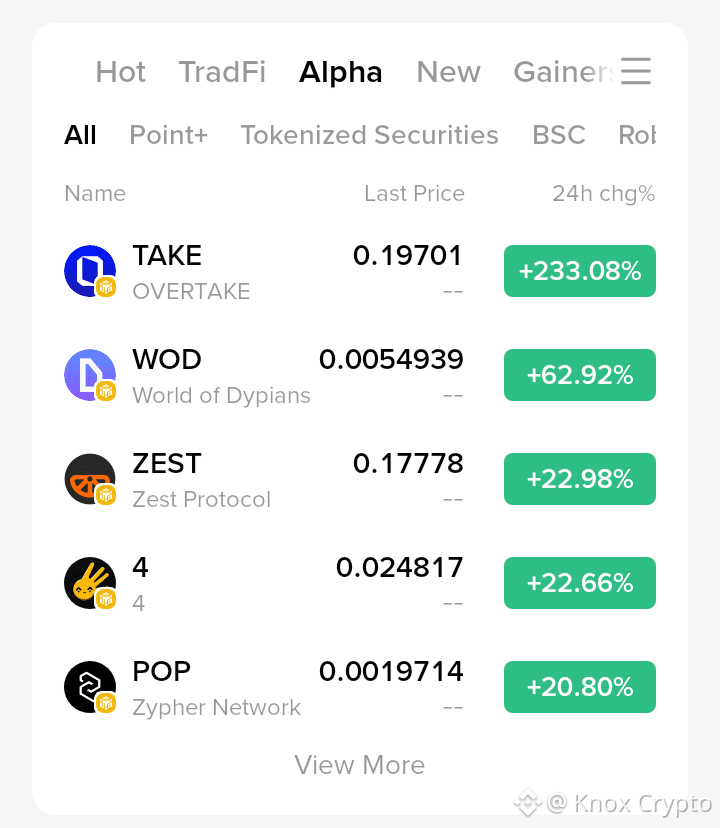
Binance Alphaは本日、いくつかのトークンが急騰しており、強い勢いを見せています。
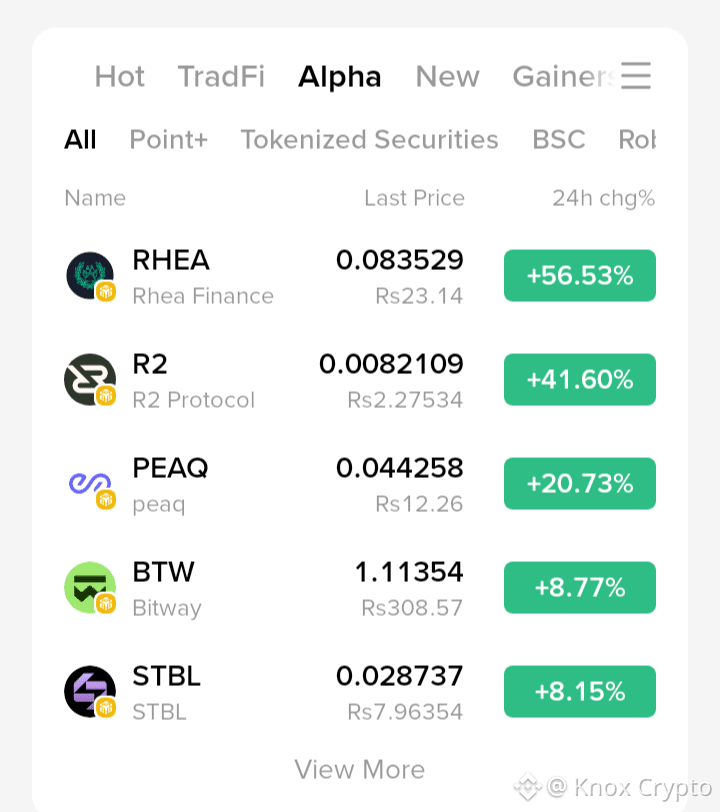
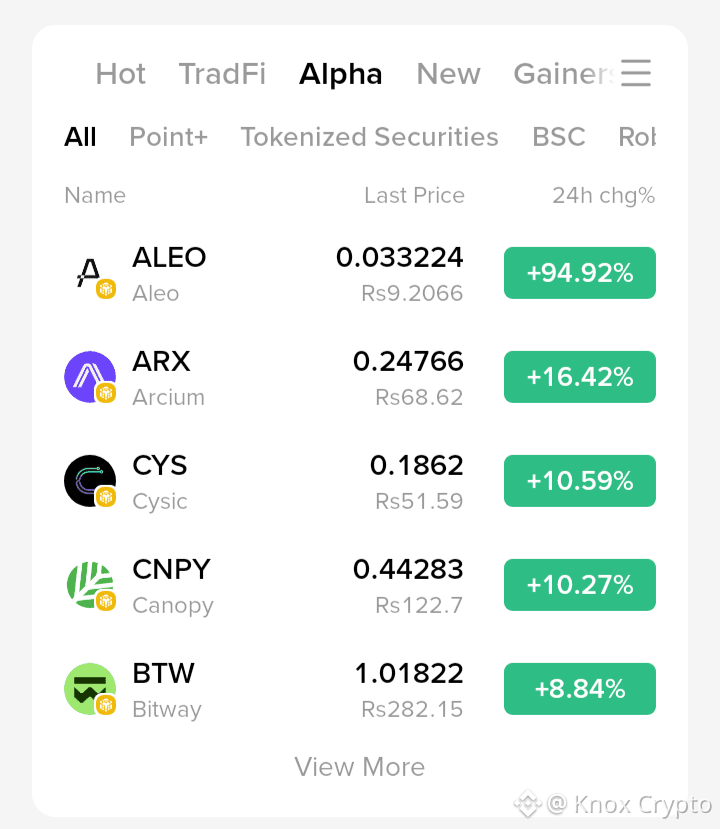
$TAKE が+233.08%でトップに立ち、次いで$WOD が+62.92%。さらに$ZEST 、$4、そして$POPも上昇しており、いずれも20%以上の上げを記録しています。
アルファ・ボードは本日明らかに活況ですが、このような急激な値動きの後は、ボラティリティや押し戻しも増える可能性があります。最初の急騰を追いかけるのではなく、これらのトークンがその勢いを維持できるかに注目する価値があります。
今日は BINANCE アルファ・モメンタム
Binance Alphaは本日、いくつかのトークンが急騰しており、強い勢いを見せています。
$TAKE が+233.08%でトップに立ち、次いで$WOD が+62.92%。さらに$ZEST 、$4、そして$POPも上昇しており、いずれも20%以上の上げを記録しています。
アルファ・ボードは本日明らかに活況ですが、このような急激な値動きの後は、ボラティリティや押し戻しも増える可能性があります。最初の急騰を追いかけるのではなく、これらのトークンがその勢いを維持できるかに注目する価値があります。
Binance Alphaは本日、いくつかのトークンが急騰しており、強い勢いを見せています。
$TAKE が+233.08%でトップに立ち、次いで$WOD が+62.92%。さらに$ZEST 、$4、そして$POPも上昇しており、いずれも20%以上の上げを記録しています。
アルファ・ボードは本日明らかに活況ですが、このような急激な値動きの後は、ボラティリティや押し戻しも増える可能性があります。最初の急騰を追いかけるのではなく、これらのトークンがその勢いを維持できるかに注目する価値があります。
1
810
ログインして、さらにコンテンツを読む
厳選トピックで世界の暗号資産トレーダーの仲間入り
⚡️ 暗号資産に関する最新かつ有益な情報が見つかります。
💬 世界最大の暗号資産取引所から信頼されています。
👍 認証を受けたクリエイターから、有益なインサイトを得られます。
メール / 電話番号