

MeharAhmad23
16 投稿

MeharAhmad23
報告
ユーザーをブロック
取引を発注
低高頻度トレーダー
2.2年
3 フォロー
8 フォロワー
8 いいね
投稿
ポートフォリオ
·
--

記事
Binance Qafila 2026:🚀 Binance Qafila 2026:100万ドル相当の#USDC 報酬キャンペーン
本日の暗号資産ニュースでは、合計100万ドル相当の<t-16/>#USDC トークンバウチャーを賞品とするキャンペーン「Binance Qafila 2026」を取り上げます。対象ユーザーは、取引チャレンジ、Earnの申し込み、紹介など、さまざまなアクティビティに参加できます。報酬はキャンペーンの規則や個々の参加資格によって異なります。キャンペーンは2026年11月30日まで実施予定ですが、参加者全員に報酬が保証されるわけではありません。参加前に、Binanceの公式発表で詳細をご確認ください。"htt$ps://www.binance.com/en/support/announcement/detail/ade351b5d80842b69784d836e0338a6d" (https://www.binance.com/en/support/announcement/detail/ade351b5d80842b69784d836e0338a6d)
Binance Qafila 2026:
🚀 Binance Qafila 2026:100万ドル相当の#USDC 報酬キャンペーン
本日の暗号資産ニュースでは、合計100万ドル相当の<t-16/>#USDC トークンバウチャーを賞品とするキャンペーン「Binance Qafila 2026」を取り上げます。対象ユーザーは、取引チャレンジ、Earnの申し込み、紹介など、さまざまなアクティビティに参加できます。報酬はキャンペーンの規則や個々の参加資格によって異なります。キャンペーンは2026年11月30日まで実施予定ですが、参加者全員に報酬が保証されるわけではありません。参加前に、Binanceの公式発表で詳細をご確認ください。"htt$ps://www.binance.com/en/support/announcement/detail/ade351b5d80842b69784d836e0338a6d" (https://www.binance.com/en/support/announcement/detail/ade351b5d80842b69784d836e0338a6d)
本日の暗号資産ニュースでは、合計100万ドル相当の<t-16/>#USDC トークンバウチャーを賞品とするキャンペーン「Binance Qafila 2026」を取り上げます。対象ユーザーは、取引チャレンジ、Earnの申し込み、紹介など、さまざまなアクティビティに参加できます。報酬はキャンペーンの規則や個々の参加資格によって異なります。キャンペーンは2026年11月30日まで実施予定ですが、参加者全員に報酬が保証されるわけではありません。参加前に、Binanceの公式発表で詳細をご確認ください。"htt$ps://www.binance.com/en/support/announcement/detail/ade351b5d80842b69784d836e0338a6d" (https://www.binance.com/en/support/announcement/detail/ade351b5d80842b69784d836e0338a6d)
76
·
--
翻訳参照
Binance Qafila brings an exciting opportunity for the crypto community with a $1,000,000 USDC reward pool. Starting October 20, 2026, users can explore the campaign and its activities. Check the official Binance rules to understand eligibility and rewards before participating.
#Binance #Qafila #USDC #CryptoRewards
https://www.binance.com/en/ti/act/Qafila
#Binance #Qafila #USDC #CryptoRewards
https://www.binance.com/en/ti/act/Qafila

89
·
--
翻訳参照
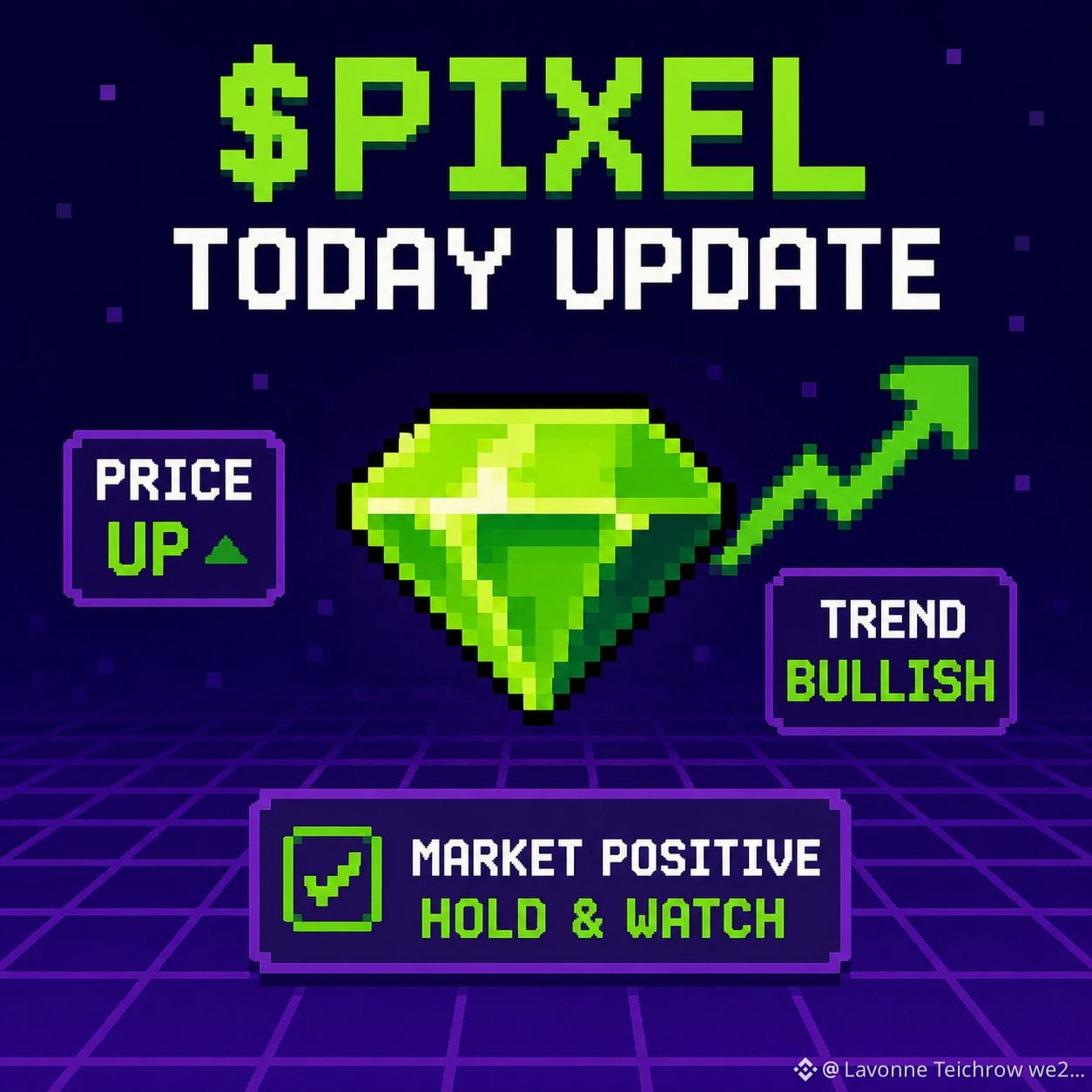
#pixel $PIXEL
PIXEL ($PIXEL L) – Today’s Market Update
The price action of PIXEL ($PIXEL
{spot}(PIXELUSDT)
EL) is showing renewed interest in the market today, with a noticeable increase in trading volume and short-term momentum. Buyers are gradually stepping in after a period of consolidation, suggesting that confidence is slowly returning among traders. This uptick is likely influenced by growing attention around gaming and metaverse-related tokens, where PIXEL continues to position itself as a relevant player. On lower timeframes, the chart reflects higher lows forming, which is often considered a bullish signal if sustained. However, the market still remains sensitive to overall crypto sentiment, meaning any major movement in Bitcoin could impact PIXEL’s direction.
From a broader perspective, PIXEL is benefiting from increased community engagement and ongoing ecosystem developments, which are helping maintain its relevance despite market fluctuations. Social media mentions and trading discussions around the token have picked up, hinting at rising speculative interest. While this does not guarantee a strong rally, it does create conditions for potential volatility and short-term opportunities. Traders are closely watching key resistance levels, and a breakout above these zones could trigger a sharper upward move. On the downside, maintaining current support levels will be crucial to avoid another pullback, making today’s session important for setting the tone in the near term.
#pixel $PIXEL
PIXEL ($PIXEL L) – Today’s Market Update
The price action of PIXEL ($PIXEL
EL) is showing renewed interest in the market today, with a noticeable increase in trading volume and short-term momentum. Buyers are gradually stepping in after a period of consolidation, suggesting that confidence is slowly returning among traders. This uptick is likely influenced by growing attention around gaming and metaverse-related tokens, where PIXEL continues to position itself as a relevant player. On lower timeframes, the chart reflects higher lows forming, which is often considered a bullish signal if sustained. However, the market still remains sensitive to overall crypto sentiment, meaning any major movement in Bitcoin could impact PIXEL’s direction.
From a broader perspective, PIXEL is benefiting from increased community engagement and ongoing ecosystem developments, which are helping maintain its relevance despite market fluctuations. Social media mentions and trading discussions around the token have picked up, hinting at rising speculative interest. While this does not guarantee a strong rally, it does create conditions for potential volatility and short-term opportunities. Traders are closely watching key resistance levels, and a breakout above these zones could trigger a sharper upward move. On the downside, maintaining current support levels will be crucial to avoid another pullback, making today’s session important for setting the tone in the near term.
1
87
·
--
翻訳参照
#CHIPPricePump
#CHIP Price Pump (simple explanation):
A “price pump” means when the price of a coin or token (here, CHIP) suddenly rises very quickly. This usually happens when many people start buying at the same time.
The reasons can include:
High demand (more people are buying)
Positive news or updates
Big investors entering the market
Sometimes hype or rumors
In simple words: when there are more buyers than sellers, the price pumps up.
269
·
--
翻訳参照
Solana/usdt trending trading???Solana has become one of the fastest-growing blockchain networks, and $SOL /USDT is now a trending pair among traders. Its high-speed transactions and low fees attract developers and investors, which directly impacts its market demand. This pair is known for strong upward rallies followed by quick corrections.
Currently, $SOL /USDT is considered a high-momentum trading pair. It’s ideal for traders who like volatility and quick profits, but it also carries higher risk compared to BTC and ETH. News about ecosystem growth or outages can significantly impact price, so staying updated is essential.
Solana/usdt trending trading???
Solana has become one of the fastest-growing blockchain networks, and $SOL /USDT is now a trending pair among traders. Its high-speed transactions and low fees attract developers and investors, which directly impacts its market demand. This pair is known for strong upward rallies followed by quick corrections.
Currently, $SOL /USDT is considered a high-momentum trading pair. It’s ideal for traders who like volatility and quick profits, but it also carries higher risk compared to BTC and ETH. News about ecosystem growth or outages can significantly impact price, so staying updated is essential.
Currently, $SOL /USDT is considered a high-momentum trading pair. It’s ideal for traders who like volatility and quick profits, but it also carries higher risk compared to BTC and ETH. News about ecosystem growth or outages can significantly impact price, so staying updated is essential.
34
·
--
翻訳参照
Bitcoin treding trading???BTC/USDT ($BITCOIN )
$BITCOIN remains the most dominant asset in crypto trading, and the BTC/USDT pair consistently records the highest volume globally. Traders prefer this pair because it offers deep liquidity, meaning you can enter and exit trades بسهولة without large price slippage. It’s widely used for scalping, day trading, and even long-term accumulation, especially during market uncertainty when Bitcoin acts as a “digital gold.”
Recently, BTC/USDT has seen strong momentum due to institutional inflows and global adoption trends. Large investors and hedge funds continue to accumulate Bitcoin, which keeps volatility high but structured. This makes it ideal for both beginners and experienced traders who want relatively safer exposure compared to smaller altcoins.
Bitcoin treding trading???
BTC/USDT ($BITCOIN )
$BITCOIN remains the most dominant asset in crypto trading, and the BTC/USDT pair consistently records the highest volume globally. Traders prefer this pair because it offers deep liquidity, meaning you can enter and exit trades بسهولة without large price slippage. It’s widely used for scalping, day trading, and even long-term accumulation, especially during market uncertainty when Bitcoin acts as a “digital gold.”
Recently, BTC/USDT has seen strong momentum due to institutional inflows and global adoption trends. Large investors and hedge funds continue to accumulate Bitcoin, which keeps volatility high but structured. This makes it ideal for both beginners and experienced traders who want relatively safer exposure compared to smaller altcoins.
70
·
--
翻訳参照
update PRL price pumpsThe market today shows a cautious tone for $PRL , with the price sitting around $0.220 and down roughly 7.5%. Despite the dip, the order book suggests there’s still active interest on both sides, with buy and sell walls appearing relatively balanced. Short-term volatility like this is common, especially after recent movements, and it often reflects traders taking quick profits rather than a full sentiment shift. If momentum builds from current levels, a small rebound or “mini pump” could happen, but it would likely need stronger volume to sustain any upward move.
Right now, the key thing to watch is whether buyers step in around this price zone and start pushing higher bids. If that happens, it could trigger a quick upward spike as sellers get absorbed. On the other hand, if selling pressure continues, the price may drift lower before finding solid support. Overall, today feels more like a consolidation phase with potential for a short pump, rather than a strong breakout—so patience and careful entry points matter more than chasing sudden moves.
update PRL price pumps
The market today shows a cautious tone for $PRL , with the price sitting around $0.220 and down roughly 7.5%. Despite the dip, the order book suggests there’s still active interest on both sides, with buy and sell walls appearing relatively balanced. Short-term volatility like this is common, especially after recent movements, and it often reflects traders taking quick profits rather than a full sentiment shift. If momentum builds from current levels, a small rebound or “mini pump” could happen, but it would likely need stronger volume to sustain any upward move.
Right now, the key thing to watch is whether buyers step in around this price zone and start pushing higher bids. If that happens, it could trigger a quick upward spike as sellers get absorbed. On the other hand, if selling pressure continues, the price may drift lower before finding solid support. Overall, today feels more like a consolidation phase with potential for a short pump, rather than a strong breakout—so patience and careful entry points matter more than chasing sudden moves.
Right now, the key thing to watch is whether buyers step in around this price zone and start pushing higher bids. If that happens, it could trigger a quick upward spike as sellers get absorbed. On the other hand, if selling pressure continues, the price may drift lower before finding solid support. Overall, today feels more like a consolidation phase with potential for a short pump, rather than a strong breakout—so patience and careful entry points matter more than chasing sudden moves.
372
·
--
翻訳参照
why BNB pice pump's???The recent price pump in $BNB (Binance Coin) is being driven by a combination of short-term trading momentum and broader market confidence around Binance. From today’s chart, BNB briefly touched the $630–$631 range, which suggests strong intraday buying pressure rather than a slow organic climb. One key factor is increased trading volume—when more traders enter the market, especially with leveraged positions, price moves become sharper. Another driver is the general bullish sentiment across the crypto market. When major assets like Bitcoin and Ethereum show strength, capital often rotates into large-cap altcoins like BNB. Additionally, $BNB has a unique role within the Binance ecosystem: it’s used for fee discounts, staking, and participation in token launches. When platform activity rises, demand for BNB naturally increases. Today’s move also shows signs of a technical rebound—price dipped earlier and then sharply recovered, which often happens when traders buy the “dip” near support levels like the moving average (MA60 shown on your chart). This creates a quick upward spike as sell pressure gets absorbed.
On a deeper level, BNB’s strength today is also tied to ongoing ecosystem growth and investor expectations. Binance continues to expand services, including DeFi, staking, and layer-2 integrations, which increases long-term utility for $BNB . Even rumors or anticipation of upgrades can trigger buying behavior before any official announcements. Another important factor is tokenomics—BNB has periodic token burns that reduce supply over time, making it more attractive during bullish phases. Market psychology also plays a big role: once traders see a breakout above a certain level (like $630), it can trigger FOMO (fear of missing out), bringing in more buyers and pushing price higher in the short term. However, it’s worth noting that this kind of pump doesn’t always mean a sustained uptrend. The chart you shared shows volatility, with quick drops and rebounds, which suggests traders are actively taking profits. So while today’s pump is real, it’s likely driven by a mix of technical bounce, strong trading volume, and positive sentiment around Binance rather than a single major news event.
why BNB pice pump's???
The recent price pump in $BNB (Binance Coin) is being driven by a combination of short-term trading momentum and broader market confidence around Binance. From today’s chart, BNB briefly touched the $630–$631 range, which suggests strong intraday buying pressure rather than a slow organic climb. One key factor is increased trading volume—when more traders enter the market, especially with leveraged positions, price moves become sharper. Another driver is the general bullish sentiment across the crypto market. When major assets like Bitcoin and Ethereum show strength, capital often rotates into large-cap altcoins like BNB. Additionally, $BNB has a unique role within the Binance ecosystem: it’s used for fee discounts, staking, and participation in token launches. When platform activity rises, demand for BNB naturally increases. Today’s move also shows signs of a technical rebound—price dipped earlier and then sharply recovered, which often happens when traders buy the “dip” near support levels like the moving average (MA60 shown on your chart). This creates a quick upward spike as sell pressure gets absorbed.
On a deeper level, BNB’s strength today is also tied to ongoing ecosystem growth and investor expectations. Binance continues to expand services, including DeFi, staking, and layer-2 integrations, which increases long-term utility for $BNB . Even rumors or anticipation of upgrades can trigger buying behavior before any official announcements. Another important factor is tokenomics—BNB has periodic token burns that reduce supply over time, making it more attractive during bullish phases. Market psychology also plays a big role: once traders see a breakout above a certain level (like $630), it can trigger FOMO (fear of missing out), bringing in more buyers and pushing price higher in the short term. However, it’s worth noting that this kind of pump doesn’t always mean a sustained uptrend. The chart you shared shows volatility, with quick drops and rebounds, which suggests traders are actively taking profits. So while today’s pump is real, it’s likely driven by a mix of technical bounce, strong trading volume, and positive sentiment around Binance rather than a single major news event.
On a deeper level, BNB’s strength today is also tied to ongoing ecosystem growth and investor expectations. Binance continues to expand services, including DeFi, staking, and layer-2 integrations, which increases long-term utility for $BNB . Even rumors or anticipation of upgrades can trigger buying behavior before any official announcements. Another important factor is tokenomics—BNB has periodic token burns that reduce supply over time, making it more attractive during bullish phases. Market psychology also plays a big role: once traders see a breakout above a certain level (like $630), it can trigger FOMO (fear of missing out), bringing in more buyers and pushing price higher in the short term. However, it’s worth noting that this kind of pump doesn’t always mean a sustained uptrend. The chart you shared shows volatility, with quick drops and rebounds, which suggests traders are actively taking profits. So while today’s pump is real, it’s likely driven by a mix of technical bounce, strong trading volume, and positive sentiment around Binance rather than a single major news event.
33
·
--
なぜAPTの価格が上昇しているのか???Aptos ($APT ) は、主に市場の動きと新しいエコシステムの触媒の組み合わせによって、今日急上昇しています。最大の要因の一つは、大型キャップからビットコインやイーサリアムを抜け出し、中型アルトコインに資本が移動する中で、レイヤー1ブロックチェーンへの投資家の関心が再燃していることです。トレーダーはより高いリターンを追求しており、高速アーキテクチャとMoveプログラミング言語で知られるAptosは、その変化から恩恵を受けています。その上、エコシステムの発展に関する関心が高まっており、新しいDeFi統合、NFT活動、そして現実世界での利用増加を示唆する潜在的なパートナーシップが含まれています。ソーシャルセンチメントも急上昇しており、小売トレーダーが押し寄せると、短期的なラリーを促進することがよくあります。
なぜAPTの価格が上昇しているのか???
Aptos ($APT ) は、主に市場の動きと新しいエコシステムの触媒の組み合わせによって、今日急上昇しています。最大の要因の一つは、大型キャップからビットコインやイーサリアムを抜け出し、中型アルトコインに資本が移動する中で、レイヤー1ブロックチェーンへの投資家の関心が再燃していることです。トレーダーはより高いリターンを追求しており、高速アーキテクチャとMoveプログラミング言語で知られるAptosは、その変化から恩恵を受けています。その上、エコシステムの発展に関する関心が高まっており、新しいDeFi統合、NFT活動、そして現実世界での利用増加を示唆する潜在的なパートナーシップが含まれています。ソーシャルセンチメントも急上昇しており、小売トレーダーが押し寄せると、短期的なラリーを促進することがよくあります。
1
149
·
--
記事
翻訳参照
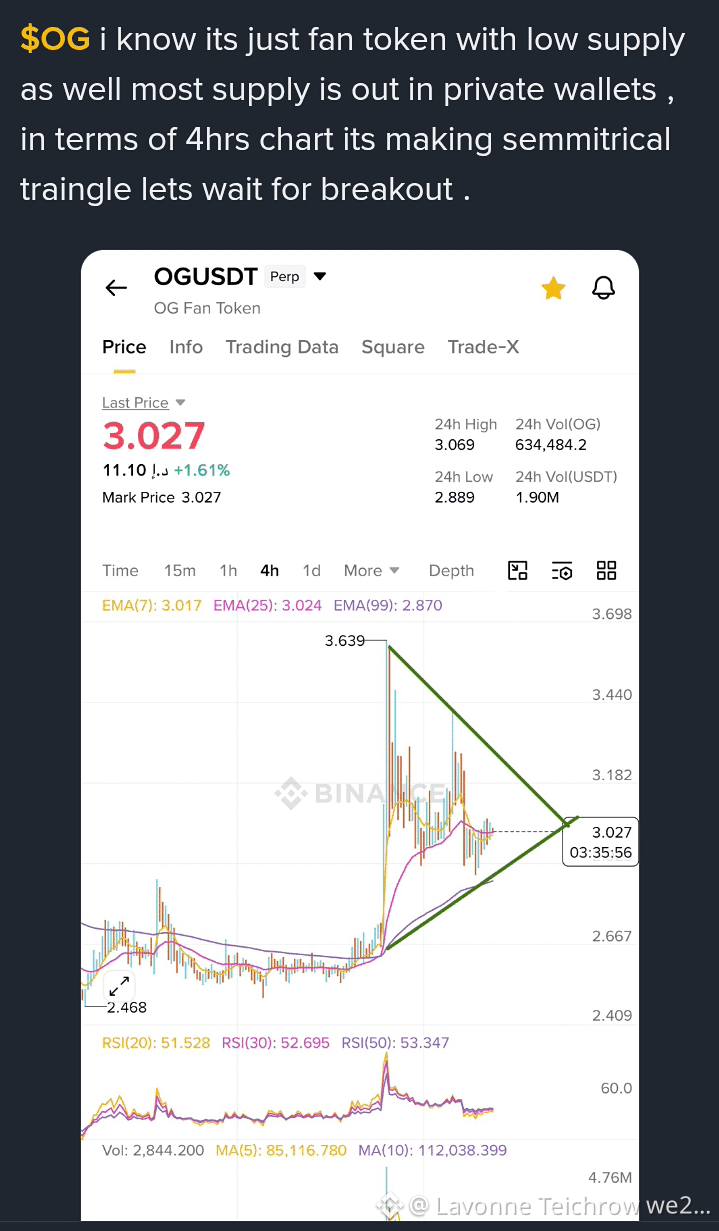
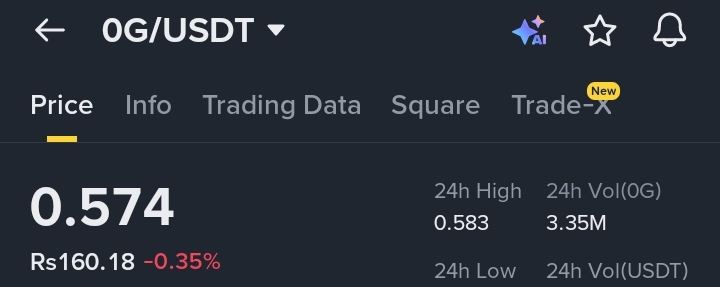
why OG price pump's???The recent pump in Tether (often called $OG USDT”) is usually driven by short-term demand spikes, liquidity imbalances, or temporary depegging fears rather than true value growth, since it’s designed to stay near $1.
Today’s movement likely reflects market volatility and trading pressure in crypto markets (e.g., shifts in Bitcoin or exchange flows), not a fundamental price increase—so any “pump” is typically brief and self-correcting.
why OG price pump's???
The recent pump in Tether (often called $OG USDT”) is usually driven by short-term demand spikes, liquidity imbalances, or temporary depegging fears rather than true value growth, since it’s designed to stay near $1.
Today’s movement likely reflects market volatility and trading pressure in crypto markets (e.g., shifts in Bitcoin or exchange flows), not a fundamental price increase—so any “pump” is typically brief and self-correcting.
Today’s movement likely reflects market volatility and trading pressure in crypto markets (e.g., shifts in Bitcoin or exchange flows), not a fundamental price increase—so any “pump” is typically brief and self-correcting.
169
·
--
記事
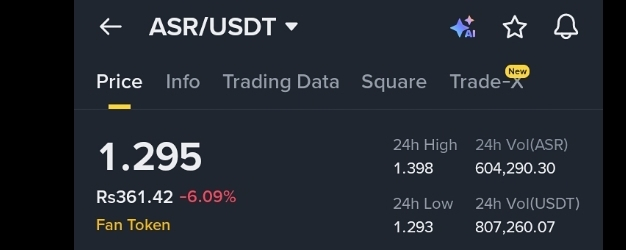
なぜASR/usdtの価格が上昇するのですか???$ASR /USDT(ASローマファントークン)は通常、市場資本が低く、高ボラティリティのアルトコインであるため、少しの買い圧力でも価格を迅速に動かすことがあります。最近のデータでは、取引量が急激に増加したことが示されており(約+90%の24時間)、これは市場に新たな需要が入っていることを示しています。このようにボリュームが上昇すると、しばしばトレーダー、クジラ、または短期的な盛り上がりによるもので、主要なニュースがなくても価格が急騰することがあります。また、$ASR のようなファントークンは、全体的な暗号通貨のセンチメントやソーシャルメディアの活動に大きく影響されるため、迅速な急騰や急落は通常の動作です。
なぜASR/usdtの価格が上昇するのですか???
$ASR /USDT(ASローマファントークン)は通常、市場資本が低く、高ボラティリティのアルトコインであるため、少しの買い圧力でも価格を迅速に動かすことがあります。最近のデータでは、取引量が急激に増加したことが示されており(約+90%の24時間)、これは市場に新たな需要が入っていることを示しています。このようにボリュームが上昇すると、しばしばトレーダー、クジラ、または短期的な盛り上がりによるもので、主要なニュースがなくても価格が急騰することがあります。また、$ASR のようなファントークンは、全体的な暗号通貨のセンチメントやソーシャルメディアの活動に大きく影響されるため、迅速な急騰や急落は通常の動作です。
345
·
--
記事
翻訳参照
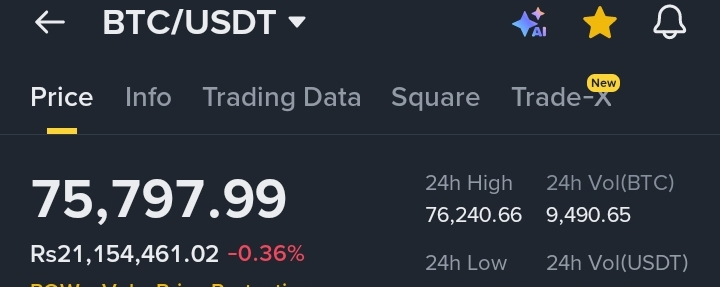
Why Bitcoin price pump's?$BITCOIN price usually “pumps” when demand suddenly outweighs supply. That can happen due to big institutional buying (like ETFs or large funds accumulating BTC), positive macro news (e.g., interest rate expectations or weaker dollar), or major adoption signals such as companies adding $BITCOIN to their balance sheets. Since Bitcoin has a fixed supply, even a modest increase in demand can push prices up quickly, especially in a market where liquidity is thin. Short squeezes also play a role—when traders betting against Bitcoin are forced to buy back at higher prices, it accelerates the upward move.
For today’s move (within roughly a $500 range), it’s likely a combination of short-term trading momentum and market sentiment rather than a single major event. Crypto markets often react to technical breakouts, whale activity, or broader risk-on behavior in global markets. Without a major headline, these smaller pumps are typically driven by traders rotating capital and exploiting volatility rather than long-term fundamental shifts.
Why Bitcoin price pump's?
$BITCOIN price usually “pumps” when demand suddenly outweighs supply. That can happen due to big institutional buying (like ETFs or large funds accumulating BTC), positive macro news (e.g., interest rate expectations or weaker dollar), or major adoption signals such as companies adding $BITCOIN to their balance sheets. Since Bitcoin has a fixed supply, even a modest increase in demand can push prices up quickly, especially in a market where liquidity is thin. Short squeezes also play a role—when traders betting against Bitcoin are forced to buy back at higher prices, it accelerates the upward move.
For today’s move (within roughly a $500 range), it’s likely a combination of short-term trading momentum and market sentiment rather than a single major event. Crypto markets often react to technical breakouts, whale activity, or broader risk-on behavior in global markets. Without a major headline, these smaller pumps are typically driven by traders rotating capital and exploiting volatility rather than long-term fundamental shifts.
For today’s move (within roughly a $500 range), it’s likely a combination of short-term trading momentum and market sentiment rather than a single major event. Crypto markets often react to technical breakouts, whale activity, or broader risk-on behavior in global markets. Without a major headline, these smaller pumps are typically driven by traders rotating capital and exploiting volatility rather than long-term fundamental shifts.
1
122
·
--
記事
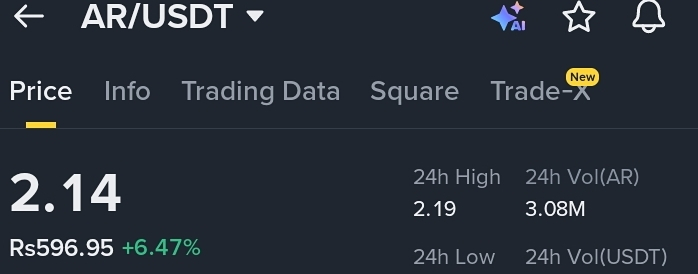
なぜAR/usdtは価格を上げるのか?最近、$Arweaveがテザーに対して急騰しているのは、物語の勢いとエコシステム特有の発展が混ざり合っていることが大きな要因です。Arweaveは、分散型ストレージや「パーマウェブ」アプリケーションへの関心が高まっているため、再び注目を集めています。特に、AIやデータの永続性が暗号通貨のホットなトピックになっているためです。Arweaveのインフラに関連する発表、パートナーシップ、またはアップグレード、例えばデータアクセスの改善やWeb3プラットフォームとの統合は、投機的な需要を引き起こす傾向があります。それに加えて、より広範な市場のセンチメントが強気に転じると、$AR のような中型キャップトークンは、流動性が低く上昇の可能性が高いため、価格の動きを増幅させることがあります。
なぜAR/usdtは価格を上げるのか?
最近、$Arweaveがテザーに対して急騰しているのは、物語の勢いとエコシステム特有の発展が混ざり合っていることが大きな要因です。Arweaveは、分散型ストレージや「パーマウェブ」アプリケーションへの関心が高まっているため、再び注目を集めています。特に、AIやデータの永続性が暗号通貨のホットなトピックになっているためです。Arweaveのインフラに関連する発表、パートナーシップ、またはアップグレード、例えばデータアクセスの改善やWeb3プラットフォームとの統合は、投機的な需要を引き起こす傾向があります。それに加えて、より広範な市場のセンチメントが強気に転じると、$AR のような中型キャップトークンは、流動性が低く上昇の可能性が高いため、価格の動きを増幅させることがあります。
5
401
ログインして、さらにコンテンツを読む
厳選トピックで世界の暗号資産トレーダーの仲間入り
⚡️ 暗号資産に関する最新かつ有益な情報が見つかります。
💬 世界最大の暗号資産取引所から信頼されています。
👍 認証を受けたクリエイターから、有益なインサイトを得られます。
メール / 電話番号
トレンドトピック
FedWatch
閲覧回数 16.3M
39,582人が討論中
🚨 🇺🇸 ピーター・シフがFRBに重大な警告を発した!
ピーター・シフは、インフレに対するケビン・ウォーシュの強硬姿勢を「はったり」だとし、その予測が市場に大きな影響を及ぼす可能性があると述べています。
シフは、インフレが上昇し続けているにもかかわらず、FRBはいずれ量的緩和(QE)による通貨供給の拡大を再開し、来年には利下げに踏み切る可能性さえあると考えています。
少し考えてみてください。
🔥 インフレは問題であり続けるかもしれません。 🔥 FRBはそれでも金融緩和へと動く可能性があります。 🔥 金融市場にさらに多くの資金が流れ込むかもしれません。
このシナリオが現実になれば、株式、金、ビットコイン、そして暗号資産市場全体を取り巻く環境は、大きく変わる可能性があります。
ただし、注意点があります。インフレが高止まりすれば、FRBは物価上昇を抑えることと経済を支えることの間で、難しい選択を迫られる可能性があります。
ウォーシュはインフレ抑制の強硬姿勢を貫くのでしょうか。それとも、FRBはいずれ方針を転換するのでしょうか。
次の一手は、投資家にとって大きな意味を持つかもしれません。
#FedWatch #EarningsSeason #USMidtermElections #BrazilCryptoExchangesMustApplyForLicensesByFriday #StanDruckenmillerBecomesInvestorInTradeXYZ
Jackson Liam
·いいね:4件
·閲覧回数 8.7k
EarningsSeason
閲覧回数 6.5M
32,298人が討論中
USMidtermElections
閲覧回数 54,226
703人が討論中