

Masood sirajuddin
24.7k 投稿
Masood sirajuddin

Traders League Badge Beginner
取引を発注
超高頻度トレーダー
4.6年
2.8K+ フォロー
23.8K+ フォロワー
46.3K+ いいね
1 バッジ
投稿
ポートフォリオ
すべて
引用
ライブ

MrStar
·
--
未来の手術室は、今日私たちが知っているものとは大きく異なるものになるかもしれません。
すでに一部の手術は、非常に人間的な制約によって制限されています。それは、私たちの手の精密さです。
顕微手術では、1ミリメートル未満の血管や神経が関わることがあります。どれほど優れた外科医でも、自然な震え、疲労、そして身体の奥深くや難しい部位における動きの制限といった課題に直面します。新しいロボットによる顕微手術システムが、モーション・スケーリング(動作拡大)や震えの濾過によって、それらの制限を減らすために開発されています。最近の臨床研究では、これらのシステムが、極めて繊細な手技においてすでに精度を向上させうることが示されています。
では、#Robotics becomesがより小さく、より精密になり、さらに人工知能と組み合わされたらどうなるでしょう。
最初の大きな一歩は、おそらく「ロボットが外科医の代わりをする」ことではないでしょう。
ロボットは外科医がよりはっきり見えるようにし、解剖学的構造を認識し、起こり得るエラーを検出し、人間の手では難しい動作を行うのを助けるようになるはずです。現在の研究では、AI支援の手術システムは、外科医の主導権を保ったまま、知覚と術中ガイダンスを改善できる可能性があると示唆されています。
さらに先には、今日では到達が非常に難しい身体の内部で作動するマイクロロボットの姿が見えてくるかもしれません。研究者たちは、長期的な方向性として自律型のロボット手術やマイクロロボティクス手術をすでに研究しています。
暗号(クリプト)にも、面白い関連があります。
$BIO のようなプロジェクトは、バイオテクノロジー研究を中心に、ブロックチェーンに基づくインフラや分散型の科学的資金調達の仕組みを構築しています。これは$BIO をロボット手術トークンにするものではありません。ですが、医療研究、資金、そしてテクノロジーがより結びついていく同じ未来の別の一面を表しています。
#Biotech
私の考えはシンプルです:
次の医療の革命は、ひとつの新しい薬から来るとは限りません。人間の身体にはこれまで無かった能力を医師に与えることから来るかもしれません。
人の手では安全に行えない手技に対して、#AI 支援のロボットを使う外科医を信頼できますか?
私は、信頼しないと思います(笑)これには本当に怖さを感じます。
すでに一部の手術は、非常に人間的な制約によって制限されています。それは、私たちの手の精密さです。
顕微手術では、1ミリメートル未満の血管や神経が関わることがあります。どれほど優れた外科医でも、自然な震え、疲労、そして身体の奥深くや難しい部位における動きの制限といった課題に直面します。新しいロボットによる顕微手術システムが、モーション・スケーリング(動作拡大)や震えの濾過によって、それらの制限を減らすために開発されています。最近の臨床研究では、これらのシステムが、極めて繊細な手技においてすでに精度を向上させうることが示されています。
では、#Robotics becomesがより小さく、より精密になり、さらに人工知能と組み合わされたらどうなるでしょう。
最初の大きな一歩は、おそらく「ロボットが外科医の代わりをする」ことではないでしょう。
ロボットは外科医がよりはっきり見えるようにし、解剖学的構造を認識し、起こり得るエラーを検出し、人間の手では難しい動作を行うのを助けるようになるはずです。現在の研究では、AI支援の手術システムは、外科医の主導権を保ったまま、知覚と術中ガイダンスを改善できる可能性があると示唆されています。
さらに先には、今日では到達が非常に難しい身体の内部で作動するマイクロロボットの姿が見えてくるかもしれません。研究者たちは、長期的な方向性として自律型のロボット手術やマイクロロボティクス手術をすでに研究しています。
暗号(クリプト)にも、面白い関連があります。
$BIO のようなプロジェクトは、バイオテクノロジー研究を中心に、ブロックチェーンに基づくインフラや分散型の科学的資金調達の仕組みを構築しています。これは$BIO をロボット手術トークンにするものではありません。ですが、医療研究、資金、そしてテクノロジーがより結びついていく同じ未来の別の一面を表しています。
#Biotech
私の考えはシンプルです:
次の医療の革命は、ひとつの新しい薬から来るとは限りません。人間の身体にはこれまで無かった能力を医師に与えることから来るかもしれません。
人の手では安全に行えない手技に対して、#AI 支援のロボットを使う外科医を信頼できますか?
私は、信頼しないと思います(笑)これには本当に怖さを感じます。

Manta 甜心
·
--
シドニーの早朝ランナーが腕時計を見上げているとき、ドバイの商人はまだ眠っていない。
8つの都市、8つのタイムゾーン、同じ市場。
これが「天涯(てんがい)も共に此の時を分かつ」の意味。
古人は月で思いの距離を測り、
バイナンスはつながりでタイムゾーンの距離を消し去る。
#币安中秋故事
8つの都市、8つのタイムゾーン、同じ市場。
これが「天涯(てんがい)も共に此の時を分かつ」の意味。
古人は月で思いの距離を測り、
バイナンスはつながりでタイムゾーンの距離を消し去る。
#币安中秋故事
星辰大海_
·
--
ブリッシュ皆さん、俺は爆発した
俺が爆発したら、それはもう始めろってことだ
俺はミーム季が正式に始まったと宣言する!
引き続き、マスクの概念Memeを仕込む
$BTC $DOGE $ETH
俺が爆発したら、それはもう始めろってことだ
俺はミーム季が正式に始まったと宣言する!
引き続き、マスクの概念Memeを仕込む
$BTC $DOGE $ETH
MrStar
·
--
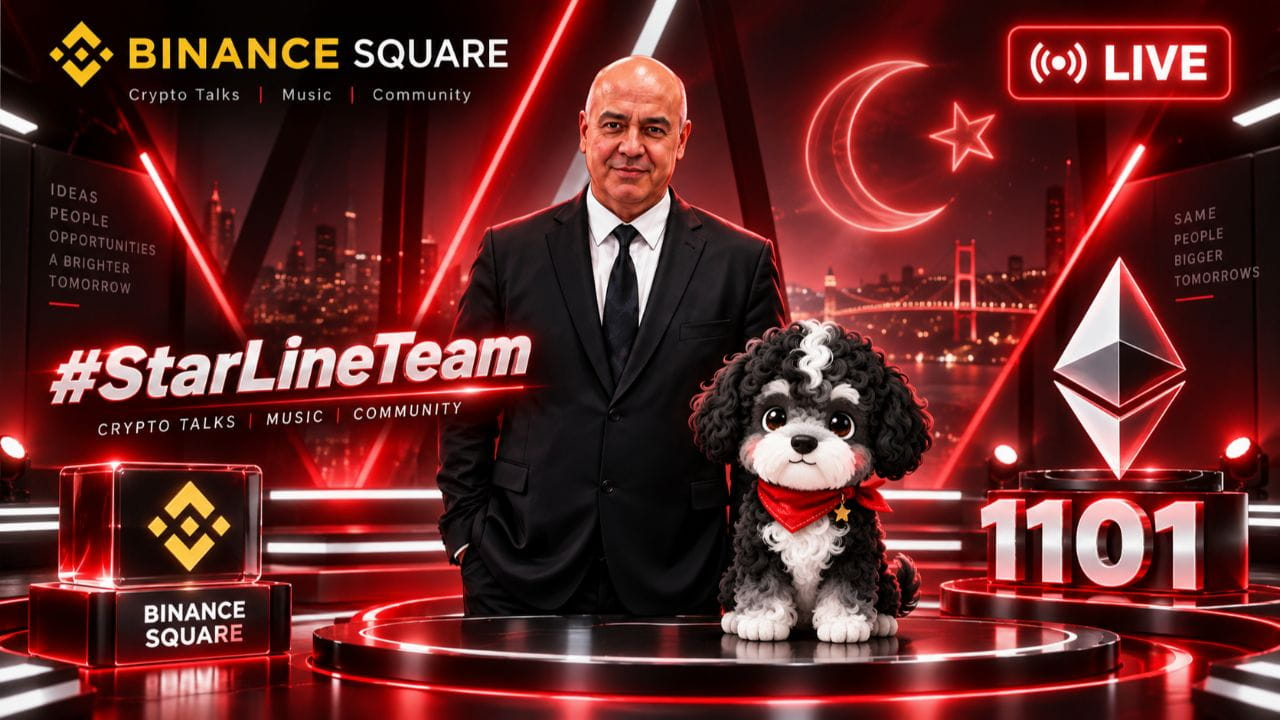
[リプレイ] 🎙️ クリプト・トークス&バイナンス・リワード&マーヴィン 1101
02 時間 11 分 44 秒 · リスナー数:4.4k人
引用されたコンテンツは削除されました

will win 张
·
--
《海阔天空》
これまで心の理想を諦めたことはない……
$ETH ,$DOGE ,$FIL
これまで心の理想を諦めたことはない……
$ETH ,$DOGE ,$FIL
Masood sirajuddin
·
--
私たちは自然に注目を育て続けます。コミュニティが成長し続けている様子を見るのはとても面白いです。
#starlineteam
#starlineteam
will win 张
·
--
一首币圈の『天涯』を最近$MARSCOIN 、$PONS 、$ZEC で負けたのか勝ったのか分からない君へ😂
MrStar
·
--
[リプレイ] 🎙️ Crypto World & Weekly Datas & Marvin
02 時間 05 分 56 秒 · リスナー数:3.8k人
will win 张
·
--
《悲しみの太平洋》仮想通貨版😅
$牛来 ,$MARSCOIN ,$FLORK
$牛来 ,$MARSCOIN ,$FLORK
MrStar
·
--
もう話すのはやめて、このコミュニティの #power に語らせます。
$MAGMA
この動画に込められた、努力、献身、そして情熱をぜひ感じ取っていただけたら本当に嬉しいです。楽しんでください!
$FF
ようこそ #StarLineTeam !一緒に成長しましょう 🚀
$MAGMA
この動画に込められた、努力、献身、そして情熱をぜひ感じ取っていただけたら本当に嬉しいです。楽しんでください!
$FF
ようこそ #StarLineTeam !一緒に成長しましょう 🚀
MrStar
·
--
[リプレイ] 🎙️ 今週の重要な経済データ、暗号資産の世界とMarvin
02 時間 19 分 22 秒 · リスナー数:3.9k人
MrStar
·
--
[リプレイ] 🎙️ 報酬、楽しさ、暗号資産の市場トーク、そしてマーヴィン!入って…
02 時間 01 分 19 秒 · リスナー数:3k人
ログインして、さらにコンテンツを読む