
GeoffreyUN
132 投稿

GeoffreyUN
取引を発注

BNBホルダー
高頻度トレーダー
4.8年
18 フォロー
19 フォロワー
41 いいね
投稿
ポートフォリオ
すべて
引用

Rida Malik7
·
--
ブリッシュ#dusk $DUSK @Dusk
上司が私を誘惑し始めた。
最初は、ただ妙に親切なだけだと思っていた。
でもすぐに、その意図は無視できないものになっていった。私は「Dusk」で仕事を始めた。私たちはしばしば、金融のプライバシーを「全部公開するか、全部隠すか」という単純な選択だと思いがちだ。だが現実の金融はもっと複雑だ。参加者は、そのときどきで必要とされる情報が違う。
だから私は、ブロックチェーンの透明性は常に徳なのだろうか、と疑問に思う。
本当の課題は、「誰が」「何を」「いつ」見るべきかを決めることだ。投資家は、金融履歴全体をさらさずに、適格性を証明する必要があるかもしれない。規制当局は、すべての機微な詳細を見なくても、証拠を必要とする場合がある。
ここでDuskが面白くなる。その方針は、ゼロ知識証明、秘匿取引、選択的開示といったプライバシー技術を使っている。
プライバシーは、情報を隠すこと以上のものになる。それは“プログラム可能なアクセス”になる。
もし金融がオンチェーンへ進むなら、突破口が全体の透明性ではなく、正確な透明性である可能性もある。
何が見えるかを誰が管理すべきか?
$METAB
$BOME
上司が私を誘惑し始めた。
最初は、ただ妙に親切なだけだと思っていた。
でもすぐに、その意図は無視できないものになっていった。私は「Dusk」で仕事を始めた。私たちはしばしば、金融のプライバシーを「全部公開するか、全部隠すか」という単純な選択だと思いがちだ。だが現実の金融はもっと複雑だ。参加者は、そのときどきで必要とされる情報が違う。
だから私は、ブロックチェーンの透明性は常に徳なのだろうか、と疑問に思う。
本当の課題は、「誰が」「何を」「いつ」見るべきかを決めることだ。投資家は、金融履歴全体をさらさずに、適格性を証明する必要があるかもしれない。規制当局は、すべての機微な詳細を見なくても、証拠を必要とする場合がある。
ここでDuskが面白くなる。その方針は、ゼロ知識証明、秘匿取引、選択的開示といったプライバシー技術を使っている。
プライバシーは、情報を隠すこと以上のものになる。それは“プログラム可能なアクセス”になる。
もし金融がオンチェーンへ進むなら、突破口が全体の透明性ではなく、正確な透明性である可能性もある。
何が見えるかを誰が管理すべきか?
$METAB
$BOME

Rida Malik7
·
--
ブリッシュ#dusk $DUSK @Dusk
上司が私を誘惑し始めた。
最初は、ただ妙に親切なだけだと思っていた。
でもすぐに、その意図は無視できないものになっていった。私は「Dusk」で仕事を始めた。私たちはしばしば、金融のプライバシーを「全部公開するか、全部隠すか」という単純な選択だと思いがちだ。だが現実の金融はもっと複雑だ。参加者は、そのときどきで必要とされる情報が違う。
だから私は、ブロックチェーンの透明性は常に徳なのだろうか、と疑問に思う。
本当の課題は、「誰が」「何を」「いつ」見るべきかを決めることだ。投資家は、金融履歴全体をさらさずに、適格性を証明する必要があるかもしれない。規制当局は、すべての機微な詳細を見なくても、証拠を必要とする場合がある。
ここでDuskが面白くなる。その方針は、ゼロ知識証明、秘匿取引、選択的開示といったプライバシー技術を使っている。
プライバシーは、情報を隠すこと以上のものになる。それは“プログラム可能なアクセス”になる。
もし金融がオンチェーンへ進むなら、突破口が全体の透明性ではなく、正確な透明性である可能性もある。
何が見えるかを誰が管理すべきか?
$METAB
$BOME
上司が私を誘惑し始めた。
最初は、ただ妙に親切なだけだと思っていた。
でもすぐに、その意図は無視できないものになっていった。私は「Dusk」で仕事を始めた。私たちはしばしば、金融のプライバシーを「全部公開するか、全部隠すか」という単純な選択だと思いがちだ。だが現実の金融はもっと複雑だ。参加者は、そのときどきで必要とされる情報が違う。
だから私は、ブロックチェーンの透明性は常に徳なのだろうか、と疑問に思う。
本当の課題は、「誰が」「何を」「いつ」見るべきかを決めることだ。投資家は、金融履歴全体をさらさずに、適格性を証明する必要があるかもしれない。規制当局は、すべての機微な詳細を見なくても、証拠を必要とする場合がある。
ここでDuskが面白くなる。その方針は、ゼロ知識証明、秘匿取引、選択的開示といったプライバシー技術を使っている。
プライバシーは、情報を隠すこと以上のものになる。それは“プログラム可能なアクセス”になる。
もし金融がオンチェーンへ進むなら、突破口が全体の透明性ではなく、正確な透明性である可能性もある。
何が見えるかを誰が管理すべきか?
$METAB
$BOME

WasiInsights
·
--
ブリッシュ#dusk $DUSK @Dusk
黄昏
は実際に進行中で、かなり新鮮な気分になります。
多くのブロックチェーンはプライバシーやコンプライアンスについて語りますが、Duskはそれらを“実際に規制市場で機能する形”で組み合わせています。Duskは、実際の金融ユースケースのために設計されたレイヤー1です――必要な場所ではプライバシーを、役に立つ場面では透明性を、そして許可された関係者が必要に応じて確認できるようにするための選択的開示を提供します。
迫っているDuskEVMメインネットは、特に興味深いです。Hedgerを通じて機密性のあるワークフローをサポートしつつ、開発者にとって馴染みのあるSolidityの道筋を提示します。さらにDusk Tradeは、債券、ETF、RWAといったトークン化された資産をオンチェーンに持ち込み、即時決済と適切な規制構造を実現することを目指しています。
ライセンスを持つEUの機関との提携も、単に“それっぽいトークン化”をするだけではなく、現実の金融市場をオンチェーンへ動かす本気度がうかがえます。
$DUSK
この先、スタックのほかの部分が稼働したらどう展開するのか、見てみるのが楽しみです。
黄昏
は実際に進行中で、かなり新鮮な気分になります。
多くのブロックチェーンはプライバシーやコンプライアンスについて語りますが、Duskはそれらを“実際に規制市場で機能する形”で組み合わせています。Duskは、実際の金融ユースケースのために設計されたレイヤー1です――必要な場所ではプライバシーを、役に立つ場面では透明性を、そして許可された関係者が必要に応じて確認できるようにするための選択的開示を提供します。
迫っているDuskEVMメインネットは、特に興味深いです。Hedgerを通じて機密性のあるワークフローをサポートしつつ、開発者にとって馴染みのあるSolidityの道筋を提示します。さらにDusk Tradeは、債券、ETF、RWAといったトークン化された資産をオンチェーンに持ち込み、即時決済と適切な規制構造を実現することを目指しています。
ライセンスを持つEUの機関との提携も、単に“それっぽいトークン化”をするだけではなく、現実の金融市場をオンチェーンへ動かす本気度がうかがえます。
$DUSK
この先、スタックのほかの部分が稼働したらどう展開するのか、見てみるのが楽しみです。
WasiInsights
·
--
ブリッシュ#dusk $DUSK @Dusk
黄昏
は実際に進行中で、かなり新鮮な気分になります。
多くのブロックチェーンはプライバシーやコンプライアンスについて語りますが、Duskはそれらを“実際に規制市場で機能する形”で組み合わせています。Duskは、実際の金融ユースケースのために設計されたレイヤー1です――必要な場所ではプライバシーを、役に立つ場面では透明性を、そして許可された関係者が必要に応じて確認できるようにするための選択的開示を提供します。
迫っているDuskEVMメインネットは、特に興味深いです。Hedgerを通じて機密性のあるワークフローをサポートしつつ、開発者にとって馴染みのあるSolidityの道筋を提示します。さらにDusk Tradeは、債券、ETF、RWAといったトークン化された資産をオンチェーンに持ち込み、即時決済と適切な規制構造を実現することを目指しています。
ライセンスを持つEUの機関との提携も、単に“それっぽいトークン化”をするだけではなく、現実の金融市場をオンチェーンへ動かす本気度がうかがえます。
$DUSK
この先、スタックのほかの部分が稼働したらどう展開するのか、見てみるのが楽しみです。
黄昏
は実際に進行中で、かなり新鮮な気分になります。
多くのブロックチェーンはプライバシーやコンプライアンスについて語りますが、Duskはそれらを“実際に規制市場で機能する形”で組み合わせています。Duskは、実際の金融ユースケースのために設計されたレイヤー1です――必要な場所ではプライバシーを、役に立つ場面では透明性を、そして許可された関係者が必要に応じて確認できるようにするための選択的開示を提供します。
迫っているDuskEVMメインネットは、特に興味深いです。Hedgerを通じて機密性のあるワークフローをサポートしつつ、開発者にとって馴染みのあるSolidityの道筋を提示します。さらにDusk Tradeは、債券、ETF、RWAといったトークン化された資産をオンチェーンに持ち込み、即時決済と適切な規制構造を実現することを目指しています。
ライセンスを持つEUの機関との提携も、単に“それっぽいトークン化”をするだけではなく、現実の金融市場をオンチェーンへ動かす本気度がうかがえます。
$DUSK
この先、スタックのほかの部分が稼働したらどう展開するのか、見てみるのが楽しみです。
WasiInsights
·
--
#dusk $DUSK @Dusk
@Dusk をじっくり調べる時間を取ったのですが、プライバシーとコンプライアンスへのこだわりに感銘を受けました。
$DUSK が、機関にとって本当に意味のある機密スマートコントラクトを構築しています。ノイズだらけの市場の中で、Dusk が取り組んでいるのは現実的な課題です。オンチェーン上のすべてを公開せずに、どうやって DeFi を実現するのか?
技術は確かなものですが、際立っているのはチームのビジョンです。短期的な煽りを追いかけているわけではありません。彼らは次の10年に向けたインフラを作っています。
私にとっての見どころは、DUSK がプライバシーを規制と両立させている点です。マスアダプションに欠けていたピースがここにあります。
コミュニティはどう考えているのか気になります。暗号資産における次の大きな物語は、プライバシーなのでしょうか?
@Dusk
#dusk #DuskNetwork #Privacy #Web3 #Crypto #RWA #BinanceSquare
@Dusk をじっくり調べる時間を取ったのですが、プライバシーとコンプライアンスへのこだわりに感銘を受けました。
$DUSK が、機関にとって本当に意味のある機密スマートコントラクトを構築しています。ノイズだらけの市場の中で、Dusk が取り組んでいるのは現実的な課題です。オンチェーン上のすべてを公開せずに、どうやって DeFi を実現するのか?
技術は確かなものですが、際立っているのはチームのビジョンです。短期的な煽りを追いかけているわけではありません。彼らは次の10年に向けたインフラを作っています。
私にとっての見どころは、DUSK がプライバシーを規制と両立させている点です。マスアダプションに欠けていたピースがここにあります。
コミュニティはどう考えているのか気になります。暗号資産における次の大きな物語は、プライバシーなのでしょうか?
@Dusk
#dusk #DuskNetwork #Privacy #Web3 #Crypto #RWA #BinanceSquare
WasiInsights
·
--
ブリッシュ#dusk $DUSK @Dusk
暗号資産の次の大きな波は、ミームによってではなく、実世界の資産(Real World Assets)によってもたらされます。
現在、機関投資家は株式、債券、国債、ファンドなどに数兆ドルを保有しています。しかし、それらの資産をオンチェーン化することはできません。公開ブロックチェーンではすべてが露出してしまうからです。ウォレット残高、取引の詳細、そして顧客データがすべて見えてしまいます。これにより、重大なコンプライアンスとプライバシーの問題が生じます。
まさにこの課題を、@Dusk は $DUSK で解決しようとしています。
Dusk は、設計上コンプライアンスに準拠した機密スマートコントラクトを構築しています。これにより、機関投資家は機密データを非公開のまま、実物資産をオンチェーンでトークン化し、決済できるようになります。規制当局は監督を維持し、ユーザーはプライバシーを保持します。
多くのプロジェクトが短期的な盛り上がりに注力する一方で、@Dusk は今後10年の金融を支える中核インフラを構築しています。
RWAs がオンチェーンでスケールする際には、プライバシーとコンプライアンスの両方が必要になります。$DUSK は、そのために特別に設計されています。
これは本物のユーティリティです。だから私は Dusk を長期的に強気で見ています。 #dusk
暗号資産の次の大きな波は、ミームによってではなく、実世界の資産(Real World Assets)によってもたらされます。
現在、機関投資家は株式、債券、国債、ファンドなどに数兆ドルを保有しています。しかし、それらの資産をオンチェーン化することはできません。公開ブロックチェーンではすべてが露出してしまうからです。ウォレット残高、取引の詳細、そして顧客データがすべて見えてしまいます。これにより、重大なコンプライアンスとプライバシーの問題が生じます。
まさにこの課題を、@Dusk は $DUSK で解決しようとしています。
Dusk は、設計上コンプライアンスに準拠した機密スマートコントラクトを構築しています。これにより、機関投資家は機密データを非公開のまま、実物資産をオンチェーンでトークン化し、決済できるようになります。規制当局は監督を維持し、ユーザーはプライバシーを保持します。
多くのプロジェクトが短期的な盛り上がりに注力する一方で、@Dusk は今後10年の金融を支える中核インフラを構築しています。
RWAs がオンチェーンでスケールする際には、プライバシーとコンプライアンスの両方が必要になります。$DUSK は、そのために特別に設計されています。
これは本物のユーティリティです。だから私は Dusk を長期的に強気で見ています。 #dusk
Rida Malik7
·
--
ブリッシュ#dusk $DUSK @Dusk “A 依頼人が私を彼の農家に招き、450万ドルの取引をクローズする件について話し合いたいと言ってきました。境界線を守りつつ、どのようにプロフェッショナルに対応すべきでしょうか?”
技術が速くなると、市場は変わります。人々の間で信頼を調整するコストを無視できなくなると、市場も変わります。
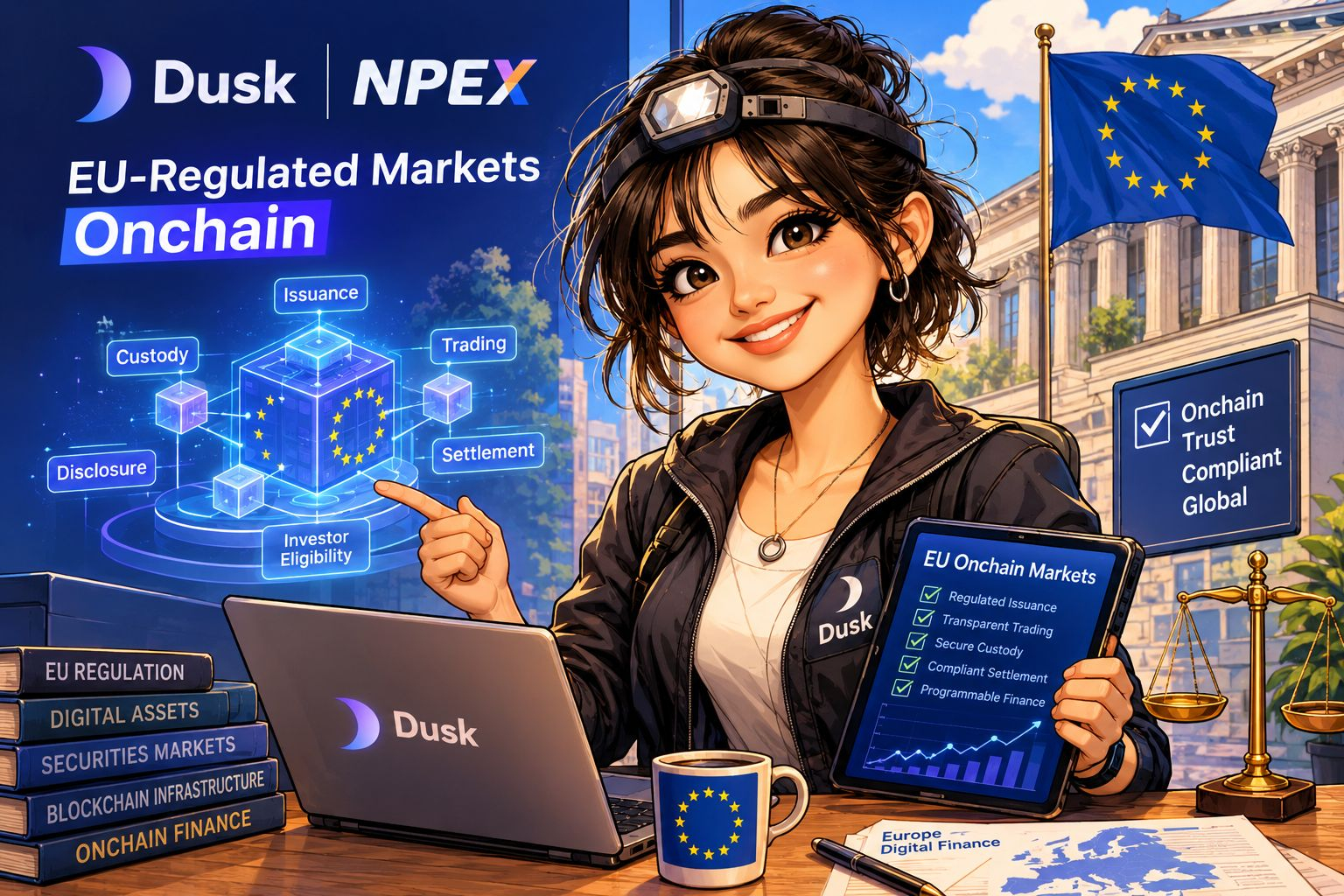
ヨーロッパで起きていることは、とても興味深いです。有力な機会は、証券をブロックチェーンに載せることではないかもしれません。むしろ、証券を取り巻くワークフロー全体を作り直すことにあるかもしれないのです。
発行や投資家の適格性、取引、カストディ(保管)、開示、決済がすべて同一のシステムの中で行われたらどうでしょう?
ここで、Dusk と NPEX が非常に面白くなります。NPEX は、人々が証券を売買できる場所です。規制されています。Dusk と NPEX は協力して、ブロックチェーン技術を活用し、規制された市場をより良くできないかを検討しています。
大きな変化は、アーキテクチャにあります。金融の仕組みに単にブロックチェーン技術を追加するだけではなく、実際には市場がブロックチェーン上で実行されるワークフローになり得ます。さらに、プライバシーを備え、情報を特定の人にだけ開示する能力も、最初から組み込まれます。
規制は大きな論点です。誰がシステムへのアクセス権を持つのか、そして、どの程度の情報を皆に共有すべきなのかを、誰が決めるのでしょう?
このやり方が本当に機能するなら、規制された金融は、信頼の根拠となるルールを手放すことなく、プログラム化され自動化されるようなものになり得ます。規制された金融は信頼できるものになり得ます。さらに、プログラム化できることは、Dusk と NPEX、そして一般的な市場にとって大きな意味を持ちます。@Dusk $ACE
$METAB
技術が速くなると、市場は変わります。人々の間で信頼を調整するコストを無視できなくなると、市場も変わります。
ヨーロッパで起きていることは、とても興味深いです。有力な機会は、証券をブロックチェーンに載せることではないかもしれません。むしろ、証券を取り巻くワークフロー全体を作り直すことにあるかもしれないのです。
発行や投資家の適格性、取引、カストディ(保管)、開示、決済がすべて同一のシステムの中で行われたらどうでしょう?
ここで、Dusk と NPEX が非常に面白くなります。NPEX は、人々が証券を売買できる場所です。規制されています。Dusk と NPEX は協力して、ブロックチェーン技術を活用し、規制された市場をより良くできないかを検討しています。
大きな変化は、アーキテクチャにあります。金融の仕組みに単にブロックチェーン技術を追加するだけではなく、実際には市場がブロックチェーン上で実行されるワークフローになり得ます。さらに、プライバシーを備え、情報を特定の人にだけ開示する能力も、最初から組み込まれます。
規制は大きな論点です。誰がシステムへのアクセス権を持つのか、そして、どの程度の情報を皆に共有すべきなのかを、誰が決めるのでしょう?
このやり方が本当に機能するなら、規制された金融は、信頼の根拠となるルールを手放すことなく、プログラム化され自動化されるようなものになり得ます。規制された金融は信頼できるものになり得ます。さらに、プログラム化できることは、Dusk と NPEX、そして一般的な市場にとって大きな意味を持ちます。@Dusk $ACE
$METAB
Rida Malik7
·
--
ブリッシュ#dusk $DUSK @Dusk 今朝、2人組が部屋を借りに私の家へ来ました。入ってきたとき、彼らが「Dusk」について話しているのに気づきました。私もDuskを調べているところだったので、会話に加わり、いくつか質問してみました。面白くて、しかも予想外の議論でした。
財務の透明性について奇妙なのは、やりすぎると市場の信頼性が下がり得ることです。すべてを明らかにする仕組みは、正直さを証明する一方で、それを使う人々を同時にさらけ出すことにもなり得ます。
その緊張関係は、ブロックチェーンの始まりからずっと付きまとっています。公開台帳なら検証は簡単ですが、金融機関がすべての残高、取引、あるいは身元情報の詳細を、誰もが確認できる形で現実的に公開することはできません。
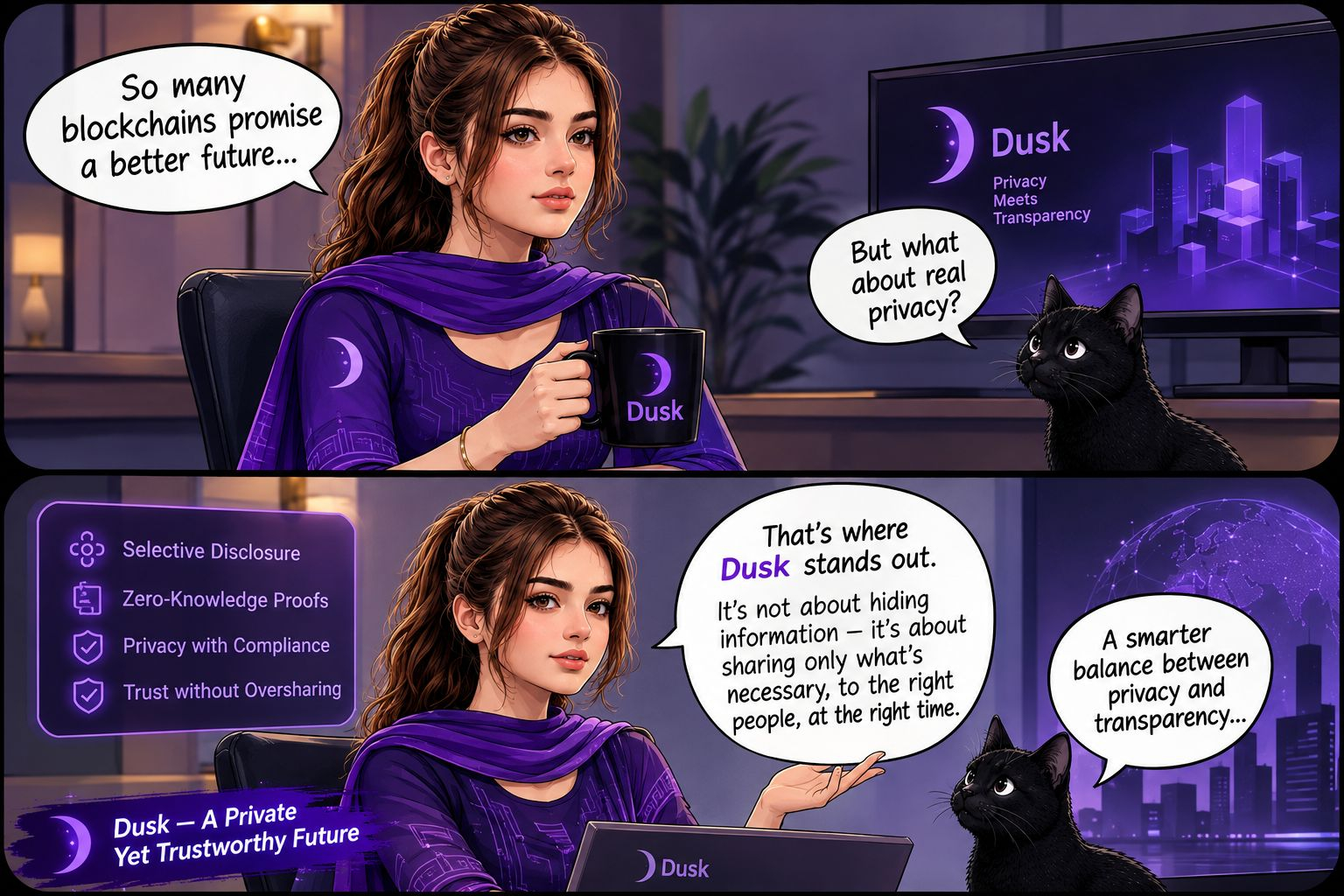
ここが私がDuskに惹かれるポイントです。透明性よりプライバシーを選ぶからではなく、そもそも両者が対立する必要があるのかを問い直しているからです。
Duskは、公的な取引モデルと秘匿(シールド)された取引モデルを組み合わせ、ゼロ知識証明と選択的開示を用います。その「Citadel」アイデンティティ層は、基盤となる情報を不必要に露出せずに、関連する属性を証明することを目的に設計されています。
もっと深い考え方はシンプルです。透明性は、恒久的な露出ではなく、許可された情報であるべきだということです。
しかし、それは別の問いを生みます。何を開示しなければならないかを誰が決めるのか、そして金融市場がますますプログラム可能になっていく中で、そのルールは信頼に値するままでいられるのでしょうか。@Dusk $HEMI
$METAB
財務の透明性について奇妙なのは、やりすぎると市場の信頼性が下がり得ることです。すべてを明らかにする仕組みは、正直さを証明する一方で、それを使う人々を同時にさらけ出すことにもなり得ます。
その緊張関係は、ブロックチェーンの始まりからずっと付きまとっています。公開台帳なら検証は簡単ですが、金融機関がすべての残高、取引、あるいは身元情報の詳細を、誰もが確認できる形で現実的に公開することはできません。
ここが私がDuskに惹かれるポイントです。透明性よりプライバシーを選ぶからではなく、そもそも両者が対立する必要があるのかを問い直しているからです。
Duskは、公的な取引モデルと秘匿(シールド)された取引モデルを組み合わせ、ゼロ知識証明と選択的開示を用います。その「Citadel」アイデンティティ層は、基盤となる情報を不必要に露出せずに、関連する属性を証明することを目的に設計されています。
もっと深い考え方はシンプルです。透明性は、恒久的な露出ではなく、許可された情報であるべきだということです。
しかし、それは別の問いを生みます。何を開示しなければならないかを誰が決めるのか、そして金融市場がますますプログラム可能になっていく中で、そのルールは信頼に値するままでいられるのでしょうか。@Dusk $HEMI
$METAB
WasiInsights
·
--
#dusk $DUSK @Dusk
@Dusk をじっくり調べる時間を取ったのですが、プライバシーとコンプライアンスへのこだわりに感銘を受けました。
$DUSK が、機関にとって本当に意味のある機密スマートコントラクトを構築しています。ノイズだらけの市場の中で、Dusk が取り組んでいるのは現実的な課題です。オンチェーン上のすべてを公開せずに、どうやって DeFi を実現するのか?
技術は確かなものですが、際立っているのはチームのビジョンです。短期的な煽りを追いかけているわけではありません。彼らは次の10年に向けたインフラを作っています。
私にとっての見どころは、DUSK がプライバシーを規制と両立させている点です。マスアダプションに欠けていたピースがここにあります。
コミュニティはどう考えているのか気になります。暗号資産における次の大きな物語は、プライバシーなのでしょうか?
@Dusk
#dusk #DuskNetwork #Privacy #Web3 #Crypto #RWA #BinanceSquare
@Dusk をじっくり調べる時間を取ったのですが、プライバシーとコンプライアンスへのこだわりに感銘を受けました。
$DUSK が、機関にとって本当に意味のある機密スマートコントラクトを構築しています。ノイズだらけの市場の中で、Dusk が取り組んでいるのは現実的な課題です。オンチェーン上のすべてを公開せずに、どうやって DeFi を実現するのか?
技術は確かなものですが、際立っているのはチームのビジョンです。短期的な煽りを追いかけているわけではありません。彼らは次の10年に向けたインフラを作っています。
私にとっての見どころは、DUSK がプライバシーを規制と両立させている点です。マスアダプションに欠けていたピースがここにあります。
コミュニティはどう考えているのか気になります。暗号資産における次の大きな物語は、プライバシーなのでしょうか?
@Dusk
#dusk #DuskNetwork #Privacy #Web3 #Crypto #RWA #BinanceSquare
WasiInsights
·
--
ブリッシュ#dusk $DUSK @Dusk
暗号資産の次の大きな波は、ミームによってではなく、実世界の資産(Real World Assets)によってもたらされます。
現在、機関投資家は株式、債券、国債、ファンドなどに数兆ドルを保有しています。しかし、それらの資産をオンチェーン化することはできません。公開ブロックチェーンではすべてが露出してしまうからです。ウォレット残高、取引の詳細、そして顧客データがすべて見えてしまいます。これにより、重大なコンプライアンスとプライバシーの問題が生じます。
まさにこの課題を、@Dusk は $DUSK で解決しようとしています。
Dusk は、設計上コンプライアンスに準拠した機密スマートコントラクトを構築しています。これにより、機関投資家は機密データを非公開のまま、実物資産をオンチェーンでトークン化し、決済できるようになります。規制当局は監督を維持し、ユーザーはプライバシーを保持します。
多くのプロジェクトが短期的な盛り上がりに注力する一方で、@Dusk は今後10年の金融を支える中核インフラを構築しています。
RWAs がオンチェーンでスケールする際には、プライバシーとコンプライアンスの両方が必要になります。$DUSK は、そのために特別に設計されています。
これは本物のユーティリティです。だから私は Dusk を長期的に強気で見ています。 #dusk
暗号資産の次の大きな波は、ミームによってではなく、実世界の資産(Real World Assets)によってもたらされます。
現在、機関投資家は株式、債券、国債、ファンドなどに数兆ドルを保有しています。しかし、それらの資産をオンチェーン化することはできません。公開ブロックチェーンではすべてが露出してしまうからです。ウォレット残高、取引の詳細、そして顧客データがすべて見えてしまいます。これにより、重大なコンプライアンスとプライバシーの問題が生じます。
まさにこの課題を、@Dusk は $DUSK で解決しようとしています。
Dusk は、設計上コンプライアンスに準拠した機密スマートコントラクトを構築しています。これにより、機関投資家は機密データを非公開のまま、実物資産をオンチェーンでトークン化し、決済できるようになります。規制当局は監督を維持し、ユーザーはプライバシーを保持します。
多くのプロジェクトが短期的な盛り上がりに注力する一方で、@Dusk は今後10年の金融を支える中核インフラを構築しています。
RWAs がオンチェーンでスケールする際には、プライバシーとコンプライアンスの両方が必要になります。$DUSK は、そのために特別に設計されています。
これは本物のユーティリティです。だから私は Dusk を長期的に強気で見ています。 #dusk
Rida Malik7
·
--
ブリッシュ#dusk $DUSK
昨日、上司がオフィスで私を不快にさせることをしました。私は早めに帰ることにしました。スマホを見始めたところ、「Dusk(ダスク)」に関する記事を見つけたので、読み進めました。
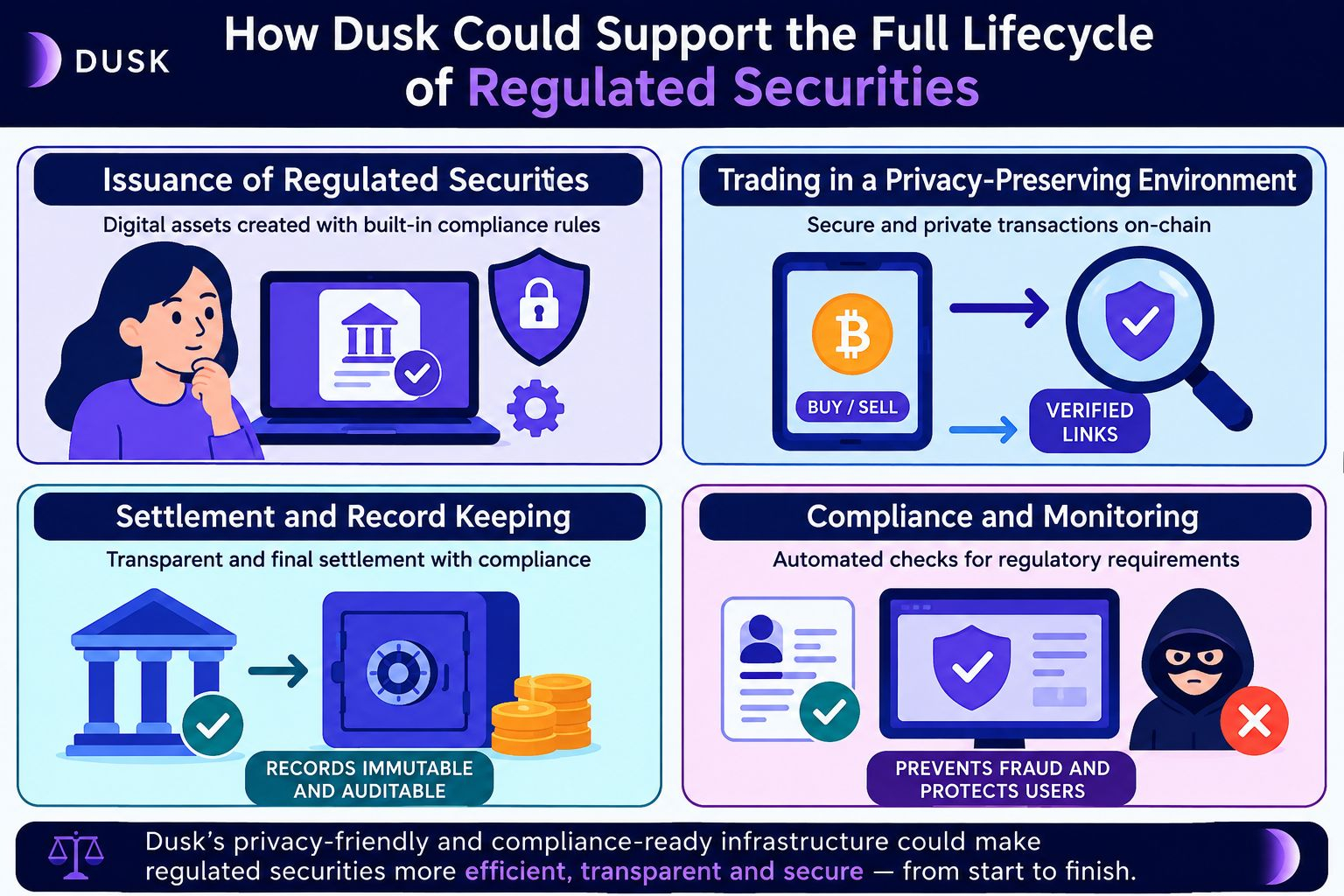
本当に私の注意を引いたのは、ブロックチェーンが金融のやり方を変えるだとか、そういう別の話ではありませんでした。気になったのはシンプルな問いです――お金や投資が、すべてのステップでルールに従わなければならないとしたら、どうなるのか?
規制されているものを買ったり売ったりする場合、それは売買そのものの話ではありません。たとえば、誰が関わっているのかを確認すること、自分がそれを所有する権限を持っているかを確かめること、そしてすべてを記録しておいて、最後にはお金をきちんと戻してもらうこと――そうしたことがたくさん必要になります。たいていは、これらの作業を別々の人たちのグループが担当します。それが、手間が増えてより高くつきやすくなります。
Duskについて知るほど、面白いと思うようになりました。Duskは、プライバシーを守ることに重点を置き、誰もがルールを守ることを徹底し、さらにプログラム可能な仕組みを作ろうとしています。だから私には、「すでに取引された後にルールを追加する必要はないのでは」と思えてきました。もしかすると、最初からルールを守ることをプロセスの一部にできるのかもしれません。
これは取引です。すべての進行状況を把握したい人もいれば、秘密にしておく必要がある人もいる。ルールを作る人は何が起きているかを見られる必要があるのに、企業は誰にでもすべての秘密を共有できるわけではありません。
Duskのやり方は、私にひとつの疑問を投げかけます。お金のことに関してプライバシーを手放さずに、ブロックチェーンを使って、誰もがルールを守っていることを確かめられるのでしょうか?
もしブロックチェーンを使って何かを取引し始めるなら、最適なシステムは、一番うるさいわけでも、最速なわけでもないかもしれません。プライバシーを保ちつつルールを守り、なおかつビジネスを簡単に進められるようにバランスを取れるもの――それが最善のシステムかもしれません。@Dusk $METAB
$HEMI
昨日、上司がオフィスで私を不快にさせることをしました。私は早めに帰ることにしました。スマホを見始めたところ、「Dusk(ダスク)」に関する記事を見つけたので、読み進めました。
本当に私の注意を引いたのは、ブロックチェーンが金融のやり方を変えるだとか、そういう別の話ではありませんでした。気になったのはシンプルな問いです――お金や投資が、すべてのステップでルールに従わなければならないとしたら、どうなるのか?
規制されているものを買ったり売ったりする場合、それは売買そのものの話ではありません。たとえば、誰が関わっているのかを確認すること、自分がそれを所有する権限を持っているかを確かめること、そしてすべてを記録しておいて、最後にはお金をきちんと戻してもらうこと――そうしたことがたくさん必要になります。たいていは、これらの作業を別々の人たちのグループが担当します。それが、手間が増えてより高くつきやすくなります。
Duskについて知るほど、面白いと思うようになりました。Duskは、プライバシーを守ることに重点を置き、誰もがルールを守ることを徹底し、さらにプログラム可能な仕組みを作ろうとしています。だから私には、「すでに取引された後にルールを追加する必要はないのでは」と思えてきました。もしかすると、最初からルールを守ることをプロセスの一部にできるのかもしれません。
これは取引です。すべての進行状況を把握したい人もいれば、秘密にしておく必要がある人もいる。ルールを作る人は何が起きているかを見られる必要があるのに、企業は誰にでもすべての秘密を共有できるわけではありません。
Duskのやり方は、私にひとつの疑問を投げかけます。お金のことに関してプライバシーを手放さずに、ブロックチェーンを使って、誰もがルールを守っていることを確かめられるのでしょうか?
もしブロックチェーンを使って何かを取引し始めるなら、最適なシステムは、一番うるさいわけでも、最速なわけでもないかもしれません。プライバシーを保ちつつルールを守り、なおかつビジネスを簡単に進められるようにバランスを取れるもの――それが最善のシステムかもしれません。@Dusk $METAB
$HEMI
WasiInsights
·
--
弱気相場*緊急速報: 地元の男が$10の暗号を購入*
今、NASAのエンジニアのように12秒ごとにチャートをチェックしてる📊🤡
あなたもこの男ですか? $PEPE
#Bitcoin #Crypto #Web3 🚀
今、NASAのエンジニアのように12秒ごとにチャートをチェックしてる📊🤡
あなたもこの男ですか? $PEPE
#Bitcoin #Crypto #Web3 🚀
ログインして、さらにコンテンツを読む