

SNAX_Y3LLA
223 投稿

SNAX_Y3LLA
報告
ユーザーをブロック
Crypto learner & Content Creator | Market watcher | Sharing thoughts on trends, charts & narratives
取引を発注

BABYホルダー
高頻度トレーダー
4.7年
71 フォロー
51 フォロワー
408 いいね
投稿
ポートフォリオ
すべて
引用
·
--
もし今日$100,000を投資できるとしたら、あなたはどうしますか?
#SKHynixPlunges13%AsKOSPIDrops10% #SpaceXErases$1.2TInMarketCap #IntelRises9%AfterHours
$VANRY $ETH $NVDA.US
もし今日$100,000を投資できるとしたら、あなたはどうしますか?
#SKHynixPlunges13%AsKOSPIDrops10% #SpaceXErases$1.2TInMarketCap #IntelRises9%AfterHours
$VANRY $ETH $NVDA.US
#SKHynixPlunges13%AsKOSPIDrops10% #SpaceXErases$1.2TInMarketCap #IntelRises9%AfterHours
$VANRY $ETH $NVDA.US
Buy the dip 💰
50%
Wait for earnings 📊
0%
Short the rally 📉
25%
Stay away completely 🚫
25%
4 投票 • 投票は終了しました
1
449
·
--
一部該当
TBVは、単なる借入のプリミティブ以上の存在です。
TBVは、担保付きビットコインを汎用の担保化アセットとして活用するための標準です。
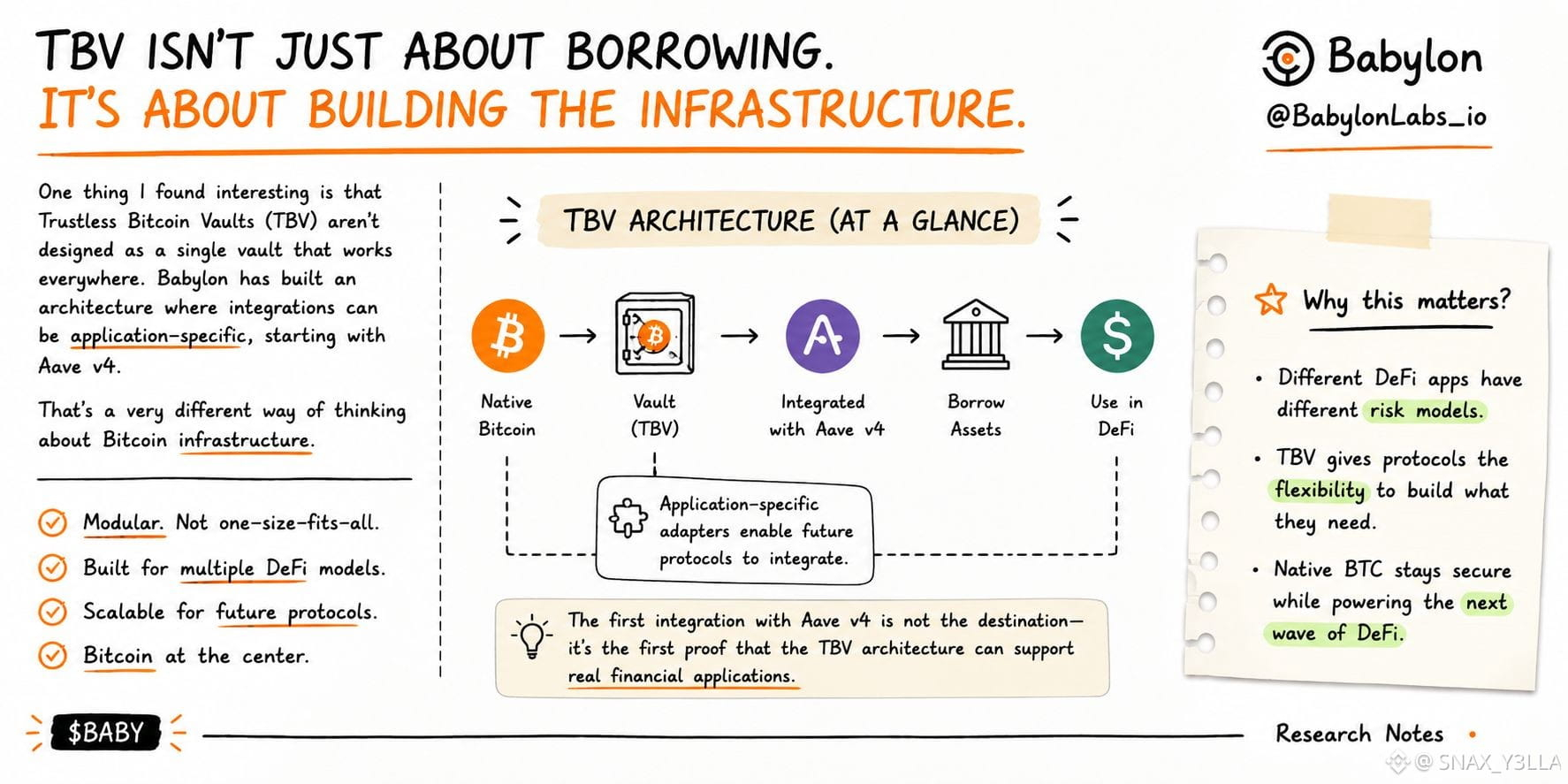
私が興味深いと感じた技術的な詳細の一つは、Trustless Bitcoin Vaults(TBV)が汎用の金庫を意図しているのではなく、Babylonチームが、Aave v4から始めてアプリケーション固有の統合を可能にする形でシステムを設計していることです。
最初は、この区別がなぜ重要なのかを理解していませんでしたが、その理由が分かりました。
DeFiのリスクエンジン、担保化ルール、そして決済ロジックは、各プロトコルごとに根本的に異なります。言い換えると、貸付プロトコルは、保険プロトコルと同じコードベースやアーキテクチャを借用することはできません。むしろ、個々のプロトコルが自分たちのニーズに応じて、その上に構築できる汎用のフレームワークを提供するものです。
これは、ビットコインのインフラを設計し構築するという点で、根本的に異なるアプローチです。
私の考えでは、Aave v4の最初の統合はTBVのゴールではなく、ビットコインを中心に構築される、より大規模な金融アプリケーションのエコシステムのためのインフラを提供する、はるかに大きな取り組みの始まりです。さらに多くのプロトコルが、このようにビットコインを軸とした金融アプリケーションの設計にこのアプローチを採用し始めれば、インフラのイノベーションは、多くの人が想像するよりもはるかに大きなインパクトを生むと私は考えています。
インフラは一般の人々の目に留まりにくいものですが、長期的には、インフラこそがエコシステムの成長の可能性の限界を最終的に決定します。
@babylonlabs_io $BABY $BTC #baby
TBVは、単なる借入のプリミティブ以上の存在です。
TBVは、担保付きビットコインを汎用の担保化アセットとして活用するための標準です。
私が興味深いと感じた技術的な詳細の一つは、Trustless Bitcoin Vaults(TBV)が汎用の金庫を意図しているのではなく、Babylonチームが、Aave v4から始めてアプリケーション固有の統合を可能にする形でシステムを設計していることです。
最初は、この区別がなぜ重要なのかを理解していませんでしたが、その理由が分かりました。
DeFiのリスクエンジン、担保化ルール、そして決済ロジックは、各プロトコルごとに根本的に異なります。言い換えると、貸付プロトコルは、保険プロトコルと同じコードベースやアーキテクチャを借用することはできません。むしろ、個々のプロトコルが自分たちのニーズに応じて、その上に構築できる汎用のフレームワークを提供するものです。
これは、ビットコインのインフラを設計し構築するという点で、根本的に異なるアプローチです。
私の考えでは、Aave v4の最初の統合はTBVのゴールではなく、ビットコインを中心に構築される、より大規模な金融アプリケーションのエコシステムのためのインフラを提供する、はるかに大きな取り組みの始まりです。さらに多くのプロトコルが、このようにビットコインを軸とした金融アプリケーションの設計にこのアプローチを採用し始めれば、インフラのイノベーションは、多くの人が想像するよりもはるかに大きなインパクトを生むと私は考えています。
インフラは一般の人々の目に留まりにくいものですが、長期的には、インフラこそがエコシステムの成長の可能性の限界を最終的に決定します。
@BabylonLabs_io $BABY $BTC #baby
TBVは、担保付きビットコインを汎用の担保化アセットとして活用するための標準です。
私が興味深いと感じた技術的な詳細の一つは、Trustless Bitcoin Vaults(TBV)が汎用の金庫を意図しているのではなく、Babylonチームが、Aave v4から始めてアプリケーション固有の統合を可能にする形でシステムを設計していることです。
最初は、この区別がなぜ重要なのかを理解していませんでしたが、その理由が分かりました。
DeFiのリスクエンジン、担保化ルール、そして決済ロジックは、各プロトコルごとに根本的に異なります。言い換えると、貸付プロトコルは、保険プロトコルと同じコードベースやアーキテクチャを借用することはできません。むしろ、個々のプロトコルが自分たちのニーズに応じて、その上に構築できる汎用のフレームワークを提供するものです。
これは、ビットコインのインフラを設計し構築するという点で、根本的に異なるアプローチです。
私の考えでは、Aave v4の最初の統合はTBVのゴールではなく、ビットコインを中心に構築される、より大規模な金融アプリケーションのエコシステムのためのインフラを提供する、はるかに大きな取り組みの始まりです。さらに多くのプロトコルが、このようにビットコインを軸とした金融アプリケーションの設計にこのアプローチを採用し始めれば、インフラのイノベーションは、多くの人が想像するよりもはるかに大きなインパクトを生むと私は考えています。
インフラは一般の人々の目に留まりにくいものですが、長期的には、インフラこそがエコシステムの成長の可能性の限界を最終的に決定します。
@BabylonLabs_io $BABY $BTC #baby
1
2
88
·
--
本人確認中
@babylonlabs_io
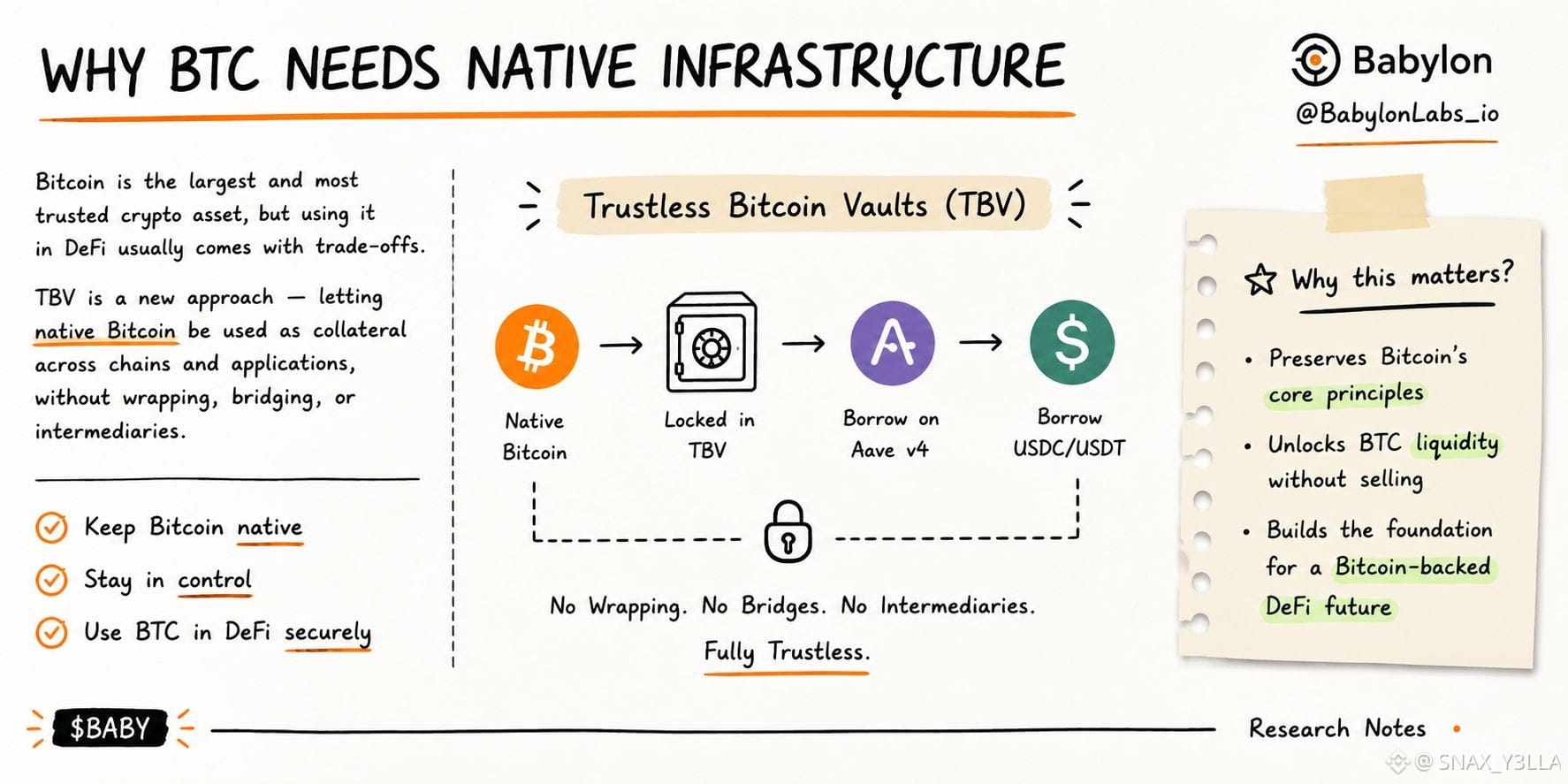
私は、ビットコインは暗号資産の中でも最も強力な資産の一つだとずっと感じてきましたが、DeFiとなると話は別で、BTCを使うには通常妥協が伴います。多くの解決策では、ビットコインをラップして別のチェーンへブリッジするか、第三者を信頼することを求められます。それは私にとって理想的な体験とは思えませんでした。
@babylonlabs_io を調べているときに、Trustless Bitcoin Vaults(TBV)に出会い、そのコンセプトが本当に面白いと感じました。ビットコインの新しいラップ版を作るのではなく、TBVは、ラップ、ブリッジ、仲介者への依存なしで、ネイティブのビットコインをさまざまなチェーンやアプリケーションで担保として使えるように設計されています。私にとって、それはDeFiにおけるビットコインの役割についての別の考え方です。
もう一つ気に入ったのは、パブリック・テストネットがすでに稼働していることです。プロジェクトが本格的なローンチの前にコミュニティに製品をテストしてもらうよう呼びかけるのは、いつもありがたいと感じています。そうすることで、ユーザーが仕組みを理解し、フィードバックを共有し、全体的な体験の向上に役立てられるからです。コミュニティの参加を通じて構築することは、より強固で信頼性の高いインフラにつながることが多いです。
特に目立つのは、Babylonがビットコインを変えようとしているのではなく、その中核となる原則を維持しながら、ビットコインができることを広げようとしているように見える点です。ユーザーが、自分のBTCをネイティブのまま、かつ自分の管理下に保ちながら流動性にアクセスできるなら、ビットコイン保有者の多くをDeFiから遠ざけてきた最大の障壁の一つを取り除けるかもしれません。
私は自分自身でもTBVのテストネットを探索し、このアプローチが時間とともにどのように発展していくのかを見守りたいと思っています。もしビジョンどおりに実現できるなら、それは、ユーザーに最初にビットコインの価値を生んだ特質を犠牲にさせることなく、より広いオンチェーンのエコシステムにおいてビットコインをより使いやすくするための重要な一歩になり得ます。
@babylonlabs_io $BABY #baby
@BabylonLabs_io
私は、ビットコインは暗号資産の中でも最も強力な資産の一つだとずっと感じてきましたが、DeFiとなると話は別で、BTCを使うには通常妥協が伴います。多くの解決策では、ビットコインをラップして別のチェーンへブリッジするか、第三者を信頼することを求められます。それは私にとって理想的な体験とは思えませんでした。
@BabylonLabs_io を調べているときに、Trustless Bitcoin Vaults(TBV)に出会い、そのコンセプトが本当に面白いと感じました。ビットコインの新しいラップ版を作るのではなく、TBVは、ラップ、ブリッジ、仲介者への依存なしで、ネイティブのビットコインをさまざまなチェーンやアプリケーションで担保として使えるように設計されています。私にとって、それはDeFiにおけるビットコインの役割についての別の考え方です。
もう一つ気に入ったのは、パブリック・テストネットがすでに稼働していることです。プロジェクトが本格的なローンチの前にコミュニティに製品をテストしてもらうよう呼びかけるのは、いつもありがたいと感じています。そうすることで、ユーザーが仕組みを理解し、フィードバックを共有し、全体的な体験の向上に役立てられるからです。コミュニティの参加を通じて構築することは、より強固で信頼性の高いインフラにつながることが多いです。
特に目立つのは、Babylonがビットコインを変えようとしているのではなく、その中核となる原則を維持しながら、ビットコインができることを広げようとしているように見える点です。ユーザーが、自分のBTCをネイティブのまま、かつ自分の管理下に保ちながら流動性にアクセスできるなら、ビットコイン保有者の多くをDeFiから遠ざけてきた最大の障壁の一つを取り除けるかもしれません。
私は自分自身でもTBVのテストネットを探索し、このアプローチが時間とともにどのように発展していくのかを見守りたいと思っています。もしビジョンどおりに実現できるなら、それは、ユーザーに最初にビットコインの価値を生んだ特質を犠牲にさせることなく、より広いオンチェーンのエコシステムにおいてビットコインをより使いやすくするための重要な一歩になり得ます。
@BabylonLabs_io $BABY #baby
私は、ビットコインは暗号資産の中でも最も強力な資産の一つだとずっと感じてきましたが、DeFiとなると話は別で、BTCを使うには通常妥協が伴います。多くの解決策では、ビットコインをラップして別のチェーンへブリッジするか、第三者を信頼することを求められます。それは私にとって理想的な体験とは思えませんでした。
@BabylonLabs_io を調べているときに、Trustless Bitcoin Vaults(TBV)に出会い、そのコンセプトが本当に面白いと感じました。ビットコインの新しいラップ版を作るのではなく、TBVは、ラップ、ブリッジ、仲介者への依存なしで、ネイティブのビットコインをさまざまなチェーンやアプリケーションで担保として使えるように設計されています。私にとって、それはDeFiにおけるビットコインの役割についての別の考え方です。
もう一つ気に入ったのは、パブリック・テストネットがすでに稼働していることです。プロジェクトが本格的なローンチの前にコミュニティに製品をテストしてもらうよう呼びかけるのは、いつもありがたいと感じています。そうすることで、ユーザーが仕組みを理解し、フィードバックを共有し、全体的な体験の向上に役立てられるからです。コミュニティの参加を通じて構築することは、より強固で信頼性の高いインフラにつながることが多いです。
特に目立つのは、Babylonがビットコインを変えようとしているのではなく、その中核となる原則を維持しながら、ビットコインができることを広げようとしているように見える点です。ユーザーが、自分のBTCをネイティブのまま、かつ自分の管理下に保ちながら流動性にアクセスできるなら、ビットコイン保有者の多くをDeFiから遠ざけてきた最大の障壁の一つを取り除けるかもしれません。
私は自分自身でもTBVのテストネットを探索し、このアプローチが時間とともにどのように発展していくのかを見守りたいと思っています。もしビジョンどおりに実現できるなら、それは、ユーザーに最初にビットコインの価値を生んだ特質を犠牲にさせることなく、より広いオンチェーンのエコシステムにおいてビットコインをより使いやすくするための重要な一歩になり得ます。
@BabylonLabs_io $BABY #baby
4
2
114
·
--
#MarketSentimentToday 📊
今日の市場は、良好なマクロ指標と高まる地政学リスクの間で立ち往生しているように感じます。
冷えつつある米国のインフレは、より緩和的なFRBへの期待を後押ししていますが、再燃する中東情勢と原油価格の上昇が、投資家がリスクを全面的に受け入れることを妨げています。同時に、半導体株は依然として圧力を受けており、テクノロジー・セクターは慎重な姿勢のままです。
ビットコインも、その同じバランスを映し出しています。
崩れているわけではありませんが、確信を持った形でブレイクアウトしているわけでもありません。買い手は入ってきていますが、どのリバウンドもマクロの不確実性に直面しています。
私の結論:
今日の市場はリスクオンでもリスクオフでもありません。次のきっかけを待っているのです。
複数の資産クラスが、良いニュースに対して強い追随を伴わず反応が止まると、投資家が資本を守りつつ、次の見出しにも目を向けていることを示していることが多いです。
$BTC $ETH $BNB #crypto #markets
#MarketSentimentToday 📊
今日の市場は、良好なマクロ指標と高まる地政学リスクの間で立ち往生しているように感じます。
冷えつつある米国のインフレは、より緩和的なFRBへの期待を後押ししていますが、再燃する中東情勢と原油価格の上昇が、投資家がリスクを全面的に受け入れることを妨げています。同時に、半導体株は依然として圧力を受けており、テクノロジー・セクターは慎重な姿勢のままです。
ビットコインも、その同じバランスを映し出しています。
崩れているわけではありませんが、確信を持った形でブレイクアウトしているわけでもありません。買い手は入ってきていますが、どのリバウンドもマクロの不確実性に直面しています。
私の結論:
今日の市場はリスクオンでもリスクオフでもありません。次のきっかけを待っているのです。
複数の資産クラスが、良いニュースに対して強い追随を伴わず反応が止まると、投資家が資本を守りつつ、次の見出しにも目を向けていることを示していることが多いです。
$BTC $ETH $BNB #crypto #markets
今日の市場は、良好なマクロ指標と高まる地政学リスクの間で立ち往生しているように感じます。
冷えつつある米国のインフレは、より緩和的なFRBへの期待を後押ししていますが、再燃する中東情勢と原油価格の上昇が、投資家がリスクを全面的に受け入れることを妨げています。同時に、半導体株は依然として圧力を受けており、テクノロジー・セクターは慎重な姿勢のままです。
ビットコインも、その同じバランスを映し出しています。
崩れているわけではありませんが、確信を持った形でブレイクアウトしているわけでもありません。買い手は入ってきていますが、どのリバウンドもマクロの不確実性に直面しています。
私の結論:
今日の市場はリスクオンでもリスクオフでもありません。次のきっかけを待っているのです。
複数の資産クラスが、良いニュースに対して強い追随を伴わず反応が止まると、投資家が資本を守りつつ、次の見出しにも目を向けていることを示していることが多いです。
$BTC $ETH $BNB #crypto #markets
1
73
·
--
#tanzaniacentralbankfinalizesdigitalassetrules $NVDAB
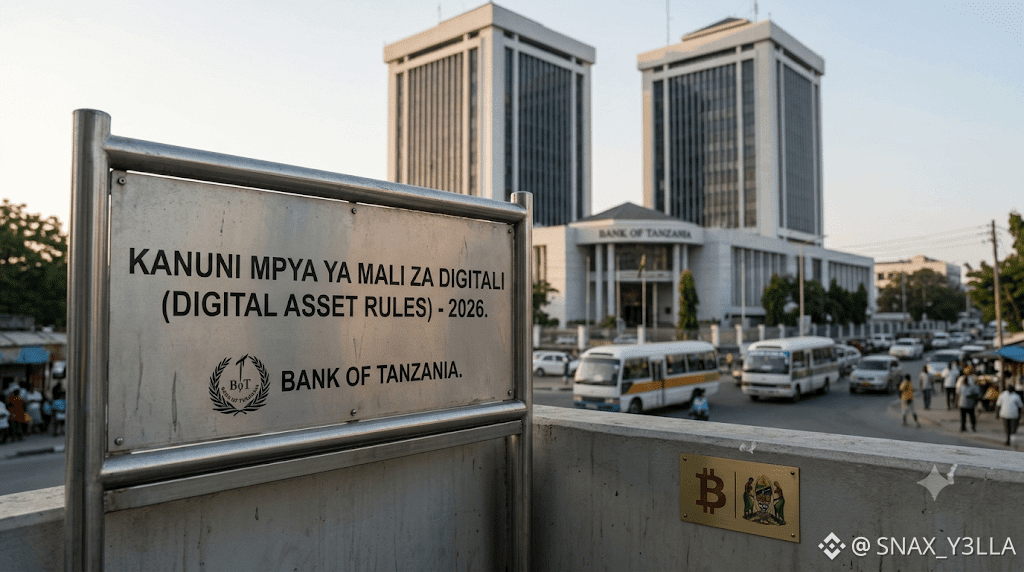
タンザニアの新しいデジタル資産ルールは、暗号資産が別の時代に入っていることを示している
ここ数年、ほとんどのニュースは価格の乱高下、取引所の上場、あるいは次の大きな強気相場についての話題でした。けれど今、私はそれとは違うものを目にしています。多くの国が、デジタル資産を止めるためではなく、それらが金融システムの中にどう位置づけられるべきかを定めるために、規制に取り組み始めています。
最新の例がタンザニアで、中央銀行がデジタル資産に関する規制枠組みを最終化しました。
私にとってこれが重要なのは、特定の国を超えて広がる、より大きな潮流を反映しているからです。
長年、多くの政府は、暗号資産市場を傍観することを好んでいました。業界は急速に成長し、技術は進化していきましたが、一方で規制当局は、デジタル資産が既存の金融法の中でどこに属するのかを理解しようとする段階にあることが多かったのです。
しかし今、その考え方は変わりつつあるようです。
「デジタル資産が存在してよいのか」を問うのではなく、「どのように監督されるべきか」を問う規制当局が増えてきています。
これは重要な違いです。
$VELVET $LAB
#tanzaniacentralbankfinalizesdigitalassetrules $NVDAB
タンザニアの新しいデジタル資産ルールは、暗号資産が別の時代に入っていることを示している
ここ数年、ほとんどのニュースは価格の乱高下、取引所の上場、あるいは次の大きな強気相場についての話題でした。けれど今、私はそれとは違うものを目にしています。多くの国が、デジタル資産を止めるためではなく、それらが金融システムの中にどう位置づけられるべきかを定めるために、規制に取り組み始めています。
最新の例がタンザニアで、中央銀行がデジタル資産に関する規制枠組みを最終化しました。
私にとってこれが重要なのは、特定の国を超えて広がる、より大きな潮流を反映しているからです。
長年、多くの政府は、暗号資産市場を傍観することを好んでいました。業界は急速に成長し、技術は進化していきましたが、一方で規制当局は、デジタル資産が既存の金融法の中でどこに属するのかを理解しようとする段階にあることが多かったのです。
しかし今、その考え方は変わりつつあるようです。
「デジタル資産が存在してよいのか」を問うのではなく、「どのように監督されるべきか」を問う規制当局が増えてきています。
これは重要な違いです。
$VELVET $LAB
タンザニアの新しいデジタル資産ルールは、暗号資産が別の時代に入っていることを示している
ここ数年、ほとんどのニュースは価格の乱高下、取引所の上場、あるいは次の大きな強気相場についての話題でした。けれど今、私はそれとは違うものを目にしています。多くの国が、デジタル資産を止めるためではなく、それらが金融システムの中にどう位置づけられるべきかを定めるために、規制に取り組み始めています。
最新の例がタンザニアで、中央銀行がデジタル資産に関する規制枠組みを最終化しました。
私にとってこれが重要なのは、特定の国を超えて広がる、より大きな潮流を反映しているからです。
長年、多くの政府は、暗号資産市場を傍観することを好んでいました。業界は急速に成長し、技術は進化していきましたが、一方で規制当局は、デジタル資産が既存の金融法の中でどこに属するのかを理解しようとする段階にあることが多かったのです。
しかし今、その考え方は変わりつつあるようです。
「デジタル資産が存在してよいのか」を問うのではなく、「どのように監督されるべきか」を問う規制当局が増えてきています。
これは重要な違いです。
$VELVET $LAB
1
343
·
--
記事
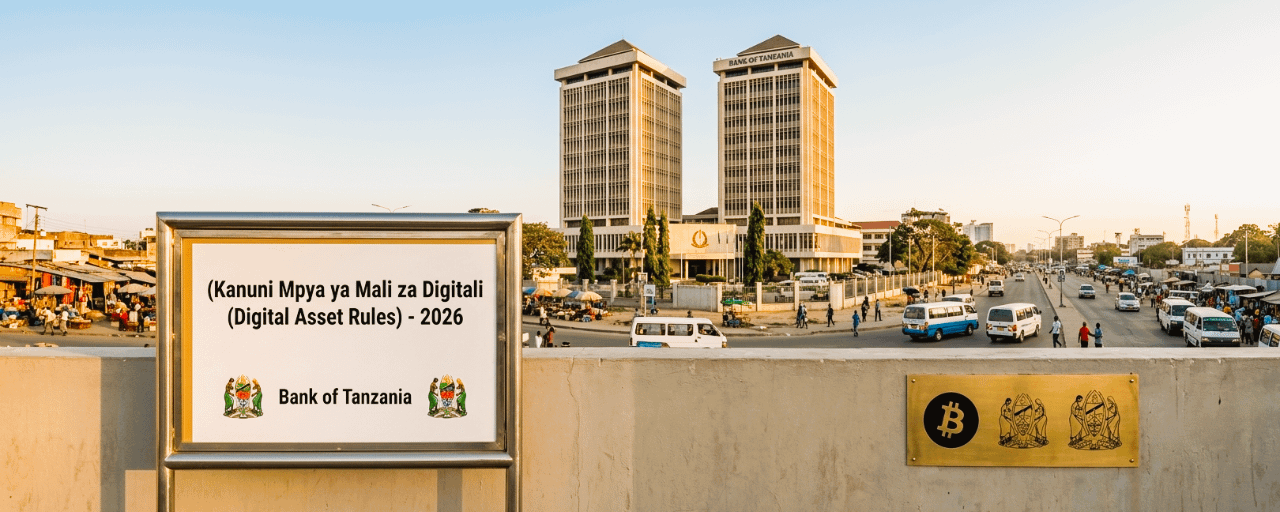
タンザニアの新たな暗号資産規制:アフリカに訪れる規制された時代の夜明け#tanzaniacentralbankfinalizesdigitalassetrules
世界の暗号資産分野では大きな変化が起きており、アフリカはこの変化の震源地にある。
この地域のデジタル資産に対する歴史的な対応は、禁止や制限のいずれかだった。しかし、タンザニア銀行(BoT)は、この流れを覆す準備を進めている。
中銀総裁のエマニュエル・ツツバ氏は、タンザニアが、暗号資産やステーブルコインを含む仮想資産のための規制枠組みを整備していると発表した。
この開発は、アフリカ経済に大きな影響を与える態勢にある。国は、慎重さを一世紀にわたって続けた後、デジタル資産の規制に対して、より洗練され近代的なアプローチを採用しているためだ。
タンザニアの新たな暗号資産規制:アフリカに訪れる規制された時代の夜明け
#tanzaniacentralbankfinalizesdigitalassetrules
世界の暗号資産分野では大きな変化が起きており、アフリカはこの変化の震源地にある。
この地域のデジタル資産に対する歴史的な対応は、禁止や制限のいずれかだった。しかし、タンザニア銀行(BoT)は、この流れを覆す準備を進めている。
中銀総裁のエマニュエル・ツツバ氏は、タンザニアが、暗号資産やステーブルコインを含む仮想資産のための規制枠組みを整備していると発表した。
この開発は、アフリカ経済に大きな影響を与える態勢にある。国は、慎重さを一世紀にわたって続けた後、デジタル資産の規制に対して、より洗練され近代的なアプローチを採用しているためだ。
世界の暗号資産分野では大きな変化が起きており、アフリカはこの変化の震源地にある。
この地域のデジタル資産に対する歴史的な対応は、禁止や制限のいずれかだった。しかし、タンザニア銀行(BoT)は、この流れを覆す準備を進めている。
中銀総裁のエマニュエル・ツツバ氏は、タンザニアが、暗号資産やステーブルコインを含む仮想資産のための規制枠組みを整備していると発表した。
この開発は、アフリカ経済に大きな影響を与える態勢にある。国は、慎重さを一世紀にわたって続けた後、デジタル資産の規制に対して、より洗練され近代的なアプローチを採用しているためだ。
2
207
·
--
#USLaunches337ProbeIntoDRAMDevices 🖥️
米国は特定のDRAMメモリデバイスに関してセクション337の調査を開始しました。これは、半導体分野に対するもう一つの調査が行われることを意味します。
当面は影響が限定的である可能性が高いものの、世界のチップ供給、生産チェーン、そしてテック企業がこうしたリスクにさらされることへの懸念はすでに生まれています。
一方で、暗号資産投資家にとっては、今回の新たな進展が、ブロックチェーン分野は孤立した存在ではないという重い現実を改めて突きつけるものとなっています。AI、クラウドコンピューティング、データセンター、暗号資産マイニングといった技術に独占的に依存している以上、暗号資産分野は一般的な技術の進歩から独立して繁栄することはできません。
最近の見出しが示す通り、最先端のイノベーション、地政学、金融市場が交わることで、ある局面での動きが他にも波及し得る環境が生まれます。
#semiconductor #Technology #markets $BTC $ETH $XRP
今後数年で、半導体をめぐる紛争が市場により大きな影響を与えると思いますか?
#USLaunches337ProbeIntoDRAMDevices 🖥️
米国は特定のDRAMメモリデバイスに関してセクション337の調査を開始しました。これは、半導体分野に対するもう一つの調査が行われることを意味します。
当面は影響が限定的である可能性が高いものの、世界のチップ供給、生産チェーン、そしてテック企業がこうしたリスクにさらされることへの懸念はすでに生まれています。
一方で、暗号資産投資家にとっては、今回の新たな進展が、ブロックチェーン分野は孤立した存在ではないという重い現実を改めて突きつけるものとなっています。AI、クラウドコンピューティング、データセンター、暗号資産マイニングといった技術に独占的に依存している以上、暗号資産分野は一般的な技術の進歩から独立して繁栄することはできません。
最近の見出しが示す通り、最先端のイノベーション、地政学、金融市場が交わることで、ある局面での動きが他にも波及し得る環境が生まれます。
#semiconductor #Technology #markets $BTC $ETH $XRP
今後数年で、半導体をめぐる紛争が市場により大きな影響を与えると思いますか?
米国は特定のDRAMメモリデバイスに関してセクション337の調査を開始しました。これは、半導体分野に対するもう一つの調査が行われることを意味します。
当面は影響が限定的である可能性が高いものの、世界のチップ供給、生産チェーン、そしてテック企業がこうしたリスクにさらされることへの懸念はすでに生まれています。
一方で、暗号資産投資家にとっては、今回の新たな進展が、ブロックチェーン分野は孤立した存在ではないという重い現実を改めて突きつけるものとなっています。AI、クラウドコンピューティング、データセンター、暗号資産マイニングといった技術に独占的に依存している以上、暗号資産分野は一般的な技術の進歩から独立して繁栄することはできません。
最近の見出しが示す通り、最先端のイノベーション、地政学、金融市場が交わることで、ある局面での動きが他にも波及し得る環境が生まれます。
#semiconductor #Technology #markets $BTC $ETH $XRP
今後数年で、半導体をめぐる紛争が市場により大きな影響を与えると思いますか?
Yes, substantially
0%
Only in the short term
0%
0 投票 • 投票は終了しました
1
171
·
--
ここ数週間、@NewtonProtocol を追いかけていて面白いことに気づきました。
ほとんどの人はすぐに「$NEWT トークンが何をするのか?」と聞いてきます。
しかし私は、別の疑問を自分に問いかけるようになりました。
なぜ認可(オーソリゼーション)のネットワークは、そもそも自前のトークンを必要とするのでしょうか?
市場を見ていくほど、ほぼすべての成功したブロックチェーン基盤は、最終的に、そこに構築するすべての人の利害を一致させる仕組みを必要とすることに気づきました。
開発者、運用者、バリデータ、そして利用者は、それぞれ異なる形でネットワークに貢献します。インセンティブの層がなければ、そのエコシステムを長期的に成長させ続けるのは難しいでしょう。
だから私は、ニュートンを単なる取引可能な別の資産だとは見ていません。
ニュートンが、ヴォルト(保管庫)、RWA、ステーブルコイン、AIエージェントのための認可レイヤーになり得るのなら、このトークンは、単一のアプリケーションではなく、より大規模なインフラへの参加を表すものになるかもしれません。
もちろん、採用がすべてを決めます。
ただ、私は最も強いインフラのプロジェクトは、より多くのビルダーがそれに依存し始めるほど価値が高まる傾向があることを学びました。
短期的な価格の動きよりも、開発者の採用状況をはるかに重視して見ていきます。
#Newt $NEWT
これから1年、ニュートンにとって最も重要になるのは何でしょうか?
ここ数週間、@NewtonProtocol を追いかけていて面白いことに気づきました。
ほとんどの人はすぐに「$NEWT トークンが何をするのか?」と聞いてきます。
しかし私は、別の疑問を自分に問いかけるようになりました。
なぜ認可(オーソリゼーション)のネットワークは、そもそも自前のトークンを必要とするのでしょうか?
市場を見ていくほど、ほぼすべての成功したブロックチェーン基盤は、最終的に、そこに構築するすべての人の利害を一致させる仕組みを必要とすることに気づきました。
開発者、運用者、バリデータ、そして利用者は、それぞれ異なる形でネットワークに貢献します。インセンティブの層がなければ、そのエコシステムを長期的に成長させ続けるのは難しいでしょう。
だから私は、ニュートンを単なる取引可能な別の資産だとは見ていません。
ニュートンが、ヴォルト(保管庫)、RWA、ステーブルコイン、AIエージェントのための認可レイヤーになり得るのなら、このトークンは、単一のアプリケーションではなく、より大規模なインフラへの参加を表すものになるかもしれません。
もちろん、採用がすべてを決めます。
ただ、私は最も強いインフラのプロジェクトは、より多くのビルダーがそれに依存し始めるほど価値が高まる傾向があることを学びました。
短期的な価格の動きよりも、開発者の採用状況をはるかに重視して見ていきます。
#Newt $NEWT
これから1年、ニュートンにとって最も重要になるのは何でしょうか?
ほとんどの人はすぐに「$NEWT トークンが何をするのか?」と聞いてきます。
しかし私は、別の疑問を自分に問いかけるようになりました。
なぜ認可(オーソリゼーション)のネットワークは、そもそも自前のトークンを必要とするのでしょうか?
市場を見ていくほど、ほぼすべての成功したブロックチェーン基盤は、最終的に、そこに構築するすべての人の利害を一致させる仕組みを必要とすることに気づきました。
開発者、運用者、バリデータ、そして利用者は、それぞれ異なる形でネットワークに貢献します。インセンティブの層がなければ、そのエコシステムを長期的に成長させ続けるのは難しいでしょう。
だから私は、ニュートンを単なる取引可能な別の資産だとは見ていません。
ニュートンが、ヴォルト(保管庫)、RWA、ステーブルコイン、AIエージェントのための認可レイヤーになり得るのなら、このトークンは、単一のアプリケーションではなく、より大規模なインフラへの参加を表すものになるかもしれません。
もちろん、採用がすべてを決めます。
ただ、私は最も強いインフラのプロジェクトは、より多くのビルダーがそれに依存し始めるほど価値が高まる傾向があることを学びました。
短期的な価格の動きよりも、開発者の採用状況をはるかに重視して見ていきます。
#Newt $NEWT
これから1年、ニュートンにとって最も重要になるのは何でしょうか?
🟢 Developer adoption
50%
🔵 Ecosystem growth
50%
2 投票 • 投票は終了しました
5
2
92
·
--
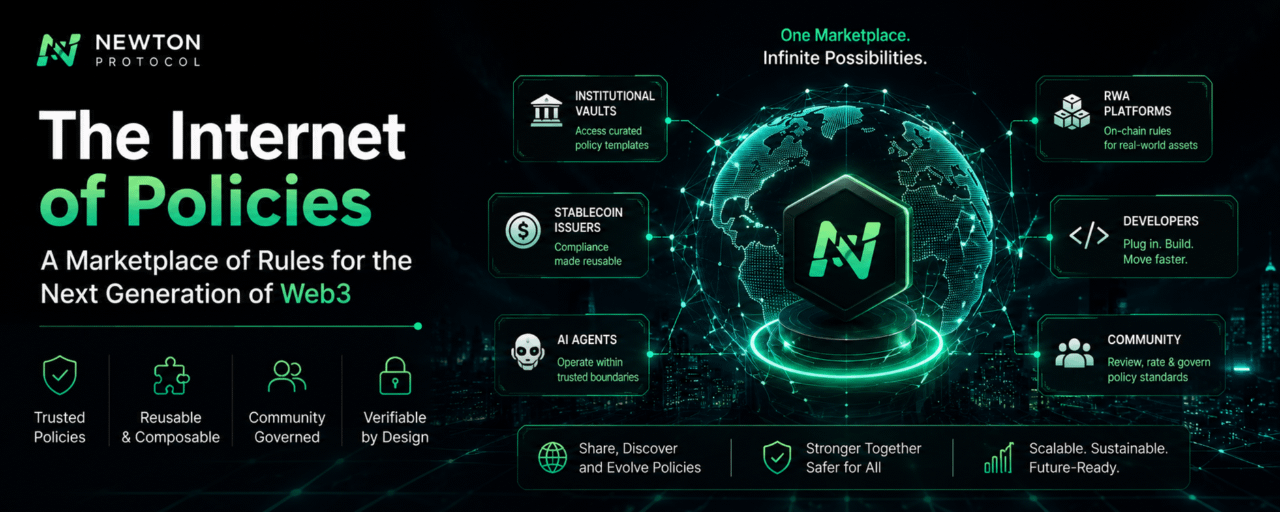
記事
ニュートンの最大のプロダクトは金庫でもAIエージェントでもない。ルールのマーケットプレイスだ@NewtonProtocol
今週はニュートンのプロトコルについて学ぶのに、かなりの時間を費やしました。
予想どおり、私の注意は認証、ポリシー評価、オペレーター、そして暗号学的なアテステーションといったプロトコルの技術的な側面に強く引き寄せられました。
ですが、ドキュメントを読み進めている間、ある一文が頭の中で繰り返し響き続けました――『Internet of Policies』
最初はあまり気にしていませんでした。
インターネット・オブ・ポリシーは、他のどんなWeb3のバズワードと同じように聞こえました。
しかし、マーケットを追いかけていくうちに、プロトコルがどのように発展しているのかを目にするにつれて、インターネット・オブ・ポリシーという考え方が、近いうちにニュートンを定義する中心的なアイデアの1つになり得ると気づきました。
ニュートンの最大のプロダクトは金庫でもAIエージェントでもない。ルールのマーケットプレイスだ
@NewtonProtocol
今週はニュートンのプロトコルについて学ぶのに、かなりの時間を費やしました。
予想どおり、私の注意は認証、ポリシー評価、オペレーター、そして暗号学的なアテステーションといったプロトコルの技術的な側面に強く引き寄せられました。
ですが、ドキュメントを読み進めている間、ある一文が頭の中で繰り返し響き続けました――『Internet of Policies』
最初はあまり気にしていませんでした。
インターネット・オブ・ポリシーは、他のどんなWeb3のバズワードと同じように聞こえました。
しかし、マーケットを追いかけていくうちに、プロトコルがどのように発展しているのかを目にするにつれて、インターネット・オブ・ポリシーという考え方が、近いうちにニュートンを定義する中心的なアイデアの1つになり得ると気づきました。
今週はニュートンのプロトコルについて学ぶのに、かなりの時間を費やしました。
予想どおり、私の注意は認証、ポリシー評価、オペレーター、そして暗号学的なアテステーションといったプロトコルの技術的な側面に強く引き寄せられました。
ですが、ドキュメントを読み進めている間、ある一文が頭の中で繰り返し響き続けました――『Internet of Policies』
最初はあまり気にしていませんでした。
インターネット・オブ・ポリシーは、他のどんなWeb3のバズワードと同じように聞こえました。
しかし、マーケットを追いかけていくうちに、プロトコルがどのように発展しているのかを目にするにつれて、インターネット・オブ・ポリシーという考え方が、近いうちにニュートンを定義する中心的なアイデアの1つになり得ると気づきました。
5
2
106
·
--
記事
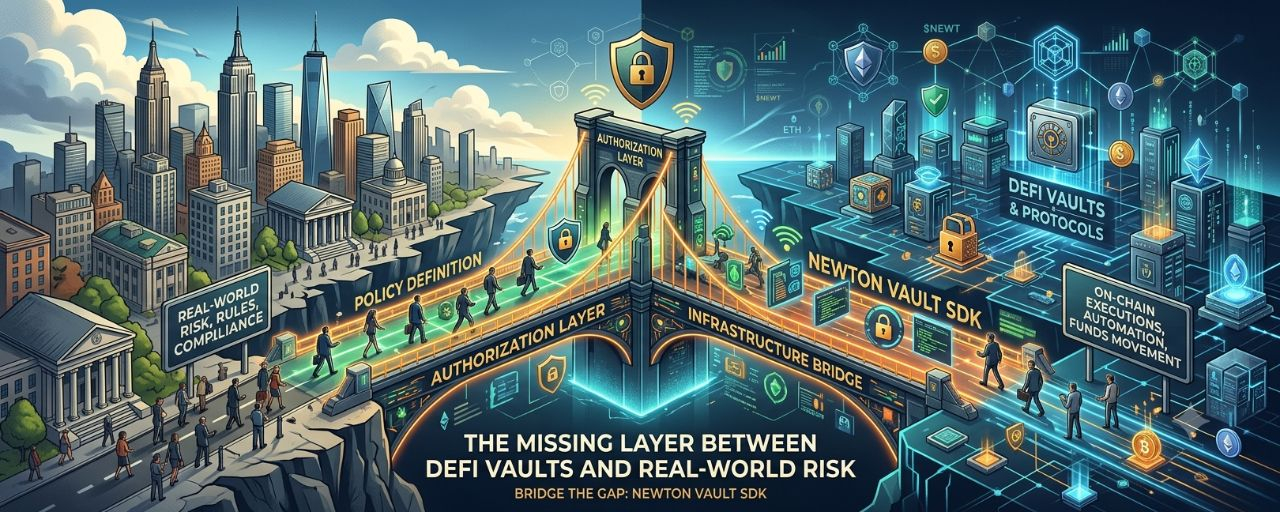
DeFiヴォールトと現実世界のリスクの間に欠けているレイヤー数日前のことですが、私はここ数日間、Newton Protocolのアーキテクチャをじっくり読み解いてきました。よく話題になるのはNewtonの認可モデルやポリシーエンジンですが、立ち上げ時に私の目を引いた特定のエコシステム要素がありました。それがVault SDKです。
一見すると、Web3上でアプリケーションを構築する開発者向けの別のツールのように見えます。結局のところ、この分野には、どのSDKでもライブラリでもAPIでも開発時間を80%削減してくれるといった約束であふれています。しかし、Newtonの提供内容をより深く調べるほど、DeFiのヴォールトそのものに対してまったく新しいパラダイムを定義しているのだと、私にははっきりしてきました。
DeFiヴォールトと現実世界のリスクの間に欠けているレイヤー
数日前のことですが、私はここ数日間、Newton Protocolのアーキテクチャをじっくり読み解いてきました。よく話題になるのはNewtonの認可モデルやポリシーエンジンですが、立ち上げ時に私の目を引いた特定のエコシステム要素がありました。それがVault SDKです。
一見すると、Web3上でアプリケーションを構築する開発者向けの別のツールのように見えます。結局のところ、この分野には、どのSDKでもライブラリでもAPIでも開発時間を80%削減してくれるといった約束であふれています。しかし、Newtonの提供内容をより深く調べるほど、DeFiのヴォールトそのものに対してまったく新しいパラダイムを定義しているのだと、私にははっきりしてきました。
一見すると、Web3上でアプリケーションを構築する開発者向けの別のツールのように見えます。結局のところ、この分野には、どのSDKでもライブラリでもAPIでも開発時間を80%削減してくれるといった約束であふれています。しかし、Newtonの提供内容をより深く調べるほど、DeFiのヴォールトそのものに対してまったく新しいパラダイムを定義しているのだと、私にははっきりしてきました。
3
2
40
·
--
@NewtonProtocol is "DeFi vaults"について、興味深い点に気づきました。
現在、多くのヴォールトは、支出限度・リスクルール・コンプライアンス確認などを扱うためにオフチェーンの回避策に頼っています。それで目的は果たせますが、余計な可動部分が増え、外部システムへの信頼を強いることにもなります。
Newtonはそこで別のアプローチを試しています。そうしたポリシーチェックをオンチェーン上で直接行い、トランザクションがそもそも通過する前に検知するのです。
私にとって、価値が本当にあるのはまさにそこです。
単に資産管理をオートパイロットにするのではなく、ここでの本当の目標は、ルールそのものがどのように機能するかを、徹底的に開放して明らかにすること。すべてのポリシーを完全に透明にし、簡単に検証でき、そして一銭たりとも動く前に厳密に強制することが目的です。
DeFiに大口の機関投資家マネーがますます流れ込んでいく中で、私は率直に、こうした基盤インフラが大きな転機になると考えています。実際、最も重要なのは実際のヴォールトそのものと同じくらい重要になるはずです。資本を置く場所があることも大事ですが、資本を適切に守り、きちんと管理するための土台となるレールを備えていることこそが、状況を動かす要因になります。
@NewtonProtocol #Newt $NEWT
$BTC $BNB
{future}(NEWTUSDT)
機関向けのDeFiヴォールトで最も重要な機能はどれですか?
@NewtonProtocol is "DeFi vaults"について、興味深い点に気づきました。
現在、多くのヴォールトは、支出限度・リスクルール・コンプライアンス確認などを扱うためにオフチェーンの回避策に頼っています。それで目的は果たせますが、余計な可動部分が増え、外部システムへの信頼を強いることにもなります。
Newtonはそこで別のアプローチを試しています。そうしたポリシーチェックをオンチェーン上で直接行い、トランザクションがそもそも通過する前に検知するのです。
私にとって、価値が本当にあるのはまさにそこです。
単に資産管理をオートパイロットにするのではなく、ここでの本当の目標は、ルールそのものがどのように機能するかを、徹底的に開放して明らかにすること。すべてのポリシーを完全に透明にし、簡単に検証でき、そして一銭たりとも動く前に厳密に強制することが目的です。
DeFiに大口の機関投資家マネーがますます流れ込んでいく中で、私は率直に、こうした基盤インフラが大きな転機になると考えています。実際、最も重要なのは実際のヴォールトそのものと同じくらい重要になるはずです。資本を置く場所があることも大事ですが、資本を適切に守り、きちんと管理するための土台となるレールを備えていることこそが、状況を動かす要因になります。
@NewtonProtocol #Newt $NEWT
$BTC $BNB
機関向けのDeFiヴォールトで最も重要な機能はどれですか?
現在、多くのヴォールトは、支出限度・リスクルール・コンプライアンス確認などを扱うためにオフチェーンの回避策に頼っています。それで目的は果たせますが、余計な可動部分が増え、外部システムへの信頼を強いることにもなります。
Newtonはそこで別のアプローチを試しています。そうしたポリシーチェックをオンチェーン上で直接行い、トランザクションがそもそも通過する前に検知するのです。
私にとって、価値が本当にあるのはまさにそこです。
単に資産管理をオートパイロットにするのではなく、ここでの本当の目標は、ルールそのものがどのように機能するかを、徹底的に開放して明らかにすること。すべてのポリシーを完全に透明にし、簡単に検証でき、そして一銭たりとも動く前に厳密に強制することが目的です。
DeFiに大口の機関投資家マネーがますます流れ込んでいく中で、私は率直に、こうした基盤インフラが大きな転機になると考えています。実際、最も重要なのは実際のヴォールトそのものと同じくらい重要になるはずです。資本を置く場所があることも大事ですが、資本を適切に守り、きちんと管理するための土台となるレールを備えていることこそが、状況を動かす要因になります。
@NewtonProtocol #Newt $NEWT
$BTC $BNB
機関向けのDeFiヴォールトで最も重要な機能はどれですか?
On-chain risk controls
100%
Compliance checks
0%
1 投票 • 投票は終了しました
3
2
91
·
--
本人確認中
#sp500endsjustbelowrecord 📈
S&P 500は史上最高値まであと少しのところで取引を終え、市場の楽観が金利や世界のヘッドラインをめぐる不確実性が続く中でも維持されていることを示しました。
株式が記録的な水準へ向けて押し進められると、投資家はそれをリスク選好が戻ってきているサインと見なすことがよくあります。
今後数回のセッションが、これが確定したブレイクアウトになるのか、それともレジスタンスへの再テストにとどまるのかを左右する可能性があります。
市場は注意深く見守っています。
#SP500 #stock #markets $BTC $ETH
S&P 500の次はどうなる?
#sp500endsjustbelowrecord 📈
S&P 500は史上最高値まであと少しのところで取引を終え、市場の楽観が金利や世界のヘッドラインをめぐる不確実性が続く中でも維持されていることを示しました。
株式が記録的な水準へ向けて押し進められると、投資家はそれをリスク選好が戻ってきているサインと見なすことがよくあります。
今後数回のセッションが、これが確定したブレイクアウトになるのか、それともレジスタンスへの再テストにとどまるのかを左右する可能性があります。
市場は注意深く見守っています。
#SP500 #stock #markets $BTC $ETH
S&P 500の次はどうなる?
S&P 500は史上最高値まであと少しのところで取引を終え、市場の楽観が金利や世界のヘッドラインをめぐる不確実性が続く中でも維持されていることを示しました。
株式が記録的な水準へ向けて押し進められると、投資家はそれをリスク選好が戻ってきているサインと見なすことがよくあります。
今後数回のセッションが、これが確定したブレイクアウトになるのか、それともレジスタンスへの再テストにとどまるのかを左右する可能性があります。
市場は注意深く見守っています。
#SP500 #stock #markets $BTC $ETH
S&P 500の次はどうなる?
New record high
40%
More sideways movement
33%
Short-term pullback
27%
15 投票 • 投票は終了しました
2
5
1.7k
·
--
#Bitcoin$60K$70KRangeHits307DayConsolidation 📊
ビットコインは60Kドルと70Kドルの間で307日間のもみ合い(コンソリデーション)を見せている
退屈な市場だと感じる人もいる
一方で、これはこのサイクルにおける歴史的な低ボラティリティのコンソリデーション局面だという人もいる
過去は、もみ合いの期間が爆発的な値動きにつながり得ることを示してきたが、その方向は誰にも分からない。
長く続けば続くほど、ブレイクアウトのどちら側に注目が集まるのかがより明確になる。
$BTC $BITCOIN $ETH #crypto #markets
ビットコインの次の大きな動きは:
#Bitcoin$60K$70KRangeHits307DayConsolidation 📊
ビットコインは60Kドルと70Kドルの間で307日間のもみ合い(コンソリデーション)を見せている
退屈な市場だと感じる人もいる
一方で、これはこのサイクルにおける歴史的な低ボラティリティのコンソリデーション局面だという人もいる
過去は、もみ合いの期間が爆発的な値動きにつながり得ることを示してきたが、その方向は誰にも分からない。
長く続けば続くほど、ブレイクアウトのどちら側に注目が集まるのかがより明確になる。
$BTC $BITCOIN $ETH #crypto #markets
ビットコインの次の大きな動きは:
ビットコインは60Kドルと70Kドルの間で307日間のもみ合い(コンソリデーション)を見せている
退屈な市場だと感じる人もいる
一方で、これはこのサイクルにおける歴史的な低ボラティリティのコンソリデーション局面だという人もいる
過去は、もみ合いの期間が爆発的な値動きにつながり得ることを示してきたが、その方向は誰にも分からない。
長く続けば続くほど、ブレイクアウトのどちら側に注目が集まるのかがより明確になる。
$BTC $BITCOIN $ETH #crypto #markets
ビットコインの次の大きな動きは:
Above $70K 🚀
0%
Below $60K? 📉
100%
1 投票 • 投票は終了しました
4
120
·
--
@NewtonProtocol
Newtonプロトコルについて裏で調査していると、プロトコルそのものというより、そのプロトコルを支えるチームについて学ぶことになりました。
特に一つの発見が強く印象に残りました。
Newtonの中核開発チームであるMagic Labsは、Polymarketのウォレット基盤(ウォレット・インフラ)を支えている存在でもあります。
これはそれ自体、仮に暗号資産の世界に多才な開発者がたくさんいるのなら、驚くことではありません。
ただ、それでも考えさせられました——業界として、私たちは、私たちが使うプロダクトを作るチームの体験(経験)に、十分な注目を払えているでしょうか?
私たちはしばしばTPS、トークノミクス、プロトコルの技術的側面を比較しますが、プロジェクトの開発チームがそれ以前にどんなインフラを構築してきたのかについては、あまり話題にしません。
結局のところ、(この場合はウォレットのような)成功したインフラ製品をすでに作って立ち上げているなら、次の大きなものをこの業界で生み出すためのドメイン知識(専門性)を持っているはずです。
これは、私の意見では、偉大なプロトコルの真の証です。
暗号資産プロジェクトに投資するときに私が常に探してきたのは、技術面だけでなく、コードを書く人々の経験という意味での「中身(実質)」です。
Magic Labsチームの実績が示す以上に、Newtonのポテンシャルを裏付けるものはありませんよね?
#newt $NEWT
では、あなたの意見では、Web3のインフラ・プロジェクトを「良い」と言えるのは、どんな点ですか?
@NewtonProtocol
Newtonプロトコルについて裏で調査していると、プロトコルそのものというより、そのプロトコルを支えるチームについて学ぶことになりました。
特に一つの発見が強く印象に残りました。
Newtonの中核開発チームであるMagic Labsは、Polymarketのウォレット基盤(ウォレット・インフラ)を支えている存在でもあります。
これはそれ自体、仮に暗号資産の世界に多才な開発者がたくさんいるのなら、驚くことではありません。
ただ、それでも考えさせられました——業界として、私たちは、私たちが使うプロダクトを作るチームの体験(経験)に、十分な注目を払えているでしょうか?
私たちはしばしばTPS、トークノミクス、プロトコルの技術的側面を比較しますが、プロジェクトの開発チームがそれ以前にどんなインフラを構築してきたのかについては、あまり話題にしません。
結局のところ、(この場合はウォレットのような)成功したインフラ製品をすでに作って立ち上げているなら、次の大きなものをこの業界で生み出すためのドメイン知識(専門性)を持っているはずです。
これは、私の意見では、偉大なプロトコルの真の証です。
暗号資産プロジェクトに投資するときに私が常に探してきたのは、技術面だけでなく、コードを書く人々の経験という意味での「中身(実質)」です。
Magic Labsチームの実績が示す以上に、Newtonのポテンシャルを裏付けるものはありませんよね?
#newt $NEWT
では、あなたの意見では、Web3のインフラ・プロジェクトを「良い」と言えるのは、どんな点ですか?
Newtonプロトコルについて裏で調査していると、プロトコルそのものというより、そのプロトコルを支えるチームについて学ぶことになりました。
特に一つの発見が強く印象に残りました。
Newtonの中核開発チームであるMagic Labsは、Polymarketのウォレット基盤(ウォレット・インフラ)を支えている存在でもあります。
これはそれ自体、仮に暗号資産の世界に多才な開発者がたくさんいるのなら、驚くことではありません。
ただ、それでも考えさせられました——業界として、私たちは、私たちが使うプロダクトを作るチームの体験(経験)に、十分な注目を払えているでしょうか?
私たちはしばしばTPS、トークノミクス、プロトコルの技術的側面を比較しますが、プロジェクトの開発チームがそれ以前にどんなインフラを構築してきたのかについては、あまり話題にしません。
結局のところ、(この場合はウォレットのような)成功したインフラ製品をすでに作って立ち上げているなら、次の大きなものをこの業界で生み出すためのドメイン知識(専門性)を持っているはずです。
これは、私の意見では、偉大なプロトコルの真の証です。
暗号資産プロジェクトに投資するときに私が常に探してきたのは、技術面だけでなく、コードを書く人々の経験という意味での「中身(実質)」です。
Magic Labsチームの実績が示す以上に、Newtonのポテンシャルを裏付けるものはありませんよね?
#newt $NEWT
では、あなたの意見では、Web3のインフラ・プロジェクトを「良い」と言えるのは、どんな点ですか?
🔹 Technology
0%
🔹 Experience
0%
0 投票 • 投票は終了しました
12
4
76
·
--
本人確認中
記事
Behind Newton Protocol Is A Company Most People Never Knew About@NewtonProtocol
ブロックチェーン・プロジェクトを調べるとき、多くの人が最初に行いがちなのは、そのプロトコルを研究することです。
どれくらいのスピードとセキュリティを提供していますか?どんな課題を解決しますか?
これらはすべて妥当な質問ですが、Newtonのメインネットβについて学ぶ中で、より個人的なことを自分に問いかけるようになりました。
コードの背後にいるのは誰なのでしょうか?
そのうち好奇心が私をMagic Labsへ導きました。私の意見では、Newton Protocolの開発に貢献する面で、Magic Labsは非常に過小評価されています。
Behind Newton Protocol Is A Company Most People Never Knew About
@NewtonProtocol
ブロックチェーン・プロジェクトを調べるとき、多くの人が最初に行いがちなのは、そのプロトコルを研究することです。
どれくらいのスピードとセキュリティを提供していますか?どんな課題を解決しますか?
これらはすべて妥当な質問ですが、Newtonのメインネットβについて学ぶ中で、より個人的なことを自分に問いかけるようになりました。
コードの背後にいるのは誰なのでしょうか?
そのうち好奇心が私をMagic Labsへ導きました。私の意見では、Newton Protocolの開発に貢献する面で、Magic Labsは非常に過小評価されています。
ブロックチェーン・プロジェクトを調べるとき、多くの人が最初に行いがちなのは、そのプロトコルを研究することです。
どれくらいのスピードとセキュリティを提供していますか?どんな課題を解決しますか?
これらはすべて妥当な質問ですが、Newtonのメインネットβについて学ぶ中で、より個人的なことを自分に問いかけるようになりました。
コードの背後にいるのは誰なのでしょうか?
そのうち好奇心が私をMagic Labsへ導きました。私の意見では、Newton Protocolの開発に貢献する面で、Magic Labsは非常に過小評価されています。
9
4
86
·
--
@NewtonProtocol
クレジットカードをスワイプすると、銀行が翌日まで気づかないようなケースを想像してみてください。そのカードが有効であること、加盟店に不正の履歴がないことが判明した結果、今や顧客の残高が侵害されてしまっていたのです。こんな実装が今日なら不条理に聞こえるのは当然ですが、実はそれこそがweb3の決済の仕組みです。私たちは取引を確定(コンファーム)できるようにし、潜在的なエクスプロイトによる被害の軽減は、その後に試みるのです。
オンチェーンのセキュリティは、常にリアクティブ(事後対応)的なプロセスでした。私たちは、すでに発生した既知の脆弱性や攻撃に基づいて防御策を構築します。要するに、解決策が必要不可欠であると疑いようのない状況になって初めて、それを作っているのです。
しかし、このアプローチには限界があります。セキュリティは、実行が行われる前に、プロアクティブ(事前対応)で、組み込みのガードレール(安全柵)を備える必要があります。
だからこそ、Newton Mainnet Beta はとてもワクワクさせる存在です。
それは待望の、新しいパラダイムへの転換を意味しています。決済が「確定」や「最終性」を提供するのではなく、カスタムポリシーチェックを通過した結果として成立する、という考え方です。これはオンチェーン経済における「Visa Network」のようなもので、決済が発生する前にリアルタイムで柔軟なポリシーチェックを実装することで、より豊かなアプリケーションを可能にする基盤となる、プロトコルレベルのインフラです。
言い換えればNewtonは、標準的なリアクティブなセキュリティ対策を超えて、取引、スマートコントラクト、あるいはそのエコシステムに参加する他のあらゆるエンティティについて、動的でカスタマイズ可能な評価を行い、あらかじめ定義されたルールやポリシーに従っているかどうかを確認します。
Web3は現状のままでは、企業レベルのアプリケーションにスケールできません。「先に決済して、あとで質問する」から「Newtonスタイルの決済」へと移行することは、この領域のインフラ設計が進化するために必要な流れです。だからこそ私はこのプロジェクトに強気なのです。業界の標準になり得る可能性があります。
#newt $NEWT
@NewtonProtocol
クレジットカードをスワイプすると、銀行が翌日まで気づかないようなケースを想像してみてください。そのカードが有効であること、加盟店に不正の履歴がないことが判明した結果、今や顧客の残高が侵害されてしまっていたのです。こんな実装が今日なら不条理に聞こえるのは当然ですが、実はそれこそがweb3の決済の仕組みです。私たちは取引を確定(コンファーム)できるようにし、潜在的なエクスプロイトによる被害の軽減は、その後に試みるのです。
オンチェーンのセキュリティは、常にリアクティブ(事後対応)的なプロセスでした。私たちは、すでに発生した既知の脆弱性や攻撃に基づいて防御策を構築します。要するに、解決策が必要不可欠であると疑いようのない状況になって初めて、それを作っているのです。
しかし、このアプローチには限界があります。セキュリティは、実行が行われる前に、プロアクティブ(事前対応)で、組み込みのガードレール(安全柵)を備える必要があります。
だからこそ、Newton Mainnet Beta はとてもワクワクさせる存在です。
それは待望の、新しいパラダイムへの転換を意味しています。決済が「確定」や「最終性」を提供するのではなく、カスタムポリシーチェックを通過した結果として成立する、という考え方です。これはオンチェーン経済における「Visa Network」のようなもので、決済が発生する前にリアルタイムで柔軟なポリシーチェックを実装することで、より豊かなアプリケーションを可能にする基盤となる、プロトコルレベルのインフラです。
言い換えればNewtonは、標準的なリアクティブなセキュリティ対策を超えて、取引、スマートコントラクト、あるいはそのエコシステムに参加する他のあらゆるエンティティについて、動的でカスタマイズ可能な評価を行い、あらかじめ定義されたルールやポリシーに従っているかどうかを確認します。
Web3は現状のままでは、企業レベルのアプリケーションにスケールできません。「先に決済して、あとで質問する」から「Newtonスタイルの決済」へと移行することは、この領域のインフラ設計が進化するために必要な流れです。だからこそ私はこのプロジェクトに強気なのです。業界の標準になり得る可能性があります。
#newt $NEWT
クレジットカードをスワイプすると、銀行が翌日まで気づかないようなケースを想像してみてください。そのカードが有効であること、加盟店に不正の履歴がないことが判明した結果、今や顧客の残高が侵害されてしまっていたのです。こんな実装が今日なら不条理に聞こえるのは当然ですが、実はそれこそがweb3の決済の仕組みです。私たちは取引を確定(コンファーム)できるようにし、潜在的なエクスプロイトによる被害の軽減は、その後に試みるのです。
オンチェーンのセキュリティは、常にリアクティブ(事後対応)的なプロセスでした。私たちは、すでに発生した既知の脆弱性や攻撃に基づいて防御策を構築します。要するに、解決策が必要不可欠であると疑いようのない状況になって初めて、それを作っているのです。
しかし、このアプローチには限界があります。セキュリティは、実行が行われる前に、プロアクティブ(事前対応)で、組み込みのガードレール(安全柵)を備える必要があります。
だからこそ、Newton Mainnet Beta はとてもワクワクさせる存在です。
それは待望の、新しいパラダイムへの転換を意味しています。決済が「確定」や「最終性」を提供するのではなく、カスタムポリシーチェックを通過した結果として成立する、という考え方です。これはオンチェーン経済における「Visa Network」のようなもので、決済が発生する前にリアルタイムで柔軟なポリシーチェックを実装することで、より豊かなアプリケーションを可能にする基盤となる、プロトコルレベルのインフラです。
言い換えればNewtonは、標準的なリアクティブなセキュリティ対策を超えて、取引、スマートコントラクト、あるいはそのエコシステムに参加する他のあらゆるエンティティについて、動的でカスタマイズ可能な評価を行い、あらかじめ定義されたルールやポリシーに従っているかどうかを確認します。
Web3は現状のままでは、企業レベルのアプリケーションにスケールできません。「先に決済して、あとで質問する」から「Newtonスタイルの決済」へと移行することは、この領域のインフラ設計が進化するために必要な流れです。だからこそ私はこのプロジェクトに強気なのです。業界の標準になり得る可能性があります。
#newt $NEWT
3
2
67
·
--
記事
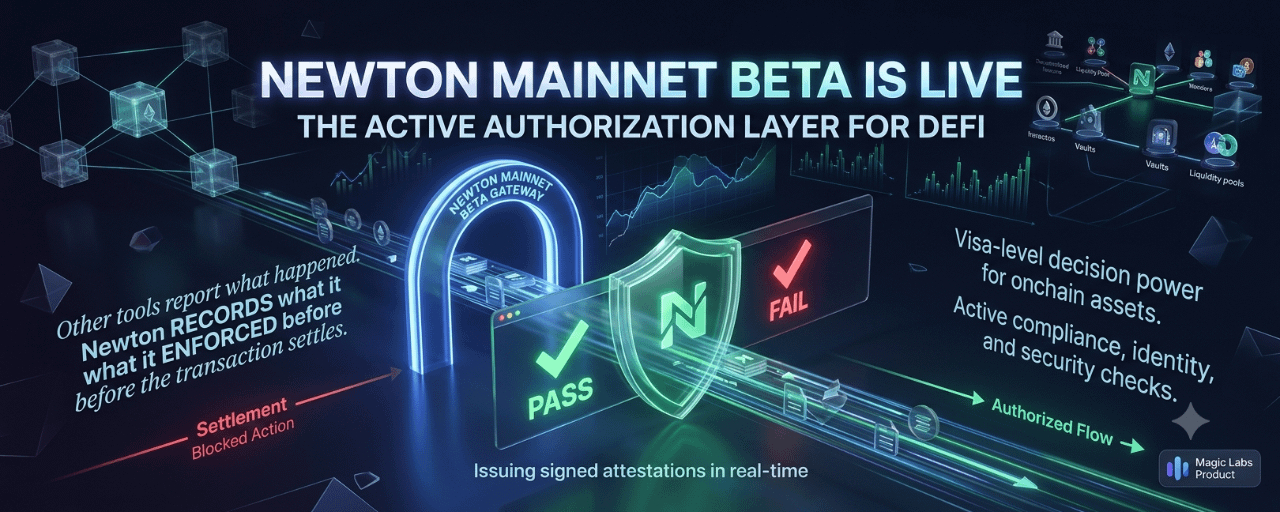
なぜオンチェーン実行には、決済の前に認可レイヤーが必要なのか<c-35/>
最近、Web3インフラについてたくさん考えていて、私たちはかなり注目に値する何かに近づいていると思っています。現在の取引モデルには重要な逆転があります。セキュリティは常に事後対応であり、プロトコルが悪用された後に初めて問題が学習されるのです。
これとは対照的に、Newton Mainnet Betaは、事後の報告ではなく、事前に設定された実行のガードレールという観点で議論を組み替える点が特筆に値します。
これがオンチェーンで見える姿です:
ブロックチェーンの取引を基本的に説明するなら、なじみのある流れとして次のような点が挙げられます:
なぜオンチェーン実行には、決済の前に認可レイヤーが必要なのか
<c-35/>
最近、Web3インフラについてたくさん考えていて、私たちはかなり注目に値する何かに近づいていると思っています。現在の取引モデルには重要な逆転があります。セキュリティは常に事後対応であり、プロトコルが悪用された後に初めて問題が学習されるのです。
これとは対照的に、Newton Mainnet Betaは、事後の報告ではなく、事前に設定された実行のガードレールという観点で議論を組み替える点が特筆に値します。
これがオンチェーンで見える姿です:
ブロックチェーンの取引を基本的に説明するなら、なじみのある流れとして次のような点が挙げられます:
最近、Web3インフラについてたくさん考えていて、私たちはかなり注目に値する何かに近づいていると思っています。現在の取引モデルには重要な逆転があります。セキュリティは常に事後対応であり、プロトコルが悪用された後に初めて問題が学習されるのです。
これとは対照的に、Newton Mainnet Betaは、事後の報告ではなく、事前に設定された実行のガードレールという観点で議論を組み替える点が特筆に値します。
これがオンチェーンで見える姿です:
ブロックチェーンの取引を基本的に説明するなら、なじみのある流れとして次のような点が挙げられます:
7
2
100
·
--
ガスフロアを克服する:
ニュートン・プロトコルは再帰的な証明のバッチングにどう取り組むか
@NewtonProtocol
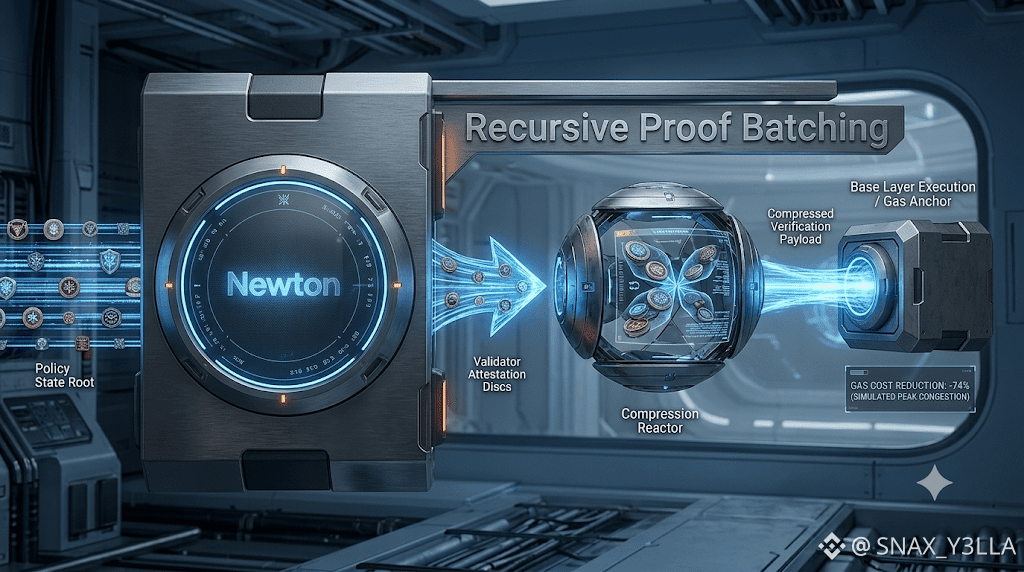
ニュートン・プロトコルのメインネットβが稼働した今、開発者たちはすでに次なる課題であるベース層の実行環境におけるガスフロアへ目を向けています。混雑した期間には、重い暗号学的アーティファクトの処理やオンチェーンの再帰ロジックの検証を行うニュートンの分散ノードのコストが、手の届かないほど高額になる可能性があります。開発者は、ピーク時におけるトランザクションのレイテンシと検証コストの間で優先順位付け(トリアージ)を迫られます。
ニュートンのインフラ周辺で経済性を維持しつつ、エンタープライズ級のアプリケーションを支えるために、プロトコルはトランザクションの検証にかかるオーバーヘッドを削減する仕組みとして再帰的な証明バッチング(Recursive Proof Batching)を採用しています。
何百もの小規模な検証用証明を、構造的に単一の大きな証明へ再帰的にバッチ化することで、集約された証明を処理する際の実効ガスコストは、通常のトランザクションとほぼ同程度に戻ります。大部分の数理的な負荷を、カスタムの事前コンパイル済みコントラクト内で最適化された実行ループに任せ、データ可用性と決済のためにのみメインネットの実行環境へ委ねることで、ニュートンのインフラは、スループットと検証コストの線形な相関を断ち切ります。高頻度の自動化ツールを構築する一般的なweb3開発者にとって、検証オーバーヘッドを実効スループットから切り離せることは、確立されたweb2ツールとの同等性に向けた大きな飛躍です。
#Newt $NEWT
#NewtonProtocol #Web3Security #Cryptography #MainnetBeta
ガスフロアを克服する:
ニュートン・プロトコルは再帰的な証明のバッチングにどう取り組むか
@NewtonProtocol
ニュートン・プロトコルのメインネットβが稼働した今、開発者たちはすでに次なる課題であるベース層の実行環境におけるガスフロアへ目を向けています。混雑した期間には、重い暗号学的アーティファクトの処理やオンチェーンの再帰ロジックの検証を行うニュートンの分散ノードのコストが、手の届かないほど高額になる可能性があります。開発者は、ピーク時におけるトランザクションのレイテンシと検証コストの間で優先順位付け(トリアージ)を迫られます。
ニュートンのインフラ周辺で経済性を維持しつつ、エンタープライズ級のアプリケーションを支えるために、プロトコルはトランザクションの検証にかかるオーバーヘッドを削減する仕組みとして再帰的な証明バッチング(Recursive Proof Batching)を採用しています。
何百もの小規模な検証用証明を、構造的に単一の大きな証明へ再帰的にバッチ化することで、集約された証明を処理する際の実効ガスコストは、通常のトランザクションとほぼ同程度に戻ります。大部分の数理的な負荷を、カスタムの事前コンパイル済みコントラクト内で最適化された実行ループに任せ、データ可用性と決済のためにのみメインネットの実行環境へ委ねることで、ニュートンのインフラは、スループットと検証コストの線形な相関を断ち切ります。高頻度の自動化ツールを構築する一般的なweb3開発者にとって、検証オーバーヘッドを実効スループットから切り離せることは、確立されたweb2ツールとの同等性に向けた大きな飛躍です。
#Newt $NEWT
#NewtonProtocol #Web3Security #Cryptography #MainnetBeta
ニュートン・プロトコルは再帰的な証明のバッチングにどう取り組むか
@NewtonProtocol
ニュートン・プロトコルのメインネットβが稼働した今、開発者たちはすでに次なる課題であるベース層の実行環境におけるガスフロアへ目を向けています。混雑した期間には、重い暗号学的アーティファクトの処理やオンチェーンの再帰ロジックの検証を行うニュートンの分散ノードのコストが、手の届かないほど高額になる可能性があります。開発者は、ピーク時におけるトランザクションのレイテンシと検証コストの間で優先順位付け(トリアージ)を迫られます。
ニュートンのインフラ周辺で経済性を維持しつつ、エンタープライズ級のアプリケーションを支えるために、プロトコルはトランザクションの検証にかかるオーバーヘッドを削減する仕組みとして再帰的な証明バッチング(Recursive Proof Batching)を採用しています。
何百もの小規模な検証用証明を、構造的に単一の大きな証明へ再帰的にバッチ化することで、集約された証明を処理する際の実効ガスコストは、通常のトランザクションとほぼ同程度に戻ります。大部分の数理的な負荷を、カスタムの事前コンパイル済みコントラクト内で最適化された実行ループに任せ、データ可用性と決済のためにのみメインネットの実行環境へ委ねることで、ニュートンのインフラは、スループットと検証コストの線形な相関を断ち切ります。高頻度の自動化ツールを構築する一般的なweb3開発者にとって、検証オーバーヘッドを実効スループットから切り離せることは、確立されたweb2ツールとの同等性に向けた大きな飛躍です。
#Newt $NEWT
#NewtonProtocol #Web3Security #Cryptography #MainnetBeta
4
1
65
·
--
記事
State Root アテステーションによるガバナンス攻撃ベクトルの低減:ポリシー更新の実施(最終版)@NewtonProtocol
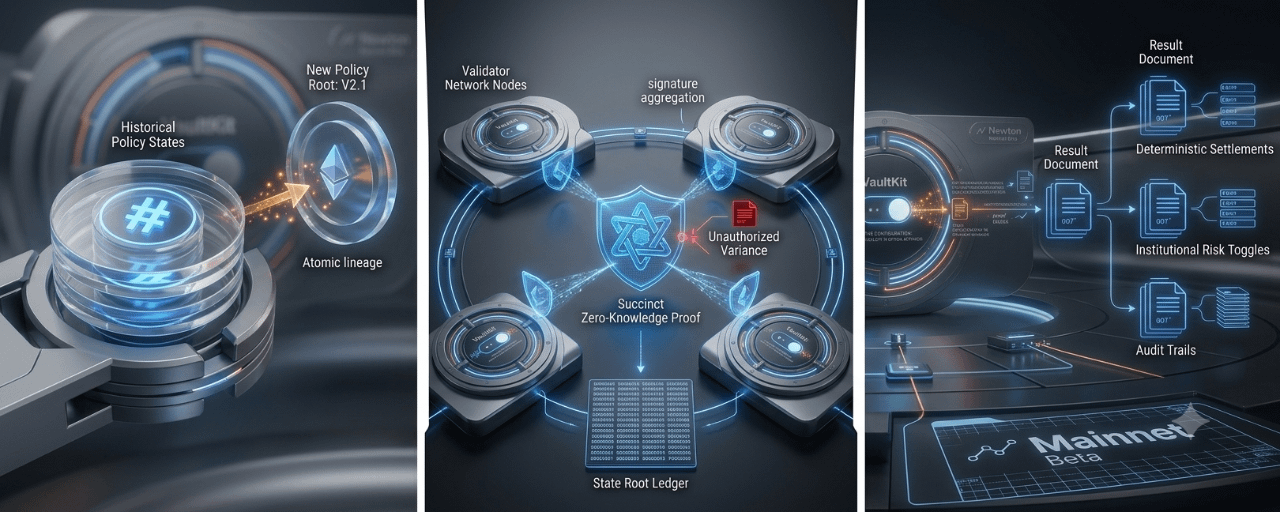
分散化されたプロトコルがライブな実行時アップデートに伴うリスクにどのように対処できるかについて調査した結果、分散化されたスマートコントラクトにおける最も重大な脆弱性は、ガバナンスキーを通じて第三者がアクティブなルールを変更できてしまう可能性にあるという結論に至りました。Newton Protocol は、この特定の問題を、バックエンドシステム全体を書き換える必要がない形で、設計によってどのように解決するかを以下に示します。
パーミッションレスなオンチェーン自動化に関連する基本的な課題の1つは、時間の経過とともにゲームのルールを更新できることです。ガバナンス・コントラクト、またはこれらの意思決定を行うマルチシグ口座が悪意をもって行動し、実行時の制約を変更すると、攻撃のための「ポリシー更新ベクトル」が生まれます。
State Root アテステーションによるガバナンス攻撃ベクトルの低減:ポリシー更新の実施(最終版)
@NewtonProtocol
分散化されたプロトコルがライブな実行時アップデートに伴うリスクにどのように対処できるかについて調査した結果、分散化されたスマートコントラクトにおける最も重大な脆弱性は、ガバナンスキーを通じて第三者がアクティブなルールを変更できてしまう可能性にあるという結論に至りました。Newton Protocol は、この特定の問題を、バックエンドシステム全体を書き換える必要がない形で、設計によってどのように解決するかを以下に示します。
パーミッションレスなオンチェーン自動化に関連する基本的な課題の1つは、時間の経過とともにゲームのルールを更新できることです。ガバナンス・コントラクト、またはこれらの意思決定を行うマルチシグ口座が悪意をもって行動し、実行時の制約を変更すると、攻撃のための「ポリシー更新ベクトル」が生まれます。
分散化されたプロトコルがライブな実行時アップデートに伴うリスクにどのように対処できるかについて調査した結果、分散化されたスマートコントラクトにおける最も重大な脆弱性は、ガバナンスキーを通じて第三者がアクティブなルールを変更できてしまう可能性にあるという結論に至りました。Newton Protocol は、この特定の問題を、バックエンドシステム全体を書き換える必要がない形で、設計によってどのように解決するかを以下に示します。
パーミッションレスなオンチェーン自動化に関連する基本的な課題の1つは、時間の経過とともにゲームのルールを更新できることです。ガバナンス・コントラクト、またはこれらの意思決定を行うマルチシグ口座が悪意をもって行動し、実行時の制約を変更すると、攻撃のための「ポリシー更新ベクトル」が生まれます。
6
1
73
·
--
🚨 注意喚起 | 地政学が今日の値動きを動かしている。
新たな地政学的緊張が、トレーダーの監視リストに再び浮上。
#USLaunchesNewStrikesAgainstIran
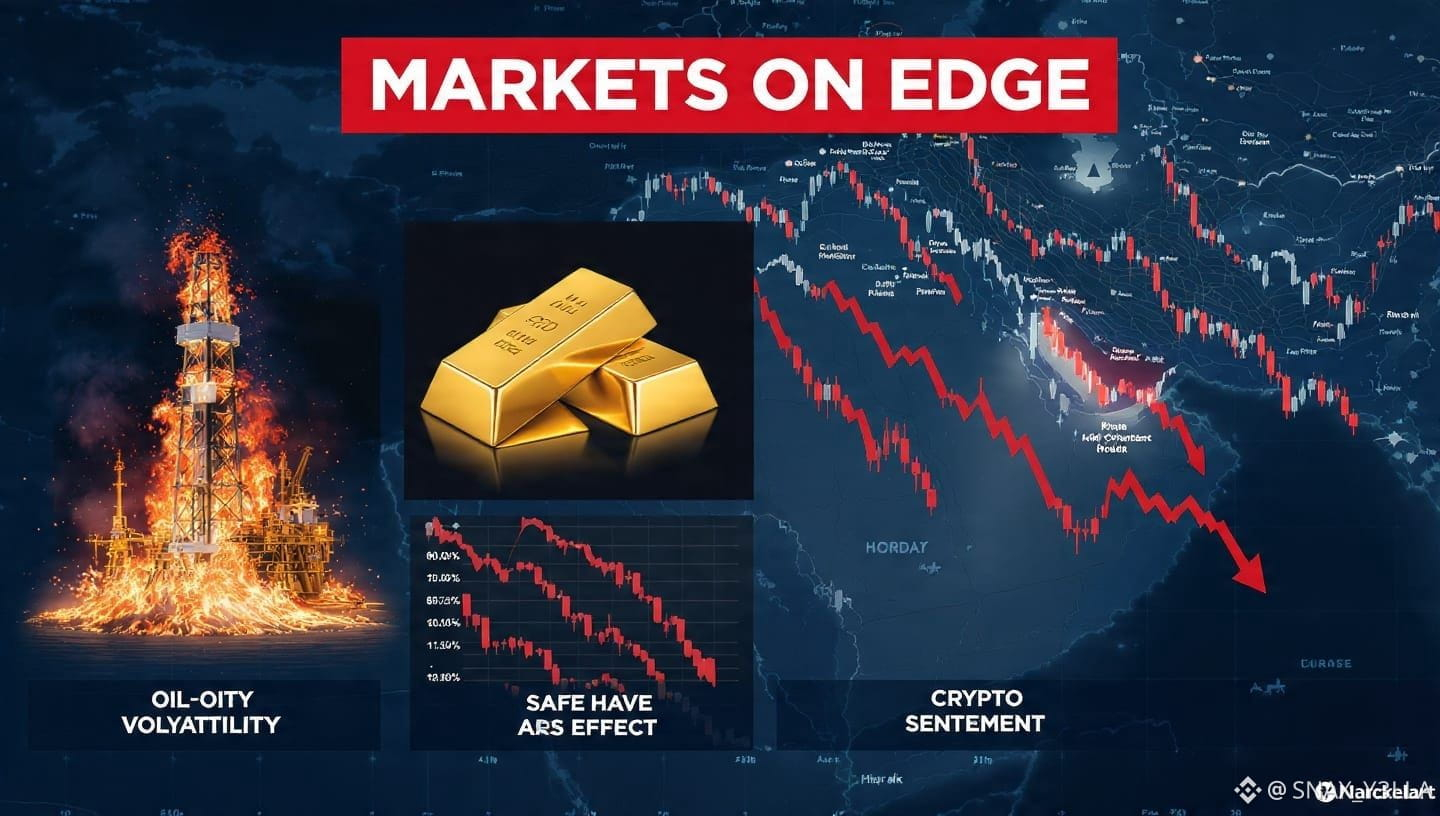
🔸 米軍は、ホルムズ海峡での商船攻撃を受けた後、イランの軍事インフラを狙う新たな一波の攻撃を開始したと報じられている。
🔸 空防システム、司令中枢、対艦ミサイルの拠点、IRGC(イスラム革命防衛隊)の海軍戦力などを含む80以上の軍事目標が攻撃されたという。
🔸 イランは強い報復を誓っており、湾岸でのさらなるエスカレーションが懸念される。
📊 注目すべき市場:
🛢️ 原油 – ボラティリティ(変動性)は高止まりしそう。
🥇 金 – 安全資産としての需要が強まる可能性。
📉 暗号資産&株式 – 緊張がさらに高まれば、リスク心理が悪化する恐れ。
⚠️ 中東からの次の見出しは、経済指標よりも市場に大きな影響を与える可能性がある。
$BTC
$ETH
$XAU
#crypto #markets #breakingnews
🚨 注意喚起 | 地政学が今日の値動きを動かしている。
新たな地政学的緊張が、トレーダーの監視リストに再び浮上。
#USLaunchesNewStrikesAgainstIran
🔸 米軍は、ホルムズ海峡での商船攻撃を受けた後、イランの軍事インフラを狙う新たな一波の攻撃を開始したと報じられている。
🔸 空防システム、司令中枢、対艦ミサイルの拠点、IRGC(イスラム革命防衛隊)の海軍戦力などを含む80以上の軍事目標が攻撃されたという。
🔸 イランは強い報復を誓っており、湾岸でのさらなるエスカレーションが懸念される。
📊 注目すべき市場:
🛢️ 原油 – ボラティリティ(変動性)は高止まりしそう。
🥇 金 – 安全資産としての需要が強まる可能性。
📉 暗号資産&株式 – 緊張がさらに高まれば、リスク心理が悪化する恐れ。
⚠️ 中東からの次の見出しは、経済指標よりも市場に大きな影響を与える可能性がある。
$BTC
$ETH
$XAU
#crypto #markets #breakingnews
新たな地政学的緊張が、トレーダーの監視リストに再び浮上。
#USLaunchesNewStrikesAgainstIran
🔸 米軍は、ホルムズ海峡での商船攻撃を受けた後、イランの軍事インフラを狙う新たな一波の攻撃を開始したと報じられている。
🔸 空防システム、司令中枢、対艦ミサイルの拠点、IRGC(イスラム革命防衛隊)の海軍戦力などを含む80以上の軍事目標が攻撃されたという。
🔸 イランは強い報復を誓っており、湾岸でのさらなるエスカレーションが懸念される。
📊 注目すべき市場:
🛢️ 原油 – ボラティリティ(変動性)は高止まりしそう。
🥇 金 – 安全資産としての需要が強まる可能性。
📉 暗号資産&株式 – 緊張がさらに高まれば、リスク心理が悪化する恐れ。
⚠️ 中東からの次の見出しは、経済指標よりも市場に大きな影響を与える可能性がある。
$BTC
$ETH
$XAU
#crypto #markets #breakingnews
1
2
133
ログインして、さらにコンテンツを読む
厳選トピックで世界の暗号資産トレーダーの仲間入り
⚡️ 暗号資産に関する最新かつ有益な情報が見つかります。
💬 世界最大の暗号資産取引所から信頼されています。
👍 認証を受けたクリエイターから、有益なインサイトを得られます。
メール / 電話番号
トレンドトピック
CircleMints500MUSDCOnSolana
閲覧回数 66,013
1,585人が討論中
$SOL — <a>Circle</a>はソラナでUSDCを5億ドル分、最新のバッチを発行したばかりです。🚨
CircleはUSDCをソラナ上に2回に分けてそれぞれ2.5億ドルずつ、合計5億ドル発行し、ネットワークにもう一段大きな流動性の注入を加えました。報告によれば、トークンは当初すべて、取引に直接投入されるのではなく、Circleが管理するトレジャリー内に留まっていたものの、発行(ミント)手順はチェーン上で確認されています。
これは孤立した動きではありません。
ソラナのステーブルコイン供給総量は過去最高の新たな水準に到達し、173億ドルとなりました。一方、報道によればCircleは8月の1か月だけで、ソラナ上に約110億ドル相当のUSDCを発行したとのことです。
では、これは$SOL にとってなぜ重要なのでしょうか?
ステーブルコインの流動性が増えることは、DEXやDeFi、決済、そしてオンチェーン活動のための燃料が増えることを意味し得ます。
資金はソラナから出ていきません。
その上で、より多くのドルが継続的に鋳造されています。👀
続報をお願いします
$CRCL
#circlemints500musdconsolana #PolymarketBankFailureBetsDrawFDICConcern #BlackRockBuildsTokenizedPortfoliosForOndo #BitwiseFilesToListNEARETFOnNYSEArca #SECCommissionerPeirceToLeaveOct2
Shamika Metting
·いいね:6件
·閲覧回数 5.4k
PolymarketBankFailureBetsDrawFDICConcern
閲覧回数 76,590
1,553人が討論中
BlackRockBuildsTokenizedPortfoliosForOndo
閲覧回数 64,502
1,097人が討論中