
Arabella_Sterling
129 投稿

Arabella_Sterling
報告
ユーザーをブロック
取引を発注
高頻度トレーダー
2.3年
12 フォロー
354 フォロワー
363 いいね
投稿
ポートフォリオ
翻訳参照
@babylonlabs_io #baby $BABY Most people still think Bitcoin’s biggest challenge is adoption. I think the deeper shift is how its existing liquidity finds a productive role.
I've been noticing that metrics like TBV are changing the conversation. Babylon is not only about locked Bitcoin; it represents a market testing whether idle BTC can become useful security capital across ecosystems.
The interesting part is behavioral. Holders are looking beyond simple storage, while networks seek stronger foundations.
The market may still be measuring Bitcoin’s value too narrowly. The next signal is utility.
$NVDAB $NVDA.US
A poll that matches the post's core idea:
What matters more after Babylon TBV grows?
@BabylonLabs_io #baby $BABY Most people still think Bitcoin’s biggest challenge is adoption. I think the deeper shift is how its existing liquidity finds a productive role.
I've been noticing that metrics like TBV are changing the conversation. Babylon is not only about locked Bitcoin; it represents a market testing whether idle BTC can become useful security capital across ecosystems.
The interesting part is behavioral. Holders are looking beyond simple storage, while networks seek stronger foundations.
The market may still be measuring Bitcoin’s value too narrowly. The next signal is utility.
$NVDAB $NVDA.US
A poll that matches the post's core idea:
What matters more after Babylon TBV grows?
I've been noticing that metrics like TBV are changing the conversation. Babylon is not only about locked Bitcoin; it represents a market testing whether idle BTC can become useful security capital across ecosystems.
The interesting part is behavioral. Holders are looking beyond simple storage, while networks seek stronger foundations.
The market may still be measuring Bitcoin’s value too narrowly. The next signal is utility.
$NVDAB $NVDA.US
A poll that matches the post's core idea:
What matters more after Babylon TBV grows?
Better liquidity
100%
More staking
0%
New users
0%
More integrations
0%
1 投票 • 投票は終了しました
1
1
173
翻訳参照
@babylonlabs_io #baby $BABY
Most people still think Babylon TBV only measures how much capital has entered the network. I think the bigger shift is what happens after that capital arrives.
If liquidity keeps improving alongside TBV, the ecosystem becomes easier to enter, exit, and build on without relying on constant new inflows. That's a structural change, not just a bigger number.
This isn't about larger deposits. It's about whether capital becomes genuinely usable. That's where valuation starts changing.
$IDOL $FIGHT
What matters more after Babylon TBV grows?
@BabylonLabs_io #baby $BABY
Most people still think Babylon TBV only measures how much capital has entered the network. I think the bigger shift is what happens after that capital arrives.
If liquidity keeps improving alongside TBV, the ecosystem becomes easier to enter, exit, and build on without relying on constant new inflows. That's a structural change, not just a bigger number.
This isn't about larger deposits. It's about whether capital becomes genuinely usable. That's where valuation starts changing.
$IDOL $FIGHT
What matters more after Babylon TBV grows?
Most people still think Babylon TBV only measures how much capital has entered the network. I think the bigger shift is what happens after that capital arrives.
If liquidity keeps improving alongside TBV, the ecosystem becomes easier to enter, exit, and build on without relying on constant new inflows. That's a structural change, not just a bigger number.
This isn't about larger deposits. It's about whether capital becomes genuinely usable. That's where valuation starts changing.
$IDOL $FIGHT
What matters more after Babylon TBV grows?
Better liquidity
0%
More staking
0%
New users
0%
More integrations
0%
0 投票 • 投票は終了しました
2.1k
翻訳参照
@babylonlabs_io #baby $BABY
Most people still think Babylon TBV only reflects how much Bitcoin enters the ecosystem. I've been noticing a different pattern: the more important shift may be how much previously passive BTC starts contributing to network security instead of remaining economically idle.
That changes the narrative.
The market often measures inflows, but behavior matters more. When idle capital becomes productive, the quality of participation improves without requiring endless new demand. This isn't about attracting more Bitcoin. It's about unlocking more value from the Bitcoin already there.
$IDOL $FIGHT
What creates stronger long-term value for Babylon TBV? 👇
@BabylonLabs_io #baby $BABY
Most people still think Babylon TBV only reflects how much Bitcoin enters the ecosystem. I've been noticing a different pattern: the more important shift may be how much previously passive BTC starts contributing to network security instead of remaining economically idle.
That changes the narrative.
The market often measures inflows, but behavior matters more. When idle capital becomes productive, the quality of participation improves without requiring endless new demand. This isn't about attracting more Bitcoin. It's about unlocking more value from the Bitcoin already there.
$IDOL $FIGHT
What creates stronger long-term value for Babylon TBV? 👇
Most people still think Babylon TBV only reflects how much Bitcoin enters the ecosystem. I've been noticing a different pattern: the more important shift may be how much previously passive BTC starts contributing to network security instead of remaining economically idle.
That changes the narrative.
The market often measures inflows, but behavior matters more. When idle capital becomes productive, the quality of participation improves without requiring endless new demand. This isn't about attracting more Bitcoin. It's about unlocking more value from the Bitcoin already there.
$IDOL $FIGHT
What creates stronger long-term value for Babylon TBV? 👇
🪙 More BTC Inflows
100%
🔒 Productive BTC Usage
0%
🌐 Network Expansion
0%
👥 Long-Term Participation
0%
1 投票 • 投票は終了しました
1
1
90
翻訳参照
@babylonlabs_io #baby $BABY
Most people still think Babylon TBV only reflects how much Bitcoin has entered the ecosystem. I think the bigger shift is what high TBV does to future capital decisions.
Once a network reaches meaningful scale, new participants often see that scale as part of the product itself. Liquidity begins attracting more liquidity because perceived coordination risk falls.
That's why TBV can evolve from a growth metric into a competitive moat. This isn't about bigger numbers. It's about where confidence compounds first.
$COTI $AXTI
What is Babylon's biggest edge?
@BabylonLabs_io #baby $BABY
Most people still think Babylon TBV only reflects how much Bitcoin has entered the ecosystem. I think the bigger shift is what high TBV does to future capital decisions.
Once a network reaches meaningful scale, new participants often see that scale as part of the product itself. Liquidity begins attracting more liquidity because perceived coordination risk falls.
That's why TBV can evolve from a growth metric into a competitive moat. This isn't about bigger numbers. It's about where confidence compounds first.
$COTI $AXTI
What is Babylon's biggest edge?
Most people still think Babylon TBV only reflects how much Bitcoin has entered the ecosystem. I think the bigger shift is what high TBV does to future capital decisions.
Once a network reaches meaningful scale, new participants often see that scale as part of the product itself. Liquidity begins attracting more liquidity because perceived coordination risk falls.
That's why TBV can evolve from a growth metric into a competitive moat. This isn't about bigger numbers. It's about where confidence compounds first.
$COTI $AXTI
What is Babylon's biggest edge?
🟢 High TBV
50%
🔵 Network Effects
0%
🟠 Staking
0%
🟣 User Trust
50%
2 投票 • 投票は終了しました
1
3
89
@babylonlabs_io #baby $BABY
多くの人は、バビロンTBVが主に成長指標だとまだ考えています。ですが、より大きな変化は、それが単なるエコシステム規模ではなく、ビットコインの資本効率を測るものになってきている点だと思います。
2つのネットワークが同じような量のBTCを引き寄せることがあっても、生み出す経済的な有用性には大きな違いが出ます。だからTBVは、ロックされた総額のような生の指標よりも注目されるべきです。
市場は、資本の数量をシグナルとして扱い続けています。しかしこれは数量の話ではありません。ビットコインの資本がどれだけ効果的に運用されているかの話です。そこで評価(バリュエーション)が変わり始めます。
$UAI $COTI
今後のサイクルで、ビットコイン担保型のエコシステムにおいて、より重要になる指標はどれでしょう?👇
@BabylonLabs_io #baby $BABY
多くの人は、バビロンTBVが主に成長指標だとまだ考えています。ですが、より大きな変化は、それが単なるエコシステム規模ではなく、ビットコインの資本効率を測るものになってきている点だと思います。
2つのネットワークが同じような量のBTCを引き寄せることがあっても、生み出す経済的な有用性には大きな違いが出ます。だからTBVは、ロックされた総額のような生の指標よりも注目されるべきです。
市場は、資本の数量をシグナルとして扱い続けています。しかしこれは数量の話ではありません。ビットコインの資本がどれだけ効果的に運用されているかの話です。そこで評価(バリュエーション)が変わり始めます。
$UAI $COTI
今後のサイクルで、ビットコイン担保型のエコシステムにおいて、より重要になる指標はどれでしょう?👇
多くの人は、バビロンTBVが主に成長指標だとまだ考えています。ですが、より大きな変化は、それが単なるエコシステム規模ではなく、ビットコインの資本効率を測るものになってきている点だと思います。
2つのネットワークが同じような量のBTCを引き寄せることがあっても、生み出す経済的な有用性には大きな違いが出ます。だからTBVは、ロックされた総額のような生の指標よりも注目されるべきです。
市場は、資本の数量をシグナルとして扱い続けています。しかしこれは数量の話ではありません。ビットコインの資本がどれだけ効果的に運用されているかの話です。そこで評価(バリュエーション)が変わり始めます。
$UAI $COTI
今後のサイクルで、ビットコイン担保型のエコシステムにおいて、より重要になる指標はどれでしょう?👇
🟠 Higher TBV
40%
💰 Higher TVL
0%
👥 Active Users
20%
📈 Revenue Generation
40%
5 投票 • 投票は終了しました
1
3
936
@babylonlabs_io #baby $BABY
多くの人は、バビロンのTBVはネットワーク上に駐機された資本の量を測る指標にすぎないとまだ考えています。ですが、より大きな変化は、TBVが参加者の行動をいかに持続的に変えていくかにあります。短期の流動性への反応が鈍くなり、生態系へのコミットメントがより長く続くようになるのです。
そのような安定性は、より広範な導入指標に現れる前に、ネットワーク効果を静かに強化します。
これは「より大きな数字」を求める話ではありません。市場サイクルを超えて持続する確信を築くことが目的です。そこで、評価(バリュエーション)が変わり始めます。
$ON $AKE
投票:バビロンの長期的な成功において、最も重要になるのは何でしょうか?
@BabylonLabs_io #baby $BABY
多くの人は、バビロンのTBVはネットワーク上に駐機された資本の量を測る指標にすぎないとまだ考えています。ですが、より大きな変化は、TBVが参加者の行動をいかに持続的に変えていくかにあります。短期の流動性への反応が鈍くなり、生態系へのコミットメントがより長く続くようになるのです。
そのような安定性は、より広範な導入指標に現れる前に、ネットワーク効果を静かに強化します。
これは「より大きな数字」を求める話ではありません。市場サイクルを超えて持続する確信を築くことが目的です。そこで、評価(バリュエーション)が変わり始めます。
$ON $AKE
投票:バビロンの長期的な成功において、最も重要になるのは何でしょうか?
多くの人は、バビロンのTBVはネットワーク上に駐機された資本の量を測る指標にすぎないとまだ考えています。ですが、より大きな変化は、TBVが参加者の行動をいかに持続的に変えていくかにあります。短期の流動性への反応が鈍くなり、生態系へのコミットメントがより長く続くようになるのです。
そのような安定性は、より広範な導入指標に現れる前に、ネットワーク効果を静かに強化します。
これは「より大きな数字」を求める話ではありません。市場サイクルを超えて持続する確信を築くことが目的です。そこで、評価(バリュエーション)が変わり始めます。
$ON $AKE
投票:バビロンの長期的な成功において、最も重要になるのは何でしょうか?
🔒 Higher TBV
100%
👥 Better user retention
0%
🛠️ Stronger ecosystem utility
0%
⚖️ Sustainable tokenomics
0%
1 投票 • 投票は終了しました
1
3
2.2k
翻訳参照
Most people still think Babylon TBV is mainly a measure of capital flowing in. I've been noticing a quieter shift: the real signal is how that capital behaves after it arrives. Deposits that remain engaged with the ecosystem create stronger liquidity foundations than short-lived campaign participation.
Infrastructure grows through consistency, not bursts. When retention starts outweighing fresh inflows, network value becomes harder to ignore. This isn't about bigger TBV. It's about better TBV.@babylonlabs_io #baby $BABY
$DEXE $AKE
What's the stronger long-term signal for Babylon?
Most people still think Babylon TBV is mainly a measure of capital flowing in. I've been noticing a quieter shift: the real signal is how that capital behaves after it arrives. Deposits that remain engaged with the ecosystem create stronger liquidity foundations than short-lived campaign participation.
Infrastructure grows through consistency, not bursts. When retention starts outweighing fresh inflows, network value becomes harder to ignore. This isn't about bigger TBV. It's about better TBV.@BabylonLabs_io #baby $BABY
$DEXE $AKE
What's the stronger long-term signal for Babylon?
Infrastructure grows through consistency, not bursts. When retention starts outweighing fresh inflows, network value becomes harder to ignore. This isn't about bigger TBV. It's about better TBV.@BabylonLabs_io #baby $BABY
$DEXE $AKE
What's the stronger long-term signal for Babylon?
Higher TBV 📈
0%
Better User Retention 🔒
50%
More Ecosystem Utility ⚙️
0%
Sustainable Liquidity 🌊
50%
2 投票 • 投票は終了しました
3
3
264
翻訳参照
Most people still think Babylon TBV succeeds only when more Bitcoin enters the system. I've been noticing a quieter shift: the stronger signal is whether builders start designing around verified Bitcoin security instead of treating it as an optional feature.
That changes incentives.
Utility begins attracting utility, not just capital. Once infrastructure becomes the default trust layer, every new integration reinforces the next. This isn't about bigger deposits. It's about becoming the foundation others stop questioning. That's where valuation starts changing.@babylonlabs_io #baby $BABY
$BNB
What's the biggest long-term driver of Babylon TBV adoption?
Most people still think Babylon TBV succeeds only when more Bitcoin enters the system. I've been noticing a quieter shift: the stronger signal is whether builders start designing around verified Bitcoin security instead of treating it as an optional feature.
That changes incentives.
Utility begins attracting utility, not just capital. Once infrastructure becomes the default trust layer, every new integration reinforces the next. This isn't about bigger deposits. It's about becoming the foundation others stop questioning. That's where valuation starts changing.@BabylonLabs_io #baby $BABY
$BNB
What's the biggest long-term driver of Babylon TBV adoption?
That changes incentives.
Utility begins attracting utility, not just capital. Once infrastructure becomes the default trust layer, every new integration reinforces the next. This isn't about bigger deposits. It's about becoming the foundation others stop questioning. That's where valuation starts changing.@BabylonLabs_io #baby $BABY
$BNB
What's the biggest long-term driver of Babylon TBV adoption?
Bitcoin's default trust layer
100%
More developer integrations
0%
Stronger staking incentives
0%
Cross-ecosystem utility
0%
2 投票 • 投票は終了しました
2
3
116
多くの人は、バビロンのTBVがゴールだと思い続けています。私はそれが「フィルター」になりつつあるのを感じています。より多くのビットコインがコミットされるほど、エコシステムはより強固な基盤を得ますが、本当の差別化は、そのロックされた資本の周りに何が構築されるかにあります。
インフラは流動性を呼び込みます。ユーティリティはそれを維持します。
これは、どれだけのBTCが確保されているかの話ではありません。そのセキュリティが、長く続くネットワーク活動へと進化するかどうかが問題です。市場がまだ見落としているかもしれないのは、そのシグナルです。
@babylonlabs_io #baby $BABY $EUL $DIA
TBVの成長後、バビロンにとってより重要なのは何でしょうか?
多くの人は、バビロンのTBVがゴールだと思い続けています。私はそれが「フィルター」になりつつあるのを感じています。より多くのビットコインがコミットされるほど、エコシステムはより強固な基盤を得ますが、本当の差別化は、そのロックされた資本の周りに何が構築されるかにあります。
インフラは流動性を呼び込みます。ユーティリティはそれを維持します。
これは、どれだけのBTCが確保されているかの話ではありません。そのセキュリティが、長く続くネットワーク活動へと進化するかどうかが問題です。市場がまだ見落としているかもしれないのは、そのシグナルです。
@BabylonLabs_io #baby $BABY $EUL $DIA
TBVの成長後、バビロンにとってより重要なのは何でしょうか?
インフラは流動性を呼び込みます。ユーティリティはそれを維持します。
これは、どれだけのBTCが確保されているかの話ではありません。そのセキュリティが、長く続くネットワーク活動へと進化するかどうかが問題です。市場がまだ見落としているかもしれないのは、そのシグナルです。
@BabylonLabs_io #baby $BABY $EUL $DIA
TBVの成長後、バビロンにとってより重要なのは何でしょうか?
More utility
50%
More builders
50%
More liquidity
0%
More users
0%
2 投票 • 投票は終了しました
1
2
85
翻訳参照
Why Capital Stickiness Could Become Babylon's Strongest Metric@babylonlabs_io $BABY #babylon
Why Capital Stickiness Could Become Babylon's Strongest Metric
Most discussions around Babylon focus on how much Bitcoin enters the ecosystem. While that number is important, I think the more meaningful question is what happens after the deposit. Growth attracts attention, but sustained participation reveals a much deeper story.
I've been noticing that capital which remains committed over time can say more about an ecosystem than rapid inflows alone. Users may enter because of opportunity, but they usually stay only when they believe the underlying infrastructure has lasting value. That behavioral shift is often overlooked.
Capital stickiness also influences the broader ecosystem. When participation becomes more stable, developers, partners, and infrastructure providers gain stronger incentives to build. This creates a healthier environment where utility expands alongside confidence rather than depending solely on new deposits.
Another reason this matters is market perception. Short-term metrics often dominate headlines, but long-term value is usually shaped by consistent user behavior. An ecosystem that encourages commitment instead of constant capital rotation may develop stronger foundations over time.
For me, Babylon's long-term narrative won't be defined only by how much Bitcoin it attracts. It will be shaped by how effectively it encourages users to remain engaged as the ecosystem evolves. That's the difference between temporary growth and durable value creation.
Why Capital Stickiness Could Become Babylon's Strongest Metric
@BabylonLabs_io $BABY #babylon
Why Capital Stickiness Could Become Babylon's Strongest Metric
Most discussions around Babylon focus on how much Bitcoin enters the ecosystem. While that number is important, I think the more meaningful question is what happens after the deposit. Growth attracts attention, but sustained participation reveals a much deeper story.
I've been noticing that capital which remains committed over time can say more about an ecosystem than rapid inflows alone. Users may enter because of opportunity, but they usually stay only when they believe the underlying infrastructure has lasting value. That behavioral shift is often overlooked.
Capital stickiness also influences the broader ecosystem. When participation becomes more stable, developers, partners, and infrastructure providers gain stronger incentives to build. This creates a healthier environment where utility expands alongside confidence rather than depending solely on new deposits.
Another reason this matters is market perception. Short-term metrics often dominate headlines, but long-term value is usually shaped by consistent user behavior. An ecosystem that encourages commitment instead of constant capital rotation may develop stronger foundations over time.
For me, Babylon's long-term narrative won't be defined only by how much Bitcoin it attracts. It will be shaped by how effectively it encourages users to remain engaged as the ecosystem evolves. That's the difference between temporary growth and durable value creation.
Why Capital Stickiness Could Become Babylon's Strongest Metric
Most discussions around Babylon focus on how much Bitcoin enters the ecosystem. While that number is important, I think the more meaningful question is what happens after the deposit. Growth attracts attention, but sustained participation reveals a much deeper story.
I've been noticing that capital which remains committed over time can say more about an ecosystem than rapid inflows alone. Users may enter because of opportunity, but they usually stay only when they believe the underlying infrastructure has lasting value. That behavioral shift is often overlooked.
Capital stickiness also influences the broader ecosystem. When participation becomes more stable, developers, partners, and infrastructure providers gain stronger incentives to build. This creates a healthier environment where utility expands alongside confidence rather than depending solely on new deposits.
Another reason this matters is market perception. Short-term metrics often dominate headlines, but long-term value is usually shaped by consistent user behavior. An ecosystem that encourages commitment instead of constant capital rotation may develop stronger foundations over time.
For me, Babylon's long-term narrative won't be defined only by how much Bitcoin it attracts. It will be shaped by how effectively it encourages users to remain engaged as the ecosystem evolves. That's the difference between temporary growth and durable value creation.
2
3
96
多くの人は、バビロンのTBVは成長だけを反映しているとまだ思っています。けれども、ある地点を過ぎると、手に入れるのが難しいものを測り始めるのに気づきました。それは「自信」です。資本は素早く動くことがありますが、継続的な参加はたいてい興奮ではなく信頼に従います。
それによって、私はこの指標の読み方が変わりました。
上昇するTBVは、見出しとしての数以上の意味があります。それは、エコシステムが拡大している間でも、ユーザーがコミットし続ける意思があるという証拠です。これは「より大きな数字」の話ではありません。より深い確信の話です。 @babylonlabs_io #baby $BABY
$DEXE $EUL
バビロンTBVとは?
多くの人は、バビロンのTBVは成長だけを反映しているとまだ思っています。けれども、ある地点を過ぎると、手に入れるのが難しいものを測り始めるのに気づきました。それは「自信」です。資本は素早く動くことがありますが、継続的な参加はたいてい興奮ではなく信頼に従います。
それによって、私はこの指標の読み方が変わりました。
上昇するTBVは、見出しとしての数以上の意味があります。それは、エコシステムが拡大している間でも、ユーザーがコミットし続ける意思があるという証拠です。これは「より大きな数字」の話ではありません。より深い確信の話です。 @BabylonLabs_io #baby $BABY
$DEXE $EUL
バビロンTBVとは?
それによって、私はこの指標の読み方が変わりました。
上昇するTBVは、見出しとしての数以上の意味があります。それは、エコシステムが拡大している間でも、ユーザーがコミットし続ける意思があるという証拠です。これは「より大きな数字」の話ではありません。より深い確信の話です。 @BabylonLabs_io #baby $BABY
$DEXE $EUL
バビロンTBVとは?
Trust
60%
Utility
0%
Liquidity
20%
Too early
20%
5 投票 • 投票は終了しました
4
3
670
多くの人は、バビロンの物語は「どれだけBTCがロックされるか」によって測られるとまだ考えています。しかし、私はより静かな変化に気づいています。市場は、その資本がエコシステムに入った後に、何を可能にするのかに以前よりも注目しているのです。
インフラは、預金を集めるだけでなく、ユーザーが参加し続ける状態を維持して初めて価値を持ちます。そこで、定着(リテンション)、統合(インテグレーション)、そして実際の有用性が、見出しの指標よりも重要になっていきます。
これは、より大きな預金の話ではありません。より強いネットワーク効果の話です。
#baby $BABY @babylonlabs_io $ESPORTS $APR
バビロンの最大の長期的な価値ドライバーは何ですか?
多くの人は、バビロンの物語は「どれだけBTCがロックされるか」によって測られるとまだ考えています。しかし、私はより静かな変化に気づいています。市場は、その資本がエコシステムに入った後に、何を可能にするのかに以前よりも注目しているのです。
インフラは、預金を集めるだけでなく、ユーザーが参加し続ける状態を維持して初めて価値を持ちます。そこで、定着(リテンション)、統合(インテグレーション)、そして実際の有用性が、見出しの指標よりも重要になっていきます。
これは、より大きな預金の話ではありません。より強いネットワーク効果の話です。
#baby $BABY @BabylonLabs_io $ESPORTS $APR
バビロンの最大の長期的な価値ドライバーは何ですか?
インフラは、預金を集めるだけでなく、ユーザーが参加し続ける状態を維持して初めて価値を持ちます。そこで、定着(リテンション)、統合(インテグレーション)、そして実際の有用性が、見出しの指標よりも重要になっていきます。
これは、より大きな預金の話ではありません。より強いネットワーク効果の話です。
#baby $BABY @BabylonLabs_io $ESPORTS $APR
バビロンの最大の長期的な価値ドライバーは何ですか?
Higher BTC locked (TVL)
50%
More ecosystem integrations
50%
Strong staking participation
0%
Long-term user retention
0%
2 投票 • 投票は終了しました
8
2
172
シタデル・セキュリティーズがCrypto.comに4億ドルの大型機関投資を後押し
Coin
#CRO | Exchange Token
市場アップデート
Crypto.comは、同社初の機関投資家向け資金調達ラウンドとして、シタデル・セキュリティーズから4億ドルの投資を獲得し、取引所の評価額は200億ドルとなりました。調達資金は、トークン化された証券、デリバティブ、そしてより幅広い金融インフラへの拡大に活用されます。これは、デジタル資産への機関投資家の関心が引き続き高いことを示しています。
この発表は、暗号資産市場が「強気一色のリスクオン」ではなく、マクロ面での不確実性に直面しているタイミングでのものです。案件は市場全体の大幅な上昇を引き起こしたわけではありませんが、暗号資産インフラの長期的な成長と、従来型の金融がブロックチェーンを基盤とする市場と収斂していく流れに対する信頼を補強しました。
なぜトレーダーが気にするのか
市場のボラティリティにもかかわらず、機関投資資金が暗号資産インフラへ流入し続けています。
この資金調達により、Crypto.comの新たな規制対象商品・サービスへの拡大が加速する可能性があります。
この案件は、大手金融企業がデジタル資産市場に対して長期的な価値を見ていることを示すシグナルです。
強気・弱気の見方
強気:ウォール街の主要マーケットメイカーが4億ドルをコミットすることは、機関投資の普及という物語を強め、セクター全体での追加投資を後押しするかもしれません。
弱気:インフラへの投資が、必ずしも直ちにユーザー増やトークン需要の上昇につながるとは限りません。一方で、マクロ経済の不確実性が市場全体のセンチメントに影響を与え続けています。
次の一手アラート
Crypto.comが新しい機関向けプロダクトを展開する動きと、この案件の後に暗号業界全体で追加の戦略的投資が続くかどうかに注目してください。
$CROX.US
この案件は何を意味するのでしょうか?
シタデル・セキュリティーズがCrypto.comに4億ドルの大型機関投資を後押し
Coin
#CRO | Exchange Token
市場アップデート
Crypto.comは、同社初の機関投資家向け資金調達ラウンドとして、シタデル・セキュリティーズから4億ドルの投資を獲得し、取引所の評価額は200億ドルとなりました。調達資金は、トークン化された証券、デリバティブ、そしてより幅広い金融インフラへの拡大に活用されます。これは、デジタル資産への機関投資家の関心が引き続き高いことを示しています。
この発表は、暗号資産市場が「強気一色のリスクオン」ではなく、マクロ面での不確実性に直面しているタイミングでのものです。案件は市場全体の大幅な上昇を引き起こしたわけではありませんが、暗号資産インフラの長期的な成長と、従来型の金融がブロックチェーンを基盤とする市場と収斂していく流れに対する信頼を補強しました。
なぜトレーダーが気にするのか
市場のボラティリティにもかかわらず、機関投資資金が暗号資産インフラへ流入し続けています。
この資金調達により、Crypto.comの新たな規制対象商品・サービスへの拡大が加速する可能性があります。
この案件は、大手金融企業がデジタル資産市場に対して長期的な価値を見ていることを示すシグナルです。
強気・弱気の見方
強気:ウォール街の主要マーケットメイカーが4億ドルをコミットすることは、機関投資の普及という物語を強め、セクター全体での追加投資を後押しするかもしれません。
弱気:インフラへの投資が、必ずしも直ちにユーザー増やトークン需要の上昇につながるとは限りません。一方で、マクロ経済の不確実性が市場全体のセンチメントに影響を与え続けています。
次の一手アラート
Crypto.comが新しい機関向けプロダクトを展開する動きと、この案件の後に暗号業界全体で追加の戦略的投資が続くかどうかに注目してください。
$CROX.US
この案件は何を意味するのでしょうか?
Coin
#CRO | Exchange Token
市場アップデート
Crypto.comは、同社初の機関投資家向け資金調達ラウンドとして、シタデル・セキュリティーズから4億ドルの投資を獲得し、取引所の評価額は200億ドルとなりました。調達資金は、トークン化された証券、デリバティブ、そしてより幅広い金融インフラへの拡大に活用されます。これは、デジタル資産への機関投資家の関心が引き続き高いことを示しています。
この発表は、暗号資産市場が「強気一色のリスクオン」ではなく、マクロ面での不確実性に直面しているタイミングでのものです。案件は市場全体の大幅な上昇を引き起こしたわけではありませんが、暗号資産インフラの長期的な成長と、従来型の金融がブロックチェーンを基盤とする市場と収斂していく流れに対する信頼を補強しました。
なぜトレーダーが気にするのか
市場のボラティリティにもかかわらず、機関投資資金が暗号資産インフラへ流入し続けています。
この資金調達により、Crypto.comの新たな規制対象商品・サービスへの拡大が加速する可能性があります。
この案件は、大手金融企業がデジタル資産市場に対して長期的な価値を見ていることを示すシグナルです。
強気・弱気の見方
強気:ウォール街の主要マーケットメイカーが4億ドルをコミットすることは、機関投資の普及という物語を強め、セクター全体での追加投資を後押しするかもしれません。
弱気:インフラへの投資が、必ずしも直ちにユーザー増やトークン需要の上昇につながるとは限りません。一方で、マクロ経済の不確実性が市場全体のセンチメントに影響を与え続けています。
次の一手アラート
Crypto.comが新しい機関向けプロダクトを展開する動きと、この案件の後に暗号業界全体で追加の戦略的投資が続くかどうかに注目してください。
$CROX.US
この案件は何を意味するのでしょうか?
🟢 Bullish for crypto
50%
🔵 More institutions
50%
🟡 Too early to tell
0%
🔴 No major impact
0%
2 投票 • 投票は終了しました
1
2
89
Ostiumのエクスプロイトが信頼を揺さぶり、Arbitrumに新たなDeFiの試練ArbitrumのDeFiエコシステムは、無期限DEXのOstiumが、オラクル関連のエクスプロイトによって流動性ヴォールトから推定1,800万ドルが流出し、プロトコルが取引を停止せざるを得なくなったことを確認した後、圧力にさらされた。この事件は、レイヤー2のDeFi全体におけるオラクルのセキュリティ、リスク管理、資本効率への再度の懸念を引き起こした。暗号資産市場全体は比較的安定していた一方で、投資家がエコシステム固有のリスクを見直したことで、ARBは出遅れた。
何が起きたのか?
7月15日、Ostiumは、攻撃者がオラクルの署名者を侵害し、それにより操作された価格フィードが可能になったことで、プロトコルの主要な流動性ヴォールトから資金を引き出せたことを明らかにした。初期の推計では損失は約1,800万ドルで、事件前のプロトコルの総ロック額(TVL)の約28%に相当する。チームはポジションを凍結し、調査を開始し、復旧に向けた対応の調整を進める間、取引は直ちに停止された。
Ostiumのエクスプロイトが信頼を揺さぶり、Arbitrumに新たなDeFiの試練
ArbitrumのDeFiエコシステムは、無期限DEXのOstiumが、オラクル関連のエクスプロイトによって流動性ヴォールトから推定1,800万ドルが流出し、プロトコルが取引を停止せざるを得なくなったことを確認した後、圧力にさらされた。この事件は、レイヤー2のDeFi全体におけるオラクルのセキュリティ、リスク管理、資本効率への再度の懸念を引き起こした。暗号資産市場全体は比較的安定していた一方で、投資家がエコシステム固有のリスクを見直したことで、ARBは出遅れた。
何が起きたのか?
7月15日、Ostiumは、攻撃者がオラクルの署名者を侵害し、それにより操作された価格フィードが可能になったことで、プロトコルの主要な流動性ヴォールトから資金を引き出せたことを明らかにした。初期の推計では損失は約1,800万ドルで、事件前のプロトコルの総ロック額(TVL)の約28%に相当する。チームはポジションを凍結し、調査を開始し、復旧に向けた対応の調整を進める間、取引は直ちに停止された。
何が起きたのか?
7月15日、Ostiumは、攻撃者がオラクルの署名者を侵害し、それにより操作された価格フィードが可能になったことで、プロトコルの主要な流動性ヴォールトから資金を引き出せたことを明らかにした。初期の推計では損失は約1,800万ドルで、事件前のプロトコルの総ロック額(TVL)の約28%に相当する。チームはポジションを凍結し、調査を開始し、復旧に向けた対応の調整を進める間、取引は直ちに停止された。
1
121
Headline
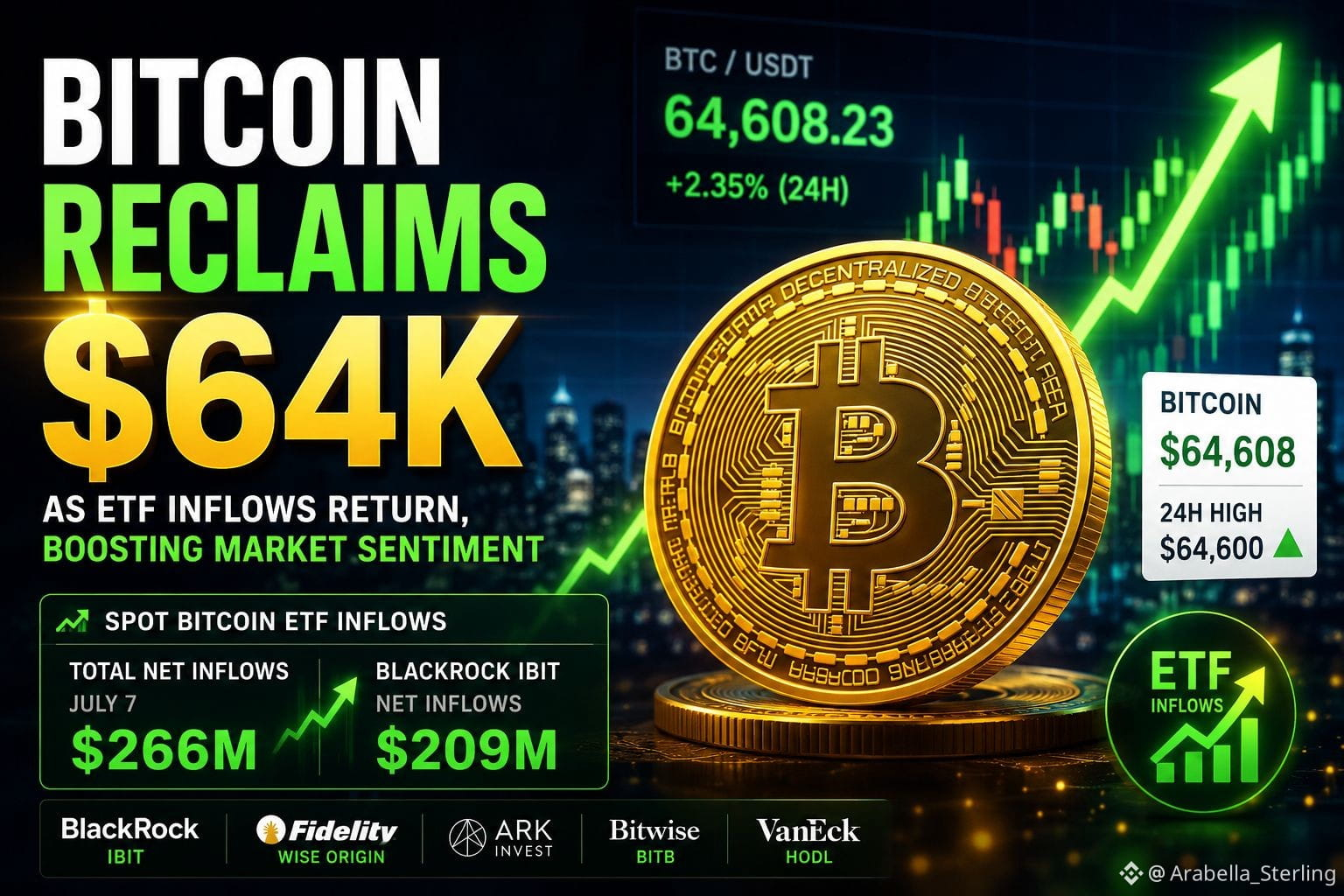
ビットコイン、ETF流入が戻り$64Kを奪還—市場心理を押し上げる
Coin
$BTC | 価値の保存手段
Market Update
ビットコインは一時的に$64,000を上回り、日中の高値は約$64,600近辺に到達した。米国のスポット・ビットコインETFは連続2日目のプラスのフローを記録した。ブラックロックのIBITがリバウンドを牽引し、ネット流入はおよそ2億900万ドル(約$209 million)だった。さらに、1日のスポットETFの総流入額は約2億6600万ドル(約$266 million)に達した。
再燃した機関投資家の需要は、直近のボラティリティ後に市場心理を改善させた。トレーダーは、BTCが重要なレジスタンス水準を超えた勢いを維持できるかに注目している。ETFのフロートレンドは、再び短期の値動きを左右する主要因になりつつある。
Why Traders Care
機関投資家のETF流入は、市場の信頼感が改善しているサインになりやすい。
$64K超での維持は、短期の強気心理を強める可能性がある。
継続的な資金フローは、より広範な暗号資産市場における流動性へ影響を与え得る。
Bullish vs Bearish View
強気:ETF需要の継続が、市場のさらなる安定化を支える可能性。
弱気:ETF流入が失速すれば、BTCは現在のブレイクアウトを維持するのが難しくなるかもしれない。
Next Move Alert
今後のスポットETFフローのデータと、ビットコインが今後のセッションで$64Kの水準を維持できるかに注目しよう。
Headline
ビットコイン、ETF流入が戻り$64Kを奪還—市場心理を押し上げる
Coin
$BTC | 価値の保存手段
Market Update
ビットコインは一時的に$64,000を上回り、日中の高値は約$64,600近辺に到達した。米国のスポット・ビットコインETFは連続2日目のプラスのフローを記録した。ブラックロックのIBITがリバウンドを牽引し、ネット流入はおよそ2億900万ドル(約$209 million)だった。さらに、1日のスポットETFの総流入額は約2億6600万ドル(約$266 million)に達した。
再燃した機関投資家の需要は、直近のボラティリティ後に市場心理を改善させた。トレーダーは、BTCが重要なレジスタンス水準を超えた勢いを維持できるかに注目している。ETFのフロートレンドは、再び短期の値動きを左右する主要因になりつつある。
Why Traders Care
機関投資家のETF流入は、市場の信頼感が改善しているサインになりやすい。
$64K超での維持は、短期の強気心理を強める可能性がある。
継続的な資金フローは、より広範な暗号資産市場における流動性へ影響を与え得る。
Bullish vs Bearish View
強気:ETF需要の継続が、市場のさらなる安定化を支える可能性。
弱気:ETF流入が失速すれば、BTCは現在のブレイクアウトを維持するのが難しくなるかもしれない。
Next Move Alert
今後のスポットETFフローのデータと、ビットコインが今後のセッションで$64Kの水準を維持できるかに注目しよう。
ビットコイン、ETF流入が戻り$64Kを奪還—市場心理を押し上げる
Coin
$BTC | 価値の保存手段
Market Update
ビットコインは一時的に$64,000を上回り、日中の高値は約$64,600近辺に到達した。米国のスポット・ビットコインETFは連続2日目のプラスのフローを記録した。ブラックロックのIBITがリバウンドを牽引し、ネット流入はおよそ2億900万ドル(約$209 million)だった。さらに、1日のスポットETFの総流入額は約2億6600万ドル(約$266 million)に達した。
再燃した機関投資家の需要は、直近のボラティリティ後に市場心理を改善させた。トレーダーは、BTCが重要なレジスタンス水準を超えた勢いを維持できるかに注目している。ETFのフロートレンドは、再び短期の値動きを左右する主要因になりつつある。
Why Traders Care
機関投資家のETF流入は、市場の信頼感が改善しているサインになりやすい。
$64K超での維持は、短期の強気心理を強める可能性がある。
継続的な資金フローは、より広範な暗号資産市場における流動性へ影響を与え得る。
Bullish vs Bearish View
強気:ETF需要の継続が、市場のさらなる安定化を支える可能性。
弱気:ETF流入が失速すれば、BTCは現在のブレイクアウトを維持するのが難しくなるかもしれない。
Next Move Alert
今後のスポットETFフローのデータと、ビットコインが今後のセッションで$64Kの水準を維持できるかに注目しよう。
1
96
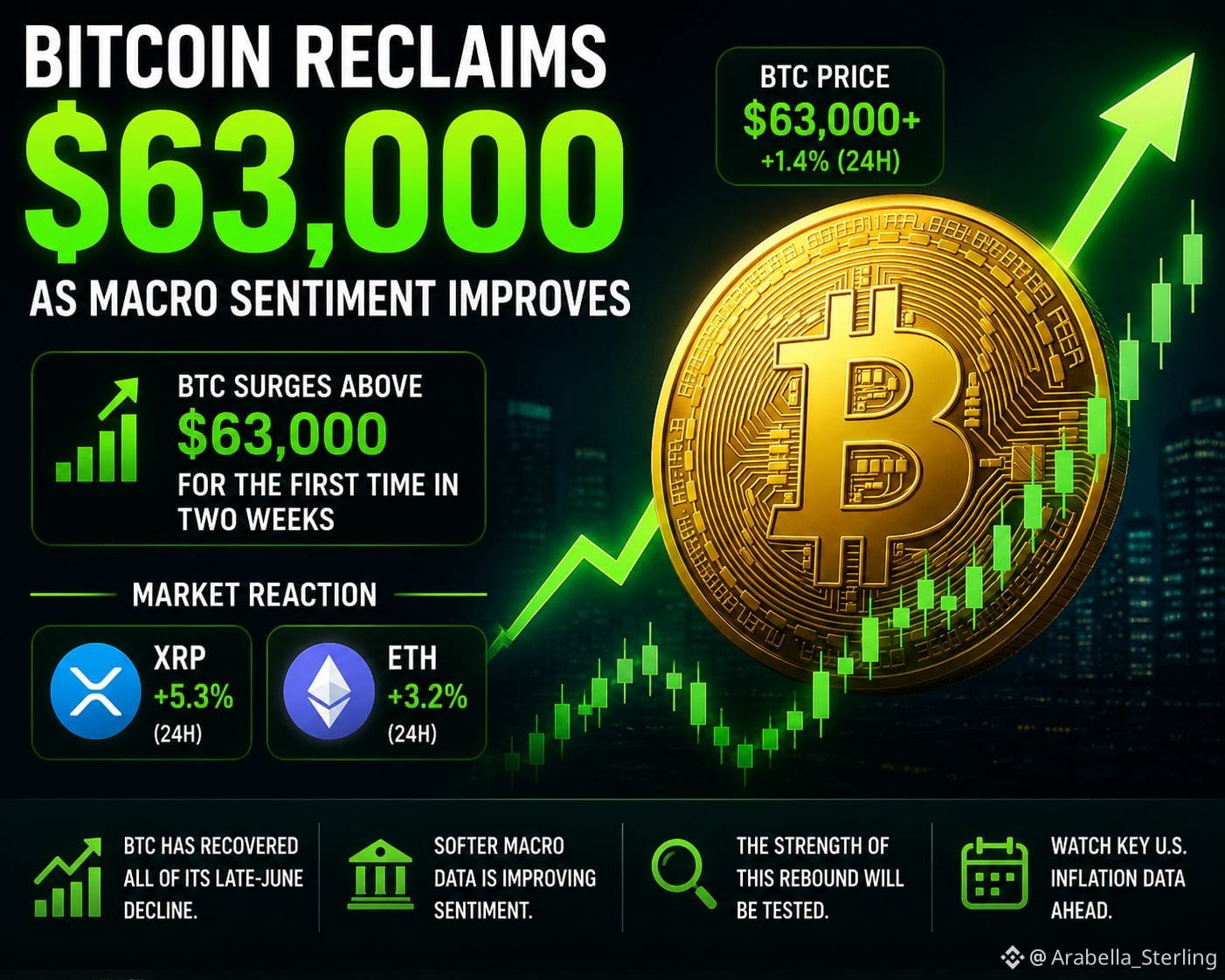
ビットコインがマクロのセンチメント改善で6万3,000ドルを奪還
コイン
$BTC | $LAYER
マーケットアップデート
ビットコインは2週間ぶりに6万3,000ドルを上回り、米国の経済指標が弱含んだことでリスク心理が改善したことを背景に、6月下旬の下落分を帳消しにしました。休暇期間の薄い取引もこの動きを後押しし、BTCは24時間で約1.4%上昇、週では3.6%上げました。 �
コインデスク
反発は、トレーダーがさらなるFRB(連邦準備制度)の利上げに対する見通しを引き下げたことにより、幅広い暗号資産の回復につながったものです。主要通貨ではXRPが日次で5.3%の上昇を先導し、ETHも3.2%上積みしており、取引高がやや薄いながらも市場全体で再び買い意欲が高まっていることを示唆しています。 �
コインデスク +1
注目点
・BTCは6月下旬の下落をすべて取り戻した。
・マクロ指標の軟化が、リスク資産全体のセンチメントを押し上げている。
・この反発の強さは、通常の市場流動性が戻った後に試される。
強気(ブル)vs 弱気(ベア)の見方
強気:マクロ主導の回復が勢いを維持できれば、スポット需要の新規流入を引き寄せる可能性がある。
弱気:休暇で流動性が薄いと値動きが過度に増幅され、取引が本格化した際に反転が起きやすい。
次の一手アラート
機関投資家のデスクが戻ってくる際に、ビットコインが6万3,000ドルを維持できるか注目しましょう。加えて、今後の米国のインフレ指標は市場の見通しを組み替える可能性があります。
ビットコインがマクロのセンチメント改善で6万3,000ドルを奪還
コイン
$BTC | $LAYER
マーケットアップデート
ビットコインは2週間ぶりに6万3,000ドルを上回り、米国の経済指標が弱含んだことでリスク心理が改善したことを背景に、6月下旬の下落分を帳消しにしました。休暇期間の薄い取引もこの動きを後押しし、BTCは24時間で約1.4%上昇、週では3.6%上げました。 �
コインデスク
反発は、トレーダーがさらなるFRB(連邦準備制度)の利上げに対する見通しを引き下げたことにより、幅広い暗号資産の回復につながったものです。主要通貨ではXRPが日次で5.3%の上昇を先導し、ETHも3.2%上積みしており、取引高がやや薄いながらも市場全体で再び買い意欲が高まっていることを示唆しています。 �
コインデスク +1
注目点
・BTCは6月下旬の下落をすべて取り戻した。
・マクロ指標の軟化が、リスク資産全体のセンチメントを押し上げている。
・この反発の強さは、通常の市場流動性が戻った後に試される。
強気(ブル)vs 弱気(ベア)の見方
強気:マクロ主導の回復が勢いを維持できれば、スポット需要の新規流入を引き寄せる可能性がある。
弱気:休暇で流動性が薄いと値動きが過度に増幅され、取引が本格化した際に反転が起きやすい。
次の一手アラート
機関投資家のデスクが戻ってくる際に、ビットコインが6万3,000ドルを維持できるか注目しましょう。加えて、今後の米国のインフレ指標は市場の見通しを組み替える可能性があります。
コイン
$BTC | $LAYER
マーケットアップデート
ビットコインは2週間ぶりに6万3,000ドルを上回り、米国の経済指標が弱含んだことでリスク心理が改善したことを背景に、6月下旬の下落分を帳消しにしました。休暇期間の薄い取引もこの動きを後押しし、BTCは24時間で約1.4%上昇、週では3.6%上げました。 �
コインデスク
反発は、トレーダーがさらなるFRB(連邦準備制度)の利上げに対する見通しを引き下げたことにより、幅広い暗号資産の回復につながったものです。主要通貨ではXRPが日次で5.3%の上昇を先導し、ETHも3.2%上積みしており、取引高がやや薄いながらも市場全体で再び買い意欲が高まっていることを示唆しています。 �
コインデスク +1
注目点
・BTCは6月下旬の下落をすべて取り戻した。
・マクロ指標の軟化が、リスク資産全体のセンチメントを押し上げている。
・この反発の強さは、通常の市場流動性が戻った後に試される。
強気(ブル)vs 弱気(ベア)の見方
強気:マクロ主導の回復が勢いを維持できれば、スポット需要の新規流入を引き寄せる可能性がある。
弱気:休暇で流動性が薄いと値動きが過度に増幅され、取引が本格化した際に反転が起きやすい。
次の一手アラート
機関投資家のデスクが戻ってくる際に、ビットコインが6万3,000ドルを維持できるか注目しましょう。加えて、今後の米国のインフレ指標は市場の見通しを組み替える可能性があります。
1
132
翻訳参照
I don't think most people lose money because they picked the wrong token.
They lose it because they keep changing their story.
I've seen people hold through months of silence, then sell days before the conversation changes. Not because the project failed. Because their patience did.
Conviction isn't loud. It usually looks boring.
"The hardest position to hold is your own."
That's why I'm paying more attention to behavior than excitement.
Sometimes the biggest mistake isn't buying too early.
It's leaving too soon. $OPG $BNB
I don't think most people lose money because they picked the wrong token.
They lose it because they keep changing their story.
I've seen people hold through months of silence, then sell days before the conversation changes. Not because the project failed. Because their patience did.
Conviction isn't loud. It usually looks boring.
"The hardest position to hold is your own."
That's why I'm paying more attention to behavior than excitement.
Sometimes the biggest mistake isn't buying too early.
It's leaving too soon. $OPG $BNB
They lose it because they keep changing their story.
I've seen people hold through months of silence, then sell days before the conversation changes. Not because the project failed. Because their patience did.
Conviction isn't loud. It usually looks boring.
"The hardest position to hold is your own."
That's why I'm paying more attention to behavior than excitement.
Sometimes the biggest mistake isn't buying too early.
It's leaving too soon. $OPG $BNB
1
78
市場はいまも「注目」が価値を生むと考えている。
私は、熱狂が冷めた後に何が起きるのかを考え続けている。
誰も話題にしなくなっても成長し続けるプロジェクトがある一方で、スポットライトが移ると同時に消えてしまうものもある。
もしかすると自分の見方が間違っているのかもしれないが、騒音と需要は同じものではない。
本当の需要は、たいてい最初は見えない。
私が見ているのは、誰も見ていないときに誰が残り続けるのかだ。
それが、市場がまだ見落としているサインだと思う。$BTC
市場はいまも「注目」が価値を生むと考えている。
私は、熱狂が冷めた後に何が起きるのかを考え続けている。
誰も話題にしなくなっても成長し続けるプロジェクトがある一方で、スポットライトが移ると同時に消えてしまうものもある。
もしかすると自分の見方が間違っているのかもしれないが、騒音と需要は同じものではない。
本当の需要は、たいてい最初は見えない。
私が見ているのは、誰も見ていないときに誰が残り続けるのかだ。
それが、市場がまだ見落としているサインだと思う。$BTC
私は、熱狂が冷めた後に何が起きるのかを考え続けている。
誰も話題にしなくなっても成長し続けるプロジェクトがある一方で、スポットライトが移ると同時に消えてしまうものもある。
もしかすると自分の見方が間違っているのかもしれないが、騒音と需要は同じものではない。
本当の需要は、たいてい最初は見えない。
私が見ているのは、誰も見ていないときに誰が残り続けるのかだ。
それが、市場がまだ見落としているサインだと思う。$BTC

1
79
翻訳参照
#opg $OPG @OpenGradient The market still thinks growth is the hardest problem in crypto.
Maybe I'm wrong, but I keep thinking the opposite.
I've noticed projects celebrating new users while quietly losing the old ones. The numbers look healthy on the surface, yet the people who understood the product first are slowly disappearing.
What bothers me is how often retention gets treated like a marketing problem.
It isn't.
People don't leave because they forgot a project exists. They leave because the reason to stay became weaker than the reason to explore something else.
The strange part is that most teams seem obsessed with attracting attention, while very few are asking whether attention is turning into habit.
People chase narratives but stay for habits.
What I'm watching instead is whether users return when incentives fade. Not the week rewards are active. The week after.
That usually tells a different story.
The market rewards certainty until certainty becomes dangerous.
This isn't about attracting users anymore. It's about keeping them.
#opg $OPG @OpenGradient The market still thinks growth is the hardest problem in crypto.
Maybe I'm wrong, but I keep thinking the opposite.
I've noticed projects celebrating new users while quietly losing the old ones. The numbers look healthy on the surface, yet the people who understood the product first are slowly disappearing.
What bothers me is how often retention gets treated like a marketing problem.
It isn't.
People don't leave because they forgot a project exists. They leave because the reason to stay became weaker than the reason to explore something else.
The strange part is that most teams seem obsessed with attracting attention, while very few are asking whether attention is turning into habit.
People chase narratives but stay for habits.
What I'm watching instead is whether users return when incentives fade. Not the week rewards are active. The week after.
That usually tells a different story.
The market rewards certainty until certainty becomes dangerous.
This isn't about attracting users anymore. It's about keeping them.
Maybe I'm wrong, but I keep thinking the opposite.
I've noticed projects celebrating new users while quietly losing the old ones. The numbers look healthy on the surface, yet the people who understood the product first are slowly disappearing.
What bothers me is how often retention gets treated like a marketing problem.
It isn't.
People don't leave because they forgot a project exists. They leave because the reason to stay became weaker than the reason to explore something else.
The strange part is that most teams seem obsessed with attracting attention, while very few are asking whether attention is turning into habit.
People chase narratives but stay for habits.
What I'm watching instead is whether users return when incentives fade. Not the week rewards are active. The week after.
That usually tells a different story.
The market rewards certainty until certainty becomes dangerous.
This isn't about attracting users anymore. It's about keeping them.
2
1
117
翻訳参照
#opg $OPG @OpenGradient
Most people still think price creates strong communities. I've started to think it's the other way around.
What I've noticed lately is that some ecosystems aren't growing because rewards are bigger. They're growing because users are staying longer. The excitement phase fades, but people keep coming back anyway.
That's not normal in crypto.
Wallet activity looks quieter on the surface, yet repeat participation keeps rising. Users stake for longer, use more features, and stop chasing every new trend. The market usually ignores this stage because price hasn't reacted yet.
But behavior changes before valuation does.
I've seen cycles where speculation arrives first and leaves quickly. This time, in a few ecosystems, commitment seems to be arriving first. That's a very different foundation.
The market still measures attention. What I'm watching instead is habit.
This isn't about attracting users anymore. It's about keeping them. $ETH $BTC
#opg $OPG @OpenGradient
Most people still think price creates strong communities. I've started to think it's the other way around.
What I've noticed lately is that some ecosystems aren't growing because rewards are bigger. They're growing because users are staying longer. The excitement phase fades, but people keep coming back anyway.
That's not normal in crypto.
Wallet activity looks quieter on the surface, yet repeat participation keeps rising. Users stake for longer, use more features, and stop chasing every new trend. The market usually ignores this stage because price hasn't reacted yet.
But behavior changes before valuation does.
I've seen cycles where speculation arrives first and leaves quickly. This time, in a few ecosystems, commitment seems to be arriving first. That's a very different foundation.
The market still measures attention. What I'm watching instead is habit.
This isn't about attracting users anymore. It's about keeping them. $ETH $BTC
Most people still think price creates strong communities. I've started to think it's the other way around.
What I've noticed lately is that some ecosystems aren't growing because rewards are bigger. They're growing because users are staying longer. The excitement phase fades, but people keep coming back anyway.
That's not normal in crypto.
Wallet activity looks quieter on the surface, yet repeat participation keeps rising. Users stake for longer, use more features, and stop chasing every new trend. The market usually ignores this stage because price hasn't reacted yet.
But behavior changes before valuation does.
I've seen cycles where speculation arrives first and leaves quickly. This time, in a few ecosystems, commitment seems to be arriving first. That's a very different foundation.
The market still measures attention. What I'm watching instead is habit.
This isn't about attracting users anymore. It's about keeping them. $ETH $BTC
3
1
116
ログインして、さらにコンテンツを読む
厳選トピックで世界の暗号資産トレーダーの仲間入り
⚡️ 暗号資産に関する最新かつ有益な情報が見つかります。
💬 世界最大の暗号資産取引所から信頼されています。
👍 認証を受けたクリエイターから、有益なインサイトを得られます。
メール / 電話番号
トレンドトピック
BitcoinSurpasses$77000
閲覧回数 17,603
225人が討論中
$BTC は、それでもなお急激に上昇しています。🚀
今日は3年以上ぶりの利上げが行われました。一方で、昨日はCLARITY法案が再び頓挫しました。
また長めに仕込みますよ。あとで感謝してね
エントリー:$75500 - $76500
ストップロス:$74900
テイクプロフィット:$77000 - $78000
クレイジーな成長サイクルに備えよう。🔥
TF_bnb
·いいね:17件
·閲覧回数 7k
ParadigmDisclosesZECHolding
閲覧回数 68,617
1,054人が討論中
BitcoinETFsShed$450M
閲覧回数 26,347
219人が討論中