
Soleyaa mam
221 投稿
Soleyaa mam
報告
ユーザーをブロック
Web3
44 フォロー
82 フォロワー
755 いいね
投稿
すべて
引用
·
--
記事
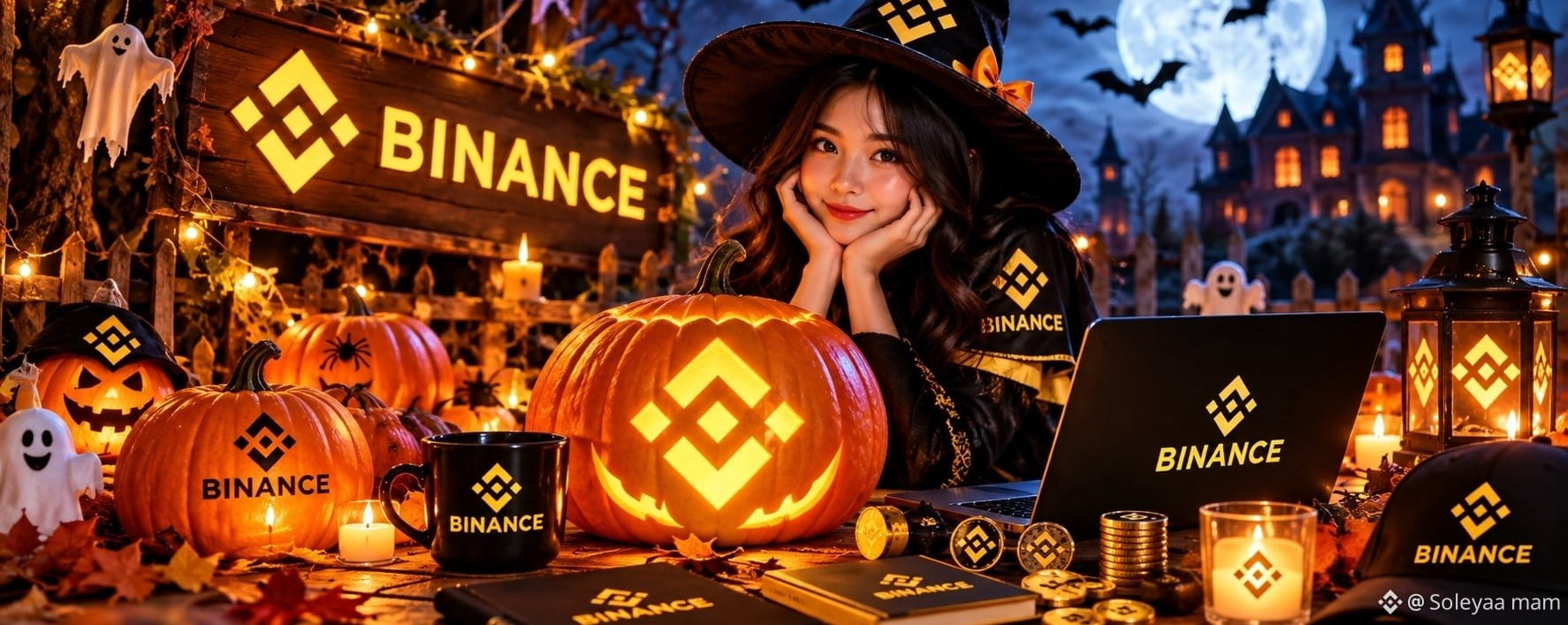
Binanceと過ごす、最高に不気味なハロウィーンの夜!🎃 Binanceと過ごす、最高に不気味なハロウィーンの夜!👻🟡
ハロウィーンは、毎年私がとても楽しみにしている季節のひとつです。ミステリアスな雰囲気や創造性、不気味な飾りつけ、楽しい仮装、そして忘れられない思い出に満ちた季節です。今年は、ハロウィーンの不気味な雰囲気とBinanceコミュニティへの熱意を組み合わせて、いつもとは違う形でお祝いしたいと思いました!🟡💛
暗いハロウィーンの夜を想像してみてください。テーブルの上には光るカボチャ、背景には小さな明かりがきらめき、壁には不気味な影が踊っています。外では風が吹き、葉っぱの揺れる音が、まるでホラー映画のような雰囲気を作り出しています。明かりをつけてハロウィーンの飾りを見回していると、突然、今夜は特別な夜になりそうだと気づきました!
Binanceと過ごす、最高に不気味なハロウィーンの夜!
🎃 Binanceと過ごす、最高に不気味なハロウィーンの夜!👻🟡
ハロウィーンは、毎年私がとても楽しみにしている季節のひとつです。ミステリアスな雰囲気や創造性、不気味な飾りつけ、楽しい仮装、そして忘れられない思い出に満ちた季節です。今年は、ハロウィーンの不気味な雰囲気とBinanceコミュニティへの熱意を組み合わせて、いつもとは違う形でお祝いしたいと思いました!🟡💛
暗いハロウィーンの夜を想像してみてください。テーブルの上には光るカボチャ、背景には小さな明かりがきらめき、壁には不気味な影が踊っています。外では風が吹き、葉っぱの揺れる音が、まるでホラー映画のような雰囲気を作り出しています。明かりをつけてハロウィーンの飾りを見回していると、突然、今夜は特別な夜になりそうだと気づきました!
1
1
19
104
·
--
翻訳参照
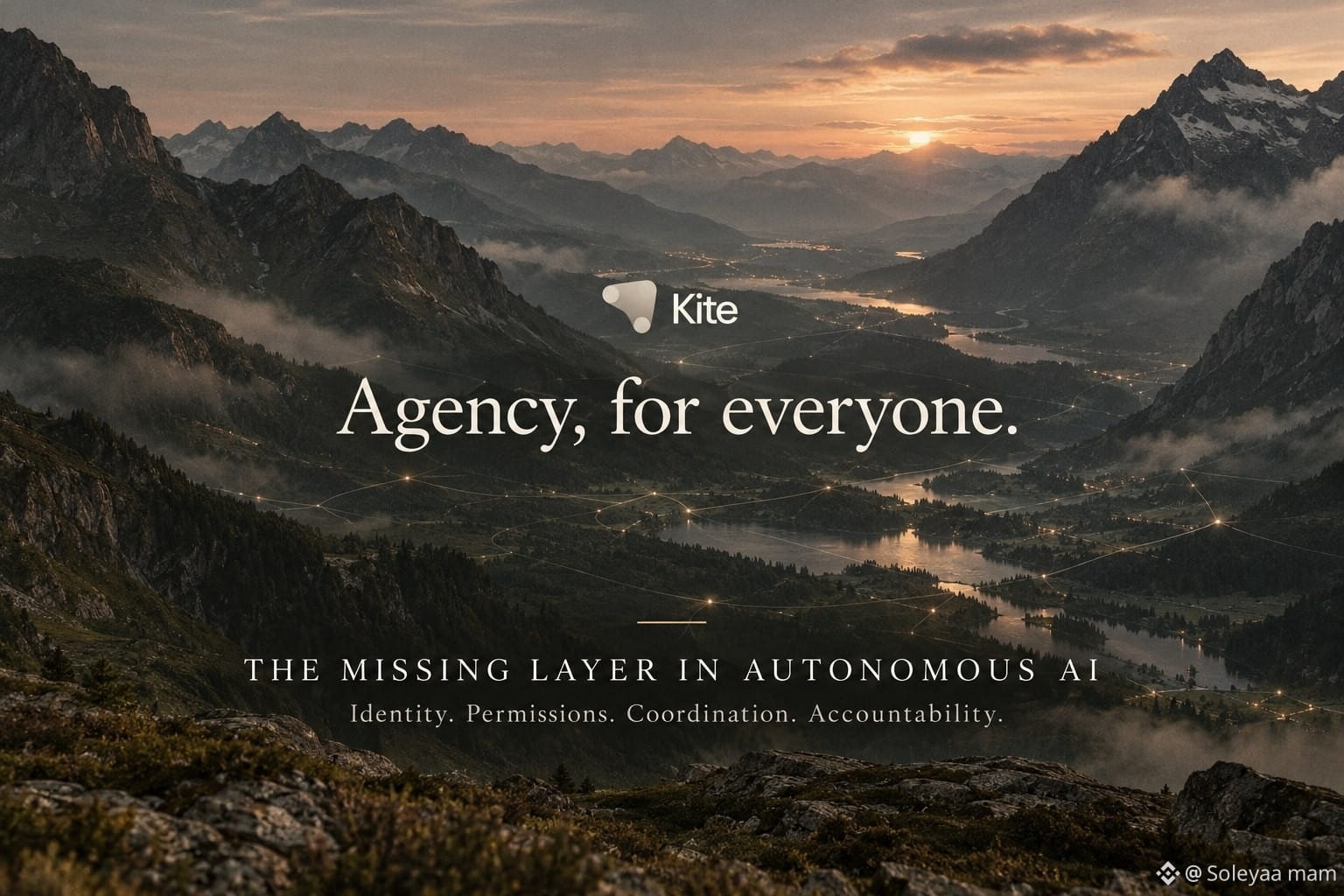
🔍 The agent economy has a problem that smarter models alone cannot solve.
An AI agent can reason, plan, and generate actions. But once agents begin interacting with external services or with one another, a different set of questions emerges:
1️⃣ Identity: Can an agent be distinguished from other agents?
2️⃣ Permission: Can its authority be limited to specific actions?
3️⃣ Coordination: Can multiple agents complete a task without conflicting?
4️⃣ Verification: Can we establish what happened and whether the intended result was achieved?
These are infrastructure questions, not just intelligence questions.
That's the lens I'm using to explore @GoKiteAI and its place in the evolving agent economy. The important test for any project in this space is not how ambitious its vision sounds, but how its actual architecture addresses these challenges.
I'd want to examine its technical documentation, agent interaction mechanisms, security assumptions, and real-world integrations before drawing strong conclusions.
The opportunity is compelling, but so are the engineering challenges. More autonomy also means greater responsibility for permissions, failures, and verification.
My thesis: The agent economy will need more than capable models. It will need dependable systems for interaction, coordination, and control.
What evidence would convince you that an AI-agent infrastructure project is ready for real-world adoption?
#KiteBBW $KITE
🔍 The agent economy has a problem that smarter models alone cannot solve.
An AI agent can reason, plan, and generate actions. But once agents begin interacting with external services or with one another, a different set of questions emerges:
1️⃣ Identity: Can an agent be distinguished from other agents?
2️⃣ Permission: Can its authority be limited to specific actions?
3️⃣ Coordination: Can multiple agents complete a task without conflicting?
4️⃣ Verification: Can we establish what happened and whether the intended result was achieved?
These are infrastructure questions, not just intelligence questions.
That's the lens I'm using to explore @KITE AI 中文 and its place in the evolving agent economy. The important test for any project in this space is not how ambitious its vision sounds, but how its actual architecture addresses these challenges.
I'd want to examine its technical documentation, agent interaction mechanisms, security assumptions, and real-world integrations before drawing strong conclusions.
The opportunity is compelling, but so are the engineering challenges. More autonomy also means greater responsibility for permissions, failures, and verification.
My thesis: The agent economy will need more than capable models. It will need dependable systems for interaction, coordination, and control.
What evidence would convince you that an AI-agent infrastructure project is ready for real-world adoption?
#KiteBBW $KITE
3
17
110
·
--
実用性こそが最大の障壁です。広く普及するには、AIエージェントが実際の問題を確実に解決する様子をユーザーが目にする必要があります。信頼と連携は、実行力の向上に伴ってついてくるでしょう。 #KiteBBW $KITE
実用性こそが最大の障壁です。広く普及するには、AIエージェントが実際の問題を確実に解決する様子をユーザーが目にする必要があります。信頼と連携は、実行力の向上に伴ってついてくるでしょう。 #KiteBBW $KITE

Noman Hossen Asif
·
--
ブリッシュAIの次の章は、より賢いモデルだけではありません。実際に物事を成し遂げられるエージェントです。
AIは、質問に答えるだけの存在から進化しつつあります。より大きな変化は、タスクを計画し、ツールを使い、ワークフローを調整し、人々が手作業を減らして目標を達成できるよう支援するAIエージェントへと向かっています。
しかし、重要な課題があります。AIエージェントの経済圏を、どうすれば有用で、信頼でき、誰もが利用できるものにできるのでしょうか?
ここに、Kiteと、より広がりを見せるエージェント経済圏を掘り下げる面白さがあります。
AIエージェントが本当に役立つ存在になるには、知能だけでは不十分です。確実な実行、明確な権限、説明責任、そしてエージェントがユーザーやデジタルサービスとやり取りする手段も必要です。こうした基盤がなければ、能力の高いエージェントであっても、安定して価値を提供するのは難しいでしょう。
本当の可能性は、エージェントをただ増やすことではありません。エージェントが個別の実験段階から、実用的で連携の取れた業務へと移行できる環境を築くことです。
もっと注目すべき問いは、次の3つだと思います。
🔹 信頼:エージェントに何が許可されているのか、ユーザーはどう確認できるでしょうか?
🔹 連携:複雑さを不必要に増やさずに、異なるエージェントがどう協力できるでしょうか?
🔹 実用性:ユーザーの信頼を得られるほど確実に、エージェントが担える現実世界のタスクは何でしょうか?
Kiteは、より広い視点から検討する価値があります。技術そのものだけでなく、進化するエージェント経済圏でどのような役割を果たせるのかという視点です。大切なのは、誇大な期待に頼るのではなく、実際の能力、実用的なユースケース、検証可能な進展を評価することです。
エージェント経済圏の行方を決めるのは、デモがどれほど印象的に見えるかではなく、こうしたシステムが何を確実に成し遂げられるかです。
AIエージェントが広く普及するうえで、最大の障壁は何だと思いますか?信頼、連携、それとも現実世界での実用性でしょうか? 👇
ぜひ話し合いましょう。
#KiteBBW $KITE @KITE AI 中文
74
·
--
私のお気に入りbStock: $TSLAB 🚀📈
Flash Questが戻ってきました。今回は、私が注目している$TSLAB — バイナンスで観察するのが大好きなbStockのひとつです。👀🔥
バイナンスでお気に入りのbStockをトレードして、その様子をTrading Cardを通じてBinance Squareで共有します。📊💛
市場は常に動いていて、すべての取引は学びの機会であり、動きを追い、コミュニティとつながり続けるためのチャンスです。🚀
次に$TSLABがどこへ向かうのか見てみましょう! ⚡📈
#TradebStocks #BinanceAfrica
私のお気に入りbStock: $TSLAB 🚀📈
Flash Questが戻ってきました。今回は、私が注目している$TSLAB — バイナンスで観察するのが大好きなbStockのひとつです。👀🔥
バイナンスでお気に入りのbStockをトレードして、その様子をTrading Cardを通じてBinance Squareで共有します。📊💛
市場は常に動いていて、すべての取引は学びの機会であり、動きを追い、コミュニティとつながり続けるためのチャンスです。🚀
次に$TSLABがどこへ向かうのか見てみましょう! ⚡📈
#TradebStocks #BinanceAfrica
Flash Questが戻ってきました。今回は、私が注目している$TSLAB — バイナンスで観察するのが大好きなbStockのひとつです。👀🔥
バイナンスでお気に入りのbStockをトレードして、その様子をTrading Cardを通じてBinance Squareで共有します。📊💛
市場は常に動いていて、すべての取引は学びの機会であり、動きを追い、コミュニティとつながり続けるためのチャンスです。🚀
次に$TSLABがどこへ向かうのか見てみましょう! ⚡📈
#TradebStocks #BinanceAfrica


Binance Africa
·
--
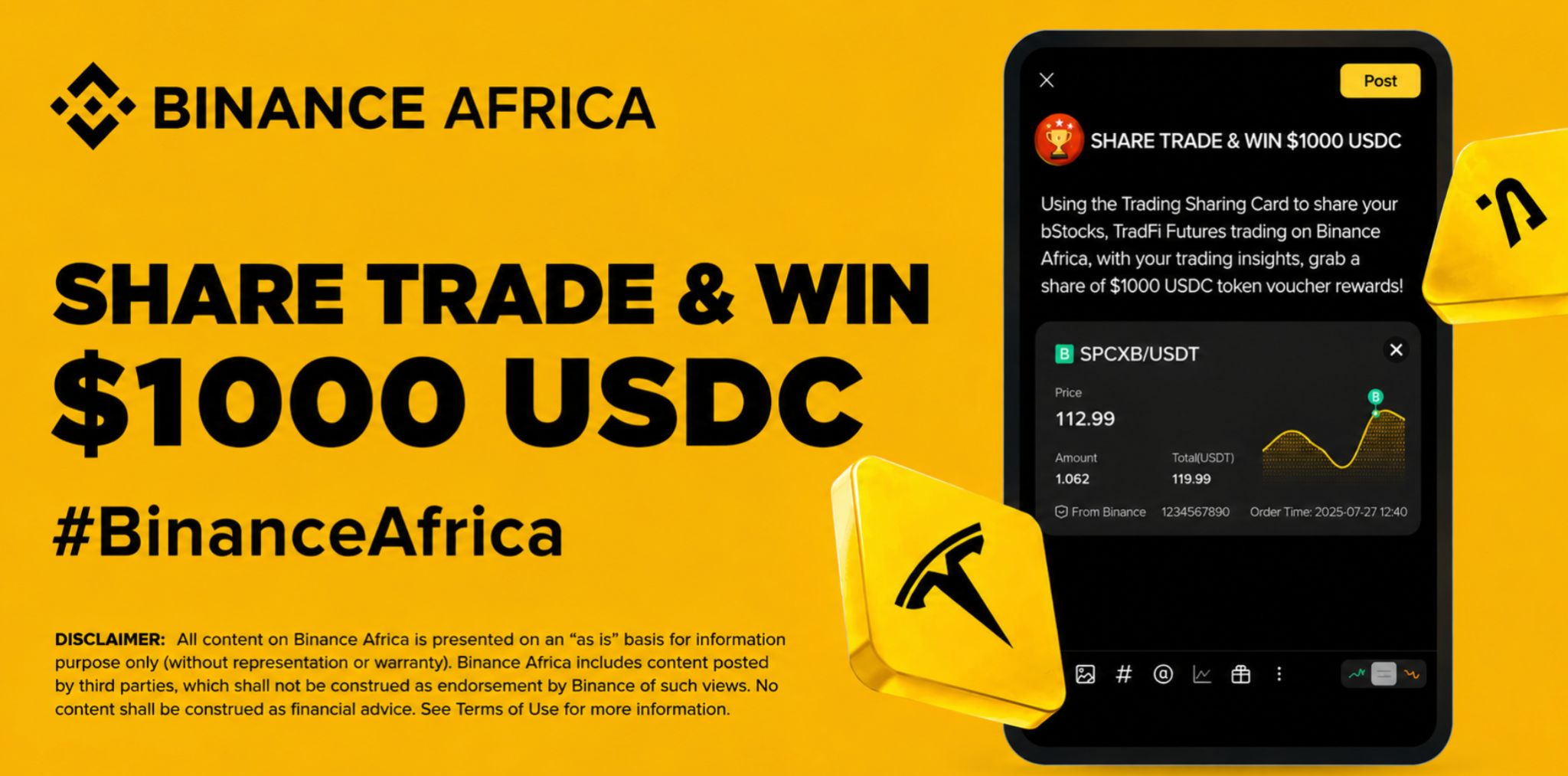
🚀 フラッシュクエスト:Binanceで株が急速に動く!市場は動いています。📈
Binanceでお気に入りの株を取引し、その後Binance Squareで取引内容を共有して、当社の$ 1,000 USDC賞金プールから報酬を獲得するチャンスをつかもう
参加方法:
🔸 @Binance Africa をフォロー
🔸 この投稿にいいねしてリポスト
🔸 #TradebStocks #BinanceAfrica のハッシュタグが付いたトレーディングカードを使ってSquareでbStocksの取引を共有
🔸 このアンケートに回答 👉🏾 Click on the Link to Participate 賞品:合計200名が各5 USDCを受け取ります。
🔸 📆 期間:2026年8月13日10:00 UTC ~ 2026年8月23日2026 23:59 UTC
$TSLAB
1
183
·
--
⚽🏅 すべてのフットボールの試合は、素晴らしい瞬間、予想外の結果、忘れられないプレーに出会える新たな機会です。今日の対戦カードに関する予想をまとめましたので、キックオフから試合終了のホイッスルまで、すべてのゲームを楽しみに追いかけます。課題は勝敗だけではなく、その過程を味わい、世界中のファンと一緒にフットボールへの情熱を祝うことにあります。
🔥 #BinancePickAndWin に参加する皆さんに幸運を!当たる予想を願って、ワクワクする試合、そしてサッカー尽くしの素晴らしい一日になりますように。
#BinancePickAndWin #Football #Soccer #Sports #Matchday #FootballFans
🔥 #BinancePickAndWin に参加する皆さんに幸運を!当たる予想を願って、ワクワクする試合、そしてサッカー尽くしの素晴らしい一日になりますように。
#BinancePickAndWin #Football #Soccer #Sports #Matchday #FootballFans
106
·
--
🔥 お待たせしました!今日のサッカーの対戦カードは、見どころ満載で、激しい競争と忘れられない瞬間が約束されています。私の予想は確定済み。あとはピッチ上でドラマが展開していくのを、すべての試合とともに楽しむだけです。サッカーの魅力は、最後のホイッスルまで何が起こるか分からないところにあります。
⚽ #BinancePickAndWin に参加する皆さんへ幸運を。あなたの予想がうまくいき、好きなチームが輝き、そして今日の試合がサッカーファンの愛するものをすべて届けてくれますように!
#BinancePickAndWin #Football #Soccer #PredictionChallenge #SportsCommunity
⚽ #BinancePickAndWin に参加する皆さんへ幸運を。あなたの予想がうまくいき、好きなチームが輝き、そして今日の試合がサッカーファンの愛するものをすべて届けてくれますように!
#BinancePickAndWin #Football #Soccer #PredictionChallenge #SportsCommunity
101
·
--
🔥 待ち時間は終わり!今日のサッカーの試合は、見応えある展開、熾烈な競争、そして忘れられない瞬間に満ちています。私の予想は確定しました。あとはピッチ上でドラマが繰り広げられるのを、すべての試合を楽しむだけ。サッカーの素晴らしさは——終盤のホイッスルが鳴るまで何が起きてもおかしくないことです。
⚽ #BinancePickAndWin に参加する皆さんへ幸運を!あなたの予想がうまくいき、応援するチームが輝き、そして今日の試合がサッカーファンが大好きなものをすべて届けてくれますように!
#BinancePickAndWin
🔥 待ち時間は終わり!今日のサッカーの試合は、見応えある展開、熾烈な競争、そして忘れられない瞬間に満ちています。私の予想は確定しました。あとはピッチ上でドラマが繰り広げられるのを、すべての試合を楽しむだけ。サッカーの素晴らしさは——終盤のホイッスルが鳴るまで何が起きてもおかしくないことです。
⚽ #BinancePickAndWin に参加する皆さんへ幸運を!あなたの予想がうまくいき、応援するチームが輝き、そして今日の試合がサッカーファンが大好きなものをすべて届けてくれますように!
#BinancePickAndWin
⚽ #BinancePickAndWin に参加する皆さんへ幸運を!あなたの予想がうまくいき、応援するチームが輝き、そして今日の試合がサッカーファンが大好きなものをすべて届けてくれますように!
#BinancePickAndWin
85
·
--
⚽🏆 どの試合日も、新たなチャンス。サッカーの興奮を楽しみながら、予想のスキルに挑戦します。私は今日の対戦カードを慎重に確認し、予想を決めました。あとは落ち着いて全試合を追い、今日の選択が、私が望む結果をもたらせるか見届けるだけです。
🔥 参加される皆さんに、#BinancePickAndWin an 素晴らしいサッカー体験がありますように。予想が正確で、推しチームが輝き、そしてすべての試合が忘れられない瞬間を運んできますように!
#BinancePickAndWin #Football #Soccer #Sports #FootballCommunity
⚽🏆 どの試合日も、新たなチャンス。サッカーの興奮を楽しみながら、予想のスキルに挑戦します。私は今日の対戦カードを慎重に確認し、予想を決めました。あとは落ち着いて全試合を追い、今日の選択が、私が望む結果をもたらせるか見届けるだけです。
🔥 参加される皆さんに、#BinancePickAndWin an 素晴らしいサッカー体験がありますように。予想が正確で、推しチームが輝き、そしてすべての試合が忘れられない瞬間を運んできますように!
#BinancePickAndWin #Football #Soccer #Sports #FootballCommunity
🔥 参加される皆さんに、#BinancePickAndWin an 素晴らしいサッカー体験がありますように。予想が正確で、推しチームが輝き、そしてすべての試合が忘れられない瞬間を運んできますように!
#BinancePickAndWin #Football #Soccer #Sports #FootballCommunity
109
·
--
⚽🏆 すべての試合日は、サッカーの興奮を楽しみ、私の予想スキルに挑戦するための新たなチャンスです。今日の対戦カードを注意深く確認して、予想を固めました。あとは座って、すべての試合を追いかけ、今日の選択が私の望む結果につながるかを見届けるだけです。
🔥 参加している皆さんが #BinancePickAndWin an 素晴らしいサッカー体験をできますように。予想が当たりますように、応援するチームが輝きますように。そして、どの試合も忘れられない瞬間をもたらしてくれますように!
⚽🏆 すべての試合日は、サッカーの興奮を楽しみ、私の予想スキルに挑戦するための新たなチャンスです。今日の対戦カードを注意深く確認して、予想を固めました。あとは座って、すべての試合を追いかけ、今日の選択が私の望む結果につながるかを見届けるだけです。
🔥 参加している皆さんが #BinancePickAndWin an 素晴らしいサッカー体験をできますように。予想が当たりますように、応援するチームが輝きますように。そして、どの試合も忘れられない瞬間をもたらしてくれますように!
🔥 参加している皆さんが #BinancePickAndWin an 素晴らしいサッカー体験をできますように。予想が当たりますように、応援するチームが輝きますように。そして、どの試合も忘れられない瞬間をもたらしてくれますように!
98
·
--
⚽🏆 どの試合日も、サッカーの興奮を楽しむための新しいチャンス。予想力に挑戦します。今日の試合カードを丁寧に確認し、ピックを確定しました。あとは座って、全試合をフォローして、今日の選択が私の願う結果をもたらせるか見届けるだけです。
🔥 参加している皆さんが、#BinancePickAndWin 素晴らしいサッカー体験をできますように。予想が当たり、あなたのお気に入りのチームが輝き、そしてすべての試合が忘れられない瞬間を運んできますように!
#BinancePickAndWin #Football #Soccer #Sports #FootballCommunity
⚽🏆 どの試合日も、サッカーの興奮を楽しむための新しいチャンス。予想力に挑戦します。今日の試合カードを丁寧に確認し、ピックを確定しました。あとは座って、全試合をフォローして、今日の選択が私の願う結果をもたらせるか見届けるだけです。
🔥 参加している皆さんが、#BinancePickAndWin 素晴らしいサッカー体験をできますように。予想が当たり、あなたのお気に入りのチームが輝き、そしてすべての試合が忘れられない瞬間を運んできますように!
#BinancePickAndWin #Football #Soccer #Sports #FootballCommunity
🔥 参加している皆さんが、#BinancePickAndWin 素晴らしいサッカー体験をできますように。予想が当たり、あなたのお気に入りのチームが輝き、そしてすべての試合が忘れられない瞬間を運んできますように!
#BinancePickAndWin #Football #Soccer #Sports #FootballCommunity
124
·
--
⚽🏆 どの試合日も、新たなチャンス。サッカーの興奮を楽しみつつ、予想スキルに挑戦できます。今日の対戦カードをじっくり確認して、私の予想を固めました。あとは座って、すべての試合を追いかけて、今日の選択が私の願う結果を届けてくれるか見届けるだけです。
🔥 参加するみなさんに、#BinancePickAndWin 素晴らしいフットボール体験がありますように。予想が当たりますように、好きなチームが輝きますように。そして、どの試合も忘れられない瞬間をもたらしますように!
#BinancePickAndWin #フットボール #サッカー #スポーツ #サッカコミュニティ
⚽🏆 どの試合日も、新たなチャンス。サッカーの興奮を楽しみつつ、予想スキルに挑戦できます。今日の対戦カードをじっくり確認して、私の予想を固めました。あとは座って、すべての試合を追いかけて、今日の選択が私の願う結果を届けてくれるか見届けるだけです。
🔥 参加するみなさんに、#BinancePickAndWin 素晴らしいフットボール体験がありますように。予想が当たりますように、好きなチームが輝きますように。そして、どの試合も忘れられない瞬間をもたらしますように!
#BinancePickAndWin #フットボール #サッカー #スポーツ #サッカコミュニティ
🔥 参加するみなさんに、#BinancePickAndWin 素晴らしいフットボール体験がありますように。予想が当たりますように、好きなチームが輝きますように。そして、どの試合も忘れられない瞬間をもたらしますように!
#BinancePickAndWin #フットボール #サッカー #スポーツ #サッカコミュニティ
97
·
--
選ばれました。提出完了。勝利の準備はできました!🚀
このチャレンジがどう展開していくのか楽しみにしています。皆さんの健闘を祈っています!
#BinancePickAndWin #クリプト #バイナンスコミュニティ #トレーディングチャレンジ
選ばれました。提出完了。勝利の準備はできました!🚀
このチャレンジがどう展開していくのか楽しみにしています。皆さんの健闘を祈っています!
#BinancePickAndWin #クリプト #バイナンスコミュニティ #トレーディングチャレンジ
このチャレンジがどう展開していくのか楽しみにしています。皆さんの健闘を祈っています!
#BinancePickAndWin #クリプト #バイナンスコミュニティ #トレーディングチャレンジ
34
·
--
⚽🏆 毎試合日は、フットボールの興奮を楽しみ、私の予想スキルに挑戦するための新しいチャンス。今日はの対戦カードをじっくり確認して、予想を確定しました。あとは落ち着いて全試合を見守り、今日のセレクションが私の願う結果につながるかを確かめるだけです。
🔥 #BinancePickAndWin に参加する皆さんに、素晴らしいサッカー体験が訪れますように。予想が当たりますように、応援するチームが輝き、そしてすべての試合が忘れられない瞬間を運んできますように!
#BinancePickAndWin #Football #Soccer #Sports #FootballCommunity
⚽🏆 毎試合日は、フットボールの興奮を楽しみ、私の予想スキルに挑戦するための新しいチャンス。今日はの対戦カードをじっくり確認して、予想を確定しました。あとは落ち着いて全試合を見守り、今日のセレクションが私の願う結果につながるかを確かめるだけです。
🔥 #BinancePickAndWin に参加する皆さんに、素晴らしいサッカー体験が訪れますように。予想が当たりますように、応援するチームが輝き、そしてすべての試合が忘れられない瞬間を運んできますように!
#BinancePickAndWin #Football #Soccer #Sports #FootballCommunity
🔥 #BinancePickAndWin に参加する皆さんに、素晴らしいサッカー体験が訪れますように。予想が当たりますように、応援するチームが輝き、そしてすべての試合が忘れられない瞬間を運んできますように!
#BinancePickAndWin #Football #Soccer #Sports #FootballCommunity
109
·
--
🔥 フィクスチャ(試合カード)は出揃い、予想は提出済み。あとは行動の時間です!すべてのフットボールの試合は、書き込まれるのを待つ新しい物語——信じられないようなゴール、息をのむ結末、そして記憶に残るプレーで満ちています。私はすべての瞬間を追いかけ、私の予想がどうなるか見ていくのが楽しみです。
⚽ #BinancePickAndWinに参加する皆さん、幸運を祈ります。素晴らしいサッカーの日を楽しみましょう。そして、私たちの予想が素晴らしい結果につながることを願っています!
#BinancePickAndWin #Football #Soccer #PredictionChallenge #SportsCommunity
⚽ #BinancePickAndWinに参加する皆さん、幸運を祈ります。素晴らしいサッカーの日を楽しみましょう。そして、私たちの予想が素晴らしい結果につながることを願っています!
#BinancePickAndWin #Football #Soccer #PredictionChallenge #SportsCommunity
87
·
--
⚽🏆 試合当日のエネルギーは高く、今日の対戦カードに向けて私のサッカー予想は正式に確定しました。どの試合にも、それぞれのプレッシャーやサプライズ、大きな見どころがあります。だからこそ、キックオフから試合終了までの流れを追うのが楽しいんです。あとは結果がどう展開するかを見るだけ。
🔥 #BinancePickAndWin に参加する皆さんに幸運を。あなたの予想が冴え、チームが好調に動き、そして今日はサッカーがノンストップで興奮を届けてくれますように!
#BinancePickAndWin #Football #Soccer #Sports #matchday
⚽🏆 試合当日のエネルギーは高く、今日の対戦カードに向けて私のサッカー予想は正式に確定しました。どの試合にも、それぞれのプレッシャーやサプライズ、大きな見どころがあります。だからこそ、キックオフから試合終了までの流れを追うのが楽しいんです。あとは結果がどう展開するかを見るだけ。
🔥 #BinancePickAndWin に参加する皆さんに幸運を。あなたの予想が冴え、チームが好調に動き、そして今日はサッカーがノンストップで興奮を届けてくれますように!
#BinancePickAndWin #Football #Soccer #Sports #matchday
🔥 #BinancePickAndWin に参加する皆さんに幸運を。あなたの予想が冴え、チームが好調に動き、そして今日はサッカーがノンストップで興奮を届けてくれますように!
#BinancePickAndWin #Football #Soccer #Sports #matchday
111
·
--
🏅 フットボールは単なる試合以上のもの――情熱、戦略、そして忘れられない瞬間です。私は今日の試合を慎重に確認し、予想を最終決定しました。あとは、そのプレーを存分に楽しみ、素晴らしいパフォーマンスを応援し、私の選択がその場にふさわしい活躍を見せられるかを見届けましょう。
⚽ #BinancePickAndWin に参加する皆さん、幸運を祈ります。今日の試合がワクワクに満ち、公正な競争、そしてたくさんの記憶に残るハイライトで溢れますように!
#BinancePickAndWin #Football #Soccer #PredictionChallenge #Sports
🏅 フットボールは単なる試合以上のもの――情熱、戦略、そして忘れられない瞬間です。私は今日の試合を慎重に確認し、予想を最終決定しました。あとは、そのプレーを存分に楽しみ、素晴らしいパフォーマンスを応援し、私の選択がその場にふさわしい活躍を見せられるかを見届けましょう。
⚽ #BinancePickAndWin に参加する皆さん、幸運を祈ります。今日の試合がワクワクに満ち、公正な競争、そしてたくさんの記憶に残るハイライトで溢れますように!
#BinancePickAndWin #Football #Soccer #PredictionChallenge #Sports
⚽ #BinancePickAndWin に参加する皆さん、幸運を祈ります。今日の試合がワクワクに満ち、公正な競争、そしてたくさんの記憶に残るハイライトで溢れますように!
#BinancePickAndWin #Football #Soccer #PredictionChallenge #Sports
123
·
--
⚽🏆 第◯節の到来!興奮が高まっています。今日の対戦カードをじっくり確認したうえで、サッカーの予想(ピック)を確定しました。どの試合も新しい挑戦があり、それがサッカー予想をとても楽しくしてくれるんです。さあ、プレーが始まるのを見届けて、私の選択が当たるかどうかを確認しましょう。
#BinancePickAndWin に参加する皆さんに幸運を!ワクワクする試合、素晴らしいフットボール、そして成功した予想になりますように。すべてのゴール、すべてのセーブ、そして忘れられない瞬間を楽しみましょう。
#BinancePickAndWin #Football #Soccer #Sports #FootballFans
#BinancePickAndWin に参加する皆さんに幸運を!ワクワクする試合、素晴らしいフットボール、そして成功した予想になりますように。すべてのゴール、すべてのセーブ、そして忘れられない瞬間を楽しみましょう。
#BinancePickAndWin #Football #Soccer #Sports #FootballFans
114
·
--
すべての試合は大きく得点する新しいチャンス!⚽ 参加するみなさん、頑張ってください。#BinancePickAndWin 。予想がバッチリ当たりますように!🎉🍀
すべての試合は大きく得点する新しいチャンス!⚽ 参加するみなさん、頑張ってください。#BinancePickAndWin 。予想がバッチリ当たりますように!🎉🍀
95
·
--
🔥 今日の試合は、白熱した競争、素晴らしいチームワーク、そして忘れられないフットボールの瞬間に満ちています。対戦カードを見た上で、予想を確定しました。どんな展開でも、アクションのすべての分を楽しむ準備はできています。圧倒的なパフォーマンスでも、ドラマチックな逆転劇でも、フットボールは決して裏切りません。
⚽ #BinancePickAndWin に参加する皆さんに幸運を!刺激的な試合、記憶に残るゴール、そしてフットボール予想がうまくいく一日になりますように!
#BinancePickAndWin #Football #Soccer #PredictionChallenge #Sports 🏆⚽
⚽ #BinancePickAndWin に参加する皆さんに幸運を!刺激的な試合、記憶に残るゴール、そしてフットボール予想がうまくいく一日になりますように!
#BinancePickAndWin #Football #Soccer #PredictionChallenge #Sports 🏆⚽
76
·
--
🔥 今日の試合は激しい競争、見事なチームワーク、そして忘れられないフットボールの瞬間がたくさん待っています。対戦カードを確認したうえで、私の予想を確定しました。試合のすべての分を存分に楽しむ準備はできています。圧倒的なパフォーマンスでも、ドラマチックな逆転でも、フットボールは決して裏切りません。
⚽ #BinancePickAndWin に参加する皆さんに幸運を!ワクワクする試合、記憶に残るゴール、そしてフットボール予想がうまくいく一日になりますように!
#BinancePickAndWin #Football #Soccer #PredictionChallenge #Sports 🏆⚽
🔥 今日の試合は激しい競争、見事なチームワーク、そして忘れられないフットボールの瞬間がたくさん待っています。対戦カードを確認したうえで、私の予想を確定しました。試合のすべての分を存分に楽しむ準備はできています。圧倒的なパフォーマンスでも、ドラマチックな逆転でも、フットボールは決して裏切りません。
⚽ #BinancePickAndWin に参加する皆さんに幸運を!ワクワクする試合、記憶に残るゴール、そしてフットボール予想がうまくいく一日になりますように!
#BinancePickAndWin #Football #Soccer #PredictionChallenge #Sports 🏆⚽
⚽ #BinancePickAndWin に参加する皆さんに幸運を!ワクワクする試合、記憶に残るゴール、そしてフットボール予想がうまくいく一日になりますように!
#BinancePickAndWin #Football #Soccer #PredictionChallenge #Sports 🏆⚽
111
ログインして、さらにコンテンツを読む
厳選トピックで世界の暗号資産トレーダーの仲間入り
⚡️ 暗号資産に関する最新かつ有益な情報が見つかります。
💬 世界最大の暗号資産取引所から信頼されています。
👍 認証を受けたクリエイターから、有益なインサイトを得られます。
メール / 電話番号