

Robert Kieu
330 投稿

Robert Kieu
報告
ユーザーをブロック
Researcher | Airdrop farmer 🌾 | X: x.com/robertkieu_ZR
取引を発注
低高頻度トレーダー
5.8年
13 フォロー
66 フォロワー
651 いいね
投稿
ポートフォリオ
すべて
引用
動画
·
--
ブリッシュ
本人確認中
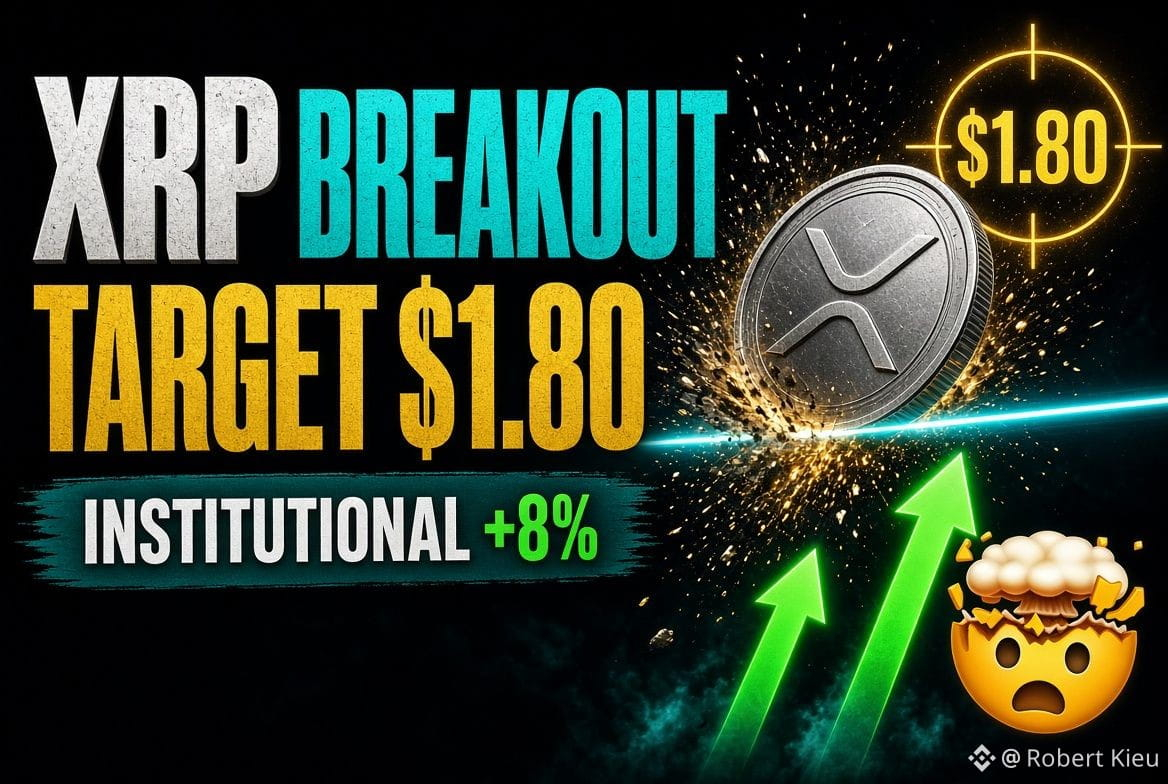
$XRP 驚異の展開 🤯 指標は機関投資家の買いが急増し、$1.80を示唆
XRPは24時間で8%急騰し、レンジを突破して$1.51で取引されています。24時間出来高が55%増えて$47億に到達したことが追い風となり、機関資金が流入することで主要アルトコインを大きく上回っています。
🔎 重要指標&データ・カタリスト
- クジラの流入:大口保有者が96時間で15.4億 $XRP (約$22億)を積み増し。これは強い自信を示すシグナルです。
- 材料:リップルのBatch V1.1の台帳アップグレードは、35人中30人のバリデータから支持されています。9月29日に有効化されると、最大で8件の機関向け取引をまとめて決済可能になります。
- ショート・スクイーズ:ビットコインが$84,000を突破したことで、2億6000万ドル超のショートポジションが清算され、XRPの値動き(勢い)をさらに加速させました。
📊 テクニカル見通し&ターゲット
$XRP は下向きのフラッグ(下降トレンドの旗形)から、きれいなブレイクアウトを達成。$1.42〜$1.43のレジスタンスがサポートに転換したことで、$1.80への道は開けています。14日RSIが54であることから、上昇は実需のスポット買いによってしっかり支えられていることが分かります。
機関投資家向け商品がこの勢いを取り込み、XRP ETFのAUMは$15.7億に到達。10月までに複数のファンダメンタル・アップグレードが控えているため、様子見している人たちは、このブルランの次の足を遠目に見ていることになりかねません。
{future}(XRPUSDT)
#xrprises8%
$XRP 驚異の展開 🤯 指標は機関投資家の買いが急増し、$1.80を示唆
XRPは24時間で8%急騰し、レンジを突破して$1.51で取引されています。24時間出来高が55%増えて$47億に到達したことが追い風となり、機関資金が流入することで主要アルトコインを大きく上回っています。
🔎 重要指標&データ・カタリスト
- クジラの流入:大口保有者が96時間で15.4億 $XRP (約$22億)を積み増し。これは強い自信を示すシグナルです。
- 材料:リップルのBatch V1.1の台帳アップグレードは、35人中30人のバリデータから支持されています。9月29日に有効化されると、最大で8件の機関向け取引をまとめて決済可能になります。
- ショート・スクイーズ:ビットコインが$84,000を突破したことで、2億6000万ドル超のショートポジションが清算され、XRPの値動き(勢い)をさらに加速させました。
📊 テクニカル見通し&ターゲット
$XRP は下向きのフラッグ(下降トレンドの旗形)から、きれいなブレイクアウトを達成。$1.42〜$1.43のレジスタンスがサポートに転換したことで、$1.80への道は開けています。14日RSIが54であることから、上昇は実需のスポット買いによってしっかり支えられていることが分かります。
機関投資家向け商品がこの勢いを取り込み、XRP ETFのAUMは$15.7億に到達。10月までに複数のファンダメンタル・アップグレードが控えているため、様子見している人たちは、このブルランの次の足を遠目に見ていることになりかねません。
#xrprises8%
XRPは24時間で8%急騰し、レンジを突破して$1.51で取引されています。24時間出来高が55%増えて$47億に到達したことが追い風となり、機関資金が流入することで主要アルトコインを大きく上回っています。
🔎 重要指標&データ・カタリスト
- クジラの流入:大口保有者が96時間で15.4億 $XRP (約$22億)を積み増し。これは強い自信を示すシグナルです。
- 材料:リップルのBatch V1.1の台帳アップグレードは、35人中30人のバリデータから支持されています。9月29日に有効化されると、最大で8件の機関向け取引をまとめて決済可能になります。
- ショート・スクイーズ:ビットコインが$84,000を突破したことで、2億6000万ドル超のショートポジションが清算され、XRPの値動き(勢い)をさらに加速させました。
📊 テクニカル見通し&ターゲット
$XRP は下向きのフラッグ(下降トレンドの旗形)から、きれいなブレイクアウトを達成。$1.42〜$1.43のレジスタンスがサポートに転換したことで、$1.80への道は開けています。14日RSIが54であることから、上昇は実需のスポット買いによってしっかり支えられていることが分かります。
機関投資家向け商品がこの勢いを取り込み、XRP ETFのAUMは$15.7億に到達。10月までに複数のファンダメンタル・アップグレードが控えているため、様子見している人たちは、このブルランの次の足を遠目に見ていることになりかねません。
#xrprises8%
1
15
13.9k
·
--
ブリッシュ
本人確認中
$XRP 画期的 🤯 新しいMPP統合が「大規模な需給逼迫」を引き起こす可能性がある
XRPは3%超上昇し、リップルのXRPL AI Starter Kit 1.1公開後、暗号資産全体の市場を上回るパフォーマンスを見せました。今回の大きなアップグレードでは、ストライプとテンポの世界的なフィンテック大手が共同で執筆した、ゲームチェンジャーとなるオープン決済スタンダード「Machine Payments Protocol(MPP)」が統合されています。
この統合により、XRPレジャー(XRPL)は自律型AIエージェントの主要決済レイヤーに変わります。AIソフトは、$XRP と今後登場するRLUSDステーブルコインを使って、高頻度のマイクロペイメントを即座にリクエストし、見積りを提示し、決済できるようになります。
このユーティリティの転換が、即座にオンチェーン活動の波を引き起こしました:
- 取引量:23.9%急増し、210万件超の取引まで上昇。
- 決済アクション:31.5%増加し、約708,100件の取引へ。
- トークンバーン率:高頻度のマシンによるマイクロ取引によって急速に加速。
$XRP は、FRB後の安値$1.27から大きく反発し、重要な$1.36の流動性ゾーンを試しています。XRPがこれらの主要な構造的ベースライン付近でタイトに推移する局面では、過去には$1.62まで跳ね上がった際と同様に、爆発的な上昇エネルギーが蓄積されます。
オンチェーンの取引量が減ってスポットの供給余力が枯れてくる中で、マシン同士のユーティリティが本格的に拡大する前に、こうした基礎的なエントリーポイントを捉えるチャンスは急速に締め切られつつあります。
{future}(XRPUSDT)
#xrpgains3%asrippleaddsmppsupport
$XRP 画期的 🤯 新しいMPP統合が「大規模な需給逼迫」を引き起こす可能性がある
XRPは3%超上昇し、リップルのXRPL AI Starter Kit 1.1公開後、暗号資産全体の市場を上回るパフォーマンスを見せました。今回の大きなアップグレードでは、ストライプとテンポの世界的なフィンテック大手が共同で執筆した、ゲームチェンジャーとなるオープン決済スタンダード「Machine Payments Protocol(MPP)」が統合されています。
この統合により、XRPレジャー(XRPL)は自律型AIエージェントの主要決済レイヤーに変わります。AIソフトは、$XRP と今後登場するRLUSDステーブルコインを使って、高頻度のマイクロペイメントを即座にリクエストし、見積りを提示し、決済できるようになります。
このユーティリティの転換が、即座にオンチェーン活動の波を引き起こしました:
- 取引量:23.9%急増し、210万件超の取引まで上昇。
- 決済アクション:31.5%増加し、約708,100件の取引へ。
- トークンバーン率:高頻度のマシンによるマイクロ取引によって急速に加速。
$XRP は、FRB後の安値$1.27から大きく反発し、重要な$1.36の流動性ゾーンを試しています。XRPがこれらの主要な構造的ベースライン付近でタイトに推移する局面では、過去には$1.62まで跳ね上がった際と同様に、爆発的な上昇エネルギーが蓄積されます。
オンチェーンの取引量が減ってスポットの供給余力が枯れてくる中で、マシン同士のユーティリティが本格的に拡大する前に、こうした基礎的なエントリーポイントを捉えるチャンスは急速に締め切られつつあります。
#xrpgains3%asrippleaddsmppsupport
XRPは3%超上昇し、リップルのXRPL AI Starter Kit 1.1公開後、暗号資産全体の市場を上回るパフォーマンスを見せました。今回の大きなアップグレードでは、ストライプとテンポの世界的なフィンテック大手が共同で執筆した、ゲームチェンジャーとなるオープン決済スタンダード「Machine Payments Protocol(MPP)」が統合されています。
この統合により、XRPレジャー(XRPL)は自律型AIエージェントの主要決済レイヤーに変わります。AIソフトは、$XRP と今後登場するRLUSDステーブルコインを使って、高頻度のマイクロペイメントを即座にリクエストし、見積りを提示し、決済できるようになります。
このユーティリティの転換が、即座にオンチェーン活動の波を引き起こしました:
- 取引量:23.9%急増し、210万件超の取引まで上昇。
- 決済アクション:31.5%増加し、約708,100件の取引へ。
- トークンバーン率:高頻度のマシンによるマイクロ取引によって急速に加速。
$XRP は、FRB後の安値$1.27から大きく反発し、重要な$1.36の流動性ゾーンを試しています。XRPがこれらの主要な構造的ベースライン付近でタイトに推移する局面では、過去には$1.62まで跳ね上がった際と同様に、爆発的な上昇エネルギーが蓄積されます。
オンチェーンの取引量が減ってスポットの供給余力が枯れてくる中で、マシン同士のユーティリティが本格的に拡大する前に、こうした基礎的なエントリーポイントを捉えるチャンスは急速に締め切られつつあります。
#xrpgains3%asrippleaddsmppsupport

4
1
15
10.7k
·
--
ブリッシュ
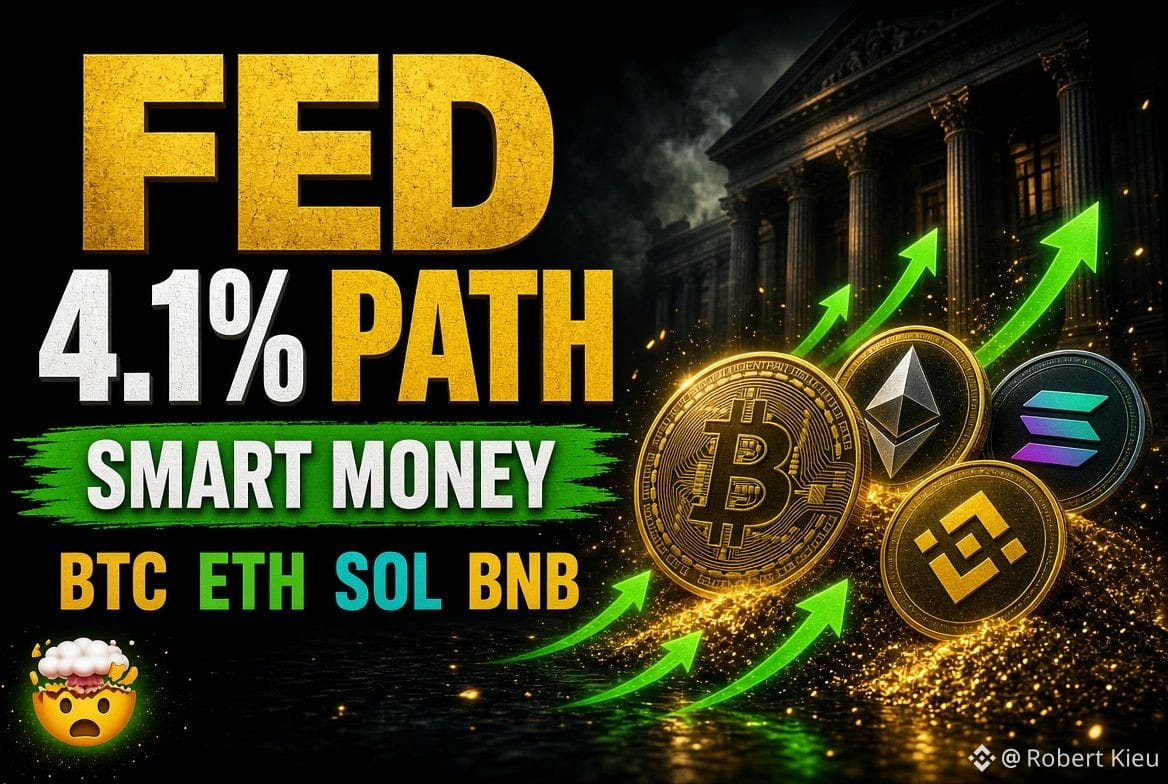
🤯 4.1%の金利ルートをFRBが制す——賢い資金がすでにBTC、ETH、SOL、BNBを静かに囲い込んでいる!
米連邦準備制度(FRB)は、3.75%〜4.00%の目標レンジに対して、全会一致で25ベーシスポイントの利上げを実施しました。重要なのは、2026年9月の経済見通し(SEP)において、年末の中央値の利率見通しが4.1%へ引き上げられたことで、2026年にもう1回の利上げが示唆された点です。
伝統的な株式市場は、ケビン・ウォーシュ議長のタカ派的な発言を受けていったん後退しましたが、暗号資産市場は明確なマクロのロードマップを見ています。機関投資家の流動性はこの「より長く高止まり(higher-for-longer)」を前提に調整済みで、価格を抑え込んでいたマクロ面の不確実性は織り込まれた格好です。マクロの見通しがはっきりすれば、リスク資産への流動性ローテーションが(歴史的に)続く可能性があります。
資金は主要資産にじわりとポジショニング中です:
- ビットコイン( BTC ):粘着的な3.7%のPCEインフレ見通しに対する究極のヘッジであり続けます。
- イーサリアム( ETH ):ネットワーク活動が安定するにつれて、デフレ的なメカニズムがスクイーズ(買い戻し圧力)を起こすのに格好の状況です。
- ソラナ( SOL ):高ベータの市場支配力により、小売の売買(出来高)のリバウンドの最前線に位置しています。
- BNB( BNB ):一貫したエコシステムのバーンが、どのようなマクロ環境でも強いトークノミクスの裏付けになります。
政策担当者18人のうち16人が、2026年の金利を4.00%〜4.25%のレンジに収束させる見通しを示しており、引き締めサイクルのピークがついに見えてきました。デジタル資産の配分担当者は、実際の利下げを待つことが、爆発的な初期の蓄積(アキュミュレーション)局面を逃すことにつながると知っています。この循環的なベースラインを取り込むための窓口は、より広い市場が2027年の見通しに反応する前に狭まっています。
{future}(BNBUSDT)
{future}(ETHUSDT)
{future}(SOLUSDT)
#fedsepprojects2026rateat4.1%
🤯 4.1%の金利ルートをFRBが制す——賢い資金がすでにBTC、ETH、SOL、BNBを静かに囲い込んでいる!
米連邦準備制度(FRB)は、3.75%〜4.00%の目標レンジに対して、全会一致で25ベーシスポイントの利上げを実施しました。重要なのは、2026年9月の経済見通し(SEP)において、年末の中央値の利率見通しが4.1%へ引き上げられたことで、2026年にもう1回の利上げが示唆された点です。
伝統的な株式市場は、ケビン・ウォーシュ議長のタカ派的な発言を受けていったん後退しましたが、暗号資産市場は明確なマクロのロードマップを見ています。機関投資家の流動性はこの「より長く高止まり(higher-for-longer)」を前提に調整済みで、価格を抑え込んでいたマクロ面の不確実性は織り込まれた格好です。マクロの見通しがはっきりすれば、リスク資産への流動性ローテーションが(歴史的に)続く可能性があります。
資金は主要資産にじわりとポジショニング中です:
- ビットコイン( BTC ):粘着的な3.7%のPCEインフレ見通しに対する究極のヘッジであり続けます。
- イーサリアム( ETH ):ネットワーク活動が安定するにつれて、デフレ的なメカニズムがスクイーズ(買い戻し圧力)を起こすのに格好の状況です。
- ソラナ( SOL ):高ベータの市場支配力により、小売の売買(出来高)のリバウンドの最前線に位置しています。
- BNB( BNB ):一貫したエコシステムのバーンが、どのようなマクロ環境でも強いトークノミクスの裏付けになります。
政策担当者18人のうち16人が、2026年の金利を4.00%〜4.25%のレンジに収束させる見通しを示しており、引き締めサイクルのピークがついに見えてきました。デジタル資産の配分担当者は、実際の利下げを待つことが、爆発的な初期の蓄積(アキュミュレーション)局面を逃すことにつながると知っています。この循環的なベースラインを取り込むための窓口は、より広い市場が2027年の見通しに反応する前に狭まっています。
#fedsepprojects2026rateat4.1%
米連邦準備制度(FRB)は、3.75%〜4.00%の目標レンジに対して、全会一致で25ベーシスポイントの利上げを実施しました。重要なのは、2026年9月の経済見通し(SEP)において、年末の中央値の利率見通しが4.1%へ引き上げられたことで、2026年にもう1回の利上げが示唆された点です。
伝統的な株式市場は、ケビン・ウォーシュ議長のタカ派的な発言を受けていったん後退しましたが、暗号資産市場は明確なマクロのロードマップを見ています。機関投資家の流動性はこの「より長く高止まり(higher-for-longer)」を前提に調整済みで、価格を抑え込んでいたマクロ面の不確実性は織り込まれた格好です。マクロの見通しがはっきりすれば、リスク資産への流動性ローテーションが(歴史的に)続く可能性があります。
資金は主要資産にじわりとポジショニング中です:
- ビットコイン( BTC ):粘着的な3.7%のPCEインフレ見通しに対する究極のヘッジであり続けます。
- イーサリアム( ETH ):ネットワーク活動が安定するにつれて、デフレ的なメカニズムがスクイーズ(買い戻し圧力)を起こすのに格好の状況です。
- ソラナ( SOL ):高ベータの市場支配力により、小売の売買(出来高)のリバウンドの最前線に位置しています。
- BNB( BNB ):一貫したエコシステムのバーンが、どのようなマクロ環境でも強いトークノミクスの裏付けになります。
政策担当者18人のうち16人が、2026年の金利を4.00%〜4.25%のレンジに収束させる見通しを示しており、引き締めサイクルのピークがついに見えてきました。デジタル資産の配分担当者は、実際の利下げを待つことが、爆発的な初期の蓄積(アキュミュレーション)局面を逃すことにつながると知っています。この循環的なベースラインを取り込むための窓口は、より広い市場が2027年の見通しに反応する前に狭まっています。
#fedsepprojects2026rateat4.1%
1
2
357
·
--
ブリッシュ
本人確認中
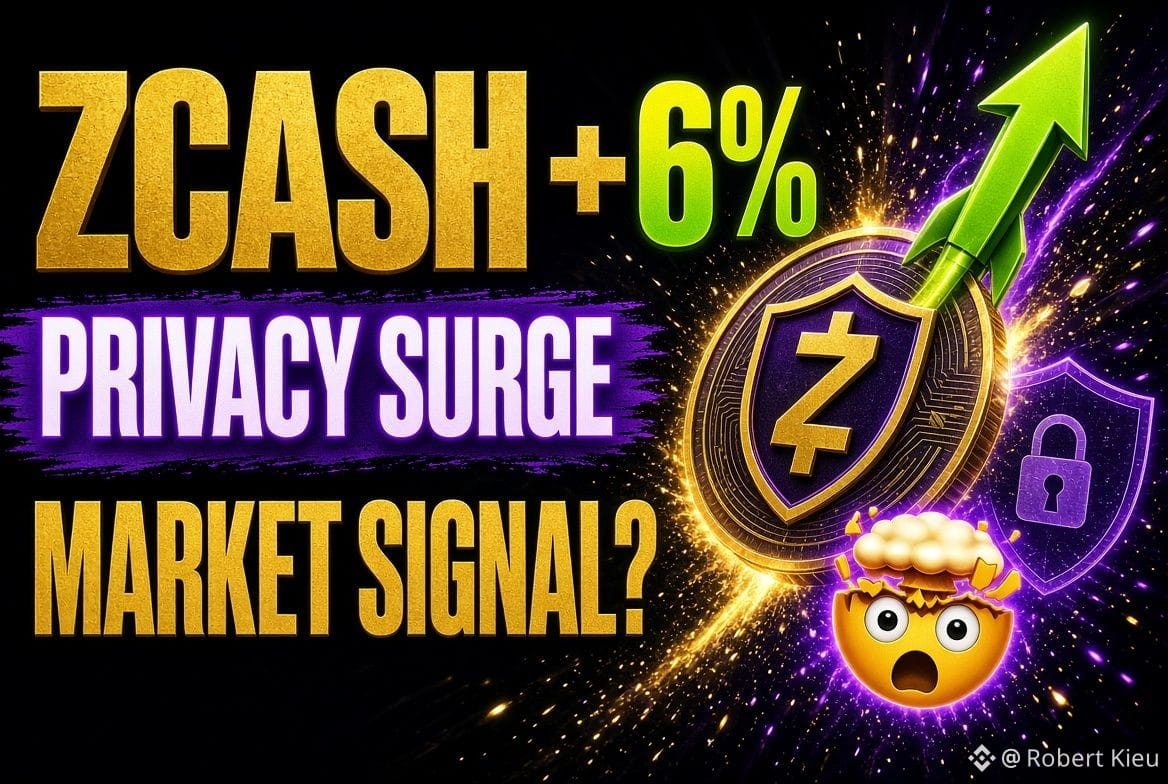
Zcashが6%上昇 🤯 このプライバシートークンの急騰が市場に示すものとは 🚀
$ZEC 最近、約6%(アクティブ・セッションでは10%以上)も上昇し、1,248米ドル前後で推移。24時間の出来高は16.7億ドルに達しています。では、この勢いは実際に何を意味しているのでしょうか?
市場シグナル&オンチェーン指標:
- ガバナンスの大逆転:最近のネットワーク投票で、ネットワーク・アップグレード7(NU7)の承認に2.4百万ZEC以上が参加。狙いは25秒のブロックタイムです。
- シールド供給のロックアップ:約490万$ZEC (供給の約28.9%)がシールド・プールにロックされたまま。これにより、流通している取引所の流動性が引き締められています。
- より広い下落局面からの切り離し:主要アセットがマクロ面の逆風に直面する一方で、$ZEC は強い相対的強さと、活発な価格発見を示しています。
トレーダーにとっての意味:
供給の圧縮に加え、機関投資家の関心が示唆されることから、賢い資金が早い段階でポジションを取りにきている可能性があります。プライバシー・アセットが、より広いトレンドから外れて出来高が急増する場合、過去のパターンでは、統合(コンソリデーション)局面が長く続くことは稀だと示唆されています。いま構造的な変化を逃すと、のちにより高いブレイクアウト水準を追いかけることになりかねません。
{spot}(ZECUSDT)
{future}(ZECUSDT)
#zcashrises6%
Zcashが6%上昇 🤯 このプライバシートークンの急騰が市場に示すものとは 🚀
$ZEC 最近、約6%(アクティブ・セッションでは10%以上)も上昇し、1,248米ドル前後で推移。24時間の出来高は16.7億ドルに達しています。では、この勢いは実際に何を意味しているのでしょうか?
市場シグナル&オンチェーン指標:
- ガバナンスの大逆転:最近のネットワーク投票で、ネットワーク・アップグレード7(NU7)の承認に2.4百万ZEC以上が参加。狙いは25秒のブロックタイムです。
- シールド供給のロックアップ:約490万$ZEC (供給の約28.9%)がシールド・プールにロックされたまま。これにより、流通している取引所の流動性が引き締められています。
- より広い下落局面からの切り離し:主要アセットがマクロ面の逆風に直面する一方で、$ZEC は強い相対的強さと、活発な価格発見を示しています。
トレーダーにとっての意味:
供給の圧縮に加え、機関投資家の関心が示唆されることから、賢い資金が早い段階でポジションを取りにきている可能性があります。プライバシー・アセットが、より広いトレンドから外れて出来高が急増する場合、過去のパターンでは、統合(コンソリデーション)局面が長く続くことは稀だと示唆されています。いま構造的な変化を逃すと、のちにより高いブレイクアウト水準を追いかけることになりかねません。
#zcashrises6%
$ZEC 最近、約6%(アクティブ・セッションでは10%以上)も上昇し、1,248米ドル前後で推移。24時間の出来高は16.7億ドルに達しています。では、この勢いは実際に何を意味しているのでしょうか?
市場シグナル&オンチェーン指標:
- ガバナンスの大逆転:最近のネットワーク投票で、ネットワーク・アップグレード7(NU7)の承認に2.4百万ZEC以上が参加。狙いは25秒のブロックタイムです。
- シールド供給のロックアップ:約490万$ZEC (供給の約28.9%)がシールド・プールにロックされたまま。これにより、流通している取引所の流動性が引き締められています。
- より広い下落局面からの切り離し:主要アセットがマクロ面の逆風に直面する一方で、$ZEC は強い相対的強さと、活発な価格発見を示しています。
トレーダーにとっての意味:
供給の圧縮に加え、機関投資家の関心が示唆されることから、賢い資金が早い段階でポジションを取りにきている可能性があります。プライバシー・アセットが、より広いトレンドから外れて出来高が急増する場合、過去のパターンでは、統合(コンソリデーション)局面が長く続くことは稀だと示唆されています。いま構造的な変化を逃すと、のちにより高いブレイクアウト水準を追いかけることになりかねません。
#zcashrises6%
1
1.2k
·
--
ブリッシュ
本人確認中
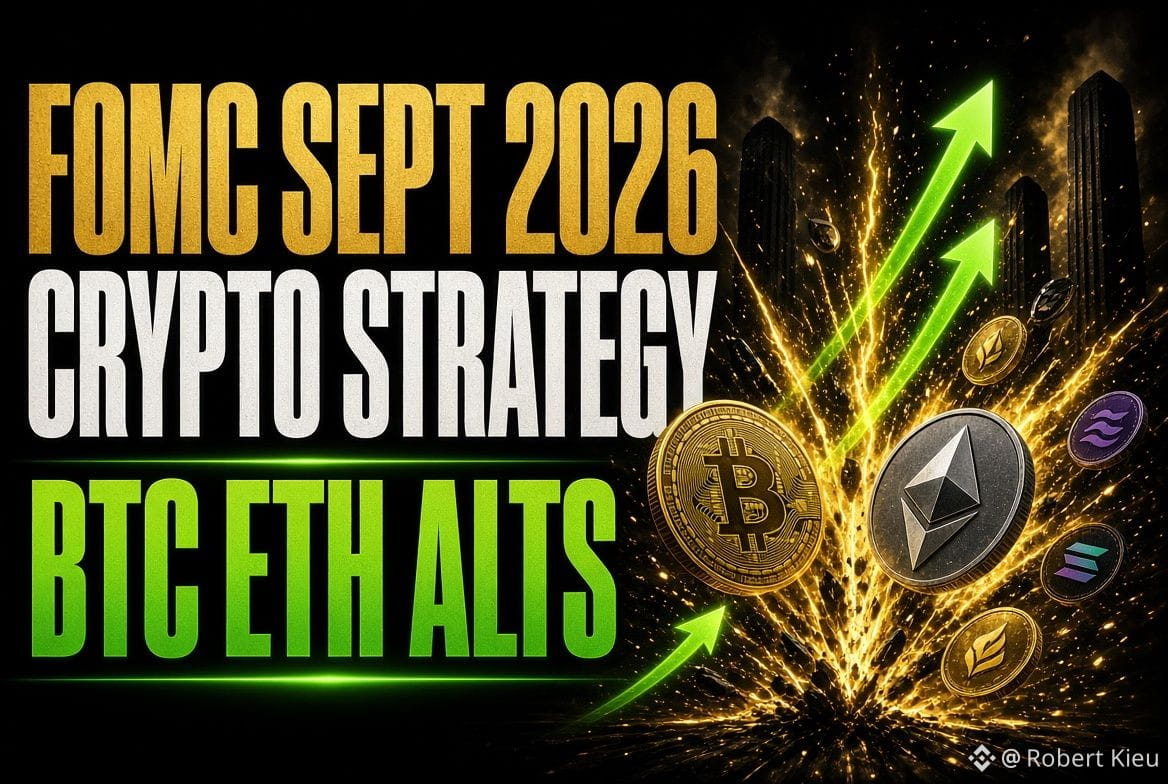
2026年9月 FOMC 🤯 BTC、ETH、アルトコインのための暗号資産戦略
本日、FRB(米連邦準備制度)は9月15〜16日の政策会合を締結します。CPIインフレは依然として約3.4%にとどまり、市場は重要な金利決定に備えて身構えています。世界の市場では、極端なボラティリティが高まっています。
鐘が鳴る前のアセット・ゲームプラン:
$BTC (ビットコイン):主要な防衛ライン付近で堅調に推移。決定前のここでの積み増しは、急激な方向性のスクイーズの前に我慢強い強気派へ報いることが多い。
$ETH (イーサリアム):相対的な強さがしっかりしており、レンジの安定性も保たれている。入ってくる二次流動性(セカンダリー・リクイディティ)を取り込む準備ができている。
アルトコイン(SOL、BNB、XRP、HYPE,...):高ベータのコイルばね。マクロの霧が晴れた瞬間、抑え込まれていたアルトコインは攻撃的で急な再評価(再価格化)にさらされるリスク。
この戦い:公式発表が出る前に、リスク許容度を見直し、狙うエントリー(買い/仕掛け水準)を確定してください。最大の相場の転換は、群衆より前にポジションを取っている人に有利です!
{future}(BNBUSDT)
{future}(ETHUSDT)
{future}(BTCUSDT)
#fedratewatch
2026年9月 FOMC 🤯 BTC、ETH、アルトコインのための暗号資産戦略
本日、FRB(米連邦準備制度)は9月15〜16日の政策会合を締結します。CPIインフレは依然として約3.4%にとどまり、市場は重要な金利決定に備えて身構えています。世界の市場では、極端なボラティリティが高まっています。
鐘が鳴る前のアセット・ゲームプラン:
$BTC (ビットコイン):主要な防衛ライン付近で堅調に推移。決定前のここでの積み増しは、急激な方向性のスクイーズの前に我慢強い強気派へ報いることが多い。
$ETH (イーサリアム):相対的な強さがしっかりしており、レンジの安定性も保たれている。入ってくる二次流動性(セカンダリー・リクイディティ)を取り込む準備ができている。
アルトコイン(SOL、BNB、XRP、HYPE,...):高ベータのコイルばね。マクロの霧が晴れた瞬間、抑え込まれていたアルトコインは攻撃的で急な再評価(再価格化)にさらされるリスク。
この戦い:公式発表が出る前に、リスク許容度を見直し、狙うエントリー(買い/仕掛け水準)を確定してください。最大の相場の転換は、群衆より前にポジションを取っている人に有利です!
#fedratewatch
本日、FRB(米連邦準備制度)は9月15〜16日の政策会合を締結します。CPIインフレは依然として約3.4%にとどまり、市場は重要な金利決定に備えて身構えています。世界の市場では、極端なボラティリティが高まっています。
鐘が鳴る前のアセット・ゲームプラン:
$BTC (ビットコイン):主要な防衛ライン付近で堅調に推移。決定前のここでの積み増しは、急激な方向性のスクイーズの前に我慢強い強気派へ報いることが多い。
$ETH (イーサリアム):相対的な強さがしっかりしており、レンジの安定性も保たれている。入ってくる二次流動性(セカンダリー・リクイディティ)を取り込む準備ができている。
アルトコイン(SOL、BNB、XRP、HYPE,...):高ベータのコイルばね。マクロの霧が晴れた瞬間、抑え込まれていたアルトコインは攻撃的で急な再評価(再価格化)にさらされるリスク。
この戦い:公式発表が出る前に、リスク許容度を見直し、狙うエントリー(買い/仕掛け水準)を確定してください。最大の相場の転換は、群衆より前にポジションを取っている人に有利です!
#fedratewatch
1
699
·
--
ブリッシュ
AIスローダウン・ショックウェーブ 🚀 大手テックの“停止”が暗号資産に放つ放物線級の点火理由
技術セクターに巨大な構造変化が襲いかかった。アンソロピックのCEOダリオ・アモデイは最近、最先端AI開発に向けた協調的な世界的な減速を求め、6〜12か月以内にサイバーおよび自律システムのリスクが差し迫っていると警告した。オープンAIのCEOサム・アルトマン、そしてxAIのイーロン・マスクも直ちにこの見解を支持し、シリコンバレー全域での歴史的な規制の転換を示した。
大手テックが停滞の摩擦に備える一方で、暗号市場ではとてつもない資本の回転が起きている。中央集権の巨人がエンジンを絞る中、分散型・オープンソースのWeb3プロトコルは完全に止められない。従来型AIに生じるこの摩擦こそが、“検閲不能”なAIインフラへの大規模な移行を加速させるまさにその触媒だ。
➡️ 戦略的インパクトの内訳:
- イーサリアム($ETH ):重要な$2,500ゾーンを取り戻し、時価総額は2960億ドル。さらにスポットETFへの資金流入が継続している。企業のクラウドネットワークが社内のガードレール構築のために減速するにつれ、イーサリアムはグローバルなエージェント経済における究極の、検閲されない決済レイヤーとして存在する。
- 分散型AIトークン:中央集権の停止は分散型の計算(コンピュート)には決して届かない。ビットサン($TAO )は、そのサブネット・インフラによって大規模なオープンソースLLMを訓練できることを証明した後、時価総額は堅調に22.1億ドル。さらに、人工超知能同盟($FET )は、その統一されたASIチェーンへの移行が加速することで、21億ドルのバリュエーションを掌握している。
機関投資家の“スマートマネー”は、このボトルネックを静かに先回りしている。中央集権型AIが停止するほど、分散型インフラはスケールする。市場が最終的にこの本質的な価値の回転を価格に織り込む前に、それを取り込むための窓は急速に狭まっている。
{spot}(FETUSDT)
{spot}(TAOUSDT)
{spot}(ETHUSDT)
#anthropicceocallsforaislowdown
AIスローダウン・ショックウェーブ 🚀 大手テックの“停止”が暗号資産に放つ放物線級の点火理由
技術セクターに巨大な構造変化が襲いかかった。アンソロピックのCEOダリオ・アモデイは最近、最先端AI開発に向けた協調的な世界的な減速を求め、6〜12か月以内にサイバーおよび自律システムのリスクが差し迫っていると警告した。オープンAIのCEOサム・アルトマン、そしてxAIのイーロン・マスクも直ちにこの見解を支持し、シリコンバレー全域での歴史的な規制の転換を示した。
大手テックが停滞の摩擦に備える一方で、暗号市場ではとてつもない資本の回転が起きている。中央集権の巨人がエンジンを絞る中、分散型・オープンソースのWeb3プロトコルは完全に止められない。従来型AIに生じるこの摩擦こそが、“検閲不能”なAIインフラへの大規模な移行を加速させるまさにその触媒だ。
➡️ 戦略的インパクトの内訳:
- イーサリアム($ETH ):重要な$2,500ゾーンを取り戻し、時価総額は2960億ドル。さらにスポットETFへの資金流入が継続している。企業のクラウドネットワークが社内のガードレール構築のために減速するにつれ、イーサリアムはグローバルなエージェント経済における究極の、検閲されない決済レイヤーとして存在する。
- 分散型AIトークン:中央集権の停止は分散型の計算(コンピュート)には決して届かない。ビットサン($TAO )は、そのサブネット・インフラによって大規模なオープンソースLLMを訓練できることを証明した後、時価総額は堅調に22.1億ドル。さらに、人工超知能同盟($FET )は、その統一されたASIチェーンへの移行が加速することで、21億ドルのバリュエーションを掌握している。
機関投資家の“スマートマネー”は、このボトルネックを静かに先回りしている。中央集権型AIが停止するほど、分散型インフラはスケールする。市場が最終的にこの本質的な価値の回転を価格に織り込む前に、それを取り込むための窓は急速に狭まっている。
#anthropicceocallsforaislowdown
技術セクターに巨大な構造変化が襲いかかった。アンソロピックのCEOダリオ・アモデイは最近、最先端AI開発に向けた協調的な世界的な減速を求め、6〜12か月以内にサイバーおよび自律システムのリスクが差し迫っていると警告した。オープンAIのCEOサム・アルトマン、そしてxAIのイーロン・マスクも直ちにこの見解を支持し、シリコンバレー全域での歴史的な規制の転換を示した。
大手テックが停滞の摩擦に備える一方で、暗号市場ではとてつもない資本の回転が起きている。中央集権の巨人がエンジンを絞る中、分散型・オープンソースのWeb3プロトコルは完全に止められない。従来型AIに生じるこの摩擦こそが、“検閲不能”なAIインフラへの大規模な移行を加速させるまさにその触媒だ。
➡️ 戦略的インパクトの内訳:
- イーサリアム($ETH ):重要な$2,500ゾーンを取り戻し、時価総額は2960億ドル。さらにスポットETFへの資金流入が継続している。企業のクラウドネットワークが社内のガードレール構築のために減速するにつれ、イーサリアムはグローバルなエージェント経済における究極の、検閲されない決済レイヤーとして存在する。
- 分散型AIトークン:中央集権の停止は分散型の計算(コンピュート)には決して届かない。ビットサン($TAO )は、そのサブネット・インフラによって大規模なオープンソースLLMを訓練できることを証明した後、時価総額は堅調に22.1億ドル。さらに、人工超知能同盟($FET )は、その統一されたASIチェーンへの移行が加速することで、21億ドルのバリュエーションを掌握している。
機関投資家の“スマートマネー”は、このボトルネックを静かに先回りしている。中央集権型AIが停止するほど、分散型インフラはスケールする。市場が最終的にこの本質的な価値の回転を価格に織り込む前に、それを取り込むための窓は急速に狭まっている。
#anthropicceocallsforaislowdown

3
2.4k
·
--
ブリッシュ
短期の清算で急騰するイーサリアム 🤯 次はアルトコイン・シーズン?
イーサリアムは最近、短期ポジションが3億ドル超で一掃されることで「イーサの上昇(Ether Rally)」を引き起こしました。だが、これで本当にフルのアルトコイン・シーズンが到来したのでしょうか?
市場データ概要(2026年9月):
- $ETH 短期清算:24時間で$300M超。
- ビットコイン・ドミナンス:約60.15%(堅調)。
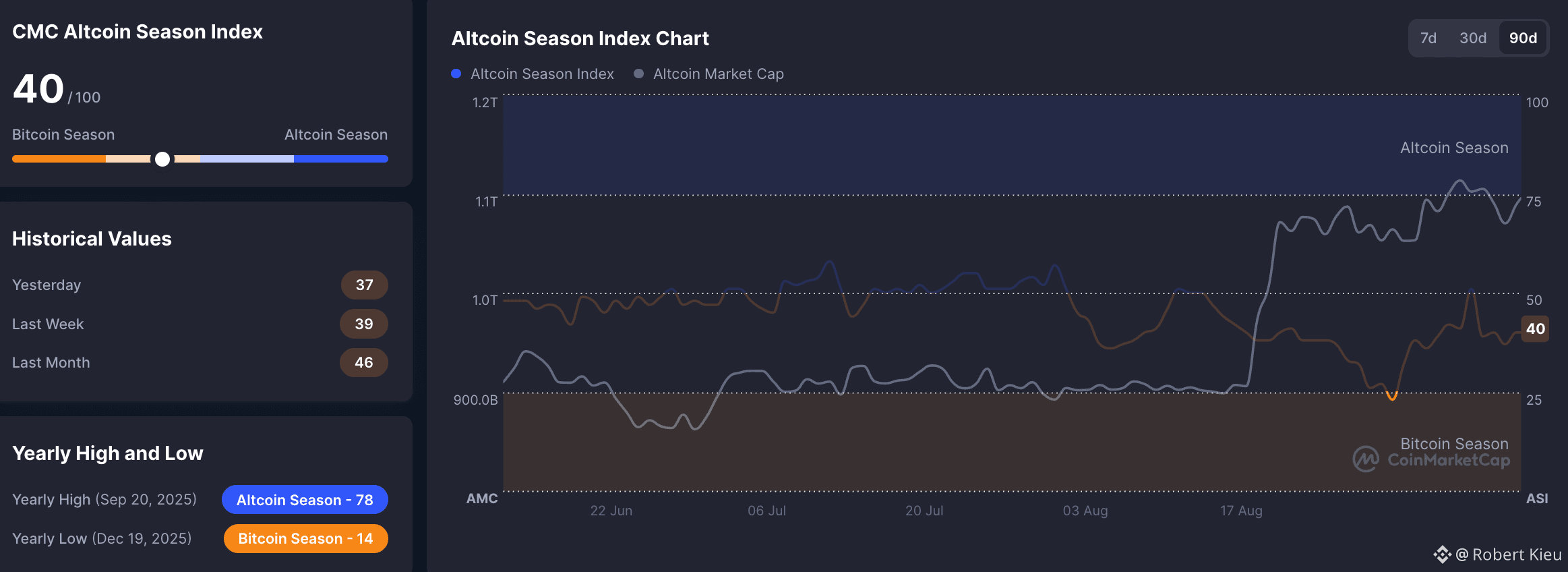
- アルトコイン・シーズン・インデックス:34〜39(75のしきい値を下回る)。
$ETH は清算と機関投資家の資金流入から恩恵を受けていますが、アルトコイン・シーズン・インデックスを通じた幅広いデータでは、資金が依然として選別的であることが示されています。大きな流動性を捉えられるのは上位の銘柄のみです。
より大きな上昇に向けて、静かな蓄積フェーズが準備されているのでしょうか?
初期のセクター回転を捉えることで、勢いが加速する前にポートフォリオを群衆より先に位置付けられます。重要なレジスタンス水準から目を離さないでください!
#etherralliesasbearishbetsliquidate
短期の清算で急騰するイーサリアム 🤯 次はアルトコイン・シーズン?
イーサリアムは最近、短期ポジションが3億ドル超で一掃されることで「イーサの上昇(Ether Rally)」を引き起こしました。だが、これで本当にフルのアルトコイン・シーズンが到来したのでしょうか?
市場データ概要(2026年9月):
- $ETH 短期清算:24時間で$300M超。
- ビットコイン・ドミナンス:約60.15%(堅調)。
- アルトコイン・シーズン・インデックス:34〜39(75のしきい値を下回る)。
$ETH は清算と機関投資家の資金流入から恩恵を受けていますが、アルトコイン・シーズン・インデックスを通じた幅広いデータでは、資金が依然として選別的であることが示されています。大きな流動性を捉えられるのは上位の銘柄のみです。
より大きな上昇に向けて、静かな蓄積フェーズが準備されているのでしょうか?
初期のセクター回転を捉えることで、勢いが加速する前にポートフォリオを群衆より先に位置付けられます。重要なレジスタンス水準から目を離さないでください!
#etherralliesasbearishbetsliquidate
イーサリアムは最近、短期ポジションが3億ドル超で一掃されることで「イーサの上昇(Ether Rally)」を引き起こしました。だが、これで本当にフルのアルトコイン・シーズンが到来したのでしょうか?
市場データ概要(2026年9月):
- $ETH 短期清算:24時間で$300M超。
- ビットコイン・ドミナンス:約60.15%(堅調)。
- アルトコイン・シーズン・インデックス:34〜39(75のしきい値を下回る)。
$ETH は清算と機関投資家の資金流入から恩恵を受けていますが、アルトコイン・シーズン・インデックスを通じた幅広いデータでは、資金が依然として選別的であることが示されています。大きな流動性を捉えられるのは上位の銘柄のみです。
より大きな上昇に向けて、静かな蓄積フェーズが準備されているのでしょうか?
初期のセクター回転を捉えることで、勢いが加速する前にポートフォリオを群衆より先に位置付けられます。重要なレジスタンス水準から目を離さないでください!
#etherralliesasbearishbetsliquidate
3
7
11.1k
·
--
ブリッシュ
米国10年国債利回りが4.85%に到達:$ETH とアルトコインの“隠れた触媒” 😍
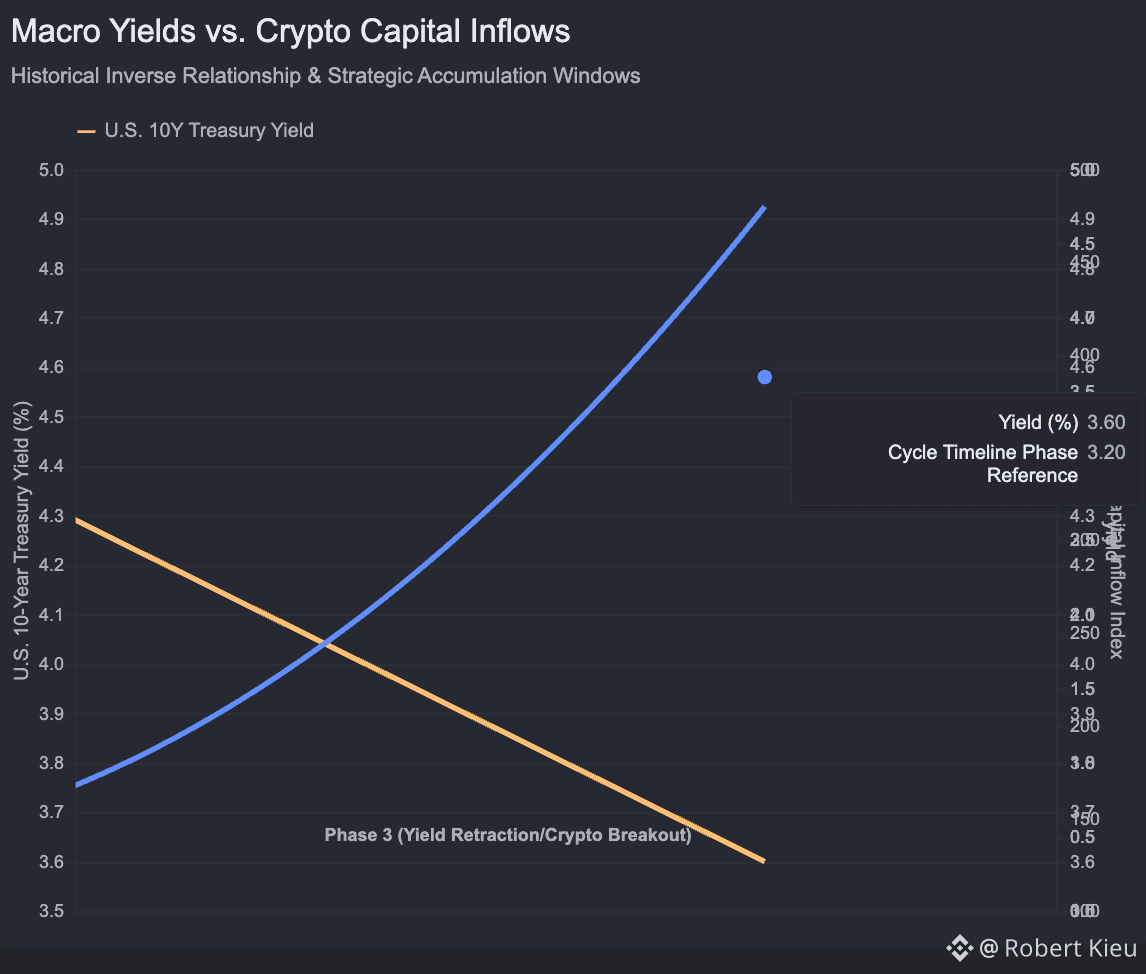
米国10年国債利回りが最近4.85%まで急騰し、2023年11月以来の高水準に達しました。インフレ懸念と財政面の圧力によって引き起こされたこの急騰は、デジタル資産にとって重要な分岐点を生み出しています。
仮想通貨へのマクロ経済的影響:
- リスクオフ志向:リスクフリーで4.85%のリターンは、機関投資家の資金を伝統的な債券へ引き寄せ、リスクオン分野の流動性を圧迫します。
- $ETH が圧力下に:利回りの上昇は機会費用を高めるため、イーサリアムは短期的な逆風に直面し、強気の資金流入が鈍化します。
- アルトコインのボラティリティ:ベータの高いアルトコインは流動性の収縮がより深く、弱いプロジェクトと回復力のあるネットワークを切り分けます。
歴史的に、最も強いリスクオフ志向は、構造的に作り込む人にとっての“金融リスクの底”を意味します。忍耐強い資本は明日のグリーンキャンドルを買うものではありません。今日のレッドな圧力鍋の中に蓄えられていくのです。
#us10ytreasuryyieldhitshighestsincenov2023
{future}(BNBUSDT)
{future}(SOLUSDT)
{future}(ETHUSDT)
米国10年国債利回りが4.85%に到達:$ETH とアルトコインの“隠れた触媒” 😍
米国10年国債利回りが最近4.85%まで急騰し、2023年11月以来の高水準に達しました。インフレ懸念と財政面の圧力によって引き起こされたこの急騰は、デジタル資産にとって重要な分岐点を生み出しています。
仮想通貨へのマクロ経済的影響:
- リスクオフ志向:リスクフリーで4.85%のリターンは、機関投資家の資金を伝統的な債券へ引き寄せ、リスクオン分野の流動性を圧迫します。
- $ETH が圧力下に:利回りの上昇は機会費用を高めるため、イーサリアムは短期的な逆風に直面し、強気の資金流入が鈍化します。
- アルトコインのボラティリティ:ベータの高いアルトコインは流動性の収縮がより深く、弱いプロジェクトと回復力のあるネットワークを切り分けます。
歴史的に、最も強いリスクオフ志向は、構造的に作り込む人にとっての“金融リスクの底”を意味します。忍耐強い資本は明日のグリーンキャンドルを買うものではありません。今日のレッドな圧力鍋の中に蓄えられていくのです。
#us10ytreasuryyieldhitshighestsincenov2023
米国10年国債利回りが最近4.85%まで急騰し、2023年11月以来の高水準に達しました。インフレ懸念と財政面の圧力によって引き起こされたこの急騰は、デジタル資産にとって重要な分岐点を生み出しています。
仮想通貨へのマクロ経済的影響:
- リスクオフ志向:リスクフリーで4.85%のリターンは、機関投資家の資金を伝統的な債券へ引き寄せ、リスクオン分野の流動性を圧迫します。
- $ETH が圧力下に:利回りの上昇は機会費用を高めるため、イーサリアムは短期的な逆風に直面し、強気の資金流入が鈍化します。
- アルトコインのボラティリティ:ベータの高いアルトコインは流動性の収縮がより深く、弱いプロジェクトと回復力のあるネットワークを切り分けます。
歴史的に、最も強いリスクオフ志向は、構造的に作り込む人にとっての“金融リスクの底”を意味します。忍耐強い資本は明日のグリーンキャンドルを買うものではありません。今日のレッドな圧力鍋の中に蓄えられていくのです。
#us10ytreasuryyieldhitshighestsincenov2023
4
889
·
--
ブリッシュ
AEROトークンが24時間で17%爆発:DeFiのブレイクアウトは目前か?
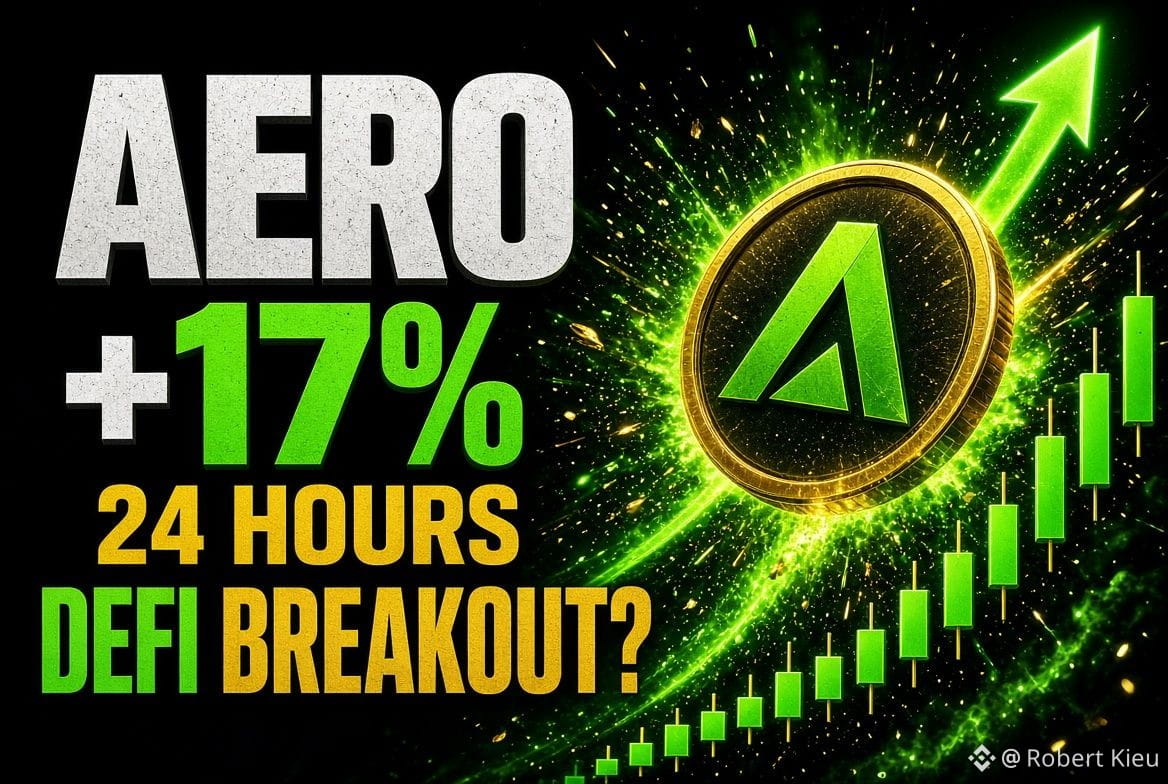
Aerodrome Finance $AERO は、主要な日次の上昇銘柄として台頭し、17.05%上昇してローカル高値$0.635を記録した。24時間取引高が303%という大幅な急騰を見せ、$161百万に到達したことが追い風となり、市場の流動性はBaseエコシステムの主要な分散型取引所(DEX)ハブへ急速に移行している。
急騰をけん引する主要指標:
- 価格上昇:過去1日で+17.05%から$0.635へ。
- 取引量の急増:300%超に跳ね上がり、$161M。
- テクニカル・ブレイクアウト:$0.60の複数週にわたるレジスタンス上限を突破。
なぜAerodrome Financeが上昇しているのか:
CoinbaseのLayer-2 Baseネットワークにおけるネットワーク効果が加速している。$AERO は、現実世界資産(RWA)として新たにトークン化されたものや、強く期待されるエコシステム・トークンのローンチに対して流動性ルーティングを可能にすることで、大量の資金流入を吸収している。
技術的には、$AERO の指数移動平均(EMA)が日足チャート上で強い強気構造へと積み上がっている。買い手が新たな$0.60のサポートフリップをうまく防衛できれば、次の心理的ターゲットである$0.70へ向けた明確なマクロの道筋が開ける。
マクロの勢いが変化:
ユーティリティ資産が、横ばいのより広い市場に対してブレイクアウトするような局面は、賢い資金が次にどこへ位置づくかを示す初期シグナルとなることが多い。Baseプロトコルへの流動性が大きく集中している中で、傍観していると、このエコシステム・サイクルにおける土台となる蓄積フェーズを取り逃がすリスクがある。
{future}(AEROUSDT)
#aerosurges17%in24hours
AEROトークンが24時間で17%爆発:DeFiのブレイクアウトは目前か?
Aerodrome Finance $AERO は、主要な日次の上昇銘柄として台頭し、17.05%上昇してローカル高値$0.635を記録した。24時間取引高が303%という大幅な急騰を見せ、$161百万に到達したことが追い風となり、市場の流動性はBaseエコシステムの主要な分散型取引所(DEX)ハブへ急速に移行している。
急騰をけん引する主要指標:
- 価格上昇:過去1日で+17.05%から$0.635へ。
- 取引量の急増:300%超に跳ね上がり、$161M。
- テクニカル・ブレイクアウト:$0.60の複数週にわたるレジスタンス上限を突破。
なぜAerodrome Financeが上昇しているのか:
CoinbaseのLayer-2 Baseネットワークにおけるネットワーク効果が加速している。$AERO は、現実世界資産(RWA)として新たにトークン化されたものや、強く期待されるエコシステム・トークンのローンチに対して流動性ルーティングを可能にすることで、大量の資金流入を吸収している。
技術的には、$AERO の指数移動平均(EMA)が日足チャート上で強い強気構造へと積み上がっている。買い手が新たな$0.60のサポートフリップをうまく防衛できれば、次の心理的ターゲットである$0.70へ向けた明確なマクロの道筋が開ける。
マクロの勢いが変化:
ユーティリティ資産が、横ばいのより広い市場に対してブレイクアウトするような局面は、賢い資金が次にどこへ位置づくかを示す初期シグナルとなることが多い。Baseプロトコルへの流動性が大きく集中している中で、傍観していると、このエコシステム・サイクルにおける土台となる蓄積フェーズを取り逃がすリスクがある。
#aerosurges17%in24hours
Aerodrome Finance $AERO は、主要な日次の上昇銘柄として台頭し、17.05%上昇してローカル高値$0.635を記録した。24時間取引高が303%という大幅な急騰を見せ、$161百万に到達したことが追い風となり、市場の流動性はBaseエコシステムの主要な分散型取引所(DEX)ハブへ急速に移行している。
急騰をけん引する主要指標:
- 価格上昇:過去1日で+17.05%から$0.635へ。
- 取引量の急増:300%超に跳ね上がり、$161M。
- テクニカル・ブレイクアウト:$0.60の複数週にわたるレジスタンス上限を突破。
なぜAerodrome Financeが上昇しているのか:
CoinbaseのLayer-2 Baseネットワークにおけるネットワーク効果が加速している。$AERO は、現実世界資産(RWA)として新たにトークン化されたものや、強く期待されるエコシステム・トークンのローンチに対して流動性ルーティングを可能にすることで、大量の資金流入を吸収している。
技術的には、$AERO の指数移動平均(EMA)が日足チャート上で強い強気構造へと積み上がっている。買い手が新たな$0.60のサポートフリップをうまく防衛できれば、次の心理的ターゲットである$0.70へ向けた明確なマクロの道筋が開ける。
マクロの勢いが変化:
ユーティリティ資産が、横ばいのより広い市場に対してブレイクアウトするような局面は、賢い資金が次にどこへ位置づくかを示す初期シグナルとなることが多い。Baseプロトコルへの流動性が大きく集中している中で、傍観していると、このエコシステム・サイクルにおける土台となる蓄積フェーズを取り逃がすリスクがある。
#aerosurges17%in24hours
1
350
·
--
ブリッシュ
エルサルバドルのビットコイン戦略:ゼロの公的資金、巨大なソブリンの上振れ 🚀🤯
国際通貨基金による最近の検証により、エルサルバドルの進行中の$BTC accumulationは公的資金を一切使用しておらず、直近の成長はすべて民間の寄付によってのみもたらされていることが確認されました。
この画期的な明確化により、拡大信用供与枠(Extended Fund Facility)のうち14億ドルのプログラムに基づく1億4000万ドルの支出が認められることになり、ソブリンによる暗号資産の統合は、国家財政を毀損せずにグローバルなマクロ面のコンプライアンスとも両立し得ることが証明されています。
市場への示唆と見通し:
$BTC
政府が直接の公的購入から後退し、Chivoウォレットの運用を民間に移すことで、エルサルバドルは実質的にリスクのないバランスシートモデルを制度化したと言えます。
ソブリンによる採用が、国家のGDPが見込み4.5%へ向けて拡大していく中で、コストゼロの積み増しゲームへと変わっていくにつれ、初期段階での希薄化のないポジショニングは、現代的な資産戦略における見本のようになってきています。このサイクルで、国家がデジタルの希少性を静かに確保する方法の見落としが最大の見落としになるかもしれません。
#imfsayselsalvadorbtcnopublicfunds
{future}(BTCUSDT)
エルサルバドルのビットコイン戦略:ゼロの公的資金、巨大なソブリンの上振れ 🚀🤯
国際通貨基金による最近の検証により、エルサルバドルの進行中の$BTC accumulationは公的資金を一切使用しておらず、直近の成長はすべて民間の寄付によってのみもたらされていることが確認されました。
この画期的な明確化により、拡大信用供与枠(Extended Fund Facility)のうち14億ドルのプログラムに基づく1億4000万ドルの支出が認められることになり、ソブリンによる暗号資産の統合は、国家財政を毀損せずにグローバルなマクロ面のコンプライアンスとも両立し得ることが証明されています。
市場への示唆と見通し:
$BTC
政府が直接の公的購入から後退し、Chivoウォレットの運用を民間に移すことで、エルサルバドルは実質的にリスクのないバランスシートモデルを制度化したと言えます。
ソブリンによる採用が、国家のGDPが見込み4.5%へ向けて拡大していく中で、コストゼロの積み増しゲームへと変わっていくにつれ、初期段階での希薄化のないポジショニングは、現代的な資産戦略における見本のようになってきています。このサイクルで、国家がデジタルの希少性を静かに確保する方法の見落としが最大の見落としになるかもしれません。
#imfsayselsalvadorbtcnopublicfunds
国際通貨基金による最近の検証により、エルサルバドルの進行中の$BTC accumulationは公的資金を一切使用しておらず、直近の成長はすべて民間の寄付によってのみもたらされていることが確認されました。
この画期的な明確化により、拡大信用供与枠(Extended Fund Facility)のうち14億ドルのプログラムに基づく1億4000万ドルの支出が認められることになり、ソブリンによる暗号資産の統合は、国家財政を毀損せずにグローバルなマクロ面のコンプライアンスとも両立し得ることが証明されています。
市場への示唆と見通し:
$BTC
政府が直接の公的購入から後退し、Chivoウォレットの運用を民間に移すことで、エルサルバドルは実質的にリスクのないバランスシートモデルを制度化したと言えます。
ソブリンによる採用が、国家のGDPが見込み4.5%へ向けて拡大していく中で、コストゼロの積み増しゲームへと変わっていくにつれ、初期段階での希薄化のないポジショニングは、現代的な資産戦略における見本のようになってきています。このサイクルで、国家がデジタルの希少性を静かに確保する方法の見落としが最大の見落としになるかもしれません。
#imfsayselsalvadorbtcnopublicfunds
1
124
·
--
ブリッシュ
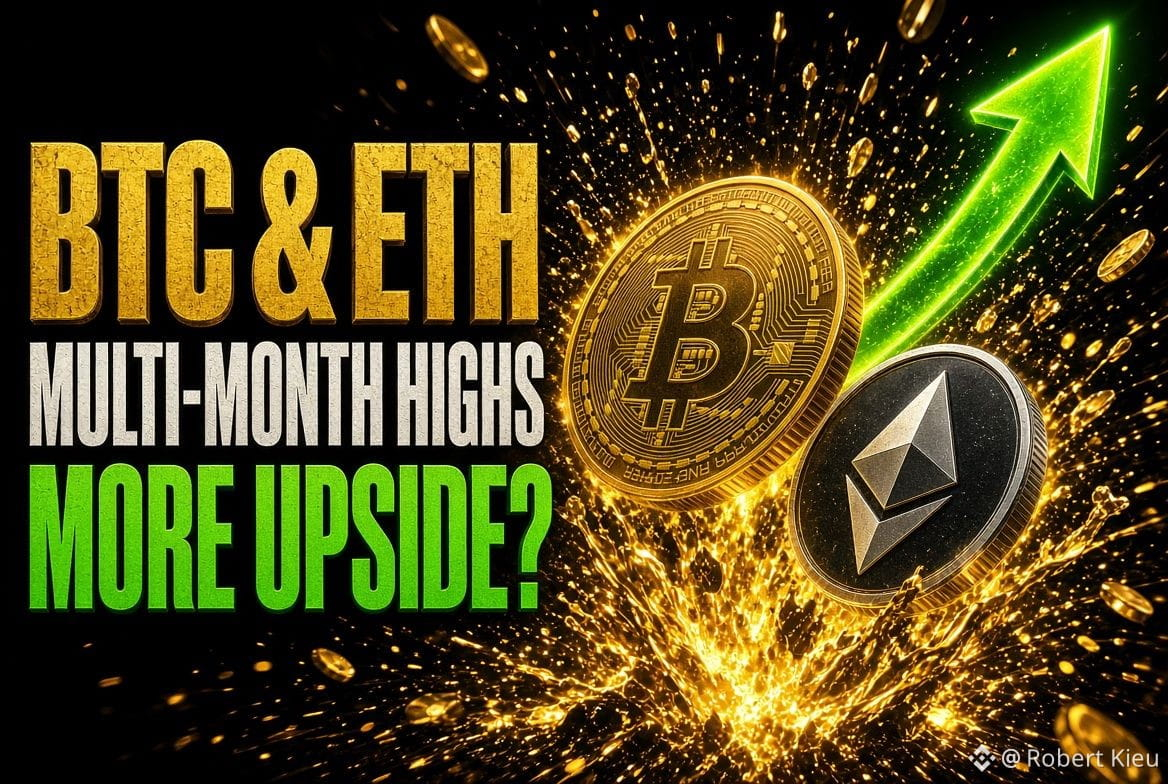
$BTC と$ETH は、力強い複数か月高値を形成しました。企業の財務戦略の変化とマクロの金利政策の転換に後押しされ、両資産はローカルなレジスタンスを突破しています。
🔎 主要な触媒分析:
- FRBの転換期待: FRB理事クリストファー・ウォーラー氏は、潜在的な利上げ停止を示唆しました。これにより10年国債利回りは4.76%付近まで低下し、資本がリスクオンの暗号資産へと流入しました。
- 機関投資家需要の再編: 4億ドル超のショート清算が、局所的な市場の急激な調整を引き起こしました。同時に、現物BTC ETFは1億100万ドルの強い純流入を記録しました。
- 企業戦略: RemixpointのようにアルトコインをBTCのみに清算する戦略的再配分は、ビットコインの優位性を59.3%まで強化しました。
💻 テクニカル見通し & 成長余地:
📈 BTC目標レンジ: $82,000 - $83,000(直近レジスタンス)
📉 BTCサポート水準: $80,000(心理的下値)
- ビットコイン($79,846): $BTC は20日、50日、200日EMAをしっかり上回っています。心理的節目である$80,000を以前のレジスタンスから明確なサポートへ転換することが重要です。$82,000を明確にブレイクすれば、中期目標として$85,000付近が視野に入ります。
- イーサリアム($2,506): $2,500の回復は、短期的な安定化を示します。小幅な現物ETF流出があったものの、$2,528-$2,555のレンジを解消できれば、$2,800の大きなレジスタンス帯への道が開けます。
#bitcoinethereumhitmultimonthhighs
{future}(ETHUSDT)
{future}(BTCUSDT)
$BTC と$ETH は、力強い複数か月高値を形成しました。企業の財務戦略の変化とマクロの金利政策の転換に後押しされ、両資産はローカルなレジスタンスを突破しています。
🔎 主要な触媒分析:
- FRBの転換期待: FRB理事クリストファー・ウォーラー氏は、潜在的な利上げ停止を示唆しました。これにより10年国債利回りは4.76%付近まで低下し、資本がリスクオンの暗号資産へと流入しました。
- 機関投資家需要の再編: 4億ドル超のショート清算が、局所的な市場の急激な調整を引き起こしました。同時に、現物BTC ETFは1億100万ドルの強い純流入を記録しました。
- 企業戦略: RemixpointのようにアルトコインをBTCのみに清算する戦略的再配分は、ビットコインの優位性を59.3%まで強化しました。
💻 テクニカル見通し & 成長余地:
📈 BTC目標レンジ: $82,000 - $83,000(直近レジスタンス)
📉 BTCサポート水準: $80,000(心理的下値)
- ビットコイン($79,846): $BTC は20日、50日、200日EMAをしっかり上回っています。心理的節目である$80,000を以前のレジスタンスから明確なサポートへ転換することが重要です。$82,000を明確にブレイクすれば、中期目標として$85,000付近が視野に入ります。
- イーサリアム($2,506): $2,500の回復は、短期的な安定化を示します。小幅な現物ETF流出があったものの、$2,528-$2,555のレンジを解消できれば、$2,800の大きなレジスタンス帯への道が開けます。
#bitcoinethereumhitmultimonthhighs
🔎 主要な触媒分析:
- FRBの転換期待: FRB理事クリストファー・ウォーラー氏は、潜在的な利上げ停止を示唆しました。これにより10年国債利回りは4.76%付近まで低下し、資本がリスクオンの暗号資産へと流入しました。
- 機関投資家需要の再編: 4億ドル超のショート清算が、局所的な市場の急激な調整を引き起こしました。同時に、現物BTC ETFは1億100万ドルの強い純流入を記録しました。
- 企業戦略: RemixpointのようにアルトコインをBTCのみに清算する戦略的再配分は、ビットコインの優位性を59.3%まで強化しました。
💻 テクニカル見通し & 成長余地:
📈 BTC目標レンジ: $82,000 - $83,000(直近レジスタンス)
📉 BTCサポート水準: $80,000(心理的下値)
- ビットコイン($79,846): $BTC は20日、50日、200日EMAをしっかり上回っています。心理的節目である$80,000を以前のレジスタンスから明確なサポートへ転換することが重要です。$82,000を明確にブレイクすれば、中期目標として$85,000付近が視野に入ります。
- イーサリアム($2,506): $2,500の回復は、短期的な安定化を示します。小幅な現物ETF流出があったものの、$2,528-$2,555のレンジを解消できれば、$2,800の大きなレジスタンス帯への道が開けます。
#bitcoinethereumhitmultimonthhighs
2
837
·
--
ブリッシュ
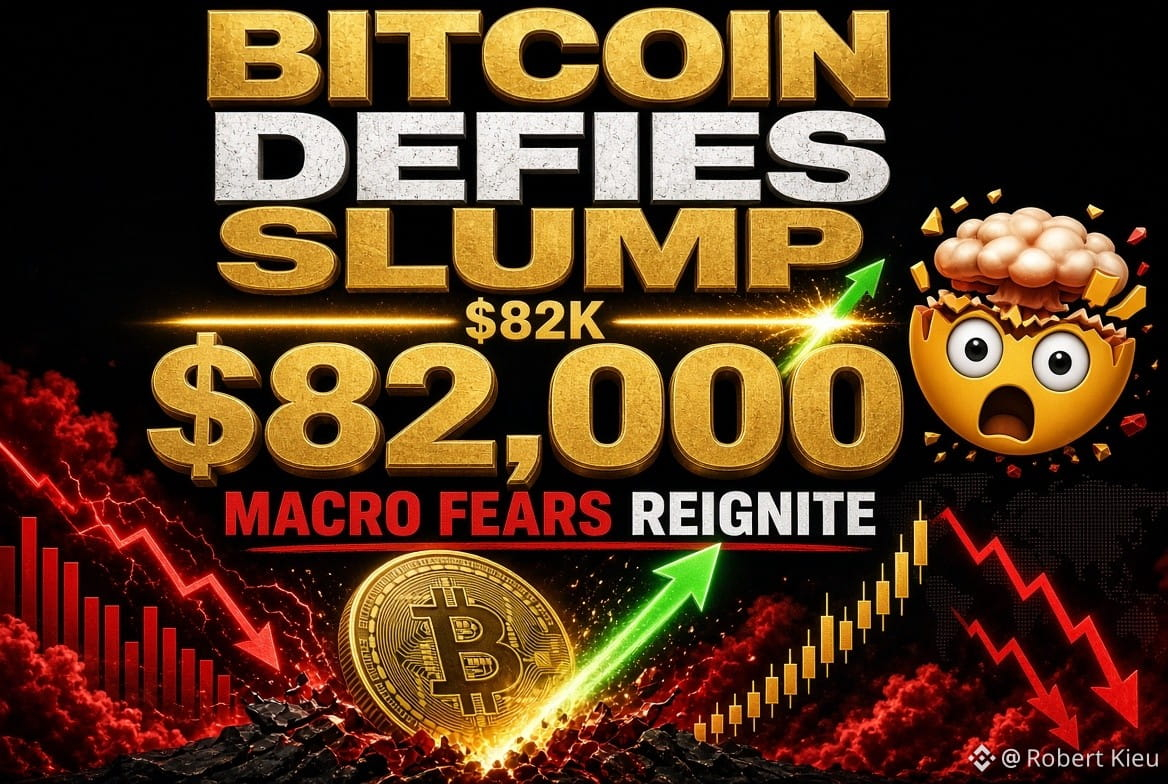
ビットコインが下落局面に逆行し、マクロ不安再燃で82,000ドル超え 🤯
$BTC は2026年9月4日、重要な82,000ドルのレジスタンスを突き抜け、日中高値82,108ドルを記録した。この爆発的な1日での5.3%のブレイクアウトは、8月下旬の鈍い持ち合いを完全に打ち消した。急騰の背景には、米ドルの「デススパイラル」への懸念の高まりによる強い安全資産需要に加え、大規模な強制ショート清算の波があった。
📊 最新の市場動向 & データ:
- 日中高値終値: $82,108.00
- 24時間上昇率: +5.32%($81,222付近で取引)
- 月間モメンタム: 過去30日で+26.15%
- ショートポジション清算: 4時間で1億6,400万ドル超が消失。
- 世界の暗号資産時価総額: 2.72兆ドルを回復。
🔎 $82Kブレイクアウトの背後にある主要要因 ($BTC ):
- 「デベースメント・トレード」の加速: アーサー・ヘイズのような著名マクロアナリストによる警告を受け、投資家は再び実物資産へと資金を向けている。財務長官スコット・ベッセントによる構造的な市場介入が予想され、法定通貨の長期的なインフレ不安をあおっている。
- 利上げ確率の変化: CME FedWatch Toolによると、9月の利上げが市場で織り込まれる確率は五分五分まで低下した。タカ派的な金融政策への懸念が和らいだことで、機関投資家の資金は直ちにボラティリティの高いリスク資産へ戻った。
- 規制面での追い風が迫る: 9月15日に予定されているCLARITY法の打ち切り採決に対する幅広い政治的支持は、機関投資家による積み増しを支える、非常に強固な長期的下値支持を引き続き提供している。
テクニカル指標は82,100ドル付近 ($BTC ) で短期的な買われ過ぎを示している一方、この水準を週足で明確に上抜ければ、機関投資家の目標はさらに上方へと広がり、第3四半期後半に向けて84,000ドルから86,000ドルのゾーンが視野に入る。
{future}(BTCUSDT)
#BTCTops$80K
ビットコインが下落局面に逆行し、マクロ不安再燃で82,000ドル超え 🤯
$BTC は2026年9月4日、重要な82,000ドルのレジスタンスを突き抜け、日中高値82,108ドルを記録した。この爆発的な1日での5.3%のブレイクアウトは、8月下旬の鈍い持ち合いを完全に打ち消した。急騰の背景には、米ドルの「デススパイラル」への懸念の高まりによる強い安全資産需要に加え、大規模な強制ショート清算の波があった。
📊 最新の市場動向 & データ:
- 日中高値終値: $82,108.00
- 24時間上昇率: +5.32%($81,222付近で取引)
- 月間モメンタム: 過去30日で+26.15%
- ショートポジション清算: 4時間で1億6,400万ドル超が消失。
- 世界の暗号資産時価総額: 2.72兆ドルを回復。
🔎 $82Kブレイクアウトの背後にある主要要因 ($BTC ):
- 「デベースメント・トレード」の加速: アーサー・ヘイズのような著名マクロアナリストによる警告を受け、投資家は再び実物資産へと資金を向けている。財務長官スコット・ベッセントによる構造的な市場介入が予想され、法定通貨の長期的なインフレ不安をあおっている。
- 利上げ確率の変化: CME FedWatch Toolによると、9月の利上げが市場で織り込まれる確率は五分五分まで低下した。タカ派的な金融政策への懸念が和らいだことで、機関投資家の資金は直ちにボラティリティの高いリスク資産へ戻った。
- 規制面での追い風が迫る: 9月15日に予定されているCLARITY法の打ち切り採決に対する幅広い政治的支持は、機関投資家による積み増しを支える、非常に強固な長期的下値支持を引き続き提供している。
テクニカル指標は82,100ドル付近 ($BTC ) で短期的な買われ過ぎを示している一方、この水準を週足で明確に上抜ければ、機関投資家の目標はさらに上方へと広がり、第3四半期後半に向けて84,000ドルから86,000ドルのゾーンが視野に入る。
#BTCTops$80K
$BTC は2026年9月4日、重要な82,000ドルのレジスタンスを突き抜け、日中高値82,108ドルを記録した。この爆発的な1日での5.3%のブレイクアウトは、8月下旬の鈍い持ち合いを完全に打ち消した。急騰の背景には、米ドルの「デススパイラル」への懸念の高まりによる強い安全資産需要に加え、大規模な強制ショート清算の波があった。
📊 最新の市場動向 & データ:
- 日中高値終値: $82,108.00
- 24時間上昇率: +5.32%($81,222付近で取引)
- 月間モメンタム: 過去30日で+26.15%
- ショートポジション清算: 4時間で1億6,400万ドル超が消失。
- 世界の暗号資産時価総額: 2.72兆ドルを回復。
🔎 $82Kブレイクアウトの背後にある主要要因 ($BTC ):
- 「デベースメント・トレード」の加速: アーサー・ヘイズのような著名マクロアナリストによる警告を受け、投資家は再び実物資産へと資金を向けている。財務長官スコット・ベッセントによる構造的な市場介入が予想され、法定通貨の長期的なインフレ不安をあおっている。
- 利上げ確率の変化: CME FedWatch Toolによると、9月の利上げが市場で織り込まれる確率は五分五分まで低下した。タカ派的な金融政策への懸念が和らいだことで、機関投資家の資金は直ちにボラティリティの高いリスク資産へ戻った。
- 規制面での追い風が迫る: 9月15日に予定されているCLARITY法の打ち切り採決に対する幅広い政治的支持は、機関投資家による積み増しを支える、非常に強固な長期的下値支持を引き続き提供している。
テクニカル指標は82,100ドル付近 ($BTC ) で短期的な買われ過ぎを示している一方、この水準を週足で明確に上抜ければ、機関投資家の目標はさらに上方へと広がり、第3四半期後半に向けて84,000ドルから86,000ドルのゾーンが視野に入る。
#BTCTops$80K
1
110
·
--
ブリッシュ
本人確認中
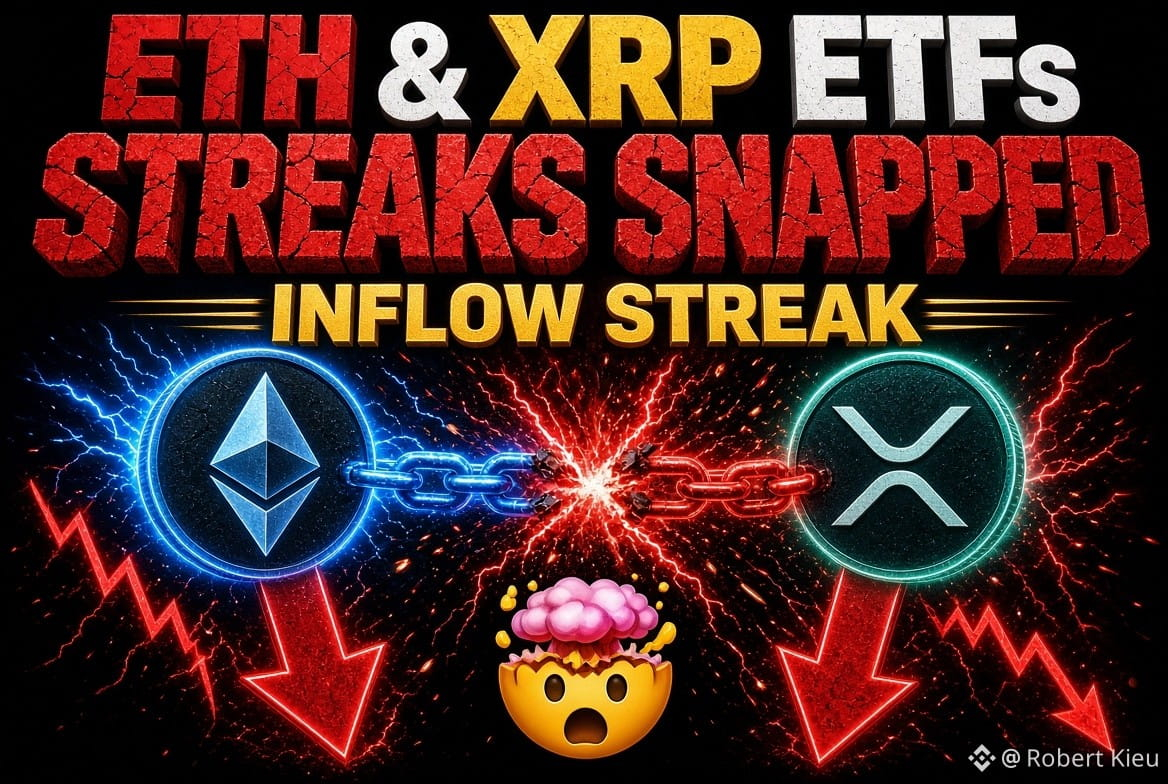
🤯 イーサリアムとXRPのETF資金流入連勝がストップ
米国の現物ETF $ETH および $XRP は、歴史的な複数日連勝を突然終え、合計で純流出 5,520万ドルを計上しました。こうした小幅な機関投資家の後退により、イーサの12連続の上昇日と、XRPの11セッションの買い続きが終了。急冷は主に、迫る9月の米連邦準備制度(FRB)会合をめぐるマクロの不安定さが引き金となりました。
📊 厳密な流出内訳:
- 現物イーサリアムETF:-4,800万ドル(12日続いた連勝を終了)。主要要因:ブラックロックのiシェアーズ・イーサリアム・トラスト(ETHA)が-5,340万ドル流出。
- 現物XRP ETF:-720万ドル(11日続いた連勝を終了)。主要要因:流出はほぼ全てがビットワイズのXRP ETFに集中。
- 市場の対照:対照的に、ビットコインETFは同日+1億1,200万ドルを集め、機関資金を吸収。
🔎 資金の停止を引き起こしたのは何?
- 強硬なFRBの脅威:9月の利上げの可能性を示唆する新たな発言が、フェデラルファンド(FF)金利の見通しを押し上げ。こうした強硬シナリオが、高リスクのアルトコインの流動性に圧力をかけました。
- 投票前の利益確定:機関投資家が、CLARITY Actに関する重要な9月15日の上院クロージュア(打ち切り)投票に先立って、$XRP へのエクスポージャーを一時的に減らしています。
- 健全な調整:赤地の日にもかかわらず、より大きな構造的トレンドは依然として強気が優勢です。XRP ETFは8月に150百万ドル超を集めており、2026年で最も好調な月間パフォーマンスとなりました。
これらの注目すべき流入連勝は止まったものの、複数週にわたる積み上げフェーズが、Q3に向けて主要アルトコイン2つそれぞれの盤石な構造的な需要の下支えを築きました。
#etherxrpetfinflowstreaksend
🤯 イーサリアムとXRPのETF資金流入連勝がストップ
米国の現物ETF $ETH および $XRP は、歴史的な複数日連勝を突然終え、合計で純流出 5,520万ドルを計上しました。こうした小幅な機関投資家の後退により、イーサの12連続の上昇日と、XRPの11セッションの買い続きが終了。急冷は主に、迫る9月の米連邦準備制度(FRB)会合をめぐるマクロの不安定さが引き金となりました。
📊 厳密な流出内訳:
- 現物イーサリアムETF:-4,800万ドル(12日続いた連勝を終了)。主要要因:ブラックロックのiシェアーズ・イーサリアム・トラスト(ETHA)が-5,340万ドル流出。
- 現物XRP ETF:-720万ドル(11日続いた連勝を終了)。主要要因:流出はほぼ全てがビットワイズのXRP ETFに集中。
- 市場の対照:対照的に、ビットコインETFは同日+1億1,200万ドルを集め、機関資金を吸収。
🔎 資金の停止を引き起こしたのは何?
- 強硬なFRBの脅威:9月の利上げの可能性を示唆する新たな発言が、フェデラルファンド(FF)金利の見通しを押し上げ。こうした強硬シナリオが、高リスクのアルトコインの流動性に圧力をかけました。
- 投票前の利益確定:機関投資家が、CLARITY Actに関する重要な9月15日の上院クロージュア(打ち切り)投票に先立って、$XRP へのエクスポージャーを一時的に減らしています。
- 健全な調整:赤地の日にもかかわらず、より大きな構造的トレンドは依然として強気が優勢です。XRP ETFは8月に150百万ドル超を集めており、2026年で最も好調な月間パフォーマンスとなりました。
これらの注目すべき流入連勝は止まったものの、複数週にわたる積み上げフェーズが、Q3に向けて主要アルトコイン2つそれぞれの盤石な構造的な需要の下支えを築きました。
#etherxrpetfinflowstreaksend
米国の現物ETF $ETH および $XRP は、歴史的な複数日連勝を突然終え、合計で純流出 5,520万ドルを計上しました。こうした小幅な機関投資家の後退により、イーサの12連続の上昇日と、XRPの11セッションの買い続きが終了。急冷は主に、迫る9月の米連邦準備制度(FRB)会合をめぐるマクロの不安定さが引き金となりました。
📊 厳密な流出内訳:
- 現物イーサリアムETF:-4,800万ドル(12日続いた連勝を終了)。主要要因:ブラックロックのiシェアーズ・イーサリアム・トラスト(ETHA)が-5,340万ドル流出。
- 現物XRP ETF:-720万ドル(11日続いた連勝を終了)。主要要因:流出はほぼ全てがビットワイズのXRP ETFに集中。
- 市場の対照:対照的に、ビットコインETFは同日+1億1,200万ドルを集め、機関資金を吸収。
🔎 資金の停止を引き起こしたのは何?
- 強硬なFRBの脅威:9月の利上げの可能性を示唆する新たな発言が、フェデラルファンド(FF)金利の見通しを押し上げ。こうした強硬シナリオが、高リスクのアルトコインの流動性に圧力をかけました。
- 投票前の利益確定:機関投資家が、CLARITY Actに関する重要な9月15日の上院クロージュア(打ち切り)投票に先立って、$XRP へのエクスポージャーを一時的に減らしています。
- 健全な調整:赤地の日にもかかわらず、より大きな構造的トレンドは依然として強気が優勢です。XRP ETFは8月に150百万ドル超を集めており、2026年で最も好調な月間パフォーマンスとなりました。
これらの注目すべき流入連勝は止まったものの、複数週にわたる積み上げフェーズが、Q3に向けて主要アルトコイン2つそれぞれの盤石な構造的な需要の下支えを築きました。
#etherxrpetfinflowstreaksend
1
2
157
·
--
ブリッシュ
機関投資家によるルネサンス:ビットコインETF買いが再び勢いを取り戻す 🚀
米国の現物 $BTC ETFは大規模な反発を見せ、記録的な純流入35.2億ドルを呼び込みました。この強烈な機関投資家による買いの波は、ここ数カ月にわたる複数のネット・アウトフローを完全に反転させ、ビットコインを約25%押し上げ、一時8万ドルの水準を再び奪還しました。劇的な復活は、2025年10月以来の最も強い月次の資金移動を示しており、ウォール街がこの資産に向ける食欲が完全に再点火されたことを裏付けています。
📊 ハード:8月の流入での勝利
$BTC
- 月間純流入合計:+35.2億ドル(10カ月ぶりの高水準)
- ブラックロック(IBIT)が圧倒:わずか1週間で9.28億ドルを獲得。
- 月間の価格上昇:+24.95%(2017年以来の最高の8月パフォーマンス)
- 反転:先行していた構造的なアウトフロー26億ドルを完全に吸収。
💡 機関投資家急増の主な要因:
- 流動性の注入:米国財務省の強力な国債買い戻しプログラムが、伝統的市場へ大量の流動性を効果的に注入しました。これにより「通貨切り下げトレード」への機関投資家の関心が刺激され、$BTC のような希少な資産へ資金が大きく流れ込みました。
- 規制のカウントダウン:ワシントンで非常に注目される9月15日の上院手続き投票(CLARITY Act)を前に、大規模な積み増しが加速。
- 強固な価格下支え:月末にかけて一時的に利益確定で77,250ドルまで小幅に下押しされたとしても、ETF流入の着実な回帰がマクロの逆風に対する、揺るぎない構造的な価格下支えを事実上作り出しています。
技術的なレジスタンスは8万1,000ドル〜8万6,000ドルの間にきつく迫っていますが、ウォール街の決定的な復帰は、ビットコインが第4四半期に向けて強力で機関投資家に裏打ちされたマクロのブレイクアウトに向かうことをしっかり位置付けています。
{future}(BTCUSDT)
#bitcoinetfbuyersreturn
機関投資家によるルネサンス:ビットコインETF買いが再び勢いを取り戻す 🚀
米国の現物 $BTC ETFは大規模な反発を見せ、記録的な純流入35.2億ドルを呼び込みました。この強烈な機関投資家による買いの波は、ここ数カ月にわたる複数のネット・アウトフローを完全に反転させ、ビットコインを約25%押し上げ、一時8万ドルの水準を再び奪還しました。劇的な復活は、2025年10月以来の最も強い月次の資金移動を示しており、ウォール街がこの資産に向ける食欲が完全に再点火されたことを裏付けています。
📊 ハード:8月の流入での勝利
$BTC
- 月間純流入合計:+35.2億ドル(10カ月ぶりの高水準)
- ブラックロック(IBIT)が圧倒:わずか1週間で9.28億ドルを獲得。
- 月間の価格上昇:+24.95%(2017年以来の最高の8月パフォーマンス)
- 反転:先行していた構造的なアウトフロー26億ドルを完全に吸収。
💡 機関投資家急増の主な要因:
- 流動性の注入:米国財務省の強力な国債買い戻しプログラムが、伝統的市場へ大量の流動性を効果的に注入しました。これにより「通貨切り下げトレード」への機関投資家の関心が刺激され、$BTC のような希少な資産へ資金が大きく流れ込みました。
- 規制のカウントダウン:ワシントンで非常に注目される9月15日の上院手続き投票(CLARITY Act)を前に、大規模な積み増しが加速。
- 強固な価格下支え:月末にかけて一時的に利益確定で77,250ドルまで小幅に下押しされたとしても、ETF流入の着実な回帰がマクロの逆風に対する、揺るぎない構造的な価格下支えを事実上作り出しています。
技術的なレジスタンスは8万1,000ドル〜8万6,000ドルの間にきつく迫っていますが、ウォール街の決定的な復帰は、ビットコインが第4四半期に向けて強力で機関投資家に裏打ちされたマクロのブレイクアウトに向かうことをしっかり位置付けています。
#bitcoinetfbuyersreturn
米国の現物 $BTC ETFは大規模な反発を見せ、記録的な純流入35.2億ドルを呼び込みました。この強烈な機関投資家による買いの波は、ここ数カ月にわたる複数のネット・アウトフローを完全に反転させ、ビットコインを約25%押し上げ、一時8万ドルの水準を再び奪還しました。劇的な復活は、2025年10月以来の最も強い月次の資金移動を示しており、ウォール街がこの資産に向ける食欲が完全に再点火されたことを裏付けています。
📊 ハード:8月の流入での勝利
$BTC
- 月間純流入合計:+35.2億ドル(10カ月ぶりの高水準)
- ブラックロック(IBIT)が圧倒:わずか1週間で9.28億ドルを獲得。
- 月間の価格上昇:+24.95%(2017年以来の最高の8月パフォーマンス)
- 反転:先行していた構造的なアウトフロー26億ドルを完全に吸収。
💡 機関投資家急増の主な要因:
- 流動性の注入:米国財務省の強力な国債買い戻しプログラムが、伝統的市場へ大量の流動性を効果的に注入しました。これにより「通貨切り下げトレード」への機関投資家の関心が刺激され、$BTC のような希少な資産へ資金が大きく流れ込みました。
- 規制のカウントダウン:ワシントンで非常に注目される9月15日の上院手続き投票(CLARITY Act)を前に、大規模な積み増しが加速。
- 強固な価格下支え:月末にかけて一時的に利益確定で77,250ドルまで小幅に下押しされたとしても、ETF流入の着実な回帰がマクロの逆風に対する、揺るぎない構造的な価格下支えを事実上作り出しています。
技術的なレジスタンスは8万1,000ドル〜8万6,000ドルの間にきつく迫っていますが、ウォール街の決定的な復帰は、ビットコインが第4四半期に向けて強力で機関投資家に裏打ちされたマクロのブレイクアウトに向かうことをしっかり位置付けています。
#bitcoinetfbuyersreturn

2
473
·
--
ブリッシュ
中央銀行が第2四半期に金289トンを吸収 - 巨額 🤯
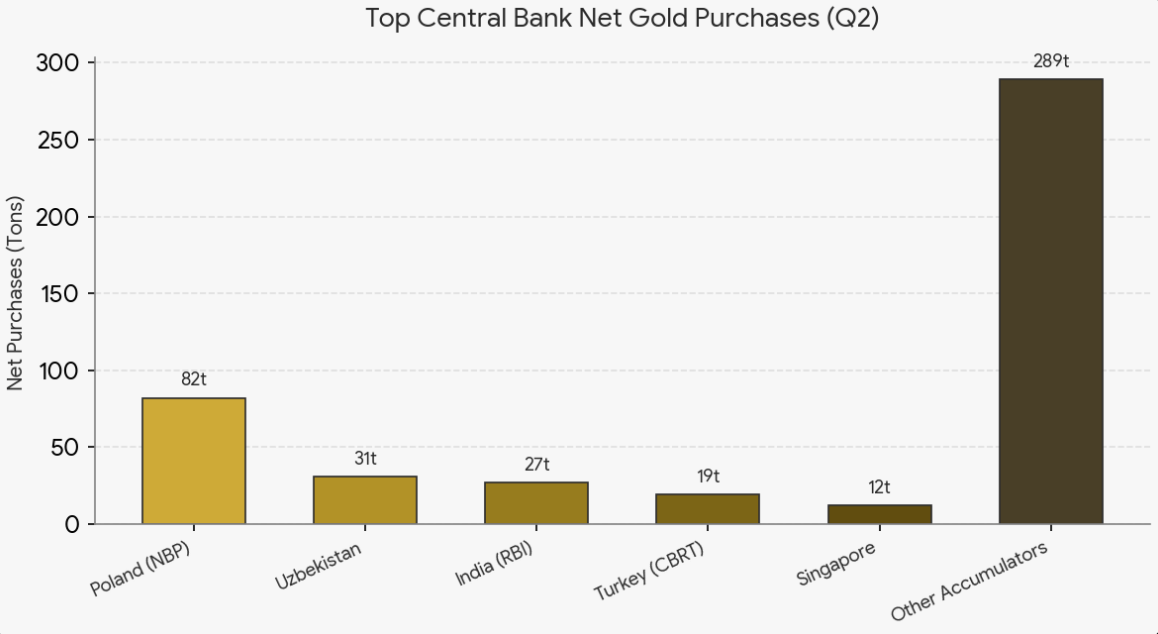
世界の中央銀行は第2四半期に289メートルトンという膨大な量の金 $XAU を購入し、脱ドル化に向かう強力な数年規模の構造的トレンドをさらに強めました。ワールド・ゴールド・カウンシルが追跡するデータによると、この積極的な買い増しは、前年同期比25%の急増を示しています。これは、第2四半期として記録上でも最も強い純買い越し水準の一つです。
📊 第2四半期の中央銀行の購入内訳:
- 世界全体の純購入量合計: 289メートルトン(前年比 +25%)
- ポーランド国立銀行(NBP): 37.0トン(単一の主権保有者として最大の買い手)
- ウズベキスタン中央銀行: 19.0トン
- インド準備銀行(RBI): 18.7トン
- ヨルダン中央銀行: 15.0トン
🔎 戦略的要因: なぜ各銀行は買いだめしているのか?
- 制裁耐性のあるヘッジ: 東欧と中東で続く地政学的摩擦により、中央銀行は兵器化されにくく、カストディ不要の実物資産を優先せざるを得なくなっています。
- 準備資産の分散: 継続的なインフレ圧力と主権国家のバランスシート拡大により、従来の法定債務の長期的な魅力は低下し、資本は現物地金へと向かっています。
- 揺るぎない構造的下支え: この機関投資家による買いの波は、実質的に市場の売りを吸収し、巨大なマクロ経済的な足場を形成しました。その結果、年後半には金スポット価格が1オンスあたり4,650ドルを超える要因となりました。
この止まらない機関投資家の需要は、各国が紙資産を実物の国家的安全資産へと積極的に交換する中で、金が依然として究極のプレミアムな世界通貨の錨であることを証明しています。
#centralbanksbuy289tonsgoldinq2 $XAUT
{future}(XAUUSDT)
{future}(XAUTUSDT)
中央銀行が第2四半期に金289トンを吸収 - 巨額 🤯
世界の中央銀行は第2四半期に289メートルトンという膨大な量の金 $XAU を購入し、脱ドル化に向かう強力な数年規模の構造的トレンドをさらに強めました。ワールド・ゴールド・カウンシルが追跡するデータによると、この積極的な買い増しは、前年同期比25%の急増を示しています。これは、第2四半期として記録上でも最も強い純買い越し水準の一つです。
📊 第2四半期の中央銀行の購入内訳:
- 世界全体の純購入量合計: 289メートルトン(前年比 +25%)
- ポーランド国立銀行(NBP): 37.0トン(単一の主権保有者として最大の買い手)
- ウズベキスタン中央銀行: 19.0トン
- インド準備銀行(RBI): 18.7トン
- ヨルダン中央銀行: 15.0トン
🔎 戦略的要因: なぜ各銀行は買いだめしているのか?
- 制裁耐性のあるヘッジ: 東欧と中東で続く地政学的摩擦により、中央銀行は兵器化されにくく、カストディ不要の実物資産を優先せざるを得なくなっています。
- 準備資産の分散: 継続的なインフレ圧力と主権国家のバランスシート拡大により、従来の法定債務の長期的な魅力は低下し、資本は現物地金へと向かっています。
- 揺るぎない構造的下支え: この機関投資家による買いの波は、実質的に市場の売りを吸収し、巨大なマクロ経済的な足場を形成しました。その結果、年後半には金スポット価格が1オンスあたり4,650ドルを超える要因となりました。
この止まらない機関投資家の需要は、各国が紙資産を実物の国家的安全資産へと積極的に交換する中で、金が依然として究極のプレミアムな世界通貨の錨であることを証明しています。
#centralbanksbuy289tonsgoldinq2 $XAUT
世界の中央銀行は第2四半期に289メートルトンという膨大な量の金 $XAU を購入し、脱ドル化に向かう強力な数年規模の構造的トレンドをさらに強めました。ワールド・ゴールド・カウンシルが追跡するデータによると、この積極的な買い増しは、前年同期比25%の急増を示しています。これは、第2四半期として記録上でも最も強い純買い越し水準の一つです。
📊 第2四半期の中央銀行の購入内訳:
- 世界全体の純購入量合計: 289メートルトン(前年比 +25%)
- ポーランド国立銀行(NBP): 37.0トン(単一の主権保有者として最大の買い手)
- ウズベキスタン中央銀行: 19.0トン
- インド準備銀行(RBI): 18.7トン
- ヨルダン中央銀行: 15.0トン
🔎 戦略的要因: なぜ各銀行は買いだめしているのか?
- 制裁耐性のあるヘッジ: 東欧と中東で続く地政学的摩擦により、中央銀行は兵器化されにくく、カストディ不要の実物資産を優先せざるを得なくなっています。
- 準備資産の分散: 継続的なインフレ圧力と主権国家のバランスシート拡大により、従来の法定債務の長期的な魅力は低下し、資本は現物地金へと向かっています。
- 揺るぎない構造的下支え: この機関投資家による買いの波は、実質的に市場の売りを吸収し、巨大なマクロ経済的な足場を形成しました。その結果、年後半には金スポット価格が1オンスあたり4,650ドルを超える要因となりました。
この止まらない機関投資家の需要は、各国が紙資産を実物の国家的安全資産へと積極的に交換する中で、金が依然として究極のプレミアムな世界通貨の錨であることを証明しています。
#centralbanksbuy289tonsgoldinq2 $XAUT
1
12
·
--
ブリッシュ
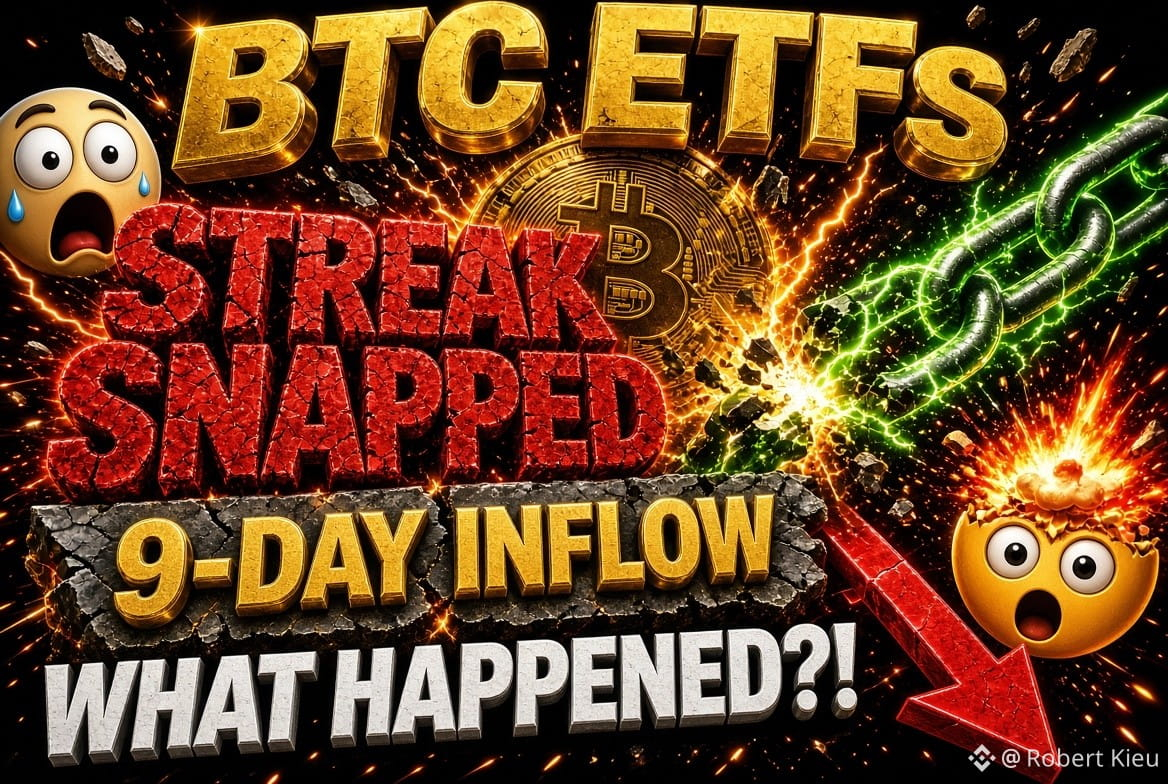
ビットコイン・スポットETFが史上初の9日間の資金流入連続記録を突破、これが起きたこと 🤯
米国のスポット $BTC ETFは、2026年8月28日に驚異的な9日間の買い付け連続を突如として終え、純流出は2億1,180万ドル($201.8 million)に達しました。 この急な反転により、数日間にわたる機関投資家の強力な積み増し局面が締めくくられ、ビットコイン関連の資金は合計で30.4億ドル($3.04 billion)以上がETFへと流し込まれた形となりました。 投資家心理の冷え込みは、ビットコインが重要な7万8,000ドルの心理的節目を一時的に下回ったことと直接連動していました。
📊 主要ETF指標と資金内訳:
- 反転前の勢い:9日連続の流入(+30.4億ドル)
- 8月28日の純流出:-2億1,180万ドル
- ARK 21Shares(ARKB):-1億1,490万ドルで退出(流出)を主導
- Bitwise(BITB):-4,970万ドルの流出
- ブラックロック(IBIT):-3,340万ドルの小幅な利確
🔎 何が起きた?反転の内側:
- スポット価格の調整:ビットコインが77,696ドルまで急速に3.2%下落し、伝統的な市場参加者の間で即時のアルゴリズム冷却が発動されました。
- 「イーサー」の資本分岐:興味深いことに、機関投資家の弱さはビットコインに完全に隔離されていました。同じ日に、スポット・イーサリアムETFはトレンドに逆らい、純流入が+1億220万ドル(+$102.2 million)と大幅に増加。さらにXRPとソラナ関連商品も堅調な上昇を維持しました。
- マクロの逆風:粘着的なインフレ指標(PCEが3.7%)と、より強硬な中央銀行の発言が、防衛的な姿勢へと転換させ、流動性の高い現金へのシフトを促しました。
連続記録は唐突に幕を閉じたものの、2026年8月はこの1年で暗号資産ETFにとって最も強い資本注入(資金繍流)をもたらした月のままです。第4四半期に向けて、機関投資家の基盤を確実に再構築しています。
#bitcoinspotetfends9dayinflowstreak
{future}(BTCUSDT)
ビットコイン・スポットETFが史上初の9日間の資金流入連続記録を突破、これが起きたこと 🤯
米国のスポット $BTC ETFは、2026年8月28日に驚異的な9日間の買い付け連続を突如として終え、純流出は2億1,180万ドル($201.8 million)に達しました。 この急な反転により、数日間にわたる機関投資家の強力な積み増し局面が締めくくられ、ビットコイン関連の資金は合計で30.4億ドル($3.04 billion)以上がETFへと流し込まれた形となりました。 投資家心理の冷え込みは、ビットコインが重要な7万8,000ドルの心理的節目を一時的に下回ったことと直接連動していました。
📊 主要ETF指標と資金内訳:
- 反転前の勢い:9日連続の流入(+30.4億ドル)
- 8月28日の純流出:-2億1,180万ドル
- ARK 21Shares(ARKB):-1億1,490万ドルで退出(流出)を主導
- Bitwise(BITB):-4,970万ドルの流出
- ブラックロック(IBIT):-3,340万ドルの小幅な利確
🔎 何が起きた?反転の内側:
- スポット価格の調整:ビットコインが77,696ドルまで急速に3.2%下落し、伝統的な市場参加者の間で即時のアルゴリズム冷却が発動されました。
- 「イーサー」の資本分岐:興味深いことに、機関投資家の弱さはビットコインに完全に隔離されていました。同じ日に、スポット・イーサリアムETFはトレンドに逆らい、純流入が+1億220万ドル(+$102.2 million)と大幅に増加。さらにXRPとソラナ関連商品も堅調な上昇を維持しました。
- マクロの逆風:粘着的なインフレ指標(PCEが3.7%)と、より強硬な中央銀行の発言が、防衛的な姿勢へと転換させ、流動性の高い現金へのシフトを促しました。
連続記録は唐突に幕を閉じたものの、2026年8月はこの1年で暗号資産ETFにとって最も強い資本注入(資金繍流)をもたらした月のままです。第4四半期に向けて、機関投資家の基盤を確実に再構築しています。
#bitcoinspotetfends9dayinflowstreak
米国のスポット $BTC ETFは、2026年8月28日に驚異的な9日間の買い付け連続を突如として終え、純流出は2億1,180万ドル($201.8 million)に達しました。 この急な反転により、数日間にわたる機関投資家の強力な積み増し局面が締めくくられ、ビットコイン関連の資金は合計で30.4億ドル($3.04 billion)以上がETFへと流し込まれた形となりました。 投資家心理の冷え込みは、ビットコインが重要な7万8,000ドルの心理的節目を一時的に下回ったことと直接連動していました。
📊 主要ETF指標と資金内訳:
- 反転前の勢い:9日連続の流入(+30.4億ドル)
- 8月28日の純流出:-2億1,180万ドル
- ARK 21Shares(ARKB):-1億1,490万ドルで退出(流出)を主導
- Bitwise(BITB):-4,970万ドルの流出
- ブラックロック(IBIT):-3,340万ドルの小幅な利確
🔎 何が起きた?反転の内側:
- スポット価格の調整:ビットコインが77,696ドルまで急速に3.2%下落し、伝統的な市場参加者の間で即時のアルゴリズム冷却が発動されました。
- 「イーサー」の資本分岐:興味深いことに、機関投資家の弱さはビットコインに完全に隔離されていました。同じ日に、スポット・イーサリアムETFはトレンドに逆らい、純流入が+1億220万ドル(+$102.2 million)と大幅に増加。さらにXRPとソラナ関連商品も堅調な上昇を維持しました。
- マクロの逆風:粘着的なインフレ指標(PCEが3.7%)と、より強硬な中央銀行の発言が、防衛的な姿勢へと転換させ、流動性の高い現金へのシフトを促しました。
連続記録は唐突に幕を閉じたものの、2026年8月はこの1年で暗号資産ETFにとって最も強い資本注入(資金繍流)をもたらした月のままです。第4四半期に向けて、機関投資家の基盤を確実に再構築しています。
#bitcoinspotetfends9dayinflowstreak
1
475
·
--
ブリッシュ
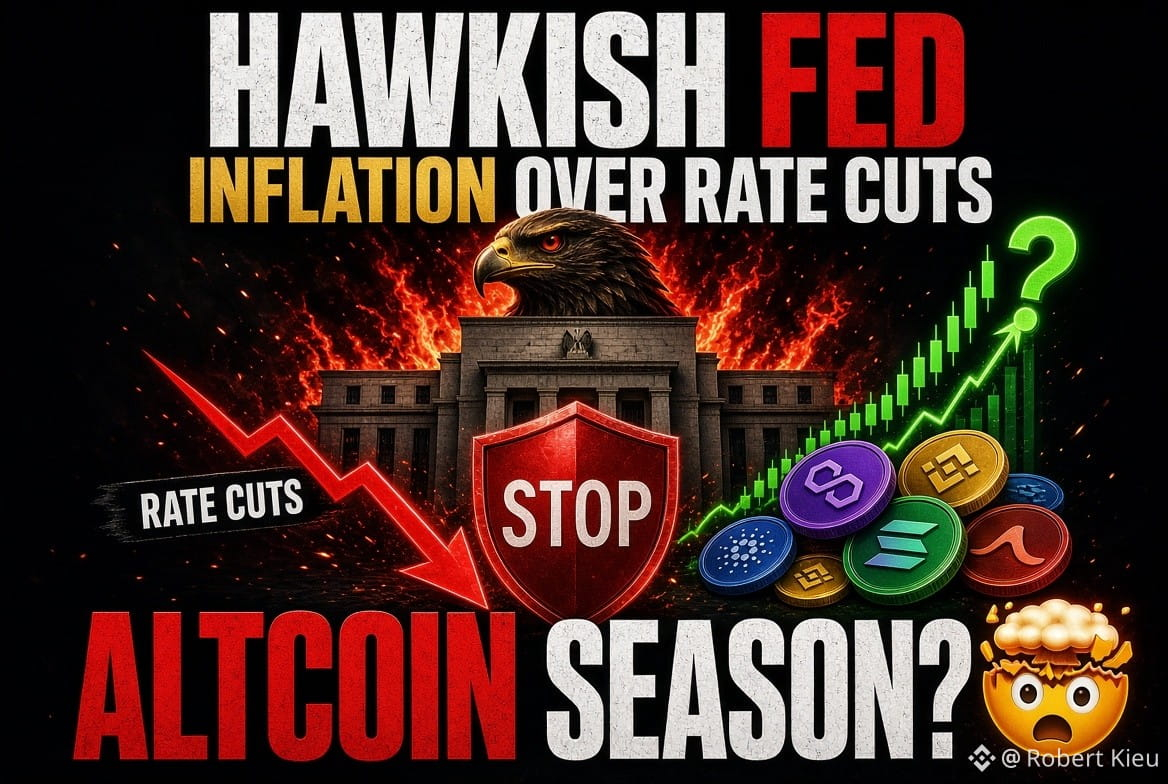
タカ派的なFed: ワーシュは利下げよりインフレを優先 - でも$ETH とアルトコインシーズンはどうなる?🤯
連邦準備制度理事会(FRB)のケビン・ワーシュ議長は、ジャクソンホール経済シンポジウムで、インフレが依然としてFRBの「最重要課題」であると明言し、極めてタカ派的な姿勢への転換を示した。
2026年8月28日の講演でワーシュは、PCE価格指数が3.7%、CPIが3.4%と、いずれも中央銀行の2%目標を明確に上回っていることから、政策当局者にはなお「やるべきことがある」と強調した。その結果、9月の利上げ確率は35.4%から55.5%へと大幅に上昇した。
📊 主要経済データ:
- FRBが重視する指標(PCE): 3.7%(目標: 2.0%)
- 消費者物価指数(CPI): 3.4%
- コアPCE(前年比): 3.3%
- 市場が織り込む利上げ確率: 55.5%に上昇
📉 イーサリアム(ETH)とアルトコインシーズンへの影響:
- イーサリアム(ETH)の流動性逼迫: 高金利が長期化すると、資本は米国債のような低リスク利回りへ滞留する。機関投資家の流入が横ばいとなり、分散型金融(DeFi)の利回りも無リスクのマクロ経済代替資産に対する競争力を失うため、ETHは直ちに下押し圧力を受ける。
- アルトコインシーズンの遅延: 真のアルトコインシーズンは、潤沢で安価な市場流動性と米ドル安に依存する。CME FedWatch Toolが利上げの可能性を織り込み始めた現在、投機資金は安定資産へと退避するだろう。金融緩和の物語が後退するにつれ、ベータの高いアルトコインは深い調整に見舞われると投資家は予想すべきだ。
#warshsaysinflationisfedtopfocus $BNB $SOL
{future}(SOLUSDT)
{future}(BNBUSDT)
{future}(ETHUSDT)
タカ派的なFed: ワーシュは利下げよりインフレを優先 - でも$ETH とアルトコインシーズンはどうなる?🤯
連邦準備制度理事会(FRB)のケビン・ワーシュ議長は、ジャクソンホール経済シンポジウムで、インフレが依然としてFRBの「最重要課題」であると明言し、極めてタカ派的な姿勢への転換を示した。
2026年8月28日の講演でワーシュは、PCE価格指数が3.7%、CPIが3.4%と、いずれも中央銀行の2%目標を明確に上回っていることから、政策当局者にはなお「やるべきことがある」と強調した。その結果、9月の利上げ確率は35.4%から55.5%へと大幅に上昇した。
📊 主要経済データ:
- FRBが重視する指標(PCE): 3.7%(目標: 2.0%)
- 消費者物価指数(CPI): 3.4%
- コアPCE(前年比): 3.3%
- 市場が織り込む利上げ確率: 55.5%に上昇
📉 イーサリアム(ETH)とアルトコインシーズンへの影響:
- イーサリアム(ETH)の流動性逼迫: 高金利が長期化すると、資本は米国債のような低リスク利回りへ滞留する。機関投資家の流入が横ばいとなり、分散型金融(DeFi)の利回りも無リスクのマクロ経済代替資産に対する競争力を失うため、ETHは直ちに下押し圧力を受ける。
- アルトコインシーズンの遅延: 真のアルトコインシーズンは、潤沢で安価な市場流動性と米ドル安に依存する。CME FedWatch Toolが利上げの可能性を織り込み始めた現在、投機資金は安定資産へと退避するだろう。金融緩和の物語が後退するにつれ、ベータの高いアルトコインは深い調整に見舞われると投資家は予想すべきだ。
#warshsaysinflationisfedtopfocus $BNB $SOL
連邦準備制度理事会(FRB)のケビン・ワーシュ議長は、ジャクソンホール経済シンポジウムで、インフレが依然としてFRBの「最重要課題」であると明言し、極めてタカ派的な姿勢への転換を示した。
2026年8月28日の講演でワーシュは、PCE価格指数が3.7%、CPIが3.4%と、いずれも中央銀行の2%目標を明確に上回っていることから、政策当局者にはなお「やるべきことがある」と強調した。その結果、9月の利上げ確率は35.4%から55.5%へと大幅に上昇した。
📊 主要経済データ:
- FRBが重視する指標(PCE): 3.7%(目標: 2.0%)
- 消費者物価指数(CPI): 3.4%
- コアPCE(前年比): 3.3%
- 市場が織り込む利上げ確率: 55.5%に上昇
📉 イーサリアム(ETH)とアルトコインシーズンへの影響:
- イーサリアム(ETH)の流動性逼迫: 高金利が長期化すると、資本は米国債のような低リスク利回りへ滞留する。機関投資家の流入が横ばいとなり、分散型金融(DeFi)の利回りも無リスクのマクロ経済代替資産に対する競争力を失うため、ETHは直ちに下押し圧力を受ける。
- アルトコインシーズンの遅延: 真のアルトコインシーズンは、潤沢で安価な市場流動性と米ドル安に依存する。CME FedWatch Toolが利上げの可能性を織り込み始めた現在、投機資金は安定資産へと退避するだろう。金融緩和の物語が後退するにつれ、ベータの高いアルトコインは深い調整に見舞われると投資家は予想すべきだ。
#warshsaysinflationisfedtopfocus $BNB $SOL
1
102
ログインして、さらにコンテンツを読む
厳選トピックで世界の暗号資産トレーダーの仲間入り
⚡️ 暗号資産に関する最新かつ有益な情報が見つかります。
💬 世界最大の暗号資産取引所から信頼されています。
👍 認証を受けたクリエイターから、有益なインサイトを得られます。
メール / 電話番号