
786 隐狼
10.7k 投稿

786 隐狼
 厳選トピック確認済+
報告
ユーザーをブロック
I don't predict markets — I read them. 🐺
Daily signals | Chart analysis | Real moves
Verified Creator | Wolves don't follow — they lead
取引を発注
低高頻度トレーダー
3.8年
855 フォロー
39.1K+ フォロワー
6.2K+ いいね
投稿
ポートフォリオ
すべて
引用
動画
ライブ
·
--
#BTCRebounds80K
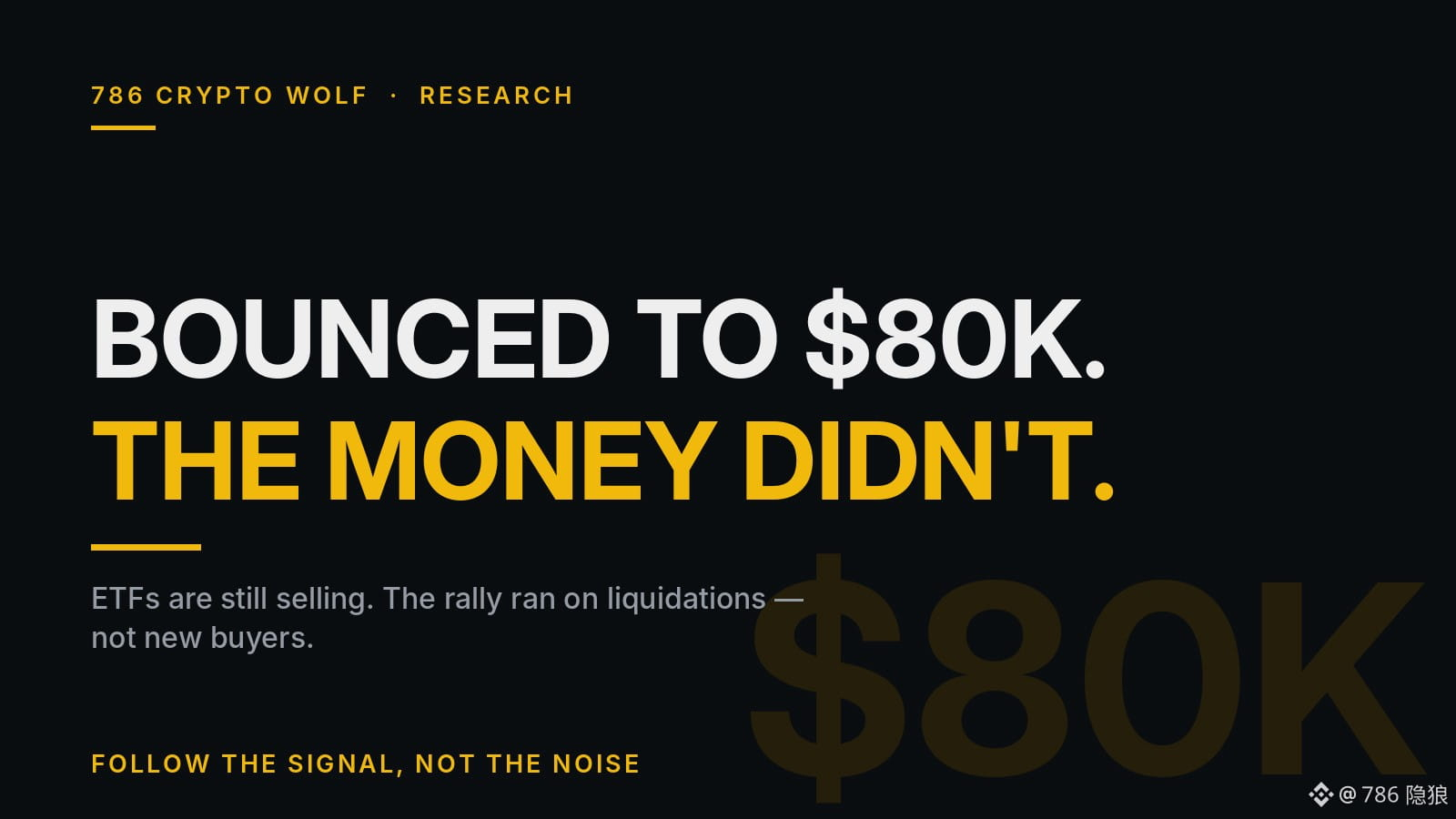
ビットコインが8万ドルまで反発。タイムラインは歓喜に沸いている。🎉
でも、内情を見てみよう👇
📉 ETFは依然として売り越し——資金流出は3日連続。
💸 反発の主因は新たな買い手ではなく、主に清算——未決済建玉はほとんど動いていない。
😨 恐怖・強欲指数は依然「恐怖」——37。
価格は上がった。資金はついてこなかった。
だから、回復と呼ぶ前に、こう問いかけよう:
これは本物の需要なのか——それとも、上昇ラリーに見せかけたショートスクイーズなのか?
$BTC #Bitcoin #CryptoNews
ノイズではなく、シグナルに従おう。🐺
#BTCRebounds80K
ビットコインが8万ドルまで反発。タイムラインは歓喜に沸いている。🎉
でも、内情を見てみよう👇
📉 ETFは依然として売り越し——資金流出は3日連続。
💸 反発の主因は新たな買い手ではなく、主に清算——未決済建玉はほとんど動いていない。
😨 恐怖・強欲指数は依然「恐怖」——37。
価格は上がった。資金はついてこなかった。
だから、回復と呼ぶ前に、こう問いかけよう:
これは本物の需要なのか——それとも、上昇ラリーに見せかけたショートスクイーズなのか?
$BTC #Bitcoin #CryptoNews
ノイズではなく、シグナルに従おう。🐺
ビットコインが8万ドルまで反発。タイムラインは歓喜に沸いている。🎉
でも、内情を見てみよう👇
📉 ETFは依然として売り越し——資金流出は3日連続。
💸 反発の主因は新たな買い手ではなく、主に清算——未決済建玉はほとんど動いていない。
😨 恐怖・強欲指数は依然「恐怖」——37。
価格は上がった。資金はついてこなかった。
だから、回復と呼ぶ前に、こう問いかけよう:
これは本物の需要なのか——それとも、上昇ラリーに見せかけたショートスクイーズなのか?
$BTC #Bitcoin #CryptoNews
ノイズではなく、シグナルに従おう。🐺
1
219
·
--
🎙️ vidia Stock Prediction: Will NVDA Rally on Monday? BUY, HOLD, OR WAIT?
終了
01 時間 09 分 08 秒
75
0
0
·
--
翻訳参照
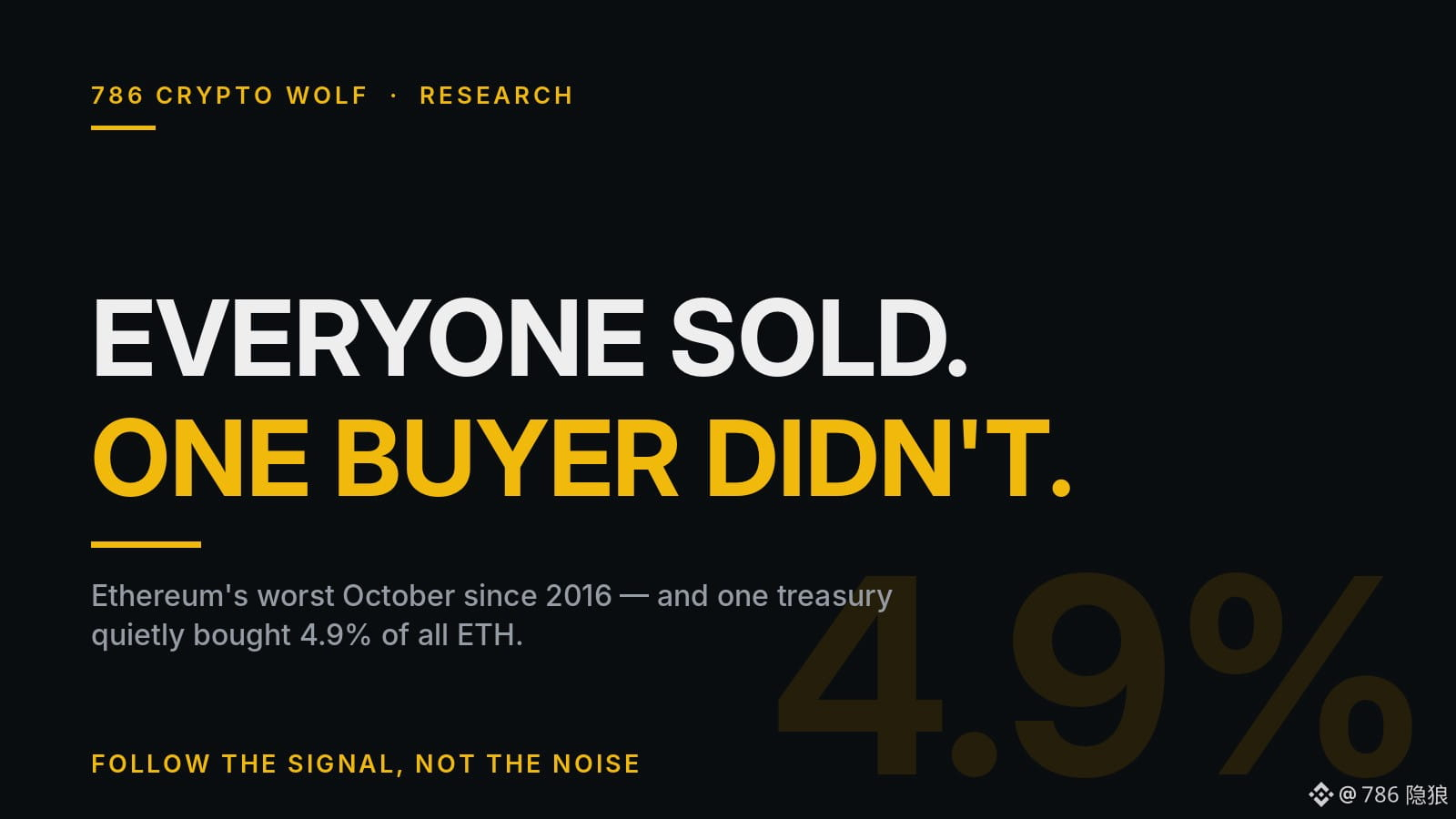
October was Ethereum’s second-worst October since 2016. Down 16.1%.
The exits were loud. BlackRock’s ETH fund bled roughly $1.32 billion in a month. Headlines called it capitulation.
But capitulation is only half a transaction.
While retail and ETFs were selling, one company — BitMine
— quietly accumulated. As of November 1, it holds 6,060,506 ETH.
That’s about 4.9% of every Ether in existence, sitting in a single treasury.
Read that again. During the fear, supply didn’t disappear. It changed hands — from people who needed to get out, to someone building a position measured in percentages of the entire network.
That’s the part the red candles never show you. Every panic sell has a buyer on the other side — and that buyer almost never shares your time horizon. You’re reacting to a month. They’re positioning for years.
This is how supply quietly concentrates during fear — not in a crash, in a transfer.
So before your next fear-driven exit, ask the question the chart won’t answer:
𝑾𝒉𝒐 𝒊𝒔 𝒐𝒏 𝒕𝒉𝒆 𝒐𝒕𝒉𝒆𝒓 𝒔𝒊𝒅𝒆 𝒐𝒇 𝒚𝒐𝒖𝒓 𝒕𝒓𝒂𝒅𝒆 — 𝒂𝒏𝒅 𝒘𝒉𝒂𝒕 𝒅𝒐 𝒕𝒉𝒆𝒚 𝒌𝒏𝒐𝒘 𝒕𝒉𝒂𝒕 𝒚𝒐𝒖𝒓 𝒑𝒂𝒏𝒊𝒄 𝒅𝒐𝒆𝒔𝒏’𝒕?
$ETH #Ethereum #crypto #786CryptoWolf
𝑭𝒐𝒍𝒍𝒐𝒘 𝒕𝒉𝒆 𝒔𝒊𝒈𝒏𝒂𝒍, 𝒏𝒐𝒕 𝒕𝒉𝒆 𝒏𝒐𝒊𝒔𝒆. 🐺
158
·
--
破られたことのないコードの背後で、取引所は数十億ドルを守っている。
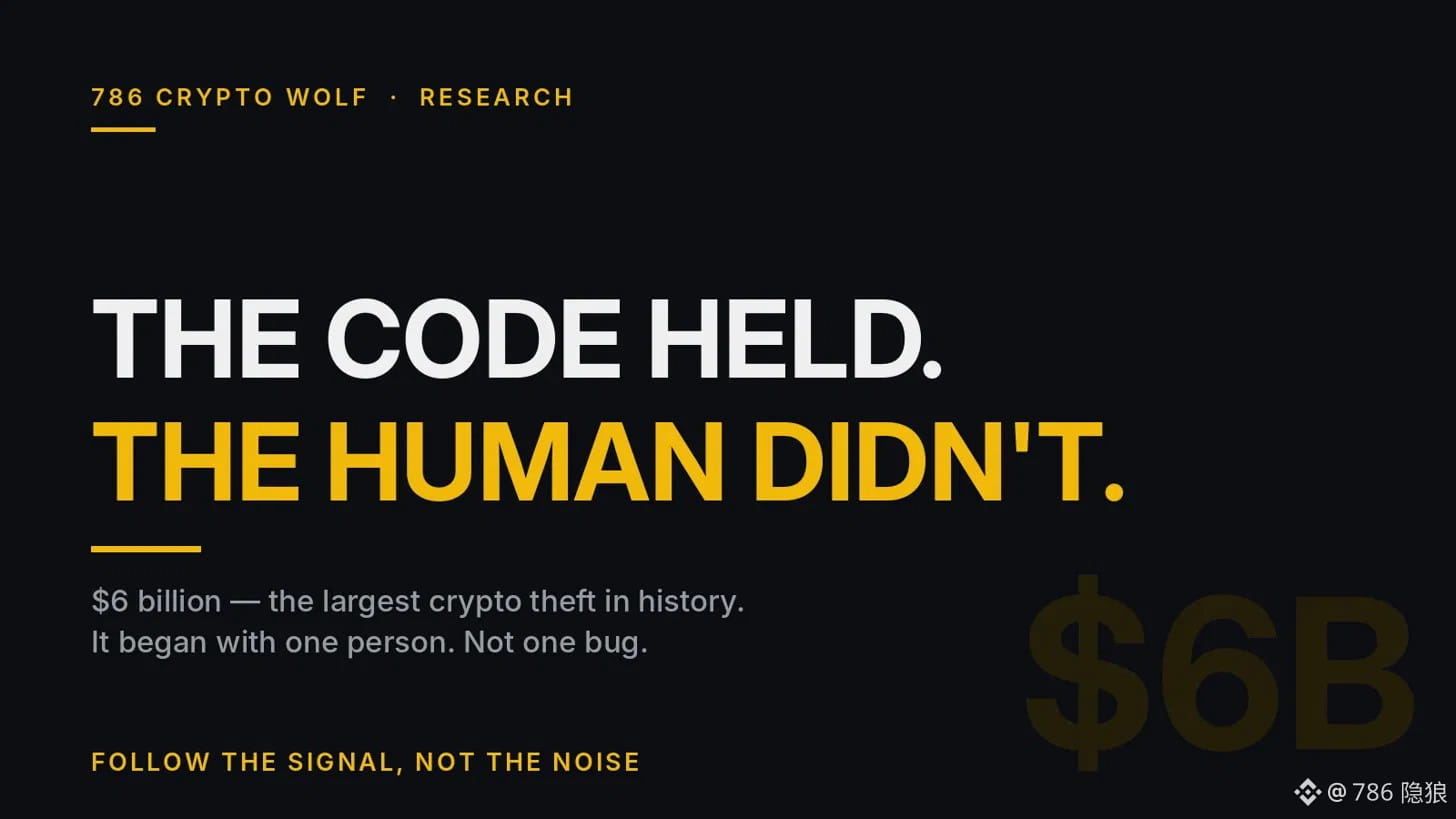
ところが先週、バイナンスから60億ドル以上が流出した。暗号資産史上最大の窃盗だ。
コードは持ちこたえた。人間はそうではなかった。
FBIは北朝鮮のTraderTraitorグループにたどり着いた。侵入の入り口は、ブロックチェーンの欠陥でも暗号技術の突破でもなかった。報道によれば、たった1台の侵害されたノートパソコンから始まったという。ソーシャルエンジニアリングで操られた、たった1人の人間だ。
資金が安全かどうか確認している人たちが、見落としていることがある。
地球上で最も堅牢な取引所も、毎日一般ユーザーから資金を吸い上げるのと同じ入り口から崩れた。人間が操られ、偽のメッセージを信じてしまう入り口だ。
私はその入り口を間近で見たことがある。かつて偽の「サポート」アカウントに「問題の解決方法」を案内された。同じ手口。違うのはゼロの数だけだ。
今も、偽の「150ドル補償」タスクが出回っている。まさにこのハッキングに便乗して。そこが入り口だ。
暗号技術はあなたの鍵を守る。あなたの注意力までは守らない。
自分の判断力が乗っ取られた瞬間に、あなたを救えるセキュリティ技術はない。最も強固な壁にも人間の門番がいる。そして攻撃者は、もう壁を攻撃するのをやめた。
本当の問いは「私の取引所は安全か?」ではない。
次に、まるで助けのように見えるメッセージが届いたとき、あなたは安全だろうか?
$BNB #Binance #CryptoSecurity #786CryptoWolf
シグナルに従え、ノイズに惑わされるな。🐺
4
1
372
·
--
本人確認中
翻訳参照
I’ve watched the market move against me the second my intent became visible. Anyone who’s been stop-hunted knows the feeling — your exit level wasn’t leaked, it was just... public.
That’s the problem @nillionnetwork is actually solving.
Pull up any liquidation map and you’re staring at thousands of traders’ exit levels, visible hours before they matter. It’s why stop hunts work, and why strategies get copied the week they ship.
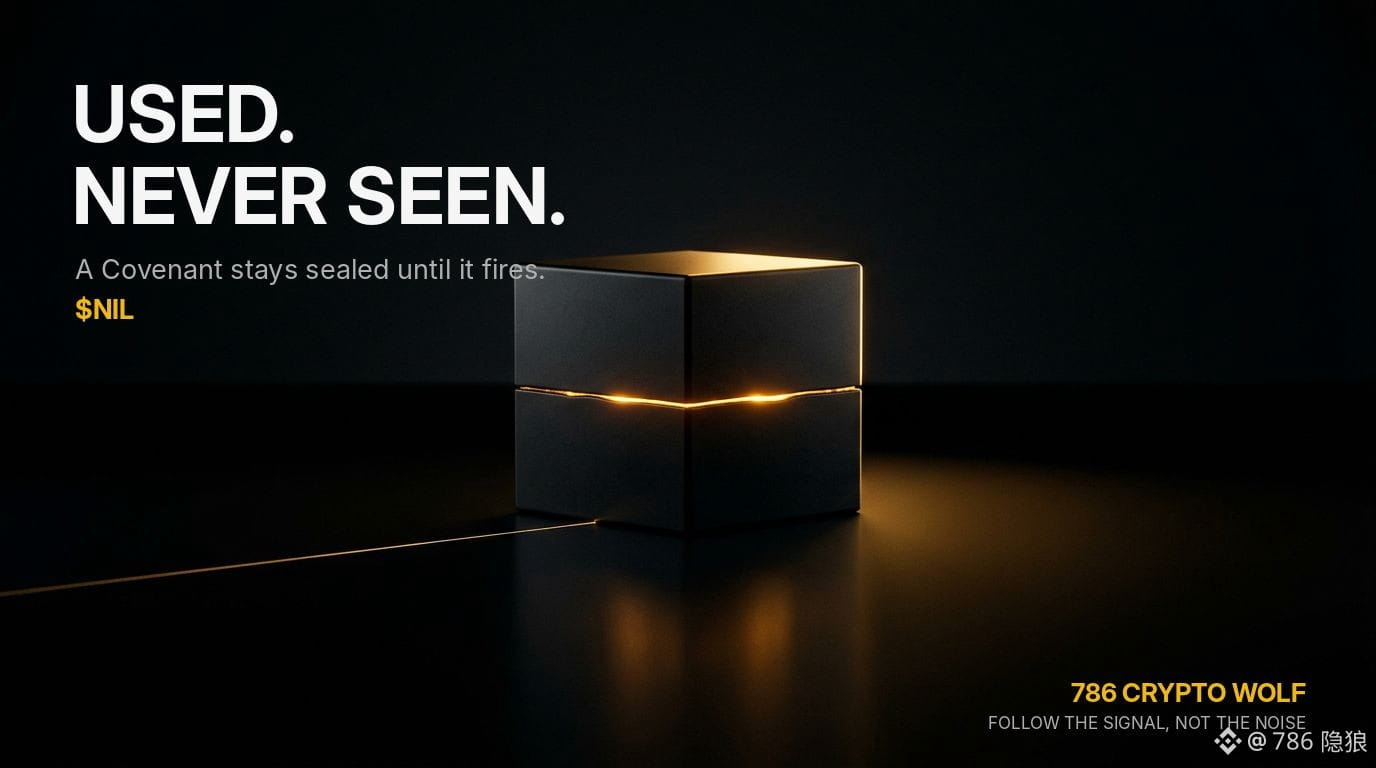
A Covenant fixes this — it’s an instruction nobody can read until it fires. You seal an order to a condition, a price or a clock, post it onchain fully encrypted, and it stays invisible while it waits. When the condition turns true, it opens and executes itself. No bot, no keeper, no one peeking.
What that unlocks:
◉ 𝑨 𝒔𝒕𝒐𝒑 𝒍𝒐𝒔𝒔 𝒏𝒐𝒃𝒐𝒅𝒚 𝒄𝒂𝒏 𝒉𝒖𝒏𝒕
◉ 𝑨 𝒃𝒊𝒅 𝒔𝒆𝒂𝒍𝒆𝒅 𝒖𝒏𝒕𝒊𝒍 𝒕𝒉𝒆 𝒂𝒖𝒄𝒕𝒊𝒐𝒏 𝒄𝒍𝒐𝒔𝒆𝒔
◉ 𝑨 𝒑𝒓𝒆𝒅𝒊𝒄𝒕𝒊𝒐𝒏 𝒚𝒐𝒖 𝒄𝒂𝒏 𝒑𝒓𝒐𝒗𝒆 𝒚𝒐𝒖 𝒎𝒂𝒅𝒆 𝒃𝒆𝒇𝒐𝒓𝒆 𝒕𝒉𝒆 𝒆𝒗𝒆𝒏𝒕
◉ 𝑨 𝒑𝒂𝒚𝒎𝒆𝒏𝒕 𝒕𝒉𝒂𝒕 𝒓𝒆𝒍𝒆𝒂𝒔𝒆𝒔 𝒊𝒕𝒔𝒆𝒍𝒇 𝒐𝒏 𝒕𝒊𝒎𝒆
And this isn’t a testnet — Nillion’s first release, Dusk, is live on Ethereum mainnet right now. A real launch. Create a Covenant, run a node, or build with the SDK today.
Dusk is only era one of a 7-era roadmap through 2028, with more before year-end. Encrypted Markets are just getting started.
If your orders stayed invisible until they fired - would you trade the same way?
#nil $NIL @nillionnetwork
I’ve watched the market move against me the second my intent became visible. Anyone who’s been stop-hunted knows the feeling — your exit level wasn’t leaked, it was just... public.
That’s the problem @Nillion is actually solving.
Pull up any liquidation map and you’re staring at thousands of traders’ exit levels, visible hours before they matter. It’s why stop hunts work, and why strategies get copied the week they ship.
A Covenant fixes this — it’s an instruction nobody can read until it fires. You seal an order to a condition, a price or a clock, post it onchain fully encrypted, and it stays invisible while it waits. When the condition turns true, it opens and executes itself. No bot, no keeper, no one peeking.
What that unlocks:
◉ 𝑨 𝒔𝒕𝒐𝒑 𝒍𝒐𝒔𝒔 𝒏𝒐𝒃𝒐𝒅𝒚 𝒄𝒂𝒏 𝒉𝒖𝒏𝒕
◉ 𝑨 𝒃𝒊𝒅 𝒔𝒆𝒂𝒍𝒆𝒅 𝒖𝒏𝒕𝒊𝒍 𝒕𝒉𝒆 𝒂𝒖𝒄𝒕𝒊𝒐𝒏 𝒄𝒍𝒐𝒔𝒆𝒔
◉ 𝑨 𝒑𝒓𝒆𝒅𝒊𝒄𝒕𝒊𝒐𝒏 𝒚𝒐𝒖 𝒄𝒂𝒏 𝒑𝒓𝒐𝒗𝒆 𝒚𝒐𝒖 𝒎𝒂𝒅𝒆 𝒃𝒆𝒇𝒐𝒓𝒆 𝒕𝒉𝒆 𝒆𝒗𝒆𝒏𝒕
◉ 𝑨 𝒑𝒂𝒚𝒎𝒆𝒏𝒕 𝒕𝒉𝒂𝒕 𝒓𝒆𝒍𝒆𝒂𝒔𝒆𝒔 𝒊𝒕𝒔𝒆𝒍𝒇 𝒐𝒏 𝒕𝒊𝒎𝒆
And this isn’t a testnet — Nillion’s first release, Dusk, is live on Ethereum mainnet right now. A real launch. Create a Covenant, run a node, or build with the SDK today.
Dusk is only era one of a 7-era roadmap through 2028, with more before year-end. Encrypted Markets are just getting started.
If your orders stayed invisible until they fired - would you trade the same way?
#nil $NIL @Nillion
5
5.6k
·
--
⚠️ たった今、約387ドルを詐欺で失いました。あなたが引っかからないよう、実際のチャットをそのまま共有します。
しばらく解決しなかったDiscordへのアクセス問題について、Binanceサポートとやり取りを続けていました。会話の途中で、偽の「Binanceサポート」からチャットが届き、その問題の「エスカレーション」を担当すると言ってきました。
それが、あまりにも信じやすかった理由です。すでに進行中の会話に、すっぽり入り込んでいたのです。
詐欺の手口:
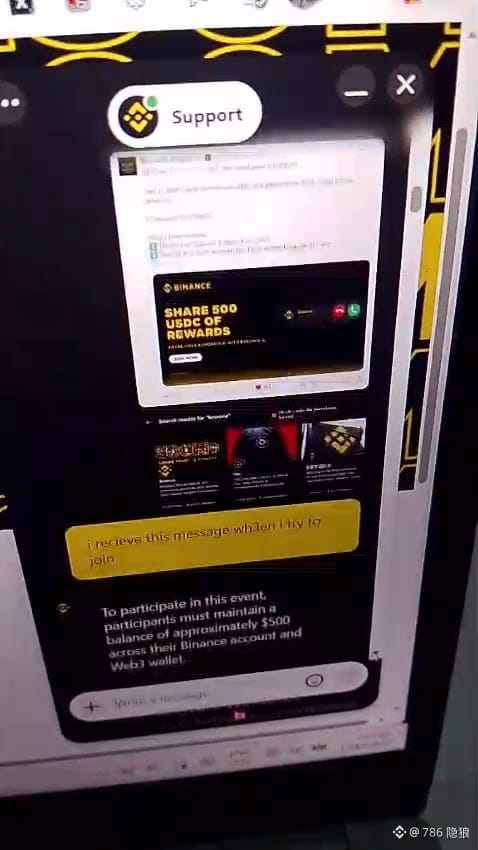
🚩 本物の500 USDCコンテストを餌にしてきた——「参加するには、BinanceアカウントとWeb3ウォレットの合計残高を約500ドルに保つ必要があります」
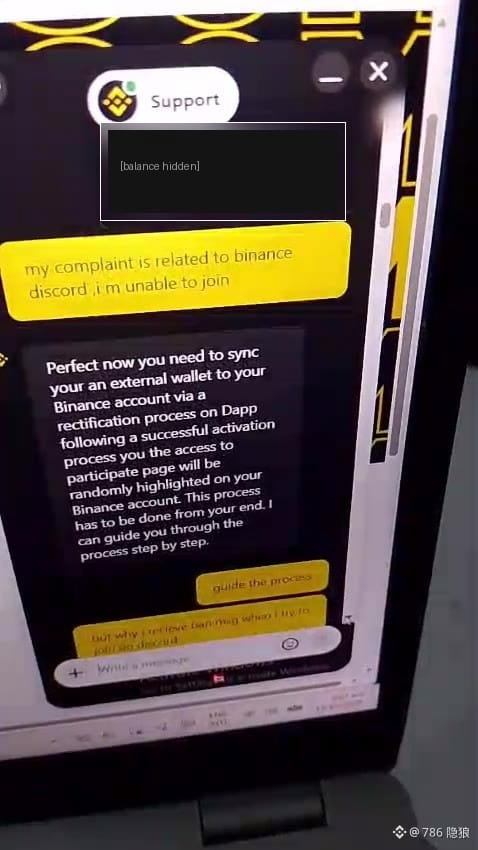
🚩 次に「Dappでウォレットの修復手続きを行い、ウォレットを同期してください」と言ってきた
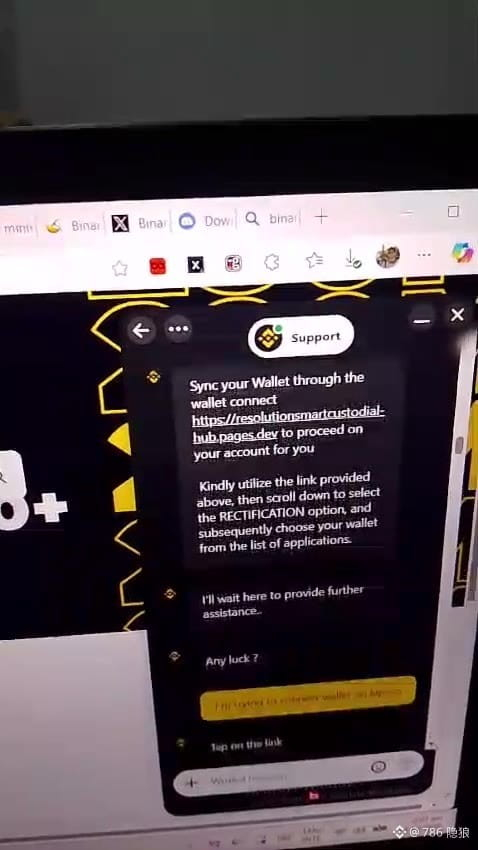
🚩 偽の外部リンクを送ってきた → ウォレットを接続 → 即座に資金を抜き取られた
🚩 その後、偽のUSDトークンが表示された(操作させて、さらに損失を出させるための餌)
Binanceに「ウォレット同期」や「修復」の手続きはありません。本物のサポートが、ウォレットの接続や外部リンクのクリックを求めることは絶対にありません。その言葉が出たら=詐欺です。
以下のスクリーンショットは、実際の詐欺チャットです。手口をよく確認してください。
サポートを名乗る相手からメッセージが来たら——すでに対応中の問題に関するものでも——詐欺です。
私の387ドルの失敗から学んで、あなたは損をしないでください。
ノイズではなく、シグナルに従おう。🐺
#Binance #CryptoSecurity #ScamAlert #Web3 @Binance_Customer_Support
⚠️ たった今、約387ドルを詐欺で失いました。あなたが引っかからないよう、実際のチャットをそのまま共有します。
しばらく解決しなかったDiscordへのアクセス問題について、Binanceサポートとやり取りを続けていました。会話の途中で、偽の「Binanceサポート」からチャットが届き、その問題の「エスカレーション」を担当すると言ってきました。
それが、あまりにも信じやすかった理由です。すでに進行中の会話に、すっぽり入り込んでいたのです。
詐欺の手口:
🚩 本物の500 USDCコンテストを餌にしてきた——「参加するには、BinanceアカウントとWeb3ウォレットの合計残高を約500ドルに保つ必要があります」
🚩 次に「Dappでウォレットの修復手続きを行い、ウォレットを同期してください」と言ってきた
🚩 偽の外部リンクを送ってきた → ウォレットを接続 → 即座に資金を抜き取られた
🚩 その後、偽のUSDトークンが表示された(操作させて、さらに損失を出させるための餌)
Binanceに「ウォレット同期」や「修復」の手続きはありません。本物のサポートが、ウォレットの接続や外部リンクのクリックを求めることは絶対にありません。その言葉が出たら=詐欺です。
以下のスクリーンショットは、実際の詐欺チャットです。手口をよく確認してください。
サポートを名乗る相手からメッセージが来たら——すでに対応中の問題に関するものでも——詐欺です。
私の387ドルの失敗から学んで、あなたは損をしないでください。
ノイズではなく、シグナルに従おう。🐺
#Binance #CryptoSecurity #ScamAlert #Web3 @Binance Customer Support
2
2.8k
·
--
🎙️ NVIDIA株:AIチップが中国に到達!NVDAは今後どうなる?|DYOR
終了
05 時間 59 分 44 秒
820
4
0
·
--
🎙️ NVIDIAの時価総額が10兆ドルに?! AIブームがすごいことに
終了
05 時間 50 分 39 秒
639
5
0
·
--
🎙️ モルガン・スタンレーが掲げるNVDA株の目標株価300ドル、実現可能か? | NVIDIA
終了
05 時間 59 分 44 秒
854
6
0
ログインして、さらにコンテンツを読む
厳選トピックで世界の暗号資産トレーダーの仲間入り
⚡️ 暗号資産に関する最新かつ有益な情報が見つかります。
💬 世界最大の暗号資産取引所から信頼されています。
👍 認証を受けたクリエイターから、有益なインサイトを得られます。
メール / 電話番号
トレンドトピック
BTCRebounds80K
閲覧回数 57,786
667人が討論中
ビットコイン最新情報:私はまだ弱気です。その理由はこちら! 🚨⚠️
皆さんもご覧になったように、BTCは75,700ドル付近から反発し、81,000ドルに到達しました。まず市場はロング勢を罠にはめ、その後ショート勢も罠にはめました。
私は依然として弱気です。まず、皆さんご存じのとおり、今日の米中間選挙では民主党が勝利しました。私の見方では、この結果は市場にとって弱材料です。
短期的には市場が不安定な状態を保ち、望むだけ多くのトレーダーを罠にはめる可能性があります。しかし、それによって市場全体の見通しが変わるわけではありません。
今後、重要なイベントがいくつか控えています。米国の非農業部門雇用者数(11月6日)、米国のCPIインフレ率(11月10日)、米国のPPI(11月13日)、米国の小売売上高(11月17日)、FOMC議事要旨(11月18日)、米国のPCEインフレ率(11月25日)、連邦準備制度理事会(FRB)の金利見通し、米ドル指数(DXY)、米国債利回り、ナスダックの動向、ビットコインETFの資金フロー、そして続いているイラン・イスラエル間の地政学的な情勢などです。これらはすべて、ビットコインと暗号資産市場全体に大きな影響を及ぼす可能性があります。
ただし、ビットコインの最近の値動きに浮かれすぎないでください。テクニカル面で言えば、まだ大きな上昇の動きはありません。昨日、BTCは80,000ドルから82,000ドルの間で取引され、今日も依然として同じようなレンジにあります。
強気に転じたいのであれば、それはあなたの自由です。
以前の投稿で、BTCには75,000ドル/76,000ドルのゾーンにテクニカルサポートがあり、価格はそのサポートから反発して80,000ドルに向けて戻したと明確に説明しました。しかし、これは以前に私が触れていなかったことではありません。実際、BTCが80,000ドル、81,000ドル、さらには82,000ドルに向かう可能性があると、投稿で何度も述べてきました。
それでも、私は依然として弱気です。
弱気の見通しを裏付ける理由は一つだけではありません。理由はいくつもあり、すでに以前の投稿で説明しています。
今のところ、BTCが74,000ドルを下回るのを引き続き待ちます。これはかなり近いうちに起こり得ると考えています。私の見方では、このような調整は市場にとっても必要です。
暗号資産に関するアドバイスが必要な方は、気軽にお知らせください。
#BTCRebounds80K
Strategic Adviser
·いいね:27件
·閲覧回数 28.5k
Binance98PercentReplenished
閲覧回数 37,702
532人が討論中
USMidterms-WhatAreMarketsExpecting?
閲覧回数 336,848
2,036人が討論中