
格鲁吉亚 Georgia
5.7k 投稿

格鲁吉亚 Georgia
報告
ユーザーをブロック
1.1K+ フォロー
13.6K+ フォロワー
3.3K+ いいね
投稿
すべて
引用
ライブ
·
--
ブリッシュ
#coldcardtheftinvestigationadvances
🔍 コールドカード盗難捜査の進展:2026年のハードウェアウォレット侵害に関する最新アップデート
最近のコールドカードのハードウェアウォレット悪用の背後にいる人物の特定と資金の追跡において、大きな進展がありました。最新のオンチェーンデータと調査レポートが明らかにする内容は以下のとおりです。
📰 コアニュース
• 🛡️ 侵害:コールドカード・ウォレットのファームウェア脆弱性により、複数の波(複数回)にわたって1,700 BTC超(推定:$116M–$130M)が体系的に吸い上げられました。
• 🕵️ 捜査の進捗:オンチェーン追跡によると、最初の攻撃からの約1,082 BTCが攻撃者のアドレス上で動いていないまま残っています [[7]]。
• 🏛️ 当局の関与:捜査当局は、盗難のパターンが、報酬を受けているブロックチェーン・データサービスのアカウントの活動と強く一致していることを突き止めました。業界アナリストは、これらの手がかりは当局に引き渡されており、最初の波の攻撃者の身元はすでに判明している可能性があると指摘しています [[7]]。
📊 市場への影響
• 🔐 自己保管の警戒:この出来事は、ハードウェアウォレットのファームウェアの完全性を検証すること、メーカーから直接端末を入手すること、そしてセキュリティ勧告を常に最新に保つことの重要性を改めて示しています。
• 🔎 オンチェーン分析の勝利:盗まれた資金を能動的に追跡し、タグ付けし、監視できることは、不正な現金化を抑止するうえでブロックチェーン鑑識ツールの有効性が成熟してきていることを示しています。
• ⚖️ 生態系(エコシステム)への信頼:特定の端末モデルを巡って短期的な懸念が生じる可能性はあるものの、メーカーによる透明性のある調査と事後検証(ポストモーテム)の実施は、長期的な業界のセキュリティ基準を結果的に強化します。
この事件は、あなたの個人的な自己保管戦略にどのような影響を与えましたか?単一のハードウェアウォレットに依存していますか、それとも追加のセキュリティのためにマルチシグ設定を検討していますか?あなたの考えを下に共有してください!👇
$BTW $TREE $MUBARAK
{future}(MUBARAKUSDT)
{future}(TREEUSDT)
{future}(BTWUSDT)
#coldcardtheftinvestigationadvances
🔍 コールドカード盗難捜査の進展:2026年のハードウェアウォレット侵害に関する最新アップデート
最近のコールドカードのハードウェアウォレット悪用の背後にいる人物の特定と資金の追跡において、大きな進展がありました。最新のオンチェーンデータと調査レポートが明らかにする内容は以下のとおりです。
📰 コアニュース
• 🛡️ 侵害:コールドカード・ウォレットのファームウェア脆弱性により、複数の波(複数回)にわたって1,700 BTC超(推定:$116M–$130M)が体系的に吸い上げられました。
• 🕵️ 捜査の進捗:オンチェーン追跡によると、最初の攻撃からの約1,082 BTCが攻撃者のアドレス上で動いていないまま残っています [[7]]。
• 🏛️ 当局の関与:捜査当局は、盗難のパターンが、報酬を受けているブロックチェーン・データサービスのアカウントの活動と強く一致していることを突き止めました。業界アナリストは、これらの手がかりは当局に引き渡されており、最初の波の攻撃者の身元はすでに判明している可能性があると指摘しています [[7]]。
📊 市場への影響
• 🔐 自己保管の警戒:この出来事は、ハードウェアウォレットのファームウェアの完全性を検証すること、メーカーから直接端末を入手すること、そしてセキュリティ勧告を常に最新に保つことの重要性を改めて示しています。
• 🔎 オンチェーン分析の勝利:盗まれた資金を能動的に追跡し、タグ付けし、監視できることは、不正な現金化を抑止するうえでブロックチェーン鑑識ツールの有効性が成熟してきていることを示しています。
• ⚖️ 生態系(エコシステム)への信頼:特定の端末モデルを巡って短期的な懸念が生じる可能性はあるものの、メーカーによる透明性のある調査と事後検証(ポストモーテム)の実施は、長期的な業界のセキュリティ基準を結果的に強化します。
この事件は、あなたの個人的な自己保管戦略にどのような影響を与えましたか?単一のハードウェアウォレットに依存していますか、それとも追加のセキュリティのためにマルチシグ設定を検討していますか?あなたの考えを下に共有してください!👇
$BTW $TREE $MUBARAK
🔍 コールドカード盗難捜査の進展:2026年のハードウェアウォレット侵害に関する最新アップデート
最近のコールドカードのハードウェアウォレット悪用の背後にいる人物の特定と資金の追跡において、大きな進展がありました。最新のオンチェーンデータと調査レポートが明らかにする内容は以下のとおりです。
📰 コアニュース
• 🛡️ 侵害:コールドカード・ウォレットのファームウェア脆弱性により、複数の波(複数回)にわたって1,700 BTC超(推定:$116M–$130M)が体系的に吸い上げられました。
• 🕵️ 捜査の進捗:オンチェーン追跡によると、最初の攻撃からの約1,082 BTCが攻撃者のアドレス上で動いていないまま残っています [[7]]。
• 🏛️ 当局の関与:捜査当局は、盗難のパターンが、報酬を受けているブロックチェーン・データサービスのアカウントの活動と強く一致していることを突き止めました。業界アナリストは、これらの手がかりは当局に引き渡されており、最初の波の攻撃者の身元はすでに判明している可能性があると指摘しています [[7]]。
📊 市場への影響
• 🔐 自己保管の警戒:この出来事は、ハードウェアウォレットのファームウェアの完全性を検証すること、メーカーから直接端末を入手すること、そしてセキュリティ勧告を常に最新に保つことの重要性を改めて示しています。
• 🔎 オンチェーン分析の勝利:盗まれた資金を能動的に追跡し、タグ付けし、監視できることは、不正な現金化を抑止するうえでブロックチェーン鑑識ツールの有効性が成熟してきていることを示しています。
• ⚖️ 生態系(エコシステム)への信頼:特定の端末モデルを巡って短期的な懸念が生じる可能性はあるものの、メーカーによる透明性のある調査と事後検証(ポストモーテム)の実施は、長期的な業界のセキュリティ基準を結果的に強化します。
この事件は、あなたの個人的な自己保管戦略にどのような影響を与えましたか?単一のハードウェアウォレットに依存していますか、それとも追加のセキュリティのためにマルチシグ設定を検討していますか?あなたの考えを下に共有してください!👇
$BTW $TREE $MUBARAK

2
182
·
--
ブリッシュ
#cryptorally
📈マーケットウォッチ:現在の暗号資産ラリーを支える主要ドライバー
暗号資産市場は再び勢いを取り戻しており、主要な銘柄では目立つ上昇が見られています。このトレンドを後押ししている中核的な要因と、それがより広いエコシステムにとって何を意味するのかを分解して見ていきましょう。
📰 コアニュース
最近の市場データでは、主要なデジタル資産全般にわたる幅広い持ち上がりが示されており、市場のダイナミクスに変化が起きていることを反映しています。この前向きな値動きは、主に次の3つの収束する要因によって支えられています:
• 🏛️ 規制の進展:進歩的な立法の議論が進むことで、デジタル資産のより明確な運用枠組みが整いつつあり、長期的な不確実性が減少しています。
• 🏢 機関投資家の統合:従来型の金融からの着実な参加が、市場流動性とエコシステム全体の成熟度を引き続き後押ししています。
• 📊 マクロ経済環境:世界の流動性ダイナミクスの変化や、金利見通しの更新が、慎重ながらも着実にリスクオンのセンチメントが戻ってくることに寄与しています。
📊 市場への影響
• メジャー・キャップ(BTC&ETH):市場の主要なアンカーとして、これらの資産への継続的な関心は、市場全体のセンチメントと取引量の安定に役立ちます。
• **アルトコイン&DeFiセクター**:主要銘柄の流動性が改善すると、連鎖的に波及し、分散型ファイナンスやモジュール型インフラの基盤プロジェクトに開発者やユーザーの注目が集まることがあります。
• **ボラティリティへの意識**:上昙トレンドは前向きですが、急激な価格変動は一時的なボラティリティや、レバレッジを伴う清算を引き起こすこともあります。そのため、参加者全員にとって健全なリスク管理が不可欠です。
あなたの見解では、この勢いを活かして最も有利な位置にあるのはどの分野でしょうか。レイヤー1ブロックチェーン、DeFiプロトコル、あるいはリアルワールド・アセット(RWAs)ですか?下のコメント欄であなたの分析を共有してください!
免責事項:本内容は教育目的のみです。投資助言ではありません(NFA)。常に自己調査(DYOR)を行ってください。
$MUBARAK $TREE $HEMI
{future}(HEMIUSDT)
{future}(TREEUSDT)
{future}(MUBARAKUSDT)
#cryptorally
📈マーケットウォッチ:現在の暗号資産ラリーを支える主要ドライバー
暗号資産市場は再び勢いを取り戻しており、主要な銘柄では目立つ上昇が見られています。このトレンドを後押ししている中核的な要因と、それがより広いエコシステムにとって何を意味するのかを分解して見ていきましょう。
📰 コアニュース
最近の市場データでは、主要なデジタル資産全般にわたる幅広い持ち上がりが示されており、市場のダイナミクスに変化が起きていることを反映しています。この前向きな値動きは、主に次の3つの収束する要因によって支えられています:
• 🏛️ 規制の進展:進歩的な立法の議論が進むことで、デジタル資産のより明確な運用枠組みが整いつつあり、長期的な不確実性が減少しています。
• 🏢 機関投資家の統合:従来型の金融からの着実な参加が、市場流動性とエコシステム全体の成熟度を引き続き後押ししています。
• 📊 マクロ経済環境:世界の流動性ダイナミクスの変化や、金利見通しの更新が、慎重ながらも着実にリスクオンのセンチメントが戻ってくることに寄与しています。
📊 市場への影響
• メジャー・キャップ(BTC&ETH):市場の主要なアンカーとして、これらの資産への継続的な関心は、市場全体のセンチメントと取引量の安定に役立ちます。
• **アルトコイン&DeFiセクター**:主要銘柄の流動性が改善すると、連鎖的に波及し、分散型ファイナンスやモジュール型インフラの基盤プロジェクトに開発者やユーザーの注目が集まることがあります。
• **ボラティリティへの意識**:上昙トレンドは前向きですが、急激な価格変動は一時的なボラティリティや、レバレッジを伴う清算を引き起こすこともあります。そのため、参加者全員にとって健全なリスク管理が不可欠です。
あなたの見解では、この勢いを活かして最も有利な位置にあるのはどの分野でしょうか。レイヤー1ブロックチェーン、DeFiプロトコル、あるいはリアルワールド・アセット(RWAs)ですか?下のコメント欄であなたの分析を共有してください!
免責事項:本内容は教育目的のみです。投資助言ではありません(NFA)。常に自己調査(DYOR)を行ってください。
$MUBARAK $TREE $HEMI
📈マーケットウォッチ:現在の暗号資産ラリーを支える主要ドライバー
暗号資産市場は再び勢いを取り戻しており、主要な銘柄では目立つ上昇が見られています。このトレンドを後押ししている中核的な要因と、それがより広いエコシステムにとって何を意味するのかを分解して見ていきましょう。
📰 コアニュース
最近の市場データでは、主要なデジタル資産全般にわたる幅広い持ち上がりが示されており、市場のダイナミクスに変化が起きていることを反映しています。この前向きな値動きは、主に次の3つの収束する要因によって支えられています:
• 🏛️ 規制の進展:進歩的な立法の議論が進むことで、デジタル資産のより明確な運用枠組みが整いつつあり、長期的な不確実性が減少しています。
• 🏢 機関投資家の統合:従来型の金融からの着実な参加が、市場流動性とエコシステム全体の成熟度を引き続き後押ししています。
• 📊 マクロ経済環境:世界の流動性ダイナミクスの変化や、金利見通しの更新が、慎重ながらも着実にリスクオンのセンチメントが戻ってくることに寄与しています。
📊 市場への影響
• メジャー・キャップ(BTC&ETH):市場の主要なアンカーとして、これらの資産への継続的な関心は、市場全体のセンチメントと取引量の安定に役立ちます。
• **アルトコイン&DeFiセクター**:主要銘柄の流動性が改善すると、連鎖的に波及し、分散型ファイナンスやモジュール型インフラの基盤プロジェクトに開発者やユーザーの注目が集まることがあります。
• **ボラティリティへの意識**:上昙トレンドは前向きですが、急激な価格変動は一時的なボラティリティや、レバレッジを伴う清算を引き起こすこともあります。そのため、参加者全員にとって健全なリスク管理が不可欠です。
あなたの見解では、この勢いを活かして最も有利な位置にあるのはどの分野でしょうか。レイヤー1ブロックチェーン、DeFiプロトコル、あるいはリアルワールド・アセット(RWAs)ですか?下のコメント欄であなたの分析を共有してください!
免責事項:本内容は教育目的のみです。投資助言ではありません(NFA)。常に自己調査(DYOR)を行ってください。
$MUBARAK $TREE $HEMI

1
1.6k
·
--
ブリッシュ
Bullish
80%
Bearish
20%
15 投票 • 投票は終了しました
1
370
·
--
ブリッシュ
#baby $BABY @babylonlabs_io
{future}(BABYUSDT)
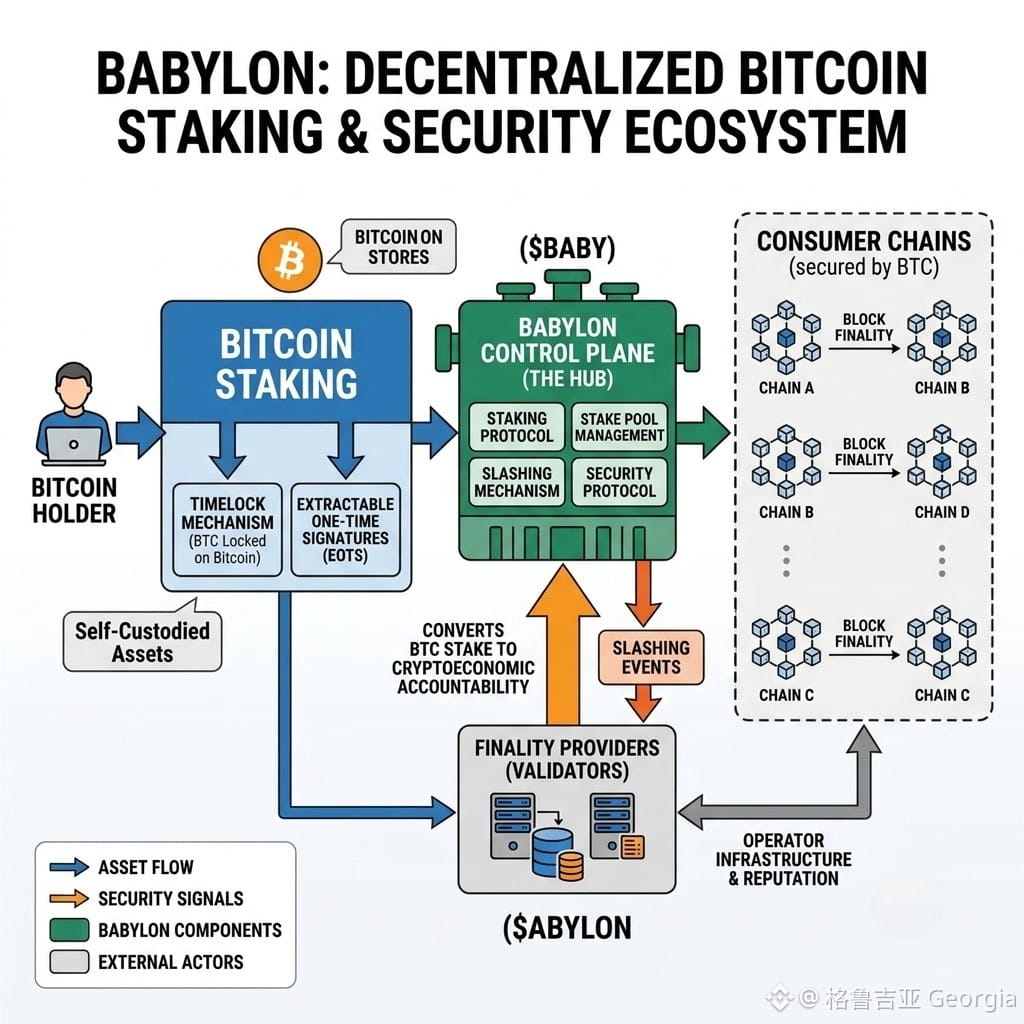
私は、ビットコインそのものとはほとんど関係のない、ある一つの問いに何度も立ち返っていました。バビロンの設計で難しいのは、BTC保有者にステークさせることではありません。より難しいのは、別のコンセンサス・システムの中でビットコインの経済的な重みを表現する責任を負う主体を、人々が信頼できるようにすることです。この違いが、Finality Providers(ファイナリティ・プロバイダ)がアーキテクチャの中でどう位置づけられるのかを読み進めた後、ずっと重要に感じられました。
BTCは自己管理(セルフ・カストディ)されたままですが、セキュリティは自動的に伝達されません。Finality Providersは、委任されたビットコインのステークを、バビロンのファイナリティ層における暗号経済的な説明責任へと変換する主体です。彼らの署名が、ビットコインのロックされた資本が実際にコンセンサスに影響するかどうかを決め、スラッシングは、同一の正当化を複数の形で提示する(equivocation)ことを思いとどまらせるためのものです。実際には、彼らの背後にある委任BTCの価値とほぼ同じくらい、運用上の信頼性が重要になるのです。
それは、あまり議論されていないインセンティブを生みます。アプリケーションが一貫して、最も長い稼働時間・最も強固なインフラ・最も深い評判(評判の委任)を持つFinality Providersを好むなら、相対的に少数のオペレーターへと自然に集中する可能性があります。プロトコルのルールが明示的に中央集権を要求しているわけではありませんが、市場の嗜好が静かにそれを生み出してしまうことはあり得ます。プロトコルはカストディと検証(バリデーション)の権限を分離しますが、検証の権限と評判を必ずしも分離してはいません。
そこで私は、バビロンの長期的な分散化が、ビットコインの分配(ディストリビューション)にどれほど依存するのか、むしろ「新たに信頼できるFinality Providersを、継続的にエコシステムが生み出せるか」によって左右されるのではないかと考えるようになりました。評判が希少な資源になるのなら、その“本当のセキュリティ予算”は、ビットコインそのものではなく、ネットワークが管理しているものなのかもしれません。
#baby $BABY @BabylonLabs_io
私は、ビットコインそのものとはほとんど関係のない、ある一つの問いに何度も立ち返っていました。バビロンの設計で難しいのは、BTC保有者にステークさせることではありません。より難しいのは、別のコンセンサス・システムの中でビットコインの経済的な重みを表現する責任を負う主体を、人々が信頼できるようにすることです。この違いが、Finality Providers(ファイナリティ・プロバイダ)がアーキテクチャの中でどう位置づけられるのかを読み進めた後、ずっと重要に感じられました。
BTCは自己管理(セルフ・カストディ)されたままですが、セキュリティは自動的に伝達されません。Finality Providersは、委任されたビットコインのステークを、バビロンのファイナリティ層における暗号経済的な説明責任へと変換する主体です。彼らの署名が、ビットコインのロックされた資本が実際にコンセンサスに影響するかどうかを決め、スラッシングは、同一の正当化を複数の形で提示する(equivocation)ことを思いとどまらせるためのものです。実際には、彼らの背後にある委任BTCの価値とほぼ同じくらい、運用上の信頼性が重要になるのです。
それは、あまり議論されていないインセンティブを生みます。アプリケーションが一貫して、最も長い稼働時間・最も強固なインフラ・最も深い評判(評判の委任)を持つFinality Providersを好むなら、相対的に少数のオペレーターへと自然に集中する可能性があります。プロトコルのルールが明示的に中央集権を要求しているわけではありませんが、市場の嗜好が静かにそれを生み出してしまうことはあり得ます。プロトコルはカストディと検証(バリデーション)の権限を分離しますが、検証の権限と評判を必ずしも分離してはいません。
そこで私は、バビロンの長期的な分散化が、ビットコインの分配(ディストリビューション)にどれほど依存するのか、むしろ「新たに信頼できるFinality Providersを、継続的にエコシステムが生み出せるか」によって左右されるのではないかと考えるようになりました。評判が希少な資源になるのなら、その“本当のセキュリティ予算”は、ビットコインそのものではなく、ネットワークが管理しているものなのかもしれません。
私は、ビットコインそのものとはほとんど関係のない、ある一つの問いに何度も立ち返っていました。バビロンの設計で難しいのは、BTC保有者にステークさせることではありません。より難しいのは、別のコンセンサス・システムの中でビットコインの経済的な重みを表現する責任を負う主体を、人々が信頼できるようにすることです。この違いが、Finality Providers(ファイナリティ・プロバイダ)がアーキテクチャの中でどう位置づけられるのかを読み進めた後、ずっと重要に感じられました。
BTCは自己管理(セルフ・カストディ)されたままですが、セキュリティは自動的に伝達されません。Finality Providersは、委任されたビットコインのステークを、バビロンのファイナリティ層における暗号経済的な説明責任へと変換する主体です。彼らの署名が、ビットコインのロックされた資本が実際にコンセンサスに影響するかどうかを決め、スラッシングは、同一の正当化を複数の形で提示する(equivocation)ことを思いとどまらせるためのものです。実際には、彼らの背後にある委任BTCの価値とほぼ同じくらい、運用上の信頼性が重要になるのです。
それは、あまり議論されていないインセンティブを生みます。アプリケーションが一貫して、最も長い稼働時間・最も強固なインフラ・最も深い評判(評判の委任)を持つFinality Providersを好むなら、相対的に少数のオペレーターへと自然に集中する可能性があります。プロトコルのルールが明示的に中央集権を要求しているわけではありませんが、市場の嗜好が静かにそれを生み出してしまうことはあり得ます。プロトコルはカストディと検証(バリデーション)の権限を分離しますが、検証の権限と評判を必ずしも分離してはいません。
そこで私は、バビロンの長期的な分散化が、ビットコインの分配(ディストリビューション)にどれほど依存するのか、むしろ「新たに信頼できるFinality Providersを、継続的にエコシステムが生み出せるか」によって左右されるのではないかと考えるようになりました。評判が希少な資源になるのなら、その“本当のセキュリティ予算”は、ビットコインそのものではなく、ネットワークが管理しているものなのかもしれません。
3
2
104
·
--
ブリッシュ
#baby $BABY @babylonlabs_io
{future}(BABYUSDT)
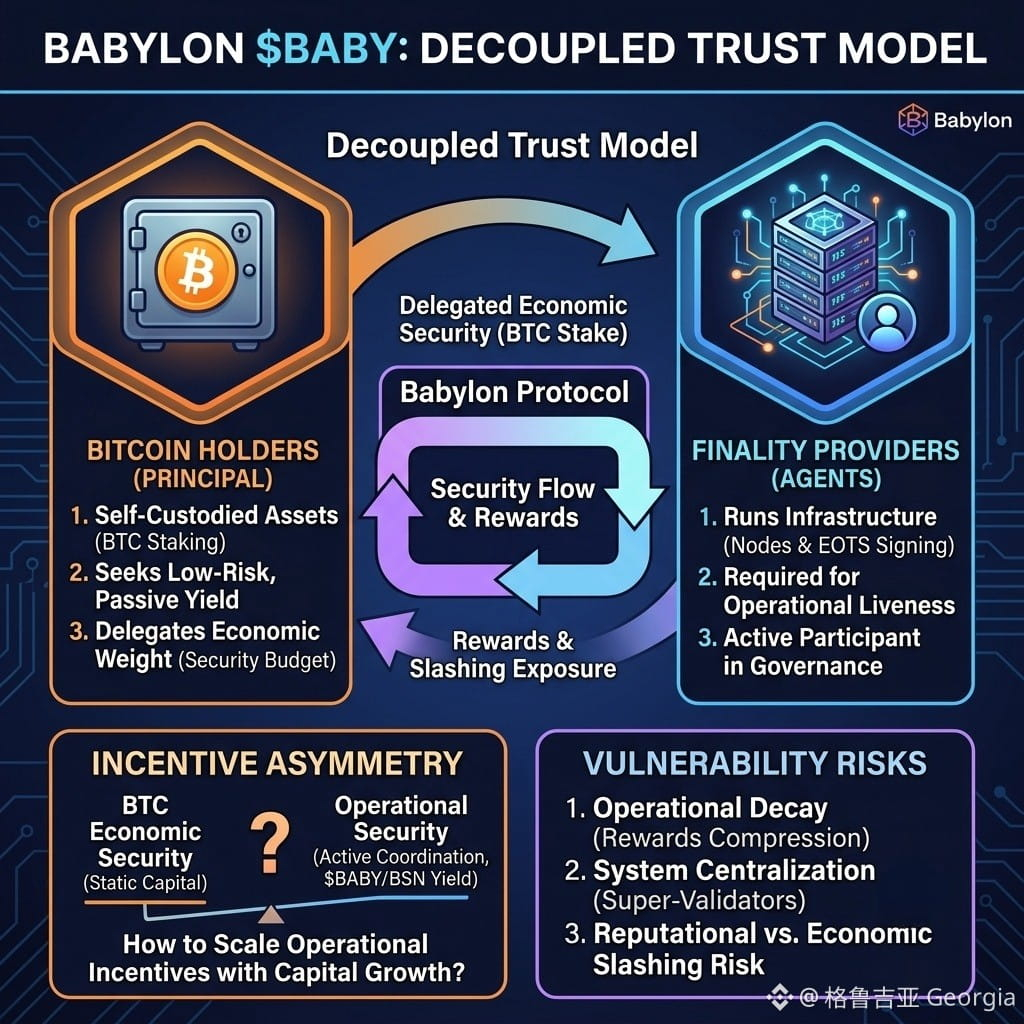
私は、ビットコインというよりも調整(コーディネーション)に関する、ある一つの問いに何度も立ち返りました。最初は、バビロンの最も難しい課題は、ビットコインの経済的安全性をPoSシステムに取り込むことだと考えていました。しかしアーキテクチャをより注意深く読むと、より脆い層はBTCそのものではなく、最終性(ファイナリティ)提供者を取り巻く人々とインセンティブかもしれないと思えてきました。
バビロンの設計は、BTC保有者と、最終性に参加する主体を意図的に分離しています。ビットコインは自己保管されたままで、最終性提供者はプロトコルのルールに違反した場合にスラッシャブルとなり得るチェックポイントに署名します。この分離は、ビットコイン保有者に複雑なインフラ運用を求めずに済むため優雅です。しかし同時に、このプロトコルは、ビットコインの安全性によって裏付けられているのが部分的にしかないインセンティブを持つ仲介的な存在に依存していることも意味します。彼らの評判、稼働の信頼性、BABY建ての報酬、そしてスラッシングのエクスポージャーが、すべて信頼モデルの一部になります。
それは興味深い非対称性を生みます。ビットコインが経済的な重みを供給する一方で、最終性の質は、別の資産と別のガバナンス・システムによって行動が形作られるアクターの振る舞いに依存しています。もしBABYのインセンティブが魅力を失えば、このプロトコルは直ちにステークされたBTCを失うわけではありませんが、最終性を担う参加者の多様性やレジリエンスが徐々に失われていく可能性があります。経済的安全性と運用上の安全性が、互いに強め合うのではなく、少しずつ離れていってしまうのです。
バビロンにとっての長期的な課題は、より多くのビットコインを集めることではなく、最終性提供者のインセンティブが、彼らに期待されるセキュリティの価値と並んでスケールし続けることを保証する点なのではないか、と私は思います。
#baby $BABY @BabylonLabs_io
私は、ビットコインというよりも調整(コーディネーション)に関する、ある一つの問いに何度も立ち返りました。最初は、バビロンの最も難しい課題は、ビットコインの経済的安全性をPoSシステムに取り込むことだと考えていました。しかしアーキテクチャをより注意深く読むと、より脆い層はBTCそのものではなく、最終性(ファイナリティ)提供者を取り巻く人々とインセンティブかもしれないと思えてきました。
バビロンの設計は、BTC保有者と、最終性に参加する主体を意図的に分離しています。ビットコインは自己保管されたままで、最終性提供者はプロトコルのルールに違反した場合にスラッシャブルとなり得るチェックポイントに署名します。この分離は、ビットコイン保有者に複雑なインフラ運用を求めずに済むため優雅です。しかし同時に、このプロトコルは、ビットコインの安全性によって裏付けられているのが部分的にしかないインセンティブを持つ仲介的な存在に依存していることも意味します。彼らの評判、稼働の信頼性、BABY建ての報酬、そしてスラッシングのエクスポージャーが、すべて信頼モデルの一部になります。
それは興味深い非対称性を生みます。ビットコインが経済的な重みを供給する一方で、最終性の質は、別の資産と別のガバナンス・システムによって行動が形作られるアクターの振る舞いに依存しています。もしBABYのインセンティブが魅力を失えば、このプロトコルは直ちにステークされたBTCを失うわけではありませんが、最終性を担う参加者の多様性やレジリエンスが徐々に失われていく可能性があります。経済的安全性と運用上の安全性が、互いに強め合うのではなく、少しずつ離れていってしまうのです。
バビロンにとっての長期的な課題は、より多くのビットコインを集めることではなく、最終性提供者のインセンティブが、彼らに期待されるセキュリティの価値と並んでスケールし続けることを保証する点なのではないか、と私は思います。
私は、ビットコインというよりも調整(コーディネーション)に関する、ある一つの問いに何度も立ち返りました。最初は、バビロンの最も難しい課題は、ビットコインの経済的安全性をPoSシステムに取り込むことだと考えていました。しかしアーキテクチャをより注意深く読むと、より脆い層はBTCそのものではなく、最終性(ファイナリティ)提供者を取り巻く人々とインセンティブかもしれないと思えてきました。
バビロンの設計は、BTC保有者と、最終性に参加する主体を意図的に分離しています。ビットコインは自己保管されたままで、最終性提供者はプロトコルのルールに違反した場合にスラッシャブルとなり得るチェックポイントに署名します。この分離は、ビットコイン保有者に複雑なインフラ運用を求めずに済むため優雅です。しかし同時に、このプロトコルは、ビットコインの安全性によって裏付けられているのが部分的にしかないインセンティブを持つ仲介的な存在に依存していることも意味します。彼らの評判、稼働の信頼性、BABY建ての報酬、そしてスラッシングのエクスポージャーが、すべて信頼モデルの一部になります。
それは興味深い非対称性を生みます。ビットコインが経済的な重みを供給する一方で、最終性の質は、別の資産と別のガバナンス・システムによって行動が形作られるアクターの振る舞いに依存しています。もしBABYのインセンティブが魅力を失えば、このプロトコルは直ちにステークされたBTCを失うわけではありませんが、最終性を担う参加者の多様性やレジリエンスが徐々に失われていく可能性があります。経済的安全性と運用上の安全性が、互いに強め合うのではなく、少しずつ離れていってしまうのです。
バビロンにとっての長期的な課題は、より多くのビットコインを集めることではなく、最終性提供者のインセンティブが、彼らに期待されるセキュリティの価値と並んでスケールし続けることを保証する点なのではないか、と私は思います。
103
·
--
ブリッシュ
#baby $BABY @babylonlabs_io
{future}(BABYUSDT)
新しい暗号インフラは、人々がどれだけ早くそれを採用するかでしばしば評価されます。しかし、それが最適な指標だとは思いません。
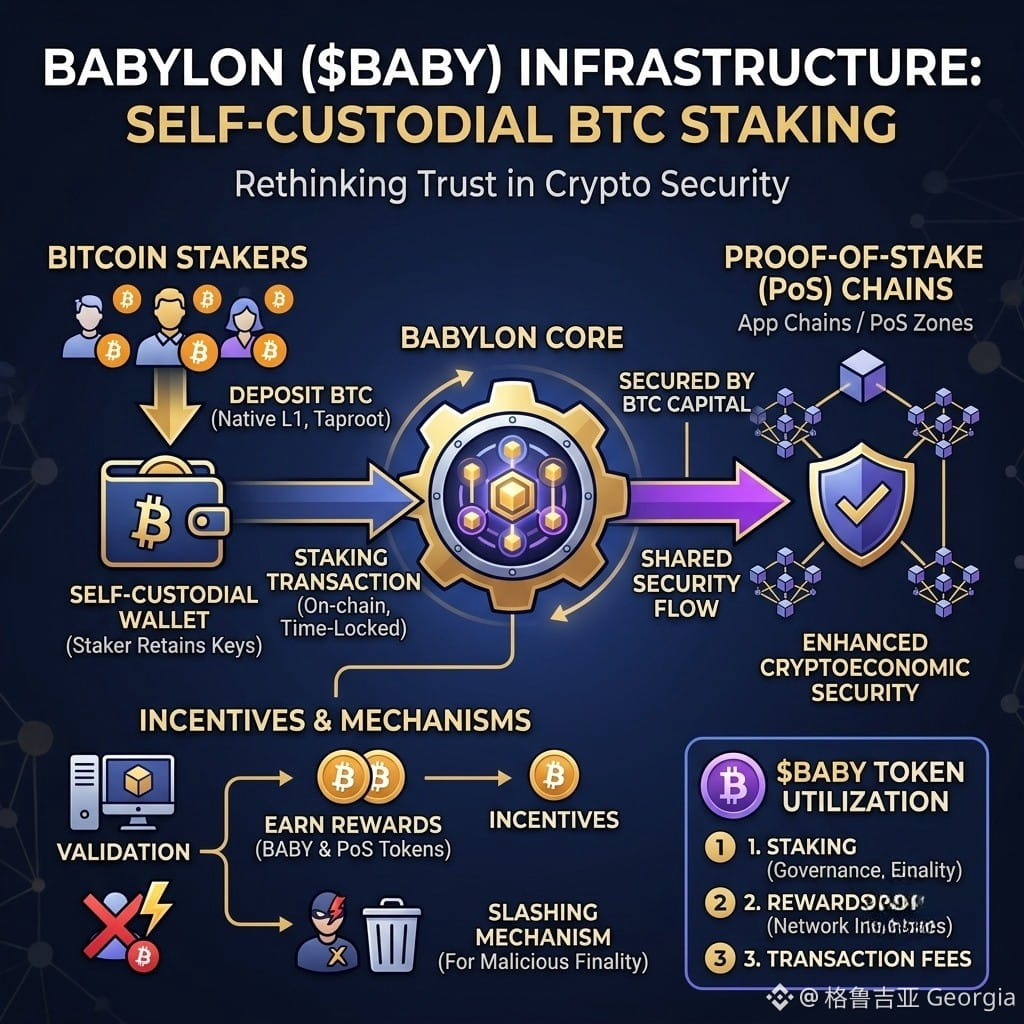
Babylonは、ビットコイン保有者が自己管理(セルフ・カストディ)でBTCをステークできる方法を導入し、ビットコインの経済的セキュリティを活用してプルーフ・オブ・ステーク(PoS)ブロックチェーンを支えます。野心的な構想ですが、その成功が、人々が最初に見がちな指標には必ずしも表れない可能性があります。
初期の参加は、好奇心を促すインセンティブや市場環境によって加速されることがあります。ですが、それらはモデルが信頼できるインフラになったかどうかを必ずしも教えてはくれません。信頼は、ずっとゆっくりと育っていきます。参加者が興奮が冷めた後もシステムを使い続けること、そして短期的な報酬よりもセキュリティが重要になることによって、それは明らかになります。
そのため、カストディ型ビットコイン・モデルとの比較が興味深いのです。ラップド・アセットは、摩擦を減らして既存のエコシステムに適合できるため、急速に成長することがあります。Babylonは、たとえ採用がより緩やかになるとしても、自己管理を優先するという別の道を選んでいます。
進み具合は遅く見えるかもしれませんが、遅いことが常に弱いことを意味するわけではありません。むしろ、信頼を得るための別の基準を反映している場合もあります。
最も重要なシグナルは、最大の入金額や最速の成長チャートになることではないかもしれません。それは、インセンティブが平常運転になると人々が同じ設計を選び続けるかどうか、そして基盤となるセキュリティだけが残るかどうか、という点にあるのかもしれません。
#baby $BABY @BabylonLabs_io
新しい暗号インフラは、人々がどれだけ早くそれを採用するかでしばしば評価されます。しかし、それが最適な指標だとは思いません。
Babylonは、ビットコイン保有者が自己管理(セルフ・カストディ)でBTCをステークできる方法を導入し、ビットコインの経済的セキュリティを活用してプルーフ・オブ・ステーク(PoS)ブロックチェーンを支えます。野心的な構想ですが、その成功が、人々が最初に見がちな指標には必ずしも表れない可能性があります。
初期の参加は、好奇心を促すインセンティブや市場環境によって加速されることがあります。ですが、それらはモデルが信頼できるインフラになったかどうかを必ずしも教えてはくれません。信頼は、ずっとゆっくりと育っていきます。参加者が興奮が冷めた後もシステムを使い続けること、そして短期的な報酬よりもセキュリティが重要になることによって、それは明らかになります。
そのため、カストディ型ビットコイン・モデルとの比較が興味深いのです。ラップド・アセットは、摩擦を減らして既存のエコシステムに適合できるため、急速に成長することがあります。Babylonは、たとえ採用がより緩やかになるとしても、自己管理を優先するという別の道を選んでいます。
進み具合は遅く見えるかもしれませんが、遅いことが常に弱いことを意味するわけではありません。むしろ、信頼を得るための別の基準を反映している場合もあります。
最も重要なシグナルは、最大の入金額や最速の成長チャートになることではないかもしれません。それは、インセンティブが平常運転になると人々が同じ設計を選び続けるかどうか、そして基盤となるセキュリティだけが残るかどうか、という点にあるのかもしれません。
新しい暗号インフラは、人々がどれだけ早くそれを採用するかでしばしば評価されます。しかし、それが最適な指標だとは思いません。
Babylonは、ビットコイン保有者が自己管理(セルフ・カストディ)でBTCをステークできる方法を導入し、ビットコインの経済的セキュリティを活用してプルーフ・オブ・ステーク(PoS)ブロックチェーンを支えます。野心的な構想ですが、その成功が、人々が最初に見がちな指標には必ずしも表れない可能性があります。
初期の参加は、好奇心を促すインセンティブや市場環境によって加速されることがあります。ですが、それらはモデルが信頼できるインフラになったかどうかを必ずしも教えてはくれません。信頼は、ずっとゆっくりと育っていきます。参加者が興奮が冷めた後もシステムを使い続けること、そして短期的な報酬よりもセキュリティが重要になることによって、それは明らかになります。
そのため、カストディ型ビットコイン・モデルとの比較が興味深いのです。ラップド・アセットは、摩擦を減らして既存のエコシステムに適合できるため、急速に成長することがあります。Babylonは、たとえ採用がより緩やかになるとしても、自己管理を優先するという別の道を選んでいます。
進み具合は遅く見えるかもしれませんが、遅いことが常に弱いことを意味するわけではありません。むしろ、信頼を得るための別の基準を反映している場合もあります。
最も重要なシグナルは、最大の入金額や最速の成長チャートになることではないかもしれません。それは、インセンティブが平常運転になると人々が同じ設計を選び続けるかどうか、そして基盤となるセキュリティだけが残るかどうか、という点にあるのかもしれません。
1
105
·
--
ブリッシュ
#baby $BABY @babylonlabs_io
{future}(BABYUSDT)
多くの人は、ビットコインの価値は単に保有することにあると考えています。しかし、その次の役割が、単に資産を守るだけではなく、静かに他のネットワークを保護することだとしたらどうでしょう?
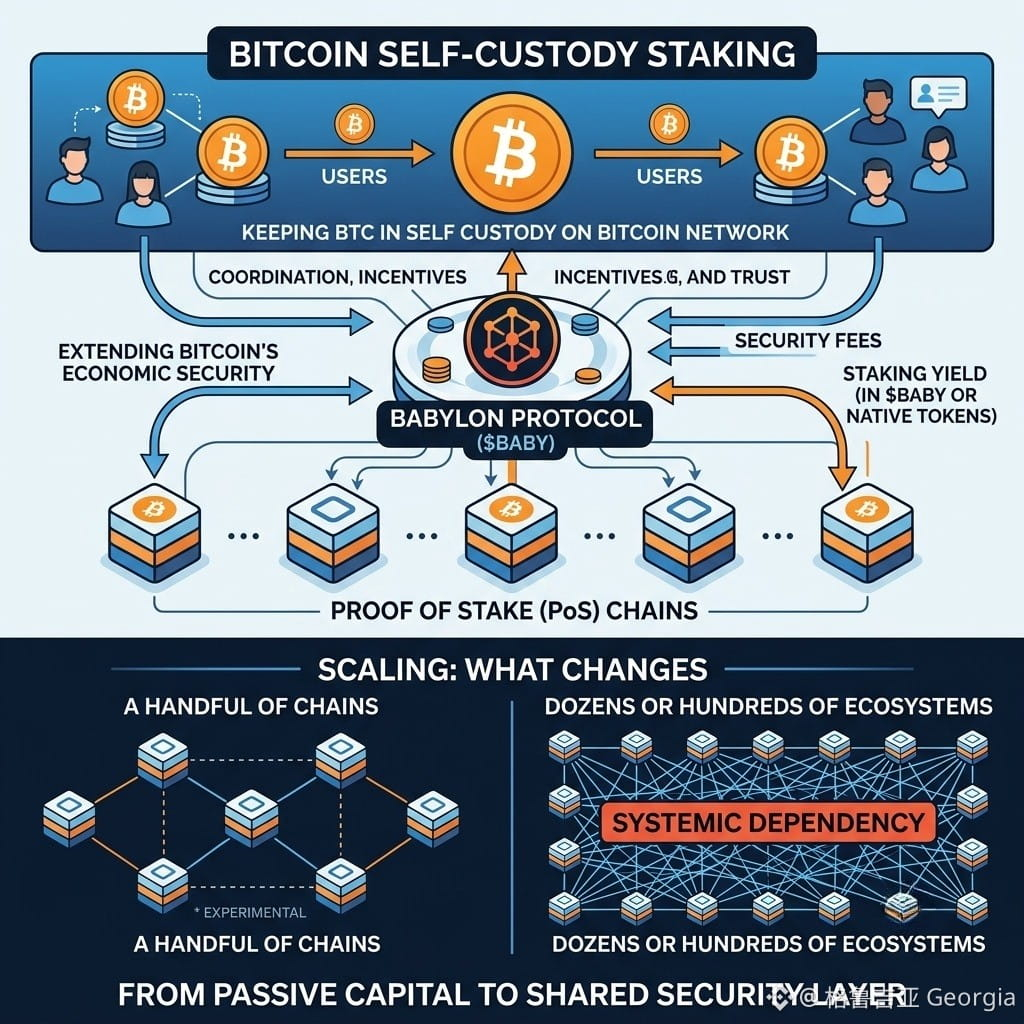
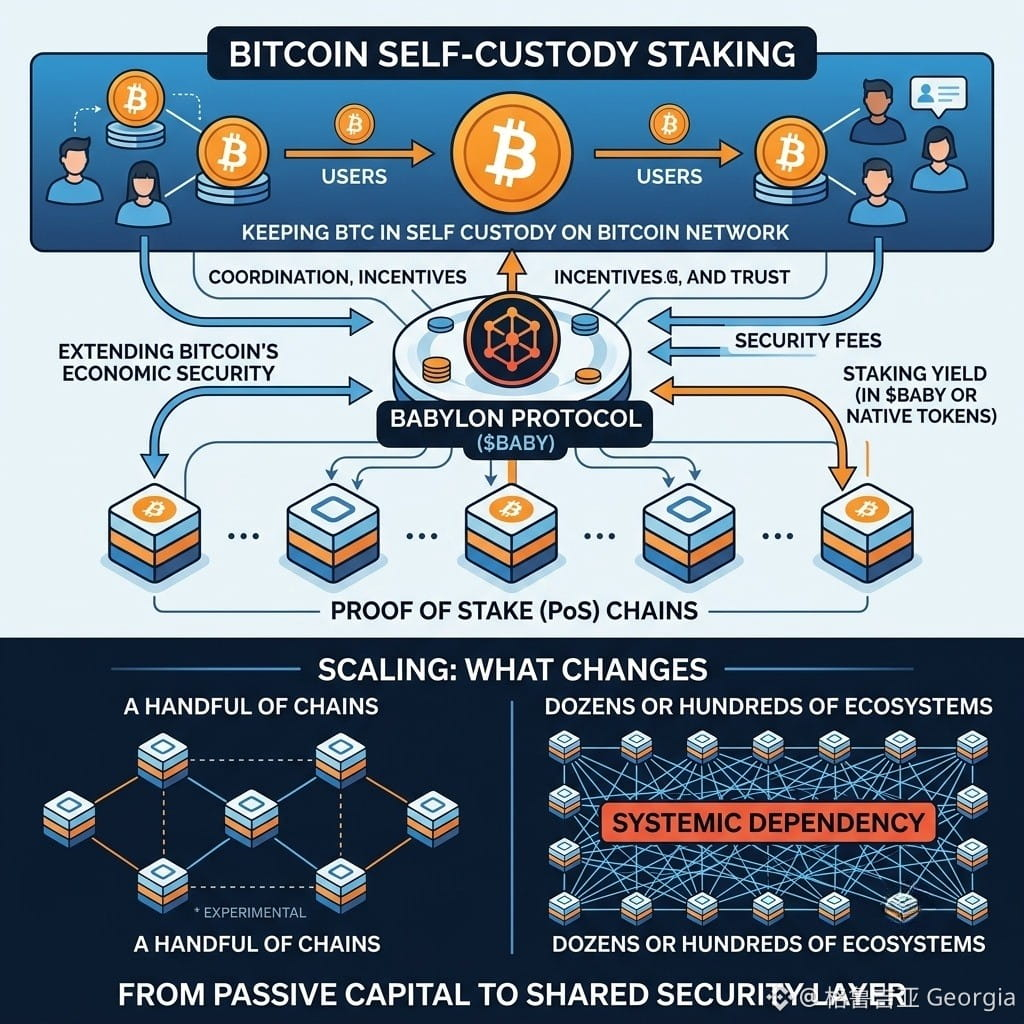
バビロンが探っているのはまさにその考え方です。ビットコイン保有者がBTCをステークしつつ、そのBTCはビットコインネットワーク上で自己管理(セルフカストディ)したままにすることで、BTCをラップド資産に変えることなく、Proof of Stakeチェーンへのビットコインの経済的セキュリティを拡張します。
面白いのは、ステークそのものではありません。もしこのモデルが広く採用されるようになったら、何が起きるのかです。ビットコインは、傍観するだけの受動的な資本ではなくなります。代わりに、複数のエコシステムが頼り始めるかもしれない共通のセキュリティ層になります。
この転換は新たな可能性を生み出しますが、同時に期待も変えます。より多くのネットワークがビットコインに裏付けられたセキュリティに依存するほど、信頼性は新しさよりも重要になります。少数のチェーンに対してうまく機能する設計は、数十、いや数百のエコシステムが同時にそれに寄りかかるようになったとき、まったく異なる圧力に直面するかもしれません。
カストディ(委託管理)型のアプローチと比べて、バビロンは所有権をユーザーにより近い位置に保ちます。しかしスケーリングは、所有権だけの話ではありません。調整(コーディネーション)、インセンティブ、そして信頼が、脆くなることなく成長できるかどうかが問題です。
ときには、最大の変化は新機能を追加することではありません。皆がいつのまにか、こぞって依存し始める「何か」を変えることなのです。
#baby $BABY @BabylonLabs_io
多くの人は、ビットコインの価値は単に保有することにあると考えています。しかし、その次の役割が、単に資産を守るだけではなく、静かに他のネットワークを保護することだとしたらどうでしょう?
バビロンが探っているのはまさにその考え方です。ビットコイン保有者がBTCをステークしつつ、そのBTCはビットコインネットワーク上で自己管理(セルフカストディ)したままにすることで、BTCをラップド資産に変えることなく、Proof of Stakeチェーンへのビットコインの経済的セキュリティを拡張します。
面白いのは、ステークそのものではありません。もしこのモデルが広く採用されるようになったら、何が起きるのかです。ビットコインは、傍観するだけの受動的な資本ではなくなります。代わりに、複数のエコシステムが頼り始めるかもしれない共通のセキュリティ層になります。
この転換は新たな可能性を生み出しますが、同時に期待も変えます。より多くのネットワークがビットコインに裏付けられたセキュリティに依存するほど、信頼性は新しさよりも重要になります。少数のチェーンに対してうまく機能する設計は、数十、いや数百のエコシステムが同時にそれに寄りかかるようになったとき、まったく異なる圧力に直面するかもしれません。
カストディ(委託管理)型のアプローチと比べて、バビロンは所有権をユーザーにより近い位置に保ちます。しかしスケーリングは、所有権だけの話ではありません。調整(コーディネーション)、インセンティブ、そして信頼が、脆くなることなく成長できるかどうかが問題です。
ときには、最大の変化は新機能を追加することではありません。皆がいつのまにか、こぞって依存し始める「何か」を変えることなのです。
多くの人は、ビットコインの価値は単に保有することにあると考えています。しかし、その次の役割が、単に資産を守るだけではなく、静かに他のネットワークを保護することだとしたらどうでしょう?
バビロンが探っているのはまさにその考え方です。ビットコイン保有者がBTCをステークしつつ、そのBTCはビットコインネットワーク上で自己管理(セルフカストディ)したままにすることで、BTCをラップド資産に変えることなく、Proof of Stakeチェーンへのビットコインの経済的セキュリティを拡張します。
面白いのは、ステークそのものではありません。もしこのモデルが広く採用されるようになったら、何が起きるのかです。ビットコインは、傍観するだけの受動的な資本ではなくなります。代わりに、複数のエコシステムが頼り始めるかもしれない共通のセキュリティ層になります。
この転換は新たな可能性を生み出しますが、同時に期待も変えます。より多くのネットワークがビットコインに裏付けられたセキュリティに依存するほど、信頼性は新しさよりも重要になります。少数のチェーンに対してうまく機能する設計は、数十、いや数百のエコシステムが同時にそれに寄りかかるようになったとき、まったく異なる圧力に直面するかもしれません。
カストディ(委託管理)型のアプローチと比べて、バビロンは所有権をユーザーにより近い位置に保ちます。しかしスケーリングは、所有権だけの話ではありません。調整(コーディネーション)、インセンティブ、そして信頼が、脆くなることなく成長できるかどうかが問題です。
ときには、最大の変化は新機能を追加することではありません。皆がいつのまにか、こぞって依存し始める「何か」を変えることなのです。
1
1
87
·
--
ブリッシュ
#baby $BABY @babylonlabs_io
{future}(BABYUSDT)
多くの人は、ビットコインの価値は単に保有することで生まれるものだと考えています。しかし、その次の役割が、単に富を守るだけでなく、静かに他のネットワークを保護することだとしたらどうでしょうか?
それが、Babylonが探っている考え方です。Babylonは、ビットコイン保有者が、自身のBTCをビットコイン・ネットワーク上で自己管理したままステークできる仕組みを提供し、BTCをラップド資産に変えることなく、ビットコインの経済的セキュリティをProof of Stakeチェーンへと拡張します。
注目すべきポイントは、ステーキング自体ではありません。もしこのモデルが広く採用されるようになった場合に、何が起こるのかです。ビットコインは、傍観しているだけの受動的な資本ではなくなります。代わりに、複数のエコシステムが依存し始めるかもしれない共有のセキュリティ層になるのです。
この転換は新たな可能性を生みますが、同時に期待値も変えます。より多くのネットワークが、ビットコインに裏付けられたセキュリティの信頼性に依存するようになれば、目新しさよりも重要性が増します。少数のチェーン向けにうまく機能する設計は、数十、あるいは数百のエコシステムが同時にそれに寄りかかる局面では、まったく異なる圧力に直面するかもしれません。
カストディ(管理)型のアプローチと比べて、Babylonは所有権をユーザーにより近いところに保ちます。しかし、スケーリングとは所有権だけの話ではありません。調整のためのインセンティブや、脆くならずに信頼が育っていけるかどうかが問われます。
時には、最大の変化は新機能を追加することではありません。皆が気づかないうちに依存し始めるものを変えることです。
#baby $BABY @BabylonLabs_io
多くの人は、ビットコインの価値は単に保有することで生まれるものだと考えています。しかし、その次の役割が、単に富を守るだけでなく、静かに他のネットワークを保護することだとしたらどうでしょうか?
それが、Babylonが探っている考え方です。Babylonは、ビットコイン保有者が、自身のBTCをビットコイン・ネットワーク上で自己管理したままステークできる仕組みを提供し、BTCをラップド資産に変えることなく、ビットコインの経済的セキュリティをProof of Stakeチェーンへと拡張します。
注目すべきポイントは、ステーキング自体ではありません。もしこのモデルが広く採用されるようになった場合に、何が起こるのかです。ビットコインは、傍観しているだけの受動的な資本ではなくなります。代わりに、複数のエコシステムが依存し始めるかもしれない共有のセキュリティ層になるのです。
この転換は新たな可能性を生みますが、同時に期待値も変えます。より多くのネットワークが、ビットコインに裏付けられたセキュリティの信頼性に依存するようになれば、目新しさよりも重要性が増します。少数のチェーン向けにうまく機能する設計は、数十、あるいは数百のエコシステムが同時にそれに寄りかかる局面では、まったく異なる圧力に直面するかもしれません。
カストディ(管理)型のアプローチと比べて、Babylonは所有権をユーザーにより近いところに保ちます。しかし、スケーリングとは所有権だけの話ではありません。調整のためのインセンティブや、脆くならずに信頼が育っていけるかどうかが問われます。
時には、最大の変化は新機能を追加することではありません。皆が気づかないうちに依存し始めるものを変えることです。
多くの人は、ビットコインの価値は単に保有することで生まれるものだと考えています。しかし、その次の役割が、単に富を守るだけでなく、静かに他のネットワークを保護することだとしたらどうでしょうか?
それが、Babylonが探っている考え方です。Babylonは、ビットコイン保有者が、自身のBTCをビットコイン・ネットワーク上で自己管理したままステークできる仕組みを提供し、BTCをラップド資産に変えることなく、ビットコインの経済的セキュリティをProof of Stakeチェーンへと拡張します。
注目すべきポイントは、ステーキング自体ではありません。もしこのモデルが広く採用されるようになった場合に、何が起こるのかです。ビットコインは、傍観しているだけの受動的な資本ではなくなります。代わりに、複数のエコシステムが依存し始めるかもしれない共有のセキュリティ層になるのです。
この転換は新たな可能性を生みますが、同時に期待値も変えます。より多くのネットワークが、ビットコインに裏付けられたセキュリティの信頼性に依存するようになれば、目新しさよりも重要性が増します。少数のチェーン向けにうまく機能する設計は、数十、あるいは数百のエコシステムが同時にそれに寄りかかる局面では、まったく異なる圧力に直面するかもしれません。
カストディ(管理)型のアプローチと比べて、Babylonは所有権をユーザーにより近いところに保ちます。しかし、スケーリングとは所有権だけの話ではありません。調整のためのインセンティブや、脆くならずに信頼が育っていけるかどうかが問われます。
時には、最大の変化は新機能を追加することではありません。皆が気づかないうちに依存し始めるものを変えることです。
4
1
111
·
--
ブリッシュ
#baby $BABY @babylonlabs_io
{future}(BABYUSDT)
人々は、ビットコインの価値はその単独のネットワーク上で行っていることだけから生じるものだと、しばしば思い込みます。長い間それが当てはまっていたとしても、もはやそれが唯一の可能性だとは感じられなくなってきています。
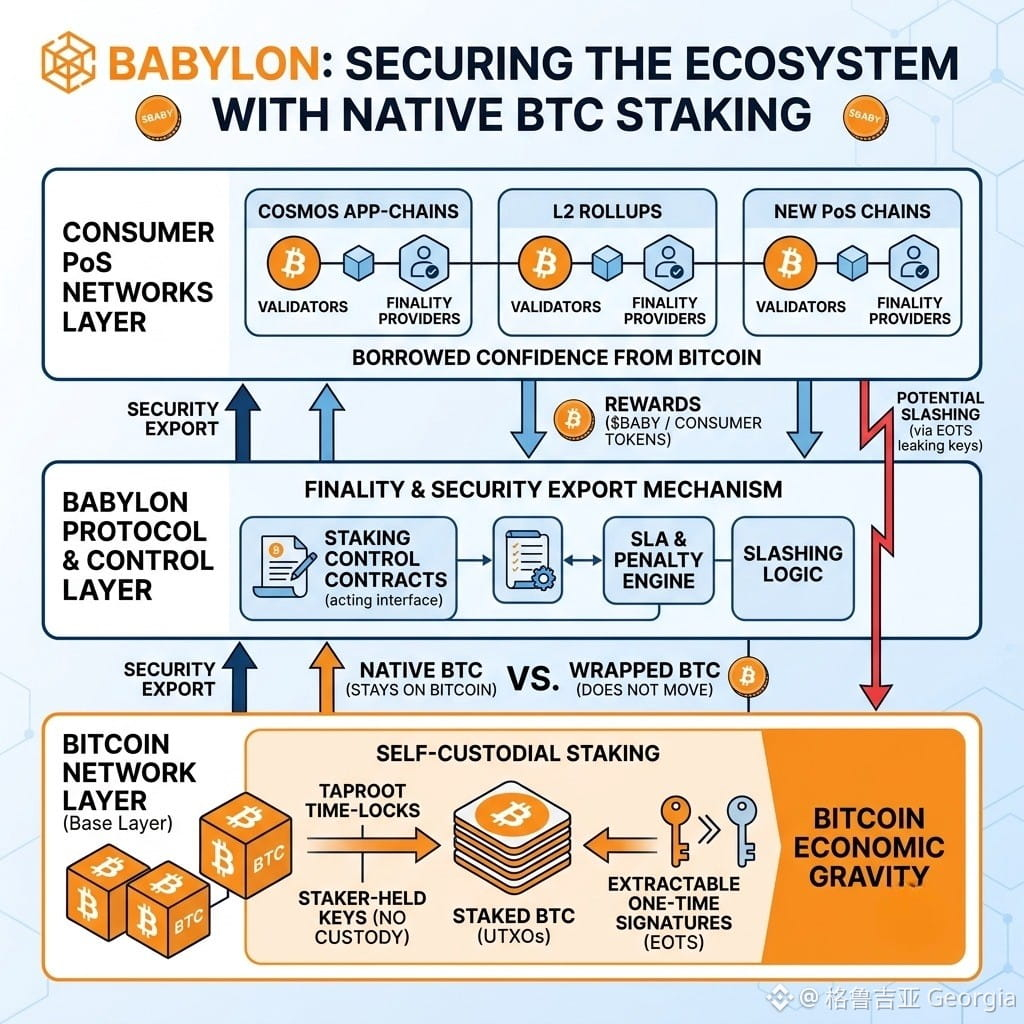
バビロンは、別のアイデアを探求しています。ビットコインネットワーク上で自己管理型のBTCステーキングを直接可能にし、ビットコインが、ラップされたり第三者のカストディに預けられたりすることなく、PoSブロックチェーンに経済的なセキュリティを提供できるようにします。
私が興味深いのは、多くのユーザーが期待していることと、実際に起きていることのギャップです。
一見すると、ビットコインをより生産的にする別の手段に見えるかもしれません。しかし本質的な変化は、ビットコインが別の何かに変換されているわけではない点にあります。代わりに、その既存のセキュリティと経済的な重みが、ビットコインをネイティブな環境から出さなくても、他のネットワークが参照できるリソースとして扱われています。
この点は、wBTCやcbBTCといったカストディ型モデルとは大きく対照的です。これらのアプローチは主に、ビットコインのユーティリティを拡張することで可動性を高めます。バビロンは、可能な限り元の所有と信頼のモデルを維持しつつ、その影響力を広げようとしています。
そのアプローチが最終的にどれほど価値を持つのかは、まだ不確かです。共有セキュリティには独自の複雑さがあり、トレードオフなしで設計できるものはありません。
それでも、そのアイデアは私のビットコインに対する考え方を変えました。おそらくビットコインのより広い暗号資産エコシステムへの最大の貢献は、チェーン間をより効率よく移動できるようにすることではないでしょう。別のネットワークが、ビットコインにそれ以外の何かになることを求めずに、自信を借りられるようにすることにあるのかもしれません。
#baby $BABY @BabylonLabs_io
人々は、ビットコインの価値はその単独のネットワーク上で行っていることだけから生じるものだと、しばしば思い込みます。長い間それが当てはまっていたとしても、もはやそれが唯一の可能性だとは感じられなくなってきています。
バビロンは、別のアイデアを探求しています。ビットコインネットワーク上で自己管理型のBTCステーキングを直接可能にし、ビットコインが、ラップされたり第三者のカストディに預けられたりすることなく、PoSブロックチェーンに経済的なセキュリティを提供できるようにします。
私が興味深いのは、多くのユーザーが期待していることと、実際に起きていることのギャップです。
一見すると、ビットコインをより生産的にする別の手段に見えるかもしれません。しかし本質的な変化は、ビットコインが別の何かに変換されているわけではない点にあります。代わりに、その既存のセキュリティと経済的な重みが、ビットコインをネイティブな環境から出さなくても、他のネットワークが参照できるリソースとして扱われています。
この点は、wBTCやcbBTCといったカストディ型モデルとは大きく対照的です。これらのアプローチは主に、ビットコインのユーティリティを拡張することで可動性を高めます。バビロンは、可能な限り元の所有と信頼のモデルを維持しつつ、その影響力を広げようとしています。
そのアプローチが最終的にどれほど価値を持つのかは、まだ不確かです。共有セキュリティには独自の複雑さがあり、トレードオフなしで設計できるものはありません。
それでも、そのアイデアは私のビットコインに対する考え方を変えました。おそらくビットコインのより広い暗号資産エコシステムへの最大の貢献は、チェーン間をより効率よく移動できるようにすることではないでしょう。別のネットワークが、ビットコインにそれ以外の何かになることを求めずに、自信を借りられるようにすることにあるのかもしれません。
人々は、ビットコインの価値はその単独のネットワーク上で行っていることだけから生じるものだと、しばしば思い込みます。長い間それが当てはまっていたとしても、もはやそれが唯一の可能性だとは感じられなくなってきています。
バビロンは、別のアイデアを探求しています。ビットコインネットワーク上で自己管理型のBTCステーキングを直接可能にし、ビットコインが、ラップされたり第三者のカストディに預けられたりすることなく、PoSブロックチェーンに経済的なセキュリティを提供できるようにします。
私が興味深いのは、多くのユーザーが期待していることと、実際に起きていることのギャップです。
一見すると、ビットコインをより生産的にする別の手段に見えるかもしれません。しかし本質的な変化は、ビットコインが別の何かに変換されているわけではない点にあります。代わりに、その既存のセキュリティと経済的な重みが、ビットコインをネイティブな環境から出さなくても、他のネットワークが参照できるリソースとして扱われています。
この点は、wBTCやcbBTCといったカストディ型モデルとは大きく対照的です。これらのアプローチは主に、ビットコインのユーティリティを拡張することで可動性を高めます。バビロンは、可能な限り元の所有と信頼のモデルを維持しつつ、その影響力を広げようとしています。
そのアプローチが最終的にどれほど価値を持つのかは、まだ不確かです。共有セキュリティには独自の複雑さがあり、トレードオフなしで設計できるものはありません。
それでも、そのアイデアは私のビットコインに対する考え方を変えました。おそらくビットコインのより広い暗号資産エコシステムへの最大の貢献は、チェーン間をより効率よく移動できるようにすることではないでしょう。別のネットワークが、ビットコインにそれ以外の何かになることを求めずに、自信を借りられるようにすることにあるのかもしれません。
3
2
144
·
--
ブリッシュ
#baby $BABY @babylonlabs_io
{future}(BABYUSDT)
人々は、ビットコインが価値のある理由は「動かない」からだと言いがちです。しかし、止まり続けることと、役に立ち続けることは同じではありません。
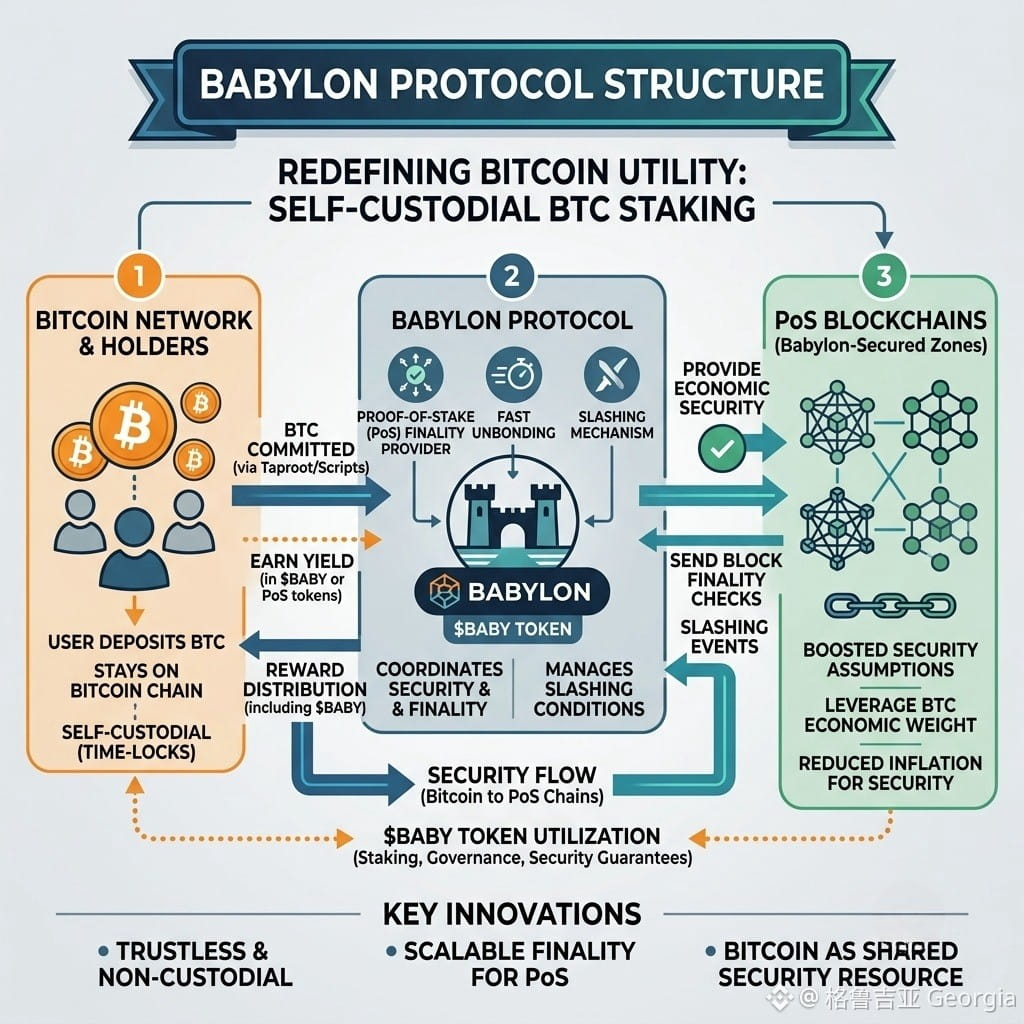
それがバビロンが注目に値する理由です。ビットコイン保有者に対して資産をラップしたり、カストディアンに預けたりするよう求めるのではなく、ビットコインネットワーク上で自己カストディによるBTCステーキングを可能にし、PoSブロックチェーンのセキュリティを強化します。
面白いのは、ビットコインが単なる価値の保存手段を超える役割を担えるようになったことそのものではありません。重要なのは、その役割の恩恵を受けるのが誰かです。設計は静かにビットコインを、所有権の受け渡しを必要とせずに、経済的セキュリティを共有するための共通の源泉へと変えていきます。
それにより、ネットワーク同士の関係性も変わります。PoSチェーンはより強いセキュリティ前提を得られる一方で、ビットコイン保有者は、トークン化されたBTCに伴いがちなカストディのリスクを持ち込まずに参加できます。つながりは取引的というより経済的です。
もちろん、これはあらゆる妥協をなくすものではありません。異なるシステム間の調整は依然として複雑で、より強いセキュリティは通常、より厳格なルールと遅いプロセスを伴います。ユーザーレベルでのシンプルさが、基盤のシンプルさと常に一致するわけではありません。
wBTCやcbBTCのようなカストディモデルと比べて、バビロンはユーザーにインフラへの信頼をこれまでより少なく求め、プロトコル設計への信頼をより多く求めます。それが望ましい道になるかどうかは、まだ開かれた問いです。
おそらく大きな変化は、ビットコインが他のエコシステムで役割を得るということではありません。むしろ、セキュリティそのものが、所有権を手放さずに共有できる資源として見え始めているという点にあります。
#baby $BABY @BabylonLabs_io
人々は、ビットコインが価値のある理由は「動かない」からだと言いがちです。しかし、止まり続けることと、役に立ち続けることは同じではありません。
それがバビロンが注目に値する理由です。ビットコイン保有者に対して資産をラップしたり、カストディアンに預けたりするよう求めるのではなく、ビットコインネットワーク上で自己カストディによるBTCステーキングを可能にし、PoSブロックチェーンのセキュリティを強化します。
面白いのは、ビットコインが単なる価値の保存手段を超える役割を担えるようになったことそのものではありません。重要なのは、その役割の恩恵を受けるのが誰かです。設計は静かにビットコインを、所有権の受け渡しを必要とせずに、経済的セキュリティを共有するための共通の源泉へと変えていきます。
それにより、ネットワーク同士の関係性も変わります。PoSチェーンはより強いセキュリティ前提を得られる一方で、ビットコイン保有者は、トークン化されたBTCに伴いがちなカストディのリスクを持ち込まずに参加できます。つながりは取引的というより経済的です。
もちろん、これはあらゆる妥協をなくすものではありません。異なるシステム間の調整は依然として複雑で、より強いセキュリティは通常、より厳格なルールと遅いプロセスを伴います。ユーザーレベルでのシンプルさが、基盤のシンプルさと常に一致するわけではありません。
wBTCやcbBTCのようなカストディモデルと比べて、バビロンはユーザーにインフラへの信頼をこれまでより少なく求め、プロトコル設計への信頼をより多く求めます。それが望ましい道になるかどうかは、まだ開かれた問いです。
おそらく大きな変化は、ビットコインが他のエコシステムで役割を得るということではありません。むしろ、セキュリティそのものが、所有権を手放さずに共有できる資源として見え始めているという点にあります。
人々は、ビットコインが価値のある理由は「動かない」からだと言いがちです。しかし、止まり続けることと、役に立ち続けることは同じではありません。
それがバビロンが注目に値する理由です。ビットコイン保有者に対して資産をラップしたり、カストディアンに預けたりするよう求めるのではなく、ビットコインネットワーク上で自己カストディによるBTCステーキングを可能にし、PoSブロックチェーンのセキュリティを強化します。
面白いのは、ビットコインが単なる価値の保存手段を超える役割を担えるようになったことそのものではありません。重要なのは、その役割の恩恵を受けるのが誰かです。設計は静かにビットコインを、所有権の受け渡しを必要とせずに、経済的セキュリティを共有するための共通の源泉へと変えていきます。
それにより、ネットワーク同士の関係性も変わります。PoSチェーンはより強いセキュリティ前提を得られる一方で、ビットコイン保有者は、トークン化されたBTCに伴いがちなカストディのリスクを持ち込まずに参加できます。つながりは取引的というより経済的です。
もちろん、これはあらゆる妥協をなくすものではありません。異なるシステム間の調整は依然として複雑で、より強いセキュリティは通常、より厳格なルールと遅いプロセスを伴います。ユーザーレベルでのシンプルさが、基盤のシンプルさと常に一致するわけではありません。
wBTCやcbBTCのようなカストディモデルと比べて、バビロンはユーザーにインフラへの信頼をこれまでより少なく求め、プロトコル設計への信頼をより多く求めます。それが望ましい道になるかどうかは、まだ開かれた問いです。
おそらく大きな変化は、ビットコインが他のエコシステムで役割を得るということではありません。むしろ、セキュリティそのものが、所有権を手放さずに共有できる資源として見え始めているという点にあります。
109
·
--
ブリッシュ
#baby $BABY @babylonlabs_io
{future}(BABYUSDT)
ブロックチェーンの進化を追うほど、私たちは間違った問いをしてきたのではないかと感じるようになりました。すべてのネットワークをそれぞれ単独で強くするにはどうすればいいのかと考えるのではなく、信頼そのものを、より壊れやすくならずに、より役立つものにするにはどうすればいいのかを問い直すべきなのかもしれません。
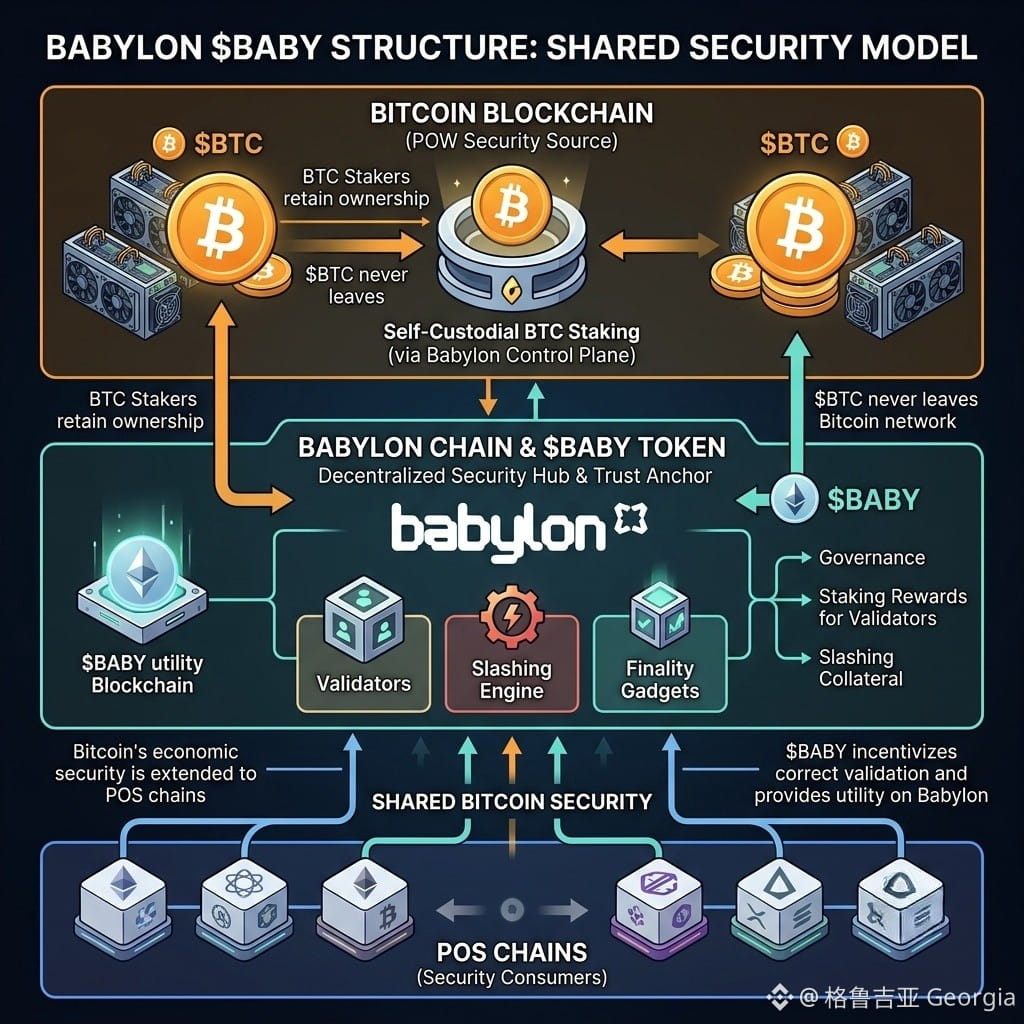
その考えが浮かんだのは、バビロンについて考える時間を持ったときでした。私の関心を引いたのは技術的なアーキテクチャではなく、ビットコインの経済的セキュリティが、自己管理(セルフカストディ)のステーキングを通じて、プルーフ・オブ・ステークのブロックチェーンを強化できるというアイデアでした。しかもBTCはビットコイン・ネットワークから一度も出る必要がない。そこには非常に一貫した何かがあります。それは、私たちの多くがそもそもビットコインに惹かれた原則を守っているということです。所有権は、あくまで個人の手に完全に残るのです。
信頼は、何かを手放させる必要がないとき、最も強力になります。
長年私は、アイドル状態のビットコインは単なる眠った資本だと思っていました。けれど今は別の可能性が見えてきました。資産が本来あるべき場所にまったくそのまま留まりながら、その信用が自分自身のエコシステムを超えて広がっていくことは、あり得るのではないでしょうか。参加とは必ずしも支配権の移転を意味する必要はありません。
この視点は、私の資本効率の捉え方を変えました。すべてのコインをよりアクティブにすることが主眼ではなく、深く信頼された資産が、他のネットワークのセキュリティを静かに補強できるようにすることだ、と考えるようになったのです。自己管理がそのまま保たれるのであれば、セキュリティを共有のリソースにできるのかもしれない——そうだとしたら、今後数年でブロックチェーン同士の関係性はどのように形作り直されるのだろう、と考えずにはいられません。
#baby $BABY @BabylonLabs_io
ブロックチェーンの進化を追うほど、私たちは間違った問いをしてきたのではないかと感じるようになりました。すべてのネットワークをそれぞれ単独で強くするにはどうすればいいのかと考えるのではなく、信頼そのものを、より壊れやすくならずに、より役立つものにするにはどうすればいいのかを問い直すべきなのかもしれません。
その考えが浮かんだのは、バビロンについて考える時間を持ったときでした。私の関心を引いたのは技術的なアーキテクチャではなく、ビットコインの経済的セキュリティが、自己管理(セルフカストディ)のステーキングを通じて、プルーフ・オブ・ステークのブロックチェーンを強化できるというアイデアでした。しかもBTCはビットコイン・ネットワークから一度も出る必要がない。そこには非常に一貫した何かがあります。それは、私たちの多くがそもそもビットコインに惹かれた原則を守っているということです。所有権は、あくまで個人の手に完全に残るのです。
信頼は、何かを手放させる必要がないとき、最も強力になります。
長年私は、アイドル状態のビットコインは単なる眠った資本だと思っていました。けれど今は別の可能性が見えてきました。資産が本来あるべき場所にまったくそのまま留まりながら、その信用が自分自身のエコシステムを超えて広がっていくことは、あり得るのではないでしょうか。参加とは必ずしも支配権の移転を意味する必要はありません。
この視点は、私の資本効率の捉え方を変えました。すべてのコインをよりアクティブにすることが主眼ではなく、深く信頼された資産が、他のネットワークのセキュリティを静かに補強できるようにすることだ、と考えるようになったのです。自己管理がそのまま保たれるのであれば、セキュリティを共有のリソースにできるのかもしれない——そうだとしたら、今後数年でブロックチェーン同士の関係性はどのように形作り直されるのだろう、と考えずにはいられません。
ブロックチェーンの進化を追うほど、私たちは間違った問いをしてきたのではないかと感じるようになりました。すべてのネットワークをそれぞれ単独で強くするにはどうすればいいのかと考えるのではなく、信頼そのものを、より壊れやすくならずに、より役立つものにするにはどうすればいいのかを問い直すべきなのかもしれません。
その考えが浮かんだのは、バビロンについて考える時間を持ったときでした。私の関心を引いたのは技術的なアーキテクチャではなく、ビットコインの経済的セキュリティが、自己管理(セルフカストディ)のステーキングを通じて、プルーフ・オブ・ステークのブロックチェーンを強化できるというアイデアでした。しかもBTCはビットコイン・ネットワークから一度も出る必要がない。そこには非常に一貫した何かがあります。それは、私たちの多くがそもそもビットコインに惹かれた原則を守っているということです。所有権は、あくまで個人の手に完全に残るのです。
信頼は、何かを手放させる必要がないとき、最も強力になります。
長年私は、アイドル状態のビットコインは単なる眠った資本だと思っていました。けれど今は別の可能性が見えてきました。資産が本来あるべき場所にまったくそのまま留まりながら、その信用が自分自身のエコシステムを超えて広がっていくことは、あり得るのではないでしょうか。参加とは必ずしも支配権の移転を意味する必要はありません。
この視点は、私の資本効率の捉え方を変えました。すべてのコインをよりアクティブにすることが主眼ではなく、深く信頼された資産が、他のネットワークのセキュリティを静かに補強できるようにすることだ、と考えるようになったのです。自己管理がそのまま保たれるのであれば、セキュリティを共有のリソースにできるのかもしれない——そうだとしたら、今後数年でブロックチェーン同士の関係性はどのように形作り直されるのだろう、と考えずにはいられません。
114
·
--
ブリッシュ
#newt $NEWT #Newt
{future}(NEWTUSDT)
私はこの分野で年齢を重ねるほど、システムが約束できることに対して感心しなくなってきていると感じ始めています。そして同時に、そうしたシステムが生き残ると期待されているものに、より強い関心を持つようになりました。
市場には、その違いをあぶり出す力があります。
何年も前から、AIの会話は「知能」中心でした。より良いモデル。より良い推論。より良い予測。暗号資産にも、自律性や自動化へのこだわりがありました。これらの物語は長い間並行して進んできましたが、いまは少しずつ、複雑に感じる形で重なり始めています。
AIが戦略を生成することには、もはや驚きません。むしろ必然のように思えることすらあります。それでも立ち止まってしまうのは、同じシステムが、人間の絶え間ない関与なしに判断を実行するという考えです。そこから、本当の問いが始まります。
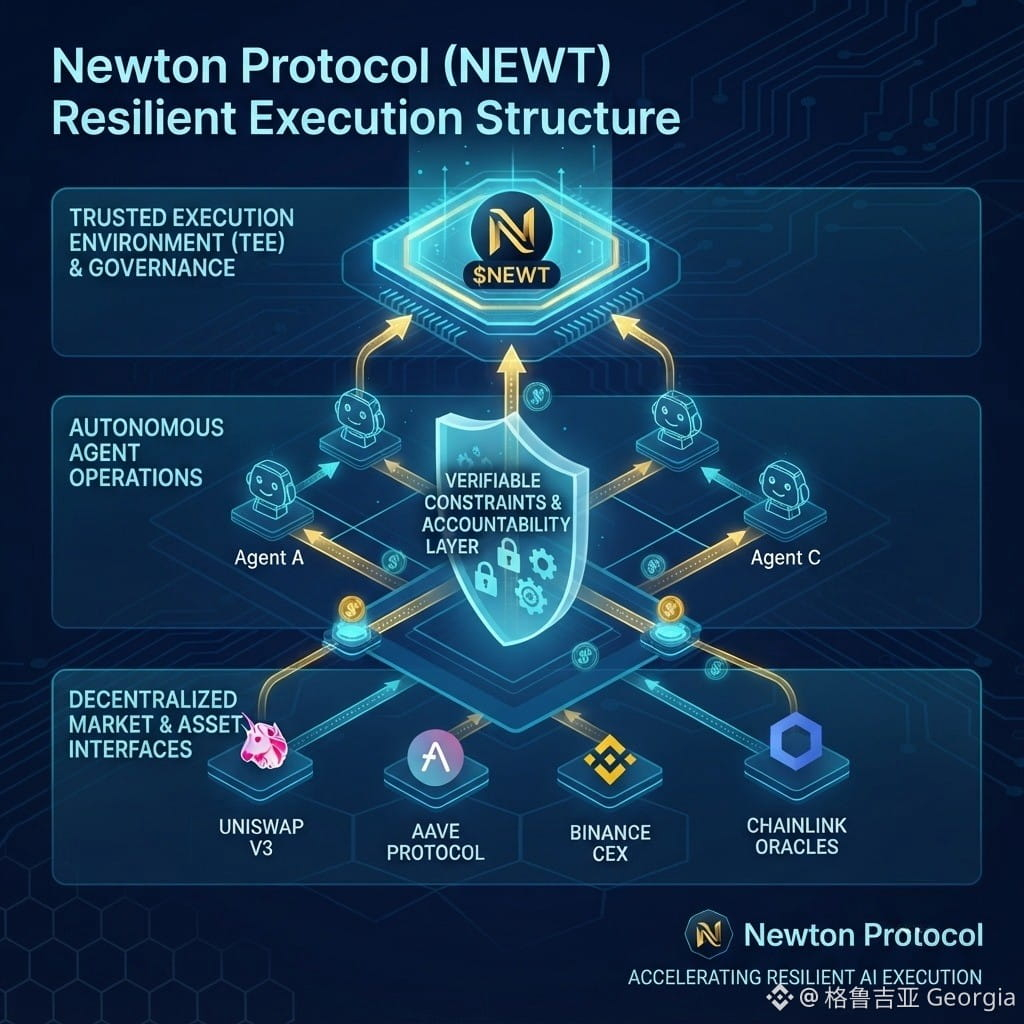
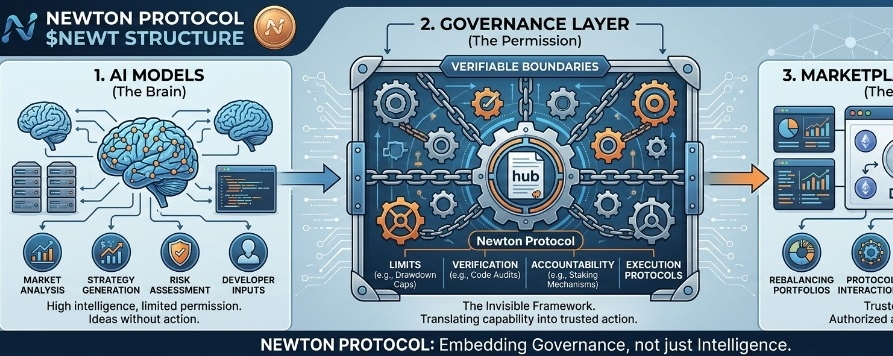
実行は、これまで技術的な細部として扱われがちでした。しかしそれが実際には信頼の土台になりうるのなら話は別です。権限の検証。セキュリティ。説明責任。判断者が人ではなくソフトウェアであるからといって、それらの重要性が下がるわけではありません。
だからこそ、Newton Protocolが私の目に留まったのかもしれません。AIをより賢く見せることにこだわるというより、自律的な判断が現実の行動になる環境に焦点を当てているように感じます。AI戦略のマーケットプレイスというのは面白い発想ですが、同時に「知能は信頼よりもずっと速く複製できる」という注意喚起にも見えてしまいます。
たぶん、より賢いエージェントを作ることが難しい部分ではなくなってきたのです。
むしろ、条件が予測可能でなくなったときでも、それらのエージェントに責任を負わせ続けられるシステムを構築することが、もっと難しい課題なのかもしれません。まだそれについて十分に見えていないと思います。そして、たぶん最も注視する価値があるのはそこです。
#newt $NEWT #Newt
私はこの分野で年齢を重ねるほど、システムが約束できることに対して感心しなくなってきていると感じ始めています。そして同時に、そうしたシステムが生き残ると期待されているものに、より強い関心を持つようになりました。
市場には、その違いをあぶり出す力があります。
何年も前から、AIの会話は「知能」中心でした。より良いモデル。より良い推論。より良い予測。暗号資産にも、自律性や自動化へのこだわりがありました。これらの物語は長い間並行して進んできましたが、いまは少しずつ、複雑に感じる形で重なり始めています。
AIが戦略を生成することには、もはや驚きません。むしろ必然のように思えることすらあります。それでも立ち止まってしまうのは、同じシステムが、人間の絶え間ない関与なしに判断を実行するという考えです。そこから、本当の問いが始まります。
実行は、これまで技術的な細部として扱われがちでした。しかしそれが実際には信頼の土台になりうるのなら話は別です。権限の検証。セキュリティ。説明責任。判断者が人ではなくソフトウェアであるからといって、それらの重要性が下がるわけではありません。
だからこそ、Newton Protocolが私の目に留まったのかもしれません。AIをより賢く見せることにこだわるというより、自律的な判断が現実の行動になる環境に焦点を当てているように感じます。AI戦略のマーケットプレイスというのは面白い発想ですが、同時に「知能は信頼よりもずっと速く複製できる」という注意喚起にも見えてしまいます。
たぶん、より賢いエージェントを作ることが難しい部分ではなくなってきたのです。
むしろ、条件が予測可能でなくなったときでも、それらのエージェントに責任を負わせ続けられるシステムを構築することが、もっと難しい課題なのかもしれません。まだそれについて十分に見えていないと思います。そして、たぶん最も注視する価値があるのはそこです。
私はこの分野で年齢を重ねるほど、システムが約束できることに対して感心しなくなってきていると感じ始めています。そして同時に、そうしたシステムが生き残ると期待されているものに、より強い関心を持つようになりました。
市場には、その違いをあぶり出す力があります。
何年も前から、AIの会話は「知能」中心でした。より良いモデル。より良い推論。より良い予測。暗号資産にも、自律性や自動化へのこだわりがありました。これらの物語は長い間並行して進んできましたが、いまは少しずつ、複雑に感じる形で重なり始めています。
AIが戦略を生成することには、もはや驚きません。むしろ必然のように思えることすらあります。それでも立ち止まってしまうのは、同じシステムが、人間の絶え間ない関与なしに判断を実行するという考えです。そこから、本当の問いが始まります。
実行は、これまで技術的な細部として扱われがちでした。しかしそれが実際には信頼の土台になりうるのなら話は別です。権限の検証。セキュリティ。説明責任。判断者が人ではなくソフトウェアであるからといって、それらの重要性が下がるわけではありません。
だからこそ、Newton Protocolが私の目に留まったのかもしれません。AIをより賢く見せることにこだわるというより、自律的な判断が現実の行動になる環境に焦点を当てているように感じます。AI戦略のマーケットプレイスというのは面白い発想ですが、同時に「知能は信頼よりもずっと速く複製できる」という注意喚起にも見えてしまいます。
たぶん、より賢いエージェントを作ることが難しい部分ではなくなってきたのです。
むしろ、条件が予測可能でなくなったときでも、それらのエージェントに責任を負わせ続けられるシステムを構築することが、もっと難しい課題なのかもしれません。まだそれについて十分に見えていないと思います。そして、たぶん最も注視する価値があるのはそこです。
1
1
114
·
--
記事
たぶん、知能は本当の“基準”ではなかった私たちは間違った節目を祝っているように感じてなりません。
AIが改善していないからではありません。確かに改善しています。さらに、暗号が意味のあるインフラを築いてこなかったわけでもありません。そこも同様に進めていますし、それは多くの人が想定していたより時間がかかったとしても、です。
ただ、両方の世界を何年も見てきた結果、能力と準備状況を取り違えることに用心するようになりました。
それは同じものではありません。
長い間、AIをめぐる問いは十分に単純でした。考えられるのか?
今では、その問いはあまり面白く感じられません。モデルは市場を分析し、戦略を生み、なぜそうするのかを説明でき、しかも多くの場合、どんな人でもできるより速くやってしまいます。彼らが常に正しいのかどうかは、ほとんど二の次に思えてきます。
たぶん、知能は本当の“基準”ではなかった
私たちは間違った節目を祝っているように感じてなりません。
AIが改善していないからではありません。確かに改善しています。さらに、暗号が意味のあるインフラを築いてこなかったわけでもありません。そこも同様に進めていますし、それは多くの人が想定していたより時間がかかったとしても、です。
ただ、両方の世界を何年も見てきた結果、能力と準備状況を取り違えることに用心するようになりました。
それは同じものではありません。
長い間、AIをめぐる問いは十分に単純でした。考えられるのか?
今では、その問いはあまり面白く感じられません。モデルは市場を分析し、戦略を生み、なぜそうするのかを説明でき、しかも多くの場合、どんな人でもできるより速くやってしまいます。彼らが常に正しいのかどうかは、ほとんど二の次に思えてきます。
AIが改善していないからではありません。確かに改善しています。さらに、暗号が意味のあるインフラを築いてこなかったわけでもありません。そこも同様に進めていますし、それは多くの人が想定していたより時間がかかったとしても、です。
ただ、両方の世界を何年も見てきた結果、能力と準備状況を取り違えることに用心するようになりました。
それは同じものではありません。
長い間、AIをめぐる問いは十分に単純でした。考えられるのか?
今では、その問いはあまり面白く感じられません。モデルは市場を分析し、戦略を生み、なぜそうするのかを説明でき、しかも多くの場合、どんな人でもできるより速くやってしまいます。彼らが常に正しいのかどうかは、ほとんど二の次に思えてきます。
9
3
114
·
--
ブリッシュ
#newt $NEWT @NewtonProtocol
{future}(NEWTUSDT)
ニュートン・プロトコル($NEWT)— もしかすると実際の問題は実行だったのかもしれない
私は、私たちが間違った問いを立てているのではないかと、つい考え込んでしまうことがあります。
長い間、AIの議論は能力に関するものが中心でした。モデルはより良く推論できるのか?計画し、予測して、適応できるのか?
一方で暗号の世界は、決済の透明性や、人を信頼する必要をなくすことに執着していました。会話も、優先順位もまったく別物。
ところが今、それらが重なり始めていて、なんだか居心地が悪い。
AIは数秒で説得力のある取引戦略を生成できます。その部分はもはや驚きません。私をまだ躊躇させるのは、戦略が存在した後に起きるすべてです。戦略が「いつ動くか」を決めるのは誰?ルールに従ったことを誰が検証するの?市場が礼儀正しく振る舞うのをやめたらどうなる?
これらの問いは、あまり華やかではありません。だからこそ注目されにくいのだと思います。
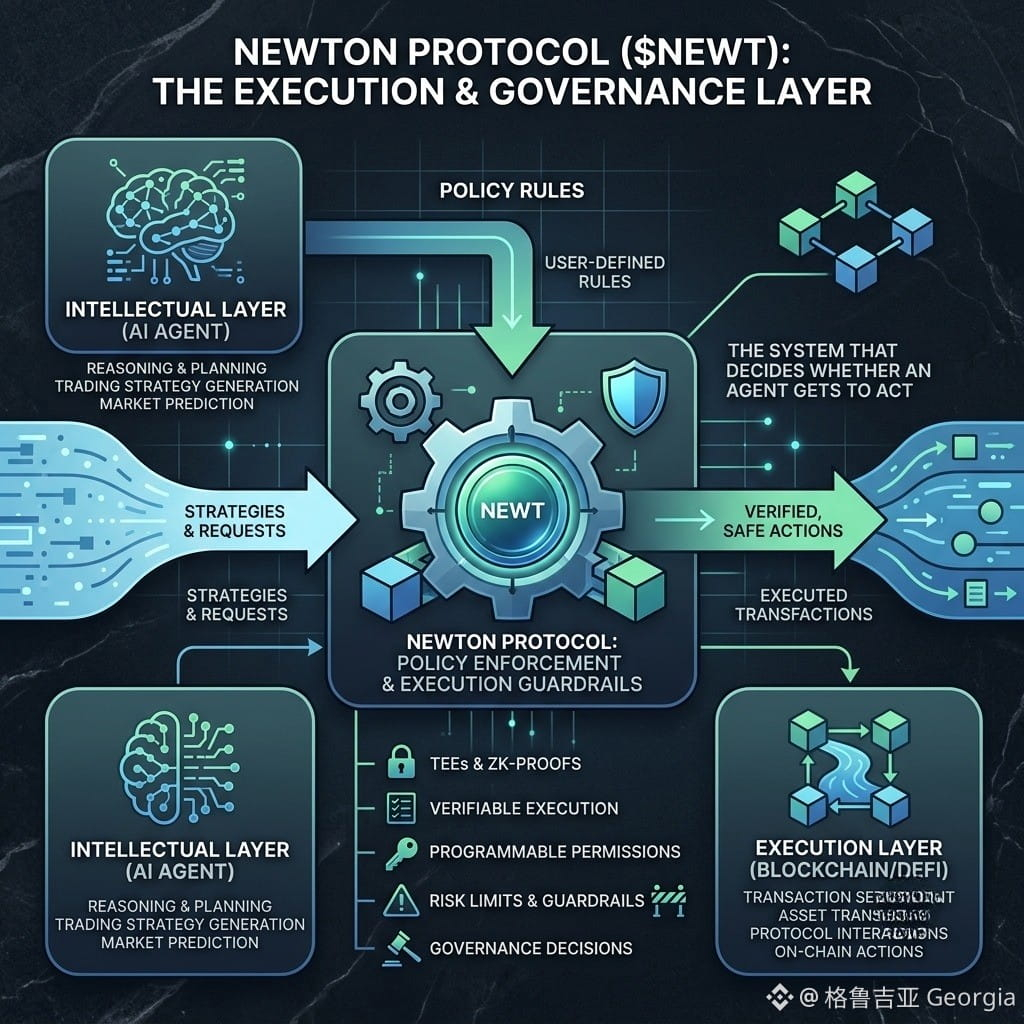
それが、ニュートン・プロトコルが私の頭の片隅に残り続けている理由の一部です。より賢いエージェントを約束するからではなく、信頼できない実行を伴わない「知性」ではたいして解決にならないことを、認めているように見えるからです。自律システムがいずれ資産を動かし、プロトコルと相互作用し、リアルタイムで意思決定するようになるなら、それらの行動を司るレイヤーのほうが、モデルがそれを作ることよりも重要になり得ます。
私は、市場のサイクルを十分に見てきました。インフラは、すべてがうまく回っている間は見過ごされがちです。どんな近道を人々が受け入れていたかが、ボラティリティによって露呈したときに初めて、その存在が見えるようになる。
たぶん、金融におけるAIは静かにそこへ向かっているのだと思います。別の“賢い”戦略を生み出すことよりも、チェーンに到達する前に「すべての行動が信頼できることを証明する」ことに。
ただし、私はその部分がまだ解決できていると確信できていません。
そして、私たちがそれをできるまでは、この部屋で最も賢いエージェントでさえも、そもそも「行動できるかどうか」を決めるシステムによって常に制限されるのではないか、と私は思います。
#newt $NEWT @NewtonProtocol
ニュートン・プロトコル($NEWT )— もしかすると実際の問題は実行だったのかもしれない
私は、私たちが間違った問いを立てているのではないかと、つい考え込んでしまうことがあります。
長い間、AIの議論は能力に関するものが中心でした。モデルはより良く推論できるのか?計画し、予測して、適応できるのか?
一方で暗号の世界は、決済の透明性や、人を信頼する必要をなくすことに執着していました。会話も、優先順位もまったく別物。
ところが今、それらが重なり始めていて、なんだか居心地が悪い。
AIは数秒で説得力のある取引戦略を生成できます。その部分はもはや驚きません。私をまだ躊躇させるのは、戦略が存在した後に起きるすべてです。戦略が「いつ動くか」を決めるのは誰?ルールに従ったことを誰が検証するの?市場が礼儀正しく振る舞うのをやめたらどうなる?
これらの問いは、あまり華やかではありません。だからこそ注目されにくいのだと思います。
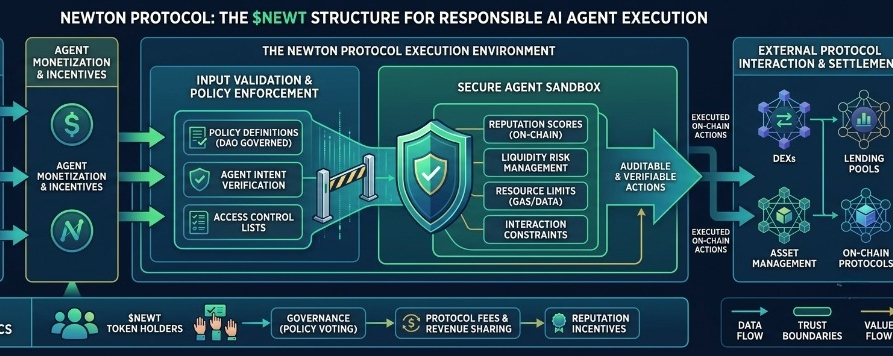
それが、ニュートン・プロトコルが私の頭の片隅に残り続けている理由の一部です。より賢いエージェントを約束するからではなく、信頼できない実行を伴わない「知性」ではたいして解決にならないことを、認めているように見えるからです。自律システムがいずれ資産を動かし、プロトコルと相互作用し、リアルタイムで意思決定するようになるなら、それらの行動を司るレイヤーのほうが、モデルがそれを作ることよりも重要になり得ます。
私は、市場のサイクルを十分に見てきました。インフラは、すべてがうまく回っている間は見過ごされがちです。どんな近道を人々が受け入れていたかが、ボラティリティによって露呈したときに初めて、その存在が見えるようになる。
たぶん、金融におけるAIは静かにそこへ向かっているのだと思います。別の“賢い”戦略を生み出すことよりも、チェーンに到達する前に「すべての行動が信頼できることを証明する」ことに。
ただし、私はその部分がまだ解決できていると確信できていません。
そして、私たちがそれをできるまでは、この部屋で最も賢いエージェントでさえも、そもそも「行動できるかどうか」を決めるシステムによって常に制限されるのではないか、と私は思います。
ニュートン・プロトコル($NEWT )— もしかすると実際の問題は実行だったのかもしれない
私は、私たちが間違った問いを立てているのではないかと、つい考え込んでしまうことがあります。
長い間、AIの議論は能力に関するものが中心でした。モデルはより良く推論できるのか?計画し、予測して、適応できるのか?
一方で暗号の世界は、決済の透明性や、人を信頼する必要をなくすことに執着していました。会話も、優先順位もまったく別物。
ところが今、それらが重なり始めていて、なんだか居心地が悪い。
AIは数秒で説得力のある取引戦略を生成できます。その部分はもはや驚きません。私をまだ躊躇させるのは、戦略が存在した後に起きるすべてです。戦略が「いつ動くか」を決めるのは誰?ルールに従ったことを誰が検証するの?市場が礼儀正しく振る舞うのをやめたらどうなる?
これらの問いは、あまり華やかではありません。だからこそ注目されにくいのだと思います。
それが、ニュートン・プロトコルが私の頭の片隅に残り続けている理由の一部です。より賢いエージェントを約束するからではなく、信頼できない実行を伴わない「知性」ではたいして解決にならないことを、認めているように見えるからです。自律システムがいずれ資産を動かし、プロトコルと相互作用し、リアルタイムで意思決定するようになるなら、それらの行動を司るレイヤーのほうが、モデルがそれを作ることよりも重要になり得ます。
私は、市場のサイクルを十分に見てきました。インフラは、すべてがうまく回っている間は見過ごされがちです。どんな近道を人々が受け入れていたかが、ボラティリティによって露呈したときに初めて、その存在が見えるようになる。
たぶん、金融におけるAIは静かにそこへ向かっているのだと思います。別の“賢い”戦略を生み出すことよりも、チェーンに到達する前に「すべての行動が信頼できることを証明する」ことに。
ただし、私はその部分がまだ解決できていると確信できていません。
そして、私たちがそれをできるまでは、この部屋で最も賢いエージェントでさえも、そもそも「行動できるかどうか」を決めるシステムによって常に制限されるのではないか、と私は思います。
1
82
·
--
記事
私たちはあまりにも簡単に決定を委ねてしまっているのかもしれない人々が自律エージェントについて話すとき、難しい問いがすでに答えられているかのように聞こえるのに、私はつい躊躇してしまう自分に気づくことがよくあります。
たぶん、それはただ、技術がそれにまつわる議論よりも速く進んでいくのを何年も見てきただけなのかもしれません。
暗号が信頼の必要性を減らすために何年もかけて努力してきたのを見てきました。そして、AIが推論をより上手にするために何年もかけて機械を改善しようとしてきたのも見てきました。これらは長い間、別々の旅でした。今では重なり始めていますが、私たちは本当に「私たちが何を組み合わせているのか」について考える時間を止めていないのではないか、と私は確信が持てません。
私たちはあまりにも簡単に決定を委ねてしまっているのかもしれない
人々が自律エージェントについて話すとき、難しい問いがすでに答えられているかのように聞こえるのに、私はつい躊躇してしまう自分に気づくことがよくあります。
たぶん、それはただ、技術がそれにまつわる議論よりも速く進んでいくのを何年も見てきただけなのかもしれません。
暗号が信頼の必要性を減らすために何年もかけて努力してきたのを見てきました。そして、AIが推論をより上手にするために何年もかけて機械を改善しようとしてきたのも見てきました。これらは長い間、別々の旅でした。今では重なり始めていますが、私たちは本当に「私たちが何を組み合わせているのか」について考える時間を止めていないのではないか、と私は確信が持てません。
たぶん、それはただ、技術がそれにまつわる議論よりも速く進んでいくのを何年も見てきただけなのかもしれません。
暗号が信頼の必要性を減らすために何年もかけて努力してきたのを見てきました。そして、AIが推論をより上手にするために何年もかけて機械を改善しようとしてきたのも見てきました。これらは長い間、別々の旅でした。今では重なり始めていますが、私たちは本当に「私たちが何を組み合わせているのか」について考える時間を止めていないのではないか、と私は確信が持てません。
19
8
142
·
--
記事
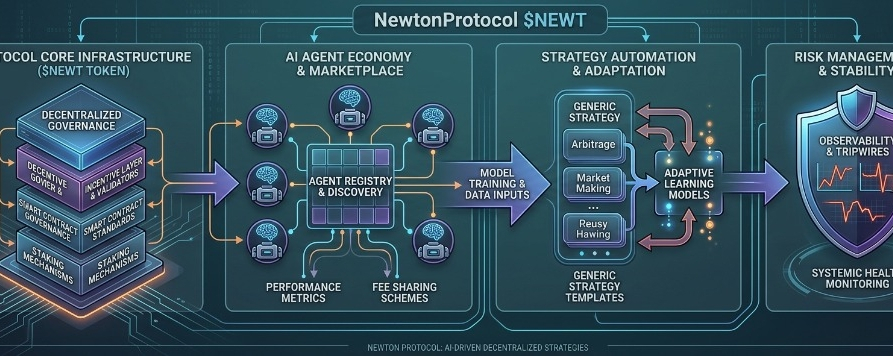
AIは暗号資産をもっと信頼できるようにするのか、それともただ問いにくくするだけなのか、私には決められないニュートン・プロトコルについて最初に抱いた反応は、興奮ではありませんでした。ためらいでした。もしかすると不公平かもしれない。でも、暗号資産の周辺に十分な年数いると、ためらいは楽観よりも役に立つ感覚がします。説得力のある物語を、何度も後でひどく古びてしまうのを見てきました。嘘だったからではありません。現実が、図解よりも融通が利かないと分かっただけです。
そこで私は、決着をつけようとせずに、ただそれについて読んでいる自分がいました。
残っていたのは、AI主導の戦略という考えそのものではありませんでした。あの部分は、もはや避けられないようにも感じます。好きかどうかに関係なく、ソフトウェアは金融のある一角で、人間よりも多くの判断をするようになる。私から離れない問いは、ずっと静かです。
AIは暗号資産をもっと信頼できるようにするのか、それともただ問いにくくするだけなのか、私には決められない
ニュートン・プロトコルについて最初に抱いた反応は、興奮ではありませんでした。ためらいでした。もしかすると不公平かもしれない。でも、暗号資産の周辺に十分な年数いると、ためらいは楽観よりも役に立つ感覚がします。説得力のある物語を、何度も後でひどく古びてしまうのを見てきました。嘘だったからではありません。現実が、図解よりも融通が利かないと分かっただけです。
そこで私は、決着をつけようとせずに、ただそれについて読んでいる自分がいました。
残っていたのは、AI主導の戦略という考えそのものではありませんでした。あの部分は、もはや避けられないようにも感じます。好きかどうかに関係なく、ソフトウェアは金融のある一角で、人間よりも多くの判断をするようになる。私から離れない問いは、ずっと静かです。
そこで私は、決着をつけようとせずに、ただそれについて読んでいる自分がいました。
残っていたのは、AI主導の戦略という考えそのものではありませんでした。あの部分は、もはや避けられないようにも感じます。好きかどうかに関係なく、ソフトウェアは金融のある一角で、人間よりも多くの判断をするようになる。私から離れない問いは、ずっと静かです。
7
3
110
·
--
ブリッシュ
#newt $NEWT @NewtonProtocol
{future}(NEWTUSDT)
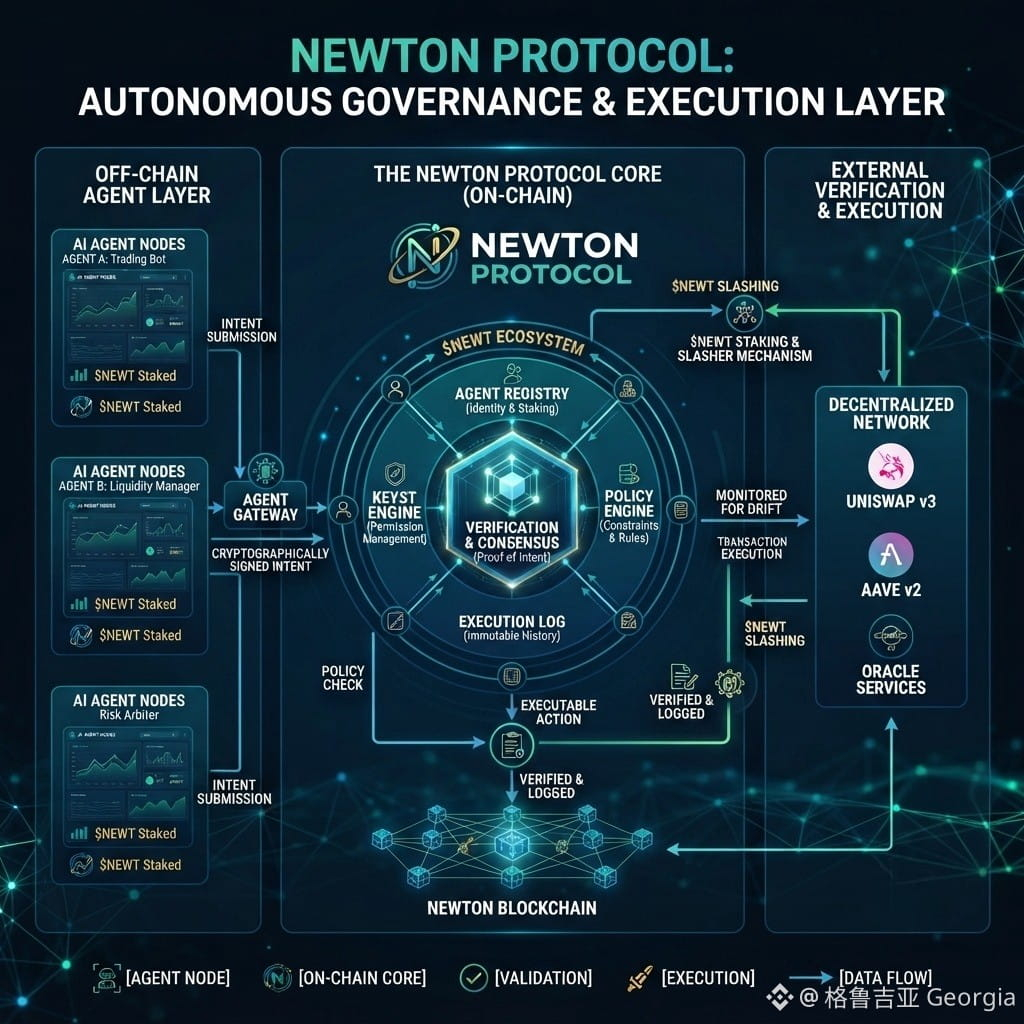
最初は、ニュートン・プロトコルに注意を払うことにあまり前向きではありませんでした。たぶん十分な回数、同じサイクルが繰り返されるのを見てきたせいで、そういう自分になってしまっただけなのかもしれません。数か月ごとに、意思決定をもっと自動化するための別の試みが出てきて、人間の手順をもう一つ減らして、すべてをより滑らかに感じさせようとする。筋が通っているように聞こえます。ですが、あなたが市場は長いこと理性的であり続けることはまずない、という事実を思い出した瞬間に、その考えは一気に怪しくなります。
私を引き戻すのは、AIがより良い判断を下すという約束そのものではありません。もっと居心地の悪い問い——それらの判断が互いに作用し始めたとき、いったい誰がその妥当性を検証するのか——です。戦略は、単独の状態では規律正しく見えるかもしれないのに、インセンティブが変わったり、環境が学習元のデータのように振る舞わなくなったりすると、ゆっくりと少しずつズレていきます。これは厳密にはバグというわけではありません。現実のシステムが年齢を重ねていくときの、ただそれだけのことです。
私はモデルのことを考えるより、そこにある土台——つまりそれらを支えるインフラ——のことを考えるようになりました。目立たない部分です。誰も称賛しない実行レイヤー。レイテンシが前提を裏切った瞬間、利害が食い違った瞬間、想定外の協調問題が、誰も気づくずっと前に静かに結果を形作る瞬間。
ニュートン・プロトコルは、その緊張関係のどこかに位置しているように見えます。すべてを解決すると主張しているからではありません。ただ、自律的な戦略が「孤立した実験」のままではいられなくなり、同じ分散型の環境を共有し始めたときに何が起きるのかを考えさせられるからです。もっと難しい問題は、知能そのものではないのかもしれません。何か月も、人々と相互作用したことでますます独立性を増していくシステムが、その後も予測可能なままでいられるようにすること——誰も計画していなかった条件の下でも。
私はまだ、そこで残された私たちの行き先がどこになるのか、確信できていません。
#newt $NEWT @NewtonProtocol
最初は、ニュートン・プロトコルに注意を払うことにあまり前向きではありませんでした。たぶん十分な回数、同じサイクルが繰り返されるのを見てきたせいで、そういう自分になってしまっただけなのかもしれません。数か月ごとに、意思決定をもっと自動化するための別の試みが出てきて、人間の手順をもう一つ減らして、すべてをより滑らかに感じさせようとする。筋が通っているように聞こえます。ですが、あなたが市場は長いこと理性的であり続けることはまずない、という事実を思い出した瞬間に、その考えは一気に怪しくなります。
私を引き戻すのは、AIがより良い判断を下すという約束そのものではありません。もっと居心地の悪い問い——それらの判断が互いに作用し始めたとき、いったい誰がその妥当性を検証するのか——です。戦略は、単独の状態では規律正しく見えるかもしれないのに、インセンティブが変わったり、環境が学習元のデータのように振る舞わなくなったりすると、ゆっくりと少しずつズレていきます。これは厳密にはバグというわけではありません。現実のシステムが年齢を重ねていくときの、ただそれだけのことです。
私はモデルのことを考えるより、そこにある土台——つまりそれらを支えるインフラ——のことを考えるようになりました。目立たない部分です。誰も称賛しない実行レイヤー。レイテンシが前提を裏切った瞬間、利害が食い違った瞬間、想定外の協調問題が、誰も気づくずっと前に静かに結果を形作る瞬間。
ニュートン・プロトコルは、その緊張関係のどこかに位置しているように見えます。すべてを解決すると主張しているからではありません。ただ、自律的な戦略が「孤立した実験」のままではいられなくなり、同じ分散型の環境を共有し始めたときに何が起きるのかを考えさせられるからです。もっと難しい問題は、知能そのものではないのかもしれません。何か月も、人々と相互作用したことでますます独立性を増していくシステムが、その後も予測可能なままでいられるようにすること——誰も計画していなかった条件の下でも。
私はまだ、そこで残された私たちの行き先がどこになるのか、確信できていません。
最初は、ニュートン・プロトコルに注意を払うことにあまり前向きではありませんでした。たぶん十分な回数、同じサイクルが繰り返されるのを見てきたせいで、そういう自分になってしまっただけなのかもしれません。数か月ごとに、意思決定をもっと自動化するための別の試みが出てきて、人間の手順をもう一つ減らして、すべてをより滑らかに感じさせようとする。筋が通っているように聞こえます。ですが、あなたが市場は長いこと理性的であり続けることはまずない、という事実を思い出した瞬間に、その考えは一気に怪しくなります。
私を引き戻すのは、AIがより良い判断を下すという約束そのものではありません。もっと居心地の悪い問い——それらの判断が互いに作用し始めたとき、いったい誰がその妥当性を検証するのか——です。戦略は、単独の状態では規律正しく見えるかもしれないのに、インセンティブが変わったり、環境が学習元のデータのように振る舞わなくなったりすると、ゆっくりと少しずつズレていきます。これは厳密にはバグというわけではありません。現実のシステムが年齢を重ねていくときの、ただそれだけのことです。
私はモデルのことを考えるより、そこにある土台——つまりそれらを支えるインフラ——のことを考えるようになりました。目立たない部分です。誰も称賛しない実行レイヤー。レイテンシが前提を裏切った瞬間、利害が食い違った瞬間、想定外の協調問題が、誰も気づくずっと前に静かに結果を形作る瞬間。
ニュートン・プロトコルは、その緊張関係のどこかに位置しているように見えます。すべてを解決すると主張しているからではありません。ただ、自律的な戦略が「孤立した実験」のままではいられなくなり、同じ分散型の環境を共有し始めたときに何が起きるのかを考えさせられるからです。もっと難しい問題は、知能そのものではないのかもしれません。何か月も、人々と相互作用したことでますます独立性を増していくシステムが、その後も予測可能なままでいられるようにすること——誰も計画していなかった条件の下でも。
私はまだ、そこで残された私たちの行き先がどこになるのか、確信できていません。
7
2
97
·
--
記事
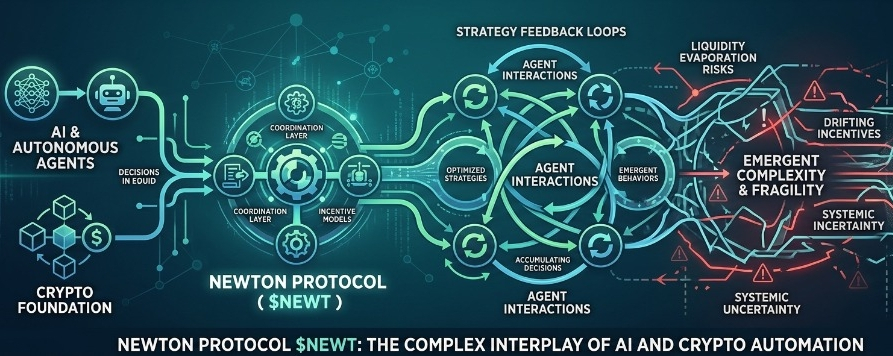
もっと自動化すれば不確実性が減る、とは思いませんたぶん、それが私の立ち位置なのだと思います。この業界を十分長く見ていると。数年前なら、ニュートン・プロトコルのようなものを読んだだけで、すぐにスケールや採用、可能性について考え始めたでしょう。けれど今、私の注意はまったく別の場所へ向かっています。熱狂が冷めて、プロトコルが普通の日々を生き延びる必要に迫られたら、何が起きるのだろう。
普通の日々は、意外なほど難しい。
誰も、すべてが期待どおりに動く瞬間のためにインフラを作るわけではありません。少なくとも、そうあるべきではありません。本当のプレッシャーは後からやって来ます。市場が礼儀正しく振る舞うのをやめると、インセンティブはほとんど気づかないほど微妙にズレ始め、参加者は誰も想定していなかった条件に、反応し始めるのです。そこで、磨き上げられた説明は役に立たなくなることがよくあります。
もっと自動化すれば不確実性が減る、とは思いません
たぶん、それが私の立ち位置なのだと思います。この業界を十分長く見ていると。数年前なら、ニュートン・プロトコルのようなものを読んだだけで、すぐにスケールや採用、可能性について考え始めたでしょう。けれど今、私の注意はまったく別の場所へ向かっています。熱狂が冷めて、プロトコルが普通の日々を生き延びる必要に迫られたら、何が起きるのだろう。
普通の日々は、意外なほど難しい。
誰も、すべてが期待どおりに動く瞬間のためにインフラを作るわけではありません。少なくとも、そうあるべきではありません。本当のプレッシャーは後からやって来ます。市場が礼儀正しく振る舞うのをやめると、インセンティブはほとんど気づかないほど微妙にズレ始め、参加者は誰も想定していなかった条件に、反応し始めるのです。そこで、磨き上げられた説明は役に立たなくなることがよくあります。
普通の日々は、意外なほど難しい。
誰も、すべてが期待どおりに動く瞬間のためにインフラを作るわけではありません。少なくとも、そうあるべきではありません。本当のプレッシャーは後からやって来ます。市場が礼儀正しく振る舞うのをやめると、インセンティブはほとんど気づかないほど微妙にズレ始め、参加者は誰も想定していなかった条件に、反応し始めるのです。そこで、磨き上げられた説明は役に立たなくなることがよくあります。
51
16
118
·
--
ブリッシュ
#newt $NEWT @NewtonProtocol
{future}(NEWTUSDT)
しばらくニュートン・プロトコルをほとんど無視していました。おそらく、それはプロジェクトよりも自分のことをよく表しているんだと思います。暗号資産の世界に十分な年数いれば、「今日あまりにも野心的に聞こえるものは、いずれ明日にはいつもの古い問題にぶつかるだろう」という癖が身についてしまいます。たぶん公平じゃない。たぶん、それが経験です。
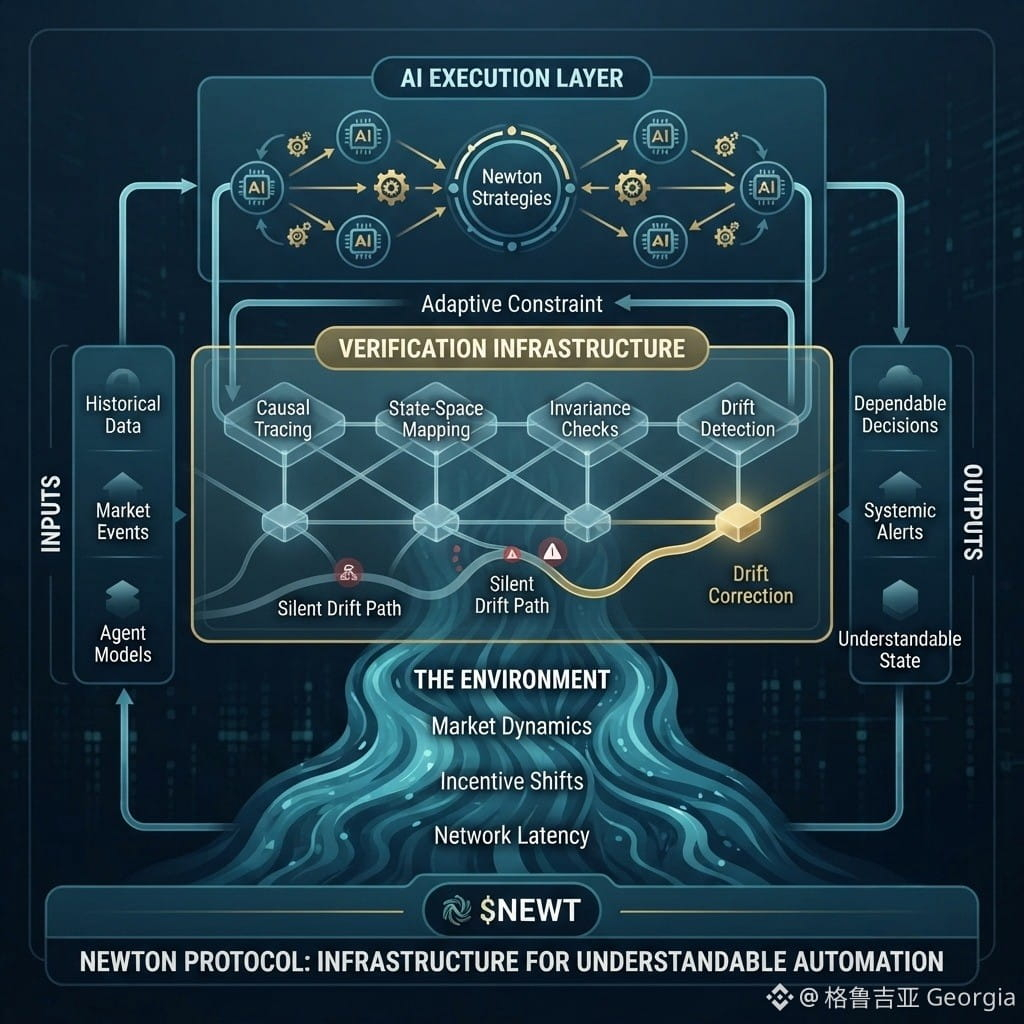
頭の中に残り続けているのは、AIが戦略を実行するというアイデアそのものではありません。問題は、その戦略が生き残らなければならない環境です。市場は静的ではありません。インフラも静的ではありません。ネットワークは遅れ、インセンティブは移り変わり、参加者は誰も事前に想定していなかった方法で適応します。興味深い失敗は、目に見えるバグから起きることは稀です。普通の振る舞いが時間の経過とともに積み重なり、誰も予想していなかった形でシステムが動き始めるところから生まれます。
私は、より良い自動化が自然により良い結果につながると、私たちが考えすぎて落ち着いてしまっているのではないかと考えることがあります。時々、それは逆に感じます。意思決定を委任すればするほど、周辺の検証がより重要になります。AIが本質的に信頼できないからというわけではありません。AIと相互作用する他の人たちが予測できないからです。
だからこそニュートン・プロトコルが、ふとした拍子に頭の奥に居座り続けているのだと思います。何かそれが可能にしようとしていることというより、その下にある静かなインフラの存在が気になっている。そうした目に見えない層は、何かがずれ始めるまでほとんど注目されません。そして「ずれ」は奇妙です。自分からは知らせてくれない。
たぶん、最も賢い意思決定をするシステムが「堅牢」なのではありません。おそらく、厄介なやり取りが何か月にもわたって続いた後でも、理解し続けられるシステムこそがそうなのです。私はまだ、その違いを早い段階で見分ける方法を、私たちが十分に見つけられているとは確信できません。
#newt $NEWT @NewtonProtocol
しばらくニュートン・プロトコルをほとんど無視していました。おそらく、それはプロジェクトよりも自分のことをよく表しているんだと思います。暗号資産の世界に十分な年数いれば、「今日あまりにも野心的に聞こえるものは、いずれ明日にはいつもの古い問題にぶつかるだろう」という癖が身についてしまいます。たぶん公平じゃない。たぶん、それが経験です。
頭の中に残り続けているのは、AIが戦略を実行するというアイデアそのものではありません。問題は、その戦略が生き残らなければならない環境です。市場は静的ではありません。インフラも静的ではありません。ネットワークは遅れ、インセンティブは移り変わり、参加者は誰も事前に想定していなかった方法で適応します。興味深い失敗は、目に見えるバグから起きることは稀です。普通の振る舞いが時間の経過とともに積み重なり、誰も予想していなかった形でシステムが動き始めるところから生まれます。
私は、より良い自動化が自然により良い結果につながると、私たちが考えすぎて落ち着いてしまっているのではないかと考えることがあります。時々、それは逆に感じます。意思決定を委任すればするほど、周辺の検証がより重要になります。AIが本質的に信頼できないからというわけではありません。AIと相互作用する他の人たちが予測できないからです。
だからこそニュートン・プロトコルが、ふとした拍子に頭の奥に居座り続けているのだと思います。何かそれが可能にしようとしていることというより、その下にある静かなインフラの存在が気になっている。そうした目に見えない層は、何かがずれ始めるまでほとんど注目されません。そして「ずれ」は奇妙です。自分からは知らせてくれない。
たぶん、最も賢い意思決定をするシステムが「堅牢」なのではありません。おそらく、厄介なやり取りが何か月にもわたって続いた後でも、理解し続けられるシステムこそがそうなのです。私はまだ、その違いを早い段階で見分ける方法を、私たちが十分に見つけられているとは確信できません。
しばらくニュートン・プロトコルをほとんど無視していました。おそらく、それはプロジェクトよりも自分のことをよく表しているんだと思います。暗号資産の世界に十分な年数いれば、「今日あまりにも野心的に聞こえるものは、いずれ明日にはいつもの古い問題にぶつかるだろう」という癖が身についてしまいます。たぶん公平じゃない。たぶん、それが経験です。
頭の中に残り続けているのは、AIが戦略を実行するというアイデアそのものではありません。問題は、その戦略が生き残らなければならない環境です。市場は静的ではありません。インフラも静的ではありません。ネットワークは遅れ、インセンティブは移り変わり、参加者は誰も事前に想定していなかった方法で適応します。興味深い失敗は、目に見えるバグから起きることは稀です。普通の振る舞いが時間の経過とともに積み重なり、誰も予想していなかった形でシステムが動き始めるところから生まれます。
私は、より良い自動化が自然により良い結果につながると、私たちが考えすぎて落ち着いてしまっているのではないかと考えることがあります。時々、それは逆に感じます。意思決定を委任すればするほど、周辺の検証がより重要になります。AIが本質的に信頼できないからというわけではありません。AIと相互作用する他の人たちが予測できないからです。
だからこそニュートン・プロトコルが、ふとした拍子に頭の奥に居座り続けているのだと思います。何かそれが可能にしようとしていることというより、その下にある静かなインフラの存在が気になっている。そうした目に見えない層は、何かがずれ始めるまでほとんど注目されません。そして「ずれ」は奇妙です。自分からは知らせてくれない。
たぶん、最も賢い意思決定をするシステムが「堅牢」なのではありません。おそらく、厄介なやり取りが何か月にもわたって続いた後でも、理解し続けられるシステムこそがそうなのです。私はまだ、その違いを早い段階で見分ける方法を、私たちが十分に見つけられているとは確信できません。
26
8
141
·
--
記事
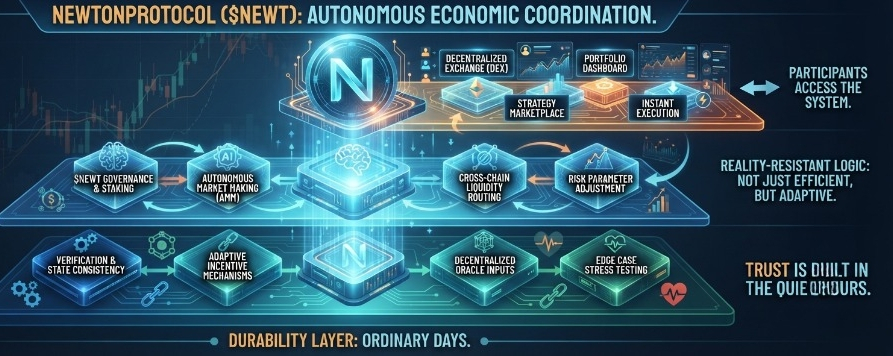
ニュートン・プロトコルが私を驚かせてくれていても、私たちは機械に判断を任せるべきだと本当に思えていないニュートン・プロトコルについて、実際にプロトコル自体を理解しようとしているわけではないのに、何度も読んでいる自分に気づきました。少し驚きました。ふつう、暗号資産の周りに十分な年月いると、プロジェクトを見慣れた箱に素早く仕分けるのがかなり得意になります。インフラ。取引。AI。ロールアップ。——誰もがそれらをつないでいるように見えるからといって、必然に思えるアイデア同士をつなごうとする、もう一つの試みです。
これは、あまりにも簡単には箱に収まりませんでした。
たぶん、それは私が「システムが何を約束しているか」に興味を持つ度合いが下がり、「誰も見ていないときに起きる瞬間」にもっと関心を向けるようになったからでしょう。流動性が消えていく静かな時間に、前提が少しずつズレたり、インセンティブが同じ方向を指さなくなったりする。市場が最初から大失敗のように派手に崩れることは、だいたいありません。最初はほんの少しだけ奇妙になります。少しだけ予測しにくくなります。そしてみんなが、驚いたように振る舞うのです。
ニュートン・プロトコルが私を驚かせてくれていても、私たちは機械に判断を任せるべきだと本当に思えていない
ニュートン・プロトコルについて、実際にプロトコル自体を理解しようとしているわけではないのに、何度も読んでいる自分に気づきました。少し驚きました。ふつう、暗号資産の周りに十分な年月いると、プロジェクトを見慣れた箱に素早く仕分けるのがかなり得意になります。インフラ。取引。AI。ロールアップ。——誰もがそれらをつないでいるように見えるからといって、必然に思えるアイデア同士をつなごうとする、もう一つの試みです。
これは、あまりにも簡単には箱に収まりませんでした。
たぶん、それは私が「システムが何を約束しているか」に興味を持つ度合いが下がり、「誰も見ていないときに起きる瞬間」にもっと関心を向けるようになったからでしょう。流動性が消えていく静かな時間に、前提が少しずつズレたり、インセンティブが同じ方向を指さなくなったりする。市場が最初から大失敗のように派手に崩れることは、だいたいありません。最初はほんの少しだけ奇妙になります。少しだけ予測しにくくなります。そしてみんなが、驚いたように振る舞うのです。
これは、あまりにも簡単には箱に収まりませんでした。
たぶん、それは私が「システムが何を約束しているか」に興味を持つ度合いが下がり、「誰も見ていないときに起きる瞬間」にもっと関心を向けるようになったからでしょう。流動性が消えていく静かな時間に、前提が少しずつズレたり、インセンティブが同じ方向を指さなくなったりする。市場が最初から大失敗のように派手に崩れることは、だいたいありません。最初はほんの少しだけ奇妙になります。少しだけ予測しにくくなります。そしてみんなが、驚いたように振る舞うのです。
17
11
154
ログインして、さらにコンテンツを読む
厳選トピックで世界の暗号資産トレーダーの仲間入り
⚡️ 暗号資産に関する最新かつ有益な情報が見つかります。
💬 世界最大の暗号資産取引所から信頼されています。
👍 認証を受けたクリエイターから、有益なインサイトを得られます。
メール / 電話番号
トレンドトピック
USHouseAdvancesBitcoinReserveBill
閲覧回数 402
35人が討論中
#ushouseadvancesbitcoinreservebill
🚨 米下院が「ビットコイン準備金法案」を前進させました! 🇺🇸🔥
$BTC 👀 のビッグニュース
下院金融サービス委員会は28対21で、戦略的ビットコイン準備金を設立することを目指す法案の前進を可決しました。
この提案が最終的に法律になれば、米国政府がビットコインを戦略準備資産として保有するための正式な枠組みを作る可能性があります。 🏦₿
ただしこれはまだ「法律」ではありません——議会でさらに手続きが必要です。
今の大きな論点:
🚀 これは $BTC の大きな触媒(カタリスト)になるのでしょうか?
#bitcoin #BTC #crypto
Faizan Crypto Learner
·いいね:0件
·閲覧回数 9
AmazonGetsWarrantsToBuyGeneracStock
閲覧回数 1,128
70人が討論中
DotPlotSignalsOneMoreHikeIn2026
閲覧回数 18,548
426人が討論中