

nullstate
58 投稿

nullstate
 厳選トピック確認済
報告
ユーザーをブロック

マクロ経済KOL

AAVEホルダー
超高頻度トレーダー
5.7年
6 フォロー
1.0K+ フォロワー
695 いいね
1 バッジ
投稿
すべて
引用
動画
·
--
ブリッシュ
翻訳参照
Here is a pro-tip: the market is trading sideways on the majors. If you have not tried bots yet this is a good time to experiment.
Find a market that is swinging 1-3% daily and set the range to be slightly lower and slightly higher than the range.
Do spot grid and not futures grid if you are worried about losing money.
You can make money over time if you have the patience and cannot find a runner.
[My spot grid for AAVE](https://app.binance.com/uni-qr/spotgrid?at=spotGrid&symbol=AAVEUSDC&ref=NULLS&opt=cz1BQVZFVVNEQyZndD1hcml0aCZnYz0xNSZscD0xNzQuNDgmdXA9MTg3LjUmY3BzPXRydWUmY3NpPTEwMTM5OTYw)
Enjoy the red packet and spread the wealth. Plenty more 🎁 to come soon to follow for more.
Here is a pro-tip: the market is trading sideways on the majors. If you have not tried bots yet this is a good time to experiment.
Find a market that is swinging 1-3% daily and set the range to be slightly lower and slightly higher than the range.
Do spot grid and not futures grid if you are worried about losing money.
You can make money over time if you have the patience and cannot find a runner.
My spot grid for AAVE
Enjoy the red packet and spread the wealth. Plenty more 🎁 to come soon to follow for more.
Find a market that is swinging 1-3% daily and set the range to be slightly lower and slightly higher than the range.
Do spot grid and not futures grid if you are worried about losing money.
You can make money over time if you have the patience and cannot find a runner.
My spot grid for AAVE
Enjoy the red packet and spread the wealth. Plenty more 🎁 to come soon to follow for more.

Best Wishes!
送り主:nullstate
すべて請求済み
40
2
69
250
·
--
ブリッシュ
まだ保有しています。下がればもう少し買い戻すつもりですが、すでに2回利確しました。 $AAVE
まだ保有しています。下がればもう少し買い戻すつもりですが、すでに2回利確しました。 $AAVE
1
1
308
·
--

記事
翻訳参照
Aave does something surprisingly normal: it lends money$AAVE is around $185, with a market cap of about $2.7 billion. Its all-time high was $662 in May 2021. The token is still roughly three quarters below that price, even though the market it serves is larger and the product is much better.
{future}(AAVEUSDT)
Explaining why a cryptocurrency might be worth buying usually requires a diagram, several invented words and a request that you stop asking where the money comes from.
Aave is easier to explain. People use it to borrow money. They pay interest. Aave keeps some of that interest.
I think there's a good business here, and that people are overlooking it because it lives in a part of finance where overlooking things is often a sensible precaution.
What does it actually do?
Say you own some crypto. You want cash, but you don't want to sell what you own. You can put it up as security for a loan through Aave.
It's roughly the idea behind a loan secured against a house, except the thing securing this loan is crypto, which can have a very eventful Tuesday.
Other people supply the money you borrow. They earn interest, and Aave takes a share for running the system. Most of this happens through software. If the value of your collateral falls too far, the system can sell it to help repay the loan.
That's the basic arrangement. You get access to money. Someone else gets paid to lend it. Aave earns a fee. You can understand the business without understanding how a blockchain works, much as you can understand a mortgage without knowing why your bank's website still looks like that.
And people already use it. Aave has billions of dollars in outstanding loans. This is an operating lending business, with customers paying to use it.
Why could it get bigger?
Until recently, the story was mostly about people borrowing against crypto. Aave is now expanding into loans backed by digital versions of assets such as stocks and investment funds.
The useful part is what that lets someone do: borrow against something they own without selling it.
People already do this in ordinary finance. Aave is trying to bring more of that activity onto its system. It doesn't need everyone to abandon their bank. It needs enough borrowers to find it useful and enough lenders to supply the money.
That's why it interests me. There is an existing business here that could serve more people and more kinds of assets. The demand doesn't depend entirely on persuading the public to become emotionally attached to another coin.
Fine. But why buy the token?
Aave has a token called $AAVE . This is where the argument needs a little care.
Buying it is not the same as buying shares in a bank. You don't automatically receive a slice of the interest borrowers pay. Aave can do well as a lending business without the token going up in price.
There is, however, a possible connection. The organization that governs Aave has used money to buy AAVE tokens on the open market. There has also been discussion about permanently removing purchased tokens from circulation. Buybacks.
Think of a company buying back its shares. It isn't the same legal arrangement, but the basic appeal is similar: money from the business can support demand for the thing investors hold, and retiring it can reduce the amount available.
If buybacks keep running and the bought tokens are retired for good, every remaining token becomes a slightly larger claim on a growing business. That is the bull case, and it compounds if the business keeps growing.
So what's the bet?
I think Aave could become a much bigger lending business, and that its token could benefit if more of the money it earns is used to support token holders.
There are plenty of ways that can disappoint. Borrowers can leave. Things can break. The people running the system can make bad decisions. And the token can fall even while people keep using the service.
But I like being able to explain where the money comes from. Someone needs a loan, someone provides it, and Aave gets paid for bringing them together. In crypto, getting that far without needing a second diagram is enough to keep me interested.
Aave does something surprisingly normal: it lends money
$AAVE is around $185, with a market cap of about $2.7 billion. Its all-time high was $662 in May 2021. The token is still roughly three quarters below that price, even though the market it serves is larger and the product is much better.
Explaining why a cryptocurrency might be worth buying usually requires a diagram, several invented words and a request that you stop asking where the money comes from.
Aave is easier to explain. People use it to borrow money. They pay interest. Aave keeps some of that interest.
I think there's a good business here, and that people are overlooking it because it lives in a part of finance where overlooking things is often a sensible precaution.
What does it actually do?
Say you own some crypto. You want cash, but you don't want to sell what you own. You can put it up as security for a loan through Aave.
It's roughly the idea behind a loan secured against a house, except the thing securing this loan is crypto, which can have a very eventful Tuesday.
Other people supply the money you borrow. They earn interest, and Aave takes a share for running the system. Most of this happens through software. If the value of your collateral falls too far, the system can sell it to help repay the loan.
That's the basic arrangement. You get access to money. Someone else gets paid to lend it. Aave earns a fee. You can understand the business without understanding how a blockchain works, much as you can understand a mortgage without knowing why your bank's website still looks like that.
And people already use it. Aave has billions of dollars in outstanding loans. This is an operating lending business, with customers paying to use it.
Why could it get bigger?
Until recently, the story was mostly about people borrowing against crypto. Aave is now expanding into loans backed by digital versions of assets such as stocks and investment funds.
The useful part is what that lets someone do: borrow against something they own without selling it.
People already do this in ordinary finance. Aave is trying to bring more of that activity onto its system. It doesn't need everyone to abandon their bank. It needs enough borrowers to find it useful and enough lenders to supply the money.
That's why it interests me. There is an existing business here that could serve more people and more kinds of assets. The demand doesn't depend entirely on persuading the public to become emotionally attached to another coin.
Fine. But why buy the token?
Aave has a token called $AAVE . This is where the argument needs a little care.
Buying it is not the same as buying shares in a bank. You don't automatically receive a slice of the interest borrowers pay. Aave can do well as a lending business without the token going up in price.
There is, however, a possible connection. The organization that governs Aave has used money to buy AAVE tokens on the open market. There has also been discussion about permanently removing purchased tokens from circulation. Buybacks.
Think of a company buying back its shares. It isn't the same legal arrangement, but the basic appeal is similar: money from the business can support demand for the thing investors hold, and retiring it can reduce the amount available.
If buybacks keep running and the bought tokens are retired for good, every remaining token becomes a slightly larger claim on a growing business. That is the bull case, and it compounds if the business keeps growing.
So what's the bet?
I think Aave could become a much bigger lending business, and that its token could benefit if more of the money it earns is used to support token holders.
There are plenty of ways that can disappoint. Borrowers can leave. Things can break. The people running the system can make bad decisions. And the token can fall even while people keep using the service.
But I like being able to explain where the money comes from. Someone needs a loan, someone provides it, and Aave gets paid for bringing them together. In crypto, getting that far without needing a second diagram is enough to keep me interested.
Explaining why a cryptocurrency might be worth buying usually requires a diagram, several invented words and a request that you stop asking where the money comes from.
Aave is easier to explain. People use it to borrow money. They pay interest. Aave keeps some of that interest.
I think there's a good business here, and that people are overlooking it because it lives in a part of finance where overlooking things is often a sensible precaution.
What does it actually do?
Say you own some crypto. You want cash, but you don't want to sell what you own. You can put it up as security for a loan through Aave.
It's roughly the idea behind a loan secured against a house, except the thing securing this loan is crypto, which can have a very eventful Tuesday.
Other people supply the money you borrow. They earn interest, and Aave takes a share for running the system. Most of this happens through software. If the value of your collateral falls too far, the system can sell it to help repay the loan.
That's the basic arrangement. You get access to money. Someone else gets paid to lend it. Aave earns a fee. You can understand the business without understanding how a blockchain works, much as you can understand a mortgage without knowing why your bank's website still looks like that.
And people already use it. Aave has billions of dollars in outstanding loans. This is an operating lending business, with customers paying to use it.
Why could it get bigger?
Until recently, the story was mostly about people borrowing against crypto. Aave is now expanding into loans backed by digital versions of assets such as stocks and investment funds.
The useful part is what that lets someone do: borrow against something they own without selling it.
People already do this in ordinary finance. Aave is trying to bring more of that activity onto its system. It doesn't need everyone to abandon their bank. It needs enough borrowers to find it useful and enough lenders to supply the money.
That's why it interests me. There is an existing business here that could serve more people and more kinds of assets. The demand doesn't depend entirely on persuading the public to become emotionally attached to another coin.
Fine. But why buy the token?
Aave has a token called $AAVE . This is where the argument needs a little care.
Buying it is not the same as buying shares in a bank. You don't automatically receive a slice of the interest borrowers pay. Aave can do well as a lending business without the token going up in price.
There is, however, a possible connection. The organization that governs Aave has used money to buy AAVE tokens on the open market. There has also been discussion about permanently removing purchased tokens from circulation. Buybacks.
Think of a company buying back its shares. It isn't the same legal arrangement, but the basic appeal is similar: money from the business can support demand for the thing investors hold, and retiring it can reduce the amount available.
If buybacks keep running and the bought tokens are retired for good, every remaining token becomes a slightly larger claim on a growing business. That is the bull case, and it compounds if the business keeps growing.
So what's the bet?
I think Aave could become a much bigger lending business, and that its token could benefit if more of the money it earns is used to support token holders.
There are plenty of ways that can disappoint. Borrowers can leave. Things can break. The people running the system can make bad decisions. And the token can fall even while people keep using the service.
But I like being able to explain where the money comes from. Someone needs a loan, someone provides it, and Aave gets paid for bringing them together. In crypto, getting that far without needing a second diagram is enough to keep me interested.
1
122
·
--
ブリッシュ
翻訳参照
Told you.$AAVE
Told you.$AAVE
nullstate
·
--
ブリッシュI am riding $AAVE all the way to the top. Join me.
14
·
--
ブリッシュ
翻訳参照
$AAVE to $250. Lets. Freaking. Go.
{spot}(AAVEUSDT)
$AAVE to $250. Lets. Freaking. Go.
1
85
·
--
ブリッシュ
翻訳参照
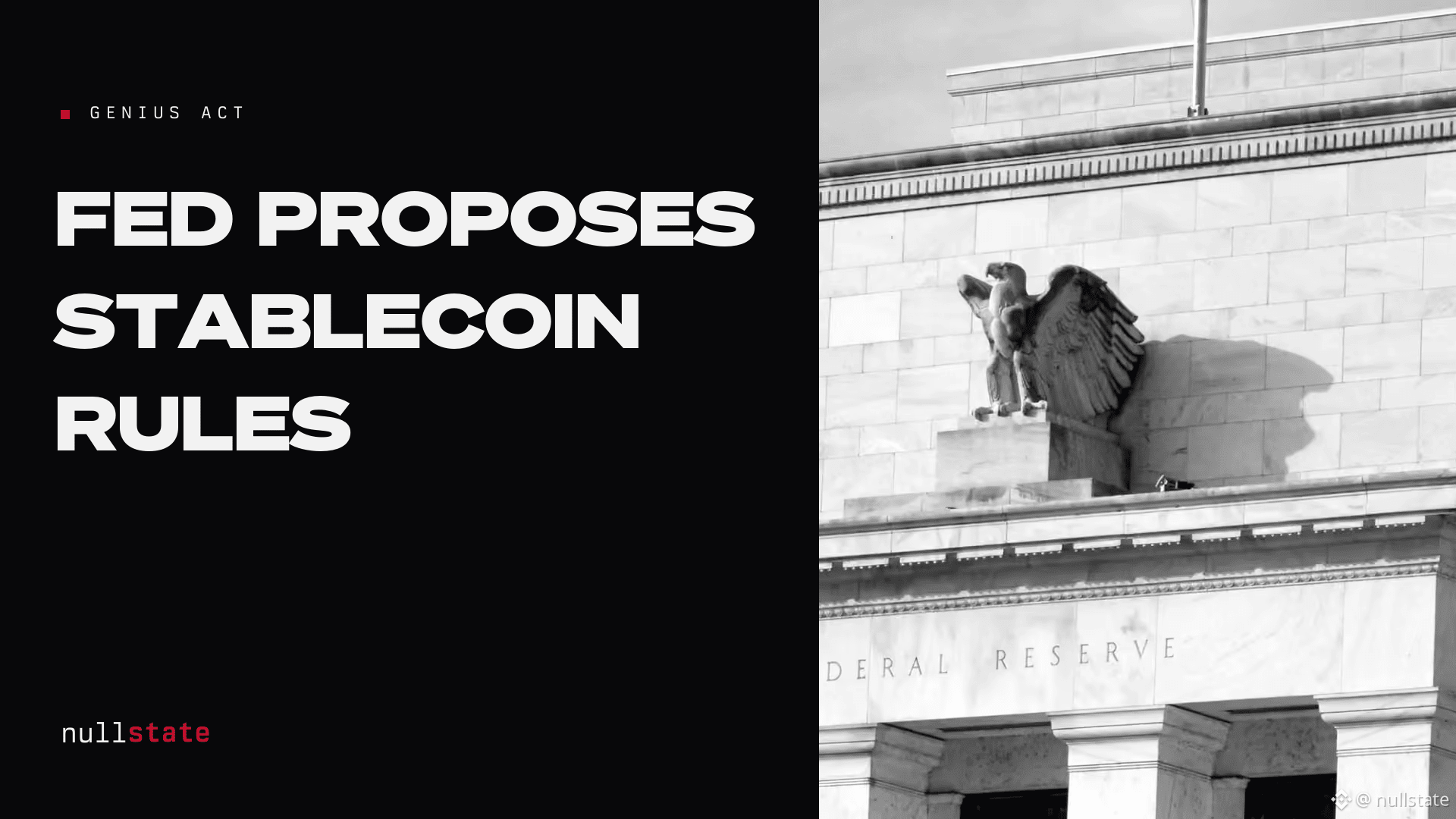
The Federal Reserve is moving forward with rules for stablecoins under the GENIUS Act, including oversight of yield programs.
The Fed proposed two stablecoin rules on Thursday under the GENIUS Act. One covers capital, reserves and permitted activities. The other sets out how Fed-regulated banks can apply to issue their own stablecoins.
Both proposals are open for 60 days of public comment. Regulators have already missed the law's July 2026 deadline, and final rules could still take months or longer.
Rewards remain a sticking point. GENIUS bans issuers from paying interest or yield just for holding stablecoins. The Fed's proposal would presume certain third-party arrangements also breach that ban, although there appears to be a narrow opening for rewards resembling credit-card incentives. With the Clarity Act's proposed changes unsuccessful, GENIUS remains the primary law governing those rewards.
My take: I'm bullish. Banks getting a defined process for issuing stablecoins is a meaningful step toward wider adoption. It gives institutions something concrete to plan around, even if we're still waiting for the final rules.
I'd like to see more freedom on rewards. Platforms should have room to compete for users, and that part of the proposal deserves scrutiny. But reserve requirements and reliable redemption make sense to me. If we're expecting people to use stablecoins at scale, they need to trust that they can get their money out when markets get ugly.
The delays are frustrating. Still, a clearer route for banks to issue and use stablecoins makes me more confident about where this is going.
The Federal Reserve is moving forward with rules for stablecoins under the GENIUS Act, including oversight of yield programs.
The Fed proposed two stablecoin rules on Thursday under the GENIUS Act. One covers capital, reserves and permitted activities. The other sets out how Fed-regulated banks can apply to issue their own stablecoins.
Both proposals are open for 60 days of public comment. Regulators have already missed the law's July 2026 deadline, and final rules could still take months or longer.
Rewards remain a sticking point. GENIUS bans issuers from paying interest or yield just for holding stablecoins. The Fed's proposal would presume certain third-party arrangements also breach that ban, although there appears to be a narrow opening for rewards resembling credit-card incentives. With the Clarity Act's proposed changes unsuccessful, GENIUS remains the primary law governing those rewards.
My take: I'm bullish. Banks getting a defined process for issuing stablecoins is a meaningful step toward wider adoption. It gives institutions something concrete to plan around, even if we're still waiting for the final rules.
I'd like to see more freedom on rewards. Platforms should have room to compete for users, and that part of the proposal deserves scrutiny. But reserve requirements and reliable redemption make sense to me. If we're expecting people to use stablecoins at scale, they need to trust that they can get their money out when markets get ugly.
The delays are frustrating. Still, a clearer route for banks to issue and use stablecoins makes me more confident about where this is going.
The Fed proposed two stablecoin rules on Thursday under the GENIUS Act. One covers capital, reserves and permitted activities. The other sets out how Fed-regulated banks can apply to issue their own stablecoins.
Both proposals are open for 60 days of public comment. Regulators have already missed the law's July 2026 deadline, and final rules could still take months or longer.
Rewards remain a sticking point. GENIUS bans issuers from paying interest or yield just for holding stablecoins. The Fed's proposal would presume certain third-party arrangements also breach that ban, although there appears to be a narrow opening for rewards resembling credit-card incentives. With the Clarity Act's proposed changes unsuccessful, GENIUS remains the primary law governing those rewards.
My take: I'm bullish. Banks getting a defined process for issuing stablecoins is a meaningful step toward wider adoption. It gives institutions something concrete to plan around, even if we're still waiting for the final rules.
I'd like to see more freedom on rewards. Platforms should have room to compete for users, and that part of the proposal deserves scrutiny. But reserve requirements and reliable redemption make sense to me. If we're expecting people to use stablecoins at scale, they need to trust that they can get their money out when markets get ugly.
The delays are frustrating. Still, a clearer route for banks to issue and use stablecoins makes me more confident about where this is going.
1
69
·
--
翻訳参照
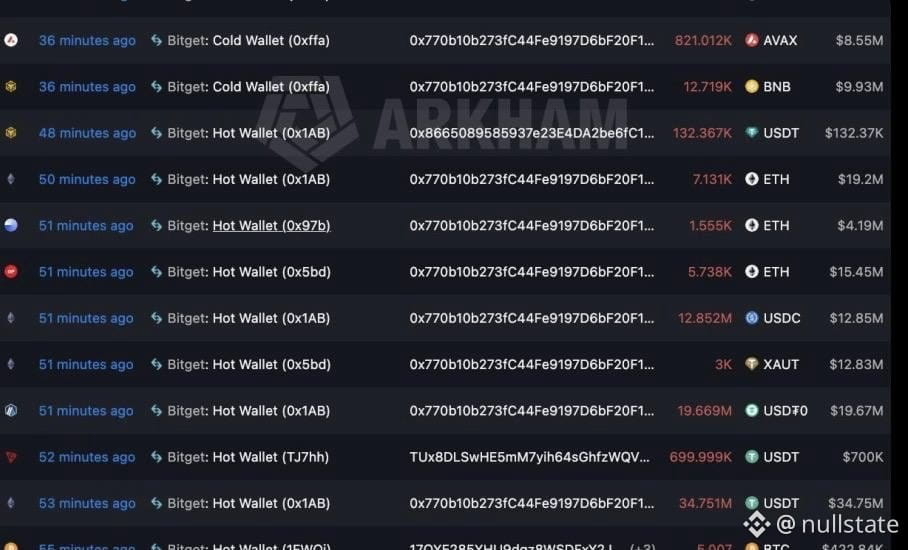
Bitget just got hacked. Over $170 million stolen, and counting.
Bitget just got hacked. Over $170 million stolen, and counting.
130
·
--
私は$AAPL に長期投資しています
私は$AAPL に長期投資しています
nullstate
·
--
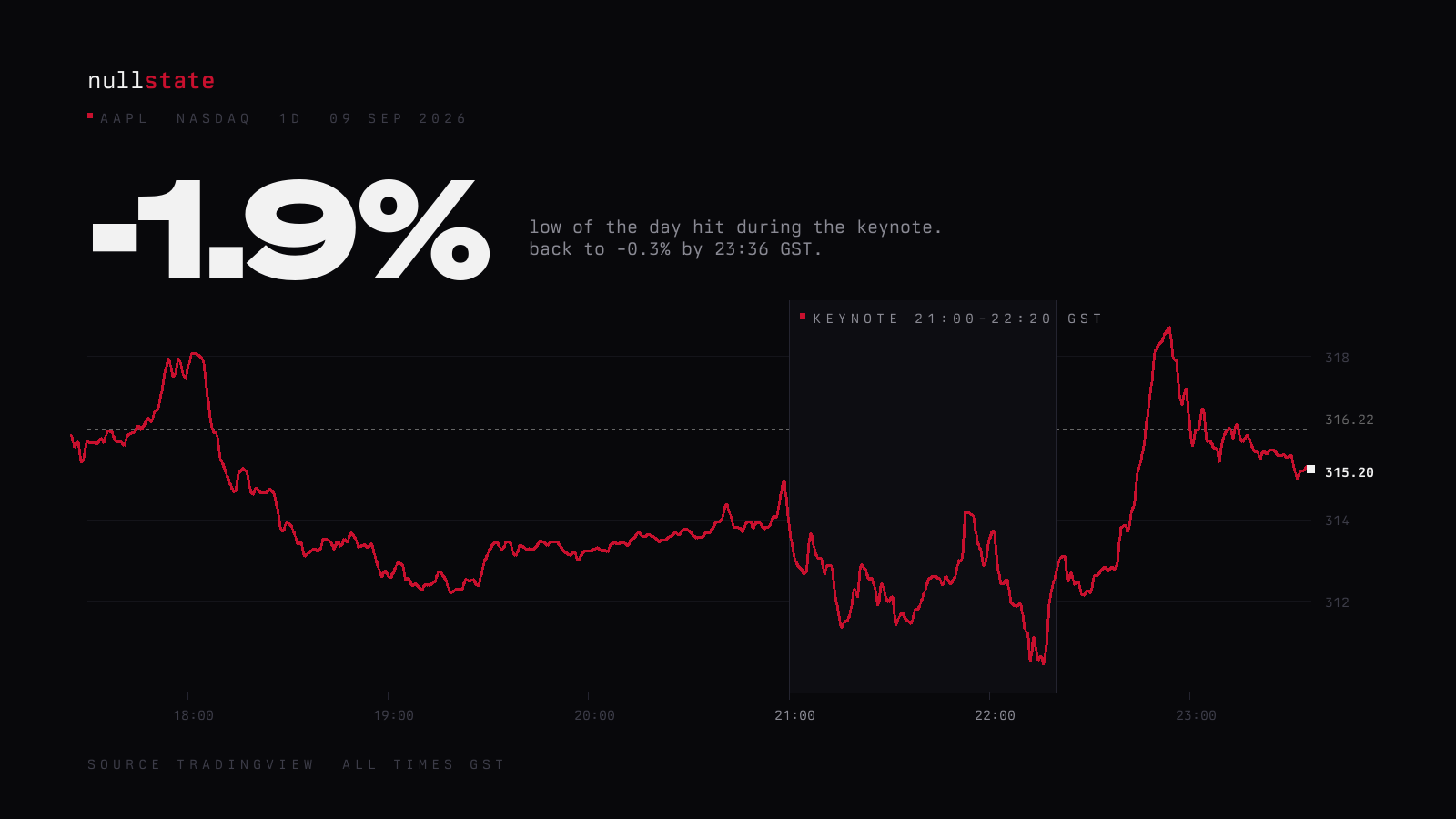
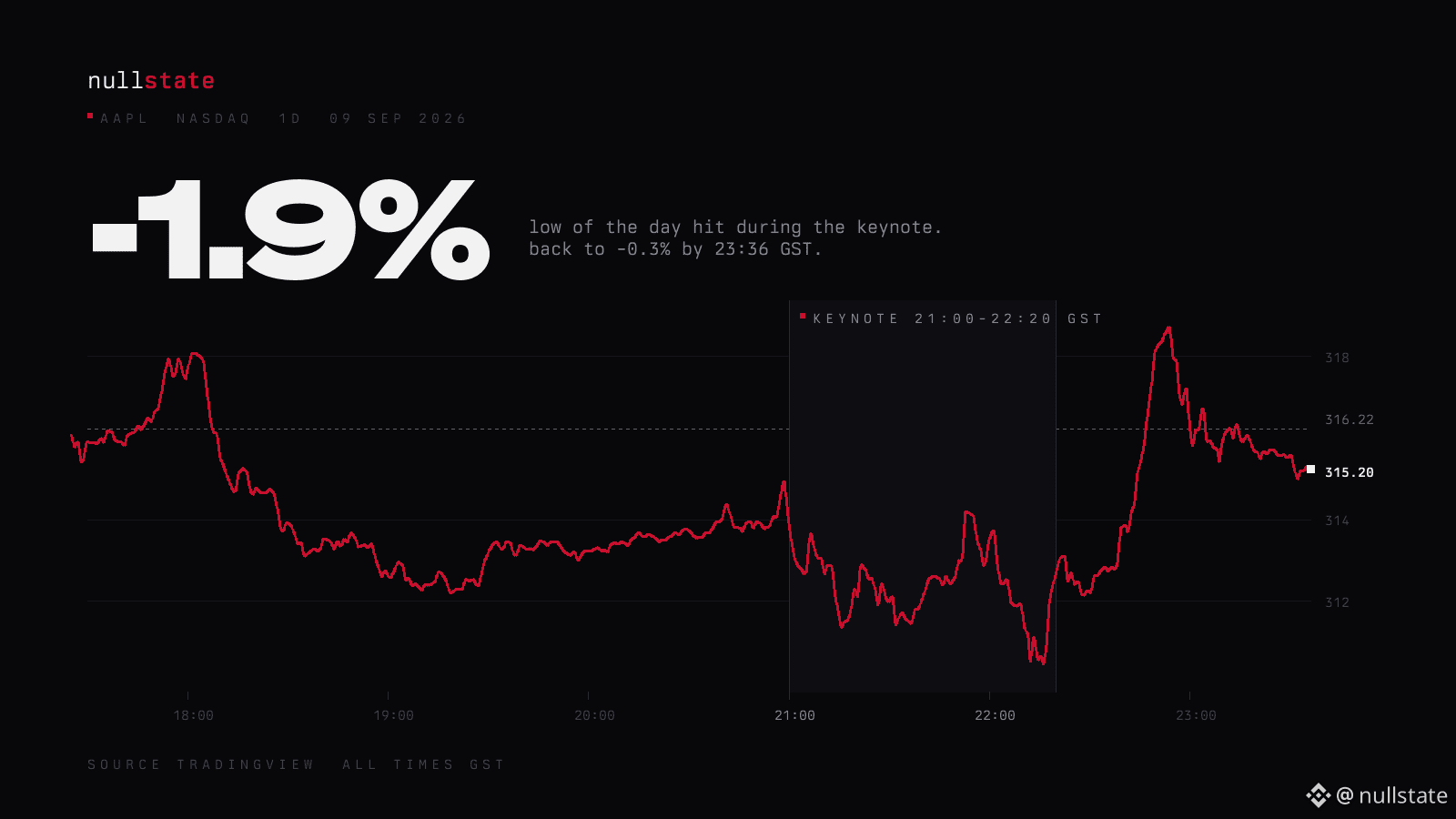
$AAPL は、今日のAppleイベント中にほぼ2%下落し、80分間の基調講演の大半を赤字で過ごしました。Ternusがステージを降りた直後から回復し始めました。
下落はお決まりの「ニュース売り」の反応です。iPhone Duoは1,999ドルで登場しましたが、これはウォール街が大きく見込んでいた水準よりも低く、18 ProとPro Maxの上昇はそれぞれ100ドルにとどまりました。オプション取引のトレーダーは今朝からAppleに強気の賭けをすでに入れており、バンク・オブ・アメリカのWamsi Mohanは、iPhone発表後の60日間で株価が再上昇し新たな利益を積み上げているケースが多いと、イベント前に指摘していました。予約開始は10月16日です。
下落はお決まりの「ニュース売り」の反応です。iPhone Duoは1,999ドルで登場しましたが、これはウォール街が大きく見込んでいた水準よりも低く、18 ProとPro Maxの上昇はそれぞれ100ドルにとどまりました。オプション取引のトレーダーは今朝からAppleに強気の賭けをすでに入れており、バンク・オブ・アメリカのWamsi Mohanは、iPhone発表後の60日間で株価が再上昇し新たな利益を積み上げているケースが多いと、イベント前に指摘していました。予約開始は10月16日です。
129
·
--
本人確認中
$AAPL は、今日のAppleイベント中にほぼ2%下落し、80分間の基調講演の大半を赤字で過ごしました。Ternusがステージを降りた直後から回復し始めました。
下落はお決まりの「ニュース売り」の反応です。iPhone Duoは1,999ドルで登場しましたが、これはウォール街が大きく見込んでいた水準よりも低く、18 ProとPro Maxの上昇はそれぞれ100ドルにとどまりました。オプション取引のトレーダーは今朝からAppleに強気の賭けをすでに入れており、バンク・オブ・アメリカのWamsi Mohanは、iPhone発表後の60日間で株価が再上昇し新たな利益を積み上げているケースが多いと、イベント前に指摘していました。予約開始は10月16日です。
$AAPL は、今日のAppleイベント中にほぼ2%下落し、80分間の基調講演の大半を赤字で過ごしました。Ternusがステージを降りた直後から回復し始めました。
下落はお決まりの「ニュース売り」の反応です。iPhone Duoは1,999ドルで登場しましたが、これはウォール街が大きく見込んでいた水準よりも低く、18 ProとPro Maxの上昇はそれぞれ100ドルにとどまりました。オプション取引のトレーダーは今朝からAppleに強気の賭けをすでに入れており、バンク・オブ・アメリカのWamsi Mohanは、iPhone発表後の60日間で株価が再上昇し新たな利益を積み上げているケースが多いと、イベント前に指摘していました。予約開始は10月16日です。
下落はお決まりの「ニュース売り」の反応です。iPhone Duoは1,999ドルで登場しましたが、これはウォール街が大きく見込んでいた水準よりも低く、18 ProとPro Maxの上昇はそれぞれ100ドルにとどまりました。オプション取引のトレーダーは今朝からAppleに強気の賭けをすでに入れており、バンク・オブ・アメリカのWamsi Mohanは、iPhone発表後の60日間で株価が再上昇し新たな利益を積み上げているケースが多いと、イベント前に指摘していました。予約開始は10月16日です。
1
2
588
·
--
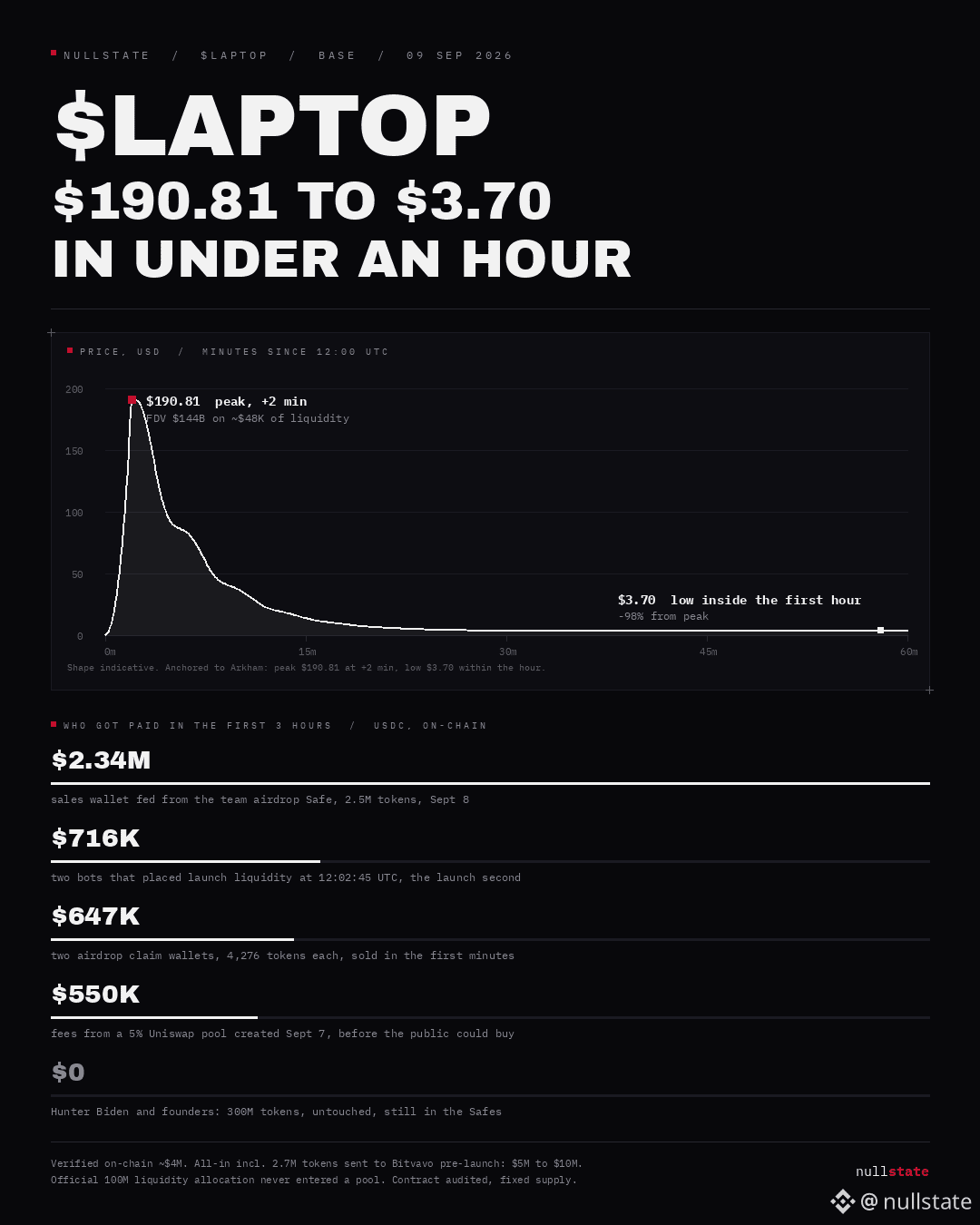
今朝、ハンター・バイデンの$LAPTOPは1時間もかからずに$190.81から$3.70まで下落しました。流通性(liquidity)約$48Kに対して、ピークFDVは$144Bでした。
創業者の300Mトークンは一度も動いていません。最初の3時間で出てきたおよそ$4Mは、一般が買う前にチームのセーフからトークンを受け取っていたウォレット、さらに2日前から稼働していた5%のフィープールに流れました。公式の100Mの流動性割当は、プールに投入されませんでした。
コントラクトはクリーンです。問題は、売却したウォレットを誰が管理しているのかです。現時点ではその答えはチェーン上では出ておらず、出るまで「ロックされてベスティング中(locked and vesting)」は主張であって事実ではありません。
今朝、ハンター・バイデンの$LAPTOPは1時間もかからずに$190.81から$3.70まで下落しました。流通性(liquidity)約$48Kに対して、ピークFDVは$144Bでした。
創業者の300Mトークンは一度も動いていません。最初の3時間で出てきたおよそ$4Mは、一般が買う前にチームのセーフからトークンを受け取っていたウォレット、さらに2日前から稼働していた5%のフィープールに流れました。公式の100Mの流動性割当は、プールに投入されませんでした。
コントラクトはクリーンです。問題は、売却したウォレットを誰が管理しているのかです。現時点ではその答えはチェーン上では出ておらず、出るまで「ロックされてベスティング中(locked and vesting)」は主張であって事実ではありません。
創業者の300Mトークンは一度も動いていません。最初の3時間で出てきたおよそ$4Mは、一般が買う前にチームのセーフからトークンを受け取っていたウォレット、さらに2日前から稼働していた5%のフィープールに流れました。公式の100Mの流動性割当は、プールに投入されませんでした。
コントラクトはクリーンです。問題は、売却したウォレットを誰が管理しているのかです。現時点ではその答えはチェーン上では出ておらず、出るまで「ロックされてベスティング中(locked and vesting)」は主張であって事実ではありません。
1
103
·
--
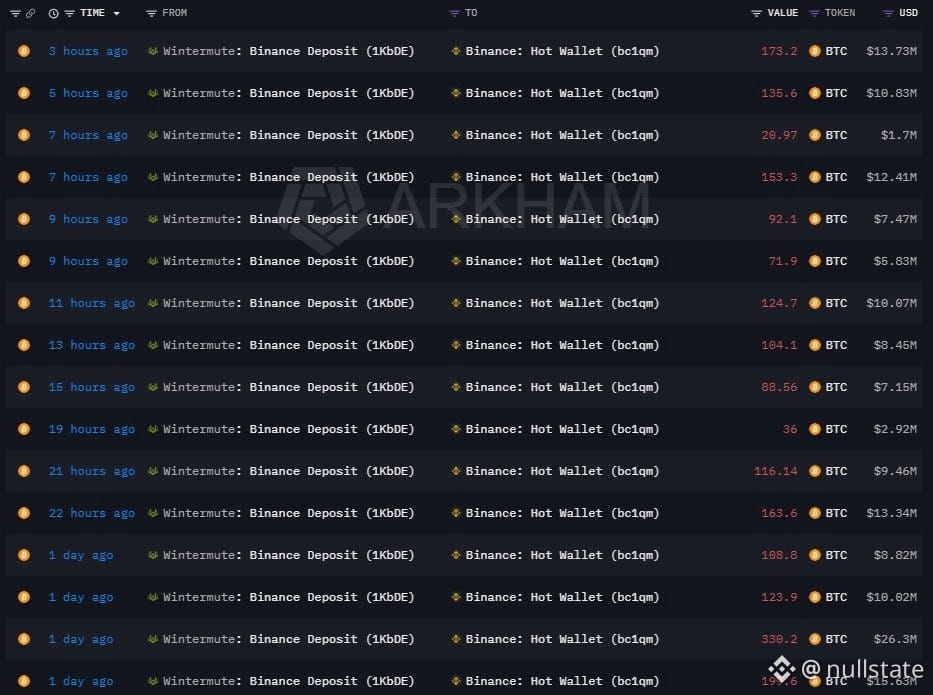
WintermuteはBinanceに$BTC を入金して、なんと1億6413万ドルを追加しました。まあまあ。さあ、準備して。
WintermuteはBinanceに$BTC を入金して、なんと1億6413万ドルを追加しました。まあまあ。さあ、準備して。
1
152
·
--
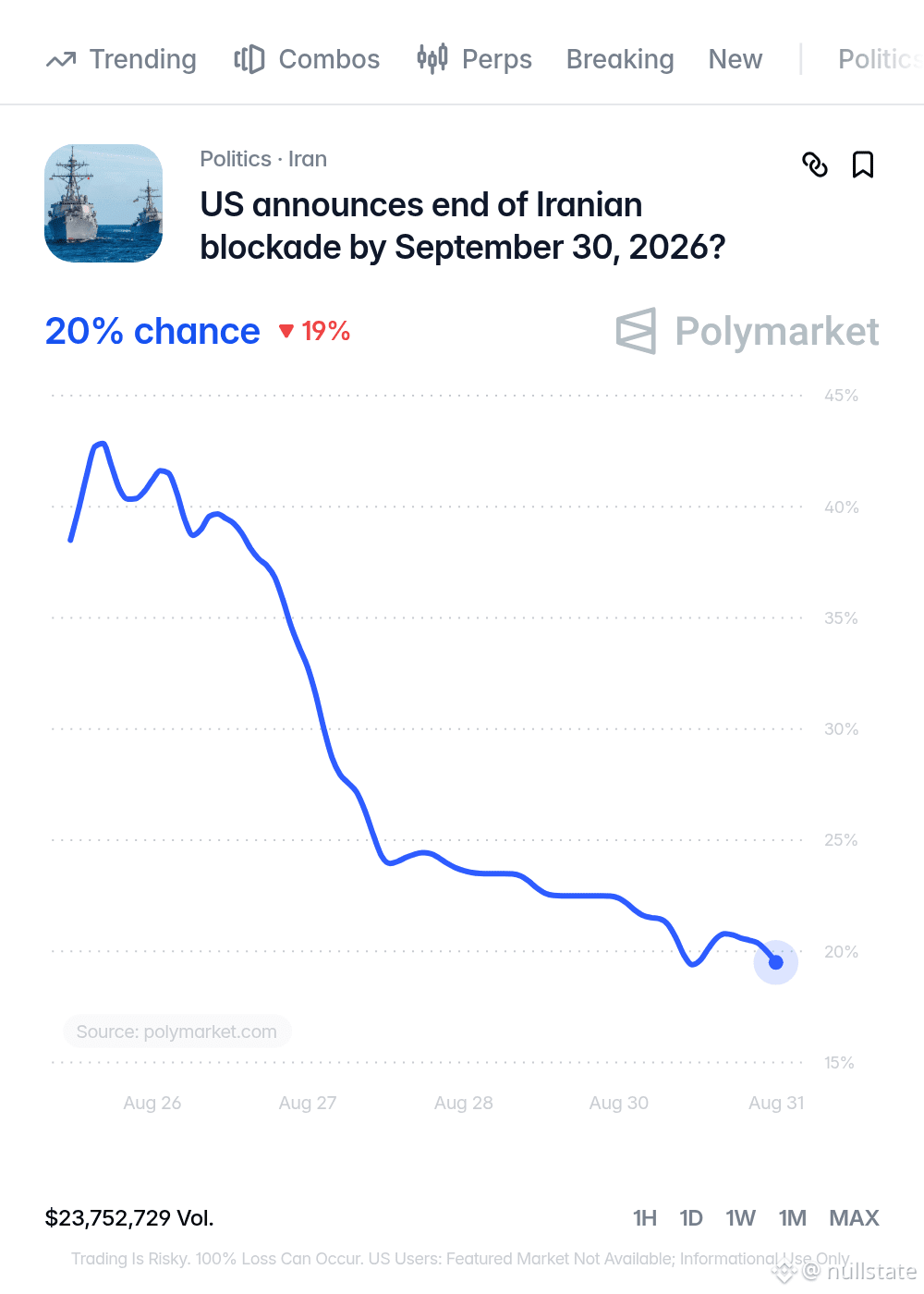
ホルムズ海峡の封鎖が、双方に動きがないまま少なくとももう1か月続く可能性は高い。イランは今から中間選挙まで、トランプを締め上げ続けるつもりで、その間は中国に頼んで原油価格を下げておく必要が出てくるだろう。
封鎖がどちらにせよ終わるまで、原油が増産されたり、何らかの動きが起きたりすることは期待しないでほしい。
ホルムズ海峡の封鎖が、双方に動きがないまま少なくとももう1か月続く可能性は高い。イランは今から中間選挙まで、トランプを締め上げ続けるつもりで、その間は中国に頼んで原油価格を下げておく必要が出てくるだろう。
封鎖がどちらにせよ終わるまで、原油が増産されたり、何らかの動きが起きたりすることは期待しないでほしい。
封鎖がどちらにせよ終わるまで、原油が増産されたり、何らかの動きが起きたりすることは期待しないでほしい。
2
231
·
--
緊急速報:ホルムズ海峡上空でミサイルが飛行中です。これにより原油(および暗号資産)への影響が予想されます。ロングを維持しつつも、損切り(ストップロス)は厳格にしてください。
緊急速報:ホルムズ海峡上空でミサイルが飛行中です。これにより原油(および暗号資産)への影響が予想されます。ロングを維持しつつも、損切り(ストップロス)は厳格にしてください。

2
167
·
--
$PUMP 今、完全に放物線(パラボリック)状態になってる。早めに入っていくつかスキャルプは取れたけど、健康的なロングをしっかり積み増すための良いエントリーが来るのを待ってるところだ。
$PUMP 今、完全に放物線(パラボリック)状態になってる。早めに入っていくつかスキャルプは取れたけど、健康的なロングをしっかり積み増すための良いエントリーが来るのを待ってるところだ。
1
3
229
·
--
この時点でトランプは壊れたレコードみたいなもので、原油価格をどうこうしようとしているのは明らかです $CL 。
トランプは、米国はホルムズ海峡について、陸上も含めて、今や完全な支配を持っていると述べ、またイランは正しい取引をする準備ができていない、と言っています。あのようなボトルネック(要所)を通ってどれほどの量の油が動くのかを思い出す価値があります。たとえばある夜は15〜20百万バレル程度なので、そこを米国が支配しているという話は大きな主張です。
この時点でトランプは壊れたレコードみたいなもので、原油価格をどうこうしようとしているのは明らかです $CL 。
トランプは、米国はホルムズ海峡について、陸上も含めて、今や完全な支配を持っていると述べ、またイランは正しい取引をする準備ができていない、と言っています。あのようなボトルネック(要所)を通ってどれほどの量の油が動くのかを思い出す価値があります。たとえばある夜は15〜20百万バレル程度なので、そこを米国が支配しているという話は大きな主張です。
トランプは、米国はホルムズ海峡について、陸上も含めて、今や完全な支配を持っていると述べ、またイランは正しい取引をする準備ができていない、と言っています。あのようなボトルネック(要所)を通ってどれほどの量の油が動くのかを思い出す価値があります。たとえばある夜は15〜20百万バレル程度なので、そこを米国が支配しているという話は大きな主張です。
2
19
22.2k
·
--
ブリッシュ
強気相場が戻ってきました。一方で英国は、移民に対して子どもに対して悪いことをしないようにという指針を出しています。
強気相場が戻ってきました。一方で英国は、移民に対して子どもに対して悪いことをしないようにという指針を出しています。

2
4
196
·
--
弱気相場
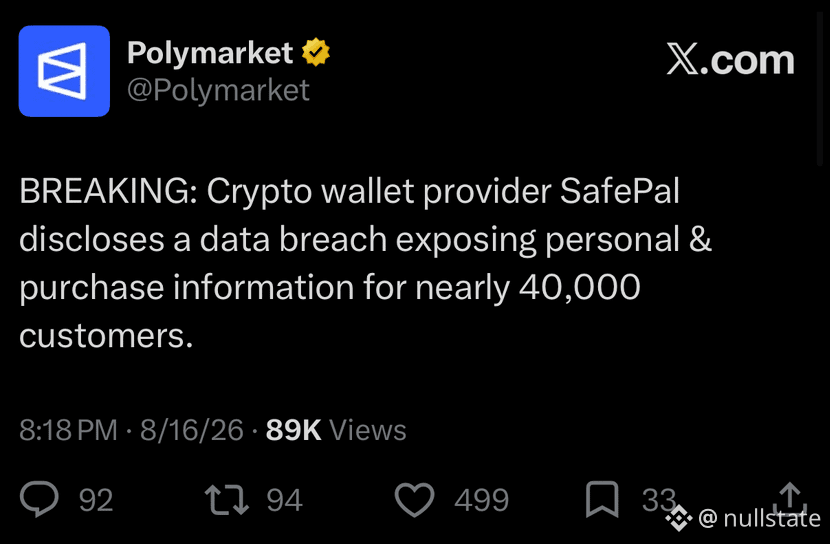
💥SafePalで大規模なデータ侵害が発生したばかりです。複数の保有者の$BTC と$ETH ウォレットから資金が空にされたというニュースが出てくるはずです。これから投機的な大量データの流出(ダンプ)が来るのが見えています。
💥SafePalで大規模なデータ侵害が発生したばかりです。複数の保有者の$BTC と$ETH ウォレットから資金が空にされたというニュースが出てくるはずです。これから投機的な大量データの流出(ダンプ)が来るのが見えています。
1
1
124
ログインして、さらにコンテンツを読む
厳選トピックで世界の暗号資産トレーダーの仲間入り
⚡️ 暗号資産に関する最新かつ有益な情報が見つかります。
💬 世界最大の暗号資産取引所から信頼されています。
👍 認証を受けたクリエイターから、有益なインサイトを得られます。
メール / 電話番号
トレンドトピック
BinanceLaunchesBinanceIntelligence
閲覧回数 443,638
3,206人が討論中
#BinanceLaunchesBinanceIntelligence
⚡ AIと暗号資産取引が融合:Binance Intelligenceが稼働開始!⚡
Binanceの新しいAIスイートで、取引が大きく進化しました:
1️⃣ Binance AI:パーソナライズされた市場ダッシュボードと、4時間ごとのマクロ市場音声ブリーフィング。
2️⃣ Binance AI Pro:自然な言葉で指示するだけで、自動売買戦略を構築・実行。
3️⃣ Binance Agent OS:自律型金融AIエージェント向けの開発者フレームワーク。
戦略を説明 ➔ ペーパーテスト ➔ 24時間365日実行。
AIを活用して、次の取引戦略を作っていますか?ぜひ下のコメント欄で教えてください!👇
#BinanceLaunchesBinanceIntelligence #BinanceSquare #CryptoAI #Trading $EDEN
Hazi BNB
·いいね:2件
·閲覧回数 982
BitcoinTargets2026OpenAt$87570
閲覧回数 2,947
83人が討論中
BitcoinRejectedAt$87KThirdTime
閲覧回数 2,730
67人が討論中