

NotFoundBiel
2k 投稿

NotFoundBiel
報告
ユーザーをブロック
超高頻度トレーダー
5.7年
13 フォロー
1.3K+ フォロワー
1.5K+ いいね
投稿
すべて
ライブ
PINNED
·
--
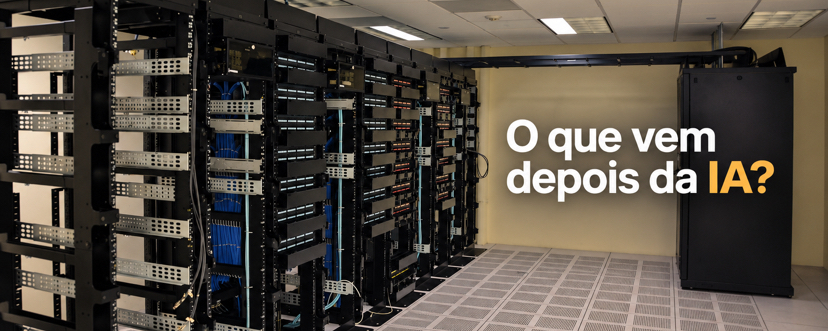
記事
AIの先へ:次の大きな機会はどこにある?テクノロジー開発者であり、ソフトウェアハウスのオーナーでもある私は、学術的なバックグラウンドとしてブロックチェーン工学に関する教育を受けています。この分野をより深く理解し、身につけるために選んだ学習対象の技術の一つがまさに人工知能(AI)でした。
この分野で教育を受け、実務に携わる者として、私たちはまさに技術的な変態(メタモルフォーゼ)を経験しているのだと考えています。長期的な人工知能(AI)の進歩に対しては楽観的ですが、最大のチャンスのいくつかは、私たちが今日「AI企業」と直接呼んでいる企業の外側にこそあるのではないかと思います。
AIの先へ:次の大きな機会はどこにある?
テクノロジー開発者であり、ソフトウェアハウスのオーナーでもある私は、学術的なバックグラウンドとしてブロックチェーン工学に関する教育を受けています。この分野をより深く理解し、身につけるために選んだ学習対象の技術の一つがまさに人工知能(AI)でした。
この分野で教育を受け、実務に携わる者として、私たちはまさに技術的な変態(メタモルフォーゼ)を経験しているのだと考えています。長期的な人工知能(AI)の進歩に対しては楽観的ですが、最大のチャンスのいくつかは、私たちが今日「AI企業」と直接呼んでいる企業の外側にこそあるのではないかと思います。
この分野で教育を受け、実務に携わる者として、私たちはまさに技術的な変態(メタモルフォーゼ)を経験しているのだと考えています。長期的な人工知能(AI)の進歩に対しては楽観的ですが、最大のチャンスのいくつかは、私たちが今日「AI企業」と直接呼んでいる企業の外側にこそあるのではないかと思います。
2
1
3
1.4k
·
--
翻訳参照
The divergence in institutional flows is intensifying. While Bitcoin spot ETFs continue their impressive run, accumulating a staggering $3.1 billion in inflows, Ether funds have finally broken their streak, shedding $3 million in Tuesday’s trading session. This shift comes after a week of consistent inflows for ETH, signaling a potential rotation in institutional capital or a pause in momentum for the second-largest cryptocurrency.
• $BTC ETFs: Extended inflow streak to $3.1B, showing sustained institutional demand.
• $ETH ETFs: Recorded a 3M outflow on Tuesday, ending a 7-day inflow run.
• Market Context: Zcash funds also saw an 8M outflow earlier in the week, highlighting selective capital allocation.
With $BTC trading near 83,905, the resilience of Bitcoin’s institutional backing is clear. However, the slight pullback in $ETH fund flows suggests investors are becoming more selective, potentially favoring Bitcoin’s stability over Ethereum’s volatility in the current macro environment. Traders should watch if this outflow is a one-day anomaly or the start of a broader trend.
Is this a sign of a Bitcoin-only rally, or will $ETH reclaim its momentum? Drop your thoughts below! 👇
#BinanceSquare #CryptoNews #Bitcoin
The divergence in institutional flows is intensifying. While Bitcoin spot ETFs continue their impressive run, accumulating a staggering $3.1 billion in inflows, Ether funds have finally broken their streak, shedding $3 million in Tuesday’s trading session. This shift comes after a week of consistent inflows for ETH, signaling a potential rotation in institutional capital or a pause in momentum for the second-largest cryptocurrency.
• $BTC ETFs: Extended inflow streak to $3.1B, showing sustained institutional demand.
• $ETH ETFs: Recorded a 3M outflow on Tuesday, ending a 7-day inflow run.
• Market Context: Zcash funds also saw an 8M outflow earlier in the week, highlighting selective capital allocation.
With $BTC trading near 83,905, the resilience of Bitcoin’s institutional backing is clear. However, the slight pullback in $ETH fund flows suggests investors are becoming more selective, potentially favoring Bitcoin’s stability over Ethereum’s volatility in the current macro environment. Traders should watch if this outflow is a one-day anomaly or the start of a broader trend.
Is this a sign of a Bitcoin-only rally, or will $ETH reclaim its momentum? Drop your thoughts below! 👇
#BinanceSquare #CryptoNews #Bitcoin
• $BTC ETFs: Extended inflow streak to $3.1B, showing sustained institutional demand.
• $ETH ETFs: Recorded a 3M outflow on Tuesday, ending a 7-day inflow run.
• Market Context: Zcash funds also saw an 8M outflow earlier in the week, highlighting selective capital allocation.
With $BTC trading near 83,905, the resilience of Bitcoin’s institutional backing is clear. However, the slight pullback in $ETH fund flows suggests investors are becoming more selective, potentially favoring Bitcoin’s stability over Ethereum’s volatility in the current macro environment. Traders should watch if this outflow is a one-day anomaly or the start of a broader trend.
Is this a sign of a Bitcoin-only rally, or will $ETH reclaim its momentum? Drop your thoughts below! 👇
#BinanceSquare #CryptoNews #Bitcoin

·
--
翻訳参照
📊 $BNB Technical Setup | Bullish (Long) 📊
🟢 Pair: $BNB
⚡ Market Bias: Bullish (Long)
━━━━━━━━━━━━━━━━━━━━━
📍 Entry Zone: $768.15
🎯 Target 1: $772.58 (+0.58%)
🎯 Target 2: $777.01 (+1.15%)
🎯 Target 3: $781.44 (+1.73%)
⛔ Invalidation / Stop: $763.72 (-0.58%)
━━━━━━━━━━━━━━━━━━━━━
📈 Technical Context:
Bullish momentum confirmed by volume spikes and positive MACD divergence supports a long entry, targeting the breakout above immediate EMA50 resistance. Risk is managed with a tight stop below the 1h support structure to maintain a favorable risk-reward profile.
👉 Follow on Square & Socials: @notfoundbiel for daily crypto market analyses!
$BNB #Crypto
📊 $BNB Technical Setup | Bullish (Long) 📊
🟢 Pair: $BNB
⚡ Market Bias: Bullish (Long)
━━━━━━━━━━━━━━━━━━━━━
📍 Entry Zone: $768.15
🎯 Target 1: $772.58 (+0.58%)
🎯 Target 2: $777.01 (+1.15%)
🎯 Target 3: $781.44 (+1.73%)
⛔ Invalidation / Stop: $763.72 (-0.58%)
━━━━━━━━━━━━━━━━━━━━━
📈 Technical Context:
Bullish momentum confirmed by volume spikes and positive MACD divergence supports a long entry, targeting the breakout above immediate EMA50 resistance. Risk is managed with a tight stop below the 1h support structure to maintain a favorable risk-reward profile.
👉 Follow on Square & Socials: @notfoundbiel for daily crypto market analyses!
$BNB #Crypto
🟢 Pair: $BNB
⚡ Market Bias: Bullish (Long)
━━━━━━━━━━━━━━━━━━━━━
📍 Entry Zone: $768.15
🎯 Target 1: $772.58 (+0.58%)
🎯 Target 2: $777.01 (+1.15%)
🎯 Target 3: $781.44 (+1.73%)
⛔ Invalidation / Stop: $763.72 (-0.58%)
━━━━━━━━━━━━━━━━━━━━━
📈 Technical Context:
Bullish momentum confirmed by volume spikes and positive MACD divergence supports a long entry, targeting the breakout above immediate EMA50 resistance. Risk is managed with a tight stop below the 1h support structure to maintain a favorable risk-reward profile.
👉 Follow on Square & Socials: @notfoundbiel for daily crypto market analyses!
$BNB #Crypto
·
--
翻訳参照
The intersection of AI and DeFi just hit a massive milestone. Anthropic’s tokenized pre-IPO volume has exploded to $643 million, signaling a massive shift in how investors access private tech giants. However, as Binance prepares to transition the contract toward a public-stock index, the market is now facing a critical liquidity test. This isn't just about hype; it's a structural evolution in how private equity interacts with on-chain assets, setting a precedent that even SpaceX’s earlier moves only partially addressed.
• 📈 **Record Volume:** $643M in pre-IPO trading volume highlights intense demand for AI sector exposure.
• 🔄 **Structural Shift:** Binance is moving the contract to a public-stock index model, reducing reliance on pure speculation.
• ⚠️ **Liquidity Risk:** The transition period poses a significant test for order book depth and slippage management.
With Bitcoin trading at 83,638.85 (-0.73% in 24h), the broader market is consolidating, but this specific sector is showing independent momentum. The shift from a speculative pre-IPO token to a regulated index contract could unlock institutional capital that was previously hesitant to enter the space. For traders, this means watching for volatility spikes during the transition phase, as liquidity providers adjust to the new framework. The key question is whether the on-chain infrastructure can handle the volume without significant slippage, a challenge that will define the next phase of RWA (Real World Asset) adoption.
Do you think tokenized pre-IPOs are the future of private equity, or is the liquidity risk too high? Drop your thoughts below! 👇
#BinanceSquare #CryptoNews #Bitcoin
The intersection of AI and DeFi just hit a massive milestone. Anthropic’s tokenized pre-IPO volume has exploded to $643 million, signaling a massive shift in how investors access private tech giants. However, as Binance prepares to transition the contract toward a public-stock index, the market is now facing a critical liquidity test. This isn't just about hype; it's a structural evolution in how private equity interacts with on-chain assets, setting a precedent that even SpaceX’s earlier moves only partially addressed.
• 📈 **Record Volume:** $643M in pre-IPO trading volume highlights intense demand for AI sector exposure.
• 🔄 **Structural Shift:** Binance is moving the contract to a public-stock index model, reducing reliance on pure speculation.
• ⚠️ **Liquidity Risk:** The transition period poses a significant test for order book depth and slippage management.
With Bitcoin trading at 83,638.85 (-0.73% in 24h), the broader market is consolidating, but this specific sector is showing independent momentum. The shift from a speculative pre-IPO token to a regulated index contract could unlock institutional capital that was previously hesitant to enter the space. For traders, this means watching for volatility spikes during the transition phase, as liquidity providers adjust to the new framework. The key question is whether the on-chain infrastructure can handle the volume without significant slippage, a challenge that will define the next phase of RWA (Real World Asset) adoption.
Do you think tokenized pre-IPOs are the future of private equity, or is the liquidity risk too high? Drop your thoughts below! 👇
#BinanceSquare #CryptoNews #Bitcoin
• 📈 **Record Volume:** $643M in pre-IPO trading volume highlights intense demand for AI sector exposure.
• 🔄 **Structural Shift:** Binance is moving the contract to a public-stock index model, reducing reliance on pure speculation.
• ⚠️ **Liquidity Risk:** The transition period poses a significant test for order book depth and slippage management.
With Bitcoin trading at 83,638.85 (-0.73% in 24h), the broader market is consolidating, but this specific sector is showing independent momentum. The shift from a speculative pre-IPO token to a regulated index contract could unlock institutional capital that was previously hesitant to enter the space. For traders, this means watching for volatility spikes during the transition phase, as liquidity providers adjust to the new framework. The key question is whether the on-chain infrastructure can handle the volume without significant slippage, a challenge that will define the next phase of RWA (Real World Asset) adoption.
Do you think tokenized pre-IPOs are the future of private equity, or is the liquidity risk too high? Drop your thoughts below! 👇
#BinanceSquare #CryptoNews #Bitcoin

2
·
--
翻訳参照
📊 $ETH Technical Setup | Bullish (Long) 📊
🟢 Pair: $ETH
⚡ Market Bias: Bullish (Long)
━━━━━━━━━━━━━━━━━━━━━
📍 Entry Zone: $2689.26
🎯 Target 1: $2713.7 (+0.91%)
🎯 Target 2: $2738.14 (+1.82%)
🎯 Target 3: $2767.46 (+2.91%)
⛔ Invalidation / Stop: $2663.19 (-0.97%)
━━━━━━━━━━━━━━━━━━━━━
📈 Technical Context:
4H bullish structure breakout above key moving averages with rising RSI momentum and positive order-flow volume.
👉 Follow on Square & Socials: @notfoundbiel for daily crypto market analyses!
$ETH #Crypto
📊 $ETH Technical Setup | Bullish (Long) 📊
🟢 Pair: $ETH
⚡ Market Bias: Bullish (Long)
━━━━━━━━━━━━━━━━━━━━━
📍 Entry Zone: $2689.26
🎯 Target 1: $2713.7 (+0.91%)
🎯 Target 2: $2738.14 (+1.82%)
🎯 Target 3: $2767.46 (+2.91%)
⛔ Invalidation / Stop: $2663.19 (-0.97%)
━━━━━━━━━━━━━━━━━━━━━
📈 Technical Context:
4H bullish structure breakout above key moving averages with rising RSI momentum and positive order-flow volume.
👉 Follow on Square & Socials: @notfoundbiel for daily crypto market analyses!
$ETH #Crypto
🟢 Pair: $ETH
⚡ Market Bias: Bullish (Long)
━━━━━━━━━━━━━━━━━━━━━
📍 Entry Zone: $2689.26
🎯 Target 1: $2713.7 (+0.91%)
🎯 Target 2: $2738.14 (+1.82%)
🎯 Target 3: $2767.46 (+2.91%)
⛔ Invalidation / Stop: $2663.19 (-0.97%)
━━━━━━━━━━━━━━━━━━━━━
📈 Technical Context:
4H bullish structure breakout above key moving averages with rising RSI momentum and positive order-flow volume.
👉 Follow on Square & Socials: @notfoundbiel for daily crypto market analyses!
$ETH #Crypto
1
545
·
--
翻訳参照
🚨 'DO YOU OWN ENOUGH CRYPTO?' Tom Lee Responds to CZ with $16B Ethereum Flex! ⚡
Following a viral teaser from Binance founder CZ, Fundstrat’s Tom Lee dropped a massive reality check on institutional and retail investors alike. With his firm controlling a staggering $16 billion in ETH, Lee is challenging the entire market: Are you holding enough digital assets for the next major macro shift?
Key Takeaways:
🔹 Institutional Heavyweights Buying Big: Fundstrat's massive $16B position in ETH signals unwavering long-term conviction from institutional players.
🔹 Under-Allocated Markets: The viral exchange between CZ and Tom Lee highlights a growing sentiment that mainstream portfolios remain severely under-exposed to crypto.
🔹 Macro Context: As BTC consolidates around 83,000, top market strategists view current dips as ideal building blocks for long-term positions.
While Bitcoin (BTC hovering near 83,062) continues to dictate broader market momentum, Ethereum’s deep institutional backing provides a powerful foundation for the entire ecosystem. When billion-dollar funds actively question whether the market holds enough crypto, retail traders should pay close attention to where the smart money is sitting.
How much of your portfolio is allocated to crypto right now? Drop your thoughts below! 👇
ETH BTC
#BinanceSquare #CryptoNews #Ethereum
🚨 'DO YOU OWN ENOUGH CRYPTO?' Tom Lee Responds to CZ with $16B Ethereum Flex! ⚡
Following a viral teaser from Binance founder CZ, Fundstrat’s Tom Lee dropped a massive reality check on institutional and retail investors alike. With his firm controlling a staggering $16 billion in ETH, Lee is challenging the entire market: Are you holding enough digital assets for the next major macro shift?
Key Takeaways:
🔹 Institutional Heavyweights Buying Big: Fundstrat's massive $16B position in ETH signals unwavering long-term conviction from institutional players.
🔹 Under-Allocated Markets: The viral exchange between CZ and Tom Lee highlights a growing sentiment that mainstream portfolios remain severely under-exposed to crypto.
🔹 Macro Context: As BTC consolidates around 83,000, top market strategists view current dips as ideal building blocks for long-term positions.
While Bitcoin (BTC hovering near 83,062) continues to dictate broader market momentum, Ethereum’s deep institutional backing provides a powerful foundation for the entire ecosystem. When billion-dollar funds actively question whether the market holds enough crypto, retail traders should pay close attention to where the smart money is sitting.
How much of your portfolio is allocated to crypto right now? Drop your thoughts below! 👇
ETH BTC
#BinanceSquare #CryptoNews #Ethereum
Following a viral teaser from Binance founder CZ, Fundstrat’s Tom Lee dropped a massive reality check on institutional and retail investors alike. With his firm controlling a staggering $16 billion in ETH, Lee is challenging the entire market: Are you holding enough digital assets for the next major macro shift?
Key Takeaways:
🔹 Institutional Heavyweights Buying Big: Fundstrat's massive $16B position in ETH signals unwavering long-term conviction from institutional players.
🔹 Under-Allocated Markets: The viral exchange between CZ and Tom Lee highlights a growing sentiment that mainstream portfolios remain severely under-exposed to crypto.
🔹 Macro Context: As BTC consolidates around 83,000, top market strategists view current dips as ideal building blocks for long-term positions.
While Bitcoin (BTC hovering near 83,062) continues to dictate broader market momentum, Ethereum’s deep institutional backing provides a powerful foundation for the entire ecosystem. When billion-dollar funds actively question whether the market holds enough crypto, retail traders should pay close attention to where the smart money is sitting.
How much of your portfolio is allocated to crypto right now? Drop your thoughts below! 👇
ETH BTC
#BinanceSquare #CryptoNews #Ethereum

16
·
--
翻訳参照
The regulatory landscape for digital assets in Europe just got a major boost. AllUnity has officially launched USDAU, its fourth fiat-backed stablecoin, marking a significant expansion of its MiCA-regulated lineup. This move solidifies Europe's position as a global hub for compliant, institutional-grade digital dollars, providing traders with a new, legally robust instrument for cross-border settlements and yield strategies.
• 🇪🇺 **MiCA Compliance**: USDAU joins a regulated portfolio already covering EUR, CHF, and SEK, ensuring full adherence to the EU's Markets in Crypto-Assets framework.
• 💵 **USD Exposure**: Adds a crucial US Dollar pegged asset to the European ecosystem, reducing reliance on non-EU issuers.
• 📈 **Institutional Adoption**: Signals growing confidence in regulated stablecoins as a core component of the modern financial stack.
With $BTC trading at $83,304.91 (-0.81% in 24h), the market is watching how increased stablecoin liquidity in Europe impacts broader crypto volumes. A more robust, regulated stablecoin infrastructure often correlates with higher on-chain activity and deeper liquidity pools, potentially providing a supportive floor for major assets like $BTC during periods of volatility. This launch is a clear signal that the 'compliance premium' is becoming a key driver of adoption in 2026.
Do you think regulated stablecoins like USDAU will drive the next wave of institutional inflows into crypto? Drop your thoughts below! 👇
#BinanceSquare #CryptoNews #Bitcoin
The regulatory landscape for digital assets in Europe just got a major boost. AllUnity has officially launched USDAU, its fourth fiat-backed stablecoin, marking a significant expansion of its MiCA-regulated lineup. This move solidifies Europe's position as a global hub for compliant, institutional-grade digital dollars, providing traders with a new, legally robust instrument for cross-border settlements and yield strategies.
• 🇪🇺 **MiCA Compliance**: USDAU joins a regulated portfolio already covering EUR, CHF, and SEK, ensuring full adherence to the EU's Markets in Crypto-Assets framework.
• 💵 **USD Exposure**: Adds a crucial US Dollar pegged asset to the European ecosystem, reducing reliance on non-EU issuers.
• 📈 **Institutional Adoption**: Signals growing confidence in regulated stablecoins as a core component of the modern financial stack.
With $BTC trading at $83,304.91 (-0.81% in 24h), the market is watching how increased stablecoin liquidity in Europe impacts broader crypto volumes. A more robust, regulated stablecoin infrastructure often correlates with higher on-chain activity and deeper liquidity pools, potentially providing a supportive floor for major assets like $BTC during periods of volatility. This launch is a clear signal that the 'compliance premium' is becoming a key driver of adoption in 2026.
Do you think regulated stablecoins like USDAU will drive the next wave of institutional inflows into crypto? Drop your thoughts below! 👇
#BinanceSquare #CryptoNews #Bitcoin
• 🇪🇺 **MiCA Compliance**: USDAU joins a regulated portfolio already covering EUR, CHF, and SEK, ensuring full adherence to the EU's Markets in Crypto-Assets framework.
• 💵 **USD Exposure**: Adds a crucial US Dollar pegged asset to the European ecosystem, reducing reliance on non-EU issuers.
• 📈 **Institutional Adoption**: Signals growing confidence in regulated stablecoins as a core component of the modern financial stack.
With $BTC trading at $83,304.91 (-0.81% in 24h), the market is watching how increased stablecoin liquidity in Europe impacts broader crypto volumes. A more robust, regulated stablecoin infrastructure often correlates with higher on-chain activity and deeper liquidity pools, potentially providing a supportive floor for major assets like $BTC during periods of volatility. This launch is a clear signal that the 'compliance premium' is becoming a key driver of adoption in 2026.
Do you think regulated stablecoins like USDAU will drive the next wave of institutional inflows into crypto? Drop your thoughts below! 👇
#BinanceSquare #CryptoNews #Bitcoin

63
·
--
翻訳参照
📊 $ETH Technical Setup | Bearish (Short) 📊
🔴 Pair: $ETH
⚡ Market Bias: Bearish (Short)
━━━━━━━━━━━━━━━━━━━━━
📍 Entry Zone: $2662.07
🎯 Target 1: $2644 (+0.68%)
🎯 Target 2: $2620 (+1.58%)
🎯 Target 3: $2595 (+2.52%)
⛔ Invalidation / Stop: $2685 (-0.86%)
━━━━━━━━━━━━━━━━━━━━━
📈 Technical Context:
Strong bearish convergence confirmed by aligned EMAs and negative momentum indicators. Price rejection at dynamic resistance supports a continuation of the downtrend towards lower support levels.
👉 Follow on Square & Socials: @notfoundbiel for daily crypto market analyses!
$ETH #Crypto
📊 $ETH Technical Setup | Bearish (Short) 📊
🔴 Pair: $ETH
⚡ Market Bias: Bearish (Short)
━━━━━━━━━━━━━━━━━━━━━
📍 Entry Zone: $2662.07
🎯 Target 1: $2644 (+0.68%)
🎯 Target 2: $2620 (+1.58%)
🎯 Target 3: $2595 (+2.52%)
⛔ Invalidation / Stop: $2685 (-0.86%)
━━━━━━━━━━━━━━━━━━━━━
📈 Technical Context:
Strong bearish convergence confirmed by aligned EMAs and negative momentum indicators. Price rejection at dynamic resistance supports a continuation of the downtrend towards lower support levels.
👉 Follow on Square & Socials: @notfoundbiel for daily crypto market analyses!
$ETH #Crypto
🔴 Pair: $ETH
⚡ Market Bias: Bearish (Short)
━━━━━━━━━━━━━━━━━━━━━
📍 Entry Zone: $2662.07
🎯 Target 1: $2644 (+0.68%)
🎯 Target 2: $2620 (+1.58%)
🎯 Target 3: $2595 (+2.52%)
⛔ Invalidation / Stop: $2685 (-0.86%)
━━━━━━━━━━━━━━━━━━━━━
📈 Technical Context:
Strong bearish convergence confirmed by aligned EMAs and negative momentum indicators. Price rejection at dynamic resistance supports a continuation of the downtrend towards lower support levels.
👉 Follow on Square & Socials: @notfoundbiel for daily crypto market analyses!
$ETH #Crypto
154
·
--
翻訳参照
Gemini co-founder Tyler Winklevoss has sparked major market discussion after comparing the current buzz surrounding Zcash to the early accumulation vibes of 2019. As main-stage assets like $BTC consolidate around $83,044 following recent market swings, smart money appears to be quietly exploring privacy protocols and utility-driven altcoins again.
Key Takeaways:
🔹 **Nostalgic Signal**: Winklevoss draws parallels between current privacy tech interest and the pre-bull cycle build-up of 2019.
🔹 **Capital Rotation Watch**: Investors are eyeing whether privacy-focused protocols like ZEC can spearhead a fresh sector narrative.
🔹 **Macro Stability**: With $BTC maintaining strong baseline liquidity above $83k, altcoin sentiment is showing subtle signs of renewal.
Periods echoing 2019's market structure historically set the stage for massive structural shifts and strategic positioning ahead of broader market expansion. As $BTC trades at $83,044 (-1.13% in 24h), traders are actively watching whether specialized sector revivals will gain mainstream traction into Q4.
Are we witnessing a true sector rebound or a short-term narrative play? Drop your thoughts below! 👇
$BTC ZEC
#BinanceSquare #CryptoNews #Bitcoin
Gemini co-founder Tyler Winklevoss has sparked major market discussion after comparing the current buzz surrounding Zcash to the early accumulation vibes of 2019. As main-stage assets like $BTC consolidate around $83,044 following recent market swings, smart money appears to be quietly exploring privacy protocols and utility-driven altcoins again.
Key Takeaways:
🔹 **Nostalgic Signal**: Winklevoss draws parallels between current privacy tech interest and the pre-bull cycle build-up of 2019.
🔹 **Capital Rotation Watch**: Investors are eyeing whether privacy-focused protocols like ZEC can spearhead a fresh sector narrative.
🔹 **Macro Stability**: With $BTC maintaining strong baseline liquidity above $83k, altcoin sentiment is showing subtle signs of renewal.
Periods echoing 2019's market structure historically set the stage for massive structural shifts and strategic positioning ahead of broader market expansion. As $BTC trades at $83,044 (-1.13% in 24h), traders are actively watching whether specialized sector revivals will gain mainstream traction into Q4.
Are we witnessing a true sector rebound or a short-term narrative play? Drop your thoughts below! 👇
$BTC ZEC
#BinanceSquare #CryptoNews #Bitcoin
Key Takeaways:
🔹 **Nostalgic Signal**: Winklevoss draws parallels between current privacy tech interest and the pre-bull cycle build-up of 2019.
🔹 **Capital Rotation Watch**: Investors are eyeing whether privacy-focused protocols like ZEC can spearhead a fresh sector narrative.
🔹 **Macro Stability**: With $BTC maintaining strong baseline liquidity above $83k, altcoin sentiment is showing subtle signs of renewal.
Periods echoing 2019's market structure historically set the stage for massive structural shifts and strategic positioning ahead of broader market expansion. As $BTC trades at $83,044 (-1.13% in 24h), traders are actively watching whether specialized sector revivals will gain mainstream traction into Q4.
Are we witnessing a true sector rebound or a short-term narrative play? Drop your thoughts below! 👇
$BTC ZEC
#BinanceSquare #CryptoNews #Bitcoin

46
·
--
翻訳参照
The prediction market sector is heating up faster than anyone anticipated. Kalshi, a major player in the regulated prediction space, is reportedly in advanced talks to raise new funding at a staggering $40 billion valuation. This represents a massive 81% jump from its $22 billion valuation just four months ago, signaling explosive institutional confidence in the future of event-driven trading and decentralized finance infrastructure.
• 📈 **Valuation Surge:** From 22B to 40B in under 4 months.
• 🏛️ **Institutional Interest:** Advanced talks indicate serious capital is flowing into prediction markets.
• ⚡ **Market Momentum:** Confirms the sector is moving from niche to mainstream financial infrastructure.
This move highlights the growing convergence between traditional finance and blockchain-based prediction mechanisms. As BTC stabilizes around 83,384, the broader crypto ecosystem is seeing increased liquidity and interest in alternative DeFi narratives beyond simple token speculation. The rapid re-rating of Kalshi suggests that investors are betting on the utility of real-world data markets, potentially driving further adoption of on-chain verification and settlement layers.
Do you think prediction markets will become the next major pillar of DeFi? Drop your thoughts below! 👇
#BinanceSquare #CryptoNews #Bitcoin
The prediction market sector is heating up faster than anyone anticipated. Kalshi, a major player in the regulated prediction space, is reportedly in advanced talks to raise new funding at a staggering $40 billion valuation. This represents a massive 81% jump from its $22 billion valuation just four months ago, signaling explosive institutional confidence in the future of event-driven trading and decentralized finance infrastructure.
• 📈 **Valuation Surge:** From 22B to 40B in under 4 months.
• 🏛️ **Institutional Interest:** Advanced talks indicate serious capital is flowing into prediction markets.
• ⚡ **Market Momentum:** Confirms the sector is moving from niche to mainstream financial infrastructure.
This move highlights the growing convergence between traditional finance and blockchain-based prediction mechanisms. As BTC stabilizes around 83,384, the broader crypto ecosystem is seeing increased liquidity and interest in alternative DeFi narratives beyond simple token speculation. The rapid re-rating of Kalshi suggests that investors are betting on the utility of real-world data markets, potentially driving further adoption of on-chain verification and settlement layers.
Do you think prediction markets will become the next major pillar of DeFi? Drop your thoughts below! 👇
#BinanceSquare #CryptoNews #Bitcoin
• 📈 **Valuation Surge:** From 22B to 40B in under 4 months.
• 🏛️ **Institutional Interest:** Advanced talks indicate serious capital is flowing into prediction markets.
• ⚡ **Market Momentum:** Confirms the sector is moving from niche to mainstream financial infrastructure.
This move highlights the growing convergence between traditional finance and blockchain-based prediction mechanisms. As BTC stabilizes around 83,384, the broader crypto ecosystem is seeing increased liquidity and interest in alternative DeFi narratives beyond simple token speculation. The rapid re-rating of Kalshi suggests that investors are betting on the utility of real-world data markets, potentially driving further adoption of on-chain verification and settlement layers.
Do you think prediction markets will become the next major pillar of DeFi? Drop your thoughts below! 👇
#BinanceSquare #CryptoNews #Bitcoin

128
·
--
📊 $PEPE テクニカル設定 | 強気(ロング) 📊
🟢 ペア: $PEPE
⚡ 市場バイアス: 強気(ロング)
━━━━━━━━━━━━━━━━━━━━━
📍 エントリーゾーン: $0.00000428
🎯 ターゲット1: $0.00000438(+2.34%)
🎯 ターゲット2: $0.00000447(+4.44%)
🎯 ターゲット3: $0.00000459(+7.24%)
⛔ 無効化 / ストップ: $0.00000418(-2.34%)
━━━━━━━━━━━━━━━━━━━━━
📈 テクニカル背景:
4Hでは、主要移動平均線を上抜ける強気のブレイクアウト。上昇するRSIモメンタムと、ポジティブなオーダーフローボリュームが確認されています。
👉 Square&SNSでフォロー: 日次の暗号資産市場分析は @notfoundbiel へ!
$PEPE #Crypto
📊 $PEPE テクニカル設定 | 強気(ロング) 📊
🟢 ペア: $PEPE
⚡ 市場バイアス: 強気(ロング)
━━━━━━━━━━━━━━━━━━━━━
📍 エントリーゾーン: $0.00000428
🎯 ターゲット1: $0.00000438(+2.34%)
🎯 ターゲット2: $0.00000447(+4.44%)
🎯 ターゲット3: $0.00000459(+7.24%)
⛔ 無効化 / ストップ: $0.00000418(-2.34%)
━━━━━━━━━━━━━━━━━━━━━
📈 テクニカル背景:
4Hでは、主要移動平均線を上抜ける強気のブレイクアウト。上昇するRSIモメンタムと、ポジティブなオーダーフローボリュームが確認されています。
👉 Square&SNSでフォロー: 日次の暗号資産市場分析は @notfoundbiel へ!
$PEPE #Crypto
🟢 ペア: $PEPE
⚡ 市場バイアス: 強気(ロング)
━━━━━━━━━━━━━━━━━━━━━
📍 エントリーゾーン: $0.00000428
🎯 ターゲット1: $0.00000438(+2.34%)
🎯 ターゲット2: $0.00000447(+4.44%)
🎯 ターゲット3: $0.00000459(+7.24%)
⛔ 無効化 / ストップ: $0.00000418(-2.34%)
━━━━━━━━━━━━━━━━━━━━━
📈 テクニカル背景:
4Hでは、主要移動平均線を上抜ける強気のブレイクアウト。上昇するRSIモメンタムと、ポジティブなオーダーフローボリュームが確認されています。
👉 Square&SNSでフォロー: 日次の暗号資産市場分析は @notfoundbiel へ!
$PEPE #Crypto
40
·
--
翻訳参照
The crypto world is buzzing with questions after it was revealed that Crypto.com’s highly anticipated AI agent remains in 'stealth mode' nearly eight months after its massive $15 million Super Bowl debut. While the initial ad campaign generated enough traffic to crash the ai.com website, users are still waiting for the actual product to go live. This delay raises critical questions about execution timelines in the AI-crypto sector, especially as $BTC hovers near 83,300 and market sentiment remains sensitive to delivery promises.
• The 15M Super Bowl ad caused a site crash, proving massive user interest.
• The promised AI agent is still not publicly available 8 months later.
• This 'stealth mode' delay impacts confidence in Crypto.com’s AI roadmap.
With $BTC trading at 83,300.64 (+0.28% in 24h), the broader market is watching how major players handle AI integration. Delays in flagship products can signal technical hurdles or strategic pivots, which may influence short-term volatility in associated tokens. Traders should monitor official announcements for any timeline updates, as the gap between hype and delivery is a key risk factor in the current AI narrative.
Do you think Crypto.com is building a revolutionary tool or just stalling? Drop your thoughts below! 👇
#BinanceSquare #CryptoNews #Bitcoin
The crypto world is buzzing with questions after it was revealed that Crypto.com’s highly anticipated AI agent remains in 'stealth mode' nearly eight months after its massive $15 million Super Bowl debut. While the initial ad campaign generated enough traffic to crash the ai.com website, users are still waiting for the actual product to go live. This delay raises critical questions about execution timelines in the AI-crypto sector, especially as $BTC hovers near 83,300 and market sentiment remains sensitive to delivery promises.
• The 15M Super Bowl ad caused a site crash, proving massive user interest.
• The promised AI agent is still not publicly available 8 months later.
• This 'stealth mode' delay impacts confidence in Crypto.com’s AI roadmap.
With $BTC trading at 83,300.64 (+0.28% in 24h), the broader market is watching how major players handle AI integration. Delays in flagship products can signal technical hurdles or strategic pivots, which may influence short-term volatility in associated tokens. Traders should monitor official announcements for any timeline updates, as the gap between hype and delivery is a key risk factor in the current AI narrative.
Do you think Crypto.com is building a revolutionary tool or just stalling? Drop your thoughts below! 👇
#BinanceSquare #CryptoNews #Bitcoin
• The 15M Super Bowl ad caused a site crash, proving massive user interest.
• The promised AI agent is still not publicly available 8 months later.
• This 'stealth mode' delay impacts confidence in Crypto.com’s AI roadmap.
With $BTC trading at 83,300.64 (+0.28% in 24h), the broader market is watching how major players handle AI integration. Delays in flagship products can signal technical hurdles or strategic pivots, which may influence short-term volatility in associated tokens. Traders should monitor official announcements for any timeline updates, as the gap between hype and delivery is a key risk factor in the current AI narrative.
Do you think Crypto.com is building a revolutionary tool or just stalling? Drop your thoughts below! 👇
#BinanceSquare #CryptoNews #Bitcoin

23
·
--
翻訳参照
📊 $BNB Technical Setup | Bearish (Short) 📊
🔴 Pair: $BNB
⚡ Market Bias: Bearish (Short)
━━━━━━━━━━━━━━━━━━━━━
📍 Entry Zone: $759.53
🎯 Target 1: $753.1599 (+0.84%)
🎯 Target 2: $746.7899 (+1.68%)
🎯 Target 3: $739.1458 (+2.68%)
⛔ Invalidation / Stop: $766.3247 (-0.89%)
━━━━━━━━━━━━━━━━━━━━━
📈 Technical Context:
4H bearish breakdown below major moving averages with strong selling pressure and negative momentum.
👉 Follow on Square & Socials: @notfoundbiel for daily crypto market analyses!
$BNB #Crypto
📊 $BNB Technical Setup | Bearish (Short) 📊
🔴 Pair: $BNB
⚡ Market Bias: Bearish (Short)
━━━━━━━━━━━━━━━━━━━━━
📍 Entry Zone: $759.53
🎯 Target 1: $753.1599 (+0.84%)
🎯 Target 2: $746.7899 (+1.68%)
🎯 Target 3: $739.1458 (+2.68%)
⛔ Invalidation / Stop: $766.3247 (-0.89%)
━━━━━━━━━━━━━━━━━━━━━
📈 Technical Context:
4H bearish breakdown below major moving averages with strong selling pressure and negative momentum.
👉 Follow on Square & Socials: @notfoundbiel for daily crypto market analyses!
$BNB #Crypto
🔴 Pair: $BNB
⚡ Market Bias: Bearish (Short)
━━━━━━━━━━━━━━━━━━━━━
📍 Entry Zone: $759.53
🎯 Target 1: $753.1599 (+0.84%)
🎯 Target 2: $746.7899 (+1.68%)
🎯 Target 3: $739.1458 (+2.68%)
⛔ Invalidation / Stop: $766.3247 (-0.89%)
━━━━━━━━━━━━━━━━━━━━━
📈 Technical Context:
4H bearish breakdown below major moving averages with strong selling pressure and negative momentum.
👉 Follow on Square & Socials: @notfoundbiel for daily crypto market analyses!
$BNB #Crypto
25
·
--
世界的な暗号資産の普及に向けた大きなマイルストーンがついに達成されました。Binance Pay は、海外からの訪問者が日本国内の PayPay 対応加盟店の数千店舗で $USDT を直接支払えるようになりました。HIVEX により実現したこの戦略的パートナーシップにより、観光客や海外のユーザーは、日常の買い物でステーブルコインを利用でき、加盟店は日本円(JPY)をシームレスに受け取ります。この取り組みにより、世界有数の経済の一つにおける暗号資産利用の参入障壁が大幅に下がり、デジタル資産と従来の小売インフラの橋渡しが進みます。
• 🇯🇵 **シームレス統合:** 海外ユーザーは、日本のほとんどの PayPay 加盟店で $USDT による支払いが可能になりました。
• 💱 **即時決済:** 加盟店は JPY を受け取れるため、国内事業者の FX(為替)変動リスクがなくなります。
• 🌍 **グローバルな利用しやすさ:** 国際的な旅行者にとって、暗号資産を現実的な決済手段にするための重要な一歩です。
この発展は、暗号資産の決済が成熟した段階へと進んでいることを示しています。投機の域を超えて、実用性へ踏み出したのです。$BTC hovers が 83,388 に近づく中、市場は次のブルランにつながるために、現実世界での採用が増える兆しを注視しています。PayPay のような人流の多い小売ネットワークにステーブルコインを組み込むことで、暗号資産決済に対する機関投資家と消費者の信頼が固まりつつあることがうかがえます。トレーダーにとっては、これは根本的な変化です。暗号資産はもはや単なる資産クラスではなく、日常生活で機能する通貨になったのです。
国際旅行におけるステーブルコイン決済が当たり前になると思いますか?ぜひ下にご意見をお聞かせください!👇
#BinanceSquare #CryptoNews #Bitcoin
世界的な暗号資産の普及に向けた大きなマイルストーンがついに達成されました。Binance Pay は、海外からの訪問者が日本国内の PayPay 対応加盟店の数千店舗で $USDT を直接支払えるようになりました。HIVEX により実現したこの戦略的パートナーシップにより、観光客や海外のユーザーは、日常の買い物でステーブルコインを利用でき、加盟店は日本円(JPY)をシームレスに受け取ります。この取り組みにより、世界有数の経済の一つにおける暗号資産利用の参入障壁が大幅に下がり、デジタル資産と従来の小売インフラの橋渡しが進みます。
• 🇯🇵 **シームレス統合:** 海外ユーザーは、日本のほとんどの PayPay 加盟店で $USDT による支払いが可能になりました。
• 💱 **即時決済:** 加盟店は JPY を受け取れるため、国内事業者の FX(為替)変動リスクがなくなります。
• 🌍 **グローバルな利用しやすさ:** 国際的な旅行者にとって、暗号資産を現実的な決済手段にするための重要な一歩です。
この発展は、暗号資産の決済が成熟した段階へと進んでいることを示しています。投機の域を超えて、実用性へ踏み出したのです。$BTC hovers が 83,388 に近づく中、市場は次のブルランにつながるために、現実世界での採用が増える兆しを注視しています。PayPay のような人流の多い小売ネットワークにステーブルコインを組み込むことで、暗号資産決済に対する機関投資家と消費者の信頼が固まりつつあることがうかがえます。トレーダーにとっては、これは根本的な変化です。暗号資産はもはや単なる資産クラスではなく、日常生活で機能する通貨になったのです。
国際旅行におけるステーブルコイン決済が当たり前になると思いますか?ぜひ下にご意見をお聞かせください!👇
#BinanceSquare #CryptoNews #Bitcoin
• 🇯🇵 **シームレス統合:** 海外ユーザーは、日本のほとんどの PayPay 加盟店で $USDT による支払いが可能になりました。
• 💱 **即時決済:** 加盟店は JPY を受け取れるため、国内事業者の FX(為替)変動リスクがなくなります。
• 🌍 **グローバルな利用しやすさ:** 国際的な旅行者にとって、暗号資産を現実的な決済手段にするための重要な一歩です。
この発展は、暗号資産の決済が成熟した段階へと進んでいることを示しています。投機の域を超えて、実用性へ踏み出したのです。$BTC hovers が 83,388 に近づく中、市場は次のブルランにつながるために、現実世界での採用が増える兆しを注視しています。PayPay のような人流の多い小売ネットワークにステーブルコインを組み込むことで、暗号資産決済に対する機関投資家と消費者の信頼が固まりつつあることがうかがえます。トレーダーにとっては、これは根本的な変化です。暗号資産はもはや単なる資産クラスではなく、日常生活で機能する通貨になったのです。
国際旅行におけるステーブルコイン決済が当たり前になると思いますか?ぜひ下にご意見をお聞かせください!👇
#BinanceSquare #CryptoNews #Bitcoin

31
·
--
📊 $APT テクニカル設定 | ベアリッシュ(ショート) 📊
🔴 ペア:$APT
⚡ 市場の見通し:ベアリッシュ(ショート)
━━━━━━━━━━━━━━━━━━━━━
📍 エントリーゾーン:$0.7914
🎯 ターゲット1:$0.7686(+2.88%)
🎯 ターゲット2:$0.7458(+5.76%)
🎯 ターゲット3:$0.71844(+9.22%)
⛔ 無効化/ストップ:$0.81572(-3.07%)
━━━━━━━━━━━━━━━━━━━━━
📈 テクニカルの背景:
主要な移動平均を下回るベアリッシュなブレイクと、強い売り圧力、マイナスのモメンタム。
👉 Square(スウェア)&SNSでフォロー:毎日の暗号資産市場分析は @notfoundbiel まで!
$APT #Crypto
📊 $APT テクニカル設定 | ベアリッシュ(ショート) 📊
🔴 ペア:$APT
⚡ 市場の見通し:ベアリッシュ(ショート)
━━━━━━━━━━━━━━━━━━━━━
📍 エントリーゾーン:$0.7914
🎯 ターゲット1:$0.7686(+2.88%)
🎯 ターゲット2:$0.7458(+5.76%)
🎯 ターゲット3:$0.71844(+9.22%)
⛔ 無効化/ストップ:$0.81572(-3.07%)
━━━━━━━━━━━━━━━━━━━━━
📈 テクニカルの背景:
主要な移動平均を下回るベアリッシュなブレイクと、強い売り圧力、マイナスのモメンタム。
👉 Square(スウェア)&SNSでフォロー:毎日の暗号資産市場分析は @notfoundbiel まで!
$APT #Crypto
🔴 ペア:$APT
⚡ 市場の見通し:ベアリッシュ(ショート)
━━━━━━━━━━━━━━━━━━━━━
📍 エントリーゾーン:$0.7914
🎯 ターゲット1:$0.7686(+2.88%)
🎯 ターゲット2:$0.7458(+5.76%)
🎯 ターゲット3:$0.71844(+9.22%)
⛔ 無効化/ストップ:$0.81572(-3.07%)
━━━━━━━━━━━━━━━━━━━━━
📈 テクニカルの背景:
主要な移動平均を下回るベアリッシュなブレイクと、強い売り圧力、マイナスのモメンタム。
👉 Square(スウェア)&SNSでフォロー:毎日の暗号資産市場分析は @notfoundbiel まで!
$APT #Crypto
13
·
--
翻訳参照
📊 $DOT Technical Setup | Bullish (Long) 📊
🟢 Pair: $DOT
⚡ Market Bias: Bullish (Long)
━━━━━━━━━━━━━━━━━━━━━
📍 Entry Zone: $1.206
🎯 Target 1: $1.236 (+2.49%)
🎯 Target 2: $1.266 (+4.98%)
🎯 Target 3: $1.302 (+7.96%)
⛔ Invalidation / Stop: $1.174 (-2.65%)
━━━━━━━━━━━━━━━━━━━━━
📈 Technical Context:
4H bullish structure breakout above key moving averages with rising RSI momentum and positive order-flow volume.
👉 Follow on Square & Socials: @notfoundbiel for daily crypto market analyses!
$DOT #Crypto
📊 $DOT Technical Setup | Bullish (Long) 📊
🟢 Pair: $DOT
⚡ Market Bias: Bullish (Long)
━━━━━━━━━━━━━━━━━━━━━
📍 Entry Zone: $1.206
🎯 Target 1: $1.236 (+2.49%)
🎯 Target 2: $1.266 (+4.98%)
🎯 Target 3: $1.302 (+7.96%)
⛔ Invalidation / Stop: $1.174 (-2.65%)
━━━━━━━━━━━━━━━━━━━━━
📈 Technical Context:
4H bullish structure breakout above key moving averages with rising RSI momentum and positive order-flow volume.
👉 Follow on Square & Socials: @notfoundbiel for daily crypto market analyses!
$DOT #Crypto
🟢 Pair: $DOT
⚡ Market Bias: Bullish (Long)
━━━━━━━━━━━━━━━━━━━━━
📍 Entry Zone: $1.206
🎯 Target 1: $1.236 (+2.49%)
🎯 Target 2: $1.266 (+4.98%)
🎯 Target 3: $1.302 (+7.96%)
⛔ Invalidation / Stop: $1.174 (-2.65%)
━━━━━━━━━━━━━━━━━━━━━
📈 Technical Context:
4H bullish structure breakout above key moving averages with rising RSI momentum and positive order-flow volume.
👉 Follow on Square & Socials: @notfoundbiel for daily crypto market analyses!
$DOT #Crypto
9
·
--
翻訳参照
The DeFi landscape just hit a critical inflection point. A controversial proposal to split 50% of Aave's revenue with Sentora has sparked intense debate, not over the profit share, but over the risk allocation. While the DAO retains contract ownership, Sentora will manage market risk controls, yet the plan explicitly leaves suppliers without a specified loss cushion. This structural imbalance is raising serious red flags for liquidity providers in the current market environment.
• **50/50 Revenue Split:** Sentora secures half of Aave’s revenue stream.
• **Asymmetric Risk:** Suppliers bear the full brunt of potential losses with no defined safety net.
• **Control Shift:** Sentora assumes authority over market risk controls, altering the traditional DAO governance dynamic.
With $BTC holding steady at $83,448.01 (+0.46% in 24h), the broader market is showing resilience, but this governance friction could impact DeFi liquidity depth. If suppliers perceive the risk-reward ratio as unfavorable, we may see a withdrawal of liquidity from major lending protocols, potentially tightening yields and increasing volatility in the sector. This isn't just about one protocol; it's a test case for how DeFi handles risk distribution in a maturing market.
Is this a fair trade-off for improved risk management, or is it an unfair burden on liquidity providers? Drop your thoughts below! 👇
#BinanceSquare #CryptoNews #Bitcoin
The DeFi landscape just hit a critical inflection point. A controversial proposal to split 50% of Aave's revenue with Sentora has sparked intense debate, not over the profit share, but over the risk allocation. While the DAO retains contract ownership, Sentora will manage market risk controls, yet the plan explicitly leaves suppliers without a specified loss cushion. This structural imbalance is raising serious red flags for liquidity providers in the current market environment.
• **50/50 Revenue Split:** Sentora secures half of Aave’s revenue stream.
• **Asymmetric Risk:** Suppliers bear the full brunt of potential losses with no defined safety net.
• **Control Shift:** Sentora assumes authority over market risk controls, altering the traditional DAO governance dynamic.
With $BTC holding steady at $83,448.01 (+0.46% in 24h), the broader market is showing resilience, but this governance friction could impact DeFi liquidity depth. If suppliers perceive the risk-reward ratio as unfavorable, we may see a withdrawal of liquidity from major lending protocols, potentially tightening yields and increasing volatility in the sector. This isn't just about one protocol; it's a test case for how DeFi handles risk distribution in a maturing market.
Is this a fair trade-off for improved risk management, or is it an unfair burden on liquidity providers? Drop your thoughts below! 👇
#BinanceSquare #CryptoNews #Bitcoin
• **50/50 Revenue Split:** Sentora secures half of Aave’s revenue stream.
• **Asymmetric Risk:** Suppliers bear the full brunt of potential losses with no defined safety net.
• **Control Shift:** Sentora assumes authority over market risk controls, altering the traditional DAO governance dynamic.
With $BTC holding steady at $83,448.01 (+0.46% in 24h), the broader market is showing resilience, but this governance friction could impact DeFi liquidity depth. If suppliers perceive the risk-reward ratio as unfavorable, we may see a withdrawal of liquidity from major lending protocols, potentially tightening yields and increasing volatility in the sector. This isn't just about one protocol; it's a test case for how DeFi handles risk distribution in a maturing market.
Is this a fair trade-off for improved risk management, or is it an unfair burden on liquidity providers? Drop your thoughts below! 👇
#BinanceSquare #CryptoNews #Bitcoin

47
·
--
翻訳参照
📊 $SHIB Technical Setup | Bullish (Long) 📊
🟢 Pair: $SHIB
⚡ Market Bias: Bullish (Long)
━━━━━━━━━━━━━━━━━━━━━
📍 Entry Zone: $0.00000579
🎯 Target 1: $0.00000592 (+2.25%)
🎯 Target 2: $0.00000605 (+4.49%)
🎯 Target 3: $0.00000621 (+7.25%)
⛔ Invalidation / Stop: $0.00000565 (-2.42%)
━━━━━━━━━━━━━━━━━━━━━
📈 Technical Context:
4H bullish structure breakout above key moving averages with rising RSI momentum and positive order-flow volume.
👉 Follow on Square & Socials: @notfoundbiel for daily crypto market analyses!
$SHIB #Crypto
📊 $SHIB Technical Setup | Bullish (Long) 📊
🟢 Pair: $SHIB
⚡ Market Bias: Bullish (Long)
━━━━━━━━━━━━━━━━━━━━━
📍 Entry Zone: $0.00000579
🎯 Target 1: $0.00000592 (+2.25%)
🎯 Target 2: $0.00000605 (+4.49%)
🎯 Target 3: $0.00000621 (+7.25%)
⛔ Invalidation / Stop: $0.00000565 (-2.42%)
━━━━━━━━━━━━━━━━━━━━━
📈 Technical Context:
4H bullish structure breakout above key moving averages with rising RSI momentum and positive order-flow volume.
👉 Follow on Square & Socials: @notfoundbiel for daily crypto market analyses!
$SHIB #Crypto
🟢 Pair: $SHIB
⚡ Market Bias: Bullish (Long)
━━━━━━━━━━━━━━━━━━━━━
📍 Entry Zone: $0.00000579
🎯 Target 1: $0.00000592 (+2.25%)
🎯 Target 2: $0.00000605 (+4.49%)
🎯 Target 3: $0.00000621 (+7.25%)
⛔ Invalidation / Stop: $0.00000565 (-2.42%)
━━━━━━━━━━━━━━━━━━━━━
📈 Technical Context:
4H bullish structure breakout above key moving averages with rising RSI momentum and positive order-flow volume.
👉 Follow on Square & Socials: @notfoundbiel for daily crypto market analyses!
$SHIB #Crypto
41
·
--
翻訳参照
📊 $BTC Technical Setup | Bearish (Short) 📊
🔴 Pair: $BTC
⚡ Market Bias: Bearish (Short)
━━━━━━━━━━━━━━━━━━━━━
📍 Entry Zone: $83453.36
🎯 Target 1: $82895.29 (+0.67%)
🎯 Target 2: $82337.21 (+1.34%)
🎯 Target 3: $81667.52 (+2.14%)
⛔ Invalidation / Stop: $84048.64 (-0.71%)
━━━━━━━━━━━━━━━━━━━━━
📈 Technical Context:
4H bearish breakdown below major moving averages with strong selling pressure and negative momentum.
👉 Follow on Square & Socials: @notfoundbiel for daily crypto market analyses!
$BTC #Crypto
📊 $BTC Technical Setup | Bearish (Short) 📊
🔴 Pair: $BTC
⚡ Market Bias: Bearish (Short)
━━━━━━━━━━━━━━━━━━━━━
📍 Entry Zone: $83453.36
🎯 Target 1: $82895.29 (+0.67%)
🎯 Target 2: $82337.21 (+1.34%)
🎯 Target 3: $81667.52 (+2.14%)
⛔ Invalidation / Stop: $84048.64 (-0.71%)
━━━━━━━━━━━━━━━━━━━━━
📈 Technical Context:
4H bearish breakdown below major moving averages with strong selling pressure and negative momentum.
👉 Follow on Square & Socials: @notfoundbiel for daily crypto market analyses!
$BTC #Crypto
🔴 Pair: $BTC
⚡ Market Bias: Bearish (Short)
━━━━━━━━━━━━━━━━━━━━━
📍 Entry Zone: $83453.36
🎯 Target 1: $82895.29 (+0.67%)
🎯 Target 2: $82337.21 (+1.34%)
🎯 Target 3: $81667.52 (+2.14%)
⛔ Invalidation / Stop: $84048.64 (-0.71%)
━━━━━━━━━━━━━━━━━━━━━
📈 Technical Context:
4H bearish breakdown below major moving averages with strong selling pressure and negative momentum.
👉 Follow on Square & Socials: @notfoundbiel for daily crypto market analyses!
$BTC #Crypto
44
·
--
翻訳参照
📊 $FET Technical Setup | Bearish (Short) 📊
🔴 Pair: $FET
⚡ Market Bias: Bearish (Short)
━━━━━━━━━━━━━━━━━━━━━
📍 Entry Zone: $0.2226
🎯 Target 1: $0.2157 (+3.10%)
🎯 Target 2: $0.2088 (+6.20%)
🎯 Target 3: $0.20052 (+9.92%)
⛔ Invalidation / Stop: $0.22996 (-3.31%)
━━━━━━━━━━━━━━━━━━━━━
📈 Technical Context:
4H bearish breakdown below major moving averages with strong selling pressure and negative momentum.
👉 Follow on Square & Socials: @notfoundbiel for daily crypto market analyses!
$FET #Crypto
📊 $FET Technical Setup | Bearish (Short) 📊
🔴 Pair: $FET
⚡ Market Bias: Bearish (Short)
━━━━━━━━━━━━━━━━━━━━━
📍 Entry Zone: $0.2226
🎯 Target 1: $0.2157 (+3.10%)
🎯 Target 2: $0.2088 (+6.20%)
🎯 Target 3: $0.20052 (+9.92%)
⛔ Invalidation / Stop: $0.22996 (-3.31%)
━━━━━━━━━━━━━━━━━━━━━
📈 Technical Context:
4H bearish breakdown below major moving averages with strong selling pressure and negative momentum.
👉 Follow on Square & Socials: @notfoundbiel for daily crypto market analyses!
$FET #Crypto
🔴 Pair: $FET
⚡ Market Bias: Bearish (Short)
━━━━━━━━━━━━━━━━━━━━━
📍 Entry Zone: $0.2226
🎯 Target 1: $0.2157 (+3.10%)
🎯 Target 2: $0.2088 (+6.20%)
🎯 Target 3: $0.20052 (+9.92%)
⛔ Invalidation / Stop: $0.22996 (-3.31%)
━━━━━━━━━━━━━━━━━━━━━
📈 Technical Context:
4H bearish breakdown below major moving averages with strong selling pressure and negative momentum.
👉 Follow on Square & Socials: @notfoundbiel for daily crypto market analyses!
$FET #Crypto
76
ログインして、さらにコンテンツを読む
厳選トピックで世界の暗号資産トレーダーの仲間入り
⚡️ 暗号資産に関する最新かつ有益な情報が見つかります。
💬 世界最大の暗号資産取引所から信頼されています。
👍 認証を受けたクリエイターから、有益なインサイトを得られます。
メール / 電話番号
トレンドトピック
SECToClarifyOnChainFundraisingRules
閲覧回数 0
20人が討論中
#SECToClarifyOnChainFundraisingRules
SECは、提案中の「Regulation Crypto Assets」により、オンチェーン・ファンドレイジングのルールをようやく明確化しています。
新たなスタートアップ免除により、軽いルールのもとでプロジェクトは4年間で最大$5Mまで調達可能です。ファンドレイジング免除では、米国拠点の発行体向けに、最大$20Mまたは$75M/年の階層が用意され、さらに、重要なマネジメント業務が終了した後にはセーフハーバー(免責の猶予)も提供されるため、トークンは「証券」ステータスから抜け出せます。
長年「取締り優先」のアプローチが続いた後の、大きな前進となる明確さです。
これは、暗号資産に必要だった明確さです。正当なビルダーが、訴訟の不安を常に抱えることなく、ついにオンチェーンで資金調達できるようになります。そして、分散化に向けたセーフハーバーの道筋が大きな意味を持ちます。まだ初期段階で米国に焦点を当てていますが、規制当局がただ取り締まるだけでなく適応していることを示しています。純粋な制限よりも進展です。
#SEC #CryptoRegulation #OnChain #Web3 #Fundraising
A_K Crypto
·いいね:0件
·閲覧回数 4
UKFCAOpensCryptoFirmAuthorization
閲覧回数 600
75人が討論中
JapanMOFStudyGroupOnTokenizedGovtBonds
閲覧回数 1,061
113人が討論中