
CRYPTO__BUNNY
354 投稿

CRYPTO__BUNNY
報告
ユーザーをブロック
取引を発注
高頻度トレーダー
5.6年
3.5K+ フォロー
1.9K+ フォロワー
636 いいね
投稿
ポートフォリオ
すべて
引用
動画
PINNED
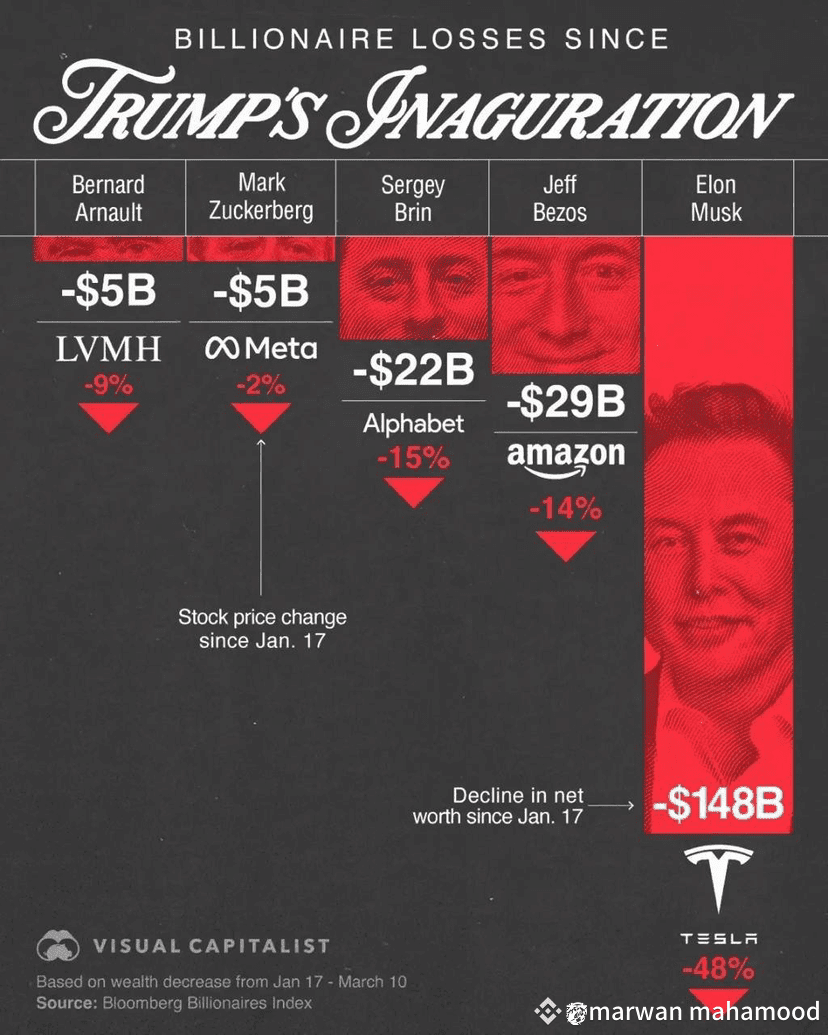
📉 トランプの就任以来、最大の億万長者たちは大きな損失を被っています。
イーロン・マスクが最も影響を受けています — 彼の純資産は1480億ドル減少しました。
🔵@voicetov ⭐ boosty
#DonaldTrump
#ElonMusk
#losses
#Tesla
#TRUMP
📉 トランプの就任以来、最大の億万長者たちは大きな損失を被っています。
イーロン・マスクが最も影響を受けています — 彼の純資産は1480億ドル減少しました。
🔵@voicetov ⭐ boosty
#DonaldTrump
#ElonMusk
#losses
#Tesla
#TRUMP
イーロン・マスクが最も影響を受けています — 彼の純資産は1480億ドル減少しました。
🔵@voicetov ⭐ boosty
#DonaldTrump
#ElonMusk
#losses
#Tesla
#TRUMP
59
25
87
244.3k
記事
翻訳参照
Why does deterministic finality matter for settlement? I scanned Rayls mainnet history.I read every block from launch on 30 Apr to 9 Nov using only the public RPC. No wallet nothing signed
What I found
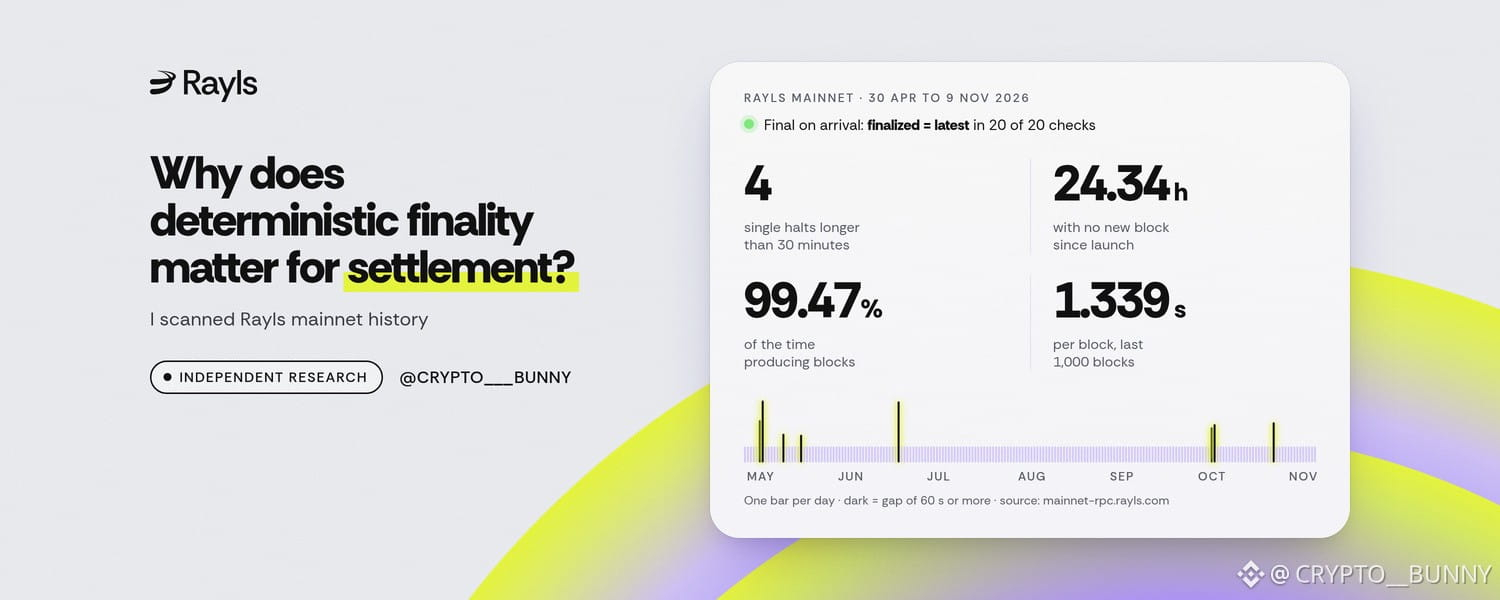
Finality is real. In 20 out of 20 checks the finalized block and the latest block were the same block with the same hash. So once a block shows up its already final. no waiting for confirmations
Speed is about 1.34s per block not under 1s. Rayls site says under 1s but its own docs table says over 1s so they need one clear number
Since launch the chain had 44 gaps of 60s or more. 24.34h in total so its producing blocks 99.47% of the time. 4 of those were real halts over 30 min and the longest was 11h43m on 5 to 6 May
The weird part is timestamps. I found 203 blocks with old timestamps. On 27 Jul blocks kept coming normally but 32 of them were stamped up to 12h behind. Any explorer that trusts block time would show an 8h outage that never happened. My own first scan fell for it too
Good sign is @Rayls Rayls published a public root cause writeup for the 21 Jun halt and the onchain data lines up with it
My take. Finality is solid and thats what matters most for settlement. What I would fix first is the timestamps. If you build on Rayls order by block number not by time
Full article on my X and all scripts are public: https://github.com/marwan786797/rayls-finality-check
Sources
https://www.rayls.com/
https://docs.rayls.com/docs/axyl-performance-benchmarks
https://explorer.rayls.com/
https://github.com/raylsnetwork/axyl/blob/main/doc/incidents/2026-06-21-mainnet-halt.md
#Rayls $RLS
Why does deterministic finality matter for settlement? I scanned Rayls mainnet history.
I read every block from launch on 30 Apr to 9 Nov using only the public RPC. No wallet nothing signed
What I found
Finality is real. In 20 out of 20 checks the finalized block and the latest block were the same block with the same hash. So once a block shows up its already final. no waiting for confirmations
Speed is about 1.34s per block not under 1s. Rayls site says under 1s but its own docs table says over 1s so they need one clear number
Since launch the chain had 44 gaps of 60s or more. 24.34h in total so its producing blocks 99.47% of the time. 4 of those were real halts over 30 min and the longest was 11h43m on 5 to 6 May
The weird part is timestamps. I found 203 blocks with old timestamps. On 27 Jul blocks kept coming normally but 32 of them were stamped up to 12h behind. Any explorer that trusts block time would show an 8h outage that never happened. My own first scan fell for it too
Good sign is @Rayls Rayls published a public root cause writeup for the 21 Jun halt and the onchain data lines up with it
My take. Finality is solid and thats what matters most for settlement. What I would fix first is the timestamps. If you build on Rayls order by block number not by time
Full article on my X and all scripts are public: https://github.com/marwan786797/rayls-finality-check
Sources
https://www.rayls.com/
https://docs.rayls.com/docs/axyl-performance-benchmarks
https://explorer.rayls.com/
https://github.com/raylsnetwork/axyl/blob/main/doc/incidents/2026-06-21-mainnet-halt.md
#Rayls $RLS
1
149
翻訳参照
Can you check Rayls fees, revenue and burns without trusting the dashboard?
The dashboard says $1,638,606 in revenue, so I tried to check it myself.
The burns are real and split 50/50 from the fee Safe. But about 72% of one burn batch didn't come from fees, and the revenue number loads from a JSON file I couldn't match onchain.
My question: where does the 7.29M $RLS in each burn come from?
Fee Safe: https://etherscan.io/address/0x8C377e6d86285B195CA55d165305156024B246c2
#Rayls #OnChainAnalysis
1
14
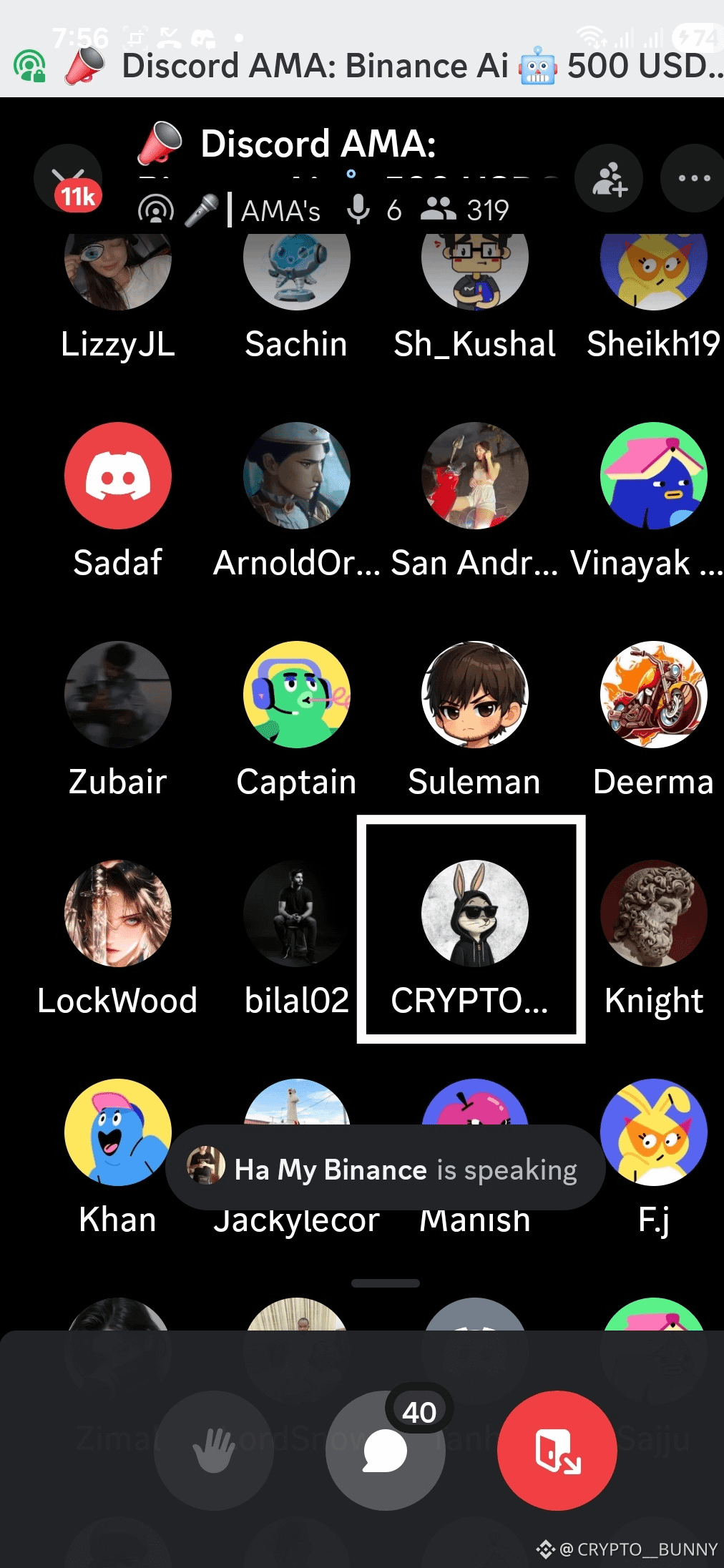
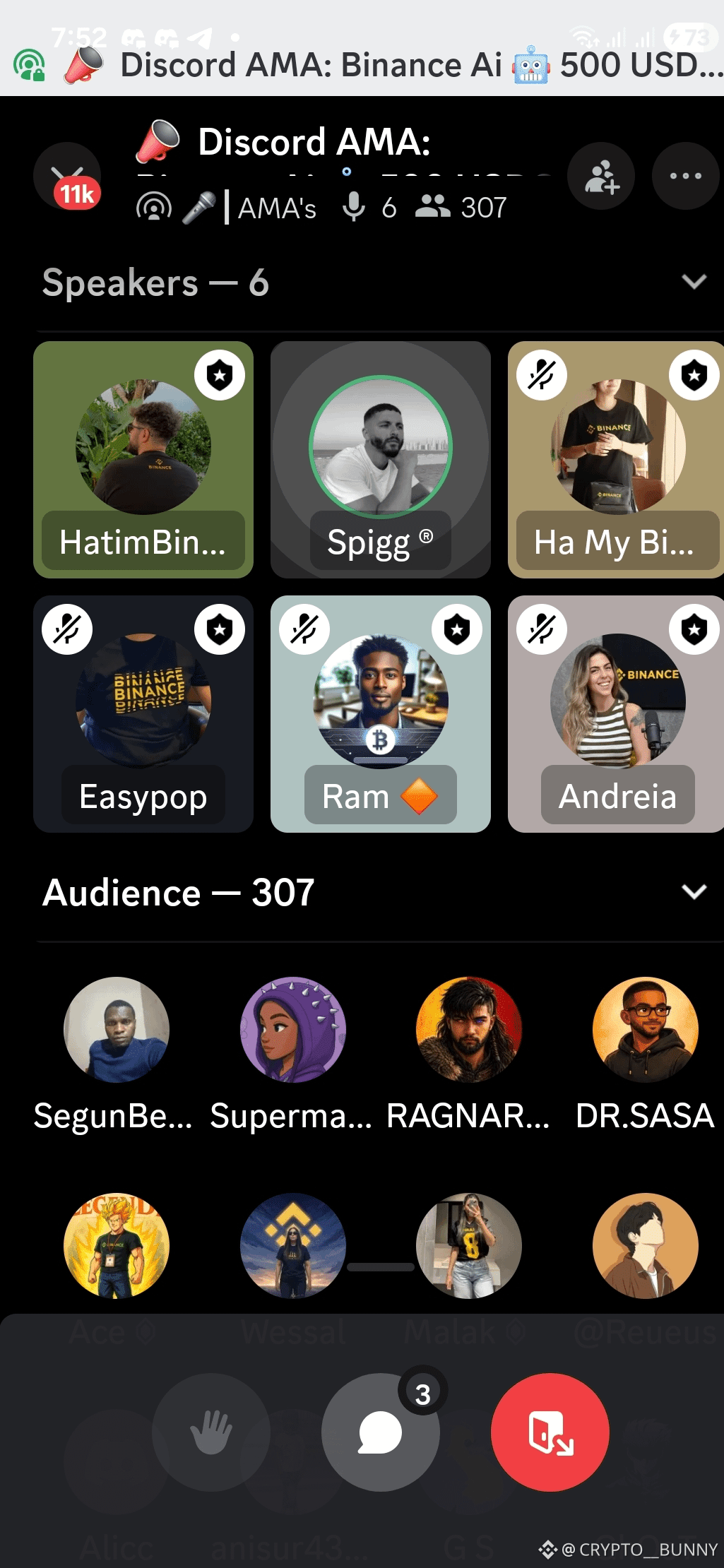
#BinanceAi AMAを聞き終わったばかりで、正直、AI Proの進むべき方向性には非常に感心しています。
私にとってのハイライトは、間違いなくエージェントウォレットのコンセプトです。AIが取引を実行できるように、隔離された仮想サブアカウントを使用しているのを見ると、メイン資金を心配する必要がないので大きな安心です。
エージェントハブの拡張についても説明があり、オプションから実世界資産(RWA)まで、13の新しいスキルがカバーされています。本当にプラットフォームが単なる「検索バー」から、実際にあなたのために重労働を行う完全な実行エンジンに移行していると感じます。
チームにアルファをありがとう!新しいスキルをまだチェックしていないなら、Discordに参加してみてください:
🔗 https://discord.com/invite/binanceofficial
#BinanceAi
1
1
133
“取引を始めたとき、市場を予測することで利益が得られると思っていました。私は間違っていました。利益は自己管理から生まれます。恐れと欲望はあなたの最大の敵です。忍耐を学び、リスクを管理し、長期的な成長に焦点を当てましょう。市場は知識よりも人間性を試します。” 💛 #Binance $BNB
“取引を始めたとき、市場を予測することで利益が得られると思っていました。私は間違っていました。利益は自己管理から生まれます。恐れと欲望はあなたの最大の敵です。忍耐を学び、リスクを管理し、長期的な成長に焦点を当てましょう。市場は知識よりも人間性を試します。” 💛 #Binance $BNB


Binance Angels
·
--
私たちは150K以上の強さを持っています。今、あなたの声を聞きたいと思っています。
新しいトレーダーにどんな知恵を伝えますか?💛 そして、$500のUSDCを獲得してください。
🔸 @BinanceAngelの正方形アカウントをフォロー
🔸 この投稿をいいねして再投稿
🔸 新しいトレーダーにどんな知恵を伝えますか?💛 とコメントしてください。
🔸 アンケートに記入してください: Fill in survey
上位50の回答が勝ちます。創造性が重要です。あなたの声でお祝いを導いてください。😇 #Binance
$BNB
新しいトレーダーにどんな知恵を伝えますか?💛 そして、$500のUSDCを獲得してください。
🔸 @BinanceAngelの正方形アカウントをフォロー
🔸 この投稿をいいねして再投稿
🔸 新しいトレーダーにどんな知恵を伝えますか?💛 とコメントしてください。
🔸 アンケートに記入してください: Fill in survey
上位50の回答が勝ちます。創造性が重要です。あなたの声でお祝いを導いてください。😇 #Binance
$BNB
11
計画を持って取引し、希望では取引しない。市場は絶望ではなく、規律を報いる。報酬を追う前にリスクをマスターしなさい。
計画を持って取引し、希望では取引しない。市場は絶望ではなく、規律を報いる。報酬を追う前にリスクをマスターしなさい。
Binance Angels
·
--
私たちは150K以上の強さを持っています。今、あなたの声を聞きたいと思っています。
新しいトレーダーにどんな知恵を伝えますか?💛 そして、$500のUSDCを獲得してください。
🔸 @BinanceAngelの正方形アカウントをフォロー
🔸 この投稿をいいねして再投稿
🔸 新しいトレーダーにどんな知恵を伝えますか?💛 とコメントしてください。
🔸 アンケートに記入してください: Fill in survey
上位50の回答が勝ちます。創造性が重要です。あなたの声でお祝いを導いてください。😇 #Binance
$BNB
新しいトレーダーにどんな知恵を伝えますか?💛 そして、$500のUSDCを獲得してください。
🔸 @BinanceAngelの正方形アカウントをフォロー
🔸 この投稿をいいねして再投稿
🔸 新しいトレーダーにどんな知恵を伝えますか?💛 とコメントしてください。
🔸 アンケートに記入してください: Fill in survey
上位50の回答が勝ちます。創造性が重要です。あなたの声でお祝いを導いてください。😇 #Binance
$BNB
11

記事
プラズマ:実世界の採用のために構築されたスケーラブルなブロックチェーンインフラストラクチャプラズマは、スケーラビリティ、効率性、長期的な使いやすさを優先することで、ブロックチェーンエコシステムに確固たる地位を築いています。短期的な熱狂に駆動されがちな市場の中で、@Plasma は、実際に実世界のアプリケーションと増大するユーザーニーズをサポートできるインフラストラクチャに焦点を当てる、より思慮深いアプローチを採っています。
プラズマの際立った特徴は、アクセシビリティを損なうことなくパフォーマンスを重視していることです。ブロックチェーンの採用が拡大するにつれて、ネットワークは信頼性と開発者フレンドリーさを維持しながら、より高いスループットを処理する必要があります。プラズマのデザイン哲学は、このバランスを反映しており、時間をかけて持続可能にスケールできる技術を構築することを目指しています。
プラズマ:実世界の採用のために構築されたスケーラブルなブロックチェーンインフラストラクチャ
プラズマは、スケーラビリティ、効率性、長期的な使いやすさを優先することで、ブロックチェーンエコシステムに確固たる地位を築いています。短期的な熱狂に駆動されがちな市場の中で、@Plasma は、実際に実世界のアプリケーションと増大するユーザーニーズをサポートできるインフラストラクチャに焦点を当てる、より思慮深いアプローチを採っています。
プラズマの際立った特徴は、アクセシビリティを損なうことなくパフォーマンスを重視していることです。ブロックチェーンの採用が拡大するにつれて、ネットワークは信頼性と開発者フレンドリーさを維持しながら、より高いスループットを処理する必要があります。プラズマのデザイン哲学は、このバランスを反映しており、時間をかけて持続可能にスケールできる技術を構築することを目指しています。
プラズマの際立った特徴は、アクセシビリティを損なうことなくパフォーマンスを重視していることです。ブロックチェーンの採用が拡大するにつれて、ネットワークは信頼性と開発者フレンドリーさを維持しながら、より高いスループットを処理する必要があります。プラズマのデザイン哲学は、このバランスを反映しており、時間をかけて持続可能にスケールできる技術を構築することを目指しています。
1
2
3
11

記事
Plasmaとスケーラブルで信頼性の高いブロックチェーンネットワークの重要性Plasmaは、スケーラビリティ、効率、および長期的な使いやすさに焦点を当てることで、ブロックチェーン分野に強固な基盤を着実に築いています。短期的なトレンドに従うのではなく、@Plasma は、採用が続く中で実際のユーザー、開発者、およびアプリケーションをサポートできるインフラストラクチャに向けて取り組んでいます。
Plasmaが際立っているのは、その実用的なアプローチです。スケーラブルなネットワークは、一貫したパフォーマンスを提供し、アクセスのしやすさを犠牲にしないときだけ価値があります。Plasmaのビジョンは、信頼性と持続可能性が一時的な流行よりも重要であるという現実のニーズを理解していることを反映しています。
Plasmaとスケーラブルで信頼性の高いブロックチェーンネットワークの重要性
Plasmaは、スケーラビリティ、効率、および長期的な使いやすさに焦点を当てることで、ブロックチェーン分野に強固な基盤を着実に築いています。短期的なトレンドに従うのではなく、@Plasma は、採用が続く中で実際のユーザー、開発者、およびアプリケーションをサポートできるインフラストラクチャに向けて取り組んでいます。
Plasmaが際立っているのは、その実用的なアプローチです。スケーラブルなネットワークは、一貫したパフォーマンスを提供し、アクセスのしやすさを犠牲にしないときだけ価値があります。Plasmaのビジョンは、信頼性と持続可能性が一時的な流行よりも重要であるという現実のニーズを理解していることを反映しています。
Plasmaが際立っているのは、その実用的なアプローチです。スケーラブルなネットワークは、一貫したパフォーマンスを提供し、アクセスのしやすさを犠牲にしないときだけ価値があります。Plasmaのビジョンは、信頼性と持続可能性が一時的な流行よりも重要であるという現実のニーズを理解していることを反映しています。
1
2
4

記事
プラズマ:実世界の使用のために設計されたスケーラブルインフラストラクチャプラズマは、短命なハイプよりも長期的なブロックチェーンインフラストラクチャを優先するプロジェクトとして浮上しています。スケーラビリティと効率性が実際の採用を決定するエコシステムにおいて、@undefined は実際にユーザー、開発者、およびアプリケーションをスケールでサポートできる技術の構築に焦点を当てています。
プラズマが興味深いのは、パフォーマンスと実世界の使いやすさを組み合わせて強調している点です。ブロックチェーンは、需要をスムーズに処理しながらアクセス可能で実用的である場合にのみ価値があります。プラズマのアプローチは、これらの課題を明確に理解していることを反映しており、それらを持続可能に解決する意図を示しています。
プラズマ:実世界の使用のために設計されたスケーラブルインフラストラクチャ
プラズマは、短命なハイプよりも長期的なブロックチェーンインフラストラクチャを優先するプロジェクトとして浮上しています。スケーラビリティと効率性が実際の採用を決定するエコシステムにおいて、@undefined は実際にユーザー、開発者、およびアプリケーションをスケールでサポートできる技術の構築に焦点を当てています。
プラズマが興味深いのは、パフォーマンスと実世界の使いやすさを組み合わせて強調している点です。ブロックチェーンは、需要をスムーズに処理しながらアクセス可能で実用的である場合にのみ価値があります。プラズマのアプローチは、これらの課題を明確に理解していることを反映しており、それらを持続可能に解決する意図を示しています。
プラズマが興味深いのは、パフォーマンスと実世界の使いやすさを組み合わせて強調している点です。ブロックチェーンは、需要をスムーズに処理しながらアクセス可能で実用的である場合にのみ価値があります。プラズマのアプローチは、これらの課題を明確に理解していることを反映しており、それらを持続可能に解決する意図を示しています。
3
11

記事
Plasma: 現実世界のブロックチェーン採用を支えるスケーラブルなインフラストラクチャPlasmaは、進化するブロックチェーンスペースにおいて真剣なインフラストラクチャプロジェクトとしての地位を確立し、スケーラビリティ、パフォーマンス、現実世界での使いやすさに明確に焦点を当てています。短期的なブームを追いかけるのではなく、@undefined は成長する需要に対応しながら効率的で開発者に優しい技術を構築しています。
私にとって際立っているのは、Plasmaが革新と実用性をどのように調和させているかです。スケーラブルなネットワークは、実際のアプリケーション、ユーザー、価値の移転をシームレスにサポートできる場合にのみ重要です。ここでPlasmaの長期的なビジョンが興味深くなります。特にエコシステムが成熟し続ける中で。
Plasma: 現実世界のブロックチェーン採用を支えるスケーラブルなインフラストラクチャ
Plasmaは、進化するブロックチェーンスペースにおいて真剣なインフラストラクチャプロジェクトとしての地位を確立し、スケーラビリティ、パフォーマンス、現実世界での使いやすさに明確に焦点を当てています。短期的なブームを追いかけるのではなく、@undefined は成長する需要に対応しながら効率的で開発者に優しい技術を構築しています。
私にとって際立っているのは、Plasmaが革新と実用性をどのように調和させているかです。スケーラブルなネットワークは、実際のアプリケーション、ユーザー、価値の移転をシームレスにサポートできる場合にのみ重要です。ここでPlasmaの長期的なビジョンが興味深くなります。特にエコシステムが成熟し続ける中で。
私にとって際立っているのは、Plasmaが革新と実用性をどのように調和させているかです。スケーラブルなネットワークは、実際のアプリケーション、ユーザー、価値の移転をシームレスにサポートできる場合にのみ重要です。ここでPlasmaの長期的なビジョンが興味深くなります。特にエコシステムが成熟し続ける中で。
5
4
5
20

記事
プラズマ:スケーラブルなブロックチェーンインフラストラクチャの構築プラズマは、Web3の採用を遅らせ続けるスケーラビリティと効率の課題を解決することに焦点を当てたブロックチェーンインフラストラクチャプロジェクトとして自らを位置付けています。ブロックチェーンの使用が増加するにつれて、ネットワークはセキュリティと分散化を維持しながら、より高いトランザクション量を処理しなければなりません。プラズマは、これらの問題に基盤レベルで対処することを目指しています。
短期的なハイプに焦点を当てるのではなく、プラズマは長期的な持続可能性を考慮して開発されています。このネットワークは、最適化されたパフォーマンス、スムーズなユーザーエクスペリエンス、および開発者が自信を持って構築できる信頼性のあるインフラストラクチャを強調しています。このアプローチは、一貫性と速度を必要とする実世界のアプリケーションにとって不可欠です。
プラズマ:スケーラブルなブロックチェーンインフラストラクチャの構築
プラズマは、Web3の採用を遅らせ続けるスケーラビリティと効率の課題を解決することに焦点を当てたブロックチェーンインフラストラクチャプロジェクトとして自らを位置付けています。ブロックチェーンの使用が増加するにつれて、ネットワークはセキュリティと分散化を維持しながら、より高いトランザクション量を処理しなければなりません。プラズマは、これらの問題に基盤レベルで対処することを目指しています。
短期的なハイプに焦点を当てるのではなく、プラズマは長期的な持続可能性を考慮して開発されています。このネットワークは、最適化されたパフォーマンス、スムーズなユーザーエクスペリエンス、および開発者が自信を持って構築できる信頼性のあるインフラストラクチャを強調しています。このアプローチは、一貫性と速度を必要とする実世界のアプリケーションにとって不可欠です。
短期的なハイプに焦点を当てるのではなく、プラズマは長期的な持続可能性を考慮して開発されています。このネットワークは、最適化されたパフォーマンス、スムーズなユーザーエクスペリエンス、および開発者が自信を持って構築できる信頼性のあるインフラストラクチャを強調しています。このアプローチは、一貫性と速度を必要とする実世界のアプリケーションにとって不可欠です。
2
3
5
10
🚨 緊急: 2026年世界的崩壊警告!! 🚨
連邦準備制度がデータを漏らしたが、予想以上に悪化している。システムが崩壊している。 📉⚠️
真実:
• 🏦 銀行のストレス: 連邦準備制度は$105B+を注入して凍結を止めた。これは成長ではなく、救済だ!
• 💸 債務のスパイラル: アメリカの債務は$38Tに達している。今や利息を支払うためにお金を借りている。
• 🇨🇳 中国の危機: 中国人民銀行は1兆以上の人民元を注入した。世界的なインフラが至る所で詰まっている。
• 🥇 金/銀: 「紙幣」の信頼が失われているため、史上最高値を更新している。
パターン: 2000年... 2008年... 2020年... 2026年。
債券は失敗している。次は株式だ。暗号通貨は最も激しい暴落になるだろう。 📉💥
#china #Fed
2
94

記事
なぜPlasmaがブロックチェーンのスケーラビリティにおいて重要なプレーヤーになり得るのかPlasmaは、現在のオンチェーンエコシステムが直面している最大の課題のいくつかを解決することを目指す、強力なインフラストラクチャに焦点を当てたブロックチェーンプロジェクトとして登場しています。ブロックチェーンの採用が進むにつれて、スケーラビリティ、高額な手数料、ネットワークの混雑のような問題が、実世界での利用を制限し続けています。Plasmaは効率性、安全性、持続可能な成長を優先することで、これらの問題に対処するように設計されています。
Plasmaの重要な強みの1つは、その長期的なビジョンです。短期的なハイプにのみ焦点を当てるのではなく、プロジェクトは開発者、ユーザー、アプリケーションを大規模にサポートする技術を構築しています。より速い取引と最適化されたパフォーマンスは、ネットワークを信頼できるものに保ちながら、ユーザーエクスペリエンスの向上に役立ちます。
なぜPlasmaがブロックチェーンのスケーラビリティにおいて重要なプレーヤーになり得るのか
Plasmaは、現在のオンチェーンエコシステムが直面している最大の課題のいくつかを解決することを目指す、強力なインフラストラクチャに焦点を当てたブロックチェーンプロジェクトとして登場しています。ブロックチェーンの採用が進むにつれて、スケーラビリティ、高額な手数料、ネットワークの混雑のような問題が、実世界での利用を制限し続けています。Plasmaは効率性、安全性、持続可能な成長を優先することで、これらの問題に対処するように設計されています。
Plasmaの重要な強みの1つは、その長期的なビジョンです。短期的なハイプにのみ焦点を当てるのではなく、プロジェクトは開発者、ユーザー、アプリケーションを大規模にサポートする技術を構築しています。より速い取引と最適化されたパフォーマンスは、ネットワークを信頼できるものに保ちながら、ユーザーエクスペリエンスの向上に役立ちます。
Plasmaの重要な強みの1つは、その長期的なビジョンです。短期的なハイプにのみ焦点を当てるのではなく、プロジェクトは開発者、ユーザー、アプリケーションを大規模にサポートする技術を構築しています。より速い取引と最適化されたパフォーマンスは、ネットワークを信頼できるものに保ちながら、ユーザーエクスペリエンスの向上に役立ちます。
1
2
4
4
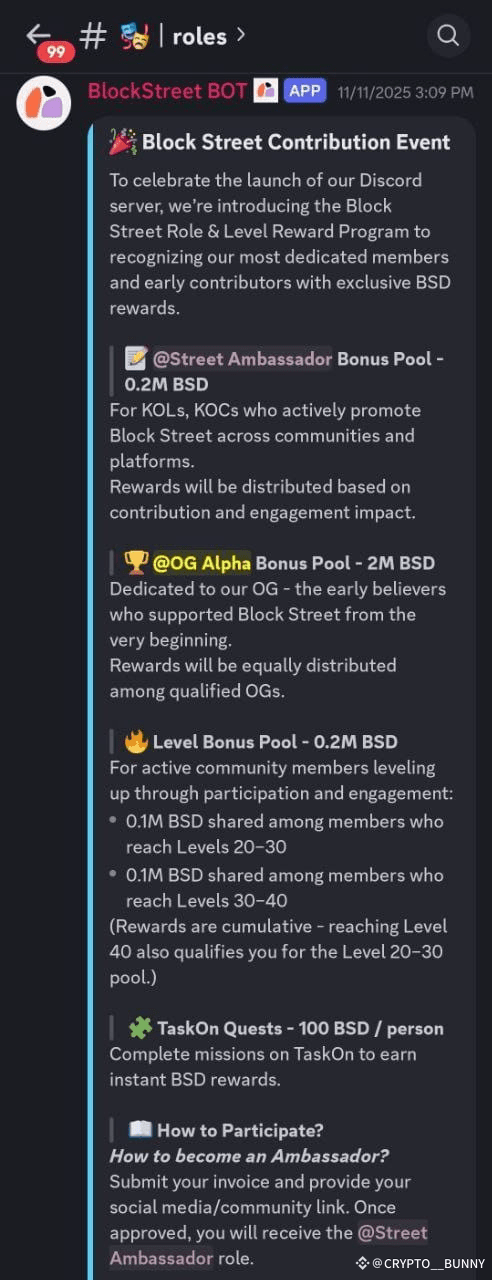
BLOCK STREET LAUNCHED THEIR DISCORD⚡️
役割はインセンティブが付与されているので、Discordのグラインディングプロジェクトを始める予定があるなら、今が最高の時期です - https://mee6.xyz/i/8ALB3XnPYn discord link
彼らはすでに2025年第4四半期にエアドロップを発表しました。
公式Discordサーバーの立ち上げを祝うために、私たちは以下を紹介できることを嬉しく思います。
**The Block Street Role & Level Reward Program!**
私たちのコミュニティを構築し、サポートしてくれたすべての方に感謝します。
そして、私たちは最も早く、最も忠実な貢献者のために独占的なBSD報酬を用意しました!
🏅 **報酬プール概要**
1️⃣ **大使ボーナスプール - 0.2M BSD**
KOL、KOC、およびBlock Streetをプラットフォーム間で積極的に宣伝している大使のためのものです。
報酬は貢献度とエンゲージメントの影響に基づいて配分されます!
2️⃣ **アルファボーナスプール - 2M BSD**
Block Streetを最初から支援してくれたOG信者のために特別に用意されています。
資格のあるOGは報酬を平等に分け合います。
3️⃣ **レベルボーナスプール - 0.2M BSD**
コミュニティで積極的に参加し、レベルアップしているメンバーのためのものです:
• レベル20–30に到達したメンバーの間で0.1M BSDが共有されます
• レベル30–40に到達したメンバーの間で0.1M BSDが共有されます
🪙 レベル40に到達すると両方のプールに資格があります(スタッカブル報酬)
4️⃣ **TaskOn クエスト報酬 - 100 BSD / 人**
TaskOnでミッションを完了して即座にBSD報酬を獲得しましょう!
# **参加方法**
💬 アクティブに活動し、あなたのネットワークを持ち込み、Block Streetの成長に貢献してください!
あなたの努力は認識され、報酬が与えられます。
*一緒に構築しましょう、BSDをあなたの名誉のバッジにしましょう!*
🕹️ **今すぐ参加してBlock Streetでの旅を始めましょう!**
#DiscordEvent #grinding #Blockstreet #REWARDS #MarketPullback
1
1
2
39
#morpho $MORPHO
{spot}(MORPHOUSDT)
🚀 分散型レンディングの未来がここにあります @MorphoLabs
Morphoは、貸し手と借り手の間で金利を最適化することにより、DeFiレンディングの方法を再定義しています。両者にとってより良いリターンと効率を提供します。🔥
セキュリティ、透明性、革新に強く焦点を当てた$MORPHO は、ユーザーを真にエンパワーメントする次世代DeFiプロトコルとして際立っています。💪
効率的なレンディングの未来を一緒に築きましょう!🌐
#Morpho
#morpho $MORPHO
🚀 分散型レンディングの未来がここにあります @Morpho Labs 🦋
Morphoは、貸し手と借り手の間で金利を最適化することにより、DeFiレンディングの方法を再定義しています。両者にとってより良いリターンと効率を提供します。🔥
セキュリティ、透明性、革新に強く焦点を当てた$MORPHO は、ユーザーを真にエンパワーメントする次世代DeFiプロトコルとして際立っています。💪
効率的なレンディングの未来を一緒に築きましょう!🌐
#Morpho
🚀 分散型レンディングの未来がここにあります @Morpho Labs 🦋
Morphoは、貸し手と借り手の間で金利を最適化することにより、DeFiレンディングの方法を再定義しています。両者にとってより良いリターンと効率を提供します。🔥
セキュリティ、透明性、革新に強く焦点を当てた$MORPHO は、ユーザーを真にエンパワーメントする次世代DeFiプロトコルとして際立っています。💪
効率的なレンディングの未来を一緒に築きましょう!🌐
#Morpho
1
23
ログインして、さらにコンテンツを読む
厳選トピックで世界の暗号資産トレーダーの仲間入り
⚡️ 暗号資産に関する最新かつ有益な情報が見つかります。
💬 世界最大の暗号資産取引所から信頼されています。
👍 認証を受けたクリエイターから、有益なインサイトを得られます。
メール / 電話番号
トレンドトピック
XRPDropsToTwoYearLowNear87Cents
閲覧回数 599
44人が討論中
みんな... $XRP が約0.87ドルまで下落して、2年ぶりの安値をつけたよ😳
本当に... XRPが3.66ドルまで上がったあと、また1ドルを下回って取引されるなんて、誰が想像した?
今は約0.92ドルで、週足チャートはまだ弱気な感じ... まだ明確な反転の兆しはないね。
でも正直、長期保有に向けて$XRP を買い増すチャンスだと思ってる😁
まだ底を打っていないかもしれないのは分かってる... だから0.85〜0.95ドルあたりで少しずつDCAして、さらに下がったときのためにUSDTも残しておくつもり。
安いからって全額投入するわけじゃないよ😂
1ドル以下でXRPを買い増してる?それとも0.70ドルまで待つ?👀
$BTC
#XRPDropsToTwoYearLowNear87Cents
ParvezMayar
·いいね:0件
·閲覧回数 513
BitcoinFallsBelow$57KToTwoYearLow
閲覧回数 271
12人が討論中
NvidiaLoses$2.7TrillionInMonthAndAHalf
閲覧回数 445
26人が討論中