
KuProfit
74 投稿

KuProfit
報告
ユーザーをブロック
11 フォロー
27 フォロワー
113 いいね
投稿
·
--
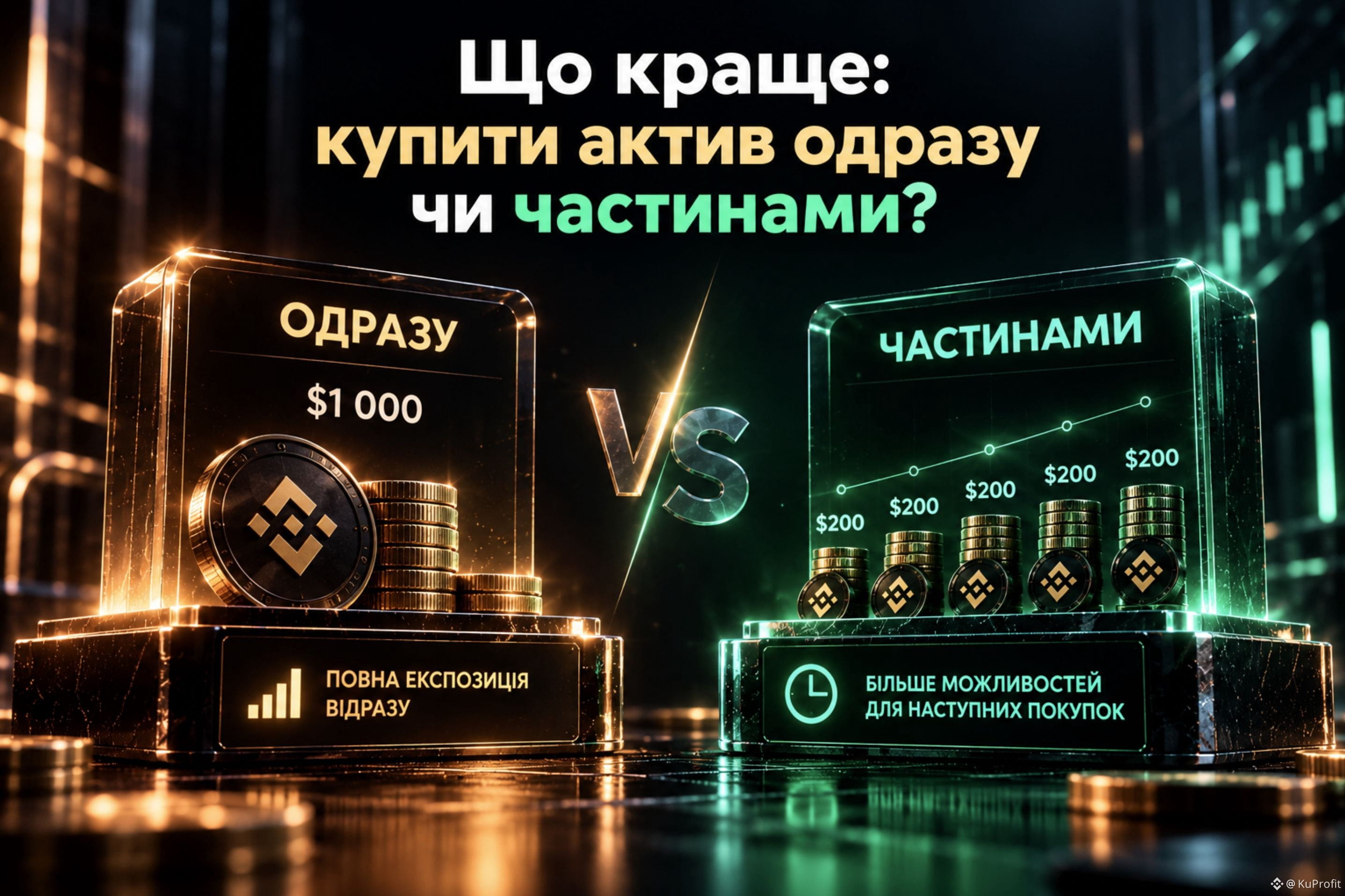
何が良い:アセットをすぐに買うか、それとも購入を複数回に分けるか?
あなたには$1,000があり、アセットを買うことに決めました。
2つの選択肢があります:
$1,000を一括で
または
$200を今 + $200を後で + さらに$200…というように分割。
📈 アセットがすぐに上がり始めるなら、最初に全額を買うことで、値動きに対する完全なエクスポージャーを得られます。
📉 価格が下がる場合は、分割購入なら資金の一部が次のエントリー(より低い価格)に回る状態が残ります。
ただし重要なのは:
購入を分けても、投資が自動的に利益を生むわけではないということです。
あなたがしているのは、ポジションへの入り方を変えるだけです。
全額をすぐに → 今のエクスポージャーが大きくなる。
分割して → 今のエクスポージャーは小さくなるが、次の購入のための資本が増える。
だから、「どちらの方法が常に良いのか」という話ではありません。
問題はこうです:
あなたは、エクスポージャーを最初から全部得たいのか、それとも次のエントリーポイントのために資金を残したいのか?
それこそが、2つのアプローチの最大の違いです。
#Trading #Investing
何が良い:アセットをすぐに買うか、それとも購入を複数回に分けるか?
あなたには$1,000があり、アセットを買うことに決めました。
2つの選択肢があります:
$1,000を一括で
または
$200を今 + $200を後で + さらに$200…というように分割。
📈 アセットがすぐに上がり始めるなら、最初に全額を買うことで、値動きに対する完全なエクスポージャーを得られます。
📉 価格が下がる場合は、分割購入なら資金の一部が次のエントリー(より低い価格)に回る状態が残ります。
ただし重要なのは:
購入を分けても、投資が自動的に利益を生むわけではないということです。
あなたがしているのは、ポジションへの入り方を変えるだけです。
全額をすぐに → 今のエクスポージャーが大きくなる。
分割して → 今のエクスポージャーは小さくなるが、次の購入のための資本が増える。
だから、「どちらの方法が常に良いのか」という話ではありません。
問題はこうです:
あなたは、エクスポージャーを最初から全部得たいのか、それとも次のエントリーポイントのために資金を残したいのか?
それこそが、2つのアプローチの最大の違いです。
#Trading #Investing
あなたには$1,000があり、アセットを買うことに決めました。
2つの選択肢があります:
$1,000を一括で
または
$200を今 + $200を後で + さらに$200…というように分割。
📈 アセットがすぐに上がり始めるなら、最初に全額を買うことで、値動きに対する完全なエクスポージャーを得られます。
📉 価格が下がる場合は、分割購入なら資金の一部が次のエントリー(より低い価格)に回る状態が残ります。
ただし重要なのは:
購入を分けても、投資が自動的に利益を生むわけではないということです。
あなたがしているのは、ポジションへの入り方を変えるだけです。
全額をすぐに → 今のエクスポージャーが大きくなる。
分割して → 今のエクスポージャーは小さくなるが、次の購入のための資本が増える。
だから、「どちらの方法が常に良いのか」という話ではありません。
問題はこうです:
あなたは、エクスポージャーを最初から全部得たいのか、それとも次のエントリーポイントのために資金を残したいのか?
それこそが、2つのアプローチの最大の違いです。
#Trading #Investing
197
·
--
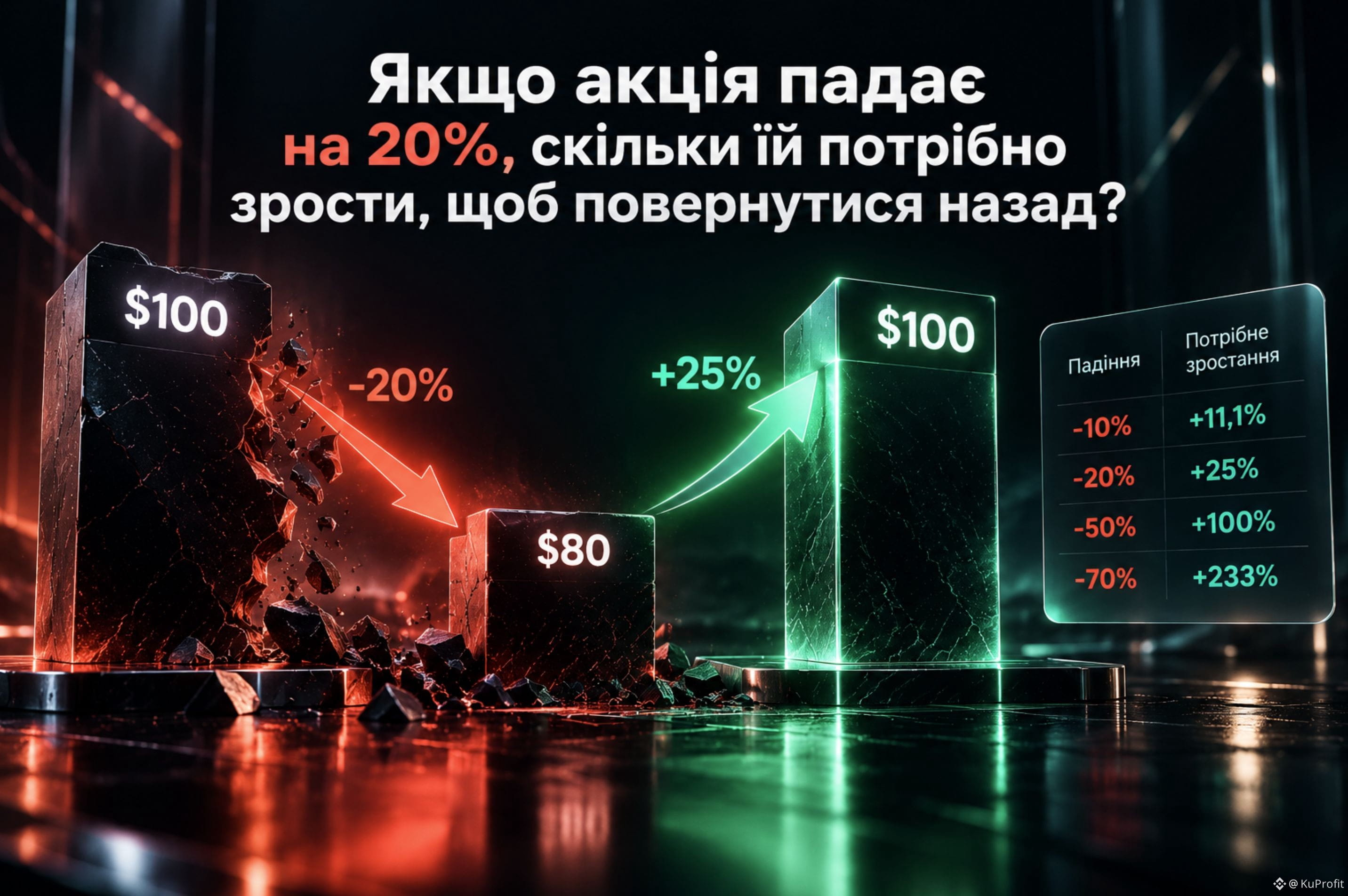
株価が20%下落した場合、元に戻すにはどれくらい上昇する必要があるでしょうか?
一見、答えは20%のはずです。
でも違います。
株が$100だったとしましょう。
それが20%下落 → $80になります。
この$80を$100に戻すには、すでに25%の上昇が必要です。
つまり:
$100 → -20% → $80 → +25% → $100
なぜそうなるのか?
下落率の割合は、新しく下がった(低い)価格から計算されるからです。
そして、資産が大きく下落すればするほど、回復のために必要な上昇率はさらに大きくなります:
-10% → +11,1%
-20% → +25%
-50% → +100%
-70% → +233%
そのため、50%の下落は、単純に50%上昇すれば直るような状況ではありません。
私の考えでは、これはリスクを評価するときに覚えておくべき最も重要なことの一つです:
下方向と上方向のパーセンテージは対称ではありません。
#Trading #Investing
株価が20%下落した場合、元に戻すにはどれくらい上昇する必要があるでしょうか?
一見、答えは20%のはずです。
でも違います。
株が$100だったとしましょう。
それが20%下落 → $80になります。
この$80を$100に戻すには、すでに25%の上昇が必要です。
つまり:
$100 → -20% → $80 → +25% → $100
なぜそうなるのか?
下落率の割合は、新しく下がった(低い)価格から計算されるからです。
そして、資産が大きく下落すればするほど、回復のために必要な上昇率はさらに大きくなります:
-10% → +11,1%
-20% → +25%
-50% → +100%
-70% → +233%
そのため、50%の下落は、単純に50%上昇すれば直るような状況ではありません。
私の考えでは、これはリスクを評価するときに覚えておくべき最も重要なことの一つです:
下方向と上方向のパーセンテージは対称ではありません。
#Trading #Investing
一見、答えは20%のはずです。
でも違います。
株が$100だったとしましょう。
それが20%下落 → $80になります。
この$80を$100に戻すには、すでに25%の上昇が必要です。
つまり:
$100 → -20% → $80 → +25% → $100
なぜそうなるのか?
下落率の割合は、新しく下がった(低い)価格から計算されるからです。
そして、資産が大きく下落すればするほど、回復のために必要な上昇率はさらに大きくなります:
-10% → +11,1%
-20% → +25%
-50% → +100%
-70% → +233%
そのため、50%の下落は、単純に50%上昇すれば直るような状況ではありません。
私の考えでは、これはリスクを評価するときに覚えておくべき最も重要なことの一つです:
下方向と上方向のパーセンテージは対称ではありません。
#Trading #Investing
86
·
--
株の定期購入は本当に「安く買う」ことにつながるの?
Binanceは最近、指定したスケジュールに従って選んだ株式やETFを自動で購入できる「Stock Recurring Buy」機能を追加しました。
一見するとすべてシンプルです:
対象の銘柄を選ぶ → 購入スケジュールを設定する → システムが自動で購入する。
でも、見落としやすいポイントがあります。
Binanceは注意しています:各回の自動実行時の価格は、計画を作成した時点の価格と異なる可能性がある、と。
つまり、たとえば今日「毎週月曜にAAPLを$100で買う」設定をしたとしても、次の月曜に「今日の価格」で買うわけではありません。
私は予定した金額で購入しますが、実行時の市場価格で買うことになります。
ここで私が面白いと感じるのは、次の違いです:
「私は定期的に投資している」
と
「私はお得な価格で定期的に買っている」。
前者は、Recurring Buyによって実際に自動化できる可能性があります。
後者は、誰も保証できません。
注文は追加の確認なしで自動的に執行されるため、次回の購入までに価格が変動することがあります。
だから私は、Recurring Buyを「正しい価格を当てる方法」としてではなく、毎回次の判断をしなくて済む方法として捉えています:
「今買う?それとも待つ?」
自動化は手作業の一部をなくします。
しかし、市場リスクはなくなりません。
#TradFi
株の定期購入は本当に「安く買う」ことにつながるの?
Binanceは最近、指定したスケジュールに従って選んだ株式やETFを自動で購入できる「Stock Recurring Buy」機能を追加しました。
一見するとすべてシンプルです:
対象の銘柄を選ぶ → 購入スケジュールを設定する → システムが自動で購入する。
でも、見落としやすいポイントがあります。
Binanceは注意しています:各回の自動実行時の価格は、計画を作成した時点の価格と異なる可能性がある、と。
つまり、たとえば今日「毎週月曜にAAPLを$100で買う」設定をしたとしても、次の月曜に「今日の価格」で買うわけではありません。
私は予定した金額で購入しますが、実行時の市場価格で買うことになります。
ここで私が面白いと感じるのは、次の違いです:
「私は定期的に投資している」
と
「私はお得な価格で定期的に買っている」。
前者は、Recurring Buyによって実際に自動化できる可能性があります。
後者は、誰も保証できません。
注文は追加の確認なしで自動的に執行されるため、次回の購入までに価格が変動することがあります。
だから私は、Recurring Buyを「正しい価格を当てる方法」としてではなく、毎回次の判断をしなくて済む方法として捉えています:
「今買う?それとも待つ?」
自動化は手作業の一部をなくします。
しかし、市場リスクはなくなりません。
#TradFi
Binanceは最近、指定したスケジュールに従って選んだ株式やETFを自動で購入できる「Stock Recurring Buy」機能を追加しました。
一見するとすべてシンプルです:
対象の銘柄を選ぶ → 購入スケジュールを設定する → システムが自動で購入する。
でも、見落としやすいポイントがあります。
Binanceは注意しています:各回の自動実行時の価格は、計画を作成した時点の価格と異なる可能性がある、と。
つまり、たとえば今日「毎週月曜にAAPLを$100で買う」設定をしたとしても、次の月曜に「今日の価格」で買うわけではありません。
私は予定した金額で購入しますが、実行時の市場価格で買うことになります。
ここで私が面白いと感じるのは、次の違いです:
「私は定期的に投資している」
と
「私はお得な価格で定期的に買っている」。
前者は、Recurring Buyによって実際に自動化できる可能性があります。
後者は、誰も保証できません。
注文は追加の確認なしで自動的に執行されるため、次回の購入までに価格が変動することがあります。
だから私は、Recurring Buyを「正しい価格を当てる方法」としてではなく、毎回次の判断をしなくて済む方法として捉えています:
「今買う?それとも待つ?」
自動化は手作業の一部をなくします。
しかし、市場リスクはなくなりません。
#TradFi

1
312
·
--
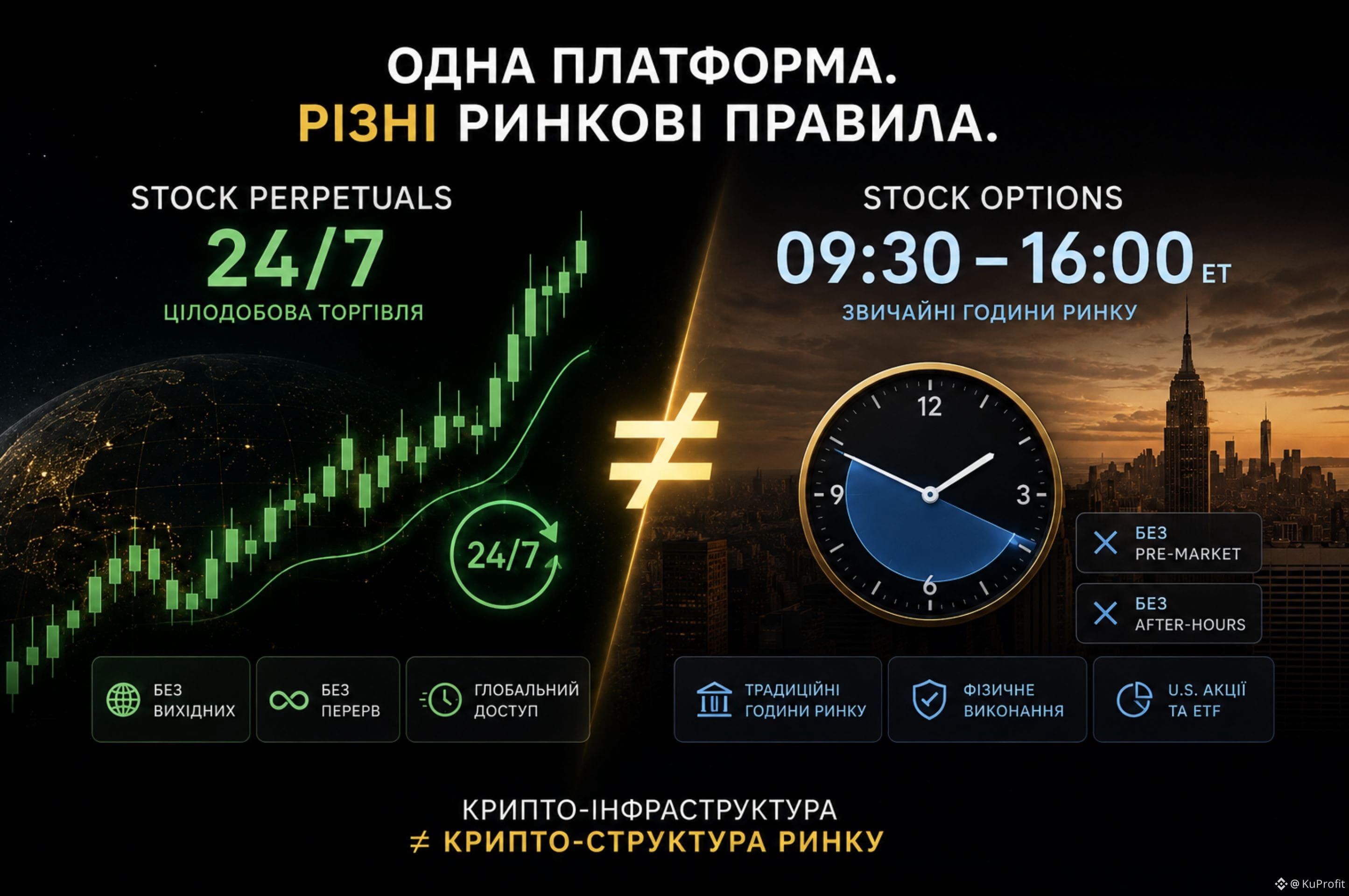
Якщо Stock Perpetuals торгуються 24/7, чому Stock Options — лише у звичайні години?
Я звик до того, що на Binance традиційні активи можна зустріти вже в зовсім іншій торговій моделі.
Наприклад, Stock Perpetuals торгуються 24/7.
Тому мені стало цікаво, що відбувається зі Stock Options.
Binance запускає опціони на американські акції та ETF, але вони не переходять на цілодобовий режим. Для більшості таких опціонів торгівля відбувається у звичайні години американського ринку, без pre-market та after-hours.
Якщо два TradFi-інструменти доступні на одній платформі, чому один можна торгувати 24/7, а інший усе ще прив’язаний до годин традиційного ринку?
Для мене це хороший приклад того, що крипто-інфраструктура ≠ крипто-структура ринку.
Перенесення фінансового інструменту в нове середовище не означає автоматичної зміни всіх правил його роботи.
Логіка самого фінансового інструменту частково може залишатися традиційною.
Тому тепер мені цікаво дивитися на розвиток TradFi на Binance трохи інакше:
що саме змінюється, коли традиційні фінансові інструменти переходять у crypto-native середовище — а що все ще залишається прив’язаним до старої ринкової моделі?
#TradFi #StockOptions
Якщо Stock Perpetuals торгуються 24/7, чому Stock Options — лише у звичайні години?
Я звик до того, що на Binance традиційні активи можна зустріти вже в зовсім іншій торговій моделі.
Наприклад, Stock Perpetuals торгуються 24/7.
Тому мені стало цікаво, що відбувається зі Stock Options.
Binance запускає опціони на американські акції та ETF, але вони не переходять на цілодобовий режим. Для більшості таких опціонів торгівля відбувається у звичайні години американського ринку, без pre-market та after-hours.
Якщо два TradFi-інструменти доступні на одній платформі, чому один можна торгувати 24/7, а інший усе ще прив’язаний до годин традиційного ринку?
Для мене це хороший приклад того, що крипто-інфраструктура ≠ крипто-структура ринку.
Перенесення фінансового інструменту в нове середовище не означає автоматичної зміни всіх правил його роботи.
Логіка самого фінансового інструменту частково може залишатися традиційною.
Тому тепер мені цікаво дивитися на розвиток TradFi на Binance трохи інакше:
що саме змінюється, коли традиційні фінансові інструменти переходять у crypto-native середовище — а що все ще залишається прив’язаним до старої ринкової моделі?
#TradFi #StockOptions
Я звик до того, що на Binance традиційні активи можна зустріти вже в зовсім іншій торговій моделі.
Наприклад, Stock Perpetuals торгуються 24/7.
Тому мені стало цікаво, що відбувається зі Stock Options.
Binance запускає опціони на американські акції та ETF, але вони не переходять на цілодобовий режим. Для більшості таких опціонів торгівля відбувається у звичайні години американського ринку, без pre-market та after-hours.
Якщо два TradFi-інструменти доступні на одній платформі, чому один можна торгувати 24/7, а інший усе ще прив’язаний до годин традиційного ринку?
Для мене це хороший приклад того, що крипто-інфраструктура ≠ крипто-структура ринку.
Перенесення фінансового інструменту в нове середовище не означає автоматичної зміни всіх правил його роботи.
Логіка самого фінансового інструменту частково може залишатися традиційною.
Тому тепер мені цікаво дивитися на розвиток TradFi на Binance трохи інакше:
що саме змінюється, коли традиційні фінансові інструменти переходять у crypto-native середовище — а що все ще залишається прив’язаним до старої ринкової моделі?
#TradFi #StockOptions
130
·
--
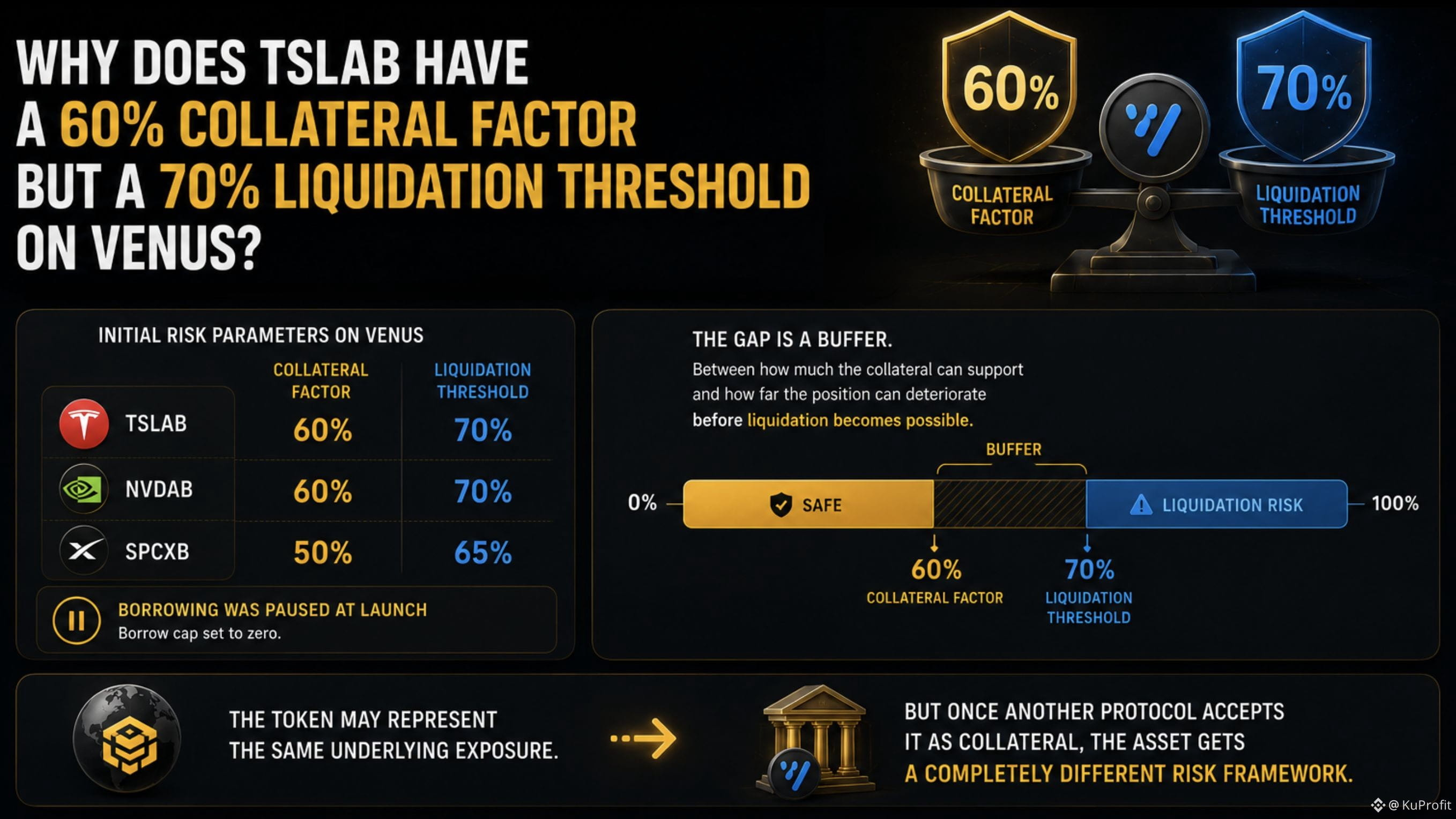
TSLABには担保率60%があるのに、Venusでは清算閾値が70%なのはなぜですか?
最初は、これらの数字は同じことを別の言い方で示しているだけに見えました。
Venusが借り入れのために担保資産の価値の60%を認めるのなら、なぜ清算の閾値が70%なのでしょう?
そこで気づいたのは、私は2つの異なるリスク指標を混同していたということです。
担保率は1つの疑問に答えます:
「預け入れた資産の価値のうち、どれだけが借り入れ余力として計上できるのか?」
一方、清算閾値は別の疑問に答えます:
「どの時点で、そのポジションが清算の対象として適格になるのか?」
TSLABとNVDABについて、Venusが当初設定したのは:
60%の担保率
70%の清算閾値
SPCXBでは:
50%の担保率
65%の清算閾値。
そして重要な詳細として、ローンチ時に借り入れは停止されており、借入上限(borrow cap)はゼロに設定されていました。
つまり、これらの数字は「ユーザーがすでにbStocksを担保に借りている証拠」ではありませんでした。これらは、それらの市場がどのように扱われるかの初期のリスクパラメータだったのです。
だからこそ、私は2つの割合を別々に捉えるようになりました。
担保率は、担保が生み出せる借り入れ余力の上限を決めます。
清算閾値は、ポジションがどこで清算リスクに踏み込むかを定義します。
つまり、それらの間のギャップは矛盾ではありません。
「この担保がどれだけ支えられるか?」
と
「清算が可能になるまで、ポジションがどこまで悪化し得るか?」
の間にあるバッファです。
私にとって、これはトークン化された株式をDeFiに持ち込むことの中でも特に興味深い点の一つです。
トークンは、同じ基礎となるエクスポージャーを表しているかもしれません。
しかし、別のプロトコルがそれを担保として受け入れた瞬間、その資産にはまったく異なるリスクの枠組みが適用されます。
#bstockscis @BinanceCIS
TSLABには担保率60%があるのに、Venusでは清算閾値が70%なのはなぜですか?
最初は、これらの数字は同じことを別の言い方で示しているだけに見えました。
Venusが借り入れのために担保資産の価値の60%を認めるのなら、なぜ清算の閾値が70%なのでしょう?
そこで気づいたのは、私は2つの異なるリスク指標を混同していたということです。
担保率は1つの疑問に答えます:
「預け入れた資産の価値のうち、どれだけが借り入れ余力として計上できるのか?」
一方、清算閾値は別の疑問に答えます:
「どの時点で、そのポジションが清算の対象として適格になるのか?」
TSLABとNVDABについて、Venusが当初設定したのは:
60%の担保率
70%の清算閾値
SPCXBでは:
50%の担保率
65%の清算閾値。
そして重要な詳細として、ローンチ時に借り入れは停止されており、借入上限(borrow cap)はゼロに設定されていました。
つまり、これらの数字は「ユーザーがすでにbStocksを担保に借りている証拠」ではありませんでした。これらは、それらの市場がどのように扱われるかの初期のリスクパラメータだったのです。
だからこそ、私は2つの割合を別々に捉えるようになりました。
担保率は、担保が生み出せる借り入れ余力の上限を決めます。
清算閾値は、ポジションがどこで清算リスクに踏み込むかを定義します。
つまり、それらの間のギャップは矛盾ではありません。
「この担保がどれだけ支えられるか?」
と
「清算が可能になるまで、ポジションがどこまで悪化し得るか?」
の間にあるバッファです。
私にとって、これはトークン化された株式をDeFiに持ち込むことの中でも特に興味深い点の一つです。
トークンは、同じ基礎となるエクスポージャーを表しているかもしれません。
しかし、別のプロトコルがそれを担保として受け入れた瞬間、その資産にはまったく異なるリスクの枠組みが適用されます。
#bstockscis @BinanceCIS
最初は、これらの数字は同じことを別の言い方で示しているだけに見えました。
Venusが借り入れのために担保資産の価値の60%を認めるのなら、なぜ清算の閾値が70%なのでしょう?
そこで気づいたのは、私は2つの異なるリスク指標を混同していたということです。
担保率は1つの疑問に答えます:
「預け入れた資産の価値のうち、どれだけが借り入れ余力として計上できるのか?」
一方、清算閾値は別の疑問に答えます:
「どの時点で、そのポジションが清算の対象として適格になるのか?」
TSLABとNVDABについて、Venusが当初設定したのは:
60%の担保率
70%の清算閾値
SPCXBでは:
50%の担保率
65%の清算閾値。
そして重要な詳細として、ローンチ時に借り入れは停止されており、借入上限(borrow cap)はゼロに設定されていました。
つまり、これらの数字は「ユーザーがすでにbStocksを担保に借りている証拠」ではありませんでした。これらは、それらの市場がどのように扱われるかの初期のリスクパラメータだったのです。
だからこそ、私は2つの割合を別々に捉えるようになりました。
担保率は、担保が生み出せる借り入れ余力の上限を決めます。
清算閾値は、ポジションがどこで清算リスクに踏み込むかを定義します。
つまり、それらの間のギャップは矛盾ではありません。
「この担保がどれだけ支えられるか?」
と
「清算が可能になるまで、ポジションがどこまで悪化し得るか?」
の間にあるバッファです。
私にとって、これはトークン化された株式をDeFiに持ち込むことの中でも特に興味深い点の一つです。
トークンは、同じ基礎となるエクスポージャーを表しているかもしれません。
しかし、別のプロトコルがそれを担保として受け入れた瞬間、その資産にはまったく異なるリスクの枠組みが適用されます。
#bstockscis @BinanceCIS
118
·
--
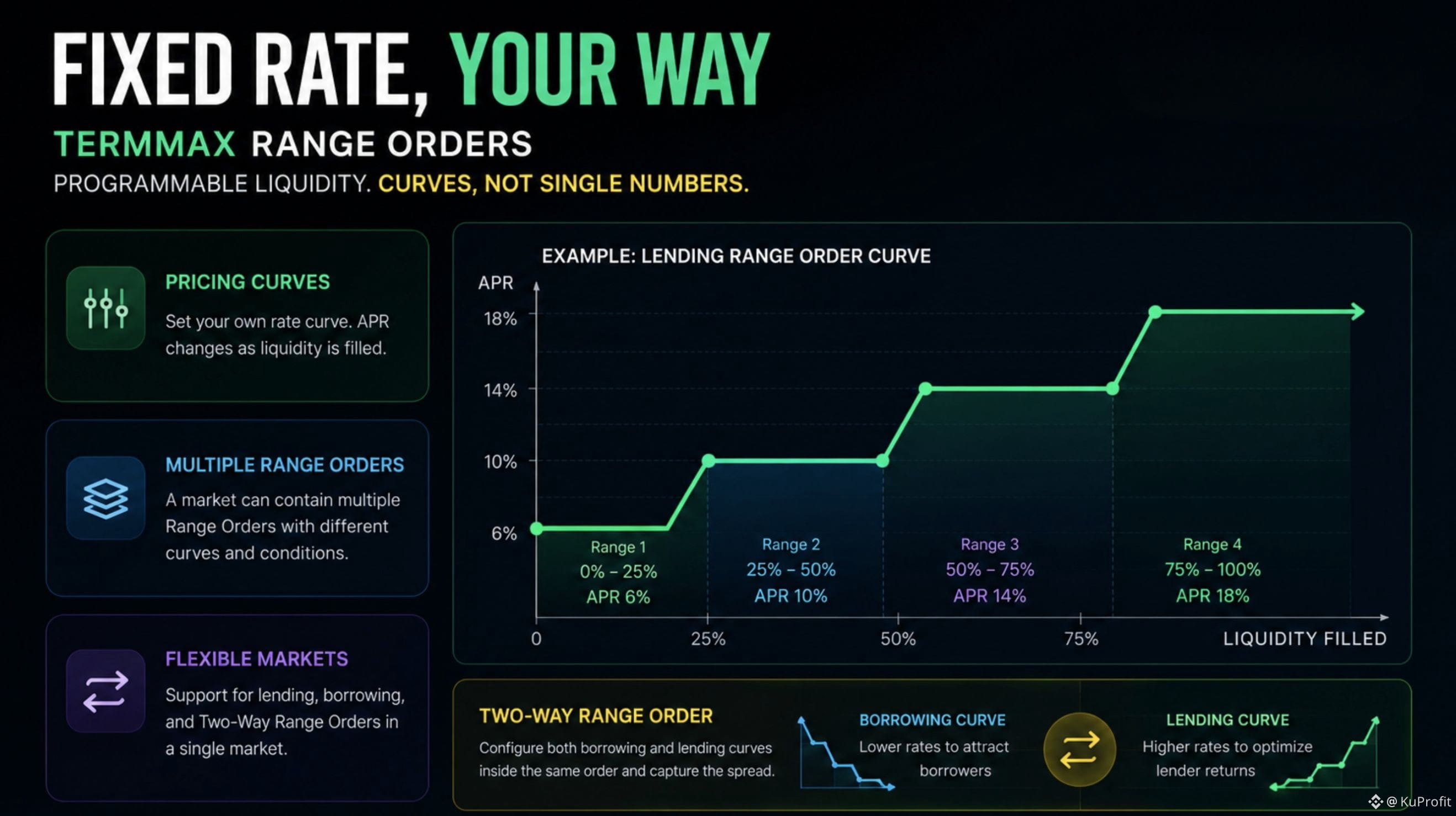
DeFiの固定金利は、必ずしも単一の数値である必要はありません。
TermMaxは流動性に対して別のアプローチを採用しています。
Range Ordersにより、流動性が消費されるにつれてレートが変化する価格カーブを、市場で利用できます。
つまり、
→ 市場全体に対して1つのレート
ではなく、
→ 最初の流動性レンジには1つのレート
→ 次のレンジには別のレート
→ カーブのより深いところでは異なる条件
を設定できます。
1つのMarketには複数のRange Ordersを含めることができ、TermMaxは貸出と借入のカーブの両方をサポートしています。
さらに、Two-Way Range Orderでは、同じ注文の中で借入側と貸出側の流動性を構成できます。
私にとって、これはTermMaxの中でも特に興味深い部分です。固定金利の市場が「固定APR」だけの単純な商品ではなく、プログラム可能な流動性市場になります。
#termmax @termmax
DeFiの固定金利は、必ずしも単一の数値である必要はありません。
TermMaxは流動性に対して別のアプローチを採用しています。
Range Ordersにより、流動性が消費されるにつれてレートが変化する価格カーブを、市場で利用できます。
つまり、
→ 市場全体に対して1つのレート
ではなく、
→ 最初の流動性レンジには1つのレート
→ 次のレンジには別のレート
→ カーブのより深いところでは異なる条件
を設定できます。
1つのMarketには複数のRange Ordersを含めることができ、TermMaxは貸出と借入のカーブの両方をサポートしています。
さらに、Two-Way Range Orderでは、同じ注文の中で借入側と貸出側の流動性を構成できます。
私にとって、これはTermMaxの中でも特に興味深い部分です。固定金利の市場が「固定APR」だけの単純な商品ではなく、プログラム可能な流動性市場になります。
#termmax @TermMax
TermMaxは流動性に対して別のアプローチを採用しています。
Range Ordersにより、流動性が消費されるにつれてレートが変化する価格カーブを、市場で利用できます。
つまり、
→ 市場全体に対して1つのレート
ではなく、
→ 最初の流動性レンジには1つのレート
→ 次のレンジには別のレート
→ カーブのより深いところでは異なる条件
を設定できます。
1つのMarketには複数のRange Ordersを含めることができ、TermMaxは貸出と借入のカーブの両方をサポートしています。
さらに、Two-Way Range Orderでは、同じ注文の中で借入側と貸出側の流動性を構成できます。
私にとって、これはTermMaxの中でも特に興味深い部分です。固定金利の市場が「固定APR」だけの単純な商品ではなく、プログラム可能な流動性市場になります。
#termmax @TermMax
2
58
·
--
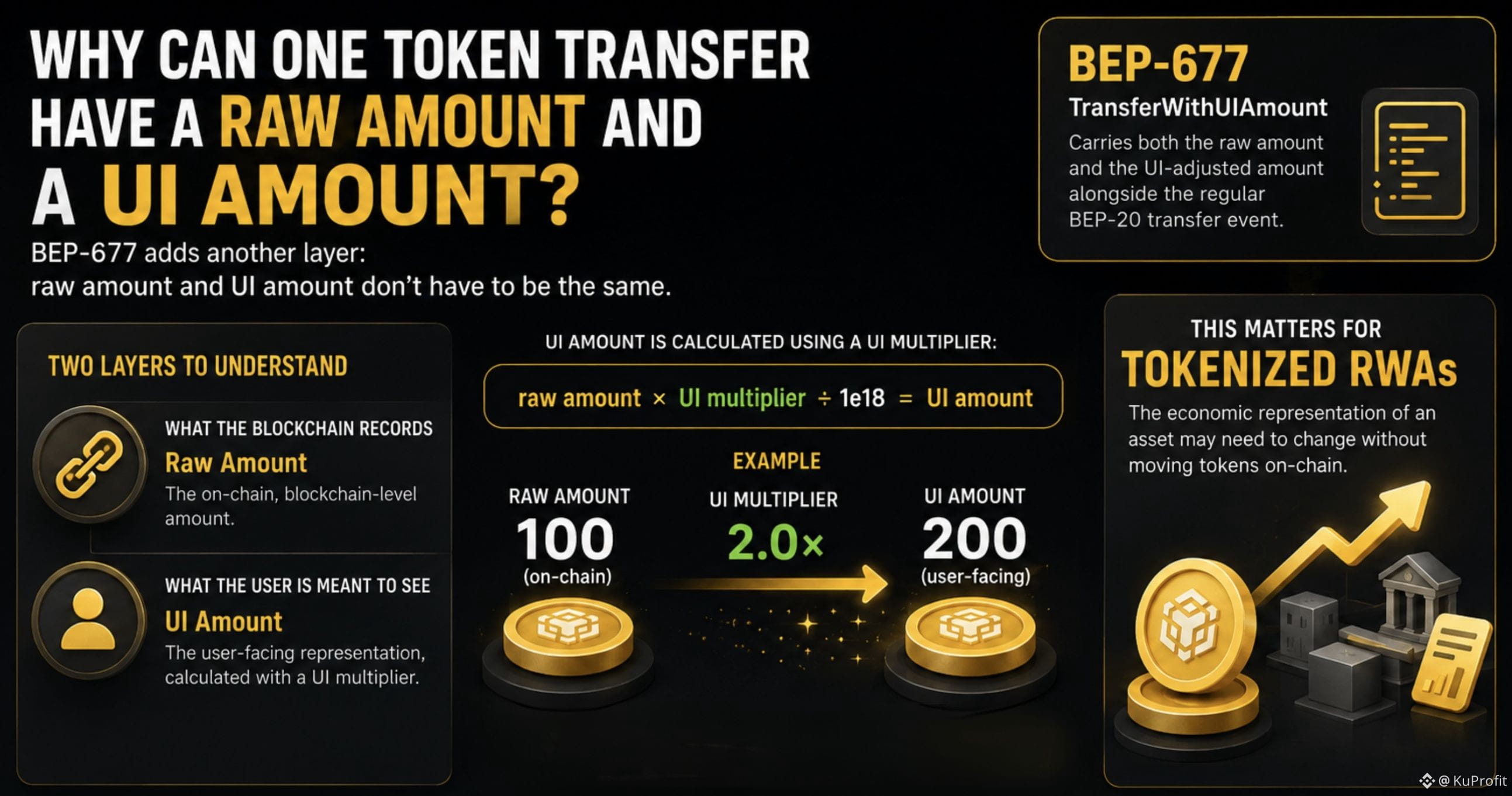
なぜ1トークン送信で「生の金額」と「UI金額」の両方があるのか?
以前は、トークン送信には金額が1つしかないと思っていました。つまり、オンチェーンに記録される数値です。
しかしBEP-677では、別の層が追加されます。生の金額とUI金額は同じである必要がありません。
では、いったい何の数値を見ているのでしょうか?
生の金額(raw amount)とは、ブロックチェーン上の金額です。
UI金額(UI amount)とは、UIマルチプライヤーを使って計算されるユーザー向けの表現です。
raw amount × UI multiplier ÷ 1e18 = UI amount
たとえば、2.0×のマルチプライヤーを使うと、100の生の単位が200のUI単位として見えることがあります。これは、生の残高を変えずに起こります。
そしてBEP-677はさらに一歩進みます。
TransferWithUIAmountを定義し、通常のBEP-20の送信イベントに加えて、生の金額とUI調整後の金額の両方を運びます。
小さな技術的な違いのように聞こえるかもしれません。
でも、トークン化されたRWAにとっては本当の課題を解決します。資産の経済的な表現は、オンチェーン上でトークンを動かさずに変える必要がある場合があるからです。
この点が、bStocksを調べていたときに私の目を引いた理由でもあります。
BinanceはbStocksをBNB Smart Chain上のBEP-20トークンとして説明しており、RWAユースケースのためにBEP-677 / Scaled UI Amountを統合していると述べています。
つまり、注目すべき層は実際には2つあります。
ブロックチェーンが記録するもの
vs.
ユーザーに見せるべきもの
トークンの残高を見るとき、あなたが実際に見ているのはどちらの層でしょうか?
#bstockscis @BinanceCIS
なぜ1トークン送信で「生の金額」と「UI金額」の両方があるのか?
以前は、トークン送信には金額が1つしかないと思っていました。つまり、オンチェーンに記録される数値です。
しかしBEP-677では、別の層が追加されます。生の金額とUI金額は同じである必要がありません。
では、いったい何の数値を見ているのでしょうか?
生の金額(raw amount)とは、ブロックチェーン上の金額です。
UI金額(UI amount)とは、UIマルチプライヤーを使って計算されるユーザー向けの表現です。
raw amount × UI multiplier ÷ 1e18 = UI amount
たとえば、2.0×のマルチプライヤーを使うと、100の生の単位が200のUI単位として見えることがあります。これは、生の残高を変えずに起こります。
そしてBEP-677はさらに一歩進みます。
TransferWithUIAmountを定義し、通常のBEP-20の送信イベントに加えて、生の金額とUI調整後の金額の両方を運びます。
小さな技術的な違いのように聞こえるかもしれません。
でも、トークン化されたRWAにとっては本当の課題を解決します。資産の経済的な表現は、オンチェーン上でトークンを動かさずに変える必要がある場合があるからです。
この点が、bStocksを調べていたときに私の目を引いた理由でもあります。
BinanceはbStocksをBNB Smart Chain上のBEP-20トークンとして説明しており、RWAユースケースのためにBEP-677 / Scaled UI Amountを統合していると述べています。
つまり、注目すべき層は実際には2つあります。
ブロックチェーンが記録するもの
vs.
ユーザーに見せるべきもの
トークンの残高を見るとき、あなたが実際に見ているのはどちらの層でしょうか?
#bstockscis @BinanceCIS
以前は、トークン送信には金額が1つしかないと思っていました。つまり、オンチェーンに記録される数値です。
しかしBEP-677では、別の層が追加されます。生の金額とUI金額は同じである必要がありません。
では、いったい何の数値を見ているのでしょうか?
生の金額(raw amount)とは、ブロックチェーン上の金額です。
UI金額(UI amount)とは、UIマルチプライヤーを使って計算されるユーザー向けの表現です。
raw amount × UI multiplier ÷ 1e18 = UI amount
たとえば、2.0×のマルチプライヤーを使うと、100の生の単位が200のUI単位として見えることがあります。これは、生の残高を変えずに起こります。
そしてBEP-677はさらに一歩進みます。
TransferWithUIAmountを定義し、通常のBEP-20の送信イベントに加えて、生の金額とUI調整後の金額の両方を運びます。
小さな技術的な違いのように聞こえるかもしれません。
でも、トークン化されたRWAにとっては本当の課題を解決します。資産の経済的な表現は、オンチェーン上でトークンを動かさずに変える必要がある場合があるからです。
この点が、bStocksを調べていたときに私の目を引いた理由でもあります。
BinanceはbStocksをBNB Smart Chain上のBEP-20トークンとして説明しており、RWAユースケースのためにBEP-677 / Scaled UI Amountを統合していると述べています。
つまり、注目すべき層は実際には2つあります。
ブロックチェーンが記録するもの
vs.
ユーザーに見せるべきもの
トークンの残高を見るとき、あなたが実際に見ているのはどちらの層でしょうか?
#bstockscis @BinanceCIS
2
1
81
·
--
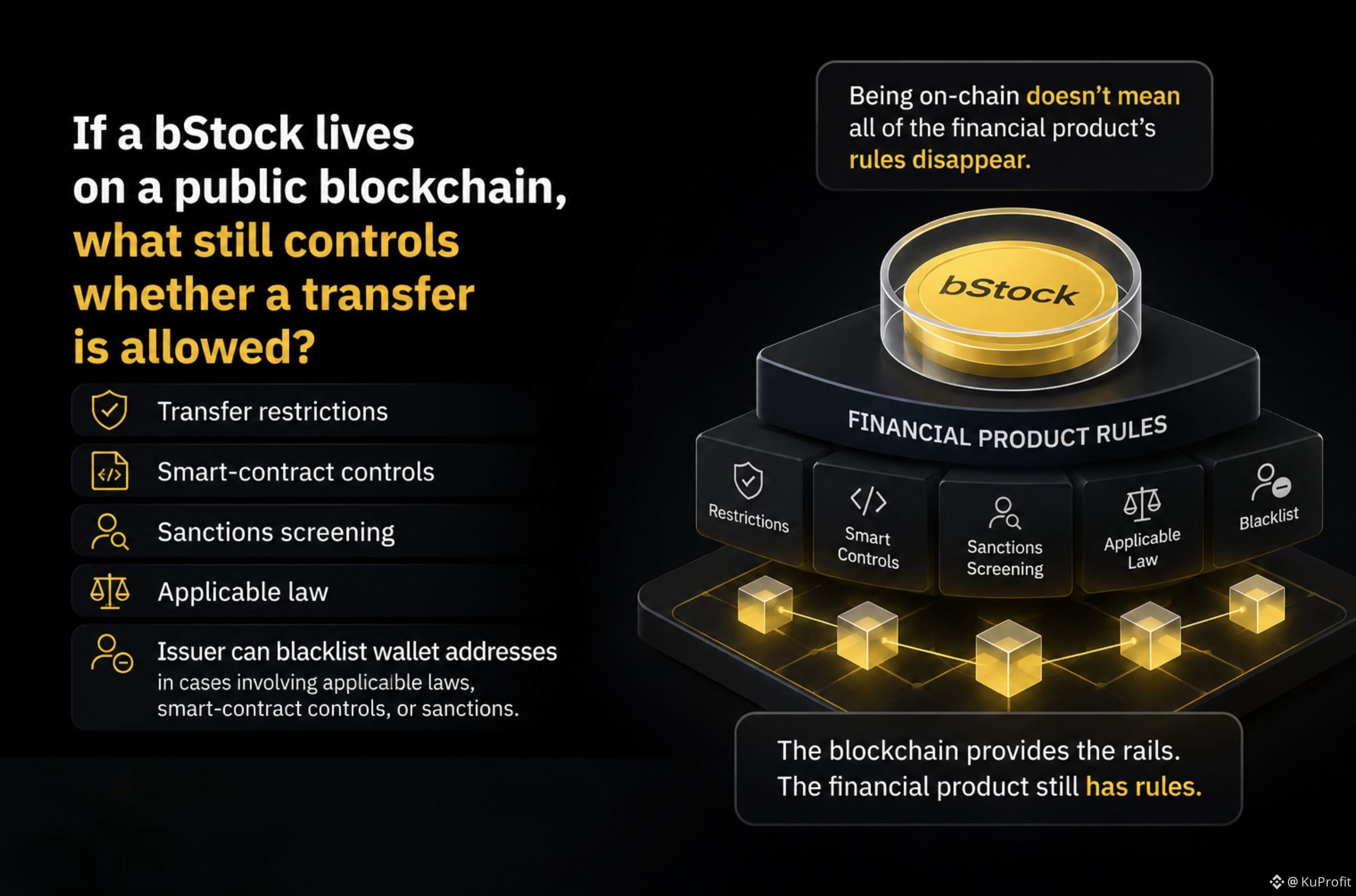
bStockがパブリック・ブロックチェーン上に存在する場合、送金(トランスファー)が許可されるかどうかをなお決めているのは何ですか?
最初は、BNB Smart Chain上のBEP-20トークンは他のオンチェーン資産と同じように振る舞うと考えていました。
ウォレット → トランザクション → 送金。
しかしbStockにはもう一つ別の層があります。
互換性のあるBNB Smart Chainウォレットへ、bStockを自主管理(セルフカストディ)用に引き出すことができます。
それでも、引き出しには送金制限、スマートコントラクトの管理、制裁(サンクション)スクリーニング、そして適用される法律が関係します。
さらに、もっと興味深い詳細もあります。
発行体は、適用される法律、スマートコントラクトの管理、制裁に関わるケースにおいて、ウォレットアドレスをブラックリスト化する権利を留保しています。
つまり、オンチェーンにあるからといって、金融商品のルールがすべて消えるわけではありません。
ブロックチェーンは“レール(基盤)”を提供します。
一方で、その金融商品には依然としてルールがあります。
自主管理によって変わるのは、私がどこにトークンを保有するかであって、適用されるルールがどれになるかではありません。
その区別によって、私はbStockの捉え方を変えました。
「このトークンはオンチェーンか?」だけを問うのではなく、
「それでは、送金が許可されるかどうかは何が決めているのか?」
#bstockscis @BinanceCIS
bStockがパブリック・ブロックチェーン上に存在する場合、送金(トランスファー)が許可されるかどうかをなお決めているのは何ですか?
最初は、BNB Smart Chain上のBEP-20トークンは他のオンチェーン資産と同じように振る舞うと考えていました。
ウォレット → トランザクション → 送金。
しかしbStockにはもう一つ別の層があります。
互換性のあるBNB Smart Chainウォレットへ、bStockを自主管理(セルフカストディ)用に引き出すことができます。
それでも、引き出しには送金制限、スマートコントラクトの管理、制裁(サンクション)スクリーニング、そして適用される法律が関係します。
さらに、もっと興味深い詳細もあります。
発行体は、適用される法律、スマートコントラクトの管理、制裁に関わるケースにおいて、ウォレットアドレスをブラックリスト化する権利を留保しています。
つまり、オンチェーンにあるからといって、金融商品のルールがすべて消えるわけではありません。
ブロックチェーンは“レール(基盤)”を提供します。
一方で、その金融商品には依然としてルールがあります。
自主管理によって変わるのは、私がどこにトークンを保有するかであって、適用されるルールがどれになるかではありません。
その区別によって、私はbStockの捉え方を変えました。
「このトークンはオンチェーンか?」だけを問うのではなく、
「それでは、送金が許可されるかどうかは何が決めているのか?」
#bstockscis @BinanceCIS
最初は、BNB Smart Chain上のBEP-20トークンは他のオンチェーン資産と同じように振る舞うと考えていました。
ウォレット → トランザクション → 送金。
しかしbStockにはもう一つ別の層があります。
互換性のあるBNB Smart Chainウォレットへ、bStockを自主管理(セルフカストディ)用に引き出すことができます。
それでも、引き出しには送金制限、スマートコントラクトの管理、制裁(サンクション)スクリーニング、そして適用される法律が関係します。
さらに、もっと興味深い詳細もあります。
発行体は、適用される法律、スマートコントラクトの管理、制裁に関わるケースにおいて、ウォレットアドレスをブラックリスト化する権利を留保しています。
つまり、オンチェーンにあるからといって、金融商品のルールがすべて消えるわけではありません。
ブロックチェーンは“レール(基盤)”を提供します。
一方で、その金融商品には依然としてルールがあります。
自主管理によって変わるのは、私がどこにトークンを保有するかであって、適用されるルールがどれになるかではありません。
その区別によって、私はbStockの捉え方を変えました。
「このトークンはオンチェーンか?」だけを問うのではなく、
「それでは、送金が許可されるかどうかは何が決めているのか?」
#bstockscis @BinanceCIS
4
2
97
·
--
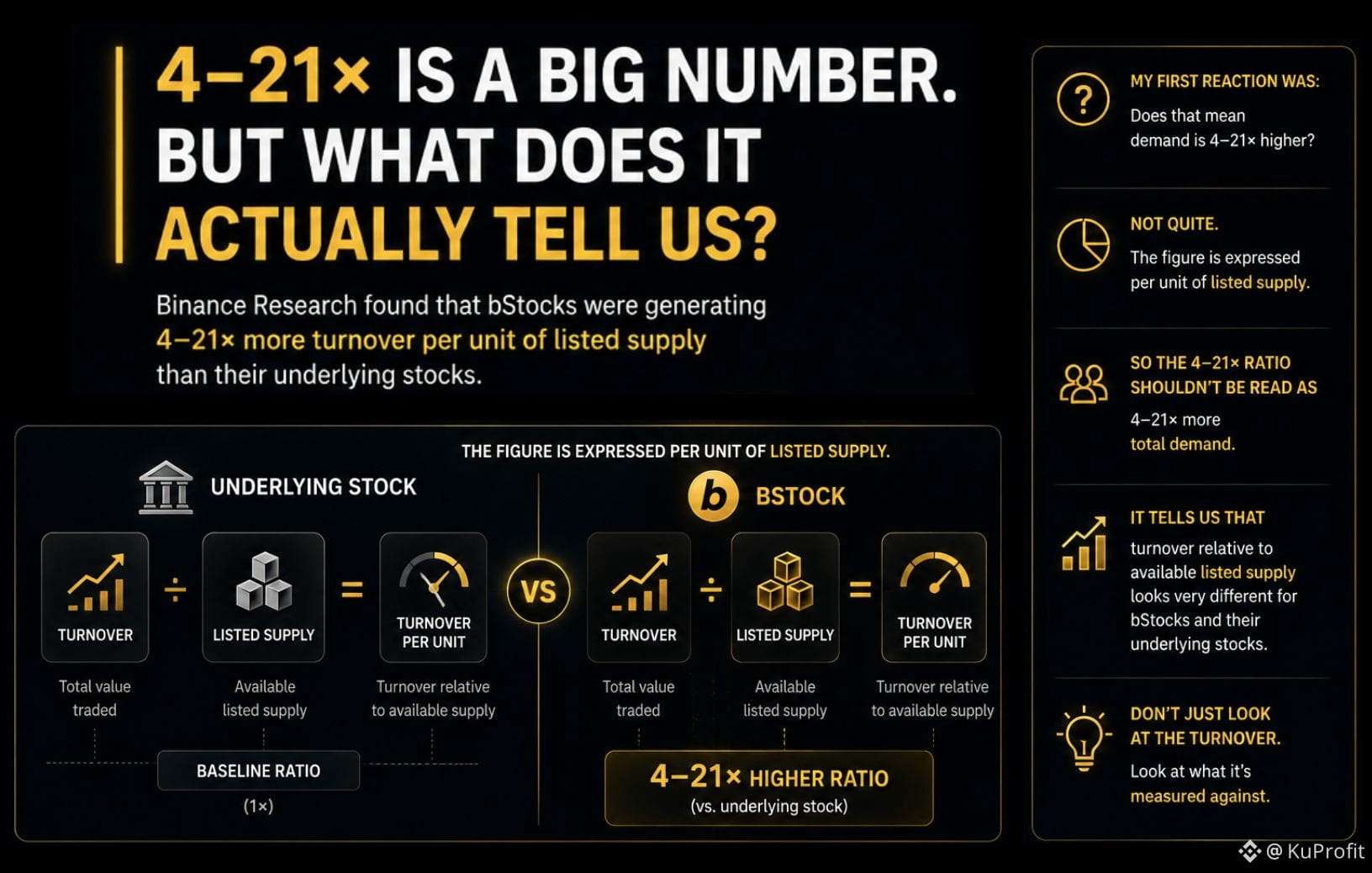
4–21× は大きな数字です。でも、それは実際に何を教えてくれるのでしょうか?
Binance Research は、bStocks が、その裏付けとなる株式よりも「上場供給1単位あたり」で 4–21× 多くの売買回転を生み出していることを見つけました。
私の最初の反応はこうでした:
それは需要が 4–21× 高いということですか?
いいえ、そうではありません。
この数値は「上場供給1単位あたり」で表されています。
つまり、4–21× の比率を「合計需要が 4–21× 多い」として読むべきではありません。
それが示しているのは、利用可能な上場供給に対する回転率が、bStocks とその裏付けとなる株式で非常に違って見える、ということです。
私は、この数字にそうした点が面白いと思っています。
見出しは 4–21× です。
しかし、より良い問いはこうです:
4–21× は「何に対して」相対的なのか?
というのも、市場のアクティビティを比べるとき、分母は分子と同じくらいストーリーを変えてしまうからです。
回転率だけを見ないでください。「何を基準に」測られているのかを見てください。
#bstockscis @BinanceCIS
4–21× は大きな数字です。でも、それは実際に何を教えてくれるのでしょうか?
Binance Research は、bStocks が、その裏付けとなる株式よりも「上場供給1単位あたり」で 4–21× 多くの売買回転を生み出していることを見つけました。
私の最初の反応はこうでした:
それは需要が 4–21× 高いということですか?
いいえ、そうではありません。
この数値は「上場供給1単位あたり」で表されています。
つまり、4–21× の比率を「合計需要が 4–21× 多い」として読むべきではありません。
それが示しているのは、利用可能な上場供給に対する回転率が、bStocks とその裏付けとなる株式で非常に違って見える、ということです。
私は、この数字にそうした点が面白いと思っています。
見出しは 4–21× です。
しかし、より良い問いはこうです:
4–21× は「何に対して」相対的なのか?
というのも、市場のアクティビティを比べるとき、分母は分子と同じくらいストーリーを変えてしまうからです。
回転率だけを見ないでください。「何を基準に」測られているのかを見てください。
#bstockscis @BinanceCIS
Binance Research は、bStocks が、その裏付けとなる株式よりも「上場供給1単位あたり」で 4–21× 多くの売買回転を生み出していることを見つけました。
私の最初の反応はこうでした:
それは需要が 4–21× 高いということですか?
いいえ、そうではありません。
この数値は「上場供給1単位あたり」で表されています。
つまり、4–21× の比率を「合計需要が 4–21× 多い」として読むべきではありません。
それが示しているのは、利用可能な上場供給に対する回転率が、bStocks とその裏付けとなる株式で非常に違って見える、ということです。
私は、この数字にそうした点が面白いと思っています。
見出しは 4–21× です。
しかし、より良い問いはこうです:
4–21× は「何に対して」相対的なのか?
というのも、市場のアクティビティを比べるとき、分母は分子と同じくらいストーリーを変えてしまうからです。
回転率だけを見ないでください。「何を基準に」測られているのかを見てください。
#bstockscis @BinanceCIS
2
2
105
·
--
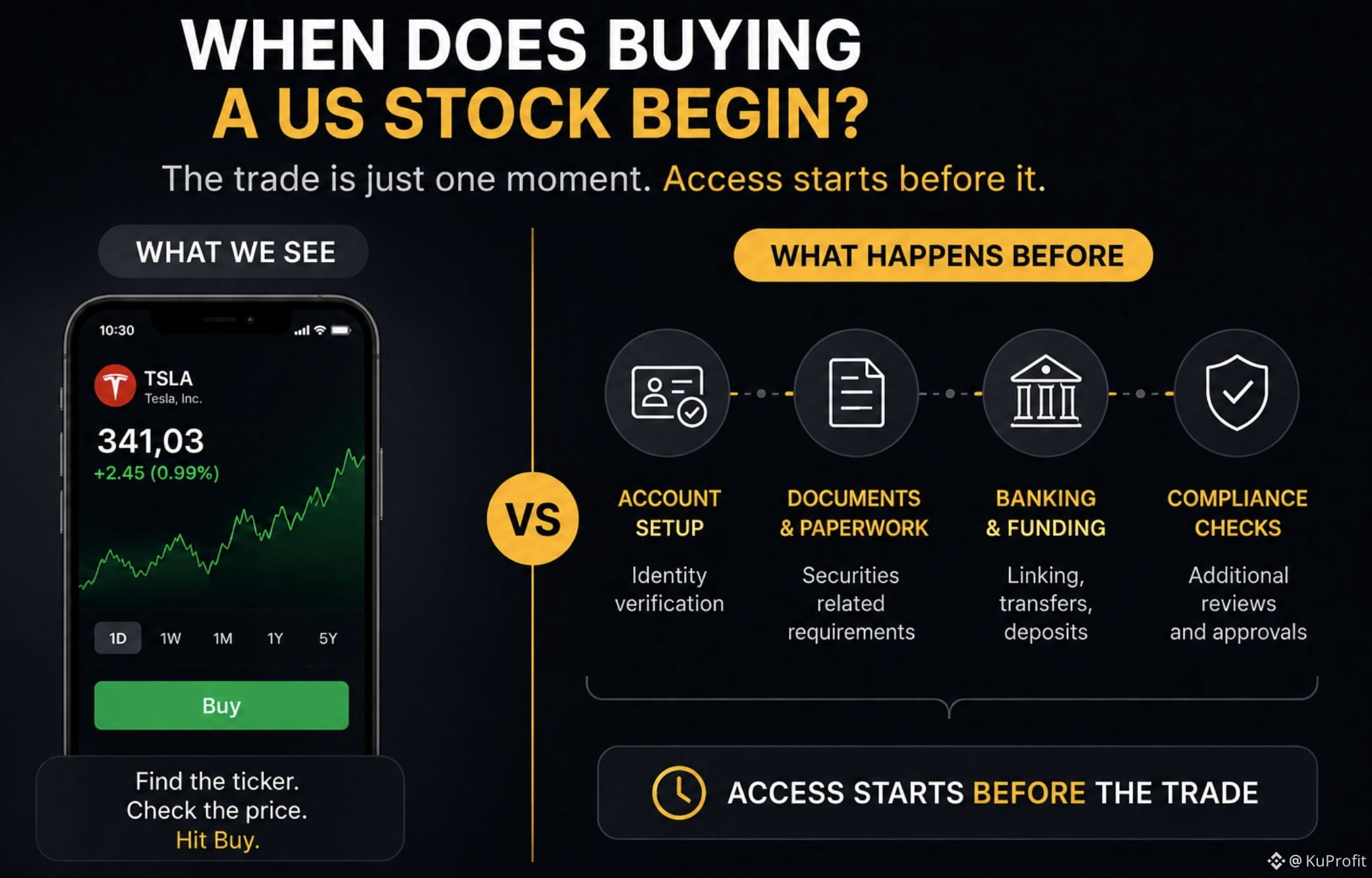
米国株を買うのは、実際にはいつ始まるの?
私が米国株を買う場面を思い浮かべると、だいたい同じ場所から始めます。
銘柄(ティッカー)を探す。
価格を確認する。
「買い(Buy)」を押す。
でも、そこには見落としがちなプロセスの一部が抜けています。
そもそも、その資産にアクセスできるようにすること。
その一つが、株にアクセスする前に必要となる証券関連の書類です。
そしてそれによって、私が「この株を買いたい」と言うときに、本当に言っていることを考え直すことになりました。
注文そのものは、プロセスのほんの一瞬に過ぎません。
注文画面にたどり着く前に、満たすべき要件が存在することがあります。
そこでbStocksは、私にプロセスの見方を変えさせてくれました。
基礎となる株自体は変わっていません。
ただ、それにエクスポージャーを得るまでの道のりは、異なって見えることがあります。
そこで私は、こう問い始めました。
「米国株を買うことのうち、どれだけが“買う(Buy)”ボタンを押す前に起きているのか?」
私にとっては、投資におけるこの部分は見落としやすいところです。
私たちは、取引(トレード)が目に見える部分なので、そこに注目しがちです。
しかし、アクセスは取引の前から始まります。
#bstockscis @BinanceCIS
米国株を買うのは、実際にはいつ始まるの?
私が米国株を買う場面を思い浮かべると、だいたい同じ場所から始めます。
銘柄(ティッカー)を探す。
価格を確認する。
「買い(Buy)」を押す。
でも、そこには見落としがちなプロセスの一部が抜けています。
そもそも、その資産にアクセスできるようにすること。
その一つが、株にアクセスする前に必要となる証券関連の書類です。
そしてそれによって、私が「この株を買いたい」と言うときに、本当に言っていることを考え直すことになりました。
注文そのものは、プロセスのほんの一瞬に過ぎません。
注文画面にたどり着く前に、満たすべき要件が存在することがあります。
そこでbStocksは、私にプロセスの見方を変えさせてくれました。
基礎となる株自体は変わっていません。
ただ、それにエクスポージャーを得るまでの道のりは、異なって見えることがあります。
そこで私は、こう問い始めました。
「米国株を買うことのうち、どれだけが“買う(Buy)”ボタンを押す前に起きているのか?」
私にとっては、投資におけるこの部分は見落としやすいところです。
私たちは、取引(トレード)が目に見える部分なので、そこに注目しがちです。
しかし、アクセスは取引の前から始まります。
#bstockscis @BinanceCIS
私が米国株を買う場面を思い浮かべると、だいたい同じ場所から始めます。
銘柄(ティッカー)を探す。
価格を確認する。
「買い(Buy)」を押す。
でも、そこには見落としがちなプロセスの一部が抜けています。
そもそも、その資産にアクセスできるようにすること。
その一つが、株にアクセスする前に必要となる証券関連の書類です。
そしてそれによって、私が「この株を買いたい」と言うときに、本当に言っていることを考え直すことになりました。
注文そのものは、プロセスのほんの一瞬に過ぎません。
注文画面にたどり着く前に、満たすべき要件が存在することがあります。
そこでbStocksは、私にプロセスの見方を変えさせてくれました。
基礎となる株自体は変わっていません。
ただ、それにエクスポージャーを得るまでの道のりは、異なって見えることがあります。
そこで私は、こう問い始めました。
「米国株を買うことのうち、どれだけが“買う(Buy)”ボタンを押す前に起きているのか?」
私にとっては、投資におけるこの部分は見落としやすいところです。
私たちは、取引(トレード)が目に見える部分なので、そこに注目しがちです。
しかし、アクセスは取引の前から始まります。
#bstockscis @BinanceCIS
2
99
·
--
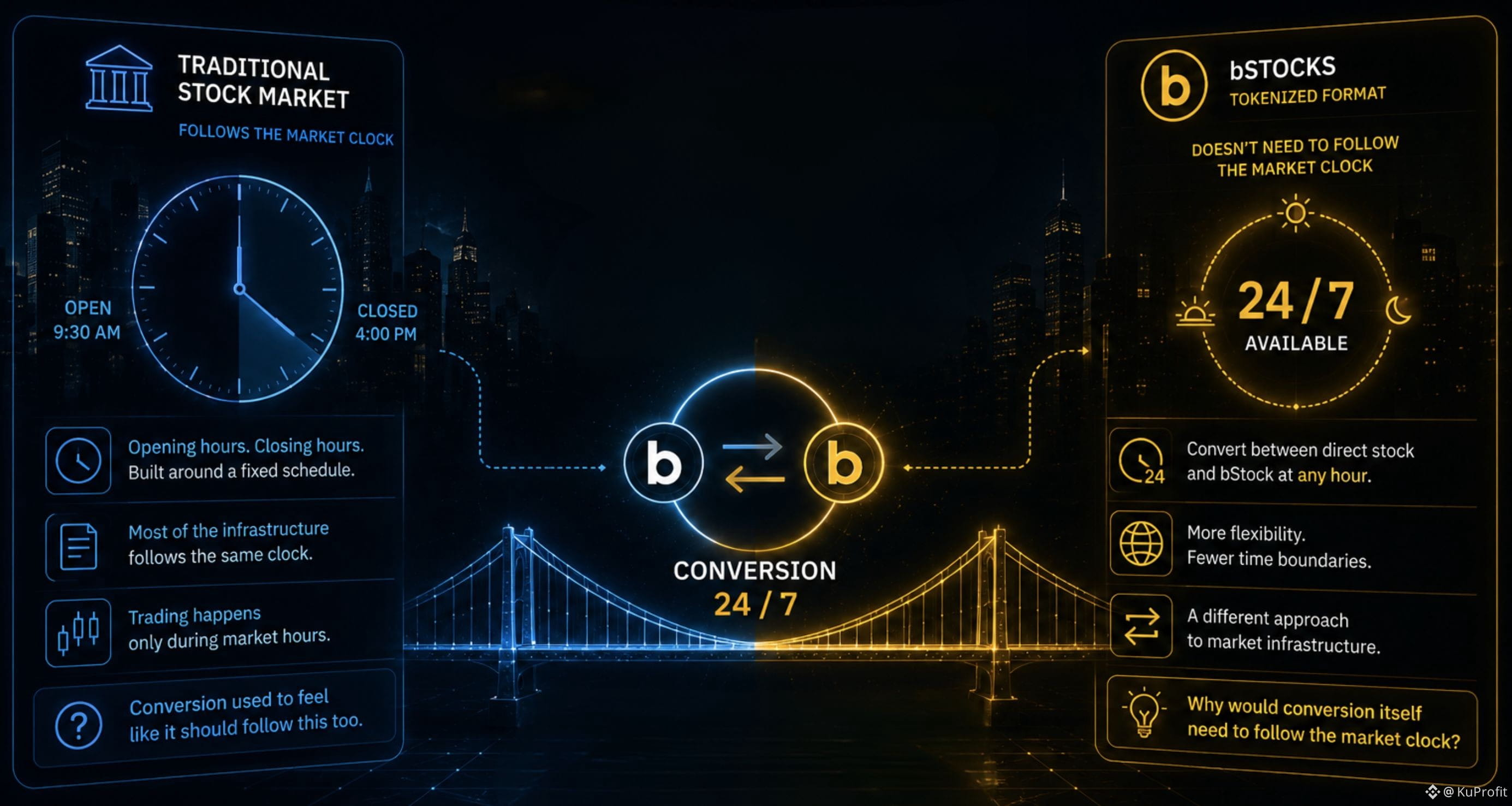
なぜコンバージョン(交換)自体が、マーケットの時計に合わせる必要があるのでしょうか?
株の取引がこれまで伝統的に市場の営業時間に従ってきた理由は理解しています。
元となる市場には営業時間があります。
終了時間もあります。
そして、株を取り巻く多くのインフラは、そのスケジュールのために作られています。
しかし、bStocksについて何かを見つけて、そこで立ち止まって考えました。
コンバージョンはいつでも利用可能です。
最初は、コンバージョンとは、当然ながら元となる株と同じ時計に従うものだと思いました。
ですが、従来の市場時間外でも、ダイレクト株とbStockの間で移動できるのであれば、その前提はそれほど自明ではなくなってきます。
面白いのは、単にコンバージョンがどの時間でも利用できることだけではありません。
そのことで何が変わるのかです。
元となる市場には独自の取引スケジュールがあり得ます。その一方で、2つのフォーマット間のコンバージョンは、どの時間でも利用できる。
そして、私はこう疑問に思いました。
なぜコンバージョン自体が、マーケットの時計に従う必要があるのでしょうか?
私にとって、それは従来の市場インフラと、トークン化されたフォーマットとの間のより興味深い違いの一つです。
市場には、それでも独自の営業時間があるかもしれません。
しかし、2つのフォーマットをつなぐブリッジは、必ずしもそれに合わせる必要はない。
#bstockscis @BinanceCIS
なぜコンバージョン(交換)自体が、マーケットの時計に合わせる必要があるのでしょうか?
株の取引がこれまで伝統的に市場の営業時間に従ってきた理由は理解しています。
元となる市場には営業時間があります。
終了時間もあります。
そして、株を取り巻く多くのインフラは、そのスケジュールのために作られています。
しかし、bStocksについて何かを見つけて、そこで立ち止まって考えました。
コンバージョンはいつでも利用可能です。
最初は、コンバージョンとは、当然ながら元となる株と同じ時計に従うものだと思いました。
ですが、従来の市場時間外でも、ダイレクト株とbStockの間で移動できるのであれば、その前提はそれほど自明ではなくなってきます。
面白いのは、単にコンバージョンがどの時間でも利用できることだけではありません。
そのことで何が変わるのかです。
元となる市場には独自の取引スケジュールがあり得ます。その一方で、2つのフォーマット間のコンバージョンは、どの時間でも利用できる。
そして、私はこう疑問に思いました。
なぜコンバージョン自体が、マーケットの時計に従う必要があるのでしょうか?
私にとって、それは従来の市場インフラと、トークン化されたフォーマットとの間のより興味深い違いの一つです。
市場には、それでも独自の営業時間があるかもしれません。
しかし、2つのフォーマットをつなぐブリッジは、必ずしもそれに合わせる必要はない。
#bstockscis @BinanceCIS
株の取引がこれまで伝統的に市場の営業時間に従ってきた理由は理解しています。
元となる市場には営業時間があります。
終了時間もあります。
そして、株を取り巻く多くのインフラは、そのスケジュールのために作られています。
しかし、bStocksについて何かを見つけて、そこで立ち止まって考えました。
コンバージョンはいつでも利用可能です。
最初は、コンバージョンとは、当然ながら元となる株と同じ時計に従うものだと思いました。
ですが、従来の市場時間外でも、ダイレクト株とbStockの間で移動できるのであれば、その前提はそれほど自明ではなくなってきます。
面白いのは、単にコンバージョンがどの時間でも利用できることだけではありません。
そのことで何が変わるのかです。
元となる市場には独自の取引スケジュールがあり得ます。その一方で、2つのフォーマット間のコンバージョンは、どの時間でも利用できる。
そして、私はこう疑問に思いました。
なぜコンバージョン自体が、マーケットの時計に従う必要があるのでしょうか?
私にとって、それは従来の市場インフラと、トークン化されたフォーマットとの間のより興味深い違いの一つです。
市場には、それでも独自の営業時間があるかもしれません。
しかし、2つのフォーマットをつなぐブリッジは、必ずしもそれに合わせる必要はない。
#bstockscis @BinanceCIS
93
·
--
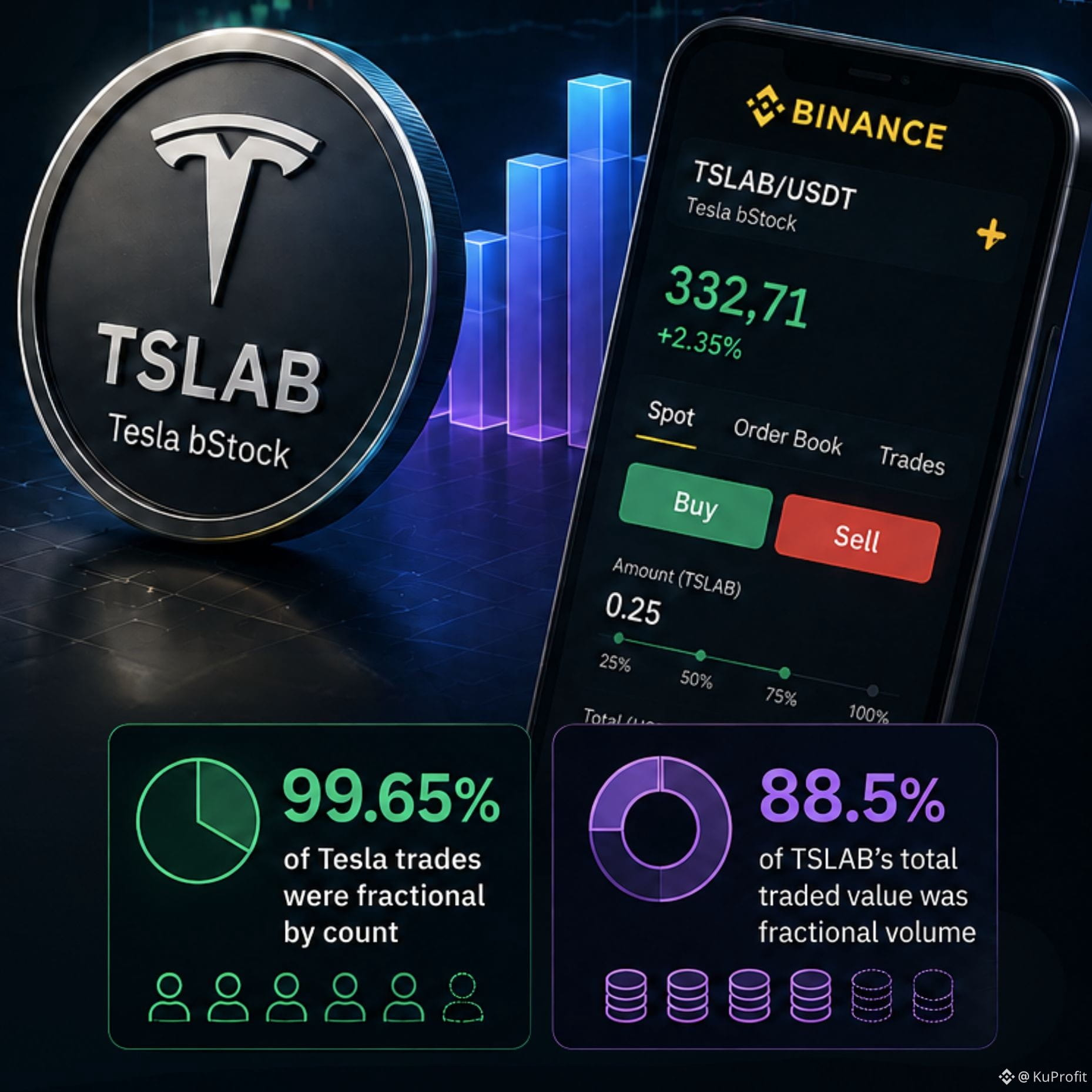
テスラの取引の99.65%が取引数量(カウント)ベースで端数取引だとしたら、端数保有は本当に単なるアクセス機能なのでしょうか?
最初に端数保有について考えたとき、主にアクセシビリティ(利用しやすさ)のための機能だと見ていました。
高額な株を、1株まるごと買うのに十分な資金がなくても、エクスポージャー(値動きへの連動)を得る方法。
しかし、私はTSLABの初期データに出会いました。
テスラの取引の約99.65%が、数量ベースで端数取引でした。
そして、端数の取引量はTSLABの総取引額の88.5%を占めていました。
それによって、端数保有の見方が変わりました。
端数取引が取引件数のほぼすべてを占め、しかも取引額の大部分も占めるなら、それは小規模投資家向けの機能というより、別の意味合いがあるように見えてきます。
そこで、こんな疑問が湧きました。
端数保有が「誰が株にアクセスできるか」を変えるだけでなく、その株へのエクスポージャーが実際にどのように取引されるのかを変えるものだとしたら?
1株完結モデルなら、投資の単位がかなり明確になります。
端数取引では、ポジションのサイズが「1株の価格」から切り離されます。
まず1株まるごと買えるかどうかを問う前に、欲しいエクスポージャーの量を決められます。
そして、より面白いのはここだと思います。
問題は単にこうではありません。
「テスラの端数は買えるのか?」
ではなくこうです。
「端数が取引の通常の単位になったら、何が起きるのか?」
私にとって、端数保有を「利用しやすさのための機能」と呼ぶだけよりも、ずっと興味深い問いです。
#bstockscis @BinanceCIS
テスラの取引の99.65%が取引数量(カウント)ベースで端数取引だとしたら、端数保有は本当に単なるアクセス機能なのでしょうか?
最初に端数保有について考えたとき、主にアクセシビリティ(利用しやすさ)のための機能だと見ていました。
高額な株を、1株まるごと買うのに十分な資金がなくても、エクスポージャー(値動きへの連動)を得る方法。
しかし、私はTSLABの初期データに出会いました。
テスラの取引の約99.65%が、数量ベースで端数取引でした。
そして、端数の取引量はTSLABの総取引額の88.5%を占めていました。
それによって、端数保有の見方が変わりました。
端数取引が取引件数のほぼすべてを占め、しかも取引額の大部分も占めるなら、それは小規模投資家向けの機能というより、別の意味合いがあるように見えてきます。
そこで、こんな疑問が湧きました。
端数保有が「誰が株にアクセスできるか」を変えるだけでなく、その株へのエクスポージャーが実際にどのように取引されるのかを変えるものだとしたら?
1株完結モデルなら、投資の単位がかなり明確になります。
端数取引では、ポジションのサイズが「1株の価格」から切り離されます。
まず1株まるごと買えるかどうかを問う前に、欲しいエクスポージャーの量を決められます。
そして、より面白いのはここだと思います。
問題は単にこうではありません。
「テスラの端数は買えるのか?」
ではなくこうです。
「端数が取引の通常の単位になったら、何が起きるのか?」
私にとって、端数保有を「利用しやすさのための機能」と呼ぶだけよりも、ずっと興味深い問いです。
#bstockscis @BinanceCIS
最初に端数保有について考えたとき、主にアクセシビリティ(利用しやすさ)のための機能だと見ていました。
高額な株を、1株まるごと買うのに十分な資金がなくても、エクスポージャー(値動きへの連動)を得る方法。
しかし、私はTSLABの初期データに出会いました。
テスラの取引の約99.65%が、数量ベースで端数取引でした。
そして、端数の取引量はTSLABの総取引額の88.5%を占めていました。
それによって、端数保有の見方が変わりました。
端数取引が取引件数のほぼすべてを占め、しかも取引額の大部分も占めるなら、それは小規模投資家向けの機能というより、別の意味合いがあるように見えてきます。
そこで、こんな疑問が湧きました。
端数保有が「誰が株にアクセスできるか」を変えるだけでなく、その株へのエクスポージャーが実際にどのように取引されるのかを変えるものだとしたら?
1株完結モデルなら、投資の単位がかなり明確になります。
端数取引では、ポジションのサイズが「1株の価格」から切り離されます。
まず1株まるごと買えるかどうかを問う前に、欲しいエクスポージャーの量を決められます。
そして、より面白いのはここだと思います。
問題は単にこうではありません。
「テスラの端数は買えるのか?」
ではなくこうです。
「端数が取引の通常の単位になったら、何が起きるのか?」
私にとって、端数保有を「利用しやすさのための機能」と呼ぶだけよりも、ずっと興味深い問いです。
#bstockscis @BinanceCIS
102
·
--
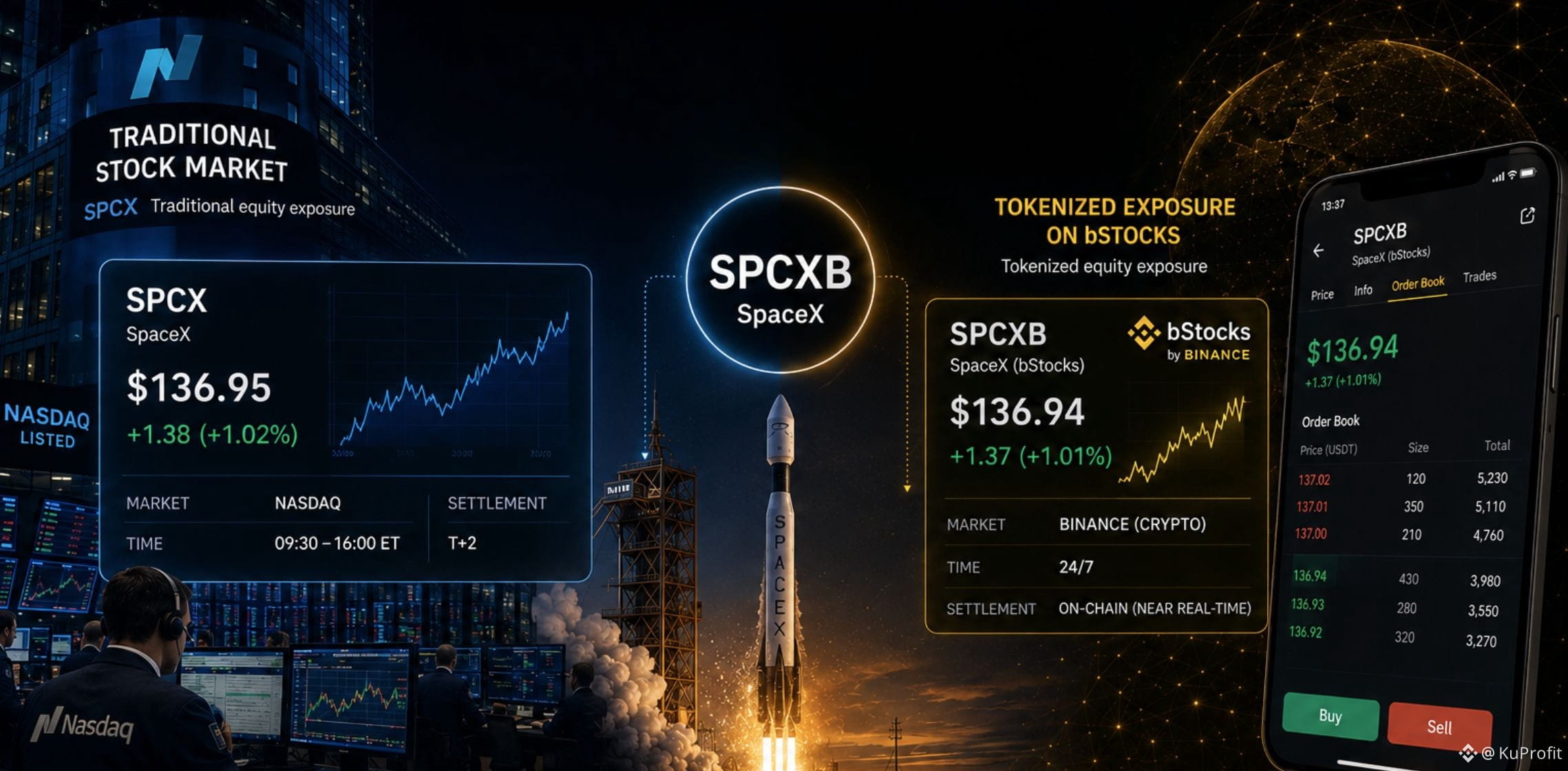
2つの異なる市場構造で同じ公開企業へのエクスポージャーが存在すると、何が変わるのでしょうか?
私がこのことを考え始めたのは、SPCXBを見たときでした。
SpaceXは今や公開企業ですが、その株式へのエクスポージャーはbStocksを通じてトークン化された形でも利用できます。
それによって、興味深い状況が生まれます。
基になる企業は同じです。
しかし、そのエクスポージャーにアクセスする市場が違います。
一方には、従来の株式市場があります。
もう一方には、暗号ネイティブな環境で取引される、トークン化されたエクスポージャーがあります。
そこで私は考えました:
同じ基になるエクスポージャーが2つの異なる市場構造を通じてアクセス可能になると、価格形成(プライス・ディスカバリー)はどうなるのでしょうか?
基になる株にはそれ自体の市場価格があります。一方、トークン化されたバージョンは、別の市場環境で取引されており、そこには独自の注文板と取引メカニクスがあります。
そして、そこが私の関心のポイントです。
トークン化はSpaceXそのものを変えません。
それが変えるのは、企業へのエクスポージャーが存在し、取引され得る形式です。
だからSPCXBを見るとき、私は単にこう尋ねているのではありません:
「SpaceXについてどう思うか?」
私は同時にこうも尋ねています:
「同じ基になるエクスポージャーが2つの異なる市場構造を通じてアクセス可能になると、私たちは何を学べるのか?」
私にとっては、“株をトークンにできるかどうか”を問うだけよりも、トークン化についてより面白い問いです。
#bstockscis @BinanceCIS
2つの異なる市場構造で同じ公開企業へのエクスポージャーが存在すると、何が変わるのでしょうか?
私がこのことを考え始めたのは、SPCXBを見たときでした。
SpaceXは今や公開企業ですが、その株式へのエクスポージャーはbStocksを通じてトークン化された形でも利用できます。
それによって、興味深い状況が生まれます。
基になる企業は同じです。
しかし、そのエクスポージャーにアクセスする市場が違います。
一方には、従来の株式市場があります。
もう一方には、暗号ネイティブな環境で取引される、トークン化されたエクスポージャーがあります。
そこで私は考えました:
同じ基になるエクスポージャーが2つの異なる市場構造を通じてアクセス可能になると、価格形成(プライス・ディスカバリー)はどうなるのでしょうか?
基になる株にはそれ自体の市場価格があります。一方、トークン化されたバージョンは、別の市場環境で取引されており、そこには独自の注文板と取引メカニクスがあります。
そして、そこが私の関心のポイントです。
トークン化はSpaceXそのものを変えません。
それが変えるのは、企業へのエクスポージャーが存在し、取引され得る形式です。
だからSPCXBを見るとき、私は単にこう尋ねているのではありません:
「SpaceXについてどう思うか?」
私は同時にこうも尋ねています:
「同じ基になるエクスポージャーが2つの異なる市場構造を通じてアクセス可能になると、私たちは何を学べるのか?」
私にとっては、“株をトークンにできるかどうか”を問うだけよりも、トークン化についてより面白い問いです。
#bstockscis @BinanceCIS
私がこのことを考え始めたのは、SPCXBを見たときでした。
SpaceXは今や公開企業ですが、その株式へのエクスポージャーはbStocksを通じてトークン化された形でも利用できます。
それによって、興味深い状況が生まれます。
基になる企業は同じです。
しかし、そのエクスポージャーにアクセスする市場が違います。
一方には、従来の株式市場があります。
もう一方には、暗号ネイティブな環境で取引される、トークン化されたエクスポージャーがあります。
そこで私は考えました:
同じ基になるエクスポージャーが2つの異なる市場構造を通じてアクセス可能になると、価格形成(プライス・ディスカバリー)はどうなるのでしょうか?
基になる株にはそれ自体の市場価格があります。一方、トークン化されたバージョンは、別の市場環境で取引されており、そこには独自の注文板と取引メカニクスがあります。
そして、そこが私の関心のポイントです。
トークン化はSpaceXそのものを変えません。
それが変えるのは、企業へのエクスポージャーが存在し、取引され得る形式です。
だからSPCXBを見るとき、私は単にこう尋ねているのではありません:
「SpaceXについてどう思うか?」
私は同時にこうも尋ねています:
「同じ基になるエクスポージャーが2つの異なる市場構造を通じてアクセス可能になると、私たちは何を学べるのか?」
私にとっては、“株をトークンにできるかどうか”を問うだけよりも、トークン化についてより面白い問いです。
#bstockscis @BinanceCIS
128
·
--
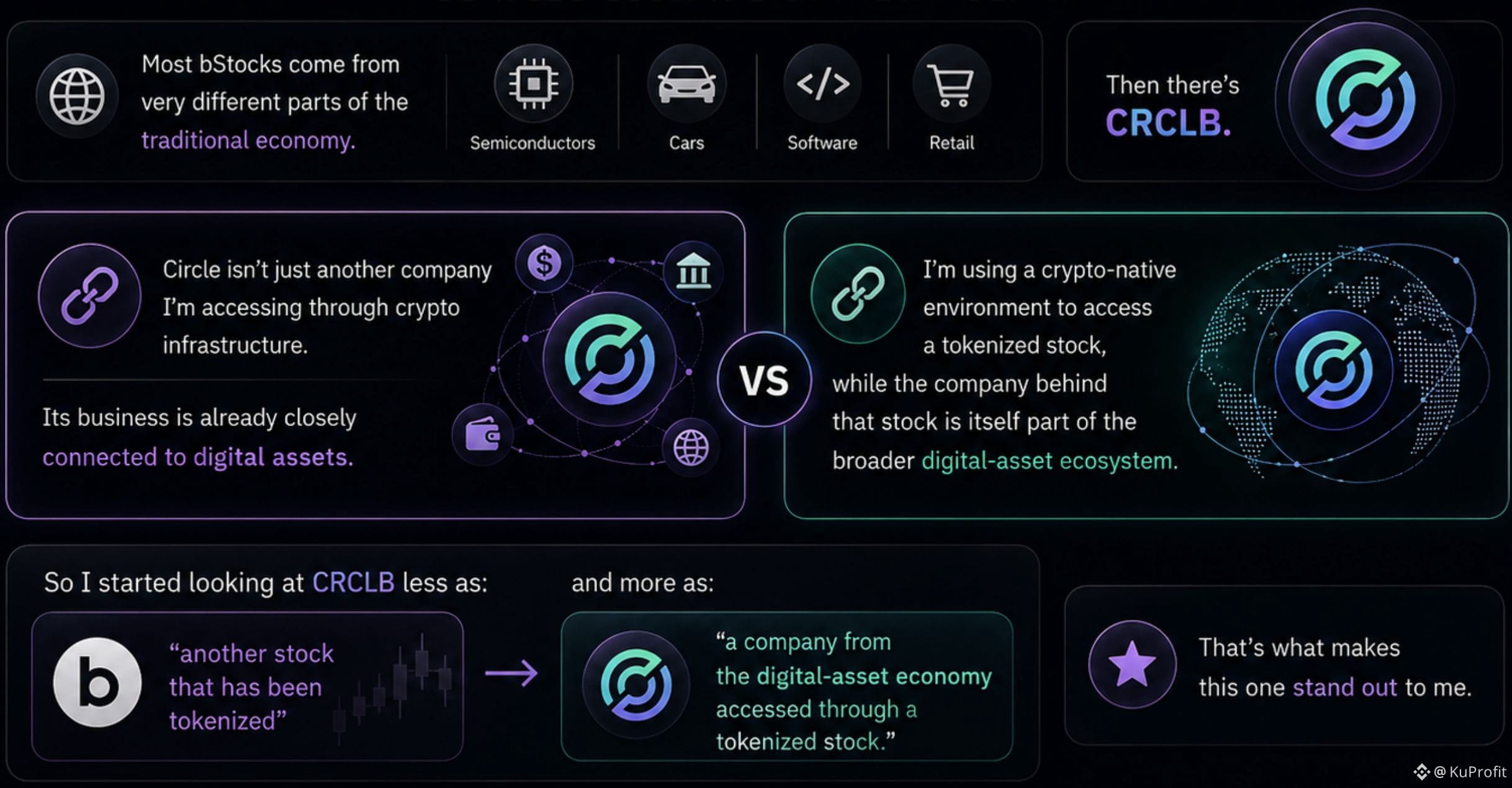
なぜCRCLBはほとんどのbStocksと違って感じるのか?
私はbStocksのリストを少し別の見方で見始めました。
ほとんどの名前は、従来の経済のまったく異なる領域の企業です。
半導体。自動車。ソフトウェア。小売。
そしてそこにCRCLBがあります。
私の注意を引いたのは、Circleが暗号資産インフラを通じてアクセスする“単なる別の会社”ではないことです。
同社の事業はすでにデジタル資産と密接に結びついています。
それが、興味深い重なりを生み出します。
私は、トークン化された株式にアクセスするための、暗号ネイティブな環境を使っています。一方で、その株式の発行元となる会社自体が、より広いデジタル資産エコシステムの一部でもあります。
だから私はCRCLBを、次のように考え始めました。
「トークン化された“もう一つの株”」
というより、
「トークン化された株を通じてアクセスする、デジタル資産経済の企業」
これが、私にとってこの銘柄を際立たせている点です。
面白いのは、株がトークン化されていることだけではありません。
重要なのは、会社が何をしているのかと、私がそれにどうアクセスしているのか、その組み合わせです。
#bstockscis @BinanceCIS
なぜCRCLBはほとんどのbStocksと違って感じるのか?
私はbStocksのリストを少し別の見方で見始めました。
ほとんどの名前は、従来の経済のまったく異なる領域の企業です。
半導体。自動車。ソフトウェア。小売。
そしてそこにCRCLBがあります。
私の注意を引いたのは、Circleが暗号資産インフラを通じてアクセスする“単なる別の会社”ではないことです。
同社の事業はすでにデジタル資産と密接に結びついています。
それが、興味深い重なりを生み出します。
私は、トークン化された株式にアクセスするための、暗号ネイティブな環境を使っています。一方で、その株式の発行元となる会社自体が、より広いデジタル資産エコシステムの一部でもあります。
だから私はCRCLBを、次のように考え始めました。
「トークン化された“もう一つの株”」
というより、
「トークン化された株を通じてアクセスする、デジタル資産経済の企業」
これが、私にとってこの銘柄を際立たせている点です。
面白いのは、株がトークン化されていることだけではありません。
重要なのは、会社が何をしているのかと、私がそれにどうアクセスしているのか、その組み合わせです。
#bstockscis @BinanceCIS
私はbStocksのリストを少し別の見方で見始めました。
ほとんどの名前は、従来の経済のまったく異なる領域の企業です。
半導体。自動車。ソフトウェア。小売。
そしてそこにCRCLBがあります。
私の注意を引いたのは、Circleが暗号資産インフラを通じてアクセスする“単なる別の会社”ではないことです。
同社の事業はすでにデジタル資産と密接に結びついています。
それが、興味深い重なりを生み出します。
私は、トークン化された株式にアクセスするための、暗号ネイティブな環境を使っています。一方で、その株式の発行元となる会社自体が、より広いデジタル資産エコシステムの一部でもあります。
だから私はCRCLBを、次のように考え始めました。
「トークン化された“もう一つの株”」
というより、
「トークン化された株を通じてアクセスする、デジタル資産経済の企業」
これが、私にとってこの銘柄を際立たせている点です。
面白いのは、株がトークン化されていることだけではありません。
重要なのは、会社が何をしているのかと、私がそれにどうアクセスしているのか、その組み合わせです。
#bstockscis @BinanceCIS
175
·
--
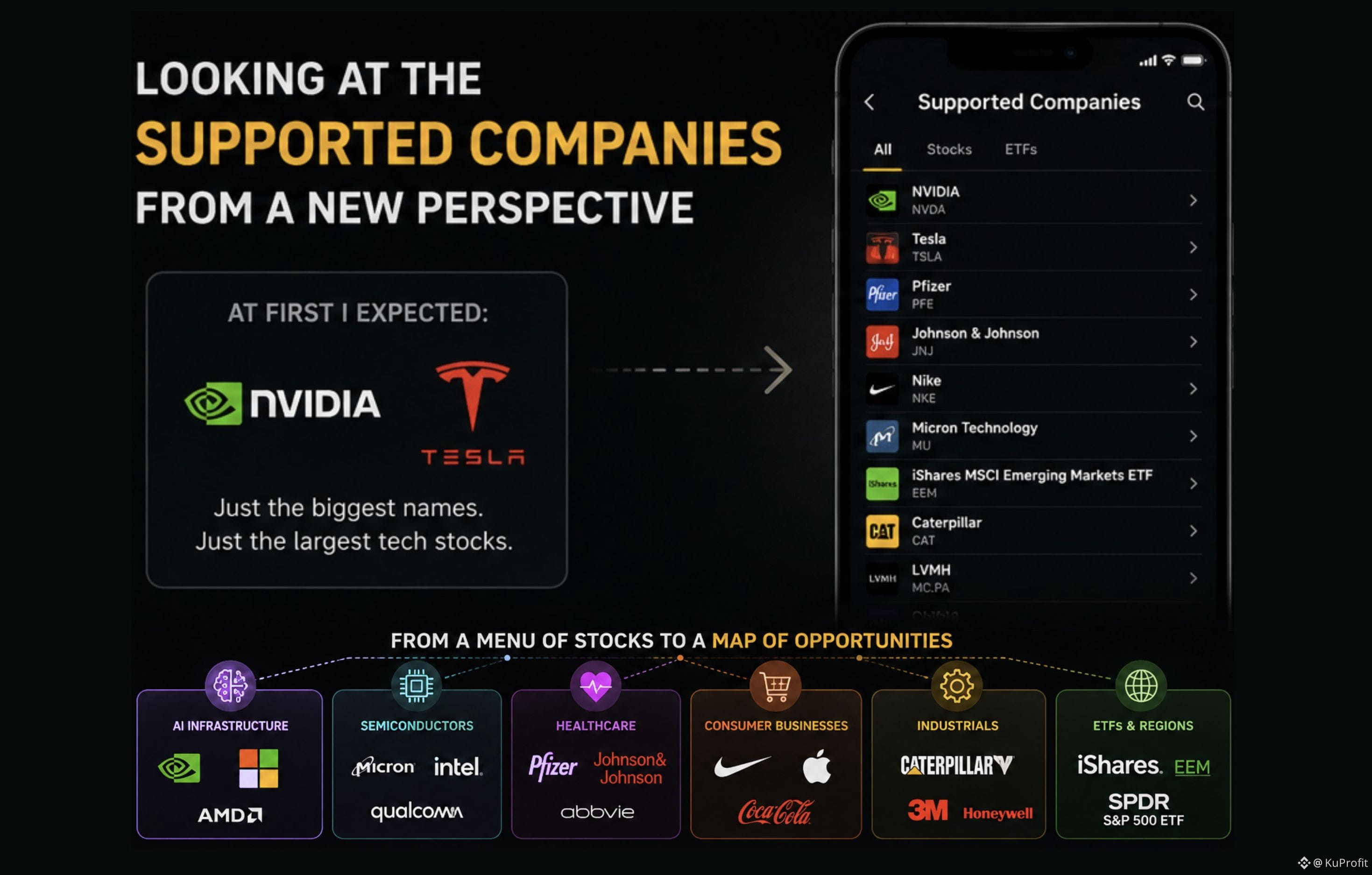
私は「サポート対象企業」ページを開き、NVIDIAやTeslaのような最大手の名前だけが並んでいると思っていました。ところが、そこに掲載されているのはまったく異なる業界の企業ばかりで、単なる最大級のテック株の一覧ではないことに気づきました。そこでようやく、自分がリストを間違った視点で見ていたのだと分かりました。
なぜ、世界最大級の企業に絞るのではなく、これほど多様な顔ぶれをそろえているのでしょうか?
リストを読み進めるほど、そこには時価総額だけを基準に整理されているわけではないことが見えてきました。AIインフラや半導体から、ヘルスケア、消費関連、そしてETFまで、非常に幅広い市場の領域をカバーしているのです。
この気づきによって、「サポート対象企業」ページの見え方が変わりました。最初は単に利用可能なティッカーのカタログだと思っていました。しかし今では、さまざまな投資アイデアをひとつの場所に集めたコレクションとして捉えています。
「どの会社を買うべきか?」ではなく、「自分は市場のどの領域に投資(エクスポージャー)したいのか?」と考えるようになりました。
私にとって、そのリストは株のメニューから、チャンスの地図へと変わったのです。
みなさんは「サポート対象企業」ページを閲覧するとき、なじみのある会社を探しますか?それとも、自分が信じる投資テーマを探しますか?
#bstockscis @BinanceCIS
私は「サポート対象企業」ページを開き、NVIDIAやTeslaのような最大手の名前だけが並んでいると思っていました。ところが、そこに掲載されているのはまったく異なる業界の企業ばかりで、単なる最大級のテック株の一覧ではないことに気づきました。そこでようやく、自分がリストを間違った視点で見ていたのだと分かりました。
なぜ、世界最大級の企業に絞るのではなく、これほど多様な顔ぶれをそろえているのでしょうか?
リストを読み進めるほど、そこには時価総額だけを基準に整理されているわけではないことが見えてきました。AIインフラや半導体から、ヘルスケア、消費関連、そしてETFまで、非常に幅広い市場の領域をカバーしているのです。
この気づきによって、「サポート対象企業」ページの見え方が変わりました。最初は単に利用可能なティッカーのカタログだと思っていました。しかし今では、さまざまな投資アイデアをひとつの場所に集めたコレクションとして捉えています。
「どの会社を買うべきか?」ではなく、「自分は市場のどの領域に投資(エクスポージャー)したいのか?」と考えるようになりました。
私にとって、そのリストは株のメニューから、チャンスの地図へと変わったのです。
みなさんは「サポート対象企業」ページを閲覧するとき、なじみのある会社を探しますか?それとも、自分が信じる投資テーマを探しますか?
#bstockscis @BinanceCIS
なぜ、世界最大級の企業に絞るのではなく、これほど多様な顔ぶれをそろえているのでしょうか?
リストを読み進めるほど、そこには時価総額だけを基準に整理されているわけではないことが見えてきました。AIインフラや半導体から、ヘルスケア、消費関連、そしてETFまで、非常に幅広い市場の領域をカバーしているのです。
この気づきによって、「サポート対象企業」ページの見え方が変わりました。最初は単に利用可能なティッカーのカタログだと思っていました。しかし今では、さまざまな投資アイデアをひとつの場所に集めたコレクションとして捉えています。
「どの会社を買うべきか?」ではなく、「自分は市場のどの領域に投資(エクスポージャー)したいのか?」と考えるようになりました。
私にとって、そのリストは株のメニューから、チャンスの地図へと変わったのです。
みなさんは「サポート対象企業」ページを閲覧するとき、なじみのある会社を探しますか?それとも、自分が信じる投資テーマを探しますか?
#bstockscis @BinanceCIS
186
·
--
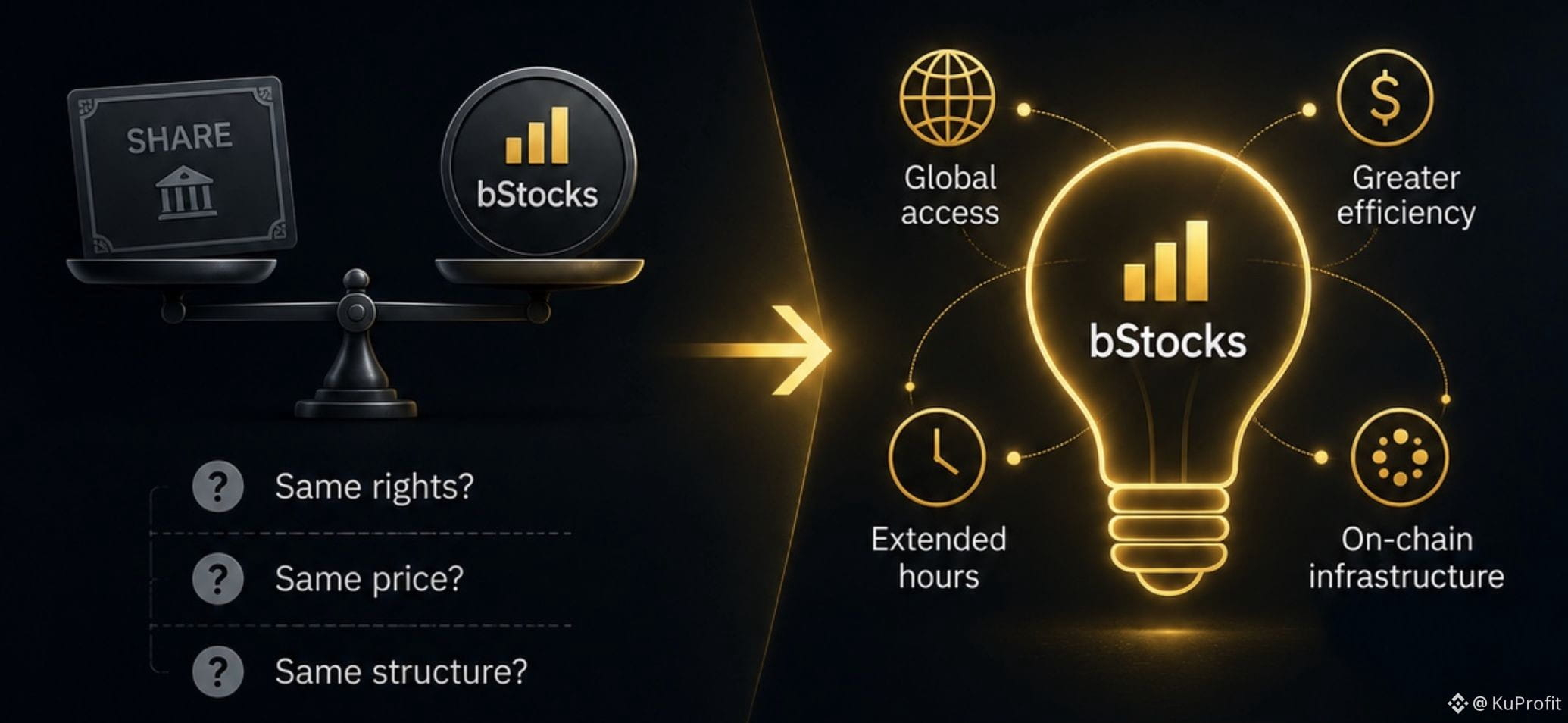
bStocksについて最初に私が探したことは、実は一番重要ではないことだった。
トークン化された株式のことを初めて聞いたとき、私はすぐにそれを従来の株式と比較し始めました。同じ権利ですか? 同じ価格ですか? 同じ仕組みですか? 私にとっては、始めるべき場所がそこだと思えたのです。
しかし学べば学ぶほど、自分は間違った質問に答えようとしているのだと気づきました。bStocksが従来の株式にどれくらい似ているかを問うのではなく、トークン化が実際に解決しようとしている問題は何なのかを問うようになったのです。
その小さな転換が、あとの理解をすべてずっと楽にしてくれました。私は「完璧なコピー」を探すのをやめ、設計の背後にある目的を探し始めました。
たぶん、あらゆる投資商品は、それ以前のものにどれだけ似ているかではなく、その商品が解決するために作られた問題によって判断されるべきです。bStocksについて学んだことから得た最大の気づきは、それでした。
あなたがトークン化された株式について最初に抱いた前提で、後になって間違いだと分かったものは何ですか?
#bstockscis @BinanceCIS
bStocksについて最初に私が探したことは、実は一番重要ではないことだった。
トークン化された株式のことを初めて聞いたとき、私はすぐにそれを従来の株式と比較し始めました。同じ権利ですか? 同じ価格ですか? 同じ仕組みですか? 私にとっては、始めるべき場所がそこだと思えたのです。
しかし学べば学ぶほど、自分は間違った質問に答えようとしているのだと気づきました。bStocksが従来の株式にどれくらい似ているかを問うのではなく、トークン化が実際に解決しようとしている問題は何なのかを問うようになったのです。
その小さな転換が、あとの理解をすべてずっと楽にしてくれました。私は「完璧なコピー」を探すのをやめ、設計の背後にある目的を探し始めました。
たぶん、あらゆる投資商品は、それ以前のものにどれだけ似ているかではなく、その商品が解決するために作られた問題によって判断されるべきです。bStocksについて学んだことから得た最大の気づきは、それでした。
あなたがトークン化された株式について最初に抱いた前提で、後になって間違いだと分かったものは何ですか?
#bstockscis @BinanceCIS
トークン化された株式のことを初めて聞いたとき、私はすぐにそれを従来の株式と比較し始めました。同じ権利ですか? 同じ価格ですか? 同じ仕組みですか? 私にとっては、始めるべき場所がそこだと思えたのです。
しかし学べば学ぶほど、自分は間違った質問に答えようとしているのだと気づきました。bStocksが従来の株式にどれくらい似ているかを問うのではなく、トークン化が実際に解決しようとしている問題は何なのかを問うようになったのです。
その小さな転換が、あとの理解をすべてずっと楽にしてくれました。私は「完璧なコピー」を探すのをやめ、設計の背後にある目的を探し始めました。
たぶん、あらゆる投資商品は、それ以前のものにどれだけ似ているかではなく、その商品が解決するために作られた問題によって判断されるべきです。bStocksについて学んだことから得た最大の気づきは、それでした。
あなたがトークン化された株式について最初に抱いた前提で、後になって間違いだと分かったものは何ですか?
#bstockscis @BinanceCIS
1
1
90
·
--
本人確認中
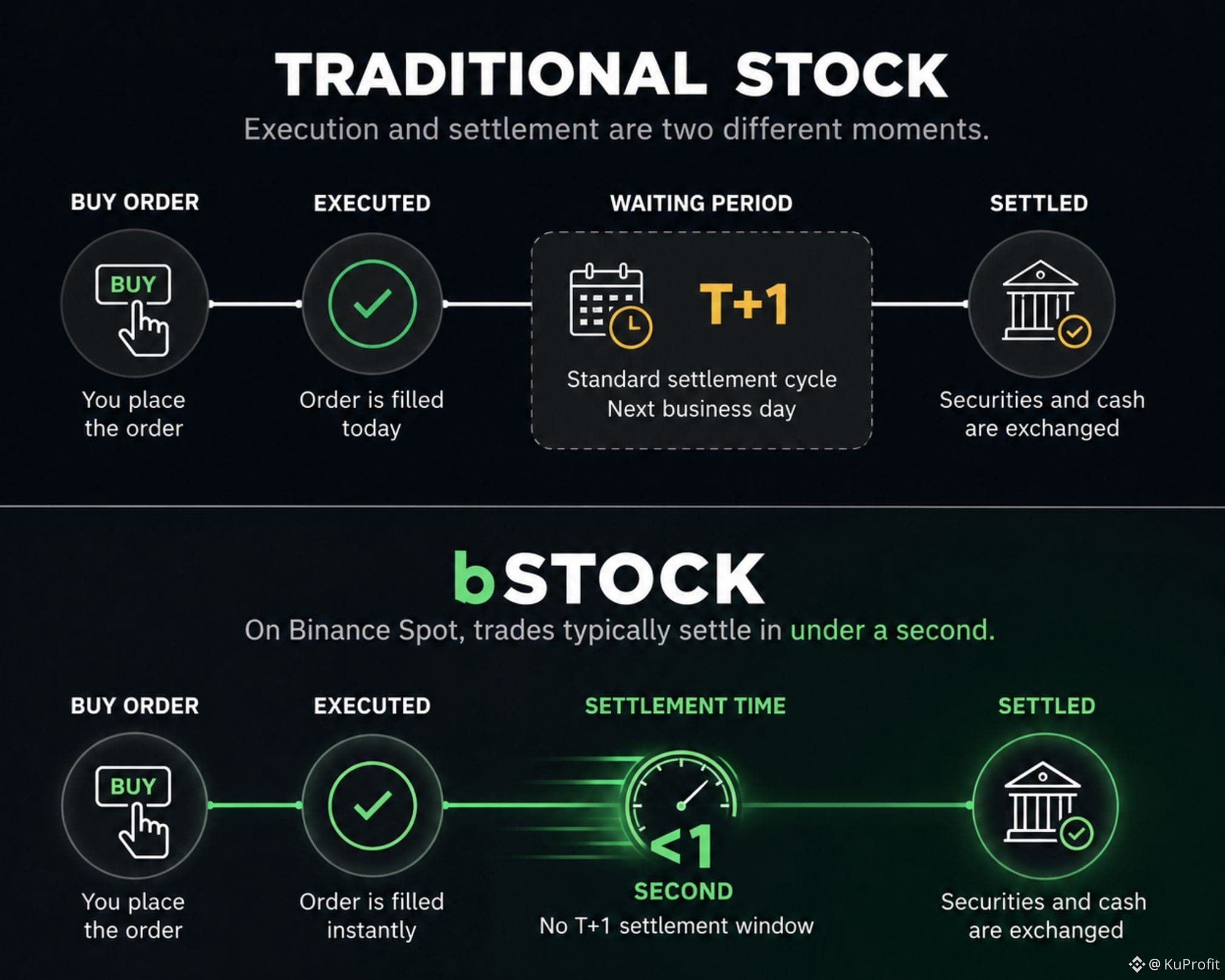
「決済(settlement)」なんて退屈なバックオフィス用語だと思っていました。ところがbStocksのおかげで、実際には“Buy(購入)を押した後に起こること”が変わるんだと気づかされました。
従来の米国株では、執行(execution)と決済(settlement)は別々のタイミングです。
私の注文が今日約定することはあっても、標準の決済サイクルはT+1です――有価証券と現金の実際の交換は、翌営業日に完了します。
一方でbStocksはモデルが違います。
Binanceによると、bStockの取引はSpotで行われ、通常は1秒未満で決済され、T+1のような決済ウィンドウはありません。
最初はこう考えました。
本当にそれは重要なの? 普通の株を買ったら、購入後にもう口座でその資産が見えるのなら。
でも、重要です――ただし、最初に想像していた形とは違います。
大事な違いは、画面が私に見せるものではありません。
それは、その“下で起きていること”です。
従来の市場は、取引と決済の間にある遅れを何十年もかけて短くする努力をしてきました。T+5 → T+3 → T+2 → T+1。
トークン化は同じ課題を別の方向から解決しようとしています。資産そのものが動いてブロックチェーンのインフラ上で決済できるなら、そのギャップはほとんど見えなくなるほど小さくなり得ます。
それによって、私のbStocksに対する見方が変わりました。
24/7の取引は、誰もがまずすぐに気づく特徴です。
しかし、ほぼ瞬時の決済のほうが、より“構造的な”変化かもしれません。市場の営業時間を延ばすことが目的ではないからです。
それは、二者が取引に合意した後に何が起こるかを変えることです。
私にとって、それは伝統的な資産をオンチェーンに載せる面白い点の一つです。
トークン化は、資産が取引される場所だけを変えるわけではありません。
取引の“裏側の配管(プラミング)”を変えることもあります。
#bstockscis @BinanceCIS
「決済(settlement)」なんて退屈なバックオフィス用語だと思っていました。ところがbStocksのおかげで、実際には“Buy(購入)を押した後に起こること”が変わるんだと気づかされました。
従来の米国株では、執行(execution)と決済(settlement)は別々のタイミングです。
私の注文が今日約定することはあっても、標準の決済サイクルはT+1です――有価証券と現金の実際の交換は、翌営業日に完了します。
一方でbStocksはモデルが違います。
Binanceによると、bStockの取引はSpotで行われ、通常は1秒未満で決済され、T+1のような決済ウィンドウはありません。
最初はこう考えました。
本当にそれは重要なの? 普通の株を買ったら、購入後にもう口座でその資産が見えるのなら。
でも、重要です――ただし、最初に想像していた形とは違います。
大事な違いは、画面が私に見せるものではありません。
それは、その“下で起きていること”です。
従来の市場は、取引と決済の間にある遅れを何十年もかけて短くする努力をしてきました。T+5 → T+3 → T+2 → T+1。
トークン化は同じ課題を別の方向から解決しようとしています。資産そのものが動いてブロックチェーンのインフラ上で決済できるなら、そのギャップはほとんど見えなくなるほど小さくなり得ます。
それによって、私のbStocksに対する見方が変わりました。
24/7の取引は、誰もがまずすぐに気づく特徴です。
しかし、ほぼ瞬時の決済のほうが、より“構造的な”変化かもしれません。市場の営業時間を延ばすことが目的ではないからです。
それは、二者が取引に合意した後に何が起こるかを変えることです。
私にとって、それは伝統的な資産をオンチェーンに載せる面白い点の一つです。
トークン化は、資産が取引される場所だけを変えるわけではありません。
取引の“裏側の配管(プラミング)”を変えることもあります。
#bstockscis @BinanceCIS
従来の米国株では、執行(execution)と決済(settlement)は別々のタイミングです。
私の注文が今日約定することはあっても、標準の決済サイクルはT+1です――有価証券と現金の実際の交換は、翌営業日に完了します。
一方でbStocksはモデルが違います。
Binanceによると、bStockの取引はSpotで行われ、通常は1秒未満で決済され、T+1のような決済ウィンドウはありません。
最初はこう考えました。
本当にそれは重要なの? 普通の株を買ったら、購入後にもう口座でその資産が見えるのなら。
でも、重要です――ただし、最初に想像していた形とは違います。
大事な違いは、画面が私に見せるものではありません。
それは、その“下で起きていること”です。
従来の市場は、取引と決済の間にある遅れを何十年もかけて短くする努力をしてきました。T+5 → T+3 → T+2 → T+1。
トークン化は同じ課題を別の方向から解決しようとしています。資産そのものが動いてブロックチェーンのインフラ上で決済できるなら、そのギャップはほとんど見えなくなるほど小さくなり得ます。
それによって、私のbStocksに対する見方が変わりました。
24/7の取引は、誰もがまずすぐに気づく特徴です。
しかし、ほぼ瞬時の決済のほうが、より“構造的な”変化かもしれません。市場の営業時間を延ばすことが目的ではないからです。
それは、二者が取引に合意した後に何が起こるかを変えることです。
私にとって、それは伝統的な資産をオンチェーンに載せる面白い点の一つです。
トークン化は、資産が取引される場所だけを変えるわけではありません。
取引の“裏側の配管(プラミング)”を変えることもあります。
#bstockscis @BinanceCIS
110
·
--
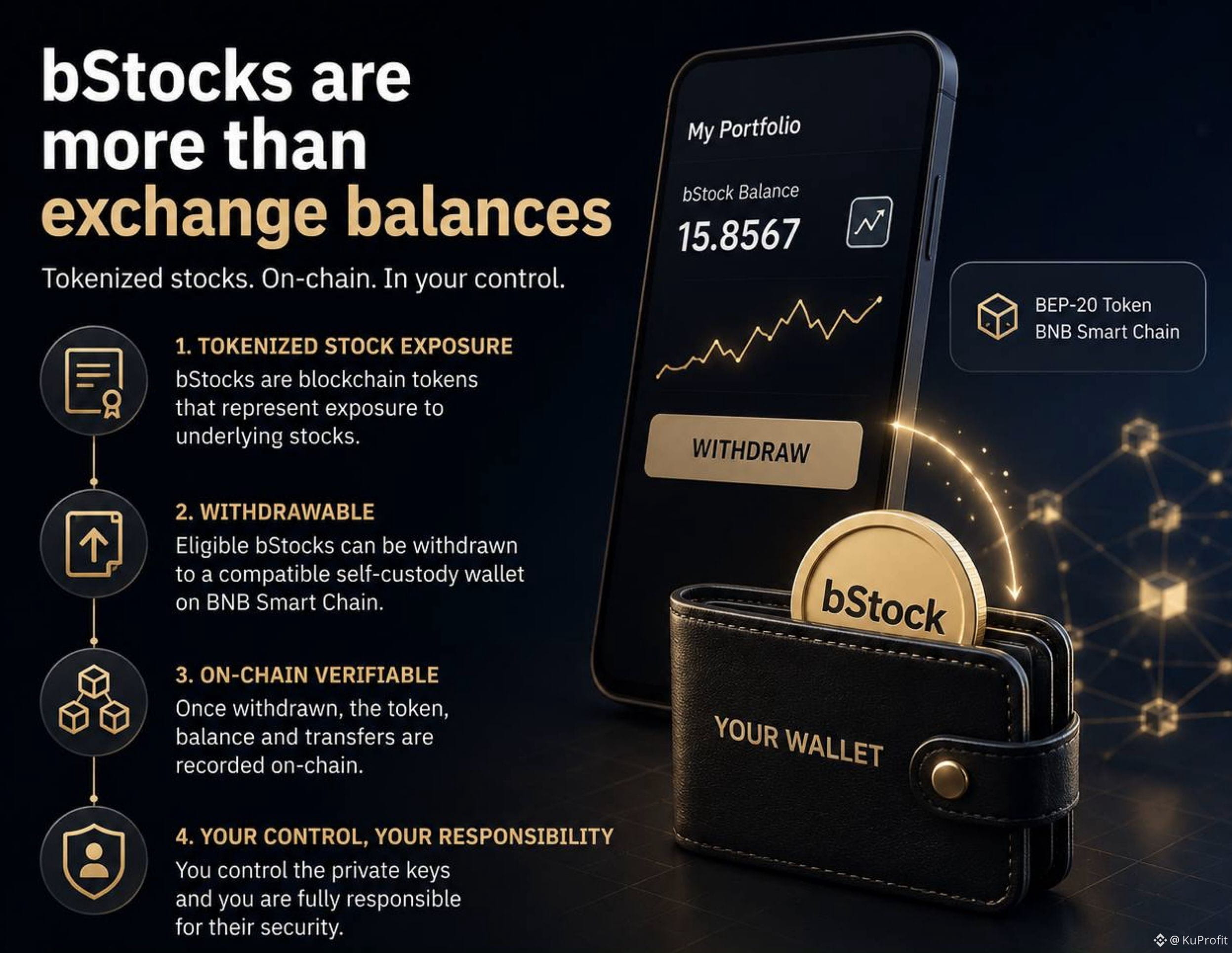
Binanceで購入したbStocksはBinanceの中に残り続けるものだと思い込んでいました。実際には、私が誤解していた点の1つがそれでした。
bStocksはBNB Smart Chain上でブロックチェーン・トークンとして発行されるため、対応しているトークンは互換性のある自己管理(セルフカストディ)のウォレットへ引き出すことができます。
私が気になったのは、引き出した後に何が起こるのかという点です。bStockは別のバージョンの資産に変わるわけではありません。ブロックチェーン上のトークンであり続け、そのアドレス、残高、送受信はオンチェーンで検証できます。
そのおかげで、最初は同一のものとして扱っていた2つを切り分けられました。つまり、資産を取引するプラットフォームと、そのトークンが存在するブロックチェーン基盤です。
またトレードオフもあります。bStockを自己管理に移すと、ウォレットの所有者が秘密鍵を管理できるようになる一方で、それらを安全に保護する責任も移ってきます。
私にとっては、ここで「トークン化」という言葉がより具体的になりました。bStocksは、取引所の口座の中に表示されるだけの株式エクスポージャーではなく、それ自身のオンチェーン層を持つ、送受可能なブロックチェーン・トークンです。
トークン化された株を取引所に置いたままにしておきたいですか?それとも自分のウォレットで管理したいですか?
@BinanceCIS #bStocksCIS
Binanceで購入したbStocksはBinanceの中に残り続けるものだと思い込んでいました。実際には、私が誤解していた点の1つがそれでした。
bStocksはBNB Smart Chain上でブロックチェーン・トークンとして発行されるため、対応しているトークンは互換性のある自己管理(セルフカストディ)のウォレットへ引き出すことができます。
私が気になったのは、引き出した後に何が起こるのかという点です。bStockは別のバージョンの資産に変わるわけではありません。ブロックチェーン上のトークンであり続け、そのアドレス、残高、送受信はオンチェーンで検証できます。
そのおかげで、最初は同一のものとして扱っていた2つを切り分けられました。つまり、資産を取引するプラットフォームと、そのトークンが存在するブロックチェーン基盤です。
またトレードオフもあります。bStockを自己管理に移すと、ウォレットの所有者が秘密鍵を管理できるようになる一方で、それらを安全に保護する責任も移ってきます。
私にとっては、ここで「トークン化」という言葉がより具体的になりました。bStocksは、取引所の口座の中に表示されるだけの株式エクスポージャーではなく、それ自身のオンチェーン層を持つ、送受可能なブロックチェーン・トークンです。
トークン化された株を取引所に置いたままにしておきたいですか?それとも自分のウォレットで管理したいですか?
@BinanceCIS #bStocksCIS
bStocksはBNB Smart Chain上でブロックチェーン・トークンとして発行されるため、対応しているトークンは互換性のある自己管理(セルフカストディ)のウォレットへ引き出すことができます。
私が気になったのは、引き出した後に何が起こるのかという点です。bStockは別のバージョンの資産に変わるわけではありません。ブロックチェーン上のトークンであり続け、そのアドレス、残高、送受信はオンチェーンで検証できます。
そのおかげで、最初は同一のものとして扱っていた2つを切り分けられました。つまり、資産を取引するプラットフォームと、そのトークンが存在するブロックチェーン基盤です。
またトレードオフもあります。bStockを自己管理に移すと、ウォレットの所有者が秘密鍵を管理できるようになる一方で、それらを安全に保護する責任も移ってきます。
私にとっては、ここで「トークン化」という言葉がより具体的になりました。bStocksは、取引所の口座の中に表示されるだけの株式エクスポージャーではなく、それ自身のオンチェーン層を持つ、送受可能なブロックチェーン・トークンです。
トークン化された株を取引所に置いたままにしておきたいですか?それとも自分のウォレットで管理したいですか?
@BinanceCIS #bStocksCIS
1
93
·
--
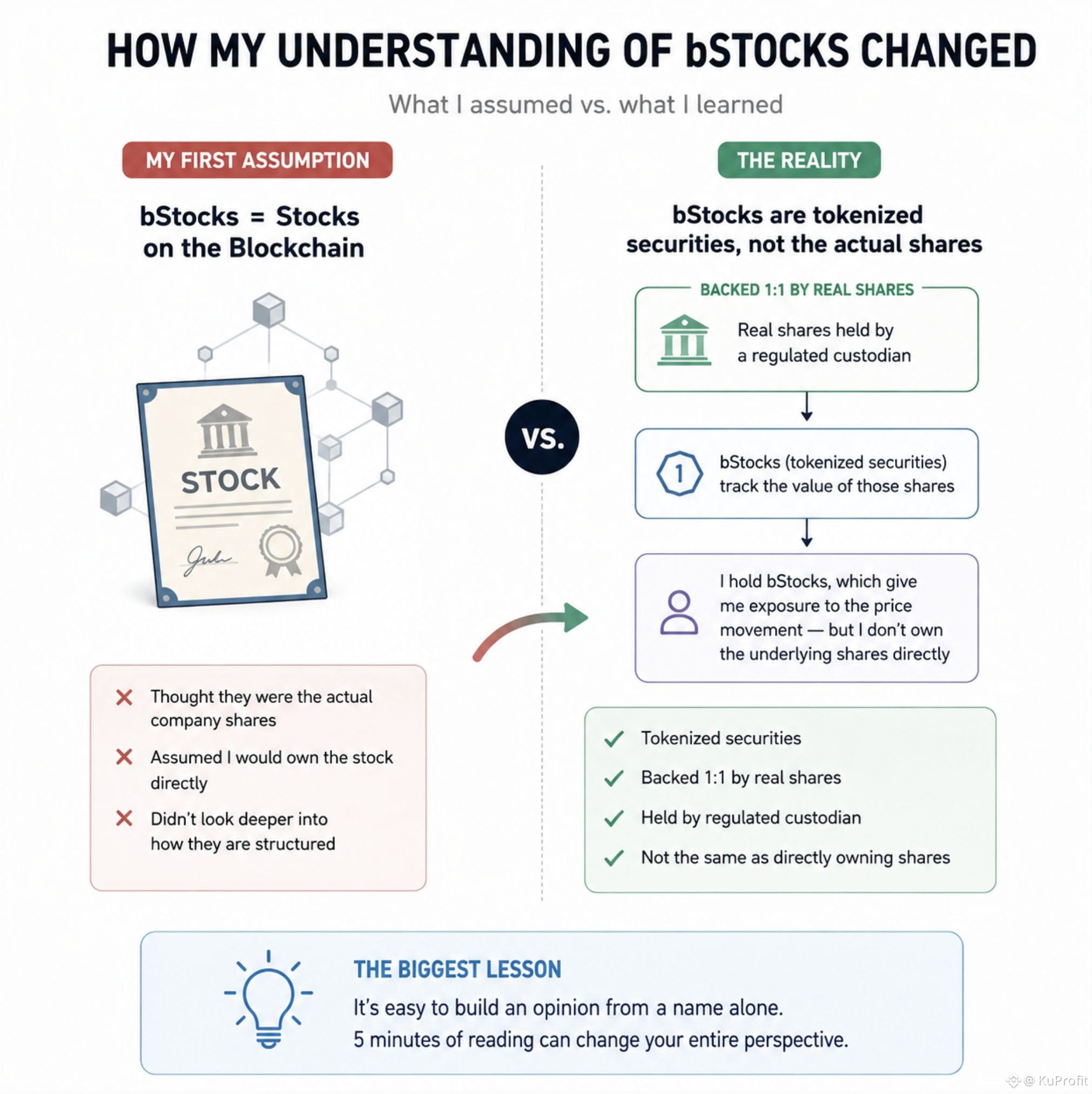
bStocksについて私が最初に間違えたことは、そもそもドキュメントを開く前に起きていました。
私は、単に米国株をブロックチェーンに載せただけのものだと考えていました。
しかし、さらに読み進めてみると、それは正確な捉え方ではないと分かりました。bStocksは、規制されたカストディアンが保有する実在の株式に1:1で裏付けられたトークン化証券ですが、それらの株式を直接所有するのとは同じではありません。この違いによって、私のプロダクトの見方は完全に変わりました。
この件は、名前だけで意見を作ってしまうことがどれほど簡単かを思い出させてくれました。オンラインの意見を延々とスクロールする何時間よりも、細部を読むためにあと5分余分に費やすほうが、学びが多いことがあります。
あなたがbStocksについて最初に抱いた前提は何でしたか?
@BinanceCIS #bStocksCIS $SPCXB
bStocksについて私が最初に間違えたことは、そもそもドキュメントを開く前に起きていました。
私は、単に米国株をブロックチェーンに載せただけのものだと考えていました。
しかし、さらに読み進めてみると、それは正確な捉え方ではないと分かりました。bStocksは、規制されたカストディアンが保有する実在の株式に1:1で裏付けられたトークン化証券ですが、それらの株式を直接所有するのとは同じではありません。この違いによって、私のプロダクトの見方は完全に変わりました。
この件は、名前だけで意見を作ってしまうことがどれほど簡単かを思い出させてくれました。オンラインの意見を延々とスクロールする何時間よりも、細部を読むためにあと5分余分に費やすほうが、学びが多いことがあります。
あなたがbStocksについて最初に抱いた前提は何でしたか?
@BinanceCIS #bStocksCIS $SPCXB
私は、単に米国株をブロックチェーンに載せただけのものだと考えていました。
しかし、さらに読み進めてみると、それは正確な捉え方ではないと分かりました。bStocksは、規制されたカストディアンが保有する実在の株式に1:1で裏付けられたトークン化証券ですが、それらの株式を直接所有するのとは同じではありません。この違いによって、私のプロダクトの見方は完全に変わりました。
この件は、名前だけで意見を作ってしまうことがどれほど簡単かを思い出させてくれました。オンラインの意見を延々とスクロールする何時間よりも、細部を読むためにあと5分余分に費やすほうが、学びが多いことがあります。
あなたがbStocksについて最初に抱いた前提は何でしたか?
@BinanceCIS #bStocksCIS $SPCXB
1
137
·
--
今日、GRVTの手数料ページを見るのに思った以上に時間を使うことになるとは予想していなかったのですが、結果的にかなり面白い部分のひとつでした。
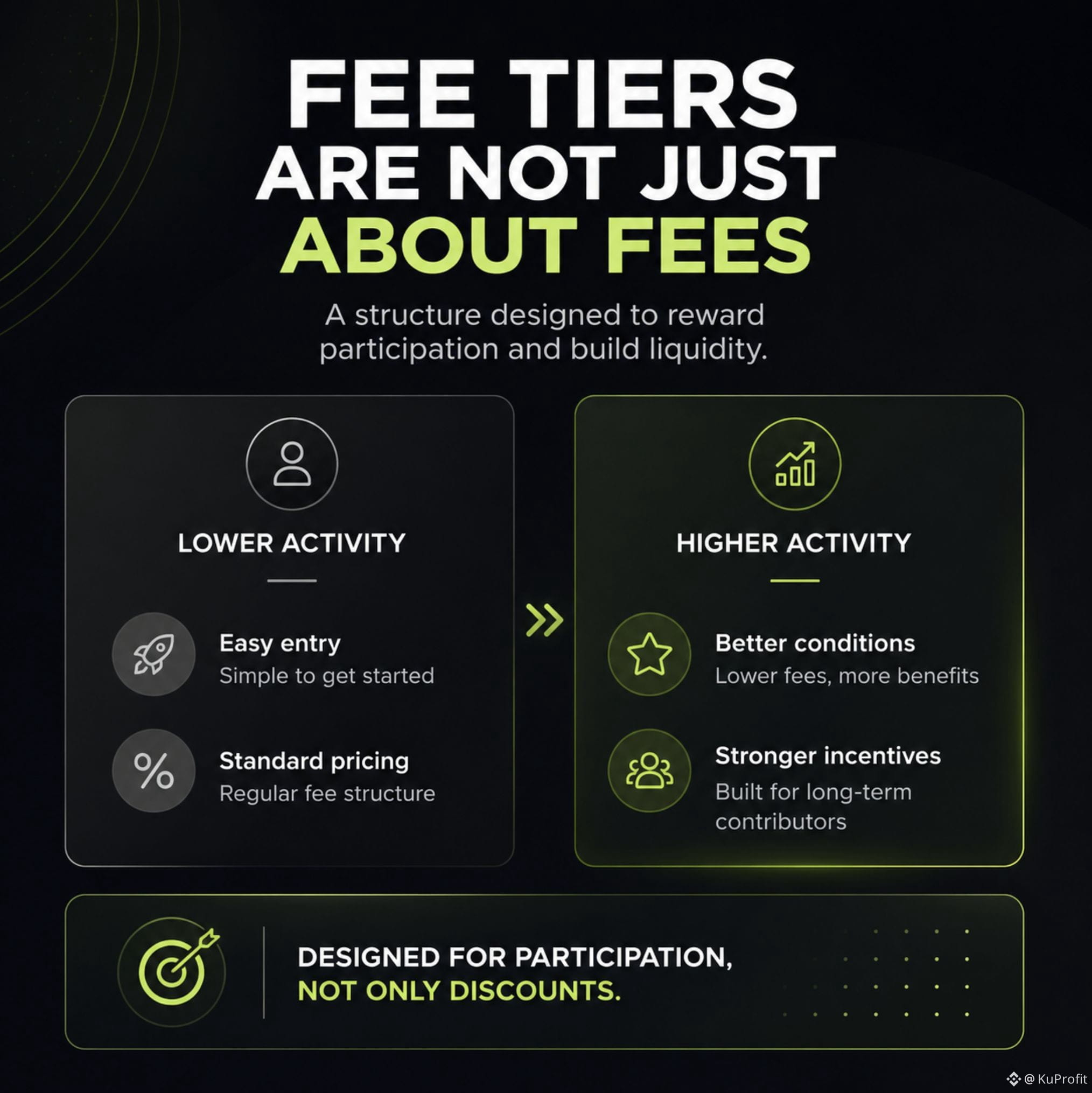
一見すると標準的な段階(ティア)制に見えます。取引すればするほど、支払う手数料は少なくなる。特に珍しいことはなさそうです。
ただ、よく見るほど、この構造は「最安の手数料を追いかける」ことよりも「長期的な参加を促す」ことに本質があるように感じました。
小規模なトレーダーが排除されるわけではありませんが、大きなメリットは活動が継続的になってから初めて現れてきます。つまり、この手数料モデルは単に価格競争をするのではなく、時間をかけて流動性を強化しようとしているのだと思えてきます。
それがうまく機能するかどうかは、ローンチ後に市場が判断することになるでしょう。
それでも、人々はそれらのパーセンテージに注目しがちですが、そのパーセンテージが実際に何を達成するために設計されているのかを見落としがちです。
おそらく私は、今後数週間その点に注目することになるでしょう。👀
@grvt_io #grvt
今日、GRVTの手数料ページを見るのに思った以上に時間を使うことになるとは予想していなかったのですが、結果的にかなり面白い部分のひとつでした。
一見すると標準的な段階(ティア)制に見えます。取引すればするほど、支払う手数料は少なくなる。特に珍しいことはなさそうです。
ただ、よく見るほど、この構造は「最安の手数料を追いかける」ことよりも「長期的な参加を促す」ことに本質があるように感じました。
小規模なトレーダーが排除されるわけではありませんが、大きなメリットは活動が継続的になってから初めて現れてきます。つまり、この手数料モデルは単に価格競争をするのではなく、時間をかけて流動性を強化しようとしているのだと思えてきます。
それがうまく機能するかどうかは、ローンチ後に市場が判断することになるでしょう。
それでも、人々はそれらのパーセンテージに注目しがちですが、そのパーセンテージが実際に何を達成するために設計されているのかを見落としがちです。
おそらく私は、今後数週間その点に注目することになるでしょう。👀
@grvt_io #grvt
一見すると標準的な段階(ティア)制に見えます。取引すればするほど、支払う手数料は少なくなる。特に珍しいことはなさそうです。
ただ、よく見るほど、この構造は「最安の手数料を追いかける」ことよりも「長期的な参加を促す」ことに本質があるように感じました。
小規模なトレーダーが排除されるわけではありませんが、大きなメリットは活動が継続的になってから初めて現れてきます。つまり、この手数料モデルは単に価格競争をするのではなく、時間をかけて流動性を強化しようとしているのだと思えてきます。
それがうまく機能するかどうかは、ローンチ後に市場が判断することになるでしょう。
それでも、人々はそれらのパーセンテージに注目しがちですが、そのパーセンテージが実際に何を達成するために設計されているのかを見落としがちです。
おそらく私は、今後数週間その点に注目することになるでしょう。👀
@grvt_io #grvt
1
94
ログインして、さらにコンテンツを読む
厳選トピックで世界の暗号資産トレーダーの仲間入り
⚡️ 暗号資産に関する最新かつ有益な情報が見つかります。
💬 世界最大の暗号資産取引所から信頼されています。
👍 認証を受けたクリエイターから、有益なインサイトを得られます。
メール / 電話番号
トレンドトピック
SaylorHintsStrategyBitcoinBuy
閲覧回数 2.2M
11,656人が討論中
#SaylorHintsStrategyBitcoinBuy
マイケル・セイラーが再び、ビットコイン戦略に対する前向きなシグナルを発信しました。
しかし、最新データでは、この数週間の間に戦略がビットコインを購入していないことが示されています。2026年9月13日時点で、同社は845,050 BTCと、約64億ドルのUSD建て資産を保有しています。
BTCの購入ではなく、戦略は約1億3900万ドルを投じて、優先株STRCを買い戻しています。
それは市場にとってどういう意味でしょうか?
🔹 戦略は依然としてビットコインへの長期的な確信を維持
🔹 USDの余力が、次のBTC購入の余地を残す
🔹 新たな購入は、機関投資家のセンチメントに対する強気の触媒になり得る
🔹 ただし、ヒントは確定的な購入とは同じではない
現時点では、市場は「噂の蓄積」と「公式な提出(ファイリング)」を区別する必要があります。
確認を待ちましょう——見出しだけで買わないでください。
#Bitcoin #BTC #Strategy #MichaelSaylor
$BTC
XaliCoin
·いいね:1件
·閲覧回数 180
BOJRaisesRatesTo31YearHigh
閲覧回数 190,181
2,822人が討論中
BuffettStepsDownAsBerkshireChairman
閲覧回数 92,428
1,469人が討論中