

kaymyg
Web2 & Web3
Web3 & Web2
高頻度トレーダー
5.9年
29 フォロー
1.5K+ フォロワー
1.9K+ いいね
投稿
すべて
引用
動画
kaymyg
·
--
Quantus Network:量子コンピューティング時代に向けたブロックチェーンの構築
テクノロジー • ブロックチェーン • 耐量子暗号 • 2026年11月
ブロックチェーン技術が次に直面する大きな課題は、競合ネットワークやスケーラビリティの限界、取引コストから生じるものではないかもしれません。まだ発展途上でありながら、暗号資産業界の大部分を支える根本的なセキュリティ上の前提の一つを脅かす可能性を秘めた技術、量子コンピューティングがその課題となるかもしれません。
量子コンピューターの進化に伴い、デジタル資産を保護するために使われている既存の暗号システムは、いずれ脆弱になる可能性があります。ここで重要な疑問が生じます。十分な性能を持つ量子コンピューターが、公開された暗号鍵から秘密鍵を導き出せるようになった場合、ビットコイン、イーサリアム、その他のブロックチェーンネットワークはどうなるのでしょうか?
翻訳参照
kaymyg
·
--
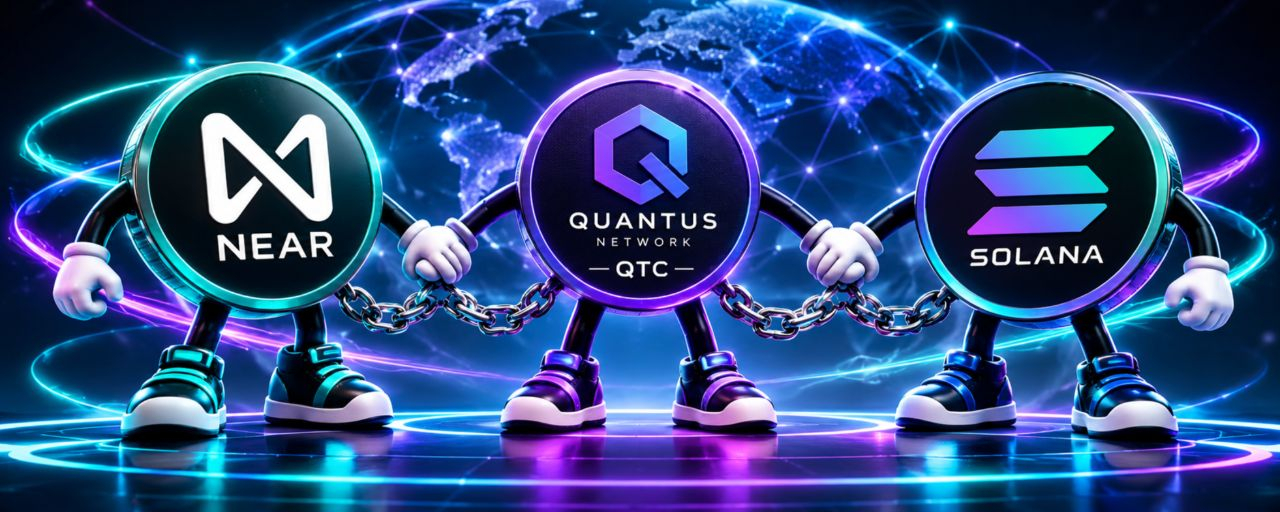
NEAR、Solana、Quantusの関係
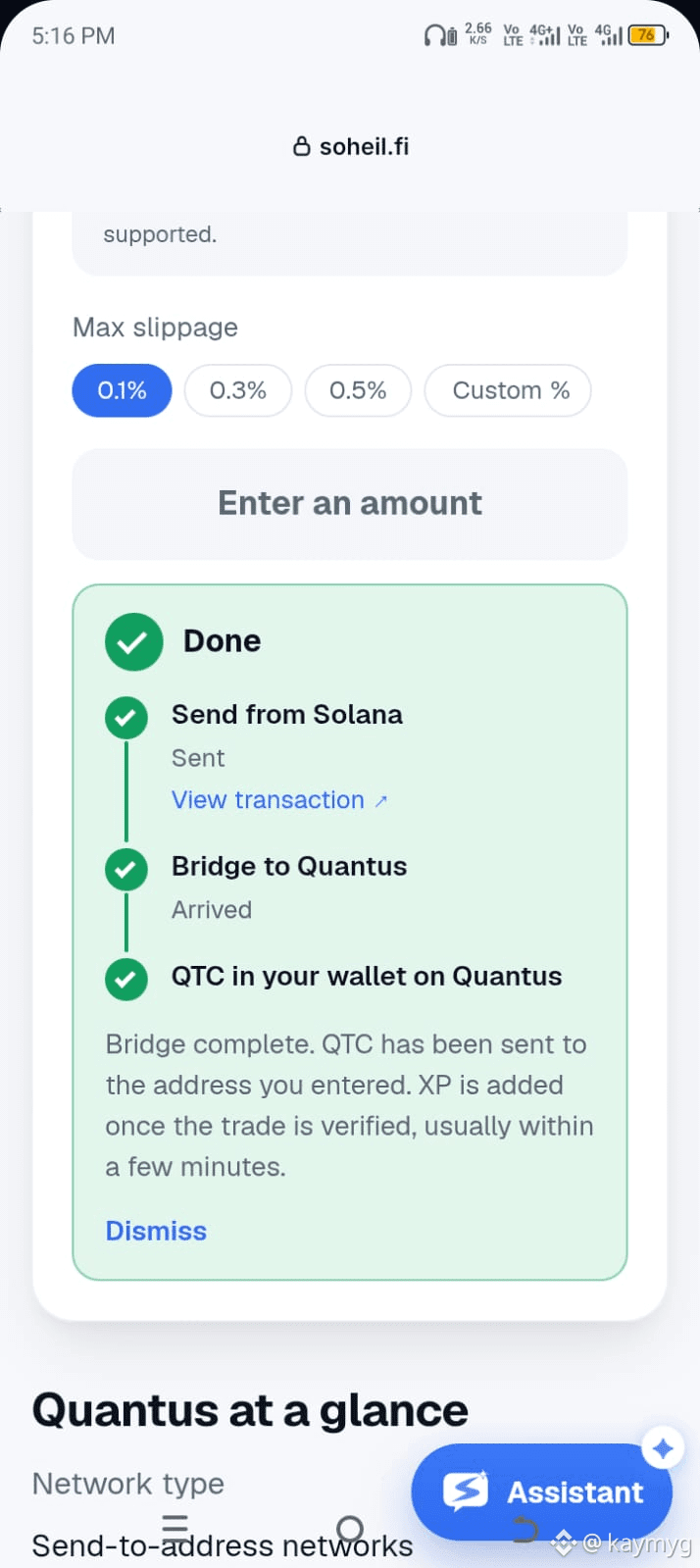
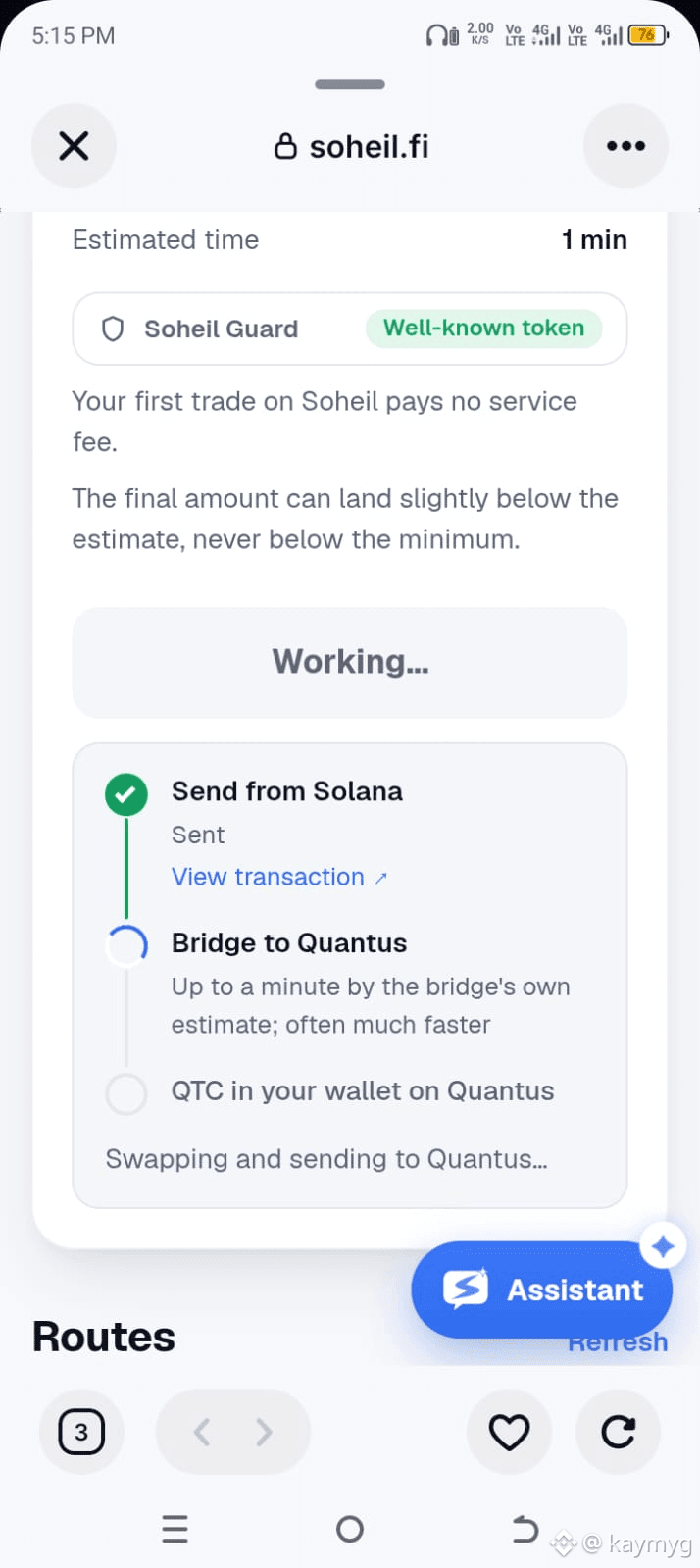
#Near Protocolは#solana エコシステムとの相互運用性に関する関係を築きつつあります。一方、#Quantus Network($QTC)はNEARとより直接的な技術面および流通面でのつながりがあります。3つのプロジェクトは、正式な三者間提携というよりも、主にクロスチェーンでの資産移転、流動性へのアクセス、エコシステムへの参加を通じて結びついています。
1. NEAR Protocol ↔ Solana
技術的な関係:NEAR Intentsはクロスチェーン取引のルーティングを提供し、Solanaを含むブロックチェーンエコシステム間で資産や流動性を移動できるようにします。
1. NEAR Protocol ↔ Solana
技術的な関係:NEAR Intentsはクロスチェーン取引のルーティングを提供し、Solanaを含むブロックチェーンエコシステム間で資産や流動性を移動できるようにします。
翻訳参照
kaymyg
·
--
NEAR、Solana、Quantusの関係
#Near Protocolは#solana エコシステムとの相互運用性に関する関係を築きつつあります。一方、#Quantus Network($QTC)はNEARとより直接的な技術面および流通面でのつながりがあります。3つのプロジェクトは、正式な三者間提携というよりも、主にクロスチェーンでの資産移転、流動性へのアクセス、エコシステムへの参加を通じて結びついています。
1. NEAR Protocol ↔ Solana
技術的な関係:NEAR Intentsはクロスチェーン取引のルーティングを提供し、Solanaを含むブロックチェーンエコシステム間で資産や流動性を移動できるようにします。
1. NEAR Protocol ↔ Solana
技術的な関係:NEAR Intentsはクロスチェーン取引のルーティングを提供し、Solanaを含むブロックチェーンエコシステム間で資産や流動性を移動できるようにします。
kaymyg
·
--
NEAR、Solana、Quantusの関係
#Near Protocolは#solana エコシステムとの相互運用性に関する関係を築きつつあります。一方、#Quantus Network($QTC)はNEARとより直接的な技術面および流通面でのつながりがあります。3つのプロジェクトは、正式な三者間提携というよりも、主にクロスチェーンでの資産移転、流動性へのアクセス、エコシステムへの参加を通じて結びついています。
1. NEAR Protocol ↔ Solana
技術的な関係:NEAR Intentsはクロスチェーン取引のルーティングを提供し、Solanaを含むブロックチェーンエコシステム間で資産や流動性を移動できるようにします。
1. NEAR Protocol ↔ Solana
技術的な関係:NEAR Intentsはクロスチェーン取引のルーティングを提供し、Solanaを含むブロックチェーンエコシステム間で資産や流動性を移動できるようにします。
翻訳参照
kaymyg
·
--
4. A major concern: Quantus and mining centralisation
Despite its growing visibility, Quantus has a notable consensus-security concern. Its miner leaderboard shows one address responsible for 51.6% of recorded blocks (245,700 out of 475,888). Earlier observations also indicated single-pool dominance in the 50–57% range.
If this reflects control of more than half of the active network hashpower, it creates a potential 51% attack risk, including recent block reorganisations, double-spending and temporary transaction censorship.
It does not allow the miner to break post-quantum signatures or simply steal existing coins. However, it raises legitimate questions about decentralisation. Historical snapshots suggest this concentration has been recurring rather than an isolated observation.
翻訳参照
kaymyg
·
--
3. Popularity and public attention
#QRL : Remains the most established reference point in discussions about native quantum-resistant blockchains, benefiting from its history since 2018.
#Quantus (QTC): Is generating considerable recent attention among newer projects, following its September 2026 launch, CoinGecko trending visibility and significant price movements. Confusion involving fake QTC tokens on other networks has also contributed to discussion.
Abelian (ABEL): Attracts interest around privacy and post-quantum cryptography, but remains less visible than QRL and Quantus.
Mochimo (MCM): Has an established but relatively small community, with limited mainstream cryptocurrency visibility.
Dilithion (DIL): Has a smaller following, with interest largely concentrated among people exploring post-quantum cryptocurrency alternatives.
Tidecoin (TDC): Has relatively low public visibility and limited discussion compared with the better-known projects.
Popularity takeaway: QRL leads in established recognition, while Quantus appears to be generating the most recent attention among newer entrants.
翻訳参照
kaymyg
·
--
2. Throughput and performance
None of these six is recognised as a high-TPS blockchain, and comparable independently verified throughput benchmarks are scarce.
#Quantus ($QTC): Has a publicly reported target block time of approximately 12 seconds, the shortest published target among this group, although this does not establish the highest TPS.
#QRL : Uses hash-based XMSS signatures, prioritising security over high transaction throughput.
Mochimo (MCM): Its proof-of-work architecture prioritises secure transactions rather than competing with high-speed blockchains.
Abelian (ABEL): Its privacy-oriented cryptographic design introduces additional complexity, and it is not known for high transaction throughput.
Dilithion (DIL): Uses RandomX, a CPU-oriented mining algorithm, and is not positioned as a high-throughput network.
Tidecoin (TDC): Publicly comparable TPS and block-time benchmarks are limited, making its speed difficult to rank reliably.
Performance takeaway: Quantus leads on reported block cadence, but there is insufficient comparable evidence to declare an overall TPS winner.
翻訳参照
kaymyg
·
--
Post-Quantum Blockchains: Comparing Age, Speed, Popularity and Overall Strength
The post-quantum blockchain ecosystem is still developing, with several projects taking different approaches to protecting digital assets against future quantum-computing threats. Six notable native projects are QRL, Mochimo (MCM), Quantus (QTC), Dilithion (DIL), Tidecoin (TDC) and Abelian (ABEL).
None currently stands out as a high-throughput blockchain. Their primary focus is cryptographic security rather than transaction speed. But how do they compare across age, performance, popularity and overall potential?
1. Age and maturity
#QRL : Launched in 2018, making it one of the earliest dedicated quantum-resistant blockchain projects, with a relatively long operational history.
#Mochimo (MCM): Also emerged around 2018, positioning itself among the early pioneers of post-quantum proof-of-work cryptocurrencies.
Abelian (ABEL): A more recent project built around post-quantum cryptography and financial privacy.
#Tidecoin (TDC): A relatively less established project with a smaller public footprint and limited historical visibility.
#Dilithion (DIL): A newer Bitcoin-inspired project combining post-quantum signatures with CPU-oriented proof-of-work.
#Quantus (QTC): A newer entrant whose mainnet launched in September 2026, but which has rapidly attracted attention.
翻訳参照
kaymyg
·
--
噂が未証明のままでも、耐量子標準への移行を加速すべき理由
OpenAI、Anthropic、あるいはその両方が、現代暗号の数学的基盤の一部を打ち破る重要な成果を、未公表のまま達成した可能性があるという噂が広がっています。
この主張に関わる分野は3つあります。
RSA暗号の基盤となる整数因数分解。
ECDSA、ECDH、Schnorr署名の基盤となる楕円曲線離散対数問題。
Ring-LWEに関連する仮定を含む格子ベース暗号。これは、新たに登場しつつある耐量子標準の一部を支えています。
この議論が注目を集めるきっかけとなったのは、OpenAIにかつて所属していた理論計算機科学者のスコット・アーロンソンが、複数の信頼できる情報源から、AI研究所が暗号に関する画期的な成果を1つ以上公表せずに抱えていることを「ほぼ確信している」と述べたことです。ただし、その具体的な内容については確信度がはるかに低いとも、明確に注意を促しました。
ログインして、さらにコンテンツを読む