

Kaizan Boss
9.5k 投稿

Kaizan Boss
報告
ユーザーをブロック
取引を発注
高頻度トレーダー
11.5か月
827 フォロー
22.8K+ フォロワー
14.3K+ いいね
投稿
ポートフォリオ
すべて
引用
ライブ
·
--
ブリッシュ
$SOL
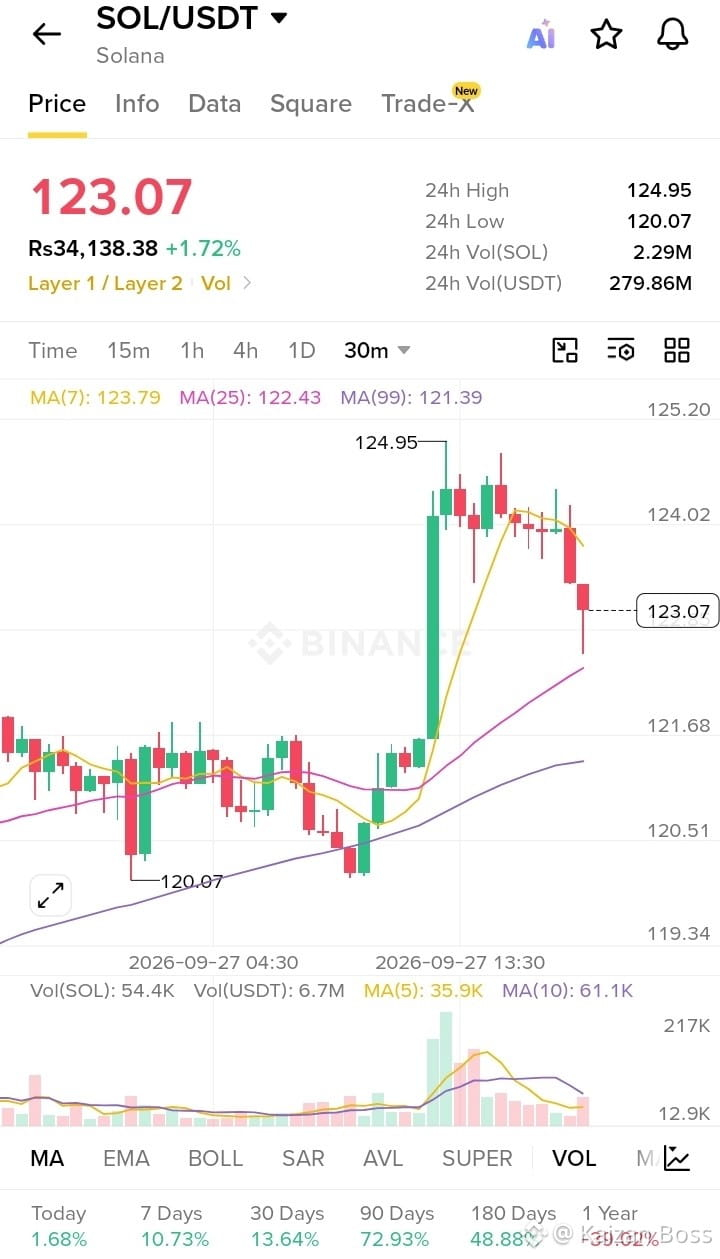
現在は30分足で$124.95まで上昇した後に反落し、その後$123.07前後で推移しています。
重要な水準は明確です:
レジスタンス:$124.02〜$124.95
サポート:$122.43 → $121.39
主要な下落の目安:およそ$120.07
SOLは依然として25-MAと99-MAの上で取引されていますが、価格が7-MAを下回っており、上方向への強い動きの後に短期的なモメンタムが冷えたことを示しています。
ここは、マーケットを追いかけるのではなく、規律あるトレーダーが確認を待つ場所です。
もし強い出来高を伴って価格がレジスタンスを取り返せば、モメンタムは強まる可能性があります。サポートが割れれば、次の水準が重要になります。価格が速く動いているだけの理由で決してエントリーしないでください
{future}(SOLUSDT)
#DogecoinETFsPostBiggestWeekSinceLaunch #StrategyStriveAdd2305BitcoinThisWeek #TrumpRejectsIranHormuzReopening #CircleTetherFreezeBitgetHackerWallet #CoinMarketCapCompletesCoinglassAcquisition
$SOL
現在は30分足で$124.95まで上昇した後に反落し、その後$123.07前後で推移しています。
重要な水準は明確です:
レジスタンス:$124.02〜$124.95
サポート:$122.43 → $121.39
主要な下落の目安:およそ$120.07
SOLは依然として25-MAと99-MAの上で取引されていますが、価格が7-MAを下回っており、上方向への強い動きの後に短期的なモメンタムが冷えたことを示しています。
ここは、マーケットを追いかけるのではなく、規律あるトレーダーが確認を待つ場所です。
もし強い出来高を伴って価格がレジスタンスを取り返せば、モメンタムは強まる可能性があります。サポートが割れれば、次の水準が重要になります。価格が速く動いているだけの理由で決してエントリーしないでください
#DogecoinETFsPostBiggestWeekSinceLaunch #StrategyStriveAdd2305BitcoinThisWeek #TrumpRejectsIranHormuzReopening #CircleTetherFreezeBitgetHackerWallet #CoinMarketCapCompletesCoinglassAcquisition
現在は30分足で$124.95まで上昇した後に反落し、その後$123.07前後で推移しています。
重要な水準は明確です:
レジスタンス:$124.02〜$124.95
サポート:$122.43 → $121.39
主要な下落の目安:およそ$120.07
SOLは依然として25-MAと99-MAの上で取引されていますが、価格が7-MAを下回っており、上方向への強い動きの後に短期的なモメンタムが冷えたことを示しています。
ここは、マーケットを追いかけるのではなく、規律あるトレーダーが確認を待つ場所です。
もし強い出来高を伴って価格がレジスタンスを取り返せば、モメンタムは強まる可能性があります。サポートが割れれば、次の水準が重要になります。価格が速く動いているだけの理由で決してエントリーしないでください
#DogecoinETFsPostBiggestWeekSinceLaunch #StrategyStriveAdd2305BitcoinThisWeek #TrumpRejectsIranHormuzReopening #CircleTetherFreezeBitgetHackerWallet #CoinMarketCapCompletesCoinglassAcquisition
1
256
·
--
ブリッシュ
$BTC 取引ガイド:感情ではなく「セットアップ」を取引せよ
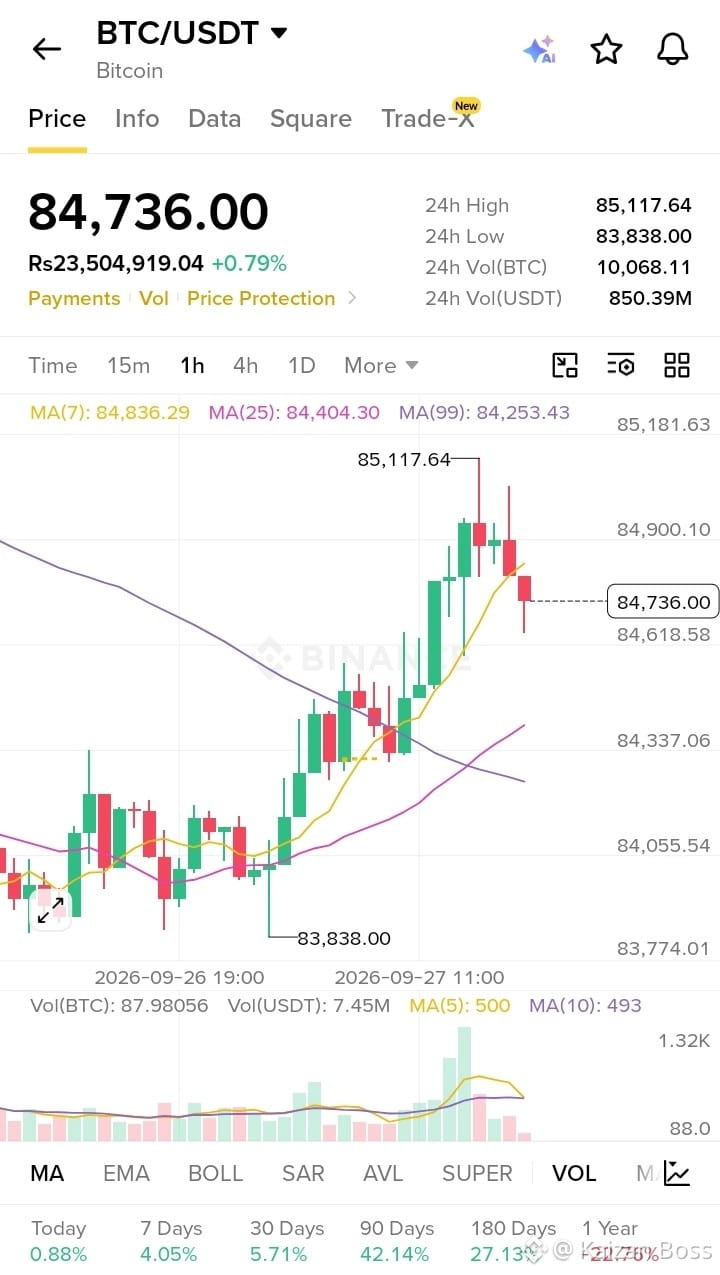
1時間足チャートでビットコインは約$84,736で取引されています。現在の価格は7期間MAの$84,836を下回っていますが、25-MAの$84,404および99-MAの$84,253は上回っています。
つまり重要なことは、市場は短期的な押し(プルバック)を示している一方で、より大きな1時間の構造は比較的強いということです。
注目すべき主要水準: レジスタンス:$84,900 → $85,117
サポート:$84,618 → $84,404 → $84,253
この取引の正しいやり方は、青い(グリーンの)ローソク足を追いかけたり、赤い(レッドの)ローソク足で慌てて投げ売りしたりしないことです。
確認を待ちましょう。サポート/レジスタンス付近で価格がどう反応するかを見て、適切なポジションサイズを使い、そしてエントリー前に必ず無効化ライン(インバリデーション)を定義してください。リスク管理のない良いセットアップでも、依然として悪い取引です。
すべての値動きを予測することが目的ではありません。目的は、資金を守り、リスクをコントロールし、セットアップが理にかなっているときだけ取引を行うことです。
#DogecoinETFsPostBiggestWeekSinceLaunch #StrategyStriveAdd2305BitcoinThisWeek #TrumpRejectsIranHormuzReopening #CircleTetherFreezeBitgetHackerWallet #SECSaysTokenBuybacksNotAutoSecurities
$BTC 取引ガイド:感情ではなく「セットアップ」を取引せよ
1時間足チャートでビットコインは約$84,736で取引されています。現在の価格は7期間MAの$84,836を下回っていますが、25-MAの$84,404および99-MAの$84,253は上回っています。
つまり重要なことは、市場は短期的な押し(プルバック)を示している一方で、より大きな1時間の構造は比較的強いということです。
注目すべき主要水準: レジスタンス:$84,900 → $85,117
サポート:$84,618 → $84,404 → $84,253
この取引の正しいやり方は、青い(グリーンの)ローソク足を追いかけたり、赤い(レッドの)ローソク足で慌てて投げ売りしたりしないことです。
確認を待ちましょう。サポート/レジスタンス付近で価格がどう反応するかを見て、適切なポジションサイズを使い、そしてエントリー前に必ず無効化ライン(インバリデーション)を定義してください。リスク管理のない良いセットアップでも、依然として悪い取引です。
すべての値動きを予測することが目的ではありません。目的は、資金を守り、リスクをコントロールし、セットアップが理にかなっているときだけ取引を行うことです。
#DogecoinETFsPostBiggestWeekSinceLaunch #StrategyStriveAdd2305BitcoinThisWeek #TrumpRejectsIranHormuzReopening #CircleTetherFreezeBitgetHackerWallet #SECSaysTokenBuybacksNotAutoSecurities
1時間足チャートでビットコインは約$84,736で取引されています。現在の価格は7期間MAの$84,836を下回っていますが、25-MAの$84,404および99-MAの$84,253は上回っています。
つまり重要なことは、市場は短期的な押し(プルバック)を示している一方で、より大きな1時間の構造は比較的強いということです。
注目すべき主要水準: レジスタンス:$84,900 → $85,117
サポート:$84,618 → $84,404 → $84,253
この取引の正しいやり方は、青い(グリーンの)ローソク足を追いかけたり、赤い(レッドの)ローソク足で慌てて投げ売りしたりしないことです。
確認を待ちましょう。サポート/レジスタンス付近で価格がどう反応するかを見て、適切なポジションサイズを使い、そしてエントリー前に必ず無効化ライン(インバリデーション)を定義してください。リスク管理のない良いセットアップでも、依然として悪い取引です。
すべての値動きを予測することが目的ではありません。目的は、資金を守り、リスクをコントロールし、セットアップが理にかなっているときだけ取引を行うことです。
#DogecoinETFsPostBiggestWeekSinceLaunch #StrategyStriveAdd2305BitcoinThisWeek #TrumpRejectsIranHormuzReopening #CircleTetherFreezeBitgetHackerWallet #SECSaysTokenBuybacksNotAutoSecurities
142
·
--
ブリッシュ
$SAPIEN はここで面白そうに見えます 👀
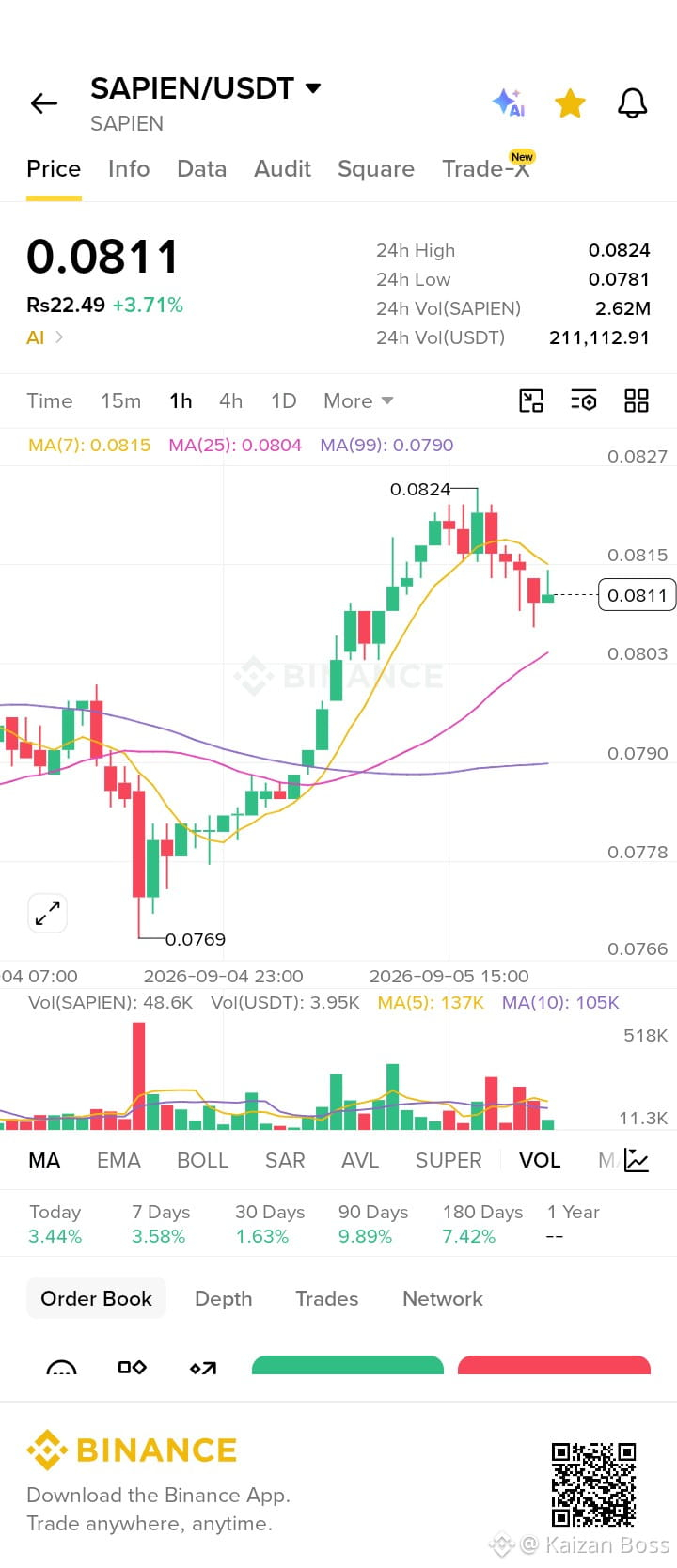
$0.0811の価格が主要移動平均線の上で推移しており、$0.0824まで強く押し上げた後の状況です。次は $0.0803〜$0.0815 のゾーンを注視しています。
📈
#ZECHitsANewAllTimeHigh #LululemonTumbles20%OnWeakGuidance #BitcoinETFsBiggestDailyInflowSinceJanuary #USAugustNonfarmPayrollsDueToday #BitcoinEthereumHitMultiMonthHighs
$SAPIEN はここで面白そうに見えます 👀
$0.0811の価格が主要移動平均線の上で推移しており、$0.0824まで強く押し上げた後の状況です。次は $0.0803〜$0.0815 のゾーンを注視しています。
📈
#ZECHitsANewAllTimeHigh #LululemonTumbles20%OnWeakGuidance #BitcoinETFsBiggestDailyInflowSinceJanuary #USAugustNonfarmPayrollsDueToday #BitcoinEthereumHitMultiMonthHighs
$0.0811の価格が主要移動平均線の上で推移しており、$0.0824まで強く押し上げた後の状況です。次は $0.0803〜$0.0815 のゾーンを注視しています。
📈
#ZECHitsANewAllTimeHigh #LululemonTumbles20%OnWeakGuidance #BitcoinETFsBiggestDailyInflowSinceJanuary #USAugustNonfarmPayrollsDueToday #BitcoinEthereumHitMultiMonthHighs
652
·
--
弱気相場
本人確認中
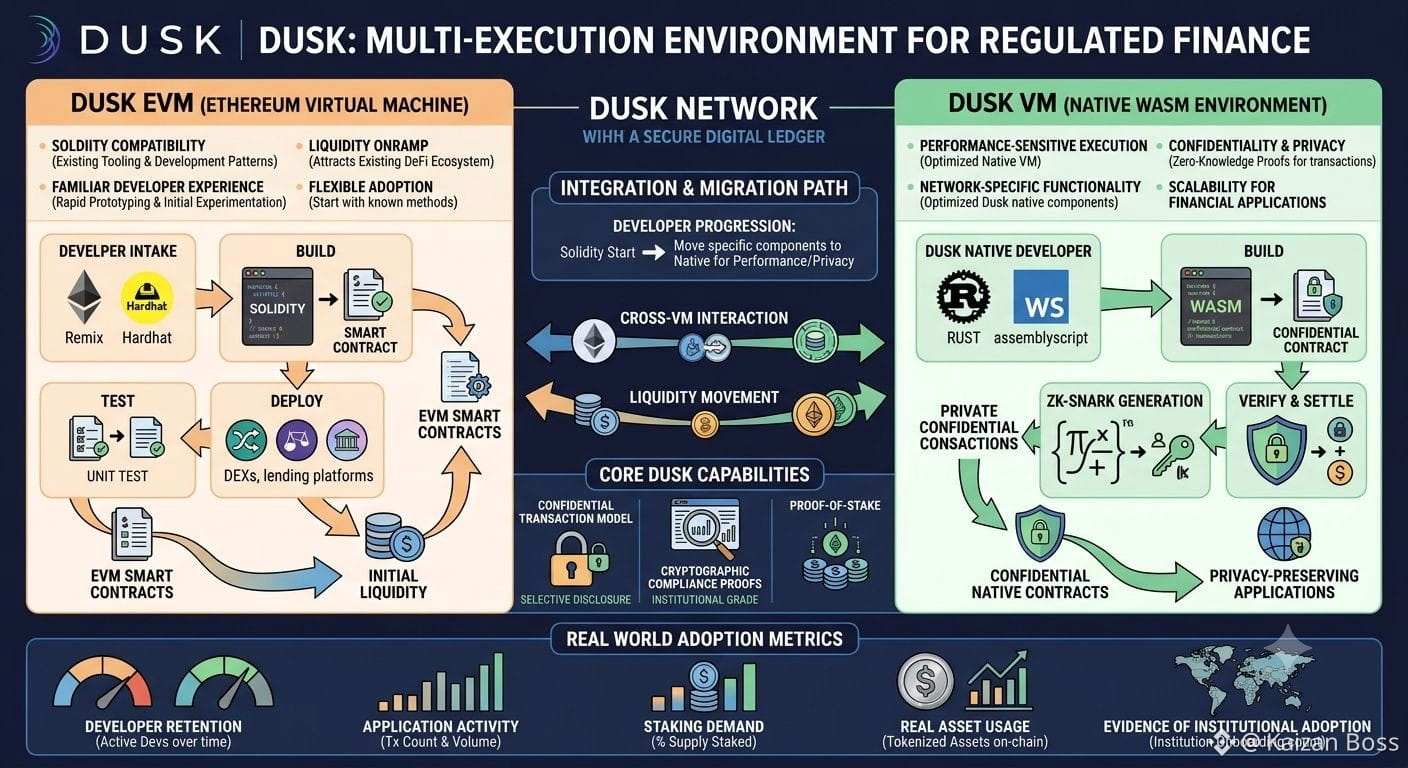
夕暮れの提案が「プライバシー・コイン」に分類されることがあまりに多くて、見落としがちな、もっと面白い建築上の問いがあります。つまり、この仕組みは“隠す”だけでなく、実際に機関投資家レベルの金融を支えられるのか? その手がかりはデュアル実行構成です。DuskVMはネイティブ性能と予測可能な実行のために最適化された、制御されたWASM環境で動作し、DuskEVMはEthereum互換の開発ツールを提供します。これは冗長性ではなく、オンボーディングのための“坂道”です——開発者は今すぐSolidityやおなじみのインフラで出荷でき、その後、インセンティブがあれば、性能重視や機密性に依存するロジックを後からDuskVMへ移行できます。
これに加えて、コンフィデンシャル・トランザクション(機密取引)モデルがあります。ここでは、公開されるのではなく、コンプライアンスが暗号的に証明されます。「すべてを透明な台帳に載せる」よりも明確に違う賭け——問題は、規制当局や機関が、生の可視性よりも証明ベースの検証を実際に信頼するかどうかです。不透明ですが、注目に値します。
ただし、これらは導入可能性を決着させるものではありません。必要なのは建築だけでなく、十分条件ではない、ということです。私が本当に見たいのは、最初のデプロイの後も開発者が継続して残ること、テスト活動ではなく実際の取引量、片方のVMにプールされるのではなく、2つのVM間で流動性が実際に移動すること、そしてネットワークの実利用に見合ったステーキング需要です。現時点でのより厳しい証拠——機関の参加、クロス環境にまたがる断片化リスク——は、まだほとんど未解決のままです。@Dusk_Foundation
#dusk $DUSK @Dusk_Foundation
{spot}(DUSKUSDT)
夕暮れの提案が「プライバシー・コイン」に分類されることがあまりに多くて、見落としがちな、もっと面白い建築上の問いがあります。つまり、この仕組みは“隠す”だけでなく、実際に機関投資家レベルの金融を支えられるのか? その手がかりはデュアル実行構成です。DuskVMはネイティブ性能と予測可能な実行のために最適化された、制御されたWASM環境で動作し、DuskEVMはEthereum互換の開発ツールを提供します。これは冗長性ではなく、オンボーディングのための“坂道”です——開発者は今すぐSolidityやおなじみのインフラで出荷でき、その後、インセンティブがあれば、性能重視や機密性に依存するロジックを後からDuskVMへ移行できます。
これに加えて、コンフィデンシャル・トランザクション(機密取引)モデルがあります。ここでは、公開されるのではなく、コンプライアンスが暗号的に証明されます。「すべてを透明な台帳に載せる」よりも明確に違う賭け——問題は、規制当局や機関が、生の可視性よりも証明ベースの検証を実際に信頼するかどうかです。不透明ですが、注目に値します。
ただし、これらは導入可能性を決着させるものではありません。必要なのは建築だけでなく、十分条件ではない、ということです。私が本当に見たいのは、最初のデプロイの後も開発者が継続して残ること、テスト活動ではなく実際の取引量、片方のVMにプールされるのではなく、2つのVM間で流動性が実際に移動すること、そしてネットワークの実利用に見合ったステーキング需要です。現時点でのより厳しい証拠——機関の参加、クロス環境にまたがる断片化リスク——は、まだほとんど未解決のままです。@Dusk
#dusk $DUSK @Dusk
これに加えて、コンフィデンシャル・トランザクション(機密取引)モデルがあります。ここでは、公開されるのではなく、コンプライアンスが暗号的に証明されます。「すべてを透明な台帳に載せる」よりも明確に違う賭け——問題は、規制当局や機関が、生の可視性よりも証明ベースの検証を実際に信頼するかどうかです。不透明ですが、注目に値します。
ただし、これらは導入可能性を決着させるものではありません。必要なのは建築だけでなく、十分条件ではない、ということです。私が本当に見たいのは、最初のデプロイの後も開発者が継続して残ること、テスト活動ではなく実際の取引量、片方のVMにプールされるのではなく、2つのVM間で流動性が実際に移動すること、そしてネットワークの実利用に見合ったステーキング需要です。現時点でのより厳しい証拠——機関の参加、クロス環境にまたがる断片化リスク——は、まだほとんど未解決のままです。@Dusk
#dusk $DUSK @Dusk
284
·
--
弱気相場
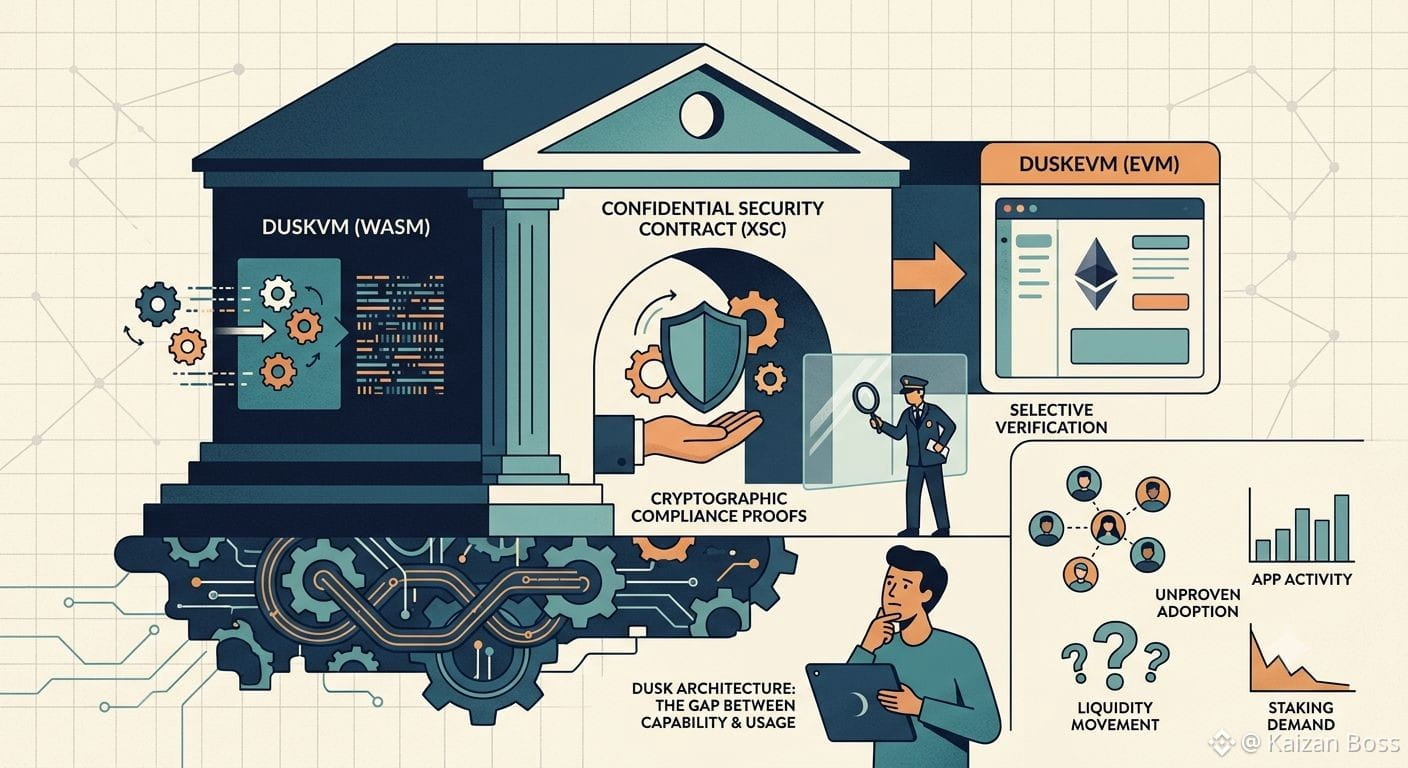
Duskについて私がより関心を持っているのは、プライバシーに関する語りそれ自体ではなく、基盤となるアーキテクチャが、初期の実験フェーズを越えて実際に金融アプリケーションを支えられるかどうかです。
DuskVMとDuskEVMのセットアップは興味深い設計選択です。DuskVMはネイティブでパフォーマンス重視の実行のための制御されたWASM環境を提供し、一方DuskEVMは開発者に、より馴染みのあるEthereum互換の道を提供します。理論上は、実用的な進め方になります。チームはSolidityから始め、既存のツールや確立された開発パターンを活用しつつ、パフォーマンス、機密性、あるいはネットワーク固有の機能が重要になってきたところで、特定のコンポーネントをDuskネイティブの実行へ移行できるわけです。
ですが、私が何度も立ち返る論点があります。2つの実行環境は柔軟性を高める一方で、断片化を生むこともあります。開発者が実際にどこを作りに進むのか、流動性がそれらの間でどう動くのか、そしてアプリケーションが意味のある形で両方を本当に活用しているのかを見てみたいです。
機密トランザクションのモデルは、その主張をより面白くしています。暗号学的な適合性(コンプライアンス)証明による選択的開示は、機関に対して「完全な透明性」と「完全な秘匿性」の二択よりも良い選択肢を提供し得ます。通常の活動にはプライバシーを、必要に応じて検証可能な情報を利用できる、という形です。
それでも、アーキテクチャはあくまで可能性に過ぎません。開発者の定着、アプリのアクティビティ、ステーキング需要、実資産の利用、そして機関による採用の裏付けといった、より難しいシグナルが最終的には重要になります。
技術的な能力と実際の利用のギャップ—そこが、私が最も注目している部分です。$DUSK. @Dusk_Foundation
#dusk $DUSK @Dusk_Foundation
{spot}(DUSKUSDT)
Duskについて私がより関心を持っているのは、プライバシーに関する語りそれ自体ではなく、基盤となるアーキテクチャが、初期の実験フェーズを越えて実際に金融アプリケーションを支えられるかどうかです。
DuskVMとDuskEVMのセットアップは興味深い設計選択です。DuskVMはネイティブでパフォーマンス重視の実行のための制御されたWASM環境を提供し、一方DuskEVMは開発者に、より馴染みのあるEthereum互換の道を提供します。理論上は、実用的な進め方になります。チームはSolidityから始め、既存のツールや確立された開発パターンを活用しつつ、パフォーマンス、機密性、あるいはネットワーク固有の機能が重要になってきたところで、特定のコンポーネントをDuskネイティブの実行へ移行できるわけです。
ですが、私が何度も立ち返る論点があります。2つの実行環境は柔軟性を高める一方で、断片化を生むこともあります。開発者が実際にどこを作りに進むのか、流動性がそれらの間でどう動くのか、そしてアプリケーションが意味のある形で両方を本当に活用しているのかを見てみたいです。
機密トランザクションのモデルは、その主張をより面白くしています。暗号学的な適合性(コンプライアンス)証明による選択的開示は、機関に対して「完全な透明性」と「完全な秘匿性」の二択よりも良い選択肢を提供し得ます。通常の活動にはプライバシーを、必要に応じて検証可能な情報を利用できる、という形です。
それでも、アーキテクチャはあくまで可能性に過ぎません。開発者の定着、アプリのアクティビティ、ステーキング需要、実資産の利用、そして機関による採用の裏付けといった、より難しいシグナルが最終的には重要になります。
技術的な能力と実際の利用のギャップ—そこが、私が最も注目している部分です。$DUSK . @Dusk
#dusk $DUSK @Dusk
DuskVMとDuskEVMのセットアップは興味深い設計選択です。DuskVMはネイティブでパフォーマンス重視の実行のための制御されたWASM環境を提供し、一方DuskEVMは開発者に、より馴染みのあるEthereum互換の道を提供します。理論上は、実用的な進め方になります。チームはSolidityから始め、既存のツールや確立された開発パターンを活用しつつ、パフォーマンス、機密性、あるいはネットワーク固有の機能が重要になってきたところで、特定のコンポーネントをDuskネイティブの実行へ移行できるわけです。
ですが、私が何度も立ち返る論点があります。2つの実行環境は柔軟性を高める一方で、断片化を生むこともあります。開発者が実際にどこを作りに進むのか、流動性がそれらの間でどう動くのか、そしてアプリケーションが意味のある形で両方を本当に活用しているのかを見てみたいです。
機密トランザクションのモデルは、その主張をより面白くしています。暗号学的な適合性(コンプライアンス)証明による選択的開示は、機関に対して「完全な透明性」と「完全な秘匿性」の二択よりも良い選択肢を提供し得ます。通常の活動にはプライバシーを、必要に応じて検証可能な情報を利用できる、という形です。
それでも、アーキテクチャはあくまで可能性に過ぎません。開発者の定着、アプリのアクティビティ、ステーキング需要、実資産の利用、そして機関による採用の裏付けといった、より難しいシグナルが最終的には重要になります。
技術的な能力と実際の利用のギャップ—そこが、私が最も注目している部分です。$DUSK . @Dusk
#dusk $DUSK @Dusk
2
1
295
·
--
ブリッシュ
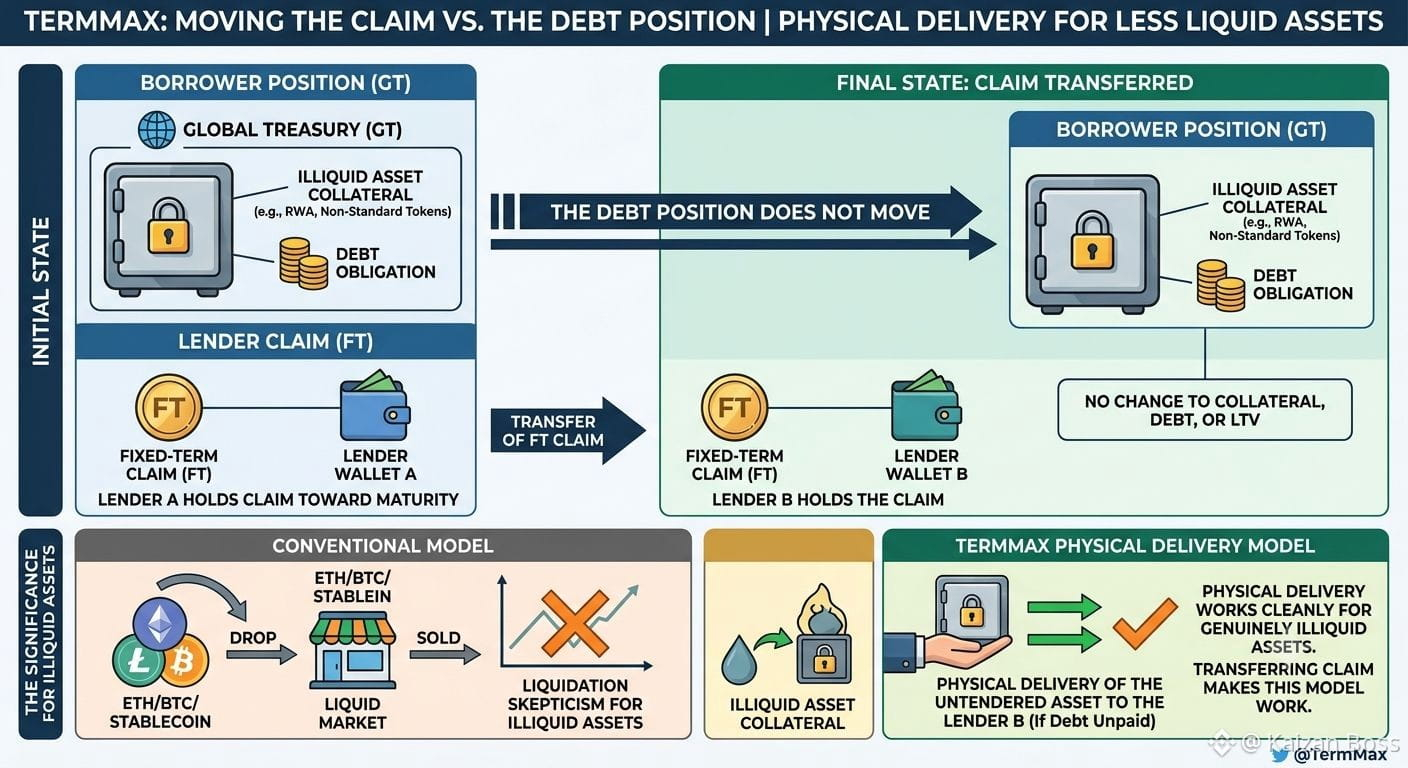
@termmax 主張は移動した。債務ポジションは移動しなかった。
TermMaxの中で、それが実際に何を意味するのかを想像してみるまでは、単純な話に聞こえました。
FTはあるウォレットから別のウォレットへ移動できますが、担保と債務を保持するGTは一緒に移動しません。
では、実際に何が変わったのか?
FTの保有者が変わったのです。
担保は変わらなかった。
債務も変わらなかった。
underlying TermMaxポジションのLTVも変わらなかった。
最初に私が妙だと感じたのは、まさにその部分でした。固定金利の請求権が誰か別の人に移ったなら、借り手側のポジションの一部も移動するはずだと考えてしまいました。
しかし、そうではないようです。
FTは満期に向けた譲渡可能な請求権です。GTは、担保を保有し、債務を背負うポジションのまま残ります。
この分離は、流動性の低い資産を考えるとさらに面白くなります。
私はこれまで、素早く売却できない資産を担保に貸し付けることには懐疑的でした。ETH、BTC、ステーブルコインには厚い市場があるため、清算は少なくとも概念的には分かりやすい。
ですが、TermMaxの物理的なデリバリー(受渡)メカニズムが、それを少し考え直させました。
担保は常に市場へ売り込む必要がある、と決めつけなくてもよいケースがあるのです。
その資産を直接、貸し手へ引き渡せる場合がある。
これはRWAにとって重要です。なぜなら、資産をトークン化しても、魔法のように流動性が生まれるわけではないからです。
私にとっての本当の問いは、基礎となる資産が本当に非流動的である場合に、物理的な受渡がきれいに機能し得るのか、という点です。
そこが、このモデルの面白いところだと思います。
@termmax #termmax #TermMax $BNB
{spot}(BNBUSDT)
@TermMax 主張は移動した。債務ポジションは移動しなかった。
TermMaxの中で、それが実際に何を意味するのかを想像してみるまでは、単純な話に聞こえました。
FTはあるウォレットから別のウォレットへ移動できますが、担保と債務を保持するGTは一緒に移動しません。
では、実際に何が変わったのか?
FTの保有者が変わったのです。
担保は変わらなかった。
債務も変わらなかった。
underlying TermMaxポジションのLTVも変わらなかった。
最初に私が妙だと感じたのは、まさにその部分でした。固定金利の請求権が誰か別の人に移ったなら、借り手側のポジションの一部も移動するはずだと考えてしまいました。
しかし、そうではないようです。
FTは満期に向けた譲渡可能な請求権です。GTは、担保を保有し、債務を背負うポジションのまま残ります。
この分離は、流動性の低い資産を考えるとさらに面白くなります。
私はこれまで、素早く売却できない資産を担保に貸し付けることには懐疑的でした。ETH、BTC、ステーブルコインには厚い市場があるため、清算は少なくとも概念的には分かりやすい。
ですが、TermMaxの物理的なデリバリー(受渡)メカニズムが、それを少し考え直させました。
担保は常に市場へ売り込む必要がある、と決めつけなくてもよいケースがあるのです。
その資産を直接、貸し手へ引き渡せる場合がある。
これはRWAにとって重要です。なぜなら、資産をトークン化しても、魔法のように流動性が生まれるわけではないからです。
私にとっての本当の問いは、基礎となる資産が本当に非流動的である場合に、物理的な受渡がきれいに機能し得るのか、という点です。
そこが、このモデルの面白いところだと思います。
@TermMax #termmax #TermMax $BNB
TermMaxの中で、それが実際に何を意味するのかを想像してみるまでは、単純な話に聞こえました。
FTはあるウォレットから別のウォレットへ移動できますが、担保と債務を保持するGTは一緒に移動しません。
では、実際に何が変わったのか?
FTの保有者が変わったのです。
担保は変わらなかった。
債務も変わらなかった。
underlying TermMaxポジションのLTVも変わらなかった。
最初に私が妙だと感じたのは、まさにその部分でした。固定金利の請求権が誰か別の人に移ったなら、借り手側のポジションの一部も移動するはずだと考えてしまいました。
しかし、そうではないようです。
FTは満期に向けた譲渡可能な請求権です。GTは、担保を保有し、債務を背負うポジションのまま残ります。
この分離は、流動性の低い資産を考えるとさらに面白くなります。
私はこれまで、素早く売却できない資産を担保に貸し付けることには懐疑的でした。ETH、BTC、ステーブルコインには厚い市場があるため、清算は少なくとも概念的には分かりやすい。
ですが、TermMaxの物理的なデリバリー(受渡)メカニズムが、それを少し考え直させました。
担保は常に市場へ売り込む必要がある、と決めつけなくてもよいケースがあるのです。
その資産を直接、貸し手へ引き渡せる場合がある。
これはRWAにとって重要です。なぜなら、資産をトークン化しても、魔法のように流動性が生まれるわけではないからです。
私にとっての本当の問いは、基礎となる資産が本当に非流動的である場合に、物理的な受渡がきれいに機能し得るのか、という点です。
そこが、このモデルの面白いところだと思います。
@TermMax #termmax #TermMax $BNB
137
·
--
ブリッシュ
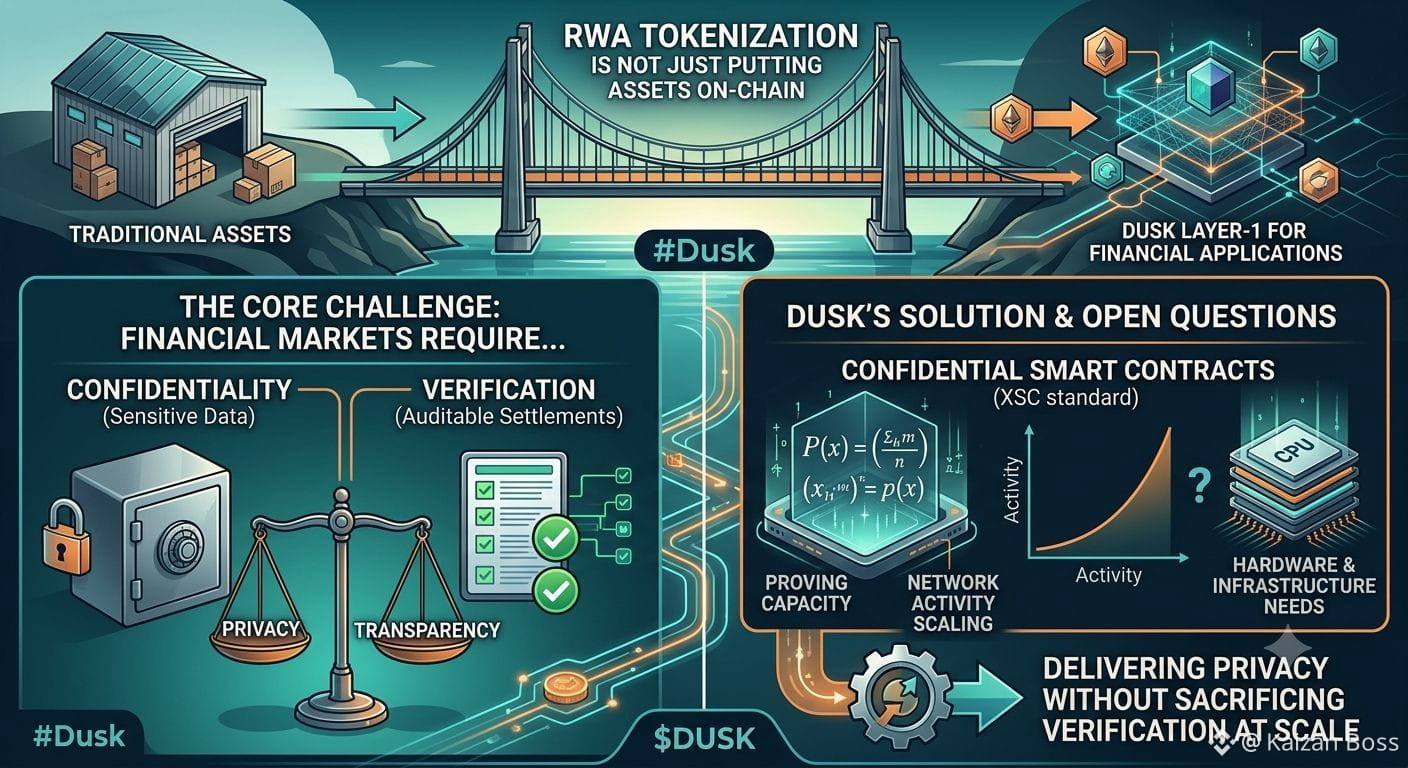
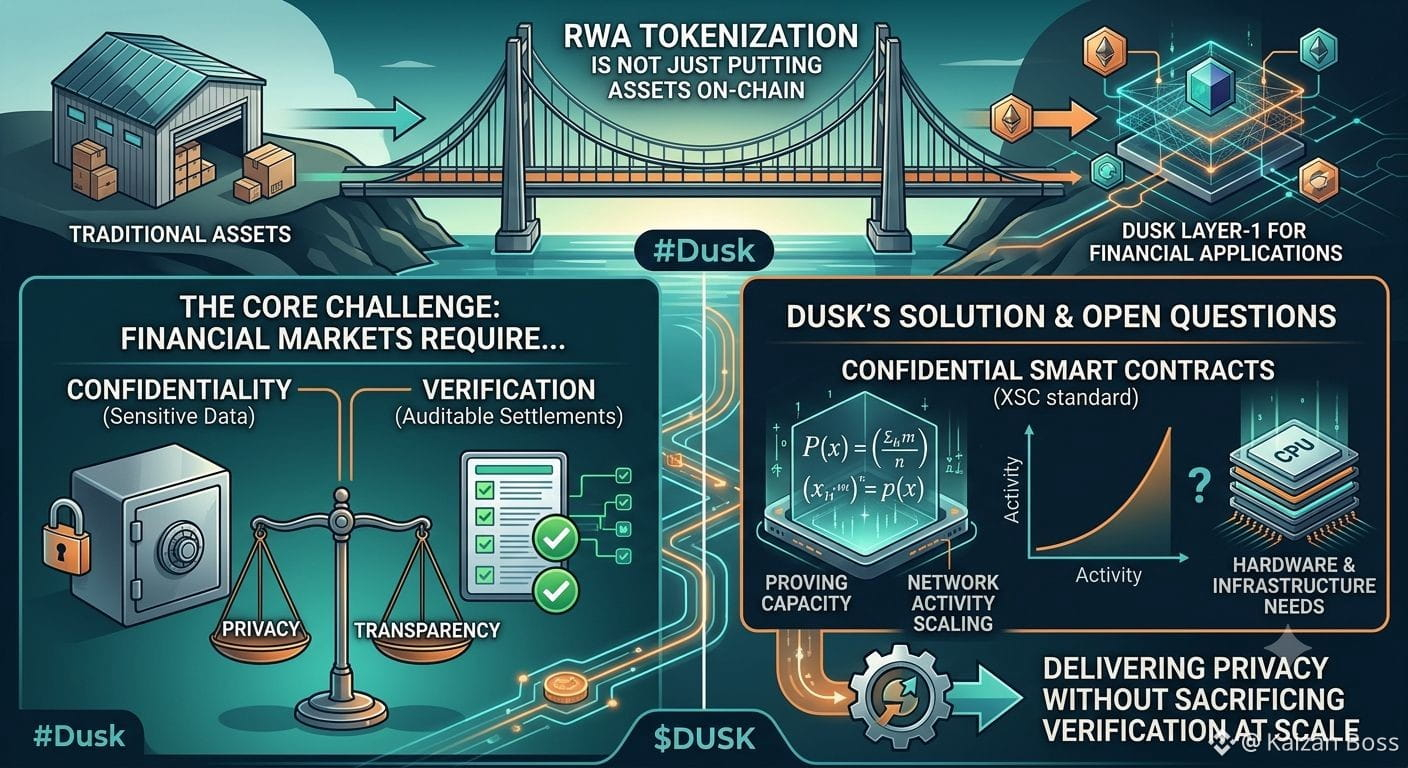
@Dusk_Foundationについて調べれば調べるほど、RWAのトークン化は単に資産をオンチェーンに載せるだけの話ではないのだと実感するようになった。
難しいのは、トークン化の「その後」に何が起きるかという点だ。
金融市場にはプライバシーが必要だが、同時に検証も必要である。機微な金融データを公開情報に変えることなく、決済は検証可能である必要がある。
まさにそこでDuskは興味深い存在になる。
Duskは、機密スマートコントラクトとConfidential Security Contract(XSC)標準を用い、金融アプリケーション向けのプライバシー重視のLayer-1として提示されている。
しかし、私がずっと考えている別の側面がある。
プライバシーは計算をなくさない。Duskのドキュメントでは、証明はシングルスレッドだと述べられている。では、ネットワーク活動が大きく増えたとき、どうなるのだろう?
証明能力がボトルネックになり得るのか?導入が拡大するにつれて、ハードウェアの重要性は高まるのか?そして、検証を犠牲にせずにプライバシーを提供するには、最終的にどれほどのインフラが必要になるのだろう?
私は、これらの問いがDuskのモデルを否定するものだとは思わない。
むしろ、プロジェクトをより面白くしている。
なぜなら、もしかするとRWAsをオンチェーンに持ち込む際の本当の難題は、トークン化そのものではないからだ。
プライバシー、コンプライアンス、検証を、スケールさせてきちんと機能させること——それが課題なのかもしれない。
その点は、私が注視するところだ。 #Dusk $DUSK
#dusk $DUSK @Dusk_Foundation
{spot}(DUSKUSDT)
@Dusk_Foundationについて調べれば調べるほど、RWAのトークン化は単に資産をオンチェーンに載せるだけの話ではないのだと実感するようになった。
難しいのは、トークン化の「その後」に何が起きるかという点だ。
金融市場にはプライバシーが必要だが、同時に検証も必要である。機微な金融データを公開情報に変えることなく、決済は検証可能である必要がある。
まさにそこでDuskは興味深い存在になる。
Duskは、機密スマートコントラクトとConfidential Security Contract(XSC)標準を用い、金融アプリケーション向けのプライバシー重視のLayer-1として提示されている。
しかし、私がずっと考えている別の側面がある。
プライバシーは計算をなくさない。Duskのドキュメントでは、証明はシングルスレッドだと述べられている。では、ネットワーク活動が大きく増えたとき、どうなるのだろう?
証明能力がボトルネックになり得るのか?導入が拡大するにつれて、ハードウェアの重要性は高まるのか?そして、検証を犠牲にせずにプライバシーを提供するには、最終的にどれほどのインフラが必要になるのだろう?
私は、これらの問いがDuskのモデルを否定するものだとは思わない。
むしろ、プロジェクトをより面白くしている。
なぜなら、もしかするとRWAsをオンチェーンに持ち込む際の本当の難題は、トークン化そのものではないからだ。
プライバシー、コンプライアンス、検証を、スケールさせてきちんと機能させること——それが課題なのかもしれない。
その点は、私が注視するところだ。 #Dusk $DUSK
#dusk $DUSK @Dusk
難しいのは、トークン化の「その後」に何が起きるかという点だ。
金融市場にはプライバシーが必要だが、同時に検証も必要である。機微な金融データを公開情報に変えることなく、決済は検証可能である必要がある。
まさにそこでDuskは興味深い存在になる。
Duskは、機密スマートコントラクトとConfidential Security Contract(XSC)標準を用い、金融アプリケーション向けのプライバシー重視のLayer-1として提示されている。
しかし、私がずっと考えている別の側面がある。
プライバシーは計算をなくさない。Duskのドキュメントでは、証明はシングルスレッドだと述べられている。では、ネットワーク活動が大きく増えたとき、どうなるのだろう?
証明能力がボトルネックになり得るのか?導入が拡大するにつれて、ハードウェアの重要性は高まるのか?そして、検証を犠牲にせずにプライバシーを提供するには、最終的にどれほどのインフラが必要になるのだろう?
私は、これらの問いがDuskのモデルを否定するものだとは思わない。
むしろ、プロジェクトをより面白くしている。
なぜなら、もしかするとRWAsをオンチェーンに持ち込む際の本当の難題は、トークン化そのものではないからだ。
プライバシー、コンプライアンス、検証を、スケールさせてきちんと機能させること——それが課題なのかもしれない。
その点は、私が注視するところだ。 #Dusk $DUSK
#dusk $DUSK @Dusk
268
·
--
ブリッシュ
#dusk $DUSK ダスクは、金融用途向けのプライバシー・ブロックチェーンとして自らを打ち出している。これはレイヤー1のブロックチェーンであり、Confidential Security Contract(XSC)規格を駆動し、機密スマートコントラクトをサポートしている。
以下のアイデアを使って、Dusk($DUSK )について、暗号研究の体裁で新しい200語程度の投稿を書いてください。ただし、提示された原文をそのまま引用したり、近い言い換えで複製したりしてはいけません。
Duskを別の角度から捉える。プライバシーだけに焦点を当てるのではなく、そのアーキテクチャが長期的に見て本格的な金融アプリケーションを支えられるのかを検討する。制御されたWASM実行環境であるDuskVMとDuskEVMが、ネイティブな機能と開発者の使いやすさのバランスをどう作っているのかを説明する。両方の環境があることで、開発者はまず馴染みのあるEthereum系ツールから始め、いずれはDusk固有の能力を使うように移行できる理由を述べる。
この技術的な構成を、Duskの機密トランザクションと選択的コンプライアンスへの姿勢につなげる。重要な問いは、機関(インスティテューション)が、規制の検証を犠牲にせずにプライバシーを得られるかどうかだと言える。すべての金融活動を透明なパブリック台帳に載せるだけよりも、暗号学的なコンプライアンス証明のほうが本質的に面白い可能性がある点に触れる。
次に、反対側の論点も提示する。技術だけでは導入は証明できない。開発者の継続率、アプリケーションの稼働状況、意味のある資産利用、実行環境間での流動性の移動、ステーキング需要、そして実際の機関利用が育っているのかを見ていくべきだ。
少し懐疑的な個人的な語り口で投稿を構成する。期待できる点と未解決のリスク、特に実行環境間の断片化と、技術的能力と実際のネットワーク利用とのギャップの問題を両方示す。
見出しは不要。箇条書きは不要。宣伝文句は不要。価格を煽る表現は不要。購入や投資を促す呼びかけは不要。広告のように聞こえず、Duskのアーキテクチャと導入を独立した研究者が考え抜くような文章にする。@Dusk_Foundation
#dusk $DUSK @Dusk_Foundation
#dusk $DUSK ダスクは、金融用途向けのプライバシー・ブロックチェーンとして自らを打ち出している。これはレイヤー1のブロックチェーンであり、Confidential Security Contract(XSC)規格を駆動し、機密スマートコントラクトをサポートしている。
以下のアイデアを使って、Dusk($DUSK )について、暗号研究の体裁で新しい200語程度の投稿を書いてください。ただし、提示された原文をそのまま引用したり、近い言い換えで複製したりしてはいけません。
Duskを別の角度から捉える。プライバシーだけに焦点を当てるのではなく、そのアーキテクチャが長期的に見て本格的な金融アプリケーションを支えられるのかを検討する。制御されたWASM実行環境であるDuskVMとDuskEVMが、ネイティブな機能と開発者の使いやすさのバランスをどう作っているのかを説明する。両方の環境があることで、開発者はまず馴染みのあるEthereum系ツールから始め、いずれはDusk固有の能力を使うように移行できる理由を述べる。
この技術的な構成を、Duskの機密トランザクションと選択的コンプライアンスへの姿勢につなげる。重要な問いは、機関(インスティテューション)が、規制の検証を犠牲にせずにプライバシーを得られるかどうかだと言える。すべての金融活動を透明なパブリック台帳に載せるだけよりも、暗号学的なコンプライアンス証明のほうが本質的に面白い可能性がある点に触れる。
次に、反対側の論点も提示する。技術だけでは導入は証明できない。開発者の継続率、アプリケーションの稼働状況、意味のある資産利用、実行環境間での流動性の移動、ステーキング需要、そして実際の機関利用が育っているのかを見ていくべきだ。
少し懐疑的な個人的な語り口で投稿を構成する。期待できる点と未解決のリスク、特に実行環境間の断片化と、技術的能力と実際のネットワーク利用とのギャップの問題を両方示す。
見出しは不要。箇条書きは不要。宣伝文句は不要。価格を煽る表現は不要。購入や投資を促す呼びかけは不要。広告のように聞こえず、Duskのアーキテクチャと導入を独立した研究者が考え抜くような文章にする。@Dusk
#dusk $DUSK @Dusk
以下のアイデアを使って、Dusk($DUSK )について、暗号研究の体裁で新しい200語程度の投稿を書いてください。ただし、提示された原文をそのまま引用したり、近い言い換えで複製したりしてはいけません。
Duskを別の角度から捉える。プライバシーだけに焦点を当てるのではなく、そのアーキテクチャが長期的に見て本格的な金融アプリケーションを支えられるのかを検討する。制御されたWASM実行環境であるDuskVMとDuskEVMが、ネイティブな機能と開発者の使いやすさのバランスをどう作っているのかを説明する。両方の環境があることで、開発者はまず馴染みのあるEthereum系ツールから始め、いずれはDusk固有の能力を使うように移行できる理由を述べる。
この技術的な構成を、Duskの機密トランザクションと選択的コンプライアンスへの姿勢につなげる。重要な問いは、機関(インスティテューション)が、規制の検証を犠牲にせずにプライバシーを得られるかどうかだと言える。すべての金融活動を透明なパブリック台帳に載せるだけよりも、暗号学的なコンプライアンス証明のほうが本質的に面白い可能性がある点に触れる。
次に、反対側の論点も提示する。技術だけでは導入は証明できない。開発者の継続率、アプリケーションの稼働状況、意味のある資産利用、実行環境間での流動性の移動、ステーキング需要、そして実際の機関利用が育っているのかを見ていくべきだ。
少し懐疑的な個人的な語り口で投稿を構成する。期待できる点と未解決のリスク、特に実行環境間の断片化と、技術的能力と実際のネットワーク利用とのギャップの問題を両方示す。
見出しは不要。箇条書きは不要。宣伝文句は不要。価格を煽る表現は不要。購入や投資を促す呼びかけは不要。広告のように聞こえず、Duskのアーキテクチャと導入を独立した研究者が考え抜くような文章にする。@Dusk
#dusk $DUSK @Dusk
160
·
--
弱気相場
本人確認中
#Dusk $DUSK @Dusk_Foundation
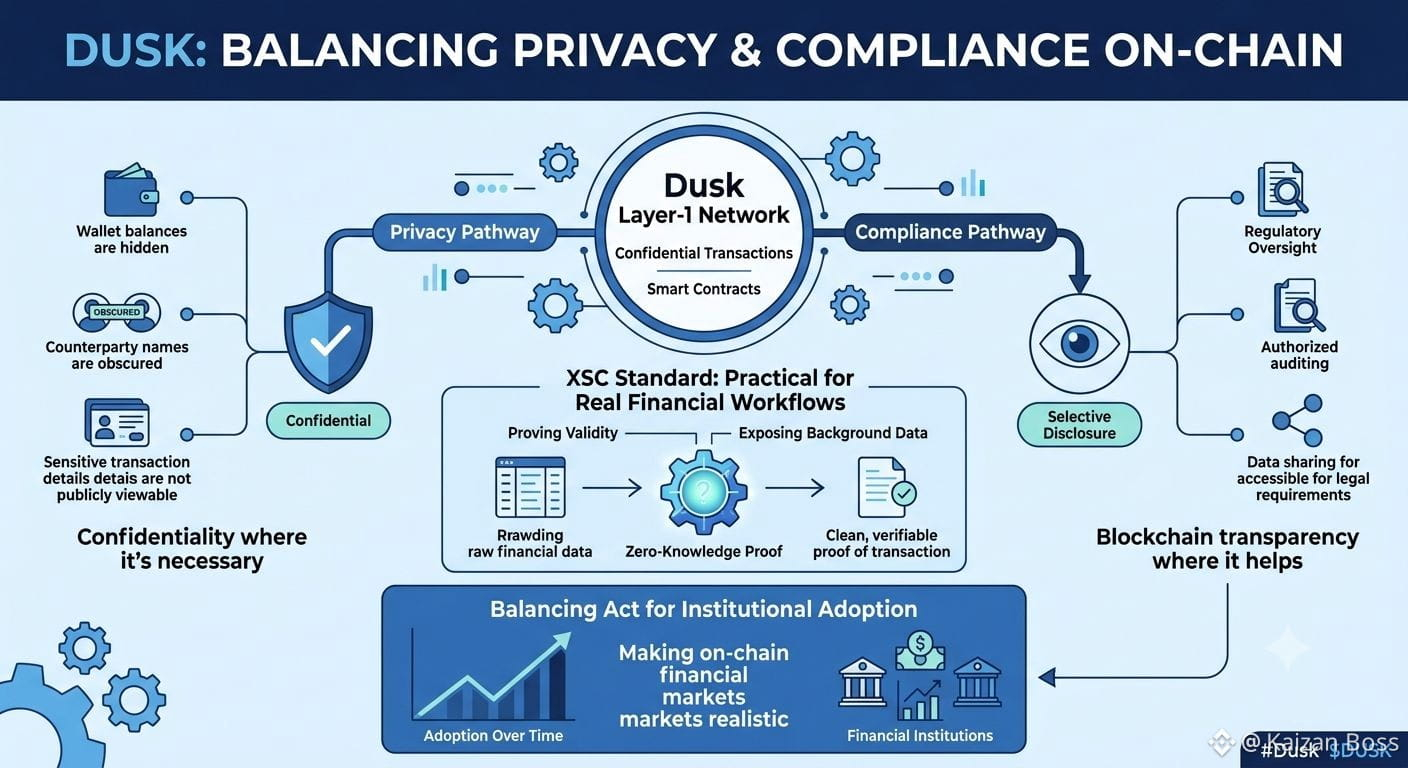
Duskを見るほど、オンチェーン上のプライバシーは「プライバシーとコンプライアンスのどちらかを選ぶ」ことを意味すべきではない、と感じます。
それが @DuskFoundation の面白いところです。
Dusk は、規制市場向けに設計された機密取引、選択的開示、スマートコントラクトを備えるレイヤー1です。XSC 標準は、単にウォレット残高を隠すだけではなく、実際の金融ワークフローにおいて機密スマートコントラクトを現実的なものにすることを目指しています。
私が特に注目しているのは、「その証明の裏にあるすべてを開示することなく、何かが正当であることを証明できる」という考え方です。
金融にとって、それは重要です。
決済がブロックチェーン上で行われるからといって、企業が自社のポジション、取引相手、あるいは機密の取引データを公開する必要はありません。同時に、規制当局や認可された関係者は、特定の情報へのアクセスが引き続き必要になる場合もあります。
そのバランスこそが、Dusk を興味深いものにしています。
プライバシー基盤を作ることと、機関が実際にそれを使うようにすることは別の話なので、技術が現実の導入にどれほどうまくつながるかを、私は引き続き見ています。
ただ、方向性は私には理にかなっています。役に立つところではブロックチェーンの透明性を、必要なところでは機密性を。
Dusk は、オンチェーンの金融市場をより現実的にするチェーンの1つになり得るのでしょうか?
#dusk $DUSK @Dusk_Foundation
{future}(DUSKUSDT)
#Dusk $DUSK @Dusk
Duskを見るほど、オンチェーン上のプライバシーは「プライバシーとコンプライアンスのどちらかを選ぶ」ことを意味すべきではない、と感じます。
それが @DuskFoundation の面白いところです。
Dusk は、規制市場向けに設計された機密取引、選択的開示、スマートコントラクトを備えるレイヤー1です。XSC 標準は、単にウォレット残高を隠すだけではなく、実際の金融ワークフローにおいて機密スマートコントラクトを現実的なものにすることを目指しています。
私が特に注目しているのは、「その証明の裏にあるすべてを開示することなく、何かが正当であることを証明できる」という考え方です。
金融にとって、それは重要です。
決済がブロックチェーン上で行われるからといって、企業が自社のポジション、取引相手、あるいは機密の取引データを公開する必要はありません。同時に、規制当局や認可された関係者は、特定の情報へのアクセスが引き続き必要になる場合もあります。
そのバランスこそが、Dusk を興味深いものにしています。
プライバシー基盤を作ることと、機関が実際にそれを使うようにすることは別の話なので、技術が現実の導入にどれほどうまくつながるかを、私は引き続き見ています。
ただ、方向性は私には理にかなっています。役に立つところではブロックチェーンの透明性を、必要なところでは機密性を。
Dusk は、オンチェーンの金融市場をより現実的にするチェーンの1つになり得るのでしょうか?
#dusk $DUSK @Dusk
Duskを見るほど、オンチェーン上のプライバシーは「プライバシーとコンプライアンスのどちらかを選ぶ」ことを意味すべきではない、と感じます。
それが @DuskFoundation の面白いところです。
Dusk は、規制市場向けに設計された機密取引、選択的開示、スマートコントラクトを備えるレイヤー1です。XSC 標準は、単にウォレット残高を隠すだけではなく、実際の金融ワークフローにおいて機密スマートコントラクトを現実的なものにすることを目指しています。
私が特に注目しているのは、「その証明の裏にあるすべてを開示することなく、何かが正当であることを証明できる」という考え方です。
金融にとって、それは重要です。
決済がブロックチェーン上で行われるからといって、企業が自社のポジション、取引相手、あるいは機密の取引データを公開する必要はありません。同時に、規制当局や認可された関係者は、特定の情報へのアクセスが引き続き必要になる場合もあります。
そのバランスこそが、Dusk を興味深いものにしています。
プライバシー基盤を作ることと、機関が実際にそれを使うようにすることは別の話なので、技術が現実の導入にどれほどうまくつながるかを、私は引き続き見ています。
ただ、方向性は私には理にかなっています。役に立つところではブロックチェーンの透明性を、必要なところでは機密性を。
Dusk は、オンチェーンの金融市場をより現実的にするチェーンの1つになり得るのでしょうか?
#dusk $DUSK @Dusk
3
1
166
·
--
弱気相場
ブロックチェーン技術は透明性が高いとしてしばしば称賛されます。すべての取引を検証でき、記録はチェーン上に保存でき、参加者は従来のシステムに全面的に依存せずに相互作用できます。しかし、単純な暗号通貨の送金から本格的な金融アプリケーションへ移行すると、完全な透明性が問題を引き起こすこともあります。
金融機関、企業、投資家はしばしば機密性の高い情報を扱います。取引の詳細、資産の保有状況、財務上のポジション、事業活動などは、秘密にしておく必要がある場合があります。その一方で、システムには信頼性の高い検証と決済を提供することが求められます。
そこで、Dusk Networkが注目に値します。
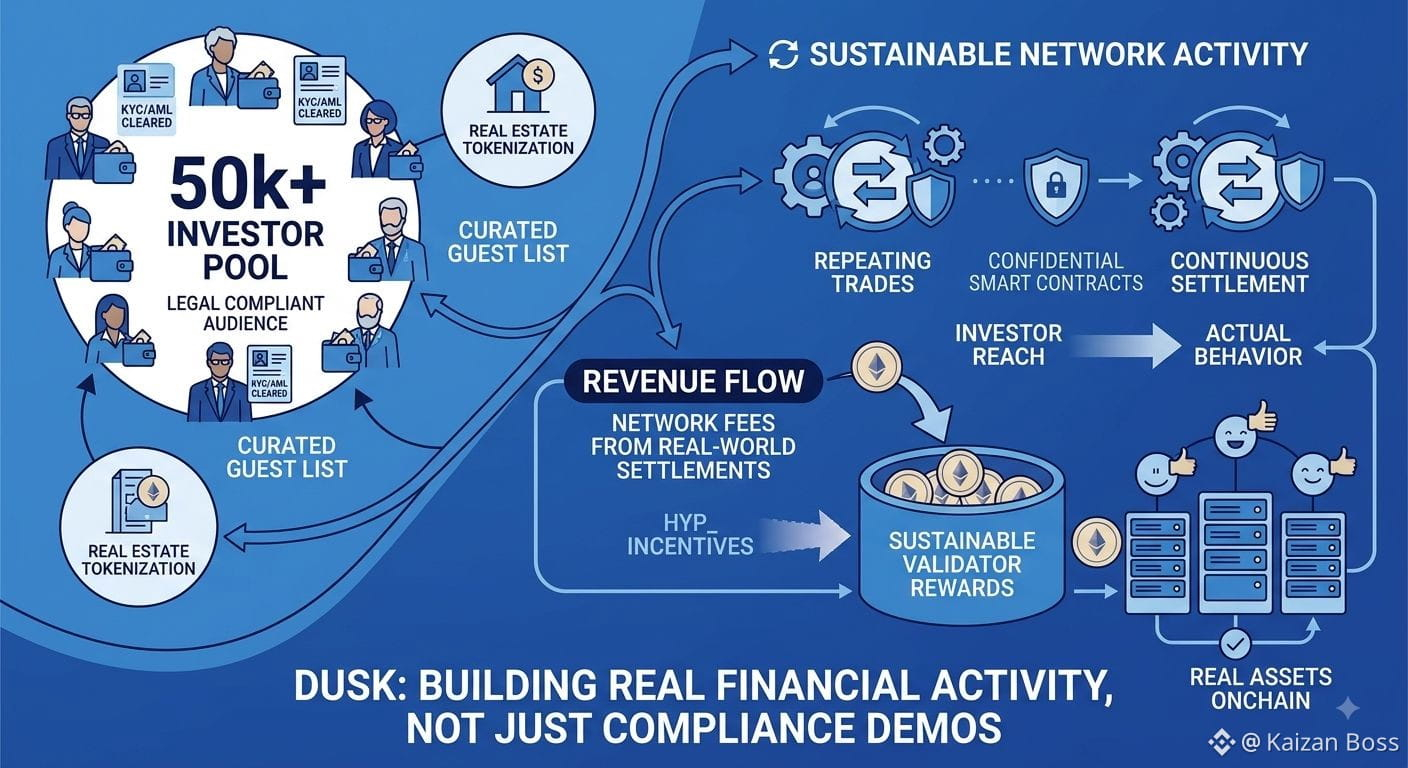
Duskは、金融アプリケーションに向けたプライバシー重視のレイヤー1ブロックチェーンです。基盤は、機密スマートコントラクトおよびConfidential Security Contract(XSC)規格を中心に設計されています。より広い目標として、ブロックチェーンによる検証を、金融市場で重要になり得るプライバシーやコンプライアンス要件と組み合わせることを目指しています。
Dusk Networkとは?
Dusk Networkは、金融アプリケーションを前提に作られた、プライバシー重視のブロックチェーンとして説明できます。
従来のパブリック・ブロックチェーンでは、一般に取引情報がネットワーク参加者に可視化されます。その透明性は役に立つ場合もありますが、あらゆる金融ユースケースに適しているとは限りません。プロフェッショナルな金融システムでは、すべての機密情報を誰に対しても公開せずに、その操作が正当であることを証明する必要があるかもしれません。
Duskは、機密取引およびスマートコントラクトをサポートすることで、この課題に取り組みます。
#dusk $DUSK @Dusk_Foundation
{future}(DUSKUSDT)
ブロックチェーン技術は透明性が高いとしてしばしば称賛されます。すべての取引を検証でき、記録はチェーン上に保存でき、参加者は従来のシステムに全面的に依存せずに相互作用できます。しかし、単純な暗号通貨の送金から本格的な金融アプリケーションへ移行すると、完全な透明性が問題を引き起こすこともあります。
金融機関、企業、投資家はしばしば機密性の高い情報を扱います。取引の詳細、資産の保有状況、財務上のポジション、事業活動などは、秘密にしておく必要がある場合があります。その一方で、システムには信頼性の高い検証と決済を提供することが求められます。
そこで、Dusk Networkが注目に値します。
Duskは、金融アプリケーションに向けたプライバシー重視のレイヤー1ブロックチェーンです。基盤は、機密スマートコントラクトおよびConfidential Security Contract(XSC)規格を中心に設計されています。より広い目標として、ブロックチェーンによる検証を、金融市場で重要になり得るプライバシーやコンプライアンス要件と組み合わせることを目指しています。
Dusk Networkとは?
Dusk Networkは、金融アプリケーションを前提に作られた、プライバシー重視のブロックチェーンとして説明できます。
従来のパブリック・ブロックチェーンでは、一般に取引情報がネットワーク参加者に可視化されます。その透明性は役に立つ場合もありますが、あらゆる金融ユースケースに適しているとは限りません。プロフェッショナルな金融システムでは、すべての機密情報を誰に対しても公開せずに、その操作が正当であることを証明する必要があるかもしれません。
Duskは、機密取引およびスマートコントラクトをサポートすることで、この課題に取り組みます。
#dusk $DUSK @Dusk
金融機関、企業、投資家はしばしば機密性の高い情報を扱います。取引の詳細、資産の保有状況、財務上のポジション、事業活動などは、秘密にしておく必要がある場合があります。その一方で、システムには信頼性の高い検証と決済を提供することが求められます。
そこで、Dusk Networkが注目に値します。
Duskは、金融アプリケーションに向けたプライバシー重視のレイヤー1ブロックチェーンです。基盤は、機密スマートコントラクトおよびConfidential Security Contract(XSC)規格を中心に設計されています。より広い目標として、ブロックチェーンによる検証を、金融市場で重要になり得るプライバシーやコンプライアンス要件と組み合わせることを目指しています。
Dusk Networkとは?
Dusk Networkは、金融アプリケーションを前提に作られた、プライバシー重視のブロックチェーンとして説明できます。
従来のパブリック・ブロックチェーンでは、一般に取引情報がネットワーク参加者に可視化されます。その透明性は役に立つ場合もありますが、あらゆる金融ユースケースに適しているとは限りません。プロフェッショナルな金融システムでは、すべての機密情報を誰に対しても公開せずに、その操作が正当であることを証明する必要があるかもしれません。
Duskは、機密取引およびスマートコントラクトをサポートすることで、この課題に取り組みます。
#dusk $DUSK @Dusk
1
1
127
·
--
ブリッシュ
本人確認中
正直に言うと、プロジェクトが「機関投資家グレード」や「実世界の資産」みたいなフレーズを投げ始めた瞬間、私はいつも聞き流しがちなんです。
でもDuskは、問題の捉え方を少し変えてくれました。
面白いのは、証券をオンチェーンに持ち込めたり、決済をより速くできたりすることだけではありません。重要なのは、実際の投資家が金融市場に必要なプライバシーを手放さずに、そのシステムを本当に使えるかどうかです。
そこにこそ、私にとってのDuskの意味があります。検証できるだけの透明性は必要だけれど、すべてのセンシティブな情報を公の場に晒したくはない。機密性のあるスマートコントラクトや、規制の枠組みに沿った金融インフラに焦点を当てている点は、よくある“プライバシー物語”よりずっと現実的に感じます。私は実際そこを注目しています。
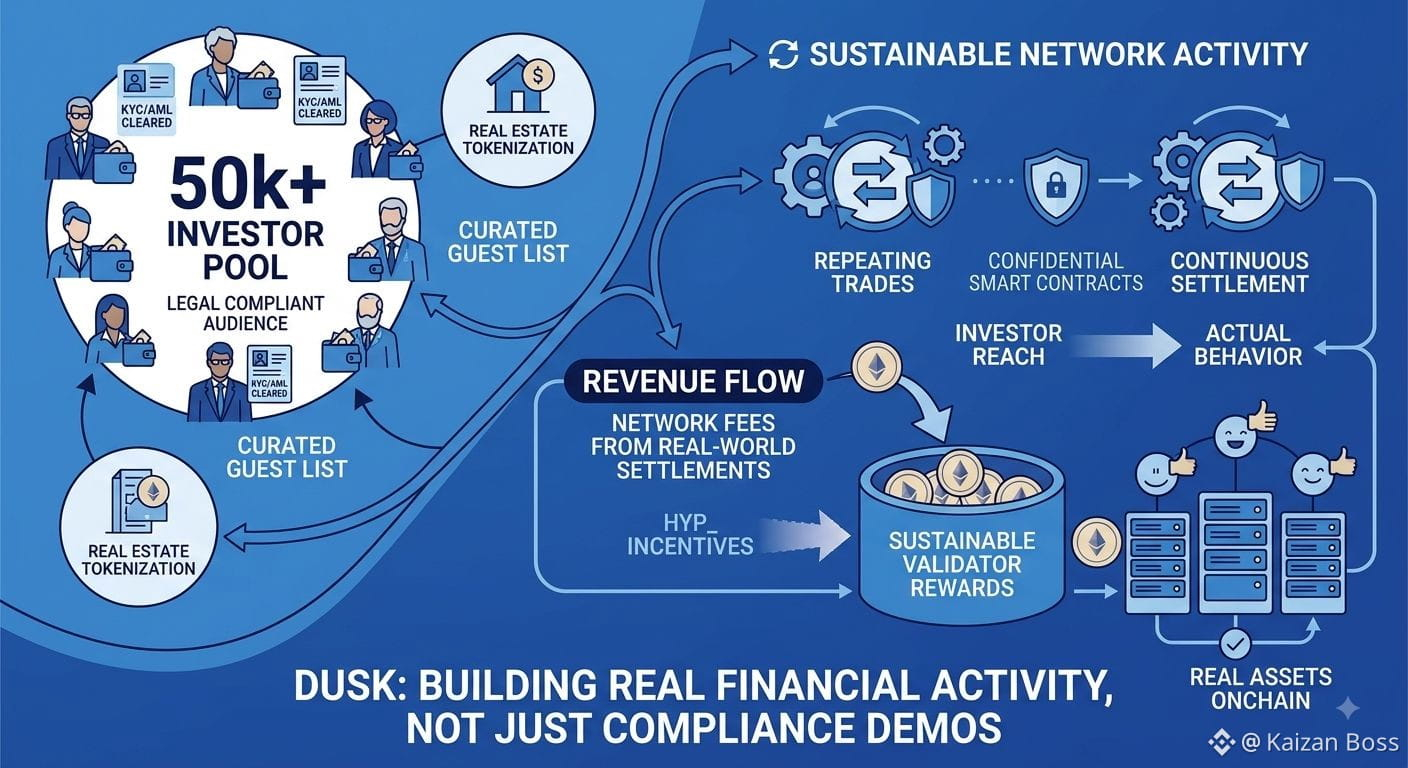
そして、50k+の投資家プール。
その数字は確かにすごく見えます。でも私が気になるのは、見出しの後に何が起きるかです。そうした投資家は、本当にトークン化された資産を買い、取引し、決済しているのか。それとも単に“登録番号の大きさ”の一部に過ぎないのか。
そこが本当に重要です。
ネットワークが優れた技術を持ち、強力なコンプライアンス機能があり、潜在的な利用者数が多くても、実際に人々がレールを繰り返し使わなければ、経済性は厳しくなります。
私は、次のようなシンプルなループにいつも立ち返ります。発行者が資産を持ち込み、投資家がそれを使い、取引が起き、手数料が生まれ、その手数料がネットワークと参加者を支える。
技術はもちろん大事。でも本当の採用こそが決定的です。
もしそのループが現実になり、繰り返し可能になるなら、Duskはかなり面白い存在になります。
利用が主にインセンティブ、エアドロップ、初期の熱狂に依存するだけなら、私はずいぶん納得しにくいです。
だから、もう私は“盛り上がり”を追っていません。私は“行動”を見ています。
その50k+の投資家は本当にアクティブな市場参加者になるのか。そして、実際の金融活動が、ネットワークを長期的に支えられるだけの手数料を生み出せるのか。
その答えは、どんなマーケティングの見出しよりも、きっと$DUSK について多くを教えてくれるはずです。
@Dusk_Foundation #dusk
#dusk $DUSK
{future}(DUSKUSDT)
正直に言うと、プロジェクトが「機関投資家グレード」や「実世界の資産」みたいなフレーズを投げ始めた瞬間、私はいつも聞き流しがちなんです。
でもDuskは、問題の捉え方を少し変えてくれました。
面白いのは、証券をオンチェーンに持ち込めたり、決済をより速くできたりすることだけではありません。重要なのは、実際の投資家が金融市場に必要なプライバシーを手放さずに、そのシステムを本当に使えるかどうかです。
そこにこそ、私にとってのDuskの意味があります。検証できるだけの透明性は必要だけれど、すべてのセンシティブな情報を公の場に晒したくはない。機密性のあるスマートコントラクトや、規制の枠組みに沿った金融インフラに焦点を当てている点は、よくある“プライバシー物語”よりずっと現実的に感じます。私は実際そこを注目しています。
そして、50k+の投資家プール。
その数字は確かにすごく見えます。でも私が気になるのは、見出しの後に何が起きるかです。そうした投資家は、本当にトークン化された資産を買い、取引し、決済しているのか。それとも単に“登録番号の大きさ”の一部に過ぎないのか。
そこが本当に重要です。
ネットワークが優れた技術を持ち、強力なコンプライアンス機能があり、潜在的な利用者数が多くても、実際に人々がレールを繰り返し使わなければ、経済性は厳しくなります。
私は、次のようなシンプルなループにいつも立ち返ります。発行者が資産を持ち込み、投資家がそれを使い、取引が起き、手数料が生まれ、その手数料がネットワークと参加者を支える。
技術はもちろん大事。でも本当の採用こそが決定的です。
もしそのループが現実になり、繰り返し可能になるなら、Duskはかなり面白い存在になります。
利用が主にインセンティブ、エアドロップ、初期の熱狂に依存するだけなら、私はずいぶん納得しにくいです。
だから、もう私は“盛り上がり”を追っていません。私は“行動”を見ています。
その50k+の投資家は本当にアクティブな市場参加者になるのか。そして、実際の金融活動が、ネットワークを長期的に支えられるだけの手数料を生み出せるのか。
その答えは、どんなマーケティングの見出しよりも、きっと$DUSK について多くを教えてくれるはずです。
@Dusk #dusk
#dusk $DUSK
でもDuskは、問題の捉え方を少し変えてくれました。
面白いのは、証券をオンチェーンに持ち込めたり、決済をより速くできたりすることだけではありません。重要なのは、実際の投資家が金融市場に必要なプライバシーを手放さずに、そのシステムを本当に使えるかどうかです。
そこにこそ、私にとってのDuskの意味があります。検証できるだけの透明性は必要だけれど、すべてのセンシティブな情報を公の場に晒したくはない。機密性のあるスマートコントラクトや、規制の枠組みに沿った金融インフラに焦点を当てている点は、よくある“プライバシー物語”よりずっと現実的に感じます。私は実際そこを注目しています。
そして、50k+の投資家プール。
その数字は確かにすごく見えます。でも私が気になるのは、見出しの後に何が起きるかです。そうした投資家は、本当にトークン化された資産を買い、取引し、決済しているのか。それとも単に“登録番号の大きさ”の一部に過ぎないのか。
そこが本当に重要です。
ネットワークが優れた技術を持ち、強力なコンプライアンス機能があり、潜在的な利用者数が多くても、実際に人々がレールを繰り返し使わなければ、経済性は厳しくなります。
私は、次のようなシンプルなループにいつも立ち返ります。発行者が資産を持ち込み、投資家がそれを使い、取引が起き、手数料が生まれ、その手数料がネットワークと参加者を支える。
技術はもちろん大事。でも本当の採用こそが決定的です。
もしそのループが現実になり、繰り返し可能になるなら、Duskはかなり面白い存在になります。
利用が主にインセンティブ、エアドロップ、初期の熱狂に依存するだけなら、私はずいぶん納得しにくいです。
だから、もう私は“盛り上がり”を追っていません。私は“行動”を見ています。
その50k+の投資家は本当にアクティブな市場参加者になるのか。そして、実際の金融活動が、ネットワークを長期的に支えられるだけの手数料を生み出せるのか。
その答えは、どんなマーケティングの見出しよりも、きっと$DUSK について多くを教えてくれるはずです。
@Dusk #dusk
#dusk $DUSK
4
3
214
·
--
ブリッシュ
本人確認中
$DUSK 20.6 USDT(30日間の取引)
Zedgerを見れば見るほど、面白いのは「プライバシー」だけではない部分だと感じます。
証券の保有は、残高を隠すことよりもずっと複雑です。
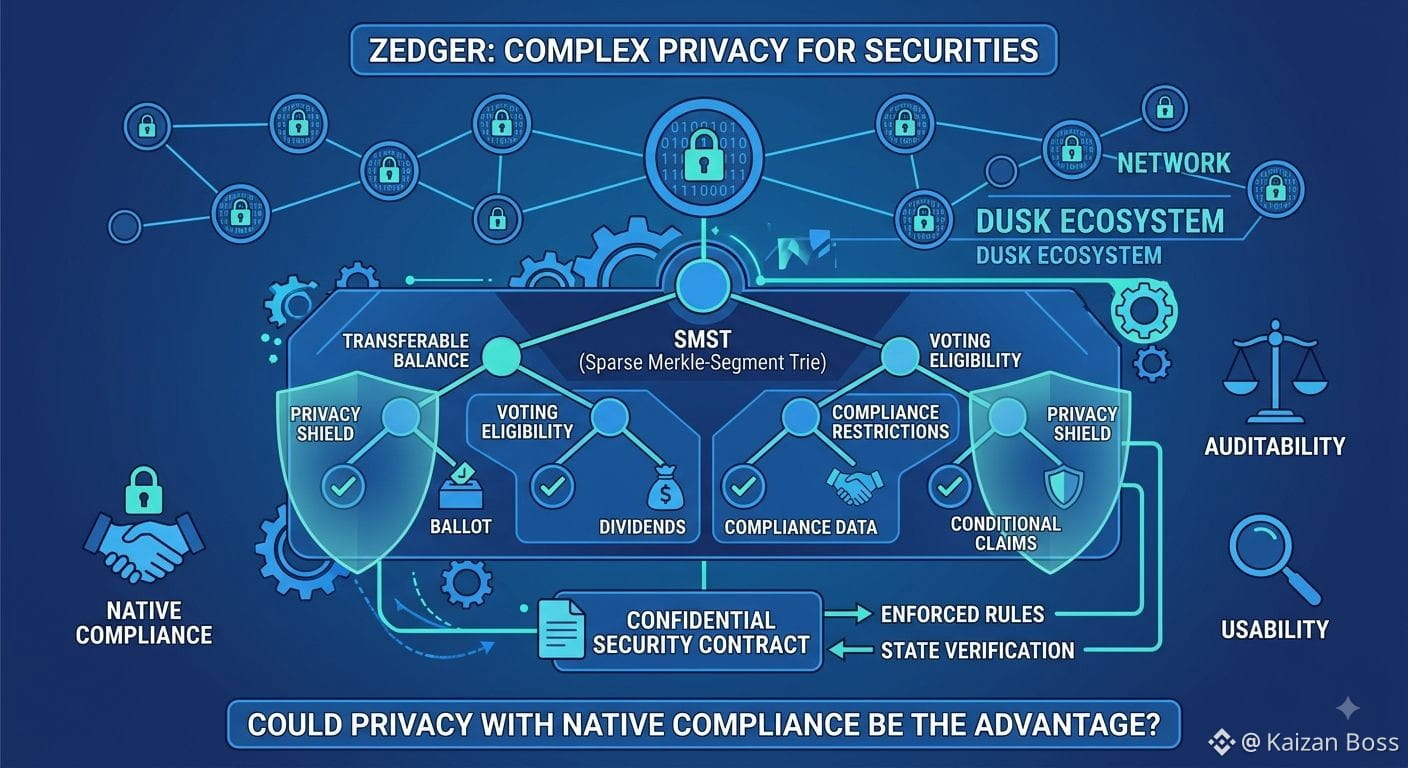
保有は、譲渡可能であったり、議決権のあるものであったり、配当対象であったり、制限付きであったり、あるいは特定の承認ルールの対象になったりし得ます。つまり金融市場にとって難しい問題は、「誰が何を保有しているかを隠す」ことだけではありません。公開せずに、保有の変更が実際に有効であることを証明する必要があるのです。
そこで、私が注目しているのがZedgerのSparse Merkle-Segment Trie、いわゆるSMSTです。
SMSTは、Sparse Merkle TreeとSegment Treeを組み合わせて、口座状態をコミットしながら、構造の中に異なる残高カテゴリを保持します。理論上、これにより、譲渡可能・議決権・最大・配当関連といったものを、すべての保有の詳細を公開データに変えずに、ネットワークが区別できるようになります。
これは、証券にとってより面白いプライバシーモデルだと思います。
従来のブロックチェーンは、多くの場合透明性をデフォルトにしています。しかし、機関は取引ポジション、支払いフロー、株主情報を誰にでも開示せずに、検証が必要になるかもしれません。
Duskは、この問題に似た方向性で、プライバシー重視のLayer-1とConfidential Security Contractの標準から取り組み、機密情報を保護しつつ、金融アプリケーションが状態を検証できることを目指しています。
とはいえ、私は慎重です。
状態フィールドが増え、証明ルールが増えるほど、工学的にも検証面でも複雑さが増します。設計は紙の上では美しく見えても、大規模に安全に実装するのは難しいことがあります。
だから本当の試験は、Zedgerが残高を隠せるかどうかではありません。
暗号の口座モデルが、証券の保有というややこしい現実を表現しつつ、実用的で、監査可能で、分散化されたままでいられるかどうかです。
私が見ているのは、その部分です。
準拠したプライバシーは、金融ブロックチェーンにとって純粋な匿名性以上の大きな優位になり得るのでしょうか?
#dusk $DUSK @Dusk_Foundation
{future}(DUSKUSDT)
Zedgerを見れば見るほど、面白いのは「プライバシー」だけではない部分だと感じます。
証券の保有は、残高を隠すことよりもずっと複雑です。
保有は、譲渡可能であったり、議決権のあるものであったり、配当対象であったり、制限付きであったり、あるいは特定の承認ルールの対象になったりし得ます。つまり金融市場にとって難しい問題は、「誰が何を保有しているかを隠す」ことだけではありません。公開せずに、保有の変更が実際に有効であることを証明する必要があるのです。
そこで、私が注目しているのがZedgerのSparse Merkle-Segment Trie、いわゆるSMSTです。
SMSTは、Sparse Merkle TreeとSegment Treeを組み合わせて、口座状態をコミットしながら、構造の中に異なる残高カテゴリを保持します。理論上、これにより、譲渡可能・議決権・最大・配当関連といったものを、すべての保有の詳細を公開データに変えずに、ネットワークが区別できるようになります。
これは、証券にとってより面白いプライバシーモデルだと思います。
従来のブロックチェーンは、多くの場合透明性をデフォルトにしています。しかし、機関は取引ポジション、支払いフロー、株主情報を誰にでも開示せずに、検証が必要になるかもしれません。
Duskは、この問題に似た方向性で、プライバシー重視のLayer-1とConfidential Security Contractの標準から取り組み、機密情報を保護しつつ、金融アプリケーションが状態を検証できることを目指しています。
とはいえ、私は慎重です。
状態フィールドが増え、証明ルールが増えるほど、工学的にも検証面でも複雑さが増します。設計は紙の上では美しく見えても、大規模に安全に実装するのは難しいことがあります。
だから本当の試験は、Zedgerが残高を隠せるかどうかではありません。
暗号の口座モデルが、証券の保有というややこしい現実を表現しつつ、実用的で、監査可能で、分散化されたままでいられるかどうかです。
私が見ているのは、その部分です。
準拠したプライバシーは、金融ブロックチェーンにとって純粋な匿名性以上の大きな優位になり得るのでしょうか?
#dusk $DUSK @Dusk
証券の保有は、残高を隠すことよりもずっと複雑です。
保有は、譲渡可能であったり、議決権のあるものであったり、配当対象であったり、制限付きであったり、あるいは特定の承認ルールの対象になったりし得ます。つまり金融市場にとって難しい問題は、「誰が何を保有しているかを隠す」ことだけではありません。公開せずに、保有の変更が実際に有効であることを証明する必要があるのです。
そこで、私が注目しているのがZedgerのSparse Merkle-Segment Trie、いわゆるSMSTです。
SMSTは、Sparse Merkle TreeとSegment Treeを組み合わせて、口座状態をコミットしながら、構造の中に異なる残高カテゴリを保持します。理論上、これにより、譲渡可能・議決権・最大・配当関連といったものを、すべての保有の詳細を公開データに変えずに、ネットワークが区別できるようになります。
これは、証券にとってより面白いプライバシーモデルだと思います。
従来のブロックチェーンは、多くの場合透明性をデフォルトにしています。しかし、機関は取引ポジション、支払いフロー、株主情報を誰にでも開示せずに、検証が必要になるかもしれません。
Duskは、この問題に似た方向性で、プライバシー重視のLayer-1とConfidential Security Contractの標準から取り組み、機密情報を保護しつつ、金融アプリケーションが状態を検証できることを目指しています。
とはいえ、私は慎重です。
状態フィールドが増え、証明ルールが増えるほど、工学的にも検証面でも複雑さが増します。設計は紙の上では美しく見えても、大規模に安全に実装するのは難しいことがあります。
だから本当の試験は、Zedgerが残高を隠せるかどうかではありません。
暗号の口座モデルが、証券の保有というややこしい現実を表現しつつ、実用的で、監査可能で、分散化されたままでいられるかどうかです。
私が見ているのは、その部分です。
準拠したプライバシーは、金融ブロックチェーンにとって純粋な匿名性以上の大きな優位になり得るのでしょうか?
#dusk $DUSK @Dusk
2
350
·
--
ブリッシュ
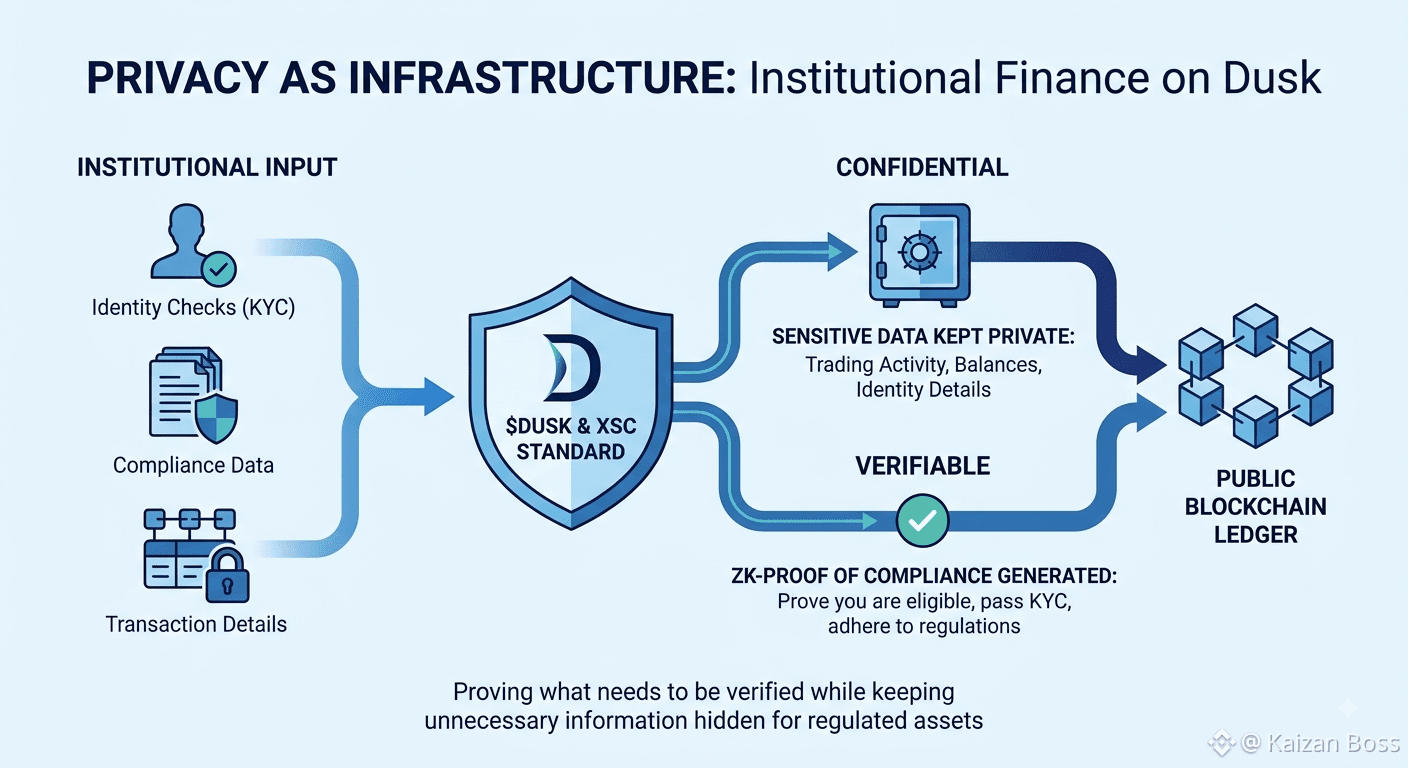
プライバシーは単なる機能ではなく、インフラになりつつあります。
従来の金融では機密性が必要ですが、公的ブロックチェーンは、機関が共有に抵抗を感じる以上の情報をはるかに多く露出してしまいます。そのため、規制対象の資産や本格的な金融活動がオンチェーンへ移ると、かなり明白な問題が生じます。
そこで私が注目しているのが <a>$DUSK and</a> と XSC スタンダードです。
考え方は、単に「すべてをプライベートにする」だけではありません。実際に検証が必要なものを証明しつつ、不要な金融情報は隠したままにすることが主眼です。
機関にとっては、それが大きな意味を持つ可能性があります。
本人確認、コンプライアンス、取引活動、そして取引の詳細は検証される必要があるかもしれませんが、それは同時に、すべての参加者が全体像を見るべきだということではありません。ローンを申し込んだからといって、銀行があなたの金融履歴すべてを公開することは期待しないでしょう。
同時に、プライバシー技術だけでは普及は解決できません。
機関は引き続き、インフラ、コンプライアンス手順、そして実行を信頼する必要があります。開発者もまた、ユーザー体験をつらくしたり、過度に複雑にしたりすることなく、役に立つアプリケーションを構築する必要があります。
だからこそ、私は技術的な主張よりも実際の利用状況を見ています。
もし流動性が実際に DUSK を通じて動き始め、有用な金融商品が登場し始めるなら、プライバシーのアーキテクチャははるかに意味のあるものになります。
より大きな問いは、私にとって、それが「プライベートな検証」がいずれ本格的なオンチェーン金融の基本要件になるのか、それとも「流動性が常に先」なのか、という点です。
#dusk $DUSK @Dusk_Foundation
{spot}(DUSKUSDT)
プライバシーは単なる機能ではなく、インフラになりつつあります。
従来の金融では機密性が必要ですが、公的ブロックチェーンは、機関が共有に抵抗を感じる以上の情報をはるかに多く露出してしまいます。そのため、規制対象の資産や本格的な金融活動がオンチェーンへ移ると、かなり明白な問題が生じます。
そこで私が注目しているのが <a>$DUSK and</a> と XSC スタンダードです。
考え方は、単に「すべてをプライベートにする」だけではありません。実際に検証が必要なものを証明しつつ、不要な金融情報は隠したままにすることが主眼です。
機関にとっては、それが大きな意味を持つ可能性があります。
本人確認、コンプライアンス、取引活動、そして取引の詳細は検証される必要があるかもしれませんが、それは同時に、すべての参加者が全体像を見るべきだということではありません。ローンを申し込んだからといって、銀行があなたの金融履歴すべてを公開することは期待しないでしょう。
同時に、プライバシー技術だけでは普及は解決できません。
機関は引き続き、インフラ、コンプライアンス手順、そして実行を信頼する必要があります。開発者もまた、ユーザー体験をつらくしたり、過度に複雑にしたりすることなく、役に立つアプリケーションを構築する必要があります。
だからこそ、私は技術的な主張よりも実際の利用状況を見ています。
もし流動性が実際に DUSK を通じて動き始め、有用な金融商品が登場し始めるなら、プライバシーのアーキテクチャははるかに意味のあるものになります。
より大きな問いは、私にとって、それが「プライベートな検証」がいずれ本格的なオンチェーン金融の基本要件になるのか、それとも「流動性が常に先」なのか、という点です。
#dusk $DUSK @Dusk
従来の金融では機密性が必要ですが、公的ブロックチェーンは、機関が共有に抵抗を感じる以上の情報をはるかに多く露出してしまいます。そのため、規制対象の資産や本格的な金融活動がオンチェーンへ移ると、かなり明白な問題が生じます。
そこで私が注目しているのが <a>$DUSK and</a> と XSC スタンダードです。
考え方は、単に「すべてをプライベートにする」だけではありません。実際に検証が必要なものを証明しつつ、不要な金融情報は隠したままにすることが主眼です。
機関にとっては、それが大きな意味を持つ可能性があります。
本人確認、コンプライアンス、取引活動、そして取引の詳細は検証される必要があるかもしれませんが、それは同時に、すべての参加者が全体像を見るべきだということではありません。ローンを申し込んだからといって、銀行があなたの金融履歴すべてを公開することは期待しないでしょう。
同時に、プライバシー技術だけでは普及は解決できません。
機関は引き続き、インフラ、コンプライアンス手順、そして実行を信頼する必要があります。開発者もまた、ユーザー体験をつらくしたり、過度に複雑にしたりすることなく、役に立つアプリケーションを構築する必要があります。
だからこそ、私は技術的な主張よりも実際の利用状況を見ています。
もし流動性が実際に DUSK を通じて動き始め、有用な金融商品が登場し始めるなら、プライバシーのアーキテクチャははるかに意味のあるものになります。
より大きな問いは、私にとって、それが「プライベートな検証」がいずれ本格的なオンチェーン金融の基本要件になるのか、それとも「流動性が常に先」なのか、という点です。
#dusk $DUSK @Dusk
2
218
·
--
弱気相場
本人確認中
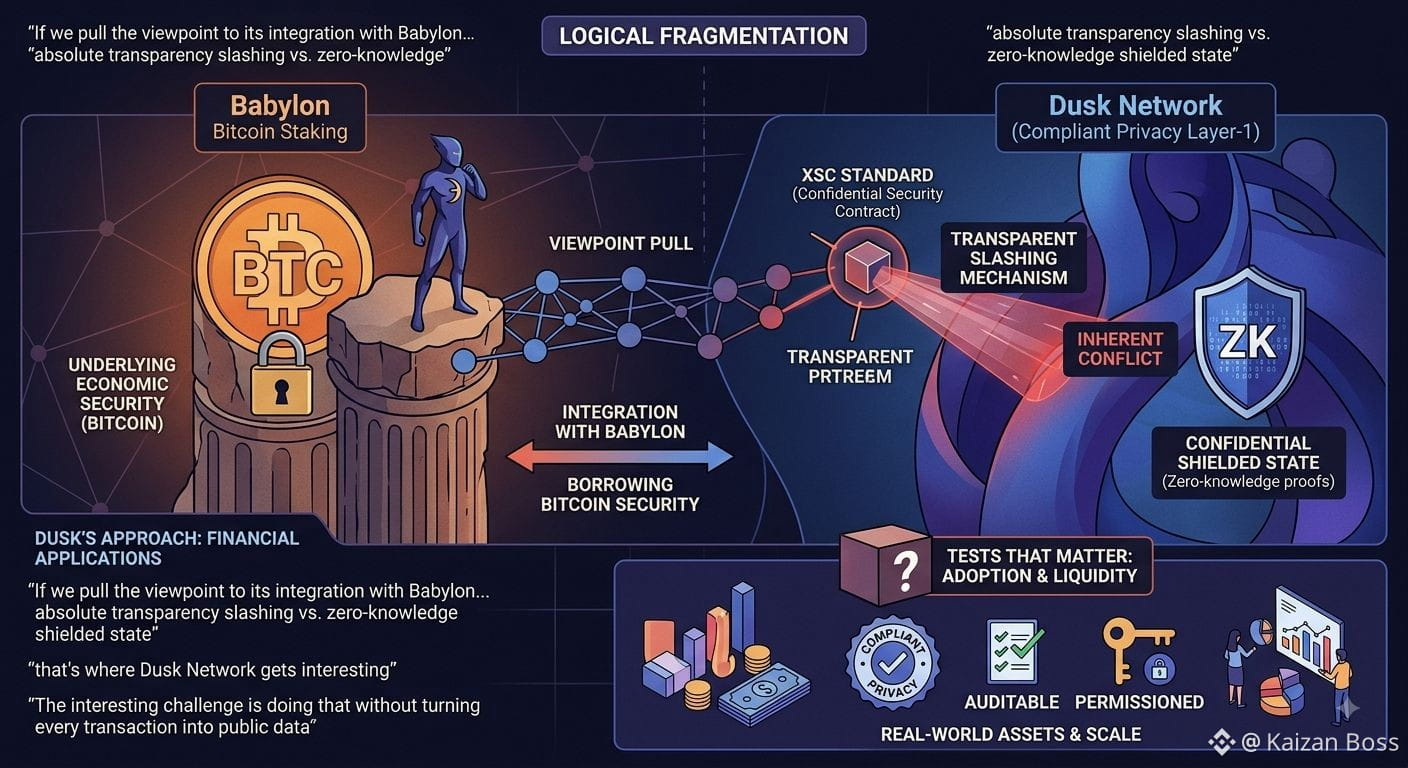
@Dusk_Foundation バビロンとの統合に向けて視点を引き寄せると、ビットコインのステーキング・エコシステムにおける論理の断片化という感覚が、さらに一層はっきりと見えてきます。「コンプライアンス対応のプライバシー」を旗印に掲げるDuskは、ビットコインの基盤となる経済的なセキュリティを得るためにバビロンを借りることに意欲的ですが、その結果としてプロジェクトの最も根本的な内部矛盾が露わになります。つまり、「絶対的に透明なスラッシング(没収)メカニズム」と、「ゼロ知識で秘匿された状態」に自然に反する対立が内在しているのです。
そこでDusk Networkが面白くなります。
Duskは、金融アプリケーションと規制対象資産のために特化して作られた、プライバシー重視のレイヤー1です。プライバシーを後付けのように扱うのではなく、金融活動は検証可能でありながら機密性も保てる、という考え方を中心にネットワークが設計されています。$NVDAB
$BTG
そのアプローチの中心にあるのが、機密セキュリティ契約(Confidential Security Contract)またはXSC標準です。規制対象資産や金融商品に対して、取引やスマートコントラクトの活動を、コンプライアンスを窓の外に放り出さずに、オンチェーン上でもプライベートに保てる枠組みを提供することが目標です。
私が最も重要だと感じるのは、そのバランスです。
Duskは単に「すべてをプライベートにしよう」と言っているわけではありません。金融市場には、ルール、監査、許可、そして特定の条件が満たされていることを証明する方法が、依然として必要です。面白い課題は、それを行いながら、あらゆる取引を公開データに変えてしまわないようにすることです。
そのため、機密スマートコントラクトは、単なるもう一つのプライバシー機能というよりも、はるかに重要になります。現実世界の金融アプリケーションでは、プライバシーはインフラそのものの一部になり得ます。
私にとってのより大きな疑問は、開発者や規制機関が、このモデルを、単にアイデアを試す段階ではなく、規模の面でオンチェーン上で実資産を構築し、発行し、取引し、決済することになったときに、どれだけ好むのかという点です。
私は、Duskがこのアーキテクチャを実際の導入、流動性、そして機関投資家による利用へどれほどうまく翻訳できるのかを引き続き見ています。技術は理屈としては筋が通っているように見えますが、それが本当に問われるのは「それが通用するかどうか」です。
#dusk $DUSK @Dusk_Foundation
{spot}(DUSKUSDT)
@Dusk バビロンとの統合に向けて視点を引き寄せると、ビットコインのステーキング・エコシステムにおける論理の断片化という感覚が、さらに一層はっきりと見えてきます。「コンプライアンス対応のプライバシー」を旗印に掲げるDuskは、ビットコインの基盤となる経済的なセキュリティを得るためにバビロンを借りることに意欲的ですが、その結果としてプロジェクトの最も根本的な内部矛盾が露わになります。つまり、「絶対的に透明なスラッシング(没収)メカニズム」と、「ゼロ知識で秘匿された状態」に自然に反する対立が内在しているのです。
そこでDusk Networkが面白くなります。
Duskは、金融アプリケーションと規制対象資産のために特化して作られた、プライバシー重視のレイヤー1です。プライバシーを後付けのように扱うのではなく、金融活動は検証可能でありながら機密性も保てる、という考え方を中心にネットワークが設計されています。$NVDAB
$BTG
そのアプローチの中心にあるのが、機密セキュリティ契約(Confidential Security Contract)またはXSC標準です。規制対象資産や金融商品に対して、取引やスマートコントラクトの活動を、コンプライアンスを窓の外に放り出さずに、オンチェーン上でもプライベートに保てる枠組みを提供することが目標です。
私が最も重要だと感じるのは、そのバランスです。
Duskは単に「すべてをプライベートにしよう」と言っているわけではありません。金融市場には、ルール、監査、許可、そして特定の条件が満たされていることを証明する方法が、依然として必要です。面白い課題は、それを行いながら、あらゆる取引を公開データに変えてしまわないようにすることです。
そのため、機密スマートコントラクトは、単なるもう一つのプライバシー機能というよりも、はるかに重要になります。現実世界の金融アプリケーションでは、プライバシーはインフラそのものの一部になり得ます。
私にとってのより大きな疑問は、開発者や規制機関が、このモデルを、単にアイデアを試す段階ではなく、規模の面でオンチェーン上で実資産を構築し、発行し、取引し、決済することになったときに、どれだけ好むのかという点です。
私は、Duskがこのアーキテクチャを実際の導入、流動性、そして機関投資家による利用へどれほどうまく翻訳できるのかを引き続き見ています。技術は理屈としては筋が通っているように見えますが、それが本当に問われるのは「それが通用するかどうか」です。
#dusk $DUSK @Dusk
そこでDusk Networkが面白くなります。
Duskは、金融アプリケーションと規制対象資産のために特化して作られた、プライバシー重視のレイヤー1です。プライバシーを後付けのように扱うのではなく、金融活動は検証可能でありながら機密性も保てる、という考え方を中心にネットワークが設計されています。$NVDAB
$BTG
そのアプローチの中心にあるのが、機密セキュリティ契約(Confidential Security Contract)またはXSC標準です。規制対象資産や金融商品に対して、取引やスマートコントラクトの活動を、コンプライアンスを窓の外に放り出さずに、オンチェーン上でもプライベートに保てる枠組みを提供することが目標です。
私が最も重要だと感じるのは、そのバランスです。
Duskは単に「すべてをプライベートにしよう」と言っているわけではありません。金融市場には、ルール、監査、許可、そして特定の条件が満たされていることを証明する方法が、依然として必要です。面白い課題は、それを行いながら、あらゆる取引を公開データに変えてしまわないようにすることです。
そのため、機密スマートコントラクトは、単なるもう一つのプライバシー機能というよりも、はるかに重要になります。現実世界の金融アプリケーションでは、プライバシーはインフラそのものの一部になり得ます。
私にとってのより大きな疑問は、開発者や規制機関が、このモデルを、単にアイデアを試す段階ではなく、規模の面でオンチェーン上で実資産を構築し、発行し、取引し、決済することになったときに、どれだけ好むのかという点です。
私は、Duskがこのアーキテクチャを実際の導入、流動性、そして機関投資家による利用へどれほどうまく翻訳できるのかを引き続き見ています。技術は理屈としては筋が通っているように見えますが、それが本当に問われるのは「それが通用するかどうか」です。
#dusk $DUSK @Dusk
1
2
581
·
--
弱気相場
バビロンは、実際に立ち止まって二度読みしてしまう数少ないBTCのアイデアのひとつです。
要点はシンプルです。ビットコインを自己管理し続け、ラップもしない、ブリッジもしない、どこかの仲介者に渡すこともしない。それでも、役に立つ形でセキュリティに寄与させる、ということです。この部分が重要。多くの「BTCイールド」論は、ここで論点を見失いがちですが、バビロンはビットコインのマインドセットから出発して、それを書き換えようとはしていないように見えます。
目立つのは、この設計がビットコインに別の何かになることを求めていない点です。自己管理を尊重したまま、バビロンのエコシステムを通じてPoSネットワークのセキュリティを支える形でBTCを活用しています。これは、いつもの「コインを預けて、私たちを信じて」というモデルとはまったく違う会話です。
とはいえ、私はまだ慎重です。というのも、あらゆるステーキングにはトレードオフがあり、タイミングの問題やセキュリティ前提の違いがあります。それでも方向性は興味深い。信頼の漏えいが少なくなり、オンチェーンの明確さが増し、さらにビットコイン資本とPoSセキュリティの結びつきが強くなる。
これは、単なるマーケティングのノイズではなく、実際の技術的なアイデアに感じます。
より多くのBTC保有者が、いま自己管理型のステーキングに関心を持ち始めているのでしょうか?それとも市場はまだ、簡単な物語を追いかけるのに忙しすぎますか?
#baby $BABY @babylonlabs_io
{spot}(BABYUSDT)
バビロンは、実際に立ち止まって二度読みしてしまう数少ないBTCのアイデアのひとつです。
要点はシンプルです。ビットコインを自己管理し続け、ラップもしない、ブリッジもしない、どこかの仲介者に渡すこともしない。それでも、役に立つ形でセキュリティに寄与させる、ということです。この部分が重要。多くの「BTCイールド」論は、ここで論点を見失いがちですが、バビロンはビットコインのマインドセットから出発して、それを書き換えようとはしていないように見えます。
目立つのは、この設計がビットコインに別の何かになることを求めていない点です。自己管理を尊重したまま、バビロンのエコシステムを通じてPoSネットワークのセキュリティを支える形でBTCを活用しています。これは、いつもの「コインを預けて、私たちを信じて」というモデルとはまったく違う会話です。
とはいえ、私はまだ慎重です。というのも、あらゆるステーキングにはトレードオフがあり、タイミングの問題やセキュリティ前提の違いがあります。それでも方向性は興味深い。信頼の漏えいが少なくなり、オンチェーンの明確さが増し、さらにビットコイン資本とPoSセキュリティの結びつきが強くなる。
これは、単なるマーケティングのノイズではなく、実際の技術的なアイデアに感じます。
より多くのBTC保有者が、いま自己管理型のステーキングに関心を持ち始めているのでしょうか?それとも市場はまだ、簡単な物語を追いかけるのに忙しすぎますか?
#baby $BABY @BabylonLabs_io
要点はシンプルです。ビットコインを自己管理し続け、ラップもしない、ブリッジもしない、どこかの仲介者に渡すこともしない。それでも、役に立つ形でセキュリティに寄与させる、ということです。この部分が重要。多くの「BTCイールド」論は、ここで論点を見失いがちですが、バビロンはビットコインのマインドセットから出発して、それを書き換えようとはしていないように見えます。
目立つのは、この設計がビットコインに別の何かになることを求めていない点です。自己管理を尊重したまま、バビロンのエコシステムを通じてPoSネットワークのセキュリティを支える形でBTCを活用しています。これは、いつもの「コインを預けて、私たちを信じて」というモデルとはまったく違う会話です。
とはいえ、私はまだ慎重です。というのも、あらゆるステーキングにはトレードオフがあり、タイミングの問題やセキュリティ前提の違いがあります。それでも方向性は興味深い。信頼の漏えいが少なくなり、オンチェーンの明確さが増し、さらにビットコイン資本とPoSセキュリティの結びつきが強くなる。
これは、単なるマーケティングのノイズではなく、実際の技術的なアイデアに感じます。
より多くのBTC保有者が、いま自己管理型のステーキングに関心を持ち始めているのでしょうか?それとも市場はまだ、簡単な物語を追いかけるのに忙しすぎますか?
#baby $BABY @BabylonLabs_io
261
·
--
弱気相場
またバビロン(BABY)のことを考えていたんだけど、正直に言うと、気になり続けているのは結局同じ点だよね。つまり、ビットコイン保有者に「ビットコイン保有者であることをやめろ」とは求めずに、BTCにもっとやれることを増やそうとしている。
包み込みなし。鍵をどこかのプラットフォームに渡さない。変な「信じてくれよ」系のカストディ設定でもない。これが、人が思う以上にとても重要なんだ。
バビロンのアイデアは表面的にはかなりシンプルだ。BTCを自社で管理し続けたまま、PoSシステムのセキュリティに使えるようにすること。つまり、ビットコインをどこか別の場所に停めるものとして扱うんじゃなくて、より広いクリプトのスタックに対するアクティブなセキュリティへと変えていく。世の中にある「利回り」を語る定番の物語の多くより、ビットコインネイティブな発想に近い感じがする。
もちろん、本当の論点は、これが大きくなっていったときにトレードオフがきれいに保たれるかどうか。利用者が増えたときでも、設計は同じくらい強く感じられるのか。ユーザー体験は、プロトコルのオタクだけじゃなく、実際のBTC保有者にとって十分シンプルなままなのか。その部分は自分がずっと見ているところだ。
でも、この方向性は好きだよ。この界隈で、最初に「ビットコインを別の何かに変えろ」とは求めてこない、数少ないアイデアの一つだと思う。
ところで、他の$BTC 人はどう思う? 自己管理(セルフカストディ)のBTCステーキングって、ビットコインのユーティリティとしてもっとも面白い道のひとつなのか、それとも結局もう一つ、みんなが過剰に複雑化していく層にすぎないのか?
#baby $BABY @babylonlabs_io
{future}(BABYUSDT)
#USToCancelIranAttackSubjectToDeal #BerkshireSharesHit8MonthHigh
またバビロン(BABY)のことを考えていたんだけど、正直に言うと、気になり続けているのは結局同じ点だよね。つまり、ビットコイン保有者に「ビットコイン保有者であることをやめろ」とは求めずに、BTCにもっとやれることを増やそうとしている。
包み込みなし。鍵をどこかのプラットフォームに渡さない。変な「信じてくれよ」系のカストディ設定でもない。これが、人が思う以上にとても重要なんだ。
バビロンのアイデアは表面的にはかなりシンプルだ。BTCを自社で管理し続けたまま、PoSシステムのセキュリティに使えるようにすること。つまり、ビットコインをどこか別の場所に停めるものとして扱うんじゃなくて、より広いクリプトのスタックに対するアクティブなセキュリティへと変えていく。世の中にある「利回り」を語る定番の物語の多くより、ビットコインネイティブな発想に近い感じがする。
もちろん、本当の論点は、これが大きくなっていったときにトレードオフがきれいに保たれるかどうか。利用者が増えたときでも、設計は同じくらい強く感じられるのか。ユーザー体験は、プロトコルのオタクだけじゃなく、実際のBTC保有者にとって十分シンプルなままなのか。その部分は自分がずっと見ているところだ。
でも、この方向性は好きだよ。この界隈で、最初に「ビットコインを別の何かに変えろ」とは求めてこない、数少ないアイデアの一つだと思う。
ところで、他の$BTC 人はどう思う? 自己管理(セルフカストディ)のBTCステーキングって、ビットコインのユーティリティとしてもっとも面白い道のひとつなのか、それとも結局もう一つ、みんなが過剰に複雑化していく層にすぎないのか?
#baby $BABY @BabylonLabs_io
#USToCancelIranAttackSubjectToDeal #BerkshireSharesHit8MonthHigh
包み込みなし。鍵をどこかのプラットフォームに渡さない。変な「信じてくれよ」系のカストディ設定でもない。これが、人が思う以上にとても重要なんだ。
バビロンのアイデアは表面的にはかなりシンプルだ。BTCを自社で管理し続けたまま、PoSシステムのセキュリティに使えるようにすること。つまり、ビットコインをどこか別の場所に停めるものとして扱うんじゃなくて、より広いクリプトのスタックに対するアクティブなセキュリティへと変えていく。世の中にある「利回り」を語る定番の物語の多くより、ビットコインネイティブな発想に近い感じがする。
もちろん、本当の論点は、これが大きくなっていったときにトレードオフがきれいに保たれるかどうか。利用者が増えたときでも、設計は同じくらい強く感じられるのか。ユーザー体験は、プロトコルのオタクだけじゃなく、実際のBTC保有者にとって十分シンプルなままなのか。その部分は自分がずっと見ているところだ。
でも、この方向性は好きだよ。この界隈で、最初に「ビットコインを別の何かに変えろ」とは求めてこない、数少ないアイデアの一つだと思う。
ところで、他の$BTC 人はどう思う? 自己管理(セルフカストディ)のBTCステーキングって、ビットコインのユーティリティとしてもっとも面白い道のひとつなのか、それとも結局もう一つ、みんなが過剰に複雑化していく層にすぎないのか?
#baby $BABY @BabylonLabs_io
#USToCancelIranAttackSubjectToDeal #BerkshireSharesHit8MonthHigh
1
173
·
--
ブリッシュ
@babylonlabs_io
バビロンについて考えれば考えるほど、それは「聞いた瞬間に理屈としてはすぐ理解できる」のに、ビットコインがすでに“なぜそれが重要か”を教えてくれるまで、なかなか腑に落ちないタイプのアイデアのように感じます。
長い間、BTCホルダーは2つの不完全な選択肢の間で行き詰まってきました。コインを安全に保管して動かさないか、追加の信頼や追加のリスク、そして多くの場合追加の妥協を求めるシステムに移すかです。どちらの選択肢も、ビットコインの精神には本質的に合っていませんでした。
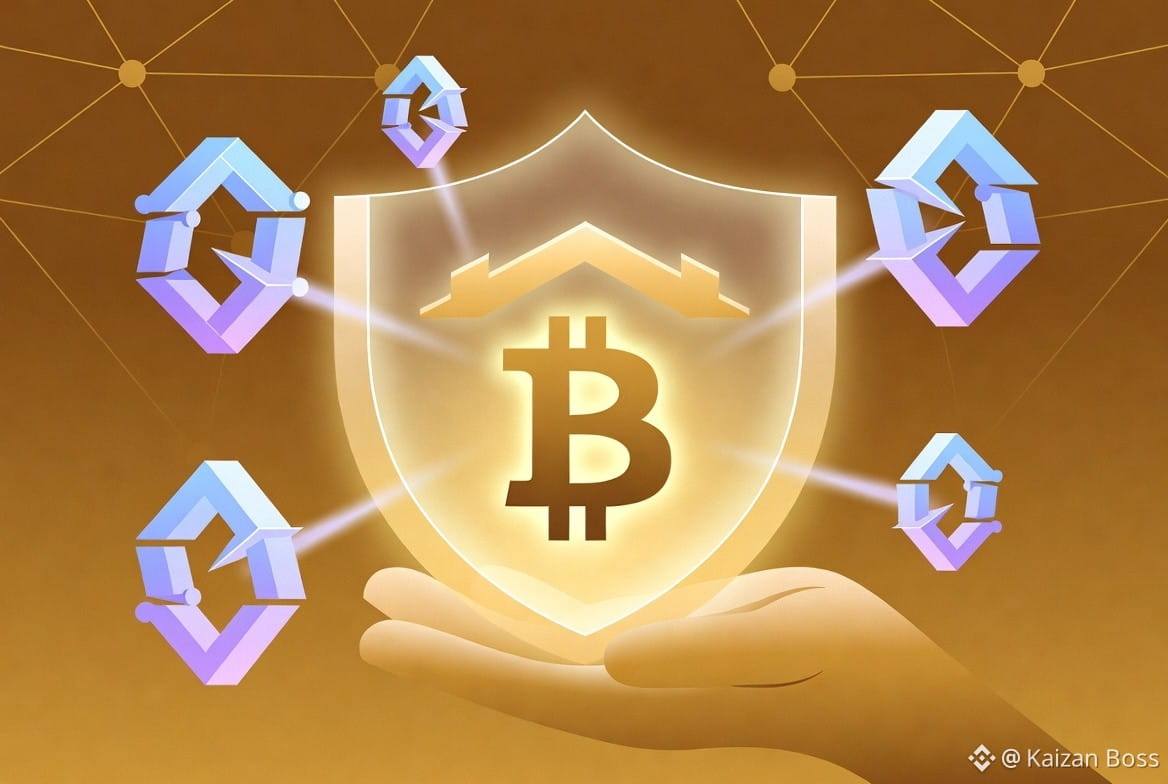
バビロンは別の道を選びます。そもそもビットコインの価値を成り立たせているもの、つまりセルフカストディを保ちながら、BTCにプルーフ・オブ・ステーク(PoS)ブロックチェーンのセキュリティを支える役割を与えようとします。単にビットコインをラップして、ユーザーが疑問を抱くのをやめてくれることを期待するより、はるかに面白い方向性です。
私にとって最も良い捉え方は、家を所有するようなものです。資産がより役立つようになってほしいからといって、所有権を手放す必要はありません。その資産が価値を生み出す方法を見つけつつ、所有したままでいられます。バビロンは、そのような考え方をビットコインに当てはめたもののように思えます。
もちろん、難しい部分を無視しているわけではありません。すべてのプロトコルは、セキュリティ、実装、そして実際の普及によって自分自身を証明しなければなりません。暗号には、実際の運用よりも見出しのほうが映える、わくわくするアイデアが尽きることがありません。健全な懐疑心は必要です。
それでも私は、バビロンがビットコインの有用性を広げようとしている点に新鮮さを感じます。つまり、そもそもBTCを保有するきっかけになった原則を、人々に捨てさせることなく拡張しようとしているのです。このモデルが成熟していくなら、ビットコインがより広いブロックチェーンの世界とどう関わるのかを変える可能性があるかもしれません。
#baby $BABY @babylonlabs_io
{spot}(BABYUSDT)
@BabylonLabs_io
バビロンについて考えれば考えるほど、それは「聞いた瞬間に理屈としてはすぐ理解できる」のに、ビットコインがすでに“なぜそれが重要か”を教えてくれるまで、なかなか腑に落ちないタイプのアイデアのように感じます。
長い間、BTCホルダーは2つの不完全な選択肢の間で行き詰まってきました。コインを安全に保管して動かさないか、追加の信頼や追加のリスク、そして多くの場合追加の妥協を求めるシステムに移すかです。どちらの選択肢も、ビットコインの精神には本質的に合っていませんでした。
バビロンは別の道を選びます。そもそもビットコインの価値を成り立たせているもの、つまりセルフカストディを保ちながら、BTCにプルーフ・オブ・ステーク(PoS)ブロックチェーンのセキュリティを支える役割を与えようとします。単にビットコインをラップして、ユーザーが疑問を抱くのをやめてくれることを期待するより、はるかに面白い方向性です。
私にとって最も良い捉え方は、家を所有するようなものです。資産がより役立つようになってほしいからといって、所有権を手放す必要はありません。その資産が価値を生み出す方法を見つけつつ、所有したままでいられます。バビロンは、そのような考え方をビットコインに当てはめたもののように思えます。
もちろん、難しい部分を無視しているわけではありません。すべてのプロトコルは、セキュリティ、実装、そして実際の普及によって自分自身を証明しなければなりません。暗号には、実際の運用よりも見出しのほうが映える、わくわくするアイデアが尽きることがありません。健全な懐疑心は必要です。
それでも私は、バビロンがビットコインの有用性を広げようとしている点に新鮮さを感じます。つまり、そもそもBTCを保有するきっかけになった原則を、人々に捨てさせることなく拡張しようとしているのです。このモデルが成熟していくなら、ビットコインがより広いブロックチェーンの世界とどう関わるのかを変える可能性があるかもしれません。
#baby $BABY @BabylonLabs_io
バビロンについて考えれば考えるほど、それは「聞いた瞬間に理屈としてはすぐ理解できる」のに、ビットコインがすでに“なぜそれが重要か”を教えてくれるまで、なかなか腑に落ちないタイプのアイデアのように感じます。
長い間、BTCホルダーは2つの不完全な選択肢の間で行き詰まってきました。コインを安全に保管して動かさないか、追加の信頼や追加のリスク、そして多くの場合追加の妥協を求めるシステムに移すかです。どちらの選択肢も、ビットコインの精神には本質的に合っていませんでした。
バビロンは別の道を選びます。そもそもビットコインの価値を成り立たせているもの、つまりセルフカストディを保ちながら、BTCにプルーフ・オブ・ステーク(PoS)ブロックチェーンのセキュリティを支える役割を与えようとします。単にビットコインをラップして、ユーザーが疑問を抱くのをやめてくれることを期待するより、はるかに面白い方向性です。
私にとって最も良い捉え方は、家を所有するようなものです。資産がより役立つようになってほしいからといって、所有権を手放す必要はありません。その資産が価値を生み出す方法を見つけつつ、所有したままでいられます。バビロンは、そのような考え方をビットコインに当てはめたもののように思えます。
もちろん、難しい部分を無視しているわけではありません。すべてのプロトコルは、セキュリティ、実装、そして実際の普及によって自分自身を証明しなければなりません。暗号には、実際の運用よりも見出しのほうが映える、わくわくするアイデアが尽きることがありません。健全な懐疑心は必要です。
それでも私は、バビロンがビットコインの有用性を広げようとしている点に新鮮さを感じます。つまり、そもそもBTCを保有するきっかけになった原則を、人々に捨てさせることなく拡張しようとしているのです。このモデルが成熟していくなら、ビットコインがより広いブロックチェーンの世界とどう関わるのかを変える可能性があるかもしれません。
#baby $BABY @BabylonLabs_io
3
1
158
·
--
ブリッシュ
$BTC @babylonlabs_io バビロンに長く身を置くほど、真のイノベーションは誤解されているのではないかと思うようになります。
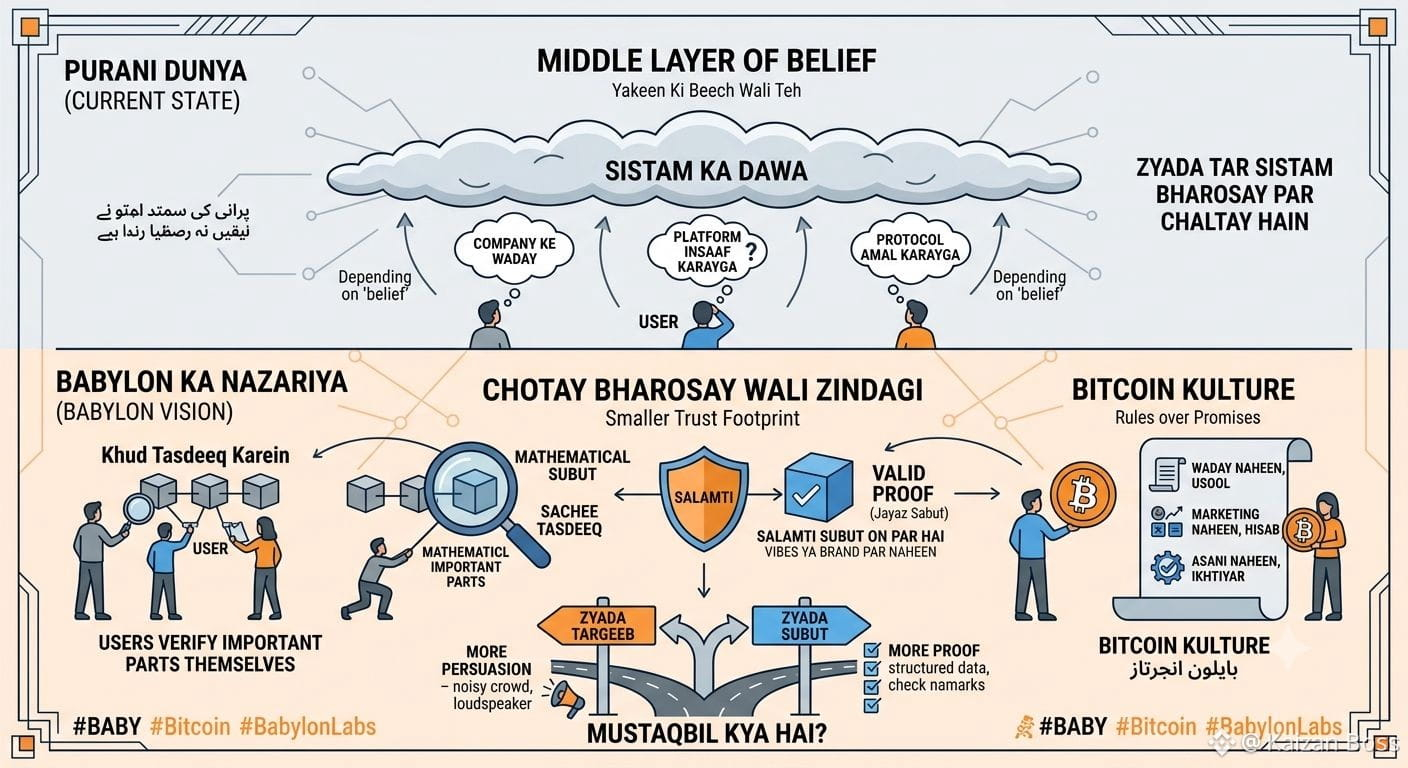
それは、劇的な一歩で信頼を消し去ることではありません。ユーザー自身が重要な部分を検証できるまで、システムが必要とする信頼の量を減らしていくことです。
それは小さく聞こえるかもしれませんが、実際にはとてつもなく大きい。
{future}(BTCUSDT)
ほとんどのシステムは、まだ中間層の「信じること」に依存しています。企業は安全だと言う。プラットフォームは公平だと言う。プロトコルは約束どおりにやると言う。バビロンは別の方向へと押し進めます。もっと証明し、もっと質問を減らす。
そして正直、それはより持続的な道のように感じます。
私の関心を引いたのは、これがビットコイン文化に自然に馴染む点でした。ビットコインの人たちはすでに検証を大切にしています。約束よりもルール、マーケティングよりも数学、利便性よりもコントロールを重視しています。バビロンは、そのマインドセットをステーキングにも広げているように見えます。つまり、最初に始めた原則を手放すようには求めていない。
だからこそ、私はその暗号学的な側面に繰り返し立ち戻ってしまいます。セキュリティは、トークンの雰囲気やブランドの評判に頼るべきではありません。チェックできるエビデンスに基づいています。正しい証明は、誰が人気かを気にしません。誰がうるさいかも気にしません。気にするのは、その主張が本当かどうかだけです。
この部分が、私にとって会話のすべてを変えてしまいます。
なぜなら、一度システムが検証可能な証明を土台に作られると、その問いはバビロン自体よりもずっと大きくなるからです。ユーザーは一番声の大きいプロジェクトを信じるのでしょうか?それとも、実際に自分たちの主張を証明できるほうに、徐々により多くの信頼を与えていくのでしょうか?
答えはまだ明白だとは思いません。でも、ブロックチェーン基盤の未来が向かっていく先が、そこだとは思います。
#baby $BABY @babylonlabs_io
{spot}(BABYUSDT)
$BTC @BabylonLabs_io バビロンに長く身を置くほど、真のイノベーションは誤解されているのではないかと思うようになります。
それは、劇的な一歩で信頼を消し去ることではありません。ユーザー自身が重要な部分を検証できるまで、システムが必要とする信頼の量を減らしていくことです。
それは小さく聞こえるかもしれませんが、実際にはとてつもなく大きい。
ほとんどのシステムは、まだ中間層の「信じること」に依存しています。企業は安全だと言う。プラットフォームは公平だと言う。プロトコルは約束どおりにやると言う。バビロンは別の方向へと押し進めます。もっと証明し、もっと質問を減らす。
そして正直、それはより持続的な道のように感じます。
私の関心を引いたのは、これがビットコイン文化に自然に馴染む点でした。ビットコインの人たちはすでに検証を大切にしています。約束よりもルール、マーケティングよりも数学、利便性よりもコントロールを重視しています。バビロンは、そのマインドセットをステーキングにも広げているように見えます。つまり、最初に始めた原則を手放すようには求めていない。
だからこそ、私はその暗号学的な側面に繰り返し立ち戻ってしまいます。セキュリティは、トークンの雰囲気やブランドの評判に頼るべきではありません。チェックできるエビデンスに基づいています。正しい証明は、誰が人気かを気にしません。誰がうるさいかも気にしません。気にするのは、その主張が本当かどうかだけです。
この部分が、私にとって会話のすべてを変えてしまいます。
なぜなら、一度システムが検証可能な証明を土台に作られると、その問いはバビロン自体よりもずっと大きくなるからです。ユーザーは一番声の大きいプロジェクトを信じるのでしょうか?それとも、実際に自分たちの主張を証明できるほうに、徐々により多くの信頼を与えていくのでしょうか?
答えはまだ明白だとは思いません。でも、ブロックチェーン基盤の未来が向かっていく先が、そこだとは思います。
#baby $BABY @BabylonLabs_io
それは、劇的な一歩で信頼を消し去ることではありません。ユーザー自身が重要な部分を検証できるまで、システムが必要とする信頼の量を減らしていくことです。
それは小さく聞こえるかもしれませんが、実際にはとてつもなく大きい。
ほとんどのシステムは、まだ中間層の「信じること」に依存しています。企業は安全だと言う。プラットフォームは公平だと言う。プロトコルは約束どおりにやると言う。バビロンは別の方向へと押し進めます。もっと証明し、もっと質問を減らす。
そして正直、それはより持続的な道のように感じます。
私の関心を引いたのは、これがビットコイン文化に自然に馴染む点でした。ビットコインの人たちはすでに検証を大切にしています。約束よりもルール、マーケティングよりも数学、利便性よりもコントロールを重視しています。バビロンは、そのマインドセットをステーキングにも広げているように見えます。つまり、最初に始めた原則を手放すようには求めていない。
だからこそ、私はその暗号学的な側面に繰り返し立ち戻ってしまいます。セキュリティは、トークンの雰囲気やブランドの評判に頼るべきではありません。チェックできるエビデンスに基づいています。正しい証明は、誰が人気かを気にしません。誰がうるさいかも気にしません。気にするのは、その主張が本当かどうかだけです。
この部分が、私にとって会話のすべてを変えてしまいます。
なぜなら、一度システムが検証可能な証明を土台に作られると、その問いはバビロン自体よりもずっと大きくなるからです。ユーザーは一番声の大きいプロジェクトを信じるのでしょうか?それとも、実際に自分たちの主張を証明できるほうに、徐々により多くの信頼を与えていくのでしょうか?
答えはまだ明白だとは思いません。でも、ブロックチェーン基盤の未来が向かっていく先が、そこだとは思います。
#baby $BABY @BabylonLabs_io
1
248
·
--
ブリッシュ
@babylonlabs_io $BABY #baby
バビロンは、派手に聞こえるからではなく、読んで二度見してしまうタイプのアイデアの一つです。というのも、それが狙っているのは、BTCの人たちが通常気にすること――コインをあるべき場所にとどめること――だからです。
私にとって重要なのは、カストディ(保管権)を手放さずに行うこのBTCステーキングです。ラップ(ラッピング)も不要、ブリッジのリスクもなく、「ここに送って、設定は信じてね」みたいな形もしません。あなたのビットコインはビットコインのまま保持されますが、それでもPoSブロックチェーンのセキュリティ確保に貢献できます。これは、よくある利回りの物語よりずっと面白いトレードオフです。
バビロンが本当に押し進めているのは、BTCホルダーをより広いチェーンのセキュリティにつなげる「ビットコインネイティブ」な方法です。BTCは自己管理(セルフカストディ)のままです。一方で、プロトコルはそのステークを使ってPoSネットワークを支える助けになります。シンプルに聞こえますが、実際にはかなり大きな設計上の選択です。ビットコイン側を誰かの別システムに無理やり押し込まず、きれいに保ちます。
それでも本当に問うべきなのは、そのアイデアが賢いかどうかではないと思います。重要なのは、十分な数のBTCホルダーが、自己管理を重要視するほどの価値を感じて、そもそもステーキングのことを気にするのかどうかです。そこが、バビロンが本当に役に立つ存在になるのか、それとも一週間話題にされて忘れられるだけの別プロジェクトになるのかを分けます。
とはいえ今のところ、ビットコインのマインドセットから出発して、それと戦うのではなく受け入れているのが良いと思います。それだけで、見守る価値があります。
#baby $BABY @babylonlabs_io
{spot}(BABYUSDT)
@BabylonLabs_io $BABY #baby
バビロンは、派手に聞こえるからではなく、読んで二度見してしまうタイプのアイデアの一つです。というのも、それが狙っているのは、BTCの人たちが通常気にすること――コインをあるべき場所にとどめること――だからです。
私にとって重要なのは、カストディ(保管権)を手放さずに行うこのBTCステーキングです。ラップ(ラッピング)も不要、ブリッジのリスクもなく、「ここに送って、設定は信じてね」みたいな形もしません。あなたのビットコインはビットコインのまま保持されますが、それでもPoSブロックチェーンのセキュリティ確保に貢献できます。これは、よくある利回りの物語よりずっと面白いトレードオフです。
バビロンが本当に押し進めているのは、BTCホルダーをより広いチェーンのセキュリティにつなげる「ビットコインネイティブ」な方法です。BTCは自己管理(セルフカストディ)のままです。一方で、プロトコルはそのステークを使ってPoSネットワークを支える助けになります。シンプルに聞こえますが、実際にはかなり大きな設計上の選択です。ビットコイン側を誰かの別システムに無理やり押し込まず、きれいに保ちます。
それでも本当に問うべきなのは、そのアイデアが賢いかどうかではないと思います。重要なのは、十分な数のBTCホルダーが、自己管理を重要視するほどの価値を感じて、そもそもステーキングのことを気にするのかどうかです。そこが、バビロンが本当に役に立つ存在になるのか、それとも一週間話題にされて忘れられるだけの別プロジェクトになるのかを分けます。
とはいえ今のところ、ビットコインのマインドセットから出発して、それと戦うのではなく受け入れているのが良いと思います。それだけで、見守る価値があります。
#baby $BABY @BabylonLabs_io
バビロンは、派手に聞こえるからではなく、読んで二度見してしまうタイプのアイデアの一つです。というのも、それが狙っているのは、BTCの人たちが通常気にすること――コインをあるべき場所にとどめること――だからです。
私にとって重要なのは、カストディ(保管権)を手放さずに行うこのBTCステーキングです。ラップ(ラッピング)も不要、ブリッジのリスクもなく、「ここに送って、設定は信じてね」みたいな形もしません。あなたのビットコインはビットコインのまま保持されますが、それでもPoSブロックチェーンのセキュリティ確保に貢献できます。これは、よくある利回りの物語よりずっと面白いトレードオフです。
バビロンが本当に押し進めているのは、BTCホルダーをより広いチェーンのセキュリティにつなげる「ビットコインネイティブ」な方法です。BTCは自己管理(セルフカストディ)のままです。一方で、プロトコルはそのステークを使ってPoSネットワークを支える助けになります。シンプルに聞こえますが、実際にはかなり大きな設計上の選択です。ビットコイン側を誰かの別システムに無理やり押し込まず、きれいに保ちます。
それでも本当に問うべきなのは、そのアイデアが賢いかどうかではないと思います。重要なのは、十分な数のBTCホルダーが、自己管理を重要視するほどの価値を感じて、そもそもステーキングのことを気にするのかどうかです。そこが、バビロンが本当に役に立つ存在になるのか、それとも一週間話題にされて忘れられるだけの別プロジェクトになるのかを分けます。
とはいえ今のところ、ビットコインのマインドセットから出発して、それと戦うのではなく受け入れているのが良いと思います。それだけで、見守る価値があります。
#baby $BABY @BabylonLabs_io

2
1
138
·
--
弱気相場
本人確認中
@babylonlabs_io 多くのBTCの利回りアイデアは、鍵を渡してほしいと言われた瞬間に私の関心が消えます。そこが、だいたいビットコインのマインドセットが崩れ始めるポイントです。Babylonは違っていて、BTCがビットコインのネットワーク上に留まります。ラップもしない、ブリッジもしない、コインを中間業者に渡して「全部がうまく噛み合う」ことを祈るようなこともしない。
これが、人が思う以上に重要です。
私の理解ではBabylonは、BTCホルダーが自己管理(セルフカストディアル)の形でステーキングできるようにしつつ、そのビットコインがPoSネットワークを強化する助けになるよう狙っているとのことです。つまり基本的にはシンプルで、あなたの$BTC はあなたのまま。でも、どこか新しい信頼の仕組みに預けて移動させなくても、役に立つ仕事はできる。
ここが、私が注目する理由です。
難しいのは概念を説明することではないと思います。難しいのは、システムが現実になったときに何が起きるかです。現実のユーザー。現実の規模。現実のストレス。現実のインセンティブ。というのも、クリプトでは「きれいな版」はいつも簡単そうに見えるからです。真実が出てくるのは、ぐちゃぐちゃの版のほうです。
だからこそ私はBabylonにまた戻ってきます。ステーキングのアイデアの中でも、少なくとも現時点では「ビットコインを保有することの本質」を手放すように、BTCホルダーに即座に感じさせない数少ない案の一つだからです。
ただ、まだ証明されてほしいことはたくさんあります。圧力下での協調行動、退出のダイナミクス、そして、もう一段階多くの資本が入ってきたときにモデルが誠実さを保てるかどうか。ここが私にとって重要な問いです。
でも、方向性は理にかなっています。
ビットコインはビットコインのままにしておく。自己管理のままにする。そして、それが何か別のものに変わらない形で、安全性における役割を持てるようにする。
他のBTCの人はどう思いますか?Babylonは本当にビットコインのマインドセットに合っているのか、それとも新しい看板を付け替えただけの昔からあるトレードオフなのか。
#baby $BABY @babylonlabs_io $BNB
{future}(BABYUSDT)
@BabylonLabs_io 多くのBTCの利回りアイデアは、鍵を渡してほしいと言われた瞬間に私の関心が消えます。そこが、だいたいビットコインのマインドセットが崩れ始めるポイントです。Babylonは違っていて、BTCがビットコインのネットワーク上に留まります。ラップもしない、ブリッジもしない、コインを中間業者に渡して「全部がうまく噛み合う」ことを祈るようなこともしない。
これが、人が思う以上に重要です。
私の理解ではBabylonは、BTCホルダーが自己管理(セルフカストディアル)の形でステーキングできるようにしつつ、そのビットコインがPoSネットワークを強化する助けになるよう狙っているとのことです。つまり基本的にはシンプルで、あなたの$BTC はあなたのまま。でも、どこか新しい信頼の仕組みに預けて移動させなくても、役に立つ仕事はできる。
ここが、私が注目する理由です。
難しいのは概念を説明することではないと思います。難しいのは、システムが現実になったときに何が起きるかです。現実のユーザー。現実の規模。現実のストレス。現実のインセンティブ。というのも、クリプトでは「きれいな版」はいつも簡単そうに見えるからです。真実が出てくるのは、ぐちゃぐちゃの版のほうです。
だからこそ私はBabylonにまた戻ってきます。ステーキングのアイデアの中でも、少なくとも現時点では「ビットコインを保有することの本質」を手放すように、BTCホルダーに即座に感じさせない数少ない案の一つだからです。
ただ、まだ証明されてほしいことはたくさんあります。圧力下での協調行動、退出のダイナミクス、そして、もう一段階多くの資本が入ってきたときにモデルが誠実さを保てるかどうか。ここが私にとって重要な問いです。
でも、方向性は理にかなっています。
ビットコインはビットコインのままにしておく。自己管理のままにする。そして、それが何か別のものに変わらない形で、安全性における役割を持てるようにする。
他のBTCの人はどう思いますか?Babylonは本当にビットコインのマインドセットに合っているのか、それとも新しい看板を付け替えただけの昔からあるトレードオフなのか。
#baby $BABY @BabylonLabs_io $BNB
これが、人が思う以上に重要です。
私の理解ではBabylonは、BTCホルダーが自己管理(セルフカストディアル)の形でステーキングできるようにしつつ、そのビットコインがPoSネットワークを強化する助けになるよう狙っているとのことです。つまり基本的にはシンプルで、あなたの$BTC はあなたのまま。でも、どこか新しい信頼の仕組みに預けて移動させなくても、役に立つ仕事はできる。
ここが、私が注目する理由です。
難しいのは概念を説明することではないと思います。難しいのは、システムが現実になったときに何が起きるかです。現実のユーザー。現実の規模。現実のストレス。現実のインセンティブ。というのも、クリプトでは「きれいな版」はいつも簡単そうに見えるからです。真実が出てくるのは、ぐちゃぐちゃの版のほうです。
だからこそ私はBabylonにまた戻ってきます。ステーキングのアイデアの中でも、少なくとも現時点では「ビットコインを保有することの本質」を手放すように、BTCホルダーに即座に感じさせない数少ない案の一つだからです。
ただ、まだ証明されてほしいことはたくさんあります。圧力下での協調行動、退出のダイナミクス、そして、もう一段階多くの資本が入ってきたときにモデルが誠実さを保てるかどうか。ここが私にとって重要な問いです。
でも、方向性は理にかなっています。
ビットコインはビットコインのままにしておく。自己管理のままにする。そして、それが何か別のものに変わらない形で、安全性における役割を持てるようにする。
他のBTCの人はどう思いますか?Babylonは本当にビットコインのマインドセットに合っているのか、それとも新しい看板を付け替えただけの昔からあるトレードオフなのか。
#baby $BABY @BabylonLabs_io $BNB
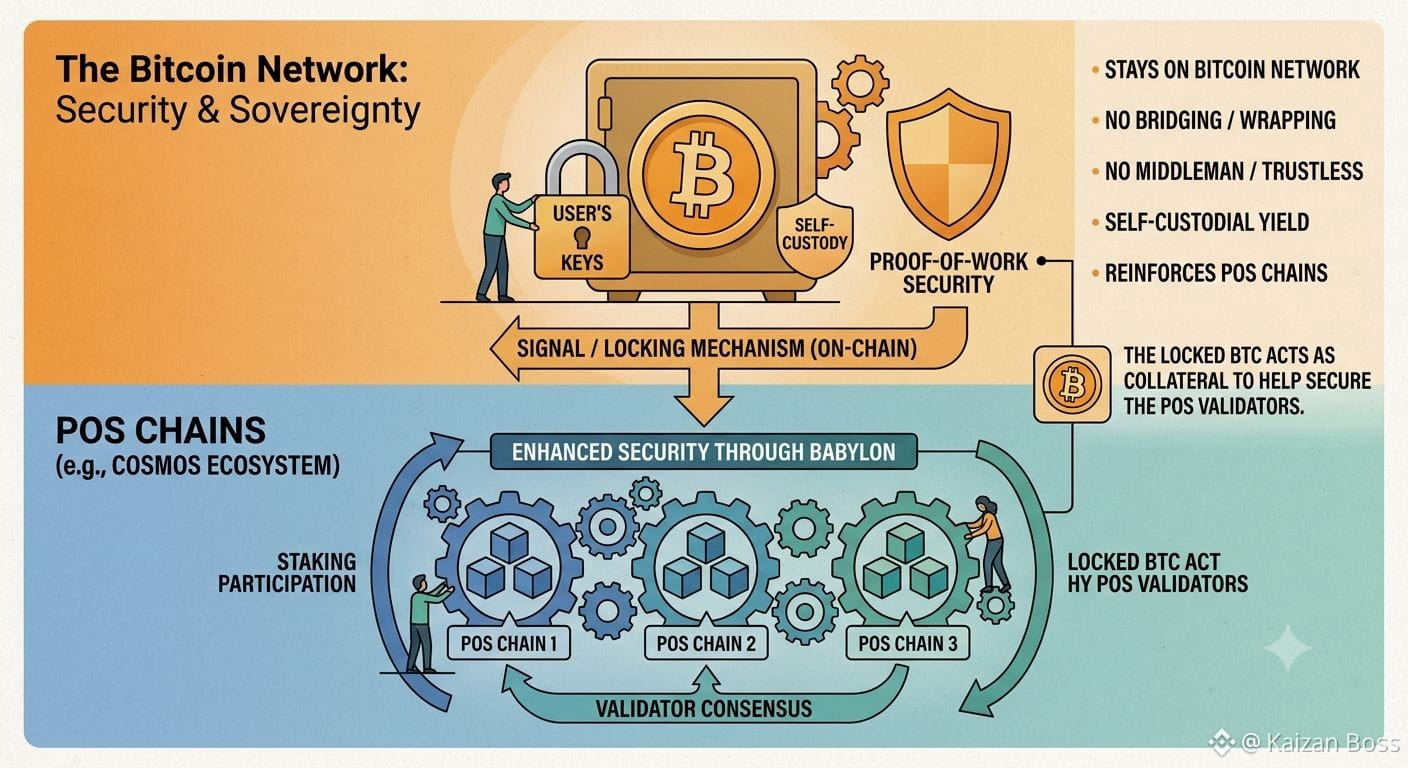
2
2
154
ログインして、さらにコンテンツを読む
厳選トピックで世界の暗号資産トレーダーの仲間入り
⚡️ 暗号資産に関する最新かつ有益な情報が見つかります。
💬 世界最大の暗号資産取引所から信頼されています。
👍 認証を受けたクリエイターから、有益なインサイトを得られます。
メール / 電話番号
トレンドトピック
UKFCAWinsCourtOrderToRecover851400Pounds
閲覧回数 562
117人が討論中
昨日ロンドンのカフェで、隣の席の2人の商人が、英国金融行為規制局(FCA)の最新動向について話しているのを耳にしました。彼らが言及していた案件の結果には驚かされました。英国金融コンサルティング協会(UKFCA)が法廷で訴訟に勝利し、最大851,400ポンドの顧客資金を取り戻したのです。どうやらこの件は、不誠実な金融コンサルティングを受けたことによって顧客が損失を被ったことに端を発していました。UKFCAは2年以上にわたる調査を経て、最終的に法廷で勝訴を勝ち取りました。この知らせはその場にいた人々を大いに元気づけただけでなく、金融業界における規制の重要性を私にも思い起こさせました。結局のところ、投資家の権利を守ることこそが、金融規制の中核となる使命です。FCAが述べているとおり、本件は規制当局が金融詐欺に対して一切の容赦をしない姿勢を示しています。これで、投資家はより安心できるようです。#UKFCAWinsCourtOrderToRecover851400Pounds
castbot_io
·いいね:0件
·閲覧回数 11
ChainlinkLaunchesCCIP2WithEnterpriseVerification
閲覧回数 9,285
428人が討論中
GoldFallsTo$4144
閲覧回数 4,391
101人が討論中