

Web3 Dev
58 投稿

Web3 Dev
報告
ユーザーをブロック
Full-Stack & Web3 Engineer | dApp architecture, smart contracts, and on-chain payments. Exploring how blockchain systems work.
90 フォロー
52 フォロワー
139 いいね
投稿
すべて
引用
PINNED
·
--
ビナンスの素晴らしい9年間をお祝いしよう!
---
この特別なバースデーケーキは、単なる記念日以上のものです。共に学び、築き、革新し続ける世界中のコミュニティを称えています。
輝く「9」は9年間の成長を象徴し、ブロックチェーンに着想を得たデコレーションは、テクノロジー、協力、そしてデジタル・ファイナンスの未来を表しています。
この旅に参加してくれたすべての皆さんへ、9周年おめでとうございます。これからもさらなる革新に乾杯!🎂
#BinanceTurns9 #BinanceSquareTG
ビナンスの素晴らしい9年間をお祝いしよう!
---
この特別なバースデーケーキは、単なる記念日以上のものです。共に学び、築き、革新し続ける世界中のコミュニティを称えています。
輝く「9」は9年間の成長を象徴し、ブロックチェーンに着想を得たデコレーションは、テクノロジー、協力、そしてデジタル・ファイナンスの未来を表しています。
この旅に参加してくれたすべての皆さんへ、9周年おめでとうございます。これからもさらなる革新に乾杯!🎂
#BinanceTurns9 #BinanceSquareTG
---
この特別なバースデーケーキは、単なる記念日以上のものです。共に学び、築き、革新し続ける世界中のコミュニティを称えています。
輝く「9」は9年間の成長を象徴し、ブロックチェーンに着想を得たデコレーションは、テクノロジー、協力、そしてデジタル・ファイナンスの未来を表しています。
この旅に参加してくれたすべての皆さんへ、9周年おめでとうございます。これからもさらなる革新に乾杯!🎂
#BinanceTurns9 #BinanceSquareTG

150
·
--
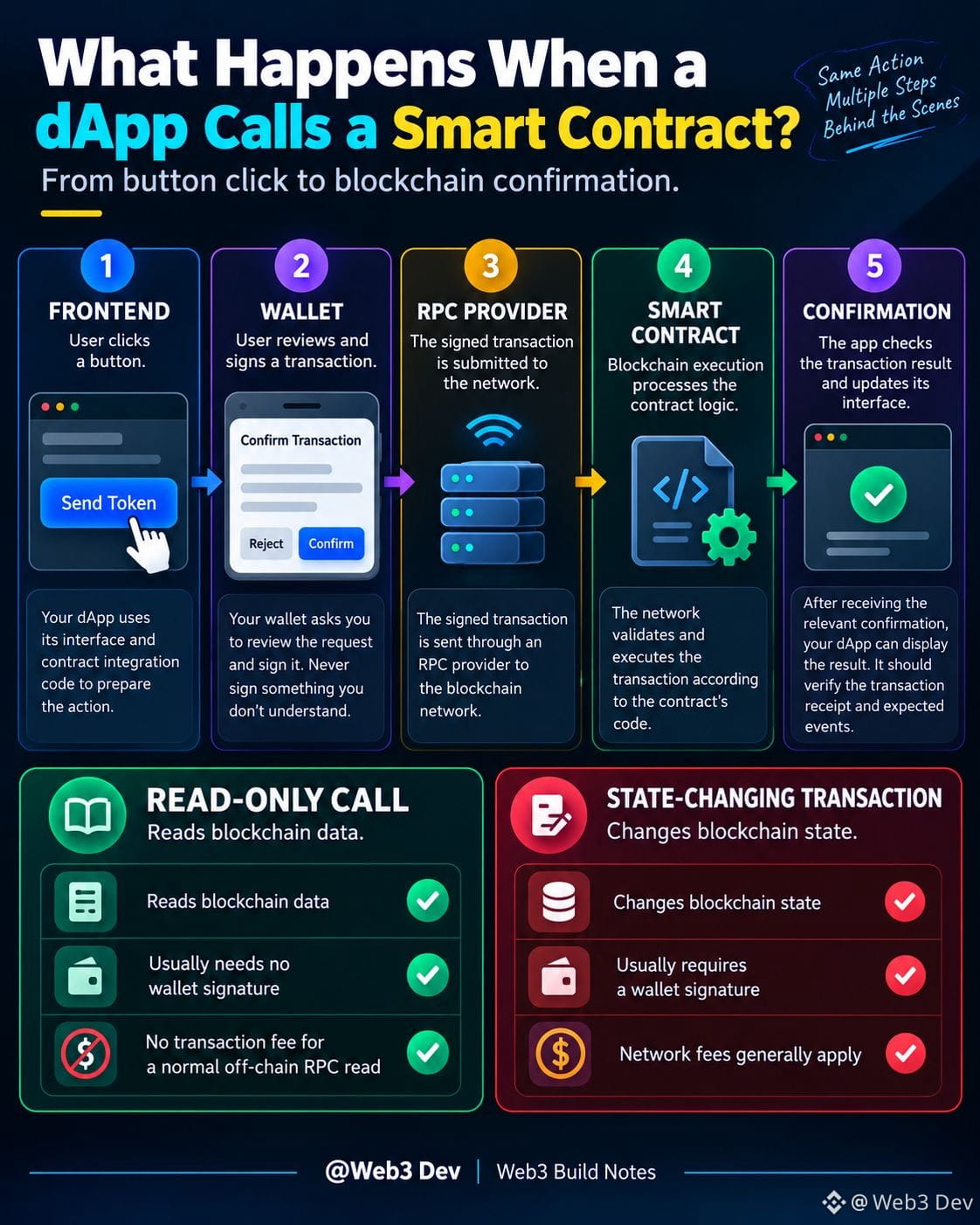
dAppでボタンをクリックすると、実際には何が起きるのでしょうか?👇
分散型アプリを使っていて、「トークンを送信」をクリックしたとします。
見た目はシンプルな操作ですが、その裏側ではいくつかの処理が行われています。
1√ フロントエンドがリクエストを準備する
dAppはインターフェースとコントラクト連携コードを使って、実行したい操作の準備をします。
2√ ウォレットが承認を求める
ブロックチェーンの状態を変更するトランザクションの場合、ウォレットでリクエストを確認して署名できます。理解できないものには絶対に署名しないでください。
3️⃣ トランザクションがネットワークに送信される
署名されたトランザクションは、RPCプロバイダーを介してブロックチェーンネットワークに送信されます。
4️⃣ スマートコントラクトが実行される
ネットワークはコントラクトのコードに従ってトランザクションを処理します。トランザクションが成功すると、コントラクトの状態が変わることがあります。
5√ アプリが結果を確認する
dAppはトランザクションのステータスを追跡し、関連する確認を受け取った後に結果を表示できます。重要な操作では、フロントエンドの成功メッセージを鵜呑みにせず、トランザクションレシートと想定されるイベントを検証するべきです。
初心者が見落としがちなポイントがひとつあります。
ブロックチェーンのデータを読み取ることと、変更することは別です。
- 「balanceOf()」は通常、読み取り専用の呼び出しでトークン残高を確認でき、トランザクション手数料はかかりません。
- 「transfer()」はブロックチェーンの状態を変更するため、一般的に署名済みトランザクションとネットワーク手数料が必要です。
具体的な処理は、使用するブロックチェーン、ウォレット、コントラクトによって異なります。
開発者として、この一連の流れを理解することは、より良いインターフェースを作り、エラーを適切に処理し、ユーザーにトランザクションの状態をわかりやすく伝えるのに役立ちます。
フルスタックおよびWeb3エンジニアリングの視点からこうした概念を学び、学んだことを共有しています。
開発者のみなさんへの質問です。次はどの部分を掘り下げてほしいですか?ウォレット連携、RPCプロバイダー、それともトランザクションレシートでしょうか?
#Web3Dev #SmartContracts #BinanceSquare
dAppでボタンをクリックすると、実際には何が起きるのでしょうか?👇
分散型アプリを使っていて、「トークンを送信」をクリックしたとします。
見た目はシンプルな操作ですが、その裏側ではいくつかの処理が行われています。
1√ フロントエンドがリクエストを準備する
dAppはインターフェースとコントラクト連携コードを使って、実行したい操作の準備をします。
2√ ウォレットが承認を求める
ブロックチェーンの状態を変更するトランザクションの場合、ウォレットでリクエストを確認して署名できます。理解できないものには絶対に署名しないでください。
3️⃣ トランザクションがネットワークに送信される
署名されたトランザクションは、RPCプロバイダーを介してブロックチェーンネットワークに送信されます。
4️⃣ スマートコントラクトが実行される
ネットワークはコントラクトのコードに従ってトランザクションを処理します。トランザクションが成功すると、コントラクトの状態が変わることがあります。
5√ アプリが結果を確認する
dAppはトランザクションのステータスを追跡し、関連する確認を受け取った後に結果を表示できます。重要な操作では、フロントエンドの成功メッセージを鵜呑みにせず、トランザクションレシートと想定されるイベントを検証するべきです。
初心者が見落としがちなポイントがひとつあります。
ブロックチェーンのデータを読み取ることと、変更することは別です。
- 「balanceOf()」は通常、読み取り専用の呼び出しでトークン残高を確認でき、トランザクション手数料はかかりません。
- 「transfer()」はブロックチェーンの状態を変更するため、一般的に署名済みトランザクションとネットワーク手数料が必要です。
具体的な処理は、使用するブロックチェーン、ウォレット、コントラクトによって異なります。
開発者として、この一連の流れを理解することは、より良いインターフェースを作り、エラーを適切に処理し、ユーザーにトランザクションの状態をわかりやすく伝えるのに役立ちます。
フルスタックおよびWeb3エンジニアリングの視点からこうした概念を学び、学んだことを共有しています。
開発者のみなさんへの質問です。次はどの部分を掘り下げてほしいですか?ウォレット連携、RPCプロバイダー、それともトランザクションレシートでしょうか?
#Web3Dev #SmartContracts #BinanceSquare
分散型アプリを使っていて、「トークンを送信」をクリックしたとします。
見た目はシンプルな操作ですが、その裏側ではいくつかの処理が行われています。
1√ フロントエンドがリクエストを準備する
dAppはインターフェースとコントラクト連携コードを使って、実行したい操作の準備をします。
2√ ウォレットが承認を求める
ブロックチェーンの状態を変更するトランザクションの場合、ウォレットでリクエストを確認して署名できます。理解できないものには絶対に署名しないでください。
3️⃣ トランザクションがネットワークに送信される
署名されたトランザクションは、RPCプロバイダーを介してブロックチェーンネットワークに送信されます。
4️⃣ スマートコントラクトが実行される
ネットワークはコントラクトのコードに従ってトランザクションを処理します。トランザクションが成功すると、コントラクトの状態が変わることがあります。
5√ アプリが結果を確認する
dAppはトランザクションのステータスを追跡し、関連する確認を受け取った後に結果を表示できます。重要な操作では、フロントエンドの成功メッセージを鵜呑みにせず、トランザクションレシートと想定されるイベントを検証するべきです。
初心者が見落としがちなポイントがひとつあります。
ブロックチェーンのデータを読み取ることと、変更することは別です。
- 「balanceOf()」は通常、読み取り専用の呼び出しでトークン残高を確認でき、トランザクション手数料はかかりません。
- 「transfer()」はブロックチェーンの状態を変更するため、一般的に署名済みトランザクションとネットワーク手数料が必要です。
具体的な処理は、使用するブロックチェーン、ウォレット、コントラクトによって異なります。
開発者として、この一連の流れを理解することは、より良いインターフェースを作り、エラーを適切に処理し、ユーザーにトランザクションの状態をわかりやすく伝えるのに役立ちます。
フルスタックおよびWeb3エンジニアリングの視点からこうした概念を学び、学んだことを共有しています。
開発者のみなさんへの質問です。次はどの部分を掘り下げてほしいですか?ウォレット連携、RPCプロバイダー、それともトランザクションレシートでしょうか?
#Web3Dev #SmartContracts #BinanceSquare
19
·
--
bPayとそのオンチェーン決済エコシステムを探る。
bPayは、ブロックチェーン技術を通じて暗号資産の決済をよりシンプルで利用しやすくすることを目指しています。
CA:
0xb13003bf44de426dd2a3aae3df9c3400de0a7777
リファラルコード:
BP-5F495FD34A8E
#Bpay #Web3 #blockchain #BinanceSquare
bPayとそのオンチェーン決済エコシステムを探る。
bPayは、ブロックチェーン技術を通じて暗号資産の決済をよりシンプルで利用しやすくすることを目指しています。
CA:
0xb13003bf44de426dd2a3aae3df9c3400de0a7777
リファラルコード:
BP-5F495FD34A8E
#Bpay #Web3 #blockchain #BinanceSquare
bPayは、ブロックチェーン技術を通じて暗号資産の決済をよりシンプルで利用しやすくすることを目指しています。
CA:
0xb13003bf44de426dd2a3aae3df9c3400de0a7777
リファラルコード:
BP-5F495FD34A8E
#Bpay #Web3 #blockchain #BinanceSquare
104
·
--
記事
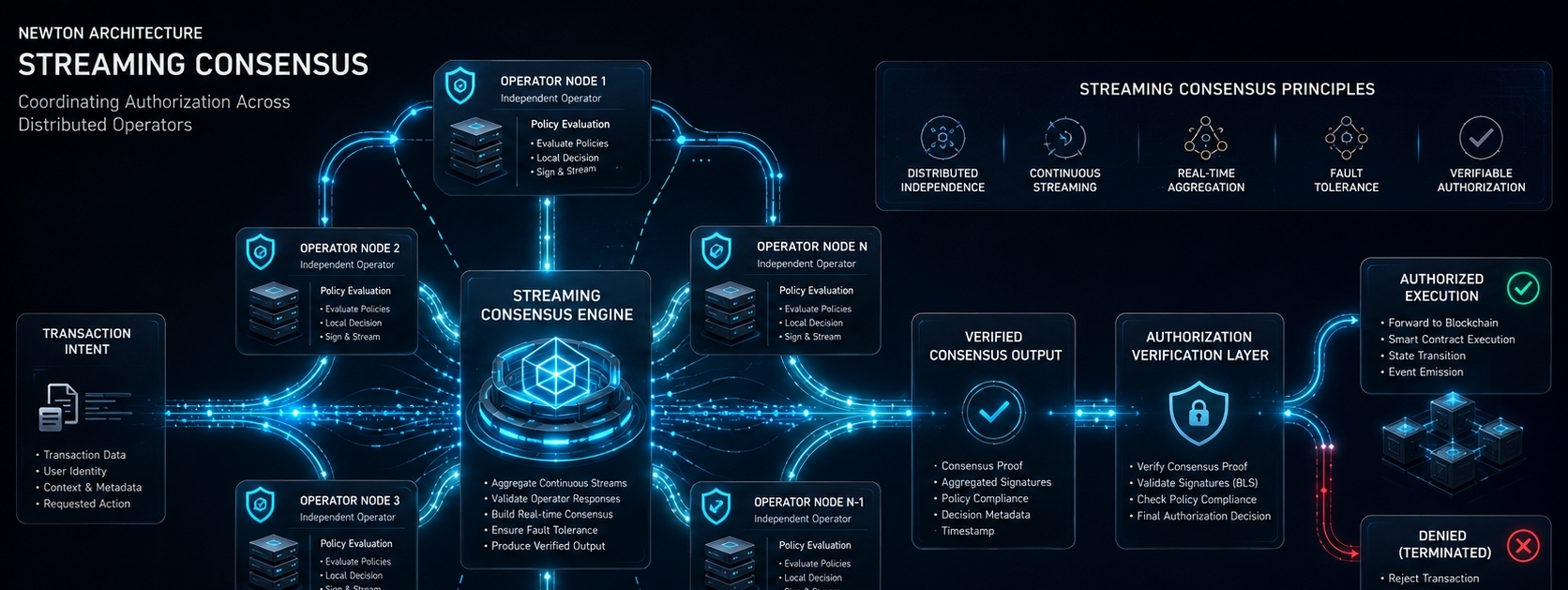
Streaming Consensusの解説:分散したオペレーター間で認可を調整する分散システムでは、合意に到達することは、計算そのものを実行するよりも難しいことが多い。あるポリシーは1人のオペレーターによって正しく評価されるとしても、その結果を信頼できるものにするには、分散されたプロトコルは複数の参加者にまたがって合意を調整するための信頼できる仕組みをなお必要とする。Newtonの文書化された「Streaming Consensus」アーキテクチャは、単一の意思決定者に依存せずに、分散したオペレーターが検証可能な認可結果を生成できるようにすることで、この調整課題に対処する。
Streaming Consensusの解説:分散したオペレーター間で認可を調整する
分散システムでは、合意に到達することは、計算そのものを実行するよりも難しいことが多い。あるポリシーは1人のオペレーターによって正しく評価されるとしても、その結果を信頼できるものにするには、分散されたプロトコルは複数の参加者にまたがって合意を調整するための信頼できる仕組みをなお必要とする。Newtonの文書化された「Streaming Consensus」アーキテクチャは、単一の意思決定者に依存せずに、分散したオペレーターが検証可能な認可結果を生成できるようにすることで、この調整課題に対処する。
85
·
--
安全なトランザクション認可が予測可能なブロックチェーンのワークフローを生み出す
---
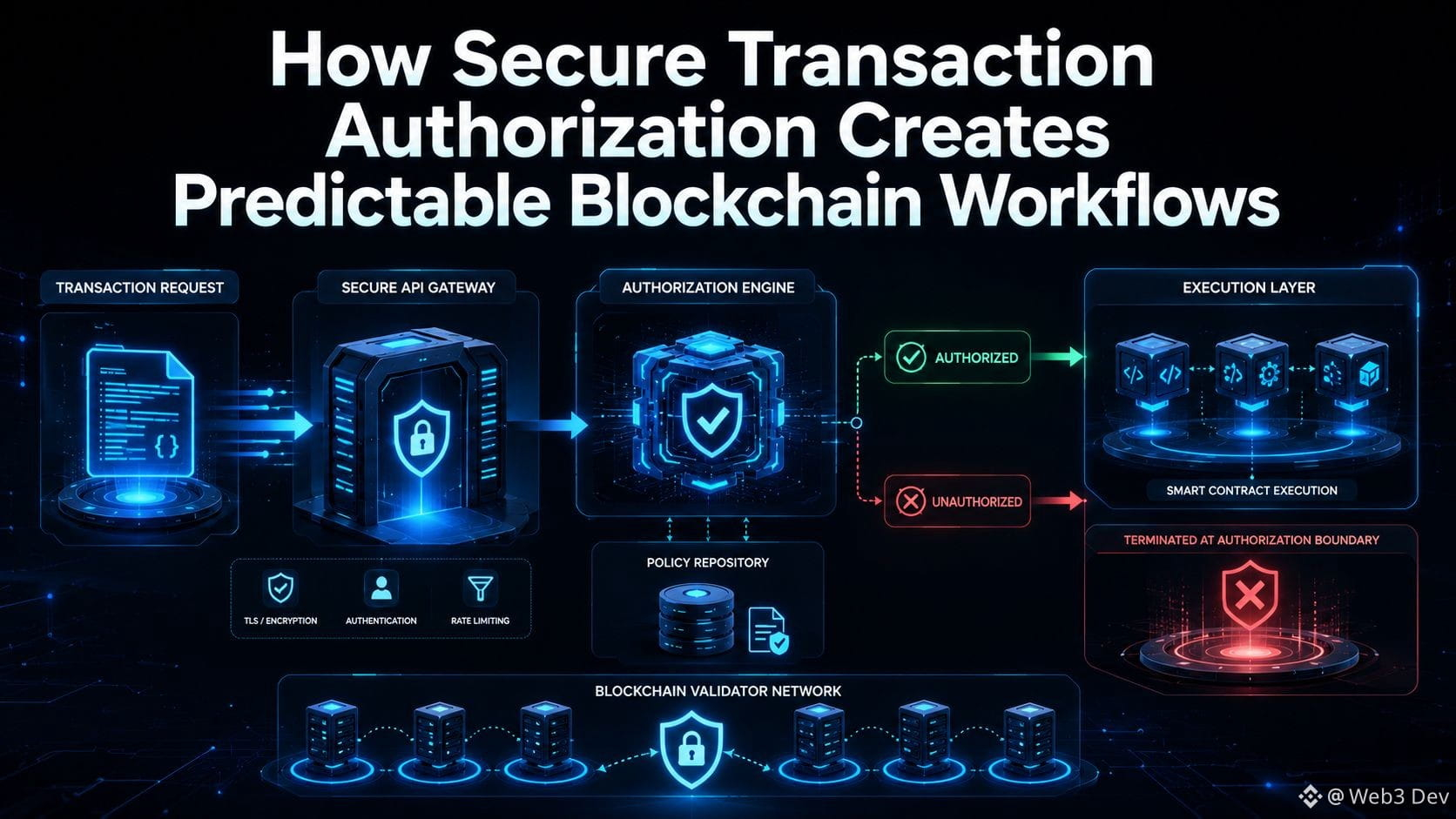
トランザクションは技術的には有効でも、組織の運用ルールに違反している可能性があります。だからこそ、トランザクションのバリデーションとトランザクションの認可は別の問題を解決しますが、しばしば同じ文脈で語られがちです。
ニュートンの文書化されたアーキテクチャでは、安全なトランザクション認可によってこれらの責務を切り分けています。実行前に、トランザクション要求は定義された認可ポリシーに照らして評価され、その要求が進行すべきかどうかが判断されます。これにより、実行そのものとは独立して存在する専用の意思決定ポイントが導入されます。
理解するうえで役立つ考え方として、エンタープライズAPIが挙げられます。要求に有効なデータが含まれていても、呼び出し元がその特定の操作を行うための権限を持っていない場合には拒否されることがあります。Node.jsやTypeScriptで構築されたフレームワークでは、一般に、認可ミドルウェアがリクエストのバリデーションとビジネスロジックの間に配置されることで、この問題を処理します。アプリケーションは、アクセス要件をすでに満たした要求のみを実行します。
同じアーキテクチャのパターンは、ブロックチェーンシステムがより理解しやすい状態を保つのにも役立ちます。認可ポリシーは、実行経路ごとに複製されるのではなく、中央集約された層になります。これにより、開発者、監査担当者、インフラチームにとって権限ロジックがより透明になります。ワークフローがますます自動化されるにつれて、認可を実行から分離することは、明確なシステム境界を維持するうえでも役立ちます。
@NewtonProtocol のMainnet Betaドキュメントでは、認可をトランザクションライフサイクル内の明確な段階として提示しており、すべてのルールを実行ロジックに直接埋め込むのではなく、実行前にポリシーを明示的に評価することを強調しています。
$NEWT #Newt
技術的な質問:ブロックチェーンアプリケーションは、現代のバックエンドプラットフォームが認証やAPIゲートウェイを扱うのと同じように、認可判断を再利用可能なインフラサービスとして扱うべきでしょうか?
安全なトランザクション認可が予測可能なブロックチェーンのワークフローを生み出す
---
トランザクションは技術的には有効でも、組織の運用ルールに違反している可能性があります。だからこそ、トランザクションのバリデーションとトランザクションの認可は別の問題を解決しますが、しばしば同じ文脈で語られがちです。
ニュートンの文書化されたアーキテクチャでは、安全なトランザクション認可によってこれらの責務を切り分けています。実行前に、トランザクション要求は定義された認可ポリシーに照らして評価され、その要求が進行すべきかどうかが判断されます。これにより、実行そのものとは独立して存在する専用の意思決定ポイントが導入されます。
理解するうえで役立つ考え方として、エンタープライズAPIが挙げられます。要求に有効なデータが含まれていても、呼び出し元がその特定の操作を行うための権限を持っていない場合には拒否されることがあります。Node.jsやTypeScriptで構築されたフレームワークでは、一般に、認可ミドルウェアがリクエストのバリデーションとビジネスロジックの間に配置されることで、この問題を処理します。アプリケーションは、アクセス要件をすでに満たした要求のみを実行します。
同じアーキテクチャのパターンは、ブロックチェーンシステムがより理解しやすい状態を保つのにも役立ちます。認可ポリシーは、実行経路ごとに複製されるのではなく、中央集約された層になります。これにより、開発者、監査担当者、インフラチームにとって権限ロジックがより透明になります。ワークフローがますます自動化されるにつれて、認可を実行から分離することは、明確なシステム境界を維持するうえでも役立ちます。
@NewtonProtocol のMainnet Betaドキュメントでは、認可をトランザクションライフサイクル内の明確な段階として提示しており、すべてのルールを実行ロジックに直接埋め込むのではなく、実行前にポリシーを明示的に評価することを強調しています。
$NEWT #Newt
技術的な質問:ブロックチェーンアプリケーションは、現代のバックエンドプラットフォームが認証やAPIゲートウェイを扱うのと同じように、認可判断を再利用可能なインフラサービスとして扱うべきでしょうか?
---
トランザクションは技術的には有効でも、組織の運用ルールに違反している可能性があります。だからこそ、トランザクションのバリデーションとトランザクションの認可は別の問題を解決しますが、しばしば同じ文脈で語られがちです。
ニュートンの文書化されたアーキテクチャでは、安全なトランザクション認可によってこれらの責務を切り分けています。実行前に、トランザクション要求は定義された認可ポリシーに照らして評価され、その要求が進行すべきかどうかが判断されます。これにより、実行そのものとは独立して存在する専用の意思決定ポイントが導入されます。
理解するうえで役立つ考え方として、エンタープライズAPIが挙げられます。要求に有効なデータが含まれていても、呼び出し元がその特定の操作を行うための権限を持っていない場合には拒否されることがあります。Node.jsやTypeScriptで構築されたフレームワークでは、一般に、認可ミドルウェアがリクエストのバリデーションとビジネスロジックの間に配置されることで、この問題を処理します。アプリケーションは、アクセス要件をすでに満たした要求のみを実行します。
同じアーキテクチャのパターンは、ブロックチェーンシステムがより理解しやすい状態を保つのにも役立ちます。認可ポリシーは、実行経路ごとに複製されるのではなく、中央集約された層になります。これにより、開発者、監査担当者、インフラチームにとって権限ロジックがより透明になります。ワークフローがますます自動化されるにつれて、認可を実行から分離することは、明確なシステム境界を維持するうえでも役立ちます。
@NewtonProtocol のMainnet Betaドキュメントでは、認可をトランザクションライフサイクル内の明確な段階として提示しており、すべてのルールを実行ロジックに直接埋め込むのではなく、実行前にポリシーを明示的に評価することを強調しています。
$NEWT #Newt
技術的な質問:ブロックチェーンアプリケーションは、現代のバックエンドプラットフォームが認証やAPIゲートウェイを扱うのと同じように、認可判断を再利用可能なインフラサービスとして扱うべきでしょうか?
2
117
·
--
記事
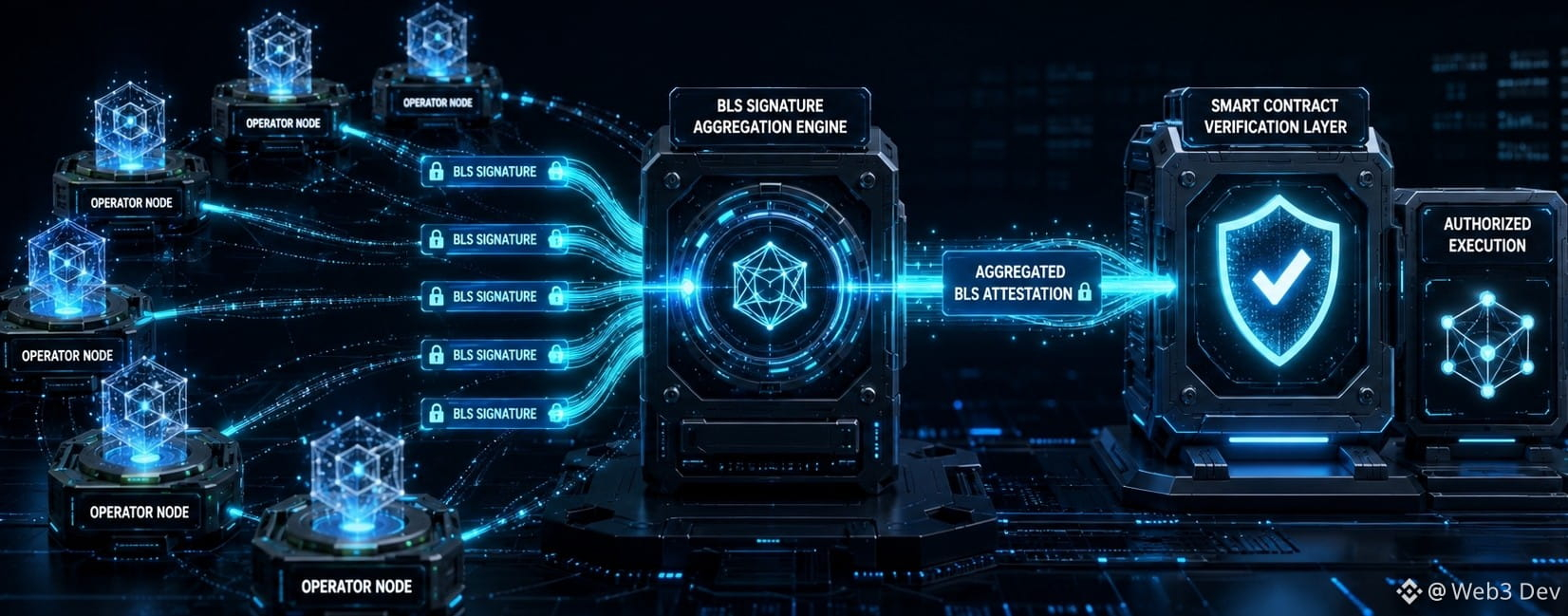
ニュートンにおけるBLSアテステーション:分散した認可判断の検証分散型システムでは、認可判断が正しいと単一のサーバーが宣言することに依存してはなりません。あるコンポーネントだけがすべての要求を承認または拒否すると、それはセキュリティ上のリスクであると同時に、潜在的な単一障害点にもなります。ニュートンは、BLSアテステーションを用いて、スマートコントラクトがそれらに依拠する前に、認可判断が適格なオペレーターの集合によって合意されたことを示す暗号学的な証拠を提供することで、この課題に対処します。
エンジニアリング上の課題
現代のブロックチェーンアプリケーションは、コンプライアンス確認、ポリシー評価、またはAI支援による意思決定などのオフチェーン情報にますます依存しています。オフチェーンサービスから「許可」または「拒否」の結果を返すだけでは、ユーザーやスマートコントラクトが、そのサービスを信頼する必要が生じます。
ニュートンにおけるBLSアテステーション:分散した認可判断の検証
分散型システムでは、認可判断が正しいと単一のサーバーが宣言することに依存してはなりません。あるコンポーネントだけがすべての要求を承認または拒否すると、それはセキュリティ上のリスクであると同時に、潜在的な単一障害点にもなります。ニュートンは、BLSアテステーションを用いて、スマートコントラクトがそれらに依拠する前に、認可判断が適格なオペレーターの集合によって合意されたことを示す暗号学的な証拠を提供することで、この課題に対処します。
エンジニアリング上の課題
現代のブロックチェーンアプリケーションは、コンプライアンス確認、ポリシー評価、またはAI支援による意思決定などのオフチェーン情報にますます依存しています。オフチェーンサービスから「許可」または「拒否」の結果を返すだけでは、ユーザーやスマートコントラクトが、そのサービスを信頼する必要が生じます。
エンジニアリング上の課題
現代のブロックチェーンアプリケーションは、コンプライアンス確認、ポリシー評価、またはAI支援による意思決定などのオフチェーン情報にますます依存しています。オフチェーンサービスから「許可」または「拒否」の結果を返すだけでは、ユーザーやスマートコントラクトが、そのサービスを信頼する必要が生じます。
1
1
92
·
--
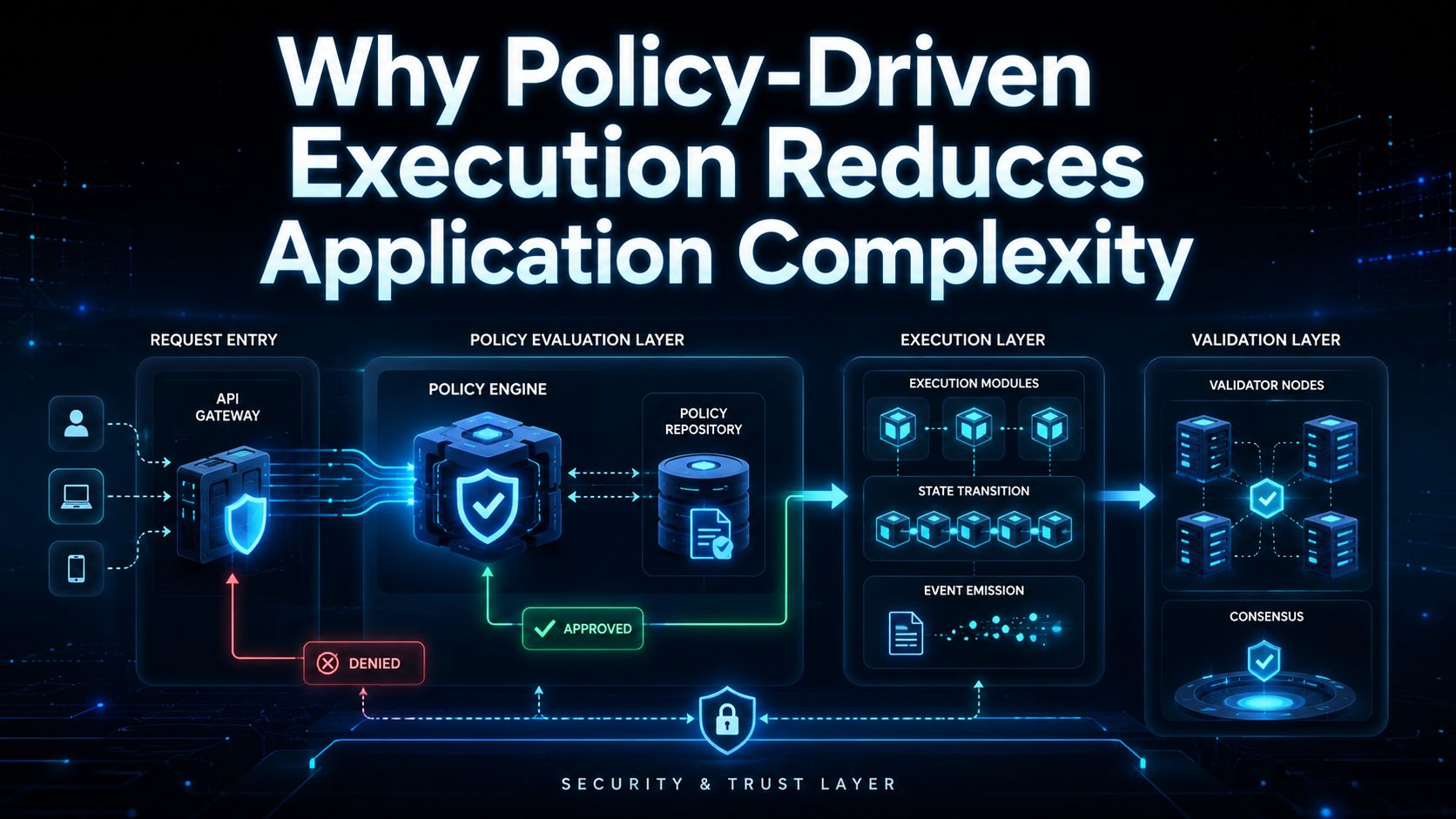
なぜポリシー駆動の実行がアプリケーションの複雑さを軽減するのか
---
アプリケーションが成熟するにつれ、実行ロジックは権限チェック、例外処理、そしてビジネスルールで過負荷になりがちです。やがて開発者は、当初自分たちが作ろうとしていた中核機能よりも、認可条件のメンテナンスに費やす時間が増えていきます。
Newtonのドキュメント化されたアーキテクチャは、この点をポリシー駆動の実行によって別の方法でアプローチします。実行パスの中にあらゆる判断を埋め込むのではなく、ポリシーを実行に先立って独立して評価します。これにより、実行コンポーネントは決定論的なアクションの実行に集中し、ポリシーコンポーネントがそれらのアクションを許可するかどうかを判断できるようになります。
典型的なTypeScriptのバックエンドを考えてみてください。リクエストは通常、認証、認可のミドルウェア、リクエスト検証を経てサービス層に到達します。サービス側は、個々のアクセスルールをすべて理解する必要はありません。判断はすでに行われているからです。Newtonは、トランザクションのワークフローにおいても同様のアーキテクチャ上の原則を適用し、ポリシー評価と実行を分離します。
この区別は、システムがAIエージェントをサポートしたり、複数のユーザーロールや変化するガバナンス要件に対応したりするにつれて、ますます価値が高まります。ポリシーの更新は、実行ロジックの修正とは本質的に別物であり、それぞれを別の責務として扱うことで、双方をより理解しやすく、またレビューしやすくできます。
@NewtonProtocol のMainnet Betaドキュメントは、ポリシー評価を、実行コードの至る所に散らばった条件の暗黙の集合としてではなく、明示的な段階として扱うアーキテクチャの例を示しています。インフラエンジニアにとって、この分離は実用的なソフトウェア設計パターンであり、単なるブロックチェーンの概念ではありません。
---
$NEWT #Newt
技術的な質問:長期的な分散システムを構築する場合、アーキテクチャ上の境界が許す限り、ポリシーの変更は実行ロジックとは独立してデプロイ可能であるべきでしょうか?
なぜポリシー駆動の実行がアプリケーションの複雑さを軽減するのか
---
アプリケーションが成熟するにつれ、実行ロジックは権限チェック、例外処理、そしてビジネスルールで過負荷になりがちです。やがて開発者は、当初自分たちが作ろうとしていた中核機能よりも、認可条件のメンテナンスに費やす時間が増えていきます。
Newtonのドキュメント化されたアーキテクチャは、この点をポリシー駆動の実行によって別の方法でアプローチします。実行パスの中にあらゆる判断を埋め込むのではなく、ポリシーを実行に先立って独立して評価します。これにより、実行コンポーネントは決定論的なアクションの実行に集中し、ポリシーコンポーネントがそれらのアクションを許可するかどうかを判断できるようになります。
典型的なTypeScriptのバックエンドを考えてみてください。リクエストは通常、認証、認可のミドルウェア、リクエスト検証を経てサービス層に到達します。サービス側は、個々のアクセスルールをすべて理解する必要はありません。判断はすでに行われているからです。Newtonは、トランザクションのワークフローにおいても同様のアーキテクチャ上の原則を適用し、ポリシー評価と実行を分離します。
この区別は、システムがAIエージェントをサポートしたり、複数のユーザーロールや変化するガバナンス要件に対応したりするにつれて、ますます価値が高まります。ポリシーの更新は、実行ロジックの修正とは本質的に別物であり、それぞれを別の責務として扱うことで、双方をより理解しやすく、またレビューしやすくできます。
@NewtonProtocol のMainnet Betaドキュメントは、ポリシー評価を、実行コードの至る所に散らばった条件の暗黙の集合としてではなく、明示的な段階として扱うアーキテクチャの例を示しています。インフラエンジニアにとって、この分離は実用的なソフトウェア設計パターンであり、単なるブロックチェーンの概念ではありません。
---
$NEWT #Newt
技術的な質問:長期的な分散システムを構築する場合、アーキテクチャ上の境界が許す限り、ポリシーの変更は実行ロジックとは独立してデプロイ可能であるべきでしょうか?
---
アプリケーションが成熟するにつれ、実行ロジックは権限チェック、例外処理、そしてビジネスルールで過負荷になりがちです。やがて開発者は、当初自分たちが作ろうとしていた中核機能よりも、認可条件のメンテナンスに費やす時間が増えていきます。
Newtonのドキュメント化されたアーキテクチャは、この点をポリシー駆動の実行によって別の方法でアプローチします。実行パスの中にあらゆる判断を埋め込むのではなく、ポリシーを実行に先立って独立して評価します。これにより、実行コンポーネントは決定論的なアクションの実行に集中し、ポリシーコンポーネントがそれらのアクションを許可するかどうかを判断できるようになります。
典型的なTypeScriptのバックエンドを考えてみてください。リクエストは通常、認証、認可のミドルウェア、リクエスト検証を経てサービス層に到達します。サービス側は、個々のアクセスルールをすべて理解する必要はありません。判断はすでに行われているからです。Newtonは、トランザクションのワークフローにおいても同様のアーキテクチャ上の原則を適用し、ポリシー評価と実行を分離します。
この区別は、システムがAIエージェントをサポートしたり、複数のユーザーロールや変化するガバナンス要件に対応したりするにつれて、ますます価値が高まります。ポリシーの更新は、実行ロジックの修正とは本質的に別物であり、それぞれを別の責務として扱うことで、双方をより理解しやすく、またレビューしやすくできます。
@NewtonProtocol のMainnet Betaドキュメントは、ポリシー評価を、実行コードの至る所に散らばった条件の暗黙の集合としてではなく、明示的な段階として扱うアーキテクチャの例を示しています。インフラエンジニアにとって、この分離は実用的なソフトウェア設計パターンであり、単なるブロックチェーンの概念ではありません。
---
$NEWT #Newt
技術的な質問:長期的な分散システムを構築する場合、アーキテクチャ上の境界が許す限り、ポリシーの変更は実行ロジックとは独立してデプロイ可能であるべきでしょうか?
1
107
·
--
記事
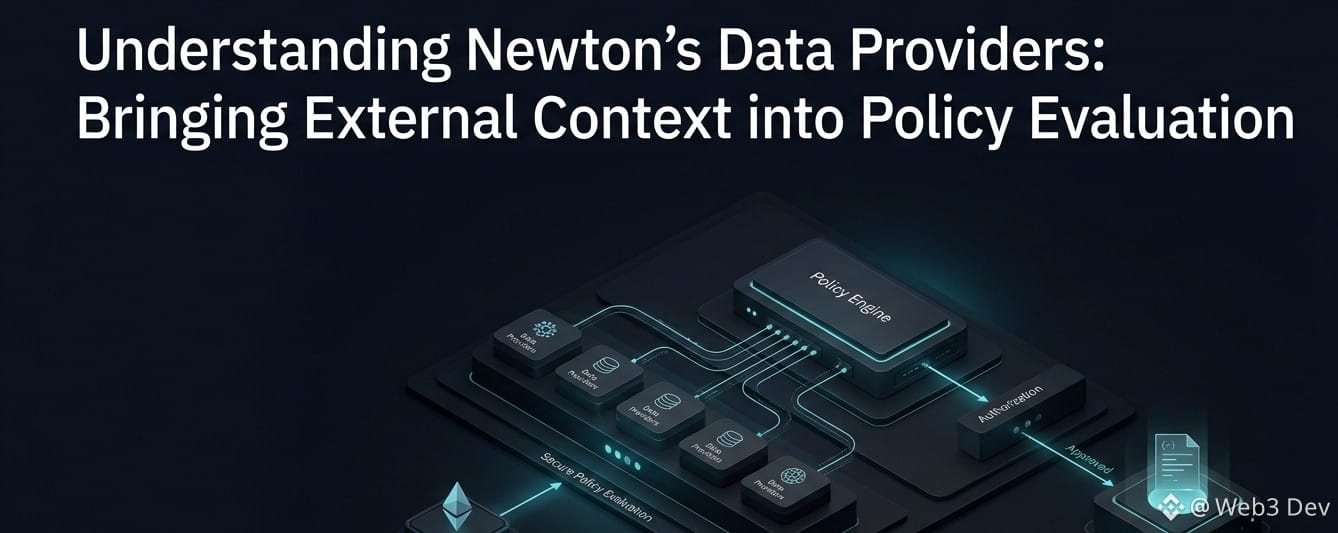
Newtonのデータプロバイダを理解する:ポリシー評価に外部の文脈を取り込むバックエンドシステムは、受信したリクエストだけを用いて認可の判断を行うことはほとんどありません。多くの場合、ユーザーのロール、アカウントの状態、コンプライアンス記録、またはアプリケーション固有のメタデータなどの外部情報に依存します。Newtonは、この原則をポリシー駆動型アーキテクチャへ拡張し、データプロバイダによって、取引パラメータだけに頼るのではなく、関連する文脈情報をポリシー評価に取り込めるようにします。
エンジニアリング上の課題
取引リクエストは通常、誰かが何をしたいのかを回答しますが、必ずしも許可されるべきかどうかまでは示しません。
Newtonのデータプロバイダを理解する:ポリシー評価に外部の文脈を取り込む
バックエンドシステムは、受信したリクエストだけを用いて認可の判断を行うことはほとんどありません。多くの場合、ユーザーのロール、アカウントの状態、コンプライアンス記録、またはアプリケーション固有のメタデータなどの外部情報に依存します。Newtonは、この原則をポリシー駆動型アーキテクチャへ拡張し、データプロバイダによって、取引パラメータだけに頼るのではなく、関連する文脈情報をポリシー評価に取り込めるようにします。
エンジニアリング上の課題
取引リクエストは通常、誰かが何をしたいのかを回答しますが、必ずしも許可されるべきかどうかまでは示しません。
エンジニアリング上の課題
取引リクエストは通常、誰かが何をしたいのかを回答しますが、必ずしも許可されるべきかどうかまでは示しません。
4
2
86
·
--
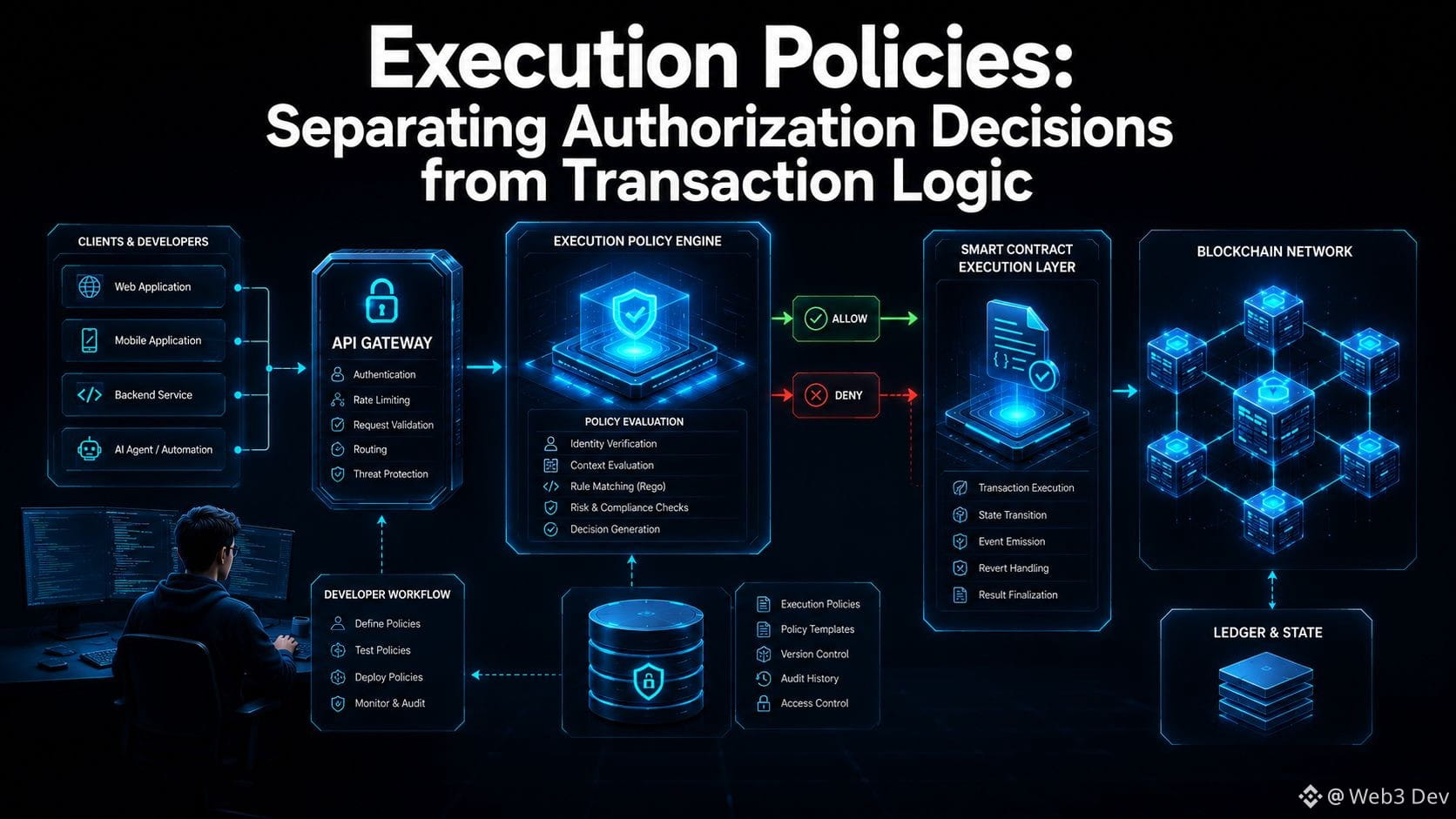
実行ポリシー:認可判断とトランザクションロジックを分離する
...
分散型アプリケーションにおけるよくある設計ミスは、トランザクションの実行と認可を同じ責任として扱うことです。これは単純なシステムでは機能しますが、運用ルールが進化するにつれて保守がますます難しくなります。
実行ポリシーは、実行を進める前に、要求されたアクションがあらかじめ定義された条件を満たしているかどうかを判断するための、別個の意思決定レイヤーを導入します。トランザクション自体は業務ロジックに責任を持ち、ポリシー評価が実行を許可するかどうかを決定します。
この分離はバックエンドエンジニアにとって馴染みのあるものです。典型的なREST APIでは、APIゲートウェイや認可ミドルウェアがアプリケーションのハンドラに到達する前にリクエストを評価します。認可ロジックが複数のサービスに重複して実装されるのではなく一元化されるため、リクエストのライフサイクルを理解しやすくなります。
Newtonのドキュメントでは、この関心の分離に従うポリシーベースの認可アーキテクチャが説明されています。すべての認可ルールを実行ロジックに埋め込むのではなく、ポリシーは認可フローの一部として独立して評価できます。これにより、アプリケーションの挙動を書き換えることなくポリシー定義を進化させられ、保守性が向上します。
インフラチームにとって、このアーキテクチャ上の境界には実用的な価値があります。開発者は、認可ポリシーから実行コードを独立して考えられる一方で、企業はガバナンス、運用上の統制、監査性のためのより明確な拠り所を得られます。その結果、実行と認可それぞれの責任が明確に分かれた、よりクリーンなシステム設計になります。
@NewtonProtocol は、この認可志向のアーキテクチャを、より広範な$NEWT ecosystemの一部として提示しています。
...
技術的な議論:将来のブロックチェーンアプリケーションフレームワークは、認可をアプリケーションロジックに直接埋め込むのではなく、実行ポリシーを第一級のインフラコンポーネントとして公開すべきでしょうか?
#newt
実行ポリシー:認可判断とトランザクションロジックを分離する
...
分散型アプリケーションにおけるよくある設計ミスは、トランザクションの実行と認可を同じ責任として扱うことです。これは単純なシステムでは機能しますが、運用ルールが進化するにつれて保守がますます難しくなります。
実行ポリシーは、実行を進める前に、要求されたアクションがあらかじめ定義された条件を満たしているかどうかを判断するための、別個の意思決定レイヤーを導入します。トランザクション自体は業務ロジックに責任を持ち、ポリシー評価が実行を許可するかどうかを決定します。
この分離はバックエンドエンジニアにとって馴染みのあるものです。典型的なREST APIでは、APIゲートウェイや認可ミドルウェアがアプリケーションのハンドラに到達する前にリクエストを評価します。認可ロジックが複数のサービスに重複して実装されるのではなく一元化されるため、リクエストのライフサイクルを理解しやすくなります。
Newtonのドキュメントでは、この関心の分離に従うポリシーベースの認可アーキテクチャが説明されています。すべての認可ルールを実行ロジックに埋め込むのではなく、ポリシーは認可フローの一部として独立して評価できます。これにより、アプリケーションの挙動を書き換えることなくポリシー定義を進化させられ、保守性が向上します。
インフラチームにとって、このアーキテクチャ上の境界には実用的な価値があります。開発者は、認可ポリシーから実行コードを独立して考えられる一方で、企業はガバナンス、運用上の統制、監査性のためのより明確な拠り所を得られます。その結果、実行と認可それぞれの責任が明確に分かれた、よりクリーンなシステム設計になります。
@NewtonProtocol は、この認可志向のアーキテクチャを、より広範な$NEWT ecosystemの一部として提示しています。
...
技術的な議論:将来のブロックチェーンアプリケーションフレームワークは、認可をアプリケーションロジックに直接埋め込むのではなく、実行ポリシーを第一級のインフラコンポーネントとして公開すべきでしょうか?
#newt
...
分散型アプリケーションにおけるよくある設計ミスは、トランザクションの実行と認可を同じ責任として扱うことです。これは単純なシステムでは機能しますが、運用ルールが進化するにつれて保守がますます難しくなります。
実行ポリシーは、実行を進める前に、要求されたアクションがあらかじめ定義された条件を満たしているかどうかを判断するための、別個の意思決定レイヤーを導入します。トランザクション自体は業務ロジックに責任を持ち、ポリシー評価が実行を許可するかどうかを決定します。
この分離はバックエンドエンジニアにとって馴染みのあるものです。典型的なREST APIでは、APIゲートウェイや認可ミドルウェアがアプリケーションのハンドラに到達する前にリクエストを評価します。認可ロジックが複数のサービスに重複して実装されるのではなく一元化されるため、リクエストのライフサイクルを理解しやすくなります。
Newtonのドキュメントでは、この関心の分離に従うポリシーベースの認可アーキテクチャが説明されています。すべての認可ルールを実行ロジックに埋め込むのではなく、ポリシーは認可フローの一部として独立して評価できます。これにより、アプリケーションの挙動を書き換えることなくポリシー定義を進化させられ、保守性が向上します。
インフラチームにとって、このアーキテクチャ上の境界には実用的な価値があります。開発者は、認可ポリシーから実行コードを独立して考えられる一方で、企業はガバナンス、運用上の統制、監査性のためのより明確な拠り所を得られます。その結果、実行と認可それぞれの責任が明確に分かれた、よりクリーンなシステム設計になります。
@NewtonProtocol は、この認可志向のアーキテクチャを、より広範な$NEWT ecosystemの一部として提示しています。
...
技術的な議論:将来のブロックチェーンアプリケーションフレームワークは、認可をアプリケーションロジックに直接埋め込むのではなく、実行ポリシーを第一級のインフラコンポーネントとして公開すべきでしょうか?
#newt
7
1
91
·
--
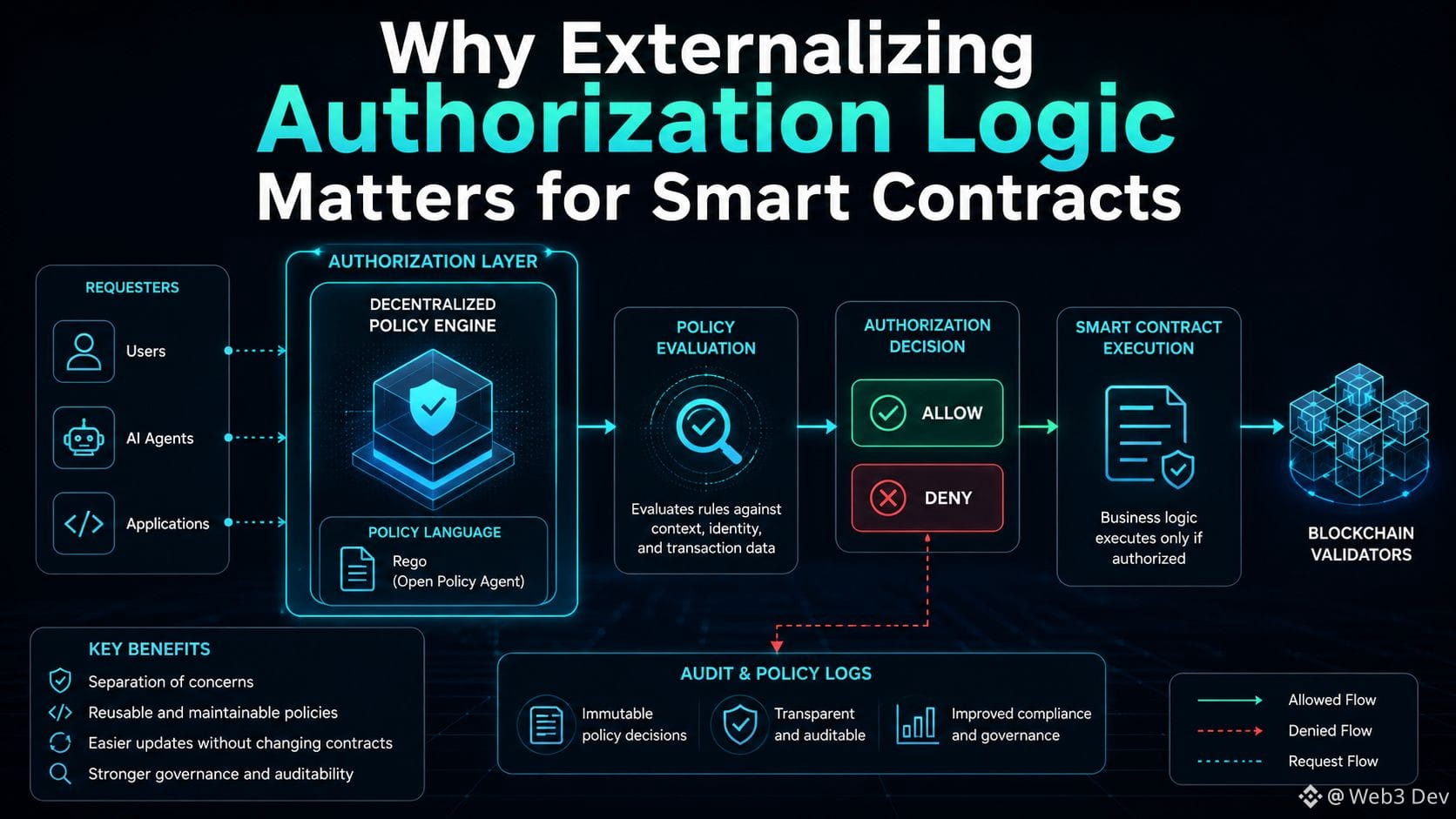
スマートコントラクトにおける認可ロジックの外部化が重要な理由
...
多くの開発者は、認可はスマートコントラクト内に置くべきだと考えます。この方法は単純な権限チェックには有効ですが、コンプライアンス要件、支出限度、組織の要件などが変化していくと、保守が難しくなります。
Newtonは、実行の前に専用のポリシーレイヤーを通じて認可を評価するという考え方を導入します。すべての認可ルールをコントラクトロジックに埋め込むのではなく、ポリシー評価をアプリケーション実行から分離することで、認可の挙動を独立して管理でき、またビジネスロジックは本来の目的に集中し続けることができます。
バックエンド開発者にとって、このアーキテクチャパターンは、認可を分散したルートハンドラから中央集権的なミドルウェアへ移すのと似ています。Node.jsやExpressのようなフレームワークでは、認証・認可は通常、リクエストがアプリケーションロジックに到達する前に適用されます。責務を分離することで、保守性の向上、ポリシー更新のしやすさ、そしてコード再利用性が高まります。
同じ設計原則はブロックチェーン基盤にも適用できます。Regoで記述されたポリシーは、アプリケーションロジックから独立して認可ルールを定義できるため、コントラクトやサービス間で重複した権限チェックを減らし、認可判断のレビューや進化を容易にします。
企業、AIエージェント、インフラチームにとって、認可を専用のアーキテクチャレイヤーとして扱うことは、運用ルールとコントラクト実装を絡めることなく、より明確なガバナンスと透明性の高いポリシー管理を支えることにつながります。
認可を再利用可能なインフラとして理解することは、実行そのものを理解するのと同じくらい重要になるかもしれません。
...
要点:認可を実行から分離することで、アプリケーションロジックを何度も変更することなくポリシーロジックを進化させられます。
#Newt @NewtonProtocol $NEWT
公式ドキュメント:
https://docs.newton.xyz/developers/overview/about
スマートコントラクトにおける認可ロジックの外部化が重要な理由
...
多くの開発者は、認可はスマートコントラクト内に置くべきだと考えます。この方法は単純な権限チェックには有効ですが、コンプライアンス要件、支出限度、組織の要件などが変化していくと、保守が難しくなります。
Newtonは、実行の前に専用のポリシーレイヤーを通じて認可を評価するという考え方を導入します。すべての認可ルールをコントラクトロジックに埋め込むのではなく、ポリシー評価をアプリケーション実行から分離することで、認可の挙動を独立して管理でき、またビジネスロジックは本来の目的に集中し続けることができます。
バックエンド開発者にとって、このアーキテクチャパターンは、認可を分散したルートハンドラから中央集権的なミドルウェアへ移すのと似ています。Node.jsやExpressのようなフレームワークでは、認証・認可は通常、リクエストがアプリケーションロジックに到達する前に適用されます。責務を分離することで、保守性の向上、ポリシー更新のしやすさ、そしてコード再利用性が高まります。
同じ設計原則はブロックチェーン基盤にも適用できます。Regoで記述されたポリシーは、アプリケーションロジックから独立して認可ルールを定義できるため、コントラクトやサービス間で重複した権限チェックを減らし、認可判断のレビューや進化を容易にします。
企業、AIエージェント、インフラチームにとって、認可を専用のアーキテクチャレイヤーとして扱うことは、運用ルールとコントラクト実装を絡めることなく、より明確なガバナンスと透明性の高いポリシー管理を支えることにつながります。
認可を再利用可能なインフラとして理解することは、実行そのものを理解するのと同じくらい重要になるかもしれません。
...
要点:認可を実行から分離することで、アプリケーションロジックを何度も変更することなくポリシーロジックを進化させられます。
#Newt @NewtonProtocol $NEWT
公式ドキュメント:
https://docs.newton.xyz/developers/overview/about
...
多くの開発者は、認可はスマートコントラクト内に置くべきだと考えます。この方法は単純な権限チェックには有効ですが、コンプライアンス要件、支出限度、組織の要件などが変化していくと、保守が難しくなります。
Newtonは、実行の前に専用のポリシーレイヤーを通じて認可を評価するという考え方を導入します。すべての認可ルールをコントラクトロジックに埋め込むのではなく、ポリシー評価をアプリケーション実行から分離することで、認可の挙動を独立して管理でき、またビジネスロジックは本来の目的に集中し続けることができます。
バックエンド開発者にとって、このアーキテクチャパターンは、認可を分散したルートハンドラから中央集権的なミドルウェアへ移すのと似ています。Node.jsやExpressのようなフレームワークでは、認証・認可は通常、リクエストがアプリケーションロジックに到達する前に適用されます。責務を分離することで、保守性の向上、ポリシー更新のしやすさ、そしてコード再利用性が高まります。
同じ設計原則はブロックチェーン基盤にも適用できます。Regoで記述されたポリシーは、アプリケーションロジックから独立して認可ルールを定義できるため、コントラクトやサービス間で重複した権限チェックを減らし、認可判断のレビューや進化を容易にします。
企業、AIエージェント、インフラチームにとって、認可を専用のアーキテクチャレイヤーとして扱うことは、運用ルールとコントラクト実装を絡めることなく、より明確なガバナンスと透明性の高いポリシー管理を支えることにつながります。
認可を再利用可能なインフラとして理解することは、実行そのものを理解するのと同じくらい重要になるかもしれません。
...
要点:認可を実行から分離することで、アプリケーションロジックを何度も変更することなくポリシーロジックを進化させられます。
#Newt @NewtonProtocol $NEWT
公式ドキュメント:
https://docs.newton.xyz/developers/overview/about
1
1
66
·
--
記事
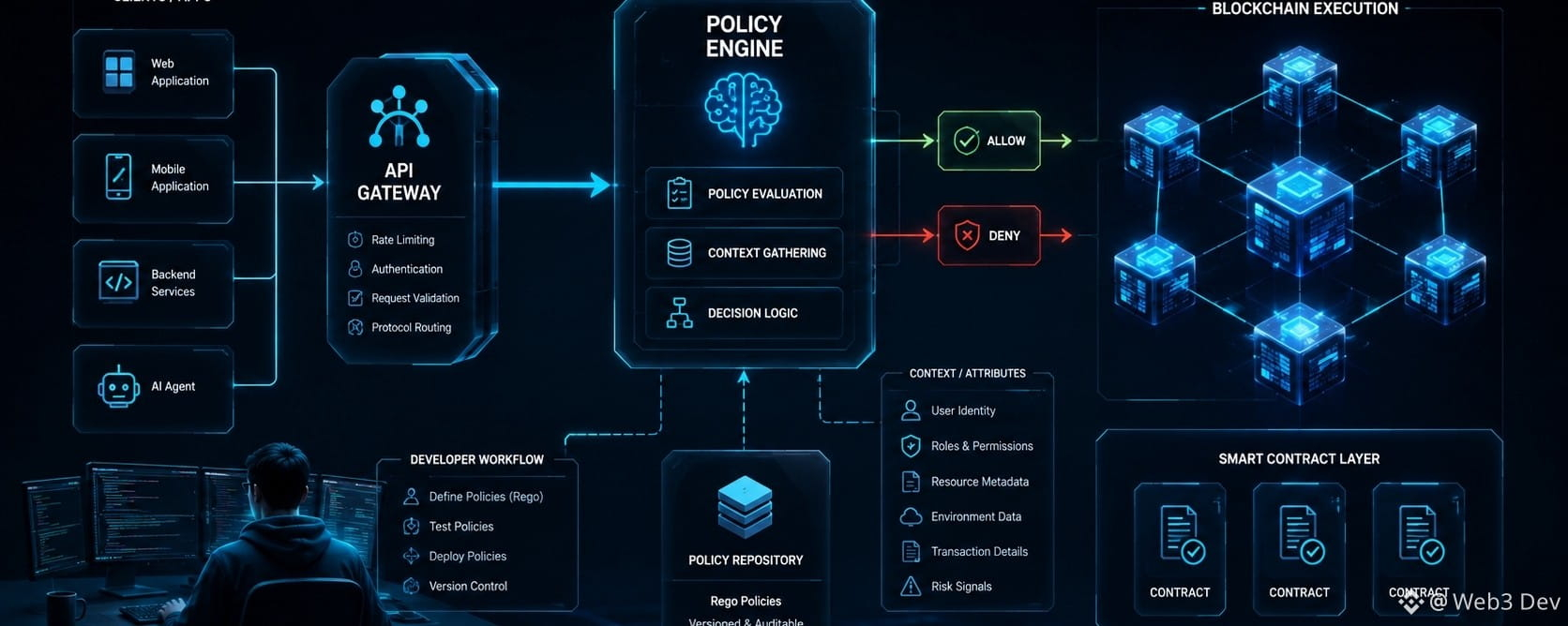
なぜポリシーに基づく認可がスマートコントラクトのセキュリティモデルを変えるのか従来のスマートコントラクトは、決定論的な実行に優れていますが、根本的な制約があります。それは、ブロックチェーンの外側に存在する情報を評価できないことです。取引が組織の支出ポリシーに違反しているかどうか、制裁対象のアドレスから発信されているかどうか、あるいはあらかじめ定められた運用上の上限を超えているかどうかといった事柄は、契約ロジックだけでは見えないことがよくあります。このアーキテクチャ上のギャップこそが、ポリシーに基づく認可が別のセキュリティモデルを導入するポイントです。
エンジニアリング上の問題
従来のスマートコントラクトのセキュリティは、正しい契約ロジックの記述と、オンチェーンでの入力の検証に重点を置きます。しかし、認可の判断は、静的な契約コードよりも「変化する外部の状況」に依存することがしばしばあります。多くのアプリケーションは、その対応としてフロントエンドや中央集権型APIにポリシーチェックを配置しますが、ユーザーや自動化されたシステムがデプロイ済みのコントラクトと直接やり取りする場合、そうした層は回避され得ます。公式のNewtonドキュメントによれば、スマートコントラクトはオフチェーンの状況に対して事実上「盲目」であり、そのため外部認可を一貫して適用するのは困難です。
なぜポリシーに基づく認可がスマートコントラクトのセキュリティモデルを変えるのか
従来のスマートコントラクトは、決定論的な実行に優れていますが、根本的な制約があります。それは、ブロックチェーンの外側に存在する情報を評価できないことです。取引が組織の支出ポリシーに違反しているかどうか、制裁対象のアドレスから発信されているかどうか、あるいはあらかじめ定められた運用上の上限を超えているかどうかといった事柄は、契約ロジックだけでは見えないことがよくあります。このアーキテクチャ上のギャップこそが、ポリシーに基づく認可が別のセキュリティモデルを導入するポイントです。
エンジニアリング上の問題
従来のスマートコントラクトのセキュリティは、正しい契約ロジックの記述と、オンチェーンでの入力の検証に重点を置きます。しかし、認可の判断は、静的な契約コードよりも「変化する外部の状況」に依存することがしばしばあります。多くのアプリケーションは、その対応としてフロントエンドや中央集権型APIにポリシーチェックを配置しますが、ユーザーや自動化されたシステムがデプロイ済みのコントラクトと直接やり取りする場合、そうした層は回避され得ます。公式のNewtonドキュメントによれば、スマートコントラクトはオフチェーンの状況に対して事実上「盲目」であり、そのため外部認可を一貫して適用するのは困難です。
エンジニアリング上の問題
従来のスマートコントラクトのセキュリティは、正しい契約ロジックの記述と、オンチェーンでの入力の検証に重点を置きます。しかし、認可の判断は、静的な契約コードよりも「変化する外部の状況」に依存することがしばしばあります。多くのアプリケーションは、その対応としてフロントエンドや中央集権型APIにポリシーチェックを配置しますが、ユーザーや自動化されたシステムがデプロイ済みのコントラクトと直接やり取りする場合、そうした層は回避され得ます。公式のNewtonドキュメントによれば、スマートコントラクトはオフチェーンの状況に対して事実上「盲目」であり、そのため外部認可を一貫して適用するのは困難です。
1
1
88
·
--
一部該当
記事
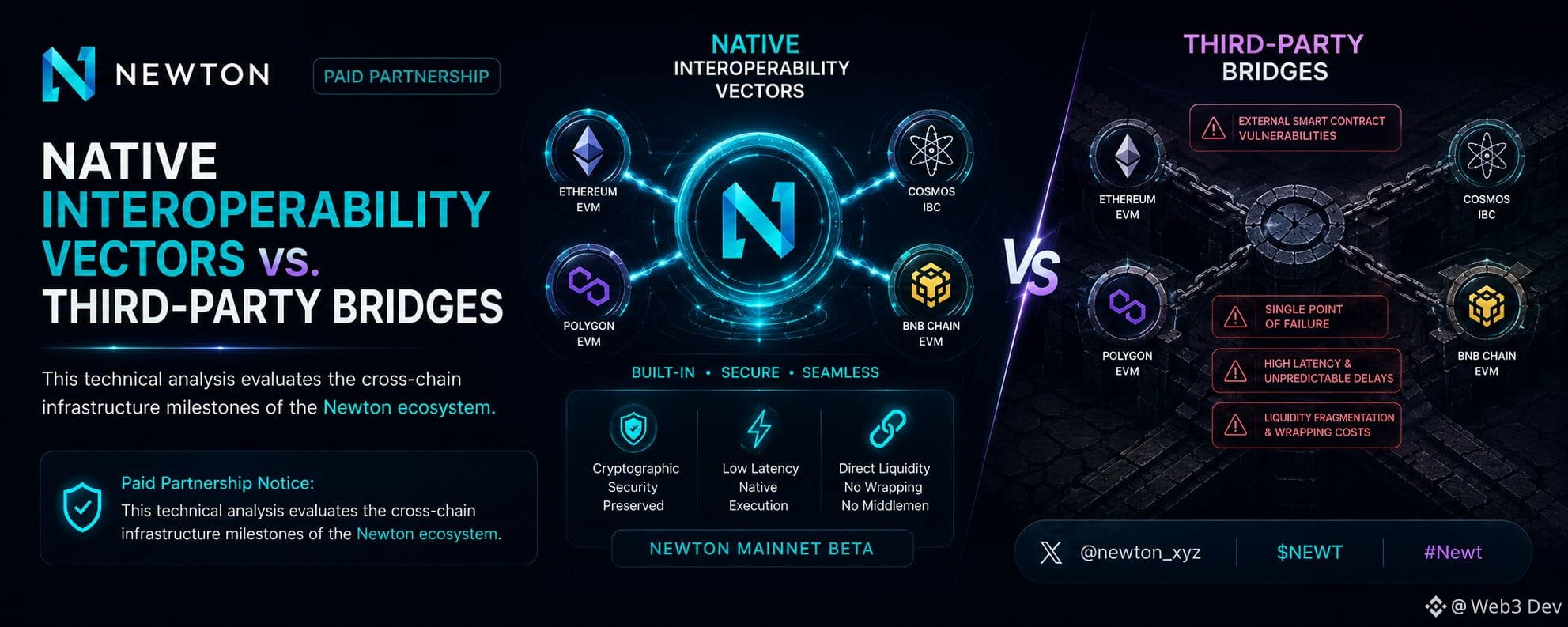
ネイティブ相互運用性ベクター vs. サードパーティ・ブリッジブロックチェーンのエコシステムが拡大し続ける中で、相互運用性は分散型インフラを特徴づける課題の1つとなっています。アプリケーションは、複数のブロックチェーン環境をまたいで、資産・データ・スマートコントラクトが連携できることをますます求めています。従来の相互運用は主にサードパーティのブリッジ・プロトコルに依存してきましたが、これらの解決策は追加の信頼前提、実行の複雑さ、そしてセキュリティ上のリスクを招くことが少なくありません。
Newton Protocolは、この課題に対して異なるアプローチを取ります。外部のブリッジ・インフラに依存するのではなく、Newtonはネイティブの相互運用性をプロトコル・アーキテクチャの中に直接組み込みます。この設計により、接続された各ネットワークのセキュリティ特性を維持しつつ、仮想マシンのエコシステム間で効率的な通信を可能にすることを目指します。
ネイティブ相互運用性ベクター vs. サードパーティ・ブリッジ
ブロックチェーンのエコシステムが拡大し続ける中で、相互運用性は分散型インフラを特徴づける課題の1つとなっています。アプリケーションは、複数のブロックチェーン環境をまたいで、資産・データ・スマートコントラクトが連携できることをますます求めています。従来の相互運用は主にサードパーティのブリッジ・プロトコルに依存してきましたが、これらの解決策は追加の信頼前提、実行の複雑さ、そしてセキュリティ上のリスクを招くことが少なくありません。
Newton Protocolは、この課題に対して異なるアプローチを取ります。外部のブリッジ・インフラに依存するのではなく、Newtonはネイティブの相互運用性をプロトコル・アーキテクチャの中に直接組み込みます。この設計により、接続された各ネットワークのセキュリティ特性を維持しつつ、仮想マシンのエコシステム間で効率的な通信を可能にすることを目指します。
Newton Protocolは、この課題に対して異なるアプローチを取ります。外部のブリッジ・インフラに依存するのではなく、Newtonはネイティブの相互運用性をプロトコル・アーキテクチャの中に直接組み込みます。この設計により、接続された各ネットワークのセキュリティ特性を維持しつつ、仮想マシンのエコシステム間で効率的な通信を可能にすることを目指します。
2
2
213
·
--
本人確認中
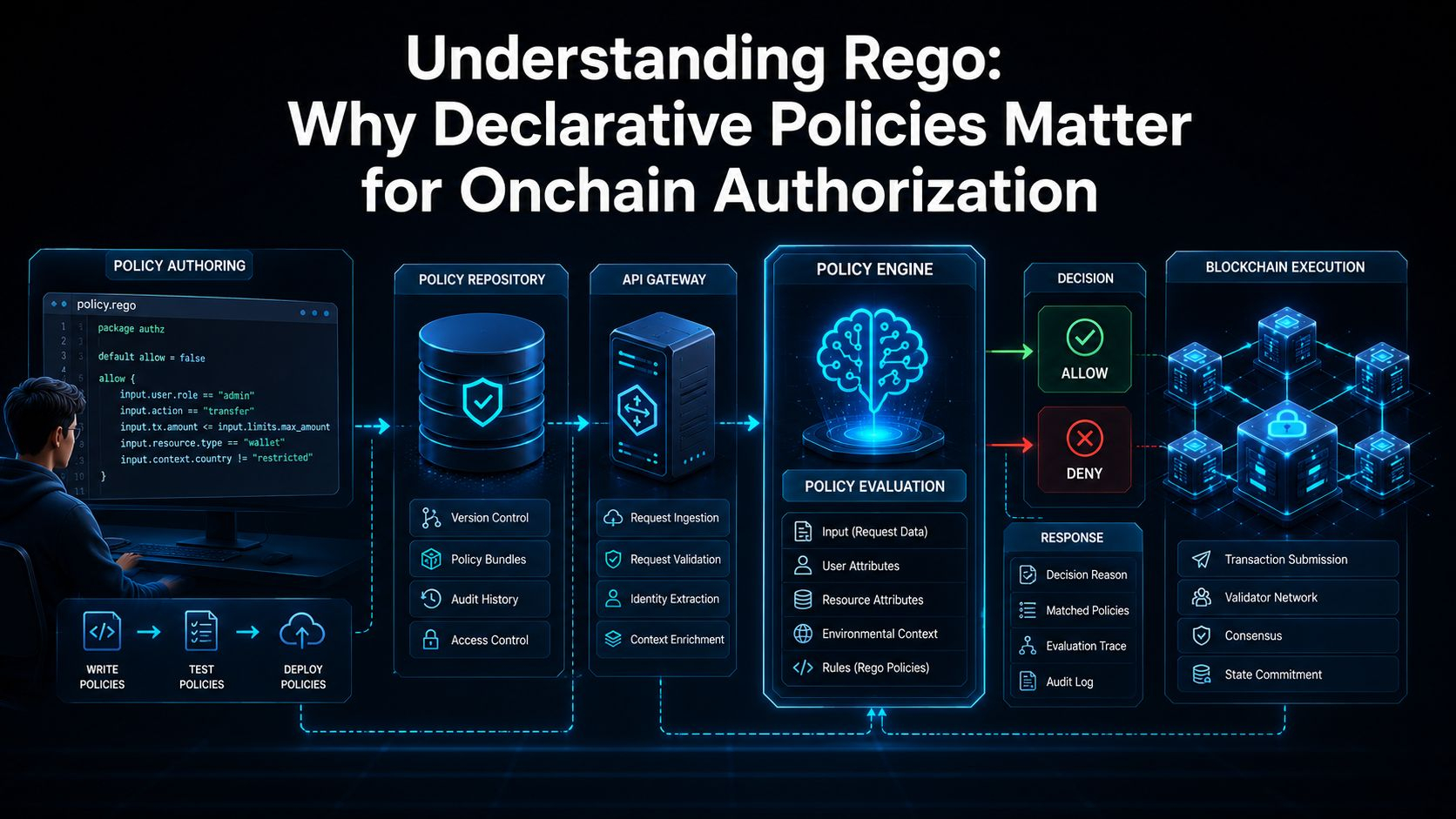
Regoを理解する:なぜ宣言的ポリシーがオンチェーン認可に重要なのか
...
よくある誤解は、認可ルールは常にアプリケーションやスマートコントラクトのコード内に置くべきだというものです。その方法は最初はうまく機能しますが、コンプライアンス要件、アクセスルール、あるいは業務ロジックが変化していくと、保守が難しくなります。
Regoは別のアプローチを取ります。Open Policy Agent(OPA)のポリシー言語であるRegoにより、開発者はアプリケーションのロジックとは別に認可ルールを定義できます。すべての権限をハードコードするのではなく、ポリシーエンジンが構造化された入力を評価し、宣言されたルールに基づいて判断を返します。
同じアーキテクチャの考え方はニュートンの認可モデルにも見られます。すべてのコンプライアンスや認可チェックをコントラクトに埋め込むのではなく、ポリシーはトランザクション実行の前に評価されます。ニュートンでは、オンチェーン取引のための認可レイヤーとしてこれを説明しており、実行前に身元、管轄、または支出限度などの条件を強制できるプログラマブルなポリシーを用いることができます。
バックエンド開発者にとって、このパターンはおなじみです。コントローラが実行される前に認可ミドルウェアがリクエストを評価するExpressアプリケーションを想像してください。業務ロジックはアプリケーションの振る舞いに集中し、ポリシーロジックは中央集約され、更新もしやすく保たれます。
この分離により保守性が向上し、監査を支援し、さらに認可要件が変わっても中核の実行ロジックを変更する必要性が減ります。また、実行とポリシー評価の境界がより明確になります。
@NewtonProtocol は、$NEWT ecosystem内で、プログラマブルな認可を専用のインフラストラクチャレイヤーとして導入できることを示しています。#Newt
...
技術的な議論:ブロックチェーンアプリケーションがより複雑になるにつれて、ポリシー評価は、コントラクトに埋め込むのではなく、独立したインフラストラクチャとして扱われるべきでしょうか?
Regoを理解する:なぜ宣言的ポリシーがオンチェーン認可に重要なのか
...
よくある誤解は、認可ルールは常にアプリケーションやスマートコントラクトのコード内に置くべきだというものです。その方法は最初はうまく機能しますが、コンプライアンス要件、アクセスルール、あるいは業務ロジックが変化していくと、保守が難しくなります。
Regoは別のアプローチを取ります。Open Policy Agent(OPA)のポリシー言語であるRegoにより、開発者はアプリケーションのロジックとは別に認可ルールを定義できます。すべての権限をハードコードするのではなく、ポリシーエンジンが構造化された入力を評価し、宣言されたルールに基づいて判断を返します。
同じアーキテクチャの考え方はニュートンの認可モデルにも見られます。すべてのコンプライアンスや認可チェックをコントラクトに埋め込むのではなく、ポリシーはトランザクション実行の前に評価されます。ニュートンでは、オンチェーン取引のための認可レイヤーとしてこれを説明しており、実行前に身元、管轄、または支出限度などの条件を強制できるプログラマブルなポリシーを用いることができます。
バックエンド開発者にとって、このパターンはおなじみです。コントローラが実行される前に認可ミドルウェアがリクエストを評価するExpressアプリケーションを想像してください。業務ロジックはアプリケーションの振る舞いに集中し、ポリシーロジックは中央集約され、更新もしやすく保たれます。
この分離により保守性が向上し、監査を支援し、さらに認可要件が変わっても中核の実行ロジックを変更する必要性が減ります。また、実行とポリシー評価の境界がより明確になります。
@NewtonProtocol は、$NEWT ecosystem内で、プログラマブルな認可を専用のインフラストラクチャレイヤーとして導入できることを示しています。#Newt
...
技術的な議論:ブロックチェーンアプリケーションがより複雑になるにつれて、ポリシー評価は、コントラクトに埋め込むのではなく、独立したインフラストラクチャとして扱われるべきでしょうか?
...
よくある誤解は、認可ルールは常にアプリケーションやスマートコントラクトのコード内に置くべきだというものです。その方法は最初はうまく機能しますが、コンプライアンス要件、アクセスルール、あるいは業務ロジックが変化していくと、保守が難しくなります。
Regoは別のアプローチを取ります。Open Policy Agent(OPA)のポリシー言語であるRegoにより、開発者はアプリケーションのロジックとは別に認可ルールを定義できます。すべての権限をハードコードするのではなく、ポリシーエンジンが構造化された入力を評価し、宣言されたルールに基づいて判断を返します。
同じアーキテクチャの考え方はニュートンの認可モデルにも見られます。すべてのコンプライアンスや認可チェックをコントラクトに埋め込むのではなく、ポリシーはトランザクション実行の前に評価されます。ニュートンでは、オンチェーン取引のための認可レイヤーとしてこれを説明しており、実行前に身元、管轄、または支出限度などの条件を強制できるプログラマブルなポリシーを用いることができます。
バックエンド開発者にとって、このパターンはおなじみです。コントローラが実行される前に認可ミドルウェアがリクエストを評価するExpressアプリケーションを想像してください。業務ロジックはアプリケーションの振る舞いに集中し、ポリシーロジックは中央集約され、更新もしやすく保たれます。
この分離により保守性が向上し、監査を支援し、さらに認可要件が変わっても中核の実行ロジックを変更する必要性が減ります。また、実行とポリシー評価の境界がより明確になります。
@NewtonProtocol は、$NEWT ecosystem内で、プログラマブルな認可を専用のインフラストラクチャレイヤーとして導入できることを示しています。#Newt
...
技術的な議論:ブロックチェーンアプリケーションがより複雑になるにつれて、ポリシー評価は、コントラクトに埋め込むのではなく、独立したインフラストラクチャとして扱われるべきでしょうか?
4
1
112
·
--
🏆 経験からの最終判決
チュニジアのキャンプは、歴史的なオープニングデイの崩壊に続き非常に不安定です。日本の統一されたシステムと致命的なトランジションプレイは、チュニジアの守備の隙間を簡単に突くでしょう。「YES」は、この1000回目の歴史的ワールドカップマッチに対して最も分析的かつ統計的に裏付けられた選択です。
#BinancePickAndWin
🏆 経験からの最終判決
チュニジアのキャンプは、歴史的なオープニングデイの崩壊に続き非常に不安定です。日本の統一されたシステムと致命的なトランジションプレイは、チュニジアの守備の隙間を簡単に突くでしょう。「YES」は、この1000回目の歴史的ワールドカップマッチに対して最も分析的かつ統計的に裏付けられた選択です。
#BinancePickAndWin
チュニジアのキャンプは、歴史的なオープニングデイの崩壊に続き非常に不安定です。日本の統一されたシステムと致命的なトランジションプレイは、チュニジアの守備の隙間を簡単に突くでしょう。「YES」は、この1000回目の歴史的ワールドカップマッチに対して最も分析的かつ統計的に裏付けられた選択です。
#BinancePickAndWin

76
·
--
私は毎日私のTGグループで無料の稼ぎキャンペーンの秘密を共有するつもりです。
サッカー大会に関する最新の意見についてのあなたの興味を教えてください。
あなたのワクワクのコメントは?
#BinancePickAndWin
私は毎日私のTGグループで無料の稼ぎキャンペーンの秘密を共有するつもりです。
サッカー大会に関する最新の意見についてのあなたの興味を教えてください。
あなたのワクワクのコメントは?
#BinancePickAndWin
サッカー大会に関する最新の意見についてのあなたの興味を教えてください。
あなたのワクワクのコメントは?
#BinancePickAndWin

8
·
--
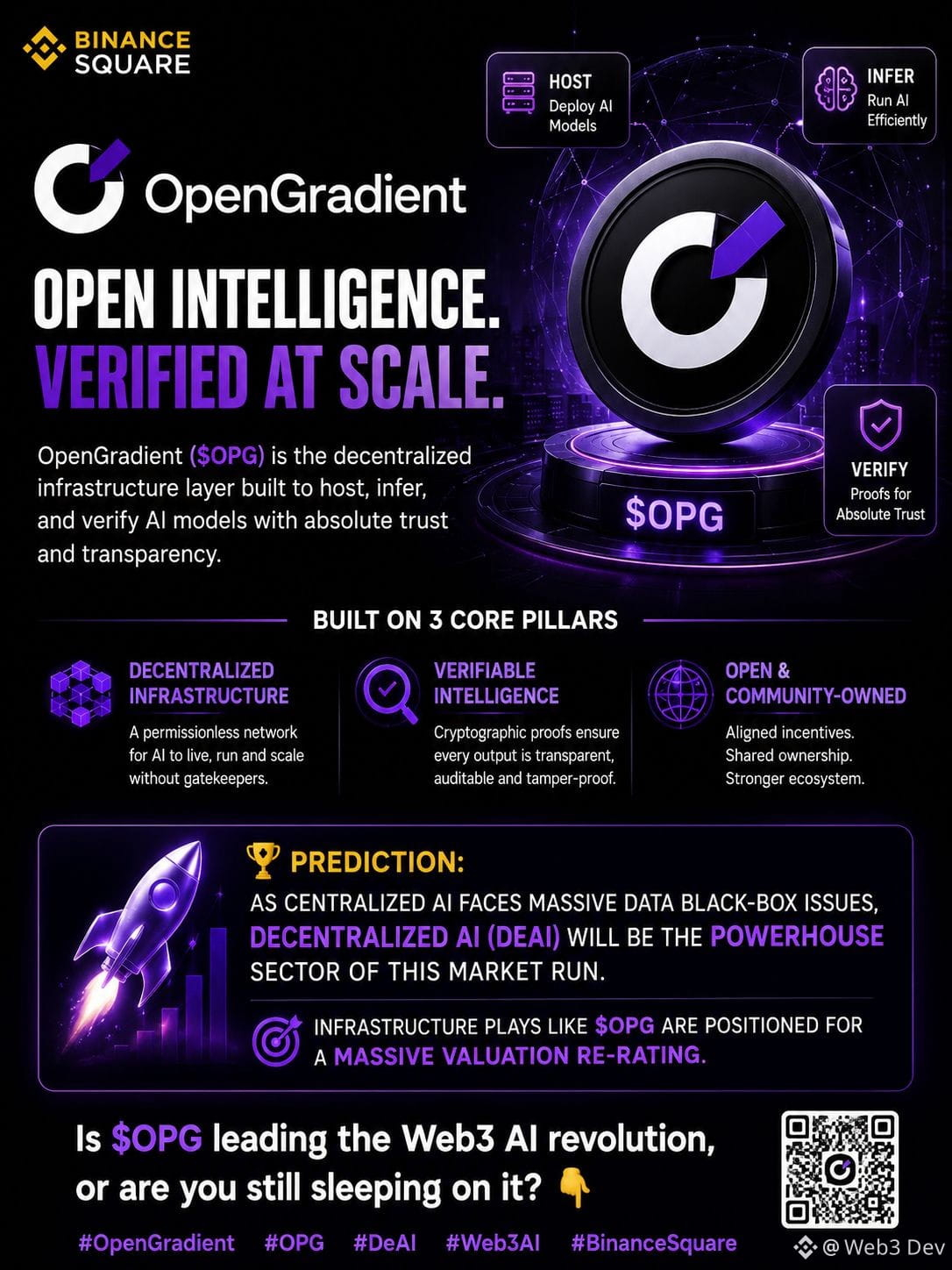
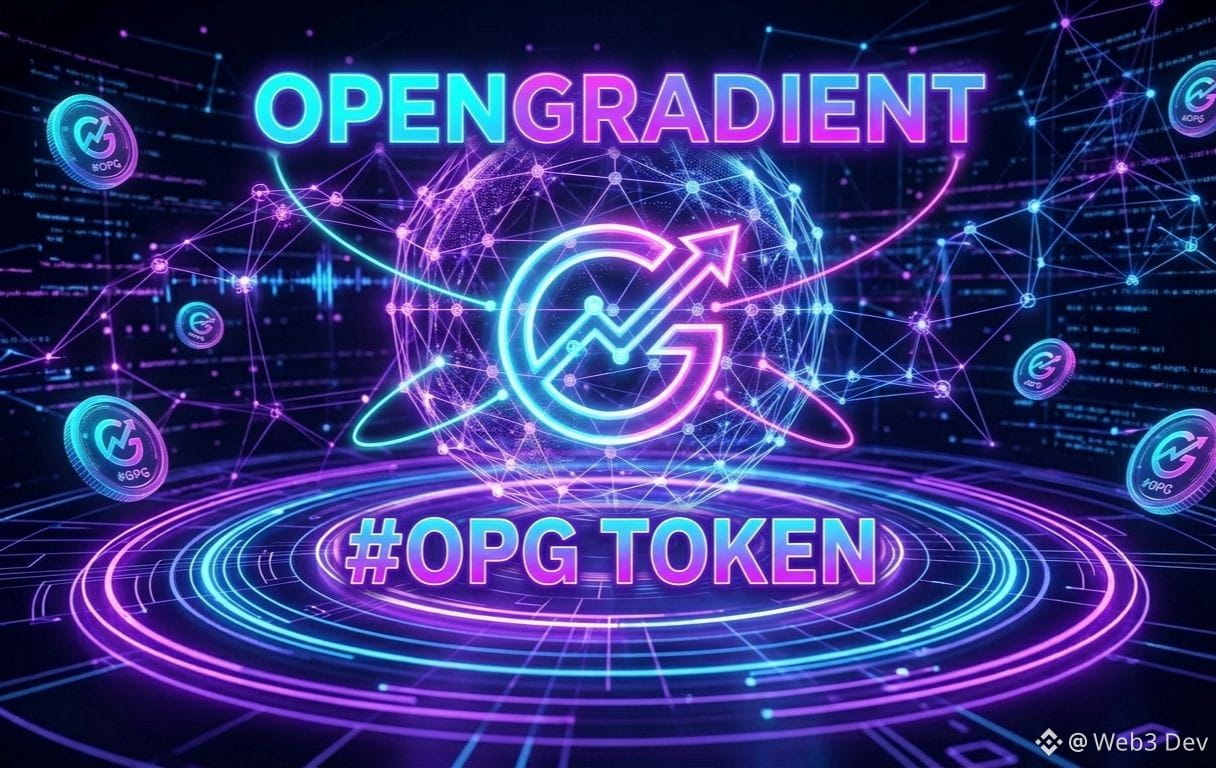
🧠 **オープンインテリジェンス。スケールでの検証。**
開発者として、次のAIの進化は単に賢いモデルではなく、**検証可能なインテリジェンス**だと信じています。
🔹 @OpenGradient ($OPG )**は、以下を可能にする分散型AIインフラを構築しています:
• 🚀 中央集権的なゲートキーパーなしでのAIモデルのホスティング • ⚡ スケールでの透明なAI推論 • 🔒 出力の暗号的検証 • 🌐 オープンで監査可能、信頼最小化されたインテリジェンス
**なぜこれが重要なのか?**
今日のAIエコシステムは、ユーザーが検証なしに結果を信頼しなければならないブラックボックスシステムによって支配されています。
透明性と説明責任の需要が高まる中、**分散型AI(DeAI)**はWeb3で最も強力なナラティブの一つとして浮上する可能性があり、インフラプロトコルが次世代のAIアプリケーションを可能にする重要な役割を果たすでしょう。
👀 注意深く見守る価値があります。
#opg $OPG #DeAI
#OpenGradient #BinanceSquareFamily
🧠 **オープンインテリジェンス。スケールでの検証。**
開発者として、次のAIの進化は単に賢いモデルではなく、**検証可能なインテリジェンス**だと信じています。
🔹 @OpenGradient ($OPG )**は、以下を可能にする分散型AIインフラを構築しています:
• 🚀 中央集権的なゲートキーパーなしでのAIモデルのホスティング • ⚡ スケールでの透明なAI推論 • 🔒 出力の暗号的検証 • 🌐 オープンで監査可能、信頼最小化されたインテリジェンス
**なぜこれが重要なのか?**
今日のAIエコシステムは、ユーザーが検証なしに結果を信頼しなければならないブラックボックスシステムによって支配されています。
透明性と説明責任の需要が高まる中、**分散型AI(DeAI)**はWeb3で最も強力なナラティブの一つとして浮上する可能性があり、インフラプロトコルが次世代のAIアプリケーションを可能にする重要な役割を果たすでしょう。
👀 注意深く見守る価値があります。
#opg $OPG #DeAI
#OpenGradient #BinanceSquareFamily
開発者として、次のAIの進化は単に賢いモデルではなく、**検証可能なインテリジェンス**だと信じています。
🔹 @OpenGradient ($OPG )**は、以下を可能にする分散型AIインフラを構築しています:
• 🚀 中央集権的なゲートキーパーなしでのAIモデルのホスティング • ⚡ スケールでの透明なAI推論 • 🔒 出力の暗号的検証 • 🌐 オープンで監査可能、信頼最小化されたインテリジェンス
**なぜこれが重要なのか?**
今日のAIエコシステムは、ユーザーが検証なしに結果を信頼しなければならないブラックボックスシステムによって支配されています。
透明性と説明責任の需要が高まる中、**分散型AI(DeAI)**はWeb3で最も強力なナラティブの一つとして浮上する可能性があり、インフラプロトコルが次世代のAIアプリケーションを可能にする重要な役割を果たすでしょう。
👀 注意深く見守る価値があります。
#opg $OPG #DeAI
#OpenGradient #BinanceSquareFamily
2
1
111
·
--
トーナメントサッカーは常に予想外の展開を見せ、標準的なフォームスタッツは激しいグループステージの戦いでは完全に通用しなくなることが多い。技術的な冷静さ、空間認識、そして頑固でコンパクトなローブロックを打破する能力こそが、プレッシャーがかかる中で勝者とその他のチームを真に分けるものだ。
今日のウズベキスタン対コロンビアの試合を詳しく見てみると、古典的な構造的対比に直面している。ウズベキスタンは完璧な戦術的形状と厳格な守備組織をピッチに持ち込む一方、コロンビアはハイテンポな縦のトランジションと広いエリアからの創造的なラインブレイキングの脅威に依存している。
これはBinanceの日次カードにおける究極のジレンマを設定する:コロンビアは試合に勝つのか?
スカッドの深さと歴史的パターンを徹底的に分析した結果、個々の臨機応変な才能がこの緊迫した対戦でブレイクスルーを生むことが多い。私の戦略的な分析を完了し、選択を固定した。南米のテクニカルな有力候補に全ポイントを確保させるために安全策を取っているのか、それとも驚きの結果に繋がる粘り強い守備のマスターピースを予想しているのか?今日の報酬を手に入れよう!
#BinancePickAndWin
トーナメントサッカーは常に予想外の展開を見せ、標準的なフォームスタッツは激しいグループステージの戦いでは完全に通用しなくなることが多い。技術的な冷静さ、空間認識、そして頑固でコンパクトなローブロックを打破する能力こそが、プレッシャーがかかる中で勝者とその他のチームを真に分けるものだ。
今日のウズベキスタン対コロンビアの試合を詳しく見てみると、古典的な構造的対比に直面している。ウズベキスタンは完璧な戦術的形状と厳格な守備組織をピッチに持ち込む一方、コロンビアはハイテンポな縦のトランジションと広いエリアからの創造的なラインブレイキングの脅威に依存している。
これはBinanceの日次カードにおける究極のジレンマを設定する:コロンビアは試合に勝つのか?
スカッドの深さと歴史的パターンを徹底的に分析した結果、個々の臨機応変な才能がこの緊迫した対戦でブレイクスルーを生むことが多い。私の戦略的な分析を完了し、選択を固定した。南米のテクニカルな有力候補に全ポイントを確保させるために安全策を取っているのか、それとも驚きの結果に繋がる粘り強い守備のマスターピースを予想しているのか?今日の報酬を手に入れよう!
#BinancePickAndWin
今日のウズベキスタン対コロンビアの試合を詳しく見てみると、古典的な構造的対比に直面している。ウズベキスタンは完璧な戦術的形状と厳格な守備組織をピッチに持ち込む一方、コロンビアはハイテンポな縦のトランジションと広いエリアからの創造的なラインブレイキングの脅威に依存している。
これはBinanceの日次カードにおける究極のジレンマを設定する:コロンビアは試合に勝つのか?
スカッドの深さと歴史的パターンを徹底的に分析した結果、個々の臨機応変な才能がこの緊迫した対戦でブレイクスルーを生むことが多い。私の戦略的な分析を完了し、選択を固定した。南米のテクニカルな有力候補に全ポイントを確保させるために安全策を取っているのか、それとも驚きの結果に繋がる粘り強い守備のマスターピースを予想しているのか?今日の報酬を手に入れよう!
#BinancePickAndWin

93
·
--
トーナメントサッカーはいつも予想外の展開をもたらし、スタンダードなフォーム統計はハイプレッシャーのノックアウト戦では完全に無効になることが多い。メンタルの強さとベンチの深さが、75分を過ぎた時に真の勝者を他のチームから分ける要素だ。
カナダ対ボスニア・ヘルツェゴビナのグループステージの対戦を見てみると、両チームは素晴らしい戦術的規律を持っているが、攻撃のトランジションスタイルは非常に異なる。これが、デイリープレディクションカードにおける大きなジレンマをもたらす: コーナーキックの合計は8以下または等しくなるのか?
今夜のスカッドの深さとセットプレイ戦略を徹底的に分析した。お気に入りチームがタイトに保つと思うか、それともハイインテンシティのエンド・トゥ・エンドアクションでアンダードッグストーリーが進行中か?報酬を確保しよう!
#BinancePickAndWin
トーナメントサッカーはいつも予想外の展開をもたらし、スタンダードなフォーム統計はハイプレッシャーのノックアウト戦では完全に無効になることが多い。メンタルの強さとベンチの深さが、75分を過ぎた時に真の勝者を他のチームから分ける要素だ。
カナダ対ボスニア・ヘルツェゴビナのグループステージの対戦を見てみると、両チームは素晴らしい戦術的規律を持っているが、攻撃のトランジションスタイルは非常に異なる。これが、デイリープレディクションカードにおける大きなジレンマをもたらす: コーナーキックの合計は8以下または等しくなるのか?
今夜のスカッドの深さとセットプレイ戦略を徹底的に分析した。お気に入りチームがタイトに保つと思うか、それともハイインテンシティのエンド・トゥ・エンドアクションでアンダードッグストーリーが進行中か?報酬を確保しよう!
#BinancePickAndWin
カナダ対ボスニア・ヘルツェゴビナのグループステージの対戦を見てみると、両チームは素晴らしい戦術的規律を持っているが、攻撃のトランジションスタイルは非常に異なる。これが、デイリープレディクションカードにおける大きなジレンマをもたらす: コーナーキックの合計は8以下または等しくなるのか?
今夜のスカッドの深さとセットプレイ戦略を徹底的に分析した。お気に入りチームがタイトに保つと思うか、それともハイインテンシティのエンド・トゥ・エンドアクションでアンダードッグストーリーが進行中か?報酬を確保しよう!
#BinancePickAndWin

1
133
·
--
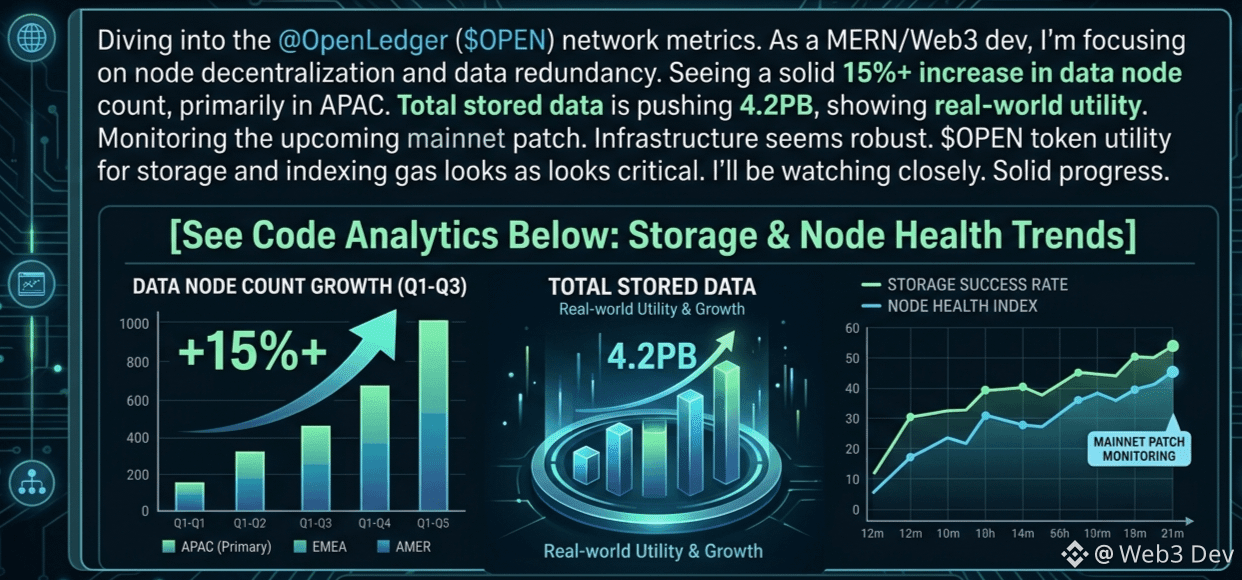
@Openledger ($OPEN ) ネットワークメトリクスに飛び込む。
Web3デベロッパーとして、ノードの分散化とデータ冗長性に注力している。APACを中心にデータノード数が15%以上増加しているのを確認。総保管データは4.2PBに迫っており、実世界でのユーティリティを示している。
今後のメインネットパッチを監視中。インフラは堅牢に見える。$OPEN トークンのストレージおよびインデクシングガスのユーティリティは重要に見える。しっかりと見守っていくつもり。進捗は良好。
#openledger $OPEN @Openledger
@OpenLedger ($OPEN ) ネットワークメトリクスに飛び込む。
Web3デベロッパーとして、ノードの分散化とデータ冗長性に注力している。APACを中心にデータノード数が15%以上増加しているのを確認。総保管データは4.2PBに迫っており、実世界でのユーティリティを示している。
今後のメインネットパッチを監視中。インフラは堅牢に見える。$OPEN トークンのストレージおよびインデクシングガスのユーティリティは重要に見える。しっかりと見守っていくつもり。進捗は良好。
#openledger $OPEN @OpenLedger
Web3デベロッパーとして、ノードの分散化とデータ冗長性に注力している。APACを中心にデータノード数が15%以上増加しているのを確認。総保管データは4.2PBに迫っており、実世界でのユーティリティを示している。
今後のメインネットパッチを監視中。インフラは堅牢に見える。$OPEN トークンのストレージおよびインデクシングガスのユーティリティは重要に見える。しっかりと見守っていくつもり。進捗は良好。
#openledger $OPEN @OpenLedger
9
12
119
·
--
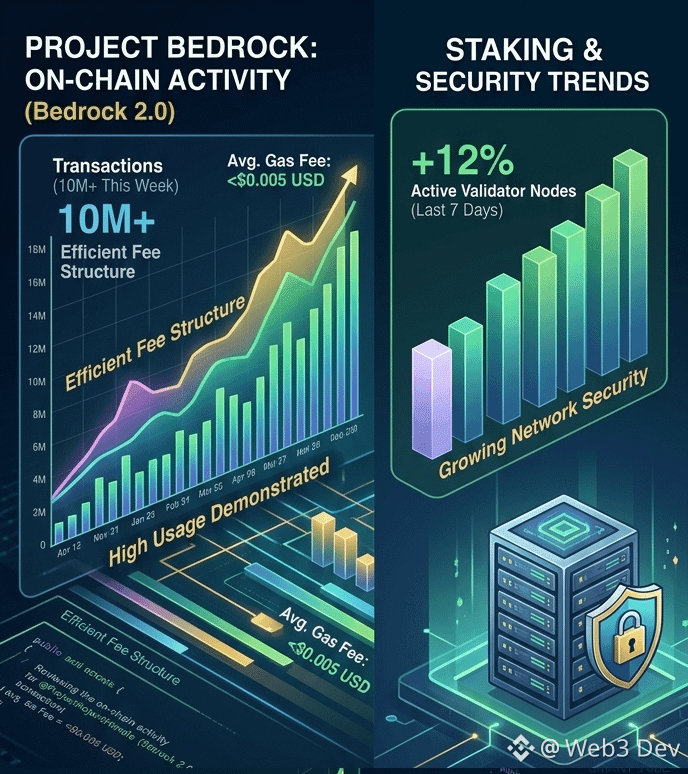
@Bedrock ($BR )のオンチェーン活動をレビューしています。
Web3およびMERN開発者として、私はBedrock 2.0がイールド圧縮に取り組んでいるのを見ています。エアドロップのノイズを超えて、BTCFi資本に対するインテリジェントイールドエンジンへの進化は、機関戦略を自動化する大きな構造的ピボットです。
ネットワークは今週、1000万件以上のトランザクションを処理し、平均ガス料金は$0.005以下のままでした。これは、高使用時における効率的な料金構造を示しています。
ステーキング活動も増加しており、過去7日間でアクティブなバリデーターノードが12%増加しており、ネットワークのセキュリティが向上していることを示しています。
#bedrock $BR @Bedrock
@Bedrock ($BR )のオンチェーン活動をレビューしています。
Web3およびMERN開発者として、私はBedrock 2.0がイールド圧縮に取り組んでいるのを見ています。エアドロップのノイズを超えて、BTCFi資本に対するインテリジェントイールドエンジンへの進化は、機関戦略を自動化する大きな構造的ピボットです。
ネットワークは今週、1000万件以上のトランザクションを処理し、平均ガス料金は$0.005以下のままでした。これは、高使用時における効率的な料金構造を示しています。
ステーキング活動も増加しており、過去7日間でアクティブなバリデーターノードが12%増加しており、ネットワークのセキュリティが向上していることを示しています。
#bedrock $BR @Bedrock
Web3およびMERN開発者として、私はBedrock 2.0がイールド圧縮に取り組んでいるのを見ています。エアドロップのノイズを超えて、BTCFi資本に対するインテリジェントイールドエンジンへの進化は、機関戦略を自動化する大きな構造的ピボットです。
ネットワークは今週、1000万件以上のトランザクションを処理し、平均ガス料金は$0.005以下のままでした。これは、高使用時における効率的な料金構造を示しています。
ステーキング活動も増加しており、過去7日間でアクティブなバリデーターノードが12%増加しており、ネットワークのセキュリティが向上していることを示しています。
#bedrock $BR @Bedrock
11
11
129
ログインして、さらにコンテンツを読む
厳選トピックで世界の暗号資産トレーダーの仲間入り
⚡️ 暗号資産に関する最新かつ有益な情報が見つかります。
💬 世界最大の暗号資産取引所から信頼されています。
👍 認証を受けたクリエイターから、有益なインサイトを得られます。
メール / 電話番号