

DeFi Jaydar
21 投稿

DeFi Jaydar
報告
ユーザーをブロック
Rekt LUNAtic BP-DD0337025DFE
4 フォロー
21 フォロワー
45 いいね
投稿
すべて
引用
·
--
暗号市場の現実チェック:私たちは完全な capitulation モードに入っていますおはようファミリー、部屋の中の象について話しましょう:市場は出血しています。
現在の状態:
- ビットコイン → $67,390 (年初の$91Kから下落)
- イーサリアム → $1,961 (ちょうど$2Kを下回った - 重要なレベルを失った)
- 市場資本 → $2.57T (1月以来$400B以上を失った)
- 恐怖と欲望指数 → 11 (極度の恐怖、2025年11月以来の最低)
私たちはたった1日で$775Mの清算を経験しました。$BTCは2024年11月以来初めて$68Kを下回りました。$ETHは数ヶ月保持されていた$2Kの心理的サポートを失いました。
暗号市場の現実チェック:私たちは完全な capitulation モードに入っています
おはようファミリー、部屋の中の象について話しましょう:市場は出血しています。
現在の状態:
- ビットコイン → $67,390 (年初の$91Kから下落)
- イーサリアム → $1,961 (ちょうど$2Kを下回った - 重要なレベルを失った)
- 市場資本 → $2.57T (1月以来$400B以上を失った)
- 恐怖と欲望指数 → 11 (極度の恐怖、2025年11月以来の最低)
私たちはたった1日で$775Mの清算を経験しました。$BTCは2024年11月以来初めて$68Kを下回りました。$ETHは数ヶ月保持されていた$2Kの心理的サポートを失いました。
現在の状態:
- ビットコイン → $67,390 (年初の$91Kから下落)
- イーサリアム → $1,961 (ちょうど$2Kを下回った - 重要なレベルを失った)
- 市場資本 → $2.57T (1月以来$400B以上を失った)
- 恐怖と欲望指数 → 11 (極度の恐怖、2025年11月以来の最低)
私たちはたった1日で$775Mの清算を経験しました。$BTCは2024年11月以来初めて$68Kを下回りました。$ETHは数ヶ月保持されていた$2Kの心理的サポートを失いました。
54
·
--
最新情報をお知らせいただきありがとうございます
最新情報をお知らせいただきありがとうございます

DuckTradingpro
·
--
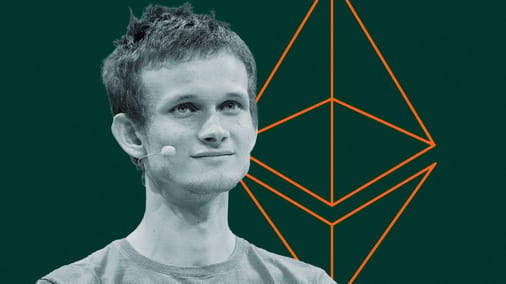
⚡️ JUST IN: VITALIK MOVES ETH — $500K TRANSACTION FLAGGED
On-chain tracker LookOnChain reports that Vitalik Buterin sold 211.84 $ETH for roughly $500,000 USDC about an hour ago.
• Proceeds: 500K USDC
• ETH sold: 211.84 ETG
• Funds transferred to Kanro (Vitalikの長年知られている慈善団体)
重要なコンテキスト:
VitalikはETHを主に寄付、助成金、そして$ZAMA の運営資金のために売ると繰り返し述べており、取引や市場タイミングのためではありません。 $BNB
結論:
保有に対しては小さい。
おそらくチャリティ関連。
物語 > サイズ — しかしコンテキストは重要です。
#Vitalik #GoldSilverRebound #StrategyBTCPurchase
On-chain tracker LookOnChain reports that Vitalik Buterin sold 211.84 $ETH for roughly $500,000 USDC about an hour ago.
• Proceeds: 500K USDC
• ETH sold: 211.84 ETG
• Funds transferred to Kanro (Vitalikの長年知られている慈善団体)
重要なコンテキスト:
VitalikはETHを主に寄付、助成金、そして$ZAMA の運営資金のために売ると繰り返し述べており、取引や市場タイミングのためではありません。 $BNB
結論:
保有に対しては小さい。
おそらくチャリティ関連。
物語 > サイズ — しかしコンテキストは重要です。
#Vitalik #GoldSilverRebound #StrategyBTCPurchase
4
·
--
ブリッシュ
あなたのNFTは消えるかもしれません。そしてあなたはそれを知りません。
実際の話: 誰かがNFTに$10k支払いました。6ヶ月後、画像は消えていました。
なぜ? JPEGが中央集権的なサーバーに保存されていたからです。会社は閉鎖されました。画像は永遠に消えました。彼らは...壊れたリンクを所有していました。
これがWeb3の不都合な真実です: ほとんどの「非中央集権的」プロジェクトは、データをAWS、Google Cloud、または他の中央集権的サービスに保存しています。
ブロックチェーン部分?非中央集権的です。実際のデータ?ジェフ・ベゾスのサーバーに座っています。
@WalrusProtocol は、本当に非中央集権的なストレージインフラを構築することでこれを修正しています。あなたのデータは:
- 暗号化された部分に分割されます
- 数千のノードに分散されます
- 永続的にされます(「うっかり私たちは閉鎖しました」という瞬間はありません)
100倍のムーンショットほどセクシーではありませんが、Web3が実際に機能するための基本的なインフラです。
今、私は尋ねます; サービスが閉鎖されたためにデータを失ったことがありますか? それともNFTの画像が消えたことがありますか?
#Walrus $WAL #DecentralizedStorage #Web3 #CryptoInfrastructure
{spot}(WALUSDT)
あなたのNFTは消えるかもしれません。そしてあなたはそれを知りません。
実際の話: 誰かがNFTに$10k支払いました。6ヶ月後、画像は消えていました。
なぜ? JPEGが中央集権的なサーバーに保存されていたからです。会社は閉鎖されました。画像は永遠に消えました。彼らは...壊れたリンクを所有していました。
これがWeb3の不都合な真実です: ほとんどの「非中央集権的」プロジェクトは、データをAWS、Google Cloud、または他の中央集権的サービスに保存しています。
ブロックチェーン部分?非中央集権的です。実際のデータ?ジェフ・ベゾスのサーバーに座っています。
@Walrus 🦭/acc は、本当に非中央集権的なストレージインフラを構築することでこれを修正しています。あなたのデータは:
- 暗号化された部分に分割されます
- 数千のノードに分散されます
- 永続的にされます(「うっかり私たちは閉鎖しました」という瞬間はありません)
100倍のムーンショットほどセクシーではありませんが、Web3が実際に機能するための基本的なインフラです。
今、私は尋ねます; サービスが閉鎖されたためにデータを失ったことがありますか? それともNFTの画像が消えたことがありますか?
#Walrus $WAL #DecentralizedStorage #Web3 #CryptoInfrastructure
実際の話: 誰かがNFTに$10k支払いました。6ヶ月後、画像は消えていました。
なぜ? JPEGが中央集権的なサーバーに保存されていたからです。会社は閉鎖されました。画像は永遠に消えました。彼らは...壊れたリンクを所有していました。
これがWeb3の不都合な真実です: ほとんどの「非中央集権的」プロジェクトは、データをAWS、Google Cloud、または他の中央集権的サービスに保存しています。
ブロックチェーン部分?非中央集権的です。実際のデータ?ジェフ・ベゾスのサーバーに座っています。
@Walrus 🦭/acc は、本当に非中央集権的なストレージインフラを構築することでこれを修正しています。あなたのデータは:
- 暗号化された部分に分割されます
- 数千のノードに分散されます
- 永続的にされます(「うっかり私たちは閉鎖しました」という瞬間はありません)
100倍のムーンショットほどセクシーではありませんが、Web3が実際に機能するための基本的なインフラです。
今、私は尋ねます; サービスが閉鎖されたためにデータを失ったことがありますか? それともNFTの画像が消えたことがありますか?
#Walrus $WAL #DecentralizedStorage #Web3 #CryptoInfrastructure
1
37
·
--
それはひどいキャンペーンだ😂😂
私はそれがクジラにしか利益をもたらさないことを知っていました
それはひどいキャンペーンだ😂😂
私はそれがクジラにしか利益をもたらさないことを知っていました
私はそれがクジラにしか利益をもたらさないことを知っていました

Crypto Ser
·
--
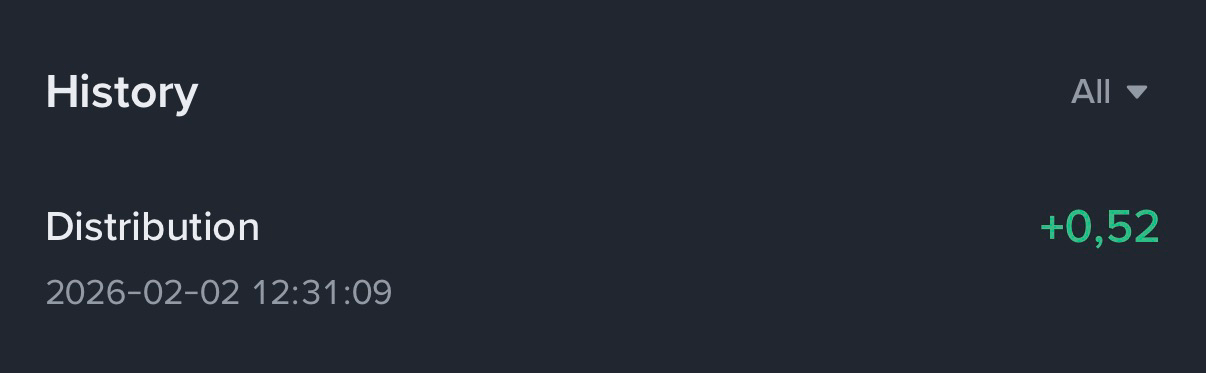
保持 2k $USD1 で 0.52 $WLFI トークン?
なんで 40M エアドロップキャンペーン 😂😂
なんで 40M エアドロップキャンペーン 😂😂
·
--
ブリッシュ
ガス料金$50チャレンジをやめよう 🚫💸
GM、そしてクリプトファミリーの皆さん、新しい月おめでとうございます。
私はメインネットのEthereumで$30相当のトークンをスワップしようとしました。
ガス料金? $47。実際の取引よりもトランザクションに多く支払ってしまった。これがDeFiではなく、ハイウェイ強盗です。
これがまさに@Plasma XPLのようなLayer-2ソリューションが存在する理由です。同じEthereumのセキュリティですが、ガス料金はあなたがラーメンの中で泣くことはないでしょう。
私にとって変わったことは以下の通りです:
- セントで済むスワップ、腕や足を失わない
- 数秒で確認されるトランザクション
- 実際に収穫農場を持つ余裕があること
- 手数料に家賃のお金をリスクにさらすことなく戦略をテストできる
もしまだメインネットで全てのDeFiを行っているなら、文字通りお金を燃やしていることになります。Layer-2はもはやオプションではなく...必須です。
$XPL は通常の人々(無限のETHを持つクジラだけではなく)にEthereumを実際に使いやすくしています。
さあ、スクロールアップする前に、あなたの意見を聞きたいです。あなたが今まで払った最悪のガス料金は何ですか?コメントに書いて、痛みを共有しましょう! 😭
#Plasma #XPL #WhenWillBTCRebound #MarketCorrection
{spot}(XPLUSDT)
ガス料金$50チャレンジをやめよう 🚫💸
GM、そしてクリプトファミリーの皆さん、新しい月おめでとうございます。
私はメインネットのEthereumで$30相当のトークンをスワップしようとしました。
ガス料金? $47。実際の取引よりもトランザクションに多く支払ってしまった。これがDeFiではなく、ハイウェイ強盗です。
これがまさに@Plasma XPLのようなLayer-2ソリューションが存在する理由です。同じEthereumのセキュリティですが、ガス料金はあなたがラーメンの中で泣くことはないでしょう。
私にとって変わったことは以下の通りです:
- セントで済むスワップ、腕や足を失わない
- 数秒で確認されるトランザクション
- 実際に収穫農場を持つ余裕があること
- 手数料に家賃のお金をリスクにさらすことなく戦略をテストできる
もしまだメインネットで全てのDeFiを行っているなら、文字通りお金を燃やしていることになります。Layer-2はもはやオプションではなく...必須です。
$XPL は通常の人々(無限のETHを持つクジラだけではなく)にEthereumを実際に使いやすくしています。
さあ、スクロールアップする前に、あなたの意見を聞きたいです。あなたが今まで払った最悪のガス料金は何ですか?コメントに書いて、痛みを共有しましょう! 😭
#Plasma #XPL #WhenWillBTCRebound #MarketCorrection
GM、そしてクリプトファミリーの皆さん、新しい月おめでとうございます。
私はメインネットのEthereumで$30相当のトークンをスワップしようとしました。
ガス料金? $47。実際の取引よりもトランザクションに多く支払ってしまった。これがDeFiではなく、ハイウェイ強盗です。
これがまさに@Plasma XPLのようなLayer-2ソリューションが存在する理由です。同じEthereumのセキュリティですが、ガス料金はあなたがラーメンの中で泣くことはないでしょう。
私にとって変わったことは以下の通りです:
- セントで済むスワップ、腕や足を失わない
- 数秒で確認されるトランザクション
- 実際に収穫農場を持つ余裕があること
- 手数料に家賃のお金をリスクにさらすことなく戦略をテストできる
もしまだメインネットで全てのDeFiを行っているなら、文字通りお金を燃やしていることになります。Layer-2はもはやオプションではなく...必須です。
$XPL は通常の人々(無限のETHを持つクジラだけではなく)にEthereumを実際に使いやすくしています。
さあ、スクロールアップする前に、あなたの意見を聞きたいです。あなたが今まで払った最悪のガス料金は何ですか?コメントに書いて、痛みを共有しましょう! 😭
#Plasma #XPL #WhenWillBTCRebound #MarketCorrection
1
36
·
--
ブリッシュ
暗号通貨におけるプライバシーは偏執的か実用的か? 🕵️♂️
ほとんどの暗号通貨は従来の銀行よりもプライベートではありません。
あなたが行うすべての取引は、公開台帳に永久的に記録されます。あなたのウォレット残高?公開されています。あなたの取引戦略?公開されています。午前3時に購入した恥ずかしいミームコイン?それも公開されています。
銀行はこれほどの情報を共有することすらありません。
さて、あなたがビジネスをしていると想像してください。競合他社に見られたくないことはありませんか?
- あなたのサプライチェーンの取引
- あなたの財務管理
- あなたの支払いフロー
- あなたの全体的な財務戦略
ここで@Dusk_Foundation ネットワークが登場します。ゼロ知識証明により、詳細を明らかにすることなく取引が行われたことを証明できます。まるで、身分証明書を全部見せずに21歳以上であることを示すようなものです。
親愛なる優しい読者への質問です:あなたは暗号取引におけるプライバシーを気にしますか?
「何か違法なことをしているから」とは言っていません。銀行口座から期待されるような基本的な財務プライバシーを意味します。
それとも、私は考えすぎていて、誰も実際に気にしていないのでしょうか?
コメントであなたの率直な意見を教えてください!
#DuskNetwork #DUSK $DUSK
{spot}(DUSKUSDT)
#CryptoPrivacy #DeFi #ZeroKnowledge
暗号通貨におけるプライバシーは偏執的か実用的か? 🕵️♂️
ほとんどの暗号通貨は従来の銀行よりもプライベートではありません。
あなたが行うすべての取引は、公開台帳に永久的に記録されます。あなたのウォレット残高?公開されています。あなたの取引戦略?公開されています。午前3時に購入した恥ずかしいミームコイン?それも公開されています。
銀行はこれほどの情報を共有することすらありません。
さて、あなたがビジネスをしていると想像してください。競合他社に見られたくないことはありませんか?
- あなたのサプライチェーンの取引
- あなたの財務管理
- あなたの支払いフロー
- あなたの全体的な財務戦略
ここで@Dusk ネットワークが登場します。ゼロ知識証明により、詳細を明らかにすることなく取引が行われたことを証明できます。まるで、身分証明書を全部見せずに21歳以上であることを示すようなものです。
親愛なる優しい読者への質問です:あなたは暗号取引におけるプライバシーを気にしますか?
「何か違法なことをしているから」とは言っていません。銀行口座から期待されるような基本的な財務プライバシーを意味します。
それとも、私は考えすぎていて、誰も実際に気にしていないのでしょうか?
コメントであなたの率直な意見を教えてください!
#DuskNetwork #DUSK $DUSK
#CryptoPrivacy #DeFi #ZeroKnowledge
ほとんどの暗号通貨は従来の銀行よりもプライベートではありません。
あなたが行うすべての取引は、公開台帳に永久的に記録されます。あなたのウォレット残高?公開されています。あなたの取引戦略?公開されています。午前3時に購入した恥ずかしいミームコイン?それも公開されています。
銀行はこれほどの情報を共有することすらありません。
さて、あなたがビジネスをしていると想像してください。競合他社に見られたくないことはありませんか?
- あなたのサプライチェーンの取引
- あなたの財務管理
- あなたの支払いフロー
- あなたの全体的な財務戦略
ここで@Dusk ネットワークが登場します。ゼロ知識証明により、詳細を明らかにすることなく取引が行われたことを証明できます。まるで、身分証明書を全部見せずに21歳以上であることを示すようなものです。
親愛なる優しい読者への質問です:あなたは暗号取引におけるプライバシーを気にしますか?
「何か違法なことをしているから」とは言っていません。銀行口座から期待されるような基本的な財務プライバシーを意味します。
それとも、私は考えすぎていて、誰も実際に気にしていないのでしょうか?
コメントであなたの率直な意見を教えてください!
#DuskNetwork #DUSK $DUSK
#CryptoPrivacy #DeFi #ZeroKnowledge
3
30
·
--
ダスクネットワーク: 妥協しないプライバシー重視のDeFiGM Cryptoファミリー!
ほとんどのブロックチェーンプロジェクトが awkward family secretのように扱う何かについて話しましょう: プライバシー。もちろん、誰もがそれを気にかけていると言いますが、実際には、ほとんどのチェーンはInstagramに銀行明細を投稿するのと同じくらいプライベートです。
@Dusk_Foundation ネットワークに参加しよう - 実際にプライバシーを真剣に考えているブロックチェーンで、あなたが愛するすべてのクールなDeFiのことをしながらも。
暗号通貨におけるプライバシーパラドックス
皮肉なことに、暗号通貨は私たちに金融プライバシーを提供するはずでした。しかし、あなたが行うすべての取引が誰でも永遠に見ることができる公開台帳に永遠に記録されることに気づくのです。まるでガラスの家を持っているようなものです - 確かに、それはあなたのものですが、誰もがあなたの中で何をしているかを見ることができます。
ダスクネットワーク: 妥協しないプライバシー重視のDeFi
GM Cryptoファミリー!
ほとんどのブロックチェーンプロジェクトが awkward family secretのように扱う何かについて話しましょう: プライバシー。もちろん、誰もがそれを気にかけていると言いますが、実際には、ほとんどのチェーンはInstagramに銀行明細を投稿するのと同じくらいプライベートです。
@Dusk ネットワークに参加しよう - 実際にプライバシーを真剣に考えているブロックチェーンで、あなたが愛するすべてのクールなDeFiのことをしながらも。
暗号通貨におけるプライバシーパラドックス
皮肉なことに、暗号通貨は私たちに金融プライバシーを提供するはずでした。しかし、あなたが行うすべての取引が誰でも永遠に見ることができる公開台帳に永遠に記録されることに気づくのです。まるでガラスの家を持っているようなものです - 確かに、それはあなたのものですが、誰もがあなたの中で何をしているかを見ることができます。
ほとんどのブロックチェーンプロジェクトが awkward family secretのように扱う何かについて話しましょう: プライバシー。もちろん、誰もがそれを気にかけていると言いますが、実際には、ほとんどのチェーンはInstagramに銀行明細を投稿するのと同じくらいプライベートです。
@Dusk ネットワークに参加しよう - 実際にプライバシーを真剣に考えているブロックチェーンで、あなたが愛するすべてのクールなDeFiのことをしながらも。
暗号通貨におけるプライバシーパラドックス
皮肉なことに、暗号通貨は私たちに金融プライバシーを提供するはずでした。しかし、あなたが行うすべての取引が誰でも永遠に見ることができる公開台帳に永遠に記録されることに気づくのです。まるでガラスの家を持っているようなものです - 確かに、それはあなたのものですが、誰もがあなたの中で何をしているかを見ることができます。
2
23
·
--
センスのある分散型ストレージ(やっと!)暗号ファミリー、元気?
誰も考えたくないけど、誰もが必要とすることについて話しましょう:データストレージ。わかります、わかります - 100倍のムーンショットやDeFiの利回りほどセクシーではありません。しかし、私についてきてください。なぜなら、分散型ストレージはあなたが思っている以上に重要になるからです。
クラウドストレージの現実チェック
今、あなたの写真、文書、そして2015年の恥ずかしいビデオはおそらく次の場所にあります:Amazon Web Services (AWS)、Google Cloud、Microsoft Azure、または他の集中型の巨大企業
これらの会社は基本的にインターネットの家主です。彼らは制御しています:あなたが保存できるもの、コスト、データがアクセス可能であるかどうか - そして彼らはすべてを読むことができます!
センスのある分散型ストレージ(やっと!)
暗号ファミリー、元気?
誰も考えたくないけど、誰もが必要とすることについて話しましょう:データストレージ。わかります、わかります - 100倍のムーンショットやDeFiの利回りほどセクシーではありません。しかし、私についてきてください。なぜなら、分散型ストレージはあなたが思っている以上に重要になるからです。
クラウドストレージの現実チェック
今、あなたの写真、文書、そして2015年の恥ずかしいビデオはおそらく次の場所にあります:Amazon Web Services (AWS)、Google Cloud、Microsoft Azure、または他の集中型の巨大企業
これらの会社は基本的にインターネットの家主です。彼らは制御しています:あなたが保存できるもの、コスト、データがアクセス可能であるかどうか - そして彼らはすべてを読むことができます!
誰も考えたくないけど、誰もが必要とすることについて話しましょう:データストレージ。わかります、わかります - 100倍のムーンショットやDeFiの利回りほどセクシーではありません。しかし、私についてきてください。なぜなら、分散型ストレージはあなたが思っている以上に重要になるからです。
クラウドストレージの現実チェック
今、あなたの写真、文書、そして2015年の恥ずかしいビデオはおそらく次の場所にあります:Amazon Web Services (AWS)、Google Cloud、Microsoft Azure、または他の集中型の巨大企業
これらの会社は基本的にインターネットの家主です。彼らは制御しています:あなたが保存できるもの、コスト、データがアクセス可能であるかどうか - そして彼らはすべてを読むことができます!
10
12
·
--
バナー・チェーン:AIとブロックチェーンが出会ったとき(そして実際に仲良くなる!)さあ、暗号ファミリーよ、今まさに起こっているサイエンスフィクションのようなことについて話そう:AI駆動のブロックチェーンインフラストラクチャ。そして、これはすべてにバズワードを貼り付ける別の「AI」プロジェクトではない - @Vanar は実際に本物を構築している。
誰も話していない問題
要するに、今日のほとんどのブロックチェーンは、カップケーキにトッピングを加えるようにAI機能を追加しようとしている - 後付けで。古いNokiaの電話をiPhoneの画面を貼り付けることでスマートフォンにしようとしているようなものです。技術的には何かが起こっているが...本当に機能しているのか?
バナー・チェーン:AIとブロックチェーンが出会ったとき(そして実際に仲良くなる!)
さあ、暗号ファミリーよ、今まさに起こっているサイエンスフィクションのようなことについて話そう:AI駆動のブロックチェーンインフラストラクチャ。そして、これはすべてにバズワードを貼り付ける別の「AI」プロジェクトではない - @Vanar は実際に本物を構築している。
誰も話していない問題
要するに、今日のほとんどのブロックチェーンは、カップケーキにトッピングを加えるようにAI機能を追加しようとしている - 後付けで。古いNokiaの電話をiPhoneの画面を貼り付けることでスマートフォンにしようとしているようなものです。技術的には何かが起こっているが...本当に機能しているのか?
誰も話していない問題
要するに、今日のほとんどのブロックチェーンは、カップケーキにトッピングを加えるようにAI機能を追加しようとしている - 後付けで。古いNokiaの電話をiPhoneの画面を貼り付けることでスマートフォンにしようとしているようなものです。技術的には何かが起こっているが...本当に機能しているのか?
10
10
ログインして、さらにコンテンツを読む
厳選トピックで世界の暗号資産トレーダーの仲間入り
⚡️ 暗号資産に関する最新かつ有益な情報が見つかります。
💬 世界最大の暗号資産取引所から信頼されています。
👍 認証を受けたクリエイターから、有益なインサイトを得られます。
メール / 電話番号
トレンドトピック
BinanceLaunchesBinanceIntelligence
閲覧回数 334,753
2,777人が討論中
#BinanceLaunchesBinanceIntelligence
AI革命がデジタル取引の世界に到来
Binanceは、ユーザーの日々の取引体験の中核にAIツールを統合する画期的な一歩として、新たなインテリジェントエコシステム「Binance Intelligence」の提供開始を正式に発表しました。この取り組みは、金融市場における知識のギャップを埋め、初心者からプロまで、プログラミングの知識がなくても自然言語でデータを分析し、取引戦略を設計できるようにすることを目指しています。
Binance Intelligenceを支える3つの柱
新しいエコシステムは、ユーザーと開発者のあらゆるニーズに応えるために設計された、3つの主要なプロダクトで構成されています。
Binance AI(誰でも無料で利用可能):
分散した市場シグナル(チャート、ニュース、オンチェーンデータ、経済指標)を、単一の統合インターフェースに集約します。
暗号資産と世界市場を網羅した市場概要(Market Brief)を、音声とテキストで4時間ごとに自動配信します。
Binance AI Pro(戦略の構築向け):
取引のアイデアを簡単な言葉で入力すると、AIがそれを視覚的なワークフロー(フローチャート)に変換します。
実際の資金で取引を行う前に戦略をテストできる、ペーパートレード機能を提供します。
#BinanceLaunchesBinanceIntelligence
#BinanceSquareFamily #AI
Redouanecrypto
·いいね:8件
·閲覧回数 7.9k
BitcoinTargets2026OpenAt$87570
閲覧回数 1,258
56人が討論中
BitcoinRejectedAt$87KThirdTime
閲覧回数 1,551
49人が討論中