

Sir Ismail
174 投稿

Sir Ismail
報告
ユーザーをブロック
BP-A6DD7B781409
25 フォロー
89 フォロワー
110 いいね
投稿
すべて
引用
·
--
ブリッシュ
翻訳参照
DIA Weekly Update
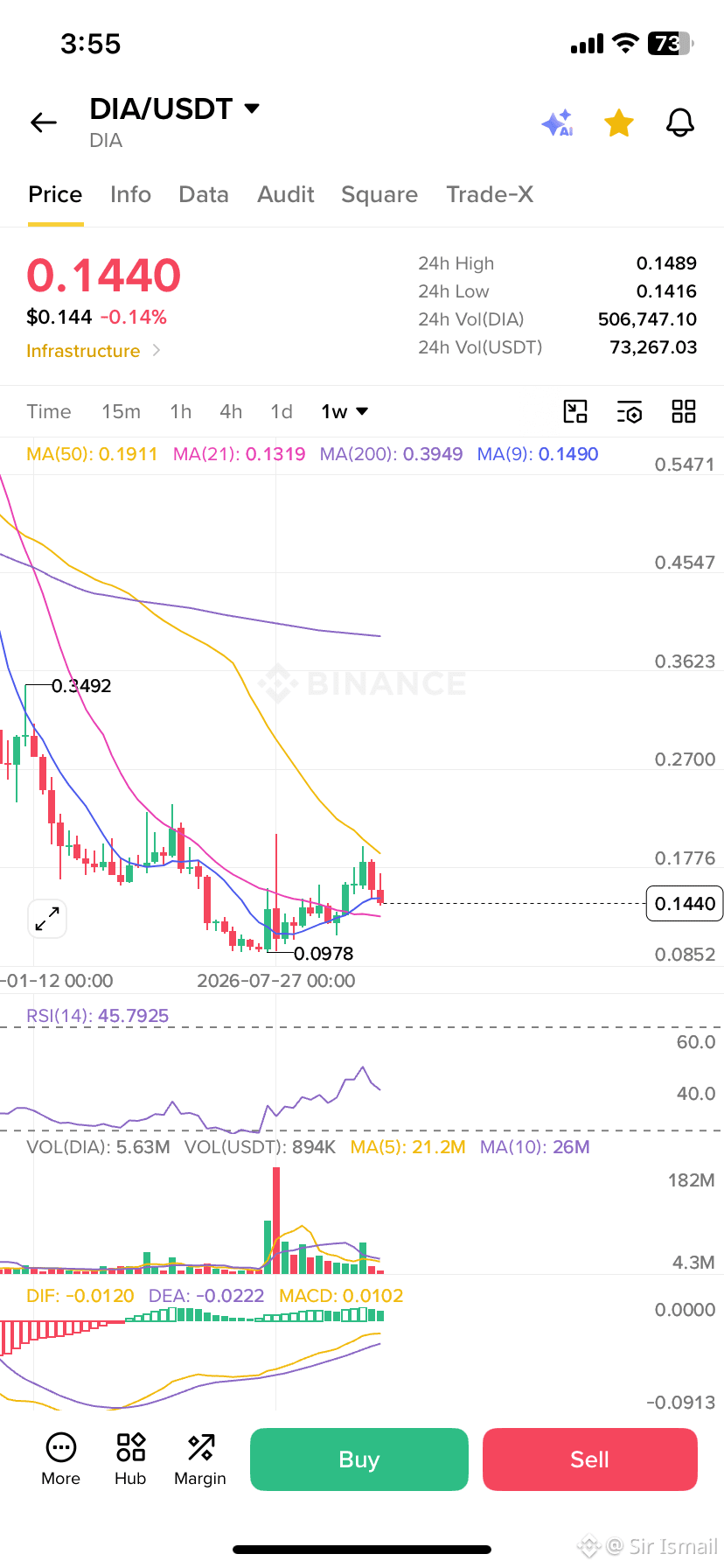
$DIA has lost the level we flagged last week. Now the market needs to prove it can hold support.
Price is around $0.142 down roughly 10% this week and 20% over two weeks.
The rejection from the October high near $0.197 has turned into a deeper pullback. Price lost $0.152, slipped through $0.148, and is now testing the weekly lows.
Key levels to watch:
Bull case: Hold $0.142 and reclaim $0.148–$0.152. That could build a higher-low attempt and bring $0.166 back into play.
Bear case: Lose $0.142, and $0.140 is next. A deeper move could expose $0.120, while the $0.098 base becomes relevant if selling accelerates.
Weekly bias: Bearish until price reclaims resistance.
The bigger base from $0.098 remains intact but $0.142 is the line bulls need to defend.
watching for a bounce legends
133
·
--
ブリッシュ
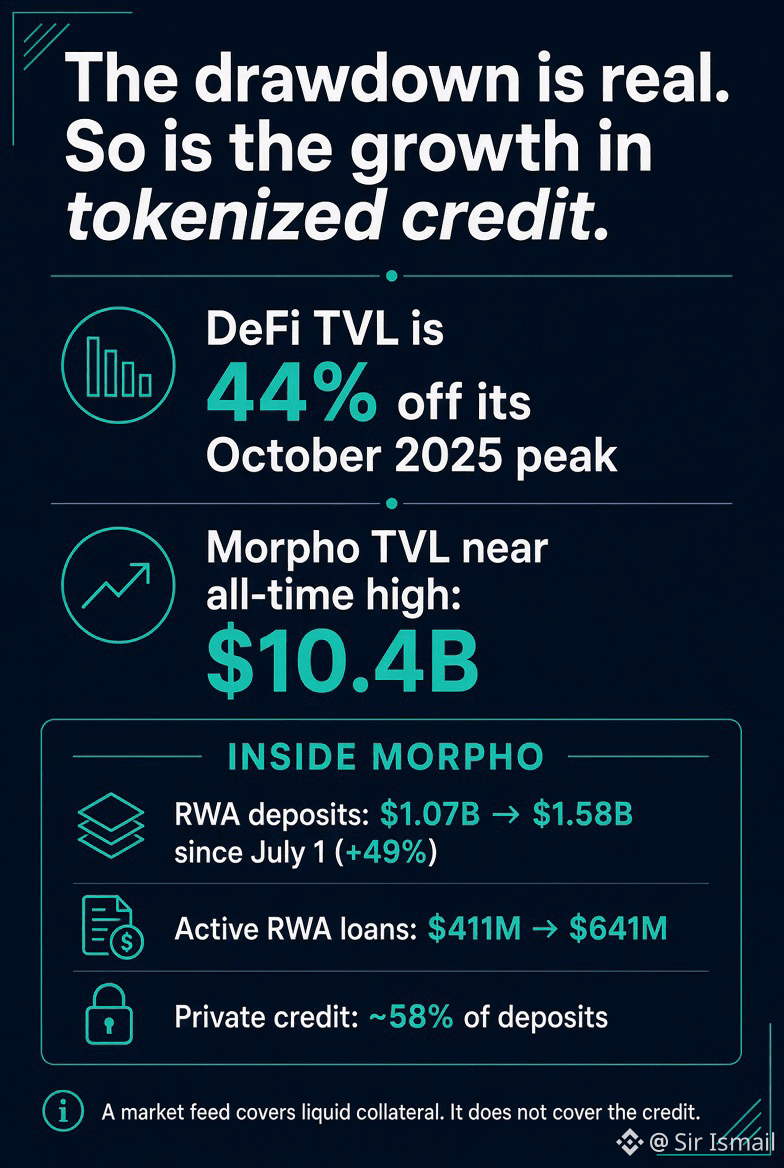
DeFi市場はピーク時から縮小していますが、市場の一部では今も成長が続いています。
2025年10月以降、DeFiのTVL(預かり資産総額)は44%減少しました。一方、Morphoは過去最高水準に迫っており、預かり資産は約104億ドルに達しています。
Morphoの内部で何が起きているのか、詳しく見てみましょう。
7月1日以降:
→ RWAの預かり資産は10億7,000万ドルから15億8,000万ドルに増加
→ RWAのアクティブローンは4億1,100万ドルから6億4,100万ドルに増加
→ RWA預かり資産の約58%はプライベートクレジット
市場の下落は現実ですが、トークン化されたクレジットは今も成長しています。そして、その成長が、多くの人が見落としている問題を生み出しています。
プライベートクレジットはBTCやETHとは異なります。直近の取引価格だけで、その価値を把握できるとは限りません。信頼できる市場価格を算出できるほど、取引が行われていない場合さえあります。
レンディングプロトコルは、ローンの裏付けとなる資産の価値を把握する必要があります。
そのためには、準備金や未返済の信用供与額、あるいは基盤となるコントラクトに記録された価値を確認する必要があります。
ここからオラクル問題が始まります。
マーケットオラクルは流動性の高い資産の価格を提供できますが、トークン化されたプライベートクレジットには、その資産の実際の価値を示すデータが必要です。
DIAdata_orgは、すでにMorpho上の市場を支えています。
次の課題は、成長を続けるRWA市場に、リスク管理チームが検証でき、信頼できる価格を提供することです。トークン化されたクレジットが成長するにつれて、レンディングプロトコルに必要なのは単なる価格情報だけではありません。
その数字の根拠も必要です。DIAはそこで力を発揮できます。 $DIA
2
1.2k
·
--
ブリッシュ
翻訳参照
Imagine your DeFi protocol makes an important decision based on a price feed.
But do you know where that number came from, or how it was calculated?
Don’t trust the oracle logo. Trace the number.
Here’s how DIA makes that possible.
For market prices:
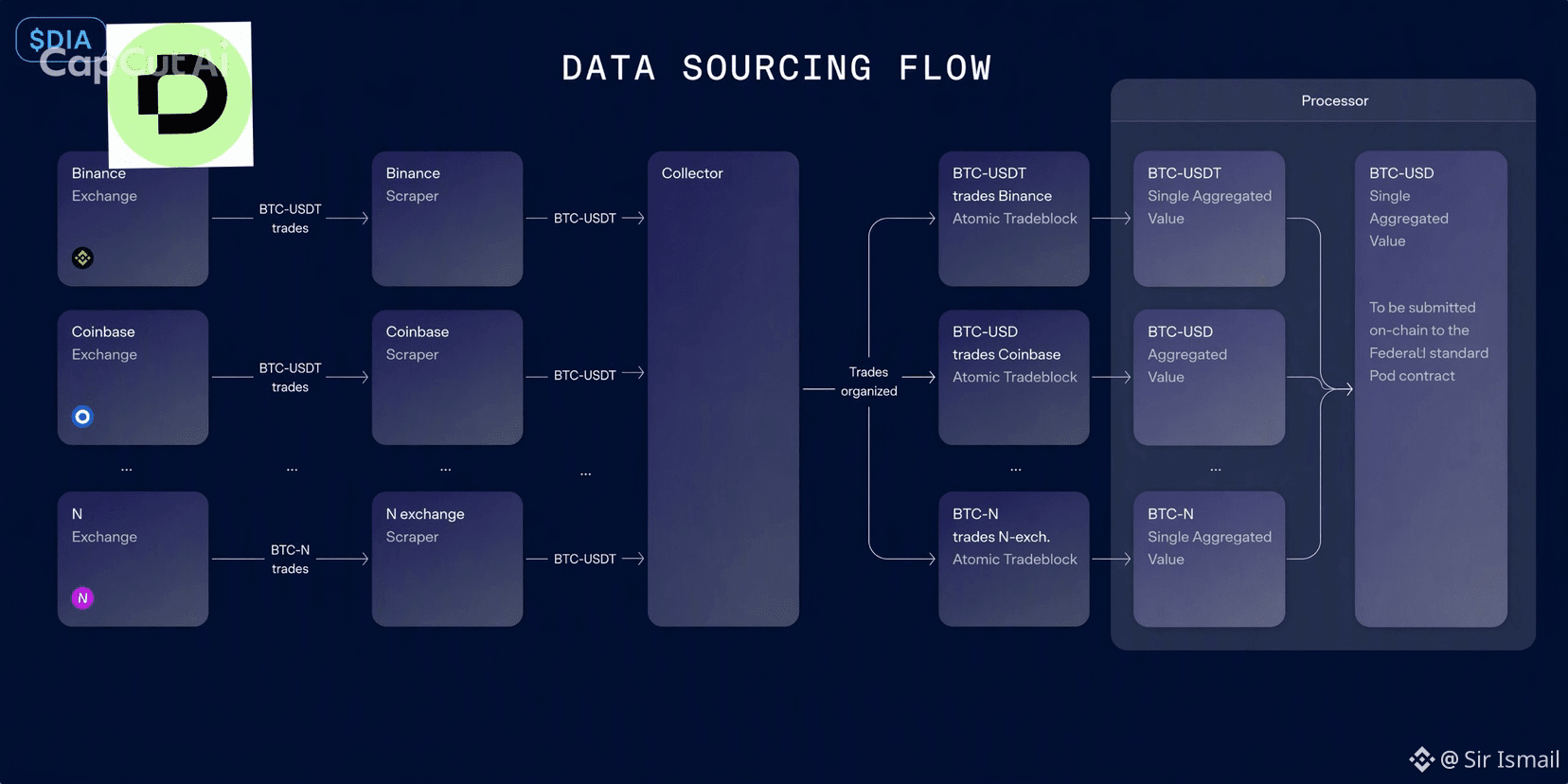
→ Collects individual trades from 100+ crypto exchanges
→ Groups the trades together
→ Processes the data on DIA’s own blockchain
→ Publishes the price onchain, allowing anyone to trace it back to the original trades
For assets backed by real value, the process is different.
Instead of relying only on market prices, DIA can check the data behind an asset.
→ Vetro: VUSD is priced using the value of its treasury backing.
→ River: satUSD+ is priced using the exchange rate of its vault.
Different assets need different ways to calculate their value. But the goal is the same: make the data easy to verify.
In DeFi, knowing who provides a price is not enough. You should also be able to check how that price was calculated.
Before you trust a price feed, ask where the number comes from. Check the data. Trace the source. Verify the price.
That’s the standard DeFi deserves. That’s the transparency DIA brings. $DIA
144
·
--
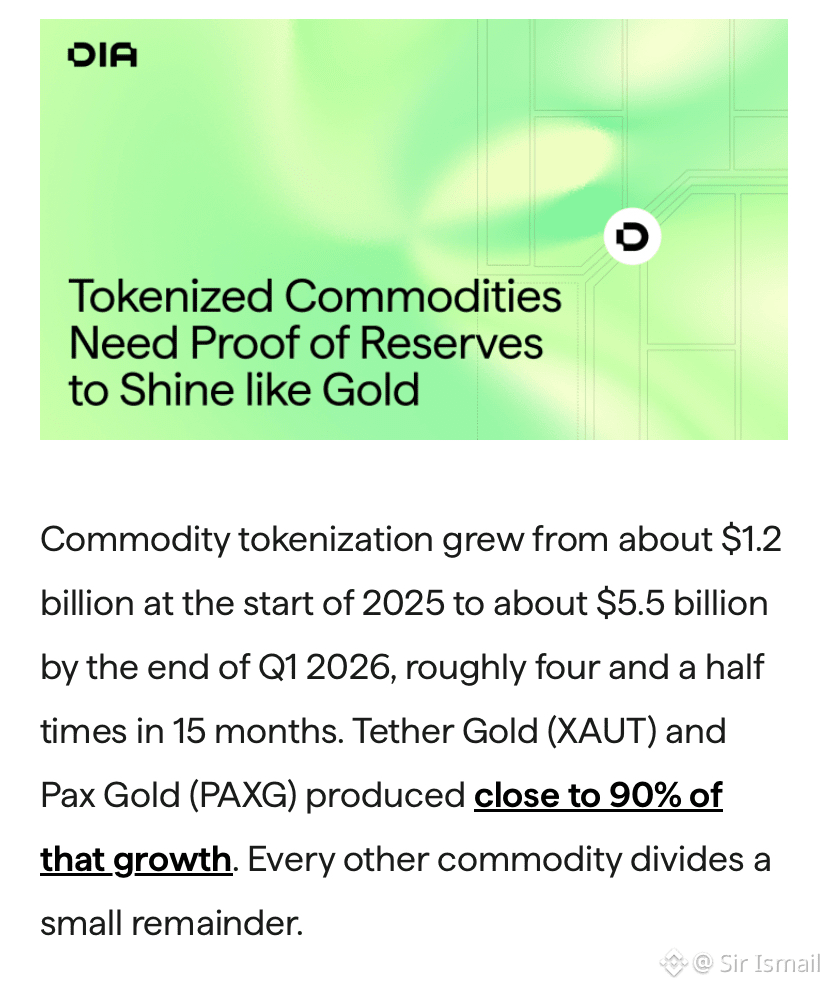
トークン化商品は55億ドル規模の市場です。その成長のほぼ90%は金によるものでした。
銀と銅には需要があります。しかし、資産配分担当者がまず確認するもの、つまり検証可能な準備資産と参照価格がありません。
準備資産の証明がないトークンは、単なる請求権です。準備資産を供給量で割った値が示されるトークンなら、リスク管理チームがモデル化できる数値になります。
それがデータフィードです。市場価格をもうひとつ表示するものではありません。
$DIA に強気の姿勢を維持しましょう
トークン化商品は55億ドル規模の市場です。その成長のほぼ90%は金によるものでした。
銀と銅には需要があります。しかし、資産配分担当者がまず確認するもの、つまり検証可能な準備資産と参照価格がありません。
準備資産の証明がないトークンは、単なる請求権です。準備資産を供給量で割った値が示されるトークンなら、リスク管理チームがモデル化できる数値になります。
それがデータフィードです。市場価格をもうひとつ表示するものではありません。
$DIA に強気の姿勢を維持しましょう
銀と銅には需要があります。しかし、資産配分担当者がまず確認するもの、つまり検証可能な準備資産と参照価格がありません。
準備資産の証明がないトークンは、単なる請求権です。準備資産を供給量で割った値が示されるトークンなら、リスク管理チームがモデル化できる数値になります。
それがデータフィードです。市場価格をもうひとつ表示するものではありません。
$DIA に強気の姿勢を維持しましょう
293
·
--
翻訳参照
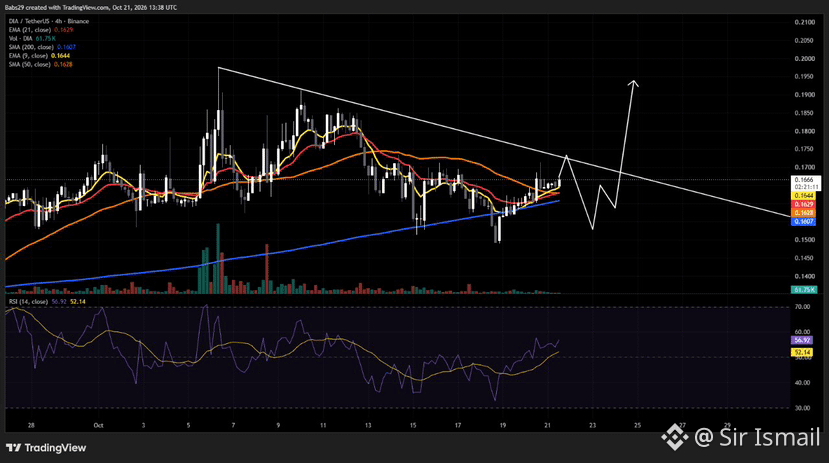
$DIA is approaching a critical moment on the 4H chart.
Price has reclaimed its key moving averages, RSI is back above 50, and buyers are pushing toward the descending trendline.
Here’s what I’m watching:
Break above $0.172–$0.175 → potential continuation toward $0.18–$0.195.
Rejection → a retest of $0.162–$0.164 or $0.159–$0.161 could follow.
The bullish setup is developing, but confirmation matters. I want to see a clean breakout and a successful retest before calling it a trend reversal.
Breakout or rejection? What’s your play on $DIA?
$DIA is approaching a critical moment on the 4H chart.
Price has reclaimed its key moving averages, RSI is back above 50, and buyers are pushing toward the descending trendline.
Here’s what I’m watching:
Break above $0.172–$0.175 → potential continuation toward $0.18–$0.195.
Rejection → a retest of $0.162–$0.164 or $0.159–$0.161 could follow.
The bullish setup is developing, but confirmation matters. I want to see a clean breakout and a successful retest before calling it a trend reversal.
Breakout or rejection? What’s your play on $DIA ?
110
·
--
翻訳参照
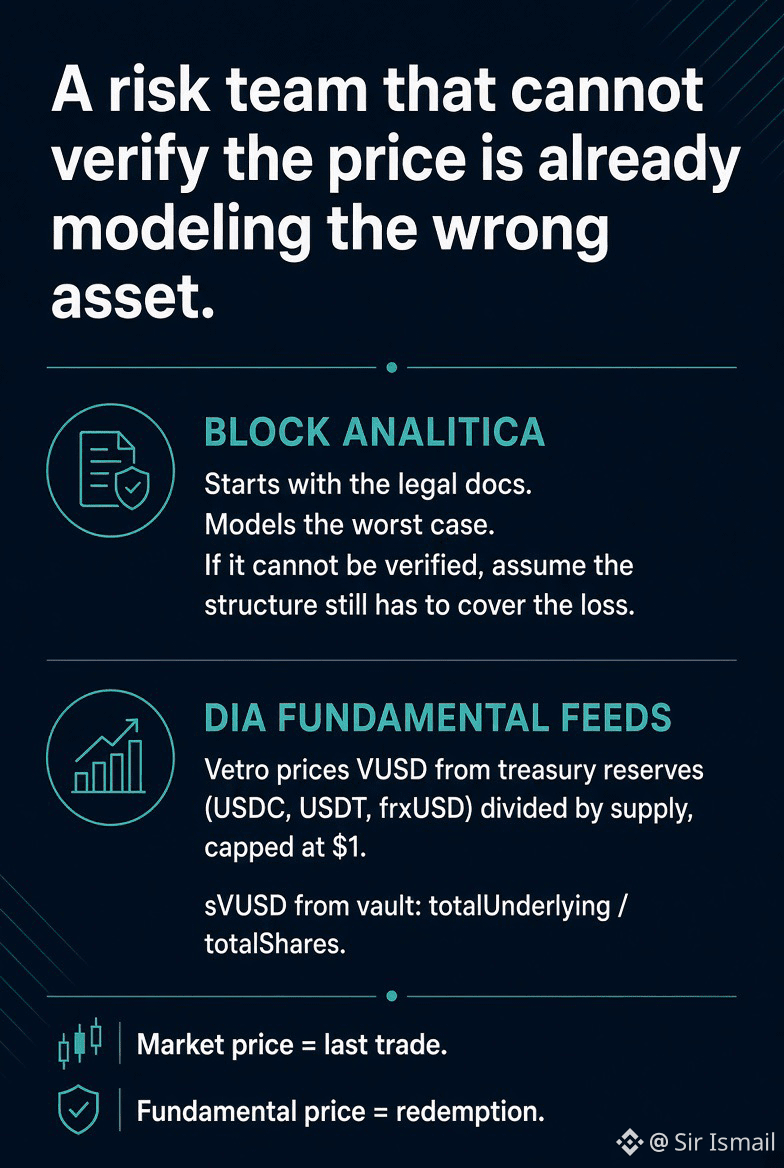
Your risk model is only as good as the price it trusts. And if that price can’t be verified, you’re modeling a guess.
Block Analitica starts with the legal documents, then models the worst case. If an asset’s structure can’t be fully verified, the risk model still has to account for the potential loss.
That’s the standard oracle data should meet.
Market prices and redemption values are not the same thing.
A market feed reports trades. With DIA, first-party market data is aggregated onchain, with timestamps that help users verify when observations were made.
But a vault share needs a different approach.
→ Vetro’s VUSD: priced against treasury backing.
→ River’s satUSD+: valued using the vault’s exchange rate.
For these assets, reserves, supply, and redemption mechanics can matter far more than the last trade in a thin liquidity pool.
Risk teams need data that reflects what an asset is actually worth — and how that value can be verified.
If the feed is a black box, the worst-case model is just a guess. $DIA
71
·
--
ブリッシュ
DIAに強気でいこう 🚨
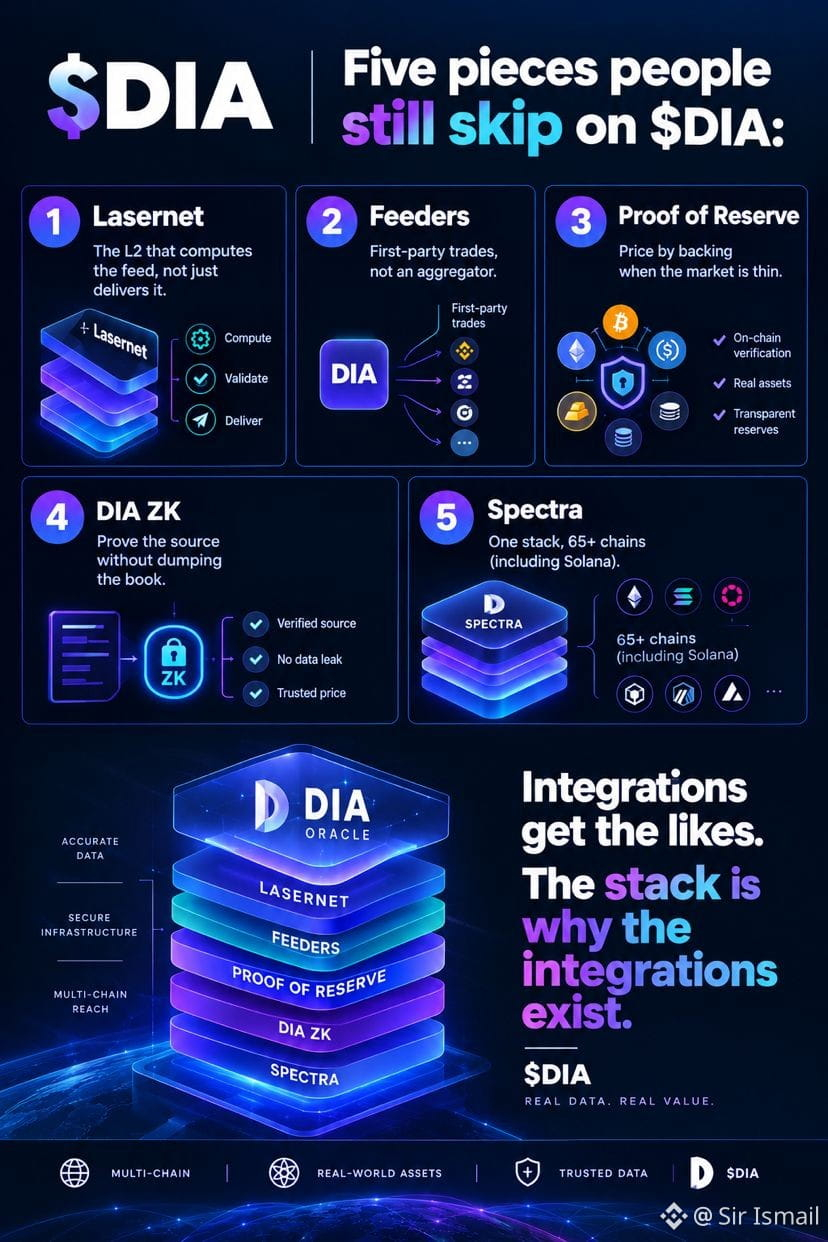
統合だけに注目していると見落としがちな5つの要素:$DIA
👉🏽Lasernet — オラクルデータを単に中継するのではなく、L2上で計算する仕組み。
👉🏽ファーストパーティのデータフィーダー — サードパーティのアグリゲーターだけに頼らず、市場から直接取得したデータ。
👉🏽Proof of Reserve — 資産の裏付けを検証するのに役立つ準備金データ。特に、市場価格だけでは全体像がわからない場合に重要です。
👉🏽DIA ZK — 基盤となる情報のプライバシーを保ちながら、データの検証に役立つゼロ知識証明。
👉🏽クロスチェーン対応(Spectra)— Spectraが構築を進めているSolanaを含む65以上の接続先に対応する、ひとつのオラクルスタック。
統合は目に見える部分にすぎません。それを可能にしているのは、その下にあるインフラです。
統合の数を数えるだけではなく、それらをつなぐインフラに目を向けましょう。
そこに、$DIA の本当の強みが築かれています 🤝
1
156
·
--
翻訳参照
$DIA Weekly Update
Current Structure
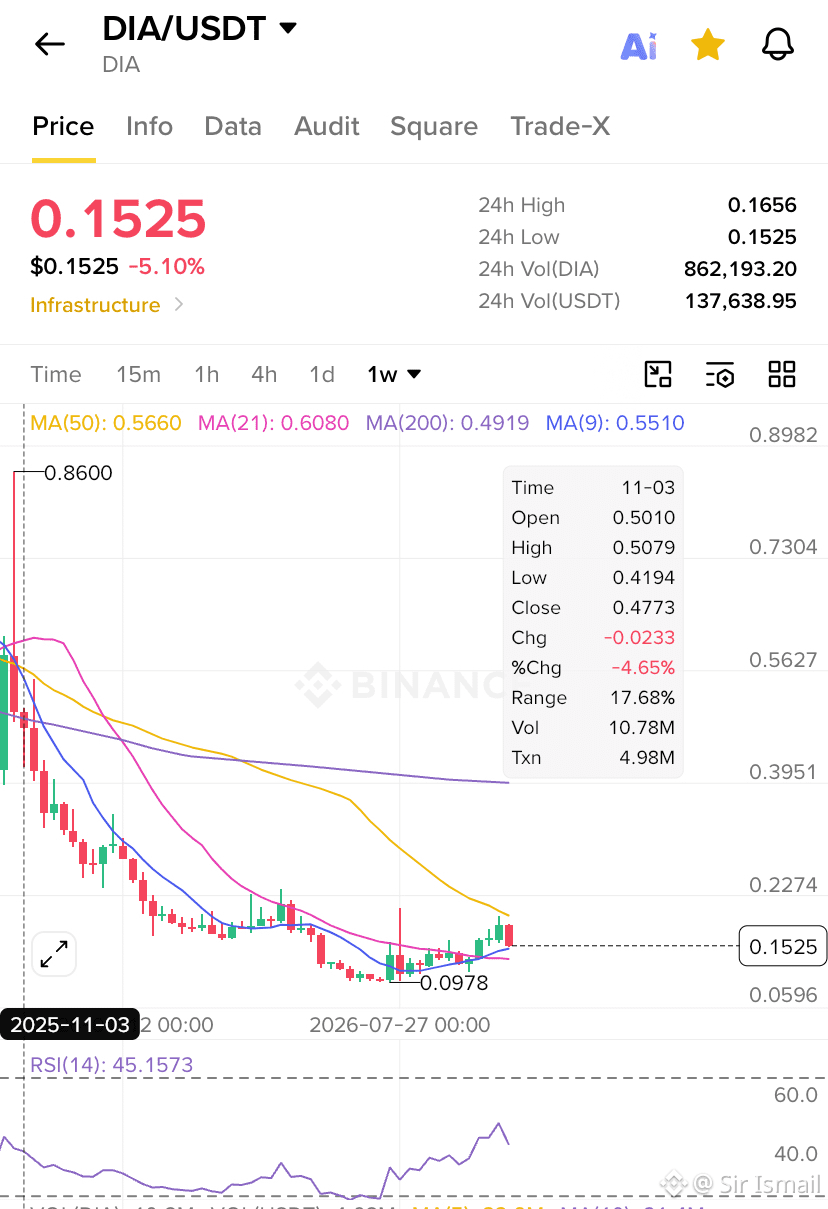
Price is $0.1525, down on the week after failing to hold the $0.165–0.180 zone.
This is a deeper pullback from the Oct 6 high near $0.197. Weekly structure is still a higher low off the $0.0978 cycle base, but the bounce is cooling. RSI is 45 — neutral, not washed out. Still well under MA9 ($0.55), MA21, and MA50 on the weekly.
Key Levels
• Resistance: $0.1656, then $0.180–0.197
• Support: $0.1525, then $0.140 / $0.120, then the base at $0.0978
Bull Case
Hold $0.152 and reclaim $0.166. That would turn this into a higher-low and reopen $0.180.
Bear Case
Lose $0.152. Next stop is $0.140, then a deeper retrace toward $0.120. The $0.098 base only comes back if this fails hard.
For now Weekly bias is neutral-to-down short term after the rejection. Bigger base off $0.098 is still intact. $0.152 is the line this week.
142
·
--
翻訳参照
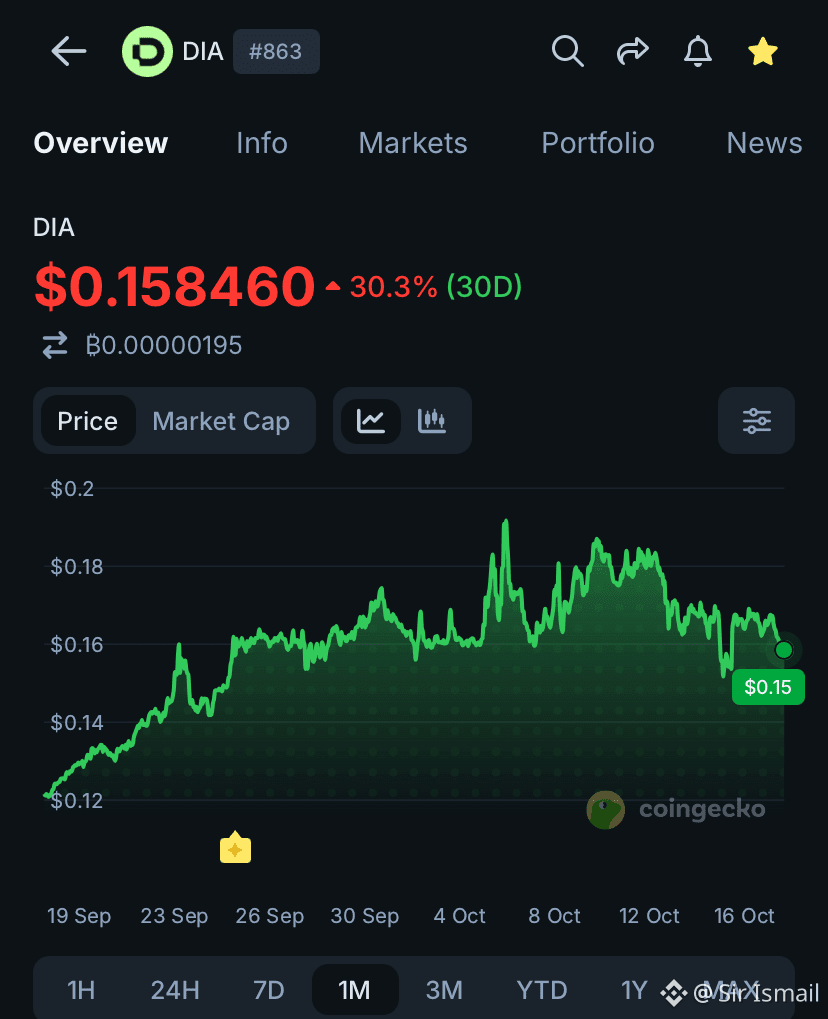
Tokenized equities don’t trade like crypto.
Markets close.
Sessions change.
A stale print becomes a bad liquidation.
@DIAdata_org is feeding ST0x with signed timestamps and per-session freshness logic.
That’s the difference between a price and a usable price.
Stay bullish on $DIA
Tokenized equities don’t trade like crypto.
Markets close.
Sessions change.
A stale print becomes a bad liquidation.
@DIAdata_org is feeding ST0x with signed timestamps and per-session freshness logic.
That’s the difference between a price and a usable price.
Stay bullish on $DIA
Markets close.
Sessions change.
A stale print becomes a bad liquidation.
@DIAdata_org is feeding ST0x with signed timestamps and per-session freshness logic.
That’s the difference between a price and a usable price.
Stay bullish on $DIA
82
·
--
翻訳参照
Even AI agents on Solana need data they can trust.
A price to execute a swap.
An NAV to value a vault.
A reserve check to verify a stablecoin’s backing.
That’s where @DIAdata_org comes in.
DIA is live on Solana bringing the same oracle infrastructure used across its wider network:
→ First-party trade data
→ Onchain computation through Lasernet
→ Data delivered to the destination chain
No separate oracle stack just for Solana. One data layer built to serve multiple ecosystems with 65+ destinations.
That matters as Solana’s agent economy grows. Agents can only make sound decisions when the data behind those decisions is reliable.
One data layer. Multiple chains. Including the ecosystem Spectra is building on.
That’s the point of $DIA
74
·
--
翻訳参照
Gm Legends
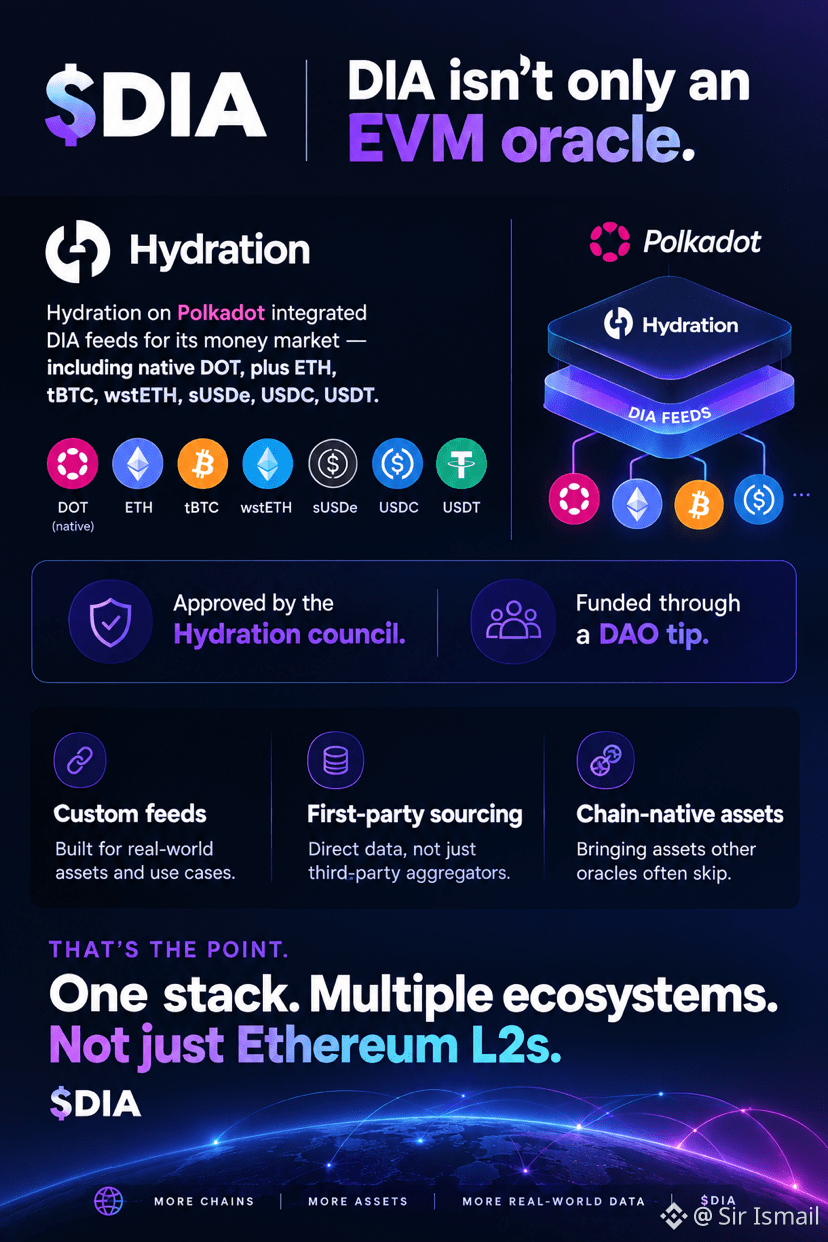
Another reminder that DIA’s oracle coverage goes beyond EVM chains.
@Hydration on Polkadot integrated DIA feeds for its money market covering assets like:
→ Native DOT
→ ETH & tBTC
→ wstETH & sUSDe
→ USDC & USDT
The integration was approved by the Hydration Council and funded through a DAO tip.
What stands out is the approach: custom feeds, first-party data sourcing and support for chain-native assets that standard oracle catalogues may overlook.
That flexibility matters when ecosystems need reliable pricing for the assets their users actually hold and borrow against.
DIA isn’t just building for Ethereum and its L2s.
One oracle stack,multiple ecosystems.
Assets priced where they’re needed.
That’s the kind of coverage DeFi needs to keep expanding.
$DIA
70
·
--
本人確認中
新規上場は市場リスクには耐えられます。しかし、価格を付けてくれるオラクルがなければ成り立ちません。
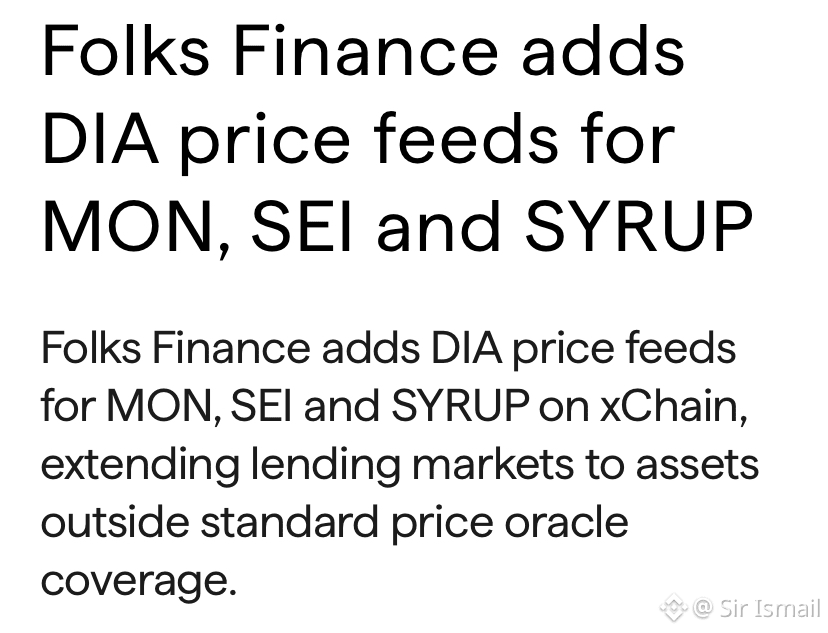
そのため、@FolksFinance は Avalanche 上で MON、SEI、SYRUP の DIA フィードを追加し、これらの市場を xChain で開設できるようにしました。
重要なのは、Folks Finance が市場全体で単一のプロバイダーに頼るのではなく、資産ごとにオラクルを選んでいる点です。
この柔軟性は重要です。
→ 固定のカタログでは、上場できるかどうかがプロバイダーの対応範囲と提供時期に左右されます。
→ リクエストに応じて提供されるフィードなら、市場の変化に合わせて、プロトコルが対応資産をより柔軟にサポートできます。
DIA はすでに60以上のチェーンで3,000種類以上の暗号資産価格フィードをカバーしており、リクエストに応じて追加の資産にも対応しています。
レンディングプロトコルにとって、これは既定のカタログが追いつくのを待たずに、対応市場を拡大できる柔軟性が高まることを意味します。
カバレッジこそが製品です。正確さは最低限の条件です。
オンチェーン市場の成長に伴い、カスタムオラクル基盤が重要になるのはそのためです。
$DIA 4U 😉
632
·
--
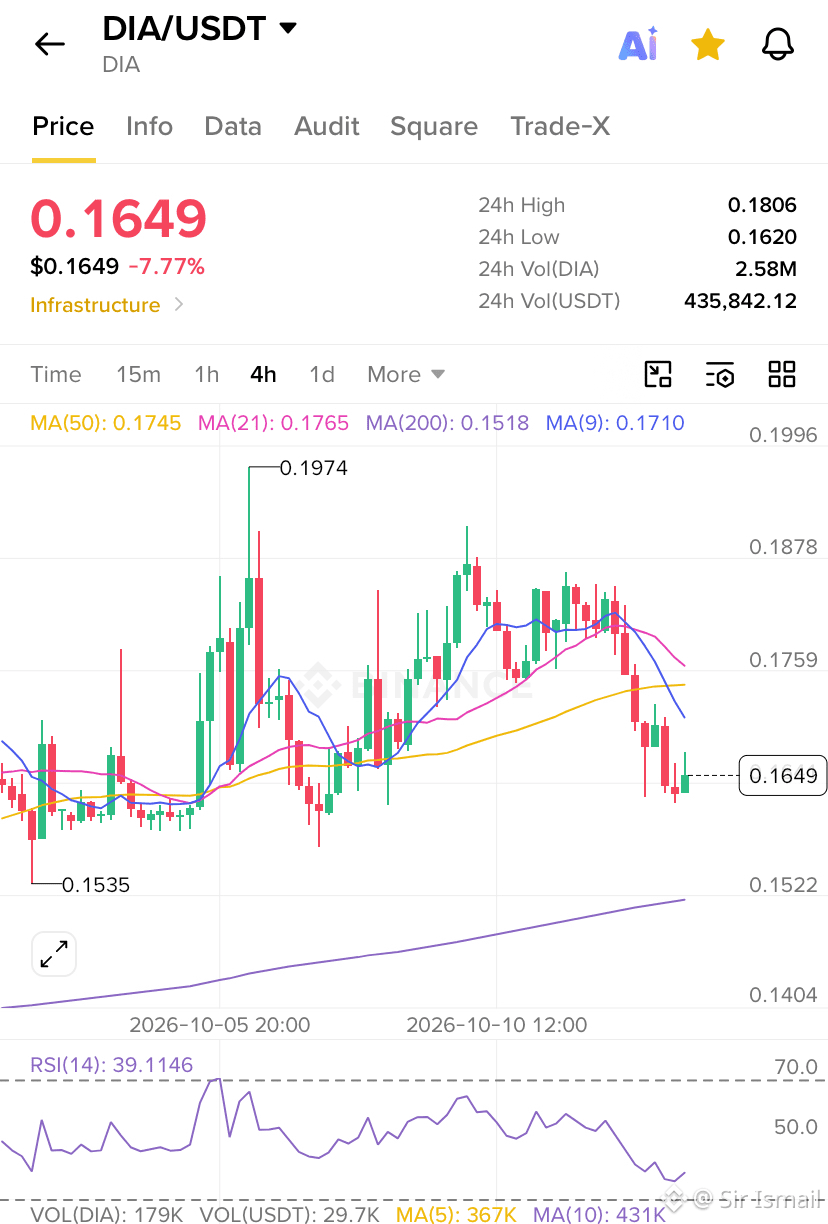
$DIA は反落していますが、大きな上昇トレンドは依然として崩れていません。
シンプルに見ていきましょう。
価格は現在0.165~0.167ドル付近で、前日比約7%下落しています。0.191~0.197ドルのレジスタンスゾーンで上値を抑えられ、注目していたEMA群まで押し戻されました。
主な水準:
→ 24時間レンジ:0.162~0.180ドル
→ 30日間のパフォーマンス:約+26~31%を維持
→ トレンド構造:0.098ドルの底値から続く高値・安値の切り上げは維持
今のところ、これは高値圏での調整に見え、明確な下落トレンドへの転換が確認されたわけではありません。
強気シナリオ:0.162~0.167ドルを維持し、0.175~0.180ドルを回復すれば、0.191ドルが再び視野に入ります。
弱気シナリオ:0.162ドルを割り込むと、次は0.159ドル、その次に0.153ドルが注目水準となります。
次の動きは、サポートで価格がどう反応するか次第です。
ローソク足を追いかけず、水準を見ています。
$DIA
198
·
--
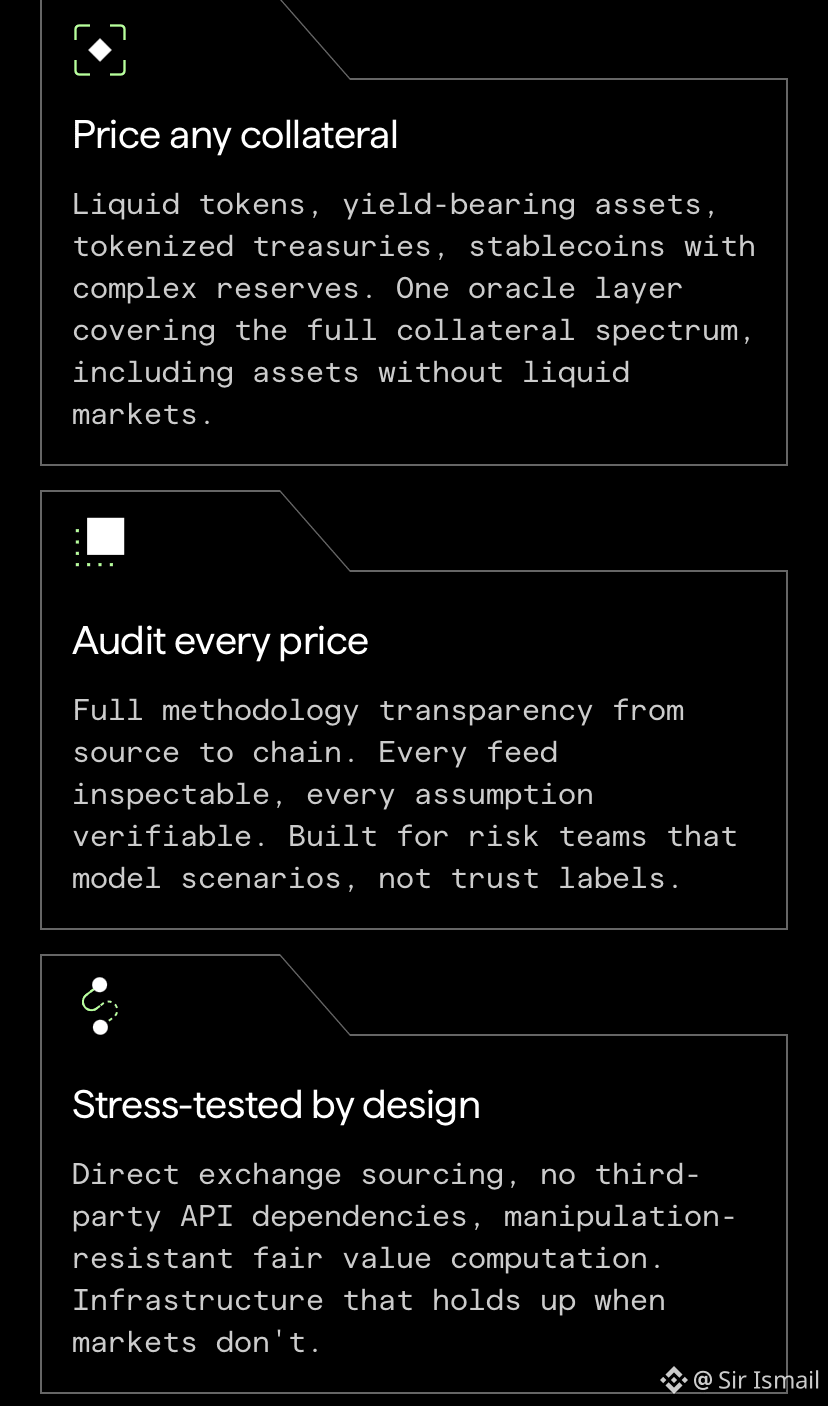
DIAは、BTCやETHの価格を提供するだけではありません。
多くのオラクルが見落としている資産に、信頼できるデータを届けます。
20,000以上の資産。
65以上のチェーン。
100以上のデータソース。
250以上のdApp。
トークン、株式、外国為替、コモディティから、活発な市場のない資産の公正価値データフィードまで。DIAは、他社がカバーしきれない資産の価格を算出するためのインフラを構築しています。
RWA市場に必要なのは、トークン化だけではありません。すべての資産を裏付ける、検証可能なデータが必要です。
あらゆる資産に価格を。すべてのフィードに検証を。
$DIA の背景にあるのは、そんな大きなビジョンです。
多くのオラクルが見落としている資産に、信頼できるデータを届けます。
20,000以上の資産。
65以上のチェーン。
100以上のデータソース。
250以上のdApp。
トークン、株式、外国為替、コモディティから、活発な市場のない資産の公正価値データフィードまで。DIAは、他社がカバーしきれない資産の価格を算出するためのインフラを構築しています。
RWA市場に必要なのは、トークン化だけではありません。すべての資産を裏付ける、検証可能なデータが必要です。
あらゆる資産に価格を。すべてのフィードに検証を。
$DIA の背景にあるのは、そんな大きなビジョンです。
61
·
--
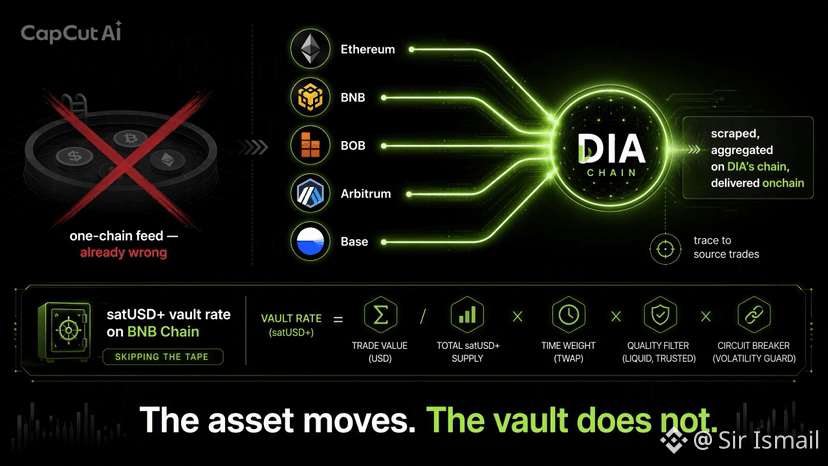
オムニチェーン型ステーブルコインには2つの価格がありますが、ほとんどのオラクルが配信するのはそのうち1つだけです。
RiverはEthereum、BNB Chain、BOB、Arbitrum、Baseの各チェーンでsatUSDを発行しています。担保はあるチェーンに置かれ、トークンは別のチェーンに現れます。1つのプールしか監視しない価格フィードは、その時点ですでに誤っています。
DIAは、satUSDが実際に取引されている市場から収集したデータを基に、5つすべてのチェーンで市場価格を配信します。価格はまずDIA独自のチェーン上で集約され、その後オンチェーンに届けられます。価格データを元の取引までたどることができます。
satUSD+では、取引価格を追いません。BNB Chain上のボルトの交換レートを読み取ります。totalUnderlyingをtotalSharesで割った値です。これがコントラクト交換レートです。貸付では、流動性の低い二次市場価格ではなく、プロトコルが償還する価格に基づいてシェアを評価できます。
市場価格が示すのは直近の取引価格。ファンダメンタル価格が示すのは償還価格です。
資産は移動してもボルトは移動しないため、Riverには両方が必要です。
$DIA の皆さん、強気でいきましょう!
68
·
--
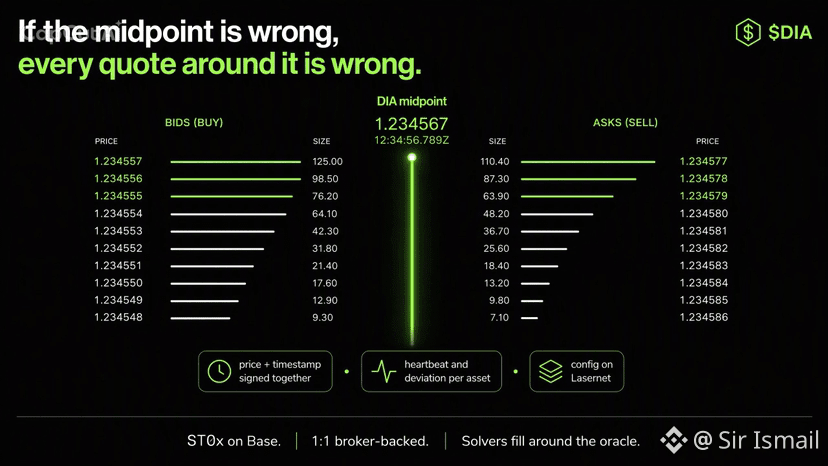
トークン化株式に必要なのは、単なる価格ではありません。取引システム全体が信頼して基準にできる、信頼性の高いミッドポイントが必要です。
そこで登場するのが@DIAdata_orgです。
ST0xは、規制対象のブローカーが保有する株式を各トークンの裏付けとして1対1で担保し、Base上で24時間365日のトークン化株式・ETF取引を実現します。
ソルバーは、リアルタイムのオラクル・ミッドポイントを基準にインテント注文を執行します。そして$DIA が、この基準価格を支えるカスタムの株式・ETF価格フィードを提供します。
裏側で重要なのは次の点です。
→ 価格とタイムスタンプを一緒に署名
→ 資産ごとのハートビートと乖離設定
→ Lasernetを通じたオラクル設定の管理
なぜ重要なのでしょうか?
古い、あるいは不正確なミッドポイントは、それを基準に作られるすべての気配値を歪める可能性があるからです。
トークン化によって株式がオンチェーンに移ります。信頼できるオラクルデータが、24時間365日の取引を支えます。
これがRWAを支えるインフラの側面です。そして、$DIA にも注目する価値がある理由のひとつです。👀
60
·
--
ブリッシュ
$DIA 4H 更新
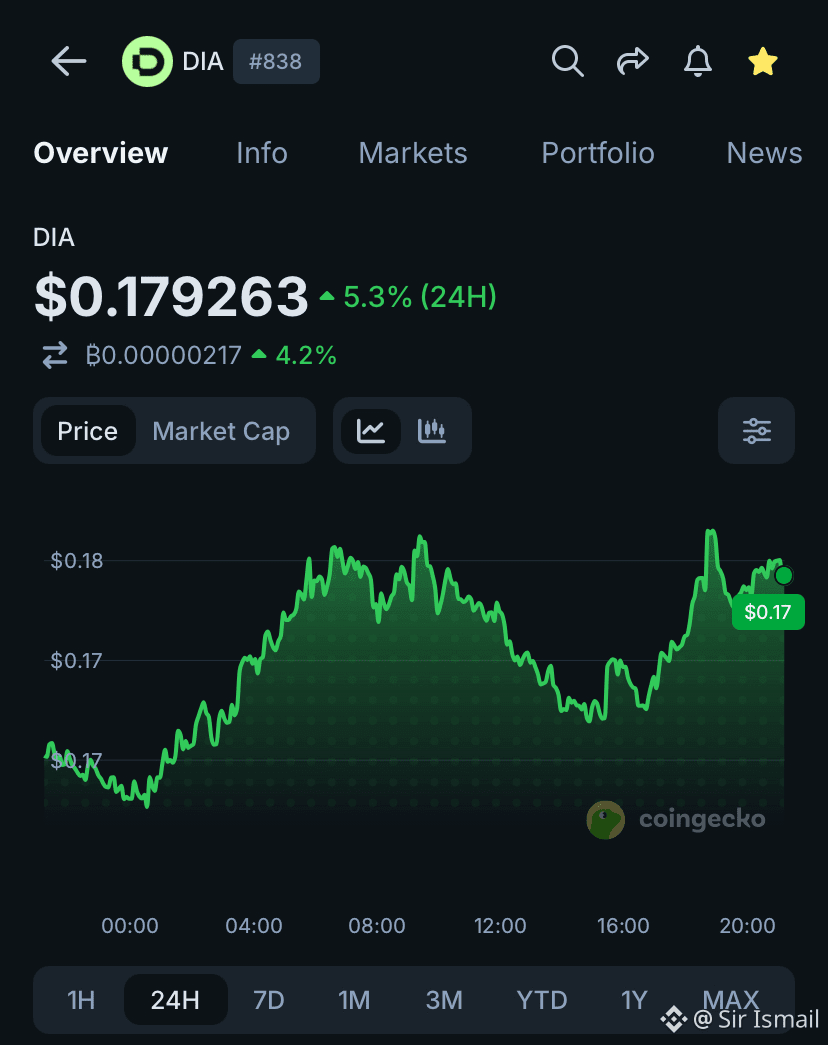
簡潔にまとめます。トレンドは引き続き上向きです。
$0.167の押し目を維持し、価格は現在$0.178~0.179付近(当日比+6%)です。この安値は昨日のEMAが集中する水準とちょうど重なりました。24時間の値幅は$0.167~0.182です。直近の戻り高値は、10月6日の$0.197のままです。
7日間では約+7~13%、30日間では約+30%です。$0.153 → $0.159 → $0.167と切り上がる安値は維持されています。
強気シナリオ:$0.167~0.170を維持し、$0.183~0.187を上抜けること。そうなれば、$0.197が再び視野に入り、その次は$0.21~0.22です。
弱気シナリオ:$0.167を下回ること。次の下値目処は$0.159、その次は$0.153です。
72
·
--
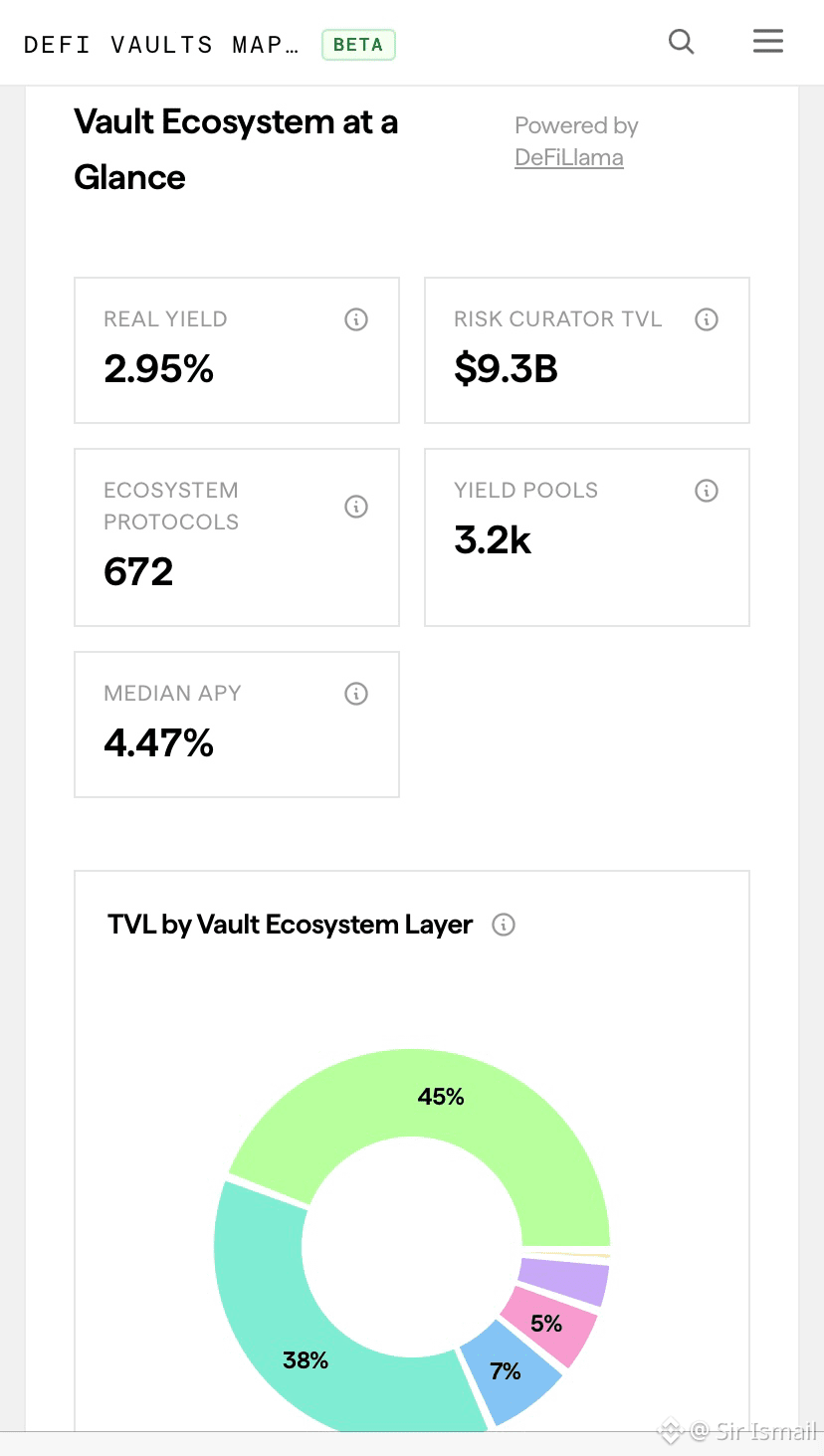
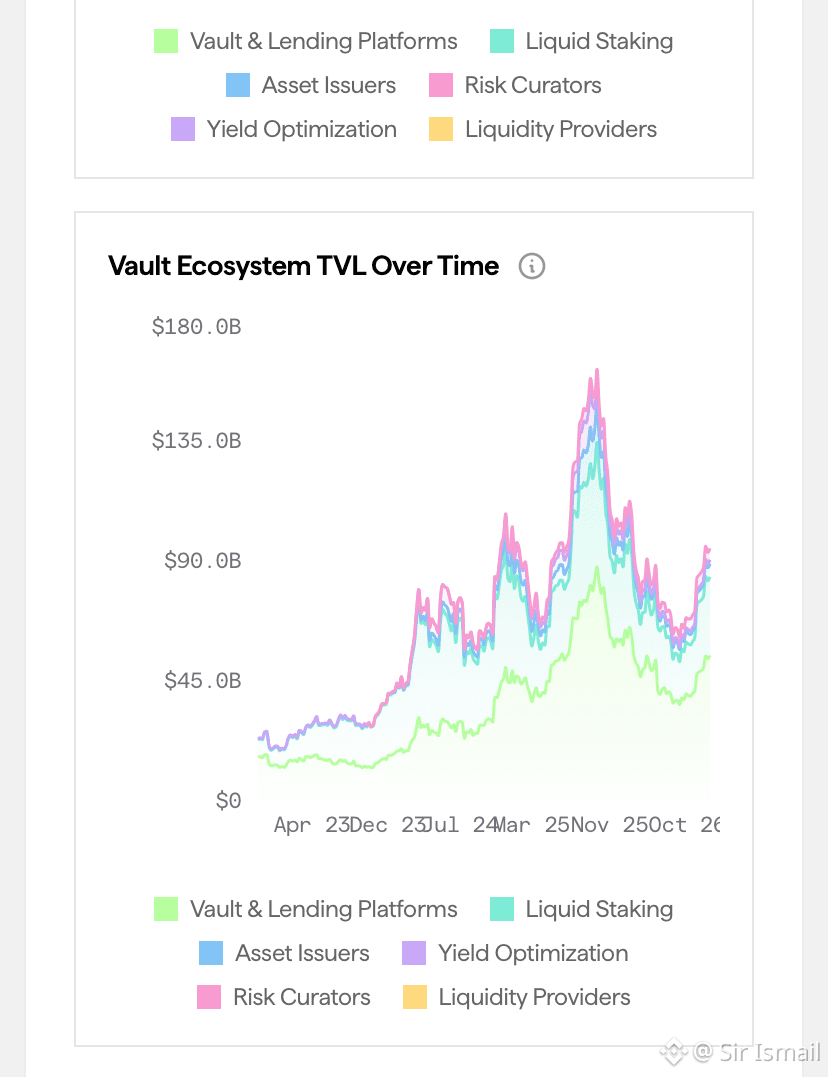
S&Pがオンチェーン融資ボールトの格付けを開始しました。このセクターへの預け入れ額は、2年間で15億ドルから100億ドルに増加しました。
格付けには、比較できるボールトが必要です。しかし、その大半は依然として価格の問題で行き詰まっています。
価格フィードが流動性の薄いプールを参照している場合、担保額は直近の取引価格にすぎません。フィードが準備金やボールトの交換レートを参照していれば、その額は実際に引き出せる金額です。
DIAのボールトマップでは、70以上のチェーンにわたるボールトを比較できます。
$DIA に引き続き強気でいきましょう
S&Pがオンチェーン融資ボールトの格付けを開始しました。このセクターへの預け入れ額は、2年間で15億ドルから100億ドルに増加しました。
格付けには、比較できるボールトが必要です。しかし、その大半は依然として価格の問題で行き詰まっています。
価格フィードが流動性の薄いプールを参照している場合、担保額は直近の取引価格にすぎません。フィードが準備金やボールトの交換レートを参照していれば、その額は実際に引き出せる金額です。
DIAのボールトマップでは、70以上のチェーンにわたるボールトを比較できます。
$DIA に引き続き強気でいきましょう
格付けには、比較できるボールトが必要です。しかし、その大半は依然として価格の問題で行き詰まっています。
価格フィードが流動性の薄いプールを参照している場合、担保額は直近の取引価格にすぎません。フィードが準備金やボールトの交換レートを参照していれば、その額は実際に引き出せる金額です。
DIAのボールトマップでは、70以上のチェーンにわたるボールトを比較できます。
$DIA に引き続き強気でいきましょう
62
·
--
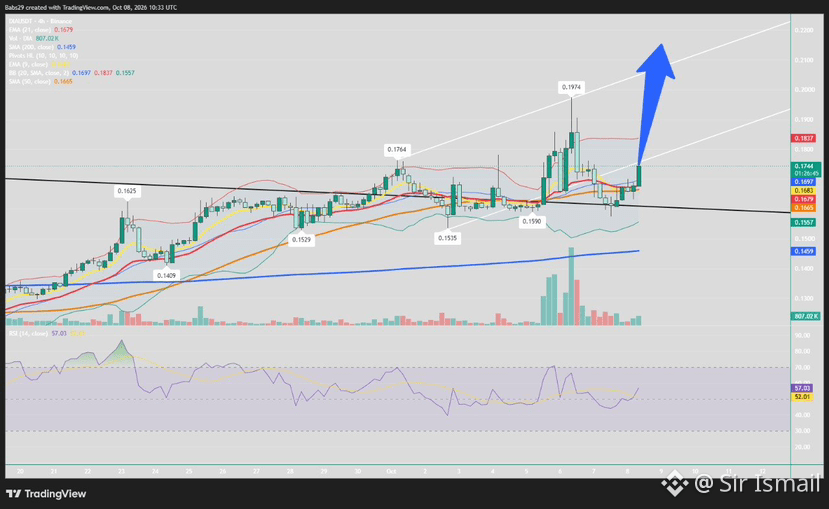
シンプルに見ていきましょう:
$DIA は引き続き上昇トレンドです。
$0.159まで下落したところで買いが入り、価格は$0.174付近まで戻しました。
この下ヒゲで、上昇チャネルと$0.166~$0.168付近のEMA群が維持されました。
チャートの形は引き続き良好です:
→ 安値切り上げ:$0.141 → $0.153 → $0.159
→ SMA50:$0.1665
→ SMA200:$0.1459
→ RSI:57。過熱感が解消され、まだ上昇余地あり
→ 直近高値:$0.197
強気シナリオ:$0.166~$0.168を維持 → $0.183~$0.187を回復 → $0.197 → $0.21~$0.22
シナリオ無効化の目安:$0.159を割ると、$0.153が再び視野に入ります。
チャートの形は崩れていません。
安値の切り上げが続く限り、$DIA には強気の見方を維持します。
52
·
--
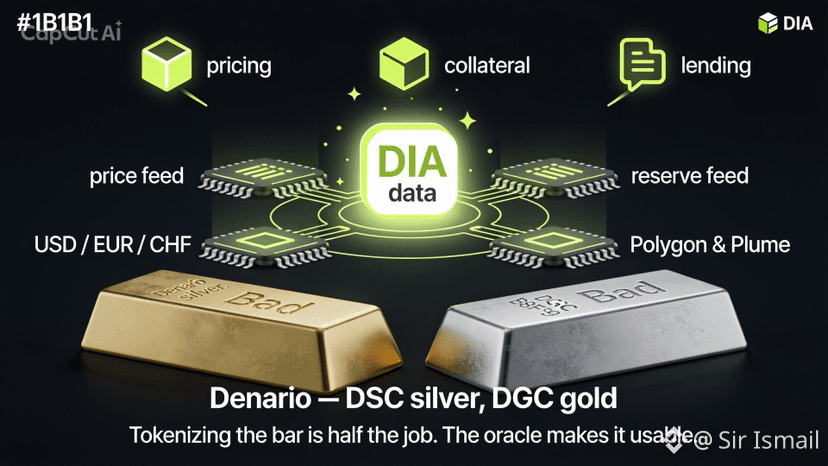
金塊をトークン化するのは仕事の半分にすぎません。そのトークンをDeFiで使えるようにするところでオラクルが重要になります。
Denarioはトークン化された物理的な金属を扱います。
DIAはデータ層を提供します。
@DIAdata_orgはDenarioのDSCシルバーおよびDGCゴールドで稼働しており、以下を提供しています:
→ プライスフィード(プロトコルが資産の現在価値を把握できるようにする)
→ レザーブフィード(物理的な裏付けとなる金属を参照できるようにする)
→ USD、EUR、CHFの価格
→ PolygonおよびPlumeのデプロイ
つまり、これは単に金や銀をオンチェーンに載せる話ではありません。
そのトークンには、スマートコントラクトが実際に価格設定、担保、融資、その他のDeFiアプリケーションに使える信頼性の高いデータが必要です。
それが、スタックにおけるDIAの役割です:
Denarioが資産をトークン化する。
DIAが信頼できるデータをオンチェーンに持ち込む。
DeFiが資産を利用可能にする。
これは、人々がBTC/USDの話で始まり終わるときに見落としがちなRWAオラクルの領域です。
$DIA
72
ログインして、さらにコンテンツを読む
厳選トピックで世界の暗号資産トレーダーの仲間入り
⚡️ 暗号資産に関する最新かつ有益な情報が見つかります。
💬 世界最大の暗号資産取引所から信頼されています。
👍 認証を受けたクリエイターから、有益なインサイトを得られます。
メール / 電話番号