

HNIW30
6.6k 投稿

HNIW30
報告
ユーザーをブロック
HNIW30 here: Crypto vet sharing no-BS insights from market trenches. Real tactics to beat volatility, minus the hype. 🚨 X: @HNIW30
取引を発注

PEPEホルダー
高頻度トレーダー
3.3年
202 フォロー
12.2K+ フォロワー
4.0K+ いいね
投稿
ポートフォリオ
すべて
引用
動画
ライブ
·
--
記事
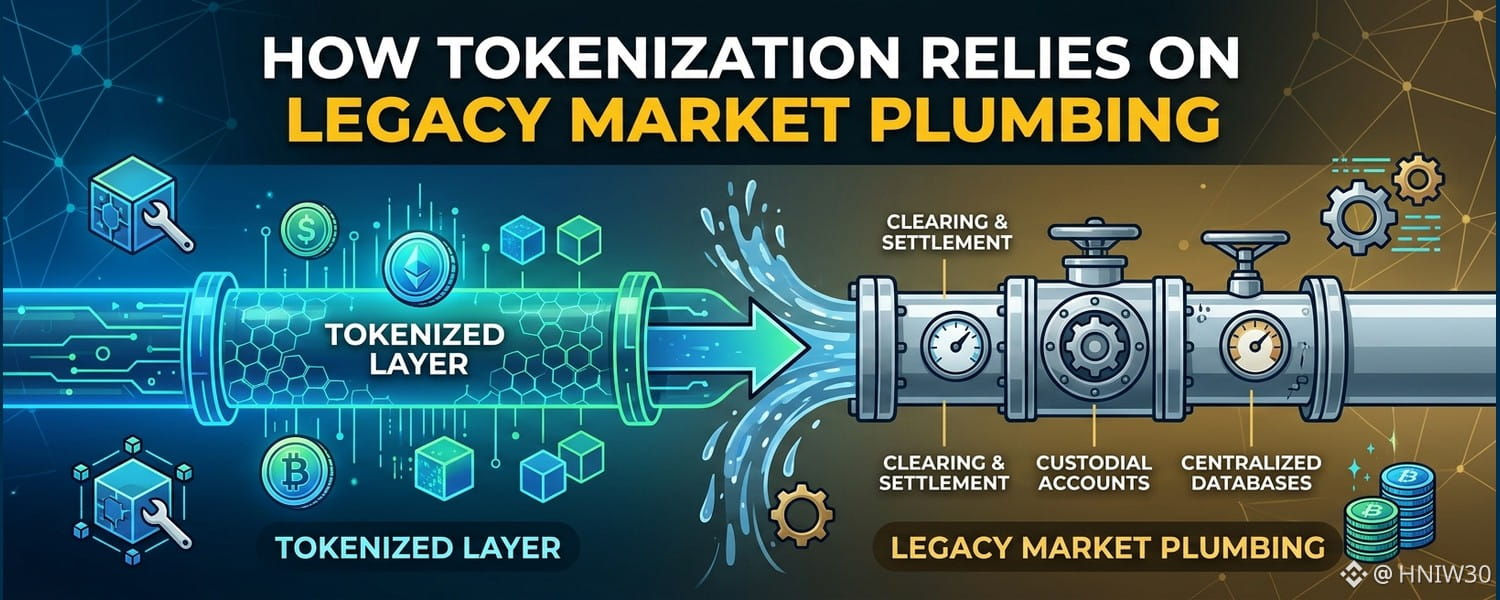
トークン化を支える従来型市場インフラトークン化は、従来型の清算・決済システムを全面的に置き換えるものとして語られることがよくあります。しかし、市場を支える仕組みの実態を見ると、構造的な相互依存が深く根付いています。従来の取引後処理基盤は、現実資産のデジタル表象を裏付ける法的権利の処理を今も担っています。機関が分散型台帳を採用するにつれても、既存の業務ネットワークとの統合は避けられません。
株式市場の機関投資家向けインフラは、カストディアンやブローカー・ディーラーを通じてストリートネームで保有される株式に依存しています。実質株主は企業の株主名簿と直接やり取りしないため、連絡やコーポレートアクションには複雑な業務レイヤーが生じます。Broadridgeは2026年度に10億を超える株式保有ポジションに関する連絡業務を処理しており、コーポレートガバナンスの調整に必要な仕組みの規模を浮き彫りにしています。
トークン化を支える従来型市場インフラ
トークン化は、従来型の清算・決済システムを全面的に置き換えるものとして語られることがよくあります。しかし、市場を支える仕組みの実態を見ると、構造的な相互依存が深く根付いています。従来の取引後処理基盤は、現実資産のデジタル表象を裏付ける法的権利の処理を今も担っています。機関が分散型台帳を採用するにつれても、既存の業務ネットワークとの統合は避けられません。
株式市場の機関投資家向けインフラは、カストディアンやブローカー・ディーラーを通じてストリートネームで保有される株式に依存しています。実質株主は企業の株主名簿と直接やり取りしないため、連絡やコーポレートアクションには複雑な業務レイヤーが生じます。Broadridgeは2026年度に10億を超える株式保有ポジションに関する連絡業務を処理しており、コーポレートガバナンスの調整に必要な仕組みの規模を浮き彫りにしています。
株式市場の機関投資家向けインフラは、カストディアンやブローカー・ディーラーを通じてストリートネームで保有される株式に依存しています。実質株主は企業の株主名簿と直接やり取りしないため、連絡やコーポレートアクションには複雑な業務レイヤーが生じます。Broadridgeは2026年度に10億を超える株式保有ポジションに関する連絡業務を処理しており、コーポレートガバナンスの調整に必要な仕組みの規模を浮き彫りにしています。
2
59
·
--
翻訳参照
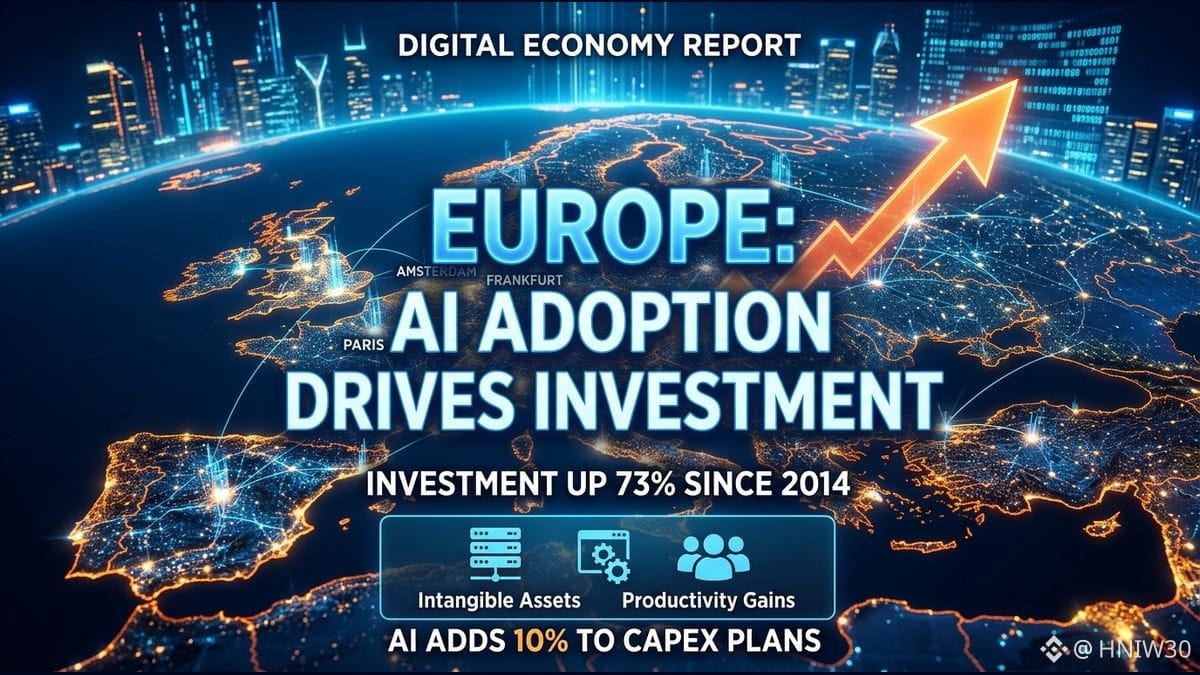
While frontier artificial intelligence development remains concentrated in the United States and China, AI adoption represents a key determinant of future European productivity growth. Digital investment across the euro area has expanded by 73 percent in real terms since 2014, rising from 2.3 percent to 3.3 percent of gross domestic product. Although digital investment has grown at a faster pace in the United States, spending on technology adoption is providing a measurable stimulus to European economic activity.
The composition of European digital investment is primarily concentrated in intangible assets, whereas physical investment in data centres represents a relatively small share. Corporate survey data indicates that artificial intelligence has added roughly 10 percent to business capital expenditure plans this year. Sectoral indicators reflect this uneven momentum, with technology equipment recording stronger output, employment, and new orders than other manufacturing segments. Within services, the software subsector has outpaced peer areas in output, though without matching gains in employment or new orders.
European firms also participate directly in the international technology supply chain, contributing to equipment flows while investors help fund infrastructure expansion through equity, debt, and banking channels. Trade figures show rapid growth in euro area exports and imports of core data centre goods, including hardware deployed for computing, storage, and networking capacity. Whether these adoption trends translate into sustained aggregate productivity gains remains dependent on how broadly firms integrate these tools into existing operations.
#AIAdoption #DigitalInvestment
70
·
--
翻訳参照
Stablecoins are rapidly transitioning from trading collateral into core financial infrastructure for institutional operations. A recent agreement between Ripple and Robinhood brings Ripple's digital dollar, RLUSD, directly into institutional trade settlement, corporate financing channels, and automated treasury management. This integration reflects how around-the-clock liquidity and near-instant settlement enable institutions to manage cash without relying on traditional banking hours.
For Robinhood, deploying RLUSD supports its goal of building a global financial superapp that centralizes customer activity across retail and institutional segments. Instead of treating dollar-pegged tokens merely as static trading pairs, the arrangement bundles cash management and settlement technology into unified back-office workflows. Issuers increasingly view this integrated model as essential as institutional clients seek operational efficiency across continuous market cycles.
Significant market hurdles remain despite these expansion efforts. The broader stablecoin sector now exceeds 300 billion dollars in total capitalization, yet Tether's USDT and Circle's USDC continue to dominate liquidity across the industry. RLUSD's market capitalization has grown past 2.5 billion dollars, but displacing entrenched incumbents requires sustained institutional adoption and seamless network integration. Whether multi-service infrastructure models can overcome established stablecoin liquidity networks remains an open question for market participants.
$RLUSD $HOODB #Stablecoins #TreasuryManagement
{spot}(HOODBUSDT)
{spot}(RLUSDUSDT)
Stablecoins are rapidly transitioning from trading collateral into core financial infrastructure for institutional operations. A recent agreement between Ripple and Robinhood brings Ripple's digital dollar, RLUSD, directly into institutional trade settlement, corporate financing channels, and automated treasury management. This integration reflects how around-the-clock liquidity and near-instant settlement enable institutions to manage cash without relying on traditional banking hours.
For Robinhood, deploying RLUSD supports its goal of building a global financial superapp that centralizes customer activity across retail and institutional segments. Instead of treating dollar-pegged tokens merely as static trading pairs, the arrangement bundles cash management and settlement technology into unified back-office workflows. Issuers increasingly view this integrated model as essential as institutional clients seek operational efficiency across continuous market cycles.
Significant market hurdles remain despite these expansion efforts. The broader stablecoin sector now exceeds 300 billion dollars in total capitalization, yet Tether's USDT and Circle's USDC continue to dominate liquidity across the industry. RLUSD's market capitalization has grown past 2.5 billion dollars, but displacing entrenched incumbents requires sustained institutional adoption and seamless network integration. Whether multi-service infrastructure models can overcome established stablecoin liquidity networks remains an open question for market participants.
$RLUSD $HOODB #Stablecoins #TreasuryManagement

71
·
--
翻訳参照
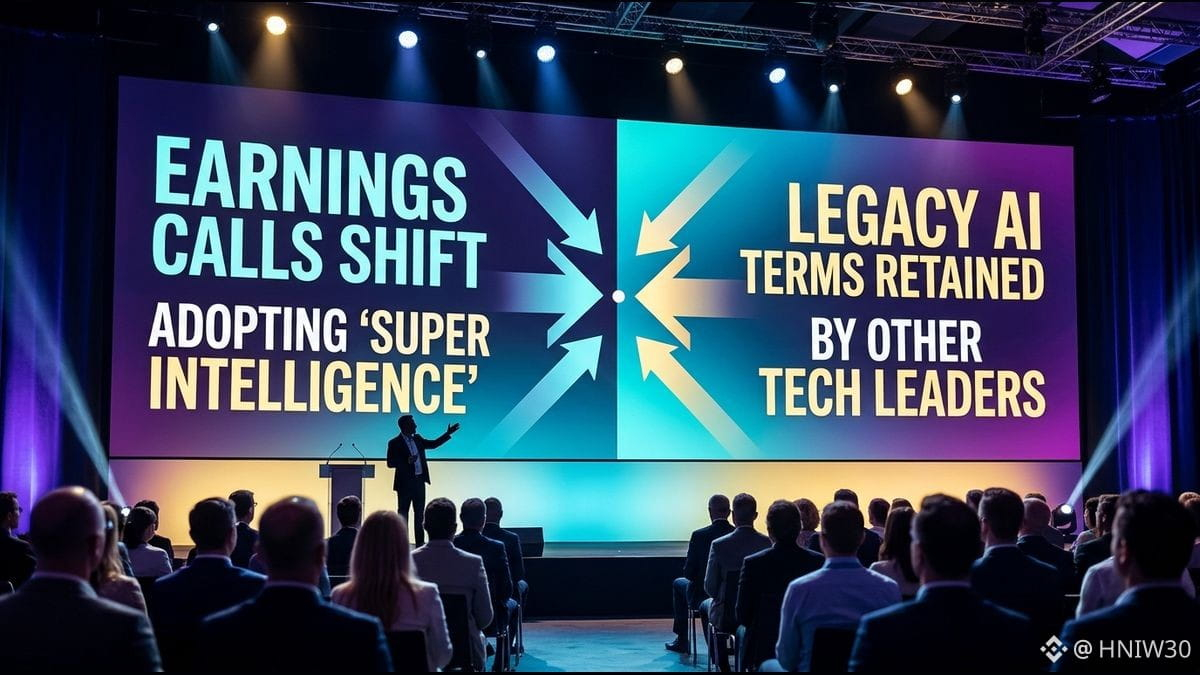
A linguistic shift is emerging across major technology earnings calls as executives weigh whether to adopt political rebranding around artificial intelligence.
Meta CEO Mark Zuckerberg and Tesla CEO Elon Musk adopted the term super intelligence on their third-quarter earnings calls, following an order directing executive branch departments and agencies to replace the term artificial intelligence. Musk referenced the acronym SI while discussing Tesla humanoid robots, following a name change of a rocket division to SpaceXSI. Zuckerberg emphasized delivering personal superintelligence to users, building on Meta Superintelligence Labs established last year.
In contrast, other major technology leaders largely stuck with conventional AI terminology during their quarterly remarks. Amazon CEO Andy Jassy used the acronym AI repeatedly in introductory comments, Alphabet CEO Sundar Pichai credited AI investments with driving user growth, and Microsoft CEO Satya Nadella framed company priorities around designing AI to empower people.
The terminology is nonetheless spreading into corporate disclosures. Microsoft included eight mentions of super intelligence in its annual report letter to shareholders, IBM CEO Arvind Krishna referenced SI alongside AI, and Intel CEO Lip-Bu Tan pointed to demand for super intelligence during industry chip shortages.
While corporate messaging diverges between direct adoption and legacy phrasing, executive disclosures remain tied to commercial performance, infrastructure constraints, and hardware demand.
$METAB $TSLAB #ArtificialIntelligence #Earnings
92
·
--
世界的な軽油価格の高騰を受け、シェブロンとエクソンモービルは国内製油所をほぼ最大稼働率で運転し、第3四半期の利益を大幅に伸ばした。ウクライナとイランによるロシアおよび中東の製油所への攻撃で国際供給が混乱し、世界的に軽油価格が上昇した。これを受け、米国の精製各社は不足分を補うため操業を拡大した。
シェブロンの第3四半期純利益は99億ドルとなり、前年同期の35億ドルからほぼ200%増加した。精製部門の利益は11億ドルから300%超増の49億ドルに伸びた。同社の国内製油所は稼働率98%で操業し、1日あたりの原油処理量は過去最高の100万バレル強に達した。軽油とジェット燃料の生産量は10%超増加した。中東での紛争や海外部門の影響により、全社の生産量は1日あたり390万バレルへとわずかに減少した。
エクソンモービルの第3四半期利益は前年の75億ドルから倍増し、154億ドルとなった。精製部門の利益は約72億ドルで、生産部門の71億ドルを上回った。同社はメキシコ湾岸の製油所を稼働率100%で運転し、軽油の生産量は過去最高に次ぐ水準となった。
両社は上流部門の総生産量がわずかに減少したものの、アナリストの利益および売上高予想を上回った。シェブロンは売上高678億ドルで、調整後1株当たり利益5.28ドルを報告した。一方、エクソンモービルは売上高1,132億ドルで、調整後1株当たり利益4.23ドルを計上した。
#Earnings #OilRefining

84
·
--
翻訳参照
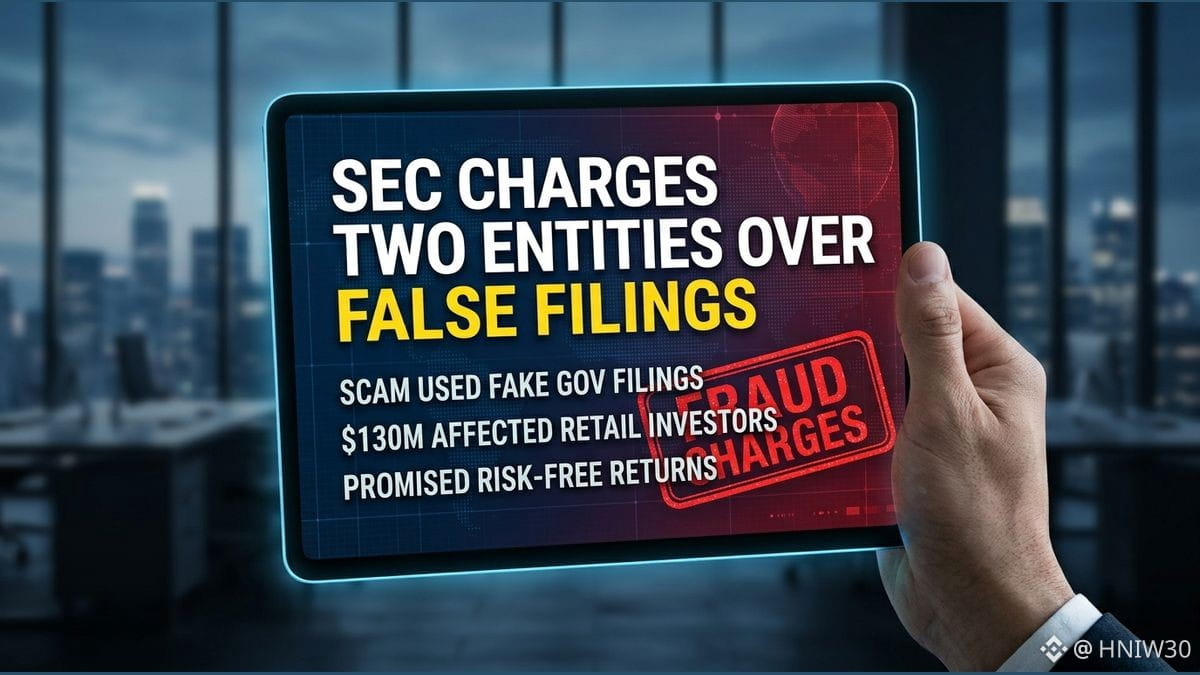
A recent enforcement action highlights an operational risk for crypto investors, showing that public regulatory disclosures can be manipulated to deceive participants. The Securities and Exchange Commission charged BG Wealth Sharing Ltd and DSJ Exchange Pty Ltd for orchestrating an alleged fraud scheme exceeding 130 million dollars that affected tens of thousands of retail investors across dozens of jurisdictions.
According to the complaint, the scheme attracted retail capital by marketing a wealth-sharing program promising extraordinary, risk-free returns through crypto asset trading signals. To manufacture legitimacy, BG Wealth claimed to be the world's largest hedge fund registered with the regulator, partnered with a purported licensed trading platform, DSJ Exchange. The defendants submitted false Form ADV and Form D filings, displaying those public entries and fake regulatory certificates to convince users of official approval.
This action demonstrates the risk of assuming a public filing represents regulatory vetting. Submitting forms to a public database does not constitute official endorsement, licensing, or verification of an investment program. In this case, false filings were combined with marketing across encrypted messaging, live video conferences, a mobile app, and periodic payouts to sustain confidence while funds were misappropriated.
Investors must recognize that promises of risk-free returns paired with trading claims remain significant warning signs. When evaluating platforms, users should verify background information through official resources rather than trusting documentation, seals, or filing records presented by promoters.
2
175
·
--
記事
翻訳参照
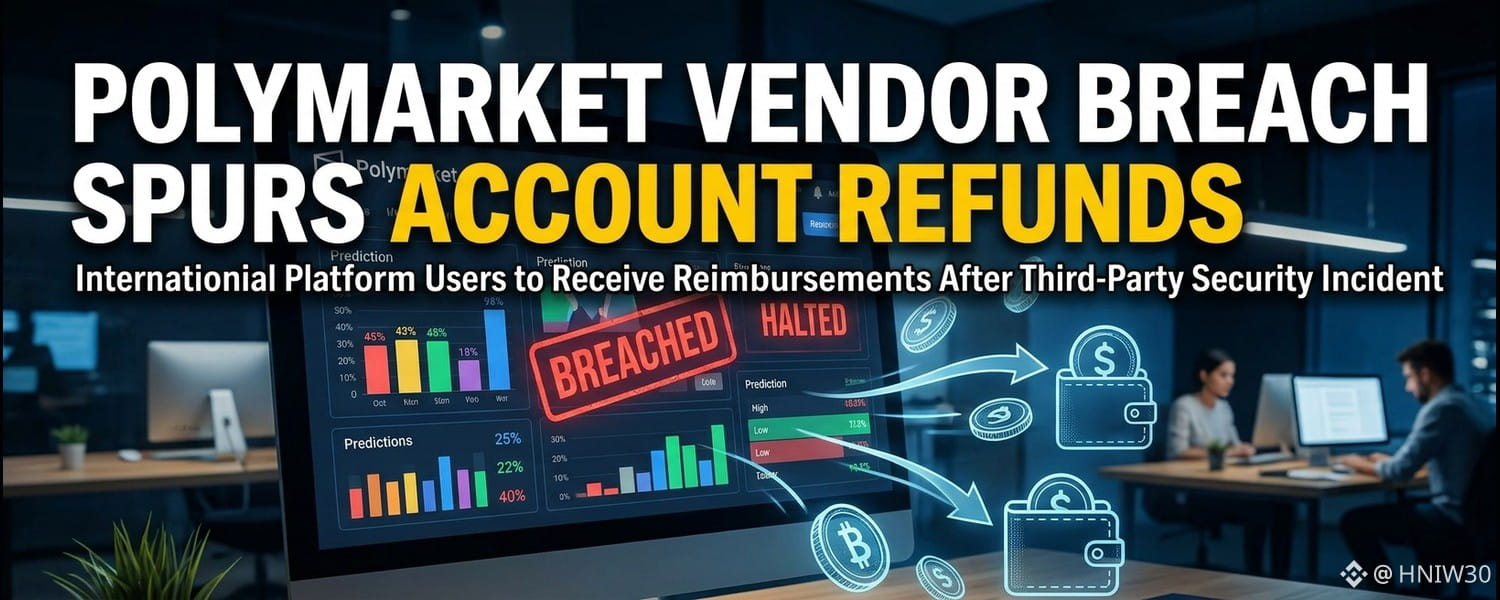
Polymarket Vendor Breach Spurs Account RefundsTraders using the international platform of prediction market Polymarket saw unauthorized withdrawals from their wallets on Thursday afternoon. Users initially reported on social media that funds were being moved without approval. The disruption prompted the decentralized finance platform to halt international trading while addressing the problem. Trading resumed at 3 p.m. ET after the team resolved the issue on its end, while its domestic platform remained entirely uncompromised.
The security incident originated from a breach at DebugBear, an external website performance monitoring tool based in the United Kingdom. DebugBear acknowledged on social media that it suffered a security issue on Thursday. Because the service provider is incorporated in Britain, the matter was referred to law enforcement authorities in the United Kingdom. Polymarket confirmed that the vulnerability stemmed from this external vendor rather than an exploit of its own platform operations.
Public blockchain records evaluated by analytics specialists revealed that a single account managed to withdraw at least 2.7 million dollars across 710 separate user wallets during the incident. The international prediction market operates on the Polygon blockchain without regulatory supervision in the United States. Observers highlighted the breach as an unusual and significant event for the venue, particularly given the operational sensitivity surrounding its decentralized finance markets.
To address user losses, the platform pledged to reimburse every affected customer. According to updates shared in a chatroom on Discord, wallets with less than 10,000 dollars taken will have their balances restored by October 30. Account holders who lost larger amounts exceeding that threshold must sign a formal release form before obtaining restitution. While the total number of compromised accounts has not been officially confirmed, the remediation framework sets explicit recovery conditions.
The timing of the disruption is notable as it arrived shortly before the United States midterm elections on November 3. Both the international service and the domestic exchange had anticipated heightened trading volumes in connection with the voting cycle. A similar security issue previously occurred in June, when another third-party vendor was compromised, leading to comparable platform refunds for impacted participants. The recurrence underscores operational challenges with external tools.
External software dependencies continue to introduce security challenges for platforms operating across distributed networks. While core smart contract ledgers on the Polygon network remained intact, peripheral monitoring integrations created an unintended path for unauthorized balance withdrawals. Market participants are left navigating self-administered reimbursement procedures while law enforcement reviews the vendor breach, highlighting ongoing operational dependencies in the sector.
Polymarket Vendor Breach Spurs Account Refunds
Traders using the international platform of prediction market Polymarket saw unauthorized withdrawals from their wallets on Thursday afternoon. Users initially reported on social media that funds were being moved without approval. The disruption prompted the decentralized finance platform to halt international trading while addressing the problem. Trading resumed at 3 p.m. ET after the team resolved the issue on its end, while its domestic platform remained entirely uncompromised.
The security incident originated from a breach at DebugBear, an external website performance monitoring tool based in the United Kingdom. DebugBear acknowledged on social media that it suffered a security issue on Thursday. Because the service provider is incorporated in Britain, the matter was referred to law enforcement authorities in the United Kingdom. Polymarket confirmed that the vulnerability stemmed from this external vendor rather than an exploit of its own platform operations.
Public blockchain records evaluated by analytics specialists revealed that a single account managed to withdraw at least 2.7 million dollars across 710 separate user wallets during the incident. The international prediction market operates on the Polygon blockchain without regulatory supervision in the United States. Observers highlighted the breach as an unusual and significant event for the venue, particularly given the operational sensitivity surrounding its decentralized finance markets.
To address user losses, the platform pledged to reimburse every affected customer. According to updates shared in a chatroom on Discord, wallets with less than 10,000 dollars taken will have their balances restored by October 30. Account holders who lost larger amounts exceeding that threshold must sign a formal release form before obtaining restitution. While the total number of compromised accounts has not been officially confirmed, the remediation framework sets explicit recovery conditions.
The timing of the disruption is notable as it arrived shortly before the United States midterm elections on November 3. Both the international service and the domestic exchange had anticipated heightened trading volumes in connection with the voting cycle. A similar security issue previously occurred in June, when another third-party vendor was compromised, leading to comparable platform refunds for impacted participants. The recurrence underscores operational challenges with external tools.
External software dependencies continue to introduce security challenges for platforms operating across distributed networks. While core smart contract ledgers on the Polygon network remained intact, peripheral monitoring integrations created an unintended path for unauthorized balance withdrawals. Market participants are left navigating self-administered reimbursement procedures while law enforcement reviews the vendor breach, highlighting ongoing operational dependencies in the sector.
192
·
--
翻訳参照
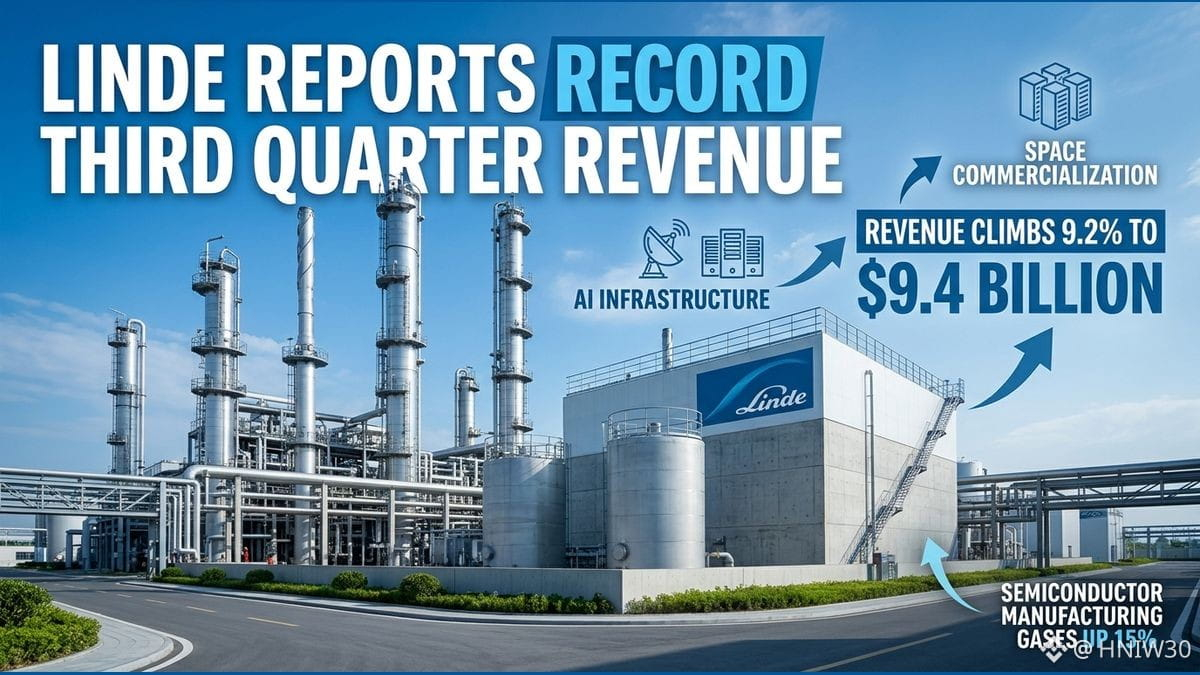
Linde reported record quarterly sales, operating profit, and earnings for its third quarter, lifted by demand from artificial intelligence infrastructure and space commercialization. Revenue climbed 9.2% to $9.4 billion, supported by higher volume and pricing gains.
Adjusted earnings per share rose 9% year over year to $4.59, surpassing expectations. While Linde provided slightly light guidance for the fourth quarter, its full-year outlook remained on par with expectations. Topline growth reflected a 2% volume increase and a 3% price/mix tailwind.
Across end markets, electronics led resilient growth with a 15% sales rise on strong demand for semiconductor manufacturing gases, reaching 10% of total sales. Chemicals and energy sales rose 12% to make up 22% of sales, while manufacturing and metals and mining represented 21% and 12%.
Food and beverage sales rose 3%, while healthcare increased 2%. Geographically, Asia-Pacific sales grew 12% on higher volumes and pricing, Americas sales rose 11%, and Europe, Middle East, and Africa sales climbed 7%. Linde's separate engineering segment also gained 12%.
To address margin pressures at home health unit Lincare, Linde recorded a $425 million restructuring charge, about half for severance. Leadership moved Lincare under the Chief Financial Officer and shifted its reporting to the Other line item while evaluating strategic alternatives.
176
·
--
翻訳参照
Technological innovation and the arrival of new payment service providers are rapidly reshaping modern payment systems. As novel arrangements develop, central banks must examine how to adapt their policy tools to preserve system safety, efficiency, and public trust in money across an evolving landscape.
The expansion of fast payment systems, non-bank providers, tokenised deposits, stablecoins, and programmable platforms creates clear opportunities for market competition and efficiency. However, these emerging structures also introduce fresh interdependencies and change how credit, liquidity, operational, and cyber risks spread.
Central bank money remains the foundational anchor of trust across the financial system. It supplies the safest and most liquid settlement asset for systemically important networks while sustaining convertibility at par among competing private payment instruments that serve diverse user needs.
Authorities can address these changes through four main responsibilities. As issuers, they determine account access terms. As operators, they modernize settlement infrastructure. As overseers, they assess systemic risks and governance in emerging arrangements. As catalysts, they convene stakeholders to establish shared standards.
Because central bank policies may vary across jurisdictions, sustained and robust international cooperation remains essential. Ongoing cross-border collaboration helps authorities address shared challenges and support financial stability across an increasingly digital and interconnected payments ecosystem.

1
165
·
--
記事
翻訳参照
Mark Price Versus Last Traded Price in BitcoinMany observers look at a screen figure and assume it reflects every aspect of a Bitcoin perpetual contract. In practice, the last traded price and the mark price represent distinct references. The last traded price records the price of the most recent completed trade for an instrument on a venue, rather than the reference used for liquidation checks.
The mark price is a separate reference calculated under a venue's published contract rules, specifically used for liquidation checks. The last traded price and the mark price can differ and must not be treated as identical measurements. Confusing the latest trade execution with the liquidation reference leads to incorrect assessments of a contract.
A common misunderstanding involves chart readings for a Bitcoin perpetual contract. A chart showing last-trade candles does not by itself establish where the mark price was at the same moment. Candle data tracking completed trades cannot reveal the liquidation reference present at that exact second, as the two metrics follow distinct standards.
Proper comparison requires verifying essential details before evaluating any displayed numbers. The display label, selected contract, venue, and timestamp must all be identified before comparing two displayed prices. Overlooking these parameters leads to false comparisons between figures that describe different contracts, venues, or moments.
Account balances also highlight the difference between these references. Unrealized profit or loss can be displayed using different references, so the selected display setting matters for open positions. Meanwhile, realized profit or loss depends on actual opening and closing executions, not merely on the displayed mark reference on the venue.
Order execution further separates these two values. A mark-price value is not a promise that a market order will execute at that value. When entering or exiting a position, actual executions determine the transaction price rather than the mark calculation. The mark reference serves liquidation checks rather than functioning as a guaranteed trade price.
Price differences between these metrics do not indicate directional trends. A gap between last price and mark price alone is not a forecast of future Bitcoin price direction. The existence of a spread merely reflects that the two figures measure different things under venue rules, rather than signaling which way the market will move next.
$BTC
{future}(BTCUSDT)
Mark Price Versus Last Traded Price in Bitcoin
Many observers look at a screen figure and assume it reflects every aspect of a Bitcoin perpetual contract. In practice, the last traded price and the mark price represent distinct references. The last traded price records the price of the most recent completed trade for an instrument on a venue, rather than the reference used for liquidation checks.
The mark price is a separate reference calculated under a venue's published contract rules, specifically used for liquidation checks. The last traded price and the mark price can differ and must not be treated as identical measurements. Confusing the latest trade execution with the liquidation reference leads to incorrect assessments of a contract.
A common misunderstanding involves chart readings for a Bitcoin perpetual contract. A chart showing last-trade candles does not by itself establish where the mark price was at the same moment. Candle data tracking completed trades cannot reveal the liquidation reference present at that exact second, as the two metrics follow distinct standards.
Proper comparison requires verifying essential details before evaluating any displayed numbers. The display label, selected contract, venue, and timestamp must all be identified before comparing two displayed prices. Overlooking these parameters leads to false comparisons between figures that describe different contracts, venues, or moments.
Account balances also highlight the difference between these references. Unrealized profit or loss can be displayed using different references, so the selected display setting matters for open positions. Meanwhile, realized profit or loss depends on actual opening and closing executions, not merely on the displayed mark reference on the venue.
Order execution further separates these two values. A mark-price value is not a promise that a market order will execute at that value. When entering or exiting a position, actual executions determine the transaction price rather than the mark calculation. The mark reference serves liquidation checks rather than functioning as a guaranteed trade price.
Price differences between these metrics do not indicate directional trends. A gap between last price and mark price alone is not a forecast of future Bitcoin price direction. The existence of a spread merely reflects that the two figures measure different things under venue rules, rather than signaling which way the market will move next.
$BTC
2
157
·
--

記事
翻訳参照
Reading Bitcoin Market Screens With the Label and the EvidenceA Bitcoin chart starts with a named instrument. The same asset can appear in a spot market or in a perpetual contract, and those labels describe different products. Before interpreting a screenshot, read the visible market name rather than replacing it with a familiar symbol. A careful reading keeps the instrument label attached to the evidence, so the image is not used to make claims about a different market.
The selected interval tells the reader how each candle groups recorded prices. It does not specify how much history is visible across the screen. Zoom, scrolling and the width of the display also affect that view. A useful caption states the observed interval and avoids inventing a date range that the screenshot does not establish.
A standard candle summarizes open, high, low and close for its interval. Those four values do not reveal the full sequence of trades within the candle. The high may have occurred before the low or after it. A reader who needs that sequence must consult more detailed data rather than treating the candle shape as a complete record.
Colors can help separate candles, but they are not a substitute for labels and values. A chart theme may use different colors from the examples in an article. An explanation should describe the relationship between the opening and closing values instead of assuming that every platform uses the same visual settings. The first illustration reinforces this distinction.
A perpetual contract card identifies a related market. Its presence in an article does not prove that the author opened a position or that a trade is suitable for the reader. The related Bitcoin instrument should remain clearly labeled so that readers can distinguish a market reference from a completed account action. No live quote, funding rate, liquidation amount or account balance is asserted.
The second illustration connects the chart interval with the limits of a screenshot. A still image records one view at one moment, while market data can continue changing. If the capture time is unavailable, the article should acknowledge that missing context. It should not create a precise timestamp or describe the picture as a current trading signal.
When sharing a market screen, keep its explanation close to the image. Preserve the instrument name and interval, distinguish observed values from missing context, and avoid treating a related market card as evidence of execution. These small details make an article easier to check. They also give readers a clearer account of what the screen actually establishes and what remains unknown.
$BTC
{future}(BTCUSDT)
Reading Bitcoin Market Screens With the Label and the Evidence
A Bitcoin chart starts with a named instrument. The same asset can appear in a spot market or in a perpetual contract, and those labels describe different products. Before interpreting a screenshot, read the visible market name rather than replacing it with a familiar symbol. A careful reading keeps the instrument label attached to the evidence, so the image is not used to make claims about a different market.
The selected interval tells the reader how each candle groups recorded prices. It does not specify how much history is visible across the screen. Zoom, scrolling and the width of the display also affect that view. A useful caption states the observed interval and avoids inventing a date range that the screenshot does not establish.
A standard candle summarizes open, high, low and close for its interval. Those four values do not reveal the full sequence of trades within the candle. The high may have occurred before the low or after it. A reader who needs that sequence must consult more detailed data rather than treating the candle shape as a complete record.
Colors can help separate candles, but they are not a substitute for labels and values. A chart theme may use different colors from the examples in an article. An explanation should describe the relationship between the opening and closing values instead of assuming that every platform uses the same visual settings. The first illustration reinforces this distinction.
A perpetual contract card identifies a related market. Its presence in an article does not prove that the author opened a position or that a trade is suitable for the reader. The related Bitcoin instrument should remain clearly labeled so that readers can distinguish a market reference from a completed account action. No live quote, funding rate, liquidation amount or account balance is asserted.
The second illustration connects the chart interval with the limits of a screenshot. A still image records one view at one moment, while market data can continue changing. If the capture time is unavailable, the article should acknowledge that missing context. It should not create a precise timestamp or describe the picture as a current trading signal.
When sharing a market screen, keep its explanation close to the image. Preserve the instrument name and interval, distinguish observed values from missing context, and avoid treating a related market card as evidence of execution. These small details make an article easier to check. They also give readers a clearer account of what the screen actually establishes and what remains unknown.
$BTC
2
148
·
--
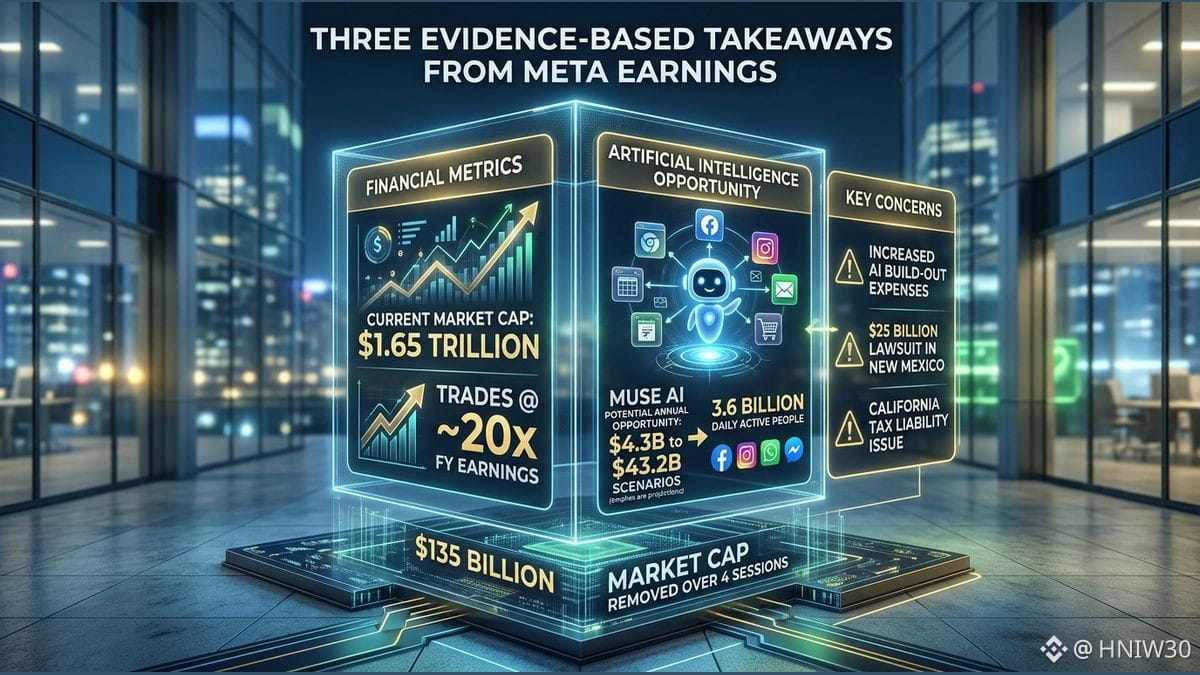
Metaは今週、目覚ましい業績を報告しましたが、人工知能関連の設備投資費用への懸念から、4営業日で時価総額が1,350億ドル減少しました。示されたデータによると、Metaの現在の時価総額は1兆6,500億ドルで、売上高の約7倍弱、会計年度利益の約20倍、2027会計年度の予想利益の17倍未満で取引されています。
製品の可能性は、あくまで条件付きです。Museは、ブラウザーを開き、フォームに入力し、メールを送信し、予定を組み、旅行を予約し、さらには商品を購入する可能性もある、個人向け人工知能エージェントとして紹介されています。Facebook、Instagram、WhatsApp、MessengerにおけるMetaの1日あたりのアクティブ利用者数は36億人とされています。Museが年間120ドル相当の価値を生み、その利用者の1%に届いた場合、年間の機会は約43億ドルになると推計されます。価値がその半分で、利用者の20%に届いた場合、機会は約432億ドルになると推計されます。これらはシナリオであり、報告済みの売上高ではありません。
示されたデータは、人工知能への支出以外にもいくつかの懸念を挙げています。ニューメキシコ州での250億ドルの訴訟、カリフォルニア州での潜在的な税負担に関係する創業者との合意をめぐる広報上の問題の可能性、そして同社の人工知能投資の資金調達に用いられた負債への懸念が含まれます。例として挙げられたオプション取引では、12月限のショート・ストラングルを用い、権利行使価格は580ドルと745ドル、提示された終値に基づくプレミアムは1株あたり約21.30ドルです。これらはあくまで取引例の説明であり、結果が保証されるものではありません。
#Crypto
1
95
·
--
翻訳参照
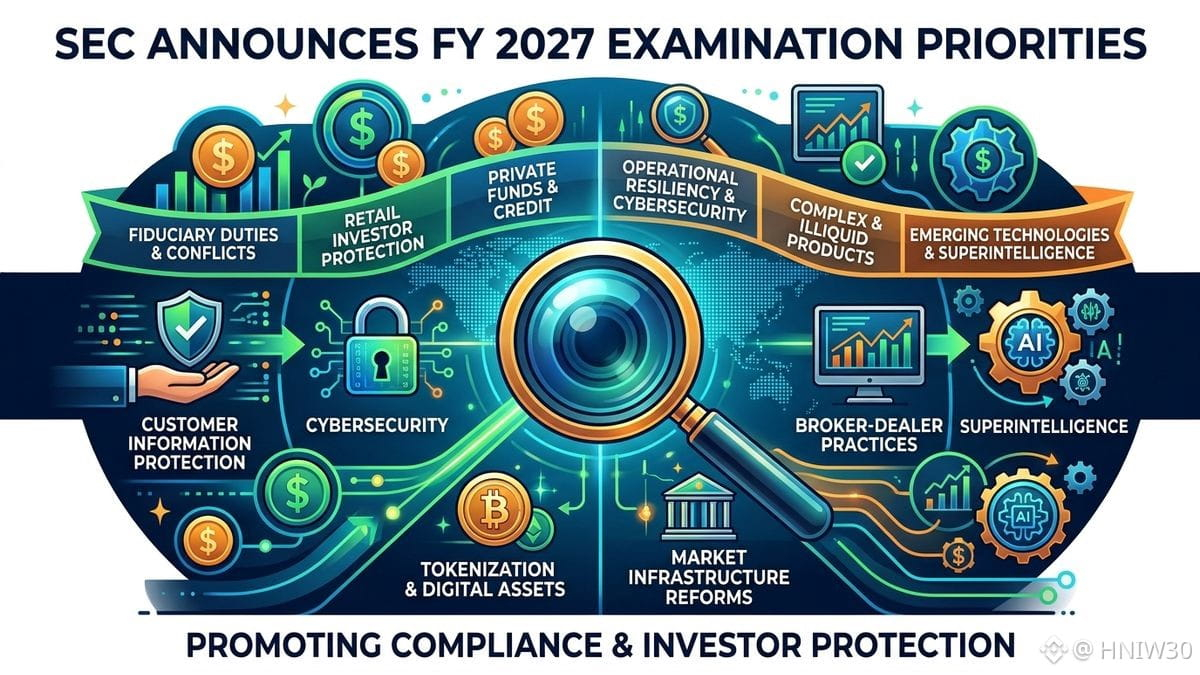
The Securities and Exchange Commission announced the Division of Examinations' priorities for fiscal year 2027 on Oct. 23, 2026. The annual priorities identify areas of focus as the Division carries out its mission to promote compliance, prevent fraud, identify and monitor risk, and inform Commission policy.
The priorities cover examination activities across more than 34,000 registrants, including investment advisers, investment companies, broker dealers, self regulatory organizations, clearing agencies, municipal advisors, transfer agents, funding portals, and security based swap entities. Key areas include fiduciary obligations and conflicts of interest, retail investor protection, complex and illiquid products, private funds and private credit, broker dealer financial responsibility and trading practices, supervision, anti money laundering compliance, operational resiliency, cybersecurity, and protection of customer information.
The Division also identified emerging technologies, including super intelligence and other advanced technologies, as areas that may affect market operations, compliance, fraud prevention, and investor protection. Other priorities include evolving market infrastructure, Treasury clearing reforms, tokenization, and related developments.
The priorities are not an exhaustive list of matters that examiners may review. The Division said it will continue to assess risks during the fiscal year and may adjust its focus in response to market events, investor concerns, emerging technologies, new products and services, and other developments. Firms are expected to maintain strong, risk based compliance programs tailored to their businesses.
#Crypto
1
1
192
·
--

記事
ウォレットの権限付与は送金ではありませんallowance(利用限度額)は、トークンの使用範囲を定めるものです。トークン保有者がコントラクトを承認すると、特定のspenderに対し、特定のトークンを指定された上限額まで移動する権限が与えられます。これは、トークンをすぐに送信する操作とは異なります。この違いを理解すると、意図した入金がまだ行われていないのに、ウォレットに承認成功と表示される理由がわかります。承認と入金は別々の手順です。
spenderアドレスは重要です。ページに見覚えのあるプロジェクト名が表示されていても、その取引で意図したコントラクトに権限が付与されるとは限りません。承認する前に、ネットワーク、トークンコントラクト、spenderが、信頼できるプロジェクト情報と一致していることを確認してください。あるネットワークで付与した権限が、別のネットワークにも自動的に適用されることはありません。一致しない場合、意図した入金ができない一方で、無関係な権限が有効なまま残る可能性があります。
ウォレットの権限付与は送金ではありません
allowance(利用限度額)は、トークンの使用範囲を定めるものです。トークン保有者がコントラクトを承認すると、特定のspenderに対し、特定のトークンを指定された上限額まで移動する権限が与えられます。これは、トークンをすぐに送信する操作とは異なります。この違いを理解すると、意図した入金がまだ行われていないのに、ウォレットに承認成功と表示される理由がわかります。承認と入金は別々の手順です。
spenderアドレスは重要です。ページに見覚えのあるプロジェクト名が表示されていても、その取引で意図したコントラクトに権限が付与されるとは限りません。承認する前に、ネットワーク、トークンコントラクト、spenderが、信頼できるプロジェクト情報と一致していることを確認してください。あるネットワークで付与した権限が、別のネットワークにも自動的に適用されることはありません。一致しない場合、意図した入金ができない一方で、無関係な権限が有効なまま残る可能性があります。
spenderアドレスは重要です。ページに見覚えのあるプロジェクト名が表示されていても、その取引で意図したコントラクトに権限が付与されるとは限りません。承認する前に、ネットワーク、トークンコントラクト、spenderが、信頼できるプロジェクト情報と一致していることを確認してください。あるネットワークで付与した権限が、別のネットワークにも自動的に適用されることはありません。一致しない場合、意図した入金ができない一方で、無関係な権限が有効なまま残る可能性があります。
150
·
--
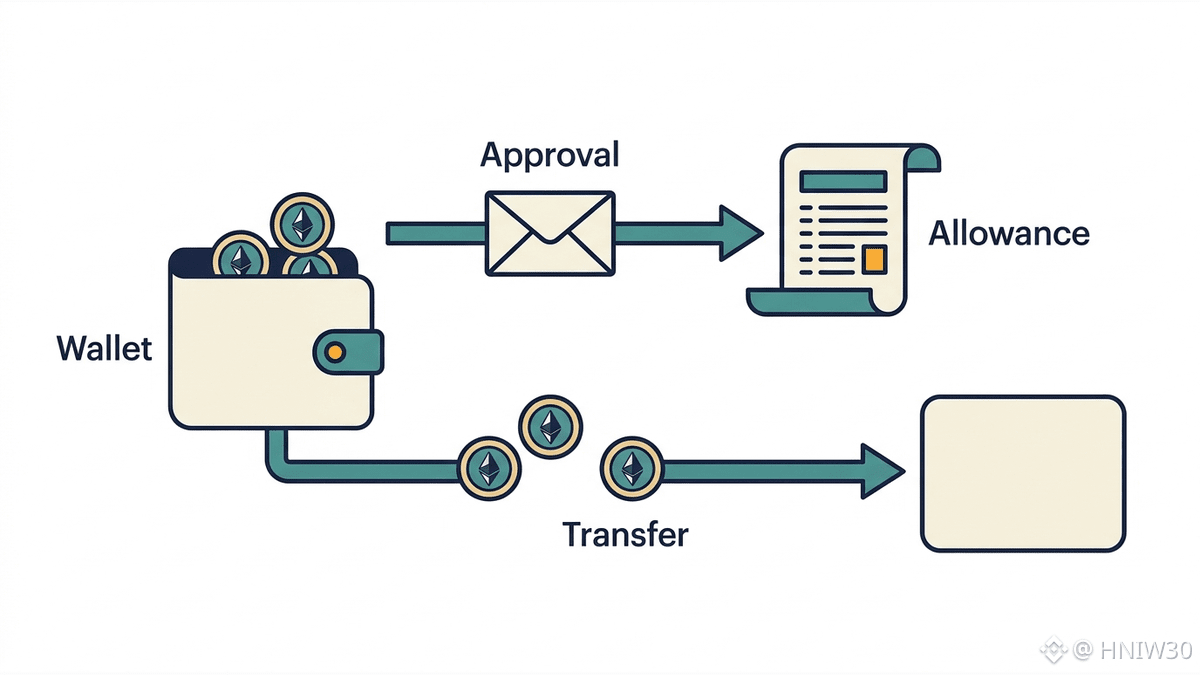
ウォレットの承認と入金では、確認できる内容が異なります。
承認とは、特定の使用者にトークンの一定額へのアクセスを許可することです。入金は別の操作で、資金を所定のワークフローに移します。承認のレシートが正常に発行されても、それだけでは入金が送信または完了したことにはなりません。
各記録には、ネットワーク、トークンコントラクト、使用者のアドレスを記載してください。よく知られたプロジェクト名やロゴは、こうした情報の代わりにはなりません。インターフェースの更新が遅い場合は、操作を繰り返す前に、表示の遅延なのかトランザクションが存在しないのかを切り分けてください。
許可、送信、結果はそれぞれ異なる段階です。記録を明確にしておくと、どの段階に証拠があり、どの段階に確認が必要なのかを把握しやすくなります。これは教育目的の説明であり、ウォレットの接続やトランザクションの承認を求めるものではありません。
#Crypto
181
·
--

記事
レシートだけではワークフロー全体はわからないトランザクションのレシートが示すのはひとつのステップであり、ワークフロー全体ではありません。ウォレットに成功メッセージが表示されると、この違いを見落としがちです。トークンの承認、トークンの送金、コントラクトへの預け入れは、それぞれ別の操作です。承認が正常に確定していても、預け入れのトランザクションがまだ一度も送信されていないことは十分にあり得ます。重要なのは、単に何かが成功したかどうかではなく、どの操作が成功し、どの状態が変化したのかを確認することです。
目指す結果から考えましょう。トークンを預け入れることが目的なら、送金先のコントラクトと、その操作が行われる想定のネットワークを特定します。次に、権限の付与と資産の移動を区別します。Allowance(利用許可額)を設定すると、コントラクトのルールに従って、特定の使用者(spender)に一定量のトークンへアクセスする権限が与えられます。しかし、それだけではトークンが送金先に到着したことの証明にはなりません。ワークフローを個別のステップとして捉えれば、ひとつの成功表示を、確認できていない複数の項目の代わりにしてしまうことを防げます。
レシートだけではワークフロー全体はわからない
トランザクションのレシートが示すのはひとつのステップであり、ワークフロー全体ではありません。ウォレットに成功メッセージが表示されると、この違いを見落としがちです。トークンの承認、トークンの送金、コントラクトへの預け入れは、それぞれ別の操作です。承認が正常に確定していても、預け入れのトランザクションがまだ一度も送信されていないことは十分にあり得ます。重要なのは、単に何かが成功したかどうかではなく、どの操作が成功し、どの状態が変化したのかを確認することです。
目指す結果から考えましょう。トークンを預け入れることが目的なら、送金先のコントラクトと、その操作が行われる想定のネットワークを特定します。次に、権限の付与と資産の移動を区別します。Allowance(利用許可額)を設定すると、コントラクトのルールに従って、特定の使用者(spender)に一定量のトークンへアクセスする権限が与えられます。しかし、それだけではトークンが送金先に到着したことの証明にはなりません。ワークフローを個別のステップとして捉えれば、ひとつの成功表示を、確認できていない複数の項目の代わりにしてしまうことを防げます。
目指す結果から考えましょう。トークンを預け入れることが目的なら、送金先のコントラクトと、その操作が行われる想定のネットワークを特定します。次に、権限の付与と資産の移動を区別します。Allowance(利用許可額)を設定すると、コントラクトのルールに従って、特定の使用者(spender)に一定量のトークンへアクセスする権限が与えられます。しかし、それだけではトークンが送金先に到着したことの証明にはなりません。ワークフローを個別のステップとして捉えれば、ひとつの成功表示を、確認できていない複数の項目の代わりにしてしまうことを防げます。
1
236
·
--
価格を見る前に、取引対象を確認しましょう。
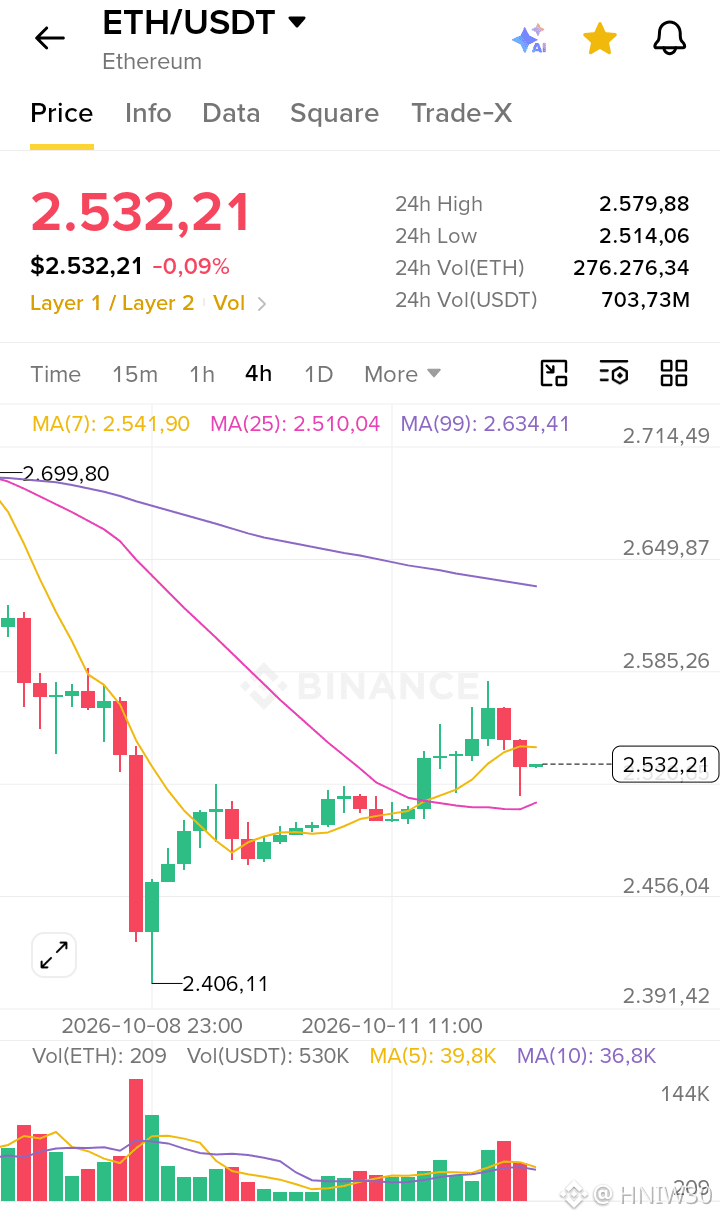
価格には市場の区分が必要です。同じ資産シンボルを使っているからといって、現物と無期限先物を同じものとして扱うべきではありません。取引ペアと時間足も重要です。見た目が似たチャートでも、異なる取引対象や時間枠を示していることがあります。
イーサリアムについては、資産、取引対象、チャートの時間足を分けて考えましょう。添付のチャートは、4時間足を使ったETH現物のスナップショットです。これは市場の見方を読み取るための参考情報であり、ポジションを取る指示ではありません。スナップショットは予測ではなく、次のローソク足によって、何気ない見た目から受けた印象が覆されることもあります。
コインタグ、ハッシュタグ、プロフィールへのメンションには、それぞれ異なる役割があります。資産へのリンクは売買の推奨ではありません。トピックタグは主張の根拠ではなく、プロフィールへのメンションも支持を意味するものではありません。結論を出す前に、まず取引対象と観測データを確認しましょう。
$ETH #Ethereum @Binance_Italy
{spot}(ETHUSDT)
価格を見る前に、取引対象を確認しましょう。
価格には市場の区分が必要です。同じ資産シンボルを使っているからといって、現物と無期限先物を同じものとして扱うべきではありません。取引ペアと時間足も重要です。見た目が似たチャートでも、異なる取引対象や時間枠を示していることがあります。
イーサリアムについては、資産、取引対象、チャートの時間足を分けて考えましょう。添付のチャートは、4時間足を使ったETH現物のスナップショットです。これは市場の見方を読み取るための参考情報であり、ポジションを取る指示ではありません。スナップショットは予測ではなく、次のローソク足によって、何気ない見た目から受けた印象が覆されることもあります。
コインタグ、ハッシュタグ、プロフィールへのメンションには、それぞれ異なる役割があります。資産へのリンクは売買の推奨ではありません。トピックタグは主張の根拠ではなく、プロフィールへのメンションも支持を意味するものではありません。結論を出す前に、まず取引対象と観測データを確認しましょう。
$ETH #Ethereum @Binance Italy
1
59
·
--
トークンの承認は権限の付与であり、送金ではありません
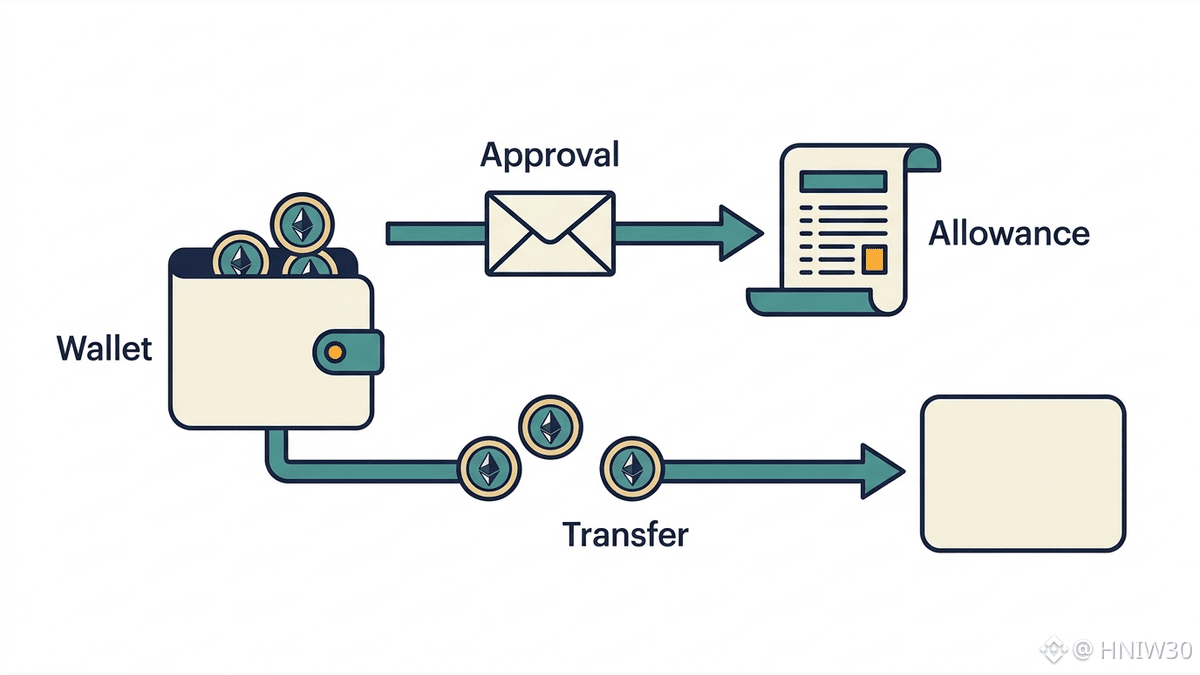
承認画面は、アプリケーションを使う前のちょっとした手順のように見えることがあります。しかし、その意味は支払いとは異なります。ERC-20トークンの場合、承認によって、特定の利用者(spender)に対する使用許可が記録されます。トークン残高と、その使用許可は別々の情報です。この違いを理解すると、ウォレットの取引履歴を読み解きやすくなります。
所有者、利用者、トークンコントラクトによって、この関係が定義されます。許容量(allowance)は、利用者がまだ使用を許可されている額を示します。利用者を承認しても、その額がすでに移動したことにはなりません。送金はトークンの保有者を変える一方、承認は権限を変えます。最初の図は、この2つの考え方を分けて示し、1つの操作と誤解されないようにしています。
これはトークンの権限について説明するものであり、コントラクトの承認を推奨するものではありません。図は仕組みを示したもので、実際のウォレットの操作履歴を示すものではありません。
$ETH #Ethereum
247
·
--
THE GOLDEN RABBIT 🌕🐇
この中秋節に、HNIW30は、ビビと“ゴールデンラビット”とともに魔法のような旅を始めます。4つの特別な宝:もち米粉、蓮の実ペースト、月餅型、そしてゴールデンエッグを集めに行きます。
しかし最後にわかるのは、真のカギは宝そのものではないということ――それは分かち合い、友情、そして再会。
それが、私たちの物語の意味です:
「私たちが分かち合う喜びこそ、最大の宝物。」
AIを使用して作成した動画
[🔗 Campaign](https://www.binance.com/activity/collect-and-win/vmid-autumn-2026?ref=HNIW30)
@Binance_Vietnam
#SănThỏVàng #TrăngRằmViênMãn #Binance
THE GOLDEN RABBIT 🌕🐇
この中秋節に、HNIW30は、ビビと“ゴールデンラビット”とともに魔法のような旅を始めます。4つの特別な宝:もち米粉、蓮の実ペースト、月餅型、そしてゴールデンエッグを集めに行きます。
しかし最後にわかるのは、真のカギは宝そのものではないということ――それは分かち合い、友情、そして再会。
それが、私たちの物語の意味です:
「私たちが分かち合う喜びこそ、最大の宝物。」
AIを使用して作成した動画
🔗 Campaign
@Binance Vietnam
#SănThỏVàng #TrăngRằmViênMãn #Binance
この中秋節に、HNIW30は、ビビと“ゴールデンラビット”とともに魔法のような旅を始めます。4つの特別な宝:もち米粉、蓮の実ペースト、月餅型、そしてゴールデンエッグを集めに行きます。
しかし最後にわかるのは、真のカギは宝そのものではないということ――それは分かち合い、友情、そして再会。
それが、私たちの物語の意味です:
「私たちが分かち合う喜びこそ、最大の宝物。」
AIを使用して作成した動画
🔗 Campaign
@Binance Vietnam
#SănThỏVàng #TrăngRằmViênMãn #Binance
1
1
7
469
ログインして、さらにコンテンツを読む
厳選トピックで世界の暗号資産トレーダーの仲間入り
⚡️ 暗号資産に関する最新かつ有益な情報が見つかります。
💬 世界最大の暗号資産取引所から信頼されています。
👍 認証を受けたクリエイターから、有益なインサイトを得られます。
メール / 電話番号
トレンドトピック
UniswapA16zSeekDeFiExemptionFromIllinoisCryptoTax
閲覧回数 26,298
771人が討論中
#CryptoTax 🚨 暗号資産市場・規制動向アップデート #HKDollarStablecoinHKDAPToLaunchOnSolana
#uniswapa16zseekdefiexemptionfromillinoiscryptotax Uniswap、a16z、DeFi Education Fundがイリノイ州の暗号資産税規則に異議
2026年10月30日 | 市場の変動と業界の動向
📊 1. 市場スナップショット
暗号資産市場はまちまちの動きを見せており、一部の資産が大幅に上昇する一方、複数の主要暗号資産は引き続き下落圧力にさらされています。
📈 主な上昇銘柄
SOPH: +60.81% — $0.00238
BEAMX: +37.94% — $0.004701
SKDDB: +16.81% — $9.38
📉 主な下落銘柄
INTWUSDT: −61.09% — $6.72
AKEUSDT: −31.47% — $0.013989
SNXXUSDT: −30.71% — $6.43
🔎 下落圧力にさらされる主要暗号資産
DOGE: −5.06%
PEPE: −4.91%
SUI: −4.83%
NEAR: −3.28%
XRP: −3.13%
Uniswap Labs、Andreessen Horowitz(a16z)、およびDeFi Education Fund(DEF)は、イリノイ州の適用除外を求めています。
#Uniswap #a16z #DeFi #CryptoRegulation #Illinois # #Web3 #BinanceSquare
#HKDollarStablecoinHKDAPToLaunchOnSolana #HKDAP #Stablecoin #CryptoNews #Blockchain #DeFi #DigitalPayments
⚖️ 3. UNISWAP、a16z、イリノイ州の暗号資産税規則
Uniswap Labs、Andreessen Horowitz(a16z)、およびDeFi Education Fundは、イリノイ州で提案されている暗号資産税の要件について、適用除外を求める取り組みに関わっています。
この議論では、重要な問いが浮き彫りになっています。従来型の金融仲介機関のようには運営されていない可能性のある分散型の事業者に、税務報告義務をどのように適用すべきでしょうか。
その結果は、DeFiのコンプライアンス、開発者の義務、そして今後の規制環境に影響を及ぼす可能性があります。
#BinanceSquare #CryptoNews #HKDAP #Stablecoin #Uniswap #a16z #DeFi #CryptoTax
CHASEPA SULUXù
·いいね:2件
·閲覧回数 257
HKDollarStablecoinHKDAPToLaunchOnSolana
閲覧回数 20,008
488人が討論中
$1.5BInLeveragedCryptoBetsLiquidated
閲覧回数 43,121
253人が討論中