

HASEEB_CRPTO
4.5k 投稿

HASEEB_CRPTO
報告
ユーザーをブロック
The perfect plan is not about luck,its is about perfect strategy.
取引を発注

TMXホルダー
高頻度トレーダー
1.3年
891 フォロー
33.4K+ フォロワー
16.2K+ いいね
投稿
ポートフォリオ
すべて
引用
ライブ
·
--
$KAITO /USDT — 15M
エントリー: 0.3385 – 0.3395
SL: 0.3309
TP1: 0.3635
TP2: 0.3490
TP3: 0.3520
$KAITO /USDT — 15M
エントリー: 0.3385 – 0.3395
SL: 0.3309
TP1: 0.3635
TP2: 0.3490
TP3: 0.3520
エントリー: 0.3385 – 0.3395
SL: 0.3309
TP1: 0.3635
TP2: 0.3490
TP3: 0.3520
1
365
·
--
弱気相場
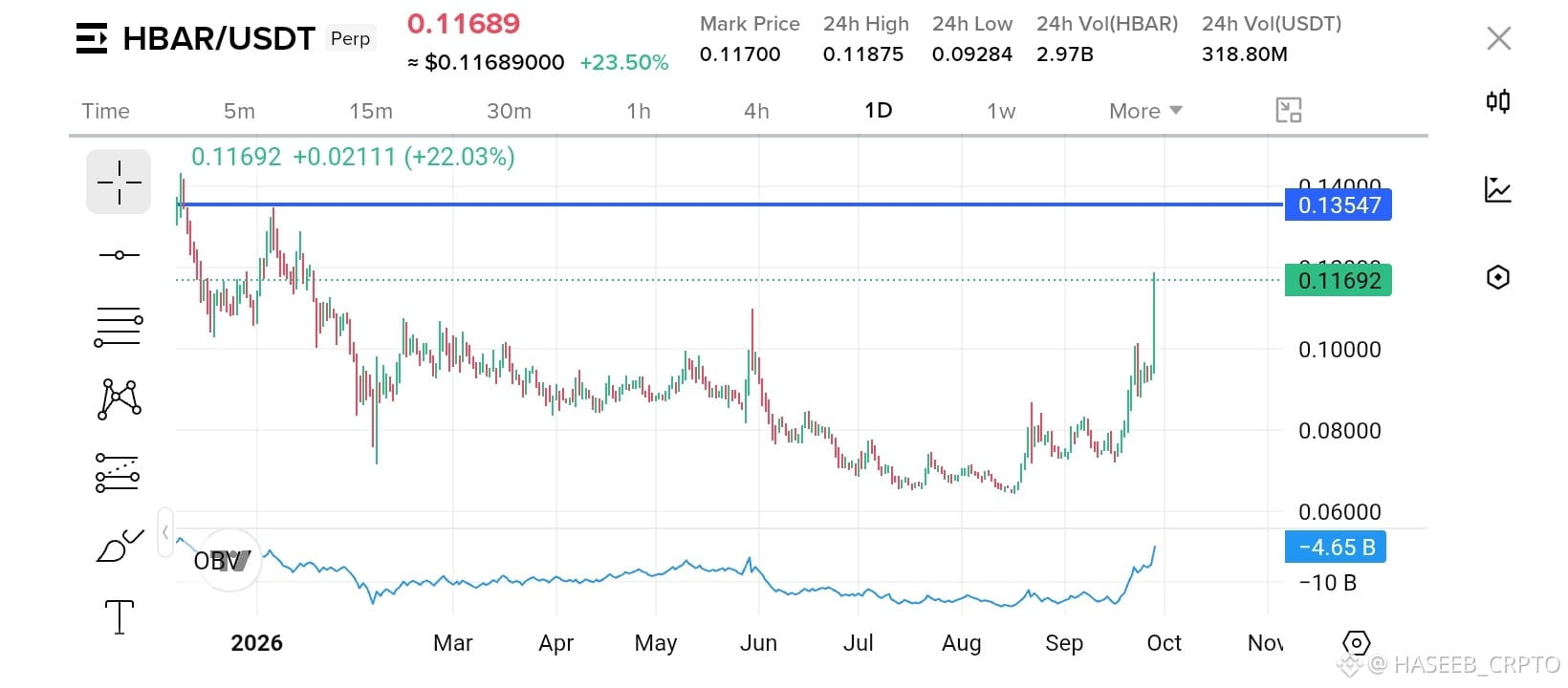
$HBAR /ustd は日足のレジスタンス・ゾーンに接近しています。このレジスタンス・ゾーンはおそらく買い圧力を抑え、買いから売りへと構造がシフトするのを見られるかもしれません。日足のレジスタンスをブレイクすれば、買い圧力が高まる可能性があります。
$HBAR /ustd は日足のレジスタンス・ゾーンに接近しています。このレジスタンス・ゾーンはおそらく買い圧力を抑え、買いから売りへと構造がシフトするのを見られるかもしれません。日足のレジスタンスをブレイクすれば、買い圧力が高まる可能性があります。
402
·
--
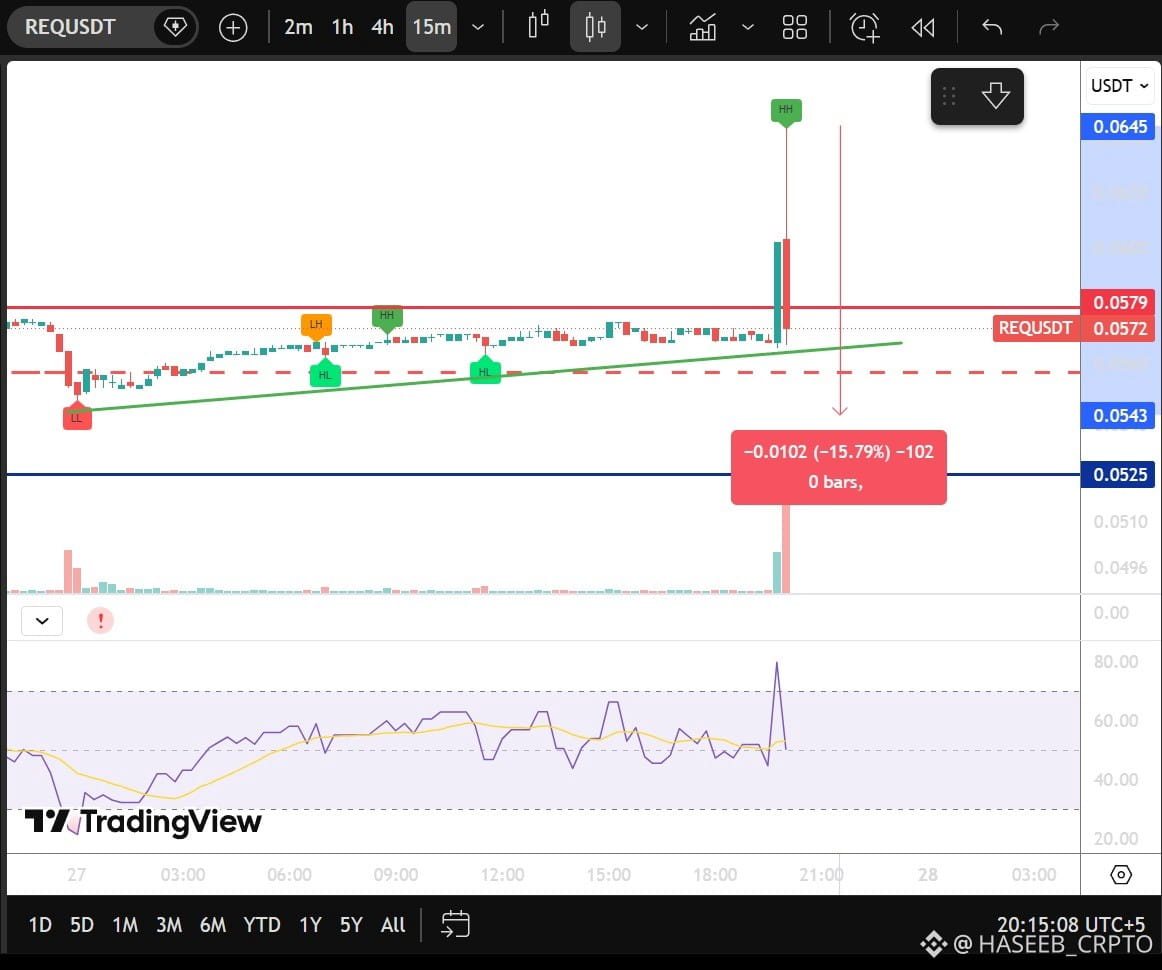
$REQ /USDT — 買いのセットアップ
📍 買いエントリー: 0.0558–0.0564
🛑 SL: 0.0553
🎯 TP1: 0.0579
🎯 TP2: 0.0600
🎯 TP3: 0.0645
$REQ /USDT — 買いのセットアップ
📍 買いエントリー: 0.0558–0.0564
🛑 SL: 0.0553
🎯 TP1: 0.0579
🎯 TP2: 0.0600
🎯 TP3: 0.0645
📍 買いエントリー: 0.0558–0.0564
🛑 SL: 0.0553
🎯 TP1: 0.0579
🎯 TP2: 0.0600
🎯 TP3: 0.0645
196
·
--
ブリッシュ
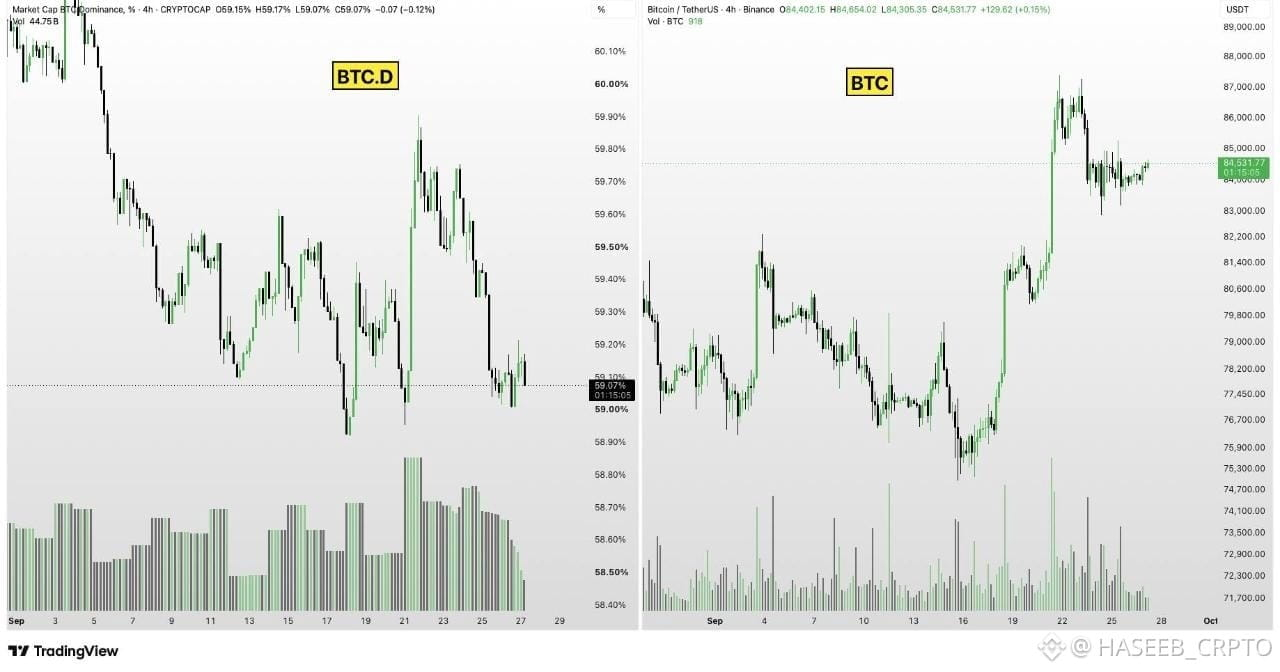
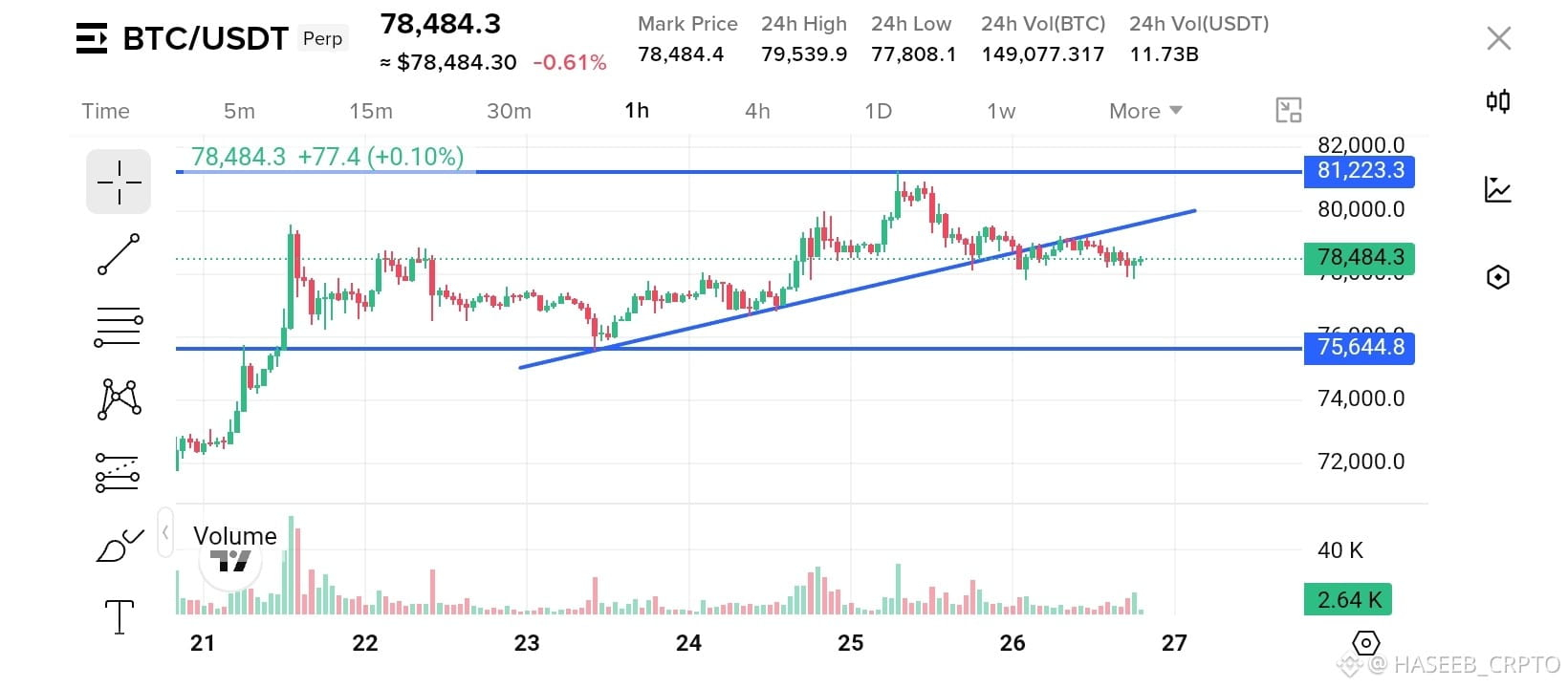
$BTC Rising while SBTC.D falling, ALTS getting strong
$BTC Rising while SBTC.D falling, ALTS getting strong
81
·
--
ブリッシュ
597
·
--
ブリッシュ
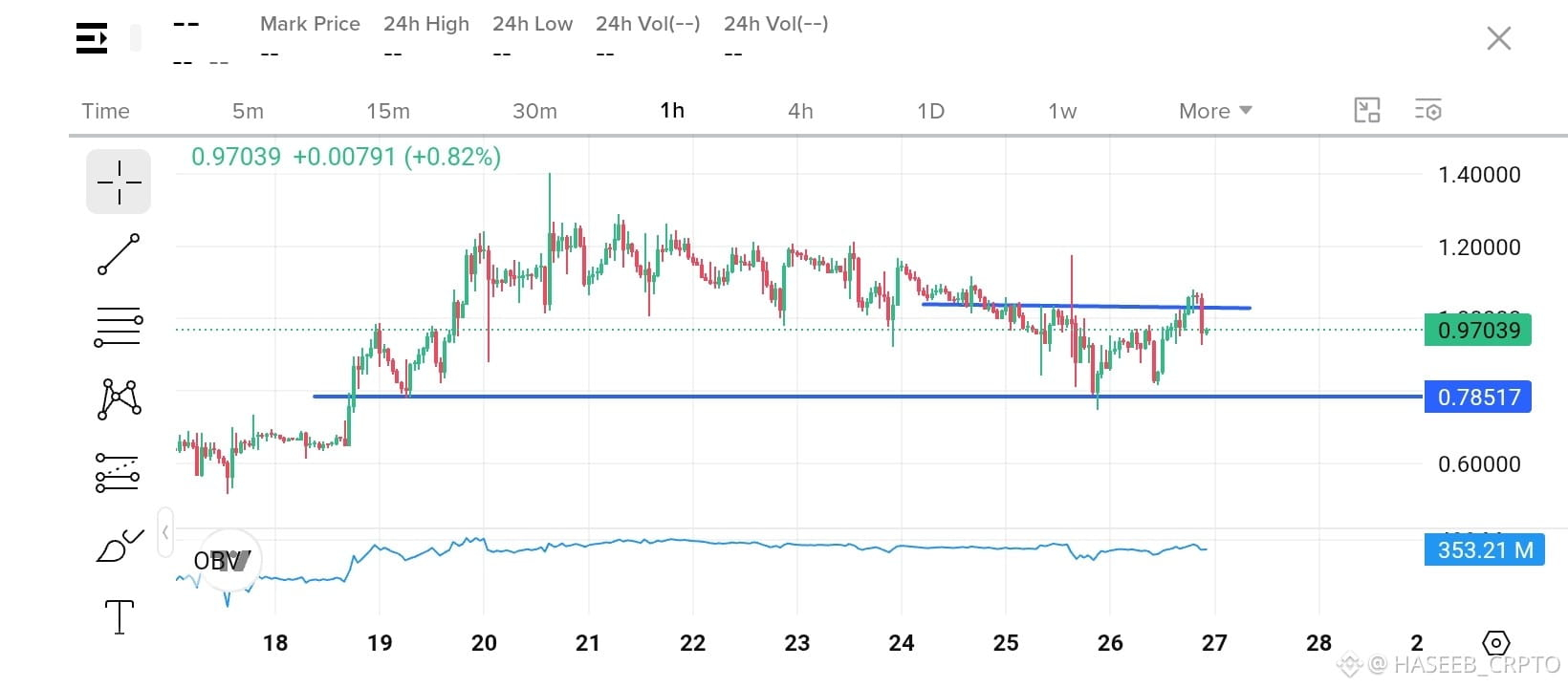
574
·
--
ブリッシュ
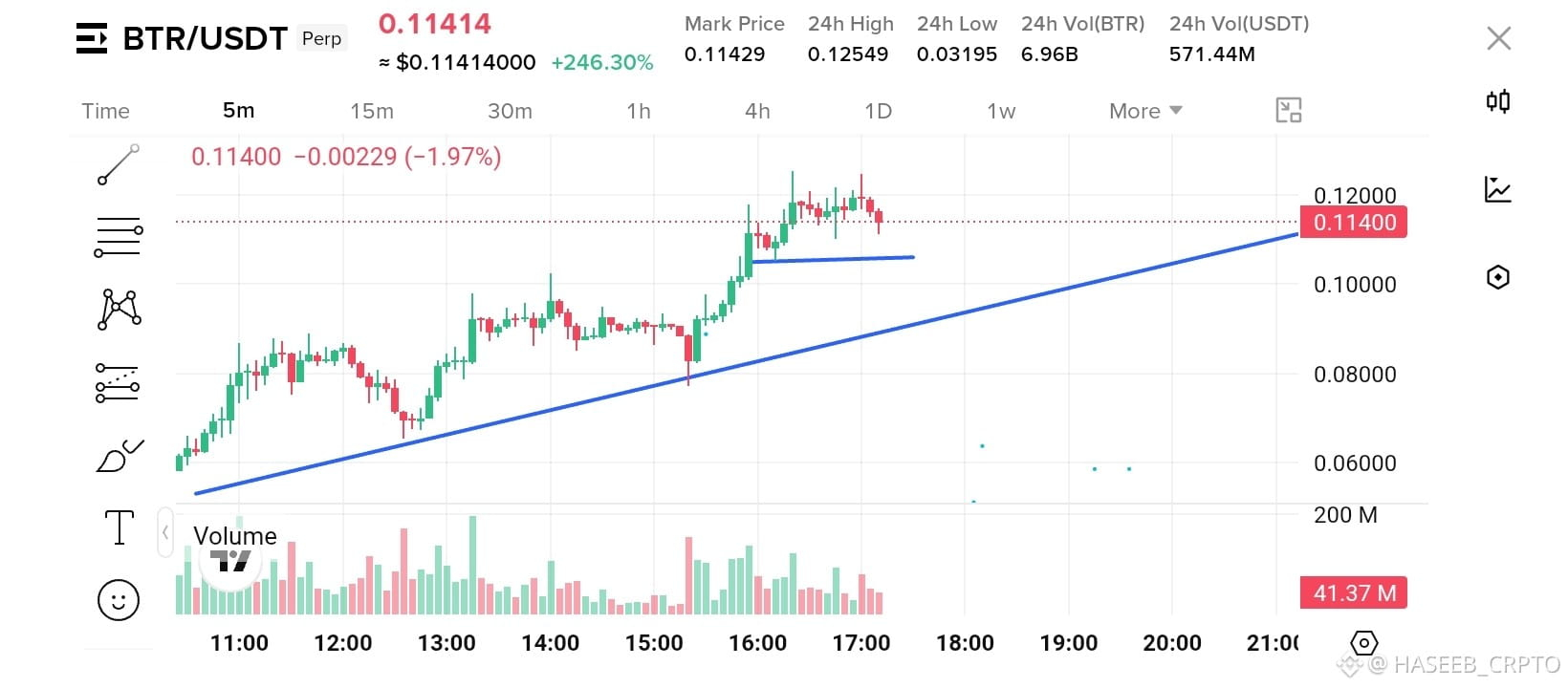
$BTR は強いボリュームを伴って大きく爆発的に急騰し、256%の大幅なポンプを記録しています。私はbtrがこのトレンドラインを尊重して、この強気トレンドの次の大きな波に乗ることを待っています。しかし現在、15分足チャートではダブルトップが形成されており、形成された新しい“より低い高値(higher lower)”は、短期的な押し戻し(短い調整)を示唆しています。この強気トレンドを継続させるには、トレンドラインが守られる必要があります。もしトレンドラインが守られるなら、$0.08のサポートが尊重される必要があります。そうでなければ、シナリオは弱気(berish)になります。
dyor
$BTR は強いボリュームを伴って大きく爆発的に急騰し、256%の大幅なポンプを記録しています。私はbtrがこのトレンドラインを尊重して、この強気トレンドの次の大きな波に乗ることを待っています。しかし現在、15分足チャートではダブルトップが形成されており、形成された新しい“より低い高値(higher lower)”は、短期的な押し戻し(短い調整)を示唆しています。この強気トレンドを継続させるには、トレンドラインが守られる必要があります。もしトレンドラインが守られるなら、$0.08のサポートが尊重される必要があります。そうでなければ、シナリオは弱気(berish)になります。
dyor
dyor
1
4
2.6k
·
--
あの監査レポート、今でも背筋が凍る。
かつて、俺が賭けていたプロトコルを見ていたときのことを思い出す。完全にめちゃくちゃにされたんだ。ハックのせいじゃない——数学的なブレイクスルーによって。だれかがペアリング曲線に潜む微妙な弱点を見つけた。最初は致命的じゃなかった。……ただ、ひび割れが入っていった。そこから構築されていたものがすべて崩れ始めた。署名が失敗する。証明が無効化される。ポジションは清算。💀
その記憶が、俺がDuskの暗号スタックをマッピングしたときに甦った。
見えてくるのはこういう点だ。Duskのアーキテクチャの土台には、BLS12-381、JubJub、Schnorr、Poseidonといったプリミティブがある。BLS12-381は、多くの現代的な証明システムで使われるペアリング対応の楕円曲線。JubJubはGF(q)上で定義されたねじれたエドワーズ曲線——そして肝心なのはここ:GF(q)の選択は、BLS12-381楕円曲線構築のスカラー場になるように決められていること。PoseidonハッシュはBLS12-381のスカラー場上で動作する。PLONK? それはBLS12-381上で動くPLONK証明システムの純粋なRust実装。Schnorr署名はJubJubとPoseidonを使う。
独立した部品じゃない。密に結合されたシステム。一つの依存関係の連鎖だ。
そして、俺がDuskのやり方で実際に評価しているのはここ。彼らは「それが存在しないふり」をしない。AGENTS.mdファイルにはこうオープンに書かれている:"ここにあるバグはコンセンサスとプライバシーに影響する"。順列定数の変更、ラウンド構造、あるいはスポンジ(sponge)ロジックの変更は、nullifier導出、Merkle証明、オンチェーン暗号化を静かに壊しうる。これは怠慢じゃない——工学的な成熟だ。
単一の弱点が存在しないと仮定して、制度的なインフラは作れない。存在を認め、それに合わせて柔軟性を設計し、扉を開けたままにすることで作る。
$DUSK は依存関係の連鎖を隠してなんかいない。理解できるように作っているんだ。
だから、俺の頭から離れない問いがある:土台が移動したら、あなたのインフラはそれに一緒に動ける準備ができているのか?@Dusk_Foundation #dusk $BTR $BMT
あの監査レポート、今でも背筋が凍る。
かつて、俺が賭けていたプロトコルを見ていたときのことを思い出す。完全にめちゃくちゃにされたんだ。ハックのせいじゃない——数学的なブレイクスルーによって。だれかがペアリング曲線に潜む微妙な弱点を見つけた。最初は致命的じゃなかった。……ただ、ひび割れが入っていった。そこから構築されていたものがすべて崩れ始めた。署名が失敗する。証明が無効化される。ポジションは清算。💀
その記憶が、俺がDuskの暗号スタックをマッピングしたときに甦った。
見えてくるのはこういう点だ。Duskのアーキテクチャの土台には、BLS12-381、JubJub、Schnorr、Poseidonといったプリミティブがある。BLS12-381は、多くの現代的な証明システムで使われるペアリング対応の楕円曲線。JubJubはGF(q)上で定義されたねじれたエドワーズ曲線——そして肝心なのはここ:GF(q)の選択は、BLS12-381楕円曲線構築のスカラー場になるように決められていること。PoseidonハッシュはBLS12-381のスカラー場上で動作する。PLONK? それはBLS12-381上で動くPLONK証明システムの純粋なRust実装。Schnorr署名はJubJubとPoseidonを使う。
独立した部品じゃない。密に結合されたシステム。一つの依存関係の連鎖だ。
そして、俺がDuskのやり方で実際に評価しているのはここ。彼らは「それが存在しないふり」をしない。AGENTS.mdファイルにはこうオープンに書かれている:"ここにあるバグはコンセンサスとプライバシーに影響する"。順列定数の変更、ラウンド構造、あるいはスポンジ(sponge)ロジックの変更は、nullifier導出、Merkle証明、オンチェーン暗号化を静かに壊しうる。これは怠慢じゃない——工学的な成熟だ。
単一の弱点が存在しないと仮定して、制度的なインフラは作れない。存在を認め、それに合わせて柔軟性を設計し、扉を開けたままにすることで作る。
$DUSK は依存関係の連鎖を隠してなんかいない。理解できるように作っているんだ。
だから、俺の頭から離れない問いがある:土台が移動したら、あなたのインフラはそれに一緒に動ける準備ができているのか?@Dusk #dusk $BTR $BMT
かつて、俺が賭けていたプロトコルを見ていたときのことを思い出す。完全にめちゃくちゃにされたんだ。ハックのせいじゃない——数学的なブレイクスルーによって。だれかがペアリング曲線に潜む微妙な弱点を見つけた。最初は致命的じゃなかった。……ただ、ひび割れが入っていった。そこから構築されていたものがすべて崩れ始めた。署名が失敗する。証明が無効化される。ポジションは清算。💀
その記憶が、俺がDuskの暗号スタックをマッピングしたときに甦った。
見えてくるのはこういう点だ。Duskのアーキテクチャの土台には、BLS12-381、JubJub、Schnorr、Poseidonといったプリミティブがある。BLS12-381は、多くの現代的な証明システムで使われるペアリング対応の楕円曲線。JubJubはGF(q)上で定義されたねじれたエドワーズ曲線——そして肝心なのはここ:GF(q)の選択は、BLS12-381楕円曲線構築のスカラー場になるように決められていること。PoseidonハッシュはBLS12-381のスカラー場上で動作する。PLONK? それはBLS12-381上で動くPLONK証明システムの純粋なRust実装。Schnorr署名はJubJubとPoseidonを使う。
独立した部品じゃない。密に結合されたシステム。一つの依存関係の連鎖だ。
そして、俺がDuskのやり方で実際に評価しているのはここ。彼らは「それが存在しないふり」をしない。AGENTS.mdファイルにはこうオープンに書かれている:"ここにあるバグはコンセンサスとプライバシーに影響する"。順列定数の変更、ラウンド構造、あるいはスポンジ(sponge)ロジックの変更は、nullifier導出、Merkle証明、オンチェーン暗号化を静かに壊しうる。これは怠慢じゃない——工学的な成熟だ。
単一の弱点が存在しないと仮定して、制度的なインフラは作れない。存在を認め、それに合わせて柔軟性を設計し、扉を開けたままにすることで作る。
$DUSK は依存関係の連鎖を隠してなんかいない。理解できるように作っているんだ。
だから、俺の頭から離れない問いがある:土台が移動したら、あなたのインフラはそれに一緒に動ける準備ができているのか?@Dusk #dusk $BTR $BMT
2
3
125
·
--
弱気相場
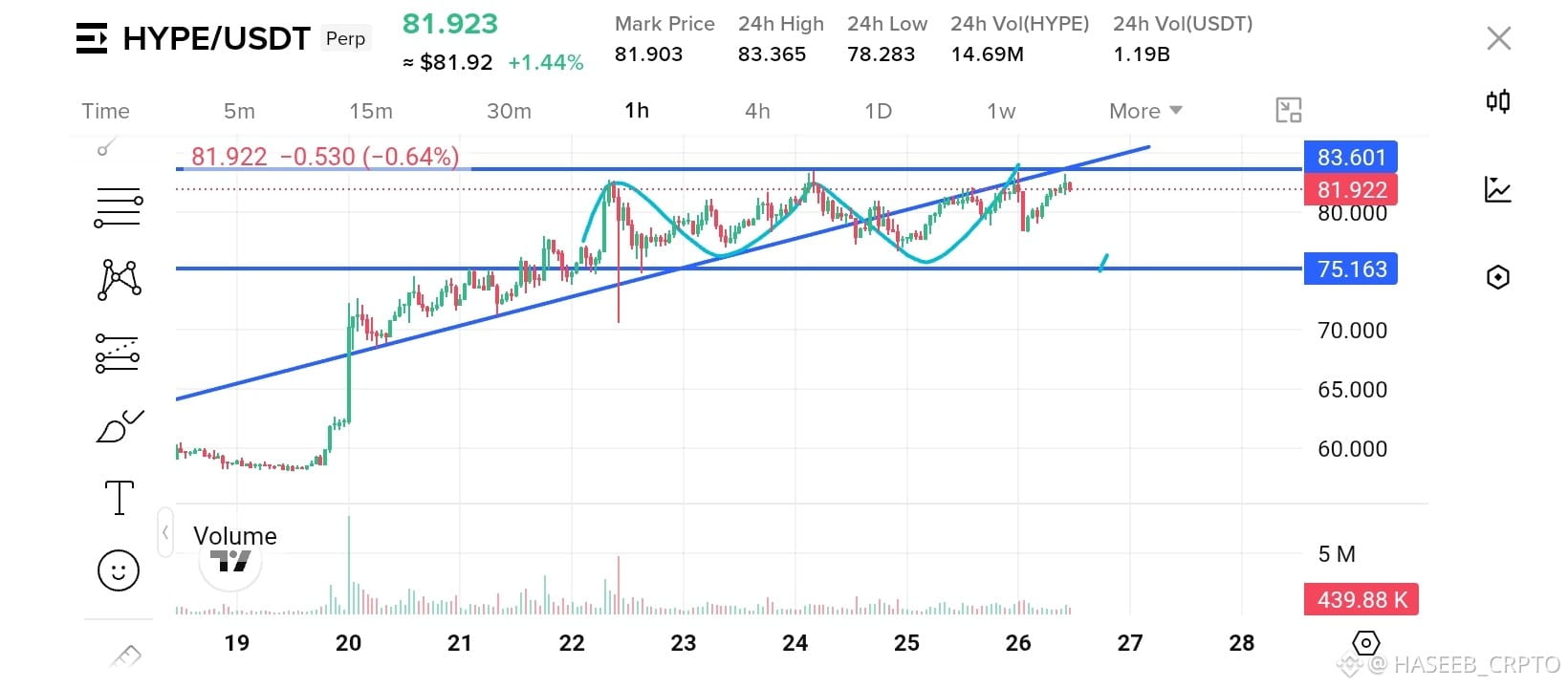
次の一手として$HYPE についてどう思いますか?強気(ブル)か弱気(ベア)か。私の意見では、トリプルトップのパターンが形成されており、価格の動きは1時間足のトレンドラインのブレイクを尊重しています。現時点では有効な押し目が見えていて、弱気トレンドの始まりかもしれません。
dyor
次の一手として$HYPE についてどう思いますか?強気(ブル)か弱気(ベア)か。私の意見では、トリプルトップのパターンが形成されており、価格の動きは1時間足のトレンドラインのブレイクを尊重しています。現時点では有効な押し目が見えていて、弱気トレンドの始まりかもしれません。
dyor
dyor
1
330
·
--
ブリッシュ
かつて、清掃担当者が委託先の資金を見失ってしまったのを見たことがあります。システムが2つの台帳を同期できなかったせいで。
友人の会社は、機関投資家のために公的資産と私的資産の両方を管理していました。ある日、変換が途中で失敗しました。資金は私的台帳から出ていったのに、公的台帳には届きません。システムは「残高が釣り合っている」状態を表示しているのに、お金はどこにもありませんでした。ほどくのに3週間かかったそうです。💀
この記憶が、Duskのデュアルステート・モデルについて読んだときに、別の意味で刺さりました。
アーキテクチャはこうです:公的な送金はMoonlight。私的で秘匿されたノートはPhoenix。どちらも同じチェーンに決済します。Transfer Contractが価値の移動を調整。
きれいでしょ?
でも、ドキュメントが触れていない「穴」があります。状態間の変換がアトミックではないこと。
例えばこう想像してみてください:
· 機関は両ステートにまたがって合計1M DUSKを保有(公的500k、私的500k)
· PhoenixからMoonlightへ200kの変換を開始
· Phoenixノートが消費される
· Moonlight側へのクレジットが失敗、または遅延する
· 総供給が一時的に減少する。200kがシステムから消える
攻撃者は監視して、消費されたノートを検知し、Moonlightがクレジットされていないのを確認する。そのギャップを突いて、Moonlightの残高だけを定期照会している取引所から資金を引き出す。
どちらのステートにも存在しない資金、あるいは両方に存在する資金。
対策は?ZKプローフを備えたUnified State Aggregator(統一ステート集約)。2つのモデルにまたがる保有総額を、個々の取引を明かさずに統一的に提示します。管理者が正確性を検証。同期ギャップなし。裁定取引の余地なし。
$DUSK は実際に規制されたインフラを作っている。でも、アトミックな変換なしのデュアルステート?それは保管(カストディ)に対する時限爆弾です。
Duskは、最初の悪用が起きる前にステート分裂を解決できるのでしょうか? 🤔@Dusk_Foundation #dusk $BMT $TAC
かつて、清掃担当者が委託先の資金を見失ってしまったのを見たことがあります。システムが2つの台帳を同期できなかったせいで。
友人の会社は、機関投資家のために公的資産と私的資産の両方を管理していました。ある日、変換が途中で失敗しました。資金は私的台帳から出ていったのに、公的台帳には届きません。システムは「残高が釣り合っている」状態を表示しているのに、お金はどこにもありませんでした。ほどくのに3週間かかったそうです。💀
この記憶が、Duskのデュアルステート・モデルについて読んだときに、別の意味で刺さりました。
アーキテクチャはこうです:公的な送金はMoonlight。私的で秘匿されたノートはPhoenix。どちらも同じチェーンに決済します。Transfer Contractが価値の移動を調整。
きれいでしょ?
でも、ドキュメントが触れていない「穴」があります。状態間の変換がアトミックではないこと。
例えばこう想像してみてください:
· 機関は両ステートにまたがって合計1M DUSKを保有(公的500k、私的500k)
· PhoenixからMoonlightへ200kの変換を開始
· Phoenixノートが消費される
· Moonlight側へのクレジットが失敗、または遅延する
· 総供給が一時的に減少する。200kがシステムから消える
攻撃者は監視して、消費されたノートを検知し、Moonlightがクレジットされていないのを確認する。そのギャップを突いて、Moonlightの残高だけを定期照会している取引所から資金を引き出す。
どちらのステートにも存在しない資金、あるいは両方に存在する資金。
対策は?ZKプローフを備えたUnified State Aggregator(統一ステート集約)。2つのモデルにまたがる保有総額を、個々の取引を明かさずに統一的に提示します。管理者が正確性を検証。同期ギャップなし。裁定取引の余地なし。
$DUSK は実際に規制されたインフラを作っている。でも、アトミックな変換なしのデュアルステート?それは保管(カストディ)に対する時限爆弾です。
Duskは、最初の悪用が起きる前にステート分裂を解決できるのでしょうか? 🤔@Dusk #dusk $BMT $TAC
友人の会社は、機関投資家のために公的資産と私的資産の両方を管理していました。ある日、変換が途中で失敗しました。資金は私的台帳から出ていったのに、公的台帳には届きません。システムは「残高が釣り合っている」状態を表示しているのに、お金はどこにもありませんでした。ほどくのに3週間かかったそうです。💀
この記憶が、Duskのデュアルステート・モデルについて読んだときに、別の意味で刺さりました。
アーキテクチャはこうです:公的な送金はMoonlight。私的で秘匿されたノートはPhoenix。どちらも同じチェーンに決済します。Transfer Contractが価値の移動を調整。
きれいでしょ?
でも、ドキュメントが触れていない「穴」があります。状態間の変換がアトミックではないこと。
例えばこう想像してみてください:
· 機関は両ステートにまたがって合計1M DUSKを保有(公的500k、私的500k)
· PhoenixからMoonlightへ200kの変換を開始
· Phoenixノートが消費される
· Moonlight側へのクレジットが失敗、または遅延する
· 総供給が一時的に減少する。200kがシステムから消える
攻撃者は監視して、消費されたノートを検知し、Moonlightがクレジットされていないのを確認する。そのギャップを突いて、Moonlightの残高だけを定期照会している取引所から資金を引き出す。
どちらのステートにも存在しない資金、あるいは両方に存在する資金。
対策は?ZKプローフを備えたUnified State Aggregator(統一ステート集約)。2つのモデルにまたがる保有総額を、個々の取引を明かさずに統一的に提示します。管理者が正確性を検証。同期ギャップなし。裁定取引の余地なし。
$DUSK は実際に規制されたインフラを作っている。でも、アトミックな変換なしのデュアルステート?それは保管(カストディ)に対する時限爆弾です。
Duskは、最初の悪用が起きる前にステート分裂を解決できるのでしょうか? 🤔@Dusk #dusk $BMT $TAC
1
2
211
·
--
ブリッシュ
KYCの悪夢が国境を越えた取引を壊すのを見てきました。
数年前、KYCの本人確認に6週間かかったせいで、ファンドマネージャーが巨大な機関投資家を失うのを目の当たりにしました。管轄が違う。要件が矛盾している。投資家は待つのに疲れて離れていき、案件は崩壊しました。世界の資本のスピードにコンプライアンスが追いつけなかったからです。💀
その記憶が、シタデルの「ワンタイムKYC」モデルについて読んだときに、また別の意味を持ちました。
提案はこうです:ライセンスプロバイダーと一度だけKYCを完了する。サービスプロバイダーは、そのライセンスを証明として受け入れる。これで複数回の確認プロセスは不要。コストは下がり、効率は上がる。
完璧に聞こえますよね?
でも、ドキュメントが軽く流している大きな見落としがあります。管轄(司法権)の基準は統一されていないことです。
たとえばこんな状況を想像してみてください:
· ユーザーがオランダでKYCを完了。AFMのルールに基づき「適格投資家」としてライセンスされる。GDPRに準拠。
· そのライセンスをシンガポールの取引プラットフォームに持ち込む。MASはより厳しい要件—純資産の閾値が高い、除外事項も異なる。
· プラットフォームはオランダのライセンスを受け入れる。取引は決済される。規制当局が調査に入る。
· 誰が責任を負う? プラットフォームは「シタデルを参照して依拠した」と主張。LPは「オランダのルールだけを確認した」と主張。ユーザーは「知らなかった」と主張する。
規制当局はプラットフォームに罰金。コンプライアンスの削減効果? なくなります。
記事は「グローバルなコンプライアンス」を称賛しています。でもコンプライアンスはグローバルではなく、ローカルです。そしてローカル基準は噛み合いません。
解決策は? 管轄(司法権)ごとのライセンスレジストリと、ZKのコンバージョン(変換)証明。発行管轄と紐づけてライセンスにタグを付ける。国境を越える際に、ユーザーは、自分の検証済み属性が到達先(destination)の基準を満たしていることを証明します。SPは、LPが現地のライセンスを不要にしても、コンプライアンスを検証できます。
$DUSK は規制市場のための実際のインフラを構築しています。ですが「ワンタイムKYC」は、規制当局がKYCの意味について合意している場合に限って機能します。しかも彼らは合意していません。
シタデルは、最初の国境を越えた監査の失敗が起きる前に、管轄の不整合を解消できるのでしょうか?@Dusk_Foundation #dusk $PORTAL $STORJ 🤔
KYCの悪夢が国境を越えた取引を壊すのを見てきました。
数年前、KYCの本人確認に6週間かかったせいで、ファンドマネージャーが巨大な機関投資家を失うのを目の当たりにしました。管轄が違う。要件が矛盾している。投資家は待つのに疲れて離れていき、案件は崩壊しました。世界の資本のスピードにコンプライアンスが追いつけなかったからです。💀
その記憶が、シタデルの「ワンタイムKYC」モデルについて読んだときに、また別の意味を持ちました。
提案はこうです:ライセンスプロバイダーと一度だけKYCを完了する。サービスプロバイダーは、そのライセンスを証明として受け入れる。これで複数回の確認プロセスは不要。コストは下がり、効率は上がる。
完璧に聞こえますよね?
でも、ドキュメントが軽く流している大きな見落としがあります。管轄(司法権)の基準は統一されていないことです。
たとえばこんな状況を想像してみてください:
· ユーザーがオランダでKYCを完了。AFMのルールに基づき「適格投資家」としてライセンスされる。GDPRに準拠。
· そのライセンスをシンガポールの取引プラットフォームに持ち込む。MASはより厳しい要件—純資産の閾値が高い、除外事項も異なる。
· プラットフォームはオランダのライセンスを受け入れる。取引は決済される。規制当局が調査に入る。
· 誰が責任を負う? プラットフォームは「シタデルを参照して依拠した」と主張。LPは「オランダのルールだけを確認した」と主張。ユーザーは「知らなかった」と主張する。
規制当局はプラットフォームに罰金。コンプライアンスの削減効果? なくなります。
記事は「グローバルなコンプライアンス」を称賛しています。でもコンプライアンスはグローバルではなく、ローカルです。そしてローカル基準は噛み合いません。
解決策は? 管轄(司法権)ごとのライセンスレジストリと、ZKのコンバージョン(変換)証明。発行管轄と紐づけてライセンスにタグを付ける。国境を越える際に、ユーザーは、自分の検証済み属性が到達先(destination)の基準を満たしていることを証明します。SPは、LPが現地のライセンスを不要にしても、コンプライアンスを検証できます。
$DUSK は規制市場のための実際のインフラを構築しています。ですが「ワンタイムKYC」は、規制当局がKYCの意味について合意している場合に限って機能します。しかも彼らは合意していません。
シタデルは、最初の国境を越えた監査の失敗が起きる前に、管轄の不整合を解消できるのでしょうか?@Dusk #dusk $PORTAL $STORJ 🤔
数年前、KYCの本人確認に6週間かかったせいで、ファンドマネージャーが巨大な機関投資家を失うのを目の当たりにしました。管轄が違う。要件が矛盾している。投資家は待つのに疲れて離れていき、案件は崩壊しました。世界の資本のスピードにコンプライアンスが追いつけなかったからです。💀
その記憶が、シタデルの「ワンタイムKYC」モデルについて読んだときに、また別の意味を持ちました。
提案はこうです:ライセンスプロバイダーと一度だけKYCを完了する。サービスプロバイダーは、そのライセンスを証明として受け入れる。これで複数回の確認プロセスは不要。コストは下がり、効率は上がる。
完璧に聞こえますよね?
でも、ドキュメントが軽く流している大きな見落としがあります。管轄(司法権)の基準は統一されていないことです。
たとえばこんな状況を想像してみてください:
· ユーザーがオランダでKYCを完了。AFMのルールに基づき「適格投資家」としてライセンスされる。GDPRに準拠。
· そのライセンスをシンガポールの取引プラットフォームに持ち込む。MASはより厳しい要件—純資産の閾値が高い、除外事項も異なる。
· プラットフォームはオランダのライセンスを受け入れる。取引は決済される。規制当局が調査に入る。
· 誰が責任を負う? プラットフォームは「シタデルを参照して依拠した」と主張。LPは「オランダのルールだけを確認した」と主張。ユーザーは「知らなかった」と主張する。
規制当局はプラットフォームに罰金。コンプライアンスの削減効果? なくなります。
記事は「グローバルなコンプライアンス」を称賛しています。でもコンプライアンスはグローバルではなく、ローカルです。そしてローカル基準は噛み合いません。
解決策は? 管轄(司法権)ごとのライセンスレジストリと、ZKのコンバージョン(変換)証明。発行管轄と紐づけてライセンスにタグを付ける。国境を越える際に、ユーザーは、自分の検証済み属性が到達先(destination)の基準を満たしていることを証明します。SPは、LPが現地のライセンスを不要にしても、コンプライアンスを検証できます。
$DUSK は規制市場のための実際のインフラを構築しています。ですが「ワンタイムKYC」は、規制当局がKYCの意味について合意している場合に限って機能します。しかも彼らは合意していません。
シタデルは、最初の国境を越えた監査の失敗が起きる前に、管轄の不整合を解消できるのでしょうか?@Dusk #dusk $PORTAL $STORJ 🤔
1
1
298
·
--
ブリッシュ
ブロックチェーンは“信頼できる第三者”を葬るはずだった。
「信頼するな、検証せよ」という合言葉が当時どれほど革命的に感じられたか、私は覚えている。銀行も、門番も、中間業者もいない。あるのはコードと暗号だけだ。
でも、問題がある。機関は信頼不要(トラストレス)を望んでいない。望んでいるのは、コントロールされた信頼だ。
だから、ダスクのコンプライアンス・フレームワークを読んだとき、私ははっと気づかされた。ZKプローフは選択的開示を可能にする。規制当局は必要なときに監査できる。市場参加者が誰に何を見せるかを決める。なんて素晴らしいんだろう?
……しかし、それは私が無視できない土台の上に築かれている。
誰がコンプライアンスを定義するのか?誰が証明を検証するのか?監査が「必要」となるのは誰が決めるのか?このプロトコルは答えを示さず、規制当局こそが最終的な権威だとただ前提している。
それは信頼の最小化ではない。信頼の“移転”だ。
誤解しないでほしい。ダスクのモデルはTradFi(伝統的金融)からの大きな前進だ。より速く、より効率的で、従来の仕組みよりも市場参加者に多くのコントロールを与える。
ただし、はっきり言おう。それは“何ではないのか”についても誠実であるべきだ。初期の暗号資産が約束していた“トラストレス革命”ではない。
規制当局は銀行と同じくらいトラストレスではない。違いがあるのは、インセンティブが別だというだけだ。
本当の試金石はこれだ。オランダAFMのルールに基づいて発行された証券を、フランスの投資家が買う。AMFは別の見解を示したら、いったいどうなる?
コンプライアンス・フレームワークは単一の法域に結びついている。それは解決策ではない。起きるべくして起きる、分断のメカニズムだ。
ブロックチェーン導入の次のフェーズは、機関によって推進されるだろう。$DUSK は、その現実に美しくフィットする形で位置づけられている。
しかし、機関には紐がつきものだ。問題は、暗号の倫理と規制の現実の両方に役立つシステムを構築できるのか、それとも「コンプライアンス対応のプライバシー」が、ただ「信頼してください。私たちはいい人です」と言い換えただけなのか、ということだ。🤔#dusk @Dusk_Foundation $ACE $BTW
ブロックチェーンは“信頼できる第三者”を葬るはずだった。
「信頼するな、検証せよ」という合言葉が当時どれほど革命的に感じられたか、私は覚えている。銀行も、門番も、中間業者もいない。あるのはコードと暗号だけだ。
でも、問題がある。機関は信頼不要(トラストレス)を望んでいない。望んでいるのは、コントロールされた信頼だ。
だから、ダスクのコンプライアンス・フレームワークを読んだとき、私ははっと気づかされた。ZKプローフは選択的開示を可能にする。規制当局は必要なときに監査できる。市場参加者が誰に何を見せるかを決める。なんて素晴らしいんだろう?
……しかし、それは私が無視できない土台の上に築かれている。
誰がコンプライアンスを定義するのか?誰が証明を検証するのか?監査が「必要」となるのは誰が決めるのか?このプロトコルは答えを示さず、規制当局こそが最終的な権威だとただ前提している。
それは信頼の最小化ではない。信頼の“移転”だ。
誤解しないでほしい。ダスクのモデルはTradFi(伝統的金融)からの大きな前進だ。より速く、より効率的で、従来の仕組みよりも市場参加者に多くのコントロールを与える。
ただし、はっきり言おう。それは“何ではないのか”についても誠実であるべきだ。初期の暗号資産が約束していた“トラストレス革命”ではない。
規制当局は銀行と同じくらいトラストレスではない。違いがあるのは、インセンティブが別だというだけだ。
本当の試金石はこれだ。オランダAFMのルールに基づいて発行された証券を、フランスの投資家が買う。AMFは別の見解を示したら、いったいどうなる?
コンプライアンス・フレームワークは単一の法域に結びついている。それは解決策ではない。起きるべくして起きる、分断のメカニズムだ。
ブロックチェーン導入の次のフェーズは、機関によって推進されるだろう。$DUSK は、その現実に美しくフィットする形で位置づけられている。
しかし、機関には紐がつきものだ。問題は、暗号の倫理と規制の現実の両方に役立つシステムを構築できるのか、それとも「コンプライアンス対応のプライバシー」が、ただ「信頼してください。私たちはいい人です」と言い換えただけなのか、ということだ。🤔#dusk @Dusk $ACE $BTW
「信頼するな、検証せよ」という合言葉が当時どれほど革命的に感じられたか、私は覚えている。銀行も、門番も、中間業者もいない。あるのはコードと暗号だけだ。
でも、問題がある。機関は信頼不要(トラストレス)を望んでいない。望んでいるのは、コントロールされた信頼だ。
だから、ダスクのコンプライアンス・フレームワークを読んだとき、私ははっと気づかされた。ZKプローフは選択的開示を可能にする。規制当局は必要なときに監査できる。市場参加者が誰に何を見せるかを決める。なんて素晴らしいんだろう?
……しかし、それは私が無視できない土台の上に築かれている。
誰がコンプライアンスを定義するのか?誰が証明を検証するのか?監査が「必要」となるのは誰が決めるのか?このプロトコルは答えを示さず、規制当局こそが最終的な権威だとただ前提している。
それは信頼の最小化ではない。信頼の“移転”だ。
誤解しないでほしい。ダスクのモデルはTradFi(伝統的金融)からの大きな前進だ。より速く、より効率的で、従来の仕組みよりも市場参加者に多くのコントロールを与える。
ただし、はっきり言おう。それは“何ではないのか”についても誠実であるべきだ。初期の暗号資産が約束していた“トラストレス革命”ではない。
規制当局は銀行と同じくらいトラストレスではない。違いがあるのは、インセンティブが別だというだけだ。
本当の試金石はこれだ。オランダAFMのルールに基づいて発行された証券を、フランスの投資家が買う。AMFは別の見解を示したら、いったいどうなる?
コンプライアンス・フレームワークは単一の法域に結びついている。それは解決策ではない。起きるべくして起きる、分断のメカニズムだ。
ブロックチェーン導入の次のフェーズは、機関によって推進されるだろう。$DUSK は、その現実に美しくフィットする形で位置づけられている。
しかし、機関には紐がつきものだ。問題は、暗号の倫理と規制の現実の両方に役立つシステムを構築できるのか、それとも「コンプライアンス対応のプライバシー」が、ただ「信頼してください。私たちはいい人です」と言い換えただけなのか、ということだ。🤔#dusk @Dusk $ACE $BTW
compliance
100%
privacy
0%
1 投票 • 投票は終了しました
184
·
--
ブリッシュ
友人のトークンが2つのチェーンに分裂していくのを見たときのストレスを、私は覚えている。
彼は、両方の環境に同じアセットを発行すれば賢く立ち回れて、どこでも流動性を取り込めると思っていた。だが結果は、コミュニティが分断されていく光景だった。あるバージョンには保有者の半分、別のバージョンには半分。アービトラージ・ボットが価値を根こそぎ削り取った。統合しようとした頃には、もう遅すぎた。被害は出尽くしていた。💀
その記憶が、Duskのデュアル実行環境について読んだ瞬間に駆け戻ってきた。
ドキュメントが提示する選択はこうだ。Solidity開発者向けのDuskEVM。プライバシーとZK機能を備えたRust/WASMコントラクト向けのDuskVM。自分の道を選べ、というわけだ。簡単だよね?
……しかし、それは中立な選択ではない。これはアーキテクチャ上の分岐だ。
ブリッジはDUSKと、両方の環境間のメッセージを移動させる。BUT、ここが重要だが、ドキュメントは非DUSK資産がそれらの間を移動できるのかどうかについて、あまりに明確に沈黙している。
そこで、制度設計上の罠:
· DuskEVMでトークン化された債券を発行する? 開発者はSolidityに慣れている。いいね。でも、あなたがDuskに惹かれた“まさにその”プライバシーのプリミティブから締め出される。
· DuskVMで発行する? プライバシーは得られる。でもEVMエコシステムのウォレット、ツール、そして流動性から切り離される。
ブリッジは壁であり、ドアがあるだけ。統合ではない。
ドキュメントはこれを「選択」と呼んでいる。だが実際には、制度的な発行者にとっての“ソフィーの選択”だ。開発者の馴染みやすさを犠牲にしてプライバシーを取るか、プライバシーを犠牲にして開発者の馴染みやすさを取るか。
解決策は? 統一されたアセット・レジストリ。所有と供給の唯一の正本(canonical source)を1つにする。DuskEVMとDuskVMは、同じ基盤の状態の“見え方(ビュー)”にすぎない。ブリッジは不要だ。資産はレジストリに存在する。両方の環境がそこから読み、そこへ書き込む。
$DUSK は、しっかりしたインフラを作ろうとしている。だが「マルチVM」で、共有されるアセット状態がないなら、それは見栄えの良い名前を付けただけの分断に過ぎない。
問題は、機関がそれに気づくのは、導入(デプロイ)の前か後か? 🤔
$AVAAI $ENA
友人のトークンが2つのチェーンに分裂していくのを見たときのストレスを、私は覚えている。
彼は、両方の環境に同じアセットを発行すれば賢く立ち回れて、どこでも流動性を取り込めると思っていた。だが結果は、コミュニティが分断されていく光景だった。あるバージョンには保有者の半分、別のバージョンには半分。アービトラージ・ボットが価値を根こそぎ削り取った。統合しようとした頃には、もう遅すぎた。被害は出尽くしていた。💀
その記憶が、Duskのデュアル実行環境について読んだ瞬間に駆け戻ってきた。
ドキュメントが提示する選択はこうだ。Solidity開発者向けのDuskEVM。プライバシーとZK機能を備えたRust/WASMコントラクト向けのDuskVM。自分の道を選べ、というわけだ。簡単だよね?
……しかし、それは中立な選択ではない。これはアーキテクチャ上の分岐だ。
ブリッジはDUSKと、両方の環境間のメッセージを移動させる。BUT、ここが重要だが、ドキュメントは非DUSK資産がそれらの間を移動できるのかどうかについて、あまりに明確に沈黙している。
そこで、制度設計上の罠:
· DuskEVMでトークン化された債券を発行する? 開発者はSolidityに慣れている。いいね。でも、あなたがDuskに惹かれた“まさにその”プライバシーのプリミティブから締め出される。
· DuskVMで発行する? プライバシーは得られる。でもEVMエコシステムのウォレット、ツール、そして流動性から切り離される。
ブリッジは壁であり、ドアがあるだけ。統合ではない。
ドキュメントはこれを「選択」と呼んでいる。だが実際には、制度的な発行者にとっての“ソフィーの選択”だ。開発者の馴染みやすさを犠牲にしてプライバシーを取るか、プライバシーを犠牲にして開発者の馴染みやすさを取るか。
解決策は? 統一されたアセット・レジストリ。所有と供給の唯一の正本(canonical source)を1つにする。DuskEVMとDuskVMは、同じ基盤の状態の“見え方(ビュー)”にすぎない。ブリッジは不要だ。資産はレジストリに存在する。両方の環境がそこから読み、そこへ書き込む。
$DUSK は、しっかりしたインフラを作ろうとしている。だが「マルチVM」で、共有されるアセット状態がないなら、それは見栄えの良い名前を付けただけの分断に過ぎない。
問題は、機関がそれに気づくのは、導入(デプロイ)の前か後か? 🤔
$AVAAI $ENA
彼は、両方の環境に同じアセットを発行すれば賢く立ち回れて、どこでも流動性を取り込めると思っていた。だが結果は、コミュニティが分断されていく光景だった。あるバージョンには保有者の半分、別のバージョンには半分。アービトラージ・ボットが価値を根こそぎ削り取った。統合しようとした頃には、もう遅すぎた。被害は出尽くしていた。💀
その記憶が、Duskのデュアル実行環境について読んだ瞬間に駆け戻ってきた。
ドキュメントが提示する選択はこうだ。Solidity開発者向けのDuskEVM。プライバシーとZK機能を備えたRust/WASMコントラクト向けのDuskVM。自分の道を選べ、というわけだ。簡単だよね?
……しかし、それは中立な選択ではない。これはアーキテクチャ上の分岐だ。
ブリッジはDUSKと、両方の環境間のメッセージを移動させる。BUT、ここが重要だが、ドキュメントは非DUSK資産がそれらの間を移動できるのかどうかについて、あまりに明確に沈黙している。
そこで、制度設計上の罠:
· DuskEVMでトークン化された債券を発行する? 開発者はSolidityに慣れている。いいね。でも、あなたがDuskに惹かれた“まさにその”プライバシーのプリミティブから締め出される。
· DuskVMで発行する? プライバシーは得られる。でもEVMエコシステムのウォレット、ツール、そして流動性から切り離される。
ブリッジは壁であり、ドアがあるだけ。統合ではない。
ドキュメントはこれを「選択」と呼んでいる。だが実際には、制度的な発行者にとっての“ソフィーの選択”だ。開発者の馴染みやすさを犠牲にしてプライバシーを取るか、プライバシーを犠牲にして開発者の馴染みやすさを取るか。
解決策は? 統一されたアセット・レジストリ。所有と供給の唯一の正本(canonical source)を1つにする。DuskEVMとDuskVMは、同じ基盤の状態の“見え方(ビュー)”にすぎない。ブリッジは不要だ。資産はレジストリに存在する。両方の環境がそこから読み、そこへ書き込む。
$DUSK は、しっかりしたインフラを作ろうとしている。だが「マルチVM」で、共有されるアセット状態がないなら、それは見栄えの良い名前を付けただけの分断に過ぎない。
問題は、機関がそれに気づくのは、導入(デプロイ)の前か後か? 🤔
$AVAAI $ENA
bridge
0%
Dusk's dual execution
100%
duskevm and duskvm
0%
1 投票 • 投票は終了しました
1
1
195
·
--
ブリッシュ
TermMaxで自分の「往復注文(Two-Way)」に自分が搾り取られるまでの経緯 🤡
「賢いことをしてる」と思った。$TERMMAXにTwo-Way Range Orderを設定して、借り手と貸し手のカーブ間のスプレッドを稼げばいい。簡単な不労所得だよね?
でも違った。
ここからは、痛い目を見て学んだこと。借り手がBorrowing Curveを埋めると、あなたのGT債務は「元本+利回り(Yield)」で増幅される。貸し手がLending Curveを埋める場合、あなたが得られるのはFTを返してもらうだけ。単純な計算でしょ?
ただし肝心なのは、Borrowing Curveを埋める「借り手」が、Lending Curveを埋める「貸し手」より多いと、あなたのバランスシートが核爆発みたいになること:
· 現金が増える ✅
· GT債務がもっと増える(※その利回りの上乗せのせいで)✅✅
· FTの在庫は低いまま ❌
そうなると、債務をまかなうために、オープン市場でFTを買いにいかされる。しかも市場はそれを知っている。クジラがこれらの注文を監視して、スクイーズ(搾り取り)を引き起こすために意図的にBorrowing Curveを埋めるんだ。さらにクジラはFTをショートして、あなたがより高い価格で買わざるを得なくなったときに利益を得る。 💀
これに気づく前に、ある1注文で$200負けた。稼げたスプレッドは、その搾り取り損の端金みたいなものだった。
Two-Way Range Orderは中立じゃない。受動的な所得の顔をした、実質的に方向性のある賭けだ。あなたの在庫の偏りを悪用したい相手に対して、無料オプションを売っているのと同じ。
対策?今は注文の流れを必死に監視してる。Borrowing CurveがLending Curveより3ブロック連続で早く埋まるなら、キャンセルしてポジションを組み直す。それに、ヘッジ用に余分なFT準備も持ち始めた。
$TermMaxは素晴らしいツールを作ってくれた。でも、その非対称性はガチだ。自分みたいに痛い目を見ないで。#TermMax @termmax
$ACE $AVAAI
TermMaxで自分の「往復注文(Two-Way)」に自分が搾り取られるまでの経緯 🤡
「賢いことをしてる」と思った。$TERMMAXにTwo-Way Range Orderを設定して、借り手と貸し手のカーブ間のスプレッドを稼げばいい。簡単な不労所得だよね?
でも違った。
ここからは、痛い目を見て学んだこと。借り手がBorrowing Curveを埋めると、あなたのGT債務は「元本+利回り(Yield)」で増幅される。貸し手がLending Curveを埋める場合、あなたが得られるのはFTを返してもらうだけ。単純な計算でしょ?
ただし肝心なのは、Borrowing Curveを埋める「借り手」が、Lending Curveを埋める「貸し手」より多いと、あなたのバランスシートが核爆発みたいになること:
· 現金が増える ✅
· GT債務がもっと増える(※その利回りの上乗せのせいで)✅✅
· FTの在庫は低いまま ❌
そうなると、債務をまかなうために、オープン市場でFTを買いにいかされる。しかも市場はそれを知っている。クジラがこれらの注文を監視して、スクイーズ(搾り取り)を引き起こすために意図的にBorrowing Curveを埋めるんだ。さらにクジラはFTをショートして、あなたがより高い価格で買わざるを得なくなったときに利益を得る。 💀
これに気づく前に、ある1注文で$200負けた。稼げたスプレッドは、その搾り取り損の端金みたいなものだった。
Two-Way Range Orderは中立じゃない。受動的な所得の顔をした、実質的に方向性のある賭けだ。あなたの在庫の偏りを悪用したい相手に対して、無料オプションを売っているのと同じ。
対策?今は注文の流れを必死に監視してる。Borrowing CurveがLending Curveより3ブロック連続で早く埋まるなら、キャンセルしてポジションを組み直す。それに、ヘッジ用に余分なFT準備も持ち始めた。
$TermMaxは素晴らしいツールを作ってくれた。でも、その非対称性はガチだ。自分みたいに痛い目を見ないで。#TermMax @TermMax
$ACE $AVAAI
「賢いことをしてる」と思った。$TERMMAXにTwo-Way Range Orderを設定して、借り手と貸し手のカーブ間のスプレッドを稼げばいい。簡単な不労所得だよね?
でも違った。
ここからは、痛い目を見て学んだこと。借り手がBorrowing Curveを埋めると、あなたのGT債務は「元本+利回り(Yield)」で増幅される。貸し手がLending Curveを埋める場合、あなたが得られるのはFTを返してもらうだけ。単純な計算でしょ?
ただし肝心なのは、Borrowing Curveを埋める「借り手」が、Lending Curveを埋める「貸し手」より多いと、あなたのバランスシートが核爆発みたいになること:
· 現金が増える ✅
· GT債務がもっと増える(※その利回りの上乗せのせいで)✅✅
· FTの在庫は低いまま ❌
そうなると、債務をまかなうために、オープン市場でFTを買いにいかされる。しかも市場はそれを知っている。クジラがこれらの注文を監視して、スクイーズ(搾り取り)を引き起こすために意図的にBorrowing Curveを埋めるんだ。さらにクジラはFTをショートして、あなたがより高い価格で買わざるを得なくなったときに利益を得る。 💀
これに気づく前に、ある1注文で$200負けた。稼げたスプレッドは、その搾り取り損の端金みたいなものだった。
Two-Way Range Orderは中立じゃない。受動的な所得の顔をした、実質的に方向性のある賭けだ。あなたの在庫の偏りを悪用したい相手に対して、無料オプションを売っているのと同じ。
対策?今は注文の流れを必死に監視してる。Borrowing CurveがLending Curveより3ブロック連続で早く埋まるなら、キャンセルしてポジションを組み直す。それに、ヘッジ用に余分なFT準備も持ち始めた。
$TermMaxは素晴らしいツールを作ってくれた。でも、その非対称性はガチだ。自分みたいに痛い目を見ないで。#TermMax @TermMax
$ACE $AVAAI
two way range order
0%
fx and gt token
0%
0 投票 • 投票は終了しました
4
500
·
--
ブリッシュ
私は「互換」システムがトレーダーを食い物にするのを見てきた。
2021年のことだ。あるDeFiプロトコルが、クロスチェーンブリッジで両側に異なる小数精度を使っていたせいで、数百万人規模の損失を出すのを目の当たりにした。計算は正しく見えた。取引も通った。でも、そのほんのわずかな丸め誤差のギャップ? それを狙って裁定(アービトラージ)ボットが何週間もむさぼり続けるまで、誰も気づかなかった。気づいた時には、もう手遅れだった。💀
DuskEVMのアダプタに関する読み物が、記憶を別の形で呼び起こした。
Hein Dauvenはそれを「重要な配管(critical plumbing)」と呼ぶ——Duskの状態をインデックスし、ネイティブデータをEthereum互換のレスポンスへマッピングする。すっきりして聞こえるよね?
でも落とし穴がある。DuskはL1でLUXを使う。EthereumのツールはWEIを想定している。Duskは別のアカウントモデル、別の呼び出し元(caller)識別、別の実行制約を持つ。アダプタは単なる翻訳者ではない——「解釈者」なんだ。
そして、その「解釈」の選択肢はすべて? 攻撃面になる。
ずっと頭から離れないシナリオがある。
• アダプタは固定レートでLUXをWEIへ変換する
• Duskの精度はEthereumのWEIモデルと異なる
• アダプタは変換の際に丸める/切り捨てる/パディングする
• 攻撃者は、解釈が決済の現実と食い違う正確な境界を見つける
• スマートコントラクトはアダプタのWEI版で実行される。DuskDSは実際のLUX値を決済する
• そのギャップは? 抽出可能な価値になる
「ほとんどのEVM挙動は同一」というのは、その一部は違うという意味でもある。COINBASE、PREVRANDAO、ORIGIN——違いが“悪用の居場所”だ。
対策は? アダプタを信用しないこと。すべての翻訳に対してZKプルーフを要求する。スマートコントラクトは行動する前に証明を検証し、解釈を信頼することなく意味論的同値性を保証する。
$DUSK は、真面目な規制対応インフラを構築している。だが「EVM互換」で意味論的同値性がなければ、それは脆弱性の“別パッケージ”にすぎない。
彼らはそれを「EVM-equivalent」や「compatible facade(互換性のある外観)」と呼ぶのだろうか?
@Dusk_Foundation #dusk $MAGMA $BIO
私は「互換」システムがトレーダーを食い物にするのを見てきた。
2021年のことだ。あるDeFiプロトコルが、クロスチェーンブリッジで両側に異なる小数精度を使っていたせいで、数百万人規模の損失を出すのを目の当たりにした。計算は正しく見えた。取引も通った。でも、そのほんのわずかな丸め誤差のギャップ? それを狙って裁定(アービトラージ)ボットが何週間もむさぼり続けるまで、誰も気づかなかった。気づいた時には、もう手遅れだった。💀
DuskEVMのアダプタに関する読み物が、記憶を別の形で呼び起こした。
Hein Dauvenはそれを「重要な配管(critical plumbing)」と呼ぶ——Duskの状態をインデックスし、ネイティブデータをEthereum互換のレスポンスへマッピングする。すっきりして聞こえるよね?
でも落とし穴がある。DuskはL1でLUXを使う。EthereumのツールはWEIを想定している。Duskは別のアカウントモデル、別の呼び出し元(caller)識別、別の実行制約を持つ。アダプタは単なる翻訳者ではない——「解釈者」なんだ。
そして、その「解釈」の選択肢はすべて? 攻撃面になる。
ずっと頭から離れないシナリオがある。
• アダプタは固定レートでLUXをWEIへ変換する
• Duskの精度はEthereumのWEIモデルと異なる
• アダプタは変換の際に丸める/切り捨てる/パディングする
• 攻撃者は、解釈が決済の現実と食い違う正確な境界を見つける
• スマートコントラクトはアダプタのWEI版で実行される。DuskDSは実際のLUX値を決済する
• そのギャップは? 抽出可能な価値になる
「ほとんどのEVM挙動は同一」というのは、その一部は違うという意味でもある。COINBASE、PREVRANDAO、ORIGIN——違いが“悪用の居場所”だ。
対策は? アダプタを信用しないこと。すべての翻訳に対してZKプルーフを要求する。スマートコントラクトは行動する前に証明を検証し、解釈を信頼することなく意味論的同値性を保証する。
$DUSK は、真面目な規制対応インフラを構築している。だが「EVM互換」で意味論的同値性がなければ、それは脆弱性の“別パッケージ”にすぎない。
彼らはそれを「EVM-equivalent」や「compatible facade(互換性のある外観)」と呼ぶのだろうか?
@Dusk #dusk $MAGMA $BIO
2021年のことだ。あるDeFiプロトコルが、クロスチェーンブリッジで両側に異なる小数精度を使っていたせいで、数百万人規模の損失を出すのを目の当たりにした。計算は正しく見えた。取引も通った。でも、そのほんのわずかな丸め誤差のギャップ? それを狙って裁定(アービトラージ)ボットが何週間もむさぼり続けるまで、誰も気づかなかった。気づいた時には、もう手遅れだった。💀
DuskEVMのアダプタに関する読み物が、記憶を別の形で呼び起こした。
Hein Dauvenはそれを「重要な配管(critical plumbing)」と呼ぶ——Duskの状態をインデックスし、ネイティブデータをEthereum互換のレスポンスへマッピングする。すっきりして聞こえるよね?
でも落とし穴がある。DuskはL1でLUXを使う。EthereumのツールはWEIを想定している。Duskは別のアカウントモデル、別の呼び出し元(caller)識別、別の実行制約を持つ。アダプタは単なる翻訳者ではない——「解釈者」なんだ。
そして、その「解釈」の選択肢はすべて? 攻撃面になる。
ずっと頭から離れないシナリオがある。
• アダプタは固定レートでLUXをWEIへ変換する
• Duskの精度はEthereumのWEIモデルと異なる
• アダプタは変換の際に丸める/切り捨てる/パディングする
• 攻撃者は、解釈が決済の現実と食い違う正確な境界を見つける
• スマートコントラクトはアダプタのWEI版で実行される。DuskDSは実際のLUX値を決済する
• そのギャップは? 抽出可能な価値になる
「ほとんどのEVM挙動は同一」というのは、その一部は違うという意味でもある。COINBASE、PREVRANDAO、ORIGIN——違いが“悪用の居場所”だ。
対策は? アダプタを信用しないこと。すべての翻訳に対してZKプルーフを要求する。スマートコントラクトは行動する前に証明を検証し、解釈を信頼することなく意味論的同値性を保証する。
$DUSK は、真面目な規制対応インフラを構築している。だが「EVM互換」で意味論的同値性がなければ、それは脆弱性の“別パッケージ”にすぎない。
彼らはそれを「EVM-equivalent」や「compatible facade(互換性のある外観)」と呼ぶのだろうか?
@Dusk #dusk $MAGMA $BIO
duskvm
0%
duskds
0%
0 投票 • 投票は終了しました
5
1
141
ログインして、さらにコンテンツを読む
厳選トピックで世界の暗号資産トレーダーの仲間入り
⚡️ 暗号資産に関する最新かつ有益な情報が見つかります。
💬 世界最大の暗号資産取引所から信頼されています。
👍 認証を受けたクリエイターから、有益なインサイトを得られます。
メール / 電話番号
トレンドトピック
KoreaProposesTokenizingStocksAndBonds
閲覧回数 6,064
172人が討論中
#koreaproposestokenizingstocksandbonds 🇰🇷 韓国、2027年までに株式と債券をトークン化するロードマップを提案
従来の金融が国家レベルでブロックチェーンと出会う動きです。韓国は、伝統的な有価証券をオンチェーン化するための包括的な規制枠組みを公表しました。
📌 主要ニュース:
• 金融サービス委員会(FSC)は、トークン化された有価証券を株式、債券、投資ファンドへ拡大するための3段階計画を発表しました。
• 法的枠組みは、2027年2月4日に施行されることが正式に定められています。
• 第1段階では、私募ファンド、社債、未上場株式に焦点を当て、その後に公開市場へ拡大します。
• 投資家保護のため、小口(個人)参加者は、OTCプラットフォームごとに年間ネット購入上限が1億KRW(約7.4万ドル)となります。
📊 市場への影響:
• RWAバリデーション:これは、現実世界資産(RWA)という物語に対する規制面の明確さを提供し、効率的なオンチェーン決済への機関投資家の需要があることを裏付けます。
• インフラの成長:コンプライアンスに対応したブロックチェーン基盤、デジタル保管、本人確認(ID検証)ソリューションの開発が加速すると見込まれます。
• ステーブルコインの実用性:第3段階ではオンチェーン決済システムの統合に明確に言及しており、規制されたステーブルコインの現実世界での有用性を大きく押し上げる可能性があります。
💬 議論に参加しよう:
トークン化された従来型の有価証券が、次の機関投資家による暗号資産導入の波の主な触媒になると思いますか?以下で議論しましょう! 👇
#RWA #Tokenization #SouthKorea #CryptoRegulation #Blockchain ※本内容は教育目的のみです。金融助言ではありません(NFA)。常に自己調査(DYOR)を行ってください。
$NOM $MOVR $NIGHT
珍妮丝 kgf
·いいね:0件
·閲覧回数 0
MetaMaskExitsLidoValidatorsAfterSecurityIncident
閲覧回数 69,177
915人が討論中
MicronBeatsEarningsLiftsGuidance
閲覧回数 42,588
701人が討論中