

Hamzi-⁵
575 投稿
Hamzi-⁵
報告
ユーザーをブロック

PIGGYホルダー
超高頻度トレーダー
1.5年
142 フォロー
192 フォロワー
1.1K+ いいね
投稿
すべて
引用
動画
·
--
ブリッシュ
以前は、DeFiの貸付金利は市場が何らかの形で「決める」単一の数字だと思っていました。
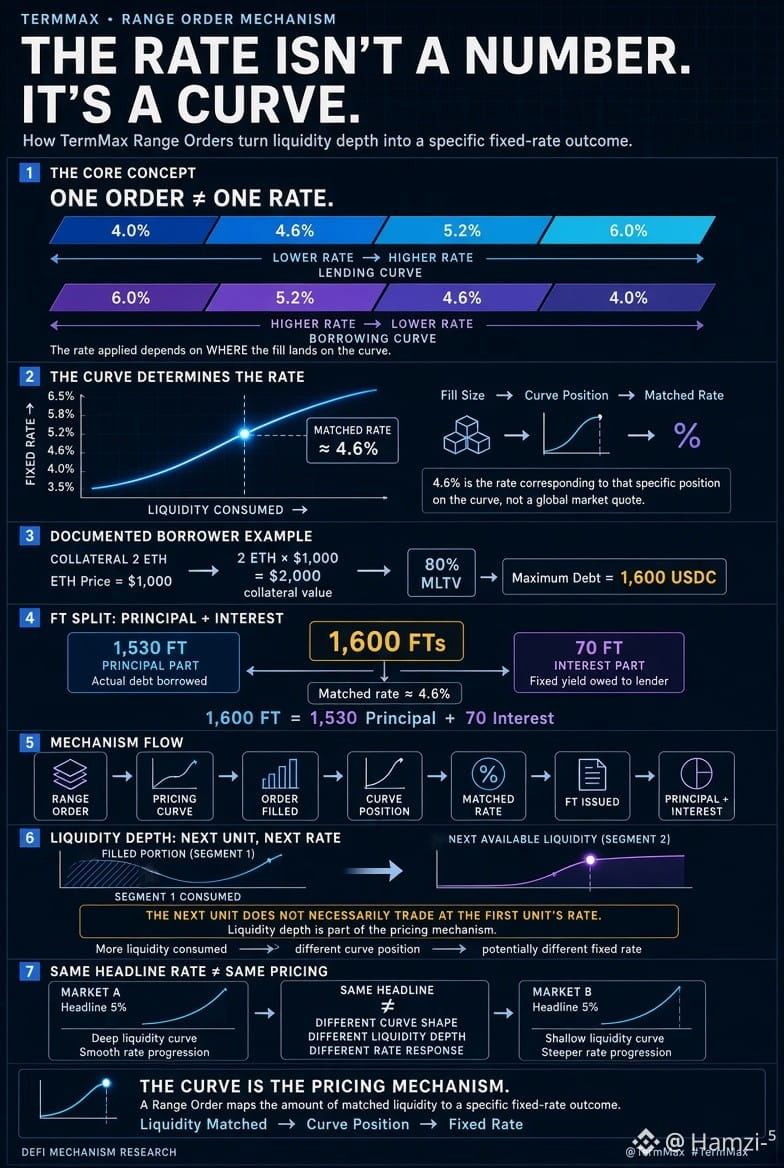
TermMaxでは、レンジオーダーは1つの固定された提示価格を持ちません。価格カーブを定義し、すでにどれだけ約定(埋まり)したかによって、異なる部分が異なる固定金利で決済されます。
貸付では、カーブは部分が埋まっていくにつれて低い金利から高い金利へ動きます。借入はその逆で、高い金利から始まり、そこから徐々に低い金利へ進みます。
どちらの側も、単一の数値に対して取引していません。それぞれが関数に対して取引しており、金利は約定がどこに着地したかに依存します。
こちらがTermMaxのドキュメントにある例です:
貸付マーケットメイカーが4〜6%のLending Curve(貸付カーブ)を設定します。アリスはETH 2枚を1ETHあたり$1,000でロックします。MLTVが80%のとき、彼女は1,600 FTを発行でき、GTの中に債務として1,600 USDCを記録します。
この1,600 FTは、1,530 FTの元本パートと70 FTの利息パートに分かれます。これは、およそ4.6%のマッチした金利を反映しています——それは、彼女の約定がカーブ上のどの地点に着地したかです。
レンジオーダー → 価格カーブ → 約定(オーダー成立) → カーブ位置 → マッチした金利 → FT発行 → 元本+利息の分割
つまり4〜6%は1つの金利ではなく、境界です。実際の金利は、あなたの約定が着くまでにどれだけ流動性が消費されたかに依存します。
流動性の厚みは価格に直接影響します。あるセグメントが使われると、次のユニットはカーブのレートに従います。
@termmax #TermMax #termmax #GoldReboundsNearly5% #BitcoinBestWeekSinceMarch2023 #SpotGoldHitsHighestSinceMay15
$BTC $BNB $ETH
以前は、DeFiの貸付金利は市場が何らかの形で「決める」単一の数字だと思っていました。
TermMaxでは、レンジオーダーは1つの固定された提示価格を持ちません。価格カーブを定義し、すでにどれだけ約定(埋まり)したかによって、異なる部分が異なる固定金利で決済されます。
貸付では、カーブは部分が埋まっていくにつれて低い金利から高い金利へ動きます。借入はその逆で、高い金利から始まり、そこから徐々に低い金利へ進みます。
どちらの側も、単一の数値に対して取引していません。それぞれが関数に対して取引しており、金利は約定がどこに着地したかに依存します。
こちらがTermMaxのドキュメントにある例です:
貸付マーケットメイカーが4〜6%のLending Curve(貸付カーブ)を設定します。アリスはETH 2枚を1ETHあたり$1,000でロックします。MLTVが80%のとき、彼女は1,600 FTを発行でき、GTの中に債務として1,600 USDCを記録します。
この1,600 FTは、1,530 FTの元本パートと70 FTの利息パートに分かれます。これは、およそ4.6%のマッチした金利を反映しています——それは、彼女の約定がカーブ上のどの地点に着地したかです。
レンジオーダー → 価格カーブ → 約定(オーダー成立) → カーブ位置 → マッチした金利 → FT発行 → 元本+利息の分割
つまり4〜6%は1つの金利ではなく、境界です。実際の金利は、あなたの約定が着くまでにどれだけ流動性が消費されたかに依存します。
流動性の厚みは価格に直接影響します。あるセグメントが使われると、次のユニットはカーブのレートに従います。
@TermMax #TermMax #termmax #GoldReboundsNearly5% #BitcoinBestWeekSinceMarch2023 #SpotGoldHitsHighestSinceMay15
$BTC $BNB $ETH
TermMaxでは、レンジオーダーは1つの固定された提示価格を持ちません。価格カーブを定義し、すでにどれだけ約定(埋まり)したかによって、異なる部分が異なる固定金利で決済されます。
貸付では、カーブは部分が埋まっていくにつれて低い金利から高い金利へ動きます。借入はその逆で、高い金利から始まり、そこから徐々に低い金利へ進みます。
どちらの側も、単一の数値に対して取引していません。それぞれが関数に対して取引しており、金利は約定がどこに着地したかに依存します。
こちらがTermMaxのドキュメントにある例です:
貸付マーケットメイカーが4〜6%のLending Curve(貸付カーブ)を設定します。アリスはETH 2枚を1ETHあたり$1,000でロックします。MLTVが80%のとき、彼女は1,600 FTを発行でき、GTの中に債務として1,600 USDCを記録します。
この1,600 FTは、1,530 FTの元本パートと70 FTの利息パートに分かれます。これは、およそ4.6%のマッチした金利を反映しています——それは、彼女の約定がカーブ上のどの地点に着地したかです。
レンジオーダー → 価格カーブ → 約定(オーダー成立) → カーブ位置 → マッチした金利 → FT発行 → 元本+利息の分割
つまり4〜6%は1つの金利ではなく、境界です。実際の金利は、あなたの約定が着くまでにどれだけ流動性が消費されたかに依存します。
流動性の厚みは価格に直接影響します。あるセグメントが使われると、次のユニットはカーブのレートに従います。
@TermMax #TermMax #termmax #GoldReboundsNearly5% #BitcoinBestWeekSinceMarch2023 #SpotGoldHitsHighestSinceMay15
$BTC $BNB $ETH
2
4
382
·
--
ブリッシュ
それが重要なトレードオフです。生産的な待機は遊休資本を減らしますが、需要が伸びる中でも基準となる利回りが競争力を維持できるかが真の試金石です。
それが重要なトレードオフです。生産的な待機は遊休資本を減らしますが、需要が伸びる中でも基準となる利回りが競争力を維持できるかが真の試金石です。

Star_crypto1
·
--
ブリッシュ以前は、DeFiのレンディングにおける指値注文はどこでも同じように機能すると考えていました——希望する金利を指定し、あとは誰かが相手側に入ってくれるまで資本がそこに待機するだけです。その待ち時間は、設計に組み込まれた“死んだ時間”のようにずっと感じていました。
しかし、TermMaxの仕組みを見ると、その前提は崩れました。
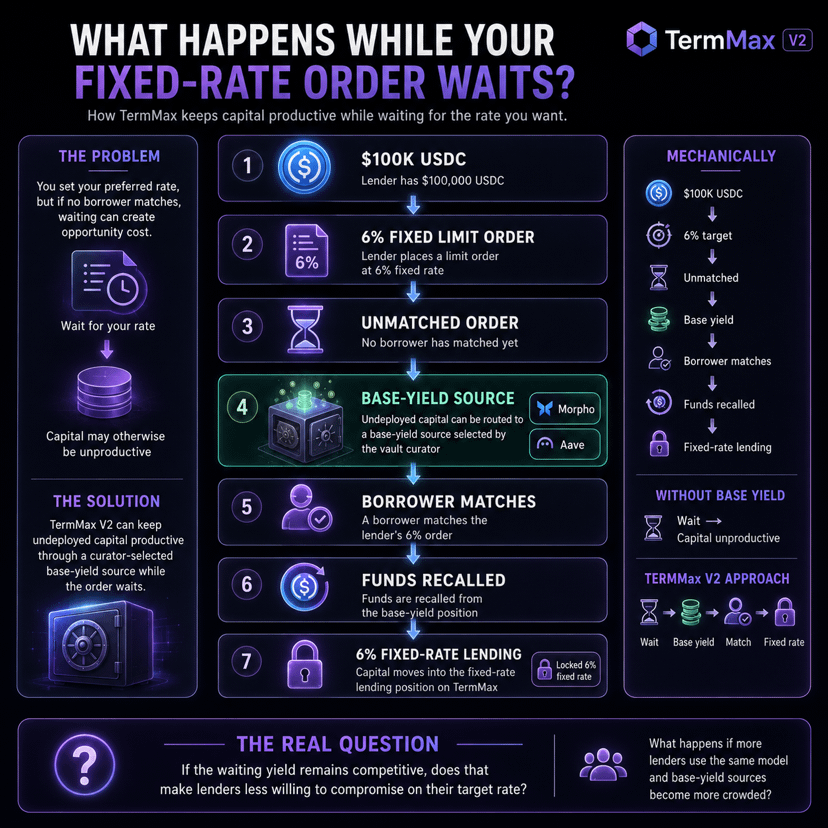
たとえば、貸し手がUSDC $100,000を6%の固定金利で指値注文したとします。注文がマッチングされずに残っている間、未使用の資本は、ヴォルトのキュレーターが選んだベース・イールド(たとえばMorphoやAave)にルーティングできます。そこで資本は変動(フローティング)の利回りを得られます。
そして重要なのは、注文が約定するときです。
資金はベース・イールドのポジションから引き出され、TermMax上での固定金利のレンディングポジションに使われます。貸し手は、2つの間で資本を手動で移す必要がありません。
機械的にはこうなります:
$100K USDC → 6%目標 → 未約定 → ベース・イールド → 借り手がマッチ → 資金回収 → 固定金利レンディング
私が面白いと思うのは、注文自体と、待機中の資本に対する利回りが“同じもの”として扱われていない点です。貸し手は、本当に欲しい金利が来るまで待っている間も、資本を生産的に保てます。
もちろん、待機が完全に無料になるわけではありません。ベース・イールドが3%で、目標の固定金利が6%なら、そこにはギャップが残ります。
ただ、その機会費用はもはや、単に「誰かが注文を埋めるまで、私の資本は何も稼げない」という単純なものではなくなります。
では、もしこのモデルを使う貸し手が増えていき、ベース・イールドの供給元そのものが混雑してしまったら——“生産的な待機”という優位性は、ゆっくりと失われていくのでしょうか?
本当の問いは、そのギャップが実際にどれくらいの大きさで維持されるのかです。
待機中の利回りが十分に競争力を保つなら、貸し手は目標金利を妥協する意志が減るのでしょうか?
#TermMax $TMX @TermMax #termmax @TermMax #BTCSurpasses$72000 #ETHSurpasses$2300 #CryptoRally $BTW $ETH $BTC
しかし、TermMaxの仕組みを見ると、その前提は崩れました。
たとえば、貸し手がUSDC $100,000を6%の固定金利で指値注文したとします。注文がマッチングされずに残っている間、未使用の資本は、ヴォルトのキュレーターが選んだベース・イールド(たとえばMorphoやAave)にルーティングできます。そこで資本は変動(フローティング)の利回りを得られます。
そして重要なのは、注文が約定するときです。
資金はベース・イールドのポジションから引き出され、TermMax上での固定金利のレンディングポジションに使われます。貸し手は、2つの間で資本を手動で移す必要がありません。
機械的にはこうなります:
$100K USDC → 6%目標 → 未約定 → ベース・イールド → 借り手がマッチ → 資金回収 → 固定金利レンディング
私が面白いと思うのは、注文自体と、待機中の資本に対する利回りが“同じもの”として扱われていない点です。貸し手は、本当に欲しい金利が来るまで待っている間も、資本を生産的に保てます。
もちろん、待機が完全に無料になるわけではありません。ベース・イールドが3%で、目標の固定金利が6%なら、そこにはギャップが残ります。
ただ、その機会費用はもはや、単に「誰かが注文を埋めるまで、私の資本は何も稼げない」という単純なものではなくなります。
では、もしこのモデルを使う貸し手が増えていき、ベース・イールドの供給元そのものが混雑してしまったら——“生産的な待機”という優位性は、ゆっくりと失われていくのでしょうか?
本当の問いは、そのギャップが実際にどれくらいの大きさで維持されるのかです。
待機中の利回りが十分に競争力を保つなら、貸し手は目標金利を妥協する意志が減るのでしょうか?
#TermMax $TMX @TermMax #termmax @TermMax #BTCSurpasses$72000 #ETHSurpasses$2300 #CryptoRally $BTW $ETH $BTC
3
66
·
--
ブリッシュ
TermMaxのUSDCバルツを確認していたところ、V2についてひとつ気になって、もう少し詳しく見てみることにしました。
物語をややこしくしようとしているわけではありません。USDCを預ければ、バルツがTermMaxの固定金利マーケットに資本を配分し、その利回りと流動性が時間とともにどう変化するかを追跡できます。
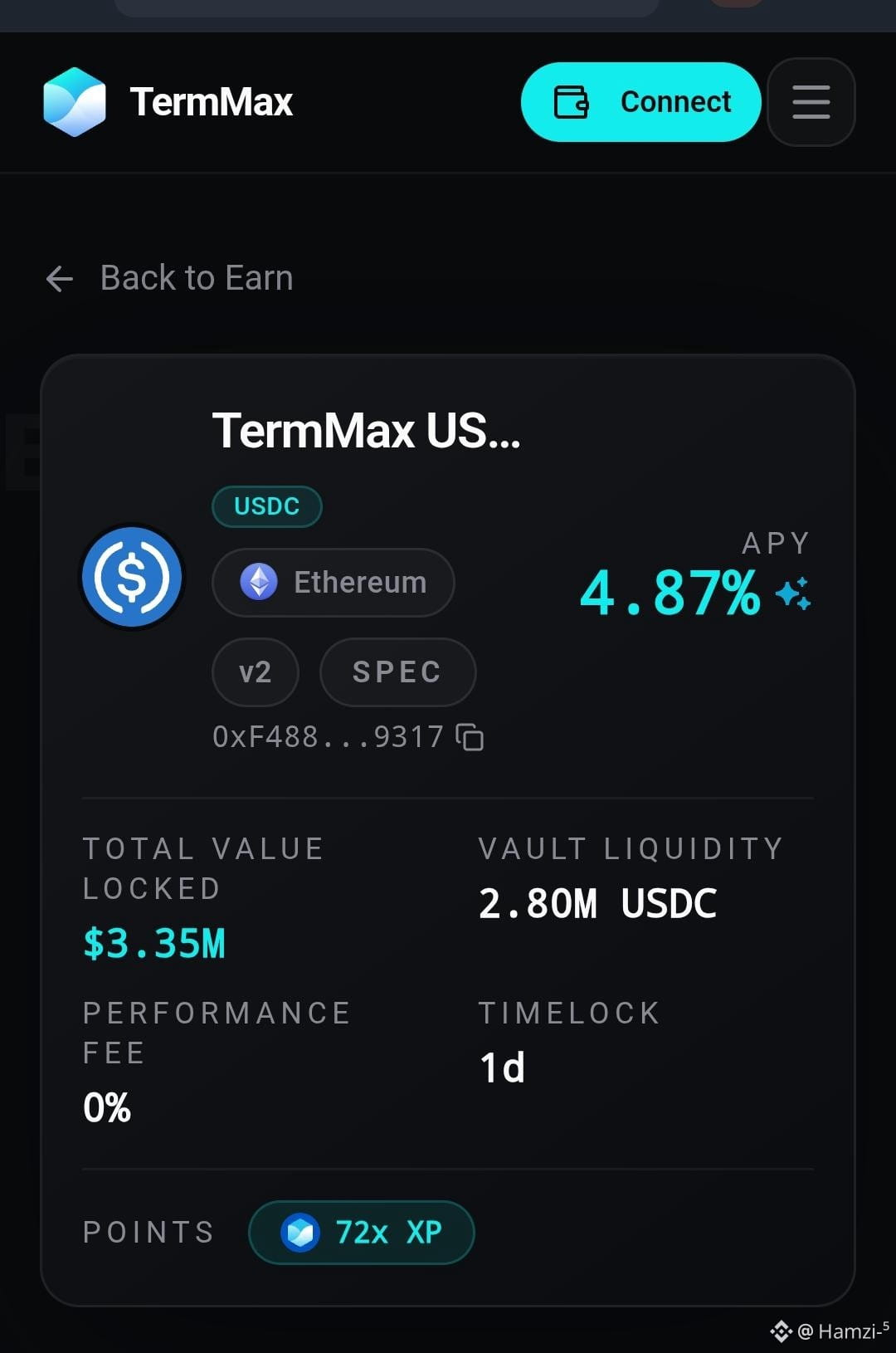
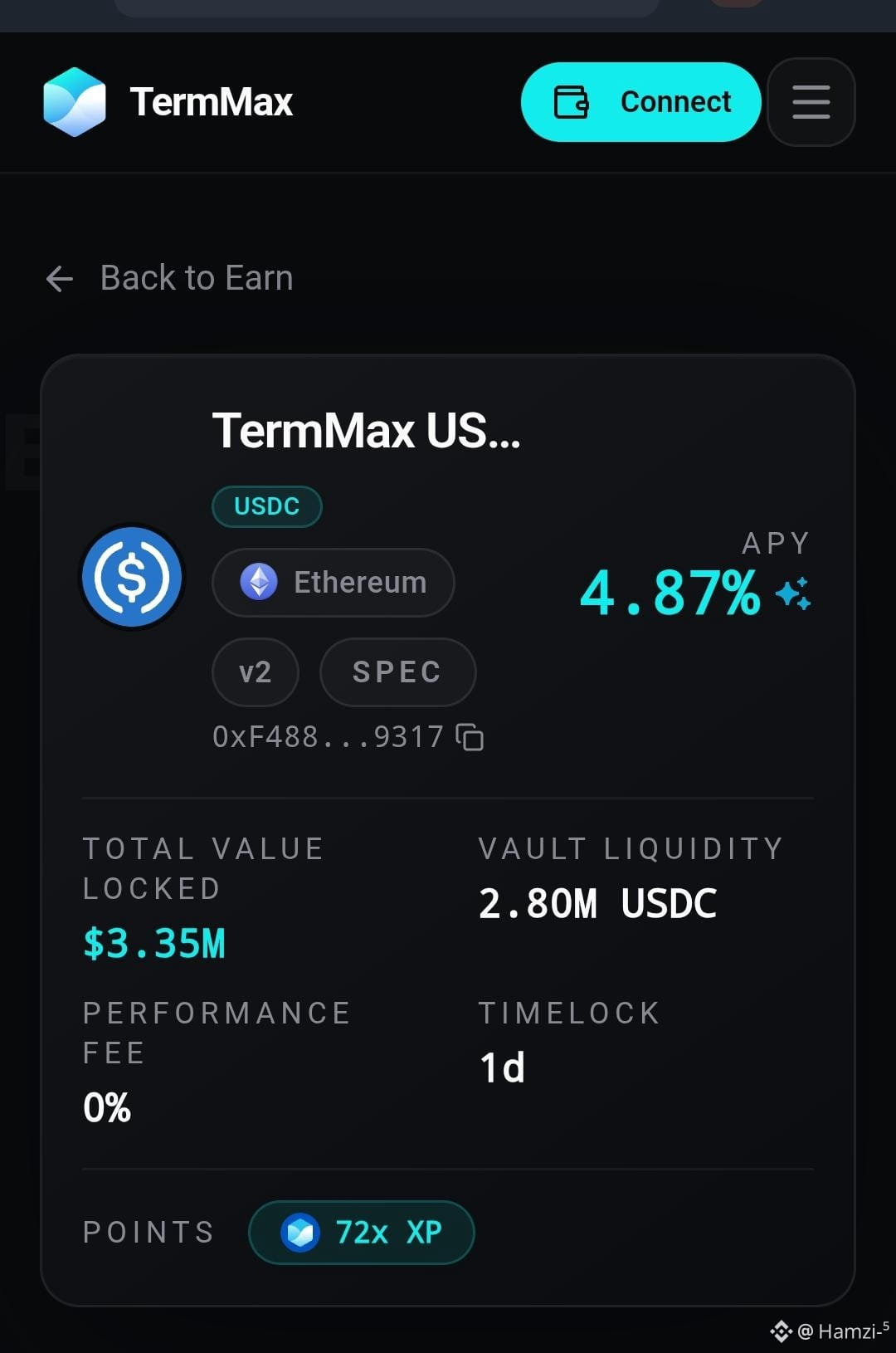
現在のダッシュボードでは、APYは4.87%、利用可能なTVL(総ロック量相当)は約335万ドル、利用可能流動性は280万ドルです。投資されているのは約75.7%で、24.3%は現在アイドル(未稼働)になっています。この内訳は、APYそのものよりもおそらく興味深いです。というのも、バルツがすべての資金を稼働中のポジションに投入していないことが示されているからです。
また、パフォーマンスフィーは0%、24時間のタイムロック、72xのXP、そしてバルツの上限は5,000万ドルです。
配分も集中しています。配備済み資本のうち約68.98%が、USDC/PT-reUSDマーケットに向けられています。
なので、ここからは次の2つを見ていくのがよさそうです。利回りの一貫性と、配分が時間とともにどう変わるかです。
このような計測された4.87%の運用を選びますか?それとも、動く要素が増えるぶん高いAPYを追いかけますか? @termmax
#termmax #TermMax #CryptoRally #TrumpUrgesCongressToPassClarityAct #ColdcardTheftInvestigationAdvances
$ETH $BTW $RE
TermMaxのUSDCバルツを確認していたところ、V2についてひとつ気になって、もう少し詳しく見てみることにしました。
物語をややこしくしようとしているわけではありません。USDCを預ければ、バルツがTermMaxの固定金利マーケットに資本を配分し、その利回りと流動性が時間とともにどう変化するかを追跡できます。
現在のダッシュボードでは、APYは4.87%、利用可能なTVL(総ロック量相当)は約335万ドル、利用可能流動性は280万ドルです。投資されているのは約75.7%で、24.3%は現在アイドル(未稼働)になっています。この内訳は、APYそのものよりもおそらく興味深いです。というのも、バルツがすべての資金を稼働中のポジションに投入していないことが示されているからです。
また、パフォーマンスフィーは0%、24時間のタイムロック、72xのXP、そしてバルツの上限は5,000万ドルです。
配分も集中しています。配備済み資本のうち約68.98%が、USDC/PT-reUSDマーケットに向けられています。
なので、ここからは次の2つを見ていくのがよさそうです。利回りの一貫性と、配分が時間とともにどう変わるかです。
このような計測された4.87%の運用を選びますか?それとも、動く要素が増えるぶん高いAPYを追いかけますか? @TermMax
#termmax #TermMax #CryptoRally #TrumpUrgesCongressToPassClarityAct #ColdcardTheftInvestigationAdvances
$ETH $BTW $RE
物語をややこしくしようとしているわけではありません。USDCを預ければ、バルツがTermMaxの固定金利マーケットに資本を配分し、その利回りと流動性が時間とともにどう変化するかを追跡できます。
現在のダッシュボードでは、APYは4.87%、利用可能なTVL(総ロック量相当)は約335万ドル、利用可能流動性は280万ドルです。投資されているのは約75.7%で、24.3%は現在アイドル(未稼働)になっています。この内訳は、APYそのものよりもおそらく興味深いです。というのも、バルツがすべての資金を稼働中のポジションに投入していないことが示されているからです。
また、パフォーマンスフィーは0%、24時間のタイムロック、72xのXP、そしてバルツの上限は5,000万ドルです。
配分も集中しています。配備済み資本のうち約68.98%が、USDC/PT-reUSDマーケットに向けられています。
なので、ここからは次の2つを見ていくのがよさそうです。利回りの一貫性と、配分が時間とともにどう変わるかです。
このような計測された4.87%の運用を選びますか?それとも、動く要素が増えるぶん高いAPYを追いかけますか? @TermMax
#termmax #TermMax #CryptoRally #TrumpUrgesCongressToPassClarityAct #ColdcardTheftInvestigationAdvances
$ETH $BTW $RE
9
1
6
78
·
--
ブリッシュ
私はTermMax USDCのバル トを確認していて、V2に関する一点が気になって、もう少し詳しく見てみることにしました。
話をややこしくしようとしているわけではありません。USDCを預け、バル トがTermMaxの固定金利市場に資本を配分し、そのうえで利回りと流動性が時間とともにどう推移するかを追跡するだけです。
現在のダッシュボードでは、APYは4.87%で、利用可能な流動性は約$2.80M、TVLは約$3.35Mと表示されています。投資比率はおよそ75.7%で、残り24.3%は現在アイドル状態です。この内訳はAPYそのものよりもおそらく興味深いです。バル トが、あらゆるドルをアクティブなポジションに投入しているわけではないことが分かるからです。
さらに、パフォーマンスフィーは0%、24時間のティムロック、72xのXP、そして$50Mのバル トキャップがあります。
配分は集中していてもいます。配分済み資本のうち約68.98%が、USDC/PT-reUSD市場に向けられています。
なので、ここから見るべきポイントは2つです。利回りの安定性と、その配分が時間とともにどう変化するかです。
このように測定された4.87%の設計を選びますか?それとも、より高いAPYを狙って、可動部分の多い追いかけをしますか? @termmax
#termmax #TermMax #CryptoRally #TrumpUrgesCongressToPassClarityAct #ColdcardTheftInvestigationAdvances
$ETH $BTW $RE
私はTermMax USDCのバル トを確認していて、V2に関する一点が気になって、もう少し詳しく見てみることにしました。
話をややこしくしようとしているわけではありません。USDCを預け、バル トがTermMaxの固定金利市場に資本を配分し、そのうえで利回りと流動性が時間とともにどう推移するかを追跡するだけです。
現在のダッシュボードでは、APYは4.87%で、利用可能な流動性は約$2.80M、TVLは約$3.35Mと表示されています。投資比率はおよそ75.7%で、残り24.3%は現在アイドル状態です。この内訳はAPYそのものよりもおそらく興味深いです。バル トが、あらゆるドルをアクティブなポジションに投入しているわけではないことが分かるからです。
さらに、パフォーマンスフィーは0%、24時間のティムロック、72xのXP、そして$50Mのバル トキャップがあります。
配分は集中していてもいます。配分済み資本のうち約68.98%が、USDC/PT-reUSD市場に向けられています。
なので、ここから見るべきポイントは2つです。利回りの安定性と、その配分が時間とともにどう変化するかです。
このように測定された4.87%の設計を選びますか?それとも、より高いAPYを狙って、可動部分の多い追いかけをしますか? @TermMax
#termmax #TermMax #CryptoRally #TrumpUrgesCongressToPassClarityAct #ColdcardTheftInvestigationAdvances
$ETH $BTW $RE
話をややこしくしようとしているわけではありません。USDCを預け、バル トがTermMaxの固定金利市場に資本を配分し、そのうえで利回りと流動性が時間とともにどう推移するかを追跡するだけです。
現在のダッシュボードでは、APYは4.87%で、利用可能な流動性は約$2.80M、TVLは約$3.35Mと表示されています。投資比率はおよそ75.7%で、残り24.3%は現在アイドル状態です。この内訳はAPYそのものよりもおそらく興味深いです。バル トが、あらゆるドルをアクティブなポジションに投入しているわけではないことが分かるからです。
さらに、パフォーマンスフィーは0%、24時間のティムロック、72xのXP、そして$50Mのバル トキャップがあります。
配分は集中していてもいます。配分済み資本のうち約68.98%が、USDC/PT-reUSD市場に向けられています。
なので、ここから見るべきポイントは2つです。利回りの安定性と、その配分が時間とともにどう変化するかです。
このように測定された4.87%の設計を選びますか?それとも、より高いAPYを狙って、可動部分の多い追いかけをしますか? @TermMax
#termmax #TermMax #CryptoRally #TrumpUrgesCongressToPassClarityAct #ColdcardTheftInvestigationAdvances
$ETH $BTW $RE
3
130
·
--
ブリッシュ
これは、戦略ドキュメントを読み進めたあとに何度も立ち返ったTermMaxの一部です。
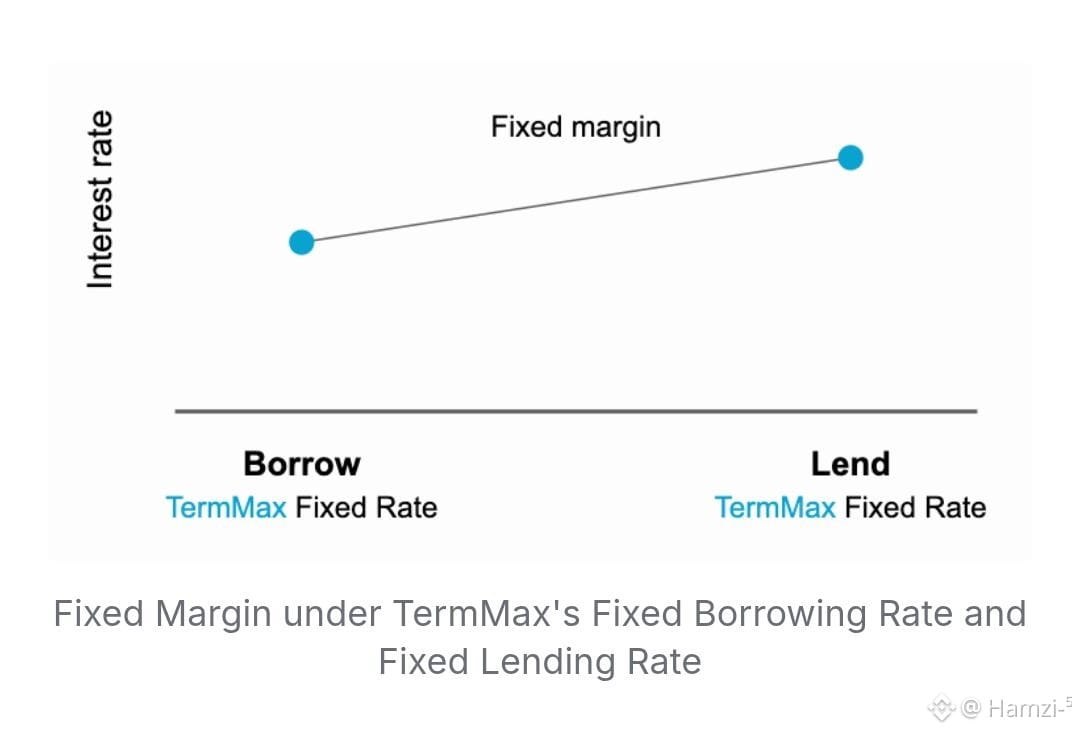
TermMaxの戦略3は、シンプルなセットアップを採用しています:
市場Aで固定を借りる → 市場Bで固定を貸す
考え方は、低い固定金利で借りて、高い固定金利で貸すことで、潜在的なスプレッドを生み出すことです。
私の注意を引いたのは、双方が固定であることでした。
借入コストは事前に分かり、貸出のリターンも定義されています。つまり、2つの変動金利が異なる方向に動き続けることに常に対応するのではなく、潜在スプレッドをより計算しやすくなります。
私の所見:ここでの本当の価値は、単なる金利差だけではありません。ポジションの両側が持つ予測可能性です。
もちろん、紙の上のスプレッドが利益を保証するわけではありません。流動性、担保、満期、利用可能な金利、そして実行面(エクゼキューション)も依然として重要です。
予測可能な固定金利スプレッドは、DeFiの戦略を組み立てるより実用的な方法になり得るのでしょうか? #termmax #TermMax @termmax #FOMCWatch #ToyotaFinanceLaunchesTokenizedBondForRetail #UAESaysItDetectedTwoIranianBallisticMissiles $BTW $APR $TUT
これは、戦略ドキュメントを読み進めたあとに何度も立ち返ったTermMaxの一部です。
TermMaxの戦略3は、シンプルなセットアップを採用しています:
市場Aで固定を借りる → 市場Bで固定を貸す
考え方は、低い固定金利で借りて、高い固定金利で貸すことで、潜在的なスプレッドを生み出すことです。
私の注意を引いたのは、双方が固定であることでした。
借入コストは事前に分かり、貸出のリターンも定義されています。つまり、2つの変動金利が異なる方向に動き続けることに常に対応するのではなく、潜在スプレッドをより計算しやすくなります。
私の所見:ここでの本当の価値は、単なる金利差だけではありません。ポジションの両側が持つ予測可能性です。
もちろん、紙の上のスプレッドが利益を保証するわけではありません。流動性、担保、満期、利用可能な金利、そして実行面(エクゼキューション)も依然として重要です。
予測可能な固定金利スプレッドは、DeFiの戦略を組み立てるより実用的な方法になり得るのでしょうか? #termmax #TermMax @TermMax #FOMCWatch #ToyotaFinanceLaunchesTokenizedBondForRetail #UAESaysItDetectedTwoIranianBallisticMissiles $BTW $APR $TUT
TermMaxの戦略3は、シンプルなセットアップを採用しています:
市場Aで固定を借りる → 市場Bで固定を貸す
考え方は、低い固定金利で借りて、高い固定金利で貸すことで、潜在的なスプレッドを生み出すことです。
私の注意を引いたのは、双方が固定であることでした。
借入コストは事前に分かり、貸出のリターンも定義されています。つまり、2つの変動金利が異なる方向に動き続けることに常に対応するのではなく、潜在スプレッドをより計算しやすくなります。
私の所見:ここでの本当の価値は、単なる金利差だけではありません。ポジションの両側が持つ予測可能性です。
もちろん、紙の上のスプレッドが利益を保証するわけではありません。流動性、担保、満期、利用可能な金利、そして実行面(エクゼキューション)も依然として重要です。
予測可能な固定金利スプレッドは、DeFiの戦略を組み立てるより実用的な方法になり得るのでしょうか? #termmax #TermMax @TermMax #FOMCWatch #ToyotaFinanceLaunchesTokenizedBondForRetail #UAESaysItDetectedTwoIranianBallisticMissiles $BTW $APR $TUT
10
4
7
1.8k
·
--
ブリッシュ
私たちは、RWAを別の角度から見ている可能性があると思います。
注目すべきポイントは、@termmax RWAシーズンが単に株がトークン化されているという点だけではありません。
その後に何が起きるかです。
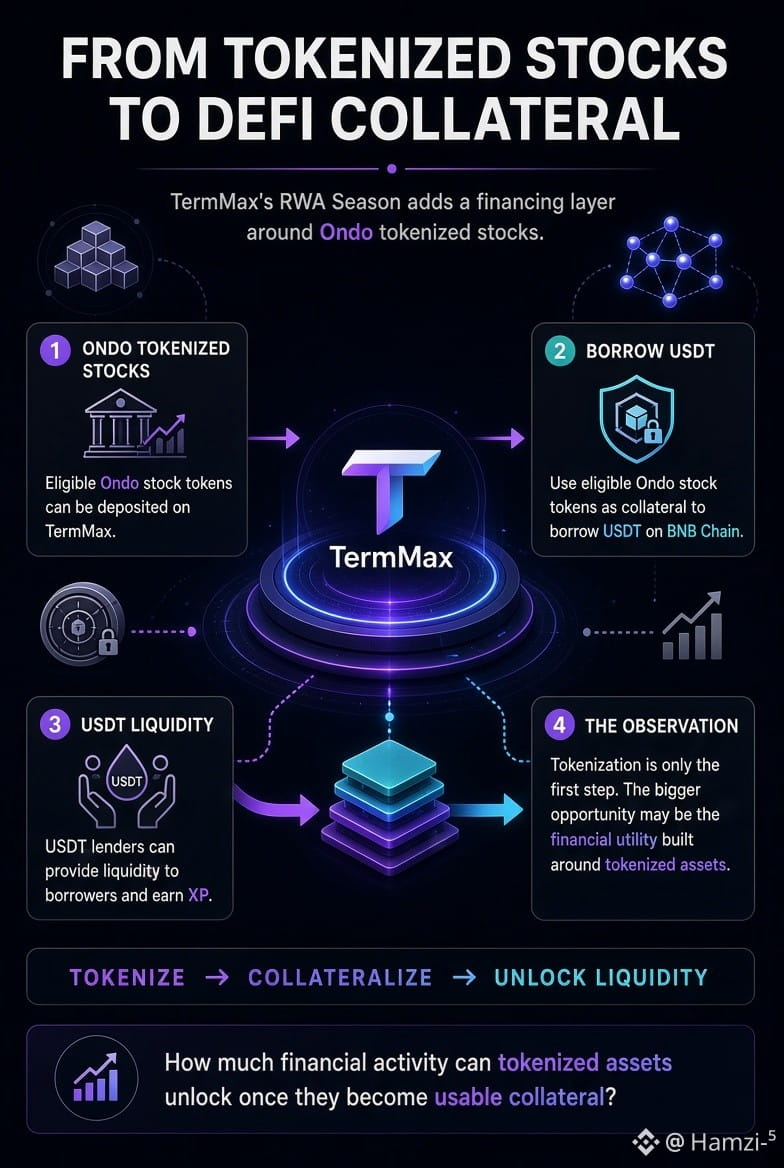
TermMaxは現在、対象となるOndo株トークンをユーザーが預け入れて、BNB Chain上でUSDTを借りられるようにしています。もう一方で、USDTの貸し手は、その借り手に流動性を提供し、XP報酬を得ることができます。
これによって、ずっと面白い進行が生まれます:
伝統的な資産 → トークン化された資産 → DeFi担保 → 流動性。
そして担保は、画面上の単なる合成数値ではありません。
OndoのStocksは、上場株やETFをオンチェーンに持ち込むことを目的に設計されています。これらは譲渡可能で、DeFiに対応しており、複数のチェーンで利用でき、対応する有価証券と現金によって裏付けられています。Ondoは、独立したVerification Agentが裏付けを毎日確認すると述べています。
ここからが、私にとってRWAの論旨がより面白くなってくるところです。
トークン化によって、資産はオンチェーンでアクセス可能になります。
担保化によって、その資産は金融的な用途(ユーティリティ)を得ます。
トークン化されたポジションを売って流動性にアクセスするのではなく、保有者はそのポジションをクレジット市場の中で活用できる可能性があります。
それは問いを変えます。
私たちは、次のようにだけ考えるべきではありません:
「現実世界の価値のうち、どれくらいがトークン化されたのか?」
また次のようにも問うべきです:
「トークン化された価値がどれほどの経済活動を解放できるのか?」
なぜなら、RWAsが有用なインフラになるかどうかの本当の試金石は、単なる別のオンチェーン資産カテゴリではなく、こちらのほうかもしれないからです。
@termmax $TMX #TermMax #termmax #EthereumFoundationLaunchesGlamsterdamTestnet #DollarFallsTo10WeekLow #IAEAToRemoveNuclearMaterialFromSyriaSite $TUT $BTW $APR
私たちは、RWAを別の角度から見ている可能性があると思います。
注目すべきポイントは、@TermMax RWAシーズンが単に株がトークン化されているという点だけではありません。
その後に何が起きるかです。
TermMaxは現在、対象となるOndo株トークンをユーザーが預け入れて、BNB Chain上でUSDTを借りられるようにしています。もう一方で、USDTの貸し手は、その借り手に流動性を提供し、XP報酬を得ることができます。
これによって、ずっと面白い進行が生まれます:
伝統的な資産 → トークン化された資産 → DeFi担保 → 流動性。
そして担保は、画面上の単なる合成数値ではありません。
OndoのStocksは、上場株やETFをオンチェーンに持ち込むことを目的に設計されています。これらは譲渡可能で、DeFiに対応しており、複数のチェーンで利用でき、対応する有価証券と現金によって裏付けられています。Ondoは、独立したVerification Agentが裏付けを毎日確認すると述べています。
ここからが、私にとってRWAの論旨がより面白くなってくるところです。
トークン化によって、資産はオンチェーンでアクセス可能になります。
担保化によって、その資産は金融的な用途(ユーティリティ)を得ます。
トークン化されたポジションを売って流動性にアクセスするのではなく、保有者はそのポジションをクレジット市場の中で活用できる可能性があります。
それは問いを変えます。
私たちは、次のようにだけ考えるべきではありません:
「現実世界の価値のうち、どれくらいがトークン化されたのか?」
また次のようにも問うべきです:
「トークン化された価値がどれほどの経済活動を解放できるのか?」
なぜなら、RWAsが有用なインフラになるかどうかの本当の試金石は、単なる別のオンチェーン資産カテゴリではなく、こちらのほうかもしれないからです。
@TermMax $TMX #TermMax #termmax #EthereumFoundationLaunchesGlamsterdamTestnet #DollarFallsTo10WeekLow #IAEAToRemoveNuclearMaterialFromSyriaSite $TUT $BTW $APR
注目すべきポイントは、@TermMax RWAシーズンが単に株がトークン化されているという点だけではありません。
その後に何が起きるかです。
TermMaxは現在、対象となるOndo株トークンをユーザーが預け入れて、BNB Chain上でUSDTを借りられるようにしています。もう一方で、USDTの貸し手は、その借り手に流動性を提供し、XP報酬を得ることができます。
これによって、ずっと面白い進行が生まれます:
伝統的な資産 → トークン化された資産 → DeFi担保 → 流動性。
そして担保は、画面上の単なる合成数値ではありません。
OndoのStocksは、上場株やETFをオンチェーンに持ち込むことを目的に設計されています。これらは譲渡可能で、DeFiに対応しており、複数のチェーンで利用でき、対応する有価証券と現金によって裏付けられています。Ondoは、独立したVerification Agentが裏付けを毎日確認すると述べています。
ここからが、私にとってRWAの論旨がより面白くなってくるところです。
トークン化によって、資産はオンチェーンでアクセス可能になります。
担保化によって、その資産は金融的な用途(ユーティリティ)を得ます。
トークン化されたポジションを売って流動性にアクセスするのではなく、保有者はそのポジションをクレジット市場の中で活用できる可能性があります。
それは問いを変えます。
私たちは、次のようにだけ考えるべきではありません:
「現実世界の価値のうち、どれくらいがトークン化されたのか?」
また次のようにも問うべきです:
「トークン化された価値がどれほどの経済活動を解放できるのか?」
なぜなら、RWAsが有用なインフラになるかどうかの本当の試金石は、単なる別のオンチェーン資産カテゴリではなく、こちらのほうかもしれないからです。
@TermMax $TMX #TermMax #termmax #EthereumFoundationLaunchesGlamsterdamTestnet #DollarFallsTo10WeekLow #IAEAToRemoveNuclearMaterialFromSyriaSite $TUT $BTW $APR
8
1
8
618
·
--
ブリッシュ
ビンバンススクエアで最新のTradFi取引を共有しました。すべての取引は学びの機会であり、リスク管理を改善し、継続性を築くチャンスです。私は感情ではなく、自分の戦略に従うことを常に重視しています。コミュニティから学び、取引のたびに向上していくのを楽しみにしています。 #ShareMyTradFi #USIranDealOrNoDeal #USJapanJointYenInterventionFirstSince2011 #USIranTalksToBegin #ShareMyTrades $MUB $NVDAB $GOOG.US
ビンバンススクエアで最新のTradFi取引を共有しました。すべての取引は学びの機会であり、リスク管理を改善し、継続性を築くチャンスです。私は感情ではなく、自分の戦略に従うことを常に重視しています。コミュニティから学び、取引のたびに向上していくのを楽しみにしています。 #ShareMyTradFi #USIranDealOrNoDeal #USJapanJointYenInterventionFirstSince2011 #USIranTalksToBegin #ShareMyTrades $MUB $NVDAB $GOOG.US
3
101
·
--
ブリッシュ
Binance Squareで最新のTradFi取引を共有しました。すべての取引は学びの機会であり、リスク管理を改善し、継続性を築くチャンスです。私は常に感情ではなく、自分の戦略に従うことを重視しています。コミュニティから学び、取引のたびに改善していくのが楽しみです。#ShareMyTradFi #USIranDealOrNoDeal #USJapanJointYenInterventionFirstSince2011 #USIranTalksToBegin #OilCrashes9% $MUB $NVDAB $GOOG.US
Binance Squareで最新のTradFi取引を共有しました。すべての取引は学びの機会であり、リスク管理を改善し、継続性を築くチャンスです。私は常に感情ではなく、自分の戦略に従うことを重視しています。コミュニティから学び、取引のたびに改善していくのが楽しみです。#ShareMyTradFi #USIranDealOrNoDeal #USJapanJointYenInterventionFirstSince2011 #USIranTalksToBegin #OilCrashes9% $MUB $NVDAB $GOOG.US
5
178
·
--
ブリッシュ
Aave v4 Public Testnet上でバビロンのネイティブなビットコイン担保型の借り入れを調査したところ、私にとって際立ったのは一つの点でした。ビットコインを価値の源泉を変えずに、役立つ状態に保つことに焦点が当たった体験だと感じたのです。
私が特に良いと思ったのは、複数のシステムにわたってラップ版に頼るのではなく、ネイティブのビットコインを担保として使う方向性でした。これは、ビットコインが自らのセキュリティモデルとつながったまま、より資本効率よく活用できることを示しています。
テストからの私のフィードバックはシンプルです。インターフェースは理解しやすい一方で、初めて利用するユーザー向けに教育的なウォークスルーをさらに追加すれば、オンボーディングはもっと良くなるでしょう。
多くのビットコイン向けレンディングソリューションと比べると、バビロンのアプローチはセキュリティとシンプルさというビットコインの中核原則に、より沿っているように感じます。
もしビットコインDeFiの未来に興味があるなら、このPublic Testnetはぜひ探索する価値があります。
@babylonlabs_io $BABY #baby #creatorpad
Aave v4 Public Testnet上でバビロンのネイティブなビットコイン担保型の借り入れを調査したところ、私にとって際立ったのは一つの点でした。ビットコインを価値の源泉を変えずに、役立つ状態に保つことに焦点が当たった体験だと感じたのです。
私が特に良いと思ったのは、複数のシステムにわたってラップ版に頼るのではなく、ネイティブのビットコインを担保として使う方向性でした。これは、ビットコインが自らのセキュリティモデルとつながったまま、より資本効率よく活用できることを示しています。
テストからの私のフィードバックはシンプルです。インターフェースは理解しやすい一方で、初めて利用するユーザー向けに教育的なウォークスルーをさらに追加すれば、オンボーディングはもっと良くなるでしょう。
多くのビットコイン向けレンディングソリューションと比べると、バビロンのアプローチはセキュリティとシンプルさというビットコインの中核原則に、より沿っているように感じます。
もしビットコインDeFiの未来に興味があるなら、このPublic Testnetはぜひ探索する価値があります。
@BabylonLabs_io $BABY #baby #creatorpad
私が特に良いと思ったのは、複数のシステムにわたってラップ版に頼るのではなく、ネイティブのビットコインを担保として使う方向性でした。これは、ビットコインが自らのセキュリティモデルとつながったまま、より資本効率よく活用できることを示しています。
テストからの私のフィードバックはシンプルです。インターフェースは理解しやすい一方で、初めて利用するユーザー向けに教育的なウォークスルーをさらに追加すれば、オンボーディングはもっと良くなるでしょう。
多くのビットコイン向けレンディングソリューションと比べると、バビロンのアプローチはセキュリティとシンプルさというビットコインの中核原則に、より沿っているように感じます。
もしビットコインDeFiの未来に興味があるなら、このPublic Testnetはぜひ探索する価値があります。
@BabylonLabs_io $BABY #baby #creatorpad
1
2
121
·
--
ブリッシュ
ビットコインについての議論が、私のバビロンへの見方を完全に変えました。
誰かが、シンプルな質問をしました:
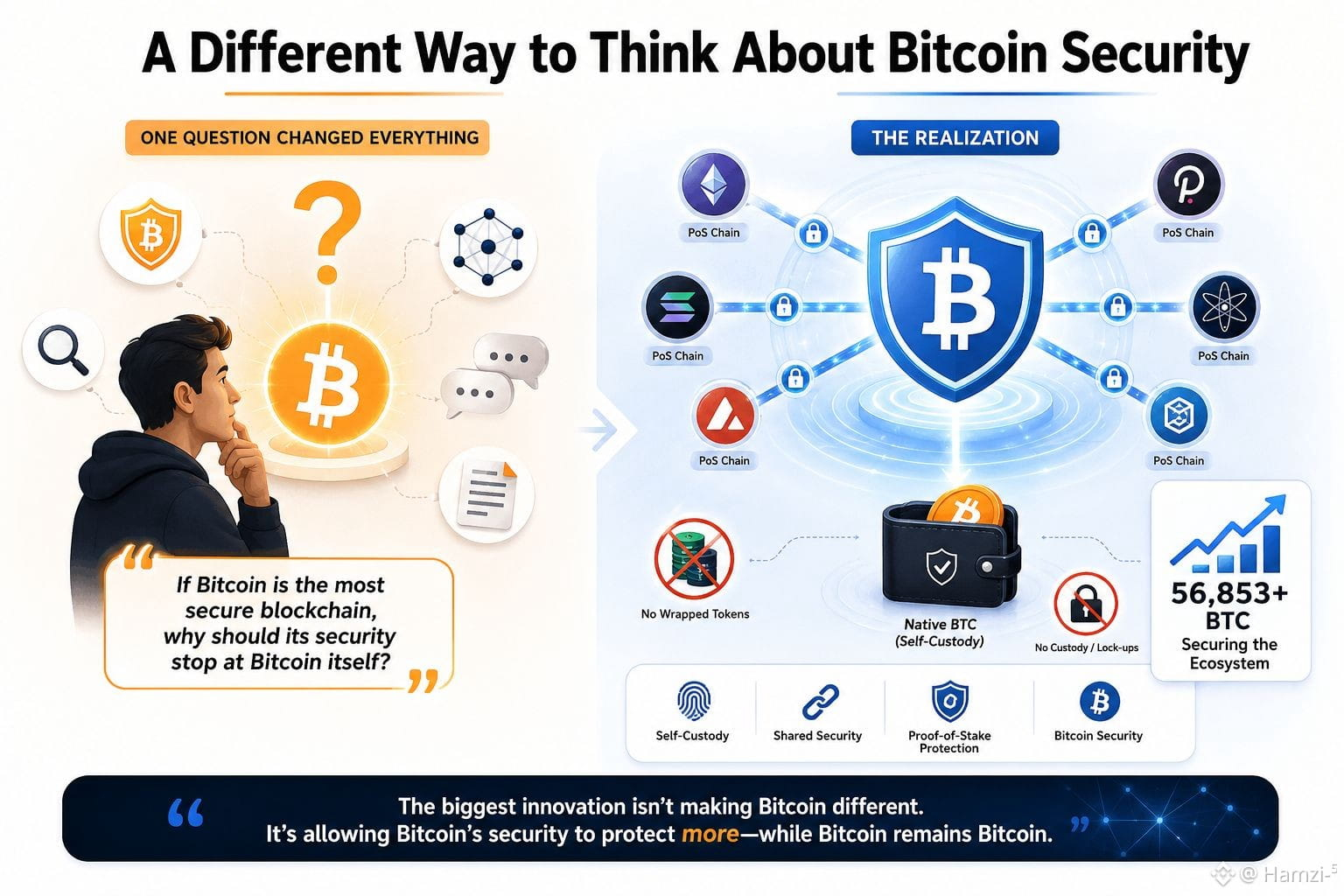
"ビットコインが最も安全なブロックチェーンだとしたら、そのセキュリティはなぜビットコイン自身で止まるべきなのでしょう?"
私はそれについて考え続けてしまいました。
そのアイデアを深く掘り下げるほど、視点がどんどん変わっていきました。
そして、ある統計が目に留まりました。バビロンを通じて、すでに56,853 BTC以上がコミットされているというのです。
最初は、ただのステーキングの数字に見えました。
しかし、それがもっと大きな意味を持つことに気づいたのです。
それは、BTCをセルフカストディに保ったまま、接続されたプルーフ・オブ・ステーク(PoS)ネットワークへビットコインのセキュリティを拡張することを選ぶ、何千ものビットコイン保有者の意思を表していました。
学べば学ぶほど、真の課題は「ビットコインを生産的にする」ことではないと分かってきました。
本当の課題は、保有者にBTCをラップして持ち主としての権利を手放させたり、そもそもビットコインが価値あるものにしている原則を妥協させたりすることなく、ビットコインのセキュリティを拡張する方法を見つけることです。バビロンが解こうとしているのは、その問題です。
私の心に残ったのはステーキングモデルそのものではなく、その背後にある哲学でした。
多くのプロジェクトは、ユーザーに何か新しいものへの信頼を求めます。バビロンは、市場が10年以上信頼してきた「ビットコインのセキュリティ」から出発します。土台を置き換えるのではなく、単一チェーンを超えてその価値を拡張する方法を探しているのです。
最高のセキュリティとは、常に自分を証明し続けるものではありません。ルールを破るのがあまりに難しく、誠実な参加が当然の選択になるようなセキュリティです。私の考え方を変えたのは、まさにそうした設計思想です。
このビジョンが成功すれば、ビットコインはもはや「デジタル・ゴールド」だけとして記憶されることはないかもしれません。
将来のブロックチェーン・エコシステムが、その上に築くことを選ぶセキュリティの基盤になり得ます。
だから私は、もはやバビロンを短期の価格変動で評価しなくなりました。
私は、それが解決しようとしている問題の規模で評価します。
@babylonlabs_io
#baby #CLARITYActToRewardWhiteHatHackers #Nasdaq100FallsInBackToBackWeeklyLoss #SpaceXStarshipCompletesFirstTestFlightSinceListing #baby
$BABY $BTC $BNB
@babylonlabs_io
ビットコインについての議論が、私のバビロンへの見方を完全に変えました。
誰かが、シンプルな質問をしました:
"ビットコインが最も安全なブロックチェーンだとしたら、そのセキュリティはなぜビットコイン自身で止まるべきなのでしょう?"
私はそれについて考え続けてしまいました。
そのアイデアを深く掘り下げるほど、視点がどんどん変わっていきました。
そして、ある統計が目に留まりました。バビロンを通じて、すでに56,853 BTC以上がコミットされているというのです。
最初は、ただのステーキングの数字に見えました。
しかし、それがもっと大きな意味を持つことに気づいたのです。
それは、BTCをセルフカストディに保ったまま、接続されたプルーフ・オブ・ステーク(PoS)ネットワークへビットコインのセキュリティを拡張することを選ぶ、何千ものビットコイン保有者の意思を表していました。
学べば学ぶほど、真の課題は「ビットコインを生産的にする」ことではないと分かってきました。
本当の課題は、保有者にBTCをラップして持ち主としての権利を手放させたり、そもそもビットコインが価値あるものにしている原則を妥協させたりすることなく、ビットコインのセキュリティを拡張する方法を見つけることです。バビロンが解こうとしているのは、その問題です。
私の心に残ったのはステーキングモデルそのものではなく、その背後にある哲学でした。
多くのプロジェクトは、ユーザーに何か新しいものへの信頼を求めます。バビロンは、市場が10年以上信頼してきた「ビットコインのセキュリティ」から出発します。土台を置き換えるのではなく、単一チェーンを超えてその価値を拡張する方法を探しているのです。
最高のセキュリティとは、常に自分を証明し続けるものではありません。ルールを破るのがあまりに難しく、誠実な参加が当然の選択になるようなセキュリティです。私の考え方を変えたのは、まさにそうした設計思想です。
このビジョンが成功すれば、ビットコインはもはや「デジタル・ゴールド」だけとして記憶されることはないかもしれません。
将来のブロックチェーン・エコシステムが、その上に築くことを選ぶセキュリティの基盤になり得ます。
だから私は、もはやバビロンを短期の価格変動で評価しなくなりました。
私は、それが解決しようとしている問題の規模で評価します。
@BabylonLabs_io
#baby #CLARITYActToRewardWhiteHatHackers #Nasdaq100FallsInBackToBackWeeklyLoss #SpaceXStarshipCompletesFirstTestFlightSinceListing #baby
$BABY $BTC $BNB
@BabylonLabs_io
誰かが、シンプルな質問をしました:
"ビットコインが最も安全なブロックチェーンだとしたら、そのセキュリティはなぜビットコイン自身で止まるべきなのでしょう?"
私はそれについて考え続けてしまいました。
そのアイデアを深く掘り下げるほど、視点がどんどん変わっていきました。
そして、ある統計が目に留まりました。バビロンを通じて、すでに56,853 BTC以上がコミットされているというのです。
最初は、ただのステーキングの数字に見えました。
しかし、それがもっと大きな意味を持つことに気づいたのです。
それは、BTCをセルフカストディに保ったまま、接続されたプルーフ・オブ・ステーク(PoS)ネットワークへビットコインのセキュリティを拡張することを選ぶ、何千ものビットコイン保有者の意思を表していました。
学べば学ぶほど、真の課題は「ビットコインを生産的にする」ことではないと分かってきました。
本当の課題は、保有者にBTCをラップして持ち主としての権利を手放させたり、そもそもビットコインが価値あるものにしている原則を妥協させたりすることなく、ビットコインのセキュリティを拡張する方法を見つけることです。バビロンが解こうとしているのは、その問題です。
私の心に残ったのはステーキングモデルそのものではなく、その背後にある哲学でした。
多くのプロジェクトは、ユーザーに何か新しいものへの信頼を求めます。バビロンは、市場が10年以上信頼してきた「ビットコインのセキュリティ」から出発します。土台を置き換えるのではなく、単一チェーンを超えてその価値を拡張する方法を探しているのです。
最高のセキュリティとは、常に自分を証明し続けるものではありません。ルールを破るのがあまりに難しく、誠実な参加が当然の選択になるようなセキュリティです。私の考え方を変えたのは、まさにそうした設計思想です。
このビジョンが成功すれば、ビットコインはもはや「デジタル・ゴールド」だけとして記憶されることはないかもしれません。
将来のブロックチェーン・エコシステムが、その上に築くことを選ぶセキュリティの基盤になり得ます。
だから私は、もはやバビロンを短期の価格変動で評価しなくなりました。
私は、それが解決しようとしている問題の規模で評価します。
@BabylonLabs_io
#baby #CLARITYActToRewardWhiteHatHackers #Nasdaq100FallsInBackToBackWeeklyLoss #SpaceXStarshipCompletesFirstTestFlightSinceListing #baby
$BABY $BTC $BNB
@BabylonLabs_io
15
2
10
431
·
--
ブリッシュ
Day 2 Testing
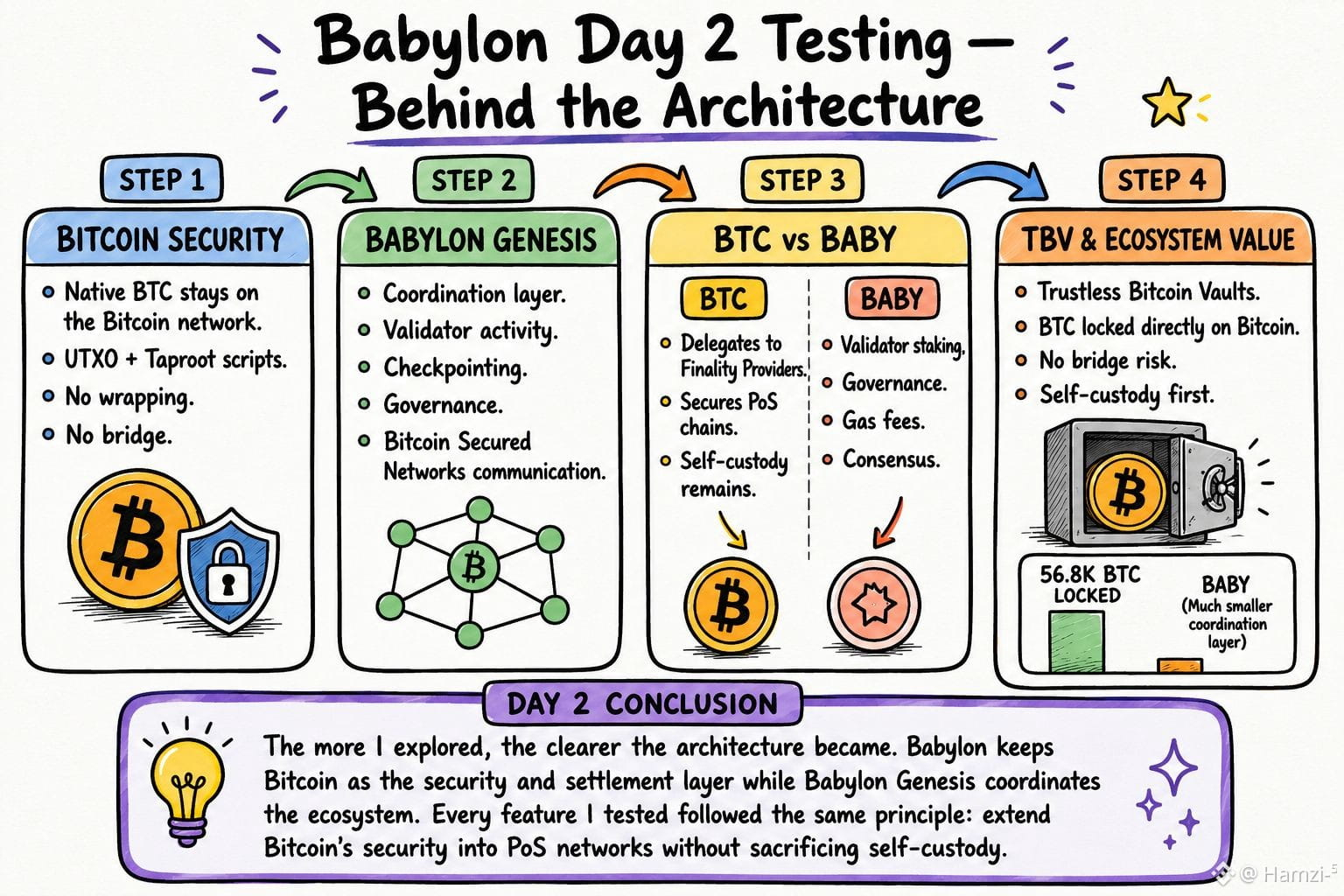
今日は、インターフェースを探索する時間は減らして、その裏側でバビロンのエコシステムがどのように機能しているのかを理解することにより多くの時間を使いました。深く調べるほど、アーキテクチャの全体像がだんだんと見えてきました。
私の大きな気づきの一つは、ビットコインは決してビットコイン・ネットワークから出ないという点です。BTCをラップしたりブリッジに頼ったりせずに、バビロンはビットコインのUTXOとTaprootのスクリプトモデルを使い、設計の中心に自己管理(セルフ・カストディ)を据えています。
また、ビットコインを置き換えるのではなく、協調(コーディネーション)のレイヤーとして機能する「Babylon Genesis」も調べました。これは、バリデータのアクティビティ、チェックポイント、ガバナンス、そしてBitcoin Secured Networks間のコミュニケーションを管理しつつ、ビットコインは決済(セトルメント)レイヤーとして残ります。
もう一つ面白かったのは、BTCステーキングとBABYステーキングの違いを学んだことです。BTC保有者は、ビットコインの所有権を保持したまま、PoSのセキュリティを強化するためにFinality Providersへ委任します。BABYは、バリデータのコンセンサス、ガバナンス、そしてトランザクション手数料を担います。
さらに、Trustless Bitcoin Vaults(TBV)も確認しました。ここでは、BTCはラップされるのではなく、ビットコイン上で直接ロックされたままになります。これにより、ブリッジに関連するリスクが減り、ビットコインのセキュリティ・モデルの思想をそのまま保ちます。
気になったのは、エコシステムを支える膨大な量のビットコインと、BABYの現在の評価(バリュエーション)のギャップです。採用が進むにつれて、協調レイヤーはどのように進化していくのだろうかと考えさせられました。
総合すると、Day 2はDay 1よりもずっと教育的でした。バビロンが、自己管理を犠牲にすることなく、どのようにビットコインのセキュリティをPoSネットワークへ拡張するのかについて、より深く理解できました。
@babylonlabs_io
#Babylon #BabylonGenesis #bitcoin #BTC #BABY #Testnet #crypto
#baby $BABY $BABY $BTC
Day 2 Testing
今日は、インターフェースを探索する時間は減らして、その裏側でバビロンのエコシステムがどのように機能しているのかを理解することにより多くの時間を使いました。深く調べるほど、アーキテクチャの全体像がだんだんと見えてきました。
私の大きな気づきの一つは、ビットコインは決してビットコイン・ネットワークから出ないという点です。BTCをラップしたりブリッジに頼ったりせずに、バビロンはビットコインのUTXOとTaprootのスクリプトモデルを使い、設計の中心に自己管理(セルフ・カストディ)を据えています。
また、ビットコインを置き換えるのではなく、協調(コーディネーション)のレイヤーとして機能する「Babylon Genesis」も調べました。これは、バリデータのアクティビティ、チェックポイント、ガバナンス、そしてBitcoin Secured Networks間のコミュニケーションを管理しつつ、ビットコインは決済(セトルメント)レイヤーとして残ります。
もう一つ面白かったのは、BTCステーキングとBABYステーキングの違いを学んだことです。BTC保有者は、ビットコインの所有権を保持したまま、PoSのセキュリティを強化するためにFinality Providersへ委任します。BABYは、バリデータのコンセンサス、ガバナンス、そしてトランザクション手数料を担います。
さらに、Trustless Bitcoin Vaults(TBV)も確認しました。ここでは、BTCはラップされるのではなく、ビットコイン上で直接ロックされたままになります。これにより、ブリッジに関連するリスクが減り、ビットコインのセキュリティ・モデルの思想をそのまま保ちます。
気になったのは、エコシステムを支える膨大な量のビットコインと、BABYの現在の評価(バリュエーション)のギャップです。採用が進むにつれて、協調レイヤーはどのように進化していくのだろうかと考えさせられました。
総合すると、Day 2はDay 1よりもずっと教育的でした。バビロンが、自己管理を犠牲にすることなく、どのようにビットコインのセキュリティをPoSネットワークへ拡張するのかについて、より深く理解できました。
@BabylonLabs_io
#Babylon #BabylonGenesis #bitcoin #BTC #BABY #Testnet #crypto
#baby $BABY $BABY $BTC
今日は、インターフェースを探索する時間は減らして、その裏側でバビロンのエコシステムがどのように機能しているのかを理解することにより多くの時間を使いました。深く調べるほど、アーキテクチャの全体像がだんだんと見えてきました。
私の大きな気づきの一つは、ビットコインは決してビットコイン・ネットワークから出ないという点です。BTCをラップしたりブリッジに頼ったりせずに、バビロンはビットコインのUTXOとTaprootのスクリプトモデルを使い、設計の中心に自己管理(セルフ・カストディ)を据えています。
また、ビットコインを置き換えるのではなく、協調(コーディネーション)のレイヤーとして機能する「Babylon Genesis」も調べました。これは、バリデータのアクティビティ、チェックポイント、ガバナンス、そしてBitcoin Secured Networks間のコミュニケーションを管理しつつ、ビットコインは決済(セトルメント)レイヤーとして残ります。
もう一つ面白かったのは、BTCステーキングとBABYステーキングの違いを学んだことです。BTC保有者は、ビットコインの所有権を保持したまま、PoSのセキュリティを強化するためにFinality Providersへ委任します。BABYは、バリデータのコンセンサス、ガバナンス、そしてトランザクション手数料を担います。
さらに、Trustless Bitcoin Vaults(TBV)も確認しました。ここでは、BTCはラップされるのではなく、ビットコイン上で直接ロックされたままになります。これにより、ブリッジに関連するリスクが減り、ビットコインのセキュリティ・モデルの思想をそのまま保ちます。
気になったのは、エコシステムを支える膨大な量のビットコインと、BABYの現在の評価(バリュエーション)のギャップです。採用が進むにつれて、協調レイヤーはどのように進化していくのだろうかと考えさせられました。
総合すると、Day 2はDay 1よりもずっと教育的でした。バビロンが、自己管理を犠牲にすることなく、どのようにビットコインのセキュリティをPoSネットワークへ拡張するのかについて、より深く理解できました。
@BabylonLabs_io
#Babylon #BabylonGenesis #bitcoin #BTC #BABY #Testnet #crypto
#baby $BABY $BABY $BTC
20
3
10
500
·
--
本人確認中
テスト第1日 @babylonlabs_io
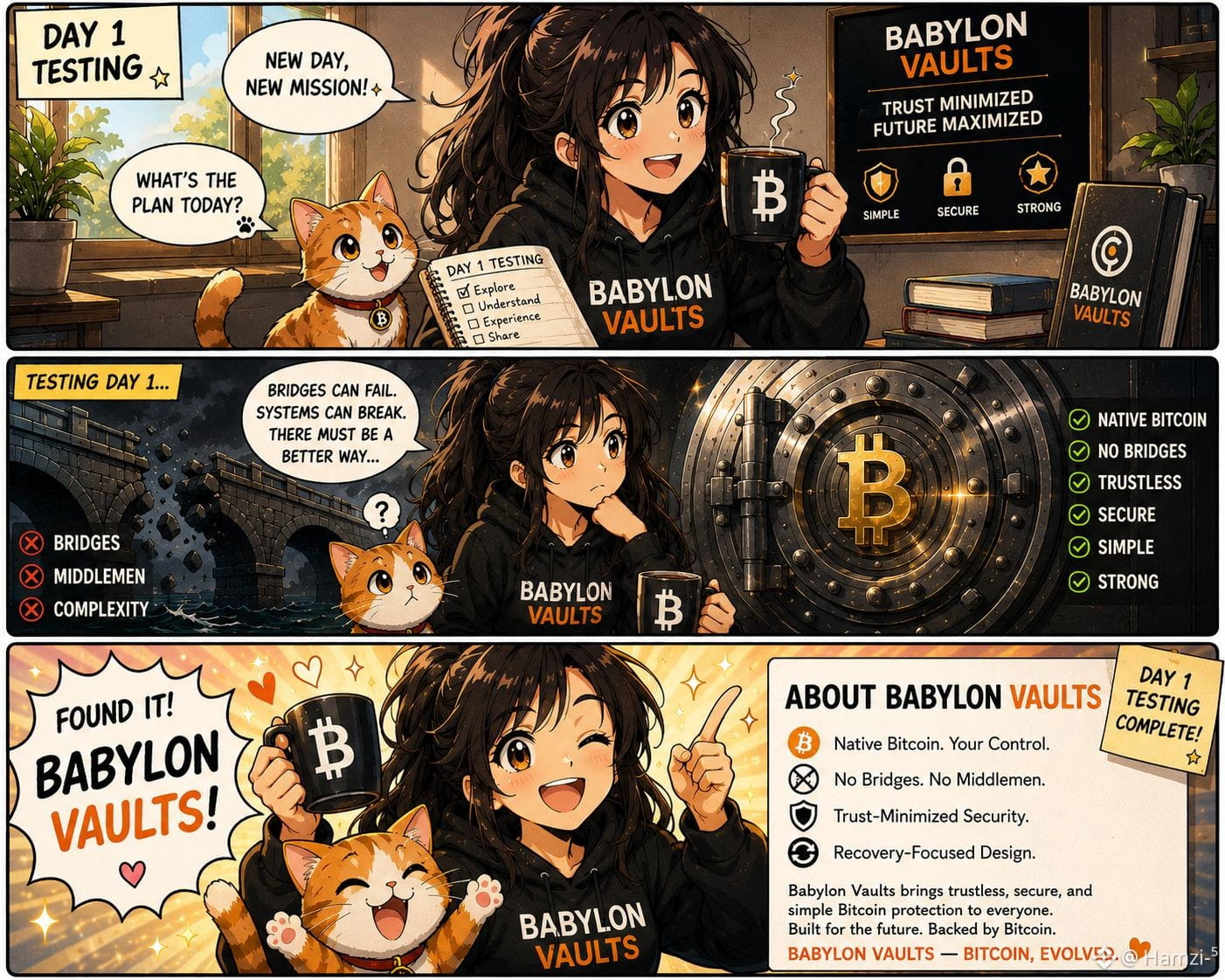
今日はついに、少額のBTCで @babylonlabs_io Trustless Bitcoin Vaults (TBV) を試してみました。すべてがどのように動くのか確かめたかったのです。
まず最初に気づいたのは、このアイデアがとてもシンプルだという点です。BTCはネイティブのままで、ラップされたビットコインはなく、従来のブリッジモデルにも依存していません。これだけで早速テストしてみたくなりました。
また、BTCが、所有権を手放したり、コインを第三者に預けたりすることなく、PoSネットワークのセキュリティ確保に役立てられる点も気に入りました。
さらに、リカバリーとバックアップの設計について少し時間をかけて読みました。中央集権的なカストディに頼るのではなく、リカバリーを重視したアプローチだと分かって、より一層安心できました。
全体として、Day 1は順調でした。これから数日間テストを続けて、途中で見つけた面白いことがあれば共有します。
@babylonlabs_io
$BABY #bitcoin #BTC #babylonlabs #crypto
#baby $BABY
テスト第1日 @BabylonLabs_io
今日はついに、少額のBTCで @BabylonLabs_io Trustless Bitcoin Vaults (TBV) を試してみました。すべてがどのように動くのか確かめたかったのです。
まず最初に気づいたのは、このアイデアがとてもシンプルだという点です。BTCはネイティブのままで、ラップされたビットコインはなく、従来のブリッジモデルにも依存していません。これだけで早速テストしてみたくなりました。
また、BTCが、所有権を手放したり、コインを第三者に預けたりすることなく、PoSネットワークのセキュリティ確保に役立てられる点も気に入りました。
さらに、リカバリーとバックアップの設計について少し時間をかけて読みました。中央集権的なカストディに頼るのではなく、リカバリーを重視したアプローチだと分かって、より一層安心できました。
全体として、Day 1は順調でした。これから数日間テストを続けて、途中で見つけた面白いことがあれば共有します。
@BabylonLabs_io
$BABY #bitcoin #BTC #babylonlabs #crypto
#baby $BABY
今日はついに、少額のBTCで @BabylonLabs_io Trustless Bitcoin Vaults (TBV) を試してみました。すべてがどのように動くのか確かめたかったのです。
まず最初に気づいたのは、このアイデアがとてもシンプルだという点です。BTCはネイティブのままで、ラップされたビットコインはなく、従来のブリッジモデルにも依存していません。これだけで早速テストしてみたくなりました。
また、BTCが、所有権を手放したり、コインを第三者に預けたりすることなく、PoSネットワークのセキュリティ確保に役立てられる点も気に入りました。
さらに、リカバリーとバックアップの設計について少し時間をかけて読みました。中央集権的なカストディに頼るのではなく、リカバリーを重視したアプローチだと分かって、より一層安心できました。
全体として、Day 1は順調でした。これから数日間テストを続けて、途中で見つけた面白いことがあれば共有します。
@BabylonLabs_io
$BABY #bitcoin #BTC #babylonlabs #crypto
#baby $BABY
6
2
5
250
·
--
ブリッシュ
$1,000,000 があなたの口座に入金されました… 💰
最初に何を買いますか? 👇
A. 高級時計 ⌚
B. 夢の家 🏡
C. 事業 📈
正直に。
👉 貧しい人は先に見せびらかす
👉 金持ちは先に築く
事業はあなたを FREE にできます。
では…あなたの選択は?
#CardanoHardForkUpgradeSetForJuly18 #NikkeiFalls5%WorstSinceMarch #HYPEFalls8% #HormuzTransitsDropToThreeWeekLow #BrentRises12%Weekly $EVAA $ADA $LAB
$1,000,000 があなたの口座に入金されました… 💰
最初に何を買いますか? 👇
A. 高級時計 ⌚
B. 夢の家 🏡
C. 事業 📈
正直に。
👉 貧しい人は先に見せびらかす
👉 金持ちは先に築く
事業はあなたを FREE にできます。
では…あなたの選択は?
#CardanoHardForkUpgradeSetForJuly18 #NikkeiFalls5%WorstSinceMarch #HYPEFalls8% #HormuzTransitsDropToThreeWeekLow #BrentRises12%Weekly $EVAA $ADA $LAB
最初に何を買いますか? 👇
A. 高級時計 ⌚
B. 夢の家 🏡
C. 事業 📈
正直に。
👉 貧しい人は先に見せびらかす
👉 金持ちは先に築く
事業はあなたを FREE にできます。
では…あなたの選択は?
#CardanoHardForkUpgradeSetForJuly18 #NikkeiFalls5%WorstSinceMarch #HYPEFalls8% #HormuzTransitsDropToThreeWeekLow #BrentRises12%Weekly $EVAA $ADA $LAB


1
220
·
--
ブリッシュ
#BinanceTurns9 Binanceが9周年 - あなたと共に
私の願いは、Binance 9周年のグランドプライズで99.99 $BNB を獲得できることです。現在、グランドプライズの報酬をお待ちしています。
#BinanceTurns9 #Binance
#BinanceTurns9 Binanceが9周年 - あなたと共に
私の願いは、Binance 9周年のグランドプライズで99.99 $BNB を獲得できることです。現在、グランドプライズの報酬をお待ちしています。
#BinanceTurns9 #Binance
私の願いは、Binance 9周年のグランドプライズで99.99 $BNB を獲得できることです。現在、グランドプライズの報酬をお待ちしています。
#BinanceTurns9 #Binance
1
54
·
--
ブリッシュ
本人確認中
取引の未来は @grvt_io
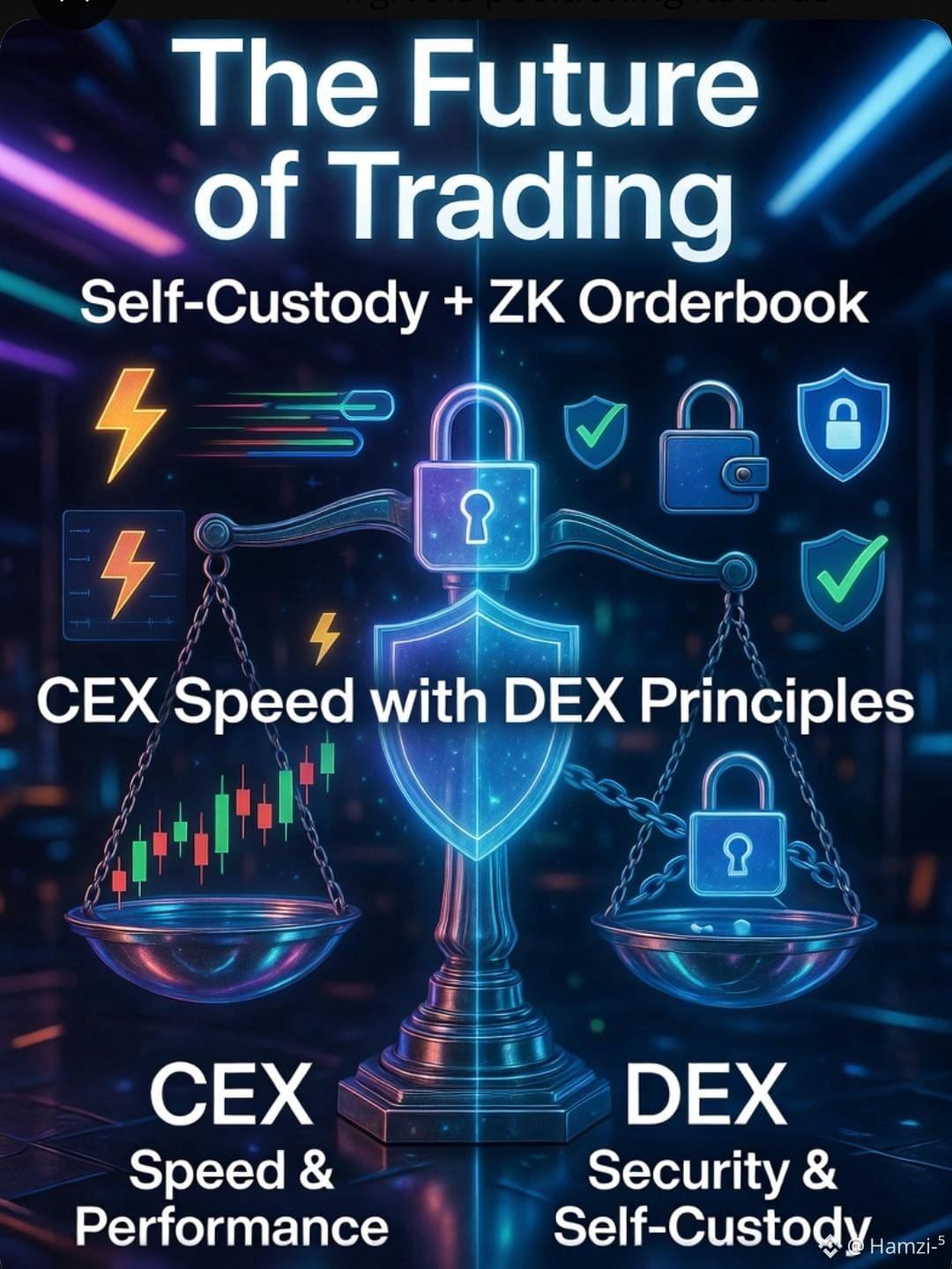
CEXの最大の問題はカストディ(資産保管)リスクです。DEXの最大の問題はスピードと複雑さです。
GRVTはZK技術でその両方を解決しようとしています。
仕組み:
1. セルフ・カストディ: 資産はあなたのウォレットに保持されます。入金は不要です。
2. ZKオーダーブック: 取引は高速でプライベートですが、それでもオンチェーンで検証可能です。
3. コンプライアンス: 分散化を手放さずに、規制基準に適合するよう設計されています。
要するに、DEXの原則でありながらCEXのパフォーマンスです。
#grvt は「セキュリティとスピードのどちらかを選ばなければならない」取引所ではなく、そうする必要のない取引所としての地位を築こうとしています。
質問: CEXのスピードと資金の完全なコントロールが手に入るなら、あなたはプラットフォームを乗り換えますか?なぜ(またはなぜそうしませんか)? #grvt #grvt_io @grvt_io #bosster
$EVAA $LAB $BTC
取引の未来は @grvt_io
CEXの最大の問題はカストディ(資産保管)リスクです。DEXの最大の問題はスピードと複雑さです。
GRVTはZK技術でその両方を解決しようとしています。
仕組み:
1. セルフ・カストディ: 資産はあなたのウォレットに保持されます。入金は不要です。
2. ZKオーダーブック: 取引は高速でプライベートですが、それでもオンチェーンで検証可能です。
3. コンプライアンス: 分散化を手放さずに、規制基準に適合するよう設計されています。
要するに、DEXの原則でありながらCEXのパフォーマンスです。
#grvt は「セキュリティとスピードのどちらかを選ばなければならない」取引所ではなく、そうする必要のない取引所としての地位を築こうとしています。
質問: CEXのスピードと資金の完全なコントロールが手に入るなら、あなたはプラットフォームを乗り換えますか?なぜ(またはなぜそうしませんか)? #grvt #grvt_io @grvt_io #bosster
$EVAA $LAB $BTC
CEXの最大の問題はカストディ(資産保管)リスクです。DEXの最大の問題はスピードと複雑さです。
GRVTはZK技術でその両方を解決しようとしています。
仕組み:
1. セルフ・カストディ: 資産はあなたのウォレットに保持されます。入金は不要です。
2. ZKオーダーブック: 取引は高速でプライベートですが、それでもオンチェーンで検証可能です。
3. コンプライアンス: 分散化を手放さずに、規制基準に適合するよう設計されています。
要するに、DEXの原則でありながらCEXのパフォーマンスです。
#grvt は「セキュリティとスピードのどちらかを選ばなければならない」取引所ではなく、そうする必要のない取引所としての地位を築こうとしています。
質問: CEXのスピードと資金の完全なコントロールが手に入るなら、あなたはプラットフォームを乗り換えますか?なぜ(またはなぜそうしませんか)? #grvt #grvt_io @grvt_io #bosster
$EVAA $LAB $BTC
19
9
16
572
·
--
ブリッシュ
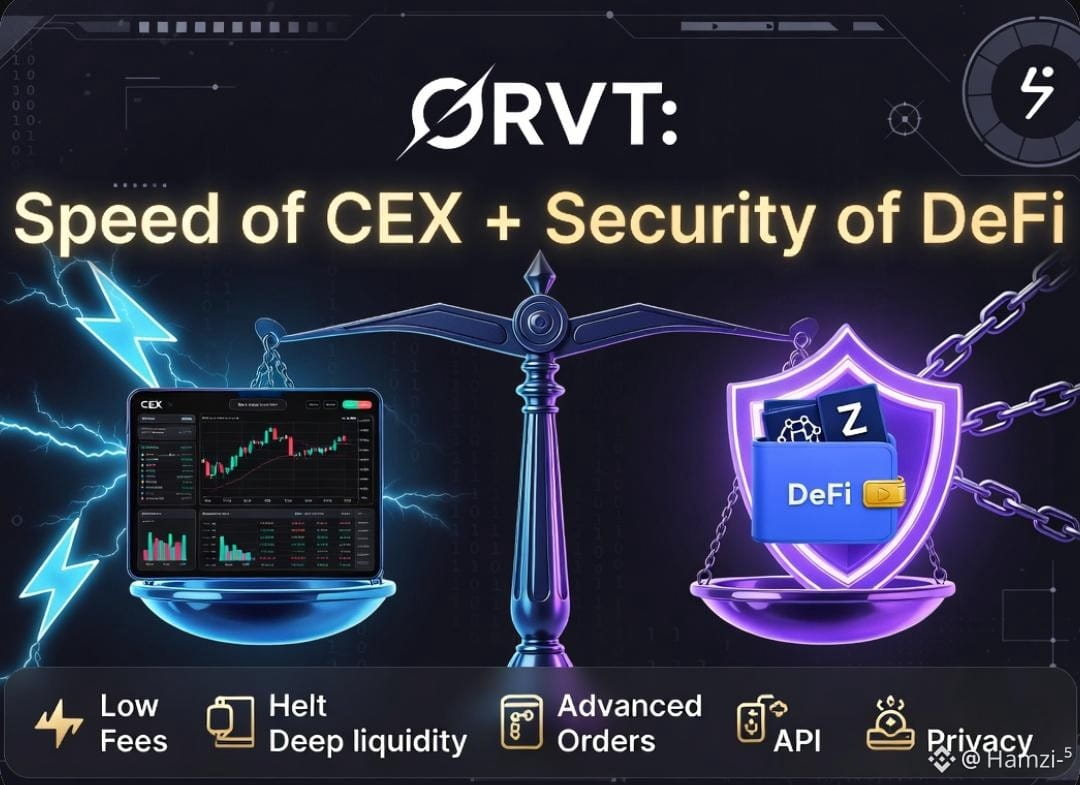
@grvt_io でのトレーディングは、ついにCEXとDeFiの問題が解決されたので、感じ方がまったく違います。オフチェーンの板(orderbook)により、中央集権型取引所のような即時の取引と引き締まったスプレッドが得られますが、資金は自己管理(self-custody)のままです。決済はzkプルーフでオンチェーンにて行われるため、すべての取引が検証可能で、カウンターパーティリスクがゼロです。キーの管理権を手放すことなく、入金・取引・出金ができます。
際立っているのはツールです。分散型バリデータがネットワークを安全に保つ一方で、低手数料、深い流動性、さらに高度な注文やAPIアクセスといったプロ向け機能が利用できます。UIはCEXのようにスムーズですが、DeFiの所有権とzkによるプライバシーが組み込まれています。GRVTは、「スピード」と「セキュリティ」のどちらかを選ぶ必要がないことを証明します。#grvt #grvt #grvt🚀 $NVDAB $LAB $BTC @grvt_io
@grvt_io でのトレーディングは、ついにCEXとDeFiの問題が解決されたので、感じ方がまったく違います。オフチェーンの板(orderbook)により、中央集権型取引所のような即時の取引と引き締まったスプレッドが得られますが、資金は自己管理(self-custody)のままです。決済はzkプルーフでオンチェーンにて行われるため、すべての取引が検証可能で、カウンターパーティリスクがゼロです。キーの管理権を手放すことなく、入金・取引・出金ができます。
際立っているのはツールです。分散型バリデータがネットワークを安全に保つ一方で、低手数料、深い流動性、さらに高度な注文やAPIアクセスといったプロ向け機能が利用できます。UIはCEXのようにスムーズですが、DeFiの所有権とzkによるプライバシーが組み込まれています。GRVTは、「スピード」と「セキュリティ」のどちらかを選ぶ必要がないことを証明します。#grvt #grvt #grvt🚀 $NVDAB $LAB $BTC @grvt_io
際立っているのはツールです。分散型バリデータがネットワークを安全に保つ一方で、低手数料、深い流動性、さらに高度な注文やAPIアクセスといったプロ向け機能が利用できます。UIはCEXのようにスムーズですが、DeFiの所有権とzkによるプライバシーが組み込まれています。GRVTは、「スピード」と「セキュリティ」のどちらかを選ぶ必要がないことを証明します。#grvt #grvt #grvt🚀 $NVDAB $LAB $BTC @grvt_io

10
5
11
269
·
--
ブリッシュ
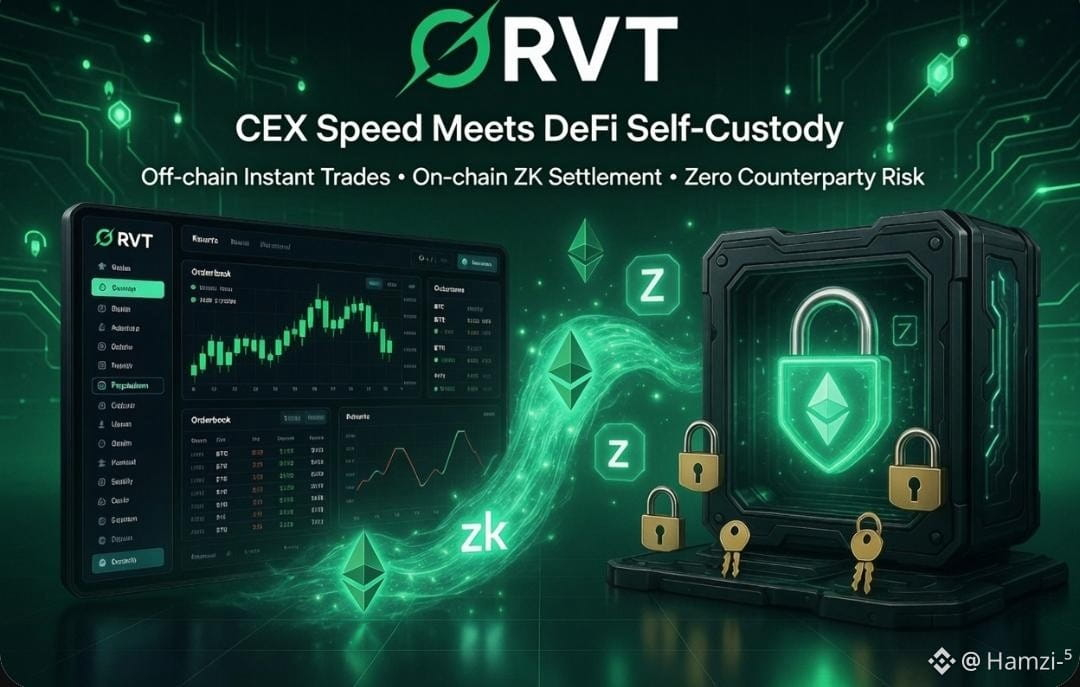
@grvt_io : GRVTは、CEXレベルのスピードと真のDeFiの自己保管を融合した、zkパワードのハイブリッド取引所です。オフチェーンの注文帳により即時の取引が可能になり、zk証明によるオンチェーン決済が透明性と対パーティーリスクゼロを保証します。分散型バリデータがネットワークを保護し、セキュリティや保有権を損なうことなくトレーダーにパフォーマンスを提供します。#grvt
GRVTが他と違うのは、資産を完全に自分で管理できることです。カストディアル(預託)ウォレットなし、ロックインなし。CEXのように取引して、DeFiのように出金できます。低手数料、厚い流動性、zkパワードのプライバシーにより、GRVTはスピードと信頼が両立する取引の未来のために作られています。 #grvt#grvt #grvt @grvt_io #grvt🚀
@grvt_io : GRVTは、CEXレベルのスピードと真のDeFiの自己保管を融合した、zkパワードのハイブリッド取引所です。オフチェーンの注文帳により即時の取引が可能になり、zk証明によるオンチェーン決済が透明性と対パーティーリスクゼロを保証します。分散型バリデータがネットワークを保護し、セキュリティや保有権を損なうことなくトレーダーにパフォーマンスを提供します。#grvt
GRVTが他と違うのは、資産を完全に自分で管理できることです。カストディアル(預託)ウォレットなし、ロックインなし。CEXのように取引して、DeFiのように出金できます。低手数料、厚い流動性、zkパワードのプライバシーにより、GRVTはスピードと信頼が両立する取引の未来のために作られています。 #grvt#grvt #grvt @grvt_io #grvt🚀
GRVTが他と違うのは、資産を完全に自分で管理できることです。カストディアル(預託)ウォレットなし、ロックインなし。CEXのように取引して、DeFiのように出金できます。低手数料、厚い流動性、zkパワードのプライバシーにより、GRVTはスピードと信頼が両立する取引の未来のために作られています。 #grvt#grvt #grvt @grvt_io #grvt🚀
12
7
12
124
·
--
ブリッシュ
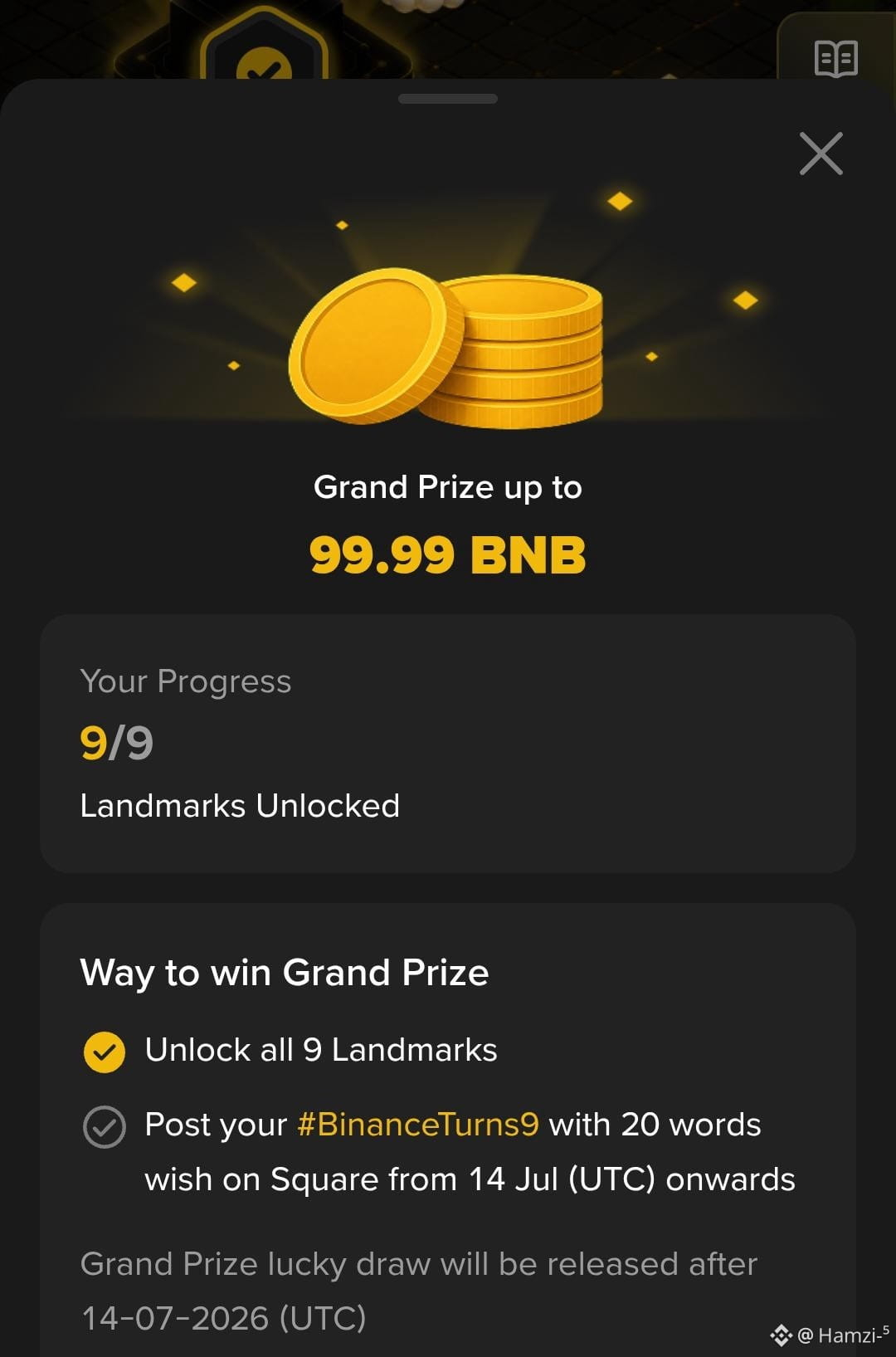
#BinanceTurns9 Binance Turns 9 - Built By You
Binance Turns 9 - Built By You 🎉
私の願い:このお祝いで99.99 BNBのグランドプライズを当てられますように 🎁
9/9のランドマークがアンロック ✅
いま、抽選を待っています
#BinanceTurns9 #Binance
#BinanceTurns9 Binance Turns 9 - Built By You
Binance Turns 9 - Built By You 🎉
私の願い:このお祝いで99.99 BNBのグランドプライズを当てられますように 🎁
9/9のランドマークがアンロック ✅
いま、抽選を待っています
#BinanceTurns9 #Binance
Binance Turns 9 - Built By You 🎉
私の願い:このお祝いで99.99 BNBのグランドプライズを当てられますように 🎁
9/9のランドマークがアンロック ✅
いま、抽選を待っています
#BinanceTurns9 #Binance

3
20
·
--
ブリッシュ
#BinanceTurns9 Binance は 9 周年 - あなたが作った
Binance は 9 周年 - あなたが作った 🎉
私の願い:このお祝いで 99.99 の $BNB グランドプライズが当たりますように 🎁
9/9 のランドマークを解放 ✅
いまラッキードローを待っています
#BinanceTurns9 #Binance #Binance9 #Binance9thAnniversary
#BinanceTurns9 Binance は 9 周年 - あなたが作った
Binance は 9 周年 - あなたが作った 🎉
私の願い:このお祝いで 99.99 の $BNB グランドプライズが当たりますように 🎁
9/9 のランドマークを解放 ✅
いまラッキードローを待っています
#BinanceTurns9 #Binance #Binance9 #Binance9thAnniversary
Binance は 9 周年 - あなたが作った 🎉
私の願い:このお祝いで 99.99 の $BNB グランドプライズが当たりますように 🎁
9/9 のランドマークを解放 ✅
いまラッキードローを待っています
#BinanceTurns9 #Binance #Binance9 #Binance9thAnniversary
2
113
ログインして、さらにコンテンツを読む
厳選トピックで世界の暗号資産トレーダーの仲間入り
⚡️ 暗号資産に関する最新かつ有益な情報が見つかります。
💬 世界最大の暗号資産取引所から信頼されています。
👍 認証を受けたクリエイターから、有益なインサイトを得られます。
メール / 電話番号
トレンドトピック
BinanceLaunchesBinanceIntelligence
閲覧回数 837,656
5,193人が討論中
🚨 BINANCEが暗号資産分野にAIをさらに深く導入。
Binanceは、マーケットリサーチ、取引プロセス、暗号資産データを中心に設計された、AI搭載の新たなレイヤー「Binance Intelligence」を発表しました。
注目すべき点は?
単一のツールではないということです。
🧠 Binance AI → 市場のパーソナライズ分析、アラート、ポートフォリオ情報
⚡ Binance AI Pro → 自然言語で表現したアイデアを取引プロセスに変換
🤖 Agent OS → AIエージェントを市場、ポートフォリオ、ブロックチェーンの機能と接続
これは大きな変化です。
暗号資産プラットフォームは、トレーダーにチャートやデータを提供するだけではなくなりつつあります。
そうしたデータを解釈できるAIシステムを提供し始めているのです。
本当の問いは、
AIは今日のインジケーターやチャートのように、トレーダーの間で当たり前の存在になるのでしょうか? 👀
$BTC
$GRIFFAIN
$NMR
#BinanceLaunchesBinanceIntelligence
Jacob trade
·いいね:1件
·閲覧回数 154
RobinhoodAdds$25MInBitcoinToBalanceSheet
閲覧回数 0
3人が討論中
SP500AndNasdaqHitRecordHighs
閲覧回数 146
38人が討論中