

顾清妍
1.2k 投稿

顾清妍
報告
ユーザーをブロック
Curious about Web3, digital trends, and new ideas. Sharing simple thoughts, learning notes, and market observations along the way.
76 フォロー
165 フォロワー
702 いいね
投稿
すべて
引用
·
--
ブリッシュ
#circletetherfreezebitgethackerwallet
🚨 サークル&テザー、ビットゲットのハックに紐づくステーブルコインを凍結
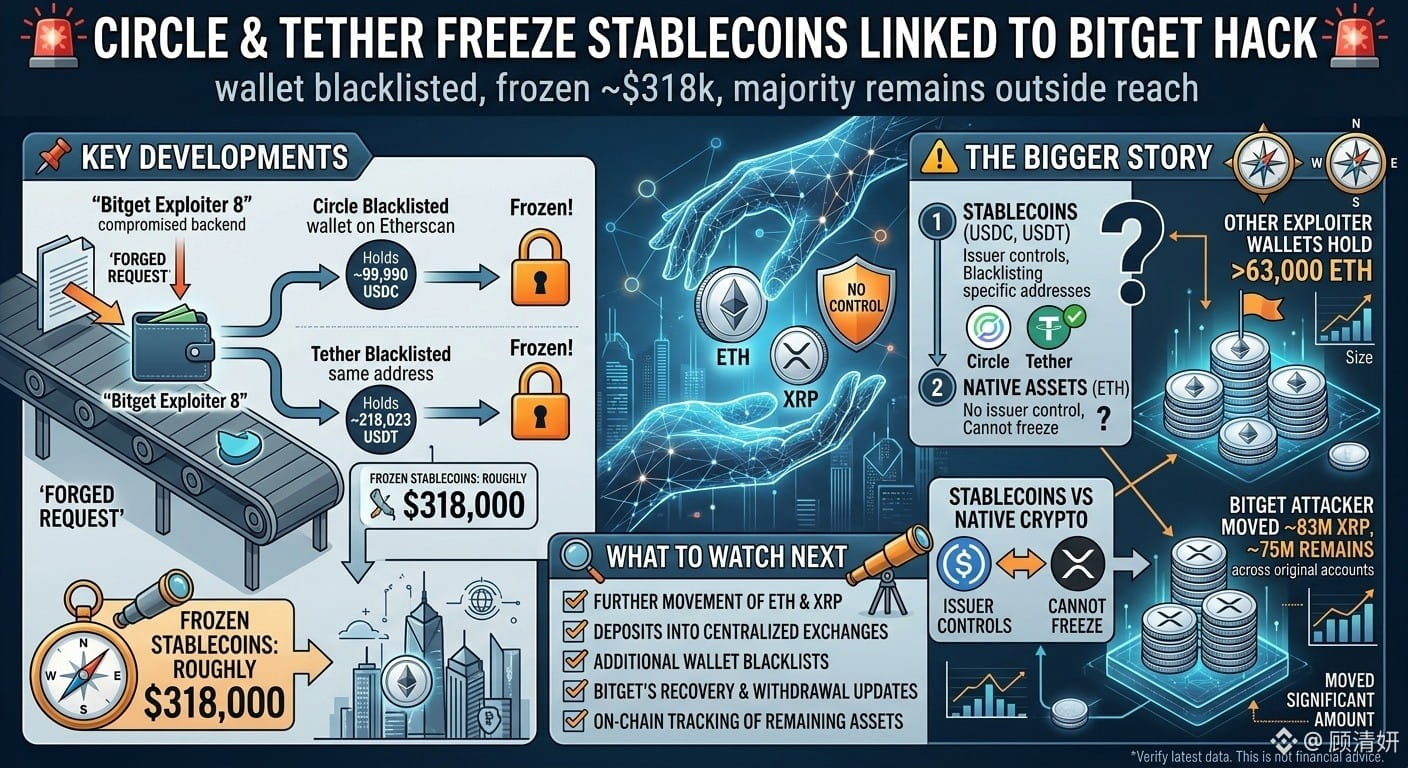
CircleとTetherは、直近のBitgetのセキュリティ侵害に関連するウォレットをブラックリストに登録し、約318,000ドル相当のUSDCとUSDTを凍結しました。
しかし、盗まれた資産の大半は、ステーブルコイン発行者の手の届かない場所に残っています。
📌 重要な進展
• CircleはEtherscan上で「Bitget Exploiter 8」と特定されたウォレットをブラックリストに登録
• 当該ウォレットには約99,990 USDCと218,023 USDTが保有されていた
• その後、Tetherも同じアドレスをブラックリストに登録
• 凍結されたステーブルコインの価値は約318,000ドル
• ほかの侵害者(エクスプロイター)関連ウォレットは、依然として63,000 ETH超を保有していると報じられている
• ステーブルコイン発行者は自社トークンを凍結できるが、攻撃者が保有するネイティブETHは凍結できない
⚠️ より大きな論点
この事件は、ステーブルコインとネイティブ暗号資産の重要な違いを浮き彫りにしています。
USDCとUSDTには、CircleとTetherが特定アドレスをブラックリストに登録できる発行者レベルの制御が含まれています。
ETHには、同種の制御を行える発行者が存在しません。
一方で、Bitgetの攻撃者は盗んだXRPも大量に移動させています。CoinDeskは、約8,300万ドル相当のXRPが元の保有ウォレット3つから移された一方、報道時点で元の口座に残っていたのは約7,500万ドルだったと伝えました。
🔎 注目ポイント
• 盗難ETHおよびXRPのさらなる移動
• 中央集権型取引所への入金
• 追加のウォレットのブラックリスト登録
• Bitgetの回復および出金(withdrawal)に関する更新
• 残存資産のオンチェーン追跡
これは単なる別の取引所ハックの話ではありません。基盤となるブロックチェーンとトークン設計によって、「資産を凍結できる能力」が大きく異なり得ることを示しています。
$SUPER $GRAM $PYTH
{future}(PYTHUSDT)
{future}(GRAMUSDT)
{future}(SUPERUSDT)
#circletetherfreezebitgethackerwallet
🚨 サークル&テザー、ビットゲットのハックに紐づくステーブルコインを凍結
CircleとTetherは、直近のBitgetのセキュリティ侵害に関連するウォレットをブラックリストに登録し、約318,000ドル相当のUSDCとUSDTを凍結しました。
しかし、盗まれた資産の大半は、ステーブルコイン発行者の手の届かない場所に残っています。
📌 重要な進展
• CircleはEtherscan上で「Bitget Exploiter 8」と特定されたウォレットをブラックリストに登録
• 当該ウォレットには約99,990 USDCと218,023 USDTが保有されていた
• その後、Tetherも同じアドレスをブラックリストに登録
• 凍結されたステーブルコインの価値は約318,000ドル
• ほかの侵害者(エクスプロイター)関連ウォレットは、依然として63,000 ETH超を保有していると報じられている
• ステーブルコイン発行者は自社トークンを凍結できるが、攻撃者が保有するネイティブETHは凍結できない
⚠️ より大きな論点
この事件は、ステーブルコインとネイティブ暗号資産の重要な違いを浮き彫りにしています。
USDCとUSDTには、CircleとTetherが特定アドレスをブラックリストに登録できる発行者レベルの制御が含まれています。
ETHには、同種の制御を行える発行者が存在しません。
一方で、Bitgetの攻撃者は盗んだXRPも大量に移動させています。CoinDeskは、約8,300万ドル相当のXRPが元の保有ウォレット3つから移された一方、報道時点で元の口座に残っていたのは約7,500万ドルだったと伝えました。
🔎 注目ポイント
• 盗難ETHおよびXRPのさらなる移動
• 中央集権型取引所への入金
• 追加のウォレットのブラックリスト登録
• Bitgetの回復および出金(withdrawal)に関する更新
• 残存資産のオンチェーン追跡
これは単なる別の取引所ハックの話ではありません。基盤となるブロックチェーンとトークン設計によって、「資産を凍結できる能力」が大きく異なり得ることを示しています。
$SUPER $GRAM $PYTH
🚨 サークル&テザー、ビットゲットのハックに紐づくステーブルコインを凍結
CircleとTetherは、直近のBitgetのセキュリティ侵害に関連するウォレットをブラックリストに登録し、約318,000ドル相当のUSDCとUSDTを凍結しました。
しかし、盗まれた資産の大半は、ステーブルコイン発行者の手の届かない場所に残っています。
📌 重要な進展
• CircleはEtherscan上で「Bitget Exploiter 8」と特定されたウォレットをブラックリストに登録
• 当該ウォレットには約99,990 USDCと218,023 USDTが保有されていた
• その後、Tetherも同じアドレスをブラックリストに登録
• 凍結されたステーブルコインの価値は約318,000ドル
• ほかの侵害者(エクスプロイター)関連ウォレットは、依然として63,000 ETH超を保有していると報じられている
• ステーブルコイン発行者は自社トークンを凍結できるが、攻撃者が保有するネイティブETHは凍結できない
⚠️ より大きな論点
この事件は、ステーブルコインとネイティブ暗号資産の重要な違いを浮き彫りにしています。
USDCとUSDTには、CircleとTetherが特定アドレスをブラックリストに登録できる発行者レベルの制御が含まれています。
ETHには、同種の制御を行える発行者が存在しません。
一方で、Bitgetの攻撃者は盗んだXRPも大量に移動させています。CoinDeskは、約8,300万ドル相当のXRPが元の保有ウォレット3つから移された一方、報道時点で元の口座に残っていたのは約7,500万ドルだったと伝えました。
🔎 注目ポイント
• 盗難ETHおよびXRPのさらなる移動
• 中央集権型取引所への入金
• 追加のウォレットのブラックリスト登録
• Bitgetの回復および出金(withdrawal)に関する更新
• 残存資産のオンチェーン追跡
これは単なる別の取引所ハックの話ではありません。基盤となるブロックチェーンとトークン設計によって、「資産を凍結できる能力」が大きく異なり得ることを示しています。
$SUPER $GRAM $PYTH
5
13
14.1k
·
--
ブリッシュ
本人確認中
#trumprejectsiranhormuzreopening
🚨 トランプ、イランのホルムズ海峡再開計画を拒否
重要な地政学的な進展が、エネルギー市場と世界的なリスク心理を再び注目させています。
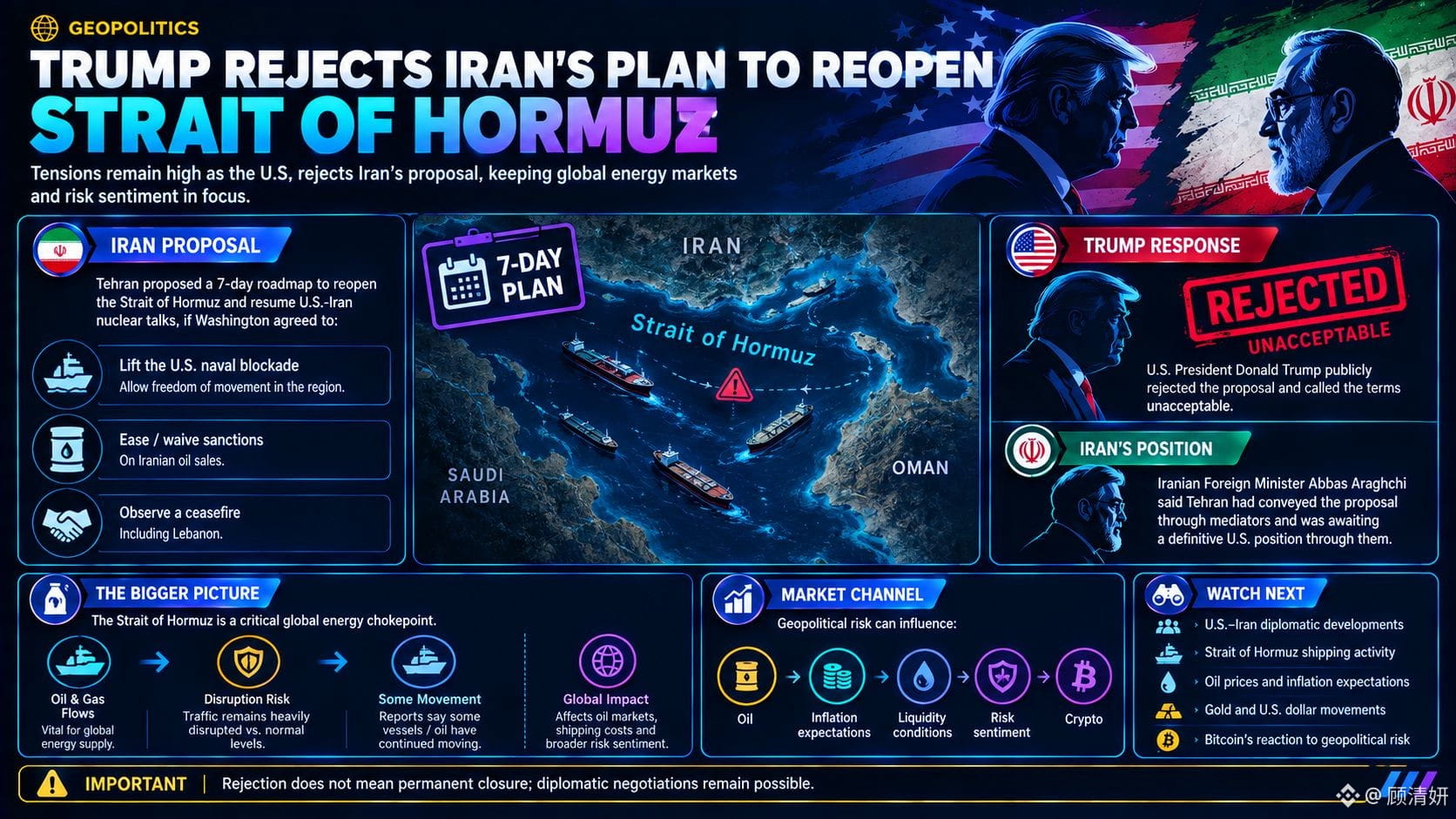
米国のドナルド・トランプ大統領は、イランの提案する「7日以内にホルムズ海峡を再開し、交渉を再開する」ことを拒否しました。
📌 主要なポイント
• 🇮🇷 イランは、特定の条件のもとで7日以内にホルムズ海峡を再開すると提案。
• 🇺🇸 トランプは公に提案を拒否し、その条件は受け入れがたいと述べました。
• 🤝 イランは、調停者を通じて米国からの明確な回答をまだ待っていると言っています。
• 🚢 ホルムズ海峡を通じた海運は、通常水準に比べて大きく混乱したままです。
• 🛢️ ホルムズ海峡は世界の重要なエネルギー輸送ルートであり、長引く混乱は原油・海運市場にとって重要です。
🌍 なぜ重要か
ホルムズ海峡は、世界でもっとも重要なエネルギーのチョークポイントの一つです。再開に関する継続的な不確実性は、原油価格、海運コスト、そして幅広いリスク心理に下押し圧力をかけ続ける可能性があります。
暗号資産市場にとっての主要な伝播経路はマクロ・リスクです。エネルギーコストの上昇や地政学的不確実性は、インフレ期待、流動性の状況、リスク資産に対する投資家の意欲に影響を与え得ます。
⚠️ 重要
これは「ホルムズが永久に閉鎖されたままになる」ことを意味しません。外交交渉は依然として可能であり、イランは再開が条件達成に結び付いているとしています。
👀 次に注目すべきこと
• 米国とイランの外交的な動き
• ホルムズ海峡の海運活動
• 原油価格とインフレ期待
• 金と米ドルの動き
• 地政学リスクの変化に対するビットコインの反応
次の大きなきっかけは、ワシントンとテヘランが、公開発言から再び交渉へと進めるかどうかかもしれません。
$GLMR $QI $WLD
{future}(WLDUSDT)
{spot}(QIUSDT)
{spot}(GLMRUSDT)
#trumprejectsiranhormuzreopening
🚨 トランプ、イランのホルムズ海峡再開計画を拒否
重要な地政学的な進展が、エネルギー市場と世界的なリスク心理を再び注目させています。
米国のドナルド・トランプ大統領は、イランの提案する「7日以内にホルムズ海峡を再開し、交渉を再開する」ことを拒否しました。
📌 主要なポイント
• 🇮🇷 イランは、特定の条件のもとで7日以内にホルムズ海峡を再開すると提案。
• 🇺🇸 トランプは公に提案を拒否し、その条件は受け入れがたいと述べました。
• 🤝 イランは、調停者を通じて米国からの明確な回答をまだ待っていると言っています。
• 🚢 ホルムズ海峡を通じた海運は、通常水準に比べて大きく混乱したままです。
• 🛢️ ホルムズ海峡は世界の重要なエネルギー輸送ルートであり、長引く混乱は原油・海運市場にとって重要です。
🌍 なぜ重要か
ホルムズ海峡は、世界でもっとも重要なエネルギーのチョークポイントの一つです。再開に関する継続的な不確実性は、原油価格、海運コスト、そして幅広いリスク心理に下押し圧力をかけ続ける可能性があります。
暗号資産市場にとっての主要な伝播経路はマクロ・リスクです。エネルギーコストの上昇や地政学的不確実性は、インフレ期待、流動性の状況、リスク資産に対する投資家の意欲に影響を与え得ます。
⚠️ 重要
これは「ホルムズが永久に閉鎖されたままになる」ことを意味しません。外交交渉は依然として可能であり、イランは再開が条件達成に結び付いているとしています。
👀 次に注目すべきこと
• 米国とイランの外交的な動き
• ホルムズ海峡の海運活動
• 原油価格とインフレ期待
• 金と米ドルの動き
• 地政学リスクの変化に対するビットコインの反応
次の大きなきっかけは、ワシントンとテヘランが、公開発言から再び交渉へと進めるかどうかかもしれません。
$GLMR $QI $WLD
🚨 トランプ、イランのホルムズ海峡再開計画を拒否
重要な地政学的な進展が、エネルギー市場と世界的なリスク心理を再び注目させています。
米国のドナルド・トランプ大統領は、イランの提案する「7日以内にホルムズ海峡を再開し、交渉を再開する」ことを拒否しました。
📌 主要なポイント
• 🇮🇷 イランは、特定の条件のもとで7日以内にホルムズ海峡を再開すると提案。
• 🇺🇸 トランプは公に提案を拒否し、その条件は受け入れがたいと述べました。
• 🤝 イランは、調停者を通じて米国からの明確な回答をまだ待っていると言っています。
• 🚢 ホルムズ海峡を通じた海運は、通常水準に比べて大きく混乱したままです。
• 🛢️ ホルムズ海峡は世界の重要なエネルギー輸送ルートであり、長引く混乱は原油・海運市場にとって重要です。
🌍 なぜ重要か
ホルムズ海峡は、世界でもっとも重要なエネルギーのチョークポイントの一つです。再開に関する継続的な不確実性は、原油価格、海運コスト、そして幅広いリスク心理に下押し圧力をかけ続ける可能性があります。
暗号資産市場にとっての主要な伝播経路はマクロ・リスクです。エネルギーコストの上昇や地政学的不確実性は、インフレ期待、流動性の状況、リスク資産に対する投資家の意欲に影響を与え得ます。
⚠️ 重要
これは「ホルムズが永久に閉鎖されたままになる」ことを意味しません。外交交渉は依然として可能であり、イランは再開が条件達成に結び付いているとしています。
👀 次に注目すべきこと
• 米国とイランの外交的な動き
• ホルムズ海峡の海運活動
• 原油価格とインフレ期待
• 金と米ドルの動き
• 地政学リスクの変化に対するビットコインの反応
次の大きなきっかけは、ワシントンとテヘランが、公開発言から再び交渉へと進めるかどうかかもしれません。
$GLMR $QI $WLD
7
8.8k
·
--
ブリッシュ
本人確認中
#strategystriveadd2305bitcointhisweek
🚨 戦略 & 邁進:新たな企業買いで2,305ビットコインを追加
企業によるビットコインの積み増しが再び注目を集めています。
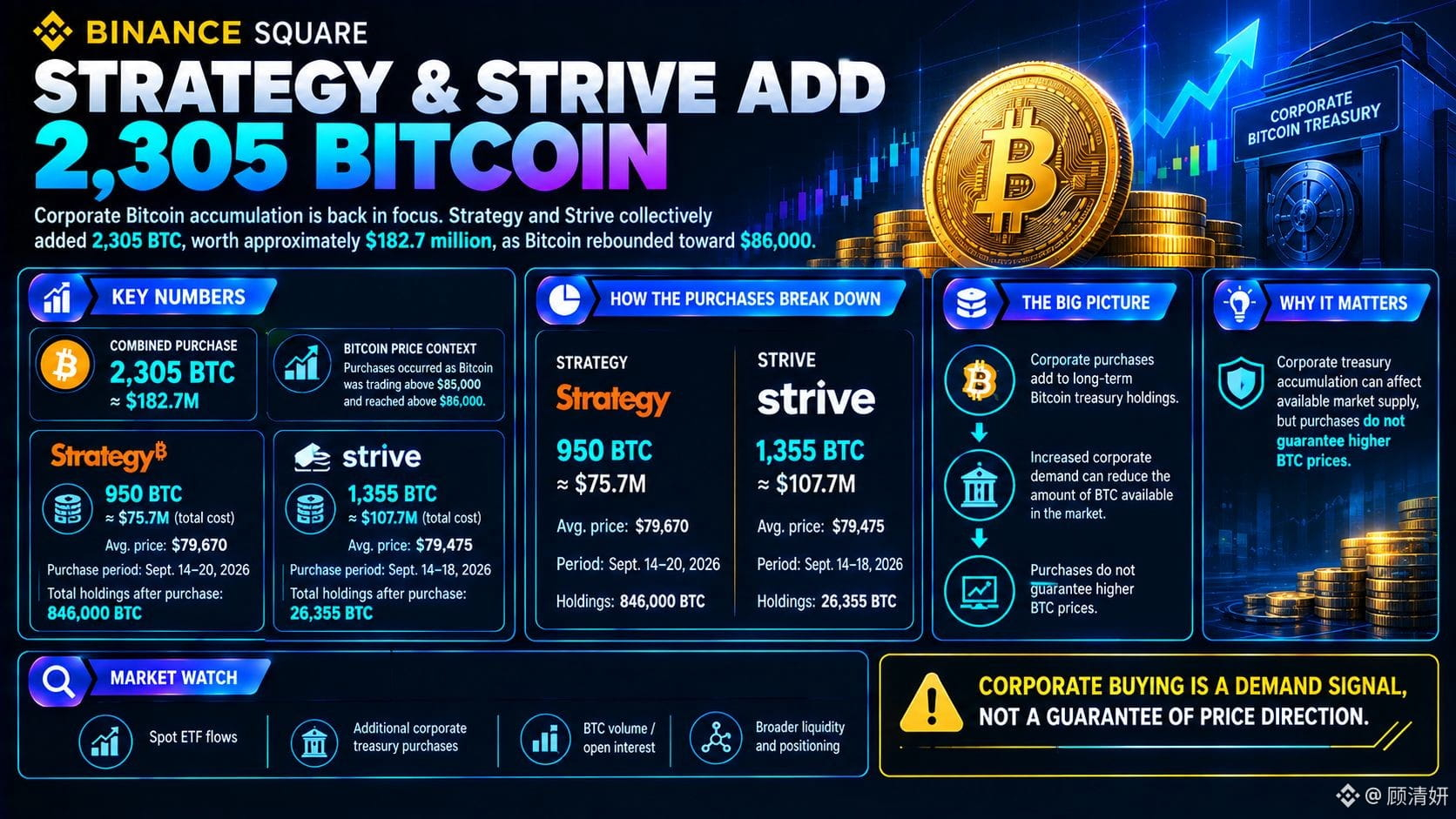
戦略(Strategy)と邁進(Strive)は合計で2,305 BTCを追加し、報告された購入価格ベースで約1億8,270万ドル相当でした。買いは、ビットコインが8万6,000ドル付近へ急反発した局面で入っています。
📊 重要な数値
• 2,305 BTC — 追加された新規購入の合計
• $182.7M — 合計の概算コスト
• 950 BTC — 戦略が約7,570万ドルで購入
• 1,355 BTC — 邁進が約1億770万ドルで購入
• 846,000 BTC — 購入後の戦略の保有高(報告値)
• 26,355 BTC — 邁進の保有高(報告値)
💡 なぜ重要か
戦略は950 BTCを平均約79,670ドルで購入し、邁進は1,355 BTCを平均約79,475ドルで購入しました。
いずれの購入も、その後のビットコインの市場価格を下回っており、ビットコインのトレジャリー企業にとって変動の多かった期間の後でも、企業需要が継続していることを示しています。
📈 市場への影響
大規模な企業の買いは、より広い市場に出回るビットコイン量を減らす可能性がありますが、価格の上昇を確実にするものではありません。
トレーダーにとってより大きな論点は、他の企業の買い手や現物ビットコインETFが、引き続きエクスポージャーを積み増しているかどうかです。
🔎 注目ポイント
• 最近のサポート帯を上回るビットコインの保有
• 現物ETFのネットフロー
• 追加の企業トレジャリーによる購入
• BTCの取引量と建玉(オープン・インタレスト)
• 企業の積み増しが加速するのか、それとも少数の買い手に集中したままなのか
これは、ビットコインの企業トレジャリー動向における注目すべき進展ですが、価格の方向性は引き続き、市場全体の流動性、フロー、ポジショニングに左右されるでしょう。
あなたはどう思いますか:企業によるビットコインの積み増しは、ここから加速するのでしょうか?
$QNT $SUPER $AMP
{spot}(AMPUSDT)
{future}(SUPERUSDT)
{future}(QNTUSDT)
#strategystriveadd2305bitcointhisweek
🚨 戦略 & 邁進:新たな企業買いで2,305ビットコインを追加
企業によるビットコインの積み増しが再び注目を集めています。
戦略(Strategy)と邁進(Strive)は合計で2,305 BTCを追加し、報告された購入価格ベースで約1億8,270万ドル相当でした。買いは、ビットコインが8万6,000ドル付近へ急反発した局面で入っています。
📊 重要な数値
• 2,305 BTC — 追加された新規購入の合計
• $182.7M — 合計の概算コスト
• 950 BTC — 戦略が約7,570万ドルで購入
• 1,355 BTC — 邁進が約1億770万ドルで購入
• 846,000 BTC — 購入後の戦略の保有高(報告値)
• 26,355 BTC — 邁進の保有高(報告値)
💡 なぜ重要か
戦略は950 BTCを平均約79,670ドルで購入し、邁進は1,355 BTCを平均約79,475ドルで購入しました。
いずれの購入も、その後のビットコインの市場価格を下回っており、ビットコインのトレジャリー企業にとって変動の多かった期間の後でも、企業需要が継続していることを示しています。
📈 市場への影響
大規模な企業の買いは、より広い市場に出回るビットコイン量を減らす可能性がありますが、価格の上昇を確実にするものではありません。
トレーダーにとってより大きな論点は、他の企業の買い手や現物ビットコインETFが、引き続きエクスポージャーを積み増しているかどうかです。
🔎 注目ポイント
• 最近のサポート帯を上回るビットコインの保有
• 現物ETFのネットフロー
• 追加の企業トレジャリーによる購入
• BTCの取引量と建玉(オープン・インタレスト)
• 企業の積み増しが加速するのか、それとも少数の買い手に集中したままなのか
これは、ビットコインの企業トレジャリー動向における注目すべき進展ですが、価格の方向性は引き続き、市場全体の流動性、フロー、ポジショニングに左右されるでしょう。
あなたはどう思いますか:企業によるビットコインの積み増しは、ここから加速するのでしょうか?
$QNT $SUPER $AMP
🚨 戦略 & 邁進:新たな企業買いで2,305ビットコインを追加
企業によるビットコインの積み増しが再び注目を集めています。
戦略(Strategy)と邁進(Strive)は合計で2,305 BTCを追加し、報告された購入価格ベースで約1億8,270万ドル相当でした。買いは、ビットコインが8万6,000ドル付近へ急反発した局面で入っています。
📊 重要な数値
• 2,305 BTC — 追加された新規購入の合計
• $182.7M — 合計の概算コスト
• 950 BTC — 戦略が約7,570万ドルで購入
• 1,355 BTC — 邁進が約1億770万ドルで購入
• 846,000 BTC — 購入後の戦略の保有高(報告値)
• 26,355 BTC — 邁進の保有高(報告値)
💡 なぜ重要か
戦略は950 BTCを平均約79,670ドルで購入し、邁進は1,355 BTCを平均約79,475ドルで購入しました。
いずれの購入も、その後のビットコインの市場価格を下回っており、ビットコインのトレジャリー企業にとって変動の多かった期間の後でも、企業需要が継続していることを示しています。
📈 市場への影響
大規模な企業の買いは、より広い市場に出回るビットコイン量を減らす可能性がありますが、価格の上昇を確実にするものではありません。
トレーダーにとってより大きな論点は、他の企業の買い手や現物ビットコインETFが、引き続きエクスポージャーを積み増しているかどうかです。
🔎 注目ポイント
• 最近のサポート帯を上回るビットコインの保有
• 現物ETFのネットフロー
• 追加の企業トレジャリーによる購入
• BTCの取引量と建玉(オープン・インタレスト)
• 企業の積み増しが加速するのか、それとも少数の買い手に集中したままなのか
これは、ビットコインの企業トレジャリー動向における注目すべき進展ですが、価格の方向性は引き続き、市場全体の流動性、フロー、ポジショニングに左右されるでしょう。
あなたはどう思いますか:企業によるビットコインの積み増しは、ここから加速するのでしょうか?
$QNT $SUPER $AMP
1
3
3.9k
·
--
ブリッシュ
#BitgetHackerMoves$83MStolenXRP
🚨 盗難されたXRPが83Mドル移動 — Bitgetのハッカーが動き出す
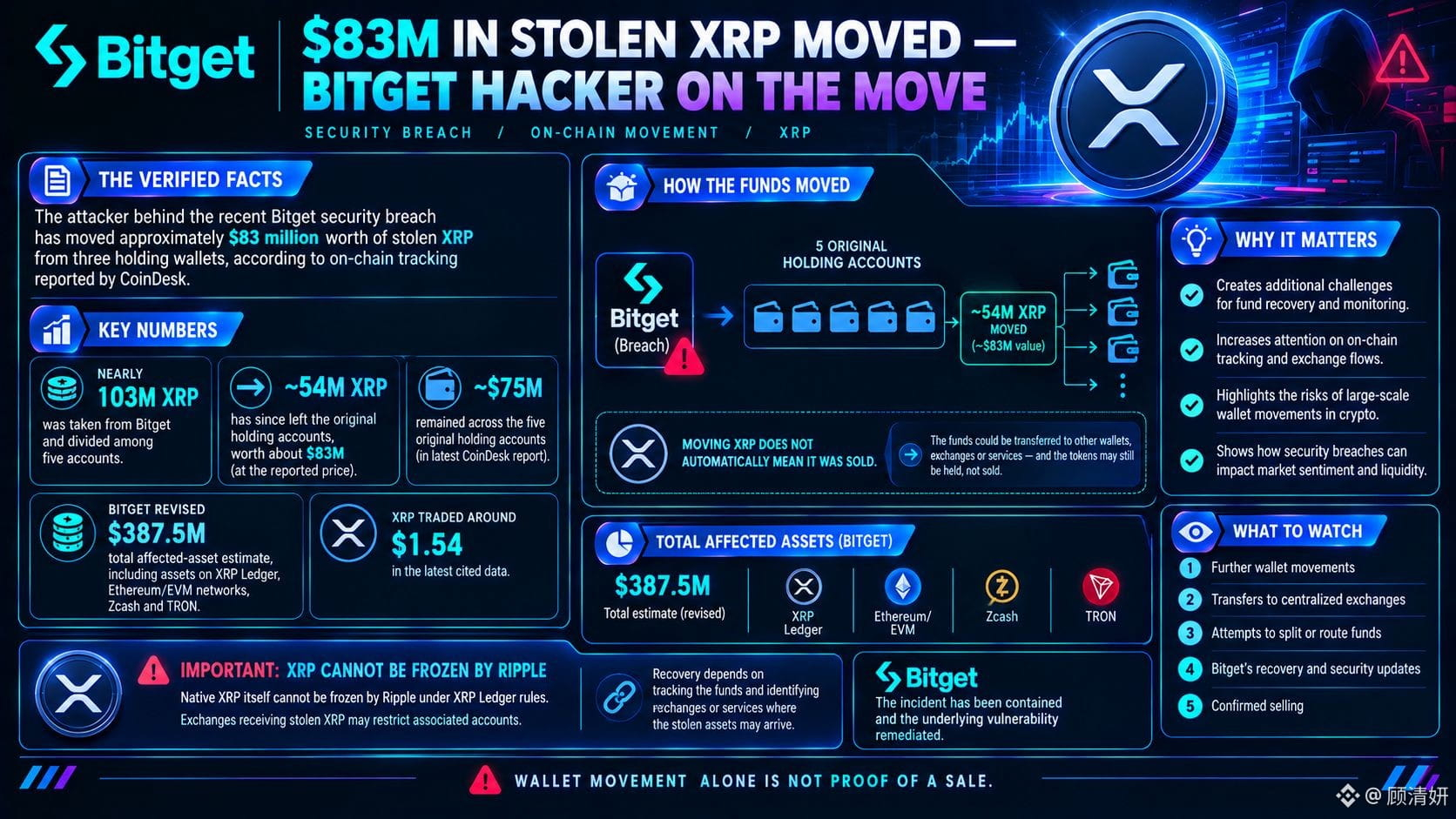
CoinDeskによるオンチェーン追跡報告によると、最近のBitgetのセキュリティ侵害の背後にいる攻撃者は、3つの保管ウォレットから約83Mドル相当の盗難XRPを移動させた。
🔎 何が起きた?
• 報道によれば、9月24日のBitget侵害で約1億0300万XRPが盗まれた
• その後、約5400万XRP(およそ83Mドル相当)が元のウォレットから移動した
• 報道によれば、元の保管口座には約7500万ドル相当のXRPが残っている
• 移転は、資金が追加のウォレットへ分配されていることを示唆している
• XRPの移動は、トークンが自動的に売却されたことを意味しない
Bitgetは、XRP Ledger、Ethereum/EVMネットワーク、Zcash、TRON上の資産を含めた被害総額の推定を約3億8750万ドルに修正した。取引所は、インシデントは封じ込められ、根本的な脆弱性は修正済みだと説明している。
⚠️ なぜ重要か
多額の盗難XRP残高の移動は、資金回収や監視にさらなる課題を生む。
XRP Ledger上の一部の発行トークンとは異なり、ネイティブのXRP自体はRippleによって単純に凍結できない。したがって回復には、資金を追跡し、盗難資産が最終的に到達し得る取引所やその他のサービスを特定することへの依存が大きい。
報告された最新データではXRPは約1.54ドルで取引されており、セキュリティ関連の圧力にもかかわらず週次の上昇がまだ表示されている。
👀 注目ポイント
• 残る攻撃者ウォレットからのさらなる移動
• 盗難XRPが中央集権型取引所に届くかどうか
• オンチェーンでの資金の分割またはルーティングの試み
• Bitgetの回復およびセキュリティに関するアップデート
• 大量の売りが確認された場合のXRP価格の反応
重要:ウォレットの移動だけでは、攻撃者がXRPを売却した証拠にはならない。
次の大きなシグナルは、これらの資金が次にどこへ動くかに現れる可能性がある。
$QNT $GLMR $AMP
{spot}(AMPUSDT)
{spot}(GLMRUSDT)
{future}(QNTUSDT)
#BitgetHackerMoves$83MStolenXRP
🚨 盗難されたXRPが83Mドル移動 — Bitgetのハッカーが動き出す
CoinDeskによるオンチェーン追跡報告によると、最近のBitgetのセキュリティ侵害の背後にいる攻撃者は、3つの保管ウォレットから約83Mドル相当の盗難XRPを移動させた。
🔎 何が起きた?
• 報道によれば、9月24日のBitget侵害で約1億0300万XRPが盗まれた
• その後、約5400万XRP(およそ83Mドル相当)が元のウォレットから移動した
• 報道によれば、元の保管口座には約7500万ドル相当のXRPが残っている
• 移転は、資金が追加のウォレットへ分配されていることを示唆している
• XRPの移動は、トークンが自動的に売却されたことを意味しない
Bitgetは、XRP Ledger、Ethereum/EVMネットワーク、Zcash、TRON上の資産を含めた被害総額の推定を約3億8750万ドルに修正した。取引所は、インシデントは封じ込められ、根本的な脆弱性は修正済みだと説明している。
⚠️ なぜ重要か
多額の盗難XRP残高の移動は、資金回収や監視にさらなる課題を生む。
XRP Ledger上の一部の発行トークンとは異なり、ネイティブのXRP自体はRippleによって単純に凍結できない。したがって回復には、資金を追跡し、盗難資産が最終的に到達し得る取引所やその他のサービスを特定することへの依存が大きい。
報告された最新データではXRPは約1.54ドルで取引されており、セキュリティ関連の圧力にもかかわらず週次の上昇がまだ表示されている。
👀 注目ポイント
• 残る攻撃者ウォレットからのさらなる移動
• 盗難XRPが中央集権型取引所に届くかどうか
• オンチェーンでの資金の分割またはルーティングの試み
• Bitgetの回復およびセキュリティに関するアップデート
• 大量の売りが確認された場合のXRP価格の反応
重要:ウォレットの移動だけでは、攻撃者がXRPを売却した証拠にはならない。
次の大きなシグナルは、これらの資金が次にどこへ動くかに現れる可能性がある。
$QNT $GLMR $AMP
🚨 盗難されたXRPが83Mドル移動 — Bitgetのハッカーが動き出す
CoinDeskによるオンチェーン追跡報告によると、最近のBitgetのセキュリティ侵害の背後にいる攻撃者は、3つの保管ウォレットから約83Mドル相当の盗難XRPを移動させた。
🔎 何が起きた?
• 報道によれば、9月24日のBitget侵害で約1億0300万XRPが盗まれた
• その後、約5400万XRP(およそ83Mドル相当)が元のウォレットから移動した
• 報道によれば、元の保管口座には約7500万ドル相当のXRPが残っている
• 移転は、資金が追加のウォレットへ分配されていることを示唆している
• XRPの移動は、トークンが自動的に売却されたことを意味しない
Bitgetは、XRP Ledger、Ethereum/EVMネットワーク、Zcash、TRON上の資産を含めた被害総額の推定を約3億8750万ドルに修正した。取引所は、インシデントは封じ込められ、根本的な脆弱性は修正済みだと説明している。
⚠️ なぜ重要か
多額の盗難XRP残高の移動は、資金回収や監視にさらなる課題を生む。
XRP Ledger上の一部の発行トークンとは異なり、ネイティブのXRP自体はRippleによって単純に凍結できない。したがって回復には、資金を追跡し、盗難資産が最終的に到達し得る取引所やその他のサービスを特定することへの依存が大きい。
報告された最新データではXRPは約1.54ドルで取引されており、セキュリティ関連の圧力にもかかわらず週次の上昇がまだ表示されている。
👀 注目ポイント
• 残る攻撃者ウォレットからのさらなる移動
• 盗難XRPが中央集権型取引所に届くかどうか
• オンチェーンでの資金の分割またはルーティングの試み
• Bitgetの回復およびセキュリティに関するアップデート
• 大量の売りが確認された場合のXRP価格の反応
重要:ウォレットの移動だけでは、攻撃者がXRPを売却した証拠にはならない。
次の大きなシグナルは、これらの資金が次にどこへ動くかに現れる可能性がある。
$QNT $GLMR $AMP
81
·
--
#seccommissionerpeircetoleaveoct2
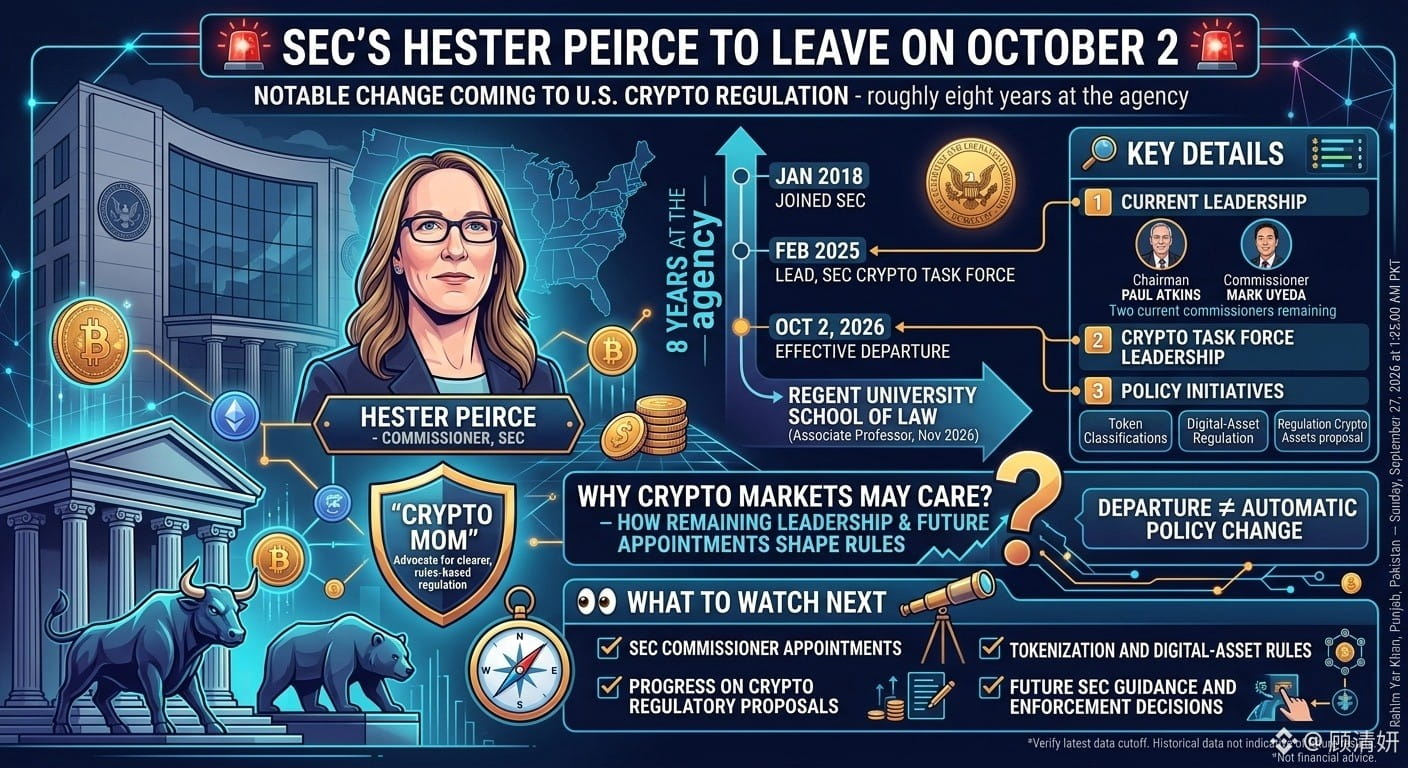
🚨 SECのヘスター・ピアース、10月2日に退任へ
注目すべき変化が米国の暗号資産規制にもたらされようとしています。
SEC委員のヘスター・ピアースは、2026年10月2日付で米証券取引委員会(SEC)を離れると発表し、約8年にわたる同機関での任期に幕を下ろします。
🔎 重要ポイント
• ピアースは2018年1月にSECに入所しました。
• 「クリプト・ママ(Crypto Mom)」として、より明確でルールに基づくデジタル資産の規制を後押ししたことから、暗号資産業界で広く知られるようになりました。
• 2025年2月以来、彼女はSECのクリプト・タスクフォースを率いており、デジタル資産や証券法をめぐる論点に取り組んできました。
• ピアースの退任により、現時点のSEC情報や報道によれば、SECの現在の委員は議長ポール・アトキンスと委員マーク・ユーイーダの2名のみとなります。
• ピアースは2026年11月にリージェント大学ロースクールへ准教授(associate professor)として加わる見通しです。
📊 暗号資産市場が気にする理由
ピアースは、トークンの分類に関するものを含め、SECの主要な暗号資産政策イニシアチブに複数関与してきました。また、デジタル資産規制や、同機関の最近の「クリプト・アセット(暗号資産)規制」提案にも関わっています。
彼女の退任が直ちにSECの政策変更を意味するわけではありません。
暗号資産市場にとってより大きな問いは、残る指導部と今後の人事が、米国のデジタル資産ルールの方向性と実装にどう影響するかです。
👀 注目点
→ SEC委員の人事
→ 暗号資産に関する規制提案の進捗
→ トークン化およびデジタル資産ルール
→ 今後のSECによるガイダンスと執行判断
トレーダーや投資家にとっての要点はシンプルです:
10月2日は人事の節目――市場への影響は、その後に何が起きるか次第です。
投資助言ではありません。
$SPELL $RUNE $DASH
{future}(DASHUSDT)
{future}(RUNEUSDT)
{future}(SPELLUSDT)
#seccommissionerpeircetoleaveoct2
🚨 SECのヘスター・ピアース、10月2日に退任へ
注目すべき変化が米国の暗号資産規制にもたらされようとしています。
SEC委員のヘスター・ピアースは、2026年10月2日付で米証券取引委員会(SEC)を離れると発表し、約8年にわたる同機関での任期に幕を下ろします。
🔎 重要ポイント
• ピアースは2018年1月にSECに入所しました。
• 「クリプト・ママ(Crypto Mom)」として、より明確でルールに基づくデジタル資産の規制を後押ししたことから、暗号資産業界で広く知られるようになりました。
• 2025年2月以来、彼女はSECのクリプト・タスクフォースを率いており、デジタル資産や証券法をめぐる論点に取り組んできました。
• ピアースの退任により、現時点のSEC情報や報道によれば、SECの現在の委員は議長ポール・アトキンスと委員マーク・ユーイーダの2名のみとなります。
• ピアースは2026年11月にリージェント大学ロースクールへ准教授(associate professor)として加わる見通しです。
📊 暗号資産市場が気にする理由
ピアースは、トークンの分類に関するものを含め、SECの主要な暗号資産政策イニシアチブに複数関与してきました。また、デジタル資産規制や、同機関の最近の「クリプト・アセット(暗号資産)規制」提案にも関わっています。
彼女の退任が直ちにSECの政策変更を意味するわけではありません。
暗号資産市場にとってより大きな問いは、残る指導部と今後の人事が、米国のデジタル資産ルールの方向性と実装にどう影響するかです。
👀 注目点
→ SEC委員の人事
→ 暗号資産に関する規制提案の進捗
→ トークン化およびデジタル資産ルール
→ 今後のSECによるガイダンスと執行判断
トレーダーや投資家にとっての要点はシンプルです:
10月2日は人事の節目――市場への影響は、その後に何が起きるか次第です。
投資助言ではありません。
$SPELL $RUNE $DASH
🚨 SECのヘスター・ピアース、10月2日に退任へ
注目すべき変化が米国の暗号資産規制にもたらされようとしています。
SEC委員のヘスター・ピアースは、2026年10月2日付で米証券取引委員会(SEC)を離れると発表し、約8年にわたる同機関での任期に幕を下ろします。
🔎 重要ポイント
• ピアースは2018年1月にSECに入所しました。
• 「クリプト・ママ(Crypto Mom)」として、より明確でルールに基づくデジタル資産の規制を後押ししたことから、暗号資産業界で広く知られるようになりました。
• 2025年2月以来、彼女はSECのクリプト・タスクフォースを率いており、デジタル資産や証券法をめぐる論点に取り組んできました。
• ピアースの退任により、現時点のSEC情報や報道によれば、SECの現在の委員は議長ポール・アトキンスと委員マーク・ユーイーダの2名のみとなります。
• ピアースは2026年11月にリージェント大学ロースクールへ准教授(associate professor)として加わる見通しです。
📊 暗号資産市場が気にする理由
ピアースは、トークンの分類に関するものを含め、SECの主要な暗号資産政策イニシアチブに複数関与してきました。また、デジタル資産規制や、同機関の最近の「クリプト・アセット(暗号資産)規制」提案にも関わっています。
彼女の退任が直ちにSECの政策変更を意味するわけではありません。
暗号資産市場にとってより大きな問いは、残る指導部と今後の人事が、米国のデジタル資産ルールの方向性と実装にどう影響するかです。
👀 注目点
→ SEC委員の人事
→ 暗号資産に関する規制提案の進捗
→ トークン化およびデジタル資産ルール
→ 今後のSECによるガイダンスと執行判断
トレーダーや投資家にとっての要点はシンプルです:
10月2日は人事の節目――市場への影響は、その後に何が起きるか次第です。
投資助言ではありません。
$SPELL $RUNE $DASH
1
61
·
--
ブリッシュ
本人確認中
#bitwisefilestolistnearetfonnysearca
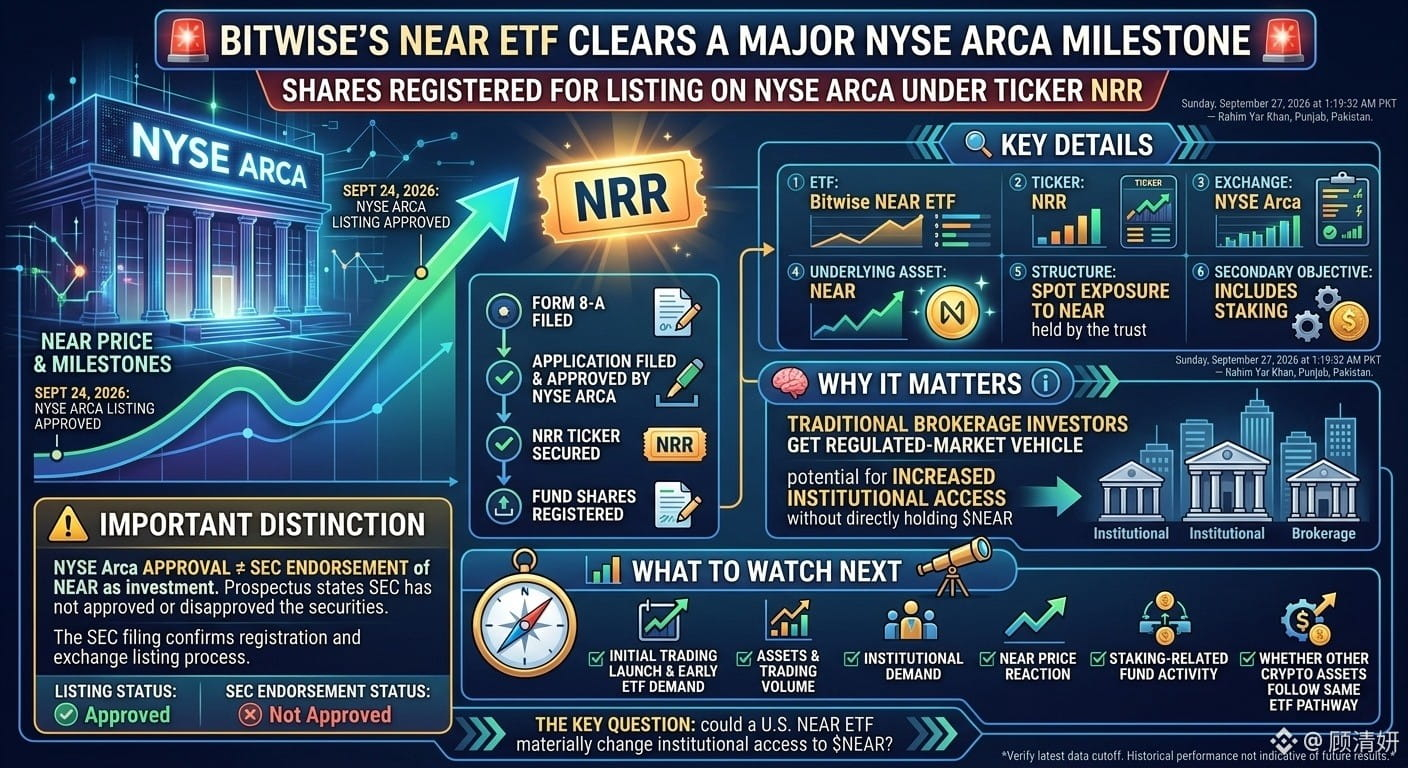
🚨 ビットワイズのNEAR ETFが、NY5E Arcaで主要マイルストーンを通過
ビットワイズはNEAR ETFでさらに一歩前進し、ティッカー「NRR」のもとでNY5E Arcaに上場するためのファンドの株式登録を進めました。
2026年9月24日付のSEC提出書類によると、ビットワイズのNEAR ETFはフォーム8-Aを提出しており、株式の上場申請がNY5E Arcaに提出され、同社によって承認されたことが記載されています。
🔎 重要なポイント
• ETF:ビットワイズ NEAR ETF
• ティッカー:NRR
• 取引所:NY5E Arca
• 基礎資産:NEAR
• 構造:信託が保有するNEARへのスポット連動
• 追加の戦略:目論見書には、副次的な投資目的としてステーキングが含まれています。
🧠 なぜ重要か
米ドル建てで上場するNEAR ETFは、従来型のブローカレッジ口座を持つ投資家に対し、トークンを直接保有せずにNEARへのエクスポージャーを得るための、規制された市場の手段を提供することになります。
また、この動きは、NEARが再び市場の注目を集めている中で起きています。最近の報道では、トークンの価格の強さがETFのマイルストーンや、より広範なネットワーク活動と結び付けられています。
⚠️ 重要な区別
NY5E Arcaの上場承認は、投資としてのNEARに対するSECの支持と混同しないよう注意が必要です。
SEC提出書類は、有価証券の登録と取引所の上場プロセスを確認しています。一方で、ファンドの目論見書には、SECは当該有価証券そのものを承認または不承認にしたわけではないと記載されています。
📊 次に注目すべきこと
焦点は、実際の取引開始と初期のETF需要です。
NRRがうまく取引を開始すれば、投資家は次の点を注視するでしょう:
• 当初の資産と取引高
• 機関投資家の需要
• NEARの価格反応
• ステーキング関連のファンド活動
• 他の暗号資産も同様のETFルートをたどるか
これは、米国における暗号資産投資商品の拡大におけるもう一つの注目すべき進展です。
ETFインフラは、従来型の市場と暗号資産の間の重要な架け橋として、ますます重要になっています。
あなたはどう思いますか:米国のNEAR ETFは、$NEARへの機関投資家のアクセスを実質的に変える可能性はありますか?
$AMP $RARE $KMNO
{future}(KMNOUSDT)
{future}(RAREUSDT)
{spot}(AMPUSDT)
#bitwisefilestolistnearetfonnysearca
🚨 ビットワイズのNEAR ETFが、NY5E Arcaで主要マイルストーンを通過
ビットワイズはNEAR ETFでさらに一歩前進し、ティッカー「NRR」のもとでNY5E Arcaに上場するためのファンドの株式登録を進めました。
2026年9月24日付のSEC提出書類によると、ビットワイズのNEAR ETFはフォーム8-Aを提出しており、株式の上場申請がNY5E Arcaに提出され、同社によって承認されたことが記載されています。
🔎 重要なポイント
• ETF:ビットワイズ NEAR ETF
• ティッカー:NRR
• 取引所:NY5E Arca
• 基礎資産:NEAR
• 構造:信託が保有するNEARへのスポット連動
• 追加の戦略:目論見書には、副次的な投資目的としてステーキングが含まれています。
🧠 なぜ重要か
米ドル建てで上場するNEAR ETFは、従来型のブローカレッジ口座を持つ投資家に対し、トークンを直接保有せずにNEARへのエクスポージャーを得るための、規制された市場の手段を提供することになります。
また、この動きは、NEARが再び市場の注目を集めている中で起きています。最近の報道では、トークンの価格の強さがETFのマイルストーンや、より広範なネットワーク活動と結び付けられています。
⚠️ 重要な区別
NY5E Arcaの上場承認は、投資としてのNEARに対するSECの支持と混同しないよう注意が必要です。
SEC提出書類は、有価証券の登録と取引所の上場プロセスを確認しています。一方で、ファンドの目論見書には、SECは当該有価証券そのものを承認または不承認にしたわけではないと記載されています。
📊 次に注目すべきこと
焦点は、実際の取引開始と初期のETF需要です。
NRRがうまく取引を開始すれば、投資家は次の点を注視するでしょう:
• 当初の資産と取引高
• 機関投資家の需要
• NEARの価格反応
• ステーキング関連のファンド活動
• 他の暗号資産も同様のETFルートをたどるか
これは、米国における暗号資産投資商品の拡大におけるもう一つの注目すべき進展です。
ETFインフラは、従来型の市場と暗号資産の間の重要な架け橋として、ますます重要になっています。
あなたはどう思いますか:米国のNEAR ETFは、$NEARへの機関投資家のアクセスを実質的に変える可能性はありますか?
$AMP $RARE $KMNO
🚨 ビットワイズのNEAR ETFが、NY5E Arcaで主要マイルストーンを通過
ビットワイズはNEAR ETFでさらに一歩前進し、ティッカー「NRR」のもとでNY5E Arcaに上場するためのファンドの株式登録を進めました。
2026年9月24日付のSEC提出書類によると、ビットワイズのNEAR ETFはフォーム8-Aを提出しており、株式の上場申請がNY5E Arcaに提出され、同社によって承認されたことが記載されています。
🔎 重要なポイント
• ETF:ビットワイズ NEAR ETF
• ティッカー:NRR
• 取引所:NY5E Arca
• 基礎資産:NEAR
• 構造:信託が保有するNEARへのスポット連動
• 追加の戦略:目論見書には、副次的な投資目的としてステーキングが含まれています。
🧠 なぜ重要か
米ドル建てで上場するNEAR ETFは、従来型のブローカレッジ口座を持つ投資家に対し、トークンを直接保有せずにNEARへのエクスポージャーを得るための、規制された市場の手段を提供することになります。
また、この動きは、NEARが再び市場の注目を集めている中で起きています。最近の報道では、トークンの価格の強さがETFのマイルストーンや、より広範なネットワーク活動と結び付けられています。
⚠️ 重要な区別
NY5E Arcaの上場承認は、投資としてのNEARに対するSECの支持と混同しないよう注意が必要です。
SEC提出書類は、有価証券の登録と取引所の上場プロセスを確認しています。一方で、ファンドの目論見書には、SECは当該有価証券そのものを承認または不承認にしたわけではないと記載されています。
📊 次に注目すべきこと
焦点は、実際の取引開始と初期のETF需要です。
NRRがうまく取引を開始すれば、投資家は次の点を注視するでしょう:
• 当初の資産と取引高
• 機関投資家の需要
• NEARの価格反応
• ステーキング関連のファンド活動
• 他の暗号資産も同様のETFルートをたどるか
これは、米国における暗号資産投資商品の拡大におけるもう一つの注目すべき進展です。
ETFインフラは、従来型の市場と暗号資産の間の重要な架け橋として、ますます重要になっています。
あなたはどう思いますか:米国のNEAR ETFは、$NEARへの機関投資家のアクセスを実質的に変える可能性はありますか?
$AMP $RARE $KMNO
1
7
8.6k
·
--
ブリッシュ
本人確認中
#blackrockbuildstokenizedportfoliosforondo
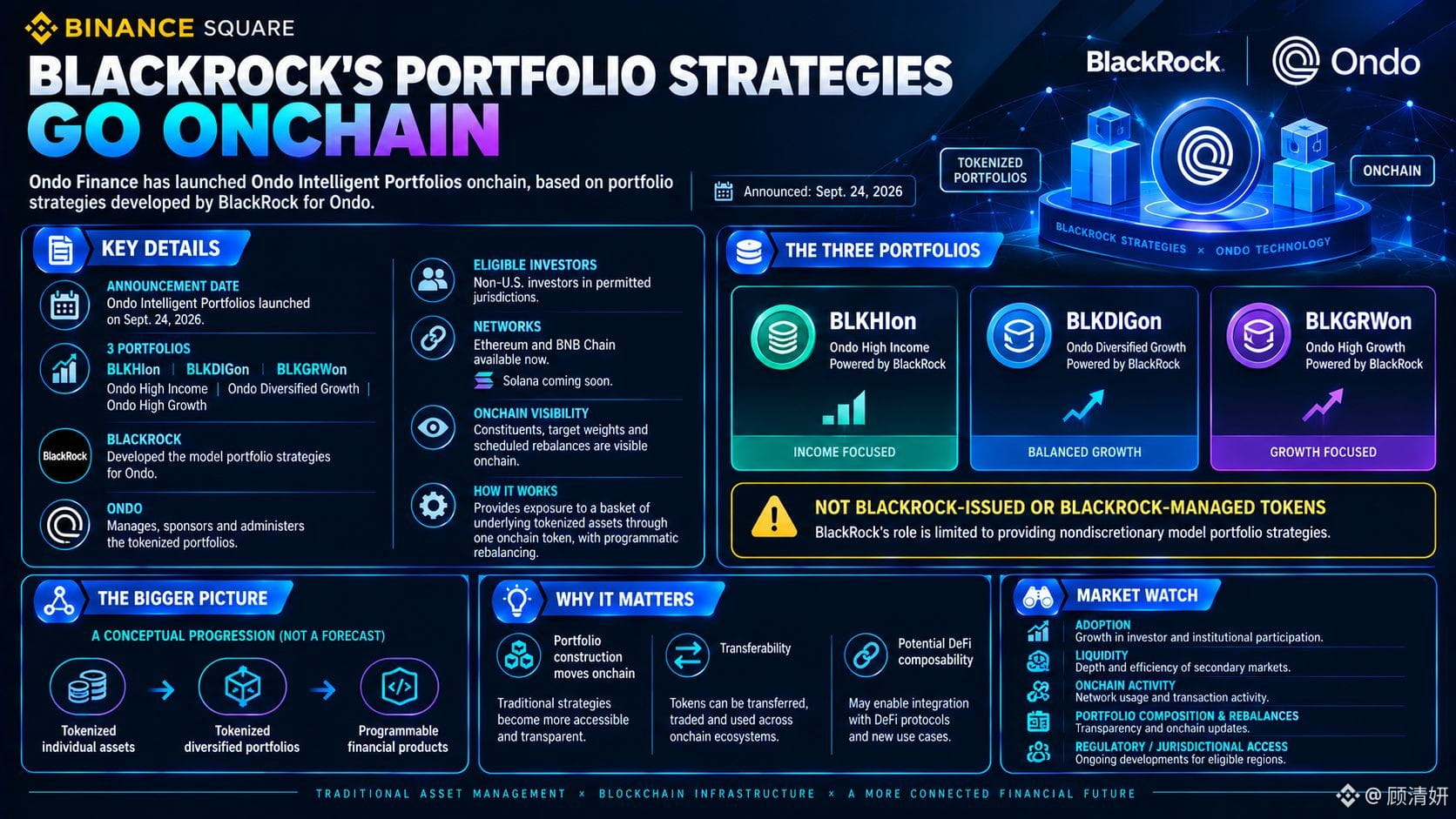
🚨 ブラックロックのポートフォリオ戦略がオンチェーンへ進出
トークン化された金融にとって大きな進展:Ondo Financeは、Ondo向けにブラックロックが開発したポートフォリオ戦略に基づく、3つのオンチェーン投資ポートフォリオを立ち上げました。
複数の資産を個別に購入してリバランスするのではなく、対象となる投資家は、単一のブロックチェーンベースのトークンを通じて、多様化されたポートフォリオへのエクスポージャーを得られます。
🔎 重要なポイント
• 3つのポートフォリオをローンチ:ハイ・インカム、ディバーシファイド・グロース、ハイ・グロース
• ブラックロックの役割:Ondoのためにポートフォリオ戦略を開発
• Ondoの役割:トークン化されたポートフォリオを管理・スポンサーし、運営(管理/管理者業務)
• オンチェーン構造:ポートフォリオの構成銘柄、比率(ウェイト)、リバランスがオンチェーン上で可視化
• 対応ネットワーク:EthereumとBNB Chainに対応;Solanaは「近日公開」として掲載
• アクセス:現在は米国外の適格投資家向けに設計
🏦 なぜ重要か
今回の動きは、従来型のポートフォリオ構築とブロックチェーン基盤を結びつけます。
考え方はシンプルです。機関投資家型のポートフォリオ戦略 → トークン化された資産 → 1つの譲渡可能なオンチェーン・トークン。
従来の投資商品を、24/7稼働するブロックチェーンベースの市場へ取り込むための次の一歩となり得ます。
⚠️ 見落とせない重要な違い
これはブラックロックが発行した暗号資産商品ではありません。
ブラックロックはモデルとなるポートフォリオ戦略を提供し、トークン化されたポートフォリオはOndoが担当します。ブラックロック自身も、これらのトークンを管理・発行・配布・運営していないと述べています。
👀 注目点
より大きな論点は、トークン化されたポートフォリオが実質的な採用を引きつけ、従来の金融とDeFiの間の実用的な架け橋になり得るかどうかです。
RWA(現実世界資産)分野にとって、これは機関投資家の投資戦略がオンチェーンのどこまで到達できるかを測る、もう一つの重要な試金石になります。
従来金融(TradFi)はよりオンチェーンへと進んでおり、ポートフォリオ商品が次の大きなフロンティアになる可能性があります。
$RUNE $AMP $WLD
{future}(WLDUSDT)
{spot}(AMPUSDT)
{future}(RUNEUSDT)
#blackrockbuildstokenizedportfoliosforondo
🚨 ブラックロックのポートフォリオ戦略がオンチェーンへ進出
トークン化された金融にとって大きな進展:Ondo Financeは、Ondo向けにブラックロックが開発したポートフォリオ戦略に基づく、3つのオンチェーン投資ポートフォリオを立ち上げました。
複数の資産を個別に購入してリバランスするのではなく、対象となる投資家は、単一のブロックチェーンベースのトークンを通じて、多様化されたポートフォリオへのエクスポージャーを得られます。
🔎 重要なポイント
• 3つのポートフォリオをローンチ:ハイ・インカム、ディバーシファイド・グロース、ハイ・グロース
• ブラックロックの役割:Ondoのためにポートフォリオ戦略を開発
• Ondoの役割:トークン化されたポートフォリオを管理・スポンサーし、運営(管理/管理者業務)
• オンチェーン構造:ポートフォリオの構成銘柄、比率(ウェイト)、リバランスがオンチェーン上で可視化
• 対応ネットワーク:EthereumとBNB Chainに対応;Solanaは「近日公開」として掲載
• アクセス:現在は米国外の適格投資家向けに設計
🏦 なぜ重要か
今回の動きは、従来型のポートフォリオ構築とブロックチェーン基盤を結びつけます。
考え方はシンプルです。機関投資家型のポートフォリオ戦略 → トークン化された資産 → 1つの譲渡可能なオンチェーン・トークン。
従来の投資商品を、24/7稼働するブロックチェーンベースの市場へ取り込むための次の一歩となり得ます。
⚠️ 見落とせない重要な違い
これはブラックロックが発行した暗号資産商品ではありません。
ブラックロックはモデルとなるポートフォリオ戦略を提供し、トークン化されたポートフォリオはOndoが担当します。ブラックロック自身も、これらのトークンを管理・発行・配布・運営していないと述べています。
👀 注目点
より大きな論点は、トークン化されたポートフォリオが実質的な採用を引きつけ、従来の金融とDeFiの間の実用的な架け橋になり得るかどうかです。
RWA(現実世界資産)分野にとって、これは機関投資家の投資戦略がオンチェーンのどこまで到達できるかを測る、もう一つの重要な試金石になります。
従来金融(TradFi)はよりオンチェーンへと進んでおり、ポートフォリオ商品が次の大きなフロンティアになる可能性があります。
$RUNE $AMP $WLD
🚨 ブラックロックのポートフォリオ戦略がオンチェーンへ進出
トークン化された金融にとって大きな進展:Ondo Financeは、Ondo向けにブラックロックが開発したポートフォリオ戦略に基づく、3つのオンチェーン投資ポートフォリオを立ち上げました。
複数の資産を個別に購入してリバランスするのではなく、対象となる投資家は、単一のブロックチェーンベースのトークンを通じて、多様化されたポートフォリオへのエクスポージャーを得られます。
🔎 重要なポイント
• 3つのポートフォリオをローンチ:ハイ・インカム、ディバーシファイド・グロース、ハイ・グロース
• ブラックロックの役割:Ondoのためにポートフォリオ戦略を開発
• Ondoの役割:トークン化されたポートフォリオを管理・スポンサーし、運営(管理/管理者業務)
• オンチェーン構造:ポートフォリオの構成銘柄、比率(ウェイト)、リバランスがオンチェーン上で可視化
• 対応ネットワーク:EthereumとBNB Chainに対応;Solanaは「近日公開」として掲載
• アクセス:現在は米国外の適格投資家向けに設計
🏦 なぜ重要か
今回の動きは、従来型のポートフォリオ構築とブロックチェーン基盤を結びつけます。
考え方はシンプルです。機関投資家型のポートフォリオ戦略 → トークン化された資産 → 1つの譲渡可能なオンチェーン・トークン。
従来の投資商品を、24/7稼働するブロックチェーンベースの市場へ取り込むための次の一歩となり得ます。
⚠️ 見落とせない重要な違い
これはブラックロックが発行した暗号資産商品ではありません。
ブラックロックはモデルとなるポートフォリオ戦略を提供し、トークン化されたポートフォリオはOndoが担当します。ブラックロック自身も、これらのトークンを管理・発行・配布・運営していないと述べています。
👀 注目点
より大きな論点は、トークン化されたポートフォリオが実質的な採用を引きつけ、従来の金融とDeFiの間の実用的な架け橋になり得るかどうかです。
RWA(現実世界資産)分野にとって、これは機関投資家の投資戦略がオンチェーンのどこまで到達できるかを測る、もう一つの重要な試金石になります。
従来金融(TradFi)はよりオンチェーンへと進んでおり、ポートフォリオ商品が次の大きなフロンティアになる可能性があります。
$RUNE $AMP $WLD
2
8
6.7k
·
--
ブリッシュ
#polymarketbankfailurebetsdrawfdicconcern
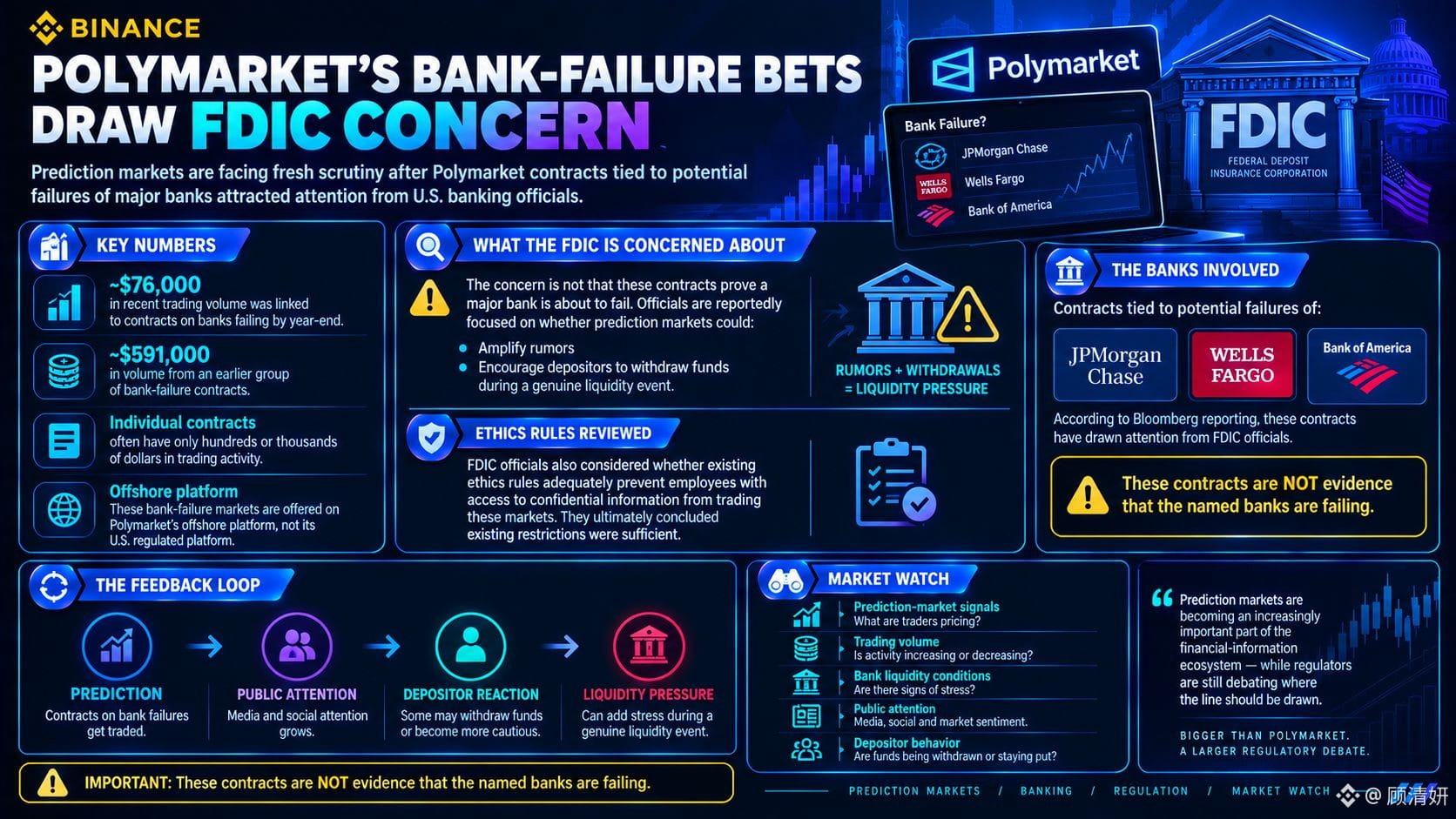
🚨 ポリマーケットの銀行破綻に関する賭けが引き分け――FDICが懸念
米国の銀行当局者が注目したことをきっかけに、ポリマーケットが大手銀行の破綻可能性に連動する契約を扱ったことで、新たな精査が入っている。
ブルームバーグの報道によると、JPMorgan Chase、Wells Fargo、Bank of Americaといった銀行を含む契約が、連邦預金保険公社(FDIC)で懸念を呼んだという。
🔎 主要な数字
• 直近の取引高で約7.6万ドルが、年末までに銀行が破綻する契約に関連していた
• それ以前の銀行破綻に関する一連の契約は、報道によれば約59.1万ドルの取引高を生んでいた
FDICが監視している理由
当局者は、より大規模な予測市場がうわさを増幅したり、預金者の資金引き出しを後押ししたりして、実際の流動性イベントの際に銀行への追加的な圧力につながる可能性を重視していると報じられている。
FDIC当局者はまた、機密情報にアクセスできる従業員がこれらの市場で取引することを、既存の倫理規定が十分に防げるかどうかも検討した。最終的に、既存の制限で十分だとの結論に至った。
🌐 市場にとって重要な理由
予測市場は、現実の出来事に関する確率を価格付けするために、ますます活用されている。
しかし銀行破綻の契約は、独特のフィードバックループを生み出す:
予測 → 公的な注目 → 預金者の反応 → 流動性への圧力
そのため、規制をめぐる議論はポリマーケットそのものよりも大きくなっている。
暗号資産トレーダーにとってのより広い示唆は、予測市場が金融情報エコシステムの重要な一部になりつつある一方で、規制当局が「どこに線を引くべきか」をまだ議論している、という点だ。
⚠️重要:これらの契約は、指名された銀行が破綻している証拠ではない。伝統的な金融市場に比べ、取引高は依然として相対的に小さい。
予測市場は有用な早期警戒指標になり得るのか――それとも、測ろうとしているまさにそのパニックを引き起こしてしまうのか?
$KMNO $2Z $MARSCOIN
{future}(MARSCOINUSDT)
{future}(2ZUSDT)
{future}(KMNOUSDT)
#polymarketbankfailurebetsdrawfdicconcern
🚨 ポリマーケットの銀行破綻に関する賭けが引き分け――FDICが懸念
米国の銀行当局者が注目したことをきっかけに、ポリマーケットが大手銀行の破綻可能性に連動する契約を扱ったことで、新たな精査が入っている。
ブルームバーグの報道によると、JPMorgan Chase、Wells Fargo、Bank of Americaといった銀行を含む契約が、連邦預金保険公社(FDIC)で懸念を呼んだという。
🔎 主要な数字
• 直近の取引高で約7.6万ドルが、年末までに銀行が破綻する契約に関連していた
• それ以前の銀行破綻に関する一連の契約は、報道によれば約59.1万ドルの取引高を生んでいた
FDICが監視している理由
当局者は、より大規模な予測市場がうわさを増幅したり、預金者の資金引き出しを後押ししたりして、実際の流動性イベントの際に銀行への追加的な圧力につながる可能性を重視していると報じられている。
FDIC当局者はまた、機密情報にアクセスできる従業員がこれらの市場で取引することを、既存の倫理規定が十分に防げるかどうかも検討した。最終的に、既存の制限で十分だとの結論に至った。
🌐 市場にとって重要な理由
予測市場は、現実の出来事に関する確率を価格付けするために、ますます活用されている。
しかし銀行破綻の契約は、独特のフィードバックループを生み出す:
予測 → 公的な注目 → 預金者の反応 → 流動性への圧力
そのため、規制をめぐる議論はポリマーケットそのものよりも大きくなっている。
暗号資産トレーダーにとってのより広い示唆は、予測市場が金融情報エコシステムの重要な一部になりつつある一方で、規制当局が「どこに線を引くべきか」をまだ議論している、という点だ。
⚠️重要:これらの契約は、指名された銀行が破綻している証拠ではない。伝統的な金融市場に比べ、取引高は依然として相対的に小さい。
予測市場は有用な早期警戒指標になり得るのか――それとも、測ろうとしているまさにそのパニックを引き起こしてしまうのか?
$KMNO $2Z $MARSCOIN
🚨 ポリマーケットの銀行破綻に関する賭けが引き分け――FDICが懸念
米国の銀行当局者が注目したことをきっかけに、ポリマーケットが大手銀行の破綻可能性に連動する契約を扱ったことで、新たな精査が入っている。
ブルームバーグの報道によると、JPMorgan Chase、Wells Fargo、Bank of Americaといった銀行を含む契約が、連邦預金保険公社(FDIC)で懸念を呼んだという。
🔎 主要な数字
• 直近の取引高で約7.6万ドルが、年末までに銀行が破綻する契約に関連していた
• それ以前の銀行破綻に関する一連の契約は、報道によれば約59.1万ドルの取引高を生んでいた
FDICが監視している理由
当局者は、より大規模な予測市場がうわさを増幅したり、預金者の資金引き出しを後押ししたりして、実際の流動性イベントの際に銀行への追加的な圧力につながる可能性を重視していると報じられている。
FDIC当局者はまた、機密情報にアクセスできる従業員がこれらの市場で取引することを、既存の倫理規定が十分に防げるかどうかも検討した。最終的に、既存の制限で十分だとの結論に至った。
🌐 市場にとって重要な理由
予測市場は、現実の出来事に関する確率を価格付けするために、ますます活用されている。
しかし銀行破綻の契約は、独特のフィードバックループを生み出す:
予測 → 公的な注目 → 預金者の反応 → 流動性への圧力
そのため、規制をめぐる議論はポリマーケットそのものよりも大きくなっている。
暗号資産トレーダーにとってのより広い示唆は、予測市場が金融情報エコシステムの重要な一部になりつつある一方で、規制当局が「どこに線を引くべきか」をまだ議論している、という点だ。
⚠️重要:これらの契約は、指名された銀行が破綻している証拠ではない。伝統的な金融市場に比べ、取引高は依然として相対的に小さい。
予測市場は有用な早期警戒指標になり得るのか――それとも、測ろうとしているまさにそのパニックを引き起こしてしまうのか?
$KMNO $2Z $MARSCOIN
6
9.1k
·
--
ブリッシュ
本人確認中
#circlemints500musdconsolana
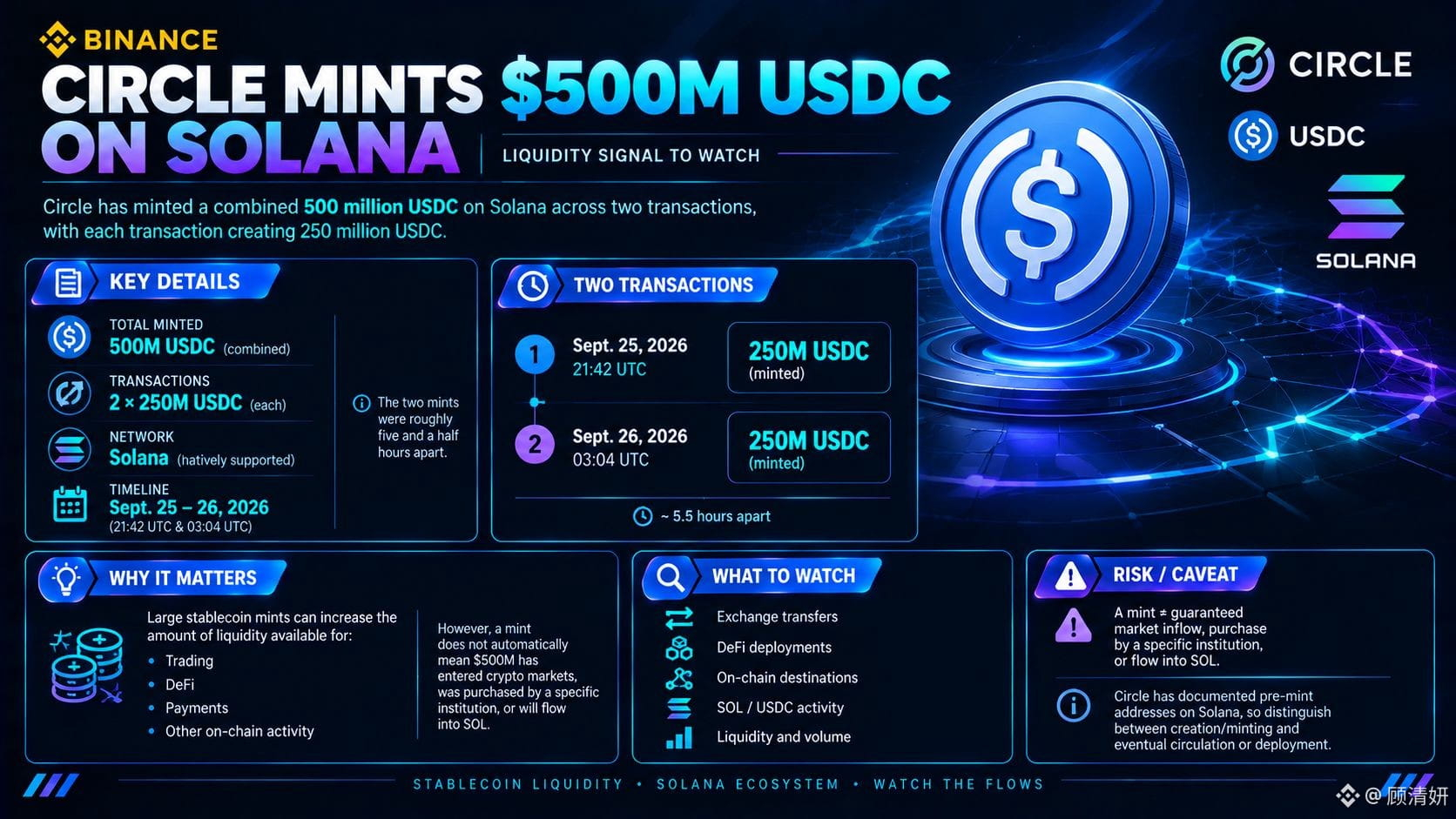
🚨 ソラナでCIRCLEがUSDCを5億ドル($500M)ミント—注目すべき流動性シグナル
Circleは、2つの取引にまたがってソラナ上で合計5億USDCをミントしており、各取引で2.5億USDCずつ作成しています。
この活動は、ソラナ上でのドル建て流動性への需要が継続していることを示しており、USDCはCircleによってネイティブにサポートされています。
重要なポイント
• $500M USDCがミント
• 2 × $250M の取引に分割
• ネットワーク:Solana
• USDCはCircleのドル連動ステーブルコイン
• 最新の活動は2026年9月25〜26日頃に発生
なぜ重要か
大規模なステーブルコインのミントは、取引、DeFi、決済、その他のオンチェーン活動で利用可能な流動性の量を増やす可能性があります。
ただし、ミントは自動的に「5億ドルが暗号市場に流入した」ことや「即座にSOLへ資金が流れる」ことを意味するわけではありません。Circleは、ソラナでは事前にミントされたUSDCを、流通の許可が出るまで保有できると説明しています。
つまりトレーダーにとっての重要な問いは、その次に何が起きるかです:
この新たに作られたUSDCは、取引所、DeFiプロトコル、または他のソラナベースのアプリケーションへ向かうのでしょうか?
現時点では、ミント自体は確認されていますが、流動性の最終的な行き先が注目ポイントです。
$AMP $RARE $QNT
{future}(QNTUSDT)
{future}(RAREUSDT)
{spot}(AMPUSDT)
#circlemints500musdconsolana
🚨 ソラナでCIRCLEがUSDCを5億ドル($500M)ミント—注目すべき流動性シグナル
Circleは、2つの取引にまたがってソラナ上で合計5億USDCをミントしており、各取引で2.5億USDCずつ作成しています。
この活動は、ソラナ上でのドル建て流動性への需要が継続していることを示しており、USDCはCircleによってネイティブにサポートされています。
重要なポイント
• $500M USDCがミント
• 2 × $250M の取引に分割
• ネットワーク:Solana
• USDCはCircleのドル連動ステーブルコイン
• 最新の活動は2026年9月25〜26日頃に発生
なぜ重要か
大規模なステーブルコインのミントは、取引、DeFi、決済、その他のオンチェーン活動で利用可能な流動性の量を増やす可能性があります。
ただし、ミントは自動的に「5億ドルが暗号市場に流入した」ことや「即座にSOLへ資金が流れる」ことを意味するわけではありません。Circleは、ソラナでは事前にミントされたUSDCを、流通の許可が出るまで保有できると説明しています。
つまりトレーダーにとっての重要な問いは、その次に何が起きるかです:
この新たに作られたUSDCは、取引所、DeFiプロトコル、または他のソラナベースのアプリケーションへ向かうのでしょうか?
現時点では、ミント自体は確認されていますが、流動性の最終的な行き先が注目ポイントです。
$AMP $RARE $QNT
🚨 ソラナでCIRCLEがUSDCを5億ドル($500M)ミント—注目すべき流動性シグナル
Circleは、2つの取引にまたがってソラナ上で合計5億USDCをミントしており、各取引で2.5億USDCずつ作成しています。
この活動は、ソラナ上でのドル建て流動性への需要が継続していることを示しており、USDCはCircleによってネイティブにサポートされています。
重要なポイント
• $500M USDCがミント
• 2 × $250M の取引に分割
• ネットワーク:Solana
• USDCはCircleのドル連動ステーブルコイン
• 最新の活動は2026年9月25〜26日頃に発生
なぜ重要か
大規模なステーブルコインのミントは、取引、DeFi、決済、その他のオンチェーン活動で利用可能な流動性の量を増やす可能性があります。
ただし、ミントは自動的に「5億ドルが暗号市場に流入した」ことや「即座にSOLへ資金が流れる」ことを意味するわけではありません。Circleは、ソラナでは事前にミントされたUSDCを、流通の許可が出るまで保有できると説明しています。
つまりトレーダーにとっての重要な問いは、その次に何が起きるかです:
この新たに作られたUSDCは、取引所、DeFiプロトコル、または他のソラナベースのアプリケーションへ向かうのでしょうか?
現時点では、ミント自体は確認されていますが、流動性の最終的な行き先が注目ポイントです。
$AMP $RARE $QNT
3
2
4k
·
--
ブリッシュ
#bitcoinspotetfsturnnetpositiveytd
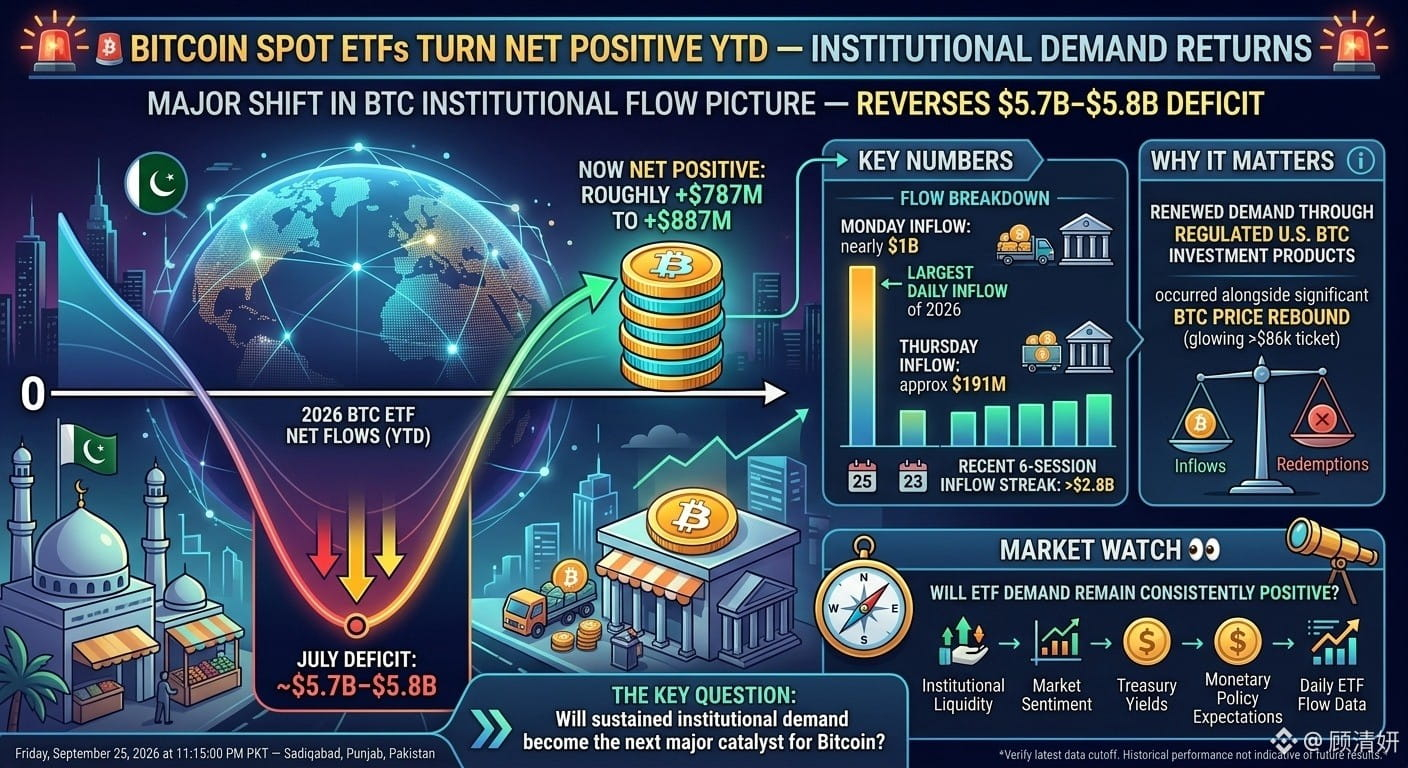
ビットコイン・スポットETFが年初来でネットプラスに反転――機関投資家の需要が回帰
ビットコインの機関フローの見取り図に大きな変化:
米国のスポット・ビットコインETFは2026年に入り、正式にプラス圏へと戻り、今年の初めに記録された約5.7〜5.8Bドル規模の赤字を覆した。
主要数値
• 2026年初来(YTD)のネットフロー:最新データの締め時点により、およそ+787M〜+887Mドル
• 直近6セッションの流入連続:28億ドル超
• 木曜の流入:約1億9100万ドル
• 月曜の流入:ほぼ10億ドル。2026年で最大の日次流入
• ETF関連全体は7月に約5.7B〜5.8Bドルのマイナスだった
重要な理由
この反転は、数カ月にわたる大規模な償還の後、規制された米国のビットコイン投資商品を通じた需要が再び戻ってきたことを示唆している。
ビットコインは今週早い段階で8万6,000ドル超まで上昇しており、ETFフローの回復はBTC価格の大きな反発と同時に起きている。しかし、直近の流入が強いからといって、そのトレンドが今後も続くことを保証するわけではない。
マーケット・ウォッチ
いま焦点となるのは、ETF需要が2026年の最終月まで一貫してプラスを維持できるかどうかだ。
流入が続けば、機関投資家の需要はビットコインの流動性と市場心理にとって重要な要因であり続ける可能性がある。
ただしトレーダーは、モメンタムが変化している兆候として、国債利回り、金融政策への期待、そして日次のETFフローデータもあわせて注視すべきだ。
ETFフローがプラスに転じている。
継続的な機関投資家の需要は、ビットコインの次の大きな触媒になり得るのか?
$RARE $AERO $ENA
{future}(ENAUSDT)
{future}(AEROUSDT)
{future}(RAREUSDT)
#bitcoinspotetfsturnnetpositiveytd
ビットコイン・スポットETFが年初来でネットプラスに反転――機関投資家の需要が回帰
ビットコインの機関フローの見取り図に大きな変化:
米国のスポット・ビットコインETFは2026年に入り、正式にプラス圏へと戻り、今年の初めに記録された約5.7〜5.8Bドル規模の赤字を覆した。
主要数値
• 2026年初来(YTD)のネットフロー:最新データの締め時点により、およそ+787M〜+887Mドル
• 直近6セッションの流入連続:28億ドル超
• 木曜の流入:約1億9100万ドル
• 月曜の流入:ほぼ10億ドル。2026年で最大の日次流入
• ETF関連全体は7月に約5.7B〜5.8Bドルのマイナスだった
重要な理由
この反転は、数カ月にわたる大規模な償還の後、規制された米国のビットコイン投資商品を通じた需要が再び戻ってきたことを示唆している。
ビットコインは今週早い段階で8万6,000ドル超まで上昇しており、ETFフローの回復はBTC価格の大きな反発と同時に起きている。しかし、直近の流入が強いからといって、そのトレンドが今後も続くことを保証するわけではない。
マーケット・ウォッチ
いま焦点となるのは、ETF需要が2026年の最終月まで一貫してプラスを維持できるかどうかだ。
流入が続けば、機関投資家の需要はビットコインの流動性と市場心理にとって重要な要因であり続ける可能性がある。
ただしトレーダーは、モメンタムが変化している兆候として、国債利回り、金融政策への期待、そして日次のETFフローデータもあわせて注視すべきだ。
ETFフローがプラスに転じている。
継続的な機関投資家の需要は、ビットコインの次の大きな触媒になり得るのか?
$RARE $AERO $ENA
ビットコイン・スポットETFが年初来でネットプラスに反転――機関投資家の需要が回帰
ビットコインの機関フローの見取り図に大きな変化:
米国のスポット・ビットコインETFは2026年に入り、正式にプラス圏へと戻り、今年の初めに記録された約5.7〜5.8Bドル規模の赤字を覆した。
主要数値
• 2026年初来(YTD)のネットフロー:最新データの締め時点により、およそ+787M〜+887Mドル
• 直近6セッションの流入連続:28億ドル超
• 木曜の流入:約1億9100万ドル
• 月曜の流入:ほぼ10億ドル。2026年で最大の日次流入
• ETF関連全体は7月に約5.7B〜5.8Bドルのマイナスだった
重要な理由
この反転は、数カ月にわたる大規模な償還の後、規制された米国のビットコイン投資商品を通じた需要が再び戻ってきたことを示唆している。
ビットコインは今週早い段階で8万6,000ドル超まで上昇しており、ETFフローの回復はBTC価格の大きな反発と同時に起きている。しかし、直近の流入が強いからといって、そのトレンドが今後も続くことを保証するわけではない。
マーケット・ウォッチ
いま焦点となるのは、ETF需要が2026年の最終月まで一貫してプラスを維持できるかどうかだ。
流入が続けば、機関投資家の需要はビットコインの流動性と市場心理にとって重要な要因であり続ける可能性がある。
ただしトレーダーは、モメンタムが変化している兆候として、国債利回り、金融政策への期待、そして日次のETFフローデータもあわせて注視すべきだ。
ETFフローがプラスに転じている。
継続的な機関投資家の需要は、ビットコインの次の大きな触媒になり得るのか?
$RARE $AERO $ENA
2
5
6.4k
·
--
ブリッシュ
#bitgetbreachforgedrequestsnotstolenkeys
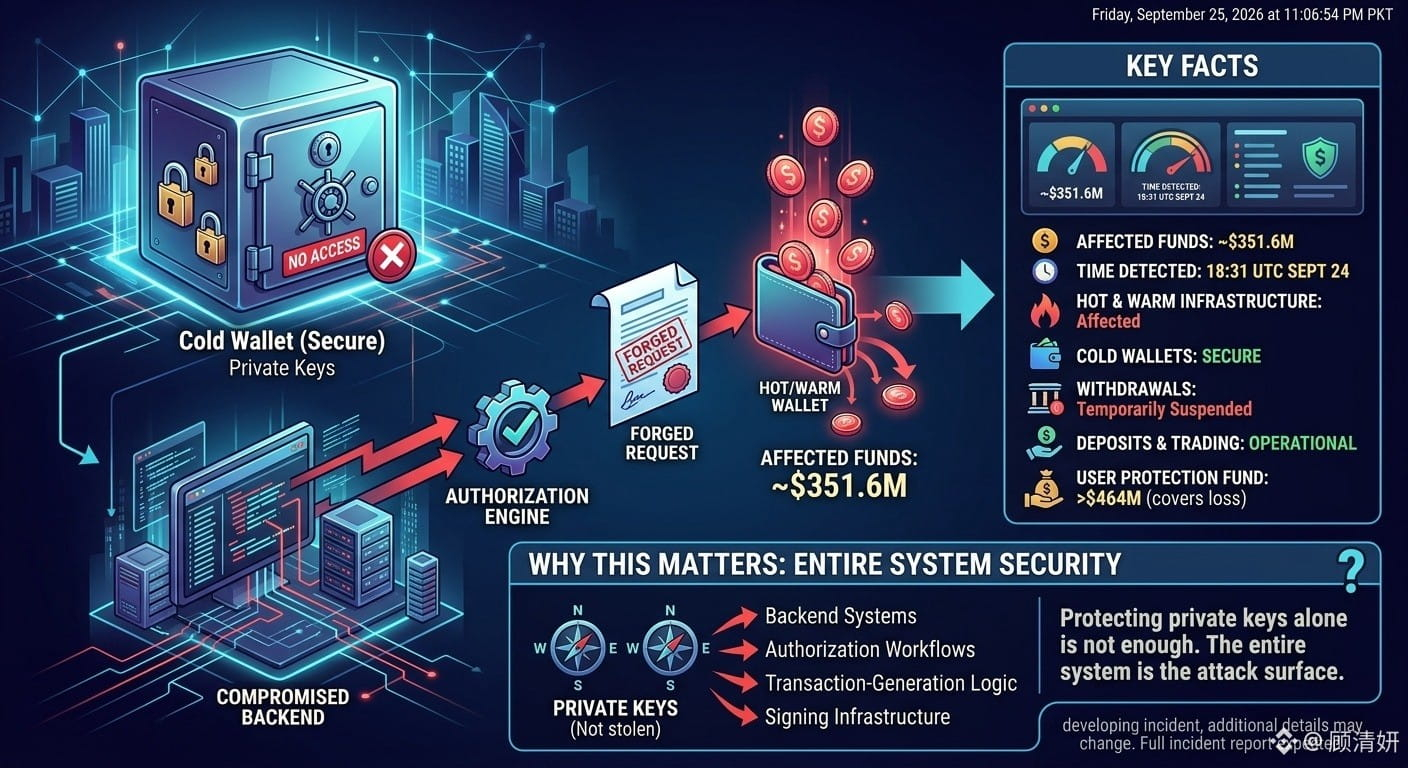
BITGET 悪用: 奪われたのは秘密鍵ではなく、不正な送金リクエスト(偽造)
Bitgetは、影響を受けた資金約$351.6Mに関する大規模なセキュリティ侵害を確認した。
しかし決定的なポイントがある:
攻撃者はBitgetの秘密鍵を盗んだわけではないと報じられている。
代わりに、BitgetのCEOグレイシー・チェン(Gracy Chen)は、攻撃者がバックエンドのウォレット・サービス・システムに侵入し、そのアクセスを使って送金情報を偽造し、認可/署名のプロセスを実行したと述べた。
重要な事実
• 資金約$351.6Mが影響を受けた
• 事件は9月24日18:31(UTC)に検知された
• Bitgetのホット/ウォーム・ウォレット基盤の一部が影響を受けた
• Bitgetはコールドウォレットは安全だったと述べている
• セキュリティ審査の間、出金が一時停止された
• 入金と取引は引き続き稼働していた
• Bitgetはユーザー保護基金が$464M超を保有しており、報告された損失を補填するとしている
なぜ重要か
この事件は、取引所のセキュリティにおける重要なリスクを浮き彫りにしている: 秘密鍵を守るだけでは不十分だ。
バックエンドのシステム、取引(トランザクション)生成ロジック、認可ワークフロー、署名基盤もまた、重要な攻撃対象になり得る。
Bitgetによれば、捜査ではバックエンド・システムがどのように侵害されたかをなお特定中で、完全なインシデント報告書が見込まれている。
トレーダーにとっての要点はシンプルだ:
取引所のセキュリティは「仕組み全体」であり、単なる秘密鍵の問題ではない。
本件は進行中のインシデントであるため、調査が進むにつれて追加情報が変わる可能性がある。
$QI $PHA $ARK
{future}(ARKUSDT)
{future}(PHAUSDT)
{spot}(QIUSDT)
#bitgetbreachforgedrequestsnotstolenkeys
BITGET 悪用: 奪われたのは秘密鍵ではなく、不正な送金リクエスト(偽造)
Bitgetは、影響を受けた資金約$351.6Mに関する大規模なセキュリティ侵害を確認した。
しかし決定的なポイントがある:
攻撃者はBitgetの秘密鍵を盗んだわけではないと報じられている。
代わりに、BitgetのCEOグレイシー・チェン(Gracy Chen)は、攻撃者がバックエンドのウォレット・サービス・システムに侵入し、そのアクセスを使って送金情報を偽造し、認可/署名のプロセスを実行したと述べた。
重要な事実
• 資金約$351.6Mが影響を受けた
• 事件は9月24日18:31(UTC)に検知された
• Bitgetのホット/ウォーム・ウォレット基盤の一部が影響を受けた
• Bitgetはコールドウォレットは安全だったと述べている
• セキュリティ審査の間、出金が一時停止された
• 入金と取引は引き続き稼働していた
• Bitgetはユーザー保護基金が$464M超を保有しており、報告された損失を補填するとしている
なぜ重要か
この事件は、取引所のセキュリティにおける重要なリスクを浮き彫りにしている: 秘密鍵を守るだけでは不十分だ。
バックエンドのシステム、取引(トランザクション)生成ロジック、認可ワークフロー、署名基盤もまた、重要な攻撃対象になり得る。
Bitgetによれば、捜査ではバックエンド・システムがどのように侵害されたかをなお特定中で、完全なインシデント報告書が見込まれている。
トレーダーにとっての要点はシンプルだ:
取引所のセキュリティは「仕組み全体」であり、単なる秘密鍵の問題ではない。
本件は進行中のインシデントであるため、調査が進むにつれて追加情報が変わる可能性がある。
$QI $PHA $ARK
BITGET 悪用: 奪われたのは秘密鍵ではなく、不正な送金リクエスト(偽造)
Bitgetは、影響を受けた資金約$351.6Mに関する大規模なセキュリティ侵害を確認した。
しかし決定的なポイントがある:
攻撃者はBitgetの秘密鍵を盗んだわけではないと報じられている。
代わりに、BitgetのCEOグレイシー・チェン(Gracy Chen)は、攻撃者がバックエンドのウォレット・サービス・システムに侵入し、そのアクセスを使って送金情報を偽造し、認可/署名のプロセスを実行したと述べた。
重要な事実
• 資金約$351.6Mが影響を受けた
• 事件は9月24日18:31(UTC)に検知された
• Bitgetのホット/ウォーム・ウォレット基盤の一部が影響を受けた
• Bitgetはコールドウォレットは安全だったと述べている
• セキュリティ審査の間、出金が一時停止された
• 入金と取引は引き続き稼働していた
• Bitgetはユーザー保護基金が$464M超を保有しており、報告された損失を補填するとしている
なぜ重要か
この事件は、取引所のセキュリティにおける重要なリスクを浮き彫りにしている: 秘密鍵を守るだけでは不十分だ。
バックエンドのシステム、取引(トランザクション)生成ロジック、認可ワークフロー、署名基盤もまた、重要な攻撃対象になり得る。
Bitgetによれば、捜査ではバックエンド・システムがどのように侵害されたかをなお特定中で、完全なインシデント報告書が見込まれている。
トレーダーにとっての要点はシンプルだ:
取引所のセキュリティは「仕組み全体」であり、単なる秘密鍵の問題ではない。
本件は進行中のインシデントであるため、調査が進むにつれて追加情報が変わる可能性がある。
$QI $PHA $ARK
4
3
7.8k
·
--
ブリッシュ
#EthereumBreaksAbove$2700
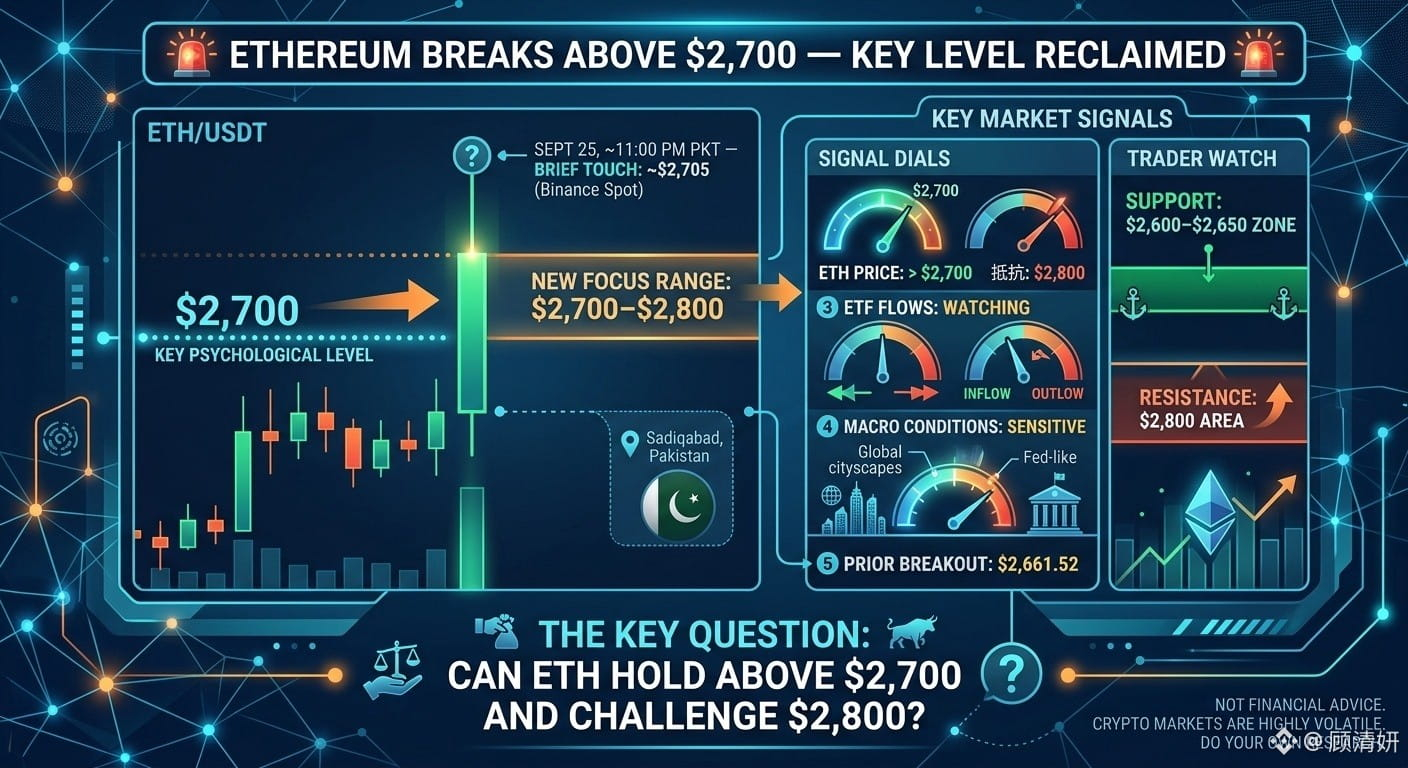
🚨 イーサリアム、$2,700を上抜け――重要レベルを奪回
イーサリアム(ETH)は9月25日に、Binanceの現物で一時的に約$2,705まで到達し、$2,700という心理的節目を再び上回りました。この動きにより、トレーダーはブレイクアウトが維持できるかどうかに注目しています。
重要なマーケットシグナル
• ETHはBinanceの現物で$2,700を上回って取引された
• $2,700は今や注視すべき重要な心理的レベル
• $2,800は依然として重要なすぐ近くのレジスタンス帯
• 直近のテクニカル分析では、$2,661.52が過去のブレイクアウト・レベルとして示された
• ETHは、より広い市場の流動性、ETFフロー、マクロ環境の影響を受けやすい
なぜ重要か
$2,700を上回る状態が継続すれば、次のレジスタンスである$2,800付近への注目を維持する可能性があります。とはいえ、$2,700に触れただけ、あるいは一瞬だけ超えただけでは、持続的なブレイクアウトの確証にはなりません。
トレーダーの注目
サポート:$2,600〜$2,650のゾーン
レジスタンス:$2,800付近
いまの最大の問い:ETHは$2,700を維持し、$2,800ゾーンに挑めるのか?
投資助言ではありません。暗号資産市場は非常にボラティリティが高いです。自己で調査してください。
$ENA $RARE $QUICK
{spot}(QUICKUSDT)
{future}(RAREUSDT)
{future}(ENAUSDT)
#EthereumBreaksAbove$2700
🚨 イーサリアム、$2,700を上抜け――重要レベルを奪回
イーサリアム(ETH)は9月25日に、Binanceの現物で一時的に約$2,705まで到達し、$2,700という心理的節目を再び上回りました。この動きにより、トレーダーはブレイクアウトが維持できるかどうかに注目しています。
重要なマーケットシグナル
• ETHはBinanceの現物で$2,700を上回って取引された
• $2,700は今や注視すべき重要な心理的レベル
• $2,800は依然として重要なすぐ近くのレジスタンス帯
• 直近のテクニカル分析では、$2,661.52が過去のブレイクアウト・レベルとして示された
• ETHは、より広い市場の流動性、ETFフロー、マクロ環境の影響を受けやすい
なぜ重要か
$2,700を上回る状態が継続すれば、次のレジスタンスである$2,800付近への注目を維持する可能性があります。とはいえ、$2,700に触れただけ、あるいは一瞬だけ超えただけでは、持続的なブレイクアウトの確証にはなりません。
トレーダーの注目
サポート:$2,600〜$2,650のゾーン
レジスタンス:$2,800付近
いまの最大の問い:ETHは$2,700を維持し、$2,800ゾーンに挑めるのか?
投資助言ではありません。暗号資産市場は非常にボラティリティが高いです。自己で調査してください。
$ENA $RARE $QUICK
🚨 イーサリアム、$2,700を上抜け――重要レベルを奪回
イーサリアム(ETH)は9月25日に、Binanceの現物で一時的に約$2,705まで到達し、$2,700という心理的節目を再び上回りました。この動きにより、トレーダーはブレイクアウトが維持できるかどうかに注目しています。
重要なマーケットシグナル
• ETHはBinanceの現物で$2,700を上回って取引された
• $2,700は今や注視すべき重要な心理的レベル
• $2,800は依然として重要なすぐ近くのレジスタンス帯
• 直近のテクニカル分析では、$2,661.52が過去のブレイクアウト・レベルとして示された
• ETHは、より広い市場の流動性、ETFフロー、マクロ環境の影響を受けやすい
なぜ重要か
$2,700を上回る状態が継続すれば、次のレジスタンスである$2,800付近への注目を維持する可能性があります。とはいえ、$2,700に触れただけ、あるいは一瞬だけ超えただけでは、持続的なブレイクアウトの確証にはなりません。
トレーダーの注目
サポート:$2,600〜$2,650のゾーン
レジスタンス:$2,800付近
いまの最大の問い:ETHは$2,700を維持し、$2,800ゾーンに挑めるのか?
投資助言ではありません。暗号資産市場は非常にボラティリティが高いです。自己で調査してください。
$ENA $RARE $QUICK
1
199
·
--
ブリッシュ
#qntrises39%
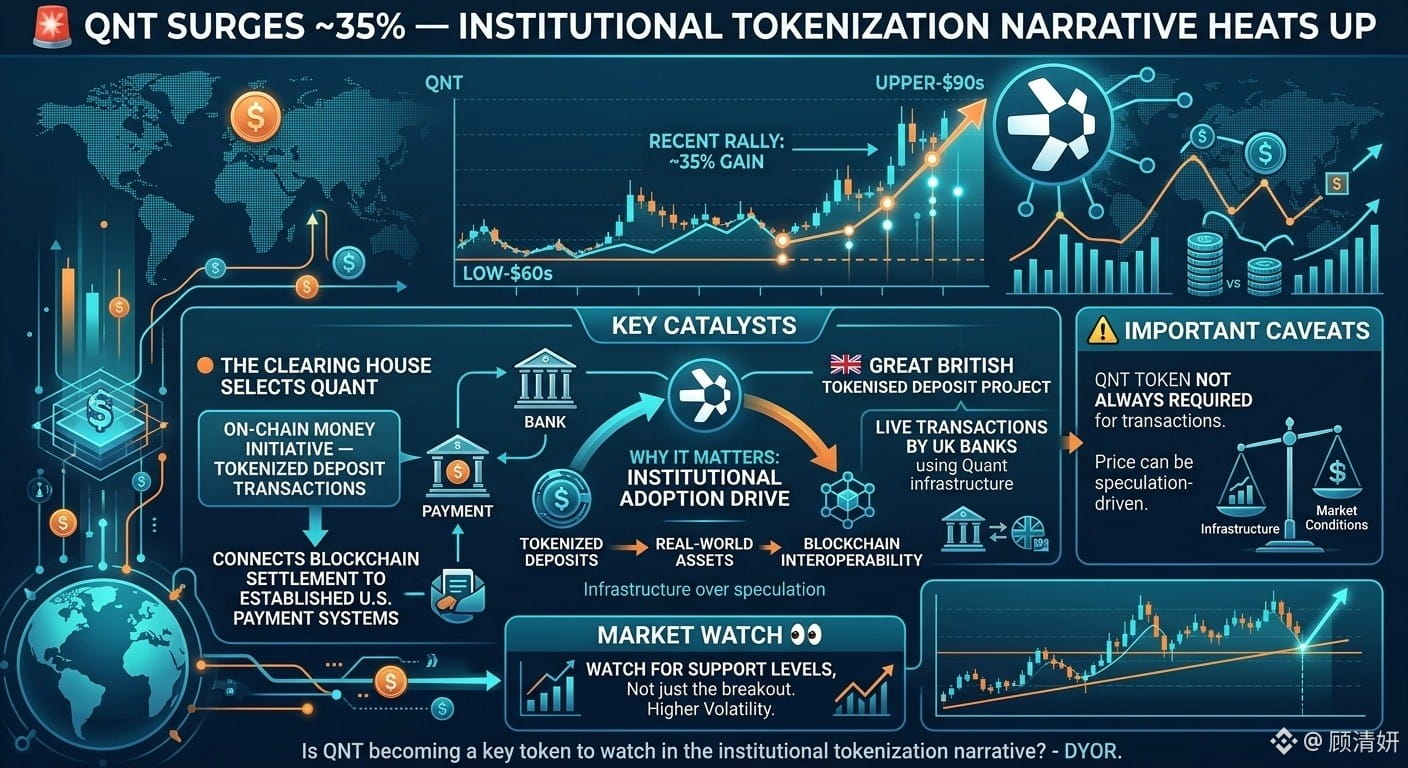
QNT、35%急騰――機関投資家向けトークン化の“物語”が加熱
Quant(QNT)は大きく動き、過去24時間でおよそ35%上昇。大型の暗号資産の中でもトップクラスのパフォーマンスを示しています。
この上昇は、機関投資家向けのブロックチェーン基盤におけるQuantの役割や、トークン化された預金への注目が高まっていることに起因します。
主要な材料
• QNTは直近の24時間で約35%上昇しました。
• The Clearing Houseは、トークン化された預金取引を目的とした同社の「On-Chain Money Initiative」を支援するためにQuantを選定しました。
• この取り組みは、ブロックチェーンに基づく決済インフラと、確立された米国の決済システムをつなぐことを意図しています。
• またQuantは、「Great British Tokenised Deposit」プロジェクトにも関与しており、英国の銀行がQuant関連のインフラを用いて、ライブのトークン化預金および銀行間取引を実施しました。
重要なポイント
本質的に語るべきなのは、単なるQNTの価格変動だけではありません。
トークン化された預金や実世界の金融資産の機関導入が進めば、ブロックチェーンの相互運用性(インターオペラビリティ)基盤への注目が高まる可能性があります。
ただし、今回の発表が、あらゆる取引にQNT自体が必須であることを意味するわけではありません。トークンの価格は、より広範な市場環境や思惑によっても動き得ます。
マーケット・ウォッチ
QNTは今月初めの60ドル台前半から、90ドル台後半へと急反発しており、強い勢いを示す一方で、短期のボラティリティも大幅に上昇しています。
この規模の値動きの後は、ブレイクアウト後に追いかけるよりも、QNTが新たに形成されたサポート水準を維持できるかを見守りたいところです。
上昇が確約されるわけではありません。自己調査(DYOR)を。
QNTは、機関投資家向けトークン化という“物語”の中で注目すべき主要トークンの1つになってきているのでしょうか?
$QI $PHA $ARK
{future}(ARKUSDT)
{future}(PHAUSDT)
{spot}(QIUSDT)
#qntrises39%
QNT、35%急騰――機関投資家向けトークン化の“物語”が加熱
Quant(QNT)は大きく動き、過去24時間でおよそ35%上昇。大型の暗号資産の中でもトップクラスのパフォーマンスを示しています。
この上昇は、機関投資家向けのブロックチェーン基盤におけるQuantの役割や、トークン化された預金への注目が高まっていることに起因します。
主要な材料
• QNTは直近の24時間で約35%上昇しました。
• The Clearing Houseは、トークン化された預金取引を目的とした同社の「On-Chain Money Initiative」を支援するためにQuantを選定しました。
• この取り組みは、ブロックチェーンに基づく決済インフラと、確立された米国の決済システムをつなぐことを意図しています。
• またQuantは、「Great British Tokenised Deposit」プロジェクトにも関与しており、英国の銀行がQuant関連のインフラを用いて、ライブのトークン化預金および銀行間取引を実施しました。
重要なポイント
本質的に語るべきなのは、単なるQNTの価格変動だけではありません。
トークン化された預金や実世界の金融資産の機関導入が進めば、ブロックチェーンの相互運用性(インターオペラビリティ)基盤への注目が高まる可能性があります。
ただし、今回の発表が、あらゆる取引にQNT自体が必須であることを意味するわけではありません。トークンの価格は、より広範な市場環境や思惑によっても動き得ます。
マーケット・ウォッチ
QNTは今月初めの60ドル台前半から、90ドル台後半へと急反発しており、強い勢いを示す一方で、短期のボラティリティも大幅に上昇しています。
この規模の値動きの後は、ブレイクアウト後に追いかけるよりも、QNTが新たに形成されたサポート水準を維持できるかを見守りたいところです。
上昇が確約されるわけではありません。自己調査(DYOR)を。
QNTは、機関投資家向けトークン化という“物語”の中で注目すべき主要トークンの1つになってきているのでしょうか?
$QI $PHA $ARK
QNT、35%急騰――機関投資家向けトークン化の“物語”が加熱
Quant(QNT)は大きく動き、過去24時間でおよそ35%上昇。大型の暗号資産の中でもトップクラスのパフォーマンスを示しています。
この上昇は、機関投資家向けのブロックチェーン基盤におけるQuantの役割や、トークン化された預金への注目が高まっていることに起因します。
主要な材料
• QNTは直近の24時間で約35%上昇しました。
• The Clearing Houseは、トークン化された預金取引を目的とした同社の「On-Chain Money Initiative」を支援するためにQuantを選定しました。
• この取り組みは、ブロックチェーンに基づく決済インフラと、確立された米国の決済システムをつなぐことを意図しています。
• またQuantは、「Great British Tokenised Deposit」プロジェクトにも関与しており、英国の銀行がQuant関連のインフラを用いて、ライブのトークン化預金および銀行間取引を実施しました。
重要なポイント
本質的に語るべきなのは、単なるQNTの価格変動だけではありません。
トークン化された預金や実世界の金融資産の機関導入が進めば、ブロックチェーンの相互運用性(インターオペラビリティ)基盤への注目が高まる可能性があります。
ただし、今回の発表が、あらゆる取引にQNT自体が必須であることを意味するわけではありません。トークンの価格は、より広範な市場環境や思惑によっても動き得ます。
マーケット・ウォッチ
QNTは今月初めの60ドル台前半から、90ドル台後半へと急反発しており、強い勢いを示す一方で、短期のボラティリティも大幅に上昇しています。
この規模の値動きの後は、ブレイクアウト後に追いかけるよりも、QNTが新たに形成されたサポート水準を維持できるかを見守りたいところです。
上昇が確約されるわけではありません。自己調査(DYOR)を。
QNTは、機関投資家向けトークン化という“物語”の中で注目すべき主要トークンの1つになってきているのでしょうか?
$QI $PHA $ARK
1
424
·
--
ブリッシュ
本人確認中
#binancewilllisthyperliquid(hype)
バイナンスがハイパーリキッド(HYPE)をスポット取引で新規上場 — 大きな新規スポット上場
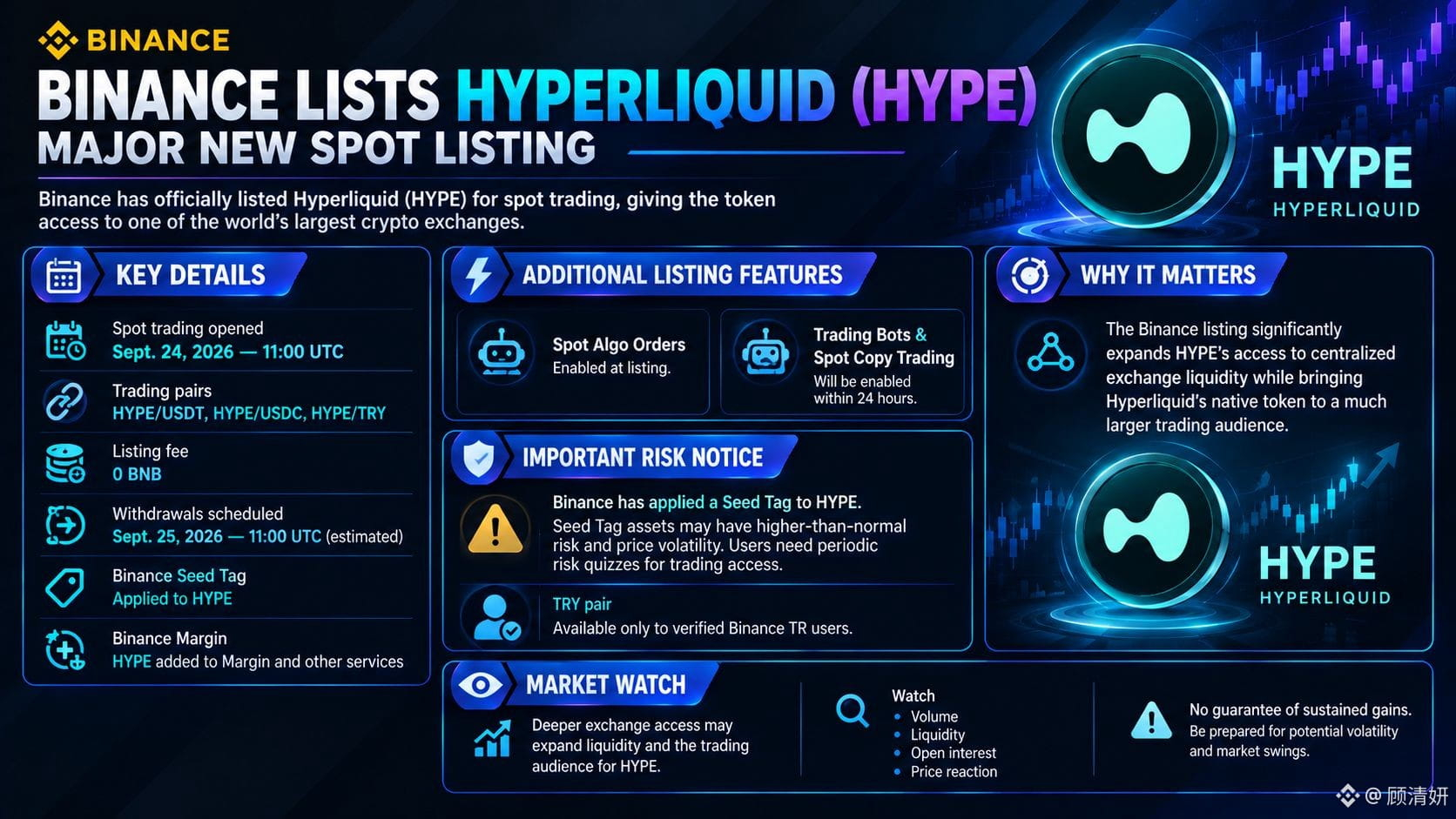
バイナンスは、スポット取引向けにハイパーリキッド(HYPE)を正式に上場し、同トークンに世界最大級の暗号資産取引所の1つへのアクセスを提供します。
📊 重要な詳細
• スポット取引開始:2026年9月24日 — 11:00(UTC)
• 取引ペア:HYPE/USDT、HYPE/USDC、HYPE/TRY
• 上場手数料:0 BNB
• 出金:2026年9月25日 — 11:00(UTC)に予定
• バイナンスはHYPEにSeedタグを適用
• HYPEはバイナンスのマージンおよび他のバイナンスサービスにも追加
⚡ 重要な理由
バイナンスの上場は、HYPEの集中型取引所の流動性へのアクセスを大幅に拡大し、さらにハイパーリキッドのネイティブトークンをはるかに大きい取引参加者へ届けます。
ただしバイナンスは、HYPEが比較的新しい資産であり、ボラティリティ(変動性)とリスクが高くなる可能性があると明確に警告しています。Seedタグにより、対象となるトレーダーは定期的なリスククイズの完了が必要です。
📈 市場ウォッチ
今の重要な論点は、取引所へのアクセスがより深まることで、継続的な流動性と需要につながるのか、それとも注目が高まったことで短期的なボラティリティと利確が発生するのかです。
確約はありません。最初の値動きを追いかけるのではなく、出来高、流動性、建玉(オープン・インタレスト)、価格反応を確認してください。
あなたはどう思いますか? バイナンスのHYPE上場はハイパーリキッドの市場での地位を強化するでしょうか?
$XAI $NOM $LSK
{future}(LSKUSDT)
{future}(NOMUSDT)
{future}(XAIUSDT)
#binancewilllisthyperliquid(hype)
バイナンスがハイパーリキッド(HYPE)をスポット取引で新規上場 — 大きな新規スポット上場
バイナンスは、スポット取引向けにハイパーリキッド(HYPE)を正式に上場し、同トークンに世界最大級の暗号資産取引所の1つへのアクセスを提供します。
📊 重要な詳細
• スポット取引開始:2026年9月24日 — 11:00(UTC)
• 取引ペア:HYPE/USDT、HYPE/USDC、HYPE/TRY
• 上場手数料:0 BNB
• 出金:2026年9月25日 — 11:00(UTC)に予定
• バイナンスはHYPEにSeedタグを適用
• HYPEはバイナンスのマージンおよび他のバイナンスサービスにも追加
⚡ 重要な理由
バイナンスの上場は、HYPEの集中型取引所の流動性へのアクセスを大幅に拡大し、さらにハイパーリキッドのネイティブトークンをはるかに大きい取引参加者へ届けます。
ただしバイナンスは、HYPEが比較的新しい資産であり、ボラティリティ(変動性)とリスクが高くなる可能性があると明確に警告しています。Seedタグにより、対象となるトレーダーは定期的なリスククイズの完了が必要です。
📈 市場ウォッチ
今の重要な論点は、取引所へのアクセスがより深まることで、継続的な流動性と需要につながるのか、それとも注目が高まったことで短期的なボラティリティと利確が発生するのかです。
確約はありません。最初の値動きを追いかけるのではなく、出来高、流動性、建玉(オープン・インタレスト)、価格反応を確認してください。
あなたはどう思いますか? バイナンスのHYPE上場はハイパーリキッドの市場での地位を強化するでしょうか?
$XAI $NOM $LSK
バイナンスがハイパーリキッド(HYPE)をスポット取引で新規上場 — 大きな新規スポット上場
バイナンスは、スポット取引向けにハイパーリキッド(HYPE)を正式に上場し、同トークンに世界最大級の暗号資産取引所の1つへのアクセスを提供します。
📊 重要な詳細
• スポット取引開始:2026年9月24日 — 11:00(UTC)
• 取引ペア:HYPE/USDT、HYPE/USDC、HYPE/TRY
• 上場手数料:0 BNB
• 出金:2026年9月25日 — 11:00(UTC)に予定
• バイナンスはHYPEにSeedタグを適用
• HYPEはバイナンスのマージンおよび他のバイナンスサービスにも追加
⚡ 重要な理由
バイナンスの上場は、HYPEの集中型取引所の流動性へのアクセスを大幅に拡大し、さらにハイパーリキッドのネイティブトークンをはるかに大きい取引参加者へ届けます。
ただしバイナンスは、HYPEが比較的新しい資産であり、ボラティリティ(変動性)とリスクが高くなる可能性があると明確に警告しています。Seedタグにより、対象となるトレーダーは定期的なリスククイズの完了が必要です。
📈 市場ウォッチ
今の重要な論点は、取引所へのアクセスがより深まることで、継続的な流動性と需要につながるのか、それとも注目が高まったことで短期的なボラティリティと利確が発生するのかです。
確約はありません。最初の値動きを追いかけるのではなく、出来高、流動性、建玉(オープン・インタレスト)、価格反応を確認してください。
あなたはどう思いますか? バイナンスのHYPE上場はハイパーリキッドの市場での地位を強化するでしょうか?
$XAI $NOM $LSK
5
26
32.6k
·
--
ブリッシュ
#SpotBitcoinETFsInflow$2.31BInFourDays
🚨 4日間でスポット・ビットコインETFに約23.1億ドルが流入
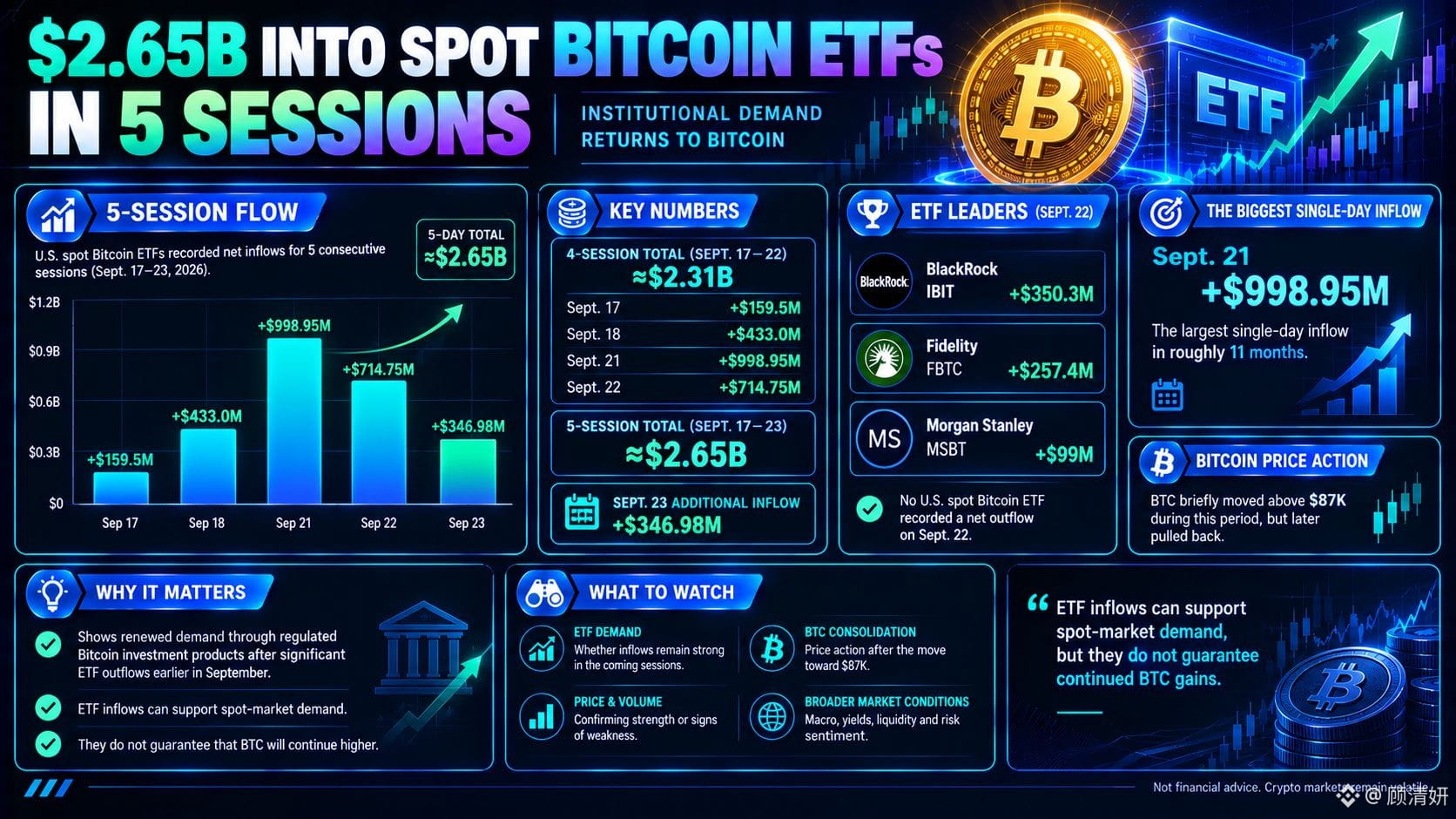
今週、ビットコインに対する機関投資家の需要が急速に加速しました。
米国のスポット・ビットコインETFは、9月17日〜22日の4つの取引セッションで合計約23.1億ドルの純流入を記録し、4日連続のプラス・セッションとなりました。
📊 主要数値
• 9月17日:+1.595億ドル
• 9月18日:+4.330億ドル
• 9月21日:+9.9895億ドル
• 9月22日:+7.1475億ドル
• 4セッション合計:約23.1億ドル
ブラックロックのIBITが9月22日の流入を牽引し、約3.503億ドル。続いてフィデリティのFBTCが2.574億ドル、モルガン・スタンレーのMSBTが約0.99億ドルでした。当日は米国のスポット・ビットコインETFで純流出を記録したものはありませんでした。
重要な理由
このフロー(資金流入)データは、9月上旬の大きなETF流出の後、規制されたビットコイン投資商品を通じた需要が再び戻ってきていることを示しています。
また、この期間中にビットコインは87,000ドルを上回りましたが、その後は価格が押し戻されました。ETFの流入はスポット市場の需要を支え得ますが、BTCが今後も上昇し続けることを保証するものではありません。
⚠️ 更新:このプラス基調は4日分の後も続きました。9月23日(水)はさらに3.4698億ドルを追加し、5セッション合計は約26.5億ドルとなりました。
取引では、現在の焦点は「ビットコインが87,000ドル方向への動きの後に値固まりしている間も、ETF需要が強い状態を維持できるか」です。
継続的なETFの資金流入は、BTC需要を支え続けられると思いますか?
$NOM $NIL $XPL
{future}(XPLUSDT)
{future}(NILUSDT)
{future}(NOMUSDT)
#SpotBitcoinETFsInflow$2.31BInFourDays
🚨 4日間でスポット・ビットコインETFに約23.1億ドルが流入
今週、ビットコインに対する機関投資家の需要が急速に加速しました。
米国のスポット・ビットコインETFは、9月17日〜22日の4つの取引セッションで合計約23.1億ドルの純流入を記録し、4日連続のプラス・セッションとなりました。
📊 主要数値
• 9月17日:+1.595億ドル
• 9月18日:+4.330億ドル
• 9月21日:+9.9895億ドル
• 9月22日:+7.1475億ドル
• 4セッション合計:約23.1億ドル
ブラックロックのIBITが9月22日の流入を牽引し、約3.503億ドル。続いてフィデリティのFBTCが2.574億ドル、モルガン・スタンレーのMSBTが約0.99億ドルでした。当日は米国のスポット・ビットコインETFで純流出を記録したものはありませんでした。
重要な理由
このフロー(資金流入)データは、9月上旬の大きなETF流出の後、規制されたビットコイン投資商品を通じた需要が再び戻ってきていることを示しています。
また、この期間中にビットコインは87,000ドルを上回りましたが、その後は価格が押し戻されました。ETFの流入はスポット市場の需要を支え得ますが、BTCが今後も上昇し続けることを保証するものではありません。
⚠️ 更新:このプラス基調は4日分の後も続きました。9月23日(水)はさらに3.4698億ドルを追加し、5セッション合計は約26.5億ドルとなりました。
取引では、現在の焦点は「ビットコインが87,000ドル方向への動きの後に値固まりしている間も、ETF需要が強い状態を維持できるか」です。
継続的なETFの資金流入は、BTC需要を支え続けられると思いますか?
$NOM $NIL $XPL
🚨 4日間でスポット・ビットコインETFに約23.1億ドルが流入
今週、ビットコインに対する機関投資家の需要が急速に加速しました。
米国のスポット・ビットコインETFは、9月17日〜22日の4つの取引セッションで合計約23.1億ドルの純流入を記録し、4日連続のプラス・セッションとなりました。
📊 主要数値
• 9月17日:+1.595億ドル
• 9月18日:+4.330億ドル
• 9月21日:+9.9895億ドル
• 9月22日:+7.1475億ドル
• 4セッション合計:約23.1億ドル
ブラックロックのIBITが9月22日の流入を牽引し、約3.503億ドル。続いてフィデリティのFBTCが2.574億ドル、モルガン・スタンレーのMSBTが約0.99億ドルでした。当日は米国のスポット・ビットコインETFで純流出を記録したものはありませんでした。
重要な理由
このフロー(資金流入)データは、9月上旬の大きなETF流出の後、規制されたビットコイン投資商品を通じた需要が再び戻ってきていることを示しています。
また、この期間中にビットコインは87,000ドルを上回りましたが、その後は価格が押し戻されました。ETFの流入はスポット市場の需要を支え得ますが、BTCが今後も上昇し続けることを保証するものではありません。
⚠️ 更新:このプラス基調は4日分の後も続きました。9月23日(水)はさらに3.4698億ドルを追加し、5セッション合計は約26.5億ドルとなりました。
取引では、現在の焦点は「ビットコインが87,000ドル方向への動きの後に値固まりしている間も、ETF需要が強い状態を維持できるか」です。
継続的なETFの資金流入は、BTC需要を支え続けられると思いますか?
$NOM $NIL $XPL
92
·
--
ブリッシュ
#BitcoinFallsToAround$84,600ThisWeek
🚨 今週ビットコインは$84,600付近へ後退
1月以来の高値を付けた強い上昇の後、ビットコインは落ち着きを見せている。
BTCは9月21日におよそ$87,360まで上昇したのち、$84K〜$85K付近へ後退した。9月24日には日次データで約$82,957まで下げ、その後価格は中盤の$84Kレンジへ回復した。
📊 重要な理由
• BTCは最近、1月以来初めて$85Kを上抜けた。
• 下落があっても、週次の値動きは依然としてプラス。
• $85K〜$87Kは、いまトレーダーが注目すべき重要なゾーン。
• 直近の高値を再び上回る持続的な動きがあれば、勢いの再燃を示唆する可能性がある。一方で、現在のレンジを下回る弱さが続けば短期的な値動きの荒さが増すかもしれない。
🔎 市場ウォッチ
今の焦点は、ビットコインが$84K〜$85Kのあたりで安定できるのか、それともさらに下のサポートを探し続けるのかという点だ。
現時点ではブレイクアウトは確認されていない。これらの水準付近での値動きが重要になる。
あなたはどう思う? 次の上昇に向けたもみ合いか、それともより深い調整か?
$NOM $PLUME $ONDO
{future}(ONDOUSDT)
{future}(PLUMEUSDT)
{future}(NOMUSDT)
#BitcoinFallsToAround$84,600ThisWeek
🚨 今週ビットコインは$84,600付近へ後退
1月以来の高値を付けた強い上昇の後、ビットコインは落ち着きを見せている。
BTCは9月21日におよそ$87,360まで上昇したのち、$84K〜$85K付近へ後退した。9月24日には日次データで約$82,957まで下げ、その後価格は中盤の$84Kレンジへ回復した。
📊 重要な理由
• BTCは最近、1月以来初めて$85Kを上抜けた。
• 下落があっても、週次の値動きは依然としてプラス。
• $85K〜$87Kは、いまトレーダーが注目すべき重要なゾーン。
• 直近の高値を再び上回る持続的な動きがあれば、勢いの再燃を示唆する可能性がある。一方で、現在のレンジを下回る弱さが続けば短期的な値動きの荒さが増すかもしれない。
🔎 市場ウォッチ
今の焦点は、ビットコインが$84K〜$85Kのあたりで安定できるのか、それともさらに下のサポートを探し続けるのかという点だ。
現時点ではブレイクアウトは確認されていない。これらの水準付近での値動きが重要になる。
あなたはどう思う? 次の上昇に向けたもみ合いか、それともより深い調整か?
$NOM $PLUME $ONDO
🚨 今週ビットコインは$84,600付近へ後退
1月以来の高値を付けた強い上昇の後、ビットコインは落ち着きを見せている。
BTCは9月21日におよそ$87,360まで上昇したのち、$84K〜$85K付近へ後退した。9月24日には日次データで約$82,957まで下げ、その後価格は中盤の$84Kレンジへ回復した。
📊 重要な理由
• BTCは最近、1月以来初めて$85Kを上抜けた。
• 下落があっても、週次の値動きは依然としてプラス。
• $85K〜$87Kは、いまトレーダーが注目すべき重要なゾーン。
• 直近の高値を再び上回る持続的な動きがあれば、勢いの再燃を示唆する可能性がある。一方で、現在のレンジを下回る弱さが続けば短期的な値動きの荒さが増すかもしれない。
🔎 市場ウォッチ
今の焦点は、ビットコインが$84K〜$85Kのあたりで安定できるのか、それともさらに下のサポートを探し続けるのかという点だ。
現時点ではブレイクアウトは確認されていない。これらの水準付近での値動きが重要になる。
あなたはどう思う? 次の上昇に向けたもみ合いか、それともより深い調整か?
$NOM $PLUME $ONDO
69
·
--
ブリッシュ
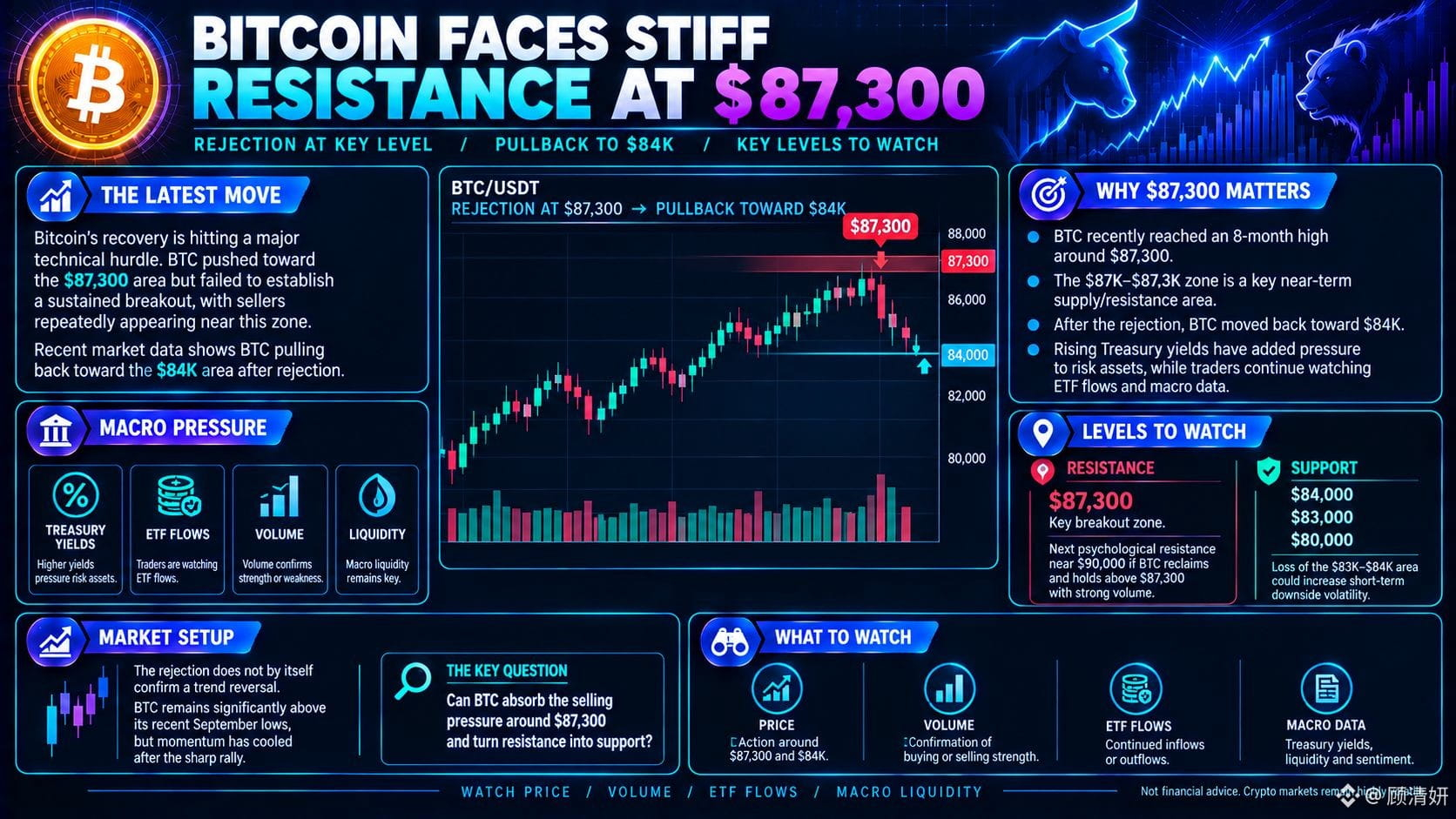
#BitcoinRejectedAt$87,300Twice
🚨 ビットコイン、$87,300で強い抵抗に直面
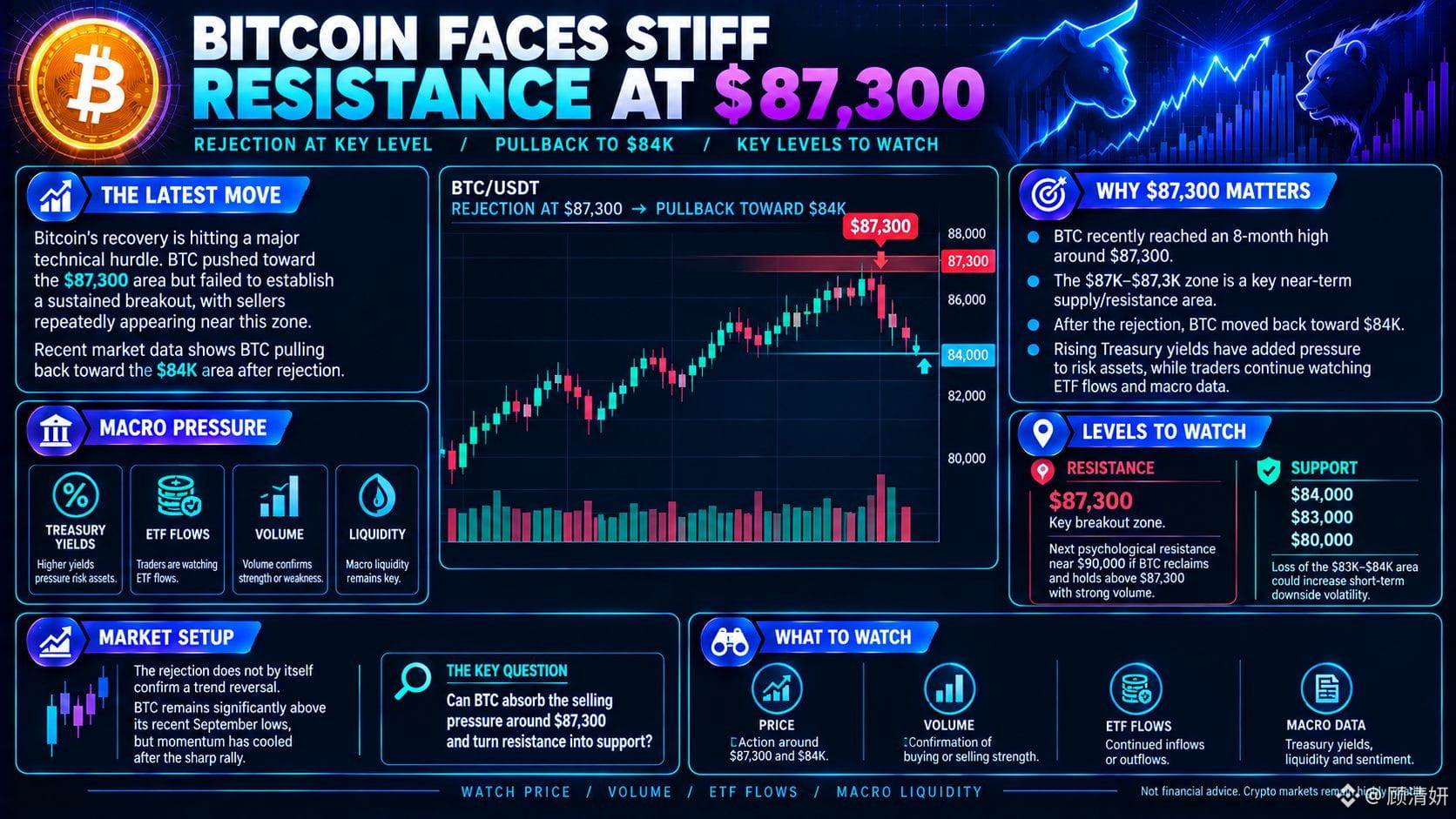
ビットコインの回復は大きなテクニカル・ハードルにぶつかっている。
BTCは$87,300付近へ接近したものの、継続的なブレイクを確立できず、このゾーン付近に売りが何度も現れている。直近の市場データでは、拒否(リジェクション)後にBTCが$84K付近へ後退していることが示されている。
📊 なぜ$87,300が重要か
• BTCは最近、約8か月ぶりの高値として$87,300付近に到達した。
• $87K〜$87.3Kのゾーンは、明確な短期の供給(売り)エリアとなっている。
• リジェクションの後、ビットコインは$84Kへ戻った。
• 国債利回りの上昇がリスク資産への圧力となっており、一方でトレーダーはETFフローやマクロ指標を引き続き注視している。
🔑 注目すべき水準
抵抗線:
$87,300 — 重要なブレイクアウト・ゾーン
もしBTCがこのエリアを取り戻し、強い出来高を伴って上で維持できれば、トレーダーは次の心理的抵抗である$90K近辺を意識する可能性がある。
サポート:
$84,000
$83,000
$80,000
$83K〜$84Kのエリアを失うと、短期的な下方向のボラティリティが高まる恐れがある。
📈 市場の状況
今回のリジェクションだけでは、トレンド転換を裏付けるものではない。ビットコインは依然として直近9月の安値を大きく上回って取引されているが、急騰後に勢いが冷めている。
トレーダーにとって重要な問いはシンプルだ:
BTCは$87,300付近の売り圧を吸収し、抵抗をサポートへ変えられるか?
次の大きな動きだと決めつける前に、価格、出来高、ETFフロー、そしてマクロの流動性を確認しよう。
投資助言ではない。暗号資産市場は依然として非常にボラティリティが高い。
$XAI $BROCCOLI714 $LSK
{future}(LSKUSDT)
{future}(BROCCOLI714USDT)
{future}(XAIUSDT)
#BitcoinRejectedAt$87,300Twice
🚨 ビットコイン、$87,300で強い抵抗に直面
ビットコインの回復は大きなテクニカル・ハードルにぶつかっている。
BTCは$87,300付近へ接近したものの、継続的なブレイクを確立できず、このゾーン付近に売りが何度も現れている。直近の市場データでは、拒否(リジェクション)後にBTCが$84K付近へ後退していることが示されている。
📊 なぜ$87,300が重要か
• BTCは最近、約8か月ぶりの高値として$87,300付近に到達した。
• $87K〜$87.3Kのゾーンは、明確な短期の供給(売り)エリアとなっている。
• リジェクションの後、ビットコインは$84Kへ戻った。
• 国債利回りの上昇がリスク資産への圧力となっており、一方でトレーダーはETFフローやマクロ指標を引き続き注視している。
🔑 注目すべき水準
抵抗線:
$87,300 — 重要なブレイクアウト・ゾーン
もしBTCがこのエリアを取り戻し、強い出来高を伴って上で維持できれば、トレーダーは次の心理的抵抗である$90K近辺を意識する可能性がある。
サポート:
$84,000
$83,000
$80,000
$83K〜$84Kのエリアを失うと、短期的な下方向のボラティリティが高まる恐れがある。
📈 市場の状況
今回のリジェクションだけでは、トレンド転換を裏付けるものではない。ビットコインは依然として直近9月の安値を大きく上回って取引されているが、急騰後に勢いが冷めている。
トレーダーにとって重要な問いはシンプルだ:
BTCは$87,300付近の売り圧を吸収し、抵抗をサポートへ変えられるか?
次の大きな動きだと決めつける前に、価格、出来高、ETFフロー、そしてマクロの流動性を確認しよう。
投資助言ではない。暗号資産市場は依然として非常にボラティリティが高い。
$XAI $BROCCOLI714 $LSK
🚨 ビットコイン、$87,300で強い抵抗に直面
ビットコインの回復は大きなテクニカル・ハードルにぶつかっている。
BTCは$87,300付近へ接近したものの、継続的なブレイクを確立できず、このゾーン付近に売りが何度も現れている。直近の市場データでは、拒否(リジェクション)後にBTCが$84K付近へ後退していることが示されている。
📊 なぜ$87,300が重要か
• BTCは最近、約8か月ぶりの高値として$87,300付近に到達した。
• $87K〜$87.3Kのゾーンは、明確な短期の供給(売り)エリアとなっている。
• リジェクションの後、ビットコインは$84Kへ戻った。
• 国債利回りの上昇がリスク資産への圧力となっており、一方でトレーダーはETFフローやマクロ指標を引き続き注視している。
🔑 注目すべき水準
抵抗線:
$87,300 — 重要なブレイクアウト・ゾーン
もしBTCがこのエリアを取り戻し、強い出来高を伴って上で維持できれば、トレーダーは次の心理的抵抗である$90K近辺を意識する可能性がある。
サポート:
$84,000
$83,000
$80,000
$83K〜$84Kのエリアを失うと、短期的な下方向のボラティリティが高まる恐れがある。
📈 市場の状況
今回のリジェクションだけでは、トレンド転換を裏付けるものではない。ビットコインは依然として直近9月の安値を大きく上回って取引されているが、急騰後に勢いが冷めている。
トレーダーにとって重要な問いはシンプルだ:
BTCは$87,300付近の売り圧を吸収し、抵抗をサポートへ変えられるか?
次の大きな動きだと決めつける前に、価格、出来高、ETFフロー、そしてマクロの流動性を確認しよう。
投資助言ではない。暗号資産市場は依然として非常にボラティリティが高い。
$XAI $BROCCOLI714 $LSK
127
·
--
ブリッシュ
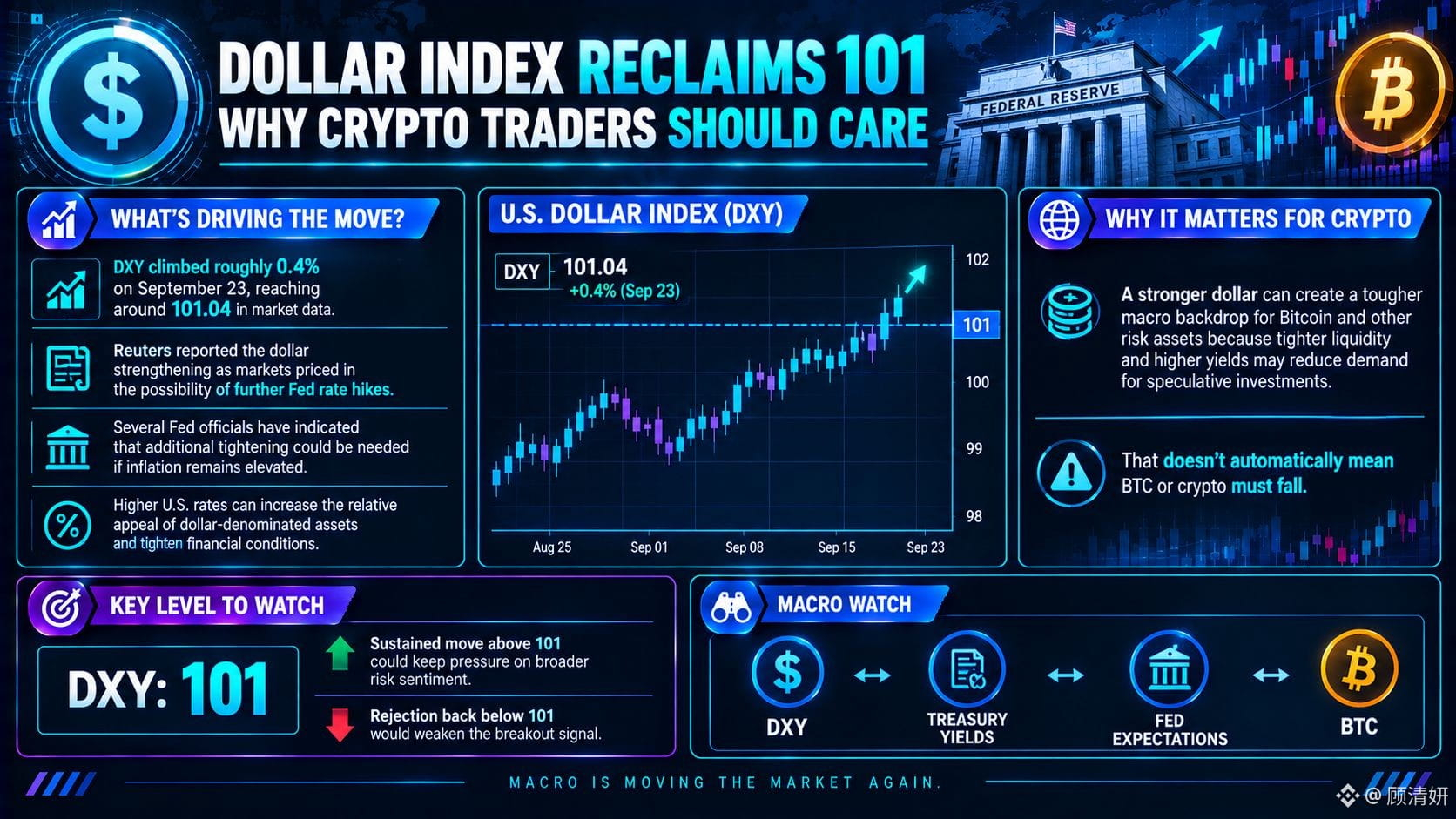
#dollarindexreclaims101
🚨 ドル・インデックスが101を奪還 — なぜ暗号資産トレーダーは注目すべきか
米ドル・インデックス(DXY)は再び101の水準を上回り、約2か月ぶりの強い局面に到達した。
📊 何がこの動きを生んでいる?
• DXYは9月23日に約0.4%上昇し、市場データでは約101.04に到達。
• ロイターは、市場が追加のFRB(連邦準備制度)利上げの可能性を織り込んだことでドルが強含んだと報じた。
• いくつかのFRB当局者は、インフレが高止まりするなら追加の引き締めが必要になるかもしれないと示している。
• 米国の金利上昇は、ドル建て資産の相対的な魅力を高め、金融環境を引き締める可能性がある。
🌐 暗号資産にとってなぜ重要か
ドル高は、流動性の引き締まりや高い利回りによって投機的な投資への需要が減ることで、ビットコインやその他のリスク資産にとってより厳しいマクロ環境を作りうる。
ただし、それはBTCや暗号資産が必ず下落しなければならないことを意味するわけではない。
焦点は、DXYが101を維持して上昇を続けられるか、それとも今回の動きが別の失敗したブレイクアウトになるのかだ。
👀 注目すべき重要ライン
DXY:101
このゾーンを上抜けた状態が持続すれば、より広いリスク心理に圧力がかかりうる。一方で101を下回る側へのリジェクト(跳ね返り)が起きれば、ブレイクアウトのシグナルは弱まる。
暗号資産トレーダーは以下の関係を見ておこう:
DXY ↔ 米国債利回り ↔ FRBの見通し ↔ BTC
マクロがまた市場を動かしている。
$SAGA $NIL $RAY
{spot}(RAYUSDT)
{future}(NILUSDT)
{future}(SAGAUSDT)
#dollarindexreclaims101
🚨 ドル・インデックスが101を奪還 — なぜ暗号資産トレーダーは注目すべきか
米ドル・インデックス(DXY)は再び101の水準を上回り、約2か月ぶりの強い局面に到達した。
📊 何がこの動きを生んでいる?
• DXYは9月23日に約0.4%上昇し、市場データでは約101.04に到達。
• ロイターは、市場が追加のFRB(連邦準備制度)利上げの可能性を織り込んだことでドルが強含んだと報じた。
• いくつかのFRB当局者は、インフレが高止まりするなら追加の引き締めが必要になるかもしれないと示している。
• 米国の金利上昇は、ドル建て資産の相対的な魅力を高め、金融環境を引き締める可能性がある。
🌐 暗号資産にとってなぜ重要か
ドル高は、流動性の引き締まりや高い利回りによって投機的な投資への需要が減ることで、ビットコインやその他のリスク資産にとってより厳しいマクロ環境を作りうる。
ただし、それはBTCや暗号資産が必ず下落しなければならないことを意味するわけではない。
焦点は、DXYが101を維持して上昇を続けられるか、それとも今回の動きが別の失敗したブレイクアウトになるのかだ。
👀 注目すべき重要ライン
DXY:101
このゾーンを上抜けた状態が持続すれば、より広いリスク心理に圧力がかかりうる。一方で101を下回る側へのリジェクト(跳ね返り)が起きれば、ブレイクアウトのシグナルは弱まる。
暗号資産トレーダーは以下の関係を見ておこう:
DXY ↔ 米国債利回り ↔ FRBの見通し ↔ BTC
マクロがまた市場を動かしている。
$SAGA $NIL $RAY
🚨 ドル・インデックスが101を奪還 — なぜ暗号資産トレーダーは注目すべきか
米ドル・インデックス(DXY)は再び101の水準を上回り、約2か月ぶりの強い局面に到達した。
📊 何がこの動きを生んでいる?
• DXYは9月23日に約0.4%上昇し、市場データでは約101.04に到達。
• ロイターは、市場が追加のFRB(連邦準備制度)利上げの可能性を織り込んだことでドルが強含んだと報じた。
• いくつかのFRB当局者は、インフレが高止まりするなら追加の引き締めが必要になるかもしれないと示している。
• 米国の金利上昇は、ドル建て資産の相対的な魅力を高め、金融環境を引き締める可能性がある。
🌐 暗号資産にとってなぜ重要か
ドル高は、流動性の引き締まりや高い利回りによって投機的な投資への需要が減ることで、ビットコインやその他のリスク資産にとってより厳しいマクロ環境を作りうる。
ただし、それはBTCや暗号資産が必ず下落しなければならないことを意味するわけではない。
焦点は、DXYが101を維持して上昇を続けられるか、それとも今回の動きが別の失敗したブレイクアウトになるのかだ。
👀 注目すべき重要ライン
DXY:101
このゾーンを上抜けた状態が持続すれば、より広いリスク心理に圧力がかかりうる。一方で101を下回る側へのリジェクト(跳ね返り)が起きれば、ブレイクアウトのシグナルは弱まる。
暗号資産トレーダーは以下の関係を見ておこう:
DXY ↔ 米国債利回り ↔ FRBの見通し ↔ BTC
マクロがまた市場を動かしている。
$SAGA $NIL $RAY
158
·
--
ブリッシュ
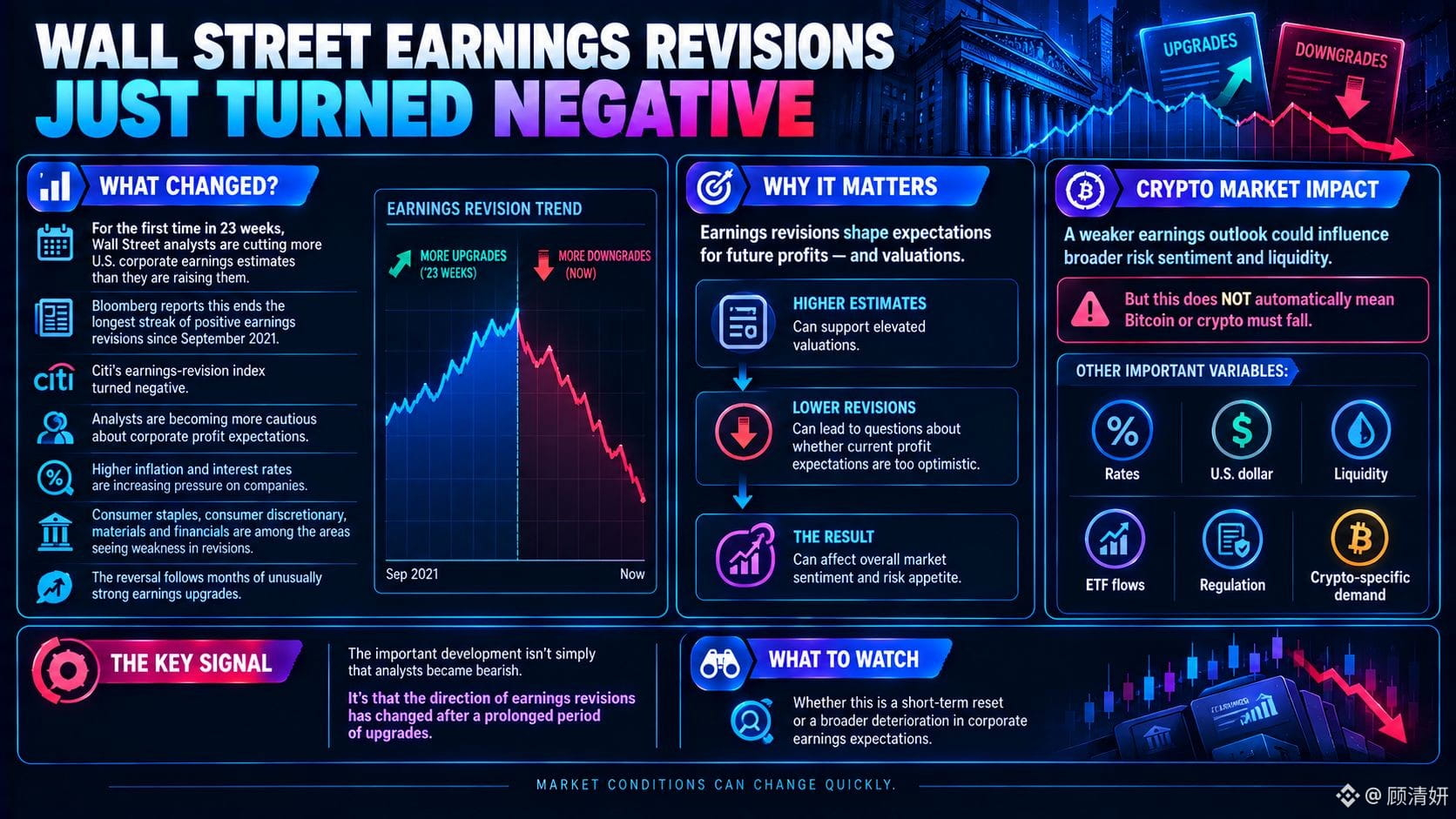
#wallstreetearningsrevisionsturnbearish
📉 ウォール街の決算修正がついにマイナスへ転じた
米国の株式市場ラリーの下で、重要な変化が起きている。
23週間ぶりに、ウォール街のアナリストは、米国の企業業績予想を引き上げるよりも、引き下げるほうが増えている。
ブルームバーグによると、この反転は、2021年9月以来最長となったプラスの業績修正の連続が終わったことを示している。
🔎 何が変わった?
• 📊 シティ(Citi)の業績修正指数がマイナスに転じた。
• 🏦 アナリストが企業利益の見通しに対して慎重になってきている。
• 💰 インフレ高進と金利上昇が、企業への圧力を強めている。
• 🛒 消費安定関連、一般消費財、素材、金融などの分野で、修正の弱さが見られている。
• ⚠️ これは、数カ月にわたる異例の強い業績アップグレードの後に起きている。
なぜ重要?
市場は最終的に、将来の利益に対する期待に左右される。
業績予想が上がり続ける間は、高いバリュエーションがファンダメンタルズによって下支えされることもある。
しかし修正がさらに下向きに進むなら、投資家は「現在の利益見通しが強気すぎるのでは」と疑い始める可能性がある。
それは株だけの話ではない。
🌐 暗号資産市場への影響
より慎重な業績見通しは、リスク志向の広がりに影響しうる。
投資家が利益見通しの弱さを理由に株式へのエクスポージャーを減らすなら、クリプトのようなハイベータ資産も、流動性やリスク選好の変化を受ける可能性がある。
ただし、これは「ビットコインや暗号資産が自動的に下落しなければならない」という意味ではない。
金利、米ドル、流動性、ETFフロー、規制、そして暗号資産特有の需要は、依然として重要な変数だ。
📌 決め手となるシグナル
重要なのは、アナリストが弱気になったというだけではない。
長期のアップグレード期間の後に、業績修正の方向性が変わったことだ。
トレーダーは、これが短期的なリセットなのか、それとも企業業績に対する見通しのより広範な悪化の始まりなのかを見極めるだろう。
$MET $SUPER $SENT
{future}(SENTUSDT)
{future}(SUPERUSDT)
{future}(METUSDT)
#wallstreetearningsrevisionsturnbearish
📉 ウォール街の決算修正がついにマイナスへ転じた
米国の株式市場ラリーの下で、重要な変化が起きている。
23週間ぶりに、ウォール街のアナリストは、米国の企業業績予想を引き上げるよりも、引き下げるほうが増えている。
ブルームバーグによると、この反転は、2021年9月以来最長となったプラスの業績修正の連続が終わったことを示している。
🔎 何が変わった?
• 📊 シティ(Citi)の業績修正指数がマイナスに転じた。
• 🏦 アナリストが企業利益の見通しに対して慎重になってきている。
• 💰 インフレ高進と金利上昇が、企業への圧力を強めている。
• 🛒 消費安定関連、一般消費財、素材、金融などの分野で、修正の弱さが見られている。
• ⚠️ これは、数カ月にわたる異例の強い業績アップグレードの後に起きている。
なぜ重要?
市場は最終的に、将来の利益に対する期待に左右される。
業績予想が上がり続ける間は、高いバリュエーションがファンダメンタルズによって下支えされることもある。
しかし修正がさらに下向きに進むなら、投資家は「現在の利益見通しが強気すぎるのでは」と疑い始める可能性がある。
それは株だけの話ではない。
🌐 暗号資産市場への影響
より慎重な業績見通しは、リスク志向の広がりに影響しうる。
投資家が利益見通しの弱さを理由に株式へのエクスポージャーを減らすなら、クリプトのようなハイベータ資産も、流動性やリスク選好の変化を受ける可能性がある。
ただし、これは「ビットコインや暗号資産が自動的に下落しなければならない」という意味ではない。
金利、米ドル、流動性、ETFフロー、規制、そして暗号資産特有の需要は、依然として重要な変数だ。
📌 決め手となるシグナル
重要なのは、アナリストが弱気になったというだけではない。
長期のアップグレード期間の後に、業績修正の方向性が変わったことだ。
トレーダーは、これが短期的なリセットなのか、それとも企業業績に対する見通しのより広範な悪化の始まりなのかを見極めるだろう。
$MET $SUPER $SENT
📉 ウォール街の決算修正がついにマイナスへ転じた
米国の株式市場ラリーの下で、重要な変化が起きている。
23週間ぶりに、ウォール街のアナリストは、米国の企業業績予想を引き上げるよりも、引き下げるほうが増えている。
ブルームバーグによると、この反転は、2021年9月以来最長となったプラスの業績修正の連続が終わったことを示している。
🔎 何が変わった?
• 📊 シティ(Citi)の業績修正指数がマイナスに転じた。
• 🏦 アナリストが企業利益の見通しに対して慎重になってきている。
• 💰 インフレ高進と金利上昇が、企業への圧力を強めている。
• 🛒 消費安定関連、一般消費財、素材、金融などの分野で、修正の弱さが見られている。
• ⚠️ これは、数カ月にわたる異例の強い業績アップグレードの後に起きている。
なぜ重要?
市場は最終的に、将来の利益に対する期待に左右される。
業績予想が上がり続ける間は、高いバリュエーションがファンダメンタルズによって下支えされることもある。
しかし修正がさらに下向きに進むなら、投資家は「現在の利益見通しが強気すぎるのでは」と疑い始める可能性がある。
それは株だけの話ではない。
🌐 暗号資産市場への影響
より慎重な業績見通しは、リスク志向の広がりに影響しうる。
投資家が利益見通しの弱さを理由に株式へのエクスポージャーを減らすなら、クリプトのようなハイベータ資産も、流動性やリスク選好の変化を受ける可能性がある。
ただし、これは「ビットコインや暗号資産が自動的に下落しなければならない」という意味ではない。
金利、米ドル、流動性、ETFフロー、規制、そして暗号資産特有の需要は、依然として重要な変数だ。
📌 決め手となるシグナル
重要なのは、アナリストが弱気になったというだけではない。
長期のアップグレード期間の後に、業績修正の方向性が変わったことだ。
トレーダーは、これが短期的なリセットなのか、それとも企業業績に対する見通しのより広範な悪化の始まりなのかを見極めるだろう。
$MET $SUPER $SENT
311
·
--
ブリッシュ
本人確認中
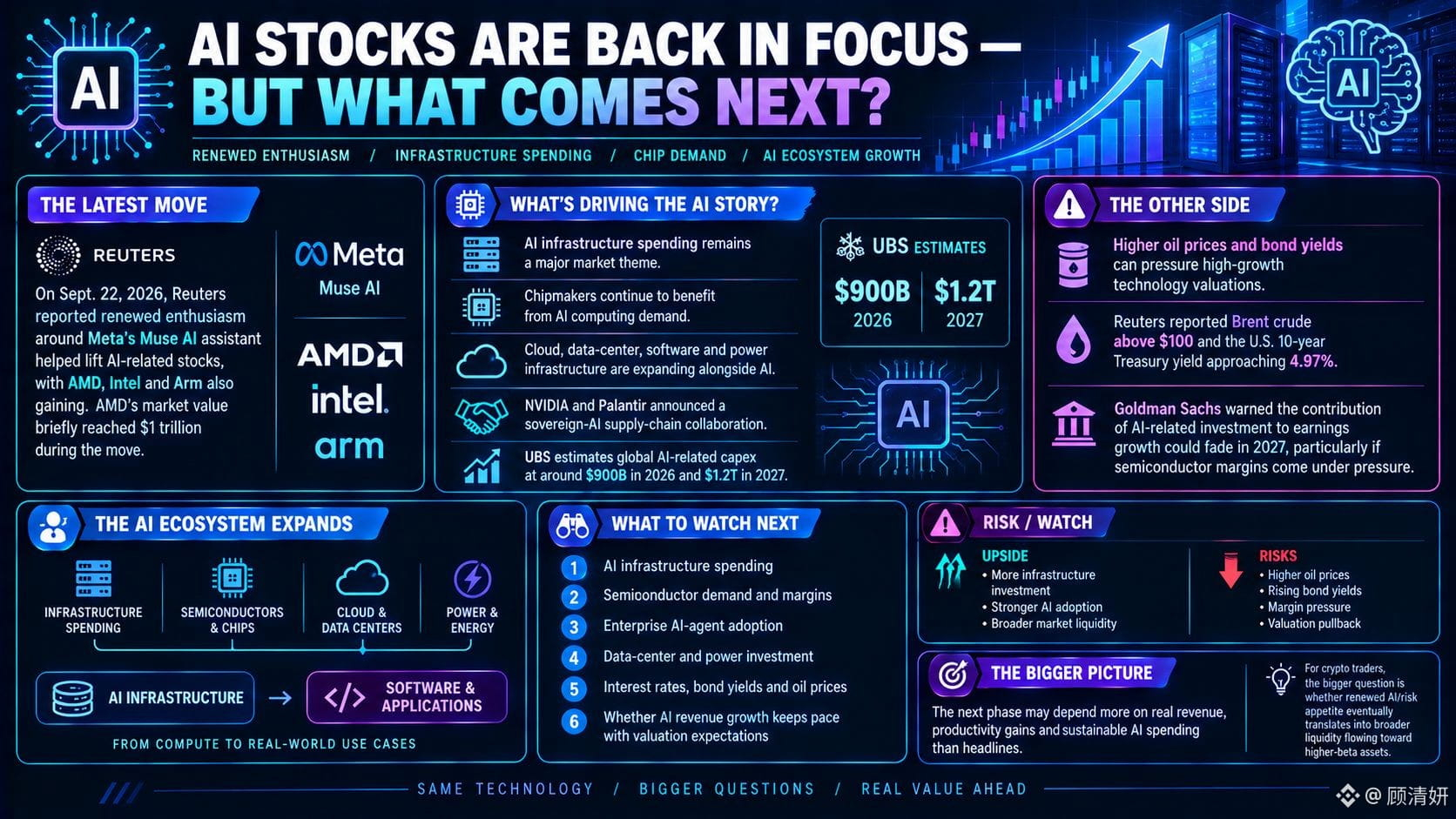
#aistockswhatnext
🤖 AI株:次は何が来る?
AIトレードは次の章に入ろうとしているかもしれない。
GPU、データセンター、AIインフラへの数年にわたる巨額投資の後、投資家はますます別の問いを持つようになっている。
👉 次のAI成長の波はどこから来るのか?
📊 何が変わっているのか
• 🖥️ AIインフラ — チップやデータセンター需要は依然として大きなテーマだが、期待はより厳しくなっている。
• ☁️ エンタープライズAI — 企業は、試験的な取り組みから、クラウド、ソフトウェア、そしてビジネス運用全体にわたってAIを導入する段階へ進んでいる。
• 💻 AIソフトウェア — 注目は、AI機能をリカーリング(継続)収益へと転換できる企業へ、よりシフトしていく可能性がある。
• 🤖 AIエージェント — エージェント型AIは、計算需要をさらに押し上げるだけでなく、企業がソフトウェアを使う方法そのものを変えるかもしれない。
最近の分析では、投資家の関心が「純粋なAIインフラ」から広がる場合に注目される領域として、Microsoft、Adobe、Salesforce、サイバーセキュリティ企業、そして確立したAIプラットフォームが挙げられている。
一方で、NvidiaとAMDはAI計算(AI-compute)の物語の中心であり続けているが、市場は、成長見通し、バリュエーション(株価評価)、そして将来のマネタイズ見込みに基づいて企業をより分けて見ている。AMDは先日、時価総額1兆ドルの節目を超えた。一方Nvidiaは、自社の巨大な既存規模からどれほど追加の成長を得られるのかという問いに引き続き直面している。
⚠️ 重要なリスク
現在の議論は単に「AIは本物」対「AIはバブル」ではない。主要なAI企業には確かな利益と実在する需要があるが、利益成長の鈍化、金利上昇、あるいはAIインフラ向け支出の弱さによって、それでもバリュエーションが圧迫される可能性はある。
🔎 次に注目すべきこと
1️⃣ AIインフラの支出
2️⃣ エンタープライズAIの導入
3️⃣ AIエージェントの展開
4️⃣ AI製品から生まれる収益
5️⃣ データセンター需要とマージン
6️⃣ 実際の利益成長との対比としてのバリュエーション
$ALLO $SAGA $MET
{future}(METUSDT)
{future}(SAGAUSDT)
{future}(ALLOUSDT)
#aistockswhatnext
🤖 AI株:次は何が来る?
AIトレードは次の章に入ろうとしているかもしれない。
GPU、データセンター、AIインフラへの数年にわたる巨額投資の後、投資家はますます別の問いを持つようになっている。
👉 次のAI成長の波はどこから来るのか?
📊 何が変わっているのか
• 🖥️ AIインフラ — チップやデータセンター需要は依然として大きなテーマだが、期待はより厳しくなっている。
• ☁️ エンタープライズAI — 企業は、試験的な取り組みから、クラウド、ソフトウェア、そしてビジネス運用全体にわたってAIを導入する段階へ進んでいる。
• 💻 AIソフトウェア — 注目は、AI機能をリカーリング(継続)収益へと転換できる企業へ、よりシフトしていく可能性がある。
• 🤖 AIエージェント — エージェント型AIは、計算需要をさらに押し上げるだけでなく、企業がソフトウェアを使う方法そのものを変えるかもしれない。
最近の分析では、投資家の関心が「純粋なAIインフラ」から広がる場合に注目される領域として、Microsoft、Adobe、Salesforce、サイバーセキュリティ企業、そして確立したAIプラットフォームが挙げられている。
一方で、NvidiaとAMDはAI計算(AI-compute)の物語の中心であり続けているが、市場は、成長見通し、バリュエーション(株価評価)、そして将来のマネタイズ見込みに基づいて企業をより分けて見ている。AMDは先日、時価総額1兆ドルの節目を超えた。一方Nvidiaは、自社の巨大な既存規模からどれほど追加の成長を得られるのかという問いに引き続き直面している。
⚠️ 重要なリスク
現在の議論は単に「AIは本物」対「AIはバブル」ではない。主要なAI企業には確かな利益と実在する需要があるが、利益成長の鈍化、金利上昇、あるいはAIインフラ向け支出の弱さによって、それでもバリュエーションが圧迫される可能性はある。
🔎 次に注目すべきこと
1️⃣ AIインフラの支出
2️⃣ エンタープライズAIの導入
3️⃣ AIエージェントの展開
4️⃣ AI製品から生まれる収益
5️⃣ データセンター需要とマージン
6️⃣ 実際の利益成長との対比としてのバリュエーション
$ALLO $SAGA $MET
🤖 AI株:次は何が来る?
AIトレードは次の章に入ろうとしているかもしれない。
GPU、データセンター、AIインフラへの数年にわたる巨額投資の後、投資家はますます別の問いを持つようになっている。
👉 次のAI成長の波はどこから来るのか?
📊 何が変わっているのか
• 🖥️ AIインフラ — チップやデータセンター需要は依然として大きなテーマだが、期待はより厳しくなっている。
• ☁️ エンタープライズAI — 企業は、試験的な取り組みから、クラウド、ソフトウェア、そしてビジネス運用全体にわたってAIを導入する段階へ進んでいる。
• 💻 AIソフトウェア — 注目は、AI機能をリカーリング(継続)収益へと転換できる企業へ、よりシフトしていく可能性がある。
• 🤖 AIエージェント — エージェント型AIは、計算需要をさらに押し上げるだけでなく、企業がソフトウェアを使う方法そのものを変えるかもしれない。
最近の分析では、投資家の関心が「純粋なAIインフラ」から広がる場合に注目される領域として、Microsoft、Adobe、Salesforce、サイバーセキュリティ企業、そして確立したAIプラットフォームが挙げられている。
一方で、NvidiaとAMDはAI計算(AI-compute)の物語の中心であり続けているが、市場は、成長見通し、バリュエーション(株価評価)、そして将来のマネタイズ見込みに基づいて企業をより分けて見ている。AMDは先日、時価総額1兆ドルの節目を超えた。一方Nvidiaは、自社の巨大な既存規模からどれほど追加の成長を得られるのかという問いに引き続き直面している。
⚠️ 重要なリスク
現在の議論は単に「AIは本物」対「AIはバブル」ではない。主要なAI企業には確かな利益と実在する需要があるが、利益成長の鈍化、金利上昇、あるいはAIインフラ向け支出の弱さによって、それでもバリュエーションが圧迫される可能性はある。
🔎 次に注目すべきこと
1️⃣ AIインフラの支出
2️⃣ エンタープライズAIの導入
3️⃣ AIエージェントの展開
4️⃣ AI製品から生まれる収益
5️⃣ データセンター需要とマージン
6️⃣ 実際の利益成長との対比としてのバリュエーション
$ALLO $SAGA $MET
1
3
3.1k
ログインして、さらにコンテンツを読む
厳選トピックで世界の暗号資産トレーダーの仲間入り
⚡️ 暗号資産に関する最新かつ有益な情報が見つかります。
💬 世界最大の暗号資産取引所から信頼されています。
👍 認証を受けたクリエイターから、有益なインサイトを得られます。
メール / 電話番号
トレンドトピック
UKFCAWinsCourtOrderToRecover851400Pounds
閲覧回数 46,679
919人が討論中
🚨 暗号資産の規制が新たな段階に突入:彼らはルールを書くだけじゃない――お金を取り戻している。
英国のFCA(金融行為監督機構)は、裁判所の裏付けを得た別の資産回収を確保し、不正な金融および暗号資産関連活動に対する、より広範な取締りの強化を裏付けています。
そして同時に起きていることを見ると:
🇬🇧 FCA → 執行+資産回収
🇺🇸 SEC → 機能的な暗号資産に対するより明確なルール
🇺🇸 FRB → GENIUS法の下での正式なステーブルコイン監督
この組み合わせが重要です。
規制当局はもはや、「暗号資産を金融システムの中に入れてよいのか」を議論している段階ではありません。
彼らはますます、誰がアクセスできるのか、どんなルールに従うのか、そしてそのルールが破られたときに何が起きるのかを決めています。
次の暗号資産サイクルは、「規制 vs イノベーション」ではないかもしれません。
それは、基準を満たせる人たちの“規制された暗号資産” vs、基準を満たせないすべての人――かもしれません。 👀
$COIN $CRCL $BTC
#ukfcawinscourtordertorecover851400pounds #ChainlinkLaunchesCCIP2WithEnterpriseVerification #GoldFallsTo$4144 #QNTFallsOver40%FromMorningHigh #USDTAdds845900HoldersInPast7Days
KimHotbae
·いいね:3件
·閲覧回数 4.5k
ChainlinkLaunchesCCIP2WithEnterpriseVerification
閲覧回数 57,485
1,065人が討論中
GoldFallsTo$4144
閲覧回数 19,530
171人が討論中