

Natasha Lubelskowa
279 投稿

Natasha Lubelskowa
報告
ユーザーをブロック
20 フォロー
87 フォロワー
265 いいね
投稿
すべて
引用
動画
翻訳参照
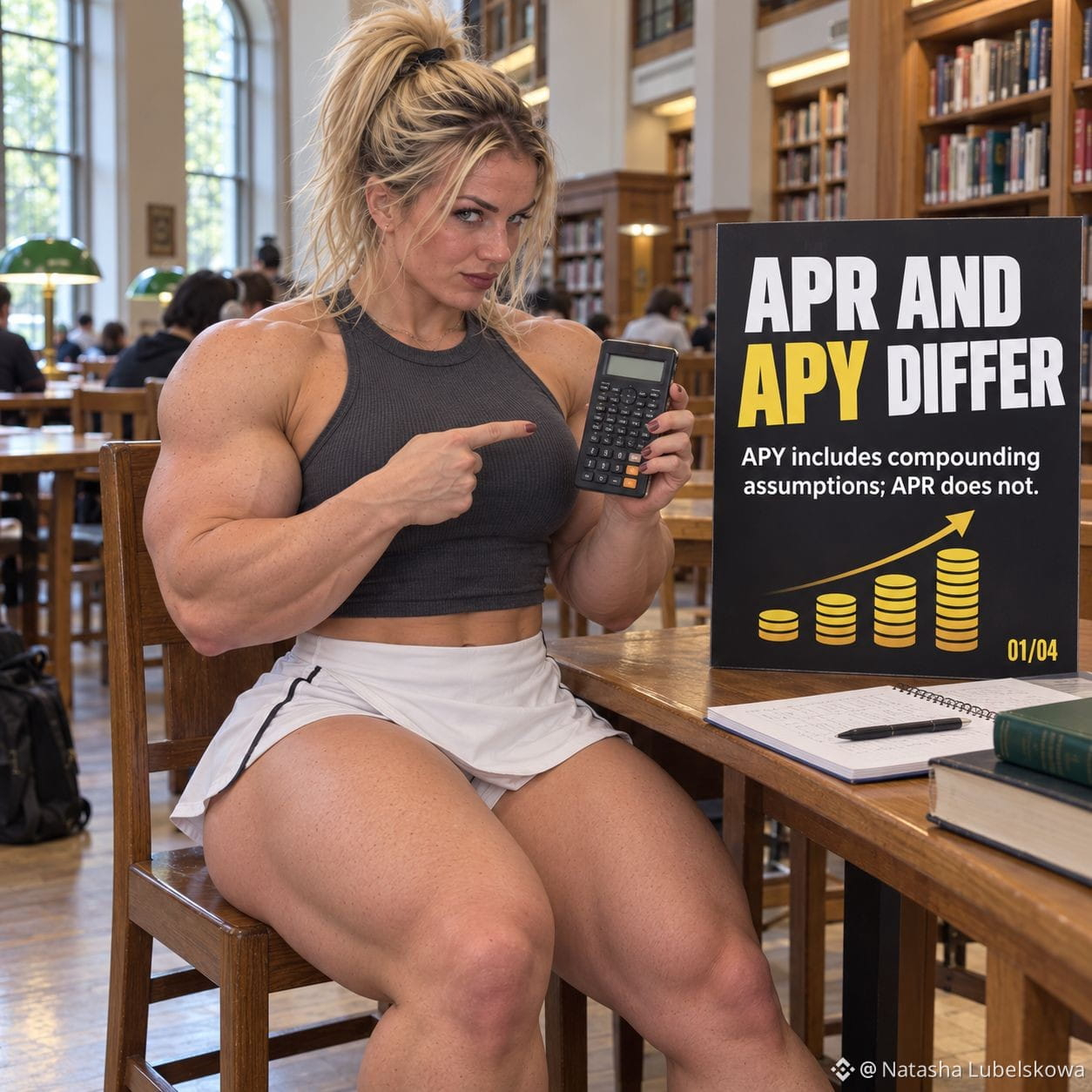
THE BIGGEST APY IS NOT THE WHOLE STORY
A headline APY is a starting point for questions, not a promise.
APR measures an annual rate without compounding. APY includes compounding assumptions. A variable rate can change, and actual reinvestment may involve fees or extra steps.
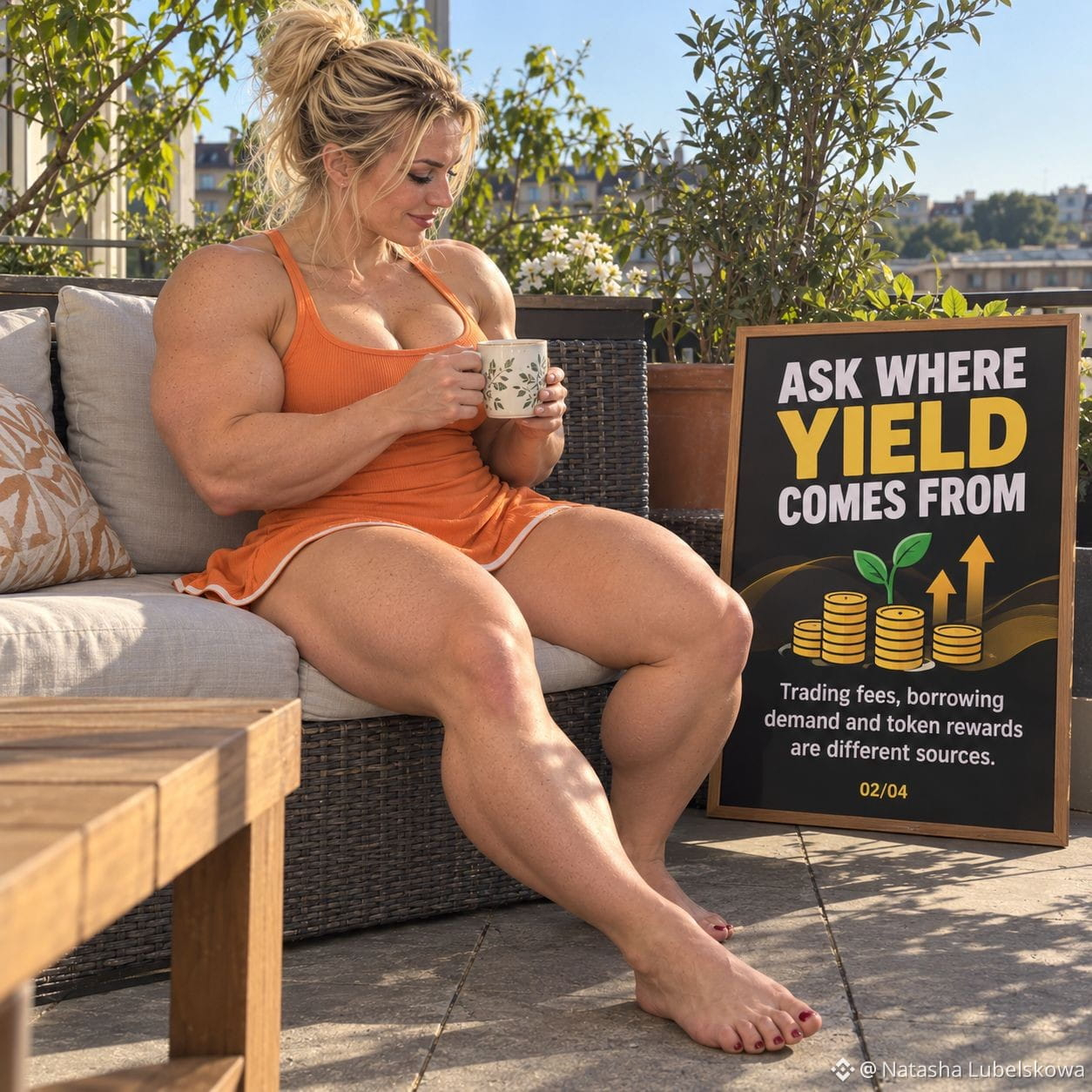
Ask where the return comes from: fees, borrowing demand or newly issued reward tokens. A high token payout can still disappoint if the reward token loses value.
Read the exit conditions. Lockups, withdrawal queues, limited liquidity and fees can affect what you actually receive. Contract risk remains even when the rate looks attractive.
What is the first question you ask when you see a huge APY?
#DeFi #YieldFarming #CryptoEducation #APY


51
翻訳参照
BRIDGING ADDS MORE THAN A NETWORK FEE
A bridge moves value between networks, but it also adds assumptions.
Before bridging, verify the official interface, source chain, destination chain and exact asset received. A familiar ticker does not prove that two tokens have the same backing.
Some bridges rely on locked assets and minted representations. Others introduce validators or other trusted parties. Read how the route works and what can fail.
Audits can reduce uncertainty, but they cannot guarantee safety. Consider contract risk, backing risk and validator assumptions alongside fees and speed.
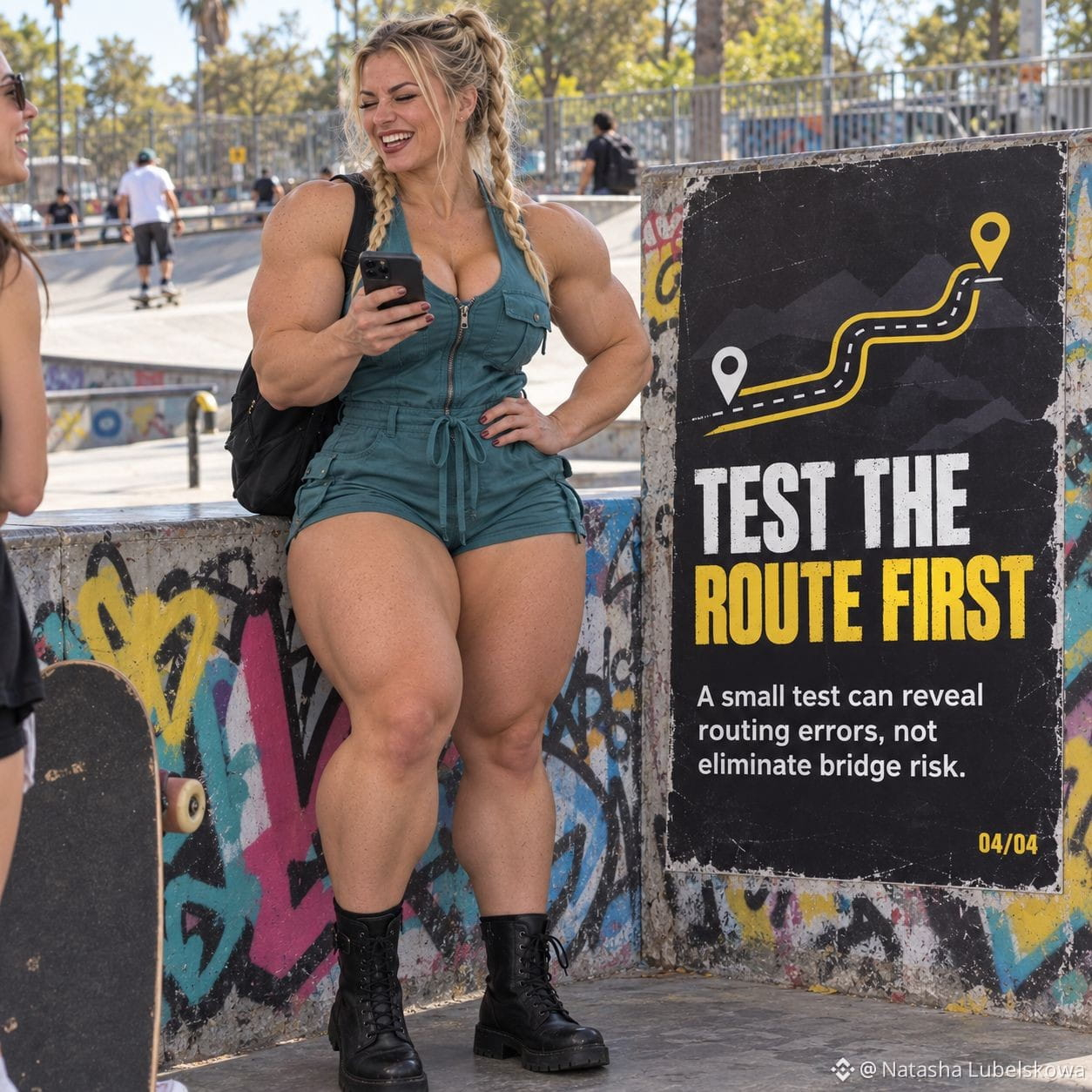
A small test helps check that the route behaves as expected. It does not protect you from a later exploit.
What do you verify before moving funds across chains?
#Web3 #CrossChain #CryptoEducation #BridgeSecurity



84
翻訳参照
STABLE DOES NOT MEAN RISK FREE
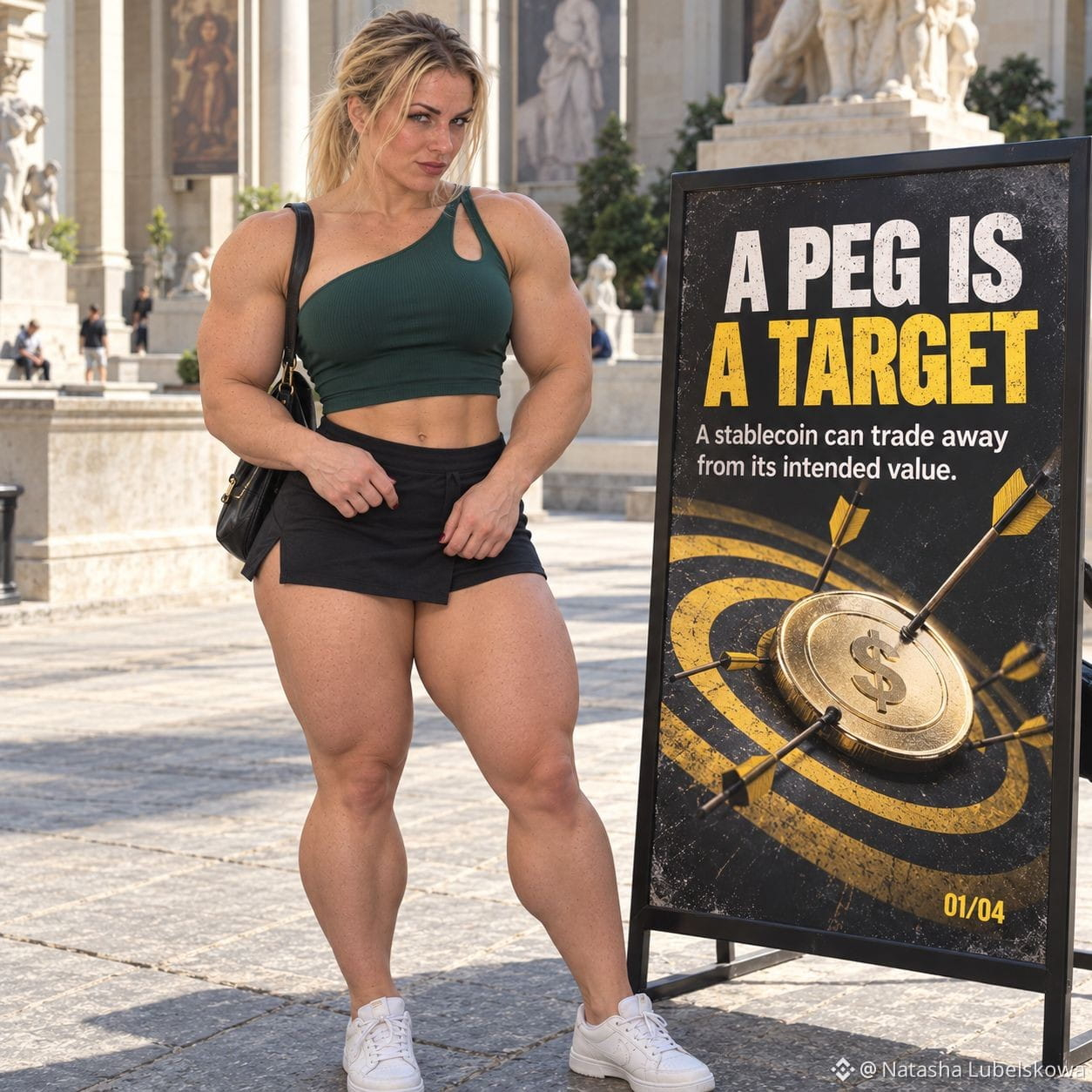
A stablecoin aims to track a reference value. The label is not a guarantee.
Different designs rely on different mechanisms, including reserve assets, crypto collateral and algorithms. Understand the mechanism before assuming every stablecoin has the same risk.
Check issuer disclosures, redemption conditions and available liquidity. Being able to trade a token on an exchange is different from being eligible to redeem directly with an issuer.
If you deposit a stablecoin into a lending platform or DeFi protocol, you also take on that product's risks. A steady token price does not remove smart contract, custody or liquidity risk.
Which stablecoin risk gets overlooked most often?
#Stablecoins #CryptoEducation #DeFi #RiskManagement



77
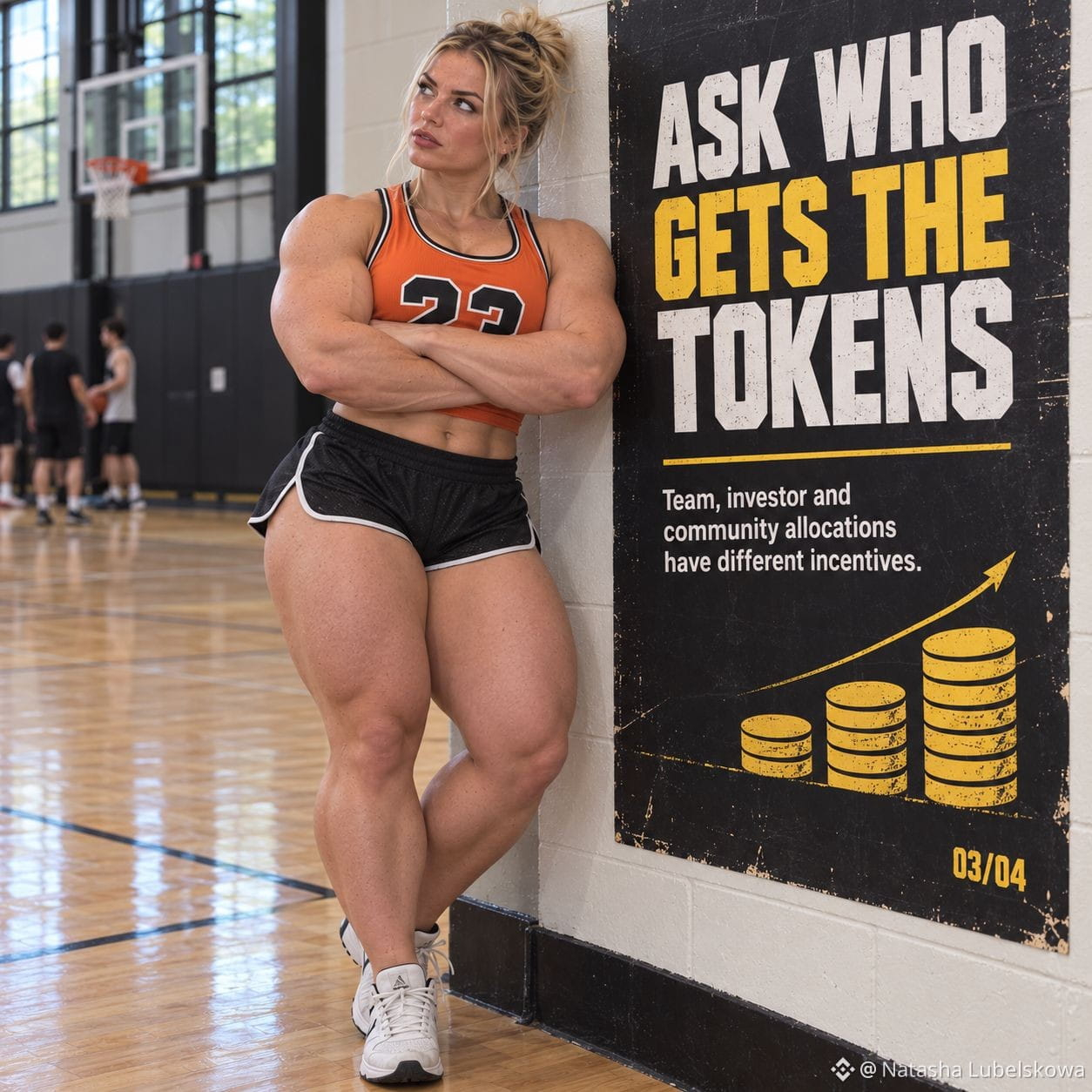
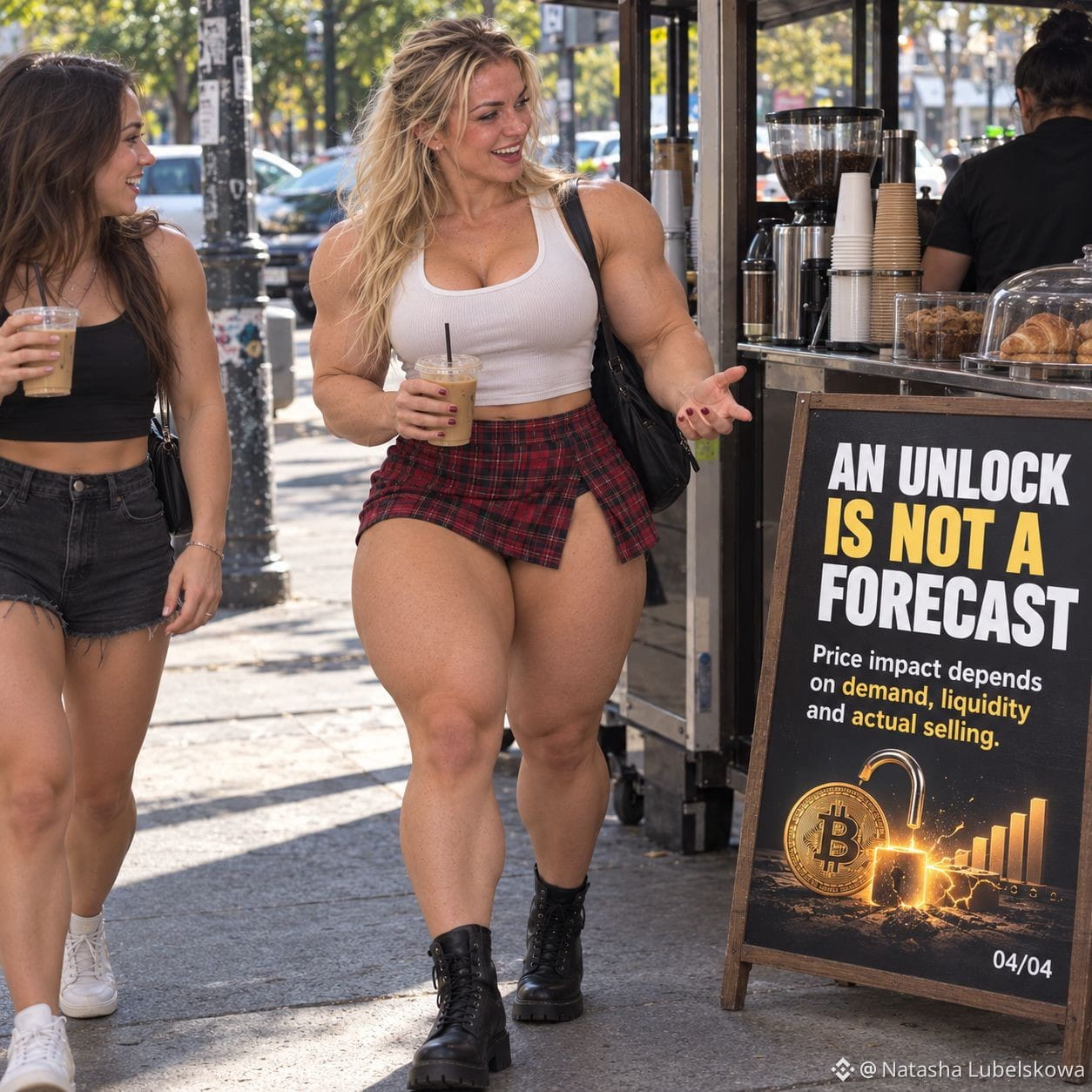
トークン価格が低くても、割安とは限らない
1ドル未満で取引されているトークンが、自動的に割安というわけではありません。
まず、流通供給量、総供給量、今後のトークン放出スケジュールを確認しましょう。流通量が少ないと、市場に出回るのを待っている大量のトークンが残っている可能性があります。
次に、次回のロック解除で誰がトークンを受け取るのか、その量は流通供給量に対してどれくらいなのか、受け取った人が売却しそうかを確認しましょう。
ロック解除が必ず価格下落につながるわけではありません。需要、市場の流動性、ヘッジ、予想などによって結果は変わります。
低い単価をお買い得だと判断する前に、プロジェクトのトークン配分とベスティングに関する資料を確認しましょう。
購入前にトークンのロック解除を確認していますか?
#トークノミクス #トークンロック解除 #暗号資産の学び #Web3


63
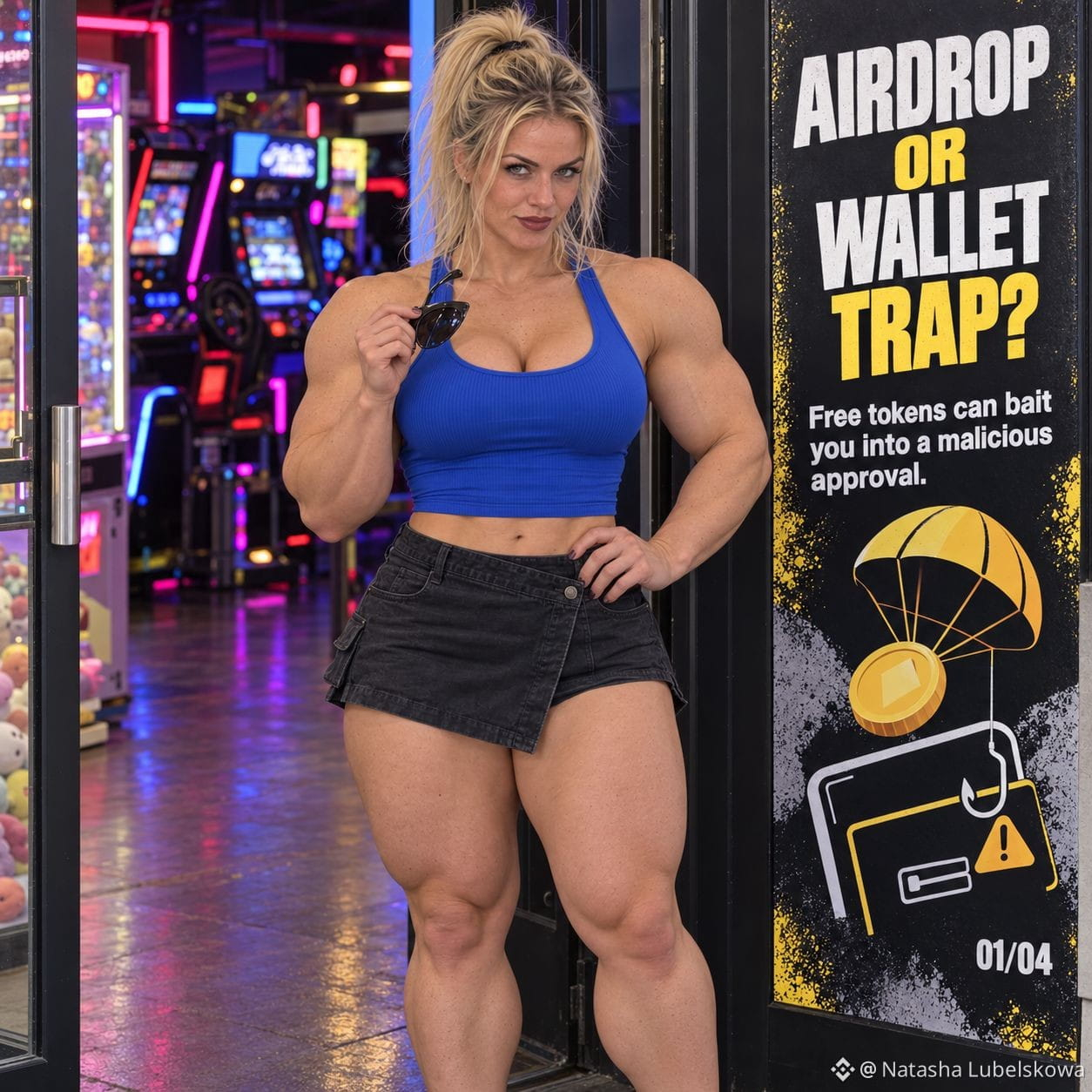
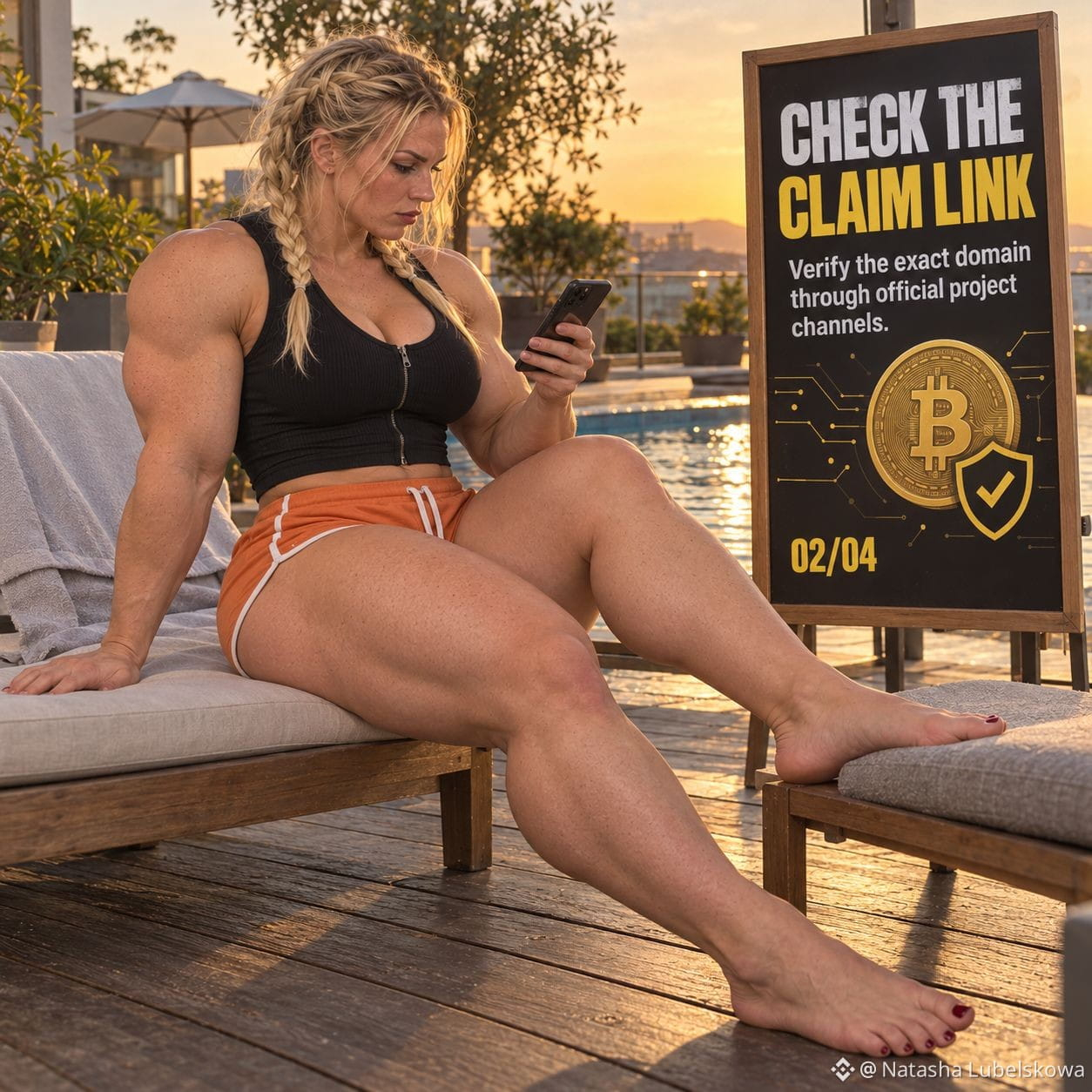
エアドロップ、それともウォレットの罠? 🪂
無料トークンを餌に、ウォレットへのアクセス権を渡させようとする手口があります。次に請求する前に、4つのポイントを確認しましょう。
1. 身に覚えのないトークンは信用しないでください。表示価格があるからといって、安全に売却できるとは限りません。
2. プロジェクトの公式チャンネルを通じて、請求先のドメインが正確か確認しましょう。突然届いたメッセージのリンクは避けてください。
3. 署名する前によく確認しましょう。ネットワーク、コントラクト、使用許可、金額を確認してください。承認すると、コントラクトがあなたのトークンを使えるようになる場合があります。
4. リカバリーフレーズは誰にも教えないでください。正規のエアドロップがリカバリーフレーズや秘密鍵を求めることはありません。
急いで行動するよう迫られたら、いったん立ち止まりましょう。ウォレットの要求内容が理解できない場合は、署名しないでください。
あなたが最もよく見かける危険信号は何ですか?
#Airdrop #CryptoSecurity #Web3 #WalletSafety
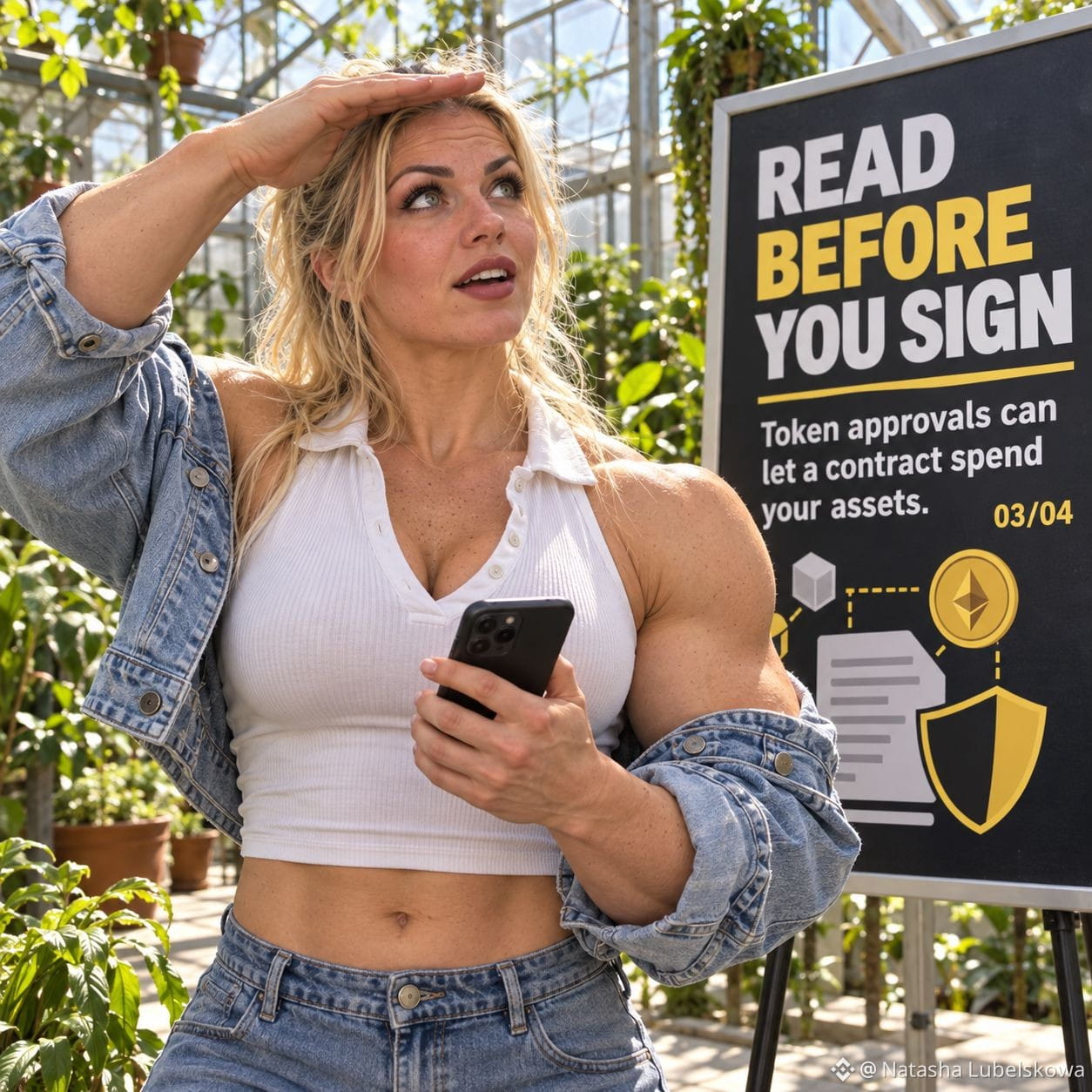

78
·
--
ブリッシュ
ビットコインの4年サイクルは死んだのか、それともタイミングが下手なだけ?
つまり、誰も彼もが例の伝説の「ビットコイン4年サイクル」の話をしているわけです。手順は分かりますよね? 半減期が来る、しばらく待つ、価格が月へ行く(爆騰する)、そしてみんなランボルギーニを買いに走り出す――ってやつ。そうそう、その話なんですが……
結局のところ、みんながレシピを知り尽くしてしまうと、ケーキの味はどんどん落ちていくんです。4年サイクルは、基本的に笑ってしまうほど壊れた自己成就的予言になってしまいました。なぜなら投資家たちは「弱気相場が始まる時期」を正確に知っていると思い込むから、誰よりも早く売って出し抜こうとする。つまり、DJが盛り上がる曲を流す前にみんながパーティーを抜け出してしまっている状態です!
この攻撃的な椅子取りゲームがサイクルを完全に破壊するわけではありませんが、昔の良き時代に比べればリターンは確実に弱体化します。でも、きらりと光る明るい兆しもあります。みんなが出口へ行くのを早すぎるせいで、つらさ(つまり弱気相場)が、予想より早く、そしてより高い土台(フロア)で終わるかもしれないんです。だから涙を拭いて、手持ちの資産を握りしめて、そして――5秒おきに1分足チャートをチェックするのはやめましょう!

69
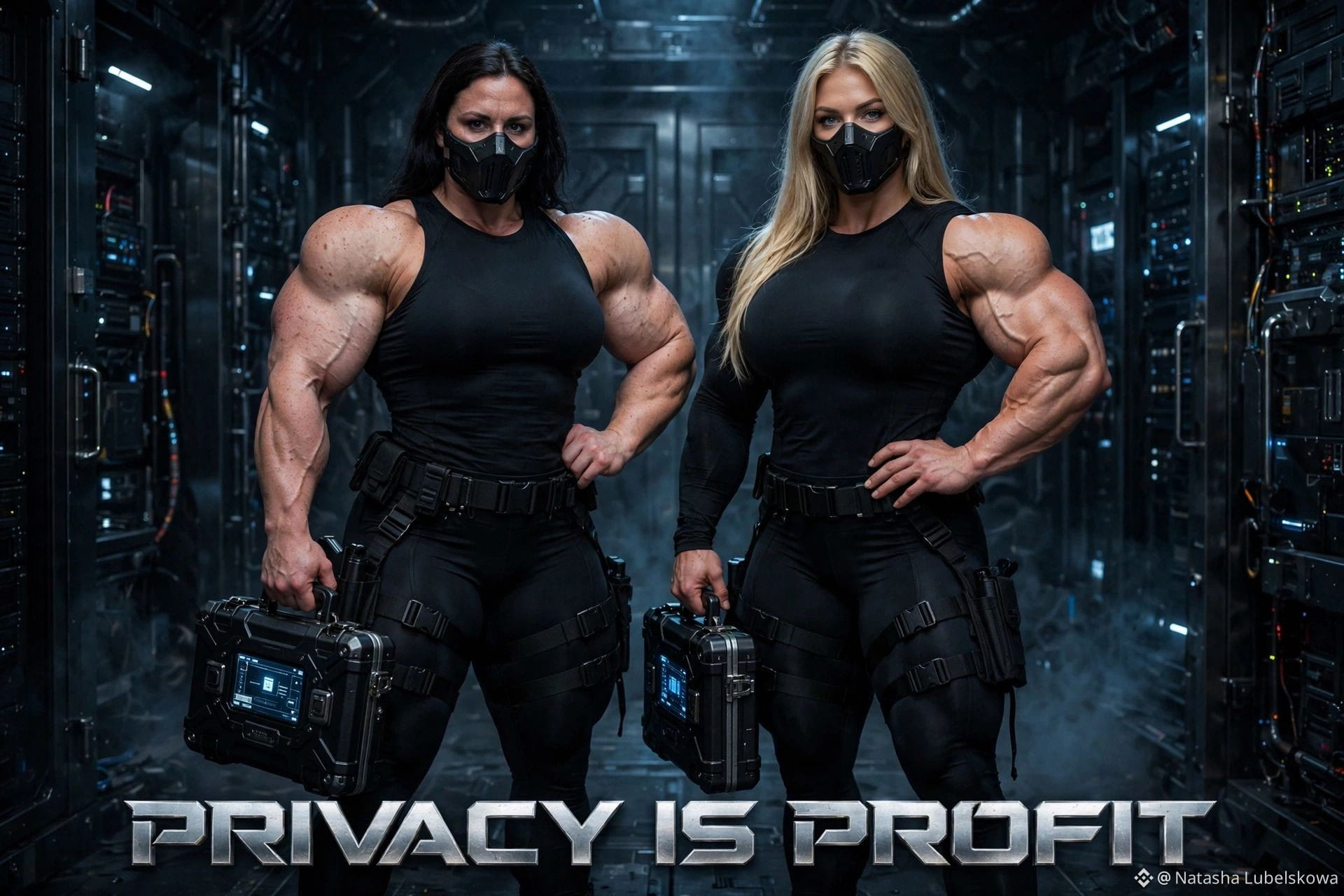
誰もが何でも誇示する世界で、プライバシーこそが本当の“フレックス”であり、本当の利益だ。
昔は自分の勝ちを全部投稿していた。けれど気づいたんだ——それは背中に狙いをつけることと同じだと。詐欺師にとっても、税金の混乱にとっても、そして公の場で自分が正しいと証明したがる自分のエゴにとっても。今知っている最高のトレーダーは“幽霊”みたいなものだ。PnLのスクリーンショットも、ウォレットの自慢もない。静かな動きと、現実の自由だけ。
プライバシーは隠すことじゃない。意思決定を守ることだ。サイズが誰にも分からなければ、誰もあなたを圧迫できない。ウォレットが公開されていなければ、いいねのために取引しない。取引するのは自分のためだ。
ハードウェアウォレット、別メール、クラウドにシードを置かない、サイズを自慢しない。被害妄想ではない、プロフェッショナルだ。暗号資産では、いちばん騒がしいポートフォリオが、しばしばいちばん脆い。
富はささやく。弱者は叫ぶ。
あなたは、あなたの動きをプライベートに保つ?それとも公開する?
もし“名声”よりプライバシーを大切にしているなら、ステルス・ウィルス(stealth wealth)に関するあなたの考えをLike、Commentで教えて。そして、注意を売り物にしないコンテンツを支えるためにTipを!
{spot}(BTCUSDT)
誰もが何でも誇示する世界で、プライバシーこそが本当の“フレックス”であり、本当の利益だ。
昔は自分の勝ちを全部投稿していた。けれど気づいたんだ——それは背中に狙いをつけることと同じだと。詐欺師にとっても、税金の混乱にとっても、そして公の場で自分が正しいと証明したがる自分のエゴにとっても。今知っている最高のトレーダーは“幽霊”みたいなものだ。PnLのスクリーンショットも、ウォレットの自慢もない。静かな動きと、現実の自由だけ。
プライバシーは隠すことじゃない。意思決定を守ることだ。サイズが誰にも分からなければ、誰もあなたを圧迫できない。ウォレットが公開されていなければ、いいねのために取引しない。取引するのは自分のためだ。
ハードウェアウォレット、別メール、クラウドにシードを置かない、サイズを自慢しない。被害妄想ではない、プロフェッショナルだ。暗号資産では、いちばん騒がしいポートフォリオが、しばしばいちばん脆い。
富はささやく。弱者は叫ぶ。
あなたは、あなたの動きをプライベートに保つ?それとも公開する?
もし“名声”よりプライバシーを大切にしているなら、ステルス・ウィルス(stealth wealth)に関するあなたの考えをLike、Commentで教えて。そして、注意を売り物にしないコンテンツを支えるためにTipを!
30
一貫性は、毎回どんな強度にも勝る。市場は、たまたま一番頑張った人を褒めない。褒めるのは、毎日ちゃんと現れる人だ。
昔、1週間だけ全力で突っ込んだ。1日16時間、寝ずに、1日に30回取引。——その後2週間燃え尽きて、何もしなかった。私の資産推移は心臓発作みたいになった。次に出会ったトレーダーは、私より1回の取引で稼ぐ額は少なかったのに、600日連続で毎日出てきた。彼が私を引退させてくれた。
画像のこのカレンダーが、私の実戦的な戦略だ。小さな1コイン、1日。水をやるだけ。かっこよくない。投稿向きでもない。でも90日経てば庭ができる。ほとんどの人は、芽がまだ出てこないから8日目でやめてしまう。
今の自分のルール:1%だけ良くなること。1つの習慣——1回の取引をジャーナルに書く、オンチェーン指標を1つ読む、レビューを1つする。ゼロの日は作らない。ゼロの日は、悪い取引よりも勢い(モメンタム)を殺す。
今日完璧である必要はない。必要なのは、今日“ゼロ”にならないことだけだ。
あなたの「絶対に譲れない」毎日の習慣は何?
一貫性のチームなら、いいね・コメントして「SHOW UP(現れる)」!日々の規律を支えるコンテンツのためにTipもよろしく!
{spot}(SPCXBUSDT)
一貫性は、毎回どんな強度にも勝る。市場は、たまたま一番頑張った人を褒めない。褒めるのは、毎日ちゃんと現れる人だ。
昔、1週間だけ全力で突っ込んだ。1日16時間、寝ずに、1日に30回取引。——その後2週間燃え尽きて、何もしなかった。私の資産推移は心臓発作みたいになった。次に出会ったトレーダーは、私より1回の取引で稼ぐ額は少なかったのに、600日連続で毎日出てきた。彼が私を引退させてくれた。
画像のこのカレンダーが、私の実戦的な戦略だ。小さな1コイン、1日。水をやるだけ。かっこよくない。投稿向きでもない。でも90日経てば庭ができる。ほとんどの人は、芽がまだ出てこないから8日目でやめてしまう。
今の自分のルール:1%だけ良くなること。1つの習慣——1回の取引をジャーナルに書く、オンチェーン指標を1つ読む、レビューを1つする。ゼロの日は作らない。ゼロの日は、悪い取引よりも勢い(モメンタム)を殺す。
今日完璧である必要はない。必要なのは、今日“ゼロ”にならないことだけだ。
あなたの「絶対に譲れない」毎日の習慣は何?
一貫性のチームなら、いいね・コメントして「SHOW UP(現れる)」!日々の規律を支えるコンテンツのためにTipもよろしく!

59
暗号資産における「無料シグナル」が最も高くつくものです。あなたは元本で支払っている。
我慢できない人から我慢強い人へ資金を移すために設計された市場では、無料なんて存在しません。無効化なし、ポジションサイズなし、出口プランなしの「無料エントリー」を誰かがくれるなら、それは取引ではなく、相手が手放すはずの出口流動性を提供しているだけです。
2021年、「100%正確」だという無料チャネルを追いました。3勝した後、ストップがなかったせいで1回の取引で3勝分と資金すべてが吹き飛びました。管理人はそのメッセージを削除しました。学びはこうです。利回りがどこから生まれているのか分からないなら、あなたがその利回りです。
だから今、どんなシグナルの前にも1つ質問します。インセンティブは何? 取引したときにだけ相手が儲かるなら、それはアルファではなく、アフィリエイトのコミッションです。
学ぶべきは「従うこと」ではなく「読むこと」。保有者の分布と流動性ロックを5分チェックするだけで、無料の呼び出し(通話)50件よりもあなたを救えます。
あなたが見た中で、最悪だった「無料シグナル」の失敗談は何ですか?
もしこれで誰かが損を避けられたなら、いいね・コメントで「偽の指南者」のレッドフラッグを共有して、詐欺のない教育を支えるためにチップをお願いします!
{spot}(GOOGLBUSDT)
暗号資産における「無料シグナル」が最も高くつくものです。あなたは元本で支払っている。
我慢できない人から我慢強い人へ資金を移すために設計された市場では、無料なんて存在しません。無効化なし、ポジションサイズなし、出口プランなしの「無料エントリー」を誰かがくれるなら、それは取引ではなく、相手が手放すはずの出口流動性を提供しているだけです。
2021年、「100%正確」だという無料チャネルを追いました。3勝した後、ストップがなかったせいで1回の取引で3勝分と資金すべてが吹き飛びました。管理人はそのメッセージを削除しました。学びはこうです。利回りがどこから生まれているのか分からないなら、あなたがその利回りです。
だから今、どんなシグナルの前にも1つ質問します。インセンティブは何? 取引したときにだけ相手が儲かるなら、それはアルファではなく、アフィリエイトのコミッションです。
学ぶべきは「従うこと」ではなく「読むこと」。保有者の分布と流動性ロックを5分チェックするだけで、無料の呼び出し(通話)50件よりもあなたを救えます。
あなたが見た中で、最悪だった「無料シグナル」の失敗談は何ですか?
もしこれで誰かが損を避けられたなら、いいね・コメントで「偽の指南者」のレッドフラッグを共有して、詐欺のない教育を支えるためにチップをお願いします!

103
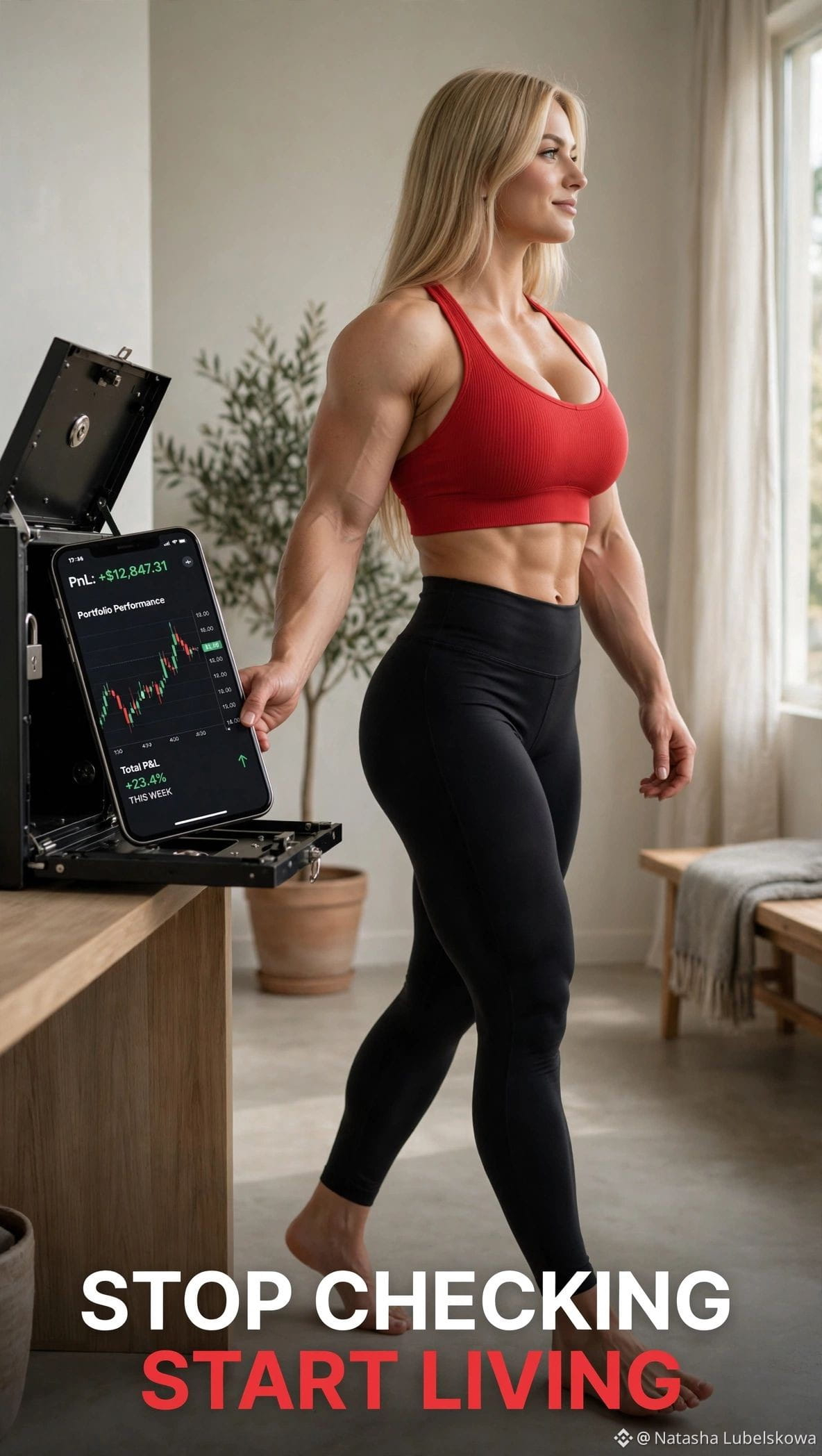
5分ごとに損益(PNL)を確認しても、PNLは変わりません。変わるのはメンタルです。
私は、目が覚めて足が床に触れる前にアプリを開き、赤か緑の数字がその日の気分を決める——そんな時期がありました。私は市場をトレードしていたのではなく、市場にトレードされていたのです。
スマホを4時間ロックボックスに入れてトレーニングに行った日、「価格は見ていようがいまいが動く」ということに気づきました。私の仕事は見張ることではありません。仕事は計画を立てて、それが機能するのを任せることです。今は1日最大3回だけ確認します。朝は状況確認、昼はリスク点検、夜はジャーナル。その他は生活です。
あなたの優位性は5分足にはありません。12時間ずっと見つめてパニックになっている人たちの中でも、実行できるほど冷静でいられることにあります。
スマホを置いてください。あなたの神経(自律神経)はリスク管理の一部です。
今日は何回確認しましたか?正直に。
このリマインドが必要だったなら、「いいね」して、スクリーンタイムのルールや、こうしたマインドセット投稿を続けるためのコツをコメントしてください!
{future}(BTCUSDT)
5分ごとに損益(PNL)を確認しても、PNLは変わりません。変わるのはメンタルです。
私は、目が覚めて足が床に触れる前にアプリを開き、赤か緑の数字がその日の気分を決める——そんな時期がありました。私は市場をトレードしていたのではなく、市場にトレードされていたのです。
スマホを4時間ロックボックスに入れてトレーニングに行った日、「価格は見ていようがいまいが動く」ということに気づきました。私の仕事は見張ることではありません。仕事は計画を立てて、それが機能するのを任せることです。今は1日最大3回だけ確認します。朝は状況確認、昼はリスク点検、夜はジャーナル。その他は生活です。
あなたの優位性は5分足にはありません。12時間ずっと見つめてパニックになっている人たちの中でも、実行できるほど冷静でいられることにあります。
スマホを置いてください。あなたの神経(自律神経)はリスク管理の一部です。
今日は何回確認しましたか?正直に。
このリマインドが必要だったなら、「いいね」して、スクリーンタイムのルールや、こうしたマインドセット投稿を続けるためのコツをコメントしてください!
80
利回りの出どころを説明できないなら、あなたが“利回り”だ。
ラグプルはハックから始まらない。最初は、ロゴがカッコよく見えてインフルエンサーが「早めに入れ」と言ったせいで、基本をすっ飛ばすところから始まる。自分もそこでやらかした。“フェアローンチ”だって言われて、供給の40%が「エコシステム」とラベル付けされた1つのウォレットに入ってるトークンを買い漁った。そのエコシステムは、創業者の新しい家だった。
だから今は、アペする前に5分で探偵チェックをする:供給を誰が持ってる?流動性はロックされてる?コントラクトは検証済み?オーナーはさらにミントできる?取引を停止できる?チームは実名出ししてる?少なくとも実績はある?5つ中4つ答えられなければ、ミームがどれだけ良くても自分は離脱する。
読むことはFUDじゃない。読むことは鎧だ。誰でも30秒でトークンをデプロイできる市場では、あなたの注意力こそが最も価値ある流動性。
一番強く鍛えられる筋肉は、「自分はいなくていい」と言えること。
あなたの“最優先のレッドフラグ”は何?それを見た瞬間にプロジェクトを即スキップするやつ。
もしこれで少しでも考え直したなら、Like、Commentであなたのレッドフラグを書いて、詐欺防止の教育をもっと支えるためにTipしてね!

101
みんな叫ぶ #Altseason がここにいる。だいたいそのとき、アルトシーズンは終わりが近い。
私はアルトコインが大好きだ。あいつらは俺の最高の利益をくれた。逆に、最悪の損失もくれた。2021年に、アルトで2kドルを18kドルにして、そして「アルトシーズンは決して終わらない」と信じて、また3kドルに戻った。
誰も教えてくれない本当の話:本物のアルトシーズンは3〜6週間で、半年じゃない。BTCが新しいATHを更新してから結局して、その後にBTCドミナンスが崩れるときにだけ来る。それまでのほとんどのアルトの急騰は罠だ。
本格的に入る前のアルトシーズン・チェックリスト:1) BTCドミナンスが48%を下回り、そこで維持される、2) ETH/BTCが上昇トレンドを始める、3) ステーブルコインの時価総額が上昇している――つまり資金が新しく入ってきていて、単なる乗り換えではない。
それまでは、アルトは小さく素早くやる。袋(保有)に結婚はしない。
みんなはアルトに全力(オールイン)?それともまだ主にBTC/ETH寄り?
これで罠から救われたなら、Like・Commentでこのサイクルのトップアルトを教えて!さらに、ノーBSのアルト分析をもっと支えるためにTipもお願いします!
{future}(ETHUSDT)
みんな叫ぶ #Altseason がここにいる。だいたいそのとき、アルトシーズンは終わりが近い。
私はアルトコインが大好きだ。あいつらは俺の最高の利益をくれた。逆に、最悪の損失もくれた。2021年に、アルトで2kドルを18kドルにして、そして「アルトシーズンは決して終わらない」と信じて、また3kドルに戻った。
誰も教えてくれない本当の話:本物のアルトシーズンは3〜6週間で、半年じゃない。BTCが新しいATHを更新してから結局して、その後にBTCドミナンスが崩れるときにだけ来る。それまでのほとんどのアルトの急騰は罠だ。
本格的に入る前のアルトシーズン・チェックリスト:1) BTCドミナンスが48%を下回り、そこで維持される、2) ETH/BTCが上昇トレンドを始める、3) ステーブルコインの時価総額が上昇している――つまり資金が新しく入ってきていて、単なる乗り換えではない。
それまでは、アルトは小さく素早くやる。袋(保有)に結婚はしない。
みんなはアルトに全力(オールイン)?それともまだ主にBTC/ETH寄り?
これで罠から救われたなら、Like・Commentでこのサイクルのトップアルトを教えて!さらに、ノーBSのアルト分析をもっと支えるためにTipもお願いします!

135
インフルエンサーの煽りを追うのはやめろ。#whales が実際に自分の資金で何をしているのかを追跡し始めろ。
インフルエンサーは買った後にツイートする。クジラはツイートする前にオンチェーンで動く。見出しだけを追っているなら、あなたは出口の流動性だ。
オンチェーンこそが本物の双眼鏡だ。誰かが何を言うかはどうでもいい。大事なのは、彼らのBTCがどこへ行くかだ。取引所への大量流入はあるか? 誰かが売る準備をしている。クジラが1万BTCをコールドウォレットに引き出しているか? 彼らは明日の朝に売るつもりはない。
私が毎日使う無料ツール3つ:1)大きな移動を追うXの Whale Alert、2)CryptoQuant の Exchange Netflow、3)スマートウォレット追跡用の Lookonchain。1日10分で、YouTubeを3時間見るより多くの真実が手に入る。
海は表面では穏やかに見える。本当の動きは深いところで起きる。
今、何かクジラを追跡しているか?
毎週のクジラの動きを知りたいならいいねして、WHALE とコメントして、オンチェーンレポートを無料かつ独立したものに保つために Tip してくれ!
{spot}(NVDABUSDT)
インフルエンサーの煽りを追うのはやめろ。#whales が実際に自分の資金で何をしているのかを追跡し始めろ。
インフルエンサーは買った後にツイートする。クジラはツイートする前にオンチェーンで動く。見出しだけを追っているなら、あなたは出口の流動性だ。
オンチェーンこそが本物の双眼鏡だ。誰かが何を言うかはどうでもいい。大事なのは、彼らのBTCがどこへ行くかだ。取引所への大量流入はあるか? 誰かが売る準備をしている。クジラが1万BTCをコールドウォレットに引き出しているか? 彼らは明日の朝に売るつもりはない。
私が毎日使う無料ツール3つ:1)大きな移動を追うXの Whale Alert、2)CryptoQuant の Exchange Netflow、3)スマートウォレット追跡用の Lookonchain。1日10分で、YouTubeを3時間見るより多くの真実が手に入る。
海は表面では穏やかに見える。本当の動きは深いところで起きる。
今、何かクジラを追跡しているか?
毎週のクジラの動きを知りたいならいいねして、WHALE とコメントして、オンチェーンレポートを無料かつ独立したものに保つために Tip してくれ!

81
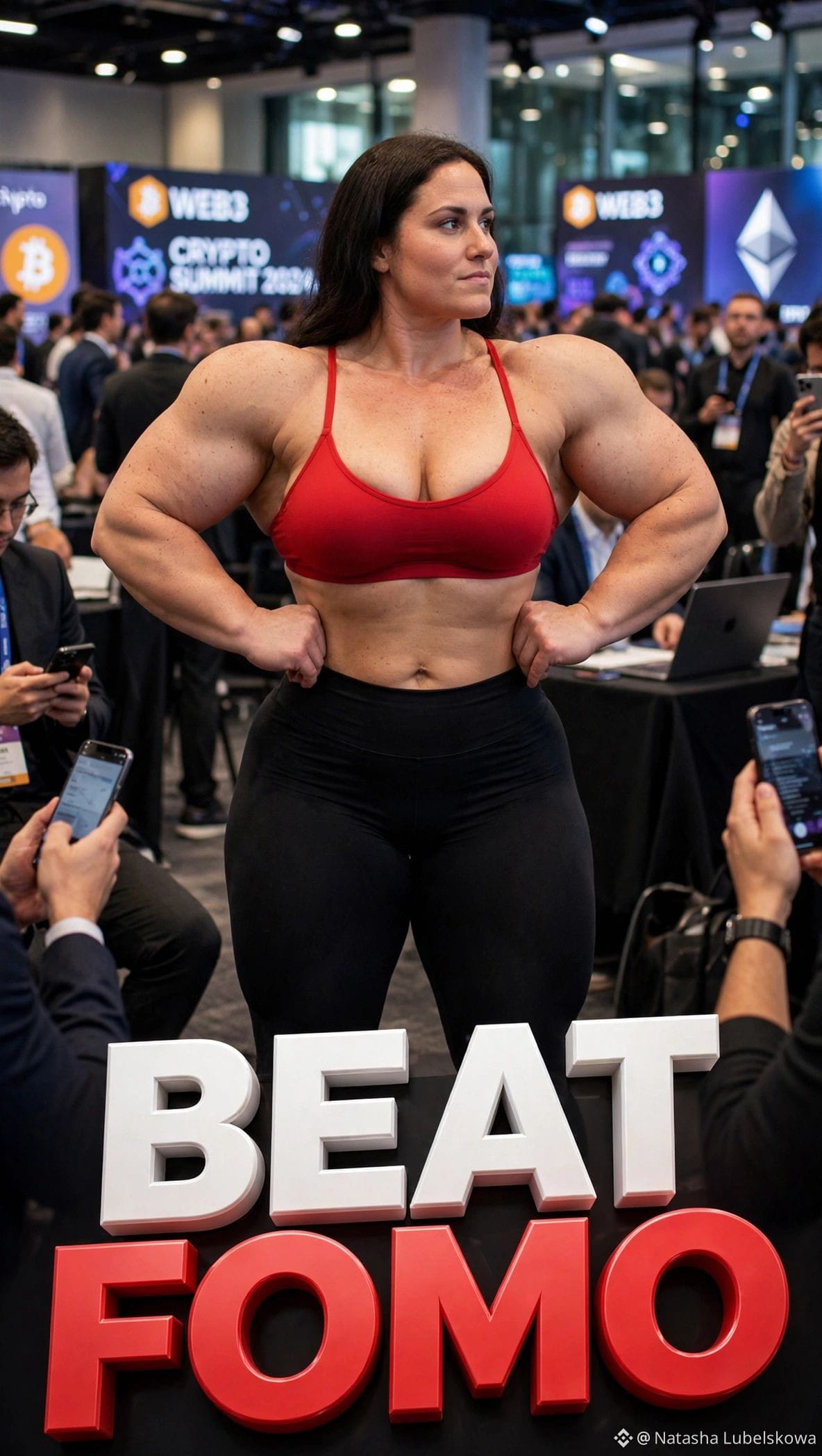
すべてのグリーンの足を追いかけるのをやめてください。まさにそれが、#FOMO があなたが始める前に利益を奪う方法です。
昔は1日に100回もスマホを開いていました。自分なしでコインがポンプしていくのを見るのは、まるで自分の失敗のように感じたんです。上を買って下を売って、マーケットへの“授業料”を払っていました。
そして #JOMO ― 欠席(乗り遅れ)の喜び ― を学びました。最強のトレーダーは、すべての動きを掴む人ではありません。群衆が叫んでいる間も、落ち着いて座っていられる人です。
私のアンチFOMOプロトコル:
1) コインは5つだけのウォッチリストを持っています。リストにないものは買いません。
2) 事前に書いたプランなしでのエントリー禁止――エントリー、損切り、利確。
3) 24時間ルール:FOMOを感じたら、24時間待ちます。衝動の90%は消えます。
この写真のカンファレンスは騒がしい。みんなポンプに目を向けています。強い人は視線をそらします。規律のほうが騒音よりも大きいからです。
あなたの一番ひどいFOMO買いは何でしたか?みんなが学べるように共有してください。
これで呼吸が楽になったなら、Like(いいね)し、あなたのFOMOの話をコメントして、そしてこのメンタルゲームのシリーズを無料で続けるためのTipをお願いします!
投資助言ではありません。
{spot}(BTCUSDT)
すべてのグリーンの足を追いかけるのをやめてください。まさにそれが、#FOMO があなたが始める前に利益を奪う方法です。
昔は1日に100回もスマホを開いていました。自分なしでコインがポンプしていくのを見るのは、まるで自分の失敗のように感じたんです。上を買って下を売って、マーケットへの“授業料”を払っていました。
そして #JOMO ― 欠席(乗り遅れ)の喜び ― を学びました。最強のトレーダーは、すべての動きを掴む人ではありません。群衆が叫んでいる間も、落ち着いて座っていられる人です。
私のアンチFOMOプロトコル:
1) コインは5つだけのウォッチリストを持っています。リストにないものは買いません。
2) 事前に書いたプランなしでのエントリー禁止――エントリー、損切り、利確。
3) 24時間ルール:FOMOを感じたら、24時間待ちます。衝動の90%は消えます。
この写真のカンファレンスは騒がしい。みんなポンプに目を向けています。強い人は視線をそらします。規律のほうが騒音よりも大きいからです。
あなたの一番ひどいFOMO買いは何でしたか?みんなが学べるように共有してください。
これで呼吸が楽になったなら、Like(いいね)し、あなたのFOMOの話をコメントして、そしてこのメンタルゲームのシリーズを無料で続けるためのTipをお願いします!
投資助言ではありません。
99
筋肉を鍛える。HODLでキャラクターを鍛える。
誰もが100倍を望む。でも-50%を耐えて保有することは誰も望まない。
重いものを持ち上げるのは、重いバッグを保有できるようにするため。鍛錬は同じ。
仮想通貨3年で学んだこと:
忍耐 > 予測
継続 > 熱量
生存 > スピード
前回の弱気相場の後もまだここにいるなら、あなたはすでに90%の人より強い。
まだ強くHODLしているなら💎を投下して。
このマインドセットが好き?ぜひ「いいね」「コメント」でHODLし、次の強力な投稿のためにチップを!
{future}(BTCUSDT)
筋肉を鍛える。HODLでキャラクターを鍛える。
誰もが100倍を望む。でも-50%を耐えて保有することは誰も望まない。
重いものを持ち上げるのは、重いバッグを保有できるようにするため。鍛錬は同じ。
仮想通貨3年で学んだこと:
忍耐 > 予測
継続 > 熱量
生存 > スピード
前回の弱気相場の後もまだここにいるなら、あなたはすでに90%の人より強い。
まだ強くHODLしているなら💎を投下して。
このマインドセットが好き?ぜひ「いいね」「コメント」でHODLし、次の強力な投稿のためにチップを!
誰もが100倍を望む。でも-50%を耐えて保有することは誰も望まない。
重いものを持ち上げるのは、重いバッグを保有できるようにするため。鍛錬は同じ。
仮想通貨3年で学んだこと:
忍耐 > 予測
継続 > 熱量
生存 > スピード
前回の弱気相場の後もまだここにいるなら、あなたはすでに90%の人より強い。
まだ強くHODLしているなら💎を投下して。
このマインドセットが好き?ぜひ「いいね」「コメント」でHODLし、次の強力な投稿のためにチップを!

1
30
クイックTAのコツ:RSIをプロのように
RSIが70を超えても、自動的にショートとは限りません。強いトレンドでは、買われ過ぎの状態が何週間も続くことがあります。
私のお気に入りの組み合わせ:RSI(14)+200EMAを4Hで。
価格が200EMAより上で、RSIが40〜45まで下がる=健全な押し目で、反転ではありません。
価格が200EMAより下で、RSIが60〜65まで上昇する=潜在的な罠の可能性。
テストで筋肉を鍛える。データが確信を作る。
あなたが最も信頼している指標はどれ?
何か学べたら、いいね&コメントで、お気に入りの指標と、このシリーズを続けるためのTipを教えてください!
クイックTAのコツ:RSIをプロのように
RSIが70を超えても、自動的にショートとは限りません。強いトレンドでは、買われ過ぎの状態が何週間も続くことがあります。
私のお気に入りの組み合わせ:RSI(14)+200EMAを4Hで。
価格が200EMAより上で、RSIが40〜45まで下がる=健全な押し目で、反転ではありません。
価格が200EMAより下で、RSIが60〜65まで上昇する=潜在的な罠の可能性。
テストで筋肉を鍛える。データが確信を作る。
あなたが最も信頼している指標はどれ?
何か学べたら、いいね&コメントで、お気に入りの指標と、このシリーズを続けるためのTipを教えてください!
RSIが70を超えても、自動的にショートとは限りません。強いトレンドでは、買われ過ぎの状態が何週間も続くことがあります。
私のお気に入りの組み合わせ:RSI(14)+200EMAを4Hで。
価格が200EMAより上で、RSIが40〜45まで下がる=健全な押し目で、反転ではありません。
価格が200EMAより下で、RSIが60〜65まで上昇する=潜在的な罠の可能性。
テストで筋肉を鍛える。データが確信を作る。
あなたが最も信頼している指標はどれ?
何か学べたら、いいね&コメントで、お気に入りの指標と、このシリーズを続けるためのTipを教えてください!
89
30秒でわかるビットコイン・ハルビング解説
ハルビング=ブロック報酬が21万ブロックごとに半減すること。
2012: 50 → 25 BTC
2016: 25 → 12.5 BTC
2020: 12.5 → 6.25 BTC
2024: 6.25 → 3.125 BTC
供給が減り、需要は同じ=長期的な供給ショック。ですが、実際の影響は心理的なものです。
筋肉を鍛えるように心も鍛えよう——サイクルを理解して、追いかけないこと。
次のサイクルのためにこの投稿を保存して。2024年のハルビングから得た一番大きな学びは何?
役に立ちましたか?いいねして、コメントであなたの見解をシェアし、私の研究を支えるために投げ銭(Tip)もお願いします!
$BTC #Halving #SouthKoreaForcedLiquidationsHit344.2BWon

123
ログインして、さらにコンテンツを読む
厳選トピックで世界の暗号資産トレーダーの仲間入り
⚡️ 暗号資産に関する最新かつ有益な情報が見つかります。
💬 世界最大の暗号資産取引所から信頼されています。
👍 認証を受けたクリエイターから、有益なインサイトを得られます。
メール / 電話番号
トレンドトピック
EthereumDropsBelow$2300
閲覧回数 1,934
80人が討論中
#EthereumDropsBelow$2300
ETH船長が2,300 USDTをわずかに下回るダイブを決め、過去24時間で1.39%下落。みんな気が気じゃない!
この急変の原因は?どうやら開発者たちが、バリデーターのステーキング資金がビルダーの懐にそのまま入ってしまうのを防ぐため、Glamsterdamアップグレードのバグを急いで修正する必要があったようです。さらに、「クジラ」のMachi Big Brotherが、レバレッジ25倍のロングポジションの一部を清算されました。清算価格は市場価格からわずか30ドル差というギリギリの水準。これじゃ市場が震えるのも無理はありません!
トレーダーは今どうすべき?スピリチュアル派はクジラが「出航」しないようお香を焚いて祈り、テクニカル派はパッチがテストネットで安定して動くか、じっと見守りましょう。
⚠️ これは金融アドバイスではありません。
登録コードVINHTOCDO、またはリンクからアカウントを登録して応援してください:https://www.binance.com/register?ref=VINHTOCDO
#Ethereum #Crypto #Staking #Glamsterdam #VINHTOCDO
下から取引して応援してください:
$ETH
$BNB
$SOL
Vinhtocdo
·いいね:3件
·閲覧回数 163
BitcoinSlipsBelow$80KAgain
閲覧回数 5,122
50人が討論中
ThailandLaunchesWORPTStablecoinToQRPaymentApp
閲覧回数 7,726
220人が討論中