
CryptoQuant Quicktake
8.9k 投稿

CryptoQuant Quicktake
 厳選トピック確認済+
報告
ユーザーをブロック
CryptoQuant.com - Leading On-chain Data/Analytics Provider
0 フォロー
22.9K+ フォロワー
27.1K+ いいね
投稿
記事
翻訳参照
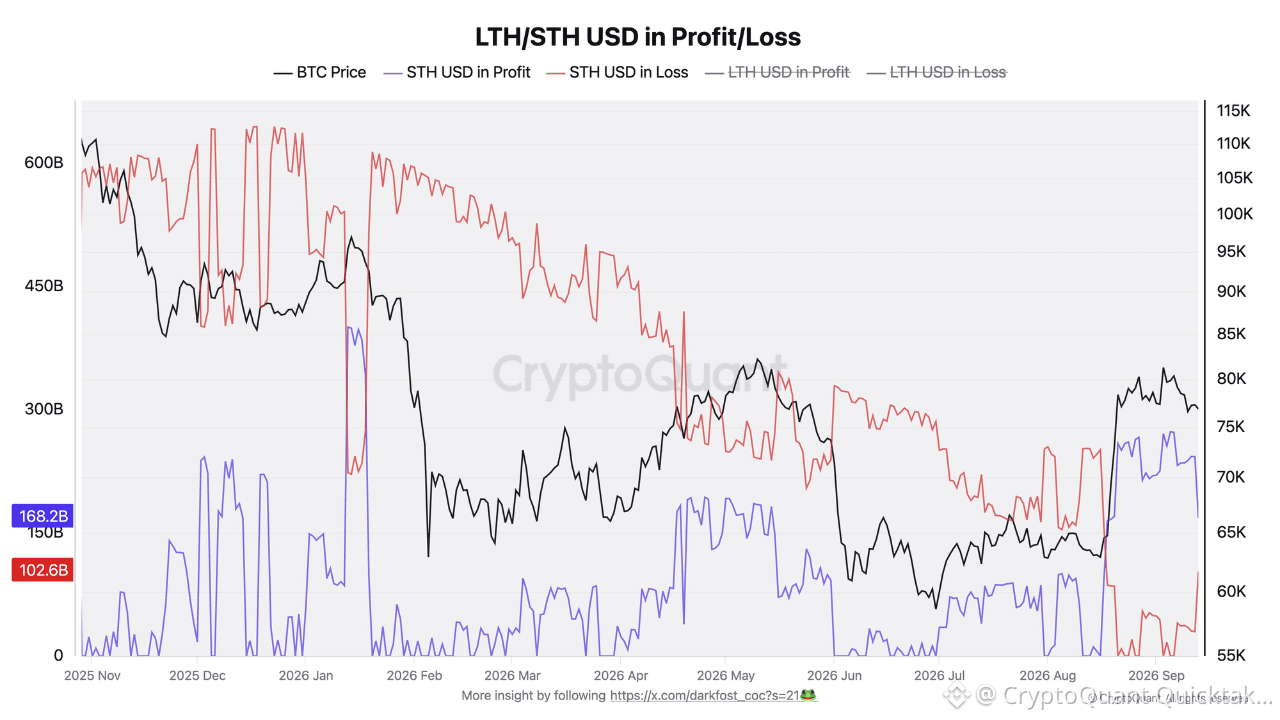
An STH Signal That's Historically Marked the End of Bear MarketsThis is the first time STH have sat in profit territory for a sustained stretch since the market top.
The last time was in January, but that episode didn't last more than a week. In May, losses held by STH remained dominant.
Today, it's been nearly a month since STH have been mostly in profit, an important development worth highlighting. In this chart, these profits and losses have been expressed in USD, to properly visualize their real scale and compare them against current market cap.
Profits held by STH are estimated at $168B, while losses sit just above $100B.
This is a dynamic that's consistently observed during bear markets. As seen in 2022-2023, a bear market can only come to an end once STH manage to hold profit on a stable basis.
This might seem counterintuitive, but it isn't.
STH are known to be more sensitive and more volatile, and during bear markets, every return to profit territory represents a brief selling window, which quickly gives way to renewed losses, driving capitulation.
The bear market trend only truly reverses once profits settle in for good STH and then push them to hold their positions and ride the upside.
That's exactly the setup that appears to be forming right now. If Bitcoin manages to hold these levels and settle durably above $80 000, that would likely stand as an important confirmation.
Written by Darkfost
An STH Signal That's Historically Marked the End of Bear Markets
This is the first time STH have sat in profit territory for a sustained stretch since the market top.
The last time was in January, but that episode didn't last more than a week. In May, losses held by STH remained dominant.
Today, it's been nearly a month since STH have been mostly in profit, an important development worth highlighting. In this chart, these profits and losses have been expressed in USD, to properly visualize their real scale and compare them against current market cap.
Profits held by STH are estimated at $168B, while losses sit just above $100B.
This is a dynamic that's consistently observed during bear markets. As seen in 2022-2023, a bear market can only come to an end once STH manage to hold profit on a stable basis.
This might seem counterintuitive, but it isn't.
STH are known to be more sensitive and more volatile, and during bear markets, every return to profit territory represents a brief selling window, which quickly gives way to renewed losses, driving capitulation.
The bear market trend only truly reverses once profits settle in for good STH and then push them to hold their positions and ride the upside.
That's exactly the setup that appears to be forming right now. If Bitcoin manages to hold these levels and settle durably above $80 000, that would likely stand as an important confirmation.
Written by Darkfost
The last time was in January, but that episode didn't last more than a week. In May, losses held by STH remained dominant.
Today, it's been nearly a month since STH have been mostly in profit, an important development worth highlighting. In this chart, these profits and losses have been expressed in USD, to properly visualize their real scale and compare them against current market cap.
Profits held by STH are estimated at $168B, while losses sit just above $100B.
This is a dynamic that's consistently observed during bear markets. As seen in 2022-2023, a bear market can only come to an end once STH manage to hold profit on a stable basis.
This might seem counterintuitive, but it isn't.
STH are known to be more sensitive and more volatile, and during bear markets, every return to profit territory represents a brief selling window, which quickly gives way to renewed losses, driving capitulation.
The bear market trend only truly reverses once profits settle in for good STH and then push them to hold their positions and ride the upside.
That's exactly the setup that appears to be forming right now. If Bitcoin manages to hold these levels and settle durably above $80 000, that would likely stand as an important confirmation.
Written by Darkfost
91
記事
翻訳参照
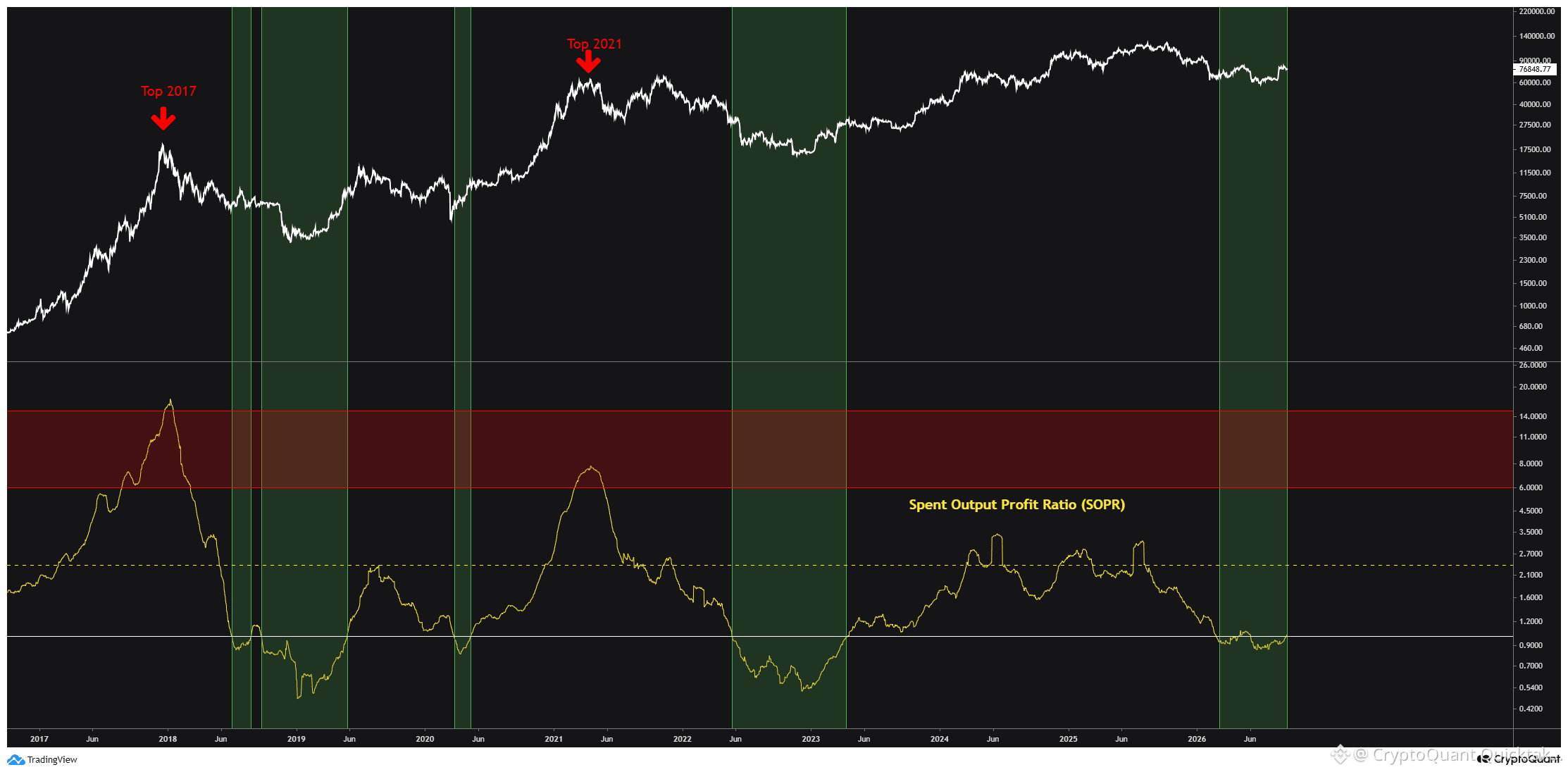
Bitcoin Is Breaking Out of Its Bottom and Starting a Rally.The $BTC Long-Term Holder (LTH) Spent Output Profit Ratio (SOPR) is increasing above 1.
The market is shifting from a bearish phase to a neutral state, and a full-scale uptrend is now beginning.
It is particularly important point that, in this cycle, the SOPR has not yet exceeded the 6.
Historically, cycle peaks have formed in that range. However, during this cycle, there has been no phase where long-term holders engaged in profit-taking. In other words, a real bull rally has not yet occurred.
Everything up to this point has been a preparatory phase for the rally that is now getting underway. LTH $BTC holdings are at an all-time high level, and they have continued to accumulate up until recently.
The real rally is now starting. The cycle peak will occur in the profit-taking zone where the SOPR exceeds 6.
Written by CW8900
Bitcoin Is Breaking Out of Its Bottom and Starting a Rally.
The $BTC Long-Term Holder (LTH) Spent Output Profit Ratio (SOPR) is increasing above 1.
The market is shifting from a bearish phase to a neutral state, and a full-scale uptrend is now beginning.
It is particularly important point that, in this cycle, the SOPR has not yet exceeded the 6.
Historically, cycle peaks have formed in that range. However, during this cycle, there has been no phase where long-term holders engaged in profit-taking. In other words, a real bull rally has not yet occurred.
Everything up to this point has been a preparatory phase for the rally that is now getting underway. LTH $BTC holdings are at an all-time high level, and they have continued to accumulate up until recently.
The real rally is now starting. The cycle peak will occur in the profit-taking zone where the SOPR exceeds 6.
Written by CW8900
The market is shifting from a bearish phase to a neutral state, and a full-scale uptrend is now beginning.
It is particularly important point that, in this cycle, the SOPR has not yet exceeded the 6.
Historically, cycle peaks have formed in that range. However, during this cycle, there has been no phase where long-term holders engaged in profit-taking. In other words, a real bull rally has not yet occurred.
Everything up to this point has been a preparatory phase for the rally that is now getting underway. LTH $BTC holdings are at an all-time high level, and they have continued to accumulate up until recently.
The real rally is now starting. The cycle peak will occur in the profit-taking zone where the SOPR exceeds 6.
Written by CW8900
1
111
記事
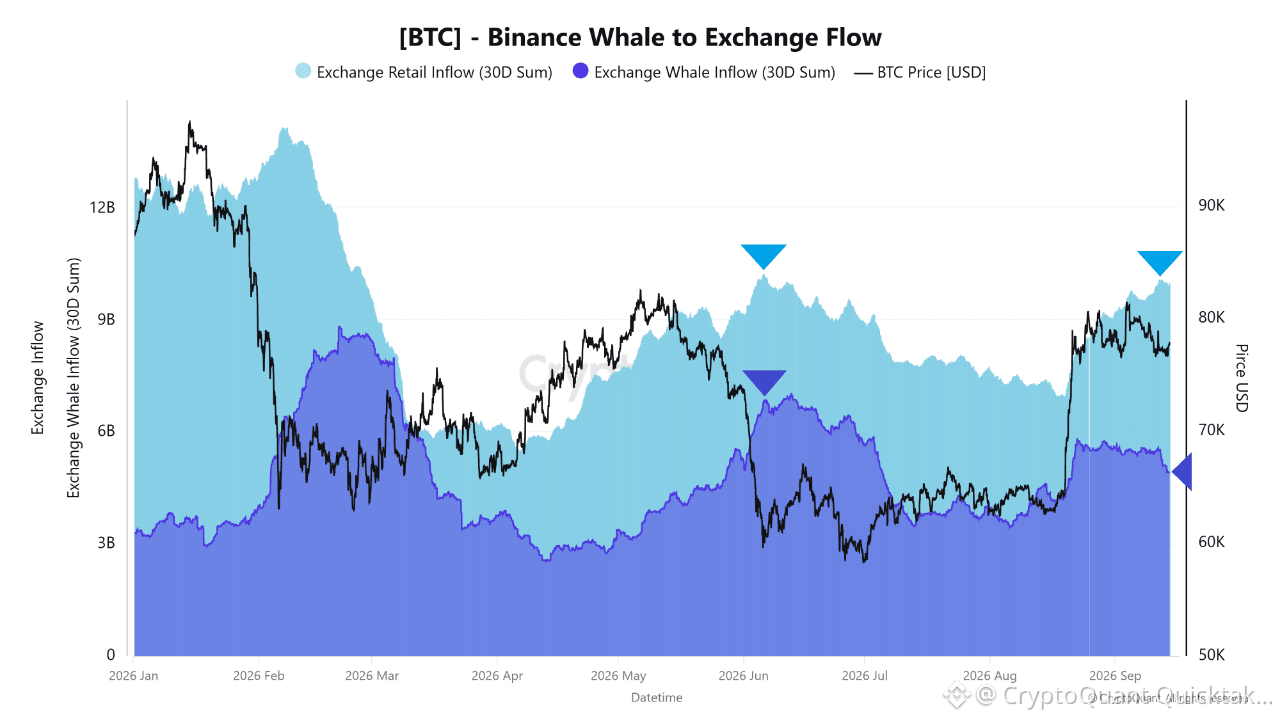
リテールのBTC流入がクジラを106%上回る—FRB会合前に行動の大きな分断が露呈FRBは9月15〜16日に開催される。先週のインフレ指標を受け、市場では25bpの利上げが行われる確率を約90%と見込んでいる。
こうした背景のもと、バイナンスのデータは、BTCが$77kを上回って取引されている一方で、リテールとクジラのBTC流入に明確な乖離があることを示している。
バイナンスの30日間のリテール流入合計は、9月12日に$10.11Bに達し、6月6日の$10.17Bにほぼ匹敵した。
その差は1%未満で、BTCは約$60.7kから$77kへと上昇し、約27%の上昇にもかかわらずである。
クジラの流入は別の動きを見せた。
バイナンスの30日間のクジラ流入合計は、9月14日に約$4.9Bで、6月6日の$6.8Bに対して、BTC価格の上昇にもかかわらず約28%の下落となった。
リテールのBTC流入がクジラを106%上回る—FRB会合前に行動の大きな分断が露呈
FRBは9月15〜16日に開催される。先週のインフレ指標を受け、市場では25bpの利上げが行われる確率を約90%と見込んでいる。
こうした背景のもと、バイナンスのデータは、BTCが$77kを上回って取引されている一方で、リテールとクジラのBTC流入に明確な乖離があることを示している。
バイナンスの30日間のリテール流入合計は、9月12日に$10.11Bに達し、6月6日の$10.17Bにほぼ匹敵した。
その差は1%未満で、BTCは約$60.7kから$77kへと上昇し、約27%の上昇にもかかわらずである。
クジラの流入は別の動きを見せた。
バイナンスの30日間のクジラ流入合計は、9月14日に約$4.9Bで、6月6日の$6.8Bに対して、BTC価格の上昇にもかかわらず約28%の下落となった。
こうした背景のもと、バイナンスのデータは、BTCが$77kを上回って取引されている一方で、リテールとクジラのBTC流入に明確な乖離があることを示している。
バイナンスの30日間のリテール流入合計は、9月12日に$10.11Bに達し、6月6日の$10.17Bにほぼ匹敵した。
その差は1%未満で、BTCは約$60.7kから$77kへと上昇し、約27%の上昇にもかかわらずである。
クジラの流入は別の動きを見せた。
バイナンスの30日間のクジラ流入合計は、9月14日に約$4.9Bで、6月6日の$6.8Bに対して、BTC価格の上昇にもかかわらず約28%の下落となった。
91
記事
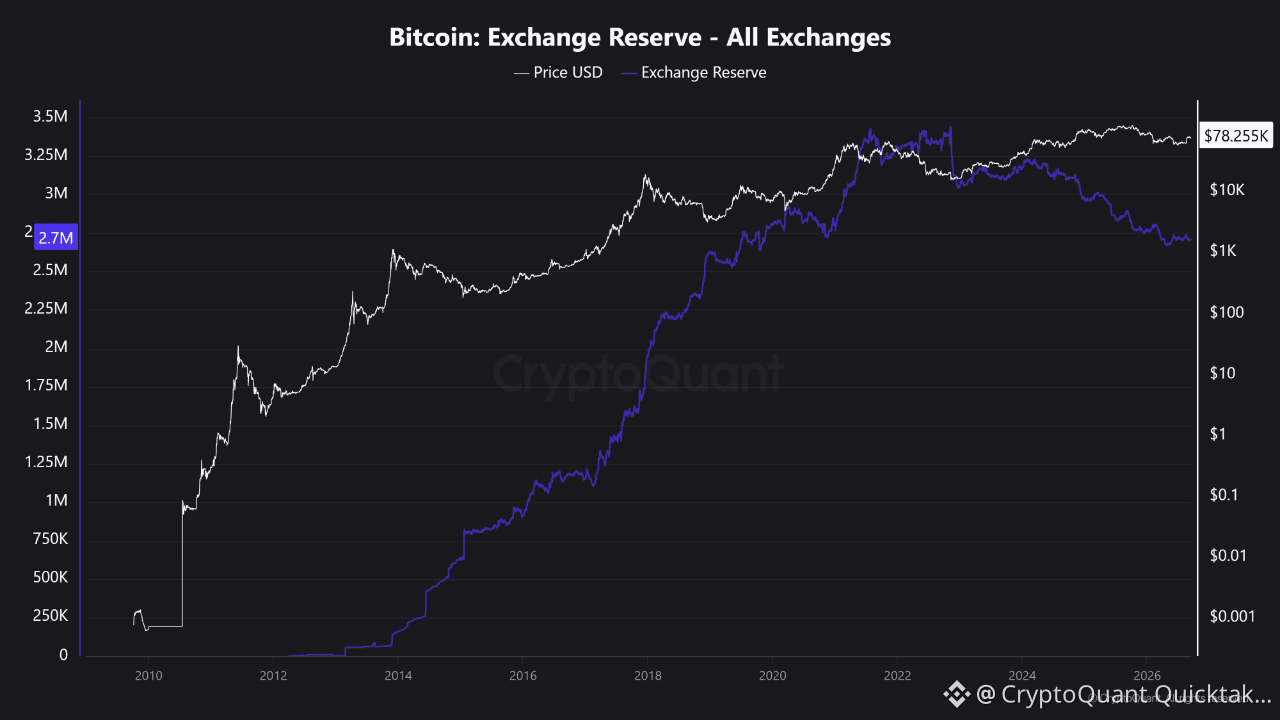
新規発行が限定的な中、Binanceが支配的なステーブルコインのドライパウダーを保有ビットコインはおよそ77,000ドルから78,000ドルの範囲で推移している一方、イーサリアムは約2,500ドル近辺で取引されている。Binance上のステーブルコインの状況は、市場の利用可能な購買力に関する重要な見通しを提供している。
CryptoQuantと取引所のフローのデータは、Binanceが中央集権型取引所におけるステーブルコイン準備の中で、過度に大きな比率を保ち続けていることを示している。これは歴史的に50%台後半から60%超に及んでいる。こうした集中により、市場の運用可能なドル建て流動性のかなりの部分が単一の取引所に留まっている。
新規発行が限定的な中、Binanceが支配的なステーブルコインのドライパウダーを保有
ビットコインはおよそ77,000ドルから78,000ドルの範囲で推移している一方、イーサリアムは約2,500ドル近辺で取引されている。Binance上のステーブルコインの状況は、市場の利用可能な購買力に関する重要な見通しを提供している。
CryptoQuantと取引所のフローのデータは、Binanceが中央集権型取引所におけるステーブルコイン準備の中で、過度に大きな比率を保ち続けていることを示している。これは歴史的に50%台後半から60%超に及んでいる。こうした集中により、市場の運用可能なドル建て流動性のかなりの部分が単一の取引所に留まっている。
CryptoQuantと取引所のフローのデータは、Binanceが中央集権型取引所におけるステーブルコイン準備の中で、過度に大きな比率を保ち続けていることを示している。これは歴史的に50%台後半から60%超に及んでいる。こうした集中により、市場の運用可能なドル建て流動性のかなりの部分が単一の取引所に留まっている。
1
124
記事
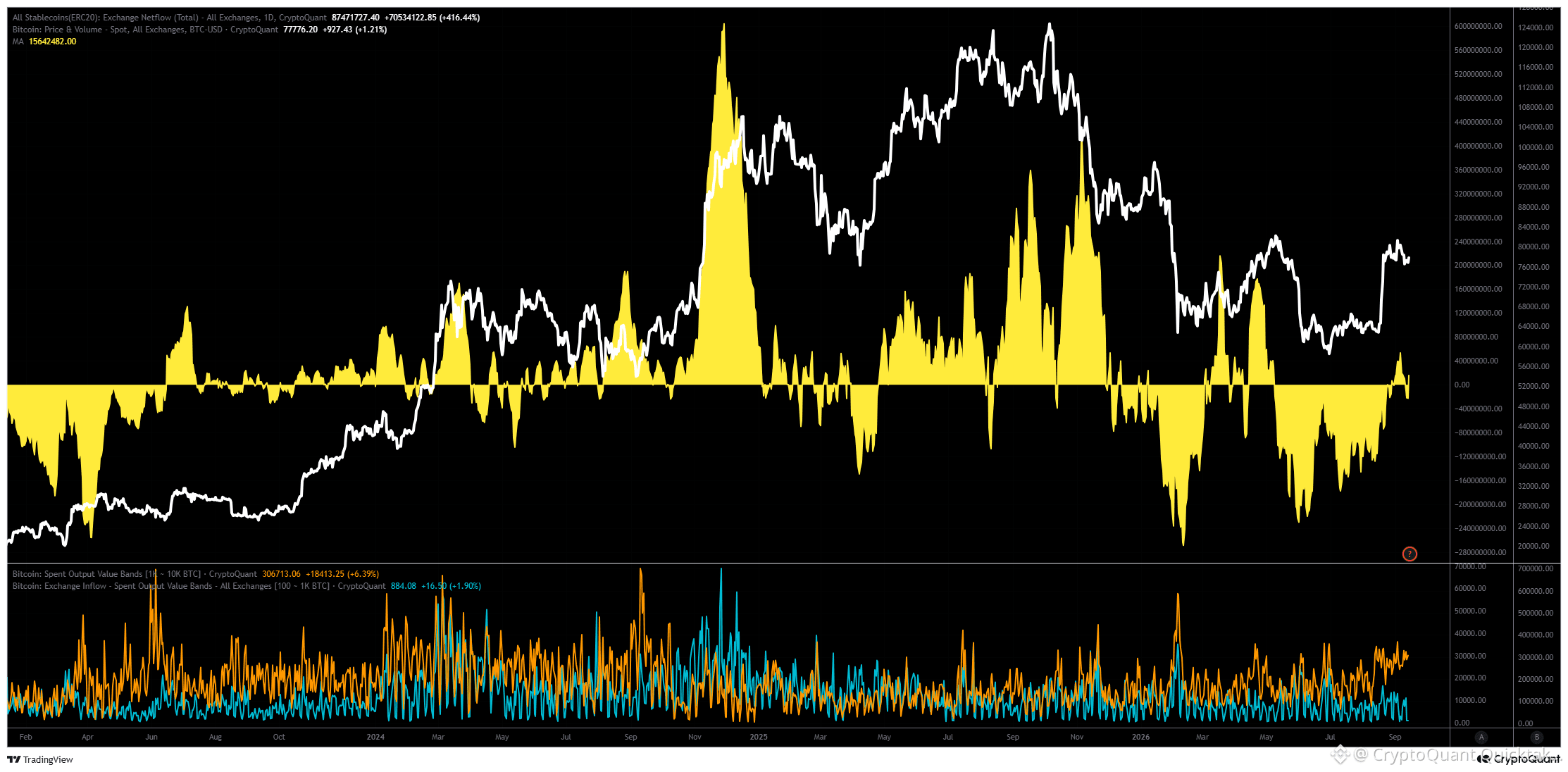
短期の資金流出トレンドは終了しました。ビットコインが81k台まで上昇した後、短期的なステーブルコインのネット流出トレンドが現れました。
同時に、BTCは上昇を受けて短期的な調整局面に入っています。
しかし、この短期のネット流出傾向は終わりを迎え、ネット流入のトレンドが再開しています。
市場への資金流入は、買い圧力の強まりを示しています。
短期的な下落トレンドがすでに終了した可能性が高く、再び上昇モメンタムが構築されています。
BTCの先行する上昇トレンドは、ステーブルコインのネット流入が安定した状態の中で発生しました。フローが再び形成されつつあります。
短期の資金流出トレンドは終了しました。
ビットコインが81k台まで上昇した後、短期的なステーブルコインのネット流出トレンドが現れました。
同時に、BTCは上昇を受けて短期的な調整局面に入っています。
しかし、この短期のネット流出傾向は終わりを迎え、ネット流入のトレンドが再開しています。
市場への資金流入は、買い圧力の強まりを示しています。
短期的な下落トレンドがすでに終了した可能性が高く、再び上昇モメンタムが構築されています。
BTCの先行する上昇トレンドは、ステーブルコインのネット流入が安定した状態の中で発生しました。フローが再び形成されつつあります。
同時に、BTCは上昇を受けて短期的な調整局面に入っています。
しかし、この短期のネット流出傾向は終わりを迎え、ネット流入のトレンドが再開しています。
市場への資金流入は、買い圧力の強まりを示しています。
短期的な下落トレンドがすでに終了した可能性が高く、再び上昇モメンタムが構築されています。
BTCの先行する上昇トレンドは、ステーブルコインのネット流入が安定した状態の中で発生しました。フローが再び形成されつつあります。
100
記事
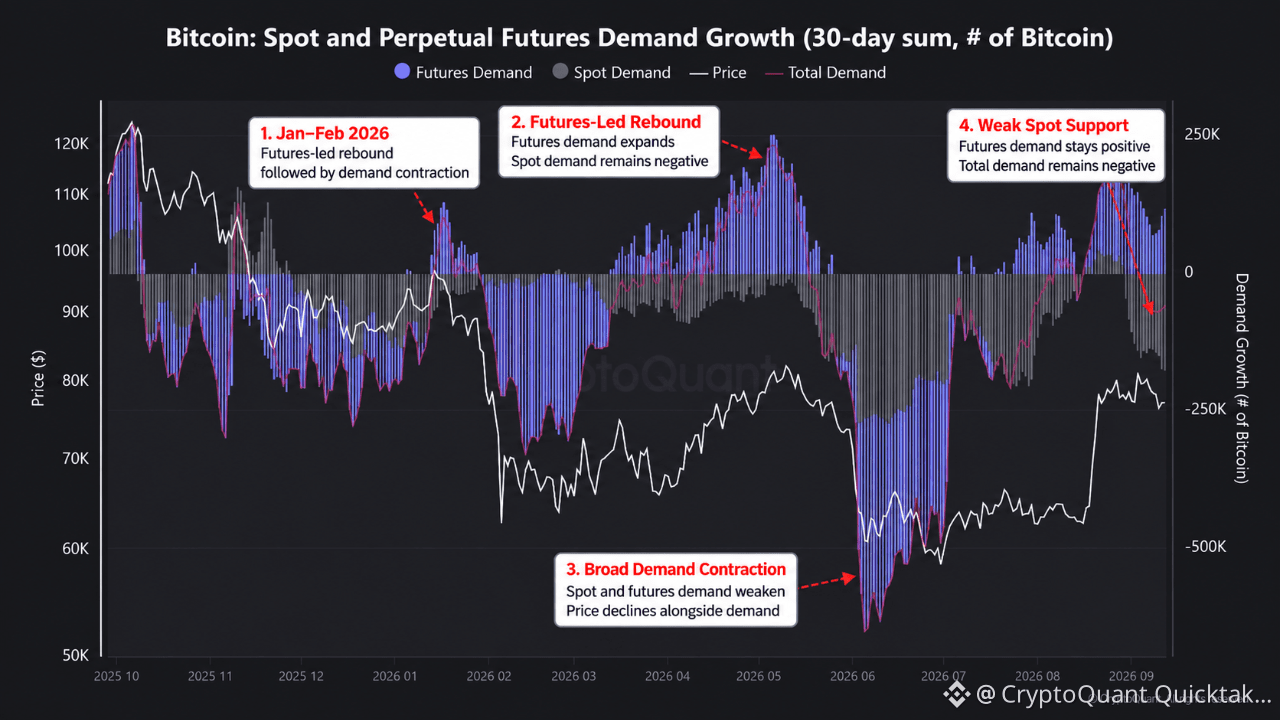
ビットコインのラリーは現物サポートなしでは確信に欠ける1. 現在の構造は、2026年1〜2月および3月に見られたパターンに似ており、デリバティブ主導の局面への移行を示唆しています。
2. 継続的な現物需要がないラリーは説得力に欠けます。現物需要は依然として弱く、この上昇局面には確固たる裏付けがありません。
3. この環境では、長期的なラリーへの期待よりもリスク管理が優先されます。
COINDREAMによって書かれました
ビットコインのラリーは現物サポートなしでは確信に欠ける
1. 現在の構造は、2026年1〜2月および3月に見られたパターンに似ており、デリバティブ主導の局面への移行を示唆しています。
2. 継続的な現物需要がないラリーは説得力に欠けます。現物需要は依然として弱く、この上昇局面には確固たる裏付けがありません。
3. この環境では、長期的なラリーへの期待よりもリスク管理が優先されます。
COINDREAMによって書かれました
2. 継続的な現物需要がないラリーは説得力に欠けます。現物需要は依然として弱く、この上昇局面には確固たる裏付けがありません。
3. この環境では、長期的なラリーへの期待よりもリスク管理が優先されます。
COINDREAMによって書かれました
113
記事
翻訳参照
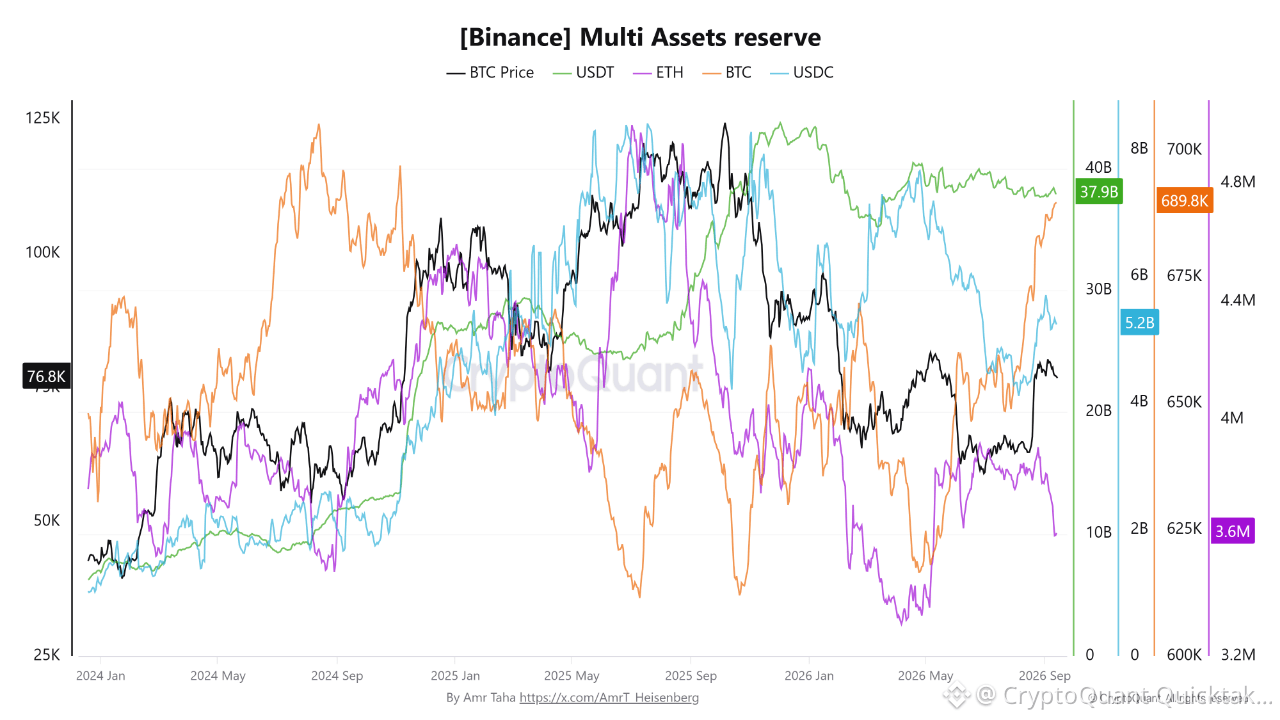
Ahead of the Fed Meeting, Binance BTC Reserves Near 2024 Highs While ETH Reserves Stay Flat As Pr...Binance's multi-asset reserves show a sharp divergence ahead of this week's Federal Reserve decision.
Bitcoin reserves jumped to roughly 690,000 BTC on August 13, about 3% above the February 22 peak near 670,000 BTC and only around 2% below the 704,000 BTC level seen in August 2024.
That historical comparison matters.
A rise in Binance Bitcoin reserves is not necessarily bearish.
In August 2024, reserves reached about 704,000 BTC while Bitcoin traded near $59,000.
Despite that elevated reserve level, BTC later climbed above $120,000 by October 2025, showing that high exchange reserves alone do not necessarily represent a threat to price.
BTC is now near $76,800, roughly 30% above the comparable August 2024 price despite reserves returning to a similar historical zone.
Ethereum shows an even clearer divergence.
Binance holds about 3.616 million ETH, almost unchanged from 3.63 million ETH on June 9, while ETH has risen from about $1,625 to $2,500 — nearly 54%.
Stablecoin balances also remain elevated.
USDT reserves are near $38 billion, while USDC has recovered to about $5.2 billion from $4.11 billion on August 5, a rise of roughly 26.5%.
Ahead of the September 15–16 FOMC meeting, BTC reserves are near historical highs while price is 30% above its comparable 2024 level, ETH is 54% higher with reserves nearly flat, and USDT-USDC reserves remain above $43 billion.
Exchange reserves are best read alongside price and liquidity, not as a standalone directional signal.
Written by Amr Taha
Ahead of the Fed Meeting, Binance BTC Reserves Near 2024 Highs While ETH Reserves Stay Flat As Pr...
Binance's multi-asset reserves show a sharp divergence ahead of this week's Federal Reserve decision.
Bitcoin reserves jumped to roughly 690,000 BTC on August 13, about 3% above the February 22 peak near 670,000 BTC and only around 2% below the 704,000 BTC level seen in August 2024.
That historical comparison matters.
A rise in Binance Bitcoin reserves is not necessarily bearish.
In August 2024, reserves reached about 704,000 BTC while Bitcoin traded near $59,000.
Despite that elevated reserve level, BTC later climbed above $120,000 by October 2025, showing that high exchange reserves alone do not necessarily represent a threat to price.
BTC is now near $76,800, roughly 30% above the comparable August 2024 price despite reserves returning to a similar historical zone.
Ethereum shows an even clearer divergence.
Binance holds about 3.616 million ETH, almost unchanged from 3.63 million ETH on June 9, while ETH has risen from about $1,625 to $2,500 — nearly 54%.
Stablecoin balances also remain elevated.
USDT reserves are near $38 billion, while USDC has recovered to about $5.2 billion from $4.11 billion on August 5, a rise of roughly 26.5%.
Ahead of the September 15–16 FOMC meeting, BTC reserves are near historical highs while price is 30% above its comparable 2024 level, ETH is 54% higher with reserves nearly flat, and USDT-USDC reserves remain above $43 billion.
Exchange reserves are best read alongside price and liquidity, not as a standalone directional signal.
Written by Amr Taha
Bitcoin reserves jumped to roughly 690,000 BTC on August 13, about 3% above the February 22 peak near 670,000 BTC and only around 2% below the 704,000 BTC level seen in August 2024.
That historical comparison matters.
A rise in Binance Bitcoin reserves is not necessarily bearish.
In August 2024, reserves reached about 704,000 BTC while Bitcoin traded near $59,000.
Despite that elevated reserve level, BTC later climbed above $120,000 by October 2025, showing that high exchange reserves alone do not necessarily represent a threat to price.
BTC is now near $76,800, roughly 30% above the comparable August 2024 price despite reserves returning to a similar historical zone.
Ethereum shows an even clearer divergence.
Binance holds about 3.616 million ETH, almost unchanged from 3.63 million ETH on June 9, while ETH has risen from about $1,625 to $2,500 — nearly 54%.
Stablecoin balances also remain elevated.
USDT reserves are near $38 billion, while USDC has recovered to about $5.2 billion from $4.11 billion on August 5, a rise of roughly 26.5%.
Ahead of the September 15–16 FOMC meeting, BTC reserves are near historical highs while price is 30% above its comparable 2024 level, ETH is 54% higher with reserves nearly flat, and USDT-USDC reserves remain above $43 billion.
Exchange reserves are best read alongside price and liquidity, not as a standalone directional signal.
Written by Amr Taha
124
記事
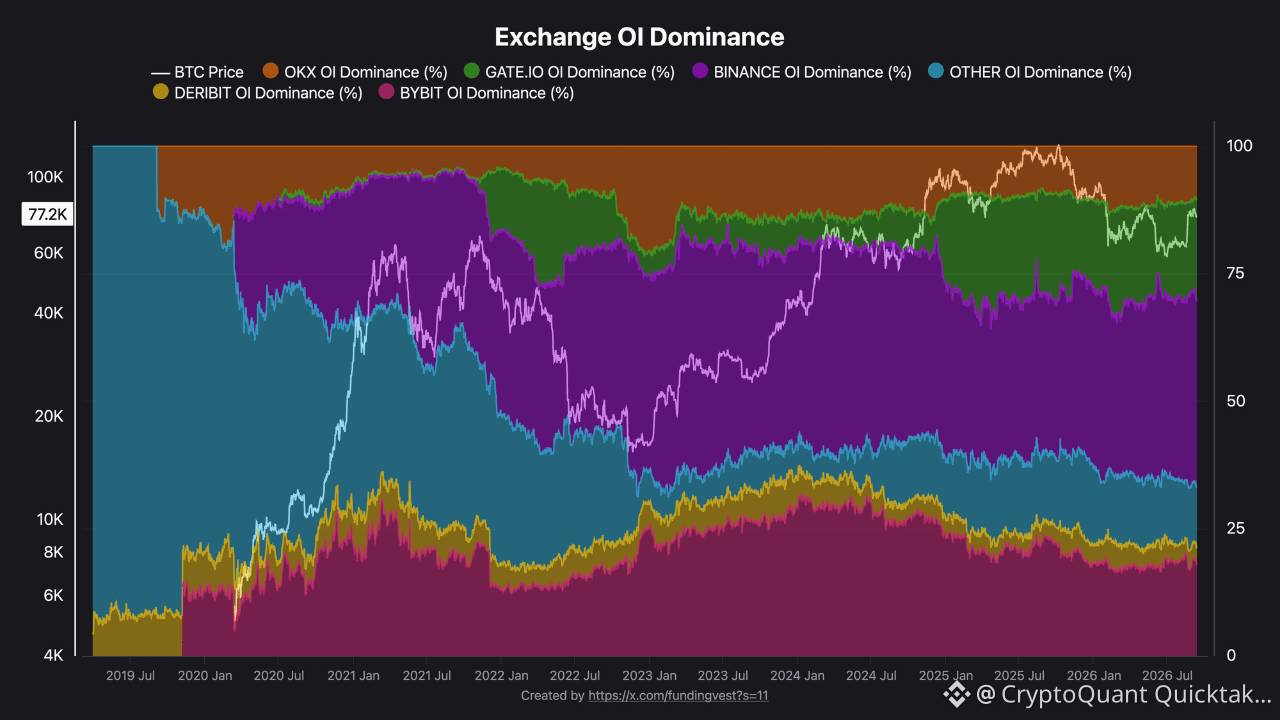
ビットコインの流動性シフト:Gate.ioの台頭とBinanceの優位性ビットコインが拡大し世界的な採用が進むにつれ、取引所の流動性はもはや単一のハブに集中するのではなく、より広範なネットワークへと広がっていきます。流動性の分布と、取引所間の競争は、オープン・インタレスト(OI)指標における勢力図の変化として明確に反映されています。
2020年以前は、ビットコインがこれほど幅広い層に届いていなかったため、アクティブな取引所の数は限られていました。しかし2021年のブル相場の到来により、取引所の認知度とユーザーベースは急速に拡大しました。この期間において、BybitとBinanceはオープン・インタレストの優位性を高め、小規模な取引所から大きな資本を引き離しました。当時Gate.ioは相対的に流動性が低かったものの、市場は時間の経過とともによりダイナミックな構造へと成熟していきました。
ビットコインの流動性シフト:Gate.ioの台頭とBinanceの優位性
ビットコインが拡大し世界的な採用が進むにつれ、取引所の流動性はもはや単一のハブに集中するのではなく、より広範なネットワークへと広がっていきます。流動性の分布と、取引所間の競争は、オープン・インタレスト(OI)指標における勢力図の変化として明確に反映されています。
2020年以前は、ビットコインがこれほど幅広い層に届いていなかったため、アクティブな取引所の数は限られていました。しかし2021年のブル相場の到来により、取引所の認知度とユーザーベースは急速に拡大しました。この期間において、BybitとBinanceはオープン・インタレストの優位性を高め、小規模な取引所から大きな資本を引き離しました。当時Gate.ioは相対的に流動性が低かったものの、市場は時間の経過とともによりダイナミックな構造へと成熟していきました。
2020年以前は、ビットコインがこれほど幅広い層に届いていなかったため、アクティブな取引所の数は限られていました。しかし2021年のブル相場の到来により、取引所の認知度とユーザーベースは急速に拡大しました。この期間において、BybitとBinanceはオープン・インタレストの優位性を高め、小規模な取引所から大きな資本を引き離しました。当時Gate.ioは相対的に流動性が低かったものの、市場は時間の経過とともによりダイナミックな構造へと成熟していきました。
157
FRBと日銀の金利決定が市場の耐性を試す中、ビットコインは重要な政策週を迎えるビットコインは、連邦準備制度(FRB)と日本銀行(BOJ)が相次いで政策決定を行うことから、重要な1週間を迎える。FOMCは9月15〜16日に開催され、BOJは9月17〜18日に会合する。
市場は、25bpのFRB利上げの確率を約85%と織り込んでいた。また、BOJが1.25%への引き上げを行うとの見方もある。焦点は、金利が上がるかどうかだけでなく、決定後に両中銀がどれほど強硬(タカ派)に聞こえるかにある。
ビットコインにとって最大のリスクは、米国の利回りの同時上昇と急速な円高が起きることだ。米国の金利が高まれば世界の流動性が引き締まり得る一方で、より強い円は円建てのキャリートレードの巻き戻しを加速させる可能性がある。もし両方が同時に起きれば、投資家は株式や暗号資産全体でリスクを引き下げるかもしれない。
FRBと日銀の金利決定が市場の耐性を試す中、ビットコインは重要な政策週を迎える
ビットコインは、連邦準備制度(FRB)と日本銀行(BOJ)が相次いで政策決定を行うことから、重要な1週間を迎える。FOMCは9月15〜16日に開催され、BOJは9月17〜18日に会合する。
市場は、25bpのFRB利上げの確率を約85%と織り込んでいた。また、BOJが1.25%への引き上げを行うとの見方もある。焦点は、金利が上がるかどうかだけでなく、決定後に両中銀がどれほど強硬(タカ派)に聞こえるかにある。
ビットコインにとって最大のリスクは、米国の利回りの同時上昇と急速な円高が起きることだ。米国の金利が高まれば世界の流動性が引き締まり得る一方で、より強い円は円建てのキャリートレードの巻き戻しを加速させる可能性がある。もし両方が同時に起きれば、投資家は株式や暗号資産全体でリスクを引き下げるかもしれない。
市場は、25bpのFRB利上げの確率を約85%と織り込んでいた。また、BOJが1.25%への引き上げを行うとの見方もある。焦点は、金利が上がるかどうかだけでなく、決定後に両中銀がどれほど強硬(タカ派)に聞こえるかにある。
ビットコインにとって最大のリスクは、米国の利回りの同時上昇と急速な円高が起きることだ。米国の金利が高まれば世界の流動性が引き締まり得る一方で、より強い円は円建てのキャリートレードの巻き戻しを加速させる可能性がある。もし両方が同時に起きれば、投資家は株式や暗号資産全体でリスクを引き下げるかもしれない。
1
215
記事
翻訳参照
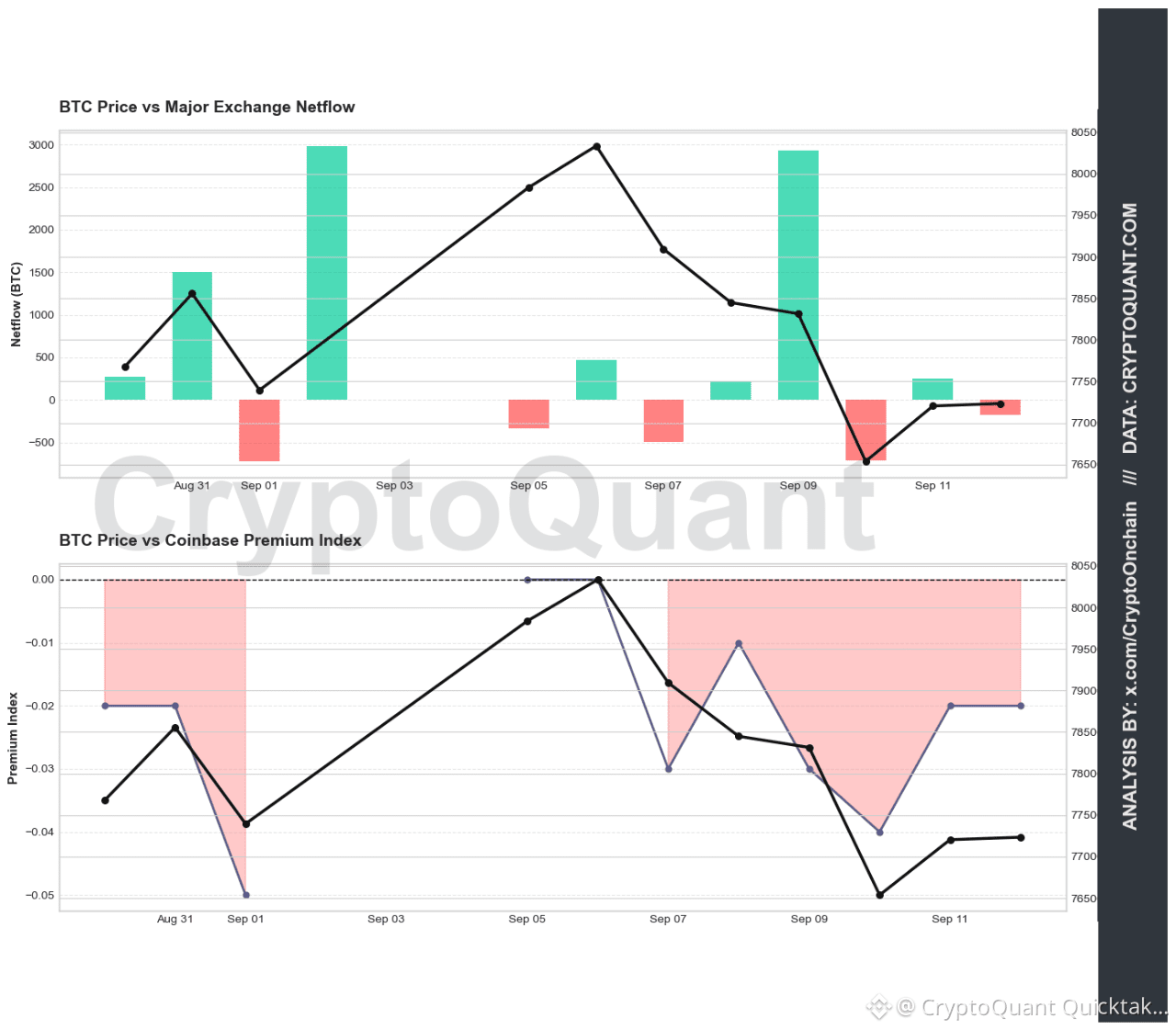
Aggregate Exchange Netflow Reaches 772% Above Baseline on September 12Aggregate exchange netflow averaged +717 BTC daily over the trailing seven days. The NVT Golden Cross registered a reading of 0.80 on September 12. Coinbase inflows from entities holding 1k–10k BTC averaged 712 BTC daily across the observation window.
The same week carried PPI (Sep 10) and CPI (Sep 11). Headline CPI printed 3.4% YoY for August 2026, released Sep 11, with core at 2.4%. PPI final demand stood at 5.4% YoY for August 2026, released Sep 10. The 10-year yield closed at 4.95%, holding a +39bp spread over the 2-year. The dollar index softened 1.9% across the 60-day window. One candidate explanation, unverified: the rotation may reflect positioning ahead of CPI rather than a response to it.
Broad exchange netflow expanded across multiple venues, with OKX (+4,590% vs. quarterly baseline), Bitget (+441%), and Upbit (+236%) all showing structural advances. This supply arrival coincides with a 102% increase in spending from the 10-year-plus cohort (326 BTC daily). While dormant supply and whale-tier deposits mobilize simultaneously, Binance funding holds flat (0.00–0.01) and the Coinbase Premium Index maintains a negative posture (-0.04 on September 10). Combining multi-venue supply deposits with subdued US institutional spot premiums creates conditions that historically preceded extended absorption phases rather than immediate markup.
September 3 and 4 carry no price, funding, or exchange flow prints; weekly trailing means rest on five sessions, not seven. The Binance 12m–18m age-band inflow series carries no information due to a near-zero denominator and is excluded. The dollar figure is the Fed broad dollar proxy.
For now, the clearest reading is that broad supply arrival has temporarily outpaced institutional spot demand, requiring the market to digest excess inventory before positioning can safely reset.
Written by CryptoOnchain
Aggregate Exchange Netflow Reaches 772% Above Baseline on September 12
Aggregate exchange netflow averaged +717 BTC daily over the trailing seven days. The NVT Golden Cross registered a reading of 0.80 on September 12. Coinbase inflows from entities holding 1k–10k BTC averaged 712 BTC daily across the observation window.
The same week carried PPI (Sep 10) and CPI (Sep 11). Headline CPI printed 3.4% YoY for August 2026, released Sep 11, with core at 2.4%. PPI final demand stood at 5.4% YoY for August 2026, released Sep 10. The 10-year yield closed at 4.95%, holding a +39bp spread over the 2-year. The dollar index softened 1.9% across the 60-day window. One candidate explanation, unverified: the rotation may reflect positioning ahead of CPI rather than a response to it.
Broad exchange netflow expanded across multiple venues, with OKX (+4,590% vs. quarterly baseline), Bitget (+441%), and Upbit (+236%) all showing structural advances. This supply arrival coincides with a 102% increase in spending from the 10-year-plus cohort (326 BTC daily). While dormant supply and whale-tier deposits mobilize simultaneously, Binance funding holds flat (0.00–0.01) and the Coinbase Premium Index maintains a negative posture (-0.04 on September 10). Combining multi-venue supply deposits with subdued US institutional spot premiums creates conditions that historically preceded extended absorption phases rather than immediate markup.
September 3 and 4 carry no price, funding, or exchange flow prints; weekly trailing means rest on five sessions, not seven. The Binance 12m–18m age-band inflow series carries no information due to a near-zero denominator and is excluded. The dollar figure is the Fed broad dollar proxy.
For now, the clearest reading is that broad supply arrival has temporarily outpaced institutional spot demand, requiring the market to digest excess inventory before positioning can safely reset.
Written by CryptoOnchain
The same week carried PPI (Sep 10) and CPI (Sep 11). Headline CPI printed 3.4% YoY for August 2026, released Sep 11, with core at 2.4%. PPI final demand stood at 5.4% YoY for August 2026, released Sep 10. The 10-year yield closed at 4.95%, holding a +39bp spread over the 2-year. The dollar index softened 1.9% across the 60-day window. One candidate explanation, unverified: the rotation may reflect positioning ahead of CPI rather than a response to it.
Broad exchange netflow expanded across multiple venues, with OKX (+4,590% vs. quarterly baseline), Bitget (+441%), and Upbit (+236%) all showing structural advances. This supply arrival coincides with a 102% increase in spending from the 10-year-plus cohort (326 BTC daily). While dormant supply and whale-tier deposits mobilize simultaneously, Binance funding holds flat (0.00–0.01) and the Coinbase Premium Index maintains a negative posture (-0.04 on September 10). Combining multi-venue supply deposits with subdued US institutional spot premiums creates conditions that historically preceded extended absorption phases rather than immediate markup.
September 3 and 4 carry no price, funding, or exchange flow prints; weekly trailing means rest on five sessions, not seven. The Binance 12m–18m age-band inflow series carries no information due to a near-zero denominator and is excluded. The dollar figure is the Fed broad dollar proxy.
For now, the clearest reading is that broad supply arrival has temporarily outpaced institutional spot demand, requiring the market to digest excess inventory before positioning can safely reset.
Written by CryptoOnchain
1
85
記事
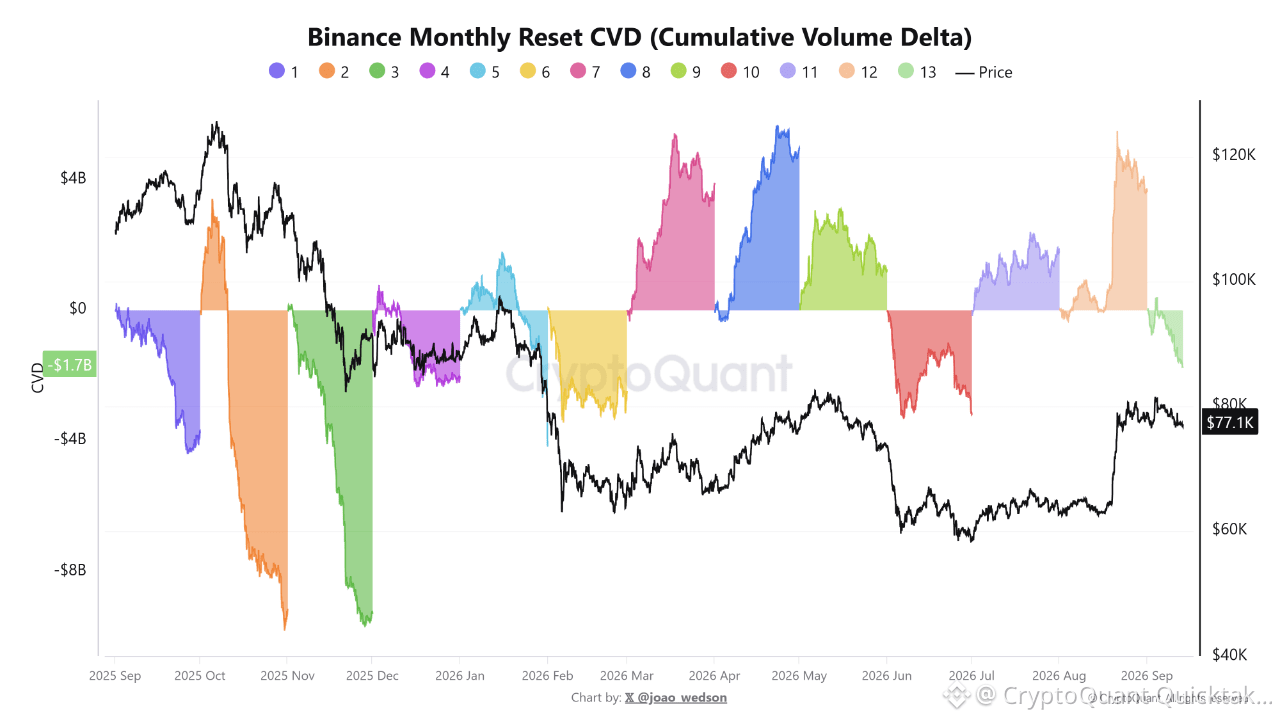
Binance 月次リセットCVD:ビットコインの月次注文フローの読み方このチャートは、テイカー買いボリュームからテイカー売りボリュームを引いて算出したBinanceの累積ボリュームデルタ(CVD)を示しています。CVDは毎月の初めにゼロにリセットされます。
このビューが興味深いのは、毎月のリセットによってビットコインの注文フローの新しいスナップショットが作られるからです。ある月はすぐに強いプラスのCVDが形成される一方で、別の月は深くマイナスのまま推移し、その変化はしばしば、市場の異なる局面において買い手と売り手がどれほど攻勢的に振る舞っているかを反映しています。
今月はマイナスで、これまでのところテイカーの売りボリュームがテイカーの買いボリュームを上回っています。ただし、マイナスのCVDは自動的に弱気(ベアリッシュ)と解釈すべきではありません。重要なのは、その売り圧力に対して価格がどう反応するかです。
Binance 月次リセットCVD:ビットコインの月次注文フローの読み方
このチャートは、テイカー買いボリュームからテイカー売りボリュームを引いて算出したBinanceの累積ボリュームデルタ(CVD)を示しています。CVDは毎月の初めにゼロにリセットされます。
このビューが興味深いのは、毎月のリセットによってビットコインの注文フローの新しいスナップショットが作られるからです。ある月はすぐに強いプラスのCVDが形成される一方で、別の月は深くマイナスのまま推移し、その変化はしばしば、市場の異なる局面において買い手と売り手がどれほど攻勢的に振る舞っているかを反映しています。
今月はマイナスで、これまでのところテイカーの売りボリュームがテイカーの買いボリュームを上回っています。ただし、マイナスのCVDは自動的に弱気(ベアリッシュ)と解釈すべきではありません。重要なのは、その売り圧力に対して価格がどう反応するかです。
このビューが興味深いのは、毎月のリセットによってビットコインの注文フローの新しいスナップショットが作られるからです。ある月はすぐに強いプラスのCVDが形成される一方で、別の月は深くマイナスのまま推移し、その変化はしばしば、市場の異なる局面において買い手と売り手がどれほど攻勢的に振る舞っているかを反映しています。
今月はマイナスで、これまでのところテイカーの売りボリュームがテイカーの買いボリュームを上回っています。ただし、マイナスのCVDは自動的に弱気(ベアリッシュ)と解釈すべきではありません。重要なのは、その売り圧力に対して価格がどう反応するかです。
116
記事
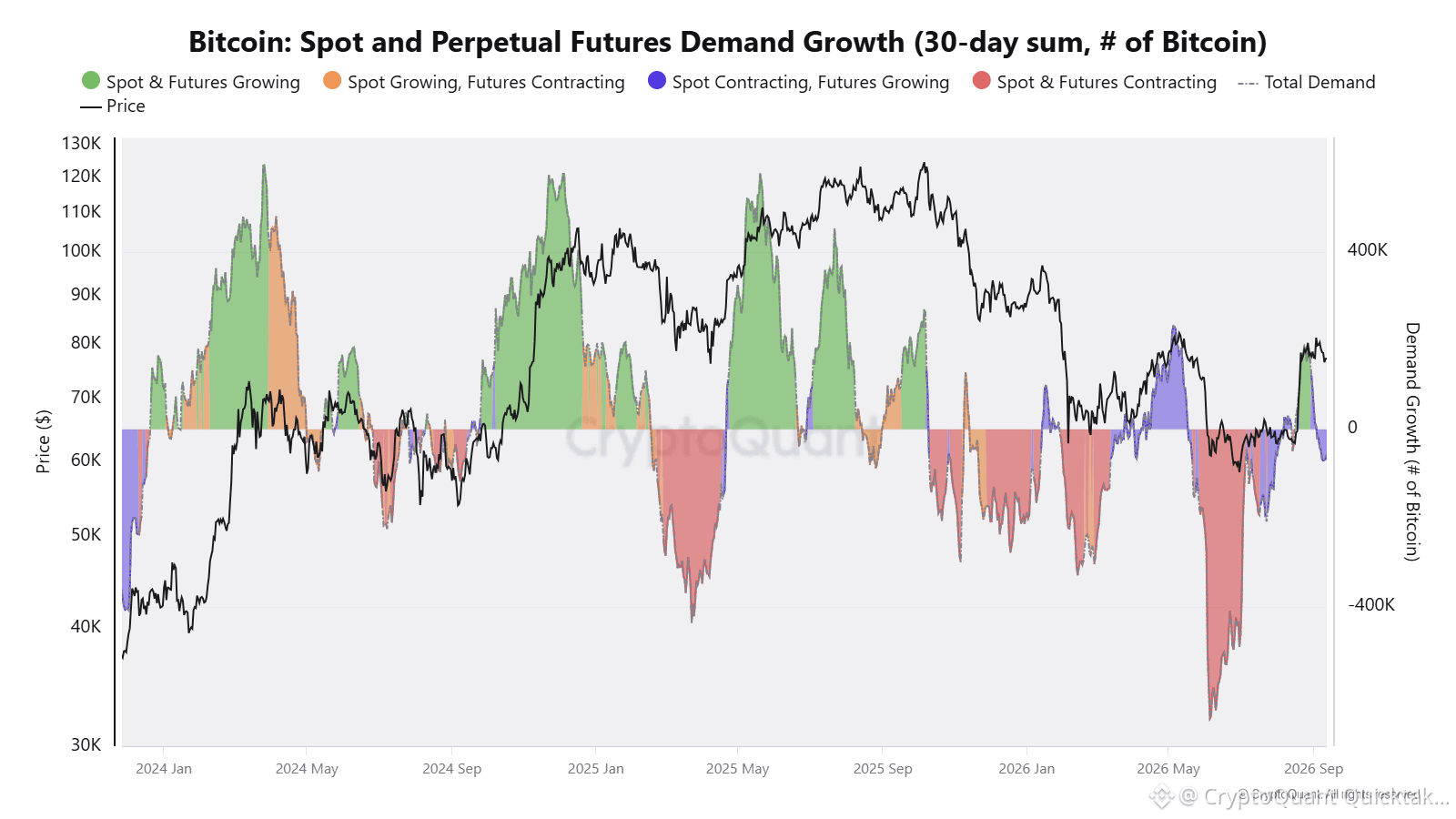
ビットコインの需要のマイナスは底を打ち、わずかにリバウンドを示しています。$BTCの需要は、わずかなリバウンドを見せ始めています。
純流出のボリュームがわずかに減少しており、短期的な下落トレンドがピークを打った可能性を示唆しています。
$BTCの先物需要は急速に増加していますが、スポット需要は依然としてマイナス圏にあります。
この先物需要の増加は、総需要の反発につながっています。
$BTCは、スポット市場からの資金流出が続いているため、短期的な調整が継続しています。
しかし、先物需要の増加は、先物市場における上向きの圧力の再燃を示しています。
ビットコインの需要のマイナスは底を打ち、わずかにリバウンドを示しています。
$BTCの需要は、わずかなリバウンドを見せ始めています。
純流出のボリュームがわずかに減少しており、短期的な下落トレンドがピークを打った可能性を示唆しています。
$BTCの先物需要は急速に増加していますが、スポット需要は依然としてマイナス圏にあります。
この先物需要の増加は、総需要の反発につながっています。
$BTCは、スポット市場からの資金流出が続いているため、短期的な調整が継続しています。
しかし、先物需要の増加は、先物市場における上向きの圧力の再燃を示しています。
純流出のボリュームがわずかに減少しており、短期的な下落トレンドがピークを打った可能性を示唆しています。
$BTCの先物需要は急速に増加していますが、スポット需要は依然としてマイナス圏にあります。
この先物需要の増加は、総需要の反発につながっています。
$BTCは、スポット市場からの資金流出が続いているため、短期的な調整が継続しています。
しかし、先物需要の増加は、先物市場における上向きの圧力の再燃を示しています。
1
216
記事
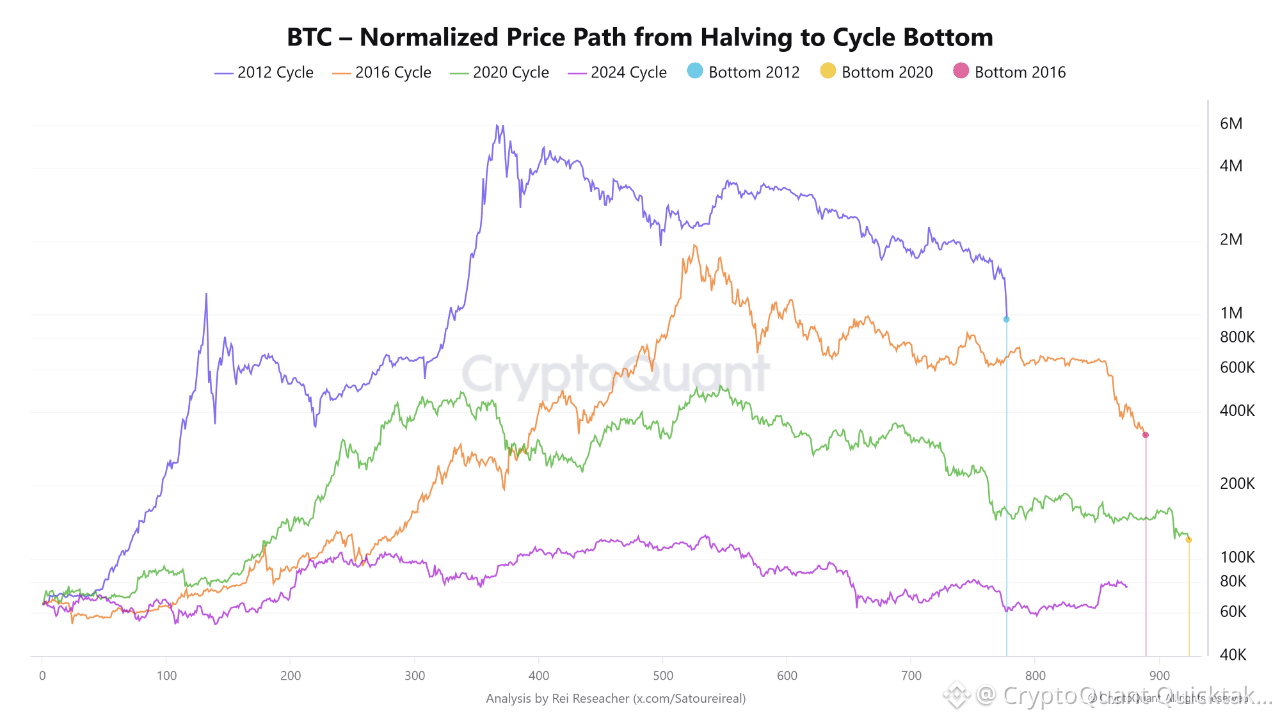
4年サイクルは壊れたのか?CryptoQuantのデータを見ると、過去のサイクルで底を打ったのは2012年、2016年、2020年ですが、通常は半減期から約770日〜ほぼ900日あたりで着地しています。多くの人がまだ歴史を参照し、同じようにして次のパラボリックな上昇が起きることを期待しています。しかし私には、このサイクルが完全に別物になる理由がいくつかあります。
まず資本構成です。スポットETFの承認が、半減期の前に史上最高値を更新しました――私たちがこれまで見たことのないような出来事です。機関投資家の資金が主導権を握ると、彼らは金融政策、金利、そしてマクロの流動性に基づいて配分します。半減期から何日数えるかで取引するわけではありません。
4年サイクルは壊れたのか?
CryptoQuantのデータを見ると、過去のサイクルで底を打ったのは2012年、2016年、2020年ですが、通常は半減期から約770日〜ほぼ900日あたりで着地しています。多くの人がまだ歴史を参照し、同じようにして次のパラボリックな上昇が起きることを期待しています。しかし私には、このサイクルが完全に別物になる理由がいくつかあります。
まず資本構成です。スポットETFの承認が、半減期の前に史上最高値を更新しました――私たちがこれまで見たことのないような出来事です。機関投資家の資金が主導権を握ると、彼らは金融政策、金利、そしてマクロの流動性に基づいて配分します。半減期から何日数えるかで取引するわけではありません。
まず資本構成です。スポットETFの承認が、半減期の前に史上最高値を更新しました――私たちがこれまで見たことのないような出来事です。機関投資家の資金が主導権を握ると、彼らは金融政策、金利、そしてマクロの流動性に基づいて配分します。半減期から何日数えるかで取引するわけではありません。
1
266
記事
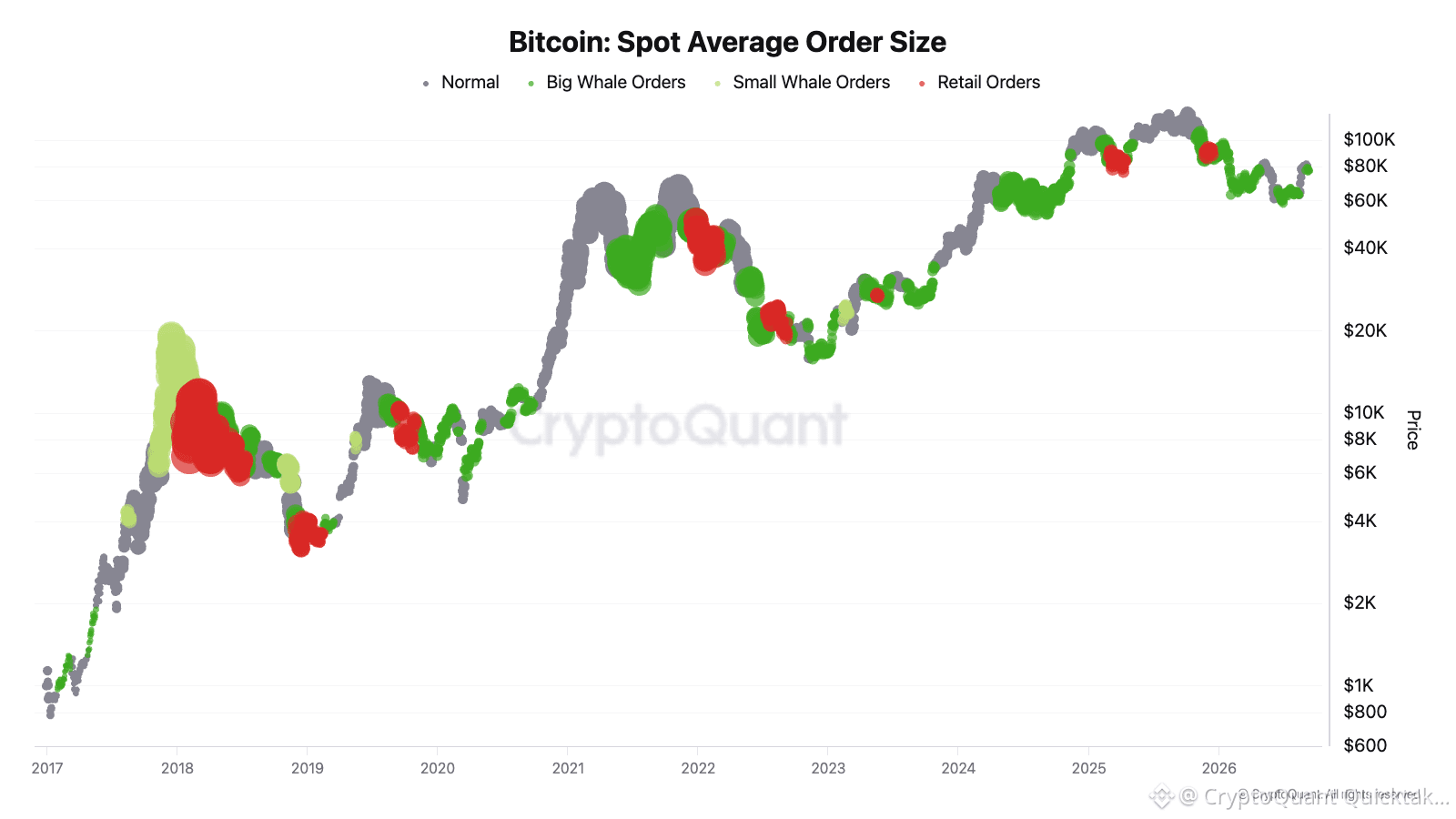
ビットコインのスポット平均注文サイズ:クジラと小売のアクティビティ価格チャートは動きを示します。しかし、それが誰によって作られたのかは何も教えてくれません。CryptoQuantのスポット平均注文サイズが、その欠けている半分を補います。
それが何を測定するか。スポット取引所で行われる各取引にはドルの価値があります。この指標はそれらの値の平均を取り、価格の上に重ねます。平均が上がると、市場に資金が流入していることを意味します——資金、企業のトレジャリー、大口デスクです。平均が下がると、ボリュームは多数の小口チケットの群れから来ていることを意味し、つまり小売です。
出力は4つのバンドに分かれます。濃い緑は大型クジラの注文を示し、薄い緑は小型クジラ、赤は小売、灰色は中立です。
ビットコインのスポット平均注文サイズ:クジラと小売のアクティビティ
価格チャートは動きを示します。しかし、それが誰によって作られたのかは何も教えてくれません。CryptoQuantのスポット平均注文サイズが、その欠けている半分を補います。
それが何を測定するか。スポット取引所で行われる各取引にはドルの価値があります。この指標はそれらの値の平均を取り、価格の上に重ねます。平均が上がると、市場に資金が流入していることを意味します——資金、企業のトレジャリー、大口デスクです。平均が下がると、ボリュームは多数の小口チケットの群れから来ていることを意味し、つまり小売です。
出力は4つのバンドに分かれます。濃い緑は大型クジラの注文を示し、薄い緑は小型クジラ、赤は小売、灰色は中立です。
それが何を測定するか。スポット取引所で行われる各取引にはドルの価値があります。この指標はそれらの値の平均を取り、価格の上に重ねます。平均が上がると、市場に資金が流入していることを意味します——資金、企業のトレジャリー、大口デスクです。平均が下がると、ボリュームは多数の小口チケットの群れから来ていることを意味し、つまり小売です。
出力は4つのバンドに分かれます。濃い緑は大型クジラの注文を示し、薄い緑は小型クジラ、赤は小売、灰色は中立です。
243
記事
翻訳参照
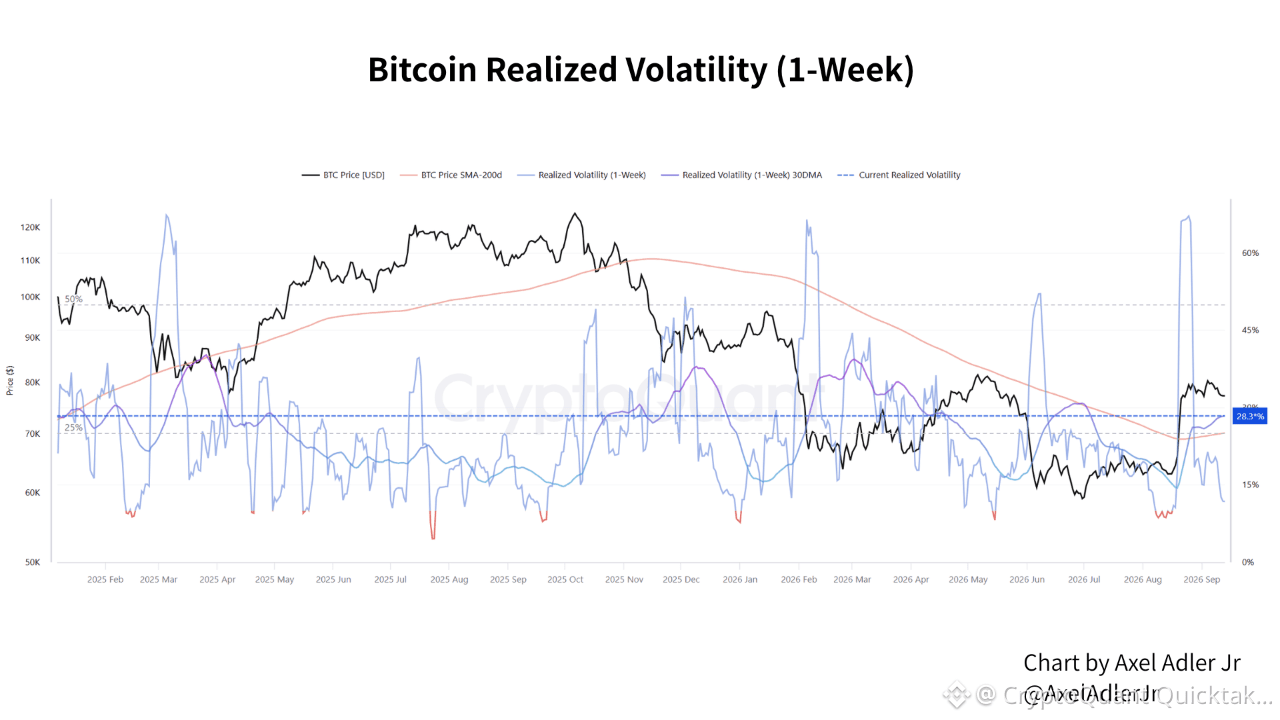
Bitcoin Never Sleeps, but Its Volatility Runs on Wall Street TimeBitcoin trades 24/7, but its price swings increasingly follow Wall Street's clock.
A study using 87,672 hourly Kraken BTC/USD observations found that 13:00-21:59 UTC accounted for 50.6% of daily realized variance in 2022-2025, up from 38.4% in 2016-2018. Those nine hours make up just 37.5% of a day. Volatility peaks shifted with U.S. daylight saving time, and the U.S.-hours variance share fell on NYSE holidays.
Macro releases, ETF-related hedging and cross-asset portfolio adjustments may help explain this pattern. Yet the main structural break appeared in November 2021, not at the January 2024 spot ETF launch. ETFs alone cannot explain the shift.
Axel Adler Jr.'s chart shows annualized one-week realized volatility jumping above 60% during Bitcoin's late-August rebound before falling into the teens. BTC remains near $77,000, above its roughly $70,000 200-day moving average.
The chart measures how much Bitcoin moved; the study examines when volatility concentrates. Neither predicts its next direction. The findings also come from one exchange, not every market.
Lower volatility means recent calm, not future safety. Bitcoin never closes, but the information and capital moving it still have working hours.
Written by XWIN Japan
Bitcoin Never Sleeps, but Its Volatility Runs on Wall Street Time
Bitcoin trades 24/7, but its price swings increasingly follow Wall Street's clock.
A study using 87,672 hourly Kraken BTC/USD observations found that 13:00-21:59 UTC accounted for 50.6% of daily realized variance in 2022-2025, up from 38.4% in 2016-2018. Those nine hours make up just 37.5% of a day. Volatility peaks shifted with U.S. daylight saving time, and the U.S.-hours variance share fell on NYSE holidays.
Macro releases, ETF-related hedging and cross-asset portfolio adjustments may help explain this pattern. Yet the main structural break appeared in November 2021, not at the January 2024 spot ETF launch. ETFs alone cannot explain the shift.
Axel Adler Jr.'s chart shows annualized one-week realized volatility jumping above 60% during Bitcoin's late-August rebound before falling into the teens. BTC remains near $77,000, above its roughly $70,000 200-day moving average.
The chart measures how much Bitcoin moved; the study examines when volatility concentrates. Neither predicts its next direction. The findings also come from one exchange, not every market.
Lower volatility means recent calm, not future safety. Bitcoin never closes, but the information and capital moving it still have working hours.
Written by XWIN Japan
A study using 87,672 hourly Kraken BTC/USD observations found that 13:00-21:59 UTC accounted for 50.6% of daily realized variance in 2022-2025, up from 38.4% in 2016-2018. Those nine hours make up just 37.5% of a day. Volatility peaks shifted with U.S. daylight saving time, and the U.S.-hours variance share fell on NYSE holidays.
Macro releases, ETF-related hedging and cross-asset portfolio adjustments may help explain this pattern. Yet the main structural break appeared in November 2021, not at the January 2024 spot ETF launch. ETFs alone cannot explain the shift.
Axel Adler Jr.'s chart shows annualized one-week realized volatility jumping above 60% during Bitcoin's late-August rebound before falling into the teens. BTC remains near $77,000, above its roughly $70,000 200-day moving average.
The chart measures how much Bitcoin moved; the study examines when volatility concentrates. Neither predicts its next direction. The findings also come from one exchange, not every market.
Lower volatility means recent calm, not future safety. Bitcoin never closes, but the information and capital moving it still have working hours.
Written by XWIN Japan
171
記事
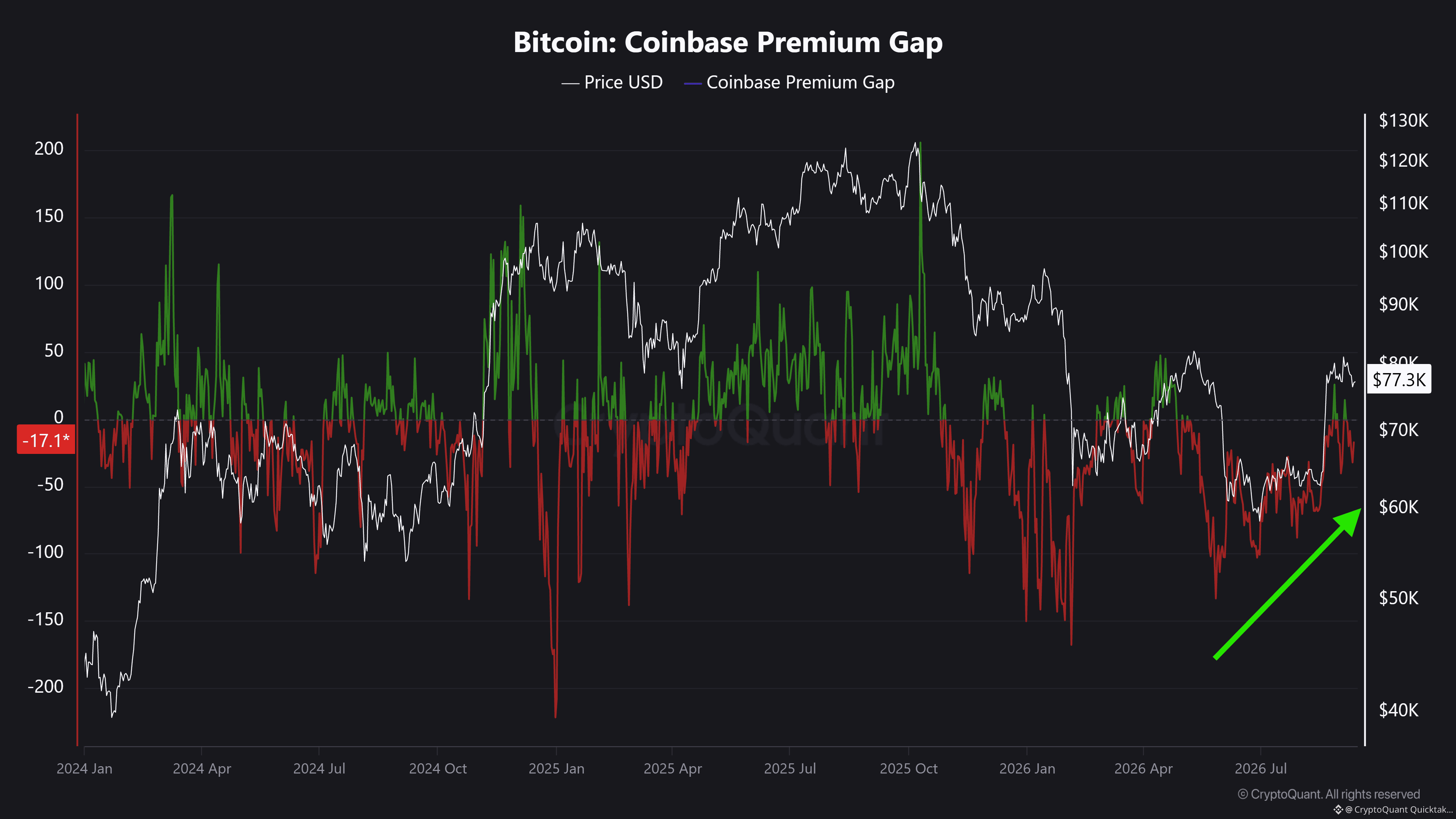
Coinbase Premium Gap:ネガティブな見立ては縮小しているが、反転してはいないビットコインは、下落が続いた数カ月を経て77,300ドルまで持ち直しました。とはいえCoinbaseプレミアム・ギャップは依然として-17.1のマイナス圏にありますが、この単一の数字だけでは、より興味深い部分が見えにくいのです。
2025年10月上旬に約12.6万ドル近辺まで達した後、この指標は急落し、-150〜-170まで下落する一方で、価格は6万ドル台に崩れ落ちました。それ以来、このギャップは市場がゆっくり安定していくのに合わせて段階的に縮小し、現在は-17.1と読めます。絶対値は依然としてマイナスです。この流れは反転してはいません。
この違いが重要なのは、縮小していくマイナスのプレミアムは、プラス圏への完全な反転の前触れになることが多く、そして歴史的にはその反転が持続的な上昇ラリーの開始を示してきたからです。ギャップの縮小は、たとえ買い手側の優勢がまだ到来していなくても、Coinbaseに対する米国の売り圧力が弱まっていることを示唆します。現時点でより正確に言えるのは、新たな積み増しではなく「売りの枯渇」です。
Coinbase Premium Gap:ネガティブな見立ては縮小しているが、反転してはいない
ビットコインは、下落が続いた数カ月を経て77,300ドルまで持ち直しました。とはいえCoinbaseプレミアム・ギャップは依然として-17.1のマイナス圏にありますが、この単一の数字だけでは、より興味深い部分が見えにくいのです。
2025年10月上旬に約12.6万ドル近辺まで達した後、この指標は急落し、-150〜-170まで下落する一方で、価格は6万ドル台に崩れ落ちました。それ以来、このギャップは市場がゆっくり安定していくのに合わせて段階的に縮小し、現在は-17.1と読めます。絶対値は依然としてマイナスです。この流れは反転してはいません。
この違いが重要なのは、縮小していくマイナスのプレミアムは、プラス圏への完全な反転の前触れになることが多く、そして歴史的にはその反転が持続的な上昇ラリーの開始を示してきたからです。ギャップの縮小は、たとえ買い手側の優勢がまだ到来していなくても、Coinbaseに対する米国の売り圧力が弱まっていることを示唆します。現時点でより正確に言えるのは、新たな積み増しではなく「売りの枯渇」です。
2025年10月上旬に約12.6万ドル近辺まで達した後、この指標は急落し、-150〜-170まで下落する一方で、価格は6万ドル台に崩れ落ちました。それ以来、このギャップは市場がゆっくり安定していくのに合わせて段階的に縮小し、現在は-17.1と読めます。絶対値は依然としてマイナスです。この流れは反転してはいません。
この違いが重要なのは、縮小していくマイナスのプレミアムは、プラス圏への完全な反転の前触れになることが多く、そして歴史的にはその反転が持続的な上昇ラリーの開始を示してきたからです。ギャップの縮小は、たとえ買い手側の優勢がまだ到来していなくても、Coinbaseに対する米国の売り圧力が弱まっていることを示唆します。現時点でより正確に言えるのは、新たな積み増しではなく「売りの枯渇」です。
190
記事
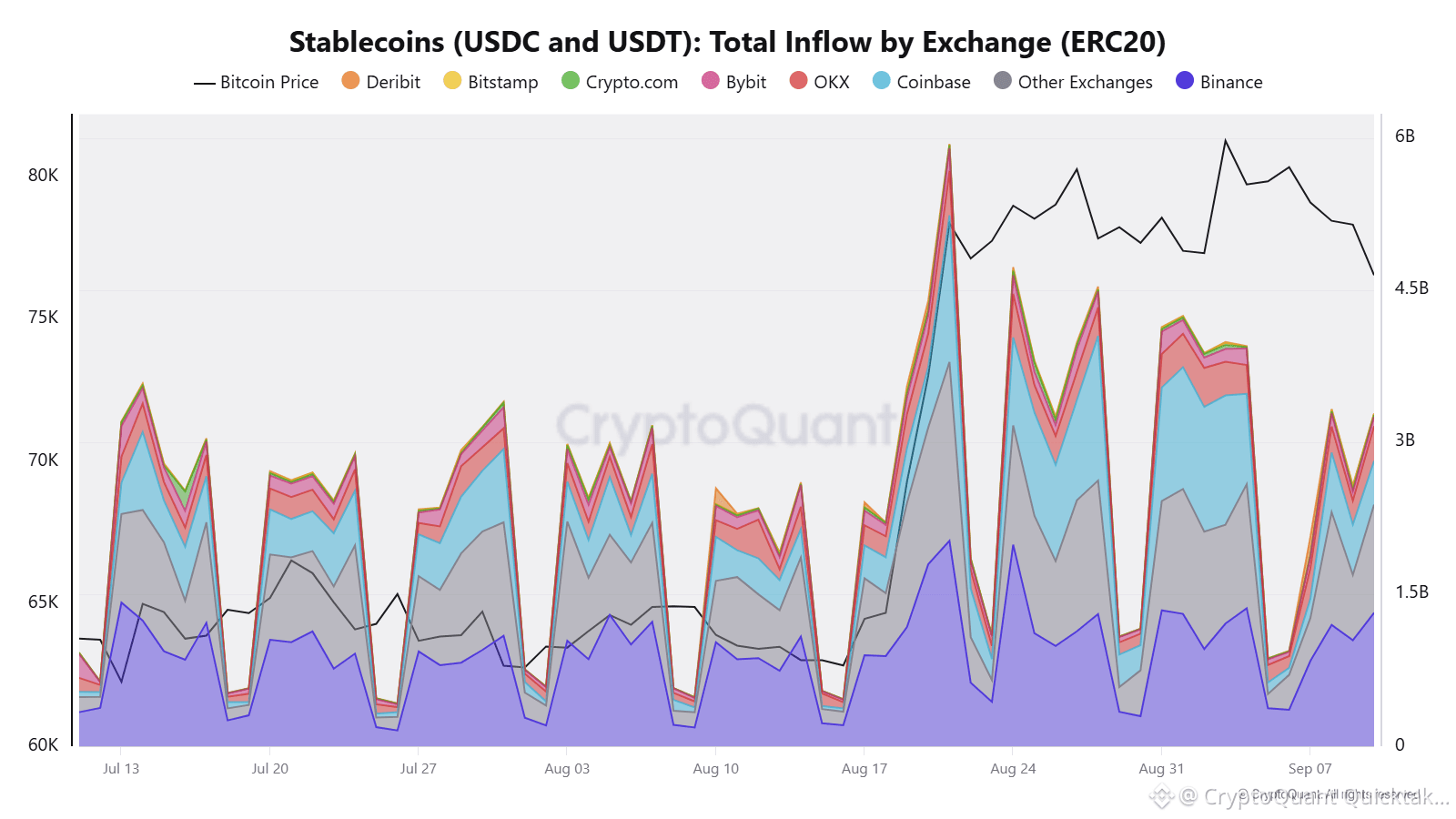
Coinbase の購買力の弱まりが、最近の $BTC 弱気トレンドを引き起こしている最近の $BTC の弱気トレンドは、Coinbase における購買力の弱まりによって引き起こされています。
前回の $BTC ラリーは Binance と Coinbase が共同で主導しました。両者は全ステーブルコイン流入の半分超を占めていました。
しかし、Coinbase へのステーブルコインの流入は最近、大幅に減少しています。
Binance は日次の流入が10億ドルを超え続けている一方で、Coinbase は急落して4億〜5億ドルの水準にとどまっています。これは、直近のラリーで見られた流入水準の半分未満です。
この上向きの圧力の低下が、$BTC の弱気トレンドの一因となっています。
Coinbase の購買力の弱まりが、最近の $BTC 弱気トレンドを引き起こしている
最近の $BTC の弱気トレンドは、Coinbase における購買力の弱まりによって引き起こされています。
前回の $BTC ラリーは Binance と Coinbase が共同で主導しました。両者は全ステーブルコイン流入の半分超を占めていました。
しかし、Coinbase へのステーブルコインの流入は最近、大幅に減少しています。
Binance は日次の流入が10億ドルを超え続けている一方で、Coinbase は急落して4億〜5億ドルの水準にとどまっています。これは、直近のラリーで見られた流入水準の半分未満です。
この上向きの圧力の低下が、$BTC の弱気トレンドの一因となっています。
前回の $BTC ラリーは Binance と Coinbase が共同で主導しました。両者は全ステーブルコイン流入の半分超を占めていました。
しかし、Coinbase へのステーブルコインの流入は最近、大幅に減少しています。
Binance は日次の流入が10億ドルを超え続けている一方で、Coinbase は急落して4億〜5億ドルの水準にとどまっています。これは、直近のラリーで見られた流入水準の半分未満です。
この上向きの圧力の低下が、$BTC の弱気トレンドの一因となっています。
151
記事
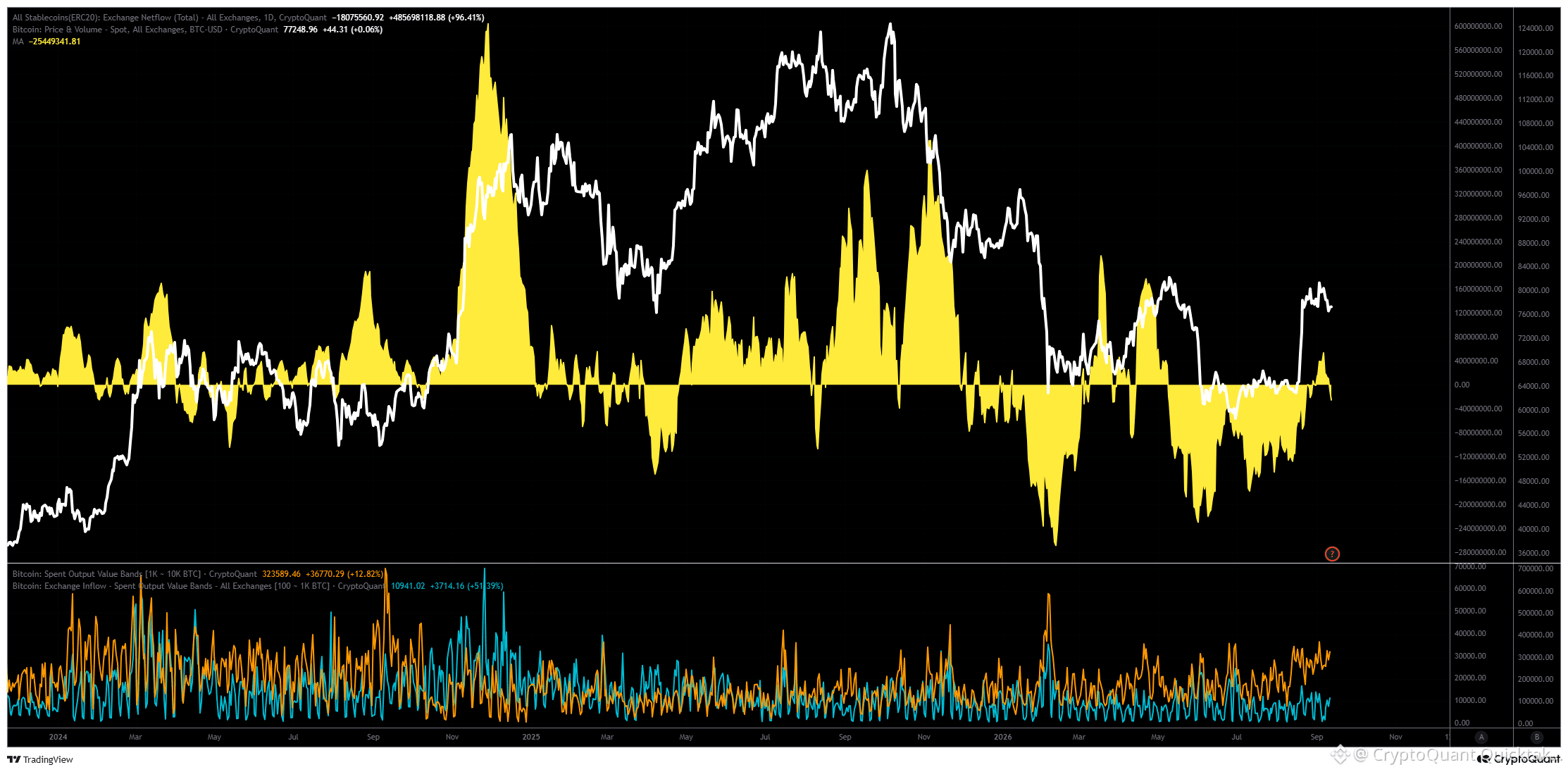
暗号資産市場の上昇は、ステーブルコインの純流入を伴っています。長期にわたる純流出(ネット・アウトフロー)の後、純流入の状態に切り替わっていたステーブルコインのネットフロー指標は、再び純流出の状態に戻っています。
同時に、BTCも弱気トレンドを示しています。
暗号資産の価格は通常、stabloecoinのフローが市場に流れ込むと上昇します。ですが現在は、わずかな純流出傾向が続いています。
ステーブルコインの資金フローが再び純流入(ネット・インフロー)の状態に切り替われば、短期の調整は終了し、上昇(ラリー)が再開します。
CW8900によって執筆
暗号資産市場の上昇は、ステーブルコインの純流入を伴っています。
長期にわたる純流出(ネット・アウトフロー)の後、純流入の状態に切り替わっていたステーブルコインのネットフロー指標は、再び純流出の状態に戻っています。
同時に、BTCも弱気トレンドを示しています。
暗号資産の価格は通常、stabloecoinのフローが市場に流れ込むと上昇します。ですが現在は、わずかな純流出傾向が続いています。
ステーブルコインの資金フローが再び純流入(ネット・インフロー)の状態に切り替われば、短期の調整は終了し、上昇(ラリー)が再開します。
CW8900によって執筆
同時に、BTCも弱気トレンドを示しています。
暗号資産の価格は通常、stabloecoinのフローが市場に流れ込むと上昇します。ですが現在は、わずかな純流出傾向が続いています。
ステーブルコインの資金フローが再び純流入(ネット・インフロー)の状態に切り替われば、短期の調整は終了し、上昇(ラリー)が再開します。
CW8900によって執筆
168
一部該当
記事
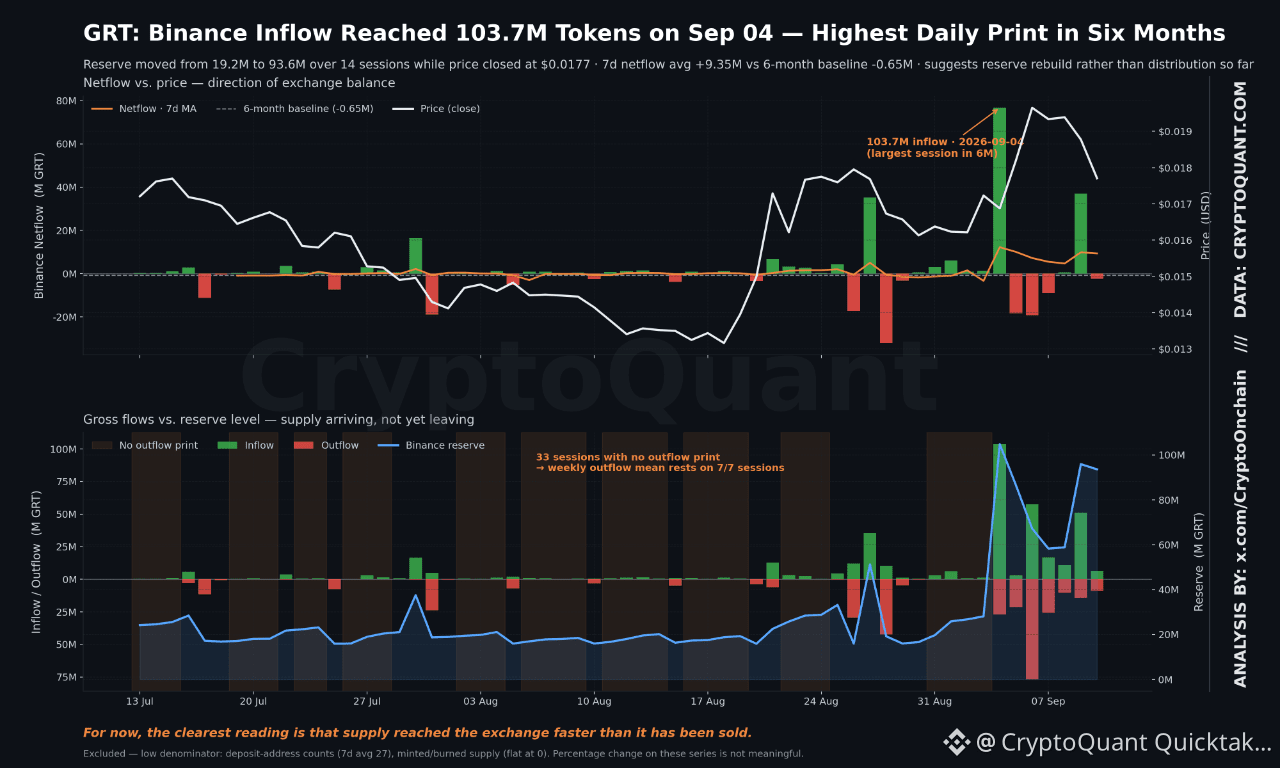
BinanceのGRT流入が9月4日に103.7Mトークンに到達—6か月で最大の単一セッションBinanceの流入は9月4日に103,693,101 GRTに到達し、過去6か月で最も高い日次記録となりました。Binanceの保有量は9月10日に93,596,706 GRTで、8月29日の16,020,984 GRTに対して増加しています。GRTは9月10日に$0.0185で引け、前週から12.5%上昇しました。
注意事項:Binanceの流出は8月31日と9月1〜3日において正確に0と表示されているため、週次の流出平均は7回ではなく3回の取引に基づいています。預金アドレス数(7日平均26.9)および発行/バーン後の供給(0のまま)は、比率として提示するには分母が小さすぎます。
BinanceのGRT流入が9月4日に103.7Mトークンに到達—6か月で最大の単一セッション
Binanceの流入は9月4日に103,693,101 GRTに到達し、過去6か月で最も高い日次記録となりました。Binanceの保有量は9月10日に93,596,706 GRTで、8月29日の16,020,984 GRTに対して増加しています。GRTは9月10日に$0.0185で引け、前週から12.5%上昇しました。
注意事項:Binanceの流出は8月31日と9月1〜3日において正確に0と表示されているため、週次の流出平均は7回ではなく3回の取引に基づいています。預金アドレス数(7日平均26.9)および発行/バーン後の供給(0のまま)は、比率として提示するには分母が小さすぎます。
注意事項:Binanceの流出は8月31日と9月1〜3日において正確に0と表示されているため、週次の流出平均は7回ではなく3回の取引に基づいています。預金アドレス数(7日平均26.9)および発行/バーン後の供給(0のまま)は、比率として提示するには分母が小さすぎます。
1
240

記事
シグナルラインが上向いているのに、トレンドの勢いが失われつつあるビットコインのトレンドの強さが弱まりつつあり、このチャート上の2本の線が食い違い始めています。
ADXは、値動きの方向ではなく、その動きにどれだけの勢いがあるかを測ります。高いADXは、上昇でも下落でもトレンドに確信があることを意味します。ADXが下がっている場合、価格がまだ同じ方向に動いているように見えても、その動きは力を失いつつあります。
現時点では、ADX自体が反転して下がってきています。ここ数週間の強い数値から急落し、現在はレンジのほぼ中央あたりに位置しており、本当のトレンド状態を示していた水準からは大きく外れています。
シグナルラインが上向いているのに、トレンドの勢いが失われつつある
ビットコインのトレンドの強さが弱まりつつあり、このチャート上の2本の線が食い違い始めています。
ADXは、値動きの方向ではなく、その動きにどれだけの勢いがあるかを測ります。高いADXは、上昇でも下落でもトレンドに確信があることを意味します。ADXが下がっている場合、価格がまだ同じ方向に動いているように見えても、その動きは力を失いつつあります。
現時点では、ADX自体が反転して下がってきています。ここ数週間の強い数値から急落し、現在はレンジのほぼ中央あたりに位置しており、本当のトレンド状態を示していた水準からは大きく外れています。
ADXは、値動きの方向ではなく、その動きにどれだけの勢いがあるかを測ります。高いADXは、上昇でも下落でもトレンドに確信があることを意味します。ADXが下がっている場合、価格がまだ同じ方向に動いているように見えても、その動きは力を失いつつあります。
現時点では、ADX自体が反転して下がってきています。ここ数週間の強い数値から急落し、現在はレンジのほぼ中央あたりに位置しており、本当のトレンド状態を示していた水準からは大きく外れています。
203
ログインして、さらにコンテンツを読む
厳選トピックで世界の暗号資産トレーダーの仲間入り
⚡️ 暗号資産に関する最新かつ有益な情報が見つかります。
💬 世界最大の暗号資産取引所から信頼されています。
👍 認証を受けたクリエイターから、有益なインサイトを得られます。
メール / 電話番号