
Crypto Miners
1.1k 投稿

Crypto Miners
報告
ユーザーをブロック
Bridging information and opportunity | Real-time crypto news, market insights, and industry coverage | Not financial advice | Stacking $BTC $ETH #BNB $TON $SOL

マクロ経済KOL
低高頻度トレーダー
5.8年
127 フォロー
13.9K+ フォロワー
38.5K+ いいね
1 バッジ
投稿
すべて
引用
動画
PINNED
一部該当
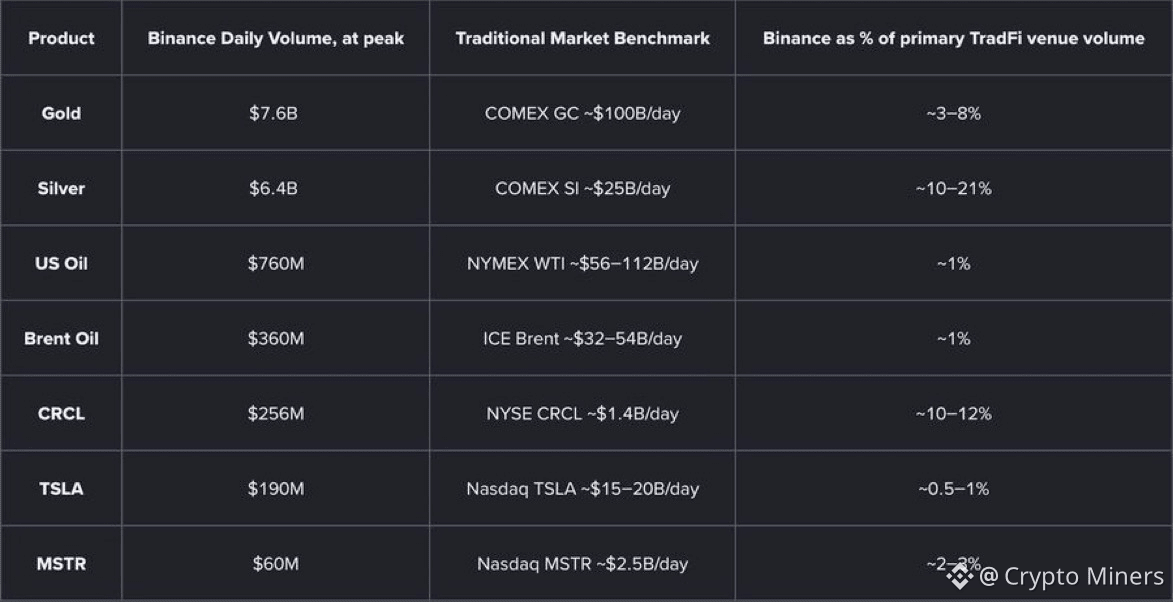
私たちは、ほとんどの人が#Binance を単なる暗号交換所として見ているように感じますが、その見方はすでに古く感じます。
例えば、わずか90日で、基本的にゼロから金で約76億ドル、銀で64億ドルを日々取引するようになりました。それは通常の成長ではなく、価格発見が実際にどこで行われているのかを考え始めるような変化です。
そして、驚くべきことに、これらの数字は「暗号」の意味では小さくなく、従来の取引所と比較しても大きいです。すでにMCX、DGCX、TOCOMのような場所の何倍も取引を行い、SHFEのかなりのシェアにも触れています。その時点で、従来の金融(TradFi)と実験しているわけではなく、そのレベルで運営しています。
しかし、私たちにとって本当に響いたのは、24時間年中無休の視点です。
ニュースはランダムな時間に発生します。週末、深夜、いつでも。従来の市場はただ…待っています。しかし、ここでは、人々はすでに取引を行い、反応し、これらの市場が開く前に期待を設定しています。そのようなことは、すべての価格が世界的にどのように決定されるかを変えます。
そして、もう一つの資産だけではないことに気づきます。
暗号、金、銀、石油、さらには株式がすべて同じ場所にあります。プラットフォーム間を飛び回ることも、断片的なセットアップもありません。実際に孤立した取引ではなく、完全なポートフォリオの観点で考えることができる一つの連続した市場です。
さらに、背景ではCeFiとDeFiの重なりが進行中です。一方には流動的な市場があり、もう一方にはオンチェーンのRWAsが急速に成長しています。この流動性とプログラマビリティの組み合わせは、TradFiが通常どのように機能するかを考えると、ちょっと新しいです。
暗号と従来の金融の境界線は、後で来るものではなく…すでにぼやけてきているように感じます。
とにかく、注目する価値があります。
世界を取引し、24/7。
私たちは、ほとんどの人が#Binance を単なる暗号交換所として見ているように感じますが、その見方はすでに古く感じます。
例えば、わずか90日で、基本的にゼロから金で約76億ドル、銀で64億ドルを日々取引するようになりました。それは通常の成長ではなく、価格発見が実際にどこで行われているのかを考え始めるような変化です。
そして、驚くべきことに、これらの数字は「暗号」の意味では小さくなく、従来の取引所と比較しても大きいです。すでにMCX、DGCX、TOCOMのような場所の何倍も取引を行い、SHFEのかなりのシェアにも触れています。その時点で、従来の金融(TradFi)と実験しているわけではなく、そのレベルで運営しています。
しかし、私たちにとって本当に響いたのは、24時間年中無休の視点です。
ニュースはランダムな時間に発生します。週末、深夜、いつでも。従来の市場はただ…待っています。しかし、ここでは、人々はすでに取引を行い、反応し、これらの市場が開く前に期待を設定しています。そのようなことは、すべての価格が世界的にどのように決定されるかを変えます。
そして、もう一つの資産だけではないことに気づきます。
暗号、金、銀、石油、さらには株式がすべて同じ場所にあります。プラットフォーム間を飛び回ることも、断片的なセットアップもありません。実際に孤立した取引ではなく、完全なポートフォリオの観点で考えることができる一つの連続した市場です。
さらに、背景ではCeFiとDeFiの重なりが進行中です。一方には流動的な市場があり、もう一方にはオンチェーンのRWAsが急速に成長しています。この流動性とプログラマビリティの組み合わせは、TradFiが通常どのように機能するかを考えると、ちょっと新しいです。
暗号と従来の金融の境界線は、後で来るものではなく…すでにぼやけてきているように感じます。
とにかく、注目する価値があります。
世界を取引し、24/7。
例えば、わずか90日で、基本的にゼロから金で約76億ドル、銀で64億ドルを日々取引するようになりました。それは通常の成長ではなく、価格発見が実際にどこで行われているのかを考え始めるような変化です。
そして、驚くべきことに、これらの数字は「暗号」の意味では小さくなく、従来の取引所と比較しても大きいです。すでにMCX、DGCX、TOCOMのような場所の何倍も取引を行い、SHFEのかなりのシェアにも触れています。その時点で、従来の金融(TradFi)と実験しているわけではなく、そのレベルで運営しています。
しかし、私たちにとって本当に響いたのは、24時間年中無休の視点です。
ニュースはランダムな時間に発生します。週末、深夜、いつでも。従来の市場はただ…待っています。しかし、ここでは、人々はすでに取引を行い、反応し、これらの市場が開く前に期待を設定しています。そのようなことは、すべての価格が世界的にどのように決定されるかを変えます。
そして、もう一つの資産だけではないことに気づきます。
暗号、金、銀、石油、さらには株式がすべて同じ場所にあります。プラットフォーム間を飛び回ることも、断片的なセットアップもありません。実際に孤立した取引ではなく、完全なポートフォリオの観点で考えることができる一つの連続した市場です。
さらに、背景ではCeFiとDeFiの重なりが進行中です。一方には流動的な市場があり、もう一方にはオンチェーンのRWAsが急速に成長しています。この流動性とプログラマビリティの組み合わせは、TradFiが通常どのように機能するかを考えると、ちょっと新しいです。
暗号と従来の金融の境界線は、後で来るものではなく…すでにぼやけてきているように感じます。
とにかく、注目する価値があります。
世界を取引し、24/7。
14
3
126
36.9k
PINNED
記事
Binance Feed - 包括的な暗号通貨ニュースアグリゲーターBinance Feed - 包括的な暗号ニュースアグリゲーター
あなたが暗号通貨愛好家であれば、業界の最新ニュースや最新情報を常に把握しておくことが重要です。そこで、市場分析からプロジェクトの最新情報まであらゆるものをカバーする包括的なニュースアグリゲーターである Binance Feed が登場します。
Binance フィードの主な機能と利点は次のとおりです: パーソナライズされたニュース フィード - ビットコイン、DeFi、NFT など、興味のあるトピックを選択してニュース フィードをカスタマイズできます。これにより、自分にとって重要なニュースのみが表示されるようになります。
Binance Feed - 包括的な暗号通貨ニュースアグリゲーター
Binance Feed - 包括的な暗号ニュースアグリゲーター
あなたが暗号通貨愛好家であれば、業界の最新ニュースや最新情報を常に把握しておくことが重要です。そこで、市場分析からプロジェクトの最新情報まであらゆるものをカバーする包括的なニュースアグリゲーターである Binance Feed が登場します。
Binance フィードの主な機能と利点は次のとおりです: パーソナライズされたニュース フィード - ビットコイン、DeFi、NFT など、興味のあるトピックを選択してニュース フィードをカスタマイズできます。これにより、自分にとって重要なニュースのみが表示されるようになります。
あなたが暗号通貨愛好家であれば、業界の最新ニュースや最新情報を常に把握しておくことが重要です。そこで、市場分析からプロジェクトの最新情報まであらゆるものをカバーする包括的なニュースアグリゲーターである Binance Feed が登場します。
Binance フィードの主な機能と利点は次のとおりです: パーソナライズされたニュース フィード - ビットコイン、DeFi、NFT など、興味のあるトピックを選択してニュース フィードをカスタマイズできます。これにより、自分にとって重要なニュースのみが表示されるようになります。
1
93
1.3k
BinanceのbStocksは、わずか145日で運用資産残高が15億ドルを突破し、トークン化株式市場で最大の発行体となりました。
しかし、注目すべきなのは単なる順位ではありません。この成長は、人々が従来の市場へのアクセスをどのように求めているかを示しています。
bStocksの取引高の56%は米国市場の通常取引時間外に発生しており、サービス開始以来、新興国およびフロンティア市場が取引高のおよそ70%を占めています。また、米国外の対象ユーザーは、わずか5ドルから米国株への端株投資が可能です。
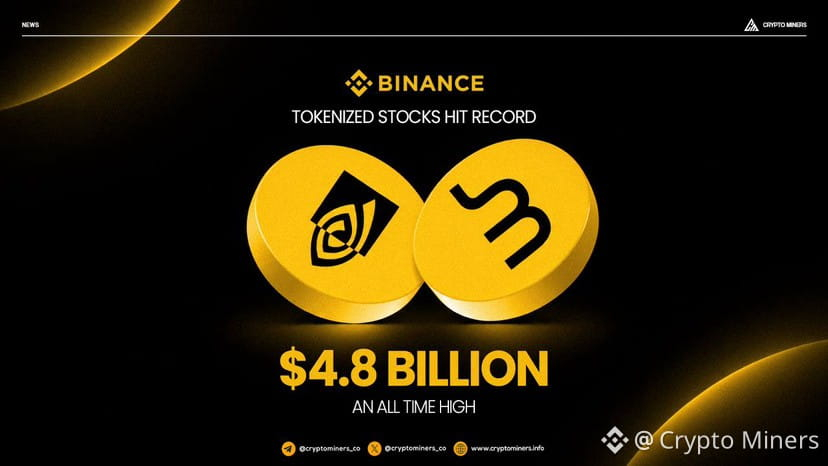
トークン化株式市場全体は過去最高の48億ドルに達し、6月以降164%増加しました。そのうちBinanceのbStocksが31.4%の市場シェアを占めています。
そして、その裏付けはユーザー自身が実際に確認できます。すべてのbStocksトークンは、規制対象のカストディアンが保管する実際の株式およびETFによって1対1で裏付けられており、準備金はBinanceの「担保証明」ページで毎日照合・公開されています。
トークン化株式は従来の株式市場全体から見ればまだ小さな存在ですが、Binanceは、24時間365日のアクセス、より少額からの投資、そして検証可能な裏付けによって、より多くの人々がこれらの市場に参加できることを示しています。
次の展開にも注目です。
裏付けを確認してから、Binanceで24時間365日、トークン化株式をお試しください。
BinanceのbStocksは、わずか145日で運用資産残高が15億ドルを突破し、トークン化株式市場で最大の発行体となりました。
しかし、注目すべきなのは単なる順位ではありません。この成長は、人々が従来の市場へのアクセスをどのように求めているかを示しています。
bStocksの取引高の56%は米国市場の通常取引時間外に発生しており、サービス開始以来、新興国およびフロンティア市場が取引高のおよそ70%を占めています。また、米国外の対象ユーザーは、わずか5ドルから米国株への端株投資が可能です。
トークン化株式市場全体は過去最高の48億ドルに達し、6月以降164%増加しました。そのうちBinanceのbStocksが31.4%の市場シェアを占めています。
そして、その裏付けはユーザー自身が実際に確認できます。すべてのbStocksトークンは、規制対象のカストディアンが保管する実際の株式およびETFによって1対1で裏付けられており、準備金はBinanceの「担保証明」ページで毎日照合・公開されています。
トークン化株式は従来の株式市場全体から見ればまだ小さな存在ですが、Binanceは、24時間365日のアクセス、より少額からの投資、そして検証可能な裏付けによって、より多くの人々がこれらの市場に参加できることを示しています。
次の展開にも注目です。
裏付けを確認してから、Binanceで24時間365日、トークン化株式をお試しください。
しかし、注目すべきなのは単なる順位ではありません。この成長は、人々が従来の市場へのアクセスをどのように求めているかを示しています。
bStocksの取引高の56%は米国市場の通常取引時間外に発生しており、サービス開始以来、新興国およびフロンティア市場が取引高のおよそ70%を占めています。また、米国外の対象ユーザーは、わずか5ドルから米国株への端株投資が可能です。
トークン化株式市場全体は過去最高の48億ドルに達し、6月以降164%増加しました。そのうちBinanceのbStocksが31.4%の市場シェアを占めています。
そして、その裏付けはユーザー自身が実際に確認できます。すべてのbStocksトークンは、規制対象のカストディアンが保管する実際の株式およびETFによって1対1で裏付けられており、準備金はBinanceの「担保証明」ページで毎日照合・公開されています。
トークン化株式は従来の株式市場全体から見ればまだ小さな存在ですが、Binanceは、24時間365日のアクセス、より少額からの投資、そして検証可能な裏付けによって、より多くの人々がこれらの市場に参加できることを示しています。
次の展開にも注目です。
裏付けを確認してから、Binanceで24時間365日、トークン化株式をお試しください。
111
翻訳参照
Bitcoin Core Discloses Three Patched Security Vulnerabilities
Bitcoin Core has disclosed three security flaws, including a high-severity bug that could prevent affected mining nodes from generating valid block templates after a chain reorganisation.
Two other medium-severity vulnerabilities involved delayed block processing and Tor connections. One affected certain nodes that allowed incoming Tor peers to bypass some denial-of-service protections.
Bitcoin Core says thousands of reachable nodes had the affected Tor whitelist configuration.
Fixes for all three vulnerabilities were released in October 2025 through Bitcoin Core versions 30.0 and 29.2. The last vulnerable version reached end of life on October 27, 2026.
Bitcoin Core Discloses Three Patched Security Vulnerabilities
Bitcoin Core has disclosed three security flaws, including a high-severity bug that could prevent affected mining nodes from generating valid block templates after a chain reorganisation.
Two other medium-severity vulnerabilities involved delayed block processing and Tor connections. One affected certain nodes that allowed incoming Tor peers to bypass some denial-of-service protections.
Bitcoin Core says thousands of reachable nodes had the affected Tor whitelist configuration.
Fixes for all three vulnerabilities were released in October 2025 through Bitcoin Core versions 30.0 and 29.2. The last vulnerable version reached end of life on October 27, 2026.
Bitcoin Core has disclosed three security flaws, including a high-severity bug that could prevent affected mining nodes from generating valid block templates after a chain reorganisation.
Two other medium-severity vulnerabilities involved delayed block processing and Tor connections. One affected certain nodes that allowed incoming Tor peers to bypass some denial-of-service protections.
Bitcoin Core says thousands of reachable nodes had the affected Tor whitelist configuration.
Fixes for all three vulnerabilities were released in October 2025 through Bitcoin Core versions 30.0 and 29.2. The last vulnerable version reached end of life on October 27, 2026.
1
129
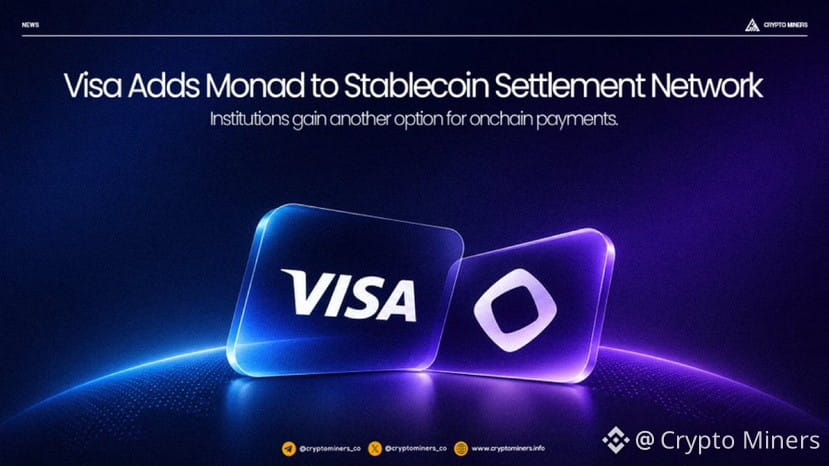
Visa、ステーブルコイン決済ネットワークにMonadを追加
Visaはステーブルコイン決済ネットワークにMonadを追加し、参加する発行会社やアクワイアラーがブロックチェーンを通じて取引を決済できるようにしました。
Monadは、Ethereum、Solana、Avalanche、Stellar、Baseなど、すでに対応しているネットワークに加わり、Visaのパートナーにオンチェーン決済の選択肢を広げます。
Monad Foundationは現在、今後数カ月以内の提供を予定している「Private Settlement」機能も開発しています。この機能により、機関は取引の詳細を機密に保ちながら、必要に応じて監査人や規制当局に情報へのアクセスを認められます。
Visaによると、2026年9月時点でステーブルコイン決済の年間換算ランレートは200億ドルに達し、前年同期比で15倍以上に増加しました。
Visa、ステーブルコイン決済ネットワークにMonadを追加
Visaはステーブルコイン決済ネットワークにMonadを追加し、参加する発行会社やアクワイアラーがブロックチェーンを通じて取引を決済できるようにしました。
Monadは、Ethereum、Solana、Avalanche、Stellar、Baseなど、すでに対応しているネットワークに加わり、Visaのパートナーにオンチェーン決済の選択肢を広げます。
Monad Foundationは現在、今後数カ月以内の提供を予定している「Private Settlement」機能も開発しています。この機能により、機関は取引の詳細を機密に保ちながら、必要に応じて監査人や規制当局に情報へのアクセスを認められます。
Visaによると、2026年9月時点でステーブルコイン決済の年間換算ランレートは200億ドルに達し、前年同期比で15倍以上に増加しました。
Visaはステーブルコイン決済ネットワークにMonadを追加し、参加する発行会社やアクワイアラーがブロックチェーンを通じて取引を決済できるようにしました。
Monadは、Ethereum、Solana、Avalanche、Stellar、Baseなど、すでに対応しているネットワークに加わり、Visaのパートナーにオンチェーン決済の選択肢を広げます。
Monad Foundationは現在、今後数カ月以内の提供を予定している「Private Settlement」機能も開発しています。この機能により、機関は取引の詳細を機密に保ちながら、必要に応じて監査人や規制当局に情報へのアクセスを認められます。
Visaによると、2026年9月時点でステーブルコイン決済の年間換算ランレートは200億ドルに達し、前年同期比で15倍以上に増加しました。
250
翻訳参照
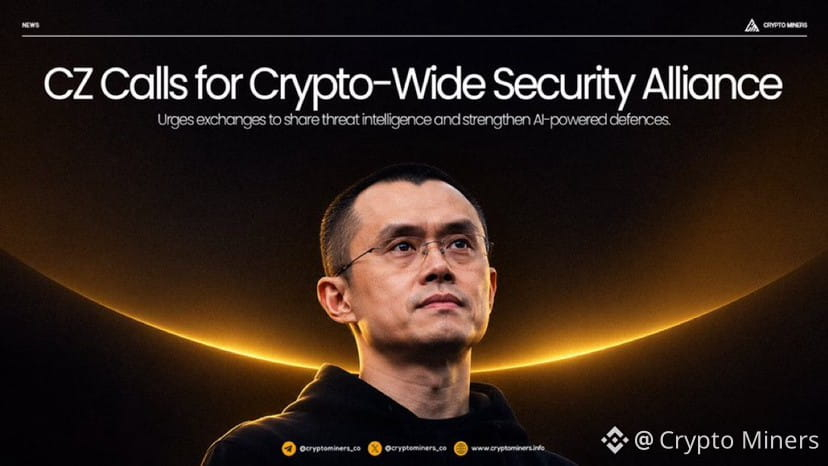
CZ Calls for Crypto Security Alliance as AI-Driven Attacks Rise
In his first interview since the October 29 Binance hack, CZ says AI is making cyberattacks faster and more sophisticated, and the crypto industry needs to step up its defences.
He called for an industry-wide security alliance where companies can share threat intelligence, conduct security audits and coordinate faster to freeze stolen funds.
CZ also stressed the need for greater investment in AI-powered security, warning that the threat goes beyond individual exchanges and could affect the wider financial system.
He believes the industry needs to use AI to defend itself just as attackers are using it to launch more advanced attacks.
CZ Calls for Crypto Security Alliance as AI-Driven Attacks Rise
In his first interview since the October 29 Binance hack, CZ says AI is making cyberattacks faster and more sophisticated, and the crypto industry needs to step up its defences.
He called for an industry-wide security alliance where companies can share threat intelligence, conduct security audits and coordinate faster to freeze stolen funds.
CZ also stressed the need for greater investment in AI-powered security, warning that the threat goes beyond individual exchanges and could affect the wider financial system.
He believes the industry needs to use AI to defend itself just as attackers are using it to launch more advanced attacks.
In his first interview since the October 29 Binance hack, CZ says AI is making cyberattacks faster and more sophisticated, and the crypto industry needs to step up its defences.
He called for an industry-wide security alliance where companies can share threat intelligence, conduct security audits and coordinate faster to freeze stolen funds.
CZ also stressed the need for greater investment in AI-powered security, warning that the threat goes beyond individual exchanges and could affect the wider financial system.
He believes the industry needs to use AI to defend itself just as attackers are using it to launch more advanced attacks.
164
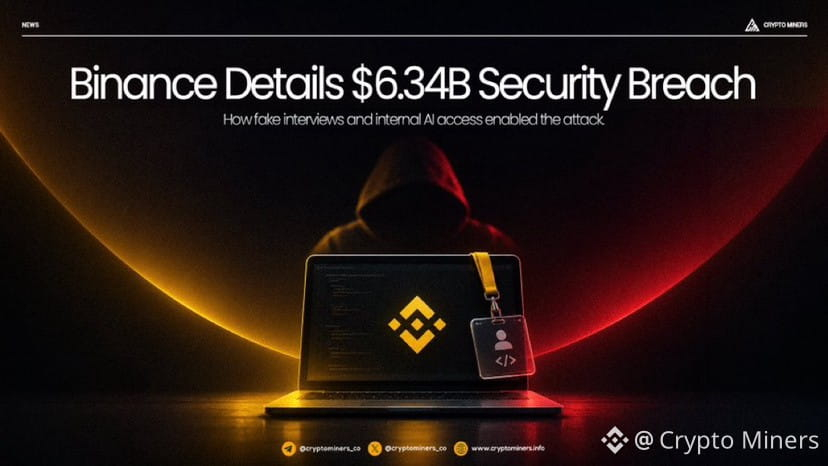
Binance、偽の採用面接を利用したハッカーによる63億4,000万ドルの攻撃の手口を明らかに
偽の採用面接から始まった一連の出来事は、最終的に暗号資産業界で最大級のセキュリティインシデントの一つへと発展しました。
Binanceによると、ハッカーはコーディング課題を装った悪意のあるコードを従業員にダウンロードさせました。その後、侵害した端末と社内のAIツールを使って他のエンジニアのシステムにアクセスし、取引所のウォレットインフラに侵入しました。
10月29日の攻撃により、約63億4,000万ドル相当のデジタル資産が影響を受けました。Binanceによると、28億5,000万ドル相当が凍結または阻止され、影響を受けた資産の98%は補填されています。
FBIは、この攻撃を北朝鮮によるものと断定しました。またBinanceは、2026年を通じて北朝鮮との関連が疑われるサイバー脅威を57件検知し、阻止したことも明らかにしました。
インシデント発生後、同取引所は影響を受けたシステムを再構築し、セキュリティ対策を強化するとともに、独立したサイバーセキュリティ専門家を招いて事態の検証を行いました。
Binance、偽の採用面接を利用したハッカーによる63億4,000万ドルの攻撃の手口を明らかに
偽の採用面接から始まった一連の出来事は、最終的に暗号資産業界で最大級のセキュリティインシデントの一つへと発展しました。
Binanceによると、ハッカーはコーディング課題を装った悪意のあるコードを従業員にダウンロードさせました。その後、侵害した端末と社内のAIツールを使って他のエンジニアのシステムにアクセスし、取引所のウォレットインフラに侵入しました。
10月29日の攻撃により、約63億4,000万ドル相当のデジタル資産が影響を受けました。Binanceによると、28億5,000万ドル相当が凍結または阻止され、影響を受けた資産の98%は補填されています。
FBIは、この攻撃を北朝鮮によるものと断定しました。またBinanceは、2026年を通じて北朝鮮との関連が疑われるサイバー脅威を57件検知し、阻止したことも明らかにしました。
インシデント発生後、同取引所は影響を受けたシステムを再構築し、セキュリティ対策を強化するとともに、独立したサイバーセキュリティ専門家を招いて事態の検証を行いました。
偽の採用面接から始まった一連の出来事は、最終的に暗号資産業界で最大級のセキュリティインシデントの一つへと発展しました。
Binanceによると、ハッカーはコーディング課題を装った悪意のあるコードを従業員にダウンロードさせました。その後、侵害した端末と社内のAIツールを使って他のエンジニアのシステムにアクセスし、取引所のウォレットインフラに侵入しました。
10月29日の攻撃により、約63億4,000万ドル相当のデジタル資産が影響を受けました。Binanceによると、28億5,000万ドル相当が凍結または阻止され、影響を受けた資産の98%は補填されています。
FBIは、この攻撃を北朝鮮によるものと断定しました。またBinanceは、2026年を通じて北朝鮮との関連が疑われるサイバー脅威を57件検知し、阻止したことも明らかにしました。
インシデント発生後、同取引所は影響を受けたシステムを再構築し、セキュリティ対策を強化するとともに、独立したサイバーセキュリティ専門家を招いて事態の検証を行いました。
179
翻訳参照
CNBC brought up FTX during its conversation with Binance Co-CEO Richard Teng, and I think his response was worth listening to.
He made an important distinction between the two incidents. FTX was fraud, where customer funds simply weren’t there. Binance’s incident involved an external attack, and the company has committed to covering the full financial impact.
Looking at the recovery, Binance has already set aside more than 100% of the affected amount and replenished 98% of the impacted tokens. The remaining 2% consists of less liquid assets being sourced through OTC channels to avoid moving market prices.
Around $2.85B has also been frozen or intercepted with the help of law enforcement, token issuers and blockchain intelligence firms. Withdrawals have resumed, and activity has returned to normal levels.
What matters here is that users can verify their balances through Proof of Reserves rather than simply taking the exchange’s word for it.
The interview also got into how much AI is changing the threat landscape. The recent attack was a multi-month campaign attributed by the FBI to North Korea. Binance says it has also prevented 57 other suspected North Korea-linked cyberthreats this year.
All identified entry points have since been closed, affected systems rebuilt, and security strengthened with tighter device controls, enhanced wallet-service risk controls and AI anomaly detection.
Richard’s point about AI is particularly relevant. As attackers become more sophisticated, exchanges need to invest in AI-driven defences, more security engineers and partnerships with leading AI and cybersecurity companies.
There’s a lot to take away from this interview. Ultimately, trust comes down to what users can verify and how seriously an exchange continues to invest in protecting them.
Worth watching the full conversation!
CNBC brought up FTX during its conversation with Binance Co-CEO Richard Teng, and I think his response was worth listening to.
He made an important distinction between the two incidents. FTX was fraud, where customer funds simply weren’t there. Binance’s incident involved an external attack, and the company has committed to covering the full financial impact.
Looking at the recovery, Binance has already set aside more than 100% of the affected amount and replenished 98% of the impacted tokens. The remaining 2% consists of less liquid assets being sourced through OTC channels to avoid moving market prices.
Around $2.85B has also been frozen or intercepted with the help of law enforcement, token issuers and blockchain intelligence firms. Withdrawals have resumed, and activity has returned to normal levels.
What matters here is that users can verify their balances through Proof of Reserves rather than simply taking the exchange’s word for it.
The interview also got into how much AI is changing the threat landscape. The recent attack was a multi-month campaign attributed by the FBI to North Korea. Binance says it has also prevented 57 other suspected North Korea-linked cyberthreats this year.
All identified entry points have since been closed, affected systems rebuilt, and security strengthened with tighter device controls, enhanced wallet-service risk controls and AI anomaly detection.
Richard’s point about AI is particularly relevant. As attackers become more sophisticated, exchanges need to invest in AI-driven defences, more security engineers and partnerships with leading AI and cybersecurity companies.
There’s a lot to take away from this interview. Ultimately, trust comes down to what users can verify and how seriously an exchange continues to invest in protecting them.
Worth watching the full conversation!
He made an important distinction between the two incidents. FTX was fraud, where customer funds simply weren’t there. Binance’s incident involved an external attack, and the company has committed to covering the full financial impact.
Looking at the recovery, Binance has already set aside more than 100% of the affected amount and replenished 98% of the impacted tokens. The remaining 2% consists of less liquid assets being sourced through OTC channels to avoid moving market prices.
Around $2.85B has also been frozen or intercepted with the help of law enforcement, token issuers and blockchain intelligence firms. Withdrawals have resumed, and activity has returned to normal levels.
What matters here is that users can verify their balances through Proof of Reserves rather than simply taking the exchange’s word for it.
The interview also got into how much AI is changing the threat landscape. The recent attack was a multi-month campaign attributed by the FBI to North Korea. Binance says it has also prevented 57 other suspected North Korea-linked cyberthreats this year.
All identified entry points have since been closed, affected systems rebuilt, and security strengthened with tighter device controls, enhanced wallet-service risk controls and AI anomaly detection.
Richard’s point about AI is particularly relevant. As attackers become more sophisticated, exchanges need to invest in AI-driven defences, more security engineers and partnerships with leading AI and cybersecurity companies.
There’s a lot to take away from this interview. Ultimately, trust comes down to what users can verify and how seriously an exchange continues to invest in protecting them.
Worth watching the full conversation!
1
128
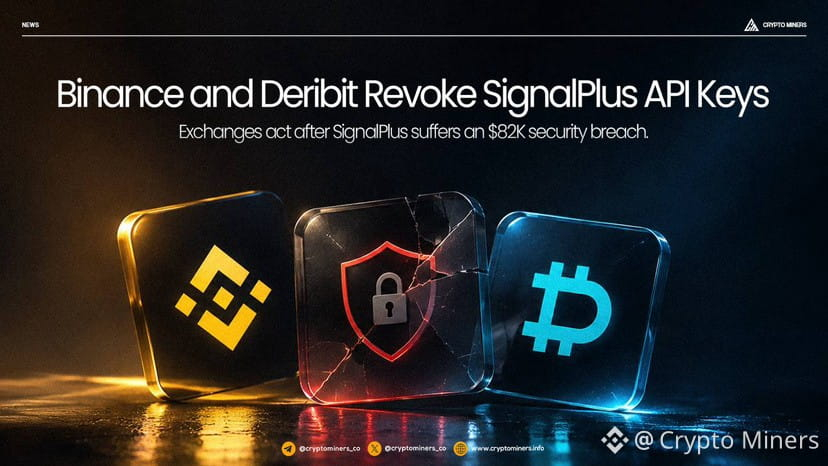
セキュリティ侵害を受け、BinanceとDeribitがSignalPlusのAPIキーを無効化
暗号資産取引プラットフォームSignalPlusへのサイバー攻撃を受け、BinanceとDeribitはSignalPlusに関連付けられた顧客のAPIキーをすべて無効化しました。
報道によると、攻撃はサードパーティベンダーのTelegramアカウントが侵害されたことから始まりました。攻撃者はその担当者になりすまし、SignalPlusのエンジニアに偽のMicrosoft Teams招待を送り、最終的にプラットフォームの内部ネットワークへのアクセスを獲得しました。
IPアドレスのホワイトリスト設定をしていなかった少数のユーザーアカウントが影響を受け、損失総額は82,000ドル未満と報告されています。SignalPlusは、影響を受けたユーザーへの返金を開始したと発表しています。
両取引所は、自社のシステムとユーザー資産に影響はないと確認しました。CZも、ほかの取引所でSignalPlusを利用している人に対し、関連付けられたAPIキーを直ちに無効化するよう呼びかけています。
SignalPlusはセキュリティ調査のためサービスを一時停止しており、今後数日間で段階的に復旧する予定です。
セキュリティ侵害を受け、BinanceとDeribitがSignalPlusのAPIキーを無効化
暗号資産取引プラットフォームSignalPlusへのサイバー攻撃を受け、BinanceとDeribitはSignalPlusに関連付けられた顧客のAPIキーをすべて無効化しました。
報道によると、攻撃はサードパーティベンダーのTelegramアカウントが侵害されたことから始まりました。攻撃者はその担当者になりすまし、SignalPlusのエンジニアに偽のMicrosoft Teams招待を送り、最終的にプラットフォームの内部ネットワークへのアクセスを獲得しました。
IPアドレスのホワイトリスト設定をしていなかった少数のユーザーアカウントが影響を受け、損失総額は82,000ドル未満と報告されています。SignalPlusは、影響を受けたユーザーへの返金を開始したと発表しています。
両取引所は、自社のシステムとユーザー資産に影響はないと確認しました。CZも、ほかの取引所でSignalPlusを利用している人に対し、関連付けられたAPIキーを直ちに無効化するよう呼びかけています。
SignalPlusはセキュリティ調査のためサービスを一時停止しており、今後数日間で段階的に復旧する予定です。
暗号資産取引プラットフォームSignalPlusへのサイバー攻撃を受け、BinanceとDeribitはSignalPlusに関連付けられた顧客のAPIキーをすべて無効化しました。
報道によると、攻撃はサードパーティベンダーのTelegramアカウントが侵害されたことから始まりました。攻撃者はその担当者になりすまし、SignalPlusのエンジニアに偽のMicrosoft Teams招待を送り、最終的にプラットフォームの内部ネットワークへのアクセスを獲得しました。
IPアドレスのホワイトリスト設定をしていなかった少数のユーザーアカウントが影響を受け、損失総額は82,000ドル未満と報告されています。SignalPlusは、影響を受けたユーザーへの返金を開始したと発表しています。
両取引所は、自社のシステムとユーザー資産に影響はないと確認しました。CZも、ほかの取引所でSignalPlusを利用している人に対し、関連付けられたAPIキーを直ちに無効化するよう呼びかけています。
SignalPlusはセキュリティ調査のためサービスを一時停止しており、今後数日間で段階的に復旧する予定です。
1
227
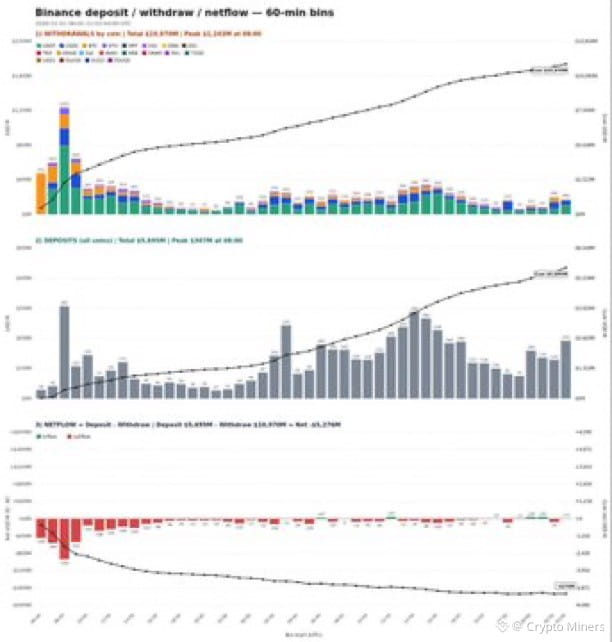
Binance、入金額が出金額を上回る
UTC 03:00までに、@binanceでは1時間あたりの入金額が出金額を上回り始め、ユーザー活動の改善と資金フローの安定化を示しました。
Binance、入金額が出金額を上回る
UTC 03:00までに、@binanceでは1時間あたりの入金額が出金額を上回り始め、ユーザー活動の改善と資金フローの安定化を示しました。
UTC 03:00までに、@binanceでは1時間あたりの入金額が出金額を上回り始め、ユーザー活動の改善と資金フローの安定化を示しました。
2
145
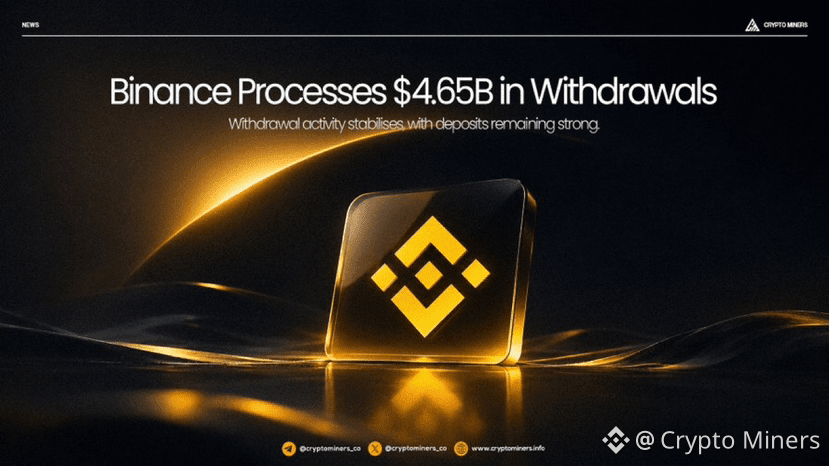
活動が安定する中、Binanceで46.5億ドルの出金を処理
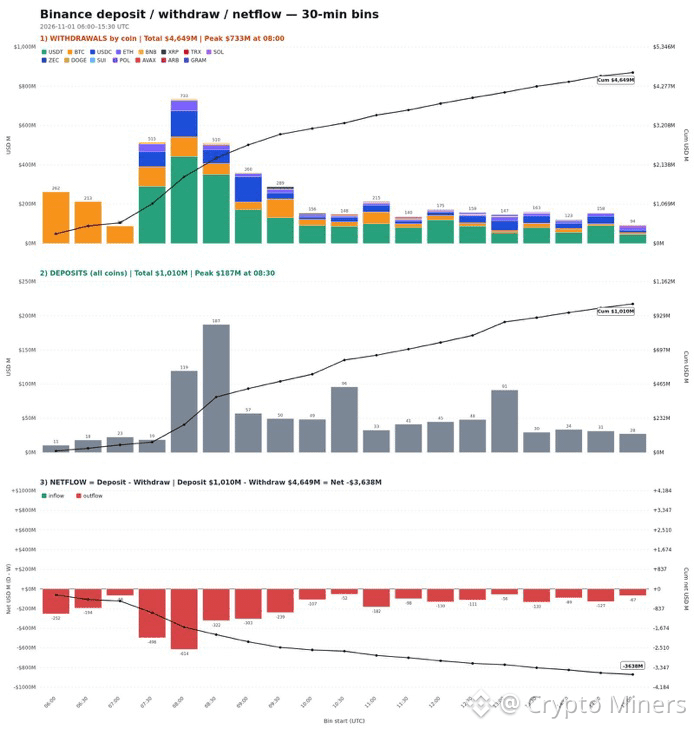
Binanceは11月1日6:00から15:30(UTC)の間に、46億4,900万ドルの出金と10億1,000万ドルの入金を処理し、約36億4,000万ドルの純流出となりました。
これは、10月28日時点で入手可能な最新の準備金証明データに基づくBinanceの運用資産総額1,710億ドルの約2.1%に相当します。最初の急増の後、出金額は現在減少して安定しつつありますが、入金額は依然として多い水準です。
初期段階で対象となった15のネットワークと資産すべてで、出金が再開されました。Binanceは残りのネットワークと資産のテストを続けており、次の段階の詳細は後日発表される予定です。
10月31日に新たに取得したスナップショットに基づく準備金証明の更新レポートは、明日公開される見込みです。
活動が安定する中、Binanceで46.5億ドルの出金を処理
Binanceは11月1日6:00から15:30(UTC)の間に、46億4,900万ドルの出金と10億1,000万ドルの入金を処理し、約36億4,000万ドルの純流出となりました。
これは、10月28日時点で入手可能な最新の準備金証明データに基づくBinanceの運用資産総額1,710億ドルの約2.1%に相当します。最初の急増の後、出金額は現在減少して安定しつつありますが、入金額は依然として多い水準です。
初期段階で対象となった15のネットワークと資産すべてで、出金が再開されました。Binanceは残りのネットワークと資産のテストを続けており、次の段階の詳細は後日発表される予定です。
10月31日に新たに取得したスナップショットに基づく準備金証明の更新レポートは、明日公開される見込みです。
Binanceは11月1日6:00から15:30(UTC)の間に、46億4,900万ドルの出金と10億1,000万ドルの入金を処理し、約36億4,000万ドルの純流出となりました。
これは、10月28日時点で入手可能な最新の準備金証明データに基づくBinanceの運用資産総額1,710億ドルの約2.1%に相当します。最初の急増の後、出金額は現在減少して安定しつつありますが、入金額は依然として多い水準です。
初期段階で対象となった15のネットワークと資産すべてで、出金が再開されました。Binanceは残りのネットワークと資産のテストを続けており、次の段階の詳細は後日発表される予定です。
10月31日に新たに取得したスナップショットに基づく準備金証明の更新レポートは、明日公開される見込みです。
2
163
翻訳参照
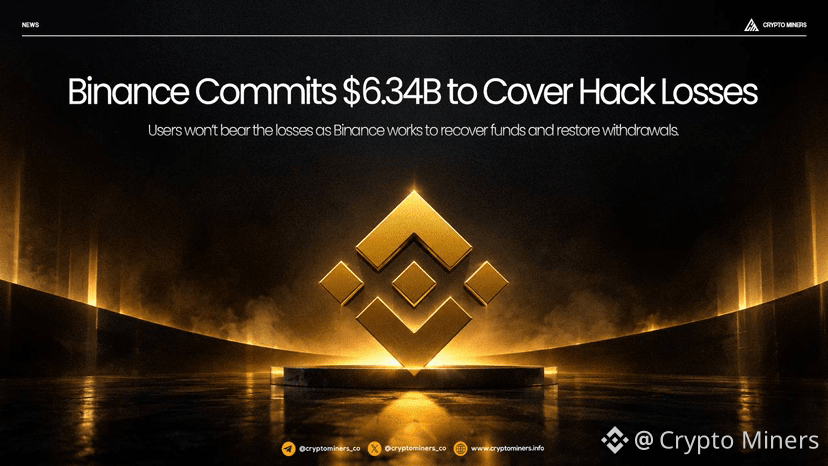
Binance has made one thing clear. Users won’t bear the losses from this security incident.
The exchange has committed $6.34B to cover the $6.3B breach, with $5B already held in the affected tokens. Another $3B in related assets has been frozen with help from industry partners.
Binance has contained the compromised infrastructure, strengthened security controls and is working to restore withdrawals in phases. Deposits and other unaffected services remain operational.
The team is also working to recover funds and investigate the full attack. Updated Proof of Reserves results are expected by November 2, with further technical findings and a detailed incident report to follow.
Taking responsibility, protecting users and keeping them informed are what matter most in a situation like this.
Binance has made one thing clear. Users won’t bear the losses from this security incident.
The exchange has committed $6.34B to cover the $6.3B breach, with $5B already held in the affected tokens. Another $3B in related assets has been frozen with help from industry partners.
Binance has contained the compromised infrastructure, strengthened security controls and is working to restore withdrawals in phases. Deposits and other unaffected services remain operational.
The team is also working to recover funds and investigate the full attack. Updated Proof of Reserves results are expected by November 2, with further technical findings and a detailed incident report to follow.
Taking responsibility, protecting users and keeping them informed are what matter most in a situation like this.
The exchange has committed $6.34B to cover the $6.3B breach, with $5B already held in the affected tokens. Another $3B in related assets has been frozen with help from industry partners.
Binance has contained the compromised infrastructure, strengthened security controls and is working to restore withdrawals in phases. Deposits and other unaffected services remain operational.
The team is also working to recover funds and investigate the full attack. Updated Proof of Reserves results are expected by November 2, with further technical findings and a detailed incident report to follow.
Taking responsibility, protecting users and keeping them informed are what matter most in a situation like this.
1
137
BNB Chain、11億9,000万ドル相当のBNBをバーン
BNB Chainは37回目となる四半期トークンバーンを完了し、バーン実施時点で約11億9,700万ドル相当の1,646,196.44 BNBを永久に流通から除外しました。
このバーンにより、$BNBの残りの総供給量は1億3,151万トークンとなりました。ネットワークは引き続き自動バーンプログラムを実施し、最終供給量を1億BNBとすることを目指しています。
この四半期ごとのバーンは、BNB Smart Chainで発生するガス手数料の一部を焼却する、BNBのリアルタイムバーンメカニズムとは別に行われます。
BNB Chain、11億9,000万ドル相当のBNBをバーン
BNB Chainは37回目となる四半期トークンバーンを完了し、バーン実施時点で約11億9,700万ドル相当の1,646,196.44 BNBを永久に流通から除外しました。
このバーンにより、$BNBの残りの総供給量は1億3,151万トークンとなりました。ネットワークは引き続き自動バーンプログラムを実施し、最終供給量を1億BNBとすることを目指しています。
この四半期ごとのバーンは、BNB Smart Chainで発生するガス手数料の一部を焼却する、BNBのリアルタイムバーンメカニズムとは別に行われます。
BNB Chainは37回目となる四半期トークンバーンを完了し、バーン実施時点で約11億9,700万ドル相当の1,646,196.44 BNBを永久に流通から除外しました。
このバーンにより、$BNBの残りの総供給量は1億3,151万トークンとなりました。ネットワークは引き続き自動バーンプログラムを実施し、最終供給量を1億BNBとすることを目指しています。
この四半期ごとのバーンは、BNB Smart Chainで発生するガス手数料の一部を焼却する、BNBのリアルタイムバーンメカニズムとは別に行われます。
1
2
306
Mastercard、リスクの高い決済を検知するステーブルコイン向けセキュリティツールを発表
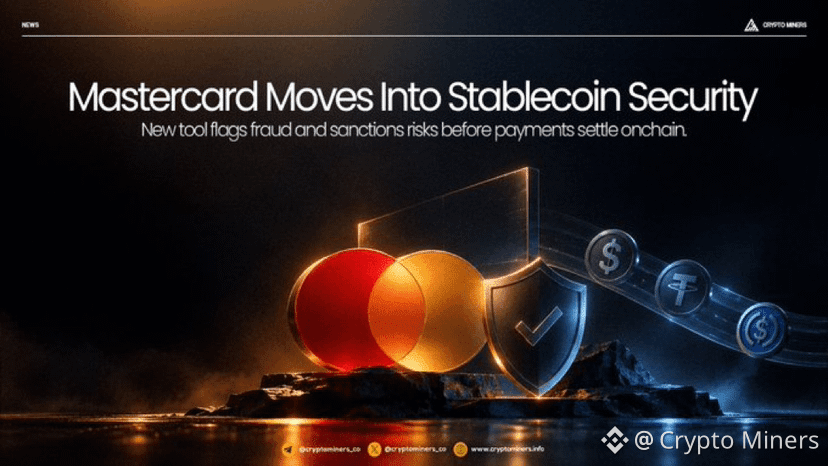
Mastercardは、資金がオンチェーンで移動する前に、ステーブルコイン決済について詐欺、悪質な勧誘、制裁違反などの金融犯罪リスクを審査する新サービスを導入します。
このツールは取引履歴と決済の状況を分析してリスクスコアを算出します。銀行はこのスコアを既存のコンプライアンスシステムと組み合わせて利用できます。最初のパートナーとして、Borderless.xyzとKeyrailsが発表されました。
サービスはまず北米で開始され、世界各地での商用提供は2027年を予定しています。Mastercardはまた、来年、ステーブルコインのインフラ提供会社BVNKをサービスに統合する計画です。
Mastercard、リスクの高い決済を検知するステーブルコイン向けセキュリティツールを発表
Mastercardは、資金がオンチェーンで移動する前に、ステーブルコイン決済について詐欺、悪質な勧誘、制裁違反などの金融犯罪リスクを審査する新サービスを導入します。
このツールは取引履歴と決済の状況を分析してリスクスコアを算出します。銀行はこのスコアを既存のコンプライアンスシステムと組み合わせて利用できます。最初のパートナーとして、Borderless.xyzとKeyrailsが発表されました。
サービスはまず北米で開始され、世界各地での商用提供は2027年を予定しています。Mastercardはまた、来年、ステーブルコインのインフラ提供会社BVNKをサービスに統合する計画です。
Mastercardは、資金がオンチェーンで移動する前に、ステーブルコイン決済について詐欺、悪質な勧誘、制裁違反などの金融犯罪リスクを審査する新サービスを導入します。
このツールは取引履歴と決済の状況を分析してリスクスコアを算出します。銀行はこのスコアを既存のコンプライアンスシステムと組み合わせて利用できます。最初のパートナーとして、Borderless.xyzとKeyrailsが発表されました。
サービスはまず北米で開始され、世界各地での商用提供は2027年を予定しています。Mastercardはまた、来年、ステーブルコインのインフラ提供会社BVNKをサービスに統合する計画です。
1
243
9月のBTCは好調でしたが、回復の動きは暗号資産市場に限りません。
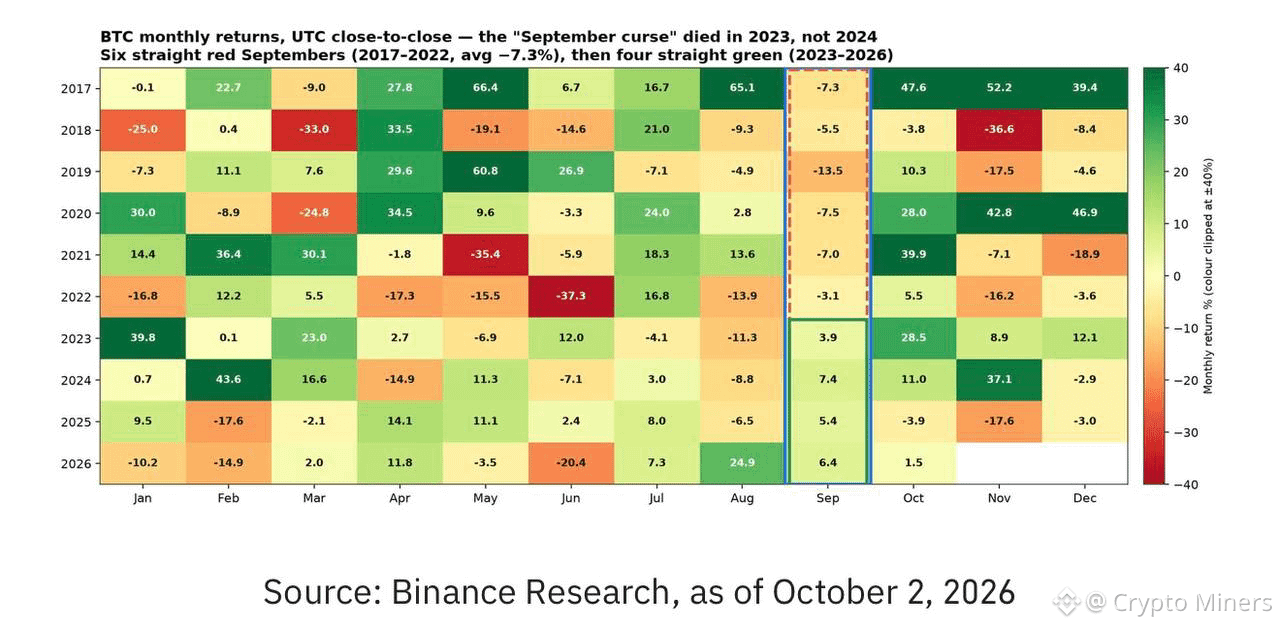
BTCは先月6.4%上昇し、2017年以降で2番目に好調な9月となりました。一方、Binanceへの株式関連資産の週間流入額は1億6,300万ドルに急増し、7月初旬以降で最高となりました。
さまざまな市場で明らかに動きが見られ、10月も注目に値します。BTCは依然として高値から54.2%下落しているため、今の時点で底を打ったと判断するのは時期尚早です。
変化していることの一つは、こうした市場にアクセスする方法です。暗号資産、トークン化株式、TradFi無期限先物のすべてを、銘柄ごとに別々のプラットフォームを使うことなく、Binanceで24時間いつでも取引できます。
回復が続く余地はありそうですが、底を打ったとはまだ確認されていません。
Binanceなら、暗号資産、トークン化株式、TradFi無期限先物を一つのプラットフォームで24時間いつでも取引して、上昇相場のあらゆる局面を捉えられます。
9月のBTCは好調でしたが、回復の動きは暗号資産市場に限りません。
BTCは先月6.4%上昇し、2017年以降で2番目に好調な9月となりました。一方、Binanceへの株式関連資産の週間流入額は1億6,300万ドルに急増し、7月初旬以降で最高となりました。
さまざまな市場で明らかに動きが見られ、10月も注目に値します。BTCは依然として高値から54.2%下落しているため、今の時点で底を打ったと判断するのは時期尚早です。
変化していることの一つは、こうした市場にアクセスする方法です。暗号資産、トークン化株式、TradFi無期限先物のすべてを、銘柄ごとに別々のプラットフォームを使うことなく、Binanceで24時間いつでも取引できます。
回復が続く余地はありそうですが、底を打ったとはまだ確認されていません。
Binanceなら、暗号資産、トークン化株式、TradFi無期限先物を一つのプラットフォームで24時間いつでも取引して、上昇相場のあらゆる局面を捉えられます。
BTCは先月6.4%上昇し、2017年以降で2番目に好調な9月となりました。一方、Binanceへの株式関連資産の週間流入額は1億6,300万ドルに急増し、7月初旬以降で最高となりました。
さまざまな市場で明らかに動きが見られ、10月も注目に値します。BTCは依然として高値から54.2%下落しているため、今の時点で底を打ったと判断するのは時期尚早です。
変化していることの一つは、こうした市場にアクセスする方法です。暗号資産、トークン化株式、TradFi無期限先物のすべてを、銘柄ごとに別々のプラットフォームを使うことなく、Binanceで24時間いつでも取引できます。
回復が続く余地はありそうですが、底を打ったとはまだ確認されていません。
Binanceなら、暗号資産、トークン化株式、TradFi無期限先物を一つのプラットフォームで24時間いつでも取引して、上昇相場のあらゆる局面を捉えられます。
257
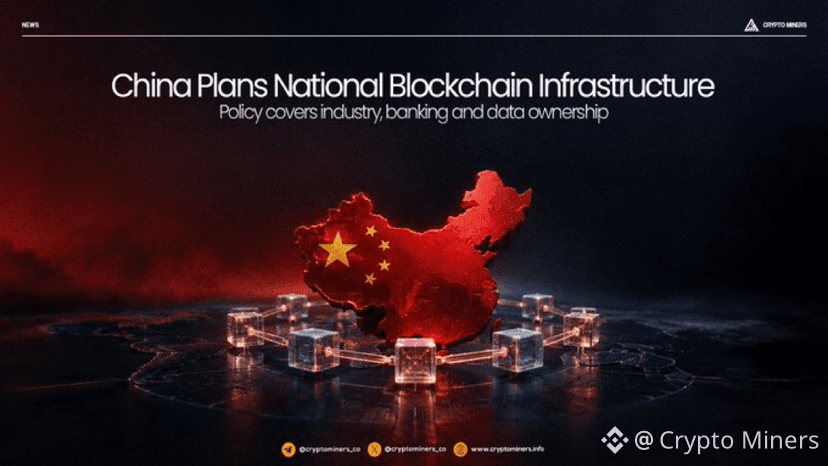
中国、国家ブロックチェーンネットワークの構築を指示
中国は、国家ブロックチェーンネットワークを開発するための19の政策措置を導入し、より広範なデジタル経済と実体経済の連携推進の一環として、この技術を製造業、銀行業務、データ共有に統合する。
この指針は、データ所有権、越境データフロー、デジタルインフラにも対応しており、この取り組みは、一般向けの暗号資産ではなく、国主導のブロックチェーン・アプリケーションに重点を置いている。
中国、国家ブロックチェーンネットワークの構築を指示
中国は、国家ブロックチェーンネットワークを開発するための19の政策措置を導入し、より広範なデジタル経済と実体経済の連携推進の一環として、この技術を製造業、銀行業務、データ共有に統合する。
この指針は、データ所有権、越境データフロー、デジタルインフラにも対応しており、この取り組みは、一般向けの暗号資産ではなく、国主導のブロックチェーン・アプリケーションに重点を置いている。
中国は、国家ブロックチェーンネットワークを開発するための19の政策措置を導入し、より広範なデジタル経済と実体経済の連携推進の一環として、この技術を製造業、銀行業務、データ共有に統合する。
この指針は、データ所有権、越境データフロー、デジタルインフラにも対応しており、この取り組みは、一般向けの暗号資産ではなく、国主導のブロックチェーン・アプリケーションに重点を置いている。
1
388
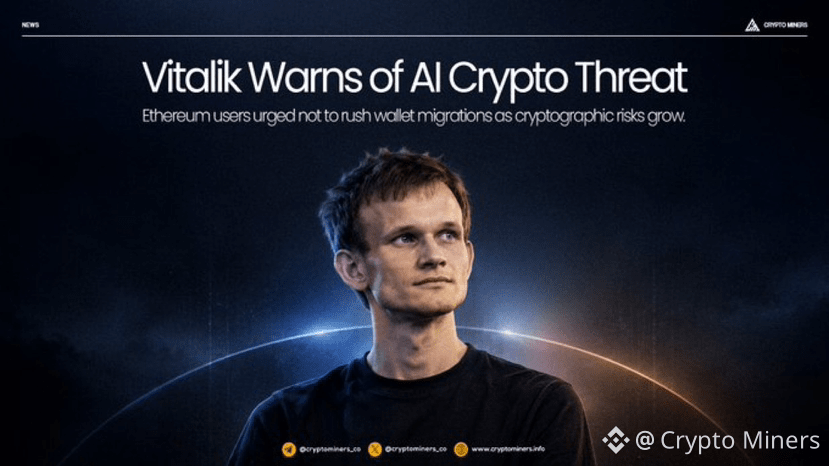
ウォレットの移行を急がないよう警告するヴィタリック
イーサリアムの共同創設者ヴィタリック・ブテリン氏は、暗号資産業界はAIによって加速する暗号技術への脅威を、より深刻に受け止める必要があると述べた。一方で、ユーザーはパニックに陥って、急いで資金を移動させるべきではないと警告した。
ブテリン氏によると、移動が容易であれば、一度も取引に署名したことのないアドレスに資産を保管しておくことは、有効な予防策になり得る。ただし、慌てて移行すると資金を失う恐れがあると注意を促した。
この警告は、AIによってECDSAや格子ベースのシステムなどの暗号技術に対する攻撃が加速する可能性について、イーサリアムの研究者らが懸念を示す中で発せられた。
ブテリン氏はまた、開発者に対し、格子暗号のパラメーターをより保守的に設定し、可能な場合はハッシュベースの暗号技術を優先するよう促した。
ウォレットの移行を急がないよう警告するヴィタリック
イーサリアムの共同創設者ヴィタリック・ブテリン氏は、暗号資産業界はAIによって加速する暗号技術への脅威を、より深刻に受け止める必要があると述べた。一方で、ユーザーはパニックに陥って、急いで資金を移動させるべきではないと警告した。
ブテリン氏によると、移動が容易であれば、一度も取引に署名したことのないアドレスに資産を保管しておくことは、有効な予防策になり得る。ただし、慌てて移行すると資金を失う恐れがあると注意を促した。
この警告は、AIによってECDSAや格子ベースのシステムなどの暗号技術に対する攻撃が加速する可能性について、イーサリアムの研究者らが懸念を示す中で発せられた。
ブテリン氏はまた、開発者に対し、格子暗号のパラメーターをより保守的に設定し、可能な場合はハッシュベースの暗号技術を優先するよう促した。
イーサリアムの共同創設者ヴィタリック・ブテリン氏は、暗号資産業界はAIによって加速する暗号技術への脅威を、より深刻に受け止める必要があると述べた。一方で、ユーザーはパニックに陥って、急いで資金を移動させるべきではないと警告した。
ブテリン氏によると、移動が容易であれば、一度も取引に署名したことのないアドレスに資産を保管しておくことは、有効な予防策になり得る。ただし、慌てて移行すると資金を失う恐れがあると注意を促した。
この警告は、AIによってECDSAや格子ベースのシステムなどの暗号技術に対する攻撃が加速する可能性について、イーサリアムの研究者らが懸念を示す中で発せられた。
ブテリン氏はまた、開発者に対し、格子暗号のパラメーターをより保守的に設定し、可能な場合はハッシュベースの暗号技術を優先するよう促した。
2
197
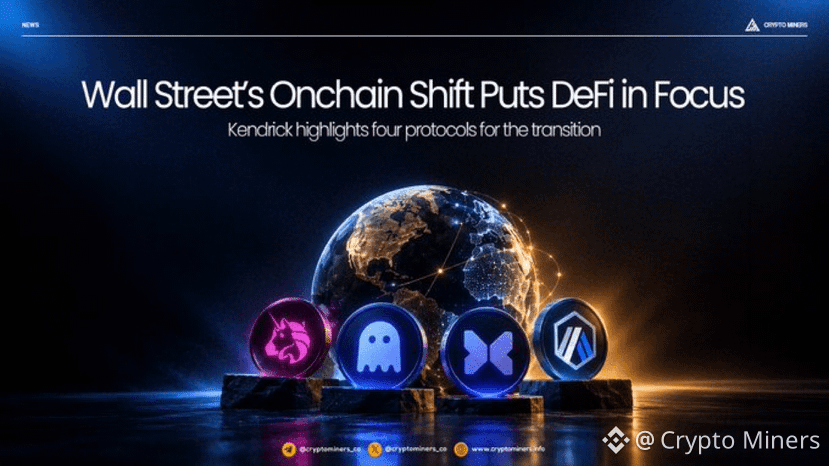
ジェフリー・ケンドリック氏、トークン化は「100%確実」
スタンダードチャータードのジェフリー・ケンドリック氏は、従来型資産のトークン化は「100%確実」だと述べ、ウォール街のオンチェーン化が進むなかで恩恵を受けると予想されるプロトコルとして、Uniswap、Aave、Morpho、Arbitrumを挙げました。
ケンドリック氏は、ステーブルコインとトークン化された実世界資産が、それぞれ2028年までに約2兆ドルに達すると予想しています。
ジェフリー・ケンドリック氏、トークン化は「100%確実」
スタンダードチャータードのジェフリー・ケンドリック氏は、従来型資産のトークン化は「100%確実」だと述べ、ウォール街のオンチェーン化が進むなかで恩恵を受けると予想されるプロトコルとして、Uniswap、Aave、Morpho、Arbitrumを挙げました。
ケンドリック氏は、ステーブルコインとトークン化された実世界資産が、それぞれ2028年までに約2兆ドルに達すると予想しています。
スタンダードチャータードのジェフリー・ケンドリック氏は、従来型資産のトークン化は「100%確実」だと述べ、ウォール街のオンチェーン化が進むなかで恩恵を受けると予想されるプロトコルとして、Uniswap、Aave、Morpho、Arbitrumを挙げました。
ケンドリック氏は、ステーブルコインとトークン化された実世界資産が、それぞれ2028年までに約2兆ドルに達すると予想しています。
625
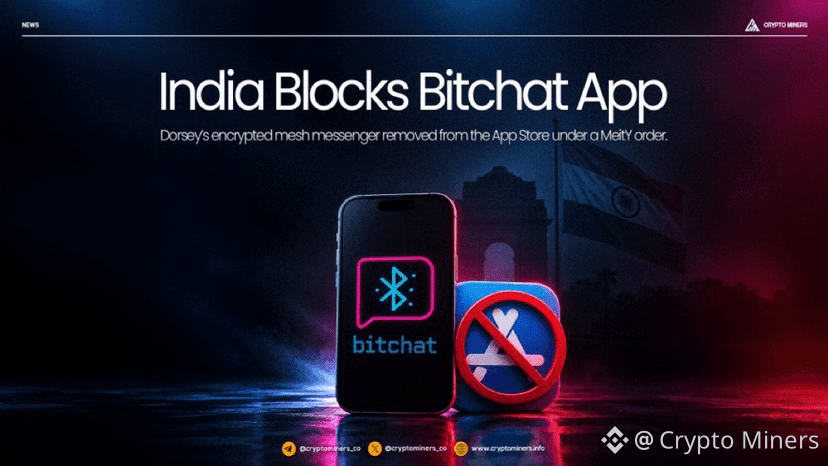
インド、ジャック・ドーシーの「Bitchat」をApp Storeから削除
ジャック・ドーシーが共有した通知によると、同アプリは、政府がIT法の第69A条に基づき削除要請を行ったことを受けて、インドのApple App Storeから削除された。
このアプリはBluetoothメッシュを使用して、インターネットや携帯回線、アカウント、または中央サーバーなしで暗号化メッセージを送れるようにしている。抗議活動や、通信が制限されたその他の状況での使用が注目を集めた。
インドはすでに7月にGitHubに対し、Bitchatのリポジトリへのアクセスを制限するよう命じており、アプリは現在インドのGoogle Playでも利用できないほか、同社のウェブサイトは一部のインドのインターネットプロバイダーによってブロックされたと報じられている。
Appleの通知では、このアプリがインドで違法となる内容を含むとしているが、具体的な内容や、正確な第69A条の根拠は公表されていない。
インド、ジャック・ドーシーの「Bitchat」をApp Storeから削除
ジャック・ドーシーが共有した通知によると、同アプリは、政府がIT法の第69A条に基づき削除要請を行ったことを受けて、インドのApple App Storeから削除された。
このアプリはBluetoothメッシュを使用して、インターネットや携帯回線、アカウント、または中央サーバーなしで暗号化メッセージを送れるようにしている。抗議活動や、通信が制限されたその他の状況での使用が注目を集めた。
インドはすでに7月にGitHubに対し、Bitchatのリポジトリへのアクセスを制限するよう命じており、アプリは現在インドのGoogle Playでも利用できないほか、同社のウェブサイトは一部のインドのインターネットプロバイダーによってブロックされたと報じられている。
Appleの通知では、このアプリがインドで違法となる内容を含むとしているが、具体的な内容や、正確な第69A条の根拠は公表されていない。
ジャック・ドーシーが共有した通知によると、同アプリは、政府がIT法の第69A条に基づき削除要請を行ったことを受けて、インドのApple App Storeから削除された。
このアプリはBluetoothメッシュを使用して、インターネットや携帯回線、アカウント、または中央サーバーなしで暗号化メッセージを送れるようにしている。抗議活動や、通信が制限されたその他の状況での使用が注目を集めた。
インドはすでに7月にGitHubに対し、Bitchatのリポジトリへのアクセスを制限するよう命じており、アプリは現在インドのGoogle Playでも利用できないほか、同社のウェブサイトは一部のインドのインターネットプロバイダーによってブロックされたと報じられている。
Appleの通知では、このアプリがインドで違法となる内容を含むとしているが、具体的な内容や、正確な第69A条の根拠は公表されていない。
1
370
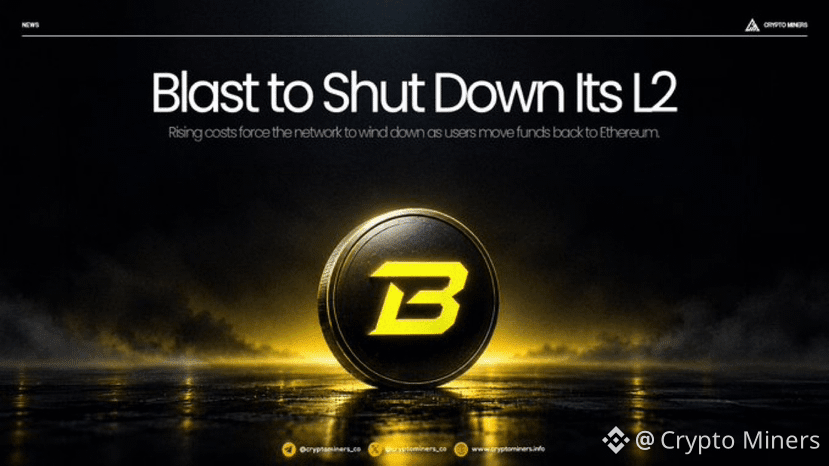
L2をフェードアウトさせるための一撃
@blastは、運営コストが収益を上回り、経済的な持続可能性への確かな道筋がないため、サービスを終了します。
現在、L2のTVLは約3,200万ドルで、2024年のメインネットローンチ以前の20億ドル超から大幅に減少しています。
ユーザーはBlastのインターフェースを通じて10月26日まで出金できます。その後は、Blastのイーサリアム・ブリッジ・コントラクトとの直接的なやり取りが必要になります。
L2をフェードアウトさせるための一撃
@blastは、運営コストが収益を上回り、経済的な持続可能性への確かな道筋がないため、サービスを終了します。
現在、L2のTVLは約3,200万ドルで、2024年のメインネットローンチ以前の20億ドル超から大幅に減少しています。
ユーザーはBlastのインターフェースを通じて10月26日まで出金できます。その後は、Blastのイーサリアム・ブリッジ・コントラクトとの直接的なやり取りが必要になります。
@blastは、運営コストが収益を上回り、経済的な持続可能性への確かな道筋がないため、サービスを終了します。
現在、L2のTVLは約3,200万ドルで、2024年のメインネットローンチ以前の20億ドル超から大幅に減少しています。
ユーザーはBlastのインターフェースを通じて10月26日まで出金できます。その後は、Blastのイーサリアム・ブリッジ・コントラクトとの直接的なやり取りが必要になります。
1
278
ログインして、さらにコンテンツを読む
厳選トピックで世界の暗号資産トレーダーの仲間入り
⚡️ 暗号資産に関する最新かつ有益な情報が見つかります。
💬 世界最大の暗号資産取引所から信頼されています。
👍 認証を受けたクリエイターから、有益なインサイトを得られます。
メール / 電話番号