
Jason_Grace
14k 投稿

Jason_Grace
 厳選トピック確認済+
報告
ユーザーをブロック
Crypto Influencer, Trader & Investor Binance Square Creator || BNB || BTC || X_@zenhau0
高頻度トレーダー
2.5年
3 フォロー
32.1K+ フォロワー
20.4K+ いいね
投稿
すべて
引用
ライブ
·
--
ブリッシュ
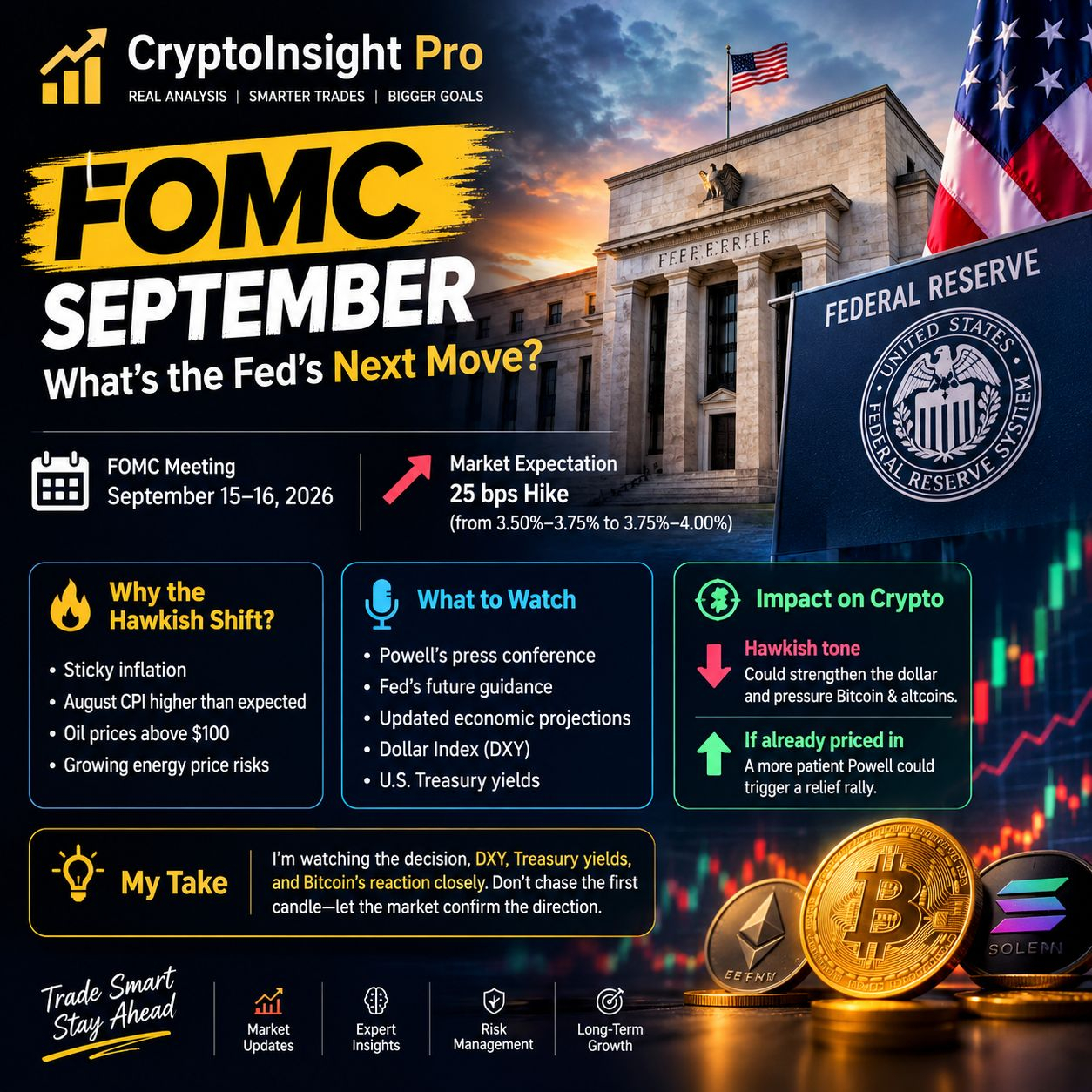
FOMC 9月:FRBの次の一手は?
9月のFOMC会合が世界の市場の大きな注目点になりつつあり、いま最大の論点は、米連邦準備制度(FRB)が金利を据え置くのか、それとももう一段の利上げを行うのかです。
ロイター、マーケットウォッチ、主要銀行による最近の報道では、期待は25ベーシスポイントの利上げへとシフトしているようです。もしそれが実現すれば、誘導目標レンジは3.75%〜4.00%に動く可能性があります。
では、強気(タカ派)ムードを押し上げているのは何でしょうか? 固着的なインフレ、予想を上回った8月のCPI、そして原油価格が100ドルを超えていることが、物価の上昇圧力が十分に早く冷え切らないのではないかという新たな懸念を生んでいます。
しかし、金利決定は物語の半分にすぎません。パウエル議長の記者会見と、FRBの今後のガイダンスが、市場の反応を最も大きく左右する可能性があります。
暗号資産トレーダーにとっては、タカ派的なメッセージがドルを押し上げ、ビットコインやアルトコインに圧力をかけるかもしれません。 一方で、利上げがすでに織り込まれていて、パウエルが落ち着いた(慎重な)トーンを示すなら、安心感からのリリーフ・ラリーが見られる可能性もあります。
私の見立て:私は決定内容、DXY、米国債利回り、そしてビットコインの反応を注意深く見ています。最初の一本足に飛びつかず、市場が方向性を確認するのを待ちましょう。
#FedRateWatch
$AKE
$FF
{future}(FFUSDT)
FOMC 9月:FRBの次の一手は?
9月のFOMC会合が世界の市場の大きな注目点になりつつあり、いま最大の論点は、米連邦準備制度(FRB)が金利を据え置くのか、それとももう一段の利上げを行うのかです。
ロイター、マーケットウォッチ、主要銀行による最近の報道では、期待は25ベーシスポイントの利上げへとシフトしているようです。もしそれが実現すれば、誘導目標レンジは3.75%〜4.00%に動く可能性があります。
では、強気(タカ派)ムードを押し上げているのは何でしょうか? 固着的なインフレ、予想を上回った8月のCPI、そして原油価格が100ドルを超えていることが、物価の上昇圧力が十分に早く冷え切らないのではないかという新たな懸念を生んでいます。
しかし、金利決定は物語の半分にすぎません。パウエル議長の記者会見と、FRBの今後のガイダンスが、市場の反応を最も大きく左右する可能性があります。
暗号資産トレーダーにとっては、タカ派的なメッセージがドルを押し上げ、ビットコインやアルトコインに圧力をかけるかもしれません。 一方で、利上げがすでに織り込まれていて、パウエルが落ち着いた(慎重な)トーンを示すなら、安心感からのリリーフ・ラリーが見られる可能性もあります。
私の見立て:私は決定内容、DXY、米国債利回り、そしてビットコインの反応を注意深く見ています。最初の一本足に飛びつかず、市場が方向性を確認するのを待ちましょう。
#FedRateWatch
$AKE
$FF
9月のFOMC会合が世界の市場の大きな注目点になりつつあり、いま最大の論点は、米連邦準備制度(FRB)が金利を据え置くのか、それとももう一段の利上げを行うのかです。
ロイター、マーケットウォッチ、主要銀行による最近の報道では、期待は25ベーシスポイントの利上げへとシフトしているようです。もしそれが実現すれば、誘導目標レンジは3.75%〜4.00%に動く可能性があります。
では、強気(タカ派)ムードを押し上げているのは何でしょうか? 固着的なインフレ、予想を上回った8月のCPI、そして原油価格が100ドルを超えていることが、物価の上昇圧力が十分に早く冷え切らないのではないかという新たな懸念を生んでいます。
しかし、金利決定は物語の半分にすぎません。パウエル議長の記者会見と、FRBの今後のガイダンスが、市場の反応を最も大きく左右する可能性があります。
暗号資産トレーダーにとっては、タカ派的なメッセージがドルを押し上げ、ビットコインやアルトコインに圧力をかけるかもしれません。 一方で、利上げがすでに織り込まれていて、パウエルが落ち着いた(慎重な)トーンを示すなら、安心感からのリリーフ・ラリーが見られる可能性もあります。
私の見立て:私は決定内容、DXY、米国債利回り、そしてビットコインの反応を注意深く見ています。最初の一本足に飛びつかず、市場が方向性を確認するのを待ちましょう。
#FedRateWatch
$AKE
$FF
103
·
--
ブリッシュ
QTUMは、Binanceで$0.96288付近に顕著なショート・リキディーション(強制決済)ゾーンを示しています。最近の市場データではQTUMは$0.90未満にとどまっている一方、過去のセッションでは$0.89〜$0.93付近で強いボラティリティが見られました。直近のサポート・ゾーンは$0.875〜$0.89、レジスタンスは$0.92〜$0.96付近です。$0.96を上抜けると、$1.00〜$1.03に向かう道が開ける可能性があります。価格が$0.92を取り戻せない場合、さらに$0.87方向への動きもあり得ます。したがって、$0.96288のリキディーション・ゾーンは、モメンタムの確認として注目すべき重要なブレイクアウト領域です。
$QTUM
#SECReceivesGrayscaleLitecoinTrustETFFiling
#ClarityActFacesProceduralVoteSept15
#US10YearTreasuryYieldNears5%
#RevolutConfirmsFakeGovEmailDataBreach
QTUMは、Binanceで$0.96288付近に顕著なショート・リキディーション(強制決済)ゾーンを示しています。最近の市場データではQTUMは$0.90未満にとどまっている一方、過去のセッションでは$0.89〜$0.93付近で強いボラティリティが見られました。直近のサポート・ゾーンは$0.875〜$0.89、レジスタンスは$0.92〜$0.96付近です。$0.96を上抜けると、$1.00〜$1.03に向かう道が開ける可能性があります。価格が$0.92を取り戻せない場合、さらに$0.87方向への動きもあり得ます。したがって、$0.96288のリキディーション・ゾーンは、モメンタムの確認として注目すべき重要なブレイクアウト領域です。
$QTUM
#SECReceivesGrayscaleLitecoinTrustETFFiling
#ClarityActFacesProceduralVoteSept15
#US10YearTreasuryYieldNears5%
#RevolutConfirmsFakeGovEmailDataBreach
$QTUM
#SECReceivesGrayscaleLitecoinTrustETFFiling
#ClarityActFacesProceduralVoteSept15
#US10YearTreasuryYieldNears5%
#RevolutConfirmsFakeGovEmailDataBreach
82
·
--
弱気相場
GPSはBinanceで約$0.00919の重要なロング強制清算ゾーンの周辺で取引されています。この領域は、買い手が直近の弱さを防御しようとする際に重要な反応ポイントになり得ます。初期のサポートはおよそ$0.00910〜$0.00920で、レジスタンスは$0.00950〜$0.00970付近です。サポートを維持できれば、$0.00980に向けたリカバリーの余地が生まれ、次のターゲットゾーンとして$0.01020の可能性もあります。しかし、$0.00910を下回ると下方向の圧力が強まっていることを示し、強気のリカバリーの見方を無効にし得ます。$0.00919にある清算水準は、ここで強い反応が起きれば次の短期的な方向性を定める可能性があるため、監視しておくべきです。
$GPS
#SECReceivesGrayscaleLitecoinTrustETFFiling
#ClarityActFacesProceduralVoteSept15
#US10YearTreasuryYieldNears5%
#RevolutConfirmsFakeGovEmailDataBreach
GPSはBinanceで約$0.00919の重要なロング強制清算ゾーンの周辺で取引されています。この領域は、買い手が直近の弱さを防御しようとする際に重要な反応ポイントになり得ます。初期のサポートはおよそ$0.00910〜$0.00920で、レジスタンスは$0.00950〜$0.00970付近です。サポートを維持できれば、$0.00980に向けたリカバリーの余地が生まれ、次のターゲットゾーンとして$0.01020の可能性もあります。しかし、$0.00910を下回ると下方向の圧力が強まっていることを示し、強気のリカバリーの見方を無効にし得ます。$0.00919にある清算水準は、ここで強い反応が起きれば次の短期的な方向性を定める可能性があるため、監視しておくべきです。
$GPS
#SECReceivesGrayscaleLitecoinTrustETFFiling
#ClarityActFacesProceduralVoteSept15
#US10YearTreasuryYieldNears5%
#RevolutConfirmsFakeGovEmailDataBreach
$GPS
#SECReceivesGrayscaleLitecoinTrustETFFiling
#ClarityActFacesProceduralVoteSept15
#US10YearTreasuryYieldNears5%
#RevolutConfirmsFakeGovEmailDataBreach
216
·
--
ブリッシュ
$SOL
SOLは$99付近で取引されており、ショートが$99.83付近で清算されています。これにより、心理的な$100の水準の周りに重要な攻防ゾーンが形成されています。サポートは$98.00〜$98.80付近で、レジスタンスは$100.50〜$102.00です。$102を明確に上抜けると、次の目標は$104.50〜$106へ向かう可能性があります。もしSOLが$98を失うと、この仕掛けは弱まり、次の下方向の領域は$95.50になります。直近のシグナルは、価格が$98のサポート領域を維持している間のみ強気です。
#CPIWatch
#OracleJumpsOver6%OnEarningsBeat
#CLARITYActRevisionToRuleNonDeFiControllers
#BlockstreamRefusesToPayRansomToLiquidAttacker
#USToSanctionBigBankMonday
$SOL
SOLは$99付近で取引されており、ショートが$99.83付近で清算されています。これにより、心理的な$100の水準の周りに重要な攻防ゾーンが形成されています。サポートは$98.00〜$98.80付近で、レジスタンスは$100.50〜$102.00です。$102を明確に上抜けると、次の目標は$104.50〜$106へ向かう可能性があります。もしSOLが$98を失うと、この仕掛けは弱まり、次の下方向の領域は$95.50になります。直近のシグナルは、価格が$98のサポート領域を維持している間のみ強気です。
#CPIWatch
#OracleJumpsOver6%OnEarningsBeat
#CLARITYActRevisionToRuleNonDeFiControllers
#BlockstreamRefusesToPayRansomToLiquidAttacker
#USToSanctionBigBankMonday
SOLは$99付近で取引されており、ショートが$99.83付近で清算されています。これにより、心理的な$100の水準の周りに重要な攻防ゾーンが形成されています。サポートは$98.00〜$98.80付近で、レジスタンスは$100.50〜$102.00です。$102を明確に上抜けると、次の目標は$104.50〜$106へ向かう可能性があります。もしSOLが$98を失うと、この仕掛けは弱まり、次の下方向の領域は$95.50になります。直近のシグナルは、価格が$98のサポート領域を維持している間のみ強気です。
#CPIWatch
#OracleJumpsOver6%OnEarningsBeat
#CLARITYActRevisionToRuleNonDeFiControllers
#BlockstreamRefusesToPayRansomToLiquidAttacker
#USToSanctionBigBankMonday
121
·
--
ブリッシュ
CPIは今日の重要なマーケットの引き金です。
#CPIWatch
インフレ指標が予想より熱くなる、特にコアCPIが前月比+0.2%超となる場合、利上げ観測が強まる可能性があります。そうなればドルと米国債利回りが上昇し、BTCやアルトコインに対する圧力につながるでしょう。
しかし、CPIが予想より冷え込む場合、積極的なFRB対応の確率が下がり、リスク資産が回復する余地が生まれるかもしれません。
暗号資産トレーダーにとって、CPI発表まわりではボラティリティが急増しそうです。ポジションを取る前に、実際のCPI値、コアCPI、市場の直後の反応を確認してください。
CPIは単なるインフレレポートではありません――今日、それは次の大きな動きを左右し得ます。
#CPIdata
CPIは今日の重要なマーケットの引き金です。
#CPIWatch
インフレ指標が予想より熱くなる、特にコアCPIが前月比+0.2%超となる場合、利上げ観測が強まる可能性があります。そうなればドルと米国債利回りが上昇し、BTCやアルトコインに対する圧力につながるでしょう。
しかし、CPIが予想より冷え込む場合、積極的なFRB対応の確率が下がり、リスク資産が回復する余地が生まれるかもしれません。
暗号資産トレーダーにとって、CPI発表まわりではボラティリティが急増しそうです。ポジションを取る前に、実際のCPI値、コアCPI、市場の直後の反応を確認してください。
CPIは単なるインフレレポートではありません――今日、それは次の大きな動きを左右し得ます。
#CPIdata
#CPIWatch
インフレ指標が予想より熱くなる、特にコアCPIが前月比+0.2%超となる場合、利上げ観測が強まる可能性があります。そうなればドルと米国債利回りが上昇し、BTCやアルトコインに対する圧力につながるでしょう。
しかし、CPIが予想より冷え込む場合、積極的なFRB対応の確率が下がり、リスク資産が回復する余地が生まれるかもしれません。
暗号資産トレーダーにとって、CPI発表まわりではボラティリティが急増しそうです。ポジションを取る前に、実際のCPI値、コアCPI、市場の直後の反応を確認してください。
CPIは単なるインフレレポートではありません――今日、それは次の大きな動きを左右し得ます。
#CPIdata

24
22
4.2k
·
--
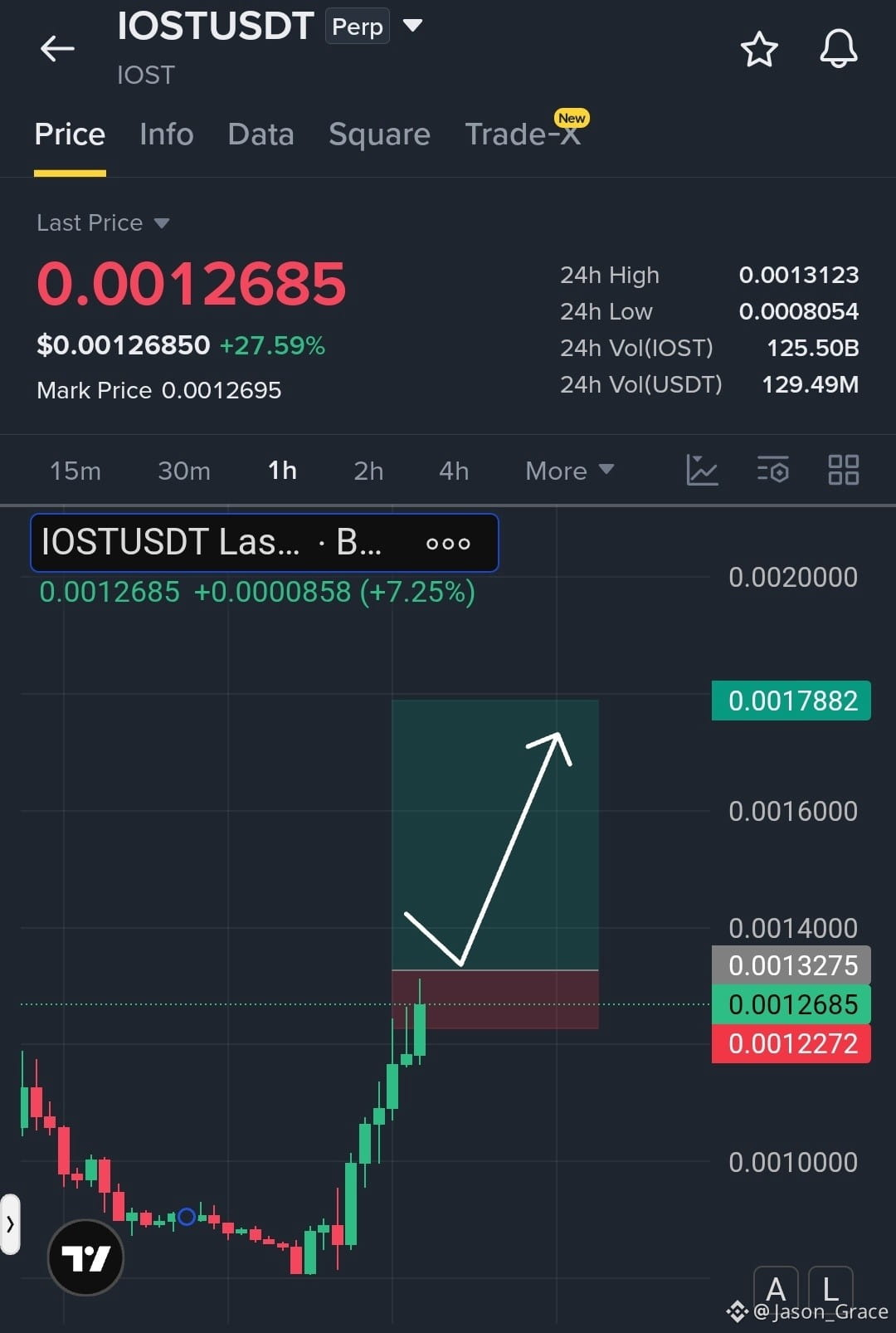
ねえ、$IOST をよく見てください。1時間足チャートでは、強い強気のブレイクアウトと攻撃的な買いの勢いが示されています。そして価格はすでに直近24時間で約27%押し上げられています。この急な値動きの後、ブレイクアウト・ゾーンへ向けた小さな押し目が、ローソク足を追いかけるよりも、より良いロングの機会になる可能性があります。
ロングエントリー:$0.00125 – $0.00128
損切りライン:$0.0012272
利確目標:$0.0017882
注目すべき重要な水準は約$0.0013275です。これを明確に上抜けして、その抵抗を維持できれば、目標に向けた強気の継続がより強まるでしょう。もし価格がいったん押し戻してエントリー・ゾーンを維持し、再び買い手が入ってくるなら、このセットアップは引き続き有効です。
{future}(IOSTUSDT)
ねえ、$IOST をよく見てください。1時間足チャートでは、強い強気のブレイクアウトと攻撃的な買いの勢いが示されています。そして価格はすでに直近24時間で約27%押し上げられています。この急な値動きの後、ブレイクアウト・ゾーンへ向けた小さな押し目が、ローソク足を追いかけるよりも、より良いロングの機会になる可能性があります。
ロングエントリー:$0.00125 – $0.00128
損切りライン:$0.0012272
利確目標:$0.0017882
注目すべき重要な水準は約$0.0013275です。これを明確に上抜けして、その抵抗を維持できれば、目標に向けた強気の継続がより強まるでしょう。もし価格がいったん押し戻してエントリー・ゾーンを維持し、再び買い手が入ってくるなら、このセットアップは引き続き有効です。
ロングエントリー:$0.00125 – $0.00128
損切りライン:$0.0012272
利確目標:$0.0017882
注目すべき重要な水準は約$0.0013275です。これを明確に上抜けして、その抵抗を維持できれば、目標に向けた強気の継続がより強まるでしょう。もし価格がいったん押し戻してエントリー・ゾーンを維持し、再び買い手が入ってくるなら、このセットアップは引き続き有効です。
144
·
--
弱気相場
HEMIは急激な数日間の下落の後、強い売り圧力にさらされており、約$0.00734付近で新たに$1.0897Kのロング清算が記録されました。最近のデータでは、トークンは$0.016を上回っていた水準から$0.008付近まで下落しており、強いベア(弱気)トレンドが確認されています。$0.0073〜$0.0080のゾーンは現在、主要な需要エリアです。$0.0090の再奪回は最初の安定化の兆しとなり、$0.0100〜$0.0105が主要な回復のレジスタンスになります。
エントリーゾーン: $0.0074〜$0.0081
サポート: $0.0073 / $0.0069
レジスタンス: $0.0090 / $0.0100
目標: $0.0088 / $0.0098 / $0.0105
損切り: $0.0068
価格が高値安値(上昇のためのより高い安値)を確認するまで追いかけないでください。
$HEMI
{future}(HEMIUSDT)
#DowFallsOver600Points
#SaudiHaltsSouthernEnergySitesAfterAttacks
#CanadaTariffsOnUSTakeEffect
#USIranTradeTankerStrikesEscalate
HEMIは急激な数日間の下落の後、強い売り圧力にさらされており、約$0.00734付近で新たに$1.0897Kのロング清算が記録されました。最近のデータでは、トークンは$0.016を上回っていた水準から$0.008付近まで下落しており、強いベア(弱気)トレンドが確認されています。$0.0073〜$0.0080のゾーンは現在、主要な需要エリアです。$0.0090の再奪回は最初の安定化の兆しとなり、$0.0100〜$0.0105が主要な回復のレジスタンスになります。
エントリーゾーン: $0.0074〜$0.0081
サポート: $0.0073 / $0.0069
レジスタンス: $0.0090 / $0.0100
目標: $0.0088 / $0.0098 / $0.0105
損切り: $0.0068
価格が高値安値(上昇のためのより高い安値)を確認するまで追いかけないでください。
$HEMI
#DowFallsOver600Points
#SaudiHaltsSouthernEnergySitesAfterAttacks
#CanadaTariffsOnUSTakeEffect
#USIranTradeTankerStrikesEscalate
エントリーゾーン: $0.0074〜$0.0081
サポート: $0.0073 / $0.0069
レジスタンス: $0.0090 / $0.0100
目標: $0.0088 / $0.0098 / $0.0105
損切り: $0.0068
価格が高値安値(上昇のためのより高い安値)を確認するまで追いかけないでください。
$HEMI
#DowFallsOver600Points
#SaudiHaltsSouthernEnergySitesAfterAttacks
#CanadaTariffsOnUSTakeEffect
#USIranTradeTankerStrikesEscalate
315
·
--
弱気相場
$4,380.71付近での$1.266Kショート・リクイデーションの後、XAUは重要な意思決定ゾーンに直面しています。最近の金の取引は、$4,400近辺で非常に高いボラティリティが続いており、米国の金利に対する見方の変化によるマクロ圧力が背景にあります。現在、$4,380〜$4,400のエリアは重要なサポートゾーンです。買い手が$4,430を奪還すれば、モメンタムは$4,480へ、さらに$4,520へ向かって加速する可能性があります。逆に、$4,380を下抜けると、より下のサポートが露出します。
エントリーゾーン: $4,395〜$4,420
サポート: $4,380 / $4,340
レジスタンス: $4,430 / $4,480
ターゲット: $4,450 / $4,480 / $4,520
損切り(ストップロス): $4,345
モメンタムを追いかける前に、$4,430のブレイクアウトを注意深く見守りましょう。
$XAUT
{future}(XAUTUSDT)
#DowFallsOver600Points
#IranSaysItCapturedUSUnmannedSubmarine
#YenBreaks155NearingYearHigh
#USIranTradeTankerStrikesEscalate
#CanadaTariffsOnUSTakeEffect
$4,380.71付近での$1.266Kショート・リクイデーションの後、XAUは重要な意思決定ゾーンに直面しています。最近の金の取引は、$4,400近辺で非常に高いボラティリティが続いており、米国の金利に対する見方の変化によるマクロ圧力が背景にあります。現在、$4,380〜$4,400のエリアは重要なサポートゾーンです。買い手が$4,430を奪還すれば、モメンタムは$4,480へ、さらに$4,520へ向かって加速する可能性があります。逆に、$4,380を下抜けると、より下のサポートが露出します。
エントリーゾーン: $4,395〜$4,420
サポート: $4,380 / $4,340
レジスタンス: $4,430 / $4,480
ターゲット: $4,450 / $4,480 / $4,520
損切り(ストップロス): $4,345
モメンタムを追いかける前に、$4,430のブレイクアウトを注意深く見守りましょう。
$XAUT
#DowFallsOver600Points
#IranSaysItCapturedUSUnmannedSubmarine
#YenBreaks155NearingYearHigh
#USIranTradeTankerStrikesEscalate
#CanadaTariffsOnUSTakeEffect
エントリーゾーン: $4,395〜$4,420
サポート: $4,380 / $4,340
レジスタンス: $4,430 / $4,480
ターゲット: $4,450 / $4,480 / $4,520
損切り(ストップロス): $4,345
モメンタムを追いかける前に、$4,430のブレイクアウトを注意深く見守りましょう。
$XAUT
#DowFallsOver600Points
#IranSaysItCapturedUSUnmannedSubmarine
#YenBreaks155NearingYearHigh
#USIranTradeTankerStrikesEscalate
#CanadaTariffsOnUSTakeEffect
115
·
--
ブリッシュ
PRLは約$0.12327付近で$1.9464Kのロング・リキディエーションが発生した直後に弱さを見せています。最近のデータでは価格が$0.17〜$0.18の水準から下落しており、$0.120〜$0.123のゾーンが重要なサポート領域になっています。$0.123以上を継続して維持できれば、$0.130、そして$0.136へ向けた回復が起こり得ます。レジスタンスはおおむね$0.132〜$0.136に位置し、$0.140を明確に上抜けることができれば、強気の構造が大きく改善します。
エントリー・ゾーン: $0.123〜$0.126
サポート: $0.120 / $0.116
レジスタンス: $0.132 / $0.140
目標: $0.132 / $0.136 / $0.145
損切り: $0.117
重要な確認ポイントは、出来高を伴って$0.130を強く取り戻すことです。
$PRL
#DowFallsOver600Points
#AEROSurges17%In24Hours
#IranSaysItCapturedUSUnmannedSubmarine
#SaudiHaltsSouthernEnergySitesAfterAttacks
#YenBreaks155NearingYearHigh
{alpha}(560xd20fb09a49a8e75fef536a2dbc68222900287bac)
PRLは約$0.12327付近で$1.9464Kのロング・リキディエーションが発生した直後に弱さを見せています。最近のデータでは価格が$0.17〜$0.18の水準から下落しており、$0.120〜$0.123のゾーンが重要なサポート領域になっています。$0.123以上を継続して維持できれば、$0.130、そして$0.136へ向けた回復が起こり得ます。レジスタンスはおおむね$0.132〜$0.136に位置し、$0.140を明確に上抜けることができれば、強気の構造が大きく改善します。
エントリー・ゾーン: $0.123〜$0.126
サポート: $0.120 / $0.116
レジスタンス: $0.132 / $0.140
目標: $0.132 / $0.136 / $0.145
損切り: $0.117
重要な確認ポイントは、出来高を伴って$0.130を強く取り戻すことです。
$PRL
#DowFallsOver600Points
#AEROSurges17%In24Hours
#IranSaysItCapturedUSUnmannedSubmarine
#SaudiHaltsSouthernEnergySitesAfterAttacks
#YenBreaks155NearingYearHigh
エントリー・ゾーン: $0.123〜$0.126
サポート: $0.120 / $0.116
レジスタンス: $0.132 / $0.140
目標: $0.132 / $0.136 / $0.145
損切り: $0.117
重要な確認ポイントは、出来高を伴って$0.130を強く取り戻すことです。
$PRL
#DowFallsOver600Points
#AEROSurges17%In24Hours
#IranSaysItCapturedUSUnmannedSubmarine
#SaudiHaltsSouthernEnergySitesAfterAttacks
#YenBreaks155NearingYearHigh
527
·
--
ブリッシュ
$SOPH
SOPHは1株$0.00903で取引されており、70.06%という大幅な急騰を見せています。非常に強い勢いを示している一方で、このような急な値動きの後は押し戻し(リトレース)リスクも高めです。直近のサポートは$0.00840〜$0.00820あたりで、レジスタンスは$0.00950〜$0.00980に位置します。$0.00980を明確に上抜けできれば、$0.01050および$0.01150方向への道が開ける可能性があります。勢いが失速し、$0.00820を割り込む場合は、さらに深い調整として$0.00760へのリトレースが起こり得ます。エントリーの想定ゾーンは、確認後に$0.00840〜$0.00880です。目標は$0.00980、$0.01050、$0.01150。損切りは$0.00800を下回ったところに設定します。急に縦に伸びるローソク足を追いかけるのは避け、必ず確認を取りましょう。
#SaudiHaltsSouthernEnergySitesAfterAttacks
#YenBreaks155NearingYearHigh
#USIranTradeTankerStrikesEscalate
#CanadaTariffsOnUSTakeEffect
#ZcashRises45%WeeklyToHighestSince2016
$SOPH
SOPHは1株$0.00903で取引されており、70.06%という大幅な急騰を見せています。非常に強い勢いを示している一方で、このような急な値動きの後は押し戻し(リトレース)リスクも高めです。直近のサポートは$0.00840〜$0.00820あたりで、レジスタンスは$0.00950〜$0.00980に位置します。$0.00980を明確に上抜けできれば、$0.01050および$0.01150方向への道が開ける可能性があります。勢いが失速し、$0.00820を割り込む場合は、さらに深い調整として$0.00760へのリトレースが起こり得ます。エントリーの想定ゾーンは、確認後に$0.00840〜$0.00880です。目標は$0.00980、$0.01050、$0.01150。損切りは$0.00800を下回ったところに設定します。急に縦に伸びるローソク足を追いかけるのは避け、必ず確認を取りましょう。
#SaudiHaltsSouthernEnergySitesAfterAttacks
#YenBreaks155NearingYearHigh
#USIranTradeTankerStrikesEscalate
#CanadaTariffsOnUSTakeEffect
#ZcashRises45%WeeklyToHighestSince2016
SOPHは1株$0.00903で取引されており、70.06%という大幅な急騰を見せています。非常に強い勢いを示している一方で、このような急な値動きの後は押し戻し(リトレース)リスクも高めです。直近のサポートは$0.00840〜$0.00820あたりで、レジスタンスは$0.00950〜$0.00980に位置します。$0.00980を明確に上抜けできれば、$0.01050および$0.01150方向への道が開ける可能性があります。勢いが失速し、$0.00820を割り込む場合は、さらに深い調整として$0.00760へのリトレースが起こり得ます。エントリーの想定ゾーンは、確認後に$0.00840〜$0.00880です。目標は$0.00980、$0.01050、$0.01150。損切りは$0.00800を下回ったところに設定します。急に縦に伸びるローソク足を追いかけるのは避け、必ず確認を取りましょう。
#SaudiHaltsSouthernEnergySitesAfterAttacks
#YenBreaks155NearingYearHigh
#USIranTradeTankerStrikesEscalate
#CanadaTariffsOnUSTakeEffect
#ZcashRises45%WeeklyToHighestSince2016
164
·
--
ブリッシュ
$QKC
QKCは$0.002969前後で取引されており、+31.43%となっています。これは強い買い圧と明確なモメンタムの拡大を示しています。直近のサポートは$0.00275〜$0.00265付近に位置し、レジスタンスは$0.00315〜$0.00325付近です。$0.00325を上抜けた状態が維持されれば、価格は$0.00350および$0.00380へ向かう可能性があります。$0.00265を維持できない場合は、$0.00240付近までの調整(リトレース)が起こり得ます。潜在的なエントリーゾーンは、確認後の$0.00275〜$0.00295です。目標は$0.00325、$0.00350、$0.00380。損切りは$0.00258を下回ったところです。価格が最初のサポートゾーン以上を維持している限り、強気の構造は魅力的です。
#SaudiHaltsSouthernEnergySitesAfterAttacks
#YenBreaks155NearingYearHigh
#CanadaTariffsOnUSTakeEffect
#CanadaToImpose15%To50%TariffsOnUSGoods
$QKC
QKCは$0.002969前後で取引されており、+31.43%となっています。これは強い買い圧と明確なモメンタムの拡大を示しています。直近のサポートは$0.00275〜$0.00265付近に位置し、レジスタンスは$0.00315〜$0.00325付近です。$0.00325を上抜けた状態が維持されれば、価格は$0.00350および$0.00380へ向かう可能性があります。$0.00265を維持できない場合は、$0.00240付近までの調整(リトレース)が起こり得ます。潜在的なエントリーゾーンは、確認後の$0.00275〜$0.00295です。目標は$0.00325、$0.00350、$0.00380。損切りは$0.00258を下回ったところです。価格が最初のサポートゾーン以上を維持している限り、強気の構造は魅力的です。
#SaudiHaltsSouthernEnergySitesAfterAttacks
#YenBreaks155NearingYearHigh
#CanadaTariffsOnUSTakeEffect
#CanadaToImpose15%To50%TariffsOnUSGoods
QKCは$0.002969前後で取引されており、+31.43%となっています。これは強い買い圧と明確なモメンタムの拡大を示しています。直近のサポートは$0.00275〜$0.00265付近に位置し、レジスタンスは$0.00315〜$0.00325付近です。$0.00325を上抜けた状態が維持されれば、価格は$0.00350および$0.00380へ向かう可能性があります。$0.00265を維持できない場合は、$0.00240付近までの調整(リトレース)が起こり得ます。潜在的なエントリーゾーンは、確認後の$0.00275〜$0.00295です。目標は$0.00325、$0.00350、$0.00380。損切りは$0.00258を下回ったところです。価格が最初のサポートゾーン以上を維持している限り、強気の構造は魅力的です。
#SaudiHaltsSouthernEnergySitesAfterAttacks
#YenBreaks155NearingYearHigh
#CanadaTariffsOnUSTakeEffect
#CanadaToImpose15%To50%TariffsOnUSGoods
44
·
--
ブリッシュ
$FF
FFは$0.14534で取引されており、21.85%の上昇後に、表示された値動きで買い手がしっかりと主導権を握っています。直近のサポートは約$0.138〜$0.134で、レジスタンスは$0.150〜$0.155あたりです。$0.155を上抜けると、勢いが$0.165および$0.180へ加速する可能性があります。もし$0.134が維持できなければ、価格は$0.125付近まで押し戻されるかもしれません。潜在的なエントリーゾーンは、確認後に$0.138〜$0.145です。目標は$0.155、$0.165、$0.180。ストップロスは$0.131を下回る位置。注目すべき重要水準は$0.155で、これを決定的に取り戻せれば、次のモメンタムの局面が見込まれるサインとなります。
#SaudiHaltsSouthernEnergySitesAfterAttacks
#YenBreaks155NearingYearHigh
#CanadaTariffsOnUSTakeEffect
#CanadaToImpose15%To50%TariffsOnUSGoods
$FF
FFは$0.14534で取引されており、21.85%の上昇後に、表示された値動きで買い手がしっかりと主導権を握っています。直近のサポートは約$0.138〜$0.134で、レジスタンスは$0.150〜$0.155あたりです。$0.155を上抜けると、勢いが$0.165および$0.180へ加速する可能性があります。もし$0.134が維持できなければ、価格は$0.125付近まで押し戻されるかもしれません。潜在的なエントリーゾーンは、確認後に$0.138〜$0.145です。目標は$0.155、$0.165、$0.180。ストップロスは$0.131を下回る位置。注目すべき重要水準は$0.155で、これを決定的に取り戻せれば、次のモメンタムの局面が見込まれるサインとなります。
#SaudiHaltsSouthernEnergySitesAfterAttacks
#YenBreaks155NearingYearHigh
#CanadaTariffsOnUSTakeEffect
#CanadaToImpose15%To50%TariffsOnUSGoods
FFは$0.14534で取引されており、21.85%の上昇後に、表示された値動きで買い手がしっかりと主導権を握っています。直近のサポートは約$0.138〜$0.134で、レジスタンスは$0.150〜$0.155あたりです。$0.155を上抜けると、勢いが$0.165および$0.180へ加速する可能性があります。もし$0.134が維持できなければ、価格は$0.125付近まで押し戻されるかもしれません。潜在的なエントリーゾーンは、確認後に$0.138〜$0.145です。目標は$0.155、$0.165、$0.180。ストップロスは$0.131を下回る位置。注目すべき重要水準は$0.155で、これを決定的に取り戻せれば、次のモメンタムの局面が見込まれるサインとなります。
#SaudiHaltsSouthernEnergySitesAfterAttacks
#YenBreaks155NearingYearHigh
#CanadaTariffsOnUSTakeEffect
#CanadaToImpose15%To50%TariffsOnUSGoods
50
·
--
ブリッシュ
$QI
{spot}(QIUSDT)
QIは$0.001482前後で取引されており、17.90%上昇していて短期的に強い上昇モメンタムを示しています。サポートは$0.00138〜$0.00134付近で形成されつつあり、レジスタンスは$0.00155〜$0.00160付近です。$0.00160を明確に上抜けると、価格は$0.00172および$0.00185に向かう可能性があります。$0.00134を下回るとセットアップが弱まり、約$0.00125が露出します。想定エントリーゾーンは、確認後に$0.00140〜$0.00148です。目標は$0.00160、$0.00172、$0.00185。損切りは$0.00131を下回った水準です。買い手が優勢であり、QIが$0.00134のサポート領域を上回っている限りその状況が続きます。
#SaudiHaltsSouthernEnergySitesAfterAttacks #IranSaysItHit3USShips3Tankers
$QI
QIは$0.001482前後で取引されており、17.90%上昇していて短期的に強い上昇モメンタムを示しています。サポートは$0.00138〜$0.00134付近で形成されつつあり、レジスタンスは$0.00155〜$0.00160付近です。$0.00160を明確に上抜けると、価格は$0.00172および$0.00185に向かう可能性があります。$0.00134を下回るとセットアップが弱まり、約$0.00125が露出します。想定エントリーゾーンは、確認後に$0.00140〜$0.00148です。目標は$0.00160、$0.00172、$0.00185。損切りは$0.00131を下回った水準です。買い手が優勢であり、QIが$0.00134のサポート領域を上回っている限りその状況が続きます。
#SaudiHaltsSouthernEnergySitesAfterAttacks #IranSaysItHit3USShips3Tankers
QIは$0.001482前後で取引されており、17.90%上昇していて短期的に強い上昇モメンタムを示しています。サポートは$0.00138〜$0.00134付近で形成されつつあり、レジスタンスは$0.00155〜$0.00160付近です。$0.00160を明確に上抜けると、価格は$0.00172および$0.00185に向かう可能性があります。$0.00134を下回るとセットアップが弱まり、約$0.00125が露出します。想定エントリーゾーンは、確認後に$0.00140〜$0.00148です。目標は$0.00160、$0.00172、$0.00185。損切りは$0.00131を下回った水準です。買い手が優勢であり、QIが$0.00134のサポート領域を上回っている限りその状況が続きます。
#SaudiHaltsSouthernEnergySitesAfterAttacks #IranSaysItHit3USShips3Tankers
67
ログインして、さらにコンテンツを読む
厳選トピックで世界の暗号資産トレーダーの仲間入り
⚡️ 暗号資産に関する最新かつ有益な情報が見つかります。
💬 世界最大の暗号資産取引所から信頼されています。
👍 認証を受けたクリエイターから、有益なインサイトを得られます。
メール / 電話番号
トレンドトピック
ChainlinkPowersBottomlinePaymentPlatform
閲覧回数 692
61人が討論中
#chainlinkpowersbottomlinepaymentplatform $LINK
トップ3のSWIFTサービス提供者と取引を獲得したばかりです。
要点
600以上の銀行にサービスを提供し、年間で16Tドル超を処理しています。
銀行はSWIFTを使い続けます。
Chainlink
ブロックチェーンの決済へのブリッジになります。
オラクル・コインはゆっくりと銀行の基盤(配管)へと変わりつつあります。$GPS $NFLX
Isabella-I
·いいね:1件
·閲覧回数 42
StellarActivatesProtocol28At211TPS
閲覧回数 8,567
262人が討論中
SECGrantsInnovationExemptionForTokenizedStocks
閲覧回数 7,109
215人が討論中