


crypto_trader42
Crypto Trader || community builder || chart analyst || Square creator , X account - @Crypto_tr2r
取引を発注
超高頻度トレーダー
1.7年
68 フォロー
28.0K+ フォロワー
13.8K+ いいね
投稿
ポートフォリオ
すべて
引用
ライブ
翻訳参照

Sara_ k
·
--
暗号資産を眠らせないで。Binance Earnで毎日報酬を獲得し、手間なく保有資産を増やしましょう
.
claim here 🧧🧧🧧🧧🧧👈
.
claim2 🧧🧧🧧🧧🧧👈
.
claim here 🧧🧧🧧🧧🧧👈
.
claim2 🧧🧧🧧🧧🧧👈

翻訳参照


MARJANIYE
·
--
GUYS DON'T MISSED THE CHANCE 🎁🎁🎁
CLICK 👉🏻CLAIM THE WEB3 BENEFIT 🎁🎁
CLICK 👉🏻CLAIM THE WEB3 BENEFIT 🎁🎁
翻訳参照

Ahmed Ali Nizamani
·
--
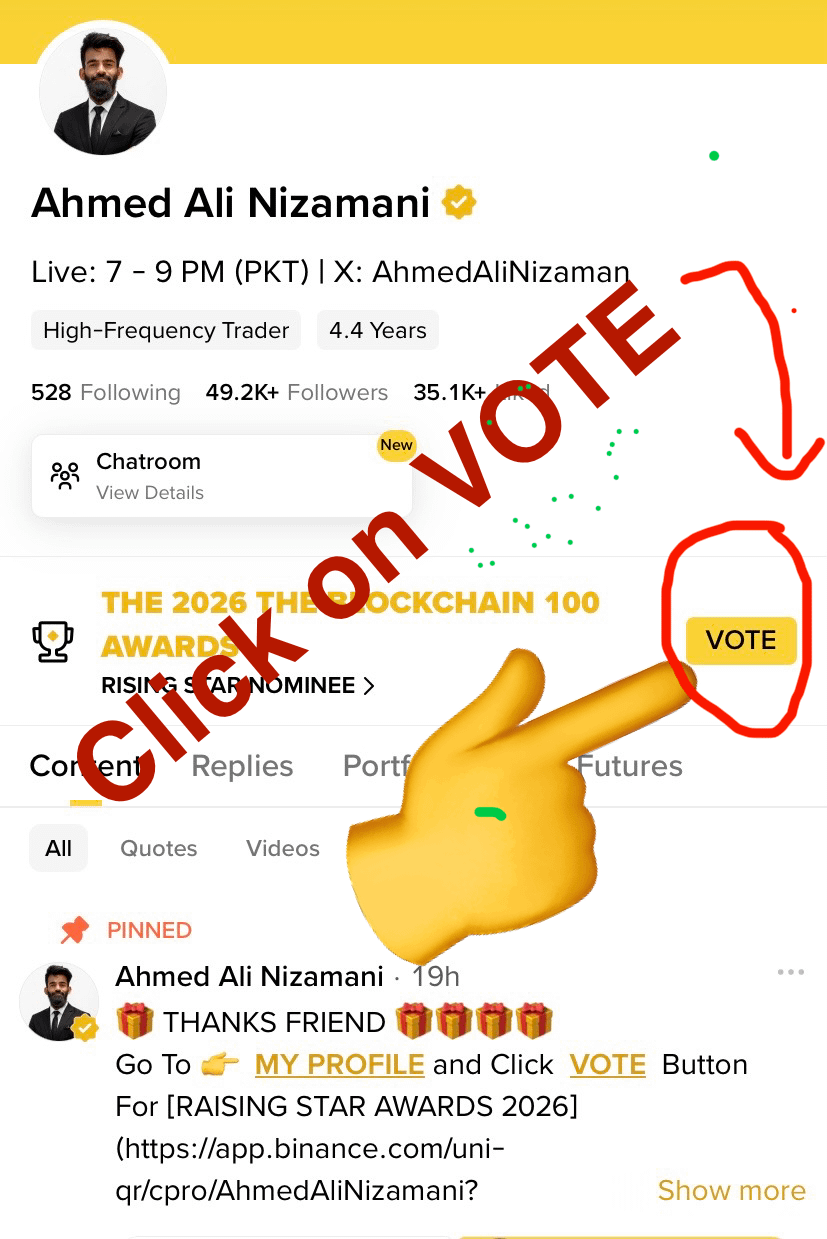
🎁🎁。友達を応援し続けてね 🎁🎁🎁🎁
👉MY PROFILE にアクセスして、👉 VOTE をクリック
それからこの投稿を再投稿して、「投票して再投稿完了 🎁🎁🎁🎁🎁🎁🎁」と書いてね
VOTE ON MY PROFILE FAST 🎁🎁🎁🎁
👉MY PROFILE にアクセスして、👉 VOTE をクリック
それからこの投稿を再投稿して、「投票して再投稿完了 🎁🎁🎁🎁🎁🎁🎁」と書いてね
VOTE ON MY PROFILE FAST 🎁🎁🎁🎁

翻訳参照

Aria Daisy 阿莉娅_黛西1688
·
--
ブリッシュ🎁 **SOLプレゼント企画! 🚀**
Binanceコミュニティのみなさん、準備はいいですか? 💛
素晴らしいコミュニティのみなさんのために、**Solana(SOL)プレゼント企画**を開催します。🔥
応援の気持ちを見せて、アクティブに参加し、一緒に盛り上がりましょう! 💎
みんなで成長して、このコミュニティをさらに強くしていきましょう。💪
参加されるみなさん、幸運を祈ります! 🍀
#solana #GIVEAWAY🎁 #BİNANCE #Follow4more
$SOL $BTC $ETH
Binanceコミュニティのみなさん、準備はいいですか? 💛
素晴らしいコミュニティのみなさんのために、**Solana(SOL)プレゼント企画**を開催します。🔥
応援の気持ちを見せて、アクティブに参加し、一緒に盛り上がりましょう! 💎
みんなで成長して、このコミュニティをさらに強くしていきましょう。💪
参加されるみなさん、幸運を祈ります! 🍀
#solana #GIVEAWAY🎁 #BİNANCE #Follow4more
$SOL $BTC $ETH


翻訳参照

正乾--四条2
·
--
9日間で何ができる?次の奇跡を生み出す、その始まり
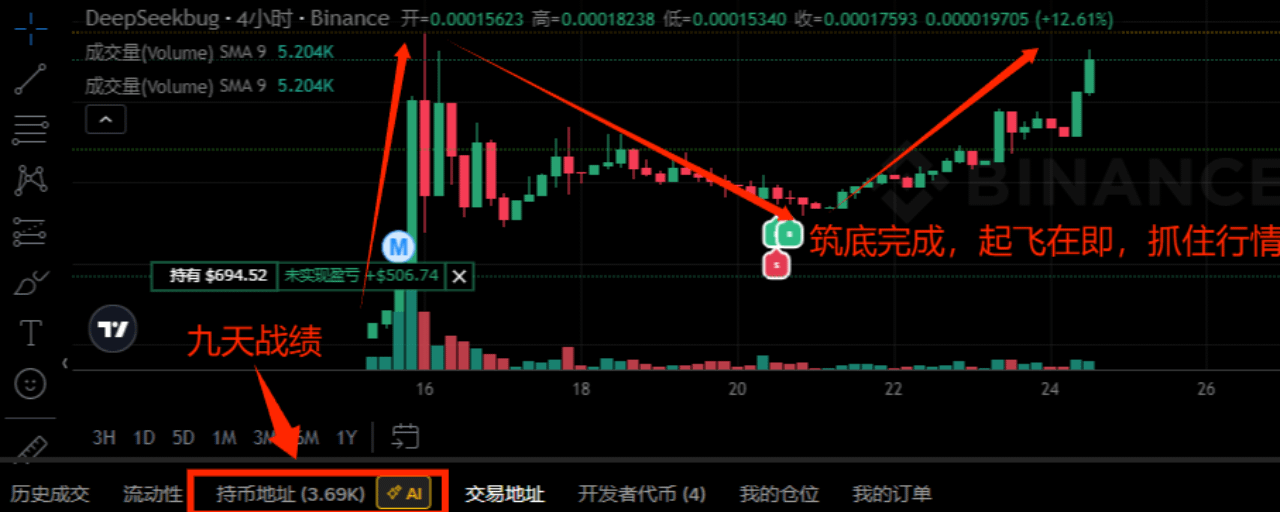
一本のローソク足チャートに映る、DeepSeekbugの9日間の物語。
ローンチ直後の急騰と反落から、長いレンジ相場での振るい落としを経て、今では底固めを終え、再び上昇へ。3,690のアドレスに、少しずつ積み上がったコンセンサスが表れています。
価格曲線の浮き沈みは、Web3に関わるすべての人の修行のようです。焦りもあれば、待つ時間も、疑いも、そして信念もあります。
私たちがDeepSeekbugに取り組むのは、単に一つの銘柄を盛り上げるためではありません。
私たちは、本当の意味でみんなが共につくるコミュニティを築きたいと考えています。技術、コンテンツ、運営、共有——一人ひとりが輝ける場所です。
傍観者ではなく、一緒に問題を解決しよう。壮大な物語を語るだけでなく、毎日少しずつ、確かな成果を積み重ねよう。
ローンチ直後の急騰と反落から、長いレンジ相場での振るい落としを経て、今では底固めを終え、再び上昇へ。3,690のアドレスに、少しずつ積み上がったコンセンサスが表れています。
価格曲線の浮き沈みは、Web3に関わるすべての人の修行のようです。焦りもあれば、待つ時間も、疑いも、そして信念もあります。
私たちがDeepSeekbugに取り組むのは、単に一つの銘柄を盛り上げるためではありません。
私たちは、本当の意味でみんなが共につくるコミュニティを築きたいと考えています。技術、コンテンツ、運営、共有——一人ひとりが輝ける場所です。
傍観者ではなく、一緒に問題を解決しよう。壮大な物語を語るだけでなく、毎日少しずつ、確かな成果を積み重ねよう。
翻訳参照
Sara_ k
·
--
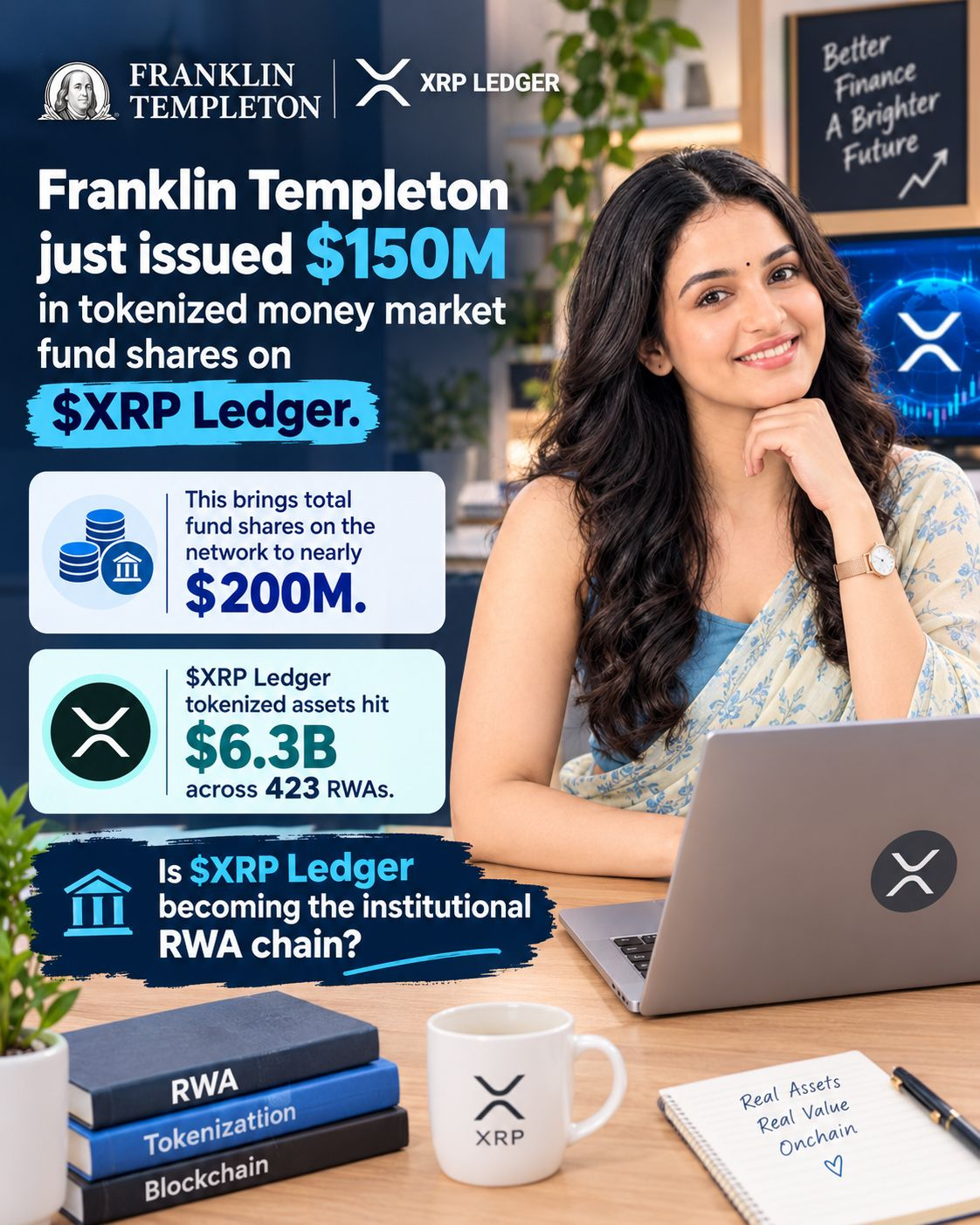
$XRP Ledgerは機関投資家向けRWAチェーンになりつつあるのか?
.
claim here 🧧🧧🧧🧧👈
.
claim2 🧧🧧🧧🧧🧧👈
.
.
claim here 🧧🧧🧧🧧👈
.
claim2 🧧🧧🧧🧧🧧👈
.

小小皓666
·
--
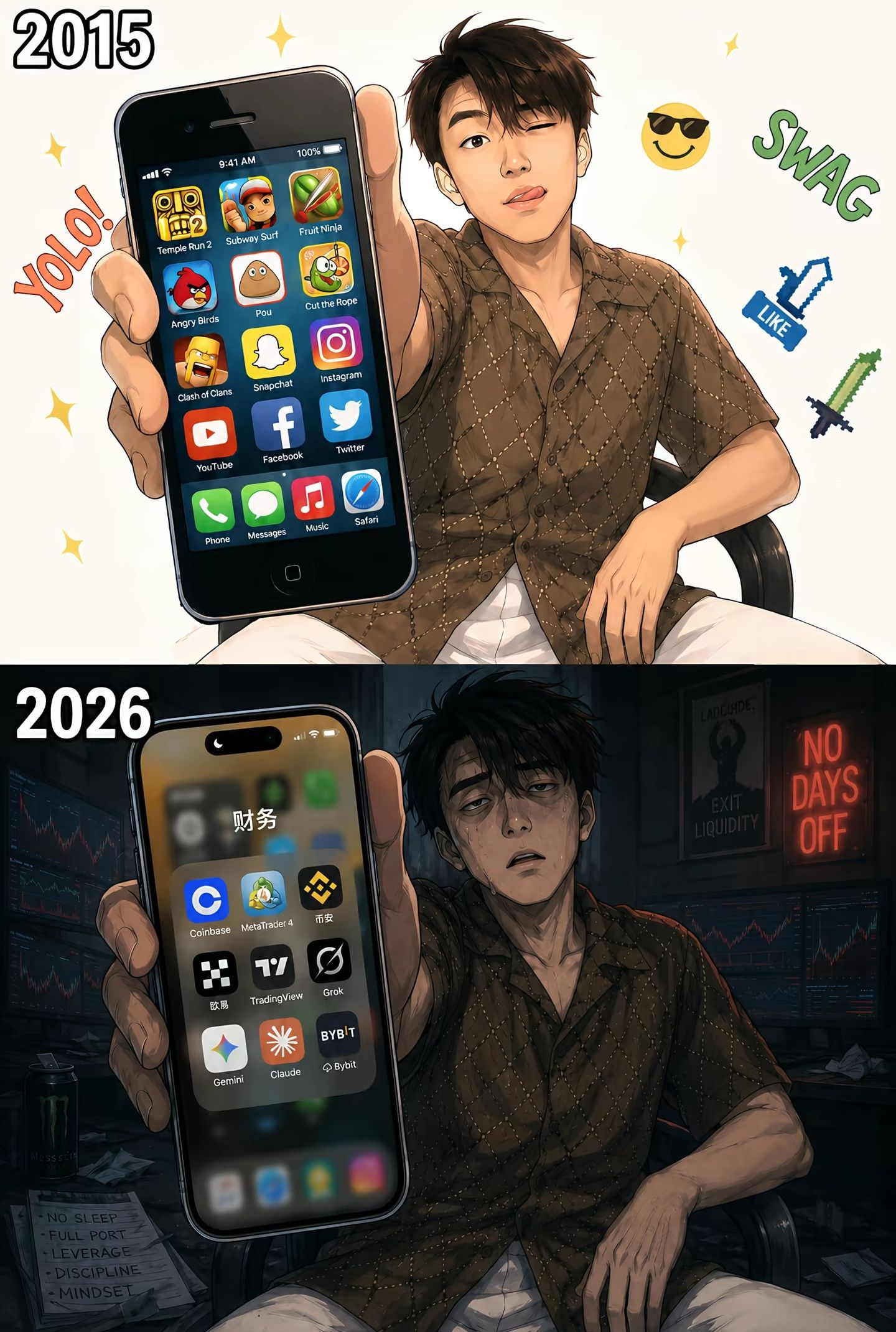
あの頃、意気揚々としていた自分を覚えていますか?
翻訳参照
Sara_ k
·
--
$XRP Ledgerは機関投資家向けRWAチェーンになりつつあるのか?
.
claim here 🧧🧧🧧🧧👈
.
claim2 🧧🧧🧧🧧🧧👈
.
.
claim here 🧧🧧🧧🧧👈
.
claim2 🧧🧧🧧🧧🧧👈
.
翻訳参照

小美琪_666
·
--
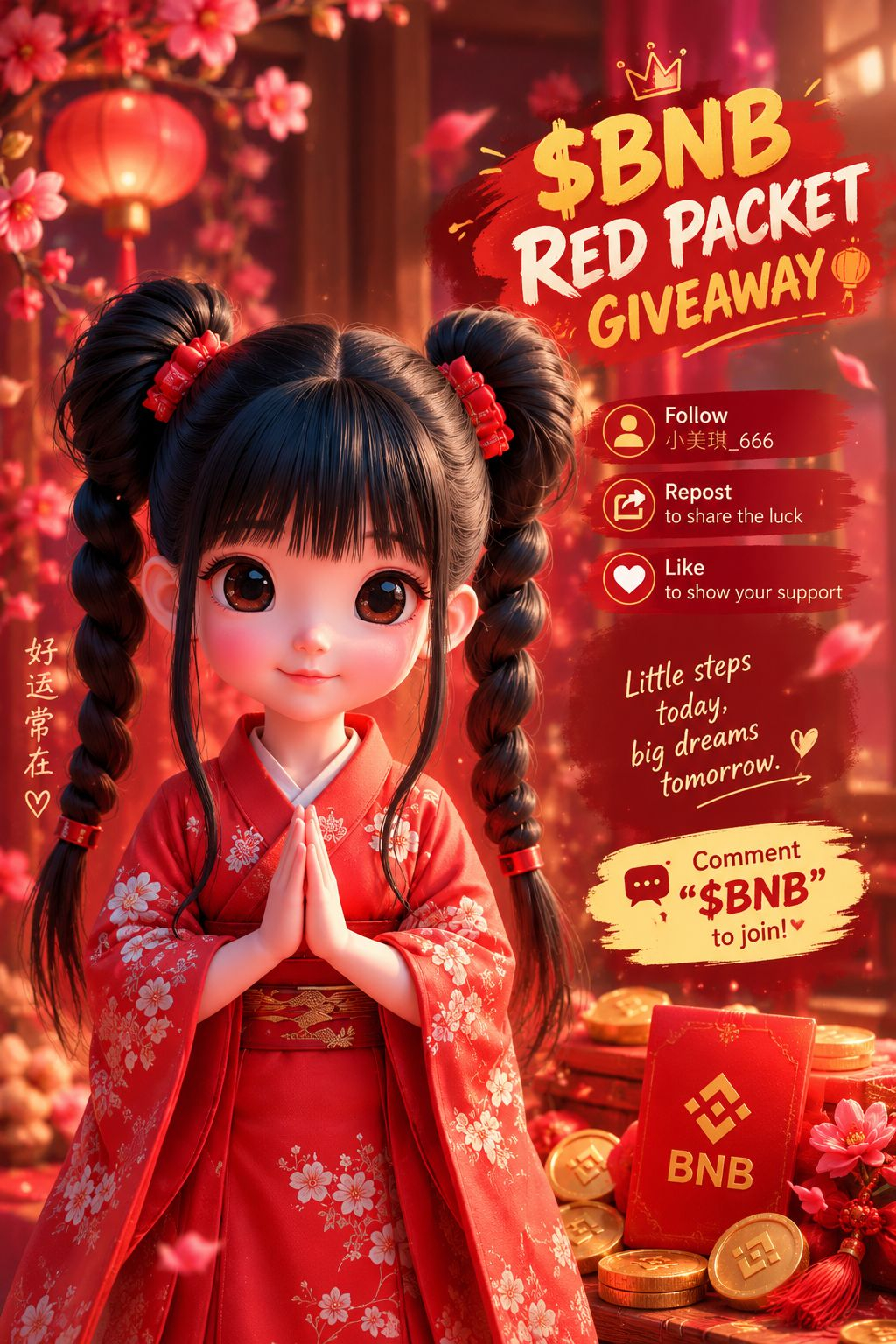
🎁🔴 $BNB お年玉大放出 🔴🎁
❤️ さあ、$BNB のお年玉を受け取ってね!
1️⃣ フォローしてね:@小美琪_666
2️⃣ この幸運をシェア 🔄
3️⃣ いいねで応援してね ❤️
🌸 あなたの瞳に輝きを、心に夢を、足元に道を!
✨ たとえこの先に嵐が待っていても、
勇気を出して前に進もう。
今日ほんの少し努力すれば、
明日は星空のような実りが待っている。❤️
🧧 幸運とともに、驚きがいっぱい!
💬 コメント欄に「$BNB 」と残して、この幸運を一緒に分かち合おう! 🎁
❤️ さあ、$BNB のお年玉を受け取ってね!
1️⃣ フォローしてね:@小美琪_666
2️⃣ この幸運をシェア 🔄
3️⃣ いいねで応援してね ❤️
🌸 あなたの瞳に輝きを、心に夢を、足元に道を!
✨ たとえこの先に嵐が待っていても、
勇気を出して前に進もう。
今日ほんの少し努力すれば、
明日は星空のような実りが待っている。❤️
🧧 幸運とともに、驚きがいっぱい!
💬 コメント欄に「$BNB 」と残して、この幸運を一緒に分かち合おう! 🎁
翻訳参照

Bilawal Ashiq
·
--
🧧🧧Clamをリポストして「いいね」お願いします。SOLギフト🎉🎉
$SOL 🧧🧧🧧🧧
$SOL 🧧🧧🧧🧧

翻訳参照

Mahi_玛希BNB
·
--
⚡ **イーサリアム(ETH):次の動きの前の静けさ?** 🔥
市場が方向性を探るなか、イーサリアムは引き続きトレーダーの注目を集めています。 📊 ETHはレジスタンスを突破するでしょうか?それとも、買い手が勢いをつけるにはもう少し時間が必要でしょうか?
賢明な判断には、忍耐、リサーチ、リスク管理が欠かせません。 💎
**ETHの今後をどう見ていますか?** 🚀
$ETH $BTC $BNB
#Ethereum #ETH #CryptoMarketMoves #altcoins #BinanceSquare
市場が方向性を探るなか、イーサリアムは引き続きトレーダーの注目を集めています。 📊 ETHはレジスタンスを突破するでしょうか?それとも、買い手が勢いをつけるにはもう少し時間が必要でしょうか?
賢明な判断には、忍耐、リサーチ、リスク管理が欠かせません。 💎
**ETHの今後をどう見ていますか?** 🚀
$ETH $BTC $BNB
#Ethereum #ETH #CryptoMarketMoves #altcoins #BinanceSquare

翻訳参照

NAJAF_加密 143
·
--
‼️$DOGE 🧧 報酬が届きました ‼️
コミュニティへの大きな感謝を込めて、$DOGE 🧧の報酬を皆さんにお届けします。
✨ 報酬を受け取って、お楽しみください! ✨
受け取って、報酬をゲット
@DOGE_ $DOGE #DOGE
コミュニティへの大きな感謝を込めて、$DOGE 🧧の報酬を皆さんにお届けします。
✨ 報酬を受け取って、お楽しみください! ✨
受け取って、報酬をゲット
@DOGE_ $DOGE #DOGE

翻訳参照

Suadagar Ali
·
--
#BNB ETH BTC$
友達みんな、幸せでいてね
🌹🥀☘️🌹フォローしてね
いいね、コメント、そして
シェアもしてね
友達みんな、幸せでいてね
🌹🥀☘️🌹フォローしてね
いいね、コメント、そして
シェアもしてね

翻訳参照

Dafoor
·
--
🧧🎁 ギフトボックス🧧🎁
🎁🎁🎁🎁🎁🎁🎁🎁
🎁🎁🎁🎁🎁🎁🎁🎁


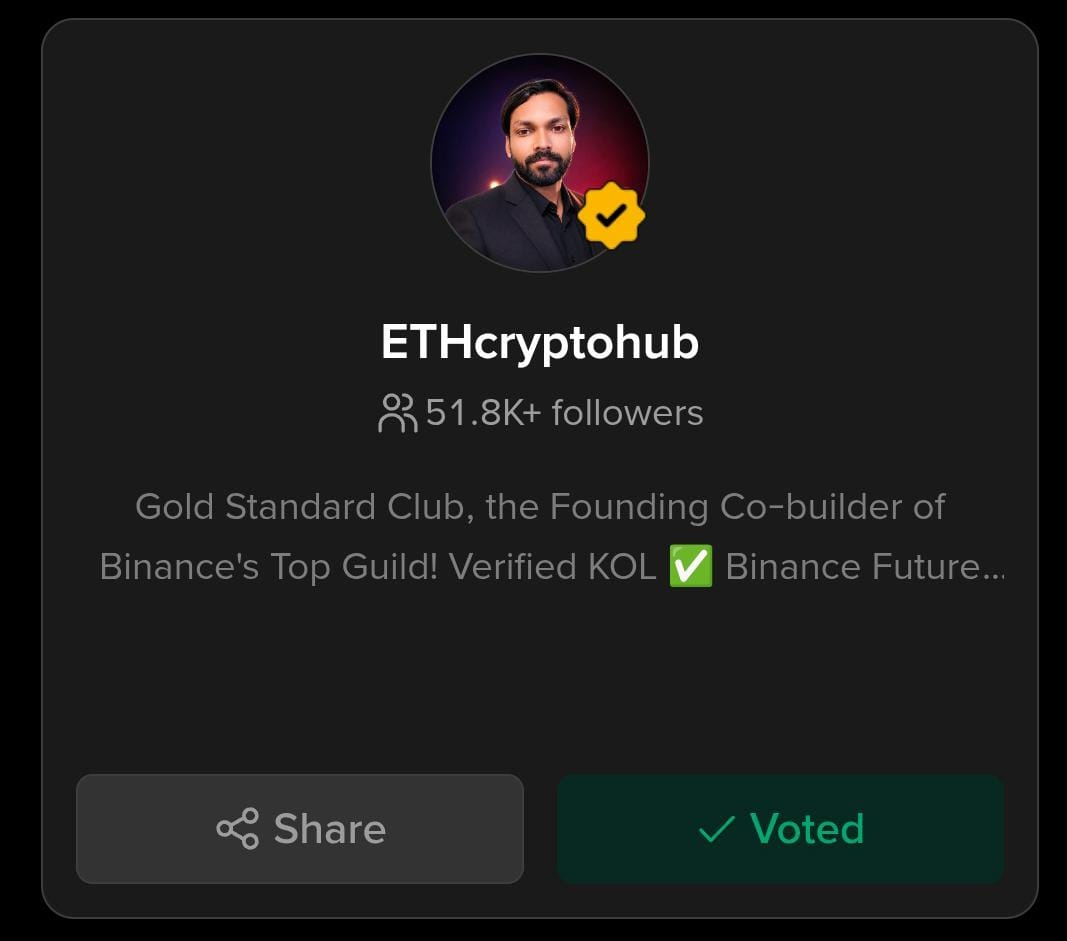
ETHcryptohub
·
--
🎁 $50レッドパケットプレゼント企画! 🎁
今日この投稿が1,000票と1,000件のコメントを獲得したら、明日の投稿で皆さんに$50分のレッドパケットをプレゼントします! ❤️
✅ この投稿に「いいね」してリポスト
🗳️ 今日、私に投票してください
💬 投票した方は「投票しました」とコメントしてください!スクリーンショットもシェアしてください
実現させましょう! 🚀
投票 ✨✨ Click Here ✨✨
#Ethcryptohub
今日この投稿が1,000票と1,000件のコメントを獲得したら、明日の投稿で皆さんに$50分のレッドパケットをプレゼントします! ❤️
✅ この投稿に「いいね」してリポスト
🗳️ 今日、私に投票してください
💬 投票した方は「投票しました」とコメントしてください!スクリーンショットもシェアしてください
実現させましょう! 🚀
投票 ✨✨ Click Here ✨✨
#Ethcryptohub
Dafoor
·
--
🧧🎁 ギフトボックス🧧🎁
🎁🎁🎁🎁🎁🎁🎁🎁
🎁🎁🎁🎁🎁🎁🎁🎁
BOSS BNB
·
--
Hello Guys
CLICK 👉🏻CLAIM WEB3 BENEFIT 🎁🎁🎁
CLICK 👉🏻CLAIM WEB3 BENEFIT 🎁🎁🎁
crypto_trader42
·
--
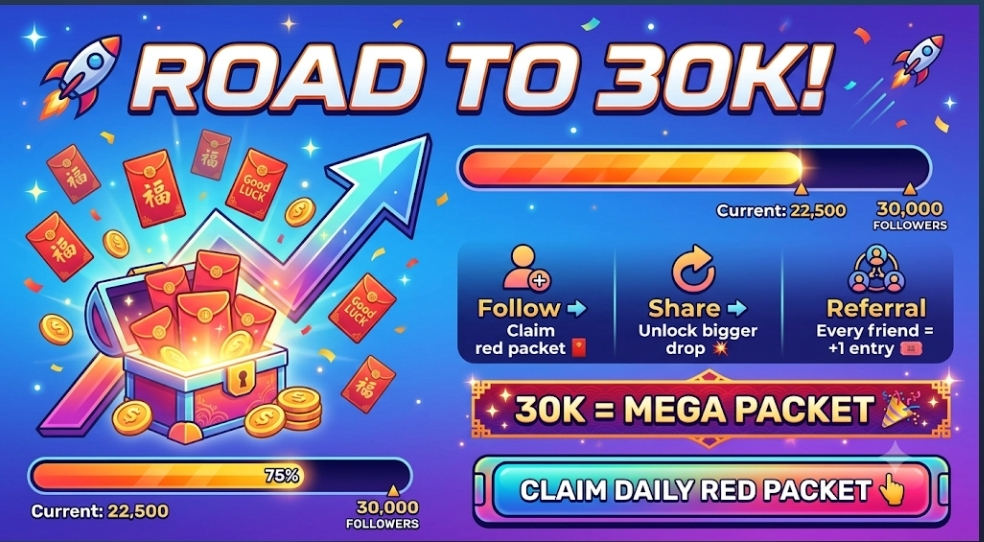
🚀 あと2.2K 🧧
フォロー ✅ 受け取る 🧧 シェア 🔁
シェアするたびに応募口数+1 🎟️
30K達成でメガドロップ 💥
フォロー ✅ 受け取る 🧧 シェア 🔁
シェアするたびに応募口数+1 🎟️
30K達成でメガドロップ 💥
ログインして、さらにコンテンツを読む