

FOLL0W
5k 投稿

FOLL0W
 厳選トピック確認済+
報告
ユーザーをブロック
Content Creator & Crypto Educator | Web3 Researcher | Crypto, AI & Blockchain Insights | Educational Threads • Market Research | Simplifying Web3 for Everyone
5.0K+ フォロー
32.5K+ フォロワー
8.9K+ いいね
投稿
すべて
引用
動画
ライブ
PINNED
·
--
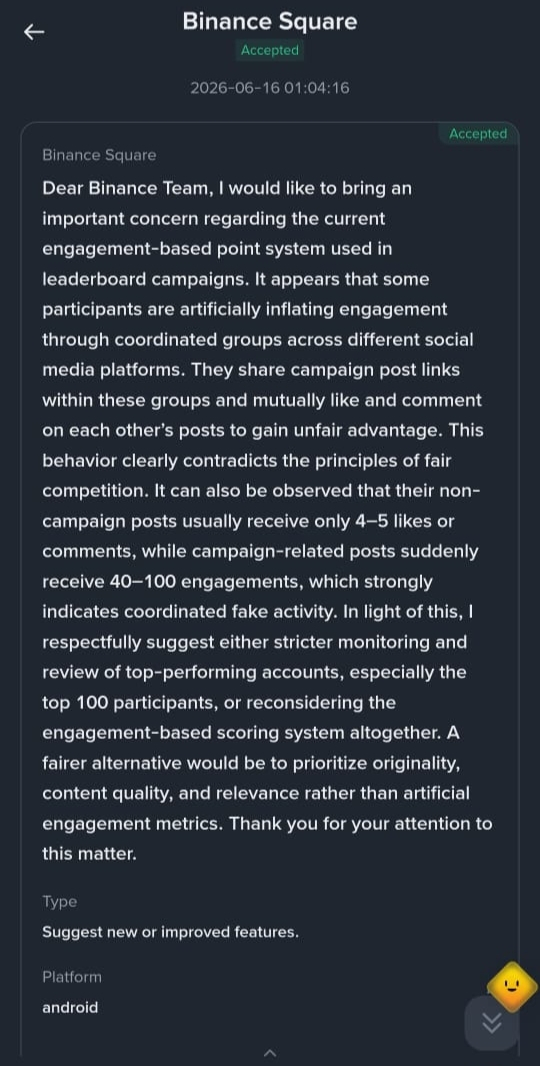
私がバイナンスの「人工的なエンゲージメント問題」を報告した理由――そしてそれが重要な理由
2か月前、私はバイナンスのカスタマーサポートにフィードバックを共有し、その後「Accepted(受理済み)」の通知を受け取りました。
しかし、キャンペーン投稿での「いいね」やコメントの競争は、その後も続いています。
なぜ私がそれを報告したのか?
まず、公平性です。一部のクリエイターはソーシャルメディアのグループでキャンペーンのリンクを共有し、より多くのポイントを獲得するために何百もの「いいね」やコメントを交換していました。一方で、本当に質の高いコンテンツを持ちながらも、ネットワーク規模が小さいクリエイターは、リーダーボードに到達するのが難しい状況でした。
次に、そしてもっと重要なのは、時間です。
たとえば、キャンペーン投稿を共有して100件のコメントを得たとします。次に、あなたはそのコメントに返信し、さらにそれらのユーザーのプロフィールを訪れて「いいね」やコメントをします。
これは、日々3〜5時間のルーティンになってしまうこともあります。
なぜなら、それが「交換」になってしまうからです:
「あなたが私の投稿に反応してくれたら、私もあなたの投稿に反応する」
コンテンツを調べたり、書いたり、改善したりする時間を使う代わりに、競争に負けないためだけにエンゲージメントのネットワークを維持することになりかねません。
だからこそ、バイナンスの最近の対応は前向きな一歩だと私は考えています。
バイナンスは、27アカウントが報酬の対象外であると発表しており、また数百件の警告を受けた例もあります。
これは、エンゲージメントが高いすべてのクリエイターが何か悪いことをしているという意味ではありません。真のエンゲージメントは価値があり、常に推奨されるべきです。
本当の問題は、人工的で組織的なエンゲージメントの交換によって、一部のクリエイターが不公平な優位を得てしまうことです。
もし私たちがバイナンススクエアを、より公平で透明性の高いプラットフォームにしたいのであれば、こうした行為を報告し、建設的なフィードバックを共有し続けるべきです。
結局のところ、良いコンテンツは「最大のエンゲージメントネットワークを持つ」クリエイターではなく、公平なチャンスを得て勝つべきです。#BinanceSquare #FairEngagement #ContentCreators
@Binance_Square_Official @CZ
私がバイナンスの「人工的なエンゲージメント問題」を報告した理由――そしてそれが重要な理由
2か月前、私はバイナンスのカスタマーサポートにフィードバックを共有し、その後「Accepted(受理済み)」の通知を受け取りました。
しかし、キャンペーン投稿での「いいね」やコメントの競争は、その後も続いています。
なぜ私がそれを報告したのか?
まず、公平性です。一部のクリエイターはソーシャルメディアのグループでキャンペーンのリンクを共有し、より多くのポイントを獲得するために何百もの「いいね」やコメントを交換していました。一方で、本当に質の高いコンテンツを持ちながらも、ネットワーク規模が小さいクリエイターは、リーダーボードに到達するのが難しい状況でした。
次に、そしてもっと重要なのは、時間です。
たとえば、キャンペーン投稿を共有して100件のコメントを得たとします。次に、あなたはそのコメントに返信し、さらにそれらのユーザーのプロフィールを訪れて「いいね」やコメントをします。
これは、日々3〜5時間のルーティンになってしまうこともあります。
なぜなら、それが「交換」になってしまうからです:
「あなたが私の投稿に反応してくれたら、私もあなたの投稿に反応する」
コンテンツを調べたり、書いたり、改善したりする時間を使う代わりに、競争に負けないためだけにエンゲージメントのネットワークを維持することになりかねません。
だからこそ、バイナンスの最近の対応は前向きな一歩だと私は考えています。
バイナンスは、27アカウントが報酬の対象外であると発表しており、また数百件の警告を受けた例もあります。
これは、エンゲージメントが高いすべてのクリエイターが何か悪いことをしているという意味ではありません。真のエンゲージメントは価値があり、常に推奨されるべきです。
本当の問題は、人工的で組織的なエンゲージメントの交換によって、一部のクリエイターが不公平な優位を得てしまうことです。
もし私たちがバイナンススクエアを、より公平で透明性の高いプラットフォームにしたいのであれば、こうした行為を報告し、建設的なフィードバックを共有し続けるべきです。
結局のところ、良いコンテンツは「最大のエンゲージメントネットワークを持つ」クリエイターではなく、公平なチャンスを得て勝つべきです。#BinanceSquare #FairEngagement #ContentCreators
@Binance Square Official @CZ
2か月前、私はバイナンスのカスタマーサポートにフィードバックを共有し、その後「Accepted(受理済み)」の通知を受け取りました。
しかし、キャンペーン投稿での「いいね」やコメントの競争は、その後も続いています。
なぜ私がそれを報告したのか?
まず、公平性です。一部のクリエイターはソーシャルメディアのグループでキャンペーンのリンクを共有し、より多くのポイントを獲得するために何百もの「いいね」やコメントを交換していました。一方で、本当に質の高いコンテンツを持ちながらも、ネットワーク規模が小さいクリエイターは、リーダーボードに到達するのが難しい状況でした。
次に、そしてもっと重要なのは、時間です。
たとえば、キャンペーン投稿を共有して100件のコメントを得たとします。次に、あなたはそのコメントに返信し、さらにそれらのユーザーのプロフィールを訪れて「いいね」やコメントをします。
これは、日々3〜5時間のルーティンになってしまうこともあります。
なぜなら、それが「交換」になってしまうからです:
「あなたが私の投稿に反応してくれたら、私もあなたの投稿に反応する」
コンテンツを調べたり、書いたり、改善したりする時間を使う代わりに、競争に負けないためだけにエンゲージメントのネットワークを維持することになりかねません。
だからこそ、バイナンスの最近の対応は前向きな一歩だと私は考えています。
バイナンスは、27アカウントが報酬の対象外であると発表しており、また数百件の警告を受けた例もあります。
これは、エンゲージメントが高いすべてのクリエイターが何か悪いことをしているという意味ではありません。真のエンゲージメントは価値があり、常に推奨されるべきです。
本当の問題は、人工的で組織的なエンゲージメントの交換によって、一部のクリエイターが不公平な優位を得てしまうことです。
もし私たちがバイナンススクエアを、より公平で透明性の高いプラットフォームにしたいのであれば、こうした行為を報告し、建設的なフィードバックを共有し続けるべきです。
結局のところ、良いコンテンツは「最大のエンゲージメントネットワークを持つ」クリエイターではなく、公平なチャンスを得て勝つべきです。#BinanceSquare #FairEngagement #ContentCreators
@Binance Square Official @CZ


Binance Square Official
·
--
本当の会話こそが、Binance Squareに参加する価値を生みます。
- 同じ内容の反復的なテンプレート投稿、AI生成のコメント、または空のコメントを、普通のユーザーよりはるかに大量に投稿することは、当社のルールに反します。深刻な場合、収益化の対象資格を失ったり、ミュートされたりする可能性があります。
- ポイントや報酬のために、見せかけのエンゲージメントを狙ってテンプレート返信を繰り返しトレードするアカウントも同様です。アカウントの健全性とリーチを損ない、深刻な場合は収益化の対象資格を失うこともあります。
上記を踏まえ、また皆さんからCreatorPadに関する多くのご意見をいただいたことを受けて、BABY CreatorPadの受賞者を確認しました。見つかった内容は以下のとおりです:
- 27のアカウントが、通常のやり取りを大幅に超える頻度でコメントしていました。報酬の資格は取り消され、違反としてフラグが立てられています。
- 265のアカウントが、相互スパムに関与していました。警告を受けており、アカウントにその記録が残されています。
Binance Squareは、実際のコミュニティのやり取りにこそ価値があります。意味のないコメントスパム、小さなコミュニティ内での相互コメント、そして繰り返し他者にコメントを求める行為の検知を追加しました。このお知らせ以降は、現在のCreatorPadキャンペーンを含む、すべての機能および今後のキャンペーンに適用されます。これらのパターンに該当する行動を取った方は、報酬の資格を失う可能性があります。
丁寧に作り続けてくれている皆さんに感謝します。公正なコミュニティを、みんなで守っていきましょう。
また、皆さんのご意見もぜひ伺いたいです。コメント欄でCreatorPadおよびBinance Squareに関する考えをお聞かせください。コメントしてくれた方のうち3名を選び、報酬のレッドパケットをお届けします。皆さんの率直なフィードバックは、より良いものにするための助けになります。
- 同じ内容の反復的なテンプレート投稿、AI生成のコメント、または空のコメントを、普通のユーザーよりはるかに大量に投稿することは、当社のルールに反します。深刻な場合、収益化の対象資格を失ったり、ミュートされたりする可能性があります。
- ポイントや報酬のために、見せかけのエンゲージメントを狙ってテンプレート返信を繰り返しトレードするアカウントも同様です。アカウントの健全性とリーチを損ない、深刻な場合は収益化の対象資格を失うこともあります。
上記を踏まえ、また皆さんからCreatorPadに関する多くのご意見をいただいたことを受けて、BABY CreatorPadの受賞者を確認しました。見つかった内容は以下のとおりです:
- 27のアカウントが、通常のやり取りを大幅に超える頻度でコメントしていました。報酬の資格は取り消され、違反としてフラグが立てられています。
- 265のアカウントが、相互スパムに関与していました。警告を受けており、アカウントにその記録が残されています。
Binance Squareは、実際のコミュニティのやり取りにこそ価値があります。意味のないコメントスパム、小さなコミュニティ内での相互コメント、そして繰り返し他者にコメントを求める行為の検知を追加しました。このお知らせ以降は、現在のCreatorPadキャンペーンを含む、すべての機能および今後のキャンペーンに適用されます。これらのパターンに該当する行動を取った方は、報酬の資格を失う可能性があります。
丁寧に作り続けてくれている皆さんに感謝します。公正なコミュニティを、みんなで守っていきましょう。
また、皆さんのご意見もぜひ伺いたいです。コメント欄でCreatorPadおよびBinance Squareに関する考えをお聞かせください。コメントしてくれた方のうち3名を選び、報酬のレッドパケットをお届けします。皆さんの率直なフィードバックは、より良いものにするための助けになります。
1
219
·
--
これ、ちょっとだけ遊びました 😅🥮🌕
Canvaでムーンケーキを作りたくて、伝統的な中秋節デザインの雰囲気は残しつつ、そこに自分なりの小さなBinance要素を加えたかったんです。
凝りすぎないこと。
ただ、シンプルで、
あたたかくて、ちょっとだけ違うもの。
たぶん、この創作チャレンジのところが好きなんですよね。ときどき、シンプルなアイデアから始めて、気づいたら本当に楽しめるものに変わっていく。 💛
#BinanceMidAutumn #BinanceSquareTG
これ、ちょっとだけ遊びました 😅🥮🌕
Canvaでムーンケーキを作りたくて、伝統的な中秋節デザインの雰囲気は残しつつ、そこに自分なりの小さなBinance要素を加えたかったんです。
凝りすぎないこと。
ただ、シンプルで、
あたたかくて、ちょっとだけ違うもの。
たぶん、この創作チャレンジのところが好きなんですよね。ときどき、シンプルなアイデアから始めて、気づいたら本当に楽しめるものに変わっていく。 💛
#BinanceMidAutumn #BinanceSquareTG
Canvaでムーンケーキを作りたくて、伝統的な中秋節デザインの雰囲気は残しつつ、そこに自分なりの小さなBinance要素を加えたかったんです。
凝りすぎないこと。
ただ、シンプルで、
あたたかくて、ちょっとだけ違うもの。
たぶん、この創作チャレンジのところが好きなんですよね。ときどき、シンプルなアイデアから始めて、気づいたら本当に楽しめるものに変わっていく。 💛
#BinanceMidAutumn #BinanceSquareTG

142
·
--
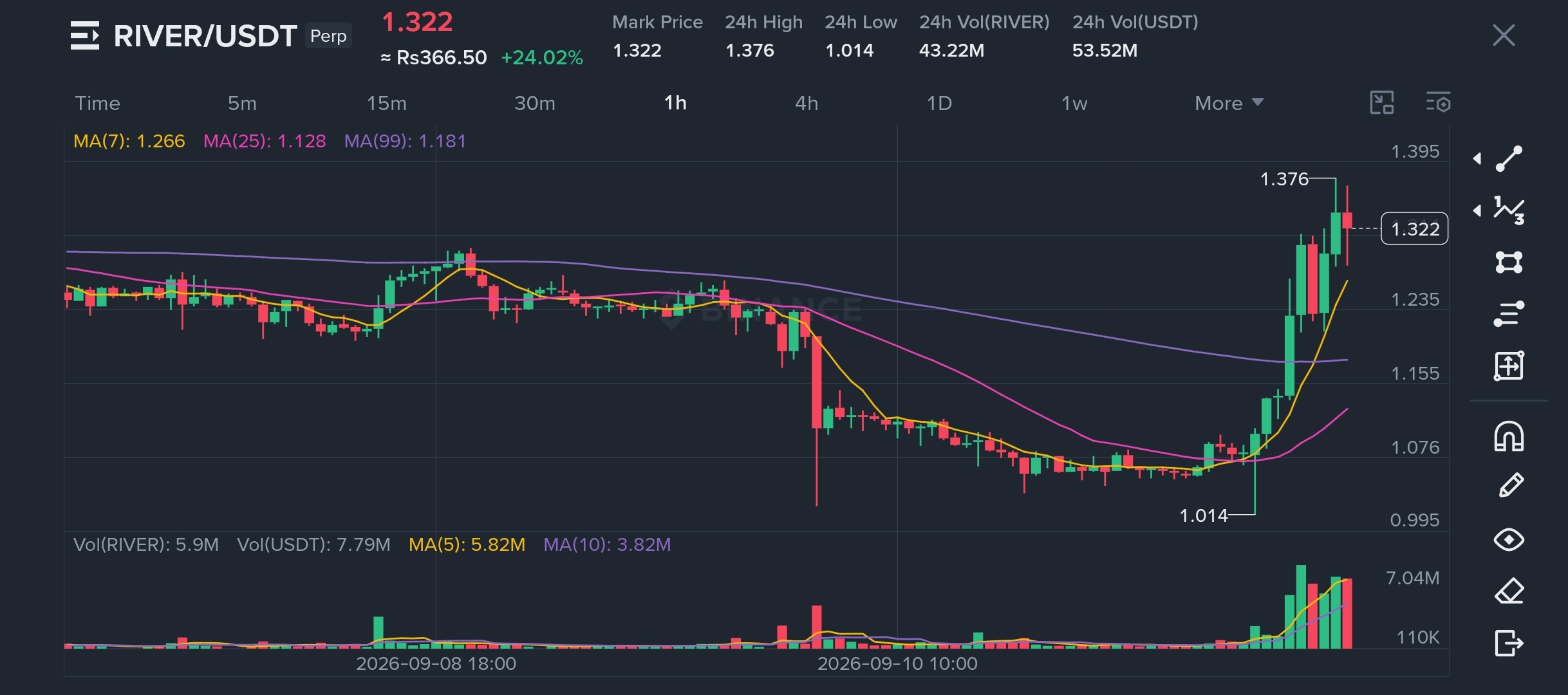
1時間足の「RIVER/USDT」チャートに注目しました。ここでのリカバリーが、今日私が見てきたもみ合いの多いセットアップのほとんどよりも明らかにクリーンに見えるからです。
1.014まで鋭く急落した後、価格はただ跳ね返っただけではありません。24時間高値の1.376まで押し戻され、現在はおよそ1.322で推移しています。24時間の値動きは+24.02%で、さらに目立つのは、価格が3つすべての移動平均線を大きく上回って取引されていることです。MA(7)は1.266、MA(25)は1.128、MA(99)は1.181です。このような整合性は、短期のモメンタムが“本当に”切り替わったことを示す場合が多く、単なる一瞬の点滅ではないと感じます。
興味深いのは出来高です。下値付近の1.014近辺で明確なスパイクが見て取れ、上昇していく途中でも買い圧が高い状態を保っています。ただ、このような垂直に近い動きの後で重要なのは、緑のローソク足を追いかけることではないと思います。重要なのは、価格が押し戻されたときに買い手が1.23〜1.26のゾーンを維持できるかどうかです。もしその領域が支持に変われば、構造は健全なままです。破れてしまうなら、これはトレンドというよりスパイクのように見えてきます。
私の見立てでは、$RIVER は本物の短期的な強さを示していますが、まだ序盤です。1.376をすぐに取りに行く動きを追うよりも、より高い安値が形成されるのを見るほうに関心があります。
この先、移動平均線を上回って維持できるのか、それともいったん冷えてレンジ(統合)に入るのかを見ています。あなたならこれを強さとして扱いますか、それとも単なる短期モメンタムでしょうか?
1時間足の「RIVER/USDT」チャートに注目しました。ここでのリカバリーが、今日私が見てきたもみ合いの多いセットアップのほとんどよりも明らかにクリーンに見えるからです。
1.014まで鋭く急落した後、価格はただ跳ね返っただけではありません。24時間高値の1.376まで押し戻され、現在はおよそ1.322で推移しています。24時間の値動きは+24.02%で、さらに目立つのは、価格が3つすべての移動平均線を大きく上回って取引されていることです。MA(7)は1.266、MA(25)は1.128、MA(99)は1.181です。このような整合性は、短期のモメンタムが“本当に”切り替わったことを示す場合が多く、単なる一瞬の点滅ではないと感じます。
興味深いのは出来高です。下値付近の1.014近辺で明確なスパイクが見て取れ、上昇していく途中でも買い圧が高い状態を保っています。ただ、このような垂直に近い動きの後で重要なのは、緑のローソク足を追いかけることではないと思います。重要なのは、価格が押し戻されたときに買い手が1.23〜1.26のゾーンを維持できるかどうかです。もしその領域が支持に変われば、構造は健全なままです。破れてしまうなら、これはトレンドというよりスパイクのように見えてきます。
私の見立てでは、$RIVER は本物の短期的な強さを示していますが、まだ序盤です。1.376をすぐに取りに行く動きを追うよりも、より高い安値が形成されるのを見るほうに関心があります。
この先、移動平均線を上回って維持できるのか、それともいったん冷えてレンジ(統合)に入るのかを見ています。あなたならこれを強さとして扱いますか、それとも単なる短期モメンタムでしょうか?
1.014まで鋭く急落した後、価格はただ跳ね返っただけではありません。24時間高値の1.376まで押し戻され、現在はおよそ1.322で推移しています。24時間の値動きは+24.02%で、さらに目立つのは、価格が3つすべての移動平均線を大きく上回って取引されていることです。MA(7)は1.266、MA(25)は1.128、MA(99)は1.181です。このような整合性は、短期のモメンタムが“本当に”切り替わったことを示す場合が多く、単なる一瞬の点滅ではないと感じます。
興味深いのは出来高です。下値付近の1.014近辺で明確なスパイクが見て取れ、上昇していく途中でも買い圧が高い状態を保っています。ただ、このような垂直に近い動きの後で重要なのは、緑のローソク足を追いかけることではないと思います。重要なのは、価格が押し戻されたときに買い手が1.23〜1.26のゾーンを維持できるかどうかです。もしその領域が支持に変われば、構造は健全なままです。破れてしまうなら、これはトレンドというよりスパイクのように見えてきます。
私の見立てでは、$RIVER は本物の短期的な強さを示していますが、まだ序盤です。1.376をすぐに取りに行く動きを追うよりも、より高い安値が形成されるのを見るほうに関心があります。
この先、移動平均線を上回って維持できるのか、それともいったん冷えてレンジ(統合)に入るのかを見ています。あなたならこれを強さとして扱いますか、それとも単なる短期モメンタムでしょうか?
360
·
--
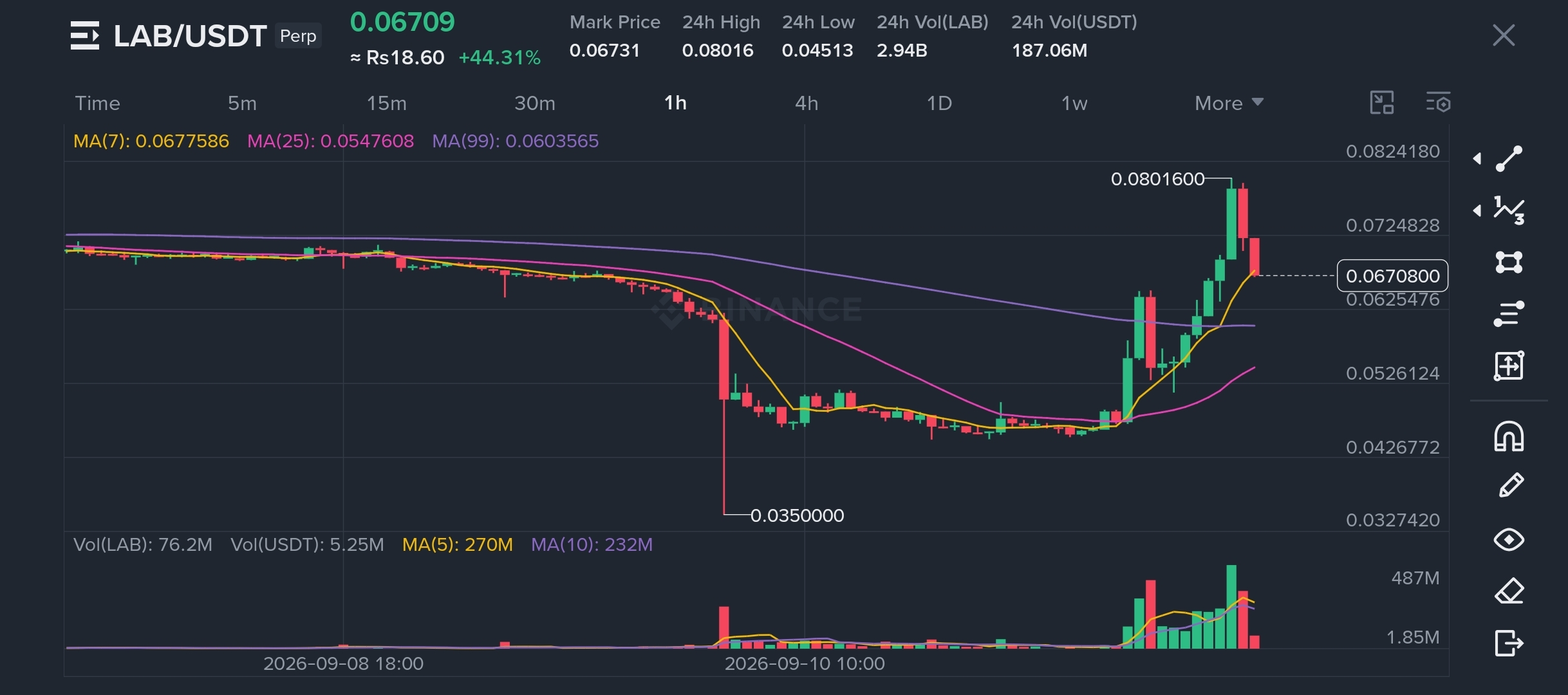
LABはここ数日、ボラティリティでかなり荒い値動きを見せています。
私が時間足チャートで注目したのは、0.035付近まで急落した後、攻撃的なV字回復が起きて0.08を上抜け、その後いまは約0.067まで冷え込んでいる点です。崩れの局面でも跳ね返りの局面でも出来高が拡大しており、今市場の関心が非常に高いことを示しています。
私にとって、このような急激な値動きは、これらのパーペトゥアル市場でセンチメントがいかに素早く反転し得るかを思い出させる典型的なサインです。紙の上では回復が印象的に見えますが、縦方向の動きの直後にグリーンの足を追いかけるのは、たいてい隠れたリスクが多く含まれます。
この水準あたりで安定した土台を作れるのか、それとも落ち着くまでさらに時間が必要なのかを見ています。
ここでは何を見ていますか? これを基調の強さと見ますか、それとも短期的なモメンタムだけですか?
$LAB
LABはここ数日、ボラティリティでかなり荒い値動きを見せています。
私が時間足チャートで注目したのは、0.035付近まで急落した後、攻撃的なV字回復が起きて0.08を上抜け、その後いまは約0.067まで冷え込んでいる点です。崩れの局面でも跳ね返りの局面でも出来高が拡大しており、今市場の関心が非常に高いことを示しています。
私にとって、このような急激な値動きは、これらのパーペトゥアル市場でセンチメントがいかに素早く反転し得るかを思い出させる典型的なサインです。紙の上では回復が印象的に見えますが、縦方向の動きの直後にグリーンの足を追いかけるのは、たいてい隠れたリスクが多く含まれます。
この水準あたりで安定した土台を作れるのか、それとも落ち着くまでさらに時間が必要なのかを見ています。
ここでは何を見ていますか? これを基調の強さと見ますか、それとも短期的なモメンタムだけですか?
$LAB
私が時間足チャートで注目したのは、0.035付近まで急落した後、攻撃的なV字回復が起きて0.08を上抜け、その後いまは約0.067まで冷え込んでいる点です。崩れの局面でも跳ね返りの局面でも出来高が拡大しており、今市場の関心が非常に高いことを示しています。
私にとって、このような急激な値動きは、これらのパーペトゥアル市場でセンチメントがいかに素早く反転し得るかを思い出させる典型的なサインです。紙の上では回復が印象的に見えますが、縦方向の動きの直後にグリーンの足を追いかけるのは、たいてい隠れたリスクが多く含まれます。
この水準あたりで安定した土台を作れるのか、それとも落ち着くまでさらに時間が必要なのかを見ています。
ここでは何を見ていますか? これを基調の強さと見ますか、それとも短期的なモメンタムだけですか?
$LAB
1
544


·
--
POV:車の金を仮想通貨に投資して、そのせいで今、自分に言い聞かせながら「歩くのは健康にいい」って納得させてる。😂🚶♂️📊
POV:車の金を仮想通貨に投資して、そのせいで今、自分に言い聞かせながら「歩くのは健康にいい」って納得させてる。😂🚶♂️📊

1
166
·
--
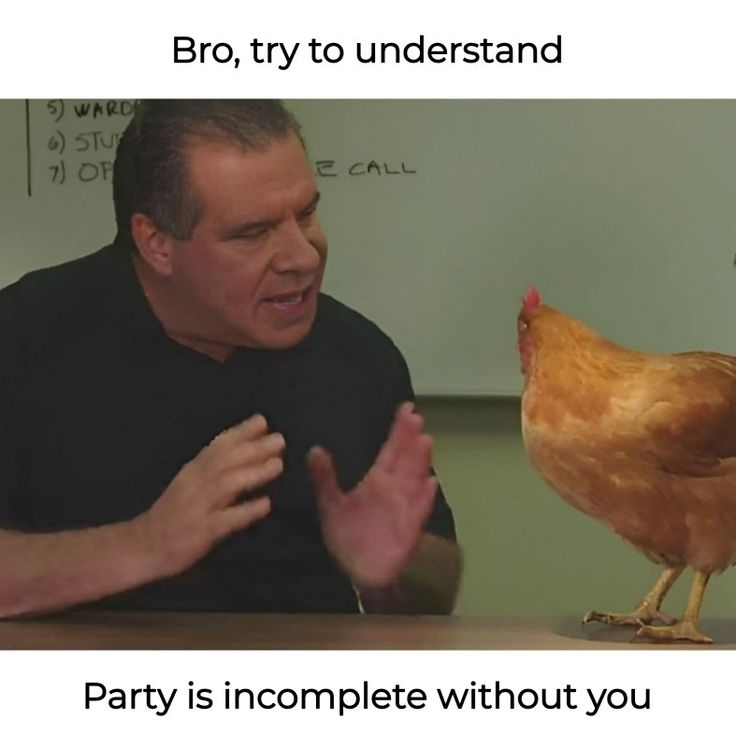
市場が問題じゃなかったと気づいたんだ… 私が悪かった😭。だって!
取引の知識ゼロ、
教育もゼロ、
ただのノリだけ💀。
だから、暗号資産を取引する前に必ず学ぼう。📚📈
市場が問題じゃなかったと気づいたんだ… 私が悪かった😭。だって!
取引の知識ゼロ、
教育もゼロ、
ただのノリだけ💀。
だから、暗号資産を取引する前に必ず学ぼう。📚📈
取引の知識ゼロ、
教育もゼロ、
ただのノリだけ💀。
だから、暗号資産を取引する前に必ず学ぼう。📚📈

1
7
2.6k
·
--
急速な評価(上昇)には解釈を促しますが、確実性は提供しません。
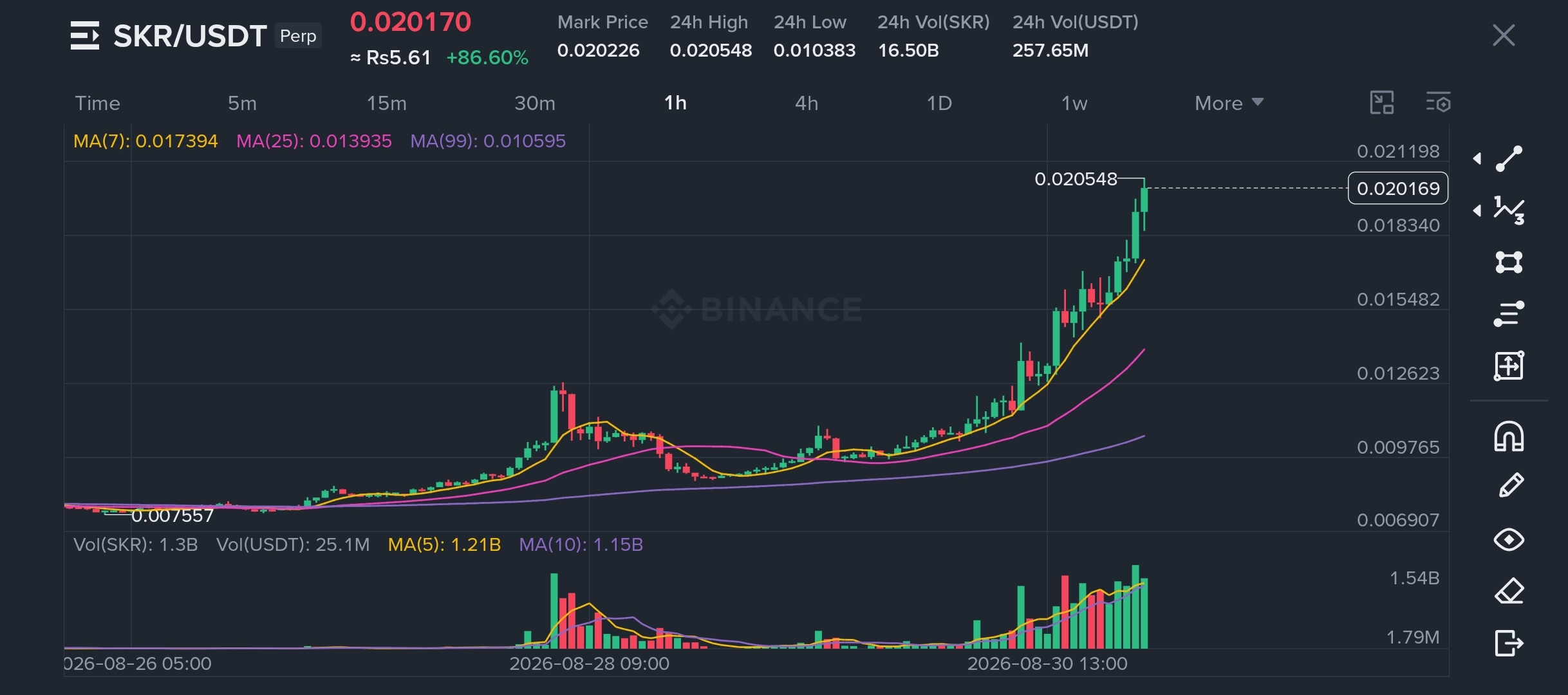
私は興奮というより慎重さをもって、$SKR /USDTのチャートを確認しました。
価格は0.020に近い。たった1日のうちに0.010からおよそ0.020へ進んだため、+86%という読み取りが説明できます。出来高(取引高)は257百万USDTを超えており、静かな動きではなく、多くの参加があったということです。
わずか4日前には、同じ市場はまだ0.007近辺にありました。このように時間と価格が急激に圧縮されると、新しい観察者にとっては状況を文脈づけるのが難しくなります。チャートには活動の様子が示されています。しかし、それだけでは持続性(耐久性)を自体で説明することはできません。
私はこのエピソードを、市場のテンポの研究として読み取りました。これほど短期間で価格がここまで移動すると、注意はそれを生んだプロセスよりも、達成されたパーセンテージのほうへ向かいやすくなります。
次の局面が消化(ダイジェスト)なのか反転なのか、私はまだ不確かです。これまでのデータは安定性よりもスピードのほうを、より明確に示しています。
数回のセッションで市場が倍になるとき、あなたはまず「プロジェクトで何が変わったのか」を尋ねますか?それとも「群衆(参加者)の中で何が変わったのか」を尋ねますか?
免責事項:教育目的のみ
NFA * DYOR
急速な評価(上昇)には解釈を促しますが、確実性は提供しません。
私は興奮というより慎重さをもって、$SKR /USDTのチャートを確認しました。
価格は0.020に近い。たった1日のうちに0.010からおよそ0.020へ進んだため、+86%という読み取りが説明できます。出来高(取引高)は257百万USDTを超えており、静かな動きではなく、多くの参加があったということです。
わずか4日前には、同じ市場はまだ0.007近辺にありました。このように時間と価格が急激に圧縮されると、新しい観察者にとっては状況を文脈づけるのが難しくなります。チャートには活動の様子が示されています。しかし、それだけでは持続性(耐久性)を自体で説明することはできません。
私はこのエピソードを、市場のテンポの研究として読み取りました。これほど短期間で価格がここまで移動すると、注意はそれを生んだプロセスよりも、達成されたパーセンテージのほうへ向かいやすくなります。
次の局面が消化(ダイジェスト)なのか反転なのか、私はまだ不確かです。これまでのデータは安定性よりもスピードのほうを、より明確に示しています。
数回のセッションで市場が倍になるとき、あなたはまず「プロジェクトで何が変わったのか」を尋ねますか?それとも「群衆(参加者)の中で何が変わったのか」を尋ねますか?
免責事項:教育目的のみ
NFA * DYOR
私は興奮というより慎重さをもって、$SKR /USDTのチャートを確認しました。
価格は0.020に近い。たった1日のうちに0.010からおよそ0.020へ進んだため、+86%という読み取りが説明できます。出来高(取引高)は257百万USDTを超えており、静かな動きではなく、多くの参加があったということです。
わずか4日前には、同じ市場はまだ0.007近辺にありました。このように時間と価格が急激に圧縮されると、新しい観察者にとっては状況を文脈づけるのが難しくなります。チャートには活動の様子が示されています。しかし、それだけでは持続性(耐久性)を自体で説明することはできません。
私はこのエピソードを、市場のテンポの研究として読み取りました。これほど短期間で価格がここまで移動すると、注意はそれを生んだプロセスよりも、達成されたパーセンテージのほうへ向かいやすくなります。
次の局面が消化(ダイジェスト)なのか反転なのか、私はまだ不確かです。これまでのデータは安定性よりもスピードのほうを、より明確に示しています。
数回のセッションで市場が倍になるとき、あなたはまず「プロジェクトで何が変わったのか」を尋ねますか?それとも「群衆(参加者)の中で何が変わったのか」を尋ねますか?
免責事項:教育目的のみ
NFA * DYOR
514
·
--
この反発は本物っぽく見える。でも、チャートはまだ完成していないようだ。
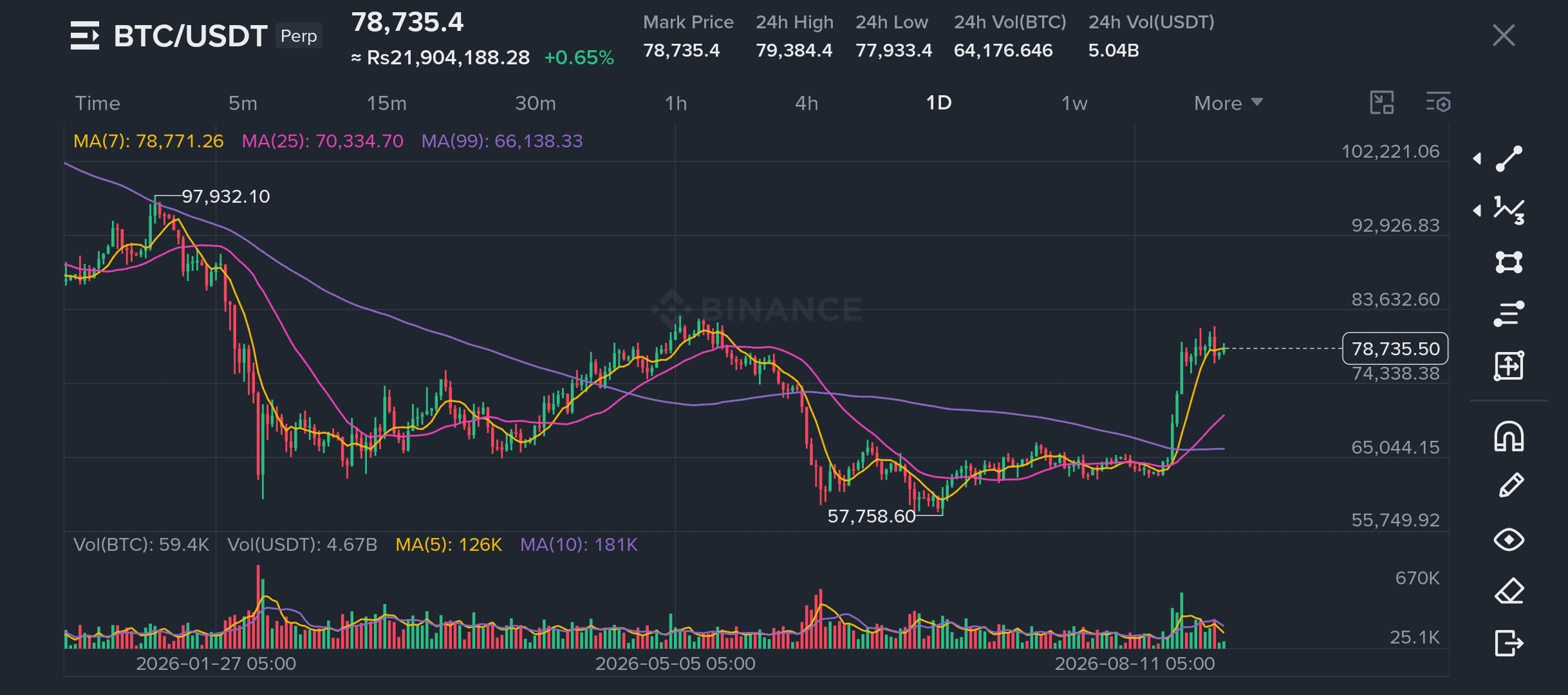
さっきしばらく$BTC /USDTを眺めていたんだけど、最初に目についたのは緑のローソク足じゃなかった。目についたのは、この市場が“普通”に見えるまでにどれだけ上がらなければならなかったか、という点だ。
価格は約78,735で、日中の上昇は約0.65%。
24時間のレンジは狭めで、安値が77,933、高値が79,384。
出来高は約5.04B USDTとまあまああるけど、叫ぶほどではない。
もっと長い目で見ると、話はもっと大きい。このチャートには、古い高値付近の97,932と、見たくない安値付近の57,758がまだ残っている。あの安値からの戻りは鋭い。7日平均は価格付近の78,771あたりにちょうど位置している。25日平均は70,334までずっと下。99日平均に至っては66,138だ。
だから、この動きは何カ月も続いた“もみ合い(グラインド)”とは違って感じるんだ。価格が、より遅い平均線の上まで跳ね戻している。直近の79,000のあたりを明確に決め切ったわけではない。
ずっと同じことを考えている。回復が起きていても、それでまだ不完全であることはあり得る。“移動平均線を上抜けて戻ってくる”のはひとつの仕事。さらに“最初のリジェクション(跳ね返し)ゾーンの上を維持する”のがもうひとつ。
このチャートで最初に何が見える?57kからの反発、それとも79kがまだ天井のように振る舞っている事実か?
この反発は本物っぽく見える。でも、チャートはまだ完成していないようだ。
さっきしばらく$BTC /USDTを眺めていたんだけど、最初に目についたのは緑のローソク足じゃなかった。目についたのは、この市場が“普通”に見えるまでにどれだけ上がらなければならなかったか、という点だ。
価格は約78,735で、日中の上昇は約0.65%。
24時間のレンジは狭めで、安値が77,933、高値が79,384。
出来高は約5.04B USDTとまあまああるけど、叫ぶほどではない。
もっと長い目で見ると、話はもっと大きい。このチャートには、古い高値付近の97,932と、見たくない安値付近の57,758がまだ残っている。あの安値からの戻りは鋭い。7日平均は価格付近の78,771あたりにちょうど位置している。25日平均は70,334までずっと下。99日平均に至っては66,138だ。
だから、この動きは何カ月も続いた“もみ合い(グラインド)”とは違って感じるんだ。価格が、より遅い平均線の上まで跳ね戻している。直近の79,000のあたりを明確に決め切ったわけではない。
ずっと同じことを考えている。回復が起きていても、それでまだ不完全であることはあり得る。“移動平均線を上抜けて戻ってくる”のはひとつの仕事。さらに“最初のリジェクション(跳ね返し)ゾーンの上を維持する”のがもうひとつ。
このチャートで最初に何が見える?57kからの反発、それとも79kがまだ天井のように振る舞っている事実か?
さっきしばらく$BTC /USDTを眺めていたんだけど、最初に目についたのは緑のローソク足じゃなかった。目についたのは、この市場が“普通”に見えるまでにどれだけ上がらなければならなかったか、という点だ。
価格は約78,735で、日中の上昇は約0.65%。
24時間のレンジは狭めで、安値が77,933、高値が79,384。
出来高は約5.04B USDTとまあまああるけど、叫ぶほどではない。
もっと長い目で見ると、話はもっと大きい。このチャートには、古い高値付近の97,932と、見たくない安値付近の57,758がまだ残っている。あの安値からの戻りは鋭い。7日平均は価格付近の78,771あたりにちょうど位置している。25日平均は70,334までずっと下。99日平均に至っては66,138だ。
だから、この動きは何カ月も続いた“もみ合い(グラインド)”とは違って感じるんだ。価格が、より遅い平均線の上まで跳ね戻している。直近の79,000のあたりを明確に決め切ったわけではない。
ずっと同じことを考えている。回復が起きていても、それでまだ不完全であることはあり得る。“移動平均線を上抜けて戻ってくる”のはひとつの仕事。さらに“最初のリジェクション(跳ね返し)ゾーンの上を維持する”のがもうひとつ。
このチャートで最初に何が見える?57kからの反発、それとも79kがまだ天井のように振る舞っている事実か?
212
·
--
気分が事実よりも速く反転するとき
今週末はろうそくよりも、感情の動きを見ている自分に何度も気づいてしまう。
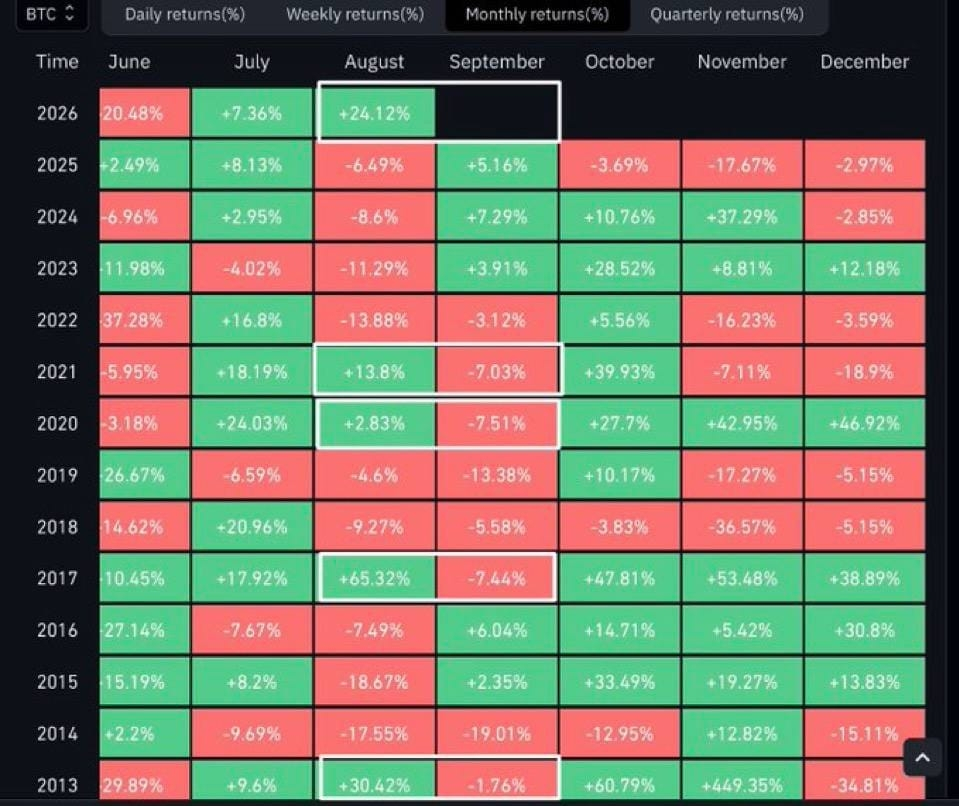
ビットコインは81,000ドルを付けた後、78,000ドル台前半付近で推移している。イーサリアムは約2,450ドル。市場はまだ、2.6兆ドル台半ばの領域にいる。
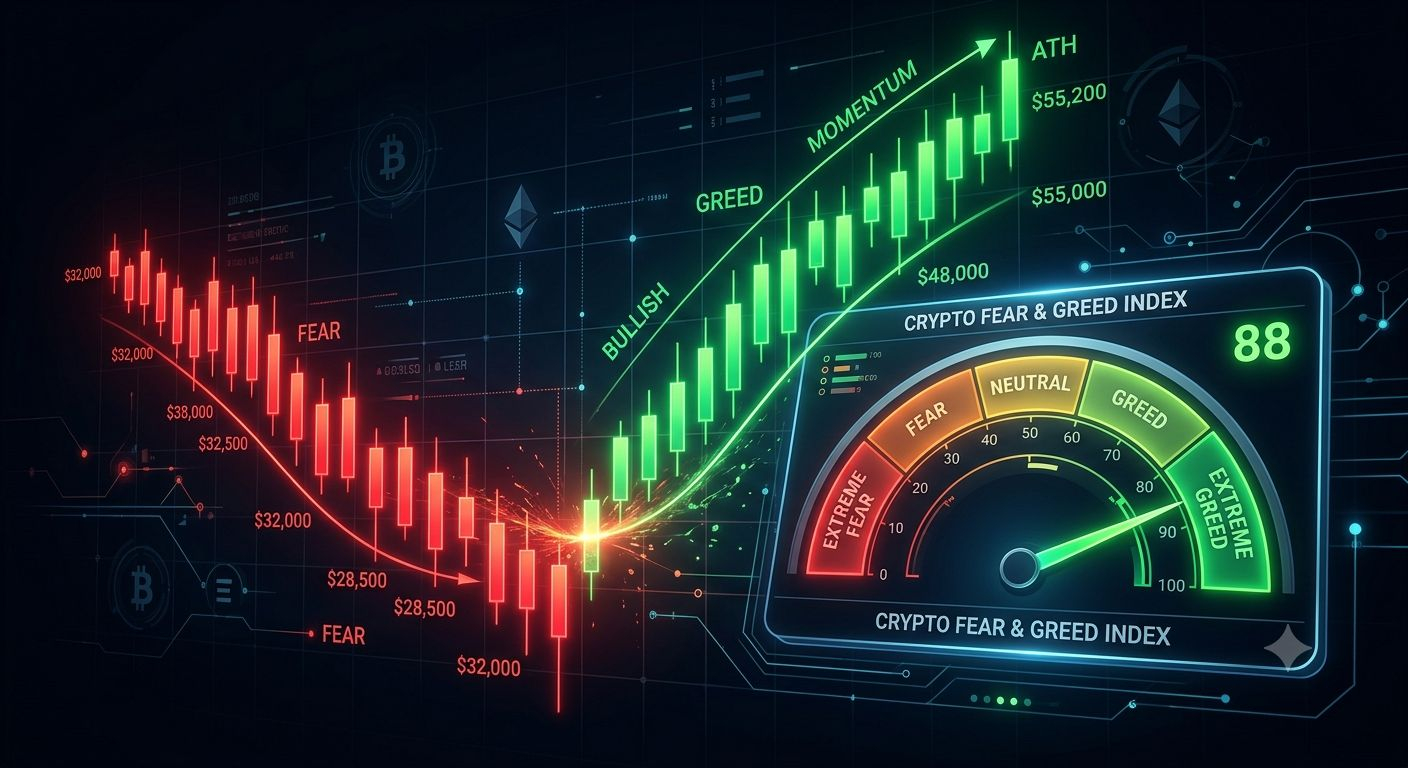
より大きく変わっているのはムードだ。今月のはじめは「恐怖と強欲」は恐怖側だった。だが今は、多くの指標が強欲側に収まり、さらに一部のトラッカーはより熱い数値まで出している。
私はその指数を命令としては使わない。鏡のように使っている。
恐怖が高いと、人は「何も機能しない」かのように話す。強欲が高いと、人は「難しい部分はもう終わった」かのように話す。どちらの版も、重要なものを置き去りにしすぎだ。
私が試そうとしている確認はシンプルだ。学んだことがあって考えが変わったのか、それとも画面が緑に変わっただけなのか?
センチメントは何週間も暖かく保たれることがある。あるいは、重い一週間のあとに冷めることもある。いずれにせよ、それは市場全体ではなく、あくまで一層にすぎない。
このムードが、週末の静けさが終わって人々が“同じ価格”を本格的な取引週間の中で受け入れなければならなくなったとき、どんなふうに見えるのかとずっと考えている。
本当の見方の変化と、単なる気分の変化を、あなたは普段どうやって見分けている?
$BTC $ETH
免責事項:付随する画像は人工知能技術を用いて生成されました。
NFA ×
DYOR ✅
気分が事実よりも速く反転するとき
今週末はろうそくよりも、感情の動きを見ている自分に何度も気づいてしまう。
ビットコインは81,000ドルを付けた後、78,000ドル台前半付近で推移している。イーサリアムは約2,450ドル。市場はまだ、2.6兆ドル台半ばの領域にいる。
より大きく変わっているのはムードだ。今月のはじめは「恐怖と強欲」は恐怖側だった。だが今は、多くの指標が強欲側に収まり、さらに一部のトラッカーはより熱い数値まで出している。
私はその指数を命令としては使わない。鏡のように使っている。
恐怖が高いと、人は「何も機能しない」かのように話す。強欲が高いと、人は「難しい部分はもう終わった」かのように話す。どちらの版も、重要なものを置き去りにしすぎだ。
私が試そうとしている確認はシンプルだ。学んだことがあって考えが変わったのか、それとも画面が緑に変わっただけなのか?
センチメントは何週間も暖かく保たれることがある。あるいは、重い一週間のあとに冷めることもある。いずれにせよ、それは市場全体ではなく、あくまで一層にすぎない。
このムードが、週末の静けさが終わって人々が“同じ価格”を本格的な取引週間の中で受け入れなければならなくなったとき、どんなふうに見えるのかとずっと考えている。
本当の見方の変化と、単なる気分の変化を、あなたは普段どうやって見分けている?
$BTC $ETH
免責事項:付随する画像は人工知能技術を用いて生成されました。
NFA ×
DYOR ✅
今週末はろうそくよりも、感情の動きを見ている自分に何度も気づいてしまう。
ビットコインは81,000ドルを付けた後、78,000ドル台前半付近で推移している。イーサリアムは約2,450ドル。市場はまだ、2.6兆ドル台半ばの領域にいる。
より大きく変わっているのはムードだ。今月のはじめは「恐怖と強欲」は恐怖側だった。だが今は、多くの指標が強欲側に収まり、さらに一部のトラッカーはより熱い数値まで出している。
私はその指数を命令としては使わない。鏡のように使っている。
恐怖が高いと、人は「何も機能しない」かのように話す。強欲が高いと、人は「難しい部分はもう終わった」かのように話す。どちらの版も、重要なものを置き去りにしすぎだ。
私が試そうとしている確認はシンプルだ。学んだことがあって考えが変わったのか、それとも画面が緑に変わっただけなのか?
センチメントは何週間も暖かく保たれることがある。あるいは、重い一週間のあとに冷めることもある。いずれにせよ、それは市場全体ではなく、あくまで一層にすぎない。
このムードが、週末の静けさが終わって人々が“同じ価格”を本格的な取引週間の中で受け入れなければならなくなったとき、どんなふうに見えるのかとずっと考えている。
本当の見方の変化と、単なる気分の変化を、あなたは普段どうやって見分けている?
$BTC $ETH
免責事項:付随する画像は人工知能技術を用いて生成されました。
NFA ×
DYOR ✅
1
152
·
--
古いビットコインのウォレットが目を覚ますたびに、私は自分の中で同じ反応を感じます。まず好奇心。次に少しの不安。そして、立ち止まってペースを落とさなければならない。今月は、約10年間動いていなかったウォレットから、数千万ドル規模の資金が送られました。その多くは、すぐに取引所へ流れたわけではありません。私にとっては、この細部が見出しの数字以上に重要です。かつて私は、古いコインが動くのは誰かが売ろうとしているサインだとばかり思っていました。確かにそういう場合もあります。でも、遺産であることもあれば、復元されたバックアップであることもあるし、単に「今がそのタイミングだ」と判断しただけの人であることもあります。オンチェーンデータは動きを示せますが、その理由までは示せません。
私が今思い出そうとしているのは、「物語」と「パターン」の違いです。ごく少数の古いウォレットがニュースを独占することがあります。今年のより広い全体像は、休眠中のコインの動き全体で見ると、昨年よりも静かなままに見えます。
初心者の方には、こう読み取るほうが健全だと思います。これらを観察しましょう。ひとつの送金だけを軸に、揺るぎない信念の体系を作らないでください。ビットコイン( BTC )には長い記憶があり、動いたからといって、古い鍵のすべてが市場に何かを伝えようとしているわけではありません。
Remember : This post is for Educational Purpose Only . Do your own research by visiting the relevant resources for more updated and accurate informations.
古いビットコインのウォレットが目を覚ますたびに、私は自分の中で同じ反応を感じます。まず好奇心。次に少しの不安。そして、立ち止まってペースを落とさなければならない。今月は、約10年間動いていなかったウォレットから、数千万ドル規模の資金が送られました。その多くは、すぐに取引所へ流れたわけではありません。私にとっては、この細部が見出しの数字以上に重要です。かつて私は、古いコインが動くのは誰かが売ろうとしているサインだとばかり思っていました。確かにそういう場合もあります。でも、遺産であることもあれば、復元されたバックアップであることもあるし、単に「今がそのタイミングだ」と判断しただけの人であることもあります。オンチェーンデータは動きを示せますが、その理由までは示せません。
私が今思い出そうとしているのは、「物語」と「パターン」の違いです。ごく少数の古いウォレットがニュースを独占することがあります。今年のより広い全体像は、休眠中のコインの動き全体で見ると、昨年よりも静かなままに見えます。
初心者の方には、こう読み取るほうが健全だと思います。これらを観察しましょう。ひとつの送金だけを軸に、揺るぎない信念の体系を作らないでください。ビットコイン( BTC )には長い記憶があり、動いたからといって、古い鍵のすべてが市場に何かを伝えようとしているわけではありません。
Remember : This post is for Educational Purpose Only . Do your own research by visiting the relevant resources for more updated and accurate informations.
私が今思い出そうとしているのは、「物語」と「パターン」の違いです。ごく少数の古いウォレットがニュースを独占することがあります。今年のより広い全体像は、休眠中のコインの動き全体で見ると、昨年よりも静かなままに見えます。
初心者の方には、こう読み取るほうが健全だと思います。これらを観察しましょう。ひとつの送金だけを軸に、揺るぎない信念の体系を作らないでください。ビットコイン( BTC )には長い記憶があり、動いたからといって、古い鍵のすべてが市場に何かを伝えようとしているわけではありません。
Remember : This post is for Educational Purpose Only . Do your own research by visiting the relevant resources for more updated and accurate informations.
108
·
--
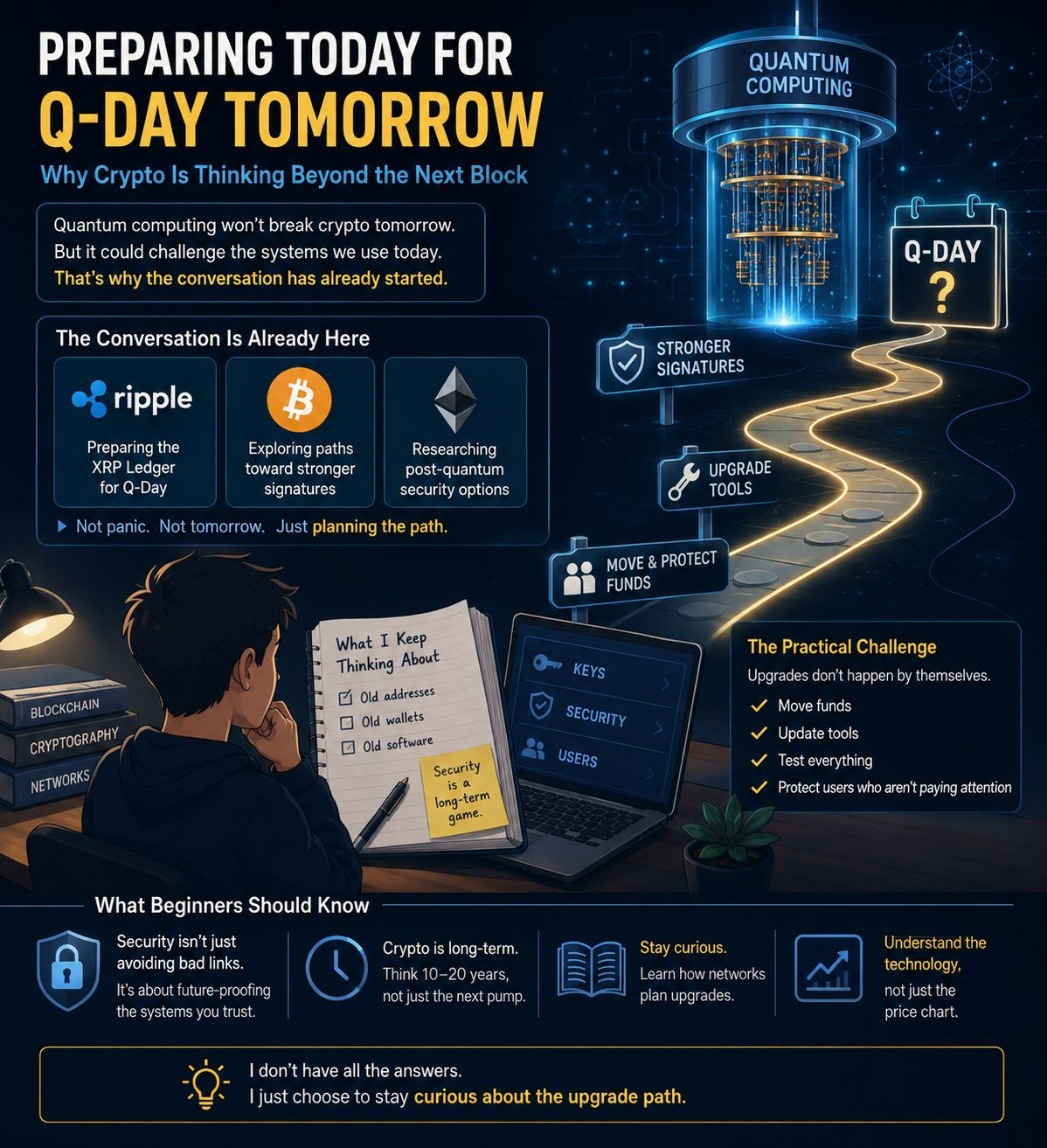
私は量子コンピューティングを、ずっと遠い存在だと思っていました。研究者のためのものであって、ウォレットやネットワークの仕組みを理解しようとしている一般の人のものではない。今週、それが少し変わりました。リップルは、いわゆる「Qデー」が到来する前にXRPレジャーを準備しておくことについて語りました。ビットコインやイーサリアムもまた、将来的により強力な署名へと移行する可能性について、それぞれの考えを示しています。とはいえ、これが明日すぐに機械がこれらのネットワークを破れるという意味ではありません。重要なのは、会話が「いつかのこと」から「今すぐ進む道筋を計画しよう」へと移ってきた、ということです。私が考え続けているのは、怖い見出しのことではありません。実務上の問題です。古いアドレス、古いウォレット、古いソフトウェアは、自分で勝手にアップグレードされません。チェーンが署名の仕組みを変えるなら、資金を移し、ツールを更新し、注意を払っていないユーザーを壊さないようにすべてをテストする必要があります。だからこそ、より多くの初心者にこの点を聞いてほしいのです。暗号資産におけるセキュリティは、悪いリンクをクリックしないことだけではありません。さらに、あなたが使っているシステムが、今から10年後、20年後になっても鍵を守り続けられるかどうか、ということでもあります。私は完璧な答えを持っていません。ただ、価格チャートを眺めるだけでなく、アップグレードの道筋について好奇心を保ち続けようとしています。
#DYOR #Educational_Post✨
$BTC $ETH $XRP
私は量子コンピューティングを、ずっと遠い存在だと思っていました。研究者のためのものであって、ウォレットやネットワークの仕組みを理解しようとしている一般の人のものではない。今週、それが少し変わりました。リップルは、いわゆる「Qデー」が到来する前にXRPレジャーを準備しておくことについて語りました。ビットコインやイーサリアムもまた、将来的により強力な署名へと移行する可能性について、それぞれの考えを示しています。とはいえ、これが明日すぐに機械がこれらのネットワークを破れるという意味ではありません。重要なのは、会話が「いつかのこと」から「今すぐ進む道筋を計画しよう」へと移ってきた、ということです。私が考え続けているのは、怖い見出しのことではありません。実務上の問題です。古いアドレス、古いウォレット、古いソフトウェアは、自分で勝手にアップグレードされません。チェーンが署名の仕組みを変えるなら、資金を移し、ツールを更新し、注意を払っていないユーザーを壊さないようにすべてをテストする必要があります。だからこそ、より多くの初心者にこの点を聞いてほしいのです。暗号資産におけるセキュリティは、悪いリンクをクリックしないことだけではありません。さらに、あなたが使っているシステムが、今から10年後、20年後になっても鍵を守り続けられるかどうか、ということでもあります。私は完璧な答えを持っていません。ただ、価格チャートを眺めるだけでなく、アップグレードの道筋について好奇心を保ち続けようとしています。
#DYOR #Educational_Post✨
$BTC $ETH $XRP
#DYOR #Educational_Post✨
$BTC $ETH $XRP
163
·
--
🎙️ 暗号資産市場の動向交流;初心者の質問に答えます✅バイナンス・プラザを共に築こう🦅自由理念を広めよう!生態系のバランスを守ろう!

終了
03 時間 12 分 05 秒
10.5k
34
76
·
--
私は、好きになったコインを初めて見たときに、たった1日で30%下落したのを今でも覚えています。胃がきゅっとなりました。数分おきにチャートを確認し、Twitterを更新し、これまで下してきたあらゆる判断を疑い始めました。 その瞬間に教わったのは、シンプルだけれど受け入れるのが難しいことでした。日々私たちが目にしているものの多くはノイズです。価格が動く理由は、プロジェクト自体とは無関係なことがしばしばあります――流動性の変化、大口保有者がポジションを調整すること、あるいは市場に広がる純粋な感情の影響など。 本当の仕事は、その不快感に反応せずに付き合うことを学ぶことです。私は自分に、より良い問いを投げるようになりました。なぜこのプロジェクトを選んだのか、まだ理解できていますか? 何か本質的に変わったのでしょうか、それとも価格だけが変わったのでしょうか? 簡単ではありません。市場は常にあなたの忍耐力を試してきます。ですが、最後まで残る人たちは、たいてい一時的な値動きと、より長い全体像とを切り分けることを学んでいます。 物事が騒がしくなるとき、冷静さを保つのに何が役立ちますか?
Educational Only...
NFA... DYOR
私は、好きになったコインを初めて見たときに、たった1日で30%下落したのを今でも覚えています。胃がきゅっとなりました。数分おきにチャートを確認し、Twitterを更新し、これまで下してきたあらゆる判断を疑い始めました。 その瞬間に教わったのは、シンプルだけれど受け入れるのが難しいことでした。日々私たちが目にしているものの多くはノイズです。価格が動く理由は、プロジェクト自体とは無関係なことがしばしばあります――流動性の変化、大口保有者がポジションを調整すること、あるいは市場に広がる純粋な感情の影響など。 本当の仕事は、その不快感に反応せずに付き合うことを学ぶことです。私は自分に、より良い問いを投げるようになりました。なぜこのプロジェクトを選んだのか、まだ理解できていますか? 何か本質的に変わったのでしょうか、それとも価格だけが変わったのでしょうか? 簡単ではありません。市場は常にあなたの忍耐力を試してきます。ですが、最後まで残る人たちは、たいてい一時的な値動きと、より長い全体像とを切り分けることを学んでいます。 物事が騒がしくなるとき、冷静さを保つのに何が役立ちますか?
Educational Only...
NFA... DYOR
Educational Only...
NFA... DYOR
98
·
--
暗号におけるセキュリティは、何かをほとんど失いそうになる日まで“抽象的”に感じがちです。以前は便利だったので、すべてを1つの取引所ウォレットにまとめていました。しかし、友人がフィッシング攻撃に遭い、口座がほぼ空になりかけたのを見て、習慣を変えるのに十分でした。今は短期の移動に必要な分だけをホットウォレットや取引所に置き、残りはオフラインに保管しています。手続きは少し遅くなります――手順が増え、確認も増える――でも、安心感の価値はそれ以上です。課題はバランスです。利便性を求めすぎるとリスクが高まります。慎重になりすぎると、そもそもツールを使わなくなってしまいます。私の知っている多くの人は、自分がどれくらいの頻度で売買したり資金を移したりするかに合う“中間地点”を見つけています。完璧な仕組みはなく、脅威も進化し続けます。それでも、セキュリティを一度きりの設定ではなく日常の習慣として扱うと、時間とともに確かな違いが出てきます。
利便性と安全性のトレードオフを、あなたはどう扱っていますか?
免責事項!これは教育目的のみです。NFA & DYOR。
暗号におけるセキュリティは、何かをほとんど失いそうになる日まで“抽象的”に感じがちです。以前は便利だったので、すべてを1つの取引所ウォレットにまとめていました。しかし、友人がフィッシング攻撃に遭い、口座がほぼ空になりかけたのを見て、習慣を変えるのに十分でした。今は短期の移動に必要な分だけをホットウォレットや取引所に置き、残りはオフラインに保管しています。手続きは少し遅くなります――手順が増え、確認も増える――でも、安心感の価値はそれ以上です。課題はバランスです。利便性を求めすぎるとリスクが高まります。慎重になりすぎると、そもそもツールを使わなくなってしまいます。私の知っている多くの人は、自分がどれくらいの頻度で売買したり資金を移したりするかに合う“中間地点”を見つけています。完璧な仕組みはなく、脅威も進化し続けます。それでも、セキュリティを一度きりの設定ではなく日常の習慣として扱うと、時間とともに確かな違いが出てきます。
利便性と安全性のトレードオフを、あなたはどう扱っていますか?
免責事項!これは教育目的のみです。NFA & DYOR。
利便性と安全性のトレードオフを、あなたはどう扱っていますか?
免責事項!これは教育目的のみです。NFA & DYOR。
198
ログインして、さらにコンテンツを読む
厳選トピックで世界の暗号資産トレーダーの仲間入り
⚡️ 暗号資産に関する最新かつ有益な情報が見つかります。
💬 世界最大の暗号資産取引所から信頼されています。
👍 認証を受けたクリエイターから、有益なインサイトを得られます。
メール / 電話番号
トレンドトピック
FedMinutesFocusOnOctoberPause
閲覧回数 384,551
2,414人が討論中
🚨 FRBが重大な手がかりを示唆:10月に利上げ停止か?
ウォール街は、FRBが10月にブレーキを踏むと見ています。暗号資産のトレーダーたちも注目しています。👀
最新のFOMC議事録を受け、10月27日・28日の会合で利上げが見送られる可能性に注目が集まっています。
📊 市場の見通し:
🔥 10月に金利を据え置く確率:最新の公表データで約82.8%。
🔥 利上げの確率:約17.2%。
🔥 労働市場の弱まりにより、直ちに利上げを正当化するのは難しくなっています。
しかし、ここで話は変わります。
利上げ停止は、利下げではありません。
FRBは10月に金利を据え置きつつ、その後、金融引き締めを再開する可能性を残すこともできます。
$BTC、$ETH、$XAUにとって、この違いは重要です。
利上げ停止は、リスク資産への当面の圧力を和らげる可能性があります。しかし、根強いインフレと高水準の米国債利回りが、上昇の勢いを抑える可能性は依然としてあります。
⚠️ 最大の疑問:
ウォール街は暗号資産の上昇ブレイクアウトに備えているのでしょうか?それとも、次のFRBの決定を前に、またしても大規模なブルトラップを仕掛けようとしているのでしょうか?
$BTC $ETH $BNB $SOL $XAU
#fedminutesfocusonoctoberpause #BinanceLaunchesBinanceIntelligence #EvernorthDelaysNasdaqDebutToOct12 #RobinhoodAdds25MInBitcoinToBalanceSheet $25MInBitcoinToBalanceSh #SP500AndNasdaqHitRecordHighs
Carmelita Gilliland zXSW
·いいね:9件
·閲覧回数 13.8k
VitalikWarnsAICouldWeakenCryptographySecurity
閲覧回数 2,358
161人が討論中
XRPSpotETFsHold$1.7BWeeklyInflowsSlow
閲覧回数 427
25人が討論中