

_CryptoJoe
479 投稿
_CryptoJoe
報告
ユーザーをブロック
📈Trader | Onchain Gambler | Crypto Researcher | Verified CMC KOL | Here to share First-hand Alphas | 🚀 BP-09D544101478
低高頻度トレーダー
6.4年
2 フォロー
168 フォロワー
340 いいね
投稿
すべて
引用
·
--
翻訳参照
$ZEC continues to prove that lasting strength is built on solid privacy foundations and not temporary market excitement.
That’s also why I’m paying more attention to what Liberdus is developing. Rather than chasing short-lived hype, the project is working toward an open-source, decentralized ecosystem designed to give people greater ownership of their data and more freedom in how they connect and interact online.
Another aspect I find interesting is how users can contribute to the ecosystem. Providing liquidity to supported LIB trading pairs on Uniswap offers a chance to earn trading fees and potential rewards. Meanwhile, testnet validator nodes allow participants to support network security while earning LIB rewards.
For me, Web3’s real potential lies in building systems where communities can actively participate, create value, and grow together.
That’s the kind of approach that makes Liberdus worth watching as the space continues to evolve.
$BLUR $INIT #CanMicrosoftDeliverOnAI #EarningsSeason #CanGoogleDefindItsCore
140
·
--
翻訳参照
What if staying connected online didn’t require handing over so much personal information?
That’s the idea behind liberdus.
Users can create an account with a username rather than tying it to a phone number or email, then explore decentralized communication and digital payments within one ecosystem.
From private conversations to community interactions and sending $LIB, the focus is on making everyday digital activities accessible without losing sight of privacy and user control.
The bigger vision goes beyond convenience. It’s about building an internet where people have more ownership over their digital identities and less dependence on centralized platforms.
The real test will be adoption and execution, but the principle is worth exploring: privacy and usability should work together, not compete with each other.
$ARK $ERA $AVA #EarningsSeason #PepeJumps14%ToLeadAltcoinRebound
367
·
--
暗号資産業界には大きな約束があふれていますが、注目に値するプロジェクトが、次の市場上昇を追いかけているとは限りません。
私がより関心を持っているのは、ブロックチェーンが日常のデジタル体験をより良くし始めたときに何が起こるかです。
Liberdusは、メッセージと決済を統合しながら、ユーザーがオンラインでのやり取りをより自由に管理できる分散型エコシステムを模索しています。
その構想には魅力がありますが、実際に普及するかどうかは、実行力や使いやすさ、そして利用者が本当の価値を感じられるかにかかっています。
Web3が投機の域を超えて成長するには、人々の日常生活で役立つ存在になる必要があります。
私が見たいのは、実用性、意義ある所有権、そしてユーザーの自由を広げる、そんな進歩です。
$IOST $BMT #EarningsSeason #JPMorganPredictsBitcoinBestPerformingAssetOverNextDecade
1
272
·
--
真のデジタル上の自由とは、自分の情報や資産、そしてコミュニケーションの方法を誰が管理するのかについて、意見を持てることです。
それは、個人情報を隠すだけの話よりも、ずっと大きなテーマです。
Liberdusは、暗号化メッセージとネイティブ決済を分散型エコシステム内で連携させ、仲介者への依存を減らすモデルを模索しています。
$ZEC のような主要なプライバシーコインがデジタル資産の実用性を高める一方で、ユーザーが自ら所有権を持つことも、Web3をめぐる議論における重要な要素です。
テクノロジーは、人々を第三者への依存度を高めるのではなく、デジタル上の生活をより自分でコントロールできるようにするべきです。
$BAT $STRK #SpotBitcoinETFsShed$261M #WarshPushesToScaleBackForwardGuidanceAndDotPlot
646
·
--
暗号資産におけるプライバシー保護は、取引を守ることから始まりました。しかし、私たちのデジタル生活にはお金以外にも多くのことが関わっています。
$ZEC は、プライベートな決済を話題にするきっかけとなりました。それでも、日々のメッセージには、私たちがもっと管理できるべき情報が含まれています。
Liberdusは、$LIBがネットワーク上の活動を支えるエコシステムの中で、分散型メッセージング、決済、ブロックチェーン機能を探求しています。
メッセージアプリでは、プライバシー、利便性、所有権のどれを優先しますか?
$CKB $S #ArgentinaCentralBankWillNotPushCryptoIntoBankingForTwoYears
$ZEC は、プライベートな決済を話題にするきっかけとなりました。それでも、日々のメッセージには、私たちがもっと管理できるべき情報が含まれています。
Liberdusは、$LIBがネットワーク上の活動を支えるエコシステムの中で、分散型メッセージング、決済、ブロックチェーン機能を探求しています。
メッセージアプリでは、プライバシー、利便性、所有権のどれを優先しますか?
$CKB $S #ArgentinaCentralBankWillNotPushCryptoIntoBankingForTwoYears
2
1
903
·
--
暗号資産の普及は、単なる技術の問題ではありません。ユーザー体験の問題でもあります。
最先端のブロックチェーンを構築しても、利用する前にウォレットやネットワーク、複雑な手順について理解しなければならないなら、多くの人はそのまま離れてしまうでしょう。
だからこそ、liberdusは私にとって際立った存在です。そのアプローチは、技術的な仕組みについてユーザーに考えさせるのではなく、デジタル上のやり取りをなじみやすく感じられるものにすることを重視しています。
$ETH と$XRP は、暗号資産の分野にどれほど多くのイノベーションがあるかを示しています。しかし次のステップは、そのイノベーションを誰もが利用できるようにすることです。
暗号資産を学んでから使うのではなく、学ばなくても使えるようになったとき、広く普及し始めるのです。
$KAIA #EthereumLiquidationsHit$356M #BitcoinReboundsTo$83K
176
·
--
トークンは、実用性がなくても価格がつくことがあります。
$ZEC と$XMR は、プライバシーを重視した資産が、単なる投機を超えた大きなものの一部になり得ることを示す好例です。
しかし、$LIBについて考えるとき、私は実用性を別の角度から捉えます。
そのトークンで何が買えるかではなく、こう問いかけます。
ネットワーク内で、どのような役割を果たすのか?
$LIBは、取引やバリデーターの参加など、Liberdusエコシステム全体の活動を支えるとともに、分散型コミュニケーション、決済、インフラに関するより大きなビジョンとつながるよう設計されています。
その点で、トークンの実用性はより興味深いものになります。
本当の問いは、単に人々がトークンを取引できるかどうかではありません。
ネットワークが実際にそれを必要としているかどうかです。
では、トークンに真の実用性をもたらすのは何だと思いますか?
$SAND #FedMinutesFocusOnOctoberPause #BinanceLaunchesBinanceIntelligence
391
·
--
暗号資産のプライバシーは、複雑である必要はありません。
$ZEC は、パブリックブロックチェーンを使いながら、シールドされた取引によってユーザーが機密性の高い取引情報を保護できることを示しています。
でも、プライバシーが決済だけにとどまる必要はあるのでしょうか?
私たちはすでに、同じ会話の中で話し合い、調整し、価値をやり取りしています。別々のアプリやウォレットを行き来するのは、余計な手間を生むだけです。
そこで、Liberdusが面白くなってきます。
基盤となる技術を複雑に感じさせることなく、プライベートなコミュニケーションと価値の移転が同じエコシステム内で実現する未来を探っています。
$ZEC は、決済のプライバシーを前進させています。Liberdusは、コミュニケーションと決済が一体となったとき、プライバシーがどのような形になるのかを探っています。
$RLC #BinanceLaunchesBinanceIntelligence

357
·
--
オンラインメッセージは「無料」とよく言われますが、たいていは別の代償があります。それはデータです。
どんな会話からも、誰とやり取りしているのか、どのようにコミュニケーションを取っているのか、どんなネットワークを築いているのかといった情報が明らかになる可能性があります。
Liberdusは、アカウントの作成に電話番号やメールアドレスを必要とせず、分散型でプライバシーを重視したコミュニケーションを実現することで、異なるアプローチを取っています。
そして、この考え方はメッセージのやり取りにとどまりません。
$BTC を送ることは、必要以上に個人情報を明かすことではなく、価値を移転することであるべきです。
デジタルコミュニケーションや決済によって、私たちの自由が狭まるのではなく、より大きな主導権が得られるべきです。
$RLC $RAD #ADAGains10%Above$0.27 #ETHUp70%InQ3ButLiquidityFalls
87
·
--
ユーザー数がまだ少ない段階では、ブロックチェーンは impressive に見えることがあります。
本当に問われるのは、状況が変わったときに何が起こるかです。
普及が進むにつれて、ネットワークはコストや遅延を増大させることなく、より多くのトランザクション、より活発な利用、そしてより多くのユーザーに対応しなければなりません。
これは、暗号資産業界が今も直面し続けている課題の一つです。
ブロックチェーンの長期的な未来にとって、スケーラビリティが非常に重要なのもそのためです。
私にとって、これは #Liberdus の興味深い点の一つです。
スケーラビリティを後回しにして解決するものと捉えるのではなく、より多くの人々が参加し、利用が広がるにつれて処理能力を拡大できるよう、参加者の増加を見据えてネットワークが設計されています。
これは、マスアダプションを考えるうえで、ますます重要になります。
比較的少数のユーザーでうまく機能するネットワークが、何百万人ものユーザーに対応できるとは限りません。
そして、私が注目するのはインフラだけではありません。
プロジェクトが最初のローンチ後も進化を続けているかどうかも見ています。
Liberdus チームがアプリの改善を続けていることからは、ユーザーや要件の変化に合わせて製品を洗練させる余地を残しながら、開発を継続的なプロセスとして捉えていることがうかがえます。
長期的なプロジェクトは、ゴールにたどり着くことで築かれるものではありません。
その基盤となるインフラやユーザー体験を絶えず改善することで築かれます。
ブロックチェーンがいずれ何百万人もの人々を支えることになるのなら、スケーラビリティと継続的な開発は不可欠です。
それらは基盤の一部となるでしょう。
$GTC $MUBARAK $NIL #DriftHackVictimsBeginClaims
442
·
--
本人確認中
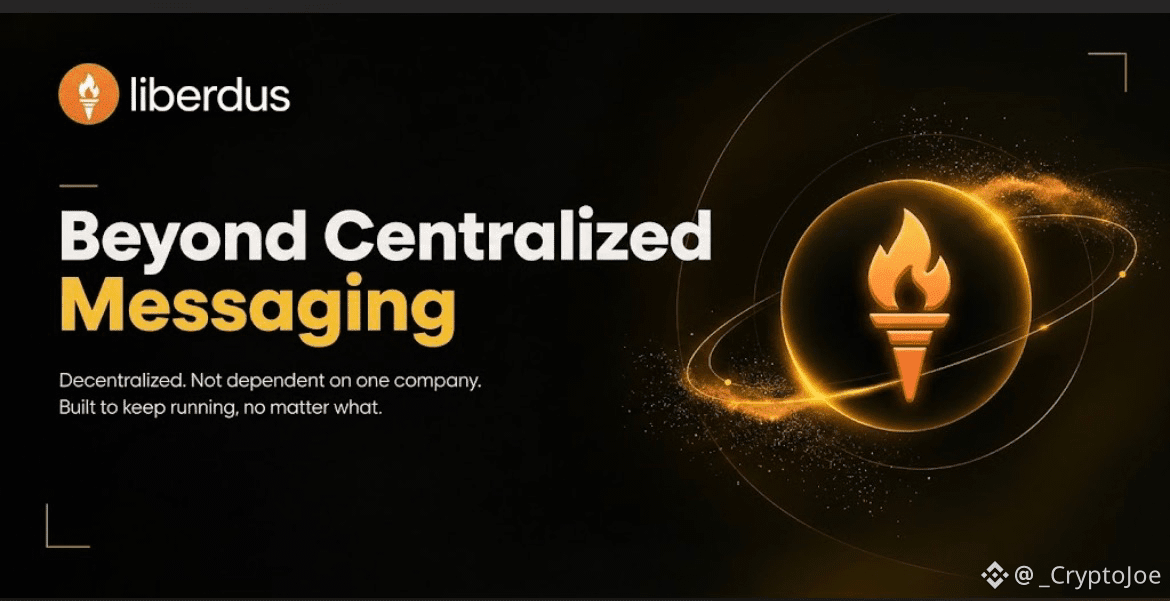
それでは、それを支える企業がサービスを停止すると、メッセージング・ネットワークはどうなるのでしょうか?
私が面白いと思うのは、このWeb3インフラの部分です。
従来のメッセージングアプリはたいてい中央集権型のサーバーに依存しているため、最終的にはそのプラットフォームが、ユーザーが頼りにするインフラ全体を制御することになります。
Liberdusは別の道を選びます。
そのネットワークは、Shardusによって駆動される分散型のバリデーターノードを使っており、システム全体を動かし続けるための単一の中央サーバーを不要にしています。
つまり、この発想は単にプライベートな通信だけの話ではありません。
単一の企業や、ある一点の支配に依存しないメッセージング・インフラを作ることでもあるのです。
このアーキテクチャの転換が、私がLiberdusに惹かれる理由の一つです。
#BitcoinClears$85200 #AltcoinSeasonIndexHoldsAbove60For5Days $SOON $US $BTC
1.5k
·
--
$BTC は$80k–$85kのレンジ内をまだ行き来しており、市場を様子見のムードに保っています。
しかし価格が次の方向性を探している間にも、大きなブロックチェーン競争は続いています。ネットワークは本当に、より多くのユーザーやアクティビティに対応できるのでしょうか?
そこで私はLiberdusに注目しました。
そのダイナミック・シャーディング設計により、需要の変化に応じてネットワーク活動を分散でき、分散化へのこだわりを失うことなくインフラをスケールさせる余地を確保しています。
私にとって、それは短期的な誇大宣伝よりもずっと興味深いことです。
採用が進むにつれて、ブロックチェーンにはそれに合わせて成長できるインフラが必要になります。
$BTC が市場の雰囲気を作っているとしても、Liberdusのようなプロジェクトはその先に目を向けています。
$MARSCOIN #GoldFallsTo$4144 #UKFCAWinsCourtOrderToRecover851400Pounds
39
·
--
Web3は、1つの簡単なタスクを達成するだけで、5つもの別々のアプリを使い分けるような感覚になることがあります。
メッセージング用。
別のアプリで決済。
また別でアイデンティティ。
それが、Liberdusに惹かれた理由です。
これらの体験を分断するのではなく、メッセージング・決済・アイデンティティをひとつながりの環境に統合しつつ、ユーザーにより多くのコントロールを提供します。
個々の機能自体は、必ずしも新しいわけではありません。違いは、それらがどのように連携して動くかにあります。
切り替えが少なくなる。手間が減る。より完成されたデジタル体験へ。
私にとって、それはWeb3が向かうべき方向性です。バラバラのツールを減らし、つながった体験を増やすこと。
$QI $QUICK #QNTRises39% #EthereumBreaksAbove$2700
243
·
--
不変性は、ブロックチェーンの中核を成す概念の一つです。
しかし、不変性がそのまま有用性と同じ意味になるわけではありません。
日常のデジタル活動で生み出される情報量を考えてみてください。メッセージ、会話、やり取り、そして数えきれないほどの小さなデータの断片です。
それらのすべては、本当に永遠にアクセス可能な状態で残す必要があるのでしょうか?
私はそうは思いません。
この点で、liberdus は興味深い代替案を提示しています。
すべての情報が恒久的なブロックチェーンの履歴になるべきだと前提するのではなく、そのアプローチでは、情報が役割を果たしつつ、いつまでも残り続ける不要な痕跡を作らないことを可能にします。
メッセージは期限切れになります。一方で、最小限の証明によって、検証に必要なものだけを保持でき、基になるデータ全体を永遠に抱え込むことはありません。
この違いは重要です。
透明性は価値があり、それにより説明責任が生まれます。しかし、すべてを永久に保存すると、ユーザーが残すつもりのなかった巨大なデジタルフットプリントが生まれてしまうこともあります。
目標は、必ずしもすべてを覚えておくことではあるべきではありません。
信頼され、検証される必要のあるものを保持しつつ、不要な情報は消えていくことを許容するべきです。
Web3 が成熟するにつれて、この「意味のある履歴」と「際限のないデータの蓄積」の違いは、ますます重要になっていくと思います。
もしかすると、将来のブロックチェーンは、すべてを永久にすることが目的ではないのかもしれません。
何が残るべきかを知ることが目的なのかもしれません。
$FTT $SAGA $BTC #BTCBreaks80K #SaylorHintsStrategyBitcoinBuy
233
·
--
暗号資産では値動き(プライスアクション)が注目されがちですが、私はチャートの外で何が起きているのかに、ますます関心を持つようになりました。
$BTC は、分散型のマネーが従来の金融システムに対する現実的な代替となり得ることを示しました。次に問うべきは、そのアイデアの上に実際に何を構築できるのかです。
そこで私の注目を集めているのが、Liberdusのようなプロジェクトです。
Liberdusの面白さは、単に $LIB が存在することではありません。エコシステムのさまざまな要素が、どのようにつながっているかにあります。
メッセージング、決済、ステーキング、バリデーター、そしてブロックチェーンのアクティビティが、ひとつの環境に統合されつつあり、Web3と人々が関わるためのより一体化された方法を生み出しています。
そして $LIB には、取引対象である以上の役割があります。
エコシステムが発展していく中で、トランザクション手数料、バリデーターへのインセンティブ、ガバナンスなど、ネットワーク全体での活動を支えることを目的としています。
私は、そうしたユーティリティこそ注目に値すると感じています。
$ONE $ZAMA #BOJRaisesRatesTo31YearHigh
208
·
--
$ZEC のようなプライバシーコインが大暴騰中🚀
でも、プライバシーは「送るもの」だけの話ではありません。あなたの注意を誰が利用できるか、ということでもあります。
見知らぬ相手にメッセージを送るのは無料です。そのため、スパム、フィッシング、そして冷たい勧誘は、大規模に実行できます。送信者は費用を払わず、あなたが注意という形で支払います。
Liberdusのような一部のメッセージングモデルは、その方程式をひっくり返しています。連絡先にいない誰かがあなたに到達したい場合、相手は支払いを添えるのです。
無視すれば、支払いはそのままです。返信すれば、会話は通常どおり続きます。
スパムにコストがなければ、止めるのは難しい。コストを追加すれば、望まれないメッセージの経済性はまったく別物になります。
注意には価値があります。メッセージングは、それを前提に扱うべきです。
$COTI $G #Liberdus
271
·
--
$BTC ブロックチェーン導入の次のフェーズが、価格の値動き以上のものに左右される理由を示し続けています。ユーザーが分散型ネットワークに対してより多くの期待を寄せる中で、プライバシー、スケーラビリティ、そして使いやすさの重要性がますます高まっています。
そこで私の目を引いたのがLiberdusです。
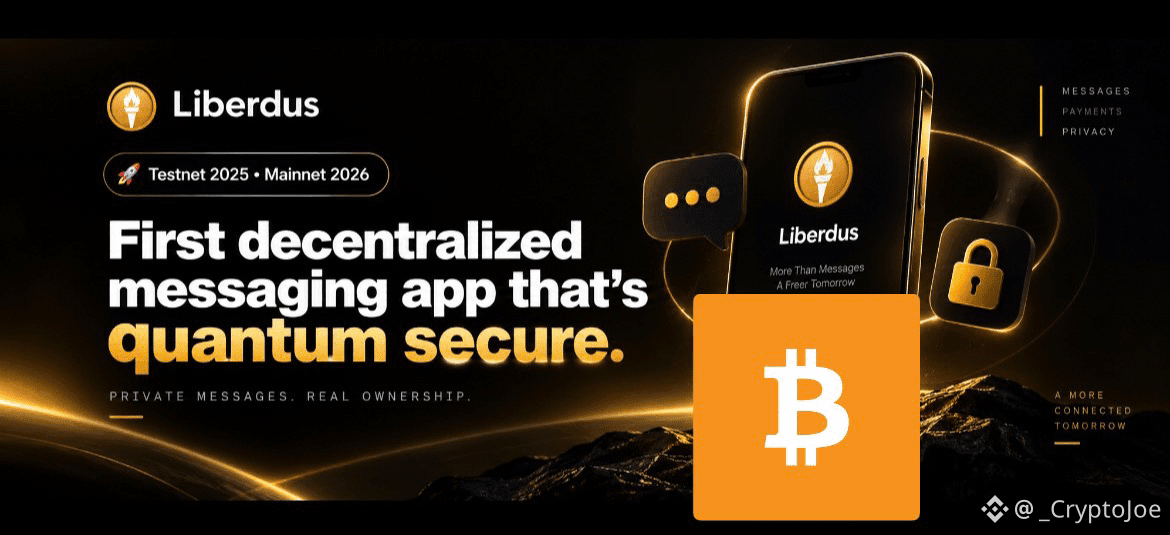
メッセージングと決済を別々の体験として扱うのではなく、Liberdusはそれらをひとつのオープンソースのレイヤー1として統合しています。量子耐性のあるエンドツーエンド暗号化メッセージングと、決済に付随するプライベートノートを提供します。
また、アーキテクチャはスケーラビリティに対しても別のアプローチを採用しています。Shardusやブロックレスのダイナミック・シャーディングによって、ネットワーク容量はノード数に応じて成長するよう設計されており、高いパフォーマンスと低い手数料を維持します。
際立っているのは、注力が単なる生の性能にとどまらない点です。人間が読めるハンドルによってやり取りがしやすくなり、さらにトール(通行料)システムが実用的なスパム耐性の層を加えています。
トークン設計においても、総供給量を固定の210M $LIBとし、ネットワークおよびガバナンスの手数料は恒久的にバーンされる設計です。
私にとって重要なのは、プライバシー、スケーラビリティ、使いやすさ、そしてコミュニティ参加を1つのエコシステムに統合したインフラという大きな全体像です。
それが、Liberdusが2026年に注目する価値のあるプロジェクトだと感じる理由です。
$SAGA $ASTR
149
·
--
$BTC は、ブロックチェーン基盤の進化が短期的な価格変動を超えて重要である理由を引き続き示してくれます。
導入が進むにつれて、利用者はデジタル資産、コミュニティ、決済、オンラインサービスを、ますますつながった形で扱うようになっています。とはいえ、こうした体験の多くは、依然として別々のプラットフォームにまたがって存在しています。
それが、Liberdusに注目した一つの理由です。
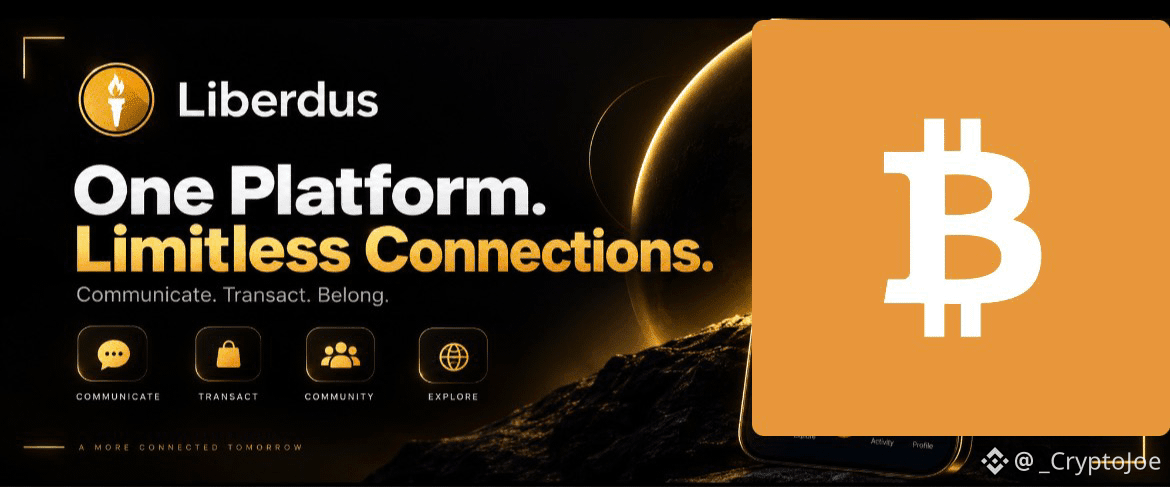
Liberdusは単一のユースケースに絞るのではなく、コミュニケーション、商取引、コミュニティへの参加が、ひとつの接続された環境の中で成立し得るエコシステムを目指しています。
より大きなチャンスは、単に機能を増やすことではありません。導入が広がるほど、デジタル上のやり取りをよりシンプルに、そしてより役立つものにするインフラをつくることです。
私にとって面白いのは、まさにここです。将来、人々が実際に望む形でコミュニケーションし、つながり、価値をやり取りできるようなエコシステムを構築すること。
ブロックチェーンの導入が進化し続ける中で、実際の有用性と長期的なインフラに焦点を当てたプロジェクトには注目する価値があります。
それが、Liberdusを見守るべき理由です。
$LSK $VTHO #SECReceivesGrayscaleLitecoinTrustETFFiling #ClarityActFacesProceduralVoteSept15
1
431
·
--
$BTC 相変わらずの粘り強さを示し、改めて市場に強いファンダメンタルこそが短期的な誇大宣伝よりも重要だと気づかせてくれます。
注目が再び質の高いプロジェクトへと向き始める中で、私は #Liberdus が何を構築しているのかをより詳しく見てきました。
投機に駆動されるのではなく、Liberdus は、ユーザーが自分のデータやデジタル上のやり取りをよりコントロールできる分散型のオープンソース・エコシステムの構築に注力しています。
私が特に際立っていると感じるのは「参加」の重視です。ユーザーは、Uniswap でサポートされる LIB の取引ペアに流動性を提供することで、取引手数料と潜在的な報酬を得られます。テストネットでは、バリデーターノードもまた、参加者がネットワークをより確実にする手助けをしながら、実際の LIB 報酬を獲得できる機会を提供します。
私は、Web3 の未来は、コミュニティに力を与え、共に構築し、貢献し、成長できるプロジェクトにこそあると考えています。
だからこそ、Liberdus は注目しておく価値のあるプロジェクトです
$JUP $ETH #CPIWatch #BitcoinReboundsAbove$79KAfterCPI


1
118
ログインして、さらにコンテンツを読む
厳選トピックで世界の暗号資産トレーダーの仲間入り
⚡️ 暗号資産に関する最新かつ有益な情報が見つかります。
💬 世界最大の暗号資産取引所から信頼されています。
👍 認証を受けたクリエイターから、有益なインサイトを得られます。
メール / 電話番号
トレンドトピック
$1.5BInLeveragedCryptoBetsLiquidated
閲覧回数 5,153
74人が討論中
#$1.5BInLeveragedCryptoBetsLiquidated
📉 暗号資産の価格が下落し、レバレッジを使って上昇に賭けていた人たちのポジションが自動的に清算されました。24時間で合計15億3,000万ドル相当のポジションが清算され、その約83.8%は価格上昇に賭ける「ロング」ポジションでした。この数字は投資家の懐から出ていった現金の額ではなく、清算されたポジションの総額を表しています。💸
⚙️ レバレッジとは、少ない資金でより大きな取引をするようなものです。価格が十分に逆方向へ動くと証拠金が足りなくなり、取引所がポジションを強制的に清算します。こうした売りが下落をさらに加速させることもあります。報道によると、この売りの波はBinanceでのセキュリティ侵害の後に起きました。
🔄 価格が回復すると、今度は下落に賭けていた一部の「ショート」ポジションも清算されました。これらを閉じるための買いが、上昇を後押しすることがあります。$LSK $IDOL $Q
Sat_Stacker
·いいね:0件
·閲覧回数 968
KOSPIFalls3.53%BackBelow6000
閲覧回数 10,668
330人が討論中
AmazonSharesFallAbout7%InPremarketTrading
閲覧回数 1
20人が討論中