
PresidoCrypto 1
117 投稿

PresidoCrypto 1
報告
ユーザーをブロック
Founder @BAUCHIWEB3 | Hausa Web3 Educator| Web3 Threads • Spaces • Community
0 フォロー
1 フォロワー
6 いいね
投稿
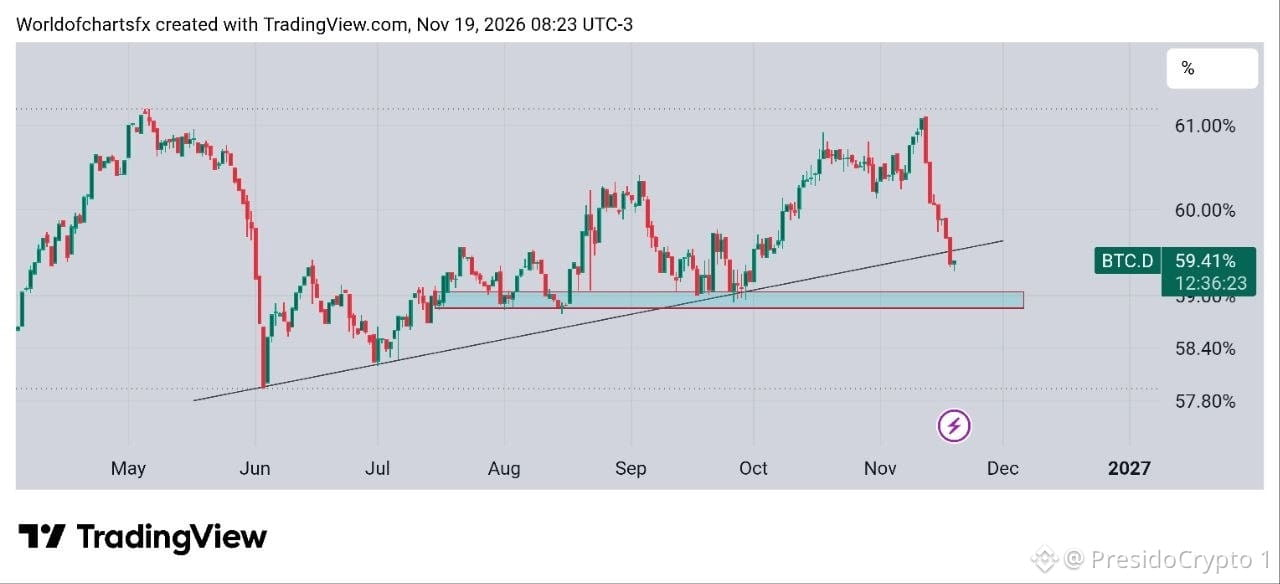
イーサリアム市場はすでに圧力を受けており、新たなオンチェーンデータがETH保有者にさらなる懸念をもたらしています。ブロックチェーン追跡サービスがイーサリアム財団と関連があると特定したウォレットが、4日間で7,500 ETHを売却し、約1,452万USDSを受け取ったと報じられています。しかし、早まった結論を出す前に、これが実際に何を意味し得るのか見てみましょう。🔴 1. 売却は実際に起きているが、ウォレットの帰属には背景情報が必要 オンチェーン取引では、ETHがステーブルコインに交換されたことが確認できます。ただし、このウォレットがイーサリアム財団とつながっているという判断はブロックチェーン分析に基づくもので、これらの特定の取引について財団が公に確認したわけではありません。💰 2. なぜ財団は売却するのか? 財団は以前、定期的なETHの売却は財務管理戦略の一環だと説明しています。研究、エコシステムの発展、助成金、運営費を賄うための資金が必要です。一部のETHを安定した資産に換えることで、市場の低迷が長引く場合でも資金を確保できます。⚠️ 3. 保有者は心配すべきか? 売却が繰り返されれば、特にETHがすでに苦戦している局面では、センチメントが悪化する可能性があります。しかし、7,500 ETHだけでは、イーサリアム全体の価格下落を説明するには不十分です。ETFからの資金流出、市場全体の売り圧力、流動性、マクロ経済状況も影響します。🧠 私の見解 これらの取引を、イーサリアム財団が市場の知らない何かを知っている証拠だとは考えません。ただし、売却の頻度、財団の財務状況、そして機関投資家の需要が回復し始めるかどうかには注目します。本当の問題は、財団がなぜ売却しているのかだけではありません。イーサリアムが売り圧力を吸収し、信頼を取り戻すのに十分な需要を呼び込めるかどうかです。今回のETH売却は通常の財務管理だと思いますか?それとも、市場低迷期に取引が繰り返されることは、保有者にとって不安を招くシグナルでしょうか? #BTC価格分析# #マクロの洞察#
イーサリアム市場はすでに圧力を受けており、新たなオンチェーンデータがETH保有者にさらなる懸念をもたらしています。ブロックチェーン追跡サービスがイーサリアム財団と関連があると特定したウォレットが、4日間で7,500 ETHを売却し、約1,452万USDSを受け取ったと報じられています。しかし、早まった結論を出す前に、これが実際に何を意味し得るのか見てみましょう。🔴 1. 売却は実際に起きているが、ウォレットの帰属には背景情報が必要 オンチェーン取引では、ETHがステーブルコインに交換されたことが確認できます。ただし、このウォレットがイーサリアム財団とつながっているという判断はブロックチェーン分析に基づくもので、これらの特定の取引について財団が公に確認したわけではありません。💰 2. なぜ財団は売却するのか? 財団は以前、定期的なETHの売却は財務管理戦略の一環だと説明しています。研究、エコシステムの発展、助成金、運営費を賄うための資金が必要です。一部のETHを安定した資産に換えることで、市場の低迷が長引く場合でも資金を確保できます。⚠️ 3. 保有者は心配すべきか? 売却が繰り返されれば、特にETHがすでに苦戦している局面では、センチメントが悪化する可能性があります。しかし、7,500 ETHだけでは、イーサリアム全体の価格下落を説明するには不十分です。ETFからの資金流出、市場全体の売り圧力、流動性、マクロ経済状況も影響します。🧠 私の見解 これらの取引を、イーサリアム財団が市場の知らない何かを知っている証拠だとは考えません。ただし、売却の頻度、財団の財務状況、そして機関投資家の需要が回復し始めるかどうかには注目します。本当の問題は、財団がなぜ売却しているのかだけではありません。イーサリアムが売り圧力を吸収し、信頼を取り戻すのに十分な需要を呼び込めるかどうかです。今回のETH売却は通常の財務管理だと思いますか?それとも、市場低迷期に取引が繰り返されることは、保有者にとって不安を招くシグナルでしょうか? #BTC価格分析# #マクロの洞察#
57
310億 $XRP が将来、量子コンピューターのリスクに直面する可能性——保有者は2028年までに鍵をアップグレードするのか? 量子コンピューティングはブロックチェーンのセキュリティにおいて深刻な課題となりつつあり、XRP Ledgerは、現在の暗号による保護では不十分になるかもしれない未来に備えています。 なぜこれが重要なのか、見ていきましょう。 🔐 公開鍵の問題 XRP Ledgerのアカウントがトランザクションに署名するたびに、その公開鍵がオンチェーンで公開されます。 十分に強力な量子コンピューターがショアのアルゴリズムを実行すれば、公開された公開鍵から秘密鍵を導き出し、アカウントの資金を危険にさらす可能性があります。 ただし、はっきりさせておきましょう。現在の量子コンピューターには、まだこれを実行する能力はありません。 🛡️ リップルは何を計画しているのか? XRP Ledger Foundationは、NISTが承認した耐量子署名標準であるML-DSA-44を使ったアップグレードを検討しています。 提案されている移行では、アカウント所有者は次のことが可能になります。 • 新しい耐量子署名鍵を追加する。 • 脆弱な古い鍵を無効にする。 • 既存のXRP Ledgerアドレスをそのまま使う。 リップルは2028年までに、量子コンピューターへの完全な対応を目指しています。 💡 保有者はXRPを移動する必要があるのか? 必ずしもそうではありません。 自己管理型ウォレットの利用者は、XRPをまったく新しいアドレスに移さずに署名鍵を移行できる可能性があります。取引所を利用する場合は、各プラットフォームやカストディアンがアップグレードに対応する必要があります。 ただし、この提案の実現には、技術開発、テスト、監査、そしてバリデーターの承認が必要です。 🧠 私の見解 最大の課題は、耐量子暗号を開発することではないかもしれません。数百万のアカウント、取引所、バリデーター、機関に採用を促し、調整することかもしれません。 ブロックチェーンの技術がどれほど優れていても、セキュリティの強さは、アップグレードされていない最も脆弱なアカウントに左右されます。 XRP保有者は量子セキュリティを真剣に受け止め、2028年までに鍵を移行すると思いますか?それとも、脅威がもっと差し迫るまで大半の人は待つのでしょうか? $XRP $BTC #BTC価格分析# #マクロの洞察#
310億 $XRP が将来、量子コンピューターのリスクに直面する可能性——保有者は2028年までに鍵をアップグレードするのか? 量子コンピューティングはブロックチェーンのセキュリティにおいて深刻な課題となりつつあり、XRP Ledgerは、現在の暗号による保護では不十分になるかもしれない未来に備えています。 なぜこれが重要なのか、見ていきましょう。 🔐 公開鍵の問題 XRP Ledgerのアカウントがトランザクションに署名するたびに、その公開鍵がオンチェーンで公開されます。 十分に強力な量子コンピューターがショアのアルゴリズムを実行すれば、公開された公開鍵から秘密鍵を導き出し、アカウントの資金を危険にさらす可能性があります。 ただし、はっきりさせておきましょう。現在の量子コンピューターには、まだこれを実行する能力はありません。 🛡️ リップルは何を計画しているのか? XRP Ledger Foundationは、NISTが承認した耐量子署名標準であるML-DSA-44を使ったアップグレードを検討しています。 提案されている移行では、アカウント所有者は次のことが可能になります。 • 新しい耐量子署名鍵を追加する。 • 脆弱な古い鍵を無効にする。 • 既存のXRP Ledgerアドレスをそのまま使う。 リップルは2028年までに、量子コンピューターへの完全な対応を目指しています。 💡 保有者はXRPを移動する必要があるのか? 必ずしもそうではありません。 自己管理型ウォレットの利用者は、XRPをまったく新しいアドレスに移さずに署名鍵を移行できる可能性があります。取引所を利用する場合は、各プラットフォームやカストディアンがアップグレードに対応する必要があります。 ただし、この提案の実現には、技術開発、テスト、監査、そしてバリデーターの承認が必要です。 🧠 私の見解 最大の課題は、耐量子暗号を開発することではないかもしれません。数百万のアカウント、取引所、バリデーター、機関に採用を促し、調整することかもしれません。 ブロックチェーンの技術がどれほど優れていても、セキュリティの強さは、アップグレードされていない最も脆弱なアカウントに左右されます。 XRP保有者は量子セキュリティを真剣に受け止め、2028年までに鍵を移行すると思いますか?それとも、脅威がもっと差し迫るまで大半の人は待つのでしょうか? $XRP $BTC #BTC価格分析# #マクロの洞察#
77
翻訳参照
🚨 POLYGON IS CONSIDERING A HARD FORK TO RECOVER 70 MILLION $POL — WILL IT PASS? Polygon is facing one of its most controversial governance decisions yet. A new proposal seeks to recover approximately 70.49 million POL, worth around $6.5 million, linked to the recent Binance and Polymarket security incidents. But this isn't an ordinary network upgrade. 🔍 WHAT IS THE PROPOSAL? The plan would move: • 46.63 million POL linked to Binance. • 23.86 million POL linked to Polymarket. These tokens are currently held in five blocked attacker-controlled addresses. If approved, a coordinated hard fork would move the balances into verified recovery wallets belonging to the affected companies. Importantly, total POL supply would remain unchanged. ⚙️ WHAT CHANGES FOR YOU? For ordinary POL holders, no direct balance change is proposed. However, validators, node operators, RPC providers, and other infrastructure providers would need to upgrade their software. Nodes that fail to upgrade could follow a different version of the chain, creating a potential chain-split risk. ⚠️ THE BIG CONTROVERSY Blockchain is built around transaction finality and predictable rules. If a network can change balances without the original wallet owner's signature, even for a legitimate recovery, it raises a difficult question: Who decides when an intervention is justified, and where should that power end? 🧠 MY TAKE Recovering stolen funds is a reasonable goal, but the method sets an important precedent. Polygon must demonstrate that this is a narrowly defined, exceptional recovery process, not a mechanism that could later undermine ordinary users' confidence in the network. As of the latest available information, the proposal has been scheduled for governance discussion, but final approval and activation have not been confirmed. Would you support this hard fork to recover stolen funds, even if it means making an exception to blockchain immutability? $POL $BNB
🚨 POLYGON IS CONSIDERING A HARD FORK TO RECOVER 70 MILLION $POL — WILL IT PASS? Polygon is facing one of its most controversial governance decisions yet. A new proposal seeks to recover approximately 70.49 million POL, worth around $6.5 million, linked to the recent Binance and Polymarket security incidents. But this isn't an ordinary network upgrade. 🔍 WHAT IS THE PROPOSAL? The plan would move: • 46.63 million POL linked to Binance. • 23.86 million POL linked to Polymarket. These tokens are currently held in five blocked attacker-controlled addresses. If approved, a coordinated hard fork would move the balances into verified recovery wallets belonging to the affected companies. Importantly, total POL supply would remain unchanged. ⚙️ WHAT CHANGES FOR YOU? For ordinary POL holders, no direct balance change is proposed. However, validators, node operators, RPC providers, and other infrastructure providers would need to upgrade their software. Nodes that fail to upgrade could follow a different version of the chain, creating a potential chain-split risk. ⚠️ THE BIG CONTROVERSY Blockchain is built around transaction finality and predictable rules. If a network can change balances without the original wallet owner's signature, even for a legitimate recovery, it raises a difficult question: Who decides when an intervention is justified, and where should that power end? 🧠 MY TAKE Recovering stolen funds is a reasonable goal, but the method sets an important precedent. Polygon must demonstrate that this is a narrowly defined, exceptional recovery process, not a mechanism that could later undermine ordinary users' confidence in the network. As of the latest available information, the proposal has been scheduled for governance discussion, but final approval and activation have not been confirmed. Would you support this hard fork to recover stolen funds, even if it means making an exception to blockchain immutability? $POL $BNB
68
🇺🇸 民主党が議会を掌握——暗号資産にとって悪いニュース? 11月3日の中間選挙で民主党が下院と上院の両方を掌握し、米国の政治情勢は大きく変化しました。そして、暗号資産市場はすぐさま反応しました。 📉 市場が不安になった理由 暗号資産業界は、より明確なデジタル資産規制を推進できる候補者の支援に多額の資金を投じてきました。民主党が両院を掌握したことで、CLARITY法案のような法律の成立を目指す業界の取り組みは、より困難な道のりに直面する可能性があります。また、一部の民主党議員は、暗号資産の規制、消費者保護、利益相反の可能性について懸念を示しています。 ⚠️ でも、これはビットコインにとって必ず弱気材料なの? 必ずしもそうとは限りません。選挙結果が明らかになるにつれて、ビットコインは一時75,600ドル付近まで下落しましたが、その後、より広範な金融市場とともに回復しました。これは、政治的不確実性が市場の反応を左右した要因の一つにすぎないことを示唆しています。 💡 この話には二つの側面がある 1️⃣ 短期:規制をめぐる不確実性が高まり、ボラティリティが増して、投資家がより慎重になる可能性があります。 2️⃣ 長期:政治の分断によって超党派の交渉が促され、より強固で長続きする暗号資産関連法の成立につながる可能性があります。 また、民主党員全員が暗号資産に反対しているわけではありません。党内でもデジタル資産に対する立場はさまざまです。 🧠 私の見解 今回の選挙は、ビットコインそのものよりも、迅速な規制上の成果を求める暗号資産企業にとって、より厳しいものになるかもしれません。 ビットコイン価格は今後も、流動性、金利、機関投資家の需要、ETFの資金フロー、そして市場全体のセンチメントに反応し続けるでしょう。政治関連の見出しも重要ですが、実際の政策決定はさらに重要です。 民主党による議会掌握は、米国での暗号資産の普及を遅らせると思いますか?それとも、超党派の協力によって、最終的に業界にとってより強固な規制の枠組みが生まれる可能性があるでしょうか? $BTC $XRP $ETH #Bitcoin #Crypto
🇺🇸 民主党が議会を掌握——暗号資産にとって悪いニュース? 11月3日の中間選挙で民主党が下院と上院の両方を掌握し、米国の政治情勢は大きく変化しました。そして、暗号資産市場はすぐさま反応しました。 📉 市場が不安になった理由 暗号資産業界は、より明確なデジタル資産規制を推進できる候補者の支援に多額の資金を投じてきました。民主党が両院を掌握したことで、CLARITY法案のような法律の成立を目指す業界の取り組みは、より困難な道のりに直面する可能性があります。また、一部の民主党議員は、暗号資産の規制、消費者保護、利益相反の可能性について懸念を示しています。 ⚠️ でも、これはビットコインにとって必ず弱気材料なの? 必ずしもそうとは限りません。選挙結果が明らかになるにつれて、ビットコインは一時75,600ドル付近まで下落しましたが、その後、より広範な金融市場とともに回復しました。これは、政治的不確実性が市場の反応を左右した要因の一つにすぎないことを示唆しています。 💡 この話には二つの側面がある 1️⃣ 短期:規制をめぐる不確実性が高まり、ボラティリティが増して、投資家がより慎重になる可能性があります。 2️⃣ 長期:政治の分断によって超党派の交渉が促され、より強固で長続きする暗号資産関連法の成立につながる可能性があります。 また、民主党員全員が暗号資産に反対しているわけではありません。党内でもデジタル資産に対する立場はさまざまです。 🧠 私の見解 今回の選挙は、ビットコインそのものよりも、迅速な規制上の成果を求める暗号資産企業にとって、より厳しいものになるかもしれません。 ビットコイン価格は今後も、流動性、金利、機関投資家の需要、ETFの資金フロー、そして市場全体のセンチメントに反応し続けるでしょう。政治関連の見出しも重要ですが、実際の政策決定はさらに重要です。 民主党による議会掌握は、米国での暗号資産の普及を遅らせると思いますか?それとも、超党派の協力によって、最終的に業界にとってより強固な規制の枠組みが生まれる可能性があるでしょうか? $BTC $XRP $ETH #Bitcoin #Crypto
58
BINANCEの次は、暗号資産業界全体でセキュリティ警報が鳴り響いている。あなたの資産が本当に安全なのはどこ? 最近発生したBinanceでの63億ドル規模のセキュリティ侵害を受け、すべての暗号資産投資家が真剣に考えるべき問いが浮かび上がりました。 世界最大級の取引所のひとつでこれほど大規模なセキュリティインシデントが起きるのなら、私たちのデジタル資産はどれほど安全なのでしょうか? 業界各社の対応からも、その答えの一端が見えてきます。 Coinbaseは予防措置としてオフラインの鍵保管システムを調整し、Krakenは状況を注意深く監視し、セキュリティ面で得られる教訓を検討していると述べています。 しかし、より大きな問題はここにあります。暗号資産のセキュリティは、人気のある取引所を選ぶだけの話ではありません。 🔐 1. 中央集権型取引所 取引には便利ですが、プラットフォームのセキュリティや内部統制、顧客資産を管理する能力に依存することになります。 🔑 2. セルフカストディウォレット ハードウェアウォレットを使えば、秘密鍵をより自分で管理できますが、リスクが完全になくなるわけではありません。リカバリーフレーズの漏えい、偽造デバイス、悪意あるソフトウェア、不注意な署名判断によって、損失が生じる可能性は依然としてあります。 🌐 3. DeFiウォレット 資産を直接自分で管理できますが、スマートコントラクトの脆弱性、フィッシングリンク、悪意ある承認、偽サイトなど、異なるリスクが伴います。 🧠 では、暗号資産が最も安全なのはどこ? 完璧な答えはありません。セキュリティは、資産の保管方法、アクセスの保護方法、そして取引をどれだけ慎重に確認するかによって決まります。 私が実践しているセキュリティチェックリスト: • 長期保有分は、適切に保護したセルフカストディで保管する。 • シードフレーズは絶対に共有せず、オンラインに保存しない。 • 信頼できる販売元から購入したハードウェアウォレットを使う。 • 取引所アカウントで強力な認証を有効にする。 • 不要なトークン承認を取り消す。 • 署名する前に、すべてのウェブサイト、アドレス、取引を確認する。 今回のインシデントから得られる最大の教訓は、暗号資産を所有するだけでは不十分だということです。アクセスを守ることも同じくらい重要です。 #BTC価格分析# #マクロ見通し#
BINANCEの次は、暗号資産業界全体でセキュリティ警報が鳴り響いている。あなたの資産が本当に安全なのはどこ? 最近発生したBinanceでの63億ドル規模のセキュリティ侵害を受け、すべての暗号資産投資家が真剣に考えるべき問いが浮かび上がりました。 世界最大級の取引所のひとつでこれほど大規模なセキュリティインシデントが起きるのなら、私たちのデジタル資産はどれほど安全なのでしょうか? 業界各社の対応からも、その答えの一端が見えてきます。 Coinbaseは予防措置としてオフラインの鍵保管システムを調整し、Krakenは状況を注意深く監視し、セキュリティ面で得られる教訓を検討していると述べています。 しかし、より大きな問題はここにあります。暗号資産のセキュリティは、人気のある取引所を選ぶだけの話ではありません。 🔐 1. 中央集権型取引所 取引には便利ですが、プラットフォームのセキュリティや内部統制、顧客資産を管理する能力に依存することになります。 🔑 2. セルフカストディウォレット ハードウェアウォレットを使えば、秘密鍵をより自分で管理できますが、リスクが完全になくなるわけではありません。リカバリーフレーズの漏えい、偽造デバイス、悪意あるソフトウェア、不注意な署名判断によって、損失が生じる可能性は依然としてあります。 🌐 3. DeFiウォレット 資産を直接自分で管理できますが、スマートコントラクトの脆弱性、フィッシングリンク、悪意ある承認、偽サイトなど、異なるリスクが伴います。 🧠 では、暗号資産が最も安全なのはどこ? 完璧な答えはありません。セキュリティは、資産の保管方法、アクセスの保護方法、そして取引をどれだけ慎重に確認するかによって決まります。 私が実践しているセキュリティチェックリスト: • 長期保有分は、適切に保護したセルフカストディで保管する。 • シードフレーズは絶対に共有せず、オンラインに保存しない。 • 信頼できる販売元から購入したハードウェアウォレットを使う。 • 取引所アカウントで強力な認証を有効にする。 • 不要なトークン承認を取り消す。 • 署名する前に、すべてのウェブサイト、アドレス、取引を確認する。 今回のインシデントから得られる最大の教訓は、暗号資産を所有するだけでは不十分だということです。アクセスを守ることも同じくらい重要です。 #BTC価格分析# #マクロ見通し#
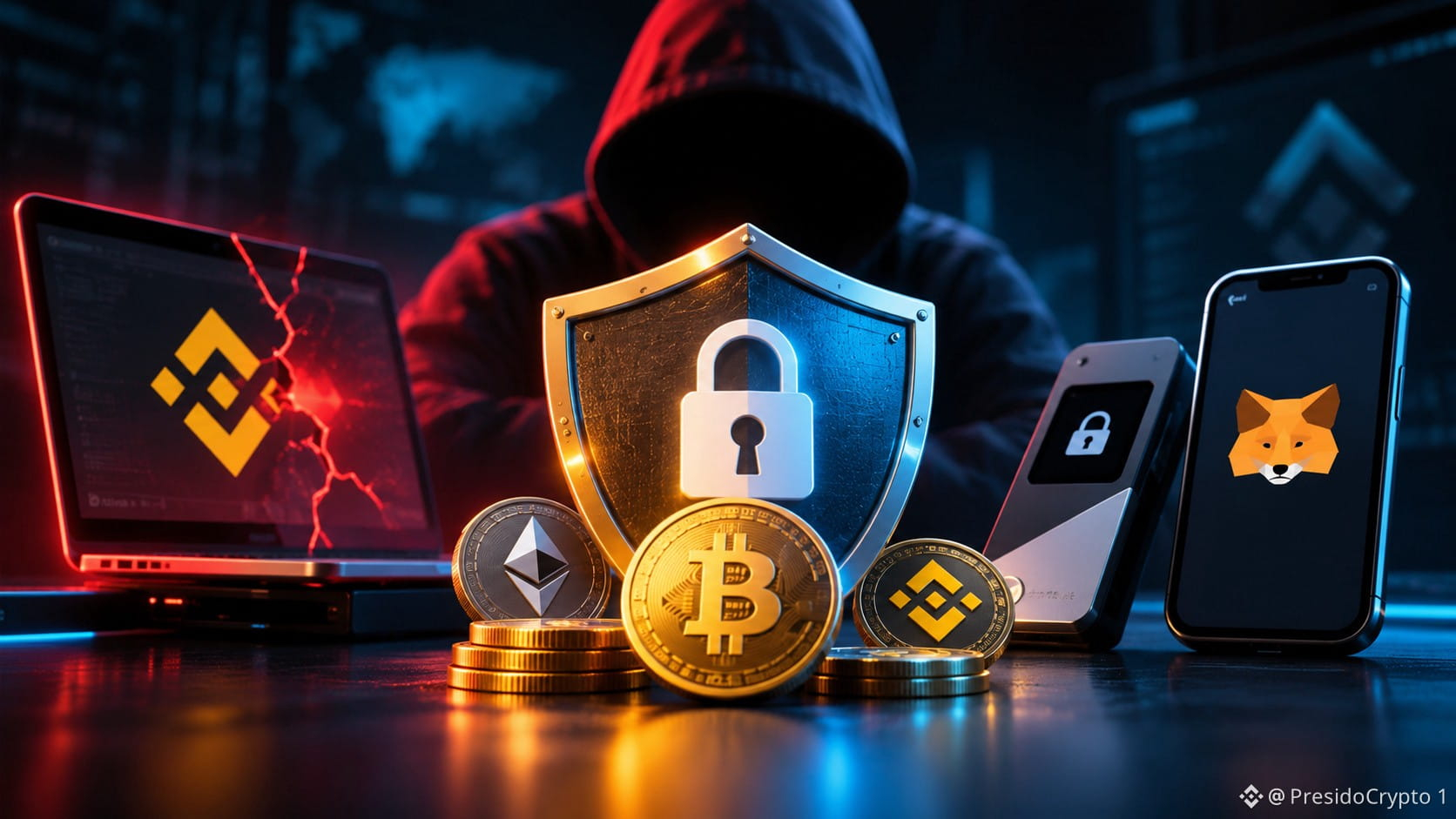
ワシントンでは投票、ウォール街では売り——$BTCをより大きく動かすのはどちら? ビットコインは、投資家の注目を集めようとする2つの大きな要因がせめぎ合う重要な週を迎えています。米中間選挙と、伝統的な金融市場全体で強まる弱気の動きです。 しかし、この2つの要因がビットコインに与える影響は異なると私は考えています。 📉 1. ウォール街:目先の圧力 大手テクノロジー株が売られると、投資家はリスク資産へのエクスポージャーを減らすことがよくあります。リスク選好の低下、ETFからの資金流出、レバレッジ取引の清算を通じて、ビットコインもその圧力を受ける可能性があります。 米国株、特にテクノロジー株の最近の弱さが、すでに神経質になっている暗号資産市場にさらなる圧力を加えています。 🏛️ 2. ワシントン:政策要因 米中間選挙によって、議会の勢力図が変わる可能性があります。これは、今後の暗号資産関連法案、規制監督、財政政策、そしてより広い投資環境に影響するため重要です。 選挙結果によって市場の予想が変わることはありますが、ビットコインへの実際の影響が明らかになるまでには時間がかかるかもしれません。 ⚠️ 3. 暗号資産業界固有の問題も見逃さない 報道された63億ドル規模のBinanceのセキュリティインシデントを受け、ビットコインは業界固有の不確実性にも直面しています。 重要なのは、ビットコインの価格変動をすべてウォール街やワシントンのせいにはできないという点です。暗号資産の流動性、取引所への信頼、ETFの資金フロー、トレーダーのポジション状況も重要です。 🧠 私の見方 資金フローやリスクセンチメントは急速に変化するため、ウォール街の動きがビットコインの目先の値動きに影響する可能性のほうが高いでしょう。 一方、ワシントンは、より長期的な規制環境や機関投資家を取り巻く環境に影響を与える可能性があります。 本当の問題は、伝統的な市場が圧力を受け続けるなか、ビットコインが新たな需要を呼び込めるかどうかです。 今週注目する要因を1つ選ぶとしたら、ウォール街の次の動きですか、それとも米中間選挙の結果ですか? $BTC $ETH #Bitcoin #Crypto #USMarkets
ワシントンでは投票、ウォール街では売り——$BTCをより大きく動かすのはどちら? ビットコインは、投資家の注目を集めようとする2つの大きな要因がせめぎ合う重要な週を迎えています。米中間選挙と、伝統的な金融市場全体で強まる弱気の動きです。 しかし、この2つの要因がビットコインに与える影響は異なると私は考えています。 📉 1. ウォール街:目先の圧力 大手テクノロジー株が売られると、投資家はリスク資産へのエクスポージャーを減らすことがよくあります。リスク選好の低下、ETFからの資金流出、レバレッジ取引の清算を通じて、ビットコインもその圧力を受ける可能性があります。 米国株、特にテクノロジー株の最近の弱さが、すでに神経質になっている暗号資産市場にさらなる圧力を加えています。 🏛️ 2. ワシントン:政策要因 米中間選挙によって、議会の勢力図が変わる可能性があります。これは、今後の暗号資産関連法案、規制監督、財政政策、そしてより広い投資環境に影響するため重要です。 選挙結果によって市場の予想が変わることはありますが、ビットコインへの実際の影響が明らかになるまでには時間がかかるかもしれません。 ⚠️ 3. 暗号資産業界固有の問題も見逃さない 報道された63億ドル規模のBinanceのセキュリティインシデントを受け、ビットコインは業界固有の不確実性にも直面しています。 重要なのは、ビットコインの価格変動をすべてウォール街やワシントンのせいにはできないという点です。暗号資産の流動性、取引所への信頼、ETFの資金フロー、トレーダーのポジション状況も重要です。 🧠 私の見方 資金フローやリスクセンチメントは急速に変化するため、ウォール街の動きがビットコインの目先の値動きに影響する可能性のほうが高いでしょう。 一方、ワシントンは、より長期的な規制環境や機関投資家を取り巻く環境に影響を与える可能性があります。 本当の問題は、伝統的な市場が圧力を受け続けるなか、ビットコインが新たな需要を呼び込めるかどうかです。 今週注目する要因を1つ選ぶとしたら、ウォール街の次の動きですか、それとも米中間選挙の結果ですか? $BTC $ETH #Bitcoin #Crypto #USMarkets
59
バイナンスは資金はSAFUだと主張——しかし、実際に確認されていることは? 10月30日に報じられた大規模なセキュリティインシデントを受け、バイナンスは金銭的損失を補填すると約束しました。しかし、恐怖と憶測に左右される市場では、検証済みの情報と噂を区別することが不可欠です。 整理してみましょう。 🔴 確認されていることは? 1️⃣ バイナンスは、不正な出金取引による影響額が推定63億ドルに上ると公表しました。 2️⃣ 初期調査では、DevOpsエンジニアのノートパソコンが侵害された可能性が示されました。バイナンスは、ウォレットの秘密鍵が漏洩した証拠はないと報告しました。 3️⃣ 影響を受けた資産のうち約30億ドル相当が、業界パートナーとの協力によりオンチェーンで凍結されました。 4️⃣ バイナンスは、会社資金と保護準備金を使い、損失を補填するために約63億4,000万ドルを確保したと発表しました。 5️⃣ 10月31日の最新情報で、バイナンスは影響額の90%を補填したと発表しました。その後、ロイターは取引所が約95%を回収または補填したと報じました。 6️⃣ 11月1日に段階的に出金が再開されましたが、初期期間中に顧客が約36億4,000万ドルを出金したと報じられています。 ⚠️ まだ不明な点、または誤解されている点は? • ユーザー資金は安全だというのはバイナンスの保証であり、独立した検証に代わるものではありません。 • ウォレットの秘密鍵が漏洩した証拠がないからといって、セキュリティインシデントに害がなかったということにはなりません。 • 凍結された資産が、恒久的に回収された資産と同じとは限りません。 • 大規模な出金があったからといって、取り付け騒ぎや支払不能が自動的に証明されるわけではありません。預金や取引所の準備金総額と併せて考える必要があります。 🧠 より大きな視点 このインシデントはバイナンスだけの問題ではありません。社内システム、運用セキュリティ、出金インフラの脆弱性が、中央集権型取引所への信頼を脅かす可能性を浮き彫りにしています。 本当に試されるのは、取引所がどれほど自信たっぷりにSAFUだと主張するかではありません。十分な準備金と、透明性のある復旧状況を示せるかどうかです。
バイナンスは資金はSAFUだと主張——しかし、実際に確認されていることは? 10月30日に報じられた大規模なセキュリティインシデントを受け、バイナンスは金銭的損失を補填すると約束しました。しかし、恐怖と憶測に左右される市場では、検証済みの情報と噂を区別することが不可欠です。 整理してみましょう。 🔴 確認されていることは? 1️⃣ バイナンスは、不正な出金取引による影響額が推定63億ドルに上ると公表しました。 2️⃣ 初期調査では、DevOpsエンジニアのノートパソコンが侵害された可能性が示されました。バイナンスは、ウォレットの秘密鍵が漏洩した証拠はないと報告しました。 3️⃣ 影響を受けた資産のうち約30億ドル相当が、業界パートナーとの協力によりオンチェーンで凍結されました。 4️⃣ バイナンスは、会社資金と保護準備金を使い、損失を補填するために約63億4,000万ドルを確保したと発表しました。 5️⃣ 10月31日の最新情報で、バイナンスは影響額の90%を補填したと発表しました。その後、ロイターは取引所が約95%を回収または補填したと報じました。 6️⃣ 11月1日に段階的に出金が再開されましたが、初期期間中に顧客が約36億4,000万ドルを出金したと報じられています。 ⚠️ まだ不明な点、または誤解されている点は? • ユーザー資金は安全だというのはバイナンスの保証であり、独立した検証に代わるものではありません。 • ウォレットの秘密鍵が漏洩した証拠がないからといって、セキュリティインシデントに害がなかったということにはなりません。 • 凍結された資産が、恒久的に回収された資産と同じとは限りません。 • 大規模な出金があったからといって、取り付け騒ぎや支払不能が自動的に証明されるわけではありません。預金や取引所の準備金総額と併せて考える必要があります。 🧠 より大きな視点 このインシデントはバイナンスだけの問題ではありません。社内システム、運用セキュリティ、出金インフラの脆弱性が、中央集権型取引所への信頼を脅かす可能性を浮き彫りにしています。 本当に試されるのは、取引所がどれほど自信たっぷりにSAFUだと主張するかではありません。十分な準備金と、透明性のある復旧状況を示せるかどうかです。
80
アマゾンのAIへの賭けは急速に拡大中——その代償は? アマゾンは第3四半期の売上高が前年同期比12%増の2,019億ドルだったと発表しました。しかし、最も注目すべきなのは総売上高ではありません。アマゾン・ウェブ・サービス(AWS)の爆発的な成長です。 ☁️ AWSの成長が加速 AWSの売上高は約460億ドルに達し、前年同期比39.3%増となりました。これは約5年ぶりの高い成長率であり、クラウドコンピューティングとAIインフラへの需要が依然として堅調であることを示しています。 しかし、ここから話は複雑になります。 💸 AI競争の代償 アマゾンの第3四半期の現金設備投資額は759億ドルに達し、直近12カ月のフリーキャッシュフローはマイナス424億ドルに落ち込みました。 同社はAI需要に応えるため、インフラに多額の投資を行っています。こうした投資は競争力を高める可能性がある一方で、その支出を持続可能なリターンにつなげる必要性も生み出します。 📊 最大の疑問 売上高の力強い伸びが、必ずしもキャッシュ創出力の向上を意味するわけではありません。投資家は、AIやクラウドの将来の売上が、その基盤となるインフラ構築にかかる莫大なコストに見合うのかを見極める必要があります。 AWSが収益性を高めながら拡大を続ければ、今日の支出は明日の強みになる可能性があります。リターンの実現に予想以上の時間がかかれば、キャッシュフローへの圧力がより大きな懸念となるかもしれません。 私の見解:アマゾンのAI戦略は目覚ましい需要を示していますが、売上高の成長と同じくらい、実行力と投資収益率が重要になります。 アマゾンの巨額のAI投資は長期的な優位性を確かなものにすると思いますか?それとも市場はAI競争に伴う財務リスクを過小評価しているのでしょうか? $AMZN $AI #Amazon
アマゾンのAIへの賭けは急速に拡大中——その代償は? アマゾンは第3四半期の売上高が前年同期比12%増の2,019億ドルだったと発表しました。しかし、最も注目すべきなのは総売上高ではありません。アマゾン・ウェブ・サービス(AWS)の爆発的な成長です。 ☁️ AWSの成長が加速 AWSの売上高は約460億ドルに達し、前年同期比39.3%増となりました。これは約5年ぶりの高い成長率であり、クラウドコンピューティングとAIインフラへの需要が依然として堅調であることを示しています。 しかし、ここから話は複雑になります。 💸 AI競争の代償 アマゾンの第3四半期の現金設備投資額は759億ドルに達し、直近12カ月のフリーキャッシュフローはマイナス424億ドルに落ち込みました。 同社はAI需要に応えるため、インフラに多額の投資を行っています。こうした投資は競争力を高める可能性がある一方で、その支出を持続可能なリターンにつなげる必要性も生み出します。 📊 最大の疑問 売上高の力強い伸びが、必ずしもキャッシュ創出力の向上を意味するわけではありません。投資家は、AIやクラウドの将来の売上が、その基盤となるインフラ構築にかかる莫大なコストに見合うのかを見極める必要があります。 AWSが収益性を高めながら拡大を続ければ、今日の支出は明日の強みになる可能性があります。リターンの実現に予想以上の時間がかかれば、キャッシュフローへの圧力がより大きな懸念となるかもしれません。 私の見解:アマゾンのAI戦略は目覚ましい需要を示していますが、売上高の成長と同じくらい、実行力と投資収益率が重要になります。 アマゾンの巨額のAI投資は長期的な優位性を確かなものにすると思いますか?それとも市場はAI競争に伴う財務リスクを過小評価しているのでしょうか? $AMZN $AI #Amazon
95
サイラーの追随企業が次々と売却。賢明な資金は$BTCから離れているのか? 何年もの間、企業がビットコインを活用する戦略は単純に見えました。資金を調達し、$BTCを購入し、長期保有する。 その後、数十社がStrategyのモデルを模倣しようとしました。 しかし今、その流れが変わりつつあります。 8月に公表されたフィナンシャル・タイムズの分析によると、ビットコインを財務資産として保有する企業の合計時価総額は、2025年のピーク以降、800億ドル以上減少しました。複数の企業がビットコイン保有量を減らした一方、株価の下落や資金調達の圧力に苦しむ企業もあります。 しかし、重要なのはここです。ビットコインを売却したからといって、必ずしもその企業がビットコインへの信頼を失ったとは限りません。 🏦 1. 債務には期限がある。ビットコインを購入するために借り入れをしたり、優先株を発行したりする企業には、利息や配当などの支払い義務が残ります。新たな資金の調達が難しくなると、BTCの売却がそうした約束を果たす手段になることがあります。 📉 2. このモデルは上昇局面でも下降局面でも機能する。株価が企業の保有資産の価値を上回っているときは、資金調達が有利になることがあります。そのプレミアムが消えれば、同じ戦略を維持するのははるかに難しくなります。 🐂 3. すべての財務保有企業が撤退しているわけではない。Strategyはビットコインの購入を続け、SECへの提出書類によると、10月11日までの週に250 BTCを追加しました。同じ大枠の戦略に従う企業が、すべて同じ判断をしているわけではないことが分かります。 ⚠️ これはビットコインにとって何を意味するのでしょうか? 企業による売却は供給を増やし、短期的な圧力を生む可能性があります。しかし、それだけで機関投資家全体が弱気だと証明されるわけではなく、BTC価格が次にどこへ向かうかを示すものでもありません。 本当の問題は、資金調達コストが上がり、市場心理が弱まるなかで、企業の需要が強さを保てるかどうかです。 これらの企業はビットコインを見限っているのでしょうか。それとも、自社の財務モデルが弱気相場を乗り切るにはリスクが高すぎたと気づいたのでしょうか? $BTC #Bitcoin #Crypto
サイラーの追随企業が次々と売却。賢明な資金は$BTCから離れているのか? 何年もの間、企業がビットコインを活用する戦略は単純に見えました。資金を調達し、$BTCを購入し、長期保有する。 その後、数十社がStrategyのモデルを模倣しようとしました。 しかし今、その流れが変わりつつあります。 8月に公表されたフィナンシャル・タイムズの分析によると、ビットコインを財務資産として保有する企業の合計時価総額は、2025年のピーク以降、800億ドル以上減少しました。複数の企業がビットコイン保有量を減らした一方、株価の下落や資金調達の圧力に苦しむ企業もあります。 しかし、重要なのはここです。ビットコインを売却したからといって、必ずしもその企業がビットコインへの信頼を失ったとは限りません。 🏦 1. 債務には期限がある。ビットコインを購入するために借り入れをしたり、優先株を発行したりする企業には、利息や配当などの支払い義務が残ります。新たな資金の調達が難しくなると、BTCの売却がそうした約束を果たす手段になることがあります。 📉 2. このモデルは上昇局面でも下降局面でも機能する。株価が企業の保有資産の価値を上回っているときは、資金調達が有利になることがあります。そのプレミアムが消えれば、同じ戦略を維持するのははるかに難しくなります。 🐂 3. すべての財務保有企業が撤退しているわけではない。Strategyはビットコインの購入を続け、SECへの提出書類によると、10月11日までの週に250 BTCを追加しました。同じ大枠の戦略に従う企業が、すべて同じ判断をしているわけではないことが分かります。 ⚠️ これはビットコインにとって何を意味するのでしょうか? 企業による売却は供給を増やし、短期的な圧力を生む可能性があります。しかし、それだけで機関投資家全体が弱気だと証明されるわけではなく、BTC価格が次にどこへ向かうかを示すものでもありません。 本当の問題は、資金調達コストが上がり、市場心理が弱まるなかで、企業の需要が強さを保てるかどうかです。 これらの企業はビットコインを見限っているのでしょうか。それとも、自社の財務モデルが弱気相場を乗り切るにはリスクが高すぎたと気づいたのでしょうか? $BTC #Bitcoin #Crypto
78
𝗝𝗣𝗠𝗢𝗥𝗚𝗔𝗡が銀行トークンをイーサリアムに導入。$𝗘𝗧𝗛にとって強気材料? 従来型金融のオンチェーン化がさらに進むなか、世界有数の大手銀行が新たな一手を打ちました。10月19日、JPMorganはJPM Coin($JPMD)をイーサリアムに導入すると発表しました。2025年11月にローンチしたイーサリアムのレイヤー2ネットワーク、Baseを超えて展開を広げます。 では、JPM Coinとは一体何でしょうか? USDTやUSDCのような一般的なステーブルコインとは異なります。JPM Coinは、JPMorganに預けられた米ドル預金をトークン化したもので、利用資格を満たす機関投資家の顧客がオンチェーンで資金を送金し、取引を決済できるように設計されています。 これによって何が可能になるのか、考えてみましょう。 🏦 機関投資家の決済を迅速化:承認された顧客は、従来の銀行営業時間に全面的に頼ることなく、24時間いつでも資金を移動できます。 🔗 金融のトークン化:機関はオンチェーンのドルを使ってデジタル資産取引を決済し、担保を移動させ、より自動化された金融業務を支えられる可能性があります。 ⚡ イーサリアムが重要な理由:JPMorganは、確立された流動性とトークン化資産のエコシステムを、同ネットワークに展開を広げる理由として挙げました。 さて、最大の疑問です。これは$ETHにとって強気材料なのでしょうか? その可能性はあります。ただし、影響は実際にどれだけ利用されるかによって変わります。機関の活動が増えれば、トークン化金融の基盤としてのイーサリアムの地位が強まる可能性があります。また、取引によってネットワーク手数料を支払うためのETH需要が生まれることもあります。 ただし、JPM Coinは銀行預金をトークン化したものであり、ETHへの投資ではありません。機関による採用が、そのまま大規模なETH購入につながるわけではありません。実際の影響は、取引量やネットワークの利用状況次第です。 私の見解:より大きな話題は、単に大手銀行がイーサリアムを選んだことではありません。ほかの金融機関も追随するのか、そして、その活動がイーサリアムのインフラに持続的な需要を生み出すのかどうかです。 $ETH $BTC #イーサリアム #RWA #暗号資産
𝗝𝗣𝗠𝗢𝗥𝗚𝗔𝗡が銀行トークンをイーサリアムに導入。$𝗘𝗧𝗛にとって強気材料? 従来型金融のオンチェーン化がさらに進むなか、世界有数の大手銀行が新たな一手を打ちました。10月19日、JPMorganはJPM Coin($JPMD)をイーサリアムに導入すると発表しました。2025年11月にローンチしたイーサリアムのレイヤー2ネットワーク、Baseを超えて展開を広げます。 では、JPM Coinとは一体何でしょうか? USDTやUSDCのような一般的なステーブルコインとは異なります。JPM Coinは、JPMorganに預けられた米ドル預金をトークン化したもので、利用資格を満たす機関投資家の顧客がオンチェーンで資金を送金し、取引を決済できるように設計されています。 これによって何が可能になるのか、考えてみましょう。 🏦 機関投資家の決済を迅速化:承認された顧客は、従来の銀行営業時間に全面的に頼ることなく、24時間いつでも資金を移動できます。 🔗 金融のトークン化:機関はオンチェーンのドルを使ってデジタル資産取引を決済し、担保を移動させ、より自動化された金融業務を支えられる可能性があります。 ⚡ イーサリアムが重要な理由:JPMorganは、確立された流動性とトークン化資産のエコシステムを、同ネットワークに展開を広げる理由として挙げました。 さて、最大の疑問です。これは$ETHにとって強気材料なのでしょうか? その可能性はあります。ただし、影響は実際にどれだけ利用されるかによって変わります。機関の活動が増えれば、トークン化金融の基盤としてのイーサリアムの地位が強まる可能性があります。また、取引によってネットワーク手数料を支払うためのETH需要が生まれることもあります。 ただし、JPM Coinは銀行預金をトークン化したものであり、ETHへの投資ではありません。機関による採用が、そのまま大規模なETH購入につながるわけではありません。実際の影響は、取引量やネットワークの利用状況次第です。 私の見解:より大きな話題は、単に大手銀行がイーサリアムを選んだことではありません。ほかの金融機関も追随するのか、そして、その活動がイーサリアムのインフラに持続的な需要を生み出すのかどうかです。 $ETH $BTC #イーサリアム #RWA #暗号資産
70
𝗕𝗜TCOINの大口保有者のウォレット数が史上最高を記録。彼らは何かを知っているのだろうか? 個人トレーダーがビットコインの次の動きを心配する一方で、大口ウォレットの動きは異なる状況を示しています。Santimentによると、10〜10,000 $BTCを保有するウォレットの数は、10月に過去最高の20,338アドレスに達しました。 さらに興味深いことに、市場が大きく変動する中、このグループはおよそ3週間で85,000 BTC以上を買い増しました。 では、何が起きているのでしょうか? 🐋 強気シナリオ:大口保有者による買い増しは、ビットコインの長期的な価値への自信を示している可能性があります。この傾向が続き、新たな買い需要が戻ってくれば、今後の回復を支える助けになるかもしれません。 ⚠️ ただし、注意点もあります。 クジラのウォレット数が過去最高でも、新規投資家の数が過去最高とは限りません。1人が複数のアドレスを管理でき、取引所がウォレット間で資金を移動させることもあります。 そして最大の疑問はこれです。クジラが買い増しているのに、なぜ価格はもっと大きく反応しないのでしょうか? その答えには、他の保有者による売り圧力、ETFからの資金流出、マクロ経済の不確実性、あるいは市場が方向性を見定めるのにもう少し時間を必要としていることが関係しているかもしれません。 私の見方:クジラの動きは注目に値するシグナルですが、相場上昇を保証する予測ではありません。重要なのは、買い増しが続き、最終的に持続的な買い圧力につながるかどうかです。 クジラはビットコインの次の大きな動きに備えているのでしょうか?それとも、市場は誤解を招くシグナルを発しているのでしょうか? 皆さんはどう思いますか? 👇 $BTC #Bitcoin #Crypto
𝗕𝗜TCOINの大口保有者のウォレット数が史上最高を記録。彼らは何かを知っているのだろうか? 個人トレーダーがビットコインの次の動きを心配する一方で、大口ウォレットの動きは異なる状況を示しています。Santimentによると、10〜10,000 $BTCを保有するウォレットの数は、10月に過去最高の20,338アドレスに達しました。 さらに興味深いことに、市場が大きく変動する中、このグループはおよそ3週間で85,000 BTC以上を買い増しました。 では、何が起きているのでしょうか? 🐋 強気シナリオ:大口保有者による買い増しは、ビットコインの長期的な価値への自信を示している可能性があります。この傾向が続き、新たな買い需要が戻ってくれば、今後の回復を支える助けになるかもしれません。 ⚠️ ただし、注意点もあります。 クジラのウォレット数が過去最高でも、新規投資家の数が過去最高とは限りません。1人が複数のアドレスを管理でき、取引所がウォレット間で資金を移動させることもあります。 そして最大の疑問はこれです。クジラが買い増しているのに、なぜ価格はもっと大きく反応しないのでしょうか? その答えには、他の保有者による売り圧力、ETFからの資金流出、マクロ経済の不確実性、あるいは市場が方向性を見定めるのにもう少し時間を必要としていることが関係しているかもしれません。 私の見方:クジラの動きは注目に値するシグナルですが、相場上昇を保証する予測ではありません。重要なのは、買い増しが続き、最終的に持続的な買い圧力につながるかどうかです。 クジラはビットコインの次の大きな動きに備えているのでしょうか?それとも、市場は誤解を招くシグナルを発しているのでしょうか? 皆さんはどう思いますか? 👇 $BTC #Bitcoin #Crypto
62
𝗕𝗜𝗧𝗖𝗢𝗜𝗡は81,000ドル近辺。ETFからの資金流出が増加中。押し目買いか、それとも様子見か? 暗号資産トレーダーは、10月に「アップトーバー」相場が来ると期待していました。しかし実際には、$BTC は勢いを取り戻すのに苦戦しており、市場では難しい問いが投げかけられています。これは一時的な調整なのか、それとももっと大きな動きの前兆なのか? 注目すべき点を見てみましょう。 📉 機関投資家の需要に懸念があります。米国の現物ビットコインETFでは、10月12日〜16日の週に約2億2,800万ドルの純流出が記録されました。これは機関投資家がビットコインを見限ったという意味ではありませんが、最近の需要が一貫して強かったわけではないことを示しています。 🏦 マクロ経済の影響も依然として重要です。米国のインフレ率が予想を上回り、連邦準備制度理事会(FRB)の政策見通しは複雑になっています。金利がより長く高止まりすれば、リスク資産にはさらなる下押し圧力がかかる可能性があります。 🐂 強気シナリオ:ビットコインが8万ドル付近を維持し、現物の買いが戻り、ETFの資金フローが改善すれば、この下落は回復の好機となる可能性があります。 🐻 弱気シナリオ:サポートを割り込み、買い手がその水準を取り戻せなければ、トレーダーはさらに低い価格帯に注目し始めるかもしれません。短い反発だけでは、下降トレンドが終わったとは言えません。 私の見解:価格が下がったというだけで買うのは避けましょう。サポート、出来高、ETFの資金フロー、そして買い手が回復を持続できるかを見極めてください。 今ならどうしますか? サポート付近で$BTC を段階的に買い集めますか、それともブレイクアウトが確認されるまで待ちますか? $BTC #ビットコイン #暗号資産
𝗕𝗜𝗧𝗖𝗢𝗜𝗡は81,000ドル近辺。ETFからの資金流出が増加中。押し目買いか、それとも様子見か? 暗号資産トレーダーは、10月に「アップトーバー」相場が来ると期待していました。しかし実際には、$BTC は勢いを取り戻すのに苦戦しており、市場では難しい問いが投げかけられています。これは一時的な調整なのか、それとももっと大きな動きの前兆なのか? 注目すべき点を見てみましょう。 📉 機関投資家の需要に懸念があります。米国の現物ビットコインETFでは、10月12日〜16日の週に約2億2,800万ドルの純流出が記録されました。これは機関投資家がビットコインを見限ったという意味ではありませんが、最近の需要が一貫して強かったわけではないことを示しています。 🏦 マクロ経済の影響も依然として重要です。米国のインフレ率が予想を上回り、連邦準備制度理事会(FRB)の政策見通しは複雑になっています。金利がより長く高止まりすれば、リスク資産にはさらなる下押し圧力がかかる可能性があります。 🐂 強気シナリオ:ビットコインが8万ドル付近を維持し、現物の買いが戻り、ETFの資金フローが改善すれば、この下落は回復の好機となる可能性があります。 🐻 弱気シナリオ:サポートを割り込み、買い手がその水準を取り戻せなければ、トレーダーはさらに低い価格帯に注目し始めるかもしれません。短い反発だけでは、下降トレンドが終わったとは言えません。 私の見解:価格が下がったというだけで買うのは避けましょう。サポート、出来高、ETFの資金フロー、そして買い手が回復を持続できるかを見極めてください。 今ならどうしますか? サポート付近で$BTC を段階的に買い集めますか、それともブレイクアウトが確認されるまで待ちますか? $BTC #ビットコイン #暗号資産
72
𝗕𝗜𝗧𝗖𝗢𝗜𝗡のクジラが史上最高を記録。彼らはあなたの知らない何かを知っているのか? 多くのトレーダーが$BTCのさらなる下落を懸念するなか、オンチェーンでは別のシグナルが現れています。Santimentのデータによると、10月16日時点で、10〜10,000 $BTCを保有するビットコインウォレットの数は過去最高の20,338アドレスに達しました。これは重要な動きですが、実際には何を意味するのでしょうか? 🐋 強気の見方:大口保有者のアドレスが増えていることは、市場の変動を乗り越えて保有する意思のある投資家の間で、蓄積と信頼が高まっていることを示している可能性があります。本当の買いが続き、売り圧力が弱まれば、時間をかけたビットコインの回復を後押しするかもしれません。 ⚠️ ただし、別の見方もあります。 アドレス数が過去最高になったからといって、クジラがビットコインをさらに買っているとは限りません。1人の投資家が複数のアドレスを管理している可能性があり、取引所がウォレット間で資金を再編成することもあります。オンチェーンデータだけでは、すべての保有者の身元や意図を明らかにすることはできません。 価格の動きも依然として重要です。クジラの蓄積が続いているのに$BTCが苦戦し続けるなら、ほかの売り手がその需要を吸収している可能性があります。 私の見解:クジラの動向は注目に値しますが、確実な買いシグナルではありません。結論を出す前に、ウォレットの動向を取引所への資金流出入、現物需要、ETFの動向、重要なサポート水準とあわせて確認しましょう。 ここで質問です。 ビットコインのクジラは次の上昇に向けて静かにポジションを整えているのでしょうか?それとも、トレーダーはオンチェーンデータを深読みしすぎているのでしょうか? $BTC #Bitcoin #Crypto
𝗕𝗜𝗧𝗖𝗢𝗜𝗡のクジラが史上最高を記録。彼らはあなたの知らない何かを知っているのか? 多くのトレーダーが$BTCのさらなる下落を懸念するなか、オンチェーンでは別のシグナルが現れています。Santimentのデータによると、10月16日時点で、10〜10,000 $BTCを保有するビットコインウォレットの数は過去最高の20,338アドレスに達しました。これは重要な動きですが、実際には何を意味するのでしょうか? 🐋 強気の見方:大口保有者のアドレスが増えていることは、市場の変動を乗り越えて保有する意思のある投資家の間で、蓄積と信頼が高まっていることを示している可能性があります。本当の買いが続き、売り圧力が弱まれば、時間をかけたビットコインの回復を後押しするかもしれません。 ⚠️ ただし、別の見方もあります。 アドレス数が過去最高になったからといって、クジラがビットコインをさらに買っているとは限りません。1人の投資家が複数のアドレスを管理している可能性があり、取引所がウォレット間で資金を再編成することもあります。オンチェーンデータだけでは、すべての保有者の身元や意図を明らかにすることはできません。 価格の動きも依然として重要です。クジラの蓄積が続いているのに$BTCが苦戦し続けるなら、ほかの売り手がその需要を吸収している可能性があります。 私の見解:クジラの動向は注目に値しますが、確実な買いシグナルではありません。結論を出す前に、ウォレットの動向を取引所への資金流出入、現物需要、ETFの動向、重要なサポート水準とあわせて確認しましょう。 ここで質問です。 ビットコインのクジラは次の上昇に向けて静かにポジションを整えているのでしょうか?それとも、トレーダーはオンチェーンデータを深読みしすぎているのでしょうか? $BTC #Bitcoin #Crypto
69
翻訳参照
𝗕𝗜𝗧𝗖𝗢𝗜𝗡 𝗧𝗘𝗦𝗧𝗦 $𝟴𝟬𝗞 𝗙𝗢𝗥 𝗧𝗛𝗘 𝟯𝗥𝗗 𝗧𝗜𝗠𝗘. $𝟲𝟱𝗞 𝗢𝗥 $𝟵𝟰𝗞 — 𝗪𝗛𝗜𝗖𝗛 𝗖𝗢𝗠𝗘𝗦 𝗙𝗜𝗥𝗦𝗧? The $80,000 level is becoming one of the most important battlegrounds for $BTC. After multiple tests of this support zone, traders are watching closely to see whether buyers can defend it again or sellers finally push the price lower. Here's the setup: 🐂 Bullish scenario: $94K If Bitcoin holds support, buying pressure returns, and BTC breaks through the $84K–$87K resistance zone, the door could open for a move toward $94K. But a quick bounce alone isn't enough. Buyers need to reclaim resistance and sustain the move. 🐻 Bearish scenario: $65K If $80K breaks decisively and Bitcoin fails to recover, downside pressure could increase. Traders would then watch lower support zones before considering deeper targets. A move to $65K is a bearish scenario, not a confirmed destination. ⚠️ Here's what matters most: Repeated support tests can weaken a level if buyers become exhausted. However, they can also absorb selling pressure before a recovery. The difference comes from volume, spot demand, ETF flows, macroeconomic conditions, and whether Bitcoin can reclaim broken resistance. My view: don't trade the headline. Watch how price reacts around $80K and whether the next bounce has real buying strength. #BTC Price Analysis# #Macro Insights#
𝗕𝗜𝗧𝗖𝗢𝗜𝗡 𝗧𝗘𝗦𝗧𝗦 $𝟴𝟬𝗞 𝗙𝗢𝗥 𝗧𝗛𝗘 𝟯𝗥𝗗 𝗧𝗜𝗠𝗘. $𝟲𝟱𝗞 𝗢𝗥 $𝟵𝟰𝗞 — 𝗪𝗛𝗜𝗖𝗛 𝗖𝗢𝗠𝗘𝗦 𝗙𝗜𝗥𝗦𝗧? The $80,000 level is becoming one of the most important battlegrounds for $BTC. After multiple tests of this support zone, traders are watching closely to see whether buyers can defend it again or sellers finally push the price lower. Here's the setup: 🐂 Bullish scenario: $94K If Bitcoin holds support, buying pressure returns, and BTC breaks through the $84K–$87K resistance zone, the door could open for a move toward $94K. But a quick bounce alone isn't enough. Buyers need to reclaim resistance and sustain the move. 🐻 Bearish scenario: $65K If $80K breaks decisively and Bitcoin fails to recover, downside pressure could increase. Traders would then watch lower support zones before considering deeper targets. A move to $65K is a bearish scenario, not a confirmed destination. ⚠️ Here's what matters most: Repeated support tests can weaken a level if buyers become exhausted. However, they can also absorb selling pressure before a recovery. The difference comes from volume, spot demand, ETF flows, macroeconomic conditions, and whether Bitcoin can reclaim broken resistance. My view: don't trade the headline. Watch how price reacts around $80K and whether the next bounce has real buying strength. #BTC Price Analysis# #Macro Insights#
73
𝗧𝗥ADEは退屈?猫系コインは+14%、DOGEは下落。$BTC が次の大きな動きを見せるのを待つトレーダーがいる一方で、ミームコインは独自の戦いを繰り広げています。猫をテーマにしたトークンが注目を集め、二桁の上昇率を記録するものもある一方、$DOGE は逆方向に動いています。これは猫系コインへの資金ローテーションの始まりなのか、それともまた短命に終わるミームコインの上昇にすぎないのでしょうか?私の見方は次のとおりです。 🐱 猫系コインが強気な理由:市場全体の動きが鈍いとき、トレーダーは勢いの強い資産を追いかけることがよくあります。出来高が急増すると、さらに注目が集まり、短期的なチャンスが生まれることもあります。 🐶 DOGEについて:$DOGE は市場での存在感がはるかに大きいものの、毎日、小型のミームコインを上回るとは限りません。売り圧力が続くなら、買い手が戻ってくるかどうかに注目する必要があります。 ⚠️ ただし、注意点もあります。 トークンが14%上昇したからといって、自動的により良い取引になるわけではありません。小型のミームコインは流動性が低く、スプレッドが広く、反落も急激になりがちです。大きな陽線が出た後に参入すると、初期に買ったトレーダーが利益確定する直前に買うことになるかもしれません。 エントリーを検討する前に、取引高や流動性、そしてトークンが上昇分を維持できるかを確認したいと思います。 コミュニティへの質問です。今日、どちらか一つだけ取引するとしたら、急騰中の猫系コインと、押し目の$DOGEのどちらを選びますか?その理由は?皆さんの選択を聞かせてください。👇
𝗧𝗥ADEは退屈?猫系コインは+14%、DOGEは下落。$BTC が次の大きな動きを見せるのを待つトレーダーがいる一方で、ミームコインは独自の戦いを繰り広げています。猫をテーマにしたトークンが注目を集め、二桁の上昇率を記録するものもある一方、$DOGE は逆方向に動いています。これは猫系コインへの資金ローテーションの始まりなのか、それともまた短命に終わるミームコインの上昇にすぎないのでしょうか?私の見方は次のとおりです。 🐱 猫系コインが強気な理由:市場全体の動きが鈍いとき、トレーダーは勢いの強い資産を追いかけることがよくあります。出来高が急増すると、さらに注目が集まり、短期的なチャンスが生まれることもあります。 🐶 DOGEについて:$DOGE は市場での存在感がはるかに大きいものの、毎日、小型のミームコインを上回るとは限りません。売り圧力が続くなら、買い手が戻ってくるかどうかに注目する必要があります。 ⚠️ ただし、注意点もあります。 トークンが14%上昇したからといって、自動的により良い取引になるわけではありません。小型のミームコインは流動性が低く、スプレッドが広く、反落も急激になりがちです。大きな陽線が出た後に参入すると、初期に買ったトレーダーが利益確定する直前に買うことになるかもしれません。 エントリーを検討する前に、取引高や流動性、そしてトークンが上昇分を維持できるかを確認したいと思います。 コミュニティへの質問です。今日、どちらか一つだけ取引するとしたら、急騰中の猫系コインと、押し目の$DOGEのどちらを選びますか?その理由は?皆さんの選択を聞かせてください。👇
79
𝗦𝗢𝗨𝗧𝗛 𝗞𝗢𝗥𝗘𝗔 𝗝𝗨𝗦𝗧 𝗕𝗟𝗢𝗖𝗞𝗘𝗗 𝟮𝟳 𝗖𝗥𝗬𝗣𝗧𝗢 𝗣𝗟𝗔𝗧𝗙𝗢𝗥𝗠𝗦. 𝗪𝗛𝗔𝗧 𝗛𝗔𝗣𝗣𝗘𝗡𝗦 𝗡𝗘𝗫𝗧? 10月13日、韓国当局はKuCoin、MEXC、BitMart、BingX、Phemexを含む、未登録の暗号資産取引所ウェブサイト27件への国内からのアクセスを遮断する措置に乗り出しました。 これは単なる国内の規制ニュースではありません。韓国はアジア有数の暗号資産市場であり、その決定は、地域全体で取引所がユーザーを獲得するための競争に影響を及ぼす可能性があります。 では、より広範な市場にはどのような影響があるのでしょうか? 🔴 1. 取引活動が移る可能性があります。一部の韓国人トレーダーは登録済みの国内取引所に移る一方、別のプラットフォームを検討する人もいるでしょう。ただし、それが暗号資産市場から資金が完全に流出することを意味するわけではありません。 🟠 2. 小規模なプラットフォームは、より大きな圧力に直面します。今回の取り締まりは、登録、マネーロンダリング対策、ユーザー保護の重要性を浮き彫りにしています。規制市場への参入を目指す取引所は、より高いコンプライアンスコストに直面する可能性があります。 🟢 3. 長期的な影響は一様ではないでしょう。規則が明確になれば、信頼が高まり、ユーザー保護につながる可能性があります。一方、アクセス制限によって利便性が低下し、プラットフォームの選択肢が狭まり、影響を受ける顧客の出金が複雑になることも考えられます。 ⚠️ 4. アクセス禁止を市場全体の禁止と混同しないでください。今回の制限の対象は、韓国で事業を行う未登録のプラットフォームです。ビットコインや暗号資産市場全体が禁止されたという意味ではありません。 重要なのは、影響を受けたユーザーが次にどこへ資産や取引活動を移すかです。見出しだけを見るよりも、その動向のほうが市場への影響をよく示すでしょう。 今回の取り締まりは、規制の改善によって暗号資産をより強固にするのでしょうか。それとも、トレーダーを海外や分散型のプラットフォームへ向かわせるのでしょうか? $BTC $ETH #暗号資産 #ビットコイン #規制
𝗦𝗢𝗨𝗧𝗛 𝗞𝗢𝗥𝗘𝗔 𝗝𝗨𝗦𝗧 𝗕𝗟𝗢𝗖𝗞𝗘𝗗 𝟮𝟳 𝗖𝗥𝗬𝗣𝗧𝗢 𝗣𝗟𝗔𝗧𝗙𝗢𝗥𝗠𝗦. 𝗪𝗛𝗔𝗧 𝗛𝗔𝗣𝗣𝗘𝗡𝗦 𝗡𝗘𝗫𝗧? 10月13日、韓国当局はKuCoin、MEXC、BitMart、BingX、Phemexを含む、未登録の暗号資産取引所ウェブサイト27件への国内からのアクセスを遮断する措置に乗り出しました。 これは単なる国内の規制ニュースではありません。韓国はアジア有数の暗号資産市場であり、その決定は、地域全体で取引所がユーザーを獲得するための競争に影響を及ぼす可能性があります。 では、より広範な市場にはどのような影響があるのでしょうか? 🔴 1. 取引活動が移る可能性があります。一部の韓国人トレーダーは登録済みの国内取引所に移る一方、別のプラットフォームを検討する人もいるでしょう。ただし、それが暗号資産市場から資金が完全に流出することを意味するわけではありません。 🟠 2. 小規模なプラットフォームは、より大きな圧力に直面します。今回の取り締まりは、登録、マネーロンダリング対策、ユーザー保護の重要性を浮き彫りにしています。規制市場への参入を目指す取引所は、より高いコンプライアンスコストに直面する可能性があります。 🟢 3. 長期的な影響は一様ではないでしょう。規則が明確になれば、信頼が高まり、ユーザー保護につながる可能性があります。一方、アクセス制限によって利便性が低下し、プラットフォームの選択肢が狭まり、影響を受ける顧客の出金が複雑になることも考えられます。 ⚠️ 4. アクセス禁止を市場全体の禁止と混同しないでください。今回の制限の対象は、韓国で事業を行う未登録のプラットフォームです。ビットコインや暗号資産市場全体が禁止されたという意味ではありません。 重要なのは、影響を受けたユーザーが次にどこへ資産や取引活動を移すかです。見出しだけを見るよりも、その動向のほうが市場への影響をよく示すでしょう。 今回の取り締まりは、規制の改善によって暗号資産をより強固にするのでしょうか。それとも、トレーダーを海外や分散型のプラットフォームへ向かわせるのでしょうか? $BTC $ETH #暗号資産 #ビットコイン #規制
74
𝗨𝗦政府が10億ドル相当の$BTCを移動。準備金への移管か、それとも売却の可能性か? 10月8日、米国政府に関連するウォレットが、約10億1,000万ドル相当の12,267 $BTCを送金しました。このビットコインは、2016年のBitfinexハッキング後に押収された資金に関連するものです。当然ながら、これほど大規模な取引は、売り圧力が生じる可能性への懸念を招きます。 しかし、重要な点があります。コインは新しいラベルのないウォレットに送られており、取引所に直接送金されたわけではありません。つまり、この送金だけでは売却があったとは確認できません。 さらに、より大きな政策上の疑問もあります。2025年3月の大統領令により戦略的ビットコイン準備金が設立され、準備金に組み入れられたビットコインは売却すべきではないと定められました。しかし、運用上の重要な詳細は依然として不明確で、当局者は今回の送金について公に説明していません。 そこで、考えられるシナリオは2つです。 🔴 弱気シナリオ:コインが最終的に売却先へ移され、換金された場合、市場心理が悪化し、売り圧力が強まる可能性があります。 🟢 準備金またはカストディ関連のシナリオ:内部ウォレット間の送金、または保管先の変更であれば、流通市場の供給量に直ちに大きな影響を及ぼすことはないかもしれません。 トレーダーにとっての教訓はシンプルです。オンチェーン上の移動は、売却が確認されたことと同じではありません。見出しだけに反応するのではなく、ビットコインが次にどこへ移動するかに注目しましょう。 米国が依然として相当量のビットコインを保有している以上、大規模なウォレット移動はすべて注目に値します。しかし、憶測よりも証拠が重要です。 これは通常の資産管理、準備金に関連する動き、それとも売却に向けた一歩だと思いますか? #Bitcoin #Crypto #BTC
𝗨𝗦政府が10億ドル相当の$BTCを移動。準備金への移管か、それとも売却の可能性か? 10月8日、米国政府に関連するウォレットが、約10億1,000万ドル相当の12,267 $BTCを送金しました。このビットコインは、2016年のBitfinexハッキング後に押収された資金に関連するものです。当然ながら、これほど大規模な取引は、売り圧力が生じる可能性への懸念を招きます。 しかし、重要な点があります。コインは新しいラベルのないウォレットに送られており、取引所に直接送金されたわけではありません。つまり、この送金だけでは売却があったとは確認できません。 さらに、より大きな政策上の疑問もあります。2025年3月の大統領令により戦略的ビットコイン準備金が設立され、準備金に組み入れられたビットコインは売却すべきではないと定められました。しかし、運用上の重要な詳細は依然として不明確で、当局者は今回の送金について公に説明していません。 そこで、考えられるシナリオは2つです。 🔴 弱気シナリオ:コインが最終的に売却先へ移され、換金された場合、市場心理が悪化し、売り圧力が強まる可能性があります。 🟢 準備金またはカストディ関連のシナリオ:内部ウォレット間の送金、または保管先の変更であれば、流通市場の供給量に直ちに大きな影響を及ぼすことはないかもしれません。 トレーダーにとっての教訓はシンプルです。オンチェーン上の移動は、売却が確認されたことと同じではありません。見出しだけに反応するのではなく、ビットコインが次にどこへ移動するかに注目しましょう。 米国が依然として相当量のビットコインを保有している以上、大規模なウォレット移動はすべて注目に値します。しかし、憶測よりも証拠が重要です。 これは通常の資産管理、準備金に関連する動き、それとも売却に向けた一歩だと思いますか? #Bitcoin #Crypto #BTC
69
翻訳参照
𝗧𝗵𝗲 𝗨𝗦 𝗴𝗼𝘃𝗲𝗿𝗻𝗺𝗲𝗻𝘁 𝗺𝗼𝘃𝗲𝗱 $𝟭𝗕 𝗶𝗻 𝗕𝗶𝘁𝗰𝗼𝗶𝗻 𝗶𝗻 𝗼𝗻𝗲 𝗱𝗮𝘆. 𝗕𝘂𝘁 𝘄𝗵𝘆? On October 8, a wallet linked to the U.S. government transferred 12,267 $BTC worth approximately $1.01 billion. The Bitcoin was connected to funds seized in the 2016 Bitfinex hack. Naturally, the market started asking two questions: Is the government preparing to sell, or is it reorganizing its Bitcoin reserve? Here's what we know. The transfer sent the Bitcoin to a new, unlabeled wallet. That destination alone does not prove the coins were sold. The timing is also interesting because the U.S. established a Strategic Bitcoin Reserve in 2025, with an executive order stating that Bitcoin placed in the reserve should not be sold. However, the operational details of the reserve remain unclear, and the government has not publicly explained this specific transfer. There are two possible interpretations: 📉 The bearish case: If the Bitcoin eventually reaches an exchange and is sold, it could add selling pressure and create uncertainty around government-held BTC. 🏦 The reserve case: If the transfer reflects custody changes or reserve administration, it may have little direct impact on market supply. And that's the key distinction: moving Bitcoin is not the same as selling Bitcoin. Until there is evidence of an actual sale, calling this a government dump would be premature. Still, when billions of dollars in government-held crypto move on-chain, traders have every reason to pay attention. What do you think: is the U.S. preparing to sell its Bitcoin, or simply reorganizing its holdings for the Strategic Bitcoin Reserve? $BTC #Bitcoin #Crypto
𝗧𝗵𝗲 𝗨𝗦 𝗴𝗼𝘃𝗲𝗿𝗻𝗺𝗲𝗻𝘁 𝗺𝗼𝘃𝗲𝗱 $𝟭𝗕 𝗶𝗻 𝗕𝗶𝘁𝗰𝗼𝗶𝗻 𝗶𝗻 𝗼𝗻𝗲 𝗱𝗮𝘆. 𝗕𝘂𝘁 𝘄𝗵𝘆? On October 8, a wallet linked to the U.S. government transferred 12,267 $BTC worth approximately $1.01 billion. The Bitcoin was connected to funds seized in the 2016 Bitfinex hack. Naturally, the market started asking two questions: Is the government preparing to sell, or is it reorganizing its Bitcoin reserve? Here's what we know. The transfer sent the Bitcoin to a new, unlabeled wallet. That destination alone does not prove the coins were sold. The timing is also interesting because the U.S. established a Strategic Bitcoin Reserve in 2025, with an executive order stating that Bitcoin placed in the reserve should not be sold. However, the operational details of the reserve remain unclear, and the government has not publicly explained this specific transfer. There are two possible interpretations: 📉 The bearish case: If the Bitcoin eventually reaches an exchange and is sold, it could add selling pressure and create uncertainty around government-held BTC. 🏦 The reserve case: If the transfer reflects custody changes or reserve administration, it may have little direct impact on market supply. And that's the key distinction: moving Bitcoin is not the same as selling Bitcoin. Until there is evidence of an actual sale, calling this a government dump would be premature. Still, when billions of dollars in government-held crypto move on-chain, traders have every reason to pay attention. What do you think: is the U.S. preparing to sell its Bitcoin, or simply reorganizing its holdings for the Strategic Bitcoin Reserve? $BTC #Bitcoin #Crypto
68
量子コンピューターが登場する前に、AIはビットコインやイーサリアムを解読できるのか? 暗号資産業界は長年、強力な量子コンピューターがウォレットの安全性を脅かしかねない未来に備えてきました。 そして今、人工知能が議論に加わっています。 イーサリアムの研究者、ジャスティン・ドレイク氏は最近、AIの進歩によって、暗号資産ウォレットを守る暗号技術を脅かす数学的なブレークスルーが加速する可能性があると警告しました。業界に対し、「バンカーモード」の可能性に備え始めるよう呼びかけました。 ヴィタリック・ブテリン氏も、AIによって加速される数学的なブレークスルーは真剣に注視する価値があると認めましたが、ユーザーに対して、パニックに陥ったり、急いで資金を移動させたりしないよう警告しました。 これが重要な理由を説明します。 ビットコインとイーサリアムは、資金の所有権を証明するために暗号署名を利用しています。攻撃者が対応する公開鍵から秘密鍵を導き出せれば、所有者の許可なく取引を承認できる可能性があります。 AIは、研究者が新たな数学的手法を発見する助けになるかもしれません。しかし現時点で、AIがビットコインやイーサリアムのウォレットを守る暗号署名を破ったという公の実証例はありません。 この違いは重要です。 脆弱性の可能性があることと、実際に悪用されていることは同じではありません。 また、量子コンピューティングは別個の脅威であり、開発者は耐量子暗号によってすでに対策に取り組んでいます。 より大きな教訓は、暗号資産のセキュリティは現状維持ではいけないということです。コンピューティング能力の進化に合わせて、ブロックチェーンのプロトコルも進化しなければなりません。 今のところ、パニックにならず、シードフレーズを共有せず、話題になっている見出しだけを理由に資金を移動させないでください。公式のセキュリティガイダンスに従い、ウォレット移行の案内があれば慎重に確認してください。 ここで質問です。AIは量子コンピューティングよりも差し迫った暗号資産セキュリティの脅威になり得るのでしょうか。それとも、証拠がそろう前に先走っているのでしょうか? #AIエージェント 🤖# #Bitcoin
量子コンピューターが登場する前に、AIはビットコインやイーサリアムを解読できるのか? 暗号資産業界は長年、強力な量子コンピューターがウォレットの安全性を脅かしかねない未来に備えてきました。 そして今、人工知能が議論に加わっています。 イーサリアムの研究者、ジャスティン・ドレイク氏は最近、AIの進歩によって、暗号資産ウォレットを守る暗号技術を脅かす数学的なブレークスルーが加速する可能性があると警告しました。業界に対し、「バンカーモード」の可能性に備え始めるよう呼びかけました。 ヴィタリック・ブテリン氏も、AIによって加速される数学的なブレークスルーは真剣に注視する価値があると認めましたが、ユーザーに対して、パニックに陥ったり、急いで資金を移動させたりしないよう警告しました。 これが重要な理由を説明します。 ビットコインとイーサリアムは、資金の所有権を証明するために暗号署名を利用しています。攻撃者が対応する公開鍵から秘密鍵を導き出せれば、所有者の許可なく取引を承認できる可能性があります。 AIは、研究者が新たな数学的手法を発見する助けになるかもしれません。しかし現時点で、AIがビットコインやイーサリアムのウォレットを守る暗号署名を破ったという公の実証例はありません。 この違いは重要です。 脆弱性の可能性があることと、実際に悪用されていることは同じではありません。 また、量子コンピューティングは別個の脅威であり、開発者は耐量子暗号によってすでに対策に取り組んでいます。 より大きな教訓は、暗号資産のセキュリティは現状維持ではいけないということです。コンピューティング能力の進化に合わせて、ブロックチェーンのプロトコルも進化しなければなりません。 今のところ、パニックにならず、シードフレーズを共有せず、話題になっている見出しだけを理由に資金を移動させないでください。公式のセキュリティガイダンスに従い、ウォレット移行の案内があれば慎重に確認してください。 ここで質問です。AIは量子コンピューティングよりも差し迫った暗号資産セキュリティの脅威になり得るのでしょうか。それとも、証拠がそろう前に先走っているのでしょうか? #AIエージェント 🤖# #Bitcoin
53
ログインして、さらにコンテンツを読む
厳選トピックで世界の暗号資産トレーダーの仲間入り
⚡️ 暗号資産に関する最新かつ有益な情報が見つかります。
💬 世界最大の暗号資産取引所から信頼されています。
👍 認証を受けたクリエイターから、有益なインサイトを得られます。
メール / 電話番号