

Cooger17
68 投稿

Cooger17
報告
ユーザーをブロック
取引を発注
低高頻度トレーダー
1.3年
30 フォロー
58 フォロワー
55 いいね
投稿
ポートフォリオ
すべて
引用
·
--
翻訳参照
$BTC is trading around $64,137.36, almost flat on the day versus the 24h open at $64,195.04. The key thing is the range: today’s high is $64,387.99 and today’s low is $62,537.56. That gives you a pretty clear battlefield for both sides.
Bullish setup:
If BTC can push above $64,388 and hold, that would be the first sign buyers are taking control of this range. In trader terms, that’s your breakout trigger. A clean move through that level suggests momentum could expand higher, especially if price doesn’t immediately fall back into the range. The bullish idea here is simple: strength above the range high = continuation potential.
Bearish setup:
If BTC starts slipping and breaks below $62,538, that would weaken the structure and suggest sellers are gaining control. That low is the line bulls really want to defend. Losing it would shift the tone from “range-bound” to “risk of downside continuation.” In plain terms: break the floor, and the market may look for lower support.
Neutral/range scenario:
As long as BTC stays between $62.54k and $64.39k, this is still a wait-for-confirmation market. That middle zone is where traders often get chopped up. Usually, the cleaner trades come from reacting at the edges rather than forcing entries in the middle.
My read:
Right now this doesn’t look like a market with strong conviction either way. It looks more like compression with a directional move pending. So the best mindset is: let price prove itself at the high or the low, then react.
$BTC is trading around $64,137.36, almost flat on the day versus the 24h open at $64,195.04. The key thing is the range: today’s high is $64,387.99 and today’s low is $62,537.56. That gives you a pretty clear battlefield for both sides.
Bullish setup:
If BTC can push above $64,388 and hold, that would be the first sign buyers are taking control of this range. In trader terms, that’s your breakout trigger. A clean move through that level suggests momentum could expand higher, especially if price doesn’t immediately fall back into the range. The bullish idea here is simple: strength above the range high = continuation potential.
Bearish setup:
If BTC starts slipping and breaks below $62,538, that would weaken the structure and suggest sellers are gaining control. That low is the line bulls really want to defend. Losing it would shift the tone from “range-bound” to “risk of downside continuation.” In plain terms: break the floor, and the market may look for lower support.
Neutral/range scenario:
As long as BTC stays between $62.54k and $64.39k, this is still a wait-for-confirmation market. That middle zone is where traders often get chopped up. Usually, the cleaner trades come from reacting at the edges rather than forcing entries in the middle.
My read:
Right now this doesn’t look like a market with strong conviction either way. It looks more like compression with a directional move pending. So the best mindset is: let price prove itself at the high or the low, then react.
Bullish setup:
If BTC can push above $64,388 and hold, that would be the first sign buyers are taking control of this range. In trader terms, that’s your breakout trigger. A clean move through that level suggests momentum could expand higher, especially if price doesn’t immediately fall back into the range. The bullish idea here is simple: strength above the range high = continuation potential.
Bearish setup:
If BTC starts slipping and breaks below $62,538, that would weaken the structure and suggest sellers are gaining control. That low is the line bulls really want to defend. Losing it would shift the tone from “range-bound” to “risk of downside continuation.” In plain terms: break the floor, and the market may look for lower support.
Neutral/range scenario:
As long as BTC stays between $62.54k and $64.39k, this is still a wait-for-confirmation market. That middle zone is where traders often get chopped up. Usually, the cleaner trades come from reacting at the edges rather than forcing entries in the middle.
My read:
Right now this doesn’t look like a market with strong conviction either way. It looks more like compression with a directional move pending. So the best mindset is: let price prove itself at the high or the low, then react.
85
·
--
$BTC は現在約64,240ドルの水準で推移しており、全体としてかなり静かな1日でした。直近24時間ではわずかに下落し、取引開始時点より約0.05%低いところです。最高値は64,463ドルまで上がり、安値は約63,641ドルまで下げたため、値動きの幅は比較的狭く、爆発的というほどではありません。
通常これは、市場が次の材料を待っていて、強い方向性のある動きをしていない状態を示唆しているように読めます。
$BTC は現在約64,240ドルの水準で推移しており、全体としてかなり静かな1日でした。直近24時間ではわずかに下落し、取引開始時点より約0.05%低いところです。最高値は64,463ドルまで上がり、安値は約63,641ドルまで下げたため、値動きの幅は比較的狭く、爆発的というほどではありません。
通常これは、市場が次の材料を待っていて、強い方向性のある動きをしていない状態を示唆しているように読めます。
通常これは、市場が次の材料を待っていて、強い方向性のある動きをしていない状態を示唆しているように読めます。
546
·
--
翻訳参照
$BTC is trading at $63,014.00 right now, up about 1.75% over the last 24 hours. Today’s range has been $61,544.56 to $63,283.26, with the 24h open around $61,928.20.
This looks like a modest bullish session so far, with BTC holding near the day’s high.
{spot}(BTCUSDT)
$BTC is trading at $63,014.00 right now, up about 1.75% over the last 24 hours. Today’s range has been $61,544.56 to $63,283.26, with the 24h open around $61,928.20.
This looks like a modest bullish session so far, with BTC holding near the day’s high.
This looks like a modest bullish session so far, with BTC holding near the day’s high.
78
·
--
翻訳参照
$BTC is trading at $58,488.84 right now on Binance, down about 1.62% over the last 24 hours. The 24h range is $58,228.33 to $60,683.84, and the session opened around $59,452.00.
Short-term momentum: mildly bearish, since price is below the 24h open and sitting much closer to the daily low than the high.
Key resistance: around $60.7K BTC was rejected near that zone in the last 24h.
Key support: around $58.2K that’s the immediate level buyers need to defend.
Near-term takeaway: if BTC reclaims and holds above $59.5K–$60K, momentum could improve; if it loses $58.2K, downside pressure may increase.
What I’d watch next:
- Whether volume supports a bounce off the current support zone.
- A breakout above $60.7K for bullish continuation.
- A breakdown below $58.2K for further weakness.
$BTC is trading at $58,488.84 right now on Binance, down about 1.62% over the last 24 hours. The 24h range is $58,228.33 to $60,683.84, and the session opened around $59,452.00.
Short-term momentum: mildly bearish, since price is below the 24h open and sitting much closer to the daily low than the high.
Key resistance: around $60.7K BTC was rejected near that zone in the last 24h.
Key support: around $58.2K that’s the immediate level buyers need to defend.
Near-term takeaway: if BTC reclaims and holds above $59.5K–$60K, momentum could improve; if it loses $58.2K, downside pressure may increase.
What I’d watch next:
- Whether volume supports a bounce off the current support zone.
- A breakout above $60.7K for bullish continuation.
- A breakdown below $58.2K for further weakness.
Short-term momentum: mildly bearish, since price is below the 24h open and sitting much closer to the daily low than the high.
Key resistance: around $60.7K BTC was rejected near that zone in the last 24h.
Key support: around $58.2K that’s the immediate level buyers need to defend.
Near-term takeaway: if BTC reclaims and holds above $59.5K–$60K, momentum could improve; if it loses $58.2K, downside pressure may increase.
What I’d watch next:
- Whether volume supports a bounce off the current support zone.
- A breakout above $60.7K for bullish continuation.
- A breakdown below $58.2K for further weakness.
68
·
--
記事
翻訳参照
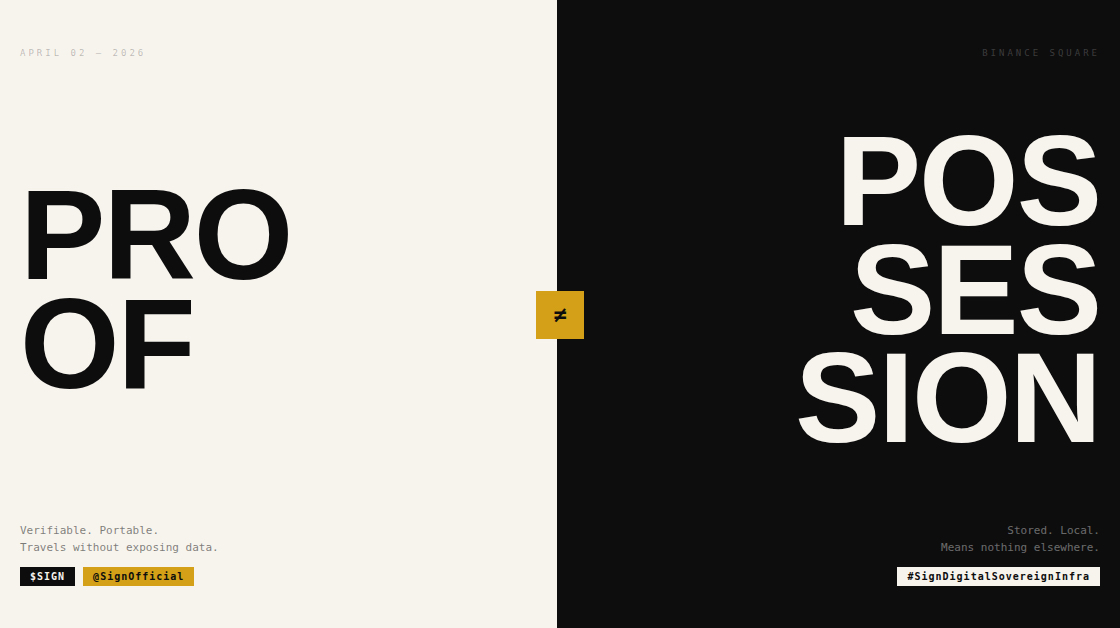
Blockchain Solved Transactions. It Never Solved Trust. That’s What $SIGN Is Actually BuildingI’ve been thinking about this for a while and I couldn’t figure out how to put it into words until recently.
Everyone says blockchain is trustless. And technically, yeah. You don’t need to trust the other person when you send crypto. The code handles it. That part works.
But here’s the thing nobody talks about.
Trustless transactions and trustworthy systems are not the same thing at all.
I can prove money moved from wallet A to wallet B. Clean, immutable, verifiable. But can I prove who wallet A actually is? Can I prove that wallet B deserved that money? Can I prove the person behind the wallet completed a real task, holds a real credential, or qualifies for access to something?
No. I can’t. And that gap is enormous.
Right now most of the crypto world treats identity like an afterthought. You connect a wallet. Maybe you do a KYC somewhere. Maybe you link a social account. But none of that creates anything portable, verifiable, or reusable across different systems. Every new app starts from zero. Every new protocol asks you to prove yourself again from scratch.
That’s not a minor inconvenience. That’s a fundamental flaw in how digital systems are built.
Think about what happens when a government wants to distribute subsidies on-chain. Or when a bank wants to verify a borrower’s credit history across borders. Or when an institution needs to confirm that a specific wallet represents a real, verified human being and not a bot farm.
The blockchain gives you the transaction. It doesn’t give you the context.
This is exactly the gap @SignOfficial is building into. Not flashy. Not exciting to tweet about. But genuinely important.
Sign Protocol doesn’t store your data. It stores proof that your data was verified. You keep the credential. You decide what to share. And when another system needs to trust you, you don’t hand over raw personal information. You hand over a signed attestation that says this condition is met.
Data doesn’t move. Proof does.
I sat with that idea for a while because it sounds simple but it changes everything about how digital trust works. It means your identity becomes portable. Your credentials survive across platforms. Your history doesn’t get erased every time you walk into a new ecosystem.
Is it perfect? No. The honest question is always who defines the proof. Who issues the attestation. Who controls the schema. If that layer gets centralized, you’ve just rebuilt the same system you were trying to escape with a different logo on it.
I’m watching that part closely.
But the direction is right. In a world where AI can fake almost anything, where documents get forged, where bots outnumber real users in most crypto ecosystems… having a layer that makes proof portable and verifiable isn’t a nice-to-have.
It’s infrastructure. The invisible kind. The kind you don’t notice until it breaks. Or until it’s not there. 🔍
@SignOfficial $SIGN #SignDigitalSovereignInfra
Blockchain Solved Transactions. It Never Solved Trust. That’s What $SIGN Is Actually Building
I’ve been thinking about this for a while and I couldn’t figure out how to put it into words until recently.
Everyone says blockchain is trustless. And technically, yeah. You don’t need to trust the other person when you send crypto. The code handles it. That part works.
But here’s the thing nobody talks about.
Trustless transactions and trustworthy systems are not the same thing at all.
I can prove money moved from wallet A to wallet B. Clean, immutable, verifiable. But can I prove who wallet A actually is? Can I prove that wallet B deserved that money? Can I prove the person behind the wallet completed a real task, holds a real credential, or qualifies for access to something?
No. I can’t. And that gap is enormous.
Right now most of the crypto world treats identity like an afterthought. You connect a wallet. Maybe you do a KYC somewhere. Maybe you link a social account. But none of that creates anything portable, verifiable, or reusable across different systems. Every new app starts from zero. Every new protocol asks you to prove yourself again from scratch.
That’s not a minor inconvenience. That’s a fundamental flaw in how digital systems are built.
Think about what happens when a government wants to distribute subsidies on-chain. Or when a bank wants to verify a borrower’s credit history across borders. Or when an institution needs to confirm that a specific wallet represents a real, verified human being and not a bot farm.
The blockchain gives you the transaction. It doesn’t give you the context.
This is exactly the gap @SignOfficial is building into. Not flashy. Not exciting to tweet about. But genuinely important.
Sign Protocol doesn’t store your data. It stores proof that your data was verified. You keep the credential. You decide what to share. And when another system needs to trust you, you don’t hand over raw personal information. You hand over a signed attestation that says this condition is met.
Data doesn’t move. Proof does.
I sat with that idea for a while because it sounds simple but it changes everything about how digital trust works. It means your identity becomes portable. Your credentials survive across platforms. Your history doesn’t get erased every time you walk into a new ecosystem.
Is it perfect? No. The honest question is always who defines the proof. Who issues the attestation. Who controls the schema. If that layer gets centralized, you’ve just rebuilt the same system you were trying to escape with a different logo on it.
I’m watching that part closely.
But the direction is right. In a world where AI can fake almost anything, where documents get forged, where bots outnumber real users in most crypto ecosystems… having a layer that makes proof portable and verifiable isn’t a nice-to-have.
It’s infrastructure. The invisible kind. The kind you don’t notice until it breaks. Or until it’s not there. 🔍
@SignOfficial $SIGN #SignDigitalSovereignInfra
Everyone says blockchain is trustless. And technically, yeah. You don’t need to trust the other person when you send crypto. The code handles it. That part works.
But here’s the thing nobody talks about.
Trustless transactions and trustworthy systems are not the same thing at all.
I can prove money moved from wallet A to wallet B. Clean, immutable, verifiable. But can I prove who wallet A actually is? Can I prove that wallet B deserved that money? Can I prove the person behind the wallet completed a real task, holds a real credential, or qualifies for access to something?
No. I can’t. And that gap is enormous.
Right now most of the crypto world treats identity like an afterthought. You connect a wallet. Maybe you do a KYC somewhere. Maybe you link a social account. But none of that creates anything portable, verifiable, or reusable across different systems. Every new app starts from zero. Every new protocol asks you to prove yourself again from scratch.
That’s not a minor inconvenience. That’s a fundamental flaw in how digital systems are built.
Think about what happens when a government wants to distribute subsidies on-chain. Or when a bank wants to verify a borrower’s credit history across borders. Or when an institution needs to confirm that a specific wallet represents a real, verified human being and not a bot farm.
The blockchain gives you the transaction. It doesn’t give you the context.
This is exactly the gap @SignOfficial is building into. Not flashy. Not exciting to tweet about. But genuinely important.
Sign Protocol doesn’t store your data. It stores proof that your data was verified. You keep the credential. You decide what to share. And when another system needs to trust you, you don’t hand over raw personal information. You hand over a signed attestation that says this condition is met.
Data doesn’t move. Proof does.
I sat with that idea for a while because it sounds simple but it changes everything about how digital trust works. It means your identity becomes portable. Your credentials survive across platforms. Your history doesn’t get erased every time you walk into a new ecosystem.
Is it perfect? No. The honest question is always who defines the proof. Who issues the attestation. Who controls the schema. If that layer gets centralized, you’ve just rebuilt the same system you were trying to escape with a different logo on it.
I’m watching that part closely.
But the direction is right. In a world where AI can fake almost anything, where documents get forged, where bots outnumber real users in most crypto ecosystems… having a layer that makes proof portable and verifiable isn’t a nice-to-have.
It’s infrastructure. The invisible kind. The kind you don’t notice until it breaks. Or until it’s not there. 🔍
@SignOfficial $SIGN #SignDigitalSovereignInfra
1
19
·
--
翻訳参照
I keep hearing people ask if $SIGN has real adoption or just partnerships on paper.
Kyrgyzstan is running a live CBDC pilot right now built on Sign’s infrastructure. The Digital Som has legal tender status signed by the president. Three phase rollout already underway. Final issuance decision end of 2026.
Over 90 CBDC projects globally are still stuck in research. @SignOfficial is past that stage.
That’s not hype. That’s a government trusting you with their national currency.
$SIGN #SignDigitalSovereignInfra
I keep hearing people ask if $SIGN has real adoption or just partnerships on paper.
Kyrgyzstan is running a live CBDC pilot right now built on Sign’s infrastructure. The Digital Som has legal tender status signed by the president. Three phase rollout already underway. Final issuance decision end of 2026.
Over 90 CBDC projects globally are still stuck in research. @SignOfficial is past that stage.
That’s not hype. That’s a government trusting you with their national currency.
$SIGN #SignDigitalSovereignInfra
Kyrgyzstan is running a live CBDC pilot right now built on Sign’s infrastructure. The Digital Som has legal tender status signed by the president. Three phase rollout already underway. Final issuance decision end of 2026.
Over 90 CBDC projects globally are still stuck in research. @SignOfficial is past that stage.
That’s not hype. That’s a government trusting you with their national currency.
$SIGN #SignDigitalSovereignInfra
1
1
5
·
--
翻訳参照
+32.8% in 24 hours while the market bled. $SIGN doesn’t move like that without a reason.
SEC and CFTC just gave digital assets commodity status. Governments were waiting for exactly that before touching on-chain infrastructure. Now the door is open.
Abu Dhabi is already a partner. The stack is ready. The clarity just arrived.
#signdigitalsovereigninfra $SIGN @SignOfficial
+32.8% in 24 hours while the market bled. $SIGN doesn’t move like that without a reason.
SEC and CFTC just gave digital assets commodity status. Governments were waiting for exactly that before touching on-chain infrastructure. Now the door is open.
Abu Dhabi is already a partner. The stack is ready. The clarity just arrived.
#signdigitalsovereigninfra $SIGN @SignOfficial
SEC and CFTC just gave digital assets commodity status. Governments were waiting for exactly that before touching on-chain infrastructure. Now the door is open.
Abu Dhabi is already a partner. The stack is ready. The clarity just arrived.
#signdigitalsovereigninfra $SIGN @SignOfficial
1
14
·
--
記事
翻訳参照
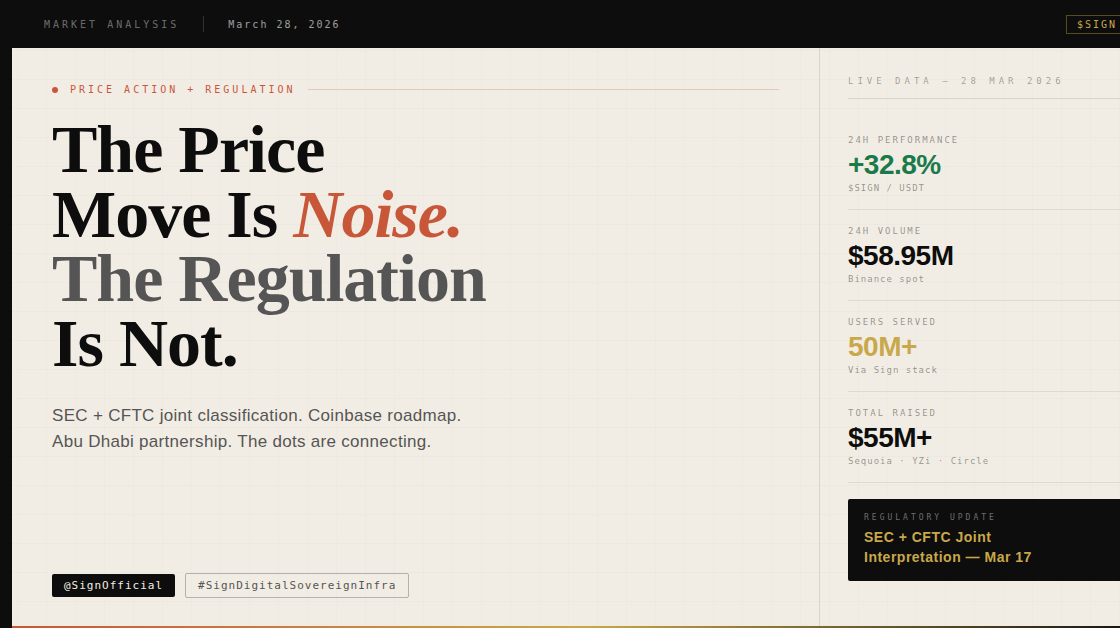
The Price Move Is Noise. The Regulation Underneath It Is Not.+32.8% in 24 hours. That’s what $SIGN just did while most of the market bled.
I’m not here to chase a candle. But I do think the timing tells you something.
The SEC and CFTC dropped a 68-page joint interpretation 11 days ago officially classifying digital assets as commodities. Not securities. That distinction matters enormously for a project like @SignOfficial because sovereign governments and institutions were waiting exactly for that kind of legal clarity before plugging into on-chain infrastructure.
Think about it. You don’t build national digital identity systems or government-grade token distribution on top of something regulators haven’t classified yet. That uncertainty was a real blocker. Now it’s not.
$SIGN’s stack is built for exactly this moment. Sign Protocol. TokenTable. Sovereign Chain. Attestation for governments. Asset distribution at national scale. The Middle East is already moving. Abu Dhabi’s Blockchain Centre is already a partner.
The price move today might be noise. The regulatory shift underneath it is not.
@SignOfficial $SIGN #SignDigitalSovereignInfra
The Price Move Is Noise. The Regulation Underneath It Is Not.
+32.8% in 24 hours. That’s what $SIGN just did while most of the market bled.
I’m not here to chase a candle. But I do think the timing tells you something.
The SEC and CFTC dropped a 68-page joint interpretation 11 days ago officially classifying digital assets as commodities. Not securities. That distinction matters enormously for a project like @SignOfficial because sovereign governments and institutions were waiting exactly for that kind of legal clarity before plugging into on-chain infrastructure.
Think about it. You don’t build national digital identity systems or government-grade token distribution on top of something regulators haven’t classified yet. That uncertainty was a real blocker. Now it’s not.
$SIGN ’s stack is built for exactly this moment. Sign Protocol. TokenTable. Sovereign Chain. Attestation for governments. Asset distribution at national scale. The Middle East is already moving. Abu Dhabi’s Blockchain Centre is already a partner.
The price move today might be noise. The regulatory shift underneath it is not.
@SignOfficial $SIGN #SignDigitalSovereignInfra
I’m not here to chase a candle. But I do think the timing tells you something.
The SEC and CFTC dropped a 68-page joint interpretation 11 days ago officially classifying digital assets as commodities. Not securities. That distinction matters enormously for a project like @SignOfficial because sovereign governments and institutions were waiting exactly for that kind of legal clarity before plugging into on-chain infrastructure.
Think about it. You don’t build national digital identity systems or government-grade token distribution on top of something regulators haven’t classified yet. That uncertainty was a real blocker. Now it’s not.
$SIGN ’s stack is built for exactly this moment. Sign Protocol. TokenTable. Sovereign Chain. Attestation for governments. Asset distribution at national scale. The Middle East is already moving. Abu Dhabi’s Blockchain Centre is already a partner.
The price move today might be noise. The regulatory shift underneath it is not.
@SignOfficial $SIGN #SignDigitalSovereignInfra
27
·
--
記事
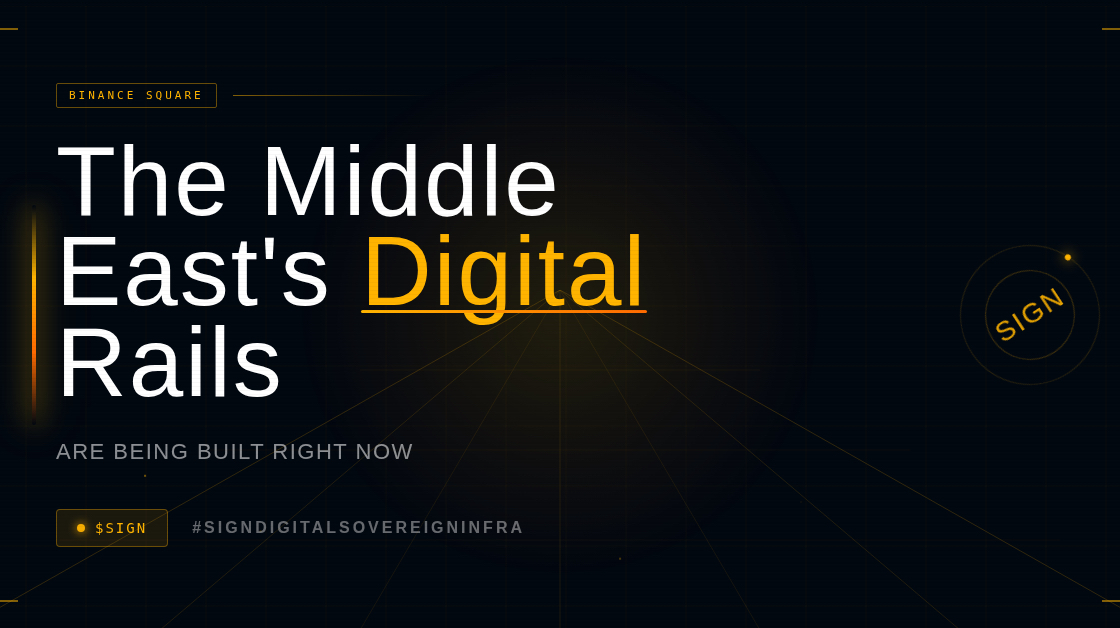
中東のデジタルレールは今まさに構築されています誰もが次にどのミームコインが急騰するかを議論している間、@SignOfficial は静かに歴史的なことを成し遂げています:国々に必要なブロックチェーンのバックボーンを提供し、アイデンティティシステムを運営し、政府資産を配布し、CBDCを大規模に供給することです。
それが何なのか$SIGNです。ハイププレイではなく、主権インフラ層です。道路を考えてみてください、しかしそれは国全体のデジタル経済のためのものです。既にアブダビのブロックチェーンセンターと提携し、50M以上のユーザーにサービスを提供し、セコイア、YZi Labs & Circleに支援されています。
中東の経済変革は来ているのではありません。今、進行中です。そして、それを支えるプロジェクトが10年後に最も重要になるでしょう。
中東のデジタルレールは今まさに構築されています
誰もが次にどのミームコインが急騰するかを議論している間、@SignOfficial は静かに歴史的なことを成し遂げています:国々に必要なブロックチェーンのバックボーンを提供し、アイデンティティシステムを運営し、政府資産を配布し、CBDCを大規模に供給することです。
それが何なのか$SIGN です。ハイププレイではなく、主権インフラ層です。道路を考えてみてください、しかしそれは国全体のデジタル経済のためのものです。既にアブダビのブロックチェーンセンターと提携し、50M以上のユーザーにサービスを提供し、セコイア、YZi Labs & Circleに支援されています。
中東の経済変革は来ているのではありません。今、進行中です。そして、それを支えるプロジェクトが10年後に最も重要になるでしょう。
それが何なのか$SIGN です。ハイププレイではなく、主権インフラ層です。道路を考えてみてください、しかしそれは国全体のデジタル経済のためのものです。既にアブダビのブロックチェーンセンターと提携し、50M以上のユーザーにサービスを提供し、セコイア、YZi Labs & Circleに支援されています。
中東の経済変革は来ているのではありません。今、進行中です。そして、それを支えるプロジェクトが10年後に最も重要になるでしょう。
1
19
·
--
翻訳参照
@SignOfficial is actually interesting when you take a bit of time to understand what they’re doing. It’s not just about a token, it’s more about how trust, identity and distribution can work on-chain in a real way.
Feels like something that could quietly matter a lot, especially for regions like the Middle East pushing digital infrastructure forward.
#signdigitalsovereigninfra $SIGN
@SignOfficial is actually interesting when you take a bit of time to understand what they’re doing. It’s not just about a token, it’s more about how trust, identity and distribution can work on-chain in a real way.
Feels like something that could quietly matter a lot, especially for regions like the Middle East pushing digital infrastructure forward.
#signdigitalsovereigninfra $SIGN
Feels like something that could quietly matter a lot, especially for regions like the Middle East pushing digital infrastructure forward.
#signdigitalsovereigninfra $SIGN
1
4
·
--
素晴らしいアップデート
素晴らしいアップデート


Binance Square Official
·
--
Creatorpadプラットフォームのポイントと報酬メカニズムのアップグレードに関するお知らせ
プラズマタスクが本日よりライブであることをお知らせできることに興奮しています!今すぐ参加してください → をクリックして訪問してください
Creatorpadプラットフォーム
そして、3,500,000 XPLの報酬プールを共有するキャンペーンに参加してください。
[2026-01-27 更新] リーダーボードポイントのロジックを更新中で、現在表示されているデータは2026-01-25のものです。2026-01-26のすべての活動とポイントは完全に記録されており、2026-01-28の09:00 UTCに更新が再開される際に反映されます。
質の高いコンテンツを本物の収益に変えたいですか?
Creatorpadプラットフォーム
そして、3,500,000 XPLの報酬プールを共有するキャンペーンに参加してください。
[2026-01-27 更新] リーダーボードポイントのロジックを更新中で、現在表示されているデータは2026-01-25のものです。2026-01-26のすべての活動とポイントは完全に記録されており、2026-01-28の09:00 UTCに更新が再開される際に反映されます。
質の高いコンテンツを本物の収益に変えたいですか?

7

·
--
ボルテイルトークンを交換しないでください
リバーを試してみてください。他の複数のものよりも安定しています
ボルテイルトークンを交換しないでください
リバーを試してみてください。他の複数のものよりも安定しています
リバーを試してみてください。他の複数のものよりも安定しています
CRYPTO UNIVERSE -
·
--
兄さん、今まさに泣いているよ 😭
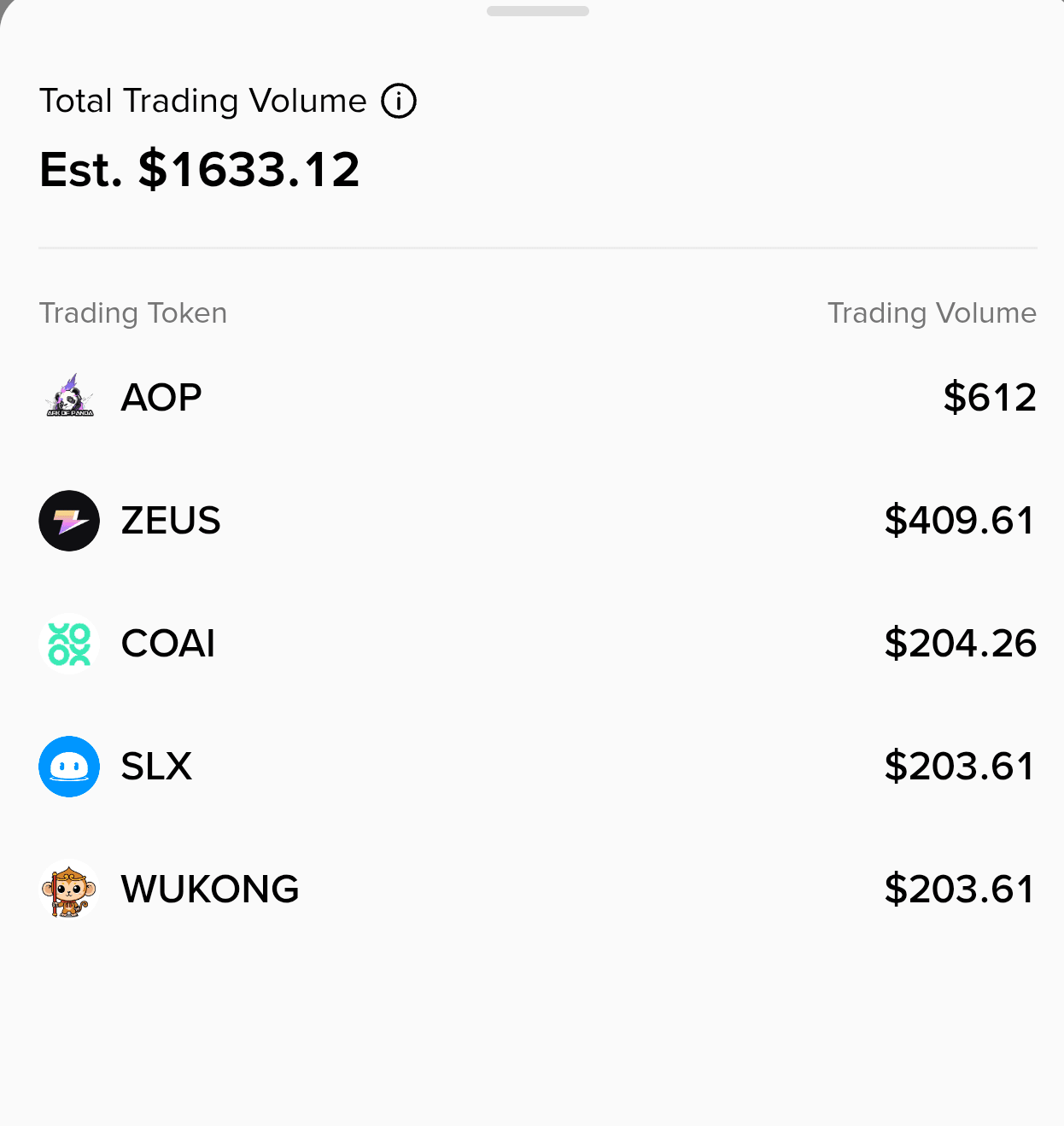
アルファポイントを稼ぐために一生懸命やってきたけど、すべてが正しいと思っていたのに、すでに$1633のボリュームでほぼ$4を失ってしまった💔
もう意味がわからないよ。売ろうとすると、スリッページに食いつかれてしまう 😭 バランスが減っていくのを見ているだけで、何もできない。
大した金額ではないことはわかっているけど、男… 時間や希望、全てのクリックを注ぎ込んでいると、痛いよ 😢
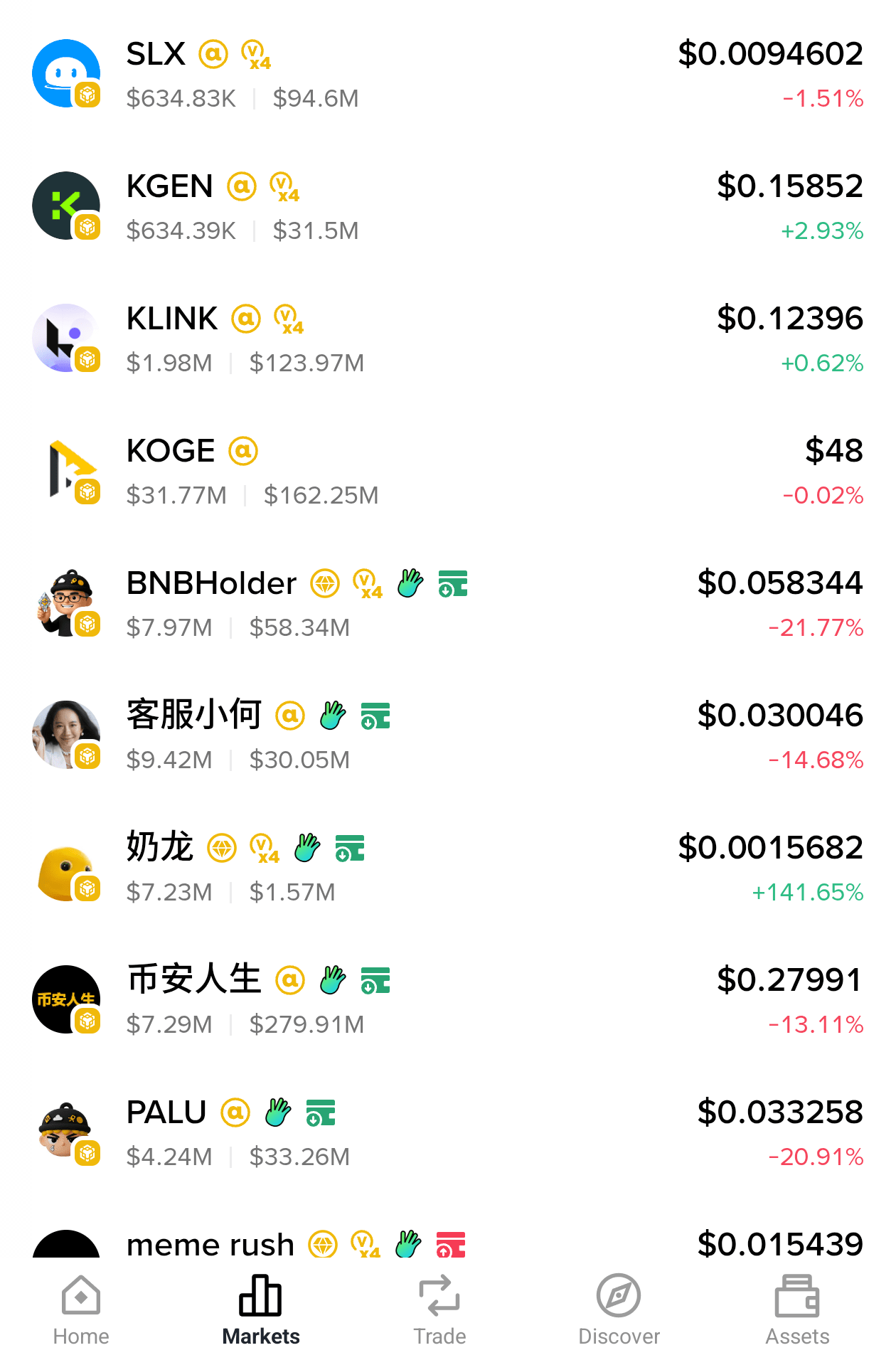
誰か、実際に安定して稼げるアルファトークンを教えてくれない?もう出血を止めたい。
小さなアドバイスでも、私のような人をもう一度救うことができるかもしれない
#alpha
アルファポイントを稼ぐために一生懸命やってきたけど、すべてが正しいと思っていたのに、すでに$1633のボリュームでほぼ$4を失ってしまった💔
もう意味がわからないよ。売ろうとすると、スリッページに食いつかれてしまう 😭 バランスが減っていくのを見ているだけで、何もできない。
大した金額ではないことはわかっているけど、男… 時間や希望、全てのクリックを注ぎ込んでいると、痛いよ 😢
誰か、実際に安定して稼げるアルファトークンを教えてくれない?もう出血を止めたい。
小さなアドバイスでも、私のような人をもう一度救うことができるかもしれない
#alpha
4
·
--
同じデバイス上の2つのアカウント
メインアカウントが他のアカウントとリンクされています
など
同じデバイス上の2つのアカウント
メインアカウントが他のアカウントとリンクされています
など
メインアカウントが他のアカウントとリンクされています
など

W3B3 Marshall
·
--
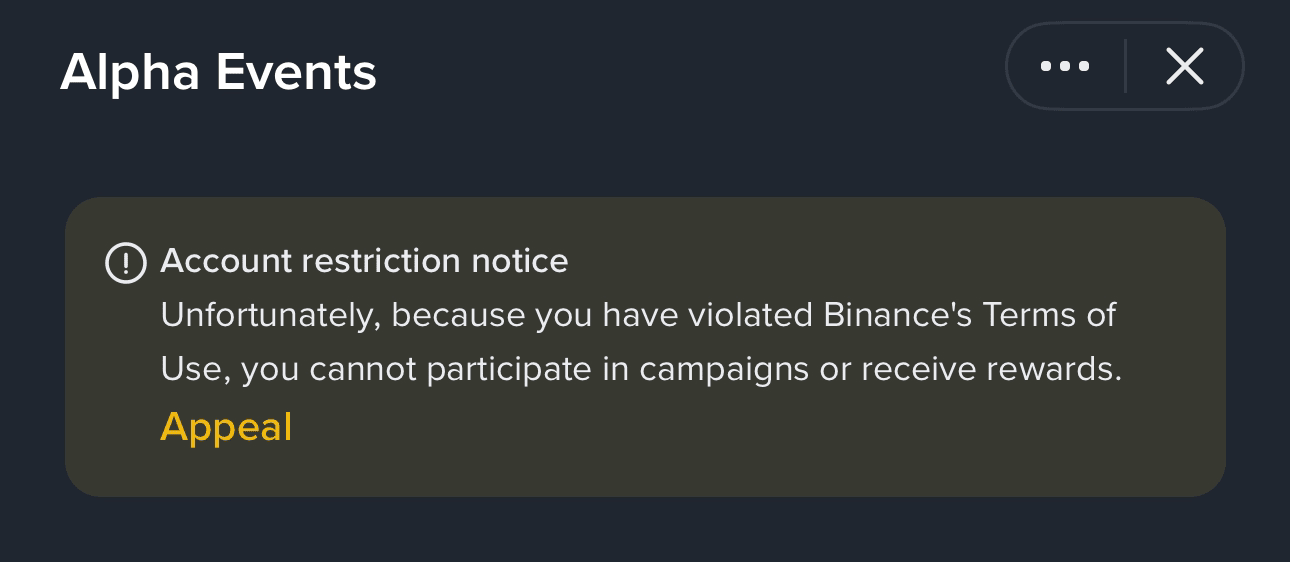
すべてのアルファユーザーの最悪の悪夢 👹
8
·
--
@Somnia_Network は、マルチストリームアーキテクチャと1秒未満の確定性を挙げ、高スループットのコンシューマーアプリ向けのEVM互換レイヤー1として位置づけられています。近い将来の目立つナラティブとして、トレイスン・トムプソンが率いるバスケットボールファンサイト「basketball.fun」が、Somnia上に構築されており、韓国ブロックチェーンウィークで注目され、CoinDeskやYahoo Financeでも取り上げられています。
$SOMI #Somnia
@Somnia Official は、マルチストリームアーキテクチャと1秒未満の確定性を挙げ、高スループットのコンシューマーアプリ向けのEVM互換レイヤー1として位置づけられています。近い将来の目立つナラティブとして、トレイスン・トムプソンが率いるバスケットボールファンサイト「basketball.fun」が、Somnia上に構築されており、韓国ブロックチェーンウィークで注目され、CoinDeskやYahoo Financeでも取り上げられています。
$SOMI #Somnia
$SOMI #Somnia
24
·
--
スナップショットは昨日のものです
今日のポイントはカウントされていません
スナップショットは昨日のものです
今日のポイントはカウントされていません
今日のポイントはカウントされていません

Be informed
·
--
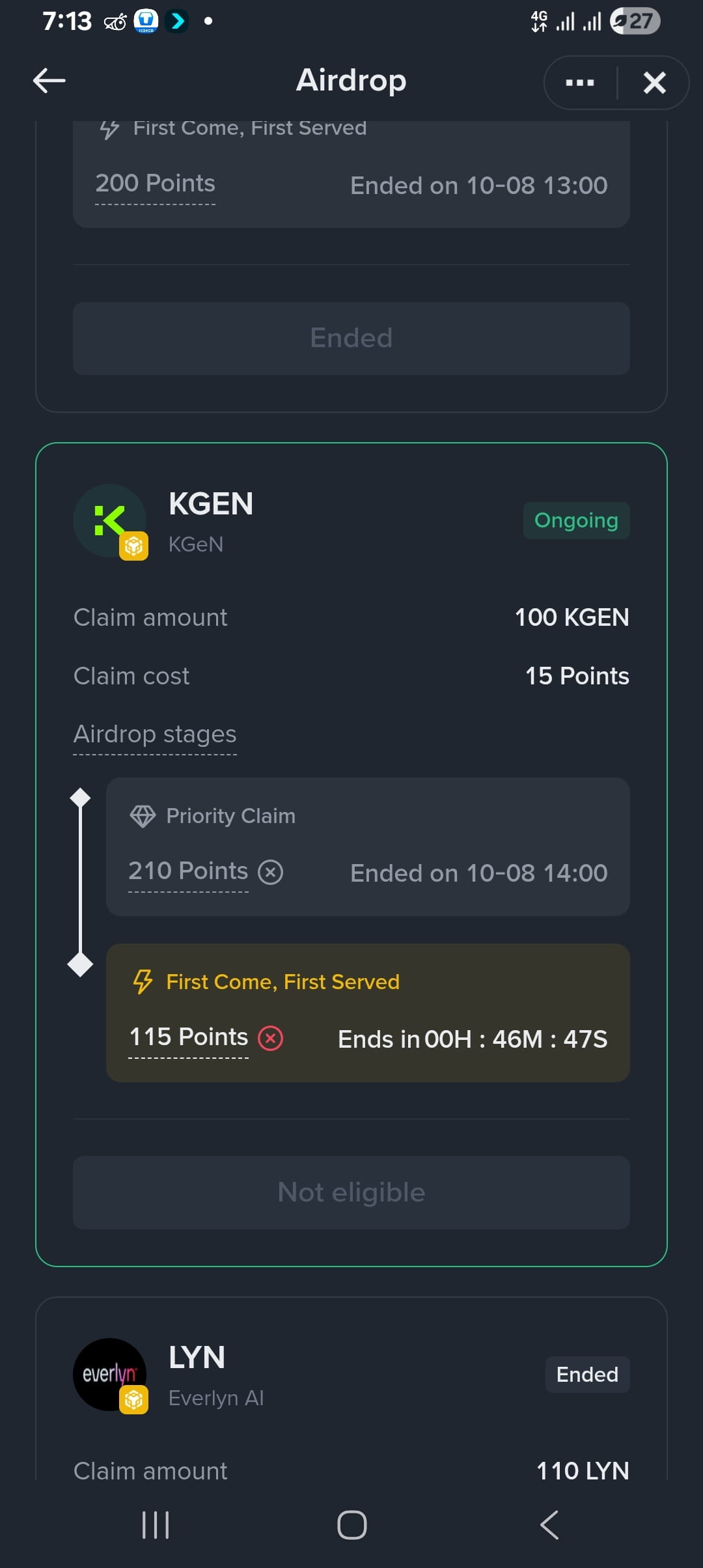
ポイントは十分にありますが、請求することができません。誰か教えてくれませんか
#BinanceAlpha
#BinanceAlpha
3
·
--
ミトマーケットインサイト
9月15日に0.31ドルの高値を記録した後、$MITO は0.16ドルまで下落し、24時間の取引高は3億5500万ドルに達し、時価総額のほぼ6倍に相当する。分析家は0.20ドル付近に重要なサポートがあり、0.40ドル付近にレジスタンスがあると指摘している。また、流通供給量が比較的低く(約1億8100万トークン)続いているため、変動性が高まっている。
9月29日時点での取引 turnover 率230%は、強い投機的活動を示している。今後、ミトシスが設計したエコシステム所有の流動性モデルが持続可能な収益戦略を引き寄せるかどうかが、$MITO が0.50ドル帯を再び回復できるかどうかを左右する。
#Mitosis @MitosisOrg
ミトマーケットインサイト
9月15日に0.31ドルの高値を記録した後、$MITO は0.16ドルまで下落し、24時間の取引高は3億5500万ドルに達し、時価総額のほぼ6倍に相当する。分析家は0.20ドル付近に重要なサポートがあり、0.40ドル付近にレジスタンスがあると指摘している。また、流通供給量が比較的低く(約1億8100万トークン)続いているため、変動性が高まっている。
9月29日時点での取引 turnover 率230%は、強い投機的活動を示している。今後、ミトシスが設計したエコシステム所有の流動性モデルが持続可能な収益戦略を引き寄せるかどうかが、$MITO が0.50ドル帯を再び回復できるかどうかを左右する。
#Mitosis @Mitosis Official
9月15日に0.31ドルの高値を記録した後、$MITO は0.16ドルまで下落し、24時間の取引高は3億5500万ドルに達し、時価総額のほぼ6倍に相当する。分析家は0.20ドル付近に重要なサポートがあり、0.40ドル付近にレジスタンスがあると指摘している。また、流通供給量が比較的低く(約1億8100万トークン)続いているため、変動性が高まっている。
9月29日時点での取引 turnover 率230%は、強い投機的活動を示している。今後、ミトシスが設計したエコシステム所有の流動性モデルが持続可能な収益戦略を引き寄せるかどうかが、$MITO が0.50ドル帯を再び回復できるかどうかを左右する。
#Mitosis @Mitosis Official
29
·
--
彼らはもうずっと前にもっと早くやるべきだった!こんなに非効率なこと、ふん!
彼らはもうずっと前にもっと早くやるべきだった!こんなに非効率なこと、ふん!

PiBONDgamer
·
--
#BinanceAlpha 👀
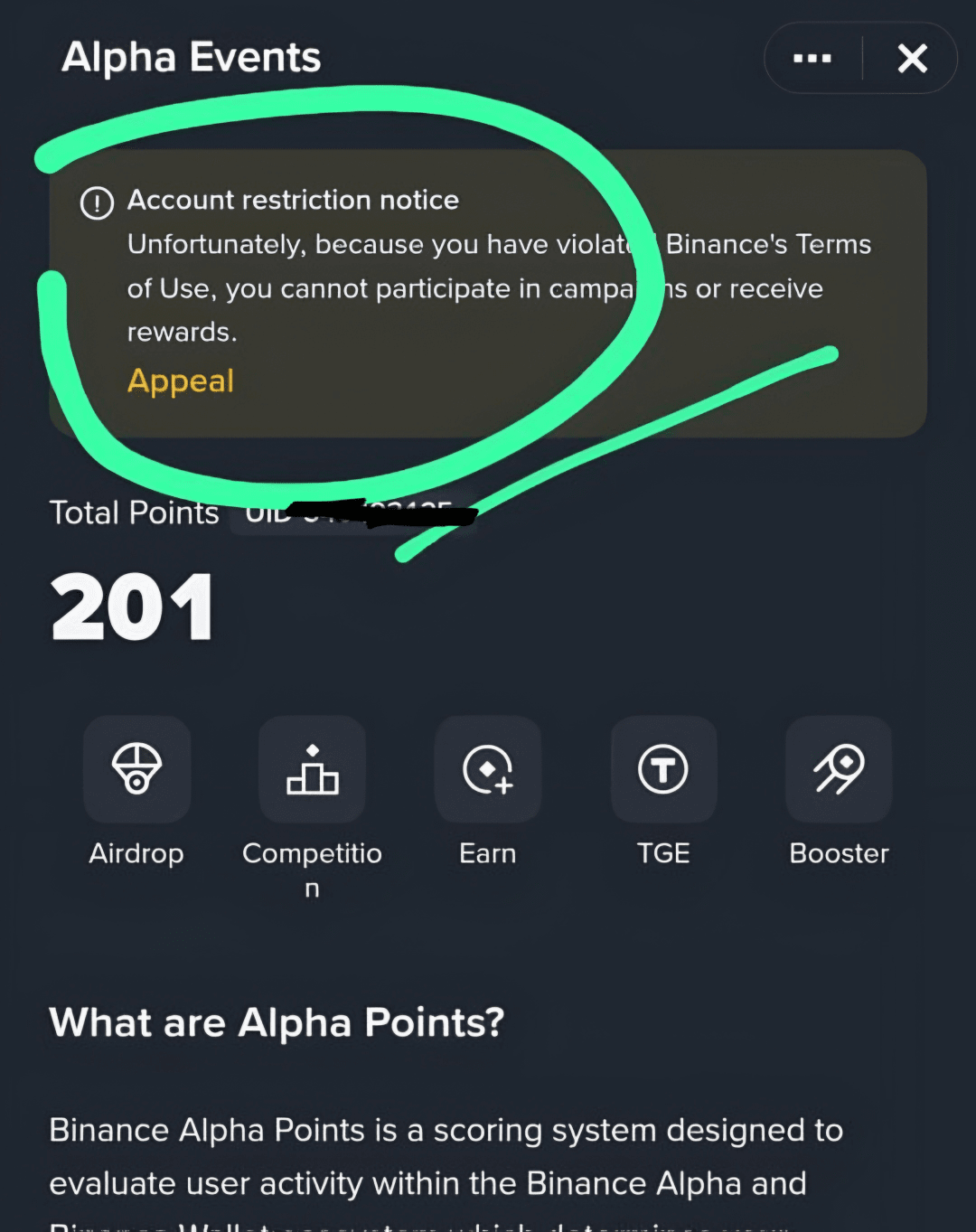
Binance Alphaを使用する際には注意してください。さもなければ、永久に禁止される可能性があります😢
.
Binance Alphaが*厳格なSybilフィルター*を適用して乱用を防止しているようです。重要なポイント:
- *同じデバイス/IP/WiFi/ホットスポットでの複数のアカウント* = "禁止"
- *BinanceからBinance USDTへの送金* = "禁止"
- *同じブラウザ(Chrome)を使用してログイン経由でポイントを獲得する* = "禁止"
- *操作のタイミングを操作する* = "禁止"
- *複数のアカウントで同じ資金を使用する* = "禁止"
要するに:*人一人、デバイスごとに唯一のアカウントを使用し、ユニークなネットワークとウォレットの活動を行ってください。*
Binance Alphaを使用する際には注意してください。さもなければ、永久に禁止される可能性があります😢
.
Binance Alphaが*厳格なSybilフィルター*を適用して乱用を防止しているようです。重要なポイント:
- *同じデバイス/IP/WiFi/ホットスポットでの複数のアカウント* = "禁止"
- *BinanceからBinance USDTへの送金* = "禁止"
- *同じブラウザ(Chrome)を使用してログイン経由でポイントを獲得する* = "禁止"
- *操作のタイミングを操作する* = "禁止"
- *複数のアカウントで同じ資金を使用する* = "禁止"
要するに:*人一人、デバイスごとに唯一のアカウントを使用し、ユニークなネットワークとウォレットの活動を行ってください。*
9
·
--
その後、あなたのポジションに支払った価格は、あなたが獲得した金額よりも大きくなるべきです。
確かにデルタニュートラル戦略を実行しましたが
その後、あなたのポジションに支払った価格は、あなたが獲得した金額よりも大きくなるべきです。
確かにデルタニュートラル戦略を実行しましたが
確かにデルタニュートラル戦略を実行しましたが

SCORPIOS 1
·
--
$TIA
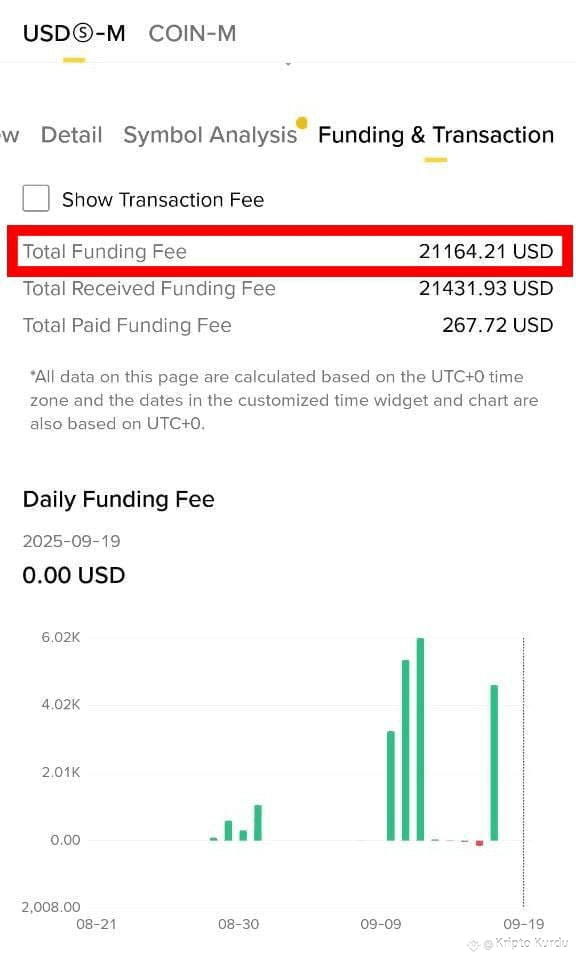
私は資金調達費用が豊富です💪💪💪
#Alhamdullilah 🔥
私は資金調達費用が豊富です💪💪💪
#Alhamdullilah 🔥
10
·
--
MITOマーケットスナップショット
📈 価格動向:
• 高値: $0.31 (9月15日)
• 安値: $0.16
• 24時間取引高: $355M (~市場総額の6倍)
📊 キーレベル:
• サポート: $0.20
• レジスタンス: $0.40
⚡ ハイライト:
• 流通供給量: 約181M
• 取引回転率 (9月29日): 230% → 強い投機的流れ
• エコシステム所有の流動性モデルは持続可能な収益を目的としています
🎯 注目すべき点:
持続可能な流動性が定着すれば、$MITO は$0.50を目指す可能性があります。
#Mitosis @MitosisOrg
MITOマーケットスナップショット
📈 価格動向:
• 高値: $0.31 (9月15日)
• 安値: $0.16
• 24時間取引高: $355M (~市場総額の6倍)
📊 キーレベル:
• サポート: $0.20
• レジスタンス: $0.40
⚡ ハイライト:
• 流通供給量: 約181M
• 取引回転率 (9月29日): 230% → 強い投機的流れ
• エコシステム所有の流動性モデルは持続可能な収益を目的としています
🎯 注目すべき点:
持続可能な流動性が定着すれば、$MITO は$0.50を目指す可能性があります。
#Mitosis @Mitosis Official
📈 価格動向:
• 高値: $0.31 (9月15日)
• 安値: $0.16
• 24時間取引高: $355M (~市場総額の6倍)
📊 キーレベル:
• サポート: $0.20
• レジスタンス: $0.40
⚡ ハイライト:
• 流通供給量: 約181M
• 取引回転率 (9月29日): 230% → 強い投機的流れ
• エコシステム所有の流動性モデルは持続可能な収益を目的としています
🎯 注目すべき点:
持続可能な流動性が定着すれば、$MITO は$0.50を目指す可能性があります。
#Mitosis @Mitosis Official
22
ログインして、さらにコンテンツを読む
厳選トピックで世界の暗号資産トレーダーの仲間入り
⚡️ 暗号資産に関する最新かつ有益な情報が見つかります。
💬 世界最大の暗号資産取引所から信頼されています。
👍 認証を受けたクリエイターから、有益なインサイトを得られます。
メール / 電話番号