

br_ning
1.5k 投稿

br_ning
報告
ユーザーをブロック
Crypto Enthusiast. Web3 Explorer. NFT Lover. Seek for the unknowns.

#BinanceTurns7

APTホルダー
低高頻度トレーダー
5.5年
15 フォロー
6.2K+ フォロワー
4.9K+ いいね
1 バッジ
投稿
すべて
引用
動画
PINNED
·
--
暗号通貨投資を通じて1年で100ドルを10万ドルに変えることは可能ですか? 🤭
早速ですが、まず以下の計算を見てみましょう。
暗号通貨投資を通じて 1 年で 100 ドルを 100,000 ドルに変える計算には、必要な潜在的な利益の割合を見積もることが含まれます。式は次のとおりです。
パーセントゲイン = ((最終値 - 初期値) / 初期値) * 100%
この場合:
• 初期値 (IV) = $100
• 最終価値 (FV) = 100,000 ドル
次に、これらの値を式に代入します。
利益率 = (($100,000 - $100) / $100) * 100%
利益率 = (99,900 ドル / 100 ドル) * 100%
パーセントゲイン = 99900%
したがって、1 年で 100,000 ドルに到達するには、最初の 100 ドルの投資に対して 99,900% という驚異的な収益が必要になります。
さて、どう思いますか?まだ可能ですか?
コメントを残して教えてください👇🏻
暗号通貨投資を通じて1年で100ドルを10万ドルに変えることは可能ですか? 🤭
早速ですが、まず以下の計算を見てみましょう。
暗号通貨投資を通じて 1 年で 100 ドルを 100,000 ドルに変える計算には、必要な潜在的な利益の割合を見積もることが含まれます。式は次のとおりです。
パーセントゲイン = ((最終値 - 初期値) / 初期値) * 100%
この場合:
• 初期値 (IV) = $100
• 最終価値 (FV) = 100,000 ドル
次に、これらの値を式に代入します。
利益率 = (($100,000 - $100) / $100) * 100%
利益率 = (99,900 ドル / 100 ドル) * 100%
パーセントゲイン = 99900%
したがって、1 年で 100,000 ドルに到達するには、最初の 100 ドルの投資に対して 99,900% という驚異的な収益が必要になります。
さて、どう思いますか?まだ可能ですか?
コメントを残して教えてください👇🏻
早速ですが、まず以下の計算を見てみましょう。
暗号通貨投資を通じて 1 年で 100 ドルを 100,000 ドルに変える計算には、必要な潜在的な利益の割合を見積もることが含まれます。式は次のとおりです。
パーセントゲイン = ((最終値 - 初期値) / 初期値) * 100%
この場合:
• 初期値 (IV) = $100
• 最終価値 (FV) = 100,000 ドル
次に、これらの値を式に代入します。
利益率 = (($100,000 - $100) / $100) * 100%
利益率 = (99,900 ドル / 100 ドル) * 100%
パーセントゲイン = 99900%
したがって、1 年で 100,000 ドルに到達するには、最初の 100 ドルの投資に対して 99,900% という驚異的な収益が必要になります。
さて、どう思いますか?まだ可能ですか?
コメントを残して教えてください👇🏻

40
61
31.3k
·
--
ブリッシュ
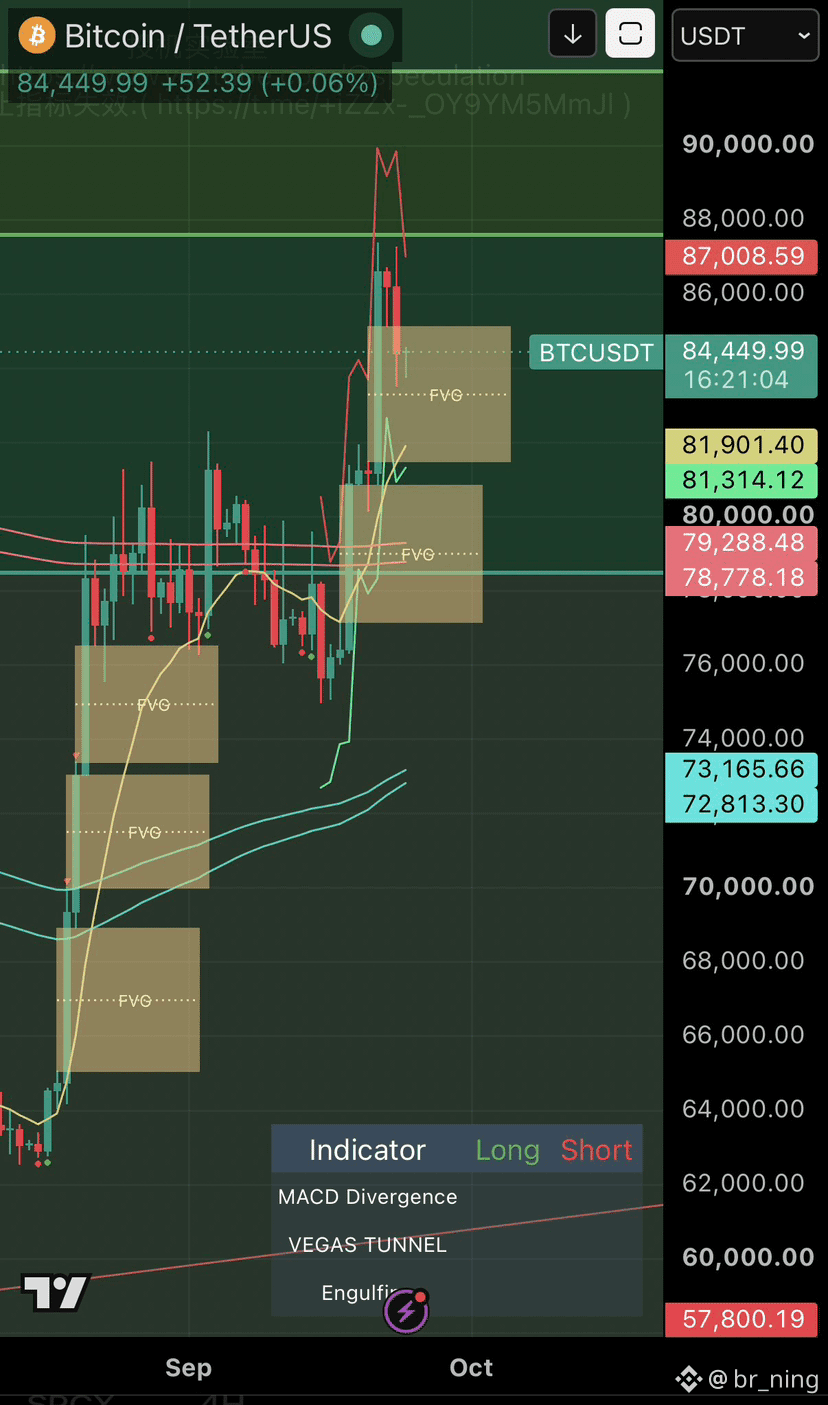
マクロの引き締めが始まった——でもBTCはまだ崩れていない 🔥
FRBはまた追加利上げを実施し、政策金利を3.75%〜4.00%に引き上げました。投票メンバーの多くは依然として強硬(ハト派ではない)な発言をしているようです。日銀も利上げを行ったため、大手中銀が同時に引き締めに動いています。
一方で、ホルムズ情勢により原油は100ドル超まで上昇したものの、その後、イランとの協議が可能になったことで落ち着きました。クレジット市場にもストレスの兆しがあり、オラクルのCDSが100bps超に跳ね上がっています。
しかし、暗号資産にはまだ一定の支えがあります。
BTC ETFのフローは99パーセンタイル付近で推移しており、第4四半期の季節性は歴史的に追い風です。さらにStrategyは追加で950BTCを購入しました。規制面では、SECがトークン化された株式の免除を承認した一方で、Clarity Actは依然として停滞しています。
マクロの流動性は明らかにタイトになっているので、下振れリスクを無視しない方がいいでしょう。でも$BTC は、金利環境が厳しくなっているにもかかわらず、暗号資産特有の需要がまだ強いことを示しています。
大きな論点は、ETF/機関投資家の需要がこのマクロの圧力を吸収し続けられるかどうかです。もしそれが続くなら、BTCは意外にも底堅いままかもしれません。もしそうしたフローが弱まり始めると、引き締まったマクロ環境の影響がはるかに重要になってくる可能性があります。
もし私のコンテンツがお気に入りなら、ぜひフォローしてください ❤️
#Binance
#crypto2026
マクロの引き締めが始まった——でもBTCはまだ崩れていない 🔥
FRBはまた追加利上げを実施し、政策金利を3.75%〜4.00%に引き上げました。投票メンバーの多くは依然として強硬(ハト派ではない)な発言をしているようです。日銀も利上げを行ったため、大手中銀が同時に引き締めに動いています。
一方で、ホルムズ情勢により原油は100ドル超まで上昇したものの、その後、イランとの協議が可能になったことで落ち着きました。クレジット市場にもストレスの兆しがあり、オラクルのCDSが100bps超に跳ね上がっています。
しかし、暗号資産にはまだ一定の支えがあります。
BTC ETFのフローは99パーセンタイル付近で推移しており、第4四半期の季節性は歴史的に追い風です。さらにStrategyは追加で950BTCを購入しました。規制面では、SECがトークン化された株式の免除を承認した一方で、Clarity Actは依然として停滞しています。
マクロの流動性は明らかにタイトになっているので、下振れリスクを無視しない方がいいでしょう。でも$BTC は、金利環境が厳しくなっているにもかかわらず、暗号資産特有の需要がまだ強いことを示しています。
大きな論点は、ETF/機関投資家の需要がこのマクロの圧力を吸収し続けられるかどうかです。もしそれが続くなら、BTCは意外にも底堅いままかもしれません。もしそうしたフローが弱まり始めると、引き締まったマクロ環境の影響がはるかに重要になってくる可能性があります。
もし私のコンテンツがお気に入りなら、ぜひフォローしてください ❤️
#Binance
#crypto2026
FRBはまた追加利上げを実施し、政策金利を3.75%〜4.00%に引き上げました。投票メンバーの多くは依然として強硬(ハト派ではない)な発言をしているようです。日銀も利上げを行ったため、大手中銀が同時に引き締めに動いています。
一方で、ホルムズ情勢により原油は100ドル超まで上昇したものの、その後、イランとの協議が可能になったことで落ち着きました。クレジット市場にもストレスの兆しがあり、オラクルのCDSが100bps超に跳ね上がっています。
しかし、暗号資産にはまだ一定の支えがあります。
BTC ETFのフローは99パーセンタイル付近で推移しており、第4四半期の季節性は歴史的に追い風です。さらにStrategyは追加で950BTCを購入しました。規制面では、SECがトークン化された株式の免除を承認した一方で、Clarity Actは依然として停滞しています。
マクロの流動性は明らかにタイトになっているので、下振れリスクを無視しない方がいいでしょう。でも$BTC は、金利環境が厳しくなっているにもかかわらず、暗号資産特有の需要がまだ強いことを示しています。
大きな論点は、ETF/機関投資家の需要がこのマクロの圧力を吸収し続けられるかどうかです。もしそれが続くなら、BTCは意外にも底堅いままかもしれません。もしそうしたフローが弱まり始めると、引き締まったマクロ環境の影響がはるかに重要になってくる可能性があります。
もし私のコンテンツがお気に入りなら、ぜひフォローしてください ❤️
#Binance
#crypto2026

1
313
·
--
ブリッシュ
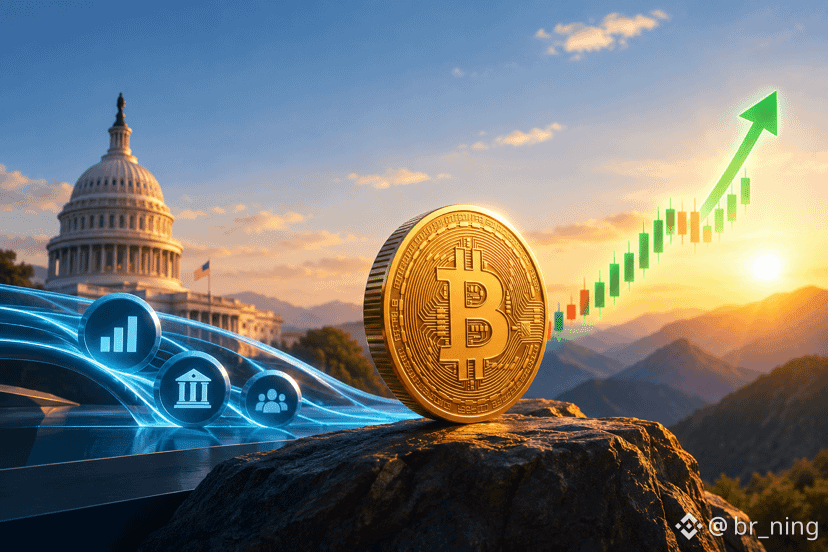
BTCはより大きな動きに備えています 🚀
ビットコインは勢いを強めながら、10月を迎えようとしています。下院の金融サービス委員会を通過中のARMA法案は前向きな材料ですが、重要なポイントは、今の議会が終了する前に下院で全面採決まで到達できるかどうかです。
市場の観点では、注目すべき水準は83Kです。$BTC はすでに50週移動平均を上回り、過去35日で約29%上昇しています。83Kをきれいにブレイクできれば、次の主要な目標は約90Kとなる可能性があり、さらに大きな85K〜100Kのオプション・ストライクも注目を集めることになります。
私がより興味深いと感じるのは、「戦争トレード」から流動性とリスク志向へのシフトです。ETFフローは再びプラスに転じており、木曜と金曜の2日間で純流入が5億9000万ドル超となっています。これは、買い手が戻ってきていることを示しており、短期的なヘッドラインでBTCが跳ね返っているだけではない可能性を示唆しています。
私としては、状況はさらに面白くなってきていますが、83Kは依然として説得力のある形で突破する必要があります。ETFの流入が続き、トレーダーが上方向のコールを買い続ける中でBTCがこれをブレイクするなら、現在の上昇局面ははるかに強いものに見えてくるでしょう。とはいえそれまで、BTCは「確定したブレイクアウト」ではなく、重要なレジスタンス帯にとどまっています。
私のコンテンツを気に入っていただけたら、ぜひフォローしてください ❤️
#Binance
#crypto2026
BTCはより大きな動きに備えています 🚀
ビットコインは勢いを強めながら、10月を迎えようとしています。下院の金融サービス委員会を通過中のARMA法案は前向きな材料ですが、重要なポイントは、今の議会が終了する前に下院で全面採決まで到達できるかどうかです。
市場の観点では、注目すべき水準は83Kです。$BTC はすでに50週移動平均を上回り、過去35日で約29%上昇しています。83Kをきれいにブレイクできれば、次の主要な目標は約90Kとなる可能性があり、さらに大きな85K〜100Kのオプション・ストライクも注目を集めることになります。
私がより興味深いと感じるのは、「戦争トレード」から流動性とリスク志向へのシフトです。ETFフローは再びプラスに転じており、木曜と金曜の2日間で純流入が5億9000万ドル超となっています。これは、買い手が戻ってきていることを示しており、短期的なヘッドラインでBTCが跳ね返っているだけではない可能性を示唆しています。
私としては、状況はさらに面白くなってきていますが、83Kは依然として説得力のある形で突破する必要があります。ETFの流入が続き、トレーダーが上方向のコールを買い続ける中でBTCがこれをブレイクするなら、現在の上昇局面ははるかに強いものに見えてくるでしょう。とはいえそれまで、BTCは「確定したブレイクアウト」ではなく、重要なレジスタンス帯にとどまっています。
私のコンテンツを気に入っていただけたら、ぜひフォローしてください ❤️
#Binance
#crypto2026
ビットコインは勢いを強めながら、10月を迎えようとしています。下院の金融サービス委員会を通過中のARMA法案は前向きな材料ですが、重要なポイントは、今の議会が終了する前に下院で全面採決まで到達できるかどうかです。
市場の観点では、注目すべき水準は83Kです。$BTC はすでに50週移動平均を上回り、過去35日で約29%上昇しています。83Kをきれいにブレイクできれば、次の主要な目標は約90Kとなる可能性があり、さらに大きな85K〜100Kのオプション・ストライクも注目を集めることになります。
私がより興味深いと感じるのは、「戦争トレード」から流動性とリスク志向へのシフトです。ETFフローは再びプラスに転じており、木曜と金曜の2日間で純流入が5億9000万ドル超となっています。これは、買い手が戻ってきていることを示しており、短期的なヘッドラインでBTCが跳ね返っているだけではない可能性を示唆しています。
私としては、状況はさらに面白くなってきていますが、83Kは依然として説得力のある形で突破する必要があります。ETFの流入が続き、トレーダーが上方向のコールを買い続ける中でBTCがこれをブレイクするなら、現在の上昇局面ははるかに強いものに見えてくるでしょう。とはいえそれまで、BTCは「確定したブレイクアウト」ではなく、重要なレジスタンス帯にとどまっています。
私のコンテンツを気に入っていただけたら、ぜひフォローしてください ❤️
#Binance
#crypto2026
1
4
971
·
--
ブリッシュ
政策ショックが直撃する中、ビットコインは持ちこたえる 📈
ビットコインは48時間で大きな2つの打撃を受けました。まず「CLARITY Act」が前進できず、BTCは4%下落して約75.9Kドルに。その後、FRBの25bp利上げが続きました。ですが、その後の追加の売りが広がらず、BTCは77Kドル付近まで回復し、最終的に約76.5Kドルで落ち着きました。
注目すべきだったのは機関投資家のフローです。ビットコインETFは2日間で約7.5億ドルの資金流出が見られたものの、FRB利上げの翌日には1.59億ドルの資金流入へ反転しました。中でもIBITは単独で1.84億ドルを呼び込みました。これは、機関投資家が単に出口へ走っていたのではなく、政策ショックが吸収された後は下げ局面で買う意思があったことを示唆します。
また、利上げそのものよりもFRBのメッセージの方が重要でした。25bpの増加はすでに織り込まれていましたが、FRBはインフレがなお高止まりしていること、そして金融環境が十分に引き締まっていないことを明確にしました。さらに、より長期の中立金利も3.06%から3.25%へ引き上げられ、金利がより長く高い水準にとどまる可能性が示されています。
それでも、結局は米国債利回りが下がり、BTCは76Kドル以上を維持しました。$BTC はここでかなりの粘り強さを見せています。市場はすでに悪材料の多くを織り込んでいるため、別の大きなインフレショックや流動性ショックが起きない限り、より大きな論点は、この76KドルのあたりをBTCがしっかりしたサポートに変えられるかどうかです。
一方で、サウジのパイプライン途絶が一時的だと市場が見ているため、原油価格は冷えています。日本も金利を引き上げましたが、それでも円はなお下落しました。さらに興味深いのは、議会がCLARITY Actを前に進められなかった一方で、SECはトークン化された証券のための規制パスをすでに整備していることです。
私にとっての重要なポイントはシンプルです。BTCはマクロのリスクを無視しているのではなく、より広い暗号資産市場よりもそれらをうまく吸収している、ということです。
もしあなたが私のコンテンツを気に入ったら、ぜひフォローしてください ❤️
#Binance
#crypto2026
政策ショックが直撃する中、ビットコインは持ちこたえる 📈
ビットコインは48時間で大きな2つの打撃を受けました。まず「CLARITY Act」が前進できず、BTCは4%下落して約75.9Kドルに。その後、FRBの25bp利上げが続きました。ですが、その後の追加の売りが広がらず、BTCは77Kドル付近まで回復し、最終的に約76.5Kドルで落ち着きました。
注目すべきだったのは機関投資家のフローです。ビットコインETFは2日間で約7.5億ドルの資金流出が見られたものの、FRB利上げの翌日には1.59億ドルの資金流入へ反転しました。中でもIBITは単独で1.84億ドルを呼び込みました。これは、機関投資家が単に出口へ走っていたのではなく、政策ショックが吸収された後は下げ局面で買う意思があったことを示唆します。
また、利上げそのものよりもFRBのメッセージの方が重要でした。25bpの増加はすでに織り込まれていましたが、FRBはインフレがなお高止まりしていること、そして金融環境が十分に引き締まっていないことを明確にしました。さらに、より長期の中立金利も3.06%から3.25%へ引き上げられ、金利がより長く高い水準にとどまる可能性が示されています。
それでも、結局は米国債利回りが下がり、BTCは76Kドル以上を維持しました。$BTC はここでかなりの粘り強さを見せています。市場はすでに悪材料の多くを織り込んでいるため、別の大きなインフレショックや流動性ショックが起きない限り、より大きな論点は、この76KドルのあたりをBTCがしっかりしたサポートに変えられるかどうかです。
一方で、サウジのパイプライン途絶が一時的だと市場が見ているため、原油価格は冷えています。日本も金利を引き上げましたが、それでも円はなお下落しました。さらに興味深いのは、議会がCLARITY Actを前に進められなかった一方で、SECはトークン化された証券のための規制パスをすでに整備していることです。
私にとっての重要なポイントはシンプルです。BTCはマクロのリスクを無視しているのではなく、より広い暗号資産市場よりもそれらをうまく吸収している、ということです。
もしあなたが私のコンテンツを気に入ったら、ぜひフォローしてください ❤️
#Binance
#crypto2026
ビットコインは48時間で大きな2つの打撃を受けました。まず「CLARITY Act」が前進できず、BTCは4%下落して約75.9Kドルに。その後、FRBの25bp利上げが続きました。ですが、その後の追加の売りが広がらず、BTCは77Kドル付近まで回復し、最終的に約76.5Kドルで落ち着きました。
注目すべきだったのは機関投資家のフローです。ビットコインETFは2日間で約7.5億ドルの資金流出が見られたものの、FRB利上げの翌日には1.59億ドルの資金流入へ反転しました。中でもIBITは単独で1.84億ドルを呼び込みました。これは、機関投資家が単に出口へ走っていたのではなく、政策ショックが吸収された後は下げ局面で買う意思があったことを示唆します。
また、利上げそのものよりもFRBのメッセージの方が重要でした。25bpの増加はすでに織り込まれていましたが、FRBはインフレがなお高止まりしていること、そして金融環境が十分に引き締まっていないことを明確にしました。さらに、より長期の中立金利も3.06%から3.25%へ引き上げられ、金利がより長く高い水準にとどまる可能性が示されています。
それでも、結局は米国債利回りが下がり、BTCは76Kドル以上を維持しました。$BTC はここでかなりの粘り強さを見せています。市場はすでに悪材料の多くを織り込んでいるため、別の大きなインフレショックや流動性ショックが起きない限り、より大きな論点は、この76KドルのあたりをBTCがしっかりしたサポートに変えられるかどうかです。
一方で、サウジのパイプライン途絶が一時的だと市場が見ているため、原油価格は冷えています。日本も金利を引き上げましたが、それでも円はなお下落しました。さらに興味深いのは、議会がCLARITY Actを前に進められなかった一方で、SECはトークン化された証券のための規制パスをすでに整備していることです。
私にとっての重要なポイントはシンプルです。BTCはマクロのリスクを無視しているのではなく、より広い暗号資産市場よりもそれらをうまく吸収している、ということです。
もしあなたが私のコンテンツを気に入ったら、ぜひフォローしてください ❤️
#Binance
#crypto2026
1
462
·
--
ブリッシュ
本人確認中
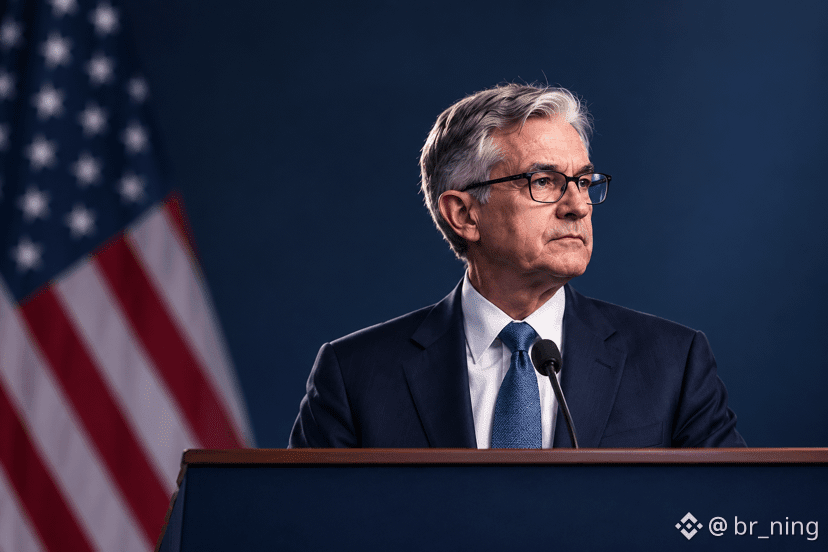
BTCの次の動きは、やることではなく“FRBが何を言うか”次第 👨🏻⚖️
8月のCPIは、予想より少し強い結果でした。コアCPIは前月比+0.3%で、予想の+0.2%を上回っています。インフレは依然としてFRBの2%目標を上回っているため、市場はすでに今週の25bp利上げを大きく織り込み済みです。
$BTC は、CPI発表後に一時約76.7Kドルまで下げましたが、すぐに77.6Kドル付近へ回復しました。私としては、これは実は良い兆候だと思います——利上げそのものについて、市場はそれほど心配していないようです。本当のリスクは、決定後のFRBのメッセージです。
FRBが見込まれている利上げを実施する一方で内容が比較的落ち着いていて、米国債利回りもコントロールされているなら、BTCにはある程度の安心感が生まれ、$80K〜$82Kの再テストの可能性があります。しかし、FRBが先に向けてさらなる引き締めを示唆した場合、特に原油が100ドル超で、インフレも粘着的だとなると、リスク資産は再び圧迫されるかもしれません。その場合、$75K〜$76Kが重要なサポートゾーンになります。
ETHも、やや別の様子を見せています。先週はビットコインETFで大きな資金流出が見られた一方で、イーサリアムETFは資金を引き付け続けており、機関投資家は単に暗号資産から撤退したわけではないことを示唆しています——資産間でローテーションしている可能性があります。
さらに注目すべき点が2つあります。1つは、暗号資産に対する規制の中期的な追い風になり得るCLARITY法案の採決。もう1つは、原油の状況です。これがFRBのインフレ問題をさらに難しくする可能性があります。
私は、25bpの利上げそのものにあまり重きを置かない方がいいと思います。そこはほぼ織り込み済みです。より大きな論点は、FRBが「これで十分だ」と市場に納得させられるかどうかです。パウエル/ウォーシュが、インフレがまだコントロール下にあるという確信を投資家に与えられれば、BTCは恩恵を受ける可能性があります。「より長く高止まり」といったメッセージなら、まずは$75Kの再テストになると見ています。
もし私のコンテンツがお好きなら、ぜひフォローしてください ❤️
#Binance
#crypto2026
BTCの次の動きは、やることではなく“FRBが何を言うか”次第 👨🏻⚖️
8月のCPIは、予想より少し強い結果でした。コアCPIは前月比+0.3%で、予想の+0.2%を上回っています。インフレは依然としてFRBの2%目標を上回っているため、市場はすでに今週の25bp利上げを大きく織り込み済みです。
$BTC は、CPI発表後に一時約76.7Kドルまで下げましたが、すぐに77.6Kドル付近へ回復しました。私としては、これは実は良い兆候だと思います——利上げそのものについて、市場はそれほど心配していないようです。本当のリスクは、決定後のFRBのメッセージです。
FRBが見込まれている利上げを実施する一方で内容が比較的落ち着いていて、米国債利回りもコントロールされているなら、BTCにはある程度の安心感が生まれ、$80K〜$82Kの再テストの可能性があります。しかし、FRBが先に向けてさらなる引き締めを示唆した場合、特に原油が100ドル超で、インフレも粘着的だとなると、リスク資産は再び圧迫されるかもしれません。その場合、$75K〜$76Kが重要なサポートゾーンになります。
ETHも、やや別の様子を見せています。先週はビットコインETFで大きな資金流出が見られた一方で、イーサリアムETFは資金を引き付け続けており、機関投資家は単に暗号資産から撤退したわけではないことを示唆しています——資産間でローテーションしている可能性があります。
さらに注目すべき点が2つあります。1つは、暗号資産に対する規制の中期的な追い風になり得るCLARITY法案の採決。もう1つは、原油の状況です。これがFRBのインフレ問題をさらに難しくする可能性があります。
私は、25bpの利上げそのものにあまり重きを置かない方がいいと思います。そこはほぼ織り込み済みです。より大きな論点は、FRBが「これで十分だ」と市場に納得させられるかどうかです。パウエル/ウォーシュが、インフレがまだコントロール下にあるという確信を投資家に与えられれば、BTCは恩恵を受ける可能性があります。「より長く高止まり」といったメッセージなら、まずは$75Kの再テストになると見ています。
もし私のコンテンツがお好きなら、ぜひフォローしてください ❤️
#Binance
#crypto2026
8月のCPIは、予想より少し強い結果でした。コアCPIは前月比+0.3%で、予想の+0.2%を上回っています。インフレは依然としてFRBの2%目標を上回っているため、市場はすでに今週の25bp利上げを大きく織り込み済みです。
$BTC は、CPI発表後に一時約76.7Kドルまで下げましたが、すぐに77.6Kドル付近へ回復しました。私としては、これは実は良い兆候だと思います——利上げそのものについて、市場はそれほど心配していないようです。本当のリスクは、決定後のFRBのメッセージです。
FRBが見込まれている利上げを実施する一方で内容が比較的落ち着いていて、米国債利回りもコントロールされているなら、BTCにはある程度の安心感が生まれ、$80K〜$82Kの再テストの可能性があります。しかし、FRBが先に向けてさらなる引き締めを示唆した場合、特に原油が100ドル超で、インフレも粘着的だとなると、リスク資産は再び圧迫されるかもしれません。その場合、$75K〜$76Kが重要なサポートゾーンになります。
ETHも、やや別の様子を見せています。先週はビットコインETFで大きな資金流出が見られた一方で、イーサリアムETFは資金を引き付け続けており、機関投資家は単に暗号資産から撤退したわけではないことを示唆しています——資産間でローテーションしている可能性があります。
さらに注目すべき点が2つあります。1つは、暗号資産に対する規制の中期的な追い風になり得るCLARITY法案の採決。もう1つは、原油の状況です。これがFRBのインフレ問題をさらに難しくする可能性があります。
私は、25bpの利上げそのものにあまり重きを置かない方がいいと思います。そこはほぼ織り込み済みです。より大きな論点は、FRBが「これで十分だ」と市場に納得させられるかどうかです。パウエル/ウォーシュが、インフレがまだコントロール下にあるという確信を投資家に与えられれば、BTCは恩恵を受ける可能性があります。「より長く高止まり」といったメッセージなら、まずは$75Kの再テストになると見ています。
もし私のコンテンツがお好きなら、ぜひフォローしてください ❤️
#Binance
#crypto2026
2
2
1.6k
·
--
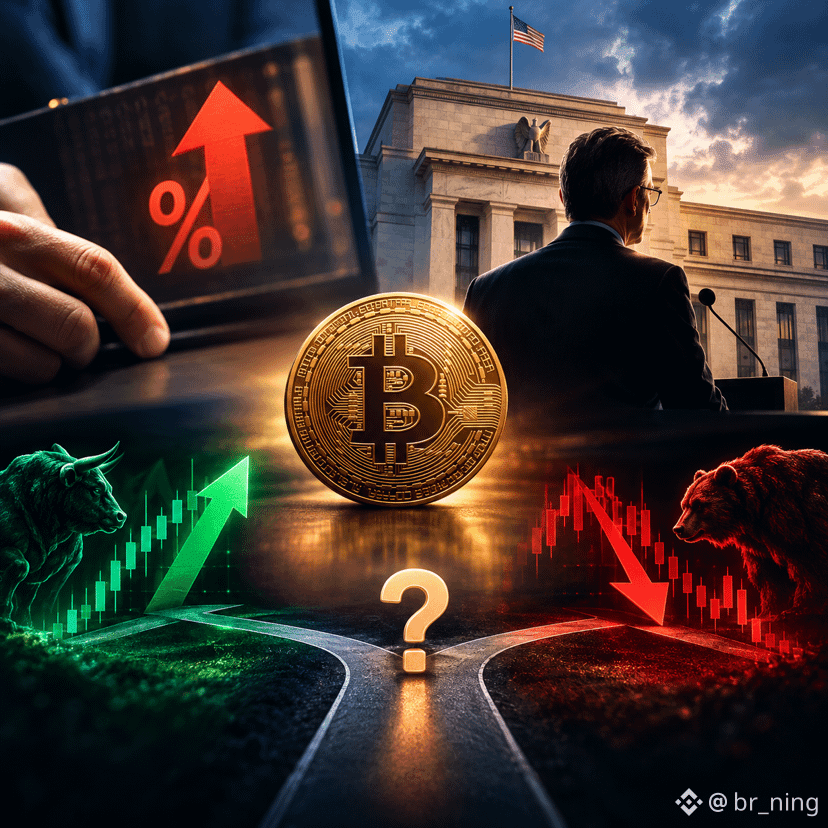
誰もが「FRBの利上げ=ビットコイン下落」と思っています。 でも、市場がその結果をすでに織り込んでいたらどうなるでしょう? 👀
今週の水曜日は、暗号資産にとって大きな日になるかもしれません。
現在、市場は25bpsの利上げが約80%の確率で行われると見込んでいます。
はい、金利が高くなるのは通常BTCにとってマイナスです——流動性が引き締まり、利回りが上がり、リスクへの食欲が減ります。
しかし、ここがポイントです:今回の利上げはすでにかなり織り込まれているんです。
だから本当の問題は、単に「FRBが利上げするかどうか」ではありません。
それは:
👉🏻 決定後にFRB議長ケビン・ウォーシャが何を言うか?
もし25bpsの利上げがあっても、FRBが比較的ハト派的なトーンなら、不確実性が解消されて$BTC が実際にプラスに反応する可能性があります。
でもウォーシャが「今年の残りの期間にも追加の利上げがあり得る」と示唆した場合、暗号資産はもう一段の売り圧力に直面するかもしれません。
なので、私は闇雲に取引しないでしょう:
「FRBの利上げ=BTC下落。」
より大きな市場の動因は、25bpsそのものよりも、FRBのトーンと今後のガイダンスになりそうです。
FOMCの周辺では値動きが大きくなることを想定してください。 利上げの決定自体は予測可能かもしれませんが——反応はそうとは限りません。
もしあなたが私のコンテンツを気に入っているなら、ぜひフォローしてください ❤️
#Binance
#crypto2026
誰もが「FRBの利上げ=ビットコイン下落」と思っています。 でも、市場がその結果をすでに織り込んでいたらどうなるでしょう? 👀
今週の水曜日は、暗号資産にとって大きな日になるかもしれません。
現在、市場は25bpsの利上げが約80%の確率で行われると見込んでいます。
はい、金利が高くなるのは通常BTCにとってマイナスです——流動性が引き締まり、利回りが上がり、リスクへの食欲が減ります。
しかし、ここがポイントです:今回の利上げはすでにかなり織り込まれているんです。
だから本当の問題は、単に「FRBが利上げするかどうか」ではありません。
それは:
👉🏻 決定後にFRB議長ケビン・ウォーシャが何を言うか?
もし25bpsの利上げがあっても、FRBが比較的ハト派的なトーンなら、不確実性が解消されて$BTC が実際にプラスに反応する可能性があります。
でもウォーシャが「今年の残りの期間にも追加の利上げがあり得る」と示唆した場合、暗号資産はもう一段の売り圧力に直面するかもしれません。
なので、私は闇雲に取引しないでしょう:
「FRBの利上げ=BTC下落。」
より大きな市場の動因は、25bpsそのものよりも、FRBのトーンと今後のガイダンスになりそうです。
FOMCの周辺では値動きが大きくなることを想定してください。 利上げの決定自体は予測可能かもしれませんが——反応はそうとは限りません。
もしあなたが私のコンテンツを気に入っているなら、ぜひフォローしてください ❤️
#Binance
#crypto2026
今週の水曜日は、暗号資産にとって大きな日になるかもしれません。
現在、市場は25bpsの利上げが約80%の確率で行われると見込んでいます。
はい、金利が高くなるのは通常BTCにとってマイナスです——流動性が引き締まり、利回りが上がり、リスクへの食欲が減ります。
しかし、ここがポイントです:今回の利上げはすでにかなり織り込まれているんです。
だから本当の問題は、単に「FRBが利上げするかどうか」ではありません。
それは:
👉🏻 決定後にFRB議長ケビン・ウォーシャが何を言うか?
もし25bpsの利上げがあっても、FRBが比較的ハト派的なトーンなら、不確実性が解消されて$BTC が実際にプラスに反応する可能性があります。
でもウォーシャが「今年の残りの期間にも追加の利上げがあり得る」と示唆した場合、暗号資産はもう一段の売り圧力に直面するかもしれません。
なので、私は闇雲に取引しないでしょう:
「FRBの利上げ=BTC下落。」
より大きな市場の動因は、25bpsそのものよりも、FRBのトーンと今後のガイダンスになりそうです。
FOMCの周辺では値動きが大きくなることを想定してください。 利上げの決定自体は予測可能かもしれませんが——反応はそうとは限りません。
もしあなたが私のコンテンツを気に入っているなら、ぜひフォローしてください ❤️
#Binance
#crypto2026
1
97
·
--
ブリッシュ
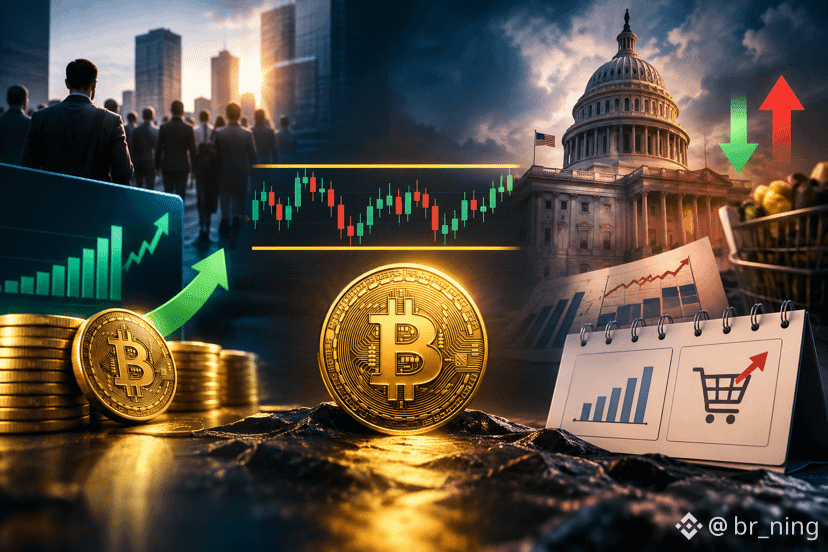
BTCの次の動きは「雇用」ではなく「インフレ」次第 👀
8月の米国雇用統計は、予想を大きく上回る内容でした。162Kの雇用増(市場予想は55K)となり、景気の弱さを懸念する見方がやや後退。ですが、この強さは同時にインフレへの注目も再燃させます。景気が底堅いことで、FRB(米連邦準備制度)は利下げに急ぐ理由が減ってしまうためです。
$BTC は比較的強い水準を維持しており、$79K〜$82Kあたりで推移。さらに、スポット型ビットコインETFは9月1日〜4日にかけて純流入が$770Mでした。これは機関投資家の需要がまだあることを示していますが、それでもBTCは依然として$80K〜$82Kのレジスタンスを決定的に上抜けるのに苦戦しています。
いま市場は基本的にインフレ指標を待っています。木曜のPPIと金曜のCPIが、次に何が起きるかを左右する可能性があります。弱めのCPIなら、インフレがFRBの目標である2%に向かっている、という見立てを後押しし、リスク資産にもう一段の追い風となり得ます。予想より強い数字になれば、利下げ期待が下がり、BTCへの圧力がさらに強まるかもしれません。
ETF需要が依然として強いため、土台はまだ強気です。ただ、これはまだ「確定したブレイク」とは言いにくい。BTCはレンジの中で動いており、ボラティリティは異常に低い。そして誰もが次のマクロの引き金を待っています。CPIが、BTCが$82Kを上抜けるのか、それとも再び跳ね返されるのかを最終的に決めるカタリストになるかもしれません。
もし私のコンテンツが気に入ったなら、ぜひフォローしてください ❤️
#Binance
#crypto2026
BTCの次の動きは「雇用」ではなく「インフレ」次第 👀
8月の米国雇用統計は、予想を大きく上回る内容でした。162Kの雇用増(市場予想は55K)となり、景気の弱さを懸念する見方がやや後退。ですが、この強さは同時にインフレへの注目も再燃させます。景気が底堅いことで、FRB(米連邦準備制度)は利下げに急ぐ理由が減ってしまうためです。
$BTC は比較的強い水準を維持しており、$79K〜$82Kあたりで推移。さらに、スポット型ビットコインETFは9月1日〜4日にかけて純流入が$770Mでした。これは機関投資家の需要がまだあることを示していますが、それでもBTCは依然として$80K〜$82Kのレジスタンスを決定的に上抜けるのに苦戦しています。
いま市場は基本的にインフレ指標を待っています。木曜のPPIと金曜のCPIが、次に何が起きるかを左右する可能性があります。弱めのCPIなら、インフレがFRBの目標である2%に向かっている、という見立てを後押しし、リスク資産にもう一段の追い風となり得ます。予想より強い数字になれば、利下げ期待が下がり、BTCへの圧力がさらに強まるかもしれません。
ETF需要が依然として強いため、土台はまだ強気です。ただ、これはまだ「確定したブレイク」とは言いにくい。BTCはレンジの中で動いており、ボラティリティは異常に低い。そして誰もが次のマクロの引き金を待っています。CPIが、BTCが$82Kを上抜けるのか、それとも再び跳ね返されるのかを最終的に決めるカタリストになるかもしれません。
もし私のコンテンツが気に入ったなら、ぜひフォローしてください ❤️
#Binance
#crypto2026
8月の米国雇用統計は、予想を大きく上回る内容でした。162Kの雇用増(市場予想は55K)となり、景気の弱さを懸念する見方がやや後退。ですが、この強さは同時にインフレへの注目も再燃させます。景気が底堅いことで、FRB(米連邦準備制度)は利下げに急ぐ理由が減ってしまうためです。
$BTC は比較的強い水準を維持しており、$79K〜$82Kあたりで推移。さらに、スポット型ビットコインETFは9月1日〜4日にかけて純流入が$770Mでした。これは機関投資家の需要がまだあることを示していますが、それでもBTCは依然として$80K〜$82Kのレジスタンスを決定的に上抜けるのに苦戦しています。
いま市場は基本的にインフレ指標を待っています。木曜のPPIと金曜のCPIが、次に何が起きるかを左右する可能性があります。弱めのCPIなら、インフレがFRBの目標である2%に向かっている、という見立てを後押しし、リスク資産にもう一段の追い風となり得ます。予想より強い数字になれば、利下げ期待が下がり、BTCへの圧力がさらに強まるかもしれません。
ETF需要が依然として強いため、土台はまだ強気です。ただ、これはまだ「確定したブレイク」とは言いにくい。BTCはレンジの中で動いており、ボラティリティは異常に低い。そして誰もが次のマクロの引き金を待っています。CPIが、BTCが$82Kを上抜けるのか、それとも再び跳ね返されるのかを最終的に決めるカタリストになるかもしれません。
もし私のコンテンツが気に入ったなら、ぜひフォローしてください ❤️
#Binance
#crypto2026
1
2
81
·
--
ブリッシュ
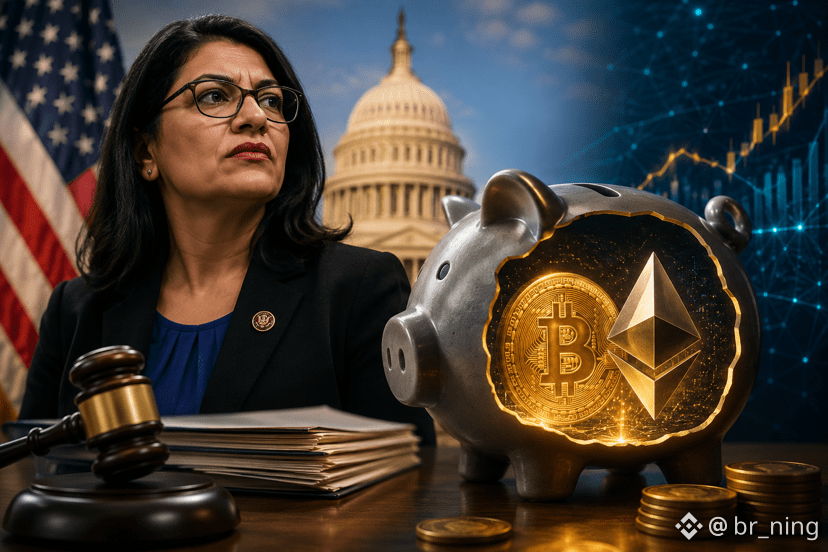
反クリプトの議員、なのにビットコインとイーサリアムのETFを保有 🤣
新たな金融開示によると、民主党の連邦下院議員ラシダ・トライブ氏が退職口座で、Grayscaleのイーサリアム・ステーキング・ミニETFとiSharesのビットコインETFを保有していることが分かりました。両方とも、最大で15,000ドルまでの「最も高い開示レンジ」に入っていました。
興味深いのは、トライブ氏がこれまで仮想通貨業界に対して取ってきた姿勢です。彼女は、デジタル資産のより明確な規制枠組みを整えることを目的としたCLARITY法案に反対票を投じており、さらに「暗号の腐敗」と彼女が表現したものを狙う取り組みを支持してもきました。
しかし、この開示は彼女がBTCやETHを直接保有していることを意味しません。彼女の仮想通貨へのエクスポージャーはETFを通じて得られており、それらは従来型の退職口座の中で保有されています。連邦議員は資産を「価値レンジ」で申告する必要があるため、彼女が実際に投資している正確な金額は分かりません。
面白いのは、トライブ氏がどれだけ保有しているかという点ではありません。仮想通貨に対する政治的な立場と、個人としての投資判断が、必ずしも一致する必要はないという事実です。
ある議員は、特定の仮想通貨政策には反対しつつも、BTCやETHを分散ポートフォリオの中に持つ価値のある資産だと考えることはあり得ます。さらに、現物の仮想通貨ETFが登場したことで、従来の投資や退職口座を通じてデジタル資産へアクセスすることが格段に容易になり、仮想通貨は従来の金融システムにますます組み込まれつつあります。
だからこそ、これを「反クリプトの議員がこっそり仮想通貨を買っている」と単純に呼ぶのではなく、仮想通貨が、長く強い論争の対象だった資産クラスから、ポートフォリオの中で従来型の投資と並べて置けるものへ、ゆっくりと移行しているサインだと私は捉えています。
もし私のコンテンツが気に入ったら、ぜひフォローしてください ❤️
#Binance
#crypto2026
反クリプトの議員、なのにビットコインとイーサリアムのETFを保有 🤣
新たな金融開示によると、民主党の連邦下院議員ラシダ・トライブ氏が退職口座で、Grayscaleのイーサリアム・ステーキング・ミニETFとiSharesのビットコインETFを保有していることが分かりました。両方とも、最大で15,000ドルまでの「最も高い開示レンジ」に入っていました。
興味深いのは、トライブ氏がこれまで仮想通貨業界に対して取ってきた姿勢です。彼女は、デジタル資産のより明確な規制枠組みを整えることを目的としたCLARITY法案に反対票を投じており、さらに「暗号の腐敗」と彼女が表現したものを狙う取り組みを支持してもきました。
しかし、この開示は彼女がBTCやETHを直接保有していることを意味しません。彼女の仮想通貨へのエクスポージャーはETFを通じて得られており、それらは従来型の退職口座の中で保有されています。連邦議員は資産を「価値レンジ」で申告する必要があるため、彼女が実際に投資している正確な金額は分かりません。
面白いのは、トライブ氏がどれだけ保有しているかという点ではありません。仮想通貨に対する政治的な立場と、個人としての投資判断が、必ずしも一致する必要はないという事実です。
ある議員は、特定の仮想通貨政策には反対しつつも、BTCやETHを分散ポートフォリオの中に持つ価値のある資産だと考えることはあり得ます。さらに、現物の仮想通貨ETFが登場したことで、従来の投資や退職口座を通じてデジタル資産へアクセスすることが格段に容易になり、仮想通貨は従来の金融システムにますます組み込まれつつあります。
だからこそ、これを「反クリプトの議員がこっそり仮想通貨を買っている」と単純に呼ぶのではなく、仮想通貨が、長く強い論争の対象だった資産クラスから、ポートフォリオの中で従来型の投資と並べて置けるものへ、ゆっくりと移行しているサインだと私は捉えています。
もし私のコンテンツが気に入ったら、ぜひフォローしてください ❤️
#Binance
#crypto2026
新たな金融開示によると、民主党の連邦下院議員ラシダ・トライブ氏が退職口座で、Grayscaleのイーサリアム・ステーキング・ミニETFとiSharesのビットコインETFを保有していることが分かりました。両方とも、最大で15,000ドルまでの「最も高い開示レンジ」に入っていました。
興味深いのは、トライブ氏がこれまで仮想通貨業界に対して取ってきた姿勢です。彼女は、デジタル資産のより明確な規制枠組みを整えることを目的としたCLARITY法案に反対票を投じており、さらに「暗号の腐敗」と彼女が表現したものを狙う取り組みを支持してもきました。
しかし、この開示は彼女がBTCやETHを直接保有していることを意味しません。彼女の仮想通貨へのエクスポージャーはETFを通じて得られており、それらは従来型の退職口座の中で保有されています。連邦議員は資産を「価値レンジ」で申告する必要があるため、彼女が実際に投資している正確な金額は分かりません。
面白いのは、トライブ氏がどれだけ保有しているかという点ではありません。仮想通貨に対する政治的な立場と、個人としての投資判断が、必ずしも一致する必要はないという事実です。
ある議員は、特定の仮想通貨政策には反対しつつも、BTCやETHを分散ポートフォリオの中に持つ価値のある資産だと考えることはあり得ます。さらに、現物の仮想通貨ETFが登場したことで、従来の投資や退職口座を通じてデジタル資産へアクセスすることが格段に容易になり、仮想通貨は従来の金融システムにますます組み込まれつつあります。
だからこそ、これを「反クリプトの議員がこっそり仮想通貨を買っている」と単純に呼ぶのではなく、仮想通貨が、長く強い論争の対象だった資産クラスから、ポートフォリオの中で従来型の投資と並べて置けるものへ、ゆっくりと移行しているサインだと私は捉えています。
もし私のコンテンツが気に入ったら、ぜひフォローしてください ❤️
#Binance
#crypto2026
1
2
151
·
--
ブリッシュ
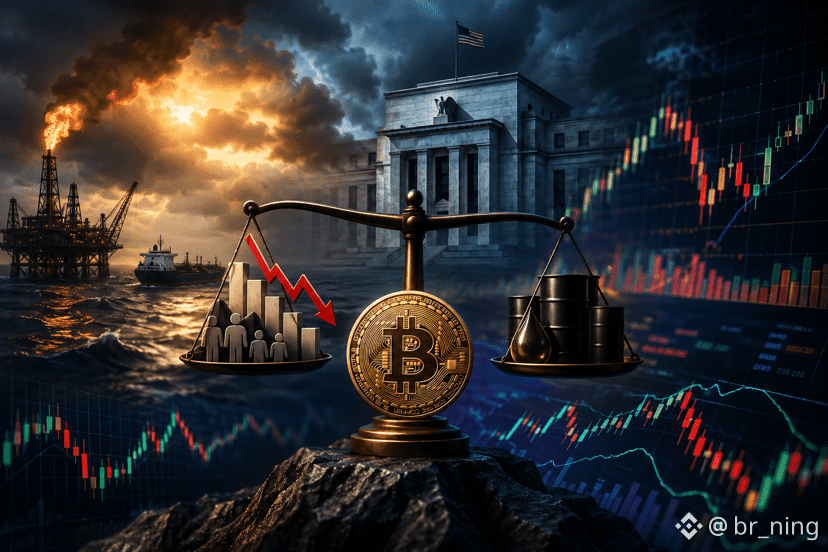
ソフトなデータ、堅い原油――BTCはレンジを維持 💪🏻
米国の経済指標にほころびが見え始めています。消費者心理は8月に大きく低下し、小売売上高は0.6%下落、また景気を支える雇用市場の弱さを示すデータが、直近のFRB(米連邦準備制度)の追加利上げ観測を後退させました。市場は現在、9月の25bp(0.25%ポイント)利上げの確率を約30%程度しか織り込んでいません。
しかし問題があります。原油価格は逆の動きをしています。WTIは約82ドル、ブレントは約89ドルで推移しており、ホルムズ海峡をめぐる不確実性が続いています。エネルギー価格の上昇はインフレを高止まりさせる可能性があり、景気活動が減速してもFRBが金融緩和しにくくなるかもしれません。
$BTC は、この綱引きの真ん中にいます。価格は63Kドルちょうど上あたりで推移し、過去1週間ではおよそ3%下落していますが、重要なのは、より広いレンジから抜け出せていないことです。ETHも同様に、約1.9Kドル付近で勢いに欠けています。
オプションも、比較的落ち着いた市場を示唆しています。1週間のBTCのインプライド・ボラティリティは約26%で、実現ボラティリティはおよそ20%です。つまり、市場は依然として、直近のBTCの値動き以上の動きを織り込んでいるわけですが、だからといってボラティリティが低い状態が続くと自動的に意味するわけではありません。
私の見解では、現時点で注目すべきは「ブレイクダウン(下抜け)がないこと」であり、「リス(上昇)のないこと」以上に興味深いです。BTCは、弱い経済指標、地政学的な不確実性、そして高い原油価格が重なっても、レンジ下限を失わずに吸収しています。これは一定の粘り強さを示していますが、まだ強気(ブル)とは言い切れません。
次の大きな試金石はFRBです。8月19日のFOMC議事要旨、その後8月26日のPCEとGDP、さらに8月27〜29日のジャクソンホールで、市場がより明確な方向性を得る可能性があります。
当面、BTCは試されていますが、壊れてはいません。真のシグナルは、最終的にこのレンジから抜け出したときに出ます。
私のコンテンツが気に入ったら、ぜひフォローしてください ❤️
#Binance
#crypto2026
ソフトなデータ、堅い原油――BTCはレンジを維持 💪🏻
米国の経済指標にほころびが見え始めています。消費者心理は8月に大きく低下し、小売売上高は0.6%下落、また景気を支える雇用市場の弱さを示すデータが、直近のFRB(米連邦準備制度)の追加利上げ観測を後退させました。市場は現在、9月の25bp(0.25%ポイント)利上げの確率を約30%程度しか織り込んでいません。
しかし問題があります。原油価格は逆の動きをしています。WTIは約82ドル、ブレントは約89ドルで推移しており、ホルムズ海峡をめぐる不確実性が続いています。エネルギー価格の上昇はインフレを高止まりさせる可能性があり、景気活動が減速してもFRBが金融緩和しにくくなるかもしれません。
$BTC は、この綱引きの真ん中にいます。価格は63Kドルちょうど上あたりで推移し、過去1週間ではおよそ3%下落していますが、重要なのは、より広いレンジから抜け出せていないことです。ETHも同様に、約1.9Kドル付近で勢いに欠けています。
オプションも、比較的落ち着いた市場を示唆しています。1週間のBTCのインプライド・ボラティリティは約26%で、実現ボラティリティはおよそ20%です。つまり、市場は依然として、直近のBTCの値動き以上の動きを織り込んでいるわけですが、だからといってボラティリティが低い状態が続くと自動的に意味するわけではありません。
私の見解では、現時点で注目すべきは「ブレイクダウン(下抜け)がないこと」であり、「リス(上昇)のないこと」以上に興味深いです。BTCは、弱い経済指標、地政学的な不確実性、そして高い原油価格が重なっても、レンジ下限を失わずに吸収しています。これは一定の粘り強さを示していますが、まだ強気(ブル)とは言い切れません。
次の大きな試金石はFRBです。8月19日のFOMC議事要旨、その後8月26日のPCEとGDP、さらに8月27〜29日のジャクソンホールで、市場がより明確な方向性を得る可能性があります。
当面、BTCは試されていますが、壊れてはいません。真のシグナルは、最終的にこのレンジから抜け出したときに出ます。
私のコンテンツが気に入ったら、ぜひフォローしてください ❤️
#Binance
#crypto2026
米国の経済指標にほころびが見え始めています。消費者心理は8月に大きく低下し、小売売上高は0.6%下落、また景気を支える雇用市場の弱さを示すデータが、直近のFRB(米連邦準備制度)の追加利上げ観測を後退させました。市場は現在、9月の25bp(0.25%ポイント)利上げの確率を約30%程度しか織り込んでいません。
しかし問題があります。原油価格は逆の動きをしています。WTIは約82ドル、ブレントは約89ドルで推移しており、ホルムズ海峡をめぐる不確実性が続いています。エネルギー価格の上昇はインフレを高止まりさせる可能性があり、景気活動が減速してもFRBが金融緩和しにくくなるかもしれません。
$BTC は、この綱引きの真ん中にいます。価格は63Kドルちょうど上あたりで推移し、過去1週間ではおよそ3%下落していますが、重要なのは、より広いレンジから抜け出せていないことです。ETHも同様に、約1.9Kドル付近で勢いに欠けています。
オプションも、比較的落ち着いた市場を示唆しています。1週間のBTCのインプライド・ボラティリティは約26%で、実現ボラティリティはおよそ20%です。つまり、市場は依然として、直近のBTCの値動き以上の動きを織り込んでいるわけですが、だからといってボラティリティが低い状態が続くと自動的に意味するわけではありません。
私の見解では、現時点で注目すべきは「ブレイクダウン(下抜け)がないこと」であり、「リス(上昇)のないこと」以上に興味深いです。BTCは、弱い経済指標、地政学的な不確実性、そして高い原油価格が重なっても、レンジ下限を失わずに吸収しています。これは一定の粘り強さを示していますが、まだ強気(ブル)とは言い切れません。
次の大きな試金石はFRBです。8月19日のFOMC議事要旨、その後8月26日のPCEとGDP、さらに8月27〜29日のジャクソンホールで、市場がより明確な方向性を得る可能性があります。
当面、BTCは試されていますが、壊れてはいません。真のシグナルは、最終的にこのレンジから抜け出したときに出ます。
私のコンテンツが気に入ったら、ぜひフォローしてください ❤️
#Binance
#crypto2026
1
137
·
--
ブリッシュ
レンジに足止めされたBTC:しぶといが、それでも本当の一押しを待ち中 🚀
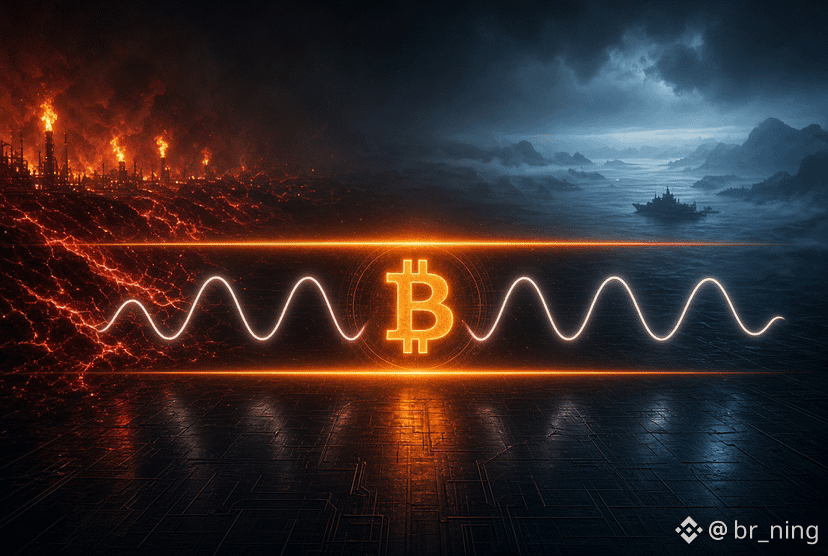
ビットコインは、より高い水準を維持できなかった後、直近のレンジ(62.5k〜63k)下限付近へ後退しています。いまのところ、これを動かす「暗号資産特有の大きな一つの材料」はありません。代わりに、原油価格の上昇、高まる地政学的緊張(特にホルムズ海峡周辺)、やや弱いものの決定打にはなっていない米国のインフレおよび雇用データ、そして夏場の流動性の薄さといった、やや込み入った要因が混ざり合っています。
冷えたインフレ指標や弱めの雇用レポートは、理屈の上では(当面、FRBがタカ派寄りになる可能性が低いので)ある程度の支えになり得ます。$BTC ほとんど無反応でした。企業のトレジャリー活動も、より両方向的になってきています――Strategy(マイクロストラテジー)は今や買いも行えば、時折売りもしているため、「常に買い続けている」という物語は以前ほどきれいには成立しません。さらに、過去の8月/9月の季節性も弱めになりがちです。
結論:この文章から言えるのは、BTCは悪材料をかなりうまく吸収しており、レンジはまだ維持されているものの、改善しているマクロ要因を本当の上方向の勢いにはまだ変えられていない、ということです。レンジの明確なブレイク(どちらの方向でも)は、いまの手詰まりのもみ合いよりも多くを教えてくれるはずです。
私の見解
暗号資産はしばらく、イライラする「しぶといが活気がない」状態にあります。弱いインフレへの反応の乏しさがそれを物語っており、いまは流動性、ポジショニング、そしてリスク選好のほうが、データの数字以上に重要であり続けています。金利、原油/地政学の落ち着きについてより明確なシグナルが出るまで、または本物のフローを生む触媒が登場するまでは、このレンジの中でもみ合うのが最も可能性の高い道です。次の大きなチェックポイントは、PCE、ジャクソンホール、そして9月FOMCです。
もし私のコンテンツを気に入ってくれたなら、ぜひフォローしてください ❤️
#Binance
#crypto2026
レンジに足止めされたBTC:しぶといが、それでも本当の一押しを待ち中 🚀
ビットコインは、より高い水準を維持できなかった後、直近のレンジ(62.5k〜63k)下限付近へ後退しています。いまのところ、これを動かす「暗号資産特有の大きな一つの材料」はありません。代わりに、原油価格の上昇、高まる地政学的緊張(特にホルムズ海峡周辺)、やや弱いものの決定打にはなっていない米国のインフレおよび雇用データ、そして夏場の流動性の薄さといった、やや込み入った要因が混ざり合っています。
冷えたインフレ指標や弱めの雇用レポートは、理屈の上では(当面、FRBがタカ派寄りになる可能性が低いので)ある程度の支えになり得ます。$BTC ほとんど無反応でした。企業のトレジャリー活動も、より両方向的になってきています――Strategy(マイクロストラテジー)は今や買いも行えば、時折売りもしているため、「常に買い続けている」という物語は以前ほどきれいには成立しません。さらに、過去の8月/9月の季節性も弱めになりがちです。
結論:この文章から言えるのは、BTCは悪材料をかなりうまく吸収しており、レンジはまだ維持されているものの、改善しているマクロ要因を本当の上方向の勢いにはまだ変えられていない、ということです。レンジの明確なブレイク(どちらの方向でも)は、いまの手詰まりのもみ合いよりも多くを教えてくれるはずです。
私の見解
暗号資産はしばらく、イライラする「しぶといが活気がない」状態にあります。弱いインフレへの反応の乏しさがそれを物語っており、いまは流動性、ポジショニング、そしてリスク選好のほうが、データの数字以上に重要であり続けています。金利、原油/地政学の落ち着きについてより明確なシグナルが出るまで、または本物のフローを生む触媒が登場するまでは、このレンジの中でもみ合うのが最も可能性の高い道です。次の大きなチェックポイントは、PCE、ジャクソンホール、そして9月FOMCです。
もし私のコンテンツを気に入ってくれたなら、ぜひフォローしてください ❤️
#Binance
#crypto2026
ビットコインは、より高い水準を維持できなかった後、直近のレンジ(62.5k〜63k)下限付近へ後退しています。いまのところ、これを動かす「暗号資産特有の大きな一つの材料」はありません。代わりに、原油価格の上昇、高まる地政学的緊張(特にホルムズ海峡周辺)、やや弱いものの決定打にはなっていない米国のインフレおよび雇用データ、そして夏場の流動性の薄さといった、やや込み入った要因が混ざり合っています。
冷えたインフレ指標や弱めの雇用レポートは、理屈の上では(当面、FRBがタカ派寄りになる可能性が低いので)ある程度の支えになり得ます。$BTC ほとんど無反応でした。企業のトレジャリー活動も、より両方向的になってきています――Strategy(マイクロストラテジー)は今や買いも行えば、時折売りもしているため、「常に買い続けている」という物語は以前ほどきれいには成立しません。さらに、過去の8月/9月の季節性も弱めになりがちです。
結論:この文章から言えるのは、BTCは悪材料をかなりうまく吸収しており、レンジはまだ維持されているものの、改善しているマクロ要因を本当の上方向の勢いにはまだ変えられていない、ということです。レンジの明確なブレイク(どちらの方向でも)は、いまの手詰まりのもみ合いよりも多くを教えてくれるはずです。
私の見解
暗号資産はしばらく、イライラする「しぶといが活気がない」状態にあります。弱いインフレへの反応の乏しさがそれを物語っており、いまは流動性、ポジショニング、そしてリスク選好のほうが、データの数字以上に重要であり続けています。金利、原油/地政学の落ち着きについてより明確なシグナルが出るまで、または本物のフローを生む触媒が登場するまでは、このレンジの中でもみ合うのが最も可能性の高い道です。次の大きなチェックポイントは、PCE、ジャクソンホール、そして9月FOMCです。
もし私のコンテンツを気に入ってくれたなら、ぜひフォローしてください ❤️
#Binance
#crypto2026
1
113
·
--
ブリッシュ
中央銀行は市場のナラティブ(物語)を失いつつある 👀
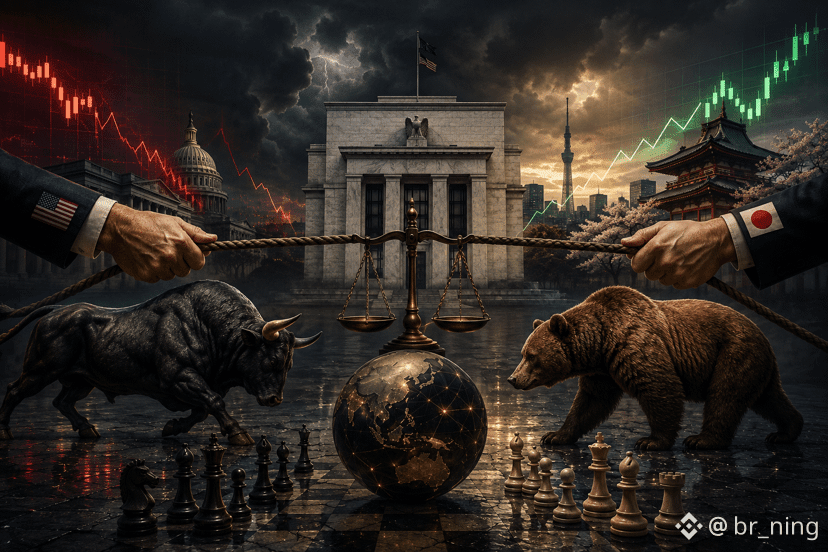
FRBは、5会合連続で政策金利を3.50%〜3.75%に据え置いたが、9対3の賛否は政策当局者の間で意見がますます割れてきていることを示している。市場は9月の利下げ確率を57%として織り込んでいる一方で、米国債の30年利回りは5.21%まで急上昇し、19年ぶりの高水準となった。
同じ不確実性はFXにも表れている。円が1ドル=163円を超えて下落した後、日本は介入を行いUSD/JPYを1ドル=157円付近へ押し戻した。その後米国も推定50〜100億ドル規模のオペに加わり、1998年以来初めてとなる日米の共同による円買い介入が実施された。
興味深いのは、市場が中央銀行のガイダンスよりも、実際の政策行動を信じているように見える点だ。
FRBは最終的に利下げを行うかもしれないが、上昇する長期金利は、投資家が金融環境が緩和に向かっていると十分に確信していないことを示唆している。一方で、米国と日本は、為替が行き過ぎた場合に直接介入する姿勢を見せている。
$BTC およびその他のリスク資産にとっては、こうした状況は複雑な局面を生む。流動性がより緩みやすくなる期待はまだあるかもしれないが、高い利回りと政策の不確実性が、ボラティリティを高止まりさせる可能性がある。中銀がより明確なシグナルを出すまで、市場は言葉よりも行動を材料に取引し続けるかもしれない。
もしあなたが私の発信を気に入ってくれたなら、ぜひフォローしてください ❤️
#Binance
#crypto2026
中央銀行は市場のナラティブ(物語)を失いつつある 👀
FRBは、5会合連続で政策金利を3.50%〜3.75%に据え置いたが、9対3の賛否は政策当局者の間で意見がますます割れてきていることを示している。市場は9月の利下げ確率を57%として織り込んでいる一方で、米国債の30年利回りは5.21%まで急上昇し、19年ぶりの高水準となった。
同じ不確実性はFXにも表れている。円が1ドル=163円を超えて下落した後、日本は介入を行いUSD/JPYを1ドル=157円付近へ押し戻した。その後米国も推定50〜100億ドル規模のオペに加わり、1998年以来初めてとなる日米の共同による円買い介入が実施された。
興味深いのは、市場が中央銀行のガイダンスよりも、実際の政策行動を信じているように見える点だ。
FRBは最終的に利下げを行うかもしれないが、上昇する長期金利は、投資家が金融環境が緩和に向かっていると十分に確信していないことを示唆している。一方で、米国と日本は、為替が行き過ぎた場合に直接介入する姿勢を見せている。
$BTC およびその他のリスク資産にとっては、こうした状況は複雑な局面を生む。流動性がより緩みやすくなる期待はまだあるかもしれないが、高い利回りと政策の不確実性が、ボラティリティを高止まりさせる可能性がある。中銀がより明確なシグナルを出すまで、市場は言葉よりも行動を材料に取引し続けるかもしれない。
もしあなたが私の発信を気に入ってくれたなら、ぜひフォローしてください ❤️
#Binance
#crypto2026
FRBは、5会合連続で政策金利を3.50%〜3.75%に据え置いたが、9対3の賛否は政策当局者の間で意見がますます割れてきていることを示している。市場は9月の利下げ確率を57%として織り込んでいる一方で、米国債の30年利回りは5.21%まで急上昇し、19年ぶりの高水準となった。
同じ不確実性はFXにも表れている。円が1ドル=163円を超えて下落した後、日本は介入を行いUSD/JPYを1ドル=157円付近へ押し戻した。その後米国も推定50〜100億ドル規模のオペに加わり、1998年以来初めてとなる日米の共同による円買い介入が実施された。
興味深いのは、市場が中央銀行のガイダンスよりも、実際の政策行動を信じているように見える点だ。
FRBは最終的に利下げを行うかもしれないが、上昇する長期金利は、投資家が金融環境が緩和に向かっていると十分に確信していないことを示唆している。一方で、米国と日本は、為替が行き過ぎた場合に直接介入する姿勢を見せている。
$BTC およびその他のリスク資産にとっては、こうした状況は複雑な局面を生む。流動性がより緩みやすくなる期待はまだあるかもしれないが、高い利回りと政策の不確実性が、ボラティリティを高止まりさせる可能性がある。中銀がより明確なシグナルを出すまで、市場は言葉よりも行動を材料に取引し続けるかもしれない。
もしあなたが私の発信を気に入ってくれたなら、ぜひフォローしてください ❤️
#Binance
#crypto2026
1
126
·
--
ブリッシュ
ビットコインは踏ん張っているが、まだ“安全”とは言えない 😭
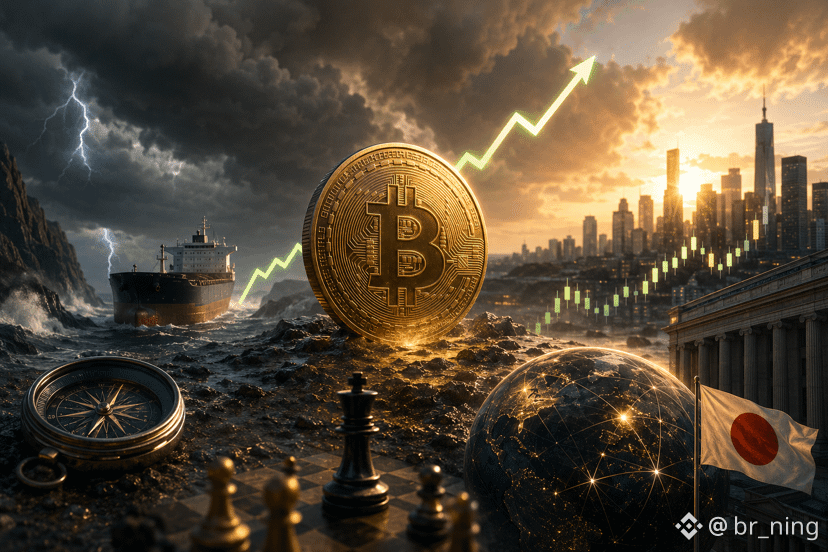
ビットコインは、複数のネガティブな見出しが出る中でも、約62.5Kドルから約64Kドルへと反発しました。Strategyは約1億4,700万ドル相当のBTC(1,638BTC)を売却。一方で、Coldcardのセキュリティ事故は報道によると約5,000ウォレットに影響し、損失はおよそ1,755BTCにのぼったとされています。それでもBTCは、さらなる大きな崩れを回避することができました。
オプション市場にも、比較的パニックが少ない様子が見えます。短期の想定ボラティリティは低いままで、下落局面のヘッジ需要も和らぎ、ポジショニングはよりバランスしているようです。つまり、トレーダーは現時点で次の急落を強く織り込んでいないということです。
マクロ面では、米国経済はまだ堅調です。製造業とサービス業はいずれも拡大が続いていますが、雇用は明らかに減速しています。雇用情勢が弱含めば、FRBの次の一手への見方に影響し得るため、7月の雇用統計は重要になります。
地政学リスクも消えたわけではありません。ホルムズ海峡は依然として不安定で、原油価格や海上輸送リスクが高い状態を保っています。同時に、日本の利回り上昇や円介入の可能性は、世界の流動性や債券市場にもより広い影響を及ぼすかもしれません。
今週いちばん興味深いのは、$BTC が64Kドルに戻ったことそのものではなく、悪いニュースが出てもどれだけ踏みとどまったかです。
通常なら、大きなBTCの売り、1億ドル超のセキュリティ事故、そして続くマクロ不確実性が重なれば、さらに別の波のパニック売りを引き起こしてもおかしくありません。ところが、市場は大きな崩れなくそれを吸収しました。これは前向きなサインです。
ただし、私はこれを“強気の確証”とはまだ呼びません。粘り強さはモメンタムと同じではありません。BTCは売り手が支配的になっていないことを示していますが、より高い水準を奪い返し、それを維持して初めて、トレンドが本当に変わったと言えるでしょう。
現時点では、市場を「崩れるほど弱気ではないが、強気だと確認できるほどでもない」と表現するのが適切だと思います。
もしあなたが私のコンテンツを気に入ってくれたなら、ぜひフォローしてください ❤️
#Binance
#crypto2026
ビットコインは踏ん張っているが、まだ“安全”とは言えない 😭
ビットコインは、複数のネガティブな見出しが出る中でも、約62.5Kドルから約64Kドルへと反発しました。Strategyは約1億4,700万ドル相当のBTC(1,638BTC)を売却。一方で、Coldcardのセキュリティ事故は報道によると約5,000ウォレットに影響し、損失はおよそ1,755BTCにのぼったとされています。それでもBTCは、さらなる大きな崩れを回避することができました。
オプション市場にも、比較的パニックが少ない様子が見えます。短期の想定ボラティリティは低いままで、下落局面のヘッジ需要も和らぎ、ポジショニングはよりバランスしているようです。つまり、トレーダーは現時点で次の急落を強く織り込んでいないということです。
マクロ面では、米国経済はまだ堅調です。製造業とサービス業はいずれも拡大が続いていますが、雇用は明らかに減速しています。雇用情勢が弱含めば、FRBの次の一手への見方に影響し得るため、7月の雇用統計は重要になります。
地政学リスクも消えたわけではありません。ホルムズ海峡は依然として不安定で、原油価格や海上輸送リスクが高い状態を保っています。同時に、日本の利回り上昇や円介入の可能性は、世界の流動性や債券市場にもより広い影響を及ぼすかもしれません。
今週いちばん興味深いのは、$BTC が64Kドルに戻ったことそのものではなく、悪いニュースが出てもどれだけ踏みとどまったかです。
通常なら、大きなBTCの売り、1億ドル超のセキュリティ事故、そして続くマクロ不確実性が重なれば、さらに別の波のパニック売りを引き起こしてもおかしくありません。ところが、市場は大きな崩れなくそれを吸収しました。これは前向きなサインです。
ただし、私はこれを“強気の確証”とはまだ呼びません。粘り強さはモメンタムと同じではありません。BTCは売り手が支配的になっていないことを示していますが、より高い水準を奪い返し、それを維持して初めて、トレンドが本当に変わったと言えるでしょう。
現時点では、市場を「崩れるほど弱気ではないが、強気だと確認できるほどでもない」と表現するのが適切だと思います。
もしあなたが私のコンテンツを気に入ってくれたなら、ぜひフォローしてください ❤️
#Binance
#crypto2026
ビットコインは、複数のネガティブな見出しが出る中でも、約62.5Kドルから約64Kドルへと反発しました。Strategyは約1億4,700万ドル相当のBTC(1,638BTC)を売却。一方で、Coldcardのセキュリティ事故は報道によると約5,000ウォレットに影響し、損失はおよそ1,755BTCにのぼったとされています。それでもBTCは、さらなる大きな崩れを回避することができました。
オプション市場にも、比較的パニックが少ない様子が見えます。短期の想定ボラティリティは低いままで、下落局面のヘッジ需要も和らぎ、ポジショニングはよりバランスしているようです。つまり、トレーダーは現時点で次の急落を強く織り込んでいないということです。
マクロ面では、米国経済はまだ堅調です。製造業とサービス業はいずれも拡大が続いていますが、雇用は明らかに減速しています。雇用情勢が弱含めば、FRBの次の一手への見方に影響し得るため、7月の雇用統計は重要になります。
地政学リスクも消えたわけではありません。ホルムズ海峡は依然として不安定で、原油価格や海上輸送リスクが高い状態を保っています。同時に、日本の利回り上昇や円介入の可能性は、世界の流動性や債券市場にもより広い影響を及ぼすかもしれません。
今週いちばん興味深いのは、$BTC が64Kドルに戻ったことそのものではなく、悪いニュースが出てもどれだけ踏みとどまったかです。
通常なら、大きなBTCの売り、1億ドル超のセキュリティ事故、そして続くマクロ不確実性が重なれば、さらに別の波のパニック売りを引き起こしてもおかしくありません。ところが、市場は大きな崩れなくそれを吸収しました。これは前向きなサインです。
ただし、私はこれを“強気の確証”とはまだ呼びません。粘り強さはモメンタムと同じではありません。BTCは売り手が支配的になっていないことを示していますが、より高い水準を奪い返し、それを維持して初めて、トレンドが本当に変わったと言えるでしょう。
現時点では、市場を「崩れるほど弱気ではないが、強気だと確認できるほどでもない」と表現するのが適切だと思います。
もしあなたが私のコンテンツを気に入ってくれたなら、ぜひフォローしてください ❤️
#Binance
#crypto2026
1
112
·
--
ブリッシュ
FRB(米連邦準備制度)は以前ほど注目されなくなり、より注目されているのは中央銀行が実際に何をするのかだ 👀
FRBは利下げを含まない政策金利を5会合連続で据え置き、3.50%〜3.75%に維持しました。しかし注目すべきは、政策当局者の見通しが以前ほど足並みをそろえていないことです。3人の委員は、インフレがまだ粘着的で雇用市場も強いことから、より早い段階での利上げ(または利下げではなく金利の調整)を望んでいました。さらにFRBは、次に何が起きるのかについての手がかりをこれまで以上に減らしており、投資家が次の会合を予想しづらくなっています。
この不確実性があるにもかかわらず、市場は9月の利下げに57%の確率を見込んでいます。同時に、米国の30年物国債利回りは5.21%まで上昇しており、19年ぶりの高水準です。通常なら、こうしたサインはもう少し整合するはずですが、いまは相反するメッセージを送っています。
為替市場でも大きな動きが起きています。日本円が1ドル=163円を超えて弱含んだ後、日本は通貨を支えるために大規模な介入を実施しました。翌日には米国も加わり、1998年以来となる、日米の協調による円買い介入が行われました。これは、中央銀行が必要に応じて市場に直接踏み込む用意があることを示しており、演説やガイダンスに頼るだけではないということです。
最大のポイントは、9月にFRBが利下げするかどうかではありません。市場が「言葉より行動が重要になる局面」に入っていることです。中央銀行はガイダンスによる予測可能性を下げつつあり、その一方で、市場が行き過ぎたときには介入する意志がより強くなっています。
暗号資産にとっては、これによりボラティリティ(価格変動の大きさ)が高止まりする可能性があります。投資家の間で、金利がどこへ向かうのかへの確信が薄れるなら、ビットコインをはじめとするリスク資産はより大きな値動きを見せるかもしれません。同時に主要な中央銀行による直接介入は、政策当局者が必要なときには市場に影響を与える準備ができていることを改めて全員に思い出させます。彼らが「言うこと」だけでなく「やること」に、より注意を払う価値があるかもしれません。
私のコンテンツを気に入っていただけたら、ぜひフォローしてください ❤️
#Binance
#crypto2026
FRB(米連邦準備制度)は以前ほど注目されなくなり、より注目されているのは中央銀行が実際に何をするのかだ 👀
FRBは利下げを含まない政策金利を5会合連続で据え置き、3.50%〜3.75%に維持しました。しかし注目すべきは、政策当局者の見通しが以前ほど足並みをそろえていないことです。3人の委員は、インフレがまだ粘着的で雇用市場も強いことから、より早い段階での利上げ(または利下げではなく金利の調整)を望んでいました。さらにFRBは、次に何が起きるのかについての手がかりをこれまで以上に減らしており、投資家が次の会合を予想しづらくなっています。
この不確実性があるにもかかわらず、市場は9月の利下げに57%の確率を見込んでいます。同時に、米国の30年物国債利回りは5.21%まで上昇しており、19年ぶりの高水準です。通常なら、こうしたサインはもう少し整合するはずですが、いまは相反するメッセージを送っています。
為替市場でも大きな動きが起きています。日本円が1ドル=163円を超えて弱含んだ後、日本は通貨を支えるために大規模な介入を実施しました。翌日には米国も加わり、1998年以来となる、日米の協調による円買い介入が行われました。これは、中央銀行が必要に応じて市場に直接踏み込む用意があることを示しており、演説やガイダンスに頼るだけではないということです。
最大のポイントは、9月にFRBが利下げするかどうかではありません。市場が「言葉より行動が重要になる局面」に入っていることです。中央銀行はガイダンスによる予測可能性を下げつつあり、その一方で、市場が行き過ぎたときには介入する意志がより強くなっています。
暗号資産にとっては、これによりボラティリティ(価格変動の大きさ)が高止まりする可能性があります。投資家の間で、金利がどこへ向かうのかへの確信が薄れるなら、ビットコインをはじめとするリスク資産はより大きな値動きを見せるかもしれません。同時に主要な中央銀行による直接介入は、政策当局者が必要なときには市場に影響を与える準備ができていることを改めて全員に思い出させます。彼らが「言うこと」だけでなく「やること」に、より注意を払う価値があるかもしれません。
私のコンテンツを気に入っていただけたら、ぜひフォローしてください ❤️
#Binance
#crypto2026
FRBは利下げを含まない政策金利を5会合連続で据え置き、3.50%〜3.75%に維持しました。しかし注目すべきは、政策当局者の見通しが以前ほど足並みをそろえていないことです。3人の委員は、インフレがまだ粘着的で雇用市場も強いことから、より早い段階での利上げ(または利下げではなく金利の調整)を望んでいました。さらにFRBは、次に何が起きるのかについての手がかりをこれまで以上に減らしており、投資家が次の会合を予想しづらくなっています。
この不確実性があるにもかかわらず、市場は9月の利下げに57%の確率を見込んでいます。同時に、米国の30年物国債利回りは5.21%まで上昇しており、19年ぶりの高水準です。通常なら、こうしたサインはもう少し整合するはずですが、いまは相反するメッセージを送っています。
為替市場でも大きな動きが起きています。日本円が1ドル=163円を超えて弱含んだ後、日本は通貨を支えるために大規模な介入を実施しました。翌日には米国も加わり、1998年以来となる、日米の協調による円買い介入が行われました。これは、中央銀行が必要に応じて市場に直接踏み込む用意があることを示しており、演説やガイダンスに頼るだけではないということです。
最大のポイントは、9月にFRBが利下げするかどうかではありません。市場が「言葉より行動が重要になる局面」に入っていることです。中央銀行はガイダンスによる予測可能性を下げつつあり、その一方で、市場が行き過ぎたときには介入する意志がより強くなっています。
暗号資産にとっては、これによりボラティリティ(価格変動の大きさ)が高止まりする可能性があります。投資家の間で、金利がどこへ向かうのかへの確信が薄れるなら、ビットコインをはじめとするリスク資産はより大きな値動きを見せるかもしれません。同時に主要な中央銀行による直接介入は、政策当局者が必要なときには市場に影響を与える準備ができていることを改めて全員に思い出させます。彼らが「言うこと」だけでなく「やること」に、より注意を払う価値があるかもしれません。
私のコンテンツを気に入っていただけたら、ぜひフォローしてください ❤️
#Binance
#crypto2026
1
119
·
--
ブリッシュ
より強硬なFRBにもかかわらずビットコインは堅調 💪🏻
FRBは政策金利を3.50%〜3.75%で据え置いたものの、市場の予想よりもより強硬(タカ派的)に受け止められる内容となりました。FRB高官の3人は追加利上げを望んでおり、利下げがいつ行われるかについての明確なシグナルはありませんでした。代わりにFRBは、今後の判断はインフレと経済データに基づくと述べています。
ビットコインもいくらか値動き(ボラティリティ)があり、約$63kまで下落した後に、再び$64k近辺まで回復しました。これは、最近の取引レンジの中で踏みとどまっていることを示しています。
このボラティリティは暗号資産市場にも波及し、デジタル資産が伝統的な金融市場とより連動しつつあることがうかがえます。一方で日本銀行は金利を据え置きました。
暗号資産市場では、FRB会合後に短期的な不透明感は和らいだものの、トレーダーは依然として中長期のリスクに備えてヘッジ(保険)を買い続けています。マクロの不確実性がある中でもビットコインは粘り強く、7月はイーサリアムが引き続き上回って推移しました。ETFの資金流入も最近はBTCよりETHを優先する形でしたが、機関投資家の需要は依然としてまちまちです。
ビットコインは引き続き見事なレジリエンス(回復力)を示しています。タカ派的なFRB、高めの国債利回り、そして変動の大きい世界市場の中でも、BTCは$63kを下回って崩れることなく踏みとどまっています。これは前向きな兆候です。
とはいえ、市場が次の大きな一手を打つための強い材料はまだありません。今後数週間は、今後のインフレ指標、米国の雇用レポート、そしてFRBがより強硬になるのか/より柔軟になるのか次第になりそうです。インフレが冷え続けるなら、暗号資産は市場心理の改善によって恩恵を受ける可能性があります。しかし、インフレが粘り強く、利下げが先送りされ続けるなら、ビットコインは次の方向性を見つけるまで横ばいの取引が続くかもしれません。
全体として長期トレンドは依然として建設的に見えますが、マクロ経済データが市場を動かし続ける限り、トレーダーはさらなるボラティリティの上昇を想定しておくべきです。
もし私のコンテンツを気に入っていただけたなら、ぜひフォローしてください ❤️
#Binance
#crypto2026
より強硬なFRBにもかかわらずビットコインは堅調 💪🏻
FRBは政策金利を3.50%〜3.75%で据え置いたものの、市場の予想よりもより強硬(タカ派的)に受け止められる内容となりました。FRB高官の3人は追加利上げを望んでおり、利下げがいつ行われるかについての明確なシグナルはありませんでした。代わりにFRBは、今後の判断はインフレと経済データに基づくと述べています。
ビットコインもいくらか値動き(ボラティリティ)があり、約$63kまで下落した後に、再び$64k近辺まで回復しました。これは、最近の取引レンジの中で踏みとどまっていることを示しています。
このボラティリティは暗号資産市場にも波及し、デジタル資産が伝統的な金融市場とより連動しつつあることがうかがえます。一方で日本銀行は金利を据え置きました。
暗号資産市場では、FRB会合後に短期的な不透明感は和らいだものの、トレーダーは依然として中長期のリスクに備えてヘッジ(保険)を買い続けています。マクロの不確実性がある中でもビットコインは粘り強く、7月はイーサリアムが引き続き上回って推移しました。ETFの資金流入も最近はBTCよりETHを優先する形でしたが、機関投資家の需要は依然としてまちまちです。
ビットコインは引き続き見事なレジリエンス(回復力)を示しています。タカ派的なFRB、高めの国債利回り、そして変動の大きい世界市場の中でも、BTCは$63kを下回って崩れることなく踏みとどまっています。これは前向きな兆候です。
とはいえ、市場が次の大きな一手を打つための強い材料はまだありません。今後数週間は、今後のインフレ指標、米国の雇用レポート、そしてFRBがより強硬になるのか/より柔軟になるのか次第になりそうです。インフレが冷え続けるなら、暗号資産は市場心理の改善によって恩恵を受ける可能性があります。しかし、インフレが粘り強く、利下げが先送りされ続けるなら、ビットコインは次の方向性を見つけるまで横ばいの取引が続くかもしれません。
全体として長期トレンドは依然として建設的に見えますが、マクロ経済データが市場を動かし続ける限り、トレーダーはさらなるボラティリティの上昇を想定しておくべきです。
もし私のコンテンツを気に入っていただけたなら、ぜひフォローしてください ❤️
#Binance
#crypto2026
FRBは政策金利を3.50%〜3.75%で据え置いたものの、市場の予想よりもより強硬(タカ派的)に受け止められる内容となりました。FRB高官の3人は追加利上げを望んでおり、利下げがいつ行われるかについての明確なシグナルはありませんでした。代わりにFRBは、今後の判断はインフレと経済データに基づくと述べています。
ビットコインもいくらか値動き(ボラティリティ)があり、約$63kまで下落した後に、再び$64k近辺まで回復しました。これは、最近の取引レンジの中で踏みとどまっていることを示しています。
このボラティリティは暗号資産市場にも波及し、デジタル資産が伝統的な金融市場とより連動しつつあることがうかがえます。一方で日本銀行は金利を据え置きました。
暗号資産市場では、FRB会合後に短期的な不透明感は和らいだものの、トレーダーは依然として中長期のリスクに備えてヘッジ(保険)を買い続けています。マクロの不確実性がある中でもビットコインは粘り強く、7月はイーサリアムが引き続き上回って推移しました。ETFの資金流入も最近はBTCよりETHを優先する形でしたが、機関投資家の需要は依然としてまちまちです。
ビットコインは引き続き見事なレジリエンス(回復力)を示しています。タカ派的なFRB、高めの国債利回り、そして変動の大きい世界市場の中でも、BTCは$63kを下回って崩れることなく踏みとどまっています。これは前向きな兆候です。
とはいえ、市場が次の大きな一手を打つための強い材料はまだありません。今後数週間は、今後のインフレ指標、米国の雇用レポート、そしてFRBがより強硬になるのか/より柔軟になるのか次第になりそうです。インフレが冷え続けるなら、暗号資産は市場心理の改善によって恩恵を受ける可能性があります。しかし、インフレが粘り強く、利下げが先送りされ続けるなら、ビットコインは次の方向性を見つけるまで横ばいの取引が続くかもしれません。
全体として長期トレンドは依然として建設的に見えますが、マクロ経済データが市場を動かし続ける限り、トレーダーはさらなるボラティリティの上昇を想定しておくべきです。
もし私のコンテンツを気に入っていただけたなら、ぜひフォローしてください ❤️
#Binance
#crypto2026
1
155
·
--
ブリッシュ
不動産が変わり始めている:Dwellyが1億7000万ドルを調達して🏡を拡大
英国の不動産テック企業Dwellyは、事業を拡大し、不動産業界により多くのAIを取り入れるために1億7000万ドルを調達しました。資金には、EQT GrowthとGeneral Catalystが主導するエクイティとして9,500万ドルが含まれ、さらにTrinity Capitalからの7,500万ドルのデット・ファシリティも含まれています。
Dwellyは、ゆっくりと成長するのではなく、その資金を使ってより多くの不動産会社を買収し、それらを自社のプラットフォームに統合する計画です。同時に、AIを活用して業務を改善し、不動産管理、カスタマーサポート、営業といったタスクをより効率化したい考えです。同社は最新のバリュエーションは明らかにしていません。
これは、AIがチャットボットやソフトウェアにとどまらず、さらに広がっているもう一つの兆しです。不動産のような従来型の業界でも、効率を高めてコストを削減するためにAIへの投資が始まっています。
興味深いのは、Dwellyが単にAIツールを作るだけでなく、まず既存の不動産事業を買収し、その後AIで強化していきたいと考えている点です。この戦略がうまくいけば、ゼロからすべてを作り上げるよりもはるかに速くスケールできる可能性があります。
今後は、長年大きく変わっていない業界をAIで近代化するというこのアプローチを取るスタートアップが増えていくかもしれません。次の大きなAIチャンスは、新しいAIプロダクトを作るだけでなく、従来のビジネスを変革することから生まれる可能性がある、ということを示すリマインダーでもあります。
私のコンテンツが気に入ったら、ぜひフォローしてください ❤️
#Binance
#crypto2026
不動産が変わり始めている:Dwellyが1億7000万ドルを調達して🏡を拡大
英国の不動産テック企業Dwellyは、事業を拡大し、不動産業界により多くのAIを取り入れるために1億7000万ドルを調達しました。資金には、EQT GrowthとGeneral Catalystが主導するエクイティとして9,500万ドルが含まれ、さらにTrinity Capitalからの7,500万ドルのデット・ファシリティも含まれています。
Dwellyは、ゆっくりと成長するのではなく、その資金を使ってより多くの不動産会社を買収し、それらを自社のプラットフォームに統合する計画です。同時に、AIを活用して業務を改善し、不動産管理、カスタマーサポート、営業といったタスクをより効率化したい考えです。同社は最新のバリュエーションは明らかにしていません。
これは、AIがチャットボットやソフトウェアにとどまらず、さらに広がっているもう一つの兆しです。不動産のような従来型の業界でも、効率を高めてコストを削減するためにAIへの投資が始まっています。
興味深いのは、Dwellyが単にAIツールを作るだけでなく、まず既存の不動産事業を買収し、その後AIで強化していきたいと考えている点です。この戦略がうまくいけば、ゼロからすべてを作り上げるよりもはるかに速くスケールできる可能性があります。
今後は、長年大きく変わっていない業界をAIで近代化するというこのアプローチを取るスタートアップが増えていくかもしれません。次の大きなAIチャンスは、新しいAIプロダクトを作るだけでなく、従来のビジネスを変革することから生まれる可能性がある、ということを示すリマインダーでもあります。
私のコンテンツが気に入ったら、ぜひフォローしてください ❤️
#Binance
#crypto2026
英国の不動産テック企業Dwellyは、事業を拡大し、不動産業界により多くのAIを取り入れるために1億7000万ドルを調達しました。資金には、EQT GrowthとGeneral Catalystが主導するエクイティとして9,500万ドルが含まれ、さらにTrinity Capitalからの7,500万ドルのデット・ファシリティも含まれています。
Dwellyは、ゆっくりと成長するのではなく、その資金を使ってより多くの不動産会社を買収し、それらを自社のプラットフォームに統合する計画です。同時に、AIを活用して業務を改善し、不動産管理、カスタマーサポート、営業といったタスクをより効率化したい考えです。同社は最新のバリュエーションは明らかにしていません。
これは、AIがチャットボットやソフトウェアにとどまらず、さらに広がっているもう一つの兆しです。不動産のような従来型の業界でも、効率を高めてコストを削減するためにAIへの投資が始まっています。
興味深いのは、Dwellyが単にAIツールを作るだけでなく、まず既存の不動産事業を買収し、その後AIで強化していきたいと考えている点です。この戦略がうまくいけば、ゼロからすべてを作り上げるよりもはるかに速くスケールできる可能性があります。
今後は、長年大きく変わっていない業界をAIで近代化するというこのアプローチを取るスタートアップが増えていくかもしれません。次の大きなAIチャンスは、新しいAIプロダクトを作るだけでなく、従来のビジネスを変革することから生まれる可能性がある、ということを示すリマインダーでもあります。
私のコンテンツが気に入ったら、ぜひフォローしてください ❤️
#Binance
#crypto2026

1
104
·
--
ブリッシュ
強さを保つビットコイン――市場はFRBを待つ 👨🏻⚖️
今週最大のイベントはFOMC会合です。多くの人はFRBが政策金利を据え置くと見ていますが、今後の見通しについての手がかりを得るために、人々はウォーシュ議長の発言に注目します。もしFRBが予想以上にタカ派的な姿勢を示せば、市場はよりボラティリティ(変動性)が高まる可能性があります。
より厳しいマクロ環境にもかかわらず、暗号資産は今月の中でも最も堅調な資産クラスの一つです。BTCは約11.6%上昇しており、ETHは7月に驚異的な24.6%の上昇を記録しています。とはいえ、わずかな警戒サインもありました。先週金曜日、米国のスポットBTCおよびETHのETFで約3.11億ドル(約311百万ドル)の純流出が発生し、7日間の資金流入の連続が途切れました。さらに、米国の暗号資産規制の形を大きく左右する可能性がある「CLARITY Act(クライアリティ法案)」の提案にも投資家は注目しています。
デリバティブ市場では、取引する人の慎重さが少し増しています。市場が弱含む場合に備えて、下落局面の保険(ディーサイド・プロテクション)を買う投資家が増えている一方で、資金調達(ファンディング)金利は依然としてプラスで、ETHのボラティリティはBTCよりも高いままです。全体としては、取引参加者が依然として強気の姿勢を保ちつつ、短期的な不確実性に対してヘッジしていることを示唆しています。
ビットコインは見事な粘り強さを見せています。通常なら、高い債券利回りや慎重なFRBはリスク資産により強い圧力をかけますが、それでもBTCとETHは株式を上回り続けています。これは、特に機関投資家からの暗号資産需要が依然として強いことを示しています。
今のところ、注目すべきは次の3点です:
* 水曜日の会合後のFRBのトーン。
* ETFの流出が単発の出来事なのか、それともより大きなトレンドの始まりなのか。
* CLARITY Actに関する最新情報。より明確な規制は、暗号資産市場にとって長期的なプラス材料になり得ます。
総じて、暗号資産にとっての大きな流れは依然として建設的に見えますが、今週はBTCが新高値を更新できるのか、それともまずは健全なクールダウンが必要なのかを決める週になりそうです。
もし私のコンテンツを気に入っていただけたら、フォローしてください ❤️
#Binance
#crypto2026
強さを保つビットコイン――市場はFRBを待つ 👨🏻⚖️
今週最大のイベントはFOMC会合です。多くの人はFRBが政策金利を据え置くと見ていますが、今後の見通しについての手がかりを得るために、人々はウォーシュ議長の発言に注目します。もしFRBが予想以上にタカ派的な姿勢を示せば、市場はよりボラティリティ(変動性)が高まる可能性があります。
より厳しいマクロ環境にもかかわらず、暗号資産は今月の中でも最も堅調な資産クラスの一つです。BTCは約11.6%上昇しており、ETHは7月に驚異的な24.6%の上昇を記録しています。とはいえ、わずかな警戒サインもありました。先週金曜日、米国のスポットBTCおよびETHのETFで約3.11億ドル(約311百万ドル)の純流出が発生し、7日間の資金流入の連続が途切れました。さらに、米国の暗号資産規制の形を大きく左右する可能性がある「CLARITY Act(クライアリティ法案)」の提案にも投資家は注目しています。
デリバティブ市場では、取引する人の慎重さが少し増しています。市場が弱含む場合に備えて、下落局面の保険(ディーサイド・プロテクション)を買う投資家が増えている一方で、資金調達(ファンディング)金利は依然としてプラスで、ETHのボラティリティはBTCよりも高いままです。全体としては、取引参加者が依然として強気の姿勢を保ちつつ、短期的な不確実性に対してヘッジしていることを示唆しています。
ビットコインは見事な粘り強さを見せています。通常なら、高い債券利回りや慎重なFRBはリスク資産により強い圧力をかけますが、それでもBTCとETHは株式を上回り続けています。これは、特に機関投資家からの暗号資産需要が依然として強いことを示しています。
今のところ、注目すべきは次の3点です:
* 水曜日の会合後のFRBのトーン。
* ETFの流出が単発の出来事なのか、それともより大きなトレンドの始まりなのか。
* CLARITY Actに関する最新情報。より明確な規制は、暗号資産市場にとって長期的なプラス材料になり得ます。
総じて、暗号資産にとっての大きな流れは依然として建設的に見えますが、今週はBTCが新高値を更新できるのか、それともまずは健全なクールダウンが必要なのかを決める週になりそうです。
もし私のコンテンツを気に入っていただけたら、フォローしてください ❤️
#Binance
#crypto2026
今週最大のイベントはFOMC会合です。多くの人はFRBが政策金利を据え置くと見ていますが、今後の見通しについての手がかりを得るために、人々はウォーシュ議長の発言に注目します。もしFRBが予想以上にタカ派的な姿勢を示せば、市場はよりボラティリティ(変動性)が高まる可能性があります。
より厳しいマクロ環境にもかかわらず、暗号資産は今月の中でも最も堅調な資産クラスの一つです。BTCは約11.6%上昇しており、ETHは7月に驚異的な24.6%の上昇を記録しています。とはいえ、わずかな警戒サインもありました。先週金曜日、米国のスポットBTCおよびETHのETFで約3.11億ドル(約311百万ドル)の純流出が発生し、7日間の資金流入の連続が途切れました。さらに、米国の暗号資産規制の形を大きく左右する可能性がある「CLARITY Act(クライアリティ法案)」の提案にも投資家は注目しています。
デリバティブ市場では、取引する人の慎重さが少し増しています。市場が弱含む場合に備えて、下落局面の保険(ディーサイド・プロテクション)を買う投資家が増えている一方で、資金調達(ファンディング)金利は依然としてプラスで、ETHのボラティリティはBTCよりも高いままです。全体としては、取引参加者が依然として強気の姿勢を保ちつつ、短期的な不確実性に対してヘッジしていることを示唆しています。
ビットコインは見事な粘り強さを見せています。通常なら、高い債券利回りや慎重なFRBはリスク資産により強い圧力をかけますが、それでもBTCとETHは株式を上回り続けています。これは、特に機関投資家からの暗号資産需要が依然として強いことを示しています。
今のところ、注目すべきは次の3点です:
* 水曜日の会合後のFRBのトーン。
* ETFの流出が単発の出来事なのか、それともより大きなトレンドの始まりなのか。
* CLARITY Actに関する最新情報。より明確な規制は、暗号資産市場にとって長期的なプラス材料になり得ます。
総じて、暗号資産にとっての大きな流れは依然として建設的に見えますが、今週はBTCが新高値を更新できるのか、それともまずは健全なクールダウンが必要なのかを決める週になりそうです。
もし私のコンテンツを気に入っていただけたら、フォローしてください ❤️
#Binance
#crypto2026

1
157
·
--
ブリッシュ
ビットコインは足止め状態 その間に原油とFRBが市場の注目を奪い合う 🛢️
いま市場は慎重になっています。投資家の不安を強めている大きな要因が2つあります。1つは米国とイランの対立が深まっていること、もう1つはFRBがより長くタカ派姿勢を維持する可能性です。
原油は最大の勝ち組のひとつです。ブレント原油は1バレル85ドルを超えるまで上昇しました。ホルムズ海峡周辺をめぐる緊張が、世界の原油供給を混乱させるのではという懸念が背景にあります。対立に関する新しい見出しが出るたびに、原油市場が動いています。
一方で、テック株は圧力を受けています。投資家は、大手テック企業がAIインフラに対してこれまでのように多額の投資を続けるのかどうかを改めて疑い始めています。その結果、半導体株が売られ、資金はエネルギーのようなより安全なセクターへ流れています。
ビットコインは、あらゆる不確実性にもかかわらず、比較的しっかりと踏みとどまっています。$BTC は一瞬63,000ドルを下回りましたが、すぐに回復し、現在は63,000ドルから65,000ドルの範囲で推移しています。もう一つのポジティブ材料は、米国のスポット型ビットコインETFへの資金流入が4日連続で見られていることです。これにより、8,000百万ドル規模の資金流出の連続記録が止まり、機関投資家の需要が戻ってきていることを示しています。
イーサリアムはそこまで強くありません。1,900ドルを上回って維持できず、強気の勢いを作るのに苦戦しています。
今後最も大きいイベントは、7月28〜29日のFOMC会合です。現時点ではオプション市場が示すところによればボラティリティは比較的安いようですが、地政学的な緊張が落ち着くか、あるいはFRBが市場の想定を裏切ってくるなら、ビットコインは多くのトレーダーが考える以上の大きな値動きを見せる可能性があります。
私は、ここでBTCが実際に印象的な強さを見せていると思います。原油が跳ね上がり、地政学的な緊張が高まり、テック株が売られる中、多くのリスク資産は苦戦しています。それでもビットコインは、下に崩れるのではなく63,000ドル近辺を守っています。
ETFの流入が戻ってきていることも、もう一つの心強いシグナルです。これは、機関投資家が少しずつまた買い始めており、市場から逃げているわけではないことを示唆しています。
私のコンテンツを気に入っていただけたら、ぜひフォローしてください ❤️
#Binance
#crypto2026
ビットコインは足止め状態 その間に原油とFRBが市場の注目を奪い合う 🛢️
いま市場は慎重になっています。投資家の不安を強めている大きな要因が2つあります。1つは米国とイランの対立が深まっていること、もう1つはFRBがより長くタカ派姿勢を維持する可能性です。
原油は最大の勝ち組のひとつです。ブレント原油は1バレル85ドルを超えるまで上昇しました。ホルムズ海峡周辺をめぐる緊張が、世界の原油供給を混乱させるのではという懸念が背景にあります。対立に関する新しい見出しが出るたびに、原油市場が動いています。
一方で、テック株は圧力を受けています。投資家は、大手テック企業がAIインフラに対してこれまでのように多額の投資を続けるのかどうかを改めて疑い始めています。その結果、半導体株が売られ、資金はエネルギーのようなより安全なセクターへ流れています。
ビットコインは、あらゆる不確実性にもかかわらず、比較的しっかりと踏みとどまっています。$BTC は一瞬63,000ドルを下回りましたが、すぐに回復し、現在は63,000ドルから65,000ドルの範囲で推移しています。もう一つのポジティブ材料は、米国のスポット型ビットコインETFへの資金流入が4日連続で見られていることです。これにより、8,000百万ドル規模の資金流出の連続記録が止まり、機関投資家の需要が戻ってきていることを示しています。
イーサリアムはそこまで強くありません。1,900ドルを上回って維持できず、強気の勢いを作るのに苦戦しています。
今後最も大きいイベントは、7月28〜29日のFOMC会合です。現時点ではオプション市場が示すところによればボラティリティは比較的安いようですが、地政学的な緊張が落ち着くか、あるいはFRBが市場の想定を裏切ってくるなら、ビットコインは多くのトレーダーが考える以上の大きな値動きを見せる可能性があります。
私は、ここでBTCが実際に印象的な強さを見せていると思います。原油が跳ね上がり、地政学的な緊張が高まり、テック株が売られる中、多くのリスク資産は苦戦しています。それでもビットコインは、下に崩れるのではなく63,000ドル近辺を守っています。
ETFの流入が戻ってきていることも、もう一つの心強いシグナルです。これは、機関投資家が少しずつまた買い始めており、市場から逃げているわけではないことを示唆しています。
私のコンテンツを気に入っていただけたら、ぜひフォローしてください ❤️
#Binance
#crypto2026
いま市場は慎重になっています。投資家の不安を強めている大きな要因が2つあります。1つは米国とイランの対立が深まっていること、もう1つはFRBがより長くタカ派姿勢を維持する可能性です。
原油は最大の勝ち組のひとつです。ブレント原油は1バレル85ドルを超えるまで上昇しました。ホルムズ海峡周辺をめぐる緊張が、世界の原油供給を混乱させるのではという懸念が背景にあります。対立に関する新しい見出しが出るたびに、原油市場が動いています。
一方で、テック株は圧力を受けています。投資家は、大手テック企業がAIインフラに対してこれまでのように多額の投資を続けるのかどうかを改めて疑い始めています。その結果、半導体株が売られ、資金はエネルギーのようなより安全なセクターへ流れています。
ビットコインは、あらゆる不確実性にもかかわらず、比較的しっかりと踏みとどまっています。$BTC は一瞬63,000ドルを下回りましたが、すぐに回復し、現在は63,000ドルから65,000ドルの範囲で推移しています。もう一つのポジティブ材料は、米国のスポット型ビットコインETFへの資金流入が4日連続で見られていることです。これにより、8,000百万ドル規模の資金流出の連続記録が止まり、機関投資家の需要が戻ってきていることを示しています。
イーサリアムはそこまで強くありません。1,900ドルを上回って維持できず、強気の勢いを作るのに苦戦しています。
今後最も大きいイベントは、7月28〜29日のFOMC会合です。現時点ではオプション市場が示すところによればボラティリティは比較的安いようですが、地政学的な緊張が落ち着くか、あるいはFRBが市場の想定を裏切ってくるなら、ビットコインは多くのトレーダーが考える以上の大きな値動きを見せる可能性があります。
私は、ここでBTCが実際に印象的な強さを見せていると思います。原油が跳ね上がり、地政学的な緊張が高まり、テック株が売られる中、多くのリスク資産は苦戦しています。それでもビットコインは、下に崩れるのではなく63,000ドル近辺を守っています。
ETFの流入が戻ってきていることも、もう一つの心強いシグナルです。これは、機関投資家が少しずつまた買い始めており、市場から逃げているわけではないことを示唆しています。
私のコンテンツを気に入っていただけたら、ぜひフォローしてください ❤️
#Binance
#crypto2026
2
1
165
·
--
ブリッシュ
BTCはトリガーを待っている。今週が次の大きな動きを決めるかもしれない。🚀
暗号資産は今週をかなり静かにスタートしています。皆が注目しているのは、火曜日の米国CPIインフレ指標と、米連邦準備制度(FRB)議長ケビン・ウォーシュの議会での証言の2つの大きなイベントです。これらは、FRBが次に何をするかに大きな影響を与える可能性があります。
インフレが予想より低ければ、市場は利下げをより早い時期に織り込み始めるかもしれません。これは通常、ビットコインや他のリスク資産にとって良いニュースです。しかしインフレが熱いままだと、高金利への期待が再び戻り、市場に圧力をかける恐れがあります。
同時に、Q2の決算シーズンが始まり、主要な米国の銀行からスタートし、その後は世界的に大きなテック企業の決算も控えています。すでに期待は非常に高いので、決算予想を上回っただけでは不十分かもしれません。企業は、投資家の信頼を維持するために、強いガイダンスも示す必要があります。
好調な業績にもかかわらず最近SKハイニックスが下落したことは、市場が「驚かせる」ことの難しさが増していることを示しています。投資家は、良いニュースがすでに織り込み済みなのかを問うています。
ビットコインに関しては、長期的な見通しは依然として健全に見えます。スポットETFへの資金流入は安定しており、機関投資家は引き続き積み増していて、供給も依然としてタイトです。いま欠けているのは、$BTC を現在のレンジから押し上げるほど強いカタリスト(きっかけ)だけです。
私はビットコインのファンダメンタルズは大きくは変わっていないと思いますが、市場はインフレが落ち着いてきて、FRBがより支えやすい状況になれるのかという確認を求めています。
CPIが低く、決算が失望を招かなければ、リスク資産に再び勢いが出て、ビットコインがついに上方向へブレイクする可能性があります。ですがインフレが上振れするか、企業が弱い見通しを出すなら、BTCは横ばいが続くか、短期的な売りが出るかもしれません。
総合的に見て、長期では依然として強気寄りです。今週はストーリーを変える週というより、市場が次の上昇局面に踏み出すために必要な自信を得られるかどうかが焦点です。
もし私のコンテンツが気に入ったら、ぜひフォローしてください❤️
#Binance
#crypto2026
BTCはトリガーを待っている。今週が次の大きな動きを決めるかもしれない。🚀
暗号資産は今週をかなり静かにスタートしています。皆が注目しているのは、火曜日の米国CPIインフレ指標と、米連邦準備制度(FRB)議長ケビン・ウォーシュの議会での証言の2つの大きなイベントです。これらは、FRBが次に何をするかに大きな影響を与える可能性があります。
インフレが予想より低ければ、市場は利下げをより早い時期に織り込み始めるかもしれません。これは通常、ビットコインや他のリスク資産にとって良いニュースです。しかしインフレが熱いままだと、高金利への期待が再び戻り、市場に圧力をかける恐れがあります。
同時に、Q2の決算シーズンが始まり、主要な米国の銀行からスタートし、その後は世界的に大きなテック企業の決算も控えています。すでに期待は非常に高いので、決算予想を上回っただけでは不十分かもしれません。企業は、投資家の信頼を維持するために、強いガイダンスも示す必要があります。
好調な業績にもかかわらず最近SKハイニックスが下落したことは、市場が「驚かせる」ことの難しさが増していることを示しています。投資家は、良いニュースがすでに織り込み済みなのかを問うています。
ビットコインに関しては、長期的な見通しは依然として健全に見えます。スポットETFへの資金流入は安定しており、機関投資家は引き続き積み増していて、供給も依然としてタイトです。いま欠けているのは、$BTC を現在のレンジから押し上げるほど強いカタリスト(きっかけ)だけです。
私はビットコインのファンダメンタルズは大きくは変わっていないと思いますが、市場はインフレが落ち着いてきて、FRBがより支えやすい状況になれるのかという確認を求めています。
CPIが低く、決算が失望を招かなければ、リスク資産に再び勢いが出て、ビットコインがついに上方向へブレイクする可能性があります。ですがインフレが上振れするか、企業が弱い見通しを出すなら、BTCは横ばいが続くか、短期的な売りが出るかもしれません。
総合的に見て、長期では依然として強気寄りです。今週はストーリーを変える週というより、市場が次の上昇局面に踏み出すために必要な自信を得られるかどうかが焦点です。
もし私のコンテンツが気に入ったら、ぜひフォローしてください❤️
#Binance
#crypto2026
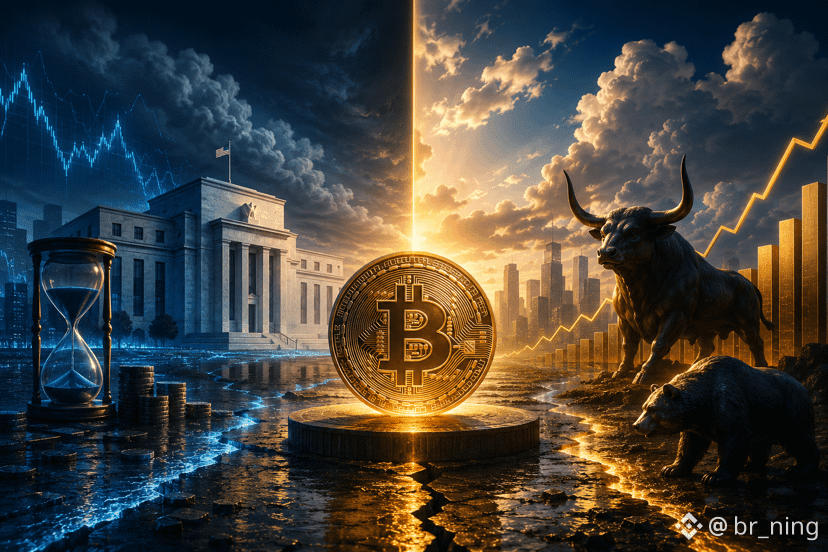
暗号資産は今週をかなり静かにスタートしています。皆が注目しているのは、火曜日の米国CPIインフレ指標と、米連邦準備制度(FRB)議長ケビン・ウォーシュの議会での証言の2つの大きなイベントです。これらは、FRBが次に何をするかに大きな影響を与える可能性があります。
インフレが予想より低ければ、市場は利下げをより早い時期に織り込み始めるかもしれません。これは通常、ビットコインや他のリスク資産にとって良いニュースです。しかしインフレが熱いままだと、高金利への期待が再び戻り、市場に圧力をかける恐れがあります。
同時に、Q2の決算シーズンが始まり、主要な米国の銀行からスタートし、その後は世界的に大きなテック企業の決算も控えています。すでに期待は非常に高いので、決算予想を上回っただけでは不十分かもしれません。企業は、投資家の信頼を維持するために、強いガイダンスも示す必要があります。
好調な業績にもかかわらず最近SKハイニックスが下落したことは、市場が「驚かせる」ことの難しさが増していることを示しています。投資家は、良いニュースがすでに織り込み済みなのかを問うています。
ビットコインに関しては、長期的な見通しは依然として健全に見えます。スポットETFへの資金流入は安定しており、機関投資家は引き続き積み増していて、供給も依然としてタイトです。いま欠けているのは、$BTC を現在のレンジから押し上げるほど強いカタリスト(きっかけ)だけです。
私はビットコインのファンダメンタルズは大きくは変わっていないと思いますが、市場はインフレが落ち着いてきて、FRBがより支えやすい状況になれるのかという確認を求めています。
CPIが低く、決算が失望を招かなければ、リスク資産に再び勢いが出て、ビットコインがついに上方向へブレイクする可能性があります。ですがインフレが上振れするか、企業が弱い見通しを出すなら、BTCは横ばいが続くか、短期的な売りが出るかもしれません。
総合的に見て、長期では依然として強気寄りです。今週はストーリーを変える週というより、市場が次の上昇局面に踏み出すために必要な自信を得られるかどうかが焦点です。
もし私のコンテンツが気に入ったら、ぜひフォローしてください❤️
#Binance
#crypto2026
2
336
·
--
ブリッシュ
日本が市場への圧力を和らげる中、ビットコインは堅調を維持 💪🏻
$BTC は、主に日本の債券市場がようやく投資家に一息つける材料を与えたことで、$64k近辺まで再び戻ってきました。円キャリートレードの巻き戻しが起きる可能性を市場が懸念したことから、数日間にわたり上昇していた日本国債利回りが、投資家の心配を強めていましたが、日本の巨大な年金基金が絡む提案によって債券利回りが低下。これにより、世界的な流動性への圧力が幾分緩みました。
同時に、市場はまだ不確実性の多い状況にあります。米国とイランの停戦は崩れ、ホルムズ海峡付近での攻撃により地政学的な緊張が高止まりしており、海上輸送や保険コストの上昇によってインフレリスクも残っています。そうした中でも、ビットコインは一時的に約$61.5kまで下落しただけで、買い手がすぐに介入しました。これは、米ドルが強いことや慎重なFRB(連邦準備制度)があるにもかかわらず、需要が依然として存在することを示しています。
今後の見通しでは、マクロ経済要因が引き続き最大のドライバーです。米国経済はAI投資と政府支出のおかげで比較的堅調な状態が続いているため、FRBは利下げを急いでいません。実質金利と米ドルがあまり上昇しない限り、ETFへの資金流入、機関投資家の買い、供給の限られた状況という後押しがあるため、ビットコインには支援的な環境が続くでしょう。
次の数週間は重要です。米国CPI(7月14日)、FOMC会合(7月28〜29日)、日銀会合(7月30〜31日)には、市場を動かす可能性があります。
実際のところ、BTCは最近の悪いニュースを驚くほどうまくさばいています。地政学的緊張、清算(リクイデーション)、金利をめぐる不確実性の間でも、多くが予想したようには崩れていません。これは通常、買い手が押し目で積み増す意欲があることを示す前向きなサインです。
それまでの間は、マクロの出来事が短期の値動きを左右し続けます。インフレが想定より弱くなり、中央銀行がより強硬でなくなれば、BTCは上方向への勢いをさらに築く良いチャンスがあるかもしれません。
もし私のコンテンツを気に入ってくれたなら、ぜひフォローしてください ❤️
#Binance
#crypto2026
日本が市場への圧力を和らげる中、ビットコインは堅調を維持 💪🏻
$BTC は、主に日本の債券市場がようやく投資家に一息つける材料を与えたことで、$64k近辺まで再び戻ってきました。円キャリートレードの巻き戻しが起きる可能性を市場が懸念したことから、数日間にわたり上昇していた日本国債利回りが、投資家の心配を強めていましたが、日本の巨大な年金基金が絡む提案によって債券利回りが低下。これにより、世界的な流動性への圧力が幾分緩みました。
同時に、市場はまだ不確実性の多い状況にあります。米国とイランの停戦は崩れ、ホルムズ海峡付近での攻撃により地政学的な緊張が高止まりしており、海上輸送や保険コストの上昇によってインフレリスクも残っています。そうした中でも、ビットコインは一時的に約$61.5kまで下落しただけで、買い手がすぐに介入しました。これは、米ドルが強いことや慎重なFRB(連邦準備制度)があるにもかかわらず、需要が依然として存在することを示しています。
今後の見通しでは、マクロ経済要因が引き続き最大のドライバーです。米国経済はAI投資と政府支出のおかげで比較的堅調な状態が続いているため、FRBは利下げを急いでいません。実質金利と米ドルがあまり上昇しない限り、ETFへの資金流入、機関投資家の買い、供給の限られた状況という後押しがあるため、ビットコインには支援的な環境が続くでしょう。
次の数週間は重要です。米国CPI(7月14日)、FOMC会合(7月28〜29日)、日銀会合(7月30〜31日)には、市場を動かす可能性があります。
実際のところ、BTCは最近の悪いニュースを驚くほどうまくさばいています。地政学的緊張、清算(リクイデーション)、金利をめぐる不確実性の間でも、多くが予想したようには崩れていません。これは通常、買い手が押し目で積み増す意欲があることを示す前向きなサインです。
それまでの間は、マクロの出来事が短期の値動きを左右し続けます。インフレが想定より弱くなり、中央銀行がより強硬でなくなれば、BTCは上方向への勢いをさらに築く良いチャンスがあるかもしれません。
もし私のコンテンツを気に入ってくれたなら、ぜひフォローしてください ❤️
#Binance
#crypto2026
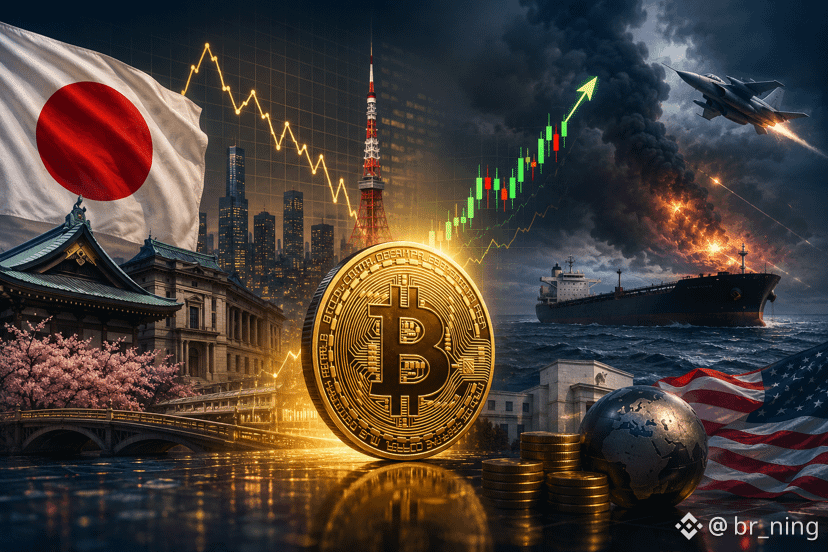
$BTC は、主に日本の債券市場がようやく投資家に一息つける材料を与えたことで、$64k近辺まで再び戻ってきました。円キャリートレードの巻き戻しが起きる可能性を市場が懸念したことから、数日間にわたり上昇していた日本国債利回りが、投資家の心配を強めていましたが、日本の巨大な年金基金が絡む提案によって債券利回りが低下。これにより、世界的な流動性への圧力が幾分緩みました。
同時に、市場はまだ不確実性の多い状況にあります。米国とイランの停戦は崩れ、ホルムズ海峡付近での攻撃により地政学的な緊張が高止まりしており、海上輸送や保険コストの上昇によってインフレリスクも残っています。そうした中でも、ビットコインは一時的に約$61.5kまで下落しただけで、買い手がすぐに介入しました。これは、米ドルが強いことや慎重なFRB(連邦準備制度)があるにもかかわらず、需要が依然として存在することを示しています。
今後の見通しでは、マクロ経済要因が引き続き最大のドライバーです。米国経済はAI投資と政府支出のおかげで比較的堅調な状態が続いているため、FRBは利下げを急いでいません。実質金利と米ドルがあまり上昇しない限り、ETFへの資金流入、機関投資家の買い、供給の限られた状況という後押しがあるため、ビットコインには支援的な環境が続くでしょう。
次の数週間は重要です。米国CPI(7月14日)、FOMC会合(7月28〜29日)、日銀会合(7月30〜31日)には、市場を動かす可能性があります。
実際のところ、BTCは最近の悪いニュースを驚くほどうまくさばいています。地政学的緊張、清算(リクイデーション)、金利をめぐる不確実性の間でも、多くが予想したようには崩れていません。これは通常、買い手が押し目で積み増す意欲があることを示す前向きなサインです。
それまでの間は、マクロの出来事が短期の値動きを左右し続けます。インフレが想定より弱くなり、中央銀行がより強硬でなくなれば、BTCは上方向への勢いをさらに築く良いチャンスがあるかもしれません。
もし私のコンテンツを気に入ってくれたなら、ぜひフォローしてください ❤️
#Binance
#crypto2026

1
139
·
--
ブリッシュ
ビットコインは復活?7月は好発進、ただし本当の試練はまだ先だ 🚀
ビットコインは7月を前向きなスタートで切った。これは、7月が歴史的にBTCの好調な月の1つであり、平均で約7.5%の上昇を記録してきたことを考えれば、さほど驚くことではない。弱かった米雇用統計も市場の追い風となり、インフレを抑えるのはまだ難しいものの、FRBが最終的にこれまでほど強気にならない可能性への期待が高まった。
興味深いのは、こうしたマクロの不確実性があるにもかかわらず、暗号資産市場がかなり強いまま推移していることだ。ビットコインは約58,000ドルからうまく反発し、ボラティリティは落ち着き、トレーダーは7月末に向けた70,000ドルのコールオプションまで買っている。これは、さらなる上昇を見込んでいる人が多いことを示している。
とはいえ、すべての人が納得しているわけではない。一部のトレーダーは、2022年のことを思い出している。BTCも7月に上昇した後、続く数カ月で再び下落したからだ。そのため、年末にかけた防御的な賭け(プロテクティブなポジション)への需要は依然として高い。投資家の中には、年末向けに58,000ドルのプットを買っている人もいる。
当面、強気派はある程度勢いを取り戻している。ビットコインが64,000ドルを超えて維持できれば、特に直近の流出の後にスポット・ビットコインETFへの資金流入が続けば、さらなる自信につながる可能性がある。
短期の見通しは確実に改善していると思うが、まだあまり浮かれすぎないほうがいい。7月の季節性とETFの流入はポジティブなサインだが、FRBやインフレといったマクロ要因も市場へ大きく影響する。BTCが58,000ドルを上回り、64,000ドルに向かって押し進める限り、トレンドは健全に見える。ただし、すべての上げ相場をむやみに追いかけるよりも、じっくり待つのが良い市場であることに変わりはない。
私のコンテンツが気に入ったなら、ぜひフォローしてね ❤️
#Binance
#crypto2026
ビットコインは復活?7月は好発進、ただし本当の試練はまだ先だ 🚀
ビットコインは7月を前向きなスタートで切った。これは、7月が歴史的にBTCの好調な月の1つであり、平均で約7.5%の上昇を記録してきたことを考えれば、さほど驚くことではない。弱かった米雇用統計も市場の追い風となり、インフレを抑えるのはまだ難しいものの、FRBが最終的にこれまでほど強気にならない可能性への期待が高まった。
興味深いのは、こうしたマクロの不確実性があるにもかかわらず、暗号資産市場がかなり強いまま推移していることだ。ビットコインは約58,000ドルからうまく反発し、ボラティリティは落ち着き、トレーダーは7月末に向けた70,000ドルのコールオプションまで買っている。これは、さらなる上昇を見込んでいる人が多いことを示している。
とはいえ、すべての人が納得しているわけではない。一部のトレーダーは、2022年のことを思い出している。BTCも7月に上昇した後、続く数カ月で再び下落したからだ。そのため、年末にかけた防御的な賭け(プロテクティブなポジション)への需要は依然として高い。投資家の中には、年末向けに58,000ドルのプットを買っている人もいる。
当面、強気派はある程度勢いを取り戻している。ビットコインが64,000ドルを超えて維持できれば、特に直近の流出の後にスポット・ビットコインETFへの資金流入が続けば、さらなる自信につながる可能性がある。
短期の見通しは確実に改善していると思うが、まだあまり浮かれすぎないほうがいい。7月の季節性とETFの流入はポジティブなサインだが、FRBやインフレといったマクロ要因も市場へ大きく影響する。BTCが58,000ドルを上回り、64,000ドルに向かって押し進める限り、トレンドは健全に見える。ただし、すべての上げ相場をむやみに追いかけるよりも、じっくり待つのが良い市場であることに変わりはない。
私のコンテンツが気に入ったなら、ぜひフォローしてね ❤️
#Binance
#crypto2026
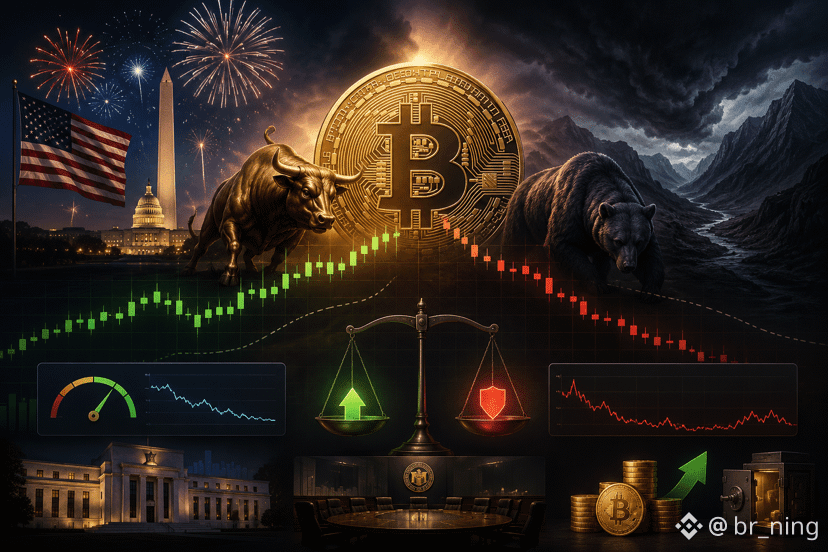
ビットコインは7月を前向きなスタートで切った。これは、7月が歴史的にBTCの好調な月の1つであり、平均で約7.5%の上昇を記録してきたことを考えれば、さほど驚くことではない。弱かった米雇用統計も市場の追い風となり、インフレを抑えるのはまだ難しいものの、FRBが最終的にこれまでほど強気にならない可能性への期待が高まった。
興味深いのは、こうしたマクロの不確実性があるにもかかわらず、暗号資産市場がかなり強いまま推移していることだ。ビットコインは約58,000ドルからうまく反発し、ボラティリティは落ち着き、トレーダーは7月末に向けた70,000ドルのコールオプションまで買っている。これは、さらなる上昇を見込んでいる人が多いことを示している。
とはいえ、すべての人が納得しているわけではない。一部のトレーダーは、2022年のことを思い出している。BTCも7月に上昇した後、続く数カ月で再び下落したからだ。そのため、年末にかけた防御的な賭け(プロテクティブなポジション)への需要は依然として高い。投資家の中には、年末向けに58,000ドルのプットを買っている人もいる。
当面、強気派はある程度勢いを取り戻している。ビットコインが64,000ドルを超えて維持できれば、特に直近の流出の後にスポット・ビットコインETFへの資金流入が続けば、さらなる自信につながる可能性がある。
短期の見通しは確実に改善していると思うが、まだあまり浮かれすぎないほうがいい。7月の季節性とETFの流入はポジティブなサインだが、FRBやインフレといったマクロ要因も市場へ大きく影響する。BTCが58,000ドルを上回り、64,000ドルに向かって押し進める限り、トレンドは健全に見える。ただし、すべての上げ相場をむやみに追いかけるよりも、じっくり待つのが良い市場であることに変わりはない。
私のコンテンツが気に入ったなら、ぜひフォローしてね ❤️
#Binance
#crypto2026
2
108
ログインして、さらにコンテンツを読む
厳選トピックで世界の暗号資産トレーダーの仲間入り
⚡️ 暗号資産に関する最新かつ有益な情報が見つかります。
💬 世界最大の暗号資産取引所から信頼されています。
👍 認証を受けたクリエイターから、有益なインサイトを得られます。
メール / 電話番号
トレンドトピック
CFTCUpdatesGuidanceOnTokenizedAssets
閲覧回数 137
34人が討論中
#cftcupdatesguidanceontokenizedassets
米国の優位性なのか、それとも単なるルールブックの問題か? 🇺🇸 規制の印刷機が高速で回転中:#cftcupdatesguidanceontokenizedassets は公式に削除されました!
毎週、新たな米国の当局が新しいガイドラインを投下。デジタル・アセット時代を“世界制覇”するために、アメリカはスピードランしているの? どうやら、すべてをトークン化したいようですが、厳密に自分たちの目の届く範囲で! 💸
💼 まとめ:CFTC(米商品先物取引委員会)がアップデートを発表し、規制を受けた企業が、顧客資金を認められた資産のトークン化された形に投資できるようにしました。ポイントは? そのデジタルトークンは、従来の資産とまったく同じ権利を持つ必要があり、ブロックチェーンに基づく記録は完璧でなければなりません。機関投資家の採用にとっては朗報!
🛒 トレーダーは何をすべき?
🌍 トレンドに乗る:実世界資産(RWA)が席巻中。無視しないで。
🔒 コンプライアンスを守る:完全に裏付けられ、認可されたデジタル資産に従う。
⚠️ 投資助言ではありません。DYOR! バイナンスは初めて? コード VINHTOCDO を使うか、リンクをクリック:https://www.binance.com/register?ref=VINHTOCDO で取引!
👉 下の「取引」をクリックして応援してね:$ONDO
| $LINK
| $PENDLE
#CFTC #Tokenization #RWA #VINHTOCDO #CryptoRegulations #BinanceSquare
Vinhtocdo
·いいね:1件
·閲覧回数 55
BitgetSays$352MAffectedInHack
閲覧回数 29
3人が討論中
NYAndPolymarketSueEachOther
閲覧回数 51
10人が討論中