

-BLX
78 投稿

-BLX
報告
ユーザーをブロック
Crypto Market Analyst | Web3 Strategist | Onchain Explorer | Ecosystem Builder BP-F44F0774C8E2
3 フォロー
25 フォロワー
41 いいね
投稿
すべて
ライブ
·
--
ブリッシュ
翻訳参照
QUANT — Major Breakout
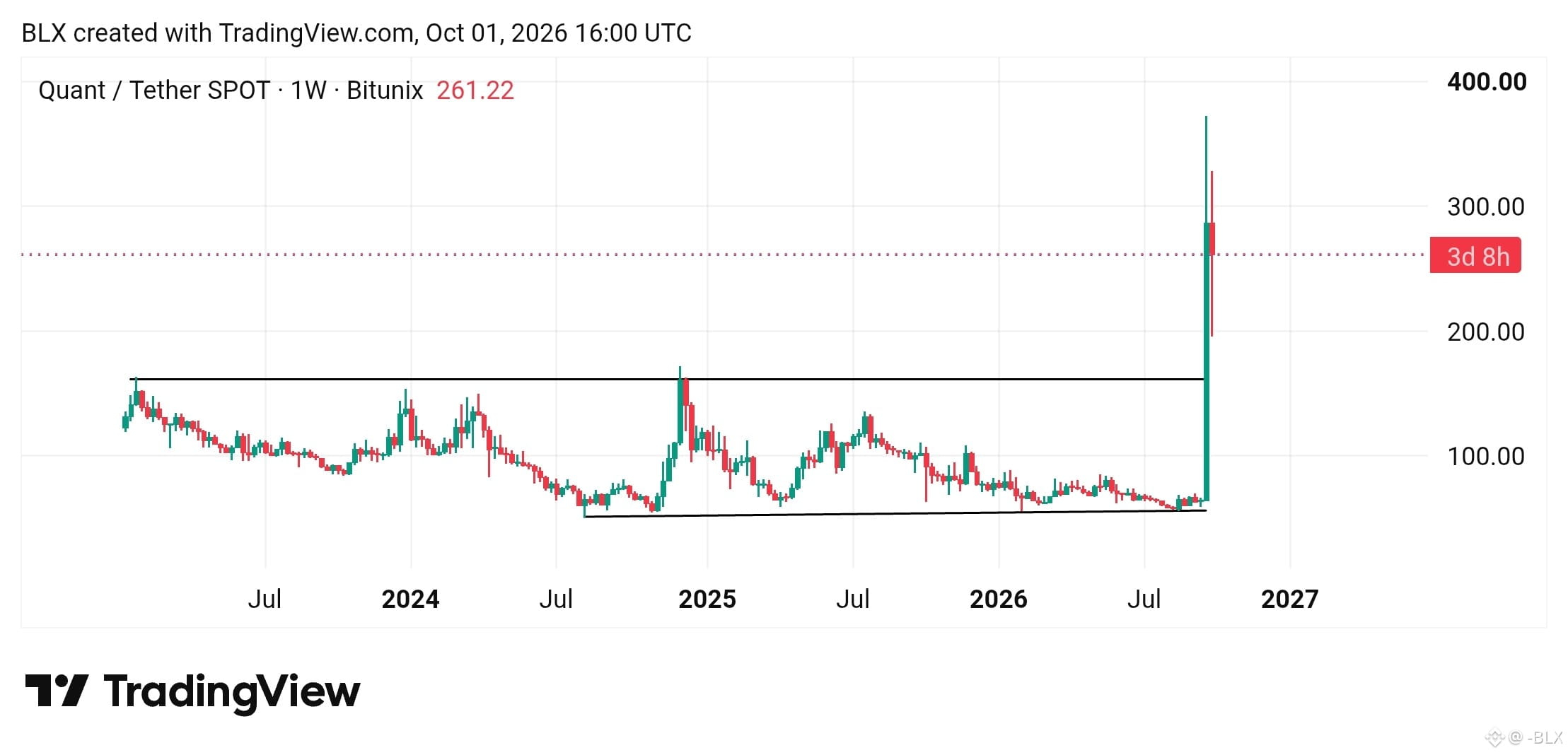
QNT has broken decisively above the ~$160 resistance zone after spending nearly two years ranging between roughly $50–$160.
The breakout candle pushed as high as ~$370, while price is currently around $261, showing significant volatility and some rejection from the highs.
Key levels:
🔴 Resistance: $300–$370
🟡 Current: ~$261
🟢 Breakout/support zone: $160
🟢 Major range support: $50–$60
Technical chart observation only, not financial advice.
$QNT
#US10YearYieldNears5.3%
QUANT — Major Breakout
QNT has broken decisively above the ~$160 resistance zone after spending nearly two years ranging between roughly $50–$160.
The breakout candle pushed as high as ~$370, while price is currently around $261, showing significant volatility and some rejection from the highs.
Key levels:
🔴 Resistance: $300–$370
🟡 Current: ~$261
🟢 Breakout/support zone: $160
🟢 Major range support: $50–$60
Technical chart observation only, not financial advice.
$QNT
#US10YearYieldNears5.3%
QNT has broken decisively above the ~$160 resistance zone after spending nearly two years ranging between roughly $50–$160.
The breakout candle pushed as high as ~$370, while price is currently around $261, showing significant volatility and some rejection from the highs.
Key levels:
🔴 Resistance: $300–$370
🟡 Current: ~$261
🟢 Breakout/support zone: $160
🟢 Major range support: $50–$60
Technical chart observation only, not financial advice.
$QNT
#US10YearYieldNears5.3%
1
·
--
ブリッシュ
暗号資産マーケット・デイリー:BTCは強いが、マクロが反撃している
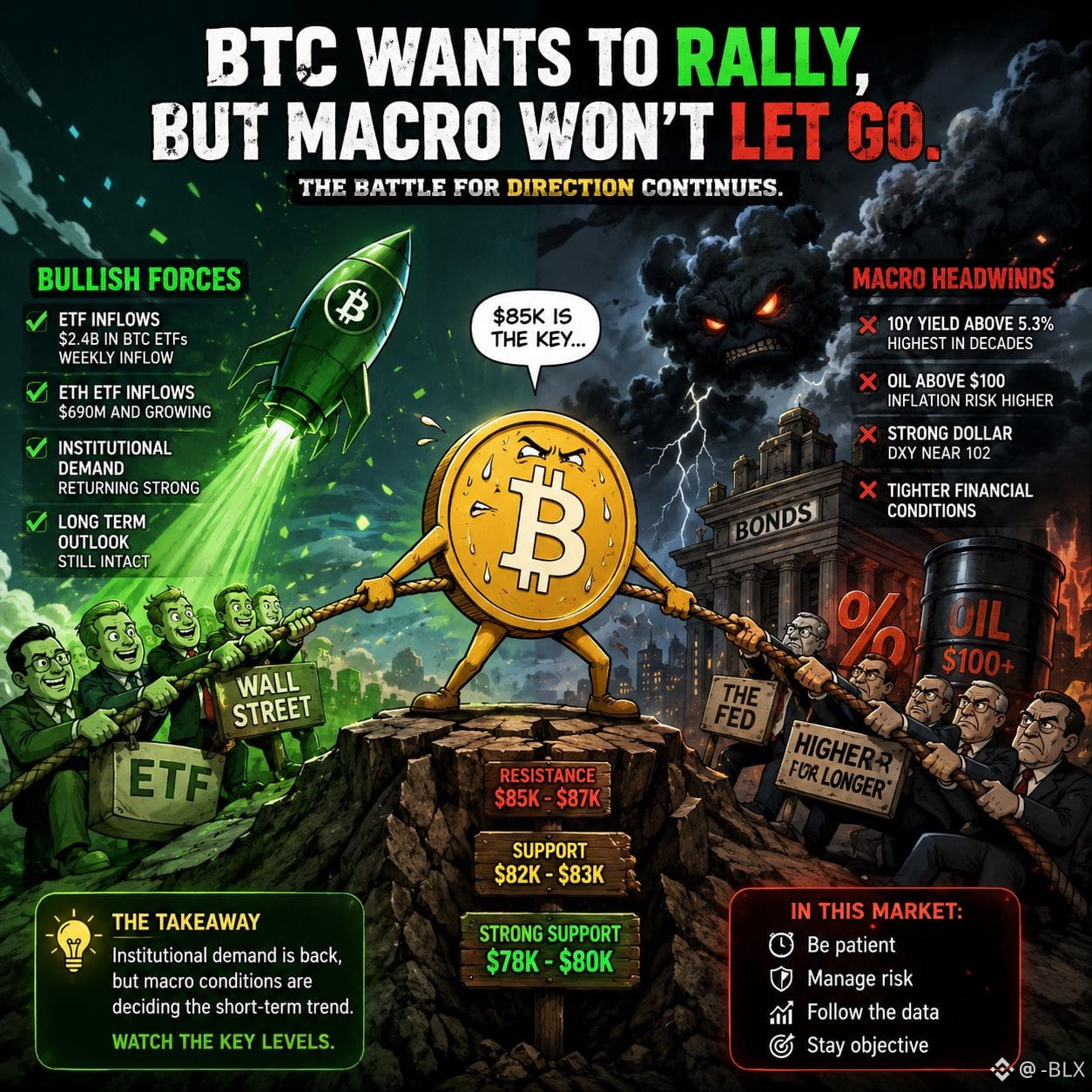
ビットコインは一時的に85,000ドルを超えた後、約84Kドルで推移しています。
一見すると、市場は建設的に見えます。
しかし値動きの裏では、より大きな戦いが起きています:
機関投資家の需要が戻ってきている
米国債利回りが急騰している
原油が再び100ドル超え
ドルが強含んでいる
では、これが暗号資産にとって何を意味するのでしょうか?
BTC:85Kドルの攻防
BTCは、予想を下回るインフレ指標を受けて一時85Kドルを上回って取引されましたが、米国債利回りが高止まりしたため、その上昇を維持できませんでした。
このため、85Kドルは重要な短期のレジスタンス領域になります。
一貫した奪回ができれば、回復の構造が強まります。
跳ね返されると、BTCは再び調整局面に巻き込まれるリスクがあります。
機関投資家のフローは依然として重要
より大きなテーマは、暗号資産向けの投資商品に資金が流入していることです。
米国のスポット・ビットコインETFは、9月25日までの週に純流入が約24億ドルとなり、
一方でイーサリアムETFは約6.90億ドルでした。
ただし、ビットコインETFの流入は、直近で報告されたセッションで1.49億ドルの流出も発生しており、これで9日連続の流入が途切れました。
これは改めての警告です:
強い需要はあるが、必ずしも一方向に動くとは限らない。
マクロこそが本当の試練
米国10年国債利回りは約5.3%へ上昇し、数十年で最も高い水準に近づいています。一方、ブレント原油は100ドルを超えました。
なぜ暗号資産が気にするのか?
利回りが高いと、伝統的な利付資産がより魅力的になり、金融環境が引き締まりやすくなります。
また、原油価格の上昇はインフレ圧力を高め、金融政策がどれだけ早く緩和に向かえるかを制限する可能性もあります。
シンプルに言うと:
暗号資産の流動性は拡大を望んでいる。
債券市場は警戒を示している。
注目している点
今後数セッションで、これらの変数が重要になります:
→ BTCが85Kドルを維持/奪回できるか
→ BTCが82Kドル近辺を維持できるか
→ ETFの流入と流出
→ ETHの相対的な強さ
→ SOLの機関投資家フロー
→ 米国10Y国債利回り
→ ドルの強さ
→ 暗号資産の時価総額(総計)
#EtherGains70.9%InQ3
暗号資産マーケット・デイリー:BTCは強いが、マクロが反撃している
ビットコインは一時的に85,000ドルを超えた後、約84Kドルで推移しています。
一見すると、市場は建設的に見えます。
しかし値動きの裏では、より大きな戦いが起きています:
機関投資家の需要が戻ってきている
米国債利回りが急騰している
原油が再び100ドル超え
ドルが強含んでいる
では、これが暗号資産にとって何を意味するのでしょうか?
BTC:85Kドルの攻防
BTCは、予想を下回るインフレ指標を受けて一時85Kドルを上回って取引されましたが、米国債利回りが高止まりしたため、その上昇を維持できませんでした。
このため、85Kドルは重要な短期のレジスタンス領域になります。
一貫した奪回ができれば、回復の構造が強まります。
跳ね返されると、BTCは再び調整局面に巻き込まれるリスクがあります。
機関投資家のフローは依然として重要
より大きなテーマは、暗号資産向けの投資商品に資金が流入していることです。
米国のスポット・ビットコインETFは、9月25日までの週に純流入が約24億ドルとなり、
一方でイーサリアムETFは約6.90億ドルでした。
ただし、ビットコインETFの流入は、直近で報告されたセッションで1.49億ドルの流出も発生しており、これで9日連続の流入が途切れました。
これは改めての警告です:
強い需要はあるが、必ずしも一方向に動くとは限らない。
マクロこそが本当の試練
米国10年国債利回りは約5.3%へ上昇し、数十年で最も高い水準に近づいています。一方、ブレント原油は100ドルを超えました。
なぜ暗号資産が気にするのか?
利回りが高いと、伝統的な利付資産がより魅力的になり、金融環境が引き締まりやすくなります。
また、原油価格の上昇はインフレ圧力を高め、金融政策がどれだけ早く緩和に向かえるかを制限する可能性もあります。
シンプルに言うと:
暗号資産の流動性は拡大を望んでいる。
債券市場は警戒を示している。
注目している点
今後数セッションで、これらの変数が重要になります:
→ BTCが85Kドルを維持/奪回できるか
→ BTCが82Kドル近辺を維持できるか
→ ETFの流入と流出
→ ETHの相対的な強さ
→ SOLの機関投資家フロー
→ 米国10Y国債利回り
→ ドルの強さ
→ 暗号資産の時価総額(総計)
#EtherGains70.9%InQ3
ビットコインは一時的に85,000ドルを超えた後、約84Kドルで推移しています。
一見すると、市場は建設的に見えます。
しかし値動きの裏では、より大きな戦いが起きています:
機関投資家の需要が戻ってきている
米国債利回りが急騰している
原油が再び100ドル超え
ドルが強含んでいる
では、これが暗号資産にとって何を意味するのでしょうか?
BTC:85Kドルの攻防
BTCは、予想を下回るインフレ指標を受けて一時85Kドルを上回って取引されましたが、米国債利回りが高止まりしたため、その上昇を維持できませんでした。
このため、85Kドルは重要な短期のレジスタンス領域になります。
一貫した奪回ができれば、回復の構造が強まります。
跳ね返されると、BTCは再び調整局面に巻き込まれるリスクがあります。
機関投資家のフローは依然として重要
より大きなテーマは、暗号資産向けの投資商品に資金が流入していることです。
米国のスポット・ビットコインETFは、9月25日までの週に純流入が約24億ドルとなり、
一方でイーサリアムETFは約6.90億ドルでした。
ただし、ビットコインETFの流入は、直近で報告されたセッションで1.49億ドルの流出も発生しており、これで9日連続の流入が途切れました。
これは改めての警告です:
強い需要はあるが、必ずしも一方向に動くとは限らない。
マクロこそが本当の試練
米国10年国債利回りは約5.3%へ上昇し、数十年で最も高い水準に近づいています。一方、ブレント原油は100ドルを超えました。
なぜ暗号資産が気にするのか?
利回りが高いと、伝統的な利付資産がより魅力的になり、金融環境が引き締まりやすくなります。
また、原油価格の上昇はインフレ圧力を高め、金融政策がどれだけ早く緩和に向かえるかを制限する可能性もあります。
シンプルに言うと:
暗号資産の流動性は拡大を望んでいる。
債券市場は警戒を示している。
注目している点
今後数セッションで、これらの変数が重要になります:
→ BTCが85Kドルを維持/奪回できるか
→ BTCが82Kドル近辺を維持できるか
→ ETFの流入と流出
→ ETHの相対的な強さ
→ SOLの機関投資家フロー
→ 米国10Y国債利回り
→ ドルの強さ
→ 暗号資産の時価総額(総計)
#EtherGains70.9%InQ3
262
·
--
ブリッシュ
翻訳参照
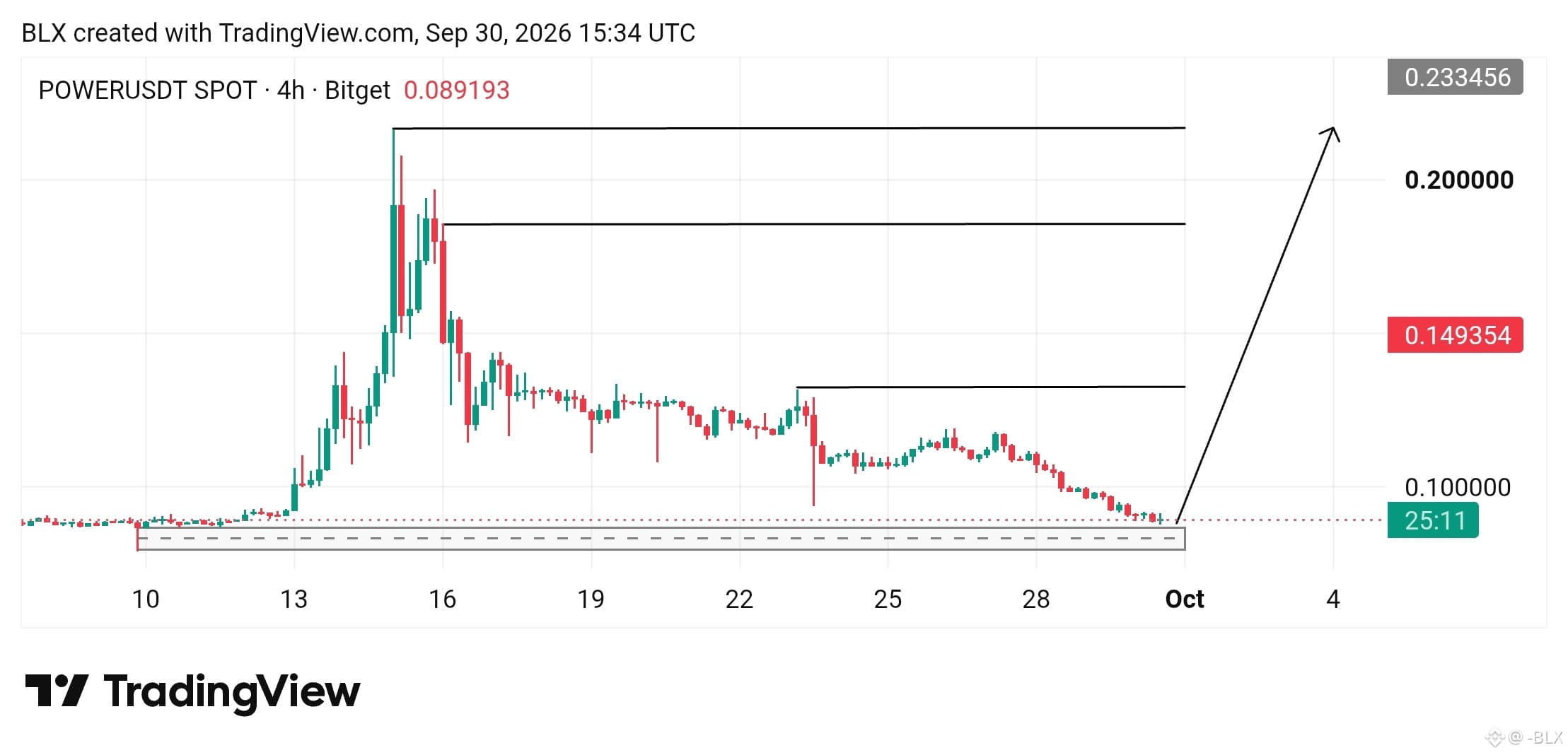
POWER is testing a major $0.085–$0.090 support zone after a prolonged 4H decline.
A reaction here could initiate a recovery toward $0.13, $0.18 and eventually $0.233, but the upside remains a scenario rather than confirmation.
The key is a higher low followed by a reclaim of $0.105–$0.115 and then $0.13 with volume.
$POWER
#AltcoinSeasonIndexHoldsAbove60For5Days
POWER is testing a major $0.085–$0.090 support zone after a prolonged 4H decline.
A reaction here could initiate a recovery toward $0.13, $0.18 and eventually $0.233, but the upside remains a scenario rather than confirmation.
The key is a higher low followed by a reclaim of $0.105–$0.115 and then $0.13 with volume.
$POWER
#AltcoinSeasonIndexHoldsAbove60For5Days
A reaction here could initiate a recovery toward $0.13, $0.18 and eventually $0.233, but the upside remains a scenario rather than confirmation.
The key is a higher low followed by a reclaim of $0.105–$0.115 and then $0.13 with volume.
$POWER
#AltcoinSeasonIndexHoldsAbove60For5Days
660
·
--
ブリッシュ
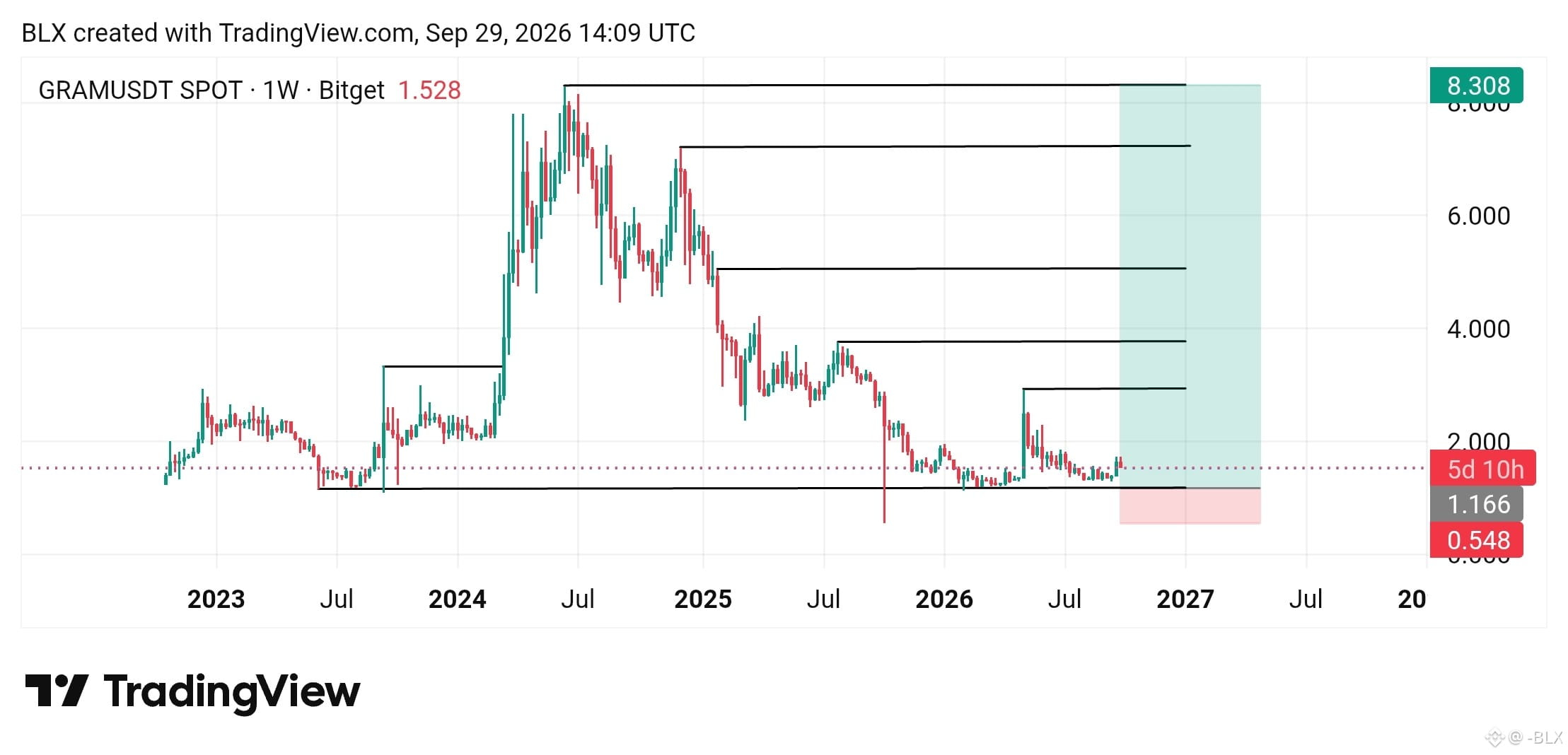
GRAMは、長期的な基盤を$1.15〜$1.20のあたりで築いています。長期の下落の後です。
約$1.53では、回復はまだ初期段階にあります。$1.70〜$2.00を取り戻せれば勢いが強まる一方で、$3.00が重要なブレイクアウト水準です。
それを上回ると、$3.80、$5、$7.20、$8.30が監視すべき主要なレジスタンス・ゾーンになります。
$GRAM
#EarningsSeason
GRAMは、長期的な基盤を$1.15〜$1.20のあたりで築いています。長期の下落の後です。
約$1.53では、回復はまだ初期段階にあります。$1.70〜$2.00を取り戻せれば勢いが強まる一方で、$3.00が重要なブレイクアウト水準です。
それを上回ると、$3.80、$5、$7.20、$8.30が監視すべき主要なレジスタンス・ゾーンになります。
$GRAM
#EarningsSeason
約$1.53では、回復はまだ初期段階にあります。$1.70〜$2.00を取り戻せれば勢いが強まる一方で、$3.00が重要なブレイクアウト水準です。
それを上回ると、$3.80、$5、$7.20、$8.30が監視すべき主要なレジスタンス・ゾーンになります。
$GRAM
#EarningsSeason
389
·
--
ブリッシュ
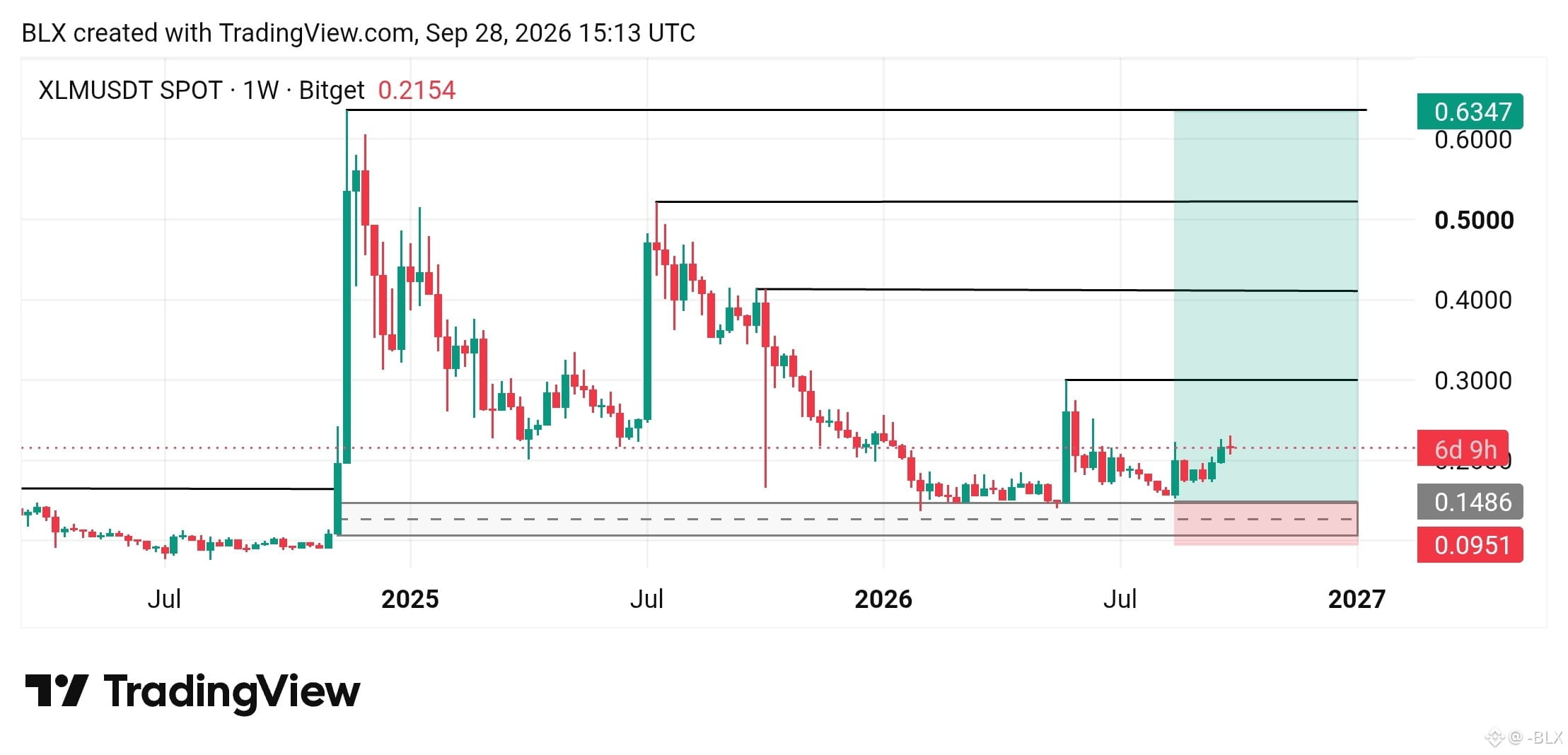
XLMは$0.095〜$0.15付近の長期的な基盤から上抜けしつつあり、現在は$0.215近辺で取引されています。
直近の重要なテストは$0.25〜$0.30です。$0.30の確実な回復があれば、$0.41、$0.52、そして最終的に$0.63が視野に入ってきます。
それまでは、これは確認された長期のブレイクアウトというより、回復(リカバリー)を試す段階にとどまっています。
$XLM
XLMは$0.095〜$0.15付近の長期的な基盤から上抜けしつつあり、現在は$0.215近辺で取引されています。
直近の重要なテストは$0.25〜$0.30です。$0.30の確実な回復があれば、$0.41、$0.52、そして最終的に$0.63が視野に入ってきます。
それまでは、これは確認された長期のブレイクアウトというより、回復(リカバリー)を試す段階にとどまっています。
$XLM
直近の重要なテストは$0.25〜$0.30です。$0.30の確実な回復があれば、$0.41、$0.52、そして最終的に$0.63が視野に入ってきます。
それまでは、これは確認された長期のブレイクアウトというより、回復(リカバリー)を試す段階にとどまっています。
$XLM
120
·
--
ブリッシュ
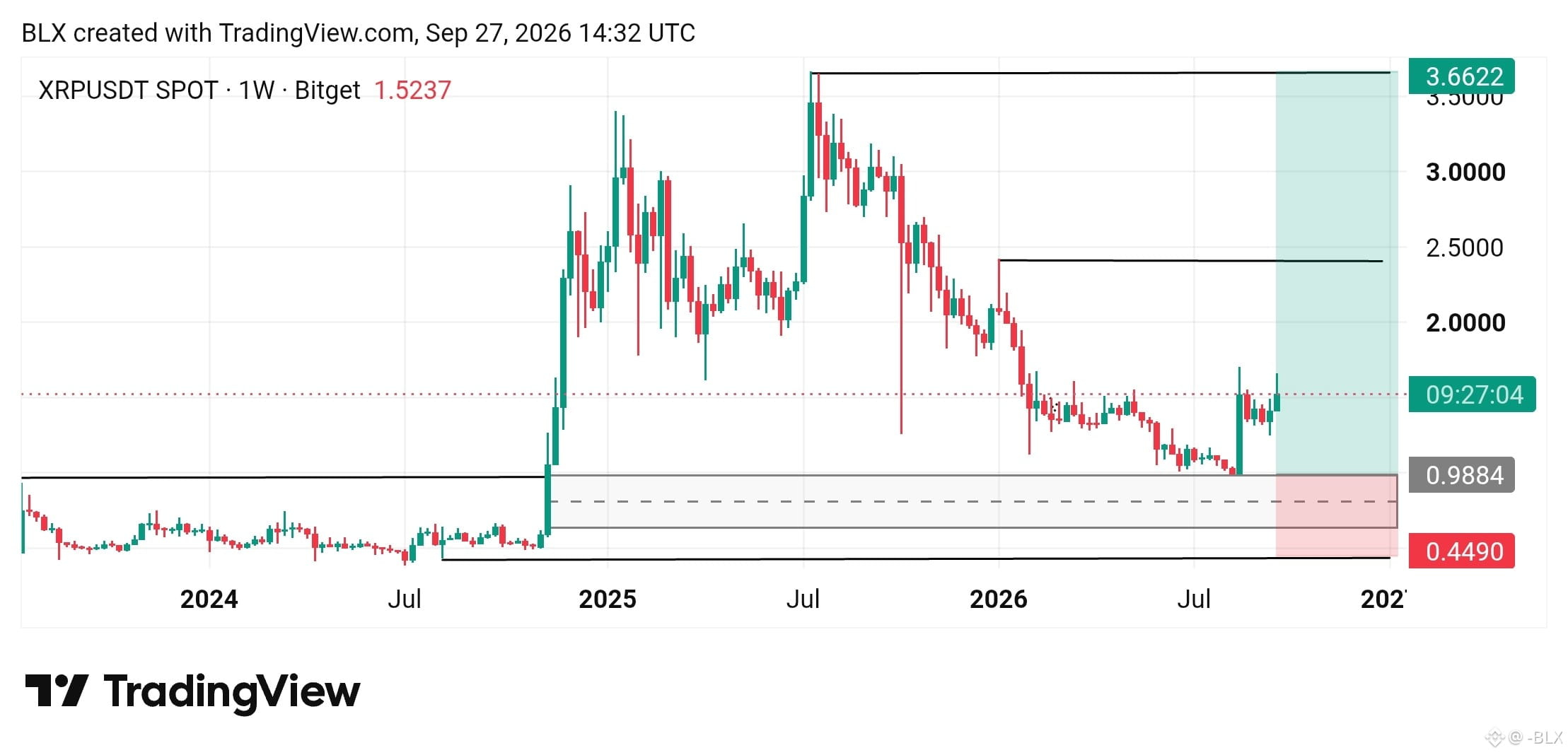
長い下落と横ばいの後、XRPは重要な0.98ドル〜1.00ドルの構造的ゾーンの上で推移しています。
約1.52ドルでは、次の確認エリアが1.70ドル〜1.80ドルであり、2.40ドルは最初の大きなレジスタンスを表します。
2.40ドルの持続的な取り戻しがあれば、3.66ドルの過去最高値が再び視野に入る可能性があります。
より広範な強気構造は、XRPが0.98ドル〜1.00ドルのゾーンを失うと弱まります。一方で0.45ドルは、通常のトレード用のストップではなく、深い構造的な無効化として扱うのがよいでしょう。
$XRP $QNT
BitgetHackerMoves$83MStolenXRP
長い下落と横ばいの後、XRPは重要な0.98ドル〜1.00ドルの構造的ゾーンの上で推移しています。
約1.52ドルでは、次の確認エリアが1.70ドル〜1.80ドルであり、2.40ドルは最初の大きなレジスタンスを表します。
2.40ドルの持続的な取り戻しがあれば、3.66ドルの過去最高値が再び視野に入る可能性があります。
より広範な強気構造は、XRPが0.98ドル〜1.00ドルのゾーンを失うと弱まります。一方で0.45ドルは、通常のトレード用のストップではなく、深い構造的な無効化として扱うのがよいでしょう。
$XRP $QNT
BitgetHackerMoves$83MStolenXRP
約1.52ドルでは、次の確認エリアが1.70ドル〜1.80ドルであり、2.40ドルは最初の大きなレジスタンスを表します。
2.40ドルの持続的な取り戻しがあれば、3.66ドルの過去最高値が再び視野に入る可能性があります。
より広範な強気構造は、XRPが0.98ドル〜1.00ドルのゾーンを失うと弱まります。一方で0.45ドルは、通常のトレード用のストップではなく、深い構造的な無効化として扱うのがよいでしょう。
$XRP $QNT
BitgetHackerMoves$83MStolenXRP
124
·
--
ブリッシュ
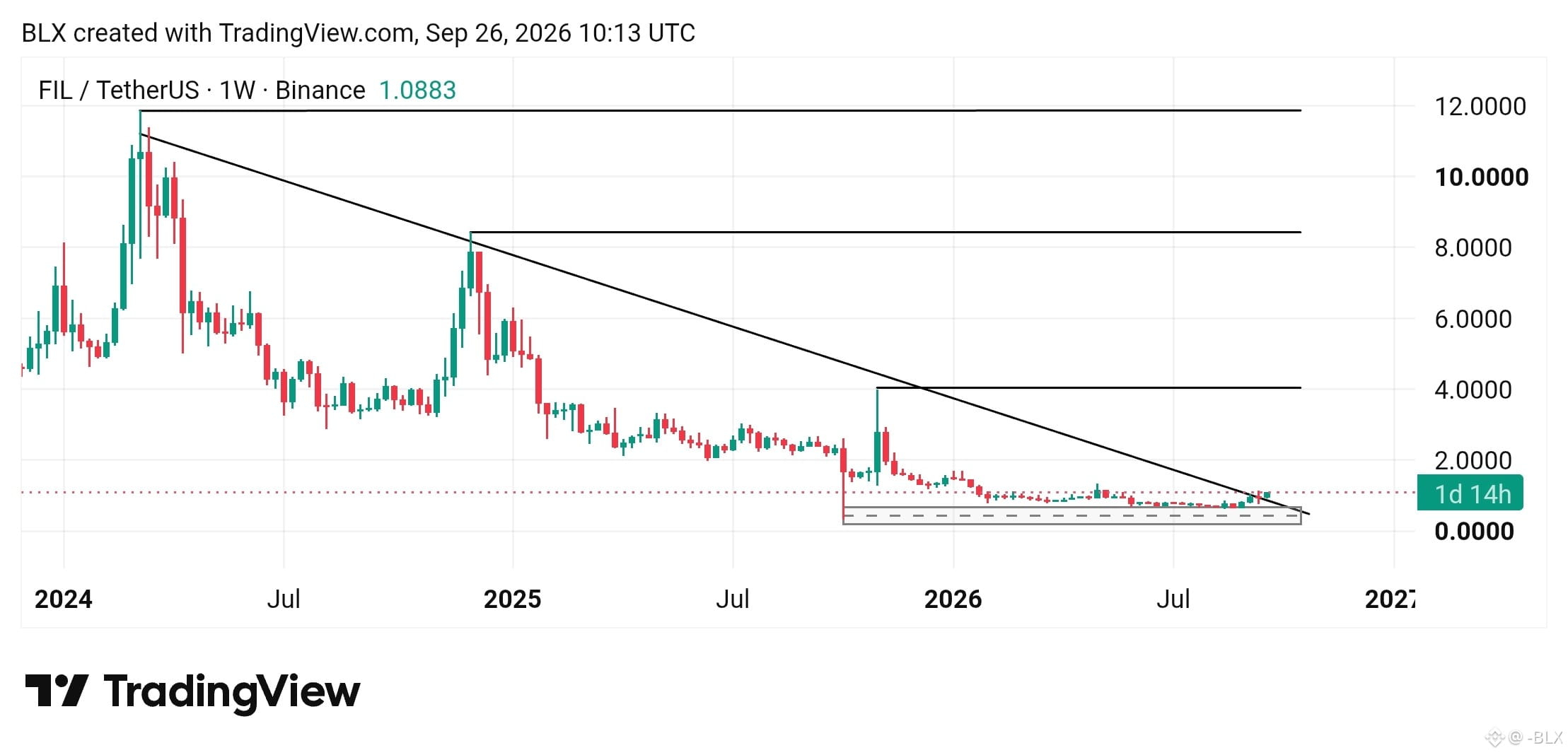
FIL Weekly — ブレイクアウトゾーンでの圧縮
FILは、長期の下落と$0.70〜$1.20付近での長いレンジ相場の後、複数年にわたる下降トレンドラインを検証しています。
週足で$1.15〜$1.30を上抜けして確定すれば、$2 → $4 → $8.40へ向かう道が開ける可能性があり、さらに$12は延長された過去の目標です。
$FIL
#CircleMints500MUSDCOnSolana
FIL Weekly — ブレイクアウトゾーンでの圧縮
FILは、長期の下落と$0.70〜$1.20付近での長いレンジ相場の後、複数年にわたる下降トレンドラインを検証しています。
週足で$1.15〜$1.30を上抜けして確定すれば、$2 → $4 → $8.40へ向かう道が開ける可能性があり、さらに$12は延長された過去の目標です。
$FIL
#CircleMints500MUSDCOnSolana
FILは、長期の下落と$0.70〜$1.20付近での長いレンジ相場の後、複数年にわたる下降トレンドラインを検証しています。
週足で$1.15〜$1.30を上抜けして確定すれば、$2 → $4 → $8.40へ向かう道が開ける可能性があり、さらに$12は延長された過去の目標です。
$FIL
#CircleMints500MUSDCOnSolana
1
1
452
·
--
ブリッシュ
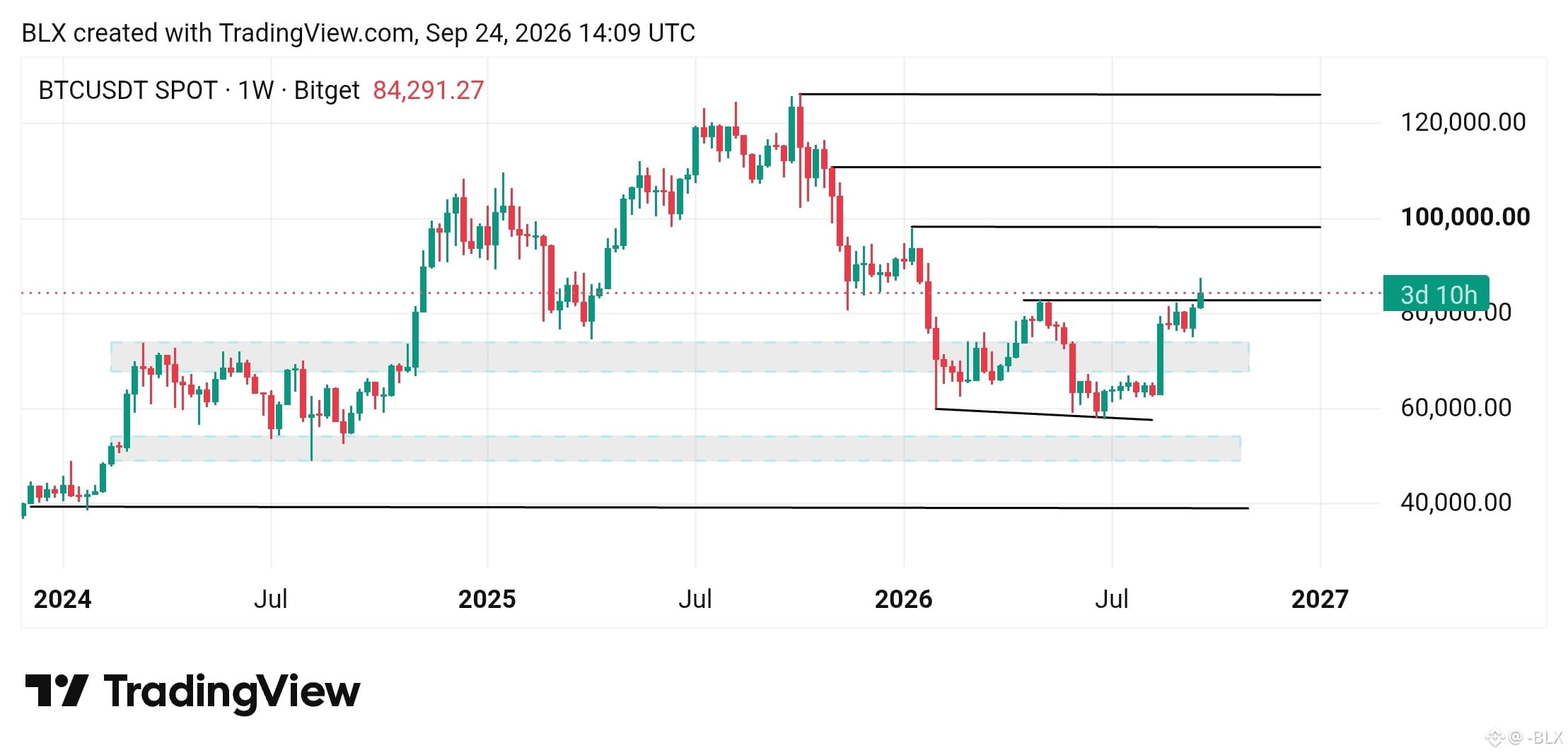
BTCウィークリー — 重要なレジスタンスでのリカバリー
BTCは$60K〜$65Kの需要ゾーンから強いリカバリーを見せており、高値切り上げ(高値の更新)と安値の切り上げを形成し、$80K〜$85Kの水準を取り戻しています。
現在、価格は最初の主要レジスタンスである$85K〜$88Kをテストしています。このゾーンを上回る週足の確定(クローズ)が確認されれば、$98Kへの道が開き、その後$110K、さらに$125K〜$127Kの可能性もあります。
下方向では、$68K〜$73Kが重要なサポートゾーンのままです。より深いブレイクダウンが起これば、$55Kの領域が露出する可能性があります。
構造は改善していますが、$85K〜$88Kのブレイクアウトには週足による確認が必要です。
$BTC
#BinanceWillListHyperliquid(HYPE)
BTCウィークリー — 重要なレジスタンスでのリカバリー
BTCは$60K〜$65Kの需要ゾーンから強いリカバリーを見せており、高値切り上げ(高値の更新)と安値の切り上げを形成し、$80K〜$85Kの水準を取り戻しています。
現在、価格は最初の主要レジスタンスである$85K〜$88Kをテストしています。このゾーンを上回る週足の確定(クローズ)が確認されれば、$98Kへの道が開き、その後$110K、さらに$125K〜$127Kの可能性もあります。
下方向では、$68K〜$73Kが重要なサポートゾーンのままです。より深いブレイクダウンが起これば、$55Kの領域が露出する可能性があります。
構造は改善していますが、$85K〜$88Kのブレイクアウトには週足による確認が必要です。
$BTC
#BinanceWillListHyperliquid(HYPE)
BTCは$60K〜$65Kの需要ゾーンから強いリカバリーを見せており、高値切り上げ(高値の更新)と安値の切り上げを形成し、$80K〜$85Kの水準を取り戻しています。
現在、価格は最初の主要レジスタンスである$85K〜$88Kをテストしています。このゾーンを上回る週足の確定(クローズ)が確認されれば、$98Kへの道が開き、その後$110K、さらに$125K〜$127Kの可能性もあります。
下方向では、$68K〜$73Kが重要なサポートゾーンのままです。より深いブレイクダウンが起これば、$55Kの領域が露出する可能性があります。
構造は改善していますが、$85K〜$88Kのブレイクアウトには週足による確認が必要です。
$BTC
#BinanceWillListHyperliquid(HYPE)
78
·
--
ブリッシュ
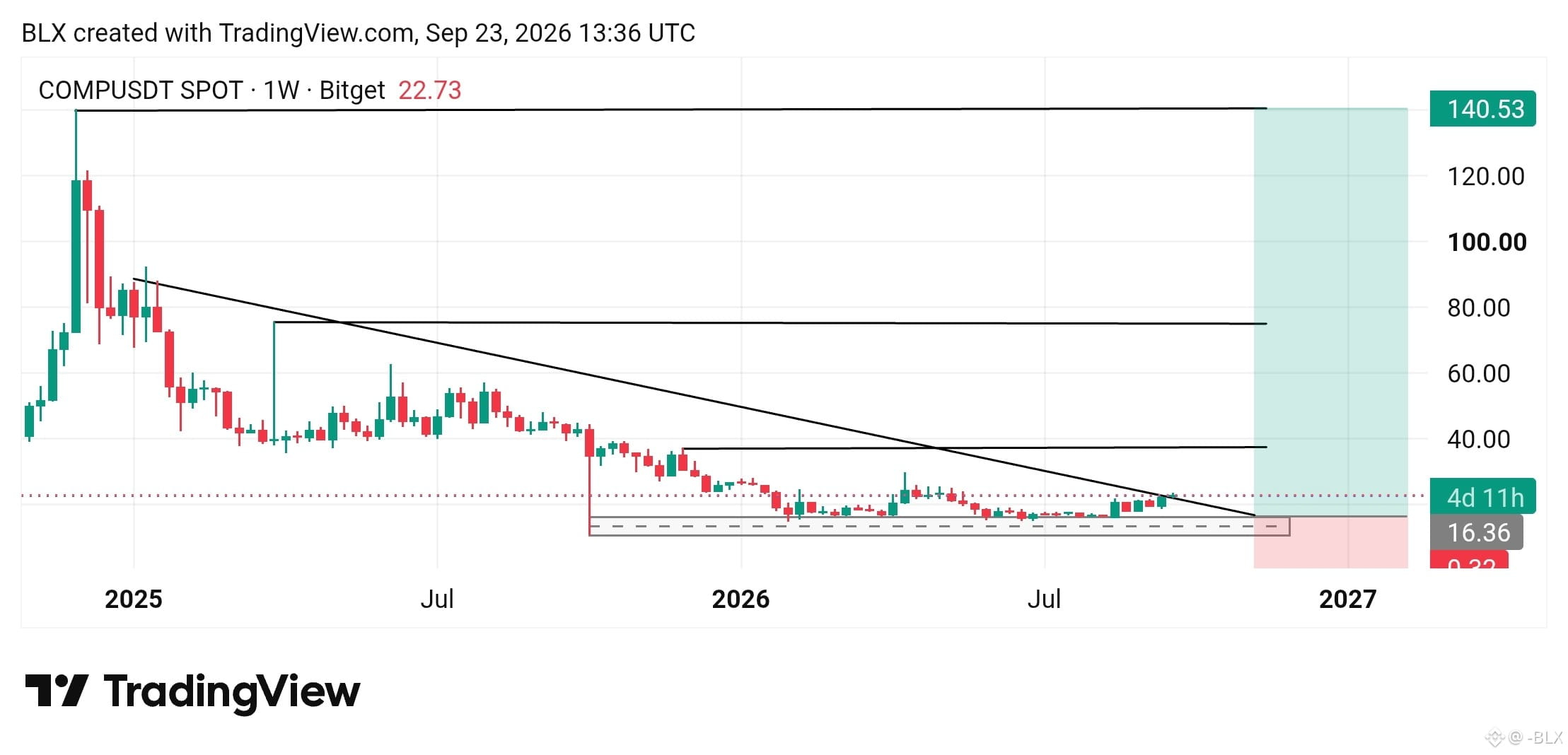
COMP Weekly — 下降トレンドの形成が進行中
COMPは長期の下落トレンドの後に、複数カ月にわたる蓄積(アキュムレーション)構造を示しています。価格は現在、$22〜$25付近で下降トレンドラインに押し付けられており、これは重要なブレイクアウトゾーンです。
トレンドラインを上回る確定の週足終値が得られれば、$37、その後$75、さらに延長された過去の目標として$140へ向かう道が開ける可能性があります。
重要なレベルは引き続き$16〜$20です。この土台を維持できれば、強気の反転シナリオが保たれます。これを失うと、セットアップは大きく弱まります。
このセットアップは有望ですが、先回りよりも確認が重要です。
$COMP
#AIStocksWhatNext
COMP Weekly — 下降トレンドの形成が進行中
COMPは長期の下落トレンドの後に、複数カ月にわたる蓄積(アキュムレーション)構造を示しています。価格は現在、$22〜$25付近で下降トレンドラインに押し付けられており、これは重要なブレイクアウトゾーンです。
トレンドラインを上回る確定の週足終値が得られれば、$37、その後$75、さらに延長された過去の目標として$140へ向かう道が開ける可能性があります。
重要なレベルは引き続き$16〜$20です。この土台を維持できれば、強気の反転シナリオが保たれます。これを失うと、セットアップは大きく弱まります。
このセットアップは有望ですが、先回りよりも確認が重要です。
$COMP
#AIStocksWhatNext
COMPは長期の下落トレンドの後に、複数カ月にわたる蓄積(アキュムレーション)構造を示しています。価格は現在、$22〜$25付近で下降トレンドラインに押し付けられており、これは重要なブレイクアウトゾーンです。
トレンドラインを上回る確定の週足終値が得られれば、$37、その後$75、さらに延長された過去の目標として$140へ向かう道が開ける可能性があります。
重要なレベルは引き続き$16〜$20です。この土台を維持できれば、強気の反転シナリオが保たれます。これを失うと、セットアップは大きく弱まります。
このセットアップは有望ですが、先回りよりも確認が重要です。
$COMP
#AIStocksWhatNext
225
·
--
ブリッシュ
翻訳参照
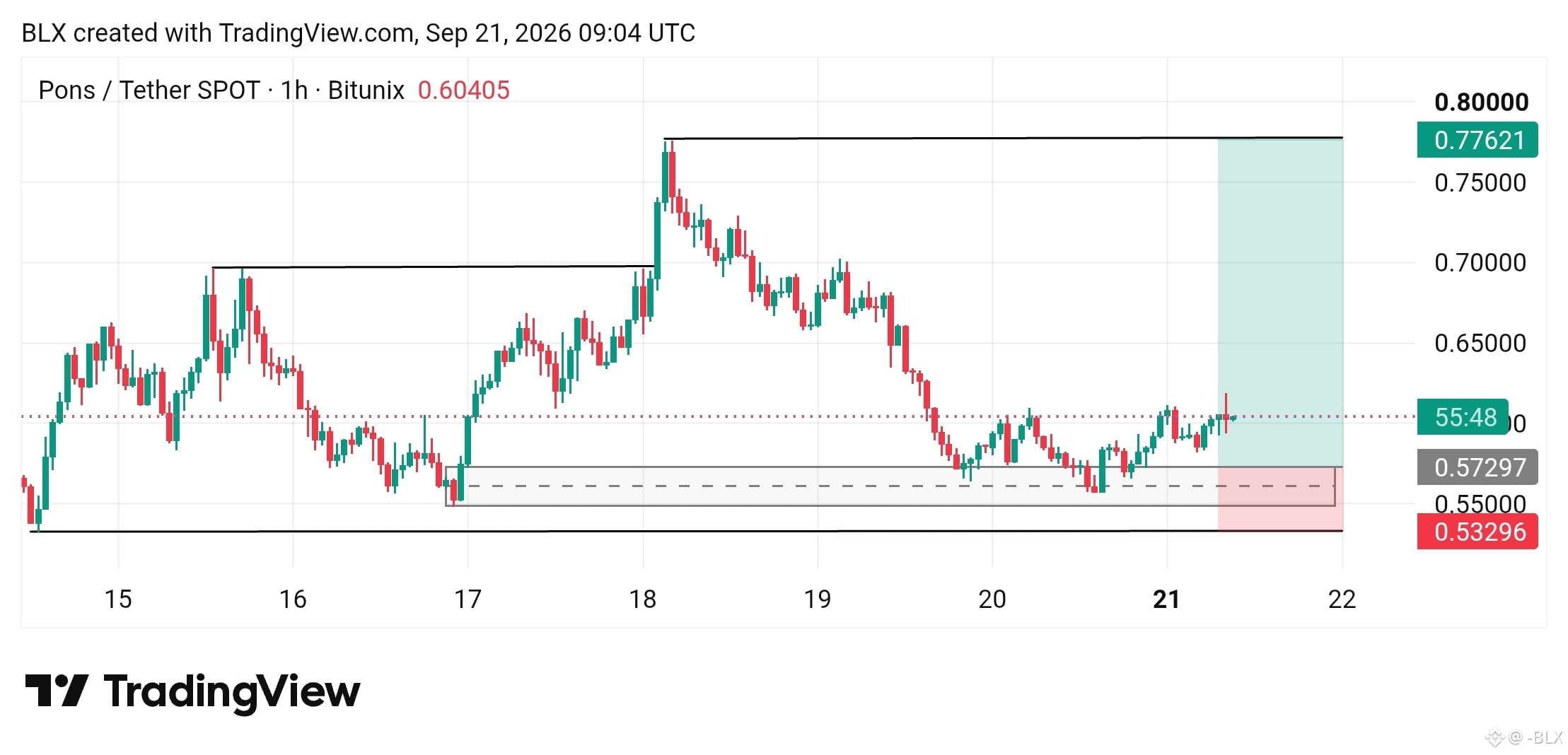
PONS 1 Hour Chart
$PONS is holding above the $0.55–$0.573 support zone, where buyers have stepped in multiple times.
If this zone continues to hold, the structure leaves room for a move toward $0.697, with the broader range high around $0.776 as the next major resistance.
The key is simple:
Hold support → reclaim resistance → expand higher.
$PONS
#SouthAfricaProposesCryptoExchangeControls
PONS 1 Hour Chart
$PONS is holding above the $0.55–$0.573 support zone, where buyers have stepped in multiple times.
If this zone continues to hold, the structure leaves room for a move toward $0.697, with the broader range high around $0.776 as the next major resistance.
The key is simple:
Hold support → reclaim resistance → expand higher.
$PONS
#SouthAfricaProposesCryptoExchangeControls
$PONS is holding above the $0.55–$0.573 support zone, where buyers have stepped in multiple times.
If this zone continues to hold, the structure leaves room for a move toward $0.697, with the broader range high around $0.776 as the next major resistance.
The key is simple:
Hold support → reclaim resistance → expand higher.
$PONS
#SouthAfricaProposesCryptoExchangeControls
·
--
ブリッシュ
今、マーケットを形作る2つの暗号資産ナラティブ
暗号資産市場のモメンタムは、現在大きく2つのテーマに集約されつつあります。すなわち、Binanceエコシステムの拡大と、デジタル・コモディティをめぐる規制の明確化の進展です。
1. Binanceエコシステム:インフラへの注目が再燃
Binanceエコシステムは過去30日で11.33%上昇しており、再び市場の注目が集まっていることを示しています。
このナラティブはBNBを超えたものです。Binanceのエコシステムは取引所、ステーブルコイン、トークン化された資産、その他のブロックチェーンベースのサービスにまたがり、より広範な金融インフラのネットワークを形成しています。
流動性の拡大とエコシステムの統合は、ユーザー活動を後押しし、機関投資家の関心を引き付ける可能性があります。しかし、集中(特定領域への依存)は依然として重要なリスクであり、とりわけ規制、競争、プラットフォームの稼働・活動の変化をめぐって課題が残ります。
2. デジタル・コモディティ:規制の明確さが重要
デジタル・コモディティのナラティブは過去30日で10.6%上昇しており、大手暗号資産に対する、より明確な規制上の取り扱いへの関心が高まっていることを反映しています。
ビットコイン、イーサリアム、ソラナ、その他の大型銘柄は、規制の不確実性という枠組みよりも、定められた市場ルールのもとで語られる場面が増えています。
規制の明確化が進めば、金融機関や取引所がデジタル資産を軸にした商品・サービスを設計しやすくなる可能性があります。焦点は、この規制上の進展が「持続する政策」として定着するかどうかです。
では、2つのナラティブをつなぐものは?
どちらのテーマも、確立されたインフラ、流動性、機関投資家のアクセス、そして規制の明確化へと向かう、より大きな変化を示しています。
ただし、これらのナラティブが強いことが、必ずしも広範なアルトコインの上昇相場につながるとは限りません。小型資産は通常、モメンタムが広がるために、継続した流動性と、より強い市場全体のリスク選好が必要です。
現在の市場の語られ方は、投機だけではなく、インフラと規制の明確化にますます焦点が当たっています。
次のフェーズは、資金が市場全体に広がり続けるか、そして規制の進展が持続的な構造的支えへと発展するかにかかっています。
$ZETA $BTC
今、マーケットを形作る2つの暗号資産ナラティブ
暗号資産市場のモメンタムは、現在大きく2つのテーマに集約されつつあります。すなわち、Binanceエコシステムの拡大と、デジタル・コモディティをめぐる規制の明確化の進展です。
1. Binanceエコシステム:インフラへの注目が再燃
Binanceエコシステムは過去30日で11.33%上昇しており、再び市場の注目が集まっていることを示しています。
このナラティブはBNBを超えたものです。Binanceのエコシステムは取引所、ステーブルコイン、トークン化された資産、その他のブロックチェーンベースのサービスにまたがり、より広範な金融インフラのネットワークを形成しています。
流動性の拡大とエコシステムの統合は、ユーザー活動を後押しし、機関投資家の関心を引き付ける可能性があります。しかし、集中(特定領域への依存)は依然として重要なリスクであり、とりわけ規制、競争、プラットフォームの稼働・活動の変化をめぐって課題が残ります。
2. デジタル・コモディティ:規制の明確さが重要
デジタル・コモディティのナラティブは過去30日で10.6%上昇しており、大手暗号資産に対する、より明確な規制上の取り扱いへの関心が高まっていることを反映しています。
ビットコイン、イーサリアム、ソラナ、その他の大型銘柄は、規制の不確実性という枠組みよりも、定められた市場ルールのもとで語られる場面が増えています。
規制の明確化が進めば、金融機関や取引所がデジタル資産を軸にした商品・サービスを設計しやすくなる可能性があります。焦点は、この規制上の進展が「持続する政策」として定着するかどうかです。
では、2つのナラティブをつなぐものは?
どちらのテーマも、確立されたインフラ、流動性、機関投資家のアクセス、そして規制の明確化へと向かう、より大きな変化を示しています。
ただし、これらのナラティブが強いことが、必ずしも広範なアルトコインの上昇相場につながるとは限りません。小型資産は通常、モメンタムが広がるために、継続した流動性と、より強い市場全体のリスク選好が必要です。
現在の市場の語られ方は、投機だけではなく、インフラと規制の明確化にますます焦点が当たっています。
次のフェーズは、資金が市場全体に広がり続けるか、そして規制の進展が持続的な構造的支えへと発展するかにかかっています。
$ZETA $BTC
暗号資産市場のモメンタムは、現在大きく2つのテーマに集約されつつあります。すなわち、Binanceエコシステムの拡大と、デジタル・コモディティをめぐる規制の明確化の進展です。
1. Binanceエコシステム:インフラへの注目が再燃
Binanceエコシステムは過去30日で11.33%上昇しており、再び市場の注目が集まっていることを示しています。
このナラティブはBNBを超えたものです。Binanceのエコシステムは取引所、ステーブルコイン、トークン化された資産、その他のブロックチェーンベースのサービスにまたがり、より広範な金融インフラのネットワークを形成しています。
流動性の拡大とエコシステムの統合は、ユーザー活動を後押しし、機関投資家の関心を引き付ける可能性があります。しかし、集中(特定領域への依存)は依然として重要なリスクであり、とりわけ規制、競争、プラットフォームの稼働・活動の変化をめぐって課題が残ります。
2. デジタル・コモディティ:規制の明確さが重要
デジタル・コモディティのナラティブは過去30日で10.6%上昇しており、大手暗号資産に対する、より明確な規制上の取り扱いへの関心が高まっていることを反映しています。
ビットコイン、イーサリアム、ソラナ、その他の大型銘柄は、規制の不確実性という枠組みよりも、定められた市場ルールのもとで語られる場面が増えています。
規制の明確化が進めば、金融機関や取引所がデジタル資産を軸にした商品・サービスを設計しやすくなる可能性があります。焦点は、この規制上の進展が「持続する政策」として定着するかどうかです。
では、2つのナラティブをつなぐものは?
どちらのテーマも、確立されたインフラ、流動性、機関投資家のアクセス、そして規制の明確化へと向かう、より大きな変化を示しています。
ただし、これらのナラティブが強いことが、必ずしも広範なアルトコインの上昇相場につながるとは限りません。小型資産は通常、モメンタムが広がるために、継続した流動性と、より強い市場全体のリスク選好が必要です。
現在の市場の語られ方は、投機だけではなく、インフラと規制の明確化にますます焦点が当たっています。
次のフェーズは、資金が市場全体に広がり続けるか、そして規制の進展が持続的な構造的支えへと発展するかにかかっています。
$ZETA $BTC

105
·
--
ブリッシュ
1
495


·
--
ブリッシュ

174
·
--
ブリッシュ

319

·
--
ブリッシュ
537
·
--
ブリッシュ
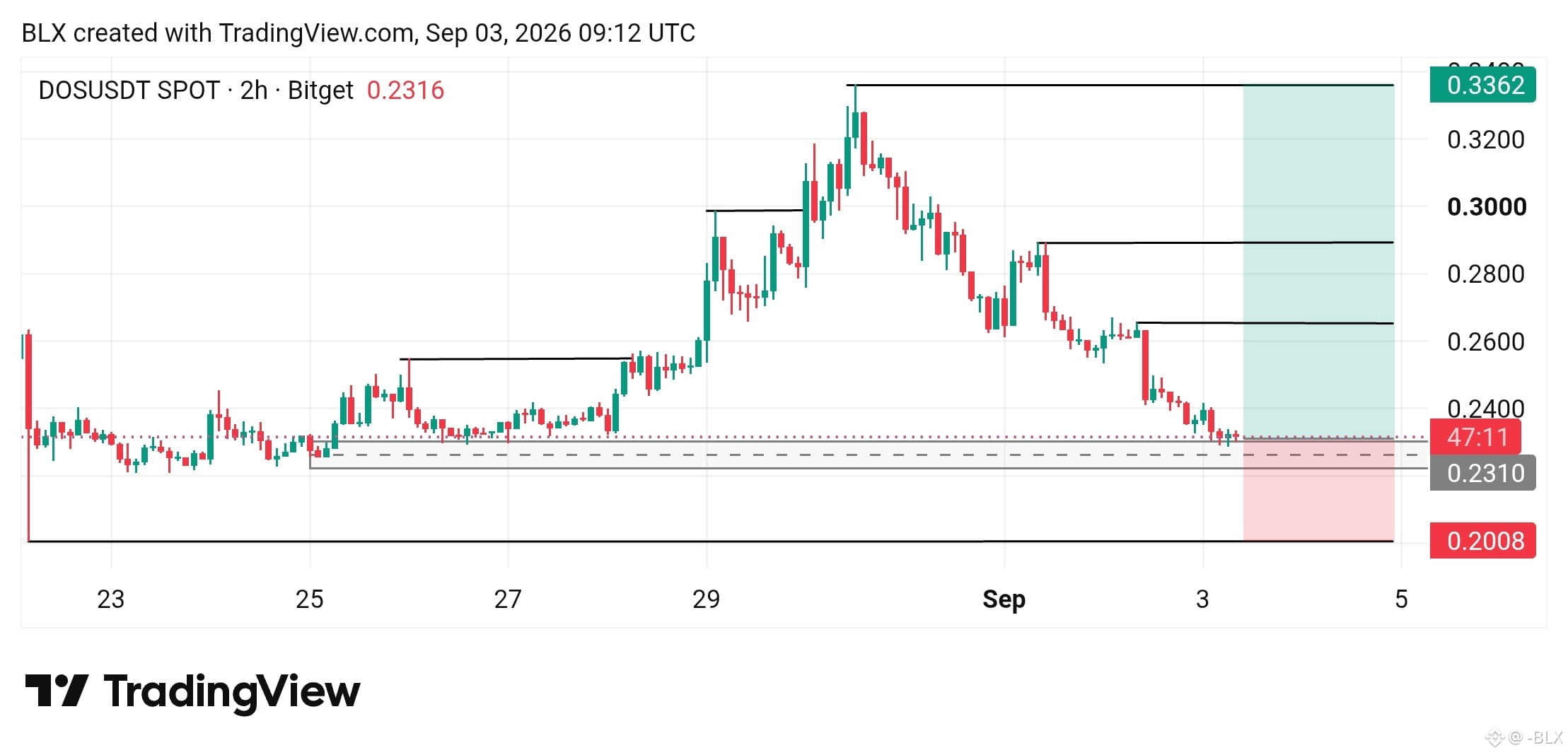
$DOS /USDT
現在値: 約$0.2316
主要サポート: $0.231–$0.225
無効化ライン: $0.2008
TP1: $0.263
TP2: $0.290
TP3: $0.336
価格は急激な調整の後、主要な需要/サポートゾーンのちょうど上に位置しています。
$0.240–$0.245を回復できれば、反転シナリオはより強まります。
$0.225を割り込むと、シナリオは弱まり、約$0.20まで下落する可能性があります。
#PredictionMarketsPutCLARITYAct2026OddsAt15%
$DOS /USDT
現在値: 約$0.2316
主要サポート: $0.231–$0.225
無効化ライン: $0.2008
TP1: $0.263
TP2: $0.290
TP3: $0.336
価格は急激な調整の後、主要な需要/サポートゾーンのちょうど上に位置しています。
$0.240–$0.245を回復できれば、反転シナリオはより強まります。
$0.225を割り込むと、シナリオは弱まり、約$0.20まで下落する可能性があります。
#PredictionMarketsPutCLARITYAct2026OddsAt15%
現在値: 約$0.2316
主要サポート: $0.231–$0.225
無効化ライン: $0.2008
TP1: $0.263
TP2: $0.290
TP3: $0.336
価格は急激な調整の後、主要な需要/サポートゾーンのちょうど上に位置しています。
$0.240–$0.245を回復できれば、反転シナリオはより強まります。
$0.225を割り込むと、シナリオは弱まり、約$0.20まで下落する可能性があります。
#PredictionMarketsPutCLARITYAct2026OddsAt15%
1
336
ログインして、さらにコンテンツを読む
厳選トピックで世界の暗号資産トレーダーの仲間入り
⚡️ 暗号資産に関する最新かつ有益な情報が見つかります。
💬 世界最大の暗号資産取引所から信頼されています。
👍 認証を受けたクリエイターから、有益なインサイトを得られます。
メール / 電話番号
トレンドトピック
EtherGains70.9%InQ3
閲覧回数 114,671
999人が討論中
🧭🧭🧭 代替コイン・シーズン分析 🧭🧭🧭
💡 代替コインのシーズン指標 💡
🚨🚨🚨 第3四半期(T3)が終了しました。ETHの価格は71%上昇、BTCは43%上昇。 🚨🚨🚨
これは代替コイン・シーズンの始まりだったのでしょうか?
上位100の中で:
🌐🌐🌐 57銘柄が過去90日でBTCを上回りました
代替コイン・シーズンは75から始まるので、まだ
また、年初来最高値67からはあと10ポイントしか進んでいません 🌐🌐
💥💥💥 でもちょっと待って、先月は指標が23に過ぎなかった!
10月がこれを75まで押し上げられるでしょうか? 👀💥💥💥
フォローをお願いします
#EtherGains70.9%InQ3
$GRAM
Shamika Metting
·いいね:2件
·閲覧回数 1k
TreasuryLetsStatesFileStablecoinCertificationsEarly
閲覧回数 6,179
70人が討論中
US10YearYieldNears5.3%
閲覧回数 129,372
1,040人が討論中