
Bit Beacon
14.8k 投稿

Bit Beacon
 厳選トピック確認済+
報告
ユーザーをブロック
Building trust on the blockchain. HODLer since 2017• Let's go!
取引を発注
高頻度トレーダー
1.9年
46 フォロー
40.4K+ フォロワー
49.0K+ いいね
投稿
ポートフォリオ
すべて
引用
ライブ
·
--
ブリッシュ
翻訳参照
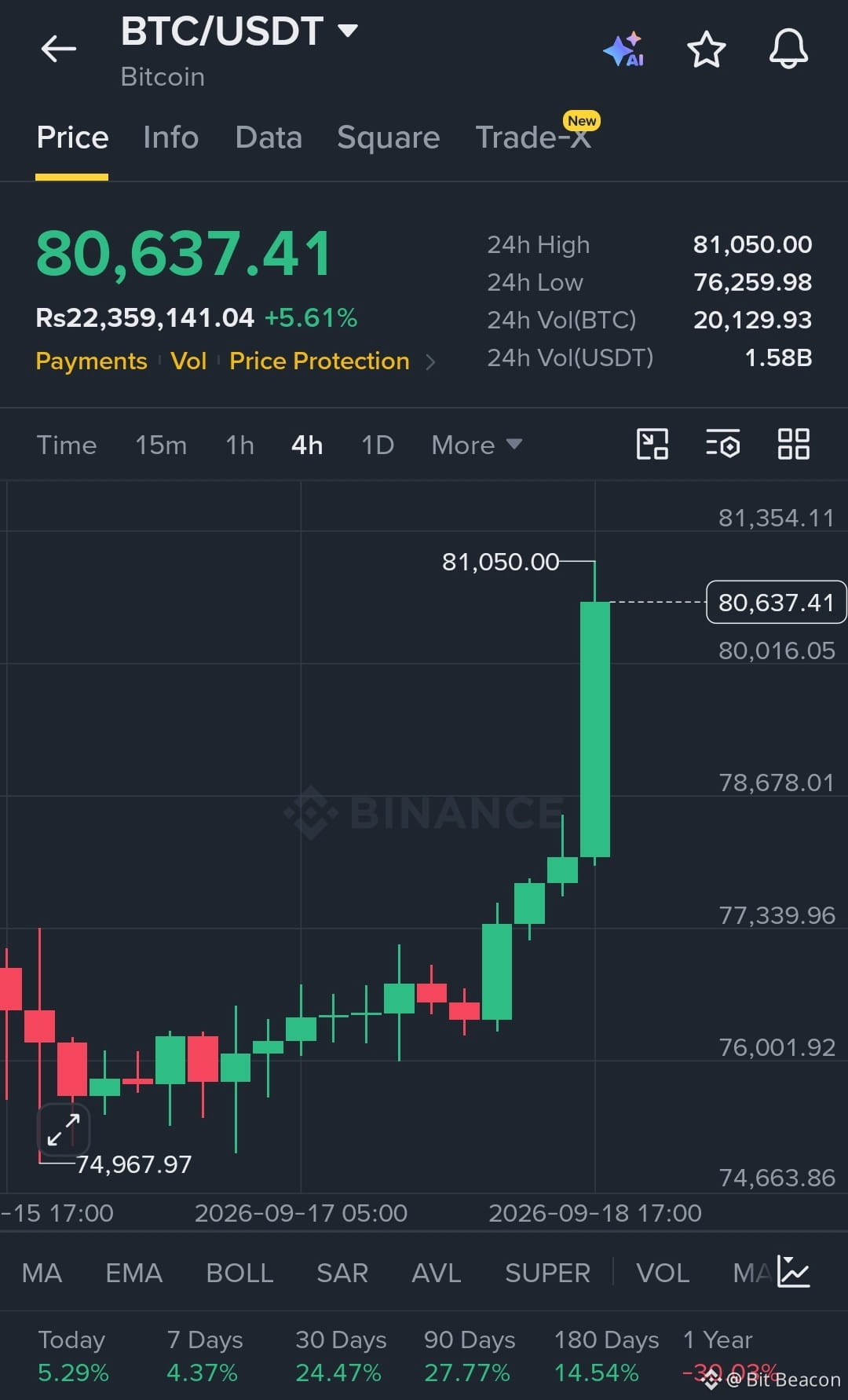
$BTC is ripping through resistance with a powerful 4H breakout, climbing to $81,050 as buyer strength accelerates. Momentum is strong, but price is extended, so the key is holding the breakout zone.
Entry: $79,800–$80,500
Stop Loss: $78,900
TP1: $81,500
TP2: $82,500
TP3: $84,000
Sentiment: Strongly bullish. A sustained hold above $80K keeps the continuation setup active; losing $78.9K would weaken momentum.
Risk managed. Eyes on the targets. Let's go
$BTC
{spot}(BTCUSDT)
#BOJHikesRatesTo31YearHigh #ZcashDevelopersTargetNU7MainnetActivationNov5 #HYPEJumpsOver11% #BTCBreaks80K #ChainlinkPowersBottomlinePaymentPlatform
$BTC is ripping through resistance with a powerful 4H breakout, climbing to $81,050 as buyer strength accelerates. Momentum is strong, but price is extended, so the key is holding the breakout zone.
Entry: $79,800–$80,500
Stop Loss: $78,900
TP1: $81,500
TP2: $82,500
TP3: $84,000
Sentiment: Strongly bullish. A sustained hold above $80K keeps the continuation setup active; losing $78.9K would weaken momentum.
Risk managed. Eyes on the targets. Let's go
$BTC
#BOJHikesRatesTo31YearHigh #ZcashDevelopersTargetNU7MainnetActivationNov5 #HYPEJumpsOver11% #BTCBreaks80K #ChainlinkPowersBottomlinePaymentPlatform
Entry: $79,800–$80,500
Stop Loss: $78,900
TP1: $81,500
TP2: $82,500
TP3: $84,000
Sentiment: Strongly bullish. A sustained hold above $80K keeps the continuation setup active; losing $78.9K would weaken momentum.
Risk managed. Eyes on the targets. Let's go
$BTC
#BOJHikesRatesTo31YearHigh #ZcashDevelopersTargetNU7MainnetActivationNov5 #HYPEJumpsOver11% #BTCBreaks80K #ChainlinkPowersBottomlinePaymentPlatform
185
·
--
ブリッシュ
翻訳参照
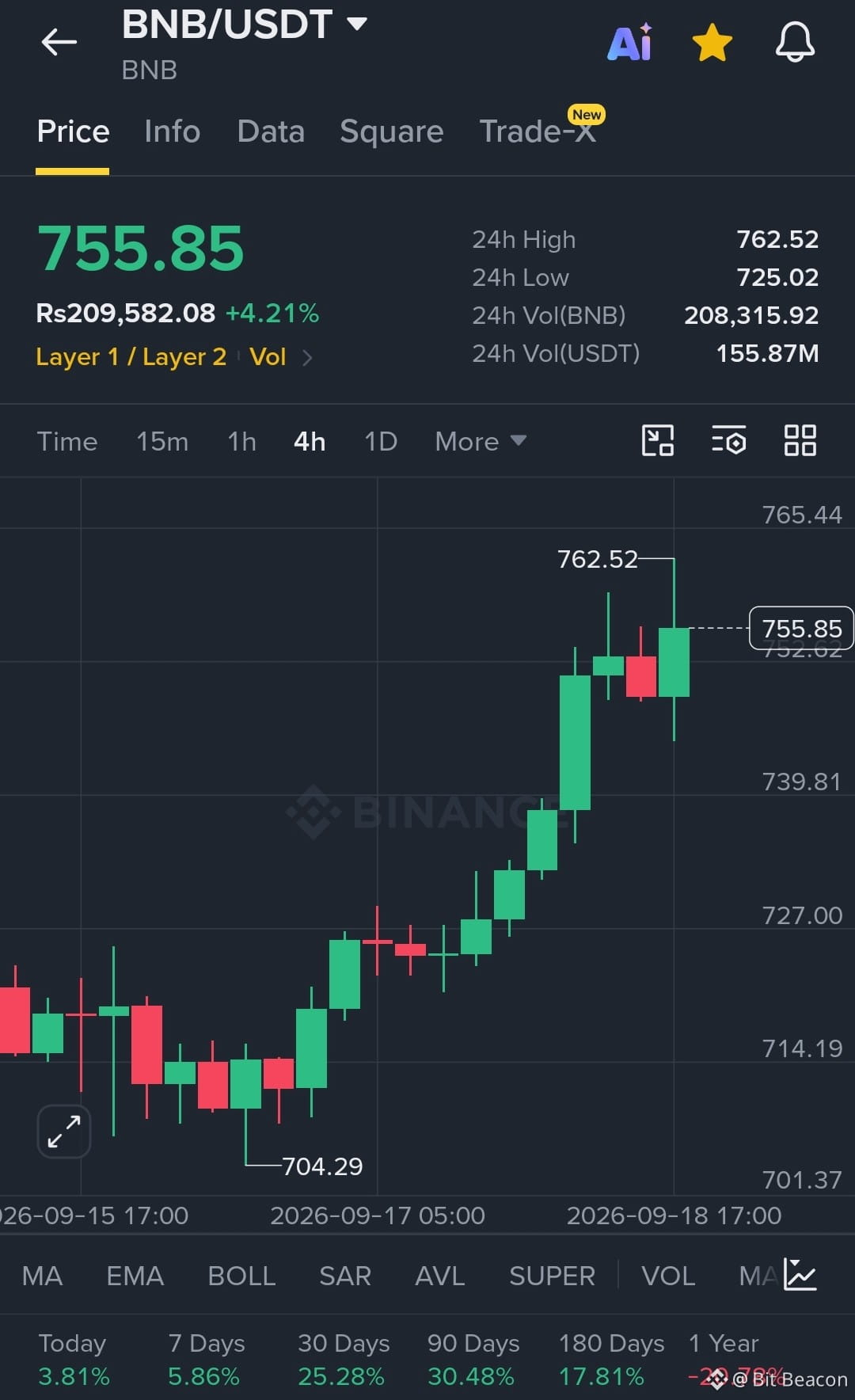
$BNB is holding strong above $750 after a sharp 4H breakout, with buyers defending the move despite a rejection wick near $762.52. Momentum remains bullish while $750–$752 holds.
Entry: $748–$755
Stop Loss: $739
TP1: $765
TP2: $780
TP3: $800
Sentiment: Bullish continuation. A clean break above $762.50 would confirm further upside, while losing $739 weakens the setup.
Risk managed. Eyes on the targets. Let's go $BNB
{spot}(BNBUSDT)
#ChainlinkPowersBottomlinePaymentPlatform #BOJHikesRatesTo31YearHigh #HKMAPlansWholesaleCBDCByYearEnd #ZcashDevelopersTargetNU7MainnetActivationNov5 #HYPEJumpsOver11%
$BNB is holding strong above $750 after a sharp 4H breakout, with buyers defending the move despite a rejection wick near $762.52. Momentum remains bullish while $750–$752 holds.
Entry: $748–$755
Stop Loss: $739
TP1: $765
TP2: $780
TP3: $800
Sentiment: Bullish continuation. A clean break above $762.50 would confirm further upside, while losing $739 weakens the setup.
Risk managed. Eyes on the targets. Let's go $BNB
#ChainlinkPowersBottomlinePaymentPlatform #BOJHikesRatesTo31YearHigh #HKMAPlansWholesaleCBDCByYearEnd #ZcashDevelopersTargetNU7MainnetActivationNov5 #HYPEJumpsOver11%
Entry: $748–$755
Stop Loss: $739
TP1: $765
TP2: $780
TP3: $800
Sentiment: Bullish continuation. A clean break above $762.50 would confirm further upside, while losing $739 weakens the setup.
Risk managed. Eyes on the targets. Let's go $BNB
#ChainlinkPowersBottomlinePaymentPlatform #BOJHikesRatesTo31YearHigh #HKMAPlansWholesaleCBDCByYearEnd #ZcashDevelopersTargetNU7MainnetActivationNov5 #HYPEJumpsOver11%
240
·
--
ブリッシュ
翻訳参照
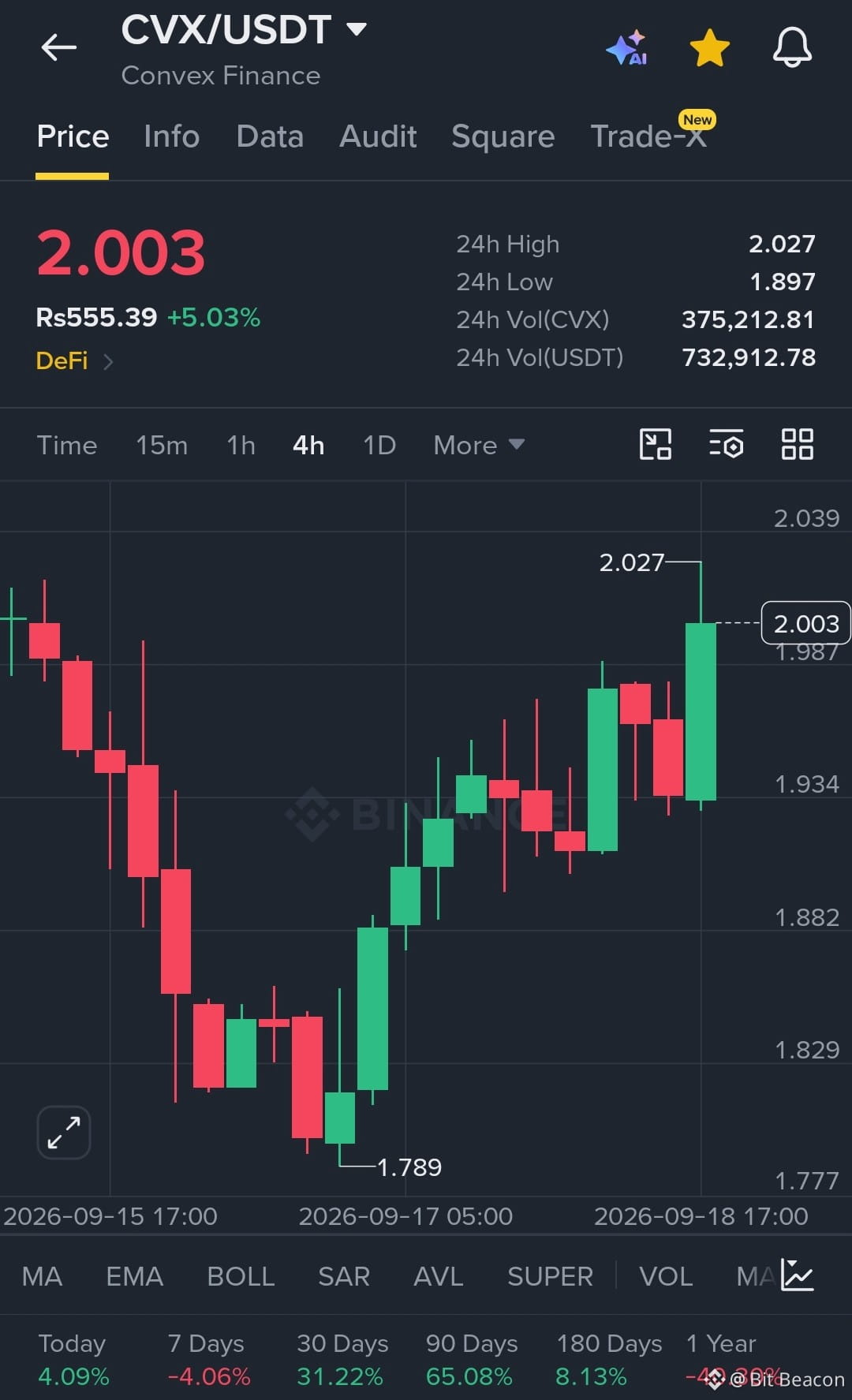
$CVX is pushing into the $2.027 resistance with strong 4H momentum after reclaiming the $1.93 area. Buyers are showing strength, and a confirmed break above $2.03 could trigger bullish continuation.
Entry: $1.96–$2.01
Stop Loss: $1.91
TP1: $2.07
TP2: $2.15
TP3: $2.25
Sentiment: Bullish, but $2.03 is the key breakout level. Watch for a clean 4H hold above resistance with volume expansion.
Risk managed. Eyes on the targets. Let's go $CVX
{spot}(CVXUSDT)
#BTCBreaks80K #ChainlinkPowersBottomlinePaymentPlatform #BOJHikesRatesTo31YearHigh #HKMAPlansWholesaleCBDCByYearEnd #ZcashDevelopersTargetNU7MainnetActivationNov5
$CVX is pushing into the $2.027 resistance with strong 4H momentum after reclaiming the $1.93 area. Buyers are showing strength, and a confirmed break above $2.03 could trigger bullish continuation.
Entry: $1.96–$2.01
Stop Loss: $1.91
TP1: $2.07
TP2: $2.15
TP3: $2.25
Sentiment: Bullish, but $2.03 is the key breakout level. Watch for a clean 4H hold above resistance with volume expansion.
Risk managed. Eyes on the targets. Let's go $CVX
#BTCBreaks80K #ChainlinkPowersBottomlinePaymentPlatform #BOJHikesRatesTo31YearHigh #HKMAPlansWholesaleCBDCByYearEnd #ZcashDevelopersTargetNU7MainnetActivationNov5
Entry: $1.96–$2.01
Stop Loss: $1.91
TP1: $2.07
TP2: $2.15
TP3: $2.25
Sentiment: Bullish, but $2.03 is the key breakout level. Watch for a clean 4H hold above resistance with volume expansion.
Risk managed. Eyes on the targets. Let's go $CVX
#BTCBreaks80K #ChainlinkPowersBottomlinePaymentPlatform #BOJHikesRatesTo31YearHigh #HKMAPlansWholesaleCBDCByYearEnd #ZcashDevelopersTargetNU7MainnetActivationNov5
831
·
--
ブリッシュ
翻訳参照
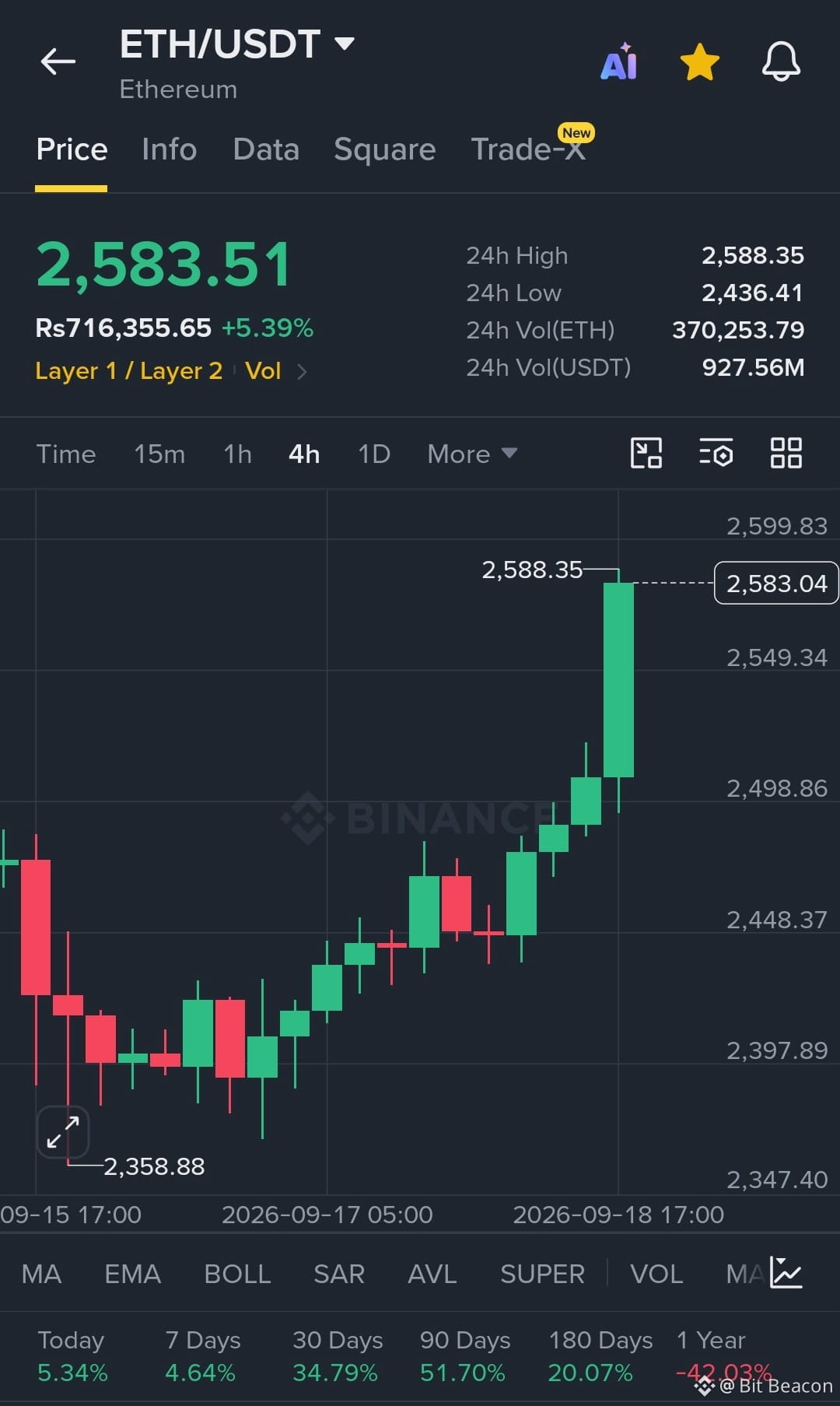
$ETH is breaking higher with strong 4H momentum, pushing into the $2,588–$2,600 resistance zone. Buyers are clearly in control; a clean breakout and retest could open the next leg higher.
Entry: $2,535–$2,560
Stop Loss: $2,485
TP1: $2,600
TP2: $2,660
TP3: $2,720
Sentiment: Bullish continuation. Watch for volume confirmation above $2,600; rejection there could trigger a pullback toward the entry zone.
Risk managed. Eyes on the targets. Let's go $ETH
{spot}(ETHUSDT)
#BTCBreaks80K #HYPEJumpsOver11% #ZcashDevelopersTargetNU7MainnetActivationNov5 #HKMAPlansWholesaleCBDCByYearEnd #BOJHikesRatesTo31YearHigh
$ETH is breaking higher with strong 4H momentum, pushing into the $2,588–$2,600 resistance zone. Buyers are clearly in control; a clean breakout and retest could open the next leg higher.
Entry: $2,535–$2,560
Stop Loss: $2,485
TP1: $2,600
TP2: $2,660
TP3: $2,720
Sentiment: Bullish continuation. Watch for volume confirmation above $2,600; rejection there could trigger a pullback toward the entry zone.
Risk managed. Eyes on the targets. Let's go $ETH
#BTCBreaks80K #HYPEJumpsOver11% #ZcashDevelopersTargetNU7MainnetActivationNov5 #HKMAPlansWholesaleCBDCByYearEnd #BOJHikesRatesTo31YearHigh
Entry: $2,535–$2,560
Stop Loss: $2,485
TP1: $2,600
TP2: $2,660
TP3: $2,720
Sentiment: Bullish continuation. Watch for volume confirmation above $2,600; rejection there could trigger a pullback toward the entry zone.
Risk managed. Eyes on the targets. Let's go $ETH
#BTCBreaks80K #HYPEJumpsOver11% #ZcashDevelopersTargetNU7MainnetActivationNov5 #HKMAPlansWholesaleCBDCByYearEnd #BOJHikesRatesTo31YearHigh
433
·
--
ブリッシュ
一部該当
これは巨大です
🇺🇸 米国財務省は、自国の資金を使って約1兆ドル規模で国債を買い戻すことを検討しています。
これは流動性をそのまま市場に注ぎ込むもので、暗号資産・金・株式にとって強気材料です。
これは巨大です
🇺🇸 米国財務省は、自国の資金を使って約1兆ドル規模で国債を買い戻すことを検討しています。
これは流動性をそのまま市場に注ぎ込むもので、暗号資産・金・株式にとって強気材料です。
🇺🇸 米国財務省は、自国の資金を使って約1兆ドル規模で国債を買い戻すことを検討しています。
これは流動性をそのまま市場に注ぎ込むもので、暗号資産・金・株式にとって強気材料です。
188
·
--
ブリッシュ
🚨 $BNB ALERT
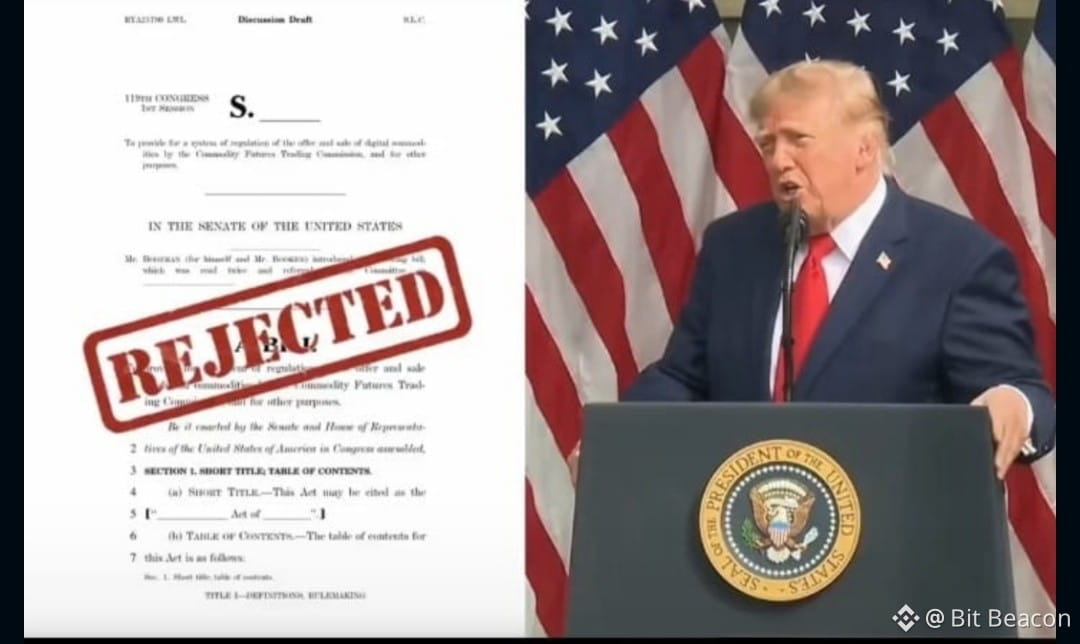
💥 CLARITY法ドラマがさらに激化!
🇺🇸 上院共和党は、未解決の倫理懸念があるとして、民主党の直前の対案を拒否—重要な採決の数時間前だった。 その後、法案は前進できず、49対50で60票に届かず失敗した。
🚨 $BNB ALERT
💥 CLARITY法ドラマがさらに激化!
🇺🇸 上院共和党は、未解決の倫理懸念があるとして、民主党の直前の対案を拒否—重要な採決の数時間前だった。 その後、法案は前進できず、49対50で60票に届かず失敗した。
💥 CLARITY法ドラマがさらに激化!
🇺🇸 上院共和党は、未解決の倫理懸念があるとして、民主党の直前の対案を拒否—重要な採決の数時間前だった。 その後、法案は前進できず、49対50で60票に届かず失敗した。
1
2.9k
·
--
ブリッシュ
💥 CLARITY ACT: FINAL SHOWDOWN 🚀
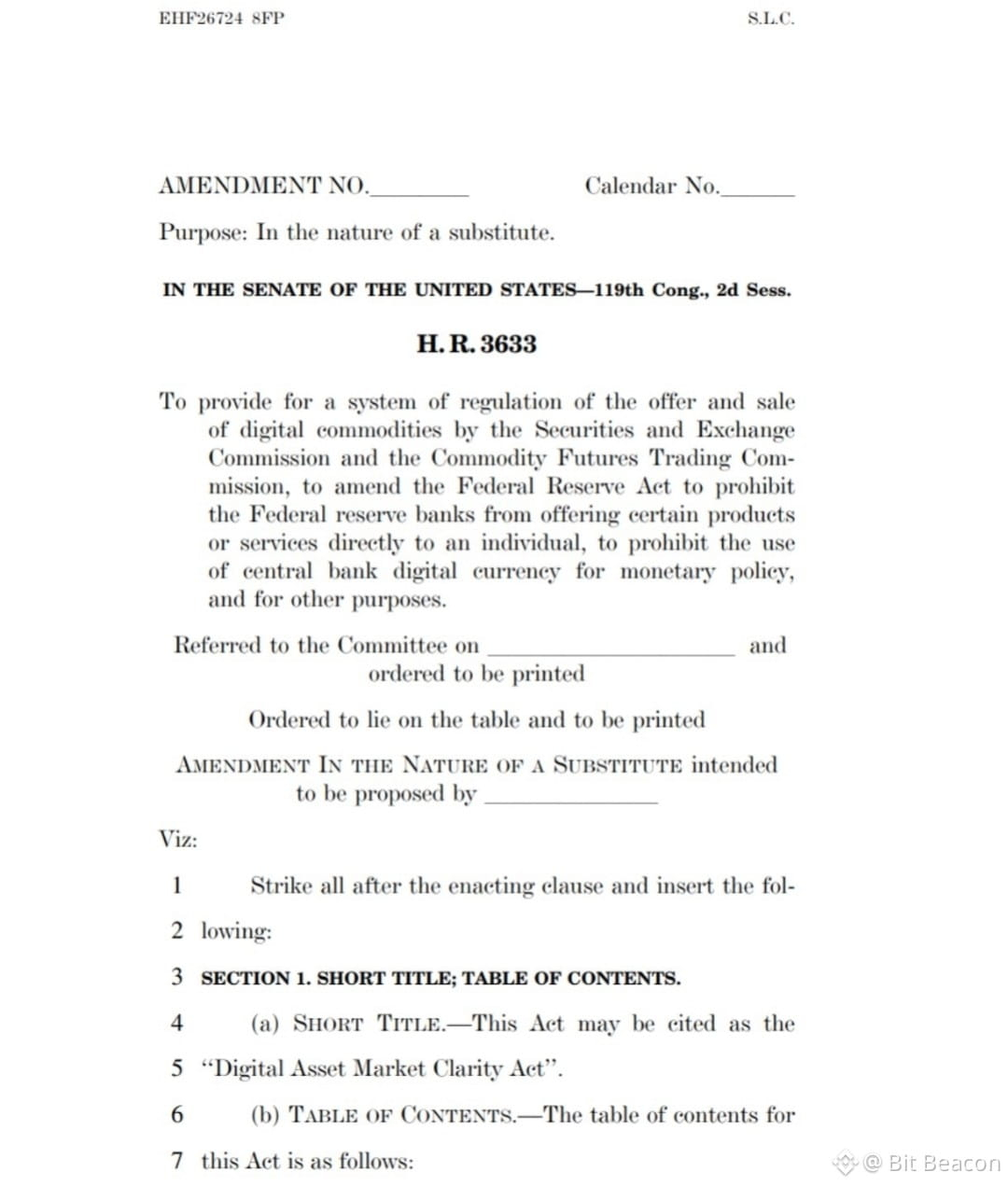
🇺🇸 上院共和党は、火曜の重要なクローチャー(打ち切り)投票に先立ち、改訂版の全635ページの「CLARITY Act」を提出しました。同法を彼らは「最後にして最良、そして最終の提案(last, best and final)」だと位置づけています。
🔥 主な変更点:
• トランプ支持の倫理規定により、連邦当局者がデジタル・アセットの発行/スポンサーになることを制限
• ステーブルコインの「サーキットブレーカー」により、コミュニティ・バンクが大量の預金流出から保護される
• BRCAの保護が縮小
• クリプト取引所、ブローカー、ディーラーに対する、より厳しい利益相反および関連会社取引の制限
$AVAX $BCH $TAO 👀
火曜は米国の暗号資産規制にとって大きな転機になる可能性があります。#FedRateWatch
💥 CLARITY ACT: FINAL SHOWDOWN 🚀
🇺🇸 上院共和党は、火曜の重要なクローチャー(打ち切り)投票に先立ち、改訂版の全635ページの「CLARITY Act」を提出しました。同法を彼らは「最後にして最良、そして最終の提案(last, best and final)」だと位置づけています。
🔥 主な変更点:
• トランプ支持の倫理規定により、連邦当局者がデジタル・アセットの発行/スポンサーになることを制限
• ステーブルコインの「サーキットブレーカー」により、コミュニティ・バンクが大量の預金流出から保護される
• BRCAの保護が縮小
• クリプト取引所、ブローカー、ディーラーに対する、より厳しい利益相反および関連会社取引の制限
$AVAX $BCH $TAO 👀
火曜は米国の暗号資産規制にとって大きな転機になる可能性があります。#FedRateWatch
🇺🇸 上院共和党は、火曜の重要なクローチャー(打ち切り)投票に先立ち、改訂版の全635ページの「CLARITY Act」を提出しました。同法を彼らは「最後にして最良、そして最終の提案(last, best and final)」だと位置づけています。
🔥 主な変更点:
• トランプ支持の倫理規定により、連邦当局者がデジタル・アセットの発行/スポンサーになることを制限
• ステーブルコインの「サーキットブレーカー」により、コミュニティ・バンクが大量の預金流出から保護される
• BRCAの保護が縮小
• クリプト取引所、ブローカー、ディーラーに対する、より厳しい利益相反および関連会社取引の制限
$AVAX $BCH $TAO 👀
火曜は米国の暗号資産規制にとって大きな転機になる可能性があります。#FedRateWatch

1
1
194
·
--
ブリッシュ
🚨 #FedRateWatch — 世界の市場にとって“FRBの瞬間”がやってきた 🚨
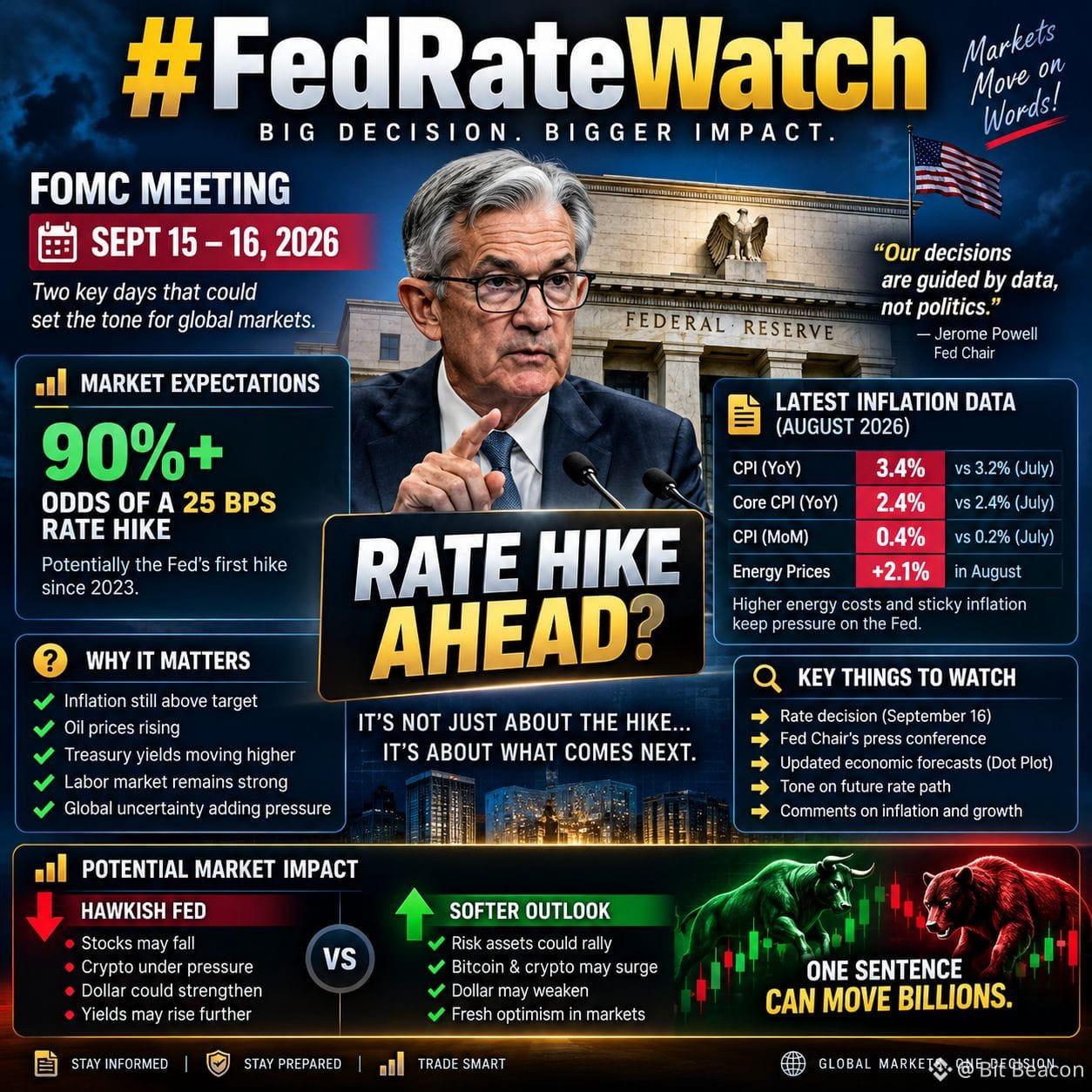
9月15〜16日のFOMC会合は、世界の市場にとって大きな転換点になり得ます。
🔥 市場では現在、25bpの利上げの確率が90%超と織り込まれており、これはFRBとして2023年以来初の利上げとなる可能性があります。
📊 8月のCPIは前年比3.4%で、コアCPIは2.4%でした。月次CPIは0.4%上昇し、エネルギーは2.1%急伸しました。
⚠️ 膨らむ原油インフレ、粘着性の高い物価、そして上昇する米国債利回りが、FRBに新たな圧力をかけています。
💥 ただし本当の市場を動かすのは、単なる利上げだけではありません。次に何が起きるかを示す、FRB議長ケビン・ウォーシュのメッセージです。
タカ派的なFRBは、株式・暗号資産・リスク資産に打撃を与えかねません。
見通しがよりソフトなら、強力なリリーフ(安心)ラリーにつながる可能性があります。
🎯 9月16日=政策決定+市場の反応。
FRBの一言が、数十億ドルを動かすことがあります。
#FedRateWatch
🚨 #FedRateWatch — 世界の市場にとって“FRBの瞬間”がやってきた 🚨
9月15〜16日のFOMC会合は、世界の市場にとって大きな転換点になり得ます。
🔥 市場では現在、25bpの利上げの確率が90%超と織り込まれており、これはFRBとして2023年以来初の利上げとなる可能性があります。
📊 8月のCPIは前年比3.4%で、コアCPIは2.4%でした。月次CPIは0.4%上昇し、エネルギーは2.1%急伸しました。
⚠️ 膨らむ原油インフレ、粘着性の高い物価、そして上昇する米国債利回りが、FRBに新たな圧力をかけています。
💥 ただし本当の市場を動かすのは、単なる利上げだけではありません。次に何が起きるかを示す、FRB議長ケビン・ウォーシュのメッセージです。
タカ派的なFRBは、株式・暗号資産・リスク資産に打撃を与えかねません。
見通しがよりソフトなら、強力なリリーフ(安心)ラリーにつながる可能性があります。
🎯 9月16日=政策決定+市場の反応。
FRBの一言が、数十億ドルを動かすことがあります。
#FedRateWatch
9月15〜16日のFOMC会合は、世界の市場にとって大きな転換点になり得ます。
🔥 市場では現在、25bpの利上げの確率が90%超と織り込まれており、これはFRBとして2023年以来初の利上げとなる可能性があります。
📊 8月のCPIは前年比3.4%で、コアCPIは2.4%でした。月次CPIは0.4%上昇し、エネルギーは2.1%急伸しました。
⚠️ 膨らむ原油インフレ、粘着性の高い物価、そして上昇する米国債利回りが、FRBに新たな圧力をかけています。
💥 ただし本当の市場を動かすのは、単なる利上げだけではありません。次に何が起きるかを示す、FRB議長ケビン・ウォーシュのメッセージです。
タカ派的なFRBは、株式・暗号資産・リスク資産に打撃を与えかねません。
見通しがよりソフトなら、強力なリリーフ(安心)ラリーにつながる可能性があります。
🎯 9月16日=政策決定+市場の反応。
FRBの一言が、数十億ドルを動かすことがあります。
#FedRateWatch
2
2
367
·
--
🚨 緊急速報:クリプトの大きな試練!🇺🇸
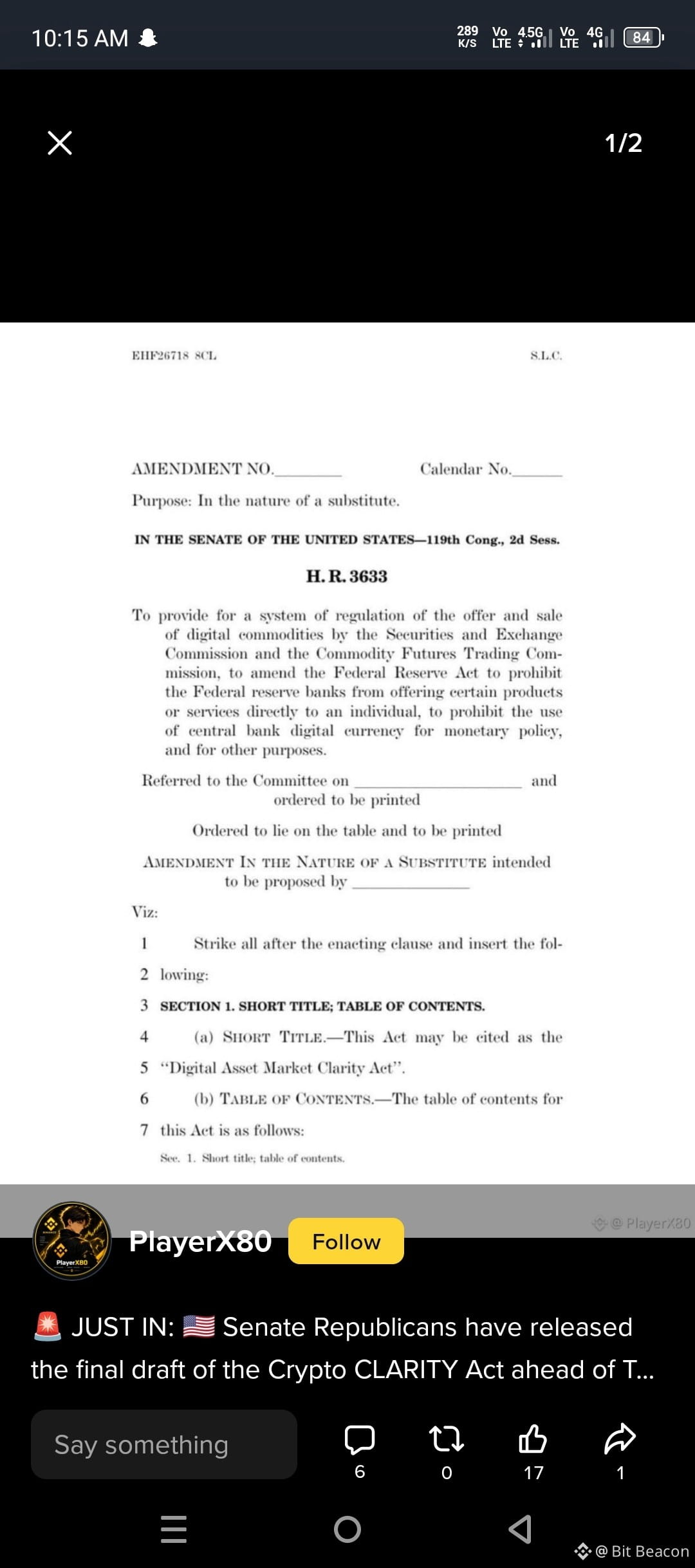
上院共和党は、数カ月に及ぶ協議の後、民主党が求めた126件の変更を含む、最終版のCLARITY法案草案を公開しました。
次はいよいよ、火曜の重要な上院の採決で60票が焦点です。共和党は53議席——つまり少なくとも7人の民主党員/無所属が加わる必要があります。
暗号資産(クリプト)の規制は、まさに「勝負の分かれ目」の局面です。⚡
🚨 緊急速報:クリプトの大きな試練!🇺🇸
上院共和党は、数カ月に及ぶ協議の後、民主党が求めた126件の変更を含む、最終版のCLARITY法案草案を公開しました。
次はいよいよ、火曜の重要な上院の採決で60票が焦点です。共和党は53議席——つまり少なくとも7人の民主党員/無所属が加わる必要があります。
暗号資産(クリプト)の規制は、まさに「勝負の分かれ目」の局面です。⚡
上院共和党は、数カ月に及ぶ協議の後、民主党が求めた126件の変更を含む、最終版のCLARITY法案草案を公開しました。
次はいよいよ、火曜の重要な上院の採決で60票が焦点です。共和党は53議席——つまり少なくとも7人の民主党員/無所属が加わる必要があります。
暗号資産(クリプト)の規制は、まさに「勝負の分かれ目」の局面です。⚡

2
301
·
--
ブリッシュ
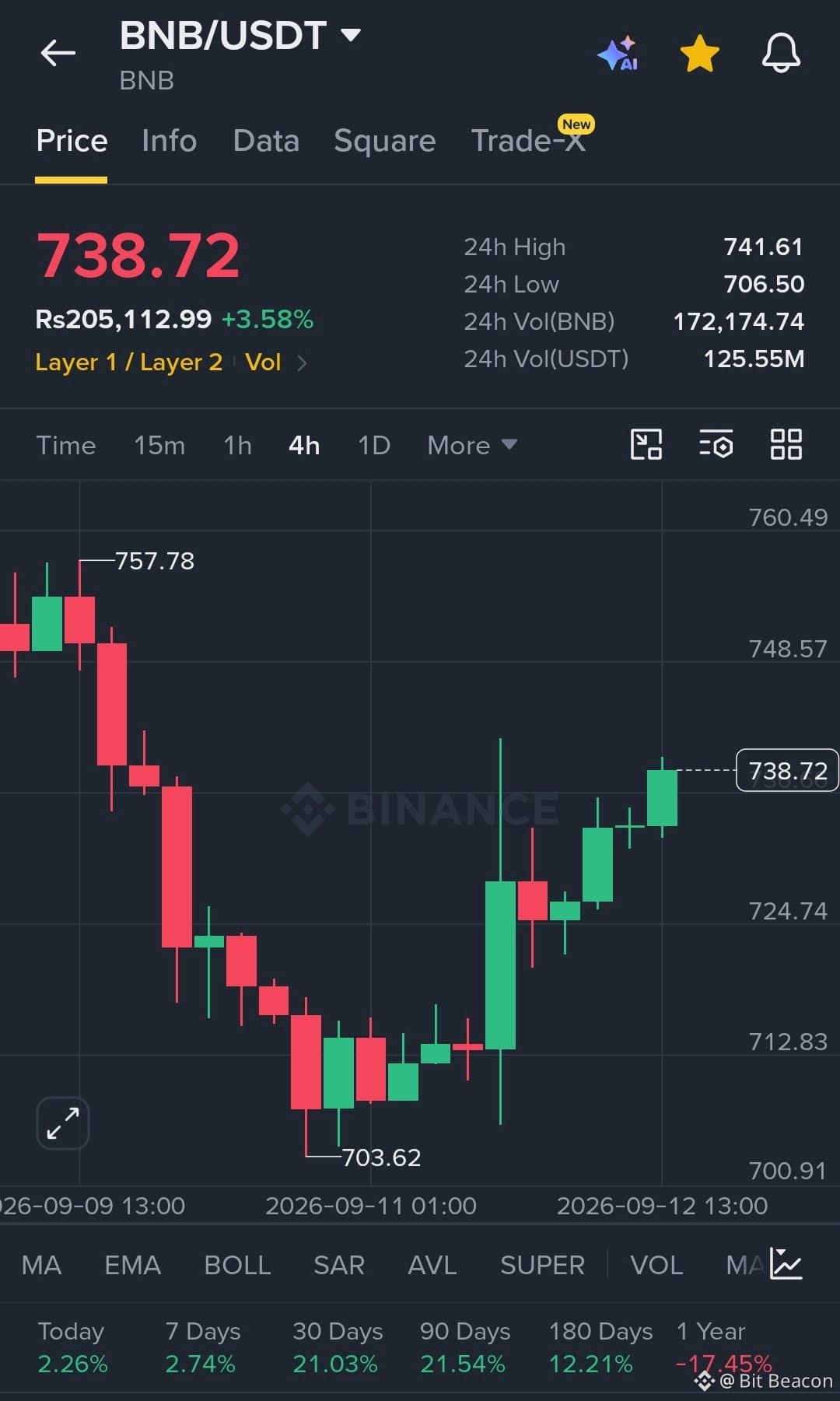
$BNB — 価格が703.62の安値から回復し、741.61のレジスタンスへ向かうにつれて買いの勢いが強まっています。4Hの構造は改善しており、モメンタムは724〜725のゾーンの上で維持されています。
エントリー:736〜740
SL:724
TP1:748
TP2:757
TP3:760
741.61を明確に上抜けると、さらなる継続が確認できる可能性があります。価格が724のサポートエリアを割り込んだ場合は、リスクを管理したままにしてください。
リスク管理済み。ターゲットに注目しましょう。さあ行こう $BNB
{spot}(BNBUSDT)
#USInflationHoldsAt3.4%InAugust #OpticalCommsStocksRallyOver3% #EtherRalliesAsBearishBetsLiquidate #USBankCompletesCrossBorderPaymentPilotOnStellar #RevolutConfirmsFakeGovEmailDataBreach
$BNB — 価格が703.62の安値から回復し、741.61のレジスタンスへ向かうにつれて買いの勢いが強まっています。4Hの構造は改善しており、モメンタムは724〜725のゾーンの上で維持されています。
エントリー:736〜740
SL:724
TP1:748
TP2:757
TP3:760
741.61を明確に上抜けると、さらなる継続が確認できる可能性があります。価格が724のサポートエリアを割り込んだ場合は、リスクを管理したままにしてください。
リスク管理済み。ターゲットに注目しましょう。さあ行こう $BNB
#USInflationHoldsAt3.4%InAugust #OpticalCommsStocksRallyOver3% #EtherRalliesAsBearishBetsLiquidate #USBankCompletesCrossBorderPaymentPilotOnStellar #RevolutConfirmsFakeGovEmailDataBreach
エントリー:736〜740
SL:724
TP1:748
TP2:757
TP3:760
741.61を明確に上抜けると、さらなる継続が確認できる可能性があります。価格が724のサポートエリアを割り込んだ場合は、リスクを管理したままにしてください。
リスク管理済み。ターゲットに注目しましょう。さあ行こう $BNB
#USInflationHoldsAt3.4%InAugust #OpticalCommsStocksRallyOver3% #EtherRalliesAsBearishBetsLiquidate #USBankCompletesCrossBorderPaymentPilotOnStellar #RevolutConfirmsFakeGovEmailDataBreach
1
278
·
--
ブリッシュ
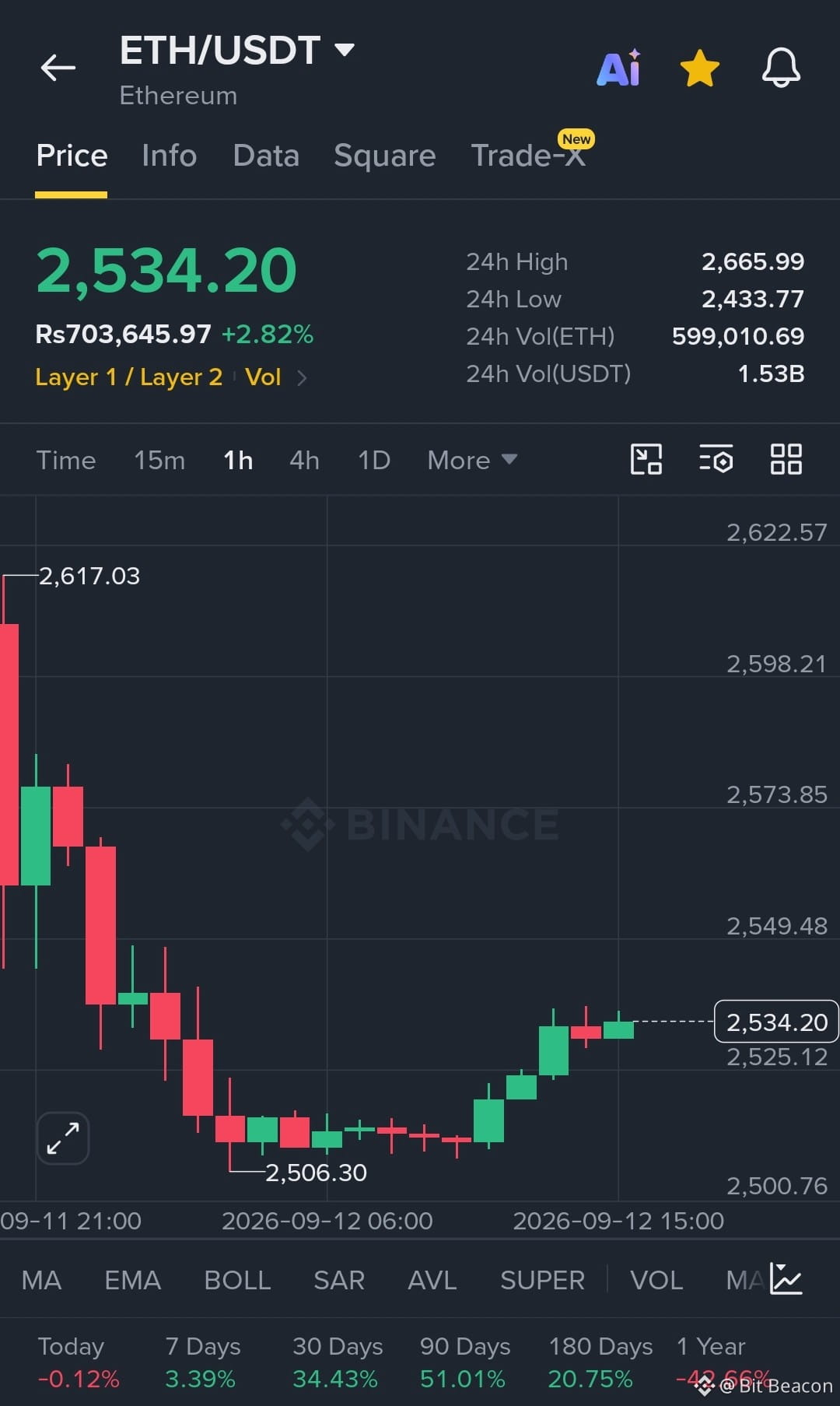
$ETH — 価格が2506のサポートエリアから反発し、2530を上抜けてきており、勢いが増しています。買いの強さが改善しており、次の主要レジスタンスゾーンは2574です。
エントリー: 2525–2540
SL: 2500
TP1: 2575
TP2: 2600
TP3: 2620
ETHが2525のエリアを上回っている間は、このセットアップは建設的です。明確なレジスタンスの奪回ができれば、より高い目標に向かう道が開ける可能性があります。
リスク管理済み。目標に注目しましょう。行こう $ETH
{spot}(ETHUSDT)
#RevolutConfirmsFakeGovEmailDataBreach #USBankCompletesCrossBorderPaymentPilotOnStellar #EtherRalliesAsBearishBetsLiquidate #OpticalCommsStocksRallyOver3% #USInflationHoldsAt3.4%InAugust
$ETH — 価格が2506のサポートエリアから反発し、2530を上抜けてきており、勢いが増しています。買いの強さが改善しており、次の主要レジスタンスゾーンは2574です。
エントリー: 2525–2540
SL: 2500
TP1: 2575
TP2: 2600
TP3: 2620
ETHが2525のエリアを上回っている間は、このセットアップは建設的です。明確なレジスタンスの奪回ができれば、より高い目標に向かう道が開ける可能性があります。
リスク管理済み。目標に注目しましょう。行こう $ETH
#RevolutConfirmsFakeGovEmailDataBreach #USBankCompletesCrossBorderPaymentPilotOnStellar #EtherRalliesAsBearishBetsLiquidate #OpticalCommsStocksRallyOver3% #USInflationHoldsAt3.4%InAugust
エントリー: 2525–2540
SL: 2500
TP1: 2575
TP2: 2600
TP3: 2620
ETHが2525のエリアを上回っている間は、このセットアップは建設的です。明確なレジスタンスの奪回ができれば、より高い目標に向かう道が開ける可能性があります。
リスク管理済み。目標に注目しましょう。行こう $ETH
#RevolutConfirmsFakeGovEmailDataBreach #USBankCompletesCrossBorderPaymentPilotOnStellar #EtherRalliesAsBearishBetsLiquidate #OpticalCommsStocksRallyOver3% #USInflationHoldsAt3.4%InAugust
1
342
·
--
ブリッシュ
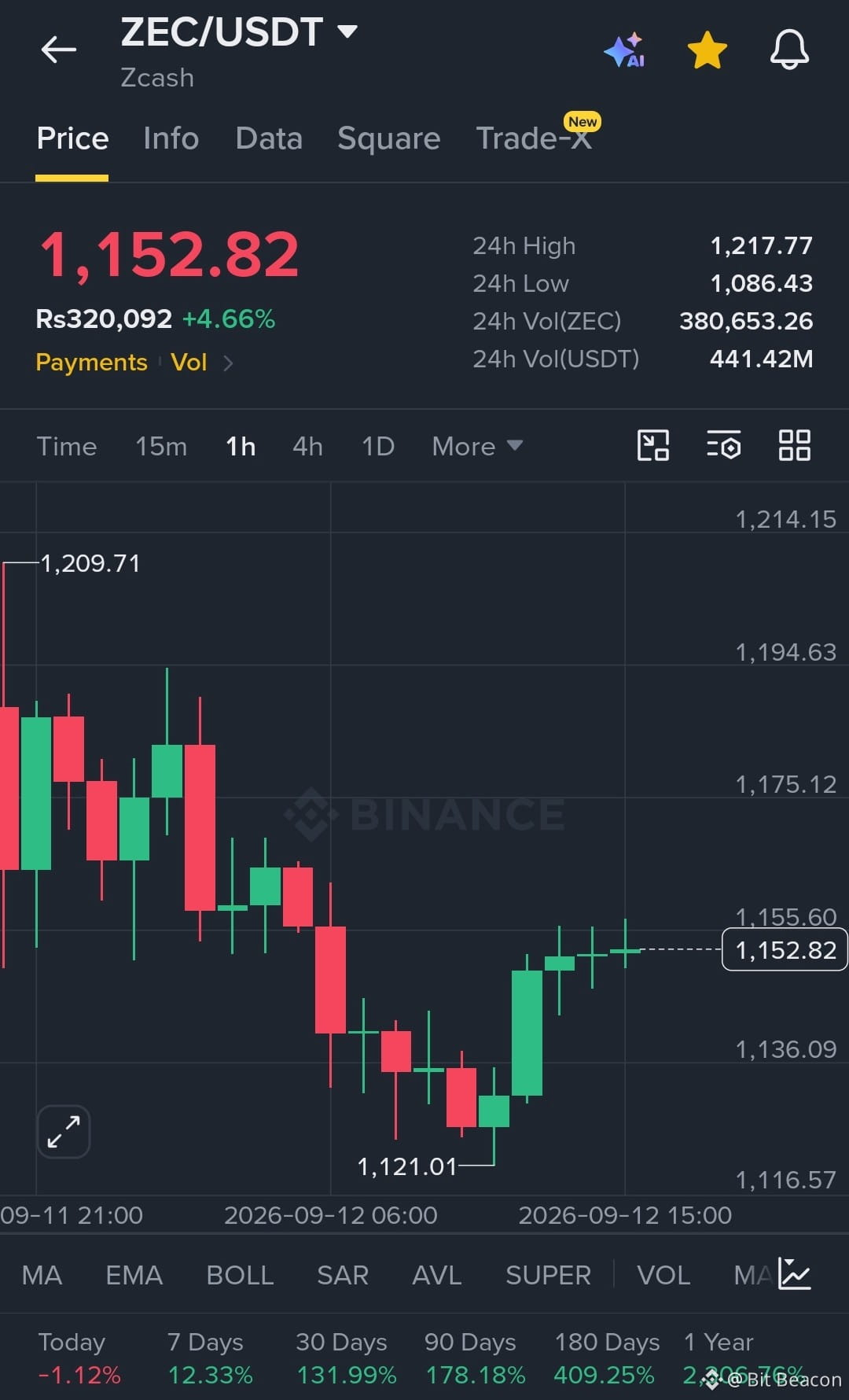
$ZEC — 価格が1150のエリアを取り戻し、直近の戻りゾーンを上抜けて維持しているため、勢いが増してきています。1121の安値後に買いの強さが見えており、1175が最初の重要なレジスタンスとして機能しています。
エントリー: 1145–1155
SL: 1120
TP1: 1175
TP2: 1195
TP3: 1215
この仕立ては、価格がエントリーゾーンを維持している間は建設的に見えます。1175を明確に回復できれば、より高いターゲットが視野に入る可能性があります。直近のスイングロー付近ではリスクを適切に抑えましょう。
リスク管理済み。ターゲットに注目。さあ行こう $ZEC
{spot}(ZECUSDT)
#RevolutConfirmsFakeGovEmailDataBreach #USBankCompletesCrossBorderPaymentPilotOnStellar #EtherRalliesAsBearishBetsLiquidate #OpticalCommsStocksRallyOver3% #USInflationHoldsAt3.4%InAugust
$ZEC — 価格が1150のエリアを取り戻し、直近の戻りゾーンを上抜けて維持しているため、勢いが増してきています。1121の安値後に買いの強さが見えており、1175が最初の重要なレジスタンスとして機能しています。
エントリー: 1145–1155
SL: 1120
TP1: 1175
TP2: 1195
TP3: 1215
この仕立ては、価格がエントリーゾーンを維持している間は建設的に見えます。1175を明確に回復できれば、より高いターゲットが視野に入る可能性があります。直近のスイングロー付近ではリスクを適切に抑えましょう。
リスク管理済み。ターゲットに注目。さあ行こう $ZEC
#RevolutConfirmsFakeGovEmailDataBreach #USBankCompletesCrossBorderPaymentPilotOnStellar #EtherRalliesAsBearishBetsLiquidate #OpticalCommsStocksRallyOver3% #USInflationHoldsAt3.4%InAugust
エントリー: 1145–1155
SL: 1120
TP1: 1175
TP2: 1195
TP3: 1215
この仕立ては、価格がエントリーゾーンを維持している間は建設的に見えます。1175を明確に回復できれば、より高いターゲットが視野に入る可能性があります。直近のスイングロー付近ではリスクを適切に抑えましょう。
リスク管理済み。ターゲットに注目。さあ行こう $ZEC
#RevolutConfirmsFakeGovEmailDataBreach #USBankCompletesCrossBorderPaymentPilotOnStellar #EtherRalliesAsBearishBetsLiquidate #OpticalCommsStocksRallyOver3% #USInflationHoldsAt3.4%InAugust
1
670
·
--
ブリッシュ
本人確認中
🚨 緊急速報:米国CPIが発表!
🇺🇸 実績:3.4%
予想:3.4%
インフレはまさに予想通りに着地しました。いま注目はFRBと、次の市場の動きです。
$MAGMA #CPIWatch
{future}(MAGMAUSDT)
$VVV
{future}(VVVUSDT)
$STAR
{future}(STARUSDT)
🚨 緊急速報:米国CPIが発表!
🇺🇸 実績:3.4%
予想:3.4%
インフレはまさに予想通りに着地しました。いま注目はFRBと、次の市場の動きです。
$MAGMA #CPIWatch
$VVV
$STAR
🇺🇸 実績:3.4%
予想:3.4%
インフレはまさに予想通りに着地しました。いま注目はFRBと、次の市場の動きです。
$MAGMA #CPIWatch
$VVV
$STAR

4
725
·
--
ブリッシュ
本人確認中
🚨 #CPIWatch
🇺🇸 米国CPIが発表:前年比3.4%、市場予想どおり。
コアCPIは前年比2.4%で、月次CPIは0.4%上昇。
いま注目はFRB(連邦準備制度理事会)です。インフレ見通し次第で、暗号資産やリスク資産全体に深刻なボラティリティが生じる可能性があります。 ⚡
$ZEC
{spot}(ZECUSDT)
$牛来
{spot}(牛来USDT)
$LSK
{spot}(LSKUSDT)
🚨 #CPIWatch
🇺🇸 米国CPIが発表:前年比3.4%、市場予想どおり。
コアCPIは前年比2.4%で、月次CPIは0.4%上昇。
いま注目はFRB(連邦準備制度理事会)です。インフレ見通し次第で、暗号資産やリスク資産全体に深刻なボラティリティが生じる可能性があります。 ⚡
$ZEC
$牛来
$LSK
🇺🇸 米国CPIが発表:前年比3.4%、市場予想どおり。
コアCPIは前年比2.4%で、月次CPIは0.4%上昇。
いま注目はFRB(連邦準備制度理事会)です。インフレ見通し次第で、暗号資産やリスク資産全体に深刻なボラティリティが生じる可能性があります。 ⚡
$ZEC
$牛来
$LSK

8
16
2k
·
--
ブリッシュ
$ZEC は今日は急速に動いていて、私はそれを注意深く見ています。
価格は$1,217.77の24時間高値に触れた後、$1,192あたりです。24時間の安値は$1,054.48で、この動きがどれほど強かったかが分かります。
ZECは今日4.57%上昇し、7日で23.49%上昇しています。30日での上昇はすでに152.17%です。
私は今、$1,217のあたりを注視しています。価格が強さを保てば、次の動きは面白くなるかもしれません。ただ、こんな急な上昇の後なので、私も警戒を怠りません。
市場の最新情報をもっと見るために私のアカウントをフォローして、これを友達にも共有してください。$ZEC
{spot}(ZECUSDT)
#CPIWatch #USCoreCPIRises0.3%InAugustBeatingForecasts #OracleJumpsOver6%OnEarningsBeat #CLARITYActRevisionToRuleNonDeFiControllers #BlockstreamRefusesToPayRansomToLiquidAttacker
$ZEC は今日は急速に動いていて、私はそれを注意深く見ています。
価格は$1,217.77の24時間高値に触れた後、$1,192あたりです。24時間の安値は$1,054.48で、この動きがどれほど強かったかが分かります。
ZECは今日4.57%上昇し、7日で23.49%上昇しています。30日での上昇はすでに152.17%です。
私は今、$1,217のあたりを注視しています。価格が強さを保てば、次の動きは面白くなるかもしれません。ただ、こんな急な上昇の後なので、私も警戒を怠りません。
市場の最新情報をもっと見るために私のアカウントをフォローして、これを友達にも共有してください。$ZEC
#CPIWatch #USCoreCPIRises0.3%InAugustBeatingForecasts #OracleJumpsOver6%OnEarningsBeat #CLARITYActRevisionToRuleNonDeFiControllers #BlockstreamRefusesToPayRansomToLiquidAttacker
価格は$1,217.77の24時間高値に触れた後、$1,192あたりです。24時間の安値は$1,054.48で、この動きがどれほど強かったかが分かります。
ZECは今日4.57%上昇し、7日で23.49%上昇しています。30日での上昇はすでに152.17%です。
私は今、$1,217のあたりを注視しています。価格が強さを保てば、次の動きは面白くなるかもしれません。ただ、こんな急な上昇の後なので、私も警戒を怠りません。
市場の最新情報をもっと見るために私のアカウントをフォローして、これを友達にも共有してください。$ZEC
#CPIWatch #USCoreCPIRises0.3%InAugustBeatingForecasts #OracleJumpsOver6%OnEarningsBeat #CLARITYActRevisionToRuleNonDeFiControllers #BlockstreamRefusesToPayRansomToLiquidAttacker

7
1.2k
·
--
ブリッシュ
一部該当
米国のCPIは明日下落の可能性——そしてボラティリティが急速に高まるかもしれません。
8月のCPI予想:前年比3.4%
コアCPI予想:2.4%
CPIが強い(予想より上振れ)→ 利上げ観測が強まる → リスク資産に圧力。
CPIが落ち着く(予想より下振れ)→ 今日のネガティブなPPI反応の後、相場に安堵感。
1つの数字が、来週のFRB(連邦準備制度)の判断の空気感を決めるかもしれません。
注目すべきはCPIです。
#USAugustPPIRisesLessThanExpected
#USContinuingJoblessClaims1.774M
米国のCPIは明日下落の可能性——そしてボラティリティが急速に高まるかもしれません。
8月のCPI予想:前年比3.4%
コアCPI予想:2.4%
CPIが強い(予想より上振れ)→ 利上げ観測が強まる → リスク資産に圧力。
CPIが落ち着く(予想より下振れ)→ 今日のネガティブなPPI反応の後、相場に安堵感。
1つの数字が、来週のFRB(連邦準備制度)の判断の空気感を決めるかもしれません。
注目すべきはCPIです。
#USAugustPPIRisesLessThanExpected
#USContinuingJoblessClaims1.774M
8月のCPI予想:前年比3.4%
コアCPI予想:2.4%
CPIが強い(予想より上振れ)→ 利上げ観測が強まる → リスク資産に圧力。
CPIが落ち着く(予想より下振れ)→ 今日のネガティブなPPI反応の後、相場に安堵感。
1つの数字が、来週のFRB(連邦準備制度)の判断の空気感を決めるかもしれません。
注目すべきはCPIです。
#USAugustPPIRisesLessThanExpected
#USContinuingJoblessClaims1.774M


5
2.1k
·
--
ブリッシュ
本人確認中
翻訳参照
🚨 CPI WATCH! 🇺🇸🔥
All eyes on U.S. inflation today. CPI is expected around 3.4% YoY, with Core CPI at 2.4%.
A hotter print could push Fed rate-hike bets higher and shake BTC + risk assets. A cooler print could fuel a relief rally. 👀📈
Volatility incoming. $BTC traders, stay sharp! ⚡
$KII #CPIWatch
{alpha}(560xeec6574eabba52bac3f0277f2cd5ac7e67197886)
$DEBIT
{alpha}(560x66661c7229901f568f16bd1551b3ba826f83ce49)
$TMX
{alpha}(560x3c2f61f2e27c865981d2e7aaf6b2cdf823030039)
🚨 CPI WATCH! 🇺🇸🔥
All eyes on U.S. inflation today. CPI is expected around 3.4% YoY, with Core CPI at 2.4%.
A hotter print could push Fed rate-hike bets higher and shake BTC + risk assets. A cooler print could fuel a relief rally. 👀📈
Volatility incoming. $BTC traders, stay sharp! ⚡
$KII #CPIWatch
$DEBIT
$TMX
All eyes on U.S. inflation today. CPI is expected around 3.4% YoY, with Core CPI at 2.4%.
A hotter print could push Fed rate-hike bets higher and shake BTC + risk assets. A cooler print could fuel a relief rally. 👀📈
Volatility incoming. $BTC traders, stay sharp! ⚡
$KII #CPIWatch
$DEBIT
$TMX

7
728
·
--
ブリッシュ
翻訳参照
🚨 HOT PPI PRINT 🔥
🇺🇸 US PPI: 5.4% vs 5.3% expected
Core PPI: 4.6%, in line.
Upstream inflation is still sticky — putting Fed rate cuts under pressure. ⚠️
Now watch $BTC , alts, stocks & bonds closely. If risk assets dump, this could be a macro repricing. 📉
For now: Higher-for-longer remains the base case. 👀
🚨 HOT PPI PRINT 🔥
🇺🇸 US PPI: 5.4% vs 5.3% expected
Core PPI: 4.6%, in line.
Upstream inflation is still sticky — putting Fed rate cuts under pressure. ⚠️
Now watch $BTC , alts, stocks & bonds closely. If risk assets dump, this could be a macro repricing. 📉
For now: Higher-for-longer remains the base case. 👀
🇺🇸 US PPI: 5.4% vs 5.3% expected
Core PPI: 4.6%, in line.
Upstream inflation is still sticky — putting Fed rate cuts under pressure. ⚠️
Now watch $BTC , alts, stocks & bonds closely. If risk assets dump, this could be a macro repricing. 📉
For now: Higher-for-longer remains the base case. 👀


1
4
262
·
--
ブリッシュ
本人確認中
🚨 BIG MACRO MOVE! 🇺🇸🔥
米国財務省は、長期債の買い戻しとして60億ドルを計画していると報じられています。これは、8月19日に発表された1回あたりの目標40億ドルから増額されたものです。
これはわずか3週間で大幅な上昇です。流動性への期待が高まっており、クリプトは素早く反応する可能性があります。 👀
$WLD SOL
99.86
-1.29%
#USGovernment #CPIWatch
{spot}(WLDUSDT)
$TRUMP
{spot}(TRUMPUSDT)
$SOL
{spot}(SOLUSDT)
🚨 BIG MACRO MOVE! 🇺🇸🔥
米国財務省は、長期債の買い戻しとして60億ドルを計画していると報じられています。これは、8月19日に発表された1回あたりの目標40億ドルから増額されたものです。
これはわずか3週間で大幅な上昇です。流動性への期待が高まっており、クリプトは素早く反応する可能性があります。 👀
$WLD SOL
99.86
-1.29%
#USGovernment #CPIWatch
$TRUMP
$SOL
米国財務省は、長期債の買い戻しとして60億ドルを計画していると報じられています。これは、8月19日に発表された1回あたりの目標40億ドルから増額されたものです。
これはわずか3週間で大幅な上昇です。流動性への期待が高まっており、クリプトは素早く反応する可能性があります。 👀
$WLD SOL
99.86
-1.29%
#USGovernment #CPIWatch
$TRUMP
$SOL

5
990
·
--
ブリッシュ
本人確認中
🚨 緊急速報:米国のPPIが予想より高めで熱い 🔥
📈 PPI:5.4%
🎯 予想:5.3%
⚠️ 物価上昇圧力が再び加熱してきています!
利下げ期待に新たな圧力がかかることで、市場はより慎重になる可能性があります。暗号資産はボラティリティ(変動)が増すかもしれません。 👀
$FF #ECBRaisesRatesSecondTimeTo2.5% #USAugustPPIYoYRisesTo5.4%
{spot}(FFUSDT)
$MET
{spot}(METUSDT)
$VET
{spot}(VETUSDT)
🚨 緊急速報:米国のPPIが予想より高めで熱い 🔥
📈 PPI:5.4%
🎯 予想:5.3%
⚠️ 物価上昇圧力が再び加熱してきています!
利下げ期待に新たな圧力がかかることで、市場はより慎重になる可能性があります。暗号資産はボラティリティ(変動)が増すかもしれません。 👀
$FF #ECBRaisesRatesSecondTimeTo2.5% #USAugustPPIYoYRisesTo5.4%
$MET
$VET
📈 PPI:5.4%
🎯 予想:5.3%
⚠️ 物価上昇圧力が再び加熱してきています!
利下げ期待に新たな圧力がかかることで、市場はより慎重になる可能性があります。暗号資産はボラティリティ(変動)が増すかもしれません。 👀
$FF #ECBRaisesRatesSecondTimeTo2.5% #USAugustPPIYoYRisesTo5.4%
$MET
$VET

1
1
3
1.7k
ログインして、さらにコンテンツを読む
厳選トピックで世界の暗号資産トレーダーの仲間入り
⚡️ 暗号資産に関する最新かつ有益な情報が見つかります。
💬 世界最大の暗号資産取引所から信頼されています。
👍 認証を受けたクリエイターから、有益なインサイトを得られます。
メール / 電話番号
トレンドトピック
BTCBreaks80K
閲覧回数 14,325
455人が討論中
🚨 ビットコインが再び注目を集める!🔥
BTCは7.8万ドルのゾーンを取り戻した後、心理的節目の8万ドルに向けて押し上げられています。明確なブレイクアウトと8万ドル上での定着があれば、次に8.2万ドル〜8.5万ドルが視野に入ってくる可能性があります。📈
ただしトレーダーは「拒否(レジスタンス)ゾーン」に注意が必要です——7.7万ドル〜7.8万ドルを失うと、別の押し戻し(プルバック)につながるかもしれません。
🎯 重要な水準:
• 🔥 ブレイクアウト:$80K
• 🚀 次のゾーン:$82K〜$85K
• ⚠️ サポート:$77K〜$78K
8万ドルは単なる数字ではありません——それは強気派が征服すべき水準です。
次のBTCブレイクアウトが見られるでしょうか?👇
#bitcoin #BTC #BinanceSquare #btcbreaks80k
$BTC
ASHFAQ NAEEM
·いいね:3件
·閲覧回数 4k
比特币突破8万
閲覧回数 22,731
76人が討論中
BuffettBecomesBerkshireChairmanEmeritus
閲覧回数 403
77人が討論中