
Mathew Kinzy 1
31 投稿

Mathew Kinzy 1
0 フォロー
4 フォロワー
0 いいね
投稿
翻訳参照
The next major crypto catalyst isn't a token launch.
It's a vote.
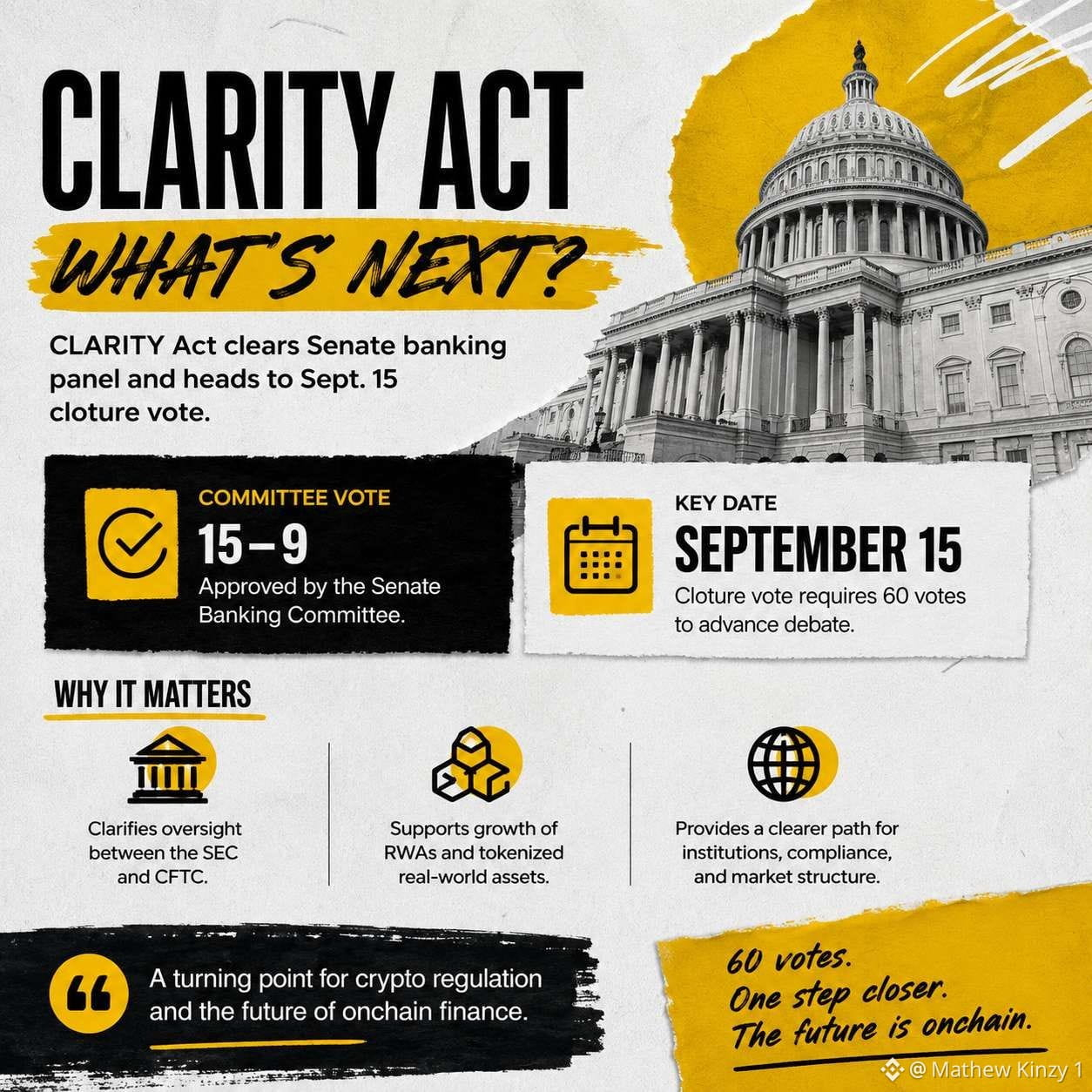
The CLARITY Act has cleared the Senate Banking Committee 15–9, putting September 15 in focus for a cloture vote that would require 60 senators to move the bill toward full floor debate.
And I think the bigger story here is what happens if it advances.
For years, one of the biggest problems in the U.S. digital asset market has been regulatory jurisdiction.
Who regulates what?
The SEC?
The CFTC?
Both?
The CLARITY Act attempts to draw clearer boundaries between them and establish an actual market structure for digital assets.
That matters far beyond crypto trading.
For RWAs, clearer rules could give institutions something they have been waiting for: a more predictable framework for issuing, distributing and operating tokenized assets in the U.S.
Tokenized treasuries, private credit, equities, funds and other real-world assets are already moving onchain.
The technology isn't waiting for regulation.
But institutional capital needs more than working technology.
It needs clarity around compliance, custody, market access, investor protection and secondary trading.
That's why September 15 is worth watching.
The vote itself doesn't make the CLARITY Act law. It determines whether the Senate can move toward full debate.
But if 60 votes are there, the conversation changes from:
“Will the U.S. create crypto market structure?”
to:
“What will that market structure actually look like?”
For crypto, that's important.
For the RWA sector trying to connect trillions of dollars in traditional assets with onchain infrastructure, it could be even bigger.
September 15 is now on my radar.
#CLARITYAct #RWA #Tokenization #Crypto #CryptoRegulation
It's a vote.
The CLARITY Act has cleared the Senate Banking Committee 15–9, putting September 15 in focus for a cloture vote that would require 60 senators to move the bill toward full floor debate.
And I think the bigger story here is what happens if it advances.
For years, one of the biggest problems in the U.S. digital asset market has been regulatory jurisdiction.
Who regulates what?
The SEC?
The CFTC?
Both?
The CLARITY Act attempts to draw clearer boundaries between them and establish an actual market structure for digital assets.
That matters far beyond crypto trading.
For RWAs, clearer rules could give institutions something they have been waiting for: a more predictable framework for issuing, distributing and operating tokenized assets in the U.S.
Tokenized treasuries, private credit, equities, funds and other real-world assets are already moving onchain.
The technology isn't waiting for regulation.
But institutional capital needs more than working technology.
It needs clarity around compliance, custody, market access, investor protection and secondary trading.
That's why September 15 is worth watching.
The vote itself doesn't make the CLARITY Act law. It determines whether the Senate can move toward full debate.
But if 60 votes are there, the conversation changes from:
“Will the U.S. create crypto market structure?”
to:
“What will that market structure actually look like?”
For crypto, that's important.
For the RWA sector trying to connect trillions of dollars in traditional assets with onchain infrastructure, it could be even bigger.
September 15 is now on my radar.
#CLARITYAct #RWA #Tokenization #Crypto #CryptoRegulation
翻訳参照
One of the biggest RWA stories this week didn't come from an RWA protocol.
It came from the London Stock Exchange.
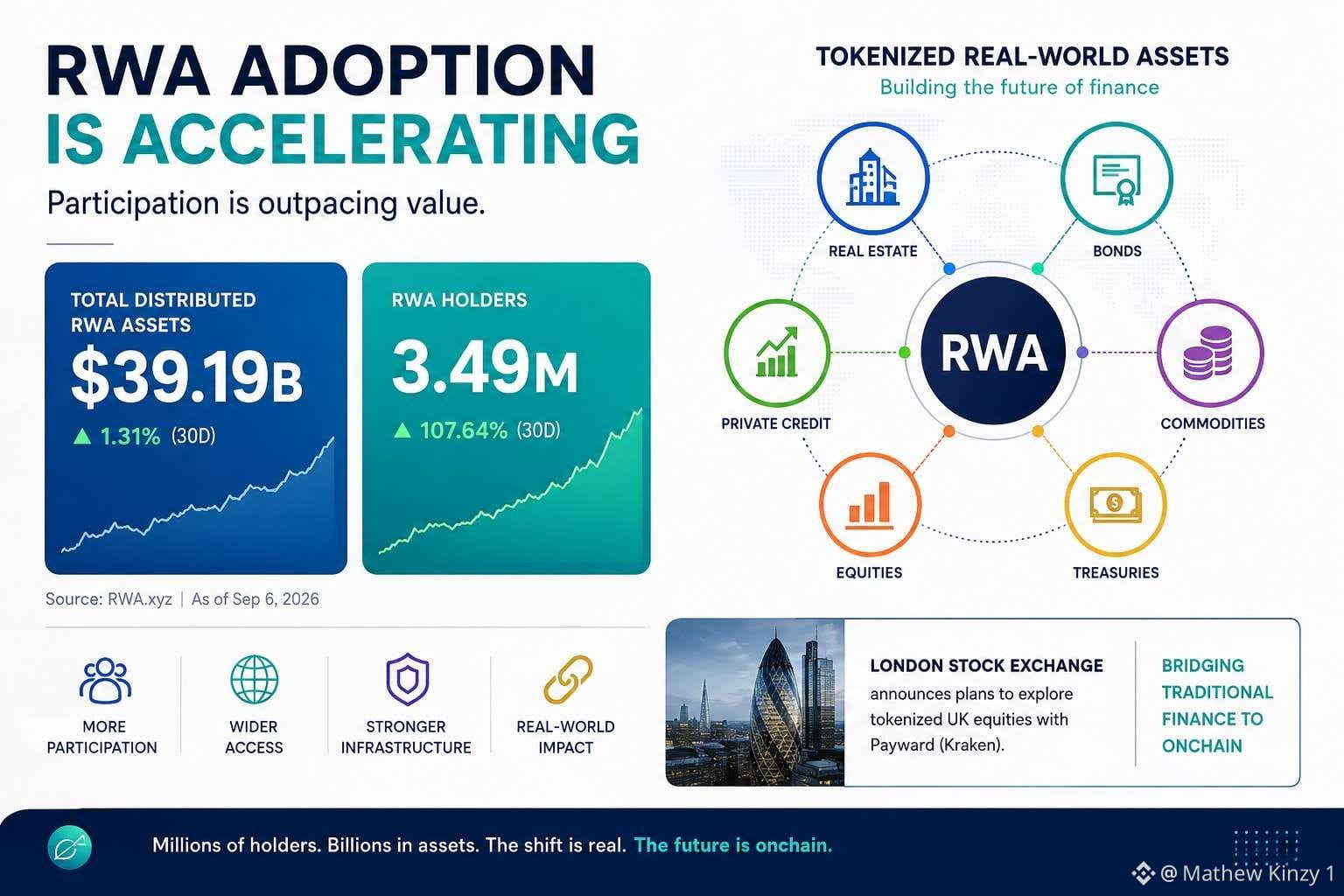
LSEG announced plans to explore tokenized UK equities with Payward, Kraken's parent company, as part of a broader move toward digital market infrastructure. The proposed structure would look at blockchain-based representation and settlement while preserving the shareholder protections and governance standards expected from public markets.
That's a bigger signal than it first appears.
A few years ago, tokenized stocks were mostly a crypto-native experiment.
Now one of the world's major exchange groups is asking how tokenization can fit directly into regulated capital-market infrastructure.
And the RWA numbers are moving in the same direction.
RWA.xyz currently tracks about $39.2B of distributed tokenized assets across 39 networks and roughly 3.49M RWA holders.
So I don't think the important RWA question anymore is:
“Will traditional assets come onchain?”
Some already are.
The better question is:
Who owns the infrastructure connecting the asset, investor, compliance layer, settlement rail and secondary market when tokenization becomes normal?
Because minting the token is becoming the easy part.
Making that token function inside real financial markets is where the serious work begins.
RWA is slowly becoming less of a crypto narrative and more of a capital-markets infrastructure race.
That distinction matters.
#RWA #Tokenization #Macro Insights#
It came from the London Stock Exchange.
LSEG announced plans to explore tokenized UK equities with Payward, Kraken's parent company, as part of a broader move toward digital market infrastructure. The proposed structure would look at blockchain-based representation and settlement while preserving the shareholder protections and governance standards expected from public markets.
That's a bigger signal than it first appears.
A few years ago, tokenized stocks were mostly a crypto-native experiment.
Now one of the world's major exchange groups is asking how tokenization can fit directly into regulated capital-market infrastructure.
And the RWA numbers are moving in the same direction.
RWA.xyz currently tracks about $39.2B of distributed tokenized assets across 39 networks and roughly 3.49M RWA holders.
So I don't think the important RWA question anymore is:
“Will traditional assets come onchain?”
Some already are.
The better question is:
Who owns the infrastructure connecting the asset, investor, compliance layer, settlement rail and secondary market when tokenization becomes normal?
Because minting the token is becoming the easy part.
Making that token function inside real financial markets is where the serious work begins.
RWA is slowly becoming less of a crypto narrative and more of a capital-markets infrastructure race.
That distinction matters.
#RWA #Tokenization #Macro Insights#
翻訳参照
Most stops on the Brickken World Tour mean entering a new market.
Barcelona is different. It’s home. 🇪🇸
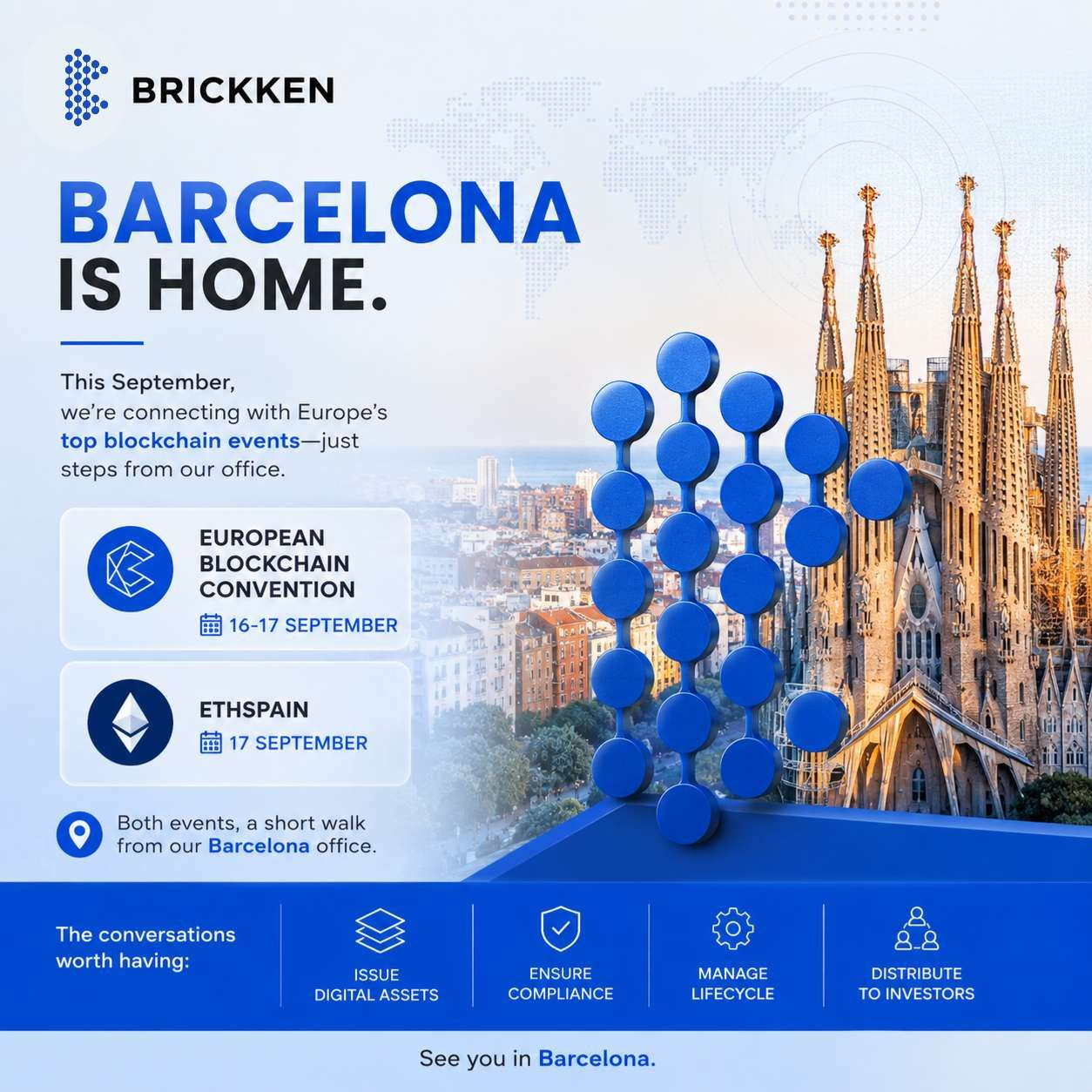
On September 16–17, Brickken heads to the European Blockchain Convention, followed by ETHSpain on September 17.
After taking the RWA conversation across different markets this year, the focus is no longer simply why tokenization matters.
The questions are getting more practical:
→ How do you issue tokenized assets at scale?
→ How does compliance follow the asset?
→ How do you manage investors efficiently?
→ How does distribution connect assets with real capital?
That shift tells you a lot about where RWA is heading.
Tokenization is moving beyond experimentation toward infrastructure that institutions can actually use.
The Brickken World Tour continues.
But this time, the shield isn’t visiting. It’s playing at home
$BKN #Brickken #RWA #Tokenization
Barcelona is different. It’s home. 🇪🇸
On September 16–17, Brickken heads to the European Blockchain Convention, followed by ETHSpain on September 17.
After taking the RWA conversation across different markets this year, the focus is no longer simply why tokenization matters.
The questions are getting more practical:
→ How do you issue tokenized assets at scale?
→ How does compliance follow the asset?
→ How do you manage investors efficiently?
→ How does distribution connect assets with real capital?
That shift tells you a lot about where RWA is heading.
Tokenization is moving beyond experimentation toward infrastructure that institutions can actually use.
The Brickken World Tour continues.
But this time, the shield isn’t visiting. It’s playing at home
$BKN #Brickken #RWA #Tokenization
翻訳参照
Brickken’s 2026 World Tour is heading to Poland 🇵🇱
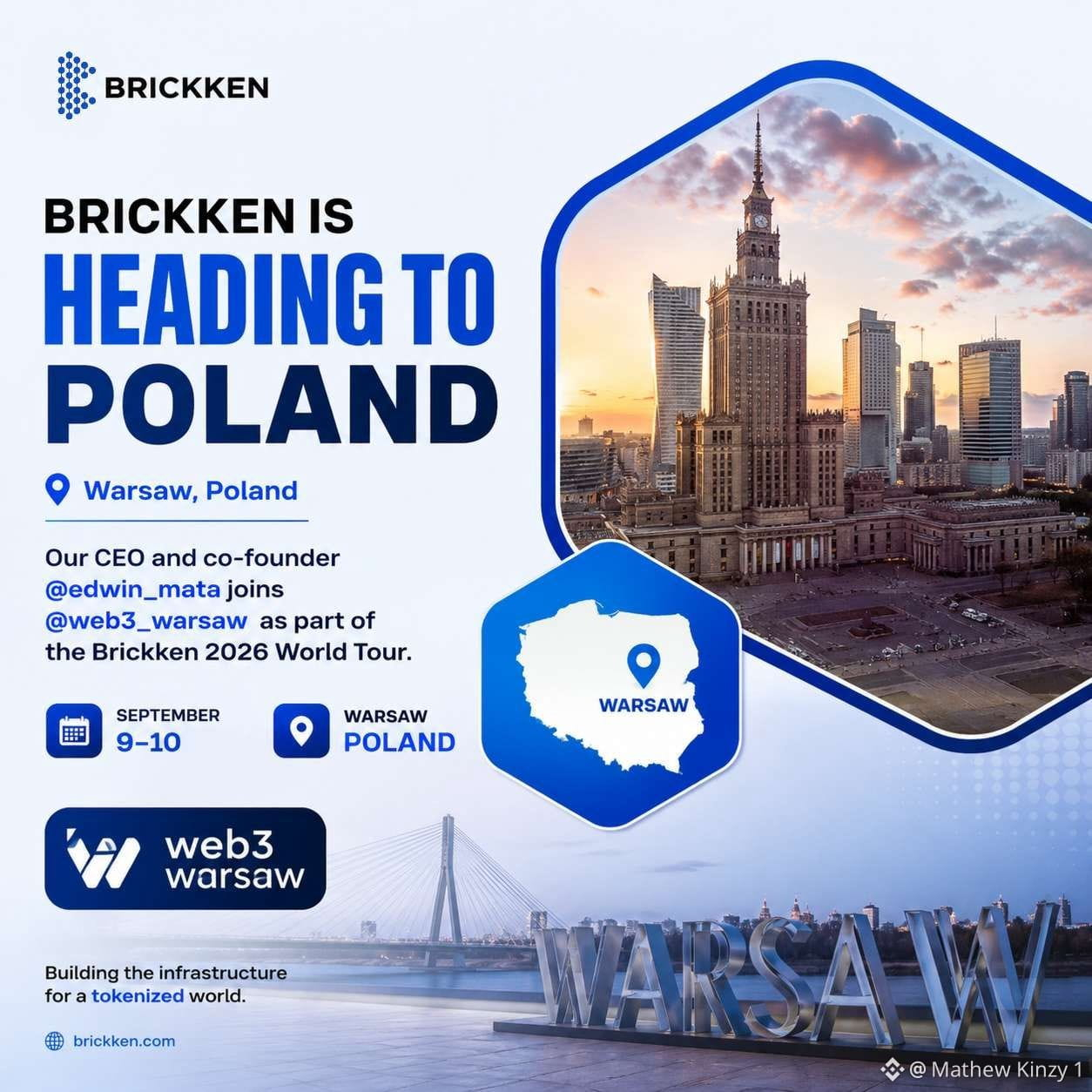
On September 9–10, @Brickken CEO and co-founder edwin_mata will be in Warsaw for Web3 Warsaw, continuing a year focused on bringing tokenization infrastructure closer to institutions, builders, and businesses across global markets.
What makes this interesting goes beyond another event stop.
As RWA adoption grows, the conversation is shifting from simply putting assets onchain to building infrastructure capable of supporting the full lifecycle: issuance, compliance, management, distribution, and interoperability.
That’s the layer Brickken continues to build around.
Warsaw represents another opportunity to connect those rails with a growing European Web3 ecosystem and the institutions exploring how tokenization can work in practice.
📍 Warsaw, Poland
📅 September 9–10, 2026
More details on Edwin Mata’s session are expected soon.
Another market. Same mission: making tokenization infrastructure practical at scale
$BKN #Brickken #RWA #Tokenization #Web3Warsaw
On September 9–10, @Brickken CEO and co-founder edwin_mata will be in Warsaw for Web3 Warsaw, continuing a year focused on bringing tokenization infrastructure closer to institutions, builders, and businesses across global markets.
What makes this interesting goes beyond another event stop.
As RWA adoption grows, the conversation is shifting from simply putting assets onchain to building infrastructure capable of supporting the full lifecycle: issuance, compliance, management, distribution, and interoperability.
That’s the layer Brickken continues to build around.
Warsaw represents another opportunity to connect those rails with a growing European Web3 ecosystem and the institutions exploring how tokenization can work in practice.
📍 Warsaw, Poland
📅 September 9–10, 2026
More details on Edwin Mata’s session are expected soon.
Another market. Same mission: making tokenization infrastructure practical at scale
$BKN #Brickken #RWA #Tokenization #Web3Warsaw
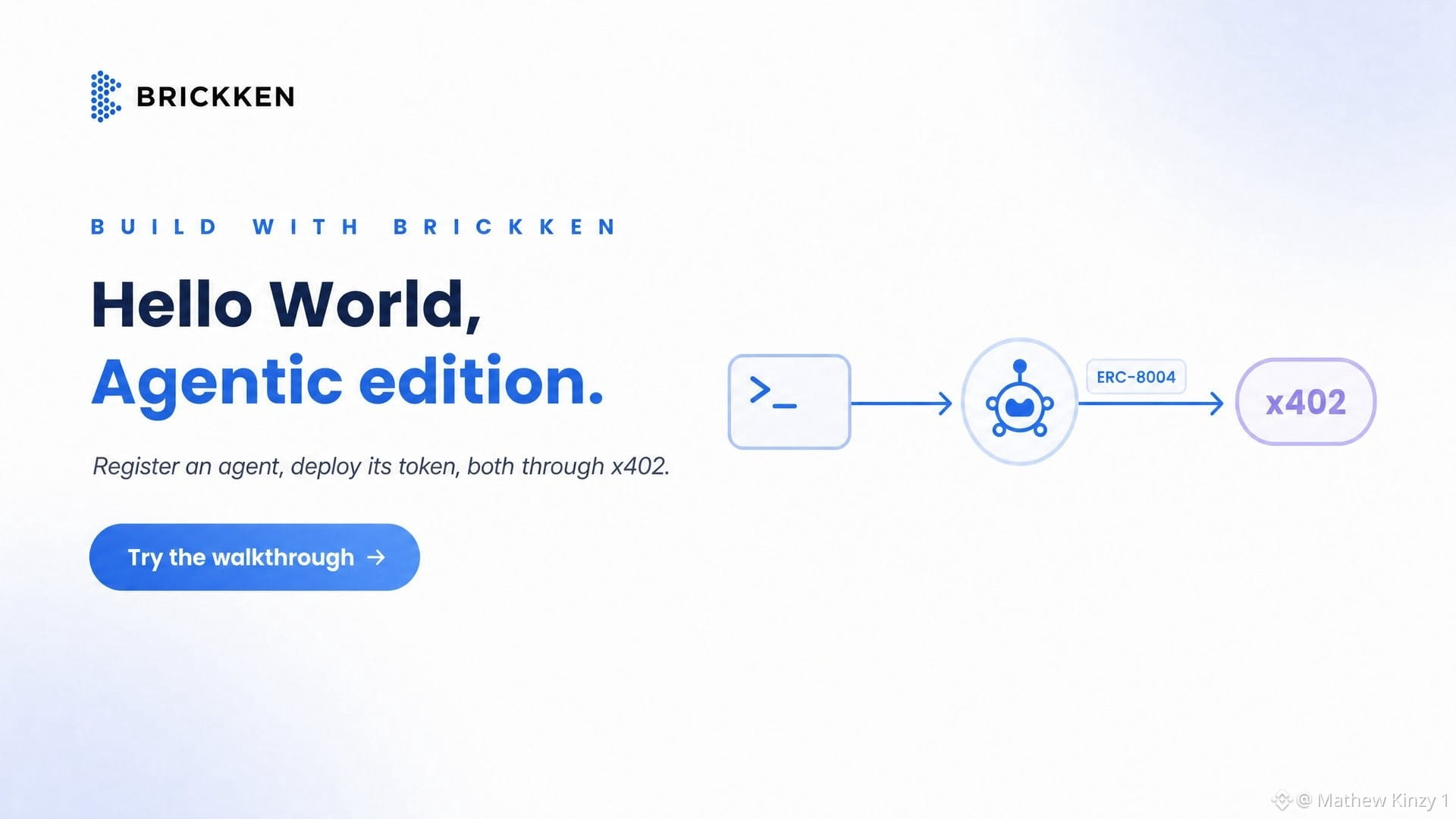
AIエージェントが、オンチェーン上で構築したものを所有し、管理できるとしたら?
BrickkenのAgentic Challengeは、まさにそれを示しています。
CLIを使うことで、エージェントは以下を実行できます:
→ ERC-8004のアイデンティティを登録する
→ x402を通じて、自身の登録手数料を読み取り・精算する
→ ERC-20トークンをデプロイする
→ デプロイされたアセットを所有し、制御する
→ Base Sepoliaでワークフローを完了する
実行中に途中で手動チャージは不要です。
これは、Brickkenがエージェント型ファイナンスを「コンセプト」から「稼働するインフラ」へと前進させる、実践的な例です。エージェントはオンチェーン上で、アセットを特定し、支払い、やり取りできます。
Brickkenで構築し、ぜひ自分で試してみてください。
🔗 Brickkenで構築:landing.brickken.com/build-with-brickken
$BKN #Brickken #RWA #Tokenization
BrickkenのAgentic Challengeは、まさにそれを示しています。
CLIを使うことで、エージェントは以下を実行できます:
→ ERC-8004のアイデンティティを登録する
→ x402を通じて、自身の登録手数料を読み取り・精算する
→ ERC-20トークンをデプロイする
→ デプロイされたアセットを所有し、制御する
→ Base Sepoliaでワークフローを完了する
実行中に途中で手動チャージは不要です。
これは、Brickkenがエージェント型ファイナンスを「コンセプト」から「稼働するインフラ」へと前進させる、実践的な例です。エージェントはオンチェーン上で、アセットを特定し、支払い、やり取りできます。
Brickkenで構築し、ぜひ自分で試してみてください。
🔗 Brickkenで構築:landing.brickken.com/build-with-brickken
$BKN #Brickken #RWA #Tokenization
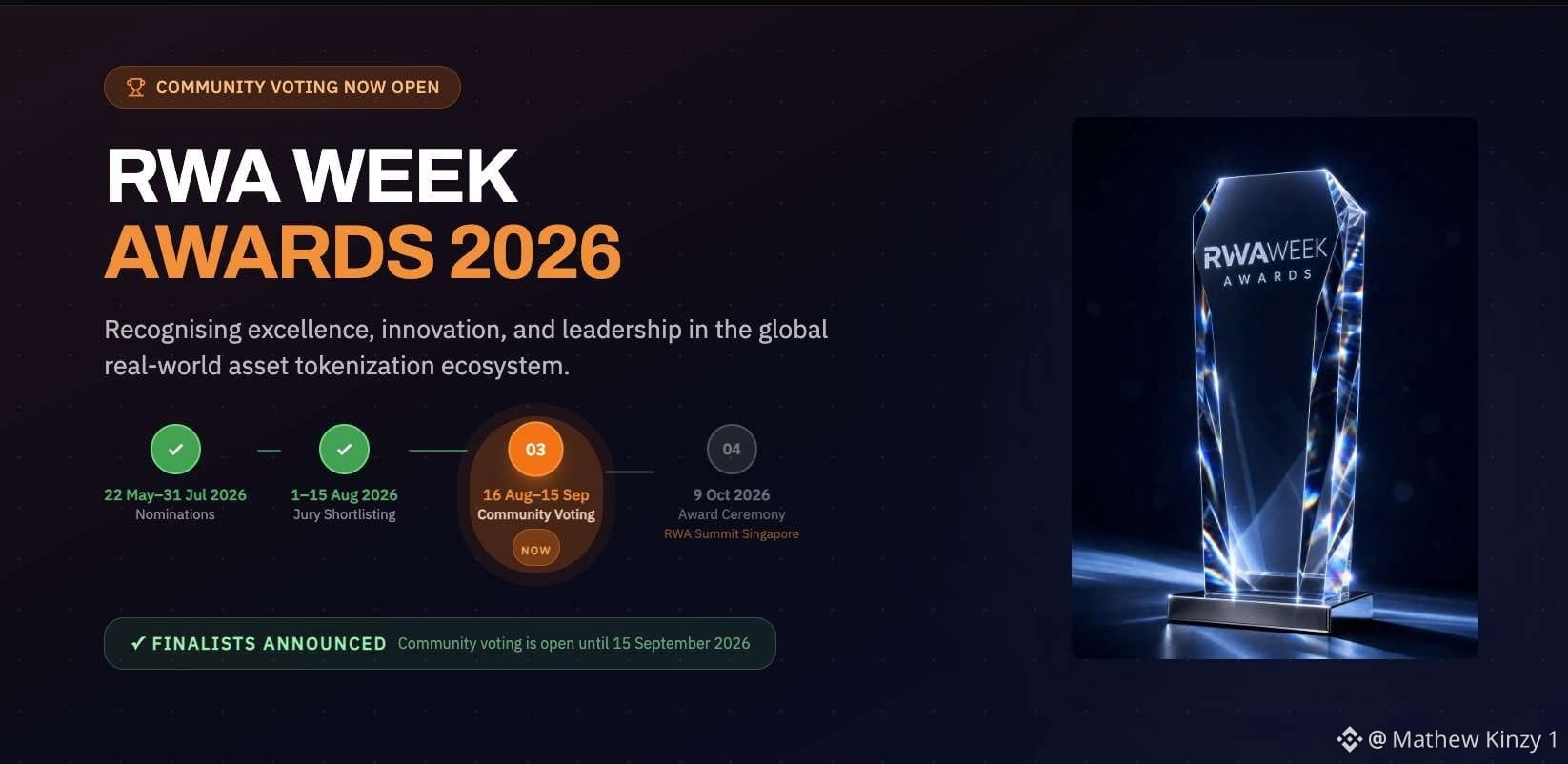
Brickken $BKN は、RWA Week Awards 2026 において「Tokenization Platform」部門のファイナリストに選出されました。
この評価は、機関投資家による RWA(現実資産のトークン化)の導入に向けて、トークン化インフラ、コンプライアンス、ライフサイクル管理、相互運用性、そして開発者向けツールに継続的に取り組んできた Brickken の活動を反映しています。
コミュニティ投票は 2026 年 8 月 16 日から 9 月 15 日まで実施され、受賞者は 10 月 9 日にシンガポールで開催される RWA Summit で発表されます。
投票するには、本人確認済みのビジネス用メールアドレスが必要で、各人はカテゴリごとに 1 票のみ投じることができます。
Brickken が構築している内容を追いかけてきた方なら、チームを応援できる良い機会です。
投票はこちら:rwaweek.com/award
$BKN #Brickken #RWA #Tokenization
この評価は、機関投資家による RWA(現実資産のトークン化)の導入に向けて、トークン化インフラ、コンプライアンス、ライフサイクル管理、相互運用性、そして開発者向けツールに継続的に取り組んできた Brickken の活動を反映しています。
コミュニティ投票は 2026 年 8 月 16 日から 9 月 15 日まで実施され、受賞者は 10 月 9 日にシンガポールで開催される RWA Summit で発表されます。
投票するには、本人確認済みのビジネス用メールアドレスが必要で、各人はカテゴリごとに 1 票のみ投じることができます。
Brickken が構築している内容を追いかけてきた方なら、チームを応援できる良い機会です。
投票はこちら:rwaweek.com/award
$BKN #Brickken #RWA #Tokenization
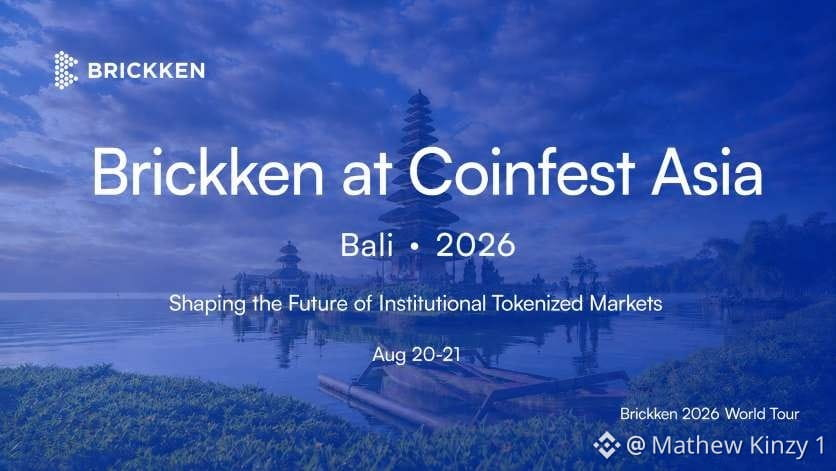
東南アジアは、デジタル・アセットがオンチェーンに属するのかどうかという問題をすでに過ぎています。
今のより大きな課題は、実際の資本、コンプライアンス、そして流通を大規模に支えるインフラを構築することです。
そこでBrickkenが登場します。
インドネシアがデジタル・アセットの監督をOJKへ移管し、地域全体で暗号資産の導入が強いことから、東南アジアは次のRWAインフラのフェーズにとって重要な市場になりつつあります。
$BKN Brickkenは、バリで開催されるCoinfestAsia 2026のTBVルームを後援し、その移行を形作っているビルダーや機関に、議論をより近づけています。
📍 バリ島、インドネシア
📅 8月20日〜21日
次のRWAフェーズは、単により多くのアセットを発行することだけではありません。
それは、資本が実際にそれらを使えるようにする“レール”を構築することです。
$BKN #RWA #Tokenization #Brickken
今のより大きな課題は、実際の資本、コンプライアンス、そして流通を大規模に支えるインフラを構築することです。
そこでBrickkenが登場します。
インドネシアがデジタル・アセットの監督をOJKへ移管し、地域全体で暗号資産の導入が強いことから、東南アジアは次のRWAインフラのフェーズにとって重要な市場になりつつあります。
$BKN Brickkenは、バリで開催されるCoinfestAsia 2026のTBVルームを後援し、その移行を形作っているビルダーや機関に、議論をより近づけています。
📍 バリ島、インドネシア
📅 8月20日〜21日
次のRWAフェーズは、単により多くのアセットを発行することだけではありません。
それは、資本が実際にそれらを使えるようにする“レール”を構築することです。
$BKN #RWA #Tokenization #Brickken
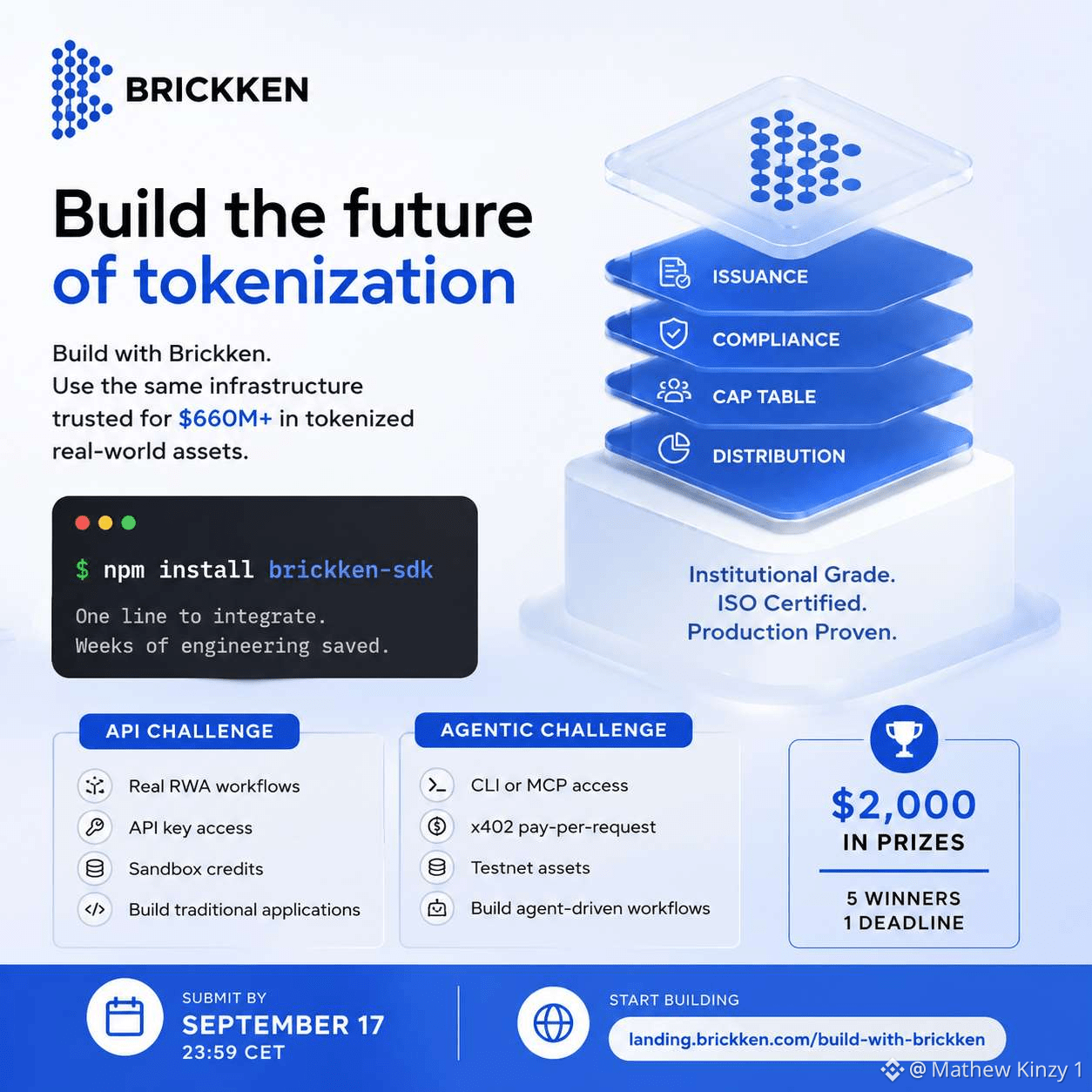
$BKN Brickkenは開発者向けビルド・プログラムを開始:賞金総額$2,000
Brickken(現実世界の資産トークン化インフラ・プラットフォーム)は「Build with Brickken(Brickkenでビルド)」を立ち上げました。これは6週間の開発者向けプログラムで、ビルダーが同社の機関投資家向けトークン化スタックに直接アクセスできるほか、ネイティブなTypeScript SDKの提供も行います。
➢ 公開したもの:
→ ネイティブSDK — 完全なプラットフォームをカバーする、型付きTypeScriptクライアント1つ:Dapp API(トークン化、STO)、Agentic API(x402決済、ERC-8004アイデンティティ、エージェントトークン)、RAMS(ERC-8226マンドデート委任)。npmで提供:npm install brickken-sdk
→ Build with Brickken — 2つの並行チャレンジを用意した、構造化されたビルド・プログラム。全5件の提出に対し賞金総額$2,000
➢ 2つのチャレンジ:
→ APIチャレンジ — APIキーによるアクセスとサンドボックスクレジットを用いた、直接のREST統合。ユースケースは、資産トークン化ライフサイクル、投資家向けオペレーション・ダッシュボード、そしてSTOの完全自動化まで幅広く対応
→ Agenticチャレンジ — x402の従量課金(pay-per-request)によるCLIまたはMCPアクセス。ユースケースは、ERC-8004エージェントのアイデンティティ登録、エージェント主導のトークン作成・ミント、RAMSのマンドデート委任とガバナンス
➢ 評価基準:
→ 最も革新的なユースケース
→ 最も面白いコンセプト
→ 最良の技術的実行とAPI統合
→ 現実のビジネスへの最大限の実現可能性
➢ 提出要件:
→ 実際のサンドボックス呼び出しを伴う動作実装
→ README付きの公開リポジトリ
→ 2〜3分のデモ録画、またはライブURL
→ 完了した提出フォーム
➢ スケジュール:
→ ビルド期間:8月7日〜9月16日
→ 提出締切:9月17日、23:59 CET
→ Discordでエンジニアリング支援を終日提供
完全アクセスの提供スイート:API。CLI。MCP。SDK — すべての方法で、開発者やエージェントが、150社以上のクライアント、40カ国以上にまたがる、トークン化資産$660M+を支えるインフラ上で構築できるようにします。
🔗 landing.brickken.com/build-with-brickken
$BKN #Tokenization #RWA #Buildathon
Brickken(現実世界の資産トークン化インフラ・プラットフォーム)は「Build with Brickken(Brickkenでビルド)」を立ち上げました。これは6週間の開発者向けプログラムで、ビルダーが同社の機関投資家向けトークン化スタックに直接アクセスできるほか、ネイティブなTypeScript SDKの提供も行います。
➢ 公開したもの:
→ ネイティブSDK — 完全なプラットフォームをカバーする、型付きTypeScriptクライアント1つ:Dapp API(トークン化、STO)、Agentic API(x402決済、ERC-8004アイデンティティ、エージェントトークン)、RAMS(ERC-8226マンドデート委任)。npmで提供:npm install brickken-sdk
→ Build with Brickken — 2つの並行チャレンジを用意した、構造化されたビルド・プログラム。全5件の提出に対し賞金総額$2,000
➢ 2つのチャレンジ:
→ APIチャレンジ — APIキーによるアクセスとサンドボックスクレジットを用いた、直接のREST統合。ユースケースは、資産トークン化ライフサイクル、投資家向けオペレーション・ダッシュボード、そしてSTOの完全自動化まで幅広く対応
→ Agenticチャレンジ — x402の従量課金(pay-per-request)によるCLIまたはMCPアクセス。ユースケースは、ERC-8004エージェントのアイデンティティ登録、エージェント主導のトークン作成・ミント、RAMSのマンドデート委任とガバナンス
➢ 評価基準:
→ 最も革新的なユースケース
→ 最も面白いコンセプト
→ 最良の技術的実行とAPI統合
→ 現実のビジネスへの最大限の実現可能性
➢ 提出要件:
→ 実際のサンドボックス呼び出しを伴う動作実装
→ README付きの公開リポジトリ
→ 2〜3分のデモ録画、またはライブURL
→ 完了した提出フォーム
➢ スケジュール:
→ ビルド期間:8月7日〜9月16日
→ 提出締切:9月17日、23:59 CET
→ Discordでエンジニアリング支援を終日提供
完全アクセスの提供スイート:API。CLI。MCP。SDK — すべての方法で、開発者やエージェントが、150社以上のクライアント、40カ国以上にまたがる、トークン化資産$660M+を支えるインフラ上で構築できるようにします。
🔗 landing.brickken.com/build-with-brickken
$BKN #Tokenization #RWA #Buildathon
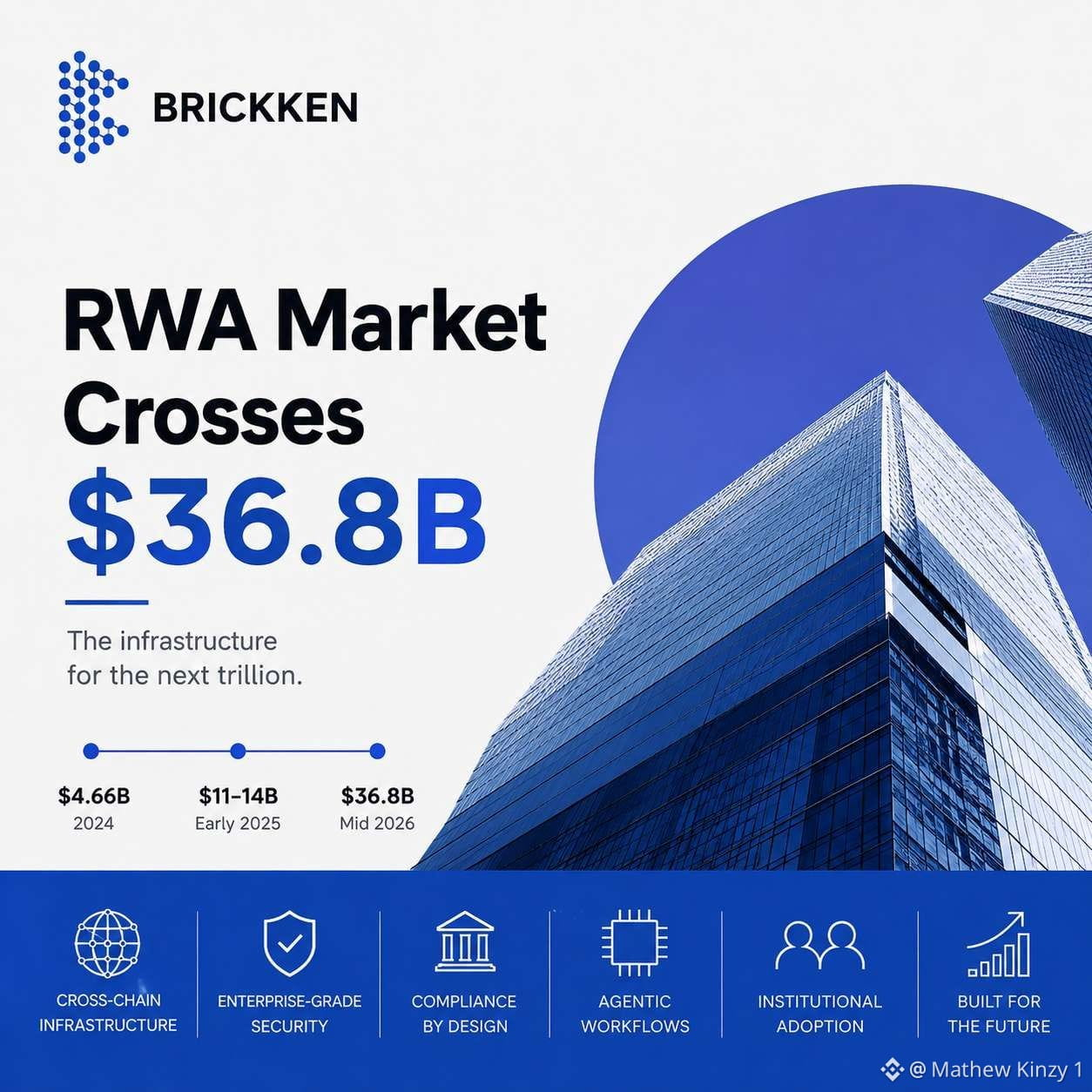
RWA市場がちょうど368億ドルを超えました。
この数字をもう一度、じっくり見てください。
私たちは2024年を46.6億ドルでスタートしました。2025年初めは110〜140億ドル。現在——分散型オンチェーン価値として368億ドルです。保有者数135万人。そして加速中。
これはもうトレンドではありません。構造的な変化です。
いま重要な数字はこれ:
↳ Ethereum: RWA価値総額の47.9%
↳ Solana: RWA保有者数が初めてEthereumを上回りました
↳ トークン化された国債: 依然として最大のカテゴリー
↳ トークン化株式: 最も成長が速い——30日間で50%
↳ JPMorgan Kinexys: 8つの通貨で、日次70億ドル超を決済
今月最大の動き:
米国証券114兆ドルを保管する清算機関DTCCが、ブロックチェーン決済のパイロットを開始しました。
50社超。BlackRock、Goldman、JPMorgan、Vanguard、Morgan Stanley。
完全な商用ローンチ: 2026年10月。
これはウォール街の中核インフラがオンチェーン化する動きです。パイロットではありません。概念実証でもありません。稼働中の本番取引です。
予測:
BCG: 2030年に1T(1兆ドル)
McKinsey: 2030年に2T(2兆ドル)
Standard Chartered: 2034年に30T(30兆ドル)
私たちは今日、368億ドルです。
BKN Brickkenがどこに当てはまるか:
誰もが「トークン化される資産」について語ります。
でも、その資産が動くインフラについて語る人は多くありません。
6.6億ドル超をトークン化。150社超のクライアント。40カ国超。Chainlink CCIPでBKN 2.0が稼働中。エージェント型キャピタル・マーケッツのインフラを展開。ISO認証済み。ERC-7943を共同執筆。
市場は12カ月で3倍に成長しました。
インフラ競争は、まだ始まったばかりです。
Brickken Q2まとめ: 🔗 brickken.com/post/q2-2026-brickken-tokenization-infrastructure-recap
#Brickken #BKN #RWA #Tokenization
この数字をもう一度、じっくり見てください。
私たちは2024年を46.6億ドルでスタートしました。2025年初めは110〜140億ドル。現在——分散型オンチェーン価値として368億ドルです。保有者数135万人。そして加速中。
これはもうトレンドではありません。構造的な変化です。
いま重要な数字はこれ:
↳ Ethereum: RWA価値総額の47.9%
↳ Solana: RWA保有者数が初めてEthereumを上回りました
↳ トークン化された国債: 依然として最大のカテゴリー
↳ トークン化株式: 最も成長が速い——30日間で50%
↳ JPMorgan Kinexys: 8つの通貨で、日次70億ドル超を決済
今月最大の動き:
米国証券114兆ドルを保管する清算機関DTCCが、ブロックチェーン決済のパイロットを開始しました。
50社超。BlackRock、Goldman、JPMorgan、Vanguard、Morgan Stanley。
完全な商用ローンチ: 2026年10月。
これはウォール街の中核インフラがオンチェーン化する動きです。パイロットではありません。概念実証でもありません。稼働中の本番取引です。
予測:
BCG: 2030年に1T(1兆ドル)
McKinsey: 2030年に2T(2兆ドル)
Standard Chartered: 2034年に30T(30兆ドル)
私たちは今日、368億ドルです。
BKN Brickkenがどこに当てはまるか:
誰もが「トークン化される資産」について語ります。
でも、その資産が動くインフラについて語る人は多くありません。
6.6億ドル超をトークン化。150社超のクライアント。40カ国超。Chainlink CCIPでBKN 2.0が稼働中。エージェント型キャピタル・マーケッツのインフラを展開。ISO認証済み。ERC-7943を共同執筆。
市場は12カ月で3倍に成長しました。
インフラ競争は、まだ始まったばかりです。
Brickken Q2まとめ: 🔗 brickken.com/post/q2-2026-brickken-tokenization-infrastructure-recap
#Brickken #BKN #RWA #Tokenization
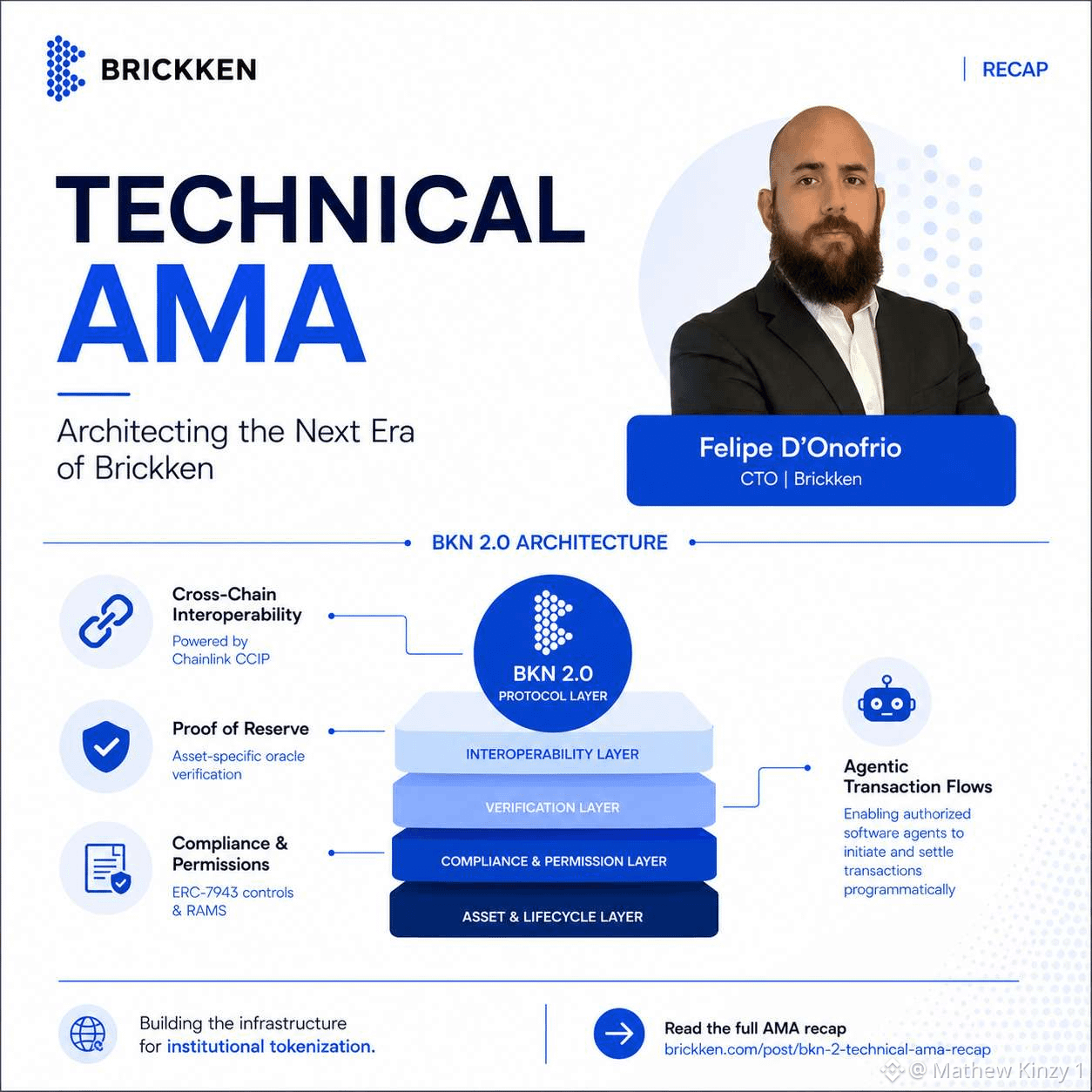
$BKN 2.0:マルチネットワーク機関投資家向けトークン化のためのBrickkenコア・プロトコル再設計
Brickkenは、単一ネットワークの導入をはるかに超えて進化した、機関投資家向けトークン化市場の構造的要件に対応するため、コアプロトコル層をBKN 1.0からBKN 2.0へアップグレードしました。
BKN 1.0—提供したもの:
→ 100社以上のクライアントをオンボーディング
→ 約5億ドル相当のトークン化資産価値をサポート
→ 準拠した機関投資家グレードのトークン化インフラのPoC(概念実証)
なぜ $BKN 2.0 が必要だったのか:
機関投資家は単一のブロックチェーンで運用しません。発行体、投資家、流動性プロバイダー、サービス・プラットフォームは、技術・規制・運用上の要件に応じて異なるネットワークを使います。単一ネットワークのインフラでは、その現実に対応できなくなっています。
クロスチェーン相互運用性——単なる機能追加ではなく、構造そのものの再考——が、BKN 2.0の中心的な設計判断です。
BKN 2.0が提供するもの:
→ Chainlink CCIP — Ethereum、Base、Polygon、BNB Chain間の標準化されたクロスチェーン転送。分断されたブリッジへの依存を置き換え
→ Proof of Reserve — 資産に固有のオラクルによる検証で、準備資産に裏付けられたインストゥルメントを確認。汎用ラベルではなく、資産ごとに設定可能
→ 分離されたコンプライアンス層 — 値の移転はBKN 2.0が担当。コンプライアンスと権限は、ERC-7943とRAMSを通じて別途統治
→ エージェント型トランザクション・フロー — x402の支払いスタンダードを用い、機関が定めた委任とコンプライアンス境界内でのプログラム的なエージェント・ワークフロー
→ 後方互換性 — 既存の統合に対してスマートコントラクトの変更は不要。新しいガスコストのモデルも導入しない
結論:
BKN 1.0はトークン化が機能することを証明しました。BKN 2.0はその先に向けて構築されています——検証可能なデータと、コンプライアンス品質のコントロール、そして自動実行を備えた、複数ネットワークで稼働するトークン化インストゥルメントのために。
完全まとめ:
🔗 brickken.com/post/bkn-2-technical-ama-recap
#AltcoinSeason# #Brickken #RWA #BKN
Brickkenは、単一ネットワークの導入をはるかに超えて進化した、機関投資家向けトークン化市場の構造的要件に対応するため、コアプロトコル層をBKN 1.0からBKN 2.0へアップグレードしました。
BKN 1.0—提供したもの:
→ 100社以上のクライアントをオンボーディング
→ 約5億ドル相当のトークン化資産価値をサポート
→ 準拠した機関投資家グレードのトークン化インフラのPoC(概念実証)
なぜ $BKN 2.0 が必要だったのか:
機関投資家は単一のブロックチェーンで運用しません。発行体、投資家、流動性プロバイダー、サービス・プラットフォームは、技術・規制・運用上の要件に応じて異なるネットワークを使います。単一ネットワークのインフラでは、その現実に対応できなくなっています。
クロスチェーン相互運用性——単なる機能追加ではなく、構造そのものの再考——が、BKN 2.0の中心的な設計判断です。
BKN 2.0が提供するもの:
→ Chainlink CCIP — Ethereum、Base、Polygon、BNB Chain間の標準化されたクロスチェーン転送。分断されたブリッジへの依存を置き換え
→ Proof of Reserve — 資産に固有のオラクルによる検証で、準備資産に裏付けられたインストゥルメントを確認。汎用ラベルではなく、資産ごとに設定可能
→ 分離されたコンプライアンス層 — 値の移転はBKN 2.0が担当。コンプライアンスと権限は、ERC-7943とRAMSを通じて別途統治
→ エージェント型トランザクション・フロー — x402の支払いスタンダードを用い、機関が定めた委任とコンプライアンス境界内でのプログラム的なエージェント・ワークフロー
→ 後方互換性 — 既存の統合に対してスマートコントラクトの変更は不要。新しいガスコストのモデルも導入しない
結論:
BKN 1.0はトークン化が機能することを証明しました。BKN 2.0はその先に向けて構築されています——検証可能なデータと、コンプライアンス品質のコントロール、そして自動実行を備えた、複数ネットワークで稼働するトークン化インストゥルメントのために。
完全まとめ:
🔗 brickken.com/post/bkn-2-technical-ama-recap
#AltcoinSeason# #Brickken #RWA #BKN
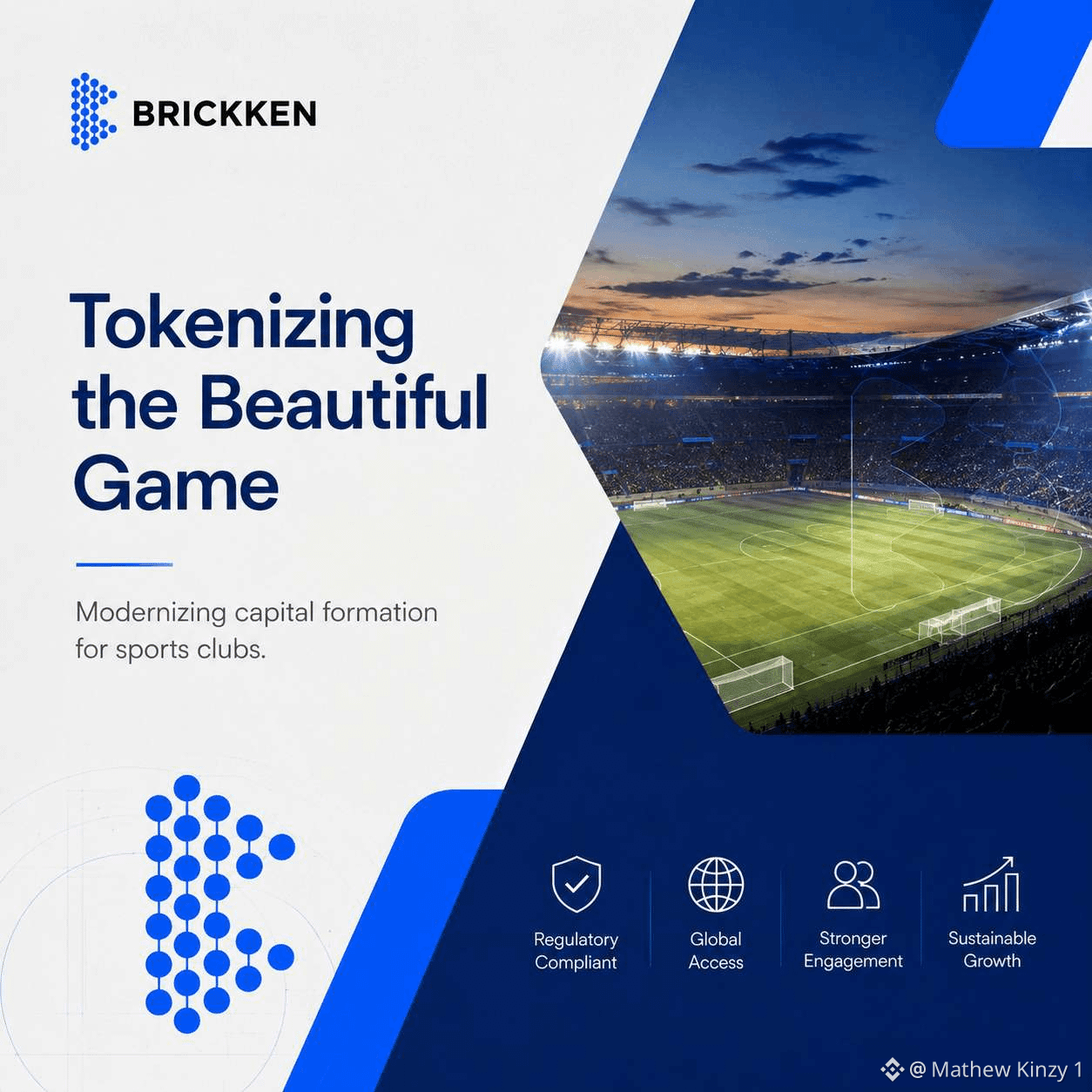
スポーツクラブがトークン化で新たな資本を解き放つ方法
Brickkenのエンタープライズソリューションズマネージャー、Celina Hompsは、トークン化インフラを活用してスポーツクラブが資本形成戦略を再構築する方法を解説しています。
中核となる課題:
スポーツクラブは、メディア権、スポンサー契約、放送収入、スタジアムのインフラ、知的財産など、本当に価値のある資産を保有しています。にもかかわらず、それらの資金調達はいまだに従来の仕組みに依存しています。大口のエクイティ売却、費用のかかるIPO、あるいは硬直的な銀行借入です。いずれも遅く、集中し、柔軟性に欠けます。
トークン化で可能になること:
→ 分割されたエクイティ(分数化された持分)— クラブが所有持分をトークン化し、単一の過半数買い手や証券取引所への上場を必要とせずに、世界中の数千人の株主へ分配できます
→ 収益分配型のインストゥルメント— 投資家は、グッズ販売、放送権、スポンサー収入などの特定の収入ストリームに直接エクスポージャーを持ち、自動で分配を受けられます
→ トークン化されたプロジェクト債— インフラ資金を、個人および機関投資家へ規模をもって分配し、従来のプライベート債務では提供できないセカンダリー市場の流動性も実現します
これらはすべて、既存の規制された金融枠組みの中で設計されます。
スポーツならではの強み:
ほとんどの業界と違い、スポーツクラブは投資家を見つける必要がありません。彼らのファンベース—何百万もの無条件に忠実な支持者—は、すでに存在する潜在的な資本参加者のプールです。トークン化は、その感情的な投資を経済的な参加へ変換する仕組みを提供します。
Brickkenのインフラ面での役割:
Brickkenは、ノーコードの発行プラットフォーム、手続きの自動化(コンプライアンス)ツール、そしてブランド化された投資家向けポータルを提供し、ブロックチェーンの専門知識がなくてもクラブがトークン化されたオファリングを立ち上げられるようにします。さらに、既存のクラブのデジタル・エコシステムに完全に統合されます。
🔗 brickken.com/post/sports-club-tokenization
$BKN #Brickken #BKN #RWA #Tokenization
Brickkenのエンタープライズソリューションズマネージャー、Celina Hompsは、トークン化インフラを活用してスポーツクラブが資本形成戦略を再構築する方法を解説しています。
中核となる課題:
スポーツクラブは、メディア権、スポンサー契約、放送収入、スタジアムのインフラ、知的財産など、本当に価値のある資産を保有しています。にもかかわらず、それらの資金調達はいまだに従来の仕組みに依存しています。大口のエクイティ売却、費用のかかるIPO、あるいは硬直的な銀行借入です。いずれも遅く、集中し、柔軟性に欠けます。
トークン化で可能になること:
→ 分割されたエクイティ(分数化された持分)— クラブが所有持分をトークン化し、単一の過半数買い手や証券取引所への上場を必要とせずに、世界中の数千人の株主へ分配できます
→ 収益分配型のインストゥルメント— 投資家は、グッズ販売、放送権、スポンサー収入などの特定の収入ストリームに直接エクスポージャーを持ち、自動で分配を受けられます
→ トークン化されたプロジェクト債— インフラ資金を、個人および機関投資家へ規模をもって分配し、従来のプライベート債務では提供できないセカンダリー市場の流動性も実現します
これらはすべて、既存の規制された金融枠組みの中で設計されます。
スポーツならではの強み:
ほとんどの業界と違い、スポーツクラブは投資家を見つける必要がありません。彼らのファンベース—何百万もの無条件に忠実な支持者—は、すでに存在する潜在的な資本参加者のプールです。トークン化は、その感情的な投資を経済的な参加へ変換する仕組みを提供します。
Brickkenのインフラ面での役割:
Brickkenは、ノーコードの発行プラットフォーム、手続きの自動化(コンプライアンス)ツール、そしてブランド化された投資家向けポータルを提供し、ブロックチェーンの専門知識がなくてもクラブがトークン化されたオファリングを立ち上げられるようにします。さらに、既存のクラブのデジタル・エコシステムに完全に統合されます。
🔗 brickken.com/post/sports-club-tokenization
$BKN #Brickken #BKN #RWA #Tokenization
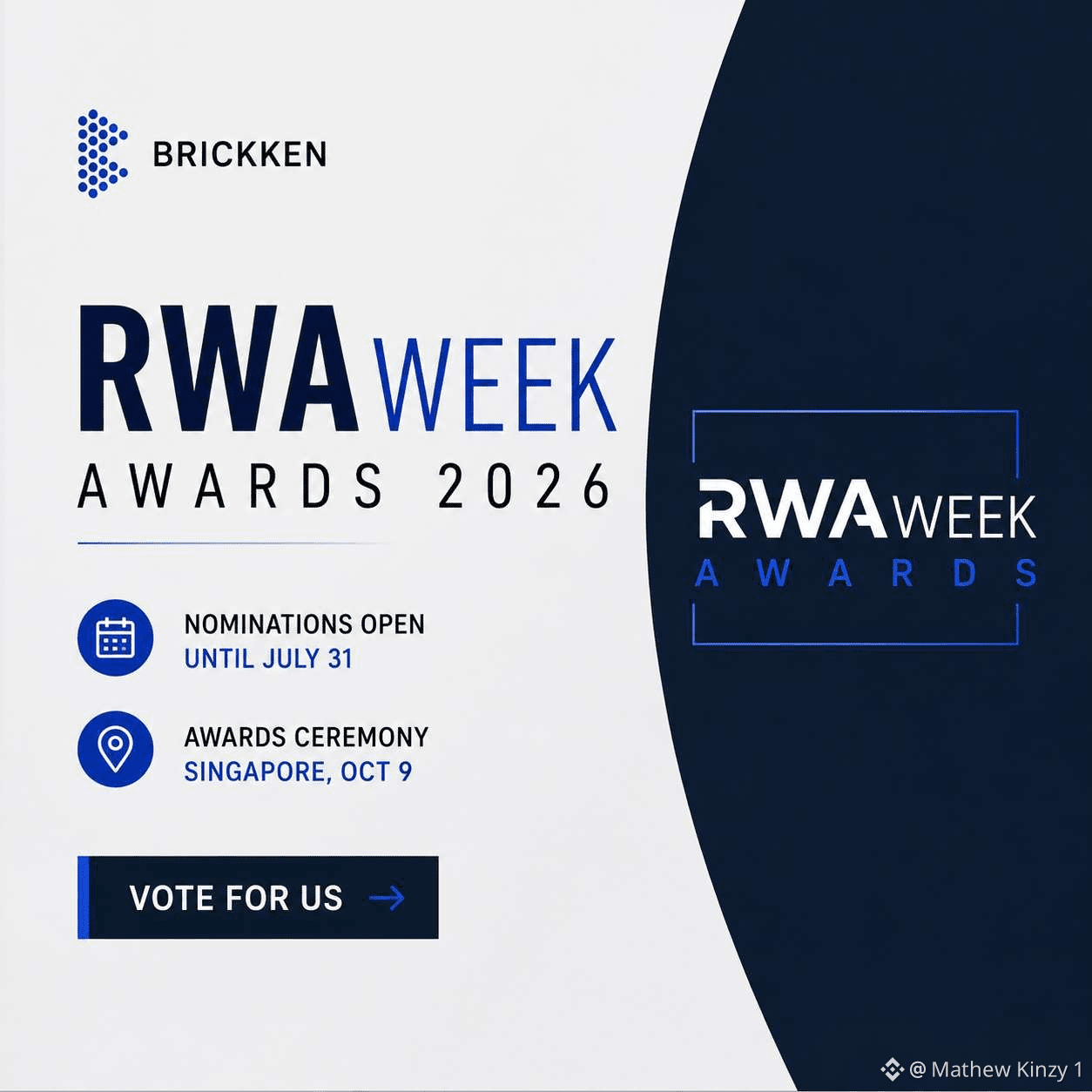
$BKN Brickken、RWAウィーク・アワード2026にノミネート — コミュニティ投票受付中
RWAウィーク・アワード2026のノミネーションを開始しました。受賞者は編集部のパネルや審査委員会ではなく、実世界資産(RWA)のトークン化コミュニティによって完全に決定されます。
受賞について:
→ ノミネーション受付開始 — 締切は7月31日
→ カテゴリー選択は推薦者が行えます
→ 受賞者はシンガポールで開催されるRWAウィーク・アワード授賞式(10月9日)でライブ発表
Brickkenの主張:
Brickkenは、複数の資産クラスにわたる、機関投資家レベルのトークン化インフラに注力してきました。具体的には、発行ツール、コンプライアンスの実行、ライフサイクル管理です。
その実績を裏付ける主なマイルストーン:
→ トークン化された資産で$660M+
→ 40+の国にまたがる150+のアクティブクライアント
→ ISO 27001:2022、ISO 27701、ISO 27018の認証
→ ERC-7943のEthereum標準を共同執筆 — 現在Finalステータス
→ エージェント型トークン配備のためのBrickken CLIおよびBase MCPが稼働中
→ Chainlink CCIP統合を備えたBKN 2.0スマートコントラクト移行が完了
→ トークン化プラットフォーム・オブ・ザ・イヤー — Hedgeweek Digital Assets Awards 2026
ノミネート方法:
コミュニティメンバー — クライアント、パートナー、投資家、ビルダー — は、下記の
リンクから直接ノミネーションを提出できます。
🗳️ ノミネーション締切: 7月31日
🏆 授賞式: シンガポール、10月9日
🔗 rwaweek.com/award
#Brickken #RWA #Tokenization
RWAウィーク・アワード2026のノミネーションを開始しました。受賞者は編集部のパネルや審査委員会ではなく、実世界資産(RWA)のトークン化コミュニティによって完全に決定されます。
受賞について:
→ ノミネーション受付開始 — 締切は7月31日
→ カテゴリー選択は推薦者が行えます
→ 受賞者はシンガポールで開催されるRWAウィーク・アワード授賞式(10月9日)でライブ発表
Brickkenの主張:
Brickkenは、複数の資産クラスにわたる、機関投資家レベルのトークン化インフラに注力してきました。具体的には、発行ツール、コンプライアンスの実行、ライフサイクル管理です。
その実績を裏付ける主なマイルストーン:
→ トークン化された資産で$660M+
→ 40+の国にまたがる150+のアクティブクライアント
→ ISO 27001:2022、ISO 27701、ISO 27018の認証
→ ERC-7943のEthereum標準を共同執筆 — 現在Finalステータス
→ エージェント型トークン配備のためのBrickken CLIおよびBase MCPが稼働中
→ Chainlink CCIP統合を備えたBKN 2.0スマートコントラクト移行が完了
→ トークン化プラットフォーム・オブ・ザ・イヤー — Hedgeweek Digital Assets Awards 2026
ノミネート方法:
コミュニティメンバー — クライアント、パートナー、投資家、ビルダー — は、下記の
リンクから直接ノミネーションを提出できます。
🗳️ ノミネーション締切: 7月31日
🏆 授賞式: シンガポール、10月9日
🔗 rwaweek.com/award
#Brickken #RWA #Tokenization
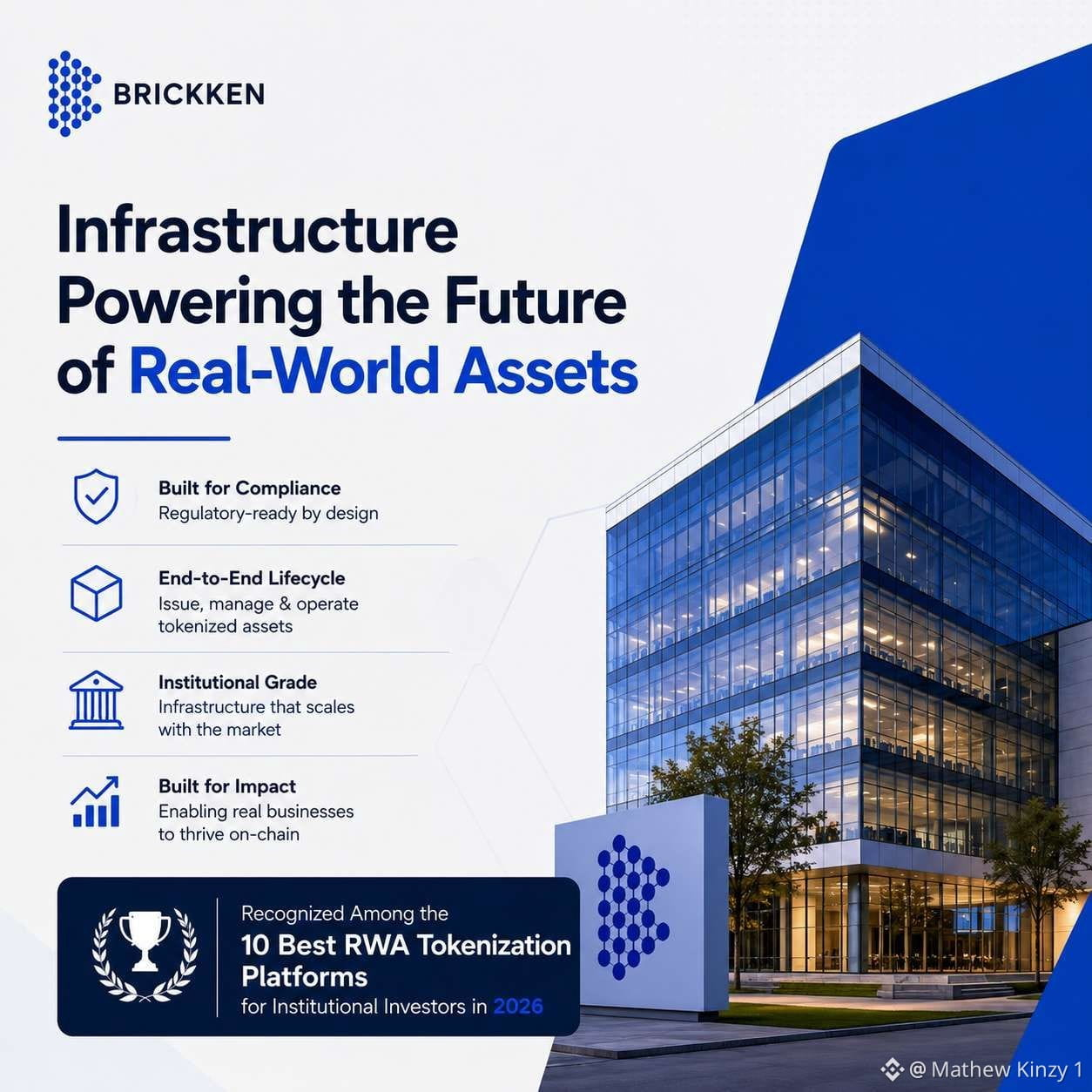
2026年の機関投資家向け「RWAトークン化プラットフォーム」ベスト10にBrickkenが選出
FinanceFeedsは、2026年の機関投資家向け「RWAトークン化プラットフォーム」ベスト10として、$BKN BrickkenをSecuritize、Ondo Finance、Fireblocks、Centrifuge、Tokeny、Polymesh、DigiShares、Kaleidoと並べて選出しました。
重要な理由:
評価基準は、業界がどこまで成熟したかを示しています。プラットフォームは技術だけで順位づけされたのではなく、コンプライアンス基盤、セキュリティ、マルチアセット対応、ライフサイクル管理、そして運用のスケーラビリティ(規模拡大の容易さ)を考慮して評価されました。
機関投資家がいま問いかけていることは変化しています:
→ コンプライアンスは最初から組み込まれているのか、それとも後付けなのか?
→ プラットフォームは複数の資産クラスに対応できるのか?
→ 発行後、資産はどうなるのか?
Brickkenが評価され、認められた点:
→ 複数の資産クラスにまたがるスマートコントラクトの自動化
→ 統合されたコンプライアンス機能 — 後回しではない
→ 発行から満期までの完全なライフサイクル管理
→ 業界をまたいで展開可能な柔軟なインフラ
より大きなシグナル:
トークン化のボトルネックは、決して「トークン」ではありませんでした。常に、その下にある運用インフラでした。すなわち、ガバナンス、コンプライアンス、そしてライフサイクルの仕組みです。これらは機関投資家の厳格な精査に耐える必要があります。
これらの基準で評価され、リスト入りしたことは、市場が実験段階を大きく越えて、真剣な導入判断の段階に移行したことを反映しています。
FinanceFeedsは、2026年の機関投資家向け「RWAトークン化プラットフォーム」ベスト10として、$BKN BrickkenをSecuritize、Ondo Finance、Fireblocks、Centrifuge、Tokeny、Polymesh、DigiShares、Kaleidoと並べて選出しました。
重要な理由:
評価基準は、業界がどこまで成熟したかを示しています。プラットフォームは技術だけで順位づけされたのではなく、コンプライアンス基盤、セキュリティ、マルチアセット対応、ライフサイクル管理、そして運用のスケーラビリティ(規模拡大の容易さ)を考慮して評価されました。
機関投資家がいま問いかけていることは変化しています:
→ コンプライアンスは最初から組み込まれているのか、それとも後付けなのか?
→ プラットフォームは複数の資産クラスに対応できるのか?
→ 発行後、資産はどうなるのか?
Brickkenが評価され、認められた点:
→ 複数の資産クラスにまたがるスマートコントラクトの自動化
→ 統合されたコンプライアンス機能 — 後回しではない
→ 発行から満期までの完全なライフサイクル管理
→ 業界をまたいで展開可能な柔軟なインフラ
より大きなシグナル:
トークン化のボトルネックは、決して「トークン」ではありませんでした。常に、その下にある運用インフラでした。すなわち、ガバナンス、コンプライアンス、そしてライフサイクルの仕組みです。これらは機関投資家の厳格な精査に耐える必要があります。
これらの基準で評価され、リスト入りしたことは、市場が実験段階を大きく越えて、真剣な導入判断の段階に移行したことを反映しています。
エクイティのトークン化には地理的な問題がある
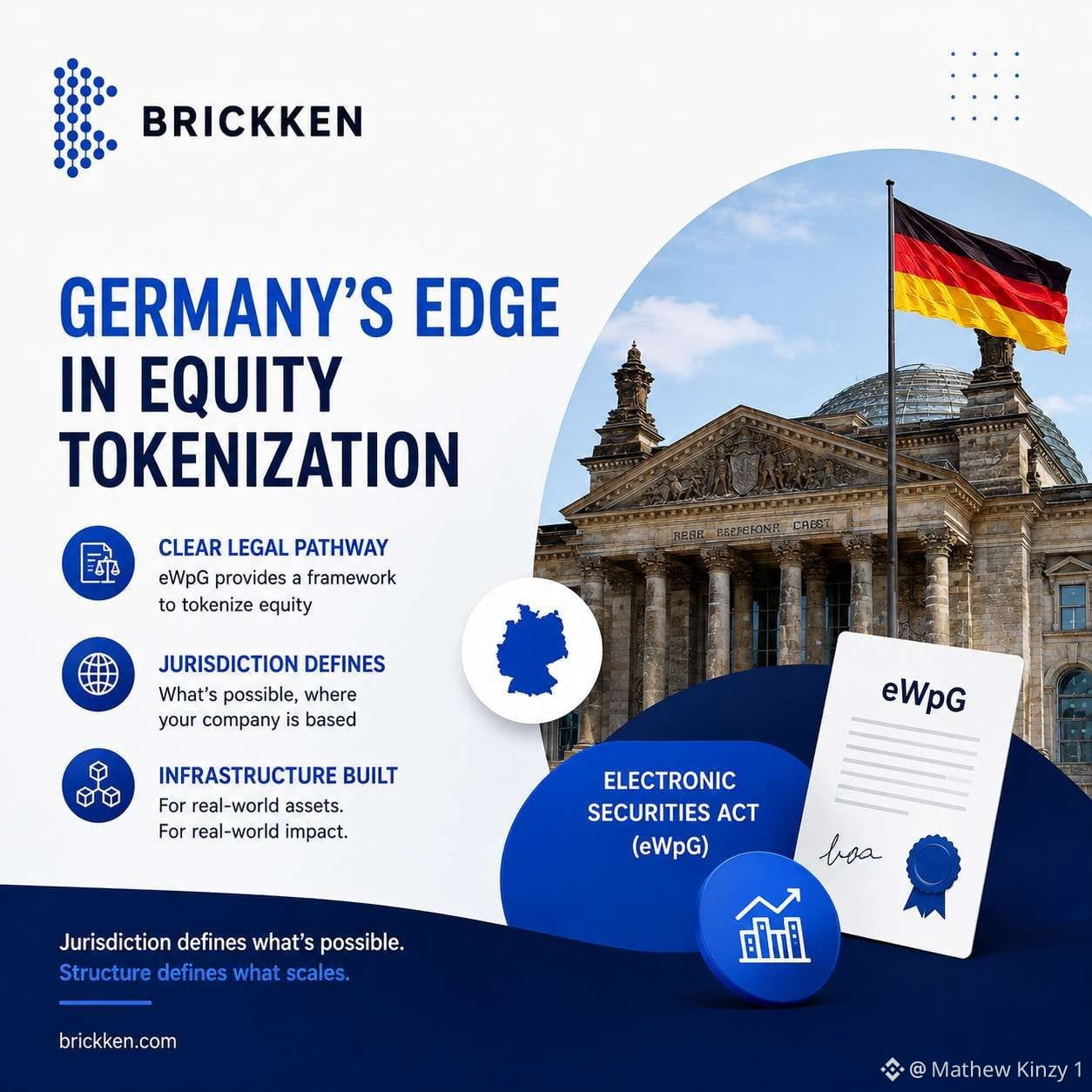
$BKN Brickkenの最新ウェビナー(21Xとの共催)では、ヨーロッパ初の規制されたDLTの取引・決済システムが、業界が見落としがちな重要な洞察を浮き彫りにしています。それは、トークン化においては、技術よりも管轄(法域)がより重要だということです。
中核となるギャップ:
➢ ドイツの企業はeWpGの下でエクイティをトークン化できる——それにより実現可能になる明確な法的枠組みがある
➢ ほとんどの欧州諸国には同等の枠組みがない——同じ資産でも、同じプラットフォームでも、法的な結論は異なる
➢ 債務商品はより柔軟——多くの場合、準拠法を選べるため、本国の法域に関係なく国境を越えてトークン化へのアクセスを開くことができる
より大きな転換:
発行はもはや難しい問題ではありません。業界はそれを解決しました。
いま本当に課題なのは流通です。トークン化された資産がどのように投資家に届き、プラットフォーム間を移動し、しかも大規模にコンプライアンスを維持するのか。
RWAで勝つ機関は、トークンを作るのが最も得意なところではありません。
トークンを「動かす」のが最も得意なところが勝ちます。
🔗 brickken.com
#RWA #Tokenization #Brickken
$BKN Brickkenの最新ウェビナー(21Xとの共催)では、ヨーロッパ初の規制されたDLTの取引・決済システムが、業界が見落としがちな重要な洞察を浮き彫りにしています。それは、トークン化においては、技術よりも管轄(法域)がより重要だということです。
中核となるギャップ:
➢ ドイツの企業はeWpGの下でエクイティをトークン化できる——それにより実現可能になる明確な法的枠組みがある
➢ ほとんどの欧州諸国には同等の枠組みがない——同じ資産でも、同じプラットフォームでも、法的な結論は異なる
➢ 債務商品はより柔軟——多くの場合、準拠法を選べるため、本国の法域に関係なく国境を越えてトークン化へのアクセスを開くことができる
より大きな転換:
発行はもはや難しい問題ではありません。業界はそれを解決しました。
いま本当に課題なのは流通です。トークン化された資産がどのように投資家に届き、プラットフォーム間を移動し、しかも大規模にコンプライアンスを維持するのか。
RWAで勝つ機関は、トークンを作るのが最も得意なところではありません。
トークンを「動かす」のが最も得意なところが勝ちます。
🔗 brickken.com
#RWA #Tokenization #Brickken
Brickken、2026年Q2をトークン化資産6億6,000万ドル超で締めくくり 主要インフラの節目を4つ達成
現実世界の資産トークン化インフラ基盤であるBrickkenは、2026年Q2の総括レポートを公開し、同社が「トークン化における恒久的な転換点を超えた」と表現する到達を記録しました
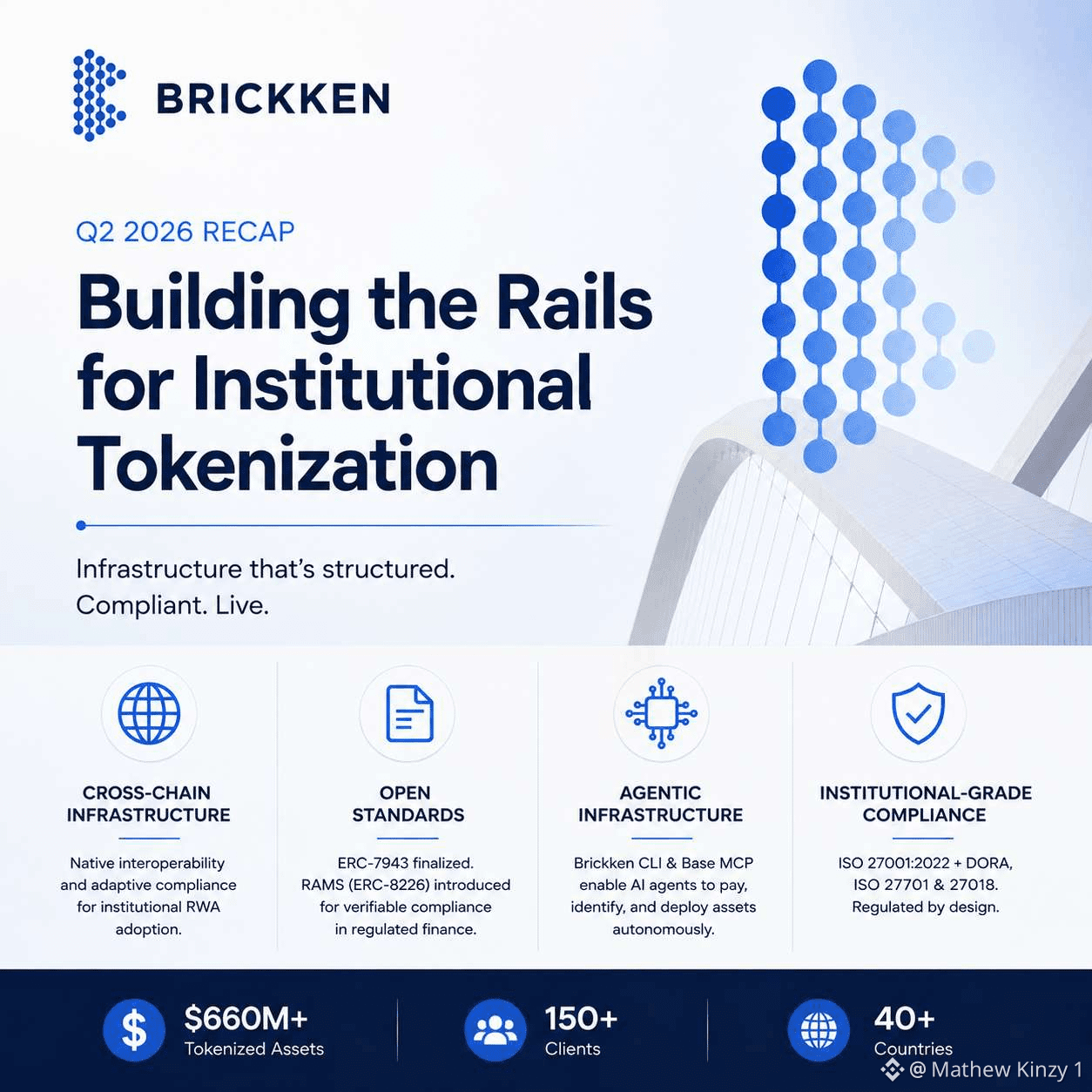
主要指標:
→ トークン化資産6億6,000万ドル超
→ アクティブ顧客150社超
→ 対応国40か国超
今四半期を定義した4つの進展:
➢ BKNスマートコントラクト移行
Brickkenは、中核となるスマートコントラクトのアーキテクチャに対してプロトコルレベルのアップグレードを完了
➢ オープン・トークン化標準
ERC-7943(現実世界の資産トークン向けの準拠インターフェース標準)が、公式のイーサリアム標準としてファイナルステータスに到達。これに加えて、BrickkenはRAMS(ERC-8226)も導入
➢ Brickken CLIおよびエージェンティック・インフラ
Brickkenはコマンドライン・インターフェース(CLI)をローンチし、Base MCP上へ展開
➢ 機関投資家向けコンプライアンス・スタック
Brickkenは、統合されたDORA検証付きでISO 27001:2022を達成。さらにISO 27701およびISO 27018の認証も取得し、データプライバシーのガバナンスとクラウドデータ保護をカバー
エコシステム&パートナーシップ:
→ マイアミで米国オペレーションを開始し、ルクセンブルクのLHoFTイノベーション・エコシステムに参加
→ ADI Foundationと提携し、MENA地域にわたってADI Chain上で準拠するトークン化インフラを展開
→ MAGMA Real Estateとともに、オンチェーンの不動産NAVオラクルをローンチ
→ XDC Network上で、コモディティ担保型の貿易金融インフラのパイロットを実行
→ 法務・税務・マーケティングの専門家をライブ取引につなぐ「Brickken Certified Partner Program」を展開
業界での評価:
→ 「トークン化プラットフォーム・オブ・ザ・イヤー」Hedgeweekデジタル・アセット・アワーズ
→ 「Rising Star Award」WAIB Summit
→ BeInCryptoの「Institutional 100」リストに選出
Brickkenは、Blockchain Week Paris、Consensus Miami、EthCC Cannes、WAIB Summit Monaco、TokenizeThis NYC、ETH Milano、Adminovate Dublin、Dutch Blockchain Weekに代表として参加
今後:
2026年Q3における追加のエコシステム拡大およびインフラ開発
現実世界の資産トークン化インフラ基盤であるBrickkenは、2026年Q2の総括レポートを公開し、同社が「トークン化における恒久的な転換点を超えた」と表現する到達を記録しました
主要指標:
→ トークン化資産6億6,000万ドル超
→ アクティブ顧客150社超
→ 対応国40か国超
今四半期を定義した4つの進展:
➢ BKNスマートコントラクト移行
Brickkenは、中核となるスマートコントラクトのアーキテクチャに対してプロトコルレベルのアップグレードを完了
➢ オープン・トークン化標準
ERC-7943(現実世界の資産トークン向けの準拠インターフェース標準)が、公式のイーサリアム標準としてファイナルステータスに到達。これに加えて、BrickkenはRAMS(ERC-8226)も導入
➢ Brickken CLIおよびエージェンティック・インフラ
Brickkenはコマンドライン・インターフェース(CLI)をローンチし、Base MCP上へ展開
➢ 機関投資家向けコンプライアンス・スタック
Brickkenは、統合されたDORA検証付きでISO 27001:2022を達成。さらにISO 27701およびISO 27018の認証も取得し、データプライバシーのガバナンスとクラウドデータ保護をカバー
エコシステム&パートナーシップ:
→ マイアミで米国オペレーションを開始し、ルクセンブルクのLHoFTイノベーション・エコシステムに参加
→ ADI Foundationと提携し、MENA地域にわたってADI Chain上で準拠するトークン化インフラを展開
→ MAGMA Real Estateとともに、オンチェーンの不動産NAVオラクルをローンチ
→ XDC Network上で、コモディティ担保型の貿易金融インフラのパイロットを実行
→ 法務・税務・マーケティングの専門家をライブ取引につなぐ「Brickken Certified Partner Program」を展開
業界での評価:
→ 「トークン化プラットフォーム・オブ・ザ・イヤー」Hedgeweekデジタル・アセット・アワーズ
→ 「Rising Star Award」WAIB Summit
→ BeInCryptoの「Institutional 100」リストに選出
Brickkenは、Blockchain Week Paris、Consensus Miami、EthCC Cannes、WAIB Summit Monaco、TokenizeThis NYC、ETH Milano、Adminovate Dublin、Dutch Blockchain Weekに代表として参加
今後:
2026年Q3における追加のエコシステム拡大およびインフラ開発
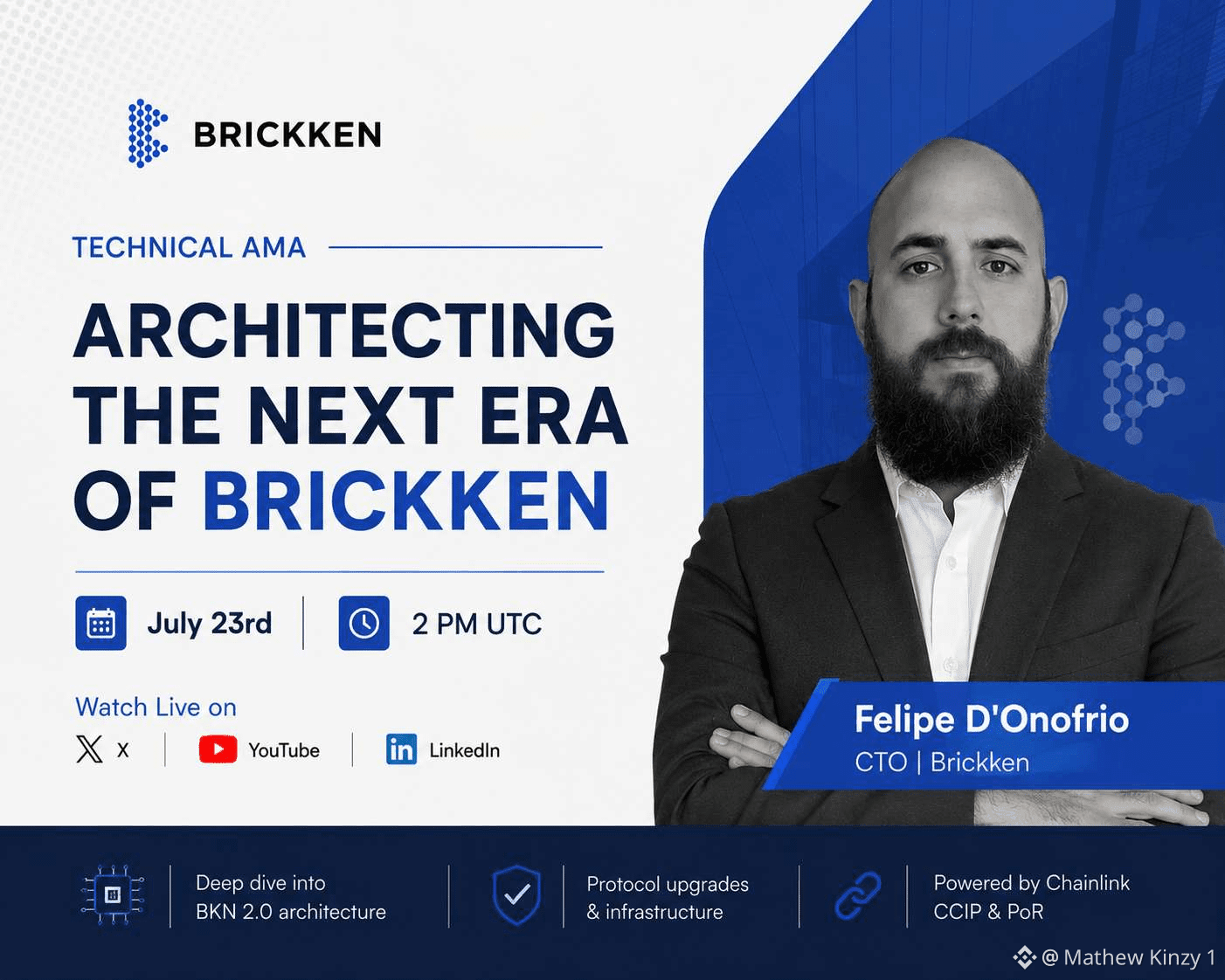
TradFi 対 Crypto:Brickken 最高技術責任者(CTO)が解説へ
ライブ技術 AMA で $BKN 2.0 アーキテクチャを紐解く
伝統的金融と暗号ネイティブ・インフラの競争ダイナミクスは変化しており、真の収束が起きているのはプロトコル層です。
実世界の資産トークン化インフラ基盤である Brickken は、7 月 23 日に CTO Felipe Donofrio を迎えたライブ技術 AMA を発表しました。焦点は、次のフェーズの機関投資家向け RWA 採用を後押しする大規模なプロトコル層のアップグレードである $BKN 2.0 に全面的に当てられています。
AMA で扱う内容:
➢ BKN 2.0 の背後にある包括的な技術ビジョン
➢ クロスチェーン相互運用のためのネイティブ Chainlink CCIP 統合
➢ リアルタイムで検証可能な資産裏付けのための Chainlink Proof of Reserves
➢ 適応型コンプライアンスと機関投資家向けトークン・インフラを可能にするプロトコルのアップグレード
なぜ重要か:
長年にわたり、伝統的金融は実質的な競争にさらされてきませんでした。暗号ネイティブのエコシステムは、いまではその成熟を見せ、圧力が逆方向に働くところまで到達しています。つまり、機関投資家がブロックチェーン・インフラを、レガシーシステムに対する真剣な代替として検討し始めているのです。
トークン化は、その収束の中心に位置します。しかし、インフラの信頼性は発表だけでは不十分であり、プロトコルレベルの証拠が必要です。
BKN 2.0 は、その要件への Brickken の回答です。クロスチェーン対応で、コンプライアンスに適応し、規模を問わず機関導入に備えて構築されています。
イベント詳細:
📅 日付:2026 年 7 月 23 日
⏰ 時間:14:00 UTC
📍 プラットフォーム:X、YouTube、LinkedIn
質問は、ライブセッションの前に Brickken のソーシャルチャンネルへ事前に送信できます。
🔗 brickken.com
#Altcoin Season# #Brickken #BKN #RWA #Tokenization
ライブ技術 AMA で $BKN 2.0 アーキテクチャを紐解く
伝統的金融と暗号ネイティブ・インフラの競争ダイナミクスは変化しており、真の収束が起きているのはプロトコル層です。
実世界の資産トークン化インフラ基盤である Brickken は、7 月 23 日に CTO Felipe Donofrio を迎えたライブ技術 AMA を発表しました。焦点は、次のフェーズの機関投資家向け RWA 採用を後押しする大規模なプロトコル層のアップグレードである $BKN 2.0 に全面的に当てられています。
AMA で扱う内容:
➢ BKN 2.0 の背後にある包括的な技術ビジョン
➢ クロスチェーン相互運用のためのネイティブ Chainlink CCIP 統合
➢ リアルタイムで検証可能な資産裏付けのための Chainlink Proof of Reserves
➢ 適応型コンプライアンスと機関投資家向けトークン・インフラを可能にするプロトコルのアップグレード
なぜ重要か:
長年にわたり、伝統的金融は実質的な競争にさらされてきませんでした。暗号ネイティブのエコシステムは、いまではその成熟を見せ、圧力が逆方向に働くところまで到達しています。つまり、機関投資家がブロックチェーン・インフラを、レガシーシステムに対する真剣な代替として検討し始めているのです。
トークン化は、その収束の中心に位置します。しかし、インフラの信頼性は発表だけでは不十分であり、プロトコルレベルの証拠が必要です。
BKN 2.0 は、その要件への Brickken の回答です。クロスチェーン対応で、コンプライアンスに適応し、規模を問わず機関導入に備えて構築されています。
イベント詳細:
📅 日付:2026 年 7 月 23 日
⏰ 時間:14:00 UTC
📍 プラットフォーム:X、YouTube、LinkedIn
質問は、ライブセッションの前に Brickken のソーシャルチャンネルへ事前に送信できます。
🔗 brickken.com
#Altcoin Season# #Brickken #BKN #RWA #Tokenization
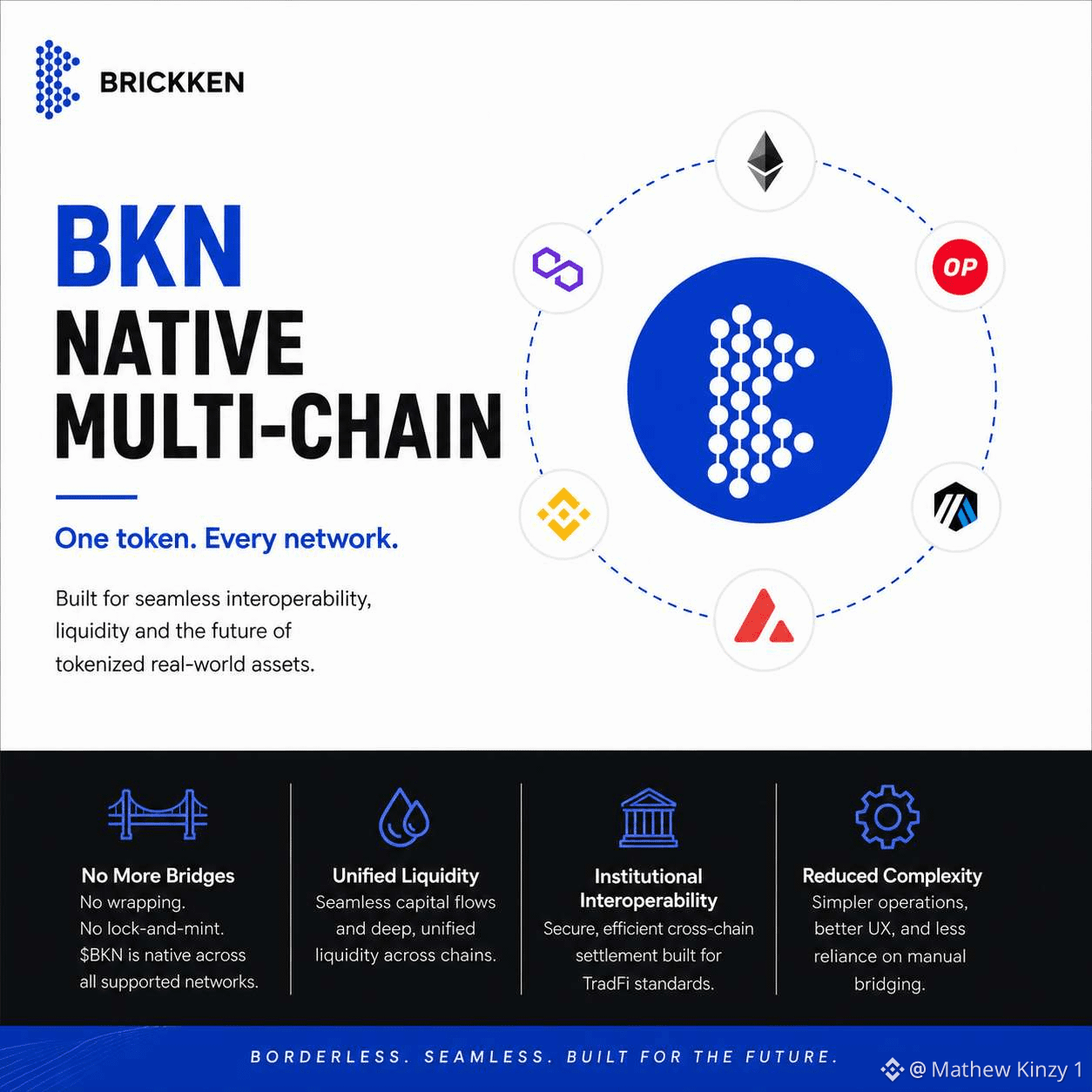
RWAエコシステムが成長するにつれて、相互運用性は「あると便利」ではなく「必須の要件」になりつつあります。
Brickkenはネイティブのマルチチェーン・アーキテクチャにより、従来のブリッジ型モデルを超えて、サポートされているネットワーク間で $BKN をより複雑さを抑えて運用できるようにしています。このアップグレードは、流動性の向上、クロスチェーン・インタラクションの簡素化、そしてエンタープライズ導入に必要な基盤の提供を目的に設計されています。
機関投資家などの参加者にとって、トークン化された資産をネットワーク間で効率的かつ安全に移動させることは不可欠です。相互運用性を維持しながら摩擦を低減するインフラは、トークン化の次のフェーズにおいて重要な役割を果たすでしょう。
#Brickken #BKN #RWA #Tokenization
Brickkenはネイティブのマルチチェーン・アーキテクチャにより、従来のブリッジ型モデルを超えて、サポートされているネットワーク間で $BKN をより複雑さを抑えて運用できるようにしています。このアップグレードは、流動性の向上、クロスチェーン・インタラクションの簡素化、そしてエンタープライズ導入に必要な基盤の提供を目的に設計されています。
機関投資家などの参加者にとって、トークン化された資産をネットワーク間で効率的かつ安全に移動させることは不可欠です。相互運用性を維持しながら摩擦を低減するインフラは、トークン化の次のフェーズにおいて重要な役割を果たすでしょう。
#Brickken #BKN #RWA #Tokenization
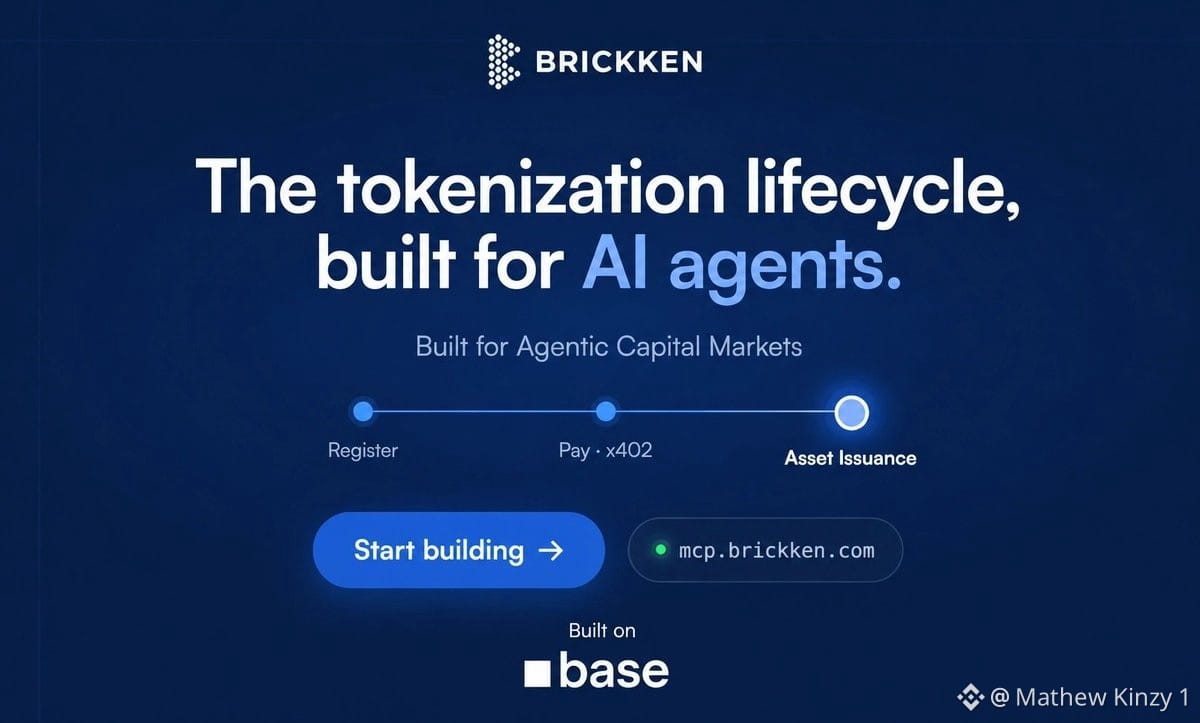
Brickken は、Base MCP 上での Brickken Agentic のローンチにより、実世界の資産のトークン化にさらに多くの自動化をもたらしています。
複数の統合を管理する代わりに、開発者は単一のエンドポイントを通じて、オンチェーンのアイデンティティの作成から x402 を介した支払い処理、準拠したトークンの発行まで、トークン化ワークフローを自動化できます。
手作業のステップを減らすことで、Brickken は、ビルダーがトークン化ソリューションを開発しやすくすると同時に、プロセス全体の効率を向上させています。
AI とブロックチェーンが今後もますます結びついていく中で、トークン化を簡素化するツールは、RWA の導入を加速するうえで重要な役割を果たす可能性があります。
今すぐ構築を始めてください https://docs.base.org/agents/plugins/native/brickken
#RWA #Tokenization #AI #Base
複数の統合を管理する代わりに、開発者は単一のエンドポイントを通じて、オンチェーンのアイデンティティの作成から x402 を介した支払い処理、準拠したトークンの発行まで、トークン化ワークフローを自動化できます。
手作業のステップを減らすことで、Brickken は、ビルダーがトークン化ソリューションを開発しやすくすると同時に、プロセス全体の効率を向上させています。
AI とブロックチェーンが今後もますます結びついていく中で、トークン化を簡素化するツールは、RWA の導入を加速するうえで重要な役割を果たす可能性があります。
今すぐ構築を始めてください https://docs.base.org/agents/plugins/native/brickken
#RWA #Tokenization #AI #Base
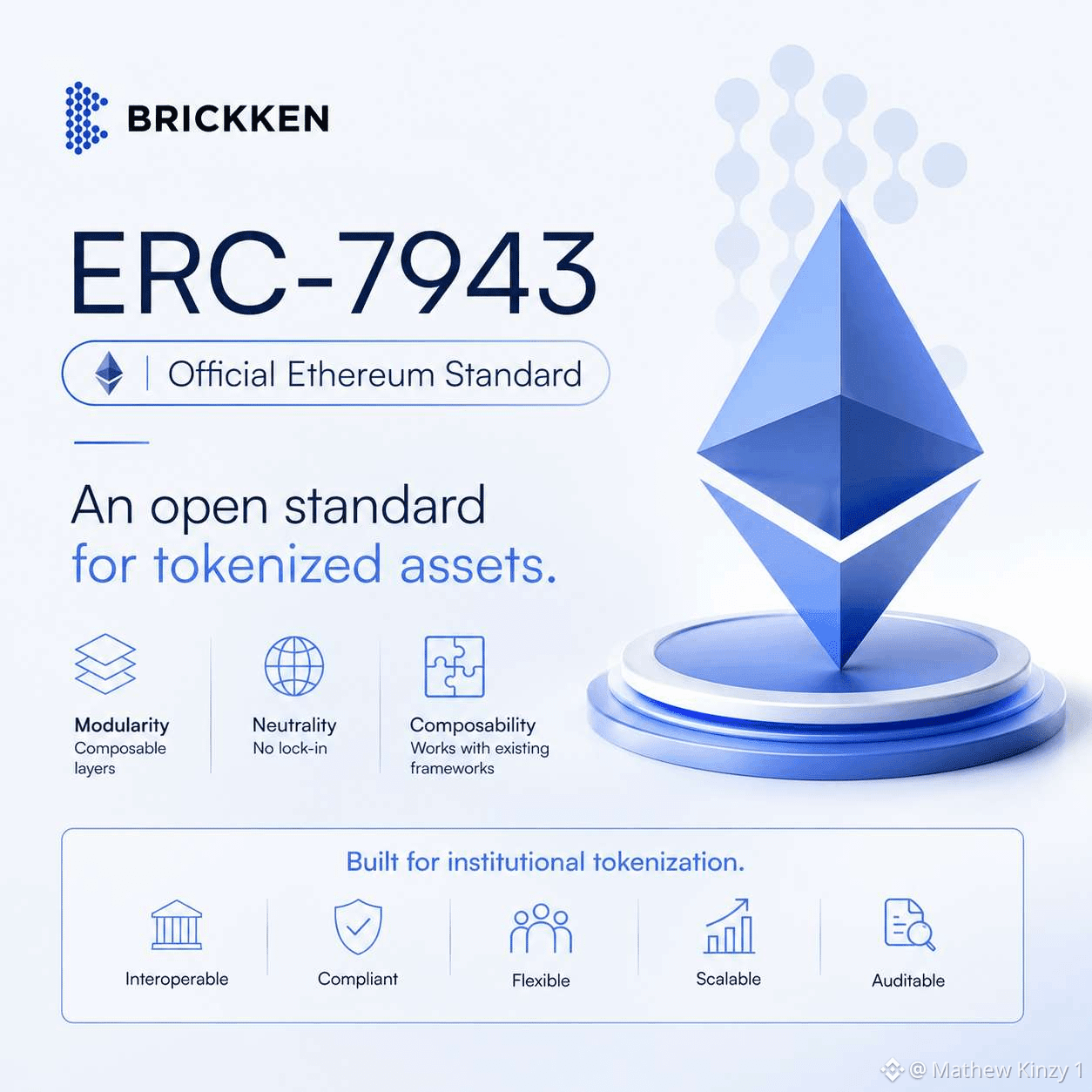
もしRWAsが各プラットフォームが独自のルールを構築するのではなく、共通のスタンダードを持っていたらどうなるでしょうか?
それがERC-7943がEthereumにもたらすものです。
$BKN Brickkenの共同創設者Dario Lo Buglioによって提案されたERC-7943は、コンプライアンス、転送制御、資産制限のための共有フレームワークを作成し、機関が単一のプロバイダーやコンプライアンスモデルに縛られることを強制しません。
目標はシンプルです:
より多くの相互運用性。少ない断片化。より早い機関の採用。
トークン化は成長しています。
今、スタンダードも追いついています。
$BKN #マクロインサイト# #RWA
それがERC-7943がEthereumにもたらすものです。
$BKN Brickkenの共同創設者Dario Lo Buglioによって提案されたERC-7943は、コンプライアンス、転送制御、資産制限のための共有フレームワークを作成し、機関が単一のプロバイダーやコンプライアンスモデルに縛られることを強制しません。
目標はシンプルです:
より多くの相互運用性。少ない断片化。より早い機関の採用。
トークン化は成長しています。
今、スタンダードも追いついています。
$BKN #マクロインサイト# #RWA
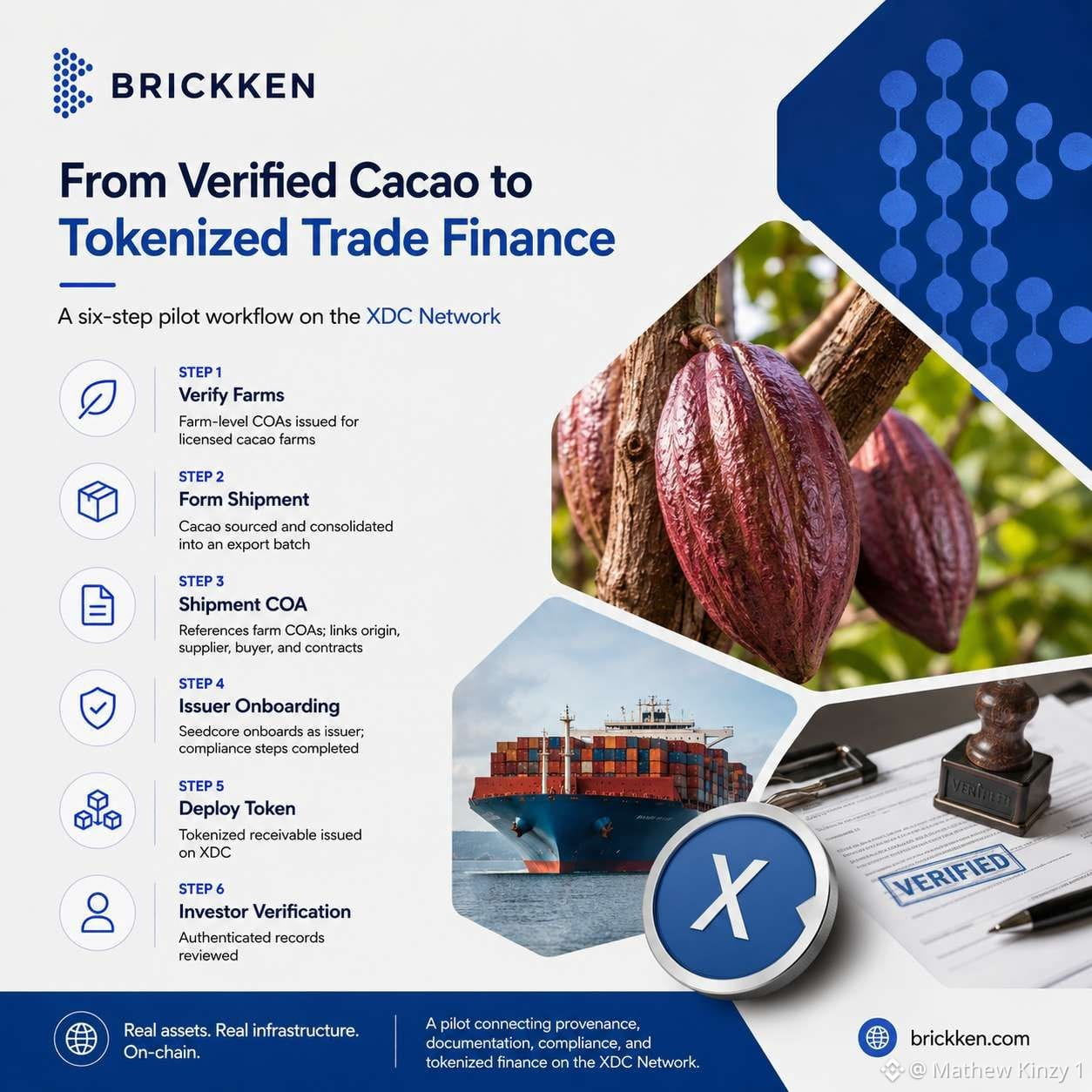
実世界の資産をファイナンス可能にするものは何か?
トークンそのものではない。
このカカオ貿易ファイナンスパイロットは、機関トークン化が実際にどうなるかを示している:
→ 確認済みの農場レベルの真正性
→ 文書化されたサプライチェーンの記録
→ コンプライアンスと発行者のオンボーディング
→ トークン化された債権
→ ブロックチェーン上での決済
その結果は単なるトークン化された商品ではない。
それは、全てのワークフローにわたる確認済みのデータと認証された記録に裏打ちされた金融商品だ。
機関は物語に資金を提供しない。
彼らは確認に資金を提供する。
$BKN BrickkenはRWAの新しいフェーズをリードしている
#RWA #アルトコインシーズン #BKN #トークン化
トークンそのものではない。
このカカオ貿易ファイナンスパイロットは、機関トークン化が実際にどうなるかを示している:
→ 確認済みの農場レベルの真正性
→ 文書化されたサプライチェーンの記録
→ コンプライアンスと発行者のオンボーディング
→ トークン化された債権
→ ブロックチェーン上での決済
その結果は単なるトークン化された商品ではない。
それは、全てのワークフローにわたる確認済みのデータと認証された記録に裏打ちされた金融商品だ。
機関は物語に資金を提供しない。
彼らは確認に資金を提供する。
$BKN BrickkenはRWAの新しいフェーズをリードしている
#RWA #アルトコインシーズン #BKN #トークン化
ログインして、さらにコンテンツを読む