

Kaan Kaya 1
429 投稿

Kaan Kaya 1
報告
ユーザーをブロック
Web3 strategist | On-chain analyst Building new projects, sharing smart money insights 📊 Open to collaborations with teams creating real value.
0 フォロー
1 フォロワー
17 いいね
投稿
·
--
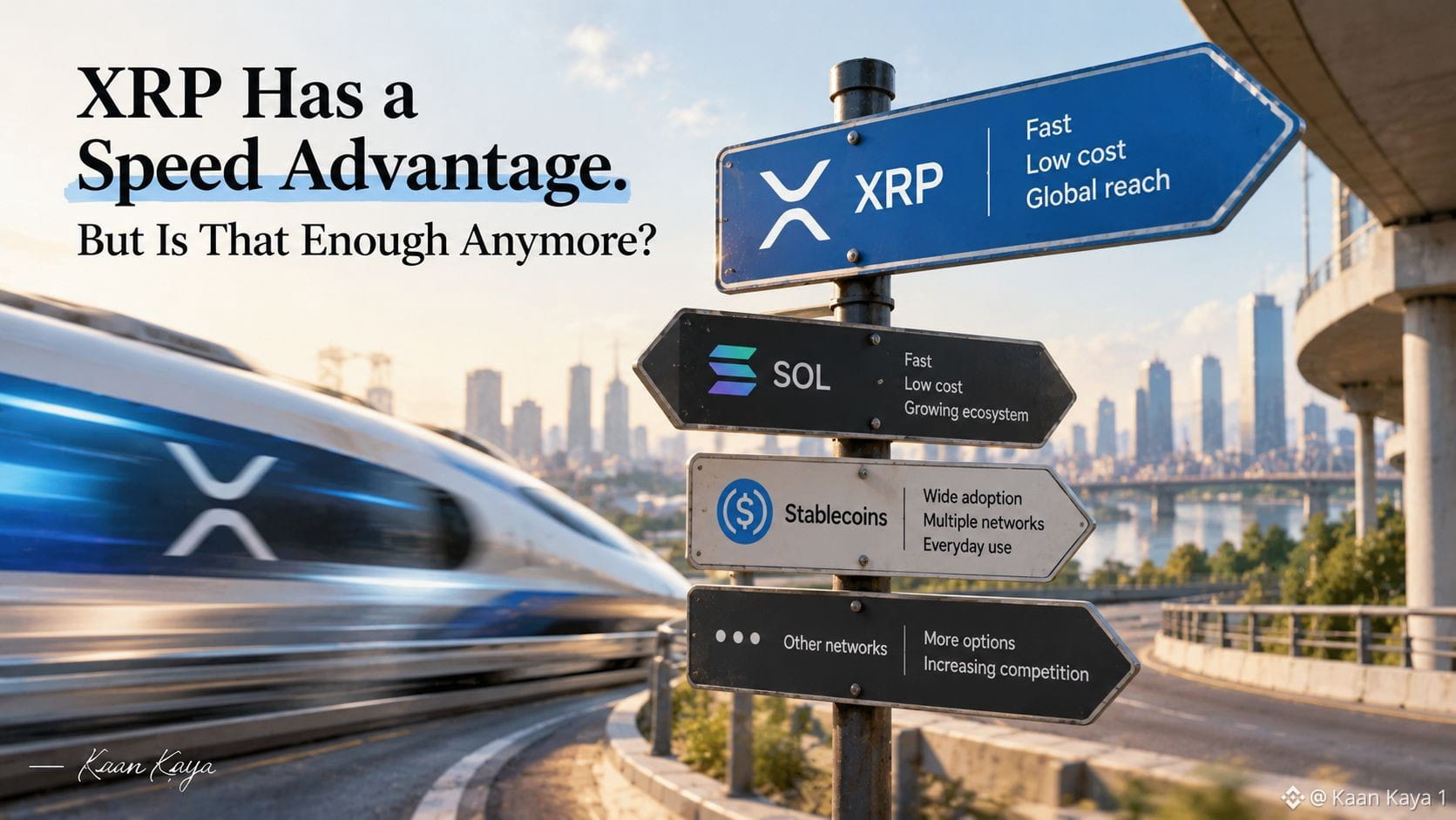
XRPにはスピードという強みがある。でも、それだけで今も十分? 暗号資産で、速くて安い送金が大きなアピールポイントだった頃を覚えていますか? それが長年にわたる$XRPの売りでした。 でも今では、$SOLや複数のネットワーク上のステーブルコインなど、あまり手数料をかけずに資金を移動させる方法がたくさんあります。 そこで気になるのは、今のXRP最大の強みはどこにあるのかということです。技術でしょうか、決済分野での提携でしょうか。それとも、すでに多くの人に知られている名前であることなのでしょうか? XRPに将来性がないと言っているわけではありません。ただ、いくつかの分野では競合が追いついてきたように感じます。 今でも送金にXRPを使っていますか?それとも、最近は主に保有していますか? #マクロの洞察# #アルトコインシーズン#
XRPにはスピードという強みがある。でも、それだけで今も十分? 暗号資産で、速くて安い送金が大きなアピールポイントだった頃を覚えていますか? それが長年にわたる$XRPの売りでした。 でも今では、$SOLや複数のネットワーク上のステーブルコインなど、あまり手数料をかけずに資金を移動させる方法がたくさんあります。 そこで気になるのは、今のXRP最大の強みはどこにあるのかということです。技術でしょうか、決済分野での提携でしょうか。それとも、すでに多くの人に知られている名前であることなのでしょうか? XRPに将来性がないと言っているわけではありません。ただ、いくつかの分野では競合が追いついてきたように感じます。 今でも送金にXRPを使っていますか?それとも、最近は主に保有していますか? #マクロの洞察# #アルトコインシーズン#
66
·
--
翻訳参照
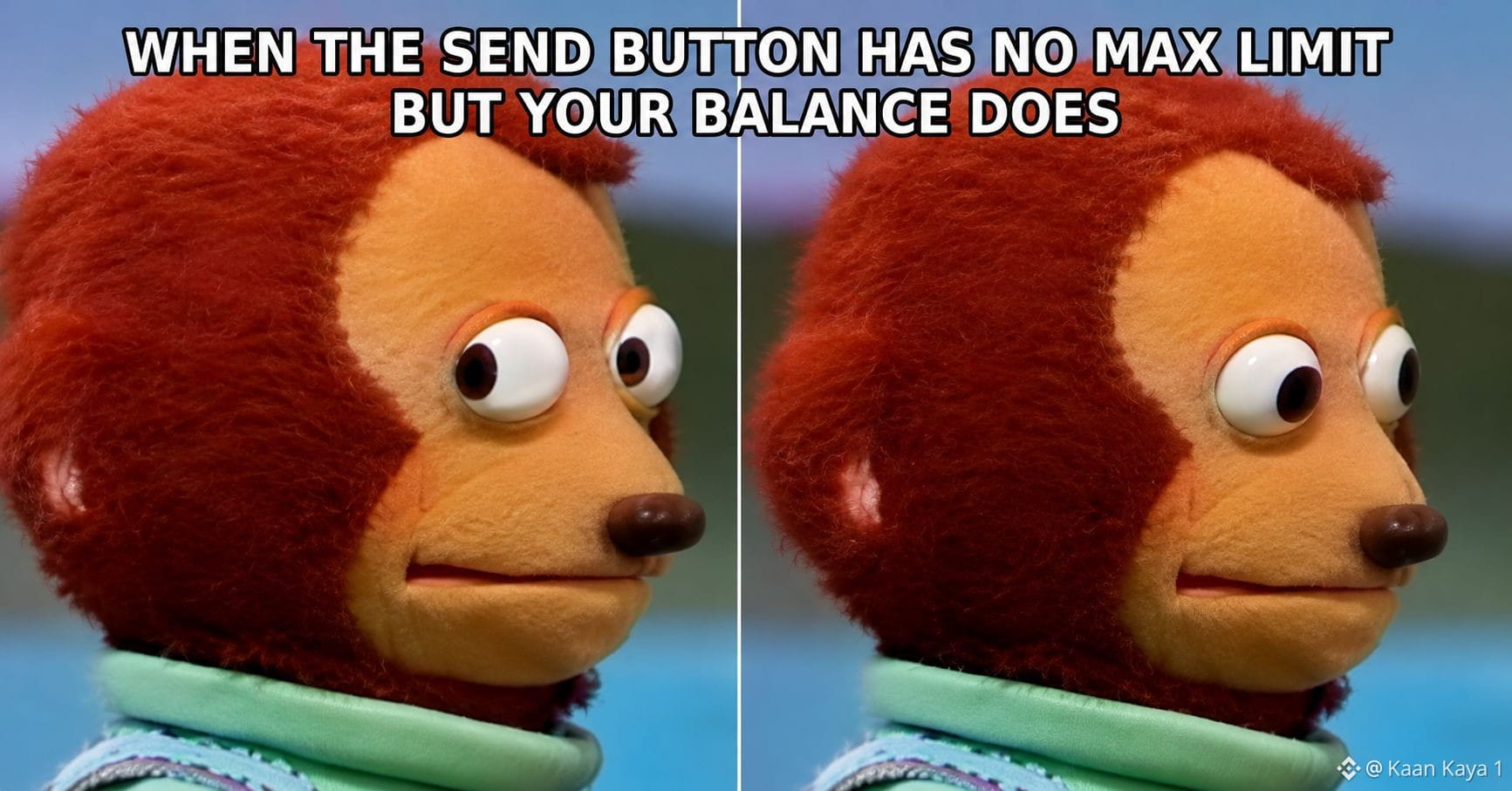
🔍 I Went Looking for Transfer Limit and Hit My Own Balance First I’ve used enough $BTC wallets and exchange apps to expect every “send” button to come with a catch. Usually it’s a minimum that makes small transfers pointless or a daily cap that kicks in right when you need to move more 🙃 So when I opened QuickSend in the WhiteBIT app, I did what I always do with a new transfer feature and went looking for the edges before sending anything real. https://bit.ly/4dBD8CM First I tried the smallest amount, and it went down to the equivalent of 1 USDT. Then I typed a number far bigger than anything I’d actually send and waited for the usual “limit exceeded” message. It never came, because QuickSend has no maximum limit, and the only thing that stopped me was my own balance 😅 The rest works the way you’d expect from a messenger. You pick the person by nickname or scan their QR code, the money arrives right away, and there are 10 seconds to cancel if you hit send by mistake. It made me look at the other transfer tools on my phone differently. Most of them quietly pick one job. Some are built for splitting lunch, with tiny amounts and low caps, and others for moving serious money, with minimums high enough that you’d never send a friend a few dollars through them. Here the same screen handles a coffee for a colleague and a much bigger transfer without switching apps. I spent a minute testing the limits and ended up thinking about how much those numbers say about who a tool is meant for. Next time I need to send someone a few dollars or move a larger amount, it’ll be the same button 🙂 Disclaimer: This is not financial or investment advice. Do your own research before making any decisions. Use at your own risk. #BTC Price Analysis# #Bitcoin Price Prediction: What is Bitcoins next move?#
🔍 I Went Looking for Transfer Limit and Hit My Own Balance First I’ve used enough $BTC wallets and exchange apps to expect every “send” button to come with a catch. Usually it’s a minimum that makes small transfers pointless or a daily cap that kicks in right when you need to move more 🙃 So when I opened QuickSend in the WhiteBIT app, I did what I always do with a new transfer feature and went looking for the edges before sending anything real. https://bit.ly/4dBD8CM First I tried the smallest amount, and it went down to the equivalent of 1 USDT. Then I typed a number far bigger than anything I’d actually send and waited for the usual “limit exceeded” message. It never came, because QuickSend has no maximum limit, and the only thing that stopped me was my own balance 😅 The rest works the way you’d expect from a messenger. You pick the person by nickname or scan their QR code, the money arrives right away, and there are 10 seconds to cancel if you hit send by mistake. It made me look at the other transfer tools on my phone differently. Most of them quietly pick one job. Some are built for splitting lunch, with tiny amounts and low caps, and others for moving serious money, with minimums high enough that you’d never send a friend a few dollars through them. Here the same screen handles a coffee for a colleague and a much bigger transfer without switching apps. I spent a minute testing the limits and ended up thinking about how much those numbers say about who a tool is meant for. Next time I need to send someone a few dollars or move a larger amount, it’ll be the same button 🙂 Disclaimer: This is not financial or investment advice. Do your own research before making any decisions. Use at your own risk. #BTC Price Analysis# #Bitcoin Price Prediction: What is Bitcoins next move?#
·
--
翻訳参照
Everyone Wants the Next Altcoin Season. But Who's Actually Buying? Every time Bitcoin slows down for a few days, the altcoin season predictions start appearing again. Someone posts an ETH/BTC chart, someone else finds a forgotten 2021 pattern, and suddenly half the timeline is talking about a rotation. 😂 But there's one thing I'd want to see before getting excited: are people actually putting new money into altcoins, or just moving the same capital around? Imagine $BTC stays flat while $ETH gains 5%, then traders take profits and move into $SOL , which gains another 8%. A handful of charts look great, but that doesn't necessarily mean the overall market has attracted much fresh capital. And there's nothing wrong with rotations. They're part of how crypto markets work. I just think there's a difference between a few popular tokens outperforming and hundreds of smaller projects finding sustained demand. For now, I'd be watching whether trading volume broadens beyond the usual names and whether rallies hold up after the first wave of excitement. Because calling an altcoin season after three green candles is easy. Actually making money through one is a completely different experience. #BTC Price Analysis# #Bitcoin Price Prediction: What is Bitcoins next move?#
Everyone Wants the Next Altcoin Season. But Who's Actually Buying? Every time Bitcoin slows down for a few days, the altcoin season predictions start appearing again. Someone posts an ETH/BTC chart, someone else finds a forgotten 2021 pattern, and suddenly half the timeline is talking about a rotation. 😂 But there's one thing I'd want to see before getting excited: are people actually putting new money into altcoins, or just moving the same capital around? Imagine $BTC stays flat while $ETH gains 5%, then traders take profits and move into $SOL , which gains another 8%. A handful of charts look great, but that doesn't necessarily mean the overall market has attracted much fresh capital. And there's nothing wrong with rotations. They're part of how crypto markets work. I just think there's a difference between a few popular tokens outperforming and hundreds of smaller projects finding sustained demand. For now, I'd be watching whether trading volume broadens beyond the usual names and whether rallies hold up after the first wave of excitement. Because calling an altcoin season after three green candles is easy. Actually making money through one is a completely different experience. #BTC Price Analysis# #Bitcoin Price Prediction: What is Bitcoins next move?#
65
·
--
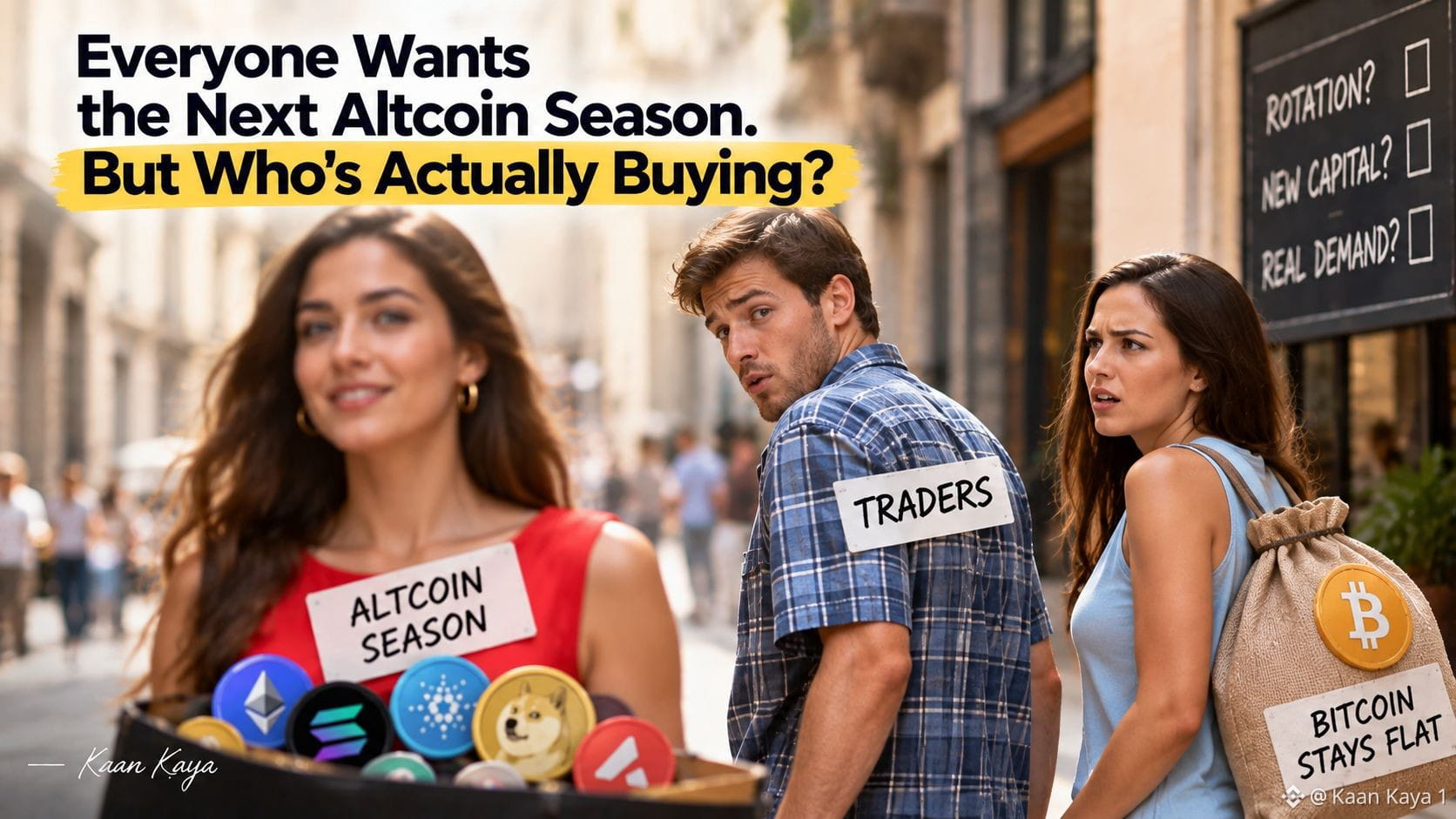
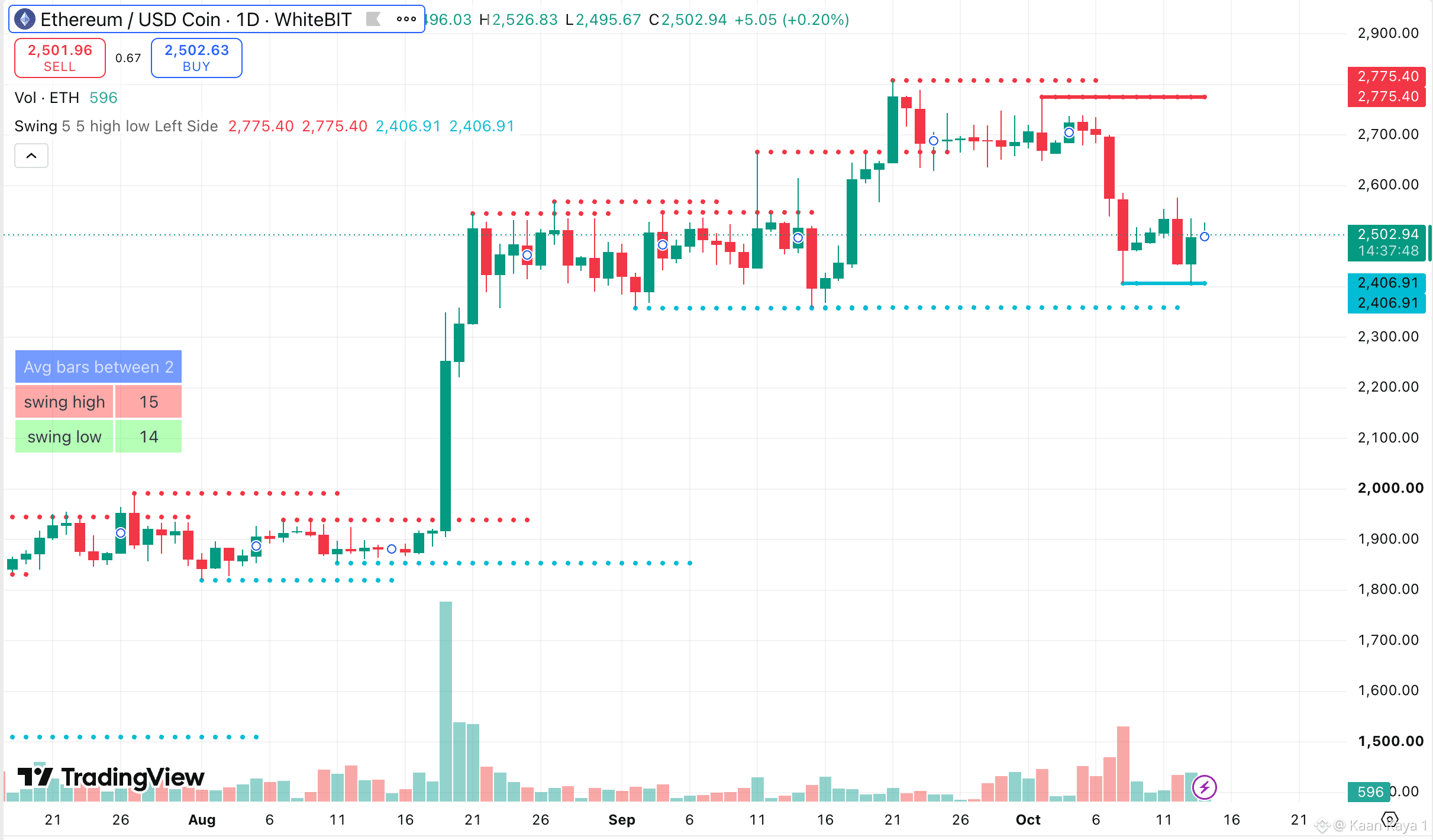
誰もが次のアルトコインシーズンを待ち望んでいる。でも、実際に買っているのは誰? ビットコインが数日間動きを鈍らせるたびに、アルトコインシーズンの予想がまた出てくる。誰かがETH/BTCチャートを投稿し、別の誰かが忘れられていた2021年のパターンを見つけ、気づけばタイムラインの半分が資金の循環について話している。😂 でも、盛り上がる前に確認したいことがひとつある。人々は本当にアルトコインに新たな資金を投じているのか、それとも同じ資金をあちこちに動かしているだけなのか? たとえば、$BTC が横ばいの間に $ETH が5%上昇し、その後トレーダーが利益確定して $SOL に資金を移し、さらに8%上昇したとする。いくつかのチャートは好調に見えるが、それだけで市場全体に多くの新規資金が流入したとは限らない。 資金の循環が悪いわけではない。それも暗号資産市場の動きの一部だ。ただ、人気トークンがいくつか他を上回ることと、何百もの小規模プロジェクトに継続的な需要が生まれることには違いがあると思う。 今は、取引高がいつもの銘柄以外にも広がっているか、そして最初の盛り上がりが過ぎた後も上昇が続くかに注目したい。 緑のローソク足が3本出ただけでアルトコインシーズンだと言うのは簡単だ。実際にその波に乗って利益を出すのは、まったく別の話。 #ETHBlockchain #ETHFoundation
誰もが次のアルトコインシーズンを待ち望んでいる。でも、実際に買っているのは誰? ビットコインが数日間動きを鈍らせるたびに、アルトコインシーズンの予想がまた出てくる。誰かがETH/BTCチャートを投稿し、別の誰かが忘れられていた2021年のパターンを見つけ、気づけばタイムラインの半分が資金の循環について話している。😂 でも、盛り上がる前に確認したいことがひとつある。人々は本当にアルトコインに新たな資金を投じているのか、それとも同じ資金をあちこちに動かしているだけなのか? たとえば、$BTC が横ばいの間に $ETH が5%上昇し、その後トレーダーが利益確定して $SOL に資金を移し、さらに8%上昇したとする。いくつかのチャートは好調に見えるが、それだけで市場全体に多くの新規資金が流入したとは限らない。 資金の循環が悪いわけではない。それも暗号資産市場の動きの一部だ。ただ、人気トークンがいくつか他を上回ることと、何百もの小規模プロジェクトに継続的な需要が生まれることには違いがあると思う。 今は、取引高がいつもの銘柄以外にも広がっているか、そして最初の盛り上がりが過ぎた後も上昇が続くかに注目したい。 緑のローソク足が3本出ただけでアルトコインシーズンだと言うのは簡単だ。実際にその波に乗って利益を出すのは、まったく別の話。 #ETHBlockchain #ETHFoundation
80
·
--
翻訳参照
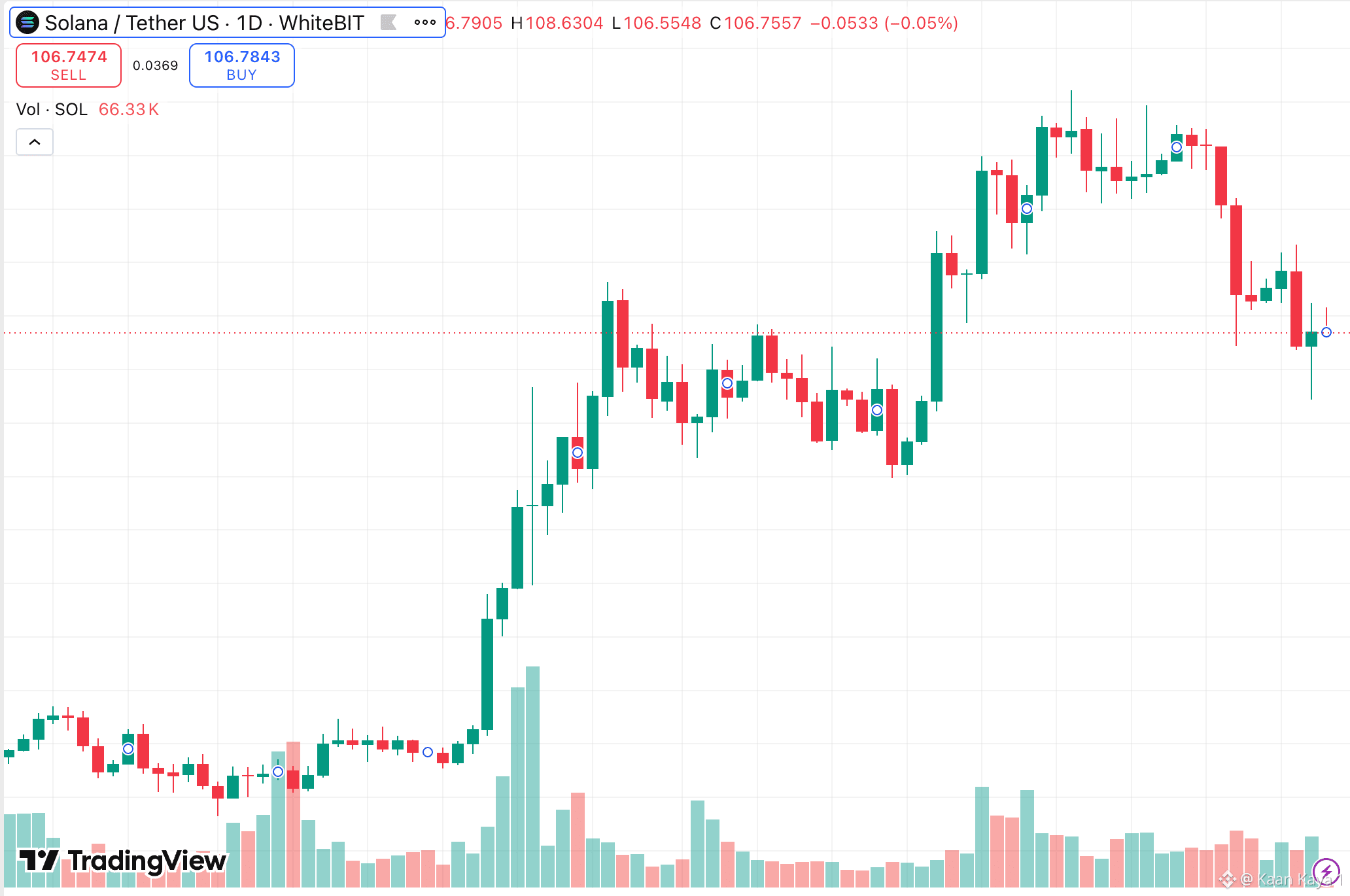
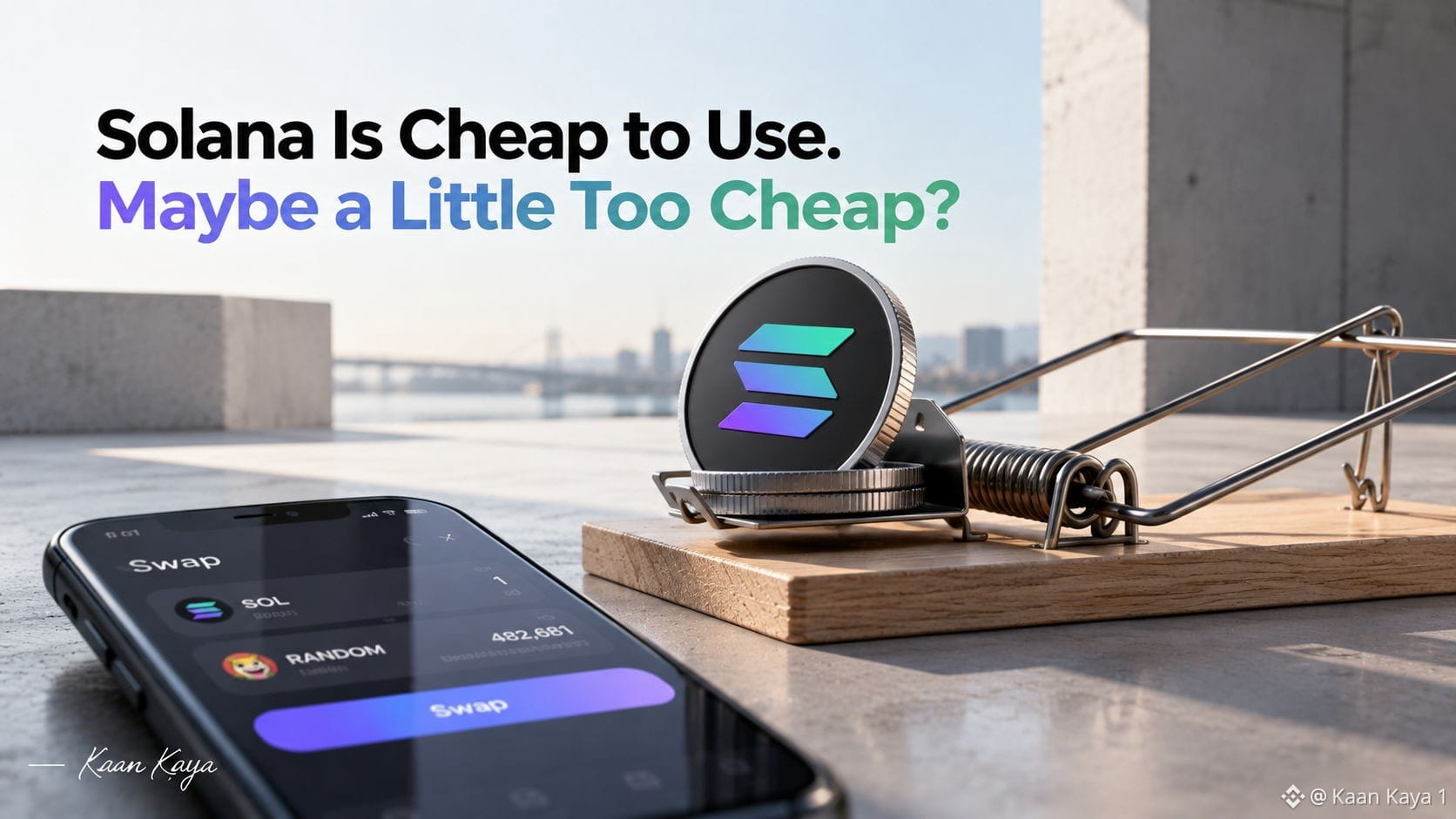
Solana Is Cheap to Use. Maybe a Little Too Cheap? 😉 One thing I find funny about $SOL is how easy it is to trade something you probably shouldn't. 😂 Fees are so low that making another swap barely feels like a decision. See a random token trending? Two clicks and you're in. That's great for adoption, but I'm curious how much activity comes from people actually using Solana versus traders jumping between meme coins all day. Not complaining about cheap transactions, obviously. Just wondering whether making trading easier also makes overtrading a little too tempting. Anyone else noticed this? #Macro Insights# #Altcoin Season#
Solana Is Cheap to Use. Maybe a Little Too Cheap? 😉 One thing I find funny about $SOL is how easy it is to trade something you probably shouldn't. 😂 Fees are so low that making another swap barely feels like a decision. See a random token trending? Two clicks and you're in. That's great for adoption, but I'm curious how much activity comes from people actually using Solana versus traders jumping between meme coins all day. Not complaining about cheap transactions, obviously. Just wondering whether making trading easier also makes overtrading a little too tempting. Anyone else noticed this? #Macro Insights# #Altcoin Season#
47
·
--
Dogecoinに世界征服のロードマップはない。それでいい。 $DOGEを真剣に分析しようとする人がいるのって、時々おかしいよね。😂 ジョークとして始まったコインなのに、トークノミクスや普及シナリオ、長期的な価格目標について、10ページにもわたって解説しているのを見かける。 でも、だからこそDogecoinはこれほど長く生き残ってきたのかもしれない。金融を根本から変えるなんて装う必要はない。みんな、自分が何を買っているのかちゃんと分かっている。 もちろん、それが良い投資だと言っているわけじゃない。ただ、強いコミュニティと誰もが知っているミームがあれば、立派なホワイトペーパーよりも長くコインの存在感を保てることがある、ということ。 2030年になってもDOGEを保有していると思う? #マクロ分析# #アルトコインシーズン#
Dogecoinに世界征服のロードマップはない。それでいい。 $DOGEを真剣に分析しようとする人がいるのって、時々おかしいよね。😂 ジョークとして始まったコインなのに、トークノミクスや普及シナリオ、長期的な価格目標について、10ページにもわたって解説しているのを見かける。 でも、だからこそDogecoinはこれほど長く生き残ってきたのかもしれない。金融を根本から変えるなんて装う必要はない。みんな、自分が何を買っているのかちゃんと分かっている。 もちろん、それが良い投資だと言っているわけじゃない。ただ、強いコミュニティと誰もが知っているミームがあれば、立派なホワイトペーパーよりも長くコインの存在感を保てることがある、ということ。 2030年になってもDOGEを保有していると思う? #マクロ分析# #アルトコインシーズン#

70
·
--
翻訳参照
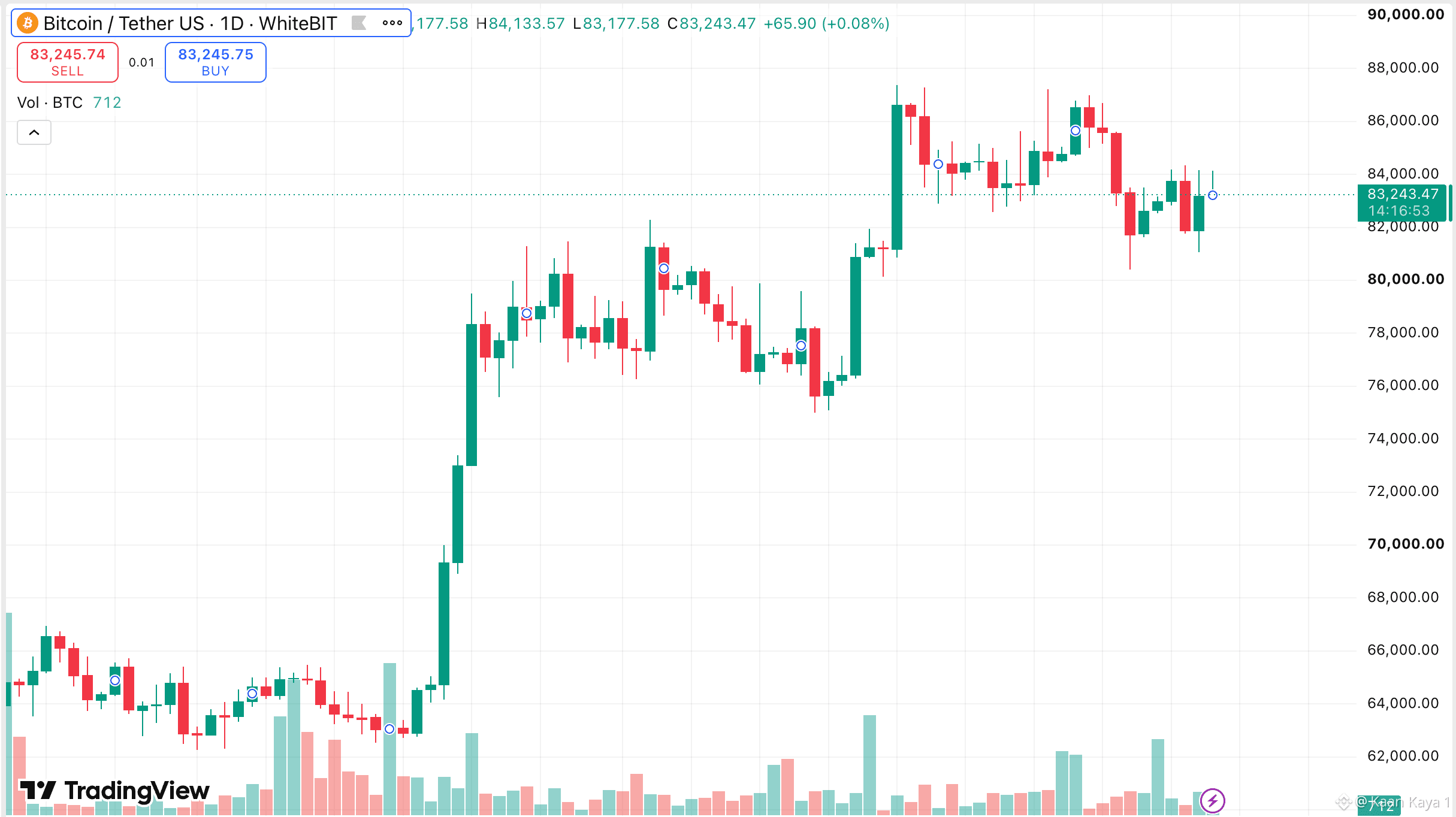
Bitcoin's Biggest Flex Might Be How Boring It's Becoming Remember when a 10% move in $BTC barely surprised anyone? Now traders spend hours debating a 2% candle like it's a historic event. 😂 Maybe that's what a more mature Bitcoin market looks like. More institutions, more long-term holders, and fewer people expecting every Tuesday to change their lives. Of course, Bitcoin can still surprise everyone when volatility returns. But I do wonder if some traders secretly miss the chaos more than they miss the profits. Would you rather have a calmer $BTC or the wild Bitcoin of 2021? #BTC Price Analysis# #Bitcoin Price Prediction: What is Bitcoins next move?#
Bitcoin's Biggest Flex Might Be How Boring It's Becoming Remember when a 10% move in $BTC barely surprised anyone? Now traders spend hours debating a 2% candle like it's a historic event. 😂 Maybe that's what a more mature Bitcoin market looks like. More institutions, more long-term holders, and fewer people expecting every Tuesday to change their lives. Of course, Bitcoin can still surprise everyone when volatility returns. But I do wonder if some traders secretly miss the chaos more than they miss the profits. Would you rather have a calmer $BTC or the wild Bitcoin of 2021? #BTC Price Analysis# #Bitcoin Price Prediction: What is Bitcoins next move?#

43
·
--
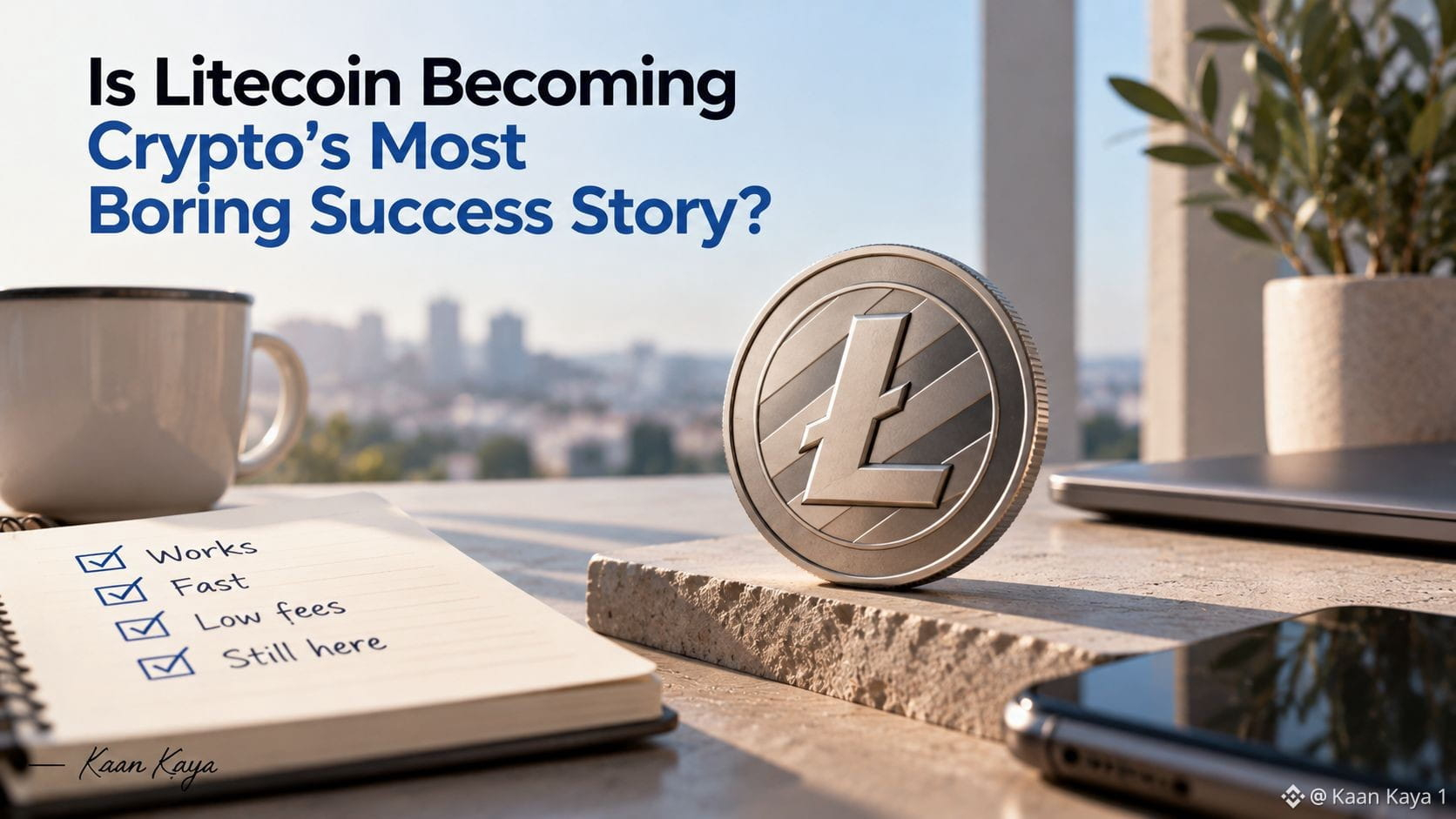
ライトコインは、暗号資産界で最も退屈な成功例になりつつある? 最近はもう、$LTCの話をする人がほとんどいません。長年たってもまだ健在なのに、なんだか面白いですよね。😅 終わりのない熱狂も、毎週のように生まれる新たな物語もありません。ただ、暗号資産の送金に使えるネットワークがあるだけ。 次の100倍銘柄探しに夢中になりすぎて、ただちゃんと機能するものにも価値があることを忘れてしまっているのでは、とふと思うことがあります。 今でもライトコインを使っている人はいますか? それとも、もうすっかり意識の外に消えてしまいましたか? #マクロ分析# #アルトコインシーズン#
ライトコインは、暗号資産界で最も退屈な成功例になりつつある? 最近はもう、$LTCの話をする人がほとんどいません。長年たってもまだ健在なのに、なんだか面白いですよね。😅 終わりのない熱狂も、毎週のように生まれる新たな物語もありません。ただ、暗号資産の送金に使えるネットワークがあるだけ。 次の100倍銘柄探しに夢中になりすぎて、ただちゃんと機能するものにも価値があることを忘れてしまっているのでは、とふと思うことがあります。 今でもライトコインを使っている人はいますか? それとも、もうすっかり意識の外に消えてしまいましたか? #マクロ分析# #アルトコインシーズン#
51
·
--
🚨 EMIに暗号資産を追加する?バックエンドをゼロから構築する必要はありません こんな状況を想像してみてください。ユーザーから$BTCや$ETHをはじめ、あらゆる暗号資産を求める声が相次ぎ、自社でカストディや取引の仕組みを構築しようという話が持ち上がります。そして見積もりが届きます。エンジニアの確保、セキュリティ監査、進出するすべての市場でのライセンス取得、そして四半期単位のスケジュール。完成する頃には、市場はすでに先へ進んでいるかもしれません😬 近道を探しているなら、NotbankのCrypto as a Serviceのようなサービスを検討してみる価値があるかもしれません。理論上は、単一のAPIを通じて暗号資産の取引、カストディ、ステーブルコイン、グローバルな送金機能を事業に組み込めます。Python、Java、NodeのSDKも用意されており、開発を加速できます🌍 https://www.notbank.com/en/crypto-as-a-service?utm_source=coinmarketcap&utm_medium=caaaaskkk&utm_campaign=post コンプライアンスチームが最も重視するのは、おそらくセキュリティ面でしょう。NotbankはISO/IEC 27001:2013認証を取得しており、チリ、アルゼンチン、ブラジル、コロンビア、ペルーの規制対象事業者を通じてサービスを提供しています。EMIは、これらの認可が自社の事業展開地域でどのように適用されるかを確認できます。🛡 まずはデモを依頼し、自社の環境にどう適合するかを確認するのが賢明でしょう🚀 免責事項:これは金融または投資に関する助言ではありません。何かを決定する前に、ご自身で調査してください。ご利用は自己責任でお願いします。 #BTC価格分析# #ビットコイン価格予測:ビットコインの次の動きは?#
🚨 EMIに暗号資産を追加する?バックエンドをゼロから構築する必要はありません こんな状況を想像してみてください。ユーザーから$BTCや$ETHをはじめ、あらゆる暗号資産を求める声が相次ぎ、自社でカストディや取引の仕組みを構築しようという話が持ち上がります。そして見積もりが届きます。エンジニアの確保、セキュリティ監査、進出するすべての市場でのライセンス取得、そして四半期単位のスケジュール。完成する頃には、市場はすでに先へ進んでいるかもしれません😬 近道を探しているなら、NotbankのCrypto as a Serviceのようなサービスを検討してみる価値があるかもしれません。理論上は、単一のAPIを通じて暗号資産の取引、カストディ、ステーブルコイン、グローバルな送金機能を事業に組み込めます。Python、Java、NodeのSDKも用意されており、開発を加速できます🌍 https://www.notbank.com/en/crypto-as-a-service?utm_source=coinmarketcap&utm_medium=caaaaskkk&utm_campaign=post コンプライアンスチームが最も重視するのは、おそらくセキュリティ面でしょう。NotbankはISO/IEC 27001:2013認証を取得しており、チリ、アルゼンチン、ブラジル、コロンビア、ペルーの規制対象事業者を通じてサービスを提供しています。EMIは、これらの認可が自社の事業展開地域でどのように適用されるかを確認できます。🛡 まずはデモを依頼し、自社の環境にどう適合するかを確認するのが賢明でしょう🚀 免責事項:これは金融または投資に関する助言ではありません。何かを決定する前に、ご自身で調査してください。ご利用は自己責任でお願いします。 #BTC価格分析# #ビットコイン価格予測:ビットコインの次の動きは?#

67
·
--
Uniswapにとって、次の10倍銘柄を見つけること以上に大きな課題 みんな次のミームコイン探しに夢中だけど、私はむしろ、そこで取引する人たちが取引所を使い続けるかどうかに興味がある。😅 Uniswapを例に考えてみよう。$ETHをUSDCに交換する人のほとんどは、ガバナンスや高度な技術には関心がない。求めているのは、良い価格、低い手数料、そして問題なく完了する取引だけだ。 そして、$UNIにとって興味深いのはまさにそこ。取引量が増えても、トークンの価値が自動的に高まるわけではない。 どこかのミームコインがバズって取引量が一気に急増するより、トレーダーが毎週戻ってくることのほうが大切だと思う。 DEXにとって、より重要なのは何だと思う?取引量、それとも長く使い続けてくれるユーザー? #マクロインサイト# #アルトコインシーズン#
Uniswapにとって、次の10倍銘柄を見つけること以上に大きな課題 みんな次のミームコイン探しに夢中だけど、私はむしろ、そこで取引する人たちが取引所を使い続けるかどうかに興味がある。😅 Uniswapを例に考えてみよう。$ETHをUSDCに交換する人のほとんどは、ガバナンスや高度な技術には関心がない。求めているのは、良い価格、低い手数料、そして問題なく完了する取引だけだ。 そして、$UNIにとって興味深いのはまさにそこ。取引量が増えても、トークンの価値が自動的に高まるわけではない。 どこかのミームコインがバズって取引量が一気に急増するより、トレーダーが毎週戻ってくることのほうが大切だと思う。 DEXにとって、より重要なのは何だと思う?取引量、それとも長く使い続けてくれるユーザー? #マクロインサイト# #アルトコインシーズン#

48
·
--
貸し出す?それとも保有する?財務チームはどう選ぶべきか 暗号資産の財務戦略をめぐる取締役会の議論は、たいてい「状況次第だね」という結論に落ち着きます。実際にルールを書き起こしたら、どんな答えになるのか見てみたいと思いました。 そこで、架空ながら現実味のあるケースを作ってみました。$BTCとステーブルコインを1,000万ドル分保有する企業、明確な資金余力を求める取締役会、そして残りの資金を預け入れプランに回す余地を必要とする財務チームです。 この記事では、方針がどのように形づくられるのか、貸し出しやステーキングがどこに当てはまるのか、そして資金を動かせる人が金額と同じくらい重要である理由を解説します。その過程で、WhiteBIT、BitGo、Krakenがこの構想にどう組み込めるかも見ていきます。 さっと読める記事で、結末はあえて地味にしています。そこがポイントでもあります。 👉 記事全文はこちら: https://medium.com/coinmonks/ten-million-in-stablecoins-three-million-untouchable-now-what-1aea741787ab #BTC価格分析# #ビットコイン価格予測:ビットコインの次の動きは?#
貸し出す?それとも保有する?財務チームはどう選ぶべきか 暗号資産の財務戦略をめぐる取締役会の議論は、たいてい「状況次第だね」という結論に落ち着きます。実際にルールを書き起こしたら、どんな答えになるのか見てみたいと思いました。 そこで、架空ながら現実味のあるケースを作ってみました。$BTCとステーブルコインを1,000万ドル分保有する企業、明確な資金余力を求める取締役会、そして残りの資金を預け入れプランに回す余地を必要とする財務チームです。 この記事では、方針がどのように形づくられるのか、貸し出しやステーキングがどこに当てはまるのか、そして資金を動かせる人が金額と同じくらい重要である理由を解説します。その過程で、WhiteBIT、BitGo、Krakenがこの構想にどう組み込めるかも見ていきます。 さっと読める記事で、結末はあえて地味にしています。そこがポイントでもあります。 👉 記事全文はこちら: https://medium.com/coinmonks/ten-million-in-stablecoins-three-million-untouchable-now-what-1aea741787ab #BTC価格分析# #ビットコイン価格予測:ビットコインの次の動きは?#

76
·
--
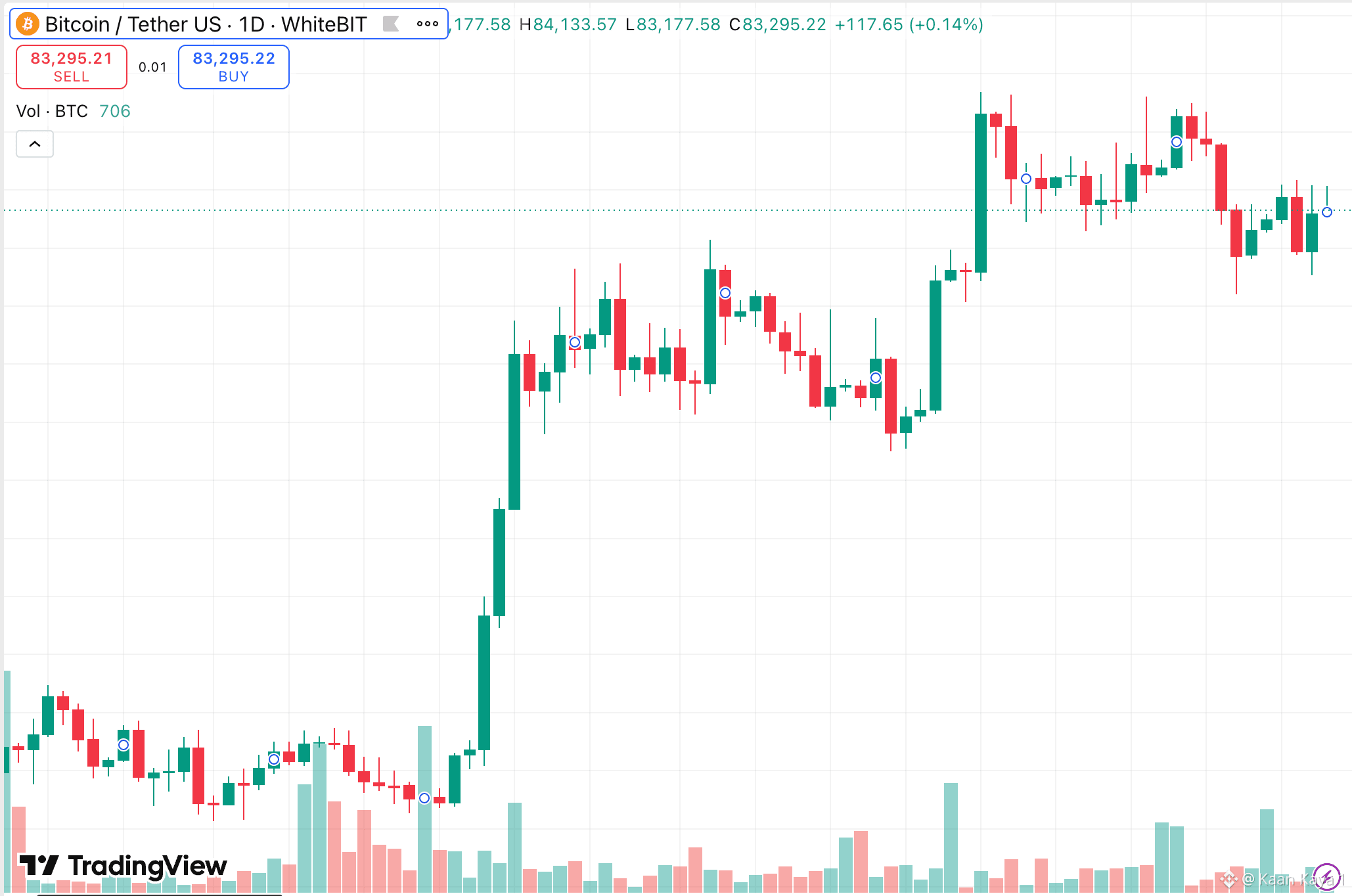
ビットコインの一番もどかしい動きは、まったく動かないことかも👀 みんなビットコインが何か劇的な動きを見せるのを待っているけど、正直、横ばい相場は本格的な暴落より疲れることもあるよね😅 ちょっと上がると、ついにブレイクアウトかと思うのに、2時間後には$BTCは元の水準に逆戻り。面白いことに、何もしないのもトレードの判断のひとつ。チャートを開いているからといって、細かな値動きをすべて捉える必要はないよ。退屈な相場でトレードしようとして、しっかりしたチャンスを待っていた場合よりも多くのお金を失う人を、確かに見てきた。みんな、じっと手を出さずに待つのが上手くなってきた?それとも、緑のローソク足を見るたびに何かの始まりだと思い込んでる? #BTC価格分析# #ビットコイン価格予測:ビットコインの次の動きは?#
ビットコインの一番もどかしい動きは、まったく動かないことかも👀 みんなビットコインが何か劇的な動きを見せるのを待っているけど、正直、横ばい相場は本格的な暴落より疲れることもあるよね😅 ちょっと上がると、ついにブレイクアウトかと思うのに、2時間後には$BTCは元の水準に逆戻り。面白いことに、何もしないのもトレードの判断のひとつ。チャートを開いているからといって、細かな値動きをすべて捉える必要はないよ。退屈な相場でトレードしようとして、しっかりしたチャンスを待っていた場合よりも多くのお金を失う人を、確かに見てきた。みんな、じっと手を出さずに待つのが上手くなってきた?それとも、緑のローソク足を見るたびに何かの始まりだと思い込んでる? #BTC価格分析# #ビットコイン価格予測:ビットコインの次の動きは?#

61
·
--
翻訳参照
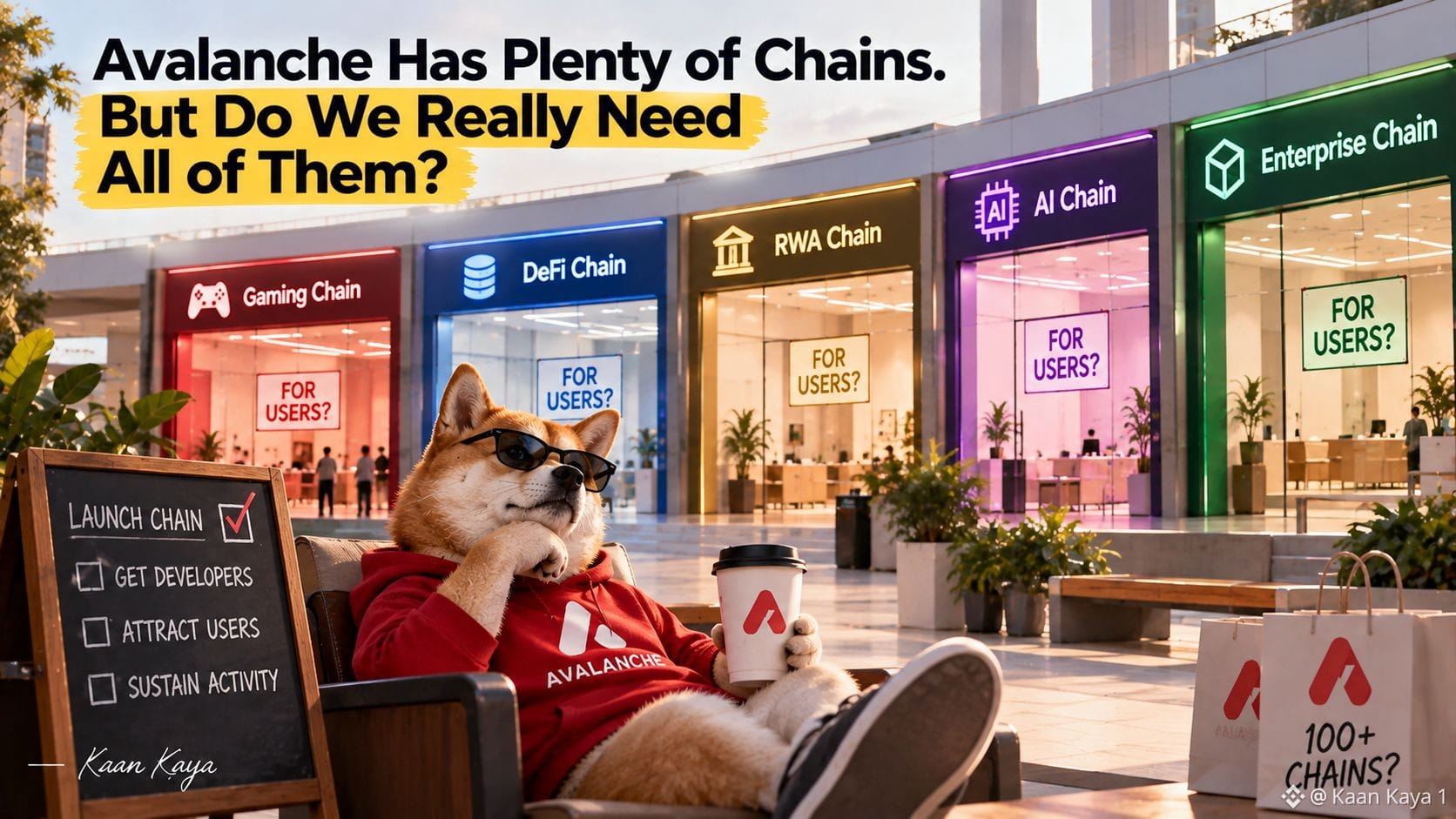
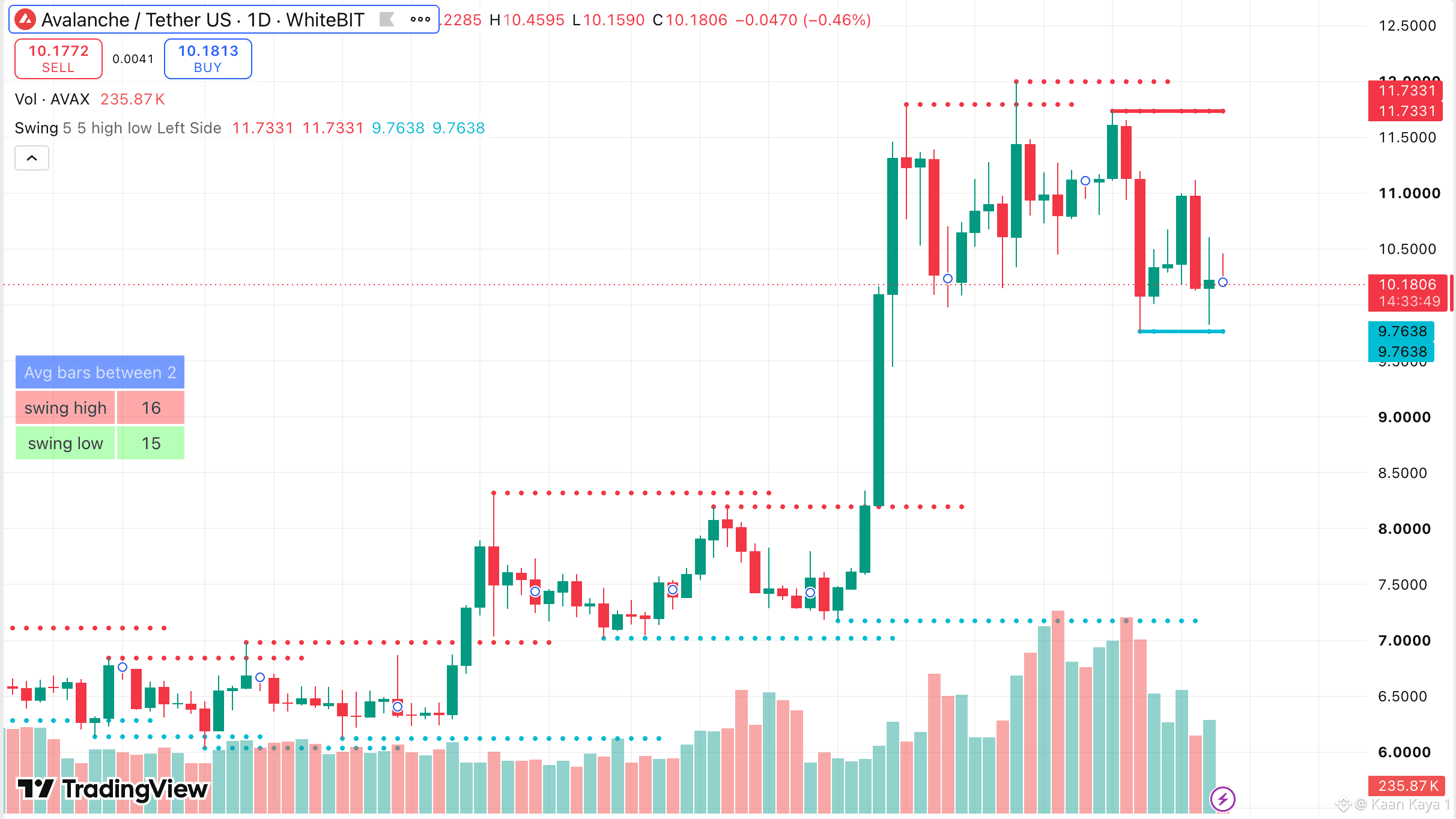
Avalanche Has Plenty of Chains. But Do We Really Need All of Them? Remember when every crypto project wanted its own token? Now it feels like everyone wants their own blockchain too. 😅 Avalanche has been pushing the idea that businesses, games and financial platforms can run dedicated networks instead of squeezing everything onto one shared chain. And I can see the appeal. A gaming company probably doesn't want its transactions competing with DeFi liquidations. A financial institution might need specific rules around validators, permissions and compliance. But here's where I get a little skeptical. Launching a blockchain is becoming easier. Giving people a reason to use it is still incredibly hard. A company can have its own validators, custom fees and a beautifully designed ecosystem. None of that guarantees developers will build there or users will show up. For $AVAX , I'd be watching whether these dedicated networks generate sustained activity, and how that activity translates into demand for the token. Counting launched chains alone doesn't tell us enough. It's a bit like opening fifty shopping malls. Sounds impressive until you visit on Saturday and realize most of the shops are empty. I'd rather see ten busy networks than a hundred that exist mainly in partnership announcements. #Macro Insights# #Altcoin Season#
Avalanche Has Plenty of Chains. But Do We Really Need All of Them? Remember when every crypto project wanted its own token? Now it feels like everyone wants their own blockchain too. 😅 Avalanche has been pushing the idea that businesses, games and financial platforms can run dedicated networks instead of squeezing everything onto one shared chain. And I can see the appeal. A gaming company probably doesn't want its transactions competing with DeFi liquidations. A financial institution might need specific rules around validators, permissions and compliance. But here's where I get a little skeptical. Launching a blockchain is becoming easier. Giving people a reason to use it is still incredibly hard. A company can have its own validators, custom fees and a beautifully designed ecosystem. None of that guarantees developers will build there or users will show up. For $AVAX , I'd be watching whether these dedicated networks generate sustained activity, and how that activity translates into demand for the token. Counting launched chains alone doesn't tell us enough. It's a bit like opening fifty shopping malls. Sounds impressive until you visit on Saturday and realize most of the shops are empty. I'd rather see ten busy networks than a hundred that exist mainly in partnership announcements. #Macro Insights# #Altcoin Season#
75
·
--
翻訳参照
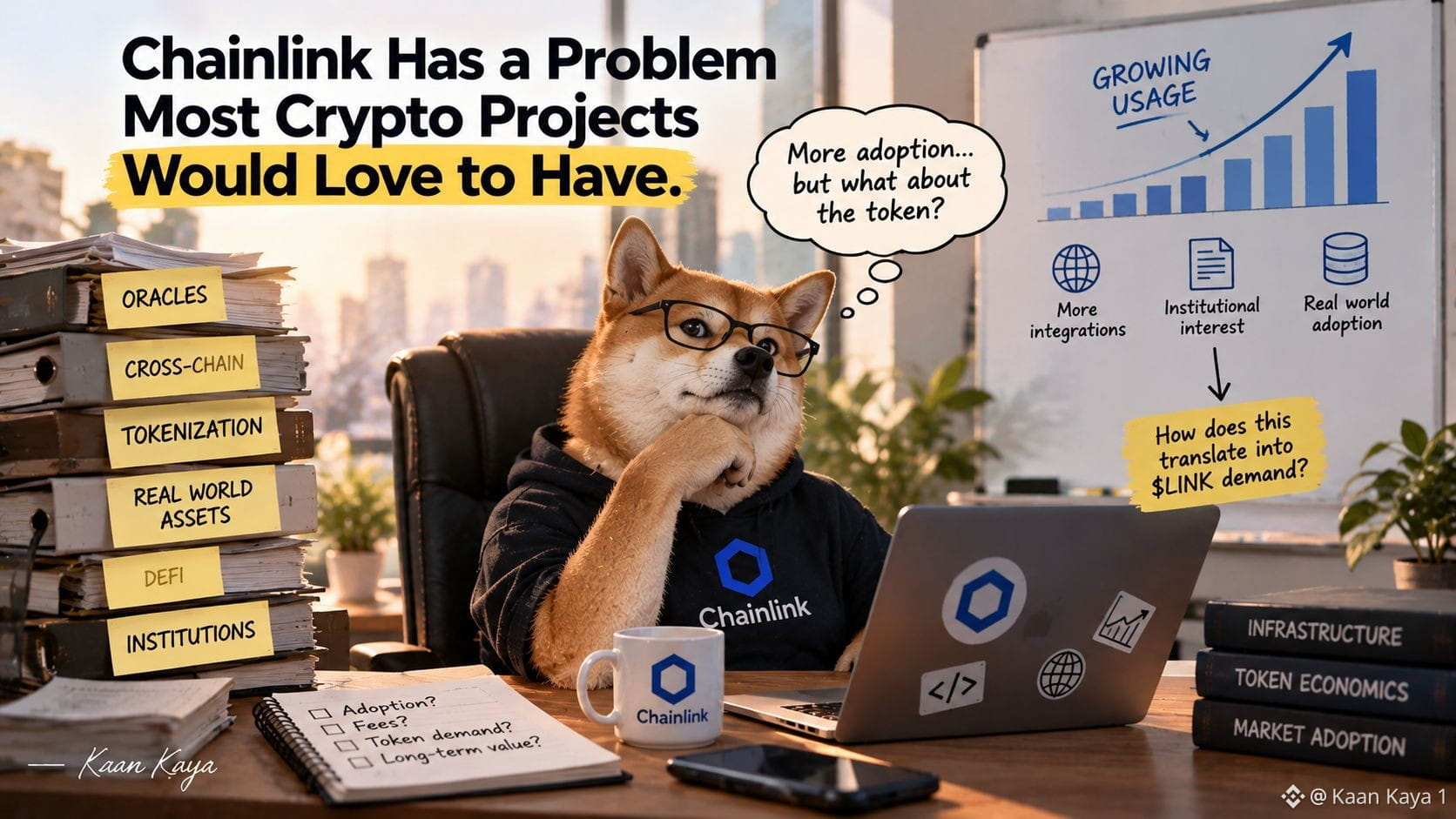
Chainlink Has a Problem Most Crypto Projects Would Love to Have Chainlink is one of those projects that doesn't get nearly as much attention as the latest meme coin, despite being involved in some pretty important parts of crypto infrastructure. Oracles, cross-chain messaging, tokenized assets... the list keeps growing. But here's something I've been thinking about: a project becoming more useful doesn't automatically mean its token becomes more valuable. Banks could integrate Chainlink technology, DeFi protocols could rely on its data feeds, and institutions could use its infrastructure to move tokenized assets between networks. Great for adoption. But what does that mean for someone holding $LINK ? That's where I'd spend more time looking at how network usage translates into token demand, fees and incentives rather than counting partnership announcements. Don't get me wrong, I think infrastructure adoption is worth following. I just find the economics behind it more interesting than another headline about a major institution experimenting with blockchain. A partnership announcement can get traders excited for a day. Sustainable demand is a much longer conversation. #Macro Insights# #Altcoin Season#
Chainlink Has a Problem Most Crypto Projects Would Love to Have Chainlink is one of those projects that doesn't get nearly as much attention as the latest meme coin, despite being involved in some pretty important parts of crypto infrastructure. Oracles, cross-chain messaging, tokenized assets... the list keeps growing. But here's something I've been thinking about: a project becoming more useful doesn't automatically mean its token becomes more valuable. Banks could integrate Chainlink technology, DeFi protocols could rely on its data feeds, and institutions could use its infrastructure to move tokenized assets between networks. Great for adoption. But what does that mean for someone holding $LINK ? That's where I'd spend more time looking at how network usage translates into token demand, fees and incentives rather than counting partnership announcements. Don't get me wrong, I think infrastructure adoption is worth following. I just find the economics behind it more interesting than another headline about a major institution experimenting with blockchain. A partnership announcement can get traders excited for a day. Sustainable demand is a much longer conversation. #Macro Insights# #Altcoin Season#
47
·
--
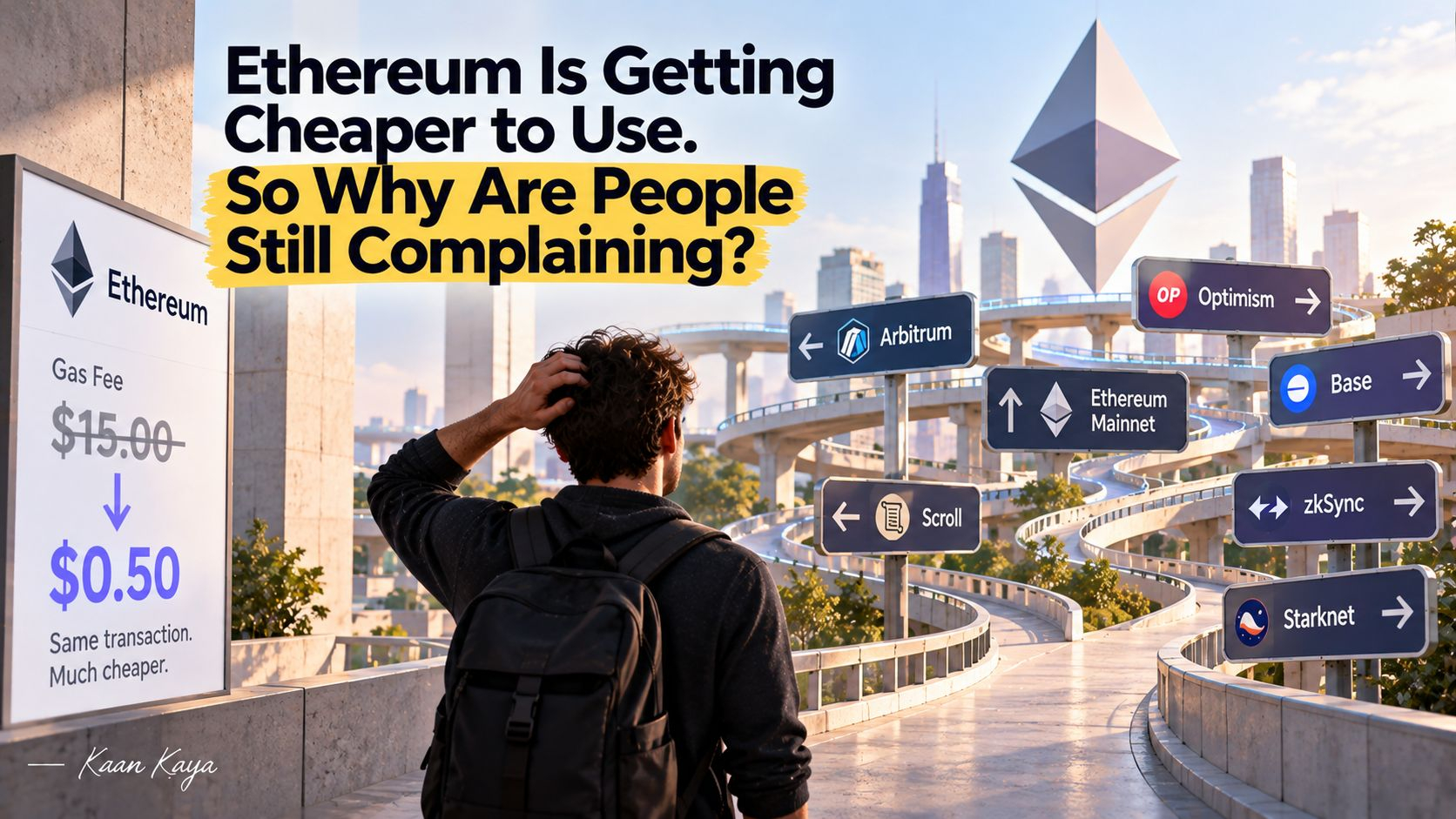
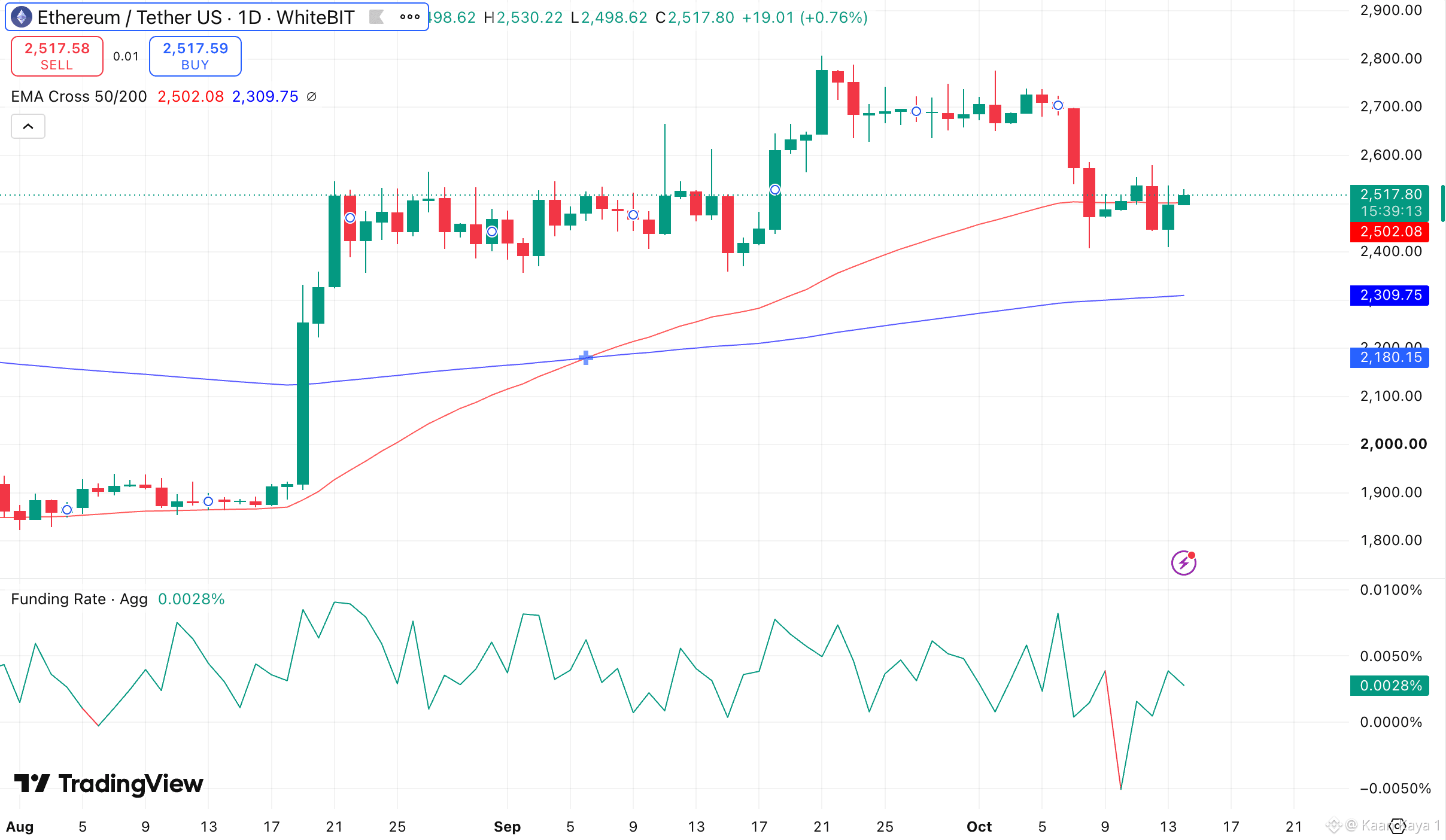
Ethereumはますます安く使えるようになっている。それなのに、なぜ不満の声が上がり続けるの? 暗号資産で20ドル相当を送るのに、ガス代がさらに15ドルかかることがあったのを覚えていますか? Ethereumはそれから大きく進歩しました。特にレイヤー2ネットワークを使う場合はそうです。 でも、ずっと気になっていることがあります。暗号資産が使いやすくなったと、必ずしもみんなが感じているわけではないんです。 資金がどのネットワーク上にあるのか、そのネットワークに取引所が対応しているのか、同じトークンがなぜ5つもの場所に表示されることがあるのか——今でも自分で調べなければなりません。 そして、間違ったネットワークで送金してしまったら大変です😅 これがEthereumのスケーリング戦略に伴う、ちょっと不思議なトレードオフです。異なるネットワークにアクティビティを分散させることで、取引は安くなりました。その一方で、暗号資産に詳しくない人にとっては、使い方がさらに複雑になってしまいました。 日常的に使う人に受け入れてもらうために、$ETH にこれ以上すごい取引速度の比較が必要だとは思いません。必要なのは、どのチェーンが処理しているかを気にせず、送金したり、取引したり、何かの支払いができるアプリです。 取引が安いのは素晴らしいことです。友達にその仕組みを説明しなくて済むなら、もっと素晴らしいでしょう。 #ETHBlockchain #ETHFoundation
Ethereumはますます安く使えるようになっている。それなのに、なぜ不満の声が上がり続けるの? 暗号資産で20ドル相当を送るのに、ガス代がさらに15ドルかかることがあったのを覚えていますか? Ethereumはそれから大きく進歩しました。特にレイヤー2ネットワークを使う場合はそうです。 でも、ずっと気になっていることがあります。暗号資産が使いやすくなったと、必ずしもみんなが感じているわけではないんです。 資金がどのネットワーク上にあるのか、そのネットワークに取引所が対応しているのか、同じトークンがなぜ5つもの場所に表示されることがあるのか——今でも自分で調べなければなりません。 そして、間違ったネットワークで送金してしまったら大変です😅 これがEthereumのスケーリング戦略に伴う、ちょっと不思議なトレードオフです。異なるネットワークにアクティビティを分散させることで、取引は安くなりました。その一方で、暗号資産に詳しくない人にとっては、使い方がさらに複雑になってしまいました。 日常的に使う人に受け入れてもらうために、$ETH にこれ以上すごい取引速度の比較が必要だとは思いません。必要なのは、どのチェーンが処理しているかを気にせず、送金したり、取引したり、何かの支払いができるアプリです。 取引が安いのは素晴らしいことです。友達にその仕組みを説明しなくて済むなら、もっと素晴らしいでしょう。 #ETHBlockchain #ETHFoundation
83
·
--
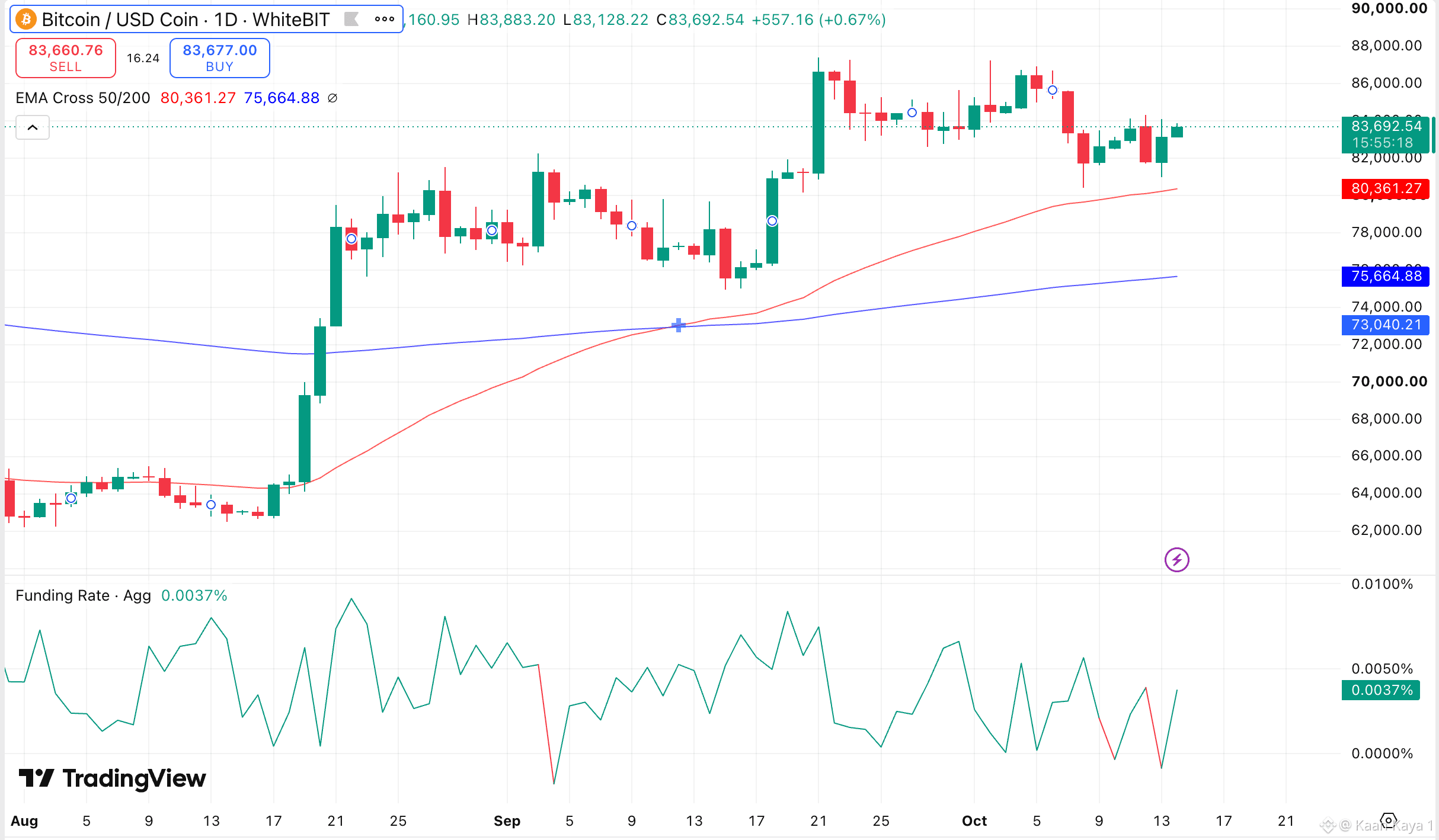
誰もがビットコインの値動きを期待している。でも、次に何が起きるかについては誰も意見が一致しない。ビットコインが横ばいの動きを始めると、暗号資産界隈のXは面白い。タイムラインの半分はブレイクアウトが来ると確信し、残りの半分はすでに次の急落に備えている。しかも、なぜか両陣営とも説得力のありそうなチャートを持っている😂 今の$BTC 取引で一番難しいのは、ありそうなセットアップを見つけることではないと思う。本当に注目に値するシグナルを見極めることだ。 数本の陽線だけで、レジスタンスラインが弱く見えることがある。突然の陰線一本で、市場全体が再び弱気に感じられることもある。出来高、流動性、値動きの継続性がその動きを裏付けていない限り、どちらも大したことは教えてくれない。 個人的には、Xのみんなが急に盛り上がったからという理由でエントリーし、そのポジションを守るために次の3日間を費やすくらいなら、上昇の最初の2%を逃すほうがいい。 みんながどう向き合っているのか気になる。小さな値動きを取引している?それとも、ビットコインが方向性を決めるのを待っている? #BTC価格分析# #ビットコイン価格予測:ビットコインの次の動きは?#
誰もがビットコインの値動きを期待している。でも、次に何が起きるかについては誰も意見が一致しない。ビットコインが横ばいの動きを始めると、暗号資産界隈のXは面白い。タイムラインの半分はブレイクアウトが来ると確信し、残りの半分はすでに次の急落に備えている。しかも、なぜか両陣営とも説得力のありそうなチャートを持っている😂 今の$BTC 取引で一番難しいのは、ありそうなセットアップを見つけることではないと思う。本当に注目に値するシグナルを見極めることだ。 数本の陽線だけで、レジスタンスラインが弱く見えることがある。突然の陰線一本で、市場全体が再び弱気に感じられることもある。出来高、流動性、値動きの継続性がその動きを裏付けていない限り、どちらも大したことは教えてくれない。 個人的には、Xのみんなが急に盛り上がったからという理由でエントリーし、そのポジションを守るために次の3日間を費やすくらいなら、上昇の最初の2%を逃すほうがいい。 みんながどう向き合っているのか気になる。小さな値動きを取引している?それとも、ビットコインが方向性を決めるのを待っている? #BTC価格分析# #ビットコイン価格予測:ビットコインの次の動きは?#

78
·
--
🔍 戦略、それとも回避策?自分のボットを監査してみた
数日前、古いボットの設定を整理していました。「動いてるんだから、触るな」というタイプのやつです。😅
APIのレート制限を超えないためだけに存在する行が、どれほど多いかに気づきました。リクエストをまとめ、$BTCの板を確認する頻度を減らし、数値が合わないアプローチはいくつか見送りました。何年もの間、それを良い運用だと思っていました。
その後、WhiteBIT VIPプログラムでレート制限が引き上げられ、以前からのルールを違う目で見るようになりました。これは本当に戦略の一部だったのでしょうか。それとも、単なる回避策だったのでしょうか?
https://whitebit.com/vip-program?utm_source=coinmarketcap&utm_medium=post&utm_campaign=kaannViP
注文を出すタイミングは、最も気づきやすい例でした。リクエスト制限のために注文の間隔を空けていたのに、いつしかそれを戦略の一部として扱うようになっていました。しばらくすると、そのルールが何に由来するのか、すっかり忘れてしまいました。
⚙️ レート制限の拡大が、こうしたことに気づくきっかけになりました。シンプルなAPI接続も役立ちますし、取引手数料の引き下げ(VIPレベルや条件に応じて最大-0.001%)は、大規模な取引では重要です。ボットを定期的に稼働させるようになれば、個別サポートも役立ちます。
面白いのは、何かひとつの「目玉機能」がすべてを変えたわけではないことです。以前の制限によって、自分の判断がどれほど左右されていたのかに気づいただけでした。
自分のトレード哲学だと思っていたものの半分は、実はレート制限を回避するための工夫だったのです。
免責事項:これは金融または投資に関する助言ではありません。意思決定を行う前に、ご自身で調査してください。ご自身の責任でご利用ください。
#BTC価格分析#
#ビットコイン価格予測:ビットコインの次の動きは?#
🔍 戦略、それとも回避策?自分のボットを監査してみた
数日前、古いボットの設定を整理していました。「動いてるんだから、触るな」というタイプのやつです。😅
APIのレート制限を超えないためだけに存在する行が、どれほど多いかに気づきました。リクエストをまとめ、$BTCの板を確認する頻度を減らし、数値が合わないアプローチはいくつか見送りました。何年もの間、それを良い運用だと思っていました。
その後、WhiteBIT VIPプログラムでレート制限が引き上げられ、以前からのルールを違う目で見るようになりました。これは本当に戦略の一部だったのでしょうか。それとも、単なる回避策だったのでしょうか?
https://whitebit.com/vip-program?utm_source=coinmarketcap&utm_medium=post&utm_campaign=kaannViP
注文を出すタイミングは、最も気づきやすい例でした。リクエスト制限のために注文の間隔を空けていたのに、いつしかそれを戦略の一部として扱うようになっていました。しばらくすると、そのルールが何に由来するのか、すっかり忘れてしまいました。
⚙️ レート制限の拡大が、こうしたことに気づくきっかけになりました。シンプルなAPI接続も役立ちますし、取引手数料の引き下げ(VIPレベルや条件に応じて最大-0.001%)は、大規模な取引では重要です。ボットを定期的に稼働させるようになれば、個別サポートも役立ちます。
面白いのは、何かひとつの「目玉機能」がすべてを変えたわけではないことです。以前の制限によって、自分の判断がどれほど左右されていたのかに気づいただけでした。
自分のトレード哲学だと思っていたものの半分は、実はレート制限を回避するための工夫だったのです。
免責事項:これは金融または投資に関する助言ではありません。意思決定を行う前に、ご自身で調査してください。ご自身の責任でご利用ください。
#BTC価格分析#
#ビットコイン価格予測:ビットコインの次の動きは?#
数日前、古いボットの設定を整理していました。「動いてるんだから、触るな」というタイプのやつです。😅
APIのレート制限を超えないためだけに存在する行が、どれほど多いかに気づきました。リクエストをまとめ、$BTCの板を確認する頻度を減らし、数値が合わないアプローチはいくつか見送りました。何年もの間、それを良い運用だと思っていました。
その後、WhiteBIT VIPプログラムでレート制限が引き上げられ、以前からのルールを違う目で見るようになりました。これは本当に戦略の一部だったのでしょうか。それとも、単なる回避策だったのでしょうか?
https://whitebit.com/vip-program?utm_source=coinmarketcap&utm_medium=post&utm_campaign=kaannViP
注文を出すタイミングは、最も気づきやすい例でした。リクエスト制限のために注文の間隔を空けていたのに、いつしかそれを戦略の一部として扱うようになっていました。しばらくすると、そのルールが何に由来するのか、すっかり忘れてしまいました。
⚙️ レート制限の拡大が、こうしたことに気づくきっかけになりました。シンプルなAPI接続も役立ちますし、取引手数料の引き下げ(VIPレベルや条件に応じて最大-0.001%)は、大規模な取引では重要です。ボットを定期的に稼働させるようになれば、個別サポートも役立ちます。
面白いのは、何かひとつの「目玉機能」がすべてを変えたわけではないことです。以前の制限によって、自分の判断がどれほど左右されていたのかに気づいただけでした。
自分のトレード哲学だと思っていたものの半分は、実はレート制限を回避するための工夫だったのです。
免責事項:これは金融または投資に関する助言ではありません。意思決定を行う前に、ご自身で調査してください。ご自身の責任でご利用ください。
#BTC価格分析#
#ビットコイン価格予測:ビットコインの次の動きは?#

·
--
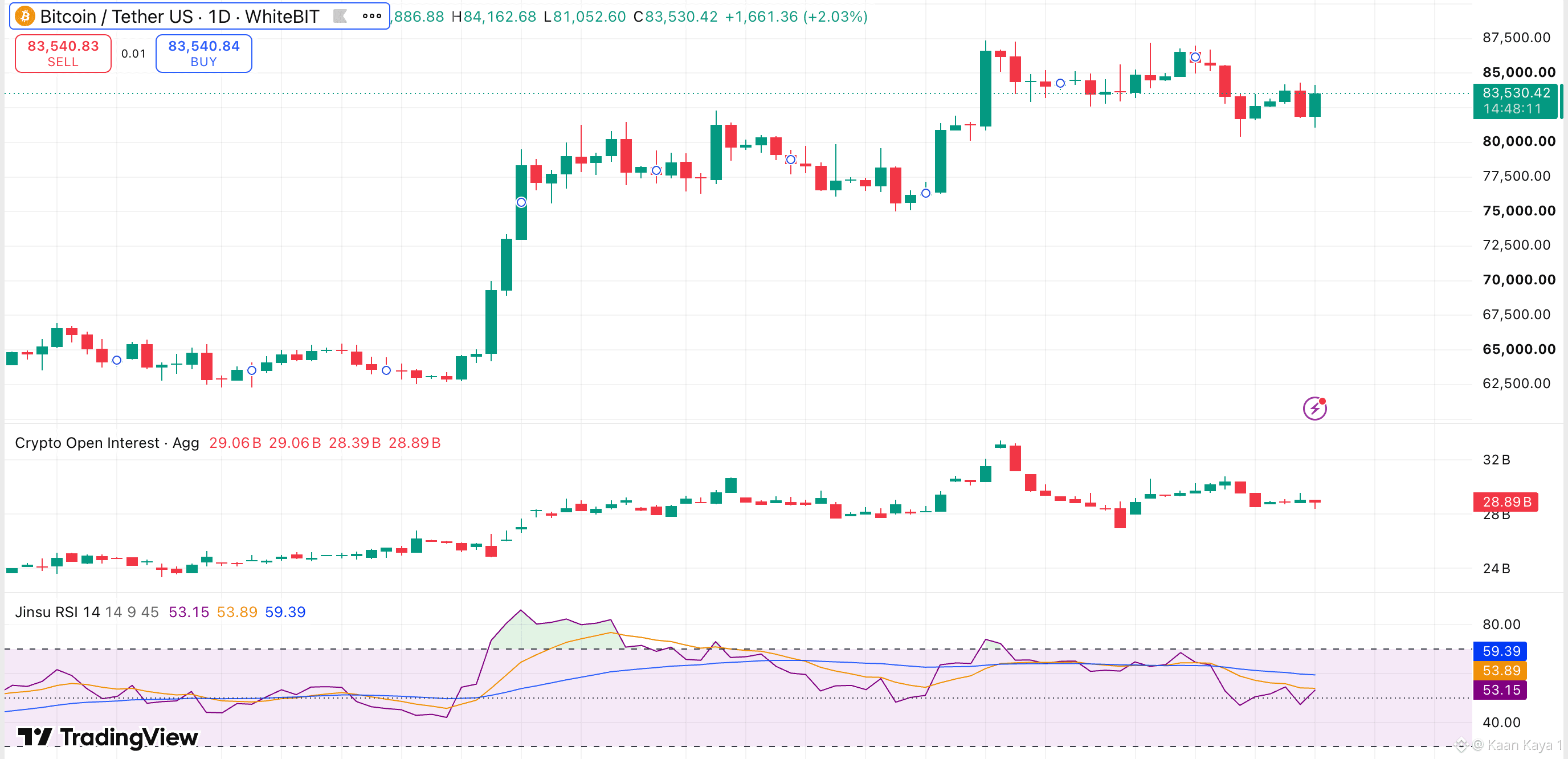
トレーダーが再び盛り上がるのに、ビットコインには大した材料はいらない👀 $BTCをめぐるムードって、驚くほどあっという間に変わるものですね。陽線が2本ほど出ただけで、みんな次の大きなブレイクアウトについて話し始めます。 でも、短期的な反発と、市場が本当に上昇する準備ができている状態とは違います。 私がより注目しているのは、最初の興奮が冷めたあとも買い手が現れ続けるかどうかです。値動きの背後にどれだけ確信があるのかは、たいていそのときにわかります。 ビットコインを見てはいるけれど、まだ飛び乗る気にはなれないという人はほかにもいますか? #BTC価格分析# #ビットコイン価格予測:次の値動きは?#
トレーダーが再び盛り上がるのに、ビットコインには大した材料はいらない👀 $BTCをめぐるムードって、驚くほどあっという間に変わるものですね。陽線が2本ほど出ただけで、みんな次の大きなブレイクアウトについて話し始めます。 でも、短期的な反発と、市場が本当に上昇する準備ができている状態とは違います。 私がより注目しているのは、最初の興奮が冷めたあとも買い手が現れ続けるかどうかです。値動きの背後にどれだけ確信があるのかは、たいていそのときにわかります。 ビットコインを見てはいるけれど、まだ飛び乗る気にはなれないという人はほかにもいますか? #BTC価格分析# #ビットコイン価格予測:次の値動きは?#

79
·
--
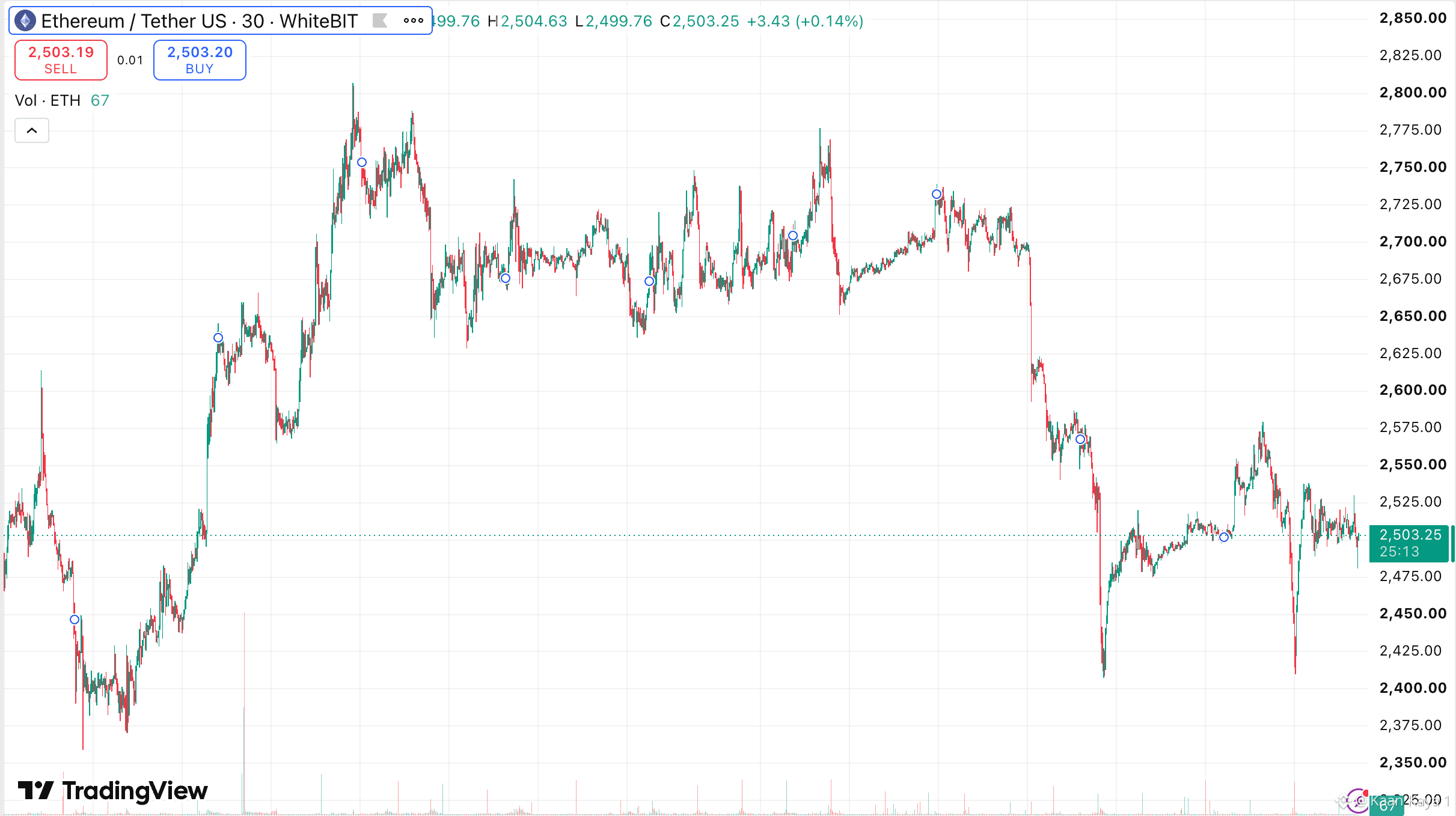
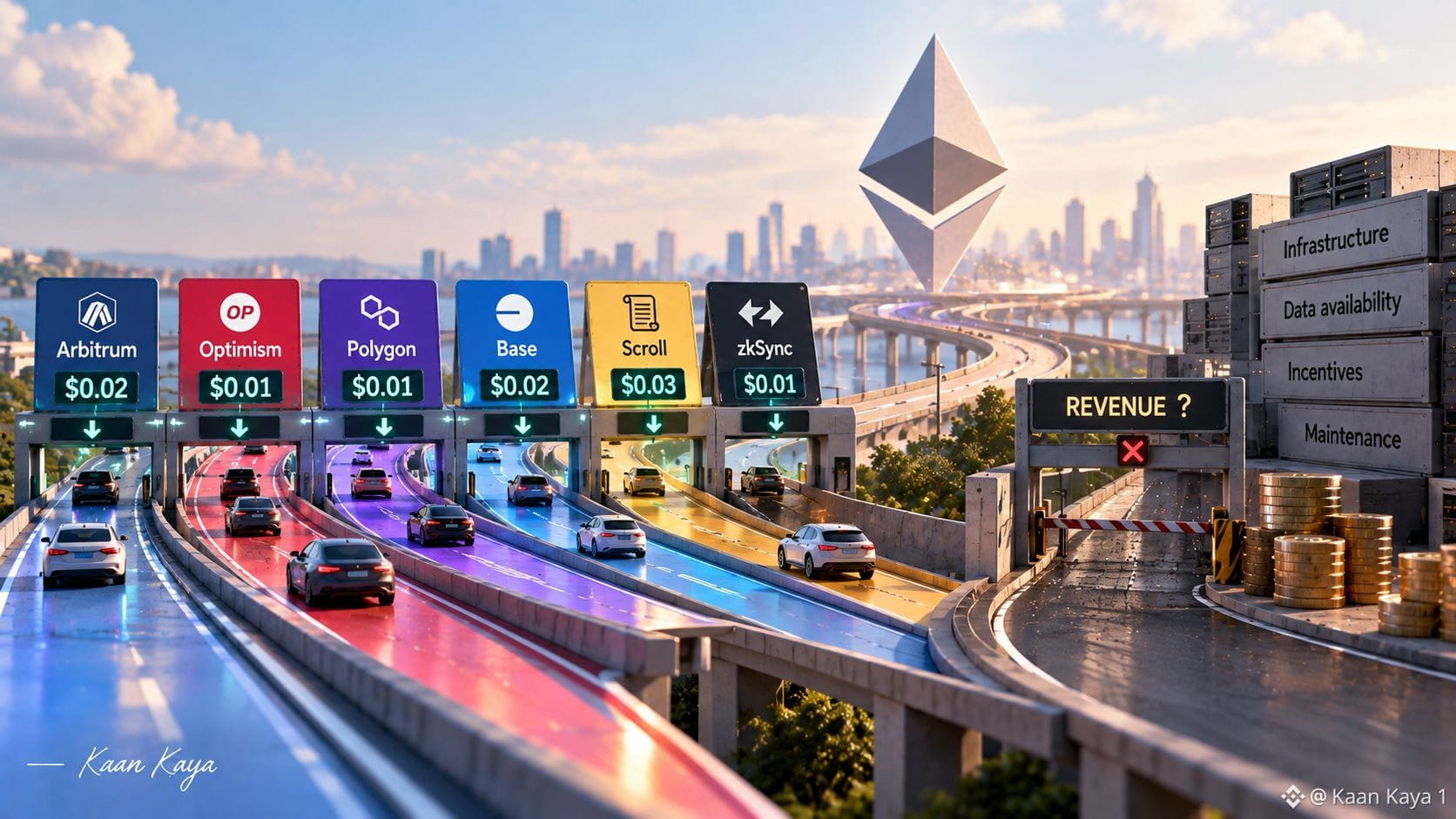
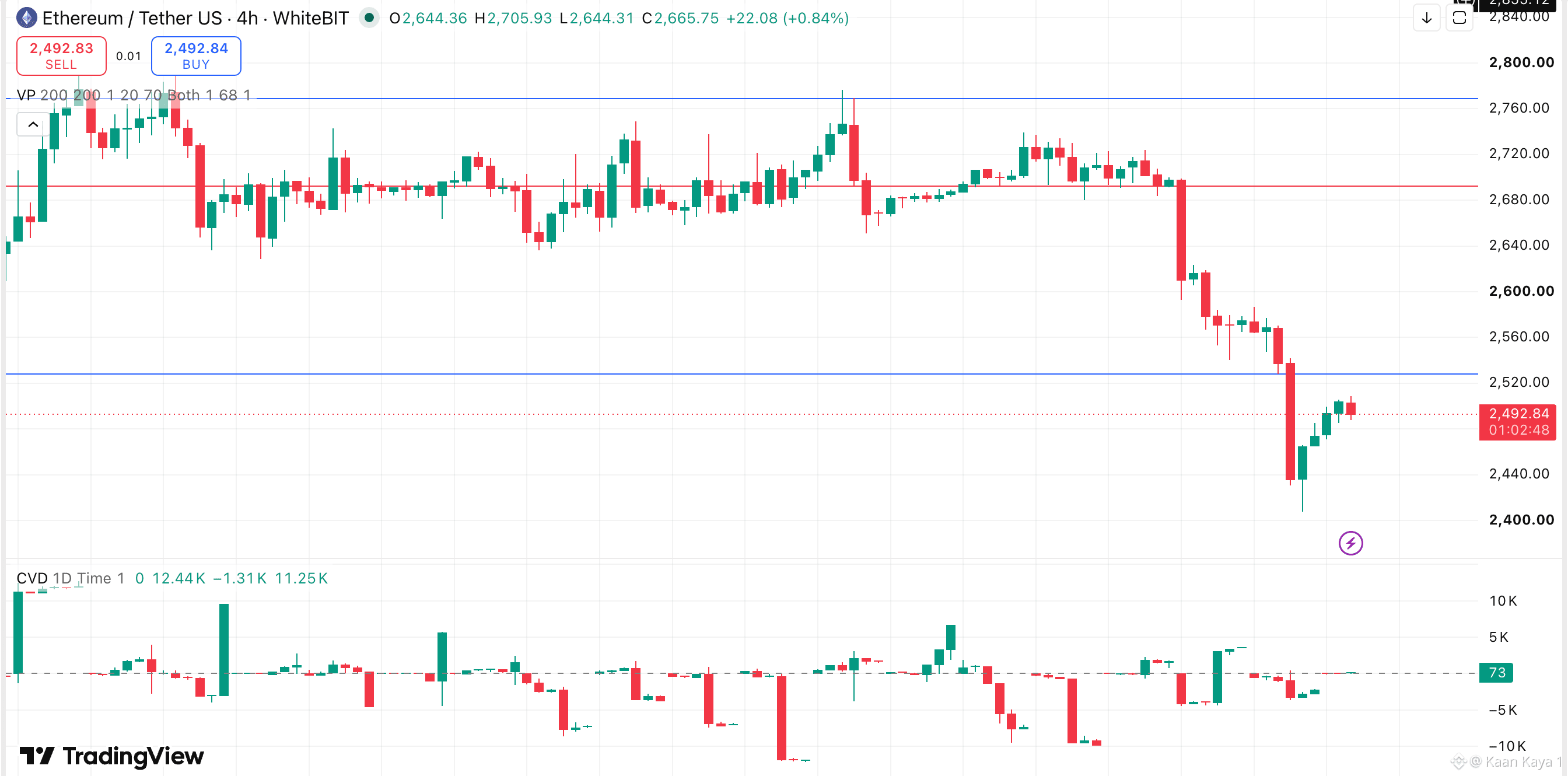
EthereumのL2はますます安くなっています。では、実際に利益を得るのは誰でしょう? $ETHの取引に30ドルかかるのが、ごく普通の火曜日だと思われていた頃を覚えていますか? 今では、一部のレイヤー2ネットワークなら数セント、場合によってはそれ以下で資金を移動できます。ユーザーにとっては素晴らしいことです。一方、ネットワークを運営する企業にとっては、少し気まずい話かもしれません。ポイントは、手数料が下がったからといって、経済性が自動的に良くなるわけではないということです。L2は何百万もの取引を処理し、ユーザーを満足させていても、インフラ、データ可用性、エコシステムへのインセンティブを考慮すると、意味のある収益を上げるのに苦労することがあります。さらに、もうひとつ厄介な点があります。複数のネットワークがほぼ同じ安価な送金や似たようなアプリへのアクセスを提供しているなら、なぜユーザーはそのうちのひとつを使い続けるのでしょうか? 私たちは何年も、Ethereumはスケールできるのかと問い続けてきました。次に問うべきなのは、こうしたスケーリングネットワークが、維持する価値のあるビジネスを築けるかどうかかもしれません。次の大きなL2競争は、手数料の安さではなく、報酬で釣らなくても戻ってくるユーザーをどれだけ獲得できるかをめぐるものになっても、驚きません。 #ETHBlockchain #ETHFoundation
EthereumのL2はますます安くなっています。では、実際に利益を得るのは誰でしょう? $ETHの取引に30ドルかかるのが、ごく普通の火曜日だと思われていた頃を覚えていますか? 今では、一部のレイヤー2ネットワークなら数セント、場合によってはそれ以下で資金を移動できます。ユーザーにとっては素晴らしいことです。一方、ネットワークを運営する企業にとっては、少し気まずい話かもしれません。ポイントは、手数料が下がったからといって、経済性が自動的に良くなるわけではないということです。L2は何百万もの取引を処理し、ユーザーを満足させていても、インフラ、データ可用性、エコシステムへのインセンティブを考慮すると、意味のある収益を上げるのに苦労することがあります。さらに、もうひとつ厄介な点があります。複数のネットワークがほぼ同じ安価な送金や似たようなアプリへのアクセスを提供しているなら、なぜユーザーはそのうちのひとつを使い続けるのでしょうか? 私たちは何年も、Ethereumはスケールできるのかと問い続けてきました。次に問うべきなのは、こうしたスケーリングネットワークが、維持する価値のあるビジネスを築けるかどうかかもしれません。次の大きなL2競争は、手数料の安さではなく、報酬で釣らなくても戻ってくるユーザーをどれだけ獲得できるかをめぐるものになっても、驚きません。 #ETHBlockchain #ETHFoundation
67
·
--
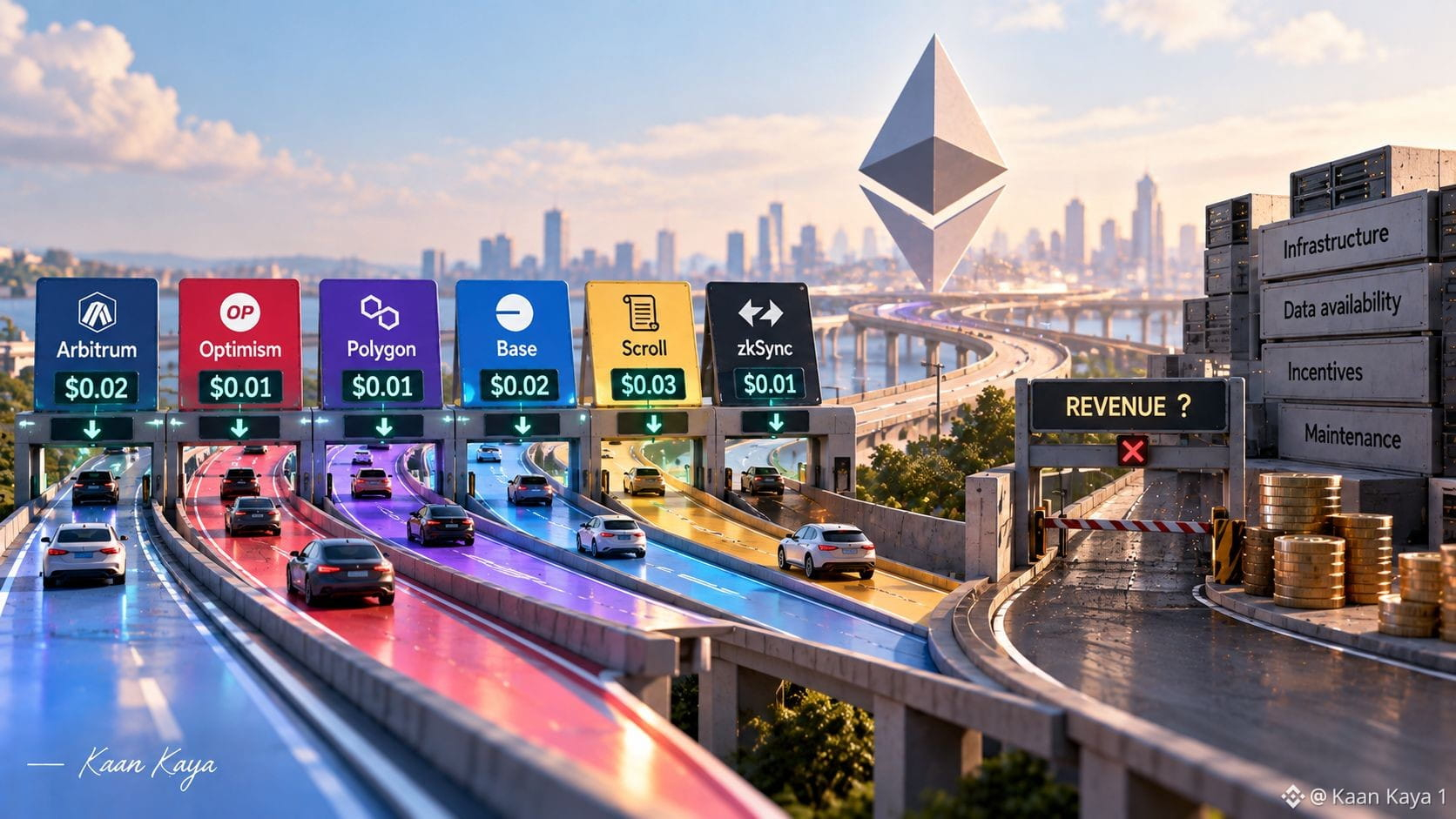
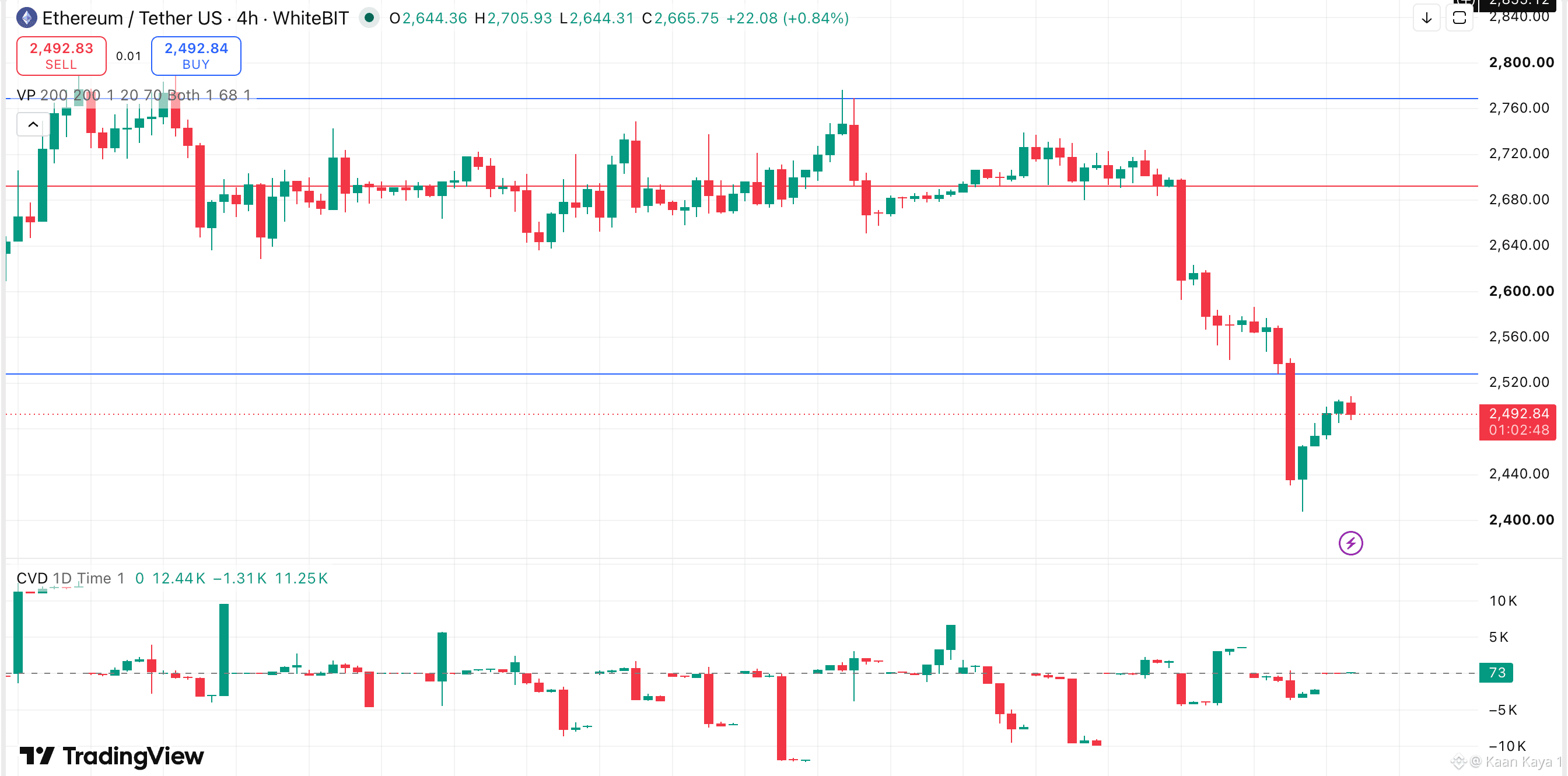
EthereumのL2は手数料が安くなっている。では、実際に利益を得るのは誰? Ethereumの取引に30ドルかかるのが、ごく普通の火曜日だと思われていた頃を覚えていますか? 今では、一部のレイヤー2ネットワークでは数セント、場合によってはそれ以下で資金を移動できます。 ユーザーにとっては大歓迎です。一方で、そうしたネットワークを運営する企業にとっては、少し答えにくい話かもしれません。 ここがポイントです。手数料が下がったからといって、必ずしも経済性が向上するわけではありません。L2は何百万もの取引を処理し、ユーザーを満足させても、インフラ、データ可用性、エコシステムへのインセンティブを考慮すると、意味のある収益を上げるのに苦労することがあります。 さらに、もう一つ厄介な問題があります。複数のネットワークがほぼ同じ安さの送金と似たようなアプリへのアクセスを提供しているなら、なぜ利用者はそのうちの一つを使い続けるのでしょうか? 私たちは何年も、Ethereumはスケールできるのかと問い続けてきました。次に問うべきなのは、これらのスケーリングネットワークが、運営を続ける価値のあるビジネスを築けるかどうかかもしれません。 次の大きなL2競争は、手数料の安さではなく、報酬でつなぎ止めなくても戻ってきてくれるユーザーをどれだけ獲得できるかをめぐるものになるとしても、驚きません。 #ETHBlockchain #ETHFoundation
EthereumのL2は手数料が安くなっている。では、実際に利益を得るのは誰? Ethereumの取引に30ドルかかるのが、ごく普通の火曜日だと思われていた頃を覚えていますか? 今では、一部のレイヤー2ネットワークでは数セント、場合によってはそれ以下で資金を移動できます。 ユーザーにとっては大歓迎です。一方で、そうしたネットワークを運営する企業にとっては、少し答えにくい話かもしれません。 ここがポイントです。手数料が下がったからといって、必ずしも経済性が向上するわけではありません。L2は何百万もの取引を処理し、ユーザーを満足させても、インフラ、データ可用性、エコシステムへのインセンティブを考慮すると、意味のある収益を上げるのに苦労することがあります。 さらに、もう一つ厄介な問題があります。複数のネットワークがほぼ同じ安さの送金と似たようなアプリへのアクセスを提供しているなら、なぜ利用者はそのうちの一つを使い続けるのでしょうか? 私たちは何年も、Ethereumはスケールできるのかと問い続けてきました。次に問うべきなのは、これらのスケーリングネットワークが、運営を続ける価値のあるビジネスを築けるかどうかかもしれません。 次の大きなL2競争は、手数料の安さではなく、報酬でつなぎ止めなくても戻ってきてくれるユーザーをどれだけ獲得できるかをめぐるものになるとしても、驚きません。 #ETHBlockchain #ETHFoundation
48
ログインして、さらにコンテンツを読む
厳選トピックで世界の暗号資産トレーダーの仲間入り
⚡️ 暗号資産に関する最新かつ有益な情報が見つかります。
💬 世界最大の暗号資産取引所から信頼されています。
👍 認証を受けたクリエイターから、有益なインサイトを得られます。
メール / 電話番号