
Asiffazlay
35 投稿

Asiffazlay
報告
ユーザーをブロック
10 フォロー
6 フォロワー
76 いいね
投稿
·
--
翻訳参照
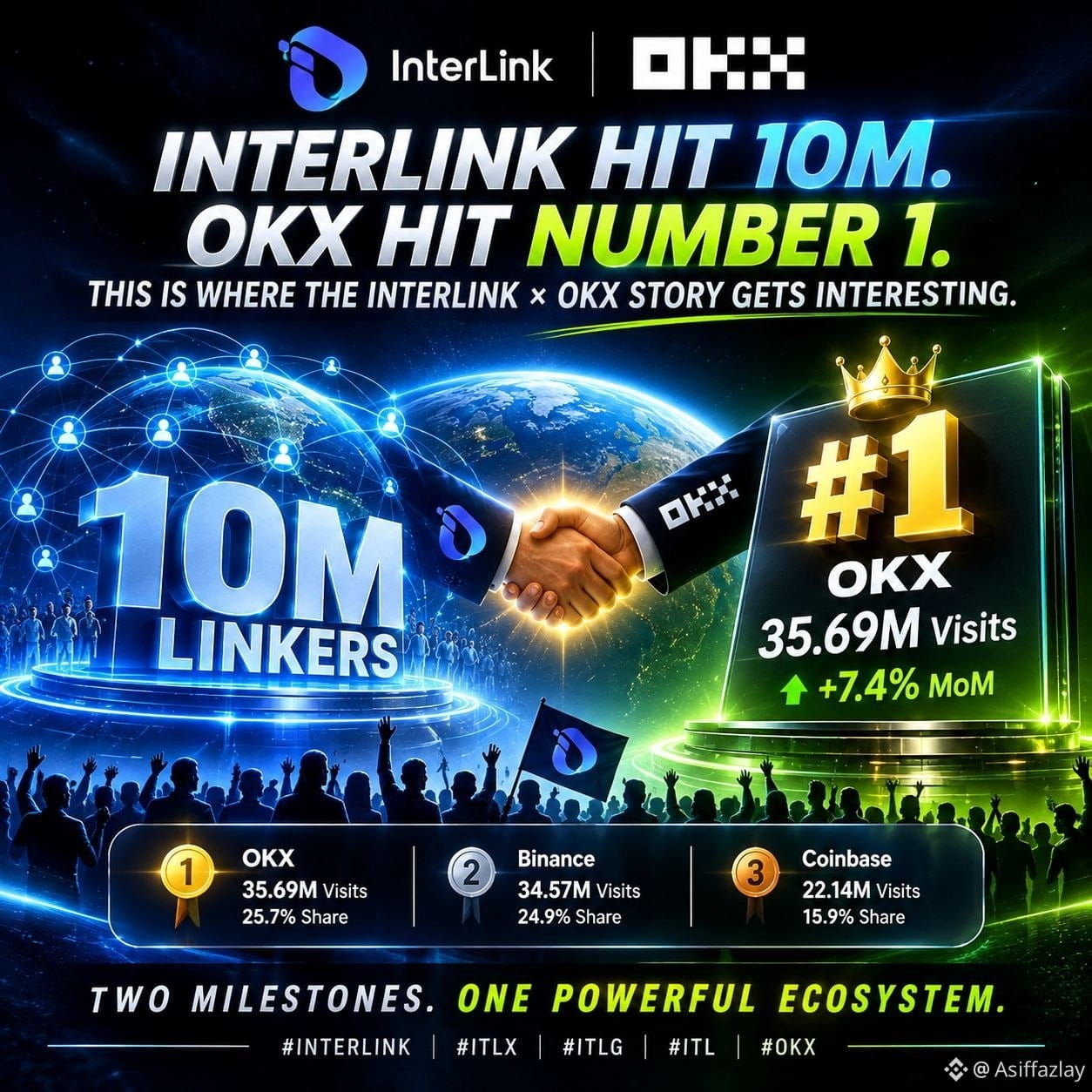
🔥 𝗜𝗡𝗧𝗘𝗥𝗟𝗜𝗡𝗞 𝗛𝗜𝗧 𝟭𝟬𝗠.
🔥 𝗢𝗞𝗫 𝗛𝗜𝗧 𝗡𝗨𝗠𝗕𝗘𝗥 𝟭.
𝗧𝗛𝗜𝗦 𝗜𝗦 𝗪𝗛𝗘𝗥𝗘 𝗧𝗛𝗘 𝗜𝗡𝗧𝗘𝗥𝗟𝗜𝗡𝗞 × 𝗢𝗞𝗫 𝗦𝗧𝗢𝗥𝗬 𝗚𝗘𝗧𝗦 𝗜𝗡𝗧𝗘𝗥𝗘𝗦𝗧𝗜𝗡𝗚.
Two different milestones.
One interesting connection. 👀
𝗜𝗻𝘁𝗲𝗿𝗟𝗶𝗻𝗸 recently celebrated reaching 10 million Linkers — a major milestone for its human-centric Web3 ecosystem.
Around that milestone, 𝗢𝗞𝗫 officially joined as a partner for the 10M Linkers celebration, including an exclusive InterLink × OKX NFT campaign.
Now look at OKX’s latest traffic momentum.
According to October 2026 exchange website-traffic data:
🥇 𝗢𝗞𝗫 — 35.69M visits
🥈 Binance — 34.57M visits
🥉 Coinbase — 22.14M visits
OKX captured 25.7% of the tracked traffic and recorded 7.4% month-over-month growth.
That doesn’t automatically mean anything about future listings or token availability.
But it does highlight something worth watching:
𝗜𝗻𝘁𝗲𝗿𝗟𝗶𝗻𝗸 𝗶𝘀 𝗴𝗿𝗼𝘄𝗶𝗻𝗴 𝗶𝘁𝘀 𝗵𝘂𝗺𝗮𝗻-𝗰𝗲𝗻𝘁𝗿𝗶𝗰 𝗲𝗰𝗼𝘀𝘆𝘀𝘁𝗲𝗺.
𝗢𝗞𝗫 𝗶𝘀 𝗴𝗮𝗶𝗻𝗶𝗻𝗴 𝗮𝘁𝘁𝗲𝗻𝘁𝗶𝗼𝗻 𝗮𝗰𝗿𝗼𝘀𝘀 𝘁𝗵𝗲 𝗪𝗲𝗯𝟯 𝗮𝗻𝗱 𝗰𝗿𝘆𝗽𝘁𝗼 𝘀𝗽𝗮𝗰𝗲.
And their paths have already crossed.
𝗧𝗵𝗲 𝗶𝗻𝘁𝗲𝗿𝗲𝘀𝘁𝗶𝗻𝗴 𝗽𝗮𝗿𝘁 𝗶𝘀 𝘄𝗵𝗮𝘁 𝗰𝗼𝗺𝗲𝘀 𝗻𝗲𝘅𝘁.
#INTERLINK #ITLX #ITLG #ITL #OKX
1
62
·
--
翻訳参照
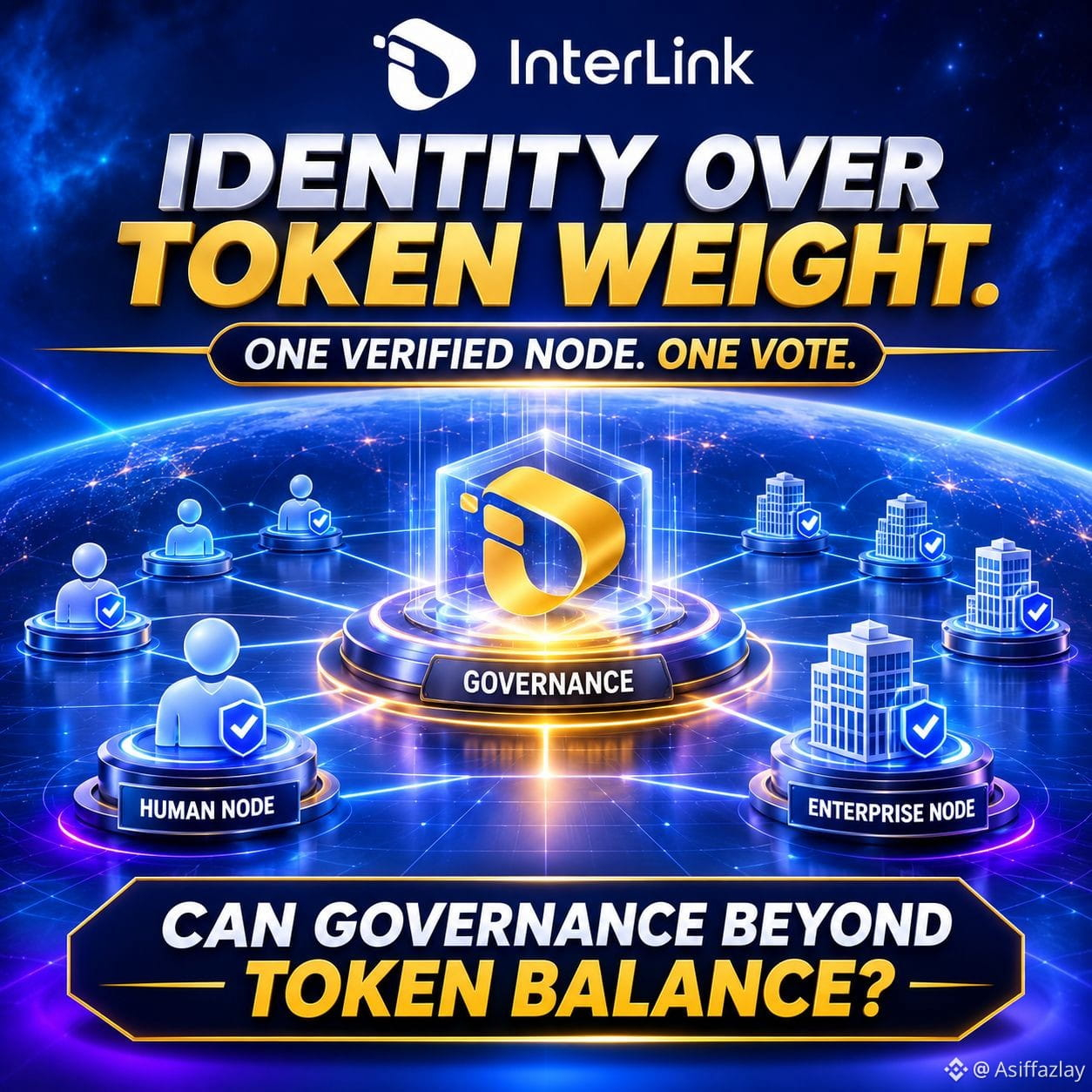
𝗜𝗡𝗧𝗘𝗥𝗟𝗜𝗡𝗞 𝗚𝗢𝗩𝗘𝗥𝗡𝗔𝗡𝗖𝗘: 𝗖𝗔𝗡 𝗢𝗡𝗘 𝗡𝗢𝗗𝗘, 𝗢𝗡𝗘 𝗩𝗢𝗧𝗘 𝗖𝗛𝗔𝗡𝗚𝗘 𝗧𝗛𝗘 𝗪𝗛𝗔𝗟𝗘 𝗘𝗤𝗨𝗔𝗧𝗜𝗢𝗡?
In token-weighted governance, influence grows with token holdings. This recognises financial commitment, but can let large holders outweigh smaller participants.
The proposed InterLink Staking Vault explores a different separation: stake size may shape staking rewards, while verified node identity—not balance size—would determine the governance vote.
Under the suggested “one node, one vote” principle, a KYC-verified Human Node and a KYB-verified Enterprise Node would each have one vote. A company staking much more $ITLG would not automatically receive extra voting weight.
The aim is to separate economic participation from representation, giving smaller verified participants a more meaningful voice.
An important distinction: InterLink’s published DAO guide describes its current voting system as token-weighted. The Vault’s one-node-one-vote concept is a proposal, not a confirmed replacement.
𝗧𝗵𝗲 𝗰𝗲𝗻𝘁𝗿𝗮𝗹 𝗾𝘂𝗲𝘀𝘁𝗶𝗼𝗻: should governance influence come from balance, verified participation, or a carefully designed combination?
#InterLink #ITLG #ITL
1
68
·
--
トークンを保有することと、その経済圏を築くことは別物です。
ブロックチェーンのエコシステムは、トークンを保有するだけでは成長できません。
長期的な発展には、アプリケーションの利用、価値の交換、ビジネスの支援、そして実質的な経済活動の創出も欠かせません。
InterLinkが提案するHuman Nodeモデルは、ここに興味深い方向性をもたらします。
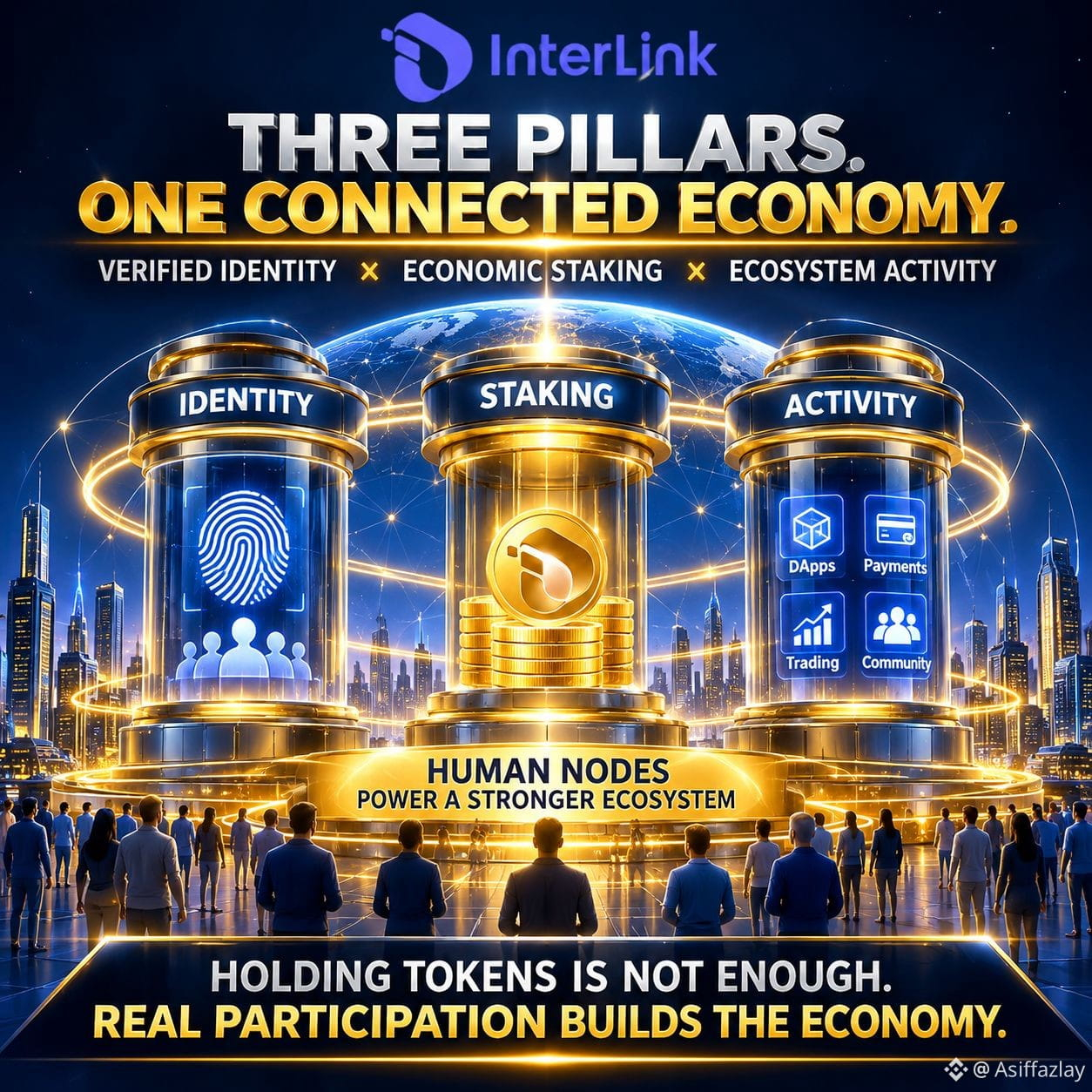
参加者を$ITLGを保有するウォレットとしてだけ捉えるのではなく、このモデルでは、確認済みの本人確認情報と経済参加を結びつけます。
Human Nodeがどのような貢献をもたらすか、考えてみましょう。
🔹 DAppの利用 — InterLinkエコシステム内のアプリケーションを利用する。
🔹 決済 — エコシステムのサービスを通じて、実際の取引活動を生み出す。
🔹 取引 — デジタル資産の経済的な交換に参加する。
🔹 コミュニティの成長 — 真の参加者をネットワークに呼び込む。
提案されているStaking Vaultでは、KYC認証済みの対象となるLinkerが、認証済みウォレットを通じて譲渡可能な$ITLGをステーキングします。
これにより、重要な3つの要素が結びつきます。
本人確認によって、誰が参加しているかが明らかになります。
ステーキングによって、参加者の経済的な立場が定まります。
エコシステムでの活動によって、ネットワークに経済的な目的が生まれます。
目指すのは、受動的なトークン保有だけに特化したモデルから脱却することです。
より強固なブロックチェーン経済には、トークンを保有する人々以上のものが必要です。エコシステムを実際に活用する人々が必要なのです。
#InterLink #ITLG #ITL
1
65
·
--
何百万人もの人々と世界中の企業が、ひとつのステーキング経済を築けるのか?
多くのブロックチェーンエコシステムは、デジタル資産、バリデーター、金融インセンティブを中心に発展してきました。
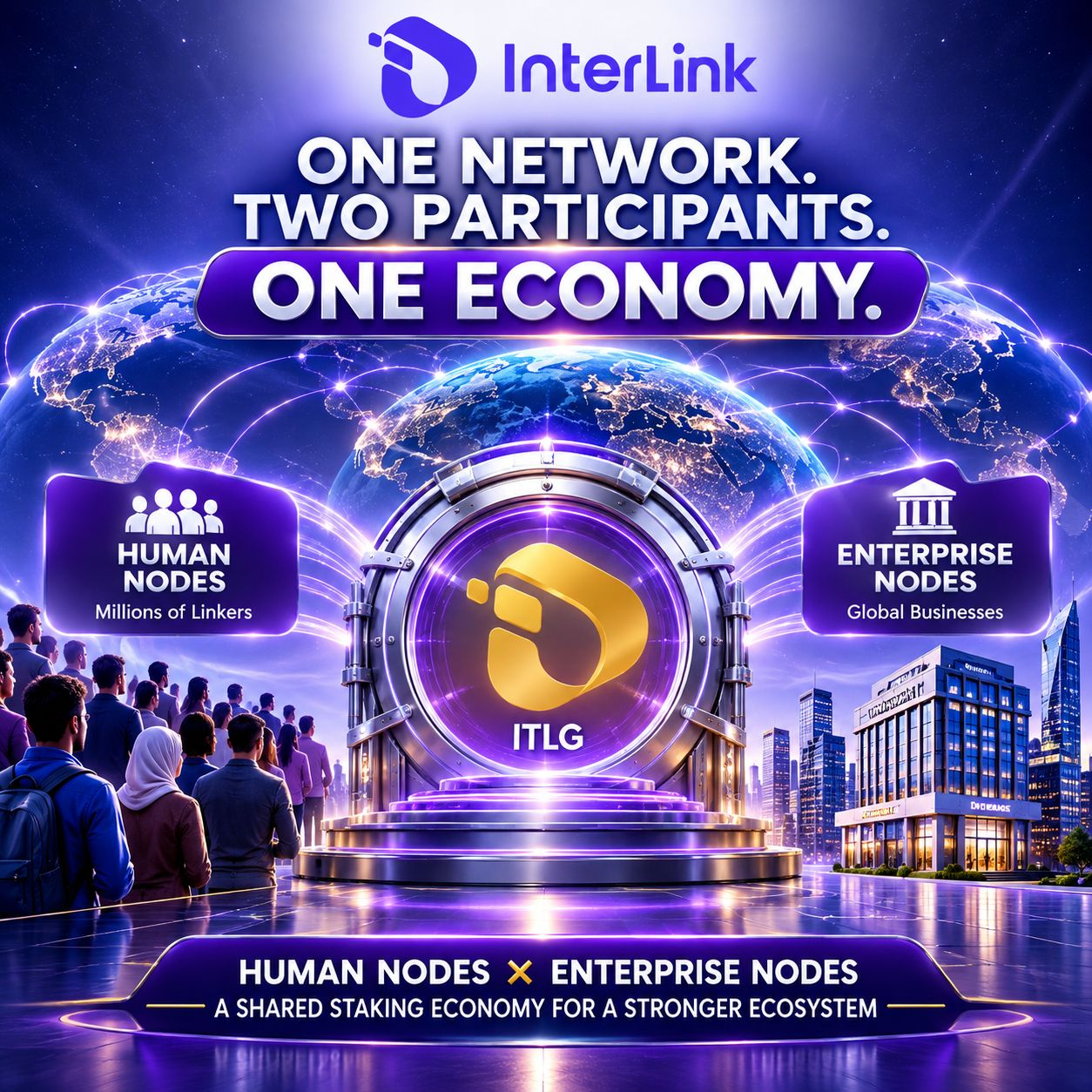
InterLinkは、別の可能性を探っています。提案中の$ITLGステーキング・ボールトを通じて、本人確認済みの個人と機関を結びつけることです。
このモデルでは、互いに補完し合う2種類の参加者を想定しています。
👤 個人ノード
KYCを完了し、譲渡可能な$ITLGをステーキングする個人のリンカーです。その貢献はステーキングにとどまらず、アプリの利用、決済、取引、コミュニティへの参加にも広がる可能性があります。
🏢 企業ノード
KYBを完了し、事業用ウォレットを登録したうえで、法人としての法的身元に基づいて$ITLGをステーキングする企業や機関です。
この提案の仕組みのどこが興味深いのでしょうか?
2つの参加者グループは、機関向けの別個の報酬率を設けず、同じステーキングプールに参加します。
これにより、個人の参加と機関の関与が並行して発展できる、共通の経済的枠組みが生まれます。
構想は、資本を呼び込むことだけにとどまりません。
責任ある企業に支えられた、本人確認済みの人々のネットワークが、アプリ、決済、金融サービス、企業連携のための、より広範な環境をどのように生み出せるかを探っています。
個人ノードはコミュニティの側面を担い、企業ノードは機関の側面を加えます。
目指すのは、人々や企業がネットワークとただ交流するだけでなく、その発展における身元の明確な参加者となるブロックチェーン経済の構築です。
#InterLink #ITLG #ITL
1
70
·
--
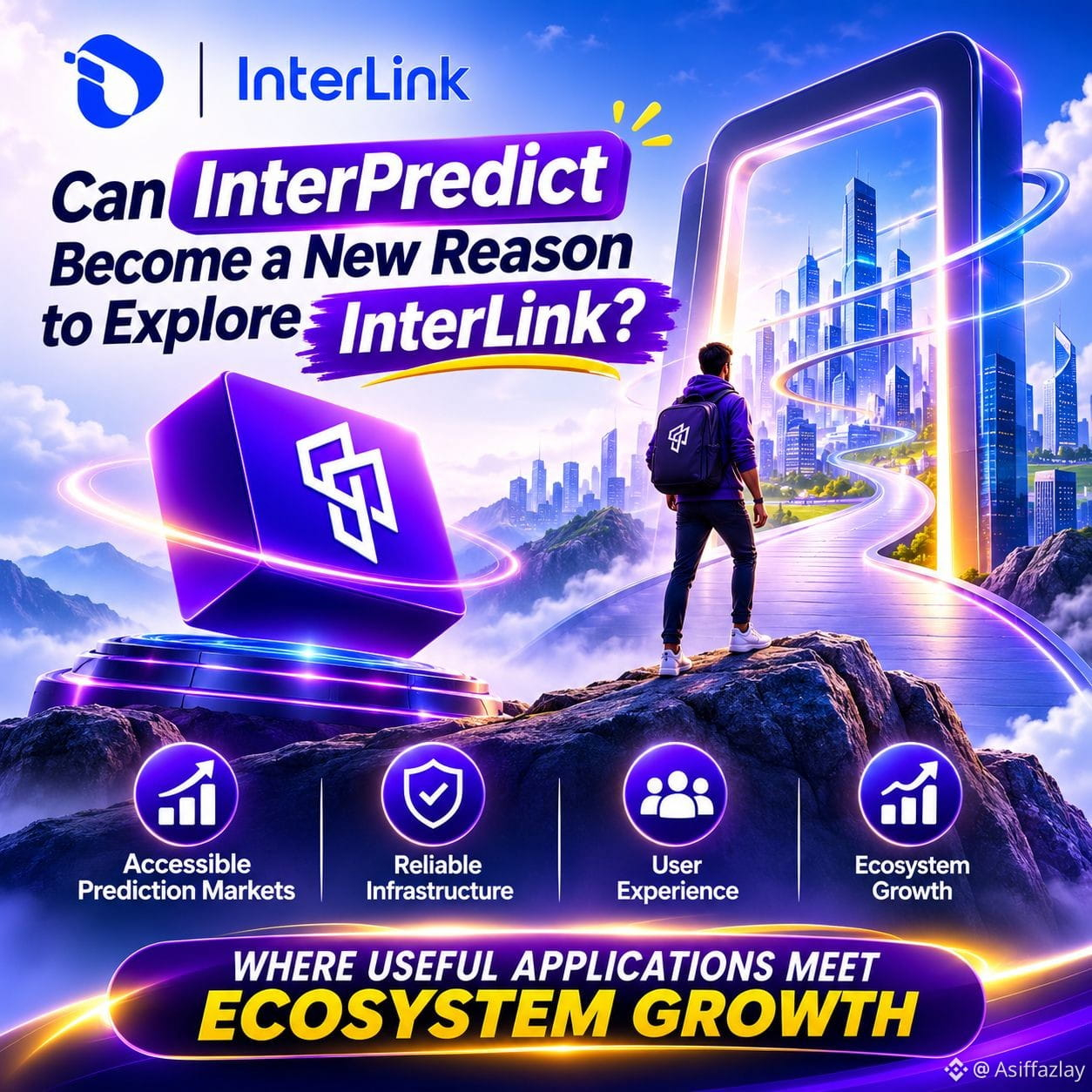
🌐 InterPredictは、InterLinkを探求する新たな理由になり得るか?
強固なエコシステムには、トークンやインフラだけでなく、人々が参加する実用的な理由となる便利なアプリケーションが必要です。
@InterPredictが@inter_linkのより大きなビジョンに加わるのは、まさにそのためです。
🔹 予測市場へのアクセスしやすさ:さまざまなレベルのユーザーにとって、予測市場への参加をより理解しやすく、利用しやすくします。
🔹 信頼できるインフラ:安定したアプリケーションのパフォーマンスを支える、信頼性の高いテクノロジーを基盤とします。
🔹 ユーザー体験:明快さ、使いやすさ、直感的な操作を重視します。
🔹 エコシステムの成長:便利なアプリケーションは、ユーザーの参加を広げ、エコシステムを探求する新たな理由を生み出します。
🚀 便利なアプリケーションがエコシステムの成長につながる
InterPredictの開発は、InterLinkエコシステムにもう一つ実用的なアプリケーションを加える機会となります。長期的な貢献は、実行力、信頼性、使いやすさ、そしてユーザーにとって真に価値があるかどうかにかかっています。
人々が便利だと思うものを築くことで、エコシステムは成長します。💜
#InterLink #ITL #ITLG
1
62
·
--
翻訳参照
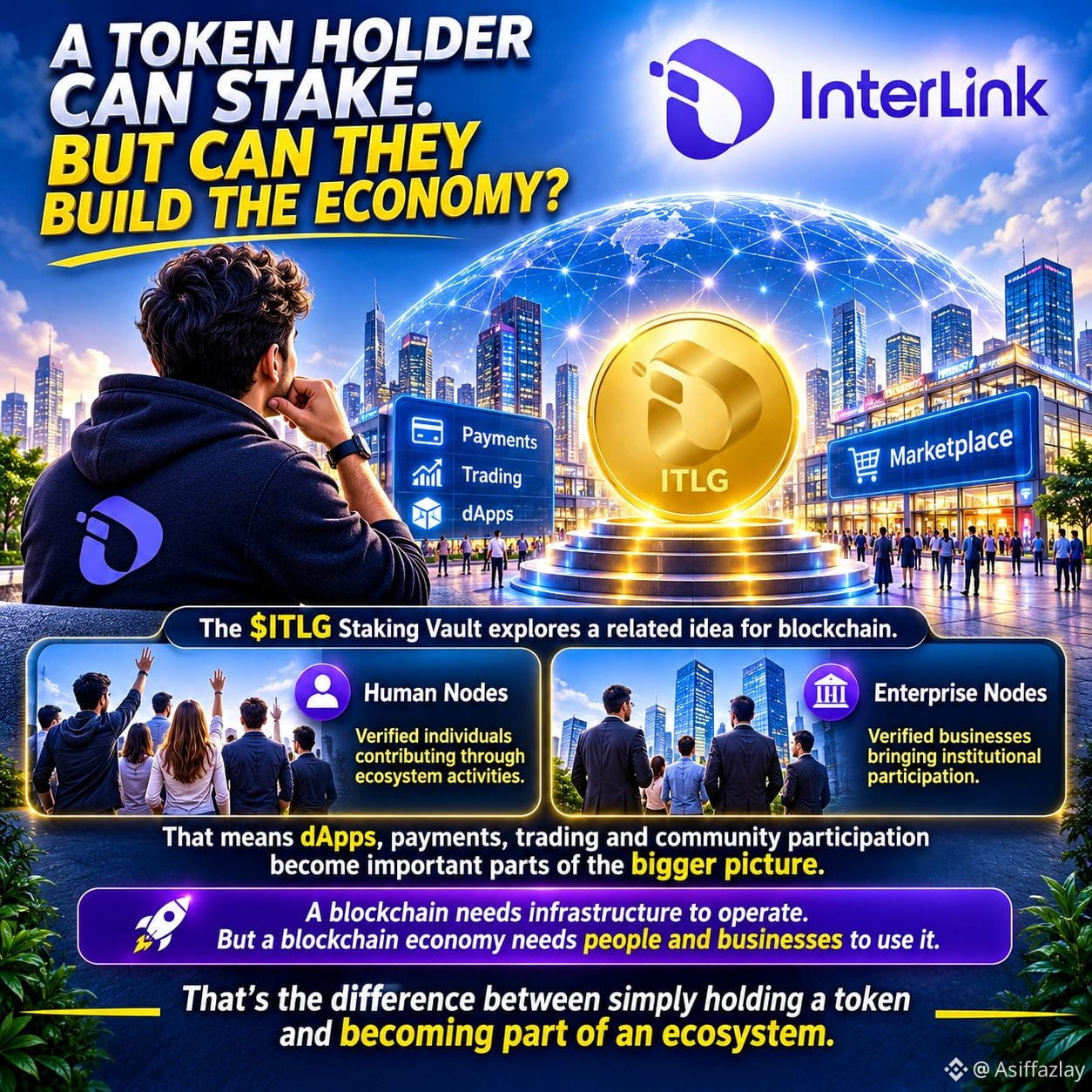
𝗔 𝗧𝗢𝗞𝗘𝗡 𝗛𝗢𝗟𝗗𝗘𝗥 𝗖𝗔𝗡 𝗦𝗧𝗔𝗞𝗘. 𝗕𝗨𝗧 𝗖𝗔𝗡 𝗧𝗛𝗘𝗬 𝗕𝗨𝗜𝗟𝗗 𝗧𝗛𝗘 𝗘𝗖𝗢𝗡𝗢𝗠𝗬?
Think about a marketplace.
Its strength doesn't come only from the money invested in it. It also depends on the people who trade, businesses that operate, customers who participate and members who help shape its direction.
@itl_fdn chairman @kv_interlink article draws an interesting historical parallel with the early New York Stock Exchange.
Its original membership structure connected economic participation, governance and responsibility.
The proposed $ITLG Staking Vault explores a related idea for blockchain.
Human Nodes represent verified individuals contributing through ecosystem activities.
Enterprise Nodes represent verified businesses bringing institutional participation and longer-term commitments.
Instead of treating staking as an isolated financial activity, the vision connects participants with the wider economy they help develop.
That means dApps, payments, trading and community participation become important parts of the bigger picture.
A blockchain needs infrastructure to operate.
But a blockchain economy needs people and businesses to use it.
That's the difference between simply holding a token and becoming part of an ecosystem.
@inter_link @reina_itl @ArifAhmedITL
#InterLink #ITLG #ITL
1
66
·
--
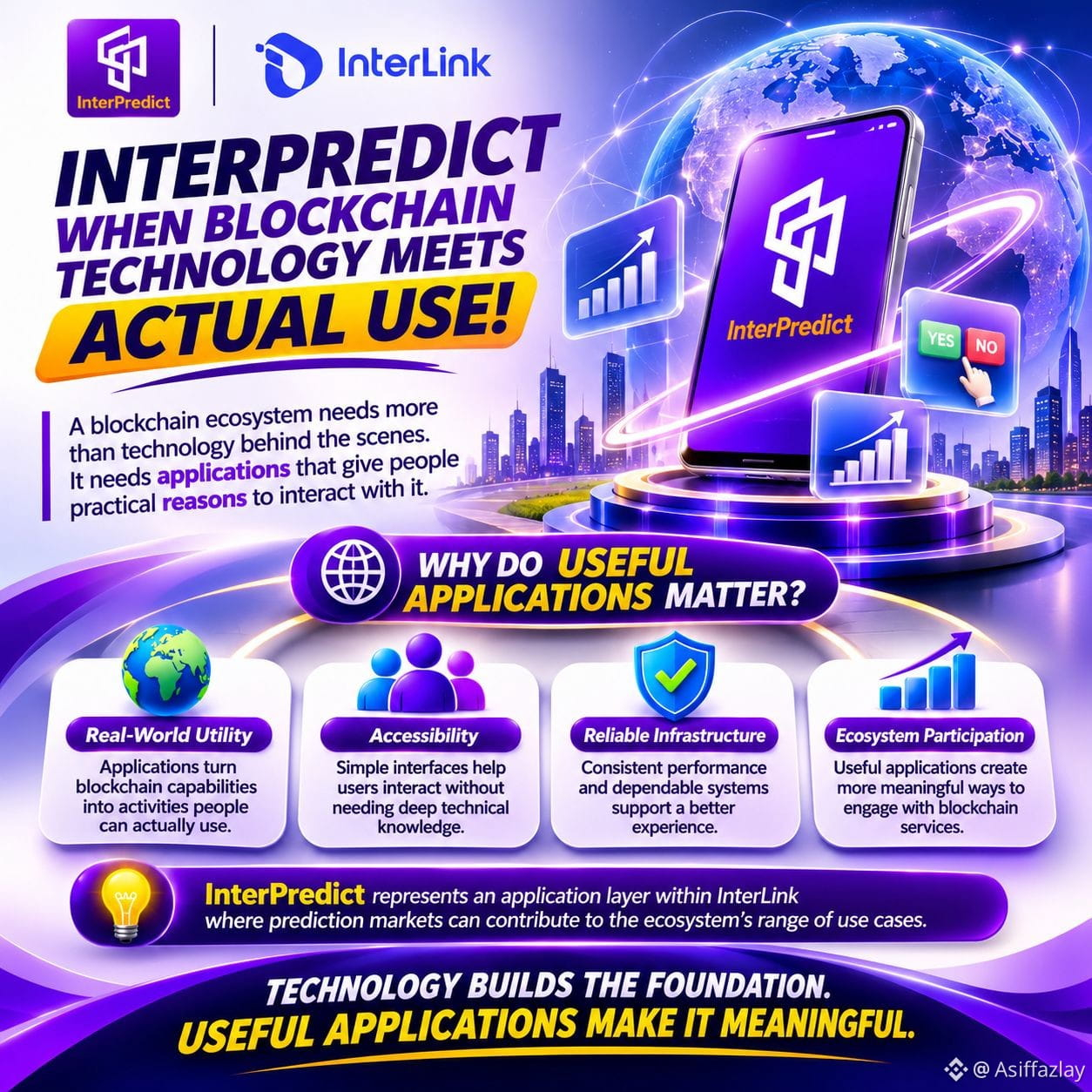
𝗜𝗡𝗧𝗘𝗥𝗣𝗥𝗘𝗗𝗜𝗖𝗧:𝗪𝗛𝗘𝗡 𝗕𝗟𝗢𝗖𝗞𝗖𝗛𝗔𝗜𝗡 𝗧𝗘𝗖𝗛𝗡𝗢𝗟𝗢𝗚𝗬 𝗠𝗘𝗘𝗧𝗦 𝗔𝗖𝗧𝗨𝗔𝗟 𝗨𝗦𝗘!
ブロックチェーンのエコシステムには、舞台裏の技術だけでなく、人々が実際に利用する理由となるアプリケーションが必要です。
ここで、より広範な@inter_linkエコシステムにおいて@InterPredictが役割を果たします。予測市場を、誰もが利用しやすいアプリケーション体験として提供します。
𝗪𝗛𝗬 𝗗𝗢 𝗨𝗦𝗘𝗙𝗨𝗟 𝗔𝗣𝗣𝗟𝗜𝗖𝗔𝗧𝗜𝗢𝗡𝗦 𝗠𝗔𝗧𝗧𝗘𝗥?
🔹 𝗥𝗲𝗮𝗹-𝗪𝗼𝗿𝗹𝗱 𝗨𝘁𝗶𝗹𝗶𝘁𝘆:アプリケーションは、ブロックチェーンの機能を人々が実際に利用できる活動へと変えます。
🔹 𝗔𝗰𝗰𝗲𝘀𝘀𝗶𝗯𝗶𝗹𝗶𝘁𝘆:シンプルなインターフェースにより、ユーザーは深い技術知識がなくても利用できます。
🔹 𝗥𝗲𝗹𝗶𝗮𝗯𝗹𝗲 𝗜𝗻𝗳𝗿𝗮𝘀𝘁𝗿𝘂𝗰𝘁𝘂𝗿𝗲:安定したパフォーマンスと信頼できるシステムが、より良い体験を支えます。
🔹 𝗘𝗰𝗼𝘀𝘆𝘀𝘁𝗲𝗺 𝗣𝗮𝗿𝘁𝗶𝗰𝗶𝗽𝗮𝘁𝗶𝗼𝗻:有用なアプリケーションは、ブロックチェーンサービスに参加する、より意義のある方法を生み出します。
InterPredictはInterLink内のアプリケーションレイヤーを担い、予測市場を通じてエコシステムのユースケースの幅を広げます。
𝗧𝗘𝗖𝗛𝗡𝗢𝗟𝗢𝗚𝗬 𝗕𝗨𝗜𝗟𝗗𝗦 𝗧𝗛𝗘 𝗙𝗢𝗨𝗡𝗗𝗔𝗧𝗜𝗢𝗡. 𝗨𝗦𝗘𝗙𝗨𝗟 𝗔𝗣𝗣𝗟𝗜𝗖𝗔𝗧𝗜𝗢𝗡𝗦 𝗠𝗔𝗞𝗘 𝗜𝗧 𝗠𝗘𝗔𝗡𝗜𝗡𝗚𝗙𝗨𝗟.
#InterPredict #InterLink #ITL #ITLG #PredictionMarkets
1
62
·
--
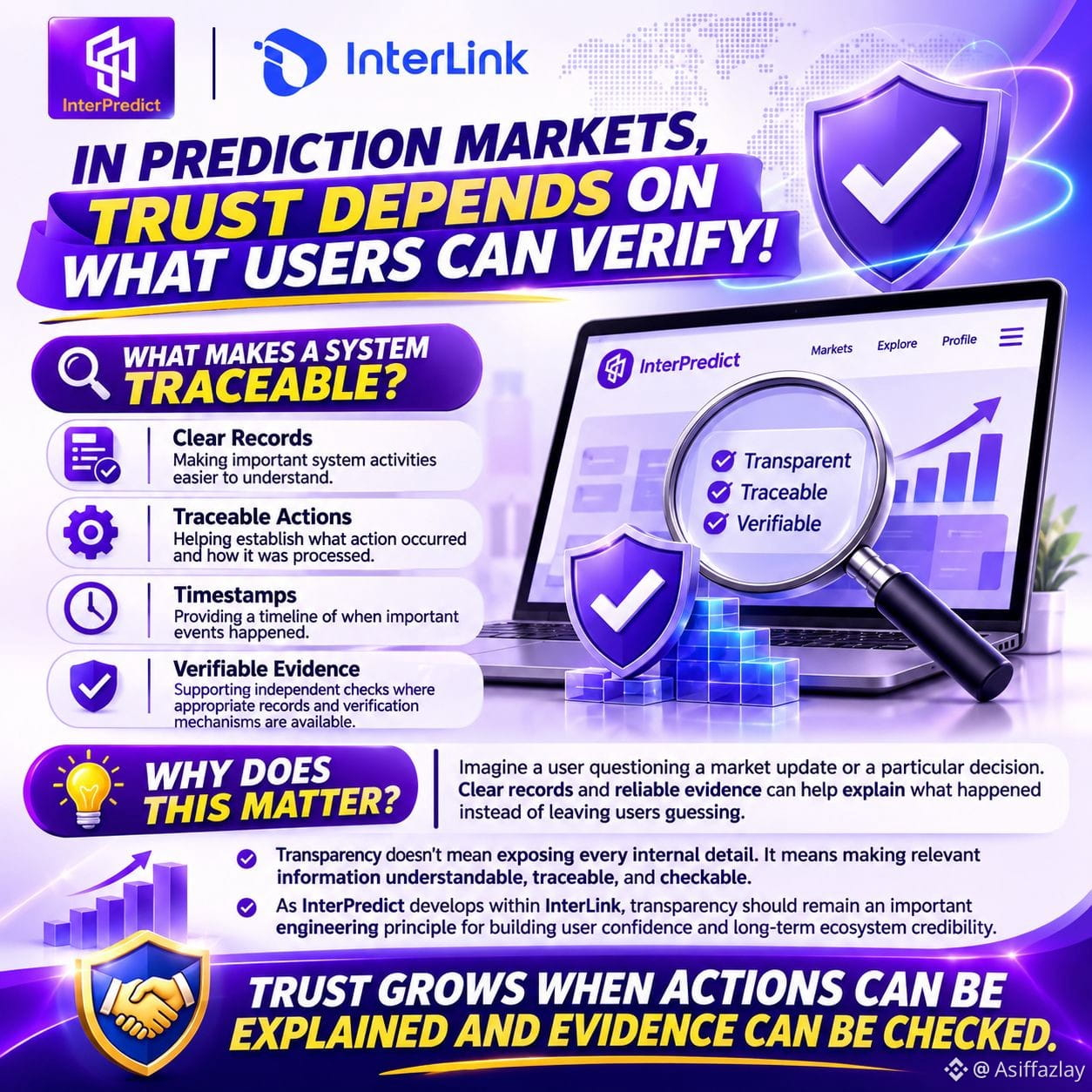
予測市場における信頼は、ユーザーが検証できることにかかっています!
@InterPredictにとって、透明性は単なるコミュニケーション上の約束以上のものであるべきです。@inter_linkエコシステム内で予測市場プラットフォームを設計する際は、基礎から考慮されるべきです。
🔍 システムの追跡可能性を高めるものとは?
🔹 明確な記録:重要なシステム活動を理解しやすくすること。
🔹 追跡可能なアクション:どのような操作が行われ、どのように処理されたのかを明らかにすること。
🔹 タイムスタンプ:重要な出来事がいつ起きたのかを時系列で示すこと。
🔹 検証可能な証拠:適切な記録と検証手段が利用できる場合に、独立した確認を可能にすること。
💡 なぜこれが重要なのでしょうか?
ユーザーが市場の更新や特定の判断に疑問を抱いた場面を想像してみてください。明確な記録と信頼できる証拠があれば、ユーザーを推測に頼らせることなく、何が起きたのかを説明できます。
透明性とは、内部のあらゆる詳細を公開することではありません。関連情報を理解しやすく、追跡可能で、確認できるようにすることです。
InterLink内でInterPredictが発展していく中、ユーザーの信頼とエコシステムの長期的な信頼性を築くための重要なエンジニアリング原則として、透明性を保ち続けるべきです。
行動を説明でき、証拠を確認できるとき、信頼は育まれます。💜
#InterLink #ITL #ITLG
1
69
·
--
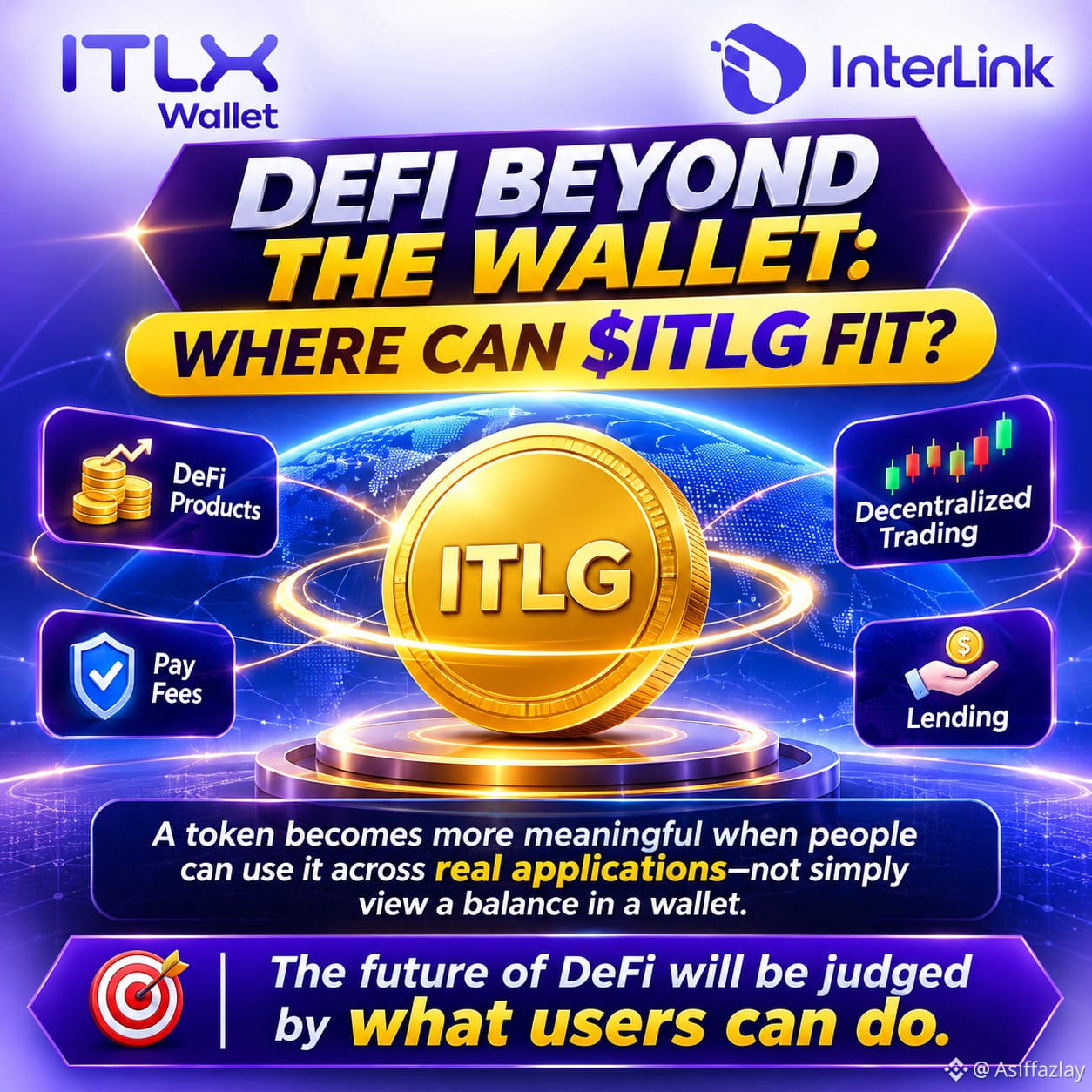
ウォレットの先へ広がるDeFi:$ITLGの活用先は?
トークンは、ウォレットで残高を確認するだけでなく、実際のアプリケーションで幅広く利用できるようになると、より大きな意味を持ちます。
InterLinkが公開しているエコシステム資料では、$ITLGはITLXのDeFi環境全体に参加するための中核的な資産として位置づけられています。DeFi商品へのアクセス、手数料の支払い、分散型取引やレンディングなどのサービスとユーザーをつなぐ役割を担う可能性が示されています。
ここには重要な設計の可能性があります。共通の資産があれば、すべてのプロダクトが孤立するのではなく、ユーザー、アプリケーション、金融ツールをつなぐ助けになります。
鍵となるのは、日常的なユーザーにとって実用的な価値があることです。明確なユースケース、透明性の高い手数料、安全なインフラ、使いやすいインターフェースは、プロダクトに単に「DeFi」という言葉を加えることよりも重要です。
ITLXの発展とともに問われるのは、$ITLGが参加をどれだけスムーズに有用なオンチェーン活動へと結びつけられるかです。
DeFiの未来は、ユーザーに何ができるかによって評価されるでしょう。
#InterLink #ITLG #ITL
1
76
·
--
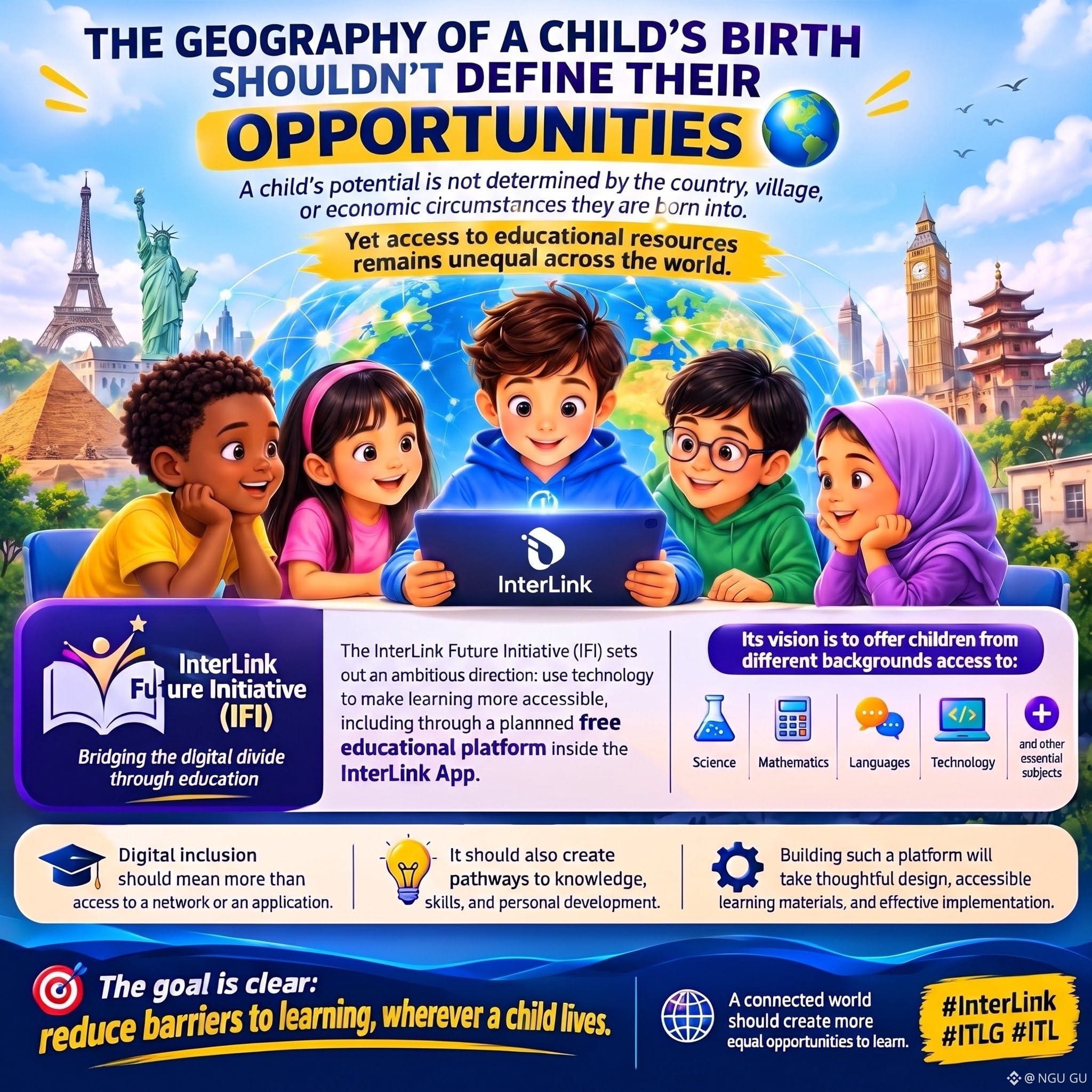
子どもが生まれた場所によって、その子の可能性が決まるべきではありません
子どもの可能性は、生まれた国や村、経済状況によって決まるものではありません。それでも、教育資源へのアクセスには、今なお世界中で格差があります。
InterLink Future Initiative(IFI)は、意欲的な方針を掲げています。InterLinkアプリ内に無料の教育プラットフォームを設ける計画などを通じて、テクノロジーを活用し、より多くの人が学べる環境をつくることです。
そのビジョンは、さまざまな背景を持つ子どもたちが、科学、数学、語学、テクノロジーをはじめとする重要な科目のコースを受講できるようにすることです。
デジタル・インクルージョンとは、ネットワークやアプリを利用できるだけでなく、知識やスキルを身につけ、自分自身を成長させる道筋をつくることでもあるため、これは重要です。
このようなプラットフォームを構築するには、緻密な設計、誰もが利用しやすい教材、そして効果的な実施が必要です。目標は明確です。子どもがどこに住んでいても、学びの障壁を減らすことです。
つながる世界は、学ぶ機会をより平等にするべきです。
#InterLink #ITLG #ITL
2
64
·
--
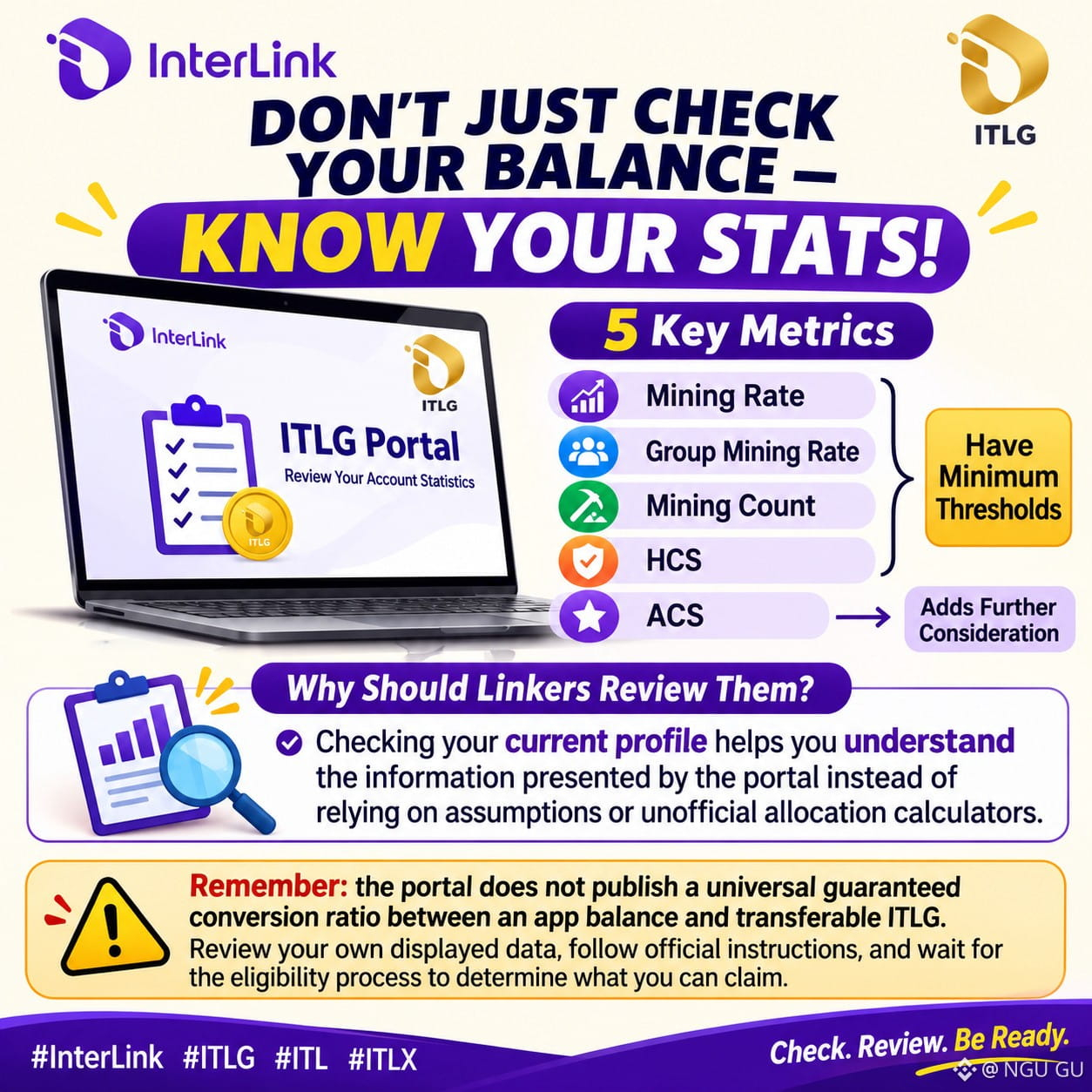
📊 残高を確認するだけでなく、自分の統計情報を把握しましょう!
ITLGポータルは、数字を見るだけの場所ではありません。リンカーがアカウントの統計情報を確認し、譲渡可能なITLGの適格性をチェックする際に役立つ情報も案内します。
ポータルのKYCフローでは、5つの指標が示されます。マイニングレート、グループマイニングレート、マイニング回数、HCS、ACSです。最初に挙げた4つの指標には最低基準があり、ACSはさらに考慮される項目として加わると説明されています。
なぜリンカーはこれらを確認すべきなのでしょうか?現在のプロフィールを確認することで、推測や非公式の割当計算ツールに頼らず、ポータルに表示される情報を理解できるからです。
覚えておきましょう。ポータルは、アプリの残高と譲渡可能なITLGとの間に、誰にでも適用される保証付きの換算比率を公表していません。自分に表示されているデータを確認し、公式の案内に従って、請求可能な数量が適格性審査によって決まるのを待ちましょう。
#InterLink #ITLG #ITL #ITLX
2
4
49
·
--
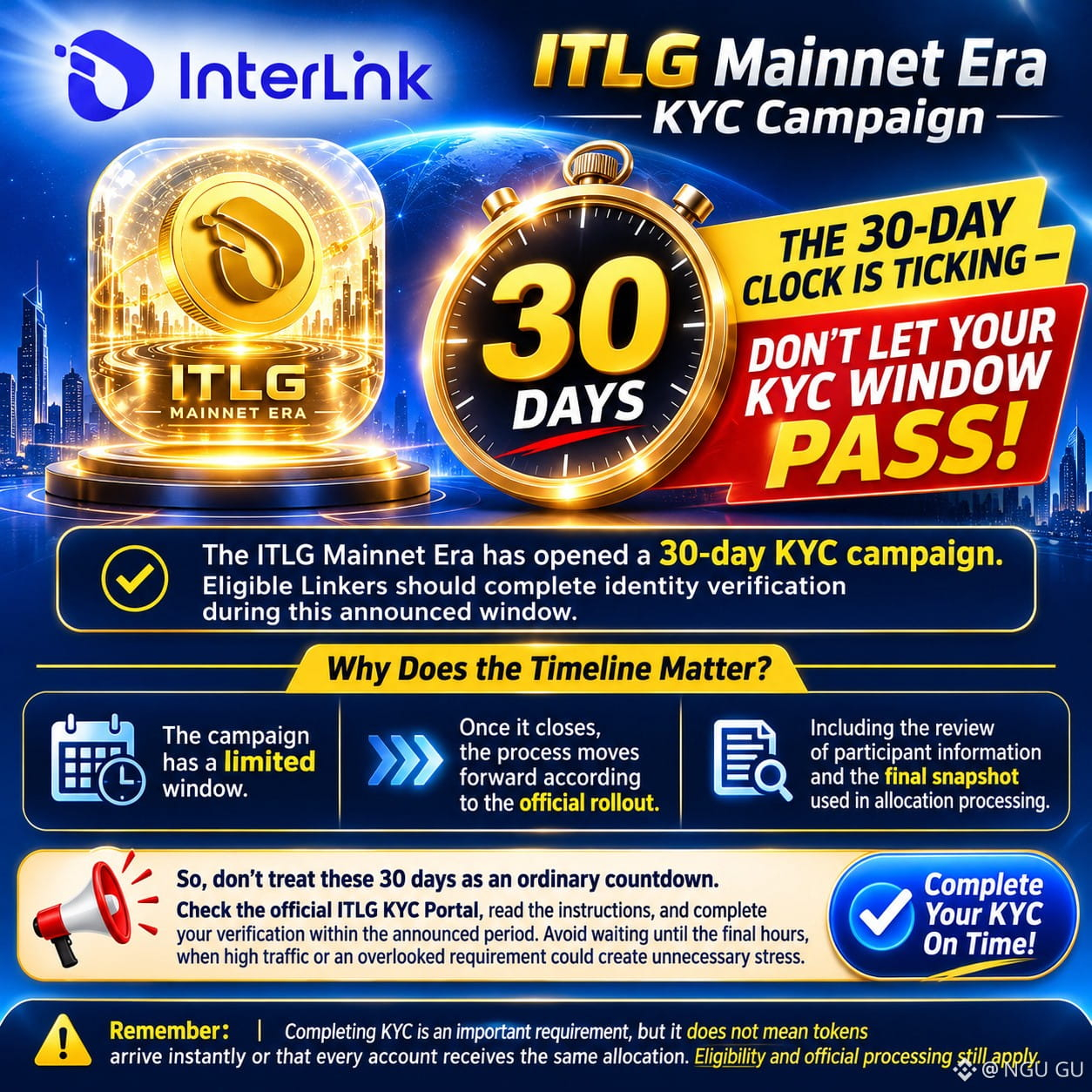
⏳ 30日間のカウントダウンが始まっています — KYCの受付期間を逃さないで!
ITLGメインネット時代の幕開けに伴い、30日間のKYCキャンペーンが開始されました。対象となるLinkerは、告知された期間内に本人確認を完了してください。
なぜ期限が重要なのでしょうか? キャンペーンの受付期間は限られています。期間終了後は、参加者情報の審査や、割り当て処理に使用される最終スナップショットを含め、公式の展開スケジュールに沿って手続きが進みます。
この30日間を、何気ないカウントダウンだと思わないでください。ITLG公式KYCポータルを確認し、案内を読んで、告知された期間内に本人確認を完了しましょう。アクセス集中や要件の見落としによる不要なストレスを避けるため、最終日の直前まで待つのはやめましょう。
お忘れなく:KYCの完了は重要な要件ですが、トークンがすぐに届くことや、すべてのアカウントに同じ割り当てが行われることを意味するわけではありません。引き続き、資格要件と公式の処理手続きが適用されます。
#InterLink #ITLG #ITL #ITLX
2
77
·
--
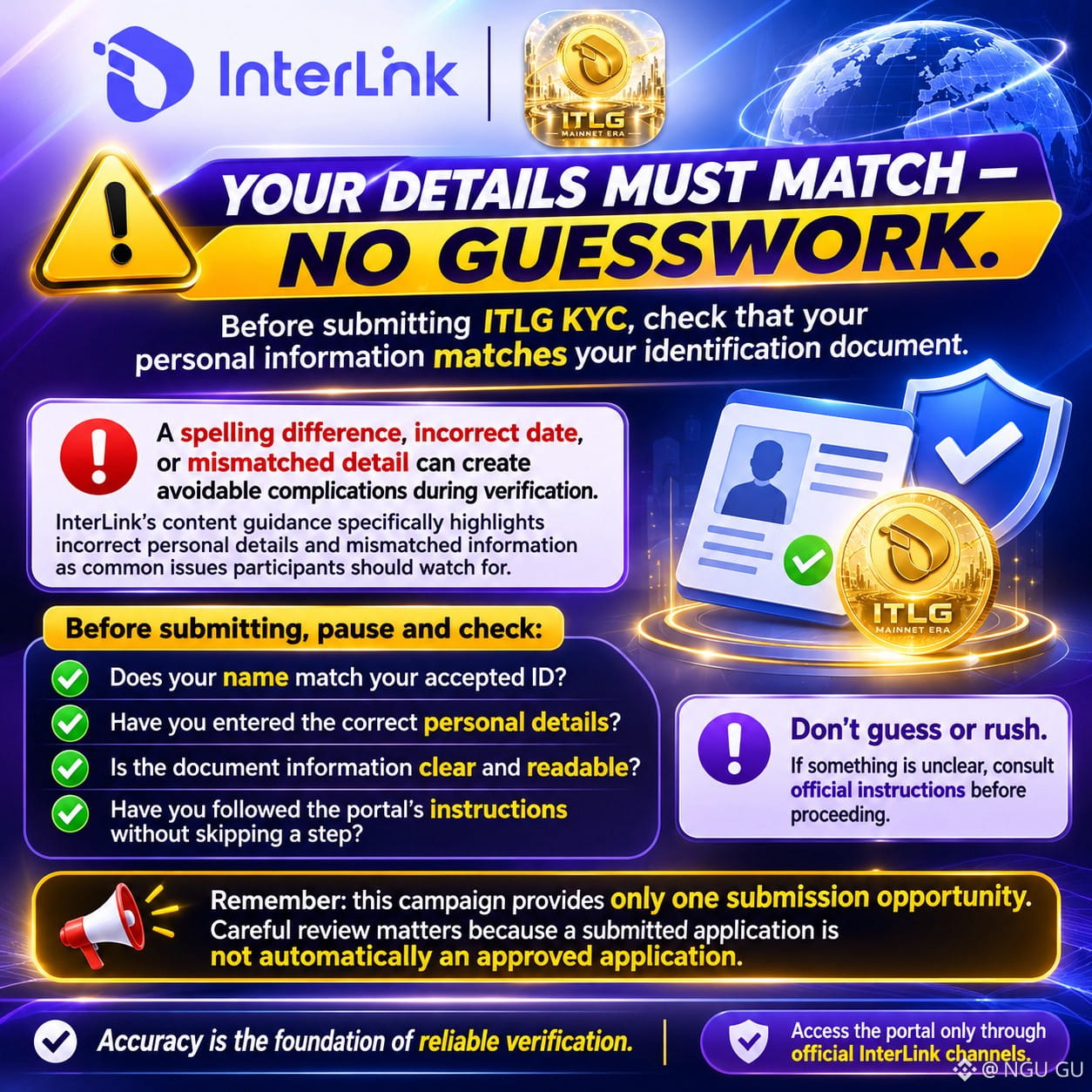
𝗬𝗢𝗨𝗥 𝗗𝗘𝗧𝗔𝗜𝗟𝗦 𝗠𝗨𝗦𝗧 𝗠𝗔𝗧𝗖𝗛 — 𝗡𝗢 𝗚𝗨𝗘𝗦𝗦𝗪𝗢𝗥𝗞.
ITLG KYCを提出する前に、個人情報が本人確認書類の内容と一致していることを確認してください。
スペルの違い、日付の誤り、情報の不一致は、認証時に避けられるはずの問題を引き起こすことがあります。InterLinkのコンテンツガイダンスでは、参加者が注意すべきよくある問題として、個人情報の誤りや情報の不一致が特に挙げられています。
提出する前に、いったん立ち止まって確認しましょう。
✅ 氏名は受理対象の本人確認書類と一致していますか?
✅ 個人情報を正しく入力しましたか?
✅ 書類の情報は明瞭で読み取れますか?
✅ 手順を飛ばさずに、ポータルの指示に従いましたか?
推測したり、急いだりしないでください。不明な点がある場合は、先に進む前に公式の案内を確認してください。
お忘れなく:このキャンペーンで提出できる機会は1回のみです。提出した申請が自動的に承認されるわけではないため、慎重な確認が重要です。
正確さは、信頼できる認証の土台です。
ポータルには、InterLinkの公式チャンネルからのみアクセスしてください。
#InterLink #ITLG #ITL #ITLX
2
3
164
·
--
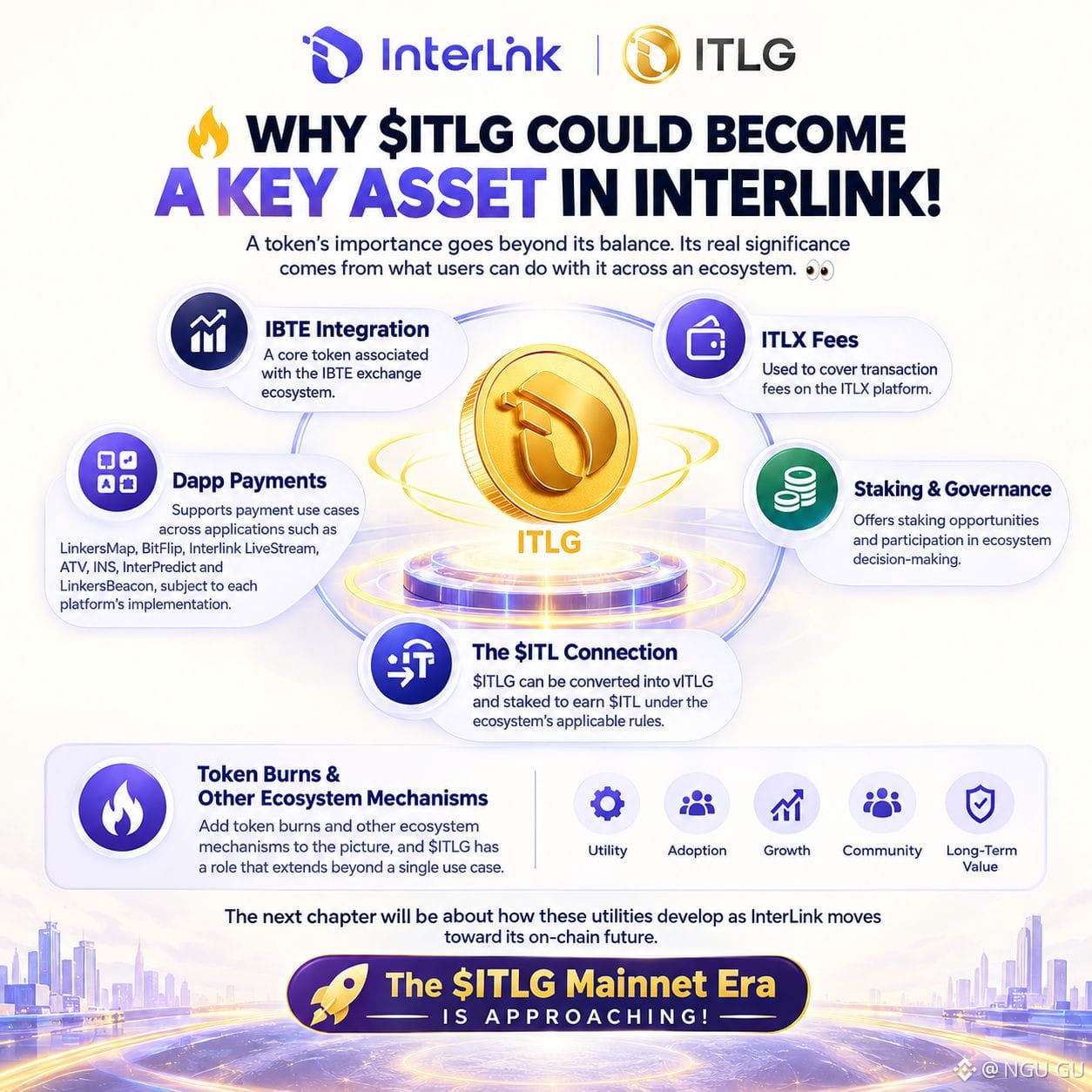
🔥 InterLinkで$ITLGが重要な資産となる可能性がある理由!
トークンの重要性は、その保有量だけでは決まりません。本当の価値は、エコシステム全体でユーザーがそのトークンを使って何ができるかにあります。👀
InterLinkにおいて、$ITLGは複数の用途を担うよう設計されています。
🔹 IBTEとの統合 — IBTE取引所エコシステムに関連する中核トークン。
🔹 ITLXの手数料 — ITLXプラットフォームでの取引手数料の支払いに使用。
🔹 DAppでの決済 — LinkersMap、BitFlip、Interlink LiveStream、ATV、INS、InterPredict、LinkersBeaconなどのアプリケーションでの決済用途をサポートします。各プラットフォームでの実装状況により異なります。
🔹 ステーキングとガバナンス — ステーキングの機会や、エコシステムの意思決定への参加を提供します。
🔹 $ITLとの連携 — エコシステムで定められたルールに従い、$ITLGをvITLGに変換してステーキングすることで、$ITLを獲得できます。
🔥 トークンバーンなど、エコシステムの他の仕組みも加わることで、$ITLGは単一の用途にとどまらない役割を担います。
InterLinkがオンチェーンの未来へと進むなか、これらのユーティリティがどのように発展するかが、次の章となるでしょう。
🚀 $ITLGのメインネット時代が近づいています!
#interlink #ITLG #ITL #ITLX
3
54
·
--
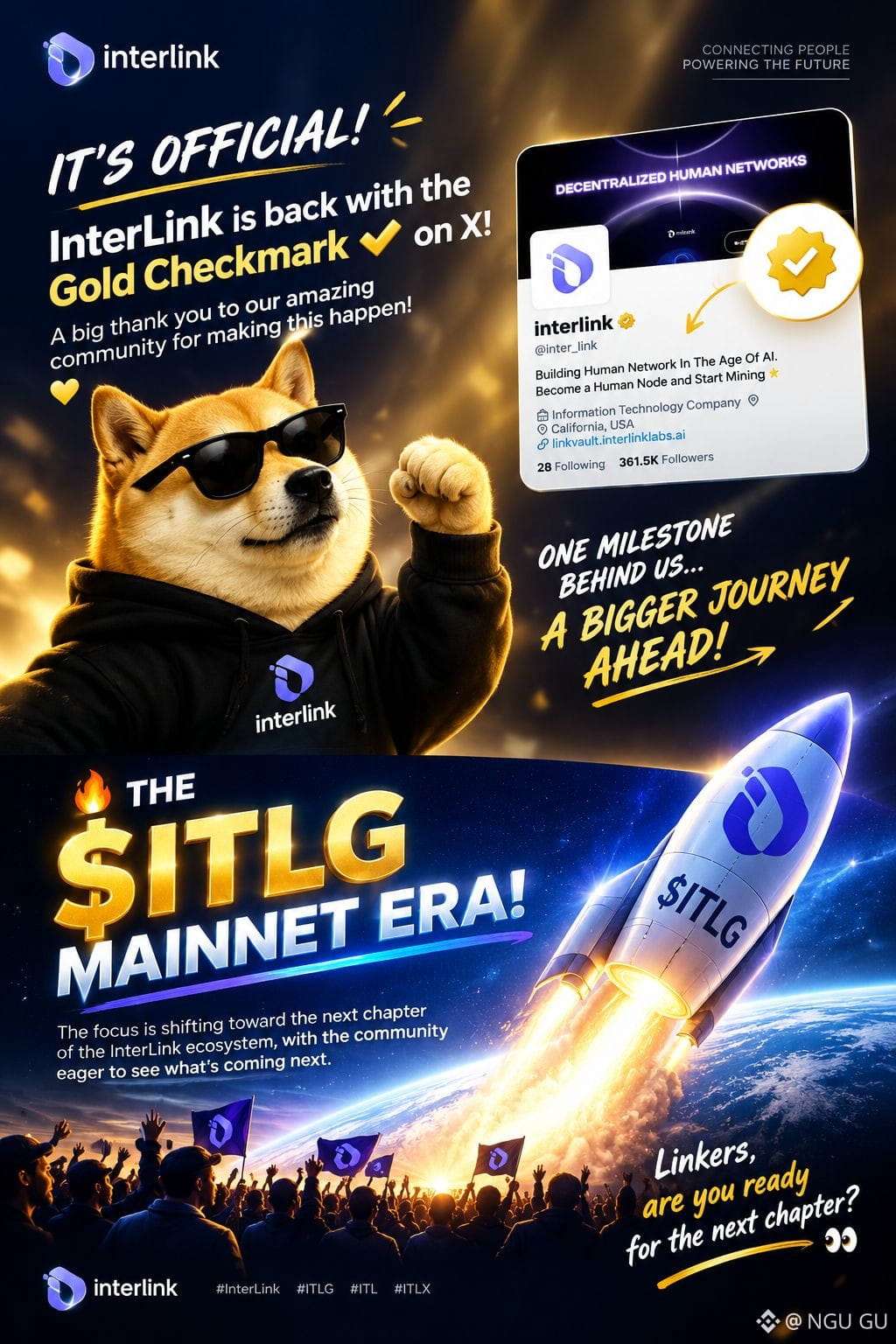
ビッグニュース!InterLinkのゴールドチェックマークがXに復活!次は$ITLGメインネット?🔥🚀
@inter_linkがXでゴールドチェックマークを再び獲得したことは、InterLinkコミュニティ全体にとって間違いなく胸躍る出来事です!💛🎉 この重要な節目を達成した皆さん、おめでとうございます!
でも、盛り上がりはここで終わりません!👀🚀
🔥 $ITLGメインネット時代に注目!
コミュニティは、InterLinkエコシステムの次なる章に期待を寄せています。次は何がやってくるのでしょう?どんな新たな可能性が待ち受けているのでしょう?期待はますます高まっています!
🌍 一つの節目を達成。でも、さらに大きな道のりが待っています!
💎 Linkerの皆さん、$ITLGメインネットの次なる章への準備はできていますか?
コミュニティの力、団結、そして熱意を胸に、一緒に前進しましょう!🔥🤝
#InterLink #ITLG #ITL #ITLGMainnet
3
79
·
--
ITLGのユーティリティからインパクトへのフレームワーク
$ITLGの次の段階では、個別のユースケースを導入するのではなく、統合されたユーティリティ・フレームワークの構築に注力すべきだと考えています。
私の提案では、次の4つの要素を結びつけます。
1️⃣ エコシステム・ローンチパッド — 開発者や企業が役立つアプリケーションを提供できるよう支援します。
2️⃣ 貢献者マーケットプレイス — 構造化されたバウンティプログラムを通じて、貢献者が測定可能なタスクを完了できるようにします。
3️⃣ イノベーション資金 — 透明性の高い資金調達の仕組みと、マイルストーンに基づく評価を通じて、適格なプロジェクトを支援します。
4️⃣ ユーティリティ指標ダッシュボード — 採用状況、統合、参加、継続利用を測定します。
$ITLGは、このフレームワーク全体で、選定されたガバナンス、アクセス、参加の仕組みを段階的に支援できるでしょう。
この構想は、継続的なサイクルを生み出します。アプリケーションがユーザーを呼び込み、貢献者が製品を改善し、資金が有望なソリューションを支援し、測定可能な成果が今後の開発の指針となります。
ITLGにどのようなユーティリティを追加するかだけを考えるのではなく、次の問いを立てるべきです。
ITLGは、InterLinkエコシステムが新たなユーティリティを継続的に生み出し、見つけ、拡大していくうえで、どのように貢献できるでしょうか?
探求する価値のある戦略的な機会は、そこにあります。
#InterLink #ITLG #ITL
3
78
·
--
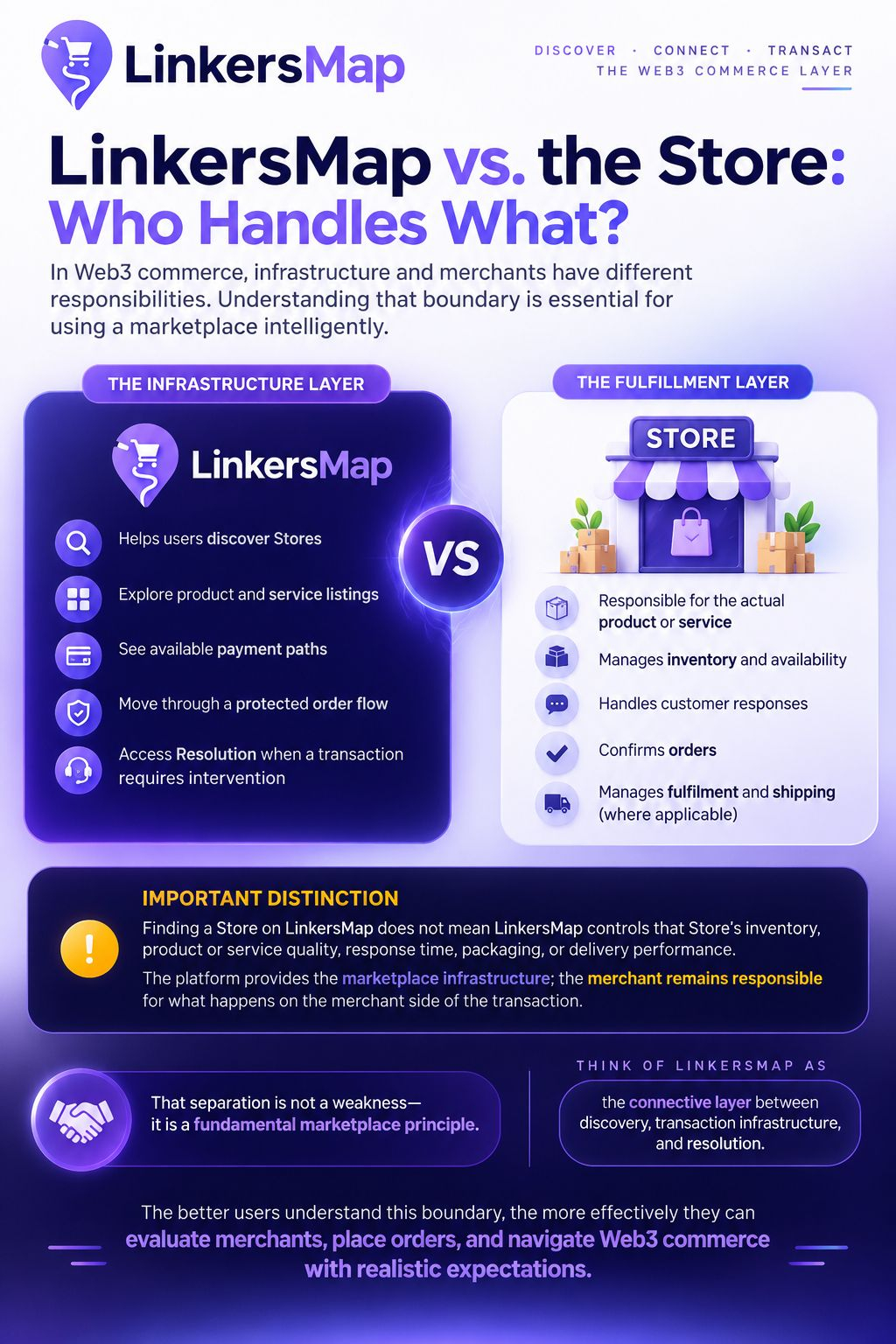
LinkersMapとStore:それぞれの役割とは?
Web3コマースでは、インフラと販売者はそれぞれ異なる責任を担います。マーケットプレイスを賢く利用するには、その境界を理解することが欠かせません。
LinkersMapはインフラ層です。ユーザーがStoreを見つけ、商品やサービスの掲載情報を確認し、利用可能な決済方法を把握し、保護された注文フローを進み、取引への介入が必要な場合にResolutionを利用できるよう支援します。
Storeは商品やサービスを提供する層です。実際の商品やサービス、在庫と提供状況、顧客への対応、注文の確認、商品の提供、該当する場合は発送に責任を負います。
この違いは重要です。
LinkersMapでStoreを見つけたからといって、そのStoreの在庫、商品やサービスの品質、対応時間、梱包、配送状況をLinkersMapが管理しているわけではありません。プラットフォームが提供するのはマーケットプレイスのインフラであり、取引における販売者側の対応は、販売者自身の責任です。
この分担は弱点ではなく、マーケットプレイスの基本原則です。
LinkersMapは、発見、取引インフラ、問題解決をつなぐ層であり、Storeは販売上の約束と商品の提供を担う、と考えてください。
この境界をユーザーが理解すれば、販売者をより適切に評価し、注文を行い、現実的な期待を持ってWeb3コマースを利用できるようになります。
#Interlink #ITLG #ITL #Linkersmap #LMP
3
102
·
--
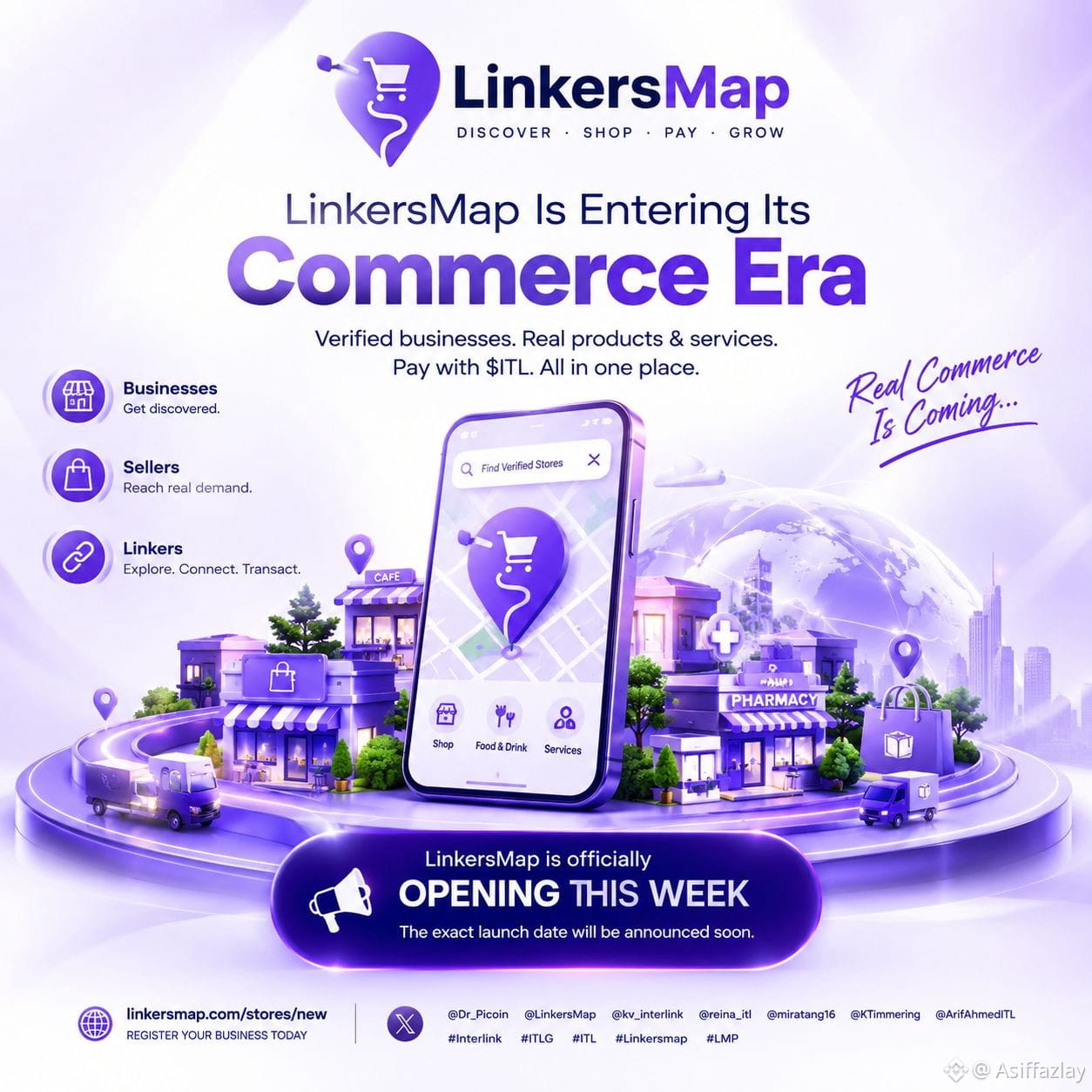
私たちがずっと取り組んできたことが、ついにここに。👀
LinkersMapは、準備段階から実社会での利用へ移行します。🌍
開発、テスト、改善、そしてエコシステムの準備を重ねてきた数か月が、プラットフォームを新たな節目へと導きました:
🚀 今週よりビジネス運用を開始します。
🏪 ビジネス
🛍️ セラー
🔗 リンカーズ
LinkersMapがデジタル上の発見と現実の商取引をつなぎ始める今、皆さんにはそれぞれの役割があります。
これは単にプラットフォームを公開すること以上の意味があります。
事業者、商品、サービス、そしてリンカーズが1つのWeb3ネイティブなコマース基盤の上で結集し、インフラを実際の行動へと移す始まりです。
📢 LinkersMapは今週正式にオープンします。
正確なローンチ日程はまもなく発表されます。
次のフェーズは今から始まります。💜🗺️
🌍 今日、あなたのビジネスを登録してください。
#Interlink #ITLG #ITL #Linkersmap #LMP
3
87
·
--
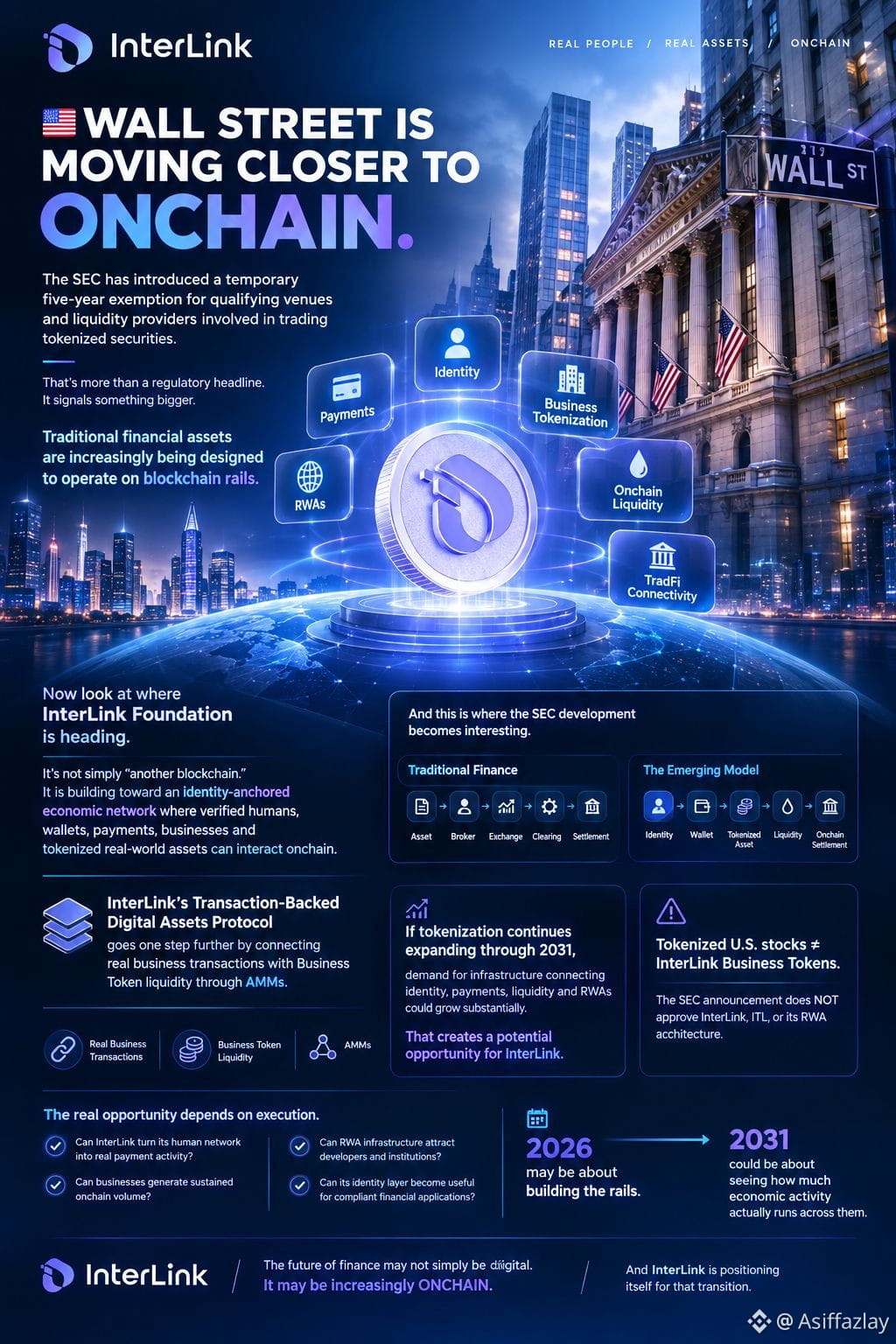
🇺🇸 ウォール街がオンチェーンに一段と近づいている—それはInterLinkにとって重要になり得る
SEC(米証券取引委員会)が行っているトークン化証券に関する最近の取り組みは、より大きな変化を示しています。すなわち、従来型の資産がブロックチェーン上の基盤(レール)でますます検討されているということです。
この方向性はInterLinkと一致しています:🌐 アイデンティティ • 💳 決済 • 🏢 ビジネストークン化 🌍 RWA(実物資産) • 💧 オンチェーン・リクイディティ
従来:資産 → ブローカー → 取引所 → 清算 → 決済
オンチェーン:アイデンティティ → ウォレット → トークン化された資産 → 流動性 → 決済
InterLinkの「取引に裏付けられたデジタル資産プロトコル」は、AMMを通じてビジネス取引とビジネストークンの流動性を結びつけます。
トークン化が拡大すれば、アイデンティティ、決済、ビジネス、流動性、そしてRWAをつなぐインフラの重要性が増していく可能性があります。
ただし、重要な違いがあります:
トークン化された米国株 ≠ InterLinkのビジネストークン。
SECの動きは、InterLink、ITL、またはそのRWAアーキテクチャを承認するものではありません。資産がオンチェーン上に移動しただけでは、証券法上の義務は取り除かれません。
チャンスは実行次第です:ユーザー、ビジネス活動、取引量、RWAインフラ、そしてコンプライアンスに対応したアイデンティティ。
🚀 2026年はレールを作る時期かもしれません。2031年には、それらをまたぐ経済活動の規模がどれほどかが見えてくるかもしれません。
金融は単にデジタルになるだけではなく、ますます ONCHAIN になっていくかもしれません。
#InterLink #ITLG #ITL #ITLX
3
81
·
--
🌐 INS はもうすぐ登場 — 先行リンクしている方は要チェック!🚀
InterLink Name Service(INS)のローンチが近づいており、最初の数日間は特に先行リンクしている方にとって面白い時期になるかもしれません。
🔹 INS により、InterLink エコシステム内で希望する名前を登録できるようになり、ネットワーク全体でのアイデンティティと名付けがよりシンプルになります。
💎 先行ローンチのメリット 公式ローンチ後、初期の割引期間が設けられ、名前を割引価格で登録できます。
🎁 さらに、INS X アカウントを通じて共有される公式の割引コードも用意され、INS dApp で名前を購入する際に適用できます。
すでに登録したい特定の名前が決まっているなら、早い時期はしっかり見守る価値があるかもしれません。
📌 注目ポイント:• 公式 INS X アカウント • ローンチのお知らせ • 公式割引コード • INS dApp
🚀 INS のカウントダウンが始まります。扉が開く準備をしておきましょう。
#InterLink #INS #ITLG #ITL

2
84
ログインして、さらにコンテンツを読む
厳選トピックで世界の暗号資産トレーダーの仲間入り
⚡️ 暗号資産に関する最新かつ有益な情報が見つかります。
💬 世界最大の暗号資産取引所から信頼されています。
👍 認証を受けたクリエイターから、有益なインサイトを得られます。
メール / 電話番号