

gShador
284 投稿

gShador
報告
ユーザーをブロック
Web3 & AI Growth guy
0 フォロー
12 フォロワー
25 いいね
投稿
·
--
𝐑𝐚𝐥𝐥𝐲 𝐅𝐚𝐢𝐥𝐬?
BTCが85Kドルを上回り、ETHも上昇し、株式も買いが入っています。
誰もが、これが次の強気相場の始まりなのか気になっています。
でも私は、それが違った場合に何が起こるのかにより関心があります。
相場の上昇(ラリー)は、勢いが失われる直前まで説得力があるように見えることがあります。だから、BTCがさらに上がり続けることに全てを賭けるのではなく、株式、指数、ゴールド、FXなども監視しています。
その理由の1つが、BingXで複数の市場を利用できることです。暗号資産が私にとっての材料(セットアップ)を提供してくれなくなっても、探すのをやめる必要はありません。
もしBTCがここから反転するなら、あなたの注目はどこに向かいますか?
#BTC #BTC 価格分析# #ビットコイン価格予測: 次のビットコインの動きは?# $BTC $ETH
𝐑𝐚𝐥𝐥𝐲 𝐅𝐚𝐢𝐥𝐬?
BTCが85Kドルを上回り、ETHも上昇し、株式も買いが入っています。
誰もが、これが次の強気相場の始まりなのか気になっています。
でも私は、それが違った場合に何が起こるのかにより関心があります。
相場の上昇(ラリー)は、勢いが失われる直前まで説得力があるように見えることがあります。だから、BTCがさらに上がり続けることに全てを賭けるのではなく、株式、指数、ゴールド、FXなども監視しています。
その理由の1つが、BingXで複数の市場を利用できることです。暗号資産が私にとっての材料(セットアップ)を提供してくれなくなっても、探すのをやめる必要はありません。
もしBTCがここから反転するなら、あなたの注目はどこに向かいますか?
#BTC #BTC 価格分析# #ビットコイン価格予測: 次のビットコインの動きは?# $BTC $ETH
BTCが85Kドルを上回り、ETHも上昇し、株式も買いが入っています。
誰もが、これが次の強気相場の始まりなのか気になっています。
でも私は、それが違った場合に何が起こるのかにより関心があります。
相場の上昇(ラリー)は、勢いが失われる直前まで説得力があるように見えることがあります。だから、BTCがさらに上がり続けることに全てを賭けるのではなく、株式、指数、ゴールド、FXなども監視しています。
その理由の1つが、BingXで複数の市場を利用できることです。暗号資産が私にとっての材料(セットアップ)を提供してくれなくなっても、探すのをやめる必要はありません。
もしBTCがここから反転するなら、あなたの注目はどこに向かいますか?
#BTC #BTC 価格分析# #ビットコイン価格予測: 次のビットコインの動きは?# $BTC $ETH

·
--
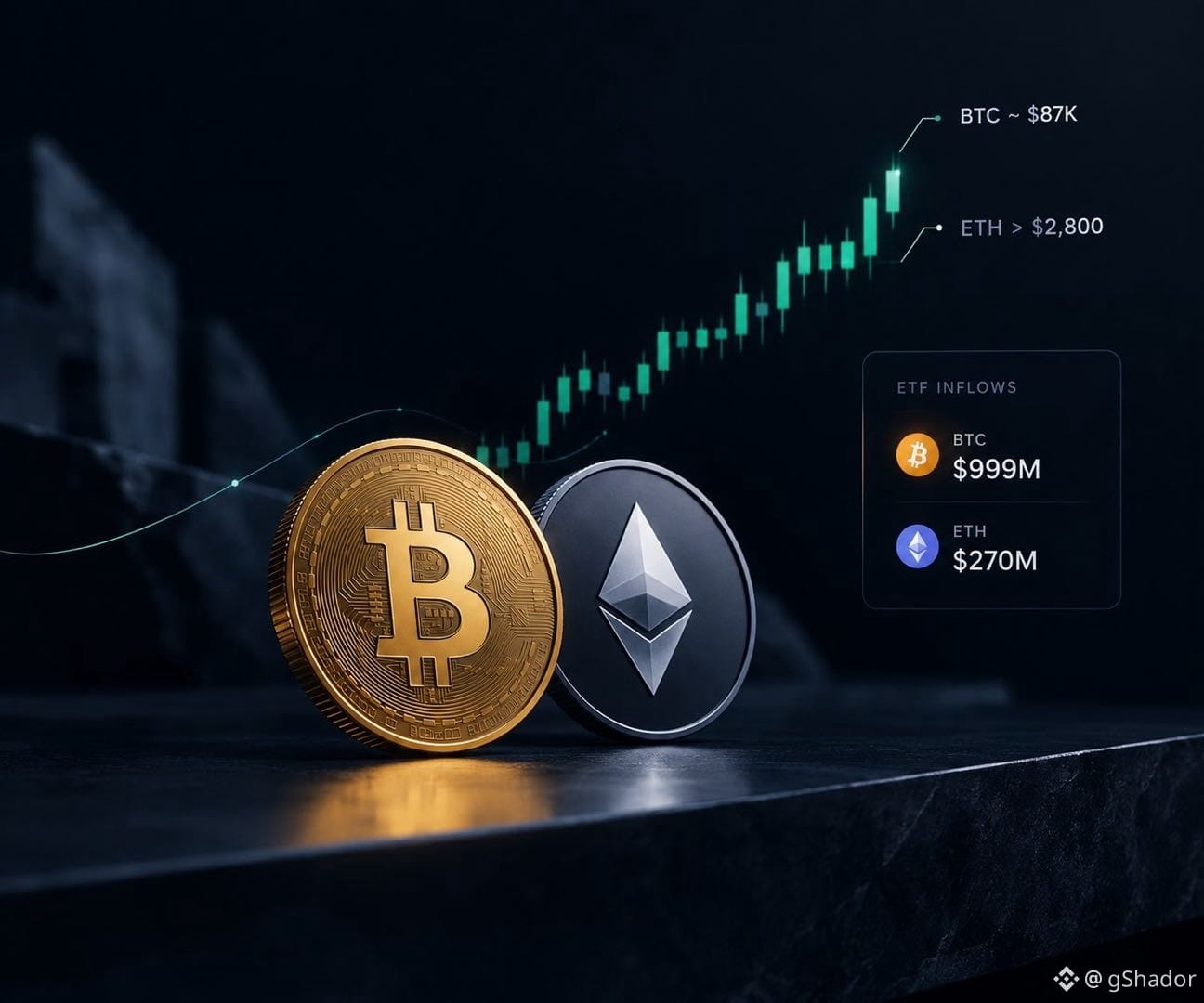
𝐁𝐓𝐂 𝐉𝐮𝐬𝐭 𝐑𝐚𝐧 𝐓𝐨 $𝟖𝟕𝐊。𝐖𝐡𝐚𝐭 𝐇𝐚𝐩𝐩𝐞𝐧𝐬 𝐀𝐟𝐭𝐞𝐫 𝐓𝐡𝐞 𝐒𝐪𝐮𝐞𝐞𝐳𝐞?
BTCは$87Kに向けて押し上げられ、ETHは$2,800を上回りました。
今回の値動きの大きな要因の一つは、ショート勢が踏み上げられ(スクイーズ)ていたことです。ポジションを失った側は損失を確定させるために決済を迫られ、その結果、価格が非常に速く上昇することがあります。
しかし、ここには別の要素もあります。
米国の現物ビットコインETFは9月21日に約$999Mを流入させ、イーサリアムETFは同日およそ$270Mを追加しました。
この点は注目に値します。強制的な買いは永遠には続きません。ETFや現物の需要が、スクイーズが落ち着いた後も本当の買い意欲が残っているかどうかを示してくれます。
つまり、このラリーの次の局面のほうが、最初の動きより重要かもしれません。
スクイーズが“買い支え役”にならなくても、BTCはこの水準を維持できるのでしょうか?
#BTC #BTC 価格分析# #ビットコイン価格予測: 次の一手は?# $BTC $ETH
𝐁𝐓𝐂 𝐉𝐮𝐬𝐭 𝐑𝐚𝐧 𝐓𝐨 $𝟖𝟕𝐊。𝐖𝐡𝐚𝐭 𝐇𝐚𝐩𝐩𝐞𝐧𝐬 𝐀𝐟𝐭𝐞𝐫 𝐓𝐡𝐞 𝐒𝐪𝐮𝐞𝐞𝐳𝐞?
BTCは$87Kに向けて押し上げられ、ETHは$2,800を上回りました。
今回の値動きの大きな要因の一つは、ショート勢が踏み上げられ(スクイーズ)ていたことです。ポジションを失った側は損失を確定させるために決済を迫られ、その結果、価格が非常に速く上昇することがあります。
しかし、ここには別の要素もあります。
米国の現物ビットコインETFは9月21日に約$999Mを流入させ、イーサリアムETFは同日およそ$270Mを追加しました。
この点は注目に値します。強制的な買いは永遠には続きません。ETFや現物の需要が、スクイーズが落ち着いた後も本当の買い意欲が残っているかどうかを示してくれます。
つまり、このラリーの次の局面のほうが、最初の動きより重要かもしれません。
スクイーズが“買い支え役”にならなくても、BTCはこの水準を維持できるのでしょうか?
#BTC #BTC 価格分析# #ビットコイン価格予測: 次の一手は?# $BTC $ETH
BTCは$87Kに向けて押し上げられ、ETHは$2,800を上回りました。
今回の値動きの大きな要因の一つは、ショート勢が踏み上げられ(スクイーズ)ていたことです。ポジションを失った側は損失を確定させるために決済を迫られ、その結果、価格が非常に速く上昇することがあります。
しかし、ここには別の要素もあります。
米国の現物ビットコインETFは9月21日に約$999Mを流入させ、イーサリアムETFは同日およそ$270Mを追加しました。
この点は注目に値します。強制的な買いは永遠には続きません。ETFや現物の需要が、スクイーズが落ち着いた後も本当の買い意欲が残っているかどうかを示してくれます。
つまり、このラリーの次の局面のほうが、最初の動きより重要かもしれません。
スクイーズが“買い支え役”にならなくても、BTCはこの水準を維持できるのでしょうか?
#BTC #BTC 価格分析# #ビットコイン価格予測: 次の一手は?# $BTC $ETH
58
·
--
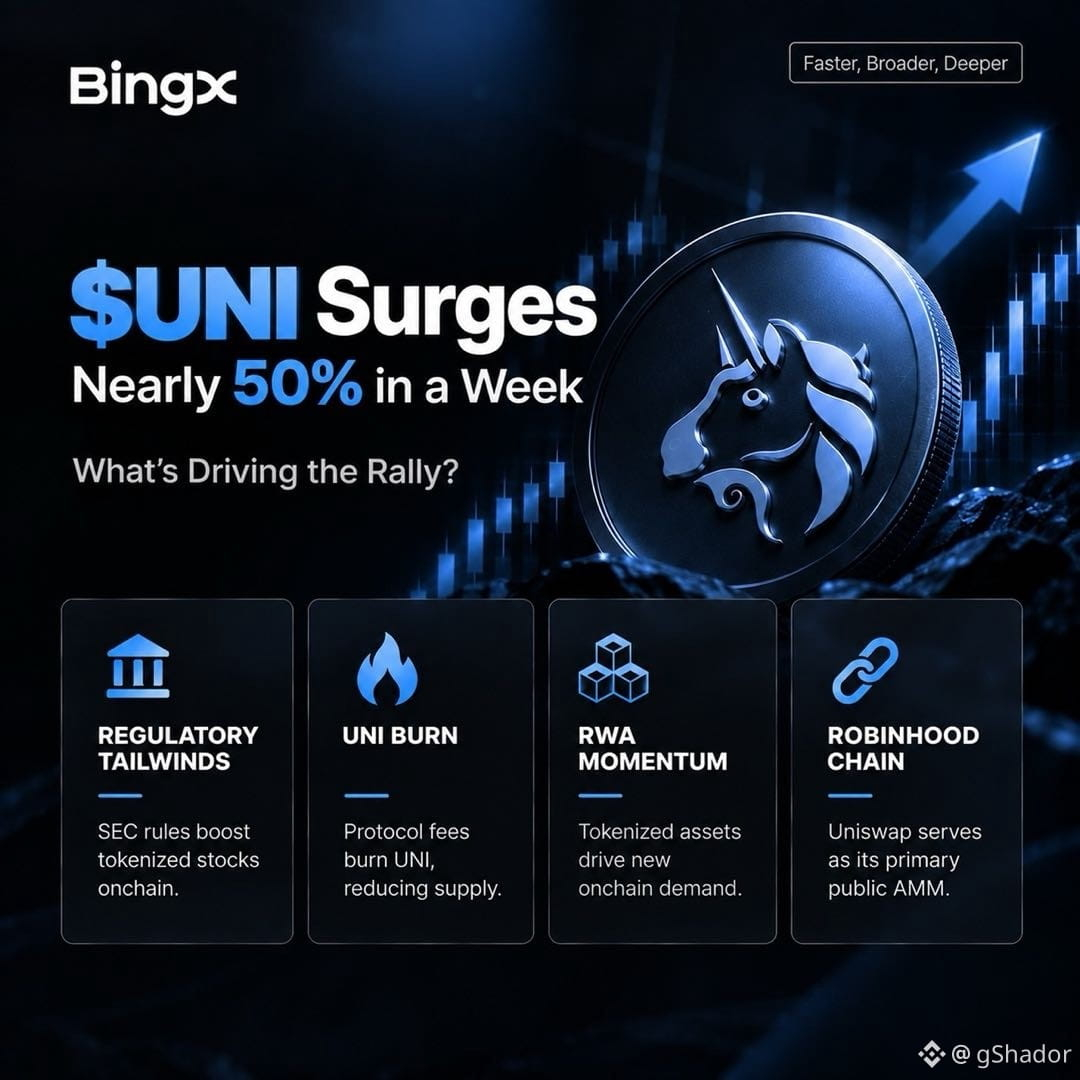
𝐔𝐍𝐈 𝐣𝐮𝐬𝐭 𝐑𝐚𝐧 𝐍𝐞𝐚𝐫𝐥𝐲 𝟓𝟎%. 𝐁𝐮𝐭 𝐖𝐡𝐚𝐭’𝐬 𝐃𝐫𝐢𝐯𝐢𝐧𝐠 𝐈𝐭?
UNIは先週、直近の市場反発で約50%も上昇するなど、深刻な週となりました。
しかし、値動きは物語の一部にすぎません。
現在、Uniswapではプロトコル手数料がUNIのバーン(焼却)メカニズムに流れ込んでおり、v2、v3、v4、そしてUniswapXはRobinhood Chain上で稼働しています。
これにより、トークンは実際のプロトコル活動との結びつきがより強くなりました。
さらに、より広範なRWA(実物資産)やトークン化の物語も、DeFi基盤への注目を呼び戻しています。
これほど急な動きの後は、私はチャートそのものだけにはあまり関心がありません。
注目すべきは、出来高、利用状況、そしてプロトコル活動がこの動きを支え続けているかどうかです。
#BTC #BTC 価格分析# #UNI #DeFi $BTC $ETH
𝐔𝐍𝐈 𝐣𝐮𝐬𝐭 𝐑𝐚𝐧 𝐍𝐞𝐚𝐫𝐥𝐲 𝟓𝟎%. 𝐁𝐮𝐭 𝐖𝐡𝐚𝐭’𝐬 𝐃𝐫𝐢𝐯𝐢𝐧𝐠 𝐈𝐭?
UNIは先週、直近の市場反発で約50%も上昇するなど、深刻な週となりました。
しかし、値動きは物語の一部にすぎません。
現在、Uniswapではプロトコル手数料がUNIのバーン(焼却)メカニズムに流れ込んでおり、v2、v3、v4、そしてUniswapXはRobinhood Chain上で稼働しています。
これにより、トークンは実際のプロトコル活動との結びつきがより強くなりました。
さらに、より広範なRWA(実物資産)やトークン化の物語も、DeFi基盤への注目を呼び戻しています。
これほど急な動きの後は、私はチャートそのものだけにはあまり関心がありません。
注目すべきは、出来高、利用状況、そしてプロトコル活動がこの動きを支え続けているかどうかです。
#BTC #BTC 価格分析# #UNI #DeFi $BTC $ETH
UNIは先週、直近の市場反発で約50%も上昇するなど、深刻な週となりました。
しかし、値動きは物語の一部にすぎません。
現在、Uniswapではプロトコル手数料がUNIのバーン(焼却)メカニズムに流れ込んでおり、v2、v3、v4、そしてUniswapXはRobinhood Chain上で稼働しています。
これにより、トークンは実際のプロトコル活動との結びつきがより強くなりました。
さらに、より広範なRWA(実物資産)やトークン化の物語も、DeFi基盤への注目を呼び戻しています。
これほど急な動きの後は、私はチャートそのものだけにはあまり関心がありません。
注目すべきは、出来高、利用状況、そしてプロトコル活動がこの動きを支え続けているかどうかです。
#BTC #BTC 価格分析# #UNI #DeFi $BTC $ETH
·
--
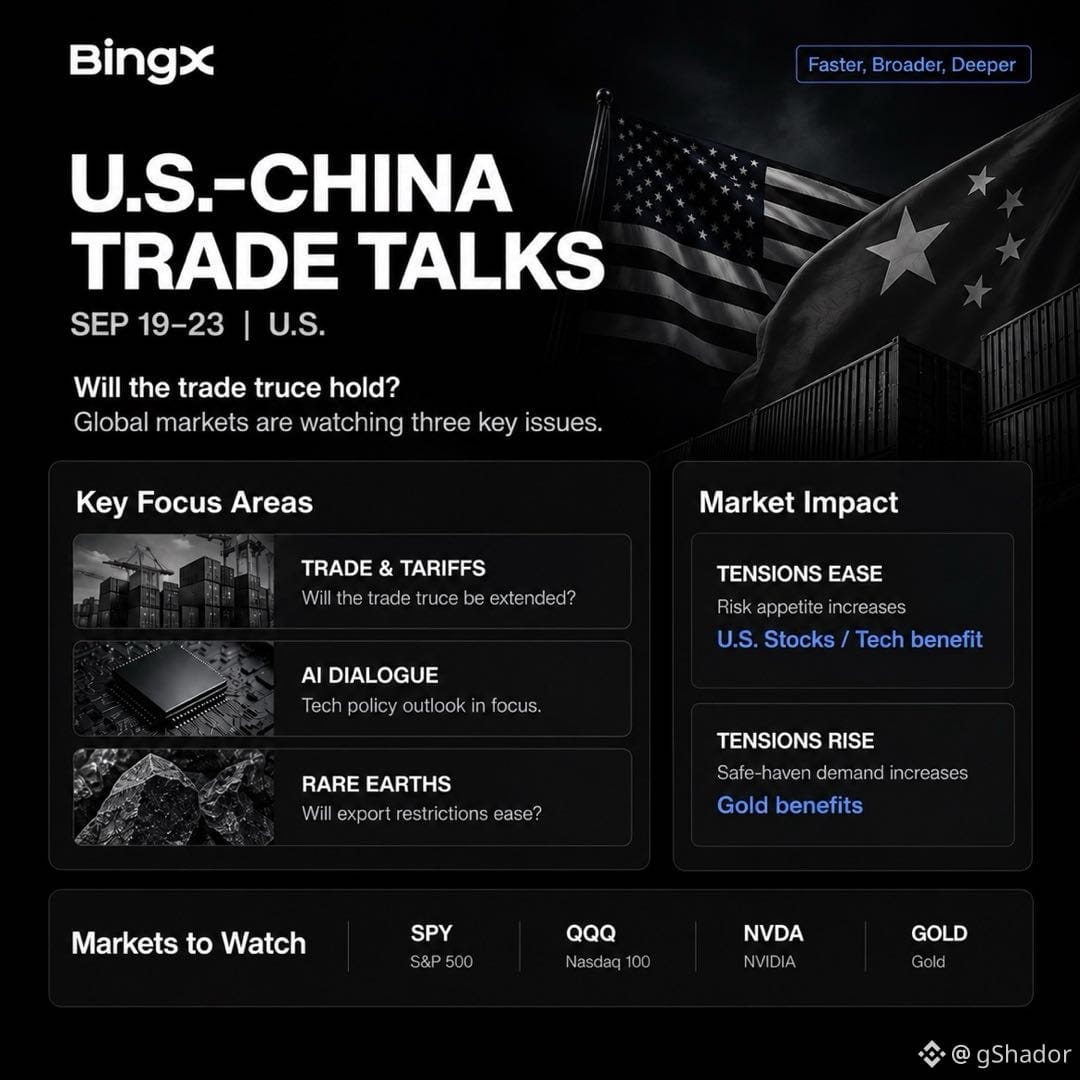
𝐔𝐒-𝐂𝐡𝐢𝐧𝐚 𝐓𝐚𝐥𝐤𝐬 𝐂𝐨𝐮𝐥𝐝 𝐌𝐨𝐯𝐞 𝐌𝐨𝐫𝐞 𝐓𝐡𝐚𝐧 𝐓𝐚𝐫𝐢𝐟𝐟𝐬
関税は、今週の米中協議の一部にすぎません。
AIやレアアースについても話し合われており、これは重要です。なぜなら、どちらもテックや半導体のサプライチェーンと密接に結びついているからです。
緊張が緩和すれば、ハイテク株にある程度の安心材料がもたらされる可能性があります。
状況が悪化すれば、安全性を求める投資家の動きから、金がより注目されるかもしれません。
ここではSPY、QQQ、NVDA、XAUUSDを追跡しています。
どれが最初に反応するでしょうか?
#BTC #BTC Price Analysis# #Macro Insights# #TradFi $BTC $ETH
𝐔𝐒-𝐂𝐡𝐢𝐧𝐚 𝐓𝐚𝐥𝐤𝐬 𝐂𝐨𝐮𝐥𝐝 𝐌𝐨𝐯𝐞 𝐌𝐨𝐫𝐞 𝐓𝐡𝐚𝐧 𝐓𝐚𝐫𝐢𝐟𝐟𝐬
関税は、今週の米中協議の一部にすぎません。
AIやレアアースについても話し合われており、これは重要です。なぜなら、どちらもテックや半導体のサプライチェーンと密接に結びついているからです。
緊張が緩和すれば、ハイテク株にある程度の安心材料がもたらされる可能性があります。
状況が悪化すれば、安全性を求める投資家の動きから、金がより注目されるかもしれません。
ここではSPY、QQQ、NVDA、XAUUSDを追跡しています。
どれが最初に反応するでしょうか?
#BTC #BTC Price Analysis# #Macro Insights# #TradFi $BTC $ETH
関税は、今週の米中協議の一部にすぎません。
AIやレアアースについても話し合われており、これは重要です。なぜなら、どちらもテックや半導体のサプライチェーンと密接に結びついているからです。
緊張が緩和すれば、ハイテク株にある程度の安心材料がもたらされる可能性があります。
状況が悪化すれば、安全性を求める投資家の動きから、金がより注目されるかもしれません。
ここではSPY、QQQ、NVDA、XAUUSDを追跡しています。
どれが最初に反応するでしょうか?
#BTC #BTC Price Analysis# #Macro Insights# #TradFi $BTC $ETH
133
·
--
𝐅𝐞𝐝 𝐉𝐮𝐬𝐭 𝐋𝐞𝐟𝐭 𝐓𝐫𝐚𝐝𝐞𝐫𝐬 𝐖𝐢𝐭𝐡 𝐀𝐧𝐨𝐭𝐡𝐞𝐫 𝐐𝐮𝐞𝐬𝐭𝐢𝐨𝐧
3.75%〜4.00%への25bpの利上げは、正直なところサプライズではありませんでした。
注目すべきはドットプロットです。
FOMCの中央値見通しでは、年末時点の政策金利は4.1%に据え置かれており、追加利上げの可能性も残っています。
つまり、これからはインフレ指標と雇用データの意味がさらに大きくなります。1つの熱い(強い)指標で、利下げシナリオ全体の正当化は一気に難しくなります。
BTC、金、株式…いずれも同じマクロ環境の影響を受ける必要があります。
#BTC #BTC Price Analysis# #TradFi #FED $BTC $ETH
𝐅𝐞𝐝 𝐉𝐮𝐬𝐭 𝐋𝐞𝐟𝐭 𝐓𝐫𝐚𝐝𝐞𝐫𝐬 𝐖𝐢𝐭𝐡 𝐀𝐧𝐨𝐭𝐡𝐞𝐫 𝐐𝐮𝐞𝐬𝐭𝐢𝐨𝐧
3.75%〜4.00%への25bpの利上げは、正直なところサプライズではありませんでした。
注目すべきはドットプロットです。
FOMCの中央値見通しでは、年末時点の政策金利は4.1%に据え置かれており、追加利上げの可能性も残っています。
つまり、これからはインフレ指標と雇用データの意味がさらに大きくなります。1つの熱い(強い)指標で、利下げシナリオ全体の正当化は一気に難しくなります。
BTC、金、株式…いずれも同じマクロ環境の影響を受ける必要があります。
#BTC #BTC Price Analysis# #TradFi #FED $BTC $ETH
3.75%〜4.00%への25bpの利上げは、正直なところサプライズではありませんでした。
注目すべきはドットプロットです。
FOMCの中央値見通しでは、年末時点の政策金利は4.1%に据え置かれており、追加利上げの可能性も残っています。
つまり、これからはインフレ指標と雇用データの意味がさらに大きくなります。1つの熱い(強い)指標で、利下げシナリオ全体の正当化は一気に難しくなります。
BTC、金、株式…いずれも同じマクロ環境の影響を受ける必要があります。
#BTC #BTC Price Analysis# #TradFi #FED $BTC $ETH
57
·
--
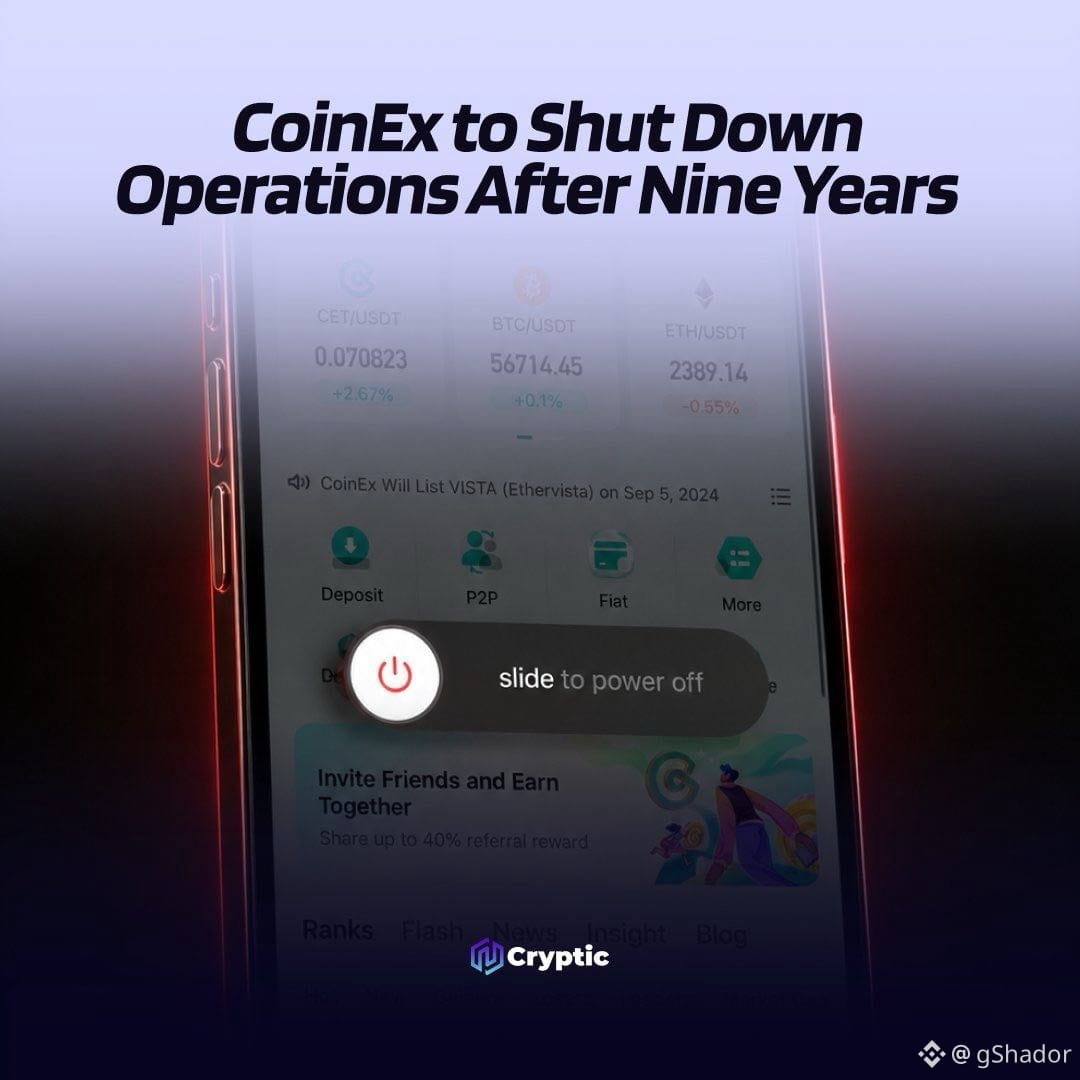
𝐂𝐨𝐢𝐧𝐄𝐱 は取引を終息させようとしています。では、これは 破局的に 進む “本当の問題” なのでしょうか?
ほぼ9年の時を経て、CoinEx はサービスを終了しようとしています。
正直に言うと、実績のある取引所が業界から去っていくのを見るのは寂しいです。
しかし、それは私にとってより大きな疑問も投げかけます。
暗号資産は、ゆっくりとした停滞期を経験します。取引量は減り、流動性は変化し、規制は進化し続けます。
だからこそ、取引プラットフォーム側も進化する必要があるのかもしれません。
その点で、BingX がマルチアセット取引へ踏み出したことは興味深いものでした。暗号資産は引き続き重要な要素ですが、プラットフォームは株式、指数、FX、コモディティにも広がっています。
暗号資産が静かになったとしても、必ずしも機会を探すのを止める必要はありません。別の市場を見て、暗号資産が再び動き出したら戻ってくればいいのです。
もしかすると、未来は暗号資産だけでも、伝統的な市場だけでもないのかもしれません。
鍵は、両方にアクセスできること。
あなたなら、すべてを1つのプラットフォームで使うのがいいですか?それとも市場を分けて管理しますか?
#BTC #BTC 価格分析# #Crypto #Trading
$BTC $ETH
𝐂𝐨𝐢𝐧𝐄𝐱 は取引を終息させようとしています。では、これは 破局的に 進む “本当の問題” なのでしょうか?
ほぼ9年の時を経て、CoinEx はサービスを終了しようとしています。
正直に言うと、実績のある取引所が業界から去っていくのを見るのは寂しいです。
しかし、それは私にとってより大きな疑問も投げかけます。
暗号資産は、ゆっくりとした停滞期を経験します。取引量は減り、流動性は変化し、規制は進化し続けます。
だからこそ、取引プラットフォーム側も進化する必要があるのかもしれません。
その点で、BingX がマルチアセット取引へ踏み出したことは興味深いものでした。暗号資産は引き続き重要な要素ですが、プラットフォームは株式、指数、FX、コモディティにも広がっています。
暗号資産が静かになったとしても、必ずしも機会を探すのを止める必要はありません。別の市場を見て、暗号資産が再び動き出したら戻ってくればいいのです。
もしかすると、未来は暗号資産だけでも、伝統的な市場だけでもないのかもしれません。
鍵は、両方にアクセスできること。
あなたなら、すべてを1つのプラットフォームで使うのがいいですか?それとも市場を分けて管理しますか?
#BTC #BTC 価格分析# #Crypto #Trading
$BTC $ETH
ほぼ9年の時を経て、CoinEx はサービスを終了しようとしています。
正直に言うと、実績のある取引所が業界から去っていくのを見るのは寂しいです。
しかし、それは私にとってより大きな疑問も投げかけます。
暗号資産は、ゆっくりとした停滞期を経験します。取引量は減り、流動性は変化し、規制は進化し続けます。
だからこそ、取引プラットフォーム側も進化する必要があるのかもしれません。
その点で、BingX がマルチアセット取引へ踏み出したことは興味深いものでした。暗号資産は引き続き重要な要素ですが、プラットフォームは株式、指数、FX、コモディティにも広がっています。
暗号資産が静かになったとしても、必ずしも機会を探すのを止める必要はありません。別の市場を見て、暗号資産が再び動き出したら戻ってくればいいのです。
もしかすると、未来は暗号資産だけでも、伝統的な市場だけでもないのかもしれません。
鍵は、両方にアクセスできること。
あなたなら、すべてを1つのプラットフォームで使うのがいいですか?それとも市場を分けて管理しますか?
#BTC #BTC 価格分析# #Crypto #Trading
$BTC $ETH
·
--
失敗した。チャートが反応した。
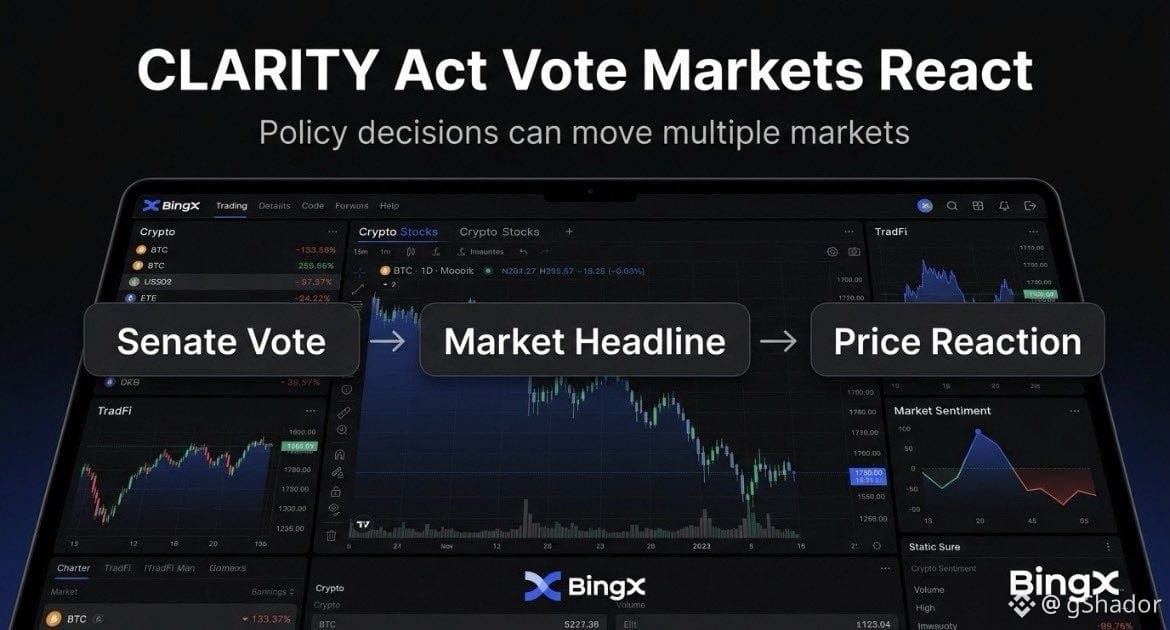
市場をチェックしながらCLARITY法案の採決を追っていたら、その後上院がそれを前進させられなかった。
それで私もチャートを見るようになった。
BTCはすでに圧迫されていて、CoinbaseやRobinhoodなどの他の暗号資産関連株も下がっていった。
それが決定打だった。
ひとつの政治的な見出しで、実際に反応がさまざまな市場に広がっていくのが見えた。
私は投票を追いながらBingXを開いていたので、プラットフォームを切り替えずに株や暗号資産を確認できた。
改めて、「ひとつの市場だけを見ているのが嫌だ」と思い知らされた。
ライブでその値動きを見ていましたか?それとも、ポートフォリオが赤くなり始めてから気づきましたか?
#BTC #BTC Price Analysis# #CLARITYAct $BTC $ETH
失敗した。チャートが反応した。
市場をチェックしながらCLARITY法案の採決を追っていたら、その後上院がそれを前進させられなかった。
それで私もチャートを見るようになった。
BTCはすでに圧迫されていて、CoinbaseやRobinhoodなどの他の暗号資産関連株も下がっていった。
それが決定打だった。
ひとつの政治的な見出しで、実際に反応がさまざまな市場に広がっていくのが見えた。
私は投票を追いながらBingXを開いていたので、プラットフォームを切り替えずに株や暗号資産を確認できた。
改めて、「ひとつの市場だけを見ているのが嫌だ」と思い知らされた。
ライブでその値動きを見ていましたか?それとも、ポートフォリオが赤くなり始めてから気づきましたか?
#BTC #BTC Price Analysis# #CLARITYAct $BTC $ETH
市場をチェックしながらCLARITY法案の採決を追っていたら、その後上院がそれを前進させられなかった。
それで私もチャートを見るようになった。
BTCはすでに圧迫されていて、CoinbaseやRobinhoodなどの他の暗号資産関連株も下がっていった。
それが決定打だった。
ひとつの政治的な見出しで、実際に反応がさまざまな市場に広がっていくのが見えた。
私は投票を追いながらBingXを開いていたので、プラットフォームを切り替えずに株や暗号資産を確認できた。
改めて、「ひとつの市場だけを見ているのが嫌だ」と思い知らされた。
ライブでその値動きを見ていましたか?それとも、ポートフォリオが赤くなり始めてから気づきましたか?
#BTC #BTC Price Analysis# #CLARITYAct $BTC $ETH
·
--
𝐅𝐞𝐝 𝐣𝐮𝐬𝐭 𝐜𝐡𝐚𝐧𝐠𝐞𝐝 𝐭𝐡𝐞 𝐆𝐨𝐥𝐝 𝐭𝐫𝐚𝐝𝐞
今回は利下げの物語はありません。
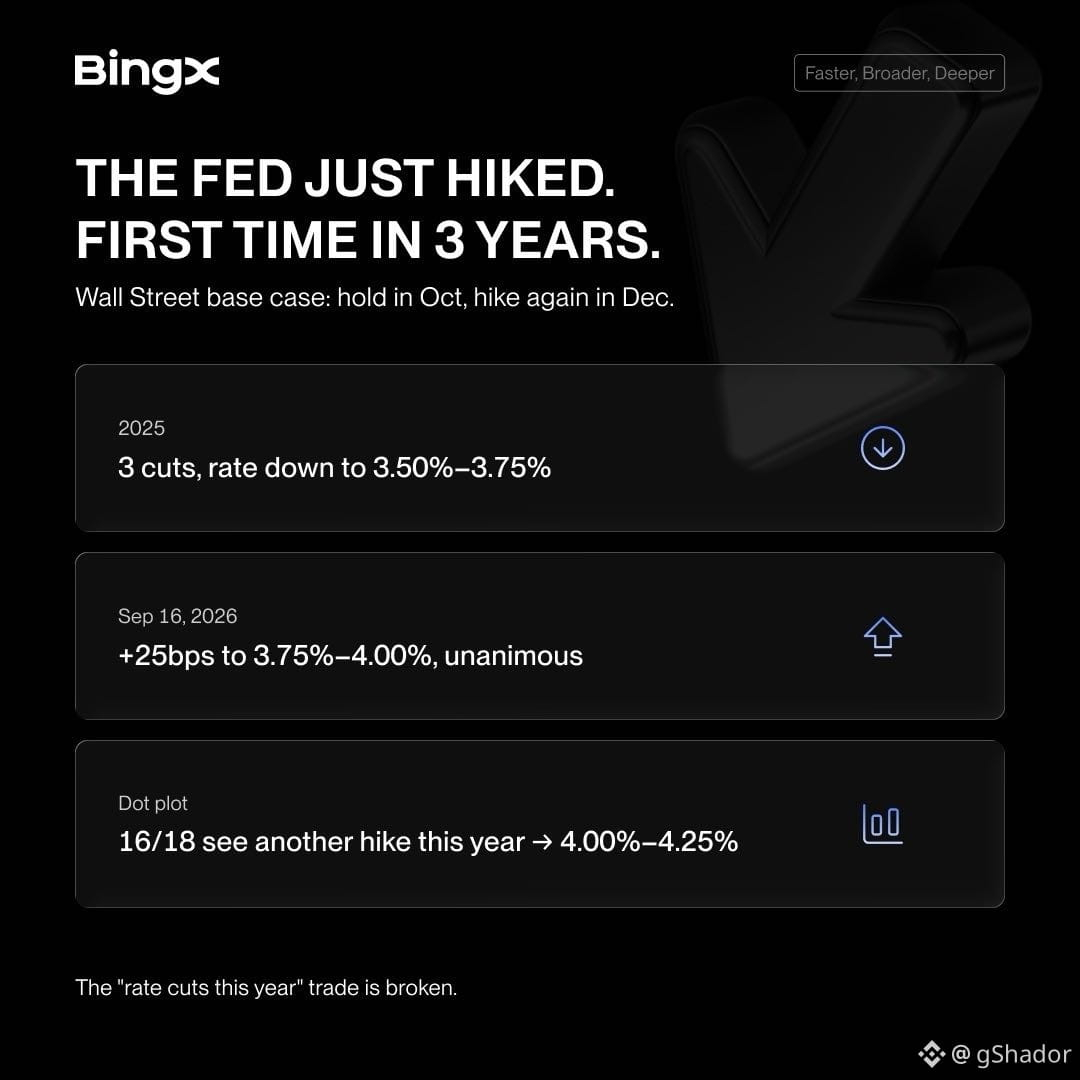
FRB(連邦準備制度理事会)はさらに25bps引き上げ、金利を3.75%〜4.00%にしました。
そしてドット・プロットがさらに面白くしています。18人中16人の政策担当者が、2026年にもう少なくとも1回の利上げがあると見ています。
それで、私はゴールドの見方を変えました。
「FRBはいつ利下げするのか?」だけの話ではありません。
今はこうです:
→ インフレは粘着性を保つのか?
→ 原油はどうなる?
→ 次のCPI(消費者物価指数)の発表は何を示す?
→ FRBは本当にもう一度利上げするのか?
決定後、ゴールドはすでに$4,200超あたりで取引されていたので、その反応を注意深く見ています。
また、このようなマクロの局面では次のデータポイントが見出しより重要になり得るので、BingXでゴールドのチャートも開いています。
#BTC #BTC Price Analysis# #FOMC #FED $BTC $ETH
𝐅𝐞𝐝 𝐣𝐮𝐬𝐭 𝐜𝐡𝐚𝐧𝐠𝐞𝐝 𝐭𝐡𝐞 𝐆𝐨𝐥𝐝 𝐭𝐫𝐚𝐝𝐞
今回は利下げの物語はありません。
FRB(連邦準備制度理事会)はさらに25bps引き上げ、金利を3.75%〜4.00%にしました。
そしてドット・プロットがさらに面白くしています。18人中16人の政策担当者が、2026年にもう少なくとも1回の利上げがあると見ています。
それで、私はゴールドの見方を変えました。
「FRBはいつ利下げするのか?」だけの話ではありません。
今はこうです:
→ インフレは粘着性を保つのか?
→ 原油はどうなる?
→ 次のCPI(消費者物価指数)の発表は何を示す?
→ FRBは本当にもう一度利上げするのか?
決定後、ゴールドはすでに$4,200超あたりで取引されていたので、その反応を注意深く見ています。
また、このようなマクロの局面では次のデータポイントが見出しより重要になり得るので、BingXでゴールドのチャートも開いています。
#BTC #BTC Price Analysis# #FOMC #FED $BTC $ETH
今回は利下げの物語はありません。
FRB(連邦準備制度理事会)はさらに25bps引き上げ、金利を3.75%〜4.00%にしました。
そしてドット・プロットがさらに面白くしています。18人中16人の政策担当者が、2026年にもう少なくとも1回の利上げがあると見ています。
それで、私はゴールドの見方を変えました。
「FRBはいつ利下げするのか?」だけの話ではありません。
今はこうです:
→ インフレは粘着性を保つのか?
→ 原油はどうなる?
→ 次のCPI(消費者物価指数)の発表は何を示す?
→ FRBは本当にもう一度利上げするのか?
決定後、ゴールドはすでに$4,200超あたりで取引されていたので、その反応を注意深く見ています。
また、このようなマクロの局面では次のデータポイントが見出しより重要になり得るので、BingXでゴールドのチャートも開いています。
#BTC #BTC Price Analysis# #FOMC #FED $BTC $ETH
38
·
--
𝐂𝐢𝐫𝐜𝐥𝐞 𝐣𝐮𝐬𝐭 𝐥𝐚𝐮𝐧𝐜𝐡𝐞𝐝 𝐀𝐫𝐜. 𝐖𝐡𝐲 𝐬𝐡𝐨𝐮𝐥𝐝 𝐜𝐫𝐲𝐩𝐭𝐨 𝐭𝐫𝐚𝐝𝐞𝐫𝐬 𝐜𝐚𝐫𝐞?
Arcのメインネットは9月16日に稼働を開始し、ネイティブのガス資産としてUSDCが採用されています。
より大きな狙いは、Circleがそれを基盤に何を構築しようとしているかです。支払い、取引、流動性、そしてトークン化された資産——すべてをステーブルコインのインフラを中心に据えています。
そして、すでに資金もローンチに続いて動き始めています。
@BingXOfficialは、Arcのローンチキャンペーンの一環として、Circleをテーマにしたアセットの取引向けに20万USDCの賞金プールを用意しています。
でも、私が本当に注目しているのはキャンペーンではありません。
Arcは、USDCを「主に保有して取引するもの」から、「実際に使うインフラ」へと変えられるのでしょうか?
#BTC #BTC Price Analysis# #ARC #Circle $BTC $USDC
𝐂𝐢𝐫𝐜𝐥𝐞 𝐣𝐮𝐬𝐭 𝐥𝐚𝐮𝐧𝐜𝐡𝐞𝐝 𝐀𝐫𝐜. 𝐖𝐡𝐲 𝐬𝐡𝐨𝐮𝐥𝐝 𝐜𝐫𝐲𝐩𝐭𝐨 𝐭𝐫𝐚𝐝𝐞𝐫𝐬 𝐜𝐚𝐫𝐞?
Arcのメインネットは9月16日に稼働を開始し、ネイティブのガス資産としてUSDCが採用されています。
より大きな狙いは、Circleがそれを基盤に何を構築しようとしているかです。支払い、取引、流動性、そしてトークン化された資産——すべてをステーブルコインのインフラを中心に据えています。
そして、すでに資金もローンチに続いて動き始めています。
@BingXOfficialは、Arcのローンチキャンペーンの一環として、Circleをテーマにしたアセットの取引向けに20万USDCの賞金プールを用意しています。
でも、私が本当に注目しているのはキャンペーンではありません。
Arcは、USDCを「主に保有して取引するもの」から、「実際に使うインフラ」へと変えられるのでしょうか?
#BTC #BTC Price Analysis# #ARC #Circle $BTC $USDC
Arcのメインネットは9月16日に稼働を開始し、ネイティブのガス資産としてUSDCが採用されています。
より大きな狙いは、Circleがそれを基盤に何を構築しようとしているかです。支払い、取引、流動性、そしてトークン化された資産——すべてをステーブルコインのインフラを中心に据えています。
そして、すでに資金もローンチに続いて動き始めています。
@BingXOfficialは、Arcのローンチキャンペーンの一環として、Circleをテーマにしたアセットの取引向けに20万USDCの賞金プールを用意しています。
でも、私が本当に注目しているのはキャンペーンではありません。
Arcは、USDCを「主に保有して取引するもの」から、「実際に使うインフラ」へと変えられるのでしょうか?
#BTC #BTC Price Analysis# #ARC #Circle $BTC $USDC
·
--
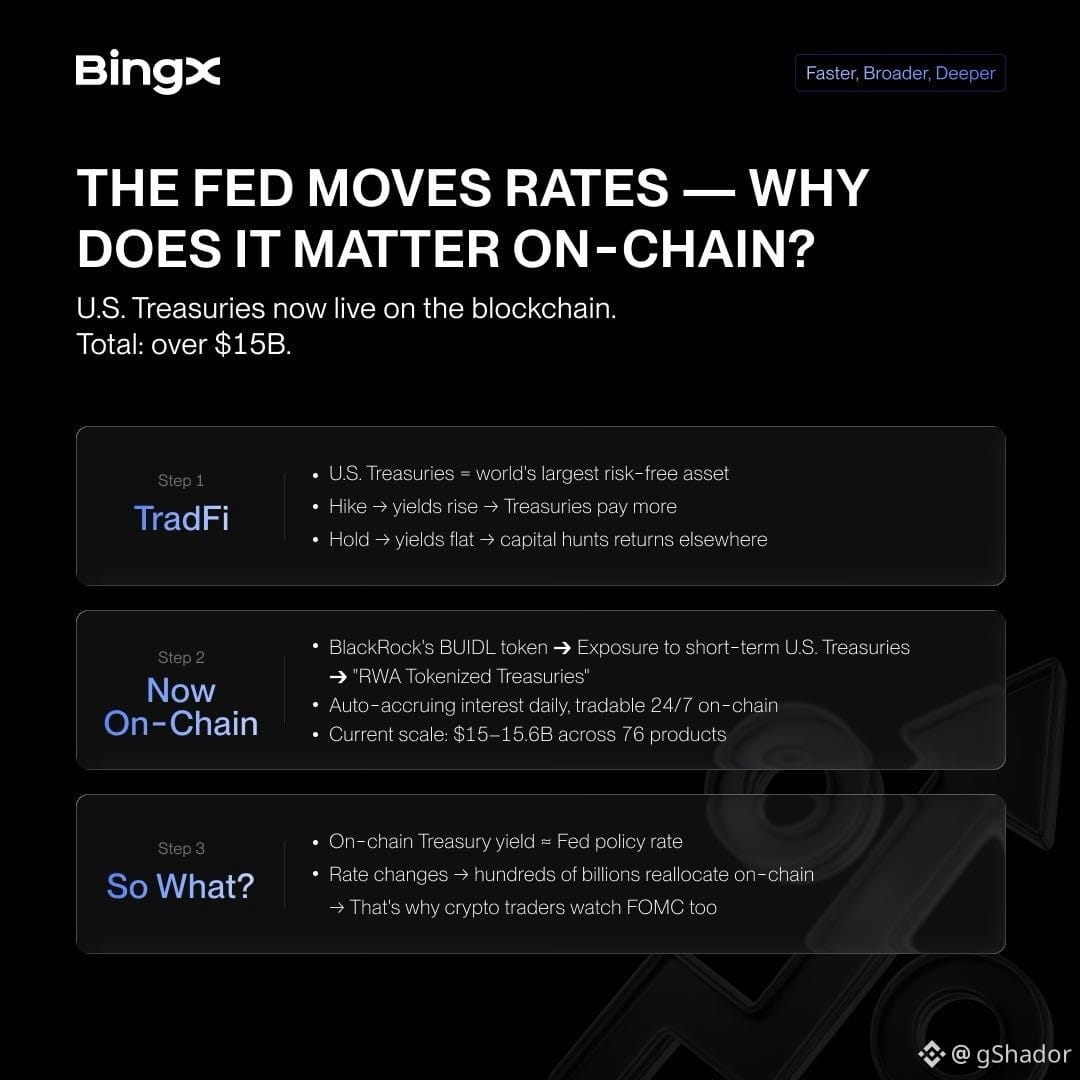
𝐅𝐞𝐝の利上げ・利下げが、今はたんなる従来の金融(TradFi)の話ではなくなりつつあります。
現在、米国債をトークン化したものとして、オンチェーン上に15Bドル超が存在しています。
つまり、Fedが金利を変更するとき、単にTradFiのストーリーにとどまらないのです。
国債利回りは、トークン化された利回り商品(トークン化・イールド商品)の魅力度を左右し得るため、Fedの判断がRWAの会話にもますます関わってきています。
そして、そのど真ん中にあるのがOndoのようなプロジェクトです。
私が面白いと思うのは、この変化がいかに静かに起きたかです。
数年前に「オンチェーン上の米国債」という言葉を聞いたとしても、それはニッチに聞こえたでしょう。
しかし今では、15Bドル超の市場です。
暗号資産(クリプト)は、人々が思っている以上にTradFiと結びつき始めています。
#BTC #BTC Price Analysis# #TradFi #Macro Insights# $BTC $ETH
𝐅𝐞𝐝の利上げ・利下げが、今はたんなる従来の金融(TradFi)の話ではなくなりつつあります。
現在、米国債をトークン化したものとして、オンチェーン上に15Bドル超が存在しています。
つまり、Fedが金利を変更するとき、単にTradFiのストーリーにとどまらないのです。
国債利回りは、トークン化された利回り商品(トークン化・イールド商品)の魅力度を左右し得るため、Fedの判断がRWAの会話にもますます関わってきています。
そして、そのど真ん中にあるのがOndoのようなプロジェクトです。
私が面白いと思うのは、この変化がいかに静かに起きたかです。
数年前に「オンチェーン上の米国債」という言葉を聞いたとしても、それはニッチに聞こえたでしょう。
しかし今では、15Bドル超の市場です。
暗号資産(クリプト)は、人々が思っている以上にTradFiと結びつき始めています。
#BTC #BTC Price Analysis# #TradFi #Macro Insights# $BTC $ETH
現在、米国債をトークン化したものとして、オンチェーン上に15Bドル超が存在しています。
つまり、Fedが金利を変更するとき、単にTradFiのストーリーにとどまらないのです。
国債利回りは、トークン化された利回り商品(トークン化・イールド商品)の魅力度を左右し得るため、Fedの判断がRWAの会話にもますます関わってきています。
そして、そのど真ん中にあるのがOndoのようなプロジェクトです。
私が面白いと思うのは、この変化がいかに静かに起きたかです。
数年前に「オンチェーン上の米国債」という言葉を聞いたとしても、それはニッチに聞こえたでしょう。
しかし今では、15Bドル超の市場です。
暗号資産(クリプト)は、人々が思っている以上にTradFiと結びつき始めています。
#BTC #BTC Price Analysis# #TradFi #Macro Insights# $BTC $ETH
·
--
𝐑𝐚𝐭𝐞 𝐡𝐢𝐤𝐞𝐬(利上げ)は 𝐫𝐚𝐭𝐞 𝐡𝐢𝐤𝐞𝐬(利上げ)ではない。彼らはどこにも行かない。
1回の利上げだけが問題とは限らない。
問題は、ピークがどこか誰にも分からないまま、締め付けのサイクルが続いていることだ。
2022年にも似たことが起きた。6月の強硬なサプライズの後、SOX指数はその後3か月でおよそ15%上昇した。
市場が、金利がどこまで上がり得るのか、より明確な見通しを持ち始めたら、関心は改めて半導体を実際に動かす要因へと移せる:
AI投資、半導体需要、そして業績。
そしてAIの設備投資(capex)は、この物語のかなり大きな部分でもある。データセンターや先進的なチップが、投資を引き続き押し上げている。
だから私は、主要な金利決定の見出しよりも、FRB(連邦準備制度)のガイダンスを見ている。
市場が引き締めサイクル終盤に向けたより明確な道筋を得られれば、半導体は金利とは別の論点で語られる可能性がある。
これは私がBingX TradFiで注目している状況だ。
#FOMC #BTC #BTC 価格分析# #FED $BTC $ETH
𝐑𝐚𝐭𝐞 𝐡𝐢𝐤𝐞𝐬(利上げ)は 𝐫𝐚𝐭𝐞 𝐡𝐢𝐤𝐞𝐬(利上げ)ではない。彼らはどこにも行かない。
1回の利上げだけが問題とは限らない。
問題は、ピークがどこか誰にも分からないまま、締め付けのサイクルが続いていることだ。
2022年にも似たことが起きた。6月の強硬なサプライズの後、SOX指数はその後3か月でおよそ15%上昇した。
市場が、金利がどこまで上がり得るのか、より明確な見通しを持ち始めたら、関心は改めて半導体を実際に動かす要因へと移せる:
AI投資、半導体需要、そして業績。
そしてAIの設備投資(capex)は、この物語のかなり大きな部分でもある。データセンターや先進的なチップが、投資を引き続き押し上げている。
だから私は、主要な金利決定の見出しよりも、FRB(連邦準備制度)のガイダンスを見ている。
市場が引き締めサイクル終盤に向けたより明確な道筋を得られれば、半導体は金利とは別の論点で語られる可能性がある。
これは私がBingX TradFiで注目している状況だ。
#FOMC #BTC #BTC 価格分析# #FED $BTC $ETH
1回の利上げだけが問題とは限らない。
問題は、ピークがどこか誰にも分からないまま、締め付けのサイクルが続いていることだ。
2022年にも似たことが起きた。6月の強硬なサプライズの後、SOX指数はその後3か月でおよそ15%上昇した。
市場が、金利がどこまで上がり得るのか、より明確な見通しを持ち始めたら、関心は改めて半導体を実際に動かす要因へと移せる:
AI投資、半導体需要、そして業績。
そしてAIの設備投資(capex)は、この物語のかなり大きな部分でもある。データセンターや先進的なチップが、投資を引き続き押し上げている。
だから私は、主要な金利決定の見出しよりも、FRB(連邦準備制度)のガイダンスを見ている。
市場が引き締めサイクル終盤に向けたより明確な道筋を得られれば、半導体は金利とは別の論点で語られる可能性がある。
これは私がBingX TradFiで注目している状況だ。
#FOMC #BTC #BTC 価格分析# #FED $BTC $ETH
·
--
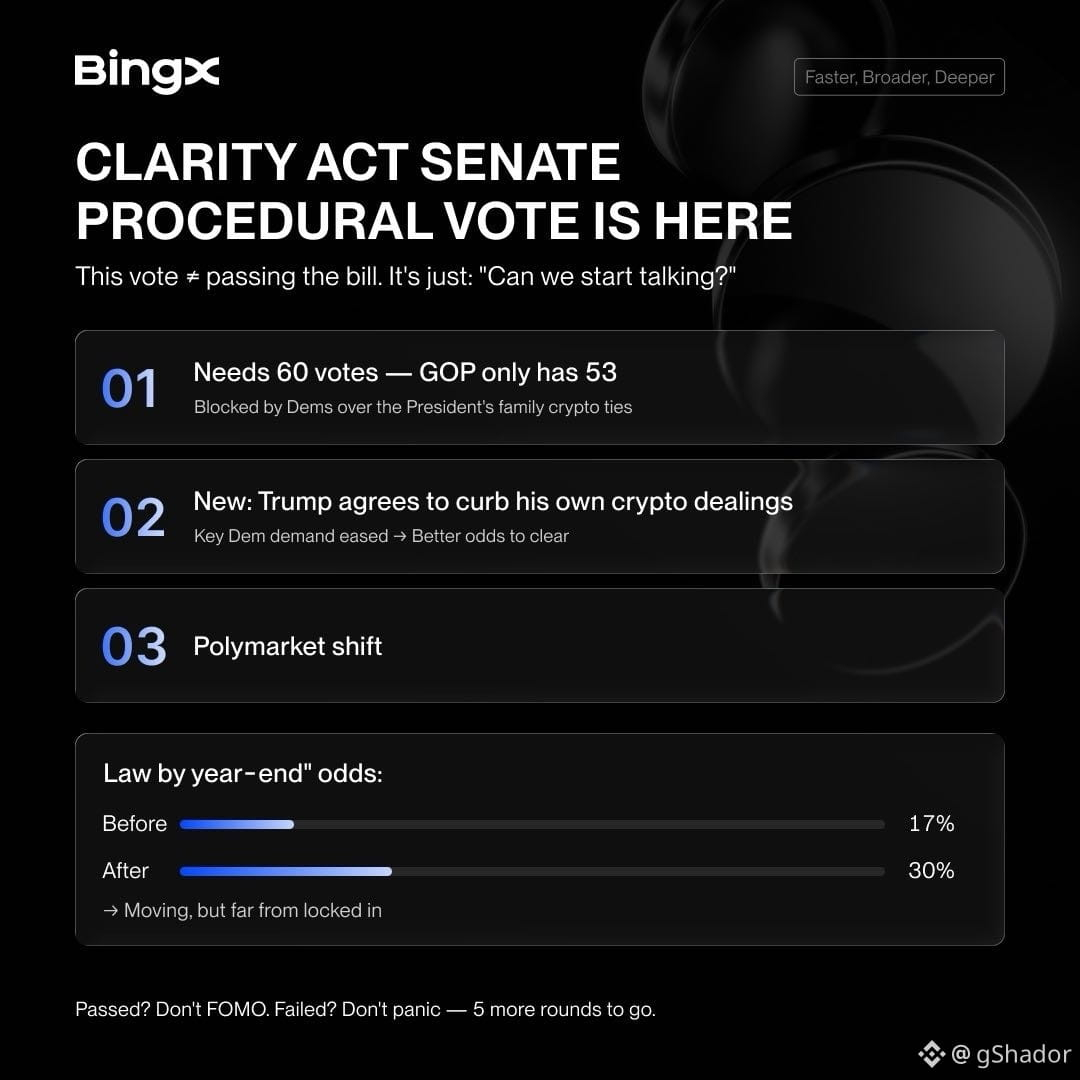
𝐂𝐋𝐀𝐑𝐈𝐓𝐘 𝐀𝐜𝐭 には 𝟔𝟎 票が必要。結果は 𝟒𝟗。
いま皆が注目するのは、まさにここだ。
上院の手続き上の採決は、超党派の支持を得ることを目的とした修正を行った後でも、法案を前進させることができなかった。
そしていいえ、これは CLARITY 法(CLARITY Act)が正式に完全に終わったという意味ではない。
ただし、それはつまり米国の暗号資産(クリプト)市場構造に関する法制化への道のりが、さらに複雑になったということだ。
市場にとっては、私は見出しよりも、ここから BTC がどう反応するかに関心がある。
規制の明確性に関する期待が見直され始めれば、ETH や SOL でも大きな値動きが見られる可能性がある。
より大きなリスクは、最初のローソク足が向かう方向を追いかけることだ。
こういう日は、当てにいくよりも反応を見るほうがいいので、BingX で暗号資産市場を開いている。
#CLARITYAct #BTC #BTC Price Analysis# #Crypto $BTC $ETH
𝐂𝐋𝐀𝐑𝐈𝐓𝐘 𝐀𝐜𝐭 には 𝟔𝟎 票が必要。結果は 𝟒𝟗。
いま皆が注目するのは、まさにここだ。
上院の手続き上の採決は、超党派の支持を得ることを目的とした修正を行った後でも、法案を前進させることができなかった。
そしていいえ、これは CLARITY 法(CLARITY Act)が正式に完全に終わったという意味ではない。
ただし、それはつまり米国の暗号資産(クリプト)市場構造に関する法制化への道のりが、さらに複雑になったということだ。
市場にとっては、私は見出しよりも、ここから BTC がどう反応するかに関心がある。
規制の明確性に関する期待が見直され始めれば、ETH や SOL でも大きな値動きが見られる可能性がある。
より大きなリスクは、最初のローソク足が向かう方向を追いかけることだ。
こういう日は、当てにいくよりも反応を見るほうがいいので、BingX で暗号資産市場を開いている。
#CLARITYAct #BTC #BTC Price Analysis# #Crypto $BTC $ETH
いま皆が注目するのは、まさにここだ。
上院の手続き上の採決は、超党派の支持を得ることを目的とした修正を行った後でも、法案を前進させることができなかった。
そしていいえ、これは CLARITY 法(CLARITY Act)が正式に完全に終わったという意味ではない。
ただし、それはつまり米国の暗号資産(クリプト)市場構造に関する法制化への道のりが、さらに複雑になったということだ。
市場にとっては、私は見出しよりも、ここから BTC がどう反応するかに関心がある。
規制の明確性に関する期待が見直され始めれば、ETH や SOL でも大きな値動きが見られる可能性がある。
より大きなリスクは、最初のローソク足が向かう方向を追いかけることだ。
こういう日は、当てにいくよりも反応を見るほうがいいので、BingX で暗号資産市場を開いている。
#CLARITYAct #BTC #BTC Price Analysis# #Crypto $BTC $ETH
·
--
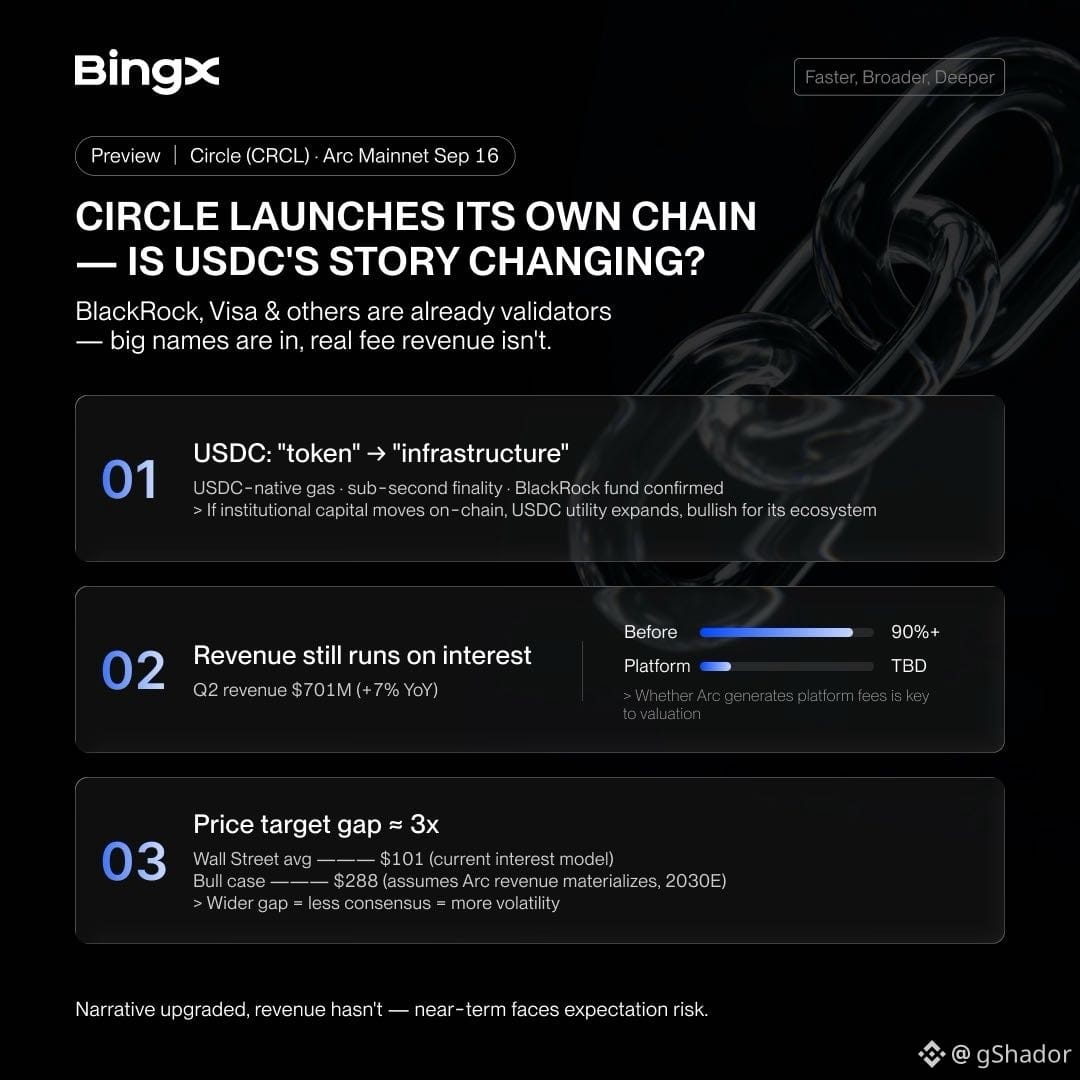
𝐁𝐥𝐚𝐜𝐤𝐑𝐨𝐜𝐤 + 𝐕𝐢𝐬𝐚 + 𝐌𝐚𝐬𝐭𝐞𝐫𝐜𝐚𝐫𝐝… 𝐛𝐮𝐭 𝐰𝐡𝐞𝐫𝐞 𝐢𝐬 𝐂𝐢𝐫𝐜𝐥𝐞’𝐬 𝐦𝐨𝐧𝐞𝐲 𝐜𝐨𝐦𝐢𝐧𝐠 𝐟𝐫𝐨𝐦?
CircleのArcメインネットが本日ローンチされ、機関投資家のラインナップも本気度が高い。
BlackRock、Visa、Mastercard、DTCCは、CircleがUSDCを単なるステーブルコインからさらに押し進め、決済・清算・トークン化された資産の領域へ深めていく中で、創設バリデーターの一部に名を連ねている。
でも、私がずっと立ち返ってしまう数字がある。
95.2%
それは、CircleのQ2の売上のうち、準備金収入が占める割合だった。
つまり、Arcの物語が大きくなってきている一方で、Circleの収益モデルは依然としてUSDCの準備金と金利に大きく結びついている。
だからこそ、ここで$CRCLが気になる。
Arcは、オンチェーンにもっと多くの機関を呼び込むだけでは足りない。最終的には、こうした活動のすべてが、プラットフォームの収益源として意味のあるものになり得ることを証明する必要がある。
なぜなら、「USDCがより使えるようになる」ことと、「Circleがその“使えるようになった”ことからより多く稼ぐ」ことには大きな違いがあるからだ。
私はその部分を注視している。
#BTC #BTC Price Analysis# #USDC #BlackRock $BTC $USDC
𝐁𝐥𝐚𝐜𝐤𝐑𝐨𝐜𝐤 + 𝐕𝐢𝐬𝐚 + 𝐌𝐚𝐬𝐭𝐞𝐫𝐜𝐚𝐫𝐝… 𝐛𝐮𝐭 𝐰𝐡𝐞𝐫𝐞 𝐢𝐬 𝐂𝐢𝐫𝐜𝐥𝐞’𝐬 𝐦𝐨𝐧𝐞𝐲 𝐜𝐨𝐦𝐢𝐧𝐠 𝐟𝐫𝐨𝐦?
CircleのArcメインネットが本日ローンチされ、機関投資家のラインナップも本気度が高い。
BlackRock、Visa、Mastercard、DTCCは、CircleがUSDCを単なるステーブルコインからさらに押し進め、決済・清算・トークン化された資産の領域へ深めていく中で、創設バリデーターの一部に名を連ねている。
でも、私がずっと立ち返ってしまう数字がある。
95.2%
それは、CircleのQ2の売上のうち、準備金収入が占める割合だった。
つまり、Arcの物語が大きくなってきている一方で、Circleの収益モデルは依然としてUSDCの準備金と金利に大きく結びついている。
だからこそ、ここで$CRCLが気になる。
Arcは、オンチェーンにもっと多くの機関を呼び込むだけでは足りない。最終的には、こうした活動のすべてが、プラットフォームの収益源として意味のあるものになり得ることを証明する必要がある。
なぜなら、「USDCがより使えるようになる」ことと、「Circleがその“使えるようになった”ことからより多く稼ぐ」ことには大きな違いがあるからだ。
私はその部分を注視している。
#BTC #BTC Price Analysis# #USDC #BlackRock $BTC $USDC
CircleのArcメインネットが本日ローンチされ、機関投資家のラインナップも本気度が高い。
BlackRock、Visa、Mastercard、DTCCは、CircleがUSDCを単なるステーブルコインからさらに押し進め、決済・清算・トークン化された資産の領域へ深めていく中で、創設バリデーターの一部に名を連ねている。
でも、私がずっと立ち返ってしまう数字がある。
95.2%
それは、CircleのQ2の売上のうち、準備金収入が占める割合だった。
つまり、Arcの物語が大きくなってきている一方で、Circleの収益モデルは依然としてUSDCの準備金と金利に大きく結びついている。
だからこそ、ここで$CRCLが気になる。
Arcは、オンチェーンにもっと多くの機関を呼び込むだけでは足りない。最終的には、こうした活動のすべてが、プラットフォームの収益源として意味のあるものになり得ることを証明する必要がある。
なぜなら、「USDCがより使えるようになる」ことと、「Circleがその“使えるようになった”ことからより多く稼ぐ」ことには大きな違いがあるからだ。
私はその部分を注視している。
#BTC #BTC Price Analysis# #USDC #BlackRock $BTC $USDC
55
·
--
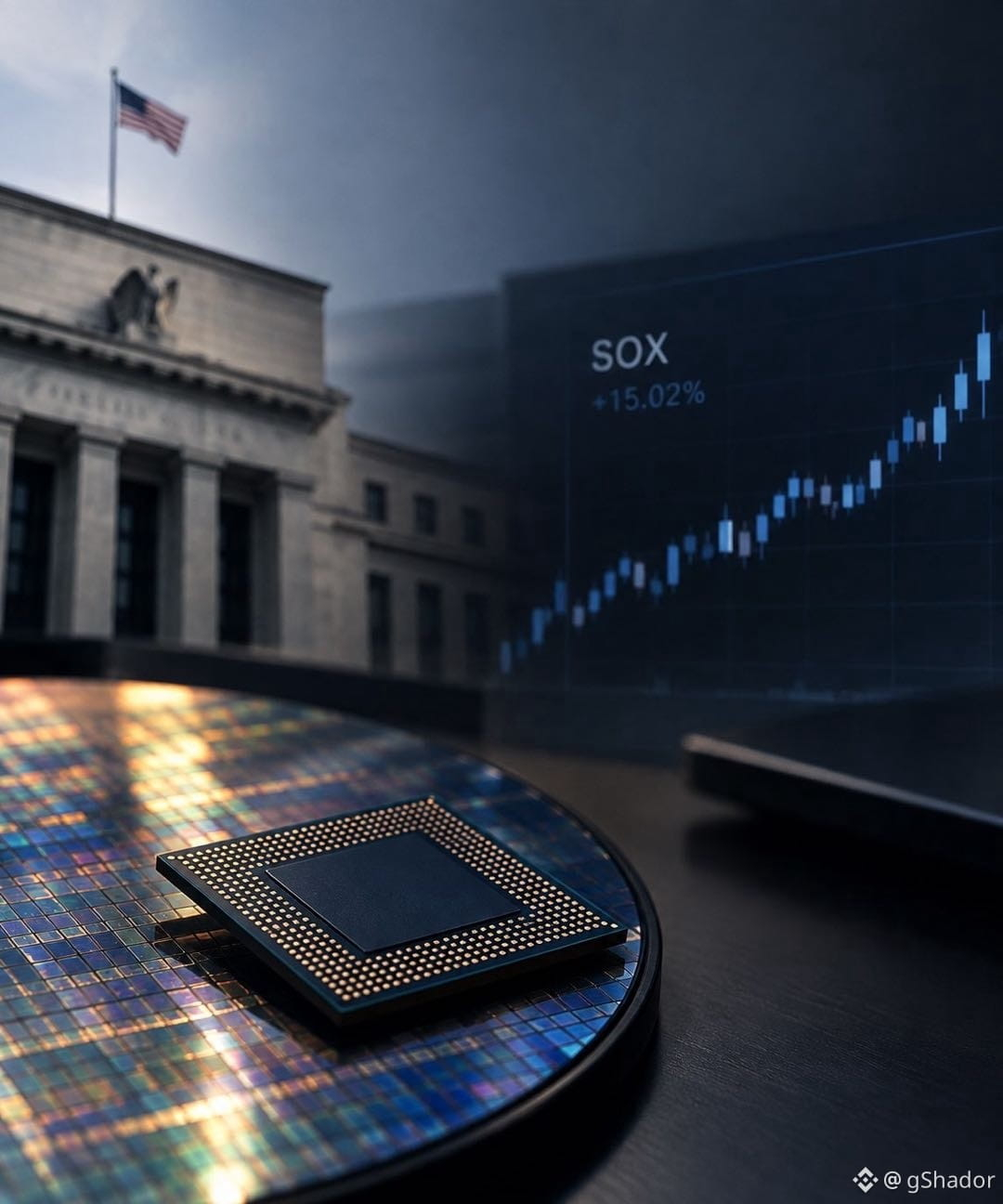
𝐅𝐞𝐝の利上げと利上げの停止時期が見えないままでも、半導体はまだなんとか耐えられる。
逆に聞こえるけど、半導体株にとってより大きな問題は、利上げ1回そのものではないかもしれない。
問題は、引き締めサイクルに明確な終わりがないのではという不安だ。
2022年6月のタカ派的なFOMCでサプライズがあった後、S&P 500はほとんど動かなかったのに、それでもSOX指数はその後の3か月でおよそ15%上昇した。
なぜ? 市場が「利上げのピーク」に向かう道筋をよりはっきり見え始めると、半導体には別の材料で取引できる余地が出てきた。それがファンダメンタルズだ。
そして今、「別の材料」としてかなり大きいのがAIの設備投資(capex)だ。
データセンター、先端チップ、そしてAIインフラは、依然として莫大な支出を押し進めている。だから半導体の話は、次にFRBが何をするかだけではない。
私にとってもっと大きな問いは、市場がついに「金利のピークがどこか」に関して明確さを得るのはいつなのか、ということだ。
それが、BingX TradFi上で半導体のセットアップを確認するときに私が注目しているポイントだ。
#BTC #BTC Price Analysis# #TradFi #FED $BTC $ETH
𝐅𝐞𝐝の利上げと利上げの停止時期が見えないままでも、半導体はまだなんとか耐えられる。
逆に聞こえるけど、半導体株にとってより大きな問題は、利上げ1回そのものではないかもしれない。
問題は、引き締めサイクルに明確な終わりがないのではという不安だ。
2022年6月のタカ派的なFOMCでサプライズがあった後、S&P 500はほとんど動かなかったのに、それでもSOX指数はその後の3か月でおよそ15%上昇した。
なぜ? 市場が「利上げのピーク」に向かう道筋をよりはっきり見え始めると、半導体には別の材料で取引できる余地が出てきた。それがファンダメンタルズだ。
そして今、「別の材料」としてかなり大きいのがAIの設備投資(capex)だ。
データセンター、先端チップ、そしてAIインフラは、依然として莫大な支出を押し進めている。だから半導体の話は、次にFRBが何をするかだけではない。
私にとってもっと大きな問いは、市場がついに「金利のピークがどこか」に関して明確さを得るのはいつなのか、ということだ。
それが、BingX TradFi上で半導体のセットアップを確認するときに私が注目しているポイントだ。
#BTC #BTC Price Analysis# #TradFi #FED $BTC $ETH
逆に聞こえるけど、半導体株にとってより大きな問題は、利上げ1回そのものではないかもしれない。
問題は、引き締めサイクルに明確な終わりがないのではという不安だ。
2022年6月のタカ派的なFOMCでサプライズがあった後、S&P 500はほとんど動かなかったのに、それでもSOX指数はその後の3か月でおよそ15%上昇した。
なぜ? 市場が「利上げのピーク」に向かう道筋をよりはっきり見え始めると、半導体には別の材料で取引できる余地が出てきた。それがファンダメンタルズだ。
そして今、「別の材料」としてかなり大きいのがAIの設備投資(capex)だ。
データセンター、先端チップ、そしてAIインフラは、依然として莫大な支出を押し進めている。だから半導体の話は、次にFRBが何をするかだけではない。
私にとってもっと大きな問いは、市場がついに「金利のピークがどこか」に関して明確さを得るのはいつなのか、ということだ。
それが、BingX TradFi上で半導体のセットアップを確認するときに私が注目しているポイントだ。
#BTC #BTC Price Analysis# #TradFi #FED $BTC $ETH
60
·
--
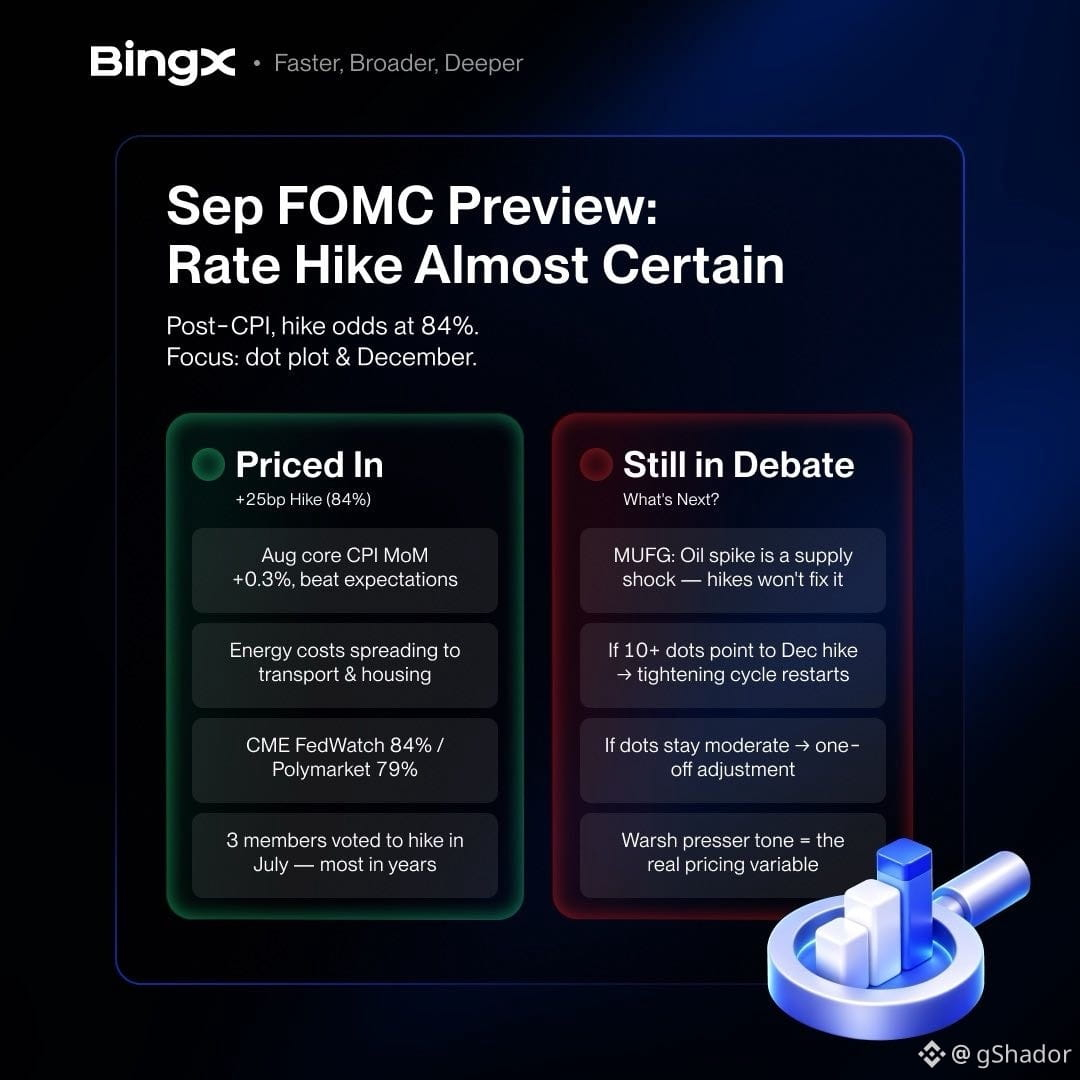
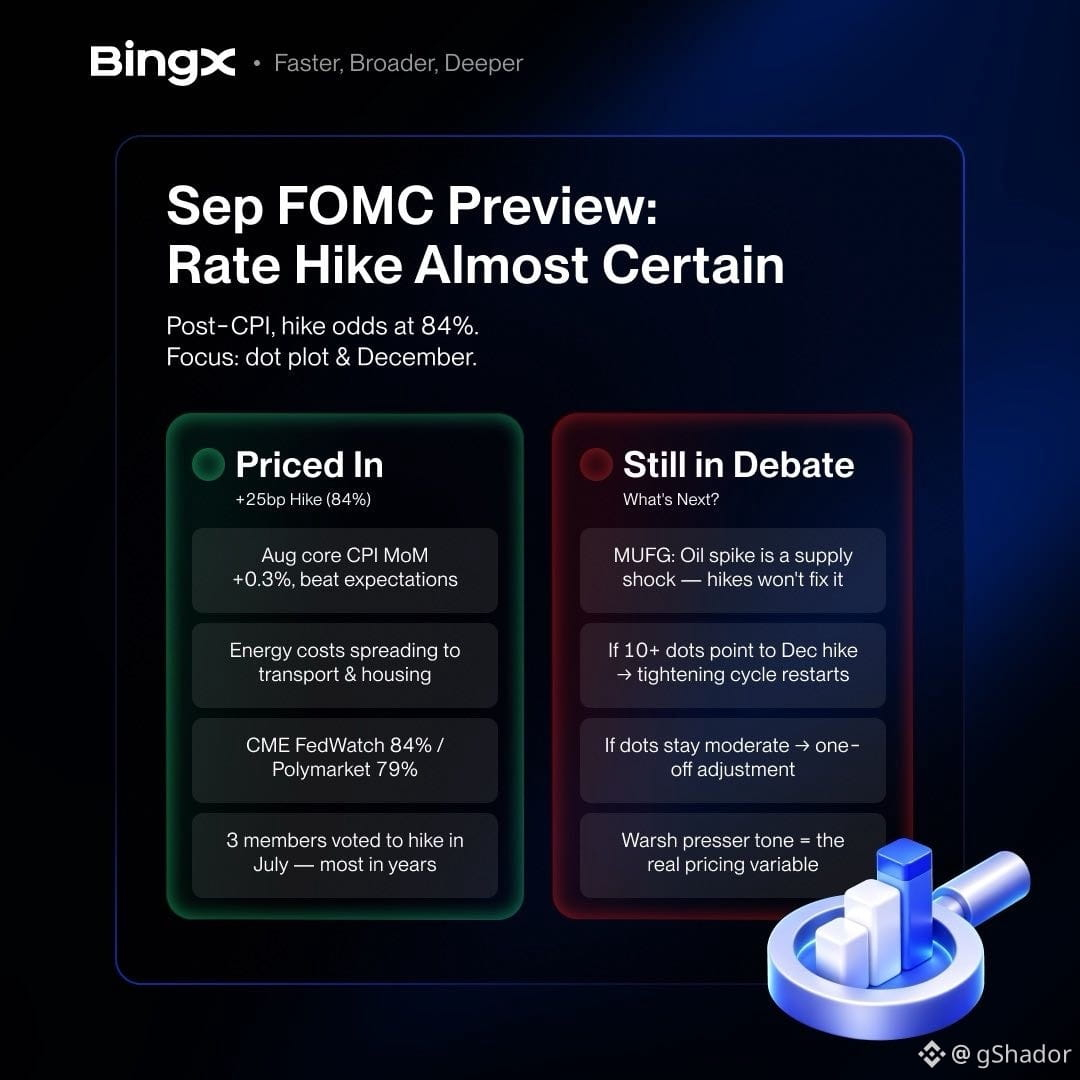
𝐅𝐞𝐝(米連邦準備制度)がすでに私たちに「簡単だよ」と言っている—そんな気がしてならない👀
市場は、9月に25bp(ベーシスポイント)利上げが行われる確率84%を織り込んでいます。
だから実際の金利決定そのものより、私が一番注目しているのはたぶん別の部分。
12月の話です。
大きな論点は、ドットプロットに「もう一段の利上げ」を追加するFRB当局者が何人いるか。
10個以上のドットが次の利上げを示すなら、より控えめな予測のセットとはかなり違うメッセージになり得ます。
それは、ドル、BTC(ビットコイン)、金、そして株式にとっても重要になり得ます。
なので私は「利上げするの?しないの?」とは聞いていません。
聞いているのはこうです:
「次に何が来ると彼らは言っているのか?」
その部分を、BingX上でTradFi(伝統的金融)を横断して見ています。
#BTC #BTC Price Analysis# #TradFi #FED $BTC $ETH
𝐅𝐞𝐝(米連邦準備制度)がすでに私たちに「簡単だよ」と言っている—そんな気がしてならない👀
市場は、9月に25bp(ベーシスポイント)利上げが行われる確率84%を織り込んでいます。
だから実際の金利決定そのものより、私が一番注目しているのはたぶん別の部分。
12月の話です。
大きな論点は、ドットプロットに「もう一段の利上げ」を追加するFRB当局者が何人いるか。
10個以上のドットが次の利上げを示すなら、より控えめな予測のセットとはかなり違うメッセージになり得ます。
それは、ドル、BTC(ビットコイン)、金、そして株式にとっても重要になり得ます。
なので私は「利上げするの?しないの?」とは聞いていません。
聞いているのはこうです:
「次に何が来ると彼らは言っているのか?」
その部分を、BingX上でTradFi(伝統的金融)を横断して見ています。
#BTC #BTC Price Analysis# #TradFi #FED $BTC $ETH
市場は、9月に25bp(ベーシスポイント)利上げが行われる確率84%を織り込んでいます。
だから実際の金利決定そのものより、私が一番注目しているのはたぶん別の部分。
12月の話です。
大きな論点は、ドットプロットに「もう一段の利上げ」を追加するFRB当局者が何人いるか。
10個以上のドットが次の利上げを示すなら、より控えめな予測のセットとはかなり違うメッセージになり得ます。
それは、ドル、BTC(ビットコイン)、金、そして株式にとっても重要になり得ます。
なので私は「利上げするの?しないの?」とは聞いていません。
聞いているのはこうです:
「次に何が来ると彼らは言っているのか?」
その部分を、BingX上でTradFi(伝統的金融)を横断して見ています。
#BTC #BTC Price Analysis# #TradFi #FED $BTC $ETH
·
--
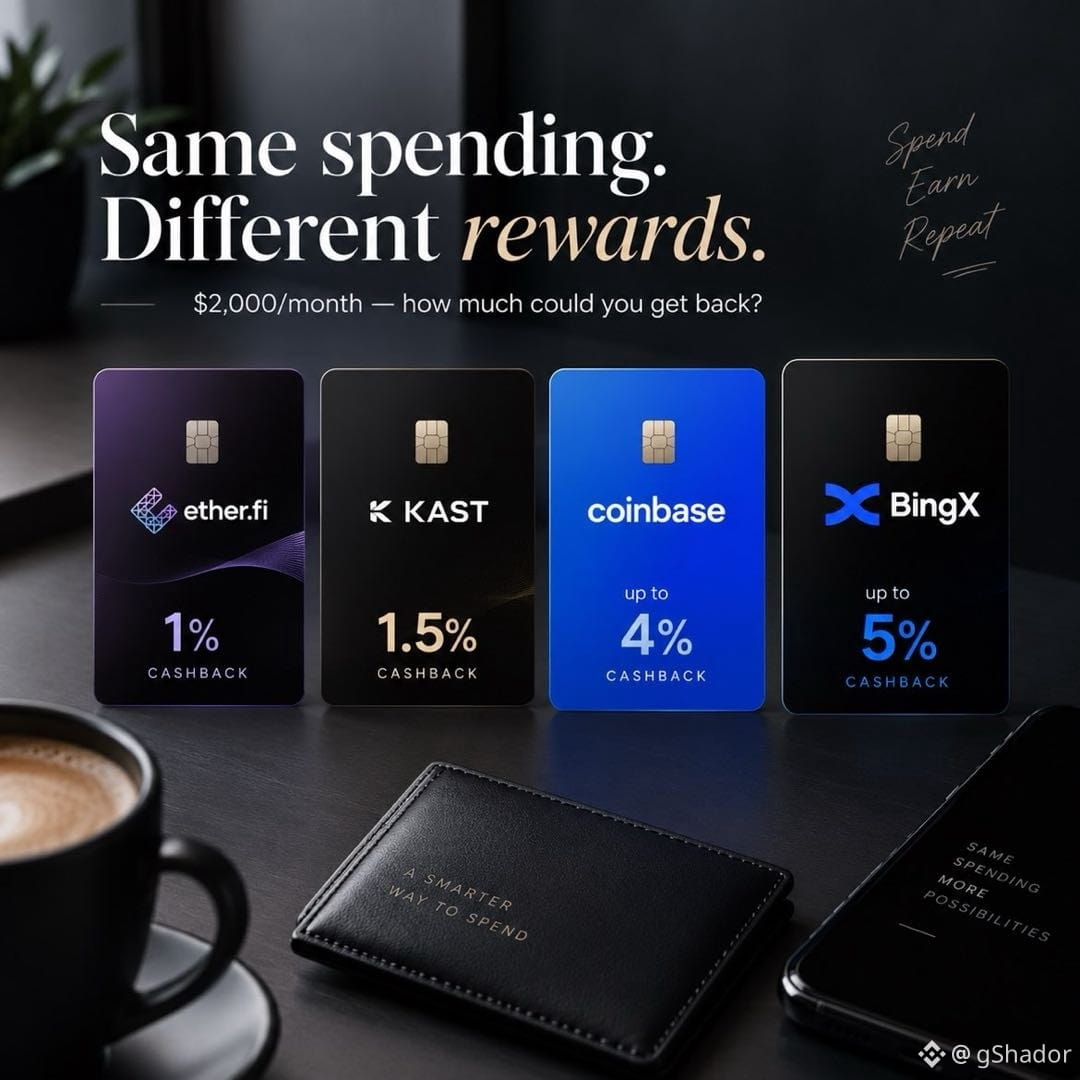
𝐈 𝐭𝐡𝐨𝐮𝐠𝐡𝐭 𝟒% 𝐜𝐚𝐬𝐡𝐛𝐚𝐜𝐤 𝐰𝐚𝐬 𝐚𝐥𝐫𝐞𝐚𝐝𝐲 𝐜𝐫𝐚𝐳𝐲… 𝐭𝐡𝐞𝐧 𝐈 𝐜𝐨𝐦𝐩𝐚𝐫𝐞𝐝 𝐜𝐫𝐲𝐩𝐭𝐨 𝐜𝐚𝐫𝐝𝐬 👀
もし月に2,000ドルをすでに使うつもりなら、キャッシュバック1%と5%の差は月80ドルです。
そこで私は沼にハマって、いくつか比較してみました:
Ether.fi → 1%
KAST → 1.5%
Coinbase → 最大4%
BingX → 最大5%
正直、Coinbaseが一番高いと思っていました。
でもBingXの5%の数字を見て…。
もちろん「最大」はここで重要な働きをしています。ワクワクする前に、対象条件、上限、手数料、利用規約は必ず確認した方がいいです。
とはいえ、見出しのキャッシュバック率だけを見ると、5%は確かに二度見させられました。
そこで気になるのは:
実際、どれくらいのキャッシュバックがあればカードを切り替えたくなるのか?
#BTC #BTC Price Analysis# #Cryptocards #Crypto $BTC $ETH
𝐈 𝐭𝐡𝐨𝐮𝐠𝐡𝐭 𝟒% 𝐜𝐚𝐬𝐡𝐛𝐚𝐜𝐤 𝐰𝐚𝐬 𝐚𝐥𝐫𝐞𝐚𝐝𝐲 𝐜𝐫𝐚𝐳𝐲… 𝐭𝐡𝐞𝐧 𝐈 𝐜𝐨𝐦𝐩𝐚𝐫𝐞𝐝 𝐜𝐫𝐲𝐩𝐭𝐨 𝐜𝐚𝐫𝐝𝐬 👀
もし月に2,000ドルをすでに使うつもりなら、キャッシュバック1%と5%の差は月80ドルです。
そこで私は沼にハマって、いくつか比較してみました:
Ether.fi → 1%
KAST → 1.5%
Coinbase → 最大4%
BingX → 最大5%
正直、Coinbaseが一番高いと思っていました。
でもBingXの5%の数字を見て…。
もちろん「最大」はここで重要な働きをしています。ワクワクする前に、対象条件、上限、手数料、利用規約は必ず確認した方がいいです。
とはいえ、見出しのキャッシュバック率だけを見ると、5%は確かに二度見させられました。
そこで気になるのは:
実際、どれくらいのキャッシュバックがあればカードを切り替えたくなるのか?
#BTC #BTC Price Analysis# #Cryptocards #Crypto $BTC $ETH
もし月に2,000ドルをすでに使うつもりなら、キャッシュバック1%と5%の差は月80ドルです。
そこで私は沼にハマって、いくつか比較してみました:
Ether.fi → 1%
KAST → 1.5%
Coinbase → 最大4%
BingX → 最大5%
正直、Coinbaseが一番高いと思っていました。
でもBingXの5%の数字を見て…。
もちろん「最大」はここで重要な働きをしています。ワクワクする前に、対象条件、上限、手数料、利用規約は必ず確認した方がいいです。
とはいえ、見出しのキャッシュバック率だけを見ると、5%は確かに二度見させられました。
そこで気になるのは:
実際、どれくらいのキャッシュバックがあればカードを切り替えたくなるのか?
#BTC #BTC Price Analysis# #Cryptocards #Crypto $BTC $ETH
·
--
𝐖𝐡𝐢𝐜𝐡 𝐏𝐏𝐈 𝐧𝐮𝐦𝐛𝐞𝐫 𝐝𝐨𝐞𝐬 𝐭𝐡𝐞 𝐦𝐚𝐫𝐤𝐞𝐭 𝐛𝐞𝐥𝐢𝐞𝐯𝐞? 👀
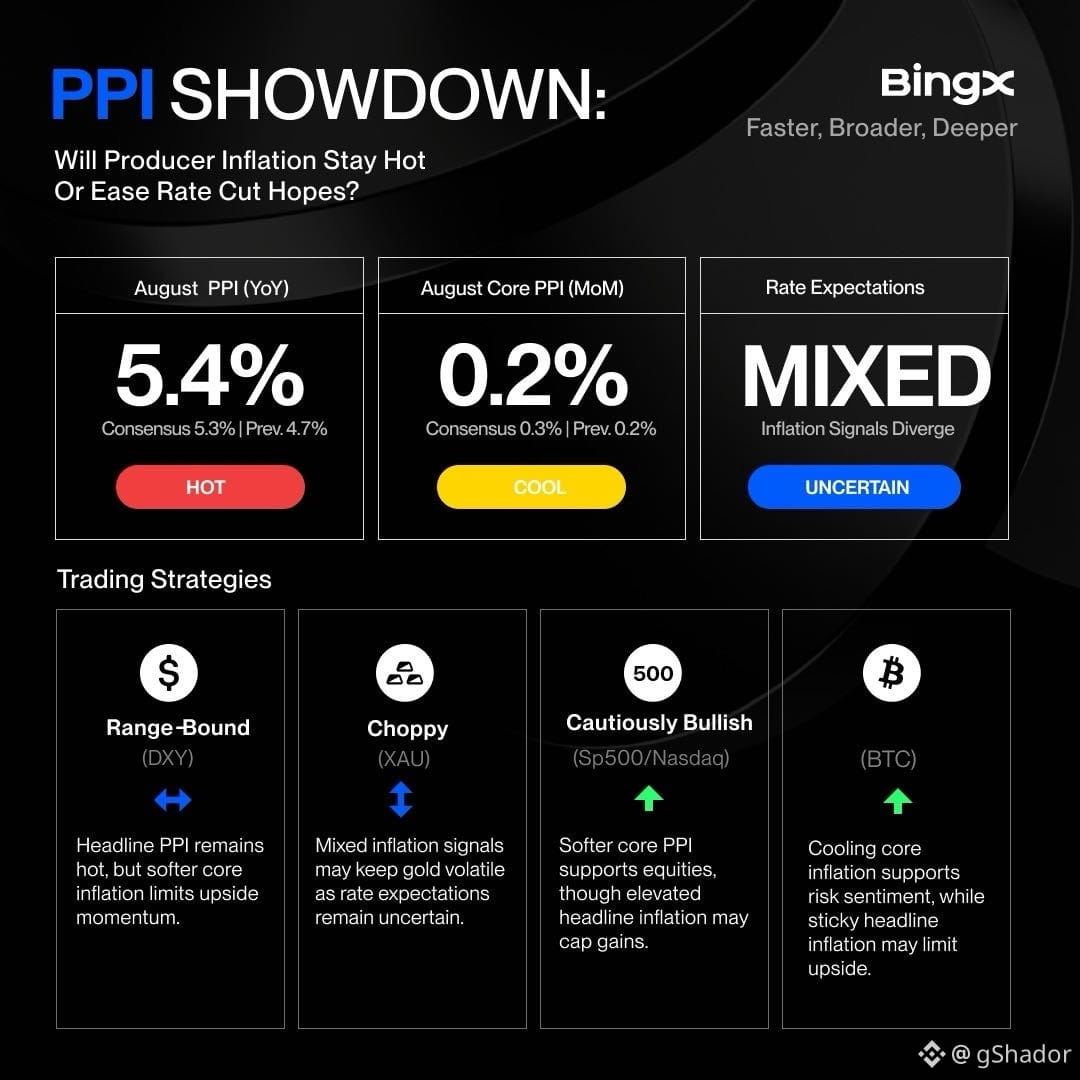
本日のPPIレポートは、基本的に2つの異なる物語を伝えていました。
見出し(Headline): 前年同月比5.4%で、7月の4.8%から上昇。
コア(Core): 前月比0.2%で、予想の0.3%を下回りました。
一方は、インフレはまだ問題だと言っています。
もう一方は、基調となる物価の圧力が冷えつつあるかもしれないと言っています。
そして、8月のエネルギー価格が4.2%跳ね上がったことで、5.4%の見出しは無視しにくいです。
ただし、市場はいつも最大の数字に反応するとは限りません。重要なのは、ときには予想よりも弱く出てきた部分のほうです。
私は今、BingX上でBTCとTradFiの両方を通じて、その点を注視しています。
どちらを選ぶなら:見出し(headline)とコア(core)?
#BTC #BTC Price Analysis# #Macro Insights# #PPI $BTC $ETH
𝐖𝐡𝐢𝐜𝐡 𝐏𝐏𝐈 𝐧𝐮𝐦𝐛𝐞𝐫 𝐝𝐨𝐞𝐬 𝐭𝐡𝐞 𝐦𝐚𝐫𝐤𝐞𝐭 𝐛𝐞𝐥𝐢𝐞𝐯𝐞? 👀
本日のPPIレポートは、基本的に2つの異なる物語を伝えていました。
見出し(Headline): 前年同月比5.4%で、7月の4.8%から上昇。
コア(Core): 前月比0.2%で、予想の0.3%を下回りました。
一方は、インフレはまだ問題だと言っています。
もう一方は、基調となる物価の圧力が冷えつつあるかもしれないと言っています。
そして、8月のエネルギー価格が4.2%跳ね上がったことで、5.4%の見出しは無視しにくいです。
ただし、市場はいつも最大の数字に反応するとは限りません。重要なのは、ときには予想よりも弱く出てきた部分のほうです。
私は今、BingX上でBTCとTradFiの両方を通じて、その点を注視しています。
どちらを選ぶなら:見出し(headline)とコア(core)?
#BTC #BTC Price Analysis# #Macro Insights# #PPI $BTC $ETH
本日のPPIレポートは、基本的に2つの異なる物語を伝えていました。
見出し(Headline): 前年同月比5.4%で、7月の4.8%から上昇。
コア(Core): 前月比0.2%で、予想の0.3%を下回りました。
一方は、インフレはまだ問題だと言っています。
もう一方は、基調となる物価の圧力が冷えつつあるかもしれないと言っています。
そして、8月のエネルギー価格が4.2%跳ね上がったことで、5.4%の見出しは無視しにくいです。
ただし、市場はいつも最大の数字に反応するとは限りません。重要なのは、ときには予想よりも弱く出てきた部分のほうです。
私は今、BingX上でBTCとTradFiの両方を通じて、その点を注視しています。
どちらを選ぶなら:見出し(headline)とコア(core)?
#BTC #BTC Price Analysis# #Macro Insights# #PPI $BTC $ETH
40
·
--
𝐏𝐏𝐈 𝐣𝐮𝐬𝐭 𝐦𝐚𝐝𝐞 𝐭𝐡𝐞 𝐅𝐞𝐝𝐬 𝐣𝐨𝐛 𝐡𝐚𝐫𝐝𝐞𝐫 👀
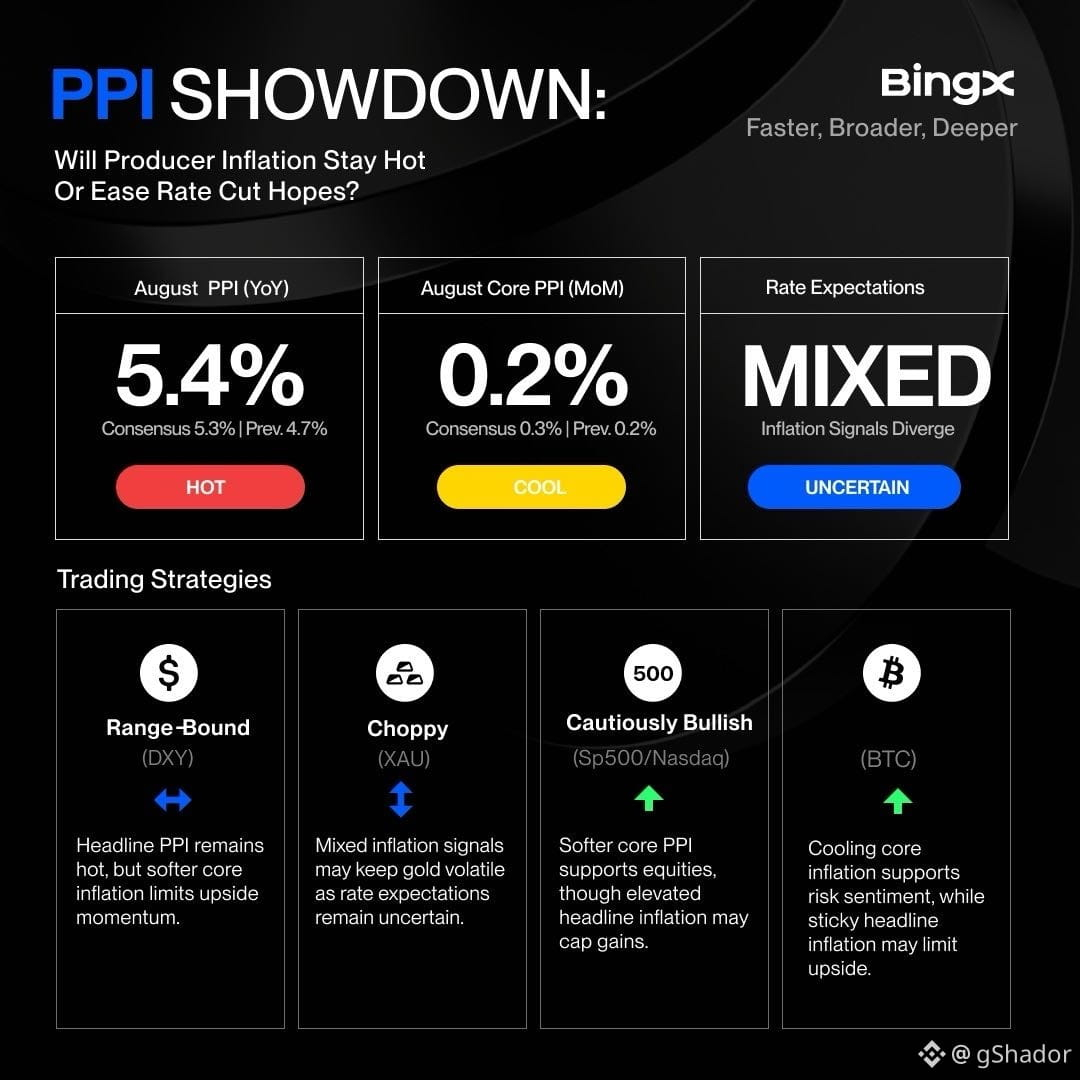
ヘッドラインのPPIは、7月の4.8%から前年比5.4%へと上昇しました。
これでインフレ懸念はなお生きたままです。
一方、コアPPIは前月比0.2%で、予想の0.3%を下回りました。
つまり、同時に“熱いヘッドライン”と“弱めのコア指標”の両方を手に入れた形です。
8月にエネルギー価格が4.2%上昇したことで、5.4%はさらに気がかりに見えますが、よりソフトなコアの数字がトレーダーには材料になります。
では本当の問いは、市場が何に焦点を当てるかです。
トレーダーがヘッドラインをやや見過ごすなら、BTCや株は少し息をつける可能性があります。
もし5.4%が皆が注目する数字になってしまえば、利下げ期待はもう一段打撃を受けるかもしれません。
私はBingX上でのTradFiの反応を見ています。
ここでより重要なのは、5.4%のヘッドラインか、それとも0.2%のコアでしょうか?
#BTC #BTC Price Analysis# #Macro Insights# #TradFi
𝐏𝐏𝐈 𝐣𝐮𝐬𝐭 𝐦𝐚𝐝𝐞 𝐭𝐡𝐞 𝐅𝐞𝐝𝐬 𝐣𝐨𝐛 𝐡𝐚𝐫𝐝𝐞𝐫 👀
ヘッドラインのPPIは、7月の4.8%から前年比5.4%へと上昇しました。
これでインフレ懸念はなお生きたままです。
一方、コアPPIは前月比0.2%で、予想の0.3%を下回りました。
つまり、同時に“熱いヘッドライン”と“弱めのコア指標”の両方を手に入れた形です。
8月にエネルギー価格が4.2%上昇したことで、5.4%はさらに気がかりに見えますが、よりソフトなコアの数字がトレーダーには材料になります。
では本当の問いは、市場が何に焦点を当てるかです。
トレーダーがヘッドラインをやや見過ごすなら、BTCや株は少し息をつける可能性があります。
もし5.4%が皆が注目する数字になってしまえば、利下げ期待はもう一段打撃を受けるかもしれません。
私はBingX上でのTradFiの反応を見ています。
ここでより重要なのは、5.4%のヘッドラインか、それとも0.2%のコアでしょうか?
#BTC #BTC Price Analysis# #Macro Insights# #TradFi
ヘッドラインのPPIは、7月の4.8%から前年比5.4%へと上昇しました。
これでインフレ懸念はなお生きたままです。
一方、コアPPIは前月比0.2%で、予想の0.3%を下回りました。
つまり、同時に“熱いヘッドライン”と“弱めのコア指標”の両方を手に入れた形です。
8月にエネルギー価格が4.2%上昇したことで、5.4%はさらに気がかりに見えますが、よりソフトなコアの数字がトレーダーには材料になります。
では本当の問いは、市場が何に焦点を当てるかです。
トレーダーがヘッドラインをやや見過ごすなら、BTCや株は少し息をつける可能性があります。
もし5.4%が皆が注目する数字になってしまえば、利下げ期待はもう一段打撃を受けるかもしれません。
私はBingX上でのTradFiの反応を見ています。
ここでより重要なのは、5.4%のヘッドラインか、それとも0.2%のコアでしょうか?
#BTC #BTC Price Analysis# #Macro Insights# #TradFi
49
·
--
𝐂𝐏𝐈は「3.4%…なのに、なぜトレーダーは騒ぐの?」👀
一見すると、8月のCPIはかなり退屈に見えます。
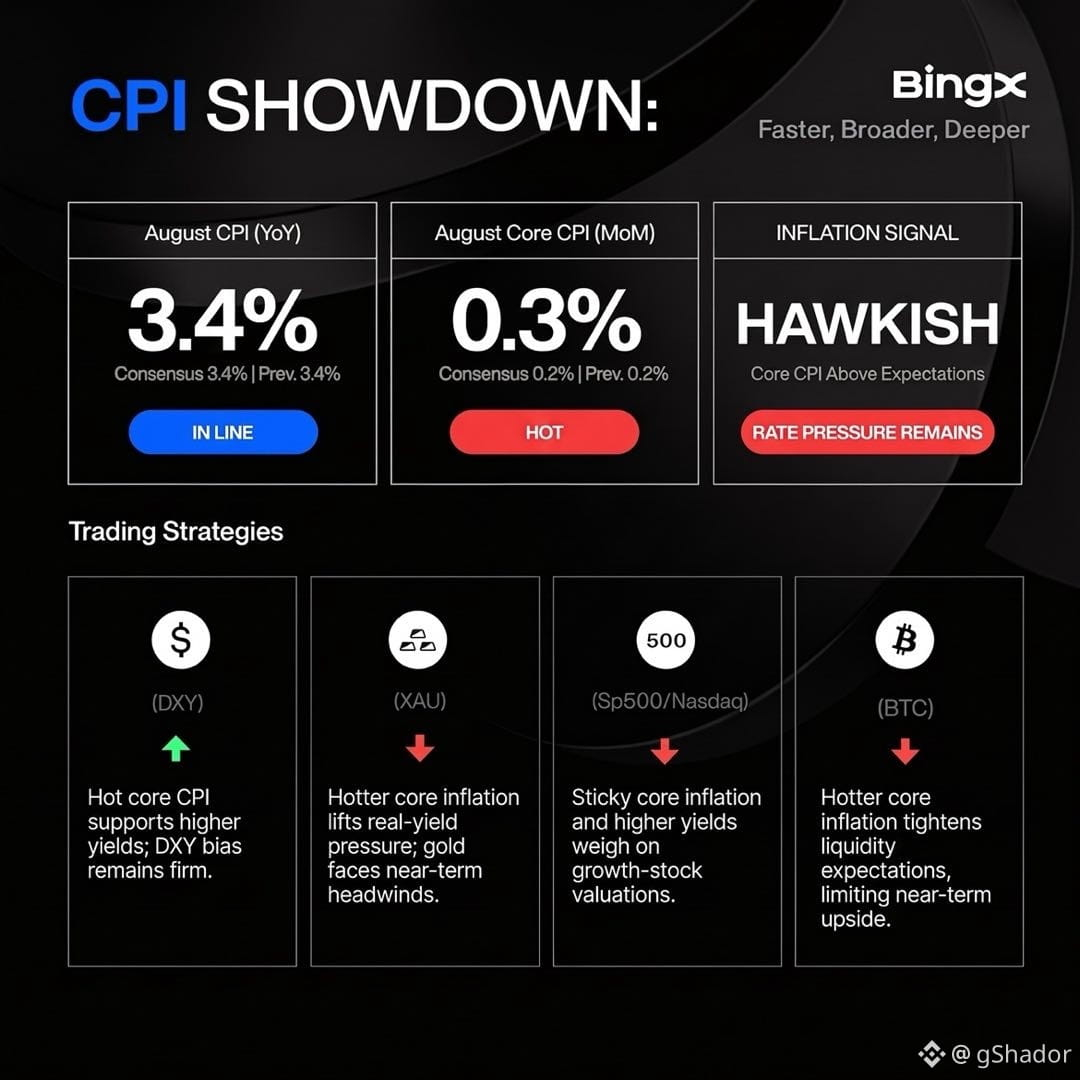
ヘッドラインのインフレ率:前年比3.4% — まさに予想通り。
でもコアCPIを見ると…
前月比0.3%(予想は0.2%)。
このわずかな差は、いまの市場にとっては、誰もが引用しているヘッドラインの数字よりも重要かもしれません。
実際、年間のコアCPIは2.5%から2.4%へ減速しているので、「インフレが戻った」と言い切れる状況でもありません。
より正確には、混合的なサインです:
インフレは冷えているけれど、FRBが完全にリラックスできるほどにはスムーズではない。
そしてそれが、ドル、利回り、BTC、ゴールドを“面白い位置”に置いています。
金利がより高い水準でより長く続くなら、DXYは強さを保ちつつ、BTCやゴールドには圧力がかかる可能性があります。
一方で、市場が「月次のコア指標が、大きなディスインフレの流れを変えるほどではない」と判断すれば、逆の反応を見ることもあり得ます。
僕がBingX TradFiで注目しているのは、CPIの数字そのものだけじゃなくて、トレーダーがそれを“実際に何を意味するのか”どう捉えるか、という部分です。
𝐂𝐏𝐈の最初の判断材料は?:𝐁𝐓𝐂、ゴールド、𝐃𝐗𝐘のどれ?👀
#BTC Price Analysis# #BTC #TradFi #Gold $BTC $ETH
𝐂𝐏𝐈は「3.4%…なのに、なぜトレーダーは騒ぐの?」👀
一見すると、8月のCPIはかなり退屈に見えます。
ヘッドラインのインフレ率:前年比3.4% — まさに予想通り。
でもコアCPIを見ると…
前月比0.3%(予想は0.2%)。
このわずかな差は、いまの市場にとっては、誰もが引用しているヘッドラインの数字よりも重要かもしれません。
実際、年間のコアCPIは2.5%から2.4%へ減速しているので、「インフレが戻った」と言い切れる状況でもありません。
より正確には、混合的なサインです:
インフレは冷えているけれど、FRBが完全にリラックスできるほどにはスムーズではない。
そしてそれが、ドル、利回り、BTC、ゴールドを“面白い位置”に置いています。
金利がより高い水準でより長く続くなら、DXYは強さを保ちつつ、BTCやゴールドには圧力がかかる可能性があります。
一方で、市場が「月次のコア指標が、大きなディスインフレの流れを変えるほどではない」と判断すれば、逆の反応を見ることもあり得ます。
僕がBingX TradFiで注目しているのは、CPIの数字そのものだけじゃなくて、トレーダーがそれを“実際に何を意味するのか”どう捉えるか、という部分です。
𝐂𝐏𝐈の最初の判断材料は?:𝐁𝐓𝐂、ゴールド、𝐃𝐗𝐘のどれ?👀
#BTC Price Analysis# #BTC #TradFi #Gold $BTC $ETH
一見すると、8月のCPIはかなり退屈に見えます。
ヘッドラインのインフレ率:前年比3.4% — まさに予想通り。
でもコアCPIを見ると…
前月比0.3%(予想は0.2%)。
このわずかな差は、いまの市場にとっては、誰もが引用しているヘッドラインの数字よりも重要かもしれません。
実際、年間のコアCPIは2.5%から2.4%へ減速しているので、「インフレが戻った」と言い切れる状況でもありません。
より正確には、混合的なサインです:
インフレは冷えているけれど、FRBが完全にリラックスできるほどにはスムーズではない。
そしてそれが、ドル、利回り、BTC、ゴールドを“面白い位置”に置いています。
金利がより高い水準でより長く続くなら、DXYは強さを保ちつつ、BTCやゴールドには圧力がかかる可能性があります。
一方で、市場が「月次のコア指標が、大きなディスインフレの流れを変えるほどではない」と判断すれば、逆の反応を見ることもあり得ます。
僕がBingX TradFiで注目しているのは、CPIの数字そのものだけじゃなくて、トレーダーがそれを“実際に何を意味するのか”どう捉えるか、という部分です。
𝐂𝐏𝐈の最初の判断材料は?:𝐁𝐓𝐂、ゴールド、𝐃𝐗𝐘のどれ?👀
#BTC Price Analysis# #BTC #TradFi #Gold $BTC $ETH
·
--
𝐁𝐓𝐂 は下落中です。なぜまだチャートを見つめ続けているのですか?😂
また暗号資産が引き戻されています。次に何が起きるかはもう分かってます…
みんな BTC の反発を待ち始めます。
でも、もしあなたがただ…別の場所を見るだけだとしたら?
株が動いています。
指数が動いています。
FX も動いています。
暗号資産がまったく動かない間でも、金は動けます。
それが、僕が自分のトレードで変えたことです。もう BTC の反応を待つ必要はないと感じています。
BingX で別のマーケットを確認して、暗号資産がまた動き出したら、すぐそこに戻れます。
今も暗号資産は大好き。ただ、動きのないチャートを一日中凝視するほどではないです。😂
正直に言うと:もし今後30日間 BTC が退屈なままだったら、あなたは注目をどこに向けますか?
これは勢いが出やすいです。冒頭でトレーダーが認識している行動を指摘し、最後で答えやすい選択肢を提示しているからです。さらに、BingX の言及を自然な1回に抑えているので、投稿がプラットフォーム中心に作られた感じになりません。
#BTC #BTC Price Analysis# #Bitcoin Price Prediction: What is Bitcoins next move?# #crypto $BTC $ETH
𝐁𝐓𝐂 は下落中です。なぜまだチャートを見つめ続けているのですか?😂
また暗号資産が引き戻されています。次に何が起きるかはもう分かってます…
みんな BTC の反発を待ち始めます。
でも、もしあなたがただ…別の場所を見るだけだとしたら?
株が動いています。
指数が動いています。
FX も動いています。
暗号資産がまったく動かない間でも、金は動けます。
それが、僕が自分のトレードで変えたことです。もう BTC の反応を待つ必要はないと感じています。
BingX で別のマーケットを確認して、暗号資産がまた動き出したら、すぐそこに戻れます。
今も暗号資産は大好き。ただ、動きのないチャートを一日中凝視するほどではないです。😂
正直に言うと:もし今後30日間 BTC が退屈なままだったら、あなたは注目をどこに向けますか?
これは勢いが出やすいです。冒頭でトレーダーが認識している行動を指摘し、最後で答えやすい選択肢を提示しているからです。さらに、BingX の言及を自然な1回に抑えているので、投稿がプラットフォーム中心に作られた感じになりません。
#BTC #BTC Price Analysis# #Bitcoin Price Prediction: What is Bitcoins next move?# #crypto $BTC $ETH
また暗号資産が引き戻されています。次に何が起きるかはもう分かってます…
みんな BTC の反発を待ち始めます。
でも、もしあなたがただ…別の場所を見るだけだとしたら?
株が動いています。
指数が動いています。
FX も動いています。
暗号資産がまったく動かない間でも、金は動けます。
それが、僕が自分のトレードで変えたことです。もう BTC の反応を待つ必要はないと感じています。
BingX で別のマーケットを確認して、暗号資産がまた動き出したら、すぐそこに戻れます。
今も暗号資産は大好き。ただ、動きのないチャートを一日中凝視するほどではないです。😂
正直に言うと:もし今後30日間 BTC が退屈なままだったら、あなたは注目をどこに向けますか?
これは勢いが出やすいです。冒頭でトレーダーが認識している行動を指摘し、最後で答えやすい選択肢を提示しているからです。さらに、BingX の言及を自然な1回に抑えているので、投稿がプラットフォーム中心に作られた感じになりません。
#BTC #BTC Price Analysis# #Bitcoin Price Prediction: What is Bitcoins next move?# #crypto $BTC $ETH
62
ログインして、さらにコンテンツを読む
厳選トピックで世界の暗号資産トレーダーの仲間入り
⚡️ 暗号資産に関する最新かつ有益な情報が見つかります。
💬 世界最大の暗号資産取引所から信頼されています。
👍 認証を受けたクリエイターから、有益なインサイトを得られます。
メール / 電話番号
トレンドトピック
ZcashETFPostsFirstWeeklyOutflow$93.6M
閲覧回数 40,370
131人が討論中
#ZcashETFPostsFirstWeeklyOutflow$93.6M
🚨🚨🚨🚨🚨🚨🚨🚨🚨🚨🚨🚨🚨🚨✅ 🚨 ZCASH ETFの資金フローが初めてマイナスに転じる!📉
$ZEC は、機関投資家の資金フローに大きな変化が起きているようで、Zcashの投資商品は8月のローンチ以来初めてとなる週次のネット・アウトフローを記録しました。
ファンドフローのデータによると、直近の週は約$93.6MがZcash商品から引き出され、同時にZECの値動きも大きく冷え込みました。
📊 何が起きた?
• 週次のZcash ETFのアウトフロー:$93.6M
• 9月30日のデイリー・アウトフロー:$30.25M
• ZCSHはこれまで1週間で約$98.2Mを集めていた
• ZECは約$1,300で取引中
• 最近の高値:約$1,690
• 週次の下落:およそ17%超
🔍 注目すべき水準
🟢 サポート:$1,280〜$1,300
🔴 レジスタンス:$1,450〜$1,500
重要なポイントは、$1,300のあたりが維持されて、新たな買い手を引きつけられるかどうかです。
機関投資家のフローも同様に重要です。安定したプラスの流入が戻れば、信頼の再燃を示唆する一方、アウトフローが続けば$ZEC への圧力が続く可能性があります。
👀 これはZECの大幅な上昇(急騰)の後の単なる利益確定なのか、それとも買い手が戻ってくる前に、さらに深い押しが見られるのでしょうか?
下にあなたの見解をシェアしてください。👇
#Zcash #ZEC #ZcashETF #Crypto
#analysis
owhggwiohsjowve
·いいね:0件
·閲覧回数 184
GreekPoliceBustCryptoScamRingArrest17
閲覧回数 97,270
782人が討論中
BitcoinRejectedAt$87K
閲覧回数 132,301
190人が討論中