
Mrearningpk Official
164 投稿

Mrearningpk Official
報告
ユーザーをブロック
Welcome
超高頻度トレーダー
1.2年
95 フォロー
272 フォロワー
469 いいね
投稿
すべて
引用
動画
翻訳参照
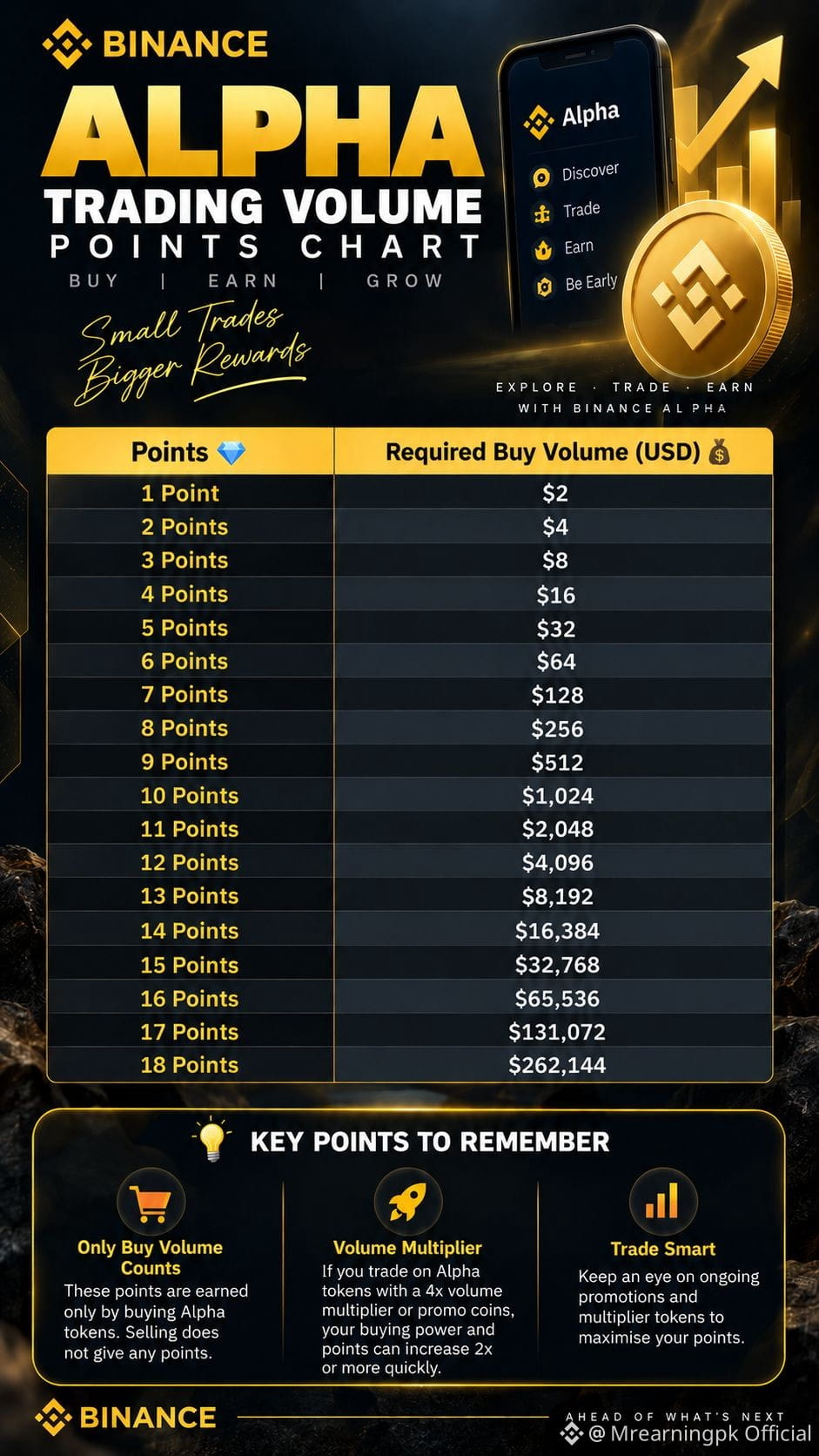
🔥 Binance Alpha Trading Volume Points Chart 💎
Want to know how much Buy Volume you need for each Alpha Point? 👀
📊 1 Point → $2
📊 2 Points → $4
📊 3 Points → $8
📊 4 Points → $16
📊 5 Points → $32
📊 6 Points → $64
📊 7 Points → $128
📊 8 Points → $256
📊 9 Points → $512
📊 10 Points → $1,024
📈 11 Points → $2,048
📈 12 Points → $4,096
📈 13 Points → $8,192
📈 14 Points → $16,384
📈 15 Points → $32,768
📈 16 Points → $65,536
📈 17 Points → $131,072
📈 18 Points → $262,144
⚠️ Important:
Only BUY volume counts for these points. Selling does not give points.
💡 If an Alpha token has a volume multiplier, your buying power can increase and help you earn points faster.
📸 Full chart attached above.
How many Alpha Points are you currently targeting? 👇
🔥 Binance Alpha Trading Volume Points Chart 💎
Want to know how much Buy Volume you need for each Alpha Point? 👀
📊 1 Point → $2
📊 2 Points → $4
📊 3 Points → $8
📊 4 Points → $16
📊 5 Points → $32
📊 6 Points → $64
📊 7 Points → $128
📊 8 Points → $256
📊 9 Points → $512
📊 10 Points → $1,024
📈 11 Points → $2,048
📈 12 Points → $4,096
📈 13 Points → $8,192
📈 14 Points → $16,384
📈 15 Points → $32,768
📈 16 Points → $65,536
📈 17 Points → $131,072
📈 18 Points → $262,144
⚠️ Important:
Only BUY volume counts for these points. Selling does not give points.
💡 If an Alpha token has a volume multiplier, your buying power can increase and help you earn points faster.
📸 Full chart attached above.
How many Alpha Points are you currently targeting? 👇
Want to know how much Buy Volume you need for each Alpha Point? 👀
📊 1 Point → $2
📊 2 Points → $4
📊 3 Points → $8
📊 4 Points → $16
📊 5 Points → $32
📊 6 Points → $64
📊 7 Points → $128
📊 8 Points → $256
📊 9 Points → $512
📊 10 Points → $1,024
📈 11 Points → $2,048
📈 12 Points → $4,096
📈 13 Points → $8,192
📈 14 Points → $16,384
📈 15 Points → $32,768
📈 16 Points → $65,536
📈 17 Points → $131,072
📈 18 Points → $262,144
⚠️ Important:
Only BUY volume counts for these points. Selling does not give points.
💡 If an Alpha token has a volume multiplier, your buying power can increase and help you earn points faster.
📸 Full chart attached above.
How many Alpha Points are you currently targeting? 👇
2
71
翻訳参照
🚨 Binance Alpha New Campaign Today | Get 5 Alpha Points FREE on Event Meme Wallet 🎁
Binance has launched a new Alpha campaign for both new and existing users. 👀
📅 Campaign: 3 Sep – 9 Sep 2026
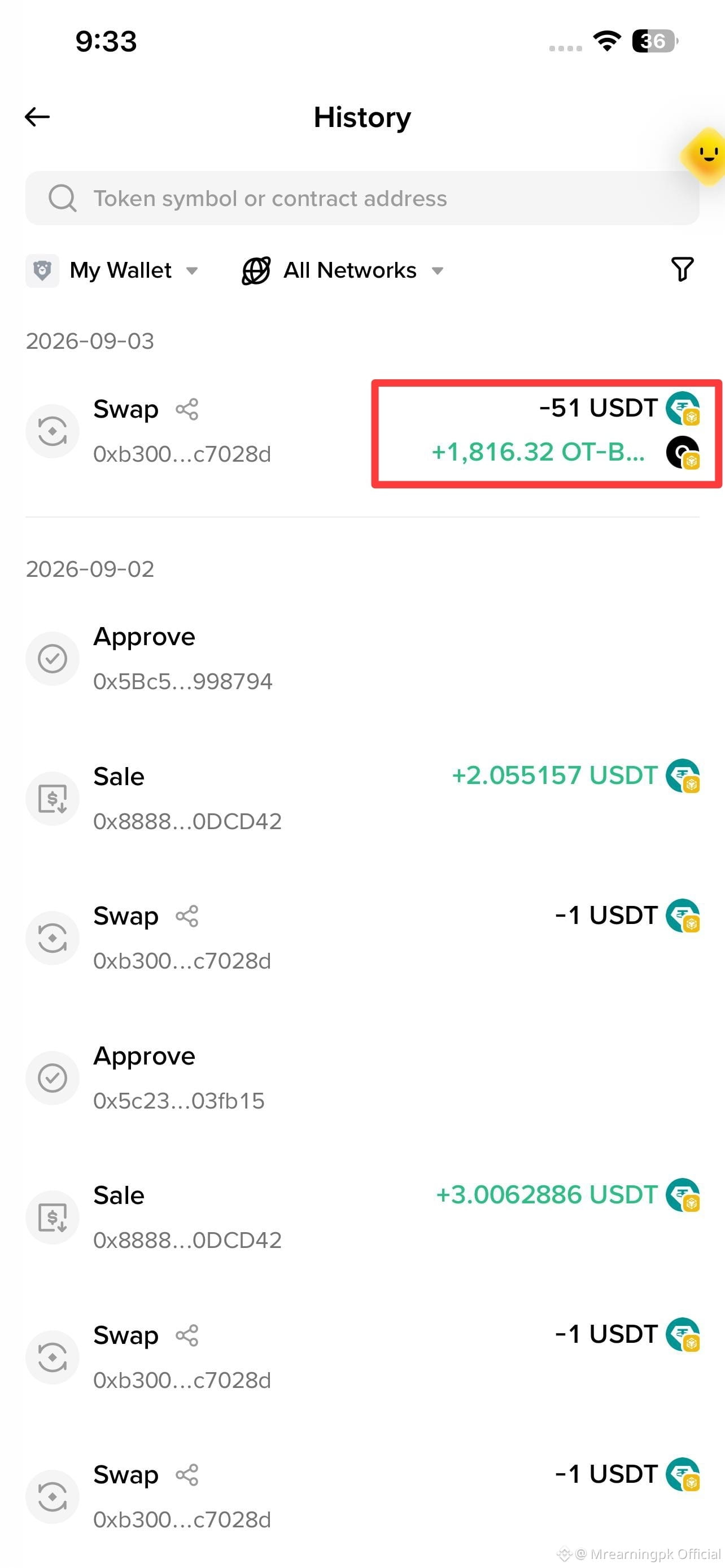
I personally tested the complete process with a $51 USDT transaction, and here’s what I found. 👇
To get the 5 extra Alpha Points:
✅ You must have at least 1 Alpha Point before trading
✅ Make a single trade of at least $50
✅ Complete the trade during the campaign period
✅ 5 Alpha Points will be credited the next day
⚠️ VERY IMPORTANT:
The $50 trade must be done in ONE transaction.
$10 + $10 + $10 + $20 will NOT count. ❌
📌 This task can only be completed once during the campaign.
Now here’s my actual result:
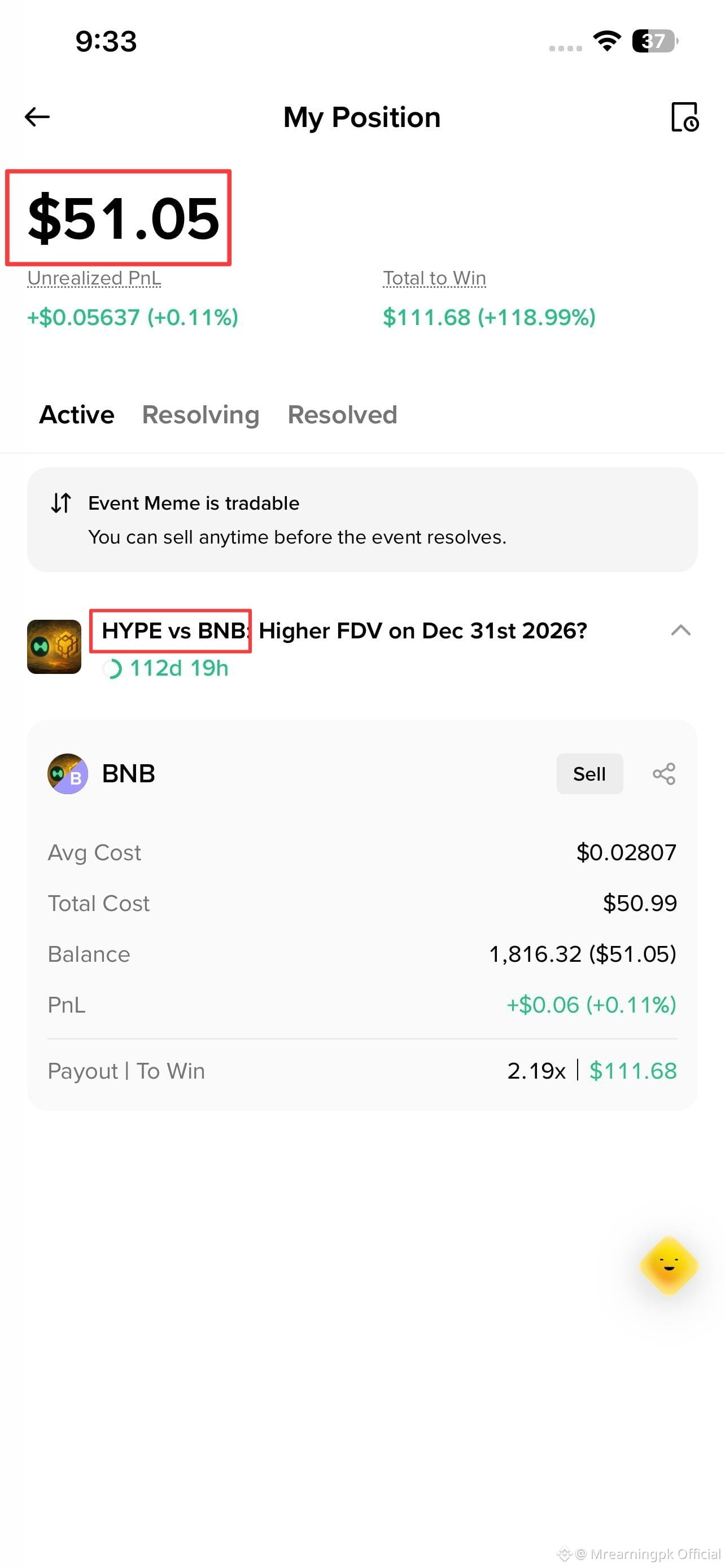
💰 I bought the position with $51 USDT
📊 Total Cost — $50.99
🪙 Position — 1,816.32 BNB
💵 Current Value — $51.05
I did NOT sell the position immediately.
Why?
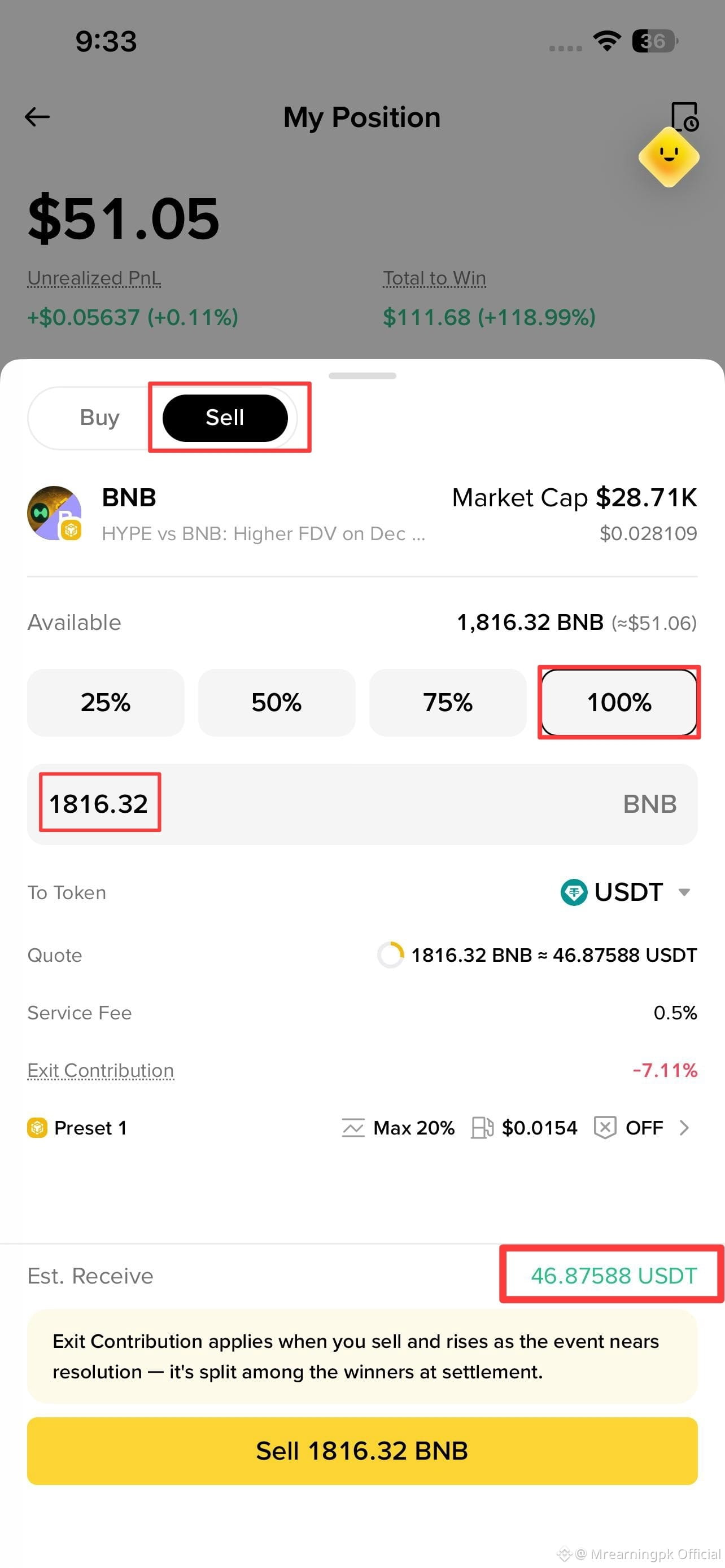
Because when I checked the sell screen, the deduction was quite high. ⚠️
💵 Estimated Receive — $46.87588 USDT
💸 Service Fee — 0.5%
📉 Exit Contribution — -7.11%
So even though my position was around $51.05, the estimated amount I would receive after selling was only $46.87588.
That’s why I decided to hold instead of selling immediately.
⚠️ My point is simple:
Before you trade just to complete this task, make sure you understand the requirements, trading costs and the amount you may actually receive when selling.
I tested it myself so you can see the actual result before deciding whether you want to participate.
🎁 Reward — 5 Extra Alpha Points
📌 Minimum Alpha Points Before Trade — 1
💰 Minimum Trade — $50 in ONE transaction
⏰ Points — Credited the next day
❌ 0 Alpha Points = No reward
❌ Multiple small trades = Won’t count
This is my personal experience after testing the task myself. Do your own calculation and understand the costs before trading. ⚠️
👀 Are you going to complete this Binance Alpha task? Let me know your thoughts below. 👇
🚨 Binance Alpha New Campaign Today | Get 5 Alpha Points FREE on Event Meme Wallet 🎁
Binance has launched a new Alpha campaign for both new and existing users. 👀
📅 Campaign: 3 Sep – 9 Sep 2026
I personally tested the complete process with a $51 USDT transaction, and here’s what I found. 👇
To get the 5 extra Alpha Points:
✅ You must have at least 1 Alpha Point before trading
✅ Make a single trade of at least $50
✅ Complete the trade during the campaign period
✅ 5 Alpha Points will be credited the next day
⚠️ VERY IMPORTANT:
The $50 trade must be done in ONE transaction.
$10 + $10 + $10 + $20 will NOT count. ❌
📌 This task can only be completed once during the campaign.
Now here’s my actual result:
💰 I bought the position with $51 USDT
📊 Total Cost — $50.99
🪙 Position — 1,816.32 BNB
💵 Current Value — $51.05
I did NOT sell the position immediately.
Why?
Because when I checked the sell screen, the deduction was quite high. ⚠️
💵 Estimated Receive — $46.87588 USDT
💸 Service Fee — 0.5%
📉 Exit Contribution — -7.11%
So even though my position was around $51.05, the estimated amount I would receive after selling was only $46.87588.
That’s why I decided to hold instead of selling immediately.
⚠️ My point is simple:
Before you trade just to complete this task, make sure you understand the requirements, trading costs and the amount you may actually receive when selling.
I tested it myself so you can see the actual result before deciding whether you want to participate.
🎁 Reward — 5 Extra Alpha Points
📌 Minimum Alpha Points Before Trade — 1
💰 Minimum Trade — $50 in ONE transaction
⏰ Points — Credited the next day
❌ 0 Alpha Points = No reward
❌ Multiple small trades = Won’t count
This is my personal experience after testing the task myself. Do your own calculation and understand the costs before trading. ⚠️
👀 Are you going to complete this Binance Alpha task? Let me know your thoughts below. 👇
Binance has launched a new Alpha campaign for both new and existing users. 👀
📅 Campaign: 3 Sep – 9 Sep 2026
I personally tested the complete process with a $51 USDT transaction, and here’s what I found. 👇
To get the 5 extra Alpha Points:
✅ You must have at least 1 Alpha Point before trading
✅ Make a single trade of at least $50
✅ Complete the trade during the campaign period
✅ 5 Alpha Points will be credited the next day
⚠️ VERY IMPORTANT:
The $50 trade must be done in ONE transaction.
$10 + $10 + $10 + $20 will NOT count. ❌
📌 This task can only be completed once during the campaign.
Now here’s my actual result:
💰 I bought the position with $51 USDT
📊 Total Cost — $50.99
🪙 Position — 1,816.32 BNB
💵 Current Value — $51.05
I did NOT sell the position immediately.
Why?
Because when I checked the sell screen, the deduction was quite high. ⚠️
💵 Estimated Receive — $46.87588 USDT
💸 Service Fee — 0.5%
📉 Exit Contribution — -7.11%
So even though my position was around $51.05, the estimated amount I would receive after selling was only $46.87588.
That’s why I decided to hold instead of selling immediately.
⚠️ My point is simple:
Before you trade just to complete this task, make sure you understand the requirements, trading costs and the amount you may actually receive when selling.
I tested it myself so you can see the actual result before deciding whether you want to participate.
🎁 Reward — 5 Extra Alpha Points
📌 Minimum Alpha Points Before Trade — 1
💰 Minimum Trade — $50 in ONE transaction
⏰ Points — Credited the next day
❌ 0 Alpha Points = No reward
❌ Multiple small trades = Won’t count
This is my personal experience after testing the task myself. Do your own calculation and understand the costs before trading. ⚠️
👀 Are you going to complete this Binance Alpha task? Let me know your thoughts below. 👇
1
203
翻訳参照
📍 #BITCOIN
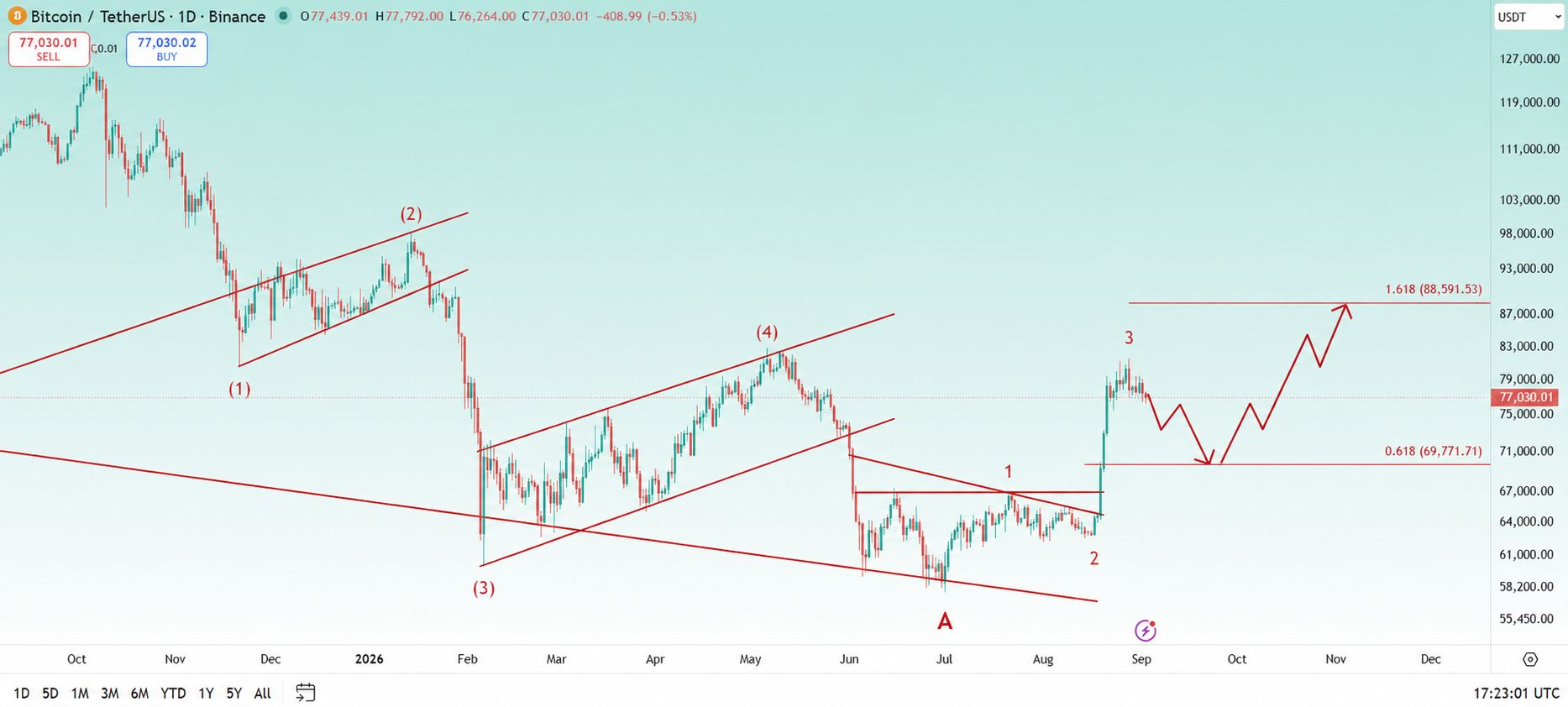
👉 In my view, Bitcoin is currently moving through a five-wave cycle.
I believe Wave 3 was completed around the $81K high, and $BTC is now going through a Wave 4 correction. 📉
For now, I expect this correction to continue toward the $70K area before the next major move.
If the structure plays out as expected, I’m looking for an upward impulse wave toward the $88K level. 📈🔥
Key levels I’m watching:
🔴 $81K — Wave 3 high
📉 ~$70K — Expected Wave 4 target
🚀 ~$88K — Potential next impulse target
This is just my current market view, not financial advice. Always do your own research before making any trade. ⚠️
📍 #BITCOIN
👉 In my view, Bitcoin is currently moving through a five-wave cycle.
I believe Wave 3 was completed around the $81K high, and $BTC is now going through a Wave 4 correction. 📉
For now, I expect this correction to continue toward the $70K area before the next major move.
If the structure plays out as expected, I’m looking for an upward impulse wave toward the $88K level. 📈🔥
Key levels I’m watching:
🔴 $81K — Wave 3 high
📉 ~$70K — Expected Wave 4 target
🚀 ~$88K — Potential next impulse target
This is just my current market view, not financial advice. Always do your own research before making any trade. ⚠️
👉 In my view, Bitcoin is currently moving through a five-wave cycle.
I believe Wave 3 was completed around the $81K high, and $BTC is now going through a Wave 4 correction. 📉
For now, I expect this correction to continue toward the $70K area before the next major move.
If the structure plays out as expected, I’m looking for an upward impulse wave toward the $88K level. 📈🔥
Key levels I’m watching:
🔴 $81K — Wave 3 high
📉 ~$70K — Expected Wave 4 target
🚀 ~$88K — Potential next impulse target
This is just my current market view, not financial advice. Always do your own research before making any trade. ⚠️
1
60
⚠️ $BTC はここで非常に弱い動きになっています。BTCは再び$79K〜$79.2Kのレジスタンス帯から拒否されており、売り手がゆっくりと主導権を取り始めています。📉
より短い時間足では、下落する高値(ローワーハイ)のパターンも見られており、これは買い手の勢いが失われているもう一つのサインです。👀
歴史的に、9月は$BTCにとって弱い月になることが多いので、ここは間違いなく注意して見ておくべきポイントです。
現時点では、$BTC はまだこのレンジ(もみ合い)フェーズの中で動いています。
しかし、このレンジが下方向にブレイクすれば、動きは素早くなる可能性があります。🚨
$60K付近までのより深い調整が起こることも考えられます。特に、最近の上昇(ポンプ)が始まったあたりがちょうどそこだからです。
今は次を監視しています:
🔴 $79K〜$79.2K — 重要なレジスタンス
📉 下落する高値 — 短期足での弱さ
コンソリデーションの崩れ — 重要なトリガー
🎯 $60K — 注目すべき大きな下方向のエリア
市場で確実なものは何もありません。ですが、売り手が主導権をさらに得ていくなら、下方向への動きは一段と強まる可能性があります。👀📉
あなたはどう思いますか?
🔥 $BTC は下にブレイクするでしょうか?それとも買い手が入り、$79Kを奪還するでしょうか?
下のコメントであなたの見解を教えてください。👇
⚠️ $BTC はここで非常に弱い動きになっています。BTCは再び$79K〜$79.2Kのレジスタンス帯から拒否されており、売り手がゆっくりと主導権を取り始めています。📉
より短い時間足では、下落する高値(ローワーハイ)のパターンも見られており、これは買い手の勢いが失われているもう一つのサインです。👀
歴史的に、9月は$BTC にとって弱い月になることが多いので、ここは間違いなく注意して見ておくべきポイントです。
現時点では、$BTC はまだこのレンジ(もみ合い)フェーズの中で動いています。
しかし、このレンジが下方向にブレイクすれば、動きは素早くなる可能性があります。🚨
$60K付近までのより深い調整が起こることも考えられます。特に、最近の上昇(ポンプ)が始まったあたりがちょうどそこだからです。
今は次を監視しています:
🔴 $79K〜$79.2K — 重要なレジスタンス
📉 下落する高値 — 短期足での弱さ
コンソリデーションの崩れ — 重要なトリガー
🎯 $60K — 注目すべき大きな下方向のエリア
市場で確実なものは何もありません。ですが、売り手が主導権をさらに得ていくなら、下方向への動きは一段と強まる可能性があります。👀📉
あなたはどう思いますか?
🔥 $BTC は下にブレイクするでしょうか?それとも買い手が入り、$79Kを奪還するでしょうか?
下のコメントであなたの見解を教えてください。👇
より短い時間足では、下落する高値(ローワーハイ)のパターンも見られており、これは買い手の勢いが失われているもう一つのサインです。👀
歴史的に、9月は$BTC にとって弱い月になることが多いので、ここは間違いなく注意して見ておくべきポイントです。
現時点では、$BTC はまだこのレンジ(もみ合い)フェーズの中で動いています。
しかし、このレンジが下方向にブレイクすれば、動きは素早くなる可能性があります。🚨
$60K付近までのより深い調整が起こることも考えられます。特に、最近の上昇(ポンプ)が始まったあたりがちょうどそこだからです。
今は次を監視しています:
🔴 $79K〜$79.2K — 重要なレジスタンス
📉 下落する高値 — 短期足での弱さ
コンソリデーションの崩れ — 重要なトリガー
🎯 $60K — 注目すべき大きな下方向のエリア
市場で確実なものは何もありません。ですが、売り手が主導権をさらに得ていくなら、下方向への動きは一段と強まる可能性があります。👀📉
あなたはどう思いますか?
🔥 $BTC は下にブレイクするでしょうか?それとも買い手が入り、$79Kを奪還するでしょうか?
下のコメントであなたの見解を教えてください。👇
1
2
109
翻訳参照
After spending several days studying Dusk architecture, my biggest concern isn’t the mathematical elegance of ZK. It’s the far less glamorous and potentially more painful layered” business logic.
In regulated finance, hiding the transaction amount is only the beginning. The real challenge is fitting securities law, corporate law, tax requirements, and other compliance rules into a confidential smart contract.
Phoenix locks transaction details inside a black box, Moonlight enables transparent account interactions, while Citadel lets regulators “peek” when necessary. On paper, XSC can embed transfer restrictions, accredited-investor checks, mandatory lock-up periods, and other compliance requirements directly into an asset’s attributes.
But real-world finance is rarely that clean.
A compliant security token may need to handle dividends, voting rights, stock splits, mandatory buybacks, court-ordered freezes, and other edge cases. As these requirements stack up, does the underlying ZK circuitry become too complicated? Could gas costs eventually discourage institutions?
There’s an even bigger question: laws can change; code doesn’t.
If regulators suddenly require disclosure of a new category of counterparties, can @Dusk_Foundation cryptographically enforced “hard rules” adapt quickly enough? If every major regulatory change requires a hard fork, how different is that from a traditional centralized clearinghouse?
That’s what I’m most interested in seeing.
The real test isn’t how smoothly it runs on a testnet. It’s whether the first genuinely complex, compliance-heavy financial product can go live without errors, delays, or exposing sensitive information.
That will determine whether Dusk remains an “experiment” or becomes actual financial infrastructure.
$DUSK #dusk
After spending several days studying Dusk architecture, my biggest concern isn’t the mathematical elegance of ZK. It’s the far less glamorous and potentially more painful layered” business logic.
In regulated finance, hiding the transaction amount is only the beginning. The real challenge is fitting securities law, corporate law, tax requirements, and other compliance rules into a confidential smart contract.
Phoenix locks transaction details inside a black box, Moonlight enables transparent account interactions, while Citadel lets regulators “peek” when necessary. On paper, XSC can embed transfer restrictions, accredited-investor checks, mandatory lock-up periods, and other compliance requirements directly into an asset’s attributes.
But real-world finance is rarely that clean.
A compliant security token may need to handle dividends, voting rights, stock splits, mandatory buybacks, court-ordered freezes, and other edge cases. As these requirements stack up, does the underlying ZK circuitry become too complicated? Could gas costs eventually discourage institutions?
There’s an even bigger question: laws can change; code doesn’t.
If regulators suddenly require disclosure of a new category of counterparties, can @Dusk cryptographically enforced “hard rules” adapt quickly enough? If every major regulatory change requires a hard fork, how different is that from a traditional centralized clearinghouse?
That’s what I’m most interested in seeing.
The real test isn’t how smoothly it runs on a testnet. It’s whether the first genuinely complex, compliance-heavy financial product can go live without errors, delays, or exposing sensitive information.
That will determine whether Dusk remains an “experiment” or becomes actual financial infrastructure.
$DUSK #dusk
In regulated finance, hiding the transaction amount is only the beginning. The real challenge is fitting securities law, corporate law, tax requirements, and other compliance rules into a confidential smart contract.
Phoenix locks transaction details inside a black box, Moonlight enables transparent account interactions, while Citadel lets regulators “peek” when necessary. On paper, XSC can embed transfer restrictions, accredited-investor checks, mandatory lock-up periods, and other compliance requirements directly into an asset’s attributes.
But real-world finance is rarely that clean.
A compliant security token may need to handle dividends, voting rights, stock splits, mandatory buybacks, court-ordered freezes, and other edge cases. As these requirements stack up, does the underlying ZK circuitry become too complicated? Could gas costs eventually discourage institutions?
There’s an even bigger question: laws can change; code doesn’t.
If regulators suddenly require disclosure of a new category of counterparties, can @Dusk cryptographically enforced “hard rules” adapt quickly enough? If every major regulatory change requires a hard fork, how different is that from a traditional centralized clearinghouse?
That’s what I’m most interested in seeing.
The real test isn’t how smoothly it runs on a testnet. It’s whether the first genuinely complex, compliance-heavy financial product can go live without errors, delays, or exposing sensitive information.
That will determine whether Dusk remains an “experiment” or becomes actual financial infrastructure.
$DUSK #dusk
1
84
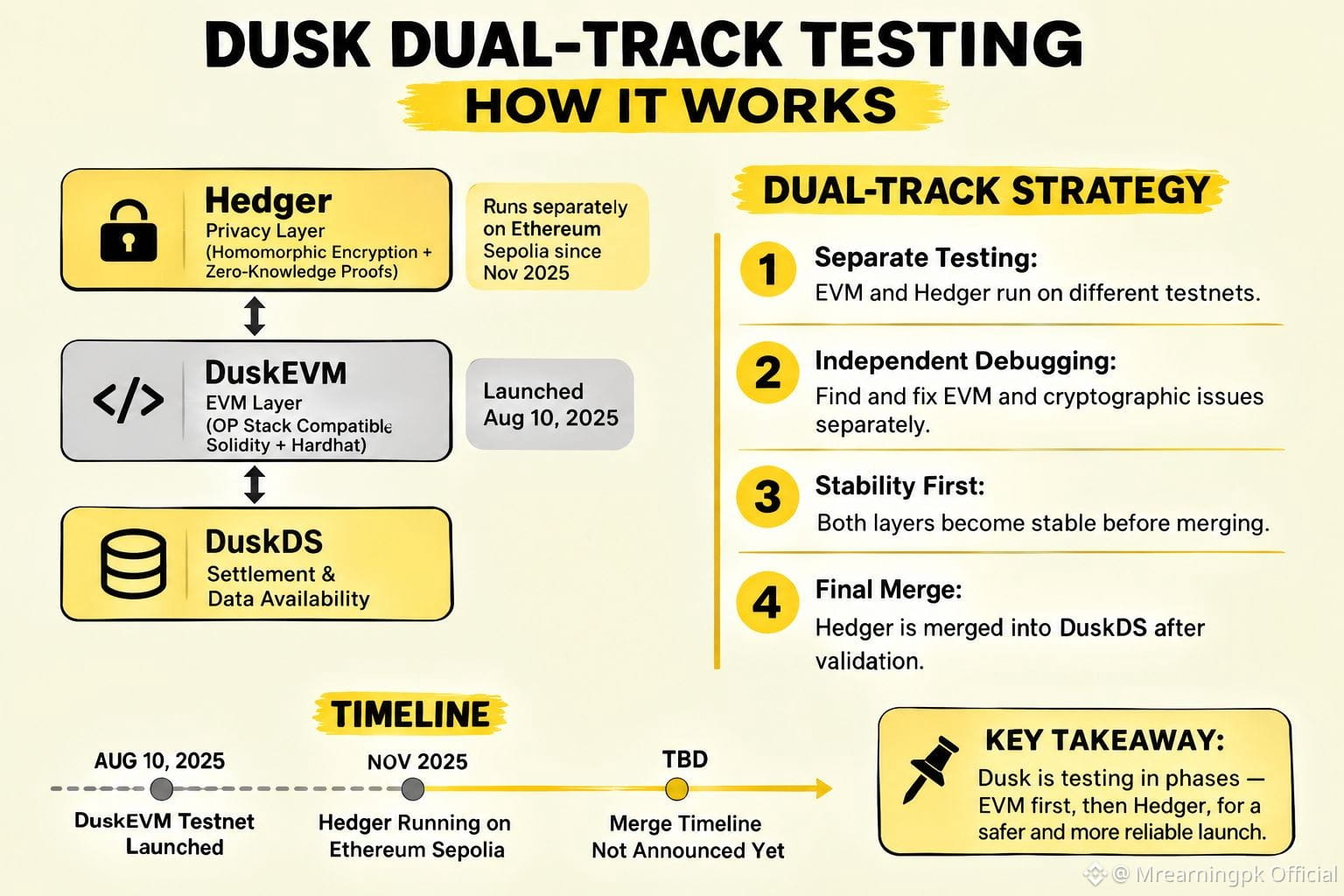
数日前、Xをスクロールしていたところ「DuskEVMテストネット」についての投稿を見つけました。そこで一つの点が気になりました。8月10日にDuskEVMテストネットが稼働開始した際、SolidityとHardhatは順調に動いていましたが、コアとなる機密コントラクトエンジンであるHedgerは、2025年11月からEthereum Sepoliaテストネット上で別々に稼働しているとのことでした。公式チームはいまだに、この2つがいつ統合されるかを発表していません。
この9か月のギャップを見ると、まずは不安を抱く人が多いでしょう。プライバシー重視のチェーンで、プライバシーレイヤーとEVMレイヤーを別々にテストするというのは、いささか奇妙に聞こえるかもしれません。
しかし技術ドキュメントを読み進めるうちに、このデュアルトラック(並行)でのテストは、Duskのアーキテクチャにおいて過小評価されているだけではないか、と思い始めました。Duskのスタックはレイヤー構造です。#Dusk は決済とデータ可用性を担い、DuskEVMはEVMレイヤー、そしてHedgerは同型暗号とゼロ知識証明を用いたプライバシーレイヤーです。
もし3つのレイヤーを一緒にテストしていたら、暗号のバグとコントラクトのバグを見分けるのが難しくなっていた可能性があります。別々にテストすることで、チームはまずEVMレイヤーを動かし、開発者がアプリケーションをデプロイできるようにし、その後Sepolia上でHedgerを個別に検証し、最後にそれを$DUSK へ統合できます。これにより、デバッグのプロセスがかなり明確になります。
この判断が正しいのかは私には確信がありません。最終的な統合の際にプロトコル同士の競合が表面化し、以前の作業をやり直す必要が出る可能性もあります。モジュール化は良さそうに聞こえますが、エンジニアリングには常に調整コストがつきものです。
ただ別の観点では、機関投資家のようなクライアントは「遅いこと」よりも「何かが壊れること」をより恐れるものです。段階的なロールアウトは、全部を一度に押し出してから巻き戻しが必要になるより、より信頼できる場合があります。
つまり、EVMを先にローンチし、Hedgerは適切な検証の後に統合するのは、単に土台を固めることを確実にするための方法なのかもしれません。
このデュアルトラックでのテスト戦略について、皆さんはどう思いますか?皆の意見を聞きたいです。@Dusk_Foundation
数日前、Xをスクロールしていたところ「DuskEVMテストネット」についての投稿を見つけました。そこで一つの点が気になりました。8月10日にDuskEVMテストネットが稼働開始した際、SolidityとHardhatは順調に動いていましたが、コアとなる機密コントラクトエンジンであるHedgerは、2025年11月からEthereum Sepoliaテストネット上で別々に稼働しているとのことでした。公式チームはいまだに、この2つがいつ統合されるかを発表していません。
この9か月のギャップを見ると、まずは不安を抱く人が多いでしょう。プライバシー重視のチェーンで、プライバシーレイヤーとEVMレイヤーを別々にテストするというのは、いささか奇妙に聞こえるかもしれません。
しかし技術ドキュメントを読み進めるうちに、このデュアルトラック(並行)でのテストは、Duskのアーキテクチャにおいて過小評価されているだけではないか、と思い始めました。Duskのスタックはレイヤー構造です。#Dusk は決済とデータ可用性を担い、DuskEVMはEVMレイヤー、そしてHedgerは同型暗号とゼロ知識証明を用いたプライバシーレイヤーです。
もし3つのレイヤーを一緒にテストしていたら、暗号のバグとコントラクトのバグを見分けるのが難しくなっていた可能性があります。別々にテストすることで、チームはまずEVMレイヤーを動かし、開発者がアプリケーションをデプロイできるようにし、その後Sepolia上でHedgerを個別に検証し、最後にそれを$DUSK へ統合できます。これにより、デバッグのプロセスがかなり明確になります。
この判断が正しいのかは私には確信がありません。最終的な統合の際にプロトコル同士の競合が表面化し、以前の作業をやり直す必要が出る可能性もあります。モジュール化は良さそうに聞こえますが、エンジニアリングには常に調整コストがつきものです。
ただ別の観点では、機関投資家のようなクライアントは「遅いこと」よりも「何かが壊れること」をより恐れるものです。段階的なロールアウトは、全部を一度に押し出してから巻き戻しが必要になるより、より信頼できる場合があります。
つまり、EVMを先にローンチし、Hedgerは適切な検証の後に統合するのは、単に土台を固めることを確実にするための方法なのかもしれません。
このデュアルトラックでのテスト戦略について、皆さんはどう思いますか?皆の意見を聞きたいです。@Dusk
この9か月のギャップを見ると、まずは不安を抱く人が多いでしょう。プライバシー重視のチェーンで、プライバシーレイヤーとEVMレイヤーを別々にテストするというのは、いささか奇妙に聞こえるかもしれません。
しかし技術ドキュメントを読み進めるうちに、このデュアルトラック(並行)でのテストは、Duskのアーキテクチャにおいて過小評価されているだけではないか、と思い始めました。Duskのスタックはレイヤー構造です。#Dusk は決済とデータ可用性を担い、DuskEVMはEVMレイヤー、そしてHedgerは同型暗号とゼロ知識証明を用いたプライバシーレイヤーです。
もし3つのレイヤーを一緒にテストしていたら、暗号のバグとコントラクトのバグを見分けるのが難しくなっていた可能性があります。別々にテストすることで、チームはまずEVMレイヤーを動かし、開発者がアプリケーションをデプロイできるようにし、その後Sepolia上でHedgerを個別に検証し、最後にそれを$DUSK へ統合できます。これにより、デバッグのプロセスがかなり明確になります。
この判断が正しいのかは私には確信がありません。最終的な統合の際にプロトコル同士の競合が表面化し、以前の作業をやり直す必要が出る可能性もあります。モジュール化は良さそうに聞こえますが、エンジニアリングには常に調整コストがつきものです。
ただ別の観点では、機関投資家のようなクライアントは「遅いこと」よりも「何かが壊れること」をより恐れるものです。段階的なロールアウトは、全部を一度に押し出してから巻き戻しが必要になるより、より信頼できる場合があります。
つまり、EVMを先にローンチし、Hedgerは適切な検証の後に統合するのは、単に土台を固めることを確実にするための方法なのかもしれません。
このデュアルトラックでのテスト戦略について、皆さんはどう思いますか?皆の意見を聞きたいです。@Dusk
1
80
巨大な資本は、市場が失敗することを恐れているのではなく、市場が自分自身の動きを理解してしまうことを恐れている。
#dusk の機関向けDeFi設計を眺めて、私は、機関口座が大きな資産をバッチで購入するという現実的なケースを想像した。注文が約定する前に、部外者は公開の取引データからその意図をすでに推測する。引用(クオート)、フロントランニング、そして流動性の変化は一気に続く。
したがって、@Dusk_Foundation の「プライベート取引」と「大口ブロックのマッチング」に注目するのは理にかなっている。しかし本当の関心は、単なる“見えない”市場を超えたところにある。
Phoenixは取引データを隠し、金額・残高・関係性を保護する。一方でZedgerは、アイデンティティ、適格性、そしてオンチェーン上の取引ルールをもたらす。つまりDuskは、「市場の不可視性」と「ルールの検証可能性」を切り分けるのだ。
この分離は決定的に重要だ。
パブリックチェーンは透明すぎる。ほかの参加者は結果を見て、オンチェーンデータから戦略を逆算できてしまう。完全な匿名性は取引を隠すが、機関向けのKYC、AML、資金の出所確認と衝突する。
Duskはその中間を目指す。戦略は非公開のままにしつつ、コンプライアンスは証明できるようにする。
市場に保有や取引計画を開示する必要はない。それでも、必要なときには、適格性を証明したり、認可された当事者に求められるデータを共有したりできる。
それは実に洗練されているように聞こえるが、最も難しい問題はまだ解けていない。
私は、$DUSK がダークプールを作れるかどうかよりも、それがプライバシー、監査可能性、流動性という互いに引っ張り合う三つの力を、ひとつの市場構造の中に組み込めるかどうかの方が気になる。
深みのないプライバシーは、ただ磨き上げられたブラックボックスにしかならない。戦略保護という観点では、コンプライアンスだけになってしまい、結局は従来型の金融へ逆戻りする。
本当に魅力的な到達点は、機関がようやく、巨大な取引を完全にオンチェーンで実行することに前向きになることだ。
あなたは、機関のプライバシーにとって最初の本当の障壁、あるいは十分に深い流動性の障壁は何だと思う?
#dusk $DUSK @Dusk_Foundation
巨大な資本は、市場が失敗することを恐れているのではなく、市場が自分自身の動きを理解してしまうことを恐れている。
#dusk の機関向けDeFi設計を眺めて、私は、機関口座が大きな資産をバッチで購入するという現実的なケースを想像した。注文が約定する前に、部外者は公開の取引データからその意図をすでに推測する。引用(クオート)、フロントランニング、そして流動性の変化は一気に続く。
したがって、@Dusk の「プライベート取引」と「大口ブロックのマッチング」に注目するのは理にかなっている。しかし本当の関心は、単なる“見えない”市場を超えたところにある。
Phoenixは取引データを隠し、金額・残高・関係性を保護する。一方でZedgerは、アイデンティティ、適格性、そしてオンチェーン上の取引ルールをもたらす。つまりDuskは、「市場の不可視性」と「ルールの検証可能性」を切り分けるのだ。
この分離は決定的に重要だ。
パブリックチェーンは透明すぎる。ほかの参加者は結果を見て、オンチェーンデータから戦略を逆算できてしまう。完全な匿名性は取引を隠すが、機関向けのKYC、AML、資金の出所確認と衝突する。
Duskはその中間を目指す。戦略は非公開のままにしつつ、コンプライアンスは証明できるようにする。
市場に保有や取引計画を開示する必要はない。それでも、必要なときには、適格性を証明したり、認可された当事者に求められるデータを共有したりできる。
それは実に洗練されているように聞こえるが、最も難しい問題はまだ解けていない。
私は、$DUSK がダークプールを作れるかどうかよりも、それがプライバシー、監査可能性、流動性という互いに引っ張り合う三つの力を、ひとつの市場構造の中に組み込めるかどうかの方が気になる。
深みのないプライバシーは、ただ磨き上げられたブラックボックスにしかならない。戦略保護という観点では、コンプライアンスだけになってしまい、結局は従来型の金融へ逆戻りする。
本当に魅力的な到達点は、機関がようやく、巨大な取引を完全にオンチェーンで実行することに前向きになることだ。
あなたは、機関のプライバシーにとって最初の本当の障壁、あるいは十分に深い流動性の障壁は何だと思う?
#dusk $DUSK @Dusk
#dusk の機関向けDeFi設計を眺めて、私は、機関口座が大きな資産をバッチで購入するという現実的なケースを想像した。注文が約定する前に、部外者は公開の取引データからその意図をすでに推測する。引用(クオート)、フロントランニング、そして流動性の変化は一気に続く。
したがって、@Dusk の「プライベート取引」と「大口ブロックのマッチング」に注目するのは理にかなっている。しかし本当の関心は、単なる“見えない”市場を超えたところにある。
Phoenixは取引データを隠し、金額・残高・関係性を保護する。一方でZedgerは、アイデンティティ、適格性、そしてオンチェーン上の取引ルールをもたらす。つまりDuskは、「市場の不可視性」と「ルールの検証可能性」を切り分けるのだ。
この分離は決定的に重要だ。
パブリックチェーンは透明すぎる。ほかの参加者は結果を見て、オンチェーンデータから戦略を逆算できてしまう。完全な匿名性は取引を隠すが、機関向けのKYC、AML、資金の出所確認と衝突する。
Duskはその中間を目指す。戦略は非公開のままにしつつ、コンプライアンスは証明できるようにする。
市場に保有や取引計画を開示する必要はない。それでも、必要なときには、適格性を証明したり、認可された当事者に求められるデータを共有したりできる。
それは実に洗練されているように聞こえるが、最も難しい問題はまだ解けていない。
私は、$DUSK がダークプールを作れるかどうかよりも、それがプライバシー、監査可能性、流動性という互いに引っ張り合う三つの力を、ひとつの市場構造の中に組み込めるかどうかの方が気になる。
深みのないプライバシーは、ただ磨き上げられたブラックボックスにしかならない。戦略保護という観点では、コンプライアンスだけになってしまい、結局は従来型の金融へ逆戻りする。
本当に魅力的な到達点は、機関がようやく、巨大な取引を完全にオンチェーンで実行することに前向きになることだ。
あなたは、機関のプライバシーにとって最初の本当の障壁、あるいは十分に深い流動性の障壁は何だと思う?
#dusk $DUSK @Dusk
74
なんて待ち長かったんだ!今夜、TermMaxのエアドロップ結果が発表されました。
ついに、待ち望んだ結果が発表されました!
いま計算をしています。TermMaxの現在の時価総額は推定で1億8000万ドル($180 million)、供給量は10億トークンです。1%は180万USDTに相当します。すでにブースターは0.2%獲得しており、さらにAlphaが0.8%を得れば、プールは144万USDTになります。参加者が50,000人なら、1人あたり約30USDT受け取ることになります。
そのため、現時点でエアドロップを狙って必死にファーミングするのは急ぎではないと思います。もし最低しきい値が本当に200〜220ポイントなら、これ以上取ろうとする意味はないかもしれません。それでも、現在のTVLが9000万USDTに到達しており、登録ウォレット数が150万、日次アクティブユーザーが90,000人であることを考えると、Alphaが提供するのは0.5%程度にとどまる可能性は低くありません。
とはいえ、このプロジェクト自体は価値があると思います。
TermMaxは、私の中では常に固定金利の貸付プロトコルだと考えられていました。しかしFT、XT、そして指値注文を改めて見直してみると、チームの野心はもっと大きいと理解しました。
FT/XTは資金のリターン、条件、リスクを分析し、指値注文はさらに興味深いです。貸し手は最小利回りを提示でき、借り手は最大の利息率を固定できます。もはや金利はプロトコルが決めるものではありません。資金側が自分で価格を設定し、自分で相手を見つけるのです。
この観点からすると、TermMaxは単に貸付サービスを提供しているだけでなく、実際にはオンチェーン資金のマッチングメカニズムを作り出していると言えます。
ただし、流動性が最終的な証明です。注文板の厚みがなければ、どれほど高度な自己価格調整でも、「価格はあるが、市場がない」という状態に過ぎません。
だからこそ、エアドロップの後は、注文板の厚み、集計(アグリゲータ)のスリッページ、そしてXTの価格が本当に市場の温度感を反映しているのかを注視するつもりです。
午後のエアドロップは?
まあ、見てみましょう。
今回は当てずっぽうはしません。答えは本当のところ、最終的に私のウォレットにいくら入るのかです。
#termmax @termmax
なんて待ち長かったんだ!今夜、TermMaxのエアドロップ結果が発表されました。
ついに、待ち望んだ結果が発表されました!
いま計算をしています。TermMaxの現在の時価総額は推定で1億8000万ドル($180 million)、供給量は10億トークンです。1%は180万USDTに相当します。すでにブースターは0.2%獲得しており、さらにAlphaが0.8%を得れば、プールは144万USDTになります。参加者が50,000人なら、1人あたり約30USDT受け取ることになります。
そのため、現時点でエアドロップを狙って必死にファーミングするのは急ぎではないと思います。もし最低しきい値が本当に200〜220ポイントなら、これ以上取ろうとする意味はないかもしれません。それでも、現在のTVLが9000万USDTに到達しており、登録ウォレット数が150万、日次アクティブユーザーが90,000人であることを考えると、Alphaが提供するのは0.5%程度にとどまる可能性は低くありません。
とはいえ、このプロジェクト自体は価値があると思います。
TermMaxは、私の中では常に固定金利の貸付プロトコルだと考えられていました。しかしFT、XT、そして指値注文を改めて見直してみると、チームの野心はもっと大きいと理解しました。
FT/XTは資金のリターン、条件、リスクを分析し、指値注文はさらに興味深いです。貸し手は最小利回りを提示でき、借り手は最大の利息率を固定できます。もはや金利はプロトコルが決めるものではありません。資金側が自分で価格を設定し、自分で相手を見つけるのです。
この観点からすると、TermMaxは単に貸付サービスを提供しているだけでなく、実際にはオンチェーン資金のマッチングメカニズムを作り出していると言えます。
ただし、流動性が最終的な証明です。注文板の厚みがなければ、どれほど高度な自己価格調整でも、「価格はあるが、市場がない」という状態に過ぎません。
だからこそ、エアドロップの後は、注文板の厚み、集計(アグリゲータ)のスリッページ、そしてXTの価格が本当に市場の温度感を反映しているのかを注視するつもりです。
午後のエアドロップは?
まあ、見てみましょう。
今回は当てずっぽうはしません。答えは本当のところ、最終的に私のウォレットにいくら入るのかです。
#termmax @TermMax
ついに、待ち望んだ結果が発表されました!
いま計算をしています。TermMaxの現在の時価総額は推定で1億8000万ドル($180 million)、供給量は10億トークンです。1%は180万USDTに相当します。すでにブースターは0.2%獲得しており、さらにAlphaが0.8%を得れば、プールは144万USDTになります。参加者が50,000人なら、1人あたり約30USDT受け取ることになります。
そのため、現時点でエアドロップを狙って必死にファーミングするのは急ぎではないと思います。もし最低しきい値が本当に200〜220ポイントなら、これ以上取ろうとする意味はないかもしれません。それでも、現在のTVLが9000万USDTに到達しており、登録ウォレット数が150万、日次アクティブユーザーが90,000人であることを考えると、Alphaが提供するのは0.5%程度にとどまる可能性は低くありません。
とはいえ、このプロジェクト自体は価値があると思います。
TermMaxは、私の中では常に固定金利の貸付プロトコルだと考えられていました。しかしFT、XT、そして指値注文を改めて見直してみると、チームの野心はもっと大きいと理解しました。
FT/XTは資金のリターン、条件、リスクを分析し、指値注文はさらに興味深いです。貸し手は最小利回りを提示でき、借り手は最大の利息率を固定できます。もはや金利はプロトコルが決めるものではありません。資金側が自分で価格を設定し、自分で相手を見つけるのです。
この観点からすると、TermMaxは単に貸付サービスを提供しているだけでなく、実際にはオンチェーン資金のマッチングメカニズムを作り出していると言えます。
ただし、流動性が最終的な証明です。注文板の厚みがなければ、どれほど高度な自己価格調整でも、「価格はあるが、市場がない」という状態に過ぎません。
だからこそ、エアドロップの後は、注文板の厚み、集計(アグリゲータ)のスリッページ、そしてXTの価格が本当に市場の温度感を反映しているのかを注視するつもりです。
午後のエアドロップは?
まあ、見てみましょう。
今回は当てずっぽうはしません。答えは本当のところ、最終的に私のウォレットにいくら入るのかです。
#termmax @TermMax
2
3
110
@termmax のホワイトペーパーについて読み進めるほど、このアイデアの真の価値は、固定金利の概念を導入することにとどまらず、その金利を市場における需給相互作用のパラメータとして組み込む点にあることを見出していきます。
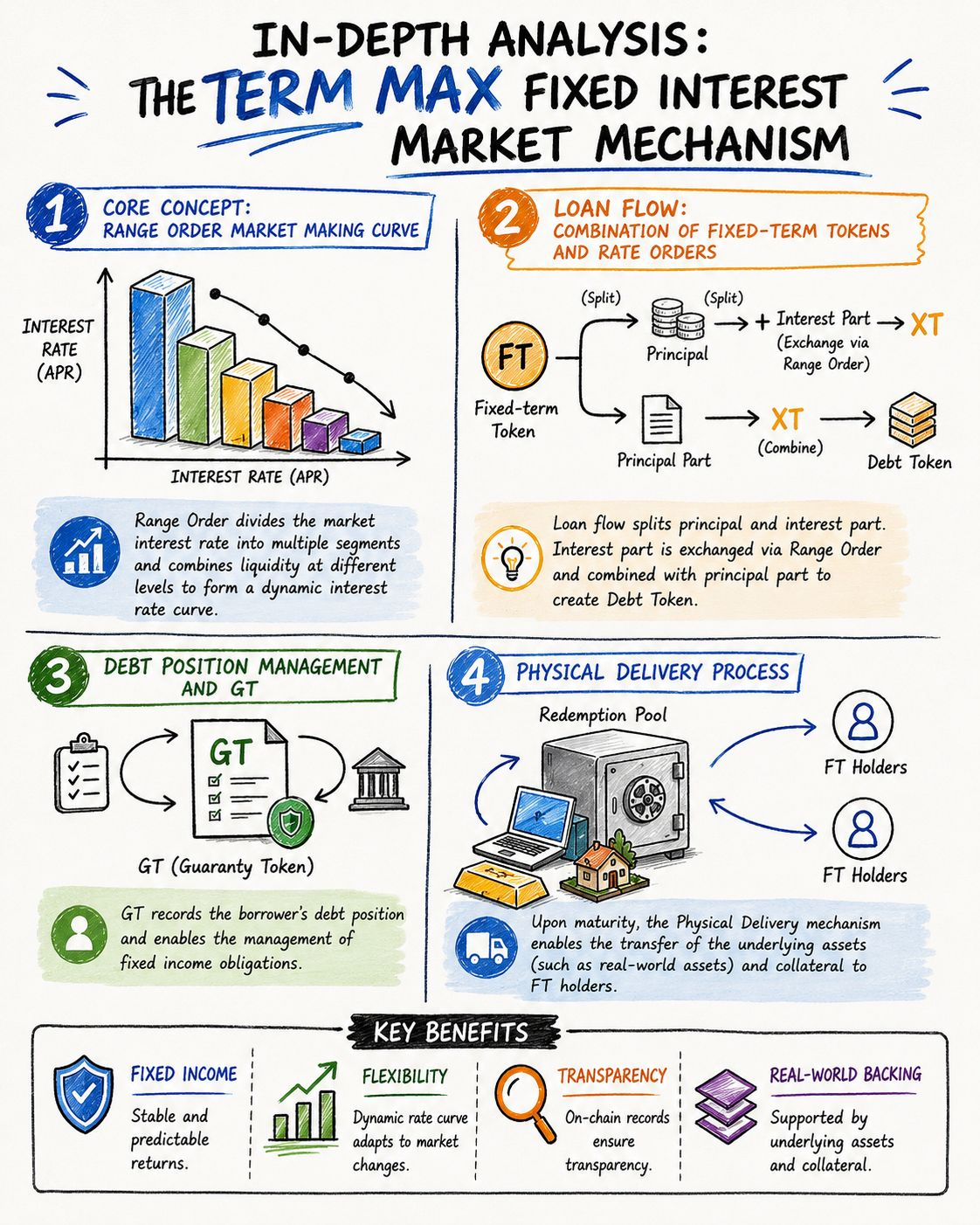
レンジ・オーダーの価値を理解することが非常に重要だと思います。APRを単に指定するのではなく、レンジ・オーダーは借入額と対応する金利を一連のティック・レンジに分割し、それによって、当該オーダーが売買を行う意思のあるプライシング・カーブを作り出します。ロングとショートの実際のマッチングは、このカーブ上の異なる地点で行われます。この仕組みを研究して初めて、私は発明の真の卓越性に気づきました。固定金利のパラメータは、実は市場メカニズムの中核そのものに統合されているのです。
借入の文脈では、発行されたFTは、現在の金利に対応するFTの量を燃やす(burnする)ことで、部分的にXTへ変換されます。燃やされなかったFTと一緒に受け取ったXTは、債務トークンに組み込まれます。これもまた重要な点です。固定金利が、トークン・レベルでもう一度メカニズムに組み込まれるため、固定金利を取引できるようになります。私の考えでは、このような設計によって、ローンのターム・ストラクチャーがユーザーにとって非常に直感的で透明になります。
GTを追跡することで、担保および債務ポジションの価値を把握できます。流動性ウィンドウ終了後に、債務ポジションが資産ポジションを上回っている場合、償還プールによって物理的なデリバリーが開始され、債務に対する持分に応じて、基礎となる原資産および担保資産の株式がFT保有者に割り当てられます。
私の見立てでは、まさにここにTermMaxというコンセプトの天才性が本当の価値を発揮しているのだと思います。というのも、このメカニズムは、固定金利をオーダーのマッチング処理、トークン配分、さらには特別な清算手続きの“まさに心臓部”にまで組み込んでしまうからです。
#termmax @termmax
@TermMax のホワイトペーパーについて読み進めるほど、このアイデアの真の価値は、固定金利の概念を導入することにとどまらず、その金利を市場における需給相互作用のパラメータとして組み込む点にあることを見出していきます。
レンジ・オーダーの価値を理解することが非常に重要だと思います。APRを単に指定するのではなく、レンジ・オーダーは借入額と対応する金利を一連のティック・レンジに分割し、それによって、当該オーダーが売買を行う意思のあるプライシング・カーブを作り出します。ロングとショートの実際のマッチングは、このカーブ上の異なる地点で行われます。この仕組みを研究して初めて、私は発明の真の卓越性に気づきました。固定金利のパラメータは、実は市場メカニズムの中核そのものに統合されているのです。
借入の文脈では、発行されたFTは、現在の金利に対応するFTの量を燃やす(burnする)ことで、部分的にXTへ変換されます。燃やされなかったFTと一緒に受け取ったXTは、債務トークンに組み込まれます。これもまた重要な点です。固定金利が、トークン・レベルでもう一度メカニズムに組み込まれるため、固定金利を取引できるようになります。私の考えでは、このような設計によって、ローンのターム・ストラクチャーがユーザーにとって非常に直感的で透明になります。
GTを追跡することで、担保および債務ポジションの価値を把握できます。流動性ウィンドウ終了後に、債務ポジションが資産ポジションを上回っている場合、償還プールによって物理的なデリバリーが開始され、債務に対する持分に応じて、基礎となる原資産および担保資産の株式がFT保有者に割り当てられます。
私の見立てでは、まさにここにTermMaxというコンセプトの天才性が本当の価値を発揮しているのだと思います。というのも、このメカニズムは、固定金利をオーダーのマッチング処理、トークン配分、さらには特別な清算手続きの“まさに心臓部”にまで組み込んでしまうからです。
#termmax @TermMax
レンジ・オーダーの価値を理解することが非常に重要だと思います。APRを単に指定するのではなく、レンジ・オーダーは借入額と対応する金利を一連のティック・レンジに分割し、それによって、当該オーダーが売買を行う意思のあるプライシング・カーブを作り出します。ロングとショートの実際のマッチングは、このカーブ上の異なる地点で行われます。この仕組みを研究して初めて、私は発明の真の卓越性に気づきました。固定金利のパラメータは、実は市場メカニズムの中核そのものに統合されているのです。
借入の文脈では、発行されたFTは、現在の金利に対応するFTの量を燃やす(burnする)ことで、部分的にXTへ変換されます。燃やされなかったFTと一緒に受け取ったXTは、債務トークンに組み込まれます。これもまた重要な点です。固定金利が、トークン・レベルでもう一度メカニズムに組み込まれるため、固定金利を取引できるようになります。私の考えでは、このような設計によって、ローンのターム・ストラクチャーがユーザーにとって非常に直感的で透明になります。
GTを追跡することで、担保および債務ポジションの価値を把握できます。流動性ウィンドウ終了後に、債務ポジションが資産ポジションを上回っている場合、償還プールによって物理的なデリバリーが開始され、債務に対する持分に応じて、基礎となる原資産および担保資産の株式がFT保有者に割り当てられます。
私の見立てでは、まさにここにTermMaxというコンセプトの天才性が本当の価値を発揮しているのだと思います。というのも、このメカニズムは、固定金利をオーダーのマッチング処理、トークン配分、さらには特別な清算手続きの“まさに心臓部”にまで組み込んでしまうからです。
#termmax @TermMax
76
1
37
115
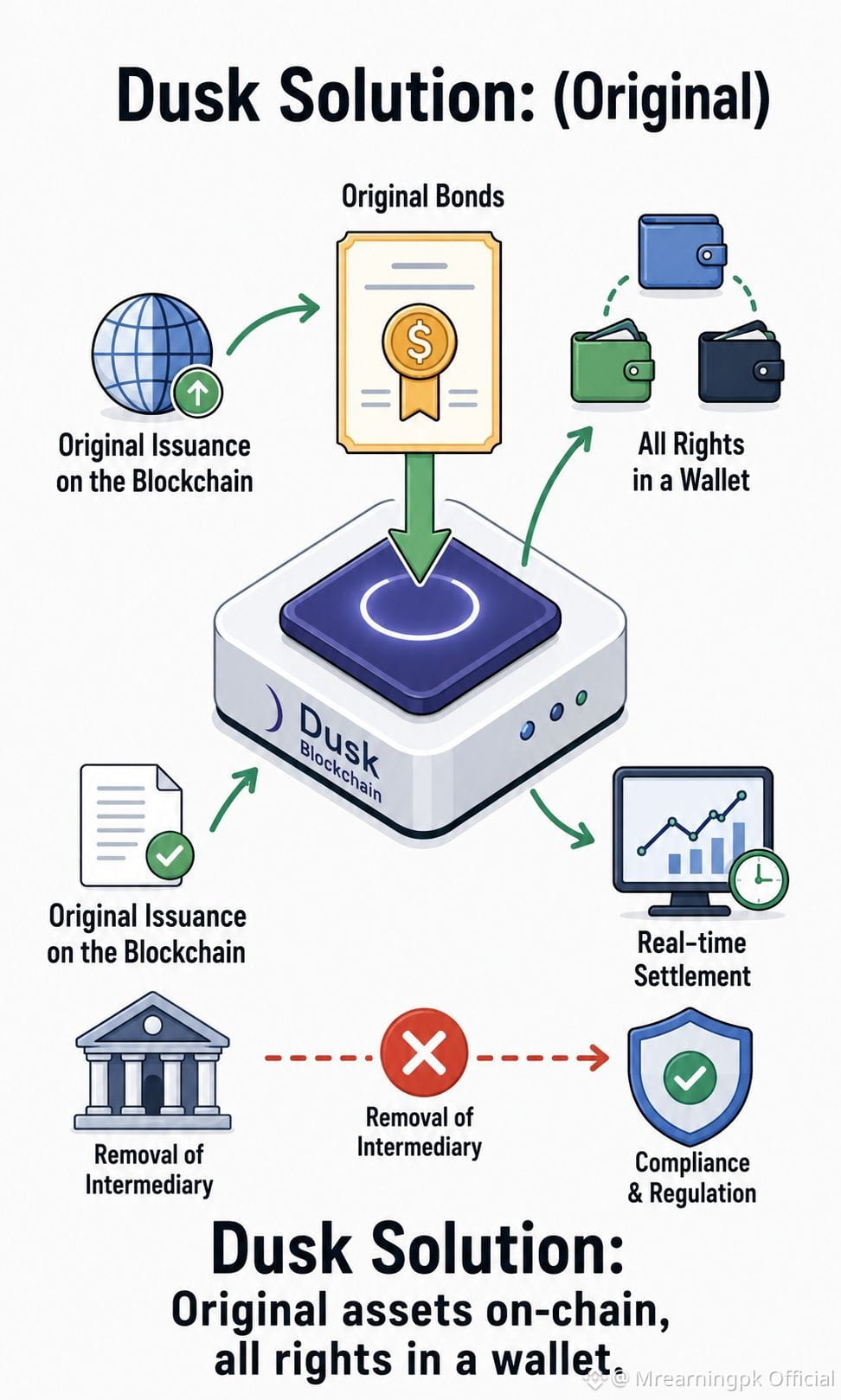
現在のRWAの10件中9件は、実質的に旧システムのリスキン(見た目だけの刷新)にすぎません。自分でもそう言うのは不公平ではないと思っています。なぜなら、私はDuskについてかなり調査して、その結論として、資産トークン化そのものがそれほど本質的な変革ではない、ということに至ったからです。
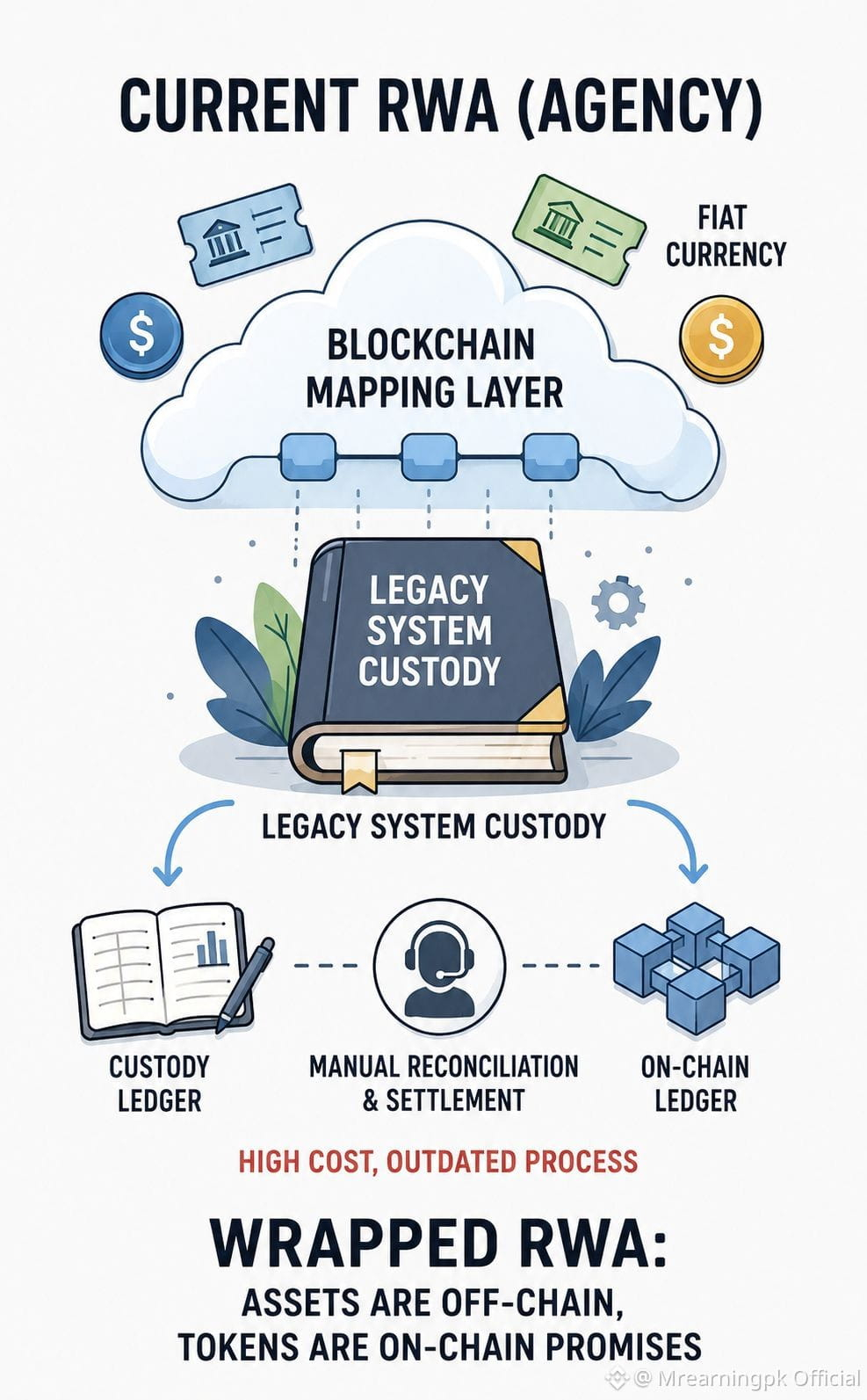
理由を示します。あなたは債券のトークンを買い、「それがチェーン上にある」と考えるかもしれませんが、実際の資産は現実の世界ではカストディアン(保管)銀行が保有しています。トークンは、別の預金証書(=もう一段階の証書)の上にある、さらに証書のようなものです。取引はチェーン上で決済しますが、カストディ銀行側は自分たちの決済を行います。両者が同期しない場合は、手作業で合わせる必要があります。さらに、取引そのものを決済できたとしても、それは結局のところ、何年も前に見たブロックチェーン以前の取引と大きくは同じです。ブロックチェーンは記録(ブックキーピング)以外にほとんど何の目的も果たしていません。私たちは、それによって得られる恩恵を何も得ていないのです。物事のやり方が別になる、という違いがあるだけです。だからこそ、私はRWAシステムがリスキンされていると言うのです。
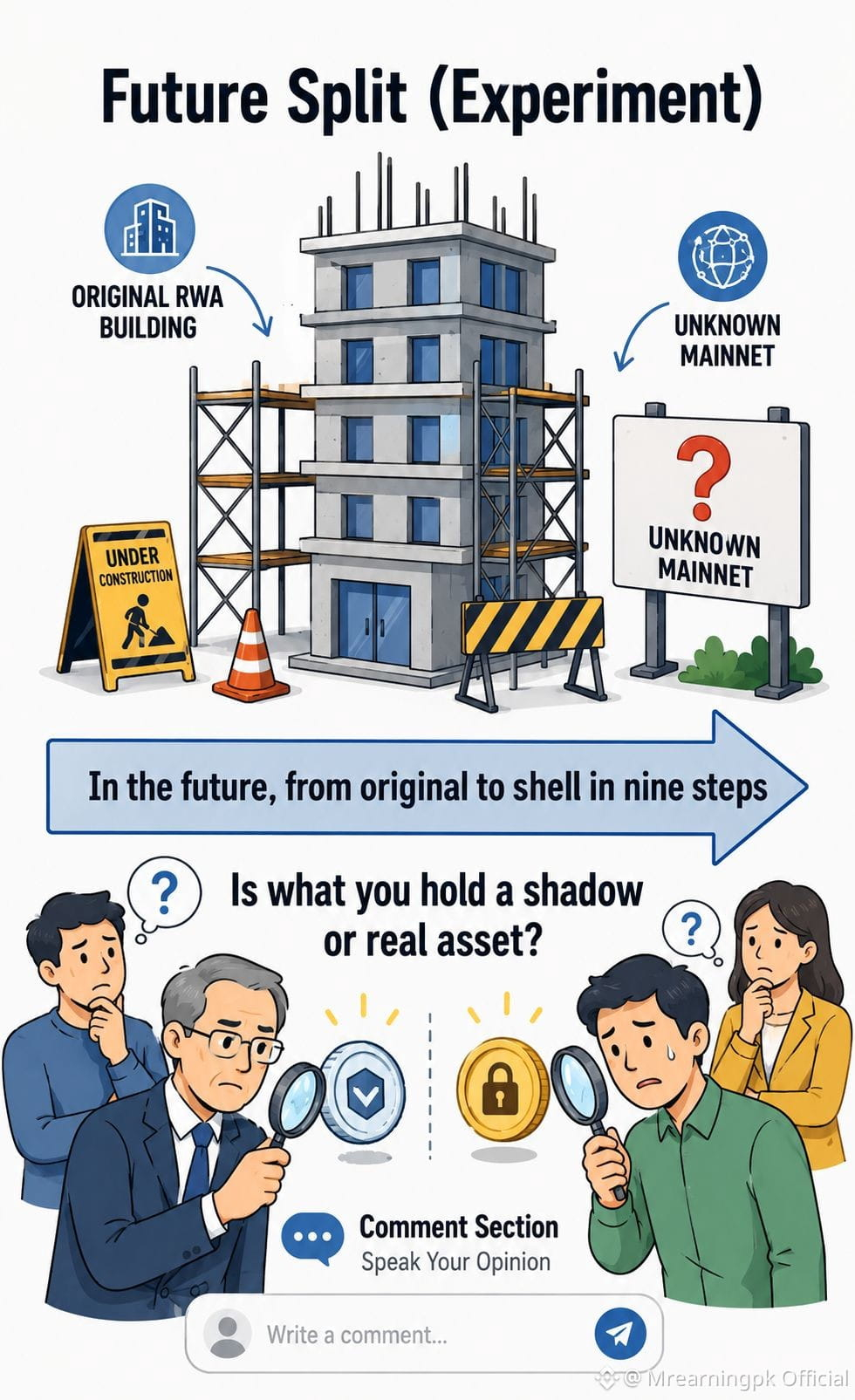
資産を本当にトークン化したいなら、その資産をオンチェーンに載せる必要があります。つまり、資産のカストディもオンチェーンにする必要がある、ということです。そうすれば、オフチェーンである要素は基本的にありません(あるとすれば取引所あたりでしょうが、それでも今は多くのブロックチェーンが取引所のカストディやその他のサービスを提供しています)。しかしこれは実現するのがはるかに難しく、資産をそもそもあなたのブロックチェーンに載せる前に、適切な書類、ライセンス、監査が必要になるからです。それでも、これらすべては結果的に、あなたのセキュリティ・トークンを長期的にはより価値あるものにします。というのも、それらは本物の資産だからです。債券はブロックチェーンにネイティブで、カストディもオンチェーンです。取引の決済は必要かもしれませんが、いったんそれを行ってしまえば、今のやり方よりもずっと簡単になります。とはいえ残念ながら、
それはDuskがまだ到達できていない未来への夢にすぎません。メインネットに到達するまでは、それは紙のコンセプトにすぎないのです。90%はすでにそうなっている状態で、残りの10%は彼らがローンチしたときに実現されるでしょう。では、あなたは本当にRWAをそういう形で持ちたいですか?「将来もっと良くなる」という約束だけで?私は、購入する前にもう一度考えると思います。率直なコメントを下にしてください。
{spot}(DUSKUSDT)
#dusk $DUSK @Dusk_Foundation
現在のRWAの10件中9件は、実質的に旧システムのリスキン(見た目だけの刷新)にすぎません。自分でもそう言うのは不公平ではないと思っています。なぜなら、私はDuskについてかなり調査して、その結論として、資産トークン化そのものがそれほど本質的な変革ではない、ということに至ったからです。
理由を示します。あなたは債券のトークンを買い、「それがチェーン上にある」と考えるかもしれませんが、実際の資産は現実の世界ではカストディアン(保管)銀行が保有しています。トークンは、別の預金証書(=もう一段階の証書)の上にある、さらに証書のようなものです。取引はチェーン上で決済しますが、カストディ銀行側は自分たちの決済を行います。両者が同期しない場合は、手作業で合わせる必要があります。さらに、取引そのものを決済できたとしても、それは結局のところ、何年も前に見たブロックチェーン以前の取引と大きくは同じです。ブロックチェーンは記録(ブックキーピング)以外にほとんど何の目的も果たしていません。私たちは、それによって得られる恩恵を何も得ていないのです。物事のやり方が別になる、という違いがあるだけです。だからこそ、私はRWAシステムがリスキンされていると言うのです。
資産を本当にトークン化したいなら、その資産をオンチェーンに載せる必要があります。つまり、資産のカストディもオンチェーンにする必要がある、ということです。そうすれば、オフチェーンである要素は基本的にありません(あるとすれば取引所あたりでしょうが、それでも今は多くのブロックチェーンが取引所のカストディやその他のサービスを提供しています)。しかしこれは実現するのがはるかに難しく、資産をそもそもあなたのブロックチェーンに載せる前に、適切な書類、ライセンス、監査が必要になるからです。それでも、これらすべては結果的に、あなたのセキュリティ・トークンを長期的にはより価値あるものにします。というのも、それらは本物の資産だからです。債券はブロックチェーンにネイティブで、カストディもオンチェーンです。取引の決済は必要かもしれませんが、いったんそれを行ってしまえば、今のやり方よりもずっと簡単になります。とはいえ残念ながら、
それはDuskがまだ到達できていない未来への夢にすぎません。メインネットに到達するまでは、それは紙のコンセプトにすぎないのです。90%はすでにそうなっている状態で、残りの10%は彼らがローンチしたときに実現されるでしょう。では、あなたは本当にRWAをそういう形で持ちたいですか?「将来もっと良くなる」という約束だけで?私は、購入する前にもう一度考えると思います。率直なコメントを下にしてください。
#dusk $DUSK @Dusk
理由を示します。あなたは債券のトークンを買い、「それがチェーン上にある」と考えるかもしれませんが、実際の資産は現実の世界ではカストディアン(保管)銀行が保有しています。トークンは、別の預金証書(=もう一段階の証書)の上にある、さらに証書のようなものです。取引はチェーン上で決済しますが、カストディ銀行側は自分たちの決済を行います。両者が同期しない場合は、手作業で合わせる必要があります。さらに、取引そのものを決済できたとしても、それは結局のところ、何年も前に見たブロックチェーン以前の取引と大きくは同じです。ブロックチェーンは記録(ブックキーピング)以外にほとんど何の目的も果たしていません。私たちは、それによって得られる恩恵を何も得ていないのです。物事のやり方が別になる、という違いがあるだけです。だからこそ、私はRWAシステムがリスキンされていると言うのです。
資産を本当にトークン化したいなら、その資産をオンチェーンに載せる必要があります。つまり、資産のカストディもオンチェーンにする必要がある、ということです。そうすれば、オフチェーンである要素は基本的にありません(あるとすれば取引所あたりでしょうが、それでも今は多くのブロックチェーンが取引所のカストディやその他のサービスを提供しています)。しかしこれは実現するのがはるかに難しく、資産をそもそもあなたのブロックチェーンに載せる前に、適切な書類、ライセンス、監査が必要になるからです。それでも、これらすべては結果的に、あなたのセキュリティ・トークンを長期的にはより価値あるものにします。というのも、それらは本物の資産だからです。債券はブロックチェーンにネイティブで、カストディもオンチェーンです。取引の決済は必要かもしれませんが、いったんそれを行ってしまえば、今のやり方よりもずっと簡単になります。とはいえ残念ながら、
それはDuskがまだ到達できていない未来への夢にすぎません。メインネットに到達するまでは、それは紙のコンセプトにすぎないのです。90%はすでにそうなっている状態で、残りの10%は彼らがローンチしたときに実現されるでしょう。では、あなたは本当にRWAをそういう形で持ちたいですか?「将来もっと良くなる」という約束だけで?私は、購入する前にもう一度考えると思います。率直なコメントを下にしてください。
#dusk $DUSK @Dusk
3
4
93
本人確認中
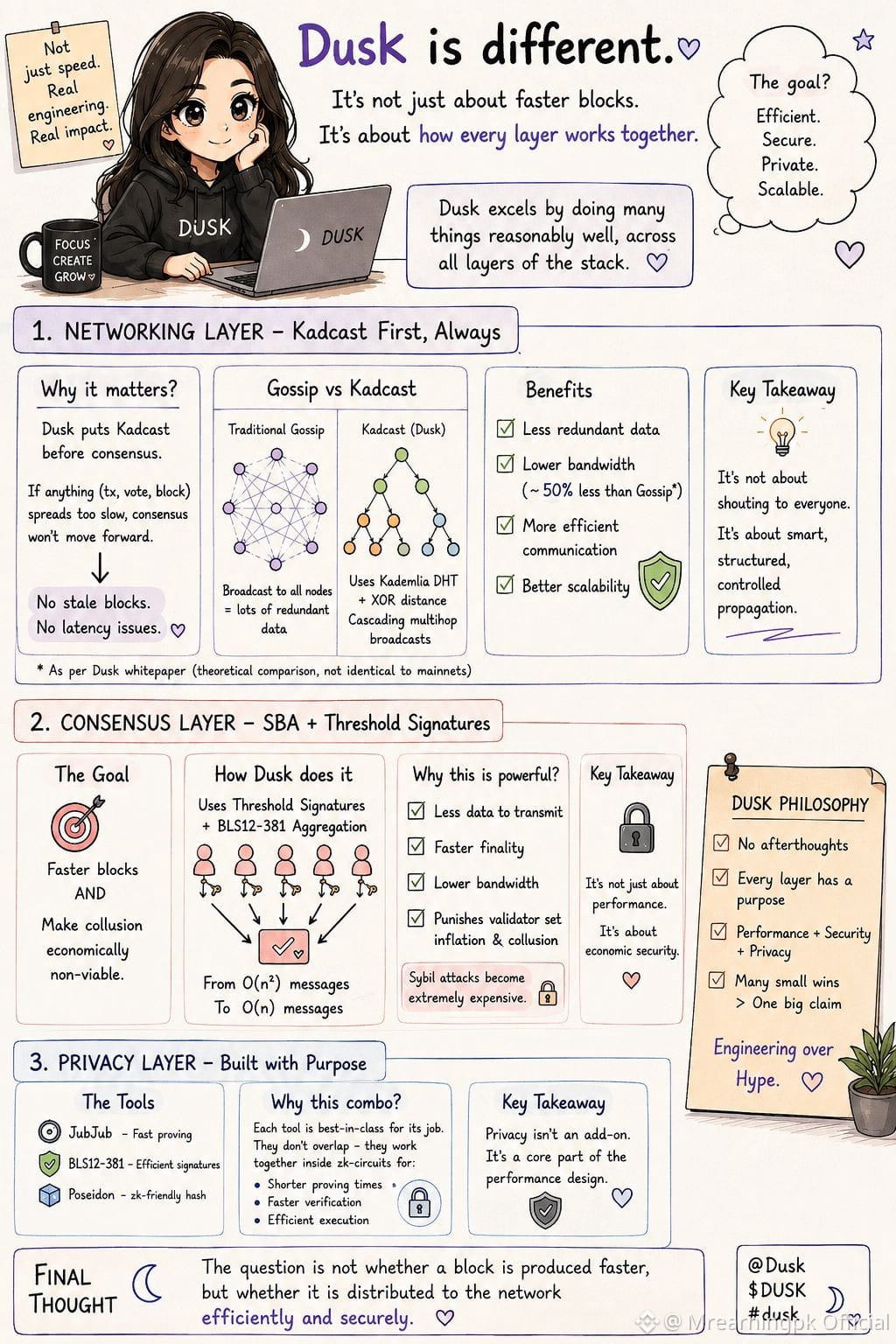
@Dusk_Foundation について話すとき、通常はより速いブロック、低いレイテンシ、より良いプライバシーが話題になります。しかし技術設計を見た後では、実はより深い仕組みのほうが面白いと感じました。
#Dusk はコンセンサス層の前にKadcastを配置することで、コンセンサスが前進する前に、取引・投票・ブロックが効率よく伝播できるようにしています。従来のGossipがネットワーク全体に情報を送るのではなく、KadcastはKademlia DHT、XOR距離、構造化されたマルチホップ配信を使って、不必要な通信や帯域使用を減らします。ホワイトペーパーでは、Gossipと比べて理論上約50%の削減が示されていますが、これはメインネット同士の単純比較とは直接つながりません。
コンセンサス側も興味深いです。$DUSK はSBAにしきい値署名とBLS12-381の集約を用いることで、通信量をO(n²)からO(n)へ抑えるだけでなく、バリデータの共謀やSybil攻撃をより高コストにします。プライバシー層も同じ考え方で、JubJub、BLS12-381、Poseidonを組み合わせ、それぞれが効率的な証明と検証のための特定の役割を担っています。
そして、これこそが#Dusk が面白い理由だと思います。画期的な1つの機能の話ではありません。スタックのさまざまな部分を一緒に改善していることがポイントです。重要なのは、ブロックがより速く生成されるかどうかだけではなく、それをネットワークに効率的かつ安全に分散できるかどうかです。
@Dusk について話すとき、通常はより速いブロック、低いレイテンシ、より良いプライバシーが話題になります。しかし技術設計を見た後では、実はより深い仕組みのほうが面白いと感じました。
#Dusk はコンセンサス層の前にKadcastを配置することで、コンセンサスが前進する前に、取引・投票・ブロックが効率よく伝播できるようにしています。従来のGossipがネットワーク全体に情報を送るのではなく、KadcastはKademlia DHT、XOR距離、構造化されたマルチホップ配信を使って、不必要な通信や帯域使用を減らします。ホワイトペーパーでは、Gossipと比べて理論上約50%の削減が示されていますが、これはメインネット同士の単純比較とは直接つながりません。
コンセンサス側も興味深いです。$DUSK はSBAにしきい値署名とBLS12-381の集約を用いることで、通信量をO(n²)からO(n)へ抑えるだけでなく、バリデータの共謀やSybil攻撃をより高コストにします。プライバシー層も同じ考え方で、JubJub、BLS12-381、Poseidonを組み合わせ、それぞれが効率的な証明と検証のための特定の役割を担っています。
そして、これこそが#Dusk が面白い理由だと思います。画期的な1つの機能の話ではありません。スタックのさまざまな部分を一緒に改善していることがポイントです。重要なのは、ブロックがより速く生成されるかどうかだけではなく、それをネットワークに効率的かつ安全に分散できるかどうかです。
#Dusk はコンセンサス層の前にKadcastを配置することで、コンセンサスが前進する前に、取引・投票・ブロックが効率よく伝播できるようにしています。従来のGossipがネットワーク全体に情報を送るのではなく、KadcastはKademlia DHT、XOR距離、構造化されたマルチホップ配信を使って、不必要な通信や帯域使用を減らします。ホワイトペーパーでは、Gossipと比べて理論上約50%の削減が示されていますが、これはメインネット同士の単純比較とは直接つながりません。
コンセンサス側も興味深いです。$DUSK はSBAにしきい値署名とBLS12-381の集約を用いることで、通信量をO(n²)からO(n)へ抑えるだけでなく、バリデータの共謀やSybil攻撃をより高コストにします。プライバシー層も同じ考え方で、JubJub、BLS12-381、Poseidonを組み合わせ、それぞれが効率的な証明と検証のための特定の役割を担っています。
そして、これこそが#Dusk が面白い理由だと思います。画期的な1つの機能の話ではありません。スタックのさまざまな部分を一緒に改善していることがポイントです。重要なのは、ブロックがより速く生成されるかどうかだけではなく、それをネットワークに効率的かつ安全に分散できるかどうかです。
2
54
本人確認中
#termmax @termmax TermMaxは、最近とても期待しているDeFiプロトコルの一つです。
多くの他のプロトコルとは違って、ここではすべてが固定されています。金利、満期、リスクなどです。すべての不確実性がなくなり、事前にすべてが分かっています。
貸し手は利回りを最初から把握でき、借り手は資本コストを事前に理解できます。
これは素晴らしいコンセプトだと思います。そして、複数のチェーン(Ethereum、Base、BNB Chain、Berachainなど)で実際に構築され、ローンチされているのを見るのはわくわくします。プロダクトは洗練されていて直感的で、「複雑なUIを備えた別のイールドファーミング」ではありません。
私は固定金利の貸し借りにずっと注目してきましたが、TermMaxは、そのアイデアをきちんと実行しながら、エンドユーザーにとって素晴らしいプロダクトを提供しているプロトコルの一つだと思います。
固定金利のイールドファーミングのメリットに気づく人が増えるにつれて、導入がどれだけ広がっていくのか楽しみです。
他にもTermMaxを使っている人いますか?
#termmax @TermMax TermMaxは、最近とても期待しているDeFiプロトコルの一つです。
多くの他のプロトコルとは違って、ここではすべてが固定されています。金利、満期、リスクなどです。すべての不確実性がなくなり、事前にすべてが分かっています。
貸し手は利回りを最初から把握でき、借り手は資本コストを事前に理解できます。
これは素晴らしいコンセプトだと思います。そして、複数のチェーン(Ethereum、Base、BNB Chain、Berachainなど)で実際に構築され、ローンチされているのを見るのはわくわくします。プロダクトは洗練されていて直感的で、「複雑なUIを備えた別のイールドファーミング」ではありません。
私は固定金利の貸し借りにずっと注目してきましたが、TermMaxは、そのアイデアをきちんと実行しながら、エンドユーザーにとって素晴らしいプロダクトを提供しているプロトコルの一つだと思います。
固定金利のイールドファーミングのメリットに気づく人が増えるにつれて、導入がどれだけ広がっていくのか楽しみです。
他にもTermMaxを使っている人いますか?
多くの他のプロトコルとは違って、ここではすべてが固定されています。金利、満期、リスクなどです。すべての不確実性がなくなり、事前にすべてが分かっています。
貸し手は利回りを最初から把握でき、借り手は資本コストを事前に理解できます。
これは素晴らしいコンセプトだと思います。そして、複数のチェーン(Ethereum、Base、BNB Chain、Berachainなど)で実際に構築され、ローンチされているのを見るのはわくわくします。プロダクトは洗練されていて直感的で、「複雑なUIを備えた別のイールドファーミング」ではありません。
私は固定金利の貸し借りにずっと注目してきましたが、TermMaxは、そのアイデアをきちんと実行しながら、エンドユーザーにとって素晴らしいプロダクトを提供しているプロトコルの一つだと思います。
固定金利のイールドファーミングのメリットに気づく人が増えるにつれて、導入がどれだけ広がっていくのか楽しみです。
他にもTermMaxを使っている人いますか?
28
2
24
130
BNBチェーンの予定されているハードフォーク「Pasteur(パスツール)」は、8月25日 02:30(UTC)に有効化されます。
これは、重複したバリデータ署名に起因するブリッジのセキュリティ問題を修正し、さらにバリデータセットのローテーション処理を改善し、ブロックタイムを維持したまま、TPS(毎秒取引数)を約1,200から2,300超へ引き上げます。
全体として、アップグレードは比較的目立たず、ノードをv1.7.7にアップグレードする必要があります。
#BNBChain #PasteurHardFork $BNB
BNBチェーンの予定されているハードフォーク「Pasteur(パスツール)」は、8月25日 02:30(UTC)に有効化されます。
これは、重複したバリデータ署名に起因するブリッジのセキュリティ問題を修正し、さらにバリデータセットのローテーション処理を改善し、ブロックタイムを維持したまま、TPS(毎秒取引数)を約1,200から2,300超へ引き上げます。
全体として、アップグレードは比較的目立たず、ノードをv1.7.7にアップグレードする必要があります。
#BNBChain #PasteurHardFork $BNB
これは、重複したバリデータ署名に起因するブリッジのセキュリティ問題を修正し、さらにバリデータセットのローテーション処理を改善し、ブロックタイムを維持したまま、TPS(毎秒取引数)を約1,200から2,300超へ引き上げます。
全体として、アップグレードは比較的目立たず、ノードをv1.7.7にアップグレードする必要があります。
#BNBChain #PasteurHardFork $BNB
2
61
記事
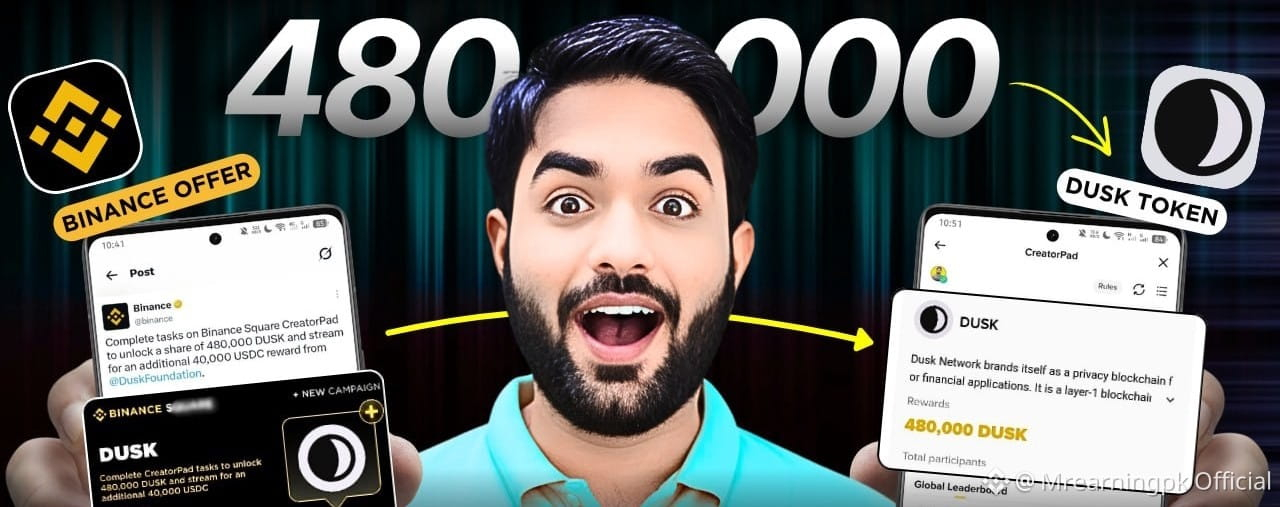
🔥 Binance CreatorPadは、今無料でお金を稼ぐチャンスを提供中!高品質なコンテンツを作るだけで、簡単にお金を稼げます。大きな投資は不要です。
まだ多くの人が、「何万人もフォロワーがいるアカウントだけがリーダーボードで上位になれる」と信じています。
でも、これを見て👇
タン・トゥン 90はフォロワーが108人しかいないのに、それでもDusk CreatorPadのリーダーボードで常に上位にランクインしています。
これが私がBinanceを愛する理由です。フォロワー数は関係ありません。
大事なのは、コンテンツの質と継続的な更新です。多額の資金は必要ありません。大規模なオーディエンスも必要ありません。毎日オリジナルのコンテンツを投稿して、継続的に更新するだけです。
🔥 Binance CreatorPadは、今無料でお金を稼ぐチャンスを提供中!
高品質なコンテンツを作るだけで、簡単にお金を稼げます。大きな投資は不要です。
まだ多くの人が、「何万人もフォロワーがいるアカウントだけがリーダーボードで上位になれる」と信じています。
でも、これを見て👇
タン・トゥン 90はフォロワーが108人しかいないのに、それでもDusk CreatorPadのリーダーボードで常に上位にランクインしています。
これが私がBinanceを愛する理由です。フォロワー数は関係ありません。
大事なのは、コンテンツの質と継続的な更新です。多額の資金は必要ありません。大規模なオーディエンスも必要ありません。毎日オリジナルのコンテンツを投稿して、継続的に更新するだけです。
まだ多くの人が、「何万人もフォロワーがいるアカウントだけがリーダーボードで上位になれる」と信じています。
でも、これを見て👇
タン・トゥン 90はフォロワーが108人しかいないのに、それでもDusk CreatorPadのリーダーボードで常に上位にランクインしています。
これが私がBinanceを愛する理由です。フォロワー数は関係ありません。
大事なのは、コンテンツの質と継続的な更新です。多額の資金は必要ありません。大規模なオーディエンスも必要ありません。毎日オリジナルのコンテンツを投稿して、継続的に更新するだけです。
1
3
71
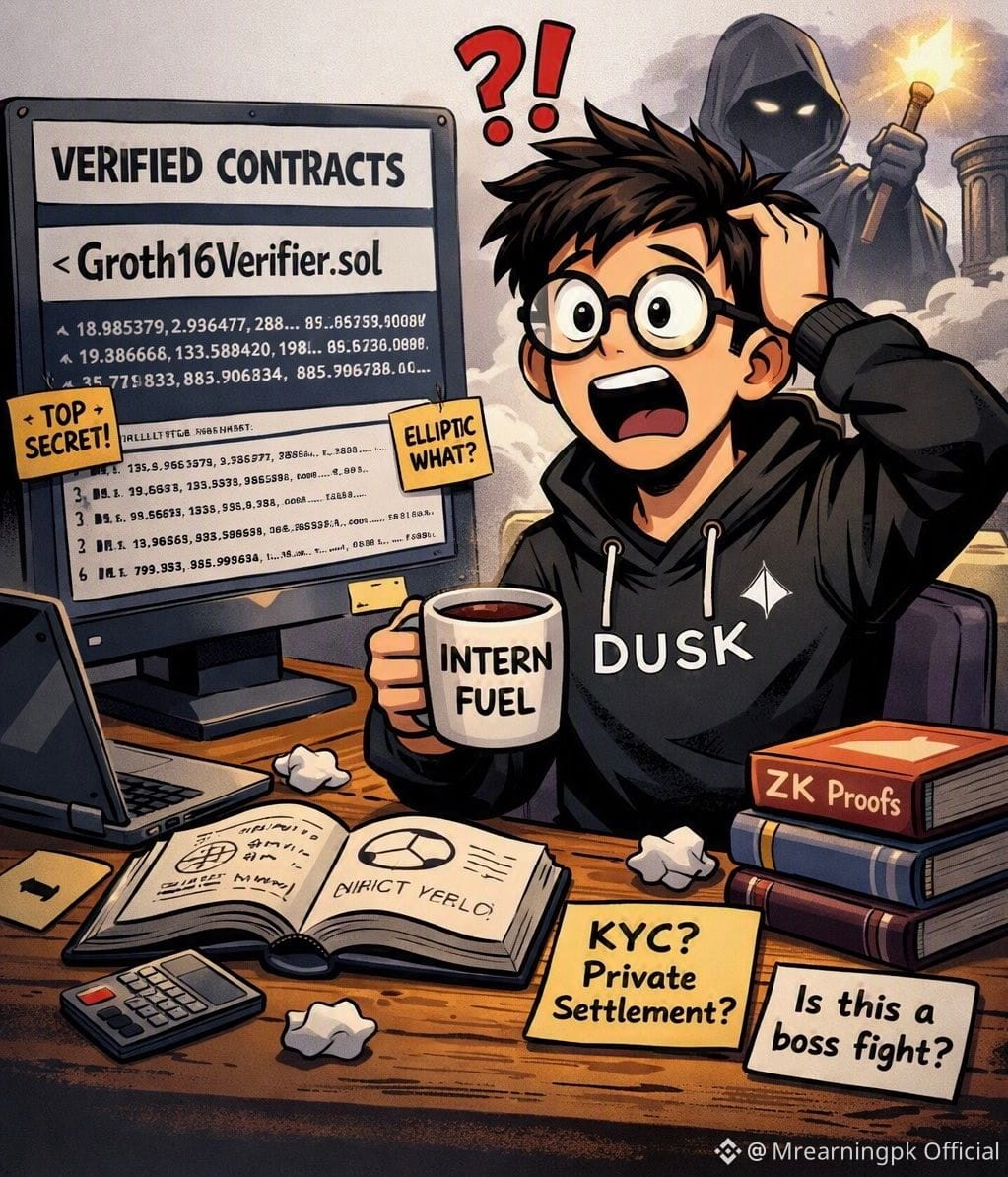
$Dusk Intern は #DuskEVM のテストネット上で、検証済みのコントラクトを静かにスクロールしていた。生産的そうに見せかけていた。すると突然、「Groth16Verifier.sol」という名前のコントラクトを発見。脳内:「ああ、そう… Groth… ええと… growth?
たぶんステーキングの APY の話?」ネタバレ: #APY の話じゃなかった。インターンはそれをクリック。すると即座に 10,000 桁の定数、楕円曲線の点、そして「IC34x」と呼ばれる何かに襲いかかられる。インターンの反応:「このコントラクト、誰かが数学の教科書を Solitidy にぶち込んだみたいなんだけど?」コーヒーを3杯と、精神的な支えのスナックを 1 つ食べた後、インターンは学ぶ: Groth16 は Dusk がプライベートな計算を検証するために使う zk‑proof システム。つまり「中身を明かさずに、何かを証明する」ための魔導書だ。コンプライアンス、アイデンティティ、決済——全部プライベート!インターンは、このコントラクトが偶然の産物ではないと気づく。これは次の基盤だ:
• プライベート KYC の証明
• 機密な決済ロジック
• 規制されたトレーディング
• アイデンティティのチェック
• プライベートなスマートコントラクト実行
機関が必要としているのに、漏らしたくない全部。巨大な定数?それは、特定の zk‑circuit に対する検証キー。コントラクトはそれを使って、送信された証明が正しいかを確認する。数学的に合っていれば → 「true」。
合っていなければ → 「違う、もう一回やってみてよチャンプ」。インターンはさらに、ペアリングの precompile 呼び出しも見つける。Opcode 8。暗号界の最終ボス。ペアリング方程式が成り立てば、証明は有効。インターンのささやき:「つまり、ここが $Dusk が“正しいことを証明しつつ全部をプライベートに保つ”方法なのか…ずるい。」この啓示の後、インターンはオフィスを歩きながらこんなことを言うようになった:“うん、俺 Groth16 触ってる。わりと標準だよ。”その一方で相変わらず検索している。「楕円曲線って結局なに」…とか。とにかく、もし DuskEVM で Groth16Verifier を見かけたら: それはミームじゃない。
ステーキングの倍率でもない。
裏の開発者用バックドアでもない。
これは、Dusk のプライバシー + コンプライアンスがちゃんと機能するための暗号エンジンだ。$Dusk Intern の結論:「Groth16 は怖くない。結局ただの数学…プライバシーのために武器化されてるだけ。」
#dusk $DUSK @Dusk_Foundation
$Dusk Intern は #DuskEVM のテストネット上で、検証済みのコントラクトを静かにスクロールしていた。生産的そうに見せかけていた。すると突然、「Groth16Verifier.sol」という名前のコントラクトを発見。脳内:「ああ、そう… Groth… ええと… growth?
たぶんステーキングの APY の話?」ネタバレ: #APY の話じゃなかった。インターンはそれをクリック。すると即座に 10,000 桁の定数、楕円曲線の点、そして「IC34x」と呼ばれる何かに襲いかかられる。インターンの反応:「このコントラクト、誰かが数学の教科書を Solitidy にぶち込んだみたいなんだけど?」コーヒーを3杯と、精神的な支えのスナックを 1 つ食べた後、インターンは学ぶ: Groth16 は Dusk がプライベートな計算を検証するために使う zk‑proof システム。つまり「中身を明かさずに、何かを証明する」ための魔導書だ。コンプライアンス、アイデンティティ、決済——全部プライベート!インターンは、このコントラクトが偶然の産物ではないと気づく。これは次の基盤だ:
• プライベート KYC の証明
• 機密な決済ロジック
• 規制されたトレーディング
• アイデンティティのチェック
• プライベートなスマートコントラクト実行
機関が必要としているのに、漏らしたくない全部。巨大な定数?それは、特定の zk‑circuit に対する検証キー。コントラクトはそれを使って、送信された証明が正しいかを確認する。数学的に合っていれば → 「true」。
合っていなければ → 「違う、もう一回やってみてよチャンプ」。インターンはさらに、ペアリングの precompile 呼び出しも見つける。Opcode 8。暗号界の最終ボス。ペアリング方程式が成り立てば、証明は有効。インターンのささやき:「つまり、ここが $Dusk が“正しいことを証明しつつ全部をプライベートに保つ”方法なのか…ずるい。」この啓示の後、インターンはオフィスを歩きながらこんなことを言うようになった:“うん、俺 Groth16 触ってる。わりと標準だよ。”その一方で相変わらず検索している。「楕円曲線って結局なに」…とか。とにかく、もし DuskEVM で Groth16Verifier を見かけたら: それはミームじゃない。
ステーキングの倍率でもない。
裏の開発者用バックドアでもない。
これは、Dusk のプライバシー + コンプライアンスがちゃんと機能するための暗号エンジンだ。$Dusk Intern の結論:「Groth16 は怖くない。結局ただの数学…プライバシーのために武器化されてるだけ。」
#dusk $DUSK @Dusk
たぶんステーキングの APY の話?」ネタバレ: #APY の話じゃなかった。インターンはそれをクリック。すると即座に 10,000 桁の定数、楕円曲線の点、そして「IC34x」と呼ばれる何かに襲いかかられる。インターンの反応:「このコントラクト、誰かが数学の教科書を Solitidy にぶち込んだみたいなんだけど?」コーヒーを3杯と、精神的な支えのスナックを 1 つ食べた後、インターンは学ぶ: Groth16 は Dusk がプライベートな計算を検証するために使う zk‑proof システム。つまり「中身を明かさずに、何かを証明する」ための魔導書だ。コンプライアンス、アイデンティティ、決済——全部プライベート!インターンは、このコントラクトが偶然の産物ではないと気づく。これは次の基盤だ:
• プライベート KYC の証明
• 機密な決済ロジック
• 規制されたトレーディング
• アイデンティティのチェック
• プライベートなスマートコントラクト実行
機関が必要としているのに、漏らしたくない全部。巨大な定数?それは、特定の zk‑circuit に対する検証キー。コントラクトはそれを使って、送信された証明が正しいかを確認する。数学的に合っていれば → 「true」。
合っていなければ → 「違う、もう一回やってみてよチャンプ」。インターンはさらに、ペアリングの precompile 呼び出しも見つける。Opcode 8。暗号界の最終ボス。ペアリング方程式が成り立てば、証明は有効。インターンのささやき:「つまり、ここが $Dusk が“正しいことを証明しつつ全部をプライベートに保つ”方法なのか…ずるい。」この啓示の後、インターンはオフィスを歩きながらこんなことを言うようになった:“うん、俺 Groth16 触ってる。わりと標準だよ。”その一方で相変わらず検索している。「楕円曲線って結局なに」…とか。とにかく、もし DuskEVM で Groth16Verifier を見かけたら: それはミームじゃない。
ステーキングの倍率でもない。
裏の開発者用バックドアでもない。
これは、Dusk のプライバシー + コンプライアンスがちゃんと機能するための暗号エンジンだ。$Dusk Intern の結論:「Groth16 は怖くない。結局ただの数学…プライバシーのために武器化されてるだけ。」
#dusk $DUSK @Dusk
3
85
ログインして、さらにコンテンツを読む
厳選トピックで世界の暗号資産トレーダーの仲間入り
⚡️ 暗号資産に関する最新かつ有益な情報が見つかります。
💬 世界最大の暗号資産取引所から信頼されています。
👍 認証を受けたクリエイターから、有益なインサイトを得られます。
メール / 電話番号
トレンドトピック
HYPEJumpsOver11%
閲覧回数 3,961
211人が討論中
🚨 ヒュペが市場をひっくり返した
$HYPE +11%(7日間)
一方で、$XRP と $ETH は出血していた…
ヒュペがTOP10に突入し、カルダノを追い出した。
なぜ?
-➡ $1.3B+ オープン・インタレスト
-➡ ETF流入がBTC&ETH ETFを上回っている
-➡ 大規模な供給バーン進行中
これは単なるポンプじゃない。支配だ。
見てる?それとも【参戦】してる?👇
#HYPE #Hyperliquid #Crypto #BinanceSquare#hypejumpsover11%
True News
·いいね:3件
·閲覧回数 1.6k
BitcoinSpotETFsNetInflow$159M
閲覧回数 947
54人が討論中
HKMAPlansWholesaleCBDCByYearEnd
閲覧回数 12,818
431人が討論中