

A D PK
1.4k 投稿

A D PK
My goal is love for humanity.
963 フォロー
3.4K+ フォロワー
3.7K+ いいね
投稿
すべて
引用
ライブ
PINNED
翻訳参照

@YASH_DHALIWAL_31
が発言中[ライブ] 🎙️ 私の兄はどこだよ 😭
リスナー数:463人
翻訳参照

Mariaaa27
·
--
🧧🎁 レッドパケット(お年玉)プレゼント企画 🎁🧧
素敵なBinanceファミリーのみなさんへ、心からのTHANK YOU 💝🫶
いいね、コメント、リポスト、そしてサポートしてくれることが本当に嬉しいです! ✨
🎁 報酬を受け取るには:
💖 この投稿に「いいね」
❤️ 下に「Hi」とコメント
🔄 この投稿をリポスト
🍀 みなさん、幸運を祈ります!
#CircleMints500MUSDCOnSolana #PolymarketBankFailureBetsDrawFDICConcern #CFTC #hype $BTC
素敵なBinanceファミリーのみなさんへ、心からのTHANK YOU 💝🫶
いいね、コメント、リポスト、そしてサポートしてくれることが本当に嬉しいです! ✨
🎁 報酬を受け取るには:
💖 この投稿に「いいね」
❤️ 下に「Hi」とコメント
🔄 この投稿をリポスト
🍀 みなさん、幸運を祈ります!
#CircleMints500MUSDCOnSolana #PolymarketBankFailureBetsDrawFDICConcern #CFTC #hype $BTC

翻訳参照
Eman098
·
--
click here join trading competition
Fellow Binancians,
Binance is thrilled to launch a Pump.Fun (PUMP) Trading Tournament where eligible users will have a chance to share a total prize pool of 50,000,000 PUMP in token vouchers!
In addition, Binance is introducing a “Sprint Reward” for a limited period – the more you trade, the higher your extra rewards!
Promotion Period: 2026-09-30 10:00 (UTC) to 2026-10-07 10:00 (UTC)
Eligible Trading Pair(s)
Trading pair(s): PUMP/USDC
How to Participate:
Click the [Join Now] button on the landing page to register.
Total Trading Volume reaches at least 500 USD equivalent in any of the aforementioned eligible pair(s) on Binance Spot during the Promotion Period. Users who do not meet this threshold will not qualify for any reward under this Trading Volume Tournament.
All Remaining Eligible Participants
{A proportional share* of 10,000,000 PUMP, capped at 6,800 PUMP per user}
$PUMP
Fellow Binancians,
Binance is thrilled to launch a Pump.Fun (PUMP) Trading Tournament where eligible users will have a chance to share a total prize pool of 50,000,000 PUMP in token vouchers!
In addition, Binance is introducing a “Sprint Reward” for a limited period – the more you trade, the higher your extra rewards!
Promotion Period: 2026-09-30 10:00 (UTC) to 2026-10-07 10:00 (UTC)
Eligible Trading Pair(s)
Trading pair(s): PUMP/USDC
How to Participate:
Click the [Join Now] button on the landing page to register.
Total Trading Volume reaches at least 500 USD equivalent in any of the aforementioned eligible pair(s) on Binance Spot during the Promotion Period. Users who do not meet this threshold will not qualify for any reward under this Trading Volume Tournament.
All Remaining Eligible Participants
{A proportional share* of 10,000,000 PUMP, capped at 6,800 PUMP per user}
$PUMP
翻訳参照
Eman098
·
--
click here join trading competition
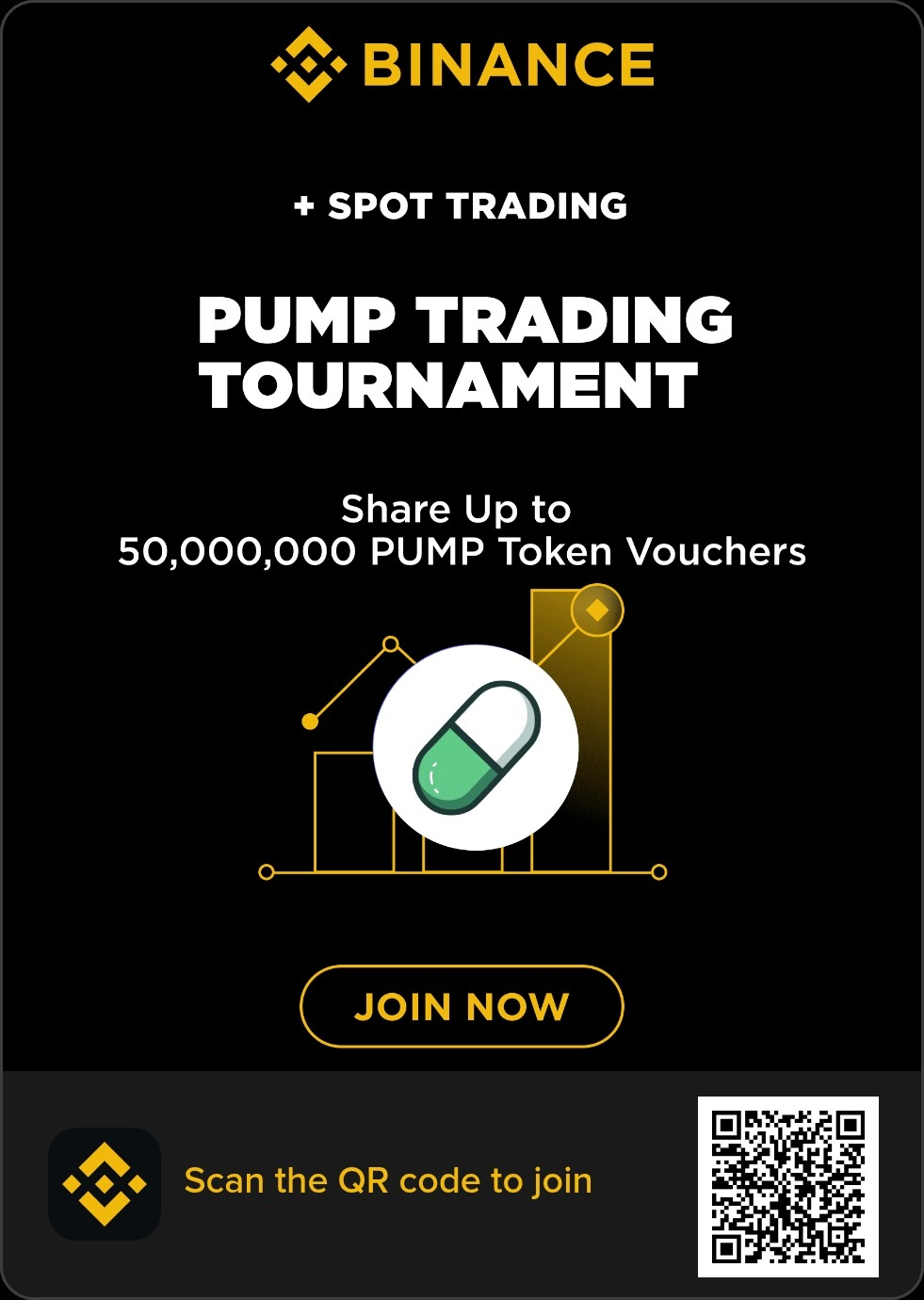
Fellow Binancians,
Binance is thrilled to launch a Pump.Fun (PUMP) Trading Tournament where eligible users will have a chance to share a total prize pool of 50,000,000 PUMP in token vouchers!
In addition, Binance is introducing a “Sprint Reward” for a limited period – the more you trade, the higher your extra rewards!
Promotion Period: 2026-09-30 10:00 (UTC) to 2026-10-07 10:00 (UTC)
Eligible Trading Pair(s)
Trading pair(s): PUMP/USDC
How to Participate:
Click the [Join Now] button on the landing page to register.
Total Trading Volume reaches at least 500 USD equivalent in any of the aforementioned eligible pair(s) on Binance Spot during the Promotion Period. Users who do not meet this threshold will not qualify for any reward under this Trading Volume Tournament.
All Remaining Eligible Participants
{A proportional share* of 10,000,000 PUMP, capped at 6,800 PUMP per user}
$PUMP
Fellow Binancians,
Binance is thrilled to launch a Pump.Fun (PUMP) Trading Tournament where eligible users will have a chance to share a total prize pool of 50,000,000 PUMP in token vouchers!
In addition, Binance is introducing a “Sprint Reward” for a limited period – the more you trade, the higher your extra rewards!
Promotion Period: 2026-09-30 10:00 (UTC) to 2026-10-07 10:00 (UTC)
Eligible Trading Pair(s)
Trading pair(s): PUMP/USDC
How to Participate:
Click the [Join Now] button on the landing page to register.
Total Trading Volume reaches at least 500 USD equivalent in any of the aforementioned eligible pair(s) on Binance Spot during the Promotion Period. Users who do not meet this threshold will not qualify for any reward under this Trading Volume Tournament.
All Remaining Eligible Participants
{A proportional share* of 10,000,000 PUMP, capped at 6,800 PUMP per user}
$PUMP

翻訳参照
A D PK
·
--
[終了] 🎙️ Live open for everone
リスナー数:76人
翻訳参照

JANNAT BM_
·
--
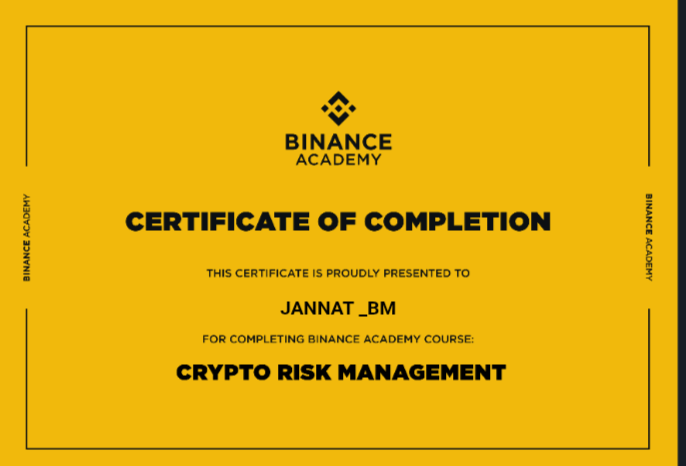
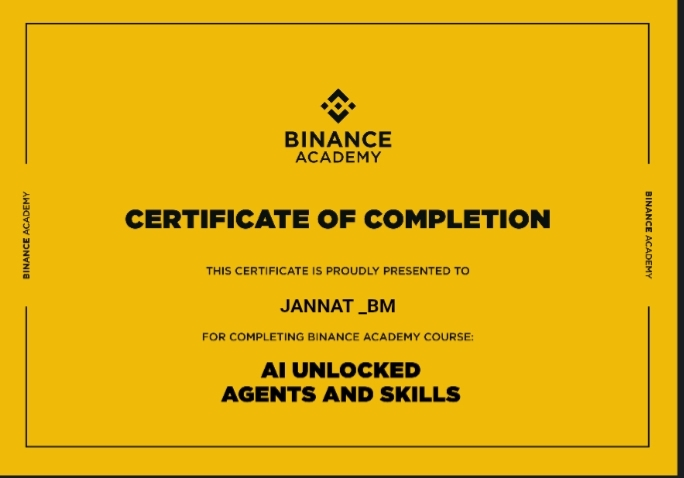
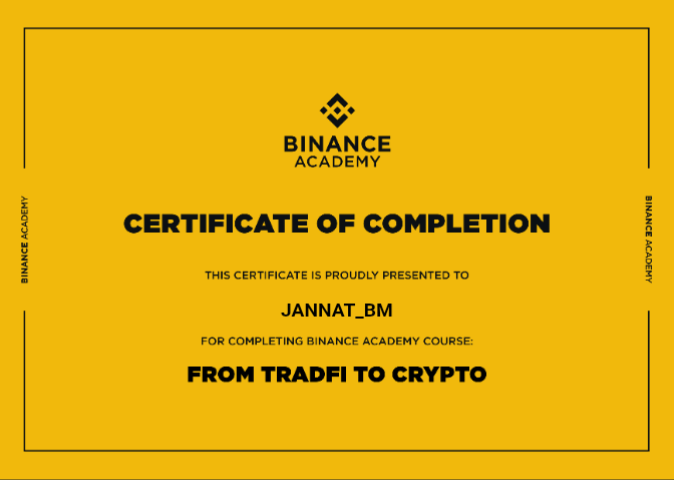
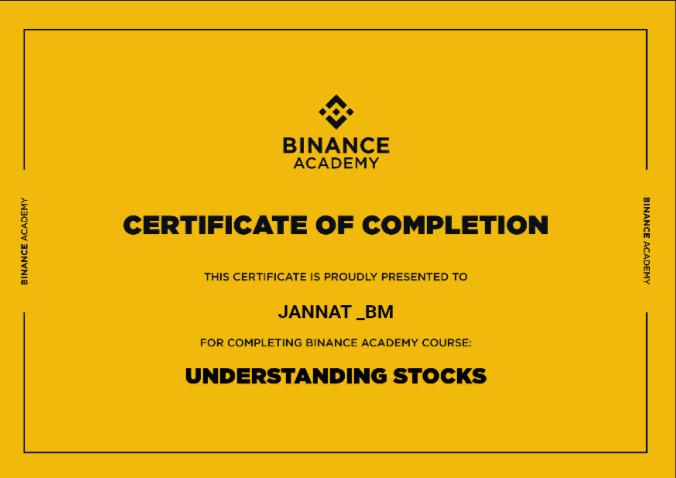
ありがとう @Binance Academy 💛💛💛💛
翻訳参照

MAYA_
·
--
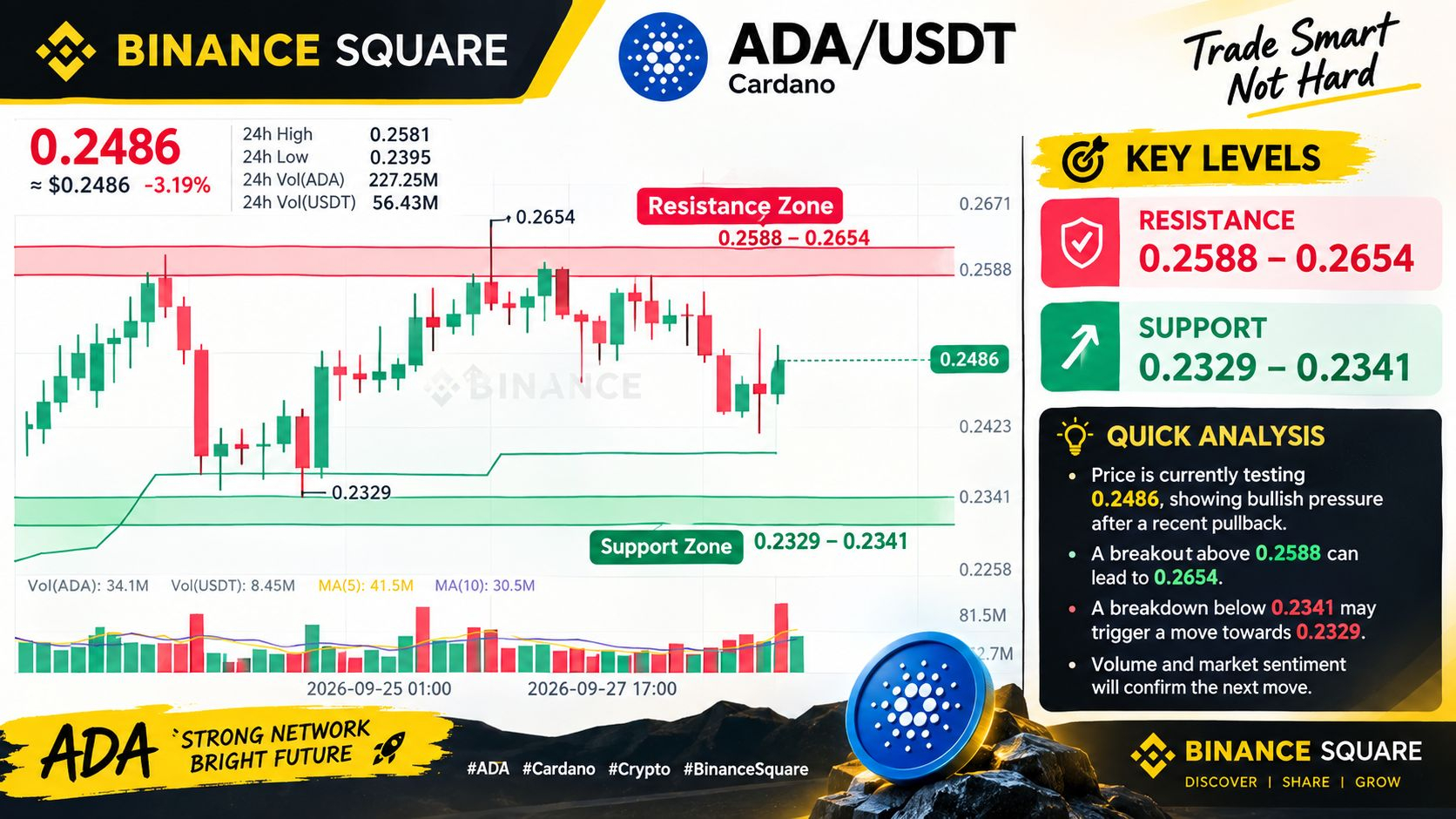
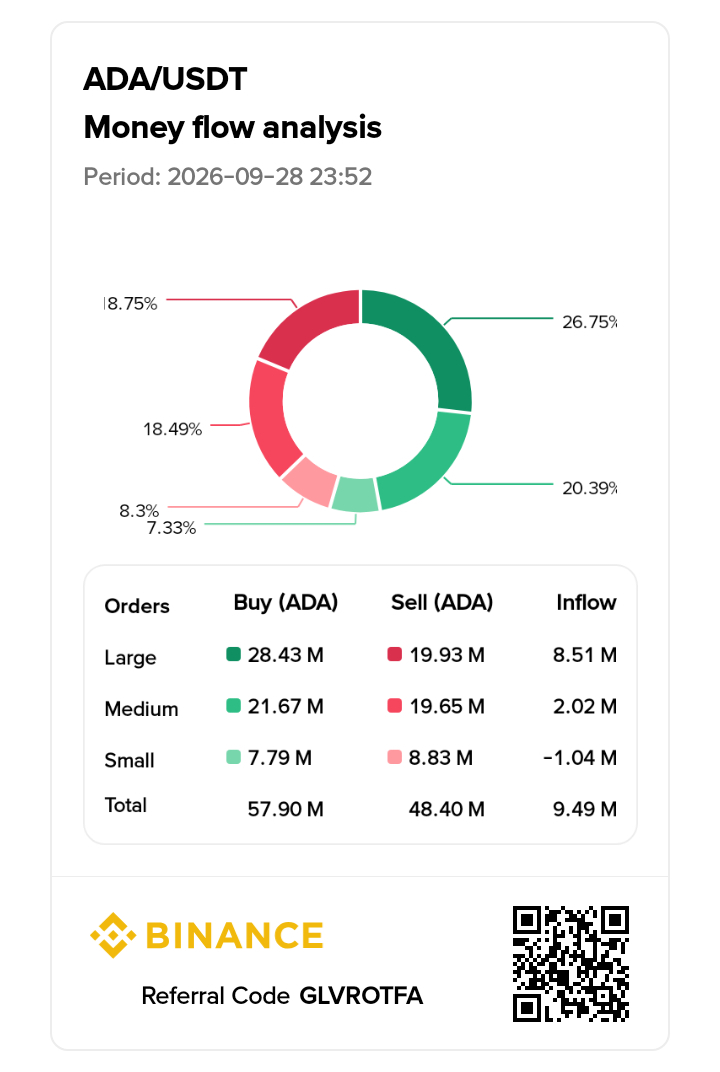
$BTC 100k は近日公開 🟢🚀
翻訳参照

SHABIR HUSSAIN 1
·
--
[終了] 🎙️ Welcome Guys
リスナー数:114人
翻訳参照
引用されたコンテンツは削除されました
翻訳参照

Ridhi Sharma
·
--
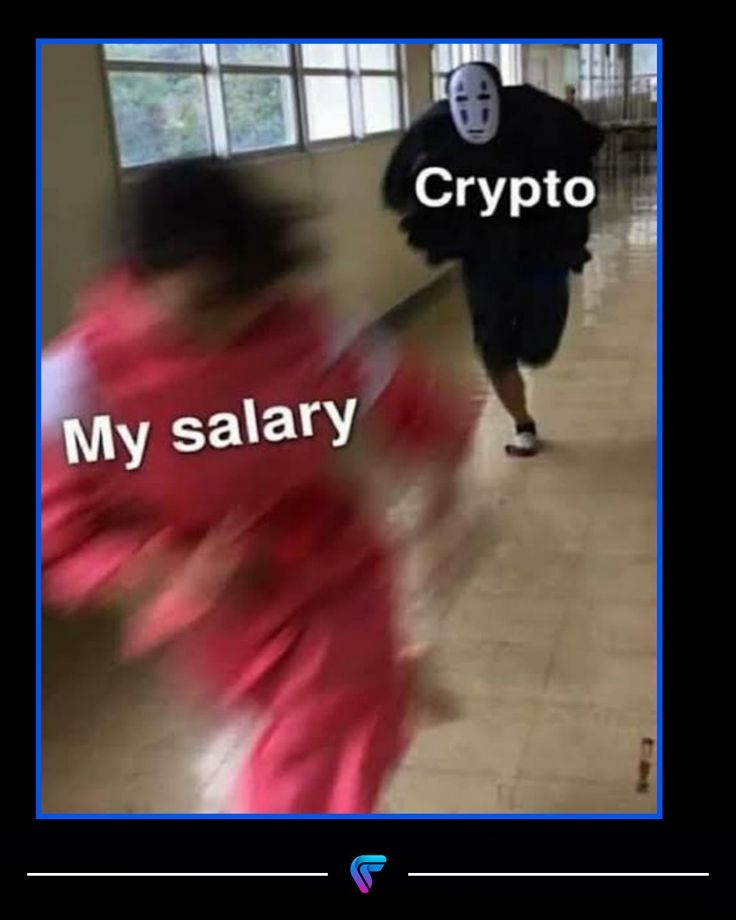
私の給料を保存してください 😛😛😛
$ZEC $Q $BTW
$ZEC $Q $BTW
A D PK
·
--
[終了] 🎙️ BINANCE SQUARE でライブ開始中
リスナー数:142人
ログインして、さらにコンテンツを読む