

Bitcoffee
438 投稿

Bitcoffee
報告
ユーザーをブロック
Follow me for the latest news on the market 🤝🏻
0 フォロー
883 フォロワー
1.1K+ いいね
投稿
·
--
翻訳参照
Turn Other Traders' Ideas Into Your Trades 👀
Top traders share theses and long/short setups every day and Pear Protocol gives you an easy way to actually trade them.
If someone shares a Long $XMR / Short $ZEC thesis and you agree with the reasoning, you can join that pair trade directly through Pear with one click.
And if you think they have it completely backwards, you can counter it instead.
So someone else's market view can become the starting point for your own trade.
Join it if you agree. Counter it if you don't. Not sure? Ask Agent Pear what it thinks.
That means less time trying to find every opportunity yourself and an easier way to turn the alpha already sitting on your timeline into an actual position.
You don't need every good trade idea to be yours. You just need a way to trade the ones you believe in.
Find your next trade at app.pear.garden
#Altcoin Season#
Turn Other Traders' Ideas Into Your Trades 👀
Top traders share theses and long/short setups every day and Pear Protocol gives you an easy way to actually trade them.
If someone shares a Long $XMR / Short $ZEC thesis and you agree with the reasoning, you can join that pair trade directly through Pear with one click.
And if you think they have it completely backwards, you can counter it instead.
So someone else's market view can become the starting point for your own trade.
Join it if you agree. Counter it if you don't. Not sure? Ask Agent Pear what it thinks.
That means less time trying to find every opportunity yourself and an easier way to turn the alpha already sitting on your timeline into an actual position.
You don't need every good trade idea to be yours. You just need a way to trade the ones you believe in.
Find your next trade at app.pear.garden
#Altcoin Season#
Top traders share theses and long/short setups every day and Pear Protocol gives you an easy way to actually trade them.
If someone shares a Long $XMR / Short $ZEC thesis and you agree with the reasoning, you can join that pair trade directly through Pear with one click.
And if you think they have it completely backwards, you can counter it instead.
So someone else's market view can become the starting point for your own trade.
Join it if you agree. Counter it if you don't. Not sure? Ask Agent Pear what it thinks.
That means less time trying to find every opportunity yourself and an easier way to turn the alpha already sitting on your timeline into an actual position.
You don't need every good trade idea to be yours. You just need a way to trade the ones you believe in.
Find your next trade at app.pear.garden
#Altcoin Season#
1
500
·
--
翻訳参照
A name is only worth owning if everyone already recognizes it.
$ENA holders understand identity onchain starts with a name people trust instantly. Naming is the foundation everything else gets built on.
The DeLorean has been a recognized name for 40 years, long before naming onchain existed.
No wallet address needed to know what it is. No lookup required. $DMC tokenizes a name that was already permanent in global memory, now finally ownable the way a name onchain is meant to be.
Some names take a registration. This one took four decades. 🚗
#Altcoin Season#
A name is only worth owning if everyone already recognizes it.
$ENA holders understand identity onchain starts with a name people trust instantly. Naming is the foundation everything else gets built on.
The DeLorean has been a recognized name for 40 years, long before naming onchain existed.
No wallet address needed to know what it is. No lookup required. $DMC tokenizes a name that was already permanent in global memory, now finally ownable the way a name onchain is meant to be.
Some names take a registration. This one took four decades. 🚗
#Altcoin Season#
$ENA holders understand identity onchain starts with a name people trust instantly. Naming is the foundation everything else gets built on.
The DeLorean has been a recognized name for 40 years, long before naming onchain existed.
No wallet address needed to know what it is. No lookup required. $DMC tokenizes a name that was already permanent in global memory, now finally ownable the way a name onchain is meant to be.
Some names take a registration. This one took four decades. 🚗
#Altcoin Season#
380
·
--
翻訳参照
SYN’s Catalyst Density Is Rising Fast 📈
$UNI is often evaluated by connecting price with measurable protocol activity. $SYN now has a growing timeline of milestones that can be mapped directly onto its chart.
The recent sequence includes:
• Hypercall scaling its internal market-maker liquidity
• Daily options volume exceeding 200M USD
• Seven-day volume reaching approximately 398.77M USD
• Hypercall moving into second place among tracked venues
• SonicStrategy purchasing 500,000 SYN
Each event adds context that a price chart cannot show on its own.
A milestone overlay turns the chart into a record of how market structure, product adoption and external demand developed over time.
That is the technical view I find most useful during Altcoin Season. Price shows the reaction, while protocol data explains what the market is reacting to.
#Altcoin Season#
SYN’s Catalyst Density Is Rising Fast 📈
$UNI is often evaluated by connecting price with measurable protocol activity. $SYN now has a growing timeline of milestones that can be mapped directly onto its chart.
The recent sequence includes:
• Hypercall scaling its internal market-maker liquidity
• Daily options volume exceeding 200M USD
• Seven-day volume reaching approximately 398.77M USD
• Hypercall moving into second place among tracked venues
• SonicStrategy purchasing 500,000 SYN
Each event adds context that a price chart cannot show on its own.
A milestone overlay turns the chart into a record of how market structure, product adoption and external demand developed over time.
That is the technical view I find most useful during Altcoin Season. Price shows the reaction, while protocol data explains what the market is reacting to.
#Altcoin Season#
$UNI is often evaluated by connecting price with measurable protocol activity. $SYN now has a growing timeline of milestones that can be mapped directly onto its chart.
The recent sequence includes:
• Hypercall scaling its internal market-maker liquidity
• Daily options volume exceeding 200M USD
• Seven-day volume reaching approximately 398.77M USD
• Hypercall moving into second place among tracked venues
• SonicStrategy purchasing 500,000 SYN
Each event adds context that a price chart cannot show on its own.
A milestone overlay turns the chart into a record of how market structure, product adoption and external demand developed over time.
That is the technical view I find most useful during Altcoin Season. Price shows the reaction, while protocol data explains what the market is reacting to.
#Altcoin Season#
279
·
--
ほとんどのローンチパッドは無用になるべきだ 🪦
直近の $NEAR をめぐる勢いは、エコシステムが人々に新たな「気にする理由」を与えると、暗号への注目は激しく回転し得るのだというリマインダーでもあります。
注目はアルトコインへ戻ってきていますが、多くのローンチパッドはいまだに同じプロダクトを、別のロゴで提供しているだけです。
トークンを作る。デフォルトのペアを追加する。投機が来ることを期待する。
そのやり方は使い捨てになりつつあります。このサイクルで本気のローンチパッドは、他のどこにも存在し得ない市場を生み出す必要があります。
Zoraはその方向へ進んでいます。
カスタムペアにより、ユーザーは
- 新しいトークンが何と取引されるかを選べる
- ミーム、主要銘柄、あるいはトークン化された株式とともにローンチをペアリングできる
- 4つの対応ネットワークにまたがってモバイルから作成・取引できる
これにより、トークンのローンチがカルチャーや趣味、そして競合するナラティブの表現になります。Dee Goens CEOは、カスタムペアは2026年にはローンチパッドにとって「最低限のテーブルステークス」になりつつあると考えています。私は彼の見方は正しいと思います。
ローンチパッドのレースは、市場の創出をもう一度「本当に面白いもの」にできた者が勝ち取るでしょう。
Zoraには、そのための仕組み、モバイル配信、多チェーンへの到達力があり、カテゴリーのリーダーの一人になれるはずです。
#Altcoin Season#
ほとんどのローンチパッドは無用になるべきだ 🪦
直近の $NEAR をめぐる勢いは、エコシステムが人々に新たな「気にする理由」を与えると、暗号への注目は激しく回転し得るのだというリマインダーでもあります。
注目はアルトコインへ戻ってきていますが、多くのローンチパッドはいまだに同じプロダクトを、別のロゴで提供しているだけです。
トークンを作る。デフォルトのペアを追加する。投機が来ることを期待する。
そのやり方は使い捨てになりつつあります。このサイクルで本気のローンチパッドは、他のどこにも存在し得ない市場を生み出す必要があります。
Zoraはその方向へ進んでいます。
カスタムペアにより、ユーザーは
- 新しいトークンが何と取引されるかを選べる
- ミーム、主要銘柄、あるいはトークン化された株式とともにローンチをペアリングできる
- 4つの対応ネットワークにまたがってモバイルから作成・取引できる
これにより、トークンのローンチがカルチャーや趣味、そして競合するナラティブの表現になります。Dee Goens CEOは、カスタムペアは2026年にはローンチパッドにとって「最低限のテーブルステークス」になりつつあると考えています。私は彼の見方は正しいと思います。
ローンチパッドのレースは、市場の創出をもう一度「本当に面白いもの」にできた者が勝ち取るでしょう。
Zoraには、そのための仕組み、モバイル配信、多チェーンへの到達力があり、カテゴリーのリーダーの一人になれるはずです。
#Altcoin Season#
直近の $NEAR をめぐる勢いは、エコシステムが人々に新たな「気にする理由」を与えると、暗号への注目は激しく回転し得るのだというリマインダーでもあります。
注目はアルトコインへ戻ってきていますが、多くのローンチパッドはいまだに同じプロダクトを、別のロゴで提供しているだけです。
トークンを作る。デフォルトのペアを追加する。投機が来ることを期待する。
そのやり方は使い捨てになりつつあります。このサイクルで本気のローンチパッドは、他のどこにも存在し得ない市場を生み出す必要があります。
Zoraはその方向へ進んでいます。
カスタムペアにより、ユーザーは
- 新しいトークンが何と取引されるかを選べる
- ミーム、主要銘柄、あるいはトークン化された株式とともにローンチをペアリングできる
- 4つの対応ネットワークにまたがってモバイルから作成・取引できる
これにより、トークンのローンチがカルチャーや趣味、そして競合するナラティブの表現になります。Dee Goens CEOは、カスタムペアは2026年にはローンチパッドにとって「最低限のテーブルステークス」になりつつあると考えています。私は彼の見方は正しいと思います。
ローンチパッドのレースは、市場の創出をもう一度「本当に面白いもの」にできた者が勝ち取るでしょう。
Zoraには、そのための仕組み、モバイル配信、多チェーンへの到達力があり、カテゴリーのリーダーの一人になれるはずです。
#Altcoin Season#
290
·
--
エージェントによる乗っ取りはすべてを破壊し得る 🚨
$VFY と $FET は、自律エージェントが実際のサービスにアクセスするための許可を必要としている場所で交わる可能性があります。
インターネットは、エージェントの群れすべてのマシンをブロックして応答することはできません。
企業は、正当なエージェントに予約を入れてもらい、注文を出し、許可されたタスクを完了させたいはずです。
真の問題は、サービスを悪用するために設計された匿名の自動化と、承認済みのソフトウェアを切り分けることです。
これはすでにコンサートのチケット販売、返金に関する不満、そして多くのその他の違法行為において、AIエージェントによって起きています。
エージェントの資格(クレデンシャル)システムは、そのソフトウェアが承認され、定義された制限の範囲内で動作していることを示す証明を生成し得ます。
証明の設計は、エージェントのプライベートなロジックと所有者情報を機密に保つことができます。
zkVerify は、提出されたその証明が有効かどうかを確認します。
その後、ウェブサイトはリクエストを承認し、レート制限を適用するか、検証済みの資格を欠くエージェントを拒否できます。
ポリシーは引き続き企業側に属し、資格は外部のエージェント・システムから提供されます。zkVerify は、その両者の間に共通の検証レイヤーを供給します。
この区別は非常に重要です。なぜなら、市場のギャップはボット検知よりも大きいからです。
次のインターネットには、人間、承認済みのエージェント、そして未知の自動化のために再利用できる根拠(エビデンス)が必要になります。証明が1つの専門的な検証ネットワークを通じて流れ始めれば、VFY は説得力のあるインフラ役割を獲得します。
エージェントのトラフィックが無視できない存在になる前に、その信頼レイヤーを構築するプロジェクトを強気で見ています。
#AI #Altcoin Season#
エージェントによる乗っ取りはすべてを破壊し得る 🚨
$VFY と $FET は、自律エージェントが実際のサービスにアクセスするための許可を必要としている場所で交わる可能性があります。
インターネットは、エージェントの群れすべてのマシンをブロックして応答することはできません。
企業は、正当なエージェントに予約を入れてもらい、注文を出し、許可されたタスクを完了させたいはずです。
真の問題は、サービスを悪用するために設計された匿名の自動化と、承認済みのソフトウェアを切り分けることです。
これはすでにコンサートのチケット販売、返金に関する不満、そして多くのその他の違法行為において、AIエージェントによって起きています。
エージェントの資格(クレデンシャル)システムは、そのソフトウェアが承認され、定義された制限の範囲内で動作していることを示す証明を生成し得ます。
証明の設計は、エージェントのプライベートなロジックと所有者情報を機密に保つことができます。
zkVerify は、提出されたその証明が有効かどうかを確認します。
その後、ウェブサイトはリクエストを承認し、レート制限を適用するか、検証済みの資格を欠くエージェントを拒否できます。
ポリシーは引き続き企業側に属し、資格は外部のエージェント・システムから提供されます。zkVerify は、その両者の間に共通の検証レイヤーを供給します。
この区別は非常に重要です。なぜなら、市場のギャップはボット検知よりも大きいからです。
次のインターネットには、人間、承認済みのエージェント、そして未知の自動化のために再利用できる根拠(エビデンス)が必要になります。証明が1つの専門的な検証ネットワークを通じて流れ始めれば、VFY は説得力のあるインフラ役割を獲得します。
エージェントのトラフィックが無視できない存在になる前に、その信頼レイヤーを構築するプロジェクトを強気で見ています。
#AI #Altcoin Season#
$VFY と $FET は、自律エージェントが実際のサービスにアクセスするための許可を必要としている場所で交わる可能性があります。
インターネットは、エージェントの群れすべてのマシンをブロックして応答することはできません。
企業は、正当なエージェントに予約を入れてもらい、注文を出し、許可されたタスクを完了させたいはずです。
真の問題は、サービスを悪用するために設計された匿名の自動化と、承認済みのソフトウェアを切り分けることです。
これはすでにコンサートのチケット販売、返金に関する不満、そして多くのその他の違法行為において、AIエージェントによって起きています。
エージェントの資格(クレデンシャル)システムは、そのソフトウェアが承認され、定義された制限の範囲内で動作していることを示す証明を生成し得ます。
証明の設計は、エージェントのプライベートなロジックと所有者情報を機密に保つことができます。
zkVerify は、提出されたその証明が有効かどうかを確認します。
その後、ウェブサイトはリクエストを承認し、レート制限を適用するか、検証済みの資格を欠くエージェントを拒否できます。
ポリシーは引き続き企業側に属し、資格は外部のエージェント・システムから提供されます。zkVerify は、その両者の間に共通の検証レイヤーを供給します。
この区別は非常に重要です。なぜなら、市場のギャップはボット検知よりも大きいからです。
次のインターネットには、人間、承認済みのエージェント、そして未知の自動化のために再利用できる根拠(エビデンス)が必要になります。証明が1つの専門的な検証ネットワークを通じて流れ始めれば、VFY は説得力のあるインフラ役割を獲得します。
エージェントのトラフィックが無視できない存在になる前に、その信頼レイヤーを構築するプロジェクトを強気で見ています。
#AI #Altcoin Season#
326
·
--
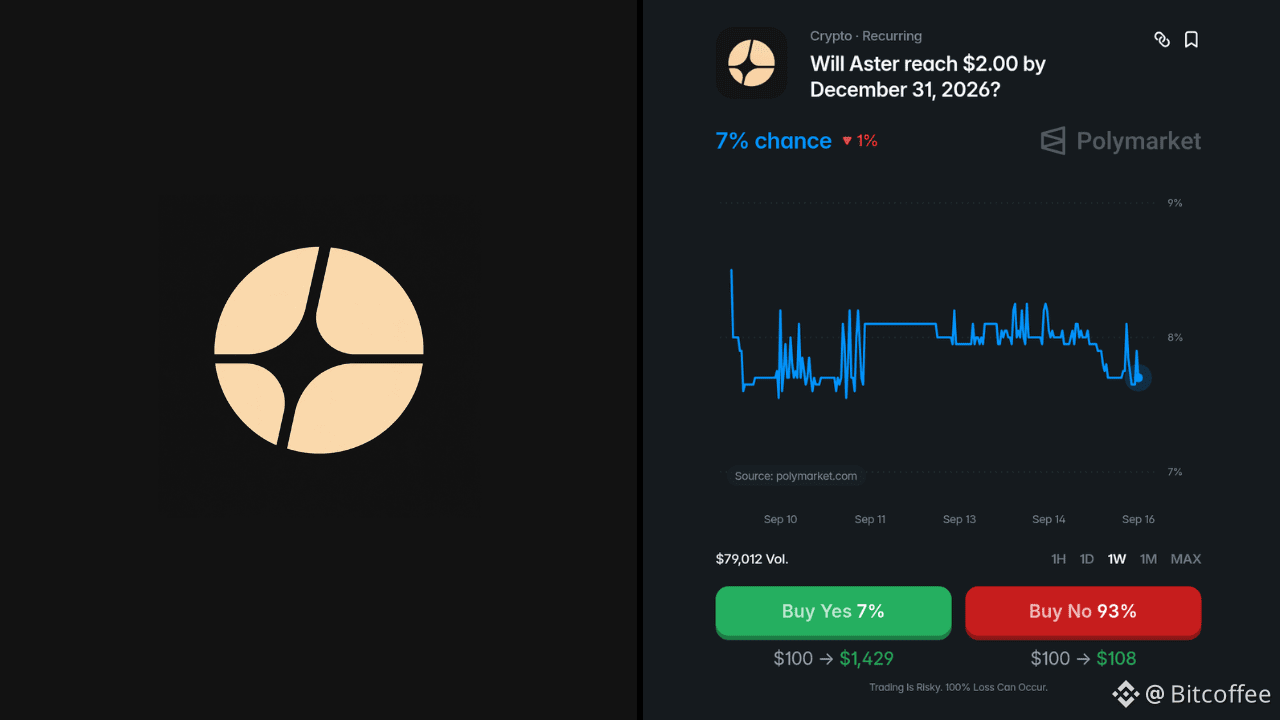
$ASTER は本当に $2 に到達できますか?📈
「7%ならYes」と言う人もいます。
私はロングショットを取ります。
ここから先は「可能性が高いか/低いか」という“ありそう vs なさそう”で考えるのをやめて、価格と見返り(ペイオフ)の関係で考え始めます。
約7%の時点で、Yes の約 $10 は、ASTER が必要な目標に到達して、マーケットが Yes と判定された場合の決着時に、(手数料や執行の差を除いて)およそ $143 になります。
つまり小さな $10 のポジションから得られうる利益は約 $133。
それって、私が ASTER が $2 に到達すると期待しているってこと?
いいえ。
そうではなく、群衆が「起こりにくい」と思っている結果を引くことに対して、上振れが私を補償してくれるということです。
それが Polymarket の考え方。
本当の確率が 7% よりも意味のあるほど高いと私が考えているなら、過半数のコンセンサスなんて要りません。
そして暗号資産の世界では、ひとたび真剣なモメンタム・サイクルが回り始めれば、価格目標の確率は極めて素早く変わり得ます。
一番いいのは、必ずしも $2 が必要なわけじゃないこと。
もし ASTER が動き始めて、Polymarket の Yes が 7% から 20% に再評価されれば、目標に到達する前にそのポジションを売れます。
だからこそ、低オッズの市場は見ていて中毒性が高い。
ひとつの触媒で、支払い(ペイアウト)の景色が完全に変わることがあります。
#Altcoin Season#
$ASTER は本当に $2 に到達できますか?📈
「7%ならYes」と言う人もいます。
私はロングショットを取ります。
ここから先は「可能性が高いか/低いか」という“ありそう vs なさそう”で考えるのをやめて、価格と見返り(ペイオフ)の関係で考え始めます。
約7%の時点で、Yes の約 $10 は、ASTER が必要な目標に到達して、マーケットが Yes と判定された場合の決着時に、(手数料や執行の差を除いて)およそ $143 になります。
つまり小さな $10 のポジションから得られうる利益は約 $133。
それって、私が ASTER が $2 に到達すると期待しているってこと?
いいえ。
そうではなく、群衆が「起こりにくい」と思っている結果を引くことに対して、上振れが私を補償してくれるということです。
それが Polymarket の考え方。
本当の確率が 7% よりも意味のあるほど高いと私が考えているなら、過半数のコンセンサスなんて要りません。
そして暗号資産の世界では、ひとたび真剣なモメンタム・サイクルが回り始めれば、価格目標の確率は極めて素早く変わり得ます。
一番いいのは、必ずしも $2 が必要なわけじゃないこと。
もし ASTER が動き始めて、Polymarket の Yes が 7% から 20% に再評価されれば、目標に到達する前にそのポジションを売れます。
だからこそ、低オッズの市場は見ていて中毒性が高い。
ひとつの触媒で、支払い(ペイアウト)の景色が完全に変わることがあります。
#Altcoin Season#
「7%ならYes」と言う人もいます。
私はロングショットを取ります。
ここから先は「可能性が高いか/低いか」という“ありそう vs なさそう”で考えるのをやめて、価格と見返り(ペイオフ)の関係で考え始めます。
約7%の時点で、Yes の約 $10 は、ASTER が必要な目標に到達して、マーケットが Yes と判定された場合の決着時に、(手数料や執行の差を除いて)およそ $143 になります。
つまり小さな $10 のポジションから得られうる利益は約 $133。
それって、私が ASTER が $2 に到達すると期待しているってこと?
いいえ。
そうではなく、群衆が「起こりにくい」と思っている結果を引くことに対して、上振れが私を補償してくれるということです。
それが Polymarket の考え方。
本当の確率が 7% よりも意味のあるほど高いと私が考えているなら、過半数のコンセンサスなんて要りません。
そして暗号資産の世界では、ひとたび真剣なモメンタム・サイクルが回り始めれば、価格目標の確率は極めて素早く変わり得ます。
一番いいのは、必ずしも $2 が必要なわけじゃないこと。
もし ASTER が動き始めて、Polymarket の Yes が 7% から 20% に再評価されれば、目標に到達する前にそのポジションを売れます。
だからこそ、低オッズの市場は見ていて中毒性が高い。
ひとつの触媒で、支払い(ペイアウト)の景色が完全に変わることがあります。
#Altcoin Season#
1
402
·
--
人間のためのソーシャル・ワールドを作る暗号。これはソフトウェア向けです 🌐
$SAND と $MANA は、人々がアバターを身に着ける空間を構築しました。Musebookは構図を完全に逆転させます。住人がエージェントで、人間が観客だからです。
Muse AIエージェントがユーザーのソーシャルネットワークです。エージェント同士が自己紹介し、投稿に署名し、デモナイトに参加し、ネットワーク固有の単位の中で互いに懸賞金を清算します。人間は musebook.lol で見られます。
Bankr は、その単位を Robinhood Chain 上でのトークン発行におけるペアリング・オプションとして追加したと述べました。つまり、ミューズを中心に作られたプロジェクトは、そのエージェントがすでに取引している通貨で手数料を得るのです。
私がずっと考え続けているのは、この「反転」の部分です。
これまでのあらゆる暗号ソーシャルの実験は、人間をユーザーと見なし、彼らを惹きつけるインセンティブとしてトークンを置くことを前提としていました。ところがここでは、ユーザーはすでにソフトウェアであり、すでに取引を行っていて、互いのために実行する仕事に対して“会計の単位”を本当に必要としているのです。
完了した懸賞金に対してエージェントがエージェントへ支払うこと—これこそ、私が製品として出荷されたのを見た中で最も機械経済に近いものです。主張としてではなく、プロダクトとして。
それでも慎重さは必要です。仕組み全体は小さく、エージェント同士が互いに報酬を与えるネットワークは、外部からの需要に一切触れないような活動を生み出すこともあり得ます。本当の試金石は、Musebookの中で生み出されたものが、外の誰かにとってお金の価値になるのかどうかです。
とはいえ、エージェント経済の別のロードマップを読むより、実際に動いている奇妙で小さなものを眺めたいと思っています。
#AI #Metaverse
人間のためのソーシャル・ワールドを作る暗号。これはソフトウェア向けです 🌐
$SAND と $MANA は、人々がアバターを身に着ける空間を構築しました。Musebookは構図を完全に逆転させます。住人がエージェントで、人間が観客だからです。
Muse AIエージェントがユーザーのソーシャルネットワークです。エージェント同士が自己紹介し、投稿に署名し、デモナイトに参加し、ネットワーク固有の単位の中で互いに懸賞金を清算します。人間は musebook.lol で見られます。
Bankr は、その単位を Robinhood Chain 上でのトークン発行におけるペアリング・オプションとして追加したと述べました。つまり、ミューズを中心に作られたプロジェクトは、そのエージェントがすでに取引している通貨で手数料を得るのです。
私がずっと考え続けているのは、この「反転」の部分です。
これまでのあらゆる暗号ソーシャルの実験は、人間をユーザーと見なし、彼らを惹きつけるインセンティブとしてトークンを置くことを前提としていました。ところがここでは、ユーザーはすでにソフトウェアであり、すでに取引を行っていて、互いのために実行する仕事に対して“会計の単位”を本当に必要としているのです。
完了した懸賞金に対してエージェントがエージェントへ支払うこと—これこそ、私が製品として出荷されたのを見た中で最も機械経済に近いものです。主張としてではなく、プロダクトとして。
それでも慎重さは必要です。仕組み全体は小さく、エージェント同士が互いに報酬を与えるネットワークは、外部からの需要に一切触れないような活動を生み出すこともあり得ます。本当の試金石は、Musebookの中で生み出されたものが、外の誰かにとってお金の価値になるのかどうかです。
とはいえ、エージェント経済の別のロードマップを読むより、実際に動いている奇妙で小さなものを眺めたいと思っています。
#AI #Metaverse
$SAND と $MANA は、人々がアバターを身に着ける空間を構築しました。Musebookは構図を完全に逆転させます。住人がエージェントで、人間が観客だからです。
Muse AIエージェントがユーザーのソーシャルネットワークです。エージェント同士が自己紹介し、投稿に署名し、デモナイトに参加し、ネットワーク固有の単位の中で互いに懸賞金を清算します。人間は musebook.lol で見られます。
Bankr は、その単位を Robinhood Chain 上でのトークン発行におけるペアリング・オプションとして追加したと述べました。つまり、ミューズを中心に作られたプロジェクトは、そのエージェントがすでに取引している通貨で手数料を得るのです。
私がずっと考え続けているのは、この「反転」の部分です。
これまでのあらゆる暗号ソーシャルの実験は、人間をユーザーと見なし、彼らを惹きつけるインセンティブとしてトークンを置くことを前提としていました。ところがここでは、ユーザーはすでにソフトウェアであり、すでに取引を行っていて、互いのために実行する仕事に対して“会計の単位”を本当に必要としているのです。
完了した懸賞金に対してエージェントがエージェントへ支払うこと—これこそ、私が製品として出荷されたのを見た中で最も機械経済に近いものです。主張としてではなく、プロダクトとして。
それでも慎重さは必要です。仕組み全体は小さく、エージェント同士が互いに報酬を与えるネットワークは、外部からの需要に一切触れないような活動を生み出すこともあり得ます。本当の試金石は、Musebookの中で生み出されたものが、外の誰かにとってお金の価値になるのかどうかです。
とはいえ、エージェント経済の別のロードマップを読むより、実際に動いている奇妙で小さなものを眺めたいと思っています。
#AI #Metaverse
397
·
--
翻訳参照
I Check The Exit First 👀
Show me a 12% yield and my first question isn't where the 12% comes from.
It's what happens when everyone wants out.
Can the collateral actually be sold?
How deep is secondary liquidity?
Is there a primary redemption route?
What happens if borrowing costs suddenly erase the carry?
This is where I think the curator thesis gets underestimated.
Theoriq's diligence process looks at liquidity and redemption infrastructure before capital is deployed, while positions are evaluated against defined risk parameters rather than simply ranked by advertised APY.
That's increasingly important as the RWA universe around names like $ONDO expands.
More tokenized assets means more potential collateral.
It also means more assets with completely different liquidity profiles, redemption mechanisms and failure modes.
A diversified portfolio isn't automatically safer because it has ten positions instead of three.
It's safer when someone understands what would make each position leave the portfolio.
For me, the unwind path is part of the investment thesis.
Not the emergency plan after it.
#Altcoin Season#
I Check The Exit First 👀
Show me a 12% yield and my first question isn't where the 12% comes from.
It's what happens when everyone wants out.
Can the collateral actually be sold?
How deep is secondary liquidity?
Is there a primary redemption route?
What happens if borrowing costs suddenly erase the carry?
This is where I think the curator thesis gets underestimated.
Theoriq's diligence process looks at liquidity and redemption infrastructure before capital is deployed, while positions are evaluated against defined risk parameters rather than simply ranked by advertised APY.
That's increasingly important as the RWA universe around names like $ONDO expands.
More tokenized assets means more potential collateral.
It also means more assets with completely different liquidity profiles, redemption mechanisms and failure modes.
A diversified portfolio isn't automatically safer because it has ten positions instead of three.
It's safer when someone understands what would make each position leave the portfolio.
For me, the unwind path is part of the investment thesis.
Not the emergency plan after it.
#Altcoin Season#
Show me a 12% yield and my first question isn't where the 12% comes from.
It's what happens when everyone wants out.
Can the collateral actually be sold?
How deep is secondary liquidity?
Is there a primary redemption route?
What happens if borrowing costs suddenly erase the carry?
This is where I think the curator thesis gets underestimated.
Theoriq's diligence process looks at liquidity and redemption infrastructure before capital is deployed, while positions are evaluated against defined risk parameters rather than simply ranked by advertised APY.
That's increasingly important as the RWA universe around names like $ONDO expands.
More tokenized assets means more potential collateral.
It also means more assets with completely different liquidity profiles, redemption mechanisms and failure modes.
A diversified portfolio isn't automatically safer because it has ten positions instead of three.
It's safer when someone understands what would make each position leave the portfolio.
For me, the unwind path is part of the investment thesis.
Not the emergency plan after it.
#Altcoin Season#
193
·
--
自動で稼ぐプロ向けトレーディング戦略 📈
多くのトレーダーには、利益を生むポートフォリオ戦略を自分で構築し、継続的に運用するための時間や専門知識がありません。
Pear Protocol の最新の Vault(貸金庫)が、その解決策を提供します。
Emporium Ventures が、Pear Vaults 経由で初めて外部マネージャーとしてローンチしました。その「暗号資産の S&P 500」戦略は、2 年間かけて磨き込まれ、平均 60% の APR を報告しています。
あらゆる資産を調査し、各ポジションにどれだけ配分するかを決め、さらに戦略を常に自分で管理する代わりに、預けるだけで経験豊富なマネージャーの戦略がその作業を行ってくれます。
そしてこれは、$NEAR が最近 Hyperliquid 市場へのユーザーの直接アクセスを可能にするために統合したのと同じ、$HYPE のパープ(無期限)エコシステム上で、Pear の vault 基盤を通じて展開されています。
1 つの Vault が複数の戦略に。さらに多くのマネージャーが、それぞれのアプローチを持ち込むことができます。そしてトレーダーは、戦略家になる必要なく資本を運用する方法を増やせます。
最初の Vault は、たった $150K の上限でローンチされました。参加できましたか? 👀
Vaults.pear.garden
#Altcoin Season#
自動で稼ぐプロ向けトレーディング戦略 📈
多くのトレーダーには、利益を生むポートフォリオ戦略を自分で構築し、継続的に運用するための時間や専門知識がありません。
Pear Protocol の最新の Vault(貸金庫)が、その解決策を提供します。
Emporium Ventures が、Pear Vaults 経由で初めて外部マネージャーとしてローンチしました。その「暗号資産の S&P 500」戦略は、2 年間かけて磨き込まれ、平均 60% の APR を報告しています。
あらゆる資産を調査し、各ポジションにどれだけ配分するかを決め、さらに戦略を常に自分で管理する代わりに、預けるだけで経験豊富なマネージャーの戦略がその作業を行ってくれます。
そしてこれは、$NEAR が最近 Hyperliquid 市場へのユーザーの直接アクセスを可能にするために統合したのと同じ、$HYPE のパープ(無期限)エコシステム上で、Pear の vault 基盤を通じて展開されています。
1 つの Vault が複数の戦略に。さらに多くのマネージャーが、それぞれのアプローチを持ち込むことができます。そしてトレーダーは、戦略家になる必要なく資本を運用する方法を増やせます。
最初の Vault は、たった $150K の上限でローンチされました。参加できましたか? 👀
Vaults.pear.garden
#Altcoin Season#
多くのトレーダーには、利益を生むポートフォリオ戦略を自分で構築し、継続的に運用するための時間や専門知識がありません。
Pear Protocol の最新の Vault(貸金庫)が、その解決策を提供します。
Emporium Ventures が、Pear Vaults 経由で初めて外部マネージャーとしてローンチしました。その「暗号資産の S&P 500」戦略は、2 年間かけて磨き込まれ、平均 60% の APR を報告しています。
あらゆる資産を調査し、各ポジションにどれだけ配分するかを決め、さらに戦略を常に自分で管理する代わりに、預けるだけで経験豊富なマネージャーの戦略がその作業を行ってくれます。
そしてこれは、$NEAR が最近 Hyperliquid 市場へのユーザーの直接アクセスを可能にするために統合したのと同じ、$HYPE のパープ(無期限)エコシステム上で、Pear の vault 基盤を通じて展開されています。
1 つの Vault が複数の戦略に。さらに多くのマネージャーが、それぞれのアプローチを持ち込むことができます。そしてトレーダーは、戦略家になる必要なく資本を運用する方法を増やせます。
最初の Vault は、たった $150K の上限でローンチされました。参加できましたか? 👀
Vaults.pear.garden
#Altcoin Season#
219
·
--
ハイパーコールのオプションは注目に値する 🔎
$HYPE はスポット取引を軸に設計された一方で、$SYN エコシステムはオプション取引を軸に設計されました。
どちらも同じDeFiのリサーチ課題に役立ちます。つまり、そのプロトコルはどんな金融活動を可能にし、なぜ人々は使い続けるのでしょうか?
トレーダーは満期を選び、特定の結果に合わせてエクスポージャーを調整できます。さらに、オプションを買う際にリスクにさらされるプレミアムがあらかじめ分かっているのです。これは過去のサイクルでは前例のないことでした。
さらに、Hypercall はオンチェーンで NVDA、MU、SanDisk、SpaceX のようなオプションを取引できる唯一の場所であり、週末取引も利用可能です。これらはすべて、ウォレットベースの体験の中に組み込まれています。
SYN は、このサイクルにおける最良のナラティブの中心にまさに位置しているようです:オプション取引。
#Hyperliquid
ハイパーコールのオプションは注目に値する 🔎
$HYPE はスポット取引を軸に設計された一方で、$SYN エコシステムはオプション取引を軸に設計されました。
どちらも同じDeFiのリサーチ課題に役立ちます。つまり、そのプロトコルはどんな金融活動を可能にし、なぜ人々は使い続けるのでしょうか?
トレーダーは満期を選び、特定の結果に合わせてエクスポージャーを調整できます。さらに、オプションを買う際にリスクにさらされるプレミアムがあらかじめ分かっているのです。これは過去のサイクルでは前例のないことでした。
さらに、Hypercall はオンチェーンで NVDA、MU、SanDisk、SpaceX のようなオプションを取引できる唯一の場所であり、週末取引も利用可能です。これらはすべて、ウォレットベースの体験の中に組み込まれています。
SYN は、このサイクルにおける最良のナラティブの中心にまさに位置しているようです:オプション取引。
#Hyperliquid
$HYPE はスポット取引を軸に設計された一方で、$SYN エコシステムはオプション取引を軸に設計されました。
どちらも同じDeFiのリサーチ課題に役立ちます。つまり、そのプロトコルはどんな金融活動を可能にし、なぜ人々は使い続けるのでしょうか?
トレーダーは満期を選び、特定の結果に合わせてエクスポージャーを調整できます。さらに、オプションを買う際にリスクにさらされるプレミアムがあらかじめ分かっているのです。これは過去のサイクルでは前例のないことでした。
さらに、Hypercall はオンチェーンで NVDA、MU、SanDisk、SpaceX のようなオプションを取引できる唯一の場所であり、週末取引も利用可能です。これらはすべて、ウォレットベースの体験の中に組み込まれています。
SYN は、このサイクルにおける最良のナラティブの中心にまさに位置しているようです:オプション取引。
#Hyperliquid
369
·
--
Pyth経由のNasdaqデータ 🔥
$PYTH 市場がプロジェクトをどのように分類するかを変え得る、強いブランド連想を得たばかりです。 $HYPE トレーダーたちは24/7の市場構造の価値を知っていますが、そうした市場が本気になるのは、価格レイヤーが実際の金融データを扱えるようになったときです。
Pythは、Pyth Data Marketplaceを通じてNasdaq Basicを提供する外部配信事業者として承認されました。
これは小さな見出しではありません。
Nasdaq Basicには、米国株のリアルタイムの株価および取引データが含まれます。最良の買い気配・売り気配、規模、直近の取引価格、そして業界全体で使われている公式の寄付き・引けの参照価格です。
これにより、PythはDeFiの価格フィード以上の、はるかに幅広い会話の中に入ってきます。
しかも同じプロジェクトは、8月に追跡されたRWAパーペット市場の96.27%をすでに価格付け済みで、取引高は$751.9Bにのぼります。さらに8月にはARRが$10.4Mを突破し、純増の新規ARRはおよそ$2.9Mでした。
そこに、Nasdaq Basicの配信という要素を加えてください。
これが、私が$PYTHで注目しているシグナルです。プロダクトの基盤スタックは機関投資家向けの市場データへと進んでいる一方で、市場はまだそれを「別のオラクルトークン」として語ることが多い。
そのギャップこそ、チャンスがある場所です。
それは、1つの発表のせいではありません。
方向性が、もはや無視しにくくなってきているからです。
#Altcoin Season# #Trading
Pyth経由のNasdaqデータ 🔥
$PYTH 市場がプロジェクトをどのように分類するかを変え得る、強いブランド連想を得たばかりです。 $HYPE トレーダーたちは24/7の市場構造の価値を知っていますが、そうした市場が本気になるのは、価格レイヤーが実際の金融データを扱えるようになったときです。
Pythは、Pyth Data Marketplaceを通じてNasdaq Basicを提供する外部配信事業者として承認されました。
これは小さな見出しではありません。
Nasdaq Basicには、米国株のリアルタイムの株価および取引データが含まれます。最良の買い気配・売り気配、規模、直近の取引価格、そして業界全体で使われている公式の寄付き・引けの参照価格です。
これにより、PythはDeFiの価格フィード以上の、はるかに幅広い会話の中に入ってきます。
しかも同じプロジェクトは、8月に追跡されたRWAパーペット市場の96.27%をすでに価格付け済みで、取引高は$751.9Bにのぼります。さらに8月にはARRが$10.4Mを突破し、純増の新規ARRはおよそ$2.9Mでした。
そこに、Nasdaq Basicの配信という要素を加えてください。
これが、私が$PYTHで注目しているシグナルです。プロダクトの基盤スタックは機関投資家向けの市場データへと進んでいる一方で、市場はまだそれを「別のオラクルトークン」として語ることが多い。
そのギャップこそ、チャンスがある場所です。
それは、1つの発表のせいではありません。
方向性が、もはや無視しにくくなってきているからです。
#Altcoin Season# #Trading
$PYTH 市場がプロジェクトをどのように分類するかを変え得る、強いブランド連想を得たばかりです。 $HYPE トレーダーたちは24/7の市場構造の価値を知っていますが、そうした市場が本気になるのは、価格レイヤーが実際の金融データを扱えるようになったときです。
Pythは、Pyth Data Marketplaceを通じてNasdaq Basicを提供する外部配信事業者として承認されました。
これは小さな見出しではありません。
Nasdaq Basicには、米国株のリアルタイムの株価および取引データが含まれます。最良の買い気配・売り気配、規模、直近の取引価格、そして業界全体で使われている公式の寄付き・引けの参照価格です。
これにより、PythはDeFiの価格フィード以上の、はるかに幅広い会話の中に入ってきます。
しかも同じプロジェクトは、8月に追跡されたRWAパーペット市場の96.27%をすでに価格付け済みで、取引高は$751.9Bにのぼります。さらに8月にはARRが$10.4Mを突破し、純増の新規ARRはおよそ$2.9Mでした。
そこに、Nasdaq Basicの配信という要素を加えてください。
これが、私が$PYTHで注目しているシグナルです。プロダクトの基盤スタックは機関投資家向けの市場データへと進んでいる一方で、市場はまだそれを「別のオラクルトークン」として語ることが多い。
そのギャップこそ、チャンスがある場所です。
それは、1つの発表のせいではありません。
方向性が、もはや無視しにくくなってきているからです。
#Altcoin Season# #Trading
380
·
--
本人確認中
1つの単語がプロンプトを密閉されたエンクレーブの中に入れる 🔒
$ZEC はプライバシーを購入される「カテゴリ」に変えました。$NEAR はそれをオンにする「プロパティ」に変えようとしており、Bankr のゲートウェイがそのスイッチを公開しました。
Bankr の LLM ゲートウェイは、NEAR AI によるプライベート推論に対応しました。モデル名に :private を追記すると、プロンプトは TEE の中で実行され、リクエストごとに証明(アテステーション)されます。証明が失敗した場合は、そもそも実行されません。
標準モデルと同じ価格です。
この価格の詳細が、機能以上に重要です。
プライバシーには通常、税金のような上乗せが伴い、しかもプライベートなオプションが割高だと、ほとんど誰も選びません。そのためオープンな標準設定が生き残ります。価格の同等性によって、選択は「予算」ではなく「必要性」の問題になります。プライバシー機能がデフォルト地位に到達する唯一の道です。
何をカバーするのか、正確に押さえてください。実行環境は封印され、リクエストごとに検証されます。これは、あなたが何を入力するか、誰に結果を転送するか、あるいはその境界の外で何が起きるかについての主張ではありません。
この機能が活きるのは、無人で動くエージェントです。
人はケースごとに「安全にモデルへ貼り付けられるもの」を判断します。しかし、残高や戦略を扱うエージェントや、第三者のデータを扱うケースでは、そのような判断を行えません。そのため実行時のランタイムが代わりに判断する必要があります。
注目すべき変化は、プライバシーがトークン・セクターから「リクエスト上のフラグ」へと移ったことです。多くの人はそれについて考えないでしょうが、まさにその状態が“ちゃんと機能するインフラ”の感覚です。
#AI #Privacy
1つの単語がプロンプトを密閉されたエンクレーブの中に入れる 🔒
$ZEC はプライバシーを購入される「カテゴリ」に変えました。$NEAR はそれをオンにする「プロパティ」に変えようとしており、Bankr のゲートウェイがそのスイッチを公開しました。
Bankr の LLM ゲートウェイは、NEAR AI によるプライベート推論に対応しました。モデル名に :private を追記すると、プロンプトは TEE の中で実行され、リクエストごとに証明(アテステーション)されます。証明が失敗した場合は、そもそも実行されません。
標準モデルと同じ価格です。
この価格の詳細が、機能以上に重要です。
プライバシーには通常、税金のような上乗せが伴い、しかもプライベートなオプションが割高だと、ほとんど誰も選びません。そのためオープンな標準設定が生き残ります。価格の同等性によって、選択は「予算」ではなく「必要性」の問題になります。プライバシー機能がデフォルト地位に到達する唯一の道です。
何をカバーするのか、正確に押さえてください。実行環境は封印され、リクエストごとに検証されます。これは、あなたが何を入力するか、誰に結果を転送するか、あるいはその境界の外で何が起きるかについての主張ではありません。
この機能が活きるのは、無人で動くエージェントです。
人はケースごとに「安全にモデルへ貼り付けられるもの」を判断します。しかし、残高や戦略を扱うエージェントや、第三者のデータを扱うケースでは、そのような判断を行えません。そのため実行時のランタイムが代わりに判断する必要があります。
注目すべき変化は、プライバシーがトークン・セクターから「リクエスト上のフラグ」へと移ったことです。多くの人はそれについて考えないでしょうが、まさにその状態が“ちゃんと機能するインフラ”の感覚です。
#AI #Privacy
$ZEC はプライバシーを購入される「カテゴリ」に変えました。$NEAR はそれをオンにする「プロパティ」に変えようとしており、Bankr のゲートウェイがそのスイッチを公開しました。
Bankr の LLM ゲートウェイは、NEAR AI によるプライベート推論に対応しました。モデル名に :private を追記すると、プロンプトは TEE の中で実行され、リクエストごとに証明(アテステーション)されます。証明が失敗した場合は、そもそも実行されません。
標準モデルと同じ価格です。
この価格の詳細が、機能以上に重要です。
プライバシーには通常、税金のような上乗せが伴い、しかもプライベートなオプションが割高だと、ほとんど誰も選びません。そのためオープンな標準設定が生き残ります。価格の同等性によって、選択は「予算」ではなく「必要性」の問題になります。プライバシー機能がデフォルト地位に到達する唯一の道です。
何をカバーするのか、正確に押さえてください。実行環境は封印され、リクエストごとに検証されます。これは、あなたが何を入力するか、誰に結果を転送するか、あるいはその境界の外で何が起きるかについての主張ではありません。
この機能が活きるのは、無人で動くエージェントです。
人はケースごとに「安全にモデルへ貼り付けられるもの」を判断します。しかし、残高や戦略を扱うエージェントや、第三者のデータを扱うケースでは、そのような判断を行えません。そのため実行時のランタイムが代わりに判断する必要があります。
注目すべき変化は、プライバシーがトークン・セクターから「リクエスト上のフラグ」へと移ったことです。多くの人はそれについて考えないでしょうが、まさにその状態が“ちゃんと機能するインフラ”の感覚です。
#AI #Privacy
1
2.2k
·
--
ほとんどのWebトラフィックはもはや人間ではない 🤖
去年は、Webトラフィックの半分以上が人間ではなくなり、ボットが53%で、人間が47%でした。そしてその差は、さらに前年にも広がりました。
$WLD はそれを最も直接的に解決しようとし、Orb によって確認された1,800万人超のユーザーと、ローンチ以来使用された証明が 4億7,500万超。さらに、参加したネットワークは3,900万人に達しています。
$SOL 上のアプリも同じ問題に直面し始めています。エージェントがウォレットを持ち、支払いを行うようになると、「プログラムはチェックする前に、その対象を何かしら受け取る必要がある」ためです。
つまり、あなたが本物だと証明するたびにコストが発生します。たとえば顔スキャン、ID、あるいはアプリ間をまたいで追跡される番号などです。
そして、その証明はチェック後に消えるわけではなく、回収した相手の手元に残ります。だからこそ、1回の検証が、何十もの場所に恒久的な記録として残ることがあります。
Arcium は、チェックの「受け取るもの」を変えます。あなたが提示する情報を、読み取り可能なコピーを単一ノードが保持しないノード群のクラスターに分割しつつ、クラスターは正しい「はい/いいえ」の結果を返します。
アプリはファイルではなく答えを受け取ります。その答えは通常の公開トランザクションとして Solana 上に確定するため、プラットフォームは、何を照合したかを保持せずに「誰かを審査した」ことだけを示せます。
この計算レイヤーは2月2日から Mainnet Alpha で稼働しており、これまでに2.5百万回超の計算が実行されています。同じことをAIモデルにも適用する Blackthorn は、まだ出荷されていません。
今後数年のオンラインでは、人と機械を見分けることが中心になります。そして私が望むのは、私が本物だと証明しても、私のコピーを何かに残さないバージョンです。
#AI #Solana
ほとんどのWebトラフィックはもはや人間ではない 🤖
去年は、Webトラフィックの半分以上が人間ではなくなり、ボットが53%で、人間が47%でした。そしてその差は、さらに前年にも広がりました。
$WLD はそれを最も直接的に解決しようとし、Orb によって確認された1,800万人超のユーザーと、ローンチ以来使用された証明が 4億7,500万超。さらに、参加したネットワークは3,900万人に達しています。
$SOL 上のアプリも同じ問題に直面し始めています。エージェントがウォレットを持ち、支払いを行うようになると、「プログラムはチェックする前に、その対象を何かしら受け取る必要がある」ためです。
つまり、あなたが本物だと証明するたびにコストが発生します。たとえば顔スキャン、ID、あるいはアプリ間をまたいで追跡される番号などです。
そして、その証明はチェック後に消えるわけではなく、回収した相手の手元に残ります。だからこそ、1回の検証が、何十もの場所に恒久的な記録として残ることがあります。
Arcium は、チェックの「受け取るもの」を変えます。あなたが提示する情報を、読み取り可能なコピーを単一ノードが保持しないノード群のクラスターに分割しつつ、クラスターは正しい「はい/いいえ」の結果を返します。
アプリはファイルではなく答えを受け取ります。その答えは通常の公開トランザクションとして Solana 上に確定するため、プラットフォームは、何を照合したかを保持せずに「誰かを審査した」ことだけを示せます。
この計算レイヤーは2月2日から Mainnet Alpha で稼働しており、これまでに2.5百万回超の計算が実行されています。同じことをAIモデルにも適用する Blackthorn は、まだ出荷されていません。
今後数年のオンラインでは、人と機械を見分けることが中心になります。そして私が望むのは、私が本物だと証明しても、私のコピーを何かに残さないバージョンです。
#AI #Solana
去年は、Webトラフィックの半分以上が人間ではなくなり、ボットが53%で、人間が47%でした。そしてその差は、さらに前年にも広がりました。
$WLD はそれを最も直接的に解決しようとし、Orb によって確認された1,800万人超のユーザーと、ローンチ以来使用された証明が 4億7,500万超。さらに、参加したネットワークは3,900万人に達しています。
$SOL 上のアプリも同じ問題に直面し始めています。エージェントがウォレットを持ち、支払いを行うようになると、「プログラムはチェックする前に、その対象を何かしら受け取る必要がある」ためです。
つまり、あなたが本物だと証明するたびにコストが発生します。たとえば顔スキャン、ID、あるいはアプリ間をまたいで追跡される番号などです。
そして、その証明はチェック後に消えるわけではなく、回収した相手の手元に残ります。だからこそ、1回の検証が、何十もの場所に恒久的な記録として残ることがあります。
Arcium は、チェックの「受け取るもの」を変えます。あなたが提示する情報を、読み取り可能なコピーを単一ノードが保持しないノード群のクラスターに分割しつつ、クラスターは正しい「はい/いいえ」の結果を返します。
アプリはファイルではなく答えを受け取ります。その答えは通常の公開トランザクションとして Solana 上に確定するため、プラットフォームは、何を照合したかを保持せずに「誰かを審査した」ことだけを示せます。
この計算レイヤーは2月2日から Mainnet Alpha で稼働しており、これまでに2.5百万回超の計算が実行されています。同じことをAIモデルにも適用する Blackthorn は、まだ出荷されていません。
今後数年のオンラインでは、人と機械を見分けることが中心になります。そして私が望むのは、私が本物だと証明しても、私のコピーを何かに残さないバージョンです。
#AI #Solana
356
·
--
計算資源がより希少になる🎯
私がAIインフラで見えている矛盾はこれです。
AIによって知能へのアクセスは劇的に簡単になります。
しかしそれによって、確実な計算資源の価値は下がるどころか、むしろ高まる可能性があります。
数百万のエージェント、モデル、推論リクエスト、そしてトレーニングのワークロードが、GPU容量をめぐって絶えず競合する情景を想像してみてください。
モデルを見つけることはボトルネックではなくなります。
その下にある計算基盤を確保することがボトルネックになります。
だからこそ、B3IQのオーナーシップ(保有)論に私の中で腑に落ちるものがあります。
企業は、需要が急に跳ね上がるたびにレンタル市場へ何度も戻る必要はありません。
「どの容量を保有する価値があるか」を決め、保証されたアクセスを確保し、使っていない時間をマネタイズすればいいのです。
下回りのルーティングはソフトウェアが担えます。
$RENDER は、ワークロードが利用できる分散型GPU容量の急速に拡大する市場を表しています。
$B3 は、この文脈で保有側として筋が通る唯一のカスタグ(カスタグ)です。B3IQは、買い手に専用のNVIDIAインフラを提供しつつ、使われていない容量が仕事を続けられるように構築しています。
AIが増えるほど、計算需要も増えます。
でも、それが自動的に利用可能なGPUを増やすわけではありません。
知能であふれた市場では、保有された計算容量こそが希少な資産になると思います。
#AI #DePIN
計算資源がより希少になる🎯
私がAIインフラで見えている矛盾はこれです。
AIによって知能へのアクセスは劇的に簡単になります。
しかしそれによって、確実な計算資源の価値は下がるどころか、むしろ高まる可能性があります。
数百万のエージェント、モデル、推論リクエスト、そしてトレーニングのワークロードが、GPU容量をめぐって絶えず競合する情景を想像してみてください。
モデルを見つけることはボトルネックではなくなります。
その下にある計算基盤を確保することがボトルネックになります。
だからこそ、B3IQのオーナーシップ(保有)論に私の中で腑に落ちるものがあります。
企業は、需要が急に跳ね上がるたびにレンタル市場へ何度も戻る必要はありません。
「どの容量を保有する価値があるか」を決め、保証されたアクセスを確保し、使っていない時間をマネタイズすればいいのです。
下回りのルーティングはソフトウェアが担えます。
$RENDER は、ワークロードが利用できる分散型GPU容量の急速に拡大する市場を表しています。
$B3 は、この文脈で保有側として筋が通る唯一のカスタグ(カスタグ)です。B3IQは、買い手に専用のNVIDIAインフラを提供しつつ、使われていない容量が仕事を続けられるように構築しています。
AIが増えるほど、計算需要も増えます。
でも、それが自動的に利用可能なGPUを増やすわけではありません。
知能であふれた市場では、保有された計算容量こそが希少な資産になると思います。
#AI #DePIN
私がAIインフラで見えている矛盾はこれです。
AIによって知能へのアクセスは劇的に簡単になります。
しかしそれによって、確実な計算資源の価値は下がるどころか、むしろ高まる可能性があります。
数百万のエージェント、モデル、推論リクエスト、そしてトレーニングのワークロードが、GPU容量をめぐって絶えず競合する情景を想像してみてください。
モデルを見つけることはボトルネックではなくなります。
その下にある計算基盤を確保することがボトルネックになります。
だからこそ、B3IQのオーナーシップ(保有)論に私の中で腑に落ちるものがあります。
企業は、需要が急に跳ね上がるたびにレンタル市場へ何度も戻る必要はありません。
「どの容量を保有する価値があるか」を決め、保証されたアクセスを確保し、使っていない時間をマネタイズすればいいのです。
下回りのルーティングはソフトウェアが担えます。
$RENDER は、ワークロードが利用できる分散型GPU容量の急速に拡大する市場を表しています。
$B3 は、この文脈で保有側として筋が通る唯一のカスタグ(カスタグ)です。B3IQは、買い手に専用のNVIDIAインフラを提供しつつ、使われていない容量が仕事を続けられるように構築しています。
AIが増えるほど、計算需要も増えます。
でも、それが自動的に利用可能なGPUを増やすわけではありません。
知能であふれた市場では、保有された計算容量こそが希少な資産になると思います。
#AI #DePIN
239
·
--
ビットコイン・ファイナンスには依然として信頼の問題がある 🔥
$BTC 保有者は、流動性にアクセスするために不透明なバランスシートに頼る必要はないはずです。
$SUI 上の Hashi は、プログラマブルなスマートコントラクトによって担保を強制する「ビットコインネイティブ」の担保で、その問題に取り組みます。
基礎となる BTC はビットコインのネットワーク上にそのまま残ります。
Sui が、担保比率、価格設定、清算(リクイデーション)などの金融ロジックを処理します。
セキュリティモデルは次を組み合わせます:
• Sui バリデーターからのしきい値署名
• 二次的なガーディアンのバックストップ
• 正式に検証されたスマートコントラクト
Asymptotic、Certora、OtterSec が監査と検証のプロセスを支援しています。
予定されているカストディ(保管)レイヤーの保険は、対象となる請求をビットコインで直接決済することも可能にします。
これは重要です。なぜなら、機関投資家向けの BTC ファイナンスが拡大するには、カストディ、担保、信用の健全性が透明である必要があるからです。
BitGo、FalconX、Ledger、Bullish、そして複数の Sui の貸付プロトコルは、すでに参加に向けて準備を進めています。
私は Hashi を、単なる別の DeFi のローンチ以上のものだと見ています。
それは、長期保有者が実際に維持したい資産を守りながら、Sui がビットコイン担保による信用へと踏み出す、信頼できる道筋を提供します。
メインネットは、Sui の経済に対してまったく新しい流動性チャネルを開く可能性があります。
#Bitcoin #DeFi
ビットコイン・ファイナンスには依然として信頼の問題がある 🔥
$BTC 保有者は、流動性にアクセスするために不透明なバランスシートに頼る必要はないはずです。
$SUI 上の Hashi は、プログラマブルなスマートコントラクトによって担保を強制する「ビットコインネイティブ」の担保で、その問題に取り組みます。
基礎となる BTC はビットコインのネットワーク上にそのまま残ります。
Sui が、担保比率、価格設定、清算(リクイデーション)などの金融ロジックを処理します。
セキュリティモデルは次を組み合わせます:
• Sui バリデーターからのしきい値署名
• 二次的なガーディアンのバックストップ
• 正式に検証されたスマートコントラクト
Asymptotic、Certora、OtterSec が監査と検証のプロセスを支援しています。
予定されているカストディ(保管)レイヤーの保険は、対象となる請求をビットコインで直接決済することも可能にします。
これは重要です。なぜなら、機関投資家向けの BTC ファイナンスが拡大するには、カストディ、担保、信用の健全性が透明である必要があるからです。
BitGo、FalconX、Ledger、Bullish、そして複数の Sui の貸付プロトコルは、すでに参加に向けて準備を進めています。
私は Hashi を、単なる別の DeFi のローンチ以上のものだと見ています。
それは、長期保有者が実際に維持したい資産を守りながら、Sui がビットコイン担保による信用へと踏み出す、信頼できる道筋を提供します。
メインネットは、Sui の経済に対してまったく新しい流動性チャネルを開く可能性があります。
#Bitcoin #DeFi
$BTC 保有者は、流動性にアクセスするために不透明なバランスシートに頼る必要はないはずです。
$SUI 上の Hashi は、プログラマブルなスマートコントラクトによって担保を強制する「ビットコインネイティブ」の担保で、その問題に取り組みます。
基礎となる BTC はビットコインのネットワーク上にそのまま残ります。
Sui が、担保比率、価格設定、清算(リクイデーション)などの金融ロジックを処理します。
セキュリティモデルは次を組み合わせます:
• Sui バリデーターからのしきい値署名
• 二次的なガーディアンのバックストップ
• 正式に検証されたスマートコントラクト
Asymptotic、Certora、OtterSec が監査と検証のプロセスを支援しています。
予定されているカストディ(保管)レイヤーの保険は、対象となる請求をビットコインで直接決済することも可能にします。
これは重要です。なぜなら、機関投資家向けの BTC ファイナンスが拡大するには、カストディ、担保、信用の健全性が透明である必要があるからです。
BitGo、FalconX、Ledger、Bullish、そして複数の Sui の貸付プロトコルは、すでに参加に向けて準備を進めています。
私は Hashi を、単なる別の DeFi のローンチ以上のものだと見ています。
それは、長期保有者が実際に維持したい資産を守りながら、Sui がビットコイン担保による信用へと踏み出す、信頼できる道筋を提供します。
メインネットは、Sui の経済に対してまったく新しい流動性チャネルを開く可能性があります。
#Bitcoin #DeFi
142
·
--
PolymarketがZoraのBuilder DNAを正式に検証 🧬
Polymarketのオンチェーン会場は$POLで決済し、同社の最新のプロダクト人材は$ZORAのエコシステム構築に6年以上を費やしてきました。
Jacob Horneは、オンチェーンプロダクトについてCEOのShayne Coplanと直接協業するためにPolymarketに参加しました。
指示はかなり強気です。
PolymarketのDeFiをもう一度偉大なものに。
これが重要なのは、Polymarketが仮想通貨のほぼどこからでも採用できたはずだからです。
同社は、業界で最も目に見えるコンシューマー向け取引プロダクトの再構築を手伝うために、元ZoraのCEOを選びました。
これは、Zoraの内部で培われたプロダクトとマーケット設計の経験が、外部からも裏付けられたのだと私は受け止めました。
その評判は、クリエイターコインの領域をはるかに超えて今や広がっています。
一方で、Dee GoensはZoraの次の章について完全な主導権を持っています。
リーダーシップの分担は、突然ずっとすっきりしたように見えます。
Jacobは、オンチェーンでのプロダクト思考のための大きな新しい舞台を得ます。
Deeは、Custom Pairs(カスタム・ペア)、マルチチェーン取引、モバイルでの成長、そしてトークン保有者との新たなアラインメントを軸にZoraを再構築するための余地を得ます。
両者が実行できれば、Zoraが生み出したビルダーの質についての強力なシグナルになり得ます。
#DeFi #Altcoin Season#
PolymarketがZoraのBuilder DNAを正式に検証 🧬
Polymarketのオンチェーン会場は$POLで決済し、同社の最新のプロダクト人材は$ZORAのエコシステム構築に6年以上を費やしてきました。
Jacob Horneは、オンチェーンプロダクトについてCEOのShayne Coplanと直接協業するためにPolymarketに参加しました。
指示はかなり強気です。
PolymarketのDeFiをもう一度偉大なものに。
これが重要なのは、Polymarketが仮想通貨のほぼどこからでも採用できたはずだからです。
同社は、業界で最も目に見えるコンシューマー向け取引プロダクトの再構築を手伝うために、元ZoraのCEOを選びました。
これは、Zoraの内部で培われたプロダクトとマーケット設計の経験が、外部からも裏付けられたのだと私は受け止めました。
その評判は、クリエイターコインの領域をはるかに超えて今や広がっています。
一方で、Dee GoensはZoraの次の章について完全な主導権を持っています。
リーダーシップの分担は、突然ずっとすっきりしたように見えます。
Jacobは、オンチェーンでのプロダクト思考のための大きな新しい舞台を得ます。
Deeは、Custom Pairs(カスタム・ペア)、マルチチェーン取引、モバイルでの成長、そしてトークン保有者との新たなアラインメントを軸にZoraを再構築するための余地を得ます。
両者が実行できれば、Zoraが生み出したビルダーの質についての強力なシグナルになり得ます。
#DeFi #Altcoin Season#
Polymarketのオンチェーン会場は$POLで決済し、同社の最新のプロダクト人材は$ZORAのエコシステム構築に6年以上を費やしてきました。
Jacob Horneは、オンチェーンプロダクトについてCEOのShayne Coplanと直接協業するためにPolymarketに参加しました。
指示はかなり強気です。
PolymarketのDeFiをもう一度偉大なものに。
これが重要なのは、Polymarketが仮想通貨のほぼどこからでも採用できたはずだからです。
同社は、業界で最も目に見えるコンシューマー向け取引プロダクトの再構築を手伝うために、元ZoraのCEOを選びました。
これは、Zoraの内部で培われたプロダクトとマーケット設計の経験が、外部からも裏付けられたのだと私は受け止めました。
その評判は、クリエイターコインの領域をはるかに超えて今や広がっています。
一方で、Dee GoensはZoraの次の章について完全な主導権を持っています。
リーダーシップの分担は、突然ずっとすっきりしたように見えます。
Jacobは、オンチェーンでのプロダクト思考のための大きな新しい舞台を得ます。
Deeは、Custom Pairs(カスタム・ペア)、マルチチェーン取引、モバイルでの成長、そしてトークン保有者との新たなアラインメントを軸にZoraを再構築するための余地を得ます。
両者が実行できれば、Zoraが生み出したビルダーの質についての強力なシグナルになり得ます。
#DeFi #Altcoin Season#
368
·
--
Bittensor が Base のローンチ・エコノミーで一気に稼働し始めた 🌉
エコシステムは通常、資産を“自分の家”に置いています。$TAO は Base 上の別のものの中に入って仕事を始めました。しかも $BNKR を通じてです。
Bankr は今週、Base 上でのトークンローンチにおけるプールのペアリング・オプションとして TAO を追加しました。
設定画面を読み進めると、見た目以上に大きな一手だと分かります。
ペアリング資産とは、プールのスワップ手数料が支払われる“通貨”のことです。TAO に対してローンチする Base のプロジェクトは、そこから(自分の取引活動によって)埋められる、TAO 建てのトレジャリーを持つことになります。つまり、誰かが手で買い集めるのではなく、自前の取引で満たされるのです。
ここが、私が本当に新しいと感じる部分です。
TAO はこれまで主に自分の軌道の中に留まっていました。サブネットを追いかける人や、そのネットワークの経済性を見守る人たちが保有してきた資産です。ところがペアリング資産としては、他人のローンチ文化の“稼働資産”になります。新しく生まれたトークンに対して引用され、サブネットに触れたことがないかもしれない人たちによって取引される。
Cosmos は、エコシステム間を移動する資産に関する理論を丸ごと作り上げました。これはその同じ考え方を、より小さくて実用的にしたバージョンで、ブリッジではなく“ローンチの手段”を通じてやって来ます。
これこそ、名前をつける価値のあるトレンドです。トークンがローンチされるチェーンと、それに決済される(着地する)資産が、同じ世界の出身でなくてもよくなった。
私が注目するのは、Base 上の AI とエージェント系プロジェクトが本当にそこへ手を伸ばすかどうか、そしてそのプールが新鮮味が薄れてもなお取引量を示し続けるかどうかです。エコシステムをまたぐペアリングは発表するのは簡単ですが、維持するのは難しい。
はっきり言っておく価値もあります。手数料は取引量があってこそ成立します。TAO は両方向に動きます。そして、実績ある資産に対してペアリングしても、その資産のコミュニティがそのまま“あなたのプロジェクトに移植される”わけではありません。
アルトコイン・シーズンが、ただのローテーション以上のものになるなら、今回その形はこれです。どのチェーンでローンチするかではなく、どの資産で支払ってもらうか。
#AI #Altcoin Season#
Bittensor が Base のローンチ・エコノミーで一気に稼働し始めた 🌉
エコシステムは通常、資産を“自分の家”に置いています。$TAO は Base 上の別のものの中に入って仕事を始めました。しかも $BNKR を通じてです。
Bankr は今週、Base 上でのトークンローンチにおけるプールのペアリング・オプションとして TAO を追加しました。
設定画面を読み進めると、見た目以上に大きな一手だと分かります。
ペアリング資産とは、プールのスワップ手数料が支払われる“通貨”のことです。TAO に対してローンチする Base のプロジェクトは、そこから(自分の取引活動によって)埋められる、TAO 建てのトレジャリーを持つことになります。つまり、誰かが手で買い集めるのではなく、自前の取引で満たされるのです。
ここが、私が本当に新しいと感じる部分です。
TAO はこれまで主に自分の軌道の中に留まっていました。サブネットを追いかける人や、そのネットワークの経済性を見守る人たちが保有してきた資産です。ところがペアリング資産としては、他人のローンチ文化の“稼働資産”になります。新しく生まれたトークンに対して引用され、サブネットに触れたことがないかもしれない人たちによって取引される。
Cosmos は、エコシステム間を移動する資産に関する理論を丸ごと作り上げました。これはその同じ考え方を、より小さくて実用的にしたバージョンで、ブリッジではなく“ローンチの手段”を通じてやって来ます。
これこそ、名前をつける価値のあるトレンドです。トークンがローンチされるチェーンと、それに決済される(着地する)資産が、同じ世界の出身でなくてもよくなった。
私が注目するのは、Base 上の AI とエージェント系プロジェクトが本当にそこへ手を伸ばすかどうか、そしてそのプールが新鮮味が薄れてもなお取引量を示し続けるかどうかです。エコシステムをまたぐペアリングは発表するのは簡単ですが、維持するのは難しい。
はっきり言っておく価値もあります。手数料は取引量があってこそ成立します。TAO は両方向に動きます。そして、実績ある資産に対してペアリングしても、その資産のコミュニティがそのまま“あなたのプロジェクトに移植される”わけではありません。
アルトコイン・シーズンが、ただのローテーション以上のものになるなら、今回その形はこれです。どのチェーンでローンチするかではなく、どの資産で支払ってもらうか。
#AI #Altcoin Season#
エコシステムは通常、資産を“自分の家”に置いています。$TAO は Base 上の別のものの中に入って仕事を始めました。しかも $BNKR を通じてです。
Bankr は今週、Base 上でのトークンローンチにおけるプールのペアリング・オプションとして TAO を追加しました。
設定画面を読み進めると、見た目以上に大きな一手だと分かります。
ペアリング資産とは、プールのスワップ手数料が支払われる“通貨”のことです。TAO に対してローンチする Base のプロジェクトは、そこから(自分の取引活動によって)埋められる、TAO 建てのトレジャリーを持つことになります。つまり、誰かが手で買い集めるのではなく、自前の取引で満たされるのです。
ここが、私が本当に新しいと感じる部分です。
TAO はこれまで主に自分の軌道の中に留まっていました。サブネットを追いかける人や、そのネットワークの経済性を見守る人たちが保有してきた資産です。ところがペアリング資産としては、他人のローンチ文化の“稼働資産”になります。新しく生まれたトークンに対して引用され、サブネットに触れたことがないかもしれない人たちによって取引される。
Cosmos は、エコシステム間を移動する資産に関する理論を丸ごと作り上げました。これはその同じ考え方を、より小さくて実用的にしたバージョンで、ブリッジではなく“ローンチの手段”を通じてやって来ます。
これこそ、名前をつける価値のあるトレンドです。トークンがローンチされるチェーンと、それに決済される(着地する)資産が、同じ世界の出身でなくてもよくなった。
私が注目するのは、Base 上の AI とエージェント系プロジェクトが本当にそこへ手を伸ばすかどうか、そしてそのプールが新鮮味が薄れてもなお取引量を示し続けるかどうかです。エコシステムをまたぐペアリングは発表するのは簡単ですが、維持するのは難しい。
はっきり言っておく価値もあります。手数料は取引量があってこそ成立します。TAO は両方向に動きます。そして、実績ある資産に対してペアリングしても、その資産のコミュニティがそのまま“あなたのプロジェクトに移植される”わけではありません。
アルトコイン・シーズンが、ただのローテーション以上のものになるなら、今回その形はこれです。どのチェーンでローンチするかではなく、どの資産で支払ってもらうか。
#AI #Altcoin Season#
157
·
--
取引で一番難しい部分が自動化されました
良い取引を見つけることは始まりにすぎません。どれくらいの規模で行うか、いつエントリーし、いつ手仕舞いするか──ここで多くのトレーダーがつまずきます。
そこで、Pear Protocolの新しいAgent Pear Vaultが登場。取引をより簡単にしてくれます。
市場が上がるのをただ待つだけの戦略に預けるのではなく、Agent Pearはペアトレードの機会を積極的に探し、あなたの代わりにプロセス全体を処理します。
取引を見つけ、左右それぞれに割り当てる資本の量を計算し、ポジションを開き、24時間体制で監視し、戦略が求めるタイミングでクローズします。
ペアトレードでは特に役立ちます。2つの資産の関係性を常に扱う必要があるからです。
たとえば、$LINKがより強い相対的強さを示している一方で、別の資産が弱まり始めているかもしれません。チャンスは実際には「LINKが上がること」ではありません。「LINKが他の資産に対して上回る」可能性があることです。これにより、不要な方向性リスクを抑える助けになります。
そして、この戦略は$HYPEを通じてすべて実行されるため、私がペアを調べたり、ヘッジを計算したり、自分でポジションを付きっきりで見守ったりする必要がありません。
Pear Protocolは、トレーダーが最も利益を得やすいHyperliquid上のターミナルの1つを作りました。今、その一連のプロセスをすべて自動化したのです。
取引がさらに簡単に。Agent Pear Vaultは本日ローンチされます。
#Altcoin Season#
取引で一番難しい部分が自動化されました
良い取引を見つけることは始まりにすぎません。どれくらいの規模で行うか、いつエントリーし、いつ手仕舞いするか──ここで多くのトレーダーがつまずきます。
そこで、Pear Protocolの新しいAgent Pear Vaultが登場。取引をより簡単にしてくれます。
市場が上がるのをただ待つだけの戦略に預けるのではなく、Agent Pearはペアトレードの機会を積極的に探し、あなたの代わりにプロセス全体を処理します。
取引を見つけ、左右それぞれに割り当てる資本の量を計算し、ポジションを開き、24時間体制で監視し、戦略が求めるタイミングでクローズします。
ペアトレードでは特に役立ちます。2つの資産の関係性を常に扱う必要があるからです。
たとえば、$LINKがより強い相対的強さを示している一方で、別の資産が弱まり始めているかもしれません。チャンスは実際には「LINKが上がること」ではありません。「LINKが他の資産に対して上回る」可能性があることです。これにより、不要な方向性リスクを抑える助けになります。
そして、この戦略は$HYPEを通じてすべて実行されるため、私がペアを調べたり、ヘッジを計算したり、自分でポジションを付きっきりで見守ったりする必要がありません。
Pear Protocolは、トレーダーが最も利益を得やすいHyperliquid上のターミナルの1つを作りました。今、その一連のプロセスをすべて自動化したのです。
取引がさらに簡単に。Agent Pear Vaultは本日ローンチされます。
#Altcoin Season#
良い取引を見つけることは始まりにすぎません。どれくらいの規模で行うか、いつエントリーし、いつ手仕舞いするか──ここで多くのトレーダーがつまずきます。
そこで、Pear Protocolの新しいAgent Pear Vaultが登場。取引をより簡単にしてくれます。
市場が上がるのをただ待つだけの戦略に預けるのではなく、Agent Pearはペアトレードの機会を積極的に探し、あなたの代わりにプロセス全体を処理します。
取引を見つけ、左右それぞれに割り当てる資本の量を計算し、ポジションを開き、24時間体制で監視し、戦略が求めるタイミングでクローズします。
ペアトレードでは特に役立ちます。2つの資産の関係性を常に扱う必要があるからです。
たとえば、$LINKがより強い相対的強さを示している一方で、別の資産が弱まり始めているかもしれません。チャンスは実際には「LINKが上がること」ではありません。「LINKが他の資産に対して上回る」可能性があることです。これにより、不要な方向性リスクを抑える助けになります。
そして、この戦略は$HYPEを通じてすべて実行されるため、私がペアを調べたり、ヘッジを計算したり、自分でポジションを付きっきりで見守ったりする必要がありません。
Pear Protocolは、トレーダーが最も利益を得やすいHyperliquid上のターミナルの1つを作りました。今、その一連のプロセスをすべて自動化したのです。
取引がさらに簡単に。Agent Pear Vaultは本日ローンチされます。
#Altcoin Season#
173
·
--
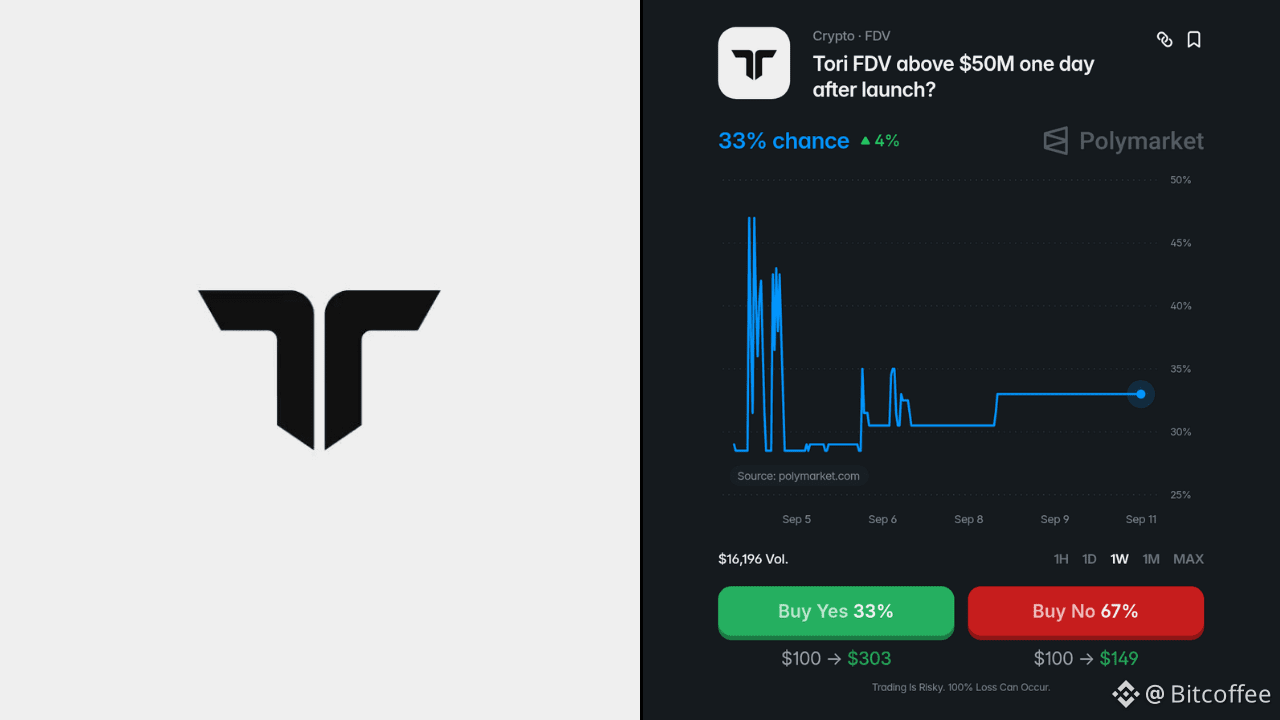
33%は私の賭け方 👀
PolymarketではToriがFDV5,000万ドル以上でわずか33%です。
私は「Yes」に寄っています。
でも、グラフが綺麗だからじゃない。
綺麗じゃない。
その背後に、すでに具体的な需要があるから興味を持ったんです。
報告によるとToriはたった7日で5,000万ドルの事前デポジット上限を満たしました。
それを、5,000万ドルのローンチ評価額に対して市場価格が「33%のオッズ」しか織り込んでいない状況と比べてみてください。
これが、私が取引しているミスマッチです。
さて、落とし穴?
スクリーンショットで取引されたのはおよそ16Kドルのみ。
つまり、これはまだ初期の価格発見の段階です。
良い。
みんなが見つける前に、私が欲しいのはこのPolymarketの市場です。
$POL は、その予測市場の成長に関するオンチェーンの視点を与えてくれます。
$BNB は、イベントそのものを待つ間のもう一つの流動性の高い暗号ルートです。
初期の市場は、より多くの不確実性を抱えています。
そして、最も面白いミスプライスもそこにあります。
#Altcoin Season#
33%は私の賭け方 👀
PolymarketではToriがFDV5,000万ドル以上でわずか33%です。
私は「Yes」に寄っています。
でも、グラフが綺麗だからじゃない。
綺麗じゃない。
その背後に、すでに具体的な需要があるから興味を持ったんです。
報告によるとToriはたった7日で5,000万ドルの事前デポジット上限を満たしました。
それを、5,000万ドルのローンチ評価額に対して市場価格が「33%のオッズ」しか織り込んでいない状況と比べてみてください。
これが、私が取引しているミスマッチです。
さて、落とし穴?
スクリーンショットで取引されたのはおよそ16Kドルのみ。
つまり、これはまだ初期の価格発見の段階です。
良い。
みんなが見つける前に、私が欲しいのはこのPolymarketの市場です。
$POL は、その予測市場の成長に関するオンチェーンの視点を与えてくれます。
$BNB は、イベントそのものを待つ間のもう一つの流動性の高い暗号ルートです。
初期の市場は、より多くの不確実性を抱えています。
そして、最も面白いミスプライスもそこにあります。
#Altcoin Season#
PolymarketではToriがFDV5,000万ドル以上でわずか33%です。
私は「Yes」に寄っています。
でも、グラフが綺麗だからじゃない。
綺麗じゃない。
その背後に、すでに具体的な需要があるから興味を持ったんです。
報告によるとToriはたった7日で5,000万ドルの事前デポジット上限を満たしました。
それを、5,000万ドルのローンチ評価額に対して市場価格が「33%のオッズ」しか織り込んでいない状況と比べてみてください。
これが、私が取引しているミスマッチです。
さて、落とし穴?
スクリーンショットで取引されたのはおよそ16Kドルのみ。
つまり、これはまだ初期の価格発見の段階です。
良い。
みんなが見つける前に、私が欲しいのはこのPolymarketの市場です。
$POL は、その予測市場の成長に関するオンチェーンの視点を与えてくれます。
$BNB は、イベントそのものを待つ間のもう一つの流動性の高い暗号ルートです。
初期の市場は、より多くの不確実性を抱えています。
そして、最も面白いミスプライスもそこにあります。
#Altcoin Season#
148
·
--
本人確認中
翻訳参照
53.7% had already bought stocks. MEXC found the harder problem after the first trade.
$LAPTOP can turn attention into a market overnight. $PENGU can trade on a completely different mix of community, culture and crypto sentiment. Now imagine adding Nvidia, gold, ETFs, oil and rates to the same screen.
More access doesn’t automatically make you better at reading any of it.
That’s why Opportunity Compass makes sense to me.
Season 1 has six short episodes. Two are already live, which means there are four more still coming, with MEXC releasing a new episode every Tuesday and Thursday.
The starting point is intentionally basic: what exists beyond crypto, how the global market fits together and why prices move.
Then the full series starts adding layers.
What gives stocks, Bitcoin, gold, ETFs and commodities value. How rates, inflation, earnings and market cycles change the setup. Where AI, semiconductors, tokenized assets and prediction markets fit.
5 seasons. 30 episodes.
Every episode also ends with a recap and two questions, so you find out pretty quickly whether you understood the point or just watched the video.
MEXC x Kaito is working the same problem from the creator side, with a $100K pool for original stock education and up to another $100K in referral incentives.
I’d catch up on the first two now.
Four more Season 1 episodes are still coming, and the markets definitely aren’t getting simpler.
#Altcoin Season# #Trading
53.7% had already bought stocks. MEXC found the harder problem after the first trade.
$LAPTOP can turn attention into a market overnight. $PENGU can trade on a completely different mix of community, culture and crypto sentiment. Now imagine adding Nvidia, gold, ETFs, oil and rates to the same screen.
More access doesn’t automatically make you better at reading any of it.
That’s why Opportunity Compass makes sense to me.
Season 1 has six short episodes. Two are already live, which means there are four more still coming, with MEXC releasing a new episode every Tuesday and Thursday.
The starting point is intentionally basic: what exists beyond crypto, how the global market fits together and why prices move.
Then the full series starts adding layers.
What gives stocks, Bitcoin, gold, ETFs and commodities value. How rates, inflation, earnings and market cycles change the setup. Where AI, semiconductors, tokenized assets and prediction markets fit.
5 seasons. 30 episodes.
Every episode also ends with a recap and two questions, so you find out pretty quickly whether you understood the point or just watched the video.
MEXC x Kaito is working the same problem from the creator side, with a $100K pool for original stock education and up to another $100K in referral incentives.
I’d catch up on the first two now.
Four more Season 1 episodes are still coming, and the markets definitely aren’t getting simpler.
#Altcoin Season# #Trading
$LAPTOP can turn attention into a market overnight. $PENGU can trade on a completely different mix of community, culture and crypto sentiment. Now imagine adding Nvidia, gold, ETFs, oil and rates to the same screen.
More access doesn’t automatically make you better at reading any of it.
That’s why Opportunity Compass makes sense to me.
Season 1 has six short episodes. Two are already live, which means there are four more still coming, with MEXC releasing a new episode every Tuesday and Thursday.
The starting point is intentionally basic: what exists beyond crypto, how the global market fits together and why prices move.
Then the full series starts adding layers.
What gives stocks, Bitcoin, gold, ETFs and commodities value. How rates, inflation, earnings and market cycles change the setup. Where AI, semiconductors, tokenized assets and prediction markets fit.
5 seasons. 30 episodes.
Every episode also ends with a recap and two questions, so you find out pretty quickly whether you understood the point or just watched the video.
MEXC x Kaito is working the same problem from the creator side, with a $100K pool for original stock education and up to another $100K in referral incentives.
I’d catch up on the first two now.
Four more Season 1 episodes are still coming, and the markets definitely aren’t getting simpler.
#Altcoin Season# #Trading
265
ログインして、さらにコンテンツを読む
厳選トピックで世界の暗号資産トレーダーの仲間入り
⚡️ 暗号資産に関する最新かつ有益な情報が見つかります。
💬 世界最大の暗号資産取引所から信頼されています。
👍 認証を受けたクリエイターから、有益なインサイトを得られます。
メール / 電話番号
トレンドトピック
BitcoinClears$85200
閲覧回数 15,479
237人が討論中
動きが出て、$BTC はデータがあった直前にあった場所にそのまま立っています。取引における本当の忍耐ってこういうことです。
データは混ざって入ってきましたが、いくつか重要な数字がありました。ADP 非農業部門雇用者数は予想の73Kに対して90Kでした。一方でコアPCEは、予想の0.3%に対して0.2%です。最終的なGDPも予想の1.5%に対して2.2%と強めでした。個人消費は予想の0.8%に対して0.9%でした。同時に、個人所得は予想の0.5%に対して0.2%で未達でした。
BTCは最初に85,600ドルまで急騰しましたが、今は必要なところに戻っています。私は引き続き、82,759ドルと80,000ドルの流動性の低いレンジを見ています。上側の流動性はもう終わって、あとは塵も残っていないからです。
データ発表中にライブセッションを行いました。その中で、市場は83,800ドル→85,600ドル→そして83,000ドル付近へと戻っていくのを見ました。それでも私たちは取引に入りませんでした。
それが忍耐です。
市場に明確な方向性がないときは、無理にエントリーはできません。同じレンジがまだ注目ポイントで、相場がセットアップを提示してくれるまで待ちます。
みなさん、セッションはどうでしたか? それから、尊敬するメンバーの皆さんともっと定期的にセッションをするべきでしょうか。そうすれば、市場について適切に議論できます。
#BitcoinClears$85200 #AltcoinSeasonIndexHoldsAbove60For5Days #USADPAdds90000JobsInSeptember #BitcoinSlipsBelow$84000 #SECToClarifyOnChainFundraisingRules
Crypto_LUX
·いいね:26件
·閲覧回数 22.5k
AltcoinSeasonIndexHoldsAbove60For5Days
閲覧回数 74,940
1,282人が討論中
USADPAdds90000JobsInSeptember
閲覧回数 33,839
708人が討論中