

Crypto Paws
434 投稿
Crypto Paws
報告
ユーザーをブロック
Exploring crypto, sharing insights, and following every market move. One paw at a time.
167 フォロー
1.0K+ フォロワー
298 いいね
投稿
すべて
引用
ライブ
·
--
一部該当
@Dusk_Foundation のバリデータ選択を見ているほど、私にとって面白い矛盾が一つ浮かび上がってきました。つまり、その結果は再現可能である必要がある一方で、将来の参加者が早い段階で予測できてしまってはいけないのです。
そこで種(seed)が重要になります。Duskは、現在のブロック生成者の署名を、前のseedに対して上乗せしてseedを更新し、その発展していく値を決定論的な選択プロセスに用います。必要な情報が揃えば、誰もが独立して結果を再現できます。しかしそれ以前は、将来の選択が簡単に計算できない状態であるべきです。
この違いが好きです。決定論的であることは、必ずしも予測可能であることを意味しません。
それでも私は、種そのものに目が向いてしまいます。もし将来の委員会選択が予測不能な入力に依存するなら、その入力がどのように生成される前提かが、セキュリティモデルの一部になります。
そこで気になるのは次の点です。Duskのseed付きサーショニ(seeded sortition)は、再現可能性と予測不能性の適切なバランスを取っているのでしょうか?それとも、seedは選択アルゴリズムと同じくらい厳密な精査に値する「セキュリティ境界」になってしまうのでしょうか?
$DUSK
{future}(DUSKUSDT)
$BTR
{future}(BTRUSDT)
$BTW
{future}(BTWUSDT)
@Dusk_Foundation #dusk
🧐 Duskのseed付きサーショニにおける主要な課題は何ですか?
@Dusk のバリデータ選択を見ているほど、私にとって面白い矛盾が一つ浮かび上がってきました。つまり、その結果は再現可能である必要がある一方で、将来の参加者が早い段階で予測できてしまってはいけないのです。
そこで種(seed)が重要になります。Duskは、現在のブロック生成者の署名を、前のseedに対して上乗せしてseedを更新し、その発展していく値を決定論的な選択プロセスに用います。必要な情報が揃えば、誰もが独立して結果を再現できます。しかしそれ以前は、将来の選択が簡単に計算できない状態であるべきです。
この違いが好きです。決定論的であることは、必ずしも予測可能であることを意味しません。
それでも私は、種そのものに目が向いてしまいます。もし将来の委員会選択が予測不能な入力に依存するなら、その入力がどのように生成される前提かが、セキュリティモデルの一部になります。
そこで気になるのは次の点です。Duskのseed付きサーショニ(seeded sortition)は、再現可能性と予測不能性の適切なバランスを取っているのでしょうか?それとも、seedは選択アルゴリズムと同じくらい厳密な精査に値する「セキュリティ境界」になってしまうのでしょうか?
$DUSK
$BTR
$BTW
@Dusk #dusk
🧐 Duskのseed付きサーショニにおける主要な課題は何ですか?
そこで種(seed)が重要になります。Duskは、現在のブロック生成者の署名を、前のseedに対して上乗せしてseedを更新し、その発展していく値を決定論的な選択プロセスに用います。必要な情報が揃えば、誰もが独立して結果を再現できます。しかしそれ以前は、将来の選択が簡単に計算できない状態であるべきです。
この違いが好きです。決定論的であることは、必ずしも予測可能であることを意味しません。
それでも私は、種そのものに目が向いてしまいます。もし将来の委員会選択が予測不能な入力に依存するなら、その入力がどのように生成される前提かが、セキュリティモデルの一部になります。
そこで気になるのは次の点です。Duskのseed付きサーショニ(seeded sortition)は、再現可能性と予測不能性の適切なバランスを取っているのでしょうか?それとも、seedは選択アルゴリズムと同じくらい厳密な精査に値する「セキュリティ境界」になってしまうのでしょうか?
$DUSK
$BTR
$BTW
@Dusk #dusk
🧐 Duskのseed付きサーショニにおける主要な課題は何ですか?
🔄 Reproducible selection
0%
🎲 Unpredictable selection
34%
⚖️ Both equally
33%
🔐 Seed security
33%
3 投票 • 投票は終了しました
1
1.1k
·
--
#dusk $DUSK @Dusk_Foundation
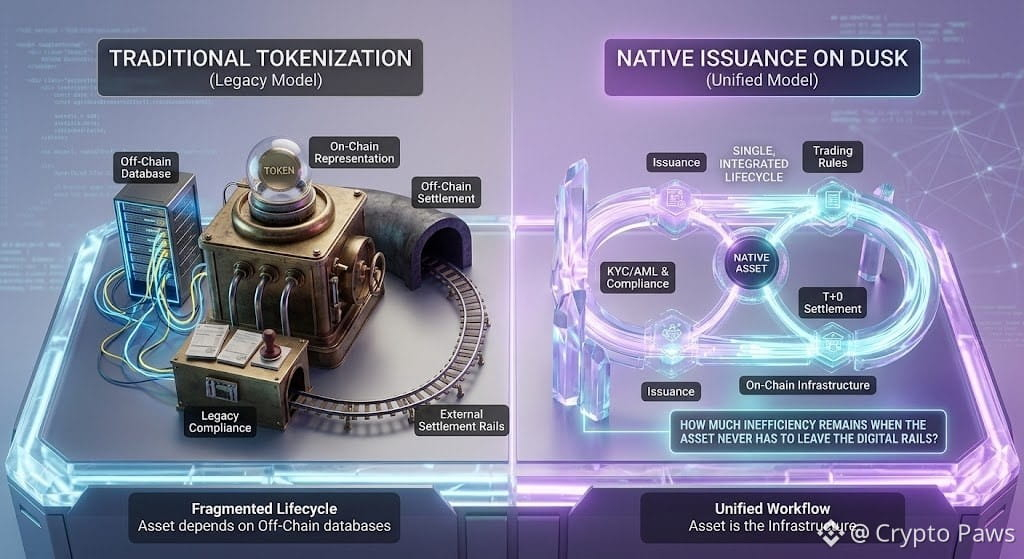
トークン化によって、実際の金融ライフサイクルをそこへ移すことなく、オンチェーン上に資産を載せることができます。
その違いこそが、私にとってDuskが興味深い理由です。
従来のトークン化された資産は、オフチェーンのデータベース、レガシーなコンプライアンス手続き、外部の決済レールに依存し続けることがあります。ブロックチェーンは資産を表現していても、土台となるワークフローは大きくは変わらないままです。
ネイティブな発行は、別のアプローチを取ります。
Duskでは、資産が直接オンチェーン上で作成されます。これにより、発行、KYC/AML、コンプライアンス、取引ルール、そして決済が、同一のライフサイクルの一部になります。
それによって、ブロックチェーンの役割が変わります。
既存インフラの上に重ねられるもう一つのレイヤーであるのではなく、それ自体がインフラになり得ます。24時間365日、プライベートでコンプライアンスに適合したセカンダリ取引と、T+0の決済が利用可能です。
より大きな問いは、こうです。
その資産がデジタルのレールから出る必要がないのなら、どれほどの非効率が残るのでしょうか?
$ONT
{future}(ONTUSDT)
$SOLV
#dusk $DUSK @Dusk
トークン化によって、実際の金融ライフサイクルをそこへ移すことなく、オンチェーン上に資産を載せることができます。
その違いこそが、私にとってDuskが興味深い理由です。
従来のトークン化された資産は、オフチェーンのデータベース、レガシーなコンプライアンス手続き、外部の決済レールに依存し続けることがあります。ブロックチェーンは資産を表現していても、土台となるワークフローは大きくは変わらないままです。
ネイティブな発行は、別のアプローチを取ります。
Duskでは、資産が直接オンチェーン上で作成されます。これにより、発行、KYC/AML、コンプライアンス、取引ルール、そして決済が、同一のライフサイクルの一部になります。
それによって、ブロックチェーンの役割が変わります。
既存インフラの上に重ねられるもう一つのレイヤーであるのではなく、それ自体がインフラになり得ます。24時間365日、プライベートでコンプライアンスに適合したセカンダリ取引と、T+0の決済が利用可能です。
より大きな問いは、こうです。
その資産がデジタルのレールから出る必要がないのなら、どれほどの非効率が残るのでしょうか?
$ONT
$SOLV
トークン化によって、実際の金融ライフサイクルをそこへ移すことなく、オンチェーン上に資産を載せることができます。
その違いこそが、私にとってDuskが興味深い理由です。
従来のトークン化された資産は、オフチェーンのデータベース、レガシーなコンプライアンス手続き、外部の決済レールに依存し続けることがあります。ブロックチェーンは資産を表現していても、土台となるワークフローは大きくは変わらないままです。
ネイティブな発行は、別のアプローチを取ります。
Duskでは、資産が直接オンチェーン上で作成されます。これにより、発行、KYC/AML、コンプライアンス、取引ルール、そして決済が、同一のライフサイクルの一部になります。
それによって、ブロックチェーンの役割が変わります。
既存インフラの上に重ねられるもう一つのレイヤーであるのではなく、それ自体がインフラになり得ます。24時間365日、プライベートでコンプライアンスに適合したセカンダリ取引と、T+0の決済が利用可能です。
より大きな問いは、こうです。
その資産がデジタルのレールから出る必要がないのなら、どれほどの非効率が残るのでしょうか?
$ONT
$SOLV
1
70
·
--
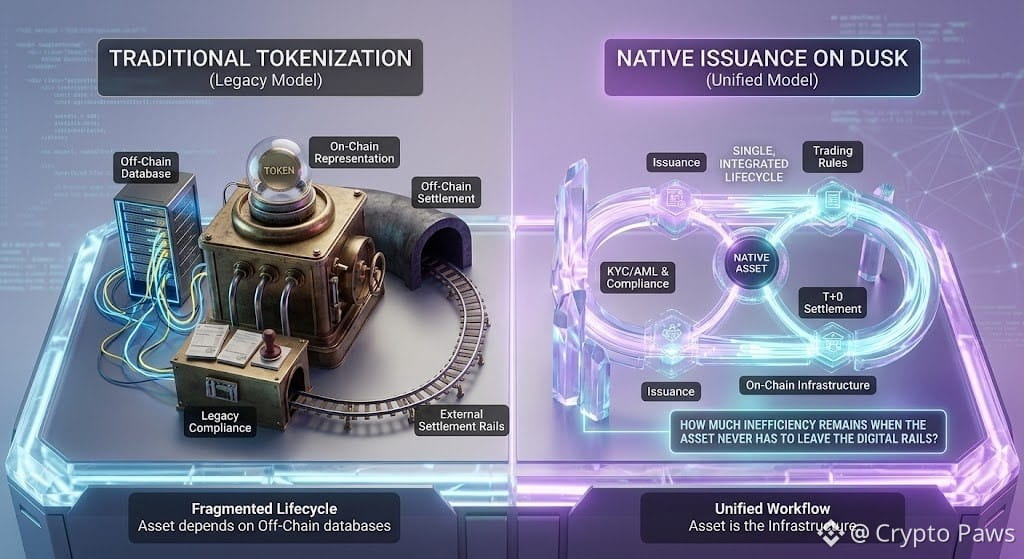
トークン化によって、資産を実際の金融ライフサイクルをそこへ移さずにオンチェーンに載せることができます。
その違いこそが、私にとってDuskが興味深い理由です。
従来型のトークン化資産は、オフチェーンのデータベース、レガシーなコンプライアンス手続き、そして外部の決済レールに依存し続けることがあります。ブロックチェーンは資産を表現するかもしれませんが、根底にあるワークフローは大きく変わらないままです。
ネイティブ・イッシューは、別のアプローチを取ります。
Duskでは、資産が直接オンチェーン上で作成されます。これにより、発行、KYC/AML、コンプライアンス、取引ルール、決済が同一のライフサイクルの一部になります。
それによってブロックチェーンの役割が変わります。
既存インフラの上に重ねられた別の層になるのではなく、インフラそのものになり得ます。つまり、プライベートでコンプライアンスに準拠したセカンダリー取引と、T+0の決済が24時間365日利用可能です。
より大きな問いはこうです:
その資産がデジタルのレールから出る必要がない場合、どれほどの非効率が残るのでしょうか?
$SOLV
{future}(SOLVUSDT)
$ONT
{future}(ONTUSDT)
$DUSK
{future}(DUSKUSDT)
トークン化によって、資産を実際の金融ライフサイクルをそこへ移さずにオンチェーンに載せることができます。
その違いこそが、私にとってDuskが興味深い理由です。
従来型のトークン化資産は、オフチェーンのデータベース、レガシーなコンプライアンス手続き、そして外部の決済レールに依存し続けることがあります。ブロックチェーンは資産を表現するかもしれませんが、根底にあるワークフローは大きく変わらないままです。
ネイティブ・イッシューは、別のアプローチを取ります。
Duskでは、資産が直接オンチェーン上で作成されます。これにより、発行、KYC/AML、コンプライアンス、取引ルール、決済が同一のライフサイクルの一部になります。
それによってブロックチェーンの役割が変わります。
既存インフラの上に重ねられた別の層になるのではなく、インフラそのものになり得ます。つまり、プライベートでコンプライアンスに準拠したセカンダリー取引と、T+0の決済が24時間365日利用可能です。
より大きな問いはこうです:
その資産がデジタルのレールから出る必要がない場合、どれほどの非効率が残るのでしょうか?
$SOLV
$ONT
$DUSK
その違いこそが、私にとってDuskが興味深い理由です。
従来型のトークン化資産は、オフチェーンのデータベース、レガシーなコンプライアンス手続き、そして外部の決済レールに依存し続けることがあります。ブロックチェーンは資産を表現するかもしれませんが、根底にあるワークフローは大きく変わらないままです。
ネイティブ・イッシューは、別のアプローチを取ります。
Duskでは、資産が直接オンチェーン上で作成されます。これにより、発行、KYC/AML、コンプライアンス、取引ルール、決済が同一のライフサイクルの一部になります。
それによってブロックチェーンの役割が変わります。
既存インフラの上に重ねられた別の層になるのではなく、インフラそのものになり得ます。つまり、プライベートでコンプライアンスに準拠したセカンダリー取引と、T+0の決済が24時間365日利用可能です。
より大きな問いはこうです:
その資産がデジタルのレールから出る必要がない場合、どれほどの非効率が残るのでしょうか?
$SOLV
$ONT
$DUSK
140
·
--
私は以前、取引のファイナリティ(最終確定性)は基本的に二値だと思っていました。つまり「確定した/確定していない」のどちらかです。
ところが、@Dusk_Foundation を見て、その前提を見直すことになりました。
取引は4つの明確な状態を経て進みます。Accepted(受理)、Confirmed(確認済み)、Stable(安定)、そして最後にFinal(最終確定)です。
Acceptedとは、それがチェーンに取り込まれたことを意味します。Confirmedとは、それを取り囲むブロックがさらに積み重なったことを意味します。Stableは、より深い決済の信頼度を示すシグナルです。Finalは、暗号学的なファイナリティが到達した地点であり、反転(巻き戻し)がもはや不可能になるところです。
私が興味深いと感じるのは、この進行がユーザーに与える情報です。
すべての取引を同じだけ決済済みだと扱うのではなく、Duskは時間の経過とともに信頼性がどのように育っていくのかを明らかにします。
その結果、「最終確定性」はスイッチのようなものではなく、測定可能な旅のようになります。
私が問いかけたいのは次のことです:
この段階型モデルは、現実世界の金融アプリケーションにおいて、決済リスクをより理解しやすくできるのでしょうか?
$PROM
{future}(PROMUSDT)
$CATI
{future}(CATIUSDT)
$DUSK
{future}(DUSKUSDT)
#dusk @Dusk_Foundation
取引のファイナリティを判断するうえで、最も重要なのは何でしょうか?
私は以前、取引のファイナリティ(最終確定性)は基本的に二値だと思っていました。つまり「確定した/確定していない」のどちらかです。
ところが、@Dusk を見て、その前提を見直すことになりました。
取引は4つの明確な状態を経て進みます。Accepted(受理)、Confirmed(確認済み)、Stable(安定)、そして最後にFinal(最終確定)です。
Acceptedとは、それがチェーンに取り込まれたことを意味します。Confirmedとは、それを取り囲むブロックがさらに積み重なったことを意味します。Stableは、より深い決済の信頼度を示すシグナルです。Finalは、暗号学的なファイナリティが到達した地点であり、反転(巻き戻し)がもはや不可能になるところです。
私が興味深いと感じるのは、この進行がユーザーに与える情報です。
すべての取引を同じだけ決済済みだと扱うのではなく、Duskは時間の経過とともに信頼性がどのように育っていくのかを明らかにします。
その結果、「最終確定性」はスイッチのようなものではなく、測定可能な旅のようになります。
私が問いかけたいのは次のことです:
この段階型モデルは、現実世界の金融アプリケーションにおいて、決済リスクをより理解しやすくできるのでしょうか?
$PROM
$CATI
$DUSK
#dusk @Dusk
取引のファイナリティを判断するうえで、最も重要なのは何でしょうか?
ところが、@Dusk を見て、その前提を見直すことになりました。
取引は4つの明確な状態を経て進みます。Accepted(受理)、Confirmed(確認済み)、Stable(安定)、そして最後にFinal(最終確定)です。
Acceptedとは、それがチェーンに取り込まれたことを意味します。Confirmedとは、それを取り囲むブロックがさらに積み重なったことを意味します。Stableは、より深い決済の信頼度を示すシグナルです。Finalは、暗号学的なファイナリティが到達した地点であり、反転(巻き戻し)がもはや不可能になるところです。
私が興味深いと感じるのは、この進行がユーザーに与える情報です。
すべての取引を同じだけ決済済みだと扱うのではなく、Duskは時間の経過とともに信頼性がどのように育っていくのかを明らかにします。
その結果、「最終確定性」はスイッチのようなものではなく、測定可能な旅のようになります。
私が問いかけたいのは次のことです:
この段階型モデルは、現実世界の金融アプリケーションにおいて、決済リスクをより理解しやすくできるのでしょうか?
$PROM
$CATI
$DUSK
#dusk @Dusk
取引のファイナリティを判断するうえで、最も重要なのは何でしょうか?
⚡ Fast confirmation
0%
🛡️ Deep settlement confidence
0%
🔒 Irreversibility
0%
📊 Clear finality stages
0%
0 投票 • 投票は終了しました
1
108
·
--
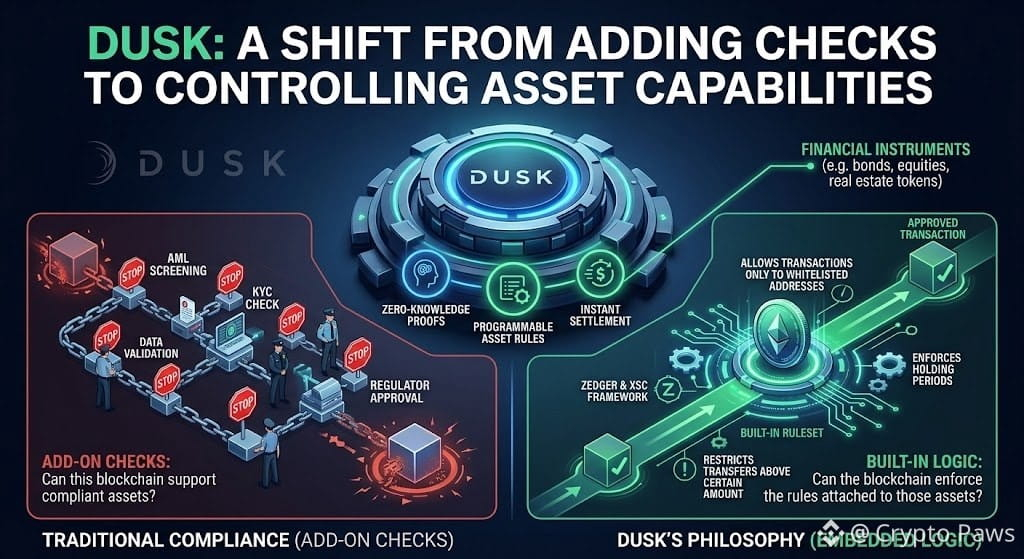
@Dusk_Foundation について、見落としやすいと感じる点が1つあります。それは、そのコンプライアンスの物語が「追加のチェックを増やす」ことに本質があるわけではないということです。
それは、ある資産に許される行動を制御することです。
これは、まったく別の設計思想です。
Zedger と XSC フレームワークにより、Dusk は規制対象の資産に対して、トランザクションレベルおよびコントラクトレベルでアプローチします。そこで、権限、参加可能な参加者、そして特定の資産アクションが、システムのロジックとして組み込まれる可能性があります。
これにより問いは、次のように変わります。
「このブロックチェーンは、コンプライアンスに対応した資産をサポートできるか?」
から、
「ブロックチェーンは、それらの資産に紐づいたルールを強制できるか?」
へ。
その違いは、目標が単に暗号ネイティブなトークンではなく、規制された金融商品である場合、ますます重要になります。
私は、それが @Dusk_Foundation の背後にある、あまり過小評価されていない発想の1つだと思います。
#dusk
$LINK
{future}(LINKUSDT)
$ADA
{future}(ADAUSDT)
$DUSK
{future}(DUSKUSDT)
@Dusk について、見落としやすいと感じる点が1つあります。それは、そのコンプライアンスの物語が「追加のチェックを増やす」ことに本質があるわけではないということです。
それは、ある資産に許される行動を制御することです。
これは、まったく別の設計思想です。
Zedger と XSC フレームワークにより、Dusk は規制対象の資産に対して、トランザクションレベルおよびコントラクトレベルでアプローチします。そこで、権限、参加可能な参加者、そして特定の資産アクションが、システムのロジックとして組み込まれる可能性があります。
これにより問いは、次のように変わります。
「このブロックチェーンは、コンプライアンスに対応した資産をサポートできるか?」
から、
「ブロックチェーンは、それらの資産に紐づいたルールを強制できるか?」
へ。
その違いは、目標が単に暗号ネイティブなトークンではなく、規制された金融商品である場合、ますます重要になります。
私は、それが @Dusk の背後にある、あまり過小評価されていない発想の1つだと思います。
#dusk
$LINK
$ADA
$DUSK
それは、ある資産に許される行動を制御することです。
これは、まったく別の設計思想です。
Zedger と XSC フレームワークにより、Dusk は規制対象の資産に対して、トランザクションレベルおよびコントラクトレベルでアプローチします。そこで、権限、参加可能な参加者、そして特定の資産アクションが、システムのロジックとして組み込まれる可能性があります。
これにより問いは、次のように変わります。
「このブロックチェーンは、コンプライアンスに対応した資産をサポートできるか?」
から、
「ブロックチェーンは、それらの資産に紐づいたルールを強制できるか?」
へ。
その違いは、目標が単に暗号ネイティブなトークンではなく、規制された金融商品である場合、ますます重要になります。
私は、それが @Dusk の背後にある、あまり過小評価されていない発想の1つだと思います。
#dusk
$LINK
$ADA
$DUSK
1
129
·
--
ステークベースのコンセンサスについて、私の目を引くのは、資本がロックされること自体ではなく、その資本が静かに「誰が最も大きな影響力を持つか」を左右し得るという点です。
経済的コミットメントがコンセンサスのセキュリティそのものに組み込まれると、参加者にはネットワークを守るための明確な理由が生まれます。彼らのステークは、失うに値する意味のあるものを与えるため、誠実な行動がより合理的になり得ます。
しかし、セキュリティと影響力はまったく同じものではありません。
仮に少数のグループが総ステークの大きな割合を支配している場合、その経済的な立場は、参加の機会をより多く得られることや、コンセンサスに対するより強い影響力へとつながり得ます。
それは、より深い設計上の課題を生みます。つまり、ネットワークが技術的には安全であり続けても、経済的にはより偏った状態になってしまう可能性があるのです。
私にとって分散化の本当の尺度は、参加者が何人いるかだけではなく、「意味のあるコンセンサス上の影響力」が広く分配されたままでいるかどうかです。
$MOVE
{future}(MOVEUSDT)
$POL
{future}(POLUSDT)
$DUSK
{future}(DUSKUSDT)
#dusk
@Dusk_Foundation
ステークが参加者にコンセンサス上のより大きな影響力を与えるとき、最も重視されるべきなのは何でしょうか?
ステークベースのコンセンサスについて、私の目を引くのは、資本がロックされること自体ではなく、その資本が静かに「誰が最も大きな影響力を持つか」を左右し得るという点です。
経済的コミットメントがコンセンサスのセキュリティそのものに組み込まれると、参加者にはネットワークを守るための明確な理由が生まれます。彼らのステークは、失うに値する意味のあるものを与えるため、誠実な行動がより合理的になり得ます。
しかし、セキュリティと影響力はまったく同じものではありません。
仮に少数のグループが総ステークの大きな割合を支配している場合、その経済的な立場は、参加の機会をより多く得られることや、コンセンサスに対するより強い影響力へとつながり得ます。
それは、より深い設計上の課題を生みます。つまり、ネットワークが技術的には安全であり続けても、経済的にはより偏った状態になってしまう可能性があるのです。
私にとって分散化の本当の尺度は、参加者が何人いるかだけではなく、「意味のあるコンセンサス上の影響力」が広く分配されたままでいるかどうかです。
$MOVE
$POL
$DUSK
#dusk
@Dusk
ステークが参加者にコンセンサス上のより大きな影響力を与えるとき、最も重視されるべきなのは何でしょうか?
経済的コミットメントがコンセンサスのセキュリティそのものに組み込まれると、参加者にはネットワークを守るための明確な理由が生まれます。彼らのステークは、失うに値する意味のあるものを与えるため、誠実な行動がより合理的になり得ます。
しかし、セキュリティと影響力はまったく同じものではありません。
仮に少数のグループが総ステークの大きな割合を支配している場合、その経済的な立場は、参加の機会をより多く得られることや、コンセンサスに対するより強い影響力へとつながり得ます。
それは、より深い設計上の課題を生みます。つまり、ネットワークが技術的には安全であり続けても、経済的にはより偏った状態になってしまう可能性があるのです。
私にとって分散化の本当の尺度は、参加者が何人いるかだけではなく、「意味のあるコンセンサス上の影響力」が広く分配されたままでいるかどうかです。
$MOVE
$POL
$DUSK
#dusk
@Dusk
ステークが参加者にコンセンサス上のより大きな影響力を与えるとき、最も重視されるべきなのは何でしょうか?
Maximum network security
0%
Wider stake distribution
0%
Equal participation opportunty
0%
Strong limits on concentration
0%
0 投票 • 投票は終了しました
1
155
·
--
私が最初にDuskを見たとき、私は別のプライバシー重視のレイヤー1を目にしたと思いました。しかし、そのアーキテクチャがその見方を改めさせました。
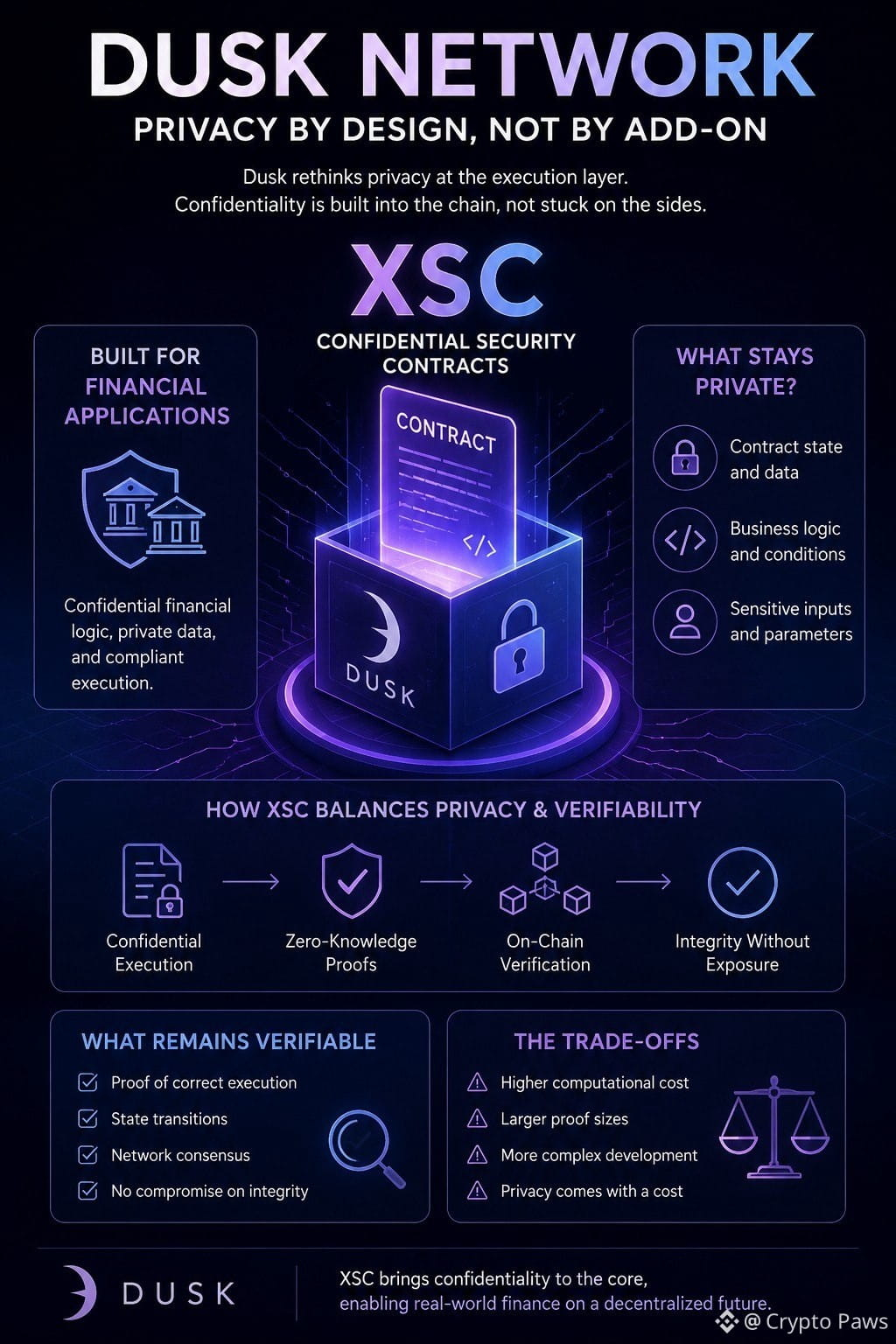
際立っているのはXSC――Confidential Security Contracts(機密セキュリティ・コントラクト)です。
プライバシーをスマートコントラクトの周りに“追加するもの”として扱うのではなく、Duskは機密性を実行層により近づけています。これは、金融アプリケーションにとって重要です。そこでは、機密情報が残高や取引だけでなく、実行されるロジックや条件にも及ぶ場合があるからです。
ここで重要な課題が生まれます。では、ブロックチェーンは、実行が正しいことをネットワークが検証できる状態を保ちながら、金融ロジックをどのように非公開にできるのでしょうか。
従来のブロックチェーンは透明性に大きく依存しています。機密な実行は、その逆のアプローチを取ります。つまり、公開されるものを制限することで、透明性とは別の方向へ進むのです。面白いのは、これら2つの目標のバランスを見つけることにあります。
だからこそ、私はXSCにはもっと注目されるべきだと考えています。機密性のある入力やコントラクトのロジックが保護されつつ、ネットワークは有効な実行を検証できるのであれば、プライバシーは単なる機能を超えます。
それはインフラそのものになります。
私にとってDuskは、単にプライバシー・チェーンとしてではなく、公的なブロックチェーン上で機密性の高い金融アプリケーションがどのように機能し得るかを再考しようとする試みとして、より研究する価値がある存在だと感じます。$TUT
{future}(TUTUSDT)
$ZEC
{future}(ZECUSDT)
$DUSK #dusk @Dusk_Foundation
私が最初にDuskを見たとき、私は別のプライバシー重視のレイヤー1を目にしたと思いました。しかし、そのアーキテクチャがその見方を改めさせました。
際立っているのはXSC――Confidential Security Contracts(機密セキュリティ・コントラクト)です。
プライバシーをスマートコントラクトの周りに“追加するもの”として扱うのではなく、Duskは機密性を実行層により近づけています。これは、金融アプリケーションにとって重要です。そこでは、機密情報が残高や取引だけでなく、実行されるロジックや条件にも及ぶ場合があるからです。
ここで重要な課題が生まれます。では、ブロックチェーンは、実行が正しいことをネットワークが検証できる状態を保ちながら、金融ロジックをどのように非公開にできるのでしょうか。
従来のブロックチェーンは透明性に大きく依存しています。機密な実行は、その逆のアプローチを取ります。つまり、公開されるものを制限することで、透明性とは別の方向へ進むのです。面白いのは、これら2つの目標のバランスを見つけることにあります。
だからこそ、私はXSCにはもっと注目されるべきだと考えています。機密性のある入力やコントラクトのロジックが保護されつつ、ネットワークは有効な実行を検証できるのであれば、プライバシーは単なる機能を超えます。
それはインフラそのものになります。
私にとってDuskは、単にプライバシー・チェーンとしてではなく、公的なブロックチェーン上で機密性の高い金融アプリケーションがどのように機能し得るかを再考しようとする試みとして、より研究する価値がある存在だと感じます。$TUT
$ZEC
$DUSK #dusk @Dusk
際立っているのはXSC――Confidential Security Contracts(機密セキュリティ・コントラクト)です。
プライバシーをスマートコントラクトの周りに“追加するもの”として扱うのではなく、Duskは機密性を実行層により近づけています。これは、金融アプリケーションにとって重要です。そこでは、機密情報が残高や取引だけでなく、実行されるロジックや条件にも及ぶ場合があるからです。
ここで重要な課題が生まれます。では、ブロックチェーンは、実行が正しいことをネットワークが検証できる状態を保ちながら、金融ロジックをどのように非公開にできるのでしょうか。
従来のブロックチェーンは透明性に大きく依存しています。機密な実行は、その逆のアプローチを取ります。つまり、公開されるものを制限することで、透明性とは別の方向へ進むのです。面白いのは、これら2つの目標のバランスを見つけることにあります。
だからこそ、私はXSCにはもっと注目されるべきだと考えています。機密性のある入力やコントラクトのロジックが保護されつつ、ネットワークは有効な実行を検証できるのであれば、プライバシーは単なる機能を超えます。
それはインフラそのものになります。
私にとってDuskは、単にプライバシー・チェーンとしてではなく、公的なブロックチェーン上で機密性の高い金融アプリケーションがどのように機能し得るかを再考しようとする試みとして、より研究する価値がある存在だと感じます。$TUT
$ZEC
$DUSK #dusk @Dusk
63
2
2.8k
·
--
プライバシーが「消えること」ではなく、「人々に何を見せるかを決めること」だとしたら?
それが、@Dusk_Foundation Iが面白いと感じるところです。DUSKでは、プロフィールが公開アドレスとシールドされたアドレスの両方に接続できるため、状況に応じて異なるレーンを作れます。
一部のアクティビティには透明性が必要かもしれません。ほかのアクティビティにはプライバシーがふさわしいかもしれません。
すべてに対して1つの選択肢を強制するのではなく、Duskはユーザーに対して、アクティビティがどのように公開されるかをよりコントロールできるようにします。
それって、実際の金融生活が動いている感覚にもっと近いと思います。
状況に応じて、すべてを1つのアドレスで行うのがいいですか?それとも公開とプライベートを分けたレーンにするのがいいですか?
$DUSK #dusk
$NEIRO
{future}(NEIROUSDT)
$ENA
{future}(ENAUSDT)
もし@Dusk_Foundation が「公開」と「シールドされた」アクティビティのどちらを選ぶかをあなたに委ねるなら、あなたにとって最も重要なのは何でしょうか?
プライバシーが「消えること」ではなく、「人々に何を見せるかを決めること」だとしたら?
それが、@Dusk Iが面白いと感じるところです。DUSKでは、プロフィールが公開アドレスとシールドされたアドレスの両方に接続できるため、状況に応じて異なるレーンを作れます。
一部のアクティビティには透明性が必要かもしれません。ほかのアクティビティにはプライバシーがふさわしいかもしれません。
すべてに対して1つの選択肢を強制するのではなく、Duskはユーザーに対して、アクティビティがどのように公開されるかをよりコントロールできるようにします。
それって、実際の金融生活が動いている感覚にもっと近いと思います。
状況に応じて、すべてを1つのアドレスで行うのがいいですか?それとも公開とプライベートを分けたレーンにするのがいいですか?
$DUSK #dusk
$NEIRO
$ENA
もし@Dusk が「公開」と「シールドされた」アクティビティのどちらを選ぶかをあなたに委ねるなら、あなたにとって最も重要なのは何でしょうか?
それが、@Dusk Iが面白いと感じるところです。DUSKでは、プロフィールが公開アドレスとシールドされたアドレスの両方に接続できるため、状況に応じて異なるレーンを作れます。
一部のアクティビティには透明性が必要かもしれません。ほかのアクティビティにはプライバシーがふさわしいかもしれません。
すべてに対して1つの選択肢を強制するのではなく、Duskはユーザーに対して、アクティビティがどのように公開されるかをよりコントロールできるようにします。
それって、実際の金融生活が動いている感覚にもっと近いと思います。
状況に応じて、すべてを1つのアドレスで行うのがいいですか?それとも公開とプライベートを分けたレーンにするのがいいですか?
$DUSK #dusk
$NEIRO
$ENA
もし@Dusk が「公開」と「シールドされた」アクティビティのどちらを選ぶかをあなたに委ねるなら、あなたにとって最も重要なのは何でしょうか?
Maximum transparency
63%
Maximum privacy
25%
Switch based on context
0%
Keep both options available
12%
8 投票 • 投票は終了しました
43
4
2.9k
·
--
私が「フェニックス」を通して、プライベートな送金についての考え方が変わったのは、プライバシーが取引自体の構造から始まる点です。
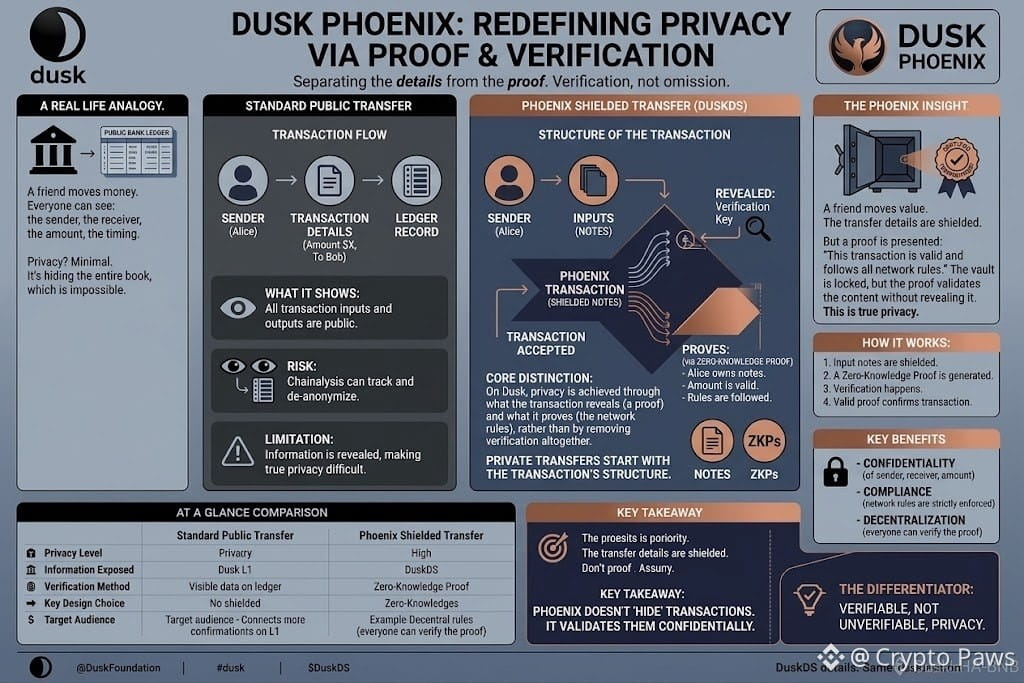
Duskのドキュメントを読み、私はフェニックスを、メモとゼロ知識証明に基づいてDuskDS上で実現されるシールド付き送金モデルとして理解しました。通常の送金の詳細をそのまま公開する代わりに、取引は基礎となる情報を公にせずとも、その送金が有効であることを証明できます。
重要だと感じたのは、これは単に「取引を隠している」だけではないということです。ネットワークは引き続き、ルールが守られていることを検証する必要があります。フェニックスは、機密として保たれるべき情報と、ネットワークが取引を検証できるようにするための証明とを分けています。
この区別こそが私の得た核心的な洞察です。DuskDSでは、プライバシーは、検証そのものをなくすことでではなく、取引が開示する内容と、取引が証明する内容によって実現されます。
その点で、私にとってフェニックスはDuskのトランザクション設計の中でも特に興味深い要素です。
$DUSK #dusk @Dusk_Foundation
$RE
{future}(REUSDT)
$TREE
{future}(TREEUSDT)
#zec
#WLD
#MUBARAK
私が「フェニックス」を通して、プライベートな送金についての考え方が変わったのは、プライバシーが取引自体の構造から始まる点です。
Duskのドキュメントを読み、私はフェニックスを、メモとゼロ知識証明に基づいてDuskDS上で実現されるシールド付き送金モデルとして理解しました。通常の送金の詳細をそのまま公開する代わりに、取引は基礎となる情報を公にせずとも、その送金が有効であることを証明できます。
重要だと感じたのは、これは単に「取引を隠している」だけではないということです。ネットワークは引き続き、ルールが守られていることを検証する必要があります。フェニックスは、機密として保たれるべき情報と、ネットワークが取引を検証できるようにするための証明とを分けています。
この区別こそが私の得た核心的な洞察です。DuskDSでは、プライバシーは、検証そのものをなくすことでではなく、取引が開示する内容と、取引が証明する内容によって実現されます。
その点で、私にとってフェニックスはDuskのトランザクション設計の中でも特に興味深い要素です。
$DUSK #dusk @Dusk
$RE
$TREE
#zec
#WLD
#MUBARAK
Duskのドキュメントを読み、私はフェニックスを、メモとゼロ知識証明に基づいてDuskDS上で実現されるシールド付き送金モデルとして理解しました。通常の送金の詳細をそのまま公開する代わりに、取引は基礎となる情報を公にせずとも、その送金が有効であることを証明できます。
重要だと感じたのは、これは単に「取引を隠している」だけではないということです。ネットワークは引き続き、ルールが守られていることを検証する必要があります。フェニックスは、機密として保たれるべき情報と、ネットワークが取引を検証できるようにするための証明とを分けています。
この区別こそが私の得た核心的な洞察です。DuskDSでは、プライバシーは、検証そのものをなくすことでではなく、取引が開示する内容と、取引が証明する内容によって実現されます。
その点で、私にとってフェニックスはDuskのトランザクション設計の中でも特に興味深い要素です。
$DUSK #dusk @Dusk
$RE
$TREE
#zec
#WLD
#MUBARAK
54
3
2k
·
--
私は以前、取引のプライバシーは主に「公開」と「非公開」のどちらを選ぶかだと思っていました。Duskのドキュメントを読んでからは、Phoenix と Moonlight の見え方が変わりました。これらは異なる情報要件に合わせて作られた2つの取引モデルですが、同じ決済レイヤーを共有しています。
$DUSK #dusk @Dusk_Foundation
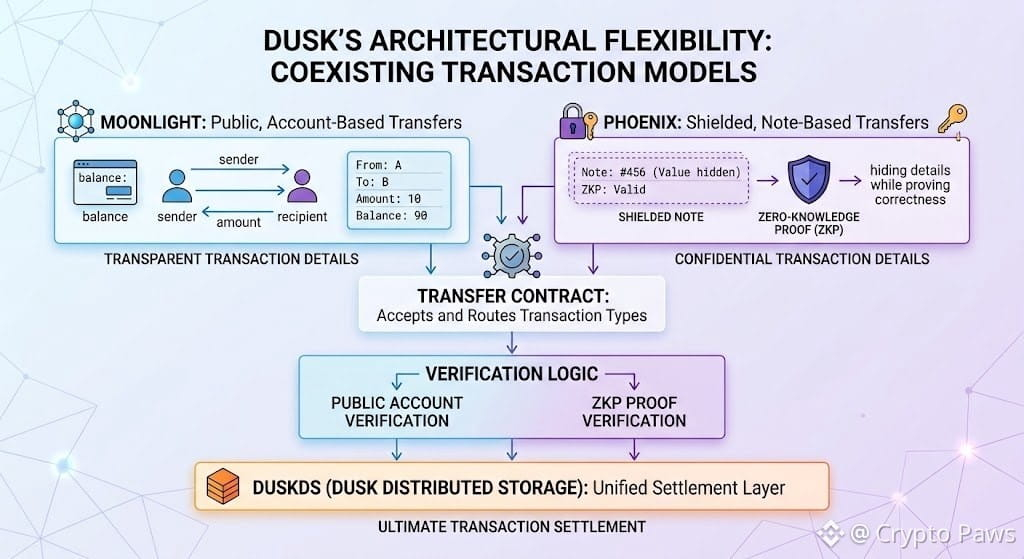
Moonlight は、残高・送信者・受取人・金額が見える公開のアカウントベース転送を使います。Phoenix はそれとは逆に、シールドされたノートベースの転送とゼロ知識証明を採用し、取引の詳細を隠しつつも正しさを証明します。
私が最も興味深いと思うのは、Dusk が一つのモデルをすべてのユースケースに押し付けないことです。Transfer Contract は両方の取引タイプを受け付け、適切な検証ロジックへルーティングできます。そのうえで、最終的にはどちらも DuskDS に決済されます。
私にとって見落とされがちな洞察は、アーキテクチャ上の柔軟性です。透明性と機密性は、取引モデルのレベルでは共存し得て、別々の決済システムを要求する必要はありません。
そのため @Dusk_Foundation の設計は、単に「プライバシーブロックチェーン」と呼ぶだけよりも、より繊細でニュアンスのあるものになっています。
#DASH
#WLD
#VIXFallsTo2026Low
#EthereumFoundationLaunchesGlamsterdamTestnet $DASH
{future}(DASHUSDT)
$WLD
{future}(WLDUSDT)
私は以前、取引のプライバシーは主に「公開」と「非公開」のどちらを選ぶかだと思っていました。Duskのドキュメントを読んでからは、Phoenix と Moonlight の見え方が変わりました。これらは異なる情報要件に合わせて作られた2つの取引モデルですが、同じ決済レイヤーを共有しています。
$DUSK #dusk @Dusk
Moonlight は、残高・送信者・受取人・金額が見える公開のアカウントベース転送を使います。Phoenix はそれとは逆に、シールドされたノートベースの転送とゼロ知識証明を採用し、取引の詳細を隠しつつも正しさを証明します。
私が最も興味深いと思うのは、Dusk が一つのモデルをすべてのユースケースに押し付けないことです。Transfer Contract は両方の取引タイプを受け付け、適切な検証ロジックへルーティングできます。そのうえで、最終的にはどちらも DuskDS に決済されます。
私にとって見落とされがちな洞察は、アーキテクチャ上の柔軟性です。透明性と機密性は、取引モデルのレベルでは共存し得て、別々の決済システムを要求する必要はありません。
そのため @Dusk の設計は、単に「プライバシーブロックチェーン」と呼ぶだけよりも、より繊細でニュアンスのあるものになっています。
#DASH
#WLD
#VIXFallsTo2026Low
#EthereumFoundationLaunchesGlamsterdamTestnet $DASH
$WLD
$DUSK #dusk @Dusk
Moonlight は、残高・送信者・受取人・金額が見える公開のアカウントベース転送を使います。Phoenix はそれとは逆に、シールドされたノートベースの転送とゼロ知識証明を採用し、取引の詳細を隠しつつも正しさを証明します。
私が最も興味深いと思うのは、Dusk が一つのモデルをすべてのユースケースに押し付けないことです。Transfer Contract は両方の取引タイプを受け付け、適切な検証ロジックへルーティングできます。そのうえで、最終的にはどちらも DuskDS に決済されます。
私にとって見落とされがちな洞察は、アーキテクチャ上の柔軟性です。透明性と機密性は、取引モデルのレベルでは共存し得て、別々の決済システムを要求する必要はありません。
そのため @Dusk の設計は、単に「プライバシーブロックチェーン」と呼ぶだけよりも、より繊細でニュアンスのあるものになっています。
#DASH
#WLD
#VIXFallsTo2026Low
#EthereumFoundationLaunchesGlamsterdamTestnet $DASH
$WLD
74
2
110
·
--
本人確認中
$DUSK #dusk @Dusk_Foundation
資産をオンチェーンに載せることは、説明するのは簡単です。しかし、規制された市場インフラが実際にブロックチェーンの決済と接続するところまで実現するのは、より難しいステップです――そして、私が@Dusk_Foundation に注目したのはまさにそこです。
私の調べたところでは、DuskはEUライセンスを持つ機関と協業しています。その中には、NPEXがあります。NPEXは、AFM規制のもとでライセンスを受けた取引施設(MTF)であり、ブローカーおよびECSPでもあります。NPEXは、Duskを通じて3億ユーロ超(300M+ EUR)の資産をオンチェーン化する計画です。私は、この数字の見出しの大きさよりも、その裏にあるインフラの重要性にこそ注目しています。
もう一つ、興味深いのは二次的な効果です。ブロックチェーンの決済が、既存の規制市場の枠組みに接続されるようになる可能性があることです。もしその接続がうまく機能すれば、「資産をトークン化できるか?」という話が、「決済がオンチェーンになった後、規制された金融プロセスをどうすればより効率化できるか?」へと会話の焦点が移ります。
これは、機関投資家の導入可否を測るうえで、はるかに意味のある試金石です。
$CHIP
{future}(CHIPUSDT)
$DOS
{future}(DOSUSDT)
#beat
#BOME
#SP500TopsRecord7800
#COWRises55.77%In24h
規制市場がオンチェーンへ移行するとき、最も重要なのは何でしょうか?
$DUSK #dusk @Dusk
資産をオンチェーンに載せることは、説明するのは簡単です。しかし、規制された市場インフラが実際にブロックチェーンの決済と接続するところまで実現するのは、より難しいステップです――そして、私が@Dusk に注目したのはまさにそこです。
私の調べたところでは、DuskはEUライセンスを持つ機関と協業しています。その中には、NPEXがあります。NPEXは、AFM規制のもとでライセンスを受けた取引施設(MTF)であり、ブローカーおよびECSPでもあります。NPEXは、Duskを通じて3億ユーロ超(300M+ EUR)の資産をオンチェーン化する計画です。私は、この数字の見出しの大きさよりも、その裏にあるインフラの重要性にこそ注目しています。
もう一つ、興味深いのは二次的な効果です。ブロックチェーンの決済が、既存の規制市場の枠組みに接続されるようになる可能性があることです。もしその接続がうまく機能すれば、「資産をトークン化できるか?」という話が、「決済がオンチェーンになった後、規制された金融プロセスをどうすればより効率化できるか?」へと会話の焦点が移ります。
これは、機関投資家の導入可否を測るうえで、はるかに意味のある試金石です。
$CHIP
$DOS
#beat
#BOME
#SP500TopsRecord7800
#COWRises55.77%In24h
規制市場がオンチェーンへ移行するとき、最も重要なのは何でしょうか?
資産をオンチェーンに載せることは、説明するのは簡単です。しかし、規制された市場インフラが実際にブロックチェーンの決済と接続するところまで実現するのは、より難しいステップです――そして、私が@Dusk に注目したのはまさにそこです。
私の調べたところでは、DuskはEUライセンスを持つ機関と協業しています。その中には、NPEXがあります。NPEXは、AFM規制のもとでライセンスを受けた取引施設(MTF)であり、ブローカーおよびECSPでもあります。NPEXは、Duskを通じて3億ユーロ超(300M+ EUR)の資産をオンチェーン化する計画です。私は、この数字の見出しの大きさよりも、その裏にあるインフラの重要性にこそ注目しています。
もう一つ、興味深いのは二次的な効果です。ブロックチェーンの決済が、既存の規制市場の枠組みに接続されるようになる可能性があることです。もしその接続がうまく機能すれば、「資産をトークン化できるか?」という話が、「決済がオンチェーンになった後、規制された金融プロセスをどうすればより効率化できるか?」へと会話の焦点が移ります。
これは、機関投資家の導入可否を測るうえで、はるかに意味のある試金石です。
$CHIP
$DOS
#beat
#BOME
#SP500TopsRecord7800
#COWRises55.77%In24h
規制市場がオンチェーンへ移行するとき、最も重要なのは何でしょうか?
🏛️ Licensed institutions
67%
🔗 Blockchain settlement
11%
📋 Regulatory authorization
11%
⚙️ Better market workflows
11%
9 投票 • 投票は終了しました
71
7
4.8k
·
--
$DUSK #dusk @Dusk_Foundation
ヘッジャーは、機密性のあるEVM実行について私の考え方を変えました。それは単にデータを隠すことではなく、プライバシーと検証を切り分けることなのです。
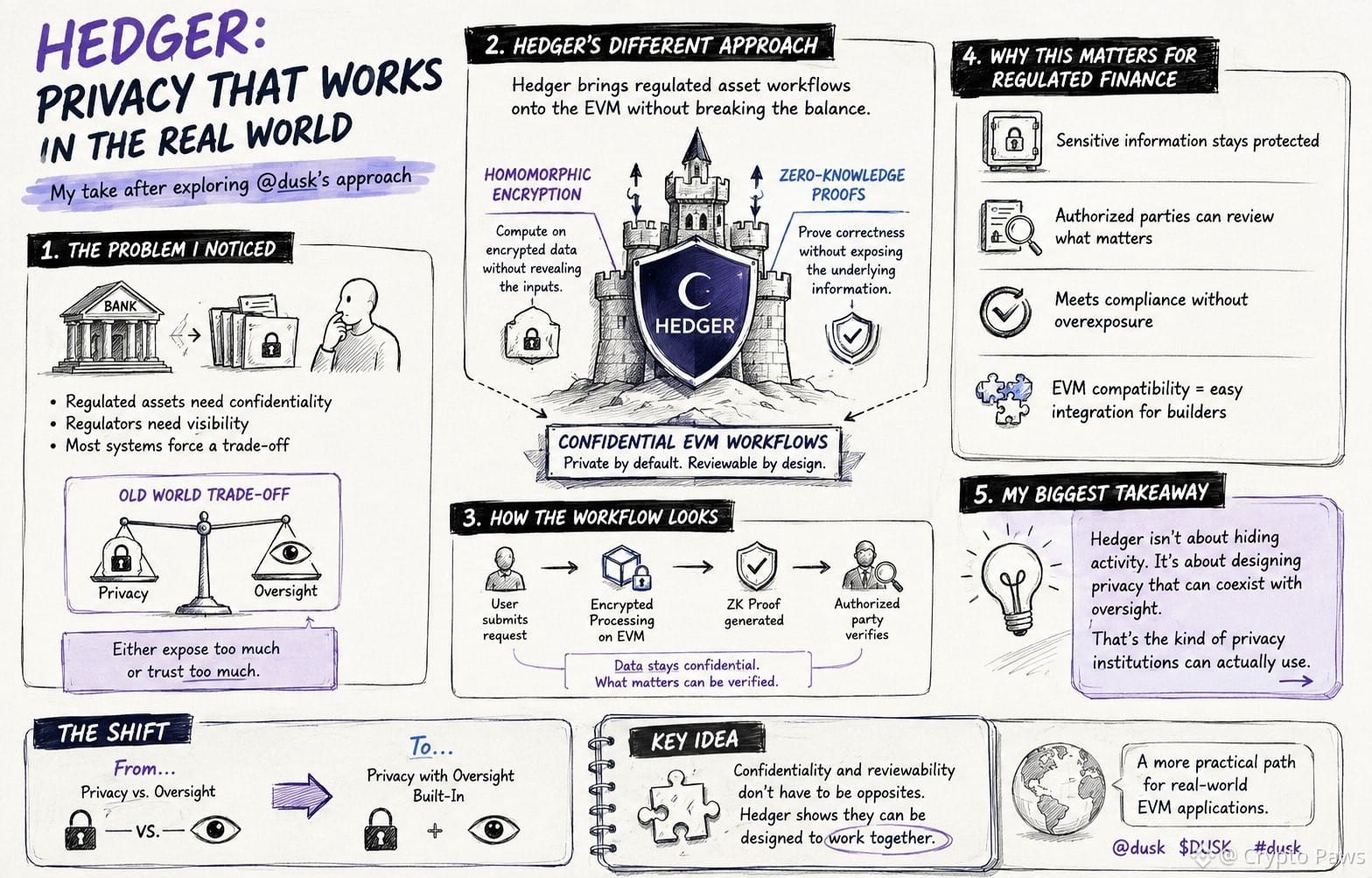
準同型暗号は、計算が行われる間も値を暗号化したまま保ちます。そしてゼロ知識証明は別の役割を担います。つまり、平文を公開せずに、その計算がルールに従って行われたことを証明するのです。
私はそれをこう捉えています:
一つはデータを守る。もう一つは作業を確認する。
この違いは重要です。彼は値を読めない状態に保てますが、それだけでは結果が正しいことを証明できません。ZKは正しさを検証できますが、暗号化がなければデータが見えてしまう可能性があります。
@Duskのヘッジャーが私にとって興味深いのは、このためです。2つのプリミティブは、機密EVMワークフローにおいて相互補完的です。
ただしトレードオフもあります。
暗号計算と証明には追加の負荷がかかります。規制のある金融アプリケーションでは、そのオーバーヘッドが正当化されるかもしれません。
私がずっと考え続けている問いはこうです:
機密EVM実行は、スケール時にワークフローが過度に高コストにならずに、プライバシーを保てるのでしょうか?
機密EVM実行で、あなたなら何を優先しますか?
$DUSK #dusk @Dusk
ヘッジャーは、機密性のあるEVM実行について私の考え方を変えました。それは単にデータを隠すことではなく、プライバシーと検証を切り分けることなのです。
準同型暗号は、計算が行われる間も値を暗号化したまま保ちます。そしてゼロ知識証明は別の役割を担います。つまり、平文を公開せずに、その計算がルールに従って行われたことを証明するのです。
私はそれをこう捉えています:
一つはデータを守る。もう一つは作業を確認する。
この違いは重要です。彼は値を読めない状態に保てますが、それだけでは結果が正しいことを証明できません。ZKは正しさを検証できますが、暗号化がなければデータが見えてしまう可能性があります。
@Duskのヘッジャーが私にとって興味深いのは、このためです。2つのプリミティブは、機密EVMワークフローにおいて相互補完的です。
ただしトレードオフもあります。
暗号計算と証明には追加の負荷がかかります。規制のある金融アプリケーションでは、そのオーバーヘッドが正当化されるかもしれません。
私がずっと考え続けている問いはこうです:
機密EVM実行は、スケール時にワークフローが過度に高コストにならずに、プライバシーを保てるのでしょうか?
機密EVM実行で、あなたなら何を優先しますか?
ヘッジャーは、機密性のあるEVM実行について私の考え方を変えました。それは単にデータを隠すことではなく、プライバシーと検証を切り分けることなのです。
準同型暗号は、計算が行われる間も値を暗号化したまま保ちます。そしてゼロ知識証明は別の役割を担います。つまり、平文を公開せずに、その計算がルールに従って行われたことを証明するのです。
私はそれをこう捉えています:
一つはデータを守る。もう一つは作業を確認する。
この違いは重要です。彼は値を読めない状態に保てますが、それだけでは結果が正しいことを証明できません。ZKは正しさを検証できますが、暗号化がなければデータが見えてしまう可能性があります。
@Duskのヘッジャーが私にとって興味深いのは、このためです。2つのプリミティブは、機密EVMワークフローにおいて相互補完的です。
ただしトレードオフもあります。
暗号計算と証明には追加の負荷がかかります。規制のある金融アプリケーションでは、そのオーバーヘッドが正当化されるかもしれません。
私がずっと考え続けている問いはこうです:
機密EVM実行は、スケール時にワークフローが過度に高コストにならずに、プライバシーを保てるのでしょうか?
機密EVM実行で、あなたなら何を優先しますか?
🔘 Maximum privacy
33%
🔘 Lower computation cost
17%
🔘 Balanced performance
33%
🔘 Proven scalability
17%
6 投票 • 投票は終了しました
45
2
241
·
--
私がヘッジャーを調べてみて惹かれたのは、単に「プライバシー」という言葉そのものではありませんでした。機密性と検証可能性を対立するものとして扱うのではなく、規制された資産のワークフローをEVM環境へ持ち込むという発想にありました。
@Dusk_Foundation のアプローチの理解としては、ヘッジャーは準同型暗号とゼロ知識証明を組み合わせ、権限を持つ当事者が重要な部分を引き続き確認できる、機密性のあるEVMワークフローを支えるということです。この区別は、規制のある金融アプリケーションにとって重要です。機微情報は保護されたままにでき、なおかつワークフローには検証へ向かう道筋が残ります。
私にとってそれは、ヘッジャーが活動を隠すことばかりを目的としているのではなく、監督と共存し得るプライバシーを設計している、ということを意味します。これは、機関向けのEVMアプリケーションにとってはるかに実用的な課題です。
$DUSK #dusk @Dusk_Foundation
$DOLO
$ALICE
#OilEdgesHigher
#AnthropicIPOMeetingsSkipFinancialsValuation #KalshiOrderedToSuspendWashingtonOperations #ProCapFilesBitcoinTreasuryDiscountETF
私がヘッジャーを調べてみて惹かれたのは、単に「プライバシー」という言葉そのものではありませんでした。機密性と検証可能性を対立するものとして扱うのではなく、規制された資産のワークフローをEVM環境へ持ち込むという発想にありました。
@Dusk のアプローチの理解としては、ヘッジャーは準同型暗号とゼロ知識証明を組み合わせ、権限を持つ当事者が重要な部分を引き続き確認できる、機密性のあるEVMワークフローを支えるということです。この区別は、規制のある金融アプリケーションにとって重要です。機微情報は保護されたままにでき、なおかつワークフローには検証へ向かう道筋が残ります。
私にとってそれは、ヘッジャーが活動を隠すことばかりを目的としているのではなく、監督と共存し得るプライバシーを設計している、ということを意味します。これは、機関向けのEVMアプリケーションにとってはるかに実用的な課題です。
$DUSK #dusk @Dusk
$DOLO
$ALICE
#OilEdgesHigher
#AnthropicIPOMeetingsSkipFinancialsValuation #KalshiOrderedToSuspendWashingtonOperations #ProCapFilesBitcoinTreasuryDiscountETF
@Dusk のアプローチの理解としては、ヘッジャーは準同型暗号とゼロ知識証明を組み合わせ、権限を持つ当事者が重要な部分を引き続き確認できる、機密性のあるEVMワークフローを支えるということです。この区別は、規制のある金融アプリケーションにとって重要です。機微情報は保護されたままにでき、なおかつワークフローには検証へ向かう道筋が残ります。
私にとってそれは、ヘッジャーが活動を隠すことばかりを目的としているのではなく、監督と共存し得るプライバシーを設計している、ということを意味します。これは、機関向けのEVMアプリケーションにとってはるかに実用的な課題です。
$DUSK #dusk @Dusk
$DOLO
$ALICE
#OilEdgesHigher
#AnthropicIPOMeetingsSkipFinancialsValuation #KalshiOrderedToSuspendWashingtonOperations #ProCapFilesBitcoinTreasuryDiscountETF
52
4
1.2k
·
--
私は @Dusk_Foundation の中で、戦略的に重要だと感じる一つの要素に何度も立ち返っています。DuskEVM は開発者に EVM の考え方を捨てろとは求めていません。Solidity のビルダーにとってなじみのある道筋を @Dusk_Foundation へ用意することで、規制された市場向けに設計されたネットワーク上で金融アプリケーションを構築するためのハードルが下がります。さらに面白いのが Hedger です。ホモモルフィック暗号化とゼロ知識証明の活用は、プライバシーがあっても活動の確認可能性を失わない、機密性の高い EVM ワークフローを示唆しています。私にとって、$DUSK の本当の物語はここにあります。後から追加される機能ではなく、プログラマブルなプライバシーがインフラになること。#dusk
#USJulyCPI&PPIDueThisWeek #SheinSaidToLaunchHKIPOSubscriptionAroundAug20 $APR
$EDEN
規制されたオンチェーン・ファイナンスにおいて、DuskEVM のどの機能が最も重要ですか?
私は @Dusk の中で、戦略的に重要だと感じる一つの要素に何度も立ち返っています。DuskEVM は開発者に EVM の考え方を捨てろとは求めていません。Solidity のビルダーにとってなじみのある道筋を @Dusk へ用意することで、規制された市場向けに設計されたネットワーク上で金融アプリケーションを構築するためのハードルが下がります。さらに面白いのが Hedger です。ホモモルフィック暗号化とゼロ知識証明の活用は、プライバシーがあっても活動の確認可能性を失わない、機密性の高い EVM ワークフローを示唆しています。私にとって、$DUSK の本当の物語はここにあります。後から追加される機能ではなく、プログラマブルなプライバシーがインフラになること。#dusk
#USJulyCPI&PPIDueThisWeek #SheinSaidToLaunchHKIPOSubscriptionAroundAug20 $APR
$EDEN
規制されたオンチェーン・ファイナンスにおいて、DuskEVM のどの機能が最も重要ですか?
#USJulyCPI&PPIDueThisWeek #SheinSaidToLaunchHKIPOSubscriptionAroundAug20 $APR
$EDEN
規制されたオンチェーン・ファイナンスにおいて、DuskEVM のどの機能が最も重要ですか?
🔐 Confidential EVM workflows
75%
🧩 Solidity/EVM compatibility
25%
🧾 Reviewable ZK privacy
0%
🏦 Institutional access
0%
4 投票 • 投票は終了しました
52
2
201
·
--
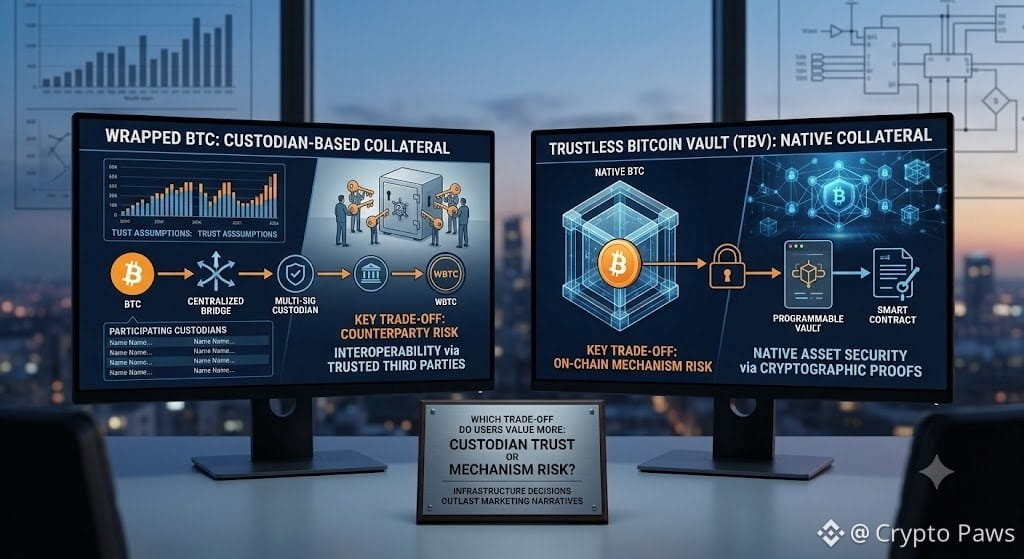
ビットコインの担保モデルを比較する時間をかけた結果、真の違いは「ラップドBTCか、ネイティブBTCか」ではなく、それぞれの設計がユーザーに受け入れさせようとする信頼の前提にあるのだと感じました。ラップドBTCは相互運用性を広げる上で重要な役割を果たしてきましたが、一般的にはカストディやブリッジの仕組みに依存し、それらがセキュリティモデルの一部になってしまいます。信頼不要のビットコイン・ボールト(TBV)は、担保としてネイティブのビットコインを維持しつつ、それを借入インフラに接続することで、この問題を別の形で扱います。これは、相互運用性を目標として捨てるのではなく、カストディのあり方を変えるものです。どちらか一方が他方を置き換えるべきものだとは見ていません。広いエコシステムでの互換性が最も重要な場面では、ラップドBTCは引き続き実用的かもしれません。一方でTBVは、仲介者への信頼を最小限にしたいと考えるユーザーにとって代替案になります。アーキテクチャを読み進めて、インフラの意思決定は、マーケティング上の語りよりも長く残ることが多いのだと改めて思いました。なぜなら、それがリスクの配分方法を形作るからです。ネイティブ・ビットコインの担保が進化していく中で、ユーザーは長い目で見てどのトレードオフを最も重視すると思いますか? @babylonlabs_io $BABY #baby
$TUT
$BICO
#BICO
#Epic
#zec
#lorenzoprotocol
ビットコインの担保モデルを比較する時間をかけた結果、真の違いは「ラップドBTCか、ネイティブBTCか」ではなく、それぞれの設計がユーザーに受け入れさせようとする信頼の前提にあるのだと感じました。ラップドBTCは相互運用性を広げる上で重要な役割を果たしてきましたが、一般的にはカストディやブリッジの仕組みに依存し、それらがセキュリティモデルの一部になってしまいます。信頼不要のビットコイン・ボールト(TBV)は、担保としてネイティブのビットコインを維持しつつ、それを借入インフラに接続することで、この問題を別の形で扱います。これは、相互運用性を目標として捨てるのではなく、カストディのあり方を変えるものです。どちらか一方が他方を置き換えるべきものだとは見ていません。広いエコシステムでの互換性が最も重要な場面では、ラップドBTCは引き続き実用的かもしれません。一方でTBVは、仲介者への信頼を最小限にしたいと考えるユーザーにとって代替案になります。アーキテクチャを読み進めて、インフラの意思決定は、マーケティング上の語りよりも長く残ることが多いのだと改めて思いました。なぜなら、それがリスクの配分方法を形作るからです。ネイティブ・ビットコインの担保が進化していく中で、ユーザーは長い目で見てどのトレードオフを最も重視すると思いますか? @BabylonLabs_io $BABY #baby
$TUT
$BICO
#BICO
#Epic
#zec
#lorenzoprotocol
$TUT
$BICO
#BICO
#Epic
#zec
#lorenzoprotocol
1
195
·
--
私は、Trustless Bitcoin Vaults(TBV)が見出しの機能を眺めるだけでなく、借入ワークフローを通じてネイティブBTCをどのように動かしているかを、夕方の一部を使って追跡しました。際立っていたのは単発の取引ではなく、各段階がビットコインのネイティブな特性を保持するよう設計されている点でした。この旅は、ネイティブBTCが担保として預けられ、プロトコルによって検証されるところから始まります。ラップ表現に変換するのではなく、
TBVは担保をビットコインにアンカーしたまま、Ethereum上のAave v4を通じて借入ポジションを可能にします。そこから先は、市場環境の変化に合わせてローンが適切に担保され続けるよう、担保が継続的に監視されます。担保比率が一定以上大きく下回ると、例外ではなくライフサイクルの一部として清算が組み込まれます。プロトコルは、恒久的なラップ資産に頼るのではなく、ネイティブBTCへの償還に戻る道筋を保持しながら、決済を調整します。
この一連の流れで、ブリッジやカストディを避けることが単なるセキュリティ上の好みではなく、@babylonlabs_io fundamentally担保がシステム内を移動する方法そのものを変えるのだと実感しました。ライフサイクルを最後まで追った後、私は次のように考えずにはいられません。ネイティブ・ビットコインを、ビットコイン固有の価値を損なうことなくDeFiへ持ち込むためのモデルになり得るのでしょうか? @babylonlabs_io $BABY #baby
#dexe
#UNI📈
#EUL
#bank
$BANK
{future}(BANKUSDT)
$ZEC
{future}(ZECUSDT)
TBVの担保ライフサイクルのうち、ビットコインネイティブなDeFiにとって最も重要なのはどの段階ですか?
以下で投票し、その段階を選んだ理由を説明してください。👇
私は、Trustless Bitcoin Vaults(TBV)が見出しの機能を眺めるだけでなく、借入ワークフローを通じてネイティブBTCをどのように動かしているかを、夕方の一部を使って追跡しました。際立っていたのは単発の取引ではなく、各段階がビットコインのネイティブな特性を保持するよう設計されている点でした。この旅は、ネイティブBTCが担保として預けられ、プロトコルによって検証されるところから始まります。ラップ表現に変換するのではなく、
TBVは担保をビットコインにアンカーしたまま、Ethereum上のAave v4を通じて借入ポジションを可能にします。そこから先は、市場環境の変化に合わせてローンが適切に担保され続けるよう、担保が継続的に監視されます。担保比率が一定以上大きく下回ると、例外ではなくライフサイクルの一部として清算が組み込まれます。プロトコルは、恒久的なラップ資産に頼るのではなく、ネイティブBTCへの償還に戻る道筋を保持しながら、決済を調整します。
この一連の流れで、ブリッジやカストディを避けることが単なるセキュリティ上の好みではなく、@BabylonLabs_io fundamentally担保がシステム内を移動する方法そのものを変えるのだと実感しました。ライフサイクルを最後まで追った後、私は次のように考えずにはいられません。ネイティブ・ビットコインを、ビットコイン固有の価値を損なうことなくDeFiへ持ち込むためのモデルになり得るのでしょうか? @BabylonLabs_io $BABY #baby
#dexe
#UNI📈
#EUL
#bank
$BANK
$ZEC
TBVの担保ライフサイクルのうち、ビットコインネイティブなDeFiにとって最も重要なのはどの段階ですか?
以下で投票し、その段階を選んだ理由を説明してください。👇
TBVは担保をビットコインにアンカーしたまま、Ethereum上のAave v4を通じて借入ポジションを可能にします。そこから先は、市場環境の変化に合わせてローンが適切に担保され続けるよう、担保が継続的に監視されます。担保比率が一定以上大きく下回ると、例外ではなくライフサイクルの一部として清算が組み込まれます。プロトコルは、恒久的なラップ資産に頼るのではなく、ネイティブBTCへの償還に戻る道筋を保持しながら、決済を調整します。
この一連の流れで、ブリッジやカストディを避けることが単なるセキュリティ上の好みではなく、@BabylonLabs_io fundamentally担保がシステム内を移動する方法そのものを変えるのだと実感しました。ライフサイクルを最後まで追った後、私は次のように考えずにはいられません。ネイティブ・ビットコインを、ビットコイン固有の価値を損なうことなくDeFiへ持ち込むためのモデルになり得るのでしょうか? @BabylonLabs_io $BABY #baby
#dexe
#UNI📈
#EUL
#bank
$BANK
$ZEC
TBVの担保ライフサイクルのうち、ビットコインネイティブなDeFiにとって最も重要なのはどの段階ですか?
以下で投票し、その段階を選んだ理由を説明してください。👇
🟠 Native BTC Deposit
0%
🔒 Continuous Risk Monitoring
50%
⚡ Permissionless Liquidation
50%
♻️ Native BTC Redemption
0%
2 投票 • 投票は終了しました
4
3
2.8k
·
--
$BABY #baby @babylonlabs_io
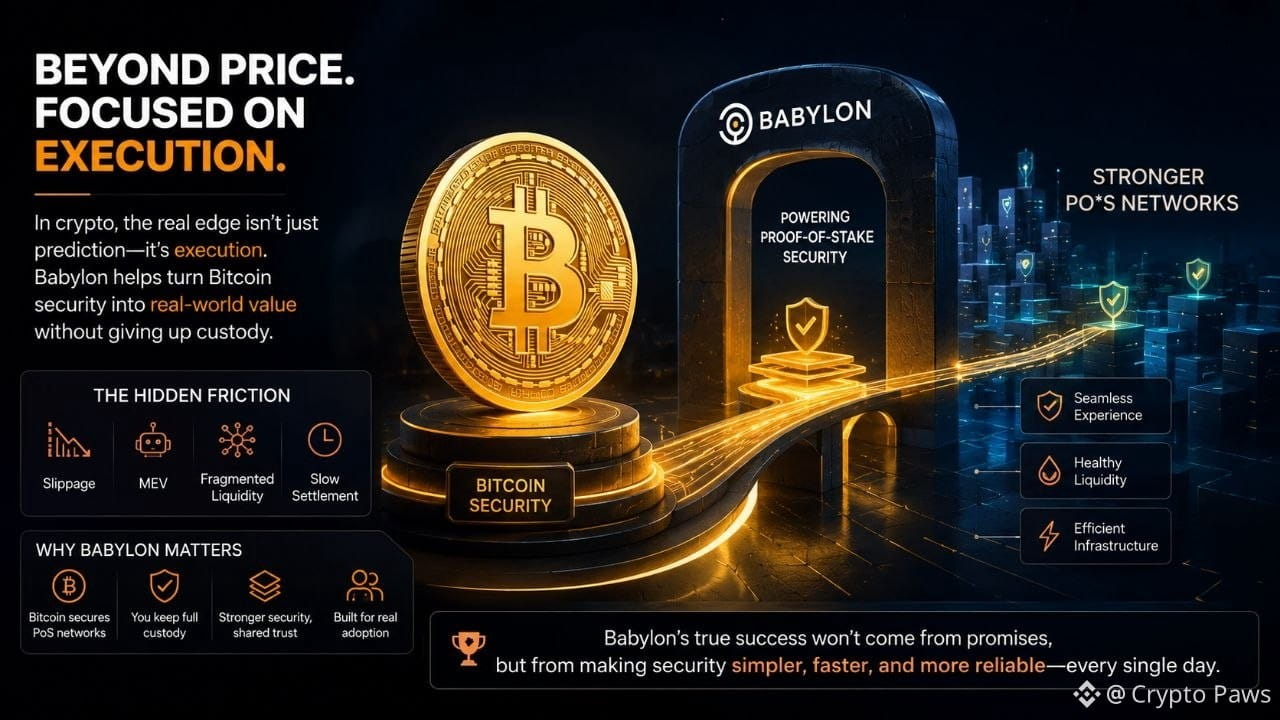
暗号資産の世界に深く入り込むほど、最大の障害は相場の乱高下ではなく、実行(エクセキューション)の品質にあるのではないかと思えてきます。あらゆる取引には、スリッページ、MEV、断片化された流動性、遅い決済といった“見えにくい摩擦”が潜んでおり、それらが静かにパフォーマンスを削っていきます。その理由の一つが、私がBabylonに注目している点です。ビットコイン保有者が、自身の資産を完全にコントロールしたまま、PoSのセキュリティを強化できる仕組みを提供することは、何年も存在してきた課題を解決します。しかし、説得力のあるアーキテクチャはスタートに過ぎません。真の普及には、信頼できるインフラ、健全な流動性、そして毎日シームレスに感じられる体験が必要です。長期的には、Babylonの成功は大胆な約束によって測られるのではなく、ユーザーが競合するエコシステムよりも一貫して「より簡単に、より効率的に、より信頼できる」と感じられるかどうかで決まるはずです。
$BABY #baby @BabylonLabs_io
暗号資産の世界に深く入り込むほど、最大の障害は相場の乱高下ではなく、実行(エクセキューション)の品質にあるのではないかと思えてきます。あらゆる取引には、スリッページ、MEV、断片化された流動性、遅い決済といった“見えにくい摩擦”が潜んでおり、それらが静かにパフォーマンスを削っていきます。その理由の一つが、私がBabylonに注目している点です。ビットコイン保有者が、自身の資産を完全にコントロールしたまま、PoSのセキュリティを強化できる仕組みを提供することは、何年も存在してきた課題を解決します。しかし、説得力のあるアーキテクチャはスタートに過ぎません。真の普及には、信頼できるインフラ、健全な流動性、そして毎日シームレスに感じられる体験が必要です。長期的には、Babylonの成功は大胆な約束によって測られるのではなく、ユーザーが競合するエコシステムよりも一貫して「より簡単に、より効率的に、より信頼できる」と感じられるかどうかで決まるはずです。
暗号資産の世界に深く入り込むほど、最大の障害は相場の乱高下ではなく、実行(エクセキューション)の品質にあるのではないかと思えてきます。あらゆる取引には、スリッページ、MEV、断片化された流動性、遅い決済といった“見えにくい摩擦”が潜んでおり、それらが静かにパフォーマンスを削っていきます。その理由の一つが、私がBabylonに注目している点です。ビットコイン保有者が、自身の資産を完全にコントロールしたまま、PoSのセキュリティを強化できる仕組みを提供することは、何年も存在してきた課題を解決します。しかし、説得力のあるアーキテクチャはスタートに過ぎません。真の普及には、信頼できるインフラ、健全な流動性、そして毎日シームレスに感じられる体験が必要です。長期的には、Babylonの成功は大胆な約束によって測られるのではなく、ユーザーが競合するエコシステムよりも一貫して「より簡単に、より効率的に、より信頼できる」と感じられるかどうかで決まるはずです。
2
3
89
·
--
本人確認中
$BABY #baby @babylonlabs_io
長年、避けられない前提があるように思われていました。DeFiでビットコインを使いたいのなら、まずそれを別の何かに変換しなければならない、と。ラップド資産、クロスチェーンブリッジ、カストディ(管理預かり)型のソリューションはユーティリティを拡張しましたが、その一方で、多くのビットコイン利用者が望まない追加の信頼と複雑さも生み出しました。
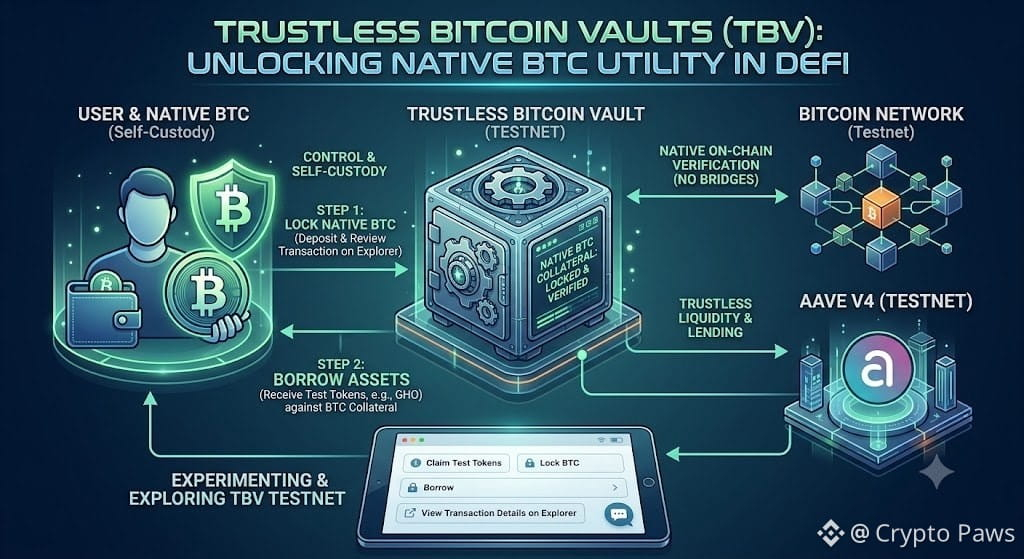
信頼不要型ビットコイン・ボールト(Trustless Bitcoin Vaults:TBV)は、別の基盤を提案します。ネイティブBTCを合成版に置き換えるのではなく、ビットコイン自体を裏付けコラテラルとして維持しつつ、ユーザーがセルフカストディを保てるのかを検討します。Aave v4を用いて最初に実装した本モデルは、中央集権的な仲介者に依存せずに、ネイティブのビットコインを担保に借り入れを行うための枠組みを示しています。
私は、ドキュメントだけに頼らずパブリック・テストネットを調査しました。テストトークンを受け取り、ボールトとやり取りし、借り入れの手順を検証し、エクスプローラーで取引を確認し、フィードバックを共有することで、設計への理解が大きく深まりました。この体験は、単なる別の貸付プロトコルというよりも、ビットコインの中核の原則を保ちながら金融上の有用性を拡張するための実験のように感じられました。
まだ始まったばかりであり、長期的な普及はセキュリティ、使いやすさ、実証された信頼性に左右されます。それでも私は、この方針に強く惹かれます。新たな前提となる信頼を作るのではなく、信頼の仮定を最小化することに焦点を当てているからです。ビットコイン基盤の次の段階に関心があるなら、意見を固める前に、まずはTBVのテストネットを自分の目で確かめてみる価値があります。
$BABY #baby @BabylonLabs_io
長年、避けられない前提があるように思われていました。DeFiでビットコインを使いたいのなら、まずそれを別の何かに変換しなければならない、と。ラップド資産、クロスチェーンブリッジ、カストディ(管理預かり)型のソリューションはユーティリティを拡張しましたが、その一方で、多くのビットコイン利用者が望まない追加の信頼と複雑さも生み出しました。
信頼不要型ビットコイン・ボールト(Trustless Bitcoin Vaults:TBV)は、別の基盤を提案します。ネイティブBTCを合成版に置き換えるのではなく、ビットコイン自体を裏付けコラテラルとして維持しつつ、ユーザーがセルフカストディを保てるのかを検討します。Aave v4を用いて最初に実装した本モデルは、中央集権的な仲介者に依存せずに、ネイティブのビットコインを担保に借り入れを行うための枠組みを示しています。
私は、ドキュメントだけに頼らずパブリック・テストネットを調査しました。テストトークンを受け取り、ボールトとやり取りし、借り入れの手順を検証し、エクスプローラーで取引を確認し、フィードバックを共有することで、設計への理解が大きく深まりました。この体験は、単なる別の貸付プロトコルというよりも、ビットコインの中核の原則を保ちながら金融上の有用性を拡張するための実験のように感じられました。
まだ始まったばかりであり、長期的な普及はセキュリティ、使いやすさ、実証された信頼性に左右されます。それでも私は、この方針に強く惹かれます。新たな前提となる信頼を作るのではなく、信頼の仮定を最小化することに焦点を当てているからです。ビットコイン基盤の次の段階に関心があるなら、意見を固める前に、まずはTBVのテストネットを自分の目で確かめてみる価値があります。
長年、避けられない前提があるように思われていました。DeFiでビットコインを使いたいのなら、まずそれを別の何かに変換しなければならない、と。ラップド資産、クロスチェーンブリッジ、カストディ(管理預かり)型のソリューションはユーティリティを拡張しましたが、その一方で、多くのビットコイン利用者が望まない追加の信頼と複雑さも生み出しました。
信頼不要型ビットコイン・ボールト(Trustless Bitcoin Vaults:TBV)は、別の基盤を提案します。ネイティブBTCを合成版に置き換えるのではなく、ビットコイン自体を裏付けコラテラルとして維持しつつ、ユーザーがセルフカストディを保てるのかを検討します。Aave v4を用いて最初に実装した本モデルは、中央集権的な仲介者に依存せずに、ネイティブのビットコインを担保に借り入れを行うための枠組みを示しています。
私は、ドキュメントだけに頼らずパブリック・テストネットを調査しました。テストトークンを受け取り、ボールトとやり取りし、借り入れの手順を検証し、エクスプローラーで取引を確認し、フィードバックを共有することで、設計への理解が大きく深まりました。この体験は、単なる別の貸付プロトコルというよりも、ビットコインの中核の原則を保ちながら金融上の有用性を拡張するための実験のように感じられました。
まだ始まったばかりであり、長期的な普及はセキュリティ、使いやすさ、実証された信頼性に左右されます。それでも私は、この方針に強く惹かれます。新たな前提となる信頼を作るのではなく、信頼の仮定を最小化することに焦点を当てているからです。ビットコイン基盤の次の段階に関心があるなら、意見を固める前に、まずはTBVのテストネットを自分の目で確かめてみる価値があります。
74
3
111
·
--
$BABY #baby @babylonlabs_io
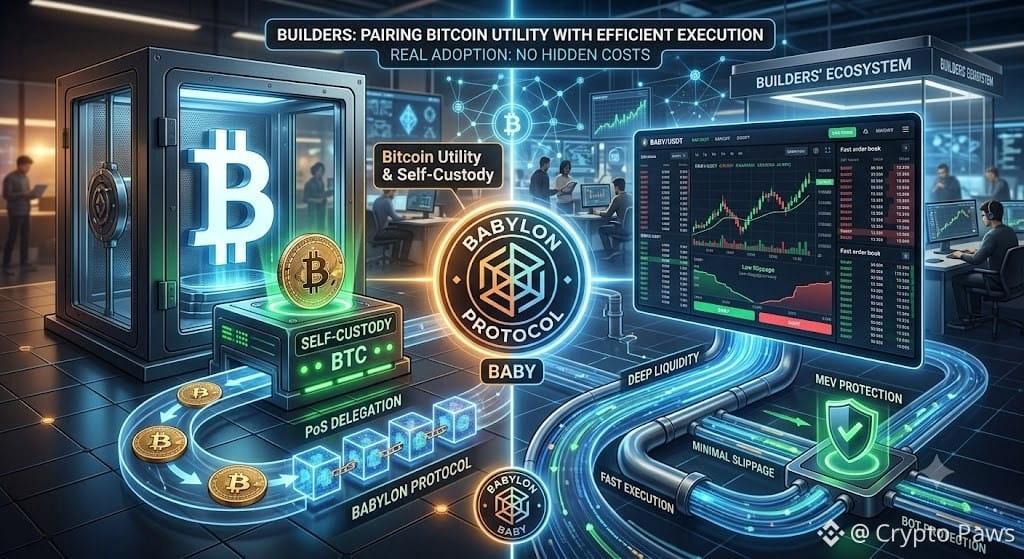
多くの仮想通貨の会話は価格から始まりますが、私は通常、プロトコルが本当に現実の課題を解決しているかどうかにより注目します。それが、私にとってBabylonが際立った理由です。ビットコインを自分で管理したままPoSのセキュリティに貢献できるのは、「別のラップドBTCの物語」ではなく、実用的なユースケースだと感じました。とはいえ、強力なインフラだけでは十分ではありません。いちばん大きな不満は、取引する段階になったときに始まります。スリッページはエントリーを広げ、MEVが価値を抜き取り、ボットは人間よりも速く反応し、流動性が分断されることで、良い状態が数秒でより悪い約定へと変わってしまいます。こうした目に見えないコストは、誤った市場予測よりも痛いことがよくあります。だからこそ、私はトークンそのものと同じくらい、BABYの周辺エコシステムを見ています。もしビルダーがビットコインのユーティリティと効率的な実行、より深い流動性、そしてスムーズな取引体験を組み合わせられるなら、ネットワークの魅力は大きく高まります。技術がうまく機能し、ユーザーがやり取りするたびに隠れたコストを支払う必要がないとき、本当の普及が起こります。
$BABY #baby @BabylonLabs_io
多くの仮想通貨の会話は価格から始まりますが、私は通常、プロトコルが本当に現実の課題を解決しているかどうかにより注目します。それが、私にとってBabylonが際立った理由です。ビットコインを自分で管理したままPoSのセキュリティに貢献できるのは、「別のラップドBTCの物語」ではなく、実用的なユースケースだと感じました。とはいえ、強力なインフラだけでは十分ではありません。いちばん大きな不満は、取引する段階になったときに始まります。スリッページはエントリーを広げ、MEVが価値を抜き取り、ボットは人間よりも速く反応し、流動性が分断されることで、良い状態が数秒でより悪い約定へと変わってしまいます。こうした目に見えないコストは、誤った市場予測よりも痛いことがよくあります。だからこそ、私はトークンそのものと同じくらい、BABYの周辺エコシステムを見ています。もしビルダーがビットコインのユーティリティと効率的な実行、より深い流動性、そしてスムーズな取引体験を組み合わせられるなら、ネットワークの魅力は大きく高まります。技術がうまく機能し、ユーザーがやり取りするたびに隠れたコストを支払う必要がないとき、本当の普及が起こります。
多くの仮想通貨の会話は価格から始まりますが、私は通常、プロトコルが本当に現実の課題を解決しているかどうかにより注目します。それが、私にとってBabylonが際立った理由です。ビットコインを自分で管理したままPoSのセキュリティに貢献できるのは、「別のラップドBTCの物語」ではなく、実用的なユースケースだと感じました。とはいえ、強力なインフラだけでは十分ではありません。いちばん大きな不満は、取引する段階になったときに始まります。スリッページはエントリーを広げ、MEVが価値を抜き取り、ボットは人間よりも速く反応し、流動性が分断されることで、良い状態が数秒でより悪い約定へと変わってしまいます。こうした目に見えないコストは、誤った市場予測よりも痛いことがよくあります。だからこそ、私はトークンそのものと同じくらい、BABYの周辺エコシステムを見ています。もしビルダーがビットコインのユーティリティと効率的な実行、より深い流動性、そしてスムーズな取引体験を組み合わせられるなら、ネットワークの魅力は大きく高まります。技術がうまく機能し、ユーザーがやり取りするたびに隠れたコストを支払う必要がないとき、本当の普及が起こります。
2
2
85
·
--
$BABY #baby @babylonlabs_io
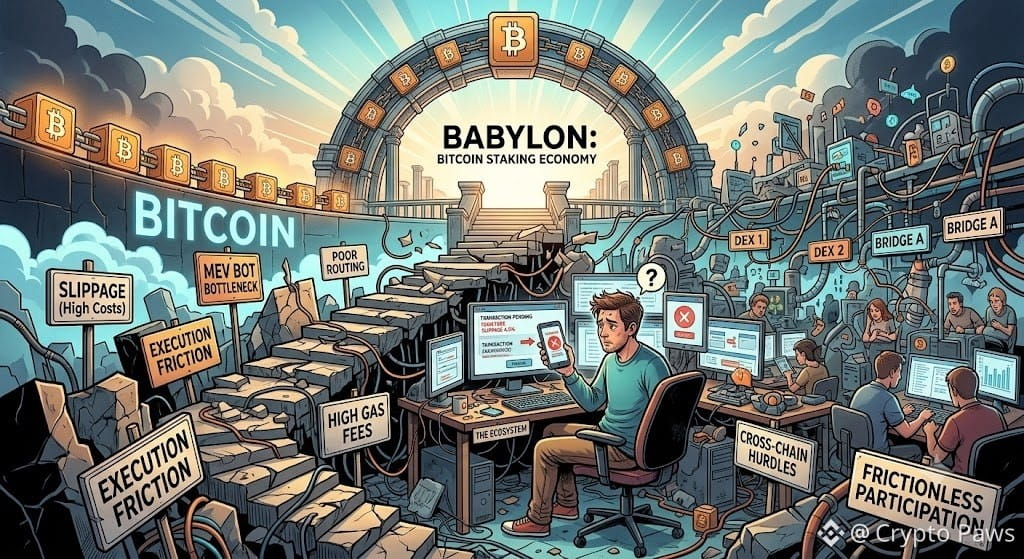
バビロンを何度も見に行くのは、すぐに価格が動くことを期待しているからではありません。もっと大きな疑問—暗号資産において、素晴らしいアイデアは日々の実行が非効率に感じられる状況でも成功できるのか—をこのプロジェクトが浮き彫りにしているからです。ビットコインが自己保管(セルフカストディ)を維持しつつ、より広いエコシステムに貢献していく方向性は興味深いものです。ですが、ユーザーはプラットフォームを、実際に使ってみたときに何が起こるかで判断します。スリッページ、MEV(最大抽出可能価値)、不適切なルーティング、断片化した流動性による隠れたコストは、基盤となるプロトコルが堅牢であっても、ゆっくりと信頼を蝕んでいくことがあります。だから私は、日々のボラティリティに反応するよりも、周辺インフラがどう発展していくかをより長く観察するようにしています。エコシステムが摩擦を減らし、参加がシームレスに感じられるようになるなら、それは技術的なマイルストーンと同じくらい重要になり得るでしょう。
$BABY #baby @BabylonLabs_io
バビロンを何度も見に行くのは、すぐに価格が動くことを期待しているからではありません。もっと大きな疑問—暗号資産において、素晴らしいアイデアは日々の実行が非効率に感じられる状況でも成功できるのか—をこのプロジェクトが浮き彫りにしているからです。ビットコインが自己保管(セルフカストディ)を維持しつつ、より広いエコシステムに貢献していく方向性は興味深いものです。ですが、ユーザーはプラットフォームを、実際に使ってみたときに何が起こるかで判断します。スリッページ、MEV(最大抽出可能価値)、不適切なルーティング、断片化した流動性による隠れたコストは、基盤となるプロトコルが堅牢であっても、ゆっくりと信頼を蝕んでいくことがあります。だから私は、日々のボラティリティに反応するよりも、周辺インフラがどう発展していくかをより長く観察するようにしています。エコシステムが摩擦を減らし、参加がシームレスに感じられるようになるなら、それは技術的なマイルストーンと同じくらい重要になり得るでしょう。
バビロンを何度も見に行くのは、すぐに価格が動くことを期待しているからではありません。もっと大きな疑問—暗号資産において、素晴らしいアイデアは日々の実行が非効率に感じられる状況でも成功できるのか—をこのプロジェクトが浮き彫りにしているからです。ビットコインが自己保管(セルフカストディ)を維持しつつ、より広いエコシステムに貢献していく方向性は興味深いものです。ですが、ユーザーはプラットフォームを、実際に使ってみたときに何が起こるかで判断します。スリッページ、MEV(最大抽出可能価値)、不適切なルーティング、断片化した流動性による隠れたコストは、基盤となるプロトコルが堅牢であっても、ゆっくりと信頼を蝕んでいくことがあります。だから私は、日々のボラティリティに反応するよりも、周辺インフラがどう発展していくかをより長く観察するようにしています。エコシステムが摩擦を減らし、参加がシームレスに感じられるようになるなら、それは技術的なマイルストーンと同じくらい重要になり得るでしょう。
3
3
125
ログインして、さらにコンテンツを読む
厳選トピックで世界の暗号資産トレーダーの仲間入り
⚡️ 暗号資産に関する最新かつ有益な情報が見つかります。
💬 世界最大の暗号資産取引所から信頼されています。
👍 認証を受けたクリエイターから、有益なインサイトを得られます。
メール / 電話番号