
Muqeeem
22.1k 投稿

Muqeeem
 厳選トピック確認済+
Exploring crypto, DeFi & blockchain layers from the ground up | Fascinated by AI x Web3 | Learning in public, growing every day | X: Muqeem94
取引を発注
超高頻度トレーダー
4年
639 フォロー
31.7K+ フォロワー
22.9K+ いいね
投稿
ポートフォリオ
すべて
引用
動画
ライブ
PINNED
翻訳参照
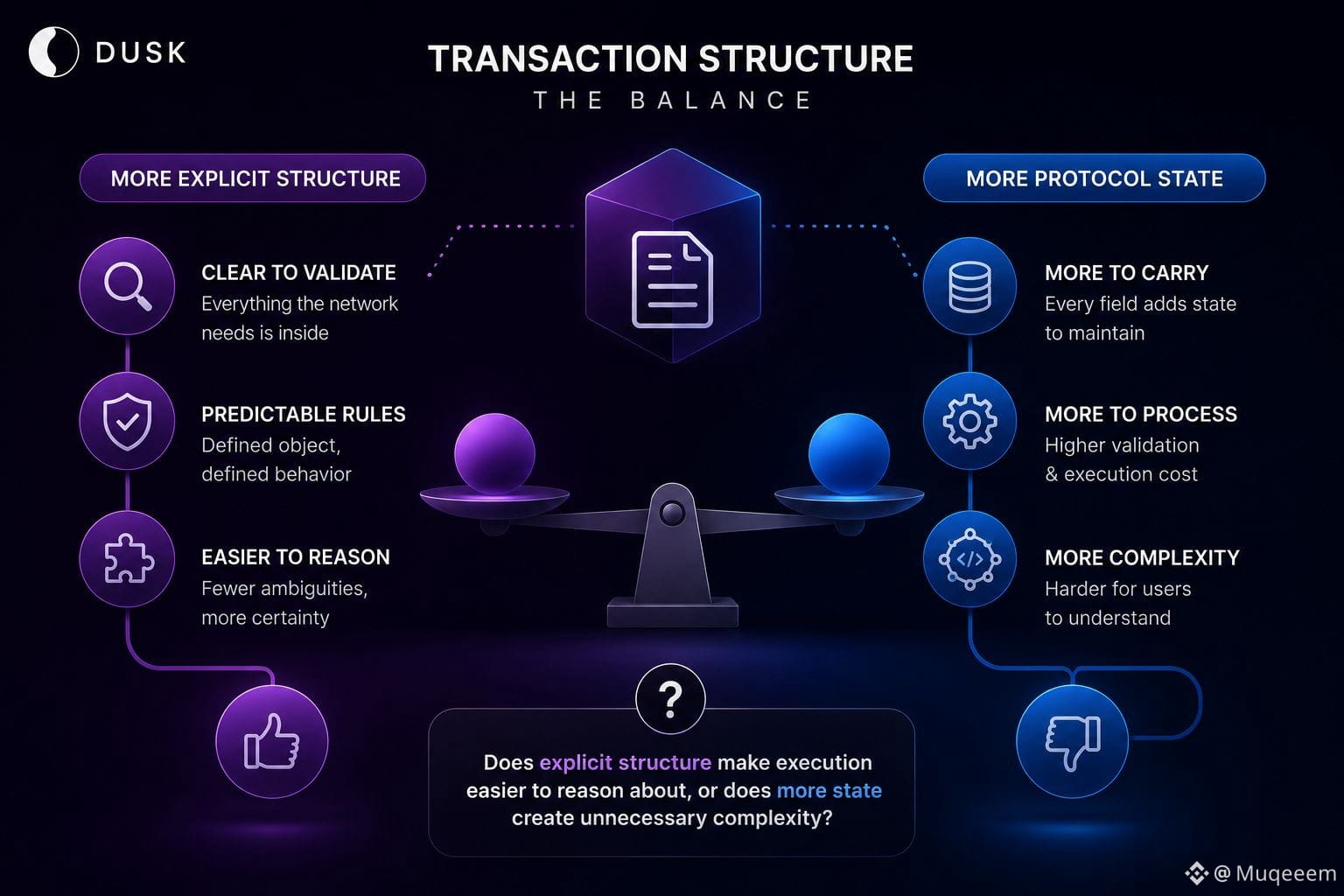
I keep coming back to how much of a blockchain's behavior is decided by the transaction format itself.In Dusk, a transaction isnt just an instruction to move something. The model carries the information needed for validation and execution, including inputs, outputs, signatures and transaction metadata.
That sounds like implementation detail and i dont think it is.
When the transaction structure is explicit, the network has a defined object to validate before anything else happens. That makes the rules easier to reason about because the transaction itself carries the pieces the protocol needs to process it.
The tradeoff is that every field has a purpose, and every additional piece of transaction state becomes something the network has to validate and maintain.
So does a more explicit transaction structure make Dusk's execution easier to reason about, or does carrying more protocol state create unnecessary complexity?
#dusk @Dusk $DUSK
That sounds like implementation detail and i dont think it is.
When the transaction structure is explicit, the network has a defined object to validate before anything else happens. That makes the rules easier to reason about because the transaction itself carries the pieces the protocol needs to process it.
The tradeoff is that every field has a purpose, and every additional piece of transaction state becomes something the network has to validate and maintain.
So does a more explicit transaction structure make Dusk's execution easier to reason about, or does carrying more protocol state create unnecessary complexity?
#dusk @Dusk $DUSK
Easier to reason about
More protocol overhead
Depends on the use case
Complexity is worth it
1 残り日数
翻訳参照
$PROM +29%, $STORJ +28%, $UAI +26%… 📈😂
Top gainers are serving premium FOMO tonight.
My brain: “Don’t chase pumps.”
Also my brain 4 seconds later: “But what if this one is different?” 🤡
Which one tempts you most? 👀
Top gainers are serving premium FOMO tonight.
My brain: “Don’t chase pumps.”
Also my brain 4 seconds later: “But what if this one is different?” 🤡
Which one tempts you most? 👀
PROM
STORJ
UAI
1 残り日数
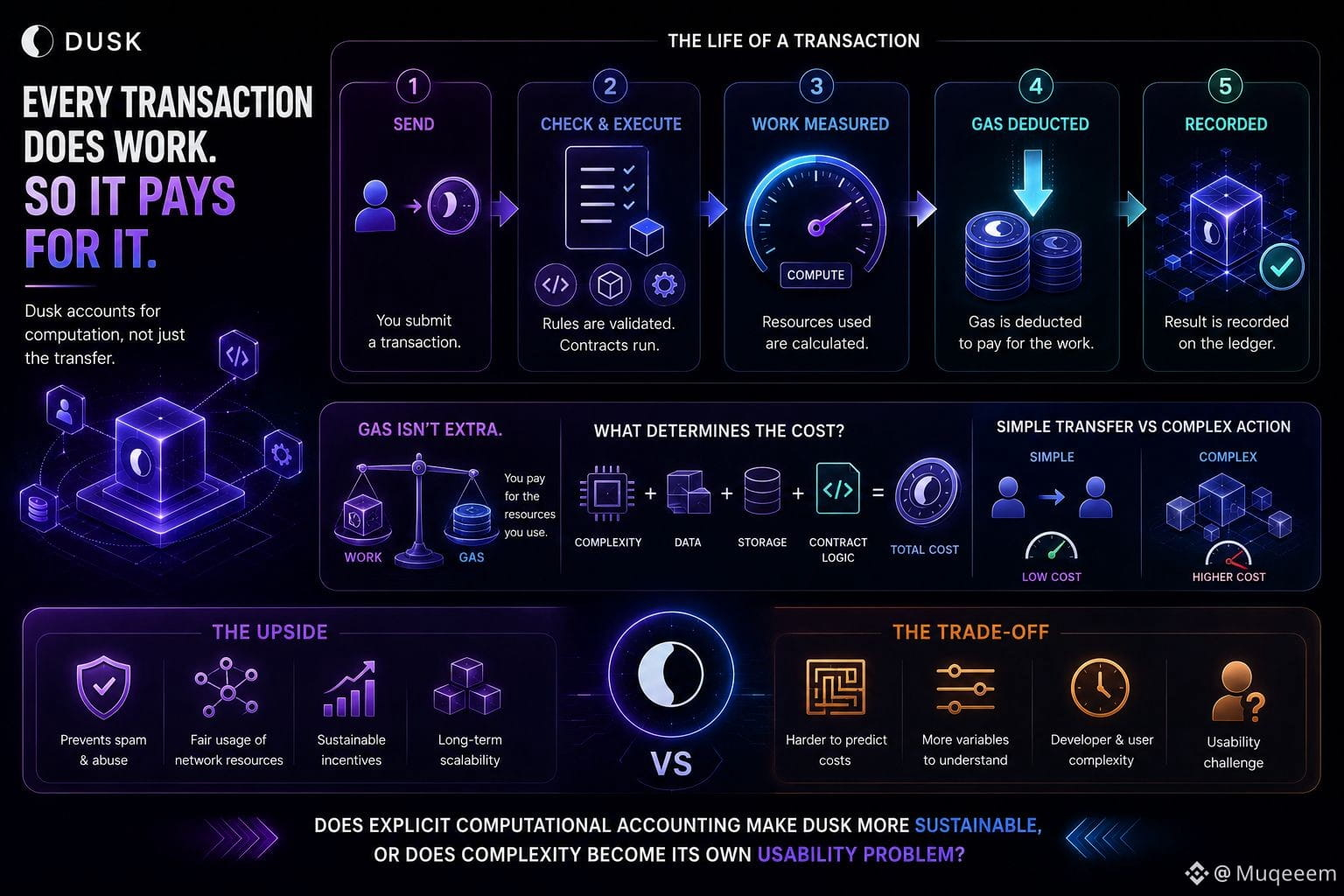
@Dusk transactionモデルについて私がずっと考えていたのは、送金そのものではありません。重要なのは、同じインフラが、取引が実際に引き起こす作業も含めて扱わなければならないという点です。
送金コントラクトは、関連するルールに従って取引を検証し、コントラクトのデプロイや呼び出しを処理し、計算コストを賄うためのガスを控除します。つまりガスは、実行のそばに置かれた任意の手数料ではありません。取引を処理するために必要なリソースに結び付いているのです。
これは妥当な設計に思えます。計算に測定可能なコストがあるなら、そのコストを取引処理の一部にすることで、ネットワークは実行を無料として扱うのではなく、リソース使用量を勘定に入れる手段を持てるようになります。
しかし、ここには緊張関係があります。取引がより表現力を持つほど、ユーザーが理解しやすい実行モデルを保ったまま、リソースコストを予測可能にするのが難しくなっていきます。
では、明示的な計算コストの会計はDuskの実行をより持続可能にするのでしょうか。それとも、計算の価格設定の複雑さが、別の使いにくさの問題になってしまうのでしょうか?
#dusk @Dusk $DUSK
送金コントラクトは、関連するルールに従って取引を検証し、コントラクトのデプロイや呼び出しを処理し、計算コストを賄うためのガスを控除します。つまりガスは、実行のそばに置かれた任意の手数料ではありません。取引を処理するために必要なリソースに結び付いているのです。
これは妥当な設計に思えます。計算に測定可能なコストがあるなら、そのコストを取引処理の一部にすることで、ネットワークは実行を無料として扱うのではなく、リソース使用量を勘定に入れる手段を持てるようになります。
しかし、ここには緊張関係があります。取引がより表現力を持つほど、ユーザーが理解しやすい実行モデルを保ったまま、リソースコストを予測可能にするのが難しくなっていきます。
では、明示的な計算コストの会計はDuskの実行をより持続可能にするのでしょうか。それとも、計算の価格設定の複雑さが、別の使いにくさの問題になってしまうのでしょうか?
#dusk @Dusk $DUSK
Better sustainability ⚡
Adds complexity 🧠
Trade-off depends ⚖️
Too early to tell ❓
16 残り時間
翻訳参照
I keep coming back to the fact that Dusk doesnt treat consensus as one big decision.
The process is broken into stages. A block is prepared and proposed, then voting participants evaluate it before the network reaches agreement on the resulting state.
That separation is easy to overlook because the end result is simply
“the block was accepted.”
But mechanically, it creates a useful distinction between producing a candidate state and getting the network to agree on it. If the proposal is wrong, the voting stage has a separate opportunity to reject it instead of treating block production itself as acceptance.
I like that structure.
The tradeoff is coordination. Every additional stage has to communicate correctly with the next one, and a system becomes harder to reason about when more moving parts depend on each other.
So does breaking consensus into explicit stages make Dusk more resilient to bad proposals, or does the extra coordination simply create another failure surface?
#dusk @Dusk $DUSK
The process is broken into stages. A block is prepared and proposed, then voting participants evaluate it before the network reaches agreement on the resulting state.
That separation is easy to overlook because the end result is simply
“the block was accepted.”
But mechanically, it creates a useful distinction between producing a candidate state and getting the network to agree on it. If the proposal is wrong, the voting stage has a separate opportunity to reject it instead of treating block production itself as acceptance.
I like that structure.
The tradeoff is coordination. Every additional stage has to communicate correctly with the next one, and a system becomes harder to reason about when more moving parts depend on each other.
So does breaking consensus into explicit stages make Dusk more resilient to bad proposals, or does the extra coordination simply create another failure surface?
#dusk @Dusk $DUSK
🛡️ More resilient
50%
⚙️ Adds failure points
0%
⚖️ Both
50%
🤔 Too early to tell
0%
2 投票 • 投票は終了しました
確認済み
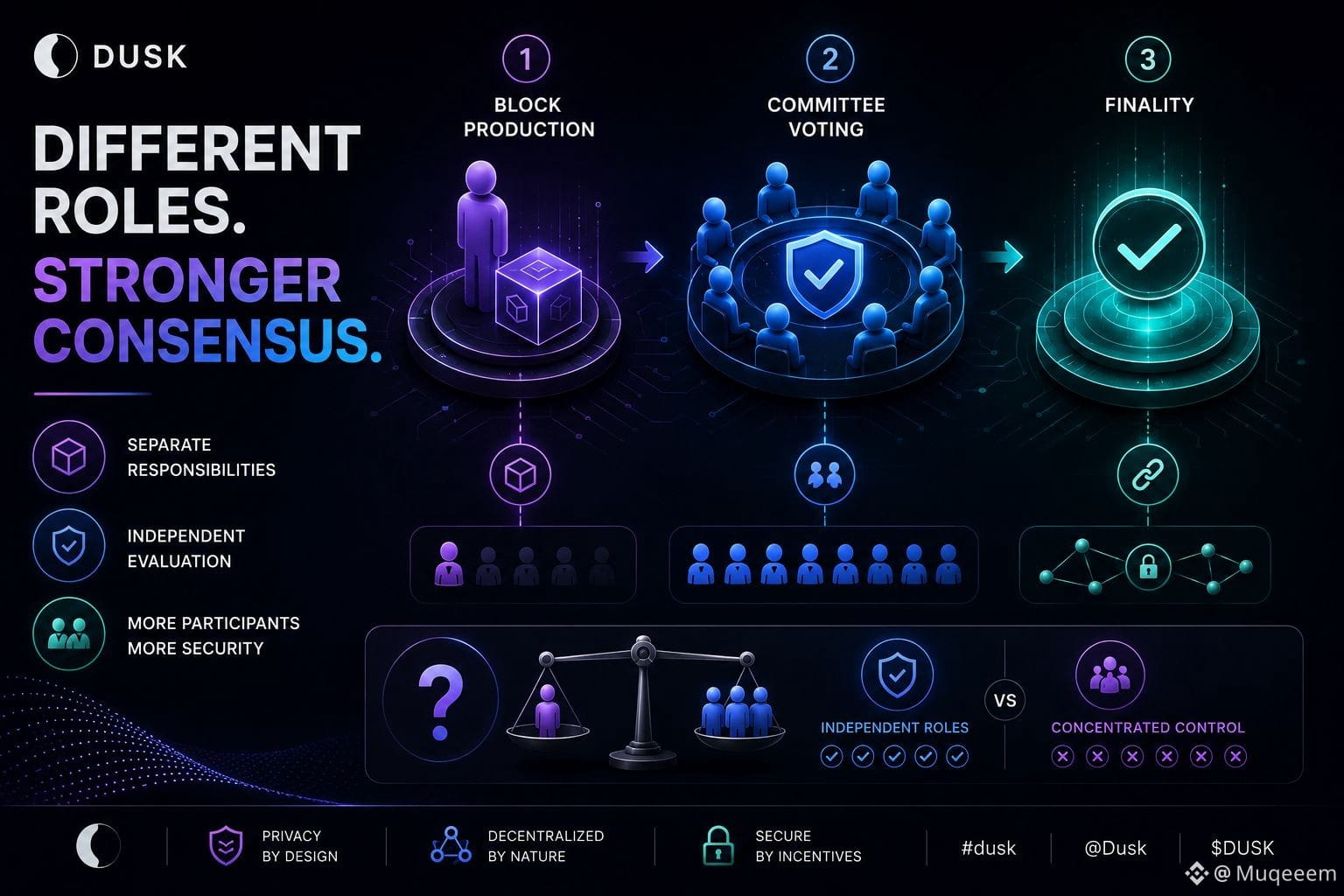
ダスクのコンセンサス設計の一部分で、意外にも興味深いと思ったのは、「ブロックを生成すること」と「それに投票すること」が分離されている点でした。
プロトコルはブロック生成者を選びますが、その後のコンセンサスの段階に参加する投票委員会も選びます。つまり、同じ参加者が単に状態を提案して、それが受け入れられるべきかどうかを判断するだけ、というわけではありません。
その分離は、私には理にかなっているように思えます。
異なる役割を設けることで、「誰がブロックを生成したか」という人物の周りに意思決定の全プロセスを集めるのではなく、独立した参加のもう一段の層が生まれます。
ただ、私はその点について常に考えているトレードオフがあります。
コンセンサスが役割を分ければ分けるほど、委員会の選出プロセスの重要性が増します。うまく設計された分離は、委員会そのものが十分に多様であり、ネットワークを代表している場合にのみ役立ちます。
では、ブロック生成を委員会の投票から分離することは、本当にコンセンサスの独立性を強化するのでしょうか。それとも、安全性は結局のところ、そうした委員会に誰が選ばれるかに最終的に依存しているのでしょうか??
#dusk @Dusk $DUSK
プロトコルはブロック生成者を選びますが、その後のコンセンサスの段階に参加する投票委員会も選びます。つまり、同じ参加者が単に状態を提案して、それが受け入れられるべきかどうかを判断するだけ、というわけではありません。
その分離は、私には理にかなっているように思えます。
異なる役割を設けることで、「誰がブロックを生成したか」という人物の周りに意思決定の全プロセスを集めるのではなく、独立した参加のもう一段の層が生まれます。
ただ、私はその点について常に考えているトレードオフがあります。
コンセンサスが役割を分ければ分けるほど、委員会の選出プロセスの重要性が増します。うまく設計された分離は、委員会そのものが十分に多様であり、ネットワークを代表している場合にのみ役立ちます。
では、ブロック生成を委員会の投票から分離することは、本当にコンセンサスの独立性を強化するのでしょうか。それとも、安全性は結局のところ、そうした委員会に誰が選ばれるかに最終的に依存しているのでしょうか??
#dusk @Dusk $DUSK
Yes, significantly
63%
selection still matters
12%
No, committees decide security
25%
depends on selection design
0%
8 投票 • 投票は終了しました
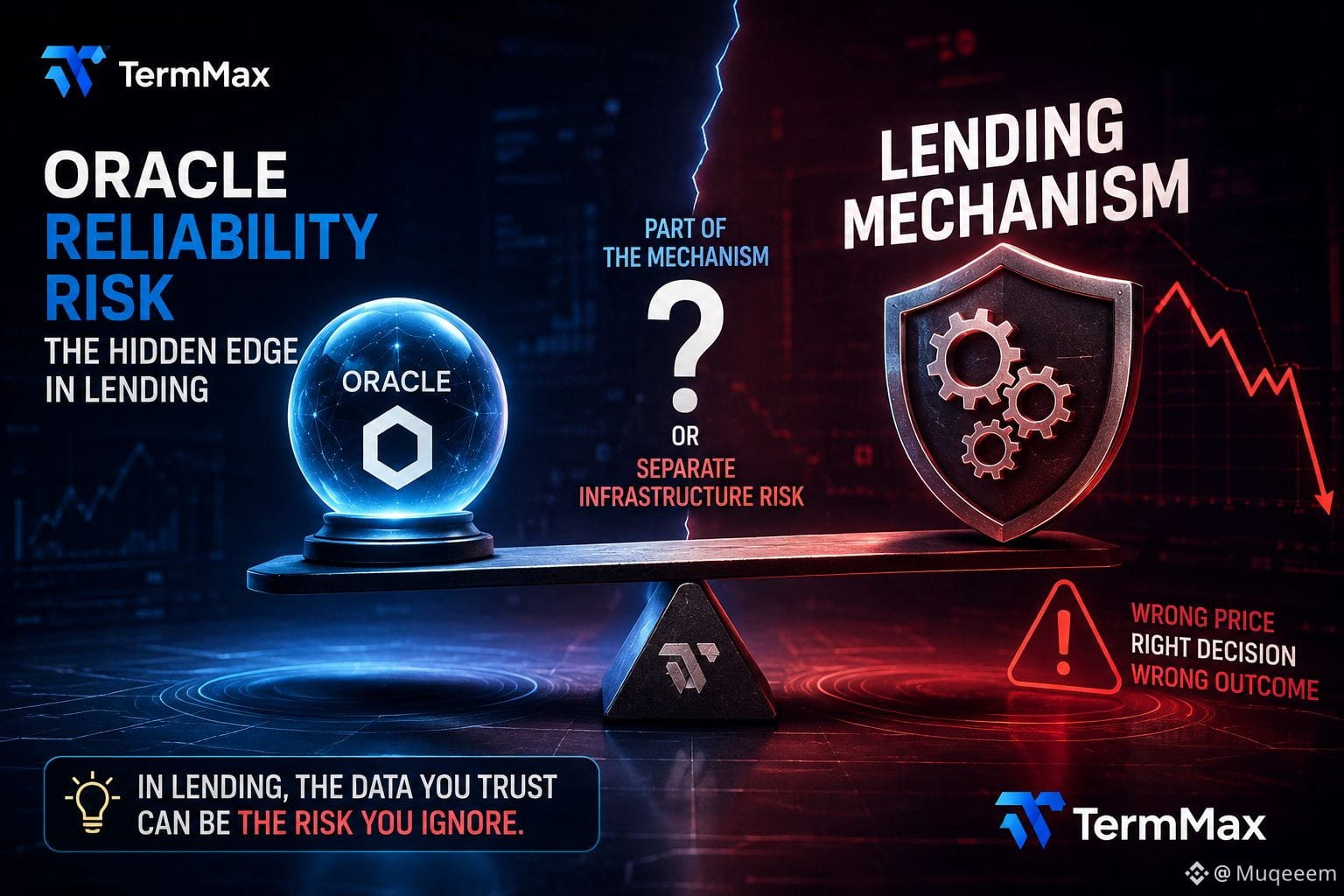
私が過小評価されやすいと思う@TermMax の一つは、資産評価を適切に行うことにどれほど左右されるかです。
プロトコルは、借り入れや清算の判断を行う際に、現在の担保の価値が必要です。つまり、重要なのは貸付の仕組み本体だけではありません。その判断に使われる価格データが、同じくらい重要なのです。
私は、この依存関係がアーキテクチャ上で可視化されている点が気に入っています。プロトコルが単独で機能しているふりをするのではなく、リスクをより特定しやすくなっています。
ただし、それは同時に不快なエッジケースも生みます。
基礎となる価格情報が、ちょうど間違ったタイミングで不正確になってしまうと、プロトコルは誤った入力を使いながらも、機械的には正しい判断を下してしまう可能性があります。
ではTermMaxを評価する際、オラクルの信頼性は、貸付の仕組みそのものの一部として扱うべきでしょうか。それとも、別のインフラリスクとして扱うべきでしょうか?
私はそれをリスクモデルの一部として位置づけるのがよいと思います。
あなたはどう思いますか?
#TermMax
プロトコルは、借り入れや清算の判断を行う際に、現在の担保の価値が必要です。つまり、重要なのは貸付の仕組み本体だけではありません。その判断に使われる価格データが、同じくらい重要なのです。
私は、この依存関係がアーキテクチャ上で可視化されている点が気に入っています。プロトコルが単独で機能しているふりをするのではなく、リスクをより特定しやすくなっています。
ただし、それは同時に不快なエッジケースも生みます。
基礎となる価格情報が、ちょうど間違ったタイミングで不正確になってしまうと、プロトコルは誤った入力を使いながらも、機械的には正しい判断を下してしまう可能性があります。
ではTermMaxを評価する際、オラクルの信頼性は、貸付の仕組みそのものの一部として扱うべきでしょうか。それとも、別のインフラリスクとして扱うべきでしょうか?
私はそれをリスクモデルの一部として位置づけるのがよいと思います。
あなたはどう思いますか?
#TermMax
Core lending risk
0%
Separate infrastructure risk
0%
Both, equally
0%
Depends on the oracle
0%
0 投票 • 投票は終了しました
確認済み
@Dusk のコンセンサス設計のうち、私が何度も立ち返ってしまうのは「ステークそのもの」ではありません。ステークが選定対象として有効になる“その後”に何が起きるかです。
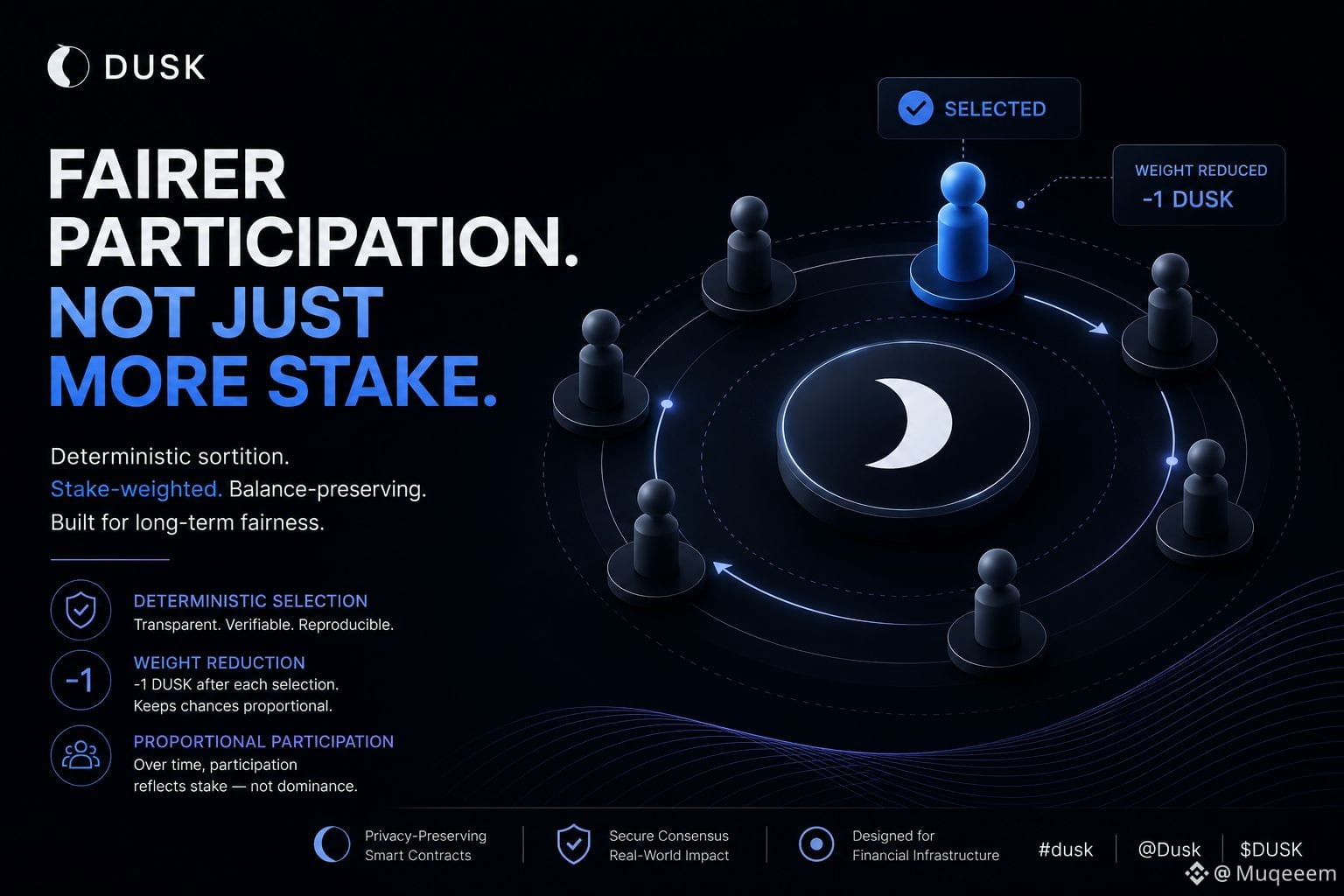
Duskは決定論的ソーティションを使って、ブロック生成者と投票委員会を選びます。選定は再現可能ですが、重み付けはステークに結び付いています。さらに興味深いのは、プロビジョナーが選定クレジットを受け取ると、その選定において重みが1 DUSK分だけ減ることです。
その些細な点が、インセンティブ構造を変えてしまいます。
何らかのバランス機構がなければ、より高いステークを持つ参加者は、経済的な重みが大きいというだけで、単純に選ばれ続ける可能性があります。Duskは代わりに、時間の経過に伴って参加頻度がステークに比例するように保とうとします。
この設計は、あからさまな緊張関係を認め、ステークに基づく選定が自動的に公平だとごまかさないところが気に入っています。
しかし、参加が比例するということは、やはり経済的な重みが効いてくるということです。
では、プロビジョナーの選定重みを減らすことで、本当にバランスの取れた委員会プロセスになるのでしょうか。それとも、ステークは依然として、誰がコンセンサス形成を担うかに過度な影響を持ち続けるのでしょうか?
#dusk @Dusk $DUSK
Duskは決定論的ソーティションを使って、ブロック生成者と投票委員会を選びます。選定は再現可能ですが、重み付けはステークに結び付いています。さらに興味深いのは、プロビジョナーが選定クレジットを受け取ると、その選定において重みが1 DUSK分だけ減ることです。
その些細な点が、インセンティブ構造を変えてしまいます。
何らかのバランス機構がなければ、より高いステークを持つ参加者は、経済的な重みが大きいというだけで、単純に選ばれ続ける可能性があります。Duskは代わりに、時間の経過に伴って参加頻度がステークに比例するように保とうとします。
この設計は、あからさまな緊張関係を認め、ステークに基づく選定が自動的に公平だとごまかさないところが気に入っています。
しかし、参加が比例するということは、やはり経済的な重みが効いてくるということです。
では、プロビジョナーの選定重みを減らすことで、本当にバランスの取れた委員会プロセスになるのでしょうか。それとも、ステークは依然として、誰がコンセンサス形成を担うかに過度な影響を持ち続けるのでしょうか?
#dusk @Dusk $DUSK
Yes, much fairer ⚖️
78%
Stake still dominates 🐋
17%
Somewhat balanced 🤔
0%
Not enough impact ❌
5%
18 投票 • 投票は終了しました
清算は、担保をどれだけ迅速に売却できるかだけが唯一の論点であるかのように語られることがよくあります。
TermMaxの現物決済(フィジカル・デリバリー)設計を見て、その前提に立ち止まって考え直しました。
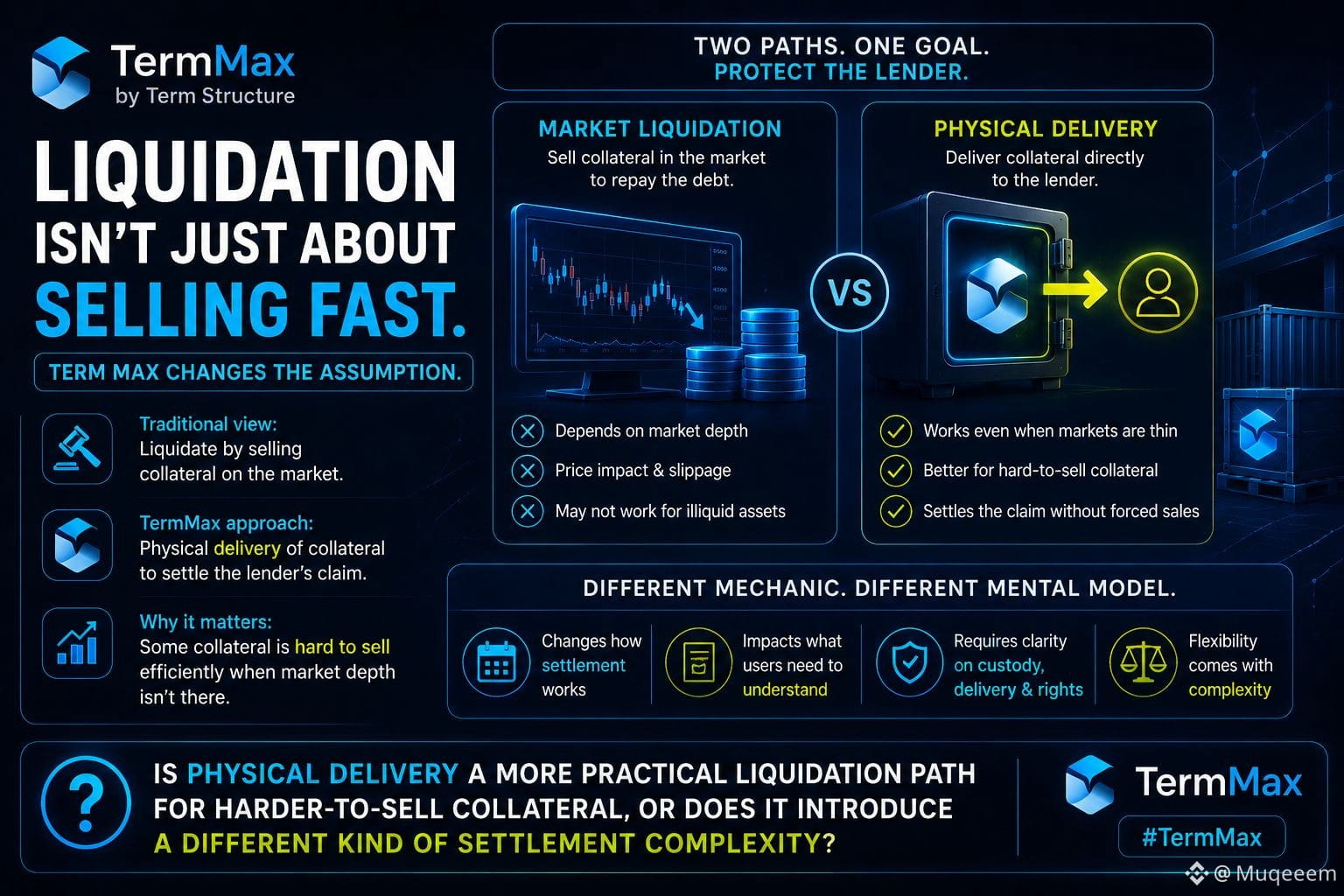
すべての清算を同じ「市場での売却プロセス」に押し込める代わりに、プロトコルは状況によっては、担保の現物引渡しにより貸し手の請求を決済できるのです。
興味深いですね。市場の厚みがないと、いくつかの担保は効率的に清算するのが難しい場合があります。
理屈は分かります。ただし「資産を売る」から「資産を引き渡す」へと清算を変えると、決済についてユーザーに理解してもらう必要があることも変わります。
売りづらい担保にとって、現物引渡しはより現実的な清算の道なのでしょうか?それとも、別種の決済の複雑さを持ち込むことになるのでしょうか?
@TermMax #TermMax
TermMaxの現物決済(フィジカル・デリバリー)設計を見て、その前提に立ち止まって考え直しました。
すべての清算を同じ「市場での売却プロセス」に押し込める代わりに、プロトコルは状況によっては、担保の現物引渡しにより貸し手の請求を決済できるのです。
興味深いですね。市場の厚みがないと、いくつかの担保は効率的に清算するのが難しい場合があります。
理屈は分かります。ただし「資産を売る」から「資産を引き渡す」へと清算を変えると、決済についてユーザーに理解してもらう必要があることも変わります。
売りづらい担保にとって、現物引渡しはより現実的な清算の道なのでしょうか?それとも、別種の決済の複雑さを持ち込むことになるのでしょうか?
@TermMax #TermMax
More practical 🟢
100%
Depends on the asset 🔵
0%
Adds settlement complexity 🟡
0%
Prefer market liquidation🔴
0%
5 投票 • 投票は終了しました
ダスクのライセンス設計がずっと気になっていました。
アイデアが複雑だからではありません。実際、それはかなり分かりやすい。
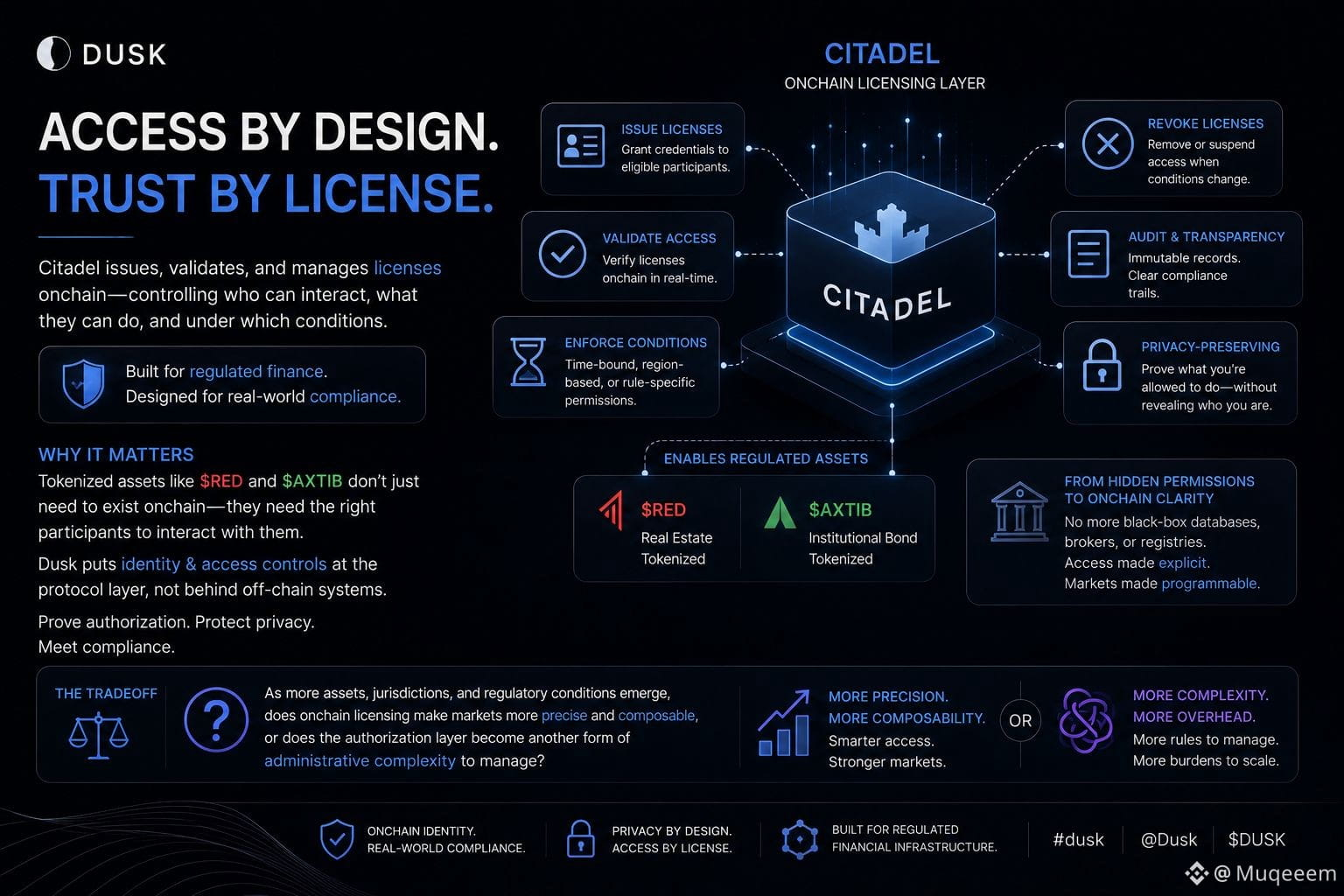
シタデルはライセンスを発行・検証し、ライセンスがアクティブかどうかを追跡し、有効な認証情報に基づいて特定のアクションへのアクセスを制御するように設計されています。
ライセンスは無効化したり、特定の条件のもとで使用したりもできます。
規制された金融インフラなら、それは理にかなっています。
たとえば $RED や $AXTIB のようなトークン化された資産を考えてみてください。
重要なのは、それらの資産がオンチェーンに存在できるかどうかだけではありません。
もう一つの問いは「実際に誰が、それらとやり取りすることを許されているのか?」です。
従来の金融システムでは、そうした権限は通常、データベース、ブローカー、レジストリ、コンプライアンス確認の裏に隠されています。
ダスクは別のアプローチとして、アイデンティティとアクセスのプリミティブをブロックチェーンのスタックそのものに組み込んでいます。
この明示性は好ましい。
参加者は、必ずしもすべての基礎となる個人情報を公開せずに、必要な認可を持っていることを証明できます。
これは、一般的な「ウォレットを接続してやり取りする」というモデルよりも、規制市場の現実にずっと合っています。
ただし、これは興味深いトレードオフも生みます。
より多くの資産、管轄地域、規制条件が登場するにつれて、オンチェーンのライセンスは市場をより正確で、より組み合わせ可能にするのでしょうか?
それとも、認可レイヤーはやがて、インフラが背負わなければならない別種の管理上の複雑さになってしまうのでしょうか?
それが、私がダスクの中でも特に注視しているポイントの一つです。
#dusk @Dusk $DUSK
アイデアが複雑だからではありません。実際、それはかなり分かりやすい。
シタデルはライセンスを発行・検証し、ライセンスがアクティブかどうかを追跡し、有効な認証情報に基づいて特定のアクションへのアクセスを制御するように設計されています。
ライセンスは無効化したり、特定の条件のもとで使用したりもできます。
規制された金融インフラなら、それは理にかなっています。
たとえば $RED や $AXTIB のようなトークン化された資産を考えてみてください。
重要なのは、それらの資産がオンチェーンに存在できるかどうかだけではありません。
もう一つの問いは「実際に誰が、それらとやり取りすることを許されているのか?」です。
従来の金融システムでは、そうした権限は通常、データベース、ブローカー、レジストリ、コンプライアンス確認の裏に隠されています。
ダスクは別のアプローチとして、アイデンティティとアクセスのプリミティブをブロックチェーンのスタックそのものに組み込んでいます。
この明示性は好ましい。
参加者は、必ずしもすべての基礎となる個人情報を公開せずに、必要な認可を持っていることを証明できます。
これは、一般的な「ウォレットを接続してやり取りする」というモデルよりも、規制市場の現実にずっと合っています。
ただし、これは興味深いトレードオフも生みます。
より多くの資産、管轄地域、規制条件が登場するにつれて、オンチェーンのライセンスは市場をより正確で、より組み合わせ可能にするのでしょうか?
それとも、認可レイヤーはやがて、インフラが背負わなければならない別種の管理上の複雑さになってしまうのでしょうか?
それが、私がダスクの中でも特に注視しているポイントの一つです。
#dusk @Dusk $DUSK
More composable
40%
More compliant
33%
More complex
14%
Both
13%
15 投票 • 投票は終了しました
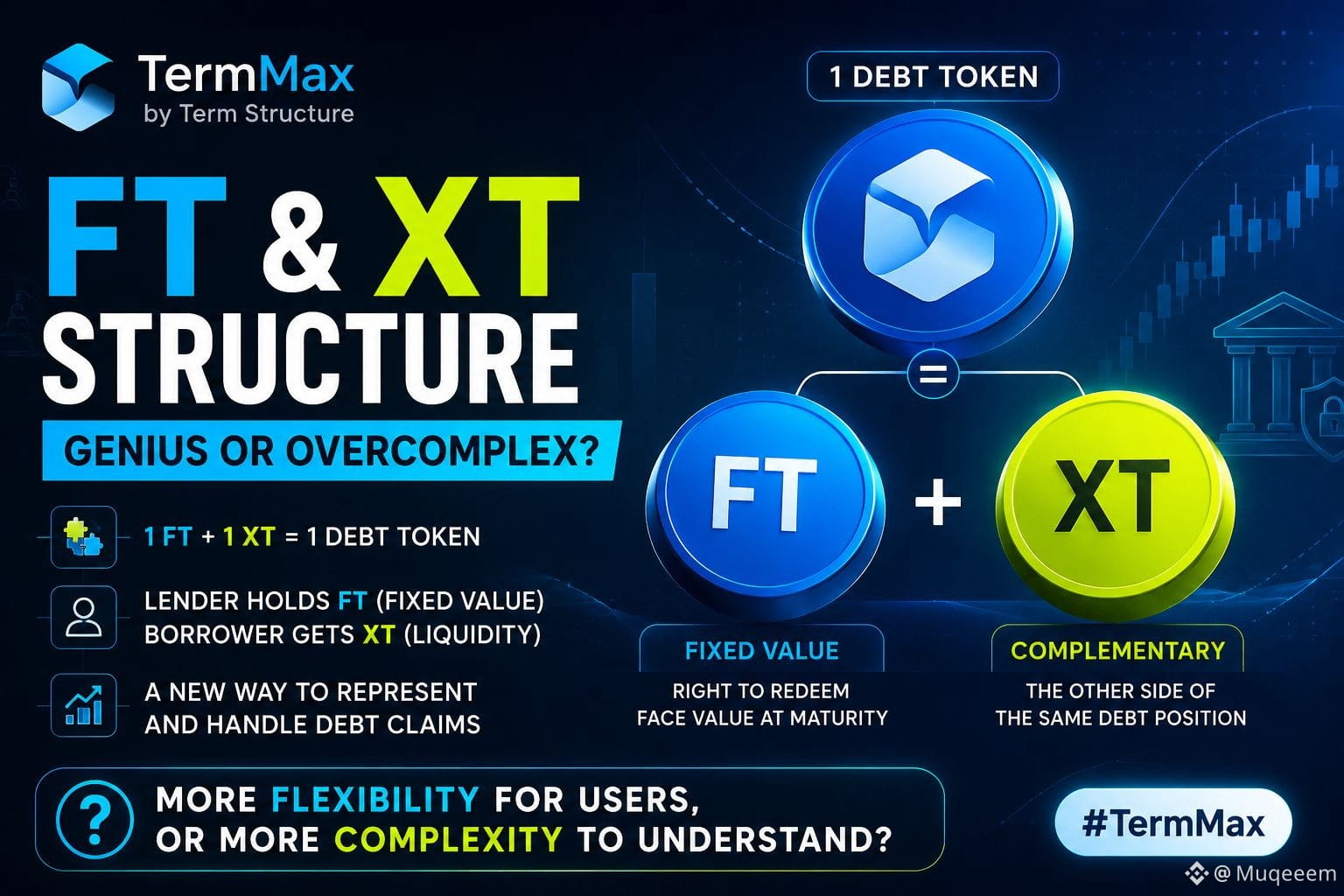
@TermMax FTとXT構造について、ずっと気になっていました。複数に分割した債務ポジションが複雑だからではありません。
基本的な関係は、実はかなりすっきりしています。1 FT + 1 XT = 1つの負債トークン。
FTは満期時に額面価値を償還する権利を表し、XTは同じ債務ポジションの補完部分です。
興味深いのは、ひとつの債務請求が2つの別々のパーツに分かれたときに何が起きるかです。
貸し手は固定価値側を保有できます。借り手は補完側を受け取り、それを流動性のために売却できる。つまり、このプロトコルは借入金利を定義しているだけではありません。請求そのものの表現と取り扱い方を変えているのです。
それは役に立ちそうです。
ただ、私には別の問いも生まれます。金融ポジションがより細かなコンポーネントに分解されるたびに、柔軟性は向上し得る一方で、メンタルモデルは難しくなります。
仕組みはエレガントです。でも、ユーザーが各パーツが実際に何を表しているのかを理解する必要が出てくると、そのシンプルさは保たれるのかどうか、私はあまり確信できません。
それでは、債務をFTとXTに分割することは、柔軟性の本物の改善なのでしょうか?それとも、追加された抽象化が新しい複雑さになるのでしょうか?
#TermMax
基本的な関係は、実はかなりすっきりしています。1 FT + 1 XT = 1つの負債トークン。
FTは満期時に額面価値を償還する権利を表し、XTは同じ債務ポジションの補完部分です。
興味深いのは、ひとつの債務請求が2つの別々のパーツに分かれたときに何が起きるかです。
貸し手は固定価値側を保有できます。借り手は補完側を受け取り、それを流動性のために売却できる。つまり、このプロトコルは借入金利を定義しているだけではありません。請求そのものの表現と取り扱い方を変えているのです。
それは役に立ちそうです。
ただ、私には別の問いも生まれます。金融ポジションがより細かなコンポーネントに分解されるたびに、柔軟性は向上し得る一方で、メンタルモデルは難しくなります。
仕組みはエレガントです。でも、ユーザーが各パーツが実際に何を表しているのかを理解する必要が出てくると、そのシンプルさは保たれるのかどうか、私はあまり確信できません。
それでは、債務をFTとXTに分割することは、柔軟性の本物の改善なのでしょうか?それとも、追加された抽象化が新しい複雑さになるのでしょうか?
#TermMax
More flexibility
67%
Better capital efficiency
0%
Too much abstraction
0%
Both, depending on UX
33%
3 投票 • 投票は終了しました
確認済み
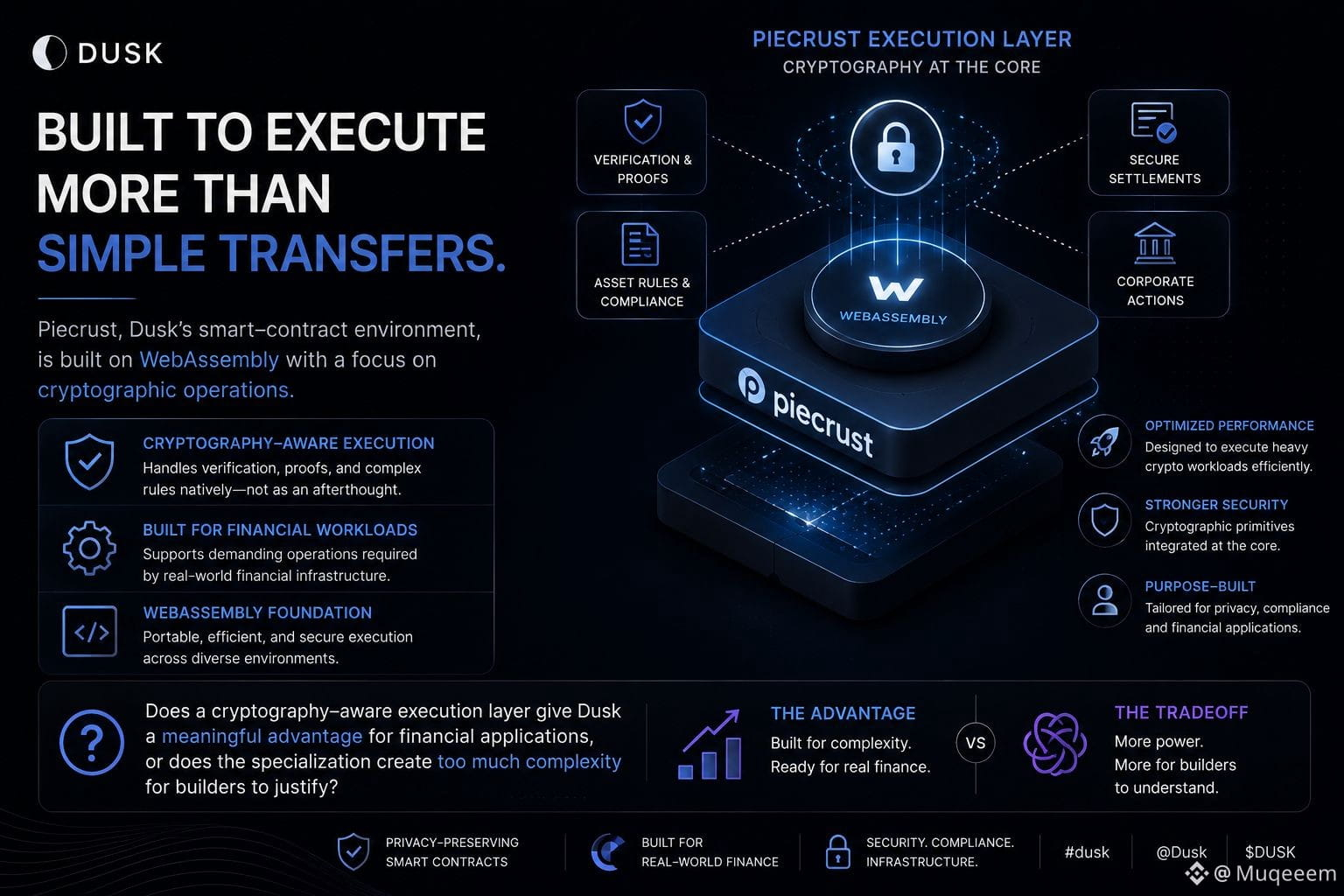
@Dusk の実行側を少し調べてみたところ、Piecrustは最初に思っていたよりもずっと面白いと感じました。
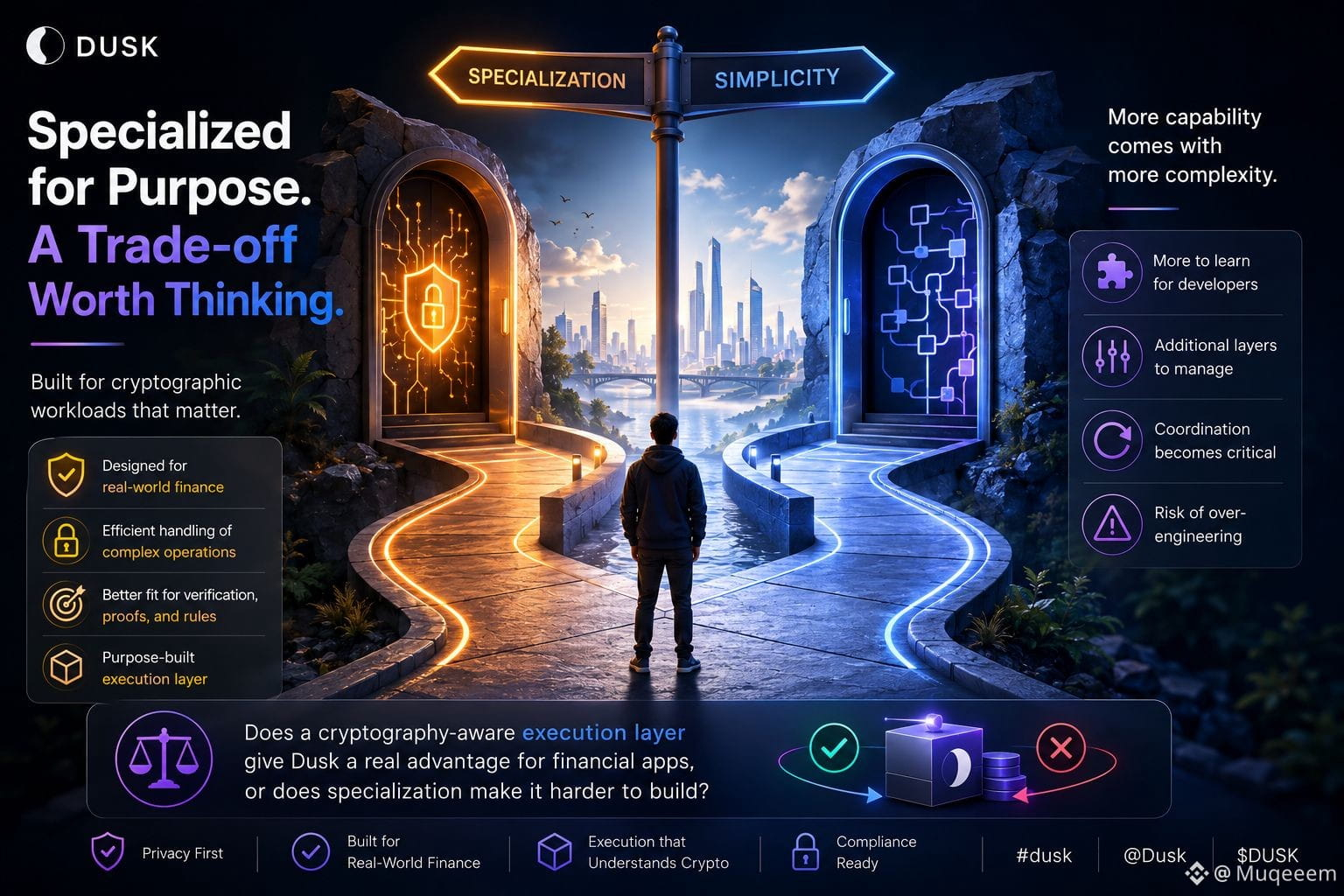
そのスマートコントラクト環境はWebAssemblyを中心に構築されていますが、際立っていたのは暗号処理へのこだわりでした。実行レイヤーは、それらのワークロードを後回しのものとして扱うのではなく、より直接的に処理できるように設計されています。
それが重要になるのは、構築されるアプリケーションが単なるトークン送金のような単純なものに限られないときです。
金融インフラでは、検証、証明、資産ルール、その他の操作が求められることがあり、それらは基本的な状態変更よりもはるかに要求が厳しい場合があります。そうしたワークロードを前提に設計された実行環境は、妥当なアーキテクチャ上の選択だと言えます。
ただし、ここにもトレードオフがあります。
特化によって特定のクラスのアプリケーションにより適したシステムになる一方で、開発者が理解しなければならない別のレイヤーが生まれることにもなります。より高い能力が、必ずしも開発を単純にするわけではありません。
では、暗号を意識した実行レイヤーは、金融アプリケーションにおいてDuskに意味のある優位性をもたらすのでしょうか。それとも、特化がもたらす複雑さが、構築者がそれを正当化するほどのものになっていないのでしょうか?
#dusk @Dusk $DUSK
そのスマートコントラクト環境はWebAssemblyを中心に構築されていますが、際立っていたのは暗号処理へのこだわりでした。実行レイヤーは、それらのワークロードを後回しのものとして扱うのではなく、より直接的に処理できるように設計されています。
それが重要になるのは、構築されるアプリケーションが単なるトークン送金のような単純なものに限られないときです。
金融インフラでは、検証、証明、資産ルール、その他の操作が求められることがあり、それらは基本的な状態変更よりもはるかに要求が厳しい場合があります。そうしたワークロードを前提に設計された実行環境は、妥当なアーキテクチャ上の選択だと言えます。
ただし、ここにもトレードオフがあります。
特化によって特定のクラスのアプリケーションにより適したシステムになる一方で、開発者が理解しなければならない別のレイヤーが生まれることにもなります。より高い能力が、必ずしも開発を単純にするわけではありません。
では、暗号を意識した実行レイヤーは、金融アプリケーションにおいてDuskに意味のある優位性をもたらすのでしょうか。それとも、特化がもたらす複雑さが、構築者がそれを正当化するほどのものになっていないのでしょうか?
#dusk @Dusk $DUSK
Meaningful advantage
45%
Too much complexity
44%
Depends on the use case
0%
Need more evidence
11%
9 投票 • 投票は終了しました
確認済み
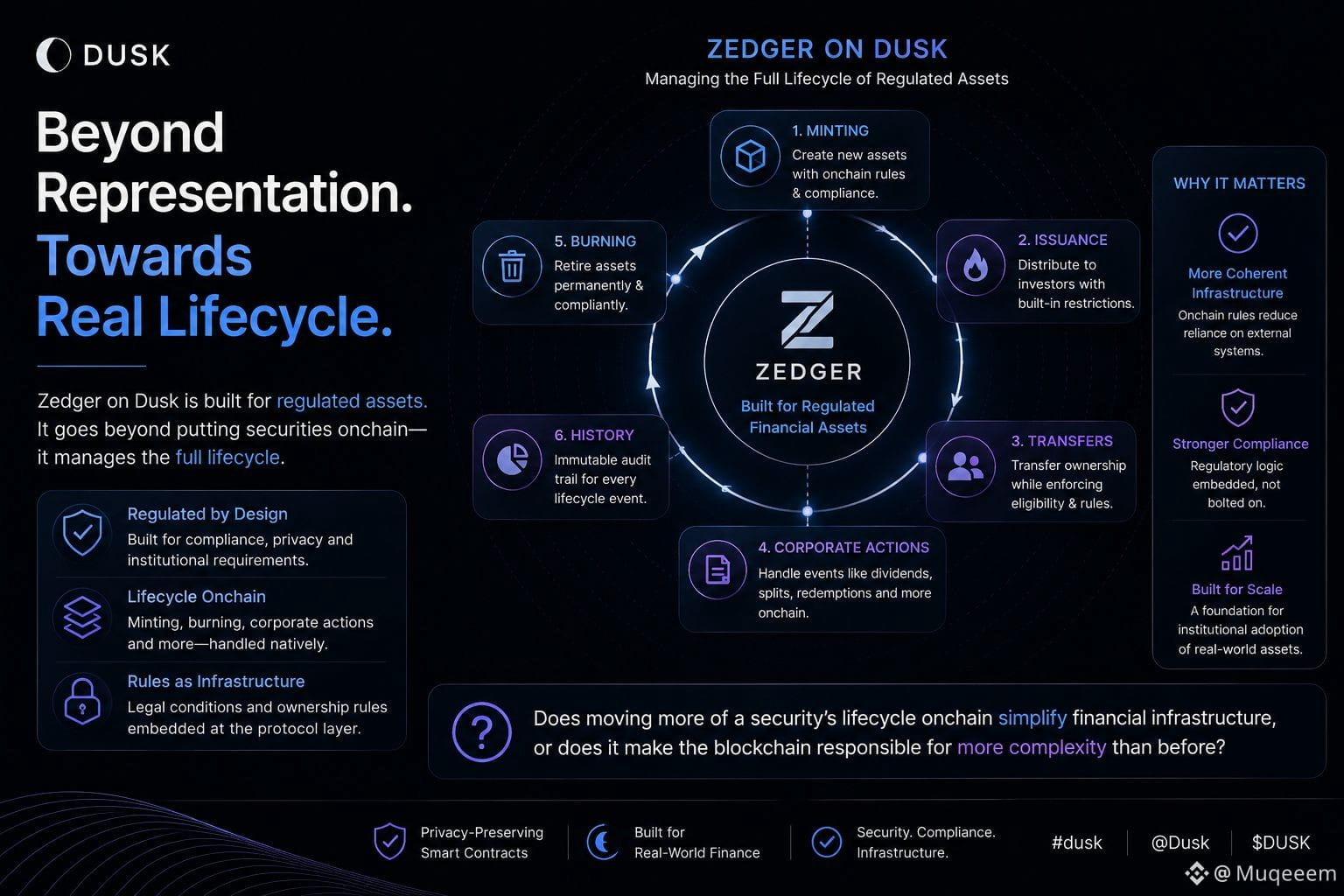
Zedgerをしばらく見ていたが、際立っていたのは、@Dusk がオンチェーン上で証券を表現できるという点だけではない。
そこでは、資産ライフサイクルのより多くを扱おうとする試みがある。
Zedgerは、ミンティング、バーン、コーポレートアクションといった操作を伴う、規制対象の資産を中心に設計されている。これは、頭の中のモデルを少し変える。ブロックチェーンは、どこか別の場所にすでに存在しているもののデジタル表現を保持しているだけではない。金融商品に関するルールの多くを、その管理のためのインフラ部分に取り込むことができる。
それが、より面白い発想のように思える。
しかし、それは同時に設計上のより難しい問題も生む。金融資産は単なるトークンではない。法的な条件、所有に関するルール、そして時間とともに挙動を変えうる出来事がある。ライフサイクルをオンチェーンにより多く載せることはシステムをより一貫させるが、その分、プロトコルは現実世界の複雑さを正確に表現する必要も出てくる。
では、証券のライフサイクルをオンチェーンへ移すことは、本当に金融インフラを簡素化するのだろうか?それとも、以前よりも増えた複雑さを、単にブロックチェーンに担わせるだけなのだろうか??
#dusk @Dusk $DUSK
そこでは、資産ライフサイクルのより多くを扱おうとする試みがある。
Zedgerは、ミンティング、バーン、コーポレートアクションといった操作を伴う、規制対象の資産を中心に設計されている。これは、頭の中のモデルを少し変える。ブロックチェーンは、どこか別の場所にすでに存在しているもののデジタル表現を保持しているだけではない。金融商品に関するルールの多くを、その管理のためのインフラ部分に取り込むことができる。
それが、より面白い発想のように思える。
しかし、それは同時に設計上のより難しい問題も生む。金融資産は単なるトークンではない。法的な条件、所有に関するルール、そして時間とともに挙動を変えうる出来事がある。ライフサイクルをオンチェーンにより多く載せることはシステムをより一貫させるが、その分、プロトコルは現実世界の複雑さを正確に表現する必要も出てくる。
では、証券のライフサイクルをオンチェーンへ移すことは、本当に金融インフラを簡素化するのだろうか?それとも、以前よりも増えた複雑さを、単にブロックチェーンに担わせるだけなのだろうか??
#dusk @Dusk $DUSK
Simplifies the system
67%
Adds more complexity
22%
Depends on the design
0%
Too much for blockchain
11%
9 投票 • 投票は終了しました
確認済み
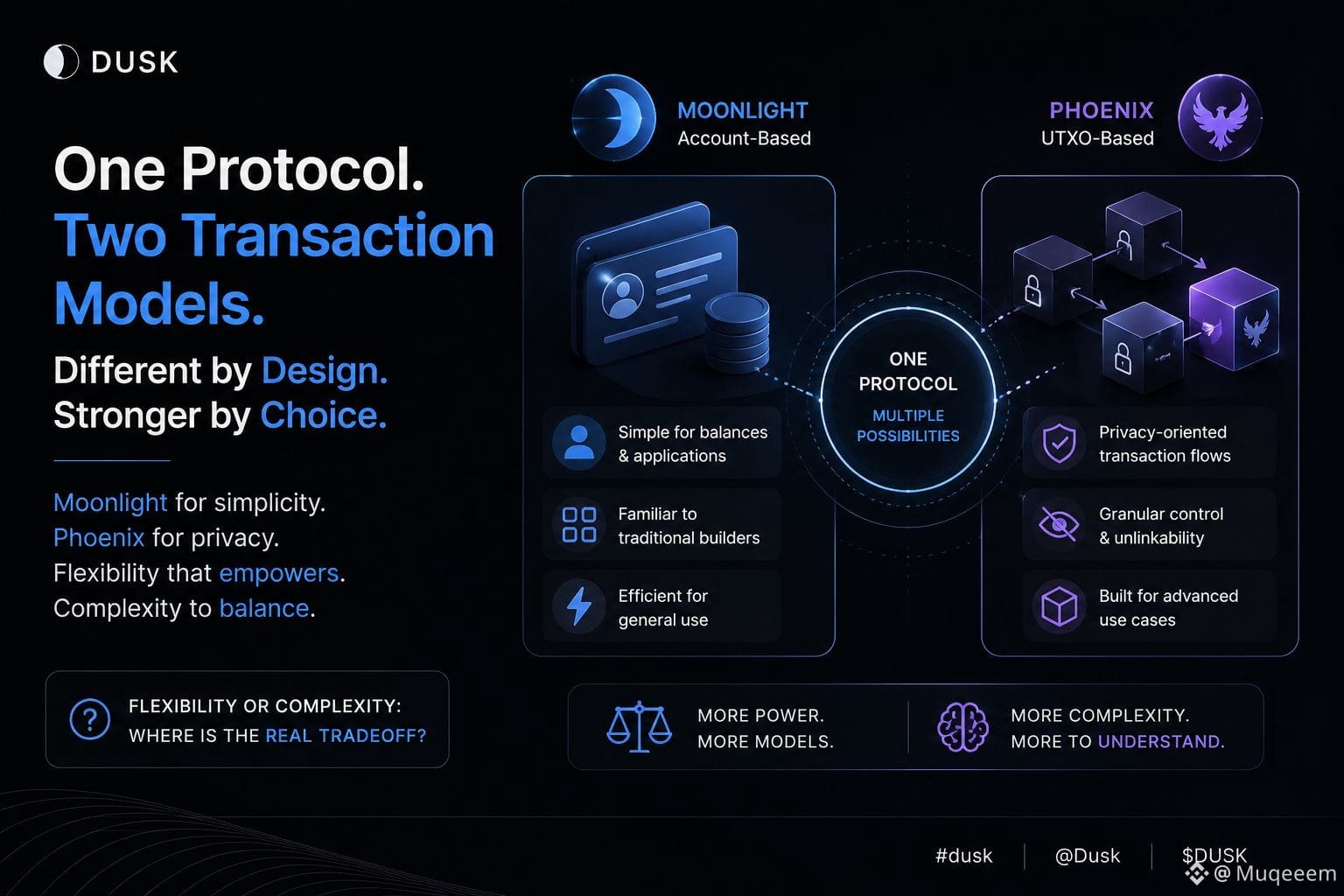
@Dusk doesntがすべてのトランザクションを1つのモデルに強制していないことに、ずっと気づいていました。
Moonlightはアカウントベースの構造を使い、PhoenixはUTXOアプローチを採用しています。最初は、それが不必要な複雑さに思えました。取引を表す方法を2通りも維持する必要があるのでしょうか。1つに絞ってアーキテクチャをもっとシンプルにできないのでしょうか?
調べれば調べるほど、その分離には意味があると感じました。アカウントベースの状態は、残高やアプリケーションロジックに対して素直で分かりやすい。Phoenixは、Duskに対して別のトランザクション構造を提供し、よりプライバシー志向のフローを支えられます。
その柔軟性は役に立ちます。
しかし、あまり十分に議論されていないと思うトレードオフがあります。追加のトランザクションモデルが増えるたびに、開発者と利用者が理解すべきメンタルモデルがもう1つ増えるのです。アーキテクチャはより高機能になる一方で、システム全体を理解しにくくなる可能性があります。
では、Duskにとって別々のトランザクションモデルを持つことは、実際に有益な柔軟性をもたらしているのでしょうか。それとも、やがてその追加の複雑さがメリットを上回ってしまうのでしょうか?
#dusk @Dusk $DUSK
Moonlightはアカウントベースの構造を使い、PhoenixはUTXOアプローチを採用しています。最初は、それが不必要な複雑さに思えました。取引を表す方法を2通りも維持する必要があるのでしょうか。1つに絞ってアーキテクチャをもっとシンプルにできないのでしょうか?
調べれば調べるほど、その分離には意味があると感じました。アカウントベースの状態は、残高やアプリケーションロジックに対して素直で分かりやすい。Phoenixは、Duskに対して別のトランザクション構造を提供し、よりプライバシー志向のフローを支えられます。
その柔軟性は役に立ちます。
しかし、あまり十分に議論されていないと思うトレードオフがあります。追加のトランザクションモデルが増えるたびに、開発者と利用者が理解すべきメンタルモデルがもう1つ増えるのです。アーキテクチャはより高機能になる一方で、システム全体を理解しにくくなる可能性があります。
では、Duskにとって別々のトランザクションモデルを持つことは、実際に有益な柔軟性をもたらしているのでしょうか。それとも、やがてその追加の複雑さがメリットを上回ってしまうのでしょうか?
#dusk @Dusk $DUSK
Useful flexibility
72%
Too much complexity
14%
Depends on use case
14%
Still worth the tradeoff
0%
7 投票 • 投票は終了しました
@Dusk の集落部分に何度も戻ってしまいました。プライバシーが注目を独占すると、見落とされがちだからです。
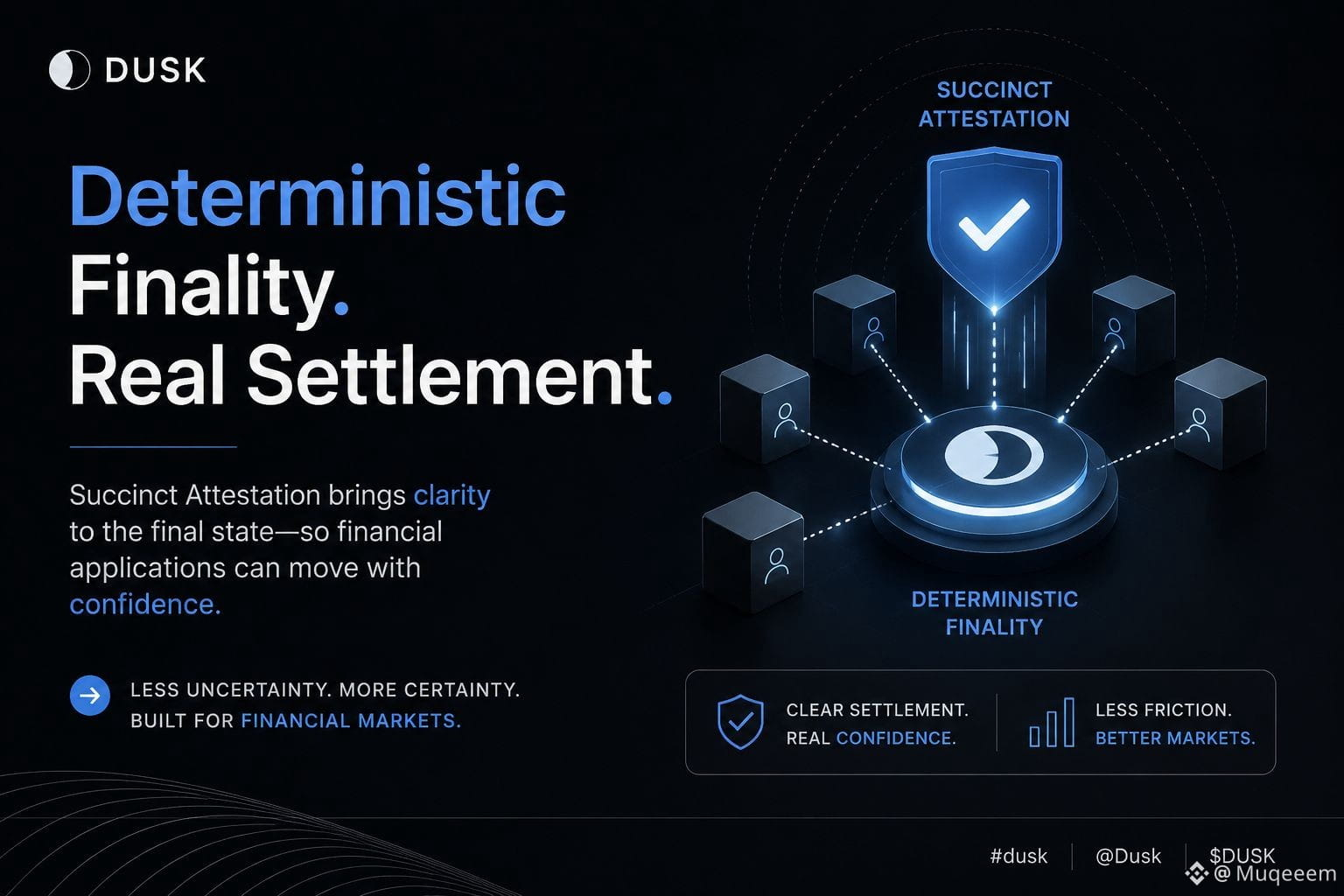
面白い仕組みはSuccinct Attestationです。バリデータは単にチェーンを延ばし続けて、なんとなく「たぶん最終だろう」という曖昧な感覚で皆を待たせるだけではありません。この設計は、アテステーションを用いて決定的ファイナリティを到達させます。
これが重要なのは、聞こえる以上に金融市場でのことです。
取引が実際の資産移転を表している場合、その状態がまだ変更され得るのかどうかの不確実性が、運用上の摩擦を生みます。決定的ファイナリティがあれば、アプリケーションはその状態を「決着済み」として扱う明確なタイミングを大幅に特定できます。私は、この設計のその点が好きです。
ただし、より速い確実性は、最終状態に現実の金融活動が依存する以上、コンセンサスの前提が何を満たす必要があるのかを、より深く考えさせてくれます。きれいな決着保証は、それを生み出すメカニズムほどしか役に立ちません。
では、決定的ファイナリティは本当に、金融上の実質的な摩擦を取り除くのでしょうか。それとも、単に根底にあるコンセンサスの前提の重要性を増すだけなのでしょうか?
#dusk @Dusk $DUSK
面白い仕組みはSuccinct Attestationです。バリデータは単にチェーンを延ばし続けて、なんとなく「たぶん最終だろう」という曖昧な感覚で皆を待たせるだけではありません。この設計は、アテステーションを用いて決定的ファイナリティを到達させます。
これが重要なのは、聞こえる以上に金融市場でのことです。
取引が実際の資産移転を表している場合、その状態がまだ変更され得るのかどうかの不確実性が、運用上の摩擦を生みます。決定的ファイナリティがあれば、アプリケーションはその状態を「決着済み」として扱う明確なタイミングを大幅に特定できます。私は、この設計のその点が好きです。
ただし、より速い確実性は、最終状態に現実の金融活動が依存する以上、コンセンサスの前提が何を満たす必要があるのかを、より深く考えさせてくれます。きれいな決着保証は、それを生み出すメカニズムほどしか役に立ちません。
では、決定的ファイナリティは本当に、金融上の実質的な摩擦を取り除くのでしょうか。それとも、単に根底にあるコンセンサスの前提の重要性を増すだけなのでしょうか?
#dusk @Dusk $DUSK
Removes real friction
38%
Makes assumptions crucial
31%
Both matter equally
31%
Depends on the consensus
0%
13 投票 • 投票は終了しました
確認済み
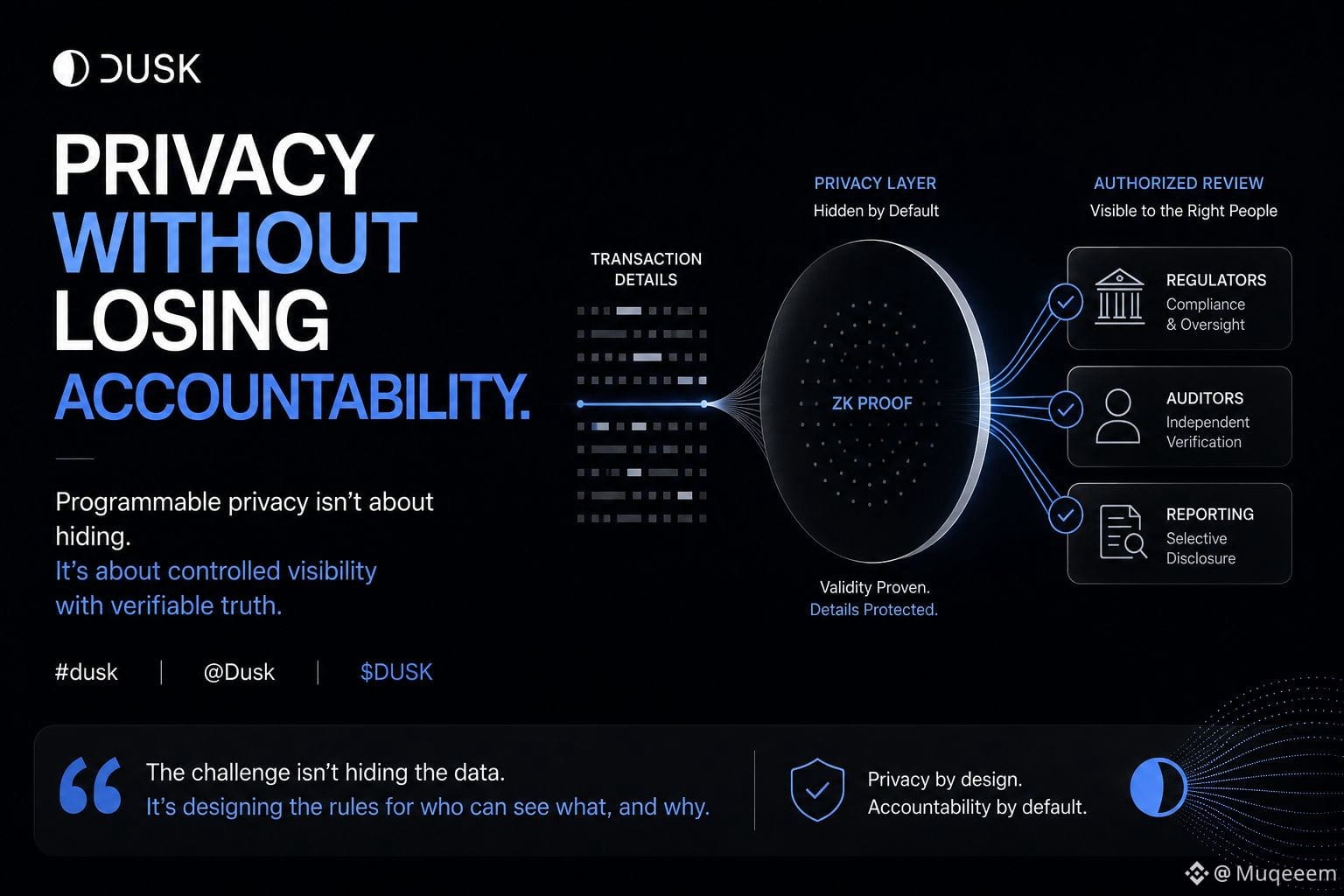
@Dusk について読み進めるほど、「プライバシー」がそれ自体で面白いというよりも、取引の詳細を隠した後に何が起きるのかという“より難しい問題”に目が向くようになってきました。
DuskはZK証明を使って、取引が有効であることを検証できる能力を保ちながら、機密性のある取引を支えています。これは、すべての詳細を公開すると問題になり得る規制下の金融にとって重要です。しかし、すべてを見えなくしてしまうと別の問題が生まれます。つまり、「許可されたレビュー」が実際にはどのように機能するのか、という点です。
私はこの方向性が好きです。プライバシーと監査可能性が、対立するものとして扱われていないのです。
ただ、私がずっと引き返してしまう論点があります。可視性が選択的になればなるほど、「誰が何をレビューできるのか」に関するルールの重要性が増すのです。
つまり、プログラマブル・プライバシーは、規制市場における透明性の問題を本当に解決しているのでしょうか。それとも、難しい部分をアクセスと検証の側に移しているだけなのでしょうか?
#dusk @Dusk $DUSK
DuskはZK証明を使って、取引が有効であることを検証できる能力を保ちながら、機密性のある取引を支えています。これは、すべての詳細を公開すると問題になり得る規制下の金融にとって重要です。しかし、すべてを見えなくしてしまうと別の問題が生まれます。つまり、「許可されたレビュー」が実際にはどのように機能するのか、という点です。
私はこの方向性が好きです。プライバシーと監査可能性が、対立するものとして扱われていないのです。
ただ、私がずっと引き返してしまう論点があります。可視性が選択的になればなるほど、「誰が何をレビューできるのか」に関するルールの重要性が増すのです。
つまり、プログラマブル・プライバシーは、規制市場における透明性の問題を本当に解決しているのでしょうか。それとも、難しい部分をアクセスと検証の側に移しているだけなのでしょうか?
#dusk @Dusk $DUSK
Solving it
65%
Moving the problem
14%
Both, actually
14%
Still unclear
7%
14 投票 • 投票は終了しました
@BullRun_Signals special streamに参加 : なぜBINANCE JR.がそこまで“神”なのか?
ジュニアのみんなは必ず参加してね
8月14日 16:15(UTC)にStream Linkで集合
ジュニアのみんなは必ず参加してね
8月14日 16:15(UTC)にStream Linkで集合
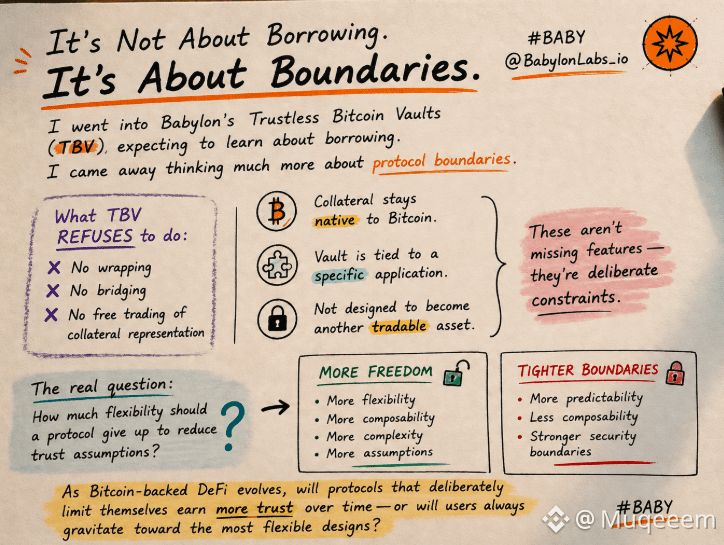
@BabylonLabs_io Trustless Bitcoin Vaultsの中に入って、借り入れについて学べると思っていました。ですが、もっと強く感じたのはプロトコルの境界線です。
私の注意を引いたのはローンそのものではありませんでした。プロトコルが「やらないこと」を決めるのに、どれほどの労力が費やされているかです。
担保はBitcoinネイティブのままです。金庫(ヴォールト)は特定のアプリケーションに結びついています。担保の表現は、誰でも自由に取引できる別の資産になるようには設計されていません。これらの機能が欠けているのではなく、意図的な制約なのです。
それを受けて、私はあることに気づきました。私たちは通常、DeFiを「どれだけの柔軟性を追加するか」で測ります。TBVはその逆の問いを投げかけているように見えます。つまり、信頼の前提(トラストアサンプション)を減らすために、プロトコルは意図的にどれほどの柔軟性を手放すべきなのか、という問いです。
普遍的な答えがあるとは私は確信していません。自由が増えるほど複雑さも増えがちですが、境界をより厳密にすることでシステムは予測可能になりやすい一方、合成可能性(コンポーザビリティ)は下がります。
ドキュメントに時間をかけて触れた結果、TBVが始める最も面白い会話はそこだと感じました。Bitcoinを担保に借りることが主題というより、プロトコルがセキュリティの境界をどこに引くべきか、という話です。
Bitcoinを裏付けにしたDeFiが進化していく中で、自分自身を意図的に制限するプロトコルは、時間とともにより多くの信頼を得られるのでしょうか。それとも、ユーザーは常に最も柔軟な設計へと引き寄せられるのでしょうか?
#baby @BabylonLabs_io $BABY $BTC #BTC
私の注意を引いたのはローンそのものではありませんでした。プロトコルが「やらないこと」を決めるのに、どれほどの労力が費やされているかです。
担保はBitcoinネイティブのままです。金庫(ヴォールト)は特定のアプリケーションに結びついています。担保の表現は、誰でも自由に取引できる別の資産になるようには設計されていません。これらの機能が欠けているのではなく、意図的な制約なのです。
それを受けて、私はあることに気づきました。私たちは通常、DeFiを「どれだけの柔軟性を追加するか」で測ります。TBVはその逆の問いを投げかけているように見えます。つまり、信頼の前提(トラストアサンプション)を減らすために、プロトコルは意図的にどれほどの柔軟性を手放すべきなのか、という問いです。
普遍的な答えがあるとは私は確信していません。自由が増えるほど複雑さも増えがちですが、境界をより厳密にすることでシステムは予測可能になりやすい一方、合成可能性(コンポーザビリティ)は下がります。
ドキュメントに時間をかけて触れた結果、TBVが始める最も面白い会話はそこだと感じました。Bitcoinを担保に借りることが主題というより、プロトコルがセキュリティの境界をどこに引くべきか、という話です。
Bitcoinを裏付けにしたDeFiが進化していく中で、自分自身を意図的に制限するプロトコルは、時間とともにより多くの信頼を得られるのでしょうか。それとも、ユーザーは常に最も柔軟な設計へと引き寄せられるのでしょうか?
#baby @BabylonLabs_io $BABY $BTC #BTC
🛡️ Trust over flexibility
58%
⚖️ Balance both
0%
🚀 Flexibility wins
25%
🤔 Too early to tell
17%
12 投票 • 投票は終了しました
@BabylonLabs_io の Trustless Bitcoin Vaults をまた読み返しているうちに、ある点がずっと目につきました。議論の多くは借り入れに焦点が当たっていますが、私はむしろローンそのものよりも担保について考えさせられました。
興味深いのは、単に native $BTC を担保として使えるというだけではありません。プロトコルが、最初にそれを別の表現で置き換えるようユーザーに求めるのではなく、DeFi の中で役立つ形にしながらもビットコインの役割を保つことを中心に設計されている点です。これは、まったく別の設計思想のように感じます。
利便性を最大化するよりも、追加の信頼前提を最小限に抑えることに重きを置いているのが気に入っています。もちろん、それは同時に、ユーザーにより繊細なフローを理解してもらう必要があることも意味し、それが最大の課題になる可能性があります。
時には、プロトコル設計で最も難しいのは新機能を作ることではなく、「前提が少ないことは、少しだけ複雑さが増える価値がある」ということを人々に納得させることです。
ビットコインをネイティブのまま維持しつつ流動性を解き放てるなら、最終的にユーザーが望むモデルになるのでしょうか?それとも、多くの人にとっては利便性のほうが、信頼の最小化よりも引き続き勝っていくのでしょうか?
#baby @BabylonLabs_io $BABY
興味深いのは、単に native $BTC を担保として使えるというだけではありません。プロトコルが、最初にそれを別の表現で置き換えるようユーザーに求めるのではなく、DeFi の中で役立つ形にしながらもビットコインの役割を保つことを中心に設計されている点です。これは、まったく別の設計思想のように感じます。
利便性を最大化するよりも、追加の信頼前提を最小限に抑えることに重きを置いているのが気に入っています。もちろん、それは同時に、ユーザーにより繊細なフローを理解してもらう必要があることも意味し、それが最大の課題になる可能性があります。
時には、プロトコル設計で最も難しいのは新機能を作ることではなく、「前提が少ないことは、少しだけ複雑さが増える価値がある」ということを人々に納得させることです。
ビットコインをネイティブのまま維持しつつ流動性を解き放てるなら、最終的にユーザーが望むモデルになるのでしょうか?それとも、多くの人にとっては利便性のほうが、信頼の最小化よりも引き続き勝っていくのでしょうか?
#baby @BabylonLabs_io $BABY

🟠 Native + Trust Minimized
57%
⚡ Maximum Convenience
0%
⚖️ A Balance of Both
43%
🤔 Too Early to Tell
0%
7 投票 • 投票は終了しました
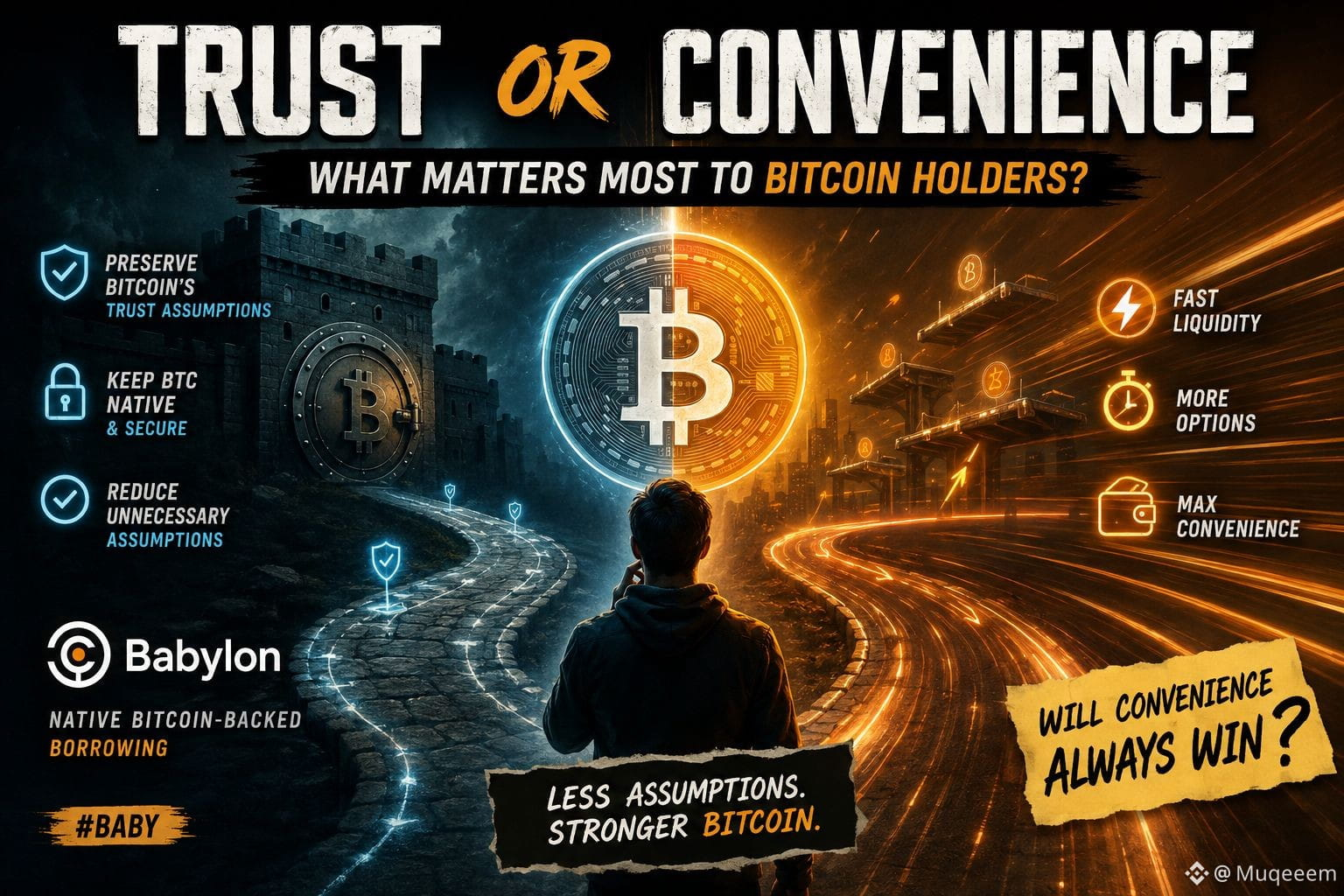
私が「@BabylonLabs_io のネイティブ・ビットコイン担保による借入」について読んでいるとき、あらかじめ気づいていなかったのは、最も難しいのは借入そのものだという前提でした。調べれば調べるほど、より手強い課題は、ビットコイン本来の信頼に関する前提を維持しつつ、それでもなお有用なものにすることだと感じるようになりました。
借入は新しい発想ではありません。面白いのは、ユーザーにまず$BTC をラップするよう求めたり、ネイティブの基盤から移動させたりしないで、その成果に到達しようとする点です。それによって、プロトコルが最適化しようとしているものが変わります。最速で流動性にたどり着くことを追うのではなく、ユーザーが受け入れなければならない追加の前提をどれだけ減らせるかに重点を置いているように見えます。
この方向性は好ましいです。というのも、信頼を再構築することは、利便性よりもずっと難しいことが多いからです。それでも、あるプロトコルが一つの前提を取り除くたびに、ユーザーは別のことを理解するよう求められることがよくあります。
進歩とは、時には可能性を増やすことではありません。不要な妥協を取り除くことです。
信頼に関する前提を減らすことが、最も重要な改善なのでしょうか。それとも、利便性が大半のビットコイン保有者にとって常に決定要因であり続けるのでしょうか?
#baby @BabylonLabs_io $BABY #bitcoin
#BTC
借入は新しい発想ではありません。面白いのは、ユーザーにまず$BTC をラップするよう求めたり、ネイティブの基盤から移動させたりしないで、その成果に到達しようとする点です。それによって、プロトコルが最適化しようとしているものが変わります。最速で流動性にたどり着くことを追うのではなく、ユーザーが受け入れなければならない追加の前提をどれだけ減らせるかに重点を置いているように見えます。
この方向性は好ましいです。というのも、信頼を再構築することは、利便性よりもずっと難しいことが多いからです。それでも、あるプロトコルが一つの前提を取り除くたびに、ユーザーは別のことを理解するよう求められることがよくあります。
進歩とは、時には可能性を増やすことではありません。不要な妥協を取り除くことです。
信頼に関する前提を減らすことが、最も重要な改善なのでしょうか。それとも、利便性が大半のビットコイン保有者にとって常に決定要因であり続けるのでしょうか?
#baby @BabylonLabs_io $BABY #bitcoin
#BTC
🔒 Trust matters most
100%
⚡ Convenience wins
0%
⚖️ Both are equal
0%
🤔 Too early to tell
0%
3 投票 • 投票は終了しました
ログインして、さらにコンテンツを読む