
LEDGER QUEEN
2.1k 投稿

LEDGER QUEEN
報告
ユーザーをブロック
May Allah Save Us From Evil Eyes
取引を発注
高頻度トレーダー
8.9か月
103 フォロー
21.9K+ フォロワー
3.6K+ いいね
投稿
ポートフォリオ
すべて
引用
ライブ
·
--
確認済み
力強い雇用。より熱いインフレ懸念。いまFRBに問題が。👀
8月のNFPは16.2万人で予想を上回り、失業率は4.1%のままです。これだけ見れば労働市場は底堅く、そのぶんFRBには金融を緩める方向へ急ぐ理由が薄れます。
しかし、次に来るのは本当の試練――CPIです。
8月のPPIはすでに一部熱を示しており、前月比+0.4%、前年比+5.4%でした。さらにエネルギー価格も押し上げているため、インフレ面の話は無視しにくくなってきています。
私の基本シナリオは? 予想を上回るCPIに対して、やや弱気/リスクオフ寄りに傾いています。ただし、FRBの判断が確定だとは言いません。
もしCPIが強い(特にコア・インフレが)となれば、利上げ期待はさらに強まる可能性があります。そうなると通常は、米国債利回りの上昇+ドル高=株式と金への圧力が強まることを意味します。
一方でCPIが弱い結果なら、物語全体がすぐに反転し得ます。インフレが冷えたという数字が、利上げシナリオを弱め、リスク資産に一息つく余地を与えるかもしれません。
私にとって重要なのは、「CPIが上がるか下がるか」だけではありません。CPIと市場の期待値の“ギャップ”です。
そこに、実際の市場反応が表れる可能性があります。
強気か弱気か? その判断の前に私はCPIを見ています。
#CPIWatch
$TFUEL
{spot}(TFUELUSDT)
$RAY
{spot}(RAYUSDT)
$SAGA
{spot}(SAGAUSDT)
力強い雇用。より熱いインフレ懸念。いまFRBに問題が。👀
8月のNFPは16.2万人で予想を上回り、失業率は4.1%のままです。これだけ見れば労働市場は底堅く、そのぶんFRBには金融を緩める方向へ急ぐ理由が薄れます。
しかし、次に来るのは本当の試練――CPIです。
8月のPPIはすでに一部熱を示しており、前月比+0.4%、前年比+5.4%でした。さらにエネルギー価格も押し上げているため、インフレ面の話は無視しにくくなってきています。
私の基本シナリオは? 予想を上回るCPIに対して、やや弱気/リスクオフ寄りに傾いています。ただし、FRBの判断が確定だとは言いません。
もしCPIが強い(特にコア・インフレが)となれば、利上げ期待はさらに強まる可能性があります。そうなると通常は、米国債利回りの上昇+ドル高=株式と金への圧力が強まることを意味します。
一方でCPIが弱い結果なら、物語全体がすぐに反転し得ます。インフレが冷えたという数字が、利上げシナリオを弱め、リスク資産に一息つく余地を与えるかもしれません。
私にとって重要なのは、「CPIが上がるか下がるか」だけではありません。CPIと市場の期待値の“ギャップ”です。
そこに、実際の市場反応が表れる可能性があります。
強気か弱気か? その判断の前に私はCPIを見ています。
#CPIWatch
$TFUEL
$RAY
$SAGA
8月のNFPは16.2万人で予想を上回り、失業率は4.1%のままです。これだけ見れば労働市場は底堅く、そのぶんFRBには金融を緩める方向へ急ぐ理由が薄れます。
しかし、次に来るのは本当の試練――CPIです。
8月のPPIはすでに一部熱を示しており、前月比+0.4%、前年比+5.4%でした。さらにエネルギー価格も押し上げているため、インフレ面の話は無視しにくくなってきています。
私の基本シナリオは? 予想を上回るCPIに対して、やや弱気/リスクオフ寄りに傾いています。ただし、FRBの判断が確定だとは言いません。
もしCPIが強い(特にコア・インフレが)となれば、利上げ期待はさらに強まる可能性があります。そうなると通常は、米国債利回りの上昇+ドル高=株式と金への圧力が強まることを意味します。
一方でCPIが弱い結果なら、物語全体がすぐに反転し得ます。インフレが冷えたという数字が、利上げシナリオを弱め、リスク資産に一息つく余地を与えるかもしれません。
私にとって重要なのは、「CPIが上がるか下がるか」だけではありません。CPIと市場の期待値の“ギャップ”です。
そこに、実際の市場反応が表れる可能性があります。
強気か弱気か? その判断の前に私はCPIを見ています。
#CPIWatch
$TFUEL
$RAY
$SAGA

70
48
9.7k
·
--
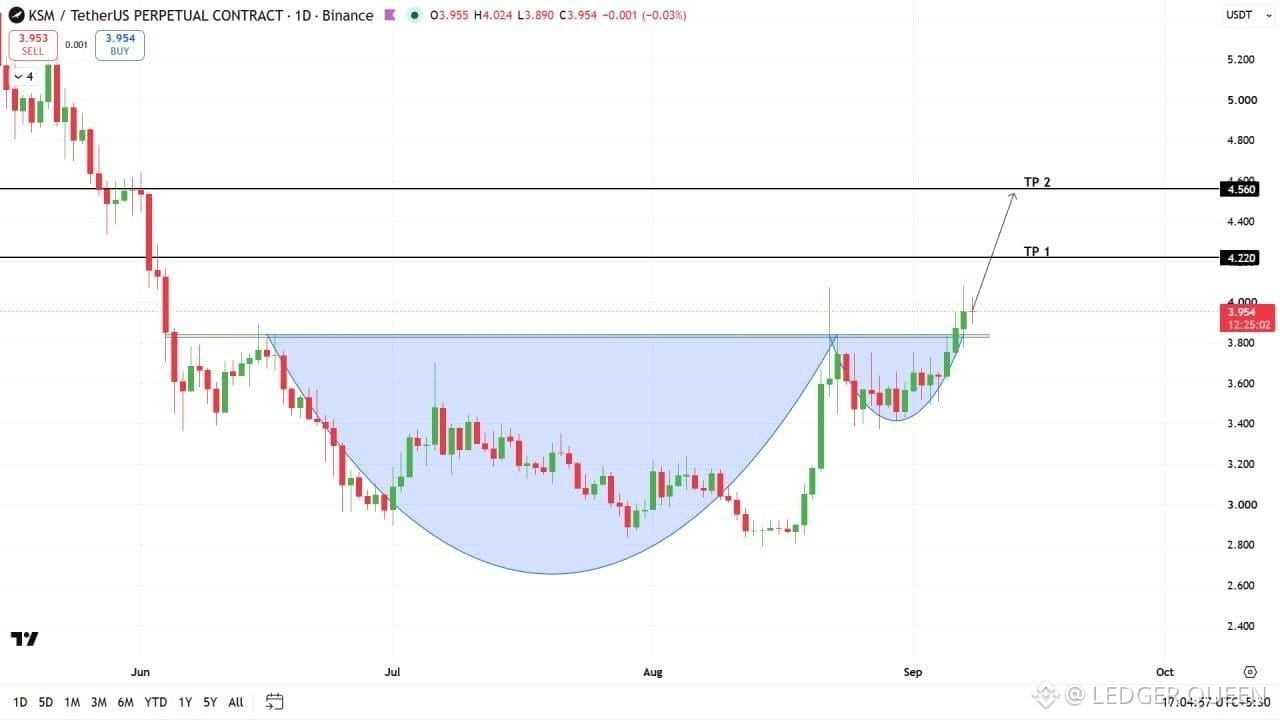
🔥 $KSM /USDT: 鉢が満たされてきた、次はブレイクか?
KSMは1Dチャートでカップ&ハンドルのパターンを示しており、3.80〜3.85あたりのネックラインを上抜けようと価格が押し上げられています。 👀
📈 TP1: 4.220 🚀 TP2: 4.560
構造は有望に見えますが、本当の試金石はブレイクアウトを維持して動きを継続できるかどうかです。リジェクション(拒否)が起これば、ネックライン付近へ逆戻りする可能性があります。
パターンは強気です。確認が重要。 ⚡
#KSM
{spot}(KSMUSDT)
🔥 $KSM /USDT: 鉢が満たされてきた、次はブレイクか?
KSMは1Dチャートでカップ&ハンドルのパターンを示しており、3.80〜3.85あたりのネックラインを上抜けようと価格が押し上げられています。 👀
📈 TP1: 4.220 🚀 TP2: 4.560
構造は有望に見えますが、本当の試金石はブレイクアウトを維持して動きを継続できるかどうかです。リジェクション(拒否)が起これば、ネックライン付近へ逆戻りする可能性があります。
パターンは強気です。確認が重要。 ⚡
#KSM
KSMは1Dチャートでカップ&ハンドルのパターンを示しており、3.80〜3.85あたりのネックラインを上抜けようと価格が押し上げられています。 👀
📈 TP1: 4.220 🚀 TP2: 4.560
構造は有望に見えますが、本当の試金石はブレイクアウトを維持して動きを継続できるかどうかです。リジェクション(拒否)が起これば、ネックライン付近へ逆戻りする可能性があります。
パターンは強気です。確認が重要。 ⚡
#KSM
1
201
·
--
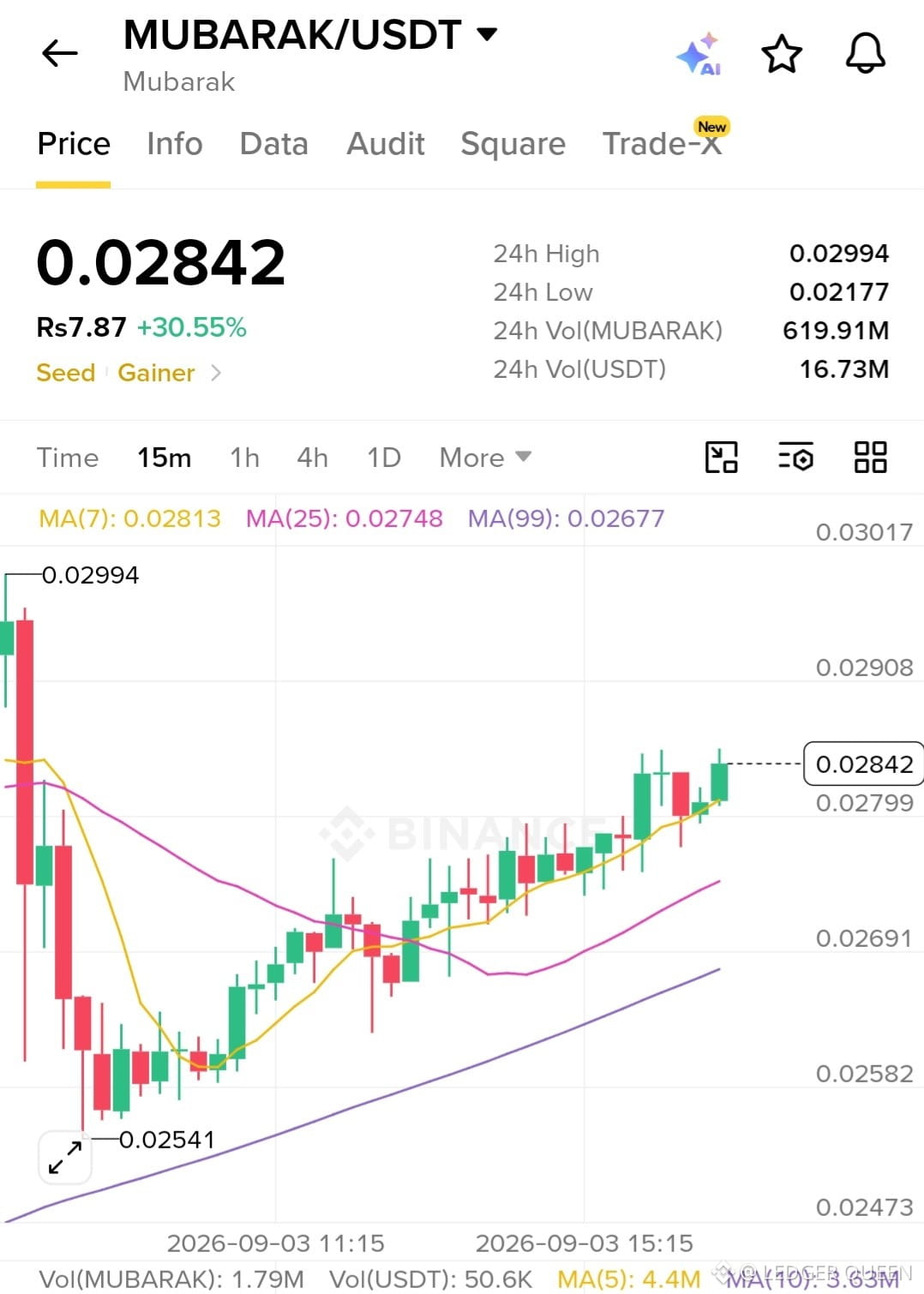
🔥 MUBARAK/USDT が目覚め始めている!🚀
$MUBARAK は 0.02842 USDT 付近で取引されており(+30.55%)、24時間で 0.02994 の高値を付けた後、安値 0.02177 をつけました。24時間の出来高は 619.91M MUBARAK / $16.73M USDT と非常に大きいです。👀
📈 15Mチャート:価格は MA(7) 0.02813、MA(25) 0.02748、MA(99) 0.02677 を上回って推移中——強気の構造はまだ維持されています。
🎯 注目:0.02994 → 0.03017 のレジスタンス
🛡️ サポート:0.02799 → 0.02748 → 0.02677
勢いが加速していますが、あの 0.030 付近が本当の試金石です。⚡
今日 +5.97% | 7D +48.72% | 30D +123.08% | 90D +160.49%
{spot}(MUBARAKUSDT)
🔥 MUBARAK/USDT が目覚め始めている!🚀
$MUBARAK は 0.02842 USDT 付近で取引されており(+30.55%)、24時間で 0.02994 の高値を付けた後、安値 0.02177 をつけました。24時間の出来高は 619.91M MUBARAK / $16.73M USDT と非常に大きいです。👀
📈 15Mチャート:価格は MA(7) 0.02813、MA(25) 0.02748、MA(99) 0.02677 を上回って推移中——強気の構造はまだ維持されています。
🎯 注目:0.02994 → 0.03017 のレジスタンス
🛡️ サポート:0.02799 → 0.02748 → 0.02677
勢いが加速していますが、あの 0.030 付近が本当の試金石です。⚡
今日 +5.97% | 7D +48.72% | 30D +123.08% | 90D +160.49%
$MUBARAK は 0.02842 USDT 付近で取引されており(+30.55%)、24時間で 0.02994 の高値を付けた後、安値 0.02177 をつけました。24時間の出来高は 619.91M MUBARAK / $16.73M USDT と非常に大きいです。👀
📈 15Mチャート:価格は MA(7) 0.02813、MA(25) 0.02748、MA(99) 0.02677 を上回って推移中——強気の構造はまだ維持されています。
🎯 注目:0.02994 → 0.03017 のレジスタンス
🛡️ サポート:0.02799 → 0.02748 → 0.02677
勢いが加速していますが、あの 0.030 付近が本当の試金石です。⚡
今日 +5.97% | 7D +48.72% | 30D +123.08% | 90D +160.49%
1
212
·
--
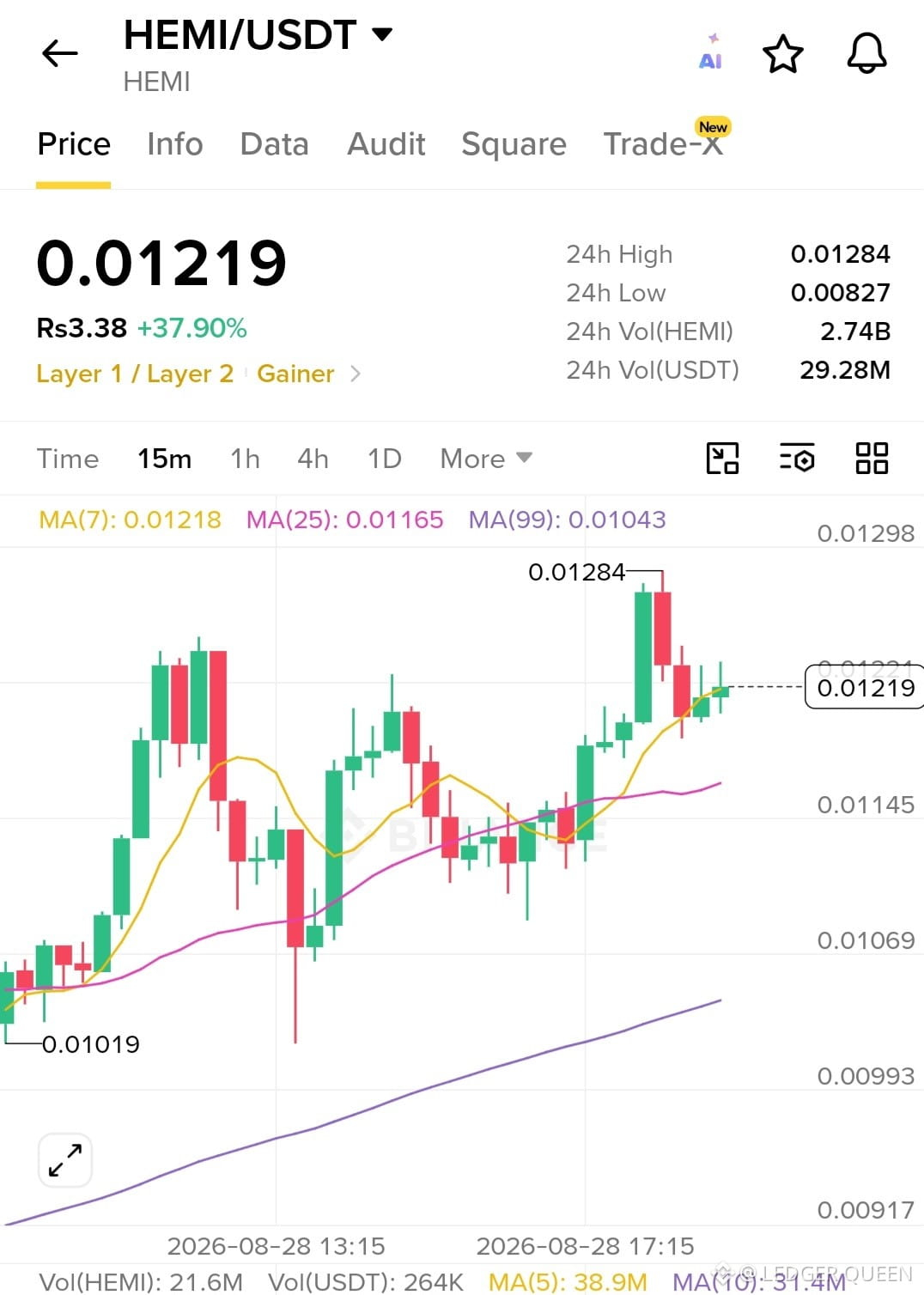
🚀 HEMI は加熱中!
$HEMI /USDT は現在 0.01219 USDT(+37.90%)🔥
📈 24H 高値: 0.01284
📉 24H 安値: 0.00827
💰 24H 出来高: $29.28M
⚡ HEMI 出来高: 2.74B
チャートはまだ強気の勢いを示しており、価格は MA25(0.01165)および MA99(0.01043)を上回っています。👀
そして大きな疑問:$HEMI は 0.01284 を突破して、さらなる高値へ押し上げられるのか?🚀
勢いは強い――ただしボラティリティも大きいです。DYOR。
#SOLJumps20%OnTheWeek
{spot}(HEMIUSDT)
🚀 HEMI は加熱中!
$HEMI /USDT は現在 0.01219 USDT(+37.90%)🔥
📈 24H 高値: 0.01284
📉 24H 安値: 0.00827
💰 24H 出来高: $29.28M
⚡ HEMI 出来高: 2.74B
チャートはまだ強気の勢いを示しており、価格は MA25(0.01165)および MA99(0.01043)を上回っています。👀
そして大きな疑問:$HEMI は 0.01284 を突破して、さらなる高値へ押し上げられるのか?🚀
勢いは強い――ただしボラティリティも大きいです。DYOR。
#SOLJumps20%OnTheWeek
$HEMI /USDT は現在 0.01219 USDT(+37.90%)🔥
📈 24H 高値: 0.01284
📉 24H 安値: 0.00827
💰 24H 出来高: $29.28M
⚡ HEMI 出来高: 2.74B
チャートはまだ強気の勢いを示しており、価格は MA25(0.01165)および MA99(0.01043)を上回っています。👀
そして大きな疑問:$HEMI は 0.01284 を突破して、さらなる高値へ押し上げられるのか?🚀
勢いは強い――ただしボラティリティも大きいです。DYOR。
#SOLJumps20%OnTheWeek
132
·
--
#dusk $DUSK @Dusk_Foundation
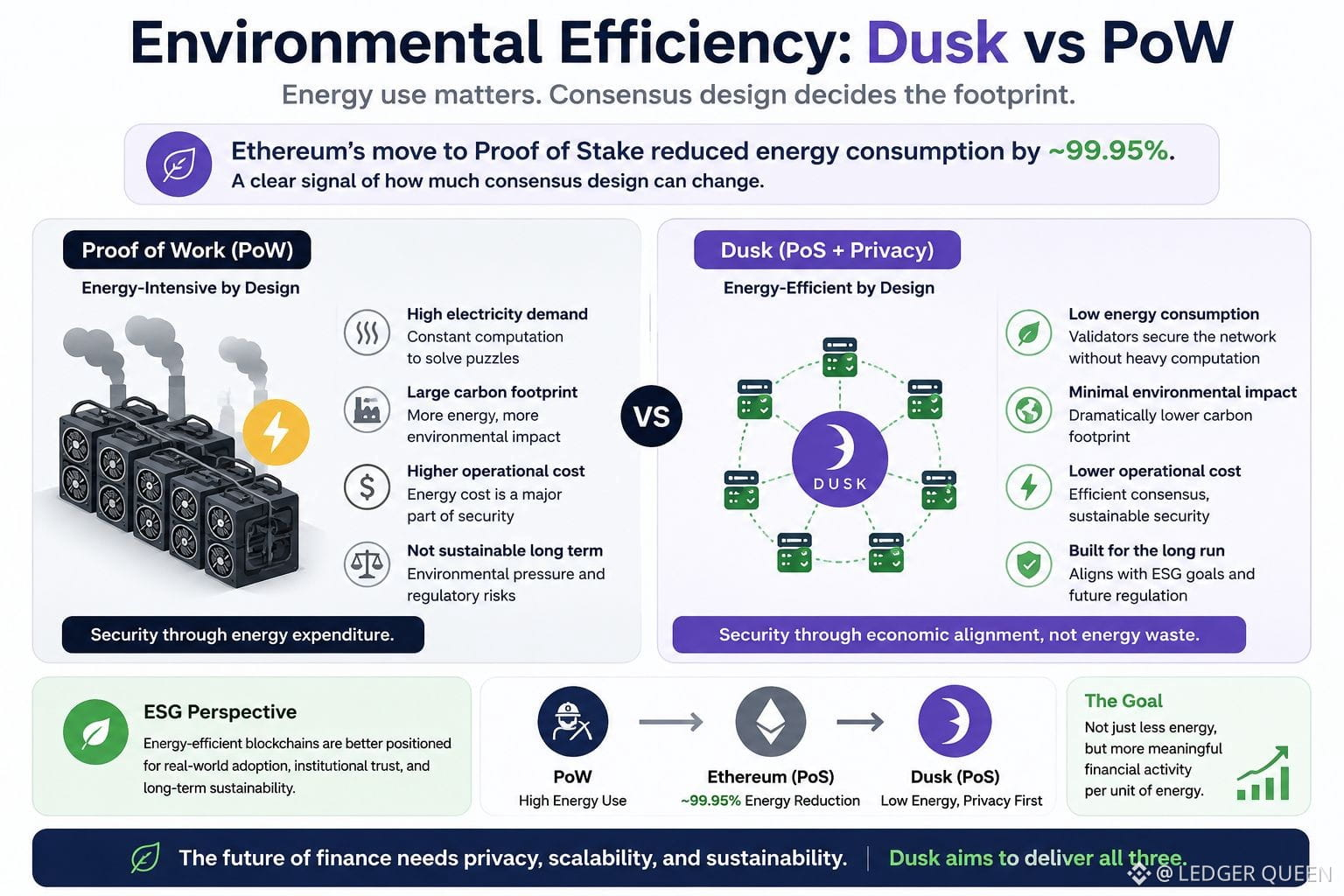
暗号の世界でエネルギー効率が、単なる別の指標のように語られているのをずっと見かけます。しかし考えれば考えるほど、それは「ネットワークが責任を持ってスケールできるかどうか」に結びついているように感じます。
ここで参考になるのが、イーサリアムのPoWからの転換です。Proof of Stakeへの移行によって、イーサリアムのエネルギー使用量は約99.95%削減されました。これは、合意形成の設計がどれほど重要かを示しています。DuskもPoSベースのアプローチを採っており、エネルギーを大量に消費するマイニングに頼るのではなく、プロビジョナーがネットワークのセキュリティを支える役割を担います。これが重要なのは、セキュリティが「電力を計算競争に変えること」である必要はないからです。
私の関心を引いたのは、これがより大きなDuskの主張にどう組み合わさっているかです。ネットワークはプライバシーと金融ユースケースを中心に構築されているため、エネルギー効率は実質的に主役ではありません。それでも、機密性のあるオンチェーン活動が時間とともに拡大していくなら、PoW型のエネルギー需要を避ける合意モデルが、筋の通った土台になるように思えます。たぶん私は考えすぎかもしれませんが、ブロックチェーン基盤が従来の金融システムと並べて評価されていく中で、ESGの観点がより重要になっていく可能性はあります。
ただし、低いエネルギー消費だけでネットワーク全体の「効率」がどれほどのものかが十分に分かるわけではないとも、私はまだ完全には納得できていません。ハードウェア、バリデータの参加、ネットワークの利用状況、そして実際の経済活動もすべて関係します。それでも私は、次のほうがより興味深い問いではないかと考え続けています。「ブロックチェーンが使うエネルギーをどれだけ少なくできるか」だけでなく、そのエネルギーに対してどれだけ有用な金融活動を支えられるのか——です。Duskがこれを時間をかけて証明できるなら、その環境面の意味ははるかに大きくなるはずです。
$BMT
{spot}(BMTUSDT)
$STX
{spot}(STXUSDT)
{spot}(DUSKUSDT)
#dusk $DUSK @Dusk
暗号の世界でエネルギー効率が、単なる別の指標のように語られているのをずっと見かけます。しかし考えれば考えるほど、それは「ネットワークが責任を持ってスケールできるかどうか」に結びついているように感じます。
ここで参考になるのが、イーサリアムのPoWからの転換です。Proof of Stakeへの移行によって、イーサリアムのエネルギー使用量は約99.95%削減されました。これは、合意形成の設計がどれほど重要かを示しています。DuskもPoSベースのアプローチを採っており、エネルギーを大量に消費するマイニングに頼るのではなく、プロビジョナーがネットワークのセキュリティを支える役割を担います。これが重要なのは、セキュリティが「電力を計算競争に変えること」である必要はないからです。
私の関心を引いたのは、これがより大きなDuskの主張にどう組み合わさっているかです。ネットワークはプライバシーと金融ユースケースを中心に構築されているため、エネルギー効率は実質的に主役ではありません。それでも、機密性のあるオンチェーン活動が時間とともに拡大していくなら、PoW型のエネルギー需要を避ける合意モデルが、筋の通った土台になるように思えます。たぶん私は考えすぎかもしれませんが、ブロックチェーン基盤が従来の金融システムと並べて評価されていく中で、ESGの観点がより重要になっていく可能性はあります。
ただし、低いエネルギー消費だけでネットワーク全体の「効率」がどれほどのものかが十分に分かるわけではないとも、私はまだ完全には納得できていません。ハードウェア、バリデータの参加、ネットワークの利用状況、そして実際の経済活動もすべて関係します。それでも私は、次のほうがより興味深い問いではないかと考え続けています。「ブロックチェーンが使うエネルギーをどれだけ少なくできるか」だけでなく、そのエネルギーに対してどれだけ有用な金融活動を支えられるのか——です。Duskがこれを時間をかけて証明できるなら、その環境面の意味ははるかに大きくなるはずです。
$BMT
$STX
暗号の世界でエネルギー効率が、単なる別の指標のように語られているのをずっと見かけます。しかし考えれば考えるほど、それは「ネットワークが責任を持ってスケールできるかどうか」に結びついているように感じます。
ここで参考になるのが、イーサリアムのPoWからの転換です。Proof of Stakeへの移行によって、イーサリアムのエネルギー使用量は約99.95%削減されました。これは、合意形成の設計がどれほど重要かを示しています。DuskもPoSベースのアプローチを採っており、エネルギーを大量に消費するマイニングに頼るのではなく、プロビジョナーがネットワークのセキュリティを支える役割を担います。これが重要なのは、セキュリティが「電力を計算競争に変えること」である必要はないからです。
私の関心を引いたのは、これがより大きなDuskの主張にどう組み合わさっているかです。ネットワークはプライバシーと金融ユースケースを中心に構築されているため、エネルギー効率は実質的に主役ではありません。それでも、機密性のあるオンチェーン活動が時間とともに拡大していくなら、PoW型のエネルギー需要を避ける合意モデルが、筋の通った土台になるように思えます。たぶん私は考えすぎかもしれませんが、ブロックチェーン基盤が従来の金融システムと並べて評価されていく中で、ESGの観点がより重要になっていく可能性はあります。
ただし、低いエネルギー消費だけでネットワーク全体の「効率」がどれほどのものかが十分に分かるわけではないとも、私はまだ完全には納得できていません。ハードウェア、バリデータの参加、ネットワークの利用状況、そして実際の経済活動もすべて関係します。それでも私は、次のほうがより興味深い問いではないかと考え続けています。「ブロックチェーンが使うエネルギーをどれだけ少なくできるか」だけでなく、そのエネルギーに対してどれだけ有用な金融活動を支えられるのか——です。Duskがこれを時間をかけて証明できるなら、その環境面の意味ははるかに大きくなるはずです。
$BMT
$STX
179
·
--
#dusk $DUSK @Dusk_Foundation
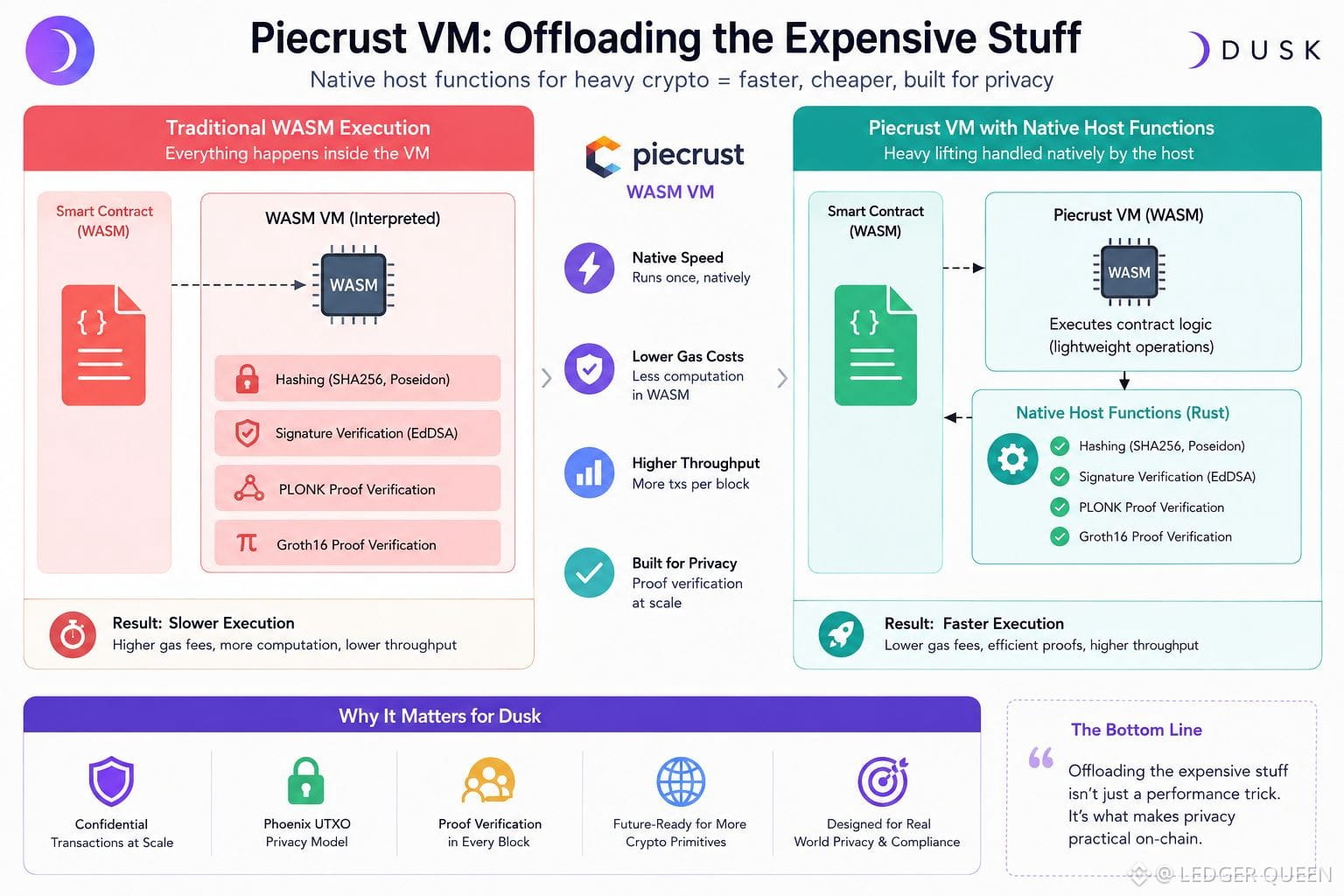
最近、Dusk Networkのセットアップを調べていたところ、いつもの「プライバシーチェーン」的な売り文句以上に、ある一点が特に気になり続けました。それが、WASMベースのVMであるPiecrustが高負荷な処理をどう扱うかというところです。
人々が十分に語らないスマートコントラクト実行の話があります。すべての命令には本物の計算コストがかかり、ほとんどのチェーンでは、コントラクトが何かをハッシュしたり、証明を検証したりする必要があると、その処理をVM内でWASMバイトコードを1行ずつ解釈しながら実行します。単純なロジックなら問題ありません。でも、ゼロ知識証明を扱う段階になると話は厳しくなります。ゼロ知識証明こそが、Duskが存在する最大の理由です。
私が注目したのは、Piecrustがその重い処理──ハッシング、署名チェック、PLONKやGroth16の証明検証──を、コントラクトにWASM上で計算させるのではなく、ネイティブのホスト関数側へ押し出している点です。ホストが一度ネイティブで実行し、結果をコントラクトへ返します。
それが実際のところどれほど「紙の上」以上の意味を持つのか、ずっと考えています。ただ、ロジックは筋が通っています。暗号演算のためのネイティブコードは、同じ数学をWASMで解釈するより速いのが普通で、しかも操作によってはかなり大きな差になります。機密取引やPhoenixのUTXOプライバシーモデルを前提とするチェーンでは、証明検証が「任意」ではなく「常に必要」なので、このギャップは各ブロックごとにすぐに積み上がっていきます。
まだ解消されていないと感じるのは、契約の複雑さが現在のユースケースを超えて増えてきたときに、どのようにスケールするのかという点です。ネイティブのホスト関数は、今のボトルネックを解決しますが、より多くのカスタムな暗号プリミティブが要求されるようになったときにも、同じようにスマートであり続けるかには、私はまだ確信しきれていません。Piecrust上で実際に構築している方で、そこに摩擦を感じた人はいますか?
$ONG
{spot}(ONGUSDT)
$AMP
{spot}(AMPUSDT)
{spot}(DUSKUSDT)
#dusk $DUSK @Dusk
最近、Dusk Networkのセットアップを調べていたところ、いつもの「プライバシーチェーン」的な売り文句以上に、ある一点が特に気になり続けました。それが、WASMベースのVMであるPiecrustが高負荷な処理をどう扱うかというところです。
人々が十分に語らないスマートコントラクト実行の話があります。すべての命令には本物の計算コストがかかり、ほとんどのチェーンでは、コントラクトが何かをハッシュしたり、証明を検証したりする必要があると、その処理をVM内でWASMバイトコードを1行ずつ解釈しながら実行します。単純なロジックなら問題ありません。でも、ゼロ知識証明を扱う段階になると話は厳しくなります。ゼロ知識証明こそが、Duskが存在する最大の理由です。
私が注目したのは、Piecrustがその重い処理──ハッシング、署名チェック、PLONKやGroth16の証明検証──を、コントラクトにWASM上で計算させるのではなく、ネイティブのホスト関数側へ押し出している点です。ホストが一度ネイティブで実行し、結果をコントラクトへ返します。
それが実際のところどれほど「紙の上」以上の意味を持つのか、ずっと考えています。ただ、ロジックは筋が通っています。暗号演算のためのネイティブコードは、同じ数学をWASMで解釈するより速いのが普通で、しかも操作によってはかなり大きな差になります。機密取引やPhoenixのUTXOプライバシーモデルを前提とするチェーンでは、証明検証が「任意」ではなく「常に必要」なので、このギャップは各ブロックごとにすぐに積み上がっていきます。
まだ解消されていないと感じるのは、契約の複雑さが現在のユースケースを超えて増えてきたときに、どのようにスケールするのかという点です。ネイティブのホスト関数は、今のボトルネックを解決しますが、より多くのカスタムな暗号プリミティブが要求されるようになったときにも、同じようにスマートであり続けるかには、私はまだ確信しきれていません。Piecrust上で実際に構築している方で、そこに摩擦を感じた人はいますか?
$ONG
$AMP
最近、Dusk Networkのセットアップを調べていたところ、いつもの「プライバシーチェーン」的な売り文句以上に、ある一点が特に気になり続けました。それが、WASMベースのVMであるPiecrustが高負荷な処理をどう扱うかというところです。
人々が十分に語らないスマートコントラクト実行の話があります。すべての命令には本物の計算コストがかかり、ほとんどのチェーンでは、コントラクトが何かをハッシュしたり、証明を検証したりする必要があると、その処理をVM内でWASMバイトコードを1行ずつ解釈しながら実行します。単純なロジックなら問題ありません。でも、ゼロ知識証明を扱う段階になると話は厳しくなります。ゼロ知識証明こそが、Duskが存在する最大の理由です。
私が注目したのは、Piecrustがその重い処理──ハッシング、署名チェック、PLONKやGroth16の証明検証──を、コントラクトにWASM上で計算させるのではなく、ネイティブのホスト関数側へ押し出している点です。ホストが一度ネイティブで実行し、結果をコントラクトへ返します。
それが実際のところどれほど「紙の上」以上の意味を持つのか、ずっと考えています。ただ、ロジックは筋が通っています。暗号演算のためのネイティブコードは、同じ数学をWASMで解釈するより速いのが普通で、しかも操作によってはかなり大きな差になります。機密取引やPhoenixのUTXOプライバシーモデルを前提とするチェーンでは、証明検証が「任意」ではなく「常に必要」なので、このギャップは各ブロックごとにすぐに積み上がっていきます。
まだ解消されていないと感じるのは、契約の複雑さが現在のユースケースを超えて増えてきたときに、どのようにスケールするのかという点です。ネイティブのホスト関数は、今のボトルネックを解決しますが、より多くのカスタムな暗号プリミティブが要求されるようになったときにも、同じようにスマートであり続けるかには、私はまだ確信しきれていません。Piecrust上で実際に構築している方で、そこに摩擦を感じた人はいますか?
$ONG
$AMP
2
3
213
·
--
#dusk $DUSK @Dusk_Foundation
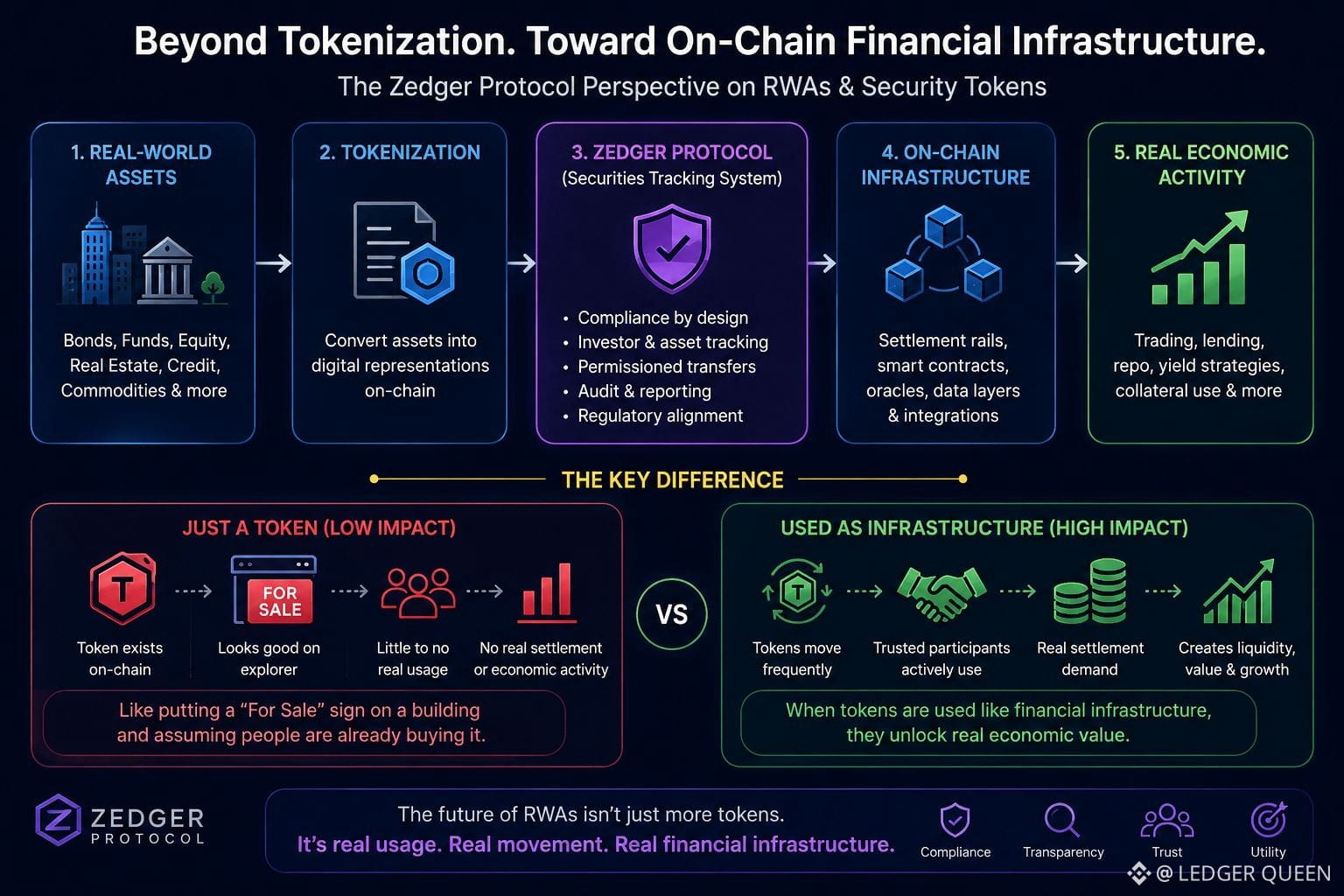
最近、RWAやトークン化された証券に注目が集まっているのを見て、Zedger Protocolについて気になり調べてみました。発想自体はシンプルです。従来の金融資産を取り出して、オンチェーンで使えるようにする。
ただ、私が何度も立ち返ってしまうのはセキュリティ・トークンです。資産をトークン化すること自体は一つのことです。しかし、そのトークンを準拠(コンプライアンス)させ、譲渡可能にし、さらにオンチェーン上で実際に役立つものにするのは、はるかに難しい課題です。
これは、一般にRWAの物語に内在する緊張感でもあります。トークンはブロックチェーン上に存在することはできますが、意味のある経済活動を生み出さないことがあります。「建物に『売り出し中』の看板を立てたら、すでに買われているのだろう」と考えるのに少し似ています。
私にとってZedgerの面白いポイントは、単に現実世界の資産をデジタル表現として作るだけでなく、規制された証券とオンチェーンのインフラをどう接続できるか、という点です。
私は、どれだけ多くの資産をトークン化できるかという数だけでRWAプロジェクトを見ているわけではありません。トークン化の後に何が起きるのかに関心があります。誰が使うのか。どれくらいの頻度で移動(取引)するのか。本当に決済需要はあるのか。
それが、Zedgerで私が見たい指標です。
本当のRWAのブレイクスルーは、すべてがトークンになるときではありません。
人々が、それらのトークンを実際に金融インフラのように使い始めたときに訪れます。
$PROM
{spot}(PROMUSDT)
$PORTAL
{spot}(PORTALUSDT)
{spot}(DUSKUSDT)
#dusk $DUSK @Dusk
最近、RWAやトークン化された証券に注目が集まっているのを見て、Zedger Protocolについて気になり調べてみました。発想自体はシンプルです。従来の金融資産を取り出して、オンチェーンで使えるようにする。
ただ、私が何度も立ち返ってしまうのはセキュリティ・トークンです。資産をトークン化すること自体は一つのことです。しかし、そのトークンを準拠(コンプライアンス)させ、譲渡可能にし、さらにオンチェーン上で実際に役立つものにするのは、はるかに難しい課題です。
これは、一般にRWAの物語に内在する緊張感でもあります。トークンはブロックチェーン上に存在することはできますが、意味のある経済活動を生み出さないことがあります。「建物に『売り出し中』の看板を立てたら、すでに買われているのだろう」と考えるのに少し似ています。
私にとってZedgerの面白いポイントは、単に現実世界の資産をデジタル表現として作るだけでなく、規制された証券とオンチェーンのインフラをどう接続できるか、という点です。
私は、どれだけ多くの資産をトークン化できるかという数だけでRWAプロジェクトを見ているわけではありません。トークン化の後に何が起きるのかに関心があります。誰が使うのか。どれくらいの頻度で移動(取引)するのか。本当に決済需要はあるのか。
それが、Zedgerで私が見たい指標です。
本当のRWAのブレイクスルーは、すべてがトークンになるときではありません。
人々が、それらのトークンを実際に金融インフラのように使い始めたときに訪れます。
$PROM
$PORTAL
最近、RWAやトークン化された証券に注目が集まっているのを見て、Zedger Protocolについて気になり調べてみました。発想自体はシンプルです。従来の金融資産を取り出して、オンチェーンで使えるようにする。
ただ、私が何度も立ち返ってしまうのはセキュリティ・トークンです。資産をトークン化すること自体は一つのことです。しかし、そのトークンを準拠(コンプライアンス)させ、譲渡可能にし、さらにオンチェーン上で実際に役立つものにするのは、はるかに難しい課題です。
これは、一般にRWAの物語に内在する緊張感でもあります。トークンはブロックチェーン上に存在することはできますが、意味のある経済活動を生み出さないことがあります。「建物に『売り出し中』の看板を立てたら、すでに買われているのだろう」と考えるのに少し似ています。
私にとってZedgerの面白いポイントは、単に現実世界の資産をデジタル表現として作るだけでなく、規制された証券とオンチェーンのインフラをどう接続できるか、という点です。
私は、どれだけ多くの資産をトークン化できるかという数だけでRWAプロジェクトを見ているわけではありません。トークン化の後に何が起きるのかに関心があります。誰が使うのか。どれくらいの頻度で移動(取引)するのか。本当に決済需要はあるのか。
それが、Zedgerで私が見たい指標です。
本当のRWAのブレイクスルーは、すべてがトークンになるときではありません。
人々が、それらのトークンを実際に金融インフラのように使い始めたときに訪れます。
$PROM
$PORTAL
2
1
271
·
--
#dusk $DUSK @Dusk_Foundation
先月、40秒だけ1回の投票に間に合わず、その後の1時間は自分の取り分を失ったと確信してダッシュボードをリフレッシュし続けました。結果的に失っていなかったのですが、その出来事がきっかけで、Duskの報酬システムが実際にどう機能しているのかを調べる深い迷宮に入りました。そして、その設計は、私が想像していた不安よりもずっと適切に答えてくれました。
報酬の分配では、ブロック生成者に最大80%が与えられ、さらにその上乗せ部分の一部は、証明書に含まれるクレジットの量に結び付けられます。10%は開発基金に、残り10%は検証委員会と承認委員会に均等に分かれます。特に驚くような点はありません。私の注意を引いたのは、それが生成者側に意図的に重み付けされていることです。最初は、これほど多くが1つの役割に寄るのが不思議に感じましたが、実際のところ各ブロックで大変な作業をしているのが誰なのかを考えると、筋が通っているように思えます。
本当に重要なのはフォールト(障害)システムです。Duskは、些細なフォールトと重大なフォールトを区別し、すべての失敗を同じ扱いにはしません。ノードが一瞬つまずいて投票を1回逃しただけなら、しばらく停止され、担保(ステーク)が一時的にロックされます。焼かれはしません。たとえば、矛盾する投票に署名するなど、明確に悪意のある行為をすると、それとは別カテゴリになり、実際にステークが焼かれます。何年も前に、ダウンタイムでも何でも一定のステークをただ焼き尽くすようなプロトコルを読んだことがありますが、正直それは保護というより処罰に見えました。
自分が考えすぎなのかもしれませんが、この区別こそが、ここでの本質的な設計上の洞察のように感じます。インフラの問題で誠実に運用しているオペレーターを罰しない一方で、意図的な攻撃は高くつくようにしているからです。実際のネットワークストレスに、そして大規模でそれがどれだけ耐えられるのか――それは今でも気になっています。スラッシングの仕組みは、ペーパーの上ではいつもより綺麗に見えるのに、何千ものバリデータが実際に走らせる段階では挙動が違って見えてしまうものです。
$TUT
{spot}(TUTUSDT)
$ZRO
{spot}(ZROUSDT)
Duskはバリデータのフォールトをどのように扱うべきですか?
#dusk $DUSK @Dusk
先月、40秒だけ1回の投票に間に合わず、その後の1時間は自分の取り分を失ったと確信してダッシュボードをリフレッシュし続けました。結果的に失っていなかったのですが、その出来事がきっかけで、Duskの報酬システムが実際にどう機能しているのかを調べる深い迷宮に入りました。そして、その設計は、私が想像していた不安よりもずっと適切に答えてくれました。
報酬の分配では、ブロック生成者に最大80%が与えられ、さらにその上乗せ部分の一部は、証明書に含まれるクレジットの量に結び付けられます。10%は開発基金に、残り10%は検証委員会と承認委員会に均等に分かれます。特に驚くような点はありません。私の注意を引いたのは、それが生成者側に意図的に重み付けされていることです。最初は、これほど多くが1つの役割に寄るのが不思議に感じましたが、実際のところ各ブロックで大変な作業をしているのが誰なのかを考えると、筋が通っているように思えます。
本当に重要なのはフォールト(障害)システムです。Duskは、些細なフォールトと重大なフォールトを区別し、すべての失敗を同じ扱いにはしません。ノードが一瞬つまずいて投票を1回逃しただけなら、しばらく停止され、担保(ステーク)が一時的にロックされます。焼かれはしません。たとえば、矛盾する投票に署名するなど、明確に悪意のある行為をすると、それとは別カテゴリになり、実際にステークが焼かれます。何年も前に、ダウンタイムでも何でも一定のステークをただ焼き尽くすようなプロトコルを読んだことがありますが、正直それは保護というより処罰に見えました。
自分が考えすぎなのかもしれませんが、この区別こそが、ここでの本質的な設計上の洞察のように感じます。インフラの問題で誠実に運用しているオペレーターを罰しない一方で、意図的な攻撃は高くつくようにしているからです。実際のネットワークストレスに、そして大規模でそれがどれだけ耐えられるのか――それは今でも気になっています。スラッシングの仕組みは、ペーパーの上ではいつもより綺麗に見えるのに、何千ものバリデータが実際に走らせる段階では挙動が違って見えてしまうものです。
$TUT
$ZRO
Duskはバリデータのフォールトをどのように扱うべきですか?
先月、40秒だけ1回の投票に間に合わず、その後の1時間は自分の取り分を失ったと確信してダッシュボードをリフレッシュし続けました。結果的に失っていなかったのですが、その出来事がきっかけで、Duskの報酬システムが実際にどう機能しているのかを調べる深い迷宮に入りました。そして、その設計は、私が想像していた不安よりもずっと適切に答えてくれました。
報酬の分配では、ブロック生成者に最大80%が与えられ、さらにその上乗せ部分の一部は、証明書に含まれるクレジットの量に結び付けられます。10%は開発基金に、残り10%は検証委員会と承認委員会に均等に分かれます。特に驚くような点はありません。私の注意を引いたのは、それが生成者側に意図的に重み付けされていることです。最初は、これほど多くが1つの役割に寄るのが不思議に感じましたが、実際のところ各ブロックで大変な作業をしているのが誰なのかを考えると、筋が通っているように思えます。
本当に重要なのはフォールト(障害)システムです。Duskは、些細なフォールトと重大なフォールトを区別し、すべての失敗を同じ扱いにはしません。ノードが一瞬つまずいて投票を1回逃しただけなら、しばらく停止され、担保(ステーク)が一時的にロックされます。焼かれはしません。たとえば、矛盾する投票に署名するなど、明確に悪意のある行為をすると、それとは別カテゴリになり、実際にステークが焼かれます。何年も前に、ダウンタイムでも何でも一定のステークをただ焼き尽くすようなプロトコルを読んだことがありますが、正直それは保護というより処罰に見えました。
自分が考えすぎなのかもしれませんが、この区別こそが、ここでの本質的な設計上の洞察のように感じます。インフラの問題で誠実に運用しているオペレーターを罰しない一方で、意図的な攻撃は高くつくようにしているからです。実際のネットワークストレスに、そして大規模でそれがどれだけ耐えられるのか――それは今でも気になっています。スラッシングの仕組みは、ペーパーの上ではいつもより綺麗に見えるのに、何千ものバリデータが実際に走らせる段階では挙動が違って見えてしまうものです。
$TUT
$ZRO
Duskはバリデータのフォールトをどのように扱うべきですか?
🟢 Suspend
100%
🔥 Slash
0%
⚖️ Both
0%
🤔 Depends
0%
1 投票 • 投票は終了しました
1
1
230
·
--
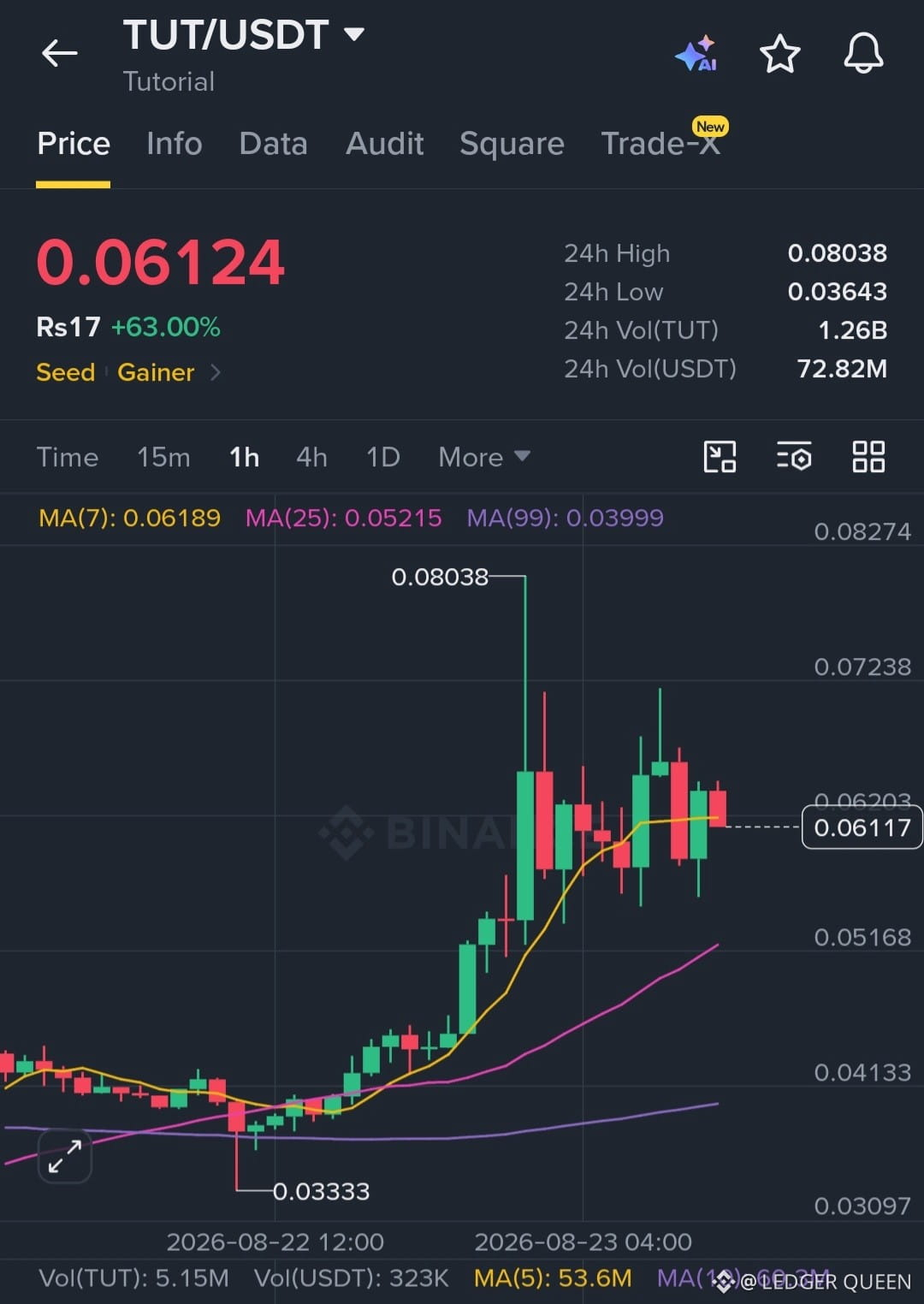
$TUT はFASTに動いています 🚀
価格: $0.06124 (+63%)
24時間 高値: $0.08038
24時間 安値: $0.03643
24時間 約定数量: $1.26B TUT / $72.82M USDT
1時間足チャートでは、TUTはMA(25) $0.05215とMA(99) $0.03999の上を維持しており、MA(7)は$0.06189です。$0.08038にタッチした後、価格は$0.061前後で揉み合い中。ブルが高値を取り戻せるか注目しましょう。 👀🔥
7D: +76.16% | 30D: +334.85% | 90D: +478.56%
このチャート、面白くなってきました。 ⚡📈
#AnthropicIPOCouldTopSpaceXRecordReportsSay
#NvidiaAIServerPricesRiseOver15%
#BSTREndsCantorSPACGoPublicPlan
#USCanadaTradeTalksCollapseCanadaVowsRetaliation
#SandboxSANDSuspectedInfiniteMintFlawOnBase
{spot}(TUTUSDT)
$TUT はFASTに動いています 🚀
価格: $0.06124 (+63%)
24時間 高値: $0.08038
24時間 安値: $0.03643
24時間 約定数量: $1.26B TUT / $72.82M USDT
1時間足チャートでは、TUTはMA(25) $0.05215とMA(99) $0.03999の上を維持しており、MA(7)は$0.06189です。$0.08038にタッチした後、価格は$0.061前後で揉み合い中。ブルが高値を取り戻せるか注目しましょう。 👀🔥
7D: +76.16% | 30D: +334.85% | 90D: +478.56%
このチャート、面白くなってきました。 ⚡📈
#AnthropicIPOCouldTopSpaceXRecordReportsSay
#NvidiaAIServerPricesRiseOver15%
#BSTREndsCantorSPACGoPublicPlan
#USCanadaTradeTalksCollapseCanadaVowsRetaliation
#SandboxSANDSuspectedInfiniteMintFlawOnBase
価格: $0.06124 (+63%)
24時間 高値: $0.08038
24時間 安値: $0.03643
24時間 約定数量: $1.26B TUT / $72.82M USDT
1時間足チャートでは、TUTはMA(25) $0.05215とMA(99) $0.03999の上を維持しており、MA(7)は$0.06189です。$0.08038にタッチした後、価格は$0.061前後で揉み合い中。ブルが高値を取り戻せるか注目しましょう。 👀🔥
7D: +76.16% | 30D: +334.85% | 90D: +478.56%
このチャート、面白くなってきました。 ⚡📈
#AnthropicIPOCouldTopSpaceXRecordReportsSay
#NvidiaAIServerPricesRiseOver15%
#BSTREndsCantorSPACGoPublicPlan
#USCanadaTradeTalksCollapseCanadaVowsRetaliation
#SandboxSANDSuspectedInfiniteMintFlawOnBase
189
·
--
これは狂気だ
トランプ大統領は6月に1051件の株取引を開示し、両政権を通じた総数を25,000件超に引き上げた。
最後の4人の大統領が【合わせて】行ったのは、たった29件の取引だった。
$TUT
{spot}(TUTUSDT)
$PORTAL
{spot}(PORTALUSDT)
$PUMP
{spot}(PUMPUSDT)
これは狂気だ
トランプ大統領は6月に1051件の株取引を開示し、両政権を通じた総数を25,000件超に引き上げた。
最後の4人の大統領が【合わせて】行ったのは、たった29件の取引だった。
$TUT
$PORTAL
$PUMP
トランプ大統領は6月に1051件の株取引を開示し、両政権を通じた総数を25,000件超に引き上げた。
最後の4人の大統領が【合わせて】行ったのは、たった29件の取引だった。
$TUT
$PORTAL
$PUMP
124
·
--
#dusk $DUSK @Dusk_Foundation
認めます。フェニックスのドキュメントで「nullifier」を初めて見たとき、ペナルティのような仕組みだと本気で思っていました。ホワイトペーパーを軽く流し読みするつもりで開いたのに、結局その1ページにほぼ1時間も引っかかってしまい、4回目でようやく理解できるんじゃないかと同じ段落を読み返し続けていました。
ようやくたどり着いた、シンプルな説明はこちらです。ノートとは、基本的にプライベートな領収書です。何かを所有していることを示しますが、あなたの名前や残高をチェーン全体に向かって大声で知らせるわけではありません。巨大なファイルキャビネットの中に置かれた封筒だと思ってください。開けると決めない限り、誰も中をのぞけません。
メルクルツリーはそのファイルキャビネットです。すべてのノートは枝の中にしまい込まれ、全体の構造は一番上の小さな指紋に圧縮されます。チェーンが確認するのはその指紋だけでよく、すべての封筒を見る必要はありません。最初はその部分が少し不思議に感じました。隠されたデータが多いのに、しかも検証としては確実に正しい。
ただ、いちばん賢いのがnullifierです。ノートを使うとき、情報が漏れてしまうので削除しません。代わりに、そのノートが存在していて、そしていま使われていることを証明するnullifierを公開しますが、どのノートかは明かしません。誰も席を追跡できないように、チケットの半券を破るようなものです。
考えすぎかもしれませんが、しばらく考えているほど、ここではプライバシーと検証が対立するものではなくなっているように感じます。本当に大規模で、負荷が重い状況下でもどう成立するのかがまだ気になります。表面上のドキュメント以上に、ほかの人が試したかどうかも知りたいです。
$SC
{spot}(SCUSDT)
$POL
{spot}(POLUSDT)
{spot}(DUSKUSDT)
nullifierのうち、あなたにとって特に興味深いのはどこですか?
#dusk $DUSK @Dusk
認めます。フェニックスのドキュメントで「nullifier」を初めて見たとき、ペナルティのような仕組みだと本気で思っていました。ホワイトペーパーを軽く流し読みするつもりで開いたのに、結局その1ページにほぼ1時間も引っかかってしまい、4回目でようやく理解できるんじゃないかと同じ段落を読み返し続けていました。
ようやくたどり着いた、シンプルな説明はこちらです。ノートとは、基本的にプライベートな領収書です。何かを所有していることを示しますが、あなたの名前や残高をチェーン全体に向かって大声で知らせるわけではありません。巨大なファイルキャビネットの中に置かれた封筒だと思ってください。開けると決めない限り、誰も中をのぞけません。
メルクルツリーはそのファイルキャビネットです。すべてのノートは枝の中にしまい込まれ、全体の構造は一番上の小さな指紋に圧縮されます。チェーンが確認するのはその指紋だけでよく、すべての封筒を見る必要はありません。最初はその部分が少し不思議に感じました。隠されたデータが多いのに、しかも検証としては確実に正しい。
ただ、いちばん賢いのがnullifierです。ノートを使うとき、情報が漏れてしまうので削除しません。代わりに、そのノートが存在していて、そしていま使われていることを証明するnullifierを公開しますが、どのノートかは明かしません。誰も席を追跡できないように、チケットの半券を破るようなものです。
考えすぎかもしれませんが、しばらく考えているほど、ここではプライバシーと検証が対立するものではなくなっているように感じます。本当に大規模で、負荷が重い状況下でもどう成立するのかがまだ気になります。表面上のドキュメント以上に、ほかの人が試したかどうかも知りたいです。
$SC
$POL
nullifierのうち、あなたにとって特に興味深いのはどこですか?
認めます。フェニックスのドキュメントで「nullifier」を初めて見たとき、ペナルティのような仕組みだと本気で思っていました。ホワイトペーパーを軽く流し読みするつもりで開いたのに、結局その1ページにほぼ1時間も引っかかってしまい、4回目でようやく理解できるんじゃないかと同じ段落を読み返し続けていました。
ようやくたどり着いた、シンプルな説明はこちらです。ノートとは、基本的にプライベートな領収書です。何かを所有していることを示しますが、あなたの名前や残高をチェーン全体に向かって大声で知らせるわけではありません。巨大なファイルキャビネットの中に置かれた封筒だと思ってください。開けると決めない限り、誰も中をのぞけません。
メルクルツリーはそのファイルキャビネットです。すべてのノートは枝の中にしまい込まれ、全体の構造は一番上の小さな指紋に圧縮されます。チェーンが確認するのはその指紋だけでよく、すべての封筒を見る必要はありません。最初はその部分が少し不思議に感じました。隠されたデータが多いのに、しかも検証としては確実に正しい。
ただ、いちばん賢いのがnullifierです。ノートを使うとき、情報が漏れてしまうので削除しません。代わりに、そのノートが存在していて、そしていま使われていることを証明するnullifierを公開しますが、どのノートかは明かしません。誰も席を追跡できないように、チケットの半券を破るようなものです。
考えすぎかもしれませんが、しばらく考えているほど、ここではプライバシーと検証が対立するものではなくなっているように感じます。本当に大規模で、負荷が重い状況下でもどう成立するのかがまだ気になります。表面上のドキュメント以上に、ほかの人が試したかどうかも知りたいです。
$SC
$POL
nullifierのうち、あなたにとって特に興味深いのはどこですか?
🔒 Privacy
50%
✅ Preventing double-spends
50%
🌳 Merkle verification
0%
🤔 Still learning
0%
2 投票 • 投票は終了しました
2
1
469
·
--
#dusk $DUSK @Dusk_Foundation
オンチェーンのプライバシーは良い話に聞こえるけど、単純な質問をすると途端に考えさせられます。実際に誰がその取引を見る必要があるのでしょうか?
それで私はまたDuskに引き戻されます。Duskの売りは「すべてを隠すためのプライバシー」ではなく、金融アプリケーション向けに設計されたインフラで、いくつかの情報はそもそも公開されるべきではない、という前提に立っています。これは、機密(コンフィデンシャル)スマートコントラクトとConfidential Security Contract(CSC)標準を中心に作られたレイヤー1です。規制のある市場では、この違いがかなり重要になり得ます。年金基金が社債取引を決済する際、公開の台帳にすべての詳細を晒さずに、取引の検証が必要になるかもしれません。
私の関心を引いたのは、提唱(論旨)と現状の足跡のギャップです。DUSKは約0.072ドルで、時価総額はおよそ4300万ドル、24時間の出来高が約1190万ドル、建玉(オープンインタレスト)が約990万ドルです。もちろんこれらの数字だけでは採用が証明されたわけではありませんが、機関投資家の「決済インフラ」という物語が、どれくらい速く一貫したオンチェーンの活動に結びつくのかを考えさせられます。
整えられている要素もいくつかあります。NPEXはトークン化された債券や株式をネットワークに持ち込む計画と結びつけられており、Chainlink CCIPの統合はクロスチェーン決済を示唆しています。さらに、ビルダーを呼び込むための1500万DUSKの開発者ファンドもあります。ただ、提携やインフラだけでは限界があります。真の試金石は、実際の金融ユーザーが定着するかどうかです。
考えすぎかもしれませんが、Duskは「将来的に必要になるかもしれない金融ブロックチェーンへの賭け」に見えます。もし機密の決済が当たり前になるなら、早く参入する意味が出てきます。ユーザーが来ないのであれば、技術だけでは論旨は救えません。私はまさにその部分を見守っています。
$ONG
{spot}(ONGUSDT)
$ENA
{spot}(ENAUSDT)
{spot}(DUSKUSDT)
Duskを最も動かすのは何でしょう?
#dusk $DUSK @Dusk
オンチェーンのプライバシーは良い話に聞こえるけど、単純な質問をすると途端に考えさせられます。実際に誰がその取引を見る必要があるのでしょうか?
それで私はまたDuskに引き戻されます。Duskの売りは「すべてを隠すためのプライバシー」ではなく、金融アプリケーション向けに設計されたインフラで、いくつかの情報はそもそも公開されるべきではない、という前提に立っています。これは、機密(コンフィデンシャル)スマートコントラクトとConfidential Security Contract(CSC)標準を中心に作られたレイヤー1です。規制のある市場では、この違いがかなり重要になり得ます。年金基金が社債取引を決済する際、公開の台帳にすべての詳細を晒さずに、取引の検証が必要になるかもしれません。
私の関心を引いたのは、提唱(論旨)と現状の足跡のギャップです。DUSKは約0.072ドルで、時価総額はおよそ4300万ドル、24時間の出来高が約1190万ドル、建玉(オープンインタレスト)が約990万ドルです。もちろんこれらの数字だけでは採用が証明されたわけではありませんが、機関投資家の「決済インフラ」という物語が、どれくらい速く一貫したオンチェーンの活動に結びつくのかを考えさせられます。
整えられている要素もいくつかあります。NPEXはトークン化された債券や株式をネットワークに持ち込む計画と結びつけられており、Chainlink CCIPの統合はクロスチェーン決済を示唆しています。さらに、ビルダーを呼び込むための1500万DUSKの開発者ファンドもあります。ただ、提携やインフラだけでは限界があります。真の試金石は、実際の金融ユーザーが定着するかどうかです。
考えすぎかもしれませんが、Duskは「将来的に必要になるかもしれない金融ブロックチェーンへの賭け」に見えます。もし機密の決済が当たり前になるなら、早く参入する意味が出てきます。ユーザーが来ないのであれば、技術だけでは論旨は救えません。私はまさにその部分を見守っています。
$ONG
$ENA
Duskを最も動かすのは何でしょう?
オンチェーンのプライバシーは良い話に聞こえるけど、単純な質問をすると途端に考えさせられます。実際に誰がその取引を見る必要があるのでしょうか?
それで私はまたDuskに引き戻されます。Duskの売りは「すべてを隠すためのプライバシー」ではなく、金融アプリケーション向けに設計されたインフラで、いくつかの情報はそもそも公開されるべきではない、という前提に立っています。これは、機密(コンフィデンシャル)スマートコントラクトとConfidential Security Contract(CSC)標準を中心に作られたレイヤー1です。規制のある市場では、この違いがかなり重要になり得ます。年金基金が社債取引を決済する際、公開の台帳にすべての詳細を晒さずに、取引の検証が必要になるかもしれません。
私の関心を引いたのは、提唱(論旨)と現状の足跡のギャップです。DUSKは約0.072ドルで、時価総額はおよそ4300万ドル、24時間の出来高が約1190万ドル、建玉(オープンインタレスト)が約990万ドルです。もちろんこれらの数字だけでは採用が証明されたわけではありませんが、機関投資家の「決済インフラ」という物語が、どれくらい速く一貫したオンチェーンの活動に結びつくのかを考えさせられます。
整えられている要素もいくつかあります。NPEXはトークン化された債券や株式をネットワークに持ち込む計画と結びつけられており、Chainlink CCIPの統合はクロスチェーン決済を示唆しています。さらに、ビルダーを呼び込むための1500万DUSKの開発者ファンドもあります。ただ、提携やインフラだけでは限界があります。真の試金石は、実際の金融ユーザーが定着するかどうかです。
考えすぎかもしれませんが、Duskは「将来的に必要になるかもしれない金融ブロックチェーンへの賭け」に見えます。もし機密の決済が当たり前になるなら、早く参入する意味が出てきます。ユーザーが来ないのであれば、技術だけでは論旨は救えません。私はまさにその部分を見守っています。
$ONG
$ENA
Duskを最も動かすのは何でしょう?
🔐 Privacy
0%
🏦 Institutions
0%
🌉 Cross-chain
0%
👨💻 Builders
100%
1 投票 • 投票は終了しました
2
1
144
·
--
#termmax @termmax
固定金利DeFiで私が何度も立ち返るのは、金利そのものが最も難しい問題とは限らないという点です。同じ満期の両側で十分な流動性を確保できるかのほうが、おそらく難題でしょう。
変動金利の市場では、流動性が継続的に動き、それに応じて金利が調整されます。固定金利の市場は感じが違います。借り手は満期までの予測可能なコストを望み、貸し手は同じ期間にわたる予測可能な利回りを望みます。TermMaxの面白さは、固定金利そのものだけでなく、需要が偏ったときにこれらの市場を使える状態に保てるかどうかにあるのかもしれません。
それを踏まえると、満期も重要なディテールです。立ち上げ時点では魅力的に見えても、満期が近づくにつれて流動性がどう振る舞うかが肝心です。誰かが早期に離脱したいとき、痛い価格の下落を受けずにそれを実行できますか? 新しい借り手が来たとき、実際に意味のある金利水準で十分な供給があるでしょうか。深いセカンダリー流動性なしに、固定金利DeFiがスムーズにスケールするとは、私は完全には確信できていません。
オプション側の設計はさらに興味深くなります。融資を単一のプロダクトとして扱うのではなく、エクスポージャーを組成する別の手段が加わるからです。ただし、柔軟性はプロトコルを理解しづらくもします。特に、シンプルに借りる/貸すポジションを持ちたいユーザーにとっては。シンプルな結果と、複雑な基礎市場の間のそのバランスこそが、真の試金石なのかもしれません。結局のところ、このモデルがどれだけ有用になるかを決めるのは、見出しの金利ではなく流動性の厚みではないか、と私は考え続けています。
$ONG
{spot}(ONGUSDT)
$NEIRO
{spot}(NEIROUSDT)
$PEOPLE
{spot}(PEOPLEUSDT)
固定金利DeFiで最も重要なのは何でしょうか?
#termmax @TermMax
固定金利DeFiで私が何度も立ち返るのは、金利そのものが最も難しい問題とは限らないという点です。同じ満期の両側で十分な流動性を確保できるかのほうが、おそらく難題でしょう。
変動金利の市場では、流動性が継続的に動き、それに応じて金利が調整されます。固定金利の市場は感じが違います。借り手は満期までの予測可能なコストを望み、貸し手は同じ期間にわたる予測可能な利回りを望みます。TermMaxの面白さは、固定金利そのものだけでなく、需要が偏ったときにこれらの市場を使える状態に保てるかどうかにあるのかもしれません。
それを踏まえると、満期も重要なディテールです。立ち上げ時点では魅力的に見えても、満期が近づくにつれて流動性がどう振る舞うかが肝心です。誰かが早期に離脱したいとき、痛い価格の下落を受けずにそれを実行できますか? 新しい借り手が来たとき、実際に意味のある金利水準で十分な供給があるでしょうか。深いセカンダリー流動性なしに、固定金利DeFiがスムーズにスケールするとは、私は完全には確信できていません。
オプション側の設計はさらに興味深くなります。融資を単一のプロダクトとして扱うのではなく、エクスポージャーを組成する別の手段が加わるからです。ただし、柔軟性はプロトコルを理解しづらくもします。特に、シンプルに借りる/貸すポジションを持ちたいユーザーにとっては。シンプルな結果と、複雑な基礎市場の間のそのバランスこそが、真の試金石なのかもしれません。結局のところ、このモデルがどれだけ有用になるかを決めるのは、見出しの金利ではなく流動性の厚みではないか、と私は考え続けています。
$ONG
$NEIRO
$PEOPLE
固定金利DeFiで最も重要なのは何でしょうか?
固定金利DeFiで私が何度も立ち返るのは、金利そのものが最も難しい問題とは限らないという点です。同じ満期の両側で十分な流動性を確保できるかのほうが、おそらく難題でしょう。
変動金利の市場では、流動性が継続的に動き、それに応じて金利が調整されます。固定金利の市場は感じが違います。借り手は満期までの予測可能なコストを望み、貸し手は同じ期間にわたる予測可能な利回りを望みます。TermMaxの面白さは、固定金利そのものだけでなく、需要が偏ったときにこれらの市場を使える状態に保てるかどうかにあるのかもしれません。
それを踏まえると、満期も重要なディテールです。立ち上げ時点では魅力的に見えても、満期が近づくにつれて流動性がどう振る舞うかが肝心です。誰かが早期に離脱したいとき、痛い価格の下落を受けずにそれを実行できますか? 新しい借り手が来たとき、実際に意味のある金利水準で十分な供給があるでしょうか。深いセカンダリー流動性なしに、固定金利DeFiがスムーズにスケールするとは、私は完全には確信できていません。
オプション側の設計はさらに興味深くなります。融資を単一のプロダクトとして扱うのではなく、エクスポージャーを組成する別の手段が加わるからです。ただし、柔軟性はプロトコルを理解しづらくもします。特に、シンプルに借りる/貸すポジションを持ちたいユーザーにとっては。シンプルな結果と、複雑な基礎市場の間のそのバランスこそが、真の試金石なのかもしれません。結局のところ、このモデルがどれだけ有用になるかを決めるのは、見出しの金利ではなく流動性の厚みではないか、と私は考え続けています。
$ONG
$NEIRO
$PEOPLE
固定金利DeFiで最も重要なのは何でしょうか?
🔹 Liquidity depth
40%
🔹 Secondary markets
0%
🔹 Better rates
40%
🔹 Simple UX
20%
5 投票 • 投票は終了しました
4.7k
·
--
確認済み
#termmax @termmax
DeFiLlama上のTermMaxを見ていて、ひとつ少しだけ違和感がありました。
ダッシュボードには現在、TVL(総ロック額)が約31.29Mドルと表示されています。パッと見ではかなり健全に見えます。
でも次に、手数料(フェー)チャートを見てみました。
すると、ここから先の状況がより面白くなります。プロトコルに置かれている資本の量に比べると、手数料の発生状況がとても小さく見えるのです。そこで疑問に思いました。TermMaxのそのTVLには、実際にTermMaxを使っている人の分がどれくらい含まれていて、残りは「インセンティブがあるからこそ」ただ置かれているだけの資本なのではないか?
この違いは重要です。
たとえば、満席のレストランの駐車場を見て、店内にいる全員が食事を注文していると決めつけるようなものです。そうかもしれません。あるいは、隣で何か配布があって、半分の車はそこ目的で来ているだけかもしれません。
私はこのことを考えてしまいました。なぜなら、TermMaxの提案そのものは実際にかなり有用だからです。固定金利での借り入れ/貸し出しは、DeFiが通常苦手な「予測可能性」をユーザーに提供してくれます。さらにオプションは、ポジションを組み立てる別のレイヤーを加えます。
だから私は、TVLを無意味だとは見ていません。とはいえ、それを「プロダクトが市場のニーズに合っている証拠」ともみなしてはいない、ということです。
そして、非常に興味深いテストが近づいています。TMX TGEは8月25日に予定されており、XP、AP、MPの報酬はTGE後に請求(クレーム)可能になります。
これはインセンティブの計算を変えます。
報酬を得るためにやり取りしたいという理由が薄れたら、利用状況はどうなるのでしょう?
私が注目するのはそこです。来たウォレットの数ではなく、本当にTermMaxが提供するものを必要としているからこそ、借りる・貸す・取引し続けるユーザーの数です。
TVLは資本がどこにあるかを教えてくれます。利用(Usage)は、その資本がそこに留まった理由を教えてくれます。
$BOME
{spot}(BOMEUSDT)
$MAGMA
{future}(MAGMAUSDT)
$USELESS
{future}(USELESSUSDT)
TermMaxのTGEの後、最も重要になるのは何でしょう?
#termmax @TermMax
DeFiLlama上のTermMaxを見ていて、ひとつ少しだけ違和感がありました。
ダッシュボードには現在、TVL(総ロック額)が約31.29Mドルと表示されています。パッと見ではかなり健全に見えます。
でも次に、手数料(フェー)チャートを見てみました。
すると、ここから先の状況がより面白くなります。プロトコルに置かれている資本の量に比べると、手数料の発生状況がとても小さく見えるのです。そこで疑問に思いました。TermMaxのそのTVLには、実際にTermMaxを使っている人の分がどれくらい含まれていて、残りは「インセンティブがあるからこそ」ただ置かれているだけの資本なのではないか?
この違いは重要です。
たとえば、満席のレストランの駐車場を見て、店内にいる全員が食事を注文していると決めつけるようなものです。そうかもしれません。あるいは、隣で何か配布があって、半分の車はそこ目的で来ているだけかもしれません。
私はこのことを考えてしまいました。なぜなら、TermMaxの提案そのものは実際にかなり有用だからです。固定金利での借り入れ/貸し出しは、DeFiが通常苦手な「予測可能性」をユーザーに提供してくれます。さらにオプションは、ポジションを組み立てる別のレイヤーを加えます。
だから私は、TVLを無意味だとは見ていません。とはいえ、それを「プロダクトが市場のニーズに合っている証拠」ともみなしてはいない、ということです。
そして、非常に興味深いテストが近づいています。TMX TGEは8月25日に予定されており、XP、AP、MPの報酬はTGE後に請求(クレーム)可能になります。
これはインセンティブの計算を変えます。
報酬を得るためにやり取りしたいという理由が薄れたら、利用状況はどうなるのでしょう?
私が注目するのはそこです。来たウォレットの数ではなく、本当にTermMaxが提供するものを必要としているからこそ、借りる・貸す・取引し続けるユーザーの数です。
TVLは資本がどこにあるかを教えてくれます。利用(Usage)は、その資本がそこに留まった理由を教えてくれます。
$BOME
$MAGMA
$USELESS
TermMaxのTGEの後、最も重要になるのは何でしょう?
DeFiLlama上のTermMaxを見ていて、ひとつ少しだけ違和感がありました。
ダッシュボードには現在、TVL(総ロック額)が約31.29Mドルと表示されています。パッと見ではかなり健全に見えます。
でも次に、手数料(フェー)チャートを見てみました。
すると、ここから先の状況がより面白くなります。プロトコルに置かれている資本の量に比べると、手数料の発生状況がとても小さく見えるのです。そこで疑問に思いました。TermMaxのそのTVLには、実際にTermMaxを使っている人の分がどれくらい含まれていて、残りは「インセンティブがあるからこそ」ただ置かれているだけの資本なのではないか?
この違いは重要です。
たとえば、満席のレストランの駐車場を見て、店内にいる全員が食事を注文していると決めつけるようなものです。そうかもしれません。あるいは、隣で何か配布があって、半分の車はそこ目的で来ているだけかもしれません。
私はこのことを考えてしまいました。なぜなら、TermMaxの提案そのものは実際にかなり有用だからです。固定金利での借り入れ/貸し出しは、DeFiが通常苦手な「予測可能性」をユーザーに提供してくれます。さらにオプションは、ポジションを組み立てる別のレイヤーを加えます。
だから私は、TVLを無意味だとは見ていません。とはいえ、それを「プロダクトが市場のニーズに合っている証拠」ともみなしてはいない、ということです。
そして、非常に興味深いテストが近づいています。TMX TGEは8月25日に予定されており、XP、AP、MPの報酬はTGE後に請求(クレーム)可能になります。
これはインセンティブの計算を変えます。
報酬を得るためにやり取りしたいという理由が薄れたら、利用状況はどうなるのでしょう?
私が注目するのはそこです。来たウォレットの数ではなく、本当にTermMaxが提供するものを必要としているからこそ、借りる・貸す・取引し続けるユーザーの数です。
TVLは資本がどこにあるかを教えてくれます。利用(Usage)は、その資本がそこに留まった理由を教えてくれます。
$BOME
$MAGMA
$USELESS
TermMaxのTGEの後、最も重要になるのは何でしょう?
🔘 TVL stays
66%
🔘 Real usage grows
0%
🔘 Trading grows
17%
🔘 Users leave
17%
6 投票 • 投票は終了しました
33
34
2.4k
·
--
🚨 緊急速報:
🇺🇸 本日のホワイトハウスの暗号資産会合は規模が非常に大きかった:
→ 米国は BTC と暗号資産の「相当な」量の購入を検討している
→ トランプ氏は議会に「クリアリティ法」の可決を後押し
→ 米国はビットコイン&暗号資産で先行を維持したい
→ 🇺🇸 ハイパーリキッドは米国市場への参入に向けて取り組んでいる
→ トランプ氏はさらに、金利の引き下げも求めた
米国は暗号資産に全面投球しているのは明らかだ
$RE
{spot}(REUSDT)
$MUBARAK
{spot}(MUBARAKUSDT)
$TREE
{spot}(TREEUSDT)
🚨 緊急速報:
🇺🇸 本日のホワイトハウスの暗号資産会合は規模が非常に大きかった:
→ 米国は BTC と暗号資産の「相当な」量の購入を検討している
→ トランプ氏は議会に「クリアリティ法」の可決を後押し
→ 米国はビットコイン&暗号資産で先行を維持したい
→ 🇺🇸 ハイパーリキッドは米国市場への参入に向けて取り組んでいる
→ トランプ氏はさらに、金利の引き下げも求めた
米国は暗号資産に全面投球しているのは明らかだ
$RE
$MUBARAK
$TREE
🇺🇸 本日のホワイトハウスの暗号資産会合は規模が非常に大きかった:
→ 米国は BTC と暗号資産の「相当な」量の購入を検討している
→ トランプ氏は議会に「クリアリティ法」の可決を後押し
→ 米国はビットコイン&暗号資産で先行を維持したい
→ 🇺🇸 ハイパーリキッドは米国市場への参入に向けて取り組んでいる
→ トランプ氏はさらに、金利の引き下げも求めた
米国は暗号資産に全面投球しているのは明らかだ
$RE
$MUBARAK
$TREE
1
82
·
--
#termmax @termmax
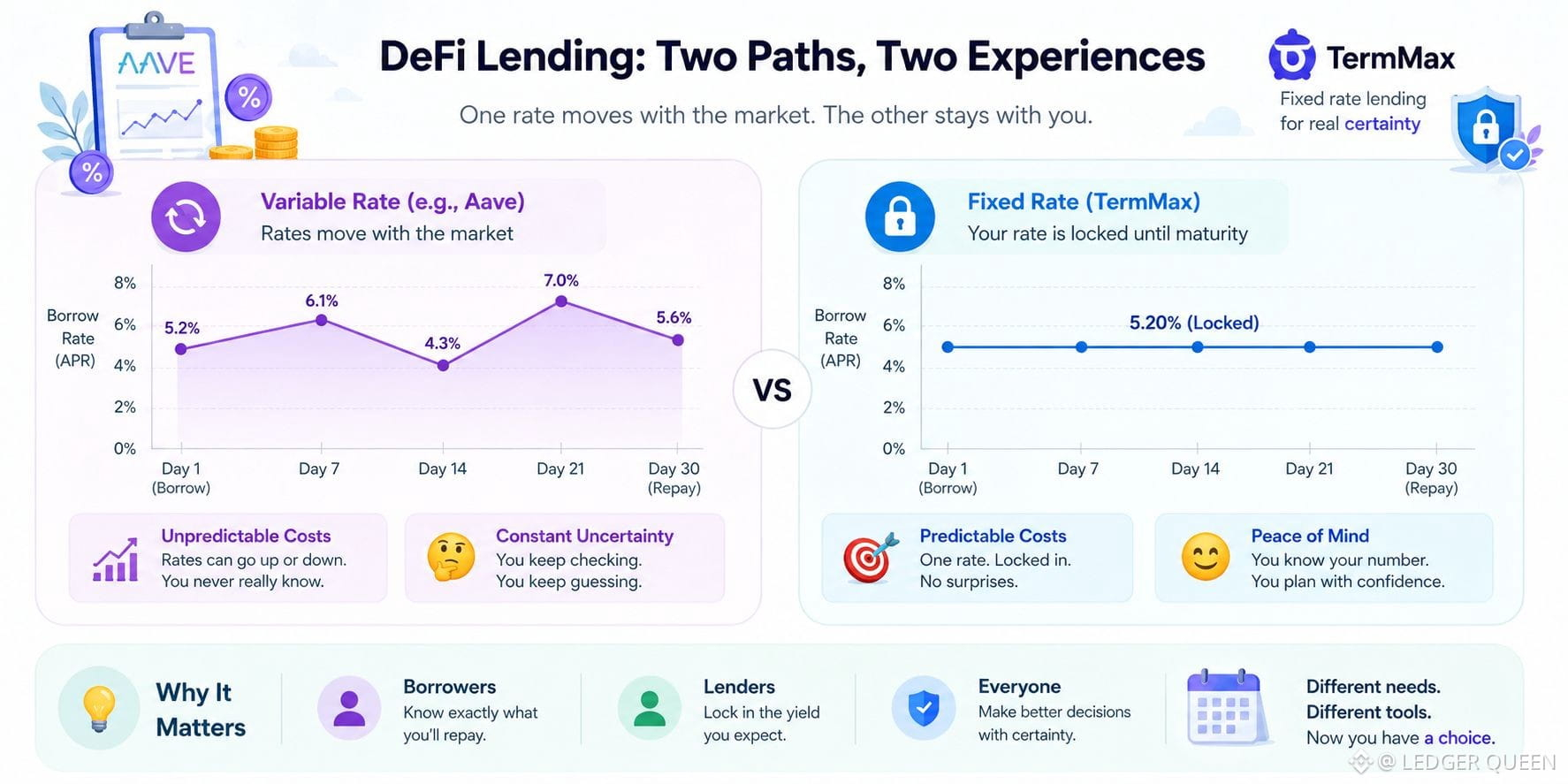
先日Aaveのダッシュボードを確認したら、前に見たときから利率がまた動いていました。大きくはないです。でも、立ち止まって「なんでこんなにチェックし続けてるんだろう」と考えさせられる程度には変わっていました。
DeFiの貸付で、最初の段階では誰もあまり教えてくれない部分がまさにここです。ある利率で借りても、実際に返すころには数字がまったく別の場所へとゆっくりずれていることがあります。同じことが貸付にも言えて、一定の利回りを見込んで預けたのに、1週間後には理由がよく分からないまま見え方が変わっている、ということが起きます。
故郷の変動金利の住宅ローンを少し思い出します。みんな「金利はどちらにも動き得る」と言うのに、なぜかいつも自分に不利な方向に動いているように感じてしまう。数学的には中立でも、こうしたものが心理的にはそういうふうに感じられるだけなのかもしれません。
そこで、TermMaxに注目しました。利率が、あらかじめ決めた満期日まで固定されるんです。正直、ほとんど単純すぎるくらいに聞こえます。裏に何か見えない落とし穴があるのではと期待してしまいましたが、根本の考え方は本当に基本的なものです。最初に分かっている数字が、そのまま変わらず残る。
固定金利の貸付が、オンチェーンでの借入のデフォルトになっていくのか、それとも利回りを追いかけるより確実性を重視する人向けの小さなニッチに留まるのかは、まだ確信がありません。実際にどれだけ時間とともに流動性が集まるか次第だと思います。とはいえ、少なくとも「そういう選択肢がどこかにようやく存在する」という点だけでも、今のところはいいなと思っています。
$RE
{spot}(REUSDT)
$HEMI
{spot}(HEMIUSDT)
$TREE
{spot}(TREEUSDT)
#termmax @TermMax
先日Aaveのダッシュボードを確認したら、前に見たときから利率がまた動いていました。大きくはないです。でも、立ち止まって「なんでこんなにチェックし続けてるんだろう」と考えさせられる程度には変わっていました。
DeFiの貸付で、最初の段階では誰もあまり教えてくれない部分がまさにここです。ある利率で借りても、実際に返すころには数字がまったく別の場所へとゆっくりずれていることがあります。同じことが貸付にも言えて、一定の利回りを見込んで預けたのに、1週間後には理由がよく分からないまま見え方が変わっている、ということが起きます。
故郷の変動金利の住宅ローンを少し思い出します。みんな「金利はどちらにも動き得る」と言うのに、なぜかいつも自分に不利な方向に動いているように感じてしまう。数学的には中立でも、こうしたものが心理的にはそういうふうに感じられるだけなのかもしれません。
そこで、TermMaxに注目しました。利率が、あらかじめ決めた満期日まで固定されるんです。正直、ほとんど単純すぎるくらいに聞こえます。裏に何か見えない落とし穴があるのではと期待してしまいましたが、根本の考え方は本当に基本的なものです。最初に分かっている数字が、そのまま変わらず残る。
固定金利の貸付が、オンチェーンでの借入のデフォルトになっていくのか、それとも利回りを追いかけるより確実性を重視する人向けの小さなニッチに留まるのかは、まだ確信がありません。実際にどれだけ時間とともに流動性が集まるか次第だと思います。とはいえ、少なくとも「そういう選択肢がどこかにようやく存在する」という点だけでも、今のところはいいなと思っています。
$RE
$HEMI
$TREE
先日Aaveのダッシュボードを確認したら、前に見たときから利率がまた動いていました。大きくはないです。でも、立ち止まって「なんでこんなにチェックし続けてるんだろう」と考えさせられる程度には変わっていました。
DeFiの貸付で、最初の段階では誰もあまり教えてくれない部分がまさにここです。ある利率で借りても、実際に返すころには数字がまったく別の場所へとゆっくりずれていることがあります。同じことが貸付にも言えて、一定の利回りを見込んで預けたのに、1週間後には理由がよく分からないまま見え方が変わっている、ということが起きます。
故郷の変動金利の住宅ローンを少し思い出します。みんな「金利はどちらにも動き得る」と言うのに、なぜかいつも自分に不利な方向に動いているように感じてしまう。数学的には中立でも、こうしたものが心理的にはそういうふうに感じられるだけなのかもしれません。
そこで、TermMaxに注目しました。利率が、あらかじめ決めた満期日まで固定されるんです。正直、ほとんど単純すぎるくらいに聞こえます。裏に何か見えない落とし穴があるのではと期待してしまいましたが、根本の考え方は本当に基本的なものです。最初に分かっている数字が、そのまま変わらず残る。
固定金利の貸付が、オンチェーンでの借入のデフォルトになっていくのか、それとも利回りを追いかけるより確実性を重視する人向けの小さなニッチに留まるのかは、まだ確信がありません。実際にどれだけ時間とともに流動性が集まるか次第だと思います。とはいえ、少なくとも「そういう選択肢がどこかにようやく存在する」という点だけでも、今のところはいいなと思っています。
$RE
$HEMI
$TREE
357
·
--
#dusk $DUSK @Dusk_Foundation
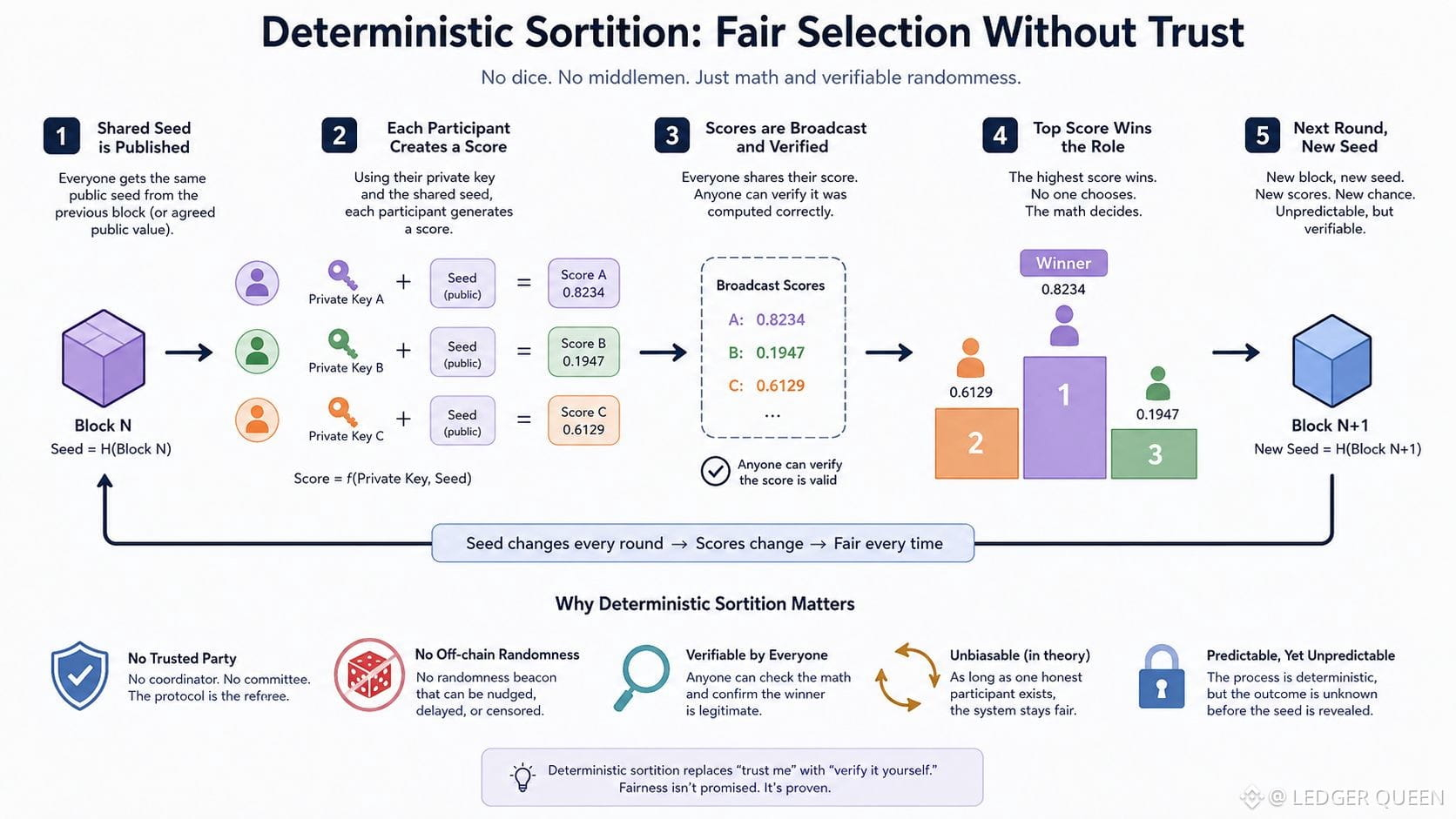
ブロックチェーンの「ランダム」な選択のほとんどが、誰かがサイコロを見張っている必要があるように感じられること、気になったことはありませんか?その疑問は、デターミニスティック・ソーティションをちゃんと調べるまでしばらく頭の片隅にありました。
アイデアは思ったよりずっとシンプルです。各参加者が、自分の秘密鍵と共有シードを組み合わせてスコアを生成します。このシードは通常、前のブロックから来るか、あるいは合意された公開値です。みんながシードは知っている一方で、秘密鍵は秘匿されるため、結果として得られるスコアは、調整役を信頼する必要なしに、他者が検証できます。役割は誰かが割り当てません。数学がただ勝者を生み出し、誰もが事後にその作業を確認できるのです。
最初に私を引きつけたのは、これが古い仕組みにあった「気まずい中間ステップ」を取り除いている点でした。委員会がバリデータを選ぶことはありません。理論上は操作され得るオフチェーンの乱数ビーコンもありません。シードは毎ラウンド変わるので、スコアも変わります。信頼を算術で置き換えると主張するものとしては、最初は少し不自然で、清潔すぎる気もしました。たぶん考えすぎかもしれませんが、「公平性は約束されるものではなく、証明される」ような仕組みには、何か満足感があります。
初期のAlgorand風の論文を読んで、この考えは主に学術的なものだと思っていました。実際のネットワークで動いているのを見ると、その印象は少し変わります。ただ、極端なネットワーク分断や、タイミングを連携させた攻撃に対してどれほど耐えられるのかは、まだ自分の中で完全に整理しきれていません。
とにかく、これは私が何度も行ったり来たりしてしまうタイプのメカニズムのひとつです。派手だからではありません。多くの人が普段ほとんど気にもしない問いに、静かに答えてくれるからです。
$ALLO
{spot}(ALLOUSDT)
$ACE
{spot}(ACEUSDT)
{spot}(DUSKUSDT)
#dusk $DUSK @Dusk
ブロックチェーンの「ランダム」な選択のほとんどが、誰かがサイコロを見張っている必要があるように感じられること、気になったことはありませんか?その疑問は、デターミニスティック・ソーティションをちゃんと調べるまでしばらく頭の片隅にありました。
アイデアは思ったよりずっとシンプルです。各参加者が、自分の秘密鍵と共有シードを組み合わせてスコアを生成します。このシードは通常、前のブロックから来るか、あるいは合意された公開値です。みんながシードは知っている一方で、秘密鍵は秘匿されるため、結果として得られるスコアは、調整役を信頼する必要なしに、他者が検証できます。役割は誰かが割り当てません。数学がただ勝者を生み出し、誰もが事後にその作業を確認できるのです。
最初に私を引きつけたのは、これが古い仕組みにあった「気まずい中間ステップ」を取り除いている点でした。委員会がバリデータを選ぶことはありません。理論上は操作され得るオフチェーンの乱数ビーコンもありません。シードは毎ラウンド変わるので、スコアも変わります。信頼を算術で置き換えると主張するものとしては、最初は少し不自然で、清潔すぎる気もしました。たぶん考えすぎかもしれませんが、「公平性は約束されるものではなく、証明される」ような仕組みには、何か満足感があります。
初期のAlgorand風の論文を読んで、この考えは主に学術的なものだと思っていました。実際のネットワークで動いているのを見ると、その印象は少し変わります。ただ、極端なネットワーク分断や、タイミングを連携させた攻撃に対してどれほど耐えられるのかは、まだ自分の中で完全に整理しきれていません。
とにかく、これは私が何度も行ったり来たりしてしまうタイプのメカニズムのひとつです。派手だからではありません。多くの人が普段ほとんど気にもしない問いに、静かに答えてくれるからです。
$ALLO
$ACE
ブロックチェーンの「ランダム」な選択のほとんどが、誰かがサイコロを見張っている必要があるように感じられること、気になったことはありませんか?その疑問は、デターミニスティック・ソーティションをちゃんと調べるまでしばらく頭の片隅にありました。
アイデアは思ったよりずっとシンプルです。各参加者が、自分の秘密鍵と共有シードを組み合わせてスコアを生成します。このシードは通常、前のブロックから来るか、あるいは合意された公開値です。みんながシードは知っている一方で、秘密鍵は秘匿されるため、結果として得られるスコアは、調整役を信頼する必要なしに、他者が検証できます。役割は誰かが割り当てません。数学がただ勝者を生み出し、誰もが事後にその作業を確認できるのです。
最初に私を引きつけたのは、これが古い仕組みにあった「気まずい中間ステップ」を取り除いている点でした。委員会がバリデータを選ぶことはありません。理論上は操作され得るオフチェーンの乱数ビーコンもありません。シードは毎ラウンド変わるので、スコアも変わります。信頼を算術で置き換えると主張するものとしては、最初は少し不自然で、清潔すぎる気もしました。たぶん考えすぎかもしれませんが、「公平性は約束されるものではなく、証明される」ような仕組みには、何か満足感があります。
初期のAlgorand風の論文を読んで、この考えは主に学術的なものだと思っていました。実際のネットワークで動いているのを見ると、その印象は少し変わります。ただ、極端なネットワーク分断や、タイミングを連携させた攻撃に対してどれほど耐えられるのかは、まだ自分の中で完全に整理しきれていません。
とにかく、これは私が何度も行ったり来たりしてしまうタイプのメカニズムのひとつです。派手だからではありません。多くの人が普段ほとんど気にもしない問いに、静かに答えてくれるからです。
$ALLO
$ACE
20
20
735
·
--
#termmax @termmax
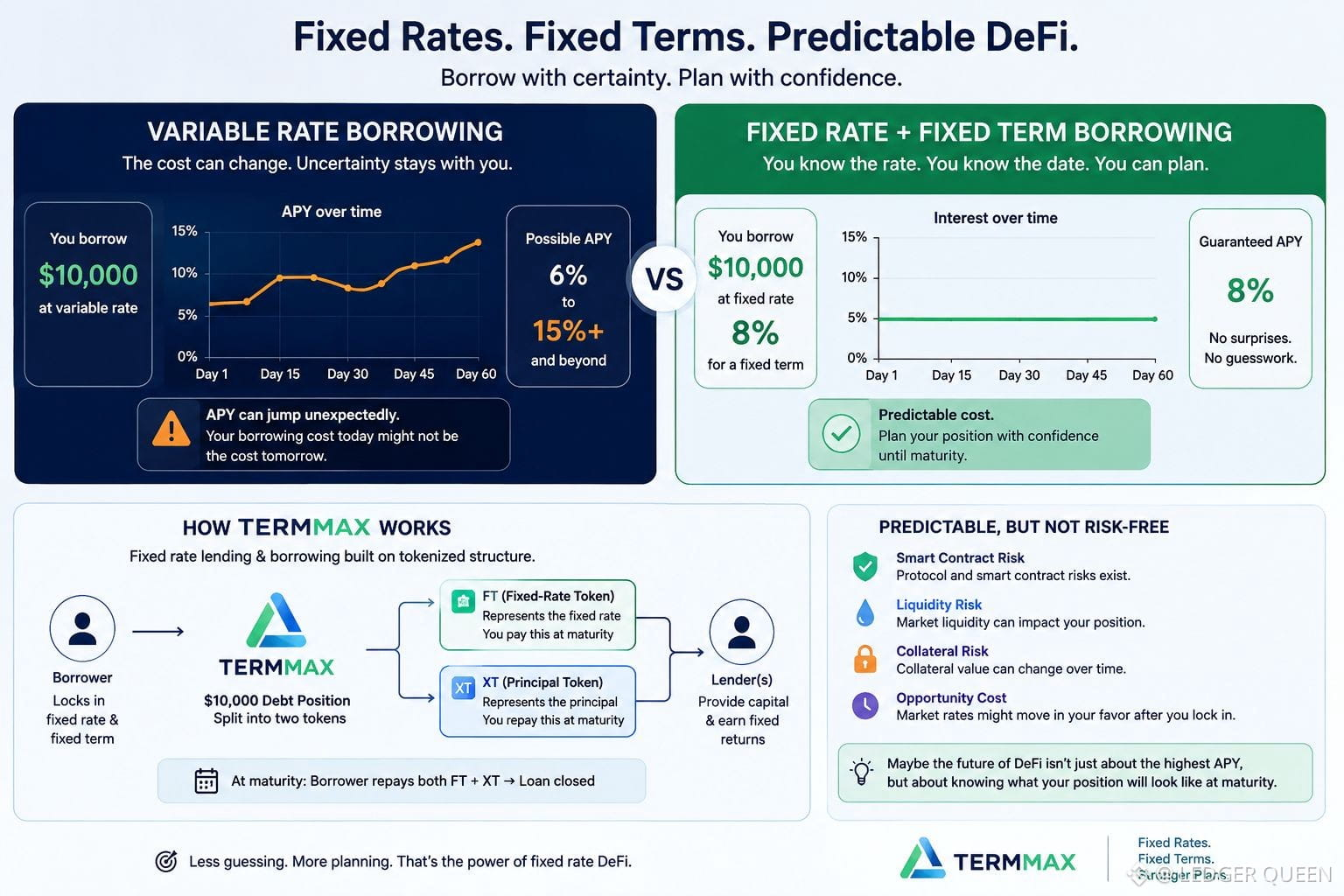
以前は、DeFiにおける固定金利は少し退屈に聞こえると思っていました。ですが、金利があなたの足元で動き続ける状況で、実際に借り入れをするということがどんな感覚なのか考え始めたんです。
変動金利だと、今日の借入れが$10,000なら手頃に見えても、市場環境の変化でAPYは変わり得ます。金利が急に跳ね上がれば、見込まれるコストも変わります。ポジションがうまく機能するか、そうでないかは分かりません。こうした不確実性は、市場が落ち着いているときは見過ごしやすい。
でも、固定金利+固定満期は別です。事前に金利と日付に合意するので、例えば定められた期間に固定8%で$10,000を借りるなら、利息計算の前提が最初から分かります。来週のAPYが突然12%や15%になるのではないかといった推測は不要です。この予測可能性は、計画を大幅に楽にしてくれます。
TermMaxについて私が面白いと感じるのはまさにそこです。TermMaxの貸し借りの仕組みは、変動金利のみに頼るのではなく、固定金利と固定タームを軸に構築されています。最初は、DeFiはAPYを常に追いかけるよう私たちを訓練してきたので、少し奇妙に感じるかもしれません。でも、それこそがポイントなのかもしれません。
とはいえ、「予測できる」ことは「リスクがない」ことを意味しません。スマートコントラクトのリスク、流動性の考慮、担保のリスク、そして、市場金利があなたのロック後に有利に動いた場合の機会費用もあります。
考えすぎかもしれませんが、固定タームのDeFiは、ユーザーが最高のAPYを追いかけることよりも、満期時に自分のポジションがどう見えるのかを実際に把握したいと考えるようになるほど、より役立つのではないかと気になっています。
$SOL
{spot}(SOLUSDT)
$ACE
{spot}(ACEUSDT)
$XRP
{spot}(XRPUSDT)
#termmax @TermMax
以前は、DeFiにおける固定金利は少し退屈に聞こえると思っていました。ですが、金利があなたの足元で動き続ける状況で、実際に借り入れをするということがどんな感覚なのか考え始めたんです。
変動金利だと、今日の借入れが$10,000なら手頃に見えても、市場環境の変化でAPYは変わり得ます。金利が急に跳ね上がれば、見込まれるコストも変わります。ポジションがうまく機能するか、そうでないかは分かりません。こうした不確実性は、市場が落ち着いているときは見過ごしやすい。
でも、固定金利+固定満期は別です。事前に金利と日付に合意するので、例えば定められた期間に固定8%で$10,000を借りるなら、利息計算の前提が最初から分かります。来週のAPYが突然12%や15%になるのではないかといった推測は不要です。この予測可能性は、計画を大幅に楽にしてくれます。
TermMaxについて私が面白いと感じるのはまさにそこです。TermMaxの貸し借りの仕組みは、変動金利のみに頼るのではなく、固定金利と固定タームを軸に構築されています。最初は、DeFiはAPYを常に追いかけるよう私たちを訓練してきたので、少し奇妙に感じるかもしれません。でも、それこそがポイントなのかもしれません。
とはいえ、「予測できる」ことは「リスクがない」ことを意味しません。スマートコントラクトのリスク、流動性の考慮、担保のリスク、そして、市場金利があなたのロック後に有利に動いた場合の機会費用もあります。
考えすぎかもしれませんが、固定タームのDeFiは、ユーザーが最高のAPYを追いかけることよりも、満期時に自分のポジションがどう見えるのかを実際に把握したいと考えるようになるほど、より役立つのではないかと気になっています。
$SOL
$ACE
$XRP
以前は、DeFiにおける固定金利は少し退屈に聞こえると思っていました。ですが、金利があなたの足元で動き続ける状況で、実際に借り入れをするということがどんな感覚なのか考え始めたんです。
変動金利だと、今日の借入れが$10,000なら手頃に見えても、市場環境の変化でAPYは変わり得ます。金利が急に跳ね上がれば、見込まれるコストも変わります。ポジションがうまく機能するか、そうでないかは分かりません。こうした不確実性は、市場が落ち着いているときは見過ごしやすい。
でも、固定金利+固定満期は別です。事前に金利と日付に合意するので、例えば定められた期間に固定8%で$10,000を借りるなら、利息計算の前提が最初から分かります。来週のAPYが突然12%や15%になるのではないかといった推測は不要です。この予測可能性は、計画を大幅に楽にしてくれます。
TermMaxについて私が面白いと感じるのはまさにそこです。TermMaxの貸し借りの仕組みは、変動金利のみに頼るのではなく、固定金利と固定タームを軸に構築されています。最初は、DeFiはAPYを常に追いかけるよう私たちを訓練してきたので、少し奇妙に感じるかもしれません。でも、それこそがポイントなのかもしれません。
とはいえ、「予測できる」ことは「リスクがない」ことを意味しません。スマートコントラクトのリスク、流動性の考慮、担保のリスク、そして、市場金利があなたのロック後に有利に動いた場合の機会費用もあります。
考えすぎかもしれませんが、固定タームのDeFiは、ユーザーが最高のAPYを追いかけることよりも、満期時に自分のポジションがどう見えるのかを実際に把握したいと考えるようになるほど、より役立つのではないかと気になっています。
$SOL
$ACE
$XRP
3
2
669
·
--
#dusk $DUSK @Dusk_Foundation
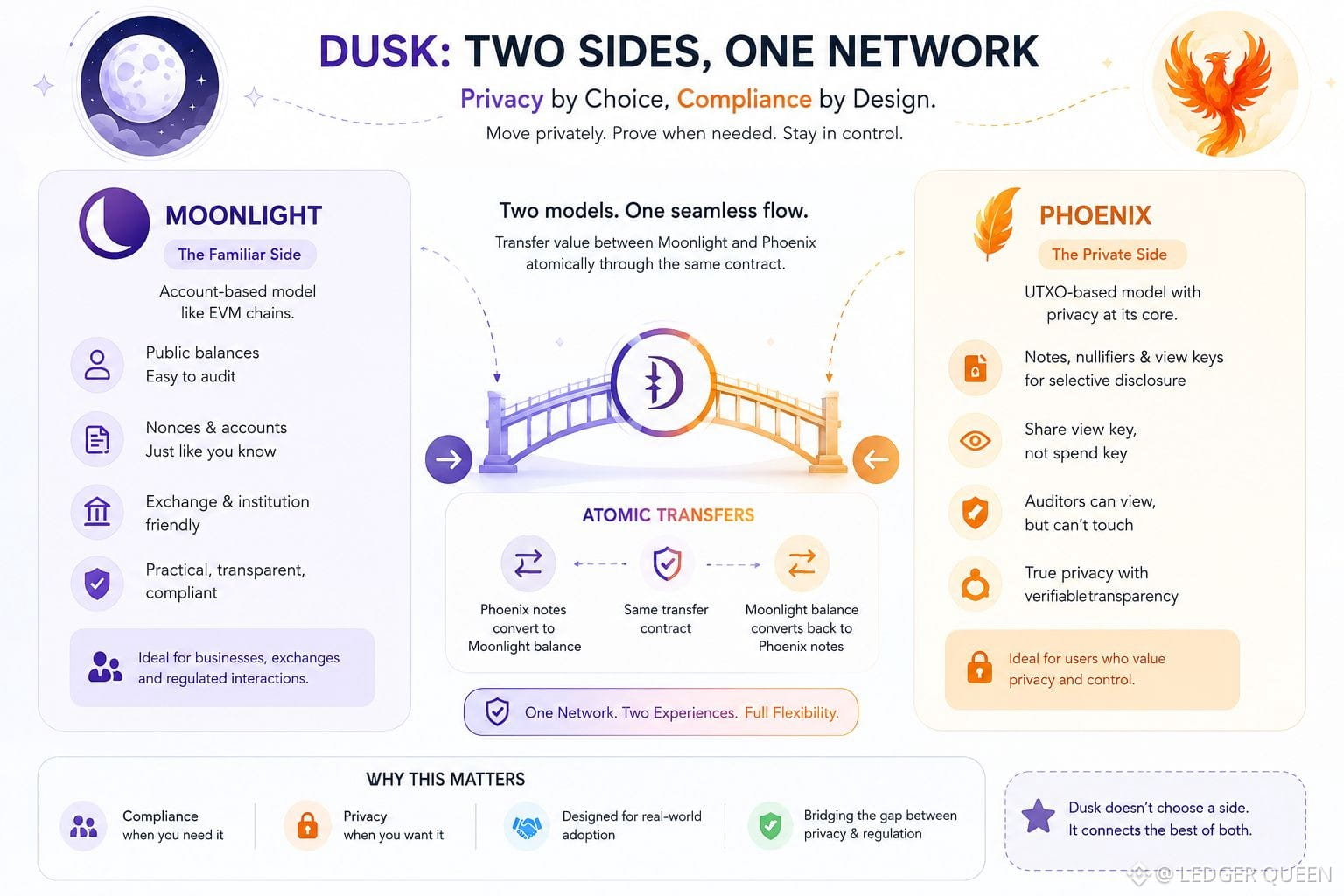
月光 vs フェニックス――黄昏の二つの側面
「プライバシー・コイン」と「規制当局に準拠していること」は、実は矛盾しないんだよ」と友人に最初に説明しなければならなかったときのこと、誰か覚えていますか?それが私の“Dusk(ダスク)”の瞬間でした。私はそれを、モネロの箱にもイーサリアムの箱にも当てはめようとし続けたのですが……結局、どちらにも収まりませんでした。どうやら、それがポイントなんです。
月光(Moonlight)は、馴染みを感じる側です。口座ベースで、残高は外から見える場所にあり、ノンスはいつもの帳簿付けを淡々とこなしています。EVMチェーンを使ったことがあるなら、このモデルは骨の髄まで分かっているはずです。これは実務的な層――つまり取引所が実際に扱いたがる層です。プライバシー・プールをほどき分けるより、口座の監査のほうがずっと手間が少ないからです。私は最初、これはほとんど譲歩のように見えました。Duskがプライバシー路線の提案を手放したのでは、と。けれど、今はそうは思いません。
フェニックス(Phoenix)は残りの半分で、UTXOベースです。なので概念的にはすぐにZcashの領域に入りますが、実装はそれとは別物で、ノート、nullifier(ヌリファイア)、選択的開示のためのビューキーを使います。私が引っかかったのは、「支出キーを晒さずにビューキーだけを共有できる」ことに気づいたときでした。監査者は見られるけれど、触ることはできない。たぶん比喩に考えすぎなのかもしれません。でも、鍵の代わりに窓を渡しているような感覚でした。
私が本当に惹かれているのは、どちらか一方を選ぶことではありません。Duskは、フェニックスのノートを月光の残高へ、そしてその逆へ――同じ送金コントラクトを通じて、アトミックに(中途半端なく)価値を移動できるんです。ここで静かに語られているのは、まさにその工学的な話で、それが私が結局そこに戻ってしまう理由です。機関がその柔軟性をホワイトペーパーが想定する通りに本当に使うのかどうかは、正直まだ分かりません。あの部分がどう展開していくのかを見守っています。
{spot}(DUSKUSDT)
$RED
{spot}(REDUSDT)
$CLO
{alpha}(560x81d3a238b02827f62b9f390f947d36d4a5bf89d2)
#dusk $DUSK @Dusk
月光 vs フェニックス――黄昏の二つの側面
「プライバシー・コイン」と「規制当局に準拠していること」は、実は矛盾しないんだよ」と友人に最初に説明しなければならなかったときのこと、誰か覚えていますか?それが私の“Dusk(ダスク)”の瞬間でした。私はそれを、モネロの箱にもイーサリアムの箱にも当てはめようとし続けたのですが……結局、どちらにも収まりませんでした。どうやら、それがポイントなんです。
月光(Moonlight)は、馴染みを感じる側です。口座ベースで、残高は外から見える場所にあり、ノンスはいつもの帳簿付けを淡々とこなしています。EVMチェーンを使ったことがあるなら、このモデルは骨の髄まで分かっているはずです。これは実務的な層――つまり取引所が実際に扱いたがる層です。プライバシー・プールをほどき分けるより、口座の監査のほうがずっと手間が少ないからです。私は最初、これはほとんど譲歩のように見えました。Duskがプライバシー路線の提案を手放したのでは、と。けれど、今はそうは思いません。
フェニックス(Phoenix)は残りの半分で、UTXOベースです。なので概念的にはすぐにZcashの領域に入りますが、実装はそれとは別物で、ノート、nullifier(ヌリファイア)、選択的開示のためのビューキーを使います。私が引っかかったのは、「支出キーを晒さずにビューキーだけを共有できる」ことに気づいたときでした。監査者は見られるけれど、触ることはできない。たぶん比喩に考えすぎなのかもしれません。でも、鍵の代わりに窓を渡しているような感覚でした。
私が本当に惹かれているのは、どちらか一方を選ぶことではありません。Duskは、フェニックスのノートを月光の残高へ、そしてその逆へ――同じ送金コントラクトを通じて、アトミックに(中途半端なく)価値を移動できるんです。ここで静かに語られているのは、まさにその工学的な話で、それが私が結局そこに戻ってしまう理由です。機関がその柔軟性をホワイトペーパーが想定する通りに本当に使うのかどうかは、正直まだ分かりません。あの部分がどう展開していくのかを見守っています。
$RED
$CLO
月光 vs フェニックス――黄昏の二つの側面
「プライバシー・コイン」と「規制当局に準拠していること」は、実は矛盾しないんだよ」と友人に最初に説明しなければならなかったときのこと、誰か覚えていますか?それが私の“Dusk(ダスク)”の瞬間でした。私はそれを、モネロの箱にもイーサリアムの箱にも当てはめようとし続けたのですが……結局、どちらにも収まりませんでした。どうやら、それがポイントなんです。
月光(Moonlight)は、馴染みを感じる側です。口座ベースで、残高は外から見える場所にあり、ノンスはいつもの帳簿付けを淡々とこなしています。EVMチェーンを使ったことがあるなら、このモデルは骨の髄まで分かっているはずです。これは実務的な層――つまり取引所が実際に扱いたがる層です。プライバシー・プールをほどき分けるより、口座の監査のほうがずっと手間が少ないからです。私は最初、これはほとんど譲歩のように見えました。Duskがプライバシー路線の提案を手放したのでは、と。けれど、今はそうは思いません。
フェニックス(Phoenix)は残りの半分で、UTXOベースです。なので概念的にはすぐにZcashの領域に入りますが、実装はそれとは別物で、ノート、nullifier(ヌリファイア)、選択的開示のためのビューキーを使います。私が引っかかったのは、「支出キーを晒さずにビューキーだけを共有できる」ことに気づいたときでした。監査者は見られるけれど、触ることはできない。たぶん比喩に考えすぎなのかもしれません。でも、鍵の代わりに窓を渡しているような感覚でした。
私が本当に惹かれているのは、どちらか一方を選ぶことではありません。Duskは、フェニックスのノートを月光の残高へ、そしてその逆へ――同じ送金コントラクトを通じて、アトミックに(中途半端なく)価値を移動できるんです。ここで静かに語られているのは、まさにその工学的な話で、それが私が結局そこに戻ってしまう理由です。機関がその柔軟性をホワイトペーパーが想定する通りに本当に使うのかどうかは、正直まだ分かりません。あの部分がどう展開していくのかを見守っています。
$RED
$CLO
4
1
182
·
--
確認済み
#dusk $DUSK @Dusk_Foundation
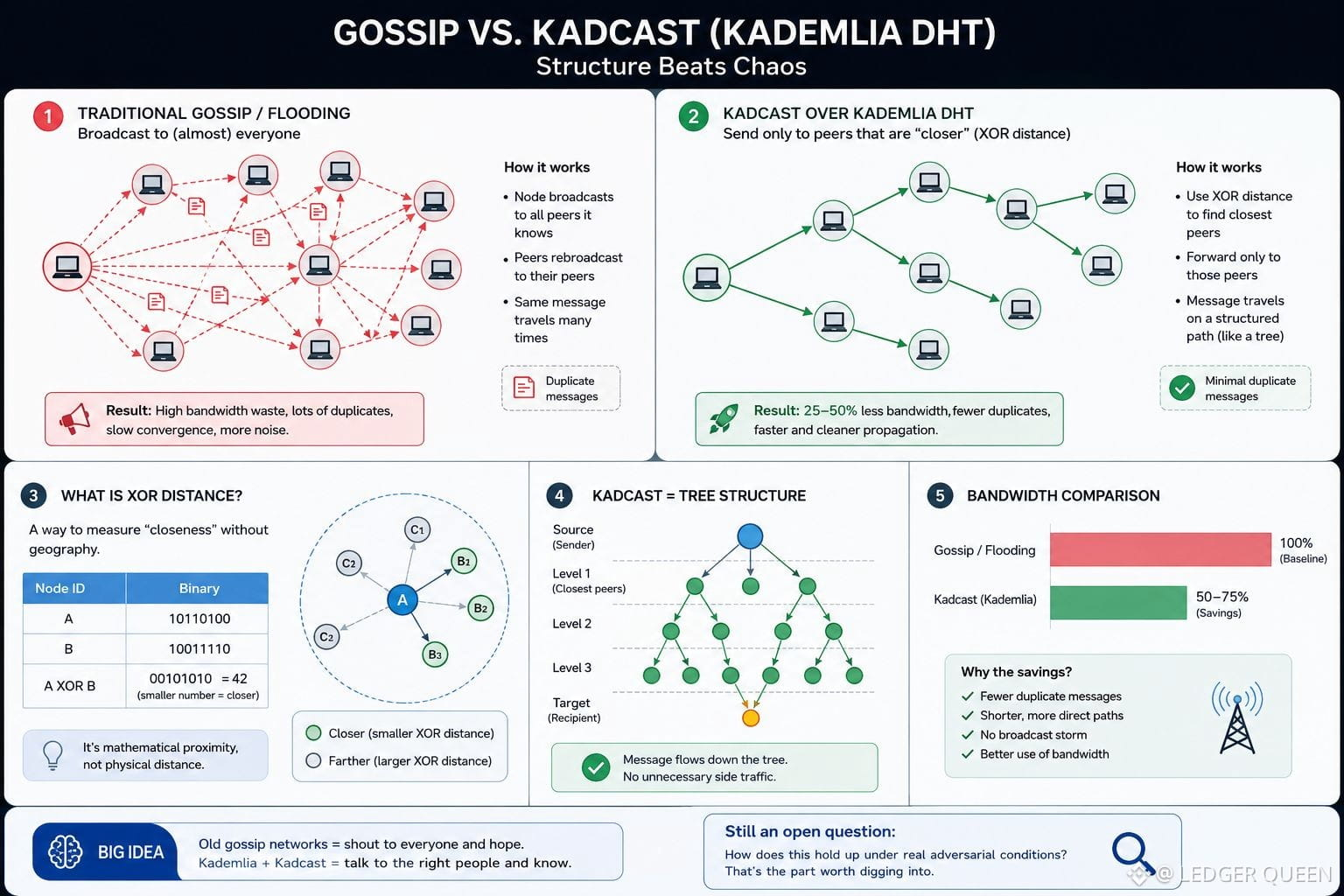
通常のゴシップ型ネットワークでは、どれだけ帯域が無駄になるのかずっと考えています。どのノードも、知っている相手に向かって情報をただ叫んで、どこか役に立つ場所に届くことを期待するだけです。最初のバージョンを誰も信じないので、結局5人くらいが同じメッセージを繰り返し投稿してしまうグループチャットみたいなものです。だいたい、Kadcastのようなものが出る前の古いP2Pブロードキャストはそんな感じでした。
Kademlia DHTは別のやり方をします。全員に向かって叫ぶのではなく、あるノードはXOR距離と呼ばれるものの“近さ”によって、より近いピアとだけ会話するんです。たとえば道案内が必要なのに、町の全員に電話しない近所を想像してください。あなたの悩みには構造的により近い、すぐ隣の通りの人に聞くわけです。XOR距離は、地理に頼らずに「どこが一番近いか」を数理的に測る方法だと思ってください。
Kadcastが帯域を25〜50%削減できると読んだときは、正直かなり懐疑的でした。ルーティングのちょっとした工夫に聞こえるものの、そんな大きな数字はなかなか信じにくいです。でも、フラットなフラッディングの代わりに“木構造”を思い浮かべると腑に落ちます。重複メッセージが減る。ノイズが減る。ピア同士の間に、より直通の経路ができる。
私は考えすぎかもしれませんが、ブロックチェーンのネットワークが、何十年も前にインターネット基盤が学んだことをゆっくり理解し始めているようにも感じます。表面上は、混乱のほうが分散的に見えるとしても、構造が混沌に勝つんです。
ただ、実際の敵対的な条件下でどう耐えるのかは、まだ完全には確信できていません。その部分は、完全に信じる前にもっと掘り下げたいと思っています。
$PORTAL
{spot}(PORTALUSDT)
$ACE
{spot}(ACEUSDT)
{spot}(DUSKUSDT)
#dusk $DUSK @Dusk
通常のゴシップ型ネットワークでは、どれだけ帯域が無駄になるのかずっと考えています。どのノードも、知っている相手に向かって情報をただ叫んで、どこか役に立つ場所に届くことを期待するだけです。最初のバージョンを誰も信じないので、結局5人くらいが同じメッセージを繰り返し投稿してしまうグループチャットみたいなものです。だいたい、Kadcastのようなものが出る前の古いP2Pブロードキャストはそんな感じでした。
Kademlia DHTは別のやり方をします。全員に向かって叫ぶのではなく、あるノードはXOR距離と呼ばれるものの“近さ”によって、より近いピアとだけ会話するんです。たとえば道案内が必要なのに、町の全員に電話しない近所を想像してください。あなたの悩みには構造的により近い、すぐ隣の通りの人に聞くわけです。XOR距離は、地理に頼らずに「どこが一番近いか」を数理的に測る方法だと思ってください。
Kadcastが帯域を25〜50%削減できると読んだときは、正直かなり懐疑的でした。ルーティングのちょっとした工夫に聞こえるものの、そんな大きな数字はなかなか信じにくいです。でも、フラットなフラッディングの代わりに“木構造”を思い浮かべると腑に落ちます。重複メッセージが減る。ノイズが減る。ピア同士の間に、より直通の経路ができる。
私は考えすぎかもしれませんが、ブロックチェーンのネットワークが、何十年も前にインターネット基盤が学んだことをゆっくり理解し始めているようにも感じます。表面上は、混乱のほうが分散的に見えるとしても、構造が混沌に勝つんです。
ただ、実際の敵対的な条件下でどう耐えるのかは、まだ完全には確信できていません。その部分は、完全に信じる前にもっと掘り下げたいと思っています。
$PORTAL
$ACE
通常のゴシップ型ネットワークでは、どれだけ帯域が無駄になるのかずっと考えています。どのノードも、知っている相手に向かって情報をただ叫んで、どこか役に立つ場所に届くことを期待するだけです。最初のバージョンを誰も信じないので、結局5人くらいが同じメッセージを繰り返し投稿してしまうグループチャットみたいなものです。だいたい、Kadcastのようなものが出る前の古いP2Pブロードキャストはそんな感じでした。
Kademlia DHTは別のやり方をします。全員に向かって叫ぶのではなく、あるノードはXOR距離と呼ばれるものの“近さ”によって、より近いピアとだけ会話するんです。たとえば道案内が必要なのに、町の全員に電話しない近所を想像してください。あなたの悩みには構造的により近い、すぐ隣の通りの人に聞くわけです。XOR距離は、地理に頼らずに「どこが一番近いか」を数理的に測る方法だと思ってください。
Kadcastが帯域を25〜50%削減できると読んだときは、正直かなり懐疑的でした。ルーティングのちょっとした工夫に聞こえるものの、そんな大きな数字はなかなか信じにくいです。でも、フラットなフラッディングの代わりに“木構造”を思い浮かべると腑に落ちます。重複メッセージが減る。ノイズが減る。ピア同士の間に、より直通の経路ができる。
私は考えすぎかもしれませんが、ブロックチェーンのネットワークが、何十年も前にインターネット基盤が学んだことをゆっくり理解し始めているようにも感じます。表面上は、混乱のほうが分散的に見えるとしても、構造が混沌に勝つんです。
ただ、実際の敵対的な条件下でどう耐えるのかは、まだ完全には確信できていません。その部分は、完全に信じる前にもっと掘り下げたいと思っています。
$PORTAL
$ACE
4
1
3
420
ログインして、さらにコンテンツを読む
厳選トピックで世界の暗号資産トレーダーの仲間入り
⚡️ 暗号資産に関する最新かつ有益な情報が見つかります。
💬 世界最大の暗号資産取引所から信頼されています。
👍 認証を受けたクリエイターから、有益なインサイトを得られます。
メール / 電話番号
トレンドトピック
CPIWatch
閲覧回数 87.3M
504,024人が討論中
トレンドハッシュタグキャンペーンでシェア&ウィンしてトラフィック報酬を獲得
✨トピック:CPIが利上げの引き金になる?
👉参加方法:
ハッシュタグ #CPIWatch を付けて短い投稿または記事を公開
以下の2つの切り口に基づいてコンテンツを作成:
- 雇用統計(非農業部門雇用者数)が予想を上回り、CPIの発表も間近。FRBは利上げすると思いますか?それとも据え置き?
- 強気(ブル)か弱気(ベア)か?あなたの見解を共有し、取引共有ウィジェットを使って保有している株やゴールドの取引/保有状況を見せてください。
🚀キャンペーン期間:
- 2026-09-11 3:00 - 2026-09-12 9:00(UTC)
🎁報酬:
- 上記のガイドラインを遵守し、100語以上を含む条件を満たした投稿は審査され、抽選で500〜3,000ビューのランダムなトラフィック増加が付与される場合があります。投稿が選ばれた場合、フィード担当秘書から通知が届きます。
- Binance Square公式で記事が掲載されるチャンス
投稿のアイデアが必要ですか?トピックページ #CPIWatch または Square Guide on How to Post for Better Reach にアクセスしてください。
Binance Square Official
·いいね:609件
·閲覧回数 1.7M
USBankCompletesCrossBorderPaymentPilotOnStellar
閲覧回数 1,933
107人が討論中
NvidiaInTalksToInvestUpTo$10BInAnthropicIPO
閲覧回数 189
14人が討論中