

Tellor Re-poster
212 投稿

Tellor Re-poster
報告
ユーザーをブロック
Tellor is a decentralized oracle protocol that incentivizes an open and permissionless network of data reporting. Important Links: https://t.co/7ezRcnBLOH
0 フォロー
93 フォロワー
36 いいね
投稿
すべて
動画
Tellorの構造的な枠組みにより、データが継続的に利用可能であることが確実に保証されます。このように情報を常時利用できるのは、プロトコルが完全に自律して機能するよう構築されているからこそ実現できるものです。つまり、創設チームが関与しなくなった場合でも、プロトコルは支障なく機能し続けます。
Tellorの構造的な枠組みにより、データが継続的に利用可能であることが確実に保証されます。このように情報を常時利用できるのは、プロトコルが完全に自律して機能するよう構築されているからこそ実現できるものです。つまり、創設チームが関与しなくなった場合でも、プロトコルは支障なく機能し続けます。

55
翻訳参照
Tellor serves as an accessible, open infrastructure designed specifically for data that requires external verification. Because our system is entirely permissionless, anyone is welcome to get involved. By choosing to operate a node, you play a vital role in reinforcing the overall network.
To design and visualize your node configuration, please head over to https://operator.tellor.io.
Once you are prepared to begin, you can find all the necessary instructions to initiate the process at https://docs.tellor.io/tellor/running-palmito-testnet/public-testnet.
To design and visualize your node configuration, please head over to https://operator.tellor.io.
Once you are prepared to begin, you can find all the necessary instructions to initiate the process at https://docs.tellor.io/tellor/running-palmito-testnet/public-testnet.
71
翻訳参照
As autonomous agents increasingly carry out on-chain actions without a person reviewing the initial inputs, the origin of this information becomes incredibly important. Automated networks operating without human intervention require foundational technology that can be audited, rather than blindly trusted.
A person can easily look at a chart to confirm the numbers make sense, but a software agent does not possess the natural intuition to evaluate the reliability of a data source. Emphasizing verification over reputation is designed to tackle this precise issue.
With Tellor, you do not have to simply rely on the word of the data supplier. Instead, the information can be thoroughly evaluated using its established track record of disputes and reporting. Find out more about the mechanics of Tellor at https://tellor.io/whitepaper/
26
翻訳参照
For developers who need to integrate oracle data within the exact same transaction as a user action, Tellor Pull offers an ideal solution. The process is incredibly straightforward. Simply retrieve the most recent attested report and accompanying proofs from Tellor, then include them in your transaction call. This enables your contract to simultaneously authenticate and apply the data value in a single, seamless operation.
Learn more about how it works here: https://tellor.io/blog/tellor-pull/
Learn more about how it works here: https://tellor.io/blog/tellor-pull/
93
プロジェクトでスポット価格オラクルフィードが必要な場合は、統合前に必要なデータをご確認ください。https://feeds.tellor.io にアクセスしてTellorについて調べ、フィードの分析情報、乖離のしきい値、ハートビート時間、現在の値をご確認いただけます。
プロジェクトでスポット価格オラクルフィードが必要な場合は、統合前に必要なデータをご確認ください。https://feeds.tellor.io にアクセスしてTellorについて調べ、フィードの分析情報、乖離のしきい値、ハートビート時間、現在の値をご確認いただけます。
159
翻訳参照
Safeguarded by the collective effort of the entire community and completely free from any form of suppression. Discover Tellor, the oracle built to be truly censorship resistant.
Safeguarded by the collective effort of the entire community and completely free from any form of suppression. Discover Tellor, the oracle built to be truly censorship resistant.
103
翻訳参照
Evaluating the true strength of an oracle integration comes down to observing its performance during less than ideal situations, specifically when data is delayed, full of noise, or briefly out of reach. Systems that establish precise responses for these exact challenges maintain a much higher degree of security compared to networks that solely prepare for flawless operations.
Evaluating the true strength of an oracle integration comes down to observing its performance during less than ideal situations, specifically when data is delayed, full of noise, or briefly out of reach. Systems that establish precise responses for these exact challenges maintain a much higher degree of security compared to networks that solely prepare for flawless operations.

51
中央の権力者が決して停止できないインフラを想像してみてください。このサイファーパンクの理想は、Tellorの開発を導く指標となっています。
このシステムは完全にパーミッションレスです。つまり、事前の許可を得ることなく、誰もが自由にオンチェーンでデータを要求、提出、異議申し立て、検証、またはブロードキャストできます。ネットワークは誰にでも広く開かれており、自律型AIエージェントでさえ独自にチップを提示して、最新情報を確保できます。
Tellorの中核にあるのは、創設した開発者たちがいなくなった後も長く機能し続けるよう、意図的に設計された、回復力の高いオラクルです。
中央の権力者が決して停止できないインフラを想像してみてください。このサイファーパンクの理想は、Tellorの開発を導く指標となっています。
このシステムは完全にパーミッションレスです。つまり、事前の許可を得ることなく、誰もが自由にオンチェーンでデータを要求、提出、異議申し立て、検証、またはブロードキャストできます。ネットワークは誰にでも広く開かれており、自律型AIエージェントでさえ独自にチップを提示して、最新情報を確保できます。
Tellorの中核にあるのは、創設した開発者たちがいなくなった後も長く機能し続けるよう、意図的に設計された、回復力の高いオラクルです。
このシステムは完全にパーミッションレスです。つまり、事前の許可を得ることなく、誰もが自由にオンチェーンでデータを要求、提出、異議申し立て、検証、またはブロードキャストできます。ネットワークは誰にでも広く開かれており、自律型AIエージェントでさえ独自にチップを提示して、最新情報を確保できます。
Tellorの中核にあるのは、創設した開発者たちがいなくなった後も長く機能し続けるよう、意図的に設計された、回復力の高いオラクルです。
191
Oracleのベストプラクティスの基礎
高い耐障害性を備えたシステムを構築するには、ネットワークに大きな負荷がかかっている間に、オラクルで遅延が発生したり、矛盾するデータが生成されたり、応答が完全に停止したりする可能性を想定しておく必要があります。適切に設計された統合では、こうした問題を常に予測し、どのような状況でもプロトコルが円滑に動作し続けるよう、必要な保護対策を組み込みます。
複数の情報源を利用し、許容する偏差の範囲を設定し、データの鮮度に上限を設けることで、開発者は本来なら致命的な障害点になりかねない事態を、容易に管理できる状況へと変えることができます。
Oracleのベストプラクティスの基礎
高い耐障害性を備えたシステムを構築するには、ネットワークに大きな負荷がかかっている間に、オラクルで遅延が発生したり、矛盾するデータが生成されたり、応答が完全に停止したりする可能性を想定しておく必要があります。適切に設計された統合では、こうした問題を常に予測し、どのような状況でもプロトコルが円滑に動作し続けるよう、必要な保護対策を組み込みます。
複数の情報源を利用し、許容する偏差の範囲を設定し、データの鮮度に上限を設けることで、開発者は本来なら致命的な障害点になりかねない事態を、容易に管理できる状況へと変えることができます。
高い耐障害性を備えたシステムを構築するには、ネットワークに大きな負荷がかかっている間に、オラクルで遅延が発生したり、矛盾するデータが生成されたり、応答が完全に停止したりする可能性を想定しておく必要があります。適切に設計された統合では、こうした問題を常に予測し、どのような状況でもプロトコルが円滑に動作し続けるよう、必要な保護対策を組み込みます。
複数の情報源を利用し、許容する偏差の範囲を設定し、データの鮮度に上限を設けることで、開発者は本来なら致命的な障害点になりかねない事態を、容易に管理できる状況へと変えることができます。
58
翻訳参照
Here is the most recent edition of the Tellor Dev Call for this week.
Here is the most recent edition of the Tellor Dev Call for this week.
75
翻訳参照
Because smart contracts operate in total isolation and cannot browse the web, they require an external messenger to help them respond to off-chain occurrences such as election outcomes or shifting prices. These external messengers, known as oracles, are quietly acting as a major bottleneck for the entire blockchain ecosystem. On-chain prediction markets, lending protocols, and algorithmic stablecoins all lean heavily on these data providers, even though the vast majority of them introduce a serious centralized vulnerability.
People rarely pause to inquire about the exact methods these systems use to retrieve their information. When data is supplied by a team holding administrative keys, a restricted group of preapproved nodes, or just one specific corporation, the illusion of a trustless environment is broken. In such scenarios, you are merely trading one centralized intermediary for another, meaning that true decentralization essentially ends at the data delivery phase.
Tellor approaches this problem with a wonderfully straightforward alternative. By leveraging network economic incentives rather than blind faith, their system allows absolutely anyone to submit information and invites anyone to challenge those submissions. Ultimately, selecting your data delivery architecture is a fundamental decision. Which path will you choose?
160
翻訳参照
Every function within the system, including requesting, reporting, validating, disputing, selecting, delegating, and relaying, is entirely open and permissionless. The platform would suffer from a centralized bottleneck if our team had to authorize even a single one of these activities. We warmly invite you to test and simulate your desired participation method before making a full commitment. You can easily model any role by visiting https://operator.tellor.io.
Every function within the system, including requesting, reporting, validating, disputing, selecting, delegating, and relaying, is entirely open and permissionless. The platform would suffer from a centralized bottleneck if our team had to authorize even a single one of these activities. We warmly invite you to test and simulate your desired participation method before making a full commitment. You can easily model any role by visiting https://operator.tellor.io.
78
私たちは常に、安全で分散型の環境を維持することを最優先してきました。そのため、創設当初から、暗号経済的インセンティブを基盤に組み込んでいます。
Tellor独自のアーキテクチャは、データが継続的に利用可能であることを保証します。この継続的な可用性は、完全に自立して機能するよう設計されたプロトコルによって実現されています。つまり、コアチームが完全に不在でも、プロトコルは円滑に稼働し続けます。
詳しくは、https://docs.tellor.io/tellor/whitepaper のホワイトペーパーをご覧ください。
私たちは常に、安全で分散型の環境を維持することを最優先してきました。そのため、創設当初から、暗号経済的インセンティブを基盤に組み込んでいます。
Tellor独自のアーキテクチャは、データが継続的に利用可能であることを保証します。この継続的な可用性は、完全に自立して機能するよう設計されたプロトコルによって実現されています。つまり、コアチームが完全に不在でも、プロトコルは円滑に稼働し続けます。
詳しくは、https://docs.tellor.io/tellor/whitepaper のホワイトペーパーをご覧ください。
Tellor独自のアーキテクチャは、データが継続的に利用可能であることを保証します。この継続的な可用性は、完全に自立して機能するよう設計されたプロトコルによって実現されています。つまり、コアチームが完全に不在でも、プロトコルは円滑に稼働し続けます。
詳しくは、https://docs.tellor.io/tellor/whitepaper のホワイトペーパーをご覧ください。

1
101
スマートコントラクトがアクセスできる情報は、ブロックチェーン上にすでに存在するものに本質的に限られています。この隔離された環境では、実用的な日常のアプリケーションの多くを利用できないため、スマートコントラクトを外部の世界とつなぐ専用のブリッジが必要です。このツールはオラクルと呼ばれ、その主な役割は外部データをブロックチェーンネットワークに取り込み、スマートコントラクトがそのデータを活用できるようにすることです。
オラクルのアーキテクチャは、そのデータを利用するスマートコントラクトとまったく同じくらい重要です。オラクルが信頼性の高い情報をすぐに利用できる形で提供していれば、接続されたアプリケーションは効果的に機能し、真の価値をもたらします。しかし、そのデータに不備が生じたり、利用できなくなったりすると、それに依存するシステムは深刻な脆弱性にさらされます。
オラクルのアーキテクチャは、そのデータを利用するスマートコントラクトとまったく同じくらい重要です。オラクルが信頼性の高い情報をすぐに利用できる形で提供していれば、接続されたアプリケーションは効果的に機能し、真の価値をもたらします。しかし、そのデータに不備が生じたり、利用できなくなったりすると、それに依存するシステムは深刻な脆弱性にさらされます。
56
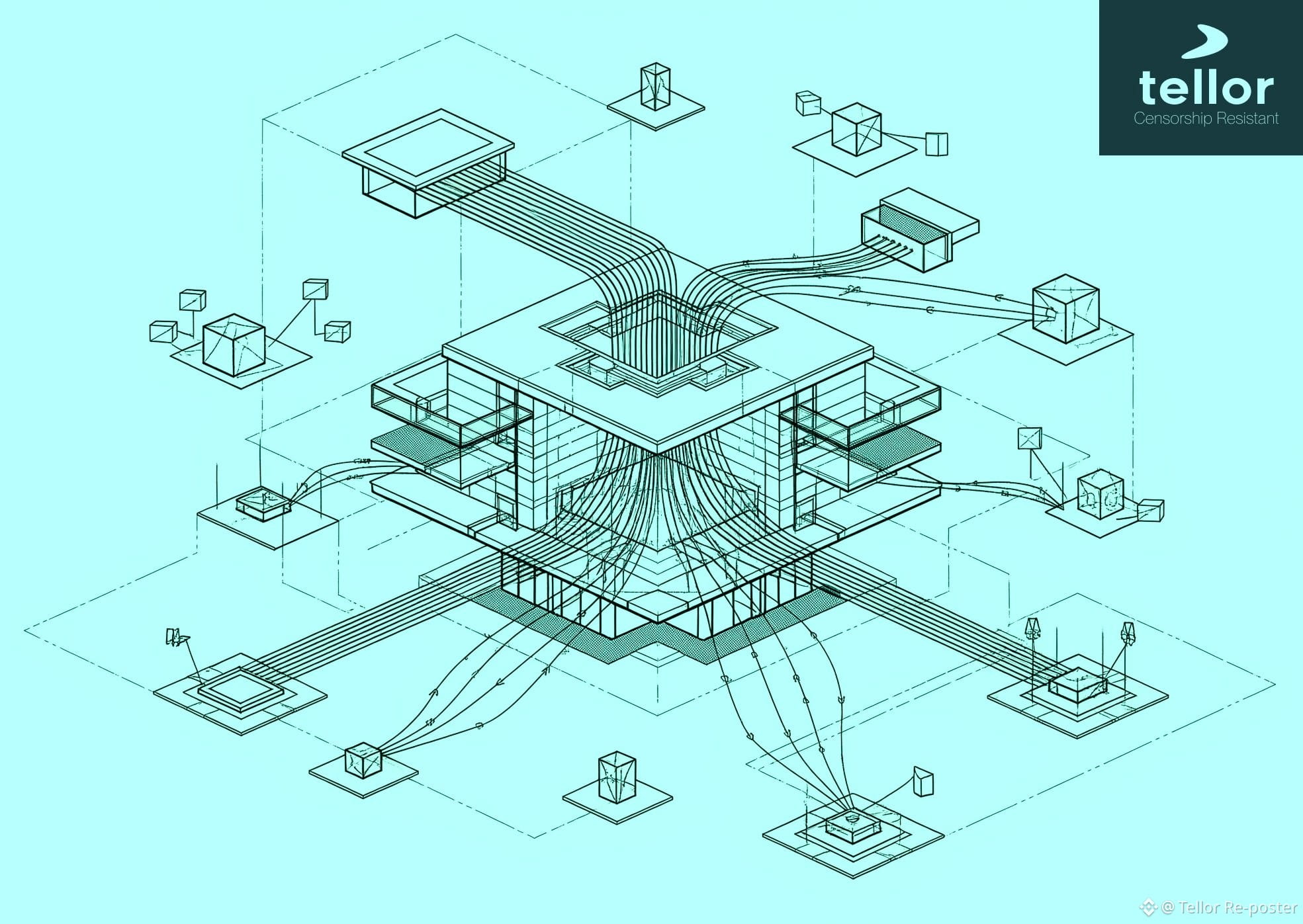
高度に安全なアーキテクチャを構築するには、個々のコンポーネントが故障する可能性があると想定し、その潜在的な脆弱性を踏まえて堅牢なソリューションを設計する必要があります。1つのデータフィードだけに依存すると単純ではあるものの、複数のソースから情報を取得することで、はるかに高い安定性を得られます。
このレジリエントなアプローチを実践する方法はいくつかあります。たとえば、完全に独立したオラクルから中央値を算出したり、別のフィードをバックアップとして待機させながら、主フィードに依存する方法を選ぶこともできます。さらに、状況に応じてオラクルのアドレスを変更できるよう、ガーディアンやガバナンスシステムに権限を持たせることも有用です。また、出来高チェックや価格帯の設定などを含め、特定のアプリケーション向けにカスタマイズしたフィルターを適用することで、優れた保護を実現できます。
Tellorでは、完全に検証可能で許可不要のデータを取得できます。最終的には、あなたの独自のリスクプロファイルに完全に合致する、正確なガードレールを自由に設定できます。
1
121
翻訳参照
The method used to generate data outside the blockchain plays a key role in determining the duration of unequal knowledge access. Because of these off-chain generation processes, the information asymmetry window has the potential to stretch from the exact moment of origination all the way to its final transmission.
Read the full discussion here:
https://tellor.io/blog/oracles-and-asymmetric-information/
Read the full discussion here:
https://tellor.io/blog/oracles-and-asymmetric-information/

41
翻訳参照
Discover the steps needed to start your journey as a reporter by reading the full guide available here: https://docs.tellor.io/tellor/running-palmito-testnet/run-the-data-reporter
Discover the steps needed to start your journey as a reporter by reading the full guide available here: https://docs.tellor.io/tellor/running-palmito-testnet/run-the-data-reporter
52
柔軟に適応できるフレームワークを提供することで、Tellorはデータとの関わり方を自由に決められるようにします。お客様の具体的な要件に合わせて、監視、遅延、冗長性、検証のそれぞれにどの程度対応するかを、お客様自身で決定できます。さらに、独自のガバナンスモデルや追加のセキュリティプロトコルを、当システム上に直接構築することも可能です。
詳しくはこちらをご覧ください。
https://docs.tellor.io/tellor
柔軟に適応できるフレームワークを提供することで、Tellorはデータとの関わり方を自由に決められるようにします。お客様の具体的な要件に合わせて、監視、遅延、冗長性、検証のそれぞれにどの程度対応するかを、お客様自身で決定できます。さらに、独自のガバナンスモデルや追加のセキュリティプロトコルを、当システム上に直接構築することも可能です。
詳しくはこちらをご覧ください。
https://docs.tellor.io/tellor
詳しくはこちらをご覧ください。
https://docs.tellor.io/tellor
92
翻訳参照
We invite you to explore a fully functional frontend demonstration available at https://github.com/tellor-io/SampleTellorUserPull which illustrates how to secure a TRB loan using ETH as collateral via Tellor Pull.
During this operation, the user interface directly retrieves the ETH/USD and TRB/USD price feeds from Tellor. Should the validator set for the bridge be outdated, the frontend automatically refreshes it. Following this step, the system submits both attestations to the smart contract within a single call. Upon receiving the data, the contract completes the required verification process, evaluates the loan-to-value conditions, and successfully releases the funds.
During this operation, the user interface directly retrieves the ETH/USD and TRB/USD price feeds from Tellor. Should the validator set for the bridge be outdated, the frontend automatically refreshes it. Following this step, the system submits both attestations to the smart contract within a single call. Upon receiving the data, the contract completes the required verification process, evaluates the loan-to-value conditions, and successfully releases the funds.
76
最新のTellor Dev Callが公開され、お聴きいただけるようになりました。ぜひお楽しみください。
最新のTellor Dev Callが公開され、お聴きいただけるようになりました。ぜひお楽しみください。
59
ログインして、さらにコンテンツを読む
厳選トピックで世界の暗号資産トレーダーの仲間入り
⚡️ 暗号資産に関する最新かつ有益な情報が見つかります。
💬 世界最大の暗号資産取引所から信頼されています。
👍 認証を受けたクリエイターから、有益なインサイトを得られます。
メール / 電話番号