

Rana sufyan rajput
50 投稿

Rana sufyan rajput
報告
ユーザーをブロック
5 フォロー
122 フォロワー
255 いいね
投稿
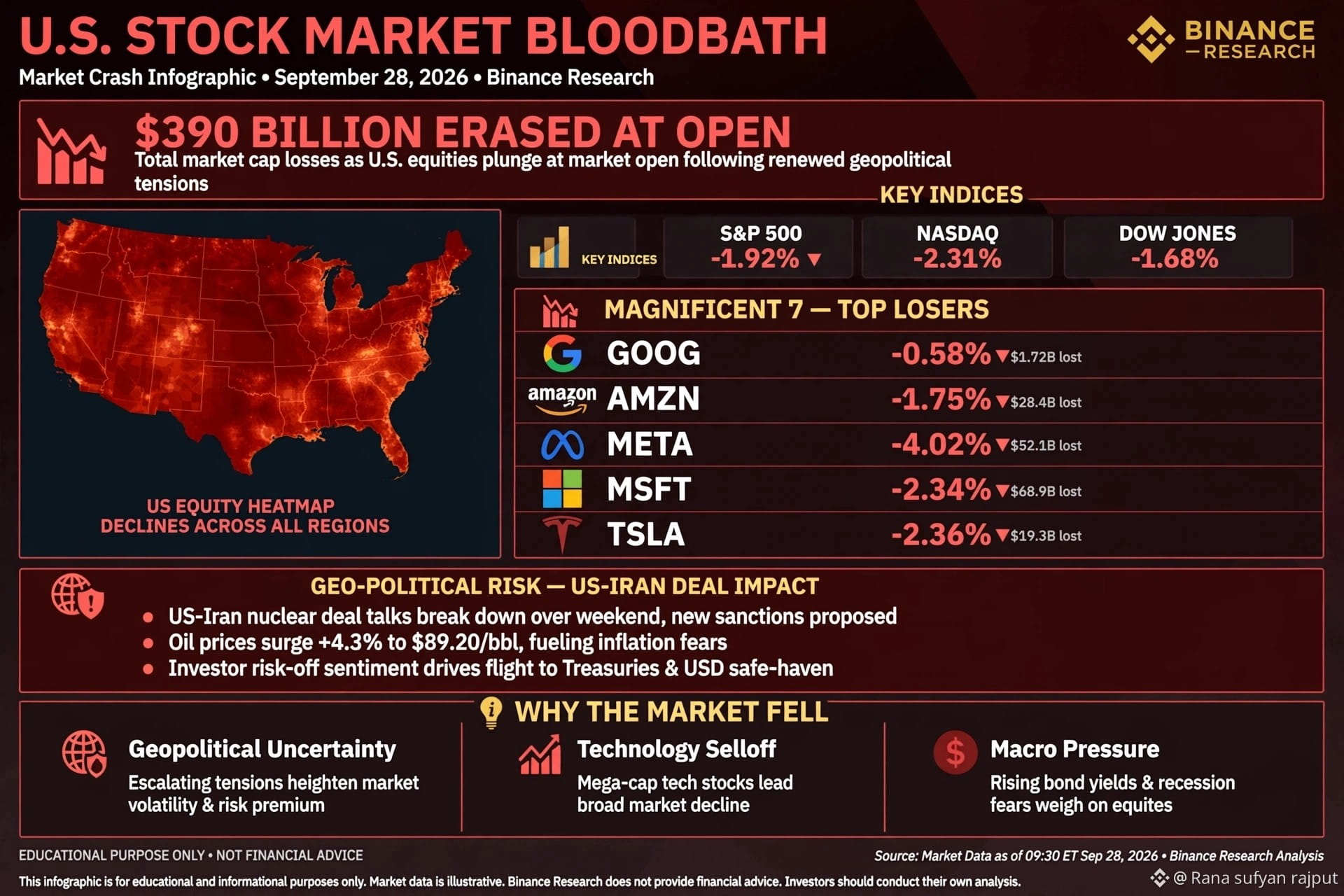
🚨速報:オープン直後に米国株式市場から$3900億(390B)が消失!📉
米市場が今、真っ赤な深手でスタートしました!
🔴 オープンから数分で、市場価値$390Bが消し飛びました。
売りが主導する主力7社(マグニフィセント7):
$GOOG -0.58%
$AMZN -1.75%
$META -4.02%(最も大きく下落!)
$MSFT -2.34%
$TSLA -2.36%
ヒートマップ全体がREDです。これはテックだけではなく、幅広い市場の売りです。
❓ 何がこの血の惨劇を引き起こしたのか?
注目は地政学です。
新たな米国・イランの合意(ディール)に関するニュースが、いつでも出てくる可能性があります。
協議が決裂し、新たな制裁が検討されているとの報道も。
市場は次のように織り込んでいます:
- 原油の急騰=インフレ懸念
- リスク回避=USD(米ドル)と国債への逃避
- 長期金利の上昇=テックのバリュエーションへの圧力
📊 仮想通貨への影響は?
株式から$390Bが消えると、仮想通貨もだいたい同じ温度感で熱を感じます:
- S&P 500 -1.92% | NASDAQ -2.31% | DOW -1.68%
- $BTC $ETH のようなリスク資産は、たいていNASDAQに連動
- これが続くなら、清算(リクイデーション)カスケードに注意
これは買いのチャンスですか?それとも、まだ痛みが来るのでしょうか?
あなたの見解をコメント👇 米国・イラン合意はさらに市場をクラッシュさせるのか?
この生中継を見ているなら「いいね」❤️
$MSFTB $GOOGLB #StockMarket #USAIran #BreakingNews #NASDAQ #Binance
🚨速報:オープン直後に米国株式市場から$3900億(390B)が消失!📉
米市場が今、真っ赤な深手でスタートしました!
🔴 オープンから数分で、市場価値$390Bが消し飛びました。
売りが主導する主力7社(マグニフィセント7):
$GOOG -0.58%
$AMZN -1.75%
$META -4.02%(最も大きく下落!)
$MSFT -2.34%
$TSLA -2.36%
ヒートマップ全体がREDです。これはテックだけではなく、幅広い市場の売りです。
❓ 何がこの血の惨劇を引き起こしたのか?
注目は地政学です。
新たな米国・イランの合意(ディール)に関するニュースが、いつでも出てくる可能性があります。
協議が決裂し、新たな制裁が検討されているとの報道も。
市場は次のように織り込んでいます:
- 原油の急騰=インフレ懸念
- リスク回避=USD(米ドル)と国債への逃避
- 長期金利の上昇=テックのバリュエーションへの圧力
📊 仮想通貨への影響は?
株式から$390Bが消えると、仮想通貨もだいたい同じ温度感で熱を感じます:
- S&P 500 -1.92% | NASDAQ -2.31% | DOW -1.68%
- $BTC $ETH のようなリスク資産は、たいていNASDAQに連動
- これが続くなら、清算(リクイデーション)カスケードに注意
これは買いのチャンスですか?それとも、まだ痛みが来るのでしょうか?
あなたの見解をコメント👇 米国・イラン合意はさらに市場をクラッシュさせるのか?
この生中継を見ているなら「いいね」❤️
$MSFTB $GOOGLB #StockMarket #USAIran #BreakingNews #NASDAQ #Binance
米市場が今、真っ赤な深手でスタートしました!
🔴 オープンから数分で、市場価値$390Bが消し飛びました。
売りが主導する主力7社(マグニフィセント7):
$GOOG -0.58%
$AMZN -1.75%
$META -4.02%(最も大きく下落!)
$MSFT -2.34%
$TSLA -2.36%
ヒートマップ全体がREDです。これはテックだけではなく、幅広い市場の売りです。
❓ 何がこの血の惨劇を引き起こしたのか?
注目は地政学です。
新たな米国・イランの合意(ディール)に関するニュースが、いつでも出てくる可能性があります。
協議が決裂し、新たな制裁が検討されているとの報道も。
市場は次のように織り込んでいます:
- 原油の急騰=インフレ懸念
- リスク回避=USD(米ドル)と国債への逃避
- 長期金利の上昇=テックのバリュエーションへの圧力
📊 仮想通貨への影響は?
株式から$390Bが消えると、仮想通貨もだいたい同じ温度感で熱を感じます:
- S&P 500 -1.92% | NASDAQ -2.31% | DOW -1.68%
- $BTC $ETH のようなリスク資産は、たいていNASDAQに連動
- これが続くなら、清算(リクイデーション)カスケードに注意
これは買いのチャンスですか?それとも、まだ痛みが来るのでしょうか?
あなたの見解をコメント👇 米国・イラン合意はさらに市場をクラッシュさせるのか?
この生中継を見ているなら「いいね」❤️
$MSFTB $GOOGLB #StockMarket #USAIran #BreakingNews #NASDAQ #Binance
152
翻訳参照
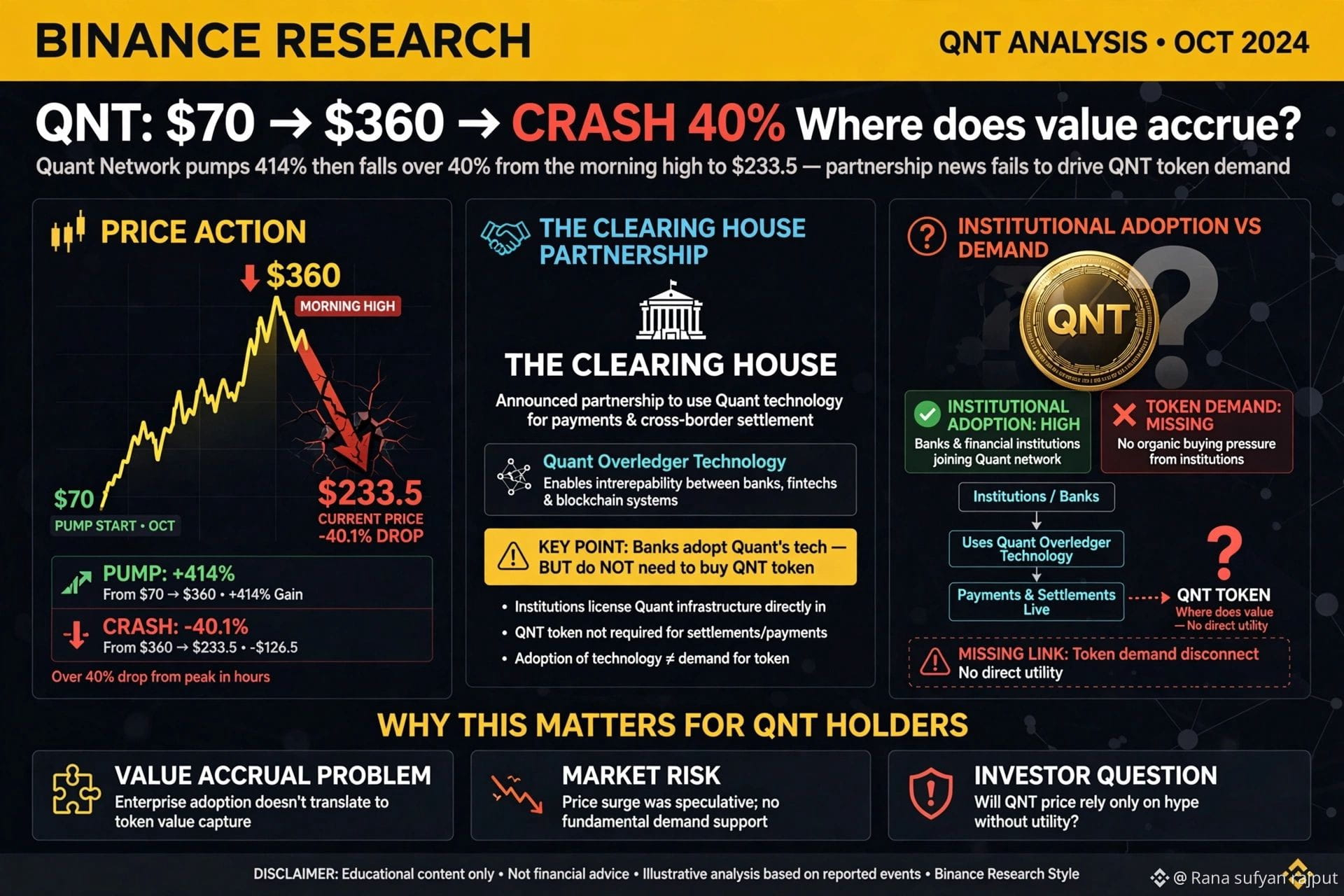
⚠️ $QNT Just Did Something Strange... $70 → $360 → CRASH 40% 📉
#qntfallsover40%frommorninghigh
$QNT just showed us why news ≠ token price.
Let's decode what really happened 👇
🔥 THE PUMP:
A major U.S. payments institution (The Clearing House) picked Quant's technology for a tokenized-money project.
The Clearing House powers MORE than half of all ACH and wire transfers in the US. Over $2 trillion per day!
Market reaction? QNT went from ~$70 to ~$360. That's +414%!
📉 THE CRASH:
And now... it's giving back more than 40% from the morning high to $233.5.
So what exactly did the market buy?
🔍 THE REALITY CHECK - This is important:
The Clearing House really DID select Quant for its On-Chain Money Initiative to connect tokenized deposits with existing infrastructure like RTP and CHIPS.
But here's the detail that matters:
The announcement is about Quant's TECHNOLOGY.
It does NOT say participating banks need to buy or use QNT token.
That's a very different statement.
🧠 The Missing Link:
The market priced:
Institutional adoption → Quant → QNT token goes up
But the reality is:
Quant adoption → actual QNT token demand?
That link hasn't been publicly demonstrated.
Institutions license Quant's Overledger tech directly. They don't need to buy QNT from the market to use it.
💥 Meanwhile, leverage exploded alongside the narrative, turning a legitimate institutional development into an enormous momentum trade. That's why we saw the 40%+ crash.
❓ The Real Question:
The question isn't whether Quant just got institutional validation. It DID.
The question is: Where, exactly, does the value created by that adoption accrue?
That's the part the next announcement may finally answer.
Are you buying this dip or waiting?
👇 Comment below - Will QNT go back to $360 or fall to $150?
❤️ Like if this opened your eyes!
$QNT #QNT #Quant #Crypto #Binance
---
Disclaimer: Educational content only. Not financial advice. Includes third-party opinions.
⚠️ $QNT Just Did Something Strange... $70 → $360 → CRASH 40% 📉
#qntfallsover40%frommorninghigh
$QNT just showed us why news ≠ token price.
Let's decode what really happened 👇
🔥 THE PUMP:
A major U.S. payments institution (The Clearing House) picked Quant's technology for a tokenized-money project.
The Clearing House powers MORE than half of all ACH and wire transfers in the US. Over $2 trillion per day!
Market reaction? QNT went from ~$70 to ~$360. That's +414%!
📉 THE CRASH:
And now... it's giving back more than 40% from the morning high to $233.5.
So what exactly did the market buy?
🔍 THE REALITY CHECK - This is important:
The Clearing House really DID select Quant for its On-Chain Money Initiative to connect tokenized deposits with existing infrastructure like RTP and CHIPS.
But here's the detail that matters:
The announcement is about Quant's TECHNOLOGY.
It does NOT say participating banks need to buy or use QNT token.
That's a very different statement.
🧠 The Missing Link:
The market priced:
Institutional adoption → Quant → QNT token goes up
But the reality is:
Quant adoption → actual QNT token demand?
That link hasn't been publicly demonstrated.
Institutions license Quant's Overledger tech directly. They don't need to buy QNT from the market to use it.
💥 Meanwhile, leverage exploded alongside the narrative, turning a legitimate institutional development into an enormous momentum trade. That's why we saw the 40%+ crash.
❓ The Real Question:
The question isn't whether Quant just got institutional validation. It DID.
The question is: Where, exactly, does the value created by that adoption accrue?
That's the part the next announcement may finally answer.
Are you buying this dip or waiting?
👇 Comment below - Will QNT go back to $360 or fall to $150?
❤️ Like if this opened your eyes!
$QNT #QNT #Quant #Crypto #Binance
---
Disclaimer: Educational content only. Not financial advice. Includes third-party opinions.
#qntfallsover40%frommorninghigh
$QNT just showed us why news ≠ token price.
Let's decode what really happened 👇
🔥 THE PUMP:
A major U.S. payments institution (The Clearing House) picked Quant's technology for a tokenized-money project.
The Clearing House powers MORE than half of all ACH and wire transfers in the US. Over $2 trillion per day!
Market reaction? QNT went from ~$70 to ~$360. That's +414%!
📉 THE CRASH:
And now... it's giving back more than 40% from the morning high to $233.5.
So what exactly did the market buy?
🔍 THE REALITY CHECK - This is important:
The Clearing House really DID select Quant for its On-Chain Money Initiative to connect tokenized deposits with existing infrastructure like RTP and CHIPS.
But here's the detail that matters:
The announcement is about Quant's TECHNOLOGY.
It does NOT say participating banks need to buy or use QNT token.
That's a very different statement.
🧠 The Missing Link:
The market priced:
Institutional adoption → Quant → QNT token goes up
But the reality is:
Quant adoption → actual QNT token demand?
That link hasn't been publicly demonstrated.
Institutions license Quant's Overledger tech directly. They don't need to buy QNT from the market to use it.
💥 Meanwhile, leverage exploded alongside the narrative, turning a legitimate institutional development into an enormous momentum trade. That's why we saw the 40%+ crash.
❓ The Real Question:
The question isn't whether Quant just got institutional validation. It DID.
The question is: Where, exactly, does the value created by that adoption accrue?
That's the part the next announcement may finally answer.
Are you buying this dip or waiting?
👇 Comment below - Will QNT go back to $360 or fall to $150?
❤️ Like if this opened your eyes!
$QNT #QNT #Quant #Crypto #Binance
---
Disclaimer: Educational content only. Not financial advice. Includes third-party opinions.
92
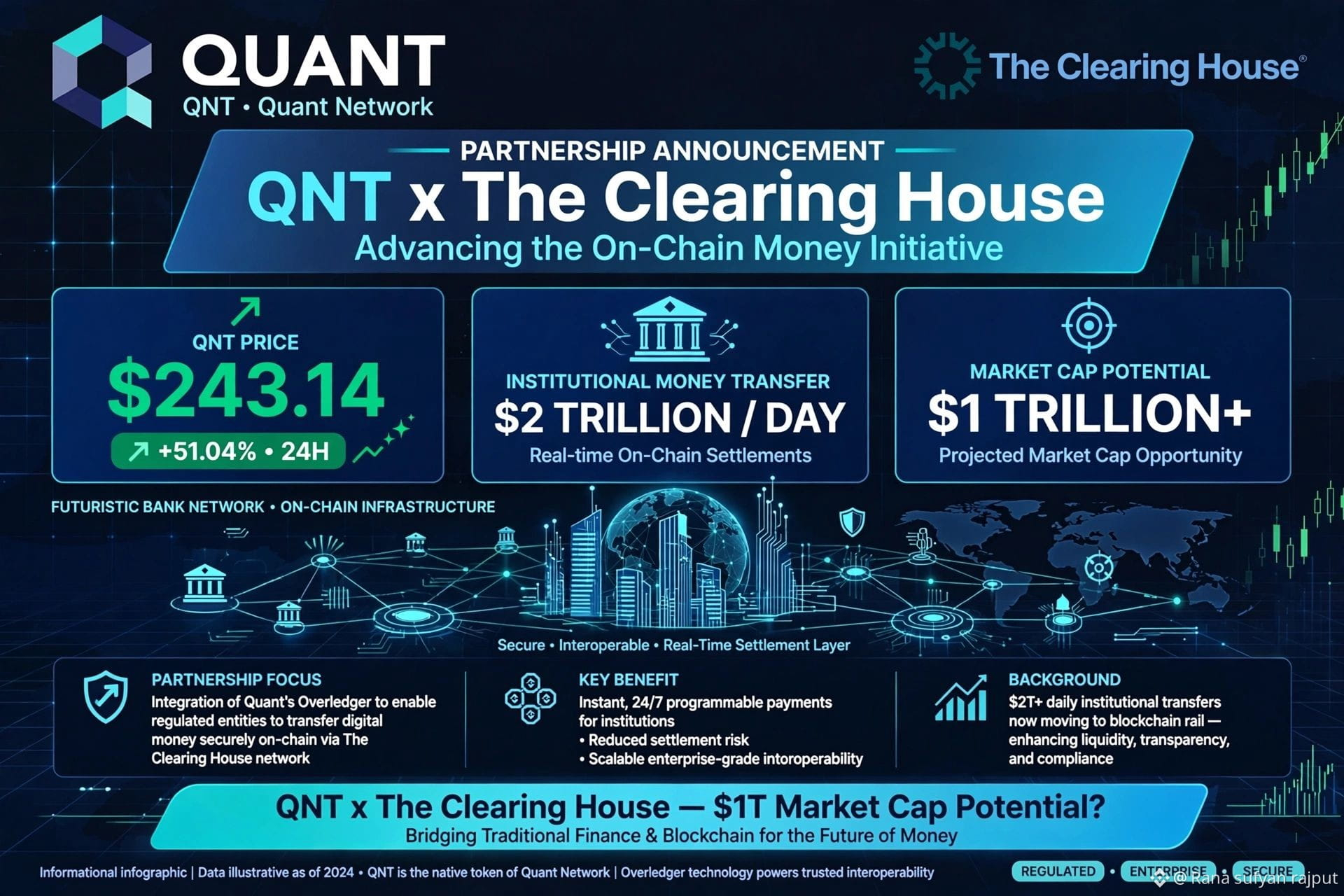
🚀 $QNT + The Clearing House = ゲームチェンジャー! $1兆の到来? 💰
これはとてつもなく大きい!$QNTを見逃すな!
$QTNは+51.04%上昇して$243.14に到達しているが、その理由は“超デカい”!
💥 速報:
Quant $QTNが、The Clearing Houseの新しいトークン化された決済ネットワークの公式テクノロジープロバイダーに選ばれた。
なぜこんなに大きいのか?👇
🏦 The Clearing Houseは、米国におけるすべてのACHとワイヤー送金の“半分以上”を支えている。
💸 それは1日あたり$2兆!
そう、T(トリリオン)付きで!
つまり、QuantのOverledger技術が、これからはオンチェーン上で実際の機関投資家向けの“プログラマブルな資金”を扱うことになる。これは単なる誇大広告じゃなく、実際の導入だ。
📈 なぜ$1兆の時価総額の話が出るのか?
- QNTが伝統的な銀行をブロックチェーンにつなぐ
- 機関マネーがようやくオンチェーンへ動き出している
- 実需のユーティリティ=実際の長期価値
これはミームのポンプじゃない。インフラだ。
私の見解:
$QTNはずっと眠っていた。今回のニュースで、大きな強い上げ(ハードポンプ)も十分あり得る。$250のブレイクアウト水準に注目しておこう。
あなたはどう思う?
次は$500?それとも$1000?
👇 コメントで目標を教えて!
QNTを保有しているなら❤️いいね!
✍️ Rana Cryptoによる分析
$QNT $BTC #QNT #CryptoNews #Altcoin #TheClearingHouse
---
NFA - 教育目的のみ。自己調査(DYOR)のこと。
🚀 $QNT + The Clearing House = ゲームチェンジャー! $1兆の到来? 💰
これはとてつもなく大きい!$QNT を見逃すな!
$QTNは+51.04%上昇して$243.14に到達しているが、その理由は“超デカい”!
💥 速報:
Quant $QTNが、The Clearing Houseの新しいトークン化された決済ネットワークの公式テクノロジープロバイダーに選ばれた。
なぜこんなに大きいのか?👇
🏦 The Clearing Houseは、米国におけるすべてのACHとワイヤー送金の“半分以上”を支えている。
💸 それは1日あたり$2兆!
そう、T(トリリオン)付きで!
つまり、QuantのOverledger技術が、これからはオンチェーン上で実際の機関投資家向けの“プログラマブルな資金”を扱うことになる。これは単なる誇大広告じゃなく、実際の導入だ。
📈 なぜ$1兆の時価総額の話が出るのか?
- QNTが伝統的な銀行をブロックチェーンにつなぐ
- 機関マネーがようやくオンチェーンへ動き出している
- 実需のユーティリティ=実際の長期価値
これはミームのポンプじゃない。インフラだ。
私の見解:
$QTNはずっと眠っていた。今回のニュースで、大きな強い上げ(ハードポンプ)も十分あり得る。$250のブレイクアウト水準に注目しておこう。
あなたはどう思う?
次は$500?それとも$1000?
👇 コメントで目標を教えて!
QNTを保有しているなら❤️いいね!
✍️ Rana Cryptoによる分析
$QNT $BTC #QNT #CryptoNews #Altcoin #TheClearingHouse
---
NFA - 教育目的のみ。自己調査(DYOR)のこと。
これはとてつもなく大きい!$QNT を見逃すな!
$QTNは+51.04%上昇して$243.14に到達しているが、その理由は“超デカい”!
💥 速報:
Quant $QTNが、The Clearing Houseの新しいトークン化された決済ネットワークの公式テクノロジープロバイダーに選ばれた。
なぜこんなに大きいのか?👇
🏦 The Clearing Houseは、米国におけるすべてのACHとワイヤー送金の“半分以上”を支えている。
💸 それは1日あたり$2兆!
そう、T(トリリオン)付きで!
つまり、QuantのOverledger技術が、これからはオンチェーン上で実際の機関投資家向けの“プログラマブルな資金”を扱うことになる。これは単なる誇大広告じゃなく、実際の導入だ。
📈 なぜ$1兆の時価総額の話が出るのか?
- QNTが伝統的な銀行をブロックチェーンにつなぐ
- 機関マネーがようやくオンチェーンへ動き出している
- 実需のユーティリティ=実際の長期価値
これはミームのポンプじゃない。インフラだ。
私の見解:
$QTNはずっと眠っていた。今回のニュースで、大きな強い上げ(ハードポンプ)も十分あり得る。$250のブレイクアウト水準に注目しておこう。
あなたはどう思う?
次は$500?それとも$1000?
👇 コメントで目標を教えて!
QNTを保有しているなら❤️いいね!
✍️ Rana Cryptoによる分析
$QNT $BTC #QNT #CryptoNews #Altcoin #TheClearingHouse
---
NFA - 教育目的のみ。自己調査(DYOR)のこと。
116
翻訳参照
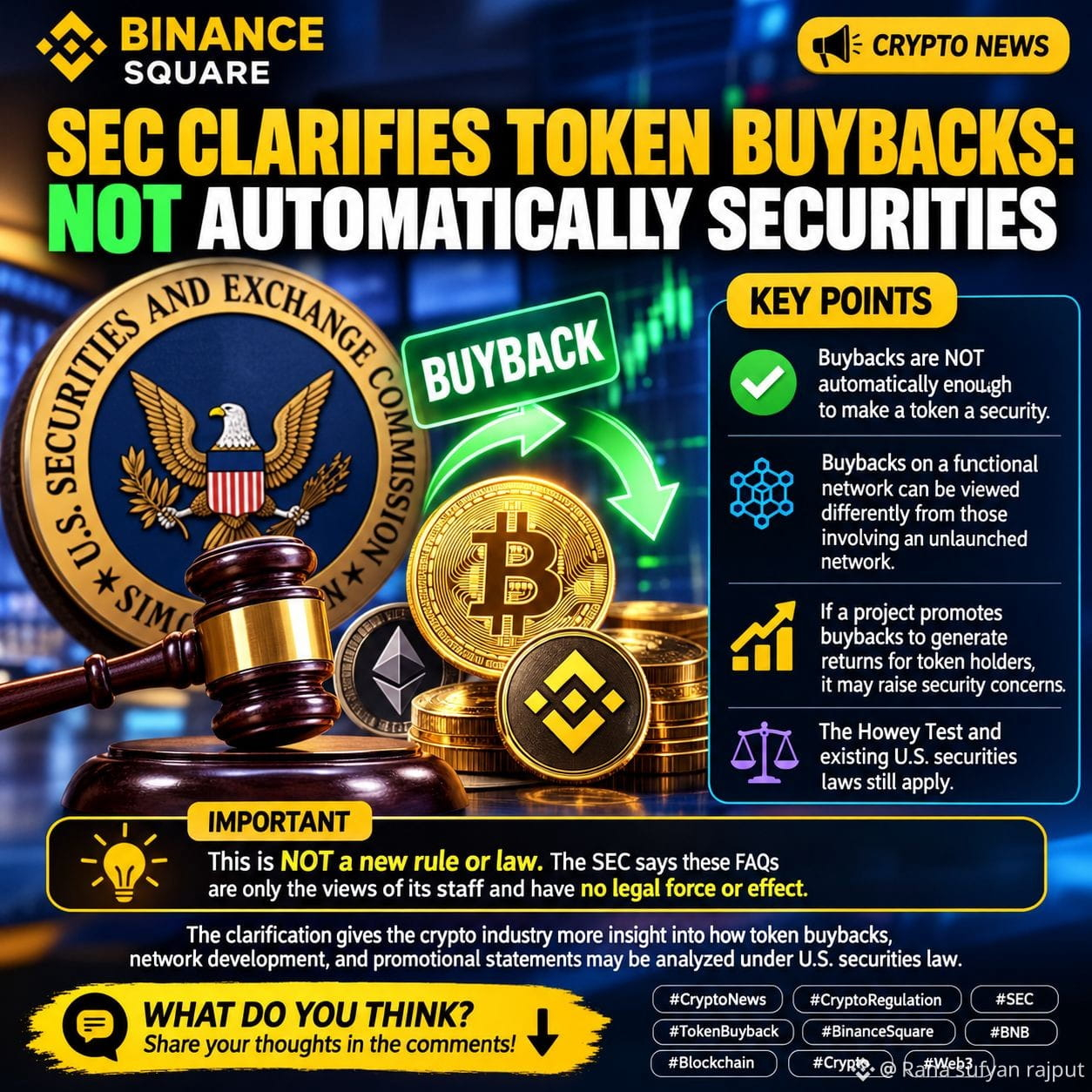
🚨 SEC Clarifies Token Buybacks: Not Automatically Securities
The U.S. Securities and Exchange Commission (SEC) has provided new clarification on how token buybacks may be viewed under U.S. securities laws.
According to the SEC’s September 25, 2026 staff FAQ, a buyback of a non-security crypto asset on a functional network does not, by itself, constitute a promise of essential managerial efforts. However, the circumstances and how the buyback is presented still matter. �
SEC
🔎 What does this mean?
Previously, some crypto projects were concerned that announcing token buybacks or burns could automatically create securities-law issues.
The SEC staff clarification indicates that:
✅ Buybacks are not automatically enough to make a token a security.
✅ Buybacks on an already-functional network can be viewed differently from those involving an unlaunched network.
✅ If a project promotes a buyback as a way to generate returns for token holders, the analysis can be different.
✅ The Howey Test and existing securities laws still apply where relevant. �
SEC +1
⚠️ Important clarification
This is not a new SEC rule or law. The SEC explicitly says these FAQs represent the views of Division of Corporation Finance staff, have no legal force or effect, and do not change existing law. �
SEC
For the crypto industry, the clarification provides additional insight into how token buybacks, network development and promotional statements may be analyzed under U.S. securities law.
What do you think about the SEC's latest crypto clarification? 👇
$BNB $ONDO $SHIB
#CryptoNews #CryptoRegulation #SEC #BinanceSquare #BNB
🚨 SEC Clarifies Token Buybacks: Not Automatically Securities
The U.S. Securities and Exchange Commission (SEC) has provided new clarification on how token buybacks may be viewed under U.S. securities laws.
According to the SEC’s September 25, 2026 staff FAQ, a buyback of a non-security crypto asset on a functional network does not, by itself, constitute a promise of essential managerial efforts. However, the circumstances and how the buyback is presented still matter. �
SEC
🔎 What does this mean?
Previously, some crypto projects were concerned that announcing token buybacks or burns could automatically create securities-law issues.
The SEC staff clarification indicates that:
✅ Buybacks are not automatically enough to make a token a security.
✅ Buybacks on an already-functional network can be viewed differently from those involving an unlaunched network.
✅ If a project promotes a buyback as a way to generate returns for token holders, the analysis can be different.
✅ The Howey Test and existing securities laws still apply where relevant. �
SEC +1
⚠️ Important clarification
This is not a new SEC rule or law. The SEC explicitly says these FAQs represent the views of Division of Corporation Finance staff, have no legal force or effect, and do not change existing law. �
SEC
For the crypto industry, the clarification provides additional insight into how token buybacks, network development and promotional statements may be analyzed under U.S. securities law.
What do you think about the SEC's latest crypto clarification? 👇
$BNB $ONDO $SHIB
#CryptoNews #CryptoRegulation #SEC #BinanceSquare #BNB
The U.S. Securities and Exchange Commission (SEC) has provided new clarification on how token buybacks may be viewed under U.S. securities laws.
According to the SEC’s September 25, 2026 staff FAQ, a buyback of a non-security crypto asset on a functional network does not, by itself, constitute a promise of essential managerial efforts. However, the circumstances and how the buyback is presented still matter. �
SEC
🔎 What does this mean?
Previously, some crypto projects were concerned that announcing token buybacks or burns could automatically create securities-law issues.
The SEC staff clarification indicates that:
✅ Buybacks are not automatically enough to make a token a security.
✅ Buybacks on an already-functional network can be viewed differently from those involving an unlaunched network.
✅ If a project promotes a buyback as a way to generate returns for token holders, the analysis can be different.
✅ The Howey Test and existing securities laws still apply where relevant. �
SEC +1
⚠️ Important clarification
This is not a new SEC rule or law. The SEC explicitly says these FAQs represent the views of Division of Corporation Finance staff, have no legal force or effect, and do not change existing law. �
SEC
For the crypto industry, the clarification provides additional insight into how token buybacks, network development and promotional statements may be analyzed under U.S. securities law.
What do you think about the SEC's latest crypto clarification? 👇
$BNB $ONDO $SHIB
#CryptoNews #CryptoRegulation #SEC #BinanceSquare #BNB
260
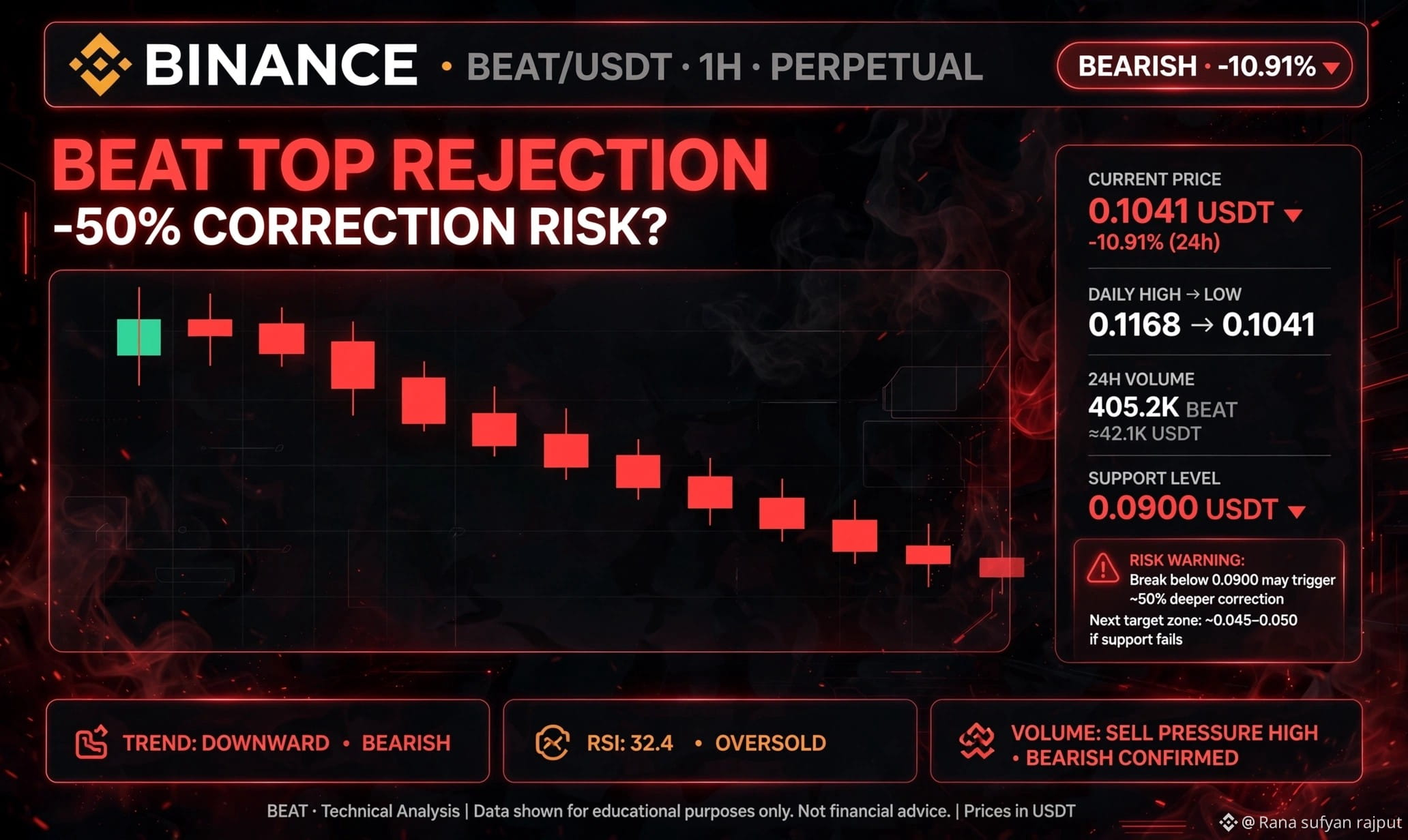
🚨 $BEAT が頂点からクラッシュ!さらに50%の下落は来るのか? 📉
みんな、$BEAT が見事な「トップ拒否(Top Rejection)」の典型パターンを見せたよ!
価格は$0.0942から$0.1168まで一気に上昇したあと、1本の足で$0.1041まで急落した。これは頂点からほぼ-10%だ。
このチャートは何を教えてくれる?
🔍 チャート解説:
1. 急激な縦型のポンプ:$0.094→$0.116まで数分で上昇。健全な調整(コンソリデーション)がない。
2. $0.1168でのウィック拒否:長い上ヒゲ=頂点で売り手が支配したサイン。
3. 大きな赤いローソク足:ピーク後に強い売り圧力。
⚠️ 私の分析:
このような動きは、新規のロングにとってリスクが高い。コインがベース(土台)なしで20%+上がった場合、30〜50%の調整がかなりよく起きる。
次に注目すべきサポートは$0.090。
$0.090が割れたら、次のゾーンは$0.082〜$0.078の可能性。
ただし、これはボラティリティの高い低時価総額銘柄の動きだ。ストップロスなしでここをショートするのも非常に危険。さらに「見せかけのブレイク(フェイク)」をして、またポンプしてくる可能性もある。
💡 重要な教訓:
緑の“縦長キャンドル”を追いかけないこと。リテストを待て。忍耐が報われる。
あなたはどう思う?
$BEAT は$0.090を維持する?それともさらに50%下がる?
👇 コメントで予想を教えて
❤️ デイリーチャートの解説が欲しいならいいね
✍️ Rana Cryptoによる分析
#BEAT #Crypto #Binance #Trading #Altcoins
---
これは投資助言ではありません。教育目的のみです。適切なリスク管理のもとで取引してください。
🚨 $BEAT が頂点からクラッシュ!さらに50%の下落は来るのか? 📉
みんな、$BEAT が見事な「トップ拒否(Top Rejection)」の典型パターンを見せたよ!
価格は$0.0942から$0.1168まで一気に上昇したあと、1本の足で$0.1041まで急落した。これは頂点からほぼ-10%だ。
このチャートは何を教えてくれる?
🔍 チャート解説:
1. 急激な縦型のポンプ:$0.094→$0.116まで数分で上昇。健全な調整(コンソリデーション)がない。
2. $0.1168でのウィック拒否:長い上ヒゲ=頂点で売り手が支配したサイン。
3. 大きな赤いローソク足:ピーク後に強い売り圧力。
⚠️ 私の分析:
このような動きは、新規のロングにとってリスクが高い。コインがベース(土台)なしで20%+上がった場合、30〜50%の調整がかなりよく起きる。
次に注目すべきサポートは$0.090。
$0.090が割れたら、次のゾーンは$0.082〜$0.078の可能性。
ただし、これはボラティリティの高い低時価総額銘柄の動きだ。ストップロスなしでここをショートするのも非常に危険。さらに「見せかけのブレイク(フェイク)」をして、またポンプしてくる可能性もある。
💡 重要な教訓:
緑の“縦長キャンドル”を追いかけないこと。リテストを待て。忍耐が報われる。
あなたはどう思う?
$BEAT は$0.090を維持する?それともさらに50%下がる?
👇 コメントで予想を教えて
❤️ デイリーチャートの解説が欲しいならいいね
✍️ Rana Cryptoによる分析
#BEAT #Crypto #Binance #Trading #Altcoins
---
これは投資助言ではありません。教育目的のみです。適切なリスク管理のもとで取引してください。
みんな、$BEAT が見事な「トップ拒否(Top Rejection)」の典型パターンを見せたよ!
価格は$0.0942から$0.1168まで一気に上昇したあと、1本の足で$0.1041まで急落した。これは頂点からほぼ-10%だ。
このチャートは何を教えてくれる?
🔍 チャート解説:
1. 急激な縦型のポンプ:$0.094→$0.116まで数分で上昇。健全な調整(コンソリデーション)がない。
2. $0.1168でのウィック拒否:長い上ヒゲ=頂点で売り手が支配したサイン。
3. 大きな赤いローソク足:ピーク後に強い売り圧力。
⚠️ 私の分析:
このような動きは、新規のロングにとってリスクが高い。コインがベース(土台)なしで20%+上がった場合、30〜50%の調整がかなりよく起きる。
次に注目すべきサポートは$0.090。
$0.090が割れたら、次のゾーンは$0.082〜$0.078の可能性。
ただし、これはボラティリティの高い低時価総額銘柄の動きだ。ストップロスなしでここをショートするのも非常に危険。さらに「見せかけのブレイク(フェイク)」をして、またポンプしてくる可能性もある。
💡 重要な教訓:
緑の“縦長キャンドル”を追いかけないこと。リテストを待て。忍耐が報われる。
あなたはどう思う?
$BEAT は$0.090を維持する?それともさらに50%下がる?
👇 コメントで予想を教えて
❤️ デイリーチャートの解説が欲しいならいいね
✍️ Rana Cryptoによる分析
#BEAT #Crypto #Binance #Trading #Altcoins
---
これは投資助言ではありません。教育目的のみです。適切なリスク管理のもとで取引してください。
2
549
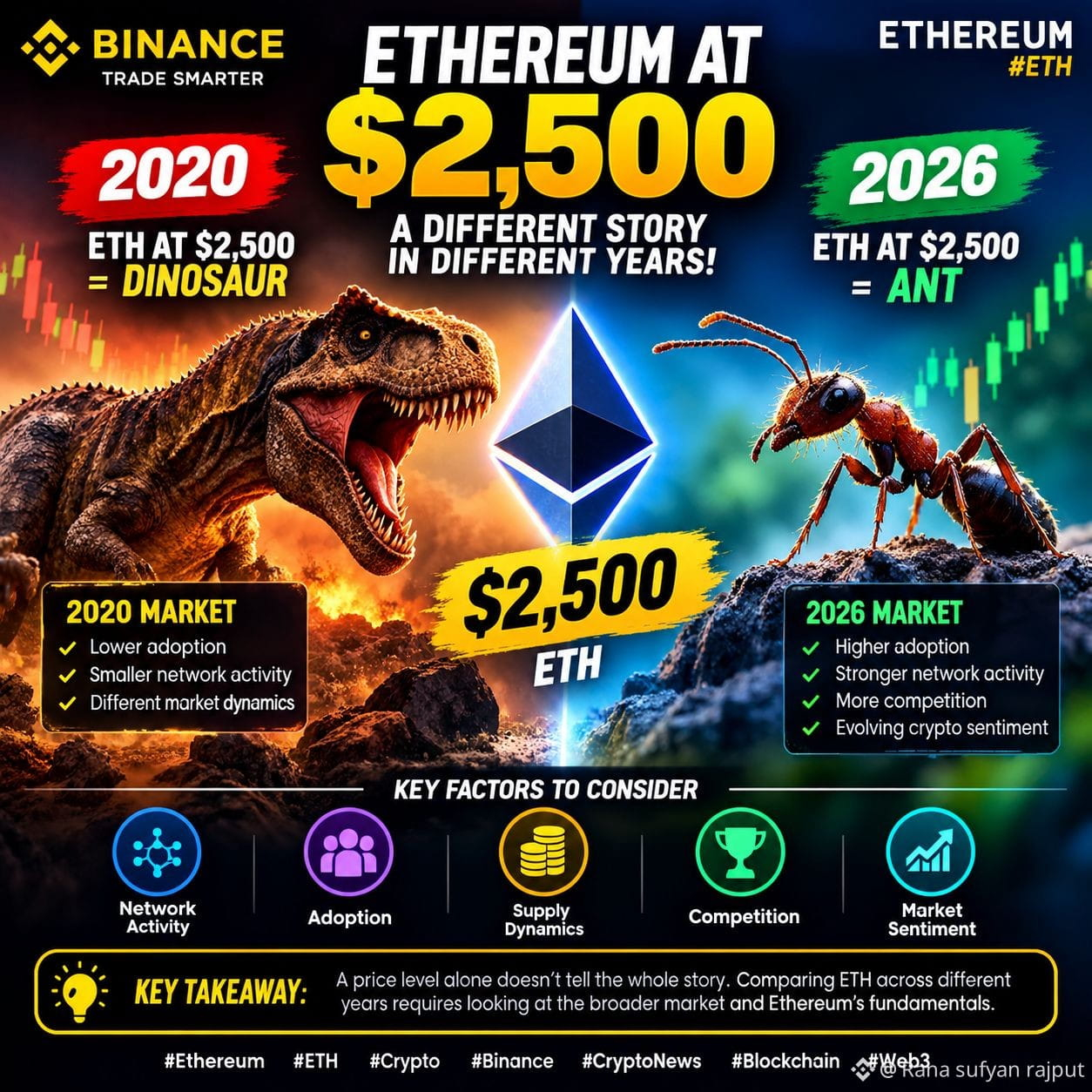
$ETH Ethereumが$2,500の時:『恐竜』から『アリ』へ? 🦖🐜
イーサリアム(ETH)が$2,500付近で取引されていることは、過去数年の仮想通貨市場との興味深い比較を生みます。2020年にETHが$2,500だった場合、非常に異なる市場環境を意味していましたが、今日では同じ価格でも別の文脈になります。
ETHは最近、$2,500近辺で取引されており、市場環境が時間とともにどれほど劇的に変わり得るかを示しています。 �
AMBCrypto +1
より大きな問いは、単に価格そのものではなく、イーサリアムのネットワーク活動、採用状況、供給のダイナミクス、競争、そして仮想通貨市場全体のセンチメントが、どのように変化してきたのかという点です。
📌 要点:価格水準だけでは物語の全ては分かりません。異なる年のETHを比較するには、市場全体とイーサリアムの基礎(ファンダメンタル)もあわせて見る必要があります。
$ETH
#Ethereum #Binance #CryptoNews #Blockchain #EthereumNews
$ETH Ethereumが$2,500の時:『恐竜』から『アリ』へ? 🦖🐜
イーサリアム(ETH)が$2,500付近で取引されていることは、過去数年の仮想通貨市場との興味深い比較を生みます。2020年にETHが$2,500だった場合、非常に異なる市場環境を意味していましたが、今日では同じ価格でも別の文脈になります。
ETHは最近、$2,500近辺で取引されており、市場環境が時間とともにどれほど劇的に変わり得るかを示しています。 �
AMBCrypto +1
より大きな問いは、単に価格そのものではなく、イーサリアムのネットワーク活動、採用状況、供給のダイナミクス、競争、そして仮想通貨市場全体のセンチメントが、どのように変化してきたのかという点です。
📌 要点:価格水準だけでは物語の全ては分かりません。異なる年のETHを比較するには、市場全体とイーサリアムの基礎(ファンダメンタル)もあわせて見る必要があります。
$ETH
#Ethereum #Binance #CryptoNews #Blockchain #EthereumNews
イーサリアム(ETH)が$2,500付近で取引されていることは、過去数年の仮想通貨市場との興味深い比較を生みます。2020年にETHが$2,500だった場合、非常に異なる市場環境を意味していましたが、今日では同じ価格でも別の文脈になります。
ETHは最近、$2,500近辺で取引されており、市場環境が時間とともにどれほど劇的に変わり得るかを示しています。 �
AMBCrypto +1
より大きな問いは、単に価格そのものではなく、イーサリアムのネットワーク活動、採用状況、供給のダイナミクス、競争、そして仮想通貨市場全体のセンチメントが、どのように変化してきたのかという点です。
📌 要点:価格水準だけでは物語の全ては分かりません。異なる年のETHを比較するには、市場全体とイーサリアムの基礎(ファンダメンタル)もあわせて見る必要があります。
$ETH
#Ethereum #Binance #CryptoNews #Blockchain #EthereumNews
32
翻訳参照
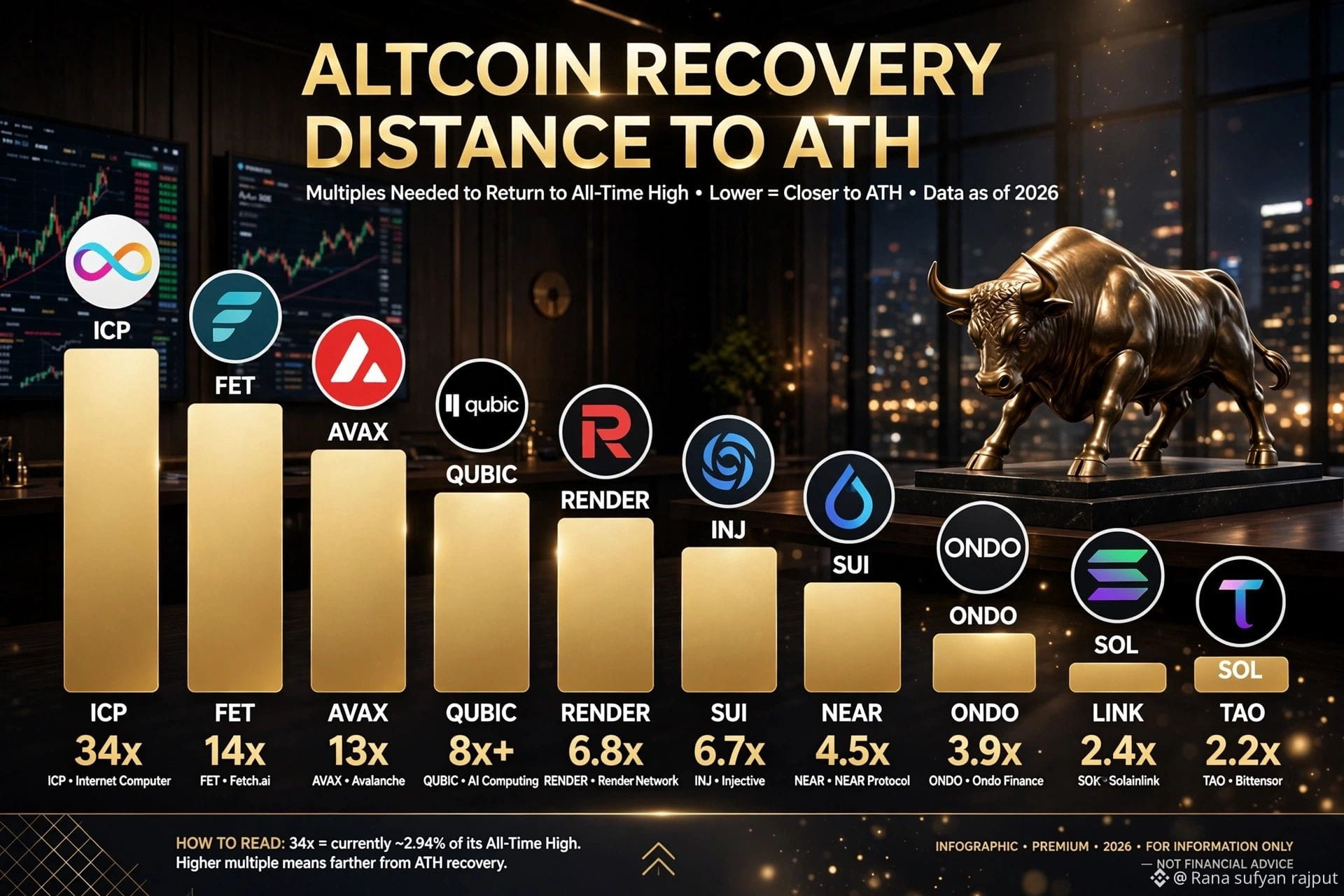
🚨 Your Alt Pumped 40%? Read This Harsh Reality! 🚨
Your alt just pumped 40%, and it may still need to 6x just to get back to its old high.
That is the math nobody posts during a green week.
A coin that falls 85% does not need an 85% rally to recover. It needs about 567%.
Here is what every name from this week's bounce needs to reclaim its ATH:
$ TAO 2.2x
$ SOL 2.4x
$LINK 3.7x
$ONDO 3.9x
$NEAR 4.2x
$SUI 4.5x
$INJ 6.7x
$RENDER 6.8x
$QUBIC 8x or more
$AVAX 13x
$FET 14x
$ICP 34x, or 210x from its $700+ launch week print
👇 What do you hold?
💬 Comment your bag below
👍 Like for real math, not hype
✍️ Analysis by Rana Crypto
$BTC $SOL $TAO $AVAX #Crypto #BinanceSquare
🚨 Your Alt Pumped 40%? Read This Harsh Reality! 🚨
Your alt just pumped 40%, and it may still need to 6x just to get back to its old high.
That is the math nobody posts during a green week.
A coin that falls 85% does not need an 85% rally to recover. It needs about 567%.
Here is what every name from this week's bounce needs to reclaim its ATH:
$ TAO 2.2x
$ SOL 2.4x
$LINK 3.7x
$ONDO 3.9x
$NEAR 4.2x
$SUI 4.5x
$INJ 6.7x
$RENDER 6.8x
$QUBIC 8x or more
$AVAX 13x
$FET 14x
$ICP 34x, or 210x from its $700+ launch week print
👇 What do you hold?
💬 Comment your bag below
👍 Like for real math, not hype
✍️ Analysis by Rana Crypto
$BTC $SOL $TAO $AVAX #Crypto #BinanceSquare
Your alt just pumped 40%, and it may still need to 6x just to get back to its old high.
That is the math nobody posts during a green week.
A coin that falls 85% does not need an 85% rally to recover. It needs about 567%.
Here is what every name from this week's bounce needs to reclaim its ATH:
$ TAO 2.2x
$ SOL 2.4x
$LINK 3.7x
$ONDO 3.9x
$NEAR 4.2x
$SUI 4.5x
$INJ 6.7x
$RENDER 6.8x
$QUBIC 8x or more
$AVAX 13x
$FET 14x
$ICP 34x, or 210x from its $700+ launch week print
👇 What do you hold?
💬 Comment your bag below
👍 Like for real math, not hype
✍️ Analysis by Rana Crypto
$BTC $SOL $TAO $AVAX #Crypto #BinanceSquare
41
翻訳参照
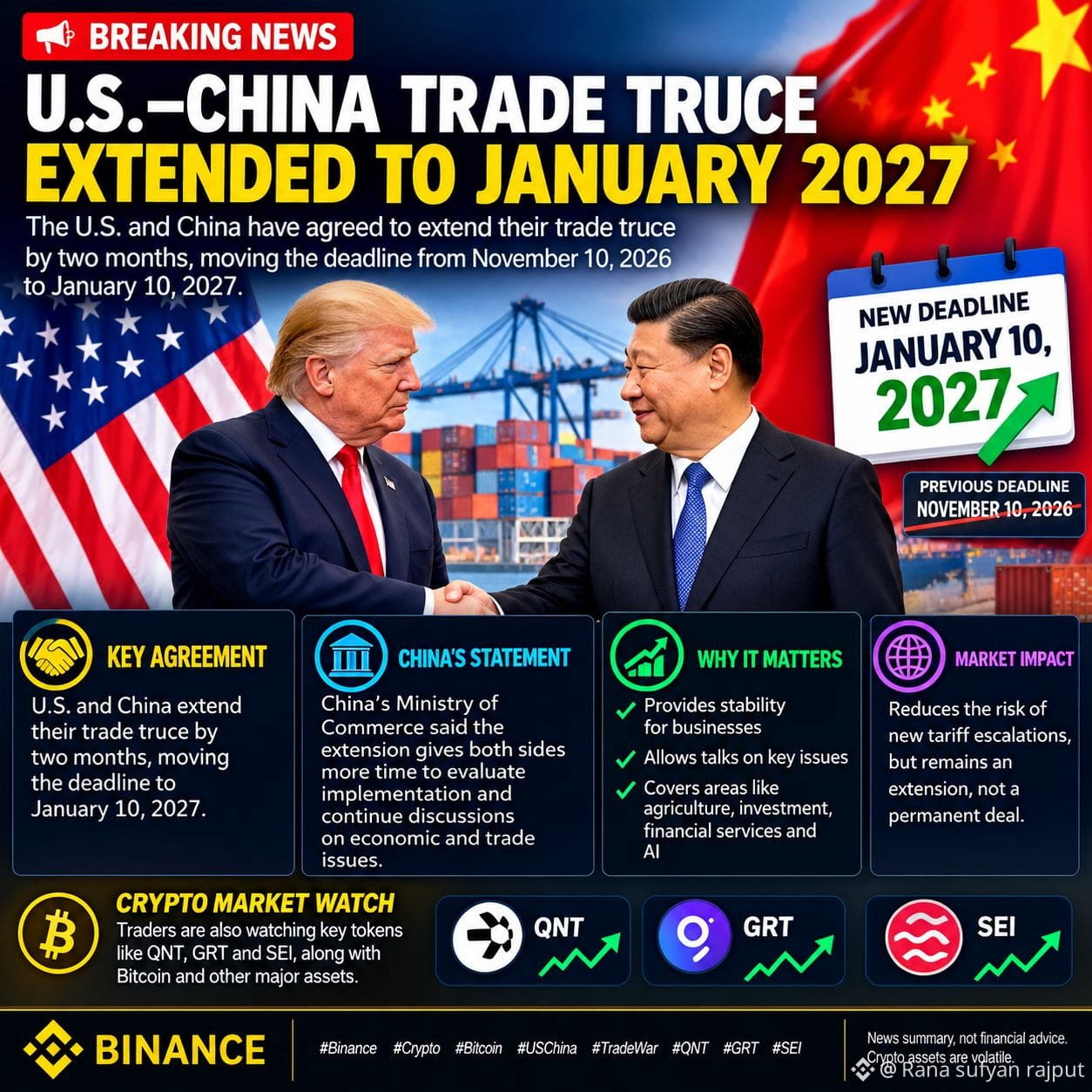
🚨 U.S.–China Trade Truce Extended to January 2027
The United States and China have agreed to extend their existing trade truce by two months, moving the previous November 10, 2026 deadline to January 10, 2027. China’s Ministry of Commerce said the extension gives both sides additional time to evaluate implementation of their existing arrangements and continue discussions on economic and trade issues. �
Reuters +1
🌎 Why It Matters
The extension provides a longer period for Washington and Beijing to work on outstanding trade issues while maintaining a more predictable environment for businesses involved in bilateral commerce. The two countries have also continued discussions involving agriculture, investment, financial services and artificial intelligence. �
Ministry of Commerce
📊 Potential Market Impact
For global markets, the development reduces the immediate risk of another escalation in U.S.–China tariff measures. However, the agreement is an extension rather than a permanent settlement, so future negotiations and implementation remain important.
🪙 Crypto Market Watch
Because major geopolitical and trade developments can affect broader market sentiment, crypto traders may continue watching QNT, GRT and SEI alongside Bitcoin and other major assets. Their prices can move for many reasons, so this news alone should not be treated as a signal to buy or sell.
#Binance #Crypto #USChina #TradeWar $QNT $GRT $SEI #CryptoNews
🚨 U.S.–China Trade Truce Extended to January 2027
The United States and China have agreed to extend their existing trade truce by two months, moving the previous November 10, 2026 deadline to January 10, 2027. China’s Ministry of Commerce said the extension gives both sides additional time to evaluate implementation of their existing arrangements and continue discussions on economic and trade issues. �
Reuters +1
🌎 Why It Matters
The extension provides a longer period for Washington and Beijing to work on outstanding trade issues while maintaining a more predictable environment for businesses involved in bilateral commerce. The two countries have also continued discussions involving agriculture, investment, financial services and artificial intelligence. �
Ministry of Commerce
📊 Potential Market Impact
For global markets, the development reduces the immediate risk of another escalation in U.S.–China tariff measures. However, the agreement is an extension rather than a permanent settlement, so future negotiations and implementation remain important.
🪙 Crypto Market Watch
Because major geopolitical and trade developments can affect broader market sentiment, crypto traders may continue watching QNT, GRT and SEI alongside Bitcoin and other major assets. Their prices can move for many reasons, so this news alone should not be treated as a signal to buy or sell.
#Binance #Crypto #USChina #TradeWar $QNT $GRT $SEI #CryptoNews
The United States and China have agreed to extend their existing trade truce by two months, moving the previous November 10, 2026 deadline to January 10, 2027. China’s Ministry of Commerce said the extension gives both sides additional time to evaluate implementation of their existing arrangements and continue discussions on economic and trade issues. �
Reuters +1
🌎 Why It Matters
The extension provides a longer period for Washington and Beijing to work on outstanding trade issues while maintaining a more predictable environment for businesses involved in bilateral commerce. The two countries have also continued discussions involving agriculture, investment, financial services and artificial intelligence. �
Ministry of Commerce
📊 Potential Market Impact
For global markets, the development reduces the immediate risk of another escalation in U.S.–China tariff measures. However, the agreement is an extension rather than a permanent settlement, so future negotiations and implementation remain important.
🪙 Crypto Market Watch
Because major geopolitical and trade developments can affect broader market sentiment, crypto traders may continue watching QNT, GRT and SEI alongside Bitcoin and other major assets. Their prices can move for many reasons, so this news alone should not be treated as a signal to buy or sell.
#Binance #Crypto #USChina #TradeWar $QNT $GRT $SEI #CryptoNews
70
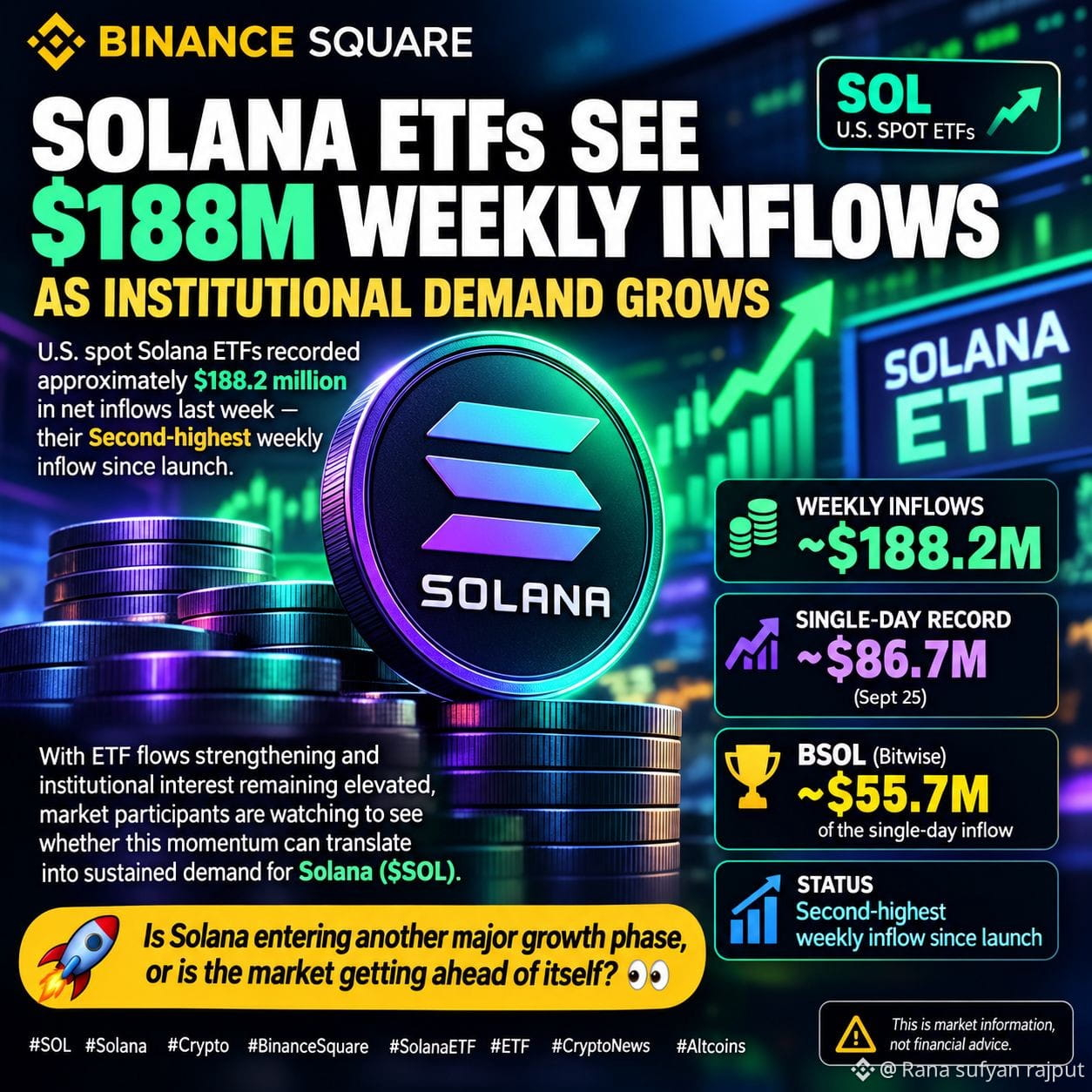
🚨 ソラナETF、機関投資家需要の高まりで週次で1億8800万ドルの流入
$SOL は、米国のスポット・ソラナETFが先週およそ1億8820万ドルの純流入を記録したことで、再び注目を集めています――同ETFのローンチ以来、週次の流入としては2番目に大きい水準です。 �
TokenPost +1
強い週次の流入には、9月25日に約8,670万ドルという過去最高の単日流入が含まれており、そのうちビットワイズのBSOLが約5,570万ドルを占めました。 �
The Block
一方で、大口の市場参加者の動きも注目されています。SOLのポジショニングが増加しているためです。
ETFの資金流入が強まり、機関投資家の関心が高い状態が続く中、市場参加者は、この勢いがソラナ($SOL)に対する継続的な需要につながるかどうかを見極めようとしています。
📊 主要指標:
💰 週次SOL ETF流入: 約1億8820万ドル
🚀 単日最高記録: 約8,670万ドル
🏆 ローンチ以来、週次流入として2番目に大きい
📈 SOLは、機関投資家の注目を集めている主要資産の1つ
ソラナは次の大きな成長局面に入っているのでしょうか?それとも市場が先走っているのでしょうか? 👀
$SOL #Solana #BinanceSquare #SolanaETF #CryptoNews #Altcoins
🚨 ソラナETF、機関投資家需要の高まりで週次で1億8800万ドルの流入
$SOL は、米国のスポット・ソラナETFが先週およそ1億8820万ドルの純流入を記録したことで、再び注目を集めています――同ETFのローンチ以来、週次の流入としては2番目に大きい水準です。 �
TokenPost +1
強い週次の流入には、9月25日に約8,670万ドルという過去最高の単日流入が含まれており、そのうちビットワイズのBSOLが約5,570万ドルを占めました。 �
The Block
一方で、大口の市場参加者の動きも注目されています。SOLのポジショニングが増加しているためです。
ETFの資金流入が強まり、機関投資家の関心が高い状態が続く中、市場参加者は、この勢いがソラナ($SOL )に対する継続的な需要につながるかどうかを見極めようとしています。
📊 主要指標:
💰 週次SOL ETF流入: 約1億8820万ドル
🚀 単日最高記録: 約8,670万ドル
🏆 ローンチ以来、週次流入として2番目に大きい
📈 SOLは、機関投資家の注目を集めている主要資産の1つ
ソラナは次の大きな成長局面に入っているのでしょうか?それとも市場が先走っているのでしょうか? 👀
$SOL #Solana #BinanceSquare #SolanaETF #CryptoNews #Altcoins
$SOL は、米国のスポット・ソラナETFが先週およそ1億8820万ドルの純流入を記録したことで、再び注目を集めています――同ETFのローンチ以来、週次の流入としては2番目に大きい水準です。 �
TokenPost +1
強い週次の流入には、9月25日に約8,670万ドルという過去最高の単日流入が含まれており、そのうちビットワイズのBSOLが約5,570万ドルを占めました。 �
The Block
一方で、大口の市場参加者の動きも注目されています。SOLのポジショニングが増加しているためです。
ETFの資金流入が強まり、機関投資家の関心が高い状態が続く中、市場参加者は、この勢いがソラナ($SOL )に対する継続的な需要につながるかどうかを見極めようとしています。
📊 主要指標:
💰 週次SOL ETF流入: 約1億8820万ドル
🚀 単日最高記録: 約8,670万ドル
🏆 ローンチ以来、週次流入として2番目に大きい
📈 SOLは、機関投資家の注目を集めている主要資産の1つ
ソラナは次の大きな成長局面に入っているのでしょうか?それとも市場が先走っているのでしょうか? 👀
$SOL #Solana #BinanceSquare #SolanaETF #CryptoNews #Altcoins
73
🚨重要なBTC&SOLアップデート—見逃すな!🚨
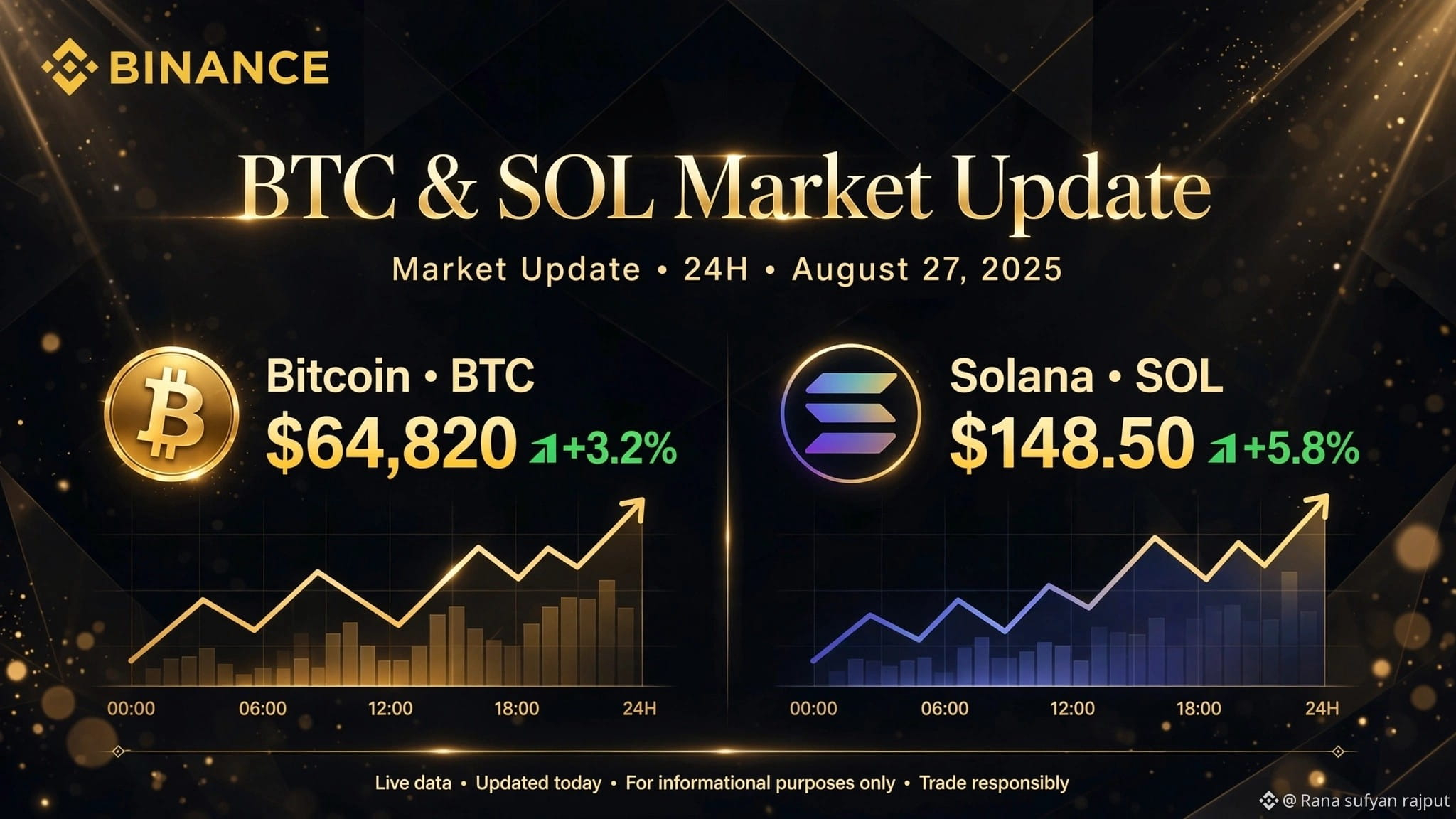
ビットコインはまだ強い動きを見せていますが、現時点では小さなレンジ内で動いています。大きく下落しているわけではありませんが、まだ力強いブレイクアウトは出ていません。
📊 $BTC 重要な水準:82K〜83K
BTCにとって重要なエリアは82K〜83Kあたりです。ここは最初の強いサポートゾーンです。このエリアをBTCが維持できている限り、慌てる必要はありません。サポートへの小さな押し目は、ポンプ後に買うよりも、実際にはスポットをゆっくり追加する良いタイミングになり得ます。
現時点では注意しておいた方がいいと思います。というのも、直近の米中会談がちょうど終わったばかりだからです。大きなポジションを取る前に、もう数日マーケットを見守るのが良さそうです。
🔥 そして$SOLについて
SOLは、ビットコインが下がっていても強さを維持しています。ポジティブな材料があるからです—Alpenglowテストネット。これにより、Solanaネットワークがより高速になることが期待されています。
$SOLの良いエントリーは約$110で、目標は$130〜$140です。
---
👇みなさんどう思いますか?
$BTC は82Kを維持できると思いますか?それとも75Kが再び来るでしょうか?
そして$SOLは、押し目が来る前に$140に到達しますか?
💬 下に目標をコメントしてください—全員に返信します!
日次のVIPアップデートが欲しいなら👍いいね
次の正確なシグナルのために🔔フォロー
✍️ Rana Cryptoによる分析
$BTC #SOL #Crypto #BinanceSquare
投票:BTC次の動きは?
選択肢1:82Kを維持&上昇(ポンプ)🚀
選択肢2:75Kまで下落 📉
🚨重要なBTC&SOLアップデート—見逃すな!🚨
ビットコインはまだ強い動きを見せていますが、現時点では小さなレンジ内で動いています。大きく下落しているわけではありませんが、まだ力強いブレイクアウトは出ていません。
📊 $BTC 重要な水準:82K〜83K
BTCにとって重要なエリアは82K〜83Kあたりです。ここは最初の強いサポートゾーンです。このエリアをBTCが維持できている限り、慌てる必要はありません。サポートへの小さな押し目は、ポンプ後に買うよりも、実際にはスポットをゆっくり追加する良いタイミングになり得ます。
現時点では注意しておいた方がいいと思います。というのも、直近の米中会談がちょうど終わったばかりだからです。大きなポジションを取る前に、もう数日マーケットを見守るのが良さそうです。
🔥 そして$SOLについて
SOLは、ビットコインが下がっていても強さを維持しています。ポジティブな材料があるからです—Alpenglowテストネット。これにより、Solanaネットワークがより高速になることが期待されています。
$SOLの良いエントリーは約$110で、目標は$130〜$140です。
---
👇みなさんどう思いますか?
$BTC は82Kを維持できると思いますか?それとも75Kが再び来るでしょうか?
そして$SOLは、押し目が来る前に$140に到達しますか?
💬 下に目標をコメントしてください—全員に返信します!
日次のVIPアップデートが欲しいなら👍いいね
次の正確なシグナルのために🔔フォロー
✍️ Rana Cryptoによる分析
$BTC #SOL #Crypto #BinanceSquare
投票:BTC次の動きは?
選択肢1:82Kを維持&上昇(ポンプ)🚀
選択肢2:75Kまで下落 📉
ビットコインはまだ強い動きを見せていますが、現時点では小さなレンジ内で動いています。大きく下落しているわけではありませんが、まだ力強いブレイクアウトは出ていません。
📊 $BTC 重要な水準:82K〜83K
BTCにとって重要なエリアは82K〜83Kあたりです。ここは最初の強いサポートゾーンです。このエリアをBTCが維持できている限り、慌てる必要はありません。サポートへの小さな押し目は、ポンプ後に買うよりも、実際にはスポットをゆっくり追加する良いタイミングになり得ます。
現時点では注意しておいた方がいいと思います。というのも、直近の米中会談がちょうど終わったばかりだからです。大きなポジションを取る前に、もう数日マーケットを見守るのが良さそうです。
🔥 そして$SOLについて
SOLは、ビットコインが下がっていても強さを維持しています。ポジティブな材料があるからです—Alpenglowテストネット。これにより、Solanaネットワークがより高速になることが期待されています。
$SOLの良いエントリーは約$110で、目標は$130〜$140です。
---
👇みなさんどう思いますか?
$BTC は82Kを維持できると思いますか?それとも75Kが再び来るでしょうか?
そして$SOLは、押し目が来る前に$140に到達しますか?
💬 下に目標をコメントしてください—全員に返信します!
日次のVIPアップデートが欲しいなら👍いいね
次の正確なシグナルのために🔔フォロー
✍️ Rana Cryptoによる分析
$BTC #SOL #Crypto #BinanceSquare
投票:BTC次の動きは?
選択肢1:82Kを維持&上昇(ポンプ)🚀
選択肢2:75Kまで下落 📉
1
8
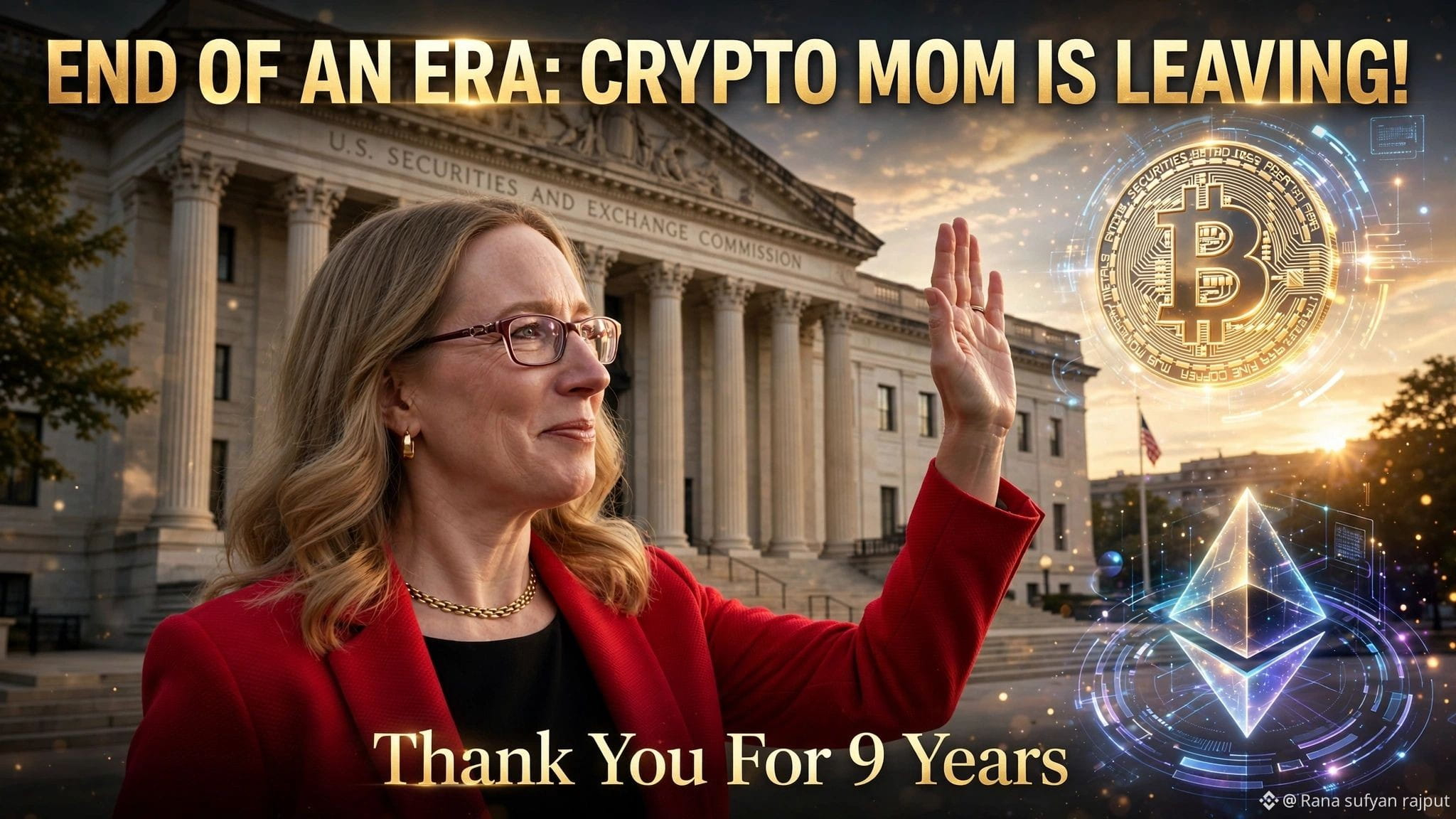
👋 ある時代の終わり:クリプト・ママが去ります!
これは、暗号資産コミュニティ全体にとって胸が痛む知らせです。
私たちが皆こぞって愛し、尊敬している「クリプト・ママ」、米国SEC委員のヘスター・ピアース氏が、10月2日をもって正式に退任します。
2018年1月以来、SECの皆が強制執行や訴訟の話ばかりしていたときでも、彼女だけが私たちのために戦ってくれました。
彼女は「処罰」ではなく「明確なルール」を求めて戦いました。
彼女はクリプト・タスクフォースを率いました。
彼女は暗号資産とトークン化された有価証券に対する適切な規制を推進しました。
他の人たちが暗号資産を潰そうとしていた間、彼女はそれを理解しようとしていました。
9年もの長い間、彼女はSECの中で私たちの声でした。彼女は、イノベーションのために、自由のために、そして私たちのために一人で立ち続けました。
9年間の勇気を、クリプト・ママにありがとう。あなたの遺産は暗号資産の歴史に永遠に生き続けます。❤️
しかし今、最大の疑問がここにあります:
SECにクリプト・ママがいなくなったら、暗号資産の規制はより厳しくなるのでしょうか、それともより親しみやすくなるのでしょうか?あなたはどう思いますか?
👇 下のコメント欄にあなたの考えを書いてください!
#Binance #SEC #HesterPeirce #CryptoMom #CryptoNews
👋 ある時代の終わり:クリプト・ママが去ります!
これは、暗号資産コミュニティ全体にとって胸が痛む知らせです。
私たちが皆こぞって愛し、尊敬している「クリプト・ママ」、米国SEC委員のヘスター・ピアース氏が、10月2日をもって正式に退任します。
2018年1月以来、SECの皆が強制執行や訴訟の話ばかりしていたときでも、彼女だけが私たちのために戦ってくれました。
彼女は「処罰」ではなく「明確なルール」を求めて戦いました。
彼女はクリプト・タスクフォースを率いました。
彼女は暗号資産とトークン化された有価証券に対する適切な規制を推進しました。
他の人たちが暗号資産を潰そうとしていた間、彼女はそれを理解しようとしていました。
9年もの長い間、彼女はSECの中で私たちの声でした。彼女は、イノベーションのために、自由のために、そして私たちのために一人で立ち続けました。
9年間の勇気を、クリプト・ママにありがとう。あなたの遺産は暗号資産の歴史に永遠に生き続けます。❤️
しかし今、最大の疑問がここにあります:
SECにクリプト・ママがいなくなったら、暗号資産の規制はより厳しくなるのでしょうか、それともより親しみやすくなるのでしょうか?あなたはどう思いますか?
👇 下のコメント欄にあなたの考えを書いてください!
#Binance #SEC #HesterPeirce #CryptoMom #CryptoNews
これは、暗号資産コミュニティ全体にとって胸が痛む知らせです。
私たちが皆こぞって愛し、尊敬している「クリプト・ママ」、米国SEC委員のヘスター・ピアース氏が、10月2日をもって正式に退任します。
2018年1月以来、SECの皆が強制執行や訴訟の話ばかりしていたときでも、彼女だけが私たちのために戦ってくれました。
彼女は「処罰」ではなく「明確なルール」を求めて戦いました。
彼女はクリプト・タスクフォースを率いました。
彼女は暗号資産とトークン化された有価証券に対する適切な規制を推進しました。
他の人たちが暗号資産を潰そうとしていた間、彼女はそれを理解しようとしていました。
9年もの長い間、彼女はSECの中で私たちの声でした。彼女は、イノベーションのために、自由のために、そして私たちのために一人で立ち続けました。
9年間の勇気を、クリプト・ママにありがとう。あなたの遺産は暗号資産の歴史に永遠に生き続けます。❤️
しかし今、最大の疑問がここにあります:
SECにクリプト・ママがいなくなったら、暗号資産の規制はより厳しくなるのでしょうか、それともより親しみやすくなるのでしょうか?あなたはどう思いますか?
👇 下のコメント欄にあなたの考えを書いてください!
#Binance #SEC #HesterPeirce #CryptoMom #CryptoNews
27
翻訳参照
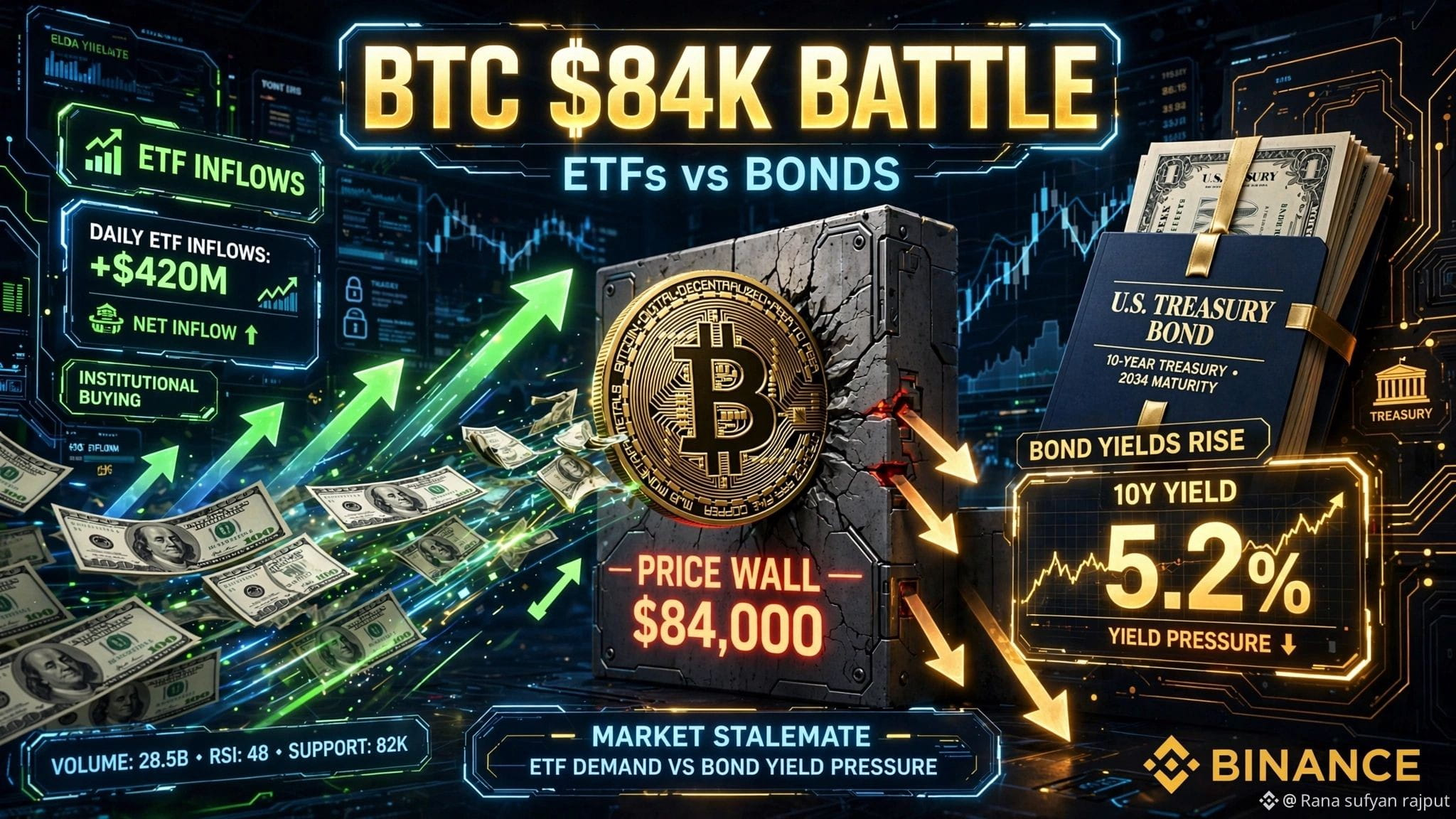
*BTC Stuck at $84K Despite Billions in ETF Inflows: The Real Battle Between Bitcoin and Bonds*
Bitcoin is telling us something very interesting right now.
US Spot Bitcoin ETFs just absorbed roughly *$2.65 billion in inflows over five consecutive sessions* - one of the strongest demand streaks we have seen in months. And yet, BTC can't break free from the $84K area.
After briefly dipping below $83K, Bitcoin is hovering around $84K, completely pinned. Why is this happening when institutional demand is so strong?
The answer is on the other side of the market: *Bonds.*
The US 10-Year Treasury yield has climbed above *5.2%*, its highest level since 2007. Investors now have a 5%+ risk-free alternative sitting right in front of them.
This is what makes the current market so important.
Bitcoin is literally caught between two massive forces:
1. *Unprecedented institutional demand* through ETFs
2. *A resurgent bond market* offering the best guaranteed returns in 16 years
To me, this is a far more meaningful test of ETF demand than watching inflows during a simple risk-on rally. Anyone can pump when money is free. The real question is: Can ETF demand sustain Bitcoin when traditional finance offers 5%+ for doing nothing?
So far, the data shows a stalemate. There is clearly very strong demand underneath BTC - without that $2.65B, we would likely be trading much lower. But that demand is not yet strong enough to overpower the gravity of higher yields.
Neither side has taken full control.
The bigger question for the next few weeks is this: *How much ETF buying will BTC need before bond-market moves stop having such a strong influence?*
If yields cool down to 4.8-4.9%, $84K could break very quickly and we could see a fast move toward $90K. But if yields push toward 5.5%, even $3B in ETF inflows per week might not be enough to hold the floor.
This is the new macro regime for Bitcoin. It's no longer just a crypto story. It's a direct competitor to the US Treasury.
And that makes it more important than ever.
#BTC #BitcoinETF #CryptoMarket
*BTC Stuck at $84K Despite Billions in ETF Inflows: The Real Battle Between Bitcoin and Bonds*
Bitcoin is telling us something very interesting right now.
US Spot Bitcoin ETFs just absorbed roughly *$2.65 billion in inflows over five consecutive sessions* - one of the strongest demand streaks we have seen in months. And yet, BTC can't break free from the $84K area.
After briefly dipping below $83K, Bitcoin is hovering around $84K, completely pinned. Why is this happening when institutional demand is so strong?
The answer is on the other side of the market: *Bonds.*
The US 10-Year Treasury yield has climbed above *5.2%*, its highest level since 2007. Investors now have a 5%+ risk-free alternative sitting right in front of them.
This is what makes the current market so important.
Bitcoin is literally caught between two massive forces:
1. *Unprecedented institutional demand* through ETFs
2. *A resurgent bond market* offering the best guaranteed returns in 16 years
To me, this is a far more meaningful test of ETF demand than watching inflows during a simple risk-on rally. Anyone can pump when money is free. The real question is: Can ETF demand sustain Bitcoin when traditional finance offers 5%+ for doing nothing?
So far, the data shows a stalemate. There is clearly very strong demand underneath BTC - without that $2.65B, we would likely be trading much lower. But that demand is not yet strong enough to overpower the gravity of higher yields.
Neither side has taken full control.
The bigger question for the next few weeks is this: *How much ETF buying will BTC need before bond-market moves stop having such a strong influence?*
If yields cool down to 4.8-4.9%, $84K could break very quickly and we could see a fast move toward $90K. But if yields push toward 5.5%, even $3B in ETF inflows per week might not be enough to hold the floor.
This is the new macro regime for Bitcoin. It's no longer just a crypto story. It's a direct competitor to the US Treasury.
And that makes it more important than ever.
#BTC #BitcoinETF #CryptoMarket
Bitcoin is telling us something very interesting right now.
US Spot Bitcoin ETFs just absorbed roughly *$2.65 billion in inflows over five consecutive sessions* - one of the strongest demand streaks we have seen in months. And yet, BTC can't break free from the $84K area.
After briefly dipping below $83K, Bitcoin is hovering around $84K, completely pinned. Why is this happening when institutional demand is so strong?
The answer is on the other side of the market: *Bonds.*
The US 10-Year Treasury yield has climbed above *5.2%*, its highest level since 2007. Investors now have a 5%+ risk-free alternative sitting right in front of them.
This is what makes the current market so important.
Bitcoin is literally caught between two massive forces:
1. *Unprecedented institutional demand* through ETFs
2. *A resurgent bond market* offering the best guaranteed returns in 16 years
To me, this is a far more meaningful test of ETF demand than watching inflows during a simple risk-on rally. Anyone can pump when money is free. The real question is: Can ETF demand sustain Bitcoin when traditional finance offers 5%+ for doing nothing?
So far, the data shows a stalemate. There is clearly very strong demand underneath BTC - without that $2.65B, we would likely be trading much lower. But that demand is not yet strong enough to overpower the gravity of higher yields.
Neither side has taken full control.
The bigger question for the next few weeks is this: *How much ETF buying will BTC need before bond-market moves stop having such a strong influence?*
If yields cool down to 4.8-4.9%, $84K could break very quickly and we could see a fast move toward $90K. But if yields push toward 5.5%, even $3B in ETF inflows per week might not be enough to hold the floor.
This is the new macro regime for Bitcoin. It's no longer just a crypto story. It's a direct competitor to the US Treasury.
And that makes it more important than ever.
#BTC #BitcoinETF #CryptoMarket
38
16年と1.83兆ドルの後、私はついにビットコインが実際に何であるかを理解しました10年以上にわたり、人々は馴染みのあるラベルでビットコインを説明しようとしてきました:
デジタルゴールド、決済システム、インターネットマネー。
しかし、16年間それが1.83兆ドルの資産に成長するのを見てきた後、真実ははるかにシンプルで、はるかに深いです:
ビットコインは、人類の最初の制度であり、その正当性は政治ではなく物理学に基づいています。
それが実際に意味することはこれです
あなたの銀行口座は、政府がそれを存在すると宣言するために存在します。
規制当局はそれを凍結できます。
中央銀行はそれを希薄化できます。
16年と1.83兆ドルの後、私はついにビットコインが実際に何であるかを理解しました
10年以上にわたり、人々は馴染みのあるラベルでビットコインを説明しようとしてきました:
デジタルゴールド、決済システム、インターネットマネー。
しかし、16年間それが1.83兆ドルの資産に成長するのを見てきた後、真実ははるかにシンプルで、はるかに深いです:
ビットコインは、人類の最初の制度であり、その正当性は政治ではなく物理学に基づいています。
それが実際に意味することはこれです
あなたの銀行口座は、政府がそれを存在すると宣言するために存在します。
規制当局はそれを凍結できます。
中央銀行はそれを希薄化できます。
デジタルゴールド、決済システム、インターネットマネー。
しかし、16年間それが1.83兆ドルの資産に成長するのを見てきた後、真実ははるかにシンプルで、はるかに深いです:
ビットコインは、人類の最初の制度であり、その正当性は政治ではなく物理学に基づいています。
それが実際に意味することはこれです
あなたの銀行口座は、政府がそれを存在すると宣言するために存在します。
規制当局はそれを凍結できます。
中央銀行はそれを希薄化できます。
73
記事
🚨 $ETHが$6,000を突破しました! 💰🚀🚨 $ETH が$6,000を突破しました! 💰🚀
歴史は繰り返さない — しかし確かに韻を踏みます! 📜
✅ 2017: みんなが遅すぎて売却し、-90%の損失を被りました
✅ 2021: みんながHODLしすぎて-80%の損失を被りました
⚠️ 2025: 同じ話が再び繰り広げられるかもしれません!
📉 みんなが夜のうちにETHが$10Kになることを夢見ています、
しかし、賢い資金はすでに静かに退出しています。 👀
私のプレイブック:
✅ 上昇するにつれて利益を確保しましょう
✅ 欲望に駆られて決定を下さないでください
✅ 次の弱気市場に備えて準備をしておきましょう 🐻
---
⚡ 今、あなたの声を聞きたい:
🚨 $ETHが$6,000を突破しました! 💰🚀
🚨 $ETH が$6,000を突破しました! 💰🚀
歴史は繰り返さない — しかし確かに韻を踏みます! 📜
✅ 2017: みんなが遅すぎて売却し、-90%の損失を被りました
✅ 2021: みんながHODLしすぎて-80%の損失を被りました
⚠️ 2025: 同じ話が再び繰り広げられるかもしれません!
📉 みんなが夜のうちにETHが$10Kになることを夢見ています、
しかし、賢い資金はすでに静かに退出しています。 👀
私のプレイブック:
✅ 上昇するにつれて利益を確保しましょう
✅ 欲望に駆られて決定を下さないでください
✅ 次の弱気市場に備えて準備をしておきましょう 🐻
---
⚡ 今、あなたの声を聞きたい:
歴史は繰り返さない — しかし確かに韻を踏みます! 📜
✅ 2017: みんなが遅すぎて売却し、-90%の損失を被りました
✅ 2021: みんながHODLしすぎて-80%の損失を被りました
⚠️ 2025: 同じ話が再び繰り広げられるかもしれません!
📉 みんなが夜のうちにETHが$10Kになることを夢見ています、
しかし、賢い資金はすでに静かに退出しています。 👀
私のプレイブック:
✅ 上昇するにつれて利益を確保しましょう
✅ 欲望に駆られて決定を下さないでください
✅ 次の弱気市場に備えて準備をしておきましょう 🐻
---
⚡ 今、あなたの声を聞きたい:
46
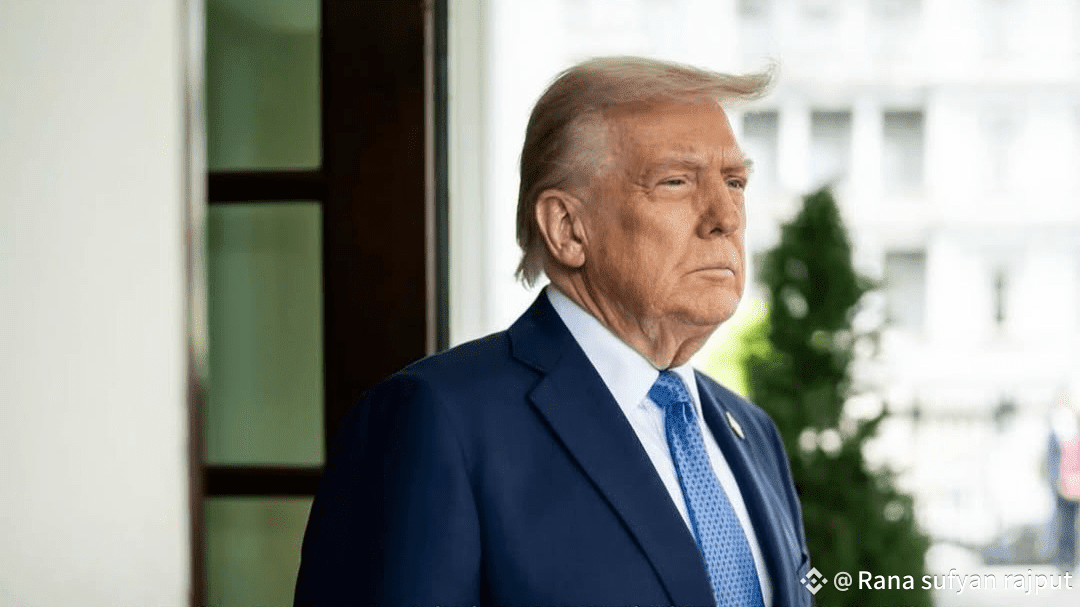
アメリカ財務省がドナルド・トランプを特集した「ファーストレディ・ドルコイン」を導入ワシントンD.C. — アメリカ合衆国財務省は、元大統領ドナルド・トランプをフィーチャーした新しい「ファーストレディ・ドルコイン」を導入する計画を発表しました。この発表は、グローバルな金融市場や政治界隈での主要な話題となり、アメリカドルの将来や広範な経済感情への潜在的な影響について激しい議論を引き起こしています。
---
重要な詳細
🪙 デザイン:
今後のコインには、アメリカの歴史における彼の役割に対する「オマージュ」として財務省の役人によって説明されたドナルド・J・トランプの肖像が描かれます。
アメリカ財務省がドナルド・トランプを特集した「ファーストレディ・ドルコイン」を導入
ワシントンD.C. — アメリカ合衆国財務省は、元大統領ドナルド・トランプをフィーチャーした新しい「ファーストレディ・ドルコイン」を導入する計画を発表しました。この発表は、グローバルな金融市場や政治界隈での主要な話題となり、アメリカドルの将来や広範な経済感情への潜在的な影響について激しい議論を引き起こしています。
---
重要な詳細
🪙 デザイン:
今後のコインには、アメリカの歴史における彼の役割に対する「オマージュ」として財務省の役人によって説明されたドナルド・J・トランプの肖像が描かれます。
---
重要な詳細
🪙 デザイン:
今後のコインには、アメリカの歴史における彼の役割に対する「オマージュ」として財務省の役人によって説明されたドナルド・J・トランプの肖像が描かれます。
14
リップルのCEOがSWIFTの銀行発表に応答、XRPコミュニティが反応$XRP — リップルのCEOブラッド・ガーリングハウスは、SWIFTの最近のブロックチェーンベースの共有台帳プロトタイプの発表に対して反論し、それを本物の技術的ブレークスルーというよりも、宣伝のための動きだと呼びました。
彼の発言は、株主への手紙で共有され、デジタルアセンショングループのCEOジェイク・クラバーによってさらに説明され、リップルの国際送金における優位性についての議論が再燃しました。
---
✨ クラバーがガーリングハウスの視点を強調
グッドモーニングクリプトに特集されたビデオの中で、ジェイク・クラバーはXRPコミュニティのためにガーリングハウスの反応を分解しました。
リップルのCEOがSWIFTの銀行発表に応答、XRPコミュニティが反応
$XRP — リップルのCEOブラッド・ガーリングハウスは、SWIFTの最近のブロックチェーンベースの共有台帳プロトタイプの発表に対して反論し、それを本物の技術的ブレークスルーというよりも、宣伝のための動きだと呼びました。
彼の発言は、株主への手紙で共有され、デジタルアセンショングループのCEOジェイク・クラバーによってさらに説明され、リップルの国際送金における優位性についての議論が再燃しました。
---
✨ クラバーがガーリングハウスの視点を強調
グッドモーニングクリプトに特集されたビデオの中で、ジェイク・クラバーはXRPコミュニティのためにガーリングハウスの反応を分解しました。
彼の発言は、株主への手紙で共有され、デジタルアセンショングループのCEOジェイク・クラバーによってさらに説明され、リップルの国際送金における優位性についての議論が再燃しました。
---
✨ クラバーがガーリングハウスの視点を強調
グッドモーニングクリプトに特集されたビデオの中で、ジェイク・クラバーはXRPコミュニティのためにガーリングハウスの反応を分解しました。
21
記事
🚨 アメリカ政府の閉鎖: 市場にとっての意味 🚨アメリカ政府は、ドナルド・トランプ大統領の共和党と野党の民主党との間での交渉が支出合意に達しなかったため、公式に資金の閉鎖に入りました。その結果、いくつかの連邦の業務が一時的に停止し、重要なサービスは引き続き運営されます。
⚖️ この閉鎖が重要な理由
アメリカの政治において政府の閉鎖は新しいことではありませんが、今回のものは特に重要です。ここ9ヶ月間、トランプ大統領は連邦政府の規模を縮小することに集中しており、この対立はその議題をさらに推進する機会として位置づけられています。通常は財政的な停滞と見なされるものが、今ではより深い政治的な意味を持つようになっています。
🚨 アメリカ政府の閉鎖: 市場にとっての意味 🚨
アメリカ政府は、ドナルド・トランプ大統領の共和党と野党の民主党との間での交渉が支出合意に達しなかったため、公式に資金の閉鎖に入りました。その結果、いくつかの連邦の業務が一時的に停止し、重要なサービスは引き続き運営されます。
⚖️ この閉鎖が重要な理由
アメリカの政治において政府の閉鎖は新しいことではありませんが、今回のものは特に重要です。ここ9ヶ月間、トランプ大統領は連邦政府の規模を縮小することに集中しており、この対立はその議題をさらに推進する機会として位置づけられています。通常は財政的な停滞と見なされるものが、今ではより深い政治的な意味を持つようになっています。
⚖️ この閉鎖が重要な理由
アメリカの政治において政府の閉鎖は新しいことではありませんが、今回のものは特に重要です。ここ9ヶ月間、トランプ大統領は連邦政府の規模を縮小することに集中しており、この対立はその議題をさらに推進する機会として位置づけられています。通常は財政的な停滞と見なされるものが、今ではより深い政治的な意味を持つようになっています。
29
記事
🚨 ボラティリティ警報: 米国政府のシャットダウンが始まります!⚡😱米国政府は、議会が資金法案に合意できなかったため、正式に部分的なシャットダウンに突入しました。合意なし = 資金流入なし。🏛️💥
---
🔎 何が起こっているの?
750,000人以上の連邦職員が一時休職 — 仕事なし、給与なし!😩💼❌
重要なサービスは継続中(航空交通管制官✈️、TSA🔒、法執行👮)、しかし解決策が見つかるまでスタッフは無給です。💪😤
保健セクターが打撃を受ける: NIH職員の75%とCDC職員の64%が一時的に休職 — 研究と試験が凍結されています。🏥🔬📉
FAAが11,000人の労働者を削減 — 大幅なフライト遅延が予想されます。🛫⏳
🚨 ボラティリティ警報: 米国政府のシャットダウンが始まります!⚡😱
米国政府は、議会が資金法案に合意できなかったため、正式に部分的なシャットダウンに突入しました。合意なし = 資金流入なし。🏛️💥
---
🔎 何が起こっているの?
750,000人以上の連邦職員が一時休職 — 仕事なし、給与なし!😩💼❌
重要なサービスは継続中(航空交通管制官✈️、TSA🔒、法執行👮)、しかし解決策が見つかるまでスタッフは無給です。💪😤
保健セクターが打撃を受ける: NIH職員の75%とCDC職員の64%が一時的に休職 — 研究と試験が凍結されています。🏥🔬📉
FAAが11,000人の労働者を削減 — 大幅なフライト遅延が予想されます。🛫⏳
---
🔎 何が起こっているの?
750,000人以上の連邦職員が一時休職 — 仕事なし、給与なし!😩💼❌
重要なサービスは継続中(航空交通管制官✈️、TSA🔒、法執行👮)、しかし解決策が見つかるまでスタッフは無給です。💪😤
保健セクターが打撃を受ける: NIH職員の75%とCDC職員の64%が一時的に休職 — 研究と試験が凍結されています。🏥🔬📉
FAAが11,000人の労働者を削減 — 大幅なフライト遅延が予想されます。🛫⏳
31
記事
米国大統領ドナルド・トランプ、可能性のある政府 shutdown に先立ち「大量解雇」を脅迫米国政府は再び shutdown の危機に瀕しており、議会が連邦予算に関する合意に達しない限り、資金は9月30日の午後11時59分に期限切れとなります。
ドナルド・トランプ大統領、#TRUMP 彼の第2期において、shutdown が発生した場合に連邦職員の大量解雇を脅かすことで緊張を高めています。
これは馴染みのない領域ではありません。米国の歴史において、連邦政府は合計87日間 shutdown したことがあり、その中にはトランプの第1期中に記録的な35日間の対立が含まれています。しかしトランプ 2.0 はさらに予測不可能であり、命令は頻繁に米国の裁判所によって覆され、急激でしばしば物議を醸す動きによって特徴づけられる統治スタイルを持っています。
米国大統領ドナルド・トランプ、可能性のある政府 shutdown に先立ち「大量解雇」を脅迫
米国政府は再び shutdown の危機に瀕しており、議会が連邦予算に関する合意に達しない限り、資金は9月30日の午後11時59分に期限切れとなります。
ドナルド・トランプ大統領、#TRUMP 彼の第2期において、shutdown が発生した場合に連邦職員の大量解雇を脅かすことで緊張を高めています。
これは馴染みのない領域ではありません。米国の歴史において、連邦政府は合計87日間 shutdown したことがあり、その中にはトランプの第1期中に記録的な35日間の対立が含まれています。しかしトランプ 2.0 はさらに予測不可能であり、命令は頻繁に米国の裁判所によって覆され、急激でしばしば物議を醸す動きによって特徴づけられる統治スタイルを持っています。
ドナルド・トランプ大統領、#TRUMP 彼の第2期において、shutdown が発生した場合に連邦職員の大量解雇を脅かすことで緊張を高めています。
これは馴染みのない領域ではありません。米国の歴史において、連邦政府は合計87日間 shutdown したことがあり、その中にはトランプの第1期中に記録的な35日間の対立が含まれています。しかしトランプ 2.0 はさらに予測不可能であり、命令は頻繁に米国の裁判所によって覆され、急激でしばしば物議を醸す動きによって特徴づけられる統治スタイルを持っています。
41
記事
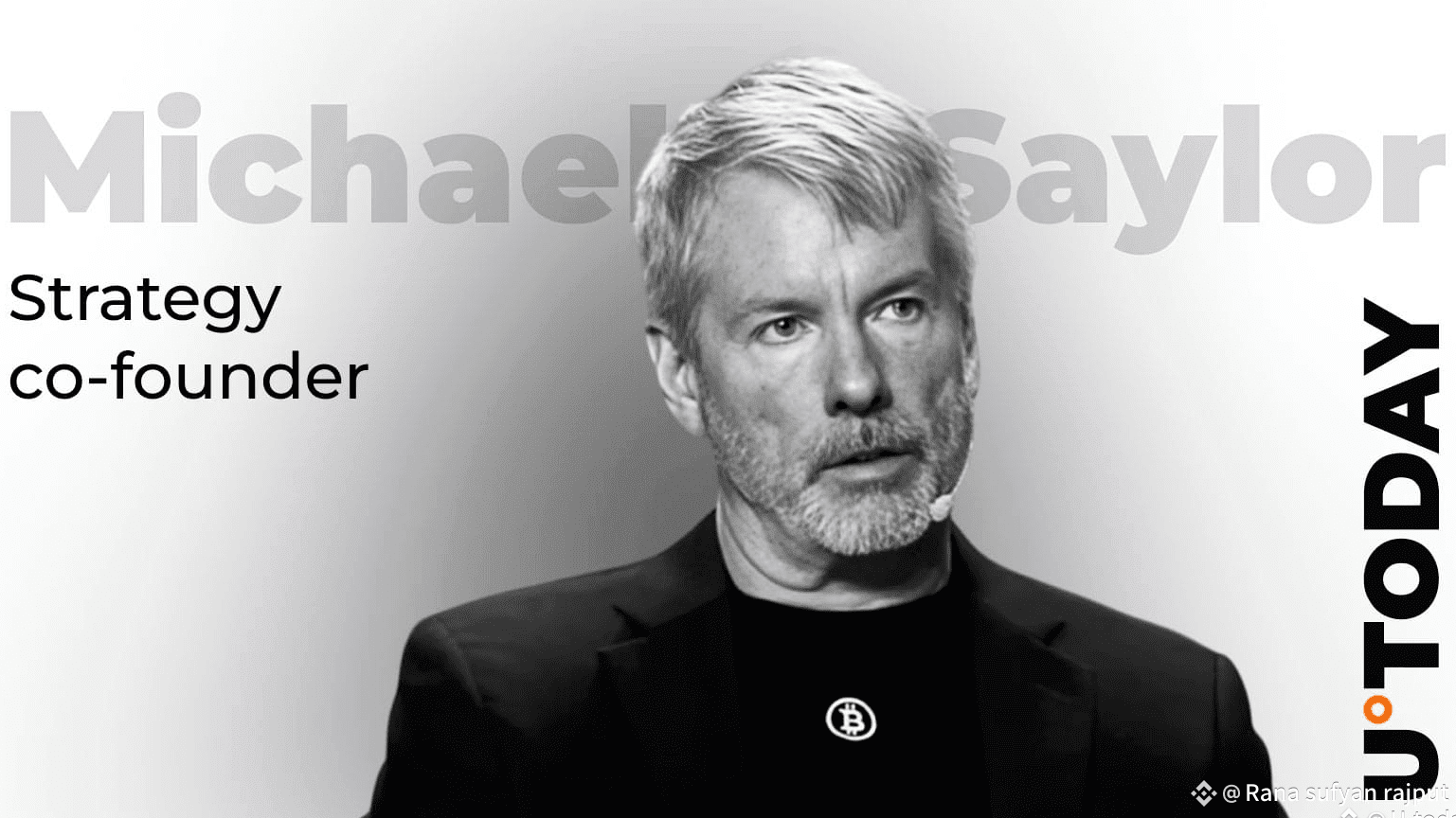
ストラテジーのセイラーがOGがビットコインを売っている理由を説明マイクロストラテジーの共同創設者マイケル・セイラーによると、初期のビットコイン$BTC adopters—しばしば「クリプトOG」と呼ばれる—は、最近市場で見られた売り圧力の多くの背後にいる。
「今、私は、売りが[行われている]のは、長い間多くのお金を持っていたクリプトOGだと思います」と、セイラーは最近のポッドキャスト出演中に述べました。売りはあったものの、彼は市場がこれらのコインを成功裏に吸収し、徐々に強いサポートレベルを築いていることを強調しました。
「ビットコイン持ち、フィアット貧乏」
ストラテジーのセイラーがOGがビットコインを売っている理由を説明
マイクロストラテジーの共同創設者マイケル・セイラーによると、初期のビットコイン$BTC adopters—しばしば「クリプトOG」と呼ばれる—は、最近市場で見られた売り圧力の多くの背後にいる。
「今、私は、売りが[行われている]のは、長い間多くのお金を持っていたクリプトOGだと思います」と、セイラーは最近のポッドキャスト出演中に述べました。売りはあったものの、彼は市場がこれらのコインを成功裏に吸収し、徐々に強いサポートレベルを築いていることを強調しました。
「ビットコイン持ち、フィアット貧乏」
「今、私は、売りが[行われている]のは、長い間多くのお金を持っていたクリプトOGだと思います」と、セイラーは最近のポッドキャスト出演中に述べました。売りはあったものの、彼は市場がこれらのコインを成功裏に吸収し、徐々に強いサポートレベルを築いていることを強調しました。
「ビットコイン持ち、フィアット貧乏」
30
ログインして、さらにコンテンツを読む
厳選トピックで世界の暗号資産トレーダーの仲間入り
⚡️ 暗号資産に関する最新かつ有益な情報が見つかります。
💬 世界最大の暗号資産取引所から信頼されています。
👍 認証を受けたクリエイターから、有益なインサイトを得られます。
メール / 電話番号
トレンドトピック
AnthropicIPOProspectusCouldValueItOver$2T
閲覧回数 349
28人が討論中
#AnthropicIPOProspectusCouldValueItOver$2T 🚨 アンソロピックのIPOは2兆ドル超の価値になり得る
Claude AIの背後にいる企業は、近日予定されているIPOで2兆ドル超の評価額を狙っていると報じられています。
AI競争から巨額の設備投資まで、アンソロピックはAIレースがどれほど大規模になったかを示しています。 🤖💰
一方で、今日の市場では売り圧力が強まっています:
🔻 $QNT
🔻 $NEAR
🔻 $ONDO
評価額2兆ドル超—現実的?それとも強気すぎ?
owhggwiohsjowve
·いいね:0件
·閲覧回数 161
HackersDrainOver12.4MXRPFromDCENTWallets
閲覧回数 3,969
175人が討論中
SECSaysDecentralizedTokenBuybacksNotInvestmentContracts
閲覧回数 115
7人が討論中