


Most blockchains compete on noise — higher TPS, faster blocks, louder narratives. Plasma is moving in the opposite direction, and that is exactly what makes it relevant right now. The network is being shaped as financial rails, not a playground. That distinction becomes critical as stablecoins move from speculative tools into everyday settlement instruments.
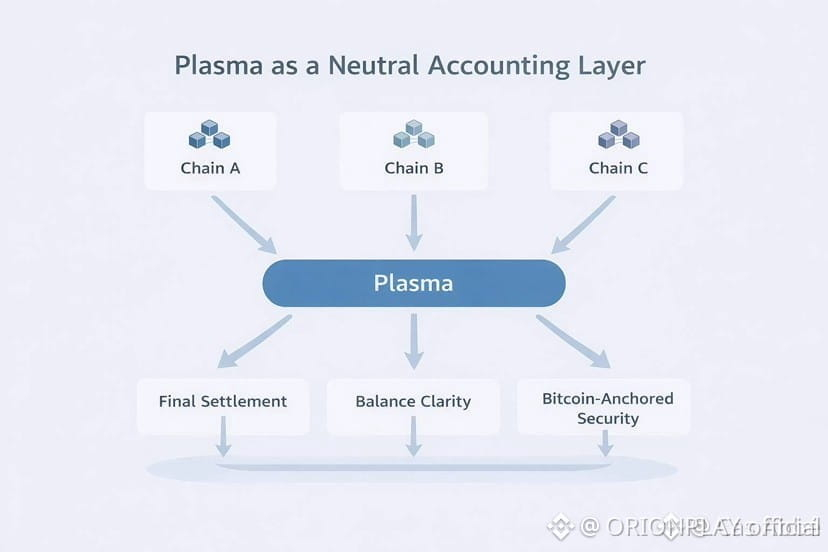
Plasma’s design choices emphasize predictability over performance theater. Transactions are optimized for consistency, not bursts. Validators are economically bonded so that uptime and correctness are more profitable than risky behavior. When things work, the system stays cheap and invisible. When things fail, users are not trapped — exits are built into the architecture by default. This is infrastructure thinking, not hype engineering.
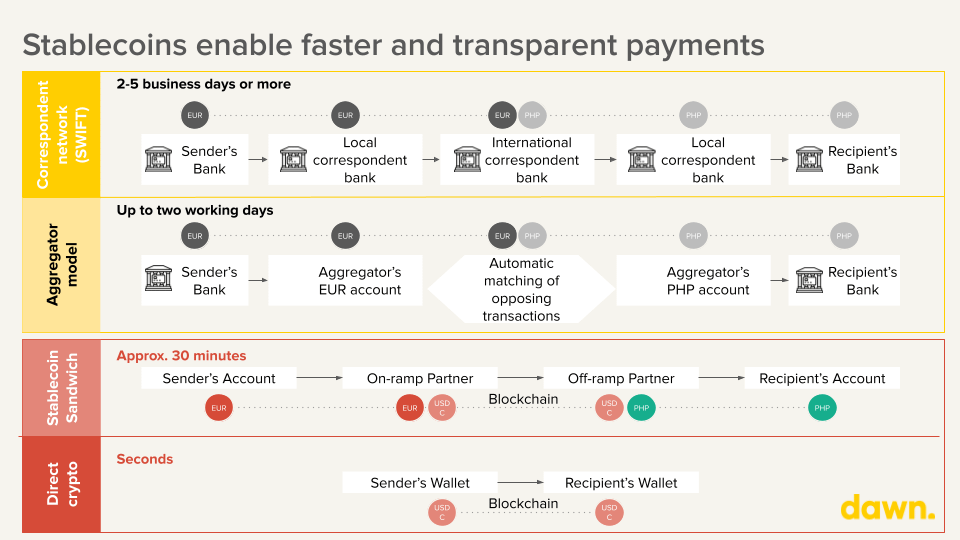
What stands out is how $XPL aligns incentives across the network. Instead of rewarding activity for its own sake, value accrues through reliability and sustained operation. Validators earn by keeping the network boring, stable, and trustworthy. Users benefit from low-friction transfers that feel closer to payment systems than experimental crypto apps.
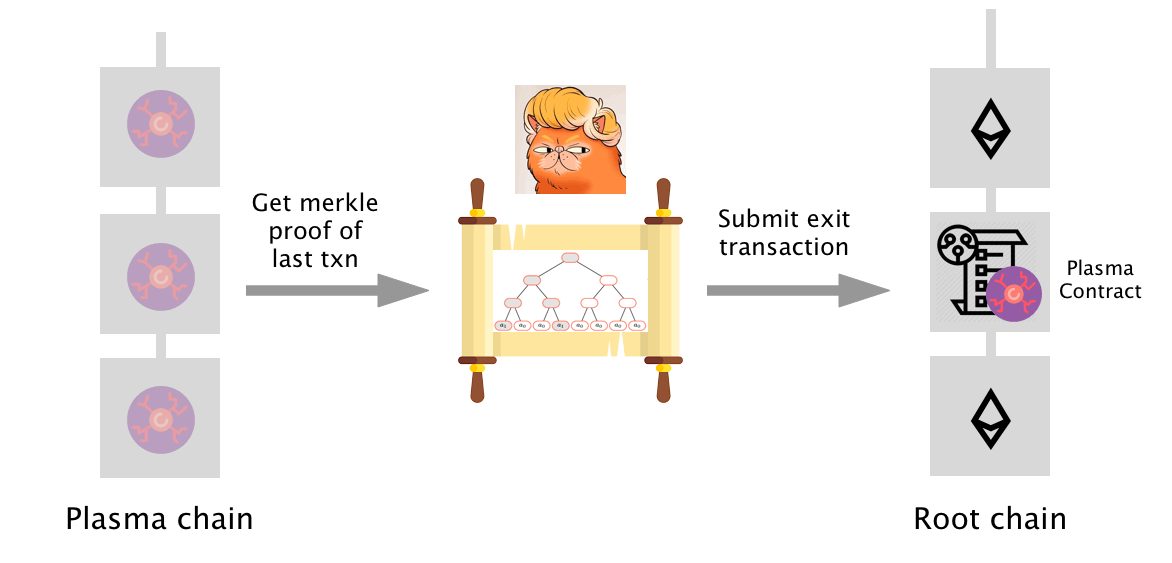
As stablecoin volumes grow globally, networks that behave like dependable utilities gain an edge. Plasma is positioning itself exactly there — not as the loudest chain, but as one that institutions, builders, and users can rely on when transactions actually matter.
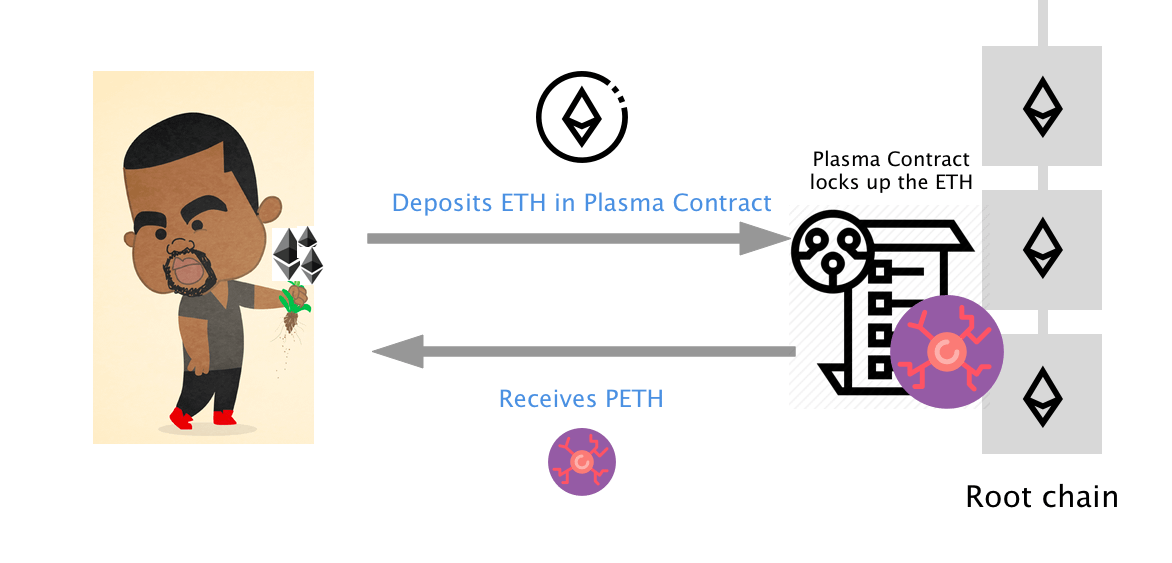
In crypto, trends change fast. Infrastructure that works quietly tends to last.

