
MICHEAL_ MARCUS
11.1k 投稿
MICHEAL_ MARCUS
Trader || X (Twitter): @jani_ahsan75562 || Web3. 0 || Binance KOL | Trade Setups are my personal opinions |
取引を発注
高頻度トレーダー
11.1か月
968 フォロー
31.7K+ フォロワー
24.8K+ いいね
投稿
ポートフォリオ
すべて
引用
ライブ
昔は夕暮れ(Dusk)を見て、「なるほど、プライバシーと機関(機関投資家)の話をする、また別のブロックチェーンか」と思っていました。
でも正直なところ、もっと面白い部分を見落としていると思います。
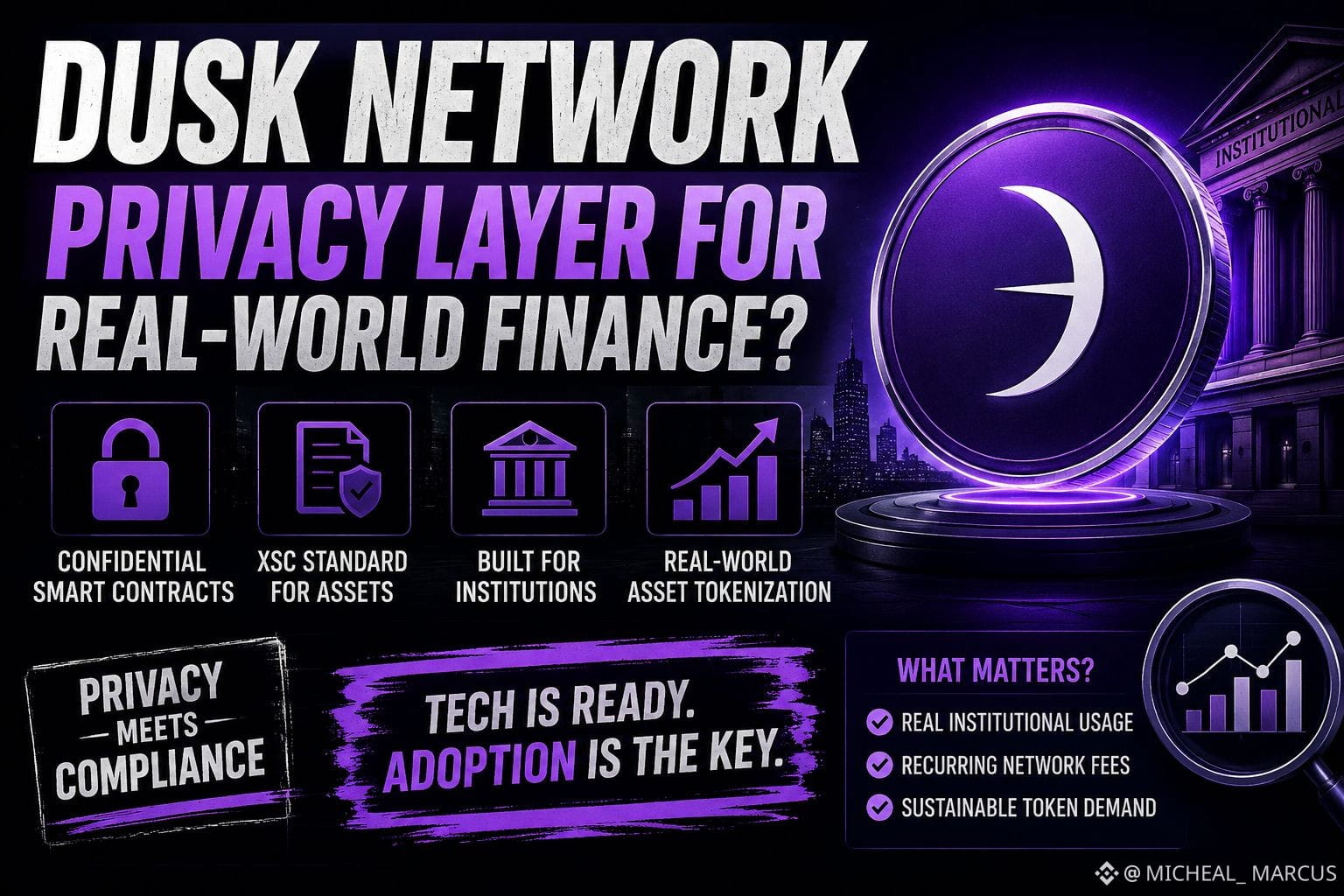
Duskはかなり具体的な課題を解こうとしています。つまり、誰にでも見える形で機微情報を公開することなく、金融資産をブロックチェーン上に載せるにはどうすればいいのか、という問題です。レイヤー1では、機密スマートコントラクトとXSC規格を使って、規制資産のようなものを扱います。ここで本当に重要なのは、プライバシーとコンプライアンスです。
聞こえは技術的ですが、現実世界の発想はかなりシンプルです。金融機関が、特定の投資家や取引の詳細を非公開にしつつ、資産をオンチェーンで発行したり清算したりできる可能性がある、ということです。
しかし、良い技術だけでは需要は生まれません。
そこで、私はここを注意深く見ています。機関は実際にネットワークを繰り返し使っているのか、それとも私たちは主に発表や初期の導入を見ているだけなのか。さらに、インセンティブが消えたときに、意味のある手数料を生むだけの十分な実活動が残るのか。
DUSKについても同じです。ガスやステーキングのためのユーティリティは役に立ちますが、トークンの価値には最終的に、それを支える持続的な需要が必要です。ネットワークの使用量に見合わない形で供給が市場に増え続けると問題になり得ます。
だから私は、「機関向けブロックチェーン」という言葉が強気に聞こえるからDuskを見ているのではありません。
現実の金融活動が始まり、それが継続的なネットワーク需要として生み出されるのかを見ています。
その部分こそが、私にとってこの論旨を面白くするはずです。
@Dusk #dusk $DUSK
でも正直なところ、もっと面白い部分を見落としていると思います。
Duskはかなり具体的な課題を解こうとしています。つまり、誰にでも見える形で機微情報を公開することなく、金融資産をブロックチェーン上に載せるにはどうすればいいのか、という問題です。レイヤー1では、機密スマートコントラクトとXSC規格を使って、規制資産のようなものを扱います。ここで本当に重要なのは、プライバシーとコンプライアンスです。
聞こえは技術的ですが、現実世界の発想はかなりシンプルです。金融機関が、特定の投資家や取引の詳細を非公開にしつつ、資産をオンチェーンで発行したり清算したりできる可能性がある、ということです。
しかし、良い技術だけでは需要は生まれません。
そこで、私はここを注意深く見ています。機関は実際にネットワークを繰り返し使っているのか、それとも私たちは主に発表や初期の導入を見ているだけなのか。さらに、インセンティブが消えたときに、意味のある手数料を生むだけの十分な実活動が残るのか。
DUSKについても同じです。ガスやステーキングのためのユーティリティは役に立ちますが、トークンの価値には最終的に、それを支える持続的な需要が必要です。ネットワークの使用量に見合わない形で供給が市場に増え続けると問題になり得ます。
だから私は、「機関向けブロックチェーン」という言葉が強気に聞こえるからDuskを見ているのではありません。
現実の金融活動が始まり、それが継続的なネットワーク需要として生み出されるのかを見ています。
その部分こそが、私にとってこの論旨を面白くするはずです。
@Dusk #dusk $DUSK
翻訳参照
#dusk $DUSK @Dusk
I used to think Dusk was just another project built around the “privacy for institutions” narrative. But after looking closer, I think that misses the more interesting part.
The real idea is pretty simple: some financial markets want the benefits of blockchain without putting every trade, balance, or piece of sensitive information on a public ledger.
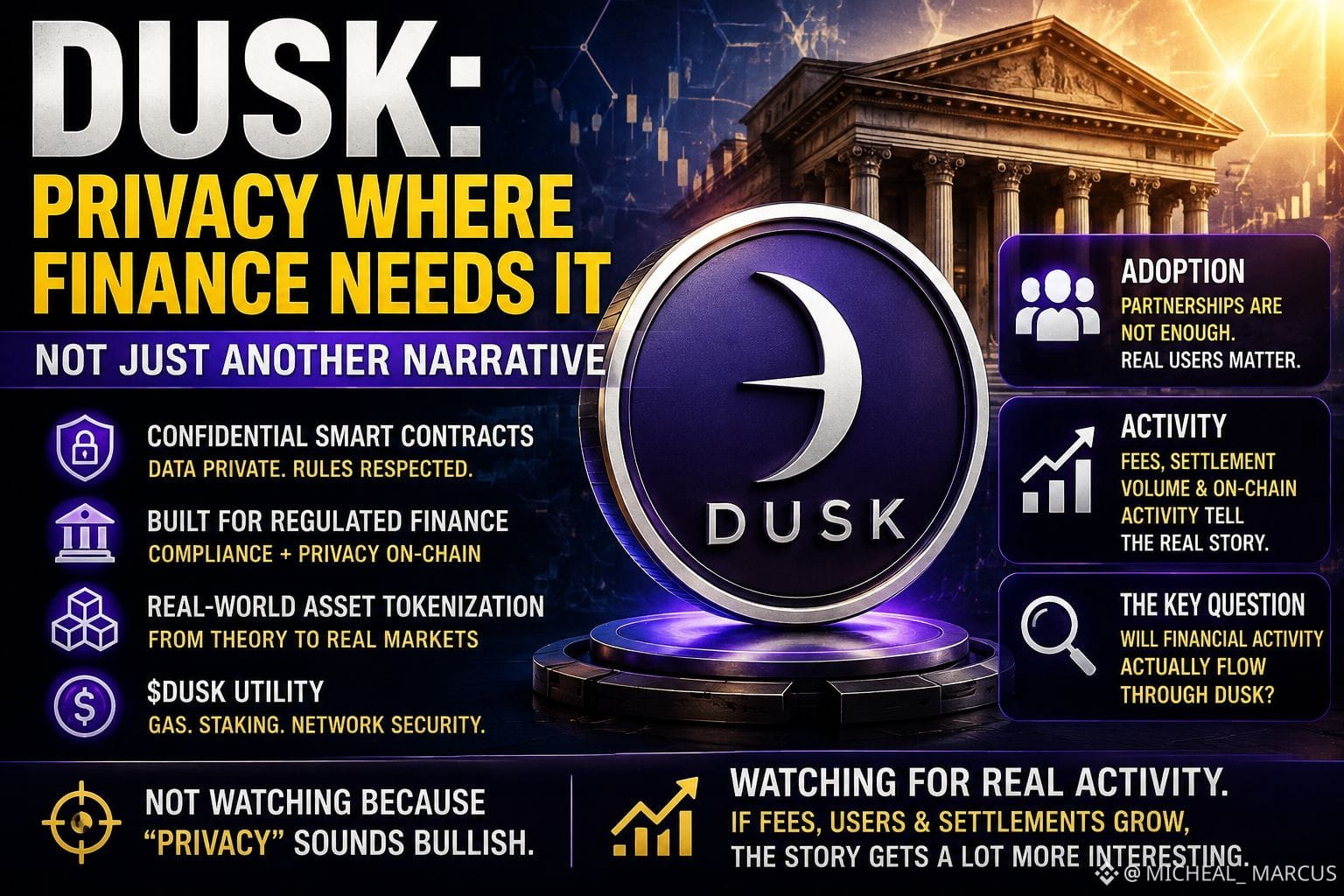
That’s where Dusk gets interesting. It’s a layer-1 designed for financial applications, using confidential smart contracts so transactions can remain private while still following the rules required by regulated markets.
Sounds niche, but that could actually be the advantage.
The problem is adoption. Having good technology doesn’t automatically mean banks, asset managers, or issuers will use it. Announced partnerships and integrations are worth watching, but what matters more is whether they turn into real users, real assets and consistent activity on-chain.
Then there’s $DUSK . The token has actual network utility through gas and staking, but that alone doesn’t guarantee strong demand. The network eventually needs enough economic activity to make those token mechanics meaningful.
So I’m not watching Dusk because “privacy” sounds bullish.
I’m watching one thing: does real financial activity start flowing through the network?
If fees, users and settlement volume keep growing, the story becomes much more interesting. If they don’t, the technology may stay impressive without becoming economically important.
I used to think Dusk was just another project built around the “privacy for institutions” narrative. But after looking closer, I think that misses the more interesting part.
The real idea is pretty simple: some financial markets want the benefits of blockchain without putting every trade, balance, or piece of sensitive information on a public ledger.
That’s where Dusk gets interesting. It’s a layer-1 designed for financial applications, using confidential smart contracts so transactions can remain private while still following the rules required by regulated markets.
Sounds niche, but that could actually be the advantage.
The problem is adoption. Having good technology doesn’t automatically mean banks, asset managers, or issuers will use it. Announced partnerships and integrations are worth watching, but what matters more is whether they turn into real users, real assets and consistent activity on-chain.
Then there’s $DUSK . The token has actual network utility through gas and staking, but that alone doesn’t guarantee strong demand. The network eventually needs enough economic activity to make those token mechanics meaningful.
So I’m not watching Dusk because “privacy” sounds bullish.
I’m watching one thing: does real financial activity start flowing through the network?
If fees, users and settlement volume keep growing, the story becomes much more interesting. If they don’t, the technology may stay impressive without becoming economically important.
⚠️ $XAUT はプルバックの最初の“本物の兆候”を見せている
上昇は強烈ですが、現在価格は$4,662.7のレジスタンス帯に直撃しており、次に重要なのはその水準からの反応です。
$XAUT は$4,559.1の安値から急騰し、高値切り上げ・安値切り上げの強い流れを構築しました。ですが、$4,662.7を一度つけた直後に売り手がすぐ介入し、価格を$4,643付近まで押し戻しました。この拒否(リジェクション)は、買い手が近くのサポート構造を守れない場合、短期的な反転のショートチャンスになり得ます。
🎯 弱気トレードのセットアップ
エントリー:$4,638–$4,655
TP1:$4,615
TP2:$4,605
TP3:$4,577
SL:$4,675
このセットアップが面白い理由
主な攻防は、$4,662.7のレジスタンスと、$4,615–$4,605のサポート群の間で起きています。
移動平均はまだ強気のため、これは“根拠のない空売り”ではありません。取引には確証が必要です。$4,650–$4,662からのリジェクション後、$4,615を下回る決定的な1H終値が出れば、上方向の動きが勢いを失っているという強い証拠になります。
上昇中に出来高は増えていましたが、最新のローソク足は高値付近での足踏みを示しています。もし$4,615が割れると売りの出来高が増加するなら、遅れて入った買い方のポジション(トラップ)が、追加の売り側の流動性になり得ます。
最初の下方向の目標は$4,615です。ここが失敗すれば、次の反応ゾーンは$4,605となり、より深い調整が入れば価格が$4,577へ引きずられる可能性があります。
🔥 無効化はシンプル:
もしXAUTが$4,662.7を上抜けし、強い出来高を伴って$4,675の上で受け入れ(アクzept)を確立するなら、弱気シナリオは無効です。その場合、売り手はブレイクと戦うのではなく退くべきです。
“価格が$4,675を上回って終値を付けるなら、弱気のセットアップは失敗であり、資金保護のために取引は終了すべきだ。”
さあ、今すぐTrade $XAUT
上昇は強烈ですが、現在価格は$4,662.7のレジスタンス帯に直撃しており、次に重要なのはその水準からの反応です。
$XAUT は$4,559.1の安値から急騰し、高値切り上げ・安値切り上げの強い流れを構築しました。ですが、$4,662.7を一度つけた直後に売り手がすぐ介入し、価格を$4,643付近まで押し戻しました。この拒否(リジェクション)は、買い手が近くのサポート構造を守れない場合、短期的な反転のショートチャンスになり得ます。
🎯 弱気トレードのセットアップ
エントリー:$4,638–$4,655
TP1:$4,615
TP2:$4,605
TP3:$4,577
SL:$4,675
このセットアップが面白い理由
主な攻防は、$4,662.7のレジスタンスと、$4,615–$4,605のサポート群の間で起きています。
移動平均はまだ強気のため、これは“根拠のない空売り”ではありません。取引には確証が必要です。$4,650–$4,662からのリジェクション後、$4,615を下回る決定的な1H終値が出れば、上方向の動きが勢いを失っているという強い証拠になります。
上昇中に出来高は増えていましたが、最新のローソク足は高値付近での足踏みを示しています。もし$4,615が割れると売りの出来高が増加するなら、遅れて入った買い方のポジション(トラップ)が、追加の売り側の流動性になり得ます。
最初の下方向の目標は$4,615です。ここが失敗すれば、次の反応ゾーンは$4,605となり、より深い調整が入れば価格が$4,577へ引きずられる可能性があります。
🔥 無効化はシンプル:
もしXAUTが$4,662.7を上抜けし、強い出来高を伴って$4,675の上で受け入れ(アクzept)を確立するなら、弱気シナリオは無効です。その場合、売り手はブレイクと戦うのではなく退くべきです。
“価格が$4,675を上回って終値を付けるなら、弱気のセットアップは失敗であり、資金保護のために取引は終了すべきだ。”
さあ、今すぐTrade $XAUT
正直に言うと、最初は「機関向けのプライバシーブロックチェーン」という言葉が、何度も聞いたことのある物語に感じられて、Duskを見落としていました。
でも、よく見ると、より面白いのはプライバシーが実際に何を可能にするのかという点だと思います。
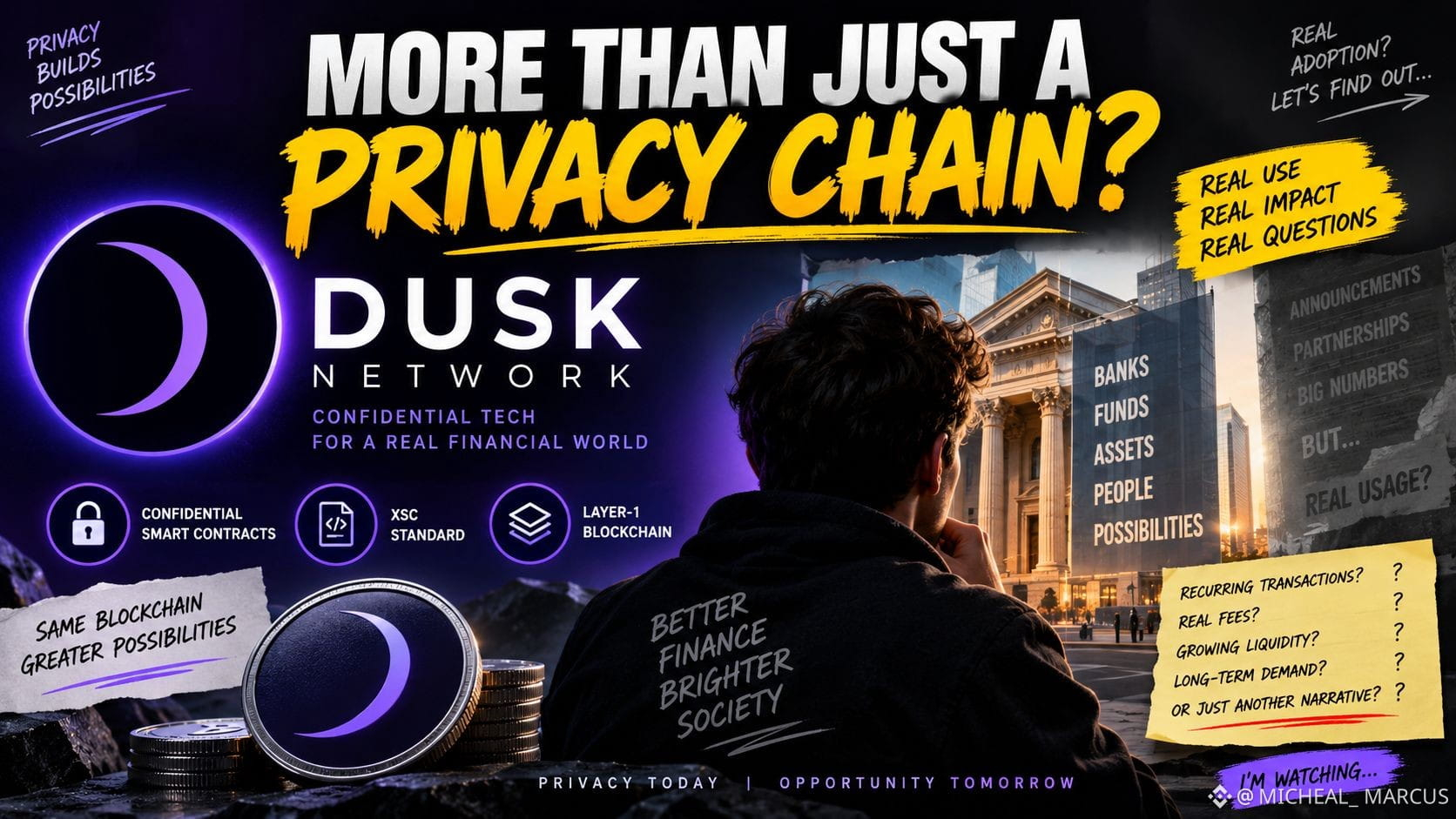
Duskは単に取引を隠そうとしているわけではありません。金融資産や規制対象となる活動を、誰もがセンシティブな情報まで全部見てしまうことなく、オンチェーンで動かせるようにする——という発想です。これは重要です。なぜなら、銀行やファンド、投資家はおそらく、自社のポジションや取引がパブリックなブロックチェーン上で完全にさらされることを望まないからです。
技術そのものは興味深いです。でも、技術だけでは主張になりません。
本当の問いは、実際に誰かがそれを使っているのか、ということです。
ここで私はまだ慎重です。機関との提携、トークン化された資産、投資家の数字は見栄えがよく見えるかもしれませんが、私は発表のあとに何が起きるのかをはるかに重視しています。資産は繰り返し決済されているのか。取引は手数料を生んでいるのか。開発者は作り続けているのか。流動性は本当に増えているのか。
そして、あとは$DUSK itselfです。ガスやステーキングのユーティリティがあるのは有用ですが、トークン需要は最終的にネットワークの成長とともに増える必要があります。そうでなければ、排出(エミッション)や供給圧力が問題になり得ます。
だから私は、プライバシーの物語が良さそうだからDuskを見ているわけではありません。
本当の金融活動が、本当のネットワーク需要に結びついているかを見ています。
その指標こそが、私がさらに注意深く注目するためのものになるでしょう。
@Dusk #dusk $DUSK
でも、よく見ると、より面白いのはプライバシーが実際に何を可能にするのかという点だと思います。
Duskは単に取引を隠そうとしているわけではありません。金融資産や規制対象となる活動を、誰もがセンシティブな情報まで全部見てしまうことなく、オンチェーンで動かせるようにする——という発想です。これは重要です。なぜなら、銀行やファンド、投資家はおそらく、自社のポジションや取引がパブリックなブロックチェーン上で完全にさらされることを望まないからです。
技術そのものは興味深いです。でも、技術だけでは主張になりません。
本当の問いは、実際に誰かがそれを使っているのか、ということです。
ここで私はまだ慎重です。機関との提携、トークン化された資産、投資家の数字は見栄えがよく見えるかもしれませんが、私は発表のあとに何が起きるのかをはるかに重視しています。資産は繰り返し決済されているのか。取引は手数料を生んでいるのか。開発者は作り続けているのか。流動性は本当に増えているのか。
そして、あとは$DUSK itselfです。ガスやステーキングのユーティリティがあるのは有用ですが、トークン需要は最終的にネットワークの成長とともに増える必要があります。そうでなければ、排出(エミッション)や供給圧力が問題になり得ます。
だから私は、プライバシーの物語が良さそうだからDuskを見ているわけではありません。
本当の金融活動が、本当のネットワーク需要に結びついているかを見ています。
その指標こそが、私がさらに注意深く注目するためのものになるでしょう。
@Dusk #dusk $DUSK
翻訳参照
#termmax @TermMax
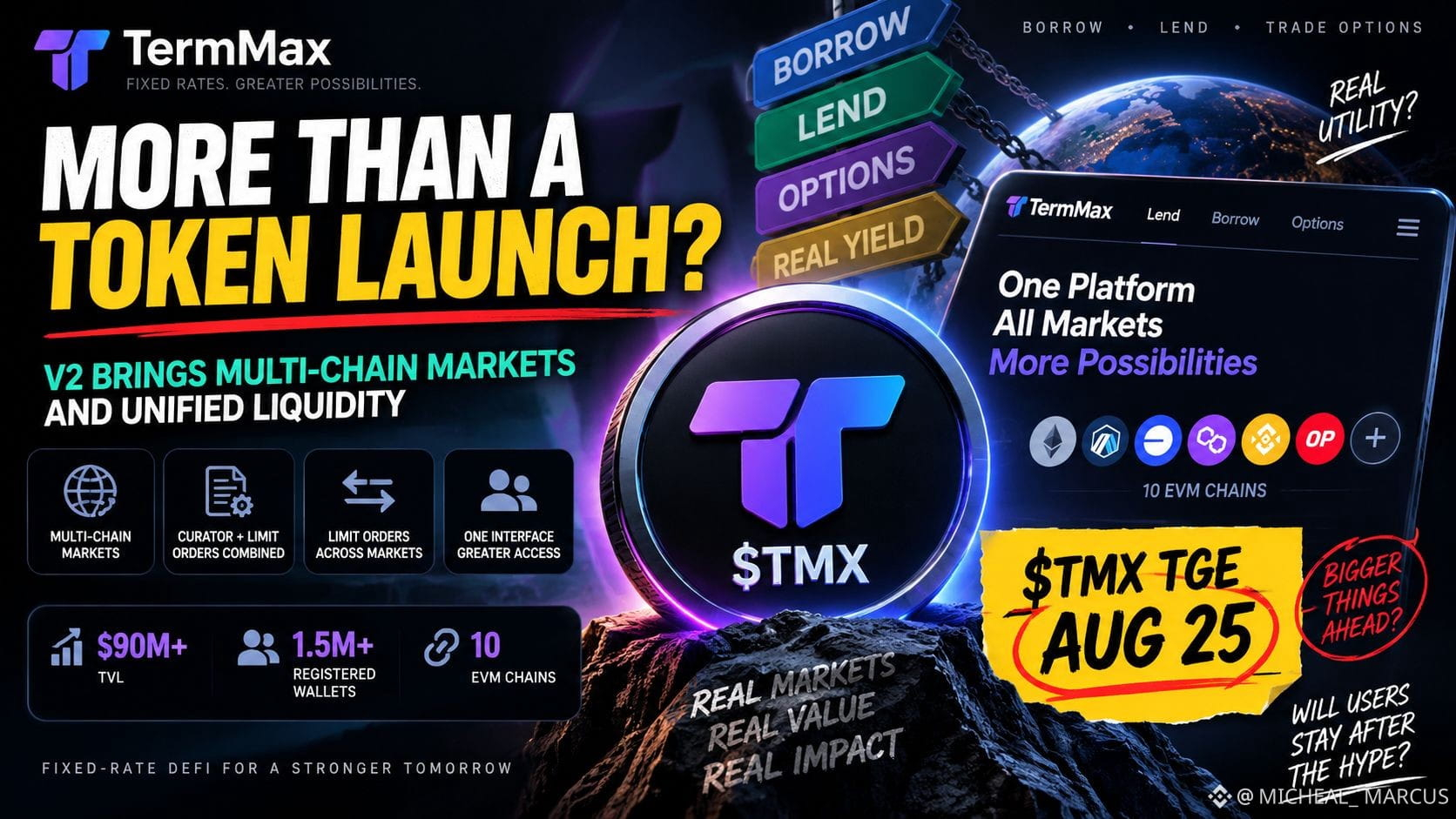
I’ve started looking at TermMax less as a fixed-rate lending protocol and more as a test of whether DeFi can turn fragmented liquidity into something actually usable across chains.
The recent V2 rollout is interesting for that reason. TermMax now puts markets and vaults from multiple chains into one interface, while combining curator and limit orders into a single quote and extending limit orders across markets. That sounds like UX polish, but the deeper implication is liquidity discovery: if users can compare and execute fixed-term markets without thinking about which chain they are sitting on, the protocol has a better chance of making term liquidity behave like a shared market rather than isolated pools.
The timing matters too. TermMax has announced the $TMX TGE for August 25, while reporting $90M+ TVL, 1.5M+ registered wallets and 10 EVM chains. Those numbers are impressive, but I wouldn’t automatically translate wallet growth into economic demand. The real test comes when incentives become less important and users still choose TermMax because the execution, rates and available liquidity are genuinely better. With a fixed 1B supply and roughly 20% planned initial circulation, I’ll be watching whether actual protocol activity can absorb the attention around $TMX rather than the token simply becoming the next source of short-term liquidity.
For me, the metric worth watching next is not TVL alone — it’s repeat fixed-rate volume per active user after the TGE noise fades. That tells us whether TermMax is building a market people actually need, or just a very efficient incentive machine.
I’ve started looking at TermMax less as a fixed-rate lending protocol and more as a test of whether DeFi can turn fragmented liquidity into something actually usable across chains.
The recent V2 rollout is interesting for that reason. TermMax now puts markets and vaults from multiple chains into one interface, while combining curator and limit orders into a single quote and extending limit orders across markets. That sounds like UX polish, but the deeper implication is liquidity discovery: if users can compare and execute fixed-term markets without thinking about which chain they are sitting on, the protocol has a better chance of making term liquidity behave like a shared market rather than isolated pools.
The timing matters too. TermMax has announced the $TMX TGE for August 25, while reporting $90M+ TVL, 1.5M+ registered wallets and 10 EVM chains. Those numbers are impressive, but I wouldn’t automatically translate wallet growth into economic demand. The real test comes when incentives become less important and users still choose TermMax because the execution, rates and available liquidity are genuinely better. With a fixed 1B supply and roughly 20% planned initial circulation, I’ll be watching whether actual protocol activity can absorb the attention around $TMX rather than the token simply becoming the next source of short-term liquidity.
For me, the metric worth watching next is not TVL alone — it’s repeat fixed-rate volume per active user after the TGE noise fades. That tells us whether TermMax is building a market people actually need, or just a very efficient incentive machine.
確認済み
#dusk $DUSK @Dusk
最初は、Dusk を別の「プライバシー・ブロックチェーン」として見ていて、そのまま流してしまいそうになりました。正直に言うと、その見方はここで面白い点を過小評価しています。
本質は、ランダムな暗号送金を隠すことよりも、すべてのポジション、残高、取引を市場全体にさらすことなく、金融資産をオンチェーンで使えるようにすることです。
Dusk は機密スマートコントラクトと XSC 標準を中心にしたレイヤー1で、基本的に、機密情報は非公開のまま、適格性、制限付きの移転、決済などのルールを規制対象資産に対して提供します。
それは一見ニッチに聞こえますが、証券のことを考えると話が変わります。誰もがファンドのポジションや機関の取引状況を見られるパブリック・ブロックチェーンは、必ずしも機関にとって魅力的とは限りません。選択的開示によるプライバシーは、実際的な課題を解決し得るのです。
ただ、ここから先は懐疑的です。
技術は機能し、ネットワークも稼働している可能性はありますが、採用が難しい問いであり続けます。Dusk はメインネットが本番対応であることを示し、機関との関係や、確認済みの発行が €300M 超である点を強調しています。私が本当に見たいのは、提携や告知された資産だけではなく、継続的な取引アクティビティと、反復的な経済的利用です。
そして $DUSK です。トークンはガスとステーキングに本当に必要で、これは重要です。しかしネットワークは、ステーキング報酬のために、さらに最大 500M の追加 DUSK を 36 年間で放出します。
だから私は「プライバシー + RWA が良さそうだから」Dusk を見ているわけではありません。
本当の金融活動が、排出(インフレ)よりも重要になるだけの十分な手数料と需要を、最終的に生み出せるかを見ています。
その指標が、面白いブロックチェーンと、経済的に役立つブロックチェーンを分けます。
$牛来
$ONG
最初は、Dusk を別の「プライバシー・ブロックチェーン」として見ていて、そのまま流してしまいそうになりました。正直に言うと、その見方はここで面白い点を過小評価しています。
本質は、ランダムな暗号送金を隠すことよりも、すべてのポジション、残高、取引を市場全体にさらすことなく、金融資産をオンチェーンで使えるようにすることです。
Dusk は機密スマートコントラクトと XSC 標準を中心にしたレイヤー1で、基本的に、機密情報は非公開のまま、適格性、制限付きの移転、決済などのルールを規制対象資産に対して提供します。
それは一見ニッチに聞こえますが、証券のことを考えると話が変わります。誰もがファンドのポジションや機関の取引状況を見られるパブリック・ブロックチェーンは、必ずしも機関にとって魅力的とは限りません。選択的開示によるプライバシーは、実際的な課題を解決し得るのです。
ただ、ここから先は懐疑的です。
技術は機能し、ネットワークも稼働している可能性はありますが、採用が難しい問いであり続けます。Dusk はメインネットが本番対応であることを示し、機関との関係や、確認済みの発行が €300M 超である点を強調しています。私が本当に見たいのは、提携や告知された資産だけではなく、継続的な取引アクティビティと、反復的な経済的利用です。
そして $DUSK です。トークンはガスとステーキングに本当に必要で、これは重要です。しかしネットワークは、ステーキング報酬のために、さらに最大 500M の追加 DUSK を 36 年間で放出します。
だから私は「プライバシー + RWA が良さそうだから」Dusk を見ているわけではありません。
本当の金融活動が、排出(インフレ)よりも重要になるだけの十分な手数料と需要を、最終的に生み出せるかを見ています。
その指標が、面白いブロックチェーンと、経済的に役立つブロックチェーンを分けます。
$牛来
$ONG
📊 Technical setup
0%
💧 Liquidity
0%
📈 Volume & momentum
0%
🎯 Risk/reward
0%
0 投票 • 投票は終了しました
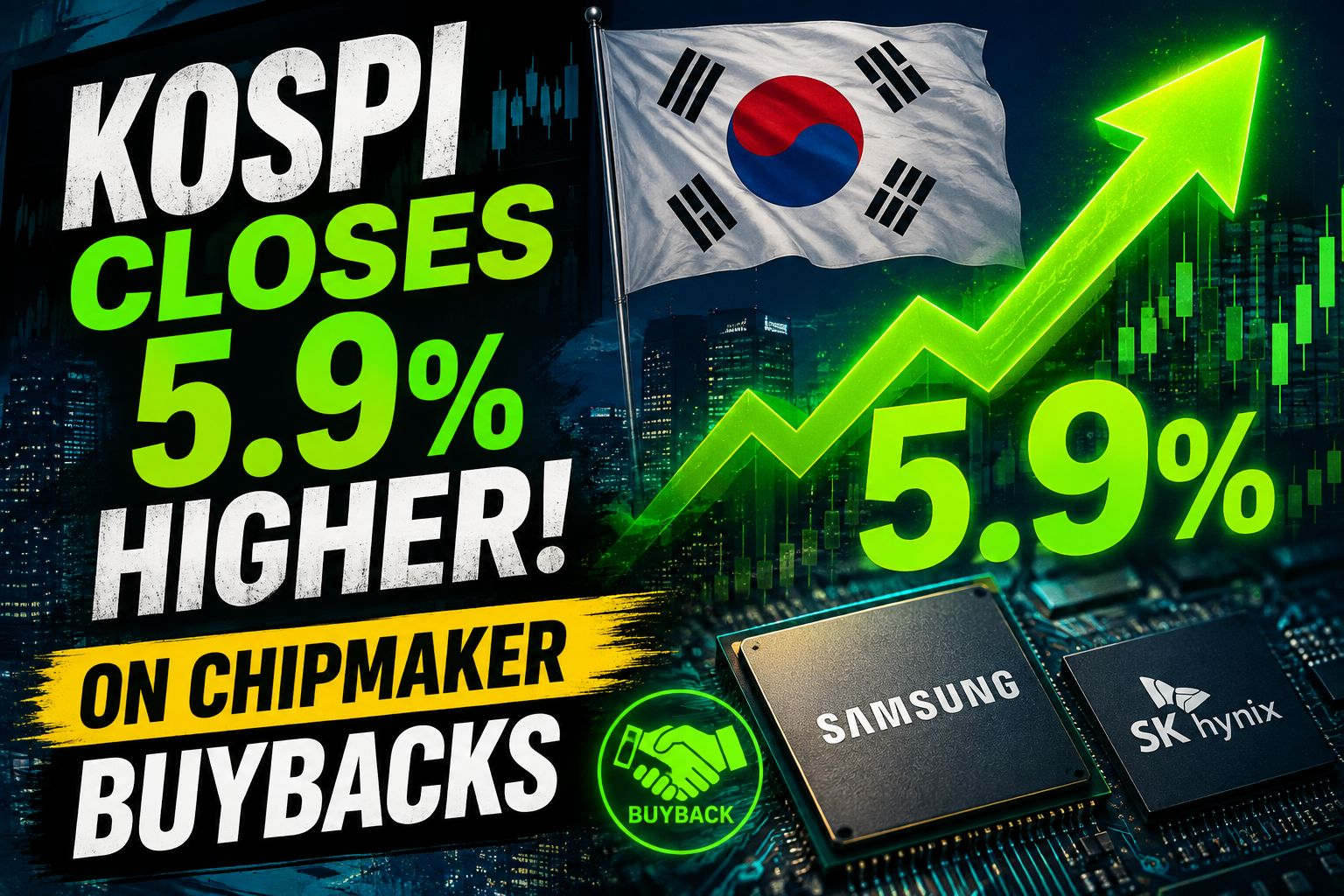
#KOSPICloses5.9%HigherOnChipmakerBuybacks
KOSPIはチップメーカーの自社株買いが強い買い圧力を押し上げ、5.9%高で大幅に上昇して深刻な値動きを見せました。
大きな焦点は単発の急騰だけではありません。半導体関連株は韓国市場の主要なけん引役であり、投資家がすでに回復局面にポジショニングしているときには、企業の積極的な支援が投資家心理を急速に変えてしまうこともあります。
これほど大きな値動きは、アジアの株式が半導体の景況感とリスク許容度の変化にどれほど敏感かを示しています。
そこで重要な問いはシンプルです。これはより広範なトレンド反転の始まりなのか、それとも力強いリリーフ(安心)反発に過ぎないのか。
今後数セッションが、多くのことを教えてくれるでしょう。
KOSPIはチップメーカーの自社株買いが強い買い圧力を押し上げ、5.9%高で大幅に上昇して深刻な値動きを見せました。
大きな焦点は単発の急騰だけではありません。半導体関連株は韓国市場の主要なけん引役であり、投資家がすでに回復局面にポジショニングしているときには、企業の積極的な支援が投資家心理を急速に変えてしまうこともあります。
これほど大きな値動きは、アジアの株式が半導体の景況感とリスク許容度の変化にどれほど敏感かを示しています。
そこで重要な問いはシンプルです。これはより広範なトレンド反転の始まりなのか、それとも力強いリリーフ(安心)反発に過ぎないのか。
今後数セッションが、多くのことを教えてくれるでしょう。
#dusk $DUSK @Dusk
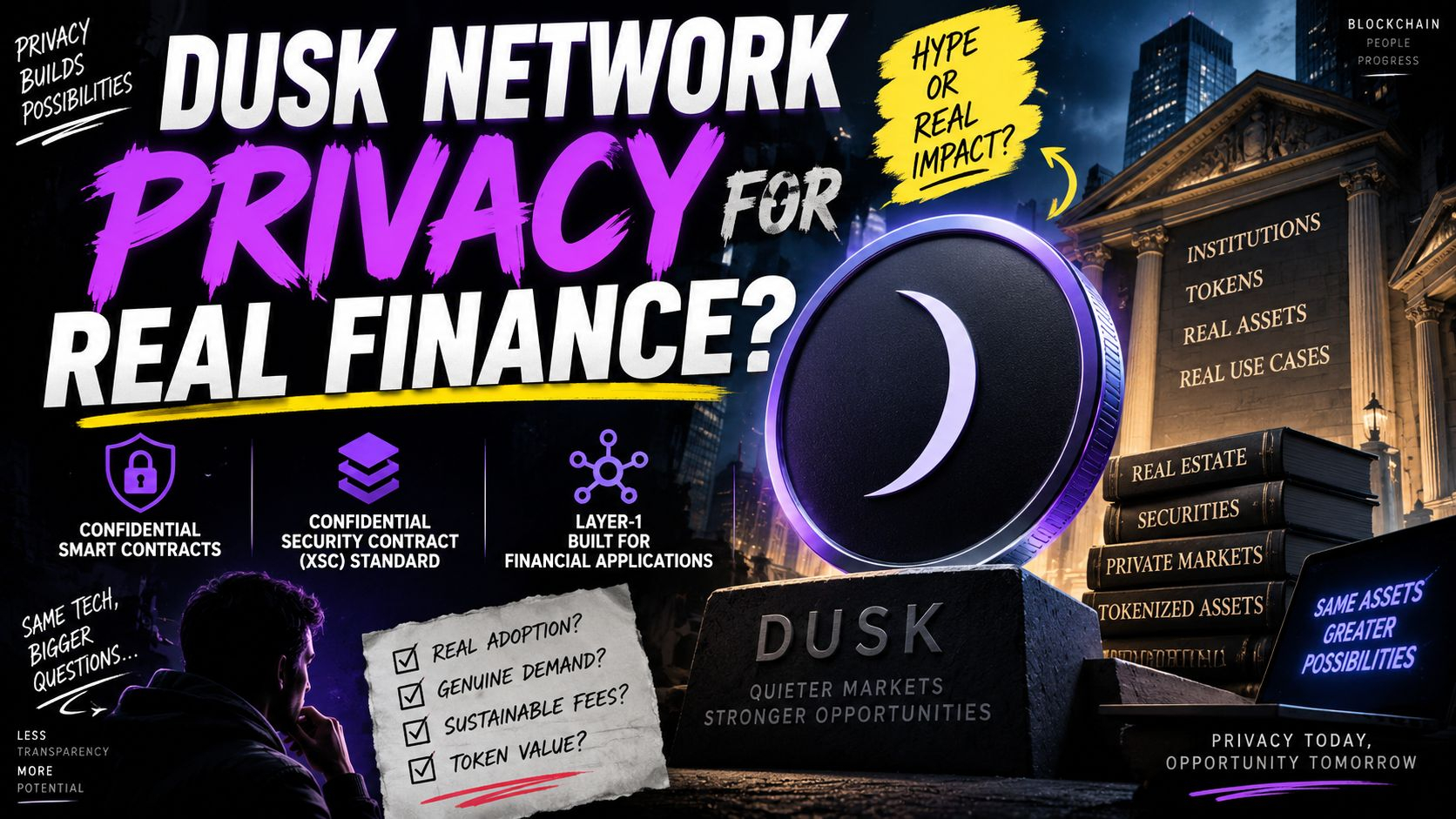
私はかつてDuskを見て、「もう一つのプライバシー重視のL1だ」と思っていました。正直、その切り口は、もっと面白い部分を見落としています。
ここでの本当の賭けは、単にプライベートな取引だけではありません。Duskは、規制された金融資産のためのインフラを構築しようとしていて、そこでは一部の情報は隠しておく必要がある一方で、他の情報は証明可能で監査可能である必要があります。スマートコントラクトのスタックはゼロ知識技術を使い、機密実行にも対応しているため、機関は理論上、証券、決済、金融ワークフローなどを、すべての詳細を公にさらすことなくオンチェーンに載せられます。
それはニッチに聞こえるかもしれませんが、徹底的に透明なクリプトのモデルに対して、従来型の金融がどれほど適合していないかを考えると話は別です。銀行が、自社の取引戦略の全てを公開台帳に載せたがるはずがありません。
とはいえ、良い暗号技術は自動的に需要を生むわけではありません。
Duskのメインネットは稼働しており、ネットワークは規制されたトークン化市場へ向けて進んでいますが、より難しい問いは、実際にどれほどの金融活動がそこで決済されるのかです。
そして $DUSK があります。このトークンには本物のプロトコル上のユーティリティがあります。ガスとステーキングです。しかし供給量が影響する可能性もまだあります。ネットワークは、ステーキング報酬として今後36年間でさらに500M DUSKを発行する計画です。
だから私は、プライバシーに関する主張よりも、次の指標に関心があります。つまり、「実際の金融ボリュームが実際の手数料を生んでいるか」という一点です。
もし機関がDusk上で意味のある資産を実際に決済しているのなら、その論旨はずっと強くなります。利用がほとんど物語(ナラティブ)にとどまるなら、技術だけではトークンを救えません。
私はかつてDuskを見て、「もう一つのプライバシー重視のL1だ」と思っていました。正直、その切り口は、もっと面白い部分を見落としています。
ここでの本当の賭けは、単にプライベートな取引だけではありません。Duskは、規制された金融資産のためのインフラを構築しようとしていて、そこでは一部の情報は隠しておく必要がある一方で、他の情報は証明可能で監査可能である必要があります。スマートコントラクトのスタックはゼロ知識技術を使い、機密実行にも対応しているため、機関は理論上、証券、決済、金融ワークフローなどを、すべての詳細を公にさらすことなくオンチェーンに載せられます。
それはニッチに聞こえるかもしれませんが、徹底的に透明なクリプトのモデルに対して、従来型の金融がどれほど適合していないかを考えると話は別です。銀行が、自社の取引戦略の全てを公開台帳に載せたがるはずがありません。
とはいえ、良い暗号技術は自動的に需要を生むわけではありません。
Duskのメインネットは稼働しており、ネットワークは規制されたトークン化市場へ向けて進んでいますが、より難しい問いは、実際にどれほどの金融活動がそこで決済されるのかです。
そして $DUSK があります。このトークンには本物のプロトコル上のユーティリティがあります。ガスとステーキングです。しかし供給量が影響する可能性もまだあります。ネットワークは、ステーキング報酬として今後36年間でさらに500M DUSKを発行する計画です。
だから私は、プライバシーに関する主張よりも、次の指標に関心があります。つまり、「実際の金融ボリュームが実際の手数料を生んでいるか」という一点です。
もし機関がDusk上で意味のある資産を実際に決済しているのなら、その論旨はずっと強くなります。利用がほとんど物語(ナラティブ)にとどまるなら、技術だけではトークンを救えません。
#dusk $DUSK @Dusk
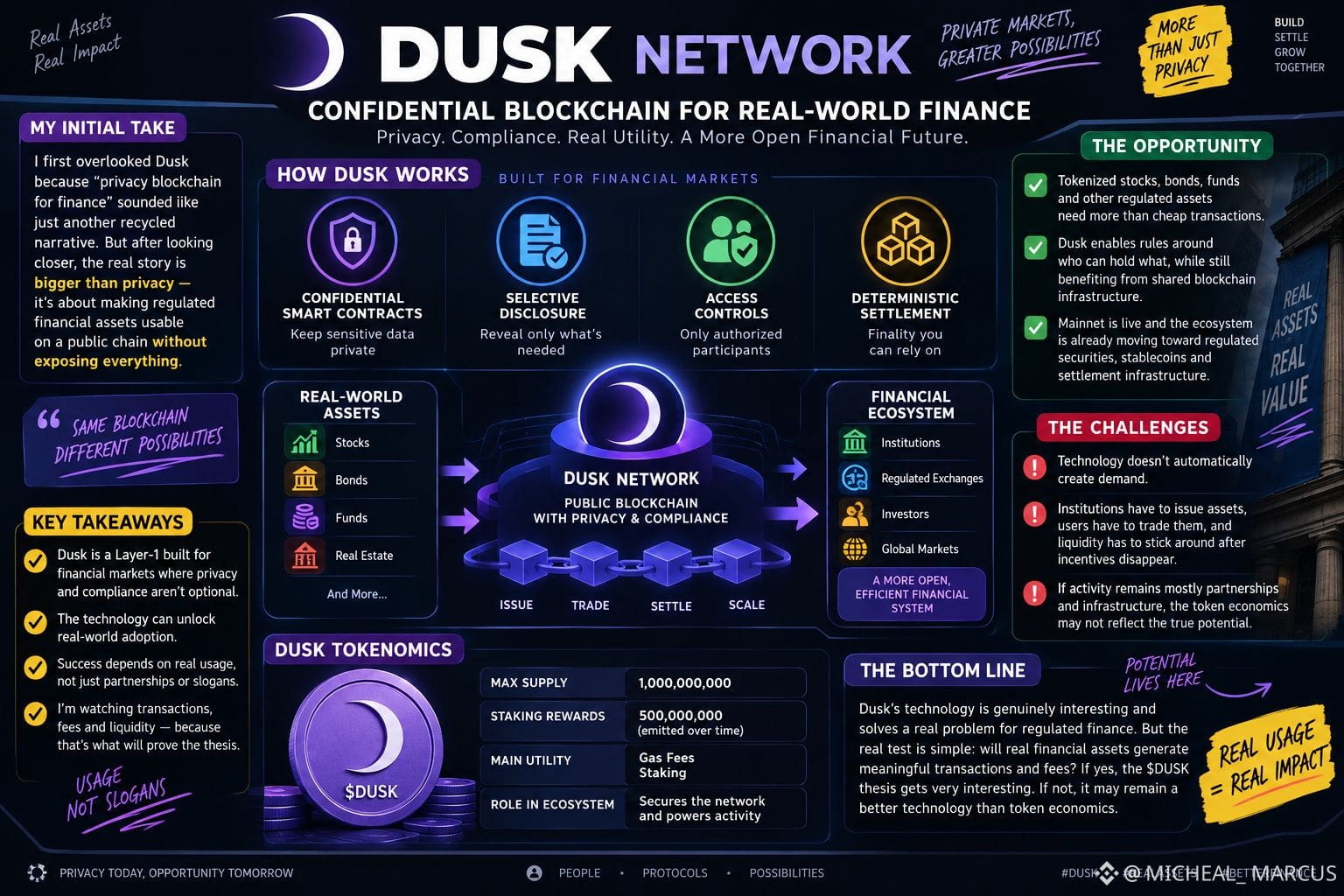
最初、Duskは見落としていました。「金融のためのプライバシーブロックチェーン」という言い回しが、暗号資産が何年も繰り返してきた“お決まりの物語”の一つに聞こえたからです。ですがよく見ると、面白いのはプライバシーそのものではありません。規制された金融資産が、すべてをさらすことなくパブリックチェーン上で本当に動かせるのか、そこがポイントです。
Duskは、機密スマートコントラクト、選択的開示、アクセス制御、決定論的な決済を軸にしたレイヤー1です。要するに、プライバシーとコンプライアンスが“任意”ではない金融市場でブロックチェーンを使えるようにすることが目標です。メインネットは稼働しており、エコシステムはすでに規制された証券、ステーブルコイン、そして決済インフラの方向を示しています。
チャンスは明白です。トークン化された株式、債券、ファンドなどの規制対象資産は、安い取引だけでは足りません。共有ブロックチェーン基盤の恩恵を受けつつも、「誰が何を保有できるか」といったルールが必要です。
ただ率直に言うと、ここからが難しいところです。面白い技術が自動的に需要を生むわけではありません。機関が資産を発行し、ユーザーがそれを取引し、そしてインセンティブが消えた後も流動性が残らなければならないのです。
DUSKでは、トークンに実際のプロトコル上のユーティリティがあります。ガスとステーキングです。しかし、供給はなお重要になり得ます。ネットワークの最大供給量は10億で、ステーキング報酬として時間をかけて5億が発行されます。
だから私はスローガンではなく利用状況を見ています。本物の金融資産が意味のある取引と手数料を生み出すなら、この仮説は面白くなります。活動が主に提携やインフラにとどまるなら、この技術はトークン経済性よりも優れている可能性があります。
最初、Duskは見落としていました。「金融のためのプライバシーブロックチェーン」という言い回しが、暗号資産が何年も繰り返してきた“お決まりの物語”の一つに聞こえたからです。ですがよく見ると、面白いのはプライバシーそのものではありません。規制された金融資産が、すべてをさらすことなくパブリックチェーン上で本当に動かせるのか、そこがポイントです。
Duskは、機密スマートコントラクト、選択的開示、アクセス制御、決定論的な決済を軸にしたレイヤー1です。要するに、プライバシーとコンプライアンスが“任意”ではない金融市場でブロックチェーンを使えるようにすることが目標です。メインネットは稼働しており、エコシステムはすでに規制された証券、ステーブルコイン、そして決済インフラの方向を示しています。
チャンスは明白です。トークン化された株式、債券、ファンドなどの規制対象資産は、安い取引だけでは足りません。共有ブロックチェーン基盤の恩恵を受けつつも、「誰が何を保有できるか」といったルールが必要です。
ただ率直に言うと、ここからが難しいところです。面白い技術が自動的に需要を生むわけではありません。機関が資産を発行し、ユーザーがそれを取引し、そしてインセンティブが消えた後も流動性が残らなければならないのです。
DUSKでは、トークンに実際のプロトコル上のユーティリティがあります。ガスとステーキングです。しかし、供給はなお重要になり得ます。ネットワークの最大供給量は10億で、ステーキング報酬として時間をかけて5億が発行されます。
だから私はスローガンではなく利用状況を見ています。本物の金融資産が意味のある取引と手数料を生み出すなら、この仮説は面白くなります。活動が主に提携やインフラにとどまるなら、この技術はトークン経済性よりも優れている可能性があります。
#termmax @TermMax
当初、TermMaxは「固定金利DeFi」の別の話だと思って見ていました。でも、より面白いのは、いつもの変動金利の貸借モデルからどれだけ引き離そうとしているか、という点です。
基本的な考え方はかなりシンプルです。貸し手と借り手が最初に金利と満期を合意し、プロトコルがそのポジションを固定期間のトークンで表現する、というものです。さらに、レバレッジ、ヴォールト(金庫)、そしてオプションのようなプロダクトもその上に追加されています。退屈に聞こえるかもしれませんが、「予測可能な資金調達」は、DeFiがまだ意外と苦手な領域のひとつです。
私にとって本当の機会は、もう一つのイールドファームを追う個人ユーザーではありません。取引者、ストラクチャード・プロダクトの利用者、そして最終的には、ポジションを取る前に資金調達コストを把握する必要がある、より大きな資本です。
ただしリスクは流動性です。固定金利市場は、満期ごとに十分な両側(売り手と買い手)の需要があるときに初めて有用になります。プロトコルが洗練された契約を持っていても、借り手がその確実性に対して継続的に支払う意思を示していなければ、空虚に感じられてしまいます。
そしてここで、私はTMXとプロダクトを切り分けて考えます。トークンにはガバナンスやステーキングの野心がありますが、プロトコルの現状の経済設計は、「インセンティブ以外の理由で、利用が持続的な需要を生む」ことをまだ証明する必要があります。
なので、私は見出しのTVLにはあまり関心がなく、インセンティブが薄れてからの、繰り返しの借り入れ、オーガニックな手数料、市場の厚み、そして利用率により関心があります。これらの数字が伸び続けるなら、論点(テーゼ)ははるかに面白くなります。もしそうでなければ、インフラだけではそのトークンは救えません。
投票:
TermMaxの長期的な成功にとって最も重要なのは何ですか?
$BTW
$ACE
$RICE
当初、TermMaxは「固定金利DeFi」の別の話だと思って見ていました。でも、より面白いのは、いつもの変動金利の貸借モデルからどれだけ引き離そうとしているか、という点です。
基本的な考え方はかなりシンプルです。貸し手と借り手が最初に金利と満期を合意し、プロトコルがそのポジションを固定期間のトークンで表現する、というものです。さらに、レバレッジ、ヴォールト(金庫)、そしてオプションのようなプロダクトもその上に追加されています。退屈に聞こえるかもしれませんが、「予測可能な資金調達」は、DeFiがまだ意外と苦手な領域のひとつです。
私にとって本当の機会は、もう一つのイールドファームを追う個人ユーザーではありません。取引者、ストラクチャード・プロダクトの利用者、そして最終的には、ポジションを取る前に資金調達コストを把握する必要がある、より大きな資本です。
ただしリスクは流動性です。固定金利市場は、満期ごとに十分な両側(売り手と買い手)の需要があるときに初めて有用になります。プロトコルが洗練された契約を持っていても、借り手がその確実性に対して継続的に支払う意思を示していなければ、空虚に感じられてしまいます。
そしてここで、私はTMXとプロダクトを切り分けて考えます。トークンにはガバナンスやステーキングの野心がありますが、プロトコルの現状の経済設計は、「インセンティブ以外の理由で、利用が持続的な需要を生む」ことをまだ証明する必要があります。
なので、私は見出しのTVLにはあまり関心がなく、インセンティブが薄れてからの、繰り返しの借り入れ、オーガニックな手数料、市場の厚み、そして利用率により関心があります。これらの数字が伸び続けるなら、論点(テーゼ)ははるかに面白くなります。もしそうでなければ、インフラだけではそのトークンは救えません。
投票:
TermMaxの長期的な成功にとって最も重要なのは何ですか?
$BTW
$ACE
$RICE
A) Real borrowing demand
0%
B) Deep fixed-rate liquidity
0%
C) Sustainable protocol fees
0%
D) TMX token utility
0%
0 投票 • 投票は終了しました
固定金利の借り入れが便利そうに思えるので、TermMaxには何度も戻ってきてしまいます。でも私は、ユーザーがそのプロダクトそのもののことを考えるのをやめた後に何が起きるのかに、より関心があります。たいてい本当の試験が始まるのはそこです。TermMaxは、固定金利の借り入れ、貸し出し、オプション取引のための枠組みをユーザーに提供しますが、私にとって興味深いのは、人々が新しいプロトコルへの熱が冷めたあとも実際にそれらの市場を使い続けるのかどうかです。
私は流動性を注意深く見ています。固定金利の市場には、良いアイデア以上のものが必要だからです。借り手には予測可能なコストが必要で、貸し手には留まり続ける理由が必要で、さらに価格が有用であり続けるためには、双方に十分な参加が必要です。オプションはもう一つの層を加えますが、その一方で、活動が本物の需要から来ているのか、それとも一時的なインセンティブによるものなのかという疑問も生まれます。
私がまだ確信できないのは、ユーティリティと参加のバランスです。ユーザーが最終的に、報酬を追いかけるのではなく、本当に固定金利のエクスポージャーを必要としているからこそやって来るのなら、それは見出し上の活動以上の情報を私に与えてくれるでしょう。今は、インセンティブや注目が重要でなくなったときでも、TermMaxが流動性と利用を健全に保てるのかを見守っています。
@TermMax #TermMax
私は流動性を注意深く見ています。固定金利の市場には、良いアイデア以上のものが必要だからです。借り手には予測可能なコストが必要で、貸し手には留まり続ける理由が必要で、さらに価格が有用であり続けるためには、双方に十分な参加が必要です。オプションはもう一つの層を加えますが、その一方で、活動が本物の需要から来ているのか、それとも一時的なインセンティブによるものなのかという疑問も生まれます。
私がまだ確信できないのは、ユーティリティと参加のバランスです。ユーザーが最終的に、報酬を追いかけるのではなく、本当に固定金利のエクスポージャーを必要としているからこそやって来るのなら、それは見出し上の活動以上の情報を私に与えてくれるでしょう。今は、インセンティブや注目が重要でなくなったときでも、TermMaxが流動性と利用を健全に保てるのかを見守っています。
@TermMax #TermMax
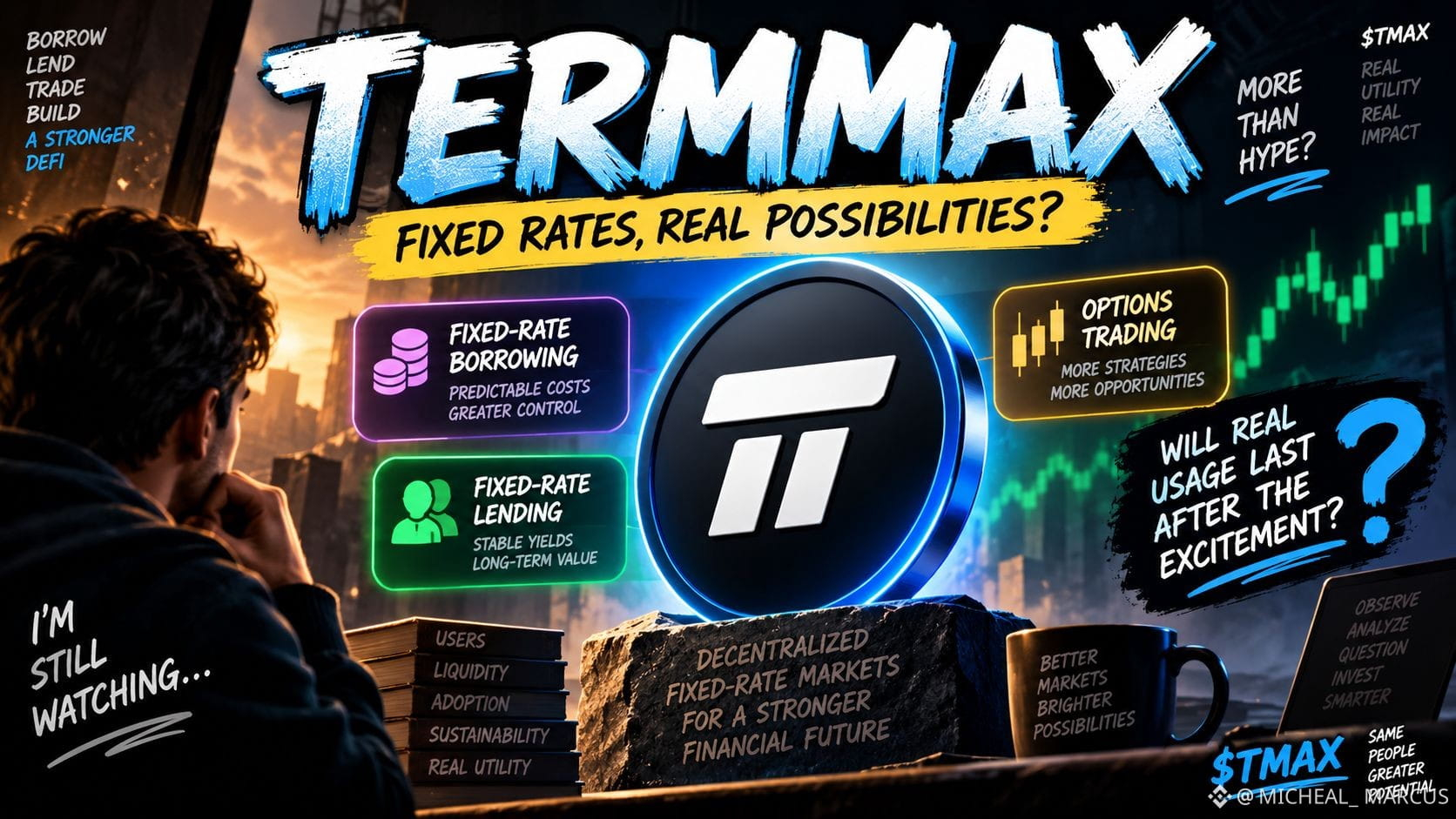
正直に言うと、私は昔ダスクを見て「また別のプライバシー・ブロックチェーンか」と考えていました。
でも、見れば見るほど、それはたぶん捉え方として間違っていると気づきました。
面白いのは、取引をただ非公開にすることだけではありません。すべてがルールに従わなければならない金融市場で、プライバシーを“使える”ものにすることです。
ダスクは、機密スマートコントラクトとそのXSC規格を中心に作られたレイヤー1です。基本的な発想は、センシティブな金融活動はプライベートなまま維持しつつ、許可された関係者が必要なものを検証できるようにすることです。
それはかなりニッチに聞こえるかもしれませんが、トークン化された不動産、証券、あるいはファンドのことを考えてみてください。すべての機関が、自社の取引活動を公開ブロックチェーン上に丸出しにしたいわけではありません。
とはいえ、技術だけでは多くを証明できません。
難しいのは、本当に事業を行う企業や開発者、ユーザーが実際にそれを作り、そこで取引するようになることです。そして$DUSK の問題もあります。たとえネットワークが成功しても、トークンには実需が必要です。有用なユーティリティ、そして供給を吸収するだけの十分な経済活動が求められます。
だから私は、プライバシーという物語よりも、次に何が起きるのかに関心があります。
本当に現実の金融資産がオンチェーンで動いているのか?
手数料は伸びているのか?
ユーザーは戻ってきているのか?
もしそれらの数字が一緒に改善し始めるなら、ダスクはずっと面白くなります。もしそうでないなら、素晴らしい技術は単に素晴らしい技術のまま、ということになるかもしれません。:::
@Dusk #dusk
$XPIN
$STAR
$DUSK
$DUSK にとって最も重要なのは何? 👀
でも、見れば見るほど、それはたぶん捉え方として間違っていると気づきました。
面白いのは、取引をただ非公開にすることだけではありません。すべてがルールに従わなければならない金融市場で、プライバシーを“使える”ものにすることです。
ダスクは、機密スマートコントラクトとそのXSC規格を中心に作られたレイヤー1です。基本的な発想は、センシティブな金融活動はプライベートなまま維持しつつ、許可された関係者が必要なものを検証できるようにすることです。
それはかなりニッチに聞こえるかもしれませんが、トークン化された不動産、証券、あるいはファンドのことを考えてみてください。すべての機関が、自社の取引活動を公開ブロックチェーン上に丸出しにしたいわけではありません。
とはいえ、技術だけでは多くを証明できません。
難しいのは、本当に事業を行う企業や開発者、ユーザーが実際にそれを作り、そこで取引するようになることです。そして$DUSK の問題もあります。たとえネットワークが成功しても、トークンには実需が必要です。有用なユーティリティ、そして供給を吸収するだけの十分な経済活動が求められます。
だから私は、プライバシーという物語よりも、次に何が起きるのかに関心があります。
本当に現実の金融資産がオンチェーンで動いているのか?
手数料は伸びているのか?
ユーザーは戻ってきているのか?
もしそれらの数字が一緒に改善し始めるなら、ダスクはずっと面白くなります。もしそうでないなら、素晴らしい技術は単に素晴らしい技術のまま、ということになるかもしれません。:::
@Dusk #dusk
$XPIN
$STAR
$DUSK
$DUSK にとって最も重要なのは何? 👀
🟢 Real financial adoption
50%
🔵 Privacy tech
0%
🟡 Token utility
50%
🔴 Liquidity & fees:::
0%
2 投票 • 投票は終了しました
最初、私はDuskを見落としていました。「金融のためのプライバシーブロックチェーン」という言い回しが、暗号界が永遠に繰り返してきたような“あの手の物語”に聞こえたからです。でも、ここで本当に面白いのはプライバシーそのものではありません。重要なのは、「監査を不可能にせずに」金融活動を非公開にできるかどうかです。
Duskは、機密スマートコントラクトとそのXSC規格を軸にしたレイヤー1で、要するに、金融アプリがセンシティブな取引の詳細を隠したまま、コンプライアンスが本当に必要なときには選択的な開示を可能にする手段を提供します。メインネットは2025年1月に稼働開始しているので、「きれいなホワイトペーパー段階」はとうに過ぎています。
そして正直、その違いは、トークン化された証券、ファンド、その他の規制対象資産では重要になり得ます。機関投資家としては、すべてのポジションや取引がパブリックな台帳に透明に載り続けるのは望まないでしょう。しかし規制当局は、「信じてください、プライベートなんです」とは受け入れてくれません。
リスクは普及です。技術的に動くことと、そこで機関が実際に意味のある出来高を決済することは同じではありません。
さらに、$DUSK itselfもあります。これはガスとステーキングに必要で、実際のプロトコル上の有用性を持っていますが、ネットワークは36年の間にステーキング報酬として別途500Mトークンを放出する可能性があります。
ですので、私はプライバシーという物語よりも、ひとつの指標に関心があります。つまり、実際に手数料を生み出す金融活動です。
それが有意に成長し始めるなら、見立て(テーゼ)は面白くなってきます。もし成長しないなら、この技術は市場を探し続ける立派なインフラのままに終わるかもしれません。
@Dusk #dusk $DUSK
$GPS
Duskは、機密スマートコントラクトとそのXSC規格を軸にしたレイヤー1で、要するに、金融アプリがセンシティブな取引の詳細を隠したまま、コンプライアンスが本当に必要なときには選択的な開示を可能にする手段を提供します。メインネットは2025年1月に稼働開始しているので、「きれいなホワイトペーパー段階」はとうに過ぎています。
そして正直、その違いは、トークン化された証券、ファンド、その他の規制対象資産では重要になり得ます。機関投資家としては、すべてのポジションや取引がパブリックな台帳に透明に載り続けるのは望まないでしょう。しかし規制当局は、「信じてください、プライベートなんです」とは受け入れてくれません。
リスクは普及です。技術的に動くことと、そこで機関が実際に意味のある出来高を決済することは同じではありません。
さらに、$DUSK itselfもあります。これはガスとステーキングに必要で、実際のプロトコル上の有用性を持っていますが、ネットワークは36年の間にステーキング報酬として別途500Mトークンを放出する可能性があります。
ですので、私はプライバシーという物語よりも、ひとつの指標に関心があります。つまり、実際に手数料を生み出す金融活動です。
それが有意に成長し始めるなら、見立て(テーゼ)は面白くなってきます。もし成長しないなら、この技術は市場を探し続ける立派なインフラのままに終わるかもしれません。
@Dusk #dusk $DUSK
$GPS
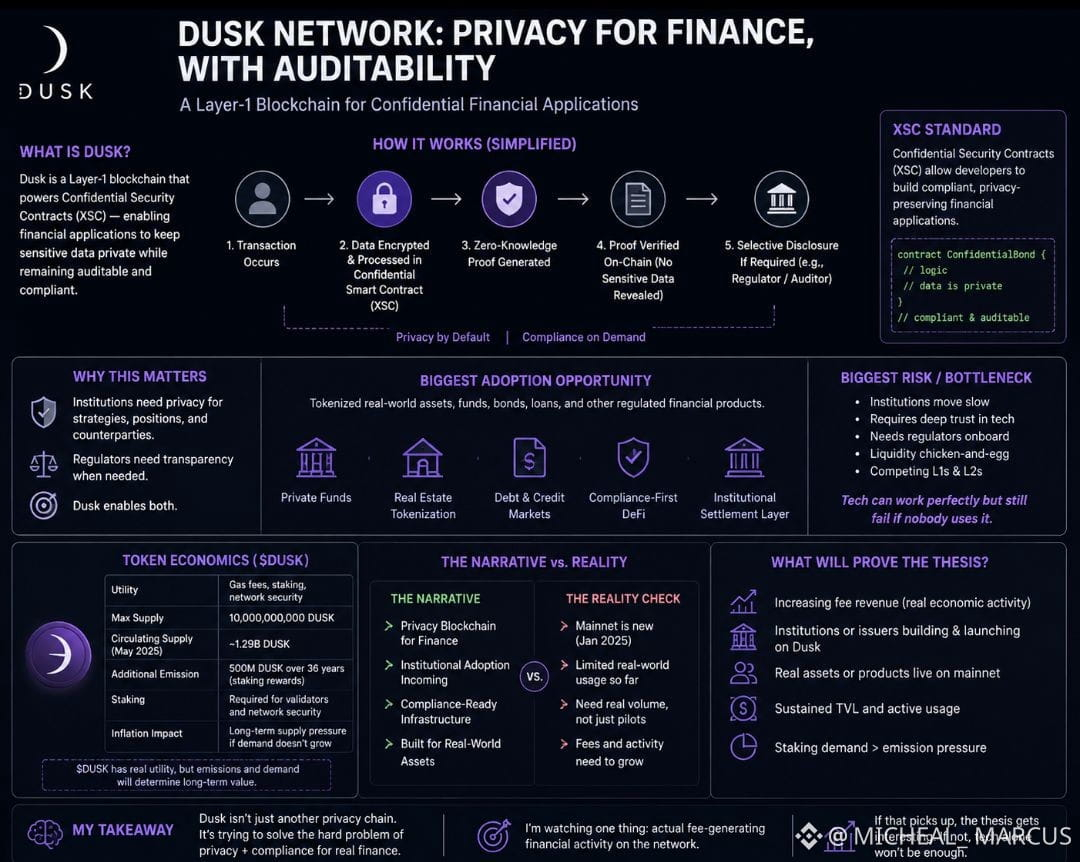
$DUSK $を見れば見るほど、「プライバシー・ブロックチェーン」という話ではなく、実際の物語は別のところにあるように思えてきます。
それは、金融市場が本当にオンチェーン上で機密性の高いインフラを必要としているのか、という点です。
Duskは、深刻な課題に取り組んでいます。つまり、機密情報を保護しながら金融資産やアプリケーションをブロックチェーンに持ち込むことです。トークン化された証券や機関投資家の資産がオンチェーンへ移っていくなら、この重要性はますます高まる可能性があります。
しかし、私は物語そのものには関心がありません。
本当の利用者、継続する取引、増えていく手数料、持続可能な流動性、そしてインセンティブが低下しても消えない需要を見たいのです。
私にとって最大の問いは、至ってシンプルです。
Duskは自社の技術を、自然発生する経済活動につなげられるのか?
もし可能なら、この主張はより一層面白くなります。無理なら、その技術は実際の普及より先を走ったままになるかもしれません。
@Dusk #dusk $DUSK
$AIO
$PORTAL
DUSKの普及を動かすのは何でしょうか?
それは、金融市場が本当にオンチェーン上で機密性の高いインフラを必要としているのか、という点です。
Duskは、深刻な課題に取り組んでいます。つまり、機密情報を保護しながら金融資産やアプリケーションをブロックチェーンに持ち込むことです。トークン化された証券や機関投資家の資産がオンチェーンへ移っていくなら、この重要性はますます高まる可能性があります。
しかし、私は物語そのものには関心がありません。
本当の利用者、継続する取引、増えていく手数料、持続可能な流動性、そしてインセンティブが低下しても消えない需要を見たいのです。
私にとって最大の問いは、至ってシンプルです。
Duskは自社の技術を、自然発生する経済活動につなげられるのか?
もし可能なら、この主張はより一層面白くなります。無理なら、その技術は実際の普及より先を走ったままになるかもしれません。
@Dusk #dusk $DUSK
$AIO
$PORTAL
DUSKの普及を動かすのは何でしょうか?
🔹 Institutional demand
0%
🔹 Real users
0%
🔹 Network fees
0%
🔹 Token utility
0%
0 投票 • 投票は終了しました
現実の金融のためのプライバシー重視のインフラこそが、$DUSK を面白くしているところです。
Dusk Networkは、金融アプリケーションを念頭に設計されたレイヤー1ブロックチェーンであり、スマートコントラクト機能とプライバシーを組み合わせています。そのConfidential Security Contract(XSC)標準は、機微な情報を保護したまま機能する金融契約を支えるために設計されています。
$DUSK の際立つ点は、規制された金融ユースケース向けに構築されたブロックチェーン環境へ、機密のスマートコントラクトとプライバシー志向のインフラを持ち込むことに重点を置いている点です。
プライバシーを後付けのものとして扱うのではなく、Duskはそれを技術の中核により近づけています。
次世代のブロックチェーン・インフラを見守る誰にとっても、$DUSK は注目しておく価値のあるプロジェクトです。
@Dusk
#dusk
Dusk Networkは、金融アプリケーションを念頭に設計されたレイヤー1ブロックチェーンであり、スマートコントラクト機能とプライバシーを組み合わせています。そのConfidential Security Contract(XSC)標準は、機微な情報を保護したまま機能する金融契約を支えるために設計されています。
$DUSK の際立つ点は、規制された金融ユースケース向けに構築されたブロックチェーン環境へ、機密のスマートコントラクトとプライバシー志向のインフラを持ち込むことに重点を置いている点です。
プライバシーを後付けのものとして扱うのではなく、Duskはそれを技術の中核により近づけています。
次世代のブロックチェーン・インフラを見守る誰にとっても、$DUSK は注目しておく価値のあるプロジェクトです。
@Dusk
#dusk
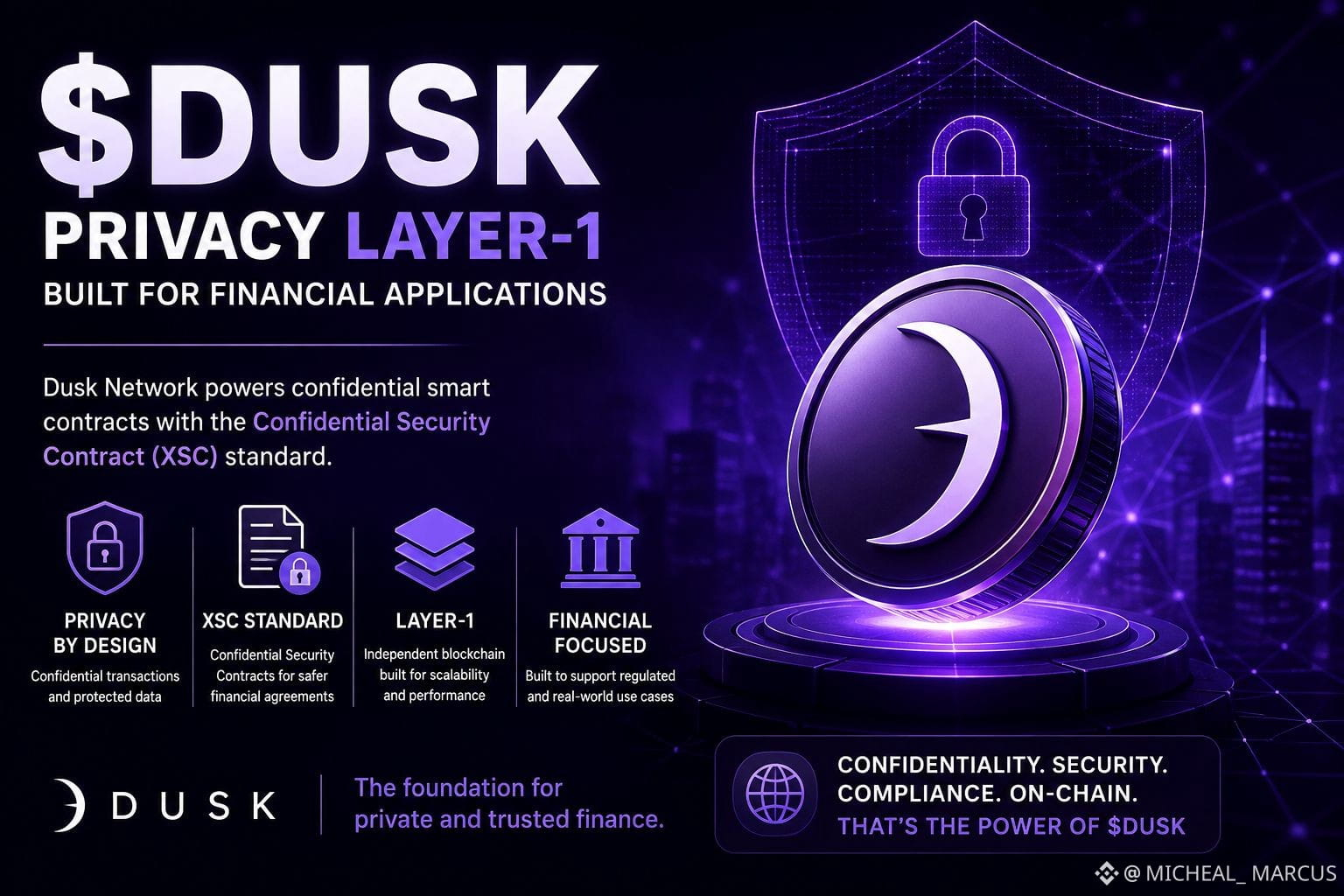
ブロックチェーンは設計上透明性がありますが、金融ではしばしばプライバシーが必要です。
だからこそ、$DUSK は注目に値します。
Dusk Network は、機密スマートコントラクトとその Confidential Security Contract(XSC)標準を用いて、金融アプリケーションを念頭に置いて作られたレイヤー1です。
考え方はシンプルです。金融活動をオンチェーンに持ち込む一方で、機微な情報には必要なプライバシーを提供します。
私にとって、これは $DUSK を観る価値があるものにしています。特に、トークン化された資産やオンチェーン・ファイナンスが今後も発展していく中で。
@Dusk
#dusk
$DUSK
だからこそ、$DUSK は注目に値します。
Dusk Network は、機密スマートコントラクトとその Confidential Security Contract(XSC)標準を用いて、金融アプリケーションを念頭に置いて作られたレイヤー1です。
考え方はシンプルです。金融活動をオンチェーンに持ち込む一方で、機微な情報には必要なプライバシーを提供します。
私にとって、これは $DUSK を観る価値があるものにしています。特に、トークン化された資産やオンチェーン・ファイナンスが今後も発展していく中で。
@Dusk
#dusk
$DUSK
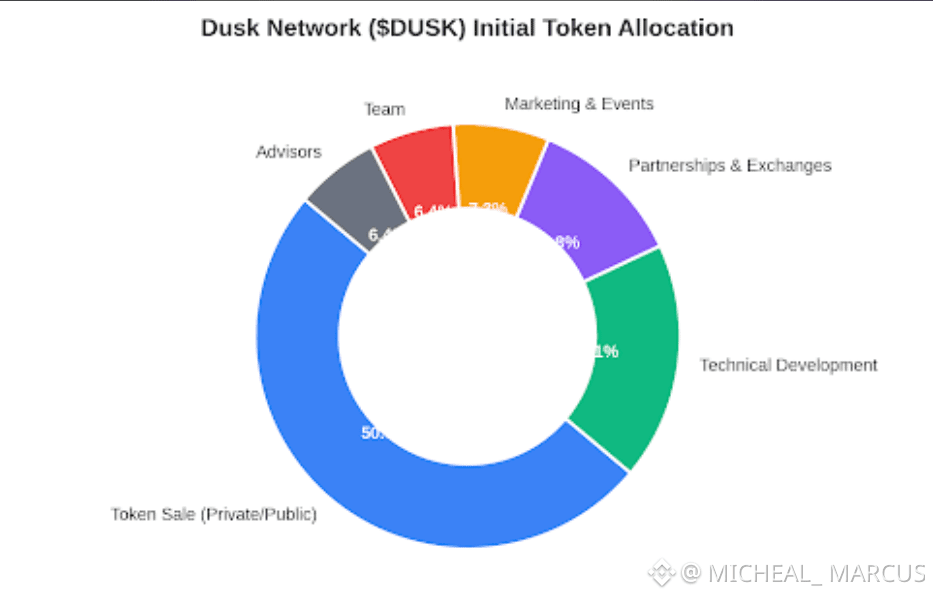
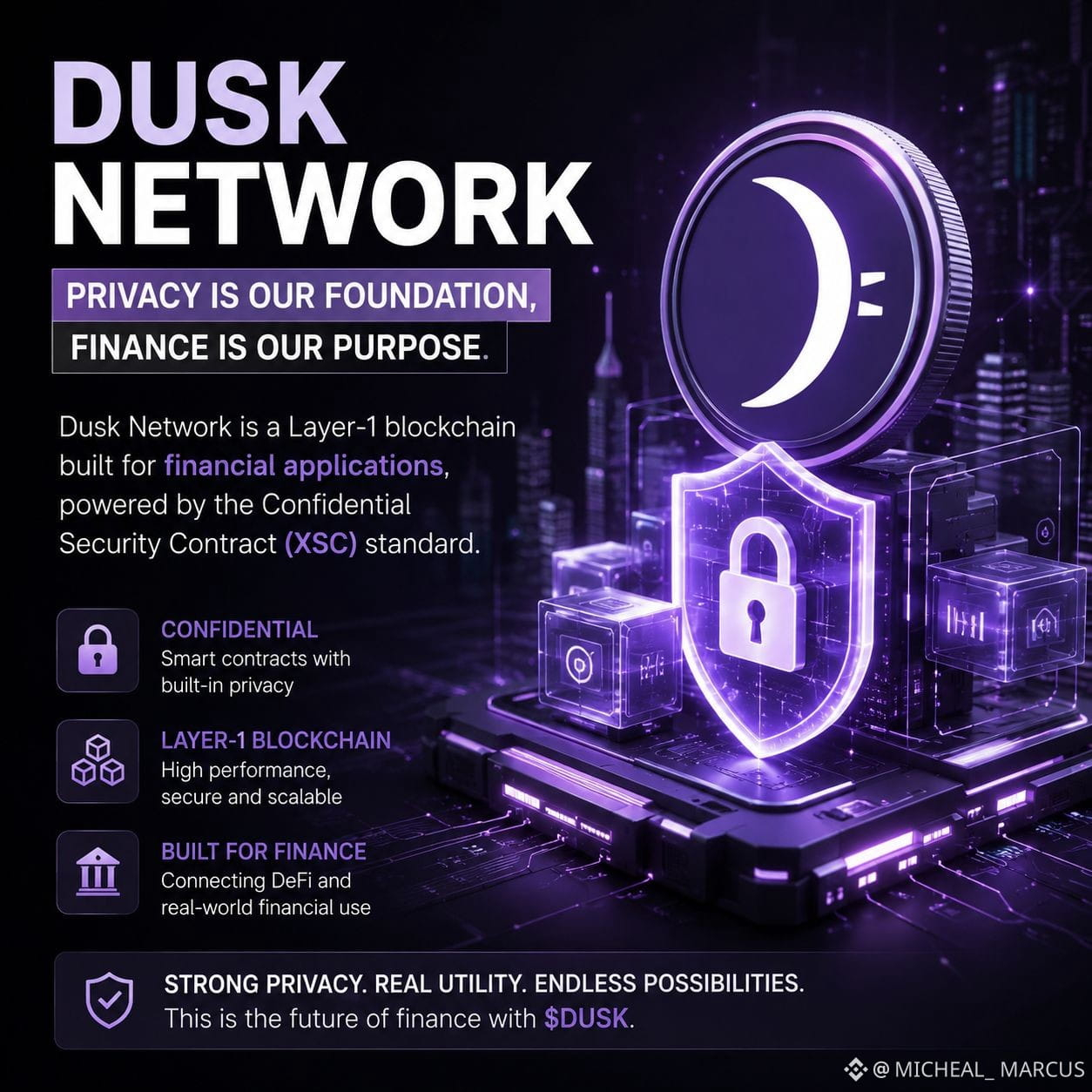
プライバシーは金融における単なる機能ではありません。土台になり得ます。
そんな中、$DUSK が際立っています。
Dusk Networkは、金融アプリケーションを念頭に特別に設計されたレイヤー1ブロックチェーンです。そのConfidential Security Contract(XSC)規格は、機密性に重きを置いたスマートコントラクトをサポートするよう設計されており、金融データや取引ではより強固な機密性が求められることがある環境に、プライバシー重視の機能を取り入れます。
$DUSK が興味深いのは、プライバシーを後回しにせずに、ブロックチェーン技術を現実の金融ユースケースと結びつけることに注力している点です。
金融のためのプライバシー重視のブロックチェーン——注目に値する方向性です。👀
@Dusk #dusk $DUSK
そんな中、$DUSK が際立っています。
Dusk Networkは、金融アプリケーションを念頭に特別に設計されたレイヤー1ブロックチェーンです。そのConfidential Security Contract(XSC)規格は、機密性に重きを置いたスマートコントラクトをサポートするよう設計されており、金融データや取引ではより強固な機密性が求められることがある環境に、プライバシー重視の機能を取り入れます。
$DUSK が興味深いのは、プライバシーを後回しにせずに、ブロックチェーン技術を現実の金融ユースケースと結びつけることに注力している点です。
金融のためのプライバシー重視のブロックチェーン——注目に値する方向性です。👀
@Dusk #dusk $DUSK
こんにちは👋 私の家族👋👋👋👋👋
LFGOOO

Crypto_Cobain
·
--
@BabylonLabs_io #baby $BABY
さまざまな暗号資産プロジェクトをかなりの時間かけて調べてきましたが、バビロンはその中でも本当に立ち止まって考えさせられた数少ないプロジェクトの一つです。ビットコインを置き換えようとしたり、仕組みを根本から変えようとしたりしているわけではありません。代わりに、「ビットコインが、自分のウォレットのままPoSネットワークを安全にするのに役立てられるのか?」を問うています。シンプルな発想ですが、実際に価値があると感じたので、私は関心を持ち始めました。
とはいえ、私は技術だけを見て判断しません。トークノミクスにはもう半分の物語があります。供給の大きな割合がまだロックされたままだと、プロジェクト自体がうまくいっているように見えても、将来のアンロックによって圧力がかかることがあります。私は新規上場を十分に見てきたので、出来高の急増、エアドロップ目的のファーミング、取引所での活発さが、実態以上に何かを強く見せてしまうことがあるのを知っています。
私が気にしていることは、派手ではありませんが、はるかに重要です。報酬が落ち着いた後でも、人々はまだステーキングを続けていますか?バリデーターは参加し続けていますか?開発者は、短期のインセンティブだけでなく、長期的な価値を見て構築しているのでしょうか?
今のところ、私は可能性を広く見ています。バビロンの進む方向性は好きですが、話題が冷めた後でもオンチェーンの活動が伸び続けるなら、そのときに初めて話を信じます。私が最も信頼しているのは、まさにそういうシグナルです。
$QUID
$CYS
さまざまな暗号資産プロジェクトをかなりの時間かけて調べてきましたが、バビロンはその中でも本当に立ち止まって考えさせられた数少ないプロジェクトの一つです。ビットコインを置き換えようとしたり、仕組みを根本から変えようとしたりしているわけではありません。代わりに、「ビットコインが、自分のウォレットのままPoSネットワークを安全にするのに役立てられるのか?」を問うています。シンプルな発想ですが、実際に価値があると感じたので、私は関心を持ち始めました。
とはいえ、私は技術だけを見て判断しません。トークノミクスにはもう半分の物語があります。供給の大きな割合がまだロックされたままだと、プロジェクト自体がうまくいっているように見えても、将来のアンロックによって圧力がかかることがあります。私は新規上場を十分に見てきたので、出来高の急増、エアドロップ目的のファーミング、取引所での活発さが、実態以上に何かを強く見せてしまうことがあるのを知っています。
私が気にしていることは、派手ではありませんが、はるかに重要です。報酬が落ち着いた後でも、人々はまだステーキングを続けていますか?バリデーターは参加し続けていますか?開発者は、短期のインセンティブだけでなく、長期的な価値を見て構築しているのでしょうか?
今のところ、私は可能性を広く見ています。バビロンの進む方向性は好きですが、話題が冷めた後でもオンチェーンの活動が伸び続けるなら、そのときに初めて話を信じます。私が最も信頼しているのは、まさにそういうシグナルです。
$QUID
$CYS
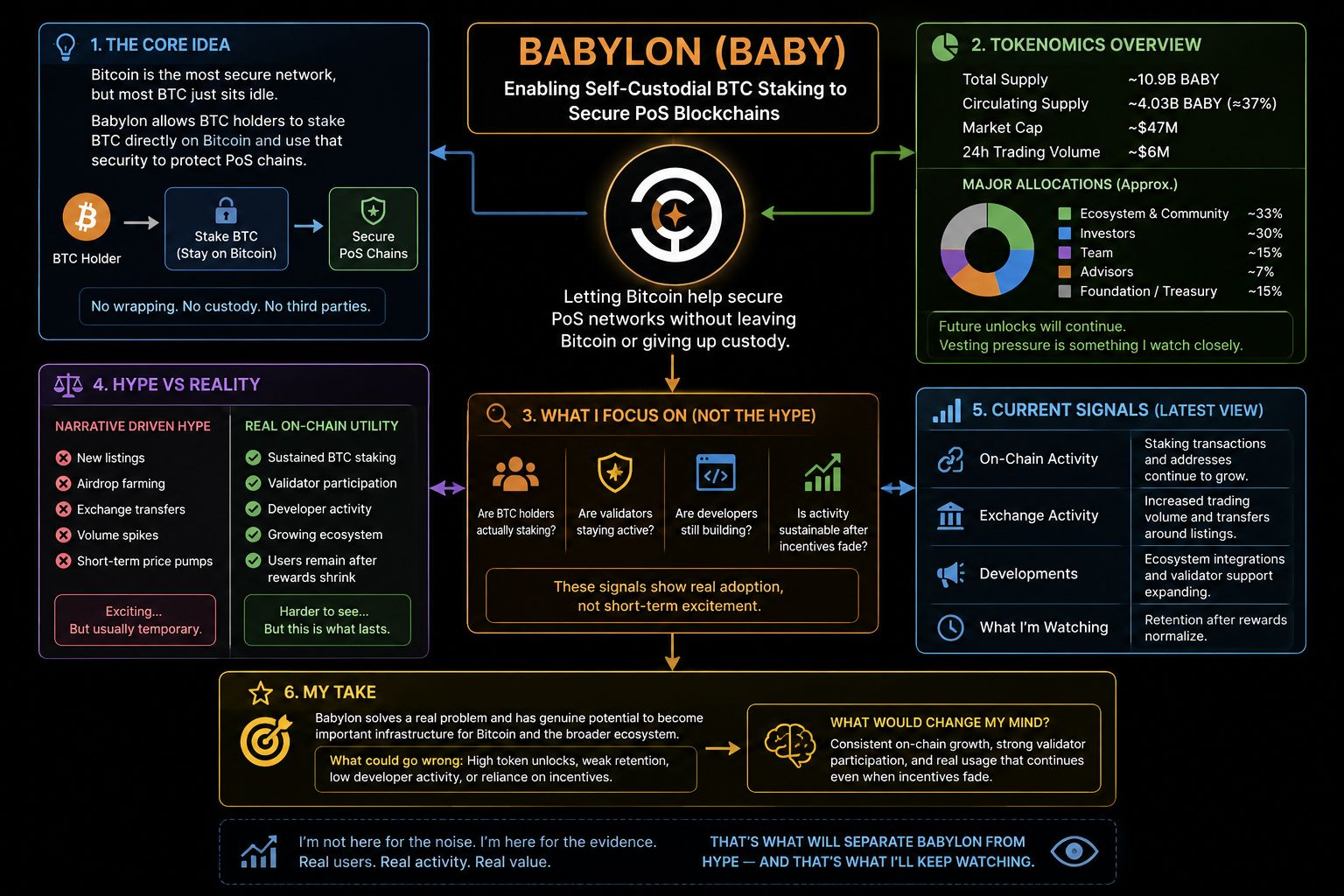
バビロン(BABY)は、ビットコイン保有者が、BTCを自分で管理する形(自己保管)で、ビットコインのネットワーク上に直接ステークできるようにしつつ、プルーフ・オブ・ステーク(PoS)ブロックチェーンのセキュリティ強化にも貢献するプロジェクトです。
私が最初にバビロンに出会ったとき、これは、ユーザーが資産の管理権を手放す必要なく、ビットコインのステーキングを可能にすることに注力したプロトコルだと捉えました。シンプルなコンセプトに見えましたが、設計を深く掘り下げるほど、ステーキング機能だけに留まらない、より大きな構想が背後にあるように感じました。
際立っているのは、バビロンが、BTCをそのネイティブ・チェーンから移すことなく、ビットコインのセキュリティをPoSエコシステムに結びつけようとしている点です。これにより、ステーキングの仕組みは最終目的というより、より大きなアーキテクチャの一部としての位置づけに感じられます。ビットコインの役割を変えるのではなく、このプロジェクトは、ビットコインが本来持つセキュリティを他のブロックチェーンのネットワークを支えるために拡張できるかどうかを探っているように見えます。
このコンセプトは、自分で資産を管理することを設計の中心に据えたまま、ビットコインを別の視点から捉えている点で興味深いです。同時に、その有効性は、実運用でどれだけうまく機能するか、また時間の経過とともに意味のある採用が得られるかに大きく依存し続けます。現時点では、バビロンは注目に値するアプローチを提示していますが、長期的な価値は、コンセプトそのものではなく、現実世界での利用によって最終的に決まるでしょう。
@BabylonLabs_io #baby $BABY
私が最初にバビロンに出会ったとき、これは、ユーザーが資産の管理権を手放す必要なく、ビットコインのステーキングを可能にすることに注力したプロトコルだと捉えました。シンプルなコンセプトに見えましたが、設計を深く掘り下げるほど、ステーキング機能だけに留まらない、より大きな構想が背後にあるように感じました。
際立っているのは、バビロンが、BTCをそのネイティブ・チェーンから移すことなく、ビットコインのセキュリティをPoSエコシステムに結びつけようとしている点です。これにより、ステーキングの仕組みは最終目的というより、より大きなアーキテクチャの一部としての位置づけに感じられます。ビットコインの役割を変えるのではなく、このプロジェクトは、ビットコインが本来持つセキュリティを他のブロックチェーンのネットワークを支えるために拡張できるかどうかを探っているように見えます。
このコンセプトは、自分で資産を管理することを設計の中心に据えたまま、ビットコインを別の視点から捉えている点で興味深いです。同時に、その有効性は、実運用でどれだけうまく機能するか、また時間の経過とともに意味のある採用が得られるかに大きく依存し続けます。現時点では、バビロンは注目に値するアプローチを提示していますが、長期的な価値は、コンセプトそのものではなく、現実世界での利用によって最終的に決まるでしょう。
@BabylonLabs_io #baby $BABY
A. Self-custodial BTC staking✅
50%
🔵 B. NFT marketplace
50%
🟠 C. Memecoin launchpad
0%
🟣 D. Crypto exchange
0%
2 投票 • 投票は終了しました
ログインして、さらにコンテンツを読む