
Retsu玄
3.8k 投稿
Retsu玄
I write about crypto as systems, not stories
取引を発注
高頻度トレーダー
1.1年
478 フォロー
18.3K+ フォロワー
5.6K+ いいね
投稿
ポートフォリオ
すべて
引用
ライブ
翻訳参照
#dusk $DUSK @Dusk
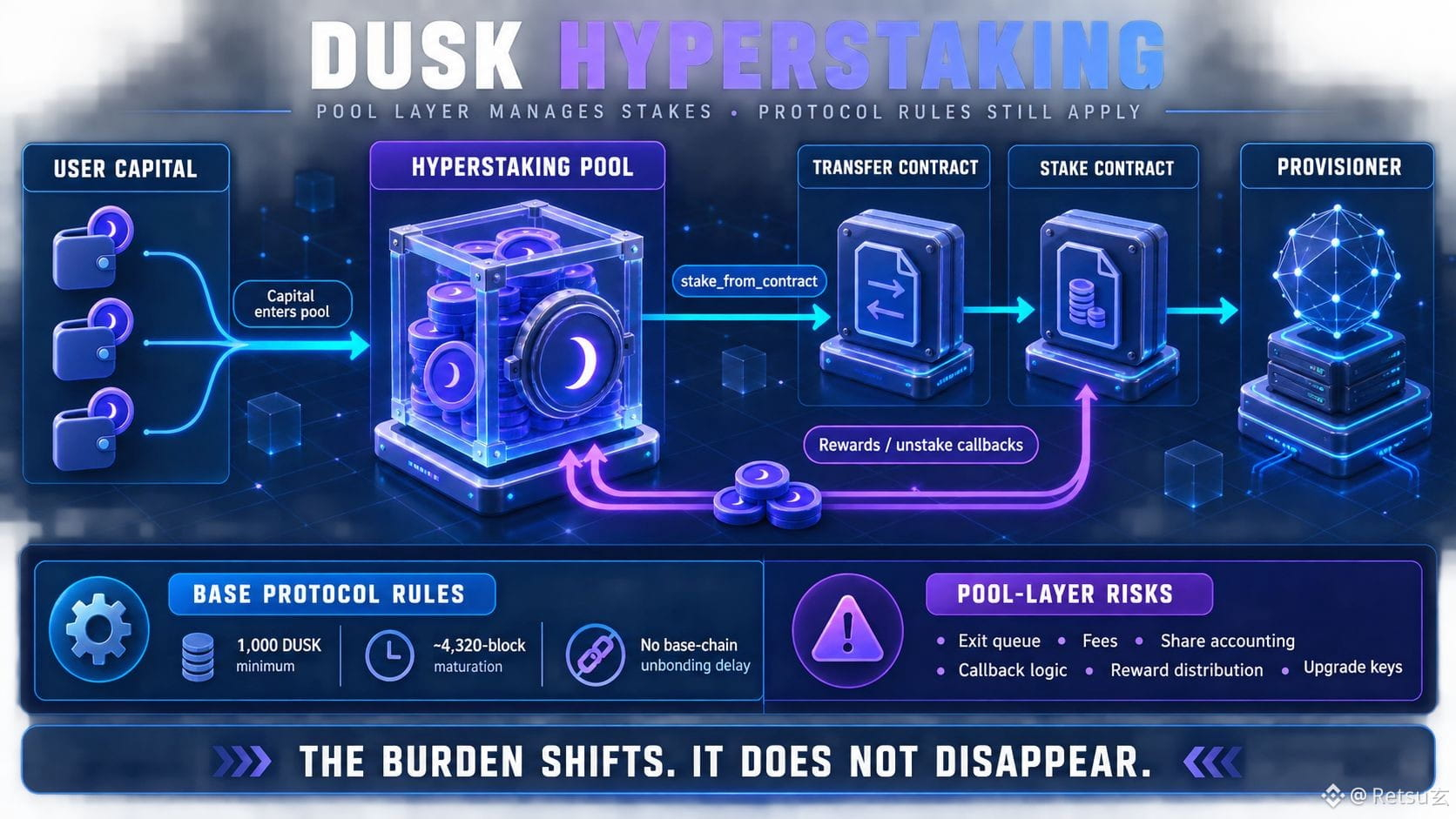
After reviewing Dusk’s staking materials I noticed that the real constraint has never been the absolute size of a stake so much as the operational burden of keeping a provisioner online and synchronized. Hyperstaking simply relocates that burden from an individual operator to a smart-contract layer that can hold positions, collect rewards, and allocate them according to programmable rules.
In practice the mechanism works by letting capital first enter a pool; the pool then calls the Transfer Contract’s stake_from_contract function to create the position. Later the Stake Contract notifies the same pool when rewards become claimable or when an unstake is requested, so the contract itself becomes the active manager of the stake. The 1000 DUSK minimum and the roughly 4320-block maturation window still apply, whether the caller is a human or a contract.
The difficulty appears once the pool sits between the protocol and the end user. Exit liquidity can be throttled by the pool’s own queue, fee schedule, or internal accounting, even though the base chain itself imposes no unbonding delay. Users also inherit exposure to share-calculation errors, callback failures, reward-distribution logic, and any upgrade keys the contract may hold. What looks like the removal of a custodial node is therefore only a shift of the control surface one layer higher.
Still, the design is worth watching because it opens a path for capital strategies that run continuously rather than as discrete user actions. If the pool contracts prove open, auditable, and able to reconcile every token movement on-chain, the same machinery that currently feels opaque could become a durable primitive for coordinated participation.
After reviewing Dusk’s staking materials I noticed that the real constraint has never been the absolute size of a stake so much as the operational burden of keeping a provisioner online and synchronized. Hyperstaking simply relocates that burden from an individual operator to a smart-contract layer that can hold positions, collect rewards, and allocate them according to programmable rules.
In practice the mechanism works by letting capital first enter a pool; the pool then calls the Transfer Contract’s stake_from_contract function to create the position. Later the Stake Contract notifies the same pool when rewards become claimable or when an unstake is requested, so the contract itself becomes the active manager of the stake. The 1000 DUSK minimum and the roughly 4320-block maturation window still apply, whether the caller is a human or a contract.
The difficulty appears once the pool sits between the protocol and the end user. Exit liquidity can be throttled by the pool’s own queue, fee schedule, or internal accounting, even though the base chain itself imposes no unbonding delay. Users also inherit exposure to share-calculation errors, callback failures, reward-distribution logic, and any upgrade keys the contract may hold. What looks like the removal of a custodial node is therefore only a shift of the control surface one layer higher.
Still, the design is worth watching because it opens a path for capital strategies that run continuously rather than as discrete user actions. If the pool contracts prove open, auditable, and able to reconcile every token movement on-chain, the same machinery that currently feels opaque could become a durable primitive for coordinated participation.
確認済み
私はDuskの現在のプロダクトページを遡って見ているうちに、ある大きな前提を置いてしまったことに気づきました。すなわち、メインネットが稼働しているからといって、金融スタック全体も同じ段階に到達しているかのように扱ってしまったのです。ステータスのラベルが、その見方を変えてくれました。
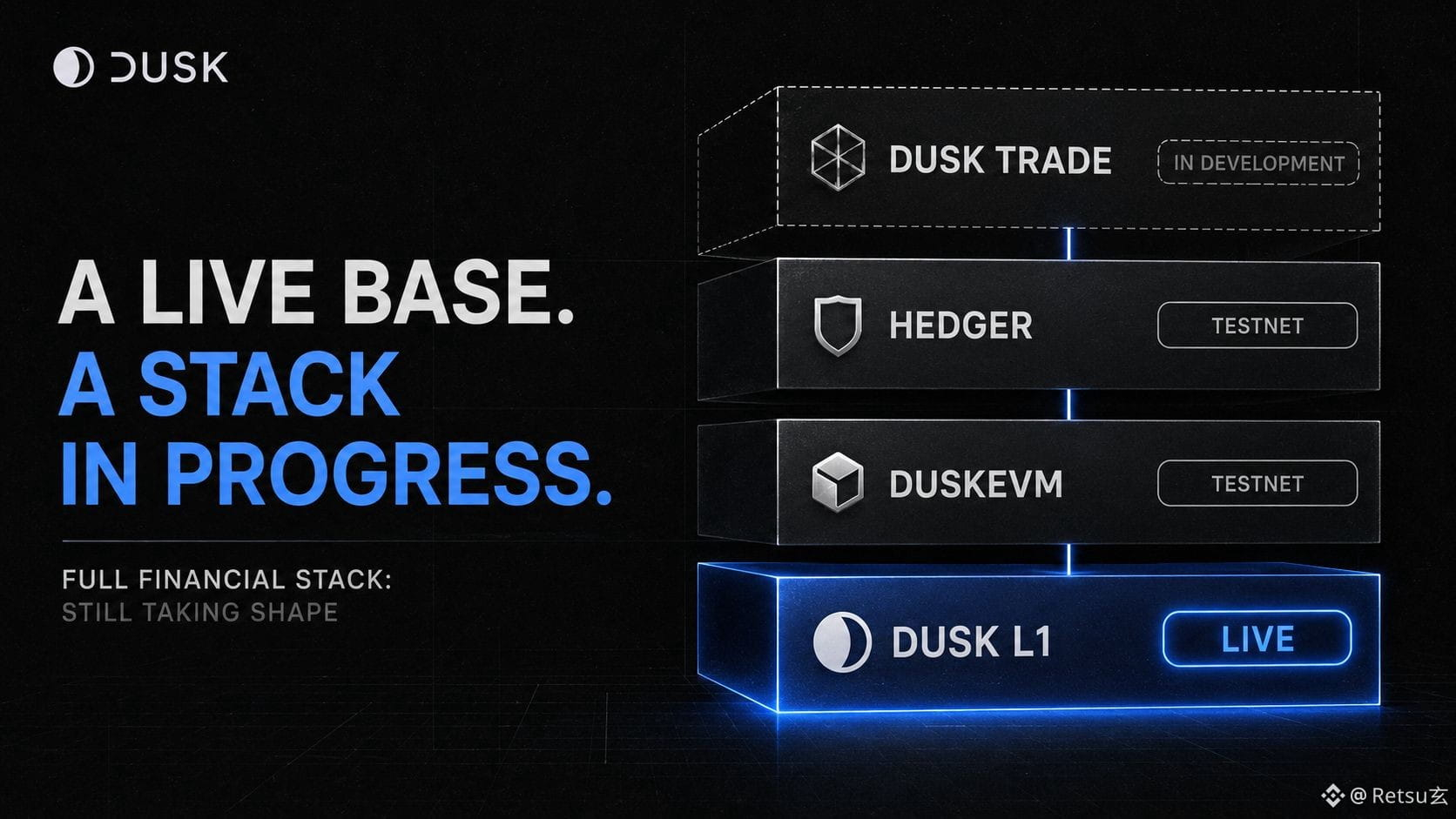
Dusk L1は稼働中です。コンセンサス、決済、データ可用性、公開・シールド付きトランザクション、そしてDuskVMの実行を提供しています。DuskEVMは引き続きテストネットにあり、SolidityアプリはおなじみのEVMツールを使いつつ、ガスにDUSKを用い、決済はDuskDSを通じて行います。ヘッジャーもテストネット上にあり、機密性のあるEVMフローを追加しています。Dusk Tradeは、オンボーディング、アクセス制御、トレーディング、支払いの連携、そして決済のためのプロダクトレイヤーとして、いまだ開発中です。
だから私は、見え方を変えることになりました。
私の解釈はこうです。Duskには稼働中のベースがありますが、そのより広い金融に関する構想は、複数の可動するレイヤーが同時に、本番対応(production-ready)になることに依存しています。安全なL1があることは、EVMレイヤー、プライバシーエンジン、ブリッジ、そしてユーザーアプリが、1つの信頼できる市場ワークフローとして機能することを自動的に証明するものではありません。
不確実なのは、統合リスクです。どのリリース条件や監査条件が、DuskEVMとヘッジャーをテストネットからメインネットへ移行させるのでしょうか。もしDusk Tradeがそれらのレイヤーに依存しているなら、適用(アップグレード)や障害が起きた際に、エリジビリティ(資格)、トレーディング、決済の提供を中断せずに、どのように調整(コーディネート)されるのでしょうか。
私は、それを実際に見てみたいと思います。
#dusk $DUSK @Dusk
Dusk L1は稼働中です。コンセンサス、決済、データ可用性、公開・シールド付きトランザクション、そしてDuskVMの実行を提供しています。DuskEVMは引き続きテストネットにあり、SolidityアプリはおなじみのEVMツールを使いつつ、ガスにDUSKを用い、決済はDuskDSを通じて行います。ヘッジャーもテストネット上にあり、機密性のあるEVMフローを追加しています。Dusk Tradeは、オンボーディング、アクセス制御、トレーディング、支払いの連携、そして決済のためのプロダクトレイヤーとして、いまだ開発中です。
だから私は、見え方を変えることになりました。
私の解釈はこうです。Duskには稼働中のベースがありますが、そのより広い金融に関する構想は、複数の可動するレイヤーが同時に、本番対応(production-ready)になることに依存しています。安全なL1があることは、EVMレイヤー、プライバシーエンジン、ブリッジ、そしてユーザーアプリが、1つの信頼できる市場ワークフローとして機能することを自動的に証明するものではありません。
不確実なのは、統合リスクです。どのリリース条件や監査条件が、DuskEVMとヘッジャーをテストネットからメインネットへ移行させるのでしょうか。もしDusk Tradeがそれらのレイヤーに依存しているなら、適用(アップグレード)や障害が起きた際に、エリジビリティ(資格)、トレーディング、決済の提供を中断せずに、どのように調整(コーディネート)されるのでしょうか。
私は、それを実際に見てみたいと思います。
#dusk $DUSK @Dusk
確認済み
ここでは正直に言いますが、DuskEVMについて私の関心を引いたのは、それ自体のEVM互換性ではなく、その互換性がDuskにとってどのように実際の有用性を広げ得るかという点でした。
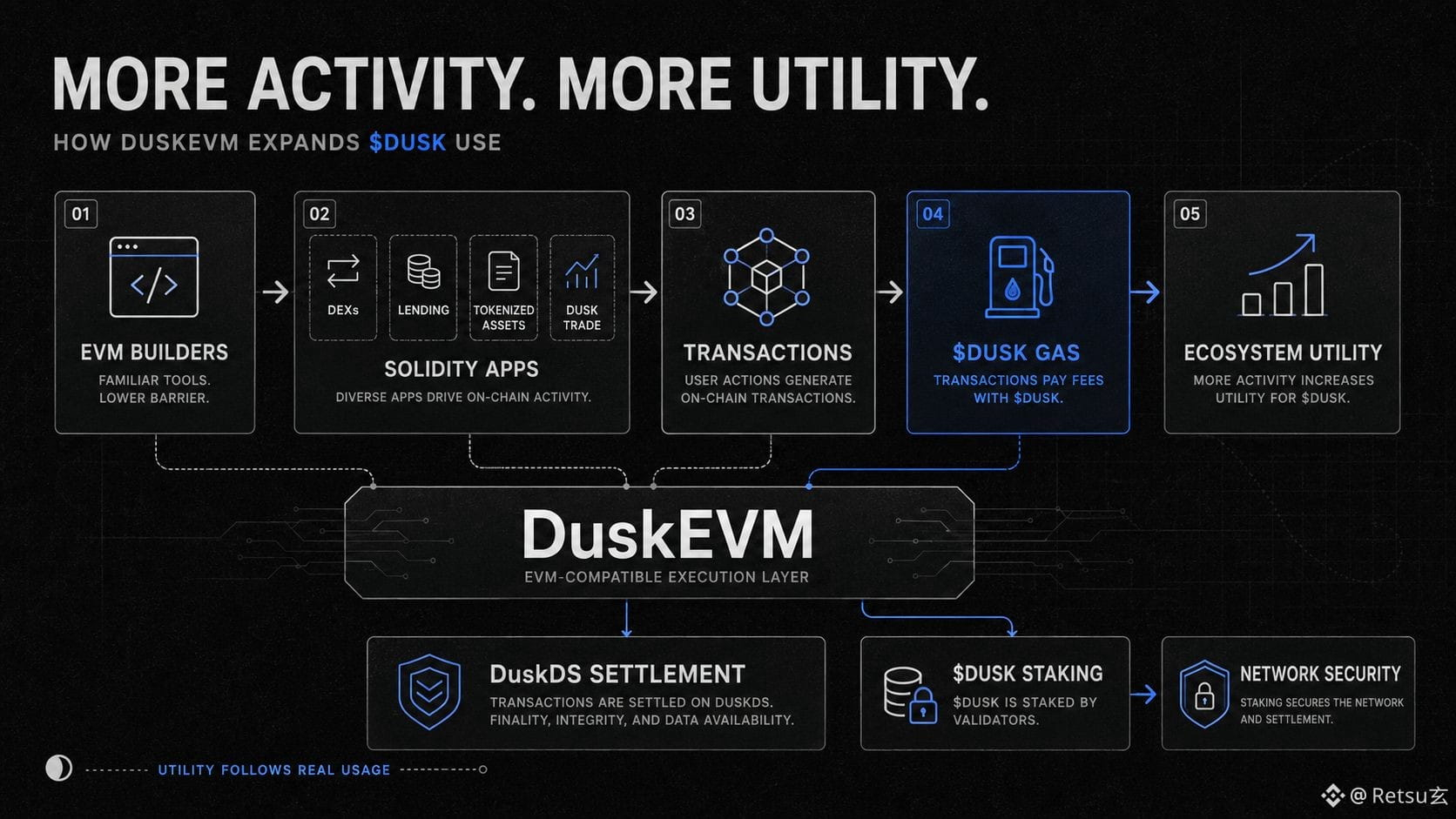
DuskEVMは現在テストネット上にあります。Solidity開発者が馴染みのあるウォレット、ライブラリ、Foundry、Hardhatを利用でき、ネイティブのガストークンとしてDUSKが使われます。トランザクションはDuskEVM上で実行され、バッチや状態コミットメントはデータ可用性と決済のためにDuskDSへ公開されます。実務的には、ツール面での摩擦が低いほどより多くのビルダーを惹きつけられます。有用なアプリケーションが増えれば取引(トランザクション)も増え、その取引の実行にはDUSKが必要になります。さらに別の観点として、DUSKのステーキングは、より広いDuskネットワークのセキュリティを強化するのに役立ちます。
しかし、互換性だけではDEXの流動性、貸付需要、TVL、収益が自動的に生まれるわけではありません。ビルダーは、信頼できるインフラと、人々がまた戻ってくるようなプロダクトを必要とします。そこでDusk Tradeが戦略に入ってきます。これは、トークン化された金融資産向けのアプリケーション層として構築されており、オンボーディング、取引、支払いの連携、決済をつなぎます。
私の見方はシンプルです。テストネットの開発が繰り返されるメインネットの利用へと移行するとき、DUSKの実用価値は意味を持ちます。仕組みは需要を支えられますが、導入(採用)はそれでも“勝ち取る”必要があります。
#dusk $DUSK @Dusk
DuskEVMは現在テストネット上にあります。Solidity開発者が馴染みのあるウォレット、ライブラリ、Foundry、Hardhatを利用でき、ネイティブのガストークンとしてDUSKが使われます。トランザクションはDuskEVM上で実行され、バッチや状態コミットメントはデータ可用性と決済のためにDuskDSへ公開されます。実務的には、ツール面での摩擦が低いほどより多くのビルダーを惹きつけられます。有用なアプリケーションが増えれば取引(トランザクション)も増え、その取引の実行にはDUSKが必要になります。さらに別の観点として、DUSKのステーキングは、より広いDuskネットワークのセキュリティを強化するのに役立ちます。
しかし、互換性だけではDEXの流動性、貸付需要、TVL、収益が自動的に生まれるわけではありません。ビルダーは、信頼できるインフラと、人々がまた戻ってくるようなプロダクトを必要とします。そこでDusk Tradeが戦略に入ってきます。これは、トークン化された金融資産向けのアプリケーション層として構築されており、オンボーディング、取引、支払いの連携、決済をつなぎます。
私の見方はシンプルです。テストネットの開発が繰り返されるメインネットの利用へと移行するとき、DUSKの実用価値は意味を持ちます。仕組みは需要を支えられますが、導入(採用)はそれでも“勝ち取る”必要があります。
#dusk $DUSK @Dusk
翻訳参照
#dusk $DUSK
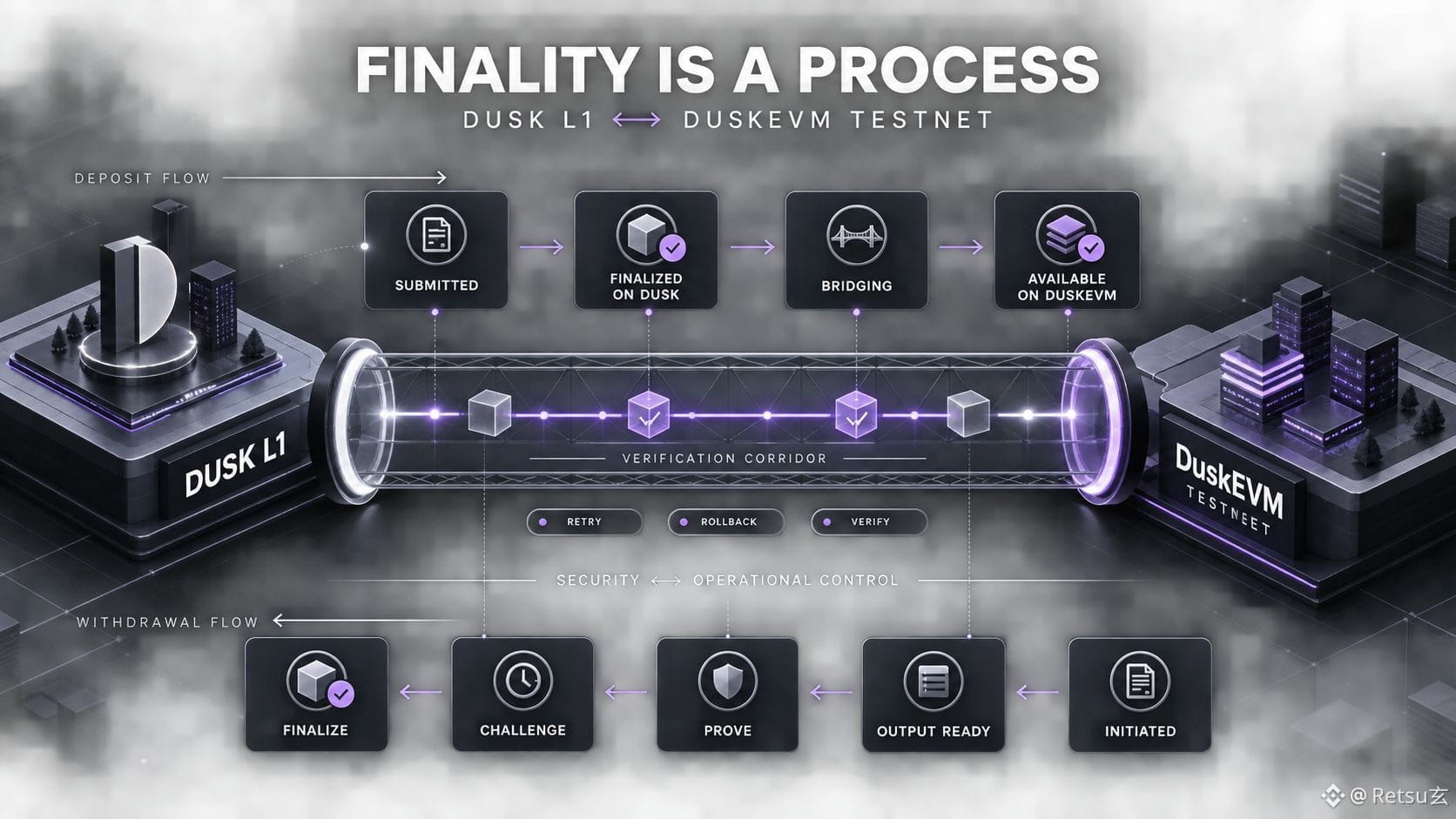
I went back through the @Dusk documentation last night., I caught myself treating “finalized” as a single moment. I assumed that once a Dusk transaction was final, funds should immediately exist on DuskEVM. The docs made that assumption too simple.
On DuskEVM Testnet, a deposit is submitted and finalized on Dusk L1, then processed before the balance becomes available on DuskEVM. A withdrawal has more stages: initiate on DuskEVM, wait for an output, prove on Dusk L1, pass the required maturity and dispute-game checks, then finalize on L1. The documentation warns that inclusion, execution, and finality are not the same status, and readiness should come from protocol state rather than elapsed time.
That made me look at it differently.
My interpretation: the bridge is not a hiding delay; it is trying to turn a cross-layer state machine into something a wallet can explain. The tension is security versus operational dependence. Safer retries, rollback recovery, and challenge checks reduce one class of failure, but recovery paths also concentrate responsibility somewhere.
My uncertainty: during a rollback plus relayer failure, what can a user verify independently before funds are released or retried? Who can pause or resume bridge operations, and what limits that authority if the emergency lasts longer than expected?
I want to watch this in practice.
I went back through the @Dusk documentation last night., I caught myself treating “finalized” as a single moment. I assumed that once a Dusk transaction was final, funds should immediately exist on DuskEVM. The docs made that assumption too simple.
On DuskEVM Testnet, a deposit is submitted and finalized on Dusk L1, then processed before the balance becomes available on DuskEVM. A withdrawal has more stages: initiate on DuskEVM, wait for an output, prove on Dusk L1, pass the required maturity and dispute-game checks, then finalize on L1. The documentation warns that inclusion, execution, and finality are not the same status, and readiness should come from protocol state rather than elapsed time.
That made me look at it differently.
My interpretation: the bridge is not a hiding delay; it is trying to turn a cross-layer state machine into something a wallet can explain. The tension is security versus operational dependence. Safer retries, rollback recovery, and challenge checks reduce one class of failure, but recovery paths also concentrate responsibility somewhere.
My uncertainty: during a rollback plus relayer failure, what can a user verify independently before funds are released or retried? Who can pause or resume bridge operations, and what limits that authority if the emergency lasts longer than expected?
I want to watch this in practice.
#dusk $DUSK @Dusk
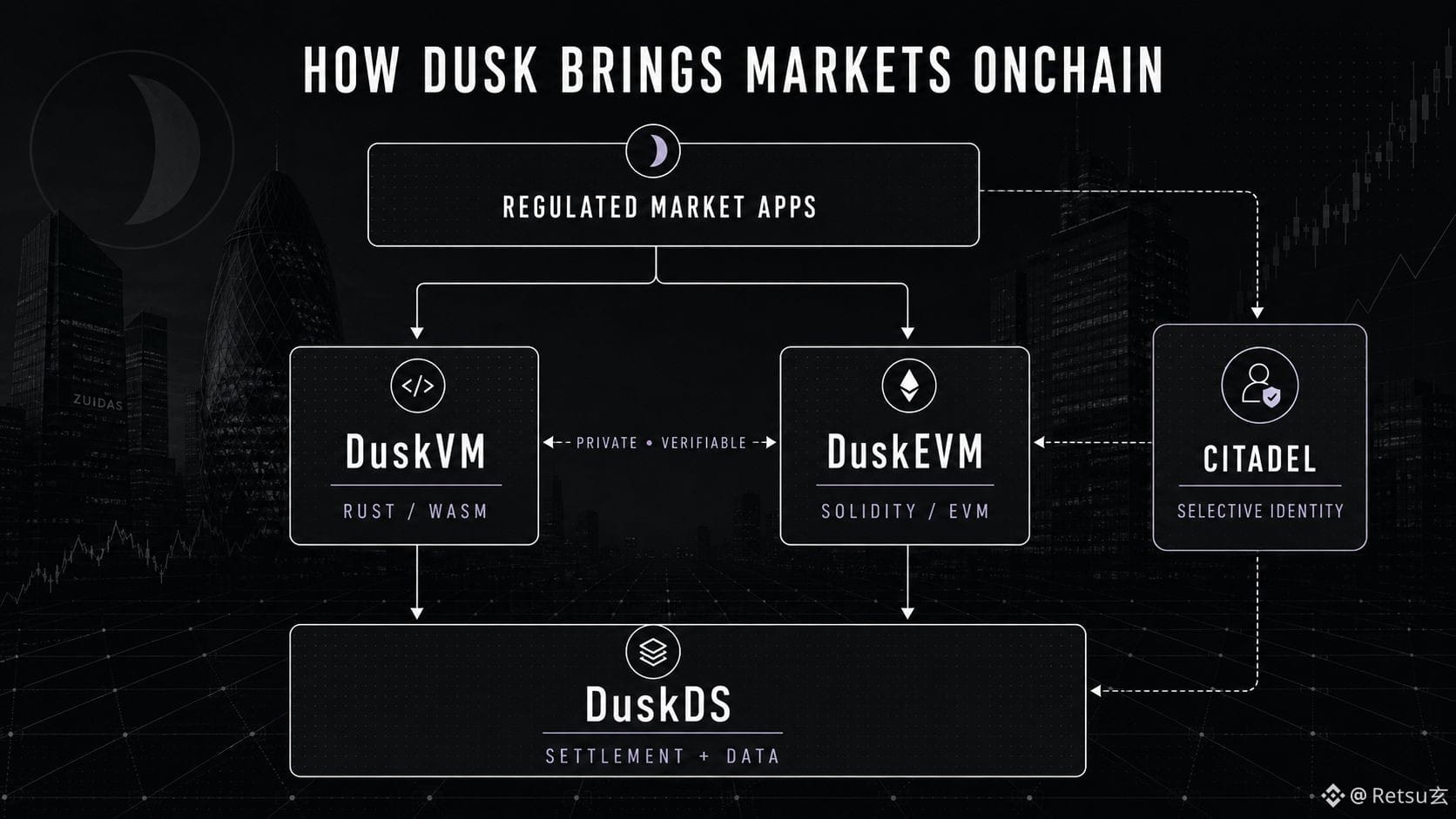
私は最初、Duskのドキュメントに対して、単純な理解でアプローチしました。つまり、トークン化された債券やファンドとは基本的に、スマートコントラクトに所有権を記録することだ、という考えです。視点を変えたのは、実際の複雑さがトークンそのものではなく、その周囲のエコシステムにあると気づいたことでした。つまり、適格性、譲渡、個人データの取り扱い、支払い、決済、そして継続的なサービス提供に関するルールをすべて整合させる必要があるのです。
Duskは、この責務をアーキテクチャ全体に分散することで対処します。DuskVMは、Layer 1上でRustおよびWebAssemblyのコントラクトを直接実行します。DuskEVMはSolidityベースのアプリが馴染みのあるEVMツールを活用できるようにし、一方で、バッチ、トランザクションメタデータ、状態コミットメントはDuskDSを通じて最終決済へと進みます。Citadelは、認証情報とゼロ知識証明を用いて、ユーザーが個人情報やオンチェーン上のライセンス全内容を開示せずに、承認済みのライセンスを保有していることを示せるようにします;サービス提供者は、どの発行者や属性を認識するかについての制御権を依然として保持します。
これにより、私はシステムの見方を変えました。
私の結論はこうです。ここでのプライバシーは、完全に不可視にすることが目的ではありません。検証を可能にする一方で、広範な開示を要求しないことが目的なのです。ただし、これらの境界が問題になるとき、いったいどこに制御があるのかを見極めることが難題です。トレードの途中で資格(クレデンシャル)が無効化された場合、決済時の適格性は誰のどの状態に従うのでしょうか?また、発行者、取引プラットフォーム、監査人、規制当局のポリシーが衝突したとき、最終的に誰が、いつ、どれだけの情報を開示すべきかを決めるのでしょうか?
現実の利用で、この点がどう展開されるのかぜひ見てみたいです。
私は最初、Duskのドキュメントに対して、単純な理解でアプローチしました。つまり、トークン化された債券やファンドとは基本的に、スマートコントラクトに所有権を記録することだ、という考えです。視点を変えたのは、実際の複雑さがトークンそのものではなく、その周囲のエコシステムにあると気づいたことでした。つまり、適格性、譲渡、個人データの取り扱い、支払い、決済、そして継続的なサービス提供に関するルールをすべて整合させる必要があるのです。
Duskは、この責務をアーキテクチャ全体に分散することで対処します。DuskVMは、Layer 1上でRustおよびWebAssemblyのコントラクトを直接実行します。DuskEVMはSolidityベースのアプリが馴染みのあるEVMツールを活用できるようにし、一方で、バッチ、トランザクションメタデータ、状態コミットメントはDuskDSを通じて最終決済へと進みます。Citadelは、認証情報とゼロ知識証明を用いて、ユーザーが個人情報やオンチェーン上のライセンス全内容を開示せずに、承認済みのライセンスを保有していることを示せるようにします;サービス提供者は、どの発行者や属性を認識するかについての制御権を依然として保持します。
これにより、私はシステムの見方を変えました。
私の結論はこうです。ここでのプライバシーは、完全に不可視にすることが目的ではありません。検証を可能にする一方で、広範な開示を要求しないことが目的なのです。ただし、これらの境界が問題になるとき、いったいどこに制御があるのかを見極めることが難題です。トレードの途中で資格(クレデンシャル)が無効化された場合、決済時の適格性は誰のどの状態に従うのでしょうか?また、発行者、取引プラットフォーム、監査人、規制当局のポリシーが衝突したとき、最終的に誰が、いつ、どれだけの情報を開示すべきかを決めるのでしょうか?
現実の利用で、この点がどう展開されるのかぜひ見てみたいです。
翻訳参照
#termmax @TermMax
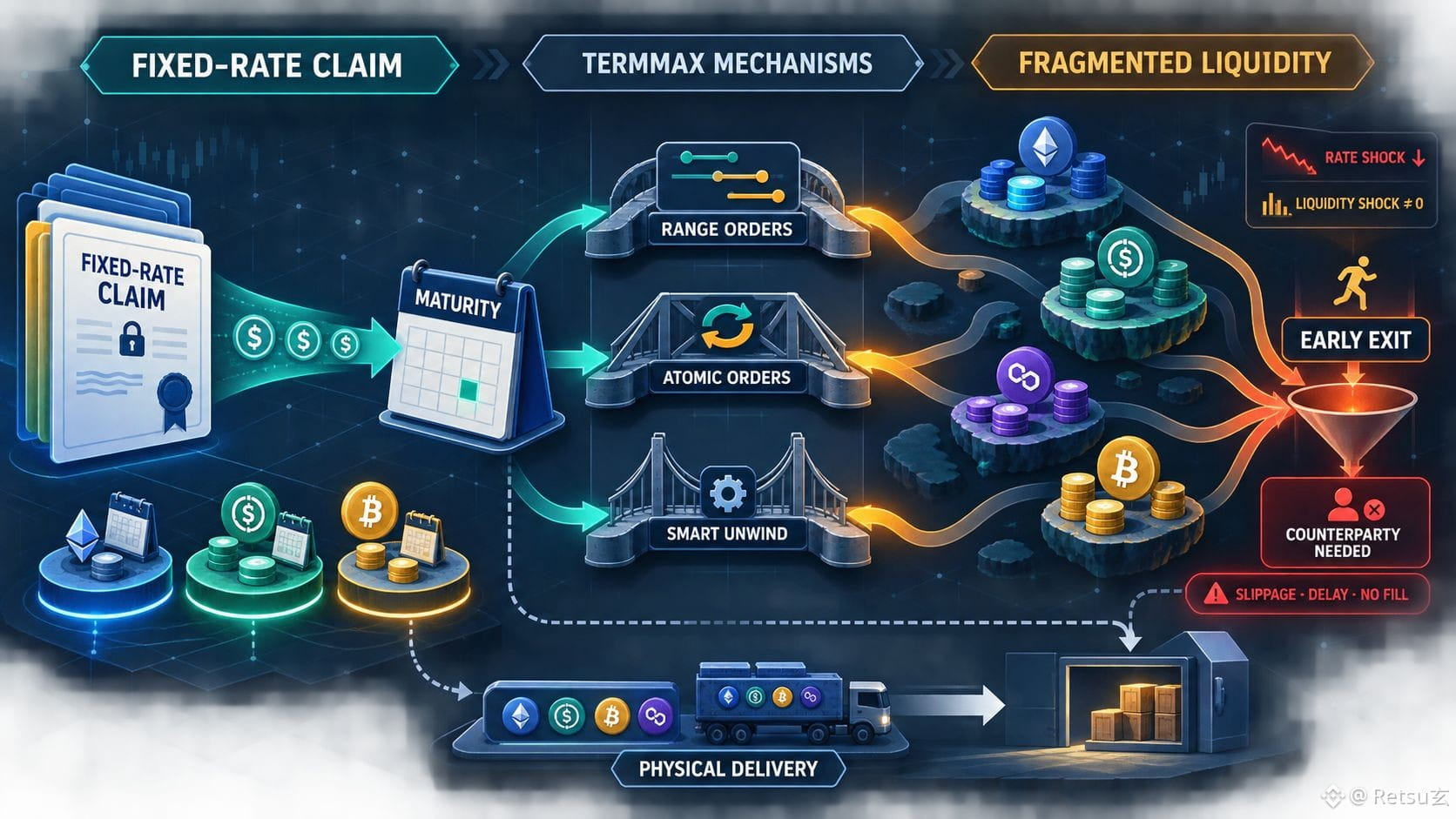
I have spent years observing DeFi and its pursuit of yield, and I find the promise of fixed-rate markets enticing. I have seen too many cycles where the promise of easy money has come at the expense of something bigger, a zero-coupon token that defines a claim at maturity, not an easily realizable exit.
Something about TermMax’s design caught my eye in the context of range orders, quoting a rate along a curve, and atomic orders that span multiple markets by sharing a pool, Smart Unwind’s search for liquidity to unwind a debt position, and the challenge of fragmentation across collateral and maturities. Each of these design elements addresses the risk of illiquidity at exit, but at the price of reduced availability of liquidity at any point. The need for a counterparty to buy an obligation at any given moment remains, and such a counterparty may not always be available, resulting in slippage, delays, or even an outright absence of a market. TermMax’s Alpha documentation acknowledges this by stating that liquidity is not guaranteed.
I find myself wondering whether the promise of fixed-rate lending is not itself the source of the danger, one that simply moves the problem elsewhere. Physical delivery of the collateral underlies any obligation, but the value of the collateral may turn out to be less than that of the liability owed if the lender is unable to deliver the specific asset promised at the time of liquidation. Audits, open code, and bounty programs are all helpful, but they do not eliminate the risks of contract failure, oracles, or market fragmentation. By fixing rates, TermMax reduces the risk of rate shocks but not the risk of liquidity shocks. This is the trade-off I am willing to make in the name of yield.
I have spent years observing DeFi and its pursuit of yield, and I find the promise of fixed-rate markets enticing. I have seen too many cycles where the promise of easy money has come at the expense of something bigger, a zero-coupon token that defines a claim at maturity, not an easily realizable exit.
Something about TermMax’s design caught my eye in the context of range orders, quoting a rate along a curve, and atomic orders that span multiple markets by sharing a pool, Smart Unwind’s search for liquidity to unwind a debt position, and the challenge of fragmentation across collateral and maturities. Each of these design elements addresses the risk of illiquidity at exit, but at the price of reduced availability of liquidity at any point. The need for a counterparty to buy an obligation at any given moment remains, and such a counterparty may not always be available, resulting in slippage, delays, or even an outright absence of a market. TermMax’s Alpha documentation acknowledges this by stating that liquidity is not guaranteed.
I find myself wondering whether the promise of fixed-rate lending is not itself the source of the danger, one that simply moves the problem elsewhere. Physical delivery of the collateral underlies any obligation, but the value of the collateral may turn out to be less than that of the liability owed if the lender is unable to deliver the specific asset promised at the time of liquidation. Audits, open code, and bounty programs are all helpful, but they do not eliminate the risks of contract failure, oracles, or market fragmentation. By fixing rates, TermMax reduces the risk of rate shocks but not the risk of liquidity shocks. This is the trade-off I am willing to make in the name of yield.
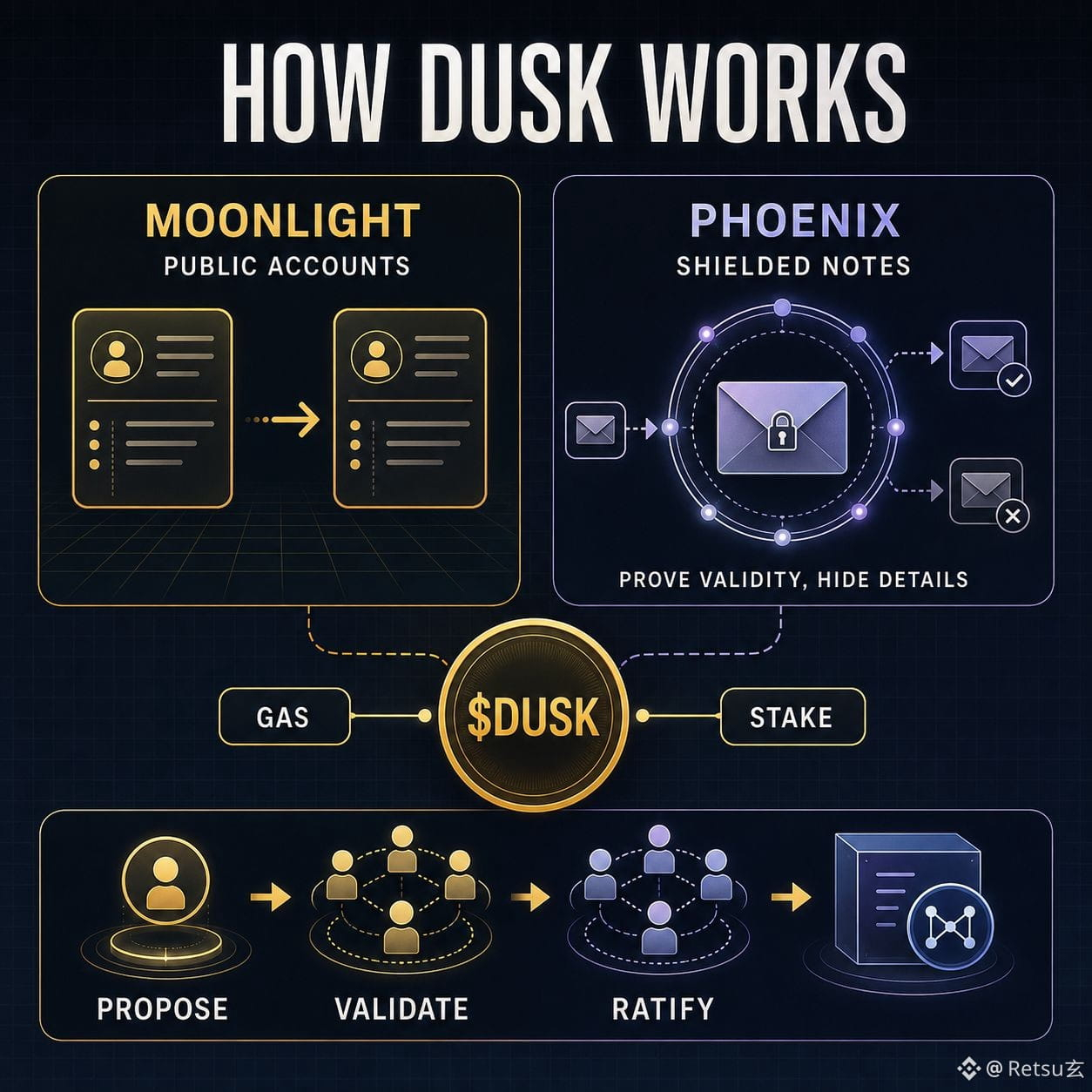
昨夜、私はDuskのドキュメントを読み直し、プロトコル内で $DUSK が果たす実際の役割――市場主導の物語ではなく技術的な機能――を理解することに集中した。
まず解きほぐさなければならなかったのは、DuskDSの2つのトランザクションモデルだ。Moonlightはおなじみの経路で、公的なアカウント、表示される残高、送信者、受取人、金額がある。Phoenixは暗号化された「ノート」を扱う。ノートを使うには、ユーザーがゼロ知識証明を提示し、所有と残高のルールが成り立つことを示す。必要な項目がすべてチェックされたことを封の状態で証明しつつ、中身は開示しない密封の封筒を係員に渡すイメージだ。さらにnullifierによって、ネットワークは公的ツリー上のどのノートが使われたかを特定せずに、2回目の支出を拒否できる。私はその部分を2度読み直した――その後、通知が割り込んできて中断された――だが、「プライバシーは“何も検証されない”という意味ではない」。つまりネットワークは、隠された取引の詳細ではなく「証明」を検証する。ビューイングキー(閲覧鍵)によって、情報を選択的に開示できる。
コンセンサスについても、もう一度通しで確認した。DuskはそれをSuccinct Attestation(簡潔なアテステーション)と呼ぶ。ステイカー、またはプロビジョナーはDUSKをロックし、決定的でステークに重み付けされた選択によってブロック提案者が選ばれる。その後、ある委員会が検証し、別の委員会が追認する。集約署名は、定足数が合意したことを示すアテステーションになる。つまり $DUSK は、参加のためのガスであると同時に、参加を支えるステークでもある。
次に検討するのは集中化だ。選定は無許可(permissionless)だが、実際には有効な委員会クレジットはどれほど分散しているのだろうか。私が読んだページでは、誰がグローバルなパラメータを変更するのかについての明確な説明が見当たらなかった。見落としただけかもしれない。
委員会の権限が本当に分散していることを示す根拠は何だろうか。実運用ではビューイングキーはどのように管理されるのか。プロトコルのパラメータを変更できるのは誰で、どのような手順を通じて行われるのか?
#dusk $DUSK @Dusk
まず解きほぐさなければならなかったのは、DuskDSの2つのトランザクションモデルだ。Moonlightはおなじみの経路で、公的なアカウント、表示される残高、送信者、受取人、金額がある。Phoenixは暗号化された「ノート」を扱う。ノートを使うには、ユーザーがゼロ知識証明を提示し、所有と残高のルールが成り立つことを示す。必要な項目がすべてチェックされたことを封の状態で証明しつつ、中身は開示しない密封の封筒を係員に渡すイメージだ。さらにnullifierによって、ネットワークは公的ツリー上のどのノートが使われたかを特定せずに、2回目の支出を拒否できる。私はその部分を2度読み直した――その後、通知が割り込んできて中断された――だが、「プライバシーは“何も検証されない”という意味ではない」。つまりネットワークは、隠された取引の詳細ではなく「証明」を検証する。ビューイングキー(閲覧鍵)によって、情報を選択的に開示できる。
コンセンサスについても、もう一度通しで確認した。DuskはそれをSuccinct Attestation(簡潔なアテステーション)と呼ぶ。ステイカー、またはプロビジョナーはDUSKをロックし、決定的でステークに重み付けされた選択によってブロック提案者が選ばれる。その後、ある委員会が検証し、別の委員会が追認する。集約署名は、定足数が合意したことを示すアテステーションになる。つまり $DUSK は、参加のためのガスであると同時に、参加を支えるステークでもある。
次に検討するのは集中化だ。選定は無許可(permissionless)だが、実際には有効な委員会クレジットはどれほど分散しているのだろうか。私が読んだページでは、誰がグローバルなパラメータを変更するのかについての明確な説明が見当たらなかった。見落としただけかもしれない。
委員会の権限が本当に分散していることを示す根拠は何だろうか。実運用ではビューイングキーはどのように管理されるのか。プロトコルのパラメータを変更できるのは誰で、どのような手順を通じて行われるのか?
#dusk $DUSK @Dusk
#dusk $DUSK @Dusk
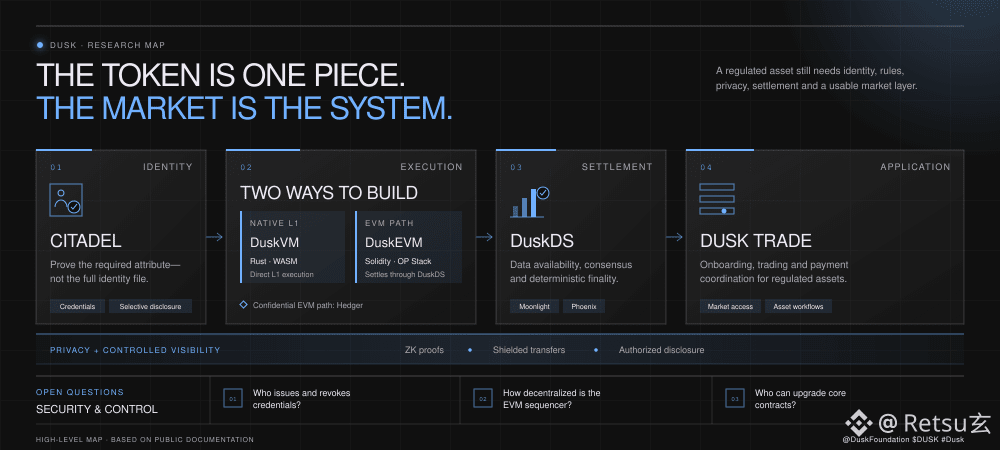
昨夜、「規制されたDeFi」は言うのは簡単だが、システムとして描きにくいと感じたので、Duskのドキュメントを読み返しました。
最初は主なアイデアはプライベートなトークン化だと思いました。数ページ後に見方が変わります。トークンは単に一部分にすぎません。難しいのは、すべての残高や資格情報を公開せずに、アイデンティティ・譲渡ルール・決済を結びつけることです。
DuskVM/DuskEVMの分割が役に立ちました。DuskVMはL1上でRust/WASMのコントラクトを実行し、DuskEVMはSolidityアプリがデータを公開し、DuskDSを通じて決済できるようにします。私の理解では、一方はDuskのネイティブなプライバシー機能により近い道であり、もう一方はEthereum開発者の参入障壁を下げる道です。
それでもCitadelには疑問が残ります。「完全なアイデンティティ記録を開示せずに、自分が適格であること」を証明するのは筋が通っていますが、誰が資格情報を発行し、誰が取り消すのでしょうか? 発行者が侵害された場合はどうなるのですか? 開示が法的に必要なとき、アクセスを誰が管理するのでしょうか?
また、スタック全体で分散化がどのように機能するのかも確信が持てません。簡潔なアテステーションは、許可不要で委員会ベースだと説明されていますが、DuskEVMのシーケンサーはどれくらい分散化されているのでしょう? ブリッジやコアコントラクトのアップグレードは誰が行い、どのようなチェックが適用されますか? DIPのプロセスは提案を記録しますが、最終決定について明確な答えを見つけられませんでした。
最大のセキュリティ前提はどこにありますか? プライバシー、規制上の統制、そして信頼できる中立性は、どれか一つが支配することなく両立できるのでしょうか?
昨夜、「規制されたDeFi」は言うのは簡単だが、システムとして描きにくいと感じたので、Duskのドキュメントを読み返しました。
最初は主なアイデアはプライベートなトークン化だと思いました。数ページ後に見方が変わります。トークンは単に一部分にすぎません。難しいのは、すべての残高や資格情報を公開せずに、アイデンティティ・譲渡ルール・決済を結びつけることです。
DuskVM/DuskEVMの分割が役に立ちました。DuskVMはL1上でRust/WASMのコントラクトを実行し、DuskEVMはSolidityアプリがデータを公開し、DuskDSを通じて決済できるようにします。私の理解では、一方はDuskのネイティブなプライバシー機能により近い道であり、もう一方はEthereum開発者の参入障壁を下げる道です。
それでもCitadelには疑問が残ります。「完全なアイデンティティ記録を開示せずに、自分が適格であること」を証明するのは筋が通っていますが、誰が資格情報を発行し、誰が取り消すのでしょうか? 発行者が侵害された場合はどうなるのですか? 開示が法的に必要なとき、アクセスを誰が管理するのでしょうか?
また、スタック全体で分散化がどのように機能するのかも確信が持てません。簡潔なアテステーションは、許可不要で委員会ベースだと説明されていますが、DuskEVMのシーケンサーはどれくらい分散化されているのでしょう? ブリッジやコアコントラクトのアップグレードは誰が行い、どのようなチェックが適用されますか? DIPのプロセスは提案を記録しますが、最終決定について明確な答えを見つけられませんでした。
最大のセキュリティ前提はどこにありますか? プライバシー、規制上の統制、そして信頼できる中立性は、どれか一つが支配することなく両立できるのでしょうか?
翻訳参照
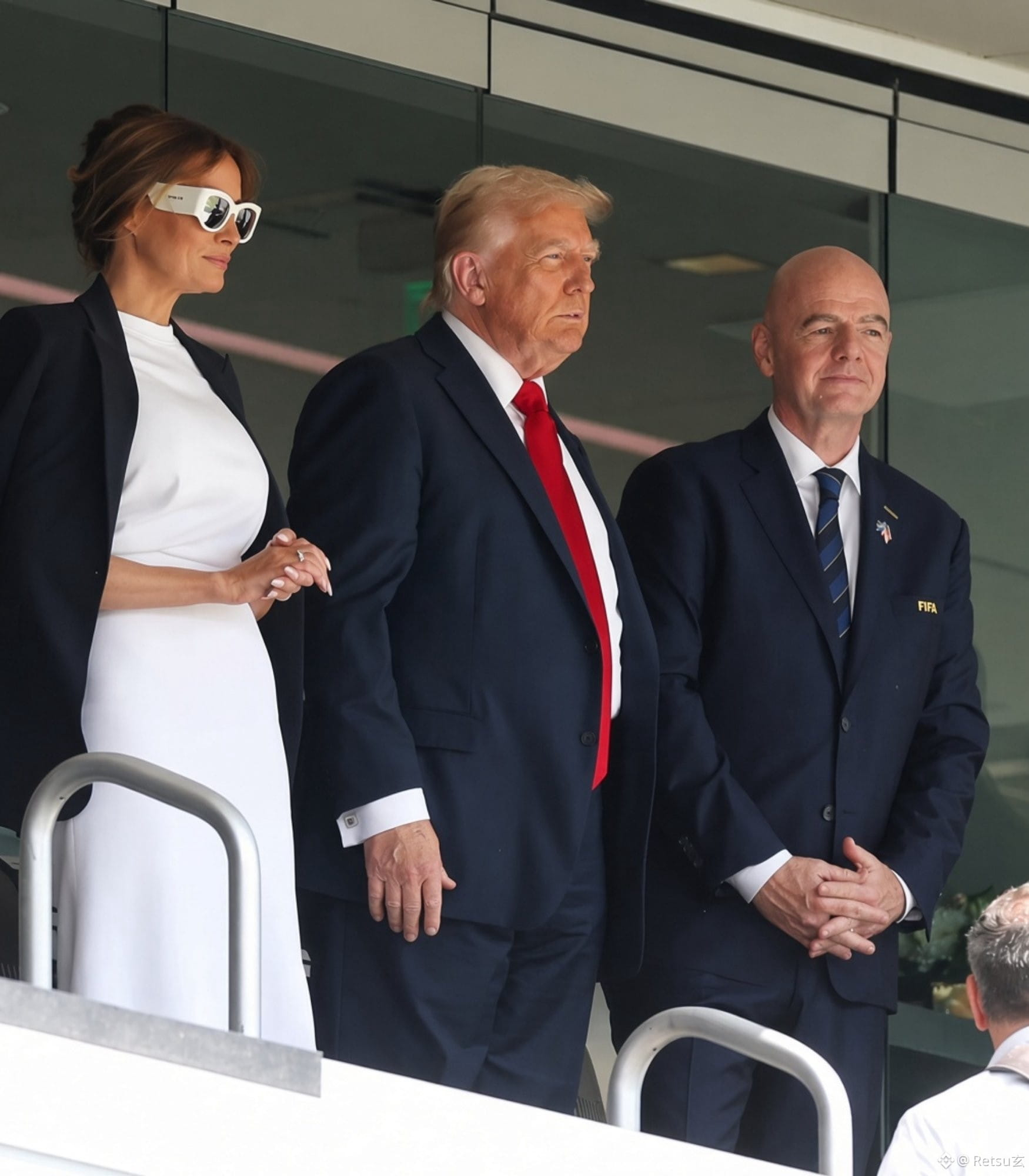
JUST IN: 🇺🇸 Melania Trump has now recorded the lowest approval rating for a First Lady in U.S. history, reaching -12.
Throughout the year, she has made just 38 public appearances and has not been seen in public since attending the FIFA World Cup final on July 19.
#SECCancelsCryptoRulemakingMeeting
#SP500TopsRecord7800
Throughout the year, she has made just 38 public appearances and has not been seen in public since attending the FIFA World Cup final on July 19.
#SECCancelsCryptoRulemakingMeeting
#SP500TopsRecord7800

バイナンスは、2026年8月20日 06:00(UTC)にBNBスマートチェーン(BEP20)ウォレットのメンテナンスを予定しています。ネットワーク経由の入金および出金は、05:55(UTC)から一時停止され、メンテナンスの所要時間は約1時間と見込まれています。
BNBスマートチェーンでサポートされているトークンの取引は影響を受けないため、この中断は入金と出金にのみ適用されます。バイナンスは、ネットワークが安定したと判断され次第、これらのサービスが再開されるとしていますが、別途のフォローアップ告知はないとしています。
バイナンスを通じてBEP20資産を移動する予定のある方は、潜在的な遅延を避けるため、停止が始まる前に取引を完了しておくとよいかもしれません。
BNBスマートチェーンでサポートされているトークンの取引は影響を受けないため、この中断は入金と出金にのみ適用されます。バイナンスは、ネットワークが安定したと判断され次第、これらのサービスが再開されるとしていますが、別途のフォローアップ告知はないとしています。
バイナンスを通じてBEP20資産を移動する予定のある方は、潜在的な遅延を避けるため、停止が始まる前に取引を完了しておくとよいかもしれません。
翻訳参照
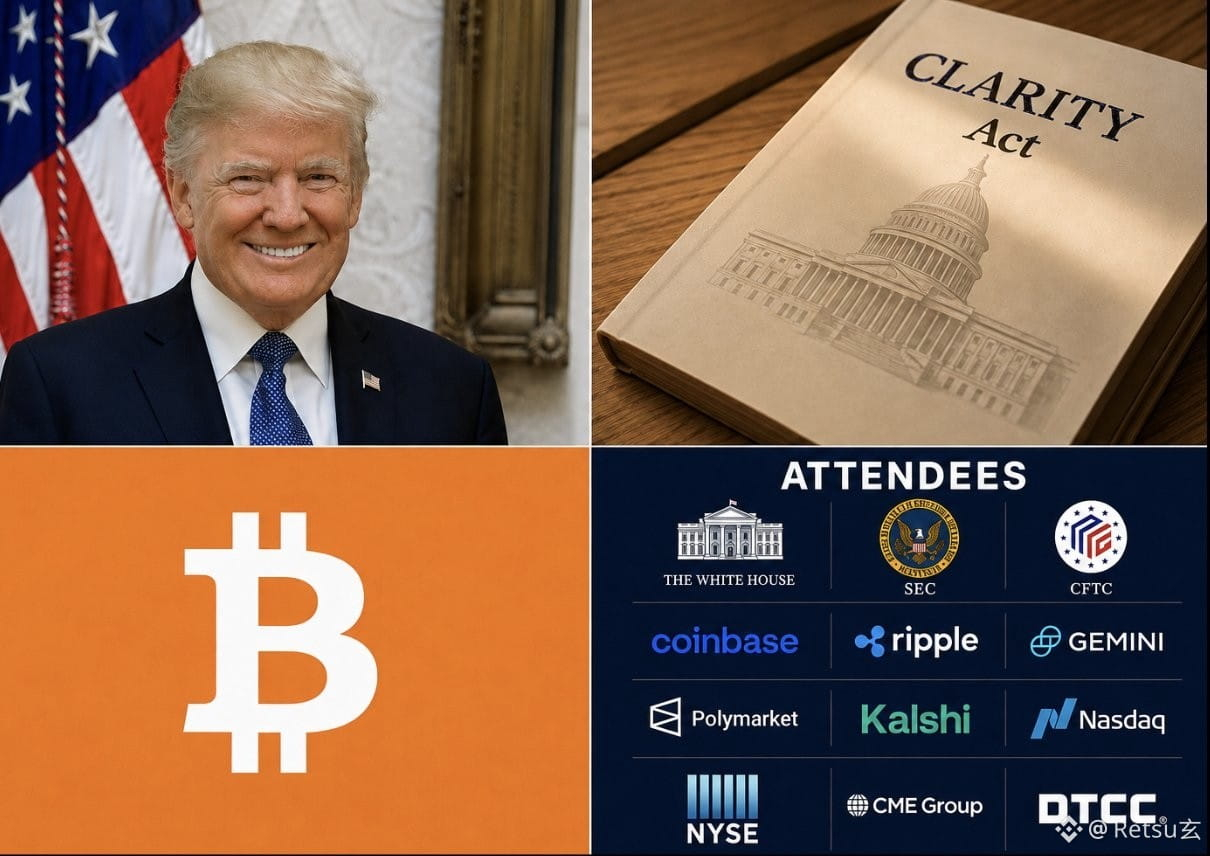
🇺🇸 THE WHITE HOUSE IS HOLDING THE MOST SIGNIFICANT CRYPTO MEETING TO DATE THIS WEEK!
With President Trump, SEC Chair Atkins, CFTC Chair Selig, and crypto-firms Coinbase, Ripple, Gemini, Polymarket, Kalshi, Nasdaq, NYSE, CME, and DTCC, among others, in attendance. However, the most notable detail is the last name on that list!
DTCC is the organization that settles most stock trades in America. Why consult them about legislation if they are already finalizing settlements? The only logical conclusion is that President Trump has authorized the commencement of implementation. This development is significant enough that it does not require the CLARITY Act to take effect.
#IsraelStrikesLebanonKillsHezbollahCommander
#SP500TopsRecord7800
#SP500EarningsBeatExpectations
#USToPressNationsToPickUSOrChinaAICoalition
With President Trump, SEC Chair Atkins, CFTC Chair Selig, and crypto-firms Coinbase, Ripple, Gemini, Polymarket, Kalshi, Nasdaq, NYSE, CME, and DTCC, among others, in attendance. However, the most notable detail is the last name on that list!
DTCC is the organization that settles most stock trades in America. Why consult them about legislation if they are already finalizing settlements? The only logical conclusion is that President Trump has authorized the commencement of implementation. This development is significant enough that it does not require the CLARITY Act to take effect.
#IsraelStrikesLebanonKillsHezbollahCommander
#SP500TopsRecord7800
#SP500EarningsBeatExpectations
#USToPressNationsToPickUSOrChinaAICoalition
翻訳参照
#dusk $DUSK @Dusk
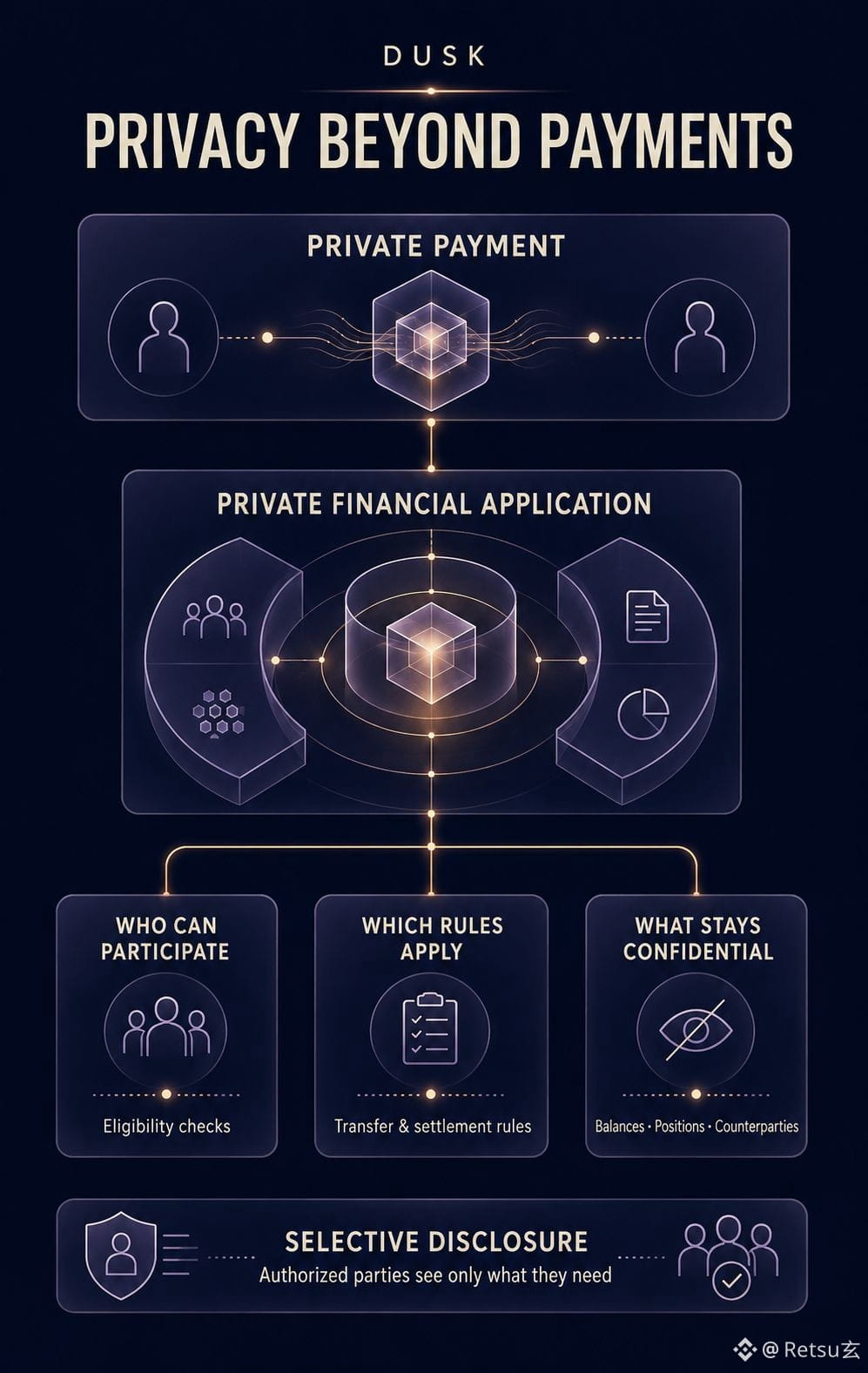
I've been around long enough to notice that crypto often treats privacy as a transfer feature: hide the sender, receiver or amount, and call the job done. That matters, but one private payment does not make a private financial system. The app around it can still expose positions, eligibility, counterparties and transaction rules.
Something about Dusk caught my attention. Phoenix offers shielded, note-based transfers, while Moonlight keeps a public account path. More interesting is what sits above the payment. Dusk's contracts and identity layer are designed so an app can check eligibility, enforce transfer or settlement conditions, and disclose selected facts to an issuer or auditor without publishing everything.
I've seen similar ideas before, and the hard part was rarely cryptography alone. It was deciding where privacy ends: who gets viewing rights, how access is governed, what metadata leaks, and whether users understand the choices. Private finance still needs liquidity, pricing, recovery and decent wallets. Confidential execution does not erase those problems.
I keep wondering whether crypto has framed privacy too narrowly. Bitcoin showed that value can move without a bank, but its open ledger also showed how much a payment trail reveals. Dusk is testing a broader idea: perhaps the useful unit of privacy is not one transaction, but the financial relationship around it. I'm still not convinced the trade-offs are solved, but that question feels worth following.
I've been around long enough to notice that crypto often treats privacy as a transfer feature: hide the sender, receiver or amount, and call the job done. That matters, but one private payment does not make a private financial system. The app around it can still expose positions, eligibility, counterparties and transaction rules.
Something about Dusk caught my attention. Phoenix offers shielded, note-based transfers, while Moonlight keeps a public account path. More interesting is what sits above the payment. Dusk's contracts and identity layer are designed so an app can check eligibility, enforce transfer or settlement conditions, and disclose selected facts to an issuer or auditor without publishing everything.
I've seen similar ideas before, and the hard part was rarely cryptography alone. It was deciding where privacy ends: who gets viewing rights, how access is governed, what metadata leaks, and whether users understand the choices. Private finance still needs liquidity, pricing, recovery and decent wallets. Confidential execution does not erase those problems.
I keep wondering whether crypto has framed privacy too narrowly. Bitcoin showed that value can move without a bank, but its open ledger also showed how much a payment trail reveals. Dusk is testing a broader idea: perhaps the useful unit of privacy is not one transaction, but the financial relationship around it. I'm still not convinced the trade-offs are solved, but that question feels worth following.
確認済み
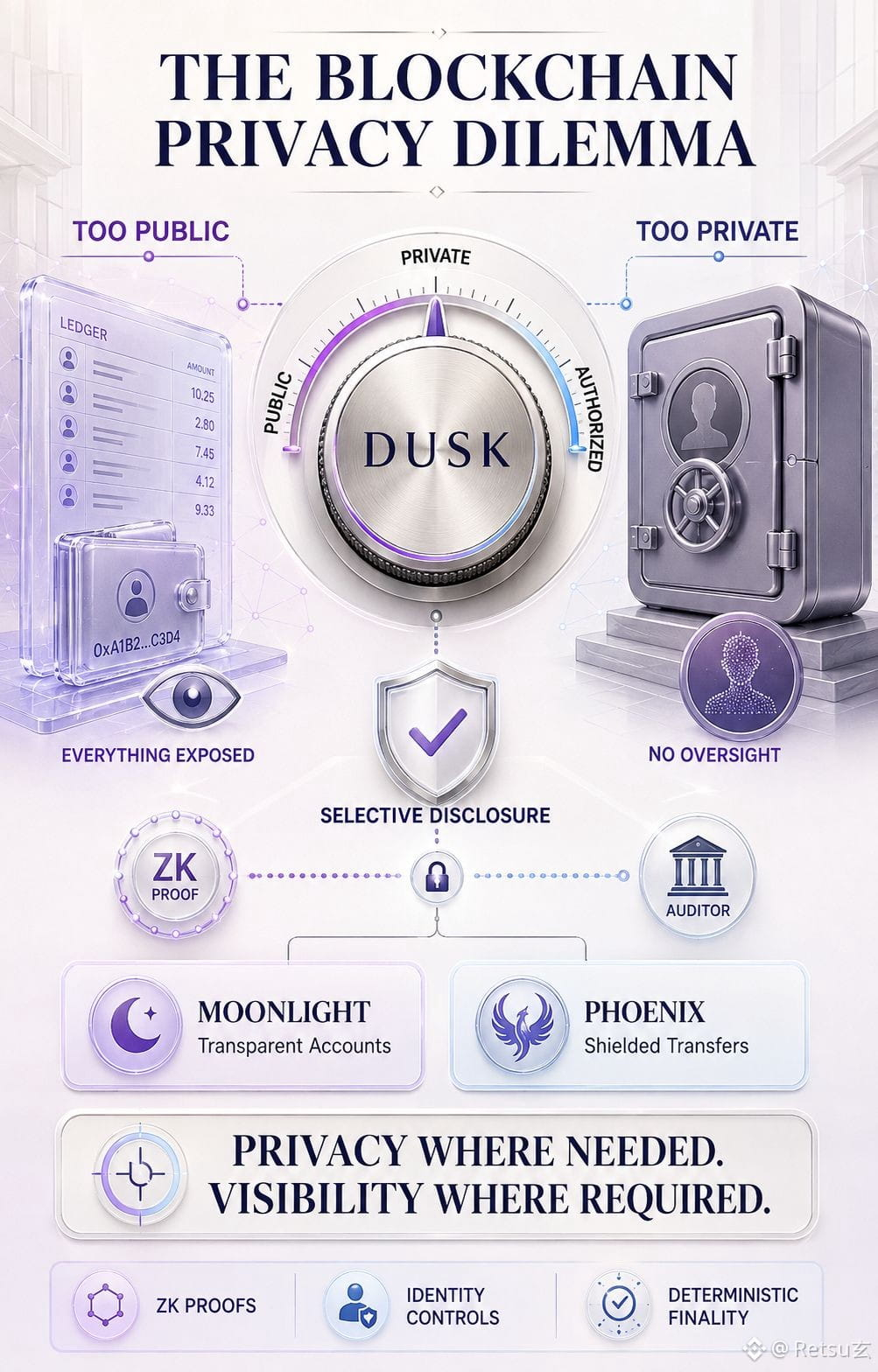
#dusk $DUSK ブロックチェーンの世界における、定義的なジレンマとは何でしょうか?
パブリック・ブロックチェーンはすべてを公開します。あらゆる取引、ウォレット、決済まで。銀行が顧客のポートフォリオや取引を看板に掲示するようなものです。機関は機密性で成り立っているため、彼らは拒否します。
完全にプライベートなチェーンは、その逆を生みます。アイデンティティは煙のように消える。完全な匿名性。監査なし。監督なし。規制当局は踏み込んで、そして退きます。これはプライバシーではありません。暗号で着飾った“回避”です。
Dusk Networkは、この偽りの二択を退けます。
選択的開示を提供します。世界がハンマーで叩く場所なら、そこにメスを。ゼロ知識証明が、露出と秘匿の間をつなぐ道を作ります。手の内を明かさずに適合性を証明する。規制当局には領収書を見せつつ、残高、パートナー、保有資産は非公開に保つ。検証が必要です。鍵はここ。誰もが“影”しか見えない。
Moonlightは、この“透明性と秘匿性”の二重アーキテクチャを体現しています。パブリック・モードは、開放が重要なときに輝きます。暗号化された双子のPhoenixは、金額、送信者、受信者を秘匿しながら、正当性の証明を維持します。スイッチを切り替えるだけで、世界が変わる。妥協ではありません。主権のスペクトラムです。
Citadelはオンチェーン上でアイデンティティを織り込み、プライバシーを犠牲にせずにKYCとAMLを可能にします。XSC規格は、債券、ファンド、株式を含め、生まれた瞬間からデジタル証券へコンプライアンスを埋め込みます。すべてがルールに従います。プライバシーは反抗ではない。説明責任の土台です。
これはPDF上の机上の理論ではありません。
2026年1月7日、Duskメインネットが点火します。DuskEVMが起動。Solidity開発者の皆さん、あなたのツールは準備完了です。
ライセンスを持つオランダの取引所NPEXとともに、Duskはトークン化された証券を何億単位もの規模でオンチェーンに持ち込みます。実物資産。実スケール。
Quantoz Paymentsとともに、EURQを作成しました。MiCAに準拠したデジタル・ユーロ・マネー。根拠があり、現実に根づいています。
露わすぎる。暗すぎる。
Duskは言います。光を選べ、影を選べ。隠すべきものは隠せ。見せるべきものは明らかにせよ。これはバランスではない。コントロールです。
@Dusk
パブリック・ブロックチェーンはすべてを公開します。あらゆる取引、ウォレット、決済まで。銀行が顧客のポートフォリオや取引を看板に掲示するようなものです。機関は機密性で成り立っているため、彼らは拒否します。
完全にプライベートなチェーンは、その逆を生みます。アイデンティティは煙のように消える。完全な匿名性。監査なし。監督なし。規制当局は踏み込んで、そして退きます。これはプライバシーではありません。暗号で着飾った“回避”です。
Dusk Networkは、この偽りの二択を退けます。
選択的開示を提供します。世界がハンマーで叩く場所なら、そこにメスを。ゼロ知識証明が、露出と秘匿の間をつなぐ道を作ります。手の内を明かさずに適合性を証明する。規制当局には領収書を見せつつ、残高、パートナー、保有資産は非公開に保つ。検証が必要です。鍵はここ。誰もが“影”しか見えない。
Moonlightは、この“透明性と秘匿性”の二重アーキテクチャを体現しています。パブリック・モードは、開放が重要なときに輝きます。暗号化された双子のPhoenixは、金額、送信者、受信者を秘匿しながら、正当性の証明を維持します。スイッチを切り替えるだけで、世界が変わる。妥協ではありません。主権のスペクトラムです。
Citadelはオンチェーン上でアイデンティティを織り込み、プライバシーを犠牲にせずにKYCとAMLを可能にします。XSC規格は、債券、ファンド、株式を含め、生まれた瞬間からデジタル証券へコンプライアンスを埋め込みます。すべてがルールに従います。プライバシーは反抗ではない。説明責任の土台です。
これはPDF上の机上の理論ではありません。
2026年1月7日、Duskメインネットが点火します。DuskEVMが起動。Solidity開発者の皆さん、あなたのツールは準備完了です。
ライセンスを持つオランダの取引所NPEXとともに、Duskはトークン化された証券を何億単位もの規模でオンチェーンに持ち込みます。実物資産。実スケール。
Quantoz Paymentsとともに、EURQを作成しました。MiCAに準拠したデジタル・ユーロ・マネー。根拠があり、現実に根づいています。
露わすぎる。暗すぎる。
Duskは言います。光を選べ、影を選べ。隠すべきものは隠せ。見せるべきものは明らかにせよ。これはバランスではない。コントロールです。
@Dusk
#dusk $DUSK
透明なブロックチェーンを使う時間が増えるほど、「透明性」という考え方がますます複雑に感じられてきました。
最初にイーサリアムの取引が確定するのを待ったとき、好奇心がブロックエクスプローラーへ私を向かわせました。驚いたのは遅延ではなく、公的アドレスがどれほどの金融履歴を公開し得るかという点です。透明性は検証に役立ちますが、すべてのポジション、残高、または取引相手との関係を公にできない、あるいは公にしたくない可能性のある機関にも同じモデルを適用すると、不快さを伴うようになります。
それが、@Dusk が私にとって重要な理由です。
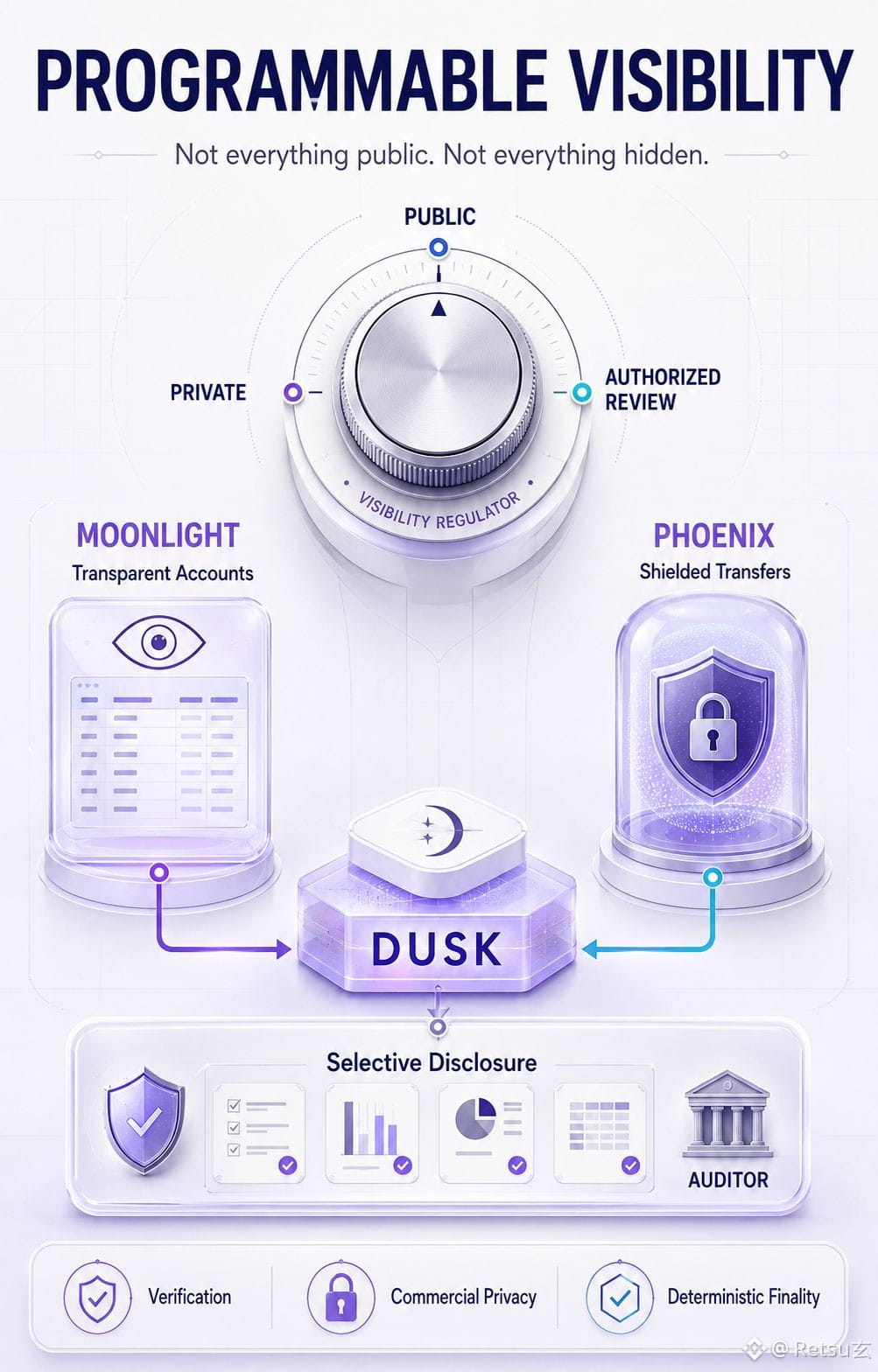
Duskは単にすべてを秘匿にするだけではありません。そのアーキテクチャは、異なる可視性モデルを提供します。Moonlightは透明でアカウントベース。一方でPhoenixは、秘匿化されたUTXO転送を提供します。Phoenixの取引では、送信者、受信者、そして送金額は一般の人々から隠されますが、関与した当事者や、適切なビューキーを持つ者は、関連情報にアクセスできます。
重要なのは、つまり「プライバシー対透明性」ではありません。「プログラム可能な可視性」です。
Duskはまた、ゼロ知識証明と選択的開示を用い、必要のない情報を非公開に保ったまま、認可された当事者が必要とするときに制御された形で証拠を提示できるようにしています。そのSuccinct Attestationのコンセンサスは、ブロックが承認(ラットファイ)されると決定論的なファイナリティを提供します。
イーサリアムも止まってはいません。プライバシー技術はそこでも発展し続けています。一方で、ZKロールアップは、主な役割が有効性(validity)証明によるスケーリングであることから、必ずしも自動的に「プライベートな取引システム」と見なすべきではありません。
だから私は、次の1つの問いに立ち返り続けます。財務活動をデフォルトで秘匿できるのであれば、監査人には具体的に何を開示してよいのか、そしてその権限を誰が制御すべきなのか。
その境界線は、すべての取引を公開することよりも、機関の導入においてより重要になるかもしれません。
透明なブロックチェーンを使う時間が増えるほど、「透明性」という考え方がますます複雑に感じられてきました。
最初にイーサリアムの取引が確定するのを待ったとき、好奇心がブロックエクスプローラーへ私を向かわせました。驚いたのは遅延ではなく、公的アドレスがどれほどの金融履歴を公開し得るかという点です。透明性は検証に役立ちますが、すべてのポジション、残高、または取引相手との関係を公にできない、あるいは公にしたくない可能性のある機関にも同じモデルを適用すると、不快さを伴うようになります。
それが、@Dusk が私にとって重要な理由です。
Duskは単にすべてを秘匿にするだけではありません。そのアーキテクチャは、異なる可視性モデルを提供します。Moonlightは透明でアカウントベース。一方でPhoenixは、秘匿化されたUTXO転送を提供します。Phoenixの取引では、送信者、受信者、そして送金額は一般の人々から隠されますが、関与した当事者や、適切なビューキーを持つ者は、関連情報にアクセスできます。
重要なのは、つまり「プライバシー対透明性」ではありません。「プログラム可能な可視性」です。
Duskはまた、ゼロ知識証明と選択的開示を用い、必要のない情報を非公開に保ったまま、認可された当事者が必要とするときに制御された形で証拠を提示できるようにしています。そのSuccinct Attestationのコンセンサスは、ブロックが承認(ラットファイ)されると決定論的なファイナリティを提供します。
イーサリアムも止まってはいません。プライバシー技術はそこでも発展し続けています。一方で、ZKロールアップは、主な役割が有効性(validity)証明によるスケーリングであることから、必ずしも自動的に「プライベートな取引システム」と見なすべきではありません。
だから私は、次の1つの問いに立ち返り続けます。財務活動をデフォルトで秘匿できるのであれば、監査人には具体的に何を開示してよいのか、そしてその権限を誰が制御すべきなのか。
その境界線は、すべての取引を公開することよりも、機関の導入においてより重要になるかもしれません。
確認済み
#dusk $DUSK
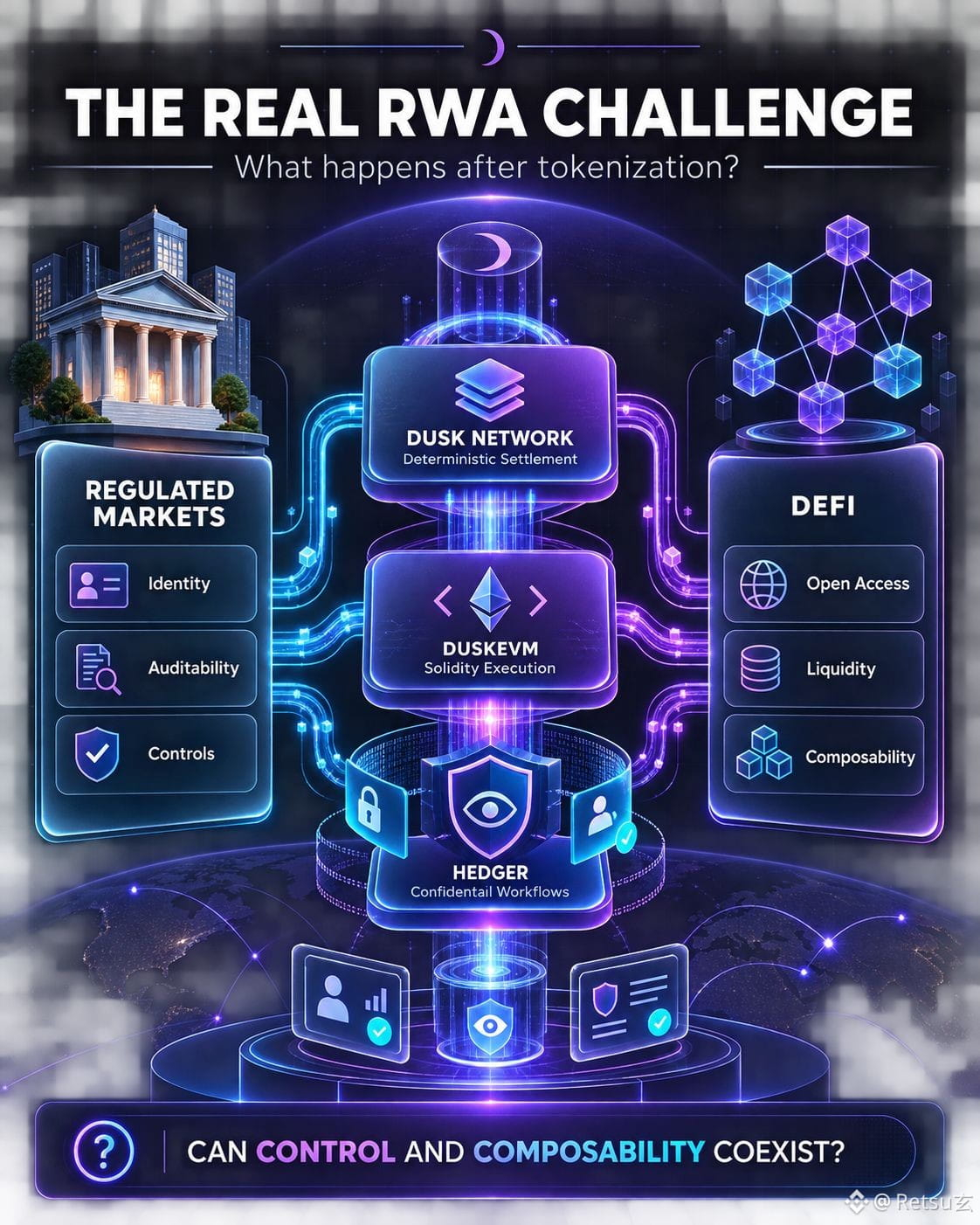
私は、実世界の資産をオンチェーンに持ち込むうえで最も難しいのはトークン化ではなく、資産が到着した後に何が起こるかだと気づきました。
規制された市場では、本人確認、譲渡制限、監査可能性、そして商業上のプライバシーが求められます。DeFiはオープンなインフラストラクチャと合成可能性(コンポーザビリティ)に依存しています。これらの仕組みを、その中核要件を損なうことなく両立させることこそが本当の難題であり、だからこそ@Dusk とDusk Tradeを検討する価値があります。
Dusk Tradeは、トークン化された金融資産のためのアプリケーション層として構築されており、投資家のオンボーディング、ウォレットの紐づけ、制御された譲渡、支払いの調整、準拠した決済に至るワークフローをカバーしています。
その下で稼働するDuskネットワークは、決定論的ファイナリティと、プライバシー重視のトランザクションモデル、そしてセレクティブ・ディスクロージャ(選択的開示)機能を組み合わせます。現在テストネット上にあるDuskEVMは、Duskの決済インフラストラクチャに接続された、Solidity互換の環境を提供します。
同じくテストネット上のHedgerは、同型暗号とゼロ知識証明によって機密性の高いEVMワークフローを実現するよう設計されています。目的は、機密性のある残高や取引の詳細を非公開に保ちつつ、検証可能な実行と、許可されたレビューを維持することです。
NPEXパートナーシップは、この構想を規制された欧州のインフラストラクチャに結びつけています。ただし、規制されたパートナーシップはオンチェーン・モデル全体の承認を意味するものではなく、テストネット技術は本番の決済ではありません。
核心となる問いは、MTFレベルの統制が、意味のあるDeFiの流動性と両立し得るかどうかです。これらの統制は、トークン化された有価証券を機関にとって許容可能にするかもしれない一方で、貸出市場や流動性プール間での移動を制限してしまう可能性もあります。
DUSKはすでに実行コストを負担し、ステーキングを支援し、エコシステムの安全性にも貢献しています。未検証なのは、本番の金融活動が、規模に応じた持続的な需要を生み出すかどうかです。
私は、プロモーション目標ではなく、規制の進捗、稼働後の発行、決済出来高、そして継続的な機関利用を注視します。
規制された統制と、DeFiの合成可能性は、本当に規模をもって両立し得るのでしょうか?
私は、実世界の資産をオンチェーンに持ち込むうえで最も難しいのはトークン化ではなく、資産が到着した後に何が起こるかだと気づきました。
規制された市場では、本人確認、譲渡制限、監査可能性、そして商業上のプライバシーが求められます。DeFiはオープンなインフラストラクチャと合成可能性(コンポーザビリティ)に依存しています。これらの仕組みを、その中核要件を損なうことなく両立させることこそが本当の難題であり、だからこそ@Dusk とDusk Tradeを検討する価値があります。
Dusk Tradeは、トークン化された金融資産のためのアプリケーション層として構築されており、投資家のオンボーディング、ウォレットの紐づけ、制御された譲渡、支払いの調整、準拠した決済に至るワークフローをカバーしています。
その下で稼働するDuskネットワークは、決定論的ファイナリティと、プライバシー重視のトランザクションモデル、そしてセレクティブ・ディスクロージャ(選択的開示)機能を組み合わせます。現在テストネット上にあるDuskEVMは、Duskの決済インフラストラクチャに接続された、Solidity互換の環境を提供します。
同じくテストネット上のHedgerは、同型暗号とゼロ知識証明によって機密性の高いEVMワークフローを実現するよう設計されています。目的は、機密性のある残高や取引の詳細を非公開に保ちつつ、検証可能な実行と、許可されたレビューを維持することです。
NPEXパートナーシップは、この構想を規制された欧州のインフラストラクチャに結びつけています。ただし、規制されたパートナーシップはオンチェーン・モデル全体の承認を意味するものではなく、テストネット技術は本番の決済ではありません。
核心となる問いは、MTFレベルの統制が、意味のあるDeFiの流動性と両立し得るかどうかです。これらの統制は、トークン化された有価証券を機関にとって許容可能にするかもしれない一方で、貸出市場や流動性プール間での移動を制限してしまう可能性もあります。
DUSKはすでに実行コストを負担し、ステーキングを支援し、エコシステムの安全性にも貢献しています。未検証なのは、本番の金融活動が、規模に応じた持続的な需要を生み出すかどうかです。
私は、プロモーション目標ではなく、規制の進捗、稼働後の発行、決済出来高、そして継続的な機関利用を注視します。
規制された統制と、DeFiの合成可能性は、本当に規模をもって両立し得るのでしょうか?
#baby $BABY
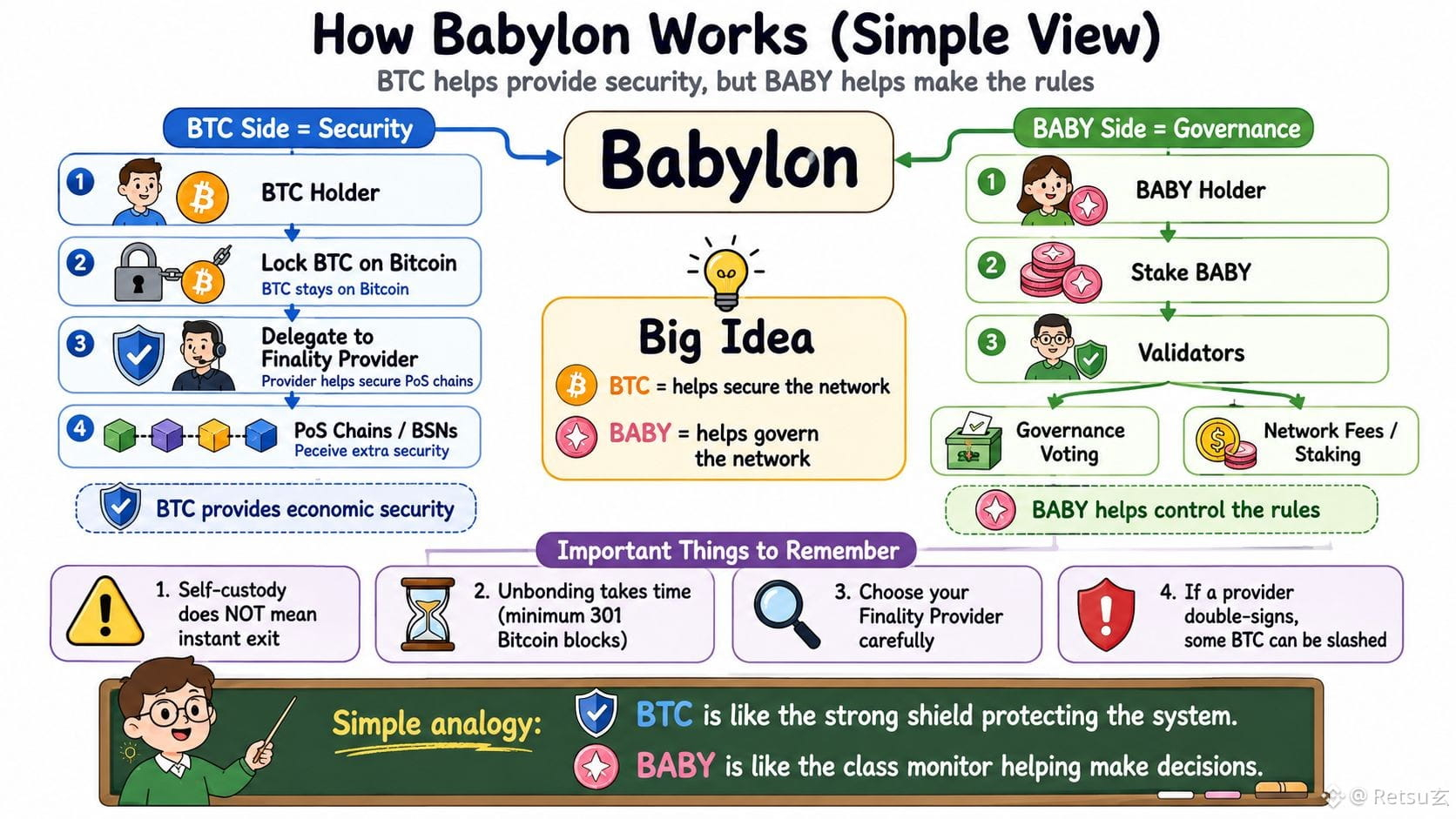
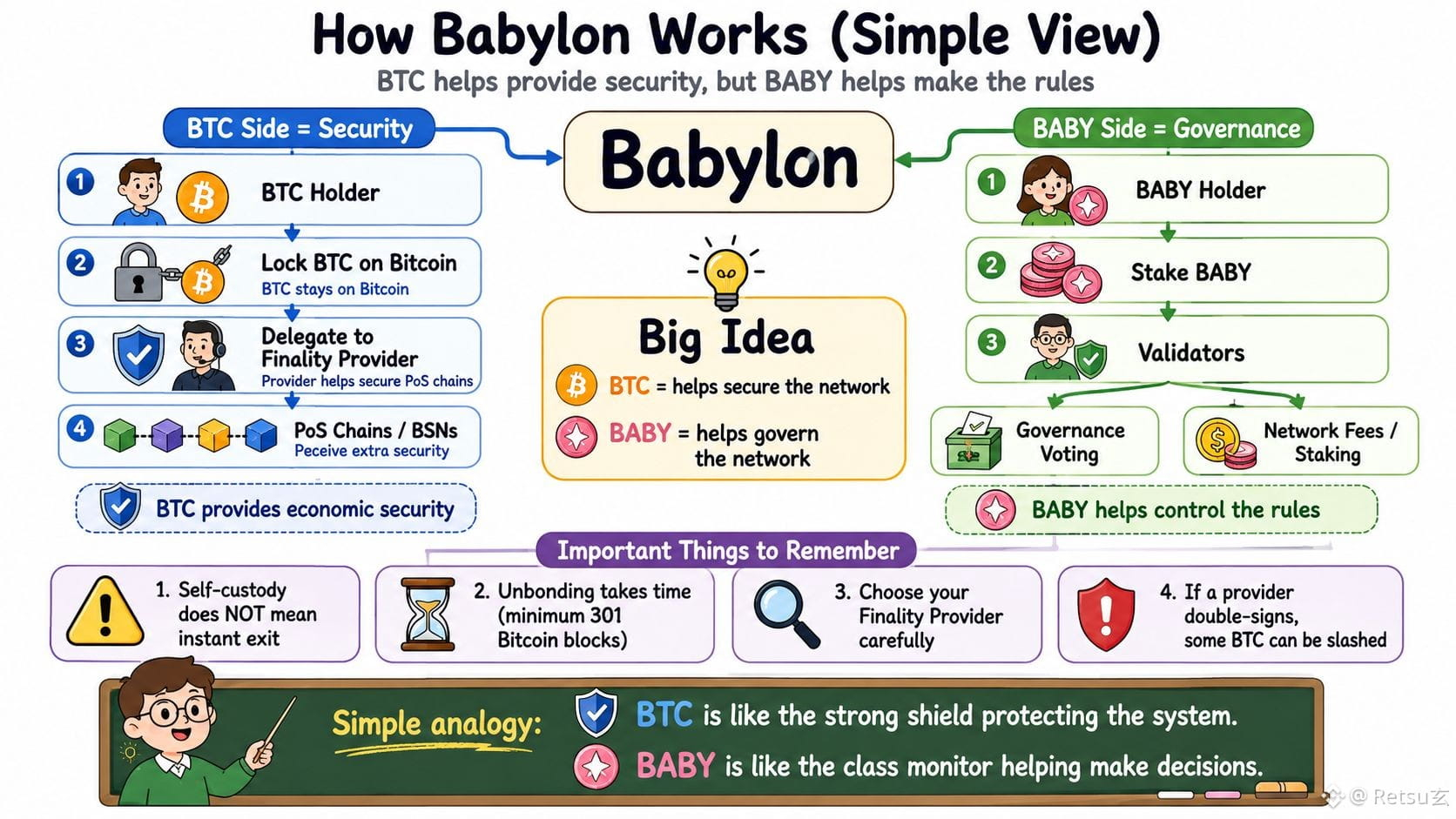
ビットコインの自己管理(セルフカストディ)を理解しようとしてみましょう。それはしばしば「最終回答」のように扱われますが、Babylonの設計は、それがリスク・スタックの最初の層にすぎないことを示唆しています。
信頼不要のビットコイン・ボールトは、ブリッジを経由して移すのではなく、あらかじめ定義されたビットコインの支払い条件の下でネイティブBTCを保管できます。これは重要です。しかし、外部計算、早期離脱、スラッシング(没収)、融資、あるいはマイニング戦略が追加される瞬間に、ボールトの周辺に新たな依存関係が生まれます。
最終性プロバイダーは、依然として規律あるEOTS鍵管理が必要です。協約参加者は、特定のプロトコル経路を承認することが求められるかもしれません。借り入れたステーブルコインは、引き続き外部オペレーターが管理するプロダクトに組み込まれ得ます。これらが、アーキテクチャを弱くするわけではありませんが、投資家が問い直すべき内容を変えるのです。
有用な区別は「信頼不要か、信頼ありか」ではありません。重要なのは、どのリスクが取り除かれ、どのリスクが隔離され、そしてどのリスクが単に別の場所へ移されたのか、です。
私にとって、@BabylonLabs_io が面白いのはまさにそこです。このプロトコルは、ビットコイン本来のコントロールを維持しつつ、ビットコイン自身では評価できない活動を調整しようとしています。本当の試金石は、$BABY で追加された層が、利用が時間とともに拡大していく中でも、透明性が保たれ、分散され、そして執行可能であり続けるかどうかです。
ビットコインの自己管理(セルフカストディ)を理解しようとしてみましょう。それはしばしば「最終回答」のように扱われますが、Babylonの設計は、それがリスク・スタックの最初の層にすぎないことを示唆しています。
信頼不要のビットコイン・ボールトは、ブリッジを経由して移すのではなく、あらかじめ定義されたビットコインの支払い条件の下でネイティブBTCを保管できます。これは重要です。しかし、外部計算、早期離脱、スラッシング(没収)、融資、あるいはマイニング戦略が追加される瞬間に、ボールトの周辺に新たな依存関係が生まれます。
最終性プロバイダーは、依然として規律あるEOTS鍵管理が必要です。協約参加者は、特定のプロトコル経路を承認することが求められるかもしれません。借り入れたステーブルコインは、引き続き外部オペレーターが管理するプロダクトに組み込まれ得ます。これらが、アーキテクチャを弱くするわけではありませんが、投資家が問い直すべき内容を変えるのです。
有用な区別は「信頼不要か、信頼ありか」ではありません。重要なのは、どのリスクが取り除かれ、どのリスクが隔離され、そしてどのリスクが単に別の場所へ移されたのか、です。
私にとって、@BabylonLabs_io が面白いのはまさにそこです。このプロトコルは、ビットコイン本来のコントロールを維持しつつ、ビットコイン自身では評価できない活動を調整しようとしています。本当の試金石は、$BABY で追加された層が、利用が時間とともに拡大していく中でも、透明性が保たれ、分散され、そして執行可能であり続けるかどうかです。
確認済み
#baby $BABY 私たちは、より小さな会計ルールでも暗号学的な失敗と同じくらい確実にチェーンを断ち切り得ることを理解しようとしてみるべきです。Babylonの7月21日v4.3.1リリースは、その有用なリマインダーです。
各エポック境界で、提案者はバリデータのBLS投票拡張からチェックポイントを構築し、それをブロック内で最初に配置します。そこには、前エポックの署名済み状態が引き継がれています。それでも古いコードは生のトランザクションバイト数を計上していたのに対し、CometBFTはより大きいprotobufエンコード後のサイズを確認していました。完全な提案がBabylonの予算を通過できる場合、提案者がパニックに陥り、合意形成が停止する可能性があります。
このパッチでは、CometBFTに互換な会計を使用し、最後のガードとして、チェックポイントを保持しつつ、提案の末尾から通常のトランザクションを取り除きます。
これにより活性は向上しますが、代償として静かになります。つまり、各エポックの最初のブロックは通常の活動に使える余地が減り、末尾のトランザクションは混雑時にまず先送りされます。タイムリーな取り込みを必要とするユーザーや自動化システムには、その遅延のリスクが伴います。
私は、手数料とmempoolの深さを制御した上で、エポック境界付近でのp95の取り込み時間を測定します。もしギャップが解消しないなら、チェックポイントの優先順位は、安全機能であるだけでなく、@BabylonLabs_io に対する予測可能な混雑の表面になってしまうのでしょうか?
各エポック境界で、提案者はバリデータのBLS投票拡張からチェックポイントを構築し、それをブロック内で最初に配置します。そこには、前エポックの署名済み状態が引き継がれています。それでも古いコードは生のトランザクションバイト数を計上していたのに対し、CometBFTはより大きいprotobufエンコード後のサイズを確認していました。完全な提案がBabylonの予算を通過できる場合、提案者がパニックに陥り、合意形成が停止する可能性があります。
このパッチでは、CometBFTに互換な会計を使用し、最後のガードとして、チェックポイントを保持しつつ、提案の末尾から通常のトランザクションを取り除きます。
これにより活性は向上しますが、代償として静かになります。つまり、各エポックの最初のブロックは通常の活動に使える余地が減り、末尾のトランザクションは混雑時にまず先送りされます。タイムリーな取り込みを必要とするユーザーや自動化システムには、その遅延のリスクが伴います。
私は、手数料とmempoolの深さを制御した上で、エポック境界付近でのp95の取り込み時間を測定します。もしギャップが解消しないなら、チェックポイントの優先順位は、安全機能であるだけでなく、@BabylonLabs_io に対する予測可能な混雑の表面になってしまうのでしょうか?
#baby $BABY
バビロン(BABY)に注目していて、私が何度も立ち返ってしまうのは、ステーキング報酬ではありません。実際に発言権を持つのは誰か、という点です。
暗号資産ではしばしば、資本を提供する人々と、ルールを決める人々が分けられます。これは機能しうるのですが、インセンティブが噛み合わなくなったときに緊張が生じます。私は、ガバナンスが紙の上では均衡して見えても、実際には集中してしまうのを見てきました。
バビロンにも同様の分断があります。BTCステーカーは最終性プロバイダーを通じて経済的な安全性を提供する一方で、$BABY ホルダーとバリデータがガバナンスを制御します。ビットコインは安全性負担の一部を担いますが、BTCステーカーはプロトコルの意思決定を直接投票できるわけではありません。仕組みは明確ですが、それだけで自動的にバランスが取れるとは限りません。
利点は、ガバナンスがネイティブトークンに結びついたままになることです。リスクは、経済的エクスポージャーを引き受ける側が、そのエクスポージャーを形作るルールに対して与える影響力が小さくなり得ることです。報酬が流れている間は、すべてが整合しているように見えます。しかし本当の試練は、難しい決断を下さなければならないときに訪れます。
たぶんBABYホルダーは、ネットワークがそれに依存しているからBTCステーカーを守るでしょう。あるいはインセンティブが引き続き整合しているのかもしれません。それでも、単にそうだと前提してよいとはまだ確信できていません。
それでも、これは単なる別の利回り提案よりも、より重大に感じます。@BabylonLabs_io は、ビットコインを安全性として使おうとしているように見えますが、ビットコインから切り離してはいません。より難しい問いは、本当の圧力が来たときに、安全性の提供者とルールを作る側が依然として一致したままでいられるかどうかです。
バビロン(BABY)に注目していて、私が何度も立ち返ってしまうのは、ステーキング報酬ではありません。実際に発言権を持つのは誰か、という点です。
暗号資産ではしばしば、資本を提供する人々と、ルールを決める人々が分けられます。これは機能しうるのですが、インセンティブが噛み合わなくなったときに緊張が生じます。私は、ガバナンスが紙の上では均衡して見えても、実際には集中してしまうのを見てきました。
バビロンにも同様の分断があります。BTCステーカーは最終性プロバイダーを通じて経済的な安全性を提供する一方で、$BABY ホルダーとバリデータがガバナンスを制御します。ビットコインは安全性負担の一部を担いますが、BTCステーカーはプロトコルの意思決定を直接投票できるわけではありません。仕組みは明確ですが、それだけで自動的にバランスが取れるとは限りません。
利点は、ガバナンスがネイティブトークンに結びついたままになることです。リスクは、経済的エクスポージャーを引き受ける側が、そのエクスポージャーを形作るルールに対して与える影響力が小さくなり得ることです。報酬が流れている間は、すべてが整合しているように見えます。しかし本当の試練は、難しい決断を下さなければならないときに訪れます。
たぶんBABYホルダーは、ネットワークがそれに依存しているからBTCステーカーを守るでしょう。あるいはインセンティブが引き続き整合しているのかもしれません。それでも、単にそうだと前提してよいとはまだ確信できていません。
それでも、これは単なる別の利回り提案よりも、より重大に感じます。@BabylonLabs_io は、ビットコインを安全性として使おうとしているように見えますが、ビットコインから切り離してはいません。より難しい問いは、本当の圧力が来たときに、安全性の提供者とルールを作る側が依然として一致したままでいられるかどうかです。
#baby $BABY 固定金利は安心感を与えるが、誰かがそのリスクを負う
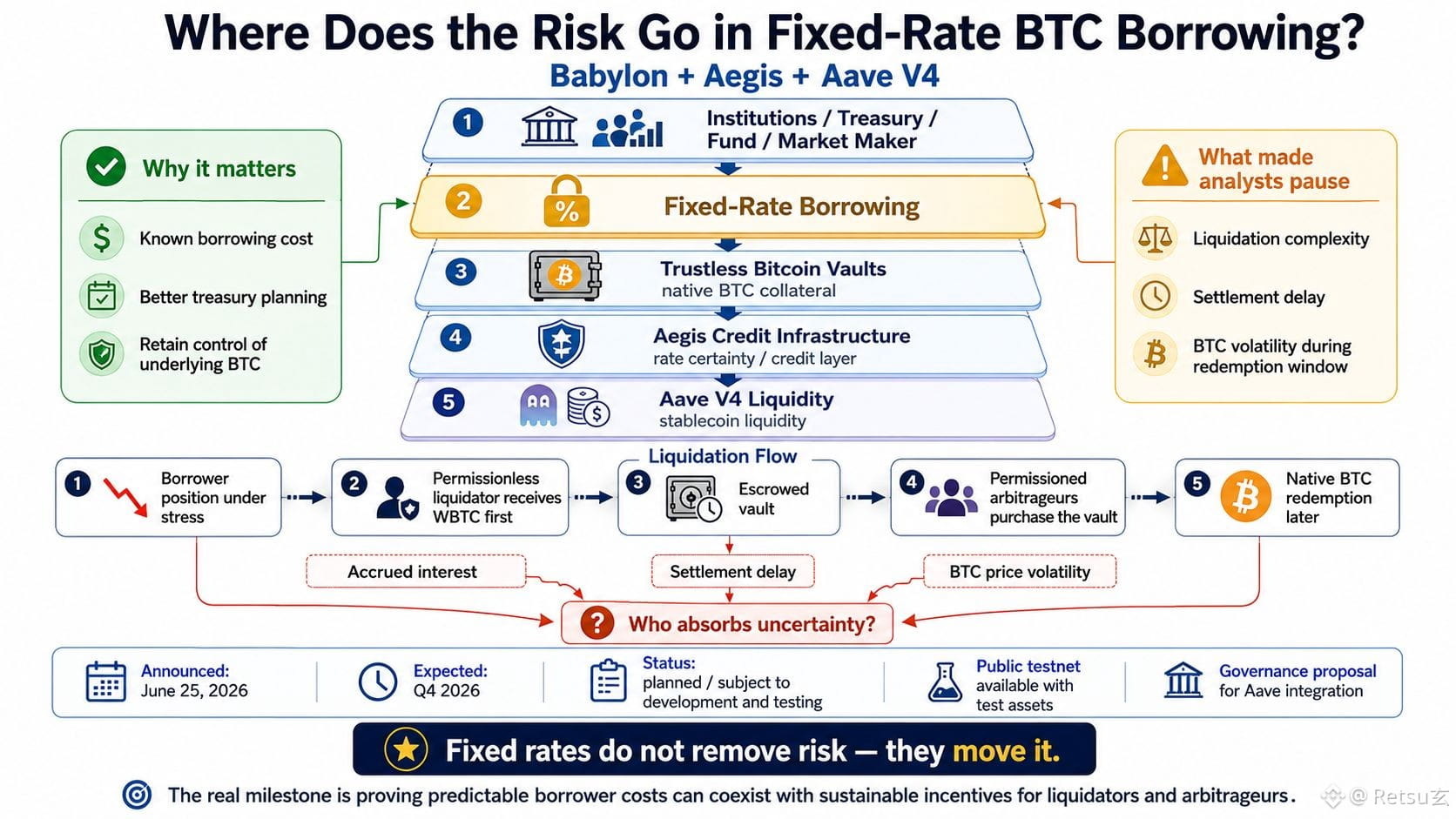
固定金利は心強く聞こえるものの、Babylonの提案する貸付構造は、より難しい問いを突きつけます。借り手のコストが固定のままの場合、不確実性を誰が吸収するのか?
2026年6月25日、@BabylonLabs_io と Aegis は、Trustless Bitcoin Vaults、Aave V4、そして Aegis の信用インフラを基盤にした、固定金利のネイティブBTC借入プロダクトの計画を発表しました。提供開始は2026年Q4が見込まれていますが、これは開発・テスト次第の目標であり、確約されたローンチではありません。
実務上のメリットは明白です。トレジャリー、ファンド、マーケットメイカーのような機関は、資本配分を行う前に、予測可能な資金調達コストが必要になることがよくあります。固定金利なら、借り手がビットコインのコントロールを手放す必要なしに、ネイティブBTCを担保にした借入を予算化しやすくできる可能性があります。
しかし、リスクは消えません。
Babylonの借入フローは現在、公的なテストネット上でテスト資産を用いてのみ利用可能であり、また Aave V4 の統合はガバナンス提案の段階にあります。提案されている清算(リキディエーション)の設計では、パーミッションレスの清算業者がまずWBTCを受け取り、その後にパーミッション付きの裁定業者がエスクローされたバル トを購入して、ネイティブBTCの償還を完了します。
この遅延が重要です。利息は引き続き発生し得ますし、BTCは急激に動き得ます。また、償還が完了するまで資本が拘束されたままとなります。
私が注目しているのは、借り手にとっての予測可能な金利が、ストレスのかかった市場で、予測不能な決済リスクを引き受ける裁定業者が十分にいるかどうかに左右される可能性がある、という点です。
$BABY と #Babylon にとって意味のあるマイルストーンは、固定金利の借入を発表したことそれ自体ではありません。ボラティリティが上がり、流動性が高くつく状況になっても、インセンティブがなお強いことを示せるかどうかです。
Babylonは、清算参加を不確実にせずに、借入を予測可能にできるでしょうか?
@BabylonLabs_io
固定金利は心強く聞こえるものの、Babylonの提案する貸付構造は、より難しい問いを突きつけます。借り手のコストが固定のままの場合、不確実性を誰が吸収するのか?
2026年6月25日、@BabylonLabs_io と Aegis は、Trustless Bitcoin Vaults、Aave V4、そして Aegis の信用インフラを基盤にした、固定金利のネイティブBTC借入プロダクトの計画を発表しました。提供開始は2026年Q4が見込まれていますが、これは開発・テスト次第の目標であり、確約されたローンチではありません。
実務上のメリットは明白です。トレジャリー、ファンド、マーケットメイカーのような機関は、資本配分を行う前に、予測可能な資金調達コストが必要になることがよくあります。固定金利なら、借り手がビットコインのコントロールを手放す必要なしに、ネイティブBTCを担保にした借入を予算化しやすくできる可能性があります。
しかし、リスクは消えません。
Babylonの借入フローは現在、公的なテストネット上でテスト資産を用いてのみ利用可能であり、また Aave V4 の統合はガバナンス提案の段階にあります。提案されている清算(リキディエーション)の設計では、パーミッションレスの清算業者がまずWBTCを受け取り、その後にパーミッション付きの裁定業者がエスクローされたバル トを購入して、ネイティブBTCの償還を完了します。
この遅延が重要です。利息は引き続き発生し得ますし、BTCは急激に動き得ます。また、償還が完了するまで資本が拘束されたままとなります。
私が注目しているのは、借り手にとっての予測可能な金利が、ストレスのかかった市場で、予測不能な決済リスクを引き受ける裁定業者が十分にいるかどうかに左右される可能性がある、という点です。
$BABY と #Babylon にとって意味のあるマイルストーンは、固定金利の借入を発表したことそれ自体ではありません。ボラティリティが上がり、流動性が高くつく状況になっても、インセンティブがなお強いことを示せるかどうかです。
Babylonは、清算参加を不確実にせずに、借入を予測可能にできるでしょうか?
@BabylonLabs_io
#baby $BABY
固定金利の貸出商品について読むたびに、借り手の金利を超えて、あらゆる不確実性がどこへ行くのかを問いかけます。バビロンの最新の貸出方針は、その問いをとりわけ重要なものにしました。
2026年6月25日、バビロンとアイギスは、トラストレス・ビットコイン・ボールト、Aave V4、そしてアイギスの信用インフラを組み合わせた、固定金利のネイティブBTC借入プロダクトを計画していることを発表しました。2026年Q4に提供される見込みですが、その期間は開発とテスト次第であり、確約されたローンチではありません。
その利点は大きいです。トレジャリー、ファンド、またはマーケットメイカーは、借入コストが事前に分かっていれば、より確信を持って計画を立てられます。機関にとっては、基礎となるBTCのコントロールを維持することと同じくらい、予測可能な資金調達が重要になり得ます。
ただ、私が立ち止まったのは清算(リキディエーション)です。
バビロンのAave統合はまだガバナンス提案の段階ですが、借入フロー自体はテスト用の資産を使う公開テストネット上で利用できます。提案されている設計では、パーミッションレスの清算者がまずWBTCを受け取り、その後、許可された裁定業者がエスクローされたボールトを購入して、ネイティブBTCの償還を処理します。つまり時間がかかるため、発生した利息、決済の遅延、そしてBTCの価格変動を誰かが吸収しなければなりません。
構造を見て、ひとつ明確になったことがあります。固定金利はリスクを取り除くのではなく、参加者の価格設定とポジションの決済にリスクを移し替えるだけだということです。バビロンの清算ボット開発は有益な前進ですが、テスト環境では、激しい相場の局面で裁定取引の資本が引き続き利用可能であり続けることを証明できません。
$BABY とバビロンにとっての本当のマイルストーンは、単に固定金利の借入をローンチすることではありません。借り手にとっての予測可能なコストが、清算者と裁定業者にとって持続可能なインセンティブと両立できることを示すことです。
他の誰もが確実性を約束されているのなら、リスクを負うのは誰でしょうか?
@BabylonLabs_io
#BTC
固定金利の貸出商品について読むたびに、借り手の金利を超えて、あらゆる不確実性がどこへ行くのかを問いかけます。バビロンの最新の貸出方針は、その問いをとりわけ重要なものにしました。
2026年6月25日、バビロンとアイギスは、トラストレス・ビットコイン・ボールト、Aave V4、そしてアイギスの信用インフラを組み合わせた、固定金利のネイティブBTC借入プロダクトを計画していることを発表しました。2026年Q4に提供される見込みですが、その期間は開発とテスト次第であり、確約されたローンチではありません。
その利点は大きいです。トレジャリー、ファンド、またはマーケットメイカーは、借入コストが事前に分かっていれば、より確信を持って計画を立てられます。機関にとっては、基礎となるBTCのコントロールを維持することと同じくらい、予測可能な資金調達が重要になり得ます。
ただ、私が立ち止まったのは清算(リキディエーション)です。
バビロンのAave統合はまだガバナンス提案の段階ですが、借入フロー自体はテスト用の資産を使う公開テストネット上で利用できます。提案されている設計では、パーミッションレスの清算者がまずWBTCを受け取り、その後、許可された裁定業者がエスクローされたボールトを購入して、ネイティブBTCの償還を処理します。つまり時間がかかるため、発生した利息、決済の遅延、そしてBTCの価格変動を誰かが吸収しなければなりません。
構造を見て、ひとつ明確になったことがあります。固定金利はリスクを取り除くのではなく、参加者の価格設定とポジションの決済にリスクを移し替えるだけだということです。バビロンの清算ボット開発は有益な前進ですが、テスト環境では、激しい相場の局面で裁定取引の資本が引き続き利用可能であり続けることを証明できません。
$BABY とバビロンにとっての本当のマイルストーンは、単に固定金利の借入をローンチすることではありません。借り手にとっての予測可能なコストが、清算者と裁定業者にとって持続可能なインセンティブと両立できることを示すことです。
他の誰もが確実性を約束されているのなら、リスクを負うのは誰でしょうか?
@BabylonLabs_io
#BTC
ログインして、さらにコンテンツを読む